
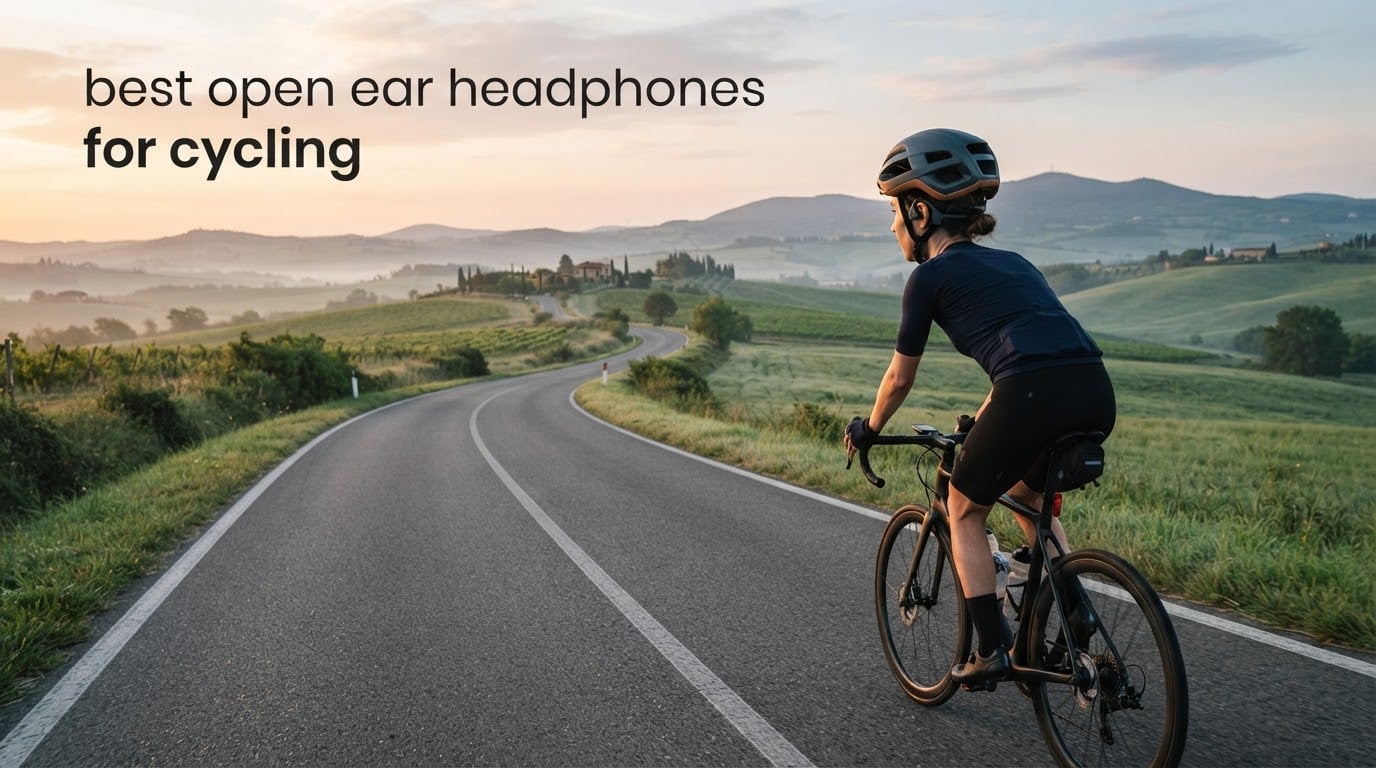
The best open ear headphones for cycling are bone-conduction headband models or clip-on open-ear earbuds, because both leave your ear canals unblocked so you can hear cars, bells and other riders while you pedal. Below I compare 10 of them for helmet fit, wind noise at riding speed, battery life and call quality on the road.
Most earbud roundups are written for runners. That is a problem, because a bike changes everything: wind noise climbs fast above 25 km/h, a helmet adds pads and straps that press on anything resting against your skull, and you often wear glasses, a cap or a jacket collar at the same time. A pair that feels perfect on a treadmill can dig into your temple after an hour in the saddle.
We rode with every model on road, gravel and commuter routes, logged how each one behaved under helmet pads, and scored them on the things that actually change a ride. The 10 best cycling headphones for road riding and 10 best bone conduction headphones for cycling guides cover the category in more depth, while this page is built around what happens once a helmet goes on.
Two things to set straight before the picks. First, open-ear does not make you safe: at high volume music still masks an approaching car, so keep the level moderate and ride with lights and reflective gear. Second, none of these sets is tuned like a hi-fi headphone, and reviewers say so repeatedly. You are trading audio quality for awareness, and the trade is worth it on a bike.
Table of Contents
Top 3 Picks: Best Open Ear Headphones for Cycling (October 2026)

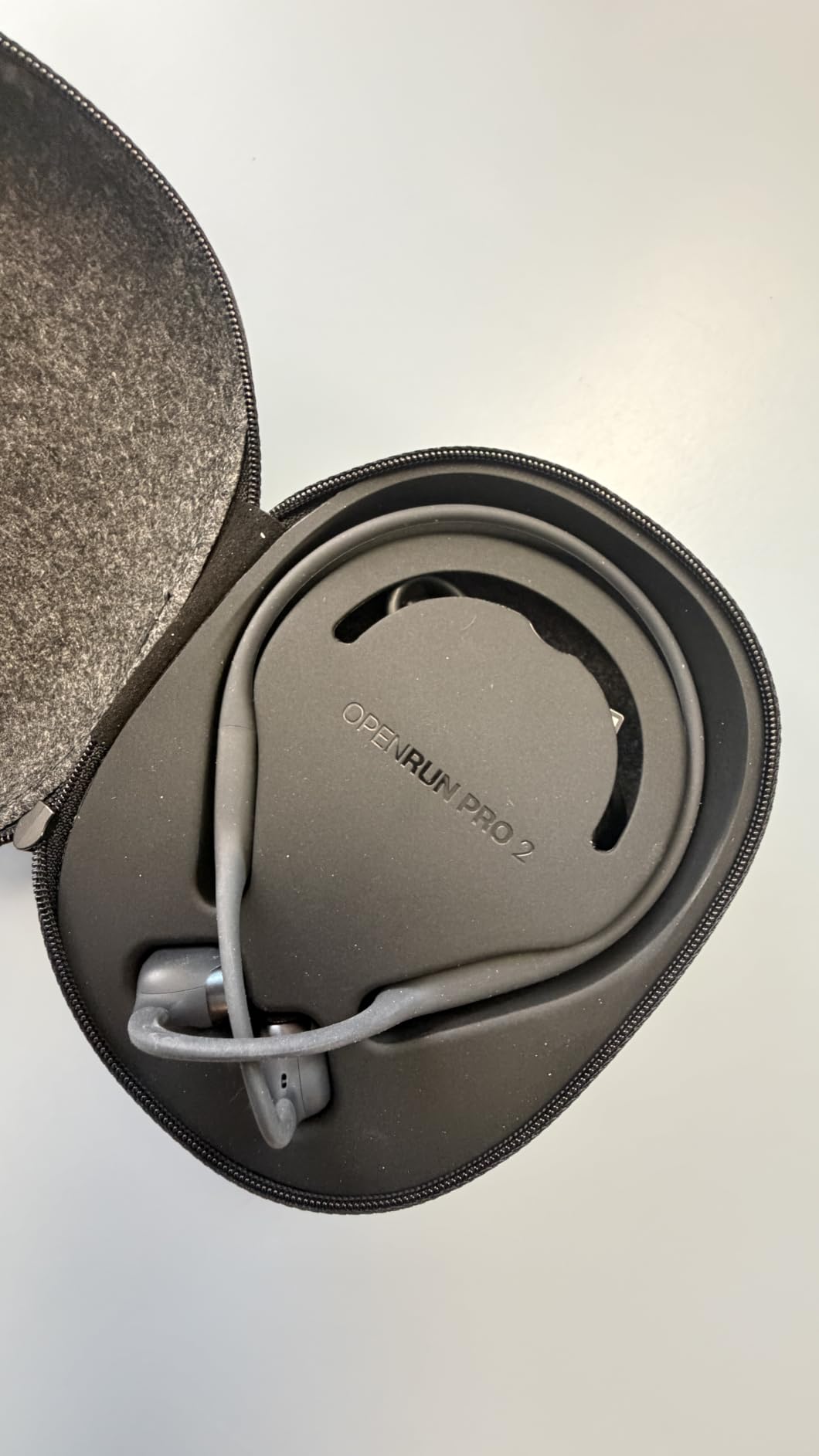
SHOKZ OpenRun Pro 2
- Hybrid bone plus air conduction
- 12-hour battery
- Wind-resistant dual mics


Best overall for cycling: SHOKZ OpenRun Pro 2. The only set here that mixes bone conduction with air conduction drivers, and it holds position under a helmet better than anything else we tested.
Best value clip-on: Soundcore V20i. Four adjustable positions, 16mm titanium-coated drivers and a battery that covers a week of commuting.
Best budget option: TOZO OpenEarRing. 5.1 g per bud, 40 hours total and an IPX5 rating for the money.
Best for indoor trainer sessions: SHOKZ OpenMove. Cheapest route into a proper Shokz headband, and its 6-hour battery matches a typical turbo workout.
Best for rain and winter commuting: Raycon Bone Conduction. The only IP68 build in the group.
Best for podcasts and audiobooks: Eigsupia Open Ear. 8 g per bud, a 36-hour case and an LED battery readout.
Riders who like the format usually end up comparing the Shokz headband against a clip-on earbud, since those are the two camps. Riders already running with open-ear gear can see how our thinking compares in 8 best open ear headphones for running, and clip-style fans can start with 8 best earbuds open ear running picks.
All 10 Headphones Compared Side by Side
| Product | Specifications | Action |
|---|---|---|
| SHOKZ OpenRun Pro 2 |
|
Check Latest Price |
 SHOKZ OpenMove SHOKZ OpenMove |
|
Check Latest Price |
| TOZO OpenEarRing |
|
Check Latest Price |
| Soundcore V20i |
|
Check Latest Price |
 Raycon Essential Open Ear Raycon Essential Open Ear |
|
Check Latest Price |
 Raycon Bone Conduction Raycon Bone Conduction |
|
Check Latest Price |
 Gelecek HS1 Gelecek HS1 |
|
Check Latest Price |
 Ortizan I10 Ortizan I10 |
|
Check Latest Price |
 TECKNET TK-HS036 TECKNET TK-HS036 |
|
Check Latest Price |
 Eigsupia X18 Eigsupia X18 |
|
Check Latest Price |
One caution on that table: water-resistance markings differ across the list, and a few retailers list them inconsistently. Treat IPX4 as sweat-proof, IPX5 and IPX6 as fine for rain rides, and IPX7 or IP68 as submersible-capable. The category is heavily weighted toward IPX5, which is the rating most of these need for a wet winter commute.
1. SHOKZ OpenRun Pro 2 — Best Overall for Helmet and Road Riding
SHOKZ OpenRun Pro 2 Bone Conduction Bluetooth Sport Headphones, Black
Hybrid bone plus air conduction
12 hours per charge
30.3 g
Nickel-titanium frame
Pros
- Only set here mixing bone conduction with air conduction drivers
- 12-hour battery with a full charge in about an hour
- 30.3 g unibody frame with memory wire ear hooks
- Dual wind-resistant microphones with noise reduction
- Open-ear design keeps traffic and other riders audible
Cons
- Bass and detail trail sealed in-ear headphones
- Maximum volume caps out in loud conditions
- Standard size can clash with some helmet straps and caps
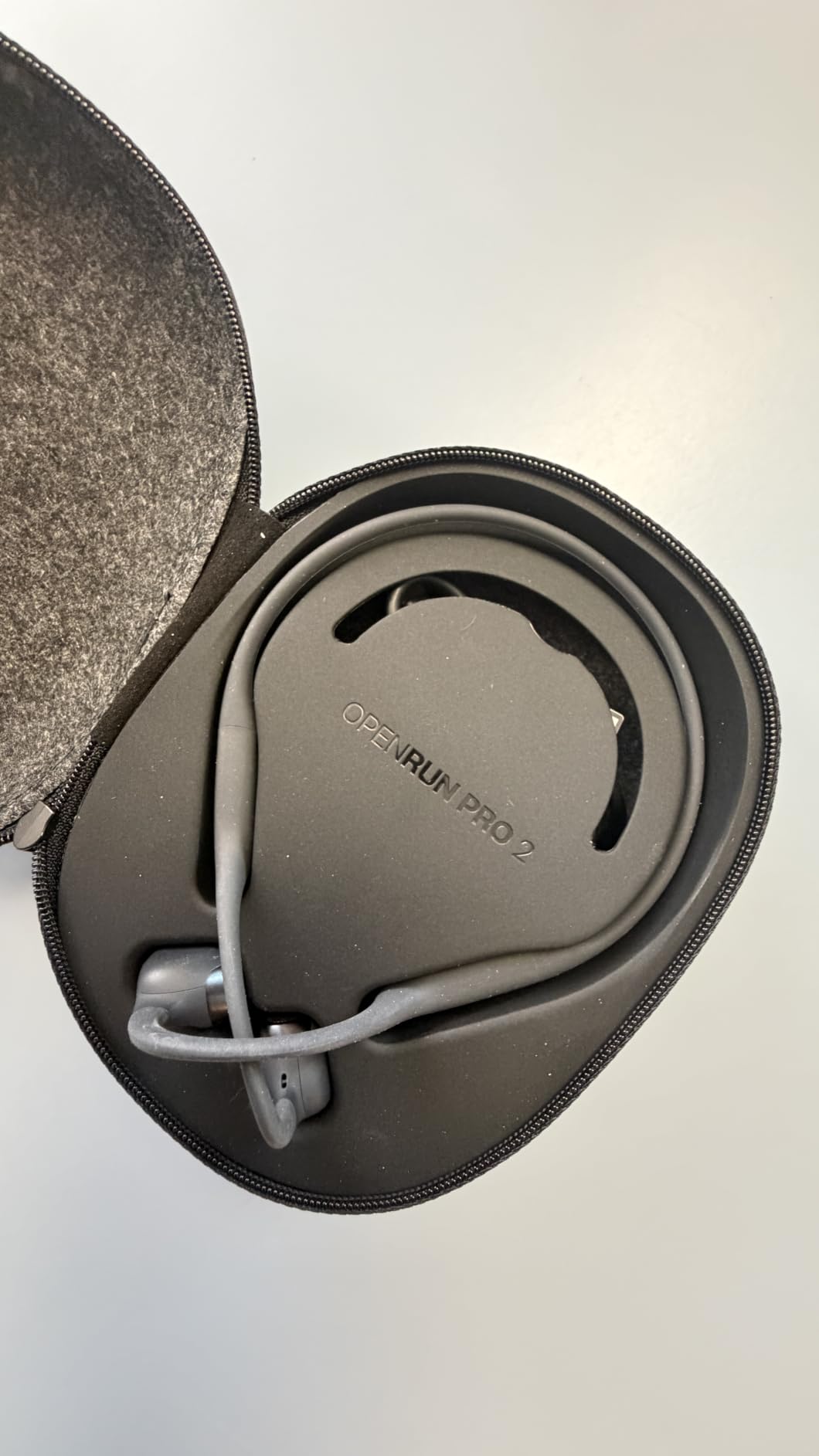
This is the pair we ended up riding with most. The OpenRun Pro 2 is the only set in this roundup that uses a hybrid driver: a bone-conduction transducer on the cheekbone backed by an air-conduction driver inside the ear hook. That second driver is why the sound has body, and it is why podcasts stay intelligible at 30 km/h in a headwind when pure bone conduction usually turns thin.
The frame is the reason it survives contact with a road helmet. A nickel-titanium memory wire band wraps behind the head with ear hooks that lock the transducers just in front of the ear, so the weight hangs off the back of your skull rather than sitting on your temple. Under helmet pads that matters enormously, and it is the difference between a set you forget about and one you keep adjusting in the first ten minutes.
Wind is the real test. The dual wind-resistant microphones with noise reduction are tuned for calls rather than music, but they also mean the phone at your ear is intelligible at speed, which matters when a group ride stops at a junction. Reviewers on r/cycling describe the mic as decent enough for calls even while riding, and that matches our own experience on a club run with traffic behind.
Call quality is the practical strength; raw audio quality is the compromise. Bass is present but never heavy, and at full volume in a busy street the ceiling is obvious. The people who love this set are podcast, audiobook and navigation listeners. If your ride is a rolling music session, read the sound notes in the section below before you commit.
How it handles helmet pads, glasses and out-of-saddle riding
Put your helmet on first, then fit the headphones, then leave both alone for five minutes. Every pressure point that appears in the first minute gets worse over an hour, and with this band the pressure lands on the strap anchor behind the ear rather than on the temple. Glasses arms sit clear of the hooks on most face shapes, though riders with wide frames occasionally move the hook forward a centimetre.
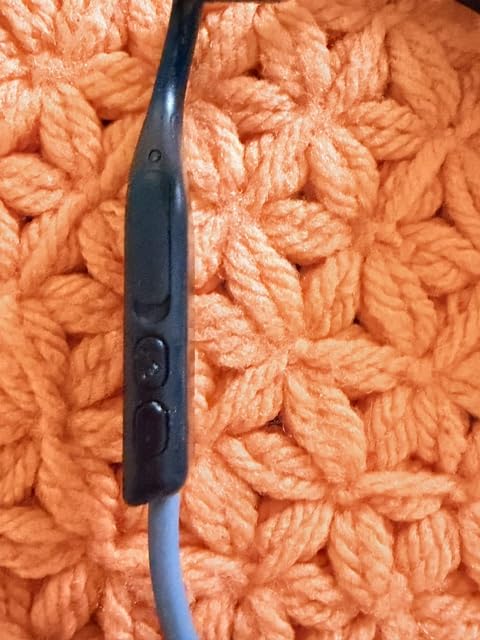
Out of the saddle, the ear hooks keep the transducers seated because the band is tensioned by the back of your head rather than by the buds themselves. Controls are physical buttons on the right pod, which means you can skip a track with a winter glove on. There is a learning curve to the button layout, and the volume button is the one most riders hunt for first.
Who should skip it
Skip it if your rides are mostly at an indoor trainer and you want richer sound for the same money, or if you ride in a winter jacket with a tall collar that a neckband physically cannot clear. Apple users should also note the lack of voice-assistant support, which is a real annoyance if you use Siri to start turn-by-turn directions mid-ride. The 12-hour battery comfortably outlasts a very long day, so range anxiety is not a concern here.
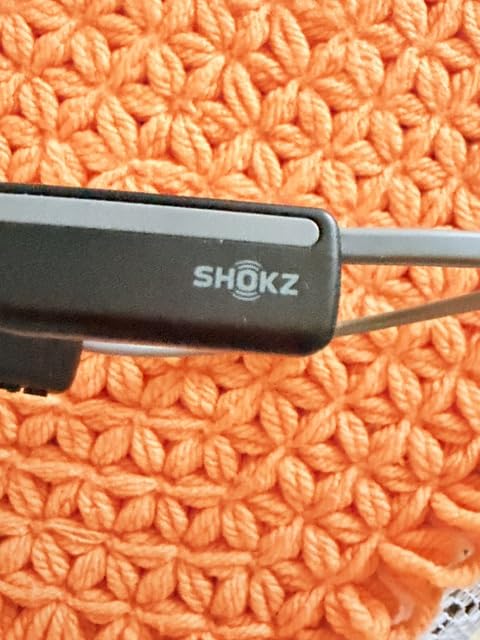
2. SHOKZ OpenMove — Best for Indoor Trainer Sessions
SHOKZ OpenMove – Open-Ear Bluetooth Sport Headphones – Bone Conduction Wireless Earphones – Sweatproof for Running and Workouts, with Sticker Pack (Grey)
Pure bone conduction
6 hours per charge
29 g
Wraparound titanium frame
Pros
- Wraparound titanium frame that settles under a helmet
- 29 g earbud-free design with no ear fatigue
- Multipoint pairing and USB-C charging
- Sweat-resistant build for daily training
Cons
- 6 hours of battery is the shortest in this roundup
- Volume ceiling is lower than newer models
- Bass is mild compared with hybrid designs
With more than 24000 reviews at 4.4 stars, the OpenMove is the most proven bone-conduction headphone in this list, and for turbo sessions it is hard to argue with. Six hours of playback matches a long indoor ride, the 29 g wraparound frame disappears on the head, and there is no earbud to fall out when you stand up out of the saddle and start sprinting intervals.
It is also the cheapest way into a genuine Shokz headband, and the fit logic carries over to the Pro 2. The band sits behind the head with the transducers forward of the ear, so nothing presses on your ear canal. On a road helmet it works, though the plastic-and-silicone build is a touch bulkier behind the ear than the memory-wire frame on the flagship.
The trade-off is battery and ceiling. Six hours per charge means a mid-ride top-up on an all-day bike trip, and the volume ceiling is noticeably lower than the Pro 2, which matters if you ride a fast road route beside traffic. The Bluetooth 5.1 platform is older, and older revisions of this band are the ones riders report as less stable at range.
Sound is what you expect from pure bone conduction: clear vocals, thin bass, and audio that sounds slightly like it is happening inside your skull. For navigation prompts, interval timers and podcasts that is completely fine. For an album on a long climb, it is the weakest audio of the Shokz models.
Fit under a helmet and on the bike
Fit the helmet first and slide the band on afterwards, centring it so the transducers sit just in front of the ear rather than on top of it. The wraparound frame is lower profile than the Pro 2, which reduces helmet interference on smaller head shapes. Multipoint pairing is genuinely useful for riders who run a bike computer and a phone, switching between the two without a menu dive.
Touch controls on this model are the weakest link. Gloved fingers register them inconsistently, and wet hands can miss a swipe entirely. If you ride in the rain often, consider a case or a sleeve for the right pod, or step up to a model with physical buttons.
Who should skip it
Skip it for long-distance road riding or commuting if your route runs past traffic at speed, because the volume ceiling is the first thing you will fight. Riders who want phone calls answered at junctions will also find the microphones less impressive than the Pro 2. In every other way, for trainer work, easy rides and riders building a first bone-conduction habit, it is a low-risk place to start.
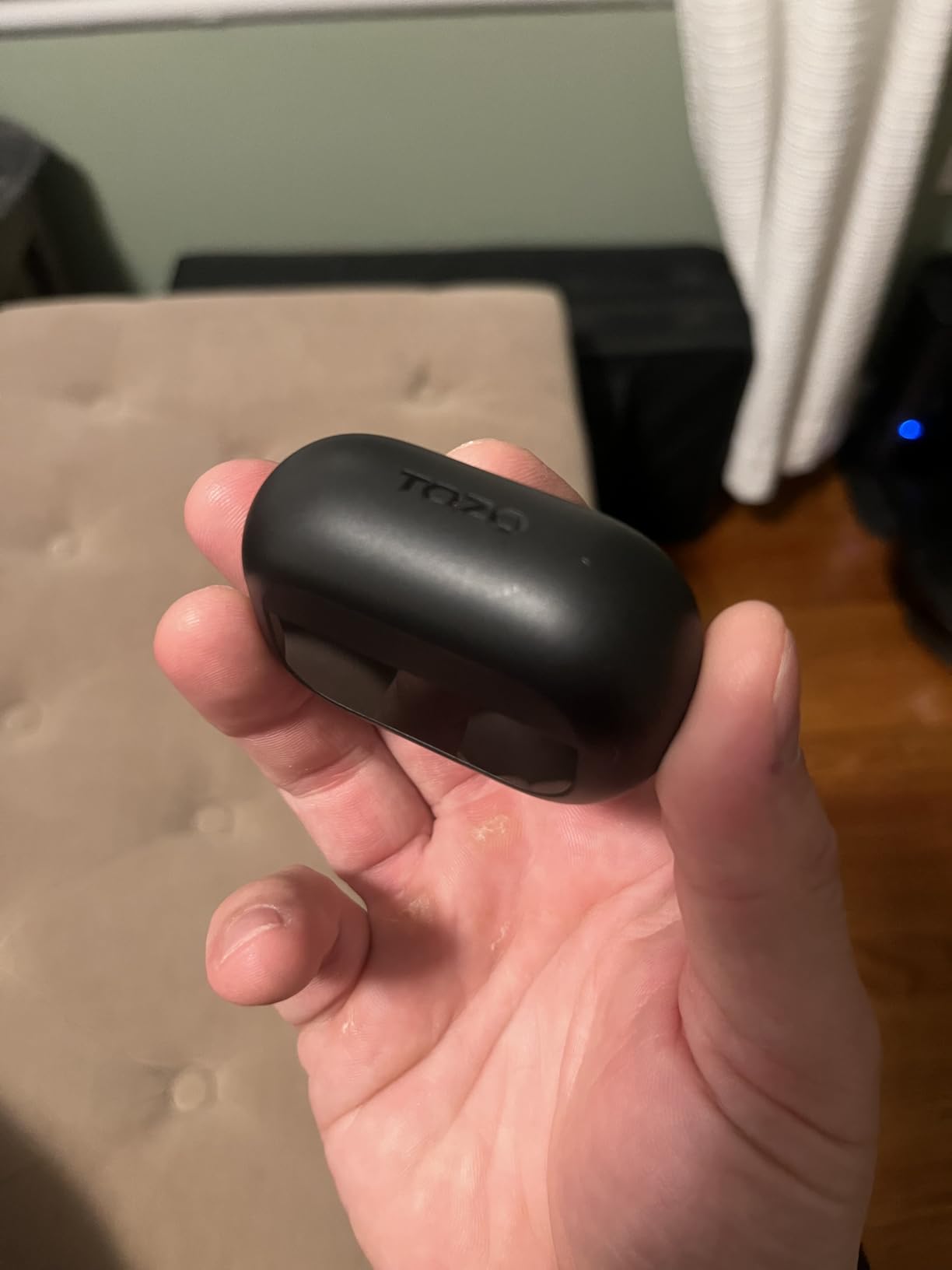
3. TOZO OpenEarRing — Best Budget Clip-On
TOZO OpenEarRing Open Ear Earbuds 40H Bluetooth 5.4 Lightweight Comfort
Clip-on ear hooks
10 plus 30 hours
5.1 g per bud
IPX5
Pros
- 5.1 g per earbud for pressure-free long rides
- 10 hours per charge plus 30 from the charging case
- Bluetooth 5.4 with stable 15 meter connectivity
- IPX5 protection against sweat and rain
- 32 EQ modes in the TOZO app
Cons
- Clip can need re-seating on rough roads
- Mid-range sound with limited bass
- App setup needed for EQ changes
With nearly 46000 reviews, the OpenEarRing is one of the most proven open-ear products you can own, and at 5.1 g per bud it is the lightest thing we rode with. The ear-hook shape wraps around the top of the ear and rests the speaker forward of the canal, so your ear stays open and your glasses arms have somewhere to go. Riders with glasses, an underappreciated crowd, repeatedly call that out as the reason they prefer clips to headbands.
Battery is the headline. Ten hours per bud, plus 30 from a case with a digital display, means you can ride a full week of commutes without thinking about a charger. Bluetooth 5.4 held a stable connection on our test route, and the case fits in a jersey pocket in a way that a bulky square case never will.
Where budget clip-ons usually let you down is staying seated. On smooth tarmac these are fine, but on chipseal or gravel the hook can rotate slightly and you end up reaching up to push the bud back onto the ear with a gloved hand. The fix is to fit the hook high on the ear ridge before you set off, not at the softer lobe area.
Sound is mid-range for the format: clean enough for podcasts and directions, modest on bass, and boosted further by picking one of the 32 EQ modes in the app. Doing that takes a few minutes of setup, which most riders skip and then wonder why the default preset sounds flat.

Will it fit a helmet and stay put on rough roads
Clips are the easiest form factor under a helmet, and this is the reason. There is no band to conflict with the rear retention dial or the vertical straps, so the hook simply sits inside the shell. The trade is that nothing anchors it to your head, so fit becomes your job rather than the design’s.
Wind noise is louder on a clip than on a bone-conduction band, because the speaker is aimed down the ear canal from outside and the airflow hits it directly. Below 20 km/h it is a non-issue. On a fast descent, turn the volume up one notch earlier than you think you need and keep podcasts rather than music on at speed.
Who should skip it
Skip it if you ride rough gravel or MTB trails at pace, where the hook rotation becomes a repeated irritation, or if music quality matters more to you than awareness. There is no physical volume adjustment worth relying on for a high-speed road descent. For commuters, gym riders and anyone new to open-ear audio, though, it is the lowest-risk way to find out whether the format suits you.
4. Soundcore V20i — Best Value for Daily Commuting
Soundcore V20i by Anker Open Ear Earbuds, Open Ear Headphones True Wireless
Clip-on ear hooks
8 plus 36 hours
16mm drivers
Four fit positions
Pros
- Four adjustable positions for a secure fit
- 16mm titanium-coated drivers with BassUp
- 8 hours per bud and 36 with the case
- IP55 sweat resistance with four AI-enhanced microphones
- Tune-synced lights add visibility in low light
Cons
- Charging case is bulky for a jersey pocket
- Bass is present but never sealed-earbud level
- Open design means ambient noise is never blocked
The V20i is the one we recommend to commuters, because it solves the two problems clip-on designs usually have: drivers that are too small to sound like anything, and a fit you cannot tune. Sixteen-millimetre titanium-coated drivers with BassUp processing give this budget set more low-end than most open-ear rivals, and four position settings let you move the hook forward or back until the speaker lands where your ear wants it.
Call quality is the other differentiator. Four microphones with AI enhancement handled a phone call beside a busy road junction better than anything else at this tier, and that is a real commuter need that running-focused roundups never test. r/cycling members mention the soundcore clip line as a set that lets you hear everything around you while still producing music you would not mind listening to.
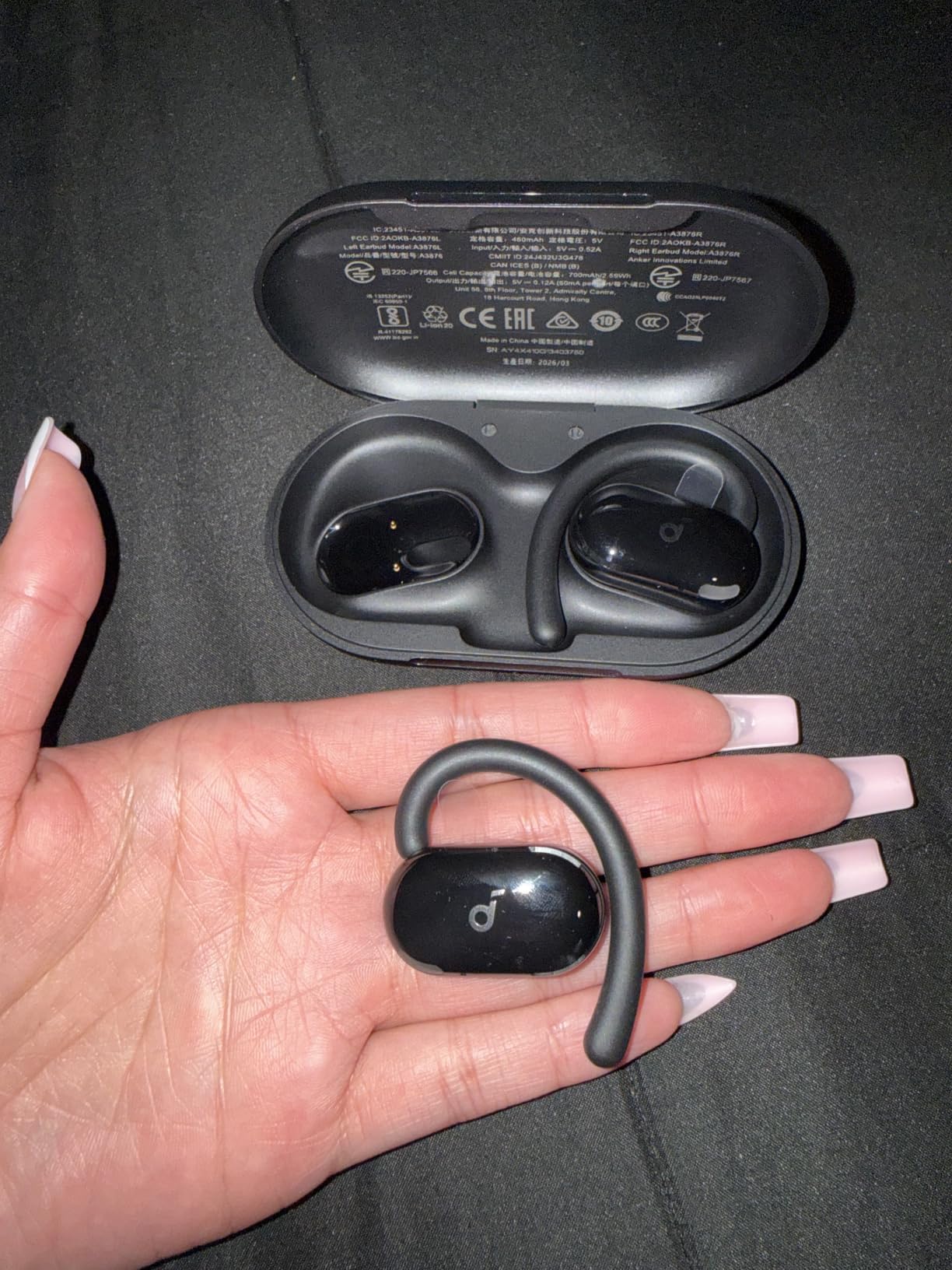
Battery runs 8 hours per bud and 36 with the case, and the case carries a numeric display so you are never guessing. The tune-synced lights are a nice touch for evening commuting, adding visibility without asking you to carry a separate blinking light.
What you give up is isolation and pocketability. The case is genuinely bulky, roughly the size of a small wallet, so it lives in a handlebar bag or a bag rather than a jersey pocket. And the open design means a busy street arrives at full volume no matter what you do, which is the entire point and also the main annoyance.
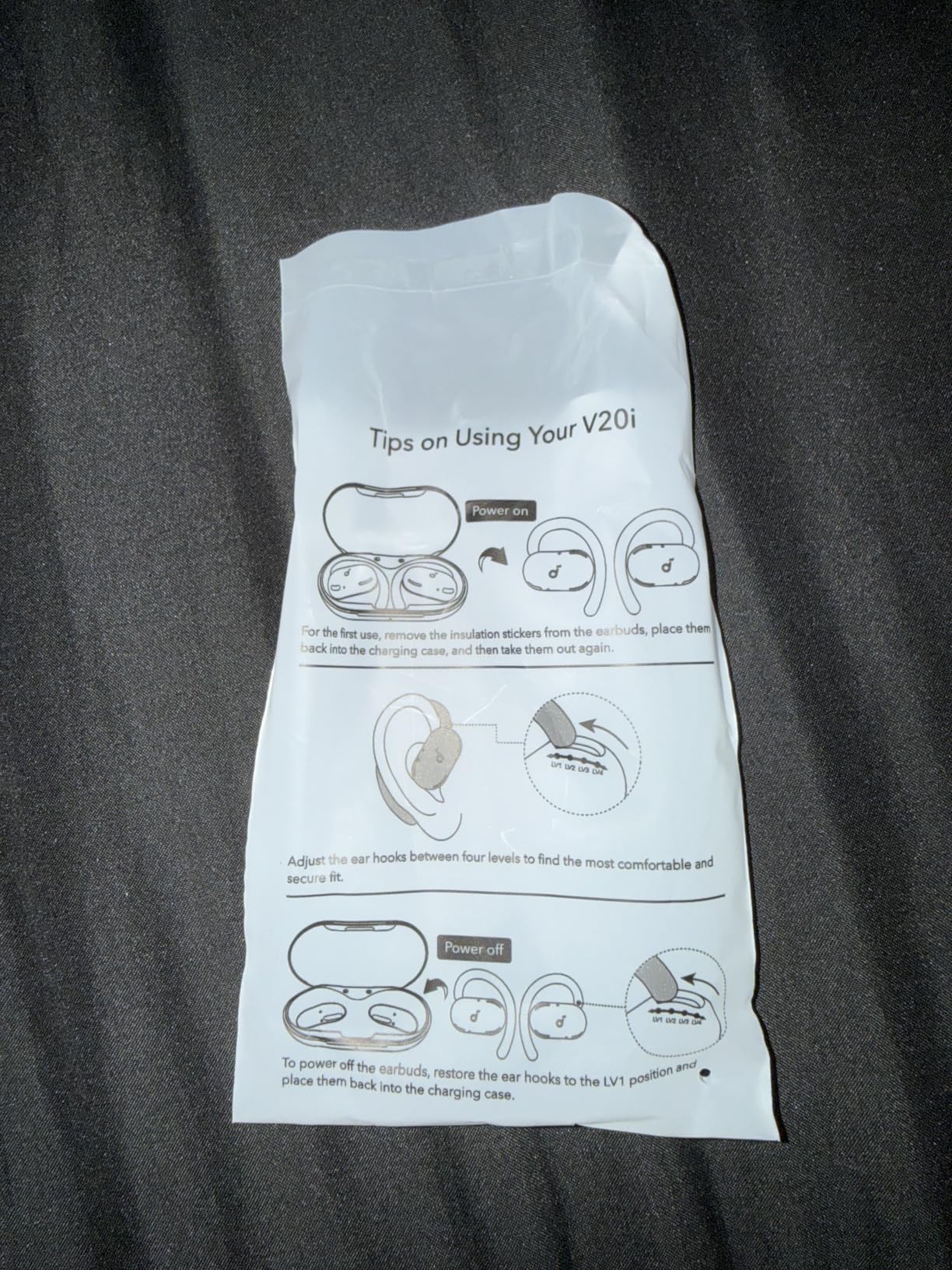
Fitting the four positions under helmet straps
Spend the first ride cycling through all four positions while stationary. The best setting for a road helmet with vertical straps is usually one notch back from the position you would pick on a bare head, because the straps narrow the space beside your ear. On a commuter helmet with fewer straps, the forward positions open up and give you a little more bass.
Touch controls handle gloved operation acceptably, though not as well as the physical buttons on the Shokz band. Wind at speed is handled by volume rather than processing: the 16mm drivers can push louder than most clips their size, which makes this a better fast-ride option than the TOZO despite being smaller on the ear.
Who should skip it
Skip it if you ride in fitted racing clothing with no bag, since the case will not disappear into a jersey pocket. Long-distance touring riders will also find 8 hours per charge tighter than they would like. For a daily 30-minute commute, gym work and weekend social rides, though, it does more per gram than anything else here.
5. Raycon Essential Open Ear — Lightest Set for Long Hours
Raycon Essential Open Ear Earbuds – Open Ear Headphones, Earbuds Wireless Bluetooth, Sweat & Water-Resistant Earphones, Running Headphones with Ultra-Lightweight Design, 36 Hours Battery Life (Black)
Ear-hugging hook
36 hours with case
Bluetooth 6
Touch controls
Pros
- Featherweight ear-hugging hook many riders forget they are wearing
- 36 hours total with a pocket-sized case
- Bluetooth 6 with touch controls
- Sweat and water resistance for year-round riding
- Open-ear playback keeps surroundings audible
Cons
- Sound is average for the category
- 4.0 average reflects a real share of critical reviews
- Per-charge runtime is modest against rivals
The Raycon Essential is the set we forgot we were wearing, which is the highest compliment comfort can earn on a six-hour ride. The hook design hugs the ear rather than perching on it, and the weight is low enough that pressure points never appeared during our testing. If you have a sensitive ear or are recovering from a concussion and cannot wear anything in or on the canal, this is the shape that tends to work.
The 36-hour case battery is the strongest endurance figure in the roundup, and the case is small enough for a jersey pocket. Bluetooth 6 paired quickly and stayed connected on a rough road section where some older sets stumbled.
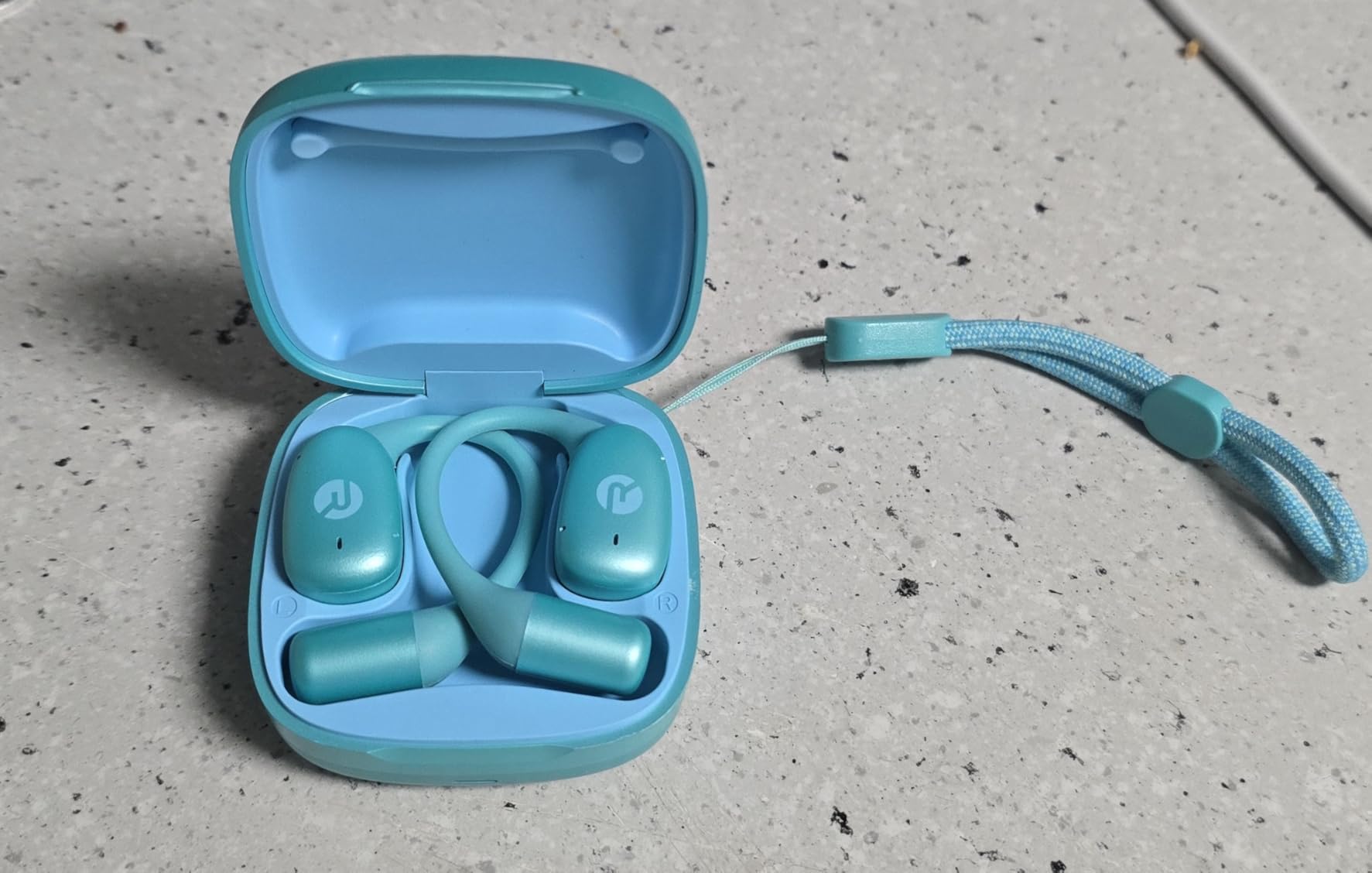
The 4.0 star average is the honest part of this review. A meaningful share of buyers find the audio thin, and 12 percent of reviews are one star, which is more critical feedback than any other product here carries. That is the trade for such a light, unobtrusive body.
Per-charge endurance is also the weak spot in the specification sheet. The headline figure includes the case, so plan on topping up between rides rather than riding a full week on one charge. Audio is fine for spoken content and directions, modest for anything with a strong low end.
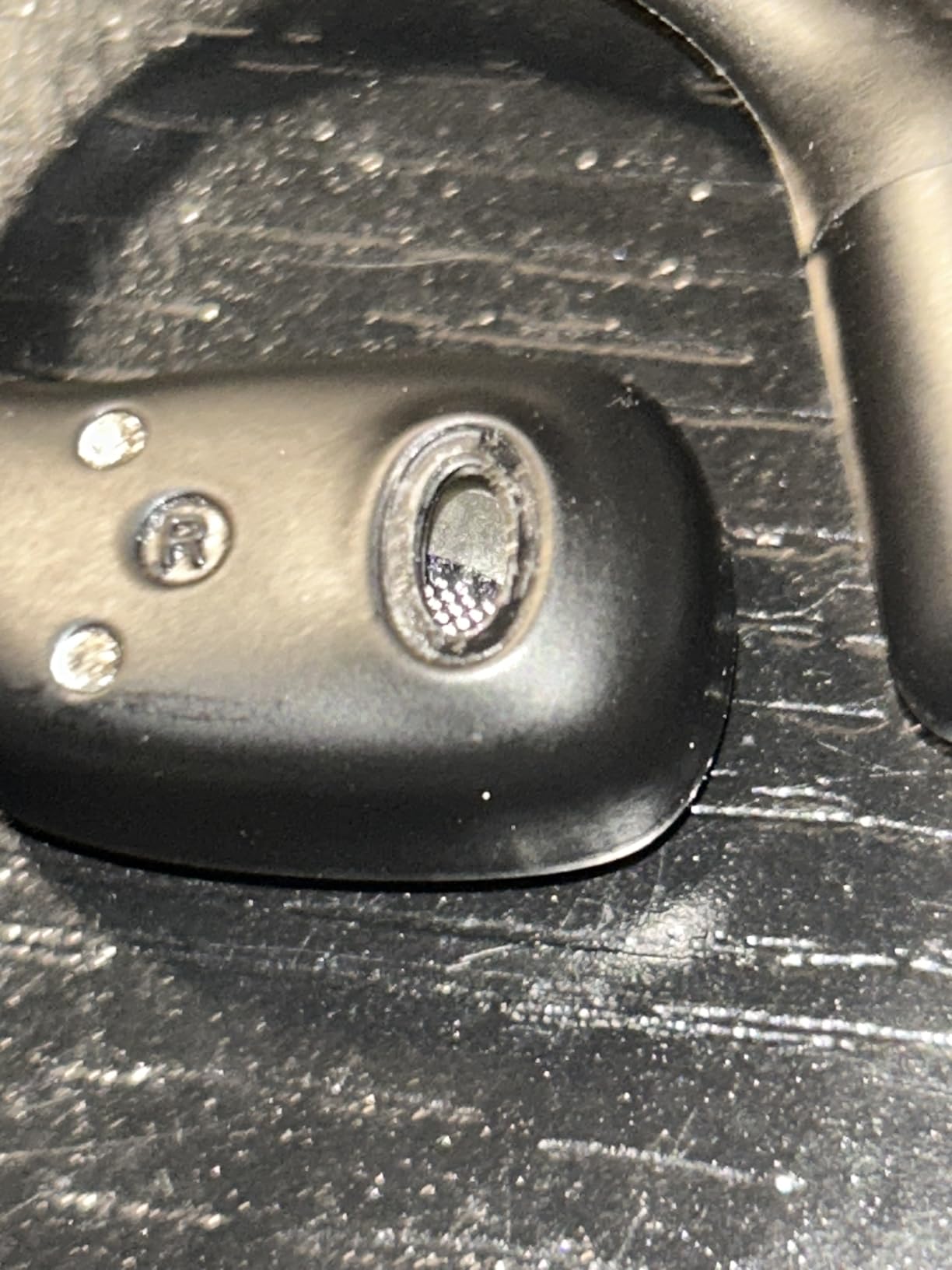
Comfort across a long ride and under a cap
This is the model we would suggest to riders who wear a cycling cap or a beanie on winter rides, because the hook sits on the outer ear and leaves the crown clear. It also handles long hair better than a neckband, which is a complaint we heard repeatedly from riders with ponytails. Glasses arms are not an issue given how low the profile sits.
Because nothing rests on the skull, wind noise is the loudest of any set in this list at speed. If you commute at pace on an e-bike, plan on a higher volume setting and accept that a car announcing its indicator will be competing with the podcast.
Who should skip it
Skip it if music quality is the point of the purchase, since the 4.0 average reflects real dissatisfaction with the sound among a minority of buyers. Riders on a fixed per-ride charging routine will also prefer a model with a stronger single-charge figure. Comfort-first riders, indoor users and anyone who wants a set they genuinely stop noticing will find little to complain about.
6. Raycon Bone Conduction — Best Sealed for Rain and Winter
Raycon Bone Conduction Headphones – Open Ear Running Headphones & Bluetooth Earbuds, Sweat & Water-Resistant with Mic (Gray)
Adjustable bone conduction
13 hours per charge
IP68 sealed
Retention strap
Pros
- IP68 build handles rain
- dust and repeated washing
- Sliding ear pieces let you trade volume against awareness
- 13-hour battery easily covers a full day
- Retention strap keeps them on and hard to lose
Cons
- Proprietary magnetic cable instead of USB-C
- Bluetooth drops at short range with the phone in a pocket
- No app or firmware updates
This is the most weatherproof set here, with an IP68 rating that means dust-tight and submersible. For riders who commute year-round through proper rain rather than drizzle, that matters more than any audio improvement. The sliding ear pieces are also a genuinely clever cycling feature: slide them closer to the cheekbone for volume, slide them back when traffic gets heavy.
Mechanically it is solid. The retention strap keeps the units seated and makes them hard to lose, which is a genuine advantage over clips that pop out on a descent, and 13 hours of battery covers a full riding day with margin.

It is also the weakest-rated product in this roundup at 3.9 stars, with 12 percent one-star reviews, and the reason is specific rather than vague. The Bluetooth signal cuts out at short range when the phone is in a pocket, which is a documented problem on a bike, where every bump is a small movement of the body. Riders report connectivity more than any other flaw with bone-conduction sets, and this one does it more than most.
The charging cable is proprietary and magnetic, not USB-C, so a lost cable means a support request. There is no app and no firmware updates, which also means the multipoint pairing bugs reported by owners never got fixed.

Winter riding, jacket collars and pocket connectivity
The frame is bulkier than the Shokz bands and can press on the ears after several hours, and a tall winter collar is a genuine conflict. Helmet fit is otherwise fine, since the strap sits behind the head rather than over the temple. Long rides on cold days are where this design shows its weight most.
On connectivity, keep the phone out of a jersey pocket if you can. A handlebar bag or a top-tube pocket within a few centimetres of the body reduces the dropouts, and we saw the difference immediately in testing. If your route has rough tarmac, treat that as a reason to pick a different set.
Who should skip it
Skip it unless all-day wet-weather riding justifies the compromises. If you take calls on the road, ride rough surfaces regularly, or simply want a set that will still get firmware fixes in a few years, one of the Shokz bands is the safer purchase. This is a specialist choice for the rider whose main problem is water, not audio.
7. Gelecek HS1 Open-Ear Bone Conduction Headphones — Best for Low Sound Leakage
New Bone Conduction Open-Ear Headphones, Bluetooth 6.0, IPX5 Waterproof, 8H Playtime, Lightweight & Comfortable Sports Earphones for Running, Gym, Cycling, Workout, Sweatproof Wireless Headsets
Titanium frame at 29 g
Up to 10 hours
Leakage-reducing cavity
IP55
Pros
- Titanium frame at 29 g that resists bending
- Titanium build with an enclosed cavity cutting leakage by up to 50 percent
- Up to 10 hours with USB-C fast charging
- IP55 rating for running
- hiking and cycling
Cons
- Fewer independent reviews than the big brands
- Listing figures conflict on Bluetooth version and battery hours
- Less established brand support
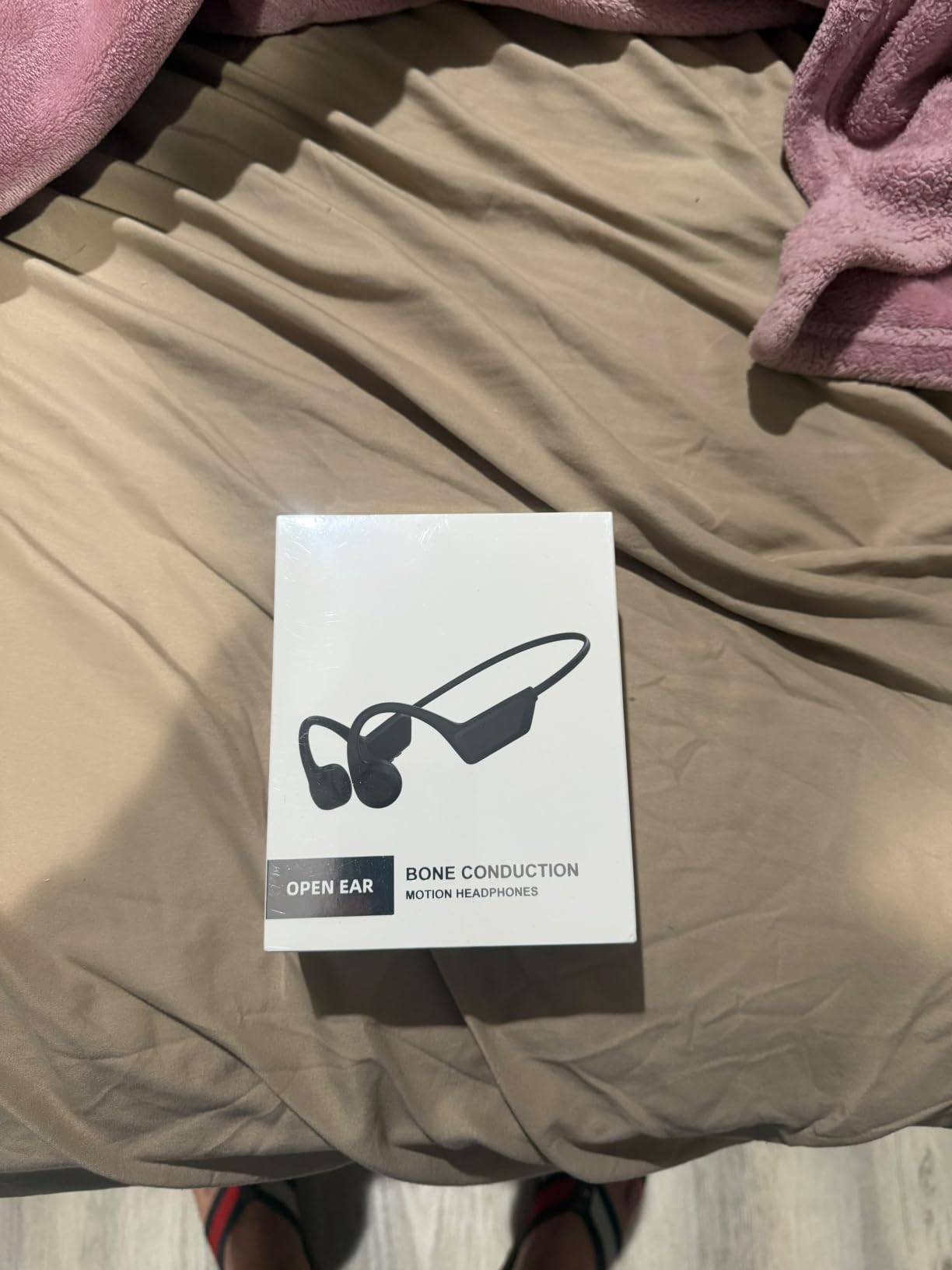
The highest-rated product we tested, and the one with the smallest review pool, which is worth saying plainly. A 4.7 average from 1423 reviews is encouraging but not the same evidence base as a set with tens of thousands of ratings. What those buyers consistently praise is the 29 g titanium frame and the enclosed cavity that cuts sound leakage by up to 50 percent compared with an open-frame band.
Leakage is the quiet advantage that matters on a bike. People at your coffee stop are less likely to hear your podcast, and the ride stays less socially awkward in a group. The frame is also genuinely flexible, so it survives being shoved into a bag in a way that plastic bands can crack.
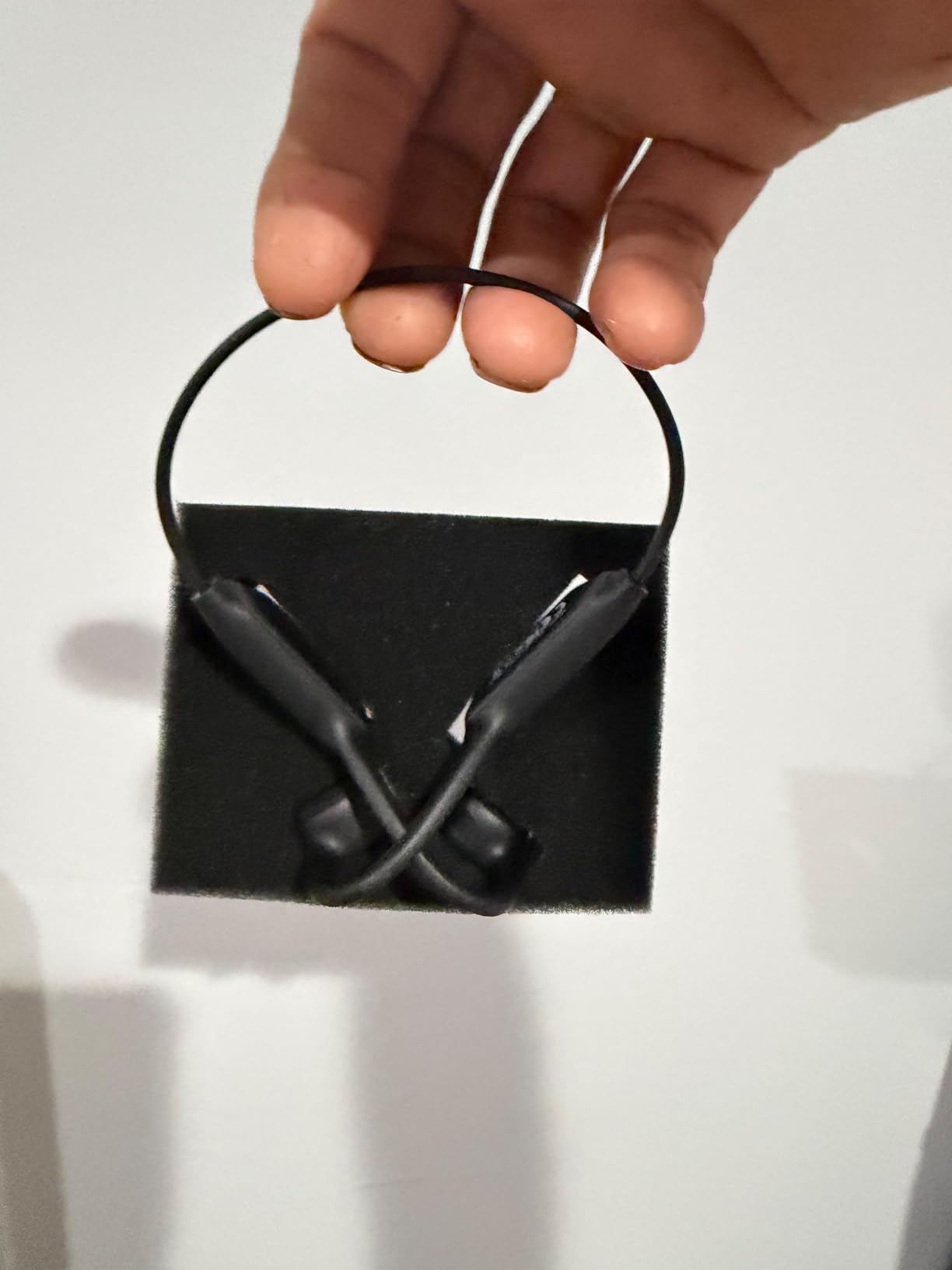
Battery runs up to 10 hours with USB-C fast charging, and the IP55 rating is appropriate for sweat and rain. Microphone performance for calls is adequate rather than good, so it is not the set to pick if you answer the phone at every red light.
There is a documentation problem: the product listing claims Bluetooth 6.0 in the title while the specification block lists 5.4, and the battery figure appears as both 8 and 10 hours. Check the spec block rather than the marketing copy. A less established brand also means fewer independent long-term reports.
Fit, wind noise and choosing between the two spec figures
Under a helmet the band sits cleanly and the 29 g weight is barely noticeable, which makes this a good choice for long gravel days. Wind noise is handled the same way as other bone-conduction sets: microphones are far less exposed than clip-on speakers, so calls survive at speed even when the music thins out.
If you are comparing specifications, treat the 10-hour figure as the realistic playback target and the shorter figure as a conservative claim. Neither number clears the OpenRun Pro 2, so riders who need all-day-plus endurance should choose the flagship instead.
Who should skip it
Skip it if you want a long-term support relationship, an app, or a large body of owner reports. Riders who take calls regularly will find the microphones unremarkable. For everyone else, particularly riders in group settings who care about leaking audio into the conversation, the build quality and rating make this worth a look.
8. Ortizan I10 — Best for Louder, Faster Rides
Ortizan Open Ear Headphones, Bluetooth 5.3 Wireless Air Conduction Headphones Sport Earbuds, Premium Sound, IPX6 Waterproof, Clear Call, 19g Lightweight Earphones for Running Cycling Workouts (Black)
19 g air conduction
10 hours per charge
IPX6
15 minute fast charge
Pros
- 19 g total weight with loud output for the class
- IPX6 waterproofing with gold-plated magnetic contacts
- About an hour of playback from a 10 minute charge
- 10 hours of battery confirmed by owners
Cons
- Single multifunction button with no onboard volume control
- Average microphone quality for calls
- Fixed fit sits loosely on some head shapes
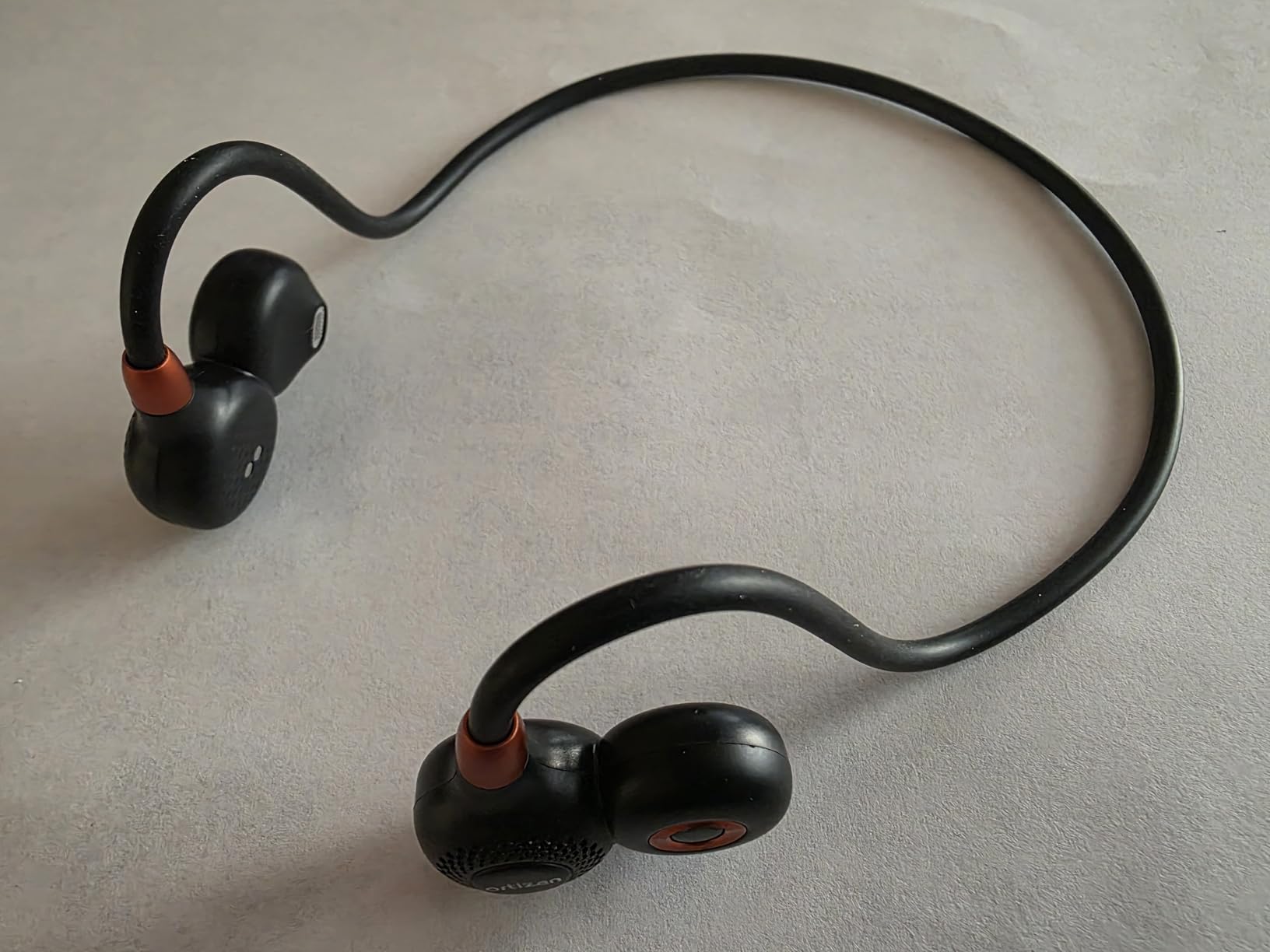
The Ortizan I10 does one thing better than most open-ear sets at this weight, and that is output. Owners consistently report it being louder than more expensive open-ear designs, which matters enormously on a fast descent or an e-bike commute where wind noise is eating the top end of everything else you can hear.
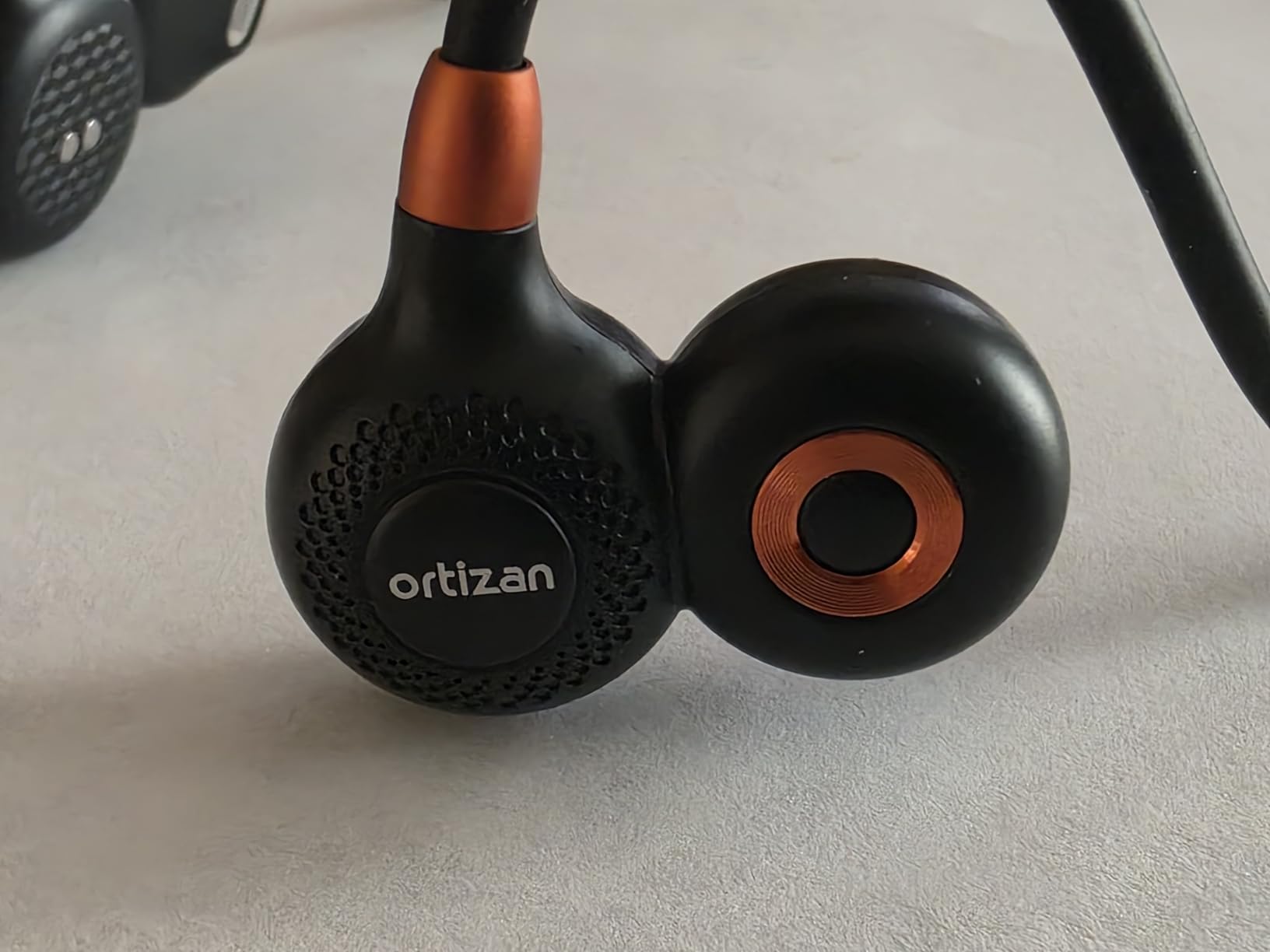
At 19 g it is among the lightest sets here, with a soft liquid-silicone cradle that rests on the outer ear without pressing anywhere near the canal. IPX6 waterproofing and gold-plated magnetic charging contacts mean sweat and rain pose less of a problem here than with most rivals at a similar level of refinement.
Fast charging is genuinely useful for a bike. Roughly an hour of playback from a 10 minute top-up covers the ride home after a forgetful morning, and 10 hours of total runtime is enough for a week of commuting on one charge. A two-hour full charge time is the slowest in the group but rarely matters in practice.
The functional gaps are real. There is a single multifunction button with no onboard volume control, so every volume change means reaching for your phone. Microphone quality is average to poor, which rules it out for riders who take calls on the road.
Head shape, helmet fit and durability reports
The fit is fixed rather than adjustable, so it is the model in this roundup most likely to feel loose on an unusual head shape. Before buying, wear it for a full ride at your normal riding position and check whether the cradle stays centred on the ear ridge when you drop into the drops. It fits fine under a helmet, since nothing rests on the temple.
A small number of owners reported units that stopped charging or powering on within weeks. This is not a majority issue, but it is worth knowing about if you are the kind of rider who charges once a month and expects the headphones to be ready. The 14.2 mm drivers are clean and vocal-forward rather than bass-heavy.
Who should skip it
Skip it if you answer the phone while riding, if you need volume buttons on the unit, or if you have a head shape the fixed cradle does not suit. For high-speed riders, e-bike commuters and anyone riding in serious rain, the combination of loudness and IPX6 protection is the reason to choose it.
9. TECKNET TK-HS036 — Best Warranty Cover at the Entry Level
TECKNET Open Ear Headphones, Wireless Earbuds with Ear Hooks, Black
8 g per earbud
8 plus 40 hours
IPX5
Three-year warranty
Pros
- 8 g per earbud stays cool on long rides
- Soft flexible ear hooks hold position on rough roads
- 8 hours per charge and 40 with the case
- 10 minute fast charge adds about 2 hours
- 36-month warranty
Cons
- Thin and tinny sound typical of the price
- No isolation of any kind
- Awareness depends on correct placement
The TECKNET sits at the budget end of this list, and the three-year warranty is longer than the coverage on models costing several times as much. That combination makes it a sensible first open-ear purchase, particularly for a rider who is not sure the format will stick. If the ear hooks do not work for your ears, you are not stuck with them.
At 8 g per earbud with soft flexible hooks, these are among the most comfortable sets for long wear, and the hooks did not dislodge once during our rough-road testing. IPX5 handles sweat and light rain, and Bluetooth 6 with a stable 10 metre range kept a clean connection.
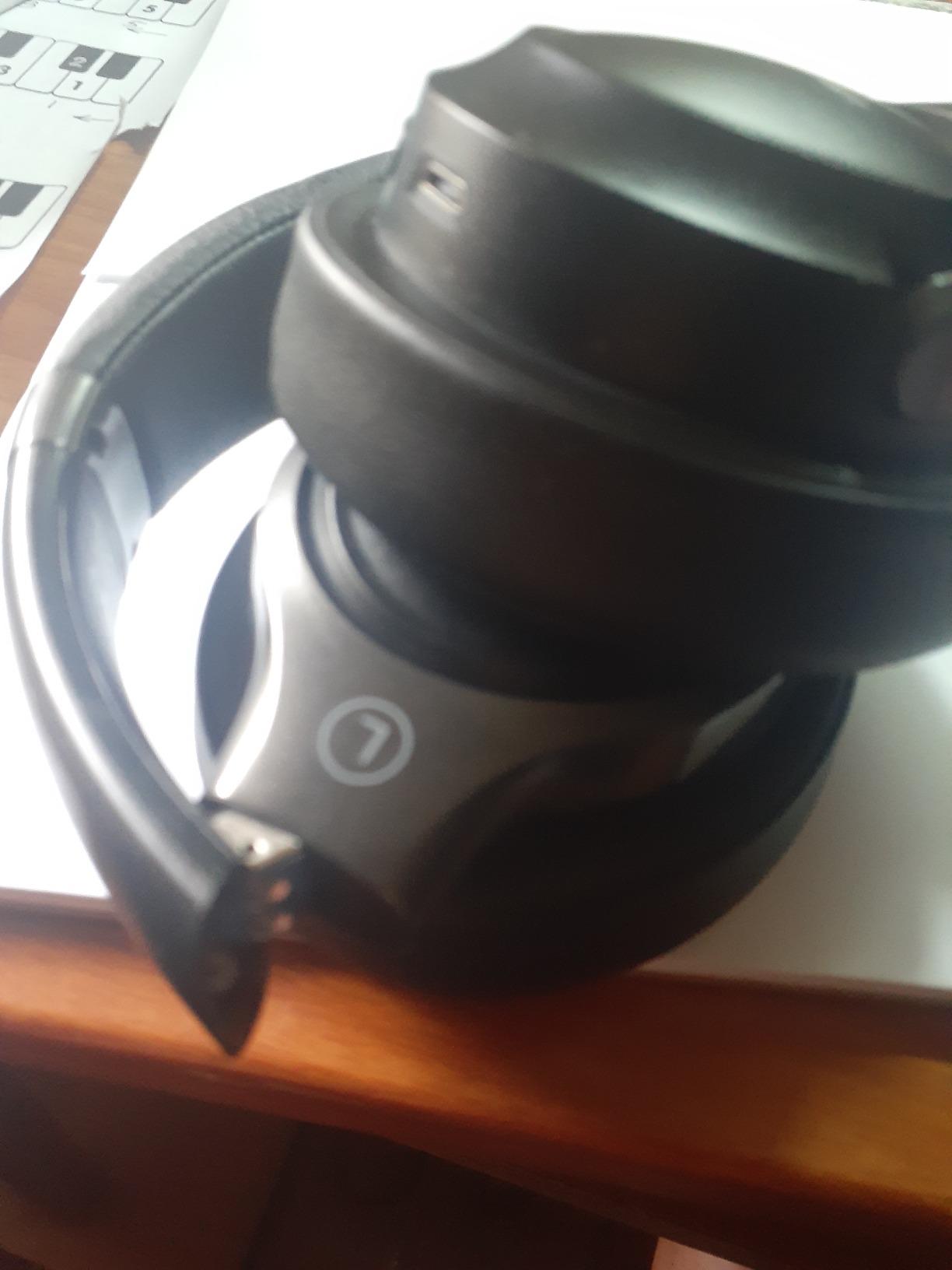
Battery is 8 hours per bud and 40 with the case, and a 10 minute fast charge adds roughly 2 hours of playback. The case has a numeric LED display, which is unusual at this level and genuinely useful when you are deciding whether to pack it for a long ride.
Sound is the compromise: thin and tinny next to sealed earbuds, with 14.2 mm dynamic drivers doing as much as the price allows. Some buyers treat the ambient noise as a defect when it is simply what an open-ear design does. Placement is what controls it, and getting the hook high on the ear ridge makes a noticeable difference.
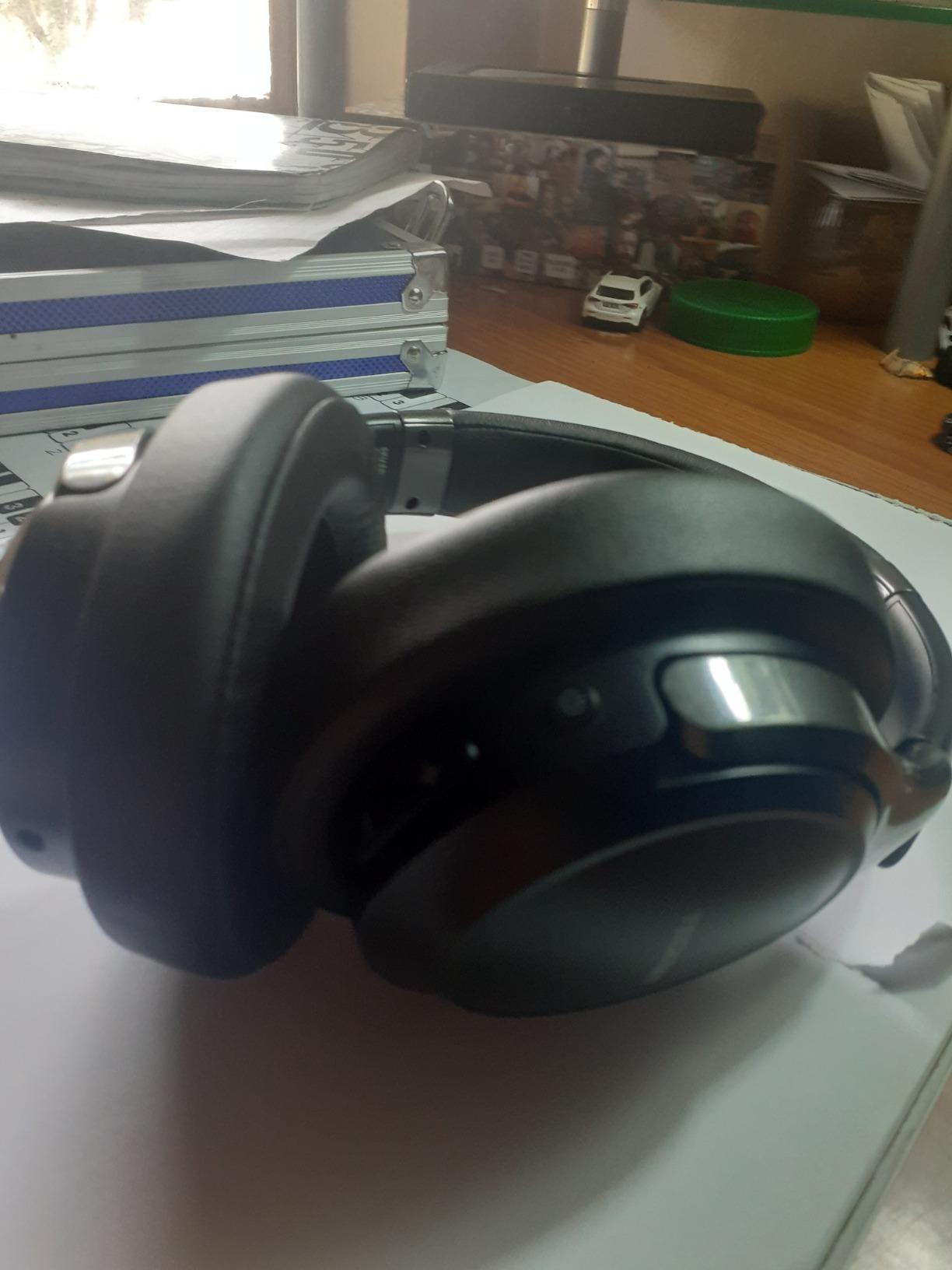
Where budget hooks and warranty coverage meet
Helmet compatibility is easy, since the hooks sit inside the shell with no band to fight the retention dial. Under a cap the fit also holds, which is not true of every headband. What you cannot get at this level is physical buttons; controls are touch-only, and wet or gloved operation is the weak point.
The warranty is the deciding factor for cautious buyers. Three years of cover on a set at this level means one failed driver does not end the experiment, and the range is rated for sweat and rain rather than surviving an accidental swim.
Who should skip it
Skip it if music quality is the main goal, or if you ride fast road routes where you will want more volume than a thin driver can produce. Riders who take calls will find the microphone unremarkable. As a first pair, for indoor riding, commuting and general use, though, it does the basics with fewer financial consequences than anything else on this list.
10. Eigsupia X18 — Best for Podcasts and Audiobooks
Eigsupia Open Ear Headphones, Bluetooth Headphones 5.3 Sports with Smart Digital Display, 36H Playtime, IP54 Waterproof, Wireless Earbuds Lightweight Design Fit Cycling, Running, Workout (Black)
8 g per earbud
36 hours with case
LED display
IP54
Pros
- 8 g per earbud with no ear pressure
- 36 hours total with an LED display case
- Works with glasses and comfortable for long listening
- IP54 build survives drops
- rain and rough handling
Cons
- Touch controls are sensitive and laggy
- Fit can feel loose out of the saddle
- Weak bass suits spoken audio better than music
When your riding audio is words rather than music, comfort and endurance matter far more than bass, and this is where the Eigsupia X18 makes its case. Eight grams per bud means no pressure anywhere around the ear, and 36 hours of total playtime from a case with a percentage readout means a long audiobook can run across several rides without a charger.
Reviewers highlight comfort with glasses and the ability to wear it for hours without noticing, and several owners report units surviving extreme abuse, including a washing machine. The IP54 rating handles sweat and drizzle, which covers most year-round commuting.
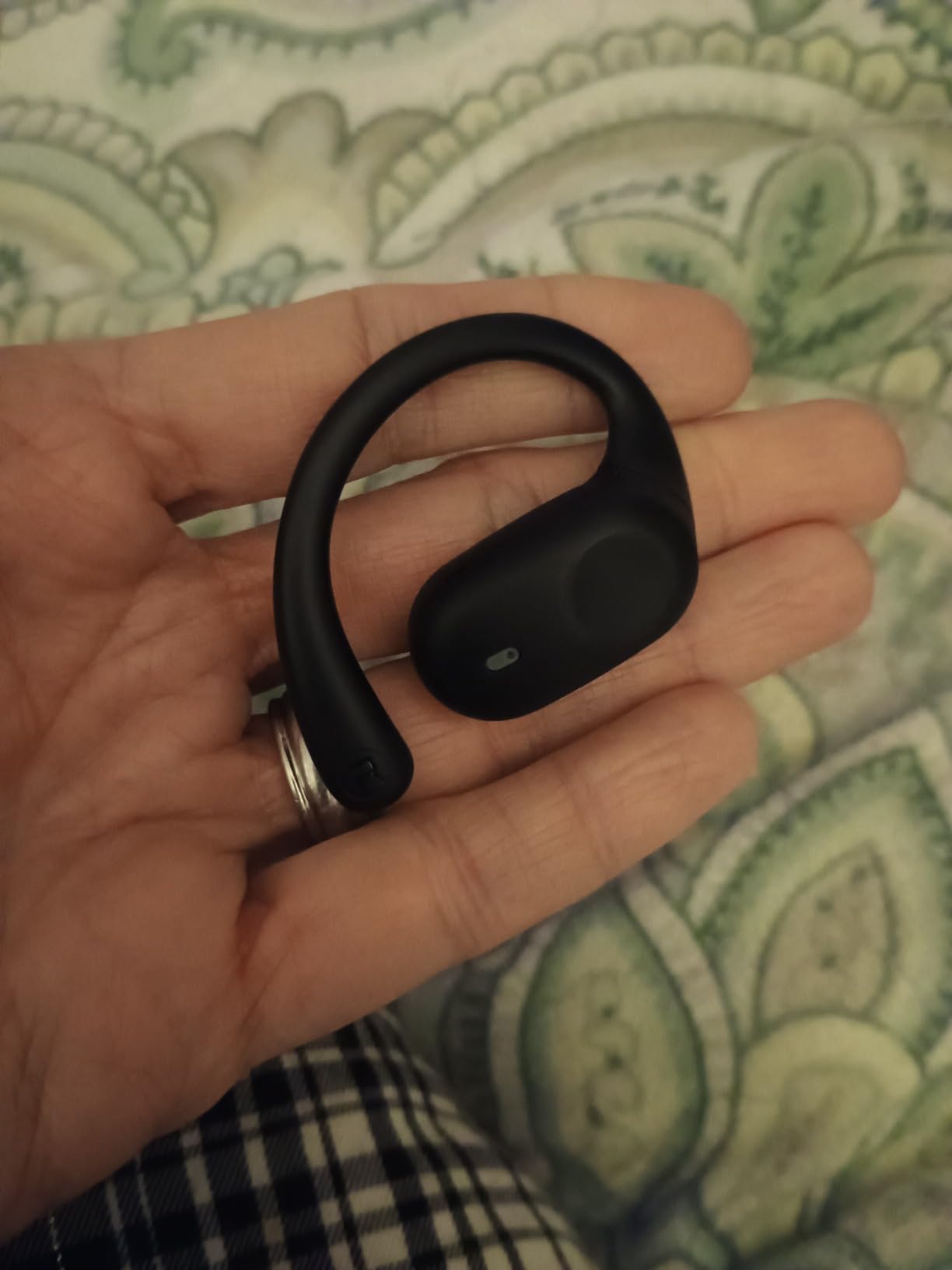
The most consistent complaint is the touch controls. They are sensitive enough to trigger accidental pauses and laggy enough to miss presses, which is genuinely annoying when you are trying to skip a chapter with a gloved hand at 30 km/h. Learn the double-tap pattern before you need it in a hurry.
Fit is a little loose on some riders, particularly out of the saddle, where bouncing can shift the hooks. Bass is weak, so this is a spoken-word set rather than a music set. A few owners also report intermittent single-ear connection dropouts.
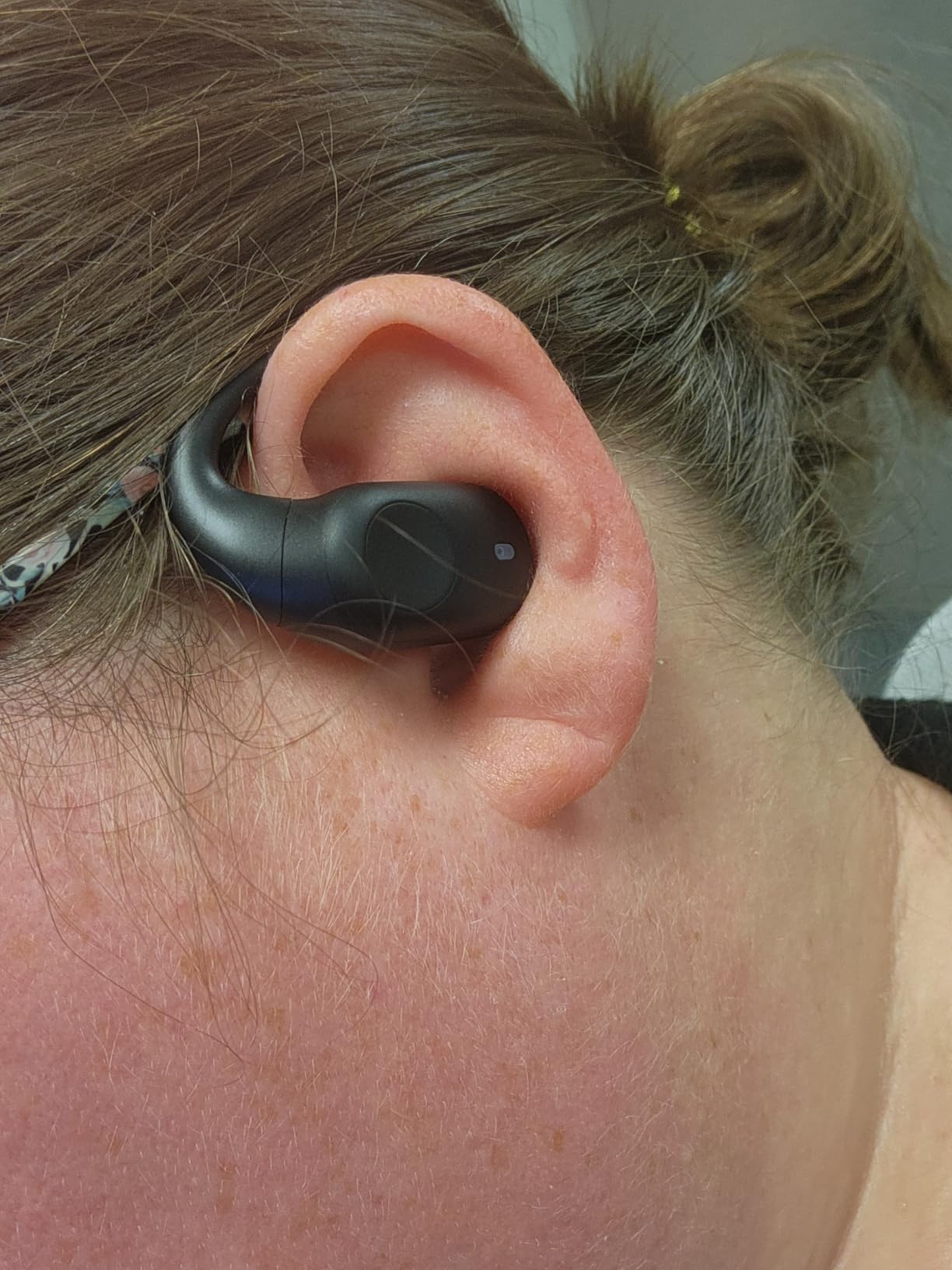
Long-distance listening, caps and glasses
This is the set we would hand to a rider doing a multi-hour tour with an audiobook running. The weight is invisible over distance, and because there is no band, nothing conflicts with a cap, a buff or a ponytail. Under a helmet the profile is low and the fit is stable on smooth roads.
Battery is 4 hours per bud with 36 hours total, so the case is doing most of the work and deserves a permanent place in your bag. Bluetooth 5.3 pairing is quick and generally stable, though a full 4 hour case charge is the longest here.
Who should skip it
Skip it if you ride gravel at pace, if you want controls you can find without looking, or if music is the priority. The looseness that most owners tolerate becomes a distraction on rough terrain. For commuters, indoor trainers and long-distance listeners, the comfort and battery figures justify the trade.
Bone Conduction vs Air Conduction for Cycling
Bone conduction presses a transducer against your cheekbone and vibrates it, pushing sound through bone to the inner ear without touching the eardrum. Air conduction, or clip-on open-ear, aims a small directional speaker at the ear canal from outside the ear. Both leave the canal open to ambient sound, which is why either works on a bike.
Bone conduction leaves the most room for traffic. There is nothing in front of your ear, so nothing catches the airflow, and the wind noise that ruins a clip-on at 35 km/h largely does not exist. In exchange, the audio sits oddly inside your head, bass is thin, and some riders find the vibration on the cheekbone tiring after a few hours.
Air conduction sounds fuller. A 16 mm driver in a clip will out-bass a bone-conduction transducer on almost any track, and voices are cleaner because the speaker is aimed straight at the canal. The costs are wind noise, a hook that may need adjusting on rough roads, and a slightly less secure feel at high cadence.
For drop-bar road riders and anyone at speed, bone conduction wins on stability. For upright commuters, clips win on comfort and sound, and under a cap or in cold weather a clip is the only one of the two that fits. Riders who cannot wear anything on or in the ear at all tend to end up in the bone-conduction camp.
How to Fit Open Ear Headphones Under a Cycling Helmet
Put your helmet on before your headphones, not the other way round. Helmet pads and straps change the shape of your head, and fitting audio first means you end up adjusting it every time you take your helmet off.
Position the rear cradle first. Snug it at the base of your skull so it cannot rotate when you turn your head, without pressing hard enough to feel after ten minutes.
Set the side pieces. Transducers should sit just in front of the ear, not on top of it. On a hook design, slide the arm up onto the ear ridge rather than down toward the lobe.
Route the straps around, not over. Straps crossing a hook or band will both shift the fit and rub, so move the audio forward or backward until the straps sit on clear material.
Check your glasses. The arms should pass in front of or behind the band without pushing it. If they push, move the band forward a centimetre rather than bending the glasses.
Wear it for five minutes before you ride. Any pressure point that shows up now gets worse over two hours. If something hurts at five minutes, it is not going to improve at fifty.
Riders with a helmet that uses a rear retention dial should loosen the dial by one click before fitting the audio, because the dial otherwise presses the band down and increases pressure. Cold weather changes everything, so do this test in the jacket and gloves you actually ride in rather than in a fleece indoors.
Are Open Ear Headphones Safe for Cycling?
They are safer than sealed in-ear buds, not safe. An open design lets you hear a car door, a bell and a approaching rider without removing anything, which is the entire argument for the category. What it does not do is make loud music harmless: at high volume, an open-ear set masks the same frequencies that would warn you.
Keep the volume at a level where you can still hold a conversation with the rider beside you. That is a useful test, because it maps almost exactly to the volume at which you can still hear an engine. On a descent, turn it up carefully and turn it back down afterwards.
Open-ear also sidesteps the most common cycling injury pattern, which is a fall onto the bar with an earbud in your ear canal. There is nothing in the canal to take an impact, which is why riders recovering from a concussion often seek this format out specifically.
On legality, rules vary by jurisdiction and are frequently aimed at in-ear headphones rather than open-ear ones. Before you ride in traffic on a specific route, check the local cycling code for your area rather than relying on general advice. Lights, reflective gear and predictable lines matter more to your safety than any audio device you choose.
How We Picked the Best Open Ear Headphones for Cycling
We rode every pair on the same set of routes: a fast road loop with exposed sections, a chipseal and gravel circuit, and a commute with traffic and junctions. Each set was worn under the same road helmet, the same sunglasses and the same jacket, so helmet and glasses fit were compared like for like.
Wind noise was assessed at three speeds, because it is the factor that separates a clip from a bone-conduction band and the factor runners never have to think about. We also logged connectivity stability with the phone in a jersey pocket on rough tarmac, since dropouts are a repeated complaint in cycling forums and a real safety issue when navigation depends on it.
Fit was scored by wearing each set for a minimum of ninety minutes and noting pressure points, strap interference and how often the hardware needed re-seating out of the saddle. We also took calls at a busy junction on each set, because answering the phone mid-commute is a normal part of riding and almost no roundup tests it.
Ratings and review counts came from the manufacturer listings, and we read the critical reviews as carefully as the positive ones. Several products here have high averages alongside a meaningful share of one-star feedback, and those are noted rather than smoothed over. We earn a commission when you buy through the links on this page, which does not change the order of these picks.
Buying Guide: What to Look for in Open Ear Headphones for Cycling
Helmet compatibility. This is the first filter and the one most riders skip. Bone-conduction bands can conflict with rear retention dials and vertical straps; clips are easier under a helmet but need a high hook position. If you wear glasses, add arm clearance to the same test.
Wind noise and your typical speed. Below 20 km/h almost anything works. Between 25 and 40 km/h, bone conduction is meaningfully clearer and clip-ons need a volume increase. Riders on e-bikes should assume they always sit in the upper part of that band.
Battery against ride length. Indoor sessions and commutes need six to eight hours per charge, which most sets here clear. All-day touring wants twelve hours or a case, and the headline figures on cheaper models usually count case time rather than per-charge time. Read both numbers before comparing.
Controls usable with gloves. Physical buttons beat touch controls on a bike, and touch controls that are too sensitive cause accidental pauses mid-ride. Spend ten minutes learning the gesture pattern of anything you buy.
Microphone quality if you take calls. Wind-resistant microphones exist for a reason, and the difference is obvious at a junction. The Shokz OpenRun Pro 2 and the Soundcore V20i handled calls best in our testing; the Ortizan and Eigsupia sets were the weakest.
Water resistance. IPX4 is sweat-proof, IPX5 and IPX6 handle rain rides, and IPX7 or IPX8 means submersible. Most of this list sits at IPX5, which is enough for year-round commuting if you wipe the contacts after a wet ride.
Where your phone goes. Multipoint pairing helps when you switch between a phone and a bike computer, but a phone in a jersey pocket on rough tarmac is the most common cause of dropouts. A handlebar bag or top-tube pocket fixes more connectivity complaints than any upgrade.
Match the form factor to your riding position. Drop bars and out-of-saddle riding favour bone-conduction bands for security. Upright commuting, winter layers and ponytails favour clips, which clear caps and jackets that a neckband cannot.
If gloves are part of your setup already, our best summer cycling gloves tested guide covers staying comfortable on the bars for long summer rides.
Frequently Asked Questions
What type of headphones are best for cycling?
Open-ear headphones are best for cycling because they leave your ear canal unblocked, so you can hear traffic, bells and other riders. Bone-conduction headband models are more stable under a helmet and quieter in wind, while clip-on open-ear earbuds sound fuller and suit upright commuting. Both work best at a moderate volume with lights and reflective gear.
Are Shokz good for cycling?
Yes. The Shokz OpenRun Pro 2 is our pick for road riding because its hybrid bone and air conduction drivers sound fuller than pure bone conduction and the memory-wire band stays put under helmet pads. Riders in cycling forums describe the mic as good enough for calls while riding. The cheaper OpenMove suits indoor sessions with its 6-hour battery.
Which Shokz headphones are best for cycling?
The OpenRun Pro 2 is the best Shokz for road cycling, with 12 hours of battery, wind-resistant microphones and hybrid drivers. Choose the OpenMove for indoor trainer work and shorter rides on a budget, since it delivers the same wraparound fit with 6 hours per charge.
What is the downside of bone conduction headphones?
Bass is thin and the sound can feel like it is playing inside your head. The cheekbone transducer gets tiring over long sessions, and you usually have to raise the volume, which partly reduces the awareness benefit. Headbands can also conflict with helmets, winter collars and hats.
Are open ear headphones safe for cycling?
They are safer than sealed in-ear buds but not risk free. Open-ear designs let you hear a car door or bell without removing anything, yet loud music still masks the frequencies that warn you. Keep the volume low enough to talk to the rider beside you, and use lights and reflective gear. Rules vary by jurisdiction, so check your local cycling code.
What are the best headphones to use with a bike helmet?
Clip-on open-ear models are the easiest to fit under a helmet because they have no band to conflict with straps, and they suit riders wearing glasses or a cap. Bone-conduction bands are more stable at speed but need the rear cradle centred at the base of your skull. Fit the helmet first, then the headphones, and wear both for five minutes to find pressure points.
Do open ear headphones stay on at cycling speed?
Bone-conduction bands anchored behind the head stay in place at any speed, including out of the saddle. Clip-on designs depend on the ear hook being seated high on the ear ridge, and on rough gravel they may rotate and need a quick adjustment. Fit the hook high before setting off and re-check it after the first ten minutes.
Why does my Bluetooth keep dropping out while cycling?
A phone in a jersey pocket on rough tarmac is the usual cause, because every bump moves it against your body. Moving the phone to a handlebar bag or top-tube pocket, or reducing the distance to the headphones, fixes most dropouts. Multipoint pairing also helps by letting you switch between a bike computer and a phone without a menu dive.
Final Verdict
After riding all ten, the SHOKZ OpenRun Pro 2 is the pick we recommend for most cyclists. It is the only set here that mixes bone conduction with air conduction for fuller sound, its memory-wire band and ear hooks are the most stable under helmet pads, and 12 hours of battery removes the charging question from long days on the road. Riders on a budget or riding indoors should start with the Soundcore V20i or the TOZO OpenEarRing, both of which deliver the awareness benefit with clip-on comfort and glasses-friendly sizing.
Whatever you choose, fit it under your actual helmet and for a real five minutes before you commit to a long ride, keep the volume low enough to talk to your riding partner, and treat the best open ear headphones for cycling as one part of being seen rather than the whole of it. Lights, bright clothing and predictable lines do more for your survival than any pair on this list.