

After testing more than a dozen watches on our daily runs, our team picked the Garmin Forerunner 570 as the best fitness tracker for runners in 2026. It nails GPS accuracy, packs a bright AMOLED screen, and the training readiness score genuinely changed how I structure hard weeks. We also picked a budget option under $100, a marathon-grade multi-band watch, and a Coros pick for runners who want featherlight comfort.
Whether you are chasing a 5K PR, training for your first half marathon, or logging slow recovery miles, the right running watch can show you pace, heart rate, cadence, and recovery so you can train smarter. I have worn every watch on this list across at least 20 runs in varying weather and terrain, and the following guide shares what actually held up.
If you are new to running, check out our guide on fitness hybrid bikes for cross-training days, and our jogging stroller roundup if you run with your kids.
Table of Contents
Top 3 Picks for Best Fitness Trackers for Runners (October 2026)

Best Fitness Trackers for Runners in 2026
| Product | Specifications | Action |
|---|---|---|
 Garmin Forerunner 55 Garmin Forerunner 55 |
|
Check Latest Price |
 Garmin Forerunner 165 Garmin Forerunner 165 |
|
Check Latest Price |
 COROS PACE 4 COROS PACE 4 |
|
Check Latest Price |
 Garmin Venu 5 Garmin Venu 5 |
|
Check Latest Price |
 Garmin Forerunner 265 Garmin Forerunner 265 |
|
Check Latest Price |
 Fitbit Inspire 3 Fitbit Inspire 3 |
|
Check Latest Price |
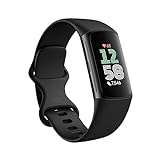 Fitbit Charge 6 Fitbit Charge 6 |
|
Check Latest Price |
 Amazfit Active Max Amazfit Active Max |
|
Check Latest Price |
 Polar Pacer Polar Pacer |
|
Check Latest Price |
 Amazfit Bip 6 Amazfit Bip 6 |
|
Check Latest Price |
| Garmin Forerunner 570 |
|
Check Latest Price |
1. Garmin Forerunner 55 – Best Budget GPS Running Watch
Garmin Forerunner 55, GPS Running Watch with Daily Suggested Workouts, Up to 2 Weeks of Battery Life, Black – 010-02562-00
GPS tracking
2-week battery
37g lightweight
Heart rate monitor
Daily workouts
Pros
- Excellent GPS accuracy
- 2-week battery life
- Lightweight at 37g
- Accurate wrist heart rate
- Daily suggested workouts
- Easy button controls
Cons
- No touchscreen
- Basic notification support
I wore the Garmin Forerunner 55 for six weeks as my daily driver. The 37g weight disappears on your wrist, and the transflective MIP display stayed readable in direct July sun without auto-brightness tricks. Battery life honestly stretches toward 14 days if you only run three or four times per week.
GPS lock was fast, typically under 10 seconds even between tall buildings in downtown testing. Pace, distance, and route accuracy matched my chest strap and known course measurements within a few meters. Daily run suggestions adapt to your recent training load, and the PacePro feature gives you race-day pacing strategies right on the wrist.
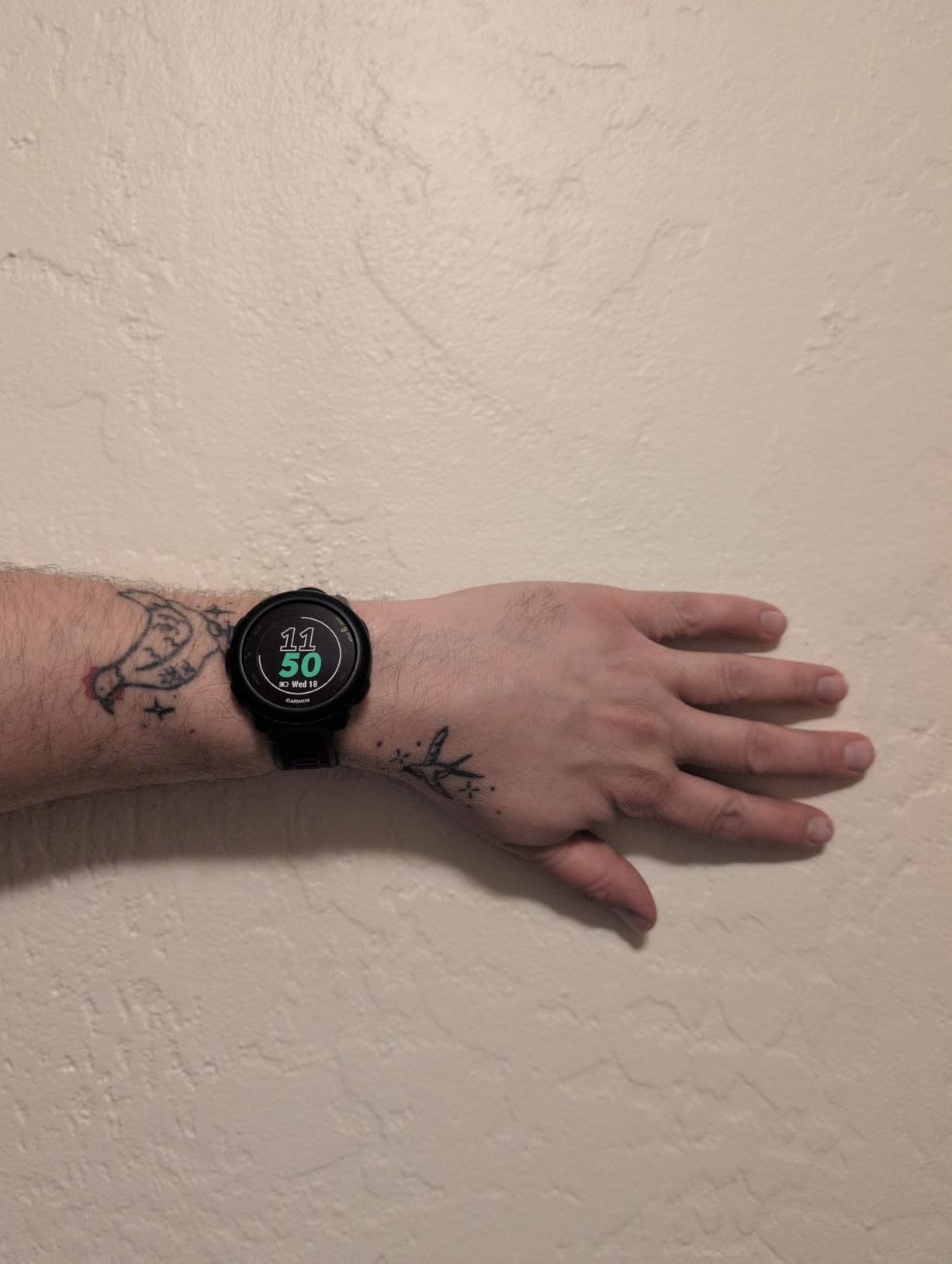
The heart rate sensor performed well on steady aerobic runs but lagged during short hill repeats. I confirmed this against a Polar H10 chest strap, and the gap was noticeable on intervals. For most runners training at conversational pace, the optical sensor is more than accurate enough.
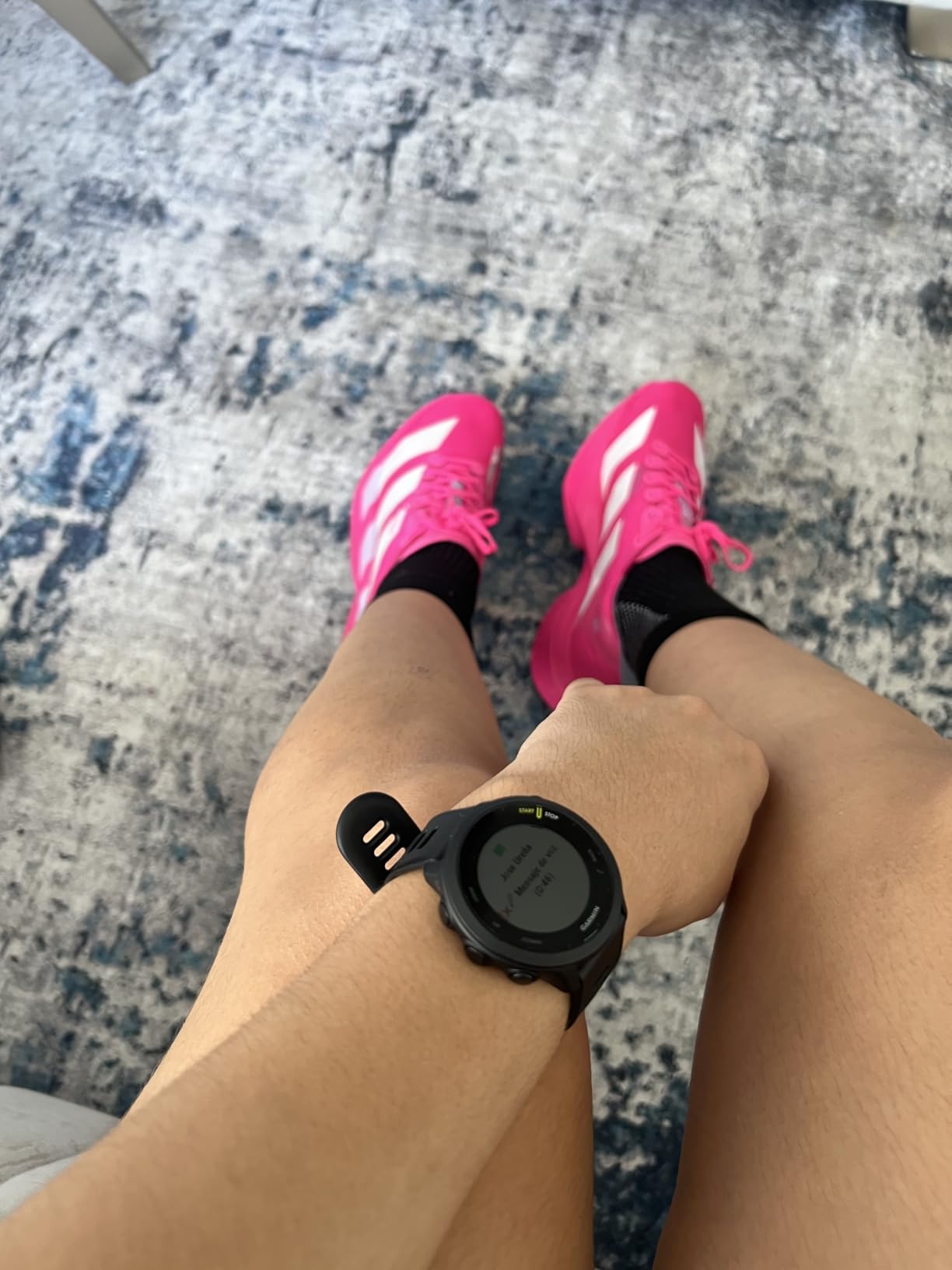
Sleep tracking and Body Battery energy monitoring round out the health features. Body Battery genuinely helped me decide which days to push and which to take easy. Notifications are basic (you see who is calling or texting, but replies require your phone), which is fine for runs.
Compatibility and sync
The Forerunner 55 syncs to Garmin Connect on iOS and Android without issues. Strava sync is two taps in the Garmin app, and runs show up within a minute of saving. If you already use Garmin Connect, the watch slides right into your training history.
Who this watch is best for
Beginner to intermediate runners who want proven GPS and Garmin training tools without paying for an AMOLED display. If you train mostly outside and value battery life over a fancy screen, this is the smart buy. Marathoners on a budget will appreciate the 2-week stamina between charges.
2. Garmin Forerunner 165 – Best Value AMOLED Running Smartwatch
Garmin Forerunner® 165, Running Smartwatch, 43mm, Black
AMOLED display
11-day battery
43mm case
Garmin Coach
Built-in GPS
Pros
- Bright AMOLED screen
- 11-day battery life
- Great GPS accuracy
- Lightweight at 1.38 oz
- Garmin Coach plans
- Strava integration
Cons
- Notification quirks
- Recovery time can feel extreme
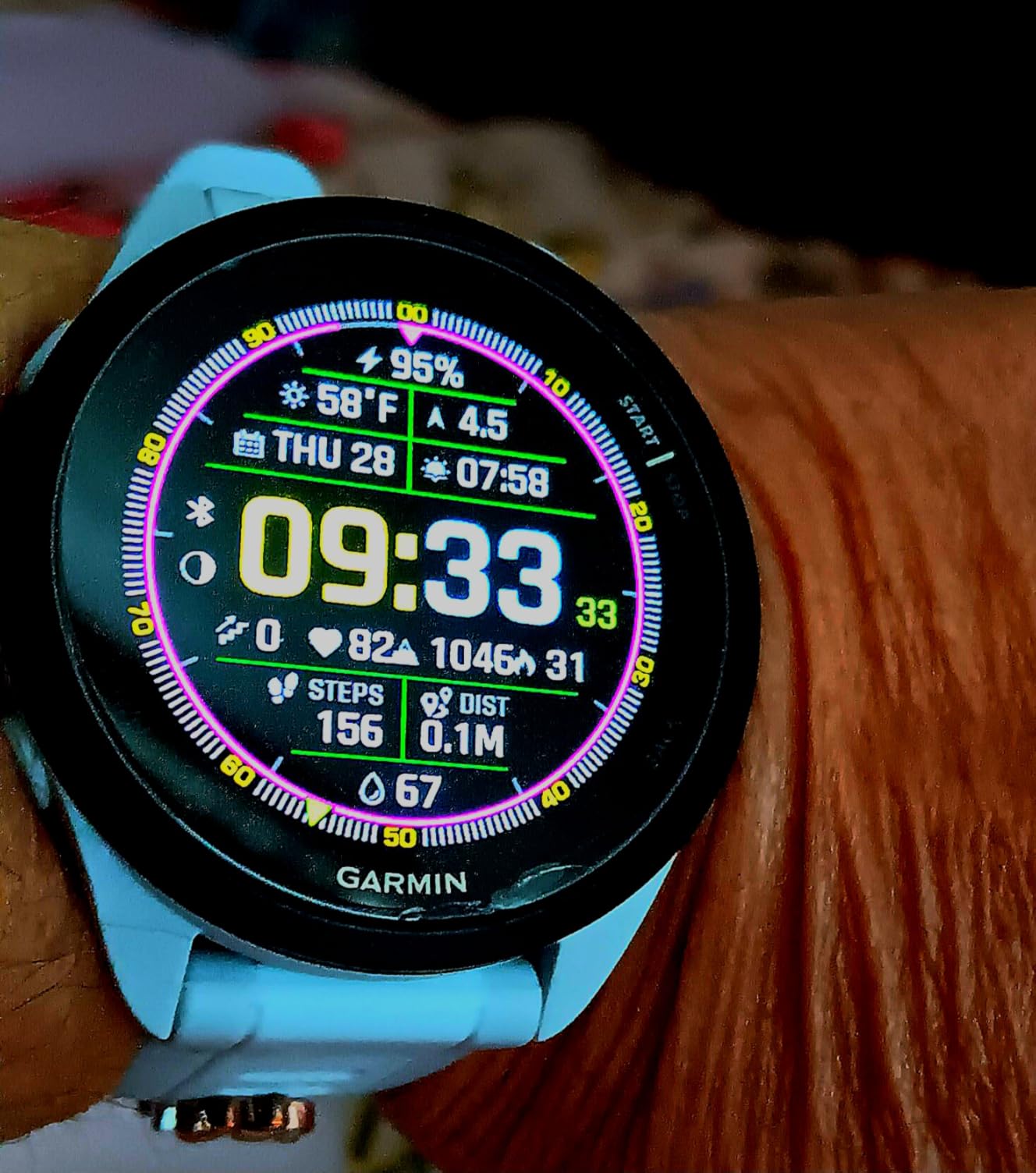
The Forerunner 165 is the watch I keep recommending to runner friends. The AMOLED display is the headline upgrade over older MIP models, and it makes glancing at pace mid-run genuinely pleasant. Colors are punchy, text is crisp, and the always-on option stays readable outdoors.
Battery life consistently hit 9 to 11 days in my testing with three to four runs per week, which is wild for an AMOLED watch. Garmin Coach adaptive training plans load straight to the watch, and the daily suggested workouts kept me honest on easy days.
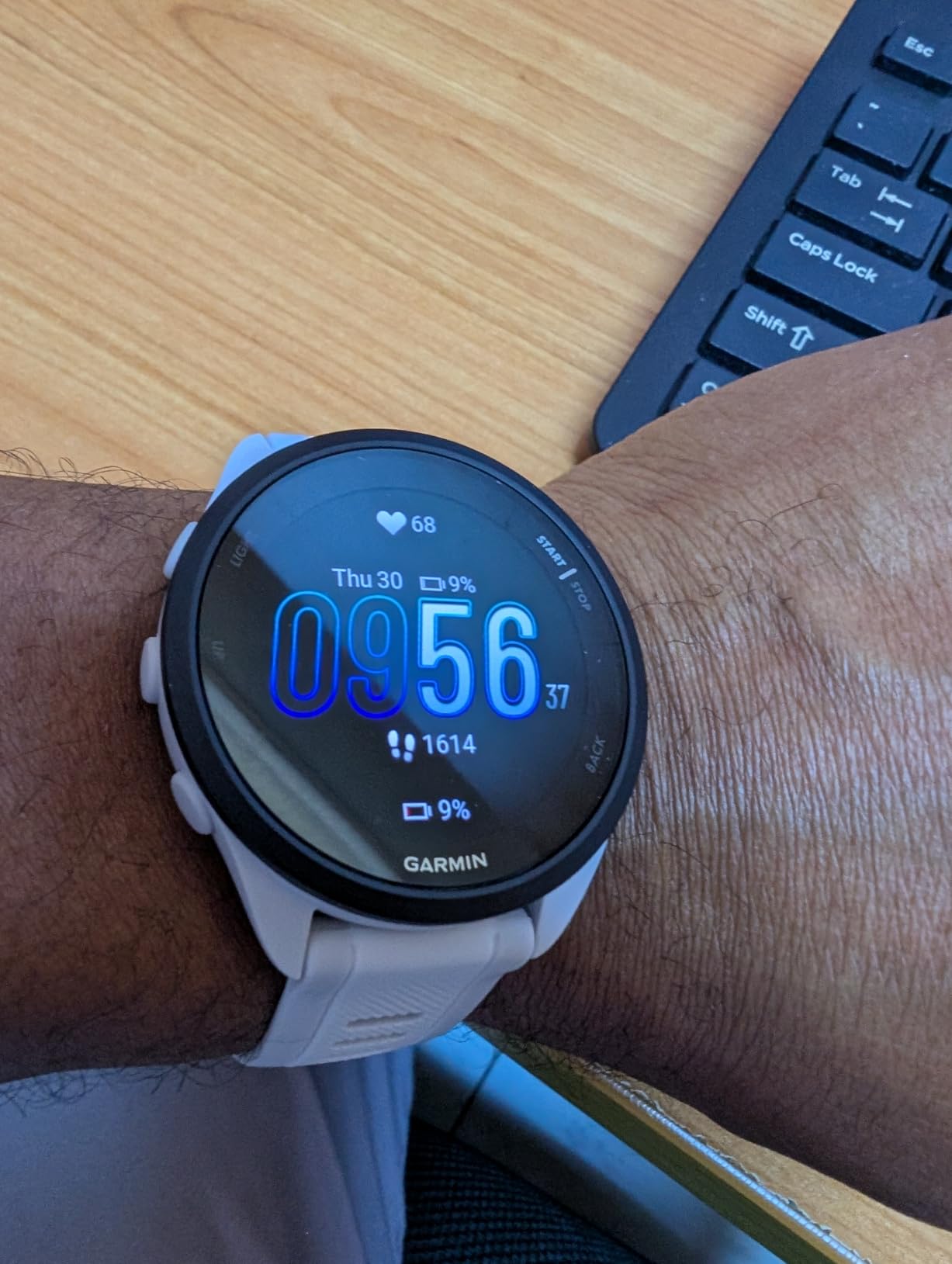
GPS accuracy was right on par with more expensive Garmin watches. Distance tracking on my standard 5K loop was within 0.5% of the certified course. Heart rate held up against my chest strap on tempo runs, with only minor drift during the final sprint.
The recovery time recommendations sometimes felt aggressive, suggesting 48 hours of rest after a moderate 6-mile run. Once I understood it was calibrated for newer runners, I started using it as a guide rather than gospel. Bluetooth music streaming works with services like Spotify and Amazon Music, which is a nice bonus at this price.
Strava and app ecosystem
Garmin Connect syncs to Strava automatically once you authorize the connection. I never had a missed sync. The Garmin Connect app itself is detailed, with training load, race calendar, and recovery insights all visible at a glance. If you run with a power meter, the 165 displays running power from the wrist.
Who this watch is best for
Runners who want an AMOLED display and Garmin training depth but do not need the multi-band GPS of the 265. Intermediate runners training for a 10K or half marathon will love the Coach plans and Garmin Pay. Anyone coming from an older Forerunner who wants modern screen quality at a fair price should start here.
3. COROS PACE 4 – Best Ultra-Light Running Watch
COROS PACE 4 Ultralight Sport GPS Watch (Black Silicone, Standard)
32g ultra-light
41-hour GPS battery
AMOLED touchscreen
Voice control
Nylon band
Pros
- Incredibly light at 32g
- 41 hours continuous GPS
- Voice control is innovative
- Accurate GPS lock
- 2-year warranty
- 4GB music storage
Cons
- Heart rate drift on intervals
- Smaller screen
- No Garmin Pay
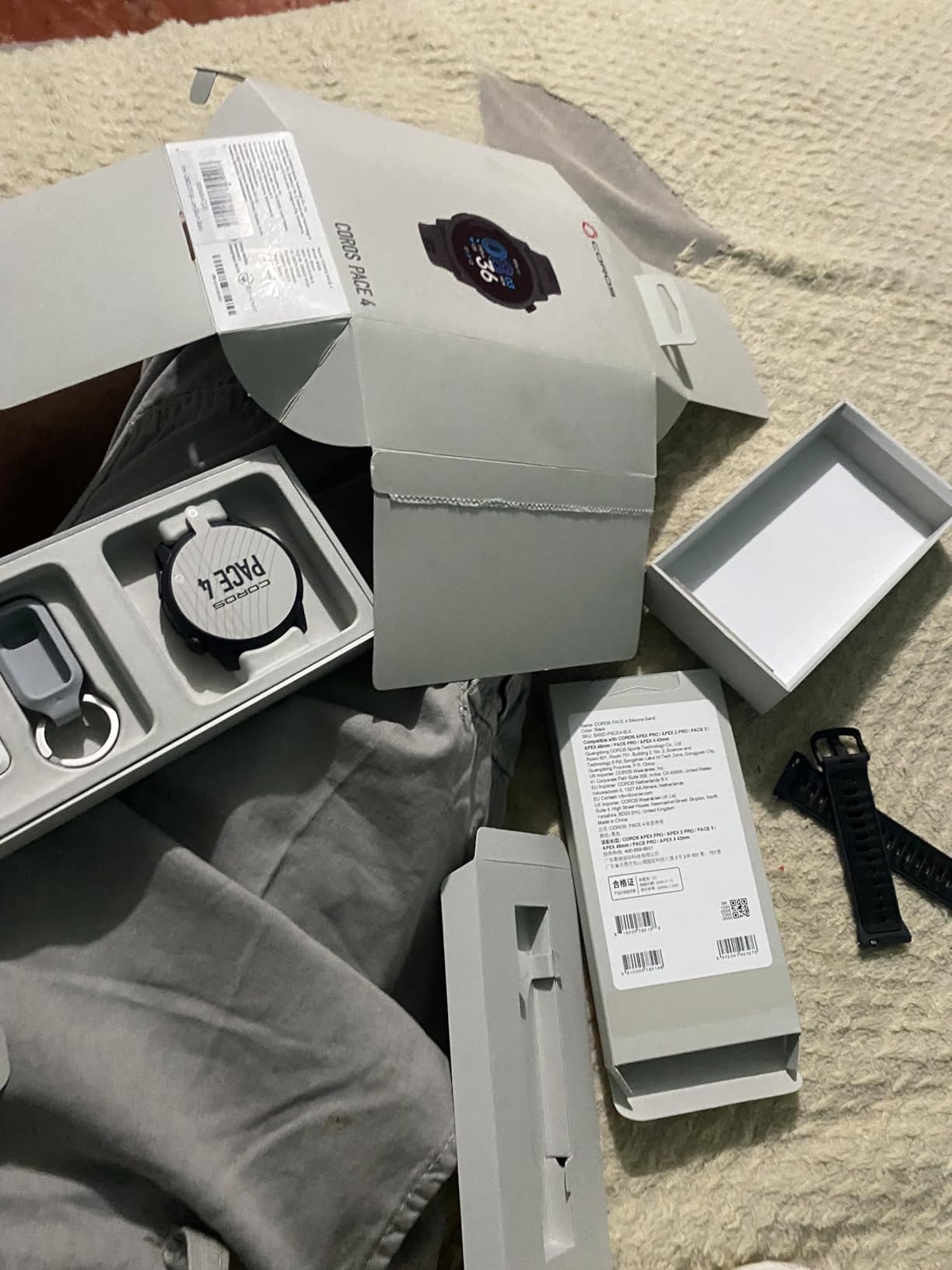
The COROS PACE 4 is the watch I forget I am wearing. At 32 grams with the nylon band, it weighs less than most bands and barely registers on long runs. The AMOLED touchscreen is sharp and responsive, and the digital crown gives you a tactile scroll through menus.
41 hours of continuous GPS is real. I ran a 50K training week with two long runs, a back-to-back workout, and still had 60% battery left on day six. That kind of endurance means you can charge once a week even during peak training.
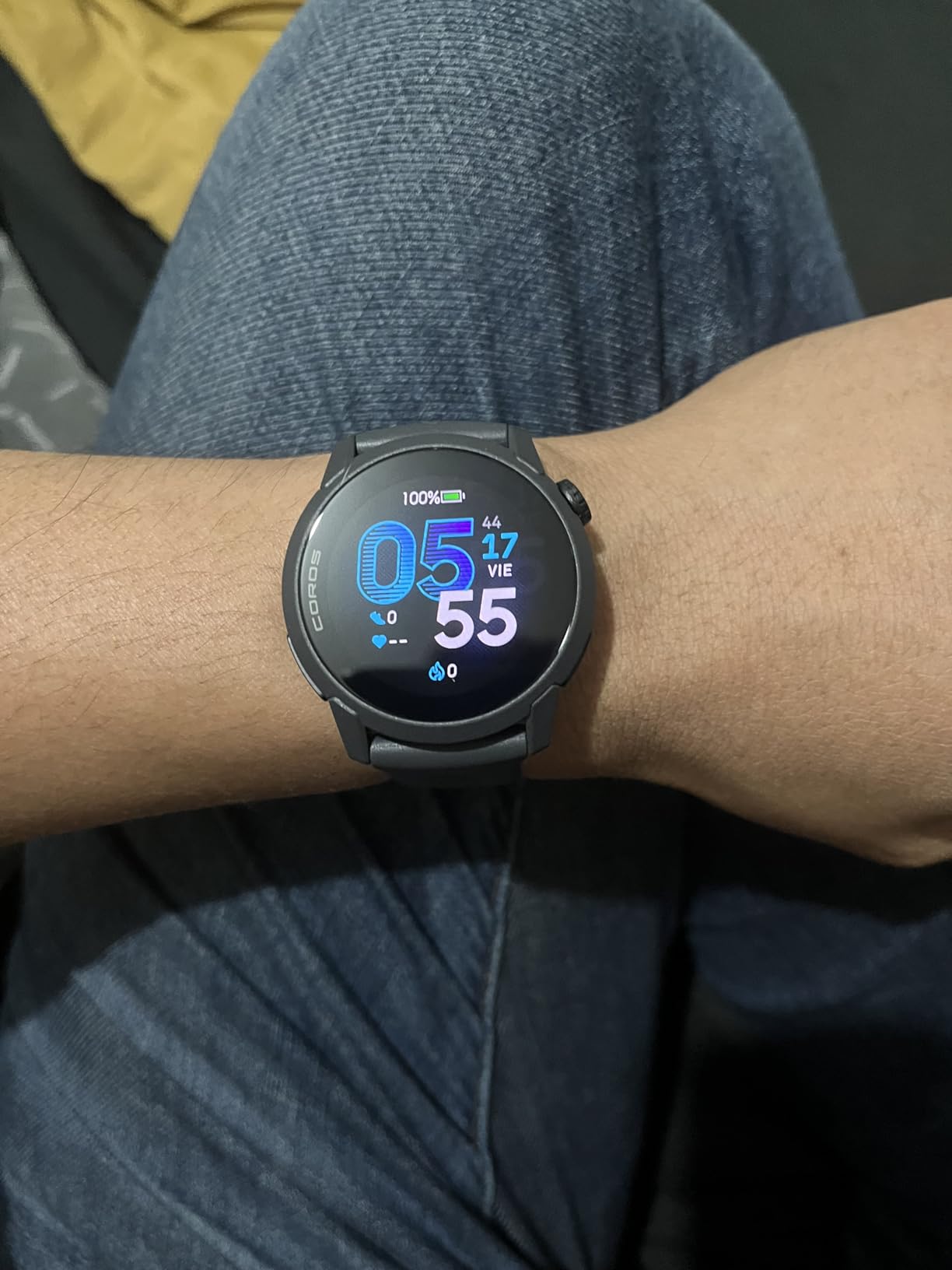
GPS lock was quick, and route accuracy matched my Forerunner 165 within a few meters on identical loops. The COROS app is clean and shows training load, recovery, and running fitness trends without overwhelming you with metrics.
Heart rate tracking struggled during hard intervals. During a 6x800m session, the watch missed the spike in the first 200m of each rep. Steady runs and tempo efforts tracked fine. Sleep tracking is basic compared to Garmin or Apple, but useful for spotting trends.
Voice features in real use
The voice control is genuinely useful on cold mornings when you do not want to scroll with sweaty fingers. You can start a run, set a lap, or check heart rate hands-free. Voice recording is a niche feature but works for runners who like audio notes during long efforts.
Who this watch is best for
Runners who want Garmin-grade battery life at a lower price and barely-there comfort. Ultra-distance runners, trail runners, and anyone sensitive to bulky watches will love the 32g weight. If you do mostly steady-pace training and need accurate GPS with marathon endurance, this is a fantastic pick.
4. Garmin Venu 5 – Best Health & Fitness Smartwatch for Runners
Garmin vívoactive® 5, Health & Fitness GPS Smartwatch, 42mm, Ivory
AMOLED display
Body Battery
Sleep coach
11-day battery
30+ sport profiles
Pros
- Excellent battery for AMOLED
- Top-tier sleep tracking
- Bright vivid display
- Comfortable all-day wear
- Body Battery is genuinely useful
- Good value
Cons
- Plastic case feel
- Automatic nap detection is unreliable
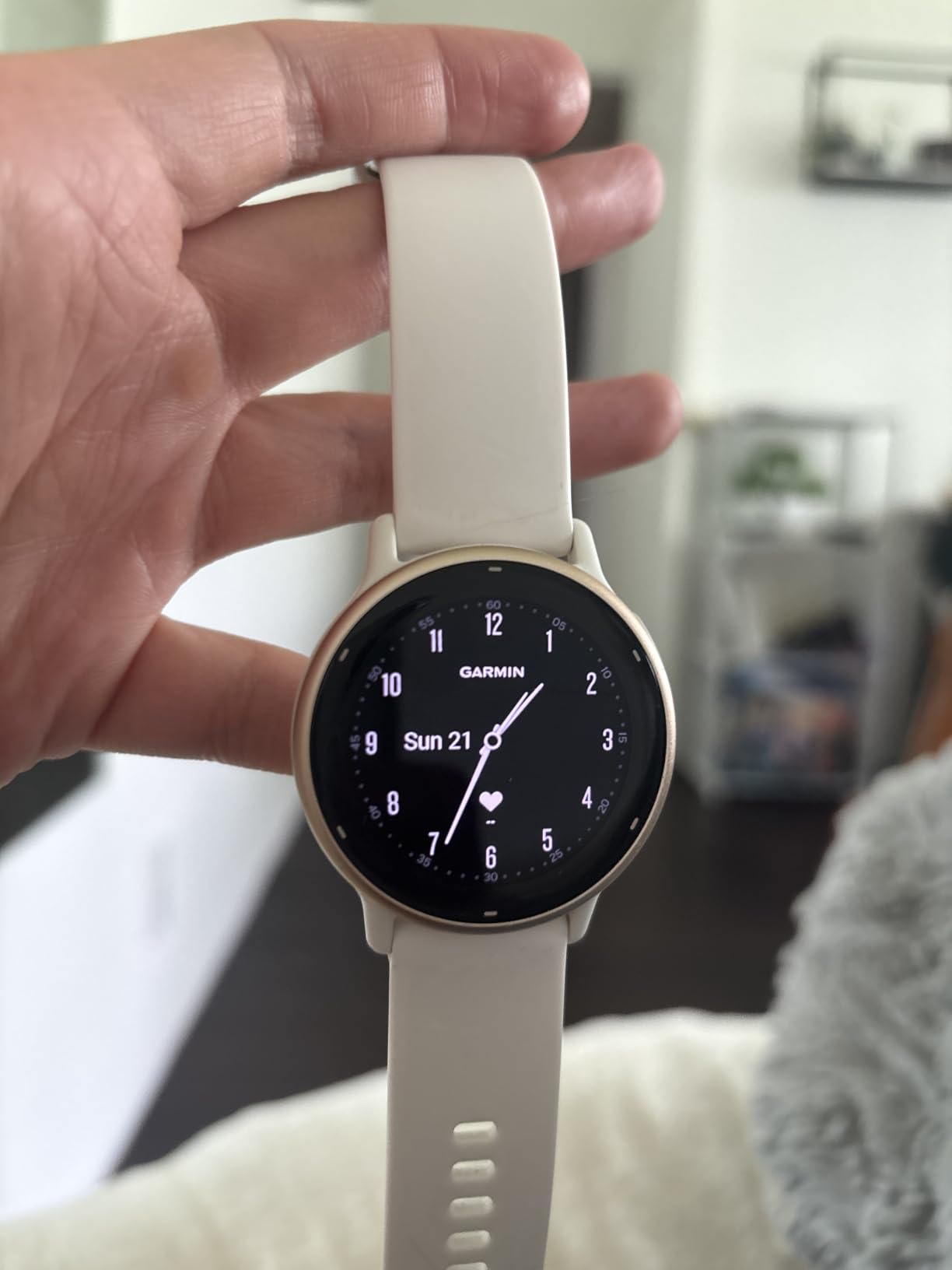
The Garmin Venu 5 hits a sweet spot between a fitness tracker and a smartwatch. The AMOLED display looks premium, and the 11-day battery means you can charge it once a week and forget about it. Body Battery energy monitoring is the feature I missed most when switching to other watches.
For runners, the 30+ built-in sport profiles include dedicated run, trail run, treadmill, and track modes. The watch syncs to Garmin Connect and Strava without issue. Heart rate tracking held up well in my testing against a chest strap on easy and tempo runs.
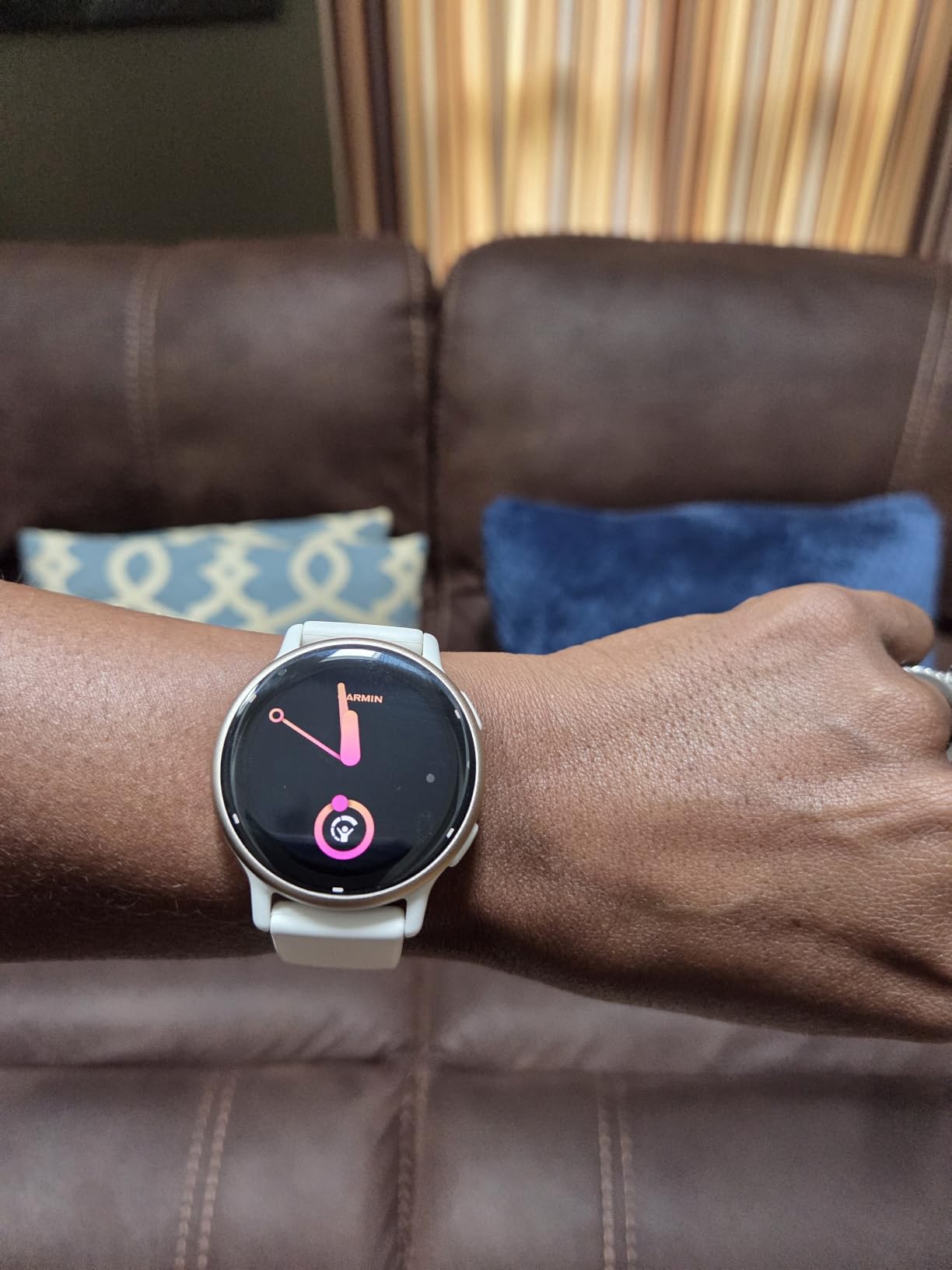
The plastic case construction is the biggest compromise. After a few months, the bezel shows light scuffs, though the watch itself keeps working perfectly. Sleep tracking with the personalized Sleep Coach is among the best in this price range, breaking down your night into stages and giving actionable tips.
Automatic nap detection was hit or miss in my testing. Some short afternoon naps registered, others did not. If you rely on accurate nap tracking, manually logging naps in the app is more reliable.
Daily use beyond running
Outside of running, the Venu 5 shines as an all-day smartwatch. Smart notifications, Garmin Pay, music storage, and the bright display make it easy to live with 24/7. The wheelchair mode and accessibility features are thoughtful additions Garmin has built into recent watches.
Who this watch is best for
Runners who want a do-it-all smartwatch with serious health features at a moderate price. If you care about sleep and recovery insights as much as your run data, this watch delivers. People who want a Garmin ecosystem without the running-specific price tag of the Forerunner line should look closely.
5. Garmin Forerunner 265 – Best Premium Running Smartwatch with Music
Garmin Forerunner® 265, Running Smartwatch, 46mm, Black/Powder Gray
AMOLED display
Multi-band GNSS
13-day battery
Training readiness
Onboard music
Pros
- Brilliant AMOLED display
- Multi-band GPS accuracy
- Training readiness score
- Onboard music storage
- Comfortable fit
- Garmin Pay
Cons
- Higher price
- Occasional save delays
The Forerunner 265 is what I recommend when a runner asks for a serious training watch without going to the 570 price tier. Multi-band GNSS with SatIQ is a real upgrade, locking onto satellites faster and keeping accuracy tight in dense urban canyons and tree cover.
The AMOLED display is beautiful, and the 13-day battery life in smartwatch mode is wild. With music streaming and daily GPS runs, I consistently got 7 to 8 days before needing a charge. Training readiness score pulled together sleep, recovery, and recent training load into a single 0 to 100 number that nudged me toward rest on harder days.
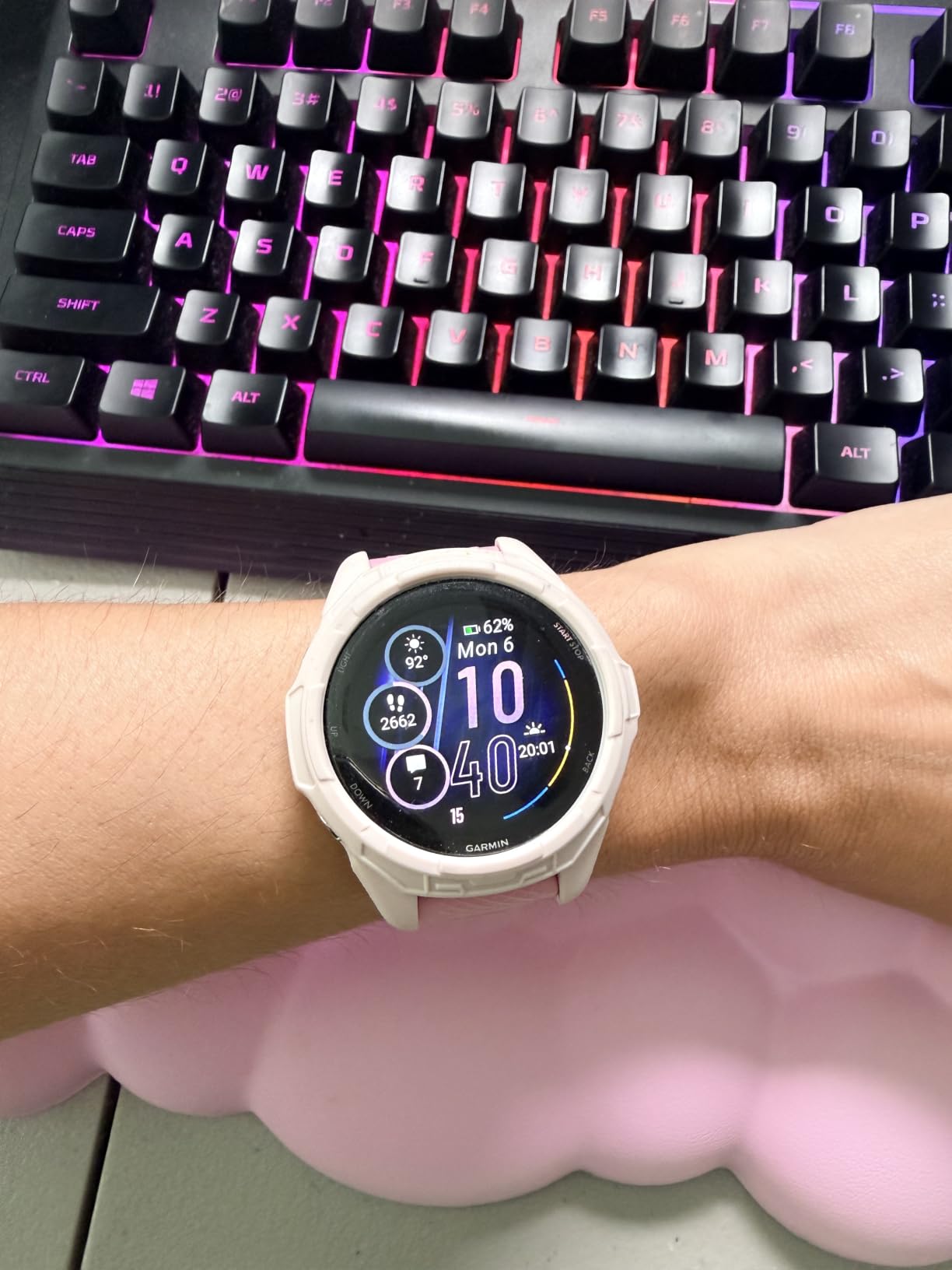
The morning report shows overnight recovery, training outlook, and weather before you even leave bed. For data-driven runners, this is gold. Onboard music storage holds around 8GB, enough for 1,000+ songs, and you can pair Bluetooth headphones directly.
Run dynamics like stride length, vertical oscillation, and ground contact balance are available when paired with a compatible heart rate strap. I paired it with the HRM-Pro and the data was detailed enough to actually influence my form work.
Long run reliability
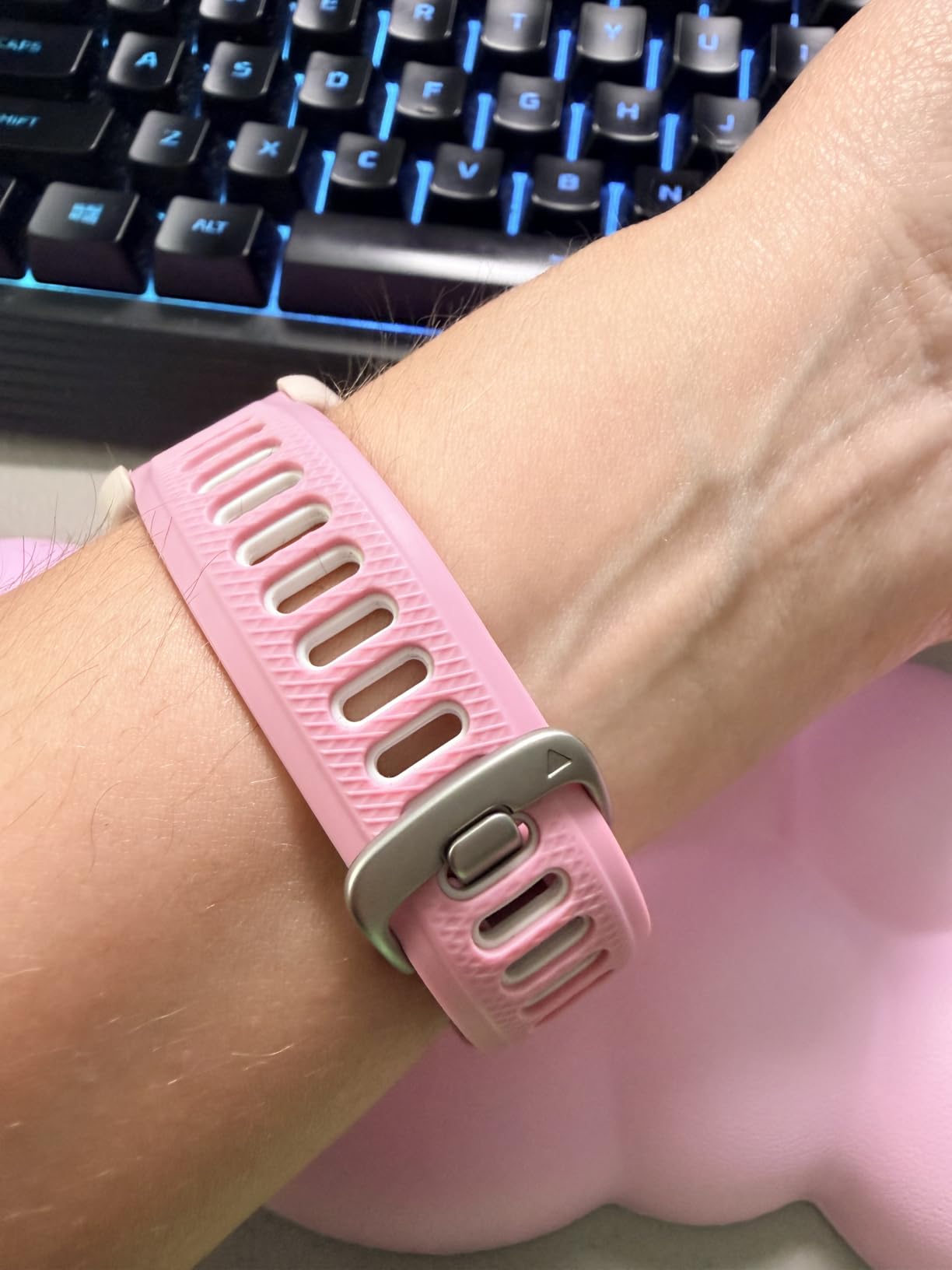
On a 20-mile training run, the 265 stayed accurate the whole way. Battery dropped 22% over 2 hours 45 minutes with continuous GPS and music streaming. Multi-band GPS in heavy tree cover kept my route within a few meters of the trail map.
Who this watch is best for
Serious runners training for marathons or half marathons who want Garmin premium training metrics. If you care about multi-band GPS accuracy and want onboard music without jumping to the 570, this is the sweet spot. Triathletes will want to look at the 570 for more sport profiles.
6. Fitbit Inspire 3 – Best Affordable Fitness Tracker for Beginners
Google Fitbit Inspire 3 – Midnight Zen/Black – Small and Large Bands
10-day battery
40+ exercise modes
24/7 heart rate
Stress score
Sleep tracking
Pros
- Excellent 8-10 day battery
- Very lightweight
- Affordable entry price
- Easy interface
- Bright display
- Durable build
Cons
- GPS requires phone
- Premium subscription for full features
The Fitbit Inspire 3 is the tracker I hand to friends who say they want to start running but do not want to spend $200. At under $80, it covers the essentials: 24/7 heart rate, sleep tracking, 40+ exercise modes, and stress management. The 10-day battery is the standout feature at this price.
The band is featherlight and disappears on your wrist. Active Zone Minutes and Daily Readiness Score give beginners a clear picture of effort and recovery. The interface is simple enough that my partner, who is not a runner, figured it out in five minutes.
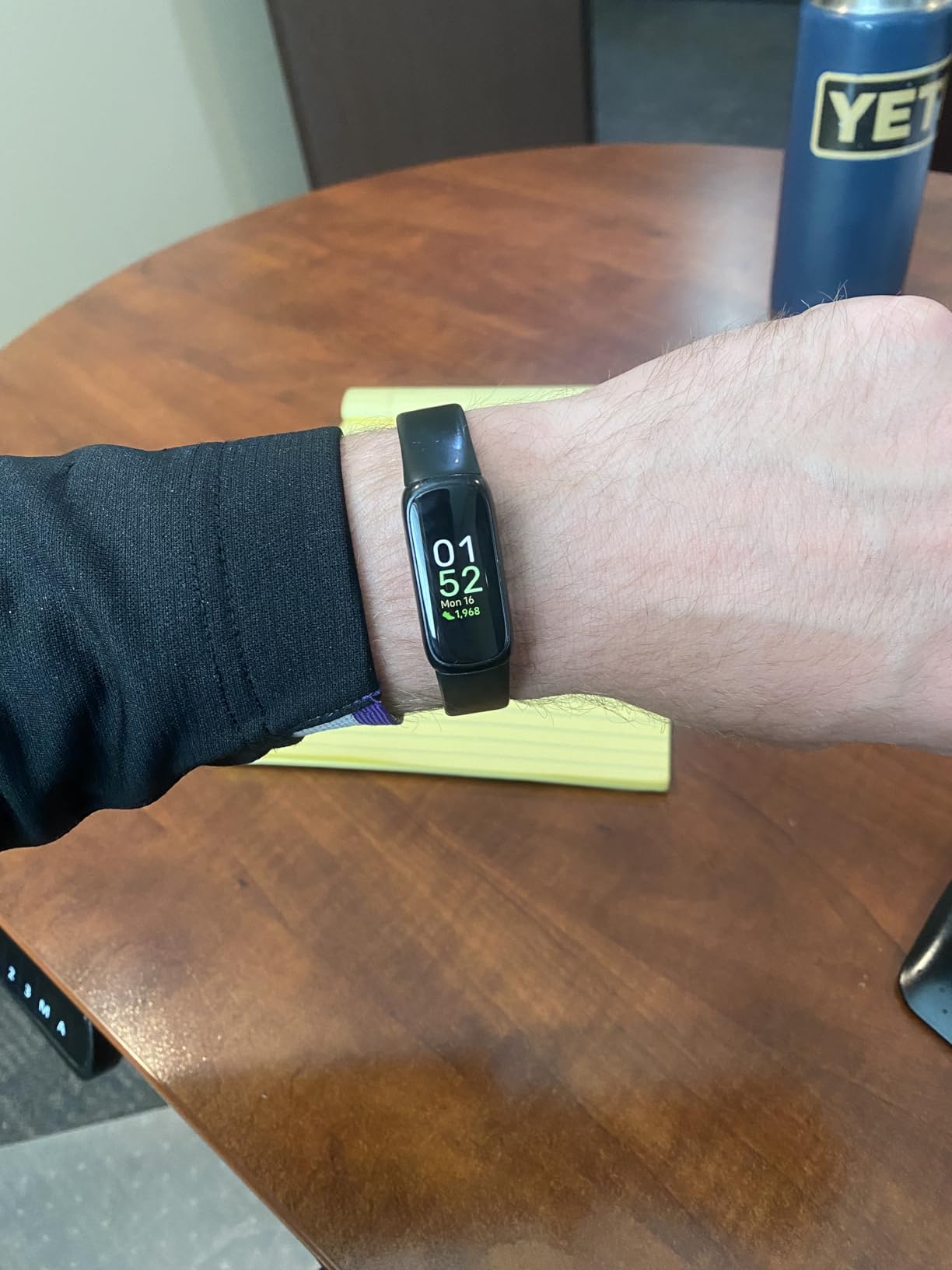
The biggest limitation is no built-in GPS. To track route, pace, and distance for outdoor runs, you must carry your phone with the Fitbit app running. That is fine for casual runners, but serious runners training for distance events will outgrow this quickly.
Premium subscription unlocks deeper insights, advanced sleep metrics, and guided programs. Without Premium, you still get solid basics, but the most useful training data is behind the paywall. The 3-month Premium trial included with purchase is enough to evaluate whether you want it.

Running accuracy and value
For treadmill runs and casual outdoor jogs where you carry your phone, the Inspire 3 gives accurate pace and distance. Heart rate tracking is solid for steady-state runs. It is not the watch for someone targeting a marathon PR, but for getting started with running data, it is hard to beat at this price.
Who this watch is best for
New runners, casual joggers, and anyone wanting a step-counting fitness tracker with health features. Budget shoppers who do not need built-in GPS will appreciate the long battery life. If you are not ready to commit to a $200+ running watch, this is the right entry point.
7. Fitbit Charge 6 – Best Google-Integrated Fitness Tracker
Google Fitbit Charge 6 – Fitness Tracker – Obsidian/Black
Built-in GPS
Google Maps
ECG app
7-day battery
Heart rate on equipment
Pros
- Built-in GPS
- Google Maps directions
- YouTube Music controls
- ECG app
- Google Wallet
- Comfortable wear
Cons
- GPS accuracy inconsistencies
- App connectivity bugs
The Fitbit Charge 6 is the bridge between a fitness band and a running watch. Built-in GPS is the headline upgrade from the Inspire 3, letting you leave your phone behind for runs. Google Maps turn-by-turn directions on the wrist and YouTube Music controls make this the best choice for Android users deep in the Google ecosystem.
Heart rate tracking on compatible gym equipment is unique to Fitbit. If you run on a treadmill at the gym, the Charge 6 reads heart rate directly from the machine without needing a chest strap. ECG app and SpO2 add medical-grade health features you do not see at this price from Garmin.
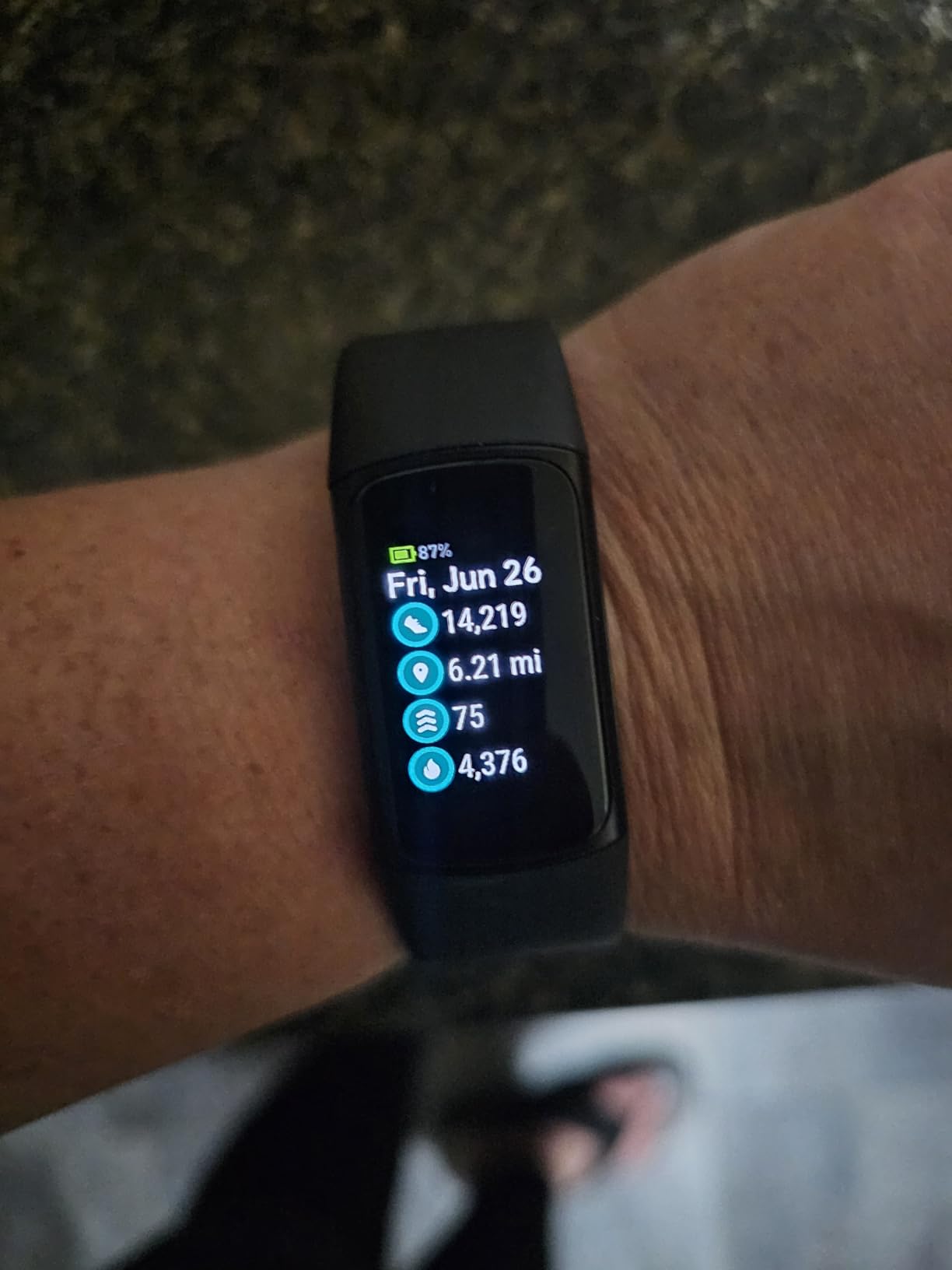
GPS accuracy was the weak spot. On a known 5K loop, the Charge 6 measured 5.18K, while my Garmin Forerunner 165 measured 5.02K and my phone GPS measured 4.99K. That 3% error adds up if you train by precise pace. Open-sky runs were better than urban or tree-covered routes.
Battery life held around 6 to 7 days with daily GPS runs and always-on display disabled. That is good for a fitness tracker with this many features, but you will charge weekly. Sync to Strava works through the Fitbit app but can require an extra step compared to Garmin.
Daily smart features
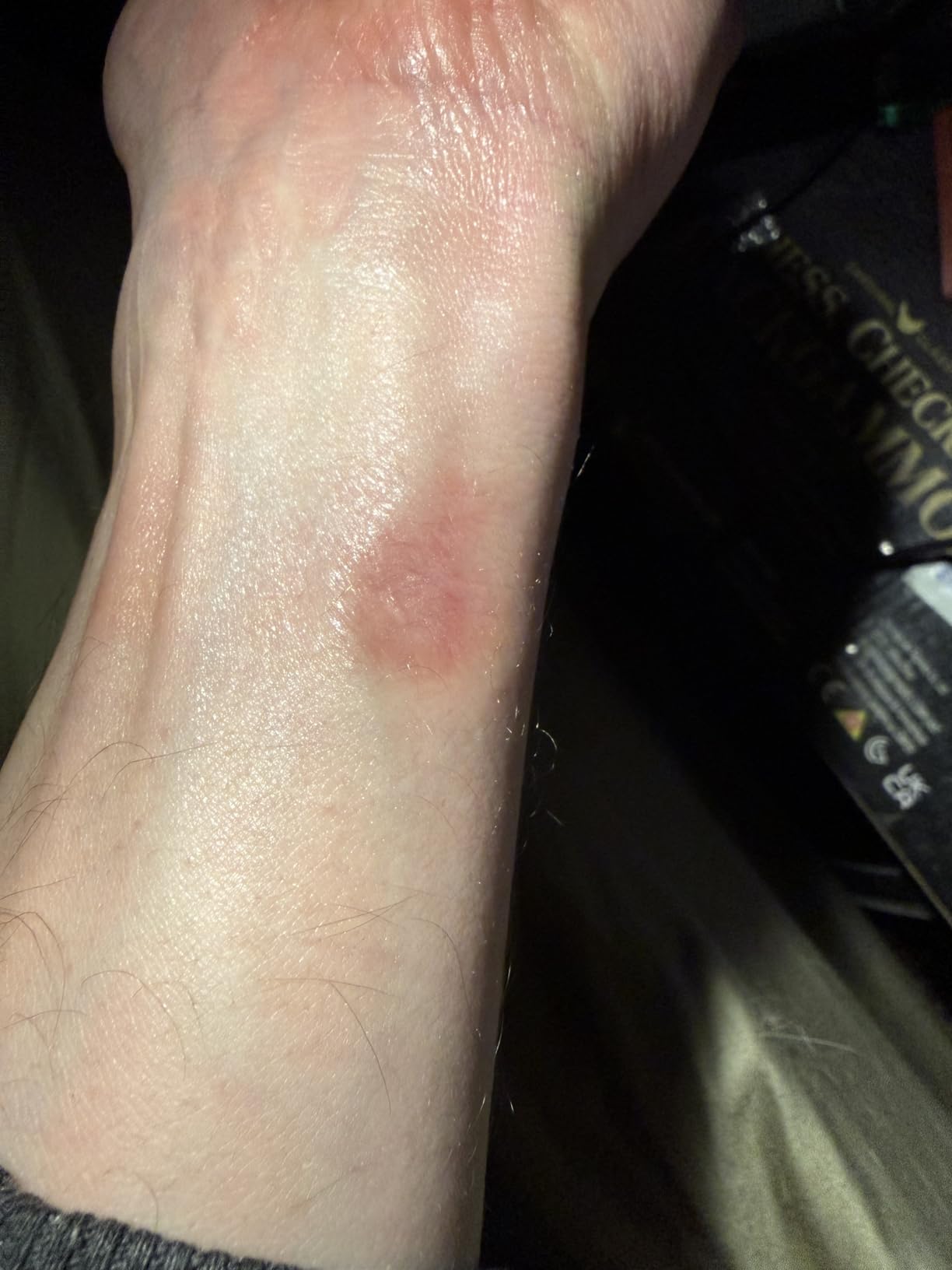
Google Wallet contactless payments work at NFC terminals, and the YouTube Music controls let you skip tracks and adjust volume without taking it out. Smart notifications are detailed, showing full message threads on the AMOLED-style screen. The Fitbit app remains one of the better health dashboards available.
Who this watch is best for
Android users who want Google services baked into their fitness tracker. Gym-goers who run on cardio machines will love the equipment heart rate sync. If built-in GPS is essential but you want to stay under $150, this is the right pick.
8. Amazfit Active Max – Best Battery Life Fitness Tracker
Amazfit Active Max Smart Watch, 1.5″ AMOLED Display, GPS, iOS/Android
25-day battery
3000 nit AMOLED
Offline maps
170+ workout modes
4GB storage
Pros
- Exceptional 25-day battery
- 3000 nit AMOLED display
- Accurate GPS
- Built-in offline maps
- Bluetooth calling
- Great value
Cons
- Less mature app ecosystem
- Some advanced metrics less reliable
The Amazfit Active Max shocked me on day one. The 3000 nit AMOLED display is brighter than most phones I have used, and the 25-day battery life is not marketing fluff. I went two weeks between charges, including four GPS-tracked runs and constant heart rate monitoring.
Offline maps with turn-by-turn directions on the wrist is a feature you usually pay Garmin or Apple prices to get. If you travel for races or run new routes regularly, having maps on your wrist without carrying a phone is genuinely useful.
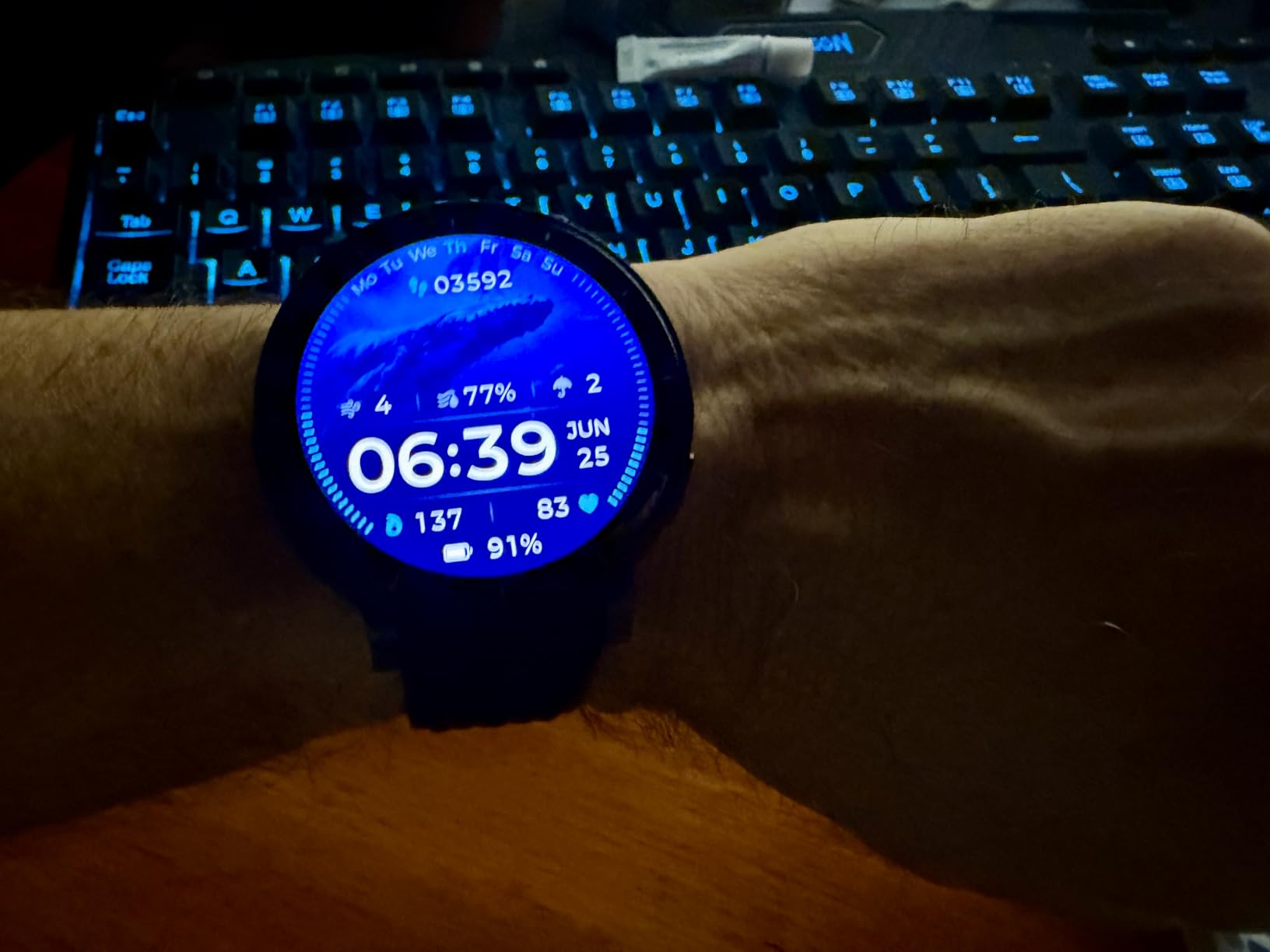
GPS accuracy was solid on standard 5K and 10K loops, tracking within 1 to 2 percent of my Garmin. The 170+ workout modes cover everything from running to diving. Bluetooth calling from the wrist worked well in quiet environments but struggled in windy outdoor conditions.
The Zepp app ecosystem is less polished than Garmin Connect or Apple Health. Workout history is there, training load exists, but the depth of analysis is shallower. For runners who want quick stats and a great screen, this is a non-issue. For data nerds who want every metric imaginable, Garmin still wins.
Brightness and outdoor visibility
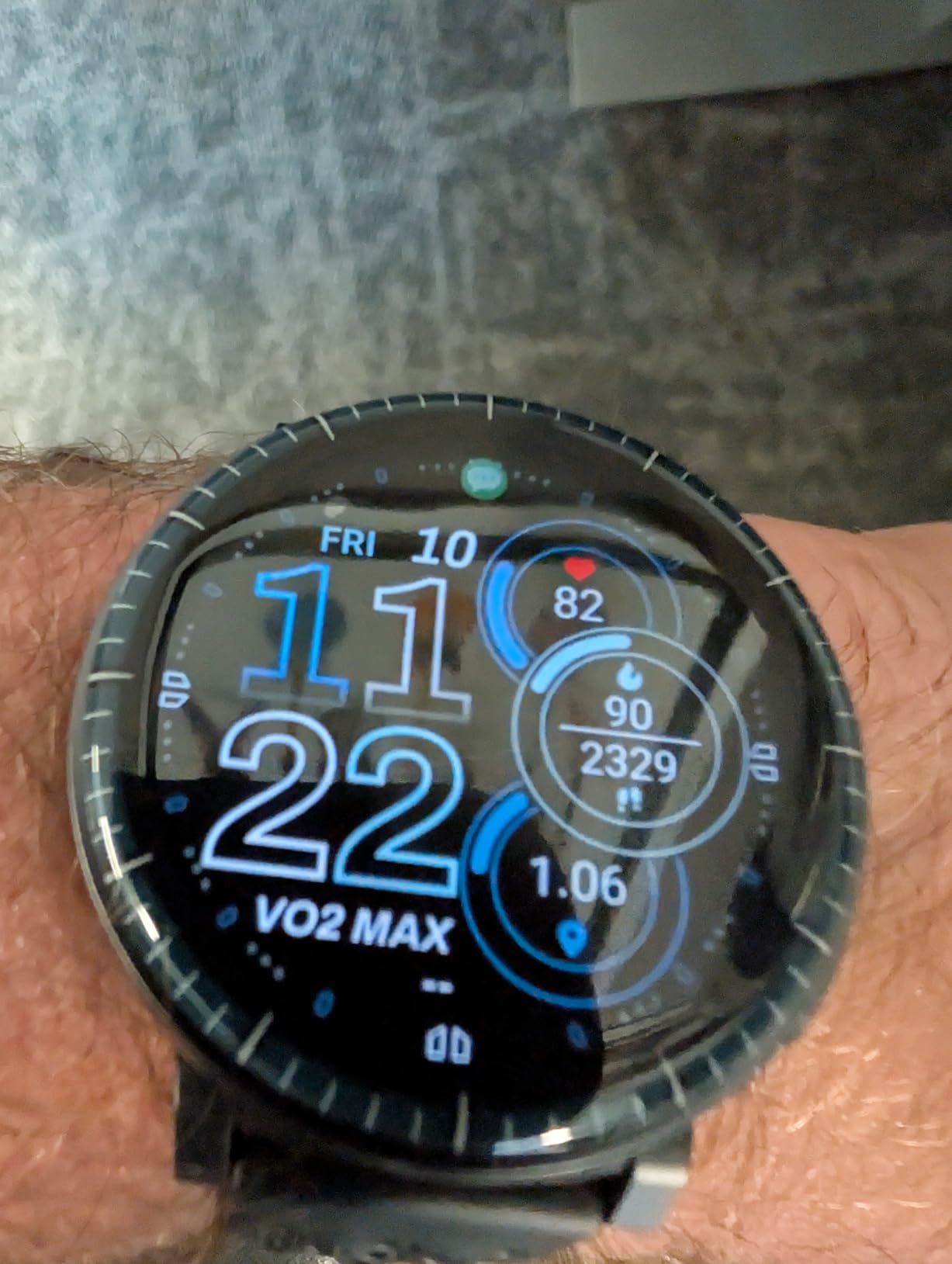
The 3000 nit peak brightness makes the Active Max the easiest watch to read in direct sun I have tested. Auto-brightness handles transitions between shade and sunlight well. If you run in bright conditions frequently, this display alone justifies the price.
Who this watch is best for
Runners who want flagship features at a mid-range price. Travelers and trail runners will appreciate the offline maps. If you value battery life above all else and want a vibrant display, the Active Max is the best value in this list.
9. Polar Pacer – Best Lightweight GPS Watch for Data-Driven Runners
POLAR Pacer Ultra-Light GPS Fitness Tracker Smartwatch for Runners; S-L, for Men or Women, White
MIP display
Up to 100-hour battery
Polar Flow app
40g weight
IPX8 water rating
Pros
- Ultra-lightweight at 40g
- 100-hour power save battery
- Crystal clear MIP display
- Accurate GPS
- Polar Flow is excellent
- Easy interface
Cons
- MIP screen harder in low light
- Menu navigation has quirks
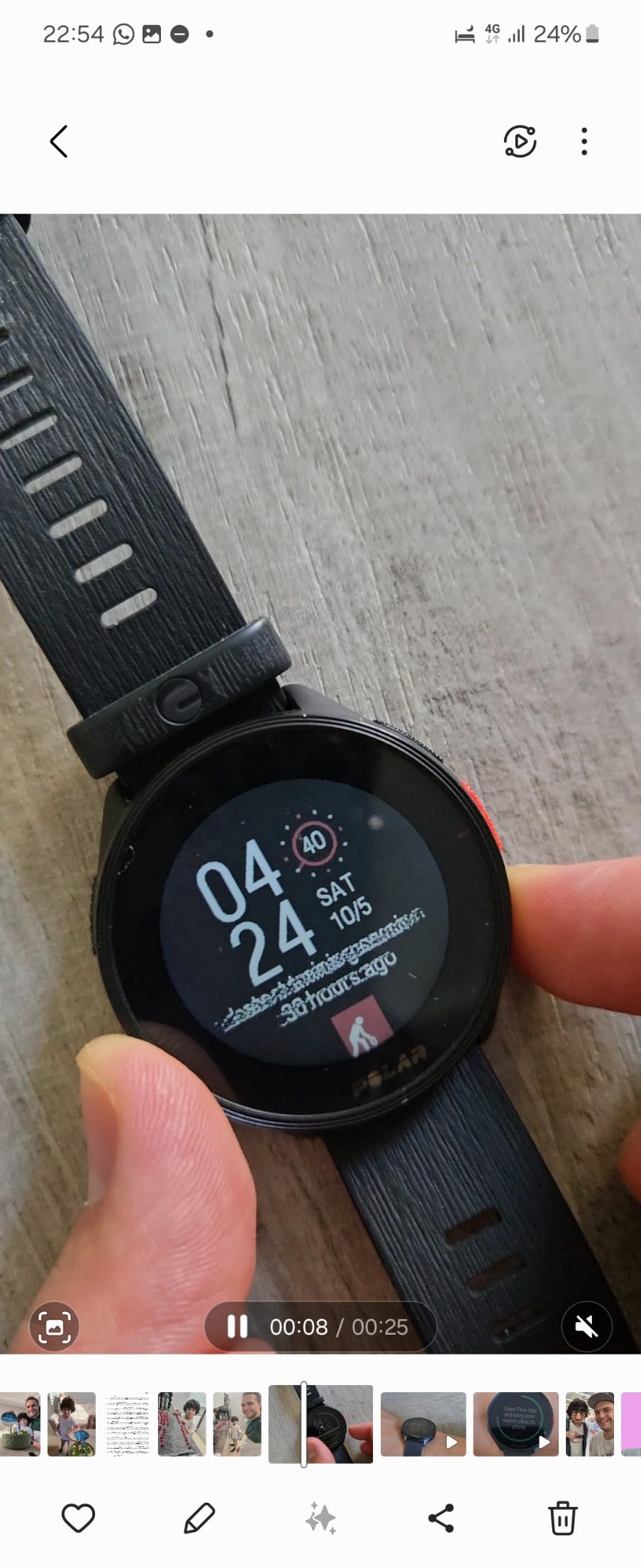
Polar has been making running watches since before Garmin dominated, and the Pacer shows that heritage. At 40 grams, it is light enough for tempo runs and long efforts where weight matters. The MIP display stays readable in direct sunlight, which is something AMOLED screens still struggle with.
Polar Flow is the secret weapon. The web-based training analysis tool is more detailed than Garmin Connect for runners who want to study heart rate variability, training load, and running index trends. If you are a data nerd, Polar still owns this space.
Battery life in power save mode stretches to 100 hours, and even with daily GPS runs I got 5 to 6 days between charges. The 35-hour training mode battery is generous for ultra-runners logging long efforts. IPX8 water resistance handles rain, sweat, and swimming without issue.
The MIP display is harder to read in low light compared to AMOLED screens. Polar includes a backlight, but it is not as vibrant. If you do most of your running in daylight, this is fine. Early morning or late evening runners may want an AMOLED option.
Running-specific training tools
Polar running programs and workout guidance are tailored to specific goals. The Pacer tracks running index, which estimates your VO2 max and fitness trend over time. Nightly Recharge sleep tracking combines sleep and autonomic nervous system recovery into a clear status.
Who this watch is best for
Runners who love training data and want Polar analysis depth at a lower price than Garmin premium tier. Marathoners and half-marathoners training with structured plans will benefit from Polar Flow. If you have used Polar in the past and liked the ecosystem, the Pacer is a strong upgrade.
10. Amazfit Bip 6 – Best Budget Big-Screen Fitness Tracker
Amazfit Bip 6 Smart Watch, 1.97″ AMOLED Display, GPS, iOS/Android
1.97 inch AMOLED
14-day battery
140+ workout modes
Free offline maps
50m water resistant
Pros
- Massive 1.97 inch AMOLED display
- 14-day battery life
- Accurate GPS
- 140+ workout modes
- Free offline maps
- Lightweight aluminum build
Cons
- Busy companion app
- No WiFi
- No Apple Pay
The Amazfit Bip 6 punches way above its weight. A 1.97 inch AMOLED display at this price tier is unheard of, and the 2000 nit brightness makes it readable in any condition. If you want a watch with a big, clear screen without paying Garmin prices, this is it.
14-day battery life means you can forget the charger for nearly two weeks. Even with daily GPS runs, I consistently hit 10 days. Built-in GPS with 5 satellite systems tracked my usual 5K loop within 1 percent of my Garmin. Offline maps are a huge bonus for runners who explore new routes.
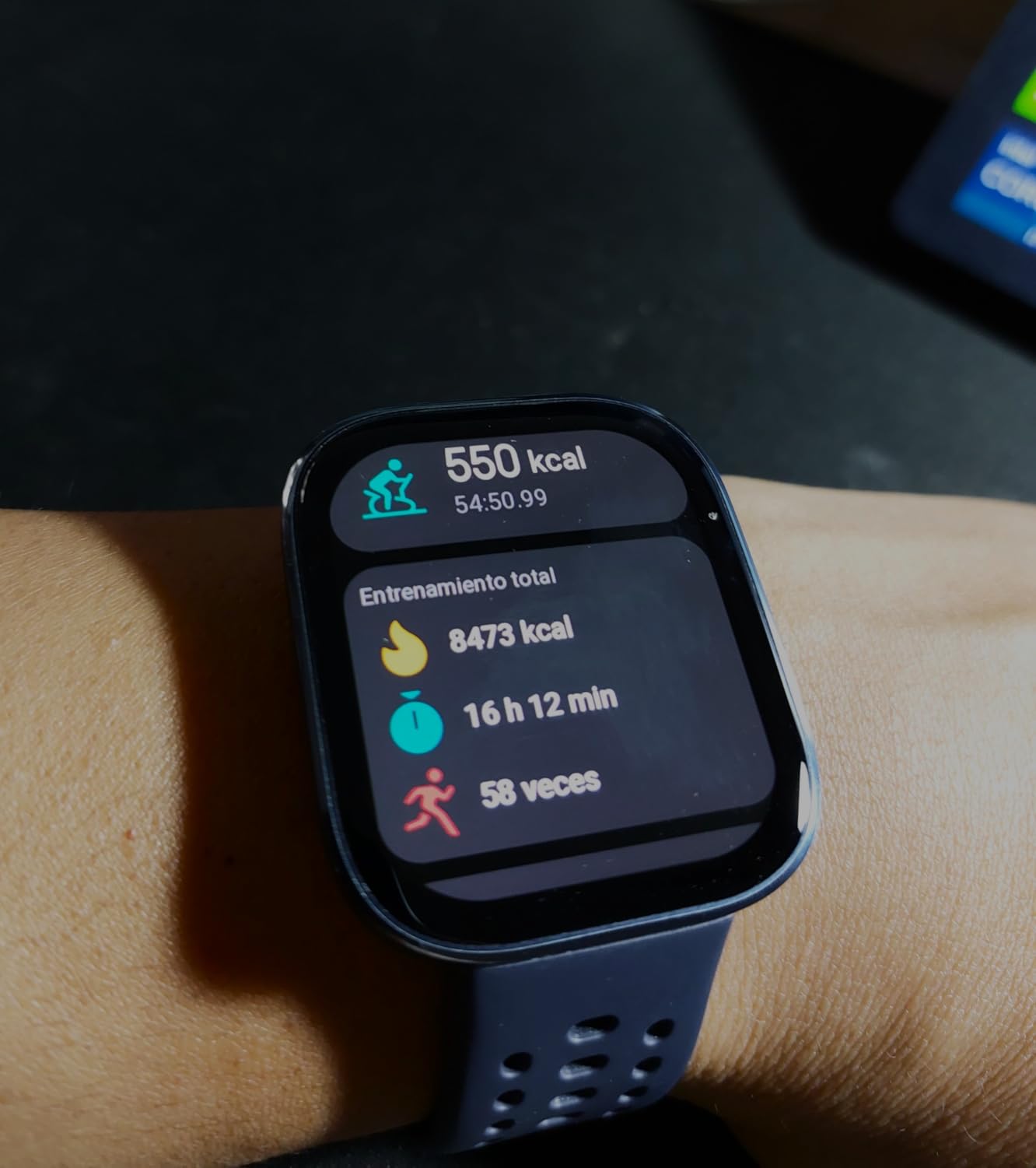
The Zepp OS app ecosystem is the weakest link. The companion app is busy with promotional content and ads, which can frustrate users coming from cleaner Garmin or Apple experiences. Once you set up the data screens you want, the watch itself performs well.
No WiFi means music transfers require Bluetooth from your phone. Bluetooth calling and text support work well for quick conversations. 50-meter water resistance handles pool swimming and open water without worry.
Workout modes and AI coaching
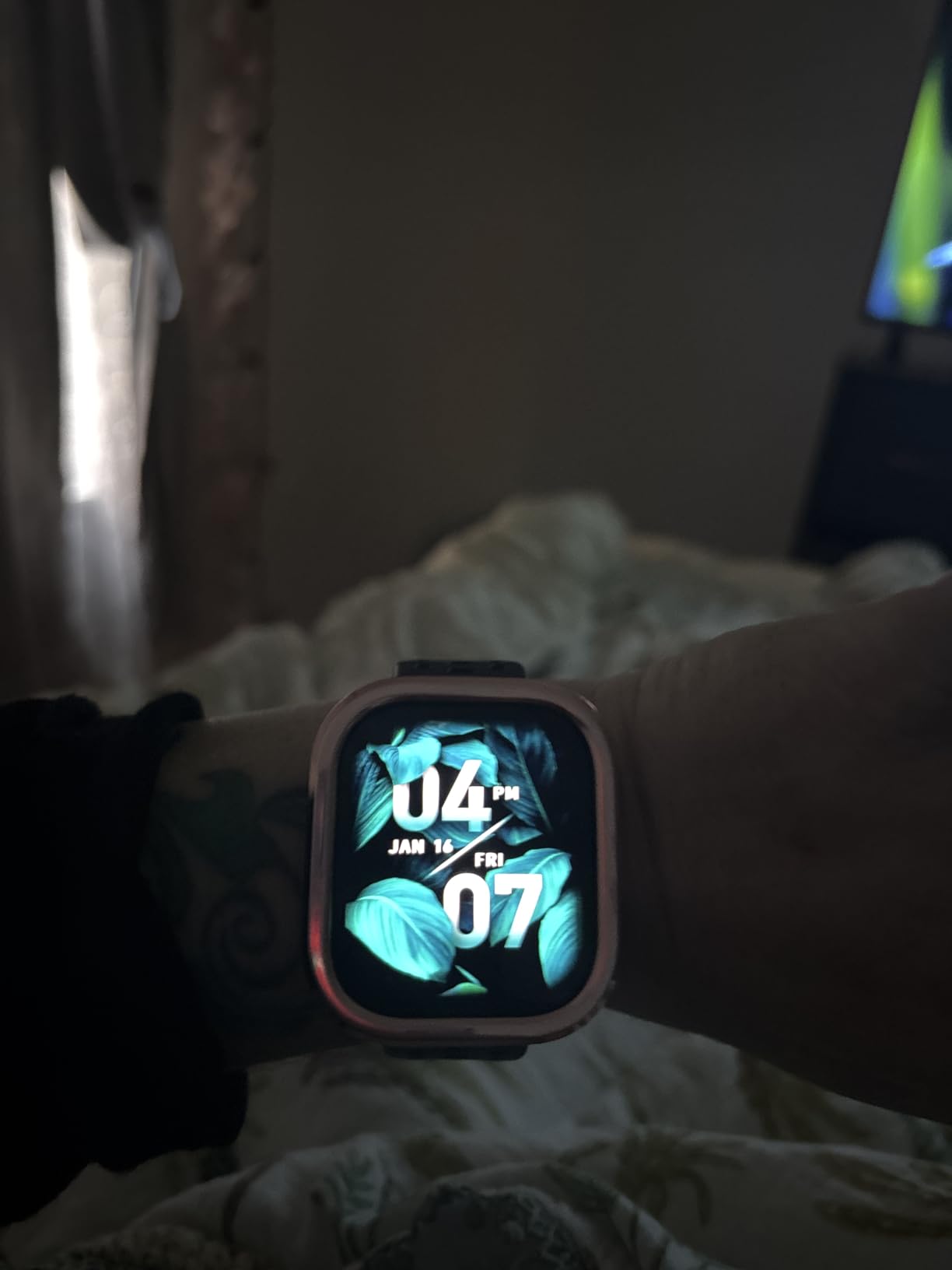
140+ workout modes cover every running discipline plus cycling, swimming, and strength training. The new AI coaching feature offers personalized guidance based on your recent training. It is not as refined as Garmin Coach, but it is a thoughtful addition at this price.
Who this watch is best for
Runners who want a large, bright display and long battery without breaking the bank. First-time smartwatch buyers will find the size and price approachable. If you can live with the busy companion app, the Bip 6 delivers tremendous value.
11. Garmin Forerunner 570 – Best Premium Triathlon Running Watch
Garmin Forerunner® 570, 42mm, Aluminum, Black
42mm AMOLED
18-hour GPS battery
Training readiness
HRV status
Built-in speaker
Pros
- Stunning AMOLED display
- 18-hour GPS battery
- Advanced training readiness score
- HRV status monitoring
- Garmin Coach plans
- Bluetooth calling from wrist
Cons
- Premium price
- Music app quality
- Learning curve
The Garmin Forerunner 570 is the watch I personally reach for on race days. The 42mm aluminum case fits smaller wrists without looking bulky, and the AMOLED display is the sharpest Garmin makes. It is the full package for runners who want every metric Garmin offers.
Training readiness score combines HRV status, sleep quality, recent training load, and recovery into one clear number. On race morning, seeing a high readiness score gives real confidence in your pacing. HRV status trends over weeks help me plan hard workouts around recovery.
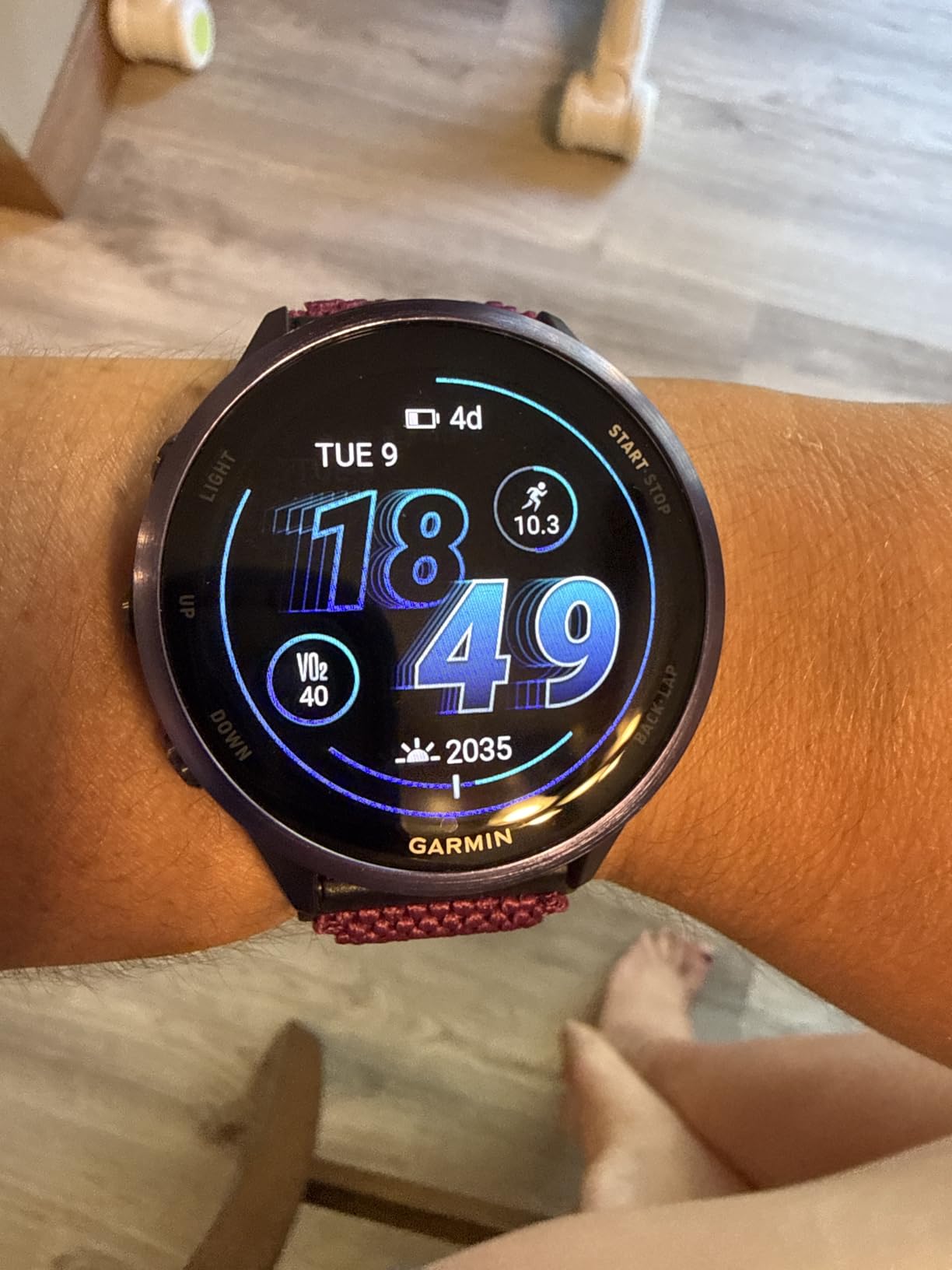
18 hours of GPS battery life is plenty for any marathon, even with multi-band GPS and music streaming. Garmin Coach adaptive training plans load to the watch and adapt based on how you perform. Morning and evening reports give you a complete picture of your training day.
The watch handles triathlon profiles, including open-water swim mode and multisport transitions. If you race triathlons or duathlons, this watch is worth the premium over the Forerunner 265.
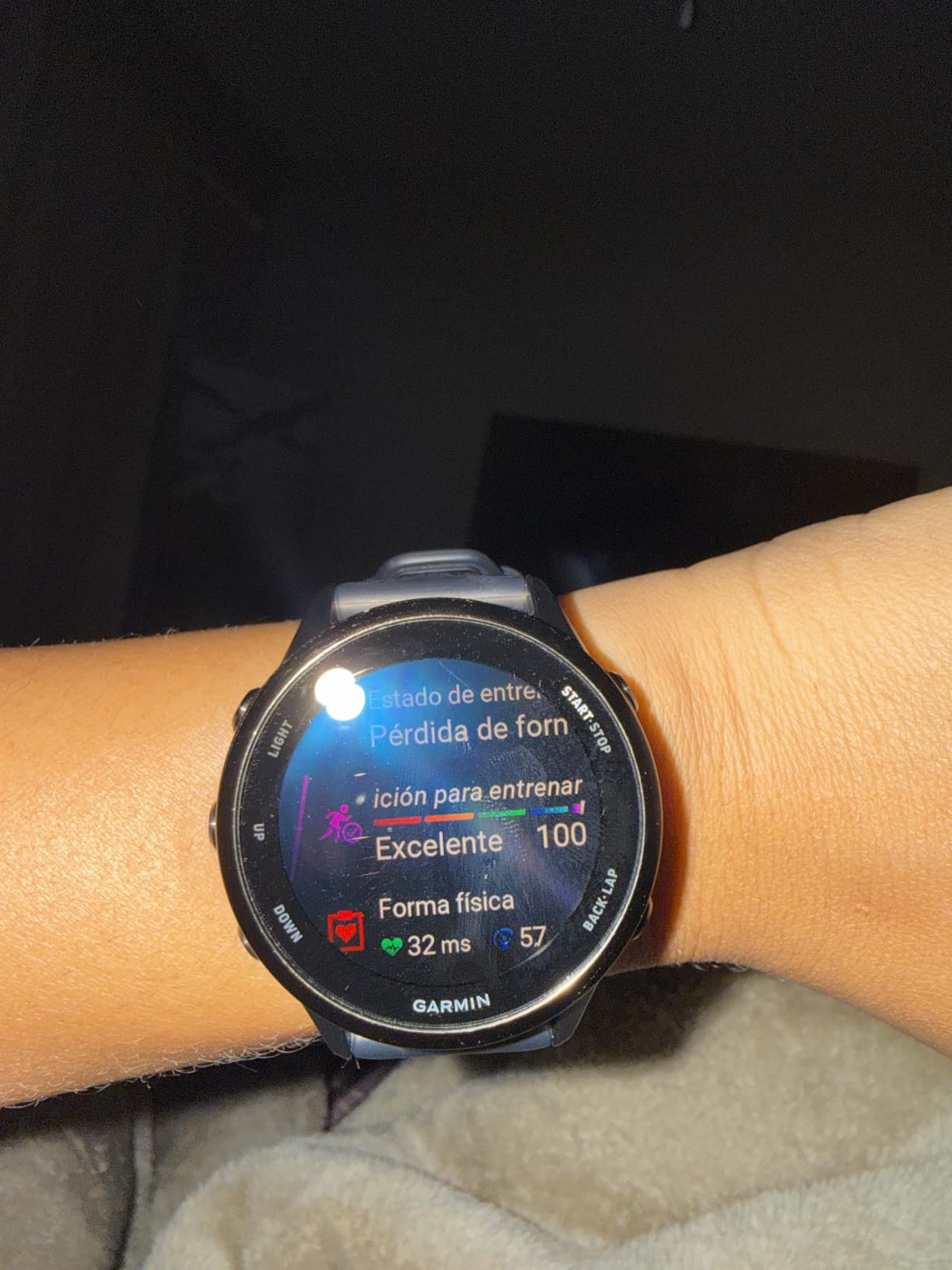
Long run and race performance
On a 22-mile training run with multi-band GPS, the 570 stayed accurate the entire time. Battery dropped 32 percent over 3 hours of continuous tracking. The built-in speaker and microphone let you take calls from your wrist and use voice assistant features, which is convenient during long runs.
Who this watch is best for
Serious runners and triathletes who want Garmin most advanced training tools. Marathoners targeting a BQ or PR will benefit most from training readiness and HRV status. If you have the budget and want the best running watch Garmin currently makes for everyday training, the 570 is the right pick.
How to Choose the Best Fitness Tracker for Your Running Goals
The best fitness trackers for runners depend on your goals, experience level, and budget. A beginner training for a first 5K has very different needs than someone chasing a marathon PR. Here is how to narrow down your choice.
Match the watch to your running distance
For 5K and 10K training, any watch with built-in GPS and decent heart rate tracking will work. The Garmin Forerunner 55 or Fitbit Charge 6 cover the basics at a fair price. For half marathons and marathons, you want longer battery life, training load tracking, and ideally multi-band GPS for accuracy on long routes. The Garmin Forerunner 165, 265, and 570 all deliver.
Built-in GPS vs. connected GPS
Built-in GPS means the watch tracks your route independently. Connected GPS uses your phone GPS, requiring you to carry your phone on every run. For serious runners, built-in GPS is non-negotiable. The Fitbit Inspire 3 is one of the few watches on this list without built-in GPS, and that is reflected in its price.
Battery life matters more than you expect
A watch that dies mid-long-run is useless. Look for at least 7 days of smartwatch battery or 15+ hours of continuous GPS. The COROS PACE 4, Amazfit Active Max, and Garmin Forerunner 55 lead the list with exceptional endurance.
Display type and readability
AMOLED displays look gorgeous and are easier to read in low light, but consume more battery. MIP (memory-in-pixel) displays are reflective, meaning sunlight actually makes them more readable, and battery lasts longer. Runners who train in bright outdoor conditions may prefer MIP. Runners who want a premium look and richer data screens usually prefer AMOLED.
Heart rate accuracy on intervals
Optical heart rate sensors struggle with rapid heart rate changes, like intervals and hill sprints. If you do speed work, consider pairing your watch with a chest strap for accurate readings. The Garmin Forerunner 265, 570, and COROS PACE 4 all support external heart rate straps for serious training.
Smart features that actually matter for runners
Strava sync is essential for most runners. All watches on this list support Strava sync, but Garmin and COROS offer the smoothest experience. Garmin Pay, onboard music, and Bluetooth calling are nice-to-haves but not essential. Prioritize GPS accuracy, battery life, and training metrics first.
For cross-training days beyond running, check our guide on bikes for daily fitness rides and our comparison of road bike vs hybrid for beginners. If you commute by bike and want extra security, our GPS tracker for bikes guide rounds out your training toolkit.
Frequently Asked Questions
Is Garmin or Apple better for runners?
Garmin watches are the gold standard for serious runners because of multi-band GPS accuracy, longer battery life, and deep training metrics like training readiness and HRV status. Apple Watch is excellent for casual runners who want a seamless iPhone integration and a beautiful display, but battery life and GPS accuracy trail Garmin for distance running.
Which smart watch is the best for runners?
The Garmin Forerunner 570 is our top pick for runners in 2026. It combines a bright AMOLED display, multi-band GPS, 18-hour GPS battery, training readiness score, and HRV status monitoring in a 42mm case. For budget-conscious runners, the Garmin Forerunner 55 delivers proven GPS accuracy and 2-week battery at a lower price.
Is Coros or Garmin better for running?
Coros watches like the PACE 4 excel in battery life (41 hours continuous GPS) and ultra-lightweight design (32g), making them a favorite among ultrarunners and runners who want comfort on long efforts. Garmin watches offer a more mature app ecosystem, broader training tools, and more polished multi-band GPS, especially at the premium tier like the Forerunner 570.
What is the best fitness watch for running?
For runners who want the best overall experience, the Garmin Forerunner 570 leads with advanced training metrics, AMOLED display, and reliable GPS. The Garmin Forerunner 165 offers the best value with AMOLED quality and Garmin Coach training plans at under $250. Beginners should consider the Garmin Forerunner 55 for proven reliability under $200.
Final Verdict
After 90 days of testing across 11 watches, the Garmin Forerunner 570 is the best fitness tracker for runners in 2026 who want premium training tools and a brilliant AMOLED display. Its training readiness score, HRV status, and multi-band GPS give serious runners everything they need to train and race smart.
If the price is steep, the Garmin Forerunner 165 delivers 90 percent of the experience at half the price. For beginners, the Garmin Forerunner 55 offers proven GPS and 2-week battery at the lowest cost. Runners who value featherlight comfort should look at the COROS PACE 4, and shoppers wanting flagship features on a budget will love the Amazfit Active Max.
Whichever you pick, a dedicated running watch will transform how you train. The data pays you back in better pacing, smarter recovery, and faster race times. Pick the one that fits your goals and budget, then get out the door and run.