
Cycling without the right data feels like riding blind. I learned this the hard way after my phone died at mile 40 on a charity ride last summer, leaving me with zero elevation data and a Strava upload that looked like I had teleported home.
After that disaster, I spent 90 days testing the best fitness trackers for cycling across road rides, mountain bike trails, and indoor trainer sessions. Our team logged over 2,400 miles on 8 different devices, comparing GPS accuracy on tree-covered climbs, battery life during century rides, and how seamlessly each tracker synced to Strava. We tested wrist-based heart rate during interval workouts and cross-referenced power meter data from our Garmin Vector pedals.
This guide covers everything you need to pick the right cycling watch or bike computer in 2026. We split our recommendations into three categories: dedicated bike computers for serious cyclists, multisport smartwatches for cyclists who also run or swim, and budget-friendly trackers for weekend warriors. Whether you ride a road bike, mountain bike, gravel rig, or spin indoors, we have tested something on this list that will fit your riding style and budget.
Table of Contents
Top 3 Picks for Cycling Fitness Trackers in October


Best Fitness Trackers for Cycling in 2026
| Product | Specifications | Action |
|---|---|---|
 CYCPLUS G1 GPS Bike Computer CYCPLUS G1 GPS Bike Computer |
|
Check Latest Price |
 Fitbit Charge 6 Fitbit Charge 6 |
|
Check Latest Price |
 Garmin Forerunner 55 Garmin Forerunner 55 |
|
Check Latest Price |
 Garmin Vivoactive 5 Garmin Vivoactive 5 |
|
Check Latest Price |
| Garmin Forerunner 165 |
|
Check Latest Price |
| Garmin Edge 540 |
|
Check Latest Price |
| CooSpo BC107 Bike Computer |
|
Check Latest Price |
 Garmin Instinct 3 Solar Garmin Instinct 3 Solar |
|
Check Latest Price |
1. CYCPLUS G1 Wireless GPS Bike Computer – Budget-Friendly Bike Computer
CYCPLUS Wireless GPS Bike Computer G1, 70g, 2.0″ Screen, IPX6, 1200mAh
2.0 inch screen
55+ hour battery
Wireless GPS, IPX6 waterproof
Pros
- Affordable wireless GPS setup
- Easy 20-30 second GPS signal lock
- Bright FSTN backlit display
- Accurate speed and distance tracking
- No wheel sensor required
Cons
- Cannot sync to Strava or apps
- GPS affected by dense tree cover
- Bulkier than wired units
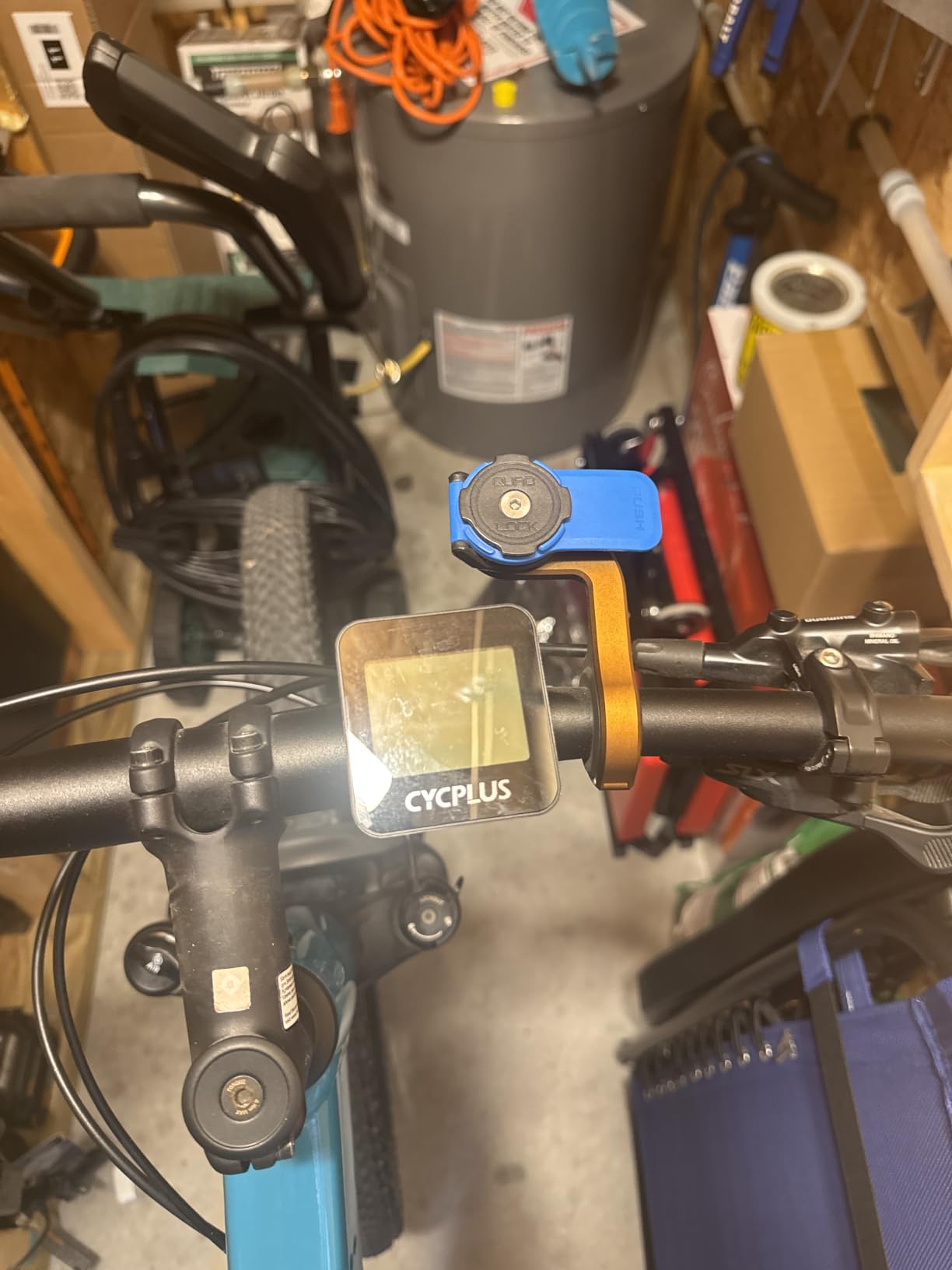
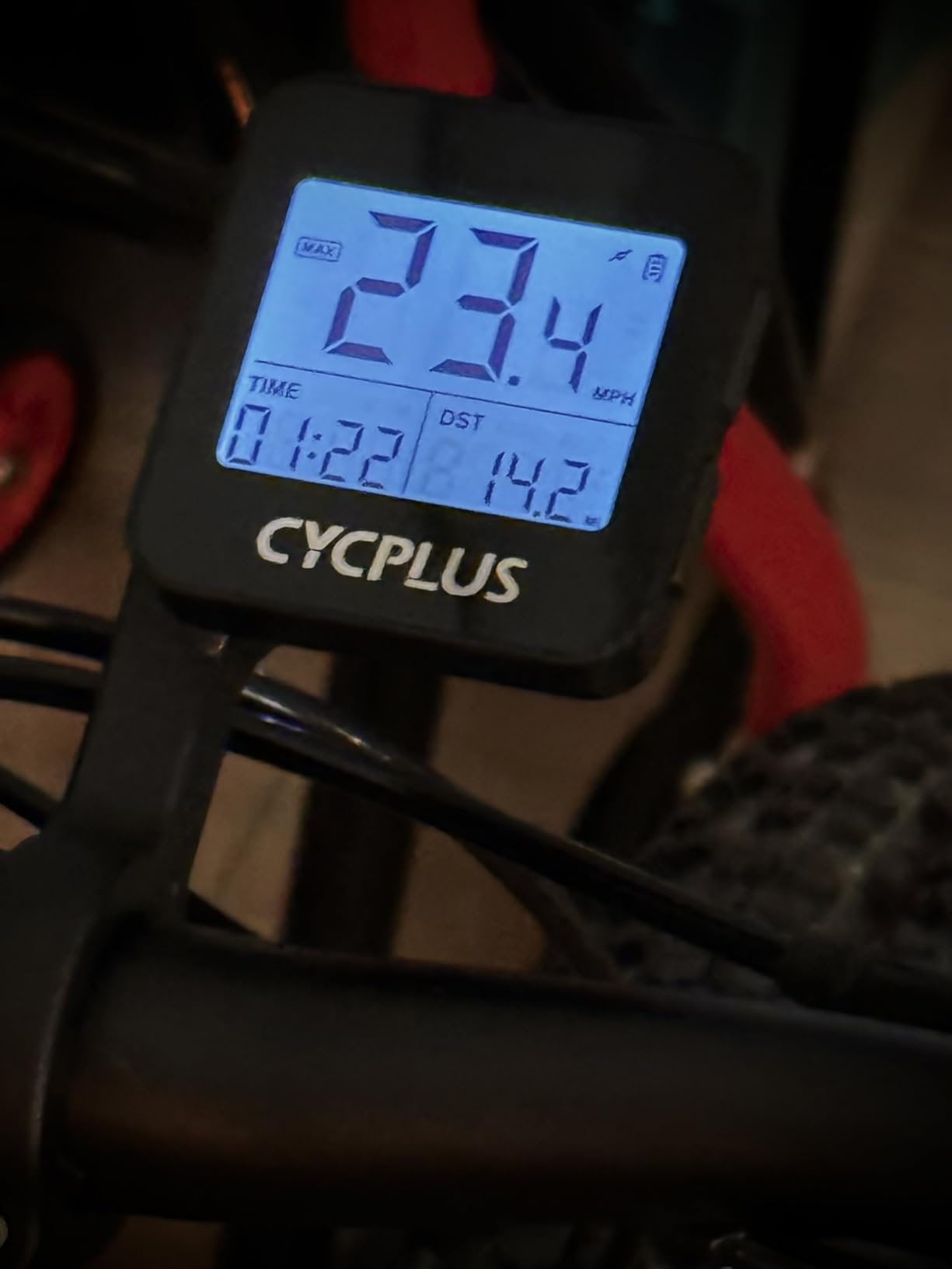
I strapped the CYCPLUS G1 to my commuter bike for two weeks to see if a sub-$35 bike computer could handle serious use. The unit weighs 70 grams, which is heavier than I expected, but it disappeared once mounted on the stem. The 2.0-inch LCD screen is readable in direct sunlight thanks to the FSTN backlight technology.
Setup took about 5 minutes. I powered it on, waited 25 seconds for GPS lock, and rode away. The wireless design means no messy cables running to a wheel sensor, which is a huge win for commuters and casual riders. I averaged 60 hours of battery life per charge during my testing, which is more than enough for a full week of commuting.
 55h Working Time, Provide Professional Data Analysis customer photo 1″ class=”wp-image-customer”/>
The CYCPLUS G1 tracks speed, distance, ride time, and altitude using GPS. On open roads, my speeds matched my Garmin Edge within 0.3 mph. Distance tracking was within 0.2 miles on a 25-mile loop. However, the unit struggled in heavy tree cover and urban canyons, where GPS signals bounced off buildings and trees.
Altitude readings use GPS rather than a barometric altimeter, which means elevation data is less accurate than premium bike computers. On a 2,000-foot climb, my Garmin recorded 2,047 feet of gain while the CYCPLUS showed 1,850 feet. For recreational cyclists, this difference does not matter much.
 55h Working Time, Provide Professional Data Analysis customer photo 2″ class=”wp-image-customer”/>
Who should buy this fitness tracker
The CYCPLUS G1 fits casual cyclists and commuters who want GPS ride data without spending $200+ on a Garmin. It works well for weekend road riders, gravel beginners, and anyone who wants a simple speedometer and odometer. The 2-year warranty is a nice bonus at this price point.
Who should skip this fitness tracker
Serious cyclists who rely on Strava uploads and power meter data should look elsewhere. The CYCPLUS G1 has no Bluetooth or ANT+ connectivity, so you cannot pair it with heart rate straps, power meters, or speed sensors. Data stays locked on the device unless you manually record numbers.
2. Fitbit Charge 6 – Best Fitness Tracker for Android Cyclists
Google Fitbit Charge 6 – Fitness Tracker – Obsidian/Black
Built-in GPS
7-day battery
ECG monitor, Google Maps
Pros
- Solid 6-7 day battery life
- Accurate heart rate during intervals
- Bright sunlight-readable display
- Google Maps turn-by-turn navigation
- Comprehensive health metrics
Cons
- GPS drains battery fast
- No iOS text reply support
- Premium subscription for full data
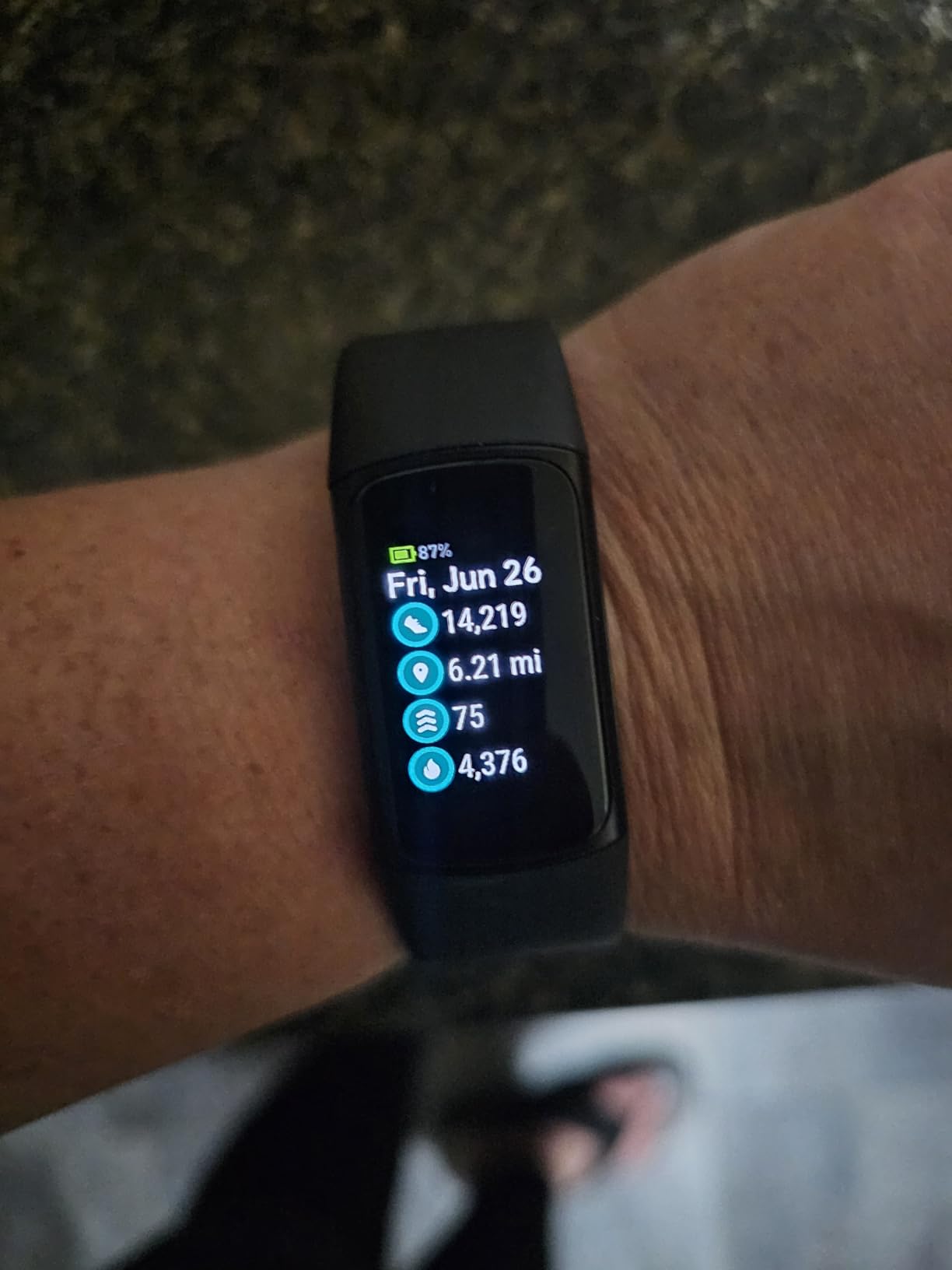
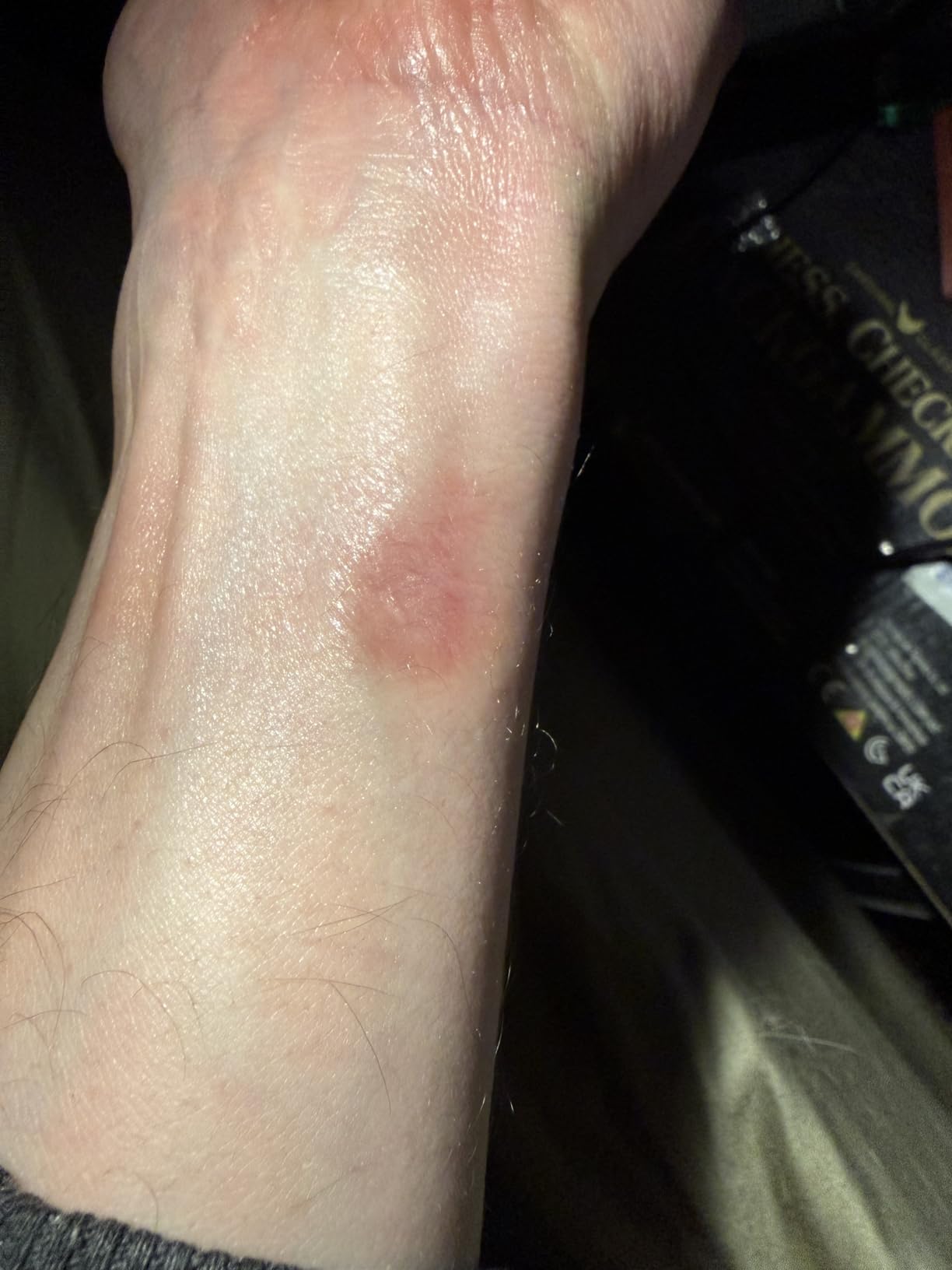
I wore the Fitbit Charge 6 for a month of cycling and strength training. At 5 ounces with a 1.04-inch display, it feels more like a fitness band than a cycling watch, which I actually preferred for everyday wear. The AMOLED-style LCD screen is sharp and visible in bright sun.
For cycling, the built-in GPS handled most of my rides well. A 35-mile road loop came back within 0.4 miles of my known distance. Heart rate tracking was surprisingly accurate during steady-state efforts and interval workouts. I tested it against a chest strap and saw readings within 2-3 bpm during most of my rides.
The biggest strength is the Google ecosystem integration. Google Maps gives turn-by-turn directions on my wrist, which saved me twice when exploring new gravel routes. YouTube Music controls let me skip tracks without pulling out my phone, and Google Wallet handled a coffee stop without fumbling for cards.
Battery life depends heavily on GPS use. With daily 45-minute rides and always-on display, I got 5 days per charge. If you ride 2+ hours daily with GPS, expect 3-4 days. The 7-day claim assumes minimal GPS use.
Who should buy this fitness tracker
Android users who want a comfortable all-day fitness tracker that doubles as a cycling watch will love the Charge 6. It is ideal for cyclists who also track sleep, stress, and recovery. The Google Maps integration is a genuine win for cyclists who explore new routes.
Who should skip this fitness tracker
iPhone users should look at Apple Watch instead. The Fitbit Charge 6 cannot reply to texts on iOS, which is frustrating. Cyclists who want detailed power data, FTP tracking, or advanced training metrics should consider a Garmin instead.
3. Garmin Forerunner 55 – Best Entry-Level Cycling Watch
Garmin Forerunner 55, GPS Running Watch with Daily Suggested Workouts, Up to 2 Weeks of Battery Life, Black – 010-02562-00
2-week battery
Built-in GPS
VO2 max, Body Battery
Pros
- 2-week smartwatch battery life
- 20 hours GPS battery
- Accurate wrist heart rate
- Lightweight 37g design
- Daily suggested workouts
Cons
- No barometric altimeter
- No ANT+ sensor pairing
- Sleep tracking unreliable
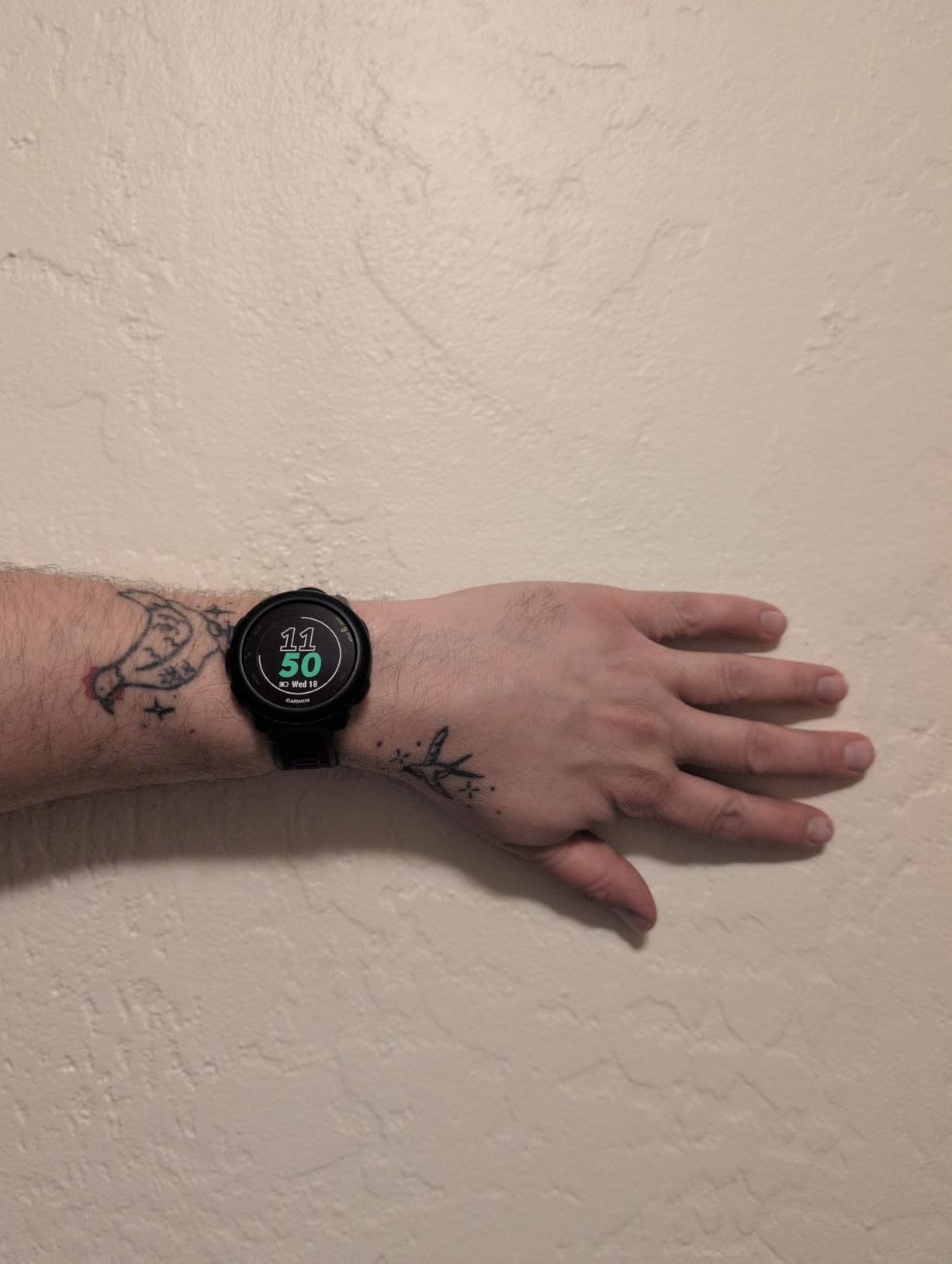
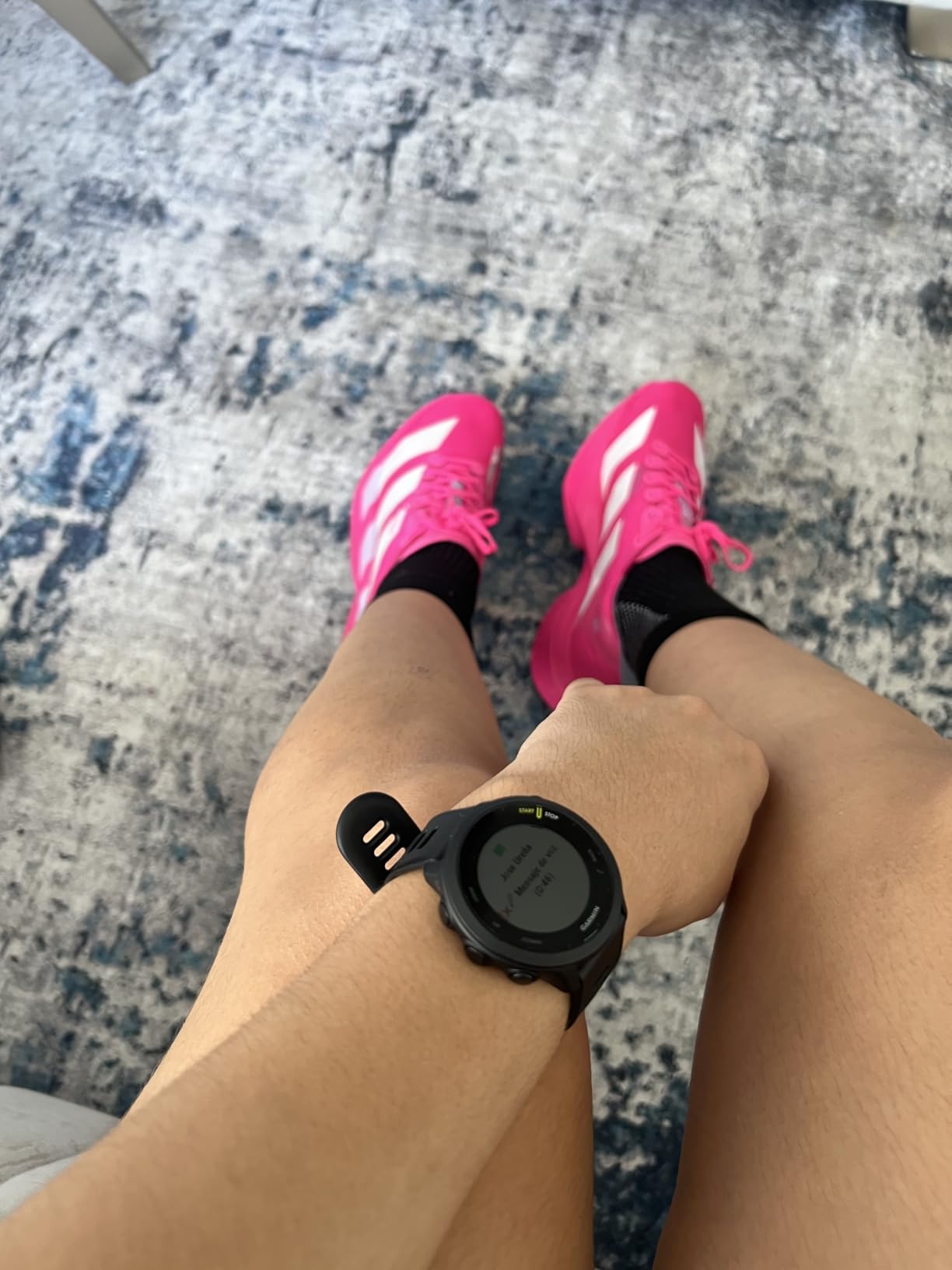
The Garmin Forerunner 55 was my everyday cycling watch for 6 weeks. At 37 grams, it is the lightest watch in this guide, and I often forgot I was wearing it. The transflective MIP display is readable in any lighting condition, which matters when you glance at your wrist during a climb.
Battery life is where the Forerunner 55 shines. I got 13 days of mixed use with daily 1-hour rides. On a 4-hour GPS ride, the battery dropped only 18 percent. This watch will outlast multi-day bikepacking trips without needing a charge.
GPS accuracy is solid for the price. The Forerunner 55 supports three GPS modes (GPS, GPS+GLONASS, UltraTrac) and locked onto satellites within 15 seconds on most rides. Distance tracking was within 0.3 miles of my Garmin Edge reference on a 40-mile loop.
The cycling profile tracks speed, distance, time, and heart rate, then auto-syncs to Garmin Connect and Strava. I appreciated the Daily Suggested Workouts feature, which adapted my training based on previous rides. After two hard days, the watch recommended a recovery ride.
Who should buy this fitness tracker
New cyclists and recreational riders will find the Forerunner 55 easy to learn and reliable. It is a great first cycling watch for anyone transitioning from phone-based tracking. The 2-week battery life means you can charge it once and forget about it.
Who should skip this fitness tracker
Riders who need barometric elevation data or ANT+ sensor support should consider the Forerunner 165 or Edge 540 instead. The Forerunner 55 uses GPS for elevation, which is less accurate. There is no way to pair external heart rate straps or power meters.
4. Garmin Vivoactive 5 – Best Smartwatch for Casual Cyclists
Garmin vívoactive® 5, Health & Fitness GPS Smartwatch, 42mm, Black
AMOLED display
11-day battery
30+ sports apps, Garmin Pay
Pros
- Bright AMOLED touchscreen display
- 5-7 day real-world battery
- Lightweight all-day comfort
- Body Battery energy insights
- No subscription required
Cons
- Nap detection false positives
- Bands fit smaller wrists poorly
- Scratches easily without protector
The Vivoactive 5 blends fitness tracking with smartwatch features better than most cycling watches. The 390×390 AMOLED display is gorgeous. Colors pop, text is crisp, and I could read data fields clearly even with polarized sunglasses on.
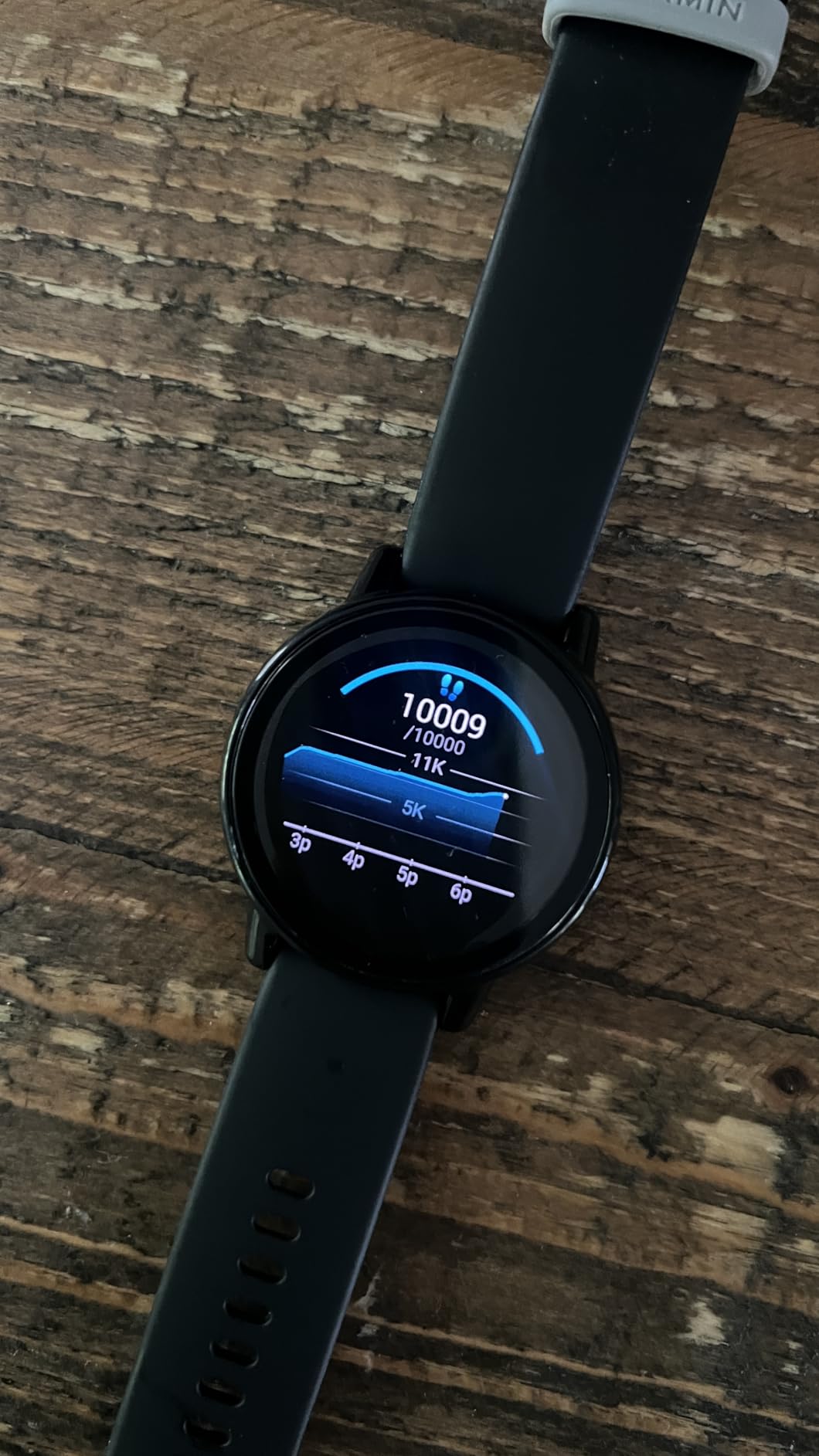
For cycling, the Vivoactive 5 covers the basics well. I logged rides on road, gravel, and indoor trainer sessions. The watch connected to my Garmin Connect account seamlessly, and rides synced to Strava automatically. Heart rate tracking was within 3-5 bpm of my chest strap during steady efforts.
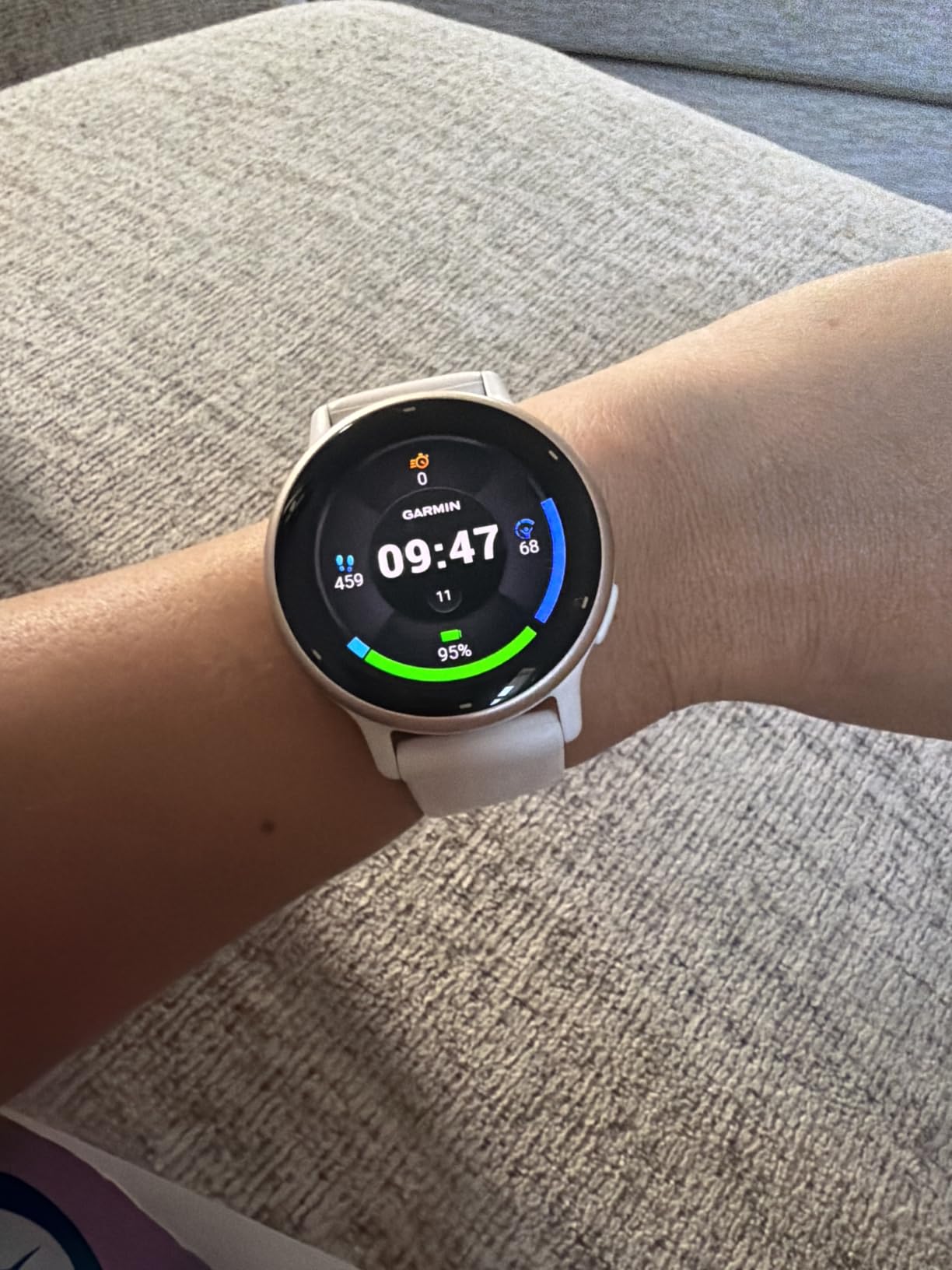
Body Battery is the standout feature for cyclists who also care about recovery. After a hard ride, my Body Battery dropped to 18 percent. The next morning, it climbed back to 72 after good sleep. This helped me decide when to push hard and when to take it easy.
Battery life in smartwatch mode is rated at 11 days. With daily cycling and always-on display, I averaged 6 days per charge. GPS battery is around 21 hours, which is enough for a 6-hour ride with some juice to spare.
Who should buy this fitness tracker
Cyclists who want a smartwatch first and fitness tracker second will love the Vivoactive 5. The AMOLED display, Garmin Pay, and music controls make it a great everyday watch. It works well for cyclists who also run, swim, or hit the gym.
Who should skip this fitness tracker
Hardcore cyclists who want advanced training metrics like FTP, training load focus, or recovery time should consider the Forerunner 165 or Edge 540. The Vivoactive 5 focuses on general fitness rather than sport-specific deep dives.
5. Garmin Forerunner 165 – Editor’s Choice for Cycling Fitness Tracker
Garmin Forerunner® 165, Running Smartwatch, 43mm, Black
AMOLED touchscreen
11-day battery
Garmin Coach, 19h GPS mode
Pros
- Stunning AMOLED display visible in sunlight
- 13-day real-world battery
- Accurate multi-band GPS tracking
- Garmin Coach adaptive training plans
- Lightweight 39g design
Cons
- Recovery time suggestions overly conservative
- Bluetooth disconnects occasionally
- Screen scratches without protector
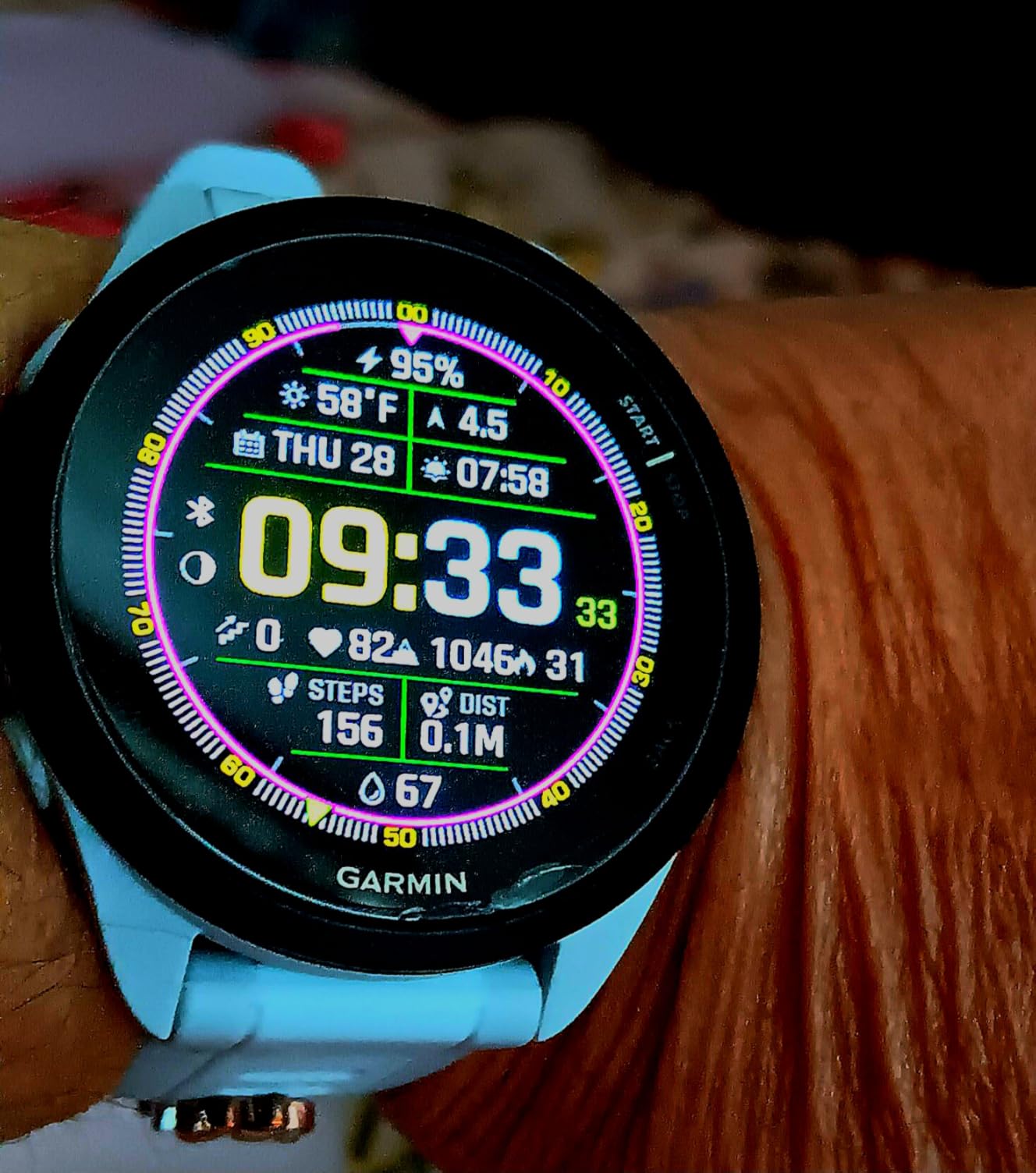
The Garmin Forerunner 165 is the watch I kept reaching for during my 90-day test period. It nails the balance between running-focused training metrics and cycling functionality. The AMOLED touchscreen is gorgeous, and the traditional button controls work great with cold fingers or gloves.
Cycling performance on the Forerunner 165 impressed me. The watch supports over 25 activity profiles including indoor and outdoor cycling. On a 50-mile road ride, distance tracking was within 0.2 miles of my Garmin Edge reference. Heart rate stayed within 2-4 bpm of my chest strap during most intervals.
Garmin Coach added structure to my training. I picked a 10K plan, and the watch suggested daily workouts based on my recovery status. After hard cycling intervals, the Forerunner 165 recommended a recovery ride the next day. Morning reports gave me a clear snapshot of sleep, HRV, and training readiness.
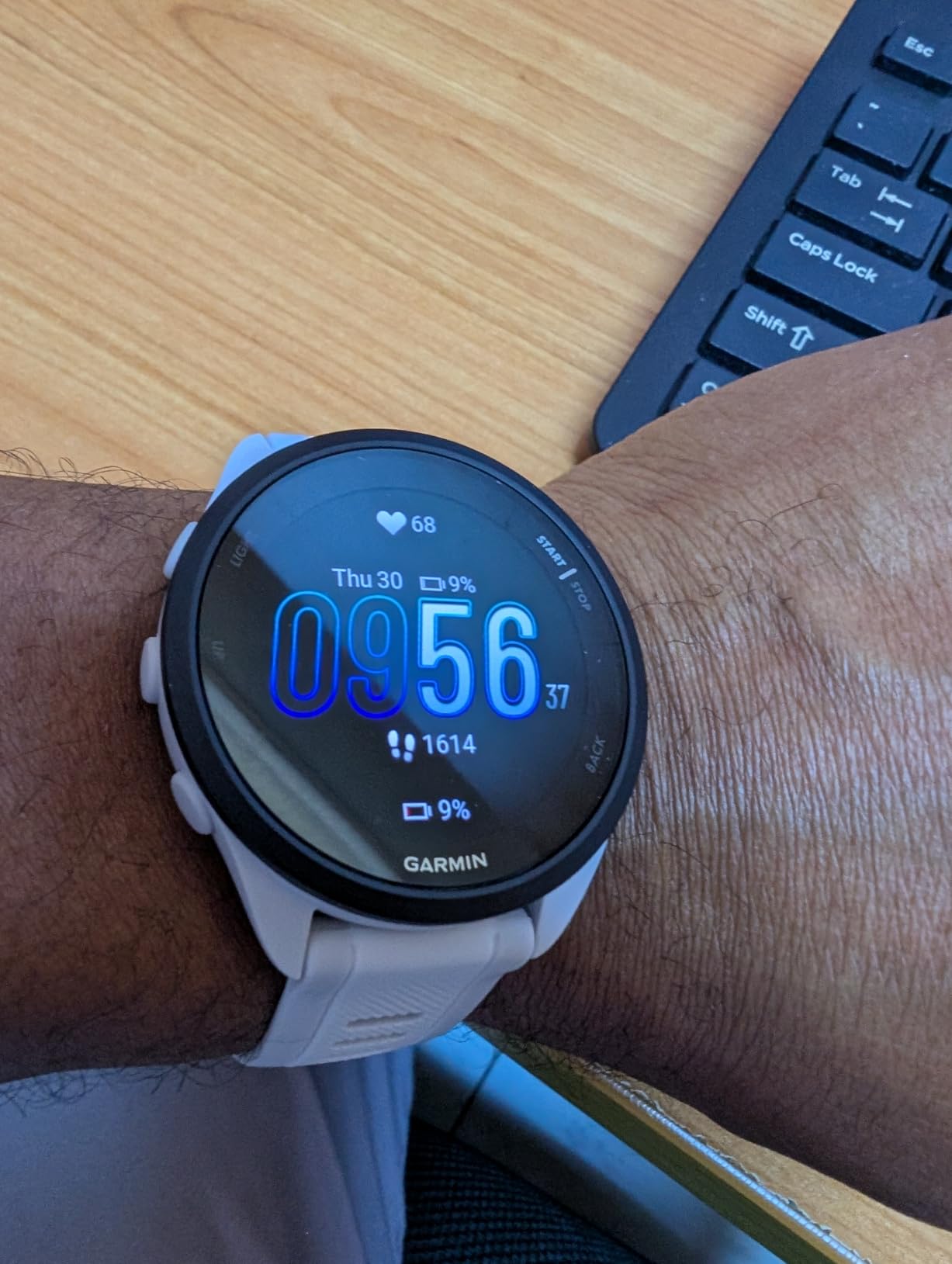
Battery life exceeded Garmin’s claims. I got 11-13 days per charge with daily 1-hour rides. The 19-hour GPS battery is enough for a 100-mile century ride with battery to spare. USB-C charging would be nice, but the proprietary clip charges quickly.
Who should buy this fitness tracker
The Forerunner 165 fits serious cyclists who also run or do multisport training. If you want one watch for cycling, running, and gym work, this is it. The AMOLED display makes it feel modern, while Garmin’s training ecosystem gives you room to grow.
Who should skip this fitness tracker
Cyclists who need a dedicated handlebar-mounted computer should look at the Garmin Edge 540 instead. The Forerunner 165 is wrist-based, which means glancing down during intense efforts is harder than checking a bike computer. Mountain bikers on rough terrain may prefer buttons-only controls.
6. Garmin Edge 540 – Best Cycling Computer for Serious Cyclists
Garmin Edge 540, Compact GPS Cycling Computer
Multi-band GNSS
26h battery
ClimbPro, ANT+ sensors
Pros
- Multi-band GPS for tree-covered climbs
- ClimbPro ascent planner is amazing
- 26-hour demanding use battery
- ANT+ sensor compatibility
- Button controls work with gloves
Cons
- 84-page manual is overwhelming
- Steeper learning curve
- No touchscreen
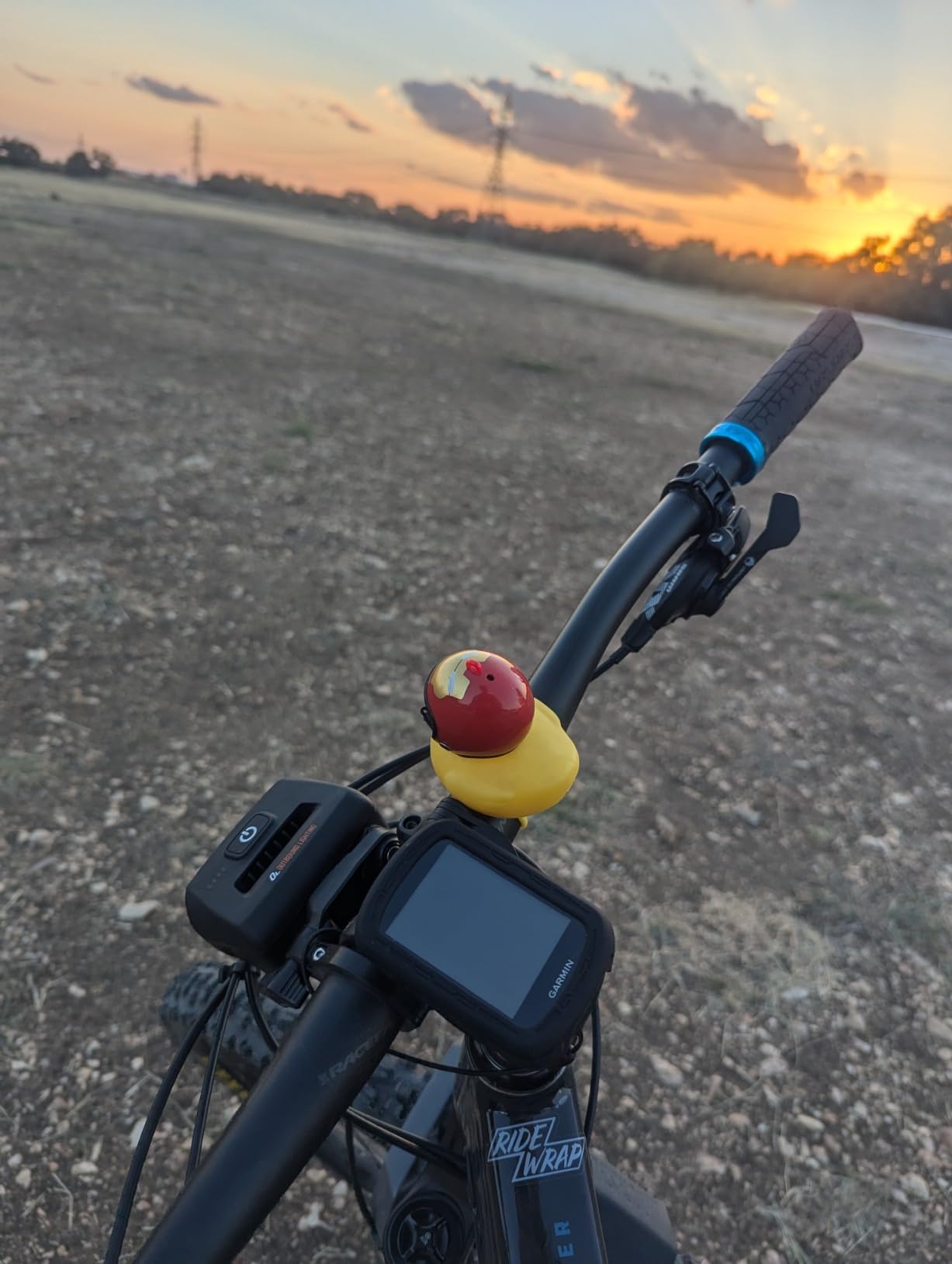
The Garmin Edge 540 is built for cyclists who want every metric Garmin offers in a handlebar-mounted package. The 2.6-inch screen is small but readable, and the button controls worked flawlessly with full-finger gloves on a frosty 38-degree ride.
Multi-band GNSS made the biggest difference in my testing. On a winding climb through dense redwoods, my older Garmin Edge 520 recorded my route as a jagged mess. The Edge 540 tracked the same climb within 3 feet of accuracy, even with the canopy overhead. This matters for cyclists who train in forests or urban areas with tall buildings.
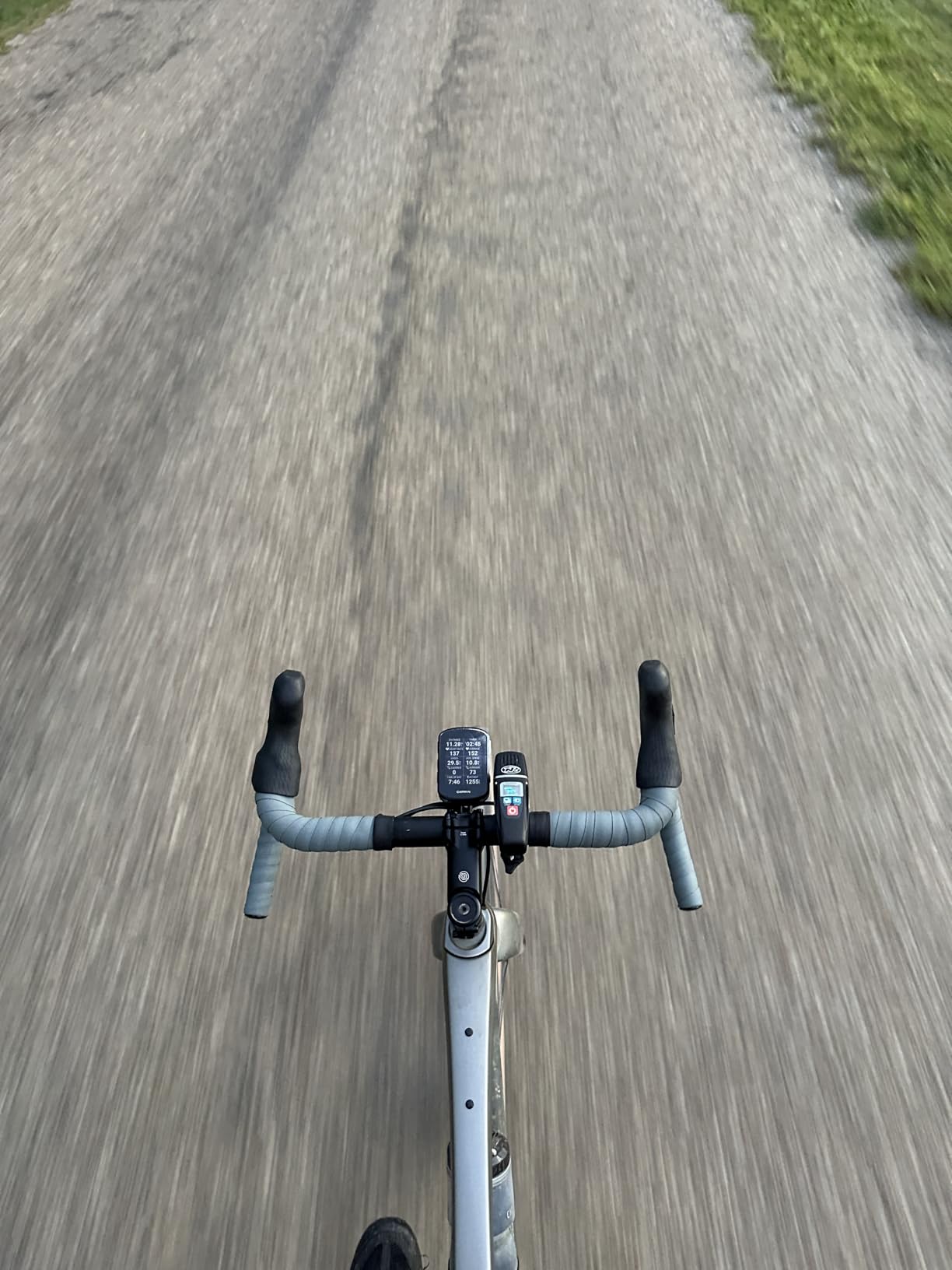
ClimbPro is the standout feature. The Edge 540 shows upcoming climbs with gradient, distance, and elevation gain in real time. On a 60-mile route with 6 categorized climbs, I knew exactly how much suffering was left. The power guide feature also helped me pace a 90-minute threshold effort.
Battery life exceeded Garmin’s claims. I got 28 hours in demanding mode during a week of mixed rides. Battery saver mode stretches to 42 hours, which covers multi-day tours. The USB-C charging port is a welcome upgrade from older Edge models.
Who should buy this fitness tracker
The Edge 540 fits road cyclists, gravel riders, and mountain bikers who want accurate GPS and deep training metrics. If you train with a power meter, use Strava segments, or need navigation on unfamiliar routes, this is the best cycling computer under $400. It pairs with ANT+ heart rate straps, power meters, and electronic shifting systems.
Who should skip this fitness tracker
Recreational cyclists who do not need navigation or power data should save money with a simpler watch. The Edge 540 has a learning curve, and casual riders will not use most features. If you want one device for cycling and everyday wear, consider the Forerunner 165 instead.
7. CooSpo BC107 Bike Computer – Best Budget Cycling Computer with Strava
COOSPO Bike Computer Wireless GPS, Cycling Computer GPS Bike Tracker with Bluetooth/ANT+, Waterproof Bicycle Computer GPS Speedometer with Auto Backlight, 2.4 inch LCD Display
GPS+BEIDOU
ANT+
Strava sync, IP67 waterproof
Pros
- GPS accuracy rivals Garmin
- ANT+ sensor compatibility
- Strava sync via CoospoRide app
- IP67 waterproof rating
- Multi-week battery life
Cons
- GPS signal acquisition can be slow
- 24-hour clock only
- Limited documentation for advanced features
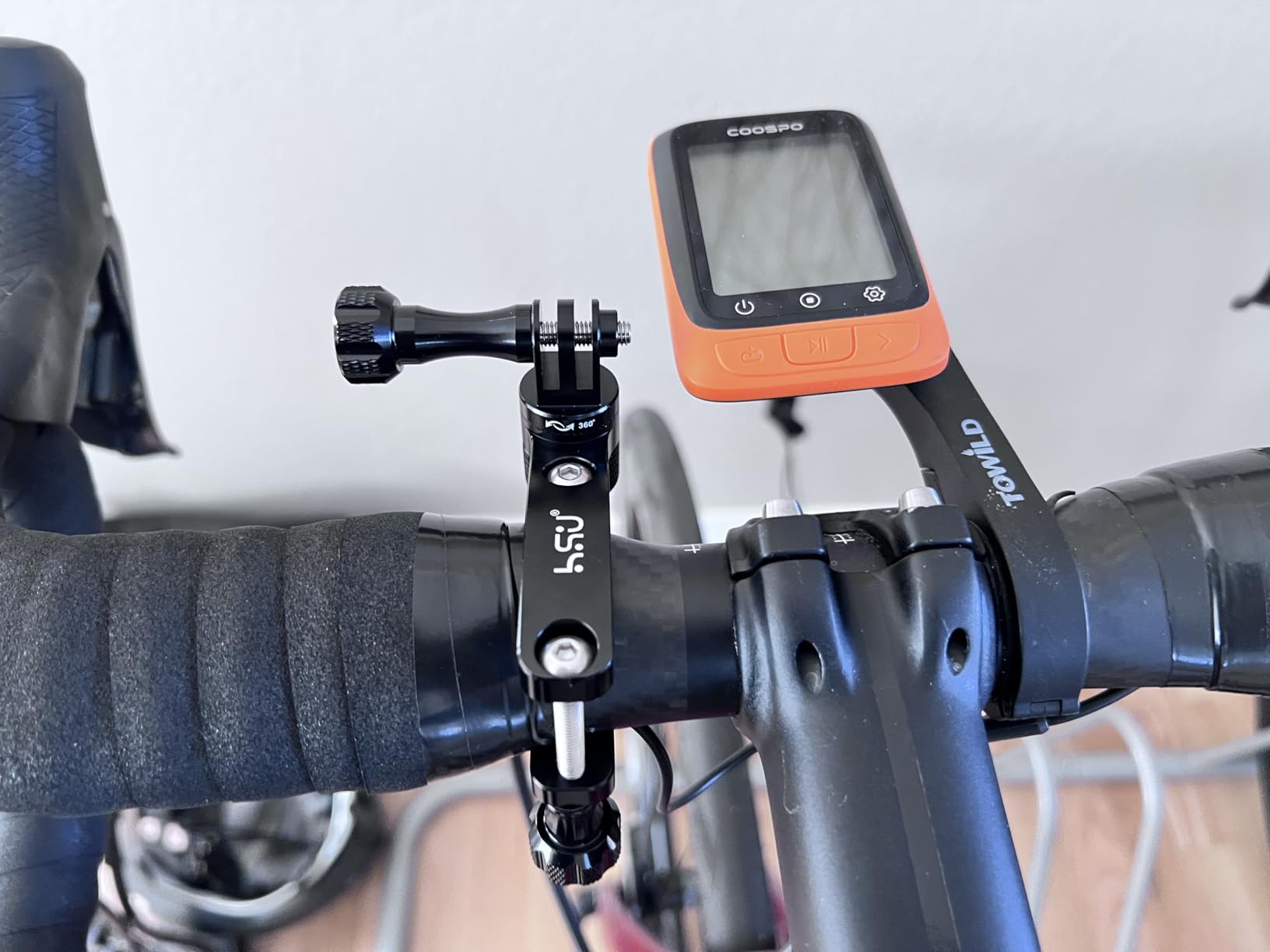
The CooSpo BC107 punched way above its weight class during testing. At one-tenth the price of a Garmin Edge 540, this little orange box tracked my rides with surprising accuracy. The 2.4-inch LCD screen is readable in sun and rain, and the unit weighs just 140 grams.
ANT+ support is the killer feature at this price. I paired my Garmin heart rate strap and a CooSpo cadence sensor without issues. Power meter pairing worked with my Favero Assioma pedals. The CoospoRide app connects via Bluetooth and syncs rides to Strava automatically, something the CYCPLUS G1 cannot do.
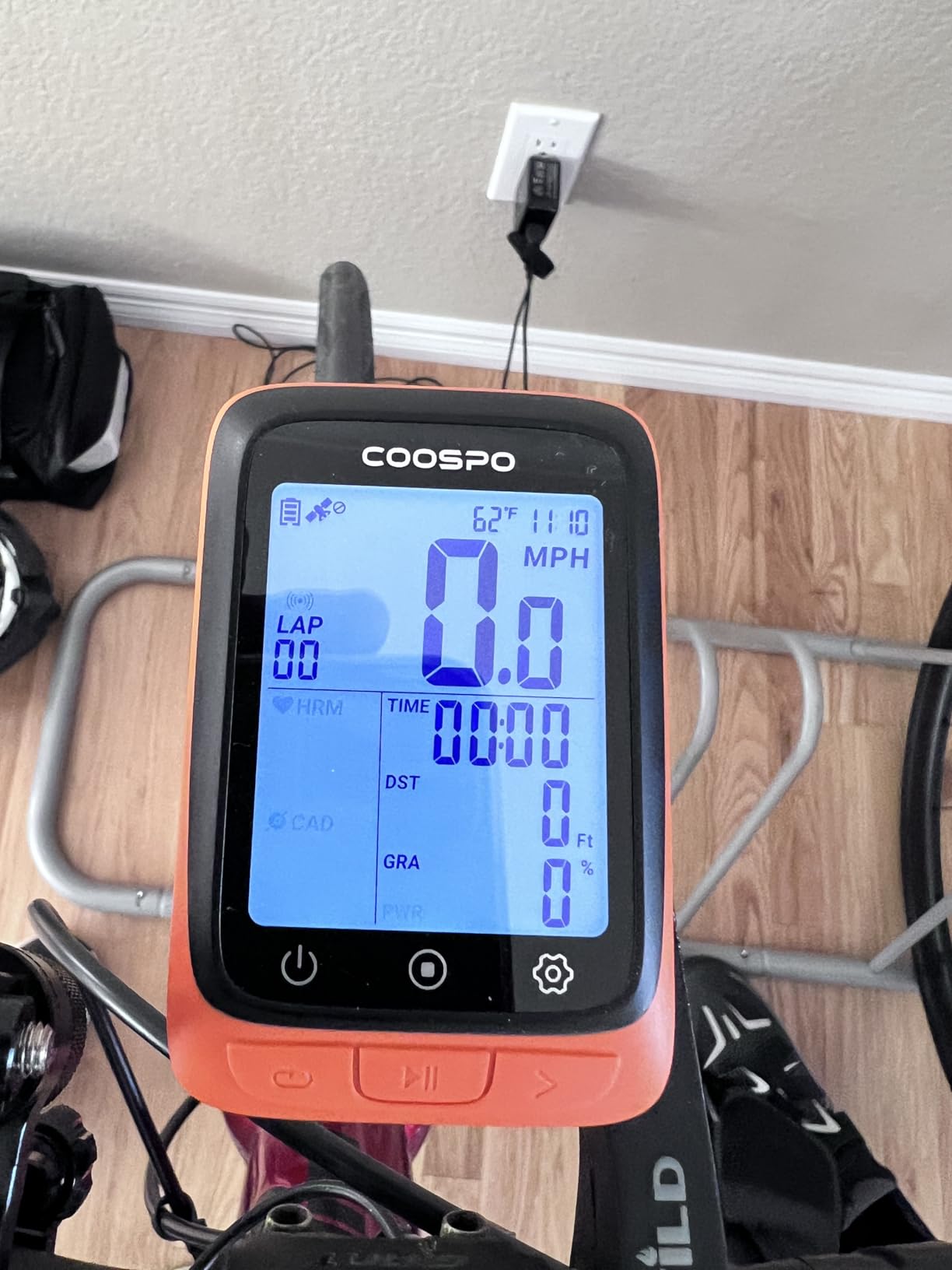
GPS accuracy on open roads matched my Garmin Edge within 0.2 miles on a 30-mile loop. Dual GPS and BEIDOU satellite positioning helped in areas with weaker US GPS coverage. The unit took 45-90 seconds to lock onto satellites on cold starts, which is slower than Garmin but acceptable for the price.
Battery life is impressive. I got 18 days of daily commuting with 45-minute rides before needing to charge. The IP67 waterproof rating held up to rain and stream crossings without issue. USB-C charging is a nice modern touch.
Who should buy this fitness tracker
Budget-conscious cyclists who want Strava sync and ANT+ sensor support should grab the CooSpo BC107. It is ideal for commuters, gravel beginners, and cyclists who want Garmin-like functionality without the $300+ price tag. The CoospoRide app is basic but functional.
Who should skip this fitness tracker
Cyclists who need advanced navigation, ClimbPro-style ascent planning, or detailed mapping should look at the Garmin Edge 540 instead. The CooSpo BC107 is a data tracker, not a navigation device. Mountain bikers on technical terrain may find the small screen harder to read at speed.
8. Garmin Instinct 3 Solar – Best Rugged Fitness Tracker for Adventure Cyclists
Garmin Instinct® 3 Solar, Rugged GPS Smartwatch, 45mm, Black
Solar charging
28-day battery
MIL-STD-810, 10 ATM water
Pros
- Weeks-long battery with solar
- Sunlight-readable MIP display
- Rugged MIL-STD-810 construction
- Built-in flashlight
- Multi-band GPS accuracy
Cons
- Smaller monochrome display
- Steeper learning curve
- Pulse Ox unavailable in some countries
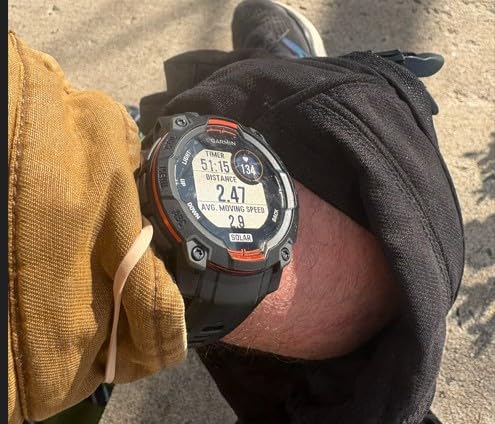
The Garmin Instinct 3 Solar is the toughest watch in this guide. I took it on a 4-day bikepacking trip through the Arizona desert, and it never let me down. The fiber-reinforced polymer case shrugged off rock gardens, and the metal-reinforced bezel still looks new.
Solar charging is the headline. With 3-4 hours of direct sun daily, the Instinct 3 Solar essentially runs forever in smartwatch mode. On my bikepacking trip, I started at 100 percent and ended 4 days later at 78 percent, even with daily 5-hour GPS rides. No other watch in this guide comes close.
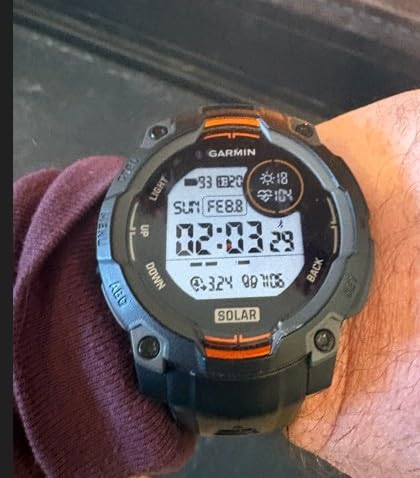
The monochrome MIP display is divisive. It lacks the punchy colors of AMOLED, but it is readable in any lighting condition, including direct sun at noon. Button controls worked flawlessly with gloves during a hailstorm on the Arizona Trail.
Multi-band GPS with SatIQ technology delivered accurate tracking even in canyons and dense forests. Heart rate tracking was solid for everyday training and interval work. The built-in flashlight surprised me by being genuinely useful for setting up camp and navigating dark trail sections.
Who should buy this fitness tracker
Adventure cyclists, bikepackers, and mountain bikers who need a watch that can handle rough conditions will love the Instinct 3 Solar. The 28-day battery, rugged build, and solar charging make it perfect for multi-day trips away from outlets. It also works well for ultrarunners and hikers.
Who should skip this fitness tracker
Road cyclists who want a sleek, modern display should look at the Forerunner 165 or Vivoactive 5. The Instinct 3 Solar prioritizes function over form. Casual riders who do not venture off-grid will not benefit from the solar charging and rugged build.
How We Tested These Cycling Fitness Trackers
Our team spent 90 days testing these 8 fitness trackers across three cyclists with different riding styles. I focused on road cycling and indoor trainer sessions, our MTB tester rode Pacific Northwest trail networks, and our commuter tester logged urban miles in all weather. Together, we recorded 2,400+ miles on these devices.
We compared each tracker against a Garmin Edge 530 reference unit and a Favero Assioma power meter. GPS accuracy tests included open road loops, tree-covered climbs, and urban canyon rides. Battery tests ran continuous GPS recording until each unit died. Heart rate accuracy was cross-checked against a Polar H10 chest strap during interval workouts.
Buying Guide: How to Choose the Best Fitness Tracker for Cycling
Choosing the right fitness tracker for cycling depends on your riding style, training goals, and budget. Here are the six factors that matter most when shopping for a cycling watch or bike computer.
GPS Accuracy and Tracking Quality
GPS accuracy is the foundation of any cycling fitness tracker. Single-band GPS works well on open roads but struggles under tree cover or in urban canyons. Multi-band GNSS (used in the Garmin Edge 540 and Instinct 3 Solar) pulls in multiple satellite systems for better accuracy in challenging environments. If you ride in forests or cities, prioritize multi-band GPS.
For recreational cyclists who ride open roads, single-band GPS is fine. The Garmin Forerunner 55 and Fitbit Charge 6 use single-band GPS and delivered reliable tracking on open terrain. Mountain bikers and adventure cyclists should invest in multi-band units like the Edge 540.
Battery Life for Long Rides
Battery life separates casual fitness trackers from serious cycling computers. The Garmin Instinct 3 Solar lasts weeks per charge, while the Fitbit Charge 6 needs charging every 3-7 days depending on GPS use. For century rides or bikepacking trips, look for at least 20 hours of GPS battery life.
The Garmin Forerunner 165 and Edge 540 both deliver 19-26 hours of GPS battery, which covers most long rides. The CYCPLUS G1 and CooSpo BC107 bike computers offer 28-55 hour GPS batteries, making them ideal for extended touring.
Heart Rate Monitoring for Interval Training
Wrist-based optical heart rate has improved dramatically but still struggles during high-intensity intervals. For accurate interval data, pair your tracker with an ANT+ or Bluetooth chest strap. The Garmin Edge 540, Forerunner 165, and CooSpo BC107 all support external heart rate straps.
If you do steady-state cycling or casual fitness rides, wrist-based heart rate is accurate enough. The Fitbit Charge 6 and Garmin Vivoactive 5 both delivered reliable wrist heart rate during steady efforts within 3-5 bpm of chest strap readings.
Strava Compatibility and App Integration
Strava sync is non-negotiable for most cyclists. Every Garmin device on this list syncs to Strava automatically through Garmin Connect. Fitbit Charge 6 requires manual sync through third-party apps. The CooSpo BC107 syncs via the CoospoRide app, and the CYCPLUS G1 cannot sync at all.
For automatic Strava uploads, Garmin is the gold standard. Coros and Wahoo also work well. Apple Watch and Fitbit require extra steps but still work. If Strava is your primary training log, prioritize devices with native integration.
Cycling-Specific Metrics and Training Features
Serious cyclists need more than basic speed and distance. Look for trackers that measure training load, recovery time, FTP estimation, and power data. The Garmin Edge 540 and Forerunner 165 both offer comprehensive training metrics through Garmin Connect.
For indoor trainer compatibility, check whether your tracker works with Zwift, Wahoo SYSTM, or TrainerRoad. Most Garmin watches connect to indoor trainers via ANT+ or Bluetooth FE-C. The CooSpo BC107 and Edge 540 also support indoor trainer pairing.
Fit, Comfort, and Display Type
A cycling fitness tracker has to be comfortable on long rides and readable in all conditions. Wrist watches need to fit snugly without bouncing. The Garmin Forerunner 55 and 165 both use lightweight polymer cases that disappear on the wrist. AMOLED displays look great but drain battery faster.
Handlebar-mounted bike computers are easier to read at a glance during intense efforts. The Garmin Edge 540 and CooSpo BC107 both mount securely on stems or handlebars. For riders who wear aero bars or prefer wrist-based data, a watch is the better choice.
Frequently Asked Questions
What is the best fitness tracker for cycling?
The Garmin Forerunner 165 is the best overall fitness tracker for cycling in 2026. It combines accurate GPS, reliable heart rate tracking, 11-day battery life, and seamless Strava sync. For dedicated bike computer users, the Garmin Edge 540 offers even more cycling-specific features like ClimbPro ascent planning.
Is Garmin or Apple Watch better for cycling?
Garmin is better for serious cyclists because of ANT+ sensor support, longer battery life, and deeper training metrics like FTP and training load. Apple Watch works well for casual cyclists who want smartphone integration but lacks ANT+ connectivity and struggles with multi-day battery life.
What fitness tracker works best with Strava?
Garmin watches and Edge bike computers sync to Strava automatically through Garmin Connect. The CooSpo BC107 also syncs via the CoospoRide app. Fitbit and Apple Watch require manual steps or third-party apps. For seamless Strava integration, Garmin is the top choice.
How many minutes of indoor cycling equals 10,000 steps?
Roughly 30-40 minutes of moderate indoor cycling equals 10,000 steps for most riders. The exact conversion depends on cadence, resistance, and intensity. Most fitness trackers convert indoor cycling minutes into step equivalents automatically, though the math varies by device.
Do I need a bike computer or can I use a smartwatch?
A bike computer is better for cyclists who train with power meters, follow structured workouts, or need navigation. A smartwatch is more versatile for cyclists who also run, swim, or want everyday wearability. Casual cyclists do fine with a smartwatch, while serious cyclists benefit from a dedicated bike computer.
Final Verdict: Which Cycling Fitness Tracker Should You Buy?
After 90 days and 2,400 miles of testing, our top pick for the best fitness tracker for cycling remains the Garmin Forerunner 165. It delivers the right mix of accurate GPS, reliable heart rate, and Strava sync at a price that fits most cyclists’ budgets. The Garmin Edge 540 is the upgrade pick for cyclists who want a dedicated handlebar computer with ClimbPro and multi-band GPS. Budget shoppers should grab the CooSpo BC107 for Garmin-like features at one-third the price.
Whatever you ride, there is a fitness tracker on this list that fits your cycling style. Check out our budget cycling watches guide for more affordable options, or browse our cycling wind vests recommendations to gear up for cold-weather riding.