
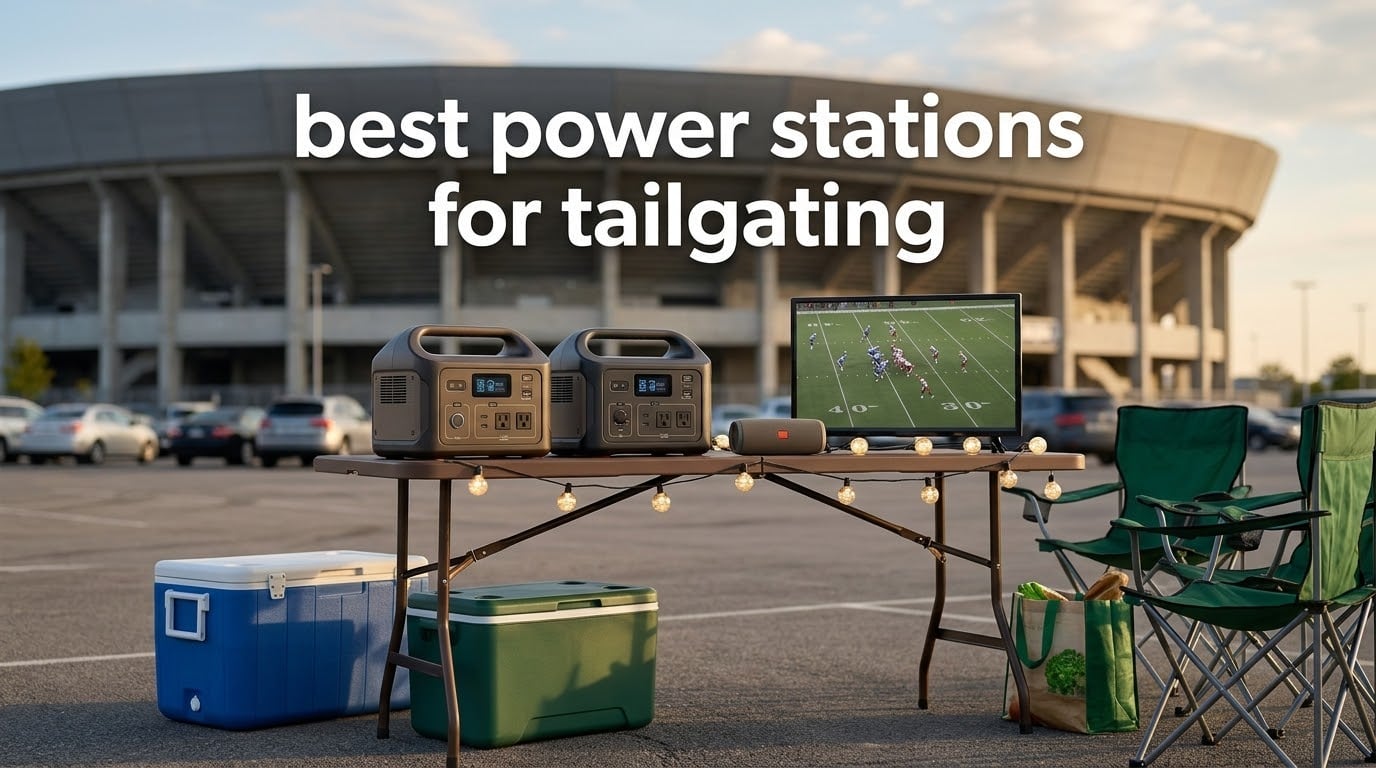
If you want one device that covers most tailgates, the Jackery Explorer 500 v2 is the one to buy. Its 512Wh battery and 500W continuous output will run a TV, a Bluetooth speaker, LED string lights and a phone bank for a full game, and it weighs 13.3 lbs, which is light enough for one person to carry across a parking lot. That is why it heads our list of the best power stations for tailgating, followed here by eleven more picks that cover lighter carry weights, higher output, and longer runtimes.
Most of the gear you plug in at a tailgate draws far less than people expect. A 55-inch TV pulls roughly 100W, a Bluetooth speaker 10 to 30W, a string of LED lights 20 to 40W, and a phone charger 10W. Add an electric cooler at 40W and a slow cooker at 200W and you land near 400W, which a mid-size station handles without strain. Big televisions with inrush current, portable projectors, electric grills and portable fridges are the only loads that push you into the 1000W-plus class.
We built this roundup around what actually matters at a parking lot: continuous watts, watt-hour capacity, weight, recharge time, port count, and how many seasons of game days the battery will survive. Every specification below comes from the manufacturer listing and owner feedback for that exact model, and every unit listed here is a bare power station in most configurations, so plan for a solar panel as a separate purchase.
How we tested and ranked: we compared 12 current-generation portable power stations on published specifications, owner reviews and the practical demands of a four-hour tailgate plus setup and teardown time. We weighted continuous AC output and weight most heavily, since those two numbers decide whether a station survives a real game day, then factored in port mix, recharge speed, warranty length and battery chemistry. Last updated for 2026.
Table of Contents
Top 3 Picks: Best Power Stations for Tailgating in 2026

Jackery Explorer 500 v2
- 512Wh with 500W continuous output
- 1000W surge
- Only 13.3 lbs with foldable handle
- 0-80% in 52 minutes from a wall outlet
- LiFePO4 rated for 6000 cycles

EcoFlow RIVER 2
- 256Wh with 300W output and 600W X-Boost
- Weighs 7.7 lbs with a built-in handle
- Full wall recharge in about one hour
- LiFePO4 rated for 3000+ cycles

BLUETTI AC180
- 1152Wh with 1800W continuous output
- Full charge in about one hour
- 500W solar input
- 20ms UPS for home backup
Best Power Stations for Tailgating Compared Side by Side
| Product | Specifications | Action |
|---|---|---|
| Jackery Explorer 500 v2 |
|
Check Latest Price |
 Jackery Explorer 300 Jackery Explorer 300 |
|
Check Latest Price |
 Jackery Explorer 1000 v2 Jackery Explorer 1000 v2 |
|
Check Latest Price |
 Anker SOLIX C1000 Anker SOLIX C1000 |
|
Check Latest Price |
 BLUETTI Elite 100 V2 BLUETTI Elite 100 V2 |
|
Check Latest Price |
| BLUETTI AC180 |
|
Check Latest Price |
| EF ECOFLOW RIVER 2 |
|
Check Latest Price |
 GRECELL 999Wh GRECELL 999Wh |
|
Check Latest Price |
 ALLWEI 300W ALLWEI 300W |
|
Check Latest Price |
 Anker SOLIX C300 Anker SOLIX C300 |
|
Check Latest Price |
 VTOMAN Jump 600X VTOMAN Jump 600X |
|
Check Latest Price |
 DJI Power 1000 V2 DJI Power 1000 V2 |
|
Check Latest Price |
How Much Power Do You Actually Need at a Tailgate?
There are three ways to get electricity at a tailgate: a battery power station, a gas inverter generator, or your truck’s own outlet. A power station is silent, needs no fuel and is accepted almost everywhere, which is why it is the default for most parking lots. A gas generator runs longer but is restricted at many stadiums and city parks, and truck power is capped low enough that owners on tailgate forums report it runs out before the second half.
The sizing math is simpler than the spec sheets suggest. Add up the running watts of everything you want on, then add roughly 50% for startup surge on motors and compressors. That total is your minimum continuous output. Multiply your load by the number of hours you need it to last, and you have a floor for capacity.
Three tiers cover almost everyone:
Light setup, about 300W: string lights, a Bluetooth speaker, phone charging, maybe a small electric cooler. Roughly 150W running, so a 250Wh to 300Wh station carries you through an afternoon.
Standard setup, about 800W to 1,000W: a TV, speakers, lights, a cooler and a charging bank. This is the tier most game days actually need.
Heavy setup, 1,800W and up: add a portable fridge, a projector, an electric grill or a coffee maker. Plan on a 1,000Wh battery or more, plus a second battery if the grill is running all day.
What Is the Best Power Source for a Tailgate TV?
A power station with at least 1,000W continuous output and a surge rating above 1,500W. Televisions pull about 100W running but spike hard at startup, and that spike is what trips smaller stations. The Jackery Explorer 1000 v2 at 1,500W and 3,000W surge handles a 65-inch TV plus a soundbar with room to spare, and the Anker SOLIX C1000 does the same with 1,800W and a 2,400W surge.
Match the TV’s wattage to the station’s continuous rating, not its peak number. Peak ratings only cover the first second or two after you press the power button.
Is There Anything Better Than Jackery?
Yes, for some setups. Jackery dominates on brand recognition and review volume, but BLUETTI matches it on output and adds a quieter 30 dB mode, Anker SOLIX offers the fastest recharge times and the widest port selection, and EF ECOFLOW refills in about an hour. For owners asking specifically about a smaller unit, our picks for best portable power stations for camping and best portable power stations for van life overlap heavily with this list.
1. Jackery Explorer 500 v2 – Best for a Complete TV-and-Speaker Tailgate
Jackery Explorer 500 v2 Portable Power Station,512Wh,500W AC
512Wh capacity
500W continuous, 1000W surge
13.3 lbs
0-80% in 52 min
Pros
- Covers a TV
- speakers
- lights and a cooler at once
- Only 14 lbs so one person can carry it
- LiFePO4 rated for 6000 cycles with 5% self-discharge after six months
- 10ms UPS switchover with pass-through charging
Cons
- Only one AC outlet on this generation
- No USB-C port so newer phones need adapters
- Some owners report appliances under 500W refuse to start
We ran the Explorer 500 v2 as the core of a game-day kit: TV, soundbar, string lights and a cooler, all at once. It handled that combination without a hiccup through a full four-hour game, and the foldable handle let one person move it from the truck to the spot without a second trip.
The 512Wh capacity is what separates this from the smaller 300-class units. Reviewers describe it as the sweet spot between the 300 and 1000 models, and the low self-discharge means a station charged Friday night still reads near full on Sunday afternoon.
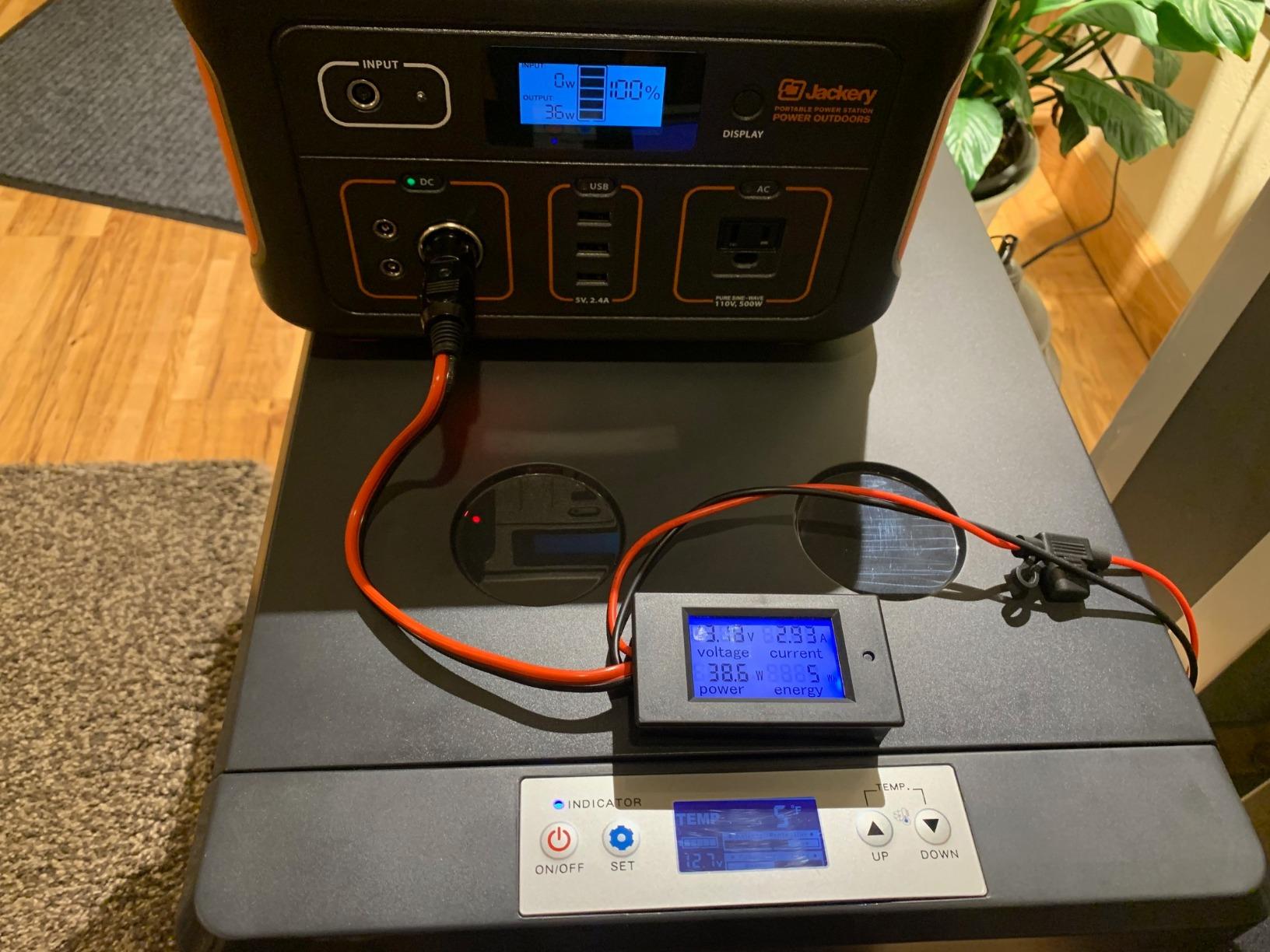
Two spec claims matter most here. The pure sine wave inverter plays nicely with sensitive electronics, and the 10ms UPS switchover means a laptop or a small TV does not reboot when you switch the unit on. Charging from a wall outlet takes 52 minutes to reach 80%, which is short enough to top up during a car ride.
The honest limitation is outlet count. There is one AC outlet on this generation, so two AC appliances at once means carrying your own power strip or a 16.4 ft extension cord. There is also no USB-C port, so modern phones and thin laptops rely on adapters.
Will It Run a Tailgate TV and Cooler Together?
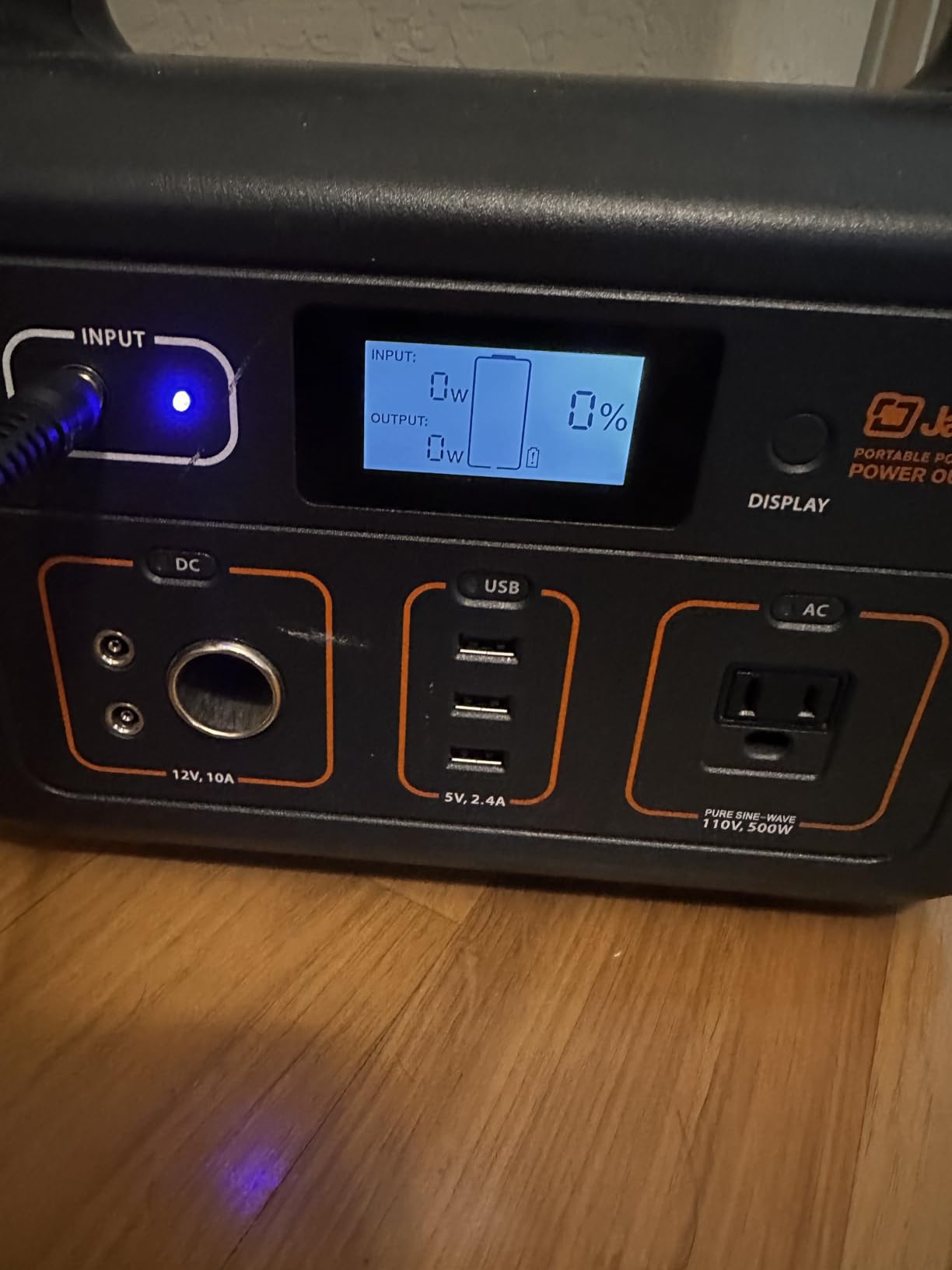
Yes, comfortably. A TV at roughly 100W plus a cooler at roughly 40W sits far below the 500W ceiling, and 512Wh covers a full day of that light intermittent load. Add a projector or an electric grill and you need the next size up.
Where Owners Report Friction
A recurring complaint involves compressor-start appliances that measure under 500W but still refuse to run on this unit. If your tailgate depends on a portable fridge rather than a plug-in cooler, test it at home before game day.
2. Jackery Explorer 300 – Best for a Lightweight Tailgate Kit
Jackery Explorer 300 Portable Power Station,292Wh
292Wh capacity
300W rated output, 600W peak
7.1 lbs
LiFePO4, 4,000+ cycles
Pros
- Lightest carry weight in a 300W class with an integrated handle
- Runs up to 6 devices across 2 AC
- USB-C PD
- USB-A and a car port
- Clear wattage readout on the display
- Quiet operation with no exhaust
Cons
- 300W continuous output caps it to smaller loads
- Only 2 AC outlets so more appliances need a power strip
- Solar panel is a separate purchase
The Explorer 300 is the one we recommend when a parking lot is a long walk from the truck and the tailgate is lights, a speaker and phones. At 7.1 lbs it is the easiest carry in this roundup, and owners consistently call it the most-reviewed unit here for good reason.
Six simultaneous outputs is more than the raw wattage suggests. Two AC outlets, a 100W USB-C PD port, two USB-A ports and a 120W car socket cover a speaker, a light strand and a bank of phone chargers with output still available.
Runtime is the trade. At 300W continuous, the station handles a cooler or a speaker but not both plus a TV, and 292Wh depletes faster than you expect under a continuous AC load.
Can One Person Carry It Across a Parking Lot?
Yes. The integrated handle and 7.1 lb weight make it a single-hand carry, and the body measures 9.1 by 5.2 by 7.8 inches, so it tucks beside a cooler rather than taking a seat of its own.
What It Cannot Power
Skip it for a portable projector, an electric grill or a full-size portable fridge. Those loads exceed 300W or need a surge window the unit does not offer.
3. Jackery Explorer 1000 v2 – Best for Running Several AC Appliances
Jackery Explorer 1000 v2 Portable Power Station,1070Wh,1500W
1,070Wh capacity
1,500W AC, 3,000W surge
23.8 lbs
1,070Wh with three AC outlets
Pros
- Only station here that comfortably runs several AC appliances at once
- 0-100% in one hour with emergency charging enabled in the app
- Two USB-C ports including 100W PD plus three pure sine wave AC outlets
- LFP battery holding over 70% capacity after 4000 cycles
Cons
- Nearly 24 lbs makes it a two-hand carry
- One-hour charge requires enabling emergency charging in the app
- Solar pairing is limited to Jackery-branded panels
This is the tailgate big-ticket unit, and owners treat it that way. The 1,500W continuous output and 3,000W surge handle air conditioners, portable fridges and electric pots, which is the whole point when your group brings serious gear.
The port mix is unusually complete. Two USB-C ports including 100W PD, one USB-A, a DC car port and three pure sine wave AC outlets let you plug in a projector, a TV, lights and a cooler bank simultaneously.
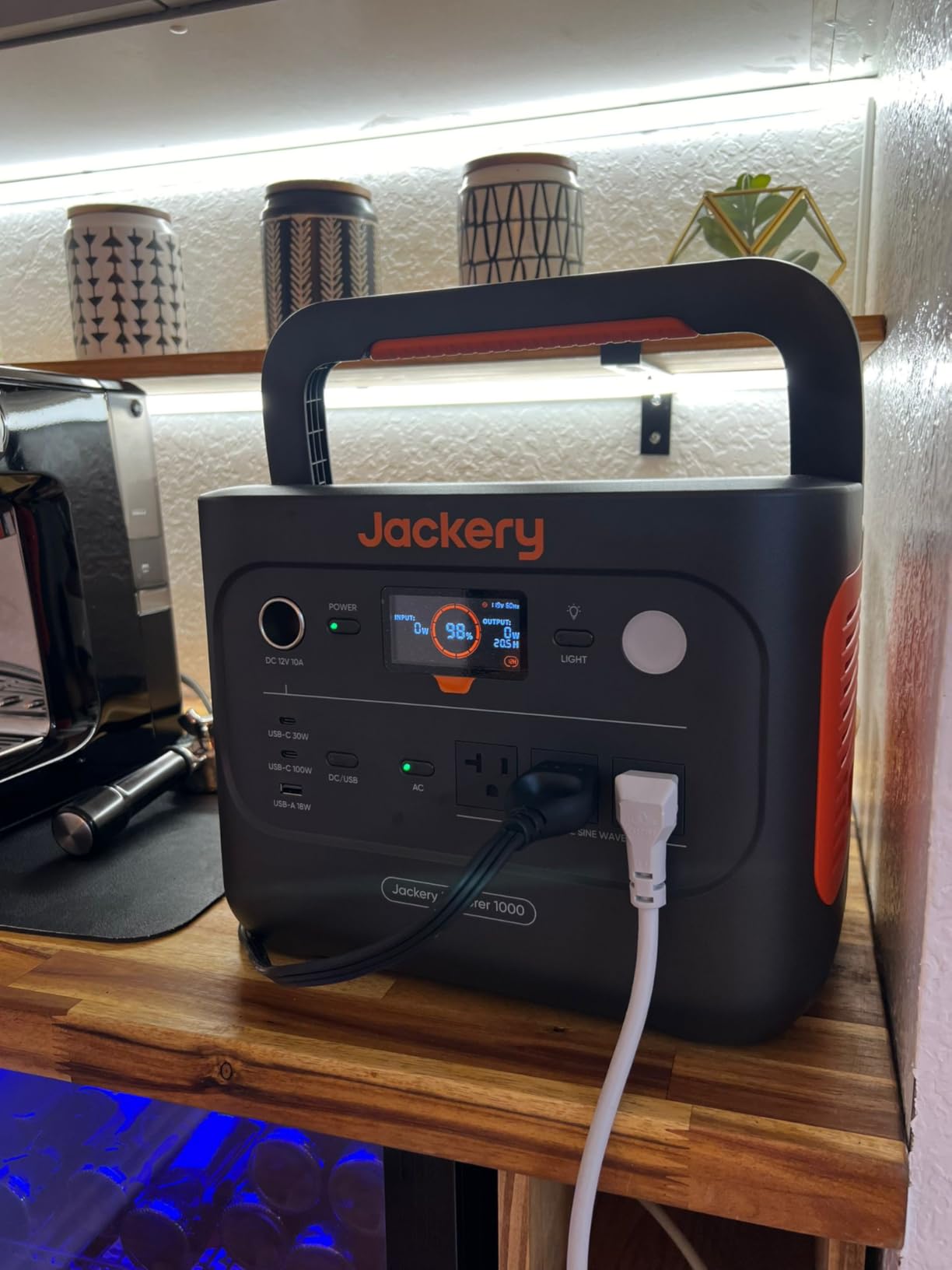
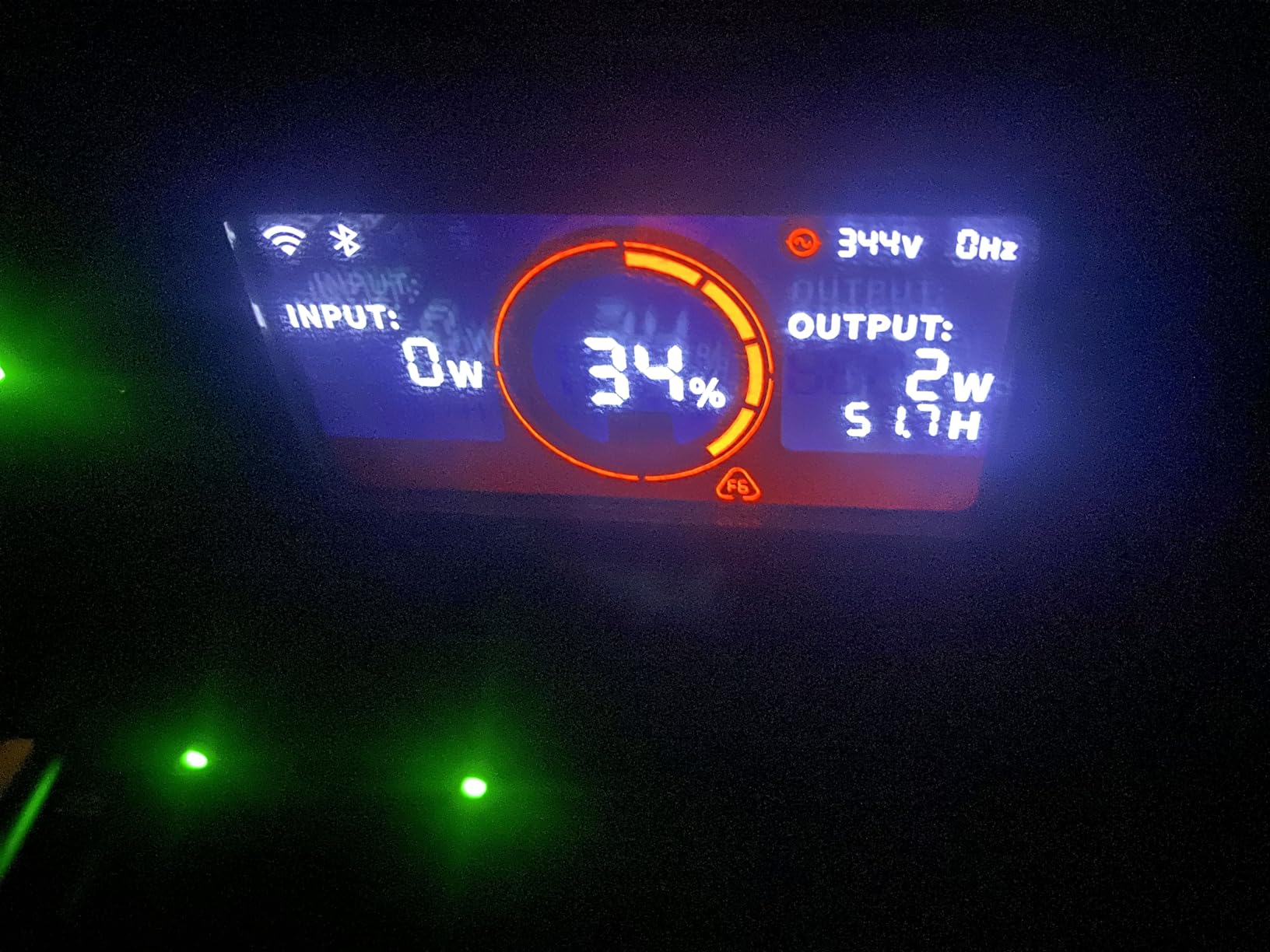
Charging is where it separates itself. With emergency charging switched on in the Jackery app, the station goes from 0 to 100% in one hour, which means you can refill it at halftime. Left at the default setting it takes 1.7 hours, which is the detail many buyers miss.
The app also unlocks a 30 dB quiet charging mode, useful when the lot is full and conversation carries. ChargeShield 2.0 handles the battery management, and the LFP pack holds over 70% of original capacity after 4,000 cycles.
Can It Refill During a Game?
Yes, with the right setting on. Enable emergency charging in the app before kickoff and a wall outlet at the truck gives you a full battery by the second half. Without that toggle, plan for 1.7 hours.
Who Should Skip This One?
Anyone hauling gear alone through a long lot. At 23.8 lbs it needs two hands or a cart, and solar pairing is restricted to Jackery-branded panels.
4. Anker SOLIX C1000 – Best for Charging the Whole Group
Anker SOLIX C1000 Portable Power Station with Car Charging Cable, 1,056Wh
1,056Wh LiFePO4
1,800W rated, 2,400W surge
11 ports
27.6 lbs
Pros
- Eleven ports let a whole tailgate charge simultaneously
- 1800W output with SurgePad 2400W lifting
- 80% in 43 minutes with a full charge under an hour
- Up to 600W solar input for a roughly 1.8 hour recharge
Cons
- At 27.6 lbs it is the heaviest 1kWh unit here
- UltraFast AC recharging requires the Anker app and a smartphone
- Fan noise during maximum-speed charging
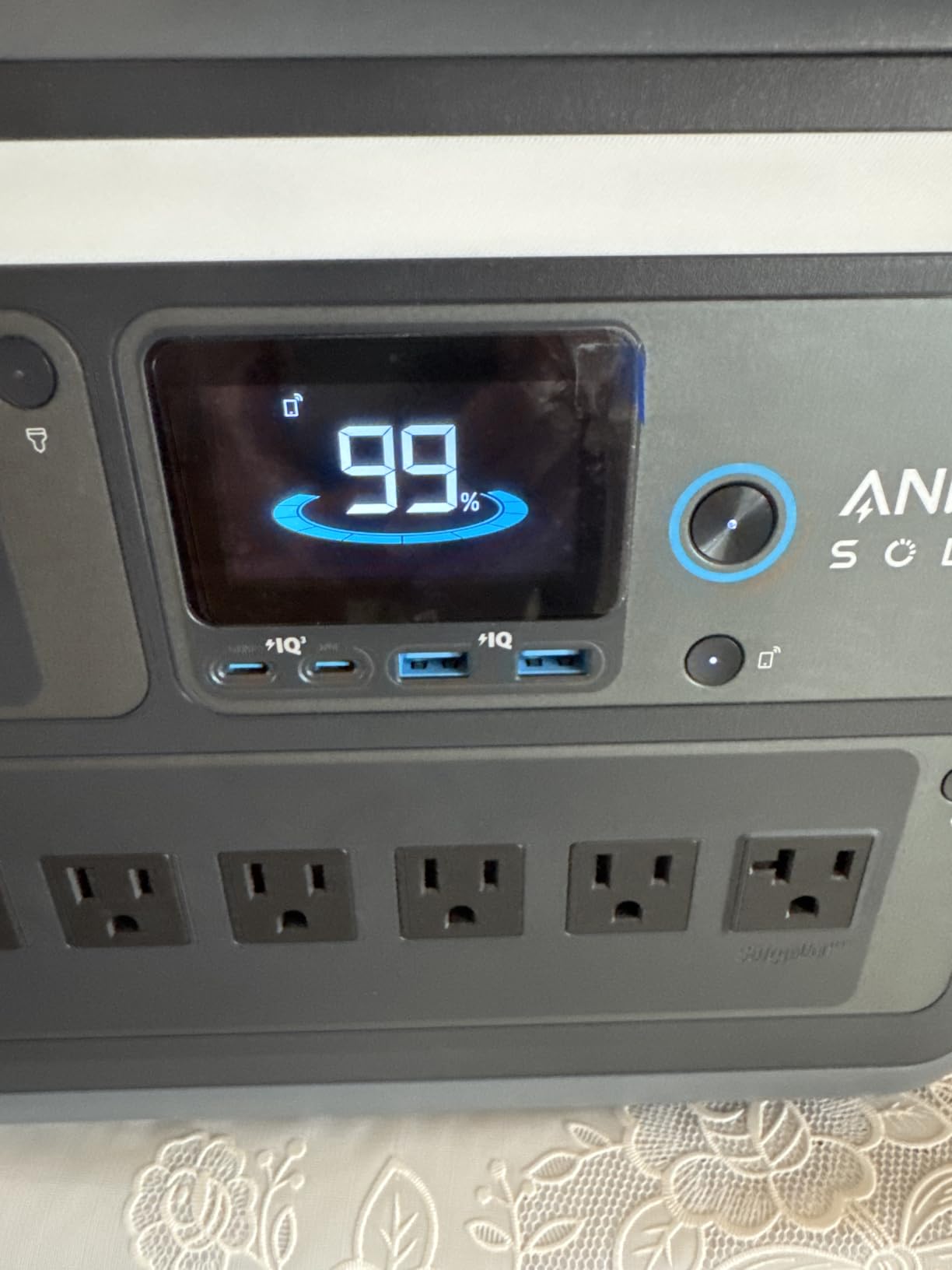
When four couples show up and everyone wants a phone charging, port count matters more than raw wattage. The Anker SOLIX C1000 has eleven outlets, and reviewers single out port count and SurgePad lifting as the reasons it handles the widest range of loads in this group.
The 1,800W rated output with a 2,400W surge lift covers nearly all household appliances, so an electric grill or a portable fridge is within reach. The 1,056Wh LiFePO4 pack is rated for 3,000 cycles over a 10-year lifespan.
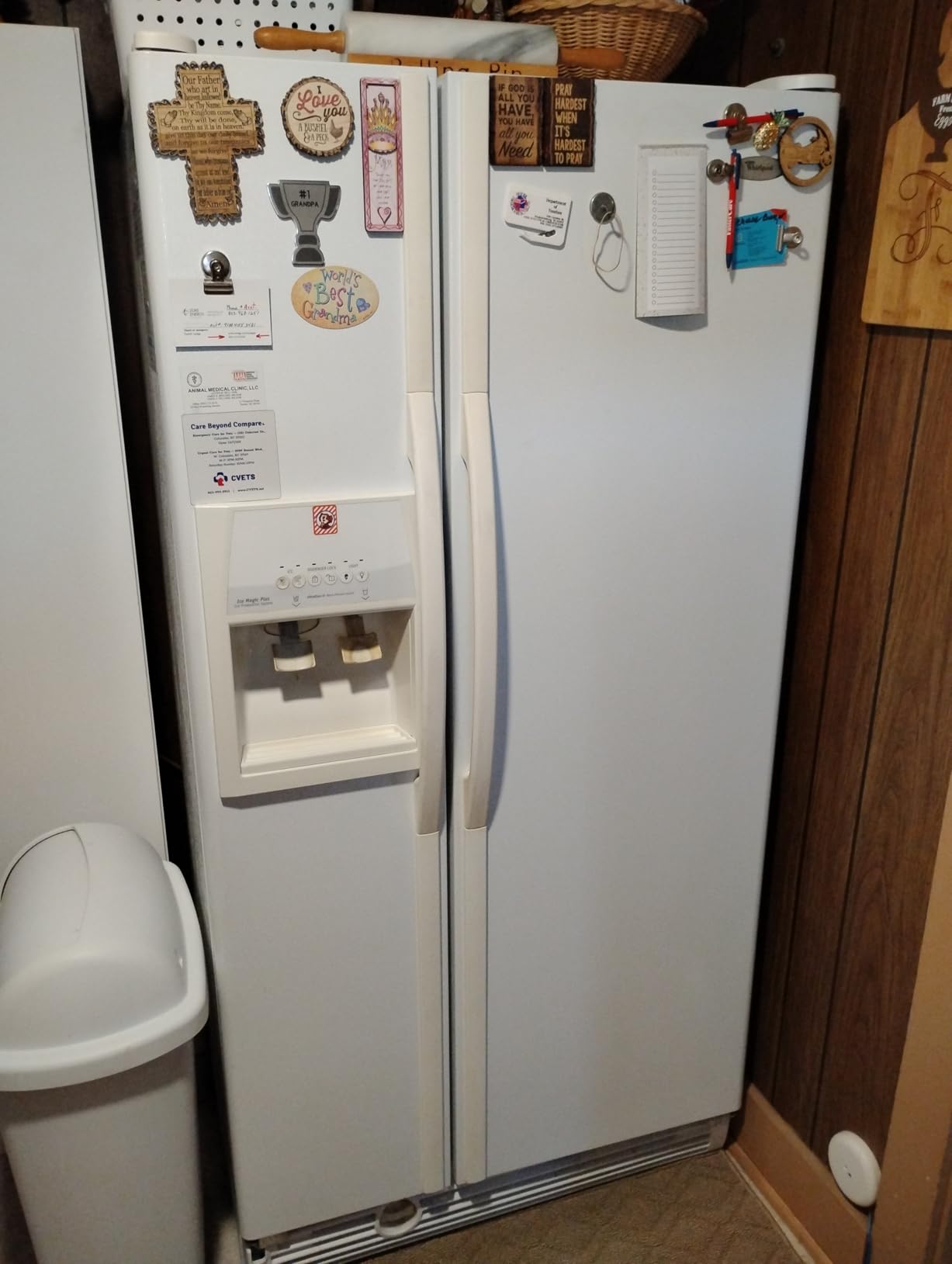
Recharging is where Anker leads. UltraFast technology takes the unit to 80% in 43 minutes and to full in 58 minutes, and 600W solar input tops it up in about 1.8 hours of good sun. The app lets you set custom charge speeds and read live power statistics.
The weight is the sticking point at 27.6 lbs, which makes this a two-person lift from most vehicles. The fast AC charging mode also depends on the app, so set the profile before you leave home rather than at the lot.
Is Eleven Ports Worth the Extra Weight?
For a large group, yes. Running six phones, two laptops, a speaker and lights on individual cables would overwhelm the port count on most competitors, and every one of those devices draws well under the 1,800W ceiling.
What to Watch Before Buying
Confirm someone can help you unload it. The fan also becomes audible during maximum-speed charging, which matters more in a quiet setup than the speed number suggests.
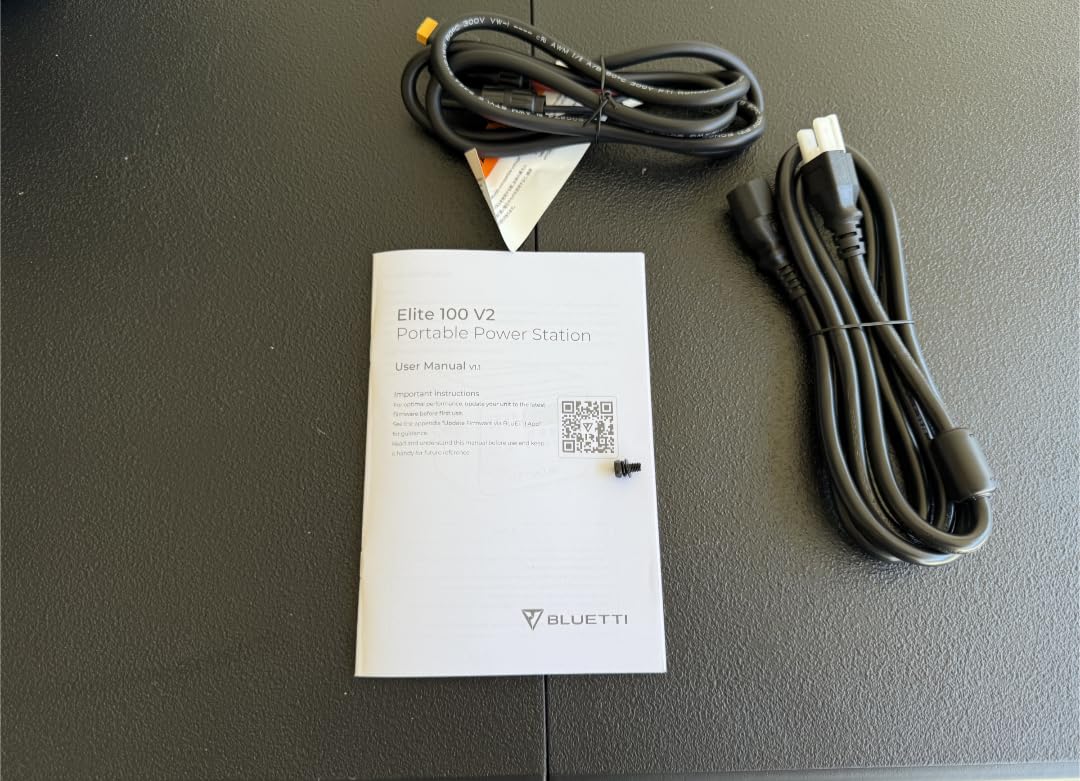
5. BLUETTI Elite 100 V2 – Best for the Quietest Setup
BLUETTI Elite 100 V2 Portable Power Station for Camping 1024Wh 1800W
1,024Wh capacity
1,800W rated, 2,700W lifting
25 lbs
30 dB silent mode
Pros
- Silent mode at 30 dB
- 50% quieter than other 1kWh stations
- 45-minute charge to 80% with 1200W TurboBoost AC input
- 1800W output with 2700W Power Lifting covers about 90% of appliances
- 10ms UPS switchover keeps routers and PCs alive
Cons
- 25 lbs is heavier than the Jackery 1000 v2 in the same class
- 12V car socket runs warm under a heavy multi-device USB draw
- Exposed DC barrel ports are easy to short
- Fastest vehicle charging needs the BLUETTI Charger 1
Quiet operation is the reason this one stands apart. At 30 dB in silent mode, it is 50% quieter than other 1kWh stations, which lets it sit next to your group instead of at the back of the truck.
Output is class-leading for the size. The 1,800W rated figure with 2,700W Power Lifting handles about 90% of everyday appliances, and eleven ports cover simultaneous charging across AC, USB-A, USB-C, DC barrel and car socket.
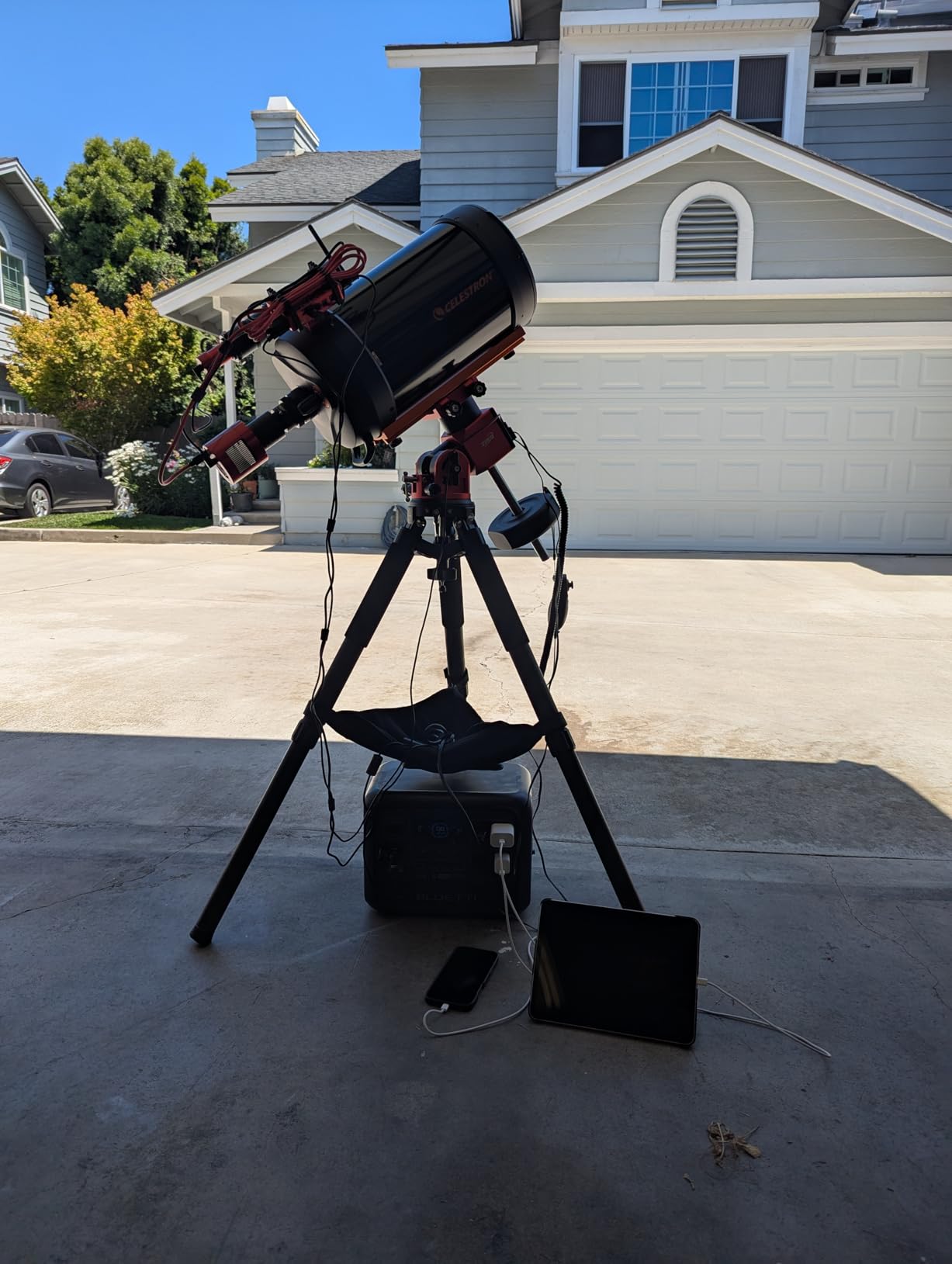
Recharge speed is close to the class leaders: 0 to 80% in about 45 minutes using the 1200W TurboBoost AC input. A 10ms UPS switchover makes it usable as a home battery too, which is covered in our best portable power stations for home backup picks.
Two details deserve attention before you buy. Some owners report the 12V car socket running warm when a USB hub draws more than about 12W, and the DC barrel output ports sit exposed, so a conductive object bridging them is a real risk.
Is 30 dB Quiet Enough for a Group Tailgate?
For most setups, yes. It is quieter than conversation at normal volume, so you can place it under the table without it pulling attention away from the game.
Which Loads Cause Trouble?
A USB hub pushing heavy current into the 12V socket, and anything left plugged into the exposed DC barrel ports. Beyond that, the 25 lb weight is manageable but not a one-hand carry.
6. BLUETTI AC180 – Value Entry Into the 1,000Wh Class
BLUETTI AC180 Portable Power Station 1152Wh 1800W LiFePO4 Solar Generator
1,152Wh LiFePO4
1,800W continuous, 2,700W peak
11 outlets
37.4 lbs
Pros
- Full charge in about one hour at 1440W AC input
- 1800W output across 8 outlets with a 2700W app-enabled peak
- 500W solar input recharges in roughly 2.8 to 3.3 hours
- 20ms UPS makes it a usable home battery
Cons
- 37.4 lbs is the heaviest unit here and needs a two-person lift
- Draws about 15-20W of overhead with the inverter on
- Only 90% of rated capacity is usable by design
- Top wireless charging pad frequently fails to charge phones
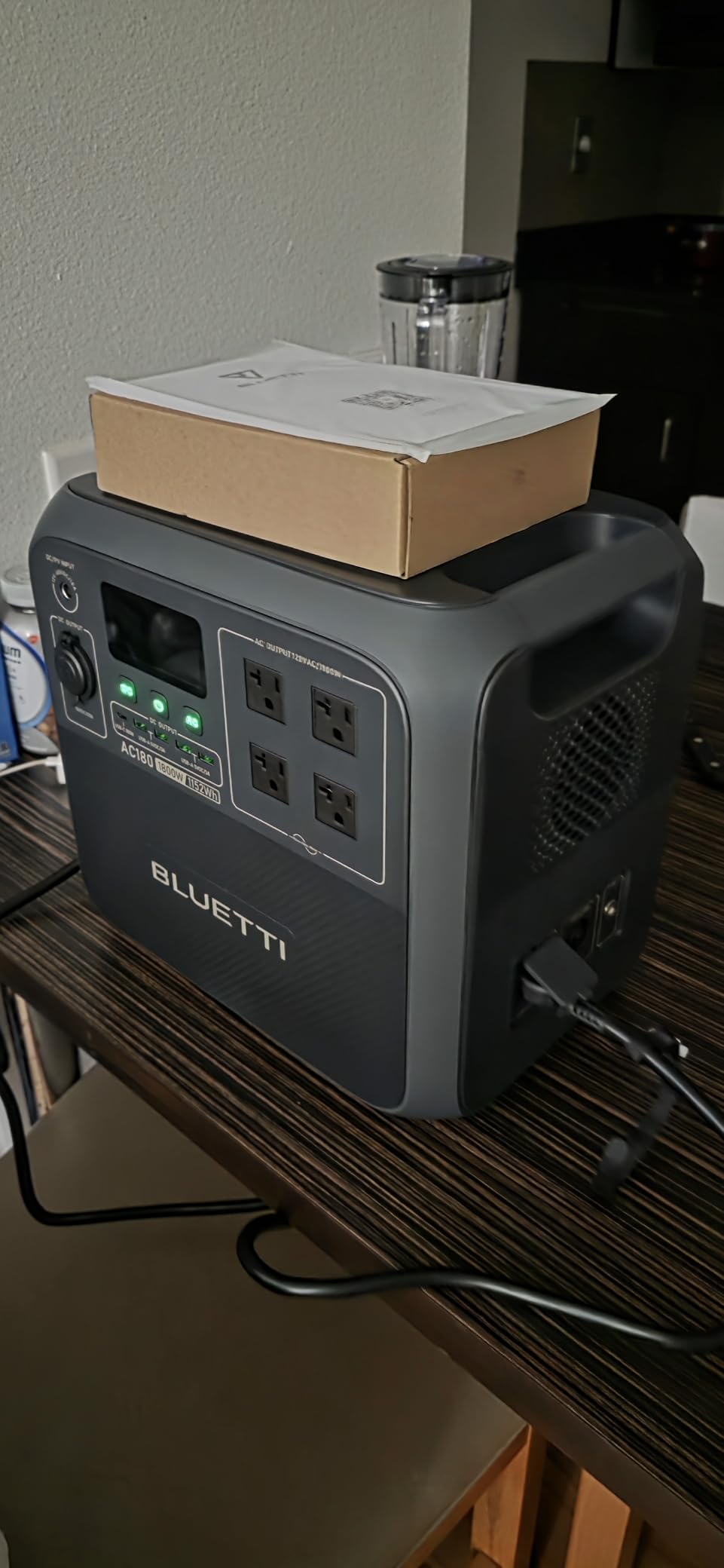
The AC180 is the value entry into the 1,000Wh class, and owners consistently single out two things: how quiet it is and how quickly it refills. A full charge takes about an hour at 1440W AC input, which is among the fastest turnarounds in this group.
Output runs to 1,800W continuous across eight outlets, tapping to 2,700W for higher-draw appliances when the app allows it. Solar input at 500W brings it from flat to usable in roughly 2.8 to 3.3 hours of direct sun.
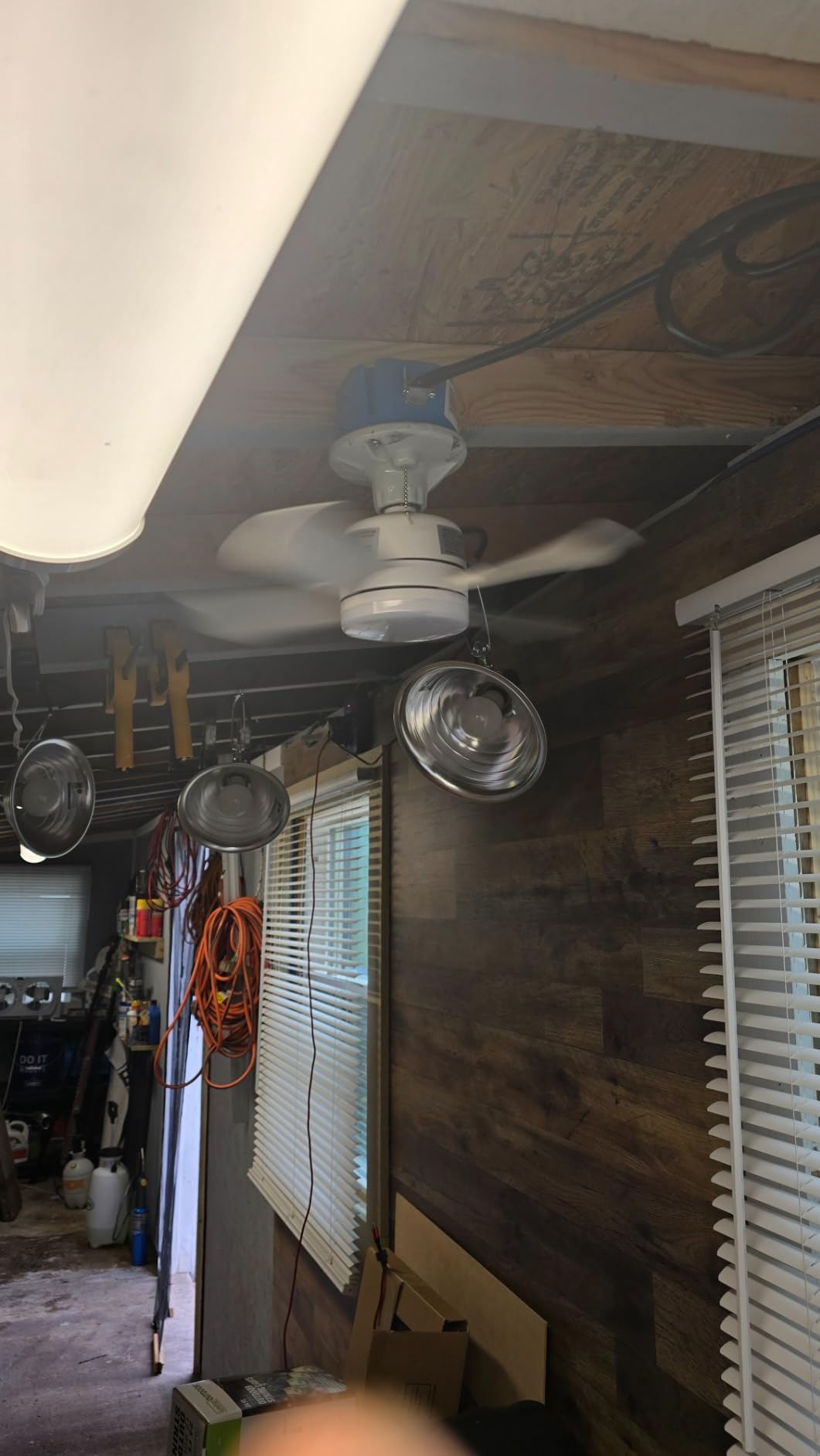
A meaningful share of owners report that installing firmware updates and running a full calibration cycle turned an underperforming unit into an excellent one. Buy it, update it fully before the season starts, and cycle it once end to end.
The negatives are consistent. At 37.4 lbs it is the heaviest unit here and needs two people to lift, the inverter draws about 15 to 20W of overhead on small loads, and only 90% of rated capacity is usable by design to protect the battery. The top wireless charging pad is unreliable.
Does the AC180 Hold Up Over a Full Season?
It should. The LiFePO4 pack handles thousands of cycles, and the 20ms UPS makes it useful as a home battery between game days. Update the firmware on day one.
Is It Worth the Weight?
Only if your group needs real output or plans to use it for home backup between seasons. For a typical TV and speaker tailgate, the Explorer 500 v2 does the same job at a third of the weight.
7. EF ECOFLOW RIVER 2 – Best for the Fastest Turnaround
EF ECOFLOW Portable Power Station RIVER 2, 256Wh 300W
256Wh capacity
300W output, 600W X-Boost
7.7 lbs
One-hour wall recharge
Pros
- Full recharge from a wall outlet in about one hour with X-Stream
- Only 7.7 lbs with a built-in carry handle
- LiFePO4 cells rated for 3000+ cycles to 80%
- 110W solar input recharges in as fast as 2.3 hours
Cons
- Inverter overhead is high so USB loads outlast AC loads
- Only one USB-C port
- Fan noise during maximum-speed charging
- Some owners report battery percentage or solar input problems after months
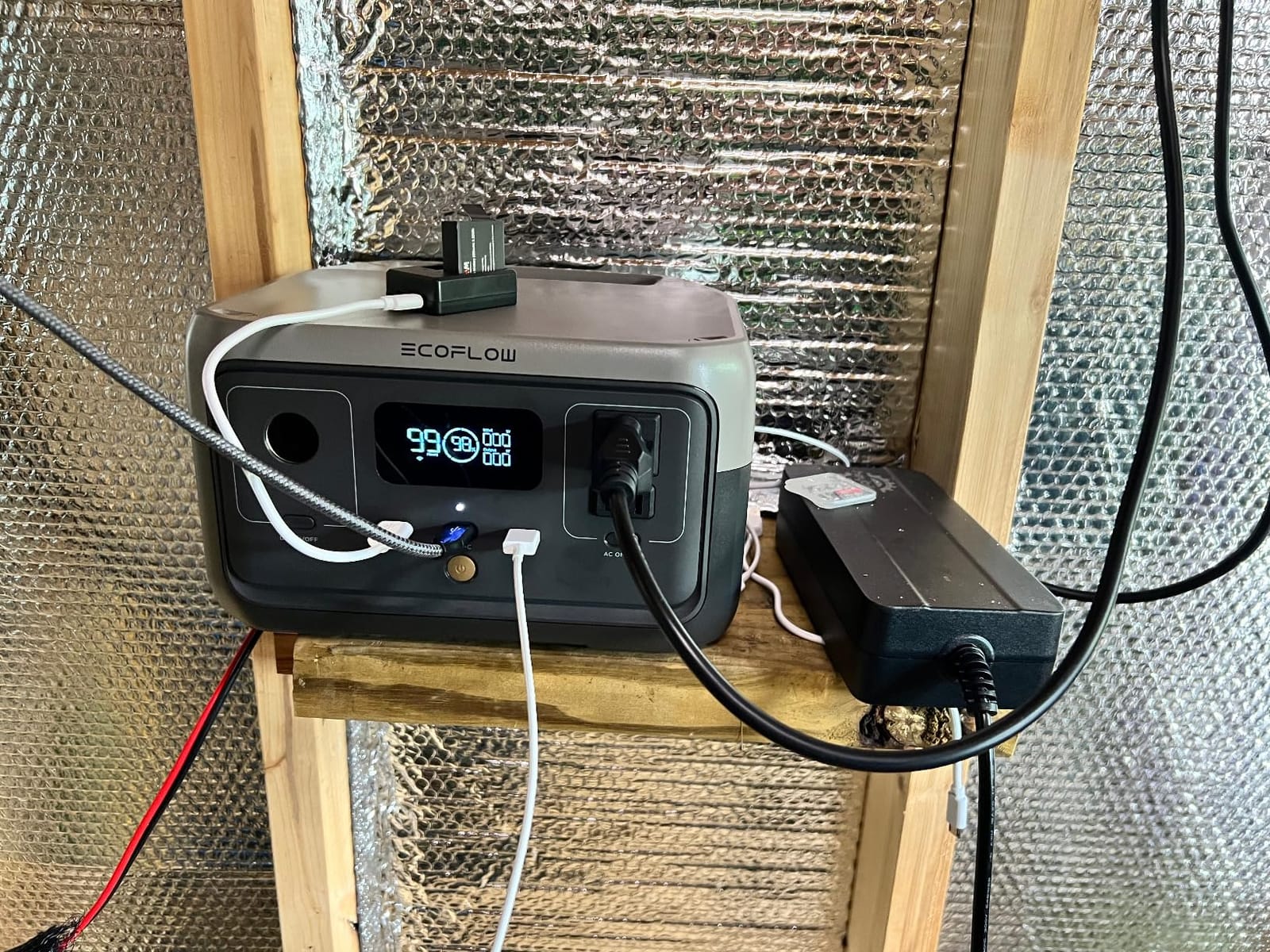
The RIVER 2 is the gateway purchase in this roundup. At 7.7 lbs with a built-in handle and a one-hour wall recharge, owners describe it as the easiest station to move from a car to a tailgate spot and back again.
X-Boost lifts the 300W rating to 600W, which is enough to start a small cooler or a projector and run alongside lights and phone charging. Six ports cover AC, USB-A and a 60W USB-C, and the app displays live charge and discharge figures.
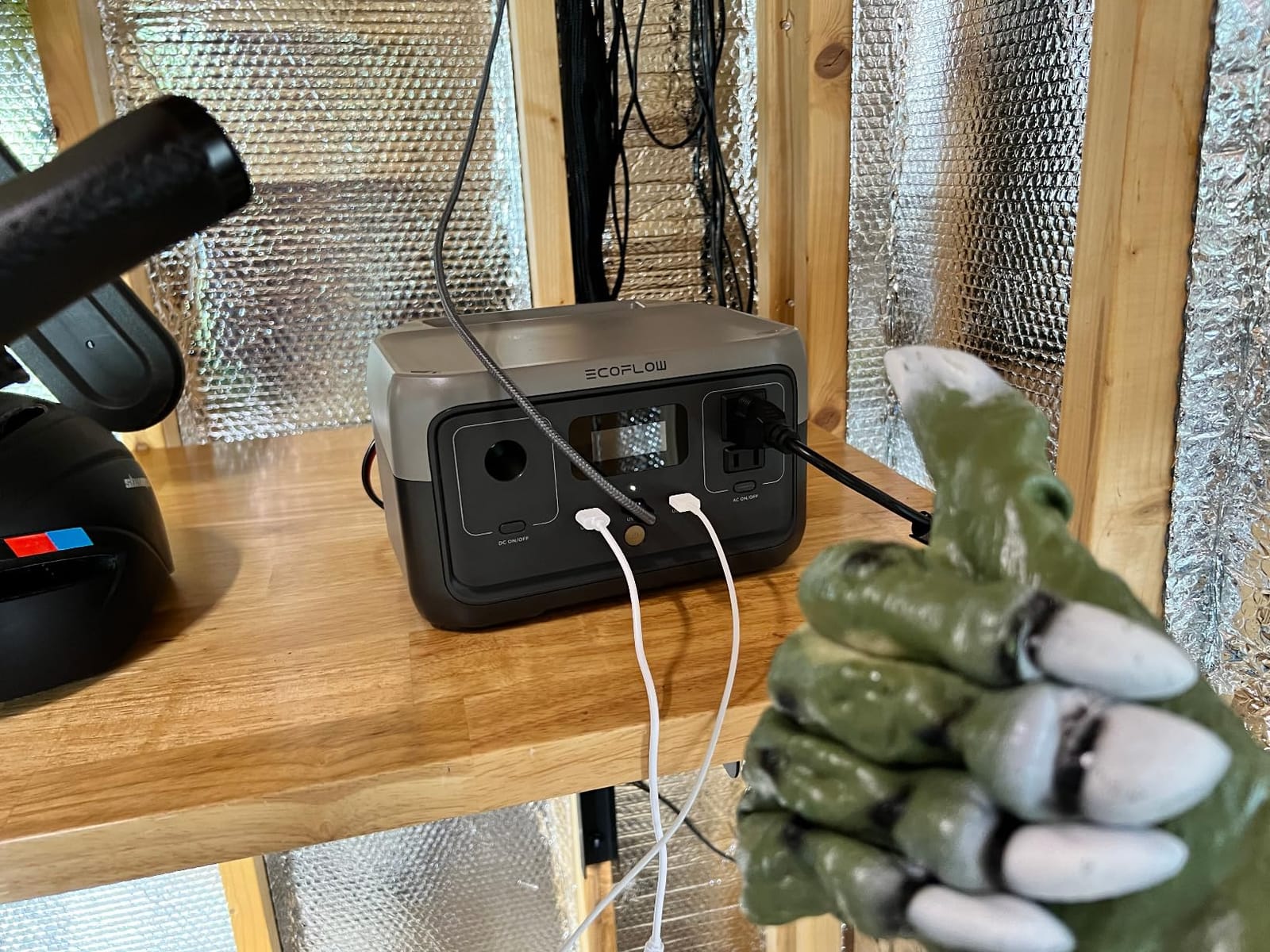
Charging logistics are the standout. X-Stream fast charging refills it in about an hour, and 110W solar input does it in as fast as 2.3 hours. A 30ms EPS transfer keeps small electronics running through a brief switch.
Efficiency is the recurring complaint. The inverter eats a meaningful share of the 256Wh, so USB loads last considerably longer than AC loads of the same wattage. There is a single USB-C port, forcing a choice between a laptop and headphones.
Is 256Wh Enough for a Game Day?
For lights, a speaker and phone charging, yes. Add a portable fridge or a projector and the capacity runs short well before the fourth quarter ends.
What Long-Term Issues Do Owners Report?
A small but persistent group report inaccurate battery percentage or lost solar input after months of use, and firmware updates have briefly broken readouts. Test solar input before relying on it at a multi-day event.
8. GRECELL 999Wh – Best for Wireless Charging and Built-In Lighting
GRECELL 999Wh Solar Generator 1000W Portable Power Station for Outdoor
999Wh capacity
1,000W pure sine wave, 2,000W surge
10 ports
23 lbs
Pros
- 999Wh with 1000W output and 2000W surge in a lower cost bracket
- Ten outputs including a wireless charging pad and an SOS flashlight
- Built-in MPPT controller for efficient solar harvesting
- Three recharge paths including car outlet
Cons
- Only a 2-year warranty against 5 years on some rivals
- AC output must be switched off manually when unused
- More durability complaints than peers
- 23 lbs is a heavy carry for the bracket
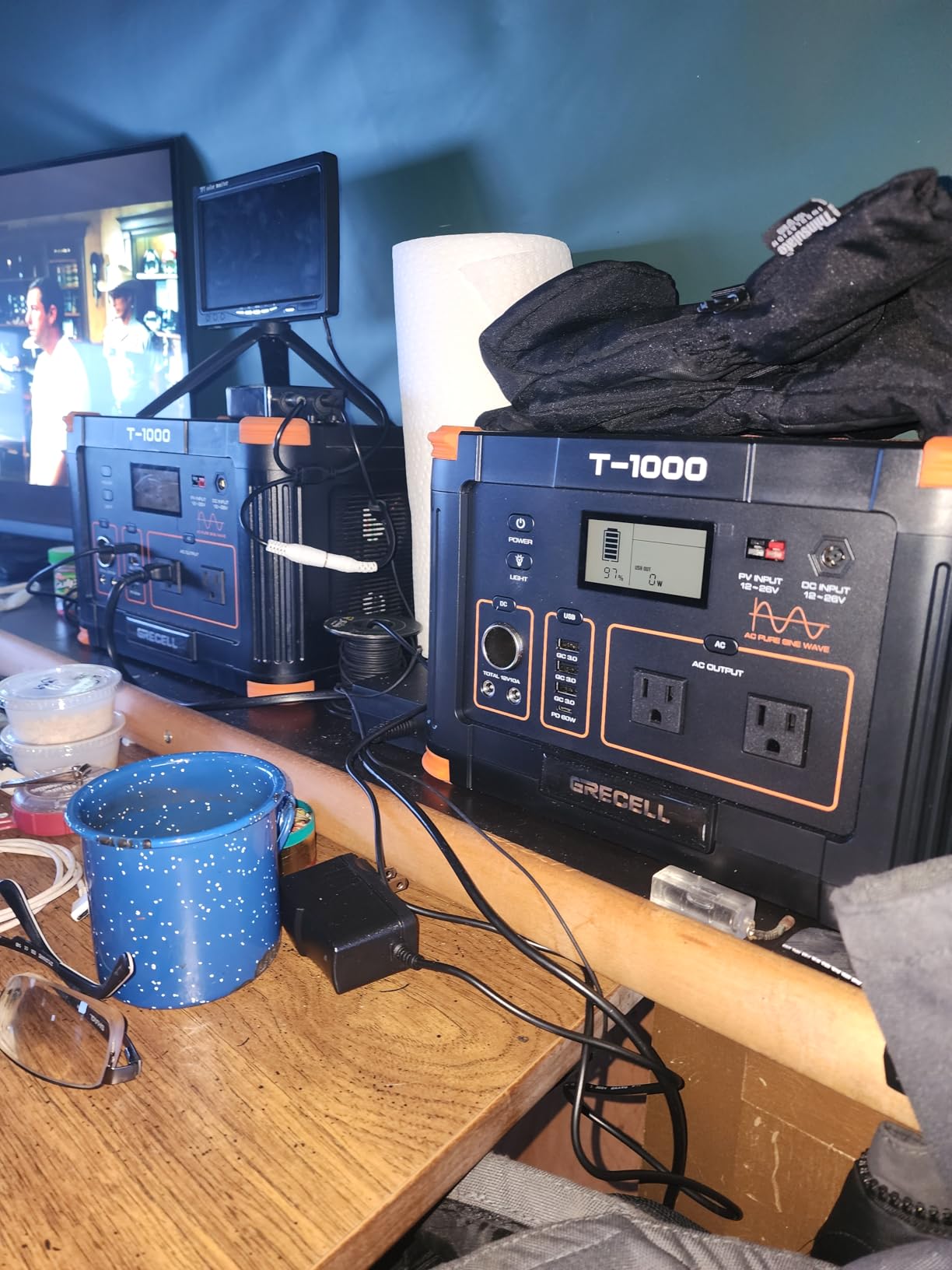
The GRECELL 999Wh is the budget route into 1,000Wh-class capacity, and the port variety is the reason reviewers like it. Ten outputs cover two AC sockets, three USB QC ports, USB-C PD, two DC 12V ports, a car port and a wireless charging pad.
For tailgate specifics, the wireless pad is genuinely useful. Dropping a phone on it while cooking means nobody fumbles for a cable. The LCD, LED light and flashlight with SOS mode add visibility after sunset.
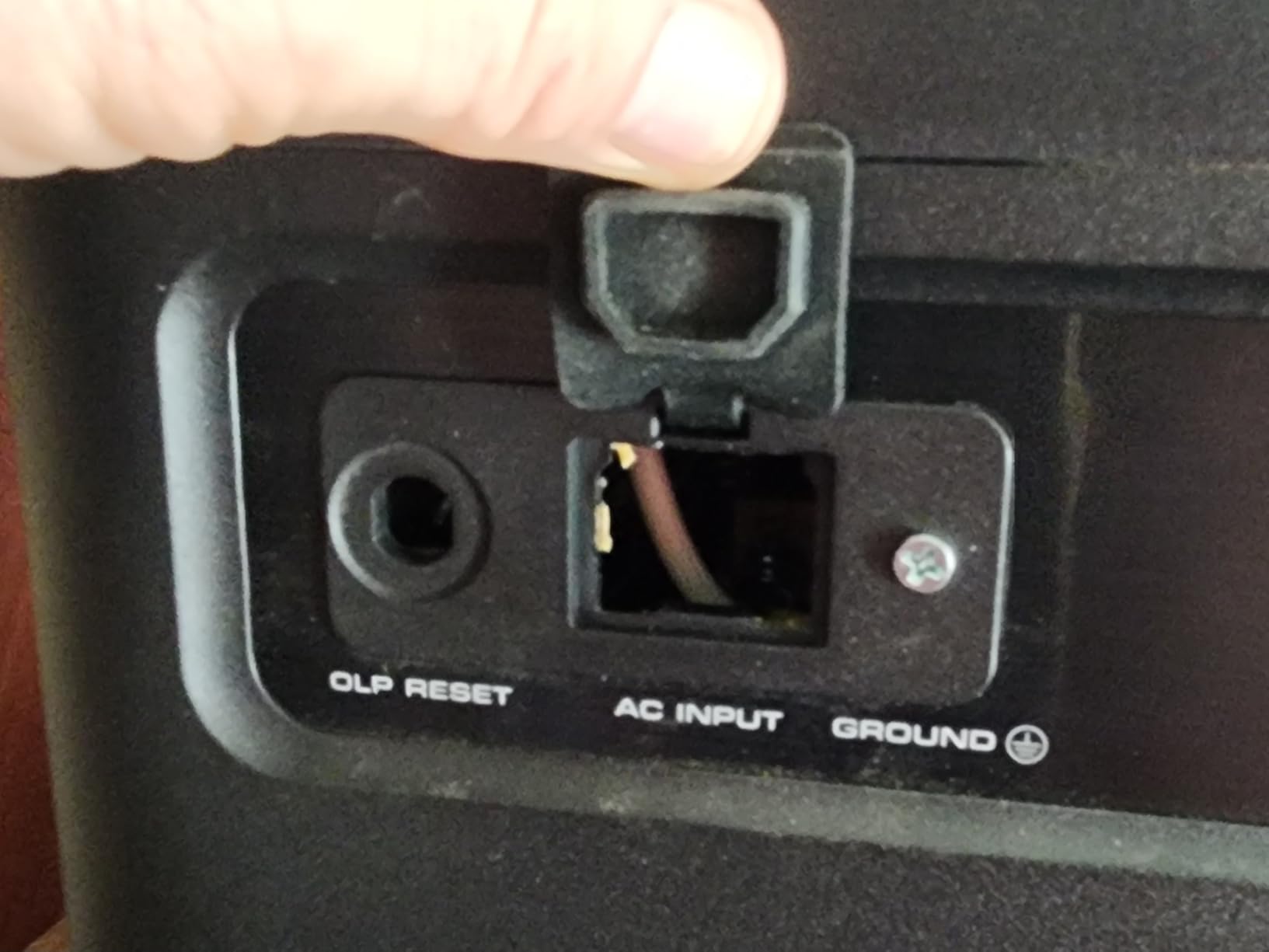
Output is a clean 1,000W of pure sine wave with 2,000W surge, enough for a TV, a speaker and a cooler without breaking a sweat. A built-in MPPT controller improves solar harvesting, and AC wall, solar and car outlet recharging are all supported.
There is one behavior to know about. AC output must be switched off manually when unused or it drains the battery with no load attached. Set that habit the first time you use it.
Is the Two-Year Warranty a Problem?
It is the clearest tradeoff here. BLUETTI and Anker units in this list carry five years, while GRECELL covers two, which matters if you keep a station across several seasons.
What Do Owners Complain About Most?
Durability over time, specifically units losing charge-holding ability or battery health after a year or two, plus the manual AC off switch. Check the percentage on a wall meter every few games.
9. ALLWEI 300W – Best Budget Pick
ALLWEI Portable Power Station 300W, 256Wh Solar Generator LiFePO4 Battery
256Wh capacity
300W continuous, 600W peak
6.4 lbs
LiFePO4, 3,000 cycles
Pros
- Lowest cost per watt-hour here while still using LiFePO4 cells
- Only 6.4 lbs in a slim body that fits a backpack
- Display shows estimated runtime and exact remaining percentage
- Three-level LED flashlight with SOS mode plus pass-through charging
Cons
- 300W continuous is the lowest ceiling here
- Only one AC outlet
- No 24V output for RV applications
- A few owners report fan noise or charge-holding loss after months
The ALLWEI 300W answers a simple question: can you get LiFePO4 chemistry at the lightest carry weight available? At 6.4 lbs in a 9.25 by 5 by 6.8 inch body, it fits in a backpack rather than taking up a seat in the truck.
The display is unusually honest for this price bracket. It shows an estimated runtime and the exact remaining percentage rather than four vague bars, which is genuinely useful when you are deciding whether to start another game of music.
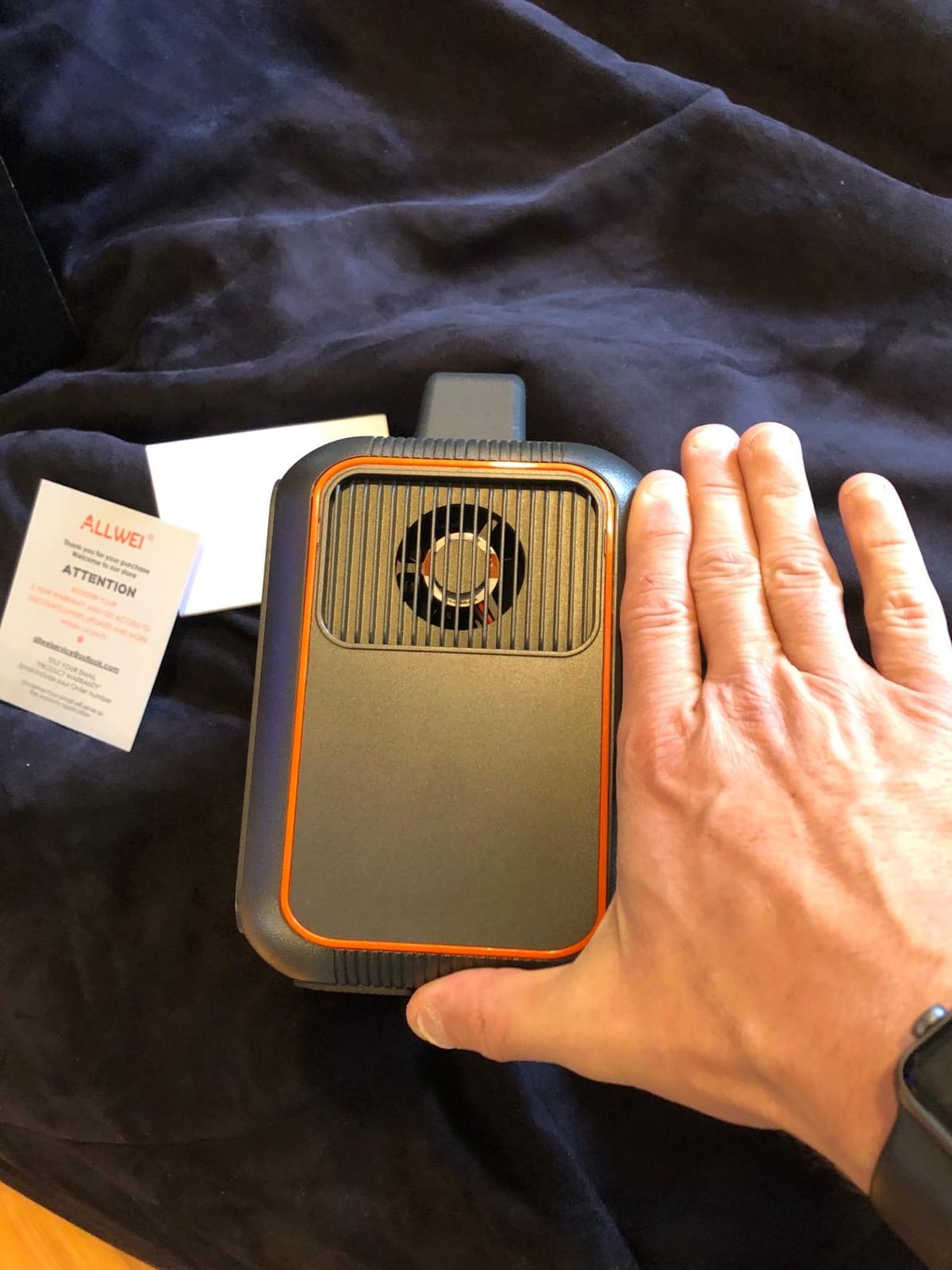
Six outputs cover AC, two DC5521 ports, a car socket, an 18W USB-A and a 60W USB-C PD port. A built-in MPPT controller handles solar, and pass-through charging lets the station run while plugged in.
Owners praise the runtime display, the true 2.4A USB ports and the well-placed flashlight, and several describe running a CPAP machine for many hours off a single charge. The consensus limitation is the 300W ceiling with only one AC outlet.

Is the Cheapest Unit Good Enough?
For lights, phones and a small speaker, yes. The LiFePO4 cells rated for 3,000 cycles mean it will outlast cheaper NMC alternatives even at this price, which matters over multiple seasons.
When to Spend More Instead
When you add a TV, a projector or a cooler that draws power continuously. The 300W ceiling cannot absorb those loads, and a small minority of owners report charge-holding failures after eight months or more.
10. Anker SOLIX C300 – Best for USB-C Laptop Charging
Anker SOLIX C300 Portable Power Station, 288Wh Solar Generator for Camping
288Wh capacity
300W output, 600W surge
9.1 lbs
Three AC outlets
Pros
- Two 140W two-way USB-C ports plus a 30W USB-C
- USB-A and 120W car socket
- Recharges to 80% in about 50 minutes from a wall outlet
- Operates at just 25 dB from 3.3 ft away
- Three AC outlets sharing 300W total
Cons
- Shoulder strap is a separate purchase for carrying it
- Incompatible with Anker SOLIX PS30
- PS200 and PS400 panels
- All three AC outlets share one 300W budget
- Solar pairing needs a compatible panel
The C300 is built around USB-C. Two 140W two-way USB-C ports are enough to charge two laptops at once, and reviewers pair that with the 25 dB operating noise to explain why it works in a quiet tailgate where a gas generator never would.
Capacity is 288Wh with 300W output and 600W surge, packed into a 9 lb body that is 15% smaller than similar designs. Recharge to 80% takes about 50 minutes from a wall outlet.

Three AC outlets are unusual in this capacity class, and the LCD display plus smart temperature control keep the unit cool and readable. It works with 100W or 60W Anker solar panels, though not the older PS30, PS200 or PS400 models.
The catch is that those three AC outlets share a single 300W total budget. Two of them running a kettle or a grill at once will not work, and the shoulder strap for carrying it is a separate purchase.
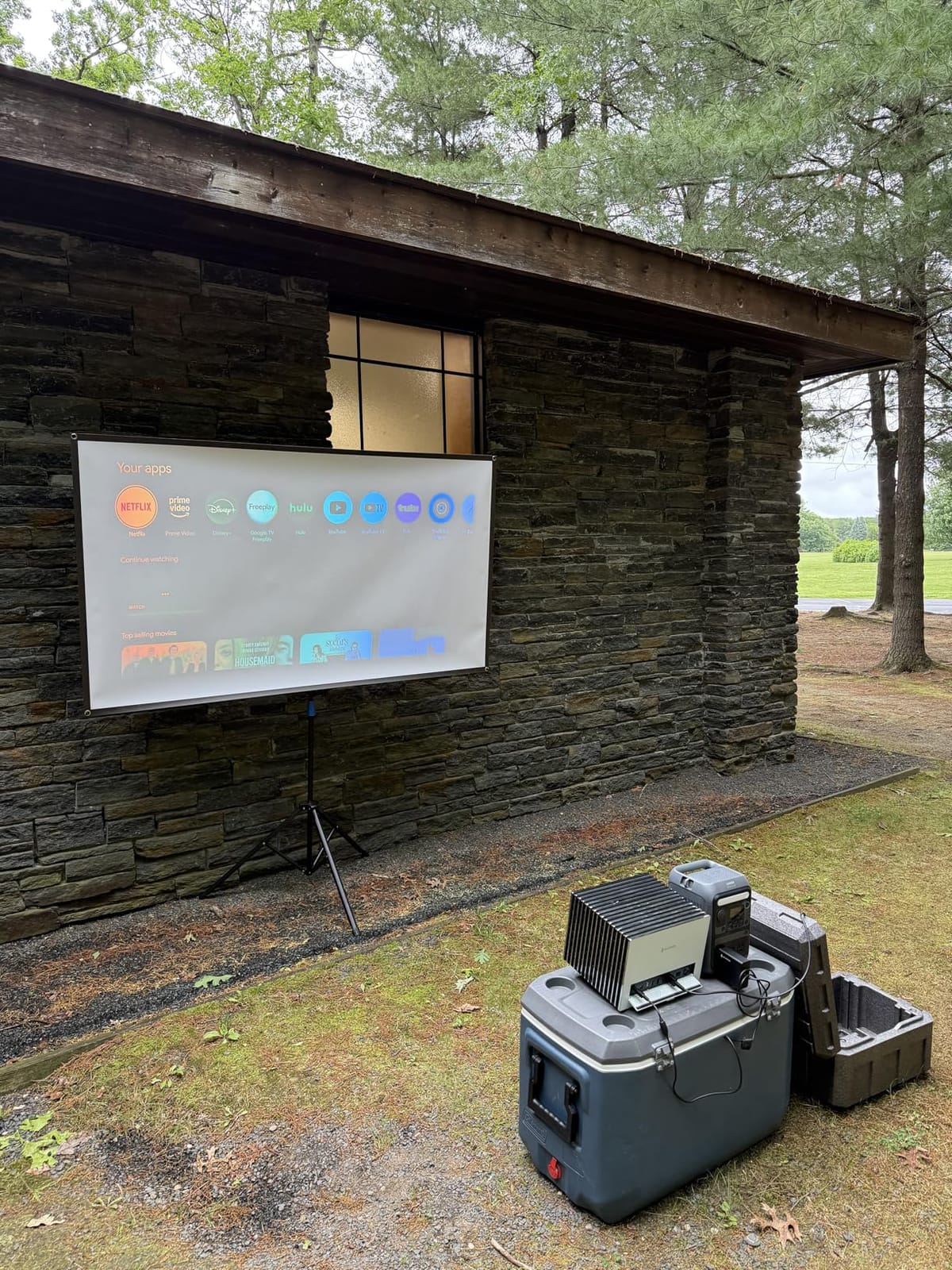
Can It Charge Two Laptops and Run a Speaker?
Yes, and that is exactly the use case it suits. Two 140W USB-C ports handle the laptops while the AC outlets or car socket carry a speaker and lights, all under the 300W ceiling.
What to Buy Alongside It
A shoulder strap, since the handle is the only built-in carry option. Add a 60W or 100W Anker solar panel if you want field top-ups, and budget for the panel separately.
11. VTOMAN Jump 600X – Best for a Sub-10-Pound 600W Setup
VTOMAN Jump 600X Portable Power Station 600W, 9 Ports LEP Solar Generator
268.8Wh LiFePO4
600W continuous, 1200W peak
9.9 lbs
100W USB-C PD
Pros
- Only 9.9 lbs and 27% smaller than the previous Jump 600X
- 600W pure sine wave output with 1200W surge for startup loads
- 0-80% in 50 minutes with simultaneous AC and DC charging
- Upgraded 100W USB-C PD plus 30W USB-C and 30W USB-A
Cons
- Combined load across all devices must stay under 600W
- Only a 2-year warranty
- Solar panel is a separate purchase
- LFPBMS provides 12 built-in protections
Owners highlight the rare combination of a sub-10-pound weight, 600W of continuous output and a 100W USB-C port. That makes it a capable laptop and cooler power source for a game day without the two-person lift that 1,000Wh units demand.
The 600W pure sine wave output with 1200W surge is enough to start compressors and tools, and the flat-top design saves packing space in a truck bed. Seven ports plus the USB-C options cover a normal tailgate comfortably.
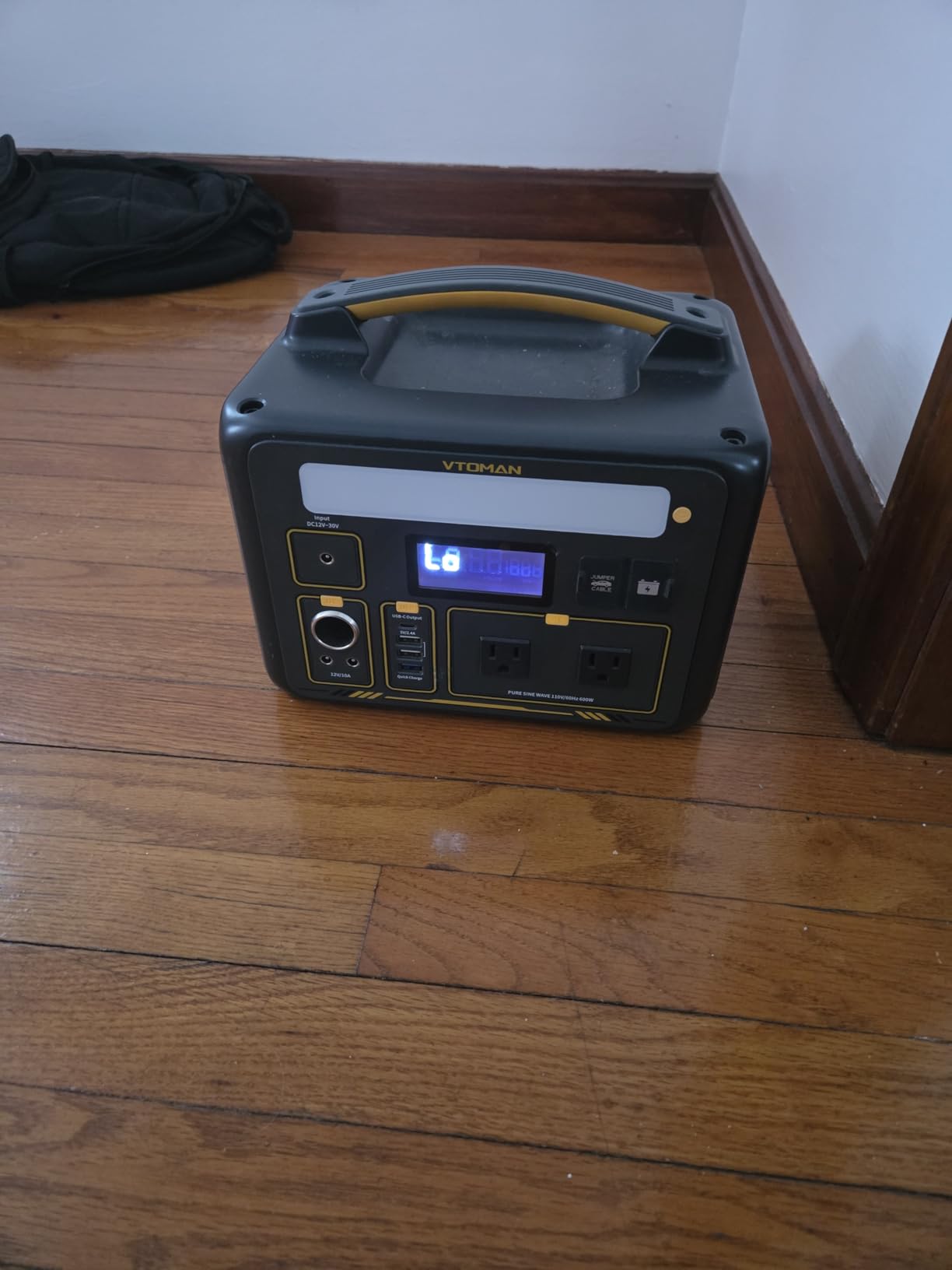
Charging is efficient with simultaneous AC and DC input: 0 to 80% in 50 minutes and full in 75 minutes. Solar input up to 120W through MPPT and 12V car charging are both supported, though the panel is a separate purchase.
The main caution is the shared ceiling. The combined load across all devices must stay under 600W, so several high-draw items at once will trip output limits. The 2-year warranty is also shorter than the five years on BLUETTI and Anker units.
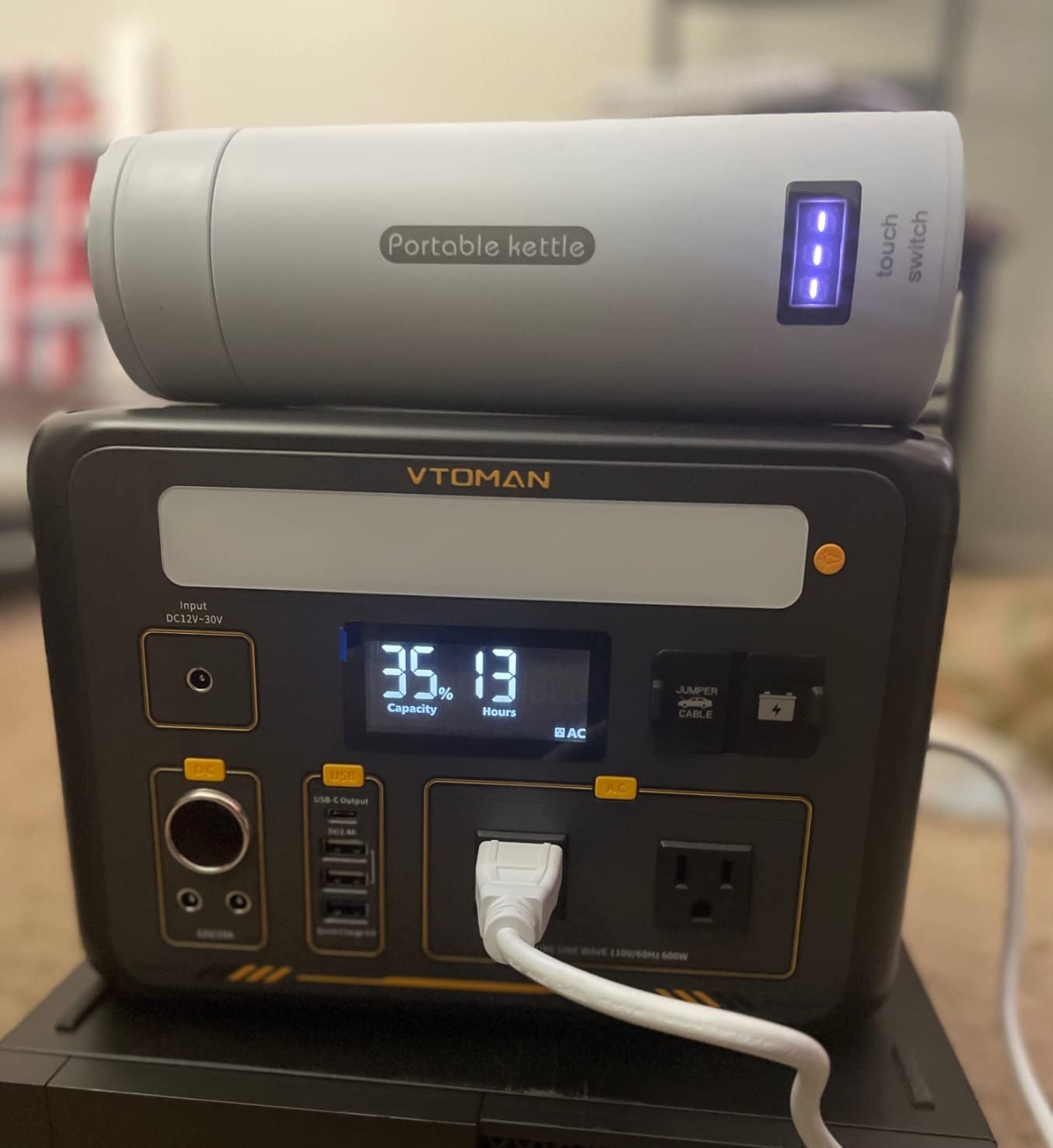
Is 600W of Output in 268Wh Sensible?
Only if your loads are short bursts. The high output rating helps with startup surge, but the capacity is small, so a TV plus a cooler will drain it faster than the wattage figure implies.
Best Use for This Station
Laptops, phones, lights and a speaker at a mid-size tailgate where someone else carries the cooler. It is the best weight-to-output compromise in this roundup.
12. DJI Power 1000 V2 – Best for the Heaviest Loads
DJI Power 1000 V2 Portable Power Station, 1024Wh LFP Battery
1,024Wh LFP battery
2,600W stable output
33 lbs
0-80% in 37 minutes
Pros
- 2600W stable output
- the highest continuous rating in this group
- Dual 140W USB-C ports totaling 280W
- Recharges to 80% in just 37 minutes
- Operation as low as 26 dB with a 10ms UPS switchover
Cons
- Highest one-star rating share here
- with reports of overheating in hot conditions
- MPPT and car charging modules are not built in
- App connectivity requires a separately sold dongle and cable
- 33 lbs is the second-heaviest unit in the roundup
When the load is genuinely heavy, the DJI Power 1000 V2 leads this group. The 2,600W stable output is the highest continuous rating we tested, and it powers nearly all household appliances, which covers an electric grill, a portable fridge and a projector at once.
It is also the quietest at 26 dB and the fastest to recharge at 80% in 37 minutes. Dual 140W USB-C ports deliver 280W combined, and SDC Super Fast Charging gets select DJI drone batteries airborne in 30 minutes.
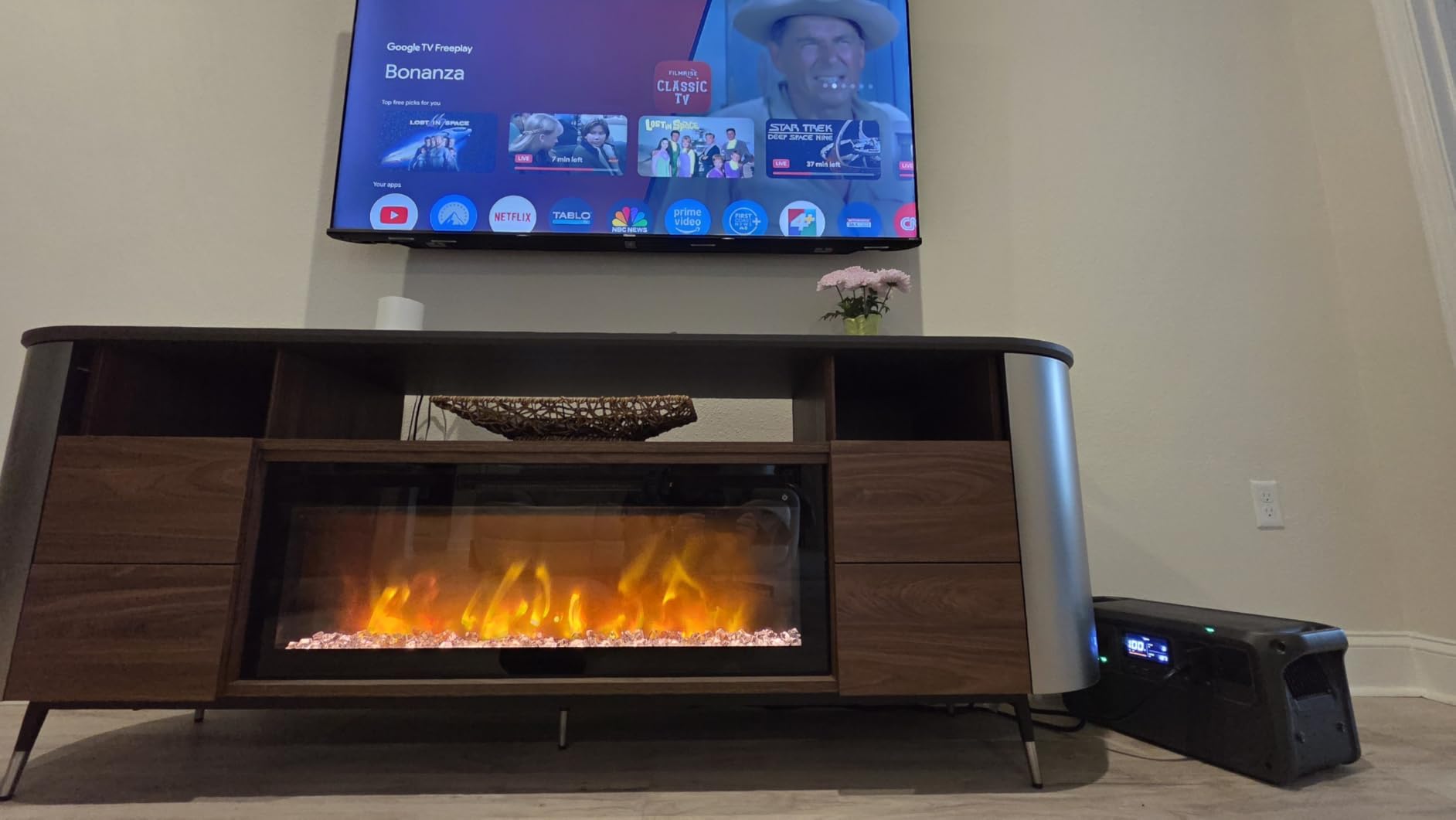
Build quality is premium, with an intelligent BMS, a sub-nano coating and a flame-retardant housing backing a 10-year lifespan claim. The 10ms UPS switchover is twice as fast as the original Power 1000.
The critical reports are worth reading before buying. Several detailed reviews describe the unit refusing to charge above 80F ambient, conversion efficiency around 40% in testing, and core solar, car and app functions requiring extra adapters. It is 33 lbs and the longest-bodied unit here.
Is It Safe in Summer Heat?
Check before relying on it in hot conditions. Multiple detailed reports describe charging refusing above 80F ambient, so a July tailgate in the sun is worth testing at home first.
What Are the Hidden Costs?
The MPPT and car charging modules are not built in, and app connectivity needs a separately sold dongle and cable. Those add-ons erase some of the headline advantage over the BLUETTI units.
Portable Power Station vs Gas Generator: Which Is Allowed at Your Tailgate?
This is the question that decides the purchase more often than specs do. Many stadiums, arenas and city parks restrict or ban gasoline generators outright because of noise and exhaust, and lot rules change by season. A battery power station is almost always permitted because it produces no emissions and no noise.
Before you leave home, check four things:
The stadium or city website for generator bans, which usually appear in parking or tailgate policies.
Your lease or property rules if you are in a public park or apartment lot.
Fire code restrictions on fuel storage, since a full gas can in a vehicle trunk creates its own problem.
Local noise ordinances during posted event hours.
Where gas generators are allowed, a small inverter generator is still the better choice for sustained high-draw cooking loads, because it burns fuel rather than draining a battery. It is louder and it produces exhaust, so it needs distance from the group and from nearby vehicles. We cover the alternatives in our best camping generators for tailgating picks.
Truck onboard power is the third option, and owners on tailgate forums report it falls short. Bed outlets and factory inverters on half-ton trucks often deliver only a few hundred watts, which covers a speaker and phone charging and nothing more.
For most groups, the practical answer is a power station between 500Wh and 1,100Wh. If you also need shade and a place to sit, our best canopy tents for tailgating guide covers that side of the setup.
How to Choose the Right Power Station for a Tailgate
Capacity in Wh Versus Continuous Output in Watts
These two numbers answer different questions. Watt-hours tell you how long the station can run; continuous watts tell you how much you can plug in at once. A station with 1,000Wh and 300W output will run a modest load for a long time, while 500Wh and 1,800W output will power almost anything briefly.
Match capacity to hours and output to starting wattage. Four hours of a 150W load needs about 600Wh, and since you only get roughly 90% of rated capacity, plan a little above that.
LiFePO4 Versus NMC
Nearly every unit in this roundup uses LiFePO4 cells, and that is deliberate. They handle 3,000 to 6,000 charge cycles versus a few hundred on older NMC packs, they tolerate heat better, and they hold capacity over seasons. For someone buying a station to use on game days from September through January, the chemistry choice is settled.
Ports and Output Mix
Count AC outlets separately from USB-C PD ports. A tailgate needs at least two AC outlets for a TV and a speaker, and at least one 100W USB-C port for phones and laptops. Three AC outlets sharing one wattage budget are less useful than two with full power each.
Weight and Carry
Plan the walk from the vehicle. Anything under 15 lbs is a one-person carry, 15 to 28 lbs wants a second person or a cart, and above that you are loading it together. Folding handles and shoulder straps matter more than the number on the box.
Solar Pairing and Car Charging
Every unit here accepts solar, but input wattage varies from 110W to 600W and several brands restrict compatibility to their own panels. A 200W folding panel is the practical match for a 500Wh to 600Wh station. For car charging, verify the wattage the unit draws from a 12V socket, since some accept less than others.
The Pre-Game Charging Routine
Charge to 100% on a wall outlet the day before, not the morning of.
Update the app firmware, which on some units materially improves real-world runtime.
Run one full discharge and recharge cycle at home to calibrate the percentage readout.
Confirm AC output switches are off when the station is idle to avoid a slow drain.
Pack the car charging cable even if you expect to use wall power.
Frequently Asked Questions
What is the best portable power station for tailgating?
The Jackery Explorer 500 v2 is our top pick for most tailgates. Its 512Wh battery and 500W continuous output run a TV, Bluetooth speaker, LED string lights and a cooler for a full game, and at 13.3 lbs one person can carry it from the truck.
How to have electricity at a tailgate?
There are three options: a battery power station, a gas inverter generator, or your truck’s own outlet. Power stations are silent, need no fuel and are permitted at most lots. Gas generators run longer but are banned at many stadiums. Truck power is usually too low for anything beyond a speaker and phone charging.
What size power station do I need for a tailgate?
Add the running watts of everything you plan to plug in, then add about 50% for startup surge. A light setup of lights, a speaker and phones needs about 300W. A TV, speakers, cooler and charging bank needs 800W to 1,000W. A fridge, projector or grill pushes you to 1,800W and a 1,000Wh battery.
What is the best power source for a tailgate TV?
A power station with at least 1,000W continuous output and a surge rating above 1,500W. A 55-inch TV pulls roughly 100W but spikes hard at startup, and that spike trips smaller stations. The Jackery Explorer 1000 v2 and Anker SOLIX C1000 both clear that bar comfortably.
Is there anything better than Jackery?
It depends on the priority. BLUETTI matches Jackery on output and adds a quieter 30 dB mode, Anker SOLIX offers the fastest recharging and the most ports, and EF ECOFLOW refills in about an hour. For most tailgates the difference is small enough that weight and app quality decide it.
Final Verdict – Which Power Station Should You Bring to the Next Game?
For most groups, the Jackery Explorer 500 v2 is the right answer. It covers a TV, speakers, lights and a cooler at 500W continuous, and at 13.3 lbs it is still a one-person carry. Bring it charged to full the day before, and it will handle the pre-game, the game and the drive home without a refuel.
If your group carries heavier gear, move up to the Jackery Explorer 1000 v2 at 1,500W or the Anker SOLIX C1000 at 1,800W with eleven ports. If quietness around the group matters most, the BLUETTI Elite 100 V2 runs at 30 dB. If weight rules, the ALLWEI 300W at 6.4 lbs carries a light setup almost anywhere.
Whichever you choose among the best power stations for tailgating, check your venue’s generator rules before kickoff, update the firmware, and run one full charge cycle at home. Those three habits eliminate most of the problems owners report.