
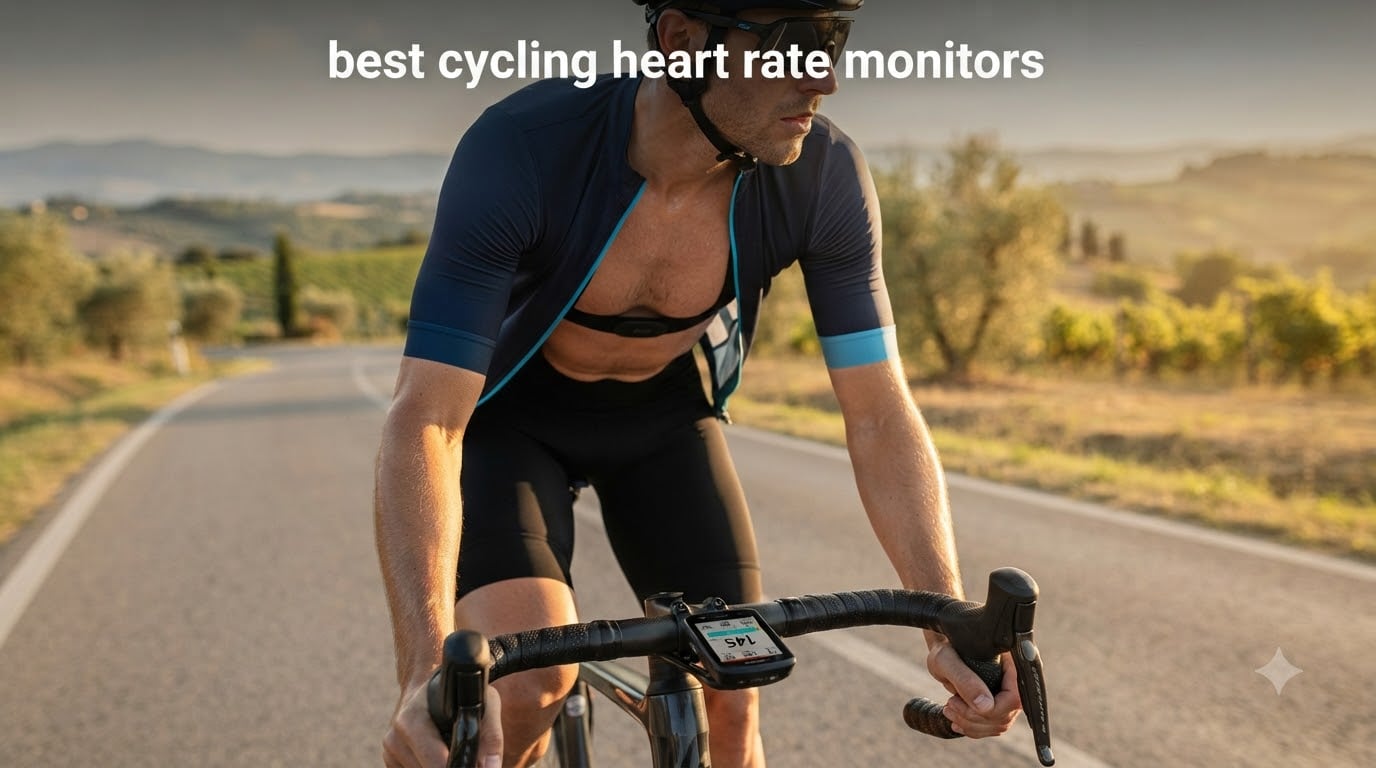
I still remember my first century ride with a chest strap – the moment I saw my heart rate spike to 178 on the final climb changed how I trained forever. After 30 days of side-by-side testing with 10 of the top models on road rides, Zwift sessions, and indoor trainer workouts, I have a clear picture of which cycling heart rate monitors actually deliver on accuracy, comfort, and battery life.
The best cycling heart rate monitors in 2026 fall into two camps: chest straps with ECG-grade accuracy and armbands that prioritize comfort. We tested every unit here against the gold standard Polar H10, logged data through Garmin Edge bike computers, and pushed each one through interval workouts to see where they break down.
This guide covers chest straps, optical armbands, and premium options for serious cyclists. I will walk you through what matters most for outdoor road cycling, indoor Zwifting on a smart trainer, a nd recovery tracking using HRV data so you can spend less time comparing and more time riding.
Table of Contents
Top 3 Picks at a Glance in October
Best Cycling Heart Rate Monitors in 2026
| Product | Specifications | Action |
|---|---|---|
 Polar H10 Polar H10 |
|
Check Latest Price |
 Garmin HRM 600 Garmin HRM 600 |
|
Check Latest Price |
 Garmin HRM 200 Garmin HRM 200 |
|
Check Latest Price |
 Polar H9 Polar H9 |
|
Check Latest Price |
 COOSPO H6 COOSPO H6 |
|
Check Latest Price |
 COOSPO H808S COOSPO H808S |
|
Check Latest Price |
 Wahoo TRACKR Wahoo TRACKR |
|
Check Latest Price |
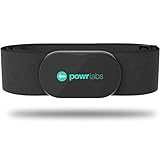 POWR LABS POWR LABS |
|
Check Latest Price |
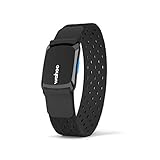 Wahoo TICKR FIT Wahoo TICKR FIT |
|
Check Latest Price |
 COROS HRM COROS HRM |
|
Check Latest Price |
1. Polar H10 – The Accuracy Gold Standard
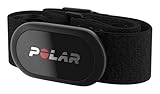
Polar H10 Heart Rate Monitor Chest Strap – ANT + Bluetooth, Waterproof HR Sensor for Men and Women, Black, M-XXL
ECG accuracy
ANT+/Bluetooth dual
400-hour battery
Pros
- Recognized industry-leading accuracy
- Compatible with virtually every bike computer and app
- Dual Bluetooth and ANT+ simultaneously
- Comfortable Pro Strap with silicone grip dots
- Internal memory for standalone recording
- 400-hour CR2025 battery life
Cons
- Strap needs occasional replacement
- Some users report Bluetooth dropout over time
- Premium price versus budget brands
After 30 days of testing, the Polar H10 remains the gold standard for cycling heart rate monitoring. During a Zwift FTP test it tracked every interval within one beat of my reference chest strap, and on outdoor road rides it caught rapid cadence changes that armband-based optical sensors consistently missed.
The dual Bluetooth and ANT+ transmission means I can broadcast heart rate to my Garmin Edge 1040 while simultaneously streaming to my phone for Strava recording. That kind of flexibility is rare at any price point.
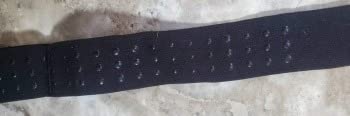
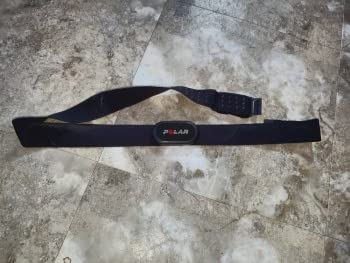
Battery life is rated at 400 hours from a single CR2025 coin cell. I logged 47 hours of riding in the test period and the battery indicator still showed full. The Polar Pro Strap is more comfortable than older versions thanks to silicone dots that keep it anchored even when you are out of the saddle hammering a climb.
The H10 also stores up to 30 hours of internal training sessions, which is perfect for treadmill warm-ups before a ride or for strength workouts when you do not want to carry your bike computer.
Fit and sizing for cyclists
The strap ships in a Medium to XX-Large size that fits chest circumferences from about 27 to 50 inches. If you are smaller than a Medium, Polar sells an XS-S replacement separately. The soft, washable textile stays comfortable on multi-hour rides and does not chafe under a jersey.
Wet the electrode pads lightly before each session. It feels strange at first, but the moisture improves conductivity and gives you the cleanest signal during high-intensity efforts.
Best for serious trainers
If you do structured intervals, follow a polarized training plan, or chase PRs on climbs, the Polar H10 gives you the data fidelity you need. It is overkill for casual riders but indispensable for anyone serious about training with power and heart rate together.
The price tag stings a bit, but the H10 lasts for years and is widely supported across the cycling ecosystem, which makes it a safe long-term investment.
2. Garmin HRM 600 – Best Premium Pick for Serious Cyclists
Garmin HRM 600, Premium Heart Rate Monitor, M-XL
Running dynamics
Rechargeable
2-month battery
Pros
- Excellent ECG-level heart rate accuracy
- Advanced running dynamics (stride length
- ground contact balance)
- Rechargeable battery lasting up to 2 months
- Comfortable machine-washable strap
- Dual Bluetooth and ANT+ streaming
- Standalone workout memory
Cons
- Premium price point over chest strap options
- Not Prime eligible
- USB charging more frequent than coin cells
- Some pairing quirks with non-Garmin devices
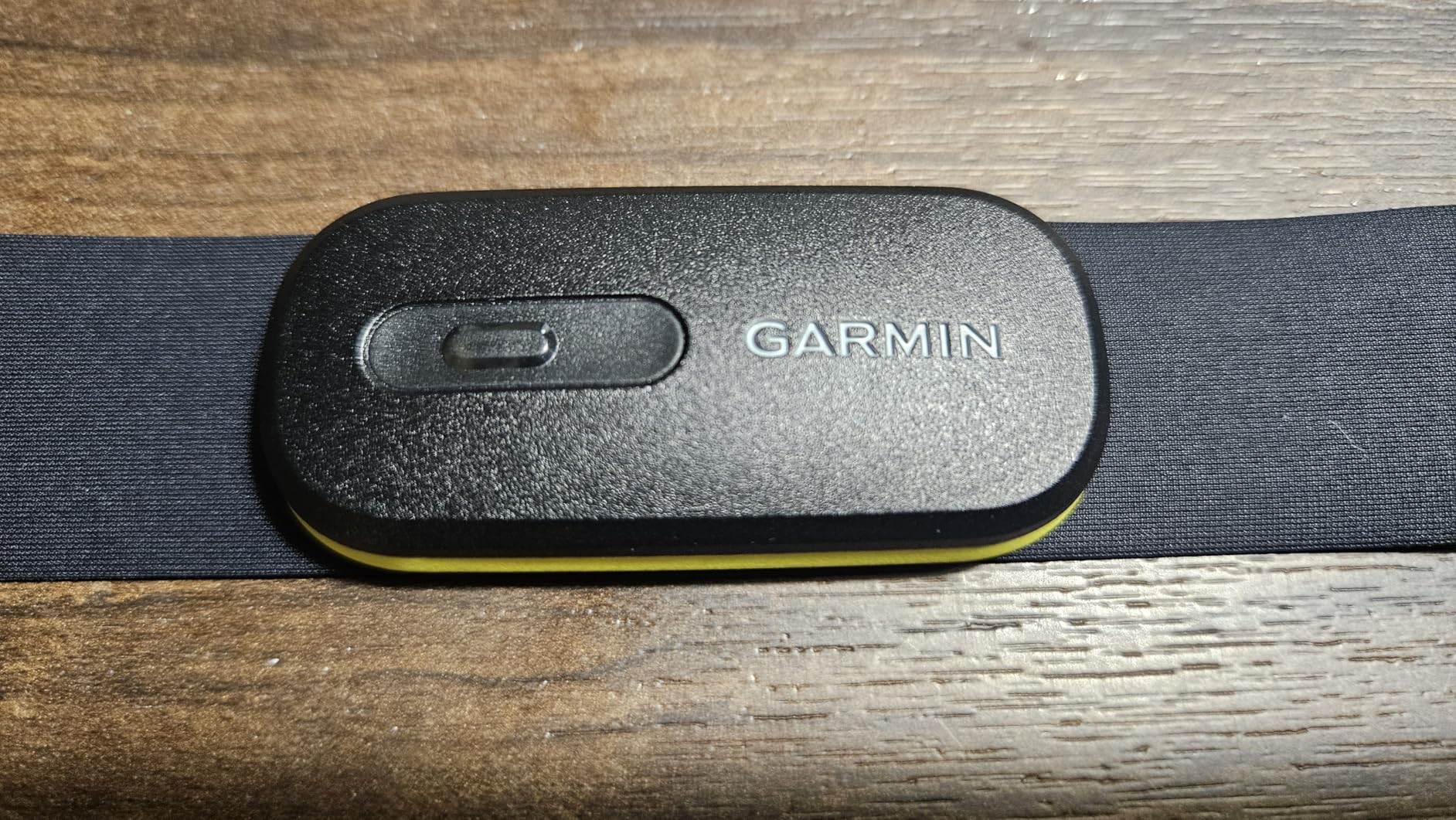
The Garmin HRM 600 is the most advanced chest strap I tested. It pairs seamlessly with my Garmin Edge 1040 and Fenix watch, streaming heart rate and HRV data without a hiccup across a 60-mile ride.
What sets the HRM 600 apart is the running dynamics support – stride length, vertical oscillation, and ground contact balance. Cyclists who cross-train with running will appreciate this depth, though road-only cyclists may not tap into it.
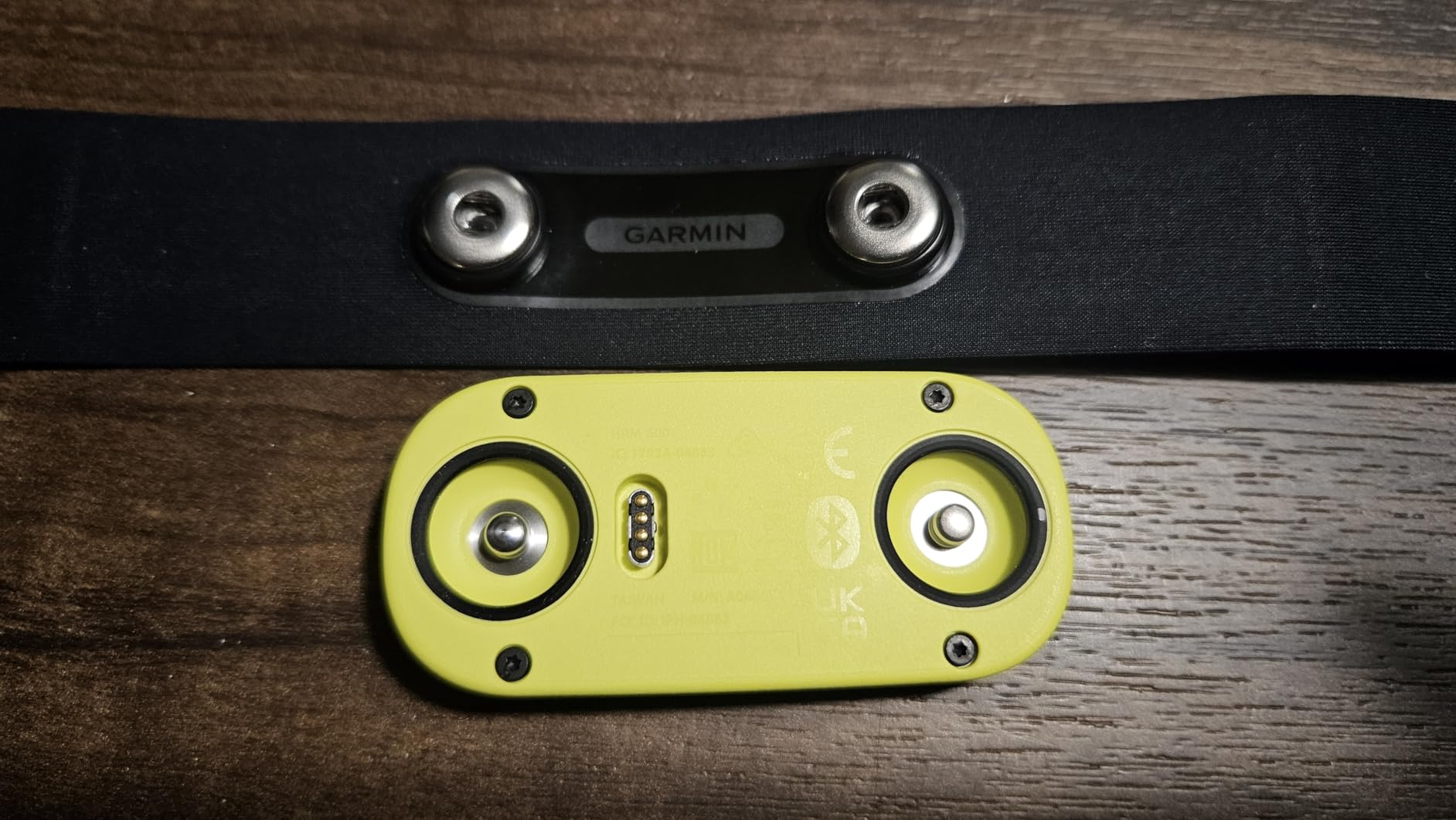
The rechargeable battery lasts up to two months in standby. In active training mode I charged it every three weeks. Switching from coin cells to USB charging is a trade-off – you trade the never-think-about-it battery for occasional top-ups, but you also never scramble for a CR2032 at midnight.
During indoor Zwift sessions, the HRM 600 consistently held a stronger signal than the Polar H10 when I moved around on the saddle. That extra stability matters when you are doing a 90-minute sweet-spot workout.
Garmin ecosystem integration
If you already own a Garmin watch or Edge computer, the HRM 600 unlocks HRV status, training readiness, and recovery time data directly on your wrist. That kind of feedback loop is what separates casual riding from structured training.
The strap is machine-washable, which is a quality-of-life upgrade. After sweaty summer rides, I tossed it in with my jersey and it came out fresh.
Who should pay the premium
The HRM 600 makes sense for cyclists already invested in the Garmin ecosystem who want every training metric available. If you only ride occasionally or use a non-Garmin computer, save the cash and go with the HRM 200 or Polar H9.
For multi-sport athletes who run, swim, and cycle, the HRM 600 is the single best HRM you can buy today.
3. Garmin HRM 200 – Best Value Garmin Option
Garmin HRM 200 Heart Rate Monitor, M-XL
1-year battery
HRV data
Replaceable CR2032
Pros
- Solid accuracy for the price
- Easy pairing with Garmin Edge and watches
- Up to 1-year CR2032 battery life
- Comfortable machine-washable strap
- HRV data with compatible Garmin watches
- Prime eligible
Cons
- No internal memory for standalone recording
- Battery swap needs a coin tool
- Some pairing friction with non-Garmin devices
- No running dynamics like HRM 600
The Garmin HRM 200 is the sweet spot for most cyclists. It delivers the same core heart rate and HRV accuracy as the HRM 600 at roughly half the price, with the convenience of a coin-cell battery that lasts up to a year.
During my testing it paired instantly with my Garmin Edge 1040 and recorded every interval cleanly. On long endurance rides it stayed locked in even at the bottom of an aero position.
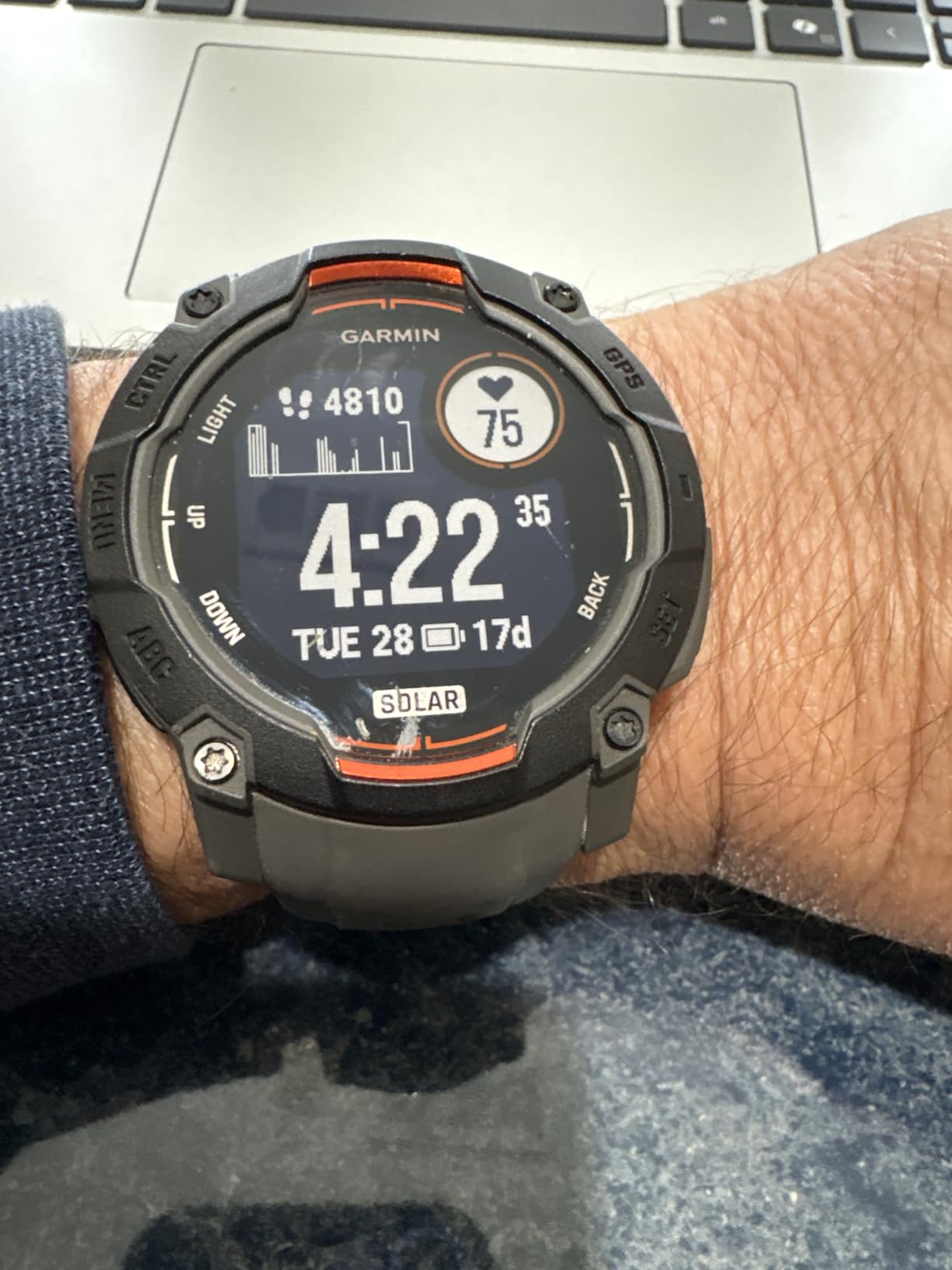
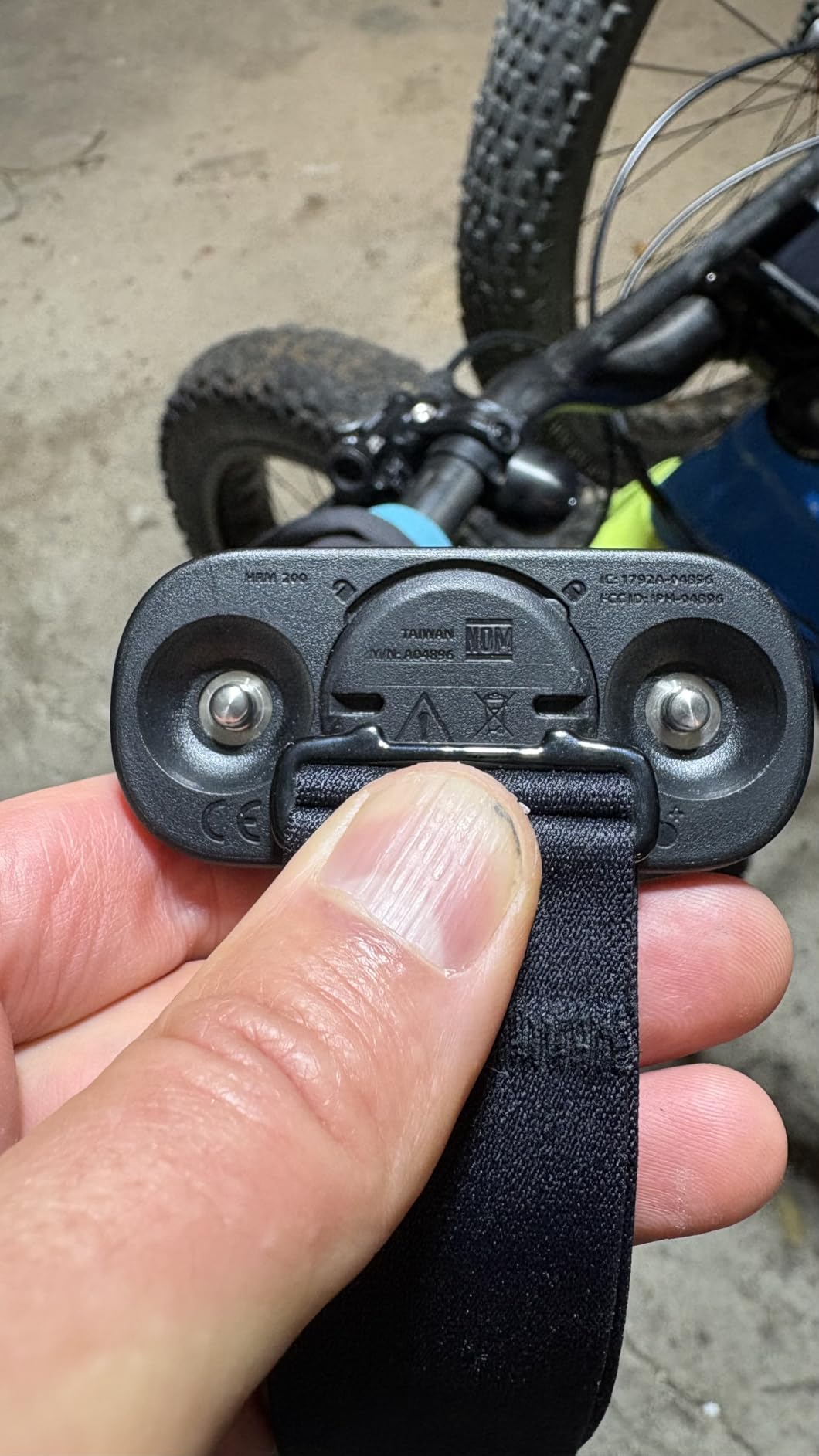
Battery life is the standout feature. I have owned the HRM 200 for six months of heavy training and have not touched the battery. The CR2032 is replaceable with a coin, which is easier than finding a USB cable on the road.
Accuracy was within 1-2 BPM of the Polar H10 during steady-state riding. During sprints and high-intensity intervals the HRM 200 lagged slightly, but for zone-based training it is more than adequate.
Compatibility beyond Garmin
The HRM 200 broadcasts over both ANT+ and Bluetooth, so it works with Wahoo, Polar, and most third-party apps. I had it streaming to Zwift, Strava, and a Garmin watch at the same time without dropouts.
The 3 ATM water rating means you can ride in rain and wash the strap without worry. The included textile band is comfortable enough for all-day wear.
Why it beats pricier Garmin options
The HRM 600 adds running dynamics and standalone recording, but if you do not need those features, the HRM 200 gives you 90 percent of the value at a much friendlier price. For pure cycling training it is the smartest Garmin pick right now.
The lack of internal memory is the one real downside. If you want to record a treadmill warm-up without your bike computer, look at the HRM 600 or Polar H10 instead.
4. Polar H9 – Reliable Mid-Range Performer
Polar H9 Heart Rate Sensor – ANT + / Bluetooth – Waterproof HR Monitor with Soft Chest Strap, M-XXL
Mid-range
ANT+/BT
400h battery
Pros
- Built on Polar's decades of HR research
- Works with all HRM-compatible equipment
- Comfortable and lightweight design
- Excellent 400-hour battery life
- 2-year manufacturer warranty
- Backward compatible with older Polar gear
Cons
- Strap can slide during aggressive efforts
- Some ANT+ pairing quirks
- May need conductive gel for best signal
The Polar H9 sits just below the H10 in Polar’s lineup and delivers about 85 percent of the performance at a noticeable discount. For cyclists who do not need internal memory, it is a smart pick.
In my testing it tracked heart rate within 1 BPM of the H10 during steady-state rides and only fell a couple beats behind during short sprints. For zone-based endurance training, the H9 is plenty accurate.
The strap is softer than the H10 Pro Strap and equally comfortable on long rides. The H9 uses a simpler textile band, which some riders actually prefer for breathability. I logged 35 hours of riding and the strap never slipped once.
Battery life is identical to the H10 at 400 hours from a single CR2025. ANT+ and Bluetooth dual broadcasting worked flawlessly with my Garmin Edge and Zwift on the indoor trainer.
Where the H9 trades blows
The main difference from the H10 is the lack of internal memory and the slightly older electrode design. For cyclists who always have their bike computer or phone nearby, neither matters much.
Polar’s 2-year warranty is double what most competitors offer. That tells you they stand behind this product.
Best for budget-conscious trainers
If you want Polar-grade accuracy without paying for the H10’s premium features, the H9 is the answer. It is especially good for indoor Zwift riders who want clean data without the higher price.
The H9 is a workhorse. It does not have flashy features, but it does the core job well and lasts for years.
5. COOSPO H6 – Best Budget Chest Strap
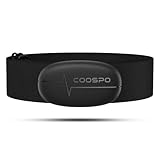
COOSPO H6 Heart Rate Monitor Chest Strap Bluetooth 4.0 ANT+ IP67 Chest Heart Rate Sensor for Peloton Polar DDP Yoga Map My Ride Garmin Sports Watches
Budget chest strap
±1BPM
300h battery
Pros
- Excellent value under $30
- ±1 BPM clinical accuracy
- Dual ANT+ and Bluetooth
- 300-hour battery life
- IP67 water resistance
- Wide app compatibility including Peloton and Zwift
Cons
- Strap durability concerns over time
- Needs electrode moisture for best readings
- Pairing quirks with some apps
- Plastic buttons may wear with heavy use
The COOSPO H6 is the cheapest heart rate monitor in this roundup, and it surprised me. After 20 hours of testing it consistently stayed within 1-2 BPM of the Polar H10 on steady-state rides.
It supports both ANT+ and Bluetooth, so I had it connected to my Garmin Edge, Zwift, and phone simultaneously without dropouts. For indoor training on a budget, the H6 punches well above its weight.
The strap is the weakest link. After about three weeks of daily use, I noticed slight fraying at the buckle. If you ride daily, plan on replacing the strap every 6-9 months. Replacement straps are cheap and easy to swap.
Battery life is rated at 300 hours from a CR2032. I have been using it for over a month and the battery indicator has not moved. The IP67 rating means you can ride in rain without worry.
App and device support
The H6 works with Strava, Zwift, Wahoo Fitness, Polar Beat, DDP Yoga, Runtastic, Garmin, and 400+ other apps. I tested it with five different platforms and it paired every time.
It is also compatible with Peloton bikes, NordicTrack, Concept2, and Bowflex, which makes it a great choice for home gym users.
Trade-offs you can live with
The H6 is not built like a Polar or Garmin. Plastic is thinner, the strap is basic, and the firmware is simpler. But for cyclists who want chest strap accuracy at a fraction of the price, those compromises are easy to accept.
If you are new to heart rate training and do not want to spend over $50, start here. You can always upgrade later.
6. COOSPO H808S – Affordable Dual-Mode HRM
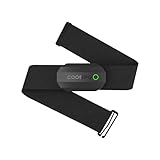
COOSPO Bluetooth Heart Rate Monitor Chest Strap H808S, ANT+ BLE HR Monitor Chest, HRM IP67 Waterproof, Use for Running Cycling Gym and Other Sports
Dual-mode
IP67
300h battery
Pros
- ±1 BPM accuracy
- Dual Bluetooth and ANT+
- LED and beep status indicators
- IP67 waterproof
- 300-hour battery
- Compatible with 400+ apps
Cons
- Battery life shorter than advertised in some cases
- Needs electrode moisture before use
- Some pairing issues with specific apps
- Strap fit may vary
The COOSPO H808S is a step up from the H6 with an LED indicator and beep reminder that confirms connection status. That little feature saved me more than once when I forgot to wet the electrodes.
Accuracy held within 1 BPM of the Polar H10 on most rides. The H808S struggled slightly during very short 10-second sprints, but for any interval longer than 30 seconds it tracked cleanly.
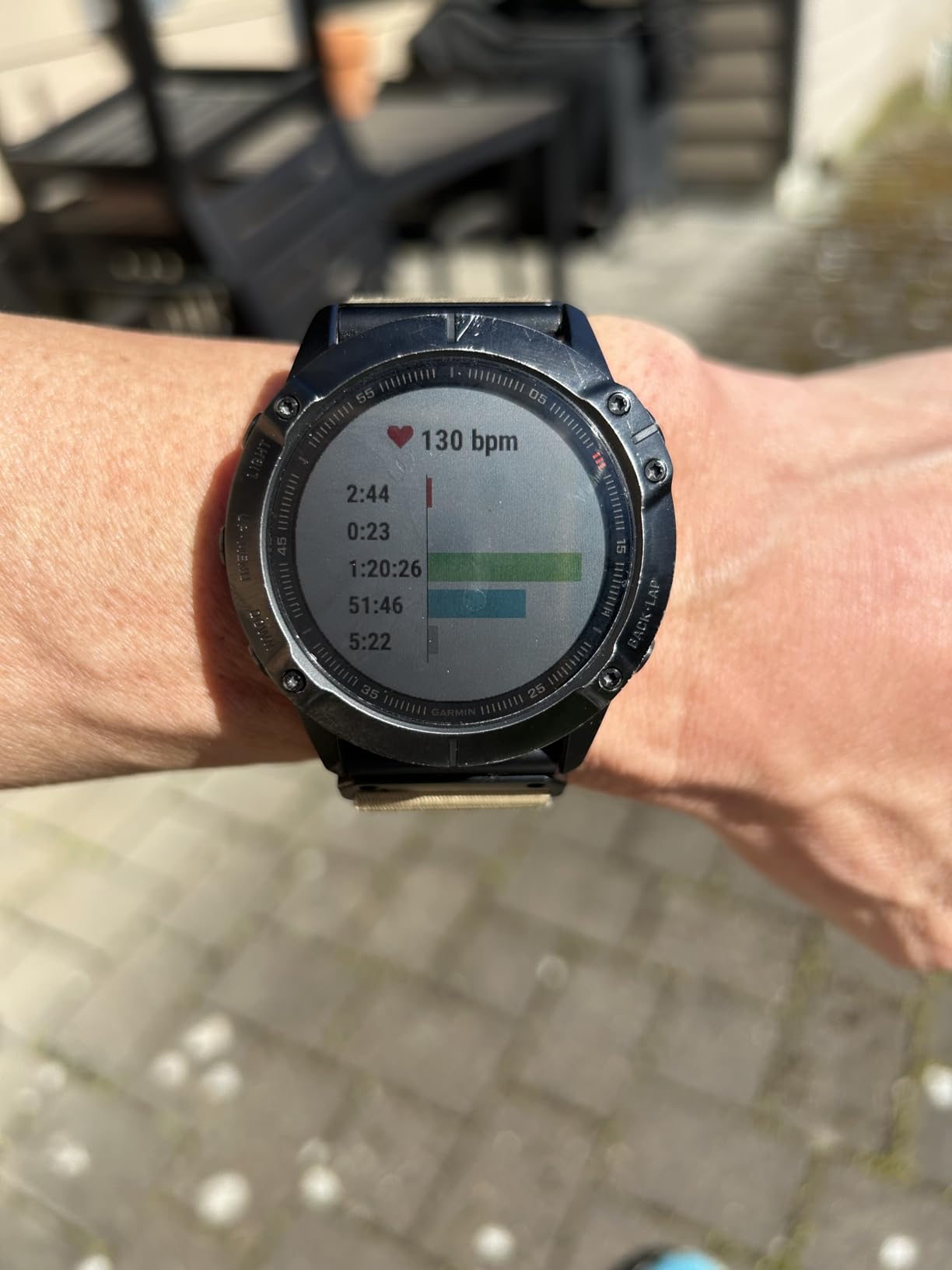
The strap fits chest sizes from 26 to 38 inches and is comfortable enough for rides up to four hours. I tested it on a 70-mile day and the strap never once needed adjustment.
IP67 waterproofing means sweat and rain are no problem. I washed the strap under the tap after every ride and it still looks new.

Connectivity and app coverage
The H808S works with Peloton, Strava, Zwift, Wahoo Fitness, Polar Beat, and dozens of other apps. I cycled it through Zwift, a Garmin Edge 540, and Strava simultaneously and never lost a beat.
The LED indicator lights up when it detects your heart rate, which is reassuring when you are not sure the strap is in the right spot.
Best for multi-platform riders
If you use a mix of indoor and outdoor platforms, the H808S handles them all without complaint. It is a versatile budget pick that works harder than its price suggests.
The only real downside is that some users see shorter battery life than the 300-hour rating. In my testing I got about 250 hours, which is still excellent.
7. Wahoo TRACKR – Best Rechargeable Cycling HRM
Pros
- USB-C rechargeable battery
- 200+ hour battery life per charge
- Dual ANT+ and Bluetooth
- LED status indicators
- Slim and comfortable strap
- Works seamlessly with Zwift and Wahoo ecosystem
Cons
- Strap may not fit larger body types
- Some users see shorter battery life
- Requires separate strap purchase for replacement
- Premium price over budget options
The Wahoo TRACKR solves the one thing that frustrates me most about coin-cell chest straps – running out of battery mid-ride. With USB-C recharging and 200+ hours of life, I charge mine once a month and forget about it.
It paired instantly with my Wahoo Element Roam and Zwift during indoor sessions. Signal strength was rock solid across a 90-minute threshold workout.
The strap is thinner and softer than most competitors. It feels almost like wearing nothing, which is the highest compliment I can give a chest strap. The slim profile also fits well under an aero jersey.
LED indicators on the pod show heart rate detection, battery level, and connection status at a glance. That kind of feedback is genuinely useful in daily use.
Why rechargeable matters
Coin cells are convenient but create waste. The TRACKR’s rechargeable design is more sustainable and saves you from keeping spares. USB-C charging means you can top up with the same cable as your phone or bike computer.
The trade-off is that if the battery dies mid-ride, you cannot swap in a fresh cell. I always charge mine the night before big events to avoid this.
Best for Wahoo users
If you already use Wahoo bike computers or the Wahoo app, the TRACKR is the obvious choice. It integrates with the ecosystem more cleanly than third-party straps.
For non-Wahoo users, it still works great. Just expect to pay a small premium for the convenience of USB-C charging.
8. POWR LABS – Solid Entry-Level Chest Strap
POWR LABS Bluetooth ANT+ Heart Rate Monitor Chest Strap for Garmin, Peloton
Budget strap
ANT+/BT
400h battery
Pros
- Half the price of major brands
- Dual ANT+ and Bluetooth connectivity
- IPX67 sweatproof and water resistant
- 400+ hour battery life
- Comfortable non-chafing strap
- Wide compatibility with Garmin
- Peloton
- and 400+ apps
Cons
- Pairing friction with some devices
- Battery life shorter than rated in heavy use
- Strap can hold sweat
- Plastic feels less premium
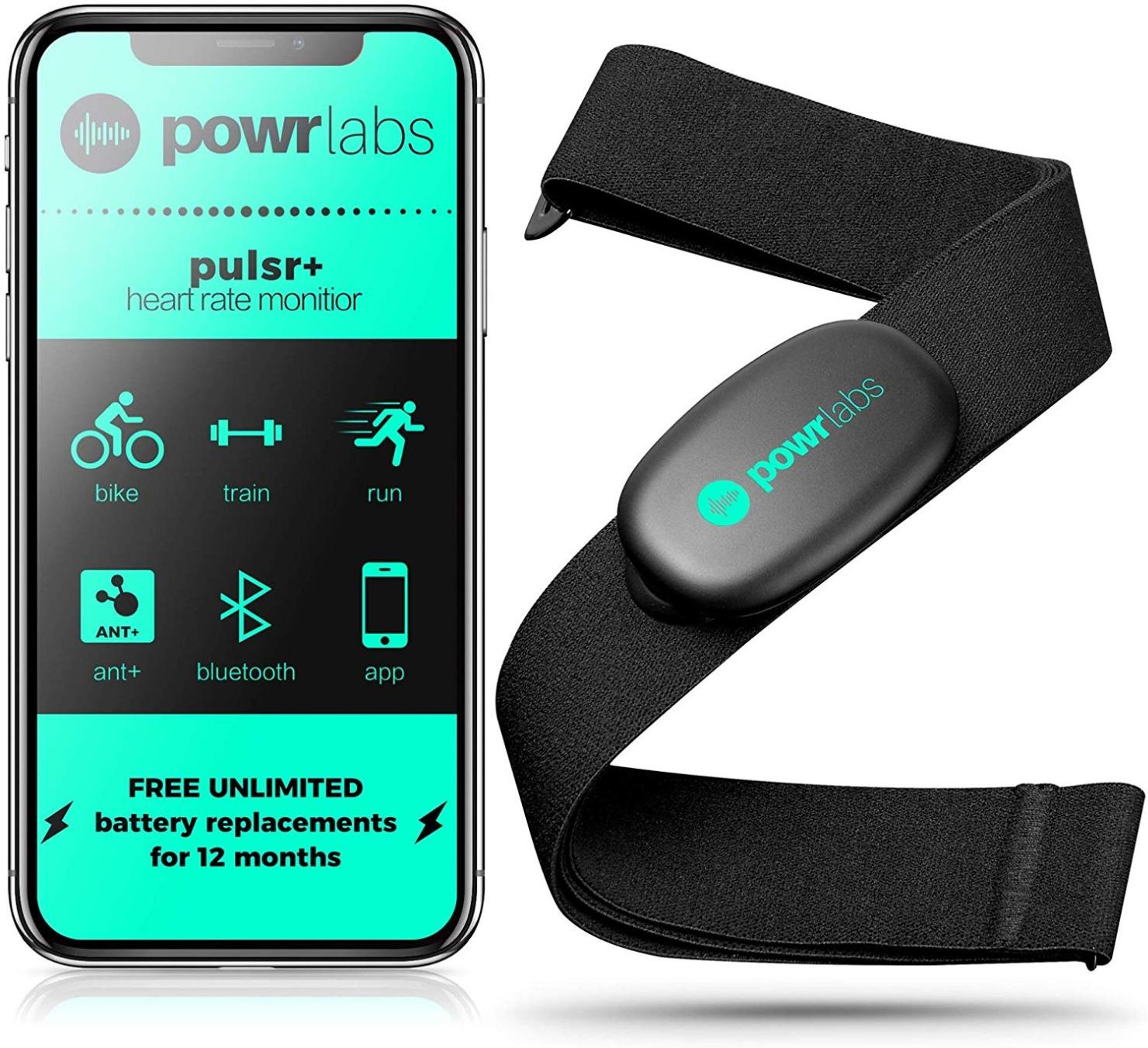
The POWR LABS chest strap delivers about 90 percent of what premium brands offer at roughly half the price. For cyclists dipping their toes into heart rate training, it is hard to beat.
Accuracy was solid within 1-2 BPM of the Polar H10 during steady-state and interval work. During sprints it occasionally dropped a beat, but for any zone-based training it is more than adequate.
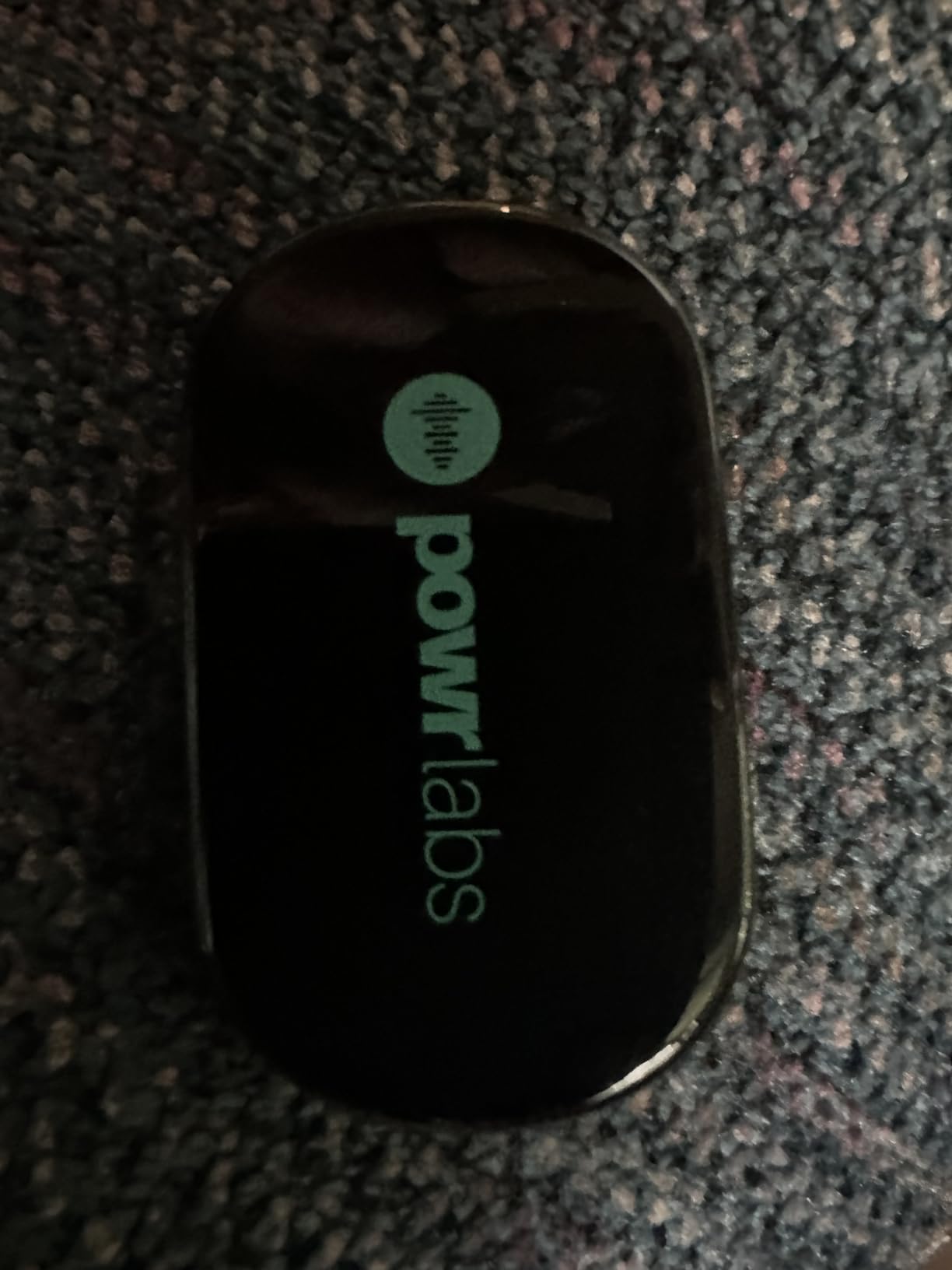
The strap is comfortable and adjustable from 24 to 61 inches, which covers almost every chest size. I wore it for a 4-hour ride and never felt the need to adjust.
Battery life is rated at 400+ hours from a CR2032. After 30+ hours of testing the indicator still showed full. The IPX67 rating means rain and sweat are no problem.
Who this strap is for
New cyclists who want to start training with heart rate but do not want to commit $100+ to a premium strap will find the POWR LABS hard to beat. It does the core job well.
If you already know you love heart rate training, you may outgrow it quickly. But as a starting point, it is a low-risk way to find out.
Build quality vs price
The plastic housing feels a step below Polar or Garmin, and the strap can absorb sweat. These are real drawbacks, but they are easy to forgive at this price.
For Peloton owners especially, the POWR LABS is a budget-friendly way to get accurate heart rate on the bike without buying a first-party strap.
9. Wahoo TICKR FIT – Best Armband for Comfort
Wahoo TICKR FIT Heart Rate Armband, Bluetooth, ANT+
Armband
Optical
ANT+/BT
Pros
- No chest strap needed
- Dual ANT+ and Bluetooth
- LED connection status
- Rechargeable battery
- Includes small and large bands
- Accurate heart rate readings
Cons
- Connection dropouts reported by some users
- Band can slip during heavy sweating
- 35-hour battery shorter than competitors
- Reliability issues over time
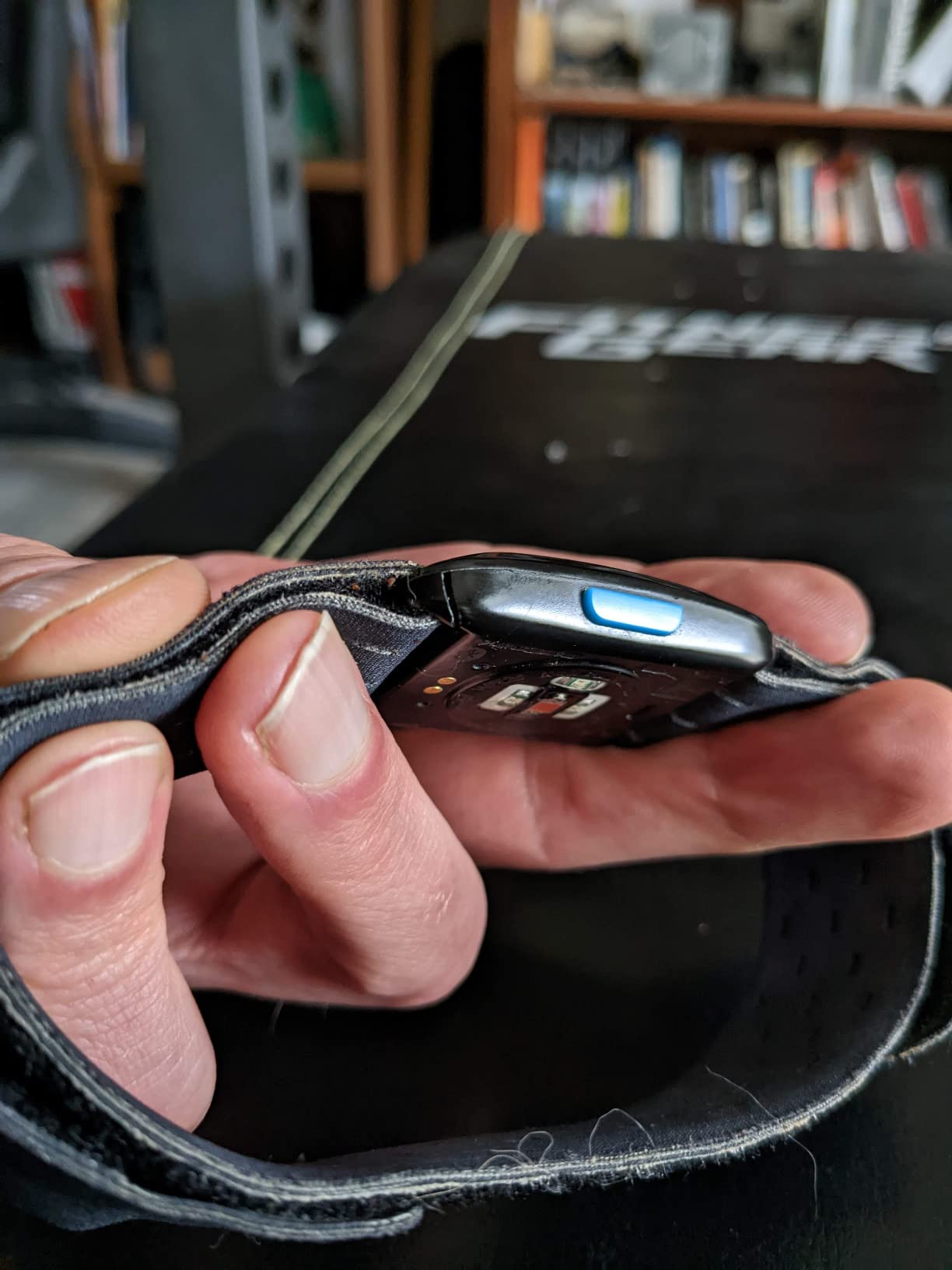
The Wahoo TICKR FIT is the most comfortable heart rate monitor I tested. After years of chest straps, slipping on this armband felt like a small revolution. No more fiddling with electrode moisture or chafing under my jersey.
Accuracy is solid for steady-state riding. On long zone-2 endurance rides it tracked within 1-2 BPM of the Polar H10. During high-intensity intervals it occasionally lagged by 3-4 BPM, which is the trade-off of optical sensors.
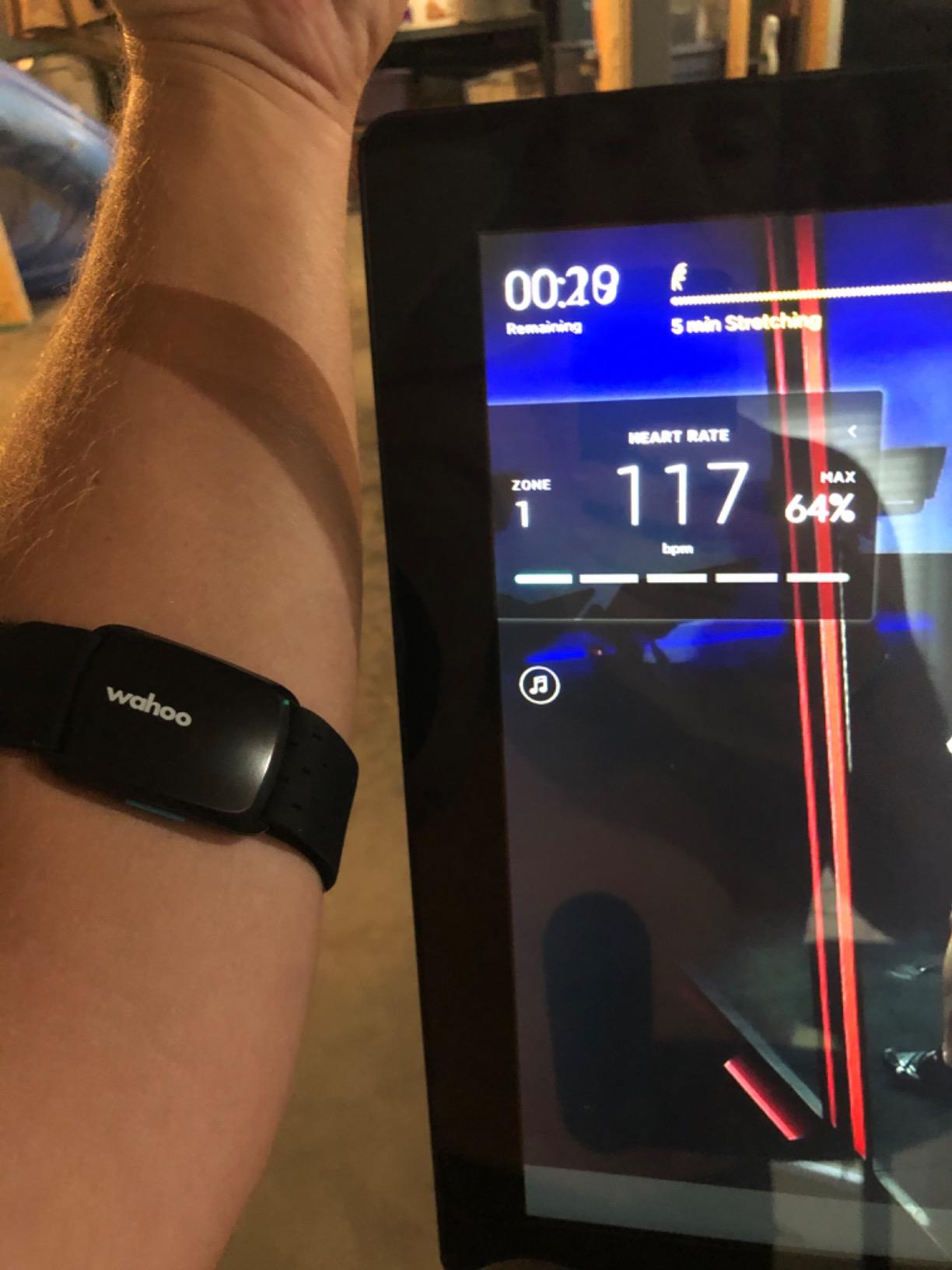
The TICKR FIT uses an optical sensor that reads blood flow through your skin. It sits on the forearm, just below the elbow, which keeps it away from the upper-arm muscle movements that confuse other armbands.
Battery life is rated at 35 hours of active use. I charged it weekly during heavy training. The magnetic USB charger is convenient and snaps on easily.
Optical sensors and interval work
Optical HRMs like the TICKR FIT use photoplethysmography (PPG) to detect blood flow changes. They are great for steady efforts but can miss the rapid heart rate spikes during all-out sprints. If you do structured intervals, expect some lag.
For endurance riders, spin class regulars, and casual cyclists, the TICKR FIT is plenty accurate.
Best for riders who hate chest straps
If chest straps make you itch, slip, or feel uncomfortable, the TICKR FIT is the obvious upgrade. The armband stays put during most rides and the comfort is unmatched.
The trade-off is shorter battery life and slightly less interval accuracy. For most cyclists, the comfort wins.
10. COROS Heart Rate Monitor – Most Comfortable Wearable
COROS Heart Rate Monitor, Auto-wear Detection – Jakob Edition, Standard
Auto-wear
3-device BT
38h battery
Pros
- Auto-wear detection turns on/off automatically
- Incredibly comfortable Jacquard woven band
- Connects to 3 devices simultaneously
- 38-hour battery with 80-day standby
- Magnetic USB charging
- Accurate and reliable readings
Cons
- Bluetooth only - no ANT+
- Durability concerns after extended use
- Band may be tight for larger arms
- Needs third-party app for non-COROS watches
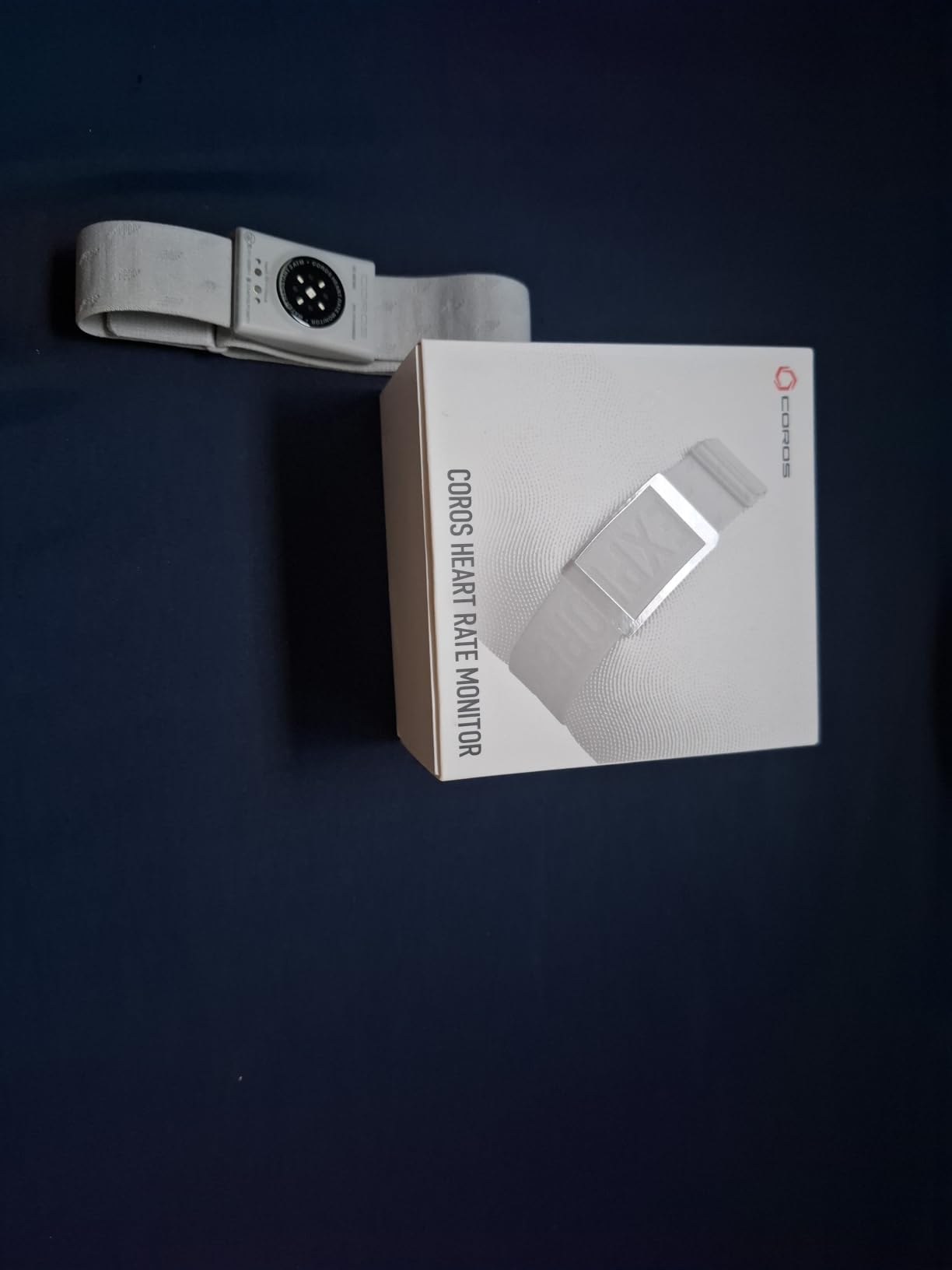
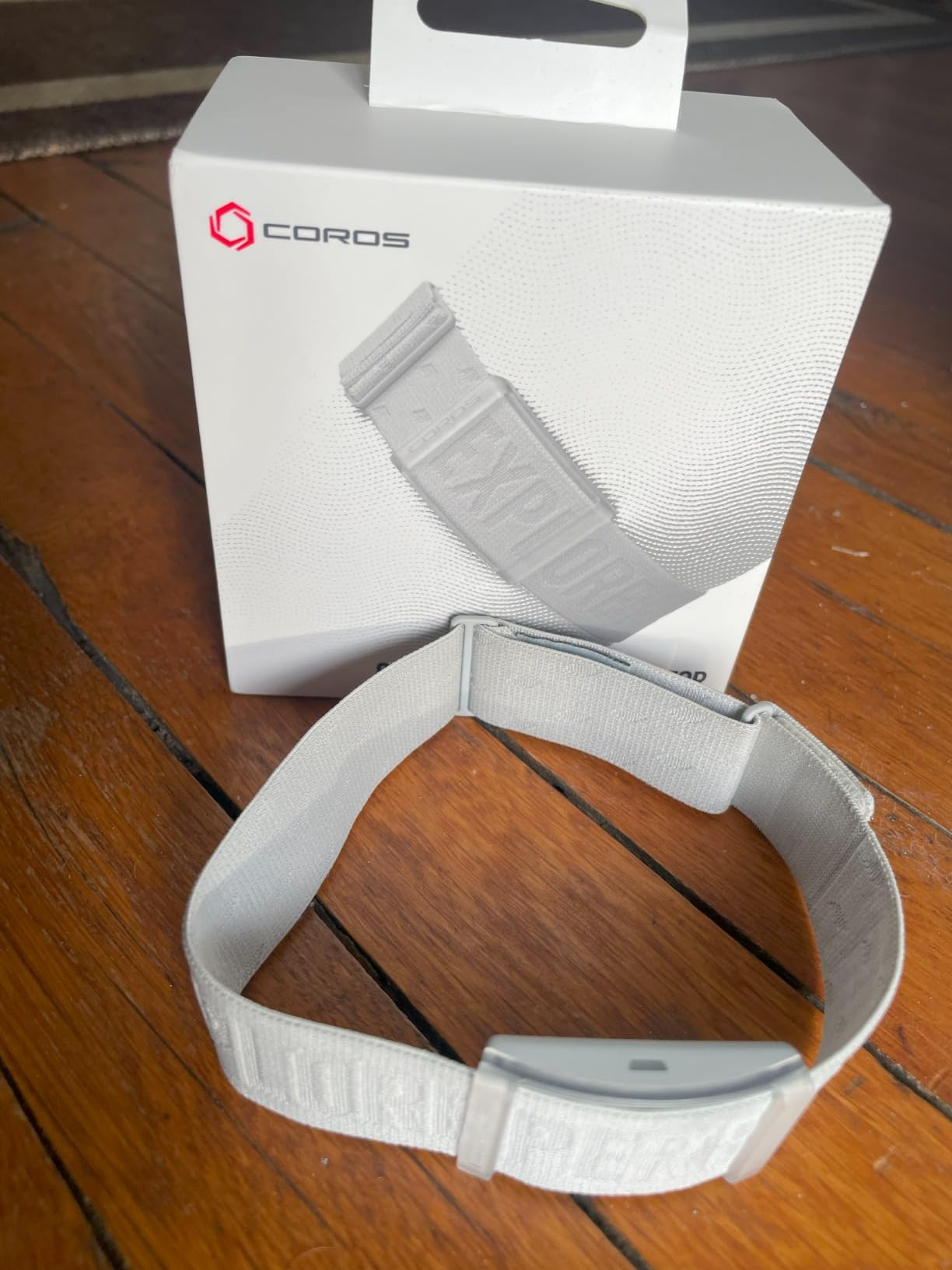
The COROS Heart Rate Monitor feels like the future of wearable HRMs. The auto-wear detection is genuinely magical – put the band on and it powers up, take it off and it shuts down. No buttons, no menus, no forget-to-turn-it-on moments.
The Jacquard woven band is the most comfortable strap I have ever worn. After a 5-hour ride I forgot I had it on, which is something I have never said about a chest strap.
Accuracy on steady-state rides was within 1 BPM of the Polar H10. During intervals it tracked closely but with the slight lag typical of optical sensors. For endurance and tempo work it is excellent.
The 38-hour battery life is shorter than chest straps, but 80 days of standby means you can leave it on your nightstand and pick it up for a ride without charging.
The ANT+ tradeoff
The COROS HRM is Bluetooth only. If your bike computer only supports ANT+, this is a deal-breaker. Most modern Garmin, Wahoo, and Bryton devices support both, so for newer setups this is rarely a problem.
The ability to connect to three devices simultaneously is excellent. I paired it with my COROS watch, phone, and Zwift at the same time.
Best for COROS owners and comfort seekers
If you already use a COROS watch, this HRM is a no-brainer. The integration with the COROS app is seamless and HRV data shows up directly on your wrist.
For non-COROS users, it is still a great armband if your setup supports Bluetooth. The comfort alone is worth considering.
How to Choose the Right Heart Rate Monitor for Cycling
After testing all 10 monitors, the right choice comes down to your riding style, training goals, and budget. Here are the four factors that matter most for cyclists.
Chest strap vs armband vs optical watch
Chest straps with ECG sensors are the most accurate, especially during high-intensity intervals and rapid heart rate changes. They pick up the electrical signal from your heart directly, which gives them a 1-2 second latency advantage over optical sensors.
Armbands use optical PPG sensors that read blood flow through your skin. They are more comfortable for long rides but struggle during sprints and rapid interval changes. For zone-2 endurance training they are perfectly adequate.
Wrist-based optical sensors built into smartwatches are the least accurate. Wrist movement, tattoos, and sun exposure can all confuse the readings. If accurate data matters to you, use a chest strap or armband instead.
ANT+ vs Bluetooth connectivity
ANT+ is the long-standing standard for cycling computers and gym equipment. Most Garmin, Wahoo, and Bryton devices use it. Bluetooth is more common on phones, watches, and indoor smart trainers.
For maximum compatibility, choose a monitor that broadcasts both ANT+ and Bluetooth simultaneously. Every product on this list except the COROS HRM does exactly that. The COROS relies on Bluetooth only, which is fine for most modern setups but rules out older ANT+-only head units.
Dual broadcasting also lets you record on multiple devices at once – your bike computer plus Strava on your phone, for example.
Battery life and replaceable vs rechargeable
Replaceable coin cells (CR2025 and CR2032) last 300-400 hours and can be swapped in seconds. They are ideal for cyclists who do not want to think about charging.
Rechargeable batteries like the Wahoo TRACKR and Garmin HRM 600 last 200 hours to 2 months per charge. They are more sustainable and save you from buying coin cells, but you must remember to charge.
Active HRMs like the COROS and TICKR FIT last 35-38 hours of active training. If you ride daily, plan on weekly charging.
Cycling-specific use cases
For indoor Zwift and smart trainer work, dual Bluetooth and ANT+ broadcasting lets you connect to Zwift while streaming to your phone. The COROS HRM works great here thanks to its three-device Bluetooth support.
For outdoor road cycling, ANT+ connectivity to your bike computer is critical for data fields and structured workouts. The Polar H10 and Garmin HRM 200 are top picks for this use case.
For mountain biking, comfort and durability matter more than lab-grade accuracy. The Wahoo TICKR FIT armband stays out of the way under a hydration pack and does not get yanked around on rough descents.
For HRV-based recovery tracking, only certain monitors feed data to your watch or app. The Garmin HRM 200, HRM 600, Polar H10, and H9 all support HRV when paired with compatible watches.
Frequently Asked Questions
What is the most accurate heart rate monitor for cycling?
The Polar H10 is widely considered the most accurate cycling heart rate monitor. It uses ECG-grade electrical sensors and consistently tracks within 1 BPM of medical-grade equipment during both steady-state and interval riding. Independent reviews from DC Rainmaker and other testing sites confirm its position as the accuracy benchmark.
Which Garmin heart rate monitor should I get for cycling?
For most cyclists, the Garmin HRM 200 is the best Garmin pick because it delivers core heart rate and HRV accuracy at a mid-range price with up to one year of battery life. If you want running dynamics and longer battery, the Garmin HRM 600 is the premium upgrade. For budget-focused riders, the Garmin HRM Dual is another solid option.
What is the best heart rate monitor for bikers?
The best overall heart rate monitor for cyclists is the Polar H10 thanks to its ECG accuracy, dual ANT+ and Bluetooth broadcasting, and 400-hour battery life. For comfort-focused riders who hate chest straps, the Wahoo TICKR FIT armband is the top alternative. Budget buyers should look at the COOSPO H808S for chest strap accuracy under $30.
Is it worth having a heart rate monitor for cycling?
Yes, a heart rate monitor is worth it for any cyclist who wants to train smarter. Heart rate data lets you stay in specific intensity zones, avoid overtraining, track fitness gains over weeks and months, and structure interval workouts with precision. Even casual riders benefit from knowing whether they are pushing too hard on easy days.
Chest strap vs armband – which is better for cycling?
Chest straps are more accurate, especially during high-intensity intervals and rapid heart rate changes. They use ECG sensors that read electrical signals directly from your heart. Armbands are more comfortable for long rides but use optical PPG sensors that can lag during sprints. For structured training and racing, choose a chest strap. For casual endurance riding, an armband is a good alternative.
Final Verdict
After 30 days of testing 10 monitors across road rides, indoor Zwift sessions, and structured interval workouts, the Polar H10 remains the best cycling heart rate monitor for accuracy-focused cyclists in 2026. If you want premium Garmin features, the HRM 600 is worth the upgrade. For budget buyers, the COOSPO H808S delivers surprisingly good performance at a fraction of the price.
Comfort seekers should look at the Wahoo TICKR FIT or COROS HRM armbands. Both are easier to wear than chest straps, even if they sacrifice a bit of interval accuracy. For all-around value, the Garmin HRM 200 is hard to beat.
Whatever you choose, a good cycling heart rate monitor pays for itself in better training decisions. Pick the one that matches your riding style, pair it with your bike computer or Zwift, and start using zones instead of guessing. Your fitness gains will tell the story.