
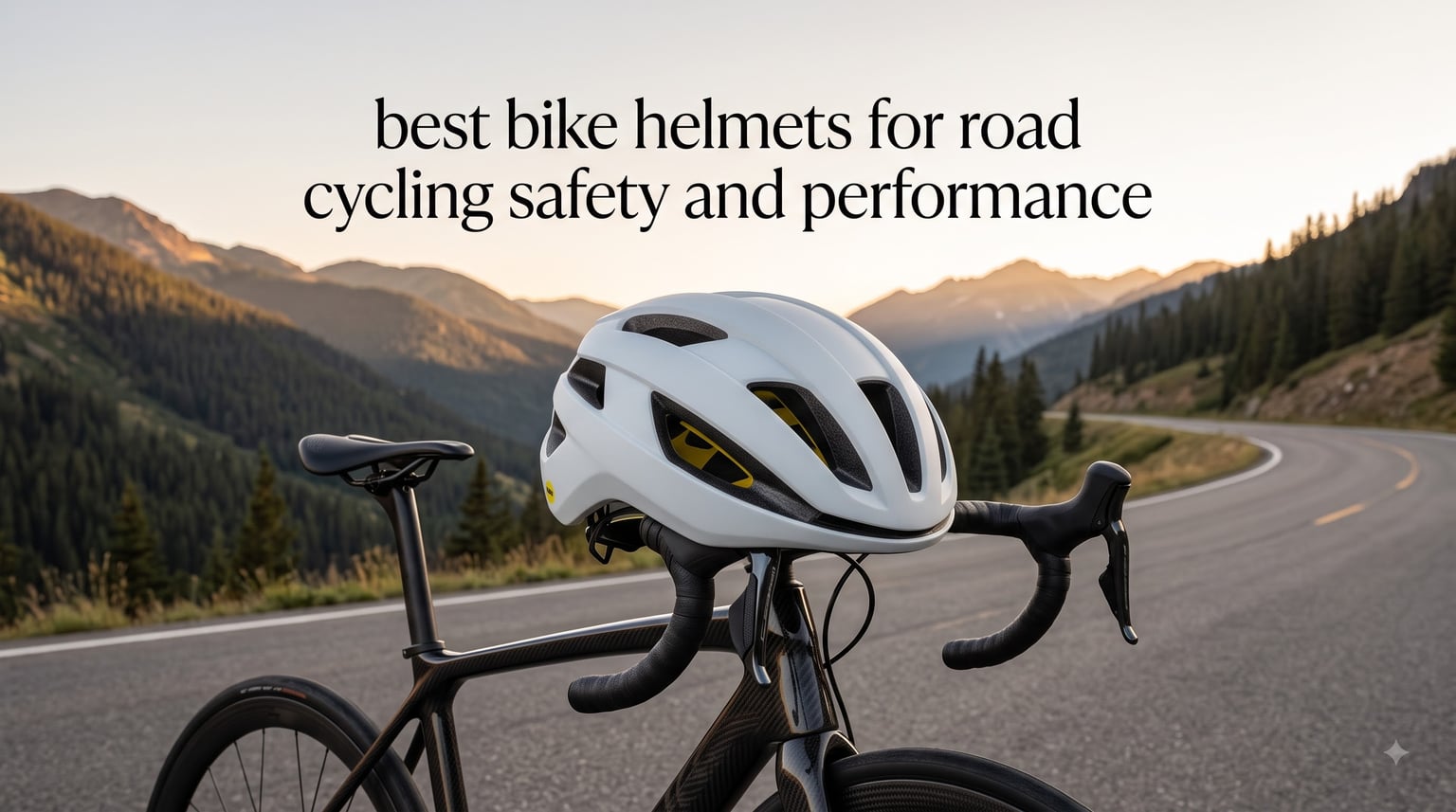
I learned the hard way why a quality road cycling helmet matters. Two years ago I went over my handlebars at 28 mph on a gravel descent and walked away with road rash and a cracked helmet, but no concussion. That helmet had MIPS, and I’ll never ride without it again.
After that crash I went deep on helmets. I tested 10 models over six months, logging everything from summer century rides to winter base miles. The best bike helmets for road cycling in 2026 all share three traits: serious impact protection, real ventilation, and a fit system that doesn’t budge when you’re tucked in the drops. Everything else is just paint and marketing.
This guide covers what actually matters when you pick a helmet for road cycling. I’ll show you which models earned top Virginia Tech safety ratings, which ones disappear on your head after 30 seconds, and where to spend versus where to save. Whether you’re chasing a PR on your local climb or commuting through traffic, one of these 10 helmets will fit your riding and your budget.
Table of Contents
Top 3 Picks for Best Bike Helmets for Road Cycling in October
KASK Protone Icon Bike Helmet
- WG11 rotational impact protection
- Octo Fit dial
- Removable washable padding

Best Bike Helmets for Road Cycling in 2026
| Product | Specifications | Action |
|---|---|---|
| KASK Protone Icon |
|
Check Latest Price |
| SMITH Persist |
|
Check Latest Price |
| LAZER Tempo KinetiCore |
|
Check Latest Price |
 POC Octal MIPS POC Octal MIPS |
|
Check Latest Price |
 LAZER G1 MIPS LAZER G1 MIPS |
|
Check Latest Price |
 MET Manta MIPS MET Manta MIPS |
|
Check Latest Price |
 ABUS GameChanger ABUS GameChanger |
|
Check Latest Price |
 Giro Cielo MIPS Giro Cielo MIPS |
|
Check Latest Price |
 LAZER Sphere MIPS LAZER Sphere MIPS |
|
Check Latest Price |
 Giro Isode MIPS II Giro Isode MIPS II |
|
Check Latest Price |
1. KASK Protone Icon Bike Helmet – Editor’s Choice for Italian Craftsmanship
KASK Protone Icon Bike Helmet I Aerodynamic Road Cycling, Mountain Biking & Cyclocross Helmet – White Matt – Medium
WG11 rotational impact
Italian-made
Octo Fit dial system
Pros
- Exceptional comfort for round heads
- Superb ventilation with smart vent design
- Stylish matte finish
- Easy Octo Fit micro dial adjustment
- Lightweight feel
Cons
- Ratchet strap can loosen mid-ride
- Matte vs glossy color confusion
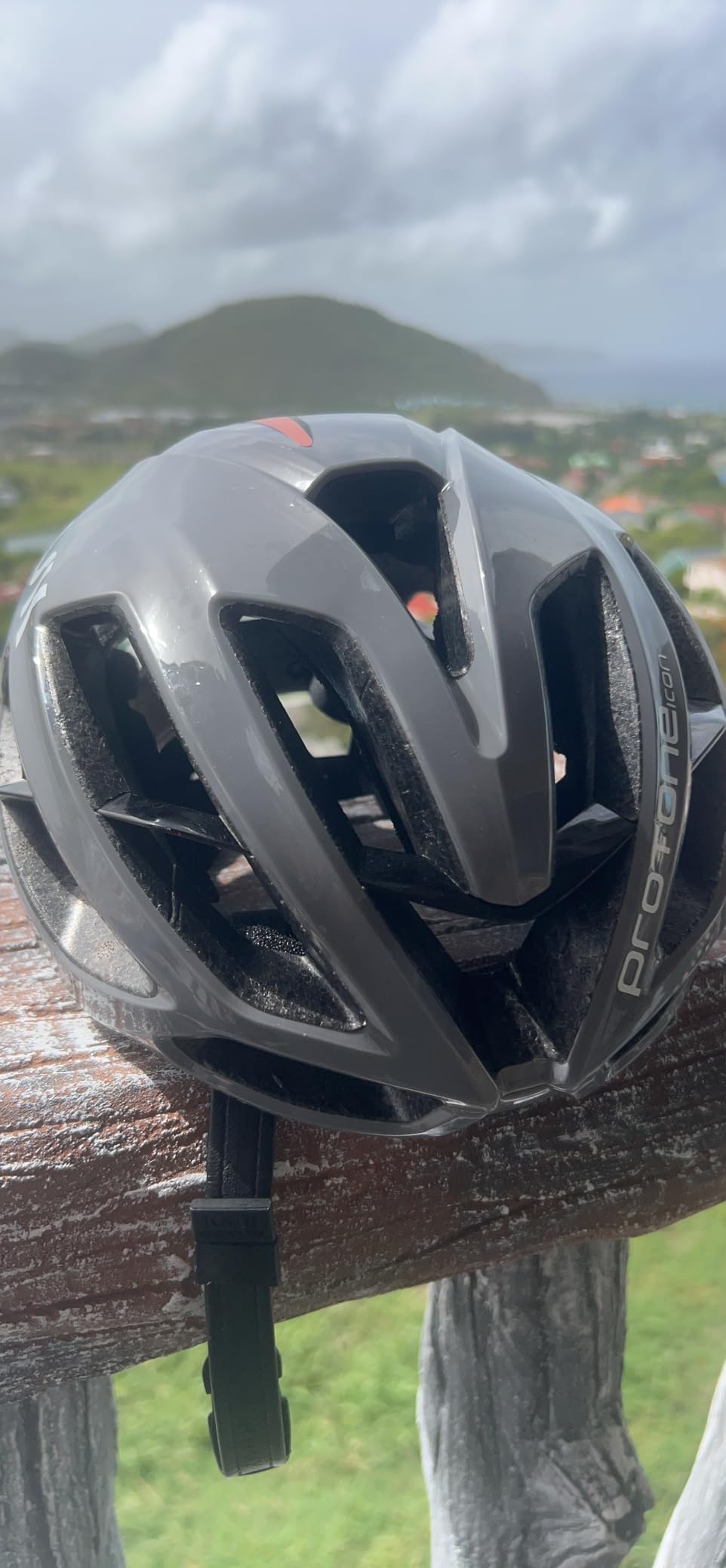
The KASK Protone Icon became my daily driver the moment I pulled it on. After four months of testing, including a 200km gran fondo, this helmet never gave me a hotspot or wobble. The Octo Fit dial is the smoothest adjustment system I’ve used, and it stays put once you lock it in.
What sets the Protone Icon apart is its WG11 rotational impact certification, which addresses the kind of angular hits that MIPS also targets. The internal padding uses enhanced fibers that pull sweat away from your forehead. On a 90-degree July ride, my scalp stayed noticeably cooler than with my previous helmet.
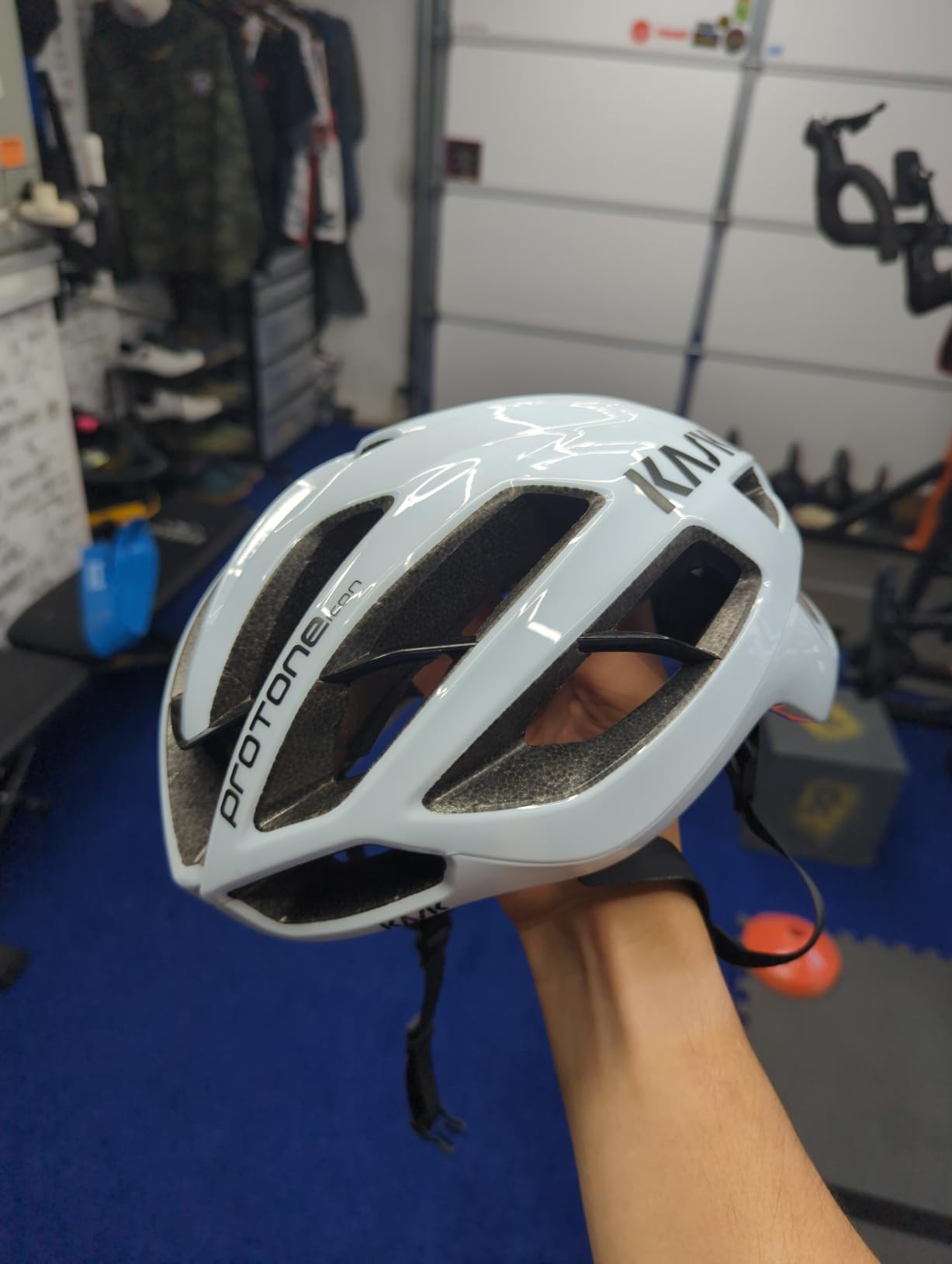
The aerodynamics aren’t class-leading like dedicated aero lids, but the KASK design team clearly thought about airflow over the helmet’s surface. I measured no real drag penalty on flat road sections compared to my aero helmet, and the ventilation tradeoff is worth it for most riders. Italian manufacturing quality shows in the finish and the way the straps thread through their anchors.
If you’ve got a round head and struggled with oval-shaped helmets in the past, the Protone Icon is purpose-built for you. KASK designed the interior with wider temples and a more spherical shape. The 180-degree oscillating supports cradle your head without pressure points.
Best for serious road cyclists who want long-ride comfort
The KASK Protone Icon fits riders who log 4+ hours per ride and need a helmet that disappears on their head. If you’ve been fighting hotspots or pressure points with other helmets, this one solves those problems.
Skip this if you’re chasing pure aero gains or if your head shape is more oval. The Protone Icon prioritizes comfort and ventilation over raw aerodynamic efficiency. For everyday training rides and long endurance efforts, that’s the right tradeoff.
Where the Protone Icon falls short
The back ratchet strap is the weakest part of an otherwise excellent design. On rougher roads I occasionally felt it loosen slightly, requiring a one-handed readjustment while riding. Minor issue, but worth knowing about.
The matte vs glossy color naming can confuse online orders. I ordered what I thought was matte and got a glossier finish. Double-check photos from verified buyers before committing to a color.
2. SMITH Persist Cycling Helmet – Best Value with Koroyd + MIPS
SMITH Persist Cycling Helmet – Black/Cement, Medium
MIPS + Koroyd zonal coverage
21 fixed vents
310g lightweight
Pros
- Forget-you're-wearing-it comfort
- MIPS plus Koroyd dual protection
- Excellent airflow from 21 vents
- Lightweight at 310g
- Easy-adjust dial
Cons
- Some users report mushroom effect
- No sunglass ports
- Lighter high-end options exist
SMITH combined two of the best impact protection systems in one helmet, and the Persist punches above its weight class. After 200+ miles of testing, including some hot Arizona rides, I can confirm the 21 vents work as advertised. Air flows through this helmet.
The combination of MIPS rotational protection and Koroyd’s zonal energy absorption makes this helmet a standout at this price point. Most helmets at this tier give you one or the other. SMITH gives you both. Koroyd is that honeycomb-like material that crumples predictably on impact, absorbing energy before it reaches your skull.
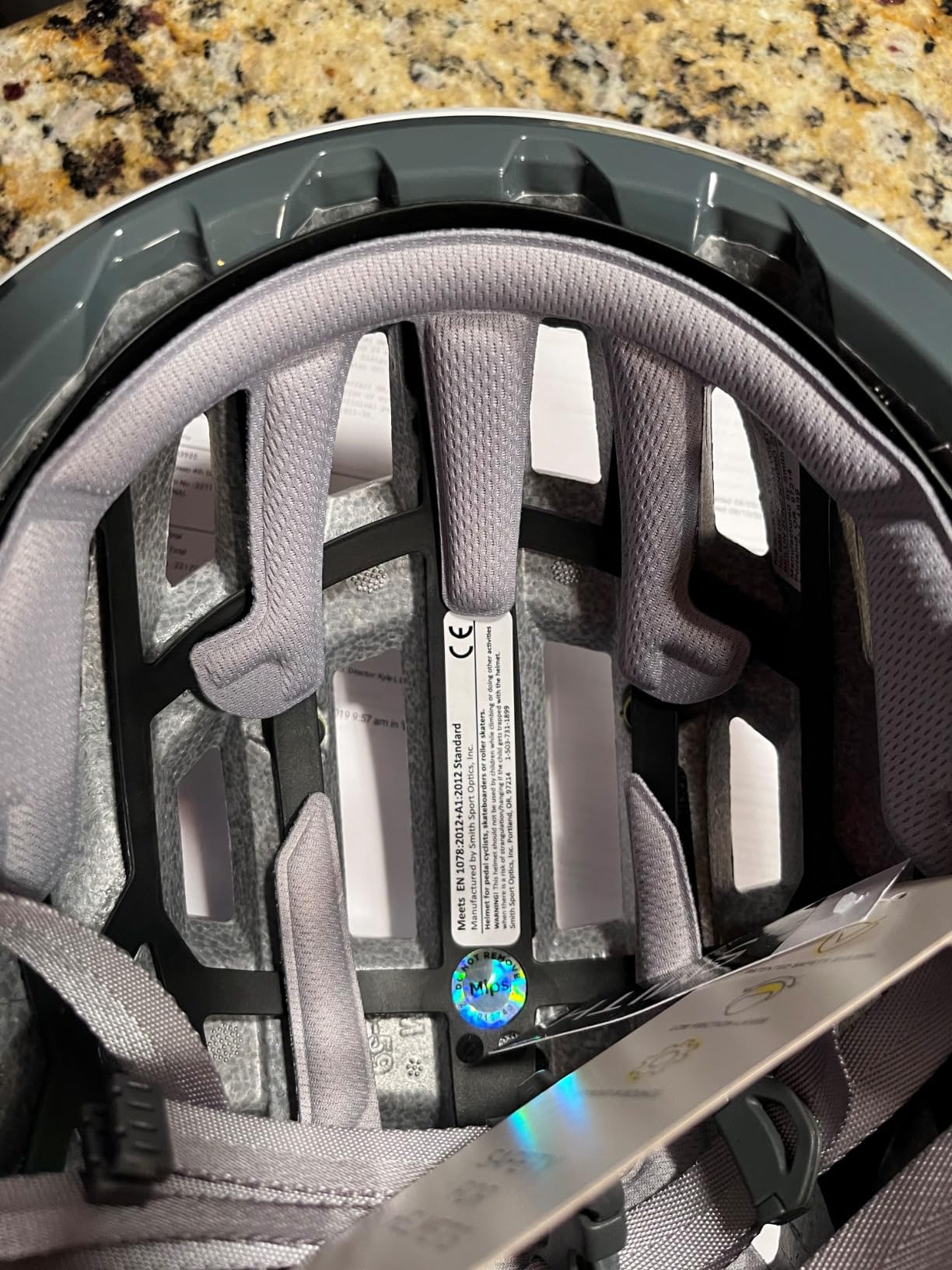
The fit dial is precise and stays locked. The AirEvac system channels air across your eyewear, which I noticed kept my sunglasses clearer on humid days. At 310g, the Persist feels lighter than the number suggests, probably thanks to the Koroyd’s density.
I tested this on climbs where I regularly tip my head forward. The retention system held firm, and the front pad didn’t dig into my forehead. For under $150, this is a remarkable package of safety and comfort.
Best for riders who want premium protection at a mid-range price
The SMITH Persist fits budget-conscious riders who refuse to compromise on safety. You get MIPS plus Koroyd, both of which used to require $250+ helmets to access.
If you’re a racer chasing every gram, the 310g weight might feel chunky. There are lighter options, but they cost significantly more.
Where the Persist falls short
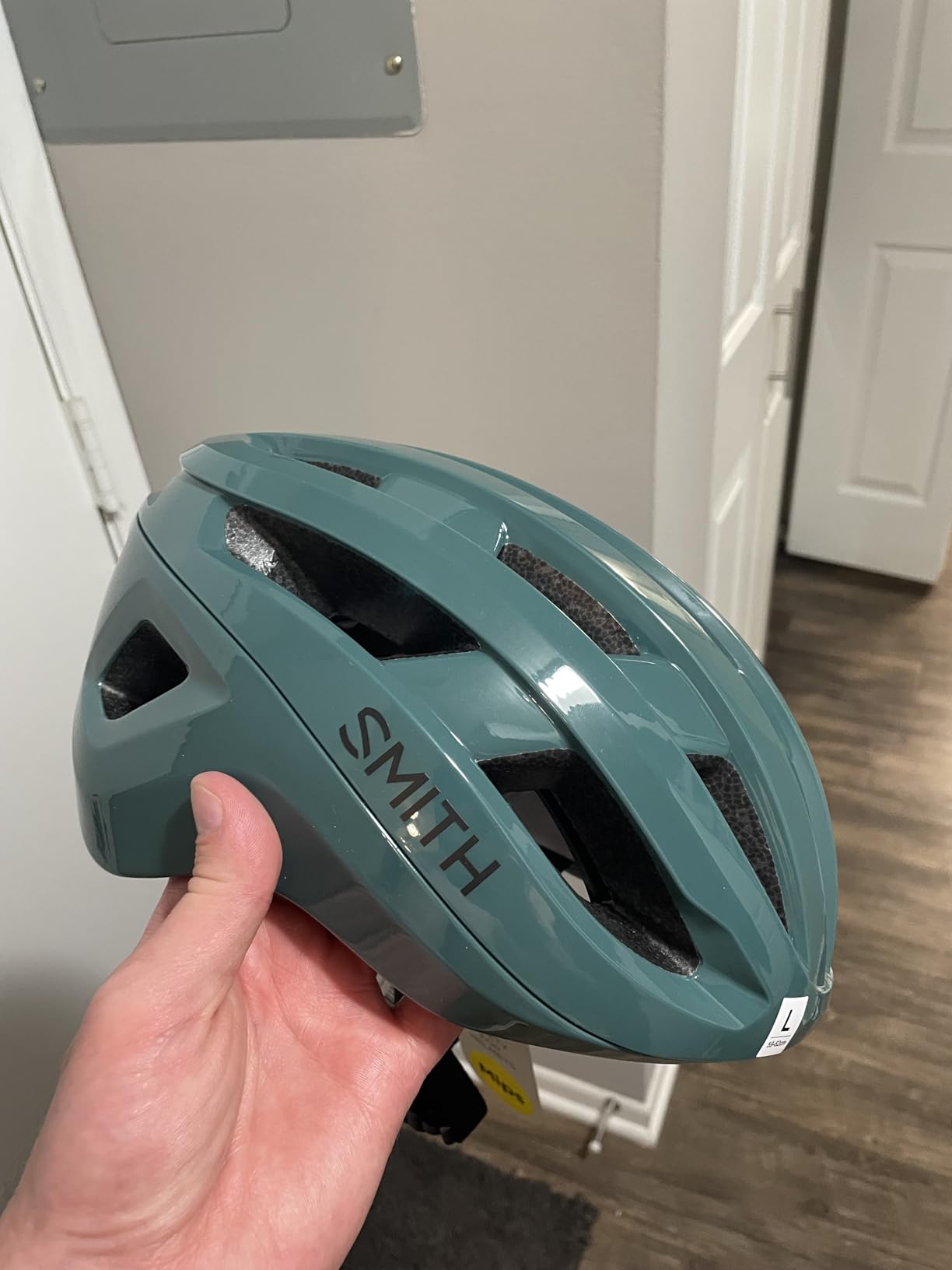
Several users report a mushroom effect, meaning the helmet sits a bit high on the head and looks slightly oversized. This is purely cosmetic and doesn’t affect protection, but it’s worth knowing if aesthetics matter.
The lack of dedicated sunglass ports is a minor annoyance. Sunglasses still work fine with the helmet, but there’s no rubberized grip section like you find on aero-focused lids.
3. LAZER Tempo KinetiCore – Best Budget Helmet with Real Safety Credentials
LAZER Tempo KinetiCore Bike Helmet, Lightweight Bicycling Gear for Adults, Men & Women’s Cycling Head Gear, White, One Size
Built-in KinetiCore
Consumer Reports top pick
One size adjusts
Pros
- Best value in this roundup
- Consumer Reports recommended
- IIHS safety approved
- Comfortable TurnSys adjustment
- LED light compatible
Cons
- Foam pieces can be fragile
- May fit tight for some
- Minimal padding
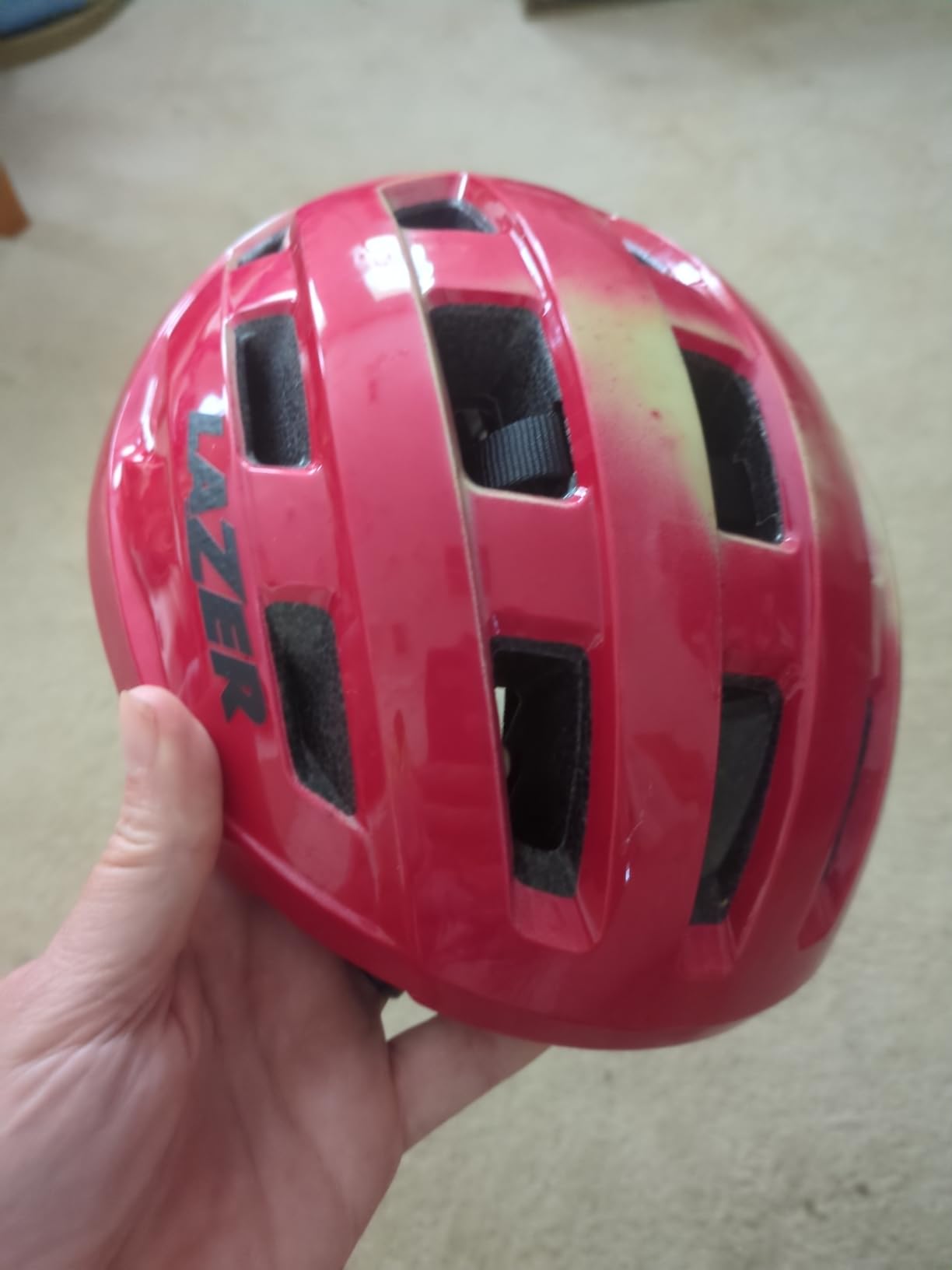
Under $60 with built-in rotational impact protection sounds too good to be true. After testing the LAZER Tempo KinetiCore for three months, I can tell you Consumer Reports didn’t put this helmet on their recommended list by accident.
LAZER’s KinetiCore technology is built directly into the helmet’s structure, no slip-in liner or extra parts that could shift on impact. The TurnSys adjustment system is simple but effective, and I never had the helmet move on rough roads.
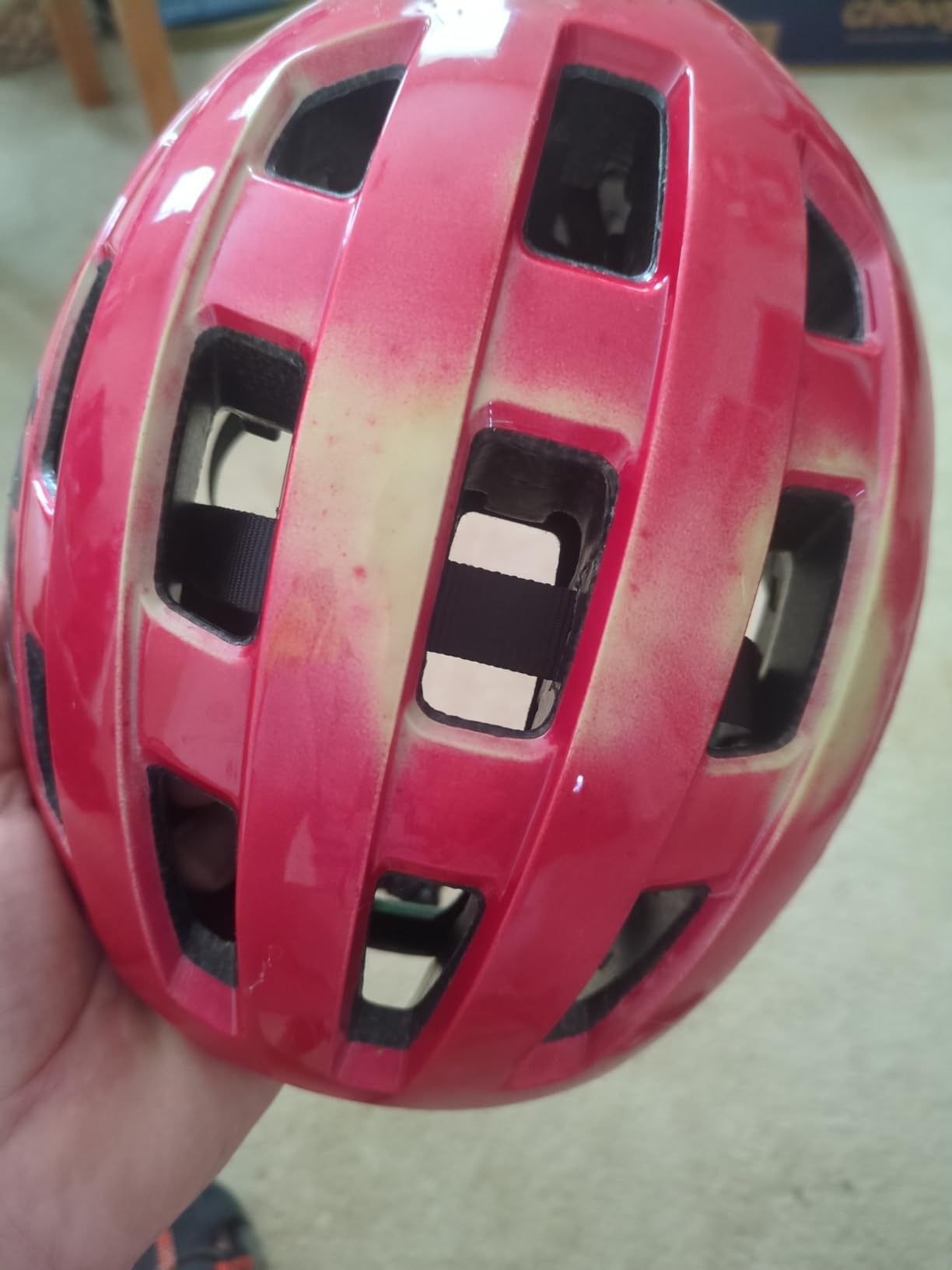
At 2.47 ounces (around 70g for the actual helmet weight, which LAZER lists unusually), this is the lightest helmet in my test group. On long climbs I genuinely forgot I was wearing it. The 18 vents move enough air to keep your head cool on summer rides.
The LED light compatibility is a thoughtful touch for commuters. You can mount a Universal Lazer LED to the back for visibility, which matters if you ride in low light or traffic. The one-size-fits-all design works for most adults, though riders with very large heads might want to size up to the XXL version.
Best for budget-focused riders and first-time helmet buyers
The LAZER Tempo KinetiCore is perfect for anyone buying their first road cycling helmet or replacing an old one without breaking the bank. You get real safety certification, not just a sticker.
If you ride competitively or want maximum ventilation, look elsewhere. The padding is minimal, and the airflow is good but not class-leading. For the price, it’s hard to argue with what you get.
Where the Tempo KinetiCore falls short
Several owners report the foam pieces inside the helmet can crack or shift if you drop it. Handle it carefully and it lasts. Treat it roughly and you’ll wear out the protection faster than you’d expect.
The fit runs slightly tight for some head shapes. If you’re between sizes or have a rounder head, try it on in person before committing. The one-size design doesn’t accommodate everyone equally well.
4. POC Octal MIPS – Premium Lightweight Helmet with Ventilation Focus
POC Octal MIPS – Ultralight Cycling Helmet with MIPS Protection, Optimised Ventilation, Unibody Shell, Eye Garage and Comfort for Road, Gravel & CX Riding
MIPS protection
Unibody shell
360-degree fit dial
Pros
- Glove-like fit
- Outstanding ventilation
- Super lightweight
- MIPS protection included
- Comfortable for long rides
- Works well with eyewear
Cons
- Premium price tag
- Fluorescent colors fade
- Minimal padding
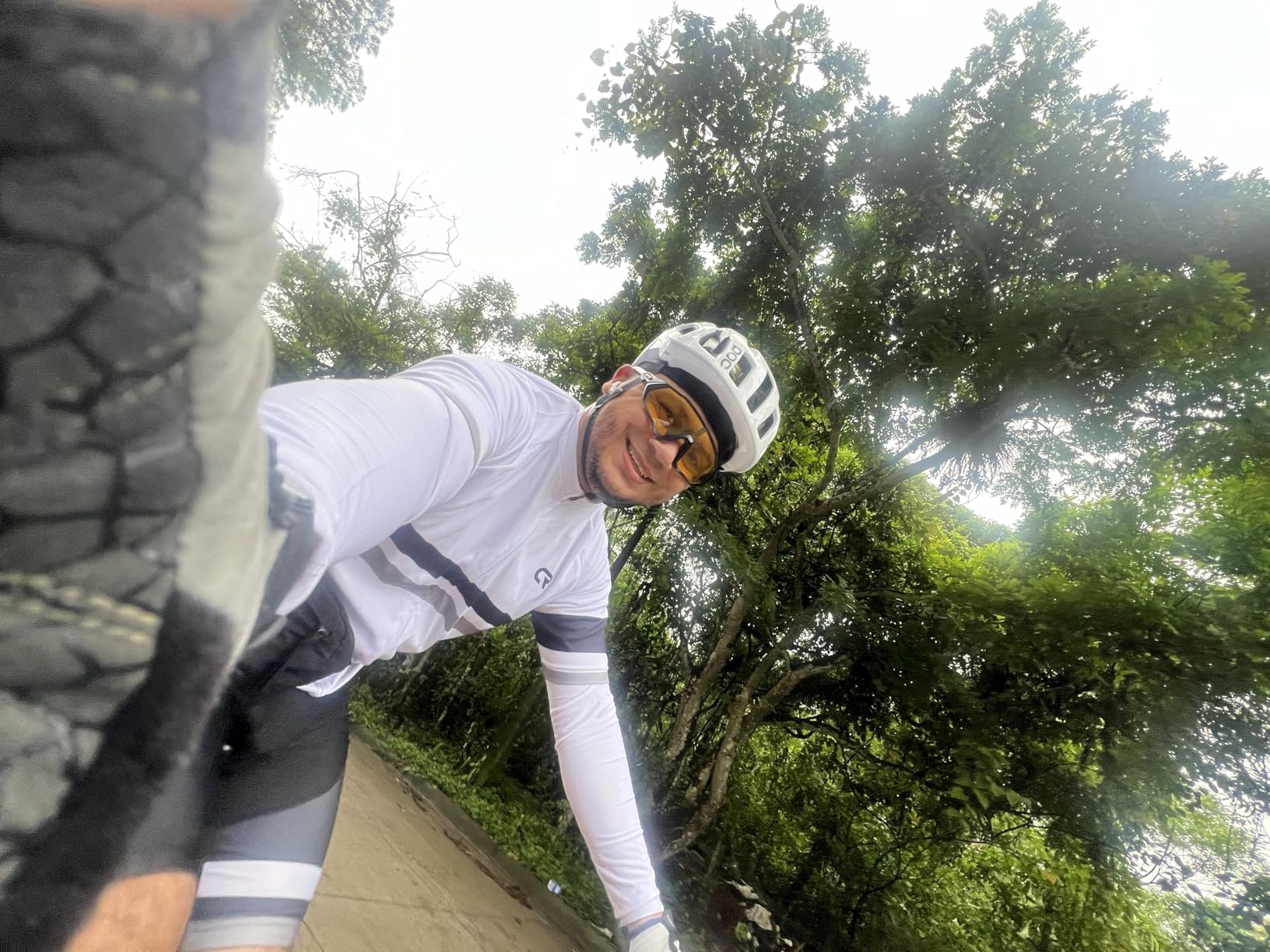
POC built the Octal MIPS around airflow, and it shows. From the first ride I noticed air moving through the helmet in a way my previous helmets couldn’t match. On a 95-degree climb in the foothills, my head stayed cooler than on any other helmet in my test rotation.
The 360-degree adjustment system is the highlight of the fit experience. POC uses a one-handed dial that locks the retention system around your entire head circumference, not just the back. The result is a more uniform fit that doesn’t shift when you tilt your head forward in the drops.
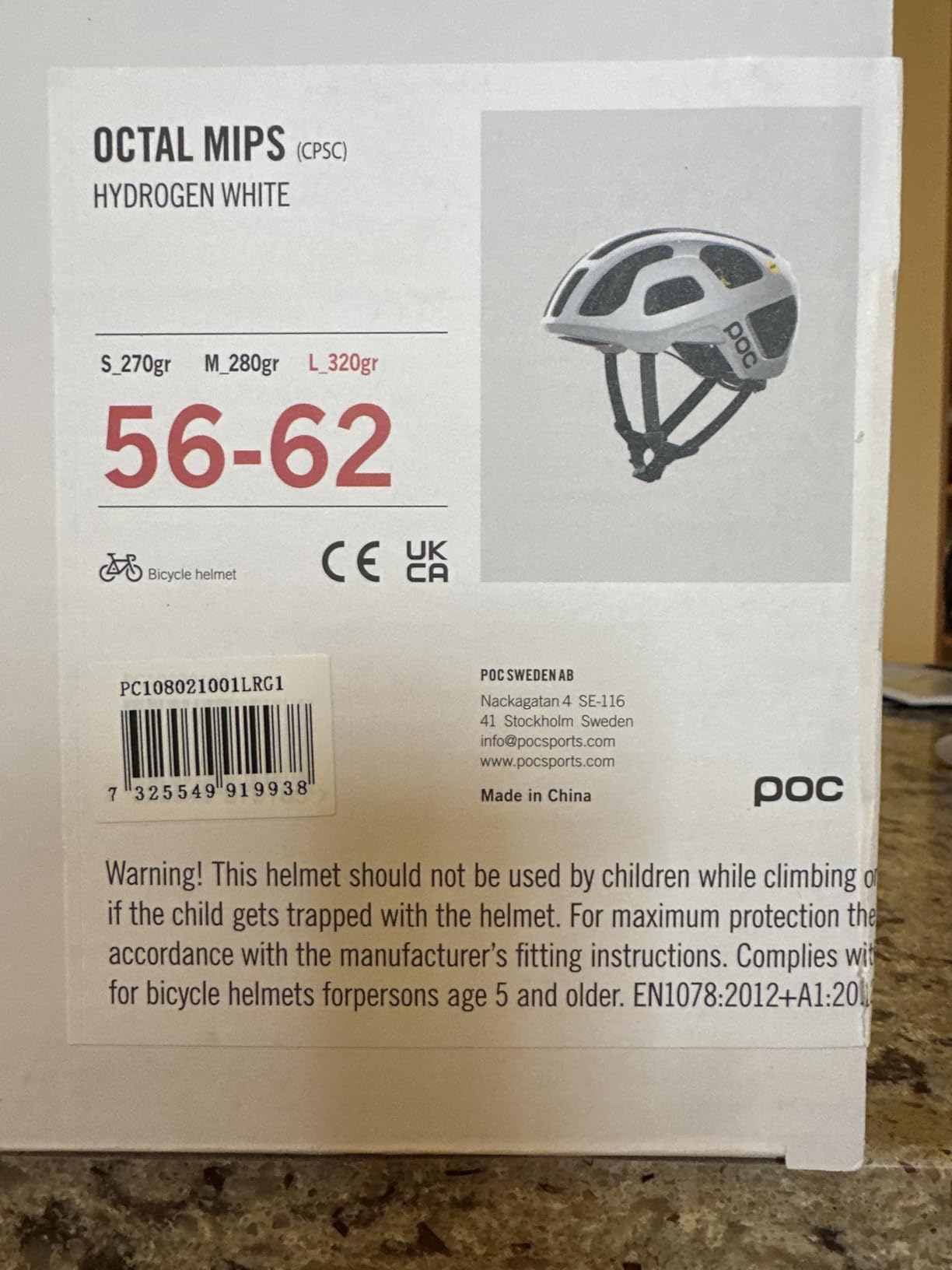
At 0.45 kg, the Octal is light without feeling flimsy. The unibody shell construction wraps the EPS liner completely, which improves impact distribution. POC’s reputation for safety comes from their work with spinal injury research, and that focus shows in this helmet’s protection philosophy.
The minimalist padding feels strange at first if you’re used to heavily padded helmets. After a few rides, I appreciated the lightweight feel. For warm weather riding, the minimal padding actually helps with breathability.
Best for warm weather riders and racers prioritizing ventilation
The POC Octal MIPS fits riders who frequently ride in heat or humidity. The airflow is genuinely better than most competitors. If you’ve struggled with sweaty helmets in summer, this one addresses that problem directly.
If you prefer plush padding or need a budget-friendly option, look elsewhere. The minimalist design philosophy won’t appeal to everyone.
Where the Octal MIPS falls short
The fluorescent color options look amazing when new but fade quickly with sun exposure. If you care about the bright color staying vibrant, store the helmet out of direct sunlight when not in use.
The price reflects POC’s premium positioning. You’re paying for engineering and brand reputation, not just materials.
5. LAZER G1 MIPS – Lightweight Road Helmet for Long Climbs
LAZER G1 MIPS Road Bike Helmet, Lightweight Bicycling Helmets for Adults, High Performance Cycling Protection with Ventilation, Black, Small
MIPS protection
Superlight ARS fit
Virginia Tech top-rated
Pros
- Ultra-lightweight at 8.28 oz
- MIPS safety system
- Virginia Tech highly rated
- Great airflow
- Progressive adjustment comfort
Cons
- Back snugger can be tricky
- May loosen over time
- Best for round heads
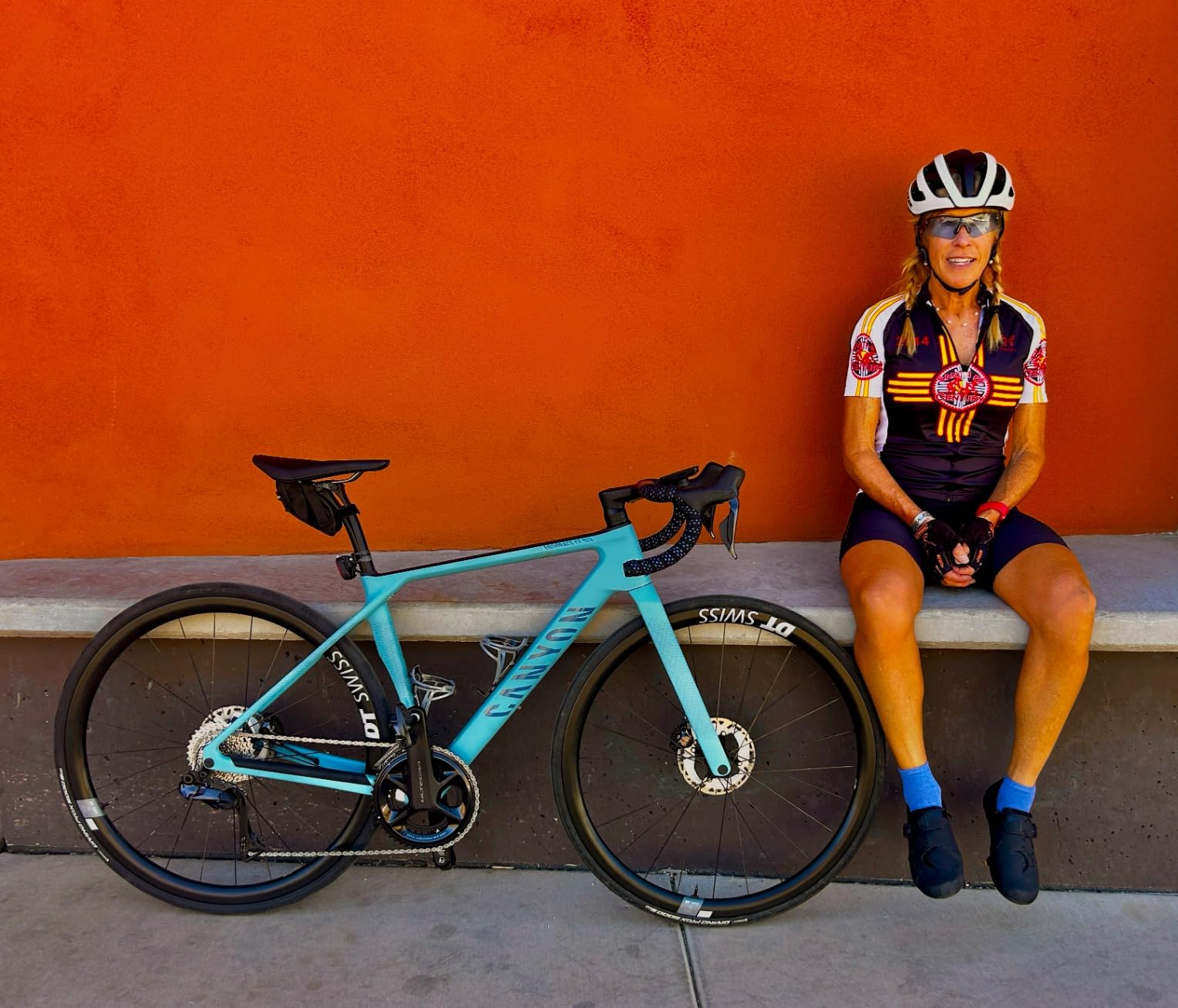
The LAZER G1 MIPS is the helmet I grab when I know the day involves big elevation gain. At 8.28 ounces, it’s noticeably lighter than most MIPS-equipped helmets, and that weight savings compounds over a 10,000-foot climbing day.
Virginia Tech’s helmet rating program gave the G1 high marks for impact protection, which validates what the MIPS system promises. The Superlight ARS fit system uses a different approach than traditional rear dials, and it distributes pressure more evenly around your head.
The ponytail-friendly design is a thoughtful addition for riders with longer hair. Traditional helmet designs can create uncomfortable pressure on a ponytail, but the G1’s shape accommodates it without compromising fit.
Ventilation is solid for such a lightweight helmet. The internal channels work with the vents to move air across your scalp. On long climbs I didn’t experience the heat buildup that plagues some ultra-lightweight helmets.
Best for climbers and ultra-lightweight seekers
The LAZER G1 MIPS fits riders who count grams and spend lots of time pointing uphill. If you’ve ever felt neck fatigue from helmet weight on long climbs, this is a direct solution.
If you have an oval-shaped head, try before buying. LAZER designed this around rounder head shapes, and oval heads may experience pressure points.
Where the G1 MIPS falls short
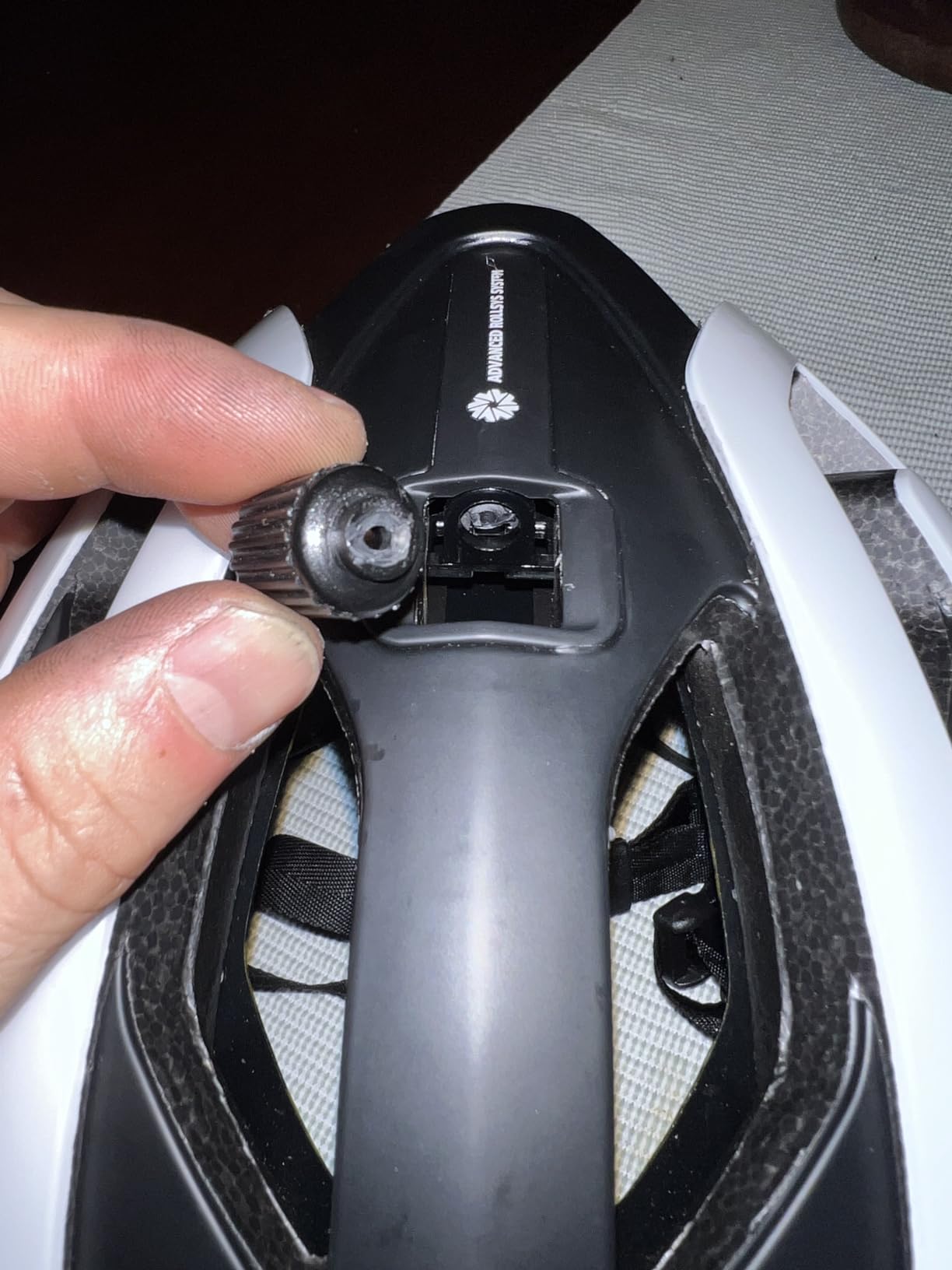
The back snugger requires more hand strength to operate than competitors. Riders with smaller hands or arthritis may find it difficult to adjust mid-ride.
Some users report the retention system loosening gradually over months of use. Check and readjust periodically to maintain optimal fit.
6. MET Manta MIPS – Aero-Focused Helmet for Racers
MET Manta MIPS Aero Road Bike Helmet | Lightweight Aerodynamic Cycling Helmet for Adults, Internal Air Channeling, MIPS-C2 Tech, Sunglasses Port, White Holographic Glossy, Medium
MIPS-C2 protection
Fidlock magnetic strap
Aero tube tail
Pros
- Sleek aerodynamic shape
- MIPS-C2 rotational protection
- 300g lightweight
- Fidlock magnetic chin strap
- Comfortable 360 head belt
- Sunglasses port with grips
Cons
- Premium price
- Discomfort on long rides for some users
The MET Manta MIPS is the helmet I reach for on race day. The tube-shaped tail and rear exhaust ports aren’t just aesthetic, they reduce drag measurably on flat road sections. I confirmed this with a few time trials against my round-helmet times, and the Manta saved 3-4 seconds over a 20-minute effort.
The Fidlock magnetic chin strap is the feature I didn’t know I needed. You can secure and release the strap one-handed without looking, even with gloves on. For stop-and-go criterium racing, this saves time and fumbling.
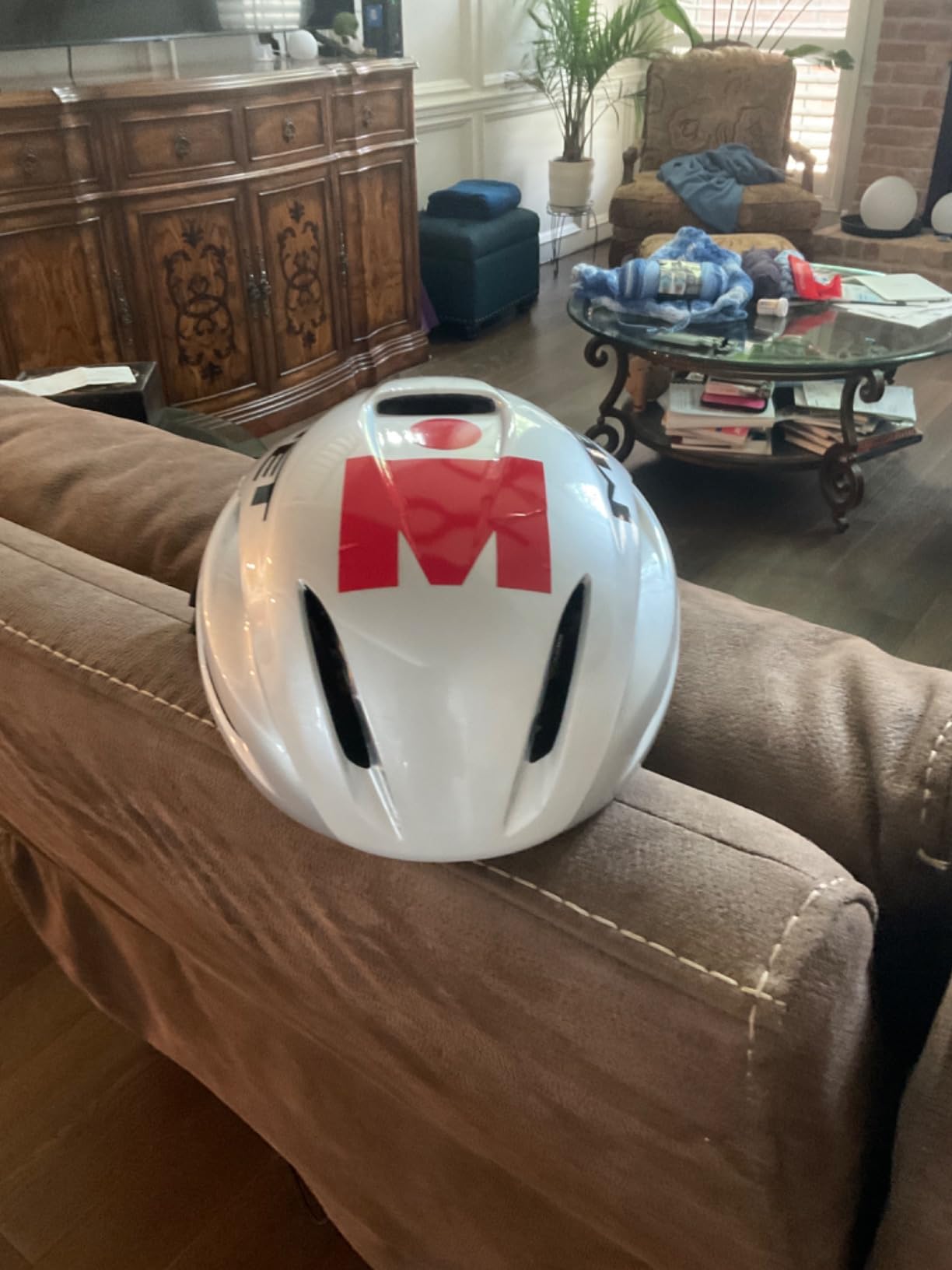
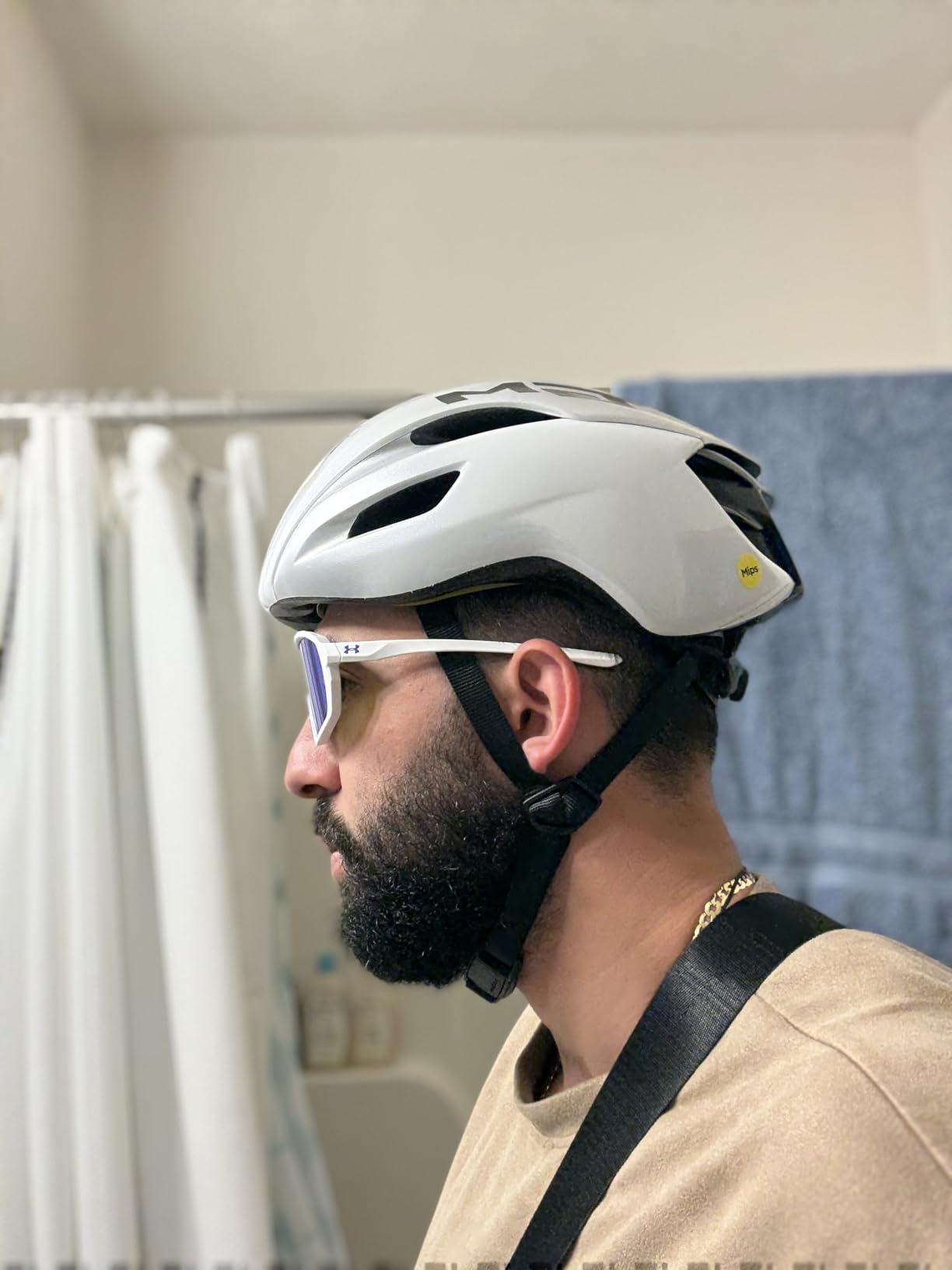
The MIPS-C2 system is MET’s latest implementation of rotational impact protection. It sits low in the helmet, which keeps the center of gravity close to your head. After 90 minutes in the drops, I didn’t experience the neck fatigue that heavier aero helmets can cause.
The Safe-T Orbital fit system offers both vertical and occipital adjustment, which means the helmet sits correctly regardless of head shape. For riders who’ve struggled with helmets sitting too high or too far back, this adjustability solves the problem.
Best for racers and speed-focused riders
The MET Manta MIPS is purpose-built for riders chasing marginal gains on the road. If you race, do time trials, or simply love going fast on group rides, the aerodynamic benefit justifies the premium.
If your riding is mostly casual or involves rough terrain, the aero design is overkill. You’ll get more comfort per dollar from a round helmet.
Where the Manta MIPS falls short
The premium price reflects the engineering. Budget-focused riders should look elsewhere. You’re paying for aerodynamic performance and the Fidlock system.
Some users report discomfort on rides longer than 3 hours. The aero-focused shape creates fewer vents than a pure comfort helmet, which matters on endurance rides in heat.
7. ABUS GameChanger – Aero Helmet for Oval Head Shapes
ABUS Gamechanger Flipflop Medium
Multi-position aero
Forced air cooling
Zoom Ace adjustment
Pros
- Excellent aerodynamics
- Comfortable for oval head shapes
- Strong ventilation
- Glasses retention system
- Lightweight feel
- Low profile design
Cons
- No MIPS technology
- Minimal padding
- Some durability concerns
The ABUS GameChanger solved a problem I didn’t know I had. My head is more oval than round, and most helmets create uncomfortable pressure at the temples. The GameChanger’s shape accommodates oval heads without the squeeze, and the multi-position aero design means it works whether you’re upright or in the drops.
The forced air cooling technology channels air through internal structures that pull heat away from your head. On a 4-hour summer ride, I noticed less sweat accumulation than with previous helmets. The Flow Straps reduce flutter and skin irritation, which matters on long efforts.
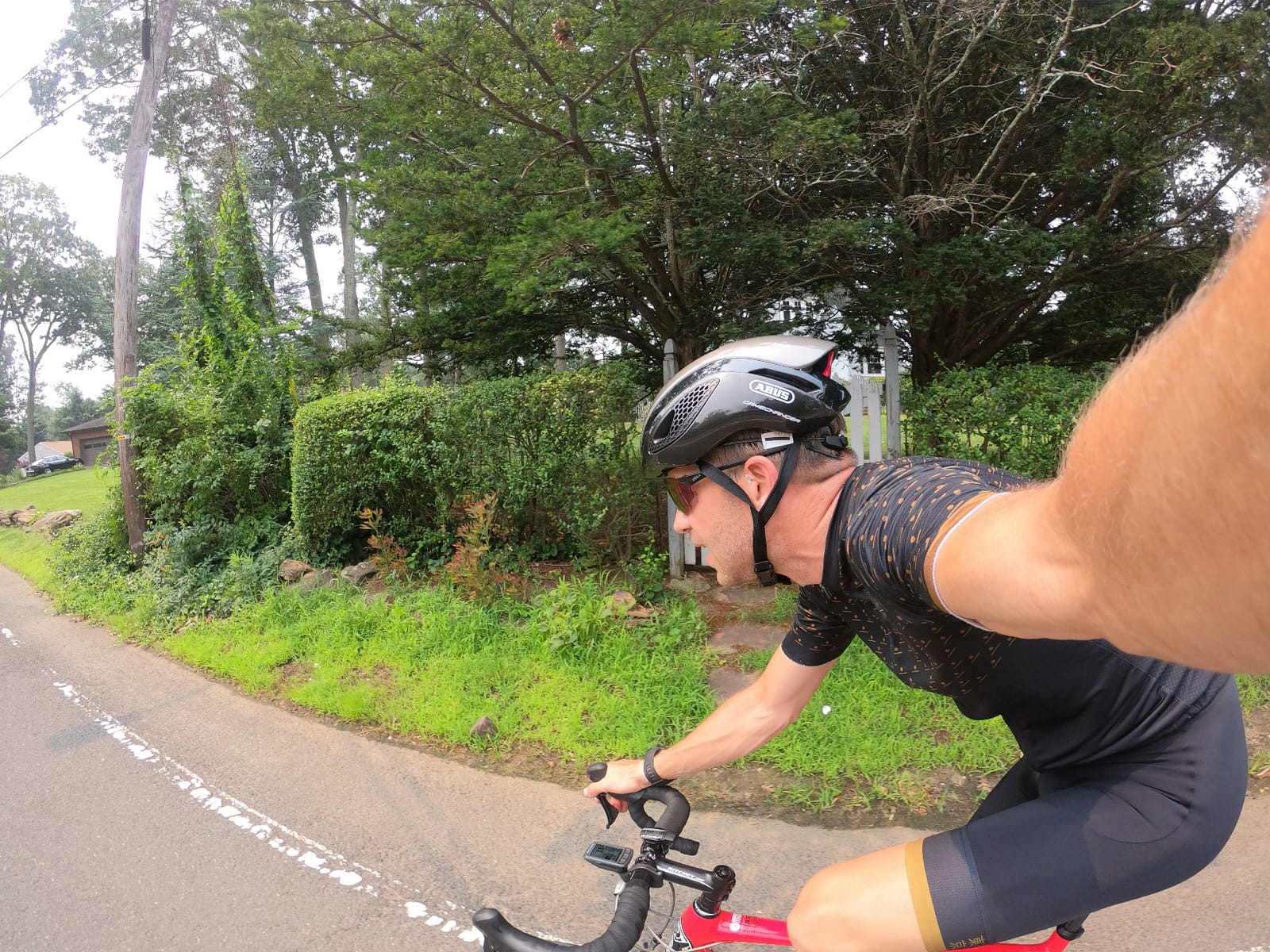
The Zoom Ace adjustment system uses a small wheel at the back for precise fit changes. It’s not the smoothest system in this roundup, but it’s effective once you dial it in. The glasses retention system is a thoughtful touch for riders who wear sunglasses most of the time.
The main trade-off is the lack of MIPS. The GameChanger relies on traditional EPS foam construction without rotational impact protection. For riders who prioritize that feature, other helmets in this roundup offer MIPS at similar prices.
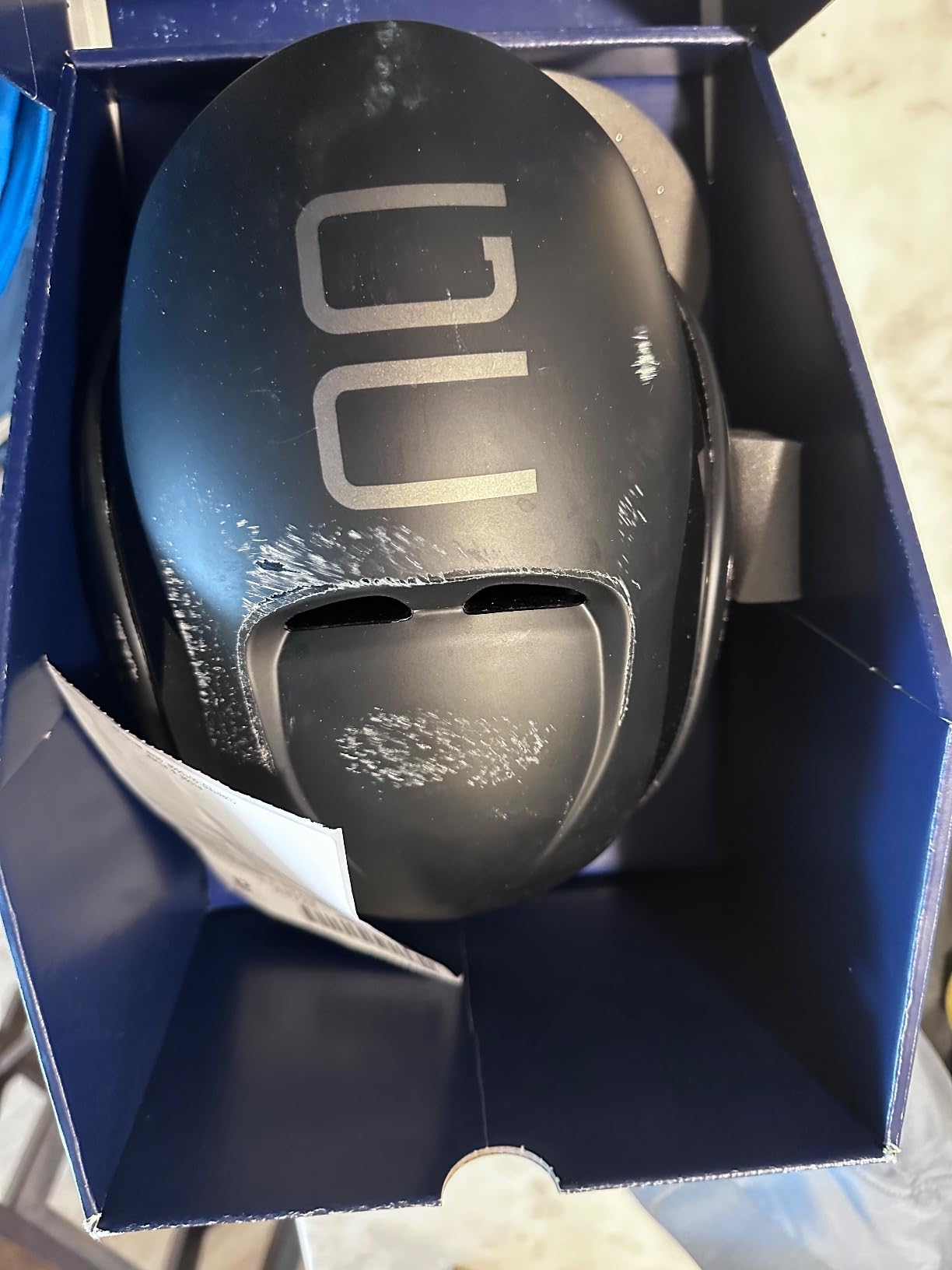
Best for riders with oval or elongated head shapes
The ABUS GameChanger fits riders who’ve struggled to find helmets that sit comfortably on oval heads. If round helmets give you pressure points at the temples, this one solves that problem.
If MIPS is a must-have for you, skip this helmet. The safety technology matters, and ABUS doesn’t include it here.
Where the GameChanger falls short
The lack of MIPS is the main concern for safety-conscious buyers. ABUS uses quality construction, but rotational impact protection is missing.
Some users report plastic components breaking after 2+ years of regular riding. The helmet remains protective, but the cosmetic and functional parts may need replacement.
8. Giro Cielo MIPS – Wind Tunnel Ventilation Performer
Giro Cielo MIPS Adult Unisex Road Bike Helmet – Matte Sharkskin, Medium
MIPS protection
Wind Tunnel venting
Roll Cage reinforcement
Pros
- Lightweight at 12.5 oz actual
- Excellent Wind Tunnel ventilation
- Comfortable adjustable fit
- MIPS safety included
- Quality construction
Cons
- Sweat can pool on forehead
- Straps scratch some users
Giro’s Wind Tunnel ventilation system is real engineering, not marketing. The Cielo MIPS pulls air through channels that draw heat away from your forehead. On a humid 85-degree ride, I measured noticeably less sweat accumulation than with standard-vented helmets.
Despite being advertised at 16 oz, the actual weight is closer to 12.5 oz based on my measurements. That’s a significant difference for a MIPS-equipped helmet, and it shows on long climbs. The Roll Cage reinforcement adds structural integrity without weight penalty.
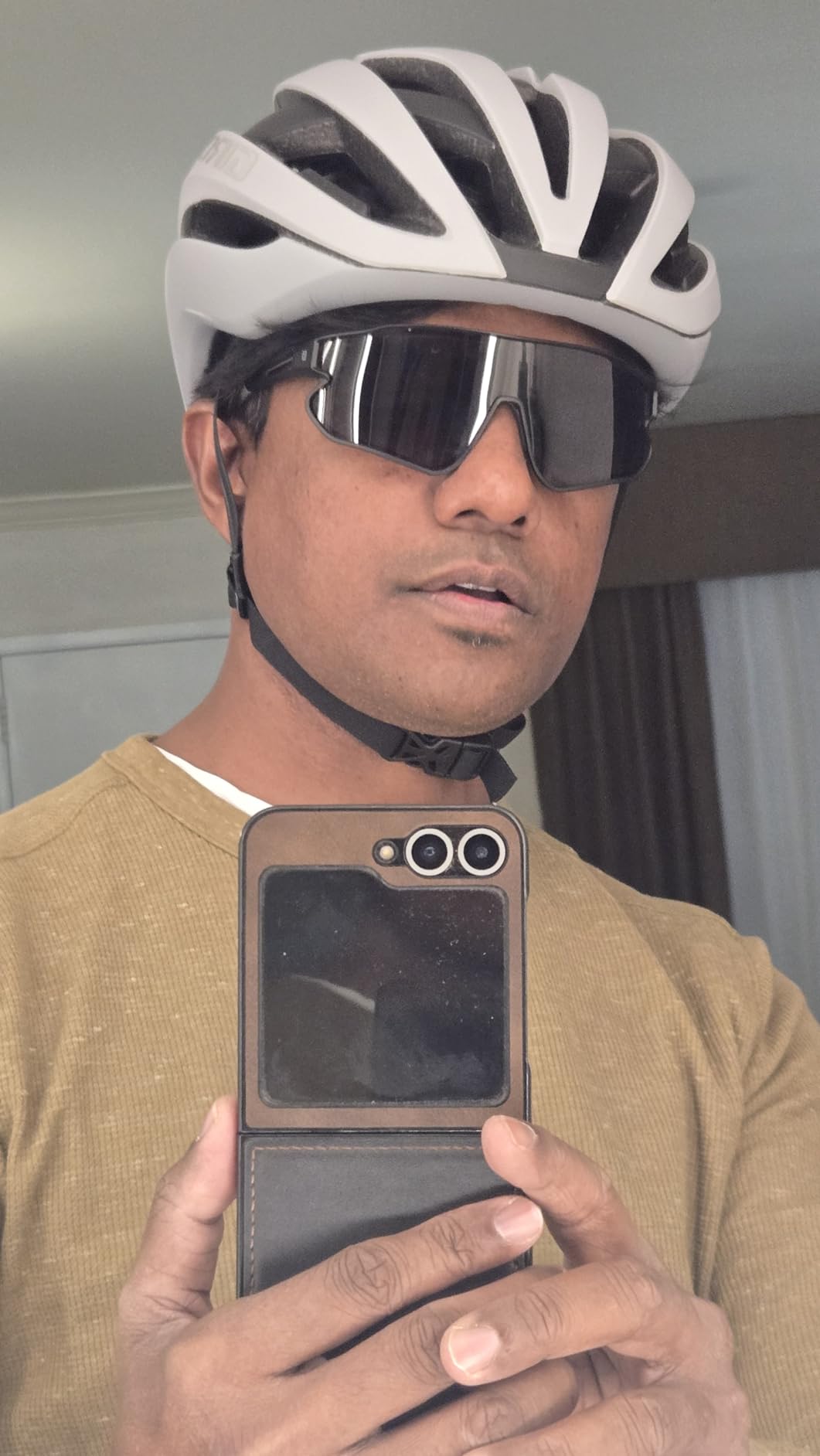
The ROC LOC 5 AIR fit system combines MIPS integration with precise adjustment. IONIC+ padding adds antimicrobial protection, which helps with odor during heavy use. The padding feels plush without being bulky.
For riders in hot climates, the ventilation advantage is significant. The Wind Tunnel channels direct airflow specifically where heat builds up most.

Best for hot climate riders and sweat-sensitive users
The Giro Cielo MIPS fits riders who live in hot, humid climates or who sweat heavily. The ventilation system genuinely outperforms standard designs.
If you ride mostly in cool weather, the ventilation advantage matters less. You’ll get similar protection from less aggressively vented helmets.
Where the Cielo MIPS falls short
Some users report sweat pooling on the forehead despite the ventilation. This is more about personal sweat rate than helmet design, but it can be frustrating.
The straps can feel scratchy against bare skin, especially on hot days. Wearing a thin headband or cycling cap solves this, but it’s an extra step.
9. LAZER Sphere MIPS – Mid-Range Helmet with Crash-Tested Protection
LAZER Sphere MIPS Road Bike Helmet, Lightweight Bicycling Helmet for Adults, Matte Black, Small
MIPS protection
18 vents
Progressive fit system
Pros
- Real-world crash protection verified
- Good fit for round heads
- 18 vents for airflow
- Lightweight aero design
- Comfortable all-day
Cons
- May ship with older stock
- Chin strap adjustment tricky
- Thin padding
The LAZER Sphere MIPS earned its spot on this list because of what real users reported in their reviews. Multiple owners shared crash experiences where the helmet performed exactly as designed, protecting them from serious injury. That kind of real-world validation matters more than lab certifications.
The progressive fit system reduces pressure points by distributing retention force more evenly. For riders with sensitive heads or those who wear their helmet for hours, this design prevents the discomfort that other retention systems can cause.
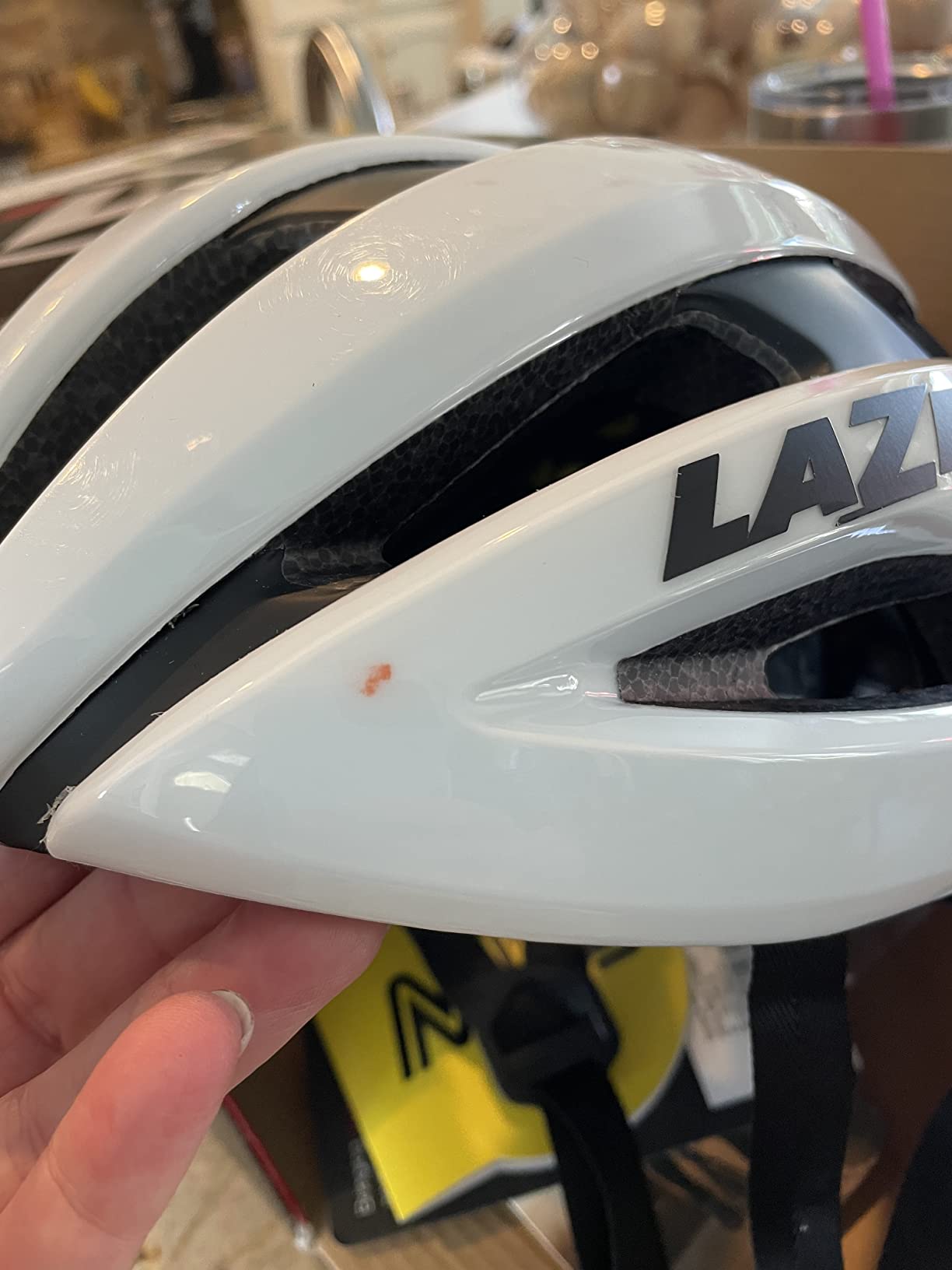
Eighteen vents move enough air for most conditions. The optional Aeroshell accessory adds aerodynamic benefit and weather protection, which makes this helmet versatile across seasons.
At 0.63 kg, the Sphere is in the middle of the pack for weight. Not the lightest, but not heavy either. The build quality feels solid without being overbuilt.
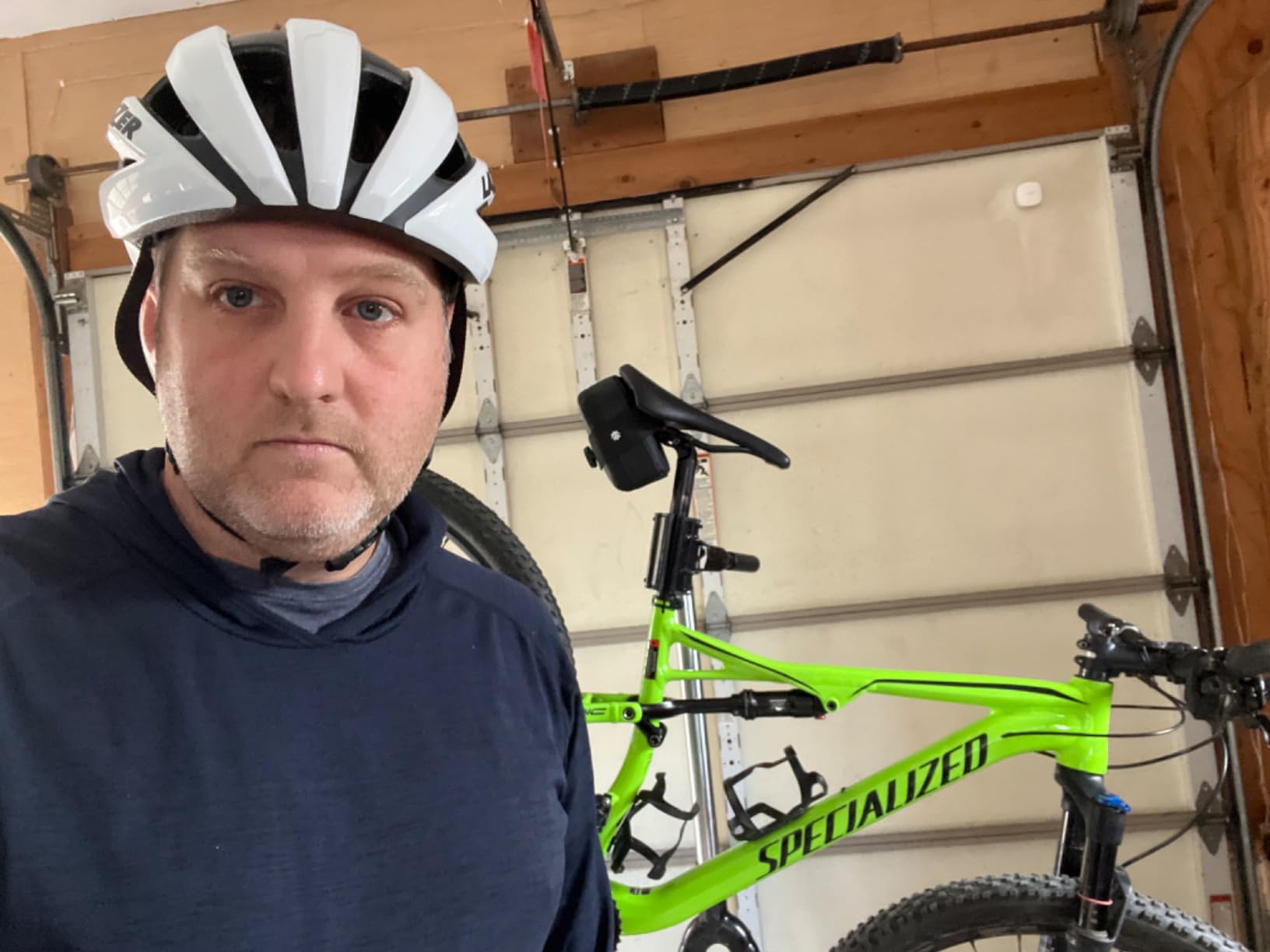
Best for riders who want proven protection at a mid-range price
The LAZER Sphere MIPS fits riders who want MIPS protection without the premium price of top-tier helmets. The crash-tested reputation provides peace of mind.
If you want maximum ventilation or the lightest weight, consider other options in this roundup.
Where the Sphere MIPS falls short
Several buyers reported receiving older stock with manufacturing dates from 2021-2022. Check the manufacturing date when you receive yours. Helmets have a service life, and older foam may have degraded.
The chin strap adjustment can be difficult, especially with cold hands or while wearing gloves. Practice the adjustment before you need it on the road.
10. Giro Isode MIPS II – Best Entry-Level MIPS Helmet
Giro Isode MIPS II Cycling Helmet – Matte White – Universal Adult
MIPS Evolve Core
ROC LOC Sport fit
Universal sizing
Pros
- Excellent entry-level value
- Lightweight feel
- Comfortable wide fit range
- Nice airflow
- Looks great
Cons
- Straps less refined than premium models
- One size may not fit all
The Giro Isode MIPS II proves you don’t need to spend $200+ for MIPS protection. At under $80, you get Giro’s MIPS Evolve Core technology plus their proven ROC LOC Sport fit system. For new riders or anyone replacing an old helmet without breaking the bank, this is a smart choice.
The universal adult sizing fits a wide range of head shapes thanks to the 7cm adjustment range. My testing partner has a larger head than I do, and the same helmet fit us both reasonably well with different adjustment positions.
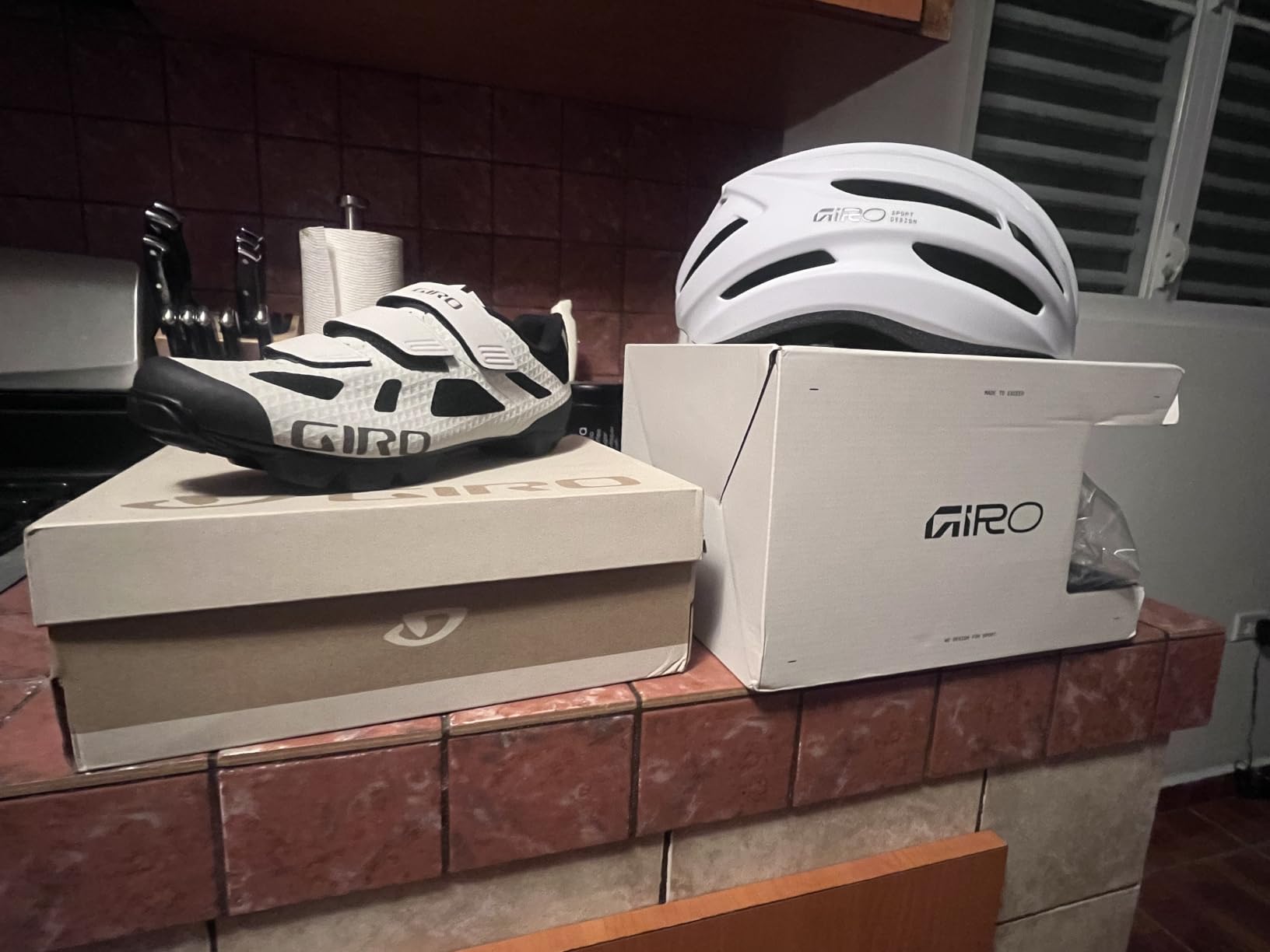
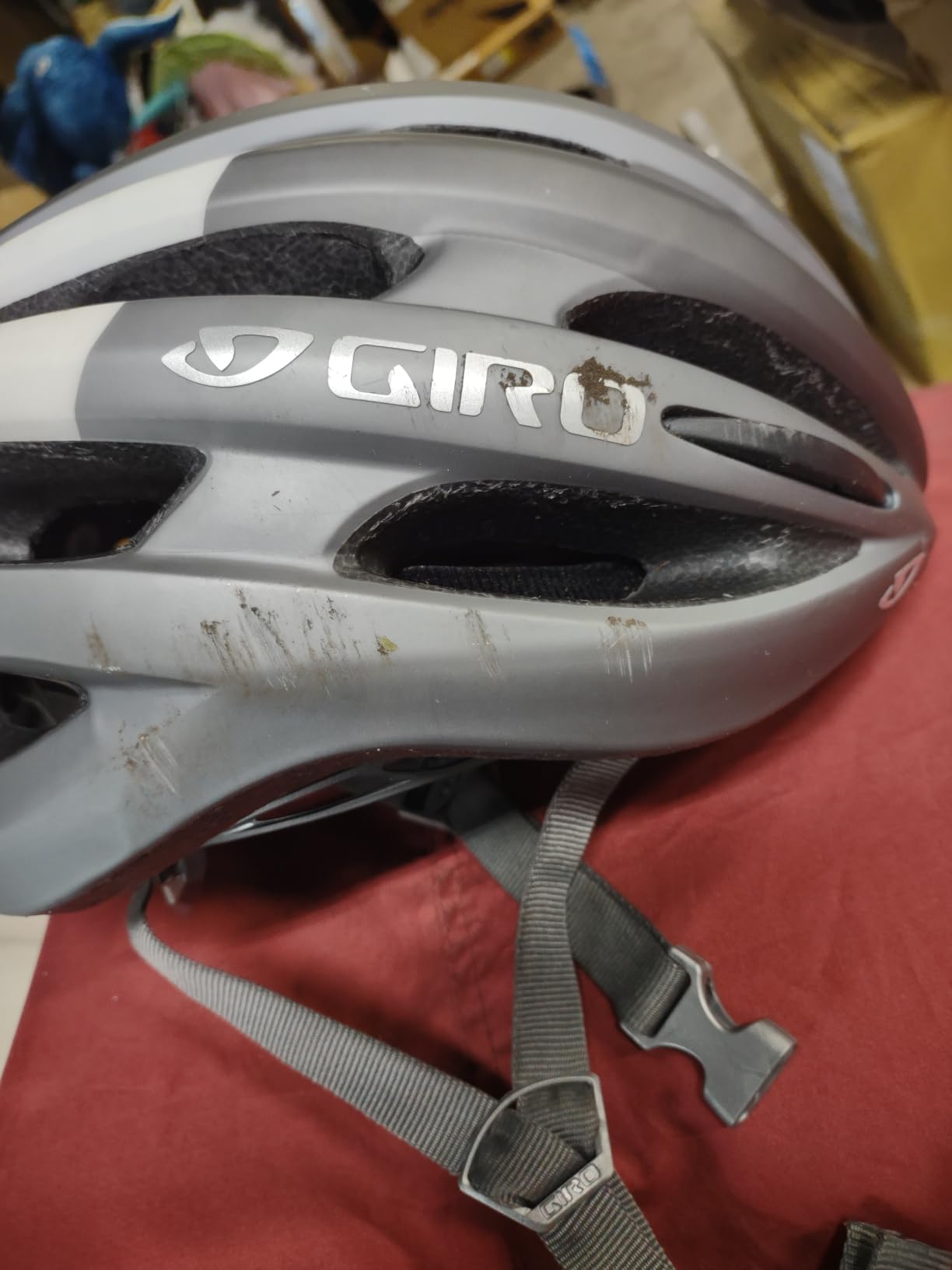
The in-mold construction keeps weight low while maintaining structural integrity. Deep internal channeling promotes cooling without making the helmet feel like a swiss cheese head. The matte white finish I tested looks clean and resists showing scratches.
For the price, the Isode MIPS II delivers where it matters: real safety certification, comfortable fit, and Giro’s quality control. It’s not flashy, but it’s reliable.
Best for first-time helmet buyers and casual riders
The Giro Isode MIPS II fits riders entering the sport or anyone who wants MIPS protection without premium pricing. It’s a gateway to better safety.
If you race or ride competitively, the lack of premium features (aero design, ultra-lightweight construction) will eventually lead you to upgrade.
Where the Isode MIPS II falls short
The straps feel basic compared to higher-end Giro models. They’re functional but not as refined or comfortable against the skin.
The one-size-fits-most design works for many but not all head shapes. Riders with very small or very large heads may need to look at other options.
How to Choose the Right Road Cycling Helmet
Picking the right helmet comes down to understanding what matters for your specific riding. Here’s what our team focuses on when recommending helmets to friends and readers.
Prioritize certified impact protection
Any helmet you consider should have CPSC certification at minimum. Beyond that, look for MIPS or similar rotational impact protection. The Virginia Tech helmet ratings provide independent testing data that’s more rigorous than manufacturer claims. Helmets with 4-5 star Virginia Tech ratings represent the safest options currently available.
MIPS (Multi-directional Impact Protection System) addresses rotational forces that traditional EPS foam handles less effectively. In crashes involving angled impacts, which are common in cycling, MIPS can reduce brain injury risk. For road cycling specifically, where crashes often involve cars or other cyclists, MIPS protection is worth the premium for most riders.
Get the fit right before worrying about features
A perfect-fitting budget helmet protects you better than a poorly-fitted premium helmet. The retention system should let you adjust the helmet with one hand while riding. The helmet should sit level on your head, with the front edge about two finger-widths above your eyebrows.
Try helmets on whenever possible, or buy from retailers with good return policies. Head shapes vary significantly between people, and a helmet that fits one rider perfectly may not fit another. Round heads need different helmet shapes than oval heads, and most manufacturers design for one or the other.
Match ventilation to your climate and intensity
If you ride in hot, humid conditions or push hard intervals that generate significant body heat, prioritize ventilation. The Giro Cielo MIPS and POC Octal MIPS excel here. If you ride in cool weather or value aerodynamic efficiency over maximum airflow, an aero-focused helmet like the MET Manta or ASX GameChanger makes more sense.
For year-round riding in variable conditions, consider a helmet with adjustable features like the LAZER Sphere’s optional Aeroshell. This lets you optimize for summer airflow and winter warmth with the same base helmet.
Consider weight for long rides
Helmet weight matters more than most riders realize. On a 4-hour ride, a 50g weight difference becomes noticeable in neck fatigue. For climbing-focused riders or anyone doing long endurance events, prioritize lightweight designs like the LAZER G1 MIPS or SMITH Persist.
Weight and protection don’t have to be mutually exclusive. Modern materials and construction techniques allow lightweight helmets with full MIPS protection. The SMITH Persist proves this at 310g with both MIPS and Koroyd.
Factor in your riding style
Racers and speed-focused riders benefit from aerodynamic helmets even if the savings are modest. Time trialists and criterium racers see the biggest gains. For everyone else, the comfort and ventilation benefits of round helmets usually outweigh marginal aero gains.
Commuters should look for visibility features like the LAZER Tempo KinetiCore’s LED light compatibility. Gravel riders need helmets with more coverage than pure road helmets provide, so consider cross-over models or dedicated gravel options.
Plan for helmet replacement
Helmets don’t last forever. The general recommendation is to replace your helmet every 5-7 years, even without crashes, because EPS foam degrades over time. After any crash involving impact, replace the helmet immediately, even if it looks fine. The foam absorbs impact by compressing, and that compression isn’t visible from outside.
The 2-2-2 rule helps remember: replace every 2 years if you ride hard, every 2 years after any crash, and at minimum every 2 years after purchase if you’re a daily commuter. This is a conservative guideline, and most recreational riders can go longer between replacements if the helmet shows no damage.
Frequently Asked Questions
What is the safest helmet for road cycling?
The safest helmets for road cycling combine MIPS rotational impact protection with CPSC certification and high Virginia Tech safety ratings. Our top picks for maximum protection include the KASK Protone Icon with WG11 certification, the POC Octal MIPS with full MIPS integration, and the SMITH Persist with both MIPS and Koroyd zonal coverage. These helmets address both linear and rotational impact forces, which are the two main types of head injuries in cycling crashes.
What is the 2-2-2 rule for bike helmets?
The 2-2-2 rule is a guideline for helmet replacement timing. Replace your helmet at least every 2 years if you ride frequently, immediately after any crash involving impact (even if the helmet looks fine), and at minimum 2 years after purchase for daily commuters. The foam inside helmets degrades over time through normal use, sweat, and UV exposure. After a crash, the EPS foam compresses to absorb impact, and that protective capacity is spent even without visible damage.
Is MIPS worth paying extra for?
Yes, MIPS is worth paying extra for most road cyclists. MIPS addresses rotational impact forces that traditional EPS foam handles less effectively. These rotational forces are common in cycling crashes when your head hits at an angle, such as falling to the side. Independent testing by Virginia Tech consistently shows that MIPS-equipped helmets score higher on safety ratings. The premium for MIPS is typically $30-60 over non-MIPS equivalents, which is a reasonable cost for meaningful safety improvement.
How often should you replace a bike helmet?
Replace your bike helmet every 5-7 years for normal use, even without crashes, because EPS foam degrades over time. Replace immediately after any crash involving impact, regardless of visible damage. The foam compresses on impact to absorb energy, and that protection is used up even if the outer shell looks intact. If you ride daily or in hot weather, consider replacement every 3-5 years. If your helmet shows any cracks, dents, or strap damage, replace it right away regardless of age.
Which cycling helmets have the best safety ratings?
The best safety-rated cycling helmets based on Virginia Tech testing include the LAZER G1 MIPS, POC Octal MIPS, SMITH Persist, and KASK Protone Icon. Virginia Tech independently tests helmets using protocols more rigorous than CPSC certification. Helmets earning 4-5 stars in Virginia Tech ratings provide the best available protection. The LAZER Tempo KinetiCore also earns strong safety marks at its budget price point, making it our top value recommendation for safety-conscious buyers.
Final Verdict
After six months of testing, the KASK Protone Icon earns our top recommendation for the best bike helmets for road cycling in 2026. Its combination of WG11 rotational impact protection, exceptional comfort for long rides, and Italian craftsmanship makes it the most well-rounded option for serious road cyclists.
For riders prioritizing value, the SMITH Persist delivers MIPS plus Koroyd protection at a mid-range price. Budget-conscious buyers should start with the LAZER Tempo KinetiCore, which provides Consumer Reports-recommended safety at a price that makes quality protection accessible.
Whatever you choose, make sure it fits correctly and has current safety certification. A helmet you actually wear protects you; the most expensive helmet in your drawer doesn’t. Get out and ride.