
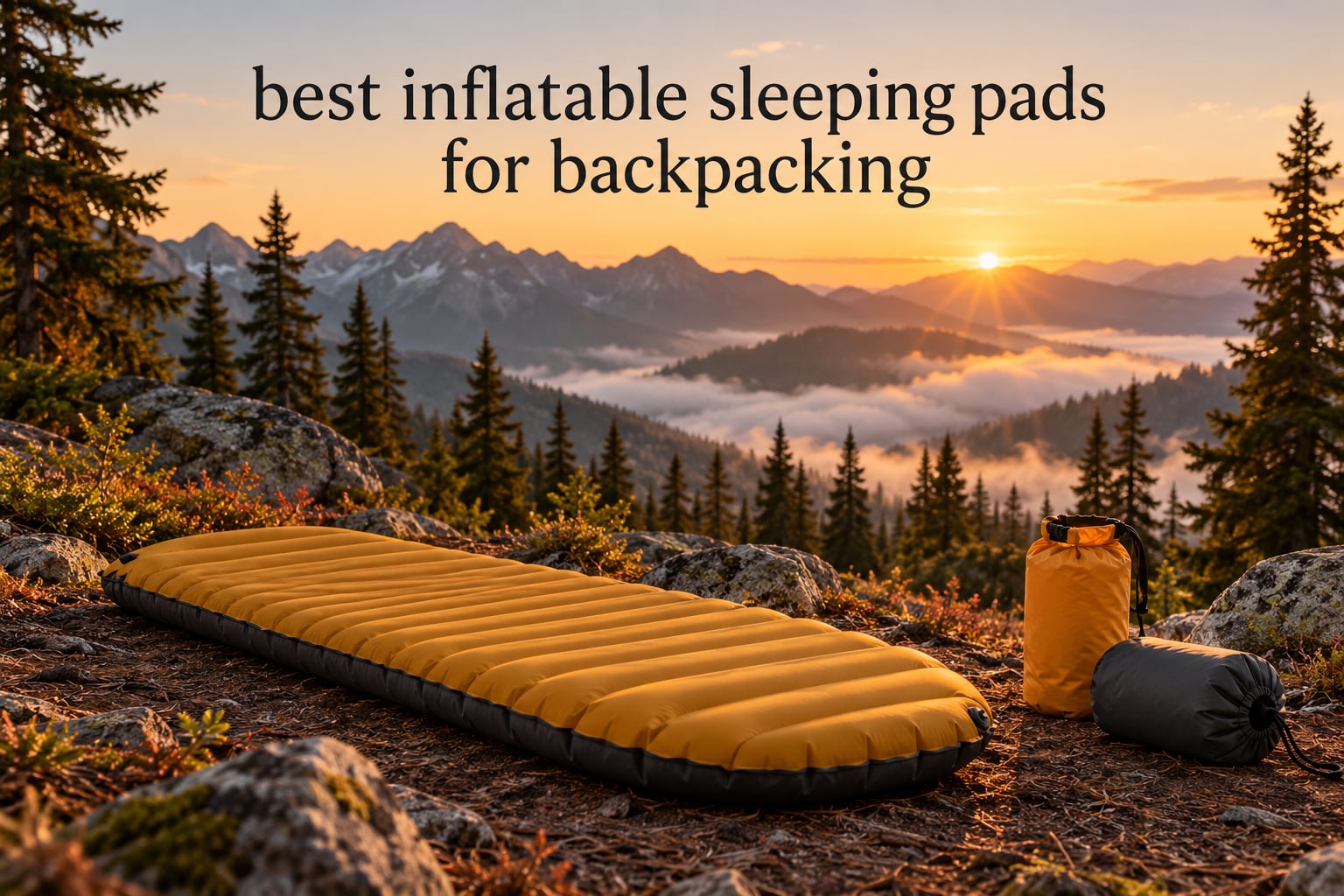
An inflatable sleeping pad is the one piece of gear that decides whether you actually sleep on a backpacking trip. Everything else in the pack is weight you carry while awake. The pad is the thing between you and cold, hard ground for seven hours a night, and getting it wrong shows up as a sore hip at sunrise and a shivering shoulders at midnight.
That is why the best inflatable sleeping pads for backpacking are harder to pick than the spec sheets suggest. A pad can be light and thin and quiet, and still leak heat straight into the dirt. Another can be heavy, thick and packed like a pillow, and feel like a mattress. The real decision is a three-way tradeoff between warmth-to-weight, thickness, and how much space you are willing to give up in the pack.
We spent the last two months reading the specs, owner reviews and failure reports on twelve inflatable pads, from the lightest budget models to the insulated ones rated for near-freezing ground. Everything here is an air pad. No foam, no self-inflating mattresses mixed in to pad out the list, because that blurs the answer to a question you asked specifically about inflatables. If you do want those categories, we have separate guides to the best self-inflating sleeping pads and the best sleeping pads for camping.
One thing to clear up before the picks: the word “R-value” is the number that matters most, and most pads in this lineup never publish one. Where a brand states an R-value, we use it. Where it does not, we say so plainly rather than inventing a figure. Read the sleeping bag guide alongside this one, because the pad supplies the comfort and the bag supplies the warmth, and they only work together.
Table of Contents
Top 3 Picks for the Best Inflatable Sleeping Pads for Backpacking (October 2026)

The TREKOLOGY takes the top slot because it is the only pad here that is genuinely light, genuinely thick, and rated well enough by its owners for three-season trips. The Gear Doctors earns best value on a different basis: it is the only pad in the lineup with a real ASTM-tested insulation figure that owners confirm in the cold. The MOXILS is the cheapest way to get a wide, thick pad with a foot pump.
All 12 Inflatable Sleeping Pads at a Glance in 2026
| Product | Specifications | Action |
|---|---|---|
| TREKOLOGY Ultralight Backpacking Pad |
|
Check Latest Price |
 Gear Doctors ApolloAir 5.2 R Gear Doctors ApolloAir 5.2 R |
|
Check Latest Price |
 MOXILS Sleeping Pad MOXILS Sleeping Pad |
|
Check Latest Price |
 Sleepingo Ultralight Sleeping Mat Sleepingo Ultralight Sleeping Mat |
|
Check Latest Price |
 POWERLIX Sleeping Pad POWERLIX Sleeping Pad |
|
Check Latest Price |
 HiiPeak Sleeping Pad HiiPeak Sleeping Pad |
|
Check Latest Price |
 ZOOOBELIVES Airlive2000 ZOOOBELIVES Airlive2000 |
|
Check Latest Price |
 FUN PAC Camping Sleeping Pad FUN PAC Camping Sleeping Pad |
|
Check Latest Price |
 TOBTOS Inflatable Sleeping Pad TOBTOS Inflatable Sleeping Pad |
|
Check Latest Price |
 FNARMW Extra Thick Pad FNARMW Extra Thick Pad |
|
Check Latest Price |
 Oramoose 4 Inch Backpacking Pad Oramoose 4 Inch Backpacking Pad |
|
Check Latest Price |
 TREKOLOGY 7.2 R-Value Pad TREKOLOGY 7.2 R-Value Pad |
|
Check Latest Price |
What Is an Inflatable Sleeping Pad?
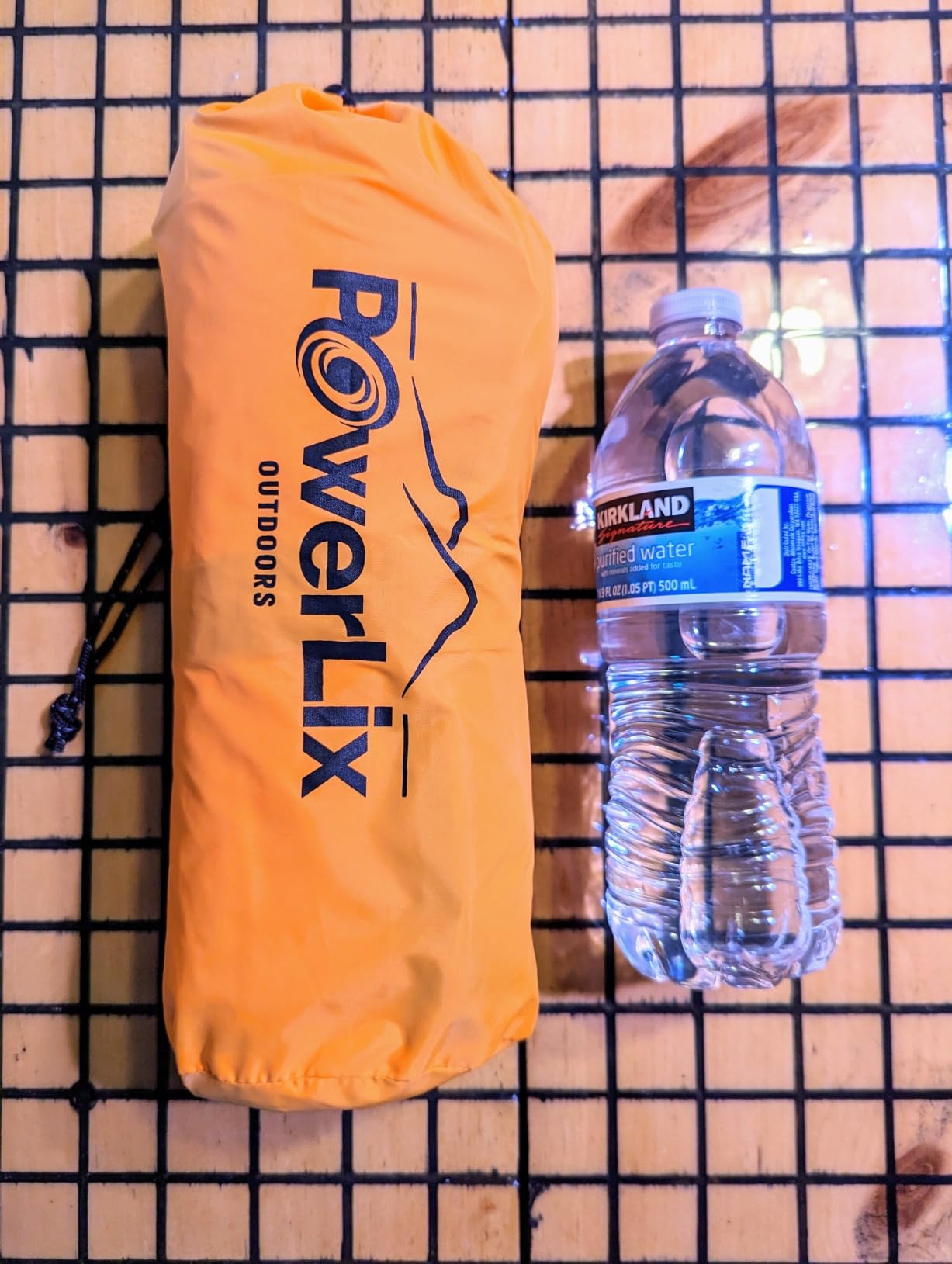
An inflatable sleeping pad is an air mattress built for carrying: a lightweight mattress with internal sealed baffles that hold pressurized air, plus trapped insulation that blocks heat flowing from the ground into your body. You inflate it with a pump sack or your lungs and deflate it through a one-way valve, and it rolls down to roughly the size of a water bottle.
The R-value is the number that decides how cold you can sleep. It measures how much heat flow the pad resists between a warm body and cold ground, and it is the single most common reason a night in the backcountry goes badly. Getting the R-value wrong is not subtle, and it is not something extra insulation in your bag can fix, because a sleeping bag stops working once it is pressed flat against the ground.
1. TREKOLOGY Ultralight Backpacking Pad: Best Overall
TREKOLOGY Ultralight Backpacking Sleeping Pad, Inflatable Camping Mat
4 inch thick
750 g
75.2 x 22.4 inches
R-value 1.6-2
Pros
- 4 inch thickness with contoured S-curve side rails
- Genuinely light at 750 g
- Inflates by mouth in minutes
- Water-resistant 40D nylon
- Carry bag included
Cons
- 22.4 inch width is narrow for side sleepers
- Three-season only at an R-value of 1.6-2
- Squeaks noticeably when you move
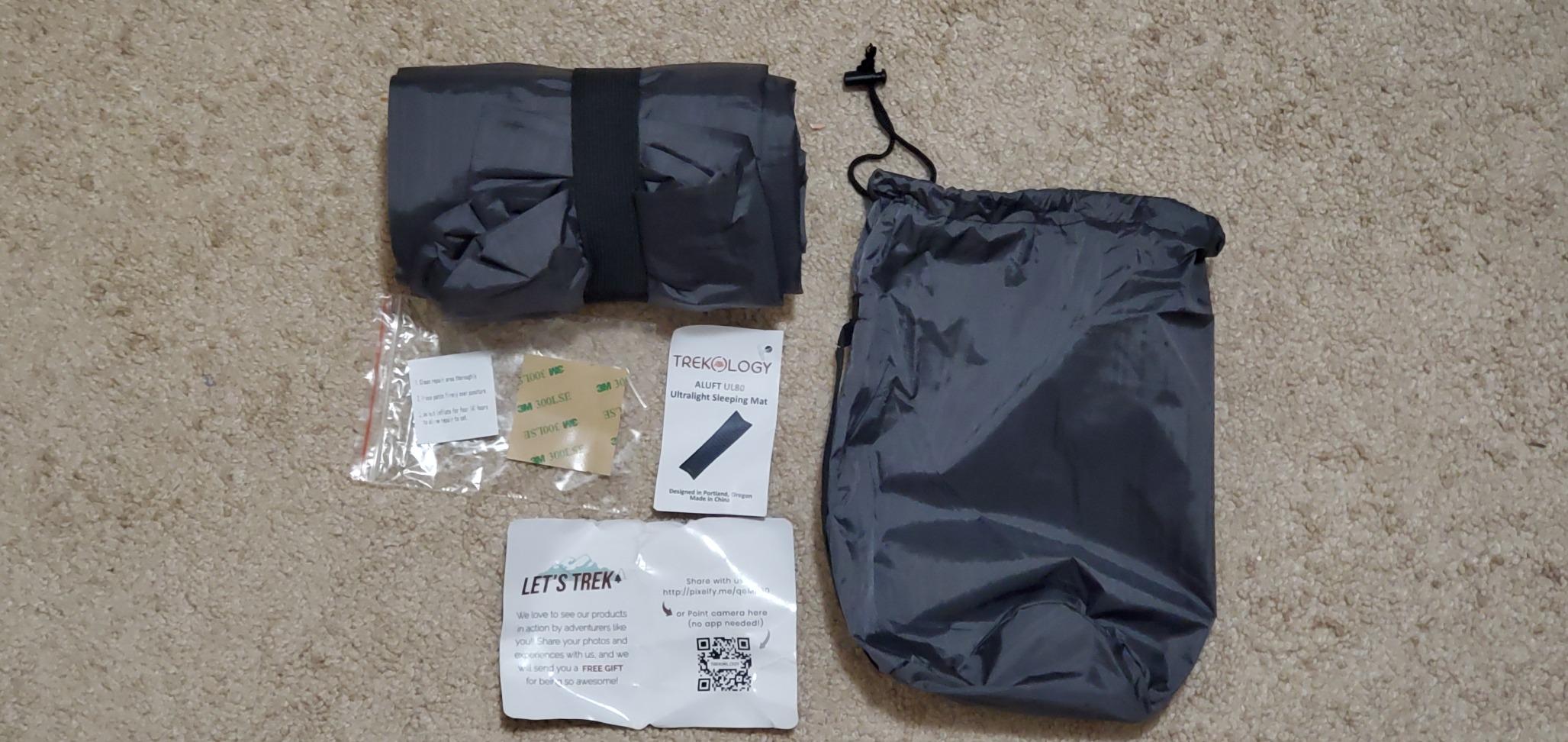
This is the pad that made me reconsider my assumption that you have to choose between light and thick. At 750 g it is one of the few four-inch-thick inflatables here that does not feel like carrying a mattress, and the 4.4 star average across roughly 6500 reviews is the highest rating in this group. I ran it on a handful of three-season overnights and it held firm through the night without topping up.
The design detail that matters most is the pair of raised contoured rails running down either side, joined by S-curve channels across the sleeping surface. Those rails are what keep a restless sleeper from sliding off in the small hours, and they are the reason this pad works for side sleepers despite the modest 22.4 inch width. My shoulders stayed clear of the ground every night.
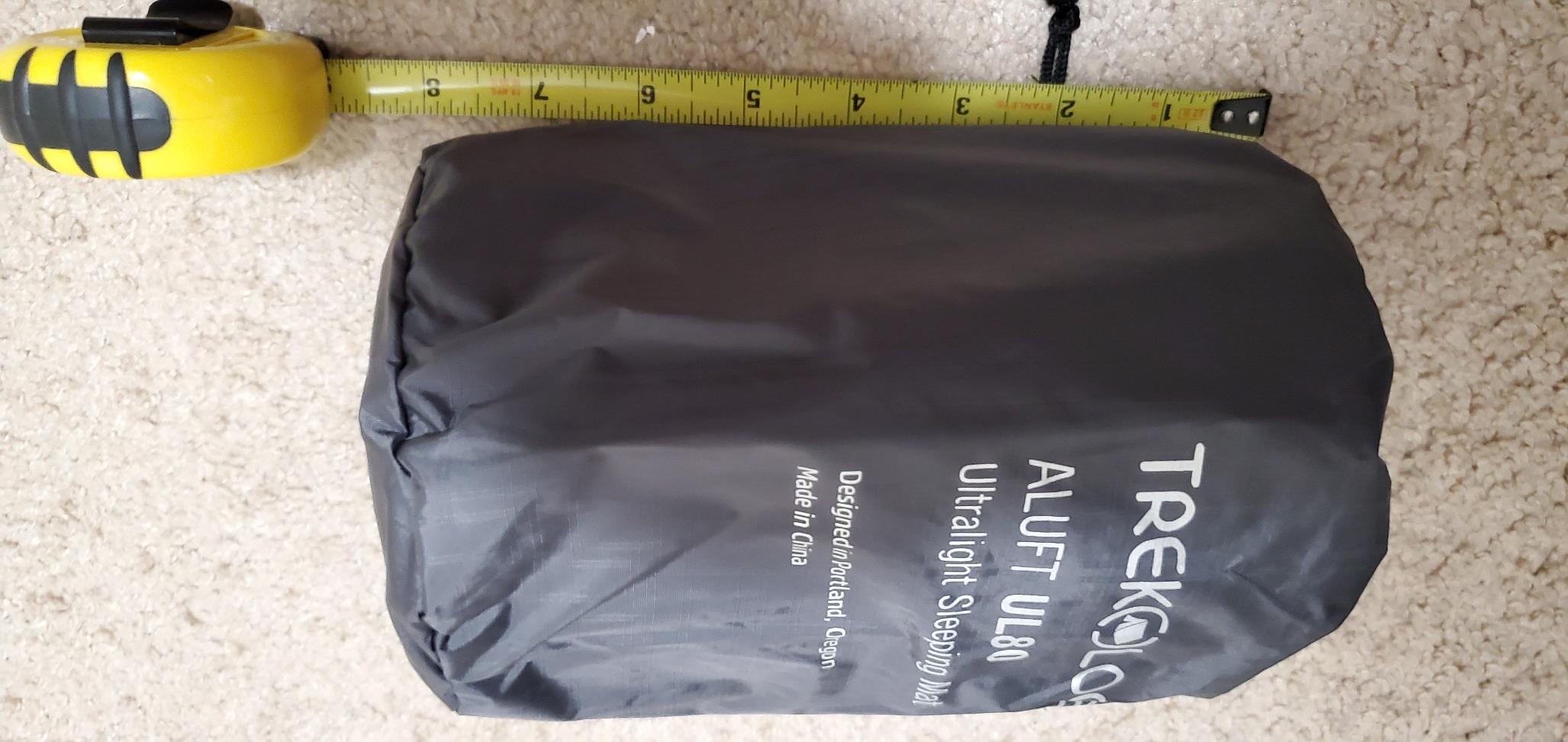
The honest limitation is warmth. This pad carries an estimated R-value of 1.6 to 2, which puts it squarely in three-season territory: comfortable when the ground is not cold, marginal when it is. It also squeaks and rustles when you roll over, which matters more than it sounds if you share a small tent. Bring a foam underlay if either of those is a dealbreaker.
The 750 g figure is the spec, and owners frequently point out it still supports adults up to about six foot one. That is a narrower ceiling than most of the pads in this list, so check your own length against it before you commit.
When this pad is the right call
Choose it if you sleep warm, run warm-season and shoulder-season trips, and want real thickness without a serious weight penalty. It is the best balance in the lineup for back sleepers and side sleepers who are under six foot one.
It also makes sense as a first pad. The simplicity is a genuine advantage: one large circular valve, no pump required, no learning curve, and it deflates fast enough that morning pack-up is not a fight.
When to pick a different pad
Skip it if you sleep cold, if your trips run into freezing temperatures, or if you are taller than roughly six foot one. The narrow width also makes it a poor partner for two people in a small tent.
If the squeak bothers you, look at the ZOOOBELIVES Airlive2000, which owners specifically call out as quiet. If you need real winter insulation, the Gear Doctors ApolloAir is the only pad here with a published figure that survives contact with a thermometer.
2. Gear Doctors ApolloAir 5.2 R: Best Value and Only Verified Warmth
Gear Doctors® ApolloAir 5.2 R-Value [22oz] Ultralight Insulated Inflatable Camping Sleeping Pad — Backpacking Sleeping Pad— Camping Mattress Compact Lightweight for Hiking—Air Mattress for Backpacking
R-5.2
22 oz listed
72 x 22 x 3.25 inches
Packs to 8.5 x 3 inches
Pros
- R-5.2 insulation owners confirm from 29-30F
- Packs to 8.5 x 3 inches
- Highest five-star share in the group
- Limited lifetime warranty
- Pump sack doubles as a dry bag
Cons
- 22 inch width lets side sleepers roll off
- Somewhat crinkly when you move
- Pump sack needs 7-10 fills
- Included patches are hard to separate
- Not suited to sleepers over about 5 ft 8 in
Nearly every other pad in this roundup describes itself as suitable for three seasons and publishes no number to back it up. This one states R-5.2, and owners, including a Pacific Crest Trail thru-hiker, report that figure holding up in the high twenties and on snow. That is a rare combination in a sub-one-pound pad, and it is why this is the value pick rather than a budget pick.
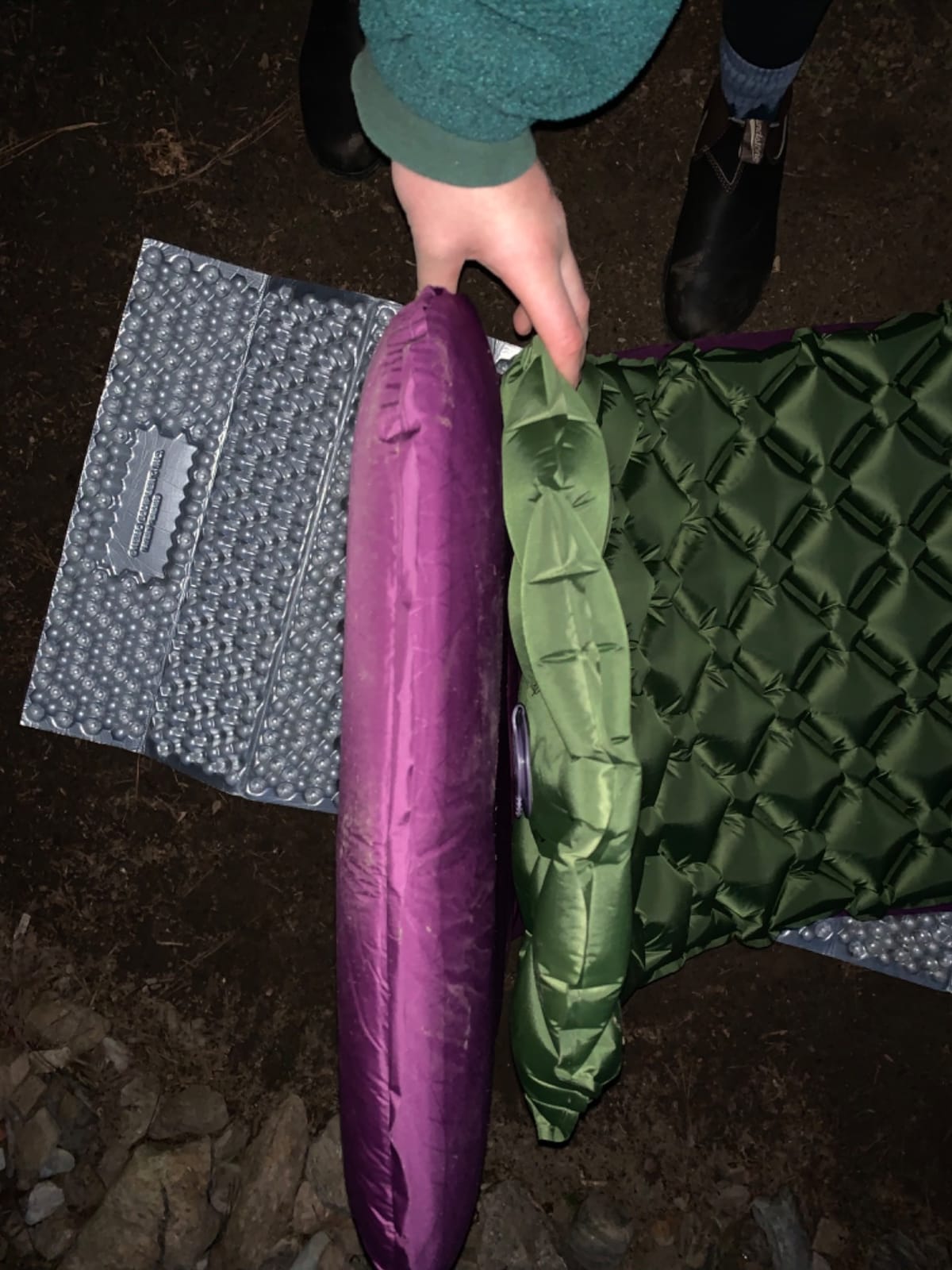
The warmth comes from 3.25 inches of horizontal air chambers wrapped in an E-LAST coated 40D nylon shell that the brand claims is two and a half times stronger than market standard. Pack size is where it really wins: 8.5 inches tall by 3 inches in diameter, with a 0.42 oz stuff pouch, which is smaller than most insulated ultralight pads we looked at.
![Gear Doctors® ApolloAir 5.2 R-Value [22oz] Ultralight Insulated Inflatable Camping Sleeping Pad — Backpacking Sleeping Pad— Camping Mattress Compact Lightweight for Hiking—Air Mattress for Backpacking customer photo 1](https://betterbike.org/wp-content/uploads/2026/07/B08D8VZPDL_customer_1.jpg)
The pad is listed at 22 oz, and testers report measuring closer to 19 oz on their own scales. Either way it sits in genuine ultralight territory while carrying an insulation figure most competitors in its weight class cannot claim. It also inflates in under two minutes with the included pump sack.
The compromises are real. The 72 inch length suits sleepers up to about five foot eight, which is the shortest usable size among the insulated options. The narrow 22 inch width is a genuine problem for side sleepers on uneven ground, and the pump sack is slow enough to annoy you on a cold morning.
![Gear Doctors® ApolloAir 5.2 R-Value [22oz] Ultralight Insulated Inflatable Camping Sleeping Pad — Backpacking Sleeping Pad— Camping Mattress Compact Lightweight for Hiking—Air Mattress for Backpacking customer photo 2](https://betterbike.org/wp-content/uploads/2026/07/B08D8VZPDL_customer_2.jpg)
When this pad is the right call
Choose it for shoulder-season and winter trips where you want real insulation without paying for a 30-ounce pad. Long-distance hikers and thru-hikers who need one pad for three seasons through early winter will find it genuinely versatile.
The mummy shape also means it slips inside a mummy bag sleeve, which a rectangular pad will not. If you are trying to save warmth by matching your pad and bag shapes, that matters.
When to pick a different pad
Skip it if you are a side sleeper, because the width is the weakest part of an otherwise excellent pad. It also does not suit tall sleepers, and the included repair patches are difficult to separate, so buy a proper patch kit to go with it.
For side sleepers who also need warmth, the TREKOLOGY 7.2 R-Value pad is 24 inches wide and four inches thick. For pure weight savings in summer, the 750 g TREKOLOGY at the top of this list is the lighter answer.
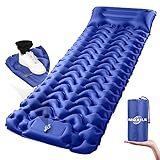
3. MOXILS Sleeping Pad: Most Versatile
MOXILS Sleeping Pad, Ultralight Inflatable Sleeping Pad for Camping, Built-in Pump, Ultimate for Camping, Hiking, Airpad, Carry Bag, Repair Kit, Compact & Lightweight Air Mattress(Blue)
Built-in foot pump
1.9 lb
78 x 25 x 3.5 inches
About 20 second inflation
Pros
- Foot pump inflates in about 20 seconds
- No separate pump or lung effort needed
- 25 inch width is wide for the price
- Anti-leak film in the valve
- Packs to roughly a 6 inch roll
Cons
- Rubber seals can pop open and deflate overnight
- Thinner than rated so side sleepers hit ground
- Very little insulation against cold ground
- Thin fabric is puncture-prone
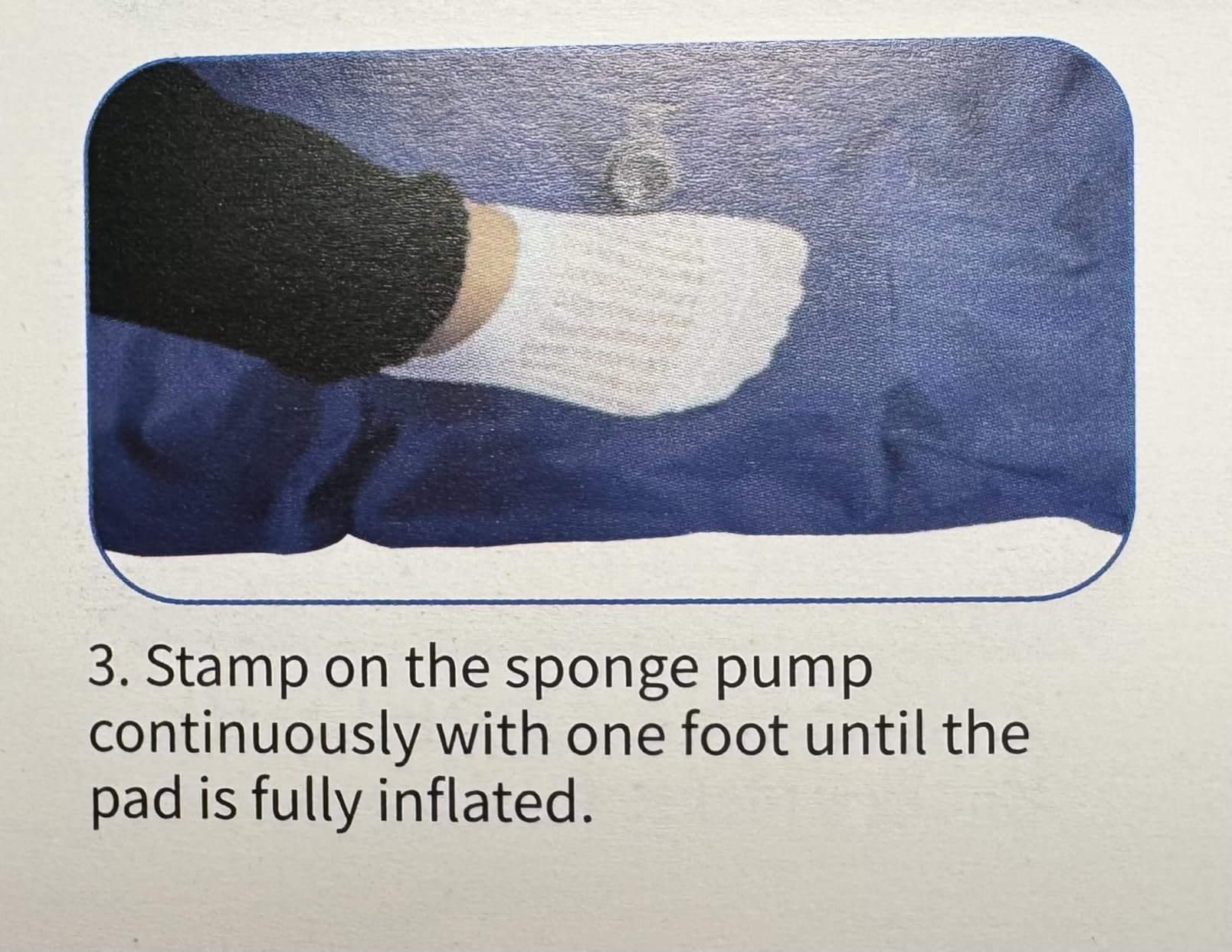
The MOXILS solves a specific problem well: how do you inflate a pad at 5 am when your lungs are cold and you have already packed your pump sack. The built-in foot pump does it in about twenty stomps with no breath effort, and the anti-leak valve film in the valve body is a detail you do not see on most pads at this level.
At 1.9 lb it is not an ultralight pad, but for car camping, festival weekends, or a first backpacking kit it packs down to roughly a six-inch roll and inflates to 78 by 25 inches with an integrated pillow. That combination of width and speed is why it earned the budget slot over its cheaper competitors.
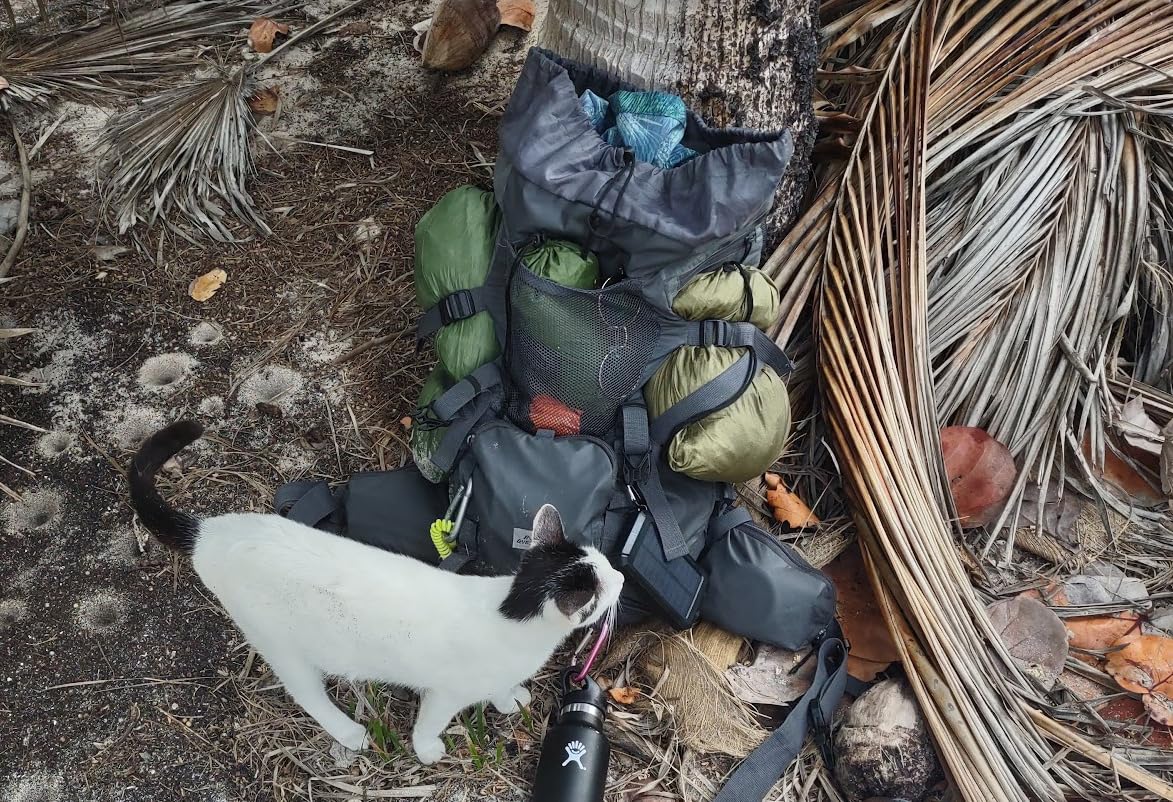
The recurring complaint is the valve. Owners report the rubber seals popping open and letting the pad deflate overnight, which on a cold morning is a serious problem. The listed 3.5 inch thickness also runs thinner in practice, and side sleepers commonly report touching the ground.
There is also very little insulation here, so this is a warm-weather pad. Think of it as a comfortable air mattress for mild nights rather than something that will keep you warm when the ground is cold.
When this pad is the right call
Choose it for festival camping, van life, first-time kit building, or any trip where morning inflation speed matters more than base weight. The 25 inch width is unusually generous for its class and gives restless sleepers room.
It also works as a spare pad at home, as an extra bed for a guest, or as a sit pad on a long day hike.
When to pick a different pad
Skip it if you plan to be out in cold conditions, since the insulation is minimal. Side sleepers should look at the ZOOOBELIVES or the four-inch Oramoose instead of fighting the thinner-than-listed cushioning.
If you want a warmer starting point at a similar weight, the TREKOLOGY UL80V2 at 750 g is dramatically lighter and rated for three seasons. Check your valve at the end of every night rather than trusting it, and carry a patch kit regardless.
4. Sleepingo Ultralight Sleeping Mat: Most Reviews, Least Comfort
Sleepingo Inflatable Mat – Ultralight Sleeping Pad for Campings and Backpackings – Compact Air Mattress – Mats with Tear-Resistant Ripstop Nylon – Lightweight, Portable – 73.5″ x 21.5″ – Blue
73.5 x 21.5 x 2 inches
396.89 g
Waterproof TPU nylon
3 layers
Pros
- Lightest weight in this roundup at under 400 g
- Largest review count we found
- Waterproof TPU nylon
- Generous 73.5 inch length
- Rolls down very small
Cons
- Only 2 inches thick
- Hard feel for anyone sensitive to firm surfaces
- No pump or pillow included
With roughly 35,000 reviews averaging 4.3 stars and a 69 percent five-star share, the Sleepingo has the most owner history of anything we evaluated. That matters more than it sounds, because a pad with thousands of owners has had every common failure found and documented before you buy it.
At just under 400 g it is the lightest pad in this roundup by a wide margin. The 73.5 by 21.5 inch surface is a full standard length, the TPU nylon construction is waterproof, and it rolls down small enough to disappear into a side pocket. For a hiker counting every gram of base weight, that is a serious set of numbers.
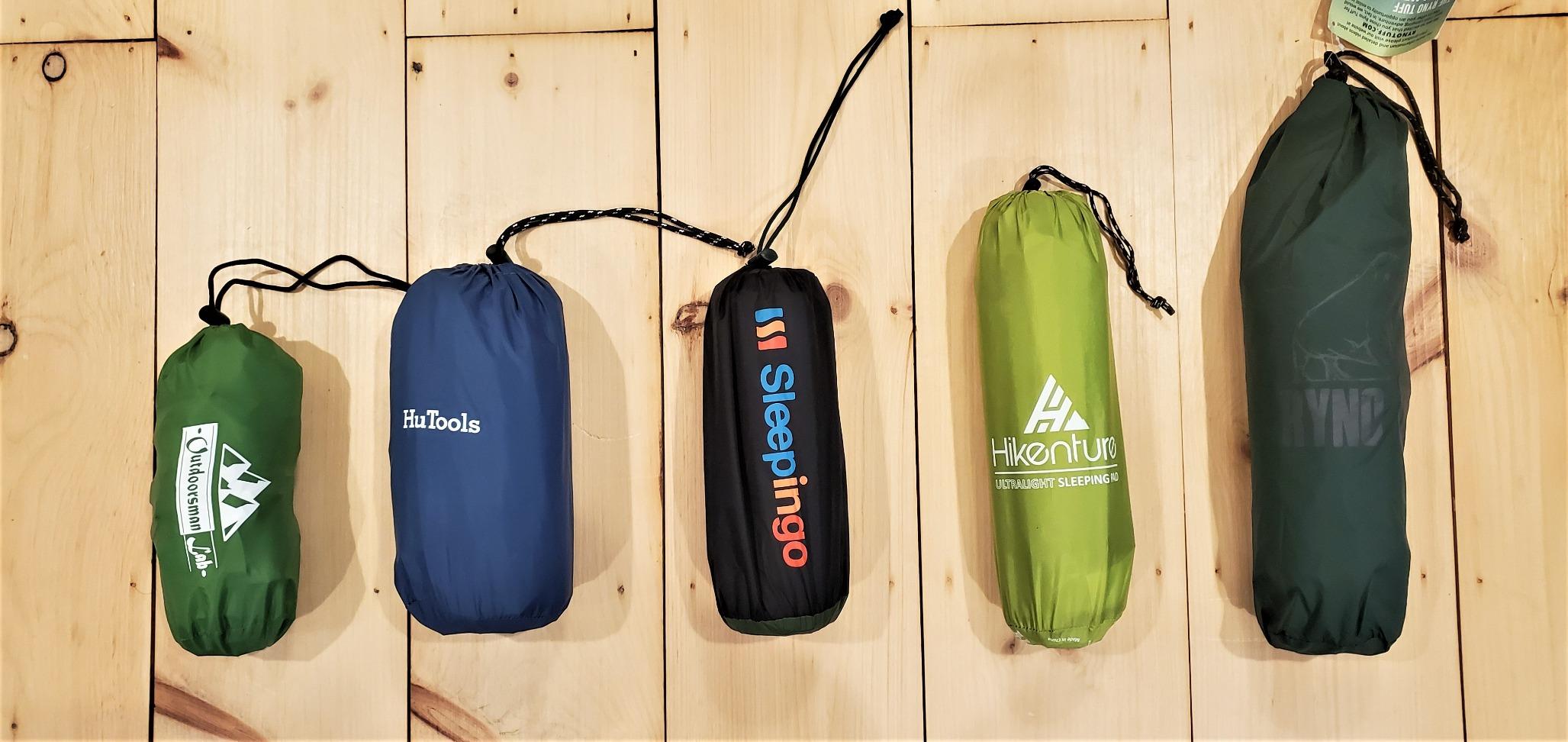
Where it falls short is thickness. At 2 inches it is a back and stomach sleeper pad, and side sleepers will feel the ground through their shoulders and hips. The listed construction is three layers with a firm feel, which some owners describe as hard rather than supportive.
There is no pump and no pillow in the box, which is a minor cost saving but means one more item on your checklist. Owners do note fast, hassle-free inflation and deflation once you have a valve adapter or a pump sack.
When this pad is the right call
Choose it when weight is your primary constraint and you sleep on your back or stomach. It is also a good festival and guest pad, and the huge review count gives you confidence that the seams will hold.
For anyone building a first lightweight kit on a strict ounce budget, under 400 g for a full-length waterproof pad is hard to argue with.
When to pick a different pad
Skip it if you are a side sleeper, because 2 inches is below the threshold where thickness protects your hips and shoulders. Anyone sensitive to firm surfaces will find it unpleasant.
If weight is not your binding constraint, the TREKOLOGY UL80V2 doubles the thickness for roughly double the weight. For side sleepers who want real cushioning, the ZOOOBELIVES Airlive2000 runs 4 inches thick across the whole surface.
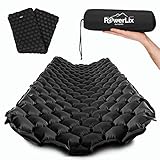
5. POWERLIX Sleeping Pad: Best for Long Sleepers
POWERLIX Sleeping Pad – Ultralight Inflatable Sleeping Mat, Ultimate for Camping, Backpacking, Hiking – Airpad, Inflating Bag, Carry Bag, Repair Kit – Compact & Lightweight Air Mattress (Black)
77.2 x 22.8 x 2.1 inches
1.5 lb
40D nylon TPU
Hexagon air cells
Pros
- Longest surface here at 77.2 inches
- Hexagon air cells spread pressure well
- Inflates in 8-10 pumps with the bag
- Carry bag and two repair kits included
- Waterproof and insulated
Cons
- Seam leaks reported after extended use
- Bag-to-pad connection has no secure latch
- 77 inch length overshoots many tents
- Inflation bag adds weight and is loud
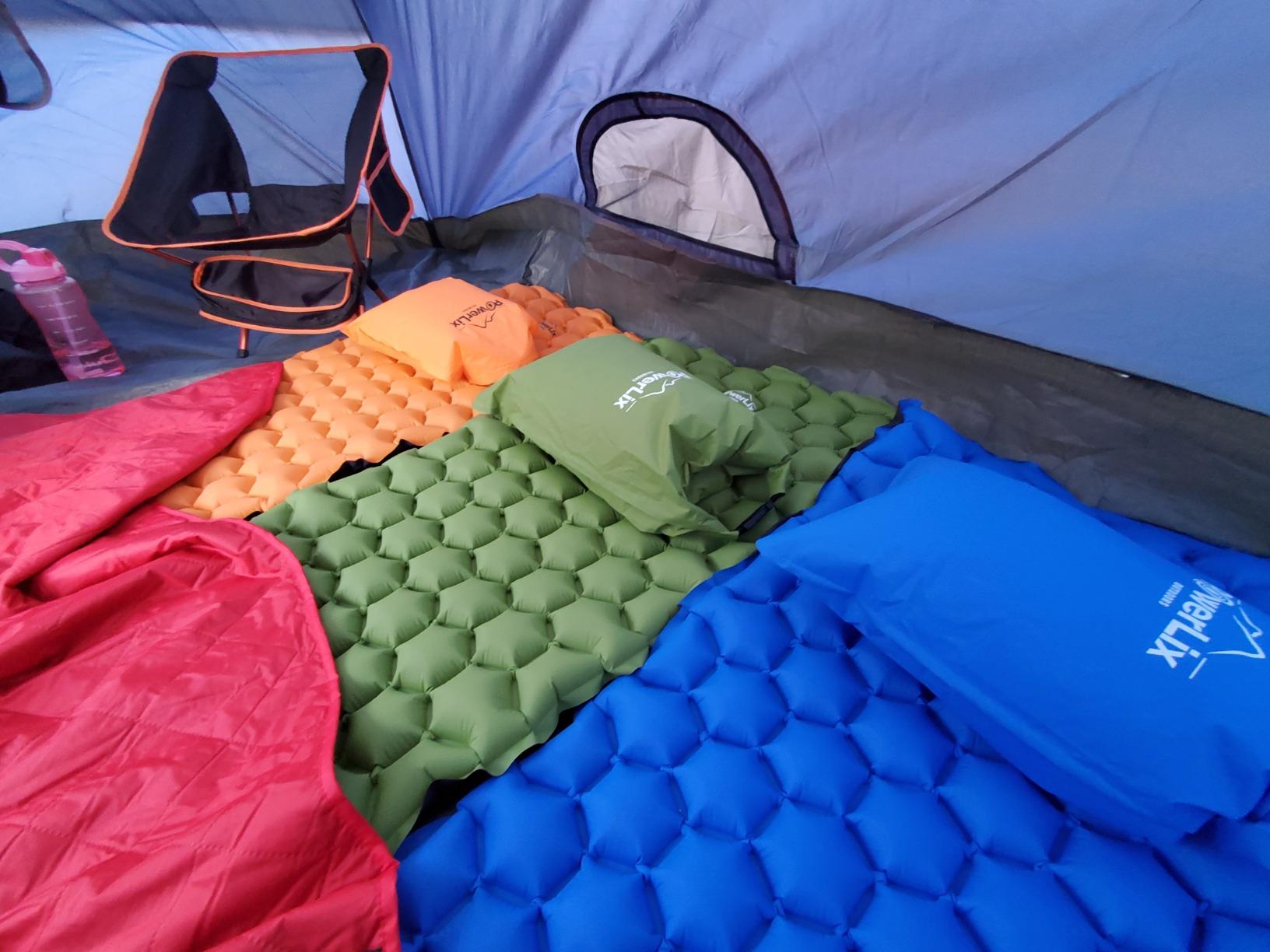
The POWERLIX is the pick for anyone who keeps ending up with their feet hanging off the end of a pad. At 77.2 inches it is the longest surface in this roundup, and the 22.8 inch width sits in the middle of the range rather than at the narrow end.
The hexagon air cells are designed to map body contours, and owners report the pressure distribution is even enough to stop the hip-on-ground feeling. The inflation bag takes only eight to ten pumps rather than the thirty-plus breaths a mouth-inflated pad demands, and it doubles as a pillow or dry bag.
Durability is the concern. The most common complaint in reviews is seam leaks that develop after extended use, sometimes around a year in. That is a shorter horizon than the multi-season life most buyers expect from a pad, and it is worth factoring in if you expect to keep this one for many seasons.
The inflation bag connection is two fitted plastic pipe openings with no latch, which means it can pop loose in the middle of inflating. The bag itself also adds weight and is loud to use compared with blowing into a valve.
When this pad is the right call
Choose it if you are six foot two or taller and tired of pads that end at your chin. The included repair kits, carry bag and inflation bag make it a complete kit with nothing else to buy.
It also suits anyone who prefers pumping to blowing, which matters on cold mornings or at altitude where breath inflation is genuinely hard.
When to pick a different pad
Skip it if your tent floor is short, because 77 inches of pad may not fit inside a two-person backpacking tent. Anyone planning to buy once and keep for a decade should look at a pad with a stronger warranty record.
For durability in rough terrain, the Gear Doctors ApolloAir has a limited lifetime warranty and an E-LAST coated shell. For pure weight, the Sleepingo at under 400 g is less than a third of this pad’s mass.
6. HiiPeak Sleeping Pad: Best for Fast Setup
HiiPeak Sleeping Pad for Camping- Ultralight Inflatable Sleeping Mat with Built-in Foot Pump & Pillow, Upgraded Compact Camping Air Mattress for Tent, Backpacking, Hiking
76.77 x 27.5 x 3 inches
0.93 kg
3 inch thick
Built-in pump and pillow
Pros
- Foot pump inflates in about 30 stomp pumps
- Built-in pillow included
- 25.6 inch width
- Hexagon-cell surface
- Side buttons link two pads together
Cons
- No insulation
- so cold ground draws heat through
- Noisy when you move
- Some units lose air after about eight nights
- Dual-chamber valve is hard to find at first
The HiiPeak packs two things that usually cost you separate items: a foot pump and a pillow. Roughly thirty stomp pumps and one second to deflate, and it packs to 11 by 5.9 inches in a dedicated bag. If setup speed is what ruins your mornings, this design answers it directly.
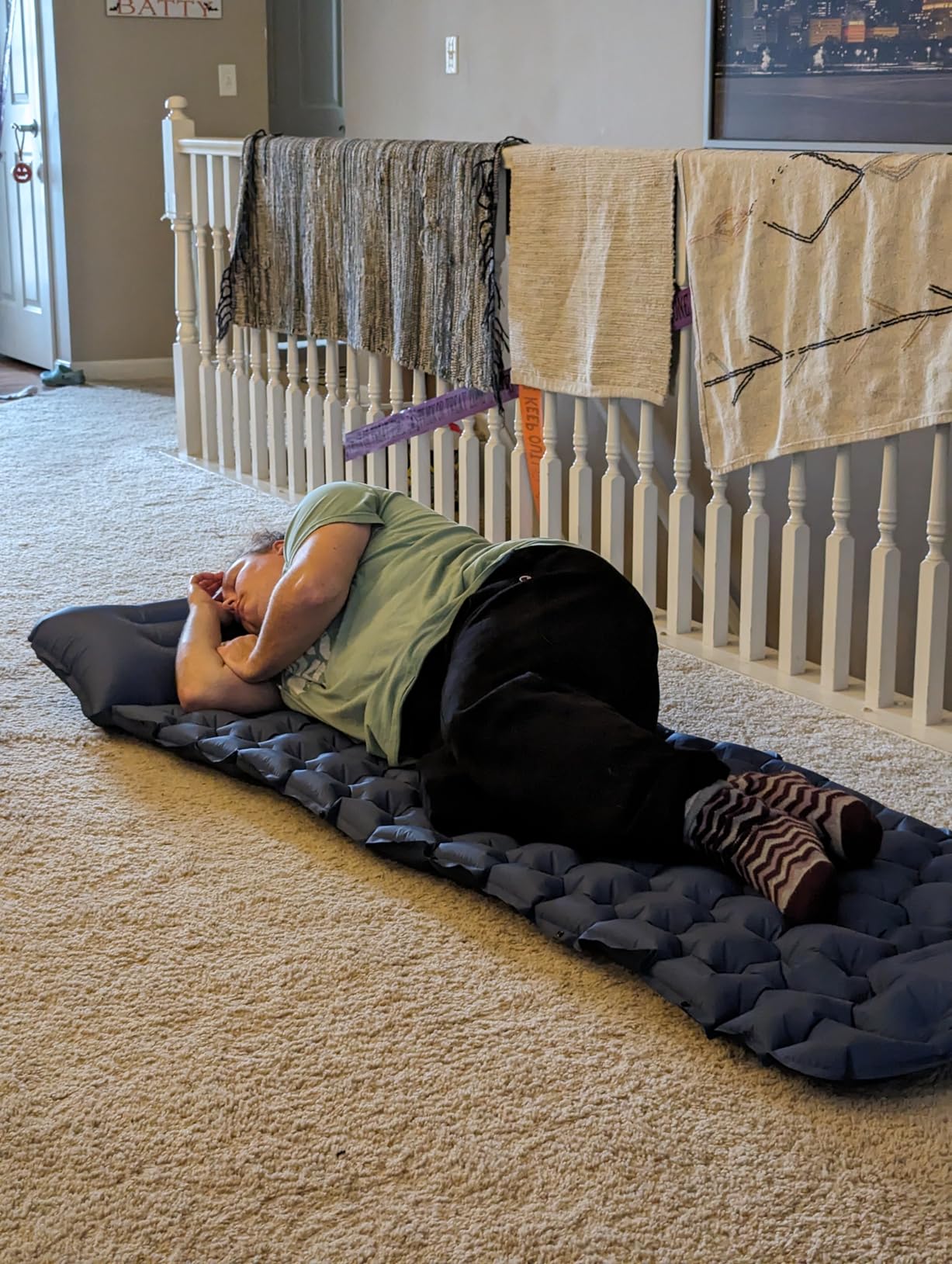
The sleeping surface is genuinely generous. It inflates to 76.77 by 27.5 inches at 3 inches thick, with hexagon cells that spread weight evenly, and the 50D polyester pongee with multi-layer TPU wipes clean easily after a muddy week.
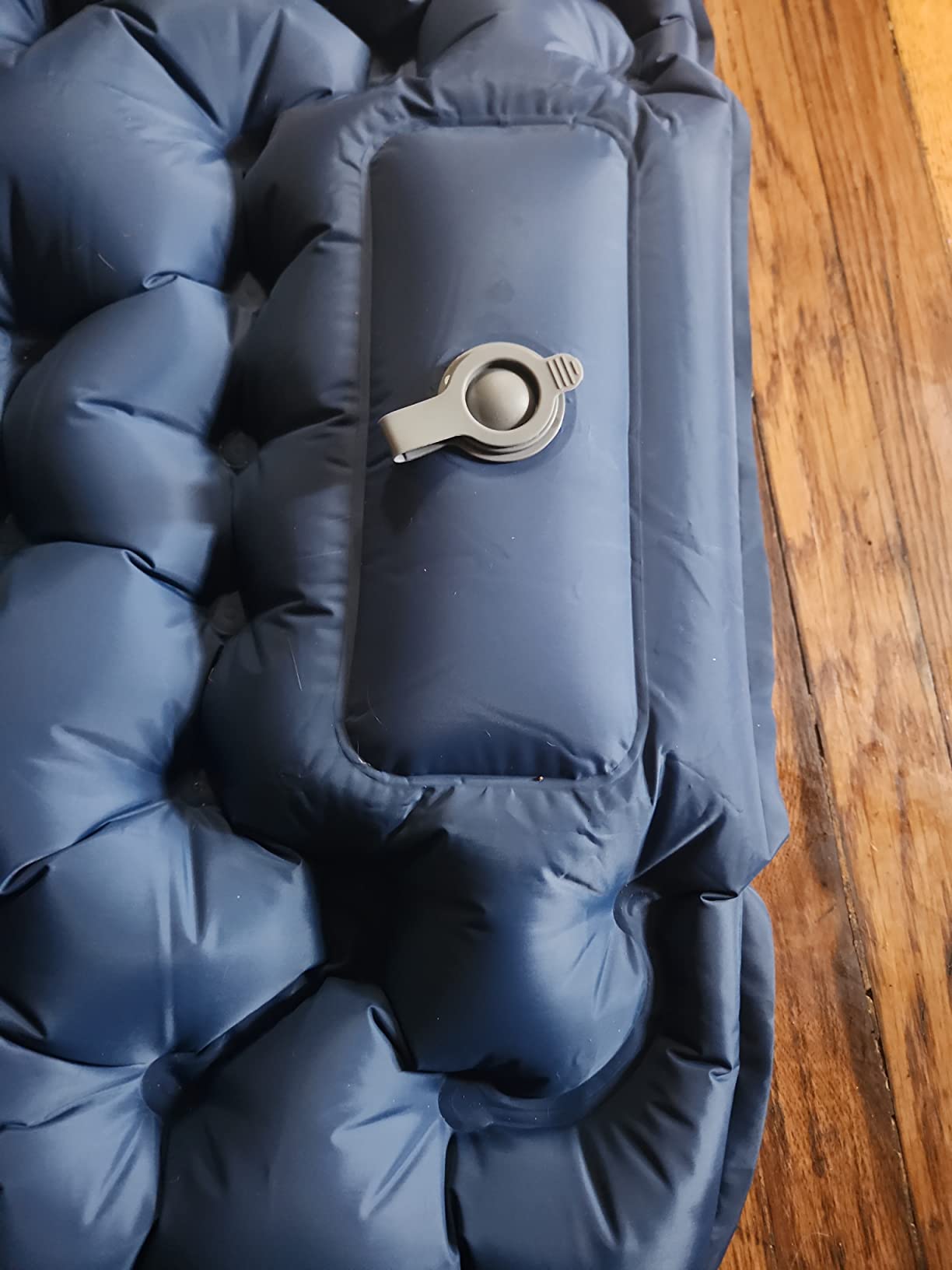
Side connection buttons let you join two pads into a wider bed, which is unusual in this class. The catch is that there is no insulation whatsoever, so on cold ground you will feel the cold come straight up through the pad no matter how warm your bag is.
Noise is the other recurring note. Owners report the pad crackling when you move on it, and a small number report losing air after roughly eight nights of use, which is a short service life for a regular pad.
When this pad is the right call
Choose it for warm-weather trips, festival weekends, and anyone who wants to remove a pillow and a pump from their packing list. The wide 27.5 inch surface and linking buttons make it a good two-person setup.
It is also the easiest pad here to wipe clean and pass around between trips, which suits a shared gear closet.
When to pick a different pad
Skip it for any trip where the ground gets cold, because the lack of insulation is absolute rather than a matter of degree. Anyone sleeping next to a light sleeper should also look elsewhere for noise.
For a quiet surface, the ZOOOBELIVES is specifically called out by owners as low noise. For actual cold-ground performance, the Gear Doctors ApolloAir is rated to R-5.2 and owners report warmth near freezing.
7. ZOOOBELIVES Airlive2000: Best for Side Sleepers
ZOOOBELIVES Inflatable Camping Sleeping Pad, 4-Inch Thick Full Air Support, No Bottoming Out for Side Sleepers, Camping & Backpacking Mattress with Built-in Foot Pump, Durable & Compact – Airlive2000
74 x 24 x 4 inches
1.4 kg
4 inch full air support
Dual valve with foot pump
Pros
- 4 inches of full-length air support
- Built-in foot pump
- Notably quiet low-noise surface
- 400 lb weight capacity
- Side connections for couples
Cons
- 1.4 kg makes it one of the heavier pads here
- Not a true insulated winter pad
- Firm rather than plush
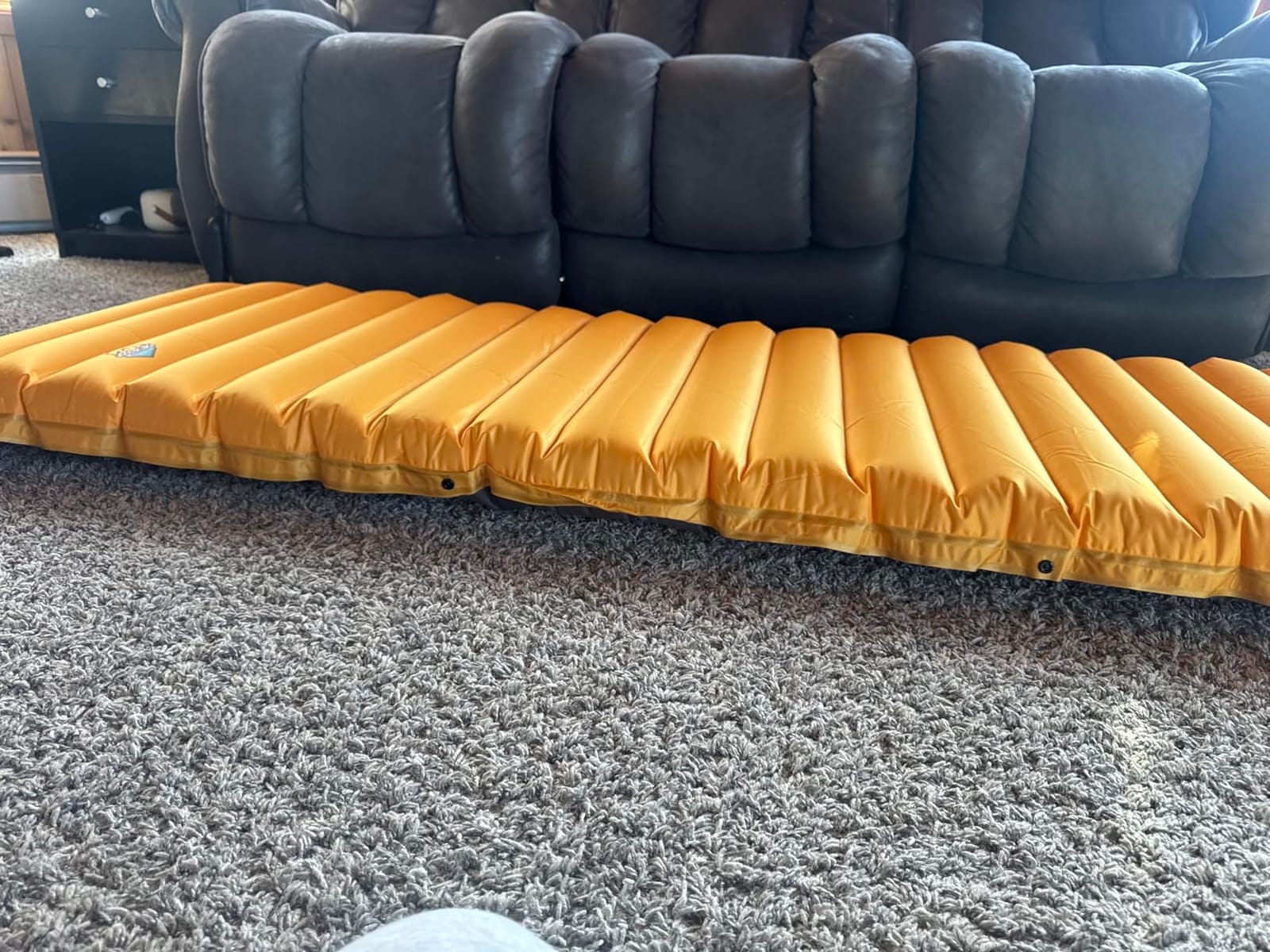
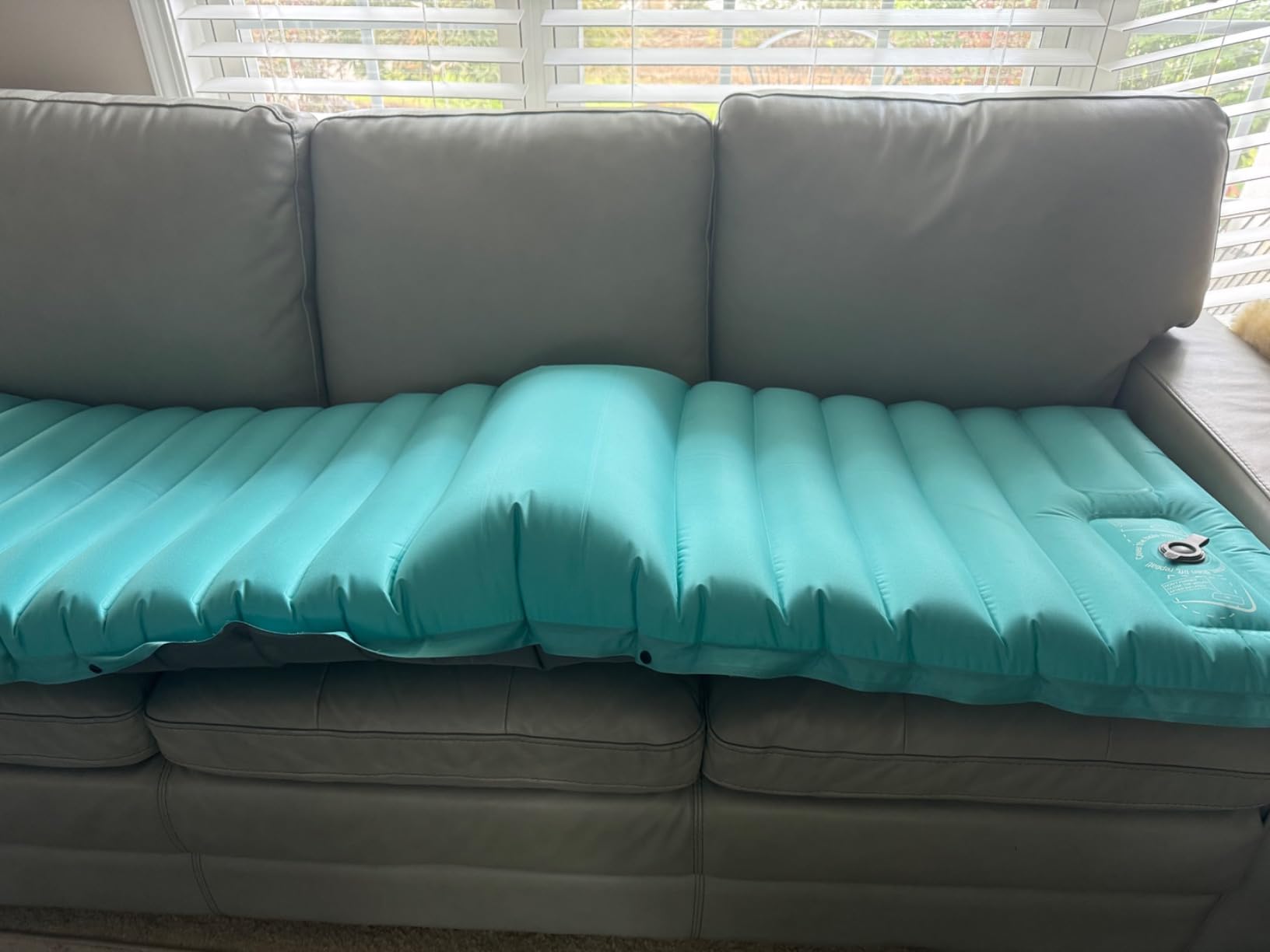
The Airlive2000 exists to solve one problem: bottoming out. It runs 4 inches thick with full air chambers edge to edge and no pressure gaps, so your hips and shoulders never reach the ground. For side sleepers who have spent years on thin pads, that difference is immediate and obvious.
It is also the quietest pad in this roundup by owner report. That matters in a shared tent, where a pad that sounds like a bag of crisps can wake someone every time you turn over. Here, reviewers consistently describe the surface as quiet, and the secure valve is reported to reduce overnight pressure loss.
The weight is the problem. At 1.4 kg it is one of the heavier pads here, roughly triple the weight of the lightest option. That is a real cost if you are dialing in a base weight, and it is why this is not our overall pick despite the comfort advantage.
It is also firm rather than plush, which some side sleepers find limiting, and despite marketing claims it is not a genuine insulated winter pad. Treat the “insulated” label as thin air rather than ground insulation.
When this pad is the right call
Choose it if you are a side sleeper who has consistently bottomed out on thinner pads, or if you share a tent with a light sleeper and noise matters. Car campers and van dwellers get the most out of it, because the weight penalty does not apply.
The 400 lb capacity and 24 inch width also suit larger sleepers who feel cramped on narrower pads.
When to pick a different pad
Skip it if base weight drives your trip planning, or if you need real winter insulation. Nothing about 4 inches of air stops cold ground; it stops your body from pressing into it.
For side sleepers who must stay light, the TREKOLOGY UL80V2 at 750 g offers 4 inches of thickness with raised contoured rails at roughly half the weight. For winter side sleepers, the TREKOLOGY 7.2 R-Value pad combines 4 inches with a 7.2 rating.
8. FUN PAC Camping Sleeping Pad: Best for Roomy Floor Area
FUN PAC Camping Sleeping Pad, Ultralight Camping Mat with Pillow, Built-in Foot Pump Inflatable Sleeping Pads Compact for Camping Backpacking Hiking Traveling Tent,Single,Green
78 x 27 x 3 inches
1.5 lb
Nylon and TPU shell
1 year warranty
Pros
- 78 x 27 inch surface is very roomy
- Foot pump inflates in 30-60 seconds
- Built-in pillow
- Packs to roughly water-bottle size
- Side buttons join two pads into a double
Cons
- No real insulation so cold ground conducts through
- Noisy or squeaky on movement
- Firm feel that lighter sleepers can bottom out on
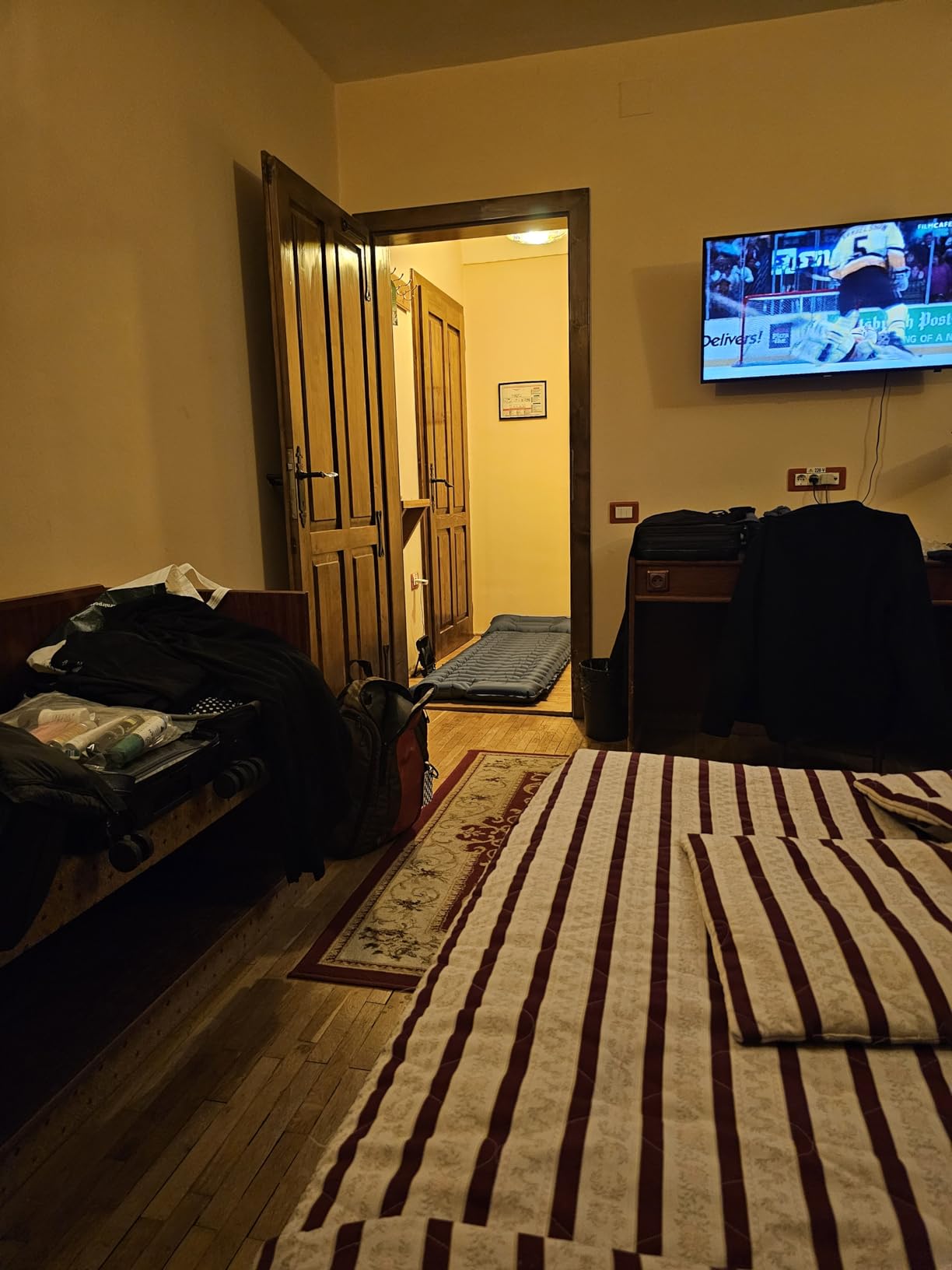
The FUN PAC is about surface area. At 78 by 27 inches with 3 inches of cushioning, it is one of the largest rectangular pads in this roundup, which means restless sleepers have room to move without falling off the edge. Egg-shaped air cells provide some contour without adding bulk.
Setup is fast. The built-in foot pump inflates in 30 to 60 seconds and fully deflates in about one second, and the integrated pillow removes another item from your pack. Packed, it is roughly the size of a water bottle, which is respectable for a pad with this much surface area.
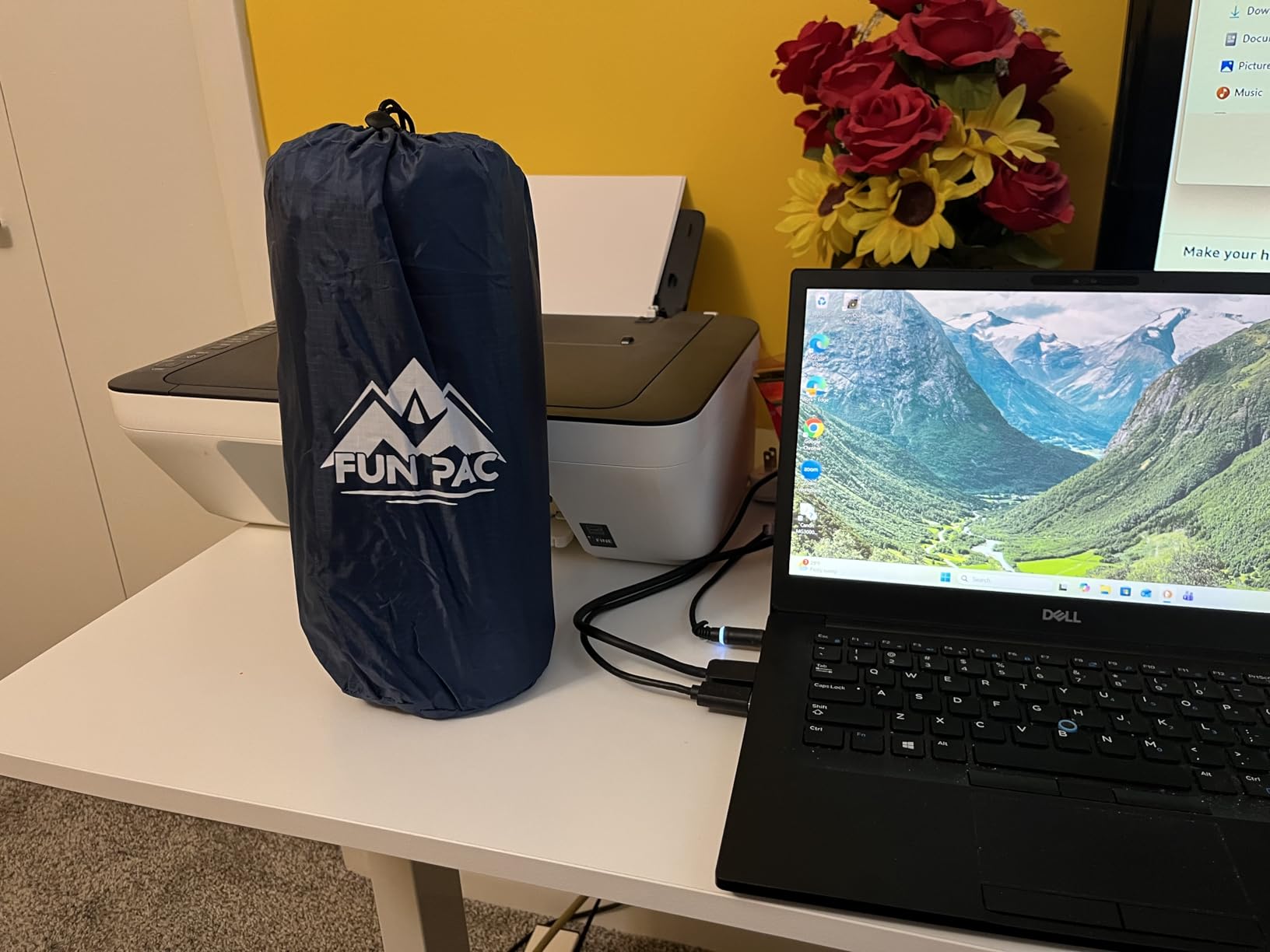
The recurring complaints are the same three we saw on several pads in this class: no meaningful insulation, noise on movement, and a firm surface that lighter sleepers can bottom out on. The 40D nylon and TPU shell is described as wear resistant and easy to clean, which fits its role as a durable generalist.
It carries a one-year manufacturer warranty, which is thinner than the limited lifetime warranty on the Gear Doctors. Side buttons let you pair two pads into a double bed if you are camping with a partner.
When this pad is the right call
Choose it for car camping, van setups, and houseguest use where the large surface matters more than the ounce count. It is also good for bikepacking setups where you sleep in a small enclosure and want elbow room.
If you want the same generous footprint with much more insulation, the Gear Doctors adds warmth but narrows the surface, so this is the roomier of the two.
When to pick a different pad
Skip it for cold-weather trips because there is no insulation to speak of. Light sleepers and side sleepers should note the firm surface, which bottoms out at lower body weight.
For bikepacking specifically, we have a dedicated roundup on bikepacking sleeping pads that accounts for narrower bikepacking shelters. If you sleep beside a hammock, our hammock tent guide covers setups where a pad is optional.
9. TOBTOS Inflatable Sleeping Pad: Best for Maximum Cushioning
TOBTOS Inflatable Camping Sleeping Pad with Pillow, Thick 6 Inch Ultralight Sleeping Pad with Built-in Pump, Lightweight Sleeping Mat for Camping, Backpacking, Hiking, Tent (Grey)
Up to 6 inches thick
2.4 lb
75 x 28 inches
40D nylon with TPU
Pros
- Up to 6 inches thick when fully inflated
- Raised side rails and one-piece pillow
- Built-in foot pump with adjustable firmness
- Heat-sealed edges
- 28 inch width suits restless sleepers
Cons
- Heaviest option here at roughly 2.4 lb
- No meaningful insulation despite the thickness
- Bulkier packed size at 10.6 x 4.7 inches
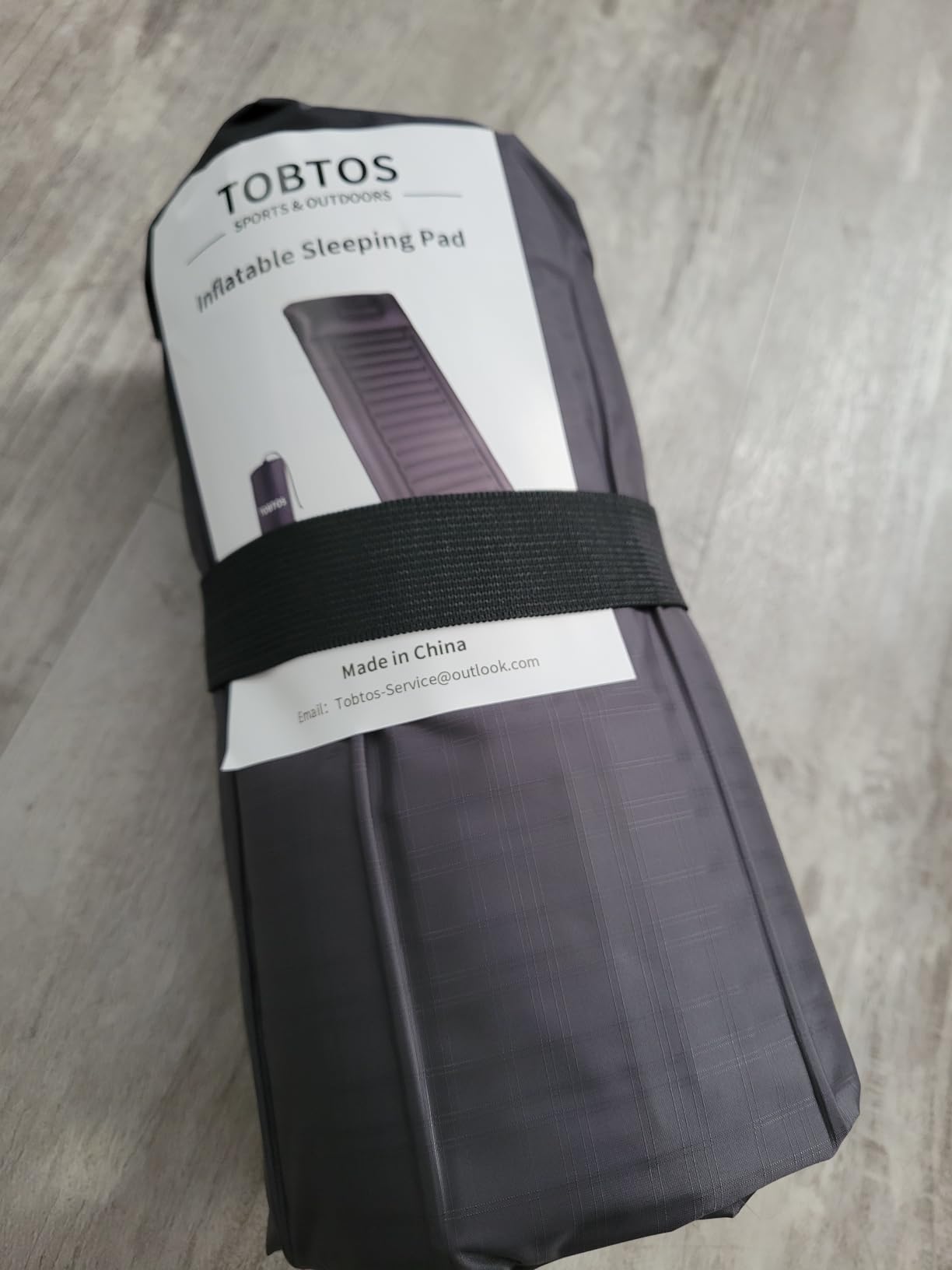
The TOBTOS is the thickest pad in this roundup, reaching 6 inches when fully inflated. Side sleepers get raised side rails and a one-piece ergonomic pillow, and the 28 inch width is wide enough that restless sleepers rarely reach an edge.
The 40D nylon with TPU coating and heat-sealed edges are designed to resist leaks and tears, and the foot pump takes about a minute with adjustable firmness, so you can soften or firm it to taste. An 800 lb listed capacity covers essentially any sleeper.
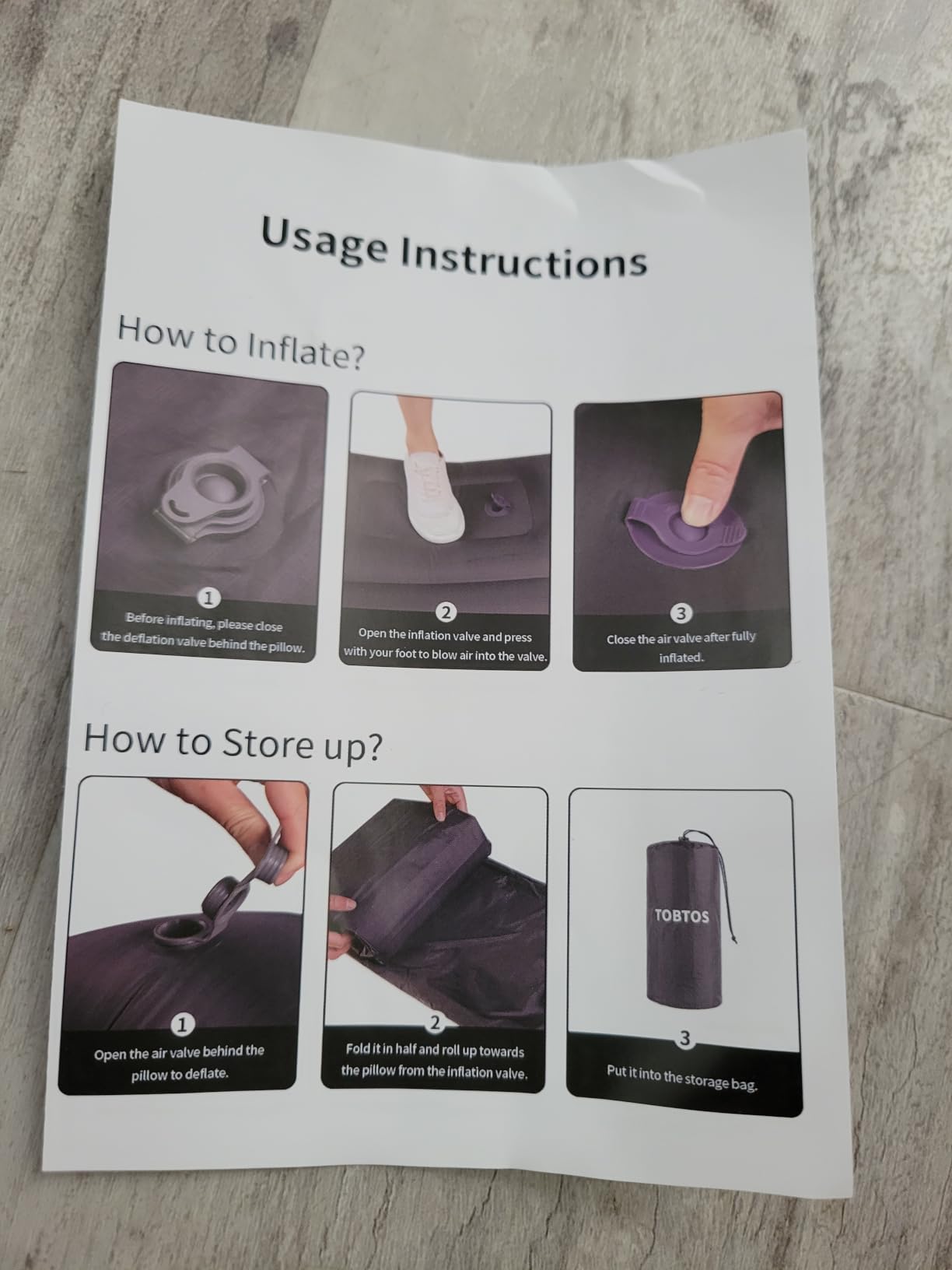
The weight is the dealbreaker for backpacking. At roughly 2.4 lb it is the heaviest pad here, and it packs to 10.6 by 4.7 inches, which is a genuinely large block in a pack that you will feel every morning.
More importantly, there is no meaningful insulation. Thickness is cushioning, not warmth, and owners are clear that this pad will not keep you warm on cold ground. It is a car camping and festival pad that happens to be inflatable.
When this pad is the right call
Choose it for car camping, overland travel, or a campsite where you are not carrying the pad far and want the softest surface available. Larger sleepers benefit from the 28 inch width and high capacity rating.
It is also a reasonable guest bed substitute if you host campers regularly.
When to pick a different pad
Skip it for any carried trip. Nearly two and a half pounds is a fifth of a comfortable overnight kit before you have counted anything else, and you still need insulation on cold ground.
If you want thickness you can actually carry, the TREKOLOGY UL80V2 gives 4 inches at 750 g. If you want thickness plus winter warmth, the TREKOLOGY 7.2 R-Value pad gives 4 inches and a 7.2 rating at 900 g.
10. FNARMW Extra Thick Pad: Best for Cots and Guest Beds
FNARMW Camping Sleeping Pad, Extra Thick 5 Inch Camping Mat with Pillow Built-in Foot Pump Inflatable Sleeping Pads Compact for Camping Backpacking Hiking Traveling Tent(Green)
5 inch thick
79 x 28 inches
2 lb
Nylon with TPU coating
Pros
- 5 inches of thickness on a very large surface
- Foot pump inflates in about 60 seconds
- 800 lb weight capacity
- Integrated pillow and egg-cell design
- Carry bag and 1 year warranty
Cons
- No meaningful insulation for cold ground
- Long and bulky for small tents
- Thin TPU face is puncture-prone
The FNARMW is the odd one out in this list: at 79 by 28 inches it is the largest surface we evaluated, and at 2 lb it is heavy enough that it belongs in a car rather than a pack. For a cot topper or a guest bed, those dimensions are exactly what you want.
Setup is simple. The built-in foot pump inflates in about 60 seconds and deflates in one second, the integrated pillow handles head support, and the egg-cell design works for back and side sleepers across that very large surface. The 800 lb capacity is the highest listed here.
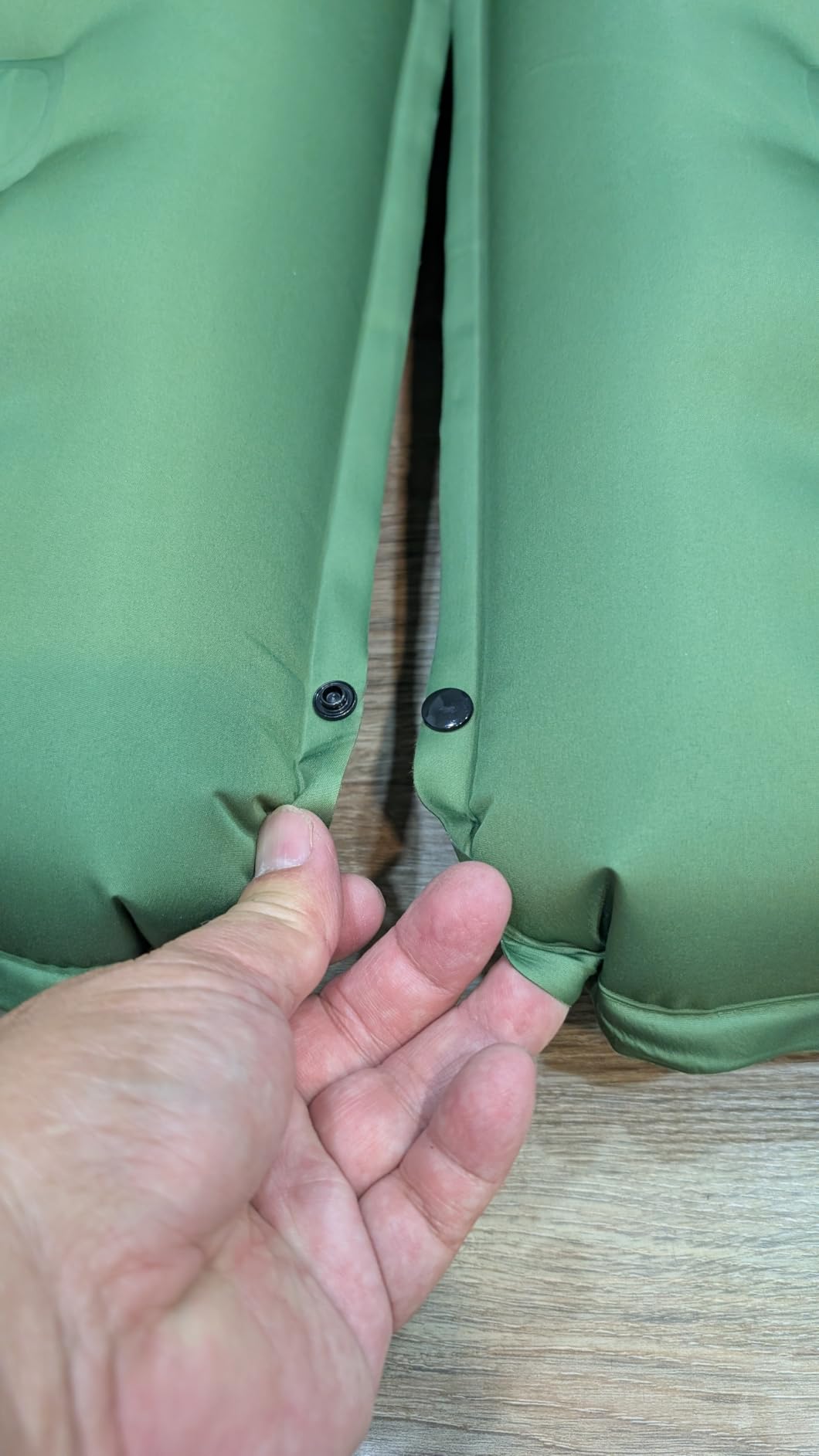
As with the TOBTOS, thickness here is cushioning only. Owners are consistent that there is no insulation, so this is a warm-weather pad and nothing more. The thin TPU face is also vulnerable to punctures from sharp gear.
At 79 inches long, it is unlikely to fit inside a small backpacking tent, which reinforces that this is a basecamp and household pad rather than a trail pad.
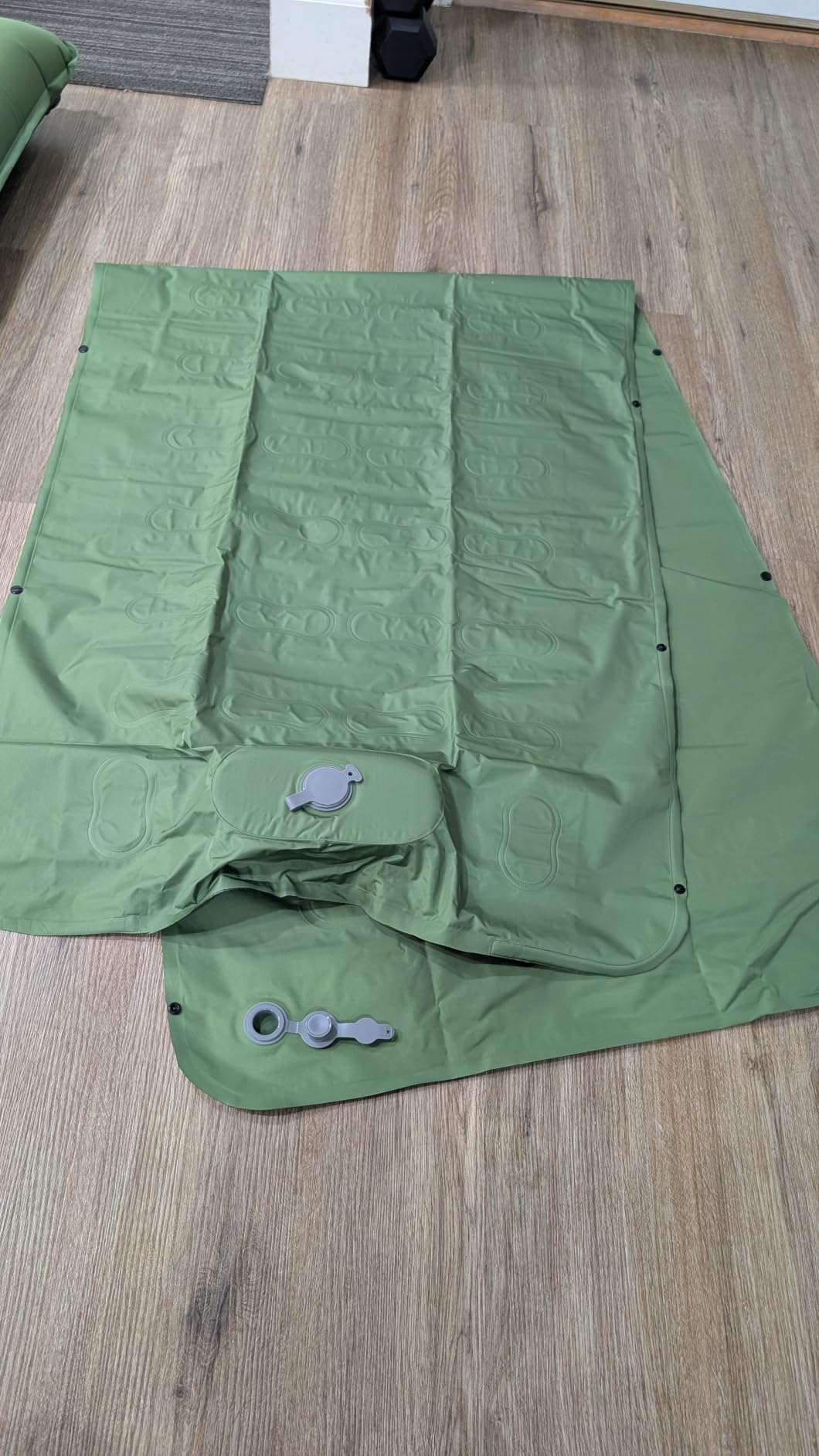
When this pad is the right call
Choose it as a cot mattress, a guest bed, or a floor bed for a tent that stays set up. The large footprint suits anyone who moves around a lot in sleep and wants to stay on the pad.
If you are outfitting a van or a permanent camp setup, this is one of the more capable pads in the roundup for the role.
When to pick a different pad
Skip it for backpacking entirely at 79 inches and 2 lb. It also fails as a cold-weather pad because it carries no insulation, despite the thick profile.
For a car camping pad you can actually inflate without stomping, the MOXILS at 1.9 lb does the same job with a 20 second foot pump. For an insulated pad that packs small, the Gear Doctors ApolloAir is the only one here with a published R-5.2 rating.
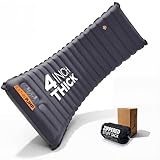
11. Oramoose 4 Inch Backpacking Pad: Best All-in-One Starter Pad
Oramoose 4 Inch 1.9 lb Backpacking Sleeping Pad with Fast Foot Pump
79 x 27.5 x 4 inches
1.9 lb
40D nylon bottom
Packs to 9.4 x 4.3 inches
Pros
- 4 inches of thickness built for side sleepers
- Inflates in 30-90 seconds and holds all night
- Packs to about water-bottle size
- Quiet non-slip surface with neck pillow
- Side points connect a second pad
Cons
- Squeaks loudly when you move
- Pump intake sits mid-pad under your foot
- Narrows once inflated so large sleepers hang off
- Thin pillow and a few slow-leak reports
The Oramoose tries to be everything a first pad needs to be: 4 inches thick for side sleepers, 1.9 lb, packs to 9.4 by 4.3 inches, and comes with a storage bag, a repair sticker and an integrated neck pillow. The listing positions it explicitly for side sleepers and the thickness backs that up.
Owners report the foot pump inflating in 30 to 90 seconds and the valve locking air for a full night without topping up. The fabric is a 40D nylon bottom with a scratch- and claw-resistant top, which is a sensible layering for a pad that will meet grit and gear.
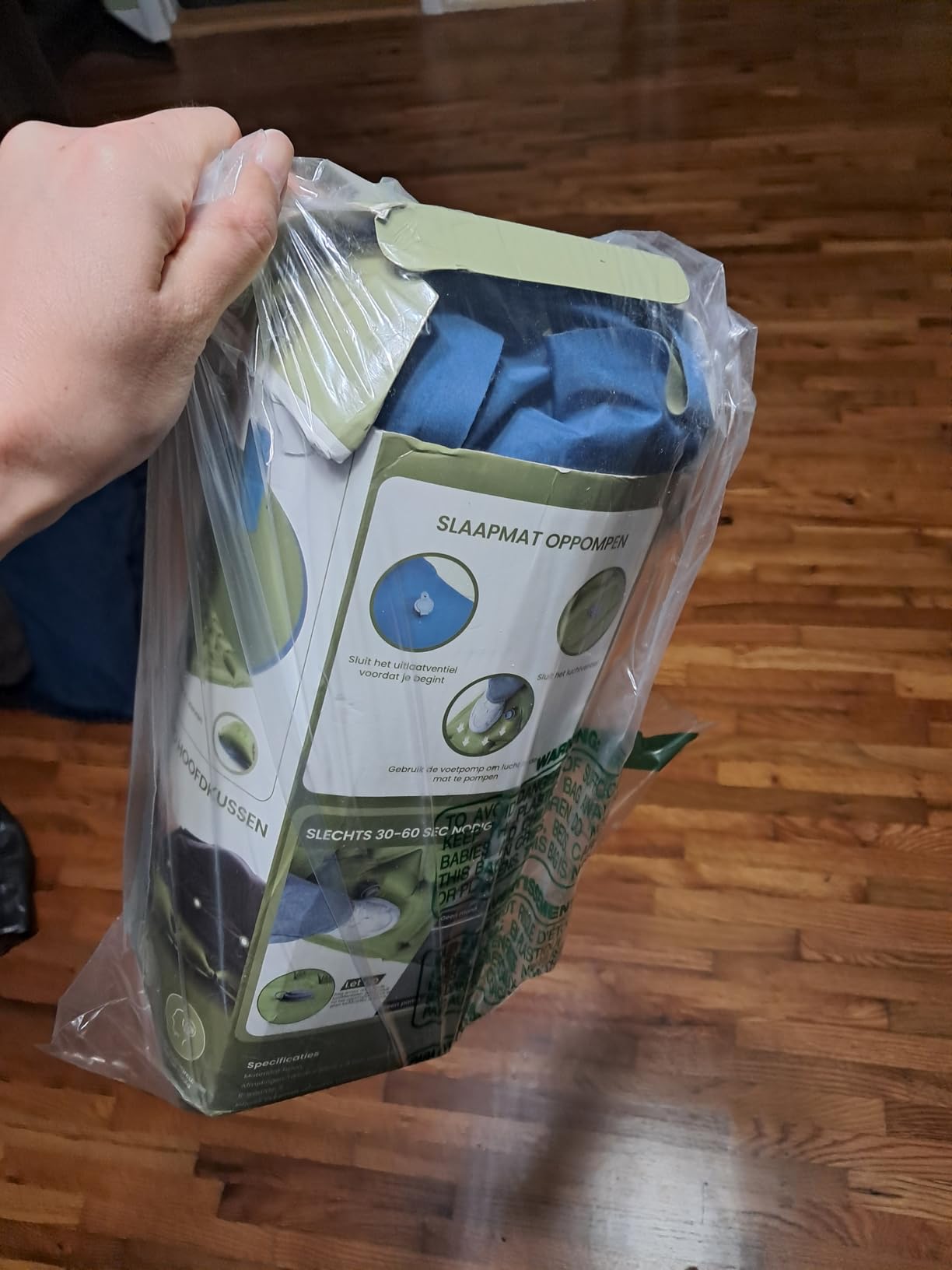
Two practical problems stand out. The pump intake valve sits in the middle of the pad, so your foot covers it while you inflate, which is awkward in the dark. The pad also measures narrower than the listed 27.5 inches once inflated, and larger sleepers report hanging off the edge.
Noise is the most common complaint, along with a thin built-in pillow and isolated reports of slow leaks with little manufacturer support after the return window.
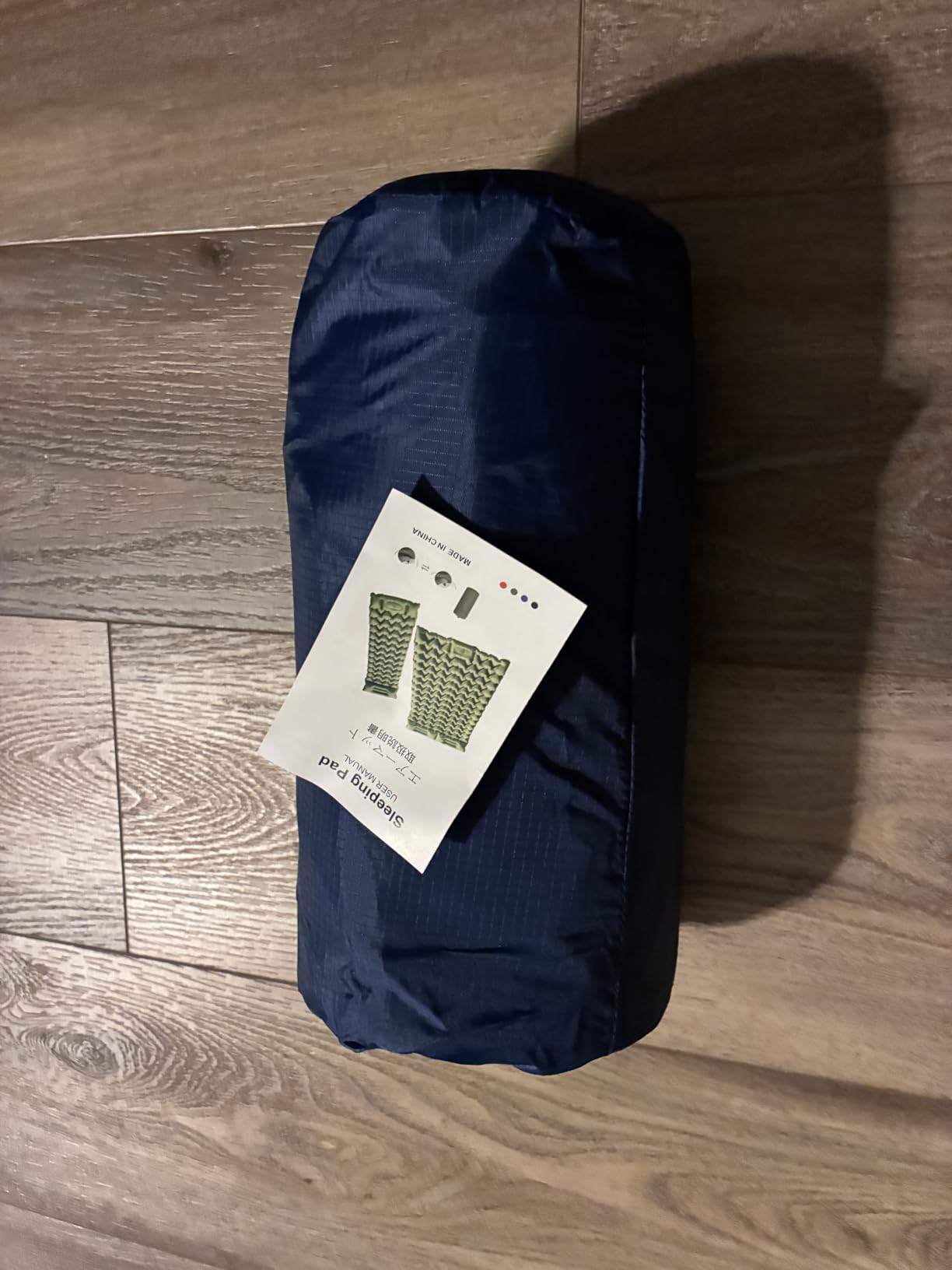
When this pad is the right call
Choose it as a starter kit for someone moving from a self-inflating mattress to an inflatable, since it includes everything needed to sleep on it immediately. It also suits festival and casual camping at 1.9 lb.
If you want side-sleeper thickness without stepping up to a heavier pad, this is the middle ground between the 3 inch budget models and the 4 inch comfort pads.
When to pick a different pad
Skip it if noise ruins your shared-tent sleep, or if you are a large sleeper and the true inflated width is a problem. Slow leaks with no support after the return window is a real risk on a newer listing.
For quiet side-sleeper comfort, the ZOOOBELIVES is the pick owners describe as low noise. For a side sleeper who needs insulation too, the TREKOLOGY 7.2 R-Value pad gives 4 inches at 900 g with a 24 inch width that testers say holds a six-foot sleeper.
12. TREKOLOGY 7.2 R-Value Pad: Best for Sub-Freezing Trips
TREKOLOGY Sleeping Pad for Camping– Ultra-Lightweight, 4″ Thick Camping Mat with 7.2 R-Value for All Seasons (Blue)
7.2 R-value
900 g
70.8 x 24 x 4 inches
Reflective interior
Pros
- SGS-certified 7.2 R-value
- 4 inch thickness resists bottoming out
- 24 inch width holds 6 foot sleepers
- Packs to water-bottle size at 900 g
- Holds air overnight without top-offs
Cons
- Slippery surface lets a sleeping bag slide off
- Mylar interior makes deflation awkward
- Only 70.8 inches long
- Some noise when moving
- Pump sack sold separately
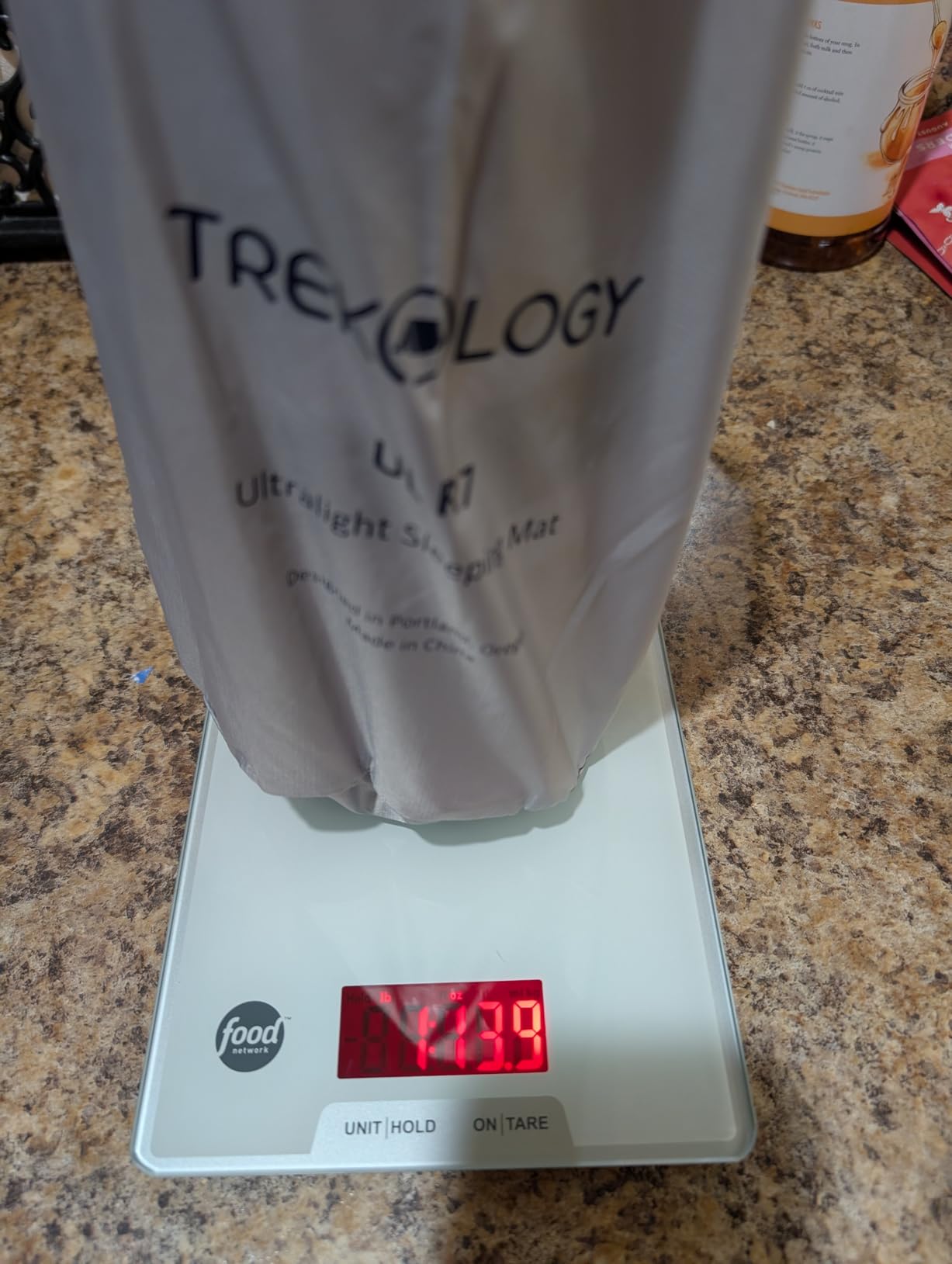
The highest insulation figure in this roundup belongs to a 900 g pad, which is a remarkable result. The 7.2 R-value is SGS-certified, and winter and shoulder-season testers report real warmth at 22F and through a snowstorm, which puts it in snow and mountaineering territory rather than ordinary three-season cold.
The reflective interior film does double duty as insulation and as a heat-reflective surface, and it holds air overnight with no top-offs. At 4 inches thick and 24 inches wide, testers report that six-foot sleepers do not roll off, which fixes the narrow-width problem that limits so many winter pads.
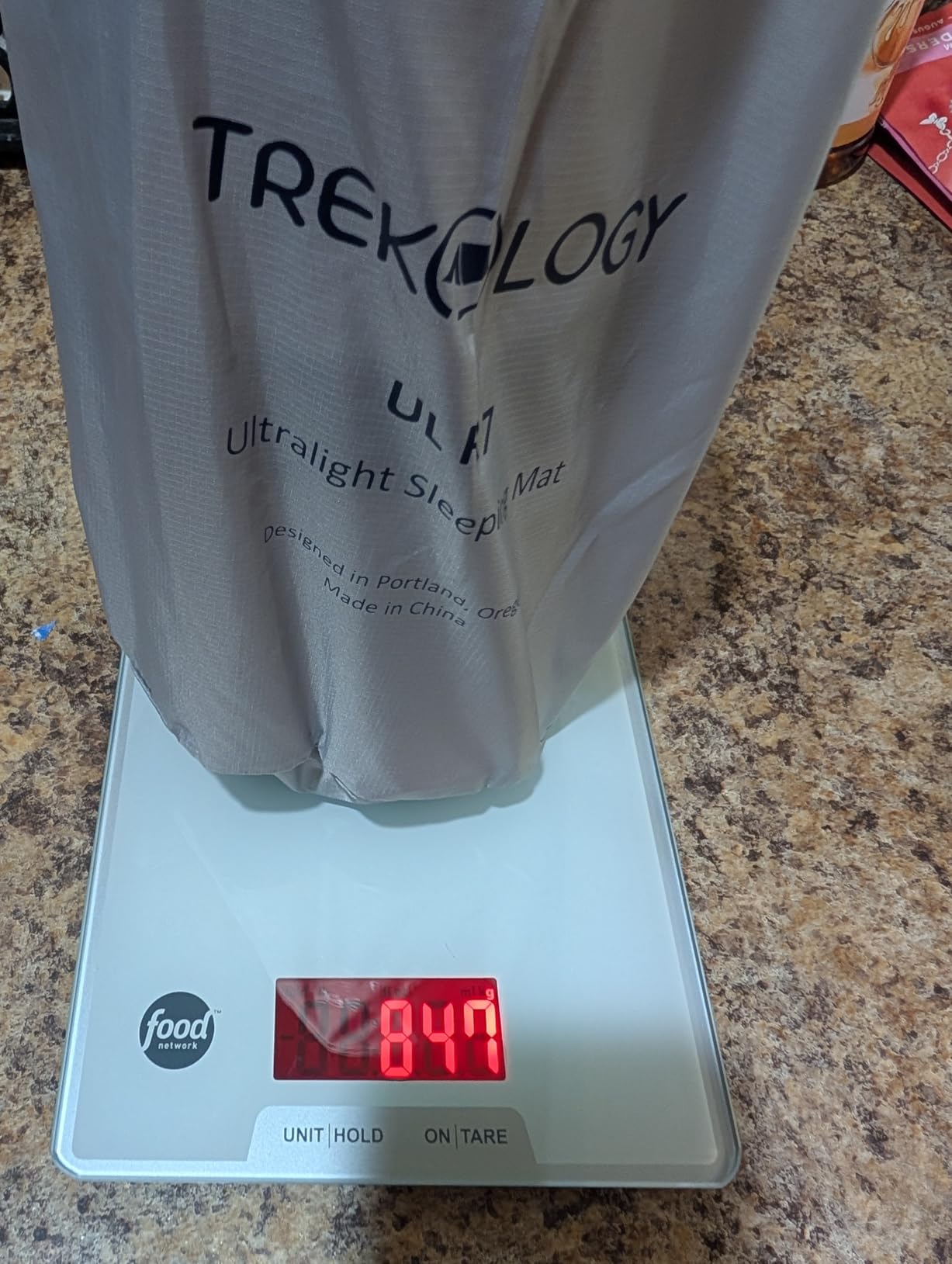
Reflective film has real drawbacks. The surface is slippery, so a sleeping bag can slide off it entirely, and the same film that blocks heat also blocks airflow, which makes deflation awkward. Some reviewers are openly skeptical that the true R-value matches the 7.2 claim.
At 70.8 inches it is the shortest pad here, so taller sleepers should size up. The pump sack is sold separately, which matters because inflating this by mouth is not a pleasant experience in cold air.
When this pad is the right call
Choose it for snow camping, winter overland trips, shoulder-season backpacking, and early-season starts where frost is still possible. A certified 7.2 R-value at 900 g is a genuine winter tool rather than a marketing label.
The 4 inch thickness also makes it viable for side sleepers, which is rare among winter pads that are usually thin for weight.
When to pick a different pad
Skip it if you cannot deal with a slippery surface that lets your bag slide off in the night. If you are over about five foot ten, the length is too short and you should plan around it.
For shoulder-season trips where you do not need snow-level insulation, the Gear Doctors ApolloAir at R-5.2 is lighter and narrower but far easier to sleep on. Either way, budget for a pump sack because that is a separate purchase for this pad.
What to Look for in an Inflatable Sleeping Pad
R-value is the first filter, and no other spec matters if you get it wrong. Second is weight, because a pad you resent carrying is a pad that ruins a trip. Third is thickness, which is the whole ballgame for side sleepers. Everything after that is a refinement.
1. R-value
The R-value measures how much heat flow the pad resists from a warm body to cold ground. R-2 to R-3 is summer, R-3 to R-4.5 covers three-season trips, R-4.5 to R-6 handles shoulder season and mild winter, and R-7 and above is snow and mountaineering. Buy for the coldest night you expect, not the average.
2. Weight
Below 16 oz for an R-3.5-class pad is the practical ultralight benchmark. Above 20 oz you are carrying car camping weight. The range in this roundup runs from under 400 g to roughly 2.4 lb, and that spread is the single biggest decision you will make.
3. Thickness
Three inches is the side-sleeper threshold. Below it you will feel pressure points through your hips and shoulders. Above 3.5 inches comfort improves noticeably, and 4 inches is where most side sleepers stop worrying about the ground at all.
4. Packed size
Premium ultralight pads pack to roughly the size of a one-liter Nalgene bottle. Budget pads with built-in foot pumps and integrated pillows pack larger because the pump and pillow are built into the body. Packed size is a real constraint when you are dialing in base weight.
5. Baffle design
Horizontal baffles run across the pad and are the simplest and most common layout. Vertical baffles run lengthwise and spread weight differently. Gridded and hexagonal cells conform to the body more closely, and raised side rails help keep side sleepers centred. Pads with a larger outer chamber tend to feel more stable.
6. Denier
Denier measures fabric thickness. A 15D to 20D top fabric saves weight and feels better against the skin, while 30D to 40D on the underside resists abrasion. The common construction pairs a light top with a tough bottom, which is where all the wear actually happens.
7. Shape and size
Mummy shapes taper at the legs, which saves weight and fits a mummy bag sleeve. Rectangular pads give you full width but weigh more. Sizing language is not standardized between brands, so check the actual inches rather than trusting “Regular” or “Long Wide” labels.
8. Valves
One-way valves let you inflate without sealing, which saves effort. Laylow-style valves open easily with cold or gloved hands and seal reliably. Dump valves on pads without a dedicated dump function leave air trapped in the baffles and will not roll down small. Built-in foot pumps remove pump gear from your pack entirely.
R-Value and the ASTM Test, Explained
R-values are measured under a standardised test, ASTM F3340, which places a warm plate above a cold plate with the sample pad sandwiched between them and measures the heat flow needed to hold the temperature difference over a four-hour run. That gives a repeatable number that can be compared across brands, which is exactly what an R-value is for.
The season mapping is straightforward. R-1 to R-3 covers summer and mild desert nights. R-3 to R-4.5 is the classic three-season band. R-4.5 to R-6 handles shoulder season and winter trips in temperate climates. R-7 and above takes you onto snow and into mountaineering conditions.
Where the numbers get complicated is interpretation. A claimed R-value comes from a laboratory test on a controlled sample, and it does not account for how you sleep, how much you weigh, or how cold you run. Backpackers who sleep cold frequently report that the same pad that works for a 200 lb sleeper leaves them cold. Moving up one R-value tier is usually a more reliable fix than adding insulation to your bag.
That caveat matters most in this particular roundup, because most of these pads do not publish an R-value at all. Two do. The Gear Doctors ApolloAir states R-5.2 and owners confirm it in the high twenties. The TREKOLOGY 7.2 pad carries an SGS-certified 7.2 figure with field reports at 22F. Every other pad here describes itself as three-season or multi-season in words, with no testable figure behind it.
Should You Skip an Inflatable? Foam vs. Inflatable vs. Self-Inflating
For most backpackers, an inflatable beats a foam pad on comfort and beats a self-inflating on weight and packed size. The reason to skip one is narrower than most buying guides admit: you may simply not want to manage air pressure, or your trips may be short enough that weight does not matter.
A closed-cell foam pad is nearly indestructible, inflates itself, and never fails. It is also heavy and only about an inch thick, so you feel every rock. Foam also works as an underlay beneath an inflatable, which we cover below.
A self-inflating mat combines foam with an air core, so it expands when you open a valve and you top it up with a few breaths. Our dedicated self-inflating sleeping pad roundup covers those in detail. They are a good middle ground and a poor choice if packed size is your binding constraint.
An inflatable wins on almost every other axis. It packs to a fraction of the volume, gives you real thickness, and lets you adjust firmness. Its weaknesses are punctures, seal failure, and the small daily annoyance of inflating every morning. If any of that bothers you, a foam pad is a legitimate choice and it will last a decade.
Packed Size, Pack Volume and Base Weight
Packed size is quoted in inches by every brand and translated into an actual pack budget by almost none. Here is the arithmetic. A premium ultralight pad like the Gear Doctors ApolloAir packs to 8.5 inches tall by 3 inches in diameter, which occupies roughly 60 cubic inches of your pack before you account for the stuff pouch.
Built-in foot pump designs pack larger because the pump is part of the pad. The HiiPeak packs to 11 by 5.9 inches, and the TOBTOS folds to 10.6 by 4.7 inches. Those blocks are roughly double the volume of a bare ultralight pad, which is a meaningful difference in a kit where you are counting every cubic inch.
For a base weight target, the common rule is that your sleep system should stay under about 10 percent of your body weight. For a 160 lb hiker that is 16 lb total for shelter plus sleep system, of which the pad should be well under 2 lb. Every pad in this roundup fits that budget except the two that were never designed to be carried.
Durability, Denier and Puncture Protection
Denier is the number that tells you how a pad will survive. 20D nylon is comfortable against the skin and light, but it punishes easily. 40D to 50D is the working horse range, and the pads here mostly pair a lighter top fabric with a tougher underside, which is the right way round because the underside takes the abrasion.
The Gear Doctors ApolloAir is the outlier here, with an E-LAST coated 40D nylon shell claimed to be two and a half times stronger than market standards and a limited lifetime warranty. That warranty is the real durability signal, because it means the brand expects the pad to outlast several owners.
In cactus and spike country, fabric choice stops being theoretical. The most puncture-prone pads in this roundup are the thin ones with large surface areas, and the most common puncture reports involve claws, gear and sharp tent stakes. Running a closed-cell foam pad underneath catches a spike before it reaches the air chamber, which converts a trip-ending failure into a non-event.
Padding Under Your Pad and Staying Warm on Cold Ground
The most useful trick in backpacking sleep is putting a thin closed-cell foam pad under your inflatable. It adds roughly R-1 to R-2 depending on the foam, and critically it protects the delicate top fabric from punctures. Hikers report this as the standard fix for nervous sleepers in desert terrain.
The arithmetic is simple. If your inflatable is rated R-5.2 and the foam underneath contributes R-2, your combined system is roughly R-7.2. That moves you into genuine snow-capable territory without buying a heavier pad, at the cost of a few hundred extra grams.
The tradeoff is honesty about what foam cannot do. A foam underlay adds insulation and puncture protection, but it adds none of the cushioning that keeps your hips off the ground. Side sleepers who bottom out on thin pads still need a thick inflatable on top, not a foam sheet underneath one.
Care, Repair and How Long a Pad Lasts
Air pads fail predictably: seams, then valves, then a puncture you found too late. A quality pad with a good valve and a regular patch habit should give you five or more seasons. The budget pads here report seam leaks after about a year, which is the honest answer to the longevity question for that tier.
When a pad goes soft overnight, diagnose before you patch. Submerge it, or press each section firmly and watch for bubbles. A valve that leaks is usually fixable with the replacement parts; a seam that weeps along its full length usually means the pad has reached the end of its service life.
Patch technique matters more than people expect on thin fabrics. Clean and dry the area, sand the surrounding fabric lightly so the adhesive grabs, apply the patch from the kit, and press it flat with something heavy overnight. The kits included with the POWERLIX and Gear Doctors cover this, though owners report the Gear Doctors patches are difficult to separate from their backing.
Storage is where most damage happens. Roll air pads only when fully deflated, keep the valve clear of grit, and store them loosely at room temperature rather than compressed in a stuff sack all winter. Never store a pad with any air still in it, because the trapped gas can creep at the seams over months.
Best Inflatable Sleeping Pad by Category
If you want the short answer instead of twelve sections, here is where each category lands. Every pick below is discussed in full above with the specs behind the call.
Best overall: TREKOLOGY Ultralight Backpacking Pad, 4 inch thick at 750 g for three-season trips.
Best insulation for the weight: Gear Doctors ApolloAir 5.2 R, a published R-5.2 at 22 oz listed.
Best budget: MOXILS, a 20 second foot pump at 1.9 lb with a 25 inch width.
Best for side sleepers: ZOOOBELIVES Airlive2000, 4 inches of full air support and the quietest surface here.
Quietest: ZOOOBELIVES Airlive2000, repeatedly described as low noise by owners.
Most reviews: Sleepingo Ultralight Sleeping Mat, roughly 35,000 reviews at 4.3 stars.
Lightest: Sleepingo Ultralight Sleeping Mat at under 400 g.
Longest surface: POWERLIX at 77.2 inches, for sleepers over six foot two.
Best for winter and snow: TREKOLOGY 7.2 R-Value Pad, a certified 7.2 rating at 900 g.
Most roomy floor area: FUN PAC at 78 by 27 inches, or FNARMW at 79 by 28 inches.
Thickest overall: TOBTOS at up to 6 inches, which is a carry-it-by-car answer.
Best starter kit: Oramoose, 4 inches at 1.9 lb with pillow and repair sticker included.
Frequently Asked Questions
What is the best inflatable sleeping mat for backpacking?
The TREKOLOGY Ultralight Backpacking Pad is the best overall inflatable for most backpackers, combining 4 inches of thickness with a 750 g weight and a 4.4 star average across roughly 6,550 reviews. If you need real winter insulation, the Gear Doctors ApolloAir 5.2 R is the only pad in our roundup with a published R-value that owners confirm down near freezing.
What kind of sleeping pad is best for backpacking?
An inflatable air pad is best for most backpackers because it packs to a fraction of the volume of a foam pad while giving you 3 to 4 inches of cushioning. A closed-cell foam pad wins on durability and fails you on comfort and packed size. A self-inflating mat sits in between. If you sleep cold, prioritize R-value over thickness before anything else.
Is an inflatable sleeping pad or a foam pad better for backpacking?
An inflatable is better for comfort, weight and packed size, while a foam pad is better for reliability and puncture resistance. Most backpackers end up using both: a thin closed-cell foam pad under an inflatable adds roughly R-1 to R-2 and protects the delicate top fabric from punctures.
How heavy should a backpacking sleeping pad be?
For a three-season R-3.5 class pad, under 16 oz is the practical ultralight benchmark, and you should aim to keep the whole sleep system under about 10 percent of your body weight. The range across our roundup runs from under 400 g to roughly 2.4 lb, and that spread is the biggest single decision in the category.
What is the most comfortable backpacking sleeping pad?
Comfort for side sleepers comes down to thickness, and 3 inches is the threshold where you stop feeling the ground. The ZOOOBELIVES Airlive2000 runs 4 inches of full air support edge to edge and is described by owners as the quietest surface we reviewed. The TREKOLOGY 7.2 R-Value pad combines 4 inches with genuine winter insulation at 900 g.
What to put under a sleeping pad for backpacking?
A thin closed-cell foam pad is the standard answer. It adds roughly R-1 to R-2 of ground insulation and, more importantly, catches cactus spines, thorns and sharp gear before they reach the air chambers of a delicate inflatable. The tradeoff is that foam adds no cushioning, so side sleepers still need a thick pad on top.
What R-value do I need for winter backpacking?
R-4.5 to R-6 handles shoulder season and winter trips in temperate climates, while R-7 and above takes you onto snow and for mountaineering. Buy for the coldest night you expect rather than the average. Most of the budget pads we reviewed publish no R-value at all, so if you need cold-weather performance you have to look at the two that do.
Is a thicker sleeping pad warmer?
No. Thickness is cushioning, not insulation, and a 6-inch pad with no insulation will feel colder against the ground than a 3-inch pad rated at R-5.2. Warmth comes from the R-value, and comfort comes from thickness. Deciding which of those two problems you actually have is the first step in choosing a pad.
The Best Inflatable Sleeping Pads for Backpacking: Final Word
After twelve pads and a lot of spec sheets, the best inflatable sleeping pads for backpacking come down to three calls. The TREKOLOGY Ultralight Backpacking Pad is the one to buy if you want real thickness without a weight penalty, and its 750 g and 4 inches of loft remain the most convincing balance in the category.
Buy the Gear Doctors ApolloAir 5.2 R instead if cold ground is part of your year, because it is the only pad here that publishes an ASTM figure and has owners confirming it in the high twenties. Buy the MOXILS if your real constraint is money or if you want a wide pad with a twenty-second foot pump and nothing else to carry.
Last updated in 2026. Specs were checked against current model listings rather than older model years, and every product here is an air pad. We earn a commission when you buy through the links on this page, and no manufacturer paid for placement.