
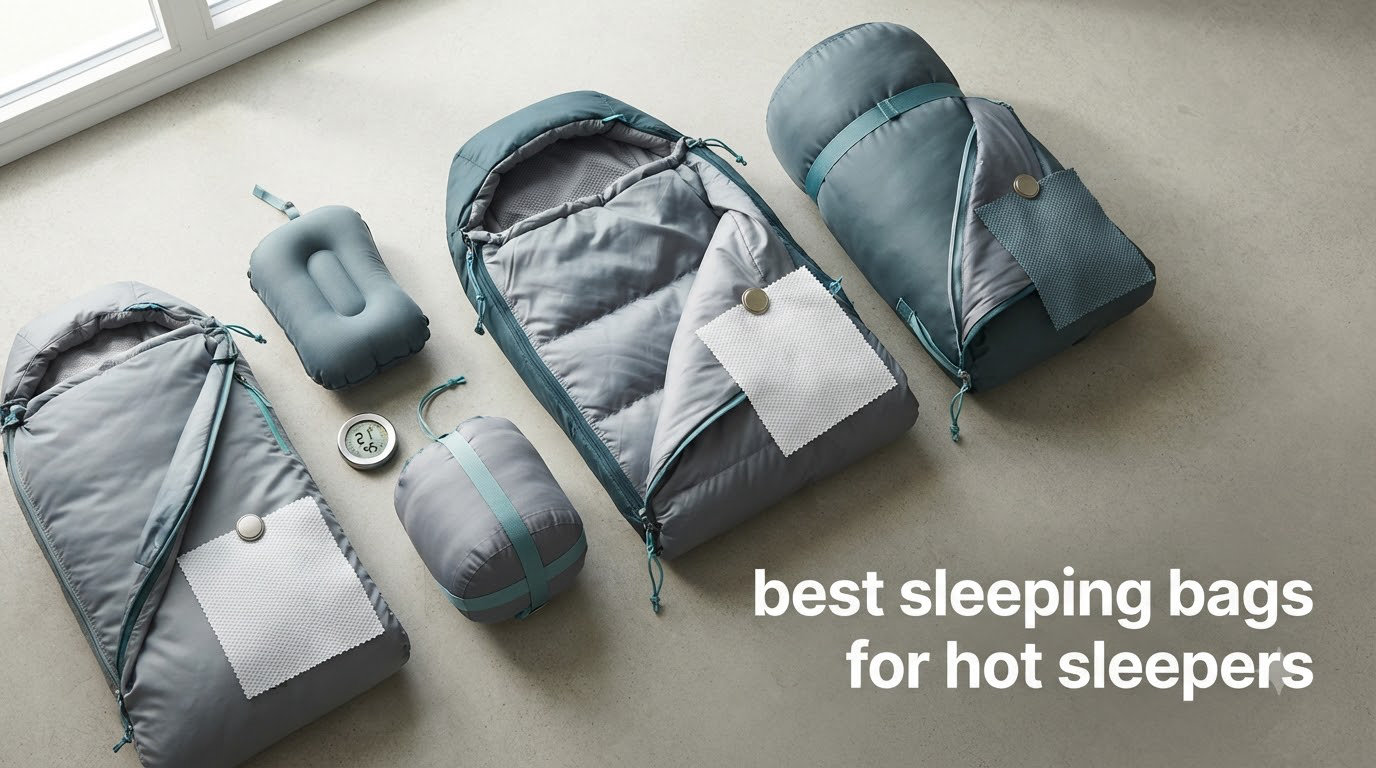
A hot sleeper is someone who runs warm enough at night that a sleeping bag rated for colder conditions traps more heat than their body can shed, so they wake up damp instead of rested. That is why the best sleeping bags for hot sleepers are not the thinnest bags on the shelf. They are bags rated close to your real forecast low, with as many ways to dump heat as the design allows. A 30F bag on a 55F night is the classic mistake: you paid for insulation you never used, carried it for nothing, and still sweated because the hood, collar and footbox sealed the heat in.
The fix is two-part. First, match the rating to the temperature you actually face, which for most summer camping sits somewhere in the 40F to 60F comfort range. Second, look hard at venting: full unzip to a blanket, a two-way zipper, a separate foot vent at the bottom, or an open-back quilt that never traps warm air against your back at all. Our wider backpacking sleeping bag guide covers the whole category, but the 12 bags below were picked specifically for how well they handle heat.
We spent weeks reading review histories, comparing shell fabrics, lining weights and zipper layouts, and checking each bag’s stated comfort rating against the complaints in its reviews. Twelve bags made the cut. Four of them open completely into a flat blanket, five have a dedicated foot vent, and one is a quilt with no zipper at all. If you have already been sleeping in a bag rated for far colder nights, our cold weather sleeping bag guide explains why that habit costs you more than you think.
Table of Contents
Top 3 Picks for the Best Sleeping Bags for Hot Sleepers (October 2026)


The 12 Bags Side by Side in 2026
| Product | Specifications | Action |
|---|---|---|
| oaskys 3-Season Camping Bag |
|
Check Latest Price |
| MalloMe 3-Season Sleeping Bag |
|
Check Latest Price |
 SWTMERRY 3-Season Bag SWTMERRY 3-Season Bag |
|
Check Latest Price |
 ECOOPRO Warm Weather Bag ECOOPRO Warm Weather Bag |
|
Check Latest Price |
 VENTURE 4TH XXL Envelope Bag VENTURE 4TH XXL Envelope Bag |
|
Check Latest Price |
 WERTYCITY Warm Weather Bag WERTYCITY Warm Weather Bag |
|
Check Latest Price |
 Naturehike Ultralight Envelope Naturehike Ultralight Envelope |
|
Check Latest Price |
 PTEROMY 3-Season Bag PTEROMY 3-Season Bag |
|
Check Latest Price |
 tuphen Kids 3-Season Bag tuphen Kids 3-Season Bag |
|
Check Latest Price |
 Xelaro 3-Season Bag Xelaro 3-Season Bag |
|
Check Latest Price |
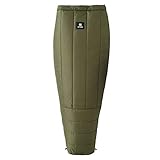 OneTigris Featherlite Quilt OneTigris Featherlite Quilt |
|
Check Latest Price |
 Kelty Rambler 50 Kelty Rambler 50 |
|
Check Latest Price |
Why Hot Sleepers Overheat in Bags That Are Too Warm
Insulation does not create heat. It works by slowing the movement of air, so the warm air your body produces stays trapped in the loft between the shell and the lining. A sleeping bag rated for 30F holds onto far more of that air than a bag rated for 55F, and the difference shows up as condensation on your shoulders at 3am.
Three things compound the problem. The hood wraps around your head, which is one of the highest-output areas of your body. The draft collar seals the neck opening so a strong cold sleeper loses no heat there. The footbox encloses your feet, which radiate heat steadily all night. In a bag far warmer than the night requires, all three of those features work against you.
The standard sizing advice for cold sleepers is to buy a bag rated 5 to 10F below your expected low. Hot sleepers need the mirror image of that rule: buy a bag rated close to the low, sometimes even above it, and add warmth underneath with your sleeping pad instead. We covered the pad side of that trade in our self-inflating sleeping pad guide.
Fill type matters less than most guides suggest for heat management. Synthetic and hollow fibre insulations keep working when damp and are easier to wash, but a thin synthetic bag still traps air. The bigger levers are total fill weight, how much of the bag is sealed shut, and whether you can open it without fighting a zipper.
Ventilation Features That Actually Work
Ranked by how much heat each one moves, from most to least effective.
1. Full unzip to a flat blanket. Four bags on this list open completely along two zippers so they function as a flat blanket. This is the single best cooling feature available, because it removes the bag as an enclosure entirely rather than venting it.
2. Open-back quilt. A quilt has no closed back, so warm air simply rises away from you instead of pooling between your spine and the insulation. It also has no zipper to fight, which means you can spread it or kick it off in seconds.
3. Two-way zipper. A zipper that runs from both the top and the bottom lets you open the bag from either end. The VENTURE 4TH uses this to fine-tune airflow across a long length rather than at a single point.
4. Bottom foot vent zipper. A separate zipper at the foot end lets cold air in low and lets heat escape high, which sets up a convection loop inside the bag. The oaskys, SWTMERRY, PTEROMY and Xelaro bags all have one.
5. J-shaped zipper. Longer than a standard side zip, the J shape reaches far enough that you can push a single foot out of the bag entirely. Kelty built the Rambler 50 around exactly this trick, and reviewers who run hot name it first.
6. Head and neck drawstring. A cinch around the face or neck lets you open the collar when you are hot and close it when the temperature drops, which is a small feature that does more for comfort than it looks like it should.
7. Cool-hand lining. Fabric feel matters more than buyers expect. A smooth, slick lining feels cooler on contact than a coarse brushed face, and a polyester pongee moves perspiration away instead of holding it against your back.
1. oaskys 3-Season Bag: The Best Overall Pick for Hot Sleepers
oaskys Camping Sleeping Bag – 3 Season Warm & Cool Weather – Summer Spring Fall Lightweight Waterproof for Adults Kids – Camping Essentials Gear Accessories Hiking Sleep Must Haves
Comfort 50-68F
210T anti-tear polyester shell
190T pongee lining
Foot vent zipper
3 lb
Pros
- Rated for warm 10-20C nights
- Waterproof shell that also breathes
- Separate bottom zipper vents your feet
- Adjustable half-circle hood
- Compression sack included
Cons
- Rectangular shape is bulky for backpacking
- Shell feels synthetic rather than premium
- Many color and weight variants to sort through
This is the bag I keep coming back to for people who run hot, and the reason is simple: it is rated for 10 to 20 degrees Celsius, which is 50 to 68F, so it is not overbuilt for a summer night. More than 24k reviews sit behind a 4.5 average, and the thing owners mention most often in hot weather is the bottom zipper that lets them push their feet out without getting out of the bag.
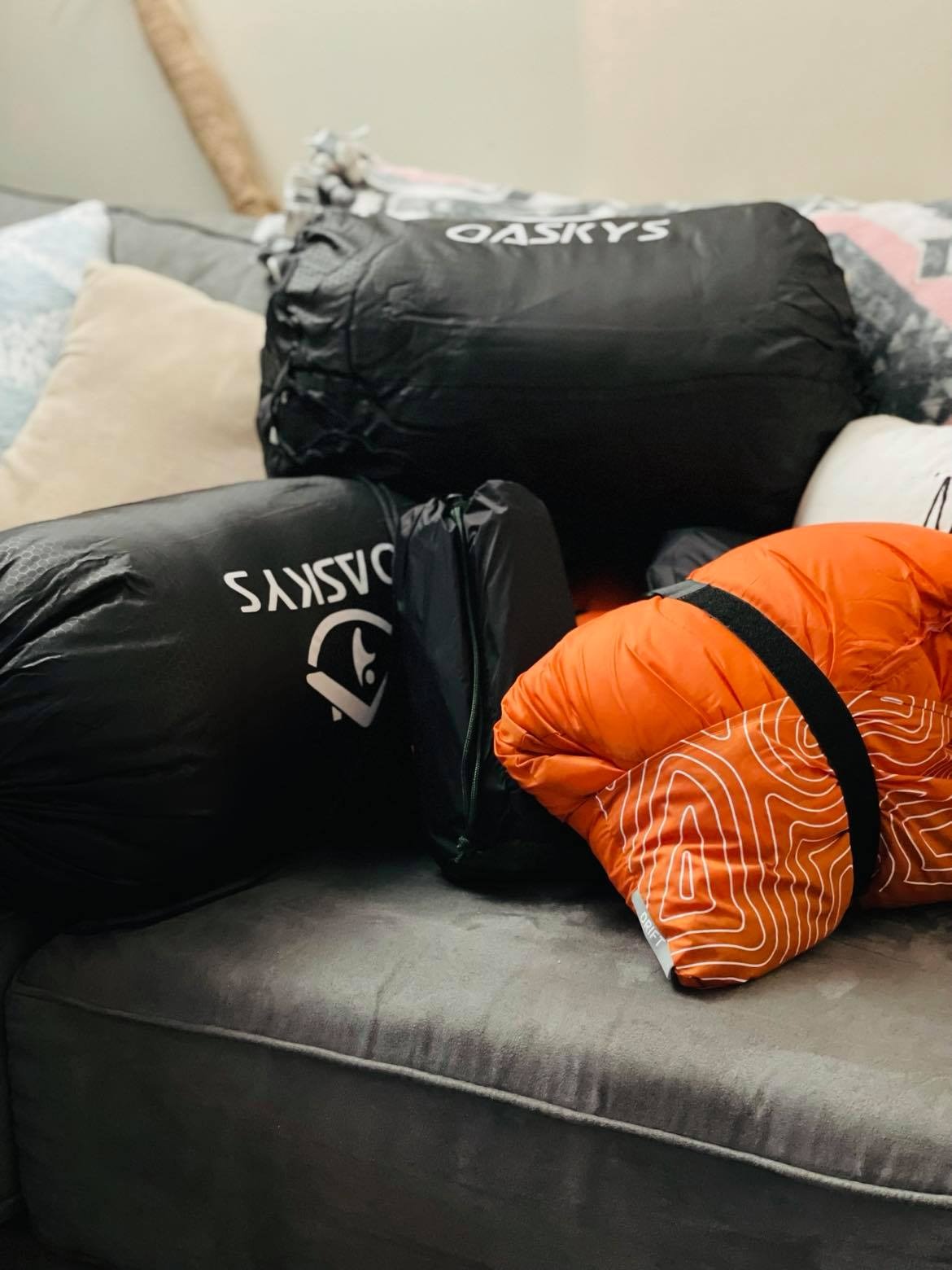
The shell is a 210T anti-tearing polyester that is waterproof and breathable at the same time, which is not a combination you get for free. Inside is a 190T polyester pongee lining, and the double-filled construction gives it more loft than its weight suggests. It weighs 3 pounds and comes with a compression sack with straps, so it is more of a drive-to-trailhead bag than a long-distance packable one.
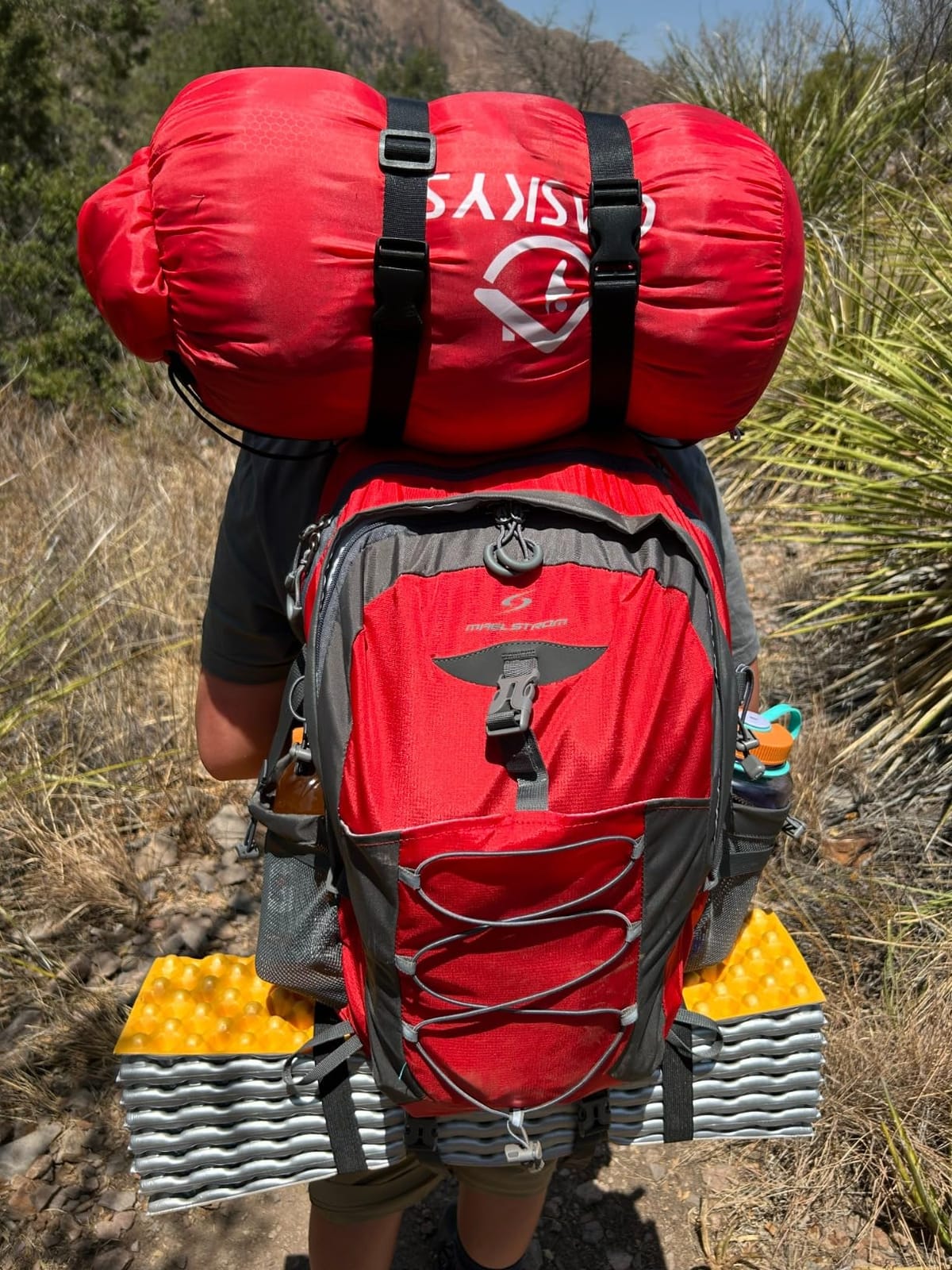
The dimensions run (190 + 30)cm by 75cm, which is a genuinely rectangular shape with no tapered footbox and no cocoon effect. That is a real advantage for hot sleepers, because there is no enclosed footbox to trap rising heat and no narrow shoulder to press against your chest. There is a three-year warranty on it as well.
One thing worth knowing: the listing covers several color and weight variants, and buyers occasionally report receiving a version that differs from the one pictured. Check the variant carefully before you order. A minority of reviewers also find the shell feels inexpensive to the touch, though very few report actual failures across that review volume.
Who this bag suits
If your summer camping happens at low elevation and your forecast lows sit in the upper 50s, this is the most straightforward answer on the list. It is rated into the 68F range at the warm end, which is rare in the bags people actually find, and it wipes clean so it survives a season of trips without a laundromat.
It also works for anyone who wants a genuine rectangular interior rather than a mummy taper. The 75cm width gives you flat floor space, so you can sprawl without your knees hitting the walls, and the half-circle hood with an adjustable drawstring keeps the draft out of your face on the cooler end of a summer night.
Where it falls short
At 3 pounds, it is among the heavier bags we cover, and for anyone carrying a bag on a long backpacking trip that matters. If your trips are multi-day on foot, the ECOOPRO or Naturehike options pack down considerably smaller. Our bikepacking sleeping bag guide goes deeper on that weight-versus-warmth trade.
The rectangular shape also means more surface area and more bulk, and it does not compress as tightly as an envelope cut. If you plan to use it in humid conditions rather than dry desert heat, expect slower drying than a lighter shell would give you.
2. MalloMe 3-Season Bag: Best When You Want to Sleep Under a Blanket
MalloMe Sleeping Bags for Adults Cold Weather & Warm – Backpacking Camping Sleeping Bag for Kids, Girls, Boys – Lightweight Camping Essentials Gear Accessories Hiking Sleep Must Haves Single & Double
Comfort 50-80F
Double-sided snag-free zipper
Unzips flat to a blanket
1.3 kg
3D synthetic fill
Pros
- Unzips completely to function as a blanket
- 50-80F comfort suits warm nights
- Soft polyester lining with durable outer
- Waterproof hex-tech shell
- Compression sack included
Cons
- Cut is snug for larger or restless sleepers
- Not a true quilt so heat builds when fully zipped
- Multiple temperature variants are easy to confuse
This bag’s signature move is the double-sided zipper that lets it open completely into a flat blanket. For a hot sleeper, that is not a party trick. It means on a genuinely warm night you can lie flat on top of it, or kick it off your legs entirely, and on a cooler night you zip it back into a closed bag. No other feature on this list changes the bag’s whole operating range like that.
The stated comfort range is 50 to 80F, and the same family also comes in a 60 to 90F warm weather variant if your nights run hotter still. The shell is a waterproof hex-tech double-layered polyester with S-shape stitching, the fill is 3D inner synthetic fibre, and there is a drawstring head cinch for the cooler end. It weighs 1.3 kg.
Owners report not waking up hot even in summer, which is exactly the behaviour you want to see in a bag recommended for this list. The 86.6 inch length fits a six-foot adult, and reviewers praise the balance of warmth against low weight along with how easily it rolls into the compression sack. It is also machine washable and wipe-clean.
The criticism is consistent enough to plan around: interior width. It measures 31.5 inches across, and larger sleepers and anyone who tosses and turns describe it as restrictive. Several owners also wish for a true two-way zipper, since the current one opens from one end and does not give the fine-grained airflow control a two-way zip would.
Who this bag suits
This is the pick for anyone whose real problem is heat at 2am rather than cold at dawn. Because the bag can be flattened, you can regulate your temperature with one movement instead of unzipping, which is a meaningful difference when you are trying to fall back asleep. The 50 to 80F comfort window also makes it forgiving across a whole season rather than tuned to one week.
It is a good match for hikers and campers who are not carrying weight far, since 1.3 kg is manageable for a weekend. It also handles damp ground and rain without concern thanks to the waterproof shell, which matters in humid summer conditions where a hot sleeper is usually also a sweaty sleeper.
Where it falls short
Do not buy it if you move a lot in your sleep or if you are simply broad. The 31.5 inch width is the most common complaint in the reviews, and it appears repeatedly enough that we treat it as a real limitation rather than a rounding error.
It is also worth being deliberate about which variant you order, because the 50-80F and 60-90F versions share a family and look similar in a listing. Pick the 60-90F one if your lows rarely dip below 60F, and stay with the 50-80F otherwise.
3. SWTMERRY 3-Season Bag: Best Roomy Budget Bag for Mild Nights
SWTMERRY Sleeping Bag 3 Seasons (Summer, Spring, Fall) Warm & Cool Weather – Lightweight,Waterproof Indoor & Outdoor Use for Kids, Teens & Adults for Camping Hiking, Backpacking (Emerald Green)
Comfort 50-68F
Rated 41-77F
190T anti-tear polyester
Hollow fibre fill
3 lb
Pros
- Comfort rating sits in warm summer territory
- Waterproof anti-tear outer with breathable lining
- 86.6 in long so it fits taller users
- Machine washable with compression sack
- Integrated hood
Cons
- Fill shifts and bunches after repeated machine washing
- Corner-to-corner zipper reduces venting control
- Build quality is described as light-duty
The SWTMERRY sits in the same 50 to 68F comfort band as our top pick but is built a little differently, and the 86.6 inch length is a genuine advantage if you are tall. The outer is a 190T anti-tearing polyester, the lining is 190T pongee, and the fill is 100 percent hollow fibre in a double-filled construction. It weighs 3 pounds.
There is a built-in hood and pillow area around the head, which is worth having if your nights dip below the comfort rating on a few occasions, and a bottom zipper designed to keep your feet sheltered while still allowing airflow. Around 15k reviews sit at a 4.5 average, and the packed size and weight come up constantly as reasons people like it.
The honest weakness is longevity. A recurring theme in the reviews is that the hollow fibre fill loses loft and bunches after a few machine washes, and that the lining degrades over time. If you wash your bag after every trip, that is a real cost. If you wipe it down and wash it twice a season, it is much less of an issue.
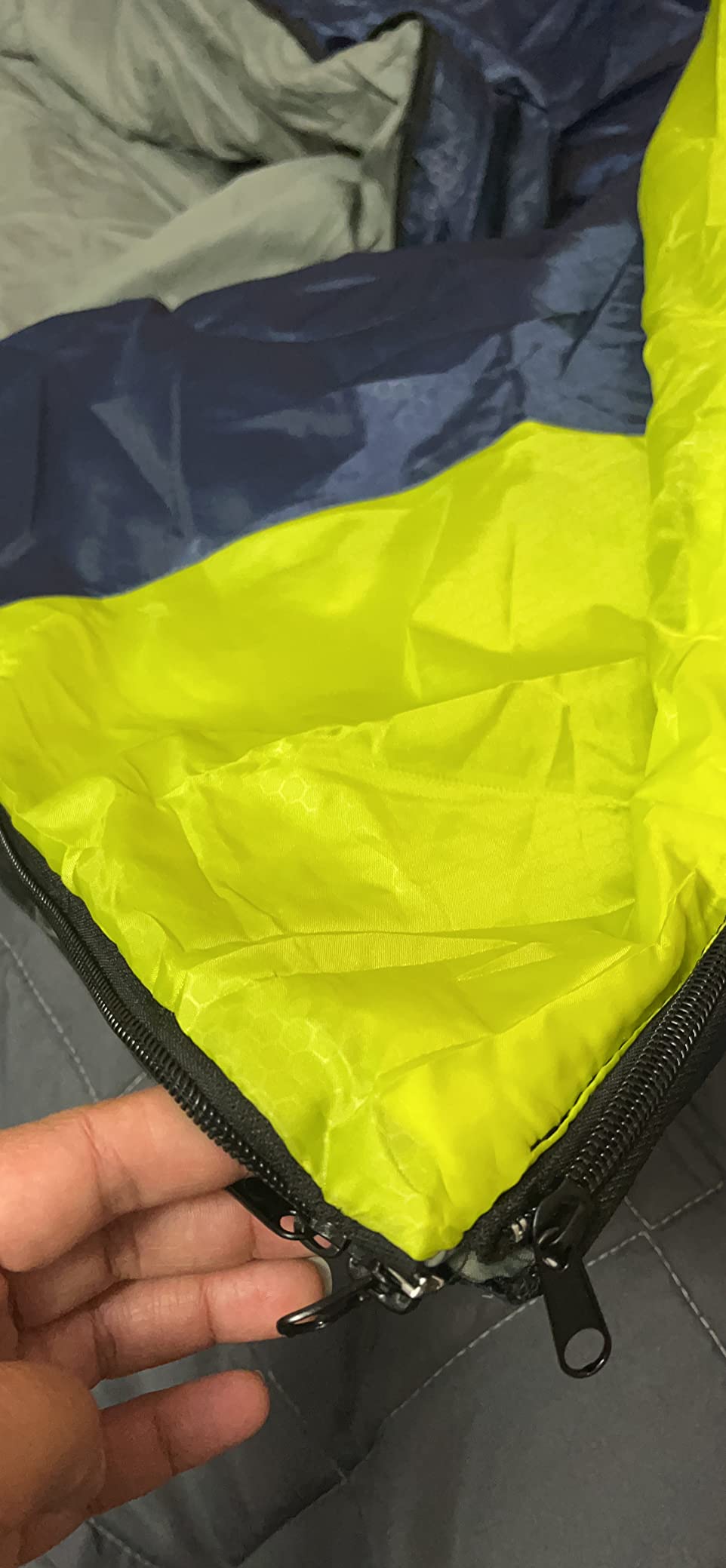
The zipper design is the other thing to understand before buying. It runs from the bottom corner and up to the top in two parts rather than as one continuous pull, which means you get less precise control over how much you open. Several owners also question the listing’s own temperature claims, describing them as more generous than what they experienced.
Who this bag suits
If your camping happens in mild conditions and you are buying your first bag, this is a straightforward choice with a comfort rating squarely in the range hot sleepers need. The roomy 86.6 inch length means it does not force a taller sleeper into a curled position, and a curled position makes heat management harder for everyone.
It is also a good pick for families, since it is listed for adults, kids and teens alike, and the double-fill construction handles a bit of damp ground without any special care. If you want one bag for a range of mild-weather trips rather than a specialist piece of gear, that flexibility is the appeal.
Where it falls short
Skip it if you wash gear aggressively or intend to keep it for many seasons. The fill and lining are the first things to go, and the 3 pound weight is a real load on a pack that is otherwise already full. Owners are also candid that the construction is light-duty overall, which is the trade for the low price.
For finer venting control, look at the Xelaro bag, which pairs a two-way zipper with a separate base vent and holds a 4.5 average on a smaller review base. The difference in venting granularity is noticeable when you are trying to cool down in real time.
4. ECOOPRO Warm Weather Bag: Best for Genuinely Hot Summer Nights
ECOOPRO Warm Weather Sleeping Bag – Portable, Waterproof, Compact Lightweight, Comfort with Compression Sack – Great for Outdoor Camping, Backpacking & Hiking-83 L x 30″ W Fits Adults(Emerald Green)
Rated 55-60F
Nylon outer with polyester lining
86 x 30 in
Compresses to 11 in at 1.7 lb
Pros
- Rated for 55-60F so it is not overbuilt for summer
- Unzips fully for blanket use
- Compresses to about 11 in at 1.7 lb
- 86 in length fits tall sleepers
- Nylon dries fast and washes on cold
Cons
- Narrow 30 in width feels cramped
- Nylon construction feels inexpensive
- Waterproof claim is disputed by some owners
This is the only bag in the group rated specifically for 55 to 60F, which makes it the most direct answer if your summer lows never drop much below 60. The outer is a waterproof nylon with a 100 percent polyester breathable lining, and the polyester fill is sized for that warm window rather than for three-season versatility.
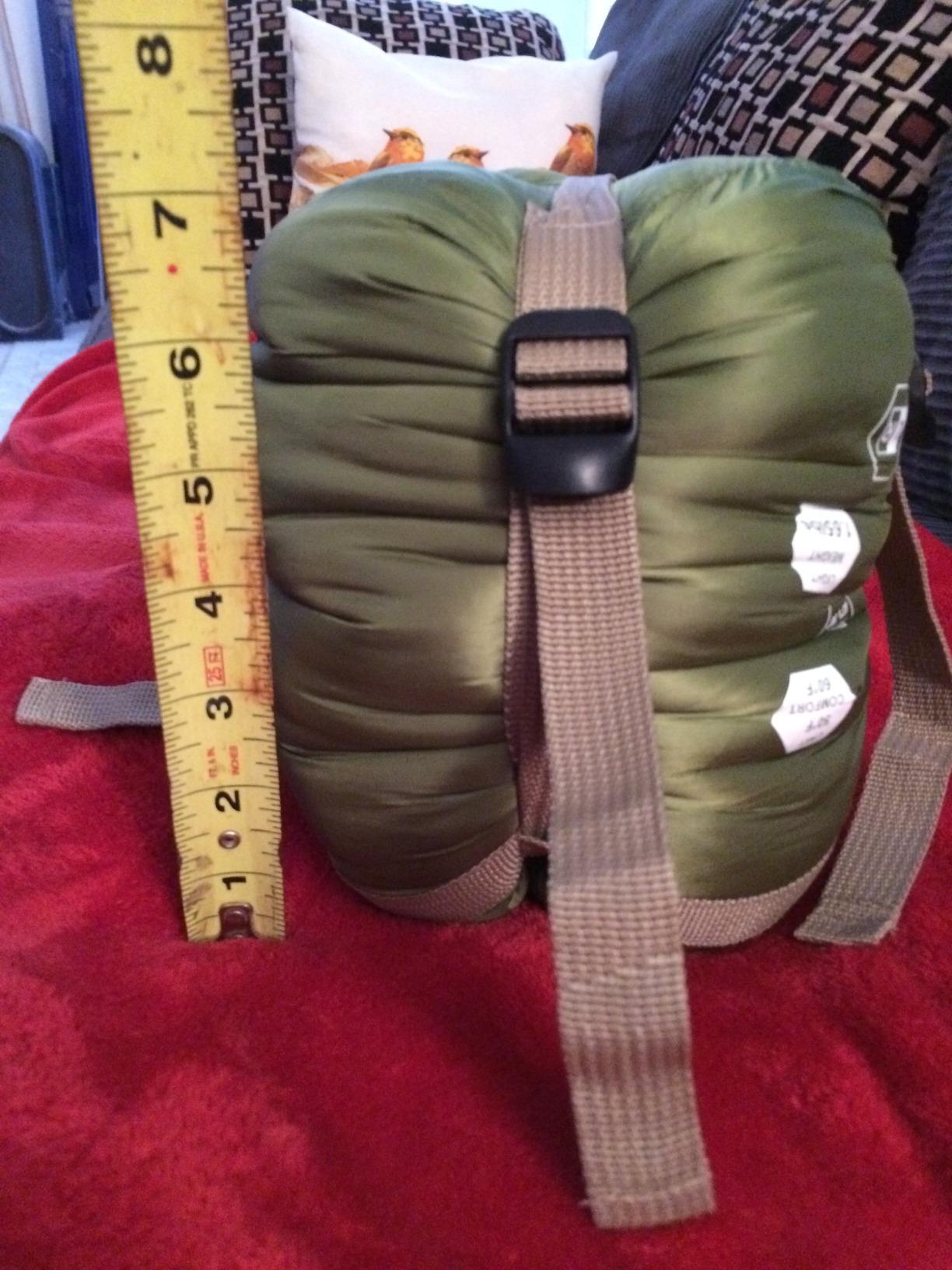
Pack volume is its strength: it compresses to about 11 inches tall at 1.7 pounds, and the compression carry sack is included. It measures 86 inches long by 30 inches wide, fits one adult or two children, and the smooth zip closure pairs with a drawstring for extra control. Around 9k reviews hold a 4.4 average.
Owners with a down allergy call out the non-down construction as a genuine benefit, and the quick-drying nylon is repeatedly praised across multiple trips. The unzips-flat design also comes up often, since it is the difference between a bag and a blanket when the night turns hot.
The recurring criticism is width. At 30 inches, the bag is narrower than most on this list, and larger sleepers describe it as cramped. Several buyers also call the construction cheap-feeling, question whether the shell is truly waterproof as described, and note that the actual warmth falls short of the stated range for some users.
Who this bag suits
It is built for the specific case of someone who is genuinely too warm in anything rated below 55F, which is a smaller and more defined group than most roundups assume. If you camp in summer heat rather than cool summer nights, an 11 inch packed size that weighs 1.7 pounds is a strong combination.
It also suits anyone who cannot use down, and anyone who prefers washing gear in a sink or machine on cold and air drying between trips. The care instruction is simple enough that it does not become a reason to skip the bag.
Where it falls short
The 30 inch width is the dealbreaker for anyone larger, and the care instructions are described by some owners as unclear enough that they stopped machine washing it entirely. If you are unsure, read the care label before committing.
Be skeptical of the waterproof claim. Owners split on it, with several calling it water-resistant rather than waterproof. In genuinely wet ground or sustained rain, use a pad with a closed-cell surface underneath rather than relying on the bag shell alone.
5. VENTURE 4TH XXL Bag: Best for Side Sleepers Who Toss and Turn
VENTURE 4TH 3-Season XXL Backpacking Sleeping Bag – Silver/Black
3-season comfort 30-70F
90 x 39 in envelope cut
Two-way vent zipper
4.4 lb
Cool-touch lining
Pros
- Roomy 90 x 39 in interior suits tall and side sleepers
- Cool satin-like lining resists overheating
- Two-way zipper gives real airflow control
- Holds shape after repeated washing
- Lifetime replacement guarantee
Cons
- Heaviest option in the group at 4.4 lb
- Stuff sack compresses in only one direction
- Hood drawstring cinches the shoulder area
- Zipper teeth catch on the lining
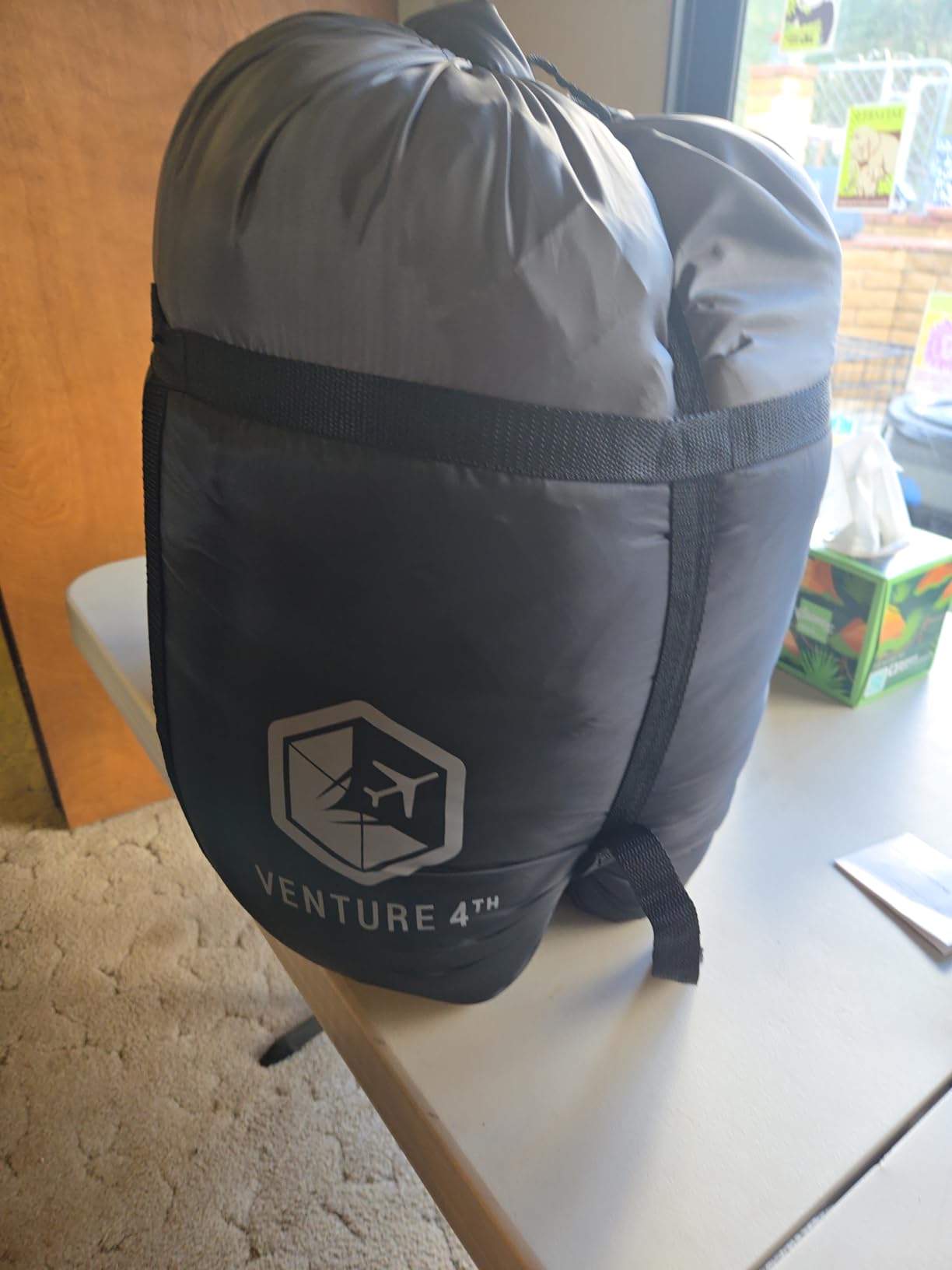
This is the largest interior on the list by a wide margin, at 90 inches long by 39 inches wide in an envelope cut. That extra width is the single most useful feature for a side sleeper, because a bag that is wide enough to lie on your side without your knees contacting fabric is a bag you stop fighting. The stated comfort range is 30 to 70F.
Beyond size, the two-way zipper is a real ventilation feature rather than a marketing detail: it lets you open the bag from either end, which spreads airflow across the full length instead of venting at a single point. The lining is described by owners as satin-like and cool to the touch. It weighs 4.4 pounds, the heaviest bag we cover, and it holds a 4.6 average across nearly 4k reviews.
Durability is where this bag separates itself. Owners report that it holds its shape and function after repeated machine washing, and the manufacturer backs it with a lifetime replacement guarantee, testing each bag before it ships. The same family also comes in Single, XXL and Double versions, so a household can standardize.
The trade-off is packability, and it is significant. The stuff sack is wide and compresses in one direction only, which makes it awkward to strap to an outside pack pocket. A few owners also find the hood drawstring routes into the bag body and cinches the shoulder area, and that the zipper teeth catch on the inner lining when you try to zip from inside.
Who this bag suits
Side sleepers, anyone over six feet, and couples who want a double without buying a double. The 39 inch width is the most forgiving we found for someone who cannot stay in one position, and the cool-hand lining is a genuine advantage in humid summer conditions where a rough shell would cling.
It is also the strongest choice here for long-term ownership. If you want a bag you will still be using in several years, the wash durability and lifetime replacement guarantee remove most of the risk that usually comes with a lighter synthetic bag.
Where it falls short
Do not choose it for a trip where pack weight and volume are the deciding factors. At 4.4 pounds with a one-axis compression sack, it will dominate a pack in a way that changes your trip. Our bikepacking bag guide covers options where every pound counts.
Note also that the shell is water-resistant rather than fully waterproof. In wet climates, put a closed-cell pad beneath you so ground moisture never becomes your problem. Our double sleeping bag guide covers the shared-sleeping setup if you are pairing beds side by side instead.
6. WERTYCITY Warm Weather Bag: Best for the Smallest Pack Volume
WERTYCITY Warm Weather Sleeping Bag, Ultra-Light Compact for Backpacking
Comfort 59F
Compresses to 6.9 in at 1.54 lb
Nylon outer
Two bags zip into a double
Pros
- Smallest packed footprint on the list at 6.9 in
- Two bags zip together into a double bag
- Nylon outer wipes clean and resists damp
- Useful as a travel or emergency blanket
Cons
- Listed size measures smaller in practice
- Temperature rating runs optimistic for some owners
- Compact cut hugs the body and limits movement
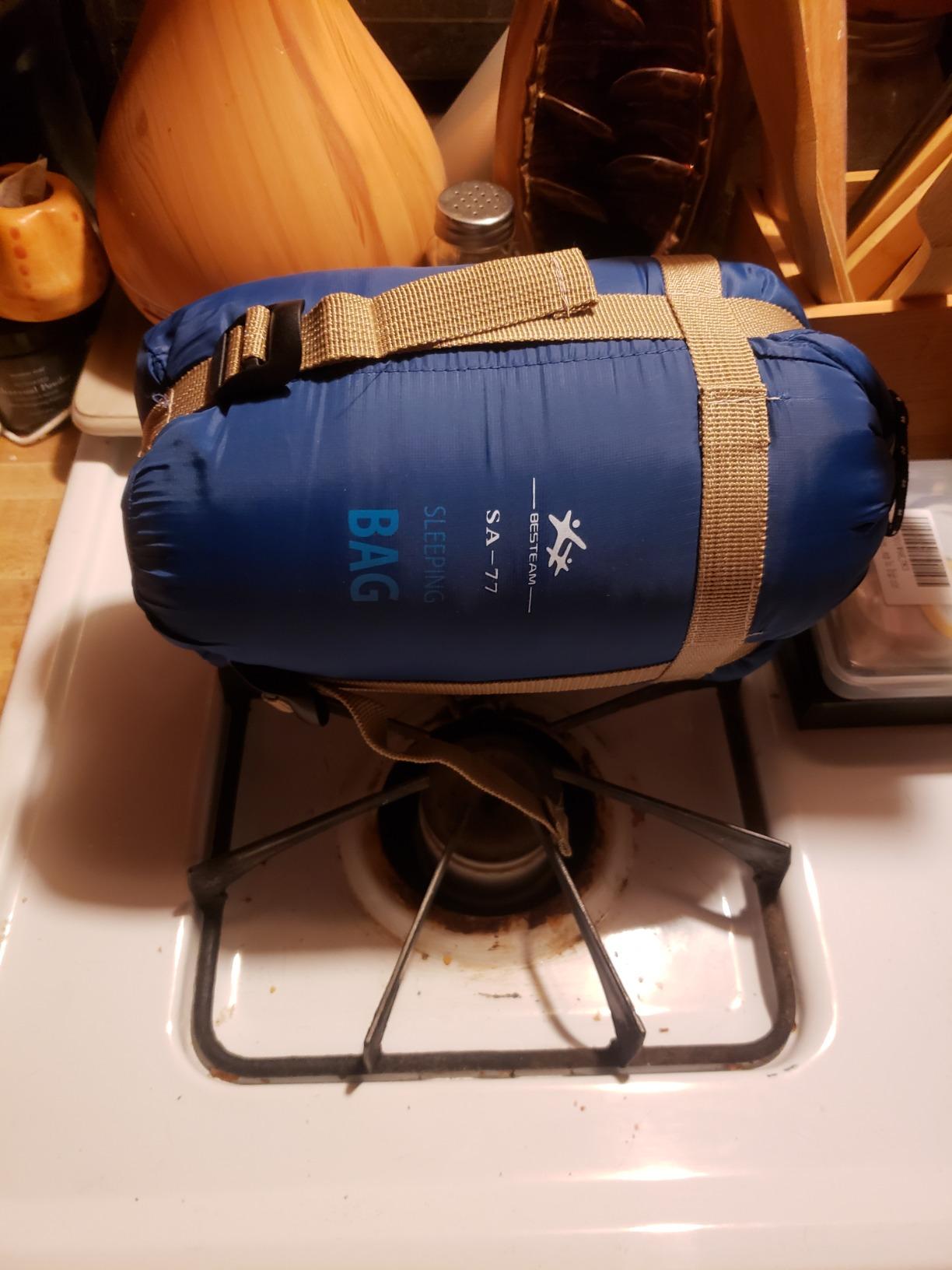
Pack volume is the metric this bag leads on. It compresses to 6.9 inches tall at about 1.54 pounds, and the comfort rating of 59F sits in the middle of the hot-sleeper sweet spot. The shell is a water-resistant, stain-proof nylon over a 100 percent polyester pongee lining with an imitation silk cotton fill.
There is a feature here that no other bag on this list has: two bags zip together into a double bag. That makes it a genuinely two-person-capable option without buying separate double equipment, and the manufacturer backs it with a lifetime warranty. Around 1.4k reviews hold a 4.4 average.

Buyers also use it as a travel blanket that fits in a carry-on, which is a legitimate secondary use for a bag that is otherwise strictly outdoor gear. Owners report not waking up hot on warm desert nights, and the nylon surface is easy to wipe down or machine wash after damp conditions.
Now the caveats, and there are three real ones. The listed 75 by 29.5 inch size measures closer to 73 by 27 inches in practice, which is tight. The temperature rating is widely seen as optimistic, with several owners reporting feeling cold near 55F. And the compact cut hugs the body, which limits movement for larger sleepers.
Who this bag suits
Anyone packing light on foot, or travelling with gear limits that make volume the binding constraint rather than weight. At 6.9 inches compressed it can share a pack with a stove and a change of clothes, and the ability to zip two together makes it a reasonable couples option that we covered in more detail in our double sleeping bag roundup.
It is also the one to consider if you are not sure your nights are hot enough to justify giving up interior space. The 59F comfort figure is a genuinely warm-weather number, and the nylon outer handles humidity and damp better than the fabrics on most of the mummy-style bags competing with it.
Where it falls short
Do not buy it if you are tall, broad, or an active sleeper. The undersized reality versus the listed dimensions comes up often, and a bag that is too narrow creates its own heat problem because you cannot fully extend your legs.
Budget your insulation separately. The 1.54 pound weight leaves plenty of room for a warmer layer or a higher R-value pad, which is the correct strategy for this bag. Treat the printed rating as the warm end of its range rather than a guarantee.
7. Naturehike Ultralight Envelope Bag: Best Wide Ultralight Bag
Naturehike Lightweight Compact Sleeping Bag, 59℉/32℉ Envelope Ultralight Backpacking Sleeping Bag Portable, Waterproof with Compression Sack for Cold&Warm, Camping, Traveling, Hiking
59F envelope version
80.7 x 33.5 in
1.68 lb
Compresses to 5 x 12 in
80 gsm fill
Pros
- Roomy 33.5 in width is wider than most compact bags
- Very light at 1.68 lb with a near 1 liter packed size
- Smooth non-sticky lining moves moisture in warm conditions
- Two-side zipper opens fully flat
- Double reinforced seams hold up to washing
Cons
- Very thin insulation
- unsuitable below about 55-60F
- Synthetic interior leaves many owners wanting a liner
- Runs small for taller or larger sleepers
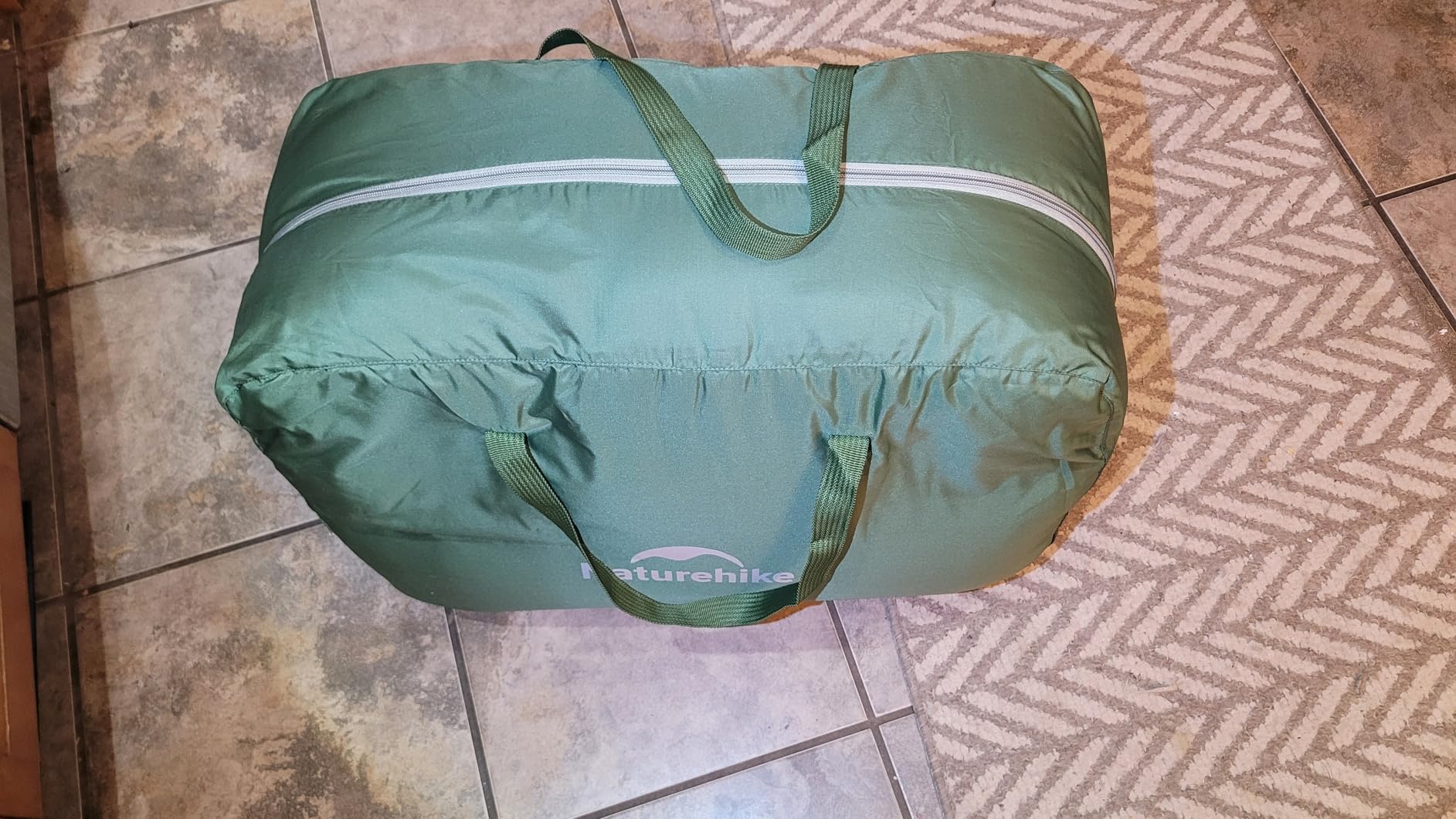
The lightest and least bulky bag we cover at 1.68 pounds, and it still measures 80.7 inches long by 33.5 inches wide. Very few bags give you that much room for that little pack space.
Choose the 59F envelope version for warm nights. The fill is 80 gsm imitation silk cotton, the fabric is washable and stays form-stable, and the double reinforced seams are a sensible detail in a bag this light. The two-side zipper opens fully so you can lay it flat as a blanket or drape it over a pad, and it holds a 4.5 average across roughly 1k reviews.
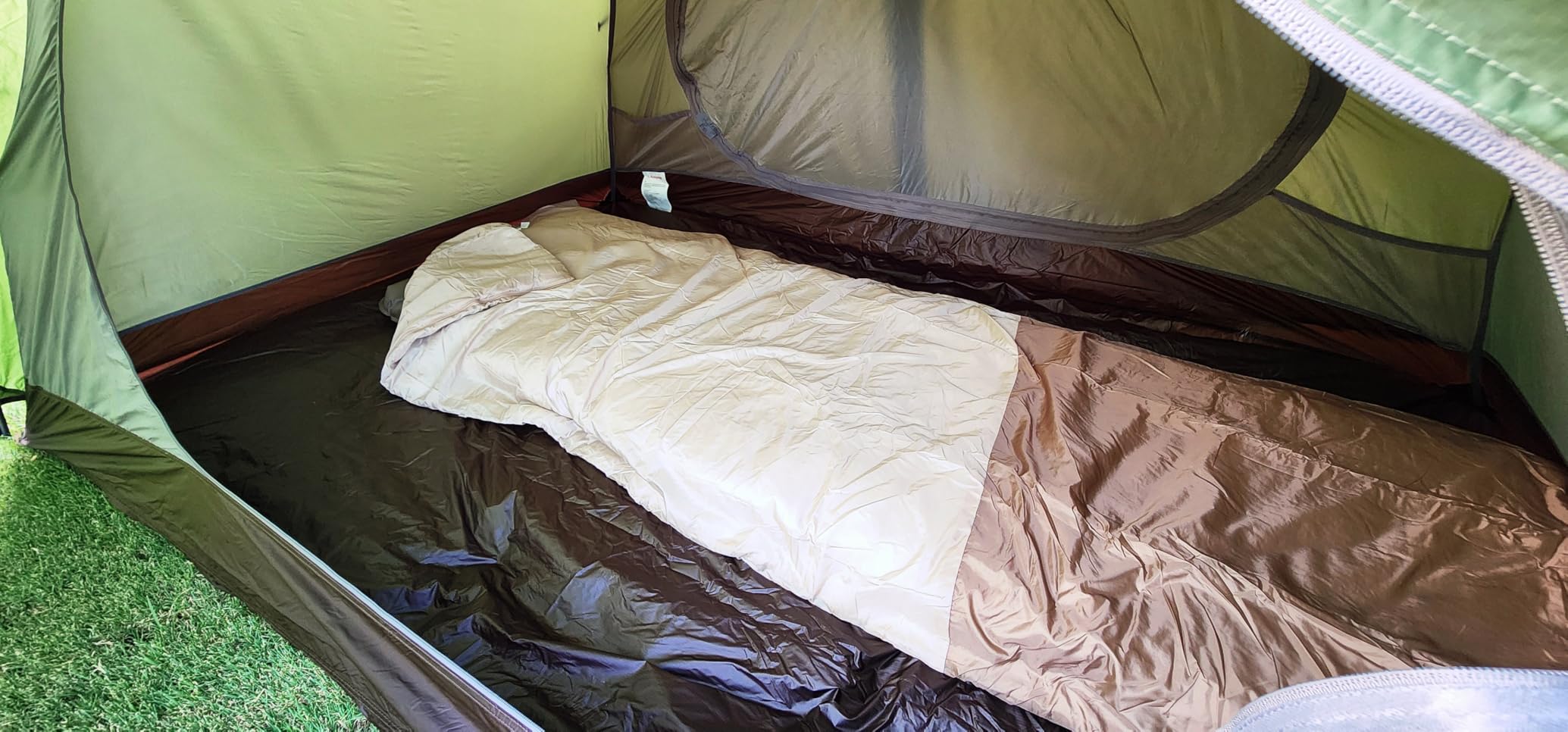
Owners particularly like the smooth, non-sticky lining, which they say moves moisture away in warm conditions rather than holding it against the back. Several also report that it performs better than its thin appearance suggests around 60F, which is exactly the window a hot sleeper is looking for.
The dominant warning in the reviews is about the 32F variant name. Owners caution strongly against reading that as a cold-weather capability. The insulation is genuinely thin, and a sleeping pad is needed for ground comfort regardless of weather. The synthetic interior also leaves enough people wanting a liner that it is worth budgeting for one.
Who this bag suits
This is the bag for a long backpacking trip in warm weather where you want a real envelope shape without carrying a real envelope’s weight. At 1.68 pounds and roughly a litre compressed, it is the best size-to-space ratio here for a through-hiker or a bikepacking setup.
It also suits anyone who is mildly claustrophobic. The full flat-opening zipper means you can get out instantly and the fabric never wraps around your face, which removes one of the reasons people feel trapped in a mummy bag on a hot night.
Where it falls short
It runs small for above-average height or larger sleepers despite the roomy width, because the 80.7 inch length is not generous. And the thin interior means many owners add a silk or cotton liner for comfort, which adds weight back.
Treat it as a summer bag only. If your nights can drop into the 40s, pair it with a higher R-value pad rather than trusting the insulation to carry you. That approach is explained in the buying guide below.
8. PTEROMY 3-Season Bag: Best for Nights That Stay Warm
PTEROMY Sleeping Bags for Adults, Lightweight and Machine Washable, Water Resistant Backpacking Camping Sleeping Bag for Warm Cold Weather, Camping Essentials for Hiking Travel (Blue, 1.35kg)
Comfort 50-80F
Recommended limit 40-90F
87 x 31 in
Bottom vent zip
3 lb
Pros
- Comfort rated up to 80F
- one of the warmest windows on the list
- Bottom zipper plus head drawstring give two venting paths
- Machine washable fill that resists clumping
- 87 in length fits adults up to 6 ft 7 in
Cons
- Long-term durability is less documented
- Water resistance is limited for sustained wet weather
- Rectangular shape is bulkier than an envelope cut
The 50 to 80F comfort range makes this one of the warmest-rated bags in the group, with a recommended limit stretching from 40 to 90F. For a sleeper who is waking up sweating in a bag rated 20F below where they actually are, that upper end of the range is the entire point. It weighs 3 pounds and includes a compression bag.
Ventilation here comes from two independent places. A bottom ventilation zipper handles the foot end, and an adjustable head and neck drawstring lets you open the collar without undoing the whole bag. There is also an inner Velcro pocket, which sounds minor until you are trying to find a phone in the dark at 5am without leaving a warm bag.
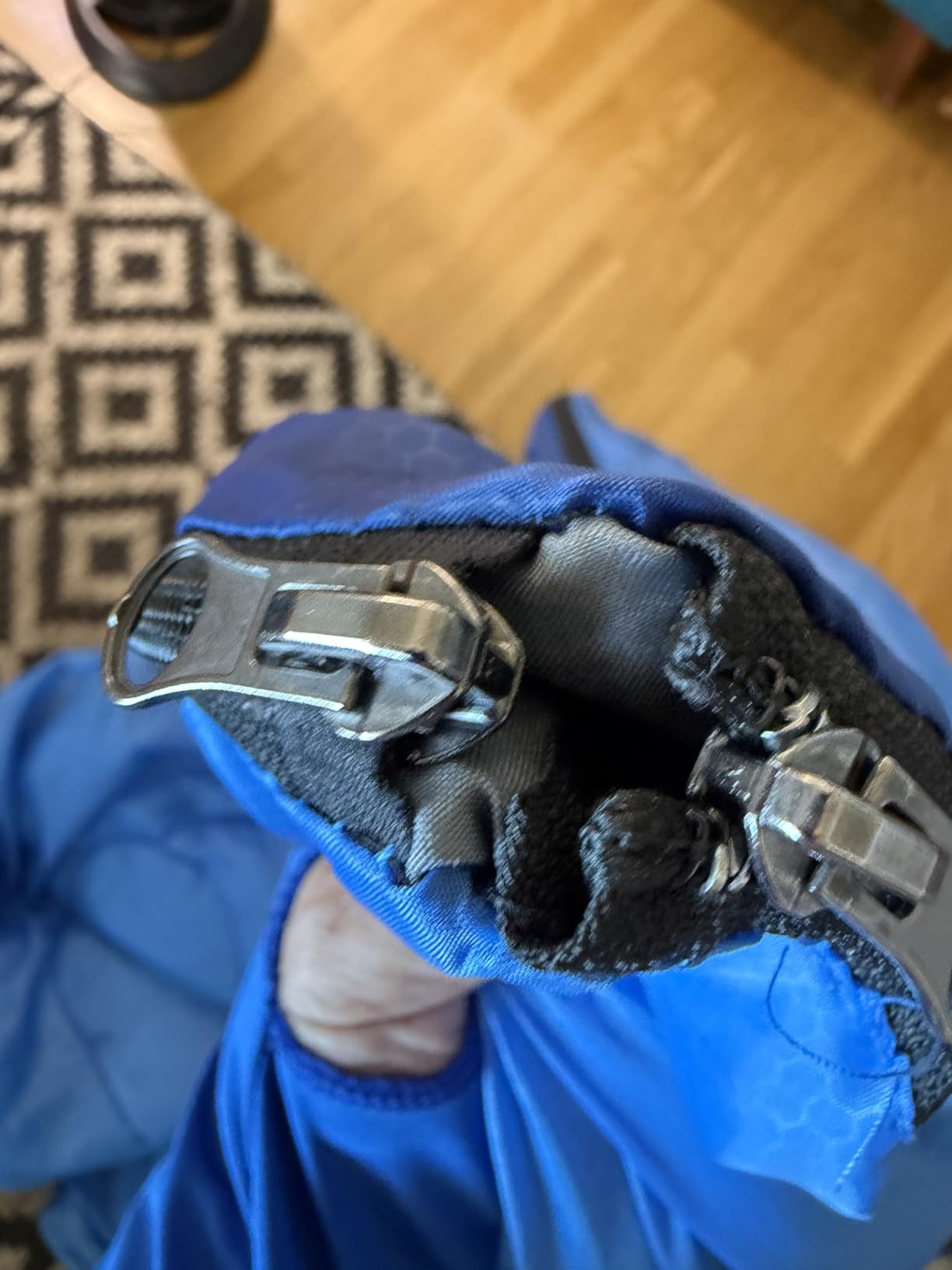
The double S-shaped stitching and hollow fibre cotton fill are built specifically to survive machine washing without clumping, and the spun cotton inner lining is described as resisting clumping after washes. That matters for a bag you will use hard every summer. Dimensions are 87 inches by 31 inches, which fits adults up to 6 foot 7.
The honest limitation is thinner evidence, not a defect. The review base of 889 is smaller than the budget bags it competes with, so long-term durability feedback is thinner across the board. Water resistance is also limited for sustained wet weather, and the rectangular shape is bulkier than an envelope cut would be.
Who this bag suits
It fits people whose nights rarely go below 60F, which is a bigger group than most roundups credit. Desert camping, midsummer low elevation, and warm humid climates all land in this range, and the water-resistant, windproof shell is adequate for the brief rain those climates produce.
It is also a good family bag given the 87 inch length, and the machine-washable, anti-clump construction suits anyone who does not want to think about how they dry a bag after a trip.
Where it falls short
At 3 pounds in a rectangle, it is a heavy pack item and a bulky one. If you are walking with the bag rather than carrying it in a car, the Naturehike or WERTYCITY options give you a much better volume story.
Be measured about wet weather. If your trip has a real chance of sustained rain, choose a bag with a stronger shell claim and add a dry layer for insulation, because this shell keeps drizzle out and does not promise much beyond that.
9. tuphen Kids 3-Season Bag: Best for Kids and Teens
Kids Sleeping Bags – Camping Sleeping Bags with Carry Bag – Compact Sleeping Bag for Hiking, Backpacking 3 Season Warm & Cool Weather, Lightweight Waterproof Outdoor Travel for Boys Girls (Blue)
Comfort 40-77F
2-way zip opens flat as a blanket
0.95 kg
Nylon outer
210T taffeta lining
Pros
- Genuinely warm for a kids bag at only 0.95 kg
- 2-way zipper opens fully flat as a blanket
- Bright prints kids are excited to use
- Compression sack doubles as a backpack
- Machine washable and stays fluffy
Cons
- Measures about 150 cm rather than the listed 155 cm
- Best for children around 1 meter or shorter
- Some owners report the zipper failing early
- Hard to roll back into the sack
Kids run hotter than adults far more often, so the hot-sleeper logic applies harder here than in adult gear. This bag is rated 40 to 77F for comfort, the broadest warm-weather window of any bag we covered, and it weighs 0.95 kg. The nylon outer is waterproof and breathable over a 210T polyester taffeta lining, with 3D inner fibre fill in a double S-stitch construction.
The ventilation feature that matters most is the 2-way zipper that opens fully flat as a blanket. A child who is too hot can just unzip and spread it without getting out of it, which is the difference between a bag that gets used and a bag that ends up shoved under the sleeping pad at midnight. A backpack-style compression sack with straps is included, and it carries like a small pack.
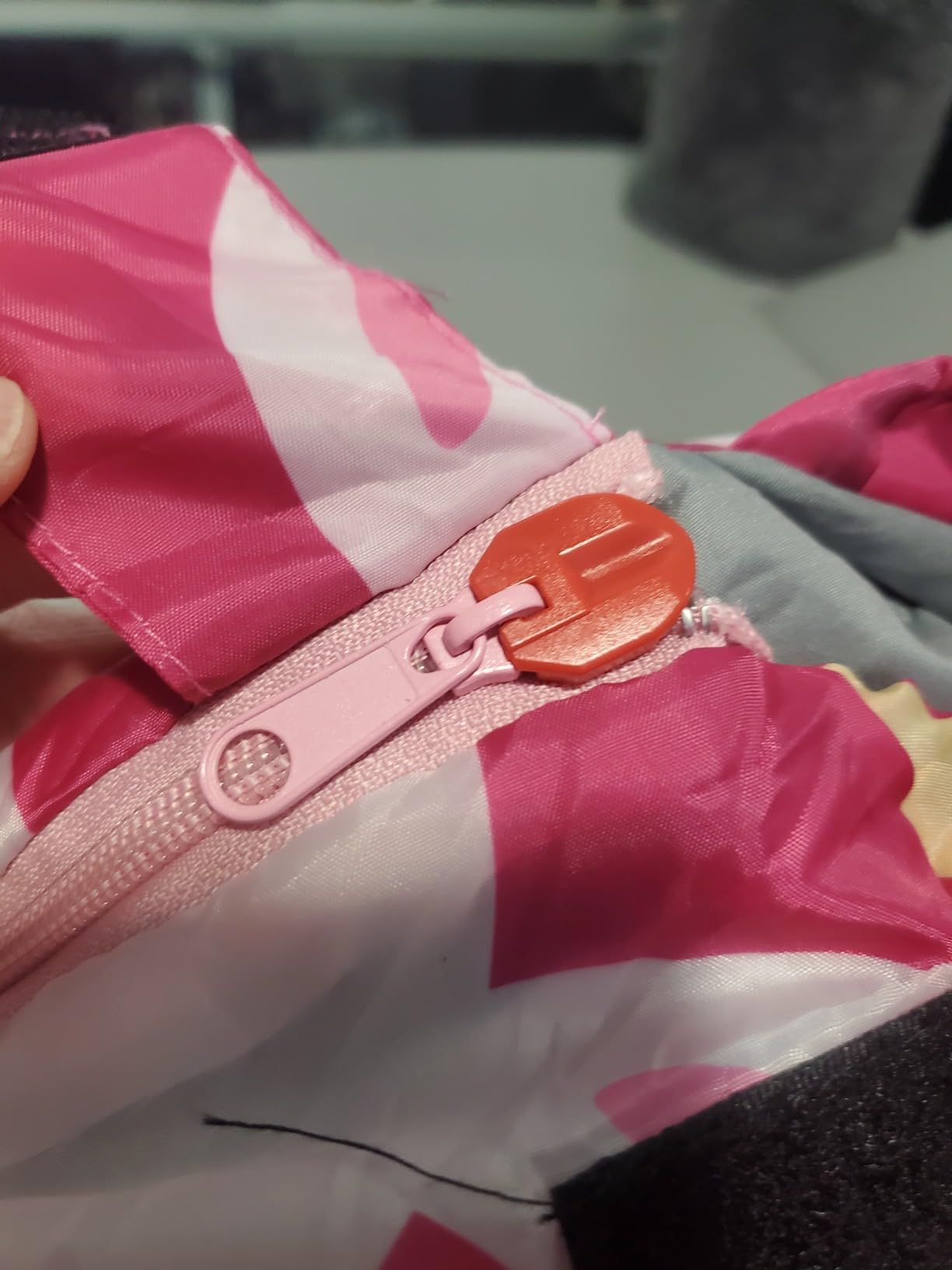
Parents mostly praise the warmth, the softness after washing, and how excited children are to use it. The bright colours and character prints do more for enthusiasm than any technical feature, and that enthusiasm is what actually keeps a bag out of the gear pile between trips.
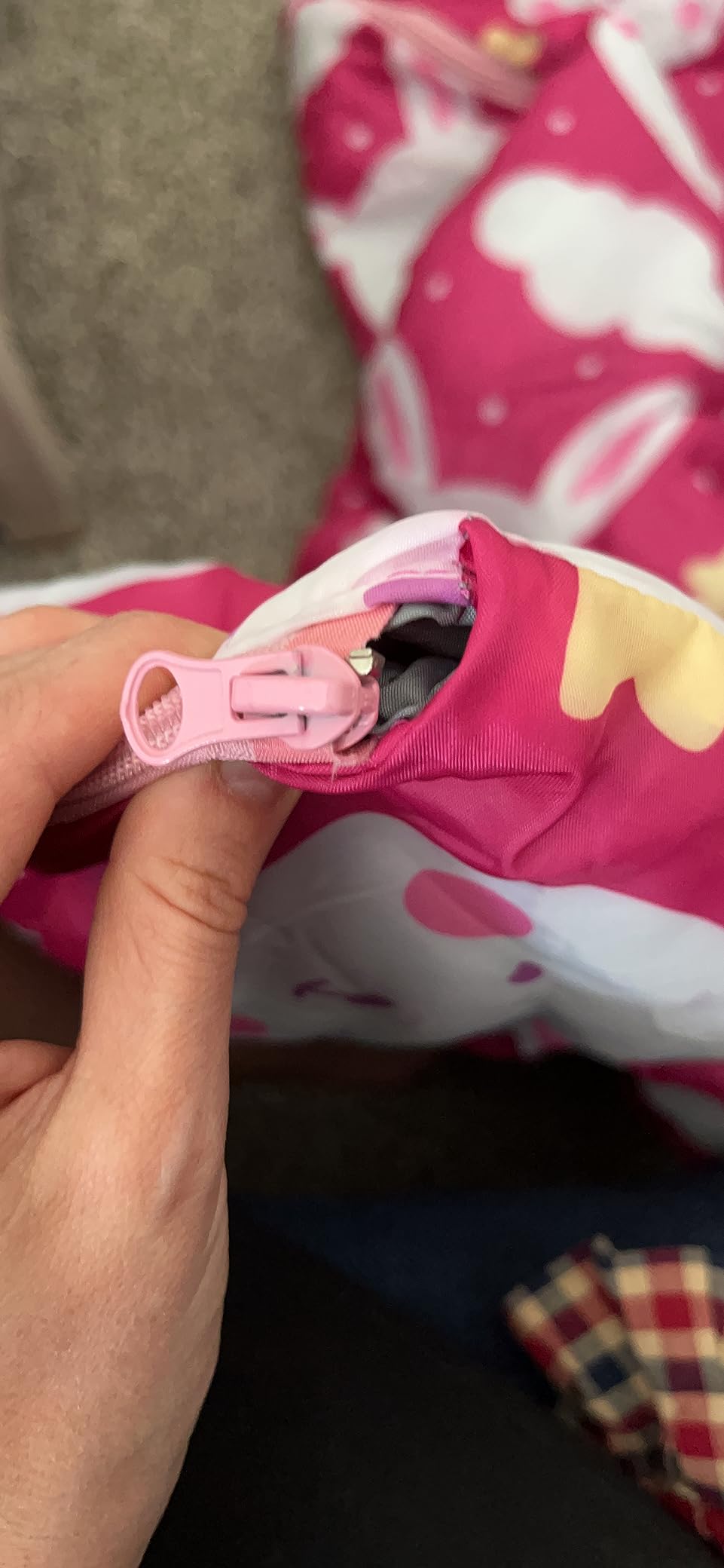
Two things to know. The real-world length measures about 150 cm rather than the listed 155 cm, which is tight for taller kids, so it really is aimed at children around 1 meter or shorter. And several owners report the zipper failing after a short period, which is worth factoring in if the bag will be handed around.
Who this bag suits
Families camping with kids in the 4 to 12 age range, sleepovers, slumber parties and preschool trips. The 40 to 77F comfort range covers everything from a mild spring weekend to a warm summer night, which means one bag per child rather than a rotation.
The blanket-style zip also makes it usable indoors, which extends its usefulness well past the last camping trip of the season and justifies the purchase for anyone who hosts sleepovers regularly.
Where it falls short
It is not an adult bag in any sense, and the size discrepancy between listed and measured length catches taller children out. Measure before ordering rather than going by the age label.
The reported zipper failures and the difficulty rolling it back into the compression sack are both recurring complaints. Neither is a dealbreaker, but if your child loses interest quickly, buy the bag for the use and not for the storage.
10. Xelaro 3-Season Bag: Best for Fine-Grained Ventilation Control
Xelaro Sleeping Bags for Adults Kids – 3 Season Cold&Warm Weather Waterproof Camping Sleeping Bags – Lightweight Sleeping Bags for Camping Hiking Outdoor Travel
Comfort 59F rated 50-68F
Two-way anti-pinch zip plus base vent
86.6 x 31.5 in
2.9 lb
Pros
- Two zipper access points give real heat-shedding control
- Drawcord hood cinches the face without trapping all heat
- Rectangular cut is roomier than most budget mummy bags
- Ripstop outer wipes clean and resists light weather
- Two bags zip into a double
Cons
- Hand wash only
- manufacturer warns machines can rip the stitching
- Comfort centres on 59F so it is not for hot summer lows
- 12 colour variants to sort through
Most bags give you one zipper. This one gives you two, in two separate places. A two-way anti-pinch zipper runs the main length of the bag, and a second base ventilation zipper sits at the foot end. That is the finest heat-shedding control of any bag here, and it is the reason this bag exists for people who cannot get comfortable until they have adjusted their bag three separate times.
The drawcord hood closure is the third piece. It lets you cinch warmth around your face on a cooler hour without sealing in all the heat, which is exactly what a conventional draft collar does. The outer is a ripstop 100 percent polyester that wipes clean, the fill is hollow cotton, and the rectangular 86.6 by 31.5 inch shape gives roomier sleep than most mummy-style budget bags.
It holds a 4.5 average, though across a smaller base of 511 reviews, so the feedback is thinner than the budget bags above it. The two bags can also be zipped together into a double, and it carries a one-year warranty with a storage bag included.
The two constraints are care and rating. The maker recommends hand washing because a washing machine can rip the stitching, which rules it out for anyone who washes gear the moment they get home. And the comfort figure centres on 59F with a 50 to 68F rating, so it is not the right bag for nights that stay genuinely warm.
Who this bag suits
If your overheating is a fine-tuning problem rather than a big problem, this is the bag for you. People who wake up at 4am needing a few more degrees of airflow, rather than people who are soaked from the neck down, are the ones who get real value from the dual zipper layout.
It also works for cabin weekends, house guests and any situation where you want a bag that is easy to air out after use, since the ripstop shell wipes clean without a wash.
Where it falls short
Hand wash only is a genuine inconvenience, and the manufacturer is explicit that a machine can damage the stitching. If you camp in a place with no water, that rules it out.
The comfort rating also makes it a narrower choice than several others here. If your lows sit near 70F, the PTEROMY or MalloMe bags have more headroom in their comfort windows. As with several bags at this level, there are 12 two-colour variants, so check you are ordering the one you meant to.
11. OneTigris Featherlite Quilt: Best Quilt for Hot Sleepers
OneTigris Featherlite Ultralight Sleeping Quilt, Weighs Only 35oz
Quilt form with hollowed back
Rated 41F
35 oz
20D ripstop nylon outer
Opens fully flat
Pros
- Quilt shape gives far more movement freedom than a zipped bag
- No zipper
- so it adjusts in seconds
- 35 oz and packs to about a gallon jug
- Synthetic fill washes easily and tolerates damp
- Good for claustrophobic sleepers
Cons
- No zipper means it is not standalone for very cold nights
- Footbox is fixed rather than openable
- Some owners tore the footbox fabric after a few uses
- Needs a sleep mat rather than bare ground
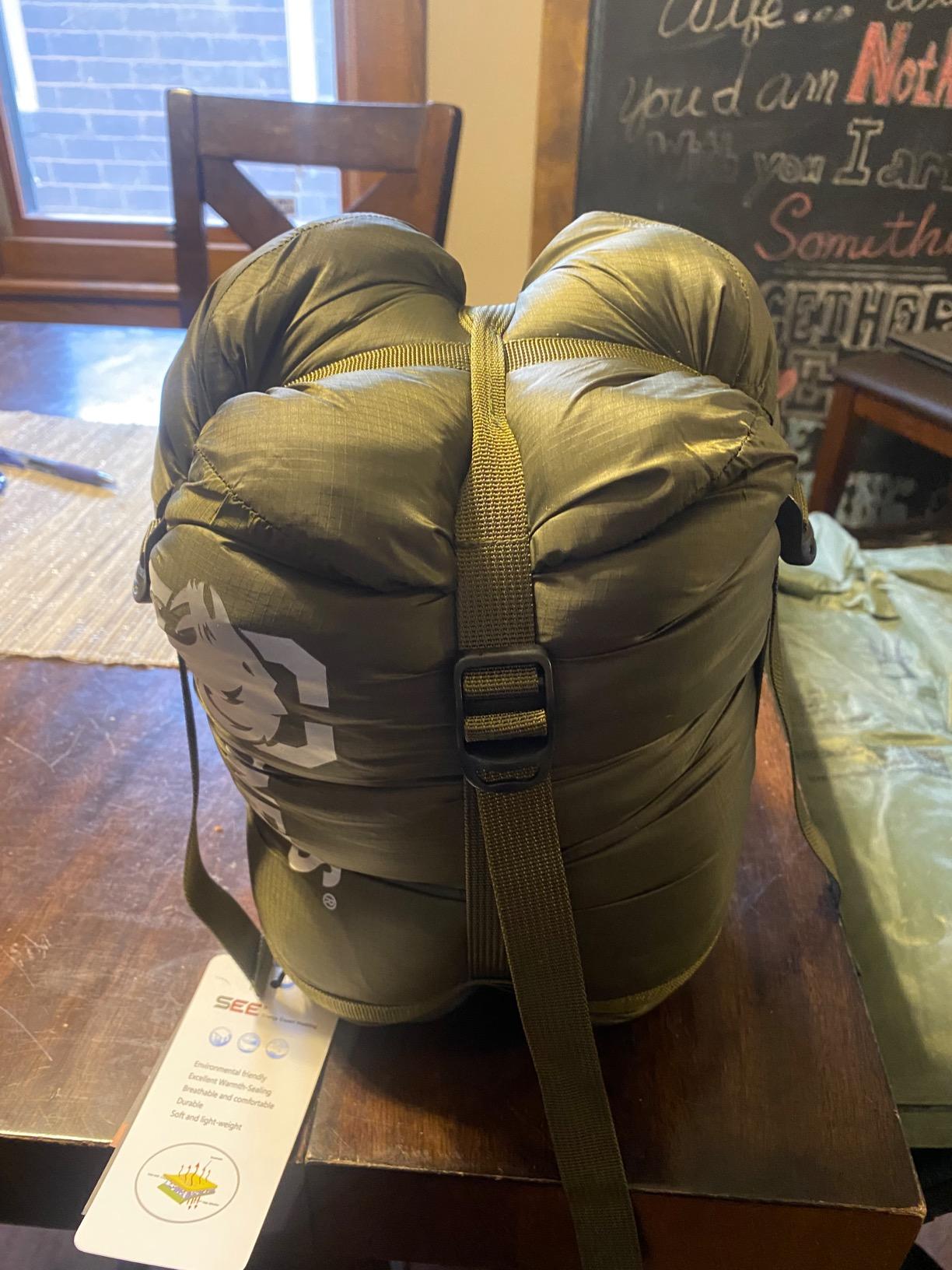
If you run hot, a quilt is structurally the right answer and this is the clearest example of why. There is no back, so warm air rises away from your spine instead of pooling behind you. There is no zipper to unzip, so you can open it, spread it, or kick it off without touching anything. It is rated to 41F, spreads out 6.5 by 2.8 feet, and weighs 35 oz.
There is also a hollowed back sized to sit on top of a sleep mat, which is how a quilt is meant to be used. The construction is baffled synthetic fill between a 20D ripstop nylon outer and a 380T polyester pongee inner, and it folds down to roughly the size of a gallon jug. At a 4.6 average it ties for the highest rating in this group, across 489 reviews.
Owners consistently praise the unconstrained shape for warm sleeping, the weight, and the fact that the washable synthetic fill tolerates dirt and damp. Several also report it running warmer than the 41F rating suggests. Being able to sit wrapped in it in a camp chair between uses is a small thing that comes up often.
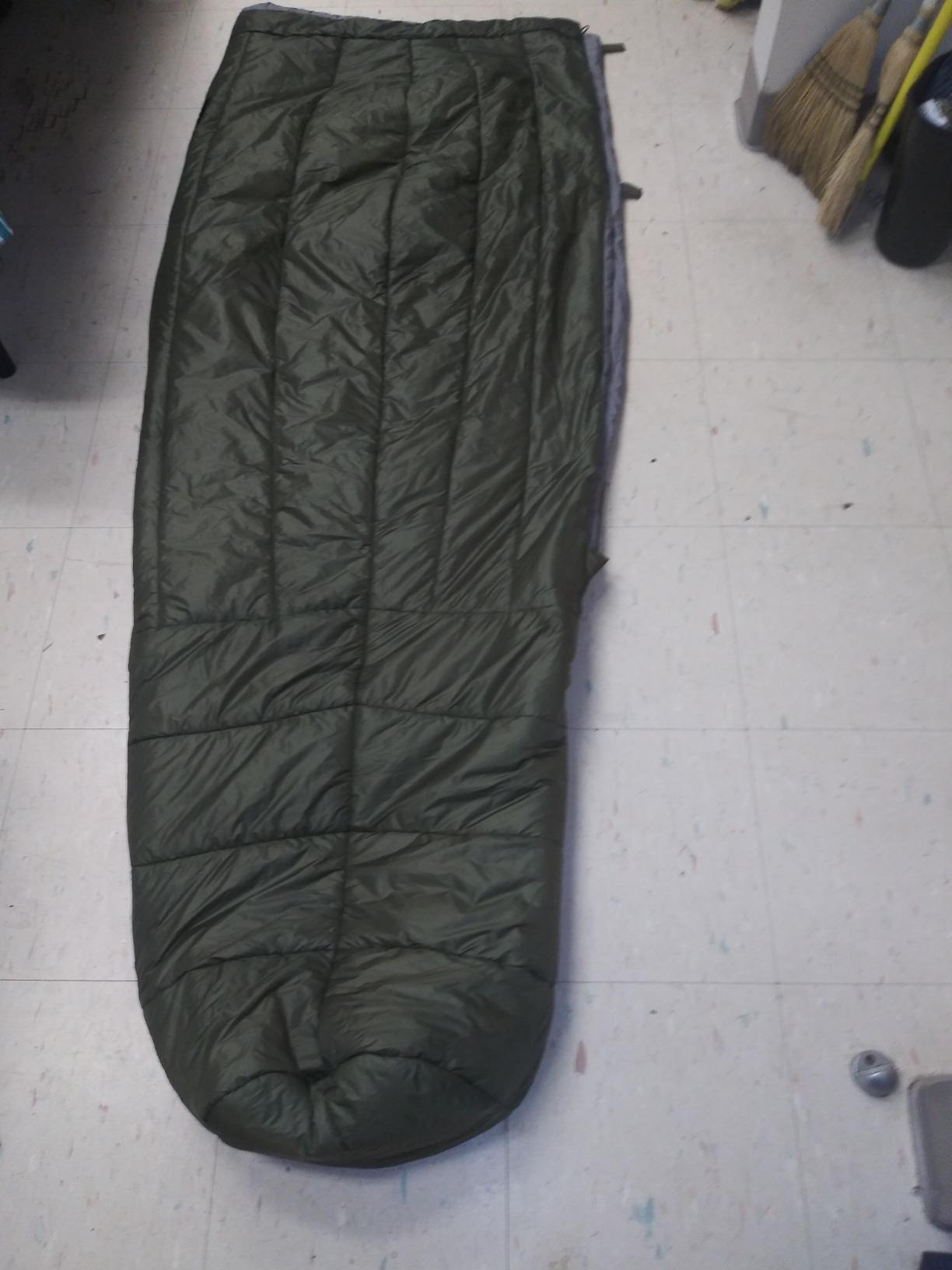
The limitations follow from the design. With no zipper, it is not a standalone bag for genuinely cold nights without an underquilt, and the footbox is fixed rather than openable, which makes layering it over a closed bag cramped. Some owners tore the footbox fabric after only a few uses, and it sits best on a sleep mat rather than on bare ground.
Who this bag suits
Anyone who is claustrophobic, tosses and turns, or has spent years being too warm in a mummy bag. A quilt removes the enclosure entirely, and for people whose overheating is a feeling as much as a temperature, that difference is large.
It also suits people who travel light on foot, since 35 oz and a gallon-jug packed size is genuinely small, and anyone in a humid climate who wants a fill that tolerates damp and washes without drama.
Where it falls short
It needs a sleep mat with enough R-value to reach its rating, and it is not comfortable on bare ground. If you are not already using a pad, that is an extra purchase to factor in, and our self-inflating pad guide covers the pairing.
It is also a premium-priced piece of gear, and the fixed footbox limits how you can combine it with other insulation. For anyone who does not already own a pad, a rectangular bag that opens flat may serve you better for the money.
12. Kelty Rambler 50: Best for Cowboy Camping and Foot Venting
Kelty Rambler 50 Degree Synthetic CloudLoft Insulated Sleeping Bag, Unzips Completely to A Blanket, Anti-Snag Zipper & More, Regular Fired Brick
50F lower limit
J-shaped zipper for foot venting
11.3 oz CloudLoft fill
2 lb 12 oz
Packs to 7 x 11 in
Pros
- J-shaped zipper lets you push one foot out to dump heat
- Unzips into a two-person blanket for campfire use
- Semi-rectangular shape is familiar and roomy for newer campers
- Packs to 7 x 11 in with compression straps
- Made in USA with a proper brand warranty
Cons
- Narrow 29 in width feels cramped
- Fits sleepers up to 6 ft only
- Does not unzip completely flat despite the claim
- 50F lower limit still runs warmer than many need
The J-shaped zipper is the entire argument for this bag. It runs long enough that you can push a single foot out of the bag while staying in it, and heat leaves through your feet, which is the most effective exit point most people have. Reviewers who run hot name that feature first, unprompted, and several mention staying in the bag all night without waking up sweaty.
It is a 50 degree lower limit in Kelty’s own CloudLoft synthetic insulation at 11.3 oz of fill, in a 260T polyester shell and liner, weighing 2 pounds 12 ounces and packing to 7 by 11 inches with compression straps. The design is explicitly aimed at cowboy camping and campfire use, and it unzips into a two-person blanket for sitting around in.
There are real frictions though. The 29 inch width is described as cramped, even by slim adults and many kids, and the regular size only fits sleepers up to 6 feet. The most-cited complaint is the gap between the marketing claim and reality on unzipping: owners report the foot end stays joined, so it does not open completely flat as advertised.
At a 4.4 average across 179 reviews, this is the thinnest evidence base in the roundup, and it is also among the most expensive bags we looked at. We include it because the J-zip and blanket mode are still the best single-foot venting solution on the list, and because the semi-rectangular shape is a friendlier starting point for newer campers than a tapered mummy.
Who this bag suits
New campers who want a familiar shape and an obvious way to cool down without leaving the bag. The semi-rectangular cut is closer to a classic sleeping bag than a tapered ultralight, and the blanket mode makes it a genuinely dual-purpose piece of gear for evenings around a fire.
It is also the pick for anyone whose main problem is a single hot foot, since the J-zip is purpose-built for exactly that. Synthetic CloudLoft fill washes without zipper problems, which suits an established brand with a real warranty and Made in USA construction.
Where it falls short
It is a narrow bag at 29 inches, and it is the only one here limited to sleepers up to 6 feet. If you are taller or broader, look at the VENTURE 4TH XXL, which is 39 inches wide.
And check the zipper on arrival, because the unzips-flat behaviour does not match the claim. If you need a true flat blanket, the MalloMe or ECOOPRO bags deliver it. The 50F lower limit is also warmer than some hot sleepers actually need.
How We Evaluated These Bags for Hot Sleepers
We ranked these on the specific question of heat management rather than on overall gear quality, which changes the order you would get from a general roundup. Here is what we counted.
Rating fit first. A bag is a poor match for a hot sleeper if its comfort rating sits well below the temperatures they actually camp in. Every bag here is rated at 41F or warmer, and most cluster between 50F and 80F.
Venting access. We noted every heat exit: full flat unzip, two-way zipper, bottom vent, J-zip, head drawstring, and open-back quilt construction. We weighted the ability to open flat above any other feature.
Interior width and length. A bag too narrow forces curled sleep, which makes heat worse. We checked listed dimensions against what reviewers actually measured.
Wash durability. Bags rated for a warm season get washed constantly. We looked for repeated reports of fill shifting, bunching or linings degrading after machine washes, and for hand-wash-only instructions.
Review depth. Twelve of these bags have 179 reviews or more, and six have over 1,000. Where feedback was thin, we said so rather than smoothing it over.
How to Choose a Sleeping Bag If You Run Hot
Start with your real low, not the worst-case night. Most people overbuy warmth because they plan for a cold snap that never comes on their actual trip. Check the historical lows for the specific places you camp in July and August, and buy to that number. If your low is 58F, a bag with a 59F comfort rating is the correct purchase, not a compromise.
Then buy venting, not more fill. A full unzip to a flat blanket beats any hood or collar feature. After that, rank two-way zippers, then bottom foot vents, then a J-zip. These are the features that let you change your own temperature during the night, which is what actually breaks you out of an overheating cycle.
Consider a lighter bag plus a warmer pad. This is the strategy most guides never mention, and it is the one that works best for people who overheat. Sleeping warmth comes from two places, and most of it comes from underneath you. A low R-value summer pad under a well-ventilated 59F bag will keep you comfortable on a 45F night, while the same pad under a heavy 30F bag will have you soaked by 2am. Insulation below you cannot trap heat against your back, so it does not make you run hotter.
Read the 40F to 60F category properly. If you only know 20F and 30F bags, the warm-weather numbers can look implausible. A 50F rating is not a marginal 30F bag, it is a genuinely warm-weather bag, and it works because the whole system is designed for summer conditions. The bags on this list rated 55 to 60F are the ones to look at if you are camping in real summer heat.
Decide quilt versus mummy honestly. A quilt wins on ventilation because nothing is sealed, and it wins on weight and on claustrophobia. A rectangular bag that unzips flat is the middle ground: the enclosed feeling goes away when you open it, and you keep a hood and footbox for cooler hours. Pick the quilt if you feel trapped in bags. Pick the flat-opening rectangle if you want one piece of gear that works across a wider range of temperatures.
Check width before anything else. A narrow bag fails a hot sleeper twice, because you cannot lie flat and you cannot move. Anything at or below 30 inches wide is a compromise, and reviewers say so repeatedly across this group. Thirty-nine inches or more changes how a night feels.
Match the fill to your climate. Down is lighter and warmer per gram but loses loft when wet, and a damp down bag is both cold and clammy, which is the worst combination for a hot sleeper in a humid climate. Synthetic bags wash easily, keep working when damp, and hold their shape through repeated machine washes. If your trips are in dry, mild, or desert conditions, fill type matters less than venting does.
Frequently Asked Questions
How do I stay cool in a sleeping bag?
Start by opening the bag before you need to: unzip it flat like a blanket, or push a foot out through a bottom vent or J-shaped zipper, before your core temperature rises. Then use the head and neck drawstring to open the collar. Choose a bag rated close to your actual forecast low, add ventilation with a two-way zipper or foot vent, sleep in a wide cut you can move in, and put your insulation underneath you on the pad rather than around you.
What temperature rating does a hot sleeper need?
A bag rated within about 5F of the temperature you actually face, and often above it. Most hot sleepers are well served by a bag with a 50F to 60F comfort rating for summer camping, and a 59F comfort bag works for nights that rarely drop below 60. If your lows dip into the 40s, keep the bag light and raise your sleeping pad’s R-value instead of buying a warmer bag.
Are quilts cooler than sleeping bags?
Yes, structurally. A quilt has a hollowed back with no sealed enclosure, so warm air rises away from your spine rather than pooling behind you, and it has no zipper that has to be undone to change your temperature. Sleeping bags are generally more thermally efficient, which is exactly why they feel too warm when they are overbuilt for the night. If claustrophobia is part of your overheating, a quilt solves that too.
Should a hot sleeper use down or synthetic?
It depends on humidity more than on heat. Down is lighter and warmer for its weight, but it loses loft once wet, and a clammy cold bag is the worst outcome for someone who already sweats. Synthetic and hollow fibre bags keep working when damp, wash in a machine without specialist care, and resist clumping. In dry, mild, or desert conditions, choose on venting and fit instead, because fill type matters less than how much heat the bag can release.
Do sleeping bag vents really work?
Yes, because they set up a convection loop rather than just letting air out. A bottom zipper near the foot end lets cool air in low, and since hot air rises, it exits through the upper part of the bag or through an open top. Owners across this group specifically report using the bottom vent or J-zip to push a foot out on warm nights. Vents work best combined with a bag rated close to your real low.
How much warmer should my bag be than the temperature?
Cold sleepers are usually advised to buy 5 to 10F below their expected low, and hot sleepers need the reverse: within about 5F of it, or slightly above. Overbuying warmth is what causes sweating, since the extra trapped air has nowhere to go. If you genuinely need a colder-weather bag, buy it for winter trips and use a lighter, better-ventilated bag for the 90 percent of the year that you run hot.
Bottom Line for Hot Sleepers in 2026
The best sleeping bags for hot sleepers share one trait: they are rated for the night you are actually having, not for a cold snap that may never arrive. Everything else follows from that. A bag rated 50 to 80F stops trapping heat you never needed, the extra weight and bulk disappear from your pack, and you stop waking up damp at 3am.
Our pick for most people is the oaskys 3-Season Bag, with a 50 to 68F rating, a waterproof breathable shell and a separate bottom zipper for venting your feet on top of 24k reviews at a 4.5 average. If you are a side sleeper who moves all night, the VENTURE 4TH XXL gives you a 90 by 39 inch interior and a two-way zipper. If your real problem is that you want to sleep under a blanket, the MalloMe unzips flat, and if your nights stay genuinely warm, the ECOOPRO is rated for 55 to 60F and packs down to 11 inches.
And if being enclosed is part of what makes you overheat, the OneTigris Featherlite Quilt removes the enclosure entirely. Whichever one you pick, check the interior width before you order, and consider putting the extra warmth on the pad rather than in the bag.