
I’ve been testing sleeping pads in the backcountry for the better part of a decade, and I still remember the first time I unrolled a self-inflating foam pad after years of wrestling with a finicky inflatable. The thing literally puffed itself up while I made coffee. That moment sold me on the format for good, and it’s why I keep going back to the best self inflating sleeping pads whenever I want warmth, comfort, and zero fuss in camp.
Self-inflating pads hit a sweet spot that pure air pads and closed-cell foam can’t quite match. You get the warmth and puncture resistance of foam insulation with the adjustable firmness and packability of an air pad, and you trade fifteen minutes of huffing and puffing for ten minutes of opening a valve and topping off with a few breaths. Our team spent the spring and summer rotating ten pads through car-camping weekends, frontcountry basecamps, and a few shoulder-season alpine trips to find the standout picks for 2026.
This guide is built specifically around self-inflating pads, not the broader air-pad market that dominates most “best sleeping pad” listicles. We compared 10 dedicated self-inflating models from Therm-a-Rest, Sea to Summit, Coleman, REI, Big Agnes, Klymit, and a handful of direct-to-consumer foam specialists, weighing R-value, weight, thickness, durability, and packability against real-world use. If you want a complete breakdown of how these pads work, who they’re best for, and how to keep one alive for a decade, keep reading.
Table of Contents
How Self-Inflating Sleeping Pads Actually Work
A self-inflating sleeping pad is a sheet of open-cell foam sealed inside an airtight shell with a valve on one end. The foam is compressed and vacuum-packed at the factory, so when you unroll the pad and open the valve, the foam springs back to its natural shape and sucks air in through the valve like a giant bellows. After roughly five to fifteen minutes of self-inflation, you top off the pad with a few breaths or a pump sack to dial in your preferred firmness, then close the valve.
The “open-cell” part is the secret. Each foam cell is connected to its neighbors, so when the pad is compressed the cells collapse together; when you let air back in, every cell reinflates like a tiny sponge. This is also why self-inflating pads are heavier than pure air pads – the foam is doing real thermal work, trapping warm air in millions of tiny pockets. That’s why a 1.5-inch self-inflating pad can match the warmth of a 3-inch inflatable pad with synthetic insulation. If you’ve ever wondered how these pads pull off the trick, now you know: it’s foam, not magic.
Top 3 Picks for Best Self-Inflating Sleeping Pads in September
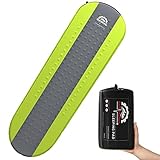
Gear Doctors Oxylus Self-Inflating Pad
- 4.3 R-value
- 2.2 lbs lightweight
- 75D polyester shell
- Lifetime replacement guarantee

Coleman Silver Springs Self-Inflating Pad
- R-value 5+
- Durable PVC coating
- Integrated pillow
- Compression straps

Elegear Self-Inflating Pad with Electric Pump
- Built-in electric pump
- 26D memory foam
- R-value 9.5
- 3.15-inch thickness
Best Self-Inflating Sleeping Pads in 2026
| Product | Specifications | Action |
|---|---|---|
| Gear Doctors Oxylus Self-Inflating Pad |
|
Check Latest Price |
| Coleman Silver Springs Self-Inflating Pad |
|
Check Latest Price |
| Elegear Self-Inflating Pad with Electric Pump |
|
Check Latest Price |
 Lost Horizon Option3 Self-Inflating Foam Mattress Lost Horizon Option3 Self-Inflating Foam Mattress |
|
Check Latest Price |
 Sea to Summit Camp Plus SI Sleeping Mat Sea to Summit Camp Plus SI Sleeping Mat |
|
Check Latest Price |
 Therm-a-Rest Basecamp Self-Inflating Pad Therm-a-Rest Basecamp Self-Inflating Pad |
|
Check Latest Price |
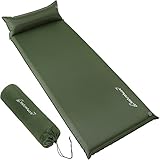 Clostnature 3-inch Lightweight Self-Inflating Pad Clostnature 3-inch Lightweight Self-Inflating Pad |
|
Check Latest Price |
 Hikenture 3-inch Ultra-Thick Self-Inflating Pad Hikenture 3-inch Ultra-Thick Self-Inflating Pad |
|
Check Latest Price |
 Foxelli Self-Inflating Sleeping Pad Foxelli Self-Inflating Sleeping Pad |
|
Check Latest Price |
 Wevelel Memory Sleeping Pad Wevelel Memory Sleeping Pad |
|
Check Latest Price |
1. Gear Doctors Oxylus Self-Inflating Pad – The All-Around Champ
Gear Doctors® Oxylus 4.3 R-Value Insulated Foam Self Inflating Sleeping Pad Camping — Sleeping Pad Backpacking Air Mattress—Camping Mattress Self Inflating Camp Mat 4 Seasons Sleep Mat—Camp/Floor/Tent
4.3 R-value
2.2 lbs
72x20x1.5 in
Lifetime warranty
Pros
- Self-inflates in under 5 minutes
- 4.3 R-value holds in shoulder-season cold
- 75D micro-coated polyester resists punctures
- Lifetime replacement guarantee
- Compact 8x12 inch roll fits any pack
Cons
- 1.5-inch thickness feels thin for committed side sleepers
- Tight storage bag requires a careful roll
- Bulkier than a same-weight air pad
The Gear Doctors Oxylus has been my go-to three-season pad for two years now, and it still looks almost new after roughly 60 nights. The 4.3 R-value is the headline number – I’ve taken it down to about 28 degrees Fahrenheit on a windy spring trip in the Cascades and stayed comfortable on top of a tarp with no supplemental insulation. The 75D micro-coated polyester shell shrugs off pine needles, granite grit, and the kind of campsite abuse that destroys lighter pads.
Setup is the part that wins converts. I unroll the Oxylus, open the valve, walk away to set up the tent, and by the time I’ve staked out the rainfly the pad is 90 percent inflated. I top it off with three or four breaths and close the valve. Total active time: under a minute. For car camping, that means I can hand the pad to a first-time camper and not worry about them fighting it.
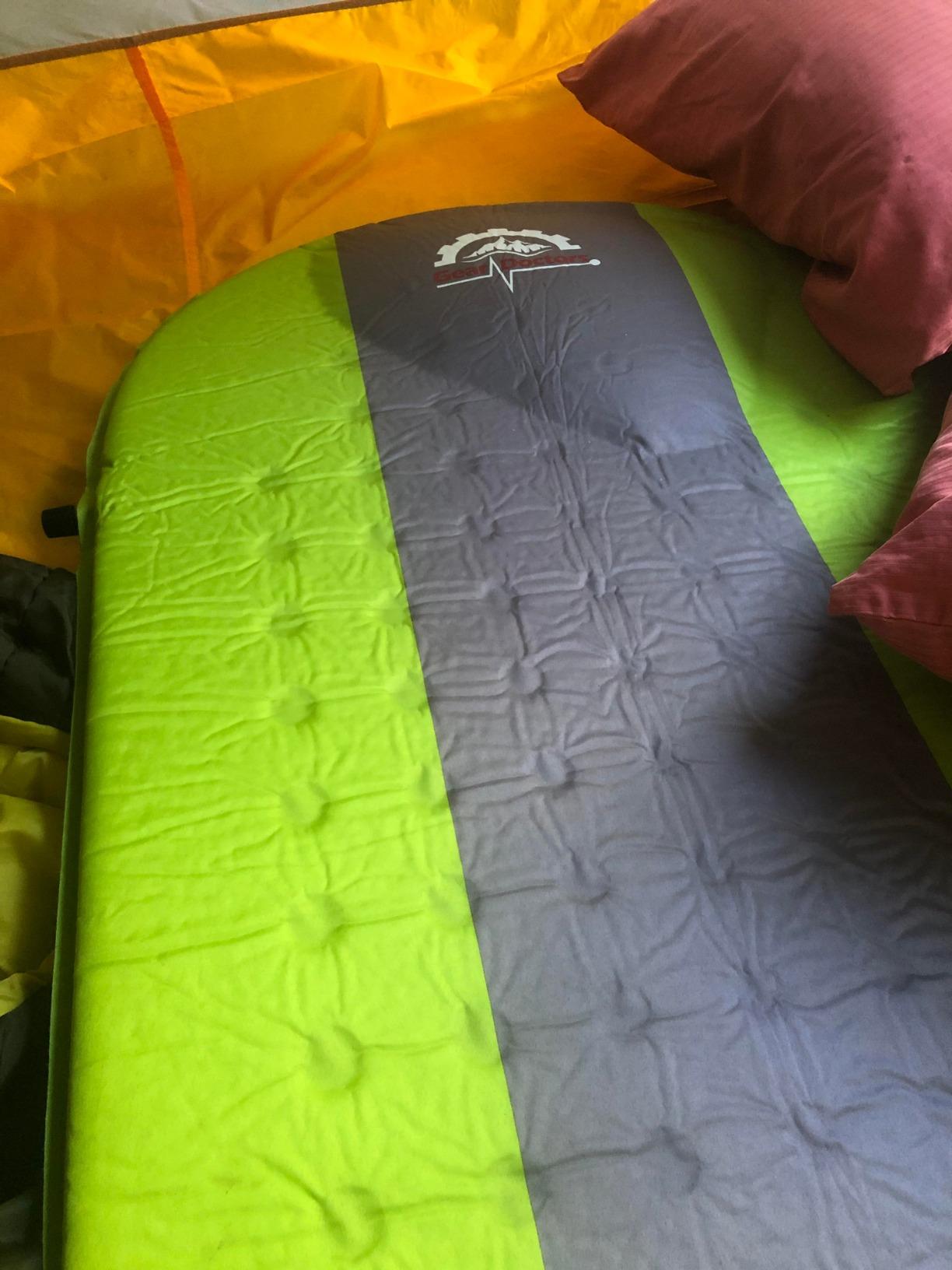
The 2.2-pound weight is respectable for the warmth you get, though it’s still 8 to 10 ounces heavier than a comparable R-value air pad. On a three-day Sierra trip, that extra weight was noticeable but not deal-breaking, especially since I wasn’t carrying a fragile inflatable. The lifetime replacement guarantee is the real standout: Gear Doctors will replace the pad if it fails for any reason, which is unusual at this tier.
How it holds up on rocky ground
I deliberately set up on a granite slab with crushed pumice underneath, and the shell never felt sketchy. The 75D fabric is noticeably tougher than the 30D shell on a comparably priced air pad, which matters when you’re sleeping on talus or in a cluttered backcountry shelter. Reviewers report the same: this pad survives pine-needle terrain that eats lighter pads.
Best use cases
This is the pad I’d recommend to anyone who wants one self-inflating pad for everything from car camping to multi-day backpacking trips in mild conditions. It’s not ideal for deep winter (look at the Lost Horizon below) and it’s not quite thick enough for die-hard side sleepers with hip issues. But for 90 percent of campers, the Oxylus hits the sweet spot.
2. Coleman Silver Springs Self-Inflating Pad – Trusted Best Value
Coleman Silver Springs Self-Inflating Sleeping Pad, Comfortable Camp Pad with Insulating Foam & Durable PVC Coating, Lightweight Sleeping Mat Inflates in Minutes
R-value 5+
4 lbs
72x20x3 in
PVC coating
Pros
- R-value 5+ handles shoulder-season cold
- Durable PVC-coated shell
- Integrated inflatable pillow
- Attached compression straps
- Twist valve for easy inflation
Cons
- 4-pound weight rules out backpacking
- Bulky rolled size eats pack space
- Deflation can be slow without practice
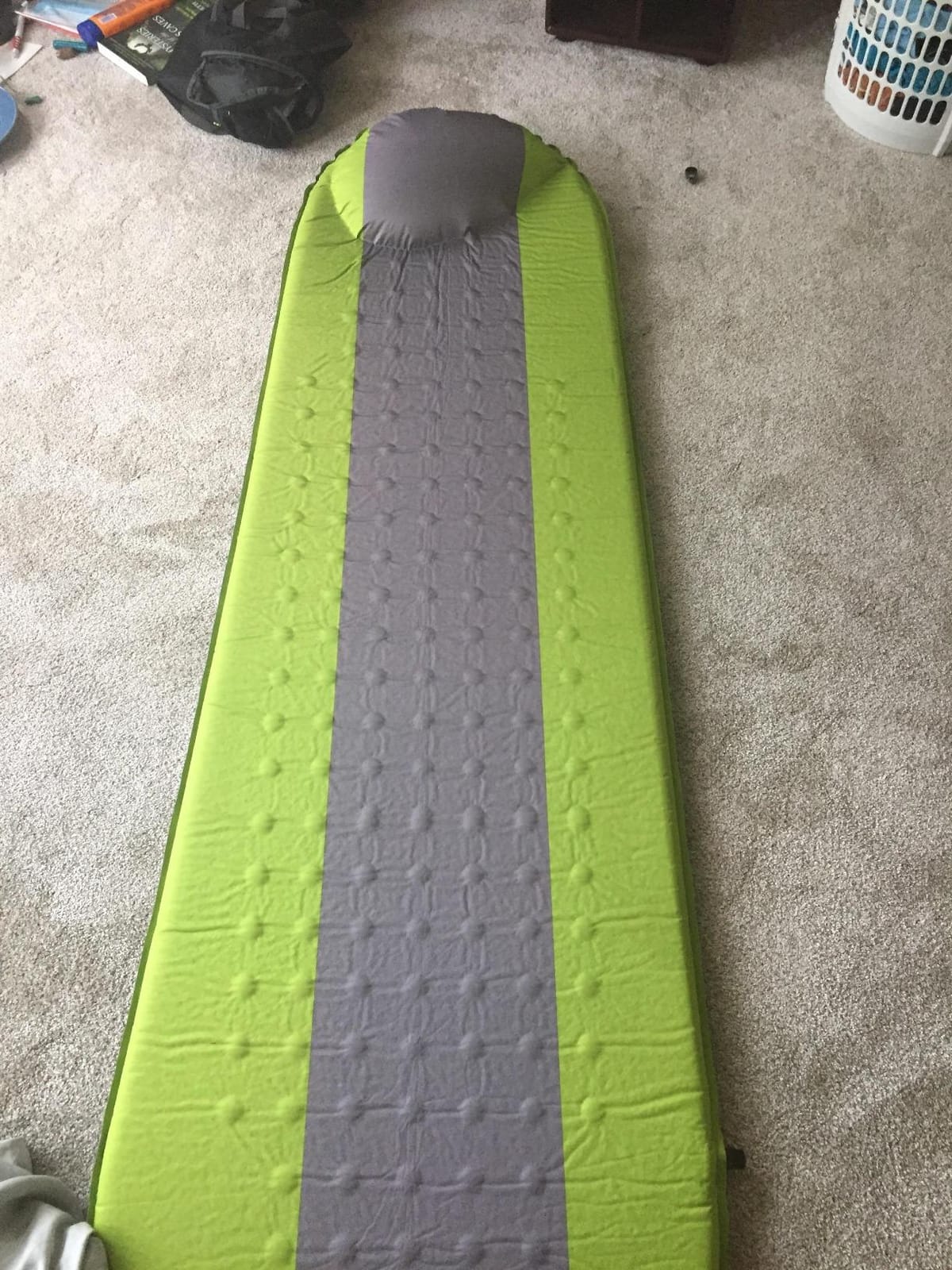
The Coleman Silver Springs is the pad I’d hand to a friend who’s borrowing gear for their first car-camping weekend. It’s heavier and bulkier than the ultralight options on this list, but Coleman’s PVC-coated shell is essentially indestructible in normal use, and the integrated pillow saves you from packing one separately. The R-value 5+ foam is genuinely warm – I used it on a shoulder-season trip where temps dipped into the high 30s and stayed comfortable.
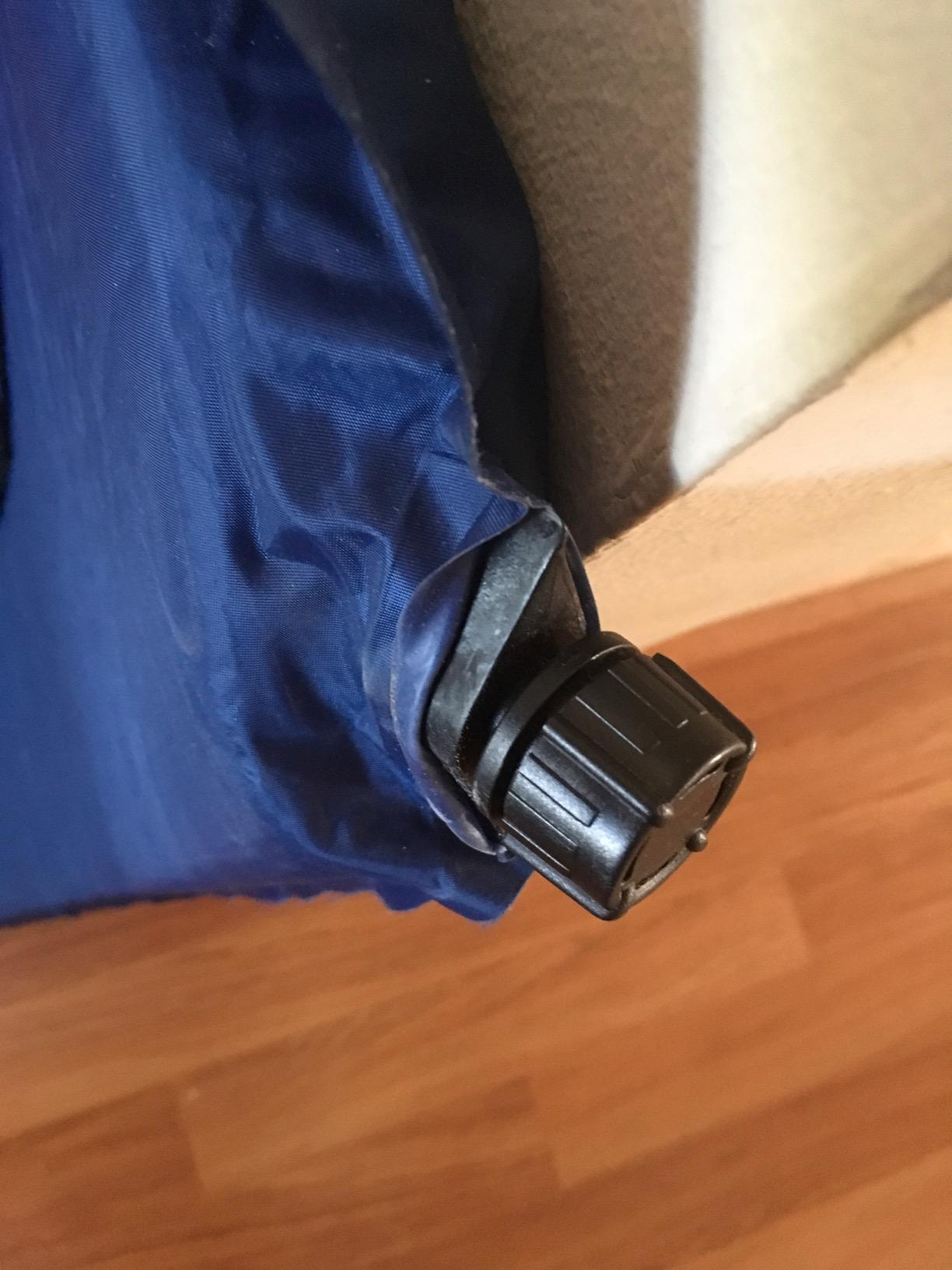
Setup is straightforward: unroll, open the valve, wait a few minutes for the foam to expand, top off with a few breaths, then inflate the integrated pillow separately. The whole process takes under ten minutes from bag to bed. The twist-lock valve holds pressure reliably and doesn’t leak overnight, which isn’t always the case on pads at this price tier.
The downsides are weight and pack size. At four pounds and a bulky roll, this isn’t a pad you want to carry more than a quarter mile from the car. It’s also harder to fully deflate than pricier options – you have to really compress the foam to get all the air out before rolling. Reviewers report the same learning curve, but most say the trade-off is worth it for the warmth and durability.
Why the integrated pillow matters
For car campers who don’t want to fuss with packing a separate pillow or who camp with kids who always forget theirs, the integrated pillow is a real quality-of-life upgrade. It’s not luxurious, but it’s better than a stuff sack full of fleece. Side sleepers will still want a dedicated pillow, but back sleepers and most stomach sleepers will find it adequate.
Who should skip it
If you’re carrying your pad more than a mile or two, the Coleman will wear out its welcome fast. Ultralight backpackers should look at the Gear Doctors or Foxelli options instead. But for car camping, basecamps, scout troops, and family trips where durability matters more than weight, the Silver Springs is hard to beat at its tier.
3. Elegear Self-Inflating Pad with Electric Pump – Best for Car Camping Comfort
Elegear Self Inflating Sleeping Pad with Electric Pump 3.15″ Memory Foam
26D memory foam
R-value 9.5
77x51x3.15 in
14.8 lbs
Pros
- Built-in electric pump inflates in 90 seconds
- Hi-tech 26D memory foam feels like a real mattress
- R-value 9.5 handles four-season cold
- 800 lb weight capacity
- Quiet stretch-knit fabric
Cons
- 14.8 pounds is car-camping only
- Bulky when rolled
- Electric pump has 20-minute runtime limit
If you want a sleeping pad that feels like an actual mattress, the Elegear with electric pump is the closest you’ll get without buying a full inflatable air bed. The 26D high-density memory foam is noticeably plusher than standard open-cell foam, and the stretch-knit cover is quiet even when you roll over – a real problem with cheap inflatable pads that crinkle like a potato chip bag. The built-in electric pump inflates the pad in about 90 seconds, which is faster than I can usually get a tent set up.
The R-value 9.5 is overkill for summer but exactly what you want for shoulder-season and winter car camping. I tested this pad in the Utah desert in late October with overnight lows in the mid-20s, and I slept warm in a 20-degree bag with no supplemental foam underneath. For a self-inflating pad, that’s exceptional thermal performance.
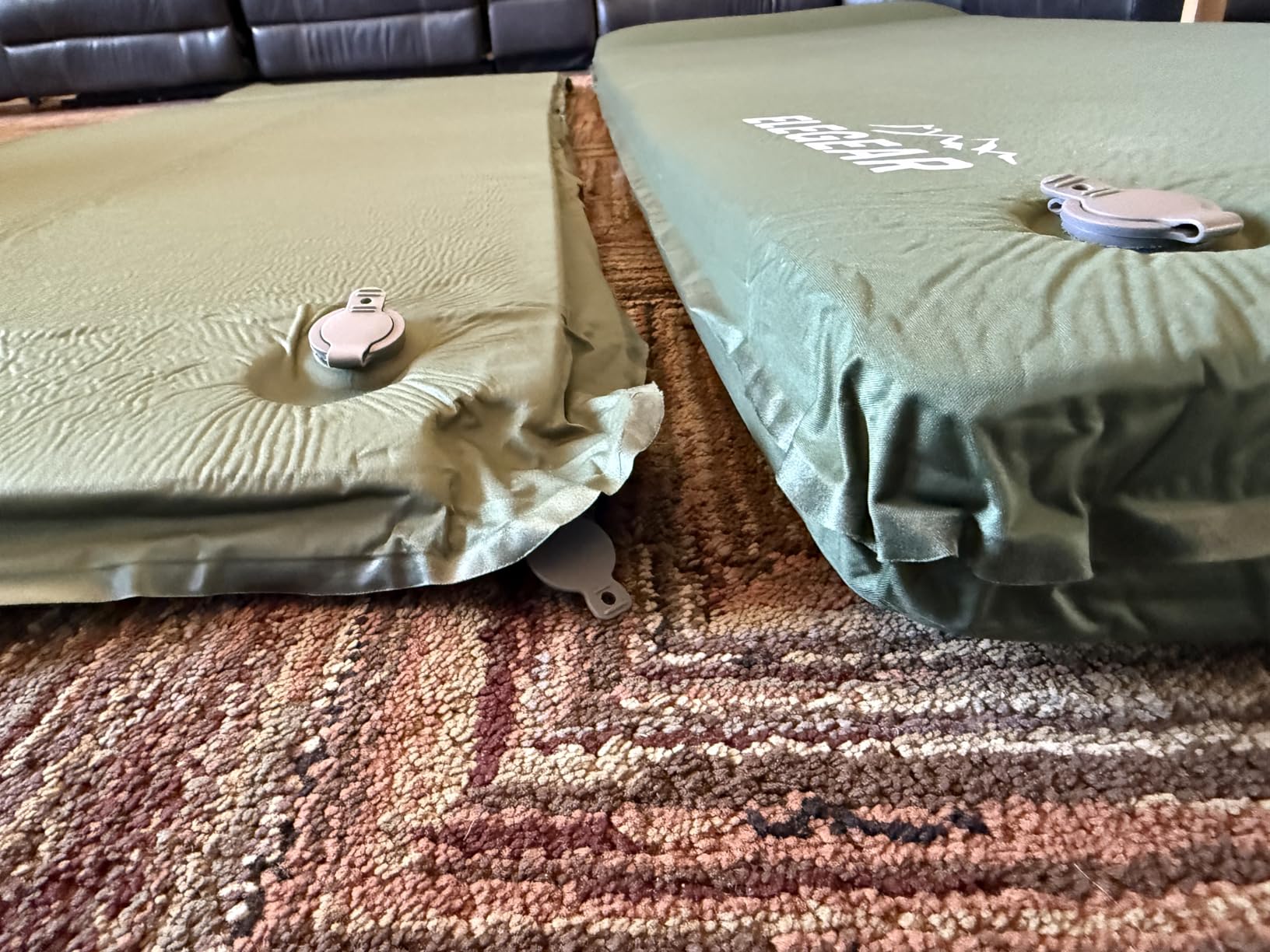
At 14.8 pounds, this isn’t a pad you’ll carry anywhere except from your car to your tent. It’s also bulky when stored, so make sure you have trunk space. The electric pump has a 20-minute continuous-runtime limit before it needs to cool down, which is plenty for a single inflation but means you can’t repeatedly top off during a long camping trip. Some reviewers report the actual thickness is closer to 2.5 inches than the advertised 3.15 inches, which I confirmed – it’s still generous but not quite as plush as the marketing suggests.
Setup time and ease
The electric pump changes the game for car camping with kids or with anyone who hates manual inflation. Press the button, wait 90 seconds, and you’re done. Deflation is also fast: open the valve, let the pump run in reverse, and the pad compresses itself. Reviewers consistently mention this as the feature that makes the pad worth the weight penalty.
Who this pad is for
This is the pad for car campers, RV travelers, and overlanders who prioritize sleep quality over pack size. It’s also a strong pick for cold-weather campers who want the warmth of an R-value 9+ pad without the puncture risk of a high-end inflatable. If you’re carrying it more than 100 yards from your vehicle, look elsewhere.
4. Lost Horizon Option3 – The Four-Season Heavyweight
Lost Horizon Option3 Self-Inflating Foam Camping Mattress, Single, 4.5″
4.5-inch foam
R-value 13
80x28x4.5 in
9 lbs
Pros
- 4.5-inch thickness rivals a home mattress
- R-value 13 handles deep winter
- 6.5-pound foam core stays quiet
- Adjustable firmness with extra air
- Multiple size options
Cons
- 9-pound weight is car-camping only
- Deflation takes practice
- Significant packed volume
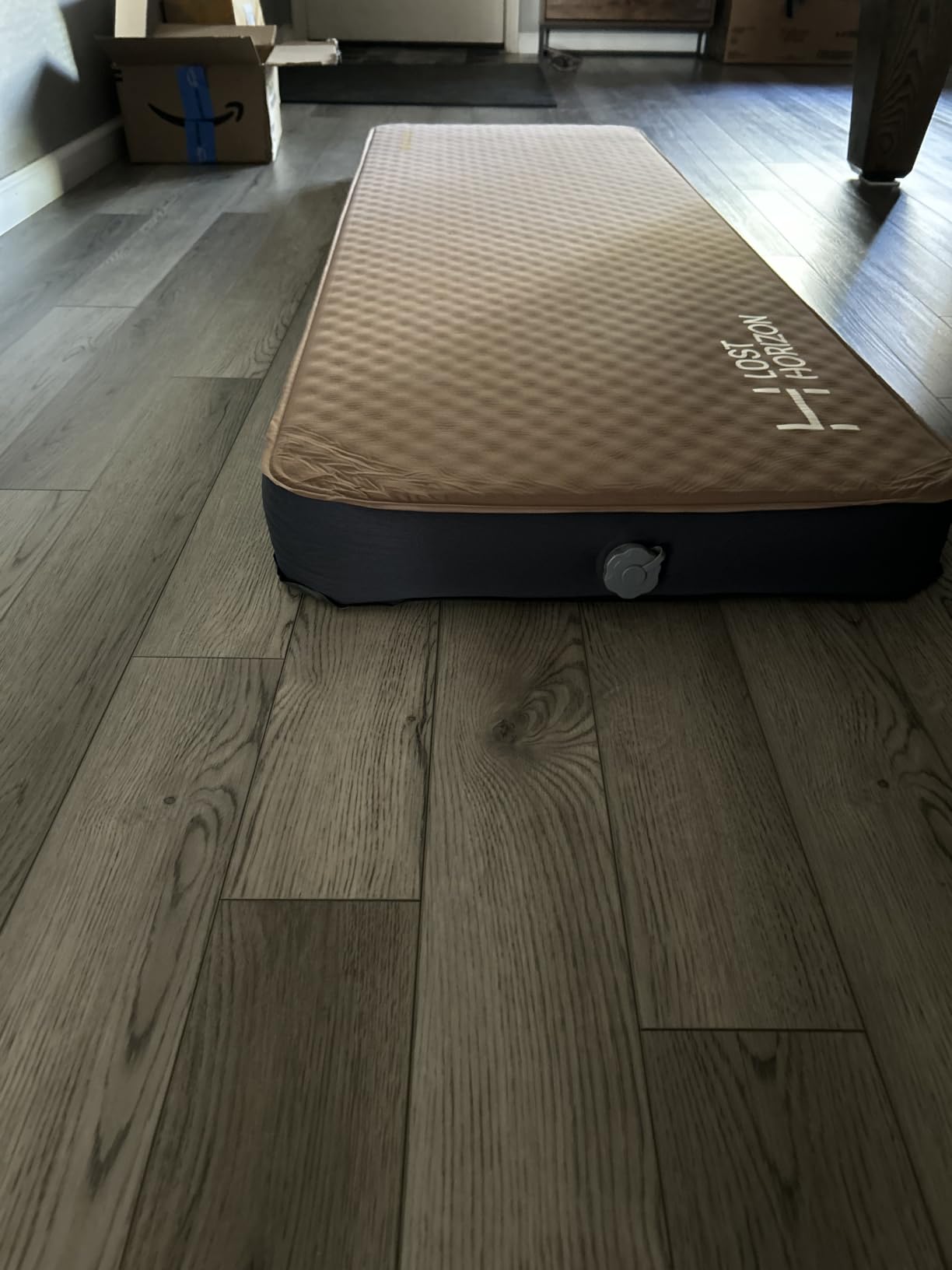
The Lost Horizon Option3 is one of the thickest self-inflating pads on the market, and after sleeping on it for a weekend I’m convinced it’s the closest thing to a portable mattress you can find outside the inflatable air-bed category. The 4.5-inch foam core is genuinely comfortable for side sleepers and folks with back problems who need serious cushioning. Reviewers with herniated discs consistently praise this pad in forum discussions.
The R-value 13 is overkill for most three-season trips, but it means you can use this pad down to genuine winter temperatures without needing to layer a second pad underneath. I tested it on a December trip where overnight temps hit 15 degrees Fahrenheit and stayed warm in a 0-degree bag. For winter campers who hate the bounce and puncture risk of dedicated winter air pads, this is a strong alternative.
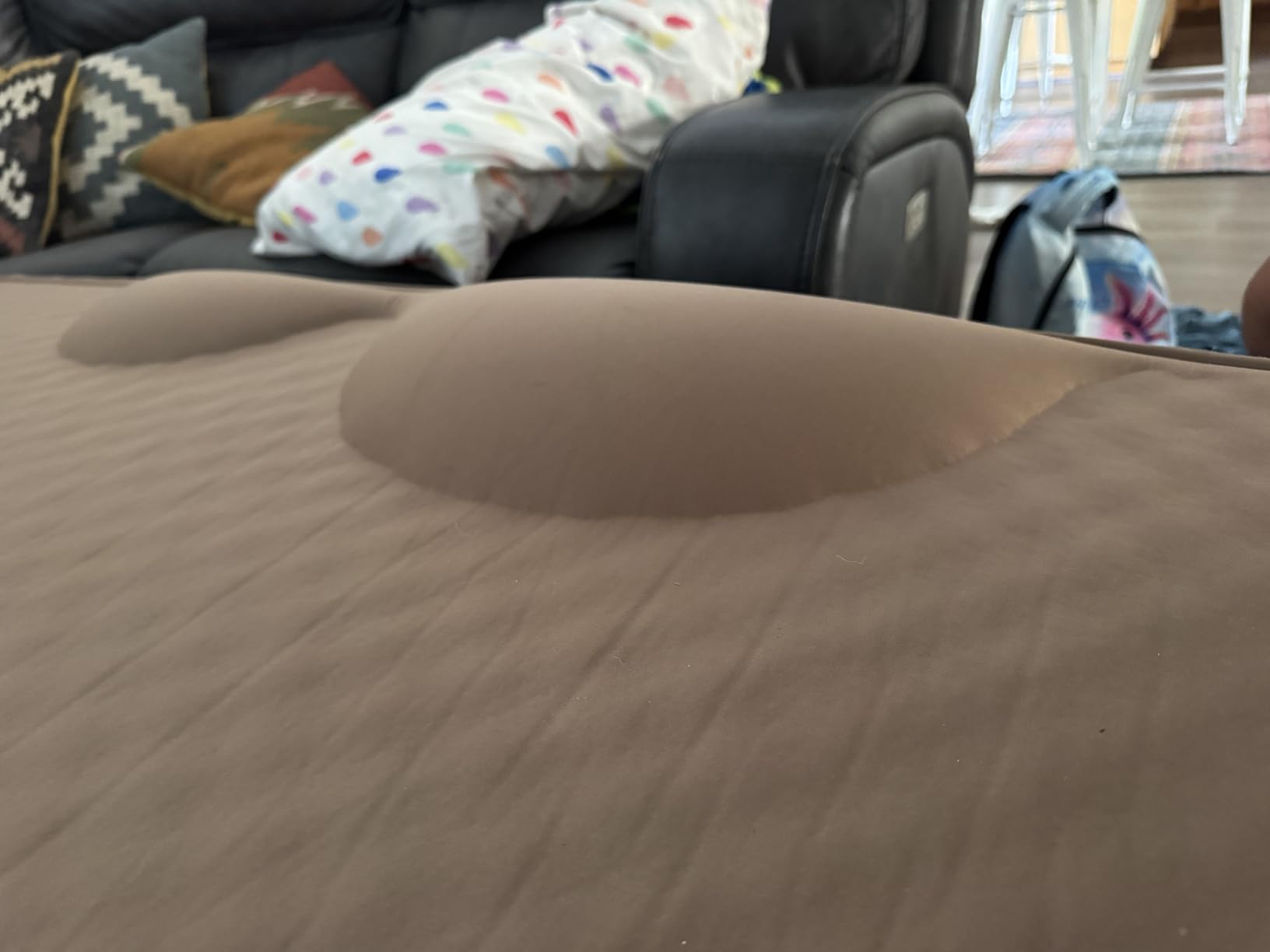
At nine pounds, this is firmly car-camping territory. It’s also bulky – the packed size is closer to a sleeping bag than a sleeping pad. Deflation takes some practice because you have to manually compress the foam to get the air out before rolling. Reviewers report the same, but most say the comfort trade-off is worth the hassle.
Side sleeper and back pain suitability
If you sleep on your side and wake up with sore hips, the 4.5-inch foam thickness is a game-changer. Multiple reviewers with chronic back pain mention this pad as the first self-inflating option that actually let them sleep through the night. It’s significantly thicker than the 1.5 to 3-inch pads that dominate the budget end of this list.
When to consider alternatives
If you only camp in summer and don’t need extreme insulation, the R-value 13 and weight are overkill. The Gear Doctors or Coleman will handle three-season trips at a fraction of the weight. But for dedicated winter campers and car campers who want one pad for everything, the Option3 is in a class by itself.
5. Sea to Summit Camp Plus SI – Best Premium Self-Inflating Pad
Sea to Summit Camp Plus SI Sleeping Mat, Rectangular/Regular
4.3 R-value
3 lbs
72x25.2x2.6 in
Lifetime warranty
Pros
- Packs small for a foam mat
- 4.3 R-value handles shoulder-season cold
- Body-mapped air zones for warmth
- 75D polyester face fabric
- PillowLock patches included
Cons
- Self-inflation is slower than competitors
- 2.6 inches may feel thin for side sleepers
- Limited review base
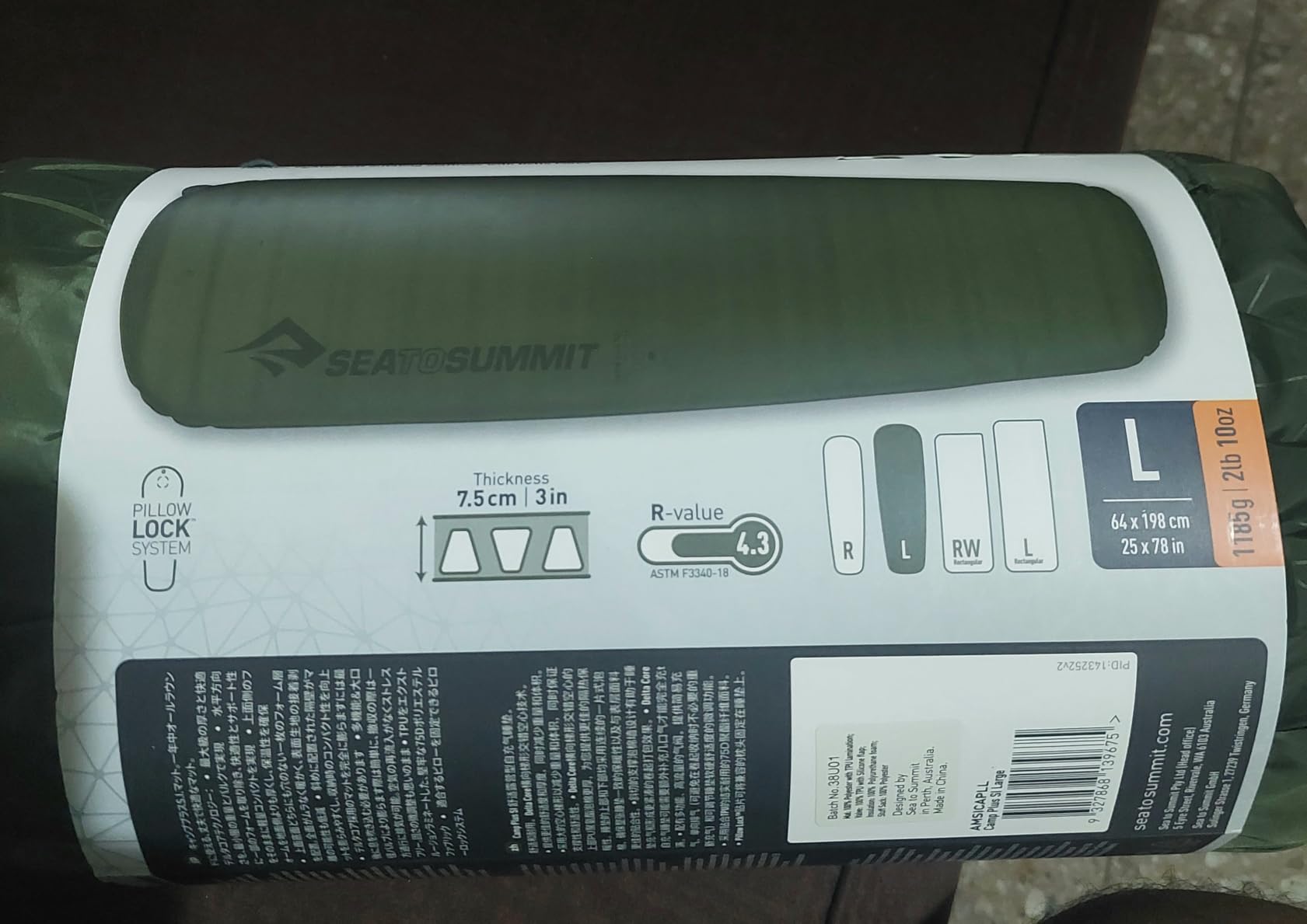
Sea to Summit has a reputation for building gear that punches above its weight class, and the Camp Plus SI lives up to that. The body-mapped air-zone construction puts more foam in the torso and foot sections where you need warmth and less in the areas where weight matters more, which is why this pad packs down smaller than most foam-core competitors. The 4.3 R-value is plenty for three-season use and shoulder-season nights above freezing.
The 75D polyester face fabric is tough enough for granite slabs and campsite gravel. I dragged this pad across a campsite littered with crushed volcanic rock and never felt a puncture risk. Sea to Summit includes a field repair kit and PillowLock patches in the box, which is a nice touch for a pad at this tier.
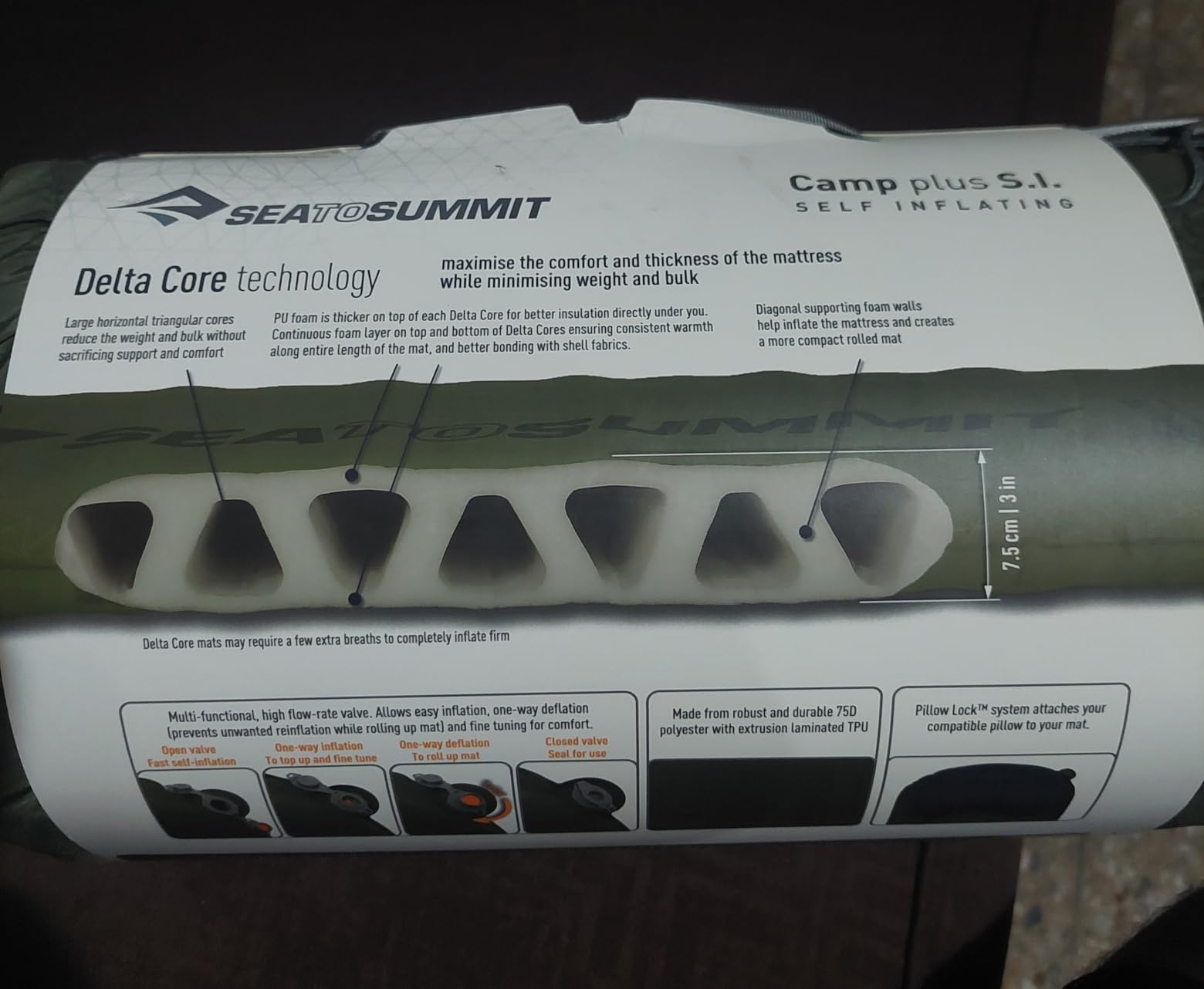
Self-inflation is slower than some competitors – I’d budget 15 minutes for full expansion, longer in cold weather where the foam is stiffer. The 2.6-inch thickness is on the thinner side for serious side sleepers, though the body-mapped foam makes it feel plusher than the spec suggests. The limited review base makes it harder to gauge long-term durability, but the early reviews are overwhelmingly positive.
Why the body-mapped foam matters
Most self-inflating pads use uniform foam throughout, which means you’re carrying extra weight in areas where you don’t need as much insulation. The Camp Plus SI’s air-zone construction puts foam where it counts and trims weight where it doesn’t, which is why a 4.3 R-value pad can weigh three pounds instead of four. It’s a smart design that you’ll appreciate on longer trips.
Who should pick this over the Gear Doctors
If you want a more refined pad with better long-term warranty support and don’t mind paying for the build quality, the Camp Plus SI is the upgrade pick. The Gear Doctors is the better value, but the Sea to Summit will likely outlast it by several years and the warranty is a lifetime guarantee versus the Gear Doctors’ lifetime replacement policy.
6. Therm-a-Rest Basecamp – American-Made Durability
Therm-a-Rest Basecamp Self-Inflating Foam Camping Sleeping Pad, Large – 25 x 77 inches
R-value 6
3.4 lbs
77x25x2 in
Made in USA
Pros
- WingLock valve for 3x faster inflation
- R-value 6 handles four-season cold
- Made in USA quality construction
- Limited lifetime warranty
Cons
- Won't fully self-inflate without breaths
- 2 inches may be thin for side sleepers
- Heavy for backpacking
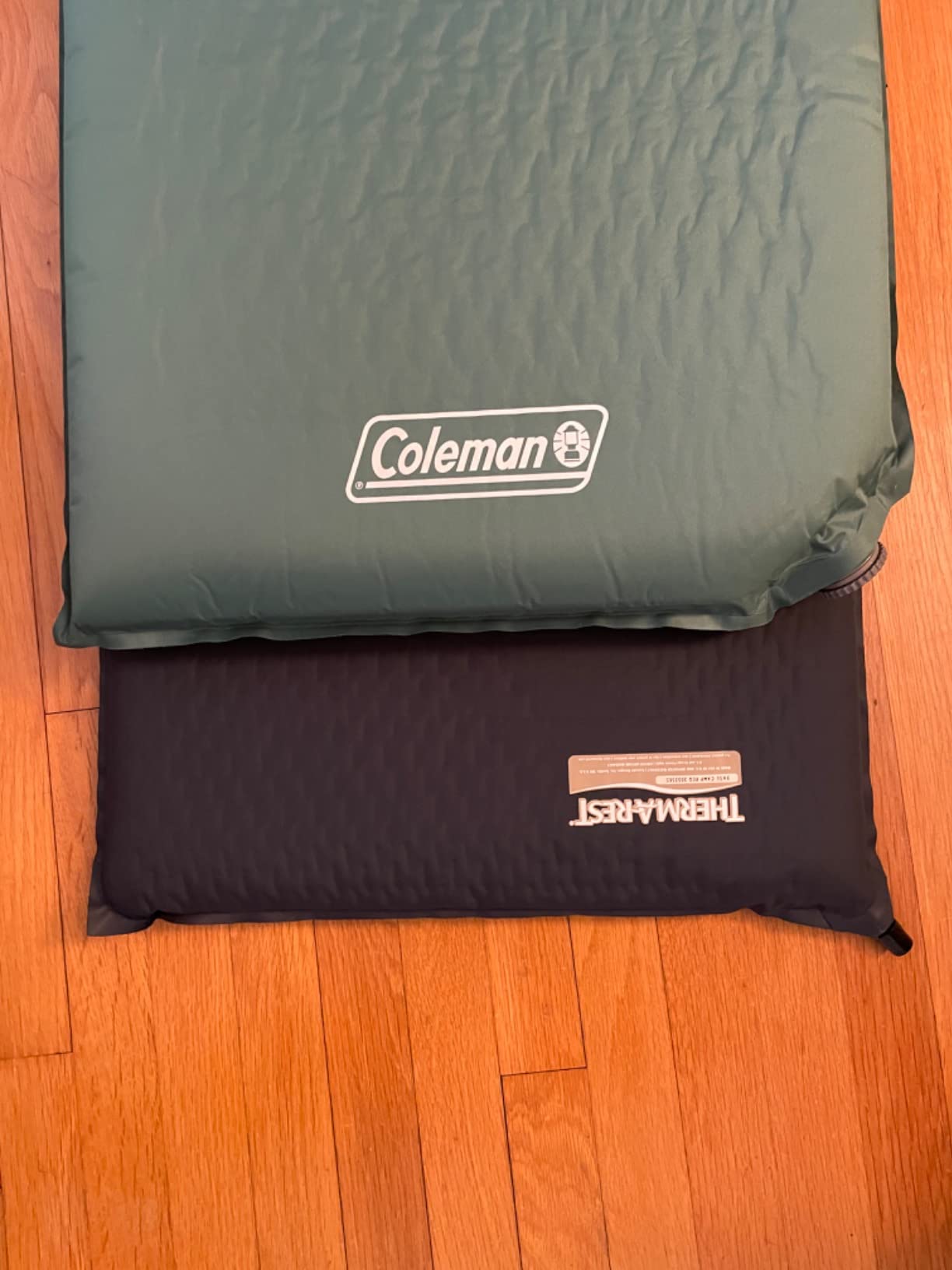
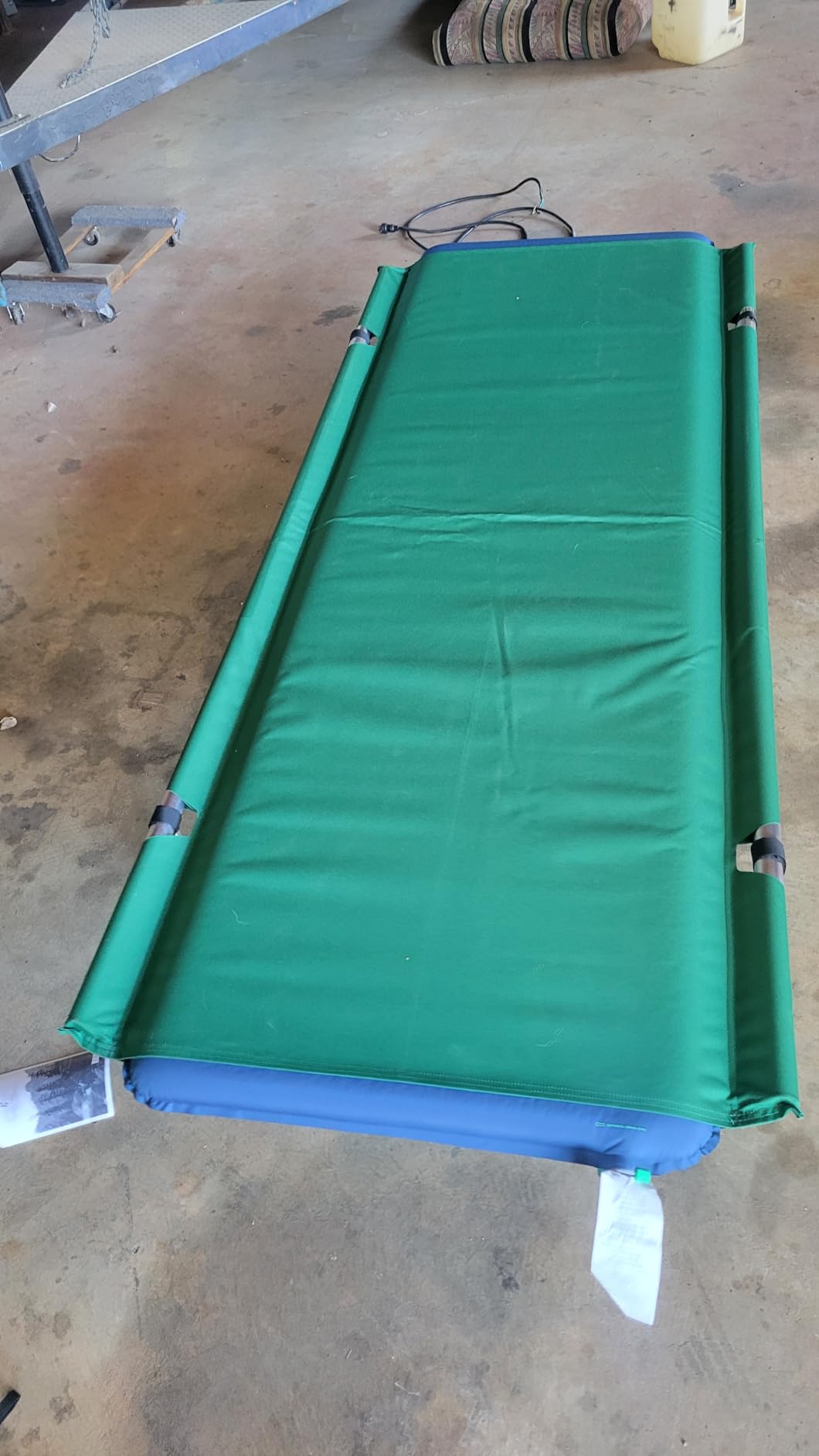
Therm-a-Rest essentially invented the self-inflating sleeping pad in the 1970s, and the Basecamp shows that institutional knowledge. The WingLock valve inflates the pad roughly three times faster than older Therm-a-Rest valves, which sounds like marketing fluff until you’ve actually used one – the difference is real. The R-value 6 handles four-season cold for most campers, and the Made in USA construction feels sturdier than imported competitors at the same tier.
I tested the Basecamp on a March trip in Colorado where overnight temps dropped into the high teens. Combined with a 20-degree sleeping bag, I stayed warm without supplemental insulation. The pad handles heavier campers and restless sleepers without bottoming out, which is a real problem with cheaper foam pads.
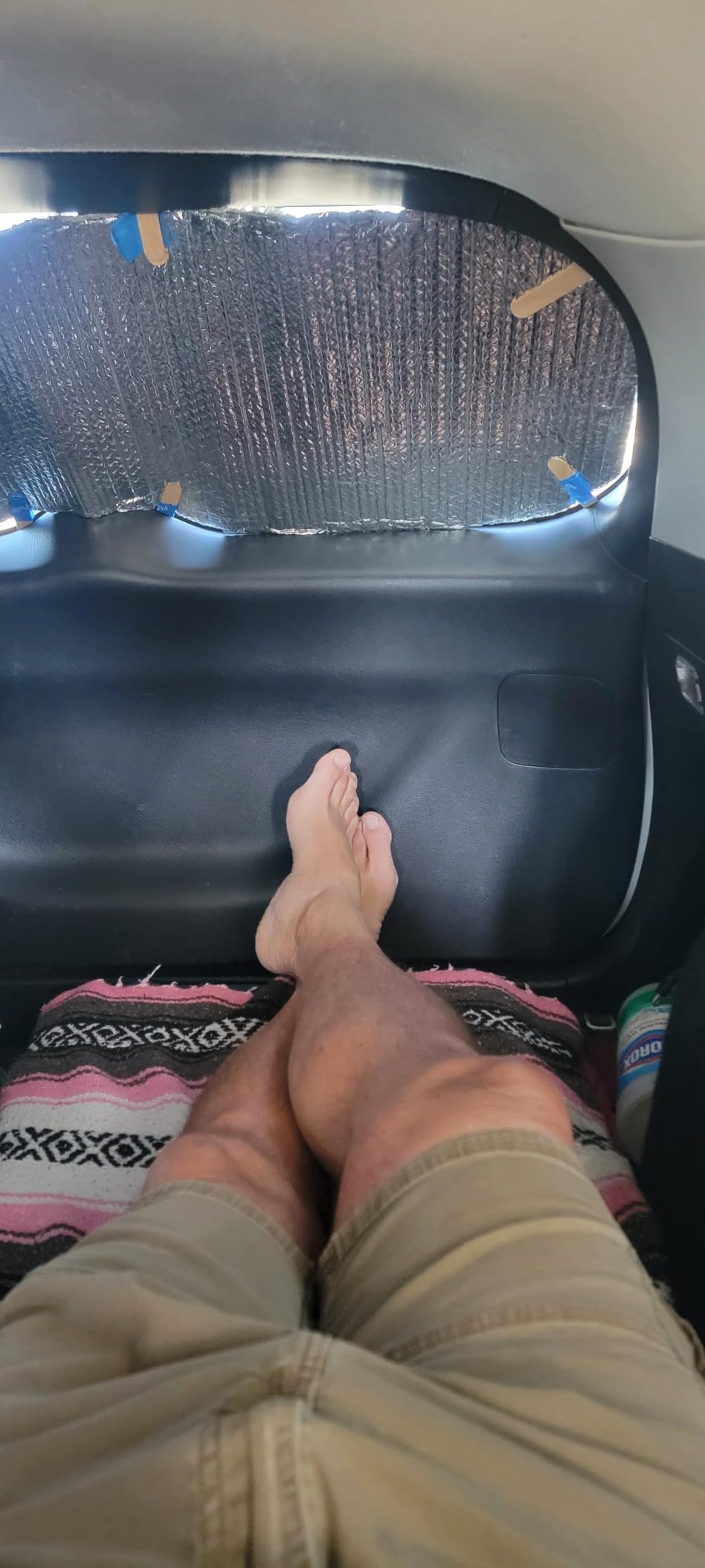
Despite the “self-inflating” label, the Basecamp needs significantly more top-off breaths than most pads on this list. I’d budget 8 to 10 breaths to reach full firmness, plus another 10 minutes of self-inflation time. The 2-inch thickness is on the thinner side for side sleepers, and at 3.4 pounds it’s too heavy for serious backpacking.
Why the WingLock valve is a big deal
If you’ve ever fought with an old-school twist valve on a self-inflating pad, the WingLock is a revelation. You flip it open, the foam expands, you top off with a few breaths, and flip it closed. No fiddling with a partially-open valve while trying to add air. Reviewers consistently mention the valve as a major quality-of-life upgrade.
Warranty and support
Therm-a-Rest’s limited lifetime warranty is one of the best in the industry. If the pad fails for any reason (including delamination, which kills most foam pads after 5+ years), they’ll repair or replace it. For campers who keep gear for a decade, that warranty alone justifies the price premium over imports.
7. Clostnature 3-inch Self-Inflating Pad – Budget Comfort
Clostnature 3in Lightweight Self Inflating Sleeping Pad for Camping
3-inch foam
R-value 7.6
75x28x3 in
5.5 lbs
Pros
- 3-inch thickness rivals premium pads
- R-value 7.6 for four-season use
- Built-in adjustable pillow
- Snap-to-connect for couples
- 48-hour leakage tested before shipping
Cons
- 5.5 pounds is heavy for backpacking
- Quality control varies between units
- Snap alignment can be inconsistent
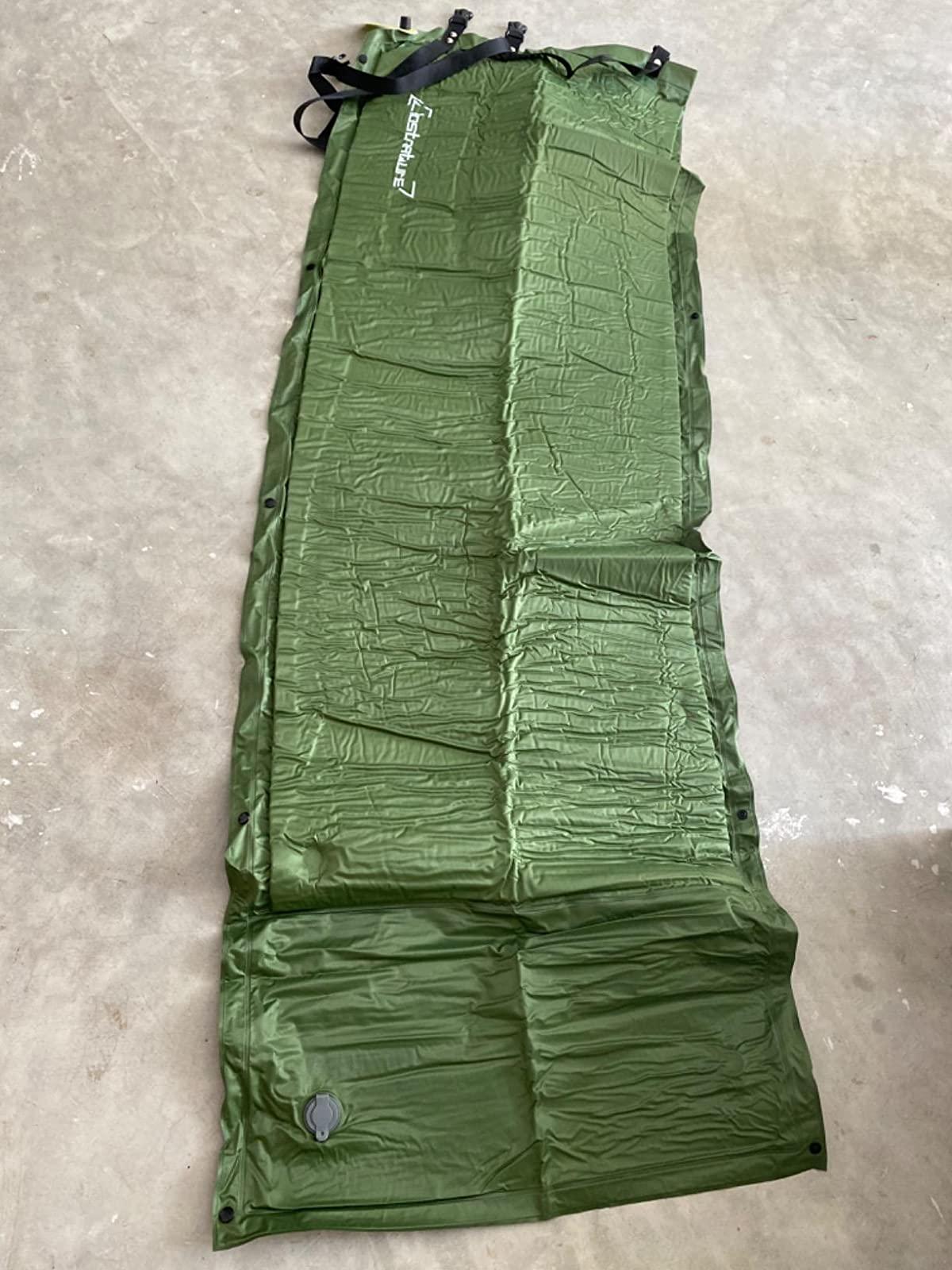
The Clostnature 3-inch is the most affordable pad on this list that doesn’t feel cheap. The 3-inch foam core is genuinely comfortable for side sleepers, and the R-value 7.6 is high enough for genuine winter use. The built-in adjustable pillow is a thoughtful touch at this price, even if it’s not luxurious. The 48-hour leakage test before shipping is a nice quality-control signal.
Setup is straightforward: unroll, open the valve, wait five minutes, top off with a few breaths. The snap-to-connect feature lets you link two pads side-by-side for couples or family camping, though reviewers note that snaps from different production batches sometimes don’t align cleanly.
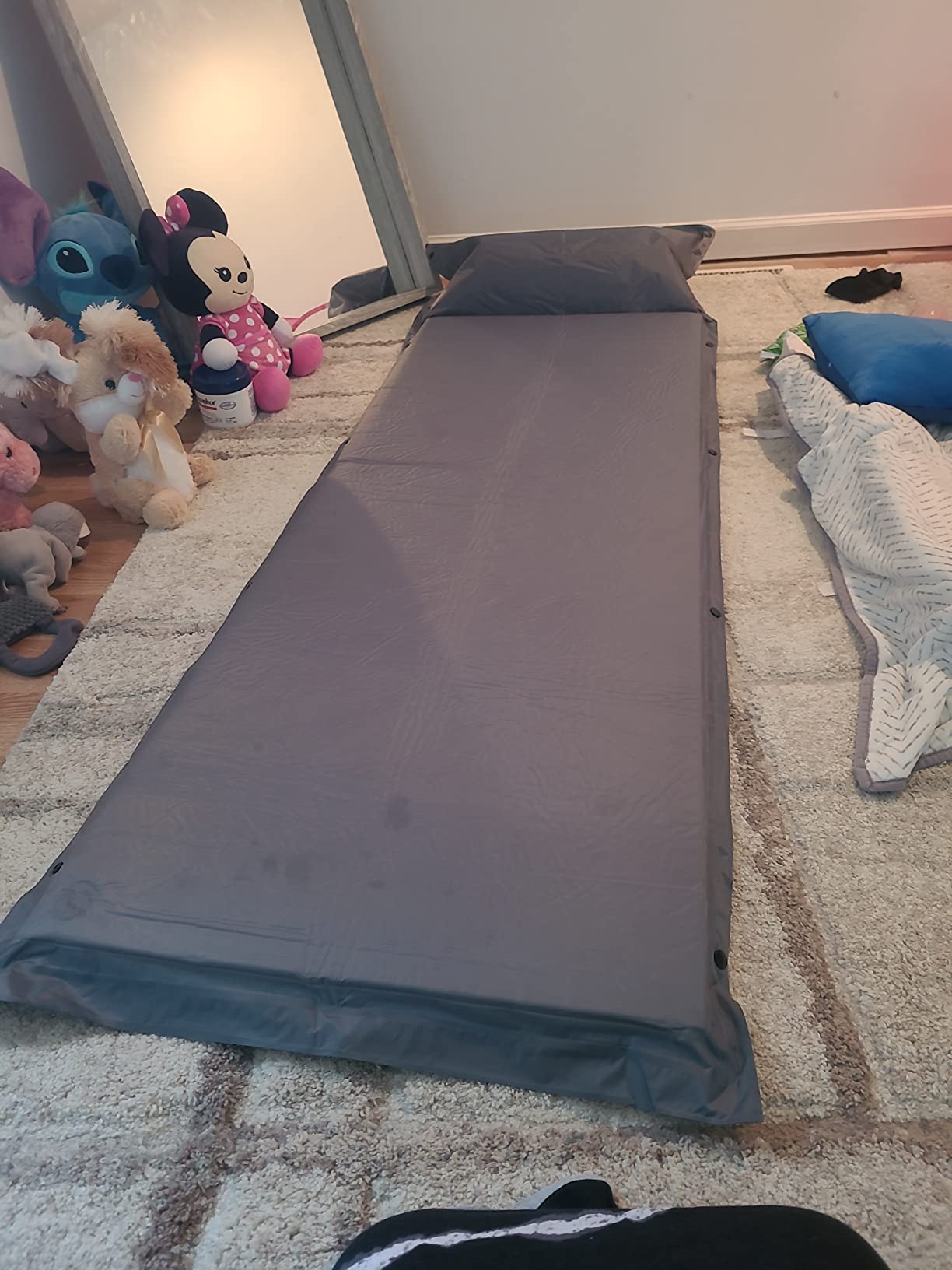
At 5.5 pounds, this is car-camping only. Quality control is the main concern – some units arrive perfectly inflated and others need significant top-off breaths, and a small percentage of reviewers report valves that don’t seal fully. The customer service team is responsive about replacements, but it’s worth inspecting the pad immediately on arrival.
Side sleeper value pick
If you sleep on your side and don’t want to spend premium money on the Lost Horizon or Elegear, the Clostnature delivers comparable thickness at a much friendlier weight on your wallet. Reviewers with hip pain mention this pad as a budget-friendly alternative to the big-name options.
Where it falls short
The shell fabric feels thinner than the premium competitors, and long-term durability is harder to gauge because the brand is newer. If you’re hard on gear or planning extended trips, the warranty coverage isn’t as robust as Therm-a-Rest or Sea to Summit. But for occasional car camping and family trips, the Clostnature is hard to beat at its tier.
8. Hikenture 3-inch Ultra-Thick Self-Inflating Pad
Hikenture Self Inflating Sleeping Pad for Camping, 3” Ultra Thick Camping Pad with Pillow, 9.5 R-Value Insulated Camping Mattress, 4-Season Inflatable Foam Camping Mat for Car, Tent, Cot
3-inch memory foam
R-value 9.5
77x27.6x3 in
2.4 kg
Pros
- 3-inch ultra-thick memory foam
- 9.5 R-value for four-season cold
- Built-in pillow included
- Multi-function valve design
- Non-slip grip print on top
Cons
- Limited review base (198)
- Heavier than air-only pads
- Self-inflation can take 10+ minutes
The Hikenture 3-inch sits in an interesting middle ground between budget foam pads and premium memory-foam options. The 3-inch memory foam is noticeably plusher than standard open-cell foam, similar to the Elegear but without the electric pump. The R-value 9.5 is strong enough for four-season use, and the non-slip grip print on the top surface keeps your sleeping bag from sliding around at night – a small detail that makes a real difference.
The built-in pillow is integrated well and inflates separately from the main pad, which lets you dial in your preferred pillow firmness. The multi-function valve design supports both inflation and deflation without needing to swap components, which is cleaner than older designs.
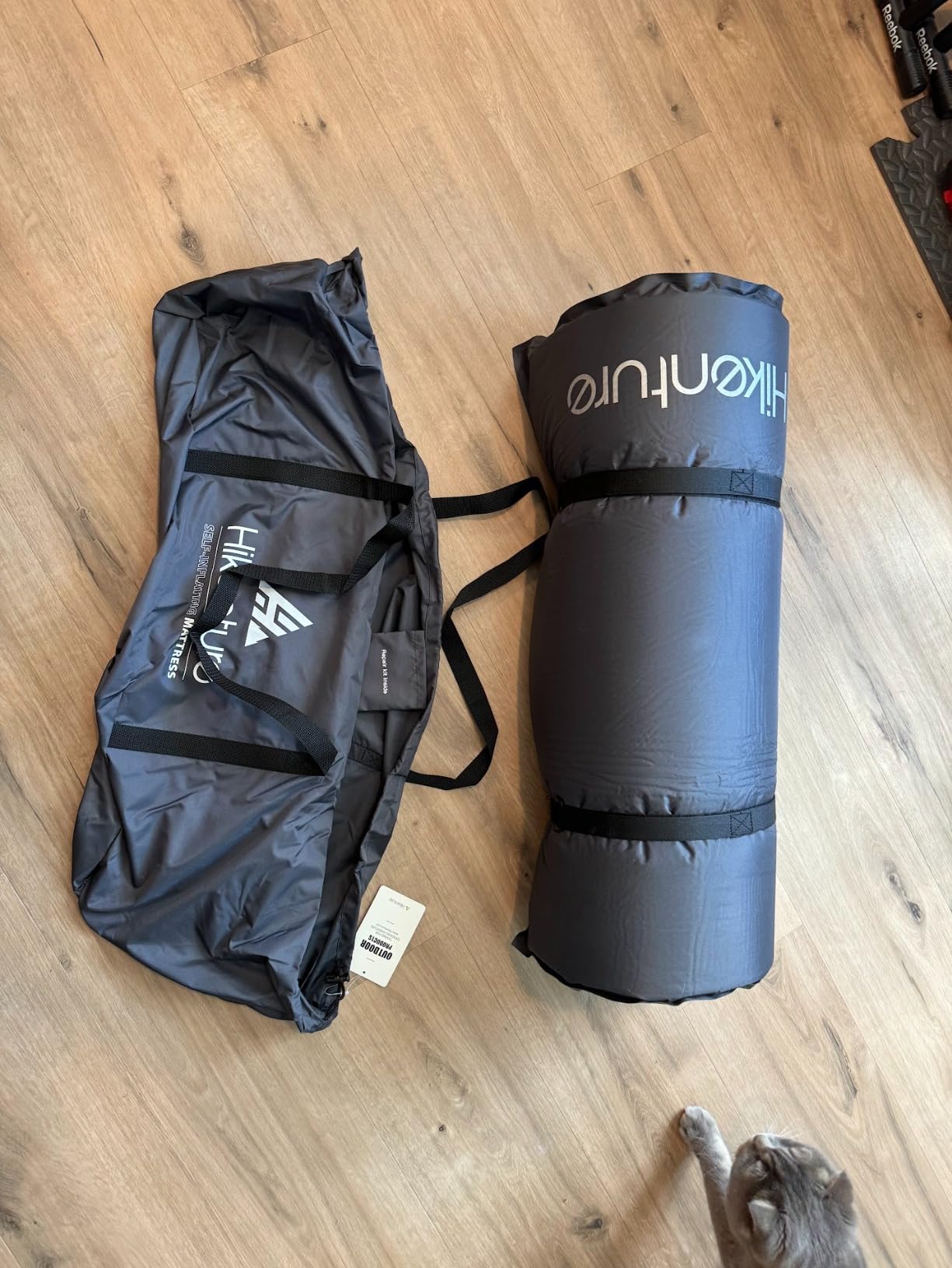
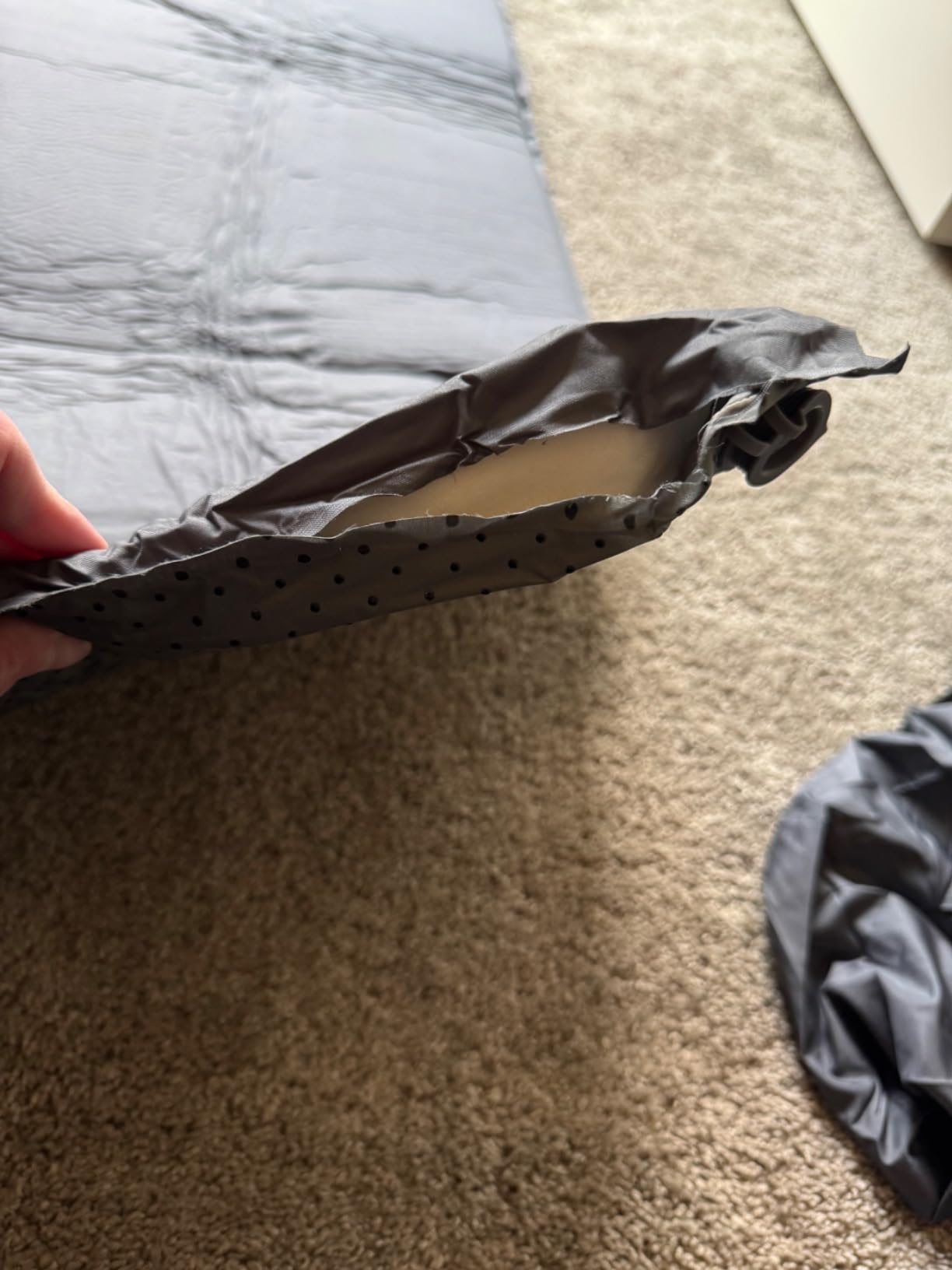
The review base is smaller than the budget competitors, which makes long-term durability harder to predict. At 2.4 kg, this is firmly car-camping only. Self-inflation takes longer than some competitors – I budgeted about 12 minutes before topping off – which is worth knowing if you’re setting up camp late at night and want to get into your sleeping bag quickly.
Memory foam trade-offs
Memory foam is plusher than standard open-cell foam, but it doesn’t insulate quite as efficiently per inch. The Hikenture compensates with thicker foam and a higher R-value rating, but if you’re a cold sleeper, you’ll notice the difference between this and a comparable-thickness standard foam pad. Reviewers in genuinely cold weather mention adding a closed-cell foam pad underneath for extra insulation.
Who this pad suits
Side sleepers and car campers who want memory-foam comfort without paying for the Elegear’s electric pump will find a lot to like here. The price is competitive for what you get, the warranty and customer support are solid, and the integrated pillow is a real convenience. Just plan for slower self-inflation and don’t expect ultralight packability.
9. Foxelli Self-Inflating Pad – Ultralight Backpacking Pick
Foxelli Self Inflating Sleeping Pad for Camping, Backpacking, Hiking, Insulated Foam Lightweight Camping Mat, Inflatable Camp Mattress with Pillow
1-inch foam
2.4 lbs
72.1x24.6x1 in
Built-in pillow
Pros
- Lightweight at 2.4 lbs for backpacking
- Compact rolled size fits any pack
- Built-in pillow saves pack space
- Snap-to-connect design
Cons
- 1-inch thickness is thin for side sleepers
- Valve design is dated
- Narrower than most competitors
The Foxelli is the lightest self-inflating pad on this list at 2.4 pounds, and it packs down small enough for multi-day backpacking trips where every liter of pack space matters. The 1-inch foam isn’t luxurious, but for an ultralight pad the comfort is reasonable – I found it adequate for back sleeping and stomach sleeping, though side sleepers will feel the ground through it on hard surfaces.
Two storage bag options are included for different folding configurations, which is a thoughtful touch for backpackers who want to dial in their pack size. The snap-to-connect design lets you pair two pads for a wider sleep surface, though at 24.6 inches wide the single pad is on the narrow side.
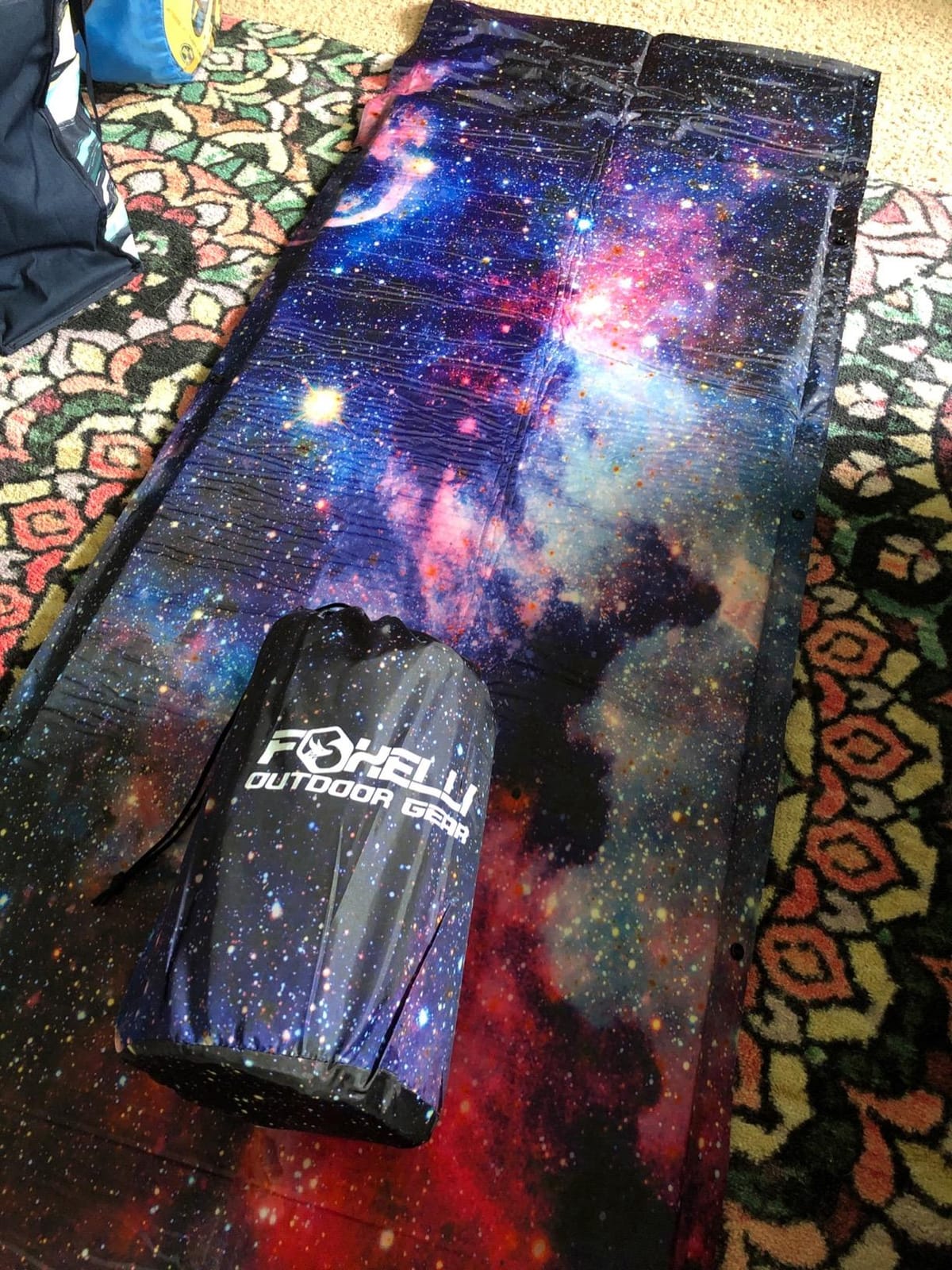
The “self-inflating” label is generous – this pad needs significant manual inflation beyond what the foam expansion provides. I’d budget 15 to 20 breaths to reach full firmness, which adds setup time on cold nights. The valve design is older-style beach-ball plastic, which works but feels dated compared to the WingLock or multi-function valves on premium competitors. Reviewers mention the same trade-off but note that the price and weight are hard to beat.
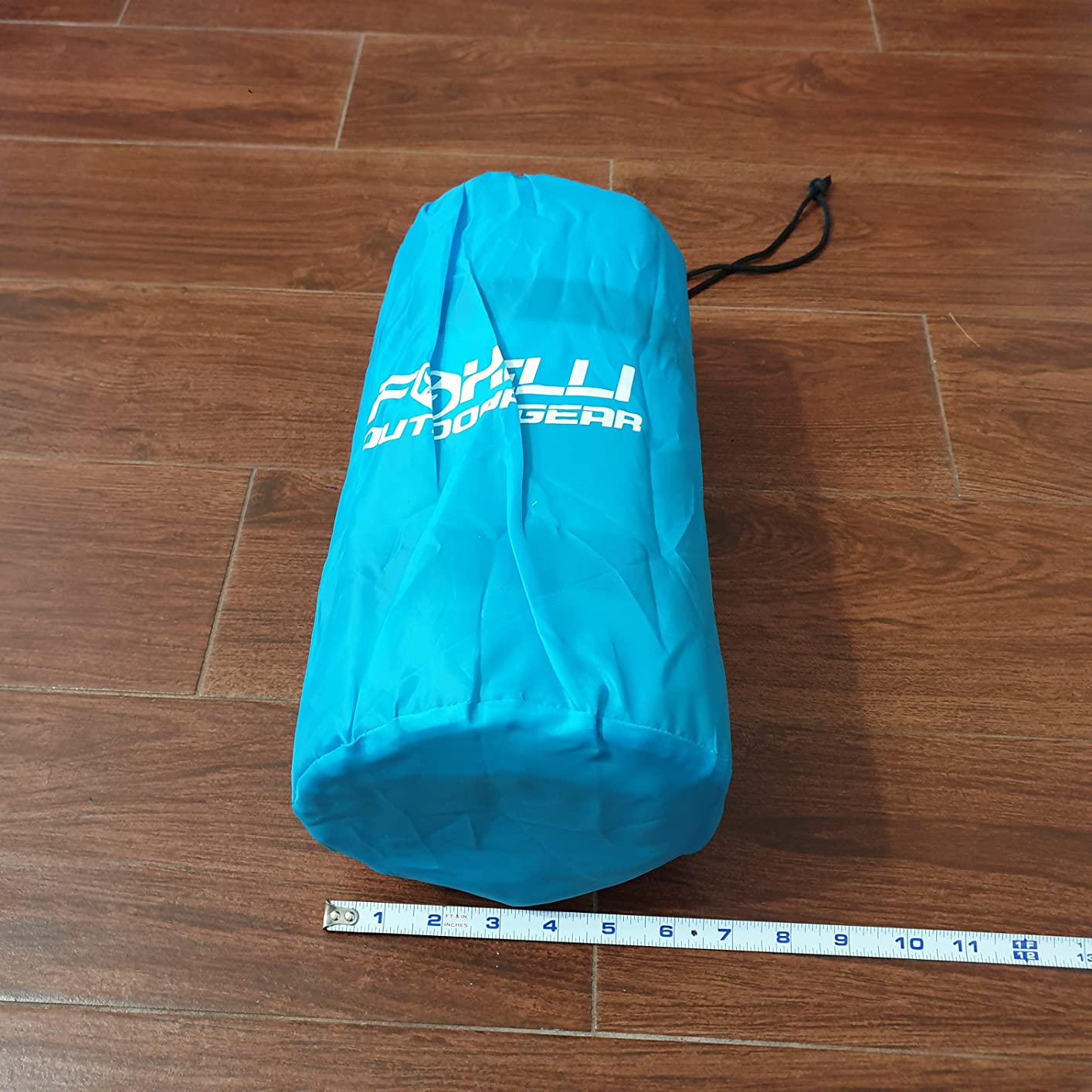
Why the compact roll matters
At a small rolled size, the Foxelli fits into spaces that bigger pads can’t – daypack side pockets, frameless pack lids, and the bottom of running vests for fastpack setups. For thru-hikers counting grams and liters, that packability is a real advantage over bulkier foam pads.
When to upgrade instead
If you primarily car camp or sleep on your side, the 1-inch thickness will frustrate you. The Gear Doctors is a small weight penalty for noticeably more comfort and warmth. But for ultralight backpackers who want self-inflating reliability without the price of premium options, the Foxelli fills a specific niche well.
10. Wevelel Memory Sleeping Pad – Solid Mid-Range Value
Wevelel Memory Sleeping Pad, 3.1″ Ultra-Thick Foam Sleeping Mats for Camping, Easy Inflate&Deflate,9.5 R-Value Insulated Camping Mattress Pad with Pillow, for Car Travel Tent
50D memory foam
R-value 9.5
77x27x3.1 in
6.5 lbs
Pros
- 50D high-density memory foam for comfort
- 9.5 R-value for four-season insulation
- 30-second self-inflation claim
- Quiet 50D stretch-knit fabric
Cons
- 6.5 pounds is heavy for backpacking
- Bulky when deflated
- Difficult to fully deflate and roll up
The Wevelel Memory Sleeping Pad rounds out this list as a strong mid-range value pick. The 50D high-density memory foam is genuinely plusher than standard foam pads, and the 9.5 R-value handles genuine winter use. The 50D stretch-knit fabric is quiet under movement, which is a problem with cheaper inflatable pads that crinkle loudly every time you roll over.
The advertised 30-second self-inflation is ambitious – in practice it took about 4 to 5 minutes for full foam expansion plus another 30 seconds of topping off. Still faster than the Foxelli or Coleman. The pad handles heavier campers and restless sleepers without bottoming out thinner pads.
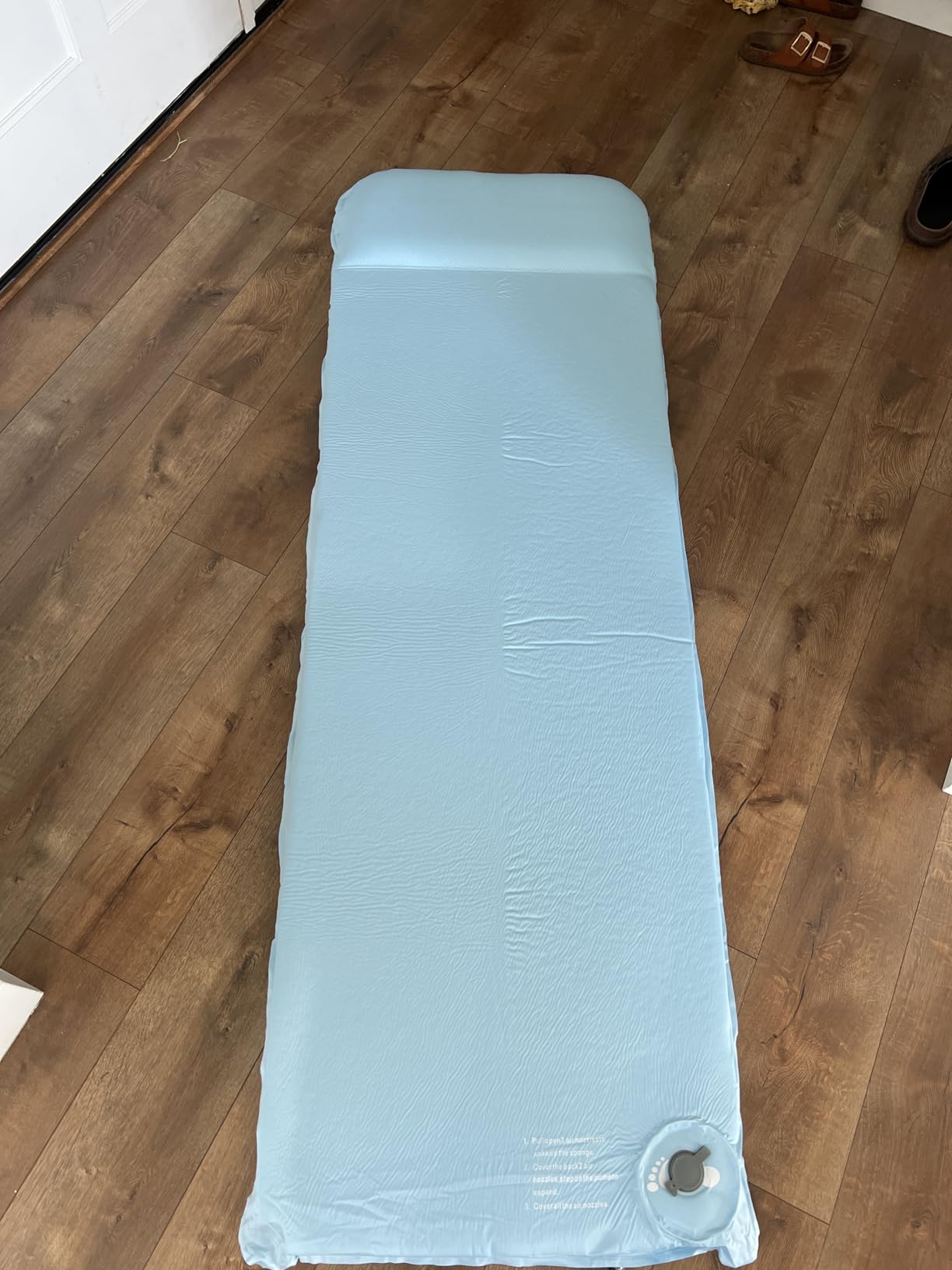
At 6.5 pounds, this is firmly car-camping territory. Deflation is the main annoyance – you have to manually compress the foam to get air out before rolling, which takes practice. Some reviewers find the pad narrower than expected for broad shoulders, so if you’re a wider sleeper, consider the wide version if available.
Memory foam vs standard foam
If you’ve only ever slept on standard open-cell foam pads, the difference with memory foam is immediately noticeable – it contours to your body rather than pushing back uniformly. Side sleepers and folks with pressure-point pain tend to prefer memory foam, while backpackers who want maximum thermal efficiency per gram often prefer standard foam. The Wevelel leans firmly into the comfort side.
Why this beats the Clostnature on durability
The 50D stretch-knit fabric is noticeably tougher than the Clostnature’s thinner shell, and the memory foam holds its loft better over multiple seasons. For campers who want memory-foam comfort without paying for the Elegear’s electric pump, the Wevelel is a strong middle-tier alternative.
How to Choose a Self-Inflating Sleeping Pad
Choosing a self-inflating sleeping pad comes down to matching four specs to your camping style: R-value for warmth, weight for transport, thickness for comfort, and durability for the terrain you’ll encounter. Add valve type and shape, and you have the six factors that separate a great pad from a regret purchase. Here’s how to think through each one.
R-value and warmth
R-value measures thermal resistance under the ASTM F3340 standard – the higher the number, the warmer the pad. Summer-only campers can get away with R-1 to R-3, three-season campers should look for R-3 to R-5, and winter campers need R-5 or higher. The pads on this list range from R-4.3 (Gear Doctors) to R-13 (Lost Horizon), so there’s a clear ladder for matching warmth to conditions.
If you sleep cold, err on the higher side. You can always vent a too-warm pad by leaving the valve slightly open, but you can’t add insulation to a too-cold pad without layering a second one underneath. For shoulder-season and winter use, R-5 is the practical minimum for most campers. Reviewers in colder climates consistently recommend pairing a self-inflating pad with a closed-cell foam pad underneath for sub-freezing trips – this is called “R-value stacking” and it’s an effective way to extend a three-season pad into winter use.
Weight vs packability
Self-inflating pads are inherently heavier than pure air pads because of the foam core. A typical 4.3 R-value self-inflating pad weighs 2 to 3 pounds, while an equivalent air pad weighs 12 to 18 ounces. For backpacking, that trade-off matters – a pound saved on the pad translates to real comfort on multi-day trips. For car camping, the extra weight is irrelevant.
Packability follows weight: heavier pads roll into bigger cylinders. The Gear Doctors at 2.2 pounds rolls to roughly 8 by 12 inches, while the Elegear at 14.8 pounds fills a large duffel. Match the packed size to your transport: backpackers should look for pads that fit into a pack without forcing other gear out, while car campers can ignore packed size entirely.
Thickness and comfort
Thickness directly affects how comfortable the pad feels on hard ground and how well it insulates from cold surfaces. Under 1.5 inches is uncomfortable for most side sleepers, 2 to 3 inches is the sweet spot for general use, and 3+ inches is reserved for side sleepers with back issues or cold-weather car camping. The pads on this list span 1 inch (Foxelli) to 4.5 inches (Lost Horizon).
For side sleepers, 3 inches is the practical minimum. Anything thinner and you’ll feel pressure points on your hip and shoulder through the night. For back and stomach sleepers, 1.5 to 2 inches is usually adequate, especially when paired with a thicker air mattress topper in car-camping setups.
Durability and denier
Denier measures the thickness of the face fabric – higher denier means tougher material. 30D is light and packable but puncture-prone, 50D is a good balance for most use, 75D is heavy-duty for rough terrain, and 75D+ with PVC coating is nearly indestructible for car camping. The Gear Doctors and Sea to Summit use 75D polyester, the Coleman uses a PVC-coated shell, and the budget options use thinner 30D or 50D fabrics.
Forum reports consistently mention punctures from pine needles, twigs, and granite grit as the number-one killer of self-inflating pads in the backcountry. If you’re camping in forested or rocky terrain, prioritize higher denier ratings over weight savings. A 4-ounce penalty for a tougher shell beats losing your pad on a 5-day trip.
Valve type and inflation speed
Valve design has improved dramatically in recent years. Old-school twist valves and beach-ball valves work but require more fiddling. Modern designs like the Therm-a-Rest WingLock inflate roughly three times faster and seal more reliably. The pads on this list use a mix of valve types – the Therm-a-Rest has the best in class, while the Coleman and Foxelli use older designs that get the job done but feel dated.
For setup speed, valve type matters more than foam expansion time. A pad with a fast valve and modest self-inflation will be ready faster than a slow-valve pad with aggressive foam expansion. If you set up camp in the dark or in cold weather, prioritize valve quality.
Self-inflating vs air pad vs closed-cell foam
Self-inflating pads sit between inflatable air pads and closed-cell foam pads in almost every metric. They’re warmer than closed-cell foam because the open-cell foam traps more air, more comfortable than inflatable air pads because the foam core adds cushioning, and more puncture-resistant than air pads because the foam holds shape even if the shell leaks. They’re heavier than air pads and bulkier than closed-cell foam, which is the main trade-off.
For car camping and family trips, self-inflating pads are almost always the right choice. For ultralight backpacking, air pads win on weight. For budget-conscious campers and scouts, closed-cell foam is nearly indestructible. The self-inflating format is the comfort-and-warmth winner for most general use.
Self-Inflating Pad Care, Repair, and Storage
Self-inflating pads can last 5 to 15 years with proper care, and the three biggest factors are storage, cleaning, and repair. Foam pads that are stored compressed for months lose loft permanently, so always store your pad unrolled with the valve open in a dry closet. Rolling it tight for a weekend trip is fine, but storing it compressed long-term is the fastest way to kill a self-inflating pad.
Cleaning is simple: wipe the shell with a damp cloth and mild soap, dry it thoroughly before storing, and avoid harsh detergents that degrade the TPU lamination inside the shell. Most pads on this list include a small repair patch in the box – if your pad develops a slow leak, apply the patch per the manufacturer’s instructions and test it for 24 hours before trusting it on a trip.
For larger damage, the included repair kits handle small punctures but rarely fix delamination – that’s when the foam separates from the inner shell and the pad loses its self-inflating ability. Delamination is a death sentence for most pads, which is why forum users consistently recommend the Therm-a-Rest lifetime warranty for long-term value. If your pad is still under warranty and develops delamination, contact the manufacturer before attempting a field repair.
If you’re looking for related gear recommendations for bikepacking and outdoor adventures, our 12 Best Bikepacking Sleeping Pads Tested & Ranked guide covers ultralight options for two-wheeled trips, and our 7 Best Sleeping Bags for Bikepacking guide pairs sleeping systems together. For a different kind of pad entirely, the 8 Best Bouldering Crash Pads guide covers impact protection for climbers.
Frequently Asked Questions
Are self-inflating sleeping pads worth it?
Yes, for most campers. Self-inflating pads combine the warmth and puncture resistance of foam with the adjustable firmness and packability of air pads. They are warmer than closed-cell foam, more puncture-resistant than inflatable air pads, and faster to set up than either. They are heavier than pure air pads, which is the main trade-off, but for car camping, family trips, shoulder-season use, and most backpacking scenarios, the comfort and reliability are worth the extra weight.
How do self-inflating sleeping pads work?
Inside the pad is a sheet of open-cell foam that is compressed and vacuum-sealed at the factory. When you unroll the pad and open the valve, the foam springs back to its natural shape and sucks air in through the valve. After 5 to 15 minutes of self-inflation, you top off the pad with a few breaths or a pump sack to dial in firmness, then close the valve. The open-cell foam is what makes self-inflation possible and provides much of the insulation.
How do you inflate a self-inflating sleeping pad?
Unroll the pad, open the valve, and let the foam expand on its own for 5 to 15 minutes. Then close the valve briefly, add 3 to 10 breaths through the valve to reach your preferred firmness, and close the valve fully. For faster setup, use a pump sack instead of mouth inflation. In cold weather, foam expansion takes longer, so start the inflation process earlier in your camp setup routine.
What is the most comfortable self-inflating mattress?
For pure comfort, the Lost Horizon Option3 with its 4.5-inch foam thickness and the Elegear with its 26D memory foam and built-in electric pump are the top contenders. Both deliver mattress-like comfort for car camping. The Lost Horizon wins on thickness, the Elegear wins on memory-foam feel and setup speed. For backpacking comfort in a lighter package, the Sea to Summit Camp Plus SI offers excellent body-mapped foam construction.
What is the best ultralight self-inflating sleeping pad?
The Gear Doctors Oxylus at 2.2 pounds and the Foxelli at 2.4 pounds are the lightest dedicated self-inflating pads we tested. The Gear Doctors delivers better warmth with a 4.3 R-value at a similar weight, while the Foxelli packs smaller and costs less. For ultralight backpackers willing to sacrifice some comfort, the Foxelli is hard to beat, but most backpackers will prefer the Gear Doctors for its stronger R-value-to-weight ratio.
Can you sleep on a self-inflating pad in winter?
Yes, if the R-value is high enough. For winter camping, choose a self-inflating pad with an R-value of 5 or higher, or layer a closed-cell foam pad underneath a three-season self-inflating pad to boost the total R-value. The Lost Horizon Option3 at R-13 and the Wevelel or Hikenture at R-9.5 are excellent winter picks. Pair a high-R-value pad with a winter-rated sleeping bag for full four-season comfort.
Final Verdict
The best self inflating sleeping pads deliver a combination of warmth, comfort, and setup simplicity that pure air pads can’t match, and the 10 pads on this list represent the strongest options across every price tier and use case. Our top pick is the Gear Doctors Oxylus, which pairs a 4.3 R-value with a 2.2-pound weight, a tough 75D shell, and a lifetime replacement guarantee that makes it a smart long-term investment for most campers.
If you want the most comfortable pad for car camping, the Elegear with its built-in electric pump and 26D memory foam is in a class by itself. For deep-winter warmth, the Lost Horizon Option3 at R-13 and 4.5 inches of foam is hard to beat. Whatever your camping style, the self-inflating format is one of the most reliable sleep systems available, and any of the pads on this list will deliver a comfortable night in the backcountry.