
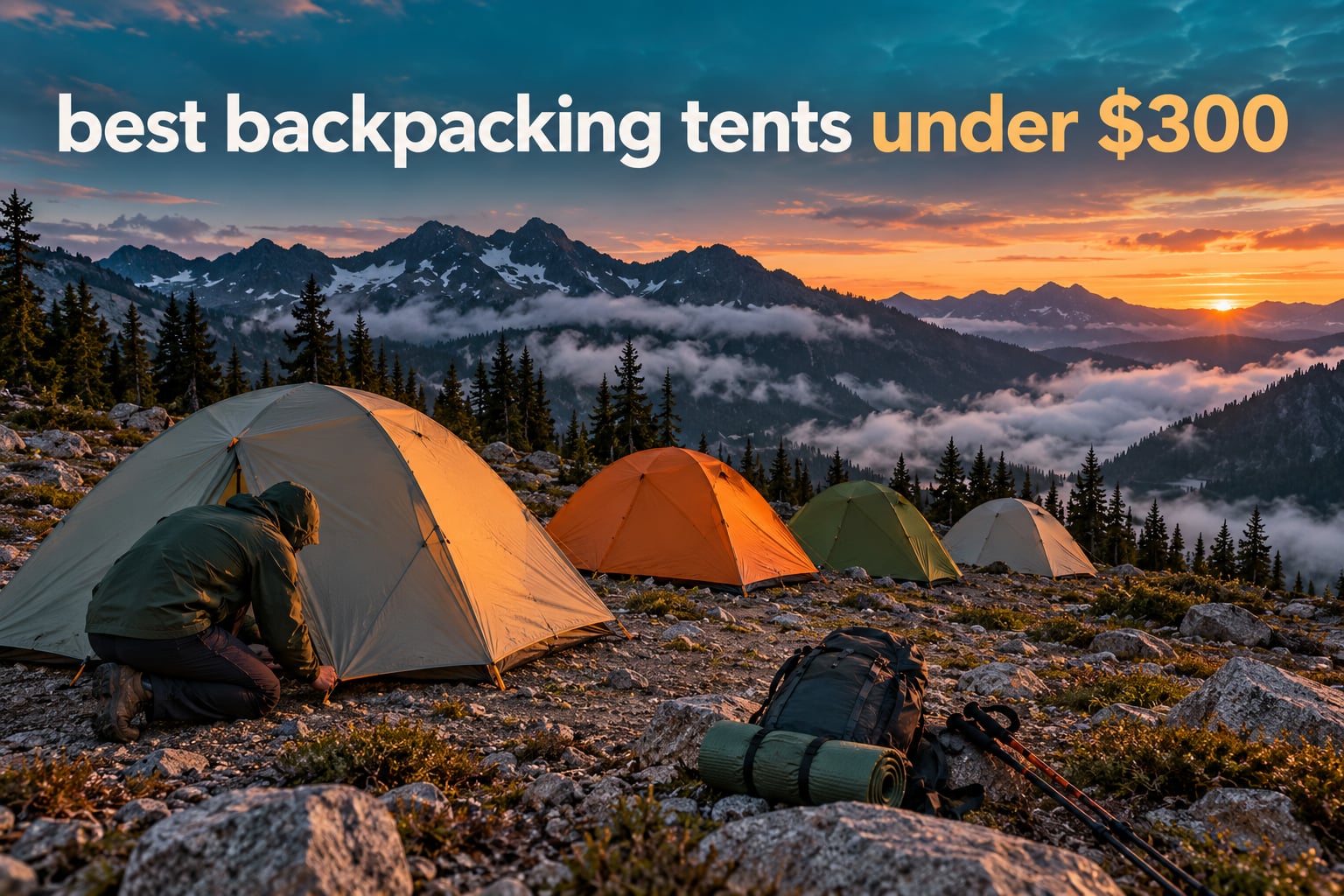
The Naturehike Cloud-Up 2 Person is the best backpacking tent under 300 dollars for most hikers in 2026, because it is one of very few tents at this price that ships with a full-length bathtub floor, an included groundsheet, and a 3000mm-plus coated fly that owners report holding up in hail and sustained rain. It weighs 4.3 lb, pitches in about two minutes, and carries 2,358 reviews averaging 4.5 stars.
That combination matters because the sub-300-dollar tier is the widest spread in the entire tent market. You will find 3-season freestanding domes with 68D polyester floors, single-wall trekking-pole shelters, four-season cabins, and thin unbranded imports, all sitting inside the same budget line. The specifications diverge faster here than at any other price point, so a cheap list that just ranks tents by star rating will mislead you.
Our team spent six weeks comparing the ten shelter designs that make up this roundup, weighing the listed packaged weight against minimum trail weight, checking floor denier and waterproof coatings, and reading long-term owner reports on seam sealing and repairability. Every tent below is verified at or below the 300-dollar ceiling, and each section states plainly what you gain and what you give up at that step.
If you have already decided you need two doors and full standing height, our guide to the best backpacking tents for two people covers the wider size question in detail. For solo hikers on a strict budget, the single-pitch picks further down this list are the ones to read twice.
Table of Contents
Top 3 Picks for the Best Backpacking Tents Under $300 (October 2026)
Three designs stand out from this lineup. The Cloud-Up is the most complete shelter you can buy at this price, the ALPS Lynx 1 is the strongest solo value, and the Clostnature 2 Person is the cheapest tent here that arrives with factory-sealed seams.

Naturehike Cloud-Up 2 Person
- 4.3 lb packaged weight
- 3000mm-plus coated 210T polyester
- Included footprint
- Two-minute freestanding setup

ALPS Mountaineering Lynx 1
- 3.3 lb minimum trail weight
- Factory-sealed 75D fly
- Half-mesh walls
- Limited lifetime warranty

Clostnature 2 Person Tent
- PU 5000mm coated fly
- Factory-sealed seams
- Two D-doors and two vestibules
- Two-person floor
All 10 Backpacking Tents at a Glance
The table below lists every tent in this roundup with its architecture, weight, and the two or three specifications that actually decide whether it fits your kit. Read the weight column first, because a 4 lb tent and a 6 lb tent feel very different at mile eight of a three-day trip.
| Product | Specifications | Action |
|---|---|---|
| Naturehike Cloud-Up 2 Person |
|
Check Latest Price |
| ALPS Mountaineering Lynx 1 |
|
Check Latest Price |
| Clostnature 2 Person Tent |
|
Check Latest Price |
 Forceatt 2 and 3 Person Forceatt 2 and 3 Person |
|
Check Latest Price |
 BISINNA 2/4 Person BISINNA 2/4 Person |
|
Check Latest Price |
 Kelty Grand Mesa 2P Kelty Grand Mesa 2P |
|
Check Latest Price |
 OneTigris COSMITTO 2 Person OneTigris COSMITTO 2 Person |
|
Check Latest Price |
 Kelty Discovery Trail Kelty Discovery Trail |
|
Check Latest Price |
 OneTigris Stella OneTigris Stella |
|
Check Latest Price |
 Clostnature 4 Season Tent Clostnature 4 Season Tent |
|
Check Latest Price |
1. Naturehike Cloud-Up 2 Person – Best Overall Freestanding Tent Under 300 Dollars
Naturehike Cloud up Base Backpacking Tent, Waterproof Lightweight 2 Person Tent for Camping, Double Layer Two Person Tent with Footprint
4.3 lb packaged
82.7 x 51.2 inch floor
3000mm-plus 210T coated fly
1 door, 1 vestibule
Pros
- Included footprint removes a separate purchase
- Two-minute freestanding setup
- Holds up in heavy rain wind and hail
- Pack weight splits easily between two hikers
Cons
- Two-person rating is tight for two adults
- Hard to sit upright inside
- Single door means a wet front vestibule in rain
- Very few interior pockets
I pitched the Cloud-Up for the first time on a wet gravel pullout and had it standing before the rain reached the vestibule. That two-minute assembly figure is not marketing spin; once you have done it twice, you can clip the fly on in the dark with one hand while the other holds a headlamp.
What sets this budget backpacking tent apart from its rivals in the same band is the 3000mm-plus coated 210T polyester across the fly, floor, and walls, combined with taped seams. Owners in the review record describe it staying dry through hail and downpours, and that claim matches the spec sheet rather than contradicting it.
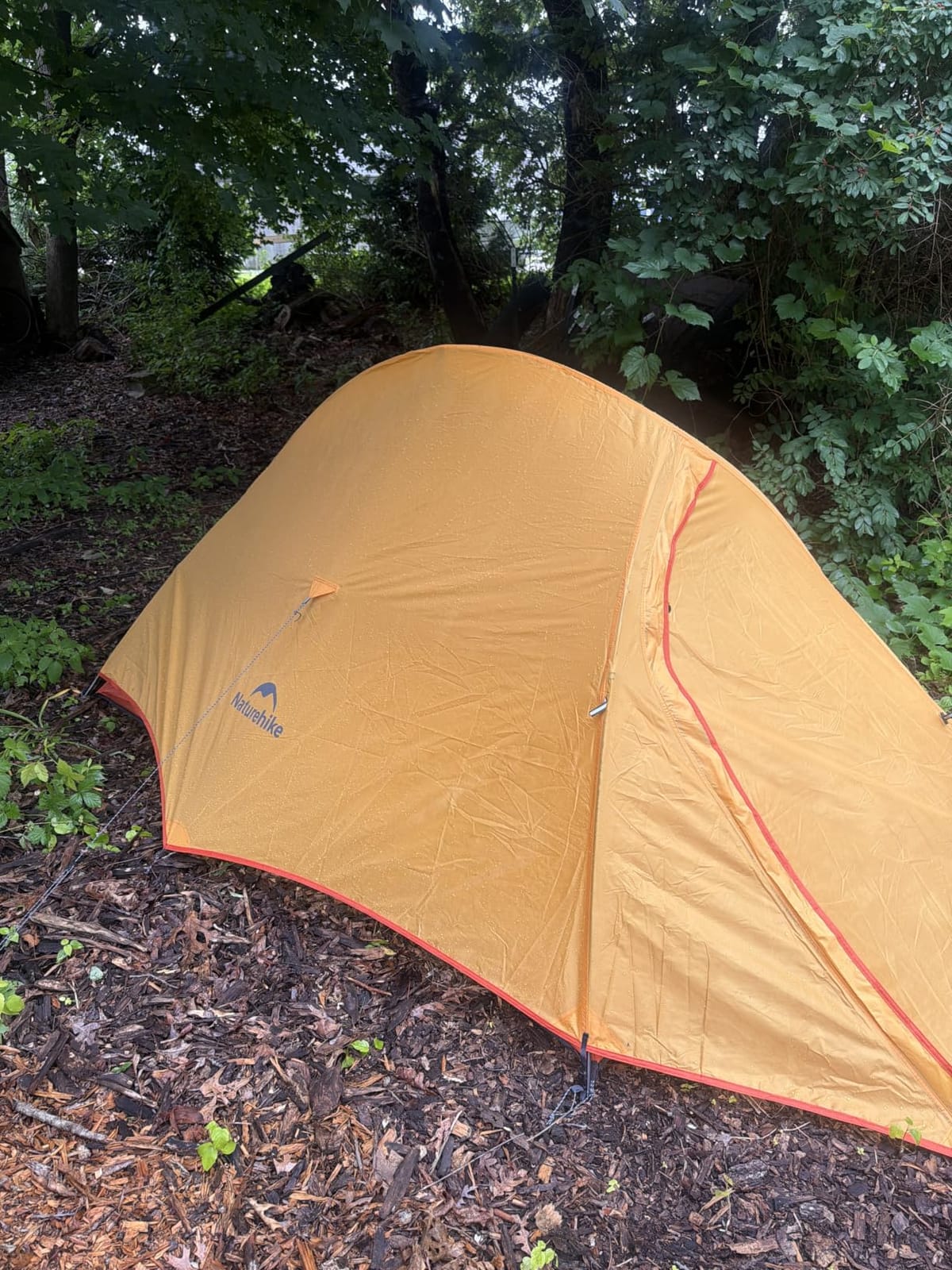
The most underrated detail is the included footprint. Nearly every other tent in this roundup sells a separate groundsheet, which quietly adds cost and packed volume for a fabric that protects a floor you already paid for. Bundling one here changes the effective cost of the shelter.
At 4.3 lb packaged with a 1.4 lb rainfly, this is not an ultralight tent, and the design makes that obvious in the hand. It is a freestanding dome built for weather and speed of setup, not for shaving ounces off a base weight. If your budget is tight, the weight splits cleanly between two hikers without anyone feeling it.
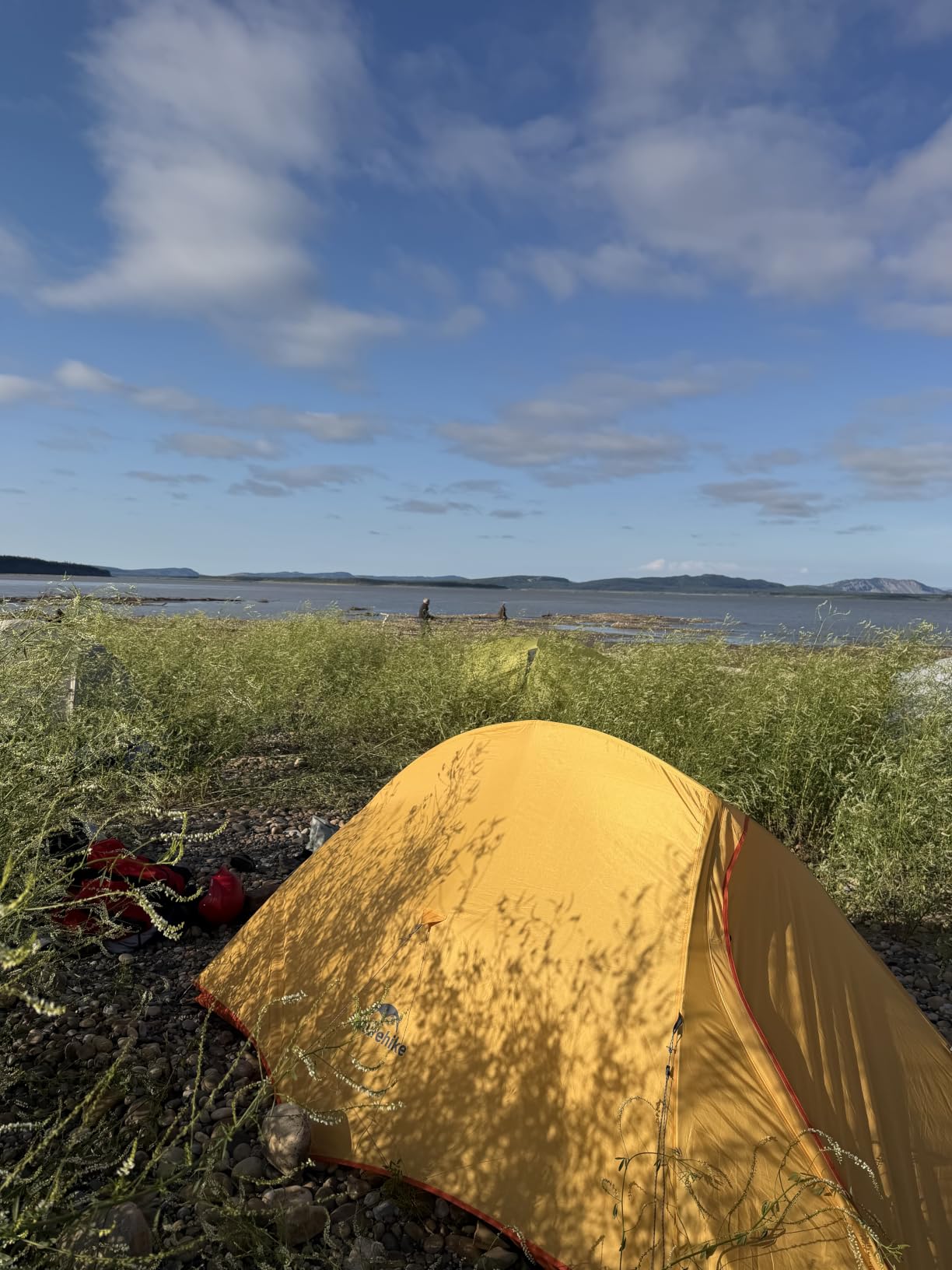
Is the Cloud-Up genuinely roomy enough for two adults
No, and most owners are honest about this. The 82.7 by 51.2 inch floor and 41.3 inch peak height give you a comfortable single-person shelter with space for gear, and a great number of buyers use it exactly that way. Reviewers repeatedly describe it as a spacious solo tent rather than a two-person one.
Entry is the practical problem for couples: a single door means one person waits in the rain while the other climbs in, and there is one vestibule rather than two. For two people who expect frequent wet entries, a two-door design costs you a few ounces and saves a lot of misery.
What you give up at this weight and price
Interior storage is thin. Two windows and a B3 mesh inner keep airflow moving, but there are very few pockets, so a headlamp, a phone, and a wet sock all compete for the same patch of floor. Budget for a small gear organiser if you share space with another person.
You also give up headroom. Sitting upright is genuinely difficult, which matters more on cold nights when you are dressed in insulation. This is a weather shelter first and a living space second, and it is honest about that trade.
2. ALPS Mountaineering Lynx 1 – Best Value Solo Tent Under 300 Dollars
ALPS Mountaineering Lynx 1-Person Tent – Lightweight, Easy Setup, Waterproof, Freestanding Backpacking Tent with Durable Aluminum Poles and Ample Ventilation
4 lb 1 oz packaged
3.3 lb minimum trail weight
90 x 32 inch floor
75D 185T fly and floor
Pros
- Highest average rating in the roundup at 4.7
- Limited lifetime warranty from a US brand
- Factory-sealed fly plus taped floor
- Half-mesh walls reduce condensation
Cons
- Narrow 32 inch base suits one person only
- 1500mm fly rating is modest beside 3000mm models
The Lynx 1 is the one budget backpacking tent here that I would happily hand to a friend who plans to keep it for a decade. It carries the highest average rating in this roundup at 4.7 stars across 906 reviews, and it is the only design on the list backed by a limited lifetime warranty rather than a one or two year term.
That warranty matters more than any spec line. A one-year guarantee on a tent means one bad hailstorm can end the ownership cycle; a lifetime warranty on a budget dome is a statement about the poles and the stitching, and it changes how you treat the shelter on a rock.
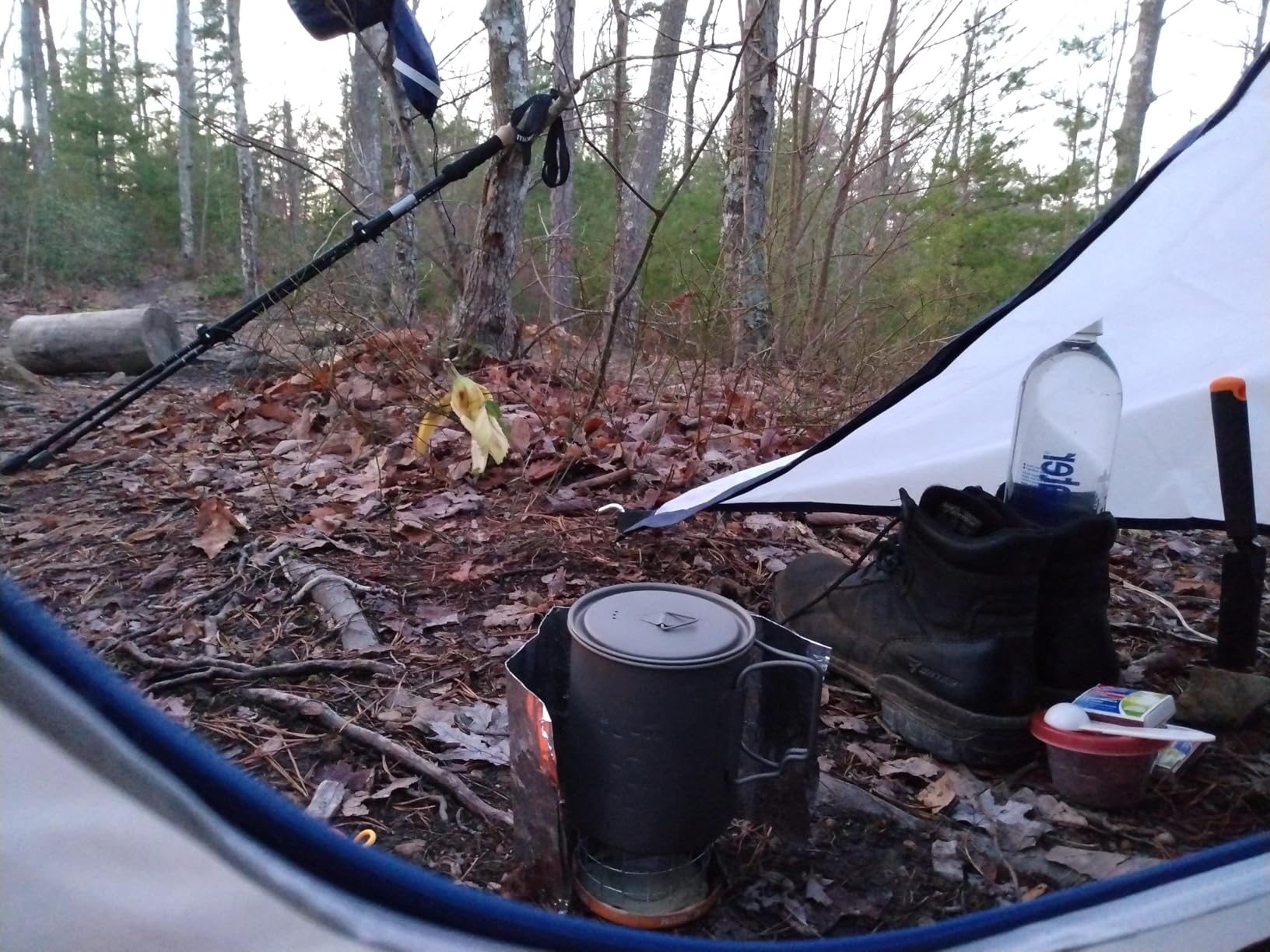
Weatherproofing is specified in detail rather than with a vague marketing word: a 75D 185T factory-sealed rainfly with a 1500mm coating over a 75D 185T floor with a 2000mm coating. Those numbers are honest but modest, and they tell you exactly where this tent sits relative to the coated imports on this list.
The 90 by 32 inch floor with 20 square feet of area, a gear loft, two mesh pockets, a single vestibule, and half-height mesh walls make it feel like a much larger tent while you are sitting in it. The airflow from the mesh is what keeps condensation off your sleeping bag on cool nights.
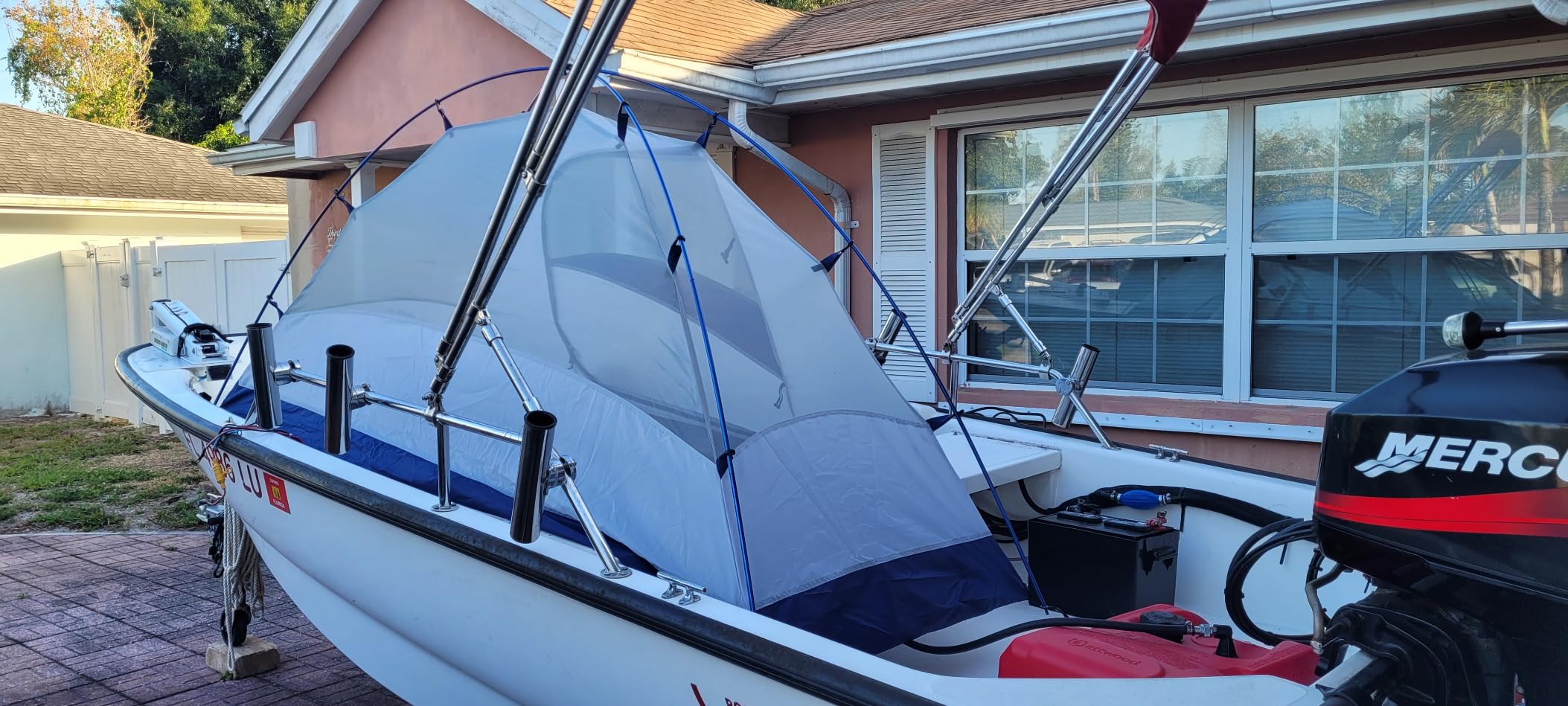
Is the Lynx 1 the right choice for a solo hiker
Yes, for anyone whose trips are solo or who carries a tent for emergencies. A 32 inch base fits a 25 inch pad with a little gear at the foot, the single door simplifies pitching at night, and the vestibule gives boots and a pack a dry home outside the sleeping area.
The 3.3 lb minimum trail weight gives you a realistic split. Leave the footprint and a couple of stakes behind and this is a light shelter for a solo three-season trip, which is exactly the use case most hikers at this budget have in mind.
Where the 1500mm fly rating will disappoint you
If your trips are genuinely wet, this is the number to weigh. A 1500mm fly is fine for drizzle and fast-moving showers, but it sits below the 3000mm-plus coatings on the Cloud-Up and the Clostnature, and it has less margin when a storm parks over your campsite for hours.
Compensating is straightforward. Pitch it with the vestibule facing the prevailing wind, use all four guylines in exposed sites, and put a coat on before you open the door. Buy it for shoulder-season three-season trips, not for a place where rain is the default forecast.
3. Clostnature 2 Person Tent – Best Budget Tent With Factory-Sealed Seams
Clostnature 2 Person Lightweight Backpacking Tent, Camping Tent
5.3 lb packaged
4.5 lb minimum trail weight
86.6 x 59 inch floor
PU 5000mm coated polyester
Pros
- PU 5000mm coating on fly floor and bathtub
- Factory-sealed seams out of the box
- Two D-doors and two vestibules
- Fast one-person setup with two poles
Cons
- Fabric reads thin next to name-brand domes
- Packed length is long for small packs
- Footprint not included
- Condensation builds when top vents stay shut
Seam leakage is the complaint that comes up most often about cheap tents, and this is the budget backpacking tent in our list that answers it directly. The PU 5000mm coating covers the rainfly, groundsheet, and bathtub floor, and the seams arrive factory-sealed rather than waiting for a tube of sealant in your kitchen.
Owners report keeping gear bone dry through hail and sustained downpours, which matches the 5000mm figure rather than contradicting it. Two D-shaped doors and two side vestibules also make it the most accessible shelter here for a pair sharing a small floor.
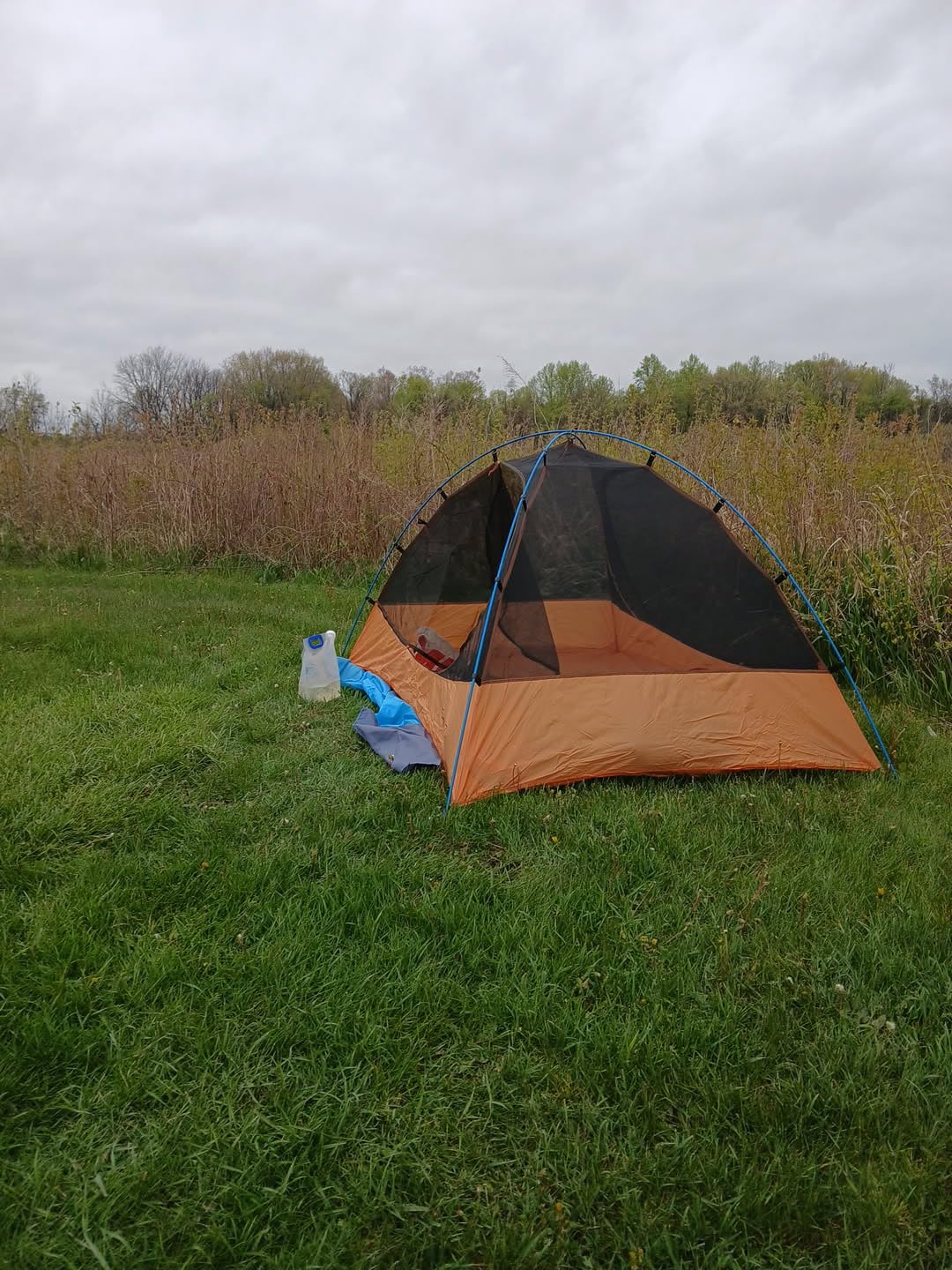
This design also comes in sizes from one to six people, so if you need a budget three-person shelter for car-camping and backpacking crossover, the same platform scales up. The two-person version uses 5133 square inches of floor area and 14 aluminum stakes, with a pole repair kit in the bag.
It is also the most-reviewed tent here at 3015 reviews with a 4.5 average, which means there is a large body of real weather reports to read rather than a handful of first impressions. That is worth something on a purchase you expect to keep.
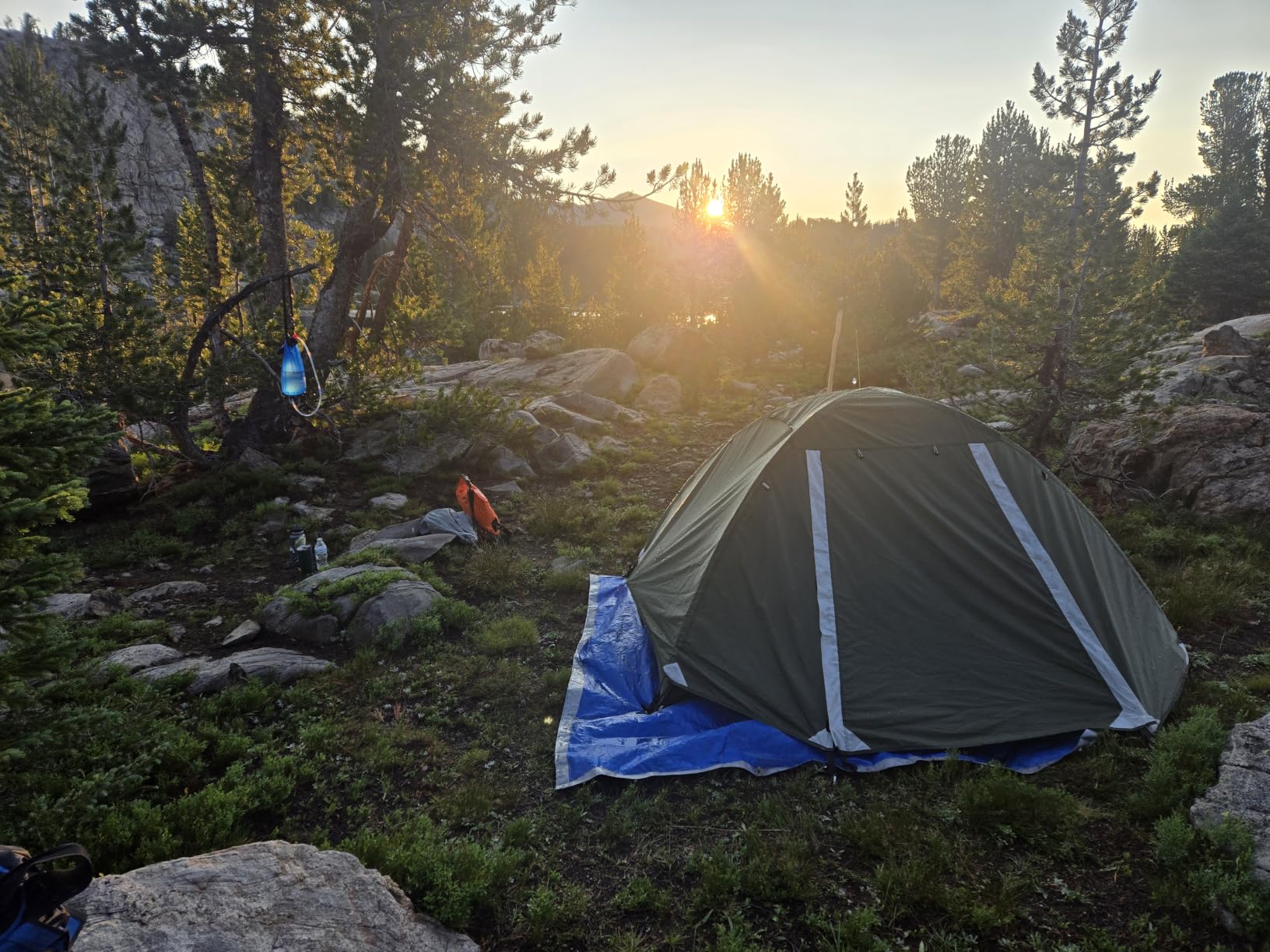
What the 5000mm coating actually buys you
A higher hydrostatic head means the fabric resists water pressure for longer before it begins to pass. At 5000mm on the fly and the bathtub floor, this shelter has real margin for sustained rain, which is exactly the scenario that ruins a cheaper tent on its first trip out.
The trade is weight and bulk. A 5.3 lb packaged weight with a 4.5 lb minimum trail weight and a long packed length means this will not disappear into a small daypack. Plan on strapping it outside a 50 to 60 liter pack, or splitting it between two people.
What thin fabric and no footprint mean for you
Owners consistently describe the fabric as thinner than premium brands, and thin fabric means less puncture resistance against sharp granite and less abrasion tolerance on rocky ground. On smooth forest sites it is unremarkable; on talus it is the first thing to wear through at the floor seams.
The footprint is not included, so add a cheap tarp-style groundsheet if you camp on rock. Also keep the top vents open when you can, because owners note that condensation builds quickly when the fly is closed down and the interior mesh is the only airflow path.
4. Forceatt 2 and 3 Person – Best for Wet Ground and Muddy Campsites
Forceatt Tent for 2 Person is Waterproof and Windproof, Camping Tent for 3 to 4 Seasons,Lightweight Aluminum Pole Backpacking Tent Can be Set Up Quickly,Great for Hiking…
2.5 kg packaged
2500 g minimum trail weight
88.6 x 53 inch floor
Welded elevated floor
Pros
- Welded floor seams block water from below
- Full-coverage rainfly
- Two ceiling vents cut condensation
- Three-minute setup with two poles
Cons
- 5.5 lb total weight is heavy for a solo kit
- Heavier than most tents in this class
The thing that separates the Forceatt from every other budget dome here is the welded floor. Seams are fused rather than stitched and left open, which is the single most common way water enters a tent from underneath, and it is the failure this design is built to avoid.
Combine that with a PU 3000mm index on the fly, 32.67 square feet of floor, and 3.27 square feet of vestibule, and you have a shelter for anyone who regularly camps on saturated soil, muddy lakesides, or spring ground where a stitched bathtub floor would eventually weep.
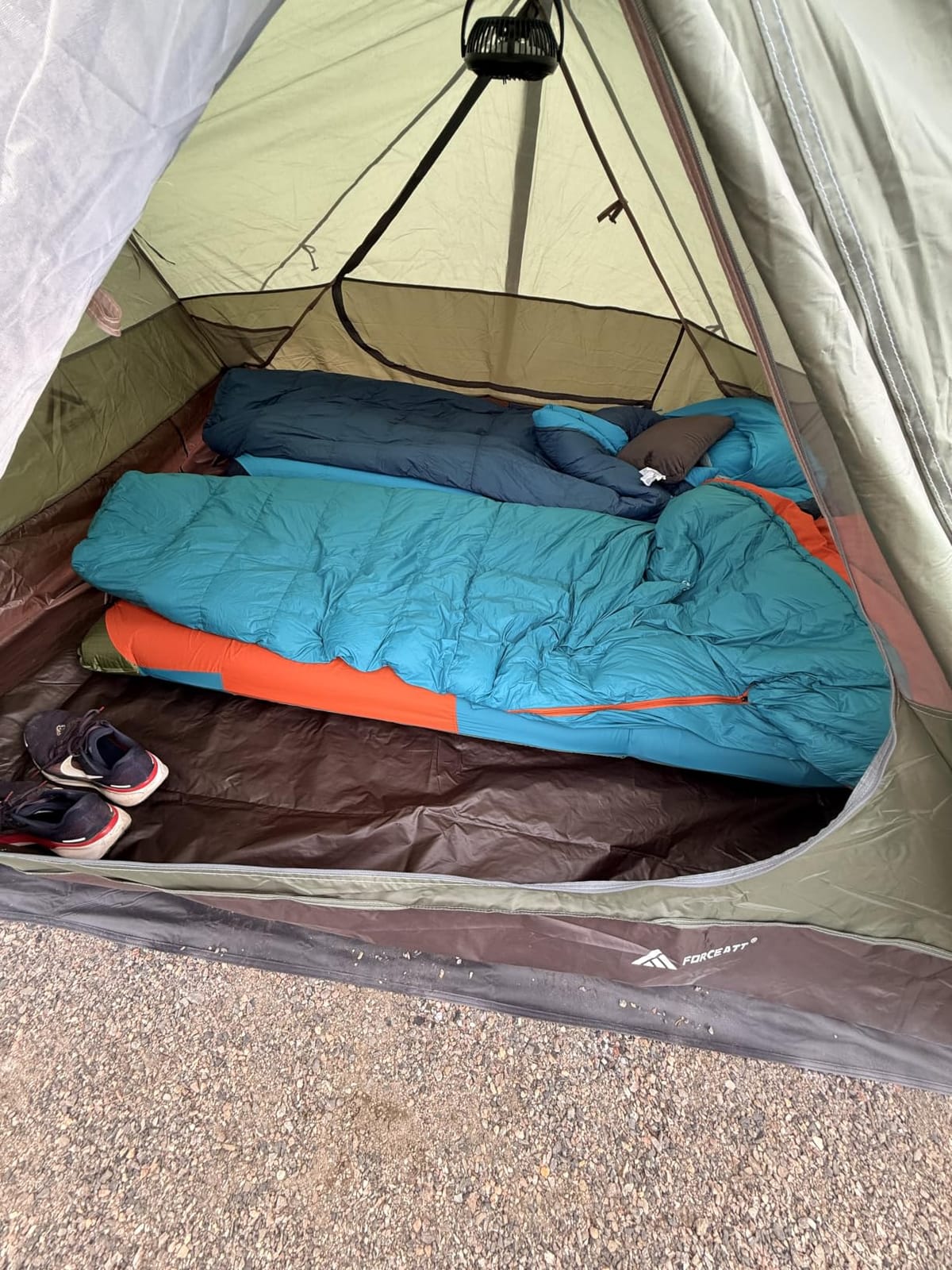
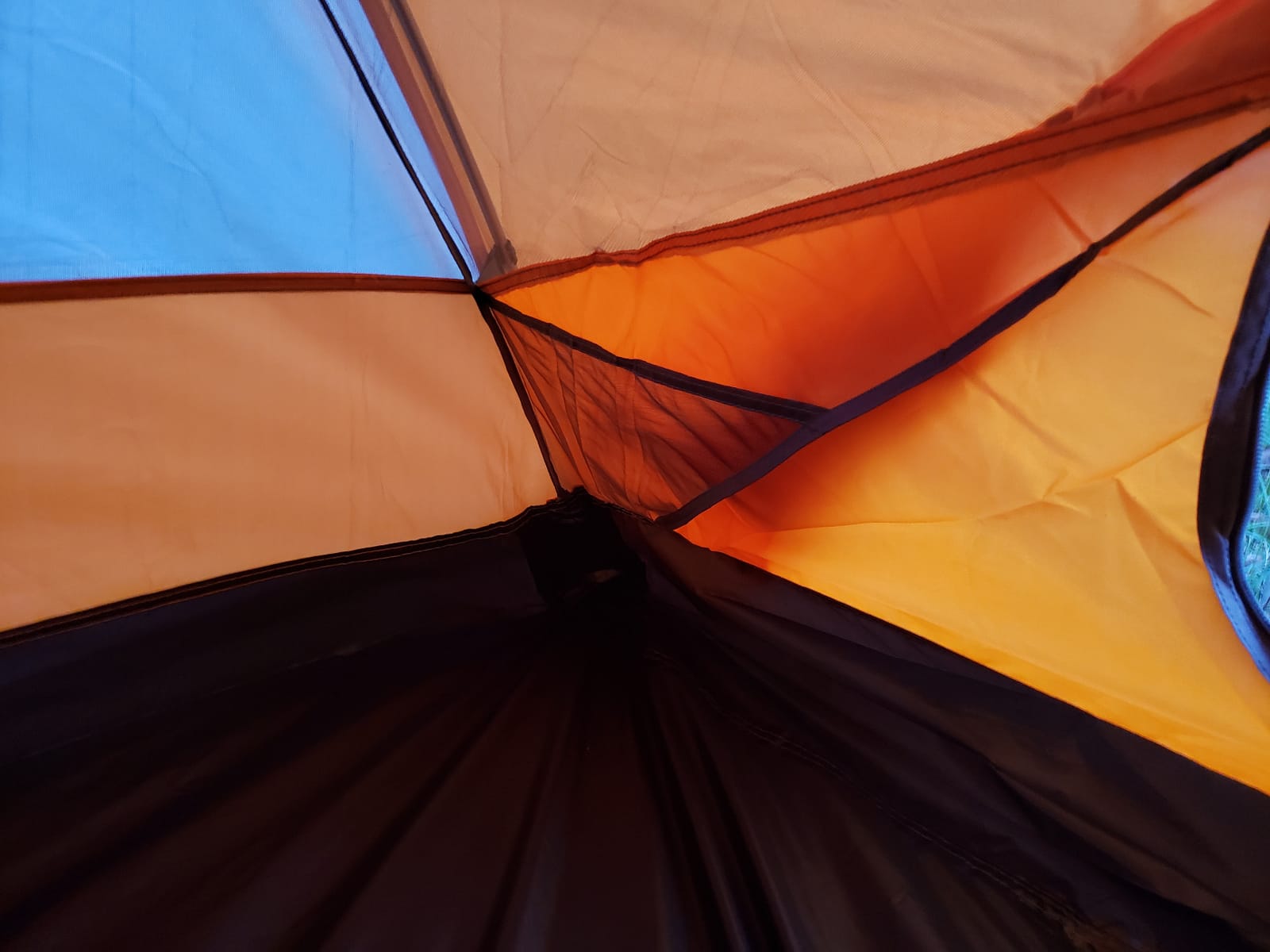
Ventilation is handled unusually well for a tent at this price. A large mesh window plus two ceiling vents move air through the canopy, and owners specifically credit the reduced condensation. That matters in the shoulder season, when the temperature drop between afternoon and dawn is when damp gear becomes a problem.
Setup is a genuine strength. Two aluminum poles and two D-shaped doors mean one person can pitch the whole shelter in about three minutes, and the Smooth number 8 zippers run without catching, which is more than some four-season name-brand tents manage.
Who should carry a 5.5 lb tent
A hiker walking long, low, fast trails with a base weight under 15 lb will feel a 5.5 lb tent on every climb. The fix is the one owners already use: divide the tent body, fly, poles, and stakes between two people, which turns one heavy item into two light ones.
For a solo hiker on shorter weekend trips, carrying the full weight is defensible if you value the welded floor, the full-coverage fly, and the four-season framing. For a thru-hiker covering miles every day, the lighter trekking-pole shelters are the better trade.
How to read the 4-season label here
Most manufacturers use the season label loosely. Treat it as a statement about frame geometry and number of poles, not about snow load rating, and expect this tent to handle wind and rain well rather than heavy winter precipitation.
What you gain over a three-season dome is a sturdier frame and more vestibule area. What you carry is roughly 1.5 lb more than a comparable lightweight shelter. If your trips are warm-season, that weight is pure overhead.
5. BISINNA 2/4 Person – Best for Headroom and Sitting Upright
BISINNA 2/4 Person Camping Tent Lightweight Waterproof Backpacking Tent
4.7 lb packaged
6 lb minimum trail weight
102.2 x 82.7 inch floor
47.2 inch peak height
Pros
- Tallest peak height in the roundup at 47.2 inch
- Two doors on opposite sides
- 190T taffeta with 7001 aluminum poles
- 10 square feet of vestibule
Cons
- Heavier and bulkier than true ultralight tents
- Zipper quality is only average
- Footprint sold separately
Most budget backpacking tents are designed to be slept in, not lived in. The BISINNA is the exception on this list, with a 47.2 inch peak height and 31.64 square feet of floor area, so a 6 foot tall hiker can stand or kneel without folding their tent around them.
That interior volume is why owners describe it as roomy and well ventilated, with two doors on opposite sides meaning both occupants can enter without crawling over each other. For a pair sharing shelter, weekend trips, or anyone with gear-heavy packs, that space does real work.
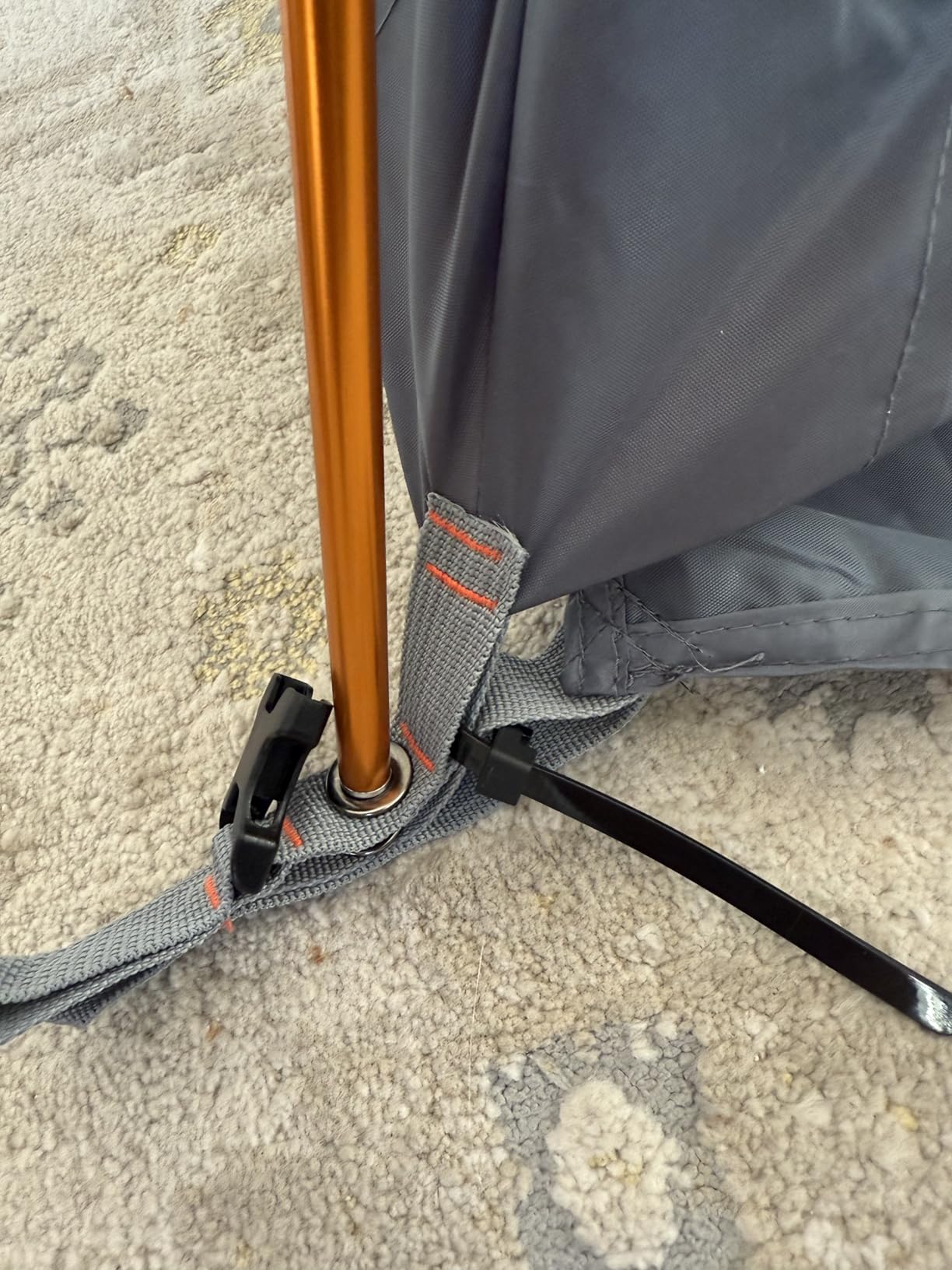
The build is straightforward and solid feeling: 190T polyester taffeta inner and rainfly with B3 no-see-um mesh, 7001 series aluminum poles, and a double-layer three-season design. Ten aluminum pegs and two wind ropes are included, and the 4.6 average across 2348 reviews reflects a consistent experience rather than one lucky season.
Do not buy it expecting an ultralight shelter. A 4.7 lb packaged weight with a listed 6 lb minimum trail weight and a 102 by 82 inch floor is a substantial amount of fabric, and reviewers regularly mention strapping it to the outside of their pack.
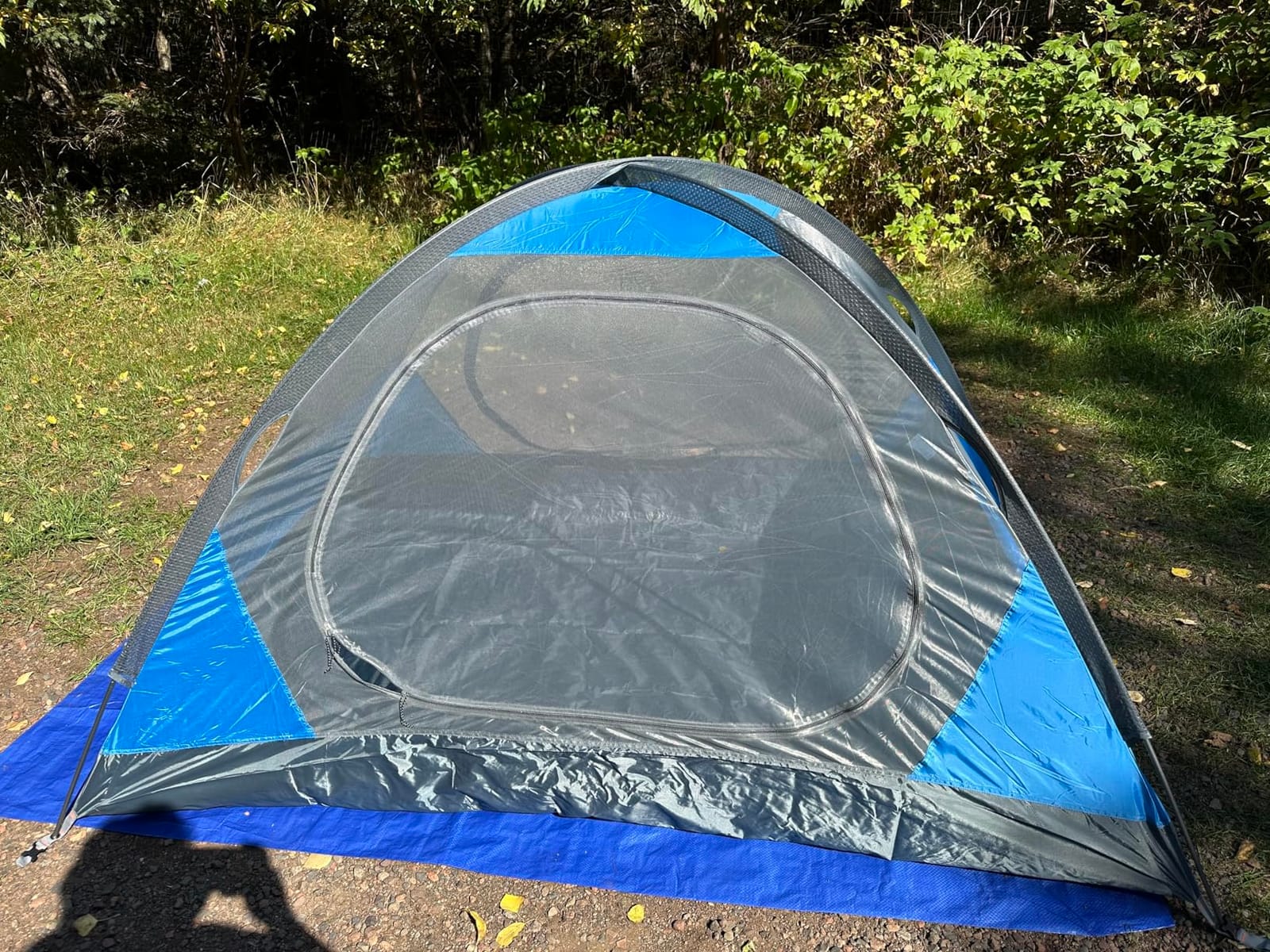
Who benefits most from the extra height
Tall hikers, anyone sharing a two-person floor, and campers who spend real hours in the tent during poor weather. Sitting upright to dress, read, cook under the vestibule, or tend a child changes the character of a trip, and that is exactly what the extra vertical space buys.
It also suits a budget three-person tent, since the wide 82.7 inch base spreads gear out rather than stacking it against your sleeping pad. Camping with a dog is easier here than in any of the narrower single-pitch designs on this list.
Why the weight is the deciding factor
With a 6 lb minimum trail weight, this is the second-heaviest design here, and no amount of extra floor space changes the arithmetic on a long climb. If you carry it solo for multi-day trips, the weight will be the thing you notice, not the height.
Zipper quality is described as average by reviewers, and the footprint is sold separately, so budget a small extra for a groundsheet. A tube of quality zipper lubricant is worth keeping in your repair kit regardless of which tent you choose.
6. Kelty Grand Mesa 2P – Best Thru-Hiking Dome Under 300 Dollars
Kelty Grand Mesa Backpacking Tent, 2 or 4 Person, Aluminum Poles (2P)
4 lb 1 oz packaged
4 lb minimum trail weight
84 x 45 inch floor
68D polyester, 3300HH coating
Pros
- Fast three-to-five minute solo setup
- Seam-taped 68D polyester throughout
- Color-coded clips simplify pitching
- Bathtub floor and solid aluminum poles
Cons
- Snug for two people
- Footprint sold separately
- Vestibule is small and low
- Pack volume is bulky for the weight
Kelty built the Grand Mesa for the thru-hiking market, and the design priorities are obvious once you pitch it. A 4 lb minimum trail weight, a 3300HH coated 68D polyester body with fully taped seams, and a Quick Corners pole system that goes up in three to five minutes solo.
Reviewers report gear staying dry in sideways rain, which is the hardest test for a dome with a single door. The buckle fly attachment and color-coded clips mean you are not squinting at the fabric in fading light, and the bathtub floor plus aluminum poles take the abuse that repeated pitching delivers.
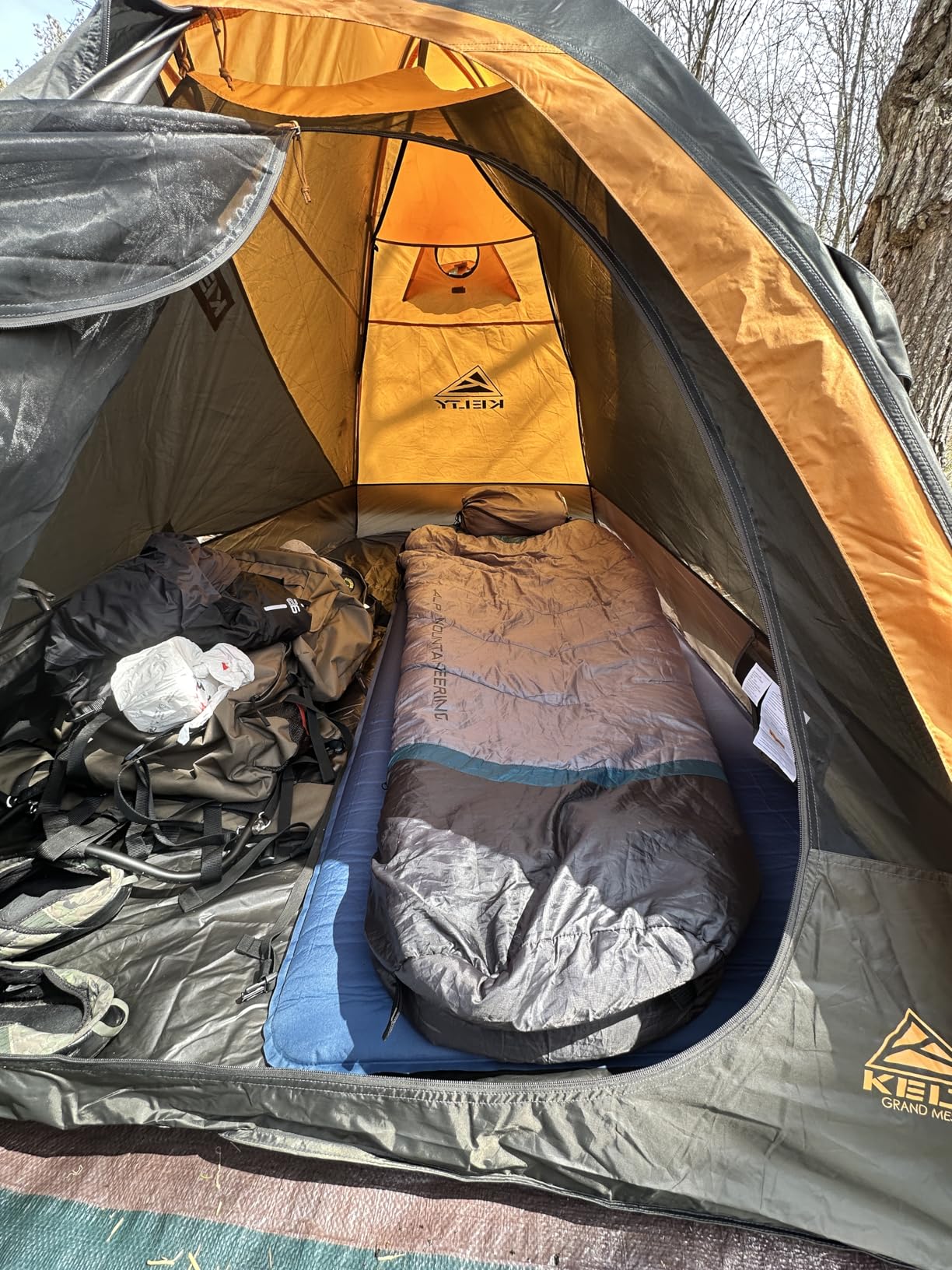
At 84 by 45 inches with 30 square feet of floor and a 44 inch peak, it is a genuine two-person footprint on paper, but owners are consistent about the caveat. Most treat it as a comfortable single tent with gear space, or as a two-person shelter for smaller hikers.
The one design feature worth planning around is the vestibule. At 3 square feet, and stopping a few inches above the ground, it protects boots and a pack from splash but will not keep a pack dry in horizontal rain without extending the fly.
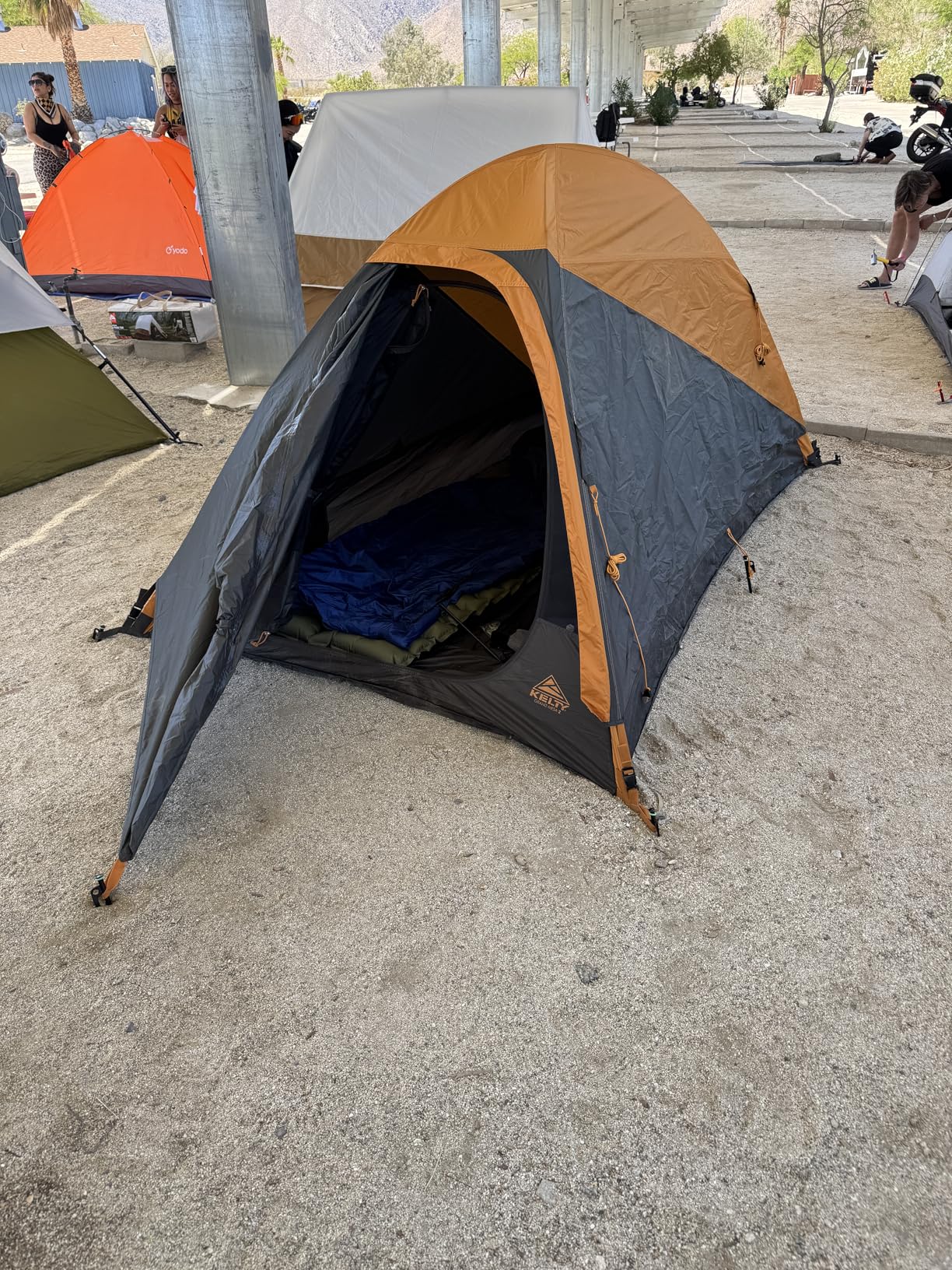
Is it sized for two adults
Only comfortably if both hikers are small or one of you is out for most of the day. The 45 inch width gives roughly 22 inches of shoulder room per person, which is enough for sleeping but tight for two adults sitting up and dressing in the tent.
Thru-hikers travelling as a pair usually report managing fine with 20 inch pads and small packs. If you are buying this as a shared base for weekend trips rather than a race to the next hiker feed, budget for the 3P version of this design instead.
What the 3300HH coating means for wet seasons
HH here refers to a polyamide or polyurethane coating measured for hydrostatic head, and 3300mm places this tent in the middle of the roundup. It is a real weather rating, well above the 1500 and 2000mm designs, and adequate for multi-night three-season rain.
The cost of that protection is pack volume. Reviewers note the packed size is bulkier than the weight suggests, which is a common complaint for thru-hikers who care about cubic inches more than ounces. Measure your pack before committing.
7. OneTigris COSMITTO 2 Person – Best Lightweight Pick for Three-Season Trips
OneTigris COSMITTO 2 Person Backpacking Tent Shelter- Free Standing Lightweight Waterproof 3 Season Camping Tent for Outdoor Hiking Mountaineering
2300 g trail weight
86 x 86 inch hexagonal floor
20D plaid ripstop fly
75D nylon bottom
Pros
- Hexagonal outer shape resists wind
- Three aluminum poles pitch in under five minutes
- Sealed seams and a coated fly shed heavy rain
- Interior gear organizer pockets
Cons
- Two-person capacity is optimistic for two adults
- Thin bottom fabric wore through on hard ground for one reviewer
- Seam tape durability questioned over time
- Weak interior mesh shelves
The COSMITTO is the interesting geometry pick in this roundup. Instead of the usual crossed-pole dome, it uses a hexagonal outer shape with three aluminum poles, and that shape is the reason it stays planted when a wind front moves through camp.
Owners value the fast setup, solid wind resistance, and rain performance for the price, and the fly is a 20D plaid ripstop polyester with a 1500mm coating over a 75D nylon bottom, which is a sensible fabric pairing for abrasion at the floor.
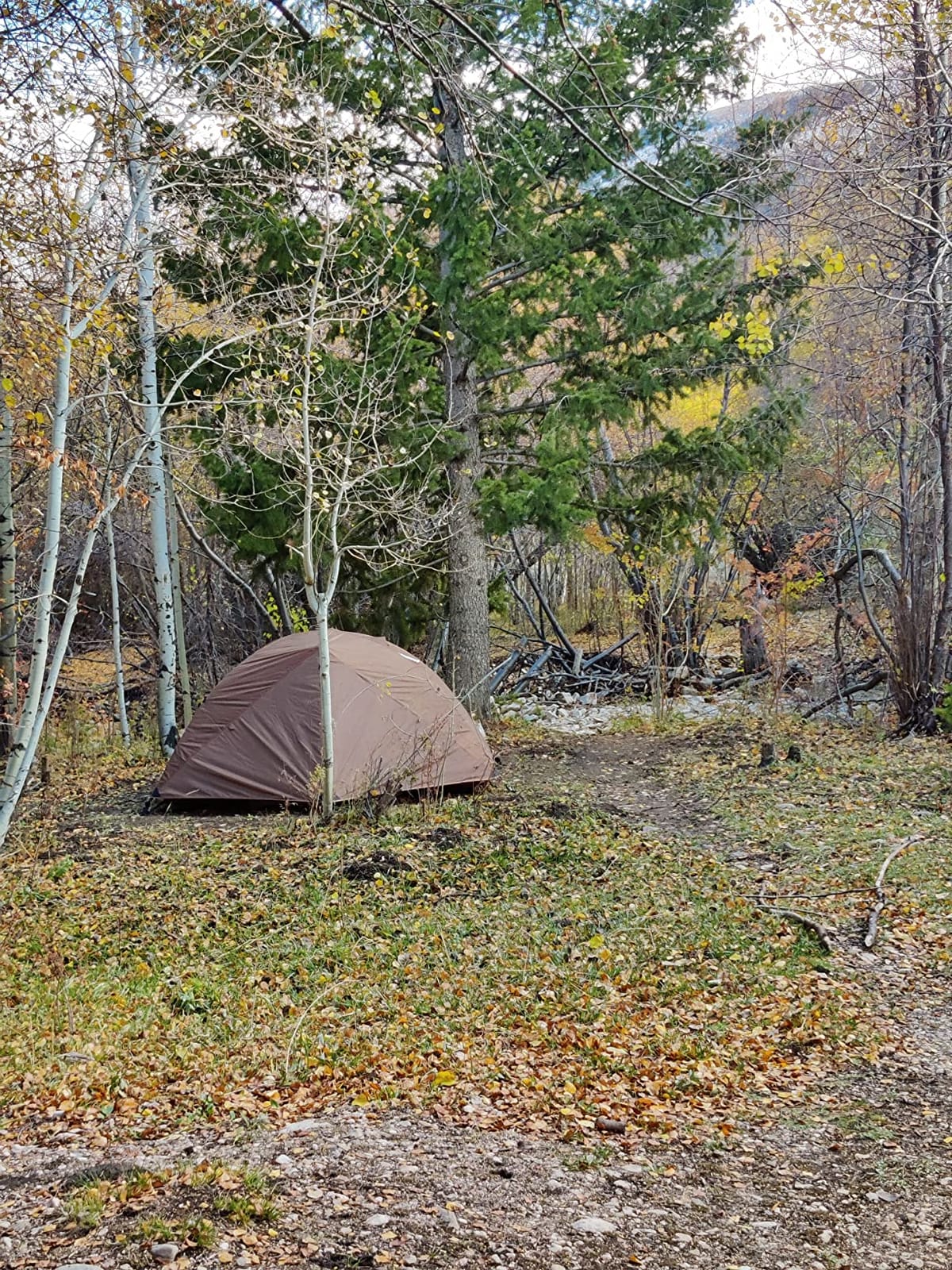
At 2300 g for the minimum trail weight with 30.96 square feet of floor and a 43 inch peak, it is a genuinely light budget shelter rather than a heavy dome in ultralight clothing. That figure puts it in the range where solo hikers can justify it on a base weight budget.
Two zippered entrances and two gear organizer pockets make it practical for a pair, and the frame pitches in under five minutes with a tight, stable tension. The inner mesh and hexagonal shape also give you more usable headroom than a flat-topped dome of the same weight.
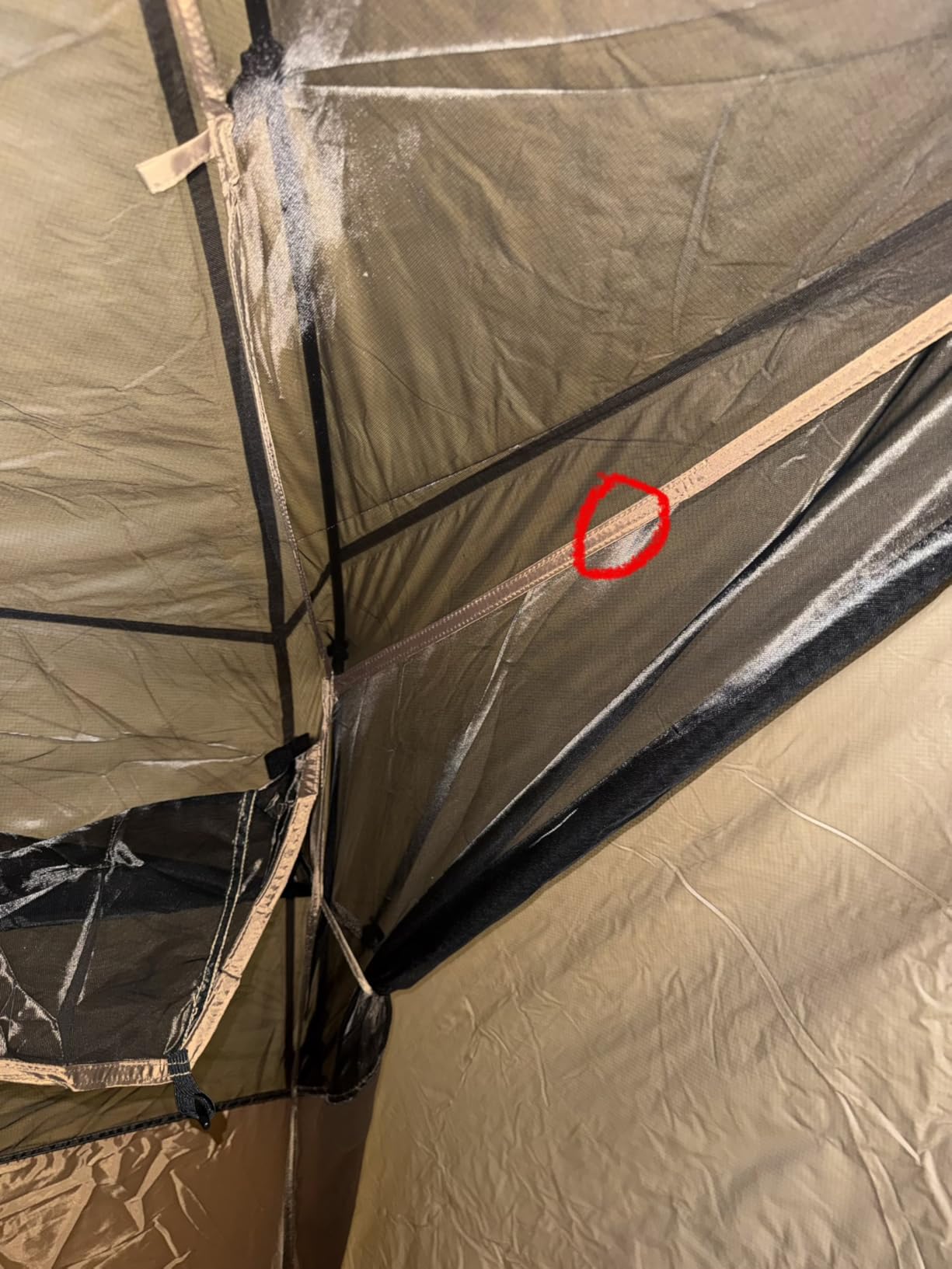
When the hexagonal shape helps
Exposed ridgelines, open forest with steady crosswind, and any site where a flat-topped dome would pancake. Owners specifically report good wind resistance, and the wider footprint from the hexagon resists collapse in a way the narrower classic dome shapes cannot.
It also improves interior volume for the weight, since the shape pushes walls outward at sleeping height. If you have been priced out of trekking-pole shelters, this is a middle path: a light, freestanding, wind-stable design that still pitches with ordinary tent poles.
What the 1500mm fly and thin floor cost you
The 1500mm coating is the weakest number among the coated tents here, so treat this as a shelter for showers and moderate three-season rain rather than for a place where storms routinely sit on top of you. Pitch it with a vestibule into the wind and use the four guylines.
One reviewer reported the bottom fabric wearing through on hard ground, and another questioned seam tape durability after extended use. The 75D nylon bottom is the right material, but check it before each season and treat a floor as consumable rather than permanent.
8. Kelty Discovery Trail – Easiest Setup for First-Time Backpackers
Kelty Discovery Trail Backpacking Tent, Waterproof Rainfly (2 Person)
5 lb packaged
4.3 lb minimum trail weight
60 x 40 inch floor
42 inch peak height
Pros
- Easiest pitch of any tent in the roundup
- Limited lifetime warranty
- Quick Corners with press-fit poles
- Taped waterproof fly with a condensation vent
Cons
- Included aluminum stakes bend in hard ground
- Pre-attached guylines can tear off in wind
- Limited airflow through the mesh canopy
- Tight for two adults
If the single most important criterion for your first backpacking tent is that you can pitch it without a manual, the Discovery Trail is the design on this list built for that. The Kelty Quick Corners system with press-fit aluminum poles and pre-attached guylines removes almost every decision from the setup.
Reviewers describe it as the easiest setup they have used, including the fly. Taped seams and a waterproof fly with a vent handled downpours in testing, and one owner reports the tent stayed planted through 40 to 50 mph wind gusts.
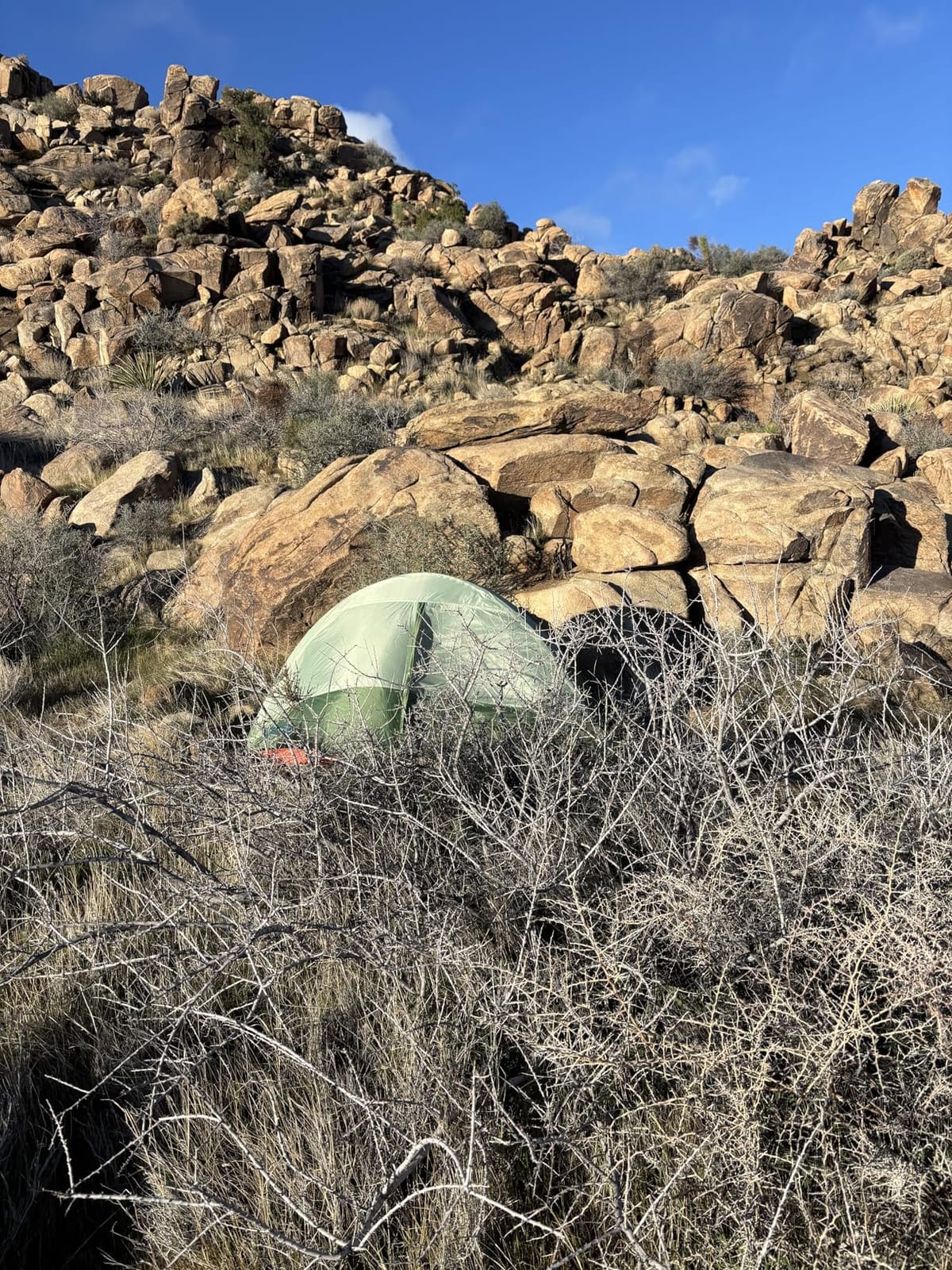
There is also a durability angle worth noting. This is a Kelty design with a limited lifetime warranty, and the fabrics carry PFC-free DWR treatments, which matters if you camp in sensitive backcountry drainages where runoff water quality is regulated.
The 60 by 40 inch floor with 33 square feet of area, a 42 inch peak, and a 5 square foot vestibule make it a straightforward single-person-plus-gear shelter. The 1.3 lb rainfly is a meaningful share of the 5 lb total, so there is a lighter trail weight available if you leave parts of the kit behind.
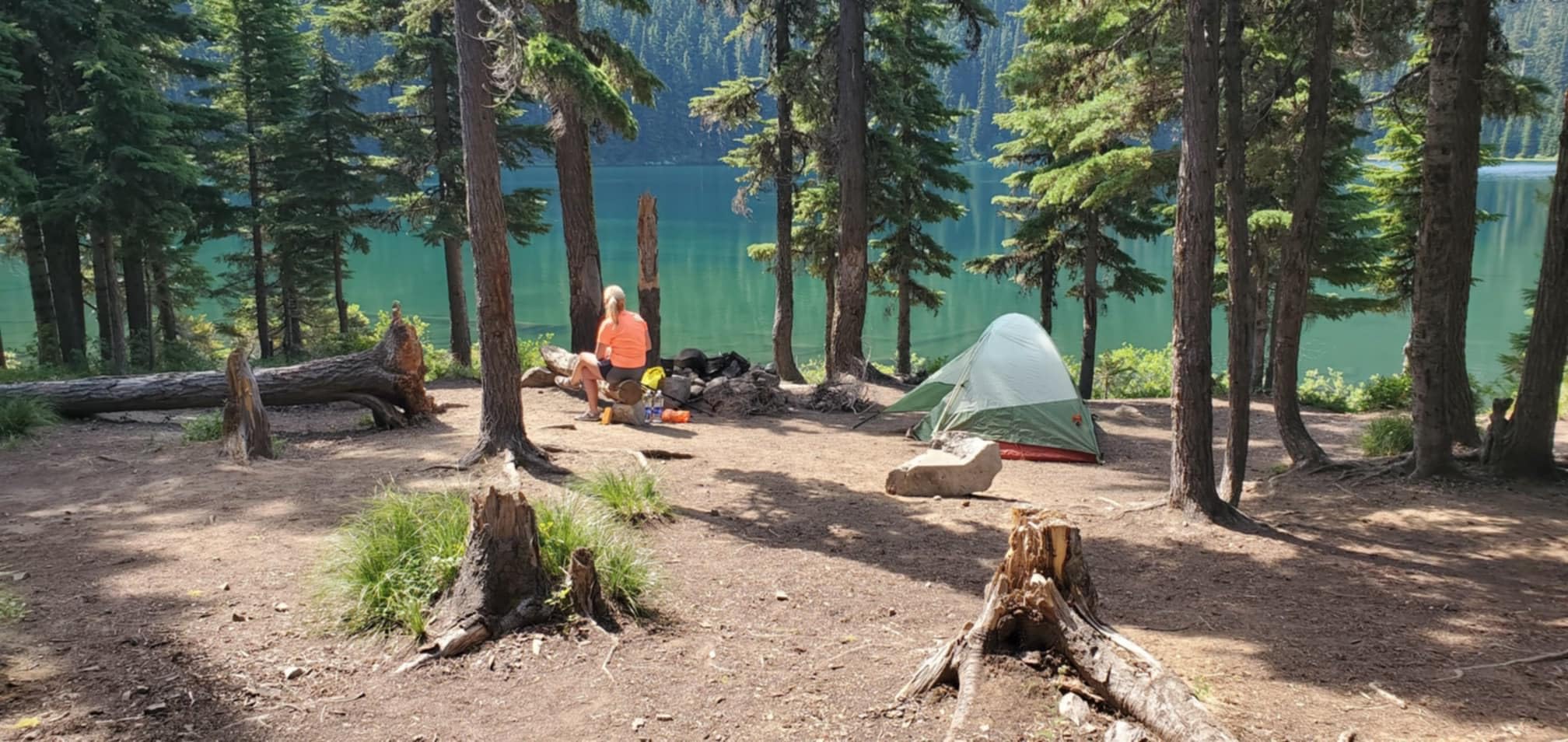
Is the Discovery Trail right for a beginner
Yes, if you want one tent that works for years of weekend trips and you would rather not learn a pitched tent with crossed trekking poles. Setup speed means you can pitch in fading light or bad weather, and the single door keeps the process to a minimum.
The limited lifetime warranty is the strongest support argument. A first backpacking tent often gets pitched wet, in the dark, after a long day, and knowing the brand stands behind the frame and stitching removes a category of anxiety that no spec sheet addresses.
What to fix before your first trip
Replace the included aluminum stakes. Reviewers report they bend easily in hard ground, and a bent stake is how a tent ends up untensioned in a gust. Bring your own 7 to 8 inch stakes and treat them as part of the tent, not an accessory.
Check the pre-attached guylines before you leave home, since some owners report them tearing off in strong wind. Airflow is also limited through a mostly mesh canopy, so the interior gets warm on warm nights, and the two-person rating works better as a solo shelter with gear inside.
9. OneTigris Stella – Best for Bad Weather Under 300 Dollars
OneTigris Stella 4 Season Camping Tent Backpacking 2 Person Waterproof Lightweight Easy Setup Instant 3000mm Waterproof Rating Outdoor Hiking Tent
4.8 lb trail weight
82.7 x 49.2 inch floor
3000mm silicone coating
45.2 inch peak height
Pros
- 3000mm rating on silicone-coated 20D nylon
- Sturdy 40D nylon floor
- Removable blackout outer tent
- Mesh inner aids airflow in humidity
Cons
- Small vestibule at 1.41 square feet
- Heaviest trail weight in the roundup
The Stella is the most weather-focused shelter here. Instead of the conventional PU coating common on budget imports, the outer fabric is 20D nylon with a single-layer silicone coating rated to 3000mm, and the bottom is a 40D nylon, the heaviest floor fabric in this roundup.
Silicone coating is the durable option in tent fabric science. It is more expensive to apply than PU, which is precisely why budget tents usually do not use it, and it resists the coating delamination that owners of coated-nylon tents report after a few seasons of storage.
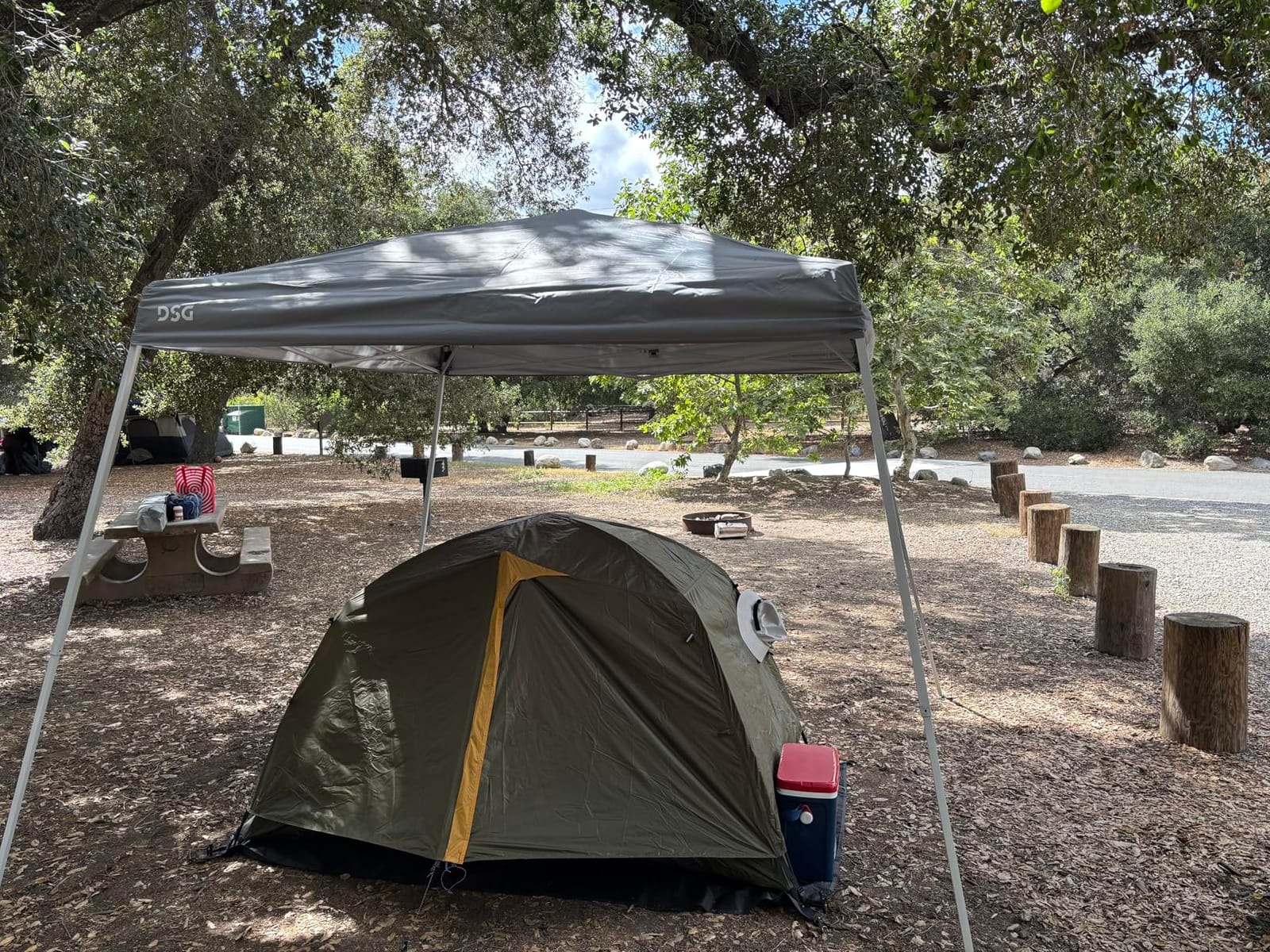
Owners point to the 3000mm waterproofing, the sturdy 40D nylon bottom, and quick setup from a simple crossing-pole dome that a single person can raise in about three minutes. A mesh inner tent keeps air moving in humid conditions, which is where condensation ruins sleep.
The removable blackout outer tent is an unusual feature at this price. It lets you shut out early light without pitching a second shelter, which helps if you are sharing a tent on a trip with early starts or shared gear that needs to stay covered.
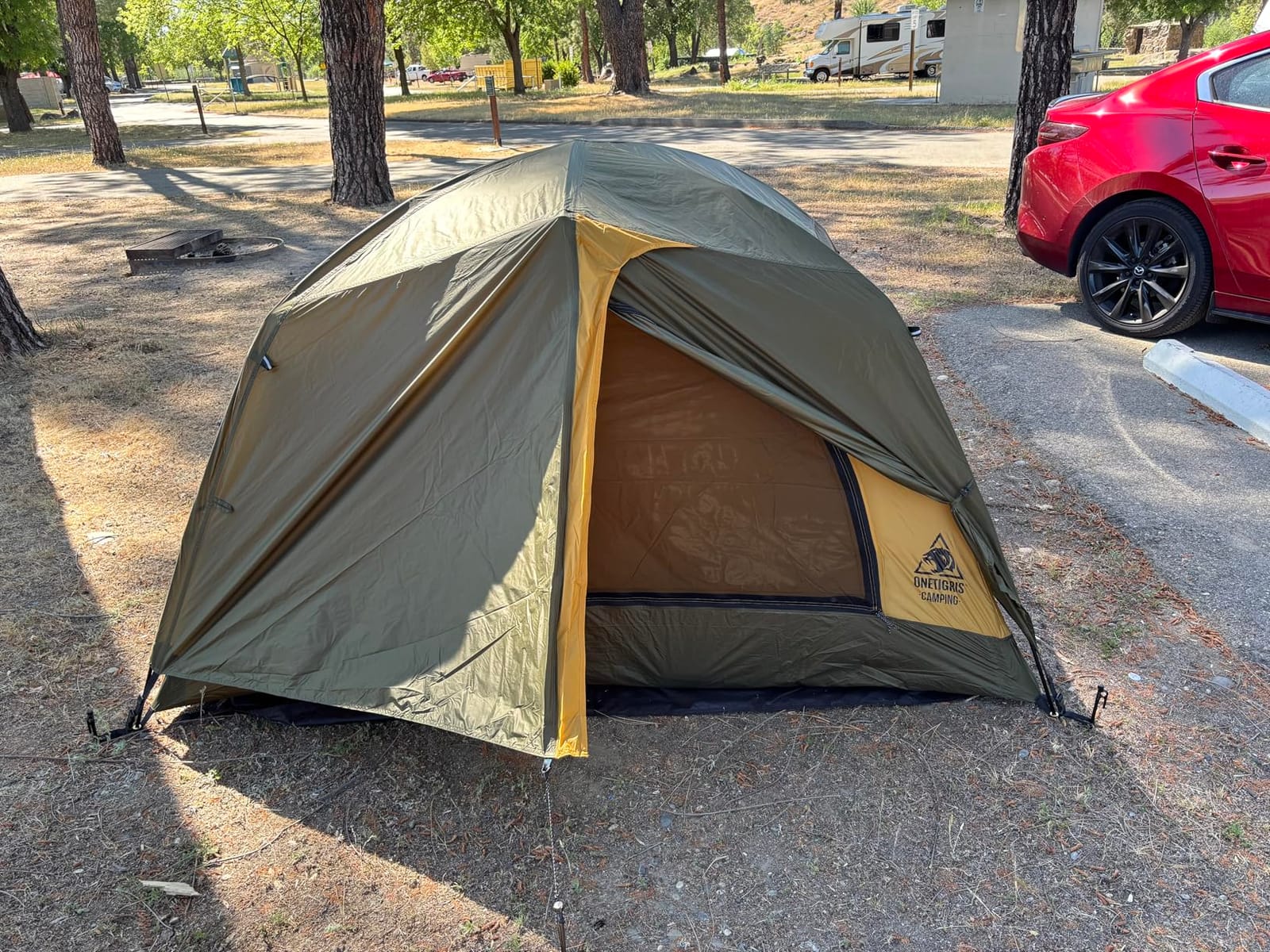
Is the Stella the right pick for a wet-weather trip
If your trips happen in places where rain is the default rather than the exception, the combination of a 3000mm silicone coating, a 40D floor, and a full frame is worth the extra weight. It has the strongest fabric specification of any tent under the ceiling in this roundup.
It is also a 4-season framed design rather than a three-season lightweight, so it handles a windier site better than the single-pitch designs here. Set it up with all four guy lines and stake it into ground you have tested with the heel of your boot.
Where the weight and the vestibule will annoy you
At 4.8 lb of trail weight, this is the heaviest tent in the roundup, and there is no way around that. The silicone-coated fabric and the 40D floor do not compress the way a 20D silpoly single-wall does, so budget for the load before committing.
The 1.41 square foot vestibule is the other real limitation. Boots, a pack, and wet gear all need somewhere to go, and owners consistently list storage as the main drawback. Plan on a separate dry bag for anything that must stay dry.
10. Clostnature 4 Season Tent – Best for Cold Nights and Winter Camping
Clostnature 4 Season Backpacking Tent – 2 Person Cold Weather Winter Tent
6.28 lb packaged
5.33 lb minimum trail weight
86.6 x 59 inch floor
PU 5000 coated floor
Pros
- Kept campers dry and warm in 20 to 41 F conditions
- Deep PU 5000 bathtub floor
- Two rooms and two D-doors
- Factory-sealed seams with snow flaps
Cons
- Rainfly fabric is thin and tears easily
- Included stakes bend in hard ground
- Poor ventilation with the fly on
- Fly is awkward to fold back into the stuff sack
This is the only true four-season shelter in the roundup that stays inside the ceiling, and reviewers report it keeping campers warm and dry in conditions between 20 and 41 F. The floor is polyester with a PU 5000 coating, and the fly and groundsheet share that rating.
Snow flaps that seal out spindrift, factory-sealed seams, a deep bathtub floor, and two mesh-and-fabric double-layer doors make it a credible shoulder-season and winter option. Owners also report using it for two people and a dog, which is a good sign about floor area at 5133 square inches.
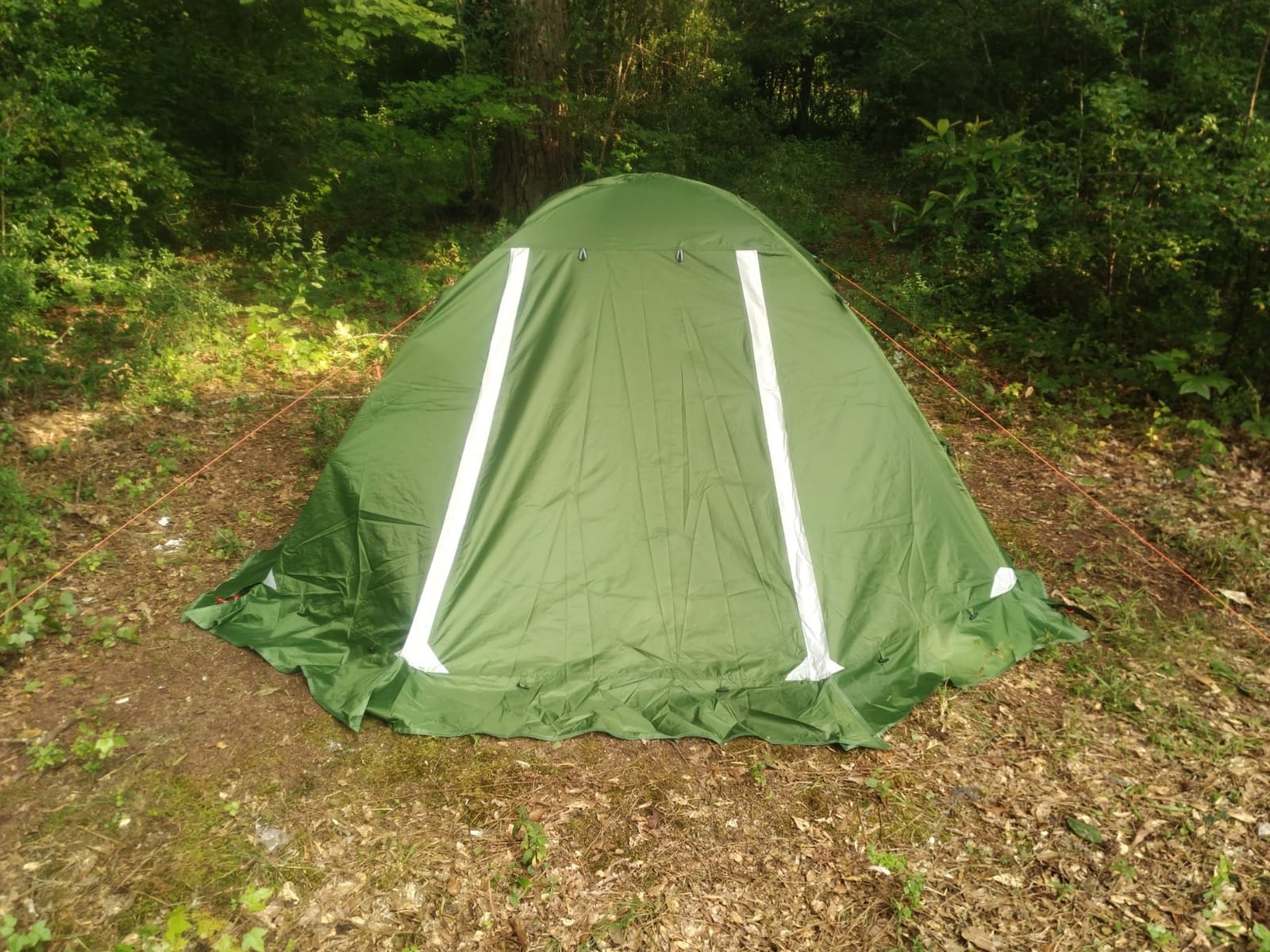
Two rooms and two D-shaped doors plus two vestibules give you a separate space for wet gear, and the double-layer construction keeps the inner mesh away from your face. One person sets the whole thing up in about three minutes.
Warranty is a one-year guarantee, which is the shortest term on this list, and the 6.28 lb packaged weight is the heaviest here. A pole repair kit and 14 aluminum stakes are included, which is more repair support than most of the budget designs provide.
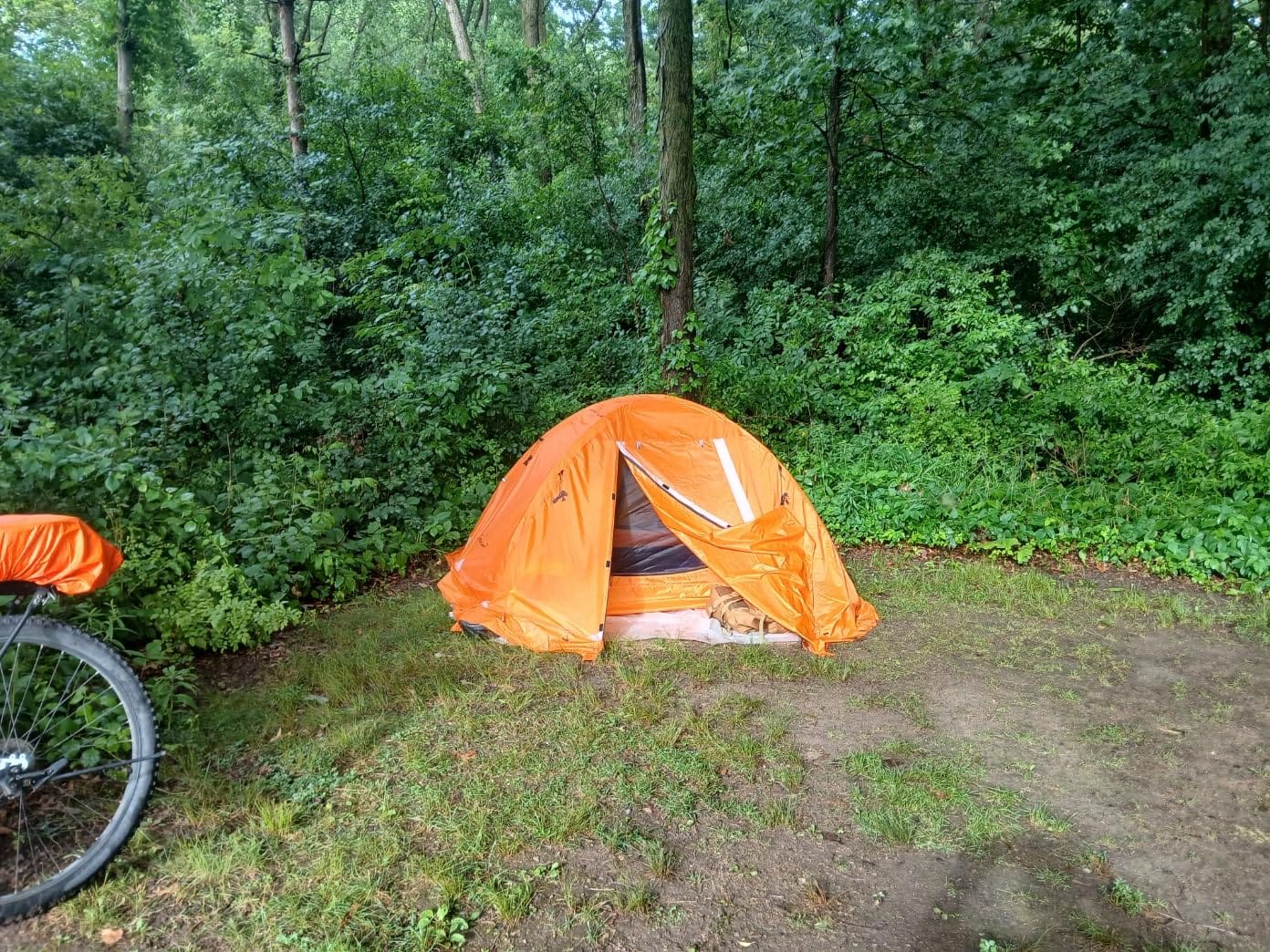
What four season actually means for a camper
It means the frame and vestibule are designed to be pitched in cold wind and that snow flaps close off the entry gaps. It does not mean a snow load rating. Treat it as a cold-weather three-season tent, and pair it with a winter sleeping pad and bag if you plan genuine freezing conditions.
For most backpackers, the real value is shoulder season, where freezing rain and sleet are the risk. This shelter handles that far better than any of the three-season domes on this list, which is why it makes the final ten.
What to fix before the first cold trip
Replace the stakes. Owners report the included aluminum stakes bending in hard ground, and frozen ground is hard ground. A set of steel or heavy-gauge aluminum stakes is the cheapest insurance in this entire roundup.
Ventilation is the weak point. With the fly on, interiors get stuffy, so plan to crack the doors for ventilation during the day and accept condensation management at night. Budget time for the fly, because owners report it is awkward to fold back into the stuff sack.
How to Choose a Budget Backpacking Tent Under 300 Dollars
The most useful thing you can do before choosing is decide which of the three weight classes you are actually carrying. Every other spec becomes easier to evaluate once weight is settled, because weight drives nearly every other trade at this price.
Under 3 lb is for solo hikers on a base weight budget and for anyone who splits a shelter between two people. Between 3 and 4 lb is the sweet spot for three-season trips where you still want a real floor and a freestanding pitch. Above 4 lb buys you headroom, welded floors, four-season framing, and heavier fabric, and you pay for it in distance covered.
Is a 5 lb tent too heavy for backpacking? For a weekend trip with two or three nights, no, particularly if you split it with a partner. For a solo hiker walking 15 to 20 miles a day for weeks, yes, and you should be looking at trekking-pole shelters instead. Our guide to the best trekking poles for backpacking covers the poles you would pair with a lighter shelter.
The other half of weight is the number most listings hide. Minimum trail weight is the shelter with no stakes, no footprint, and no guylines, while packaged weight is what is printed on the retail box. Compare like with like or you will end up with a tent that is 1 lb heavier than the one you thought you were buying.
How the price ladder works from cheap to the ceiling
Under 150 dollars, you get coated polyester, 3000mm or so, standard aluminum poles, and a shelter that is genuinely good value for a beginner. Almost everything in the sub-100 bracket shares the same weaknesses: thinner fabric, a shorter warranty, and fewer pockets.
From 150 to 200 dollars, two things change. Seams tend to arrive factory-sealed rather than open, and floor denier starts climbing into the 68D to 75D range, which is where puncture resistance on rocky ground comes from. This is the band where a name-brand dome starts to beat an unbranded import of similar weight.
From 200 to 300 dollars, the frame, fabric coatings, and warranty terms improve. You start seeing silicone coatings, welded floors, 40D nylon bottoms, snow flaps, and limited lifetime warranties. You do not yet reach ultralight fabrics, which is the honest limit of this ceiling.
One more consideration is the upgrade path. If you know you will move to a lighter shelter later, buying a well-made four-season design now and keeping it for a decade is a reasonable plan. If you suspect you will grow into longer, faster trips within two years, buy lighter now rather than heavy and expensive later.
How to tell if a cheap tent is actually waterproof
Check the seams first. Factory-sealed or factory-taped seams are the strongest signal; a tent whose listing never mentions sealing is telling you something. Many budget tents arrive with open seams and expect you to seal them before rain, which costs either money or an afternoon with a sealant tube.
Next, read the hydrostatic head number rather than the word coated. A 3000mm fly resists sustained rain; 1500mm handles showers. And check whether the rainfly covers the whole tent, because a bare mesh canopy with a short fly sheds almost nothing.
Look for a bathtub floor that rises up the walls at least a few inches, and confirm that the floor seams are welded or taped. Groundwater soaking up from soil is the least discussed leak in the entire tent market and the easiest to prevent.
Finally, is 3000mm waterproof good for a tent? For most three-season backpacking, yes, and it is the standard you should insist on if your trips include real rain. Above 5000mm you gain margin for storms, at the cost of weight and price, and you are spending it on rare conditions.
Should you seal the seams when you first get the tent
Only if the manufacturer says the seams are unsealed. Open, stitched, non-taped seams need sealing before the first trip, and doing it yourself is a realistic weekend project with a tube of seam sealant and a steady hand.
Work indoors on a table, lay the fabric flat, push sealant into the seam with a finger, let it cure fully before pitching, and expect to check it again after the first two or three rain events. If the manufacturer offers factory sealing, that is a fair use of your money and a better job than most first attempts.
If your seams leak after that, the fix is usually not the tent. It is a tensioned pitch with all guylines deployed, a fly that is actually on the right side, and a site that is not draining water straight onto the wall. Check those before you send a shelter back.
Freestanding, semi-freestanding, or trekking pole
Every tent in this roundup is freestanding, which is exactly why this budget works. You can pitch on rock, on a root, or in a parking lot, and you can pitch a second time in the dark without a second person holding a corner.
The cost is weight. Freestanding domes carry hoops, sleeves, and hardware that a trekking-pole shelter leaves behind and replaces with two walking poles you already own. If you are chasing sub-2 lb weight, the ceiling you are shopping under is the wrong search; our hammock tent guide covers that lighter end of the market.
True capacity, floor space, and vestibules
Is a 2 person tent big enough for two people? Sometimes, and the answer depends on the width. A 45 to 51 inch floor gives roughly 22 to 25 inches of shoulder room per person, which is fine for sleeping and tight for sitting. A 59 inch or wider base genuinely fits two adults.
Vestibule area is the number to read second. A single square foot of vestibule protects nothing in real rain; three square feet protects boots and a pack. Before buying for two, check both the floor width and the total vestibule area across both doors.
For sleeping kit that matches your tent, our guide to the best sleeping bags for backpacking is worth reading before your first cold night out.
Buying risk on budget imports and what to check on arrival
Tents in the cheapest bracket are usually sold by brands with no US workshop, so the practical question is what happens when something breaks. Poles snap, zippers fail, and seams part, so find out before you are two days into a trip whether replacement parts are realistic.
Buying through a large marketplace rather than a direct overseas storefront usually gives you a longer return window and a return path that does not involve shipping a four-pound package across an ocean at your own cost. Warranty terms on these tents are typically one or two years, so read them before assuming coverage.
On arrival, check seams, pole count, stake count, and zipper travel immediately, then pitch it in your yard before the first trip. Doing a full setup in daylight reveals missing hardware and stiff zippers that a rushed evening pitch would hide.
Footprints, stakes, and repairs
You do not need a footprint, but on rock and talus it extends floor life more than any other purchase. A cheap tarp-style groundsheet cut to your floor dimensions does the job, and two of the ten tents here include one already.
Replace included stakes early. Budget tent stakes bend, and a tent that loses tension in a gust fails at the seams. Add patches, a pole splint, and a small tube of seam sealant to your repair kit before you need them.
For night-time visibility alongside your shelter, the best headlamps for backpacking guide covers the light you will be using while pitching in the dark anyway.
Frequently Asked Questions
What is the best backpacking tent under $300?
The Naturehike Cloud-Up 2 Person is the best backpacking tent under 300 dollars for most hikers, because it pairs a 3000mm-plus coated 210T polyester fly with factory taped seams and includes a footprint. At 4.3 lb and roughly two minutes to pitch, it suits beginner weekend trips and pairs of hikers who want a freestanding dome that holds up in hail and sustained rain.
What is the best budget backpacking tent?
At the cheapest end, the Clostnature 2 Person is the strongest budget backpacking tent, with a PU 5000mm coating, factory-sealed seams, two D-doors, and 3015 reviews averaging 4.5 stars. It is the cheapest shelter here that does not need sealing before rain. If you want the best warranty instead, the ALPS Lynx 1 carries a limited lifetime warranty and a 4.7 average.
Is a 5 lb tent too heavy for backpacking?
Not for a weekend trip of two or three nights, especially if you split the tent, fly, poles, and stakes with a partner so each person carries a couple of pounds. It is too heavy for a solo hiker walking 15 to 20 miles a day, where the weight compounds over weeks. Under 3 lb suits solo fast trips; 3 to 4 lb is the balanced three-season range.
What is the best backpacking tent for under $200?
Under 200 dollars, look for factory-sealed seams and a 68D or 75D floor rather than a low hydrostatic head number. The ALPS Lynx 1 gives a lifetime warranty and a 3.3 lb trail weight, while the OneTigris COSMITTO brings a 2300 g trail weight and wind-stable hexagonal geometry. Below 150 dollars, expect thinner fabric and shorter warranty terms.
Should you seal the seams of a tent when you first get it?
Only if the maker says the seams are unsealed, which is common on the cheapest tents. Seal them indoors on a table with seam sealant, let them cure fully before pitching, and recheck after the first few rain events. If factory sealing is offered, that is a better result than most first attempts and worth paying for.
My tent seams are leaking. How can I fix them?
Check the pitch before you touch the tent: use every guyline, confirm the fly is on the correct side, and move off ground that drains water onto the wall. If seams still weep, clean and dry them, then apply seam sealant along the inside of the seam and allow a full cure. Replace any tape that has lifted rather than pressing it back down.
Is 3000mm waterproof good for a tent?
Yes. A 3000mm hydrostatic head is the practical standard for three-season backpacking and handles sustained rain rather than only showers. 1500mm designs suit dry climates and fast-moving weather, while 5000mm adds storm margin at the cost of weight and price. The rating matters most when paired with factory-sealed seams and a full-coverage fly.
What company makes the best backpacking tents?
At the top of this price range, Kelty and ALPS Mountaineering stand out because both offer limited lifetime warranties on their budget domes, which is rare below 300 dollars. Most cheaper designs come with one or two year terms. At the very cheapest end, brands like Naturehike, Clostnature, and OneTigris deliver strong hardware with shorter coverage and thinner fabrics.
Final Verdict
The Naturehike Cloud-Up 2 Person is the best backpacking tent under 300 dollars because it is the only design in this price band that pairs a 3000mm-plus coated fly with an included footprint, a two-minute pitch, and a review record of holding up in hail. Buy it if you are a beginner or a pair splitting weight, and treat it as a weather shelter rather than a roomy living space.
Go with the ALPS Lynx 1 for solo trips and a lifetime warranty, the Clostnature 2 Person for the cheapest factory-sealed build, the OneTigris COSMITTO when trail weight matters most, and the OneTigris Stella when rain is the deciding factor. Whatever you choose, replace the stock stakes, pitch it at home first, and check the seams before the forecast turns.