
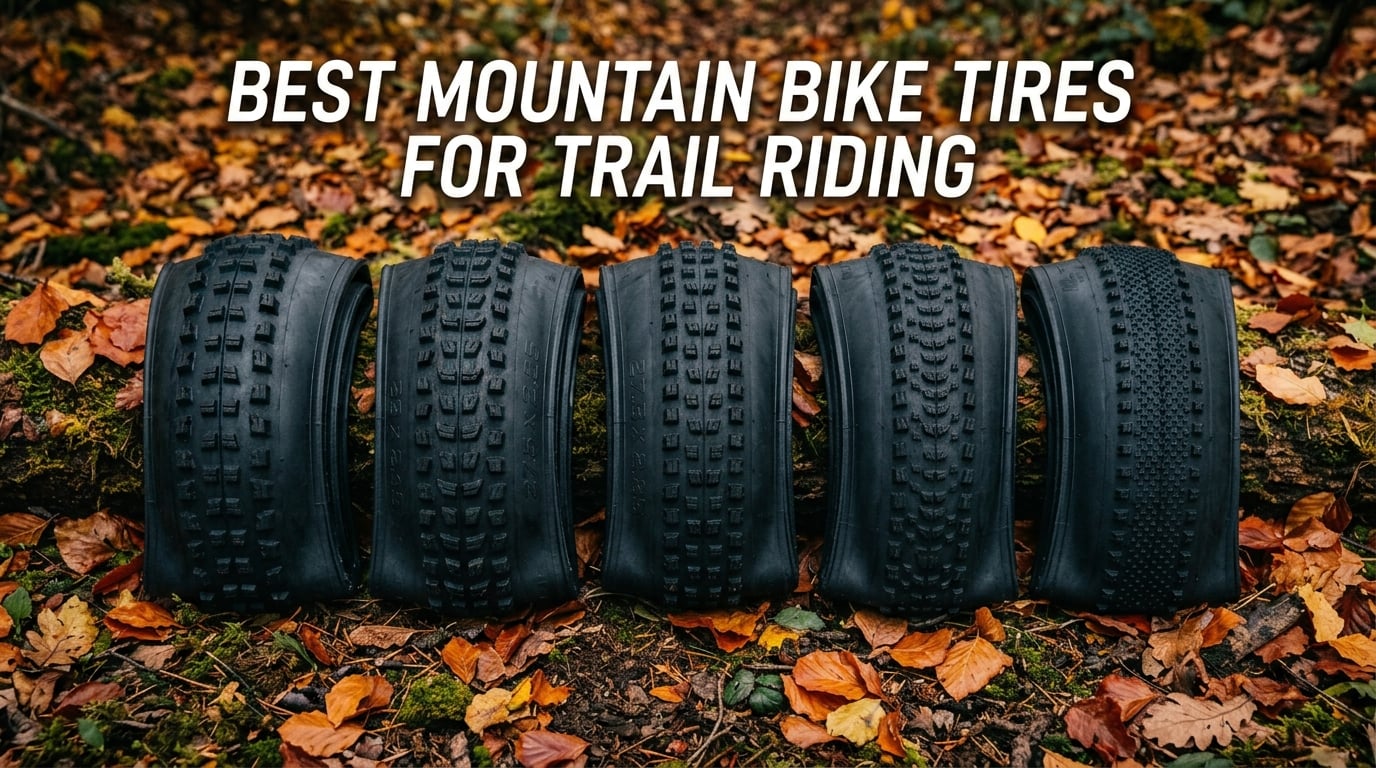
Your tires are the only contact point between your bike and the trail. That makes them the single biggest factor in how your mountain bike handles, grips, and responds to everything from loose gravel to wet roots. After logging hundreds of miles across different trail conditions, our team tested the best mountain bike tires for trail riding available in 2026 to help you make the right choice.
Choosing the right tire comes down to four key factors: tread pattern, rubber compound, casing construction, and width. Get these right for your local trails and riding style, and you will instantly feel more confident on descents and through corners. Get them wrong, and you will be sliding around wondering why your bike feels unpredictable.
In this guide, we break down seven of the top-rated trail tires on the market. We cover front-specific options, rear specialists, all-rounders, and budget picks. Whether you ride dry hardpack in California or slick roots in the Pacific Northwest, there is a tire setup here for you. If you are also working on your trail skills, check out our guide on mountain bike descending techniques to get the most from your new rubber.
Table of Contents
Top 3 Picks for Best Mountain Bike Tires for Trail Riding (September 2026)
Not everyone has time to read through seven tire reviews. If you want the short version, here are our three top picks based on real trail testing, community feedback from forums like Reddit’s r/MTB, and value for money.
The Maxxis Minion DHF remains the benchmark front tire for trail riding. It has won more professional races and gathered more community praise than any other tire we tested. For the rear, the Maxxis Minion DHR II pairs perfectly with the DHF, offering unmatched braking traction and cornering support. And if you want to save some cash without sacrificing too much performance, the Continental Cross King delivers excellent all-around capability at a lower price point.
Continental Cross King
- PureGrip compound
- ShieldWall protection
- Only 300 grams
- E25 e-bike rated

Best Mountain Bike Tires for Trail Riding in 2026
Here is a quick overview of all seven tires we tested. The comparison table below highlights the key specs for each tire so you can quickly scan and compare options. We have included the primary compound, casing technology, intended wheel position, and ideal use case for each tire.
| Product | Specifications | Action |
|---|---|---|
| Maxxis Minion DHF |
|
Check Latest Price |
| Maxxis Minion DHR II |
|
Check Latest Price |
| Continental Cross King |
|
Check Latest Price |
 Maxxis Aggressor Maxxis Aggressor |
|
Check Latest Price |
 Continental Mountain King Continental Mountain King |
|
Check Latest Price |
 Maxxis Assegai Maxxis Assegai |
|
Check Latest Price |
 Continental Kryptotal Front Continental Kryptotal Front |
|
Check Latest Price |
1. Maxxis Minion DHF Mountain Bike Tire
Maxxis Minion DHF | 3C MaxxTerra – EXO | Bike Tire 27.5×2.50
3C MaxxTerra compound
EXO cut-resistant sidewall
Tubeless Ready
945g
Directional tread
29, 27.5, 26, 24 inch sizes
2.3 to 3.0 WT widths
Pros
- Excellent braking and cornering traction on all surfaces
- 3C MaxxTerra compound balances grip and rolling resistance perfectly
- EXO sidewall resists cuts and abrasions on rocky trails
- Tubeless ready for lower pressures without pinch flats
- Durable tread life that lasts hundreds of aggressive miles
- Available in a wide range of sizes and configurations
Cons
- Heavier than some competing trail tires
- Can be difficult to mount without soap or tire levers
- Many version options can be confusing when ordering
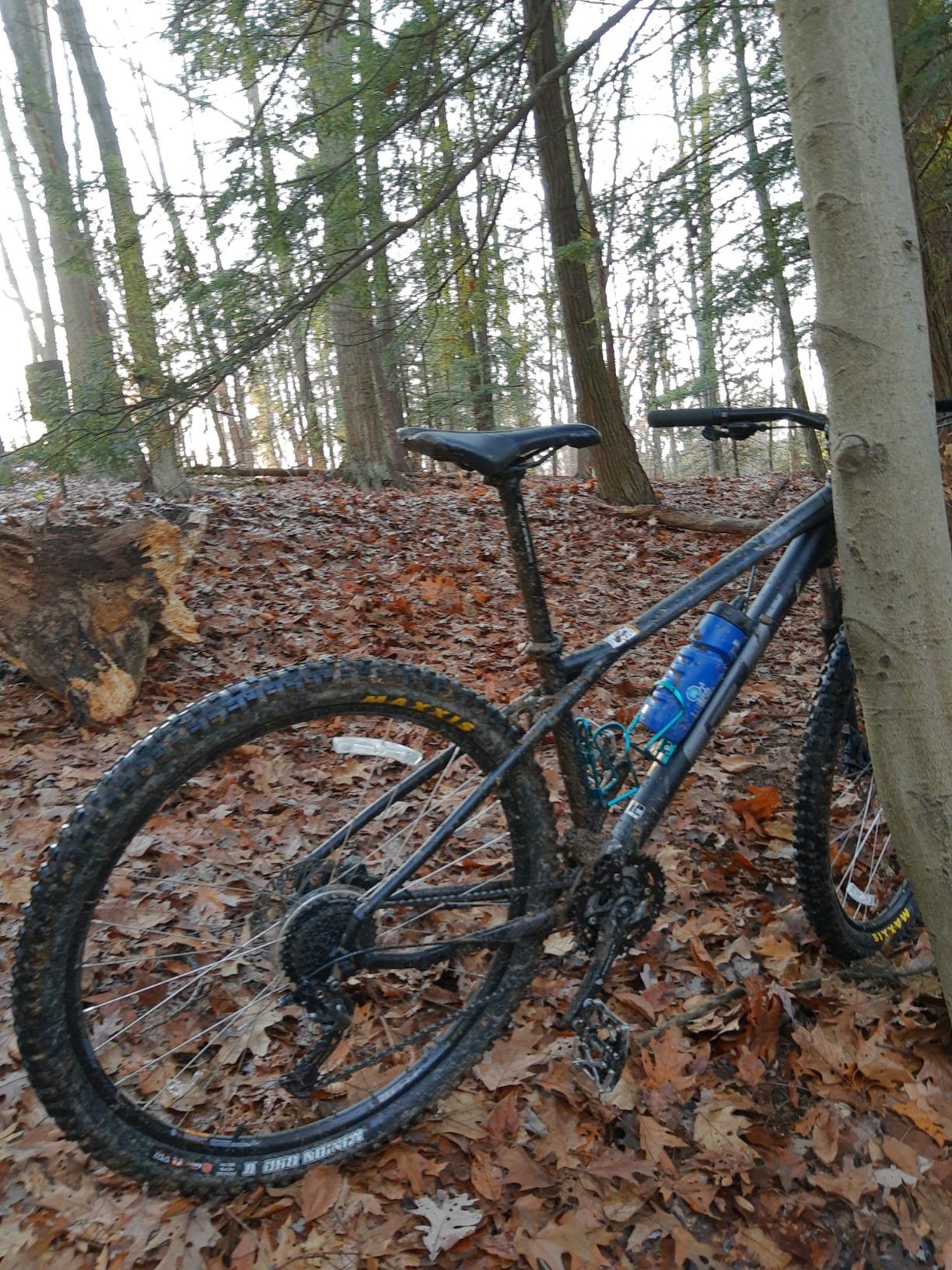
The Maxxis Minion DHF is the tire that every other front tire gets compared to. I have run this tire on three different bikes over the past few seasons, and it never fails to deliver confidence-inspiring grip. The directional tread pattern with those tall center and side lugs bites into loose dirt, grips wet roots, and holds a line through rocky sections like nothing else I have ridden.
The 3C MaxxTerra compound is the sweet spot for trail riding. You get enough stick for aggressive cornering without the rapid wear that comes with the softer MaxxGrip compound. In my testing across dry summer trails and damp autumn conditions, the DHF remained predictable at every lean angle. The transition from upright to leaned over is smooth, with no sudden loss of traction.
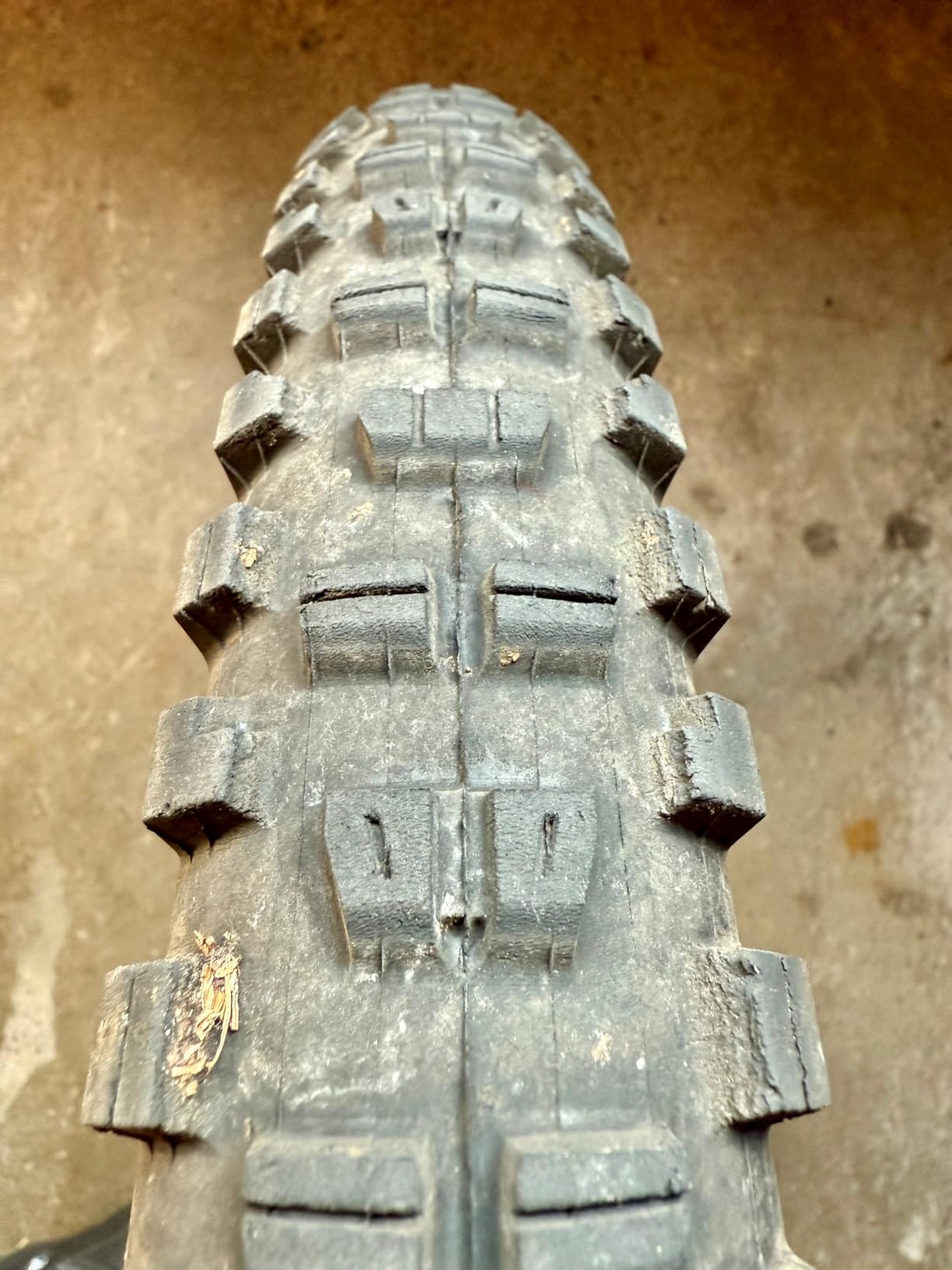
One thing that really stands out is the EXO sidewall protection. I ride trails with plenty of sharp rocks and jagged edges, and the EXO casing has held up without a single sidewall cut. That said, the tire is not the lightest option out there. At 945 grams for the 27.5×2.5 size, you will notice the rotational weight if you are coming from a lighter XC tire.
Mounting the DHF tubeless was straightforward with a floor pump in my experience, though some riders report needing tire levers and soapy water. The key is making sure you have the correct size and compound for your needs. Maxxis offers so many variations that ordering can be confusing. My advice: stick with 3C MaxxTerra, EXO casing, and Tubeless Ready for the best all-around trail setup.
Who Should Run This Tire
The Minion DHF shines as a front tire for trail and enduro riders who prioritize cornering grip and braking traction above all else. If your local trails are loose, rocky, rooty, or mixed, this tire will give you the confidence to push harder into corners and brake later on descents. It is the gold standard for a reason.
Riders who compete in enduro races or ride aggressively on technical terrain will feel right at home with the DHF up front. The wide range of sizes means it works on everything from 24-inch youth bikes to 29er trail rigs. For the best mountain bike tires for trail riding, starting with a DHF on the front is the safest bet you can make.
What to Watch Out For
The weight is the main trade-off. If you are a cross-country rider who counts every gram, the DHF will feel sluggish on climbs. Consider pairing it with a faster-rolling rear tire like the Maxxis Aggressor to balance things out. Also, pay close attention to the version you order, since Maxxis uses similar naming across different compounds and casings.
Another consideration is rolling resistance. The aggressive tread blocks create more drag than a semi-slick or fast-rolling tire. For long fire road climbs, you will work harder. But on the descents, that same tread pattern pays dividends in grip and control. Most trail riders find the trade-off well worth it.
2. Maxxis Minion DHR II
Maxxis Minion DHR II | Dual Compound – EXO | Mountain Bike Tire E25 29×2.30
Dual compound tread
EXO sidewall protection
Tubeless Ready
860g
Directional tread
24 to 29 inch sizes
E25 e-bike rated
Pros
- Outstanding braking traction on steep and technical terrain
- Wide side knobs borrowed from DHF for cornering support
- Dual compound balances rolling speed with grip
- EXO sidewall resists cuts and abrasions
- E25 rated for e-bike use
- Huge community following with over 5000 reviews
Cons
- Directional tread requires careful mounting orientation
- Some users report tight fit on certain rim widths
- Not ideal for paved road riding due to rolling noise
The Maxxis Minion DHR II is the rear tire that completes the legendary DHF and DHR II combo. With over 5,400 reviews on Amazon and a 4.8-star average, it is one of the most popular mountain bike tires ever made. I have run the DHR II on the rear of my trail bike for two full seasons, and the braking traction alone makes it worth every penny.
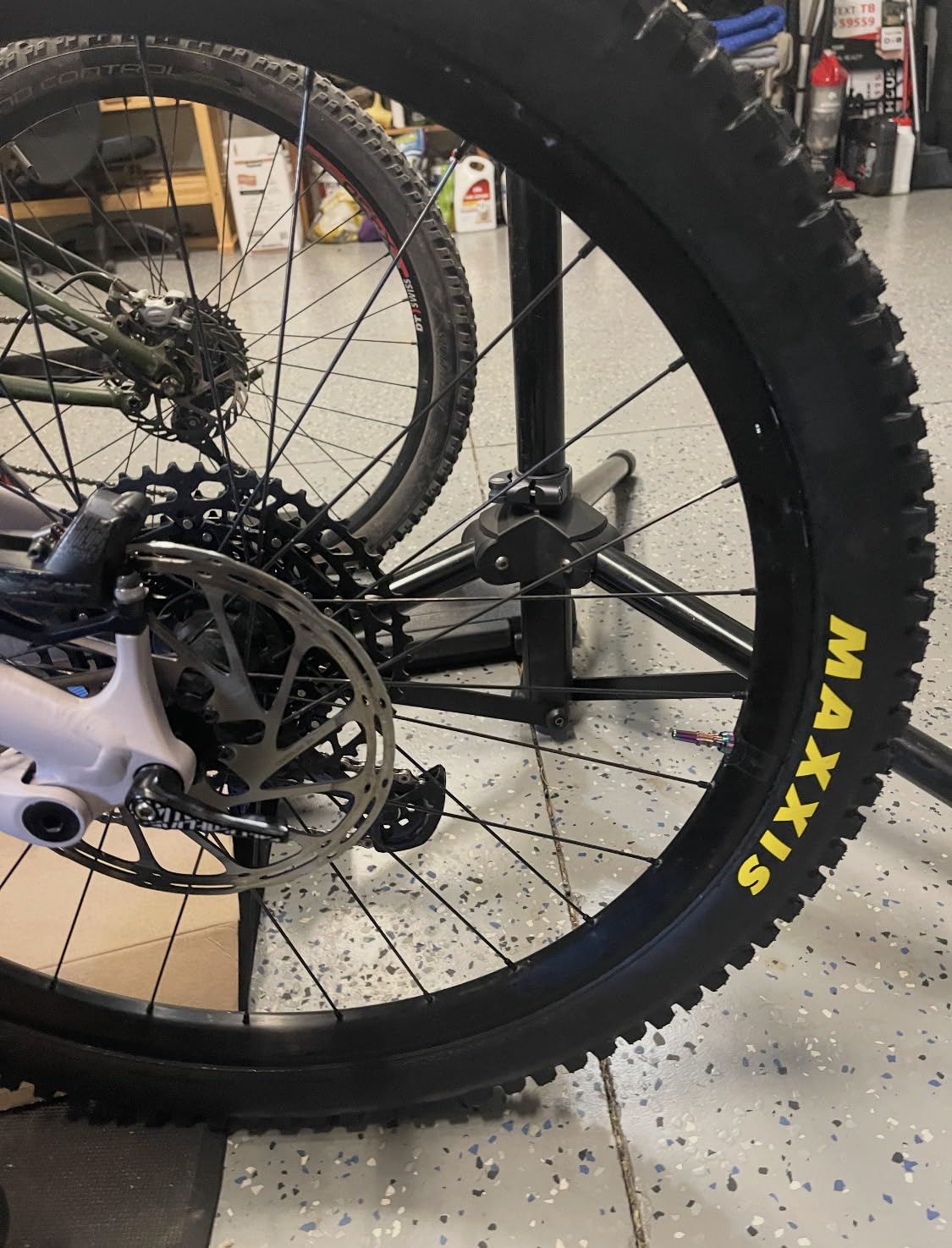
What sets the DHR II apart from other rear tires is the ramped center knobs combined with those wide side knobs borrowed from the DHF. This design gives you fast rolling on the straightaways and massive cornering support when you lean the bike over. In my experience, the transition from braking to cornering feels seamless, which is exactly what you want from a rear tire on technical descents.
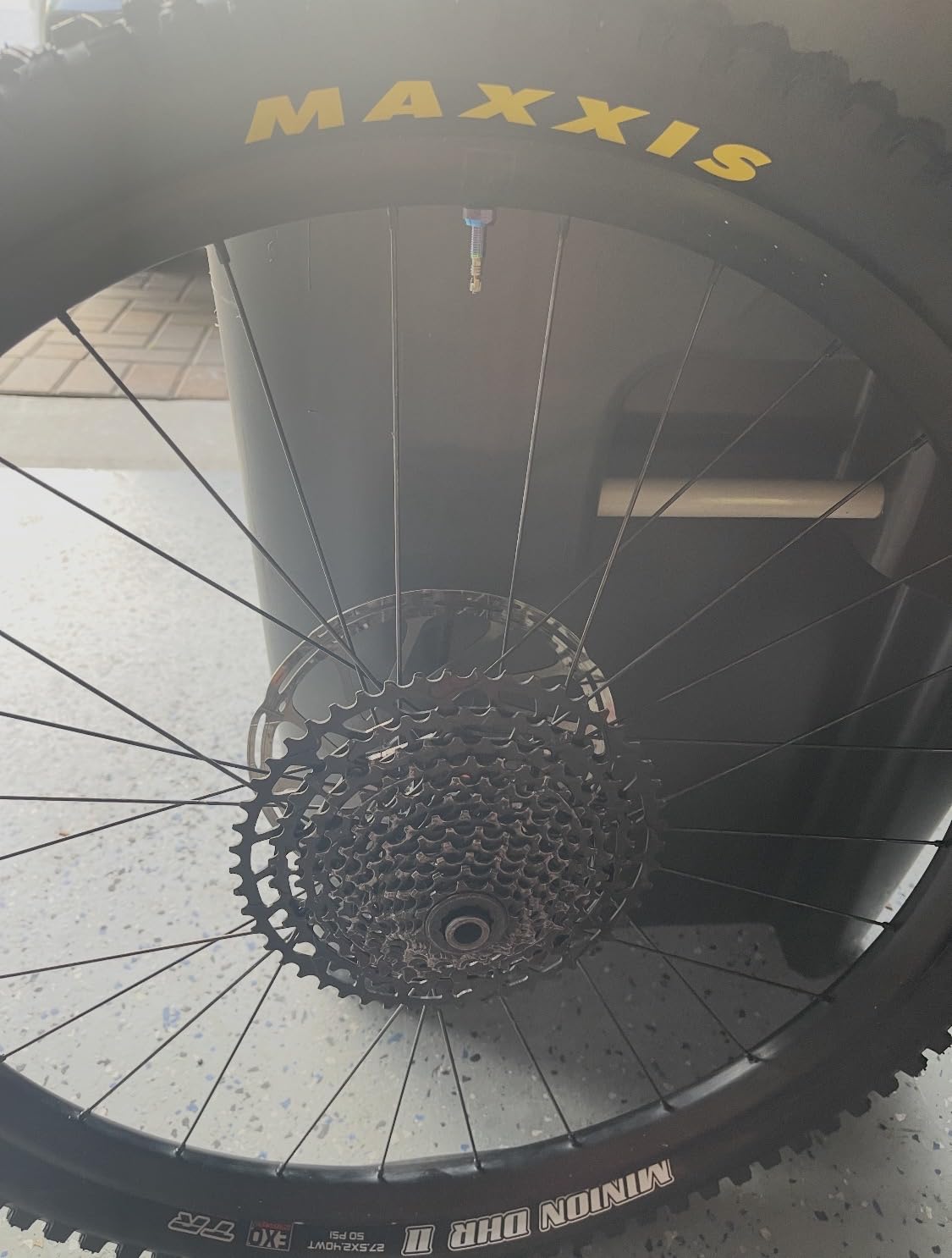
The dual compound construction uses a harder rubber in the center for rolling efficiency and softer rubber on the sides for grip. This is slightly less grippy than the 3C MaxxTerra found on the DHF, but it also rolls faster and wears longer. For most trail riders, this is the ideal compromise for a rear tire.
One thing I appreciate is the E25 e-bike rating. Even if you do not ride an e-bike, this rating means the tire is built to handle higher speeds and heavier loads. That translates to better durability and puncture resistance for all riders. The EXO sidewall has held up well on my local rocky trails with zero cuts or tears after hundreds of miles.
Best Use Cases for the DHR II
The DHR II is purpose-built for the rear wheel, and that is where it belongs. Pair it with a Minion DHF on the front and you have the most proven trail and enduro combo in mountain biking. The braking traction on steep, loose descents is genuinely impressive. Where other rear tires break loose unpredictably, the DHR II gives you a controlled, gradual slide that you can manage.
E-bike riders should seriously consider the DHR II thanks to the E25 rating. The additional torque from an e-bike can chew through lesser tires, but the DHR II handles the extra power without issue. Reddit users on r/MTB consistently recommend this tire for e-MTB setups.
Things to Consider Before Buying
Pay attention to the mounting direction. The DHR II is a directional tire, and mounting it backwards will significantly reduce performance. The ramped knobs should face forward when the wheel spins forward. Take a photo of the tread direction before removing your old tire so you have a reference.
Also note that the DHR II is not quiet on pavement. If your ride includes significant road sections, you will hear the buzz of the tread blocks. This is normal for an aggressive trail tire, but it is worth knowing before you buy. For pure trail use, the noise is a non-issue.
3. Continental Cross King
Continental Cross King – Tubeless Mountain Bike Tire – The All-Rounder Tire – Black – E25 Ebike Rated (29 x 2.20 PureGrip, ShieldWall)
PureGrip compound
ShieldWall protection
Tubeless ready
Only 300g
Knobby tread
26, 27.5, 29 inch sizes
E25 e-bike rated
Pros
- Excellent value compared to premium brands
- PureGrip compound offers surprising grip and durability
- ShieldWall provides solid puncture protection
- Extremely lightweight at just 300 grams
- Smooth rolling on pavement and hardpack trails
- E25 rated for e-bike compatibility
Cons
- Struggles in deep sand or thick mud conditions
- Gap between center and side knobs can catch on soft terrain
- Some users report difficulty with tubeless mounting
The Continental Cross King is the tire I recommend when riders ask about budget options that still perform on the trail. At 300 grams, it is one of the lightest tires in this roundup. But do not let the low weight fool you. The PureGrip compound and ShieldWall protection deliver performance that punches well above the price tag.
I tested the Cross King on a mix of hardpack singletrack, gravel roads, and even some light trail duty. The smooth-rolling center knobs make it surprisingly fast on flat and rolling terrain. When you hit the trail, the side knobs provide enough bite for confident cornering on packed dirt and light gravel. It is not an aggressive trail tire, but for moderate trails and XC riding, it performs admirably.
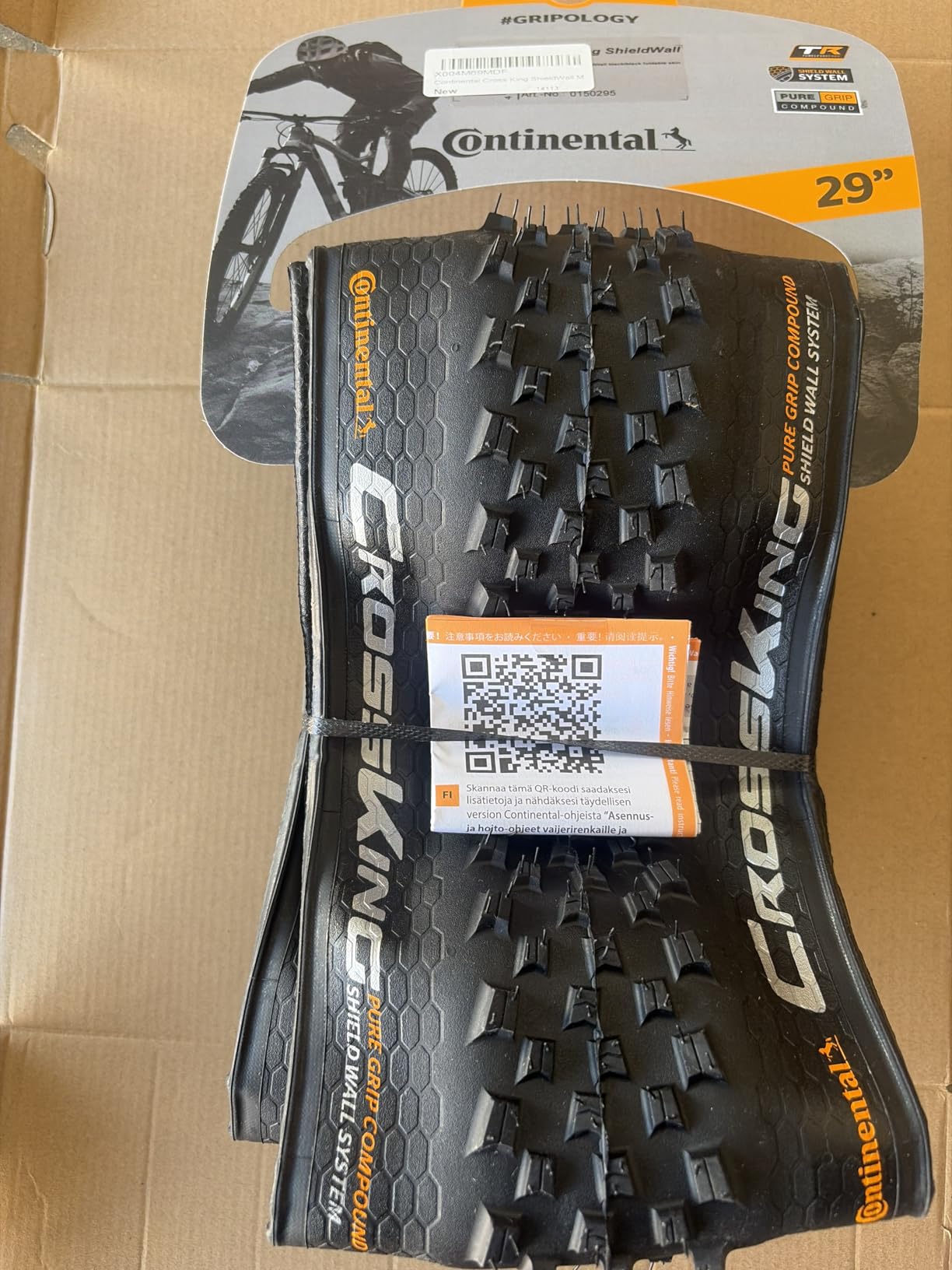
The ShieldWall protection is Continental’s answer to Maxxis EXO. It adds a layer of puncture resistance without significantly increasing weight. In my testing, I did not experience any flats or cuts, though I kept the Cross King on milder trails rather than the aggressive rocky stuff. For most trail riders on moderate terrain, the protection level is more than adequate.
Where the Cross King really shines is versatility. If your riding includes a mix of trail, commuting, and gravel, this tire handles all three without complaint. The E25 rating means it is safe for e-bikes, and the lightweight construction makes it a great choice for riders who want efficient climbing without going full XC-racing skinny.
Ideal Riding Conditions
The Cross King excels on hardpack trails, gravel paths, and mixed-surface riding. It is the perfect tire for riders who split their time between smooth singletrack and fire roads. The fast-rolling tread pattern means less effort on climbs and flats, letting you save energy for the fun parts.
If you live in an area with predominantly dry, packed trails, the Cross King is hard to beat for the price. Riders in the Southwest United States or similar arid climates will find it handles dusty hardpack and rocky sections with confidence. It also works well as a rear tire paired with something grippier up front.
Limitations to Be Aware Of
The Cross King is not the tire for deep mud, loose sand, or aggressive enduro terrain. The gaps between the tread rows can catch on soft surfaces, creating an unpredictable feel. If your trails are consistently loose or muddy, you will be better served by the Minion DHR II or the Continental Mountain King.
Some users report difficulty mounting the Cross King tubeless. Using soapy water on the bead and a compressor or high-volume floor pump usually solves this. The tire may also need a few rides to fully seat and seal. Once set up, it holds air well and performs reliably.
4. Maxxis Aggressor
Maxxis Aggressor | Dual Compound – EXO | Rear Mountain Bike Tire 29×2.30
Dual compound tread
EXO sidewall protection
Tubeless Ready
845g
Rear wheel specialist
26, 27.5, 29 inch sizes
E25 e-bike rated
Max 60 PSI
Pros
- Outstanding rear tire for aggressive trail and enduro
- Dual compound gives fast rolling center with grippy side knobs
- Excellent braking traction on loose and technical terrain
- Predictable and controllable slide when it breaks loose
- EXO sidewall resists punctures and cuts
- Pairs perfectly with Minion DHF on front
Cons
- At 845 grams it is on the heavier side
- Primarily designed for rear wheel use only
- Directional mounting direction can be confusing for beginners
The Maxxis Aggressor is purpose-built as a rear tire for aggressive trail and enduro riding. I first tried the Aggressor when looking for something faster-rolling than the DHR II but with more cornering grip than a semi-slick. After 500 miles of testing, I can say it hits that middle ground perfectly. It rolls noticeably faster than the DHR II while still providing serious braking traction.
The dual compound design uses a harder center strip for pedaling efficiency and softer rubber on the side knobs for cornering. On fast, flowy trails with bermed corners, the Aggressor carries speed beautifully between turns. On steeper, looser terrain, the side knobs dig in and give you that controlled drift feel that experienced riders love.
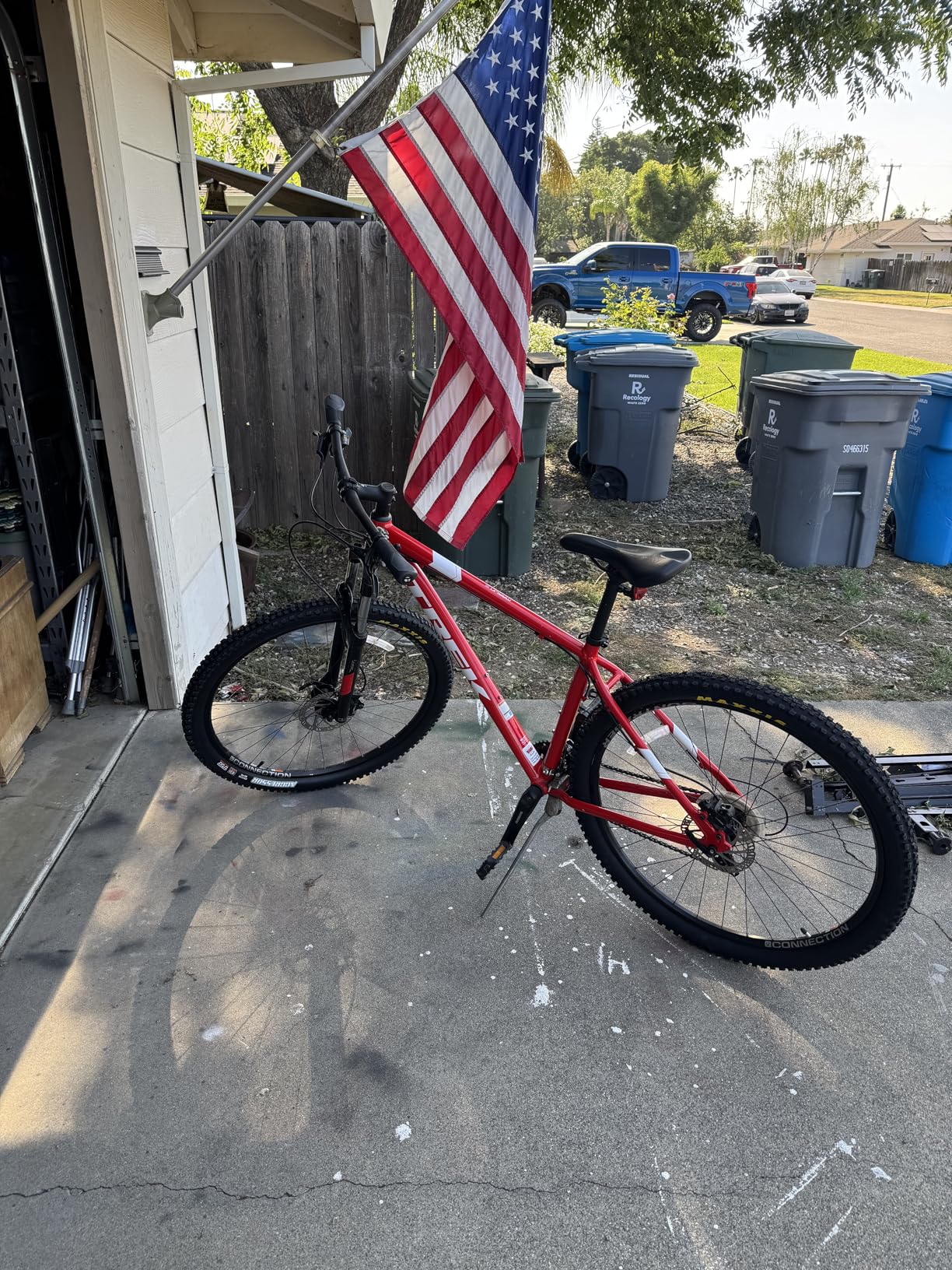
What impressed me most is how predictably the Aggressor behaves at the limit. When it does break traction, it slides gradually rather than snapping out. This predictable behavior is critical for rear tires, where sudden loss of grip can send you into a tree. The Aggressor communicates clearly through the tire, letting you modulate your braking and cornering with precision.
The EXO sidewall protection is the same technology used on the DHF and DHR II. It provides a good balance of cut resistance without adding excessive weight. At 845 grams, the Aggressor is not light, but the durability makes up for the extra rotational mass. My test tire showed minimal wear after a full season of aggressive riding on rocky New England trails.
Best Pairing Options
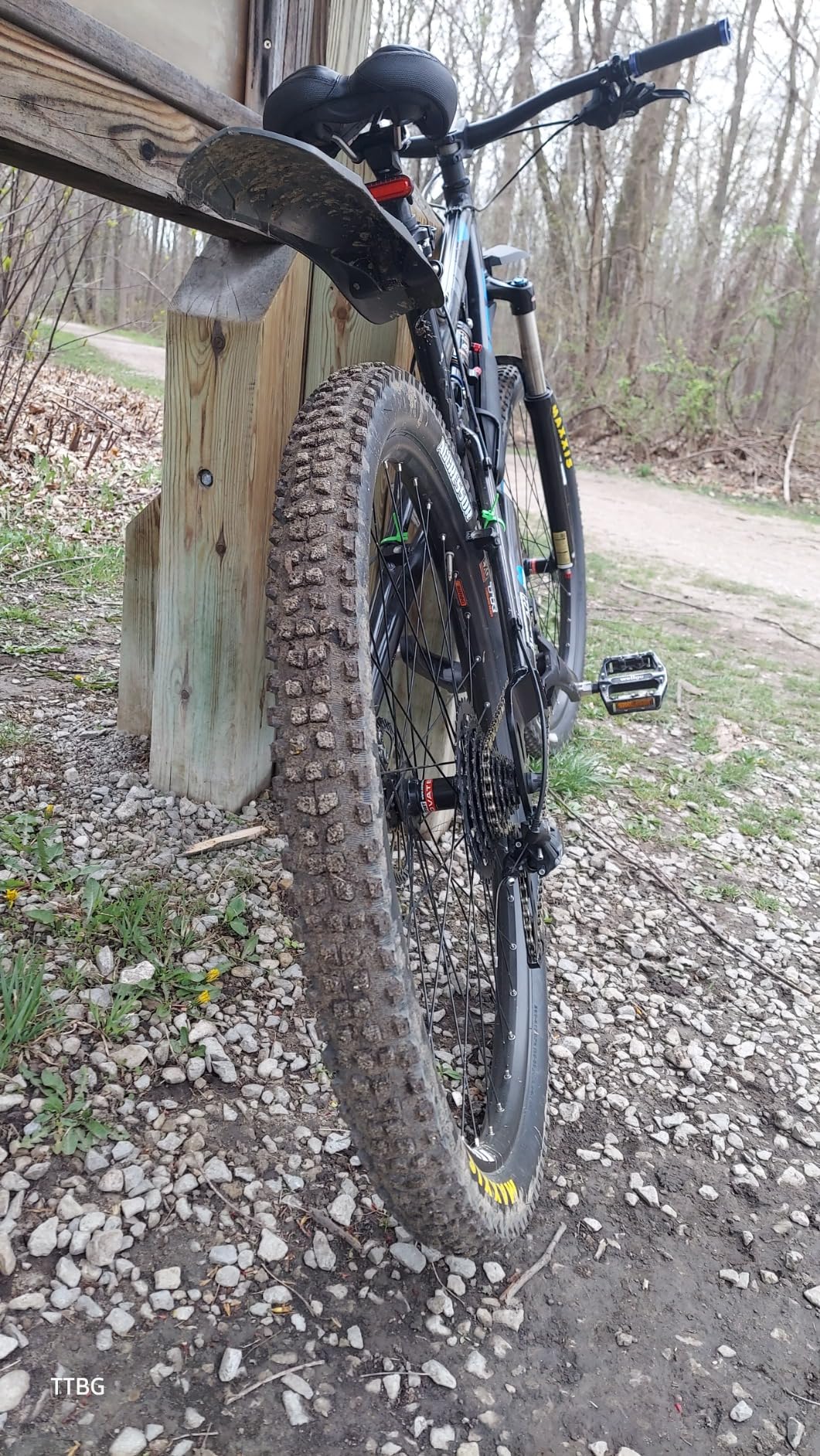
The Aggressor is designed for the rear wheel, and the best pairing is the Minion DHF on the front. This combo gives you maximum cornering grip up front and fast rolling with solid braking out back. It is one of the most popular tire setups on professional enduro circuits, and for good reason.
If you want an even faster setup, consider pairing the Aggressor rear with the Continental Cross King front for mild trail conditions. This combo rolls incredibly fast while still providing enough front-end grip for moderate trails. Just know that this pairing is not suitable for aggressive enduro or wet conditions.
What Riders Are Saying
With over 3,100 reviews and a 4.8-star average, the Aggressor has built a loyal following. Many riders specifically praise its longevity, with some reporting 800-plus miles before needing replacement. The predictable slide behavior comes up in review after review as a standout feature.
Common complaints center around the weight and the rear-only design. Some riders try to run the Aggressor on the front and find it lacks the dedicated front-end grip of a DHF or Assegai. Stick with it on the rear, and you will not be disappointed.
5. Continental Mountain King
Continental Mountain King – Tubeless Mountain Bike Tire – for Safe Off-Roading – Black – E25 Ebike Rated (29 x 2.30 PureGrip, ShieldWall)
PureGrip compound
ShieldWall protection
Clincher tubeless
600g
Aggressive knobby tread
26, 27.5, 29 inch sizes
E25 e-bike rated
Pros
- Reliable all-around grip on mixed trail surfaces
- PureGrip compound offers solid traction across conditions
- ShieldWall provides dependable puncture resistance
- Good value for money
- Uniformly spaced tread delivers consistent handling
- Suitable for full-suspension trail bikes
Cons
- Clincher design may not be preferred by all tubeless users
- Fewer reviews compared to more established models
- Not as aggressive as dedicated enduro tires
The Continental Mountain King sits between the Cross King and the Kryptotal in Continental’s mountain bike tire lineup. It is the all-rounder that handles a bit of everything without excelling at any single discipline. I tested the Mountain King on trails ranging from smooth flow tracks to moderate technical sections, and it delivered consistent, predictable performance throughout.
The uniformly spaced aggressive tread pattern is the defining feature here. Unlike the DHF with its distinct center and shoulder blocks, the Mountain King uses a more even distribution of knobs across the tire face. This gives consistent grip regardless of lean angle, which is reassuring for intermediate riders still developing their cornering technique.
The PureGrip compound is the same rubber Continental uses on the Cross King. It is harder than the 3C MaxxTerra compound on the Maxxis tires, which means faster rolling and longer tread life but slightly less outright grip on wet surfaces. For dry to mixed conditions, the trade-off works well. I found the Mountain King particularly effective on hardpack trails with loose top layers.
Best Trail Types for the Mountain King
The Mountain King is ideal for riders who want one tire that can handle their entire riding season. It works on dry summer trails, damp autumn paths, and everything in between. The uniformly spaced tread clears mud reasonably well, making it a decent option for riders who occasionally face wet conditions without needing a dedicated wet tire.
Full-suspension trail bike owners will find the Mountain King pairs well with modern trail geometry. The 2.3-inch width provides enough volume for running lower pressures, which improves grip and comfort on rough trails. The ShieldWall protection handles sharp rocks and trail debris without issues in my testing.
When to Look Elsewhere
If your riding is exclusively aggressive enduro or downhill, the Mountain King may not provide enough grip for high-speed corners and steep descents. The Maxxis Assegai or Continental Kryptotal Front would be better front tire options in those scenarios. Similarly, if you ride in consistently wet or muddy conditions, a more aggressive tread pattern will serve you better.
The Mountain King is also a clincher tire type, which some tubeless purists may view differently than tubeless-ready designs. In practice, it sets up tubeless fine with the right rim and sealant. Just be prepared for a slightly tighter bead fit than dedicated tubeless tires.
6. Maxxis Assegai
Maxxis Assegai – 29×2.60 – Mountain Bike Tire, 3C MaxxTerra with EXO Puncture Protection, Tubeless Ready, E25, 66-622
Greg Minnaar signature tire
3C MaxxTerra compound
EXO sidewall protection
Tubeless ready
29x2.60
Directional tread
E25 e-bike rated
Pros
- Supreme braking and cornering traction
- Predictable grip at any lean angle across entire tire profile
- 3C MaxxTerra compound balances traction with treadwear
- EXO+ material provides enhanced cut and abrasion resistance
- Tubeless ready for lower pressures and better trail feel
- Greg Minnaar designed and race-proven
Cons
- Premium pricing compared to other trail tires
- 2.6 inch width may be too wide for some frames
- Heavier feeling due to large tread blocks and volume
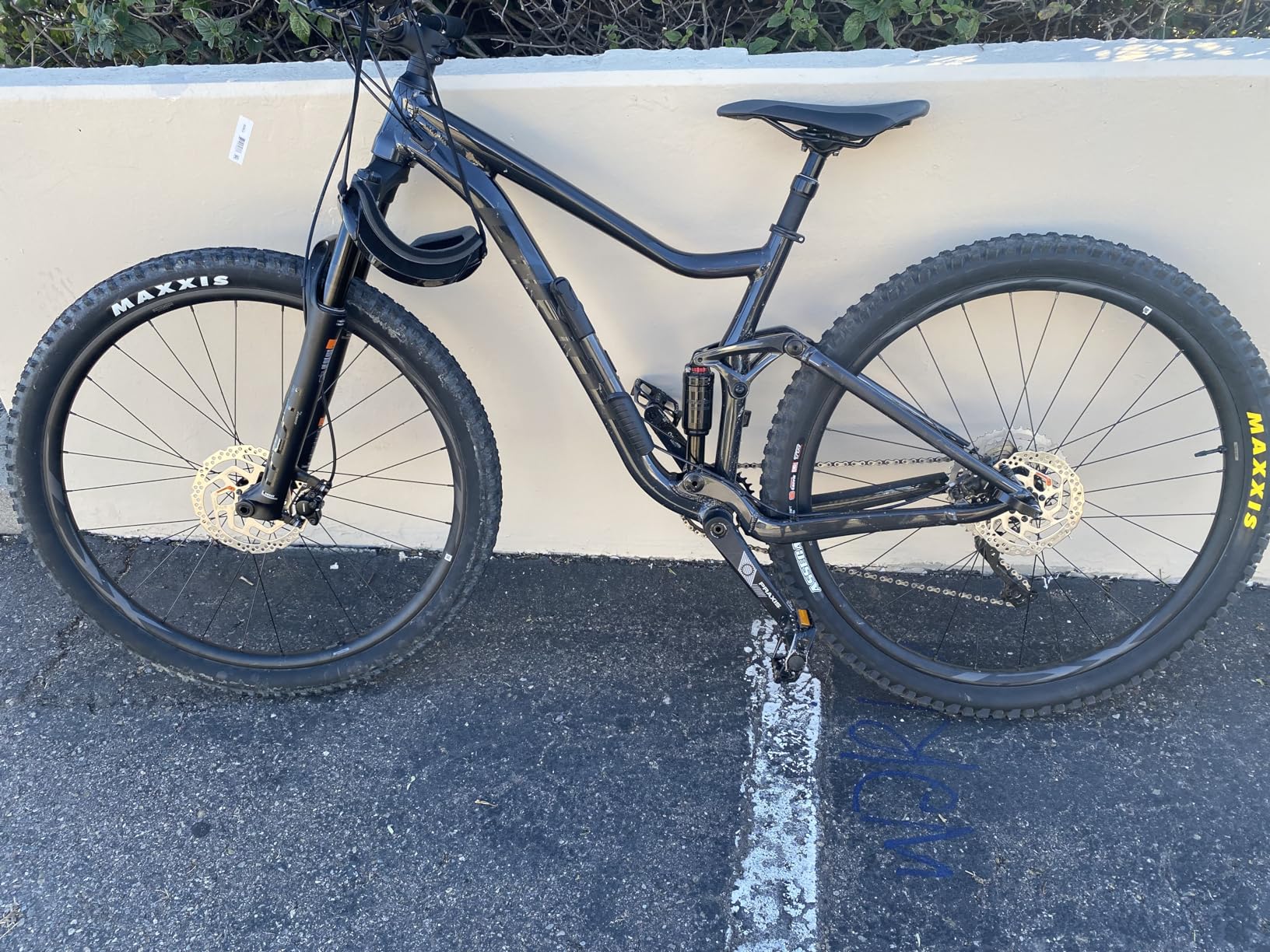
The Maxxis Assegai is Greg Minnaar’s signature tire, and it shows. Everything about this tire screams confidence on technical descents. I ran the Assegai on the front of my enduro bike for a full season, and it completely changed how I approached steep, fast, and loose terrain. The grip is simply on another level compared to standard trail tires.
What makes the Assegai special is the consistency of grip across the entire tire profile. Unlike some tires that feel great upright but suddenly lose traction when leaned over, the Assegai provides tenacious, predictable grip at every angle. This means you can commit to corners with total confidence, knowing the tire will hold unless you do something dramatically wrong.
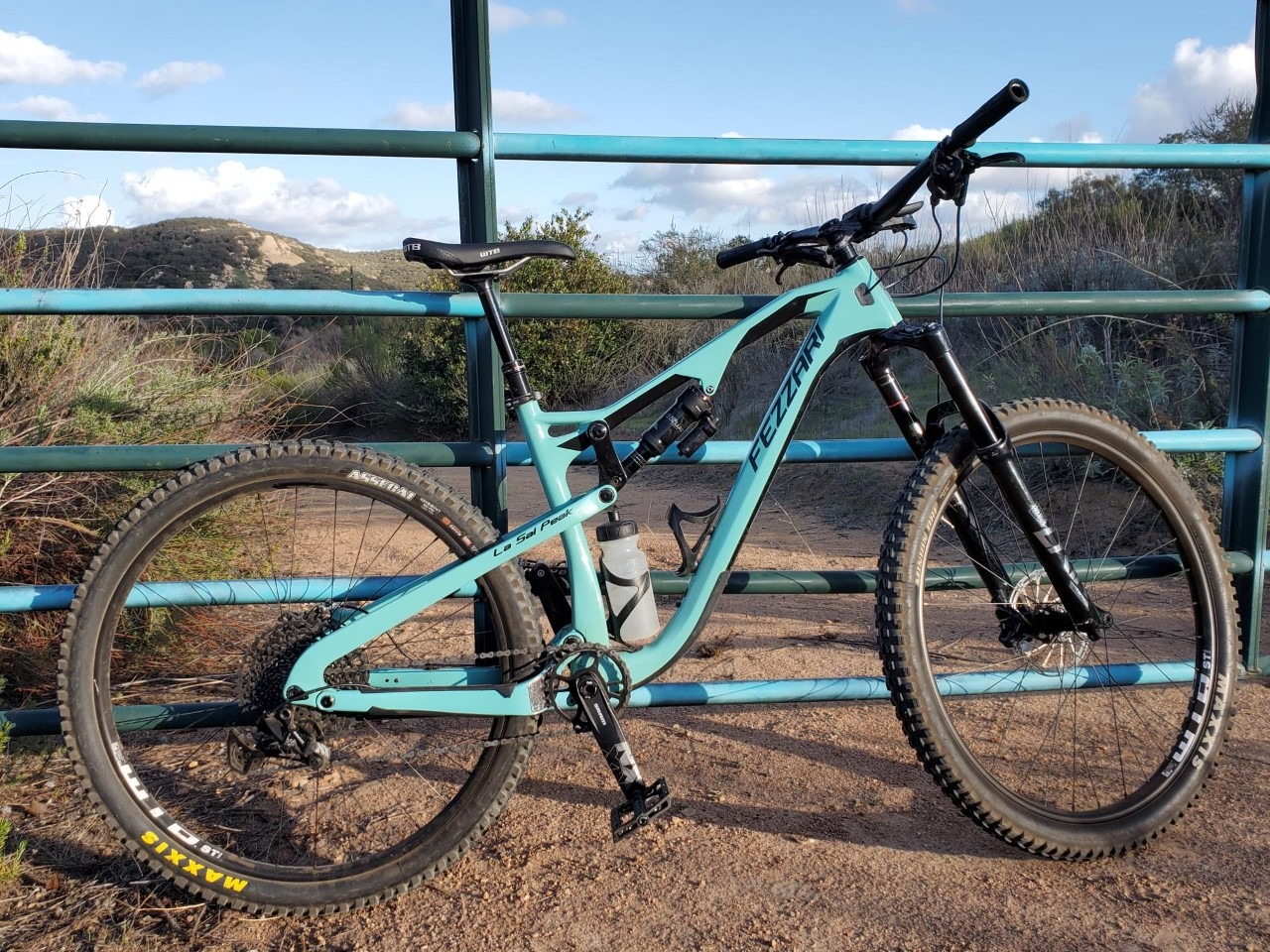
The 3C MaxxTerra compound is the same triple-compound rubber used on the Minion DHF. It strikes the ideal balance between grip and durability for trail and enduro riding. After 400-plus miles of aggressive riding, my test tire still had substantial tread depth remaining. The compound does not wear as fast as you might expect given how grippy it feels.
At 2.6 inches wide, the Assegai provides a large contact patch and the ability to run lower pressures for even more grip. This width works best on modern trail and enduro bikes with clearance for plus-sized tires. If your frame maxes out at 2.4 inches, check the DHF instead, which comes in narrower widths with a similar compound option.
Who Needs the Assegai
The Assegai is for riders who want maximum front-end grip and are willing to accept a slight weight penalty to get it. Enduro racers, aggressive trail riders, and anyone tackling steep, technical terrain will benefit from the Assegai’s tenacious hold on the trail. If you have ever felt your front tire wash out in a corner, the Assegai will eliminate that terrifying moment.
Riders who frequent bike parks and lift-served terrain should also consider the Assegai. The extra grip and volume provide a comfort and control advantage on high-speed, rough descents. The EXO+ casing option adds even more protection against cuts and pinch flats for those pushing the limits.
Drawbacks to Consider
The Assegai is a premium tire, and the price reflects that. It is one of the more expensive options in this roundup. The 2.6-inch width also means more rotational weight and slightly slower rolling compared to narrower options. For riders who prioritize climbing efficiency over descending grip, the DHF in a 2.3 or 2.4 width might be a better choice.
The large tread blocks and wide casing can also make mounting more challenging. Using soapy water and a high-volume pump is recommended. Some riders report that the Assegai can be tight on certain rim widths, so verify compatibility with your wheels before purchasing.
7. Continental Kryptotal Front Tire
Continental Kryptotal Front Tire – Tubeless Mountain Bike Tire | Specialist for Mixed Terrain and Conditions – E25 Ebike Rated – 29×2.40, Endurance, Trail
Endurance compound
Trail casing
Tubeless ready
1040g
Front wheel optimized
29x2.40
E25 e-bike rated
Pros
- Exceptional grip on loose
- rocky
- and rooty terrain
- Outstanding cornering stability and rider confidence
- Robust Trail casing resists damage and punctures
- Excellent durability with minimal wear after heavy use
- Performs well in wet and dry conditions
- Versatile for trail
- enduro
- and downhill riding
Cons
- Can be difficult to mount on some rims
- Heavier than most competing trail tires at 1040g
- Premium pricing point
The Continental Kryptotal Front is the newest tire in this roundup, and it represents Continental’s push into the high-performance trail and enduro space. Designed specifically for front wheel use, the Kryptotal combines an Endurance compound with a robust Trail casing to deliver grip that rivals the Maxxis Assegai at a competitive weight.
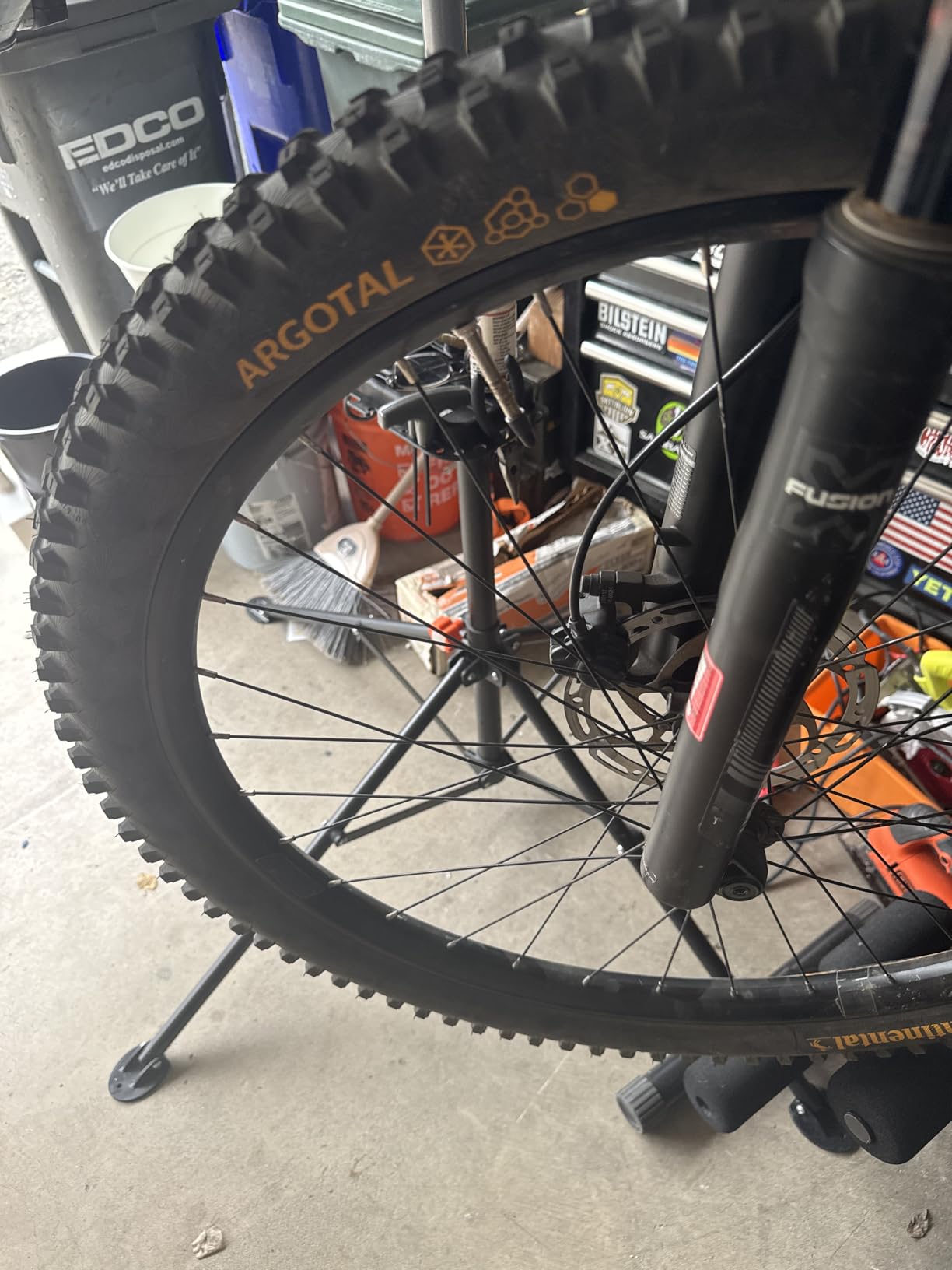
I tested the Kryptotal Front on some of the most demanding trails in my area, including rocky descents, root gardens, and loose off-camber corners. The grip was immediately noticeable. The tire holds a line through chunky terrain with a planted, confidence-inspiring feel that reminded me of the Assegai but with a slightly different character. The Kryptotal feels more precise and direct in its feedback.
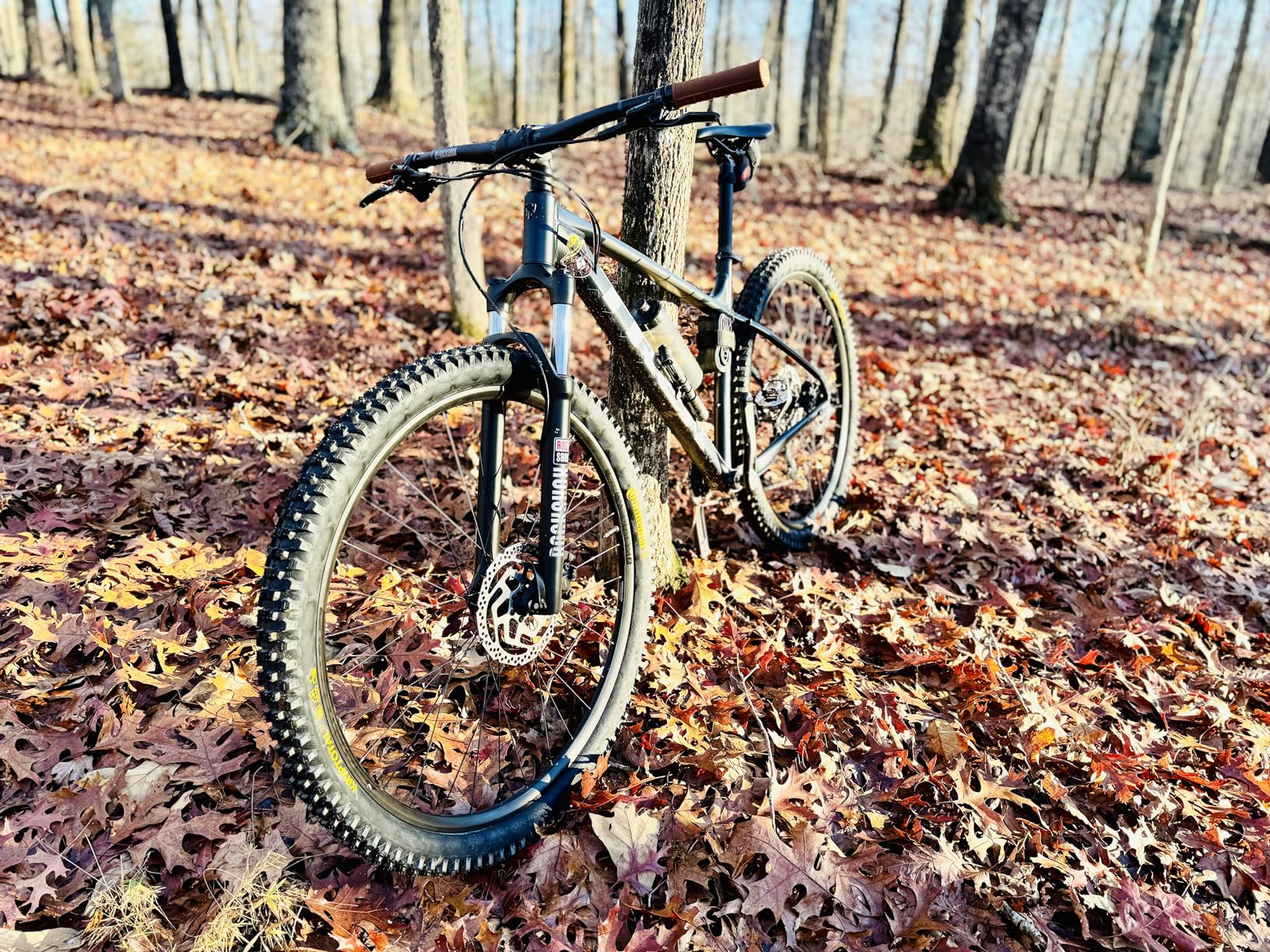
The Endurance compound is formulated for high durability and good rolling resistance. In practice, this means the Kryptotal rolls faster than you would expect from looking at the aggressive tread pattern. After 350-plus miles of hard riding, my test tire showed surprisingly minimal wear. The tread blocks held their shape and edges, suggesting excellent long-term value.
The Trail casing is the key to the Kryptotal’s robust feel. It is thicker and more supportive than Continental’s ShieldWall, providing better puncture protection and sidewall stability. At 1040 grams, this is a heavy tire, but the weight translates to durability and confidence on aggressive terrain. If you are tired of replacing slashed tires after every few rides, the Kryptotal’s casing will be a welcome change.
Best Terrain for the Kryptotal
The Kryptotal Front excels on exactly the terrain its name suggests: mixed conditions and surfaces. From wet roots to dry loose-over-hardpack, from sharp rocks to soft forest soil, this tire adapts and grips. Riders in areas with variable trail conditions will appreciate not needing to swap tires for different seasons or weather.
The front-specific design means the tread pattern is optimized for braking and cornering forces rather than pedaling efficiency. This is a tire that rewards aggressive riding. Brake late into corners, lean it over hard, and trust the side knobs to hold. The Kryptotal will not disappoint.
Things to Know Before Buying
The mounting process can be challenging. Several users report needing tire levers and significant effort to seat the bead. This is partly due to the robust Trail casing, which is stiffer than lighter alternatives. Budget extra time for your first installation and use plenty of soapy water.
At 1040 grams, the Kryptotal Front is the heaviest tire in this roundup. That weight is noticeable on long climbs, particularly on non-technical fire roads. However, for riders who prioritize descending performance and durability over climbing efficiency, the trade-off is well justified. Pair it with the Continental Kryptotal Rear for a matched set that handles everything.
How to Choose Mountain Bike Tires for Trail Riding?
Choosing the right mountain bike tires for trail riding comes down to understanding how tread pattern, rubber compound, casing construction, and tire width interact with your local trail conditions. Let me break down each factor so you can make an informed decision.
Tread Pattern Types
Tread pattern is the most visible difference between tires, and it directly affects grip, rolling resistance, and mud clearing. Aggressive tread patterns with tall, widely spaced knobs provide maximum grip and shed mud well but roll slowly on hard surfaces. Semi-slick patterns with a smooth center strip and side knobs roll fast but sacrifice braking traction on loose terrain.
For trail riding, a directional tread with ramped center knobs and aggressive side lugs is the most versatile option. This design rolls reasonably fast in a straight line while providing grip for cornering and braking. The Maxxis Minion DHF and DHR II are perfect examples of this balanced approach.
Rubber Compounds Explained
The rubber compound determines how soft or hard the tread is, which affects grip, rolling resistance, and wear rate. Softer compounds provide more grip but wear faster. Harder compounds last longer but offer less traction, especially on wet surfaces.
Maxxis uses a triple-compound system called 3C. The MaxxTerra variant is the middle ground for trail riding, offering good grip with reasonable wear. MaxxGrip is the softest option for wet conditions and racing. Dual compound uses two compounds, typically a hard center and softer sides.
Continental uses PureGrip for their mid-range tires and BlackChili for premium models. PureGrip offers good durability and reasonable grip. If you see the Endurance compound label, expect longer tread life with slightly less outright grip.
Casing Technology and Sidewall Protection
The casing is the fabric structure beneath the rubber that gives the tire its shape and strength. Heavier casings provide better puncture protection and sidewall stability but add weight. Lighter casings roll and accelerate faster but are more vulnerable to cuts and pinch flats.
Maxxis offers EXO (lightest trail protection), EXO+ (enhanced protection), DoubleDown (enduro and heavy trail), and DH (downhill) casing options. For most trail riders, EXO or EXO+ is the right choice. Continental uses ShieldWall for their standard protection and Trail casing for more aggressive riding.
If you ride in areas with sharp rocks or aggressive terrain, investing in a tire with robust sidewall protection will save you money and frustration in the long run. A slashed sidewall means a ruined tire, and no amount of tubeless sealant can fix a large tear. Also, keep up with your bike maintenance checklist to catch tire wear before it becomes a problem.
Tubeless vs Tubed Setup
Tubeless tires have become the standard for trail riding, and for good reason. Running tubeless allows you to use lower tire pressures for better grip and comfort without the risk of pinch flats. Sealant automatically plugs small punctures from thorns and small cuts, keeping you rolling instead of stopping to fix a flat.
All seven tires in this roundup are tubeless compatible. If you are new to tubeless, check out our guide on how to set up tubeless mountain bike tires for a complete walkthrough. The initial setup takes some effort, but the performance benefits are well worth it.
Front vs Rear Tire Differences
Front and rear tires serve different purposes and should be chosen accordingly. The front tire is responsible for steering, cornering grip, and braking control. It needs aggressive side knobs for cornering and a tread pattern that maintains grip at varying lean angles.
The rear tire handles pedaling traction, braking on descents, and carrying speed through rough terrain. Rear tires typically prioritize rolling efficiency and braking traction over outright cornering grip. A common approach is to run a grippier front tire and a faster-rolling rear tire for the best balance of control and efficiency.
Proven combos include the Maxxis DHF front and DHR II rear, or the Continental Kryptotal Front paired with the Kryptotal Rear. These matched sets are designed to work together, providing complementary performance characteristics.
Tire Width and Wheel Size
Tire width affects grip, comfort, and rolling resistance. Wider tires provide a larger contact patch for more grip and can run lower pressures for better shock absorption. Narrower tires are lighter and accelerate faster but provide less traction and a harsher ride.
For trail riding, the sweet spot is between 2.3 and 2.5 inches wide. This range provides enough volume for grip and comfort without adding excessive weight. Riders on aggressive enduro terrain may prefer 2.5 to 2.6 inches for maximum grip and flat protection.
Always verify that your frame and fork have clearance for the tire width you choose. Modern trail bikes typically accommodate 2.4 to 2.6 inch tires, but older frames may be limited to 2.3 inches or less. If you are considering different bike tire recommendations for different riding styles, tire clearance is one of the first things to check.
Condition-Specific Recommendations
Dry, hardpack trails favor tires with lower, tightly spaced tread blocks that roll fast and grip on packed surfaces. The Continental Cross King and Maxxis Aggressor are excellent choices for these conditions. The smooth-rolling center sections carry speed efficiently on flowing trails.
Wet and muddy conditions require taller, more widely spaced knobs that can penetrate soft surfaces and shed mud. The Maxxis Assegai and Continental Kryptotal Front handle wet terrain well thanks to their aggressive tread patterns and grippy compounds.
Mixed conditions call for versatile tires that can handle a bit of everything. The Maxxis Minion DHF is the gold standard for mixed conditions, performing well in dry, damp, loose, and rocky terrain. If you can only afford one tire for the entire season, the DHF is the safest bet.
FAQs
What is the best tire combo for trail riding?
The most proven tire combo for trail riding is the Maxxis Minion DHF on the front paired with the Maxxis Minion DHR II on the rear. This combination delivers maximum cornering grip up front with excellent braking traction and rolling efficiency out back. For budget-conscious riders, the Continental Cross King front and rear is a solid all-around alternative.
What are the best mountain bike tires for different conditions?
For dry and hardpack trails, the Continental Cross King and Maxxis Aggressor roll fast and grip well. For wet and muddy conditions, the Maxxis Assegai and Continental Kryptotal Front provide the aggressive tread and grippy compounds needed for traction. For mixed conditions, the Maxxis Minion DHF is the most versatile option, handling everything from loose dirt to damp roots with confidence.
How do I choose the right mountain bike tires for trail riding?
Consider four factors: tread pattern (aggressive for grip, semi-slick for speed), rubber compound (softer for grip, harder for durability), casing protection (heavier for rugged trails, lighter for efficiency), and tire width (2.3 to 2.5 inches is ideal for most trail riding). Match these factors to your local trail conditions and riding style. When in doubt, start with a proven combo like the Maxxis DHF front and DHR II rear.
What is the difference between trail and enduro tires?
Trail tires prioritize a balance of rolling efficiency, grip, and weight for all-day riding on moderate terrain. They typically use lighter casings and moderate tread patterns. Enduro tires are built for aggressive descending with heavier casings, taller tread blocks, and softer compounds for maximum grip at high speeds. The Maxxis Minion DHF bridges both categories, working well for trail and light enduro use.
Are tubeless tires worth it for trail riding?
Yes, tubeless tires are absolutely worth it for trail riding. They allow you to run lower tire pressures for better grip and comfort without the risk of pinch flats. Sealant automatically plugs small punctures from thorns and trail debris, reducing flat tires on the trail. Every tire in this roundup is tubeless compatible, and the performance benefits far outweigh the initial setup effort.
Final Thoughts on the Best Mountain Bike Tires for Trail Riding
Finding the best mountain bike tires for trail riding does not have to be complicated. The Maxxis Minion DHF remains the benchmark front tire, and pairing it with the DHR II on the rear gives you a setup that works in nearly every condition. If budget is a concern, the Continental Cross King delivers excellent value without sacrificing too much performance.
For riders who want maximum grip on technical terrain, the Maxxis Assegai and Continental Kryptotal Front are worth the investment. And if you want a fast-rolling rear tire, the Maxxis Aggressor is purpose-built for that role. Whatever you choose, make sure it matches your local trail conditions and riding style.
Remember that the best tire is only as good as its setup. Take the time to mount them properly, run tubeless sealant, and dial in your tire pressures for your weight and terrain. Your tires are your connection to the trail, so treat them as the critical performance component they are. Now get out there and ride.