
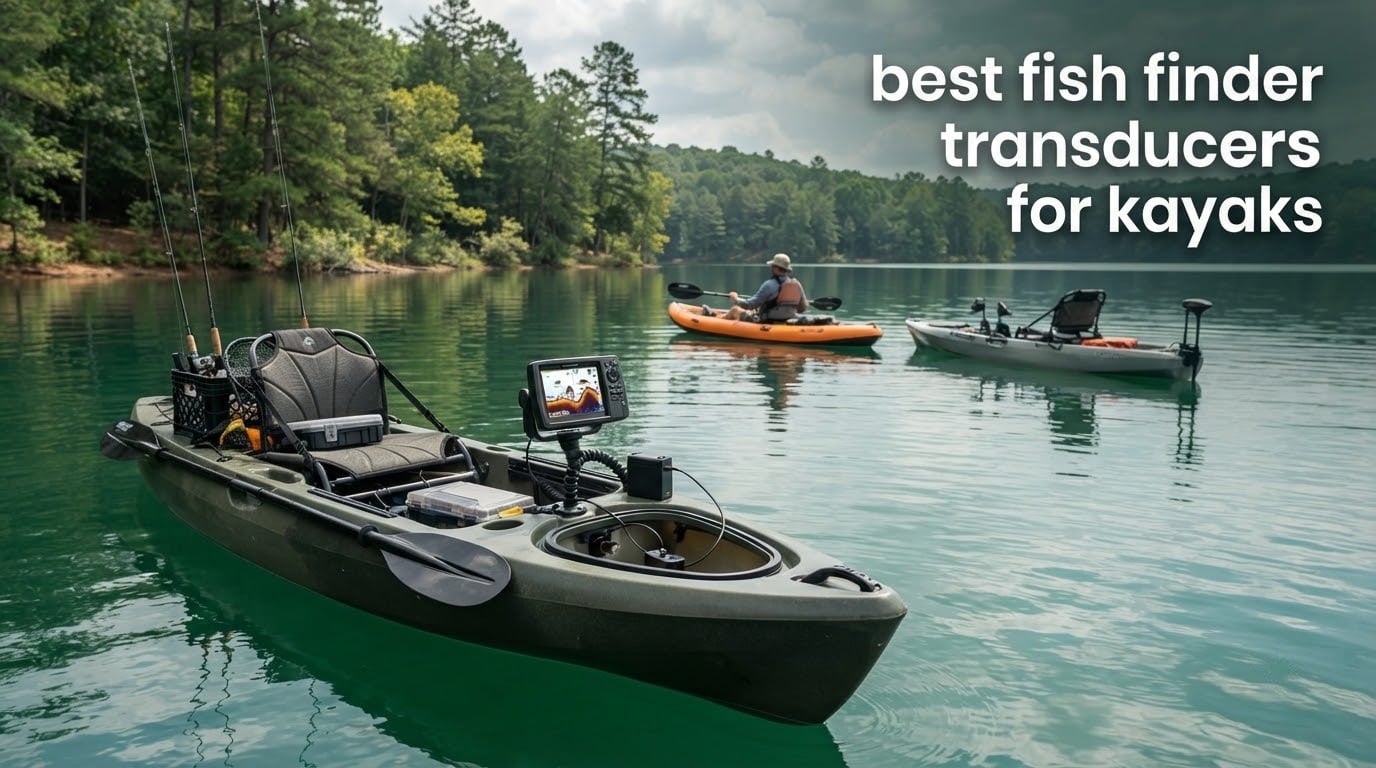
A kayak has no transom. That single fact drives every transducer decision an angler makes, and it is why the best fish finder transducers for kayaks read very differently from the ones marketed to boat owners.
We spent weeks sorting through hull types, connector formats, beam angles and mount styles to put this list together. The short version: there is no single best kayak transducer, because a sit-on-top angler on a pedal kayak and an inflatable-kayak angler drifting over a weed bed need completely different hardware. What follows is a breakdown of ten options that actually work from a small boat, along with the mount and frequency reasoning behind each one.
If you are still choosing the display itself, start with our 10 best fish finders for kayaks guide first, then come back here to match the transducer to that display. Brand ecosystems matter more here than screen size, because a transducer from the wrong brand will not physically plug in.
Table of Contents
Top 3 Kayak Fish Finder Transducers in October 2026


LUCKY 1108CP Handheld
- Reads through the hull
- 328 ft range
- 4-5 hour runtime
- 5 sensitivity levels
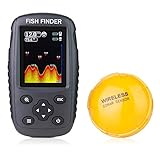
Venterior VT-FF005 Wireless
- No install
- 105 degree beam
- 164 ft range
- fish size and temperature
All 10 Transducers Side by Side in October 2026
The table below lists every pick with its mount type, frequency pair and depth capability so you can scan the whole field before reading the individual reviews.
| Product | Specifications | Action |
|---|---|---|
| Humminbird XNT 9 20 T |
|
Check Latest Price |
| LUCKY 1108CP Handheld |
|
Check Latest Price |
| Venterior VT-FF005 Wireless |
|
Check Latest Price |
 Lowrance 000-0106-72 Skimmer Lowrance 000-0106-72 Skimmer |
|
Check Latest Price |
 Deeper PRO+ 2 Deeper PRO+ 2 |
|
Check Latest Price |
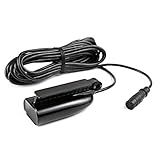 Lowrance SplitShot Skimmer Lowrance SplitShot Skimmer |
|
Check Latest Price |
 Garmin GT20-TM Garmin GT20-TM |
|
Check Latest Price |
 LUCKY CFL068 Wired LUCKY CFL068 Wired |
|
Check Latest Price |
 Yoocylii Handheld Yoocylii Handheld |
|
Check Latest Price |
 Lowrance HOOK2 Bullet Skimmer Lowrance HOOK2 Bullet Skimmer |
|
Check Latest Price |
1. Humminbird XNT 9 20 T: The Most Compatible Fixed Transducer
Humminbird XNT-9-20T Transom Mount Transducer W/Temp
Transom mount
Single/DualBeam sonar
600 ft max depth
Built-in temperature
Pros
- Works across Humminbird HELIX and most 100-1100 series displays
- Single/DualBeam sonar with built-in temperature sensor
- 20 ft cable gives placement flexibility
- Long-standing OEM part with wide review history
Cons
- Transducer only
- so a compatible Humminbird display is required
- Transom hardware suits boat hulls better than a sit-on-top kayak
If you already own a Humminbird display, this is the transducer with the least friction behind it. It pairs with the HELIX series and most 100 through 1100 series models, which covers a lot of second-hand kayaks you will find used. The 4.6 rating across more than 1100 reviews is the strongest combination of satisfaction and sample size in this group.
We like the 20 ft cable more than we expected to. On a kayak you can route it forward along a scupper, around the pedal drive shaft or behind a seat frame, then place the element where the hull is cleanest instead of being stuck at the transom position the bracket suggests.
The Single/DualBeam output is traditional chirp-style arch data rather than a scanning image, and the listed maximum depth is 600 ft, which is far more than any lake angler needs. The built-in temperature sensor is a quiet bonus on spring and early autumn trips.
What a kayak angler gets from this transducer
Strong fish arches and steady depth numbers are the reports that repeat across reviews. Anglers running this on a moving kayak talk about consistent bottom tracking in water shallow enough that most competitors never engage.
Because the cable is generous, it can be mounted to a trolling motor shaft on pedal kayaks or tucked inside the hull on a sit-inside, which is the setup several forum anglers describe as their most reliable.
Where it falls short
It is a transducer only, so budget for a display if you do not have one. The bracket is designed for an aluminum transom, and a composite or rotomolded hull needs a strap or a suction arm rather than the supplied screws.
There is also no scanning beam here. If your priority is photo-like structure detail instead of arches and numbers, the Lowrance SplitShot or the Garmin GT20-TM serve that better.
2. LUCKY 1108CP: The Easiest First Setup on a Kayak
LUCKY Kayak Portable Fish Depth Finder Water Handheld Fish Finder Sonar Castable Kayak Boat Fishfinder Transducer Fishing LCD Display FFC1108
2 inch LCD
Thru-hull attachable sensor
3-328 ft depth
4-5 hours per charge
Pros
- Most-reviewed option in this roundup
- Reads depth through the bottom of a kayak hull
- One-hand body with neck strap
- Five sensitivity levels
- Backlit screen for day and night
Cons
- Fish icons do not size fish
- Cannot be used from shore
- Must be fully submerged to register
Thousands of reviewers use this one from a kayak, and the reason is simple: the sensor attaches to the hull and the whole thing runs on batteries, so there is no display, no wiring and no connector to match.
Depth range runs from 3 ft to 328 ft, and owners repeatedly confirm the readings match a handheld spot check or a paddle pole. Five sensitivity levels let you cut through stained water or thick weed, which matters on river and lake fishing alike.
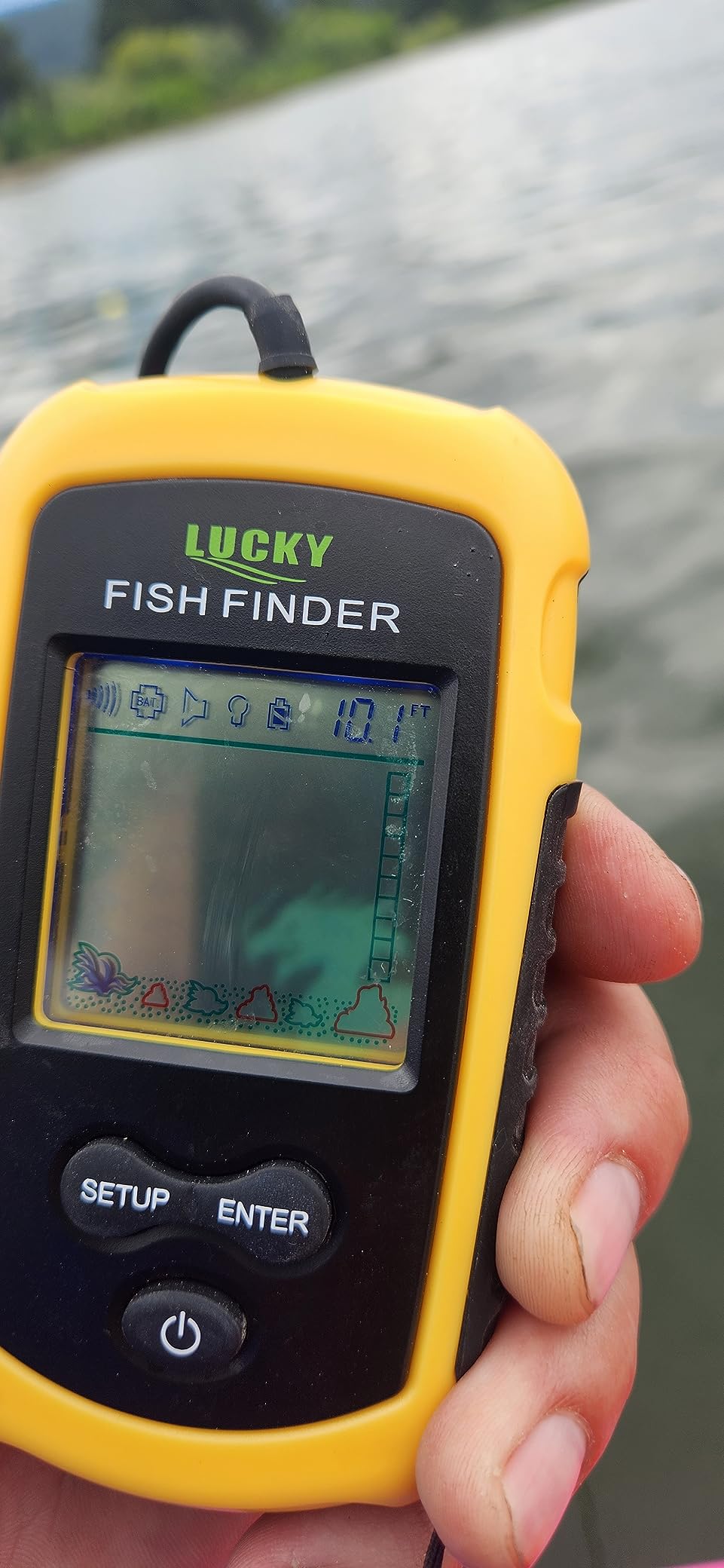
The bottom display distinguishes short and tall weeds, sand and rock, which is more structural detail than most anglers expect from a unit this simple. Switchable feet and meter units and a backlight cover both open water and after-dark use.
Where this transducer makes sense
For a first kayak electronics purchase, or for an angler who wants to know what is under the boat without committing to a mounted system, this is the shortest path. The audible fish and fish school alarms give you a heads-up while your attention is on the paddle.
Because the sensor can sit against the hull, it also works from an inflatable where any permanent install is off the table. A related wired version appears later in this list for anyone who wants more cable.
Where it falls short
Fish icons show location and depth band but no size and no species, so treat any arch as a prompt to fish rather than an identification. A minority of owners also report the unit will not read through fiberglass hulls, so check your hull material first.
It also cannot be cast from shore. The sensor only registers when fully submerged, which makes it a boat-only tool despite the low price.
3. Venterior VT-FF005: Best When You Refuse to Drill
Venterior Portable Rechargeable Fish Finder Wireless Sonar Sensor Fishfinder Depth Locator with Fish Size, Temperature, Bottom Contour, Color Display
2.6 inch color TFT
105 degree beam
2.6-164 ft range
Wireless castable sensor
Pros
- Truly wireless sensor needs no hull drilling
- Reports depth and water temperature
- Shows fish size and bottom contour
- Selectable black and white screen backgrounds
Cons
- Weak beyond about 120 ft
- 105 degree beam is unreliable in an ice hole
- Fish size categories are subjective
- Can show false signals when towed fast
This is the pick for inflatable kayaks and for anyone who rents boats and cannot modify the hull. The sensor is tethered to fishing line and cast, and it pairs wirelessly with a handheld color screen at up to 262 ft separation.
The 2.6 inch color TFT reports water depth, temperature, fish size, fish depth and bottom contour, with work and simulation modes. Screen backgrounds switch between black and white, which solves the direct-sun readability problem on a lot of handheld units.
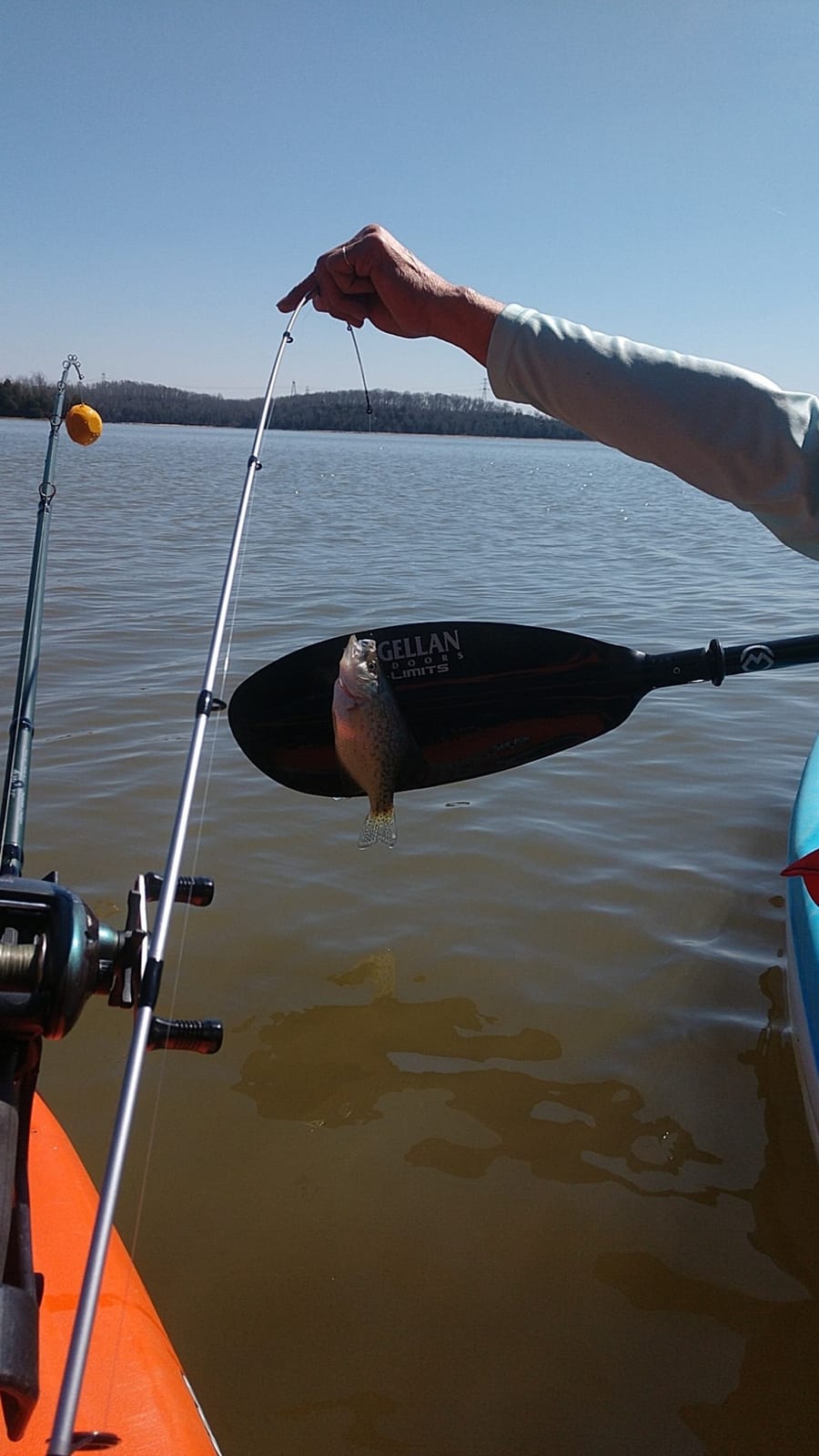
A 105 degree sonar beam covers a generous cone, and reviewers note that the sensor connects quickly on water contact, which removes the usual startup delay from the setup. The rechargeable sensor and receiver run roughly three to four hours on a charge.
What this setup is built for
Cover water you fish from the seat of a sit-on-top without a transom, shallow bays and river runs, and shore fishing when you want a handheld. Reviewers specifically call out accurate depth and bottom readings from kayaks and inflatable boats.
The tether also means you can put the sensor where you want it, directly under the hull or off to the side, which is useful when structure sits near a drop-off edge.
Where it falls short
Depth performance weakens past about 120 ft even though the listed ceiling is 164 ft, and the wide beam that helps coverage hurts you in an ice hole. Fish size is binned into categories rather than measured.
Towing behind a moving boat can trigger false signals, so slow the paddle speed or stop and hold before you trust a reading at speed.
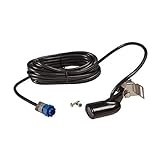
4. Lowrance 000-0106-72 Skimmer: Dual Frequency and Deep Reach
Lowrance 000-0106-72 HST-WSBL Transom-Mount Skimmer Transducer – 83/200 kHz with Built-in Temperature Sensor, 7-Pin Connector, Black
83/200 kHz dual frequency
Up to 1000 ft depth
Built-in temperature
20 ft cable and 7-pin plug
Pros
- Dual frequency handles shallow and deep water
- 1000 ft depth capability at 83 kHz
- Built-in temperature sensor
- Durable skimmer housing
- 7-pin plug matches most Lowrance displays
Cons
- Requires a compatible 7-pin Lowrance display
- Transom-mount design is boat-focused rather than kayak-specific
Dual frequency at 83/200 kHz is the specification that matters here. The low frequency punches through deep water and stained conditions, while the high frequency adds target detail in the shallows, and having both on one element means one transducer covers most of a season.
The 1000 ft listed depth at 83 kHz is overkill for a kayak but it confirms the element is a full-range marine part rather than a shallow-water specialty piece. Owners describe stable readings and a working temperature sensor across more than 1000 reviews.
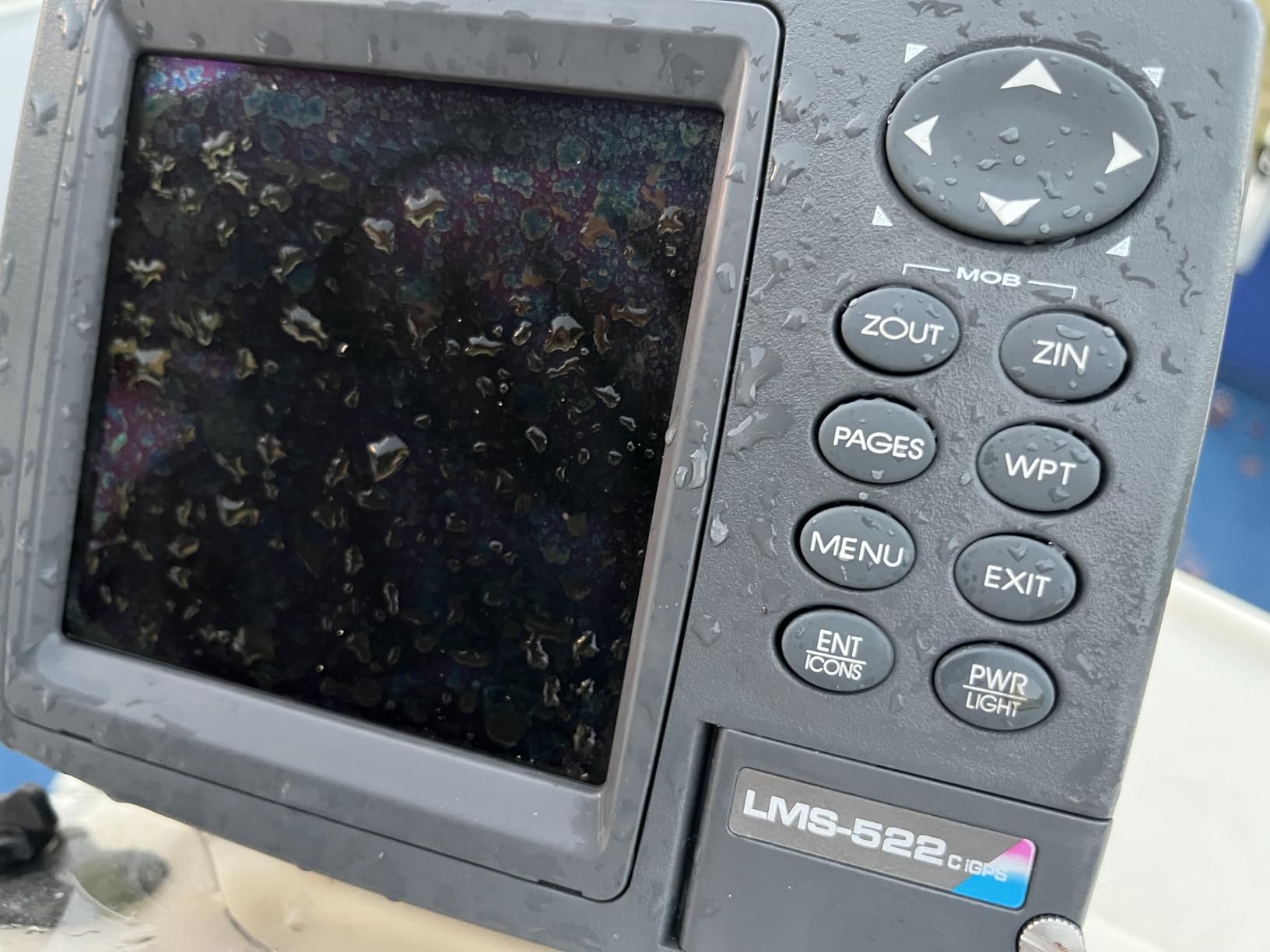
The skimmer housing is built for harsh marine conditions, and the supplied 20 ft cable gives enough slack to route around a pedal drive or along a track system. Installation is straightforward with the included bracket.
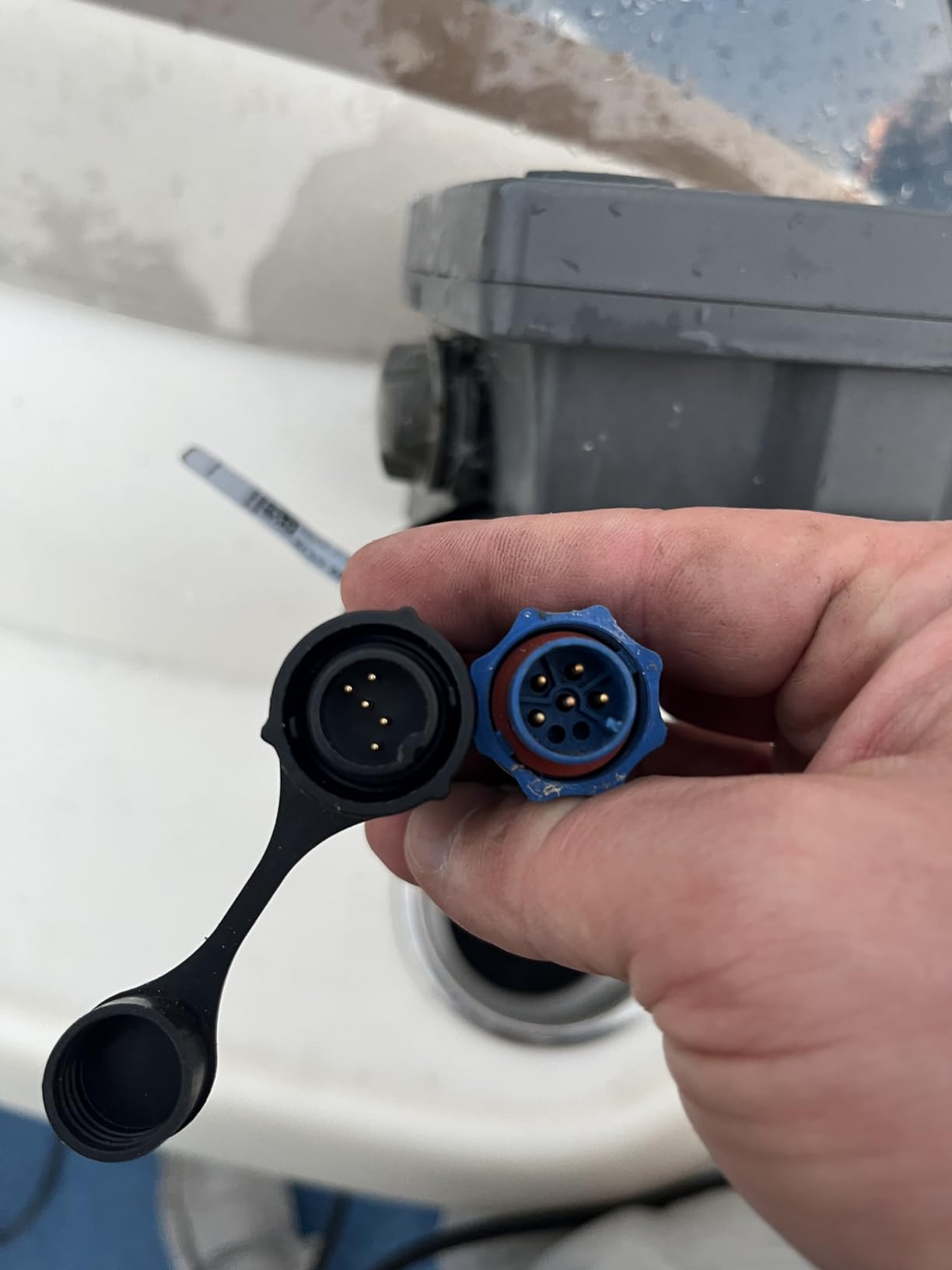
Best fit for a Lowrance angler
If your display takes a 7-pin plug, this is the traditional-sonar option that pairs cleanly with it. Track-bottom readings at paddle speed are exactly what 83/200 kHz does well, and the temperature data helps you time movement by water temperature.
It also works well as a trolling motor mount on a pedal kayak, which is how many owners pair it with a bow-mounted display.
Where it falls short
The 7-pin connector is a hard limit. If your display uses a different Lowrance connector generation, this part will not fit without an adapter, and that mismatch is the reason most return requests in this category come down to fit rather than failure.
The transom bracket is boat-shaped, so plan a strap or arm mount rather than assuming the supplied hardware will grip a kayak hull.
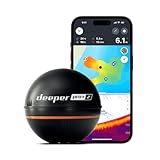
5. Deeper PRO+ 2: Best for Mapping Structure From a Kayak
Deeper PRO+ 2 Sonar Fish Finder – Portable Fish Finder and Depth Finder For Kayaks, Boats and Ice Fishing with GPS Enabled | Castable Deeper Fish Finder with FREE User Friendly App
Wide, mid and narrow beams
330 ft accuracy
Built-in GPS
3.2 oz wireless body
Pros
- Wide
- mid and narrow beam options
- Target separation to 0.4 in on narrow beam
- Built-in GPS for bathymetric mapping
- Lightweight 3.2 oz body fits a tackle box
- Works from kayak
- shore and ice
Cons
- Needs a smartphone and app instead of a standalone display
- Costs more than portable LCD fish finders
- Wireless signal can drop at longer cast distances
The Deeper PRO+ 2 is the only pick on this list built around a phone app, and that is its whole argument. Wide, mid and narrow beam modes let you scan broad water quickly and then drill into a specific spot, which is a workflow the fixed-beam units cannot match.
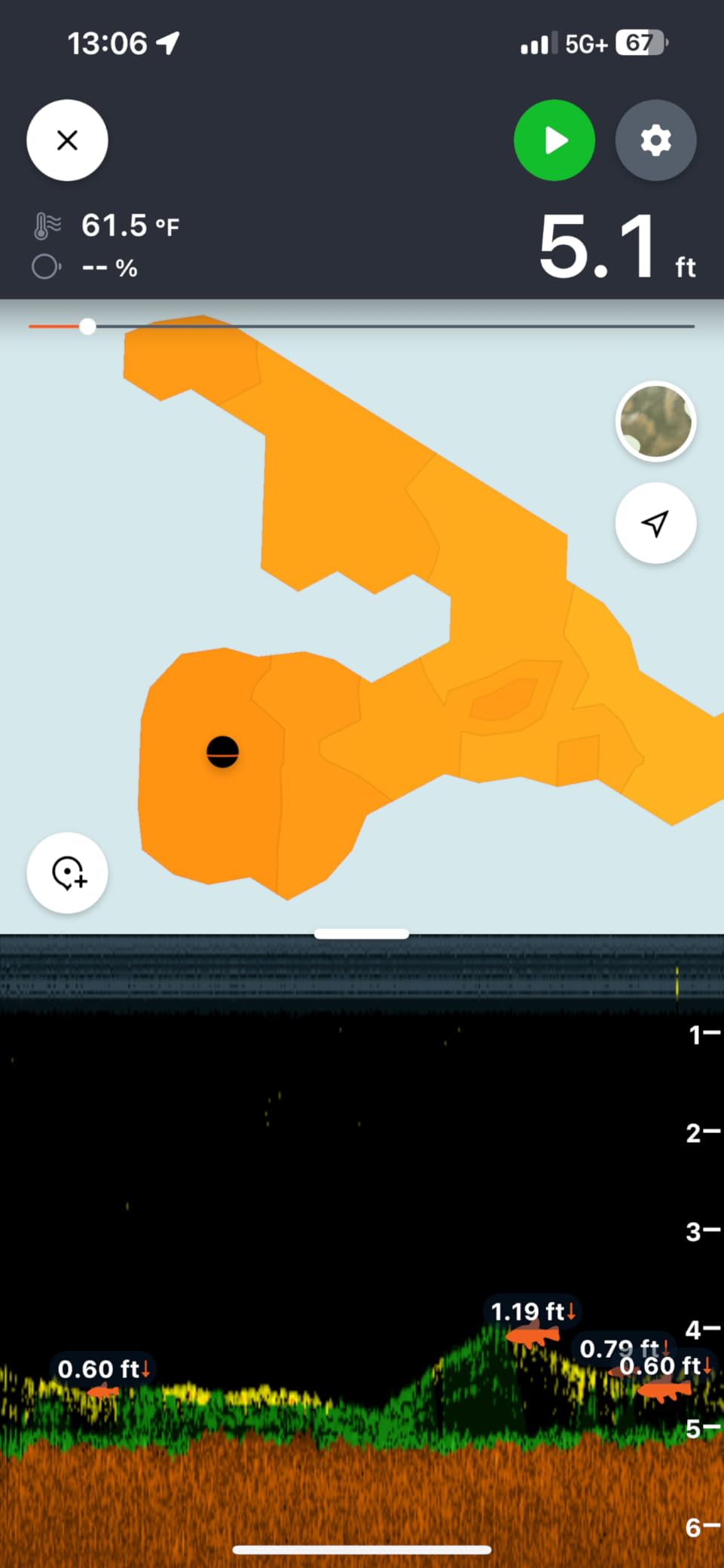
Built-in GPS means the sensor can create and save bathymetric maps of structure, drop-offs and weed beds in the Fish Deeper app. Owners highlight the mapping capability as the reason to buy it over a simpler handheld.
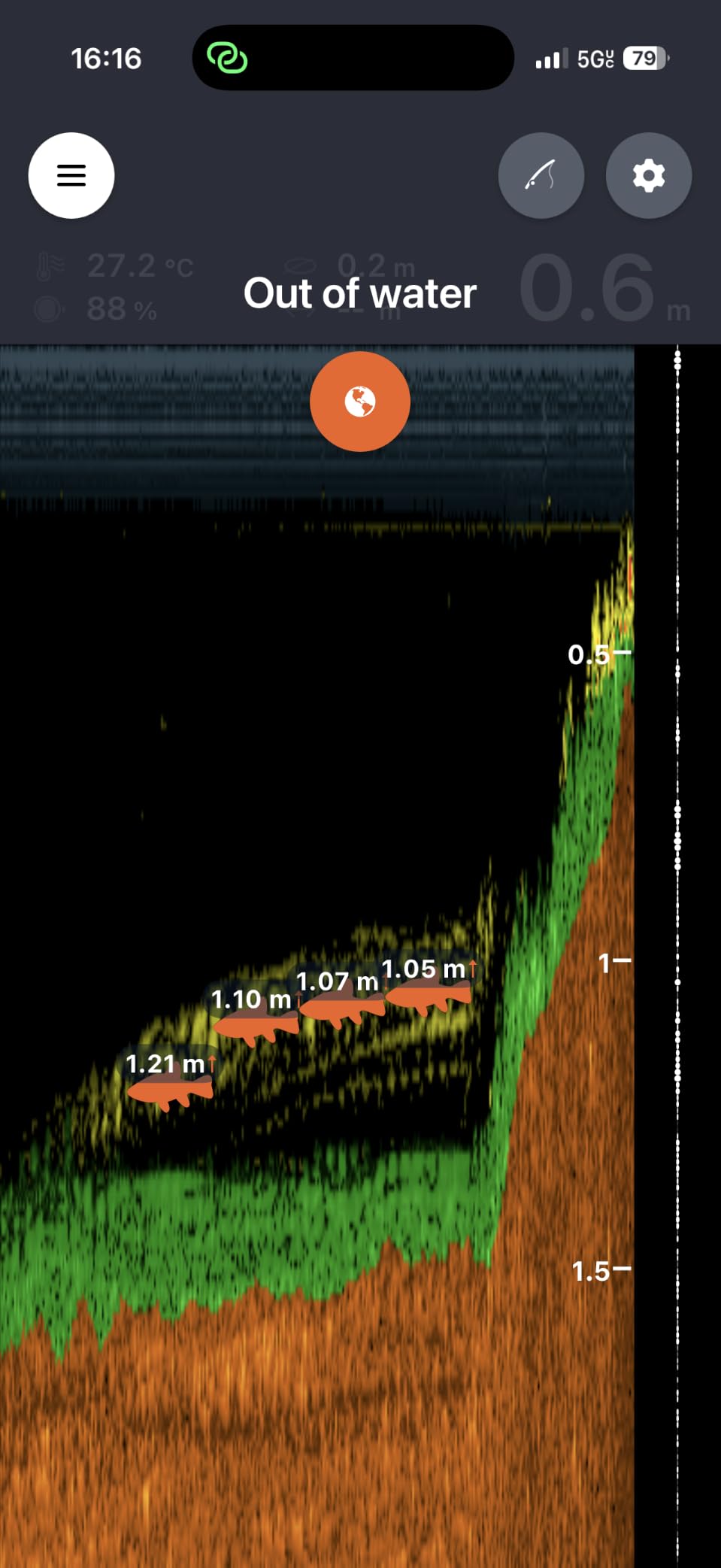
Target separation reaches 0.4 in on narrow beam and 1 in on wide and mid beams, and accuracy is listed to 330 ft. The body weighs 3.2 oz, so it disappears into a tackle box and adds nothing to your paddle weight.
Best fit for a data-focused angler
If you like marking a productive spot and coming back to it, or you fish the same lake and want a private contour log, this is the right tool. It also works from shore and on ice, which stretches its usefulness past the kayak season.
Wide beam mode is the one to use while paddling, then switch to narrow when you want to interrogate a specific target.
Where it falls short
You are dependent on a phone and an app, which means battery drain on your phone and one more screen to manage in direct sun. Anglers who prefer a dedicated display with physical buttons tend to prefer the fixed transducers instead.
Connection reliability weakens when the sensor is cast far from the phone, so keep it within a sensible range and expect occasional dropouts at maximum separation.
6. Lowrance SplitShot Skimmer: Down Imaging From a Scupper
Lowrance SplitShot Skimmer Transducer, fits Lowrance HOOK2 Fish Finders,Gray
DownScan plus CHIRP
Wide sonar cone
Fits HOOK2 5/7/9/12
Built-in temperature
Pros
- Combines straight-down DownScan with CHIRP arches
- Wider cone roughly doubles traditional coverage
- Mounts on transom
- inside hull
- trolling motor or through a scupper
- Built-in temperature sensor
Cons
- Only fits HOOK2 5/7/9/12 inch models
- Replacement hardware kit may be missing washers and nuts
- Cable and plug degrade with UV exposure over years
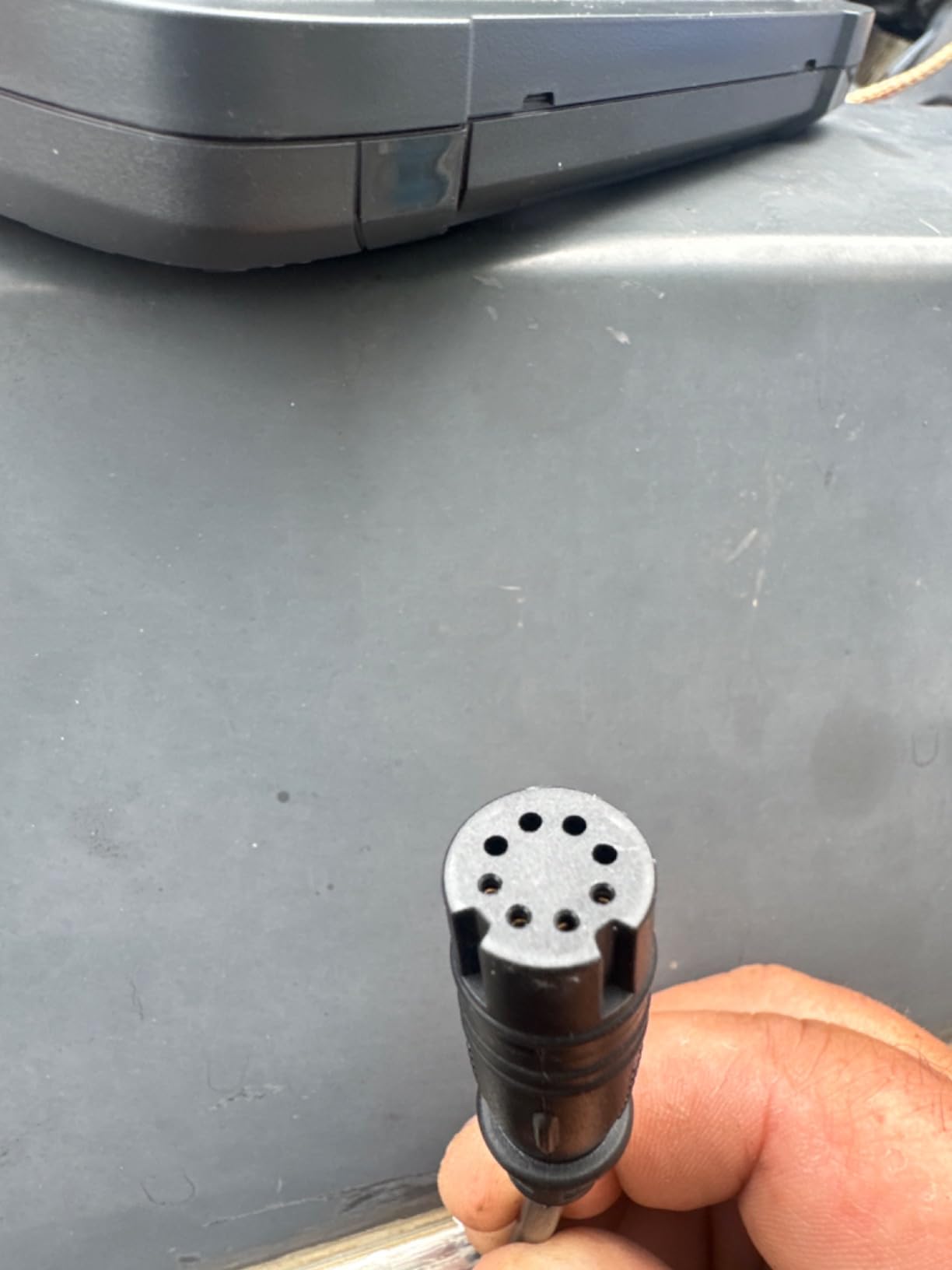
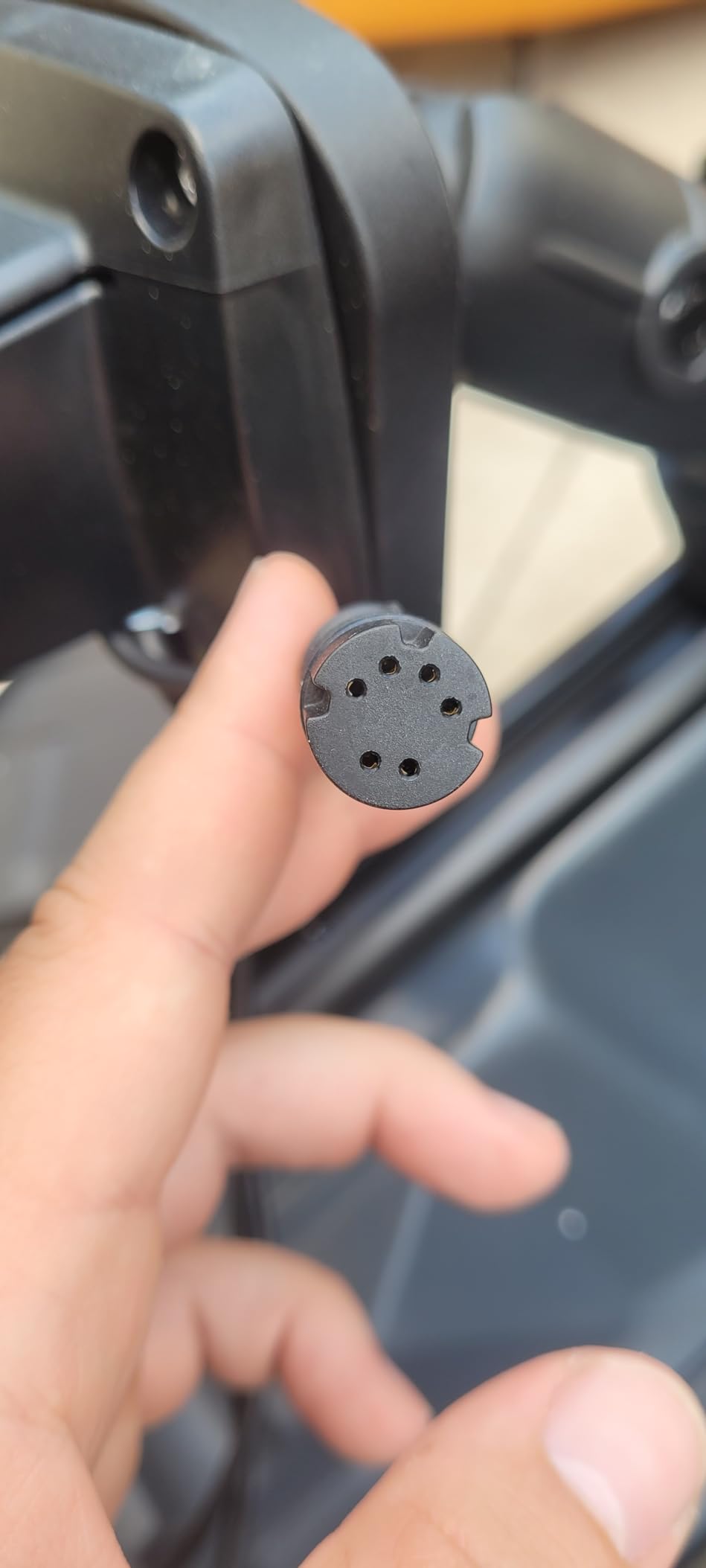
The SplitShot puts two beams in one element: a straight-down DownScan view and a CHIRP fish-arch view. That combination gives you a photo-like look at what is directly under the kayak plus traditional arches out to the sides, from a single mount point.
The mount versatility is the kayak-specific story. One transducer can sit on the transom, inside the hull, on a trolling motor or route through a scupper hole, and owners regularly report installing it inside a 12 ft fishing kayak hull with good results.
The wider sonar cone gives roughly double the coverage of a traditional beam, which on a small boat means you see structure sooner without needing to paddle over it. That advantage matters when you are hunting drop-offs in a tight time window.
What a sit-on-top angler gains
DownScan is the feature that changes decisions in real time. Weed edges, rock shelves and the shadow line under a ledge show up in a way that arches alone cannot convey, and a wide cone pairs naturally with slow paddling.
For sit-on-top and pedal kayaks, the scupper routing option means no drilling at all, and the built-in temperature sensor reads continuously as you move across a lake.
Where it falls short
It only fits HOOK2 displays in the 5, 7, 9 and 12 inch sizes, so it is useless if your unit is a HOOK2 4 or an older model. Check the model number before you order.
Some buyers received a replacement hardware kit without the full washer and nut set, and the cable and plug can degrade after years of sun exposure, which matters on a deck where UV exposure is constant.
7. Garmin GT20-TM: Traditional and ClearVu in One Part
Garmin 010-01960-00 GT20-TM Transducer
77/200 kHz traditional
455 kHz ClearVu
1900 ft traditional depth
Trolling motor mount included
Pros
- Fish arches plus ClearVu structure imagery
- 1900 ft traditional and 750 ft ClearVu depth
- Both transom and trolling motor mounts in the box
- Easy drop-in OEM replacement
Cons
- Requires a compatible Garmin display
- Cable routing through the transom takes effort
- Costs a large share of a new display's cost
The GT20-TM carries two sonar systems at once: 77/200 kHz traditional for arches and depth, and 455 kHz ClearVu for scanning structure imagery. Having both means you toggle between a wide search picture and a detail picture on the same element.
Depth capability is listed at 1900 ft on traditional and 750 ft on ClearVu, which is deep-water headroom you will never use from a kayak but confirms the part is a serious marine element with a 500 W power rating and a fast-response temperature sensor.
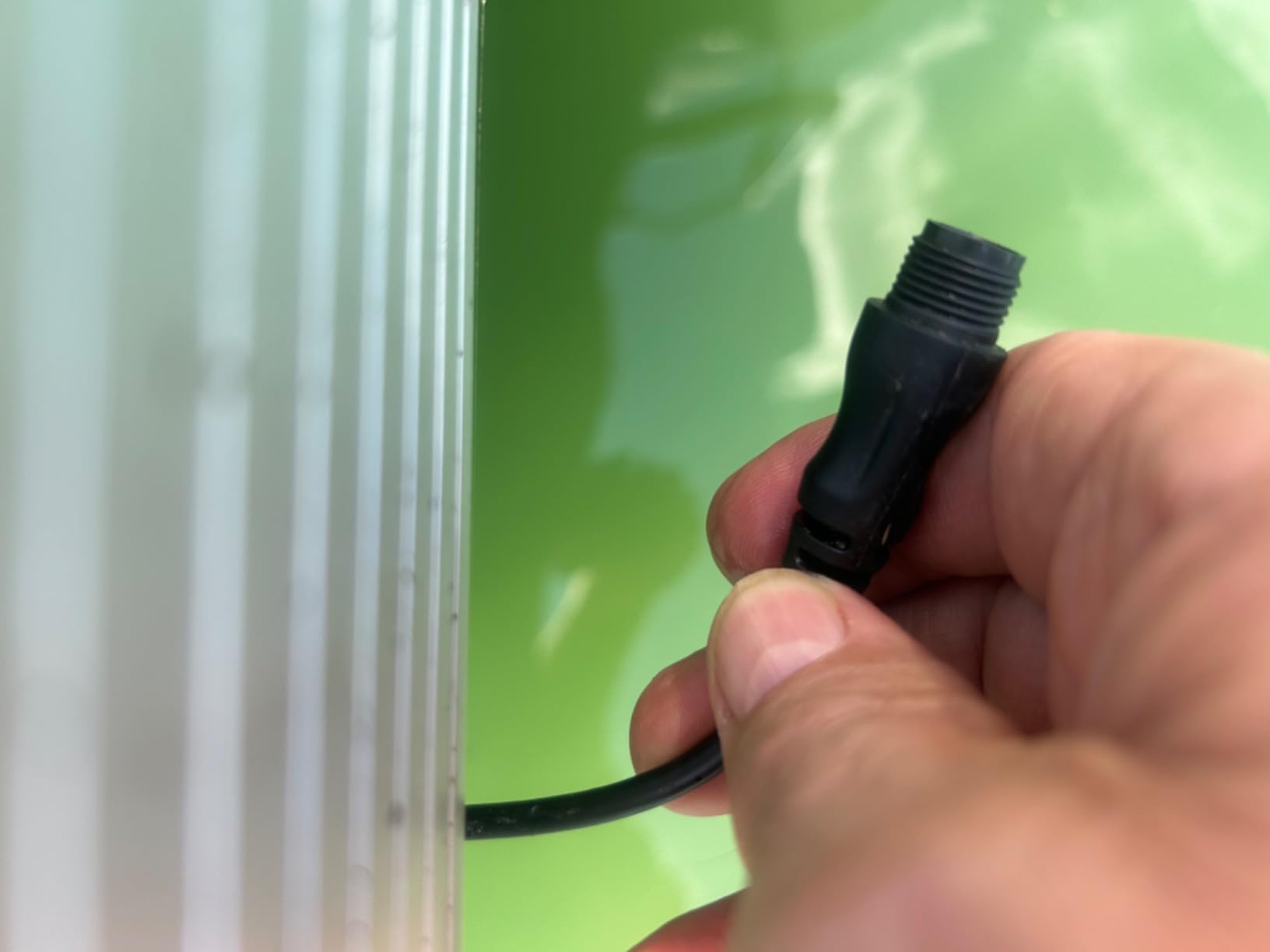
The box includes both a transom mount and a trolling motor mount, and owners report good results running it on a trolling motor for kayak setups. The 20 ft cable is long enough to route forward to a display on the deck.
What a trolling motor setup gains
Mounting on the trolling motor shaft keeps the element in clean water ahead of any turbulence the hull creates, and owners specifically credit that placement for steady arches while moving. It is the cleanest no-drill option we found for pedal-assist kayaks with a bow-mounted motor.
ClearVu adds the structure imagery anglers want for rock and ledge work, while the traditional beam keeps bottom tracking solid at speed.
Where it falls short
It requires a compatible Garmin display. Buying this as a standalone replacement for another brand is the most common wasted purchase in the category.
Routing the cable through a transom takes effort and some sealing care, and the price of a replacement part is a large share of a complete new display, which makes it an awkward buy if you are building a system from scratch.
8. LUCKY CFL068 Wired: Cable Freedom for Odd Hulls
LUCKY Portable Fish Finders Wired Transducer Kayak Fish Finder Kit Portable Depth Finder LCD Display for Kayak Boat Ice Fishing
25 ft wired cable
45 degree cone
3-328 ft range
4 AAA batteries
Pros
- 25 ft cable works from a kayak or inflatable
- Reliable depth readings that match spot checks
- Color LCD readable in sun plus a night backlight
- Detects weed
- sand and rock bottom structure
Cons
- Fish detection can trigger on non-existent fish in clear water
- Icons show depth band but not size or species
- Continuous fish beep cannot be limited
The wired model solves one problem the handheld version cannot: cable length. At 25 ft you can place the sensor almost anywhere on the boat, which matters when the only clean water is behind a rudder or far forward of the seat.
Depth range is 3 ft to 328 ft at a 45 degree detecting angle, and owners confirm the depth readings match manual checks. The screen is a color LCD visible under sunshine with a backlight for night fishing.
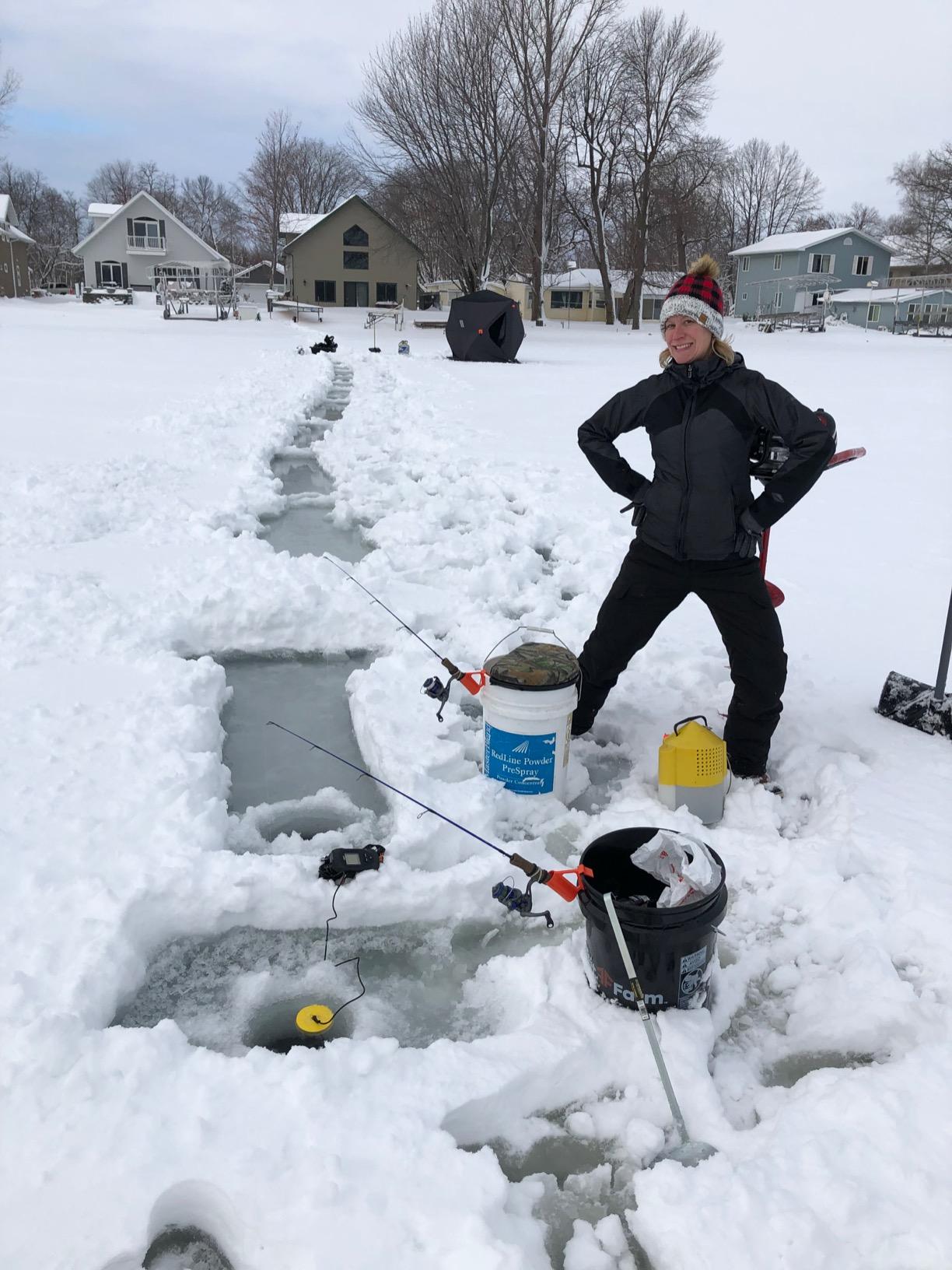
Five assistant settings cover adjustable sensitivity, battery save mode, backlight mode, fish and fish school alarms and a battery indicator. Depth units switch between feet and meters with a five-second button press, which is a small touch that matters on lakes where you think in feet and rivers where you think in meters.
Best fit for a fixed kayak layout
If you have already decided where the transducer is going and want it to stay there, the cable length and the adjustable sensitivity make this the more flexible of the two LUCKY options. Four AAA batteries give four to five hours of continuous use, longer in battery save mode.
Bottom structure detection for short and tall weeds, sand and rock makes it a reasonable scouting tool for a first trip on unfamiliar water.
Where it falls short
Fish detection can trigger on things that are not there in clear water, and the icons show a depth band rather than size or species. Reviewers repeatedly advise turning the beep off and keeping expectations aligned with a simple display.
The screen is basic next to modern color units, so this is a depth and structure tool rather than a full fish-finding system.
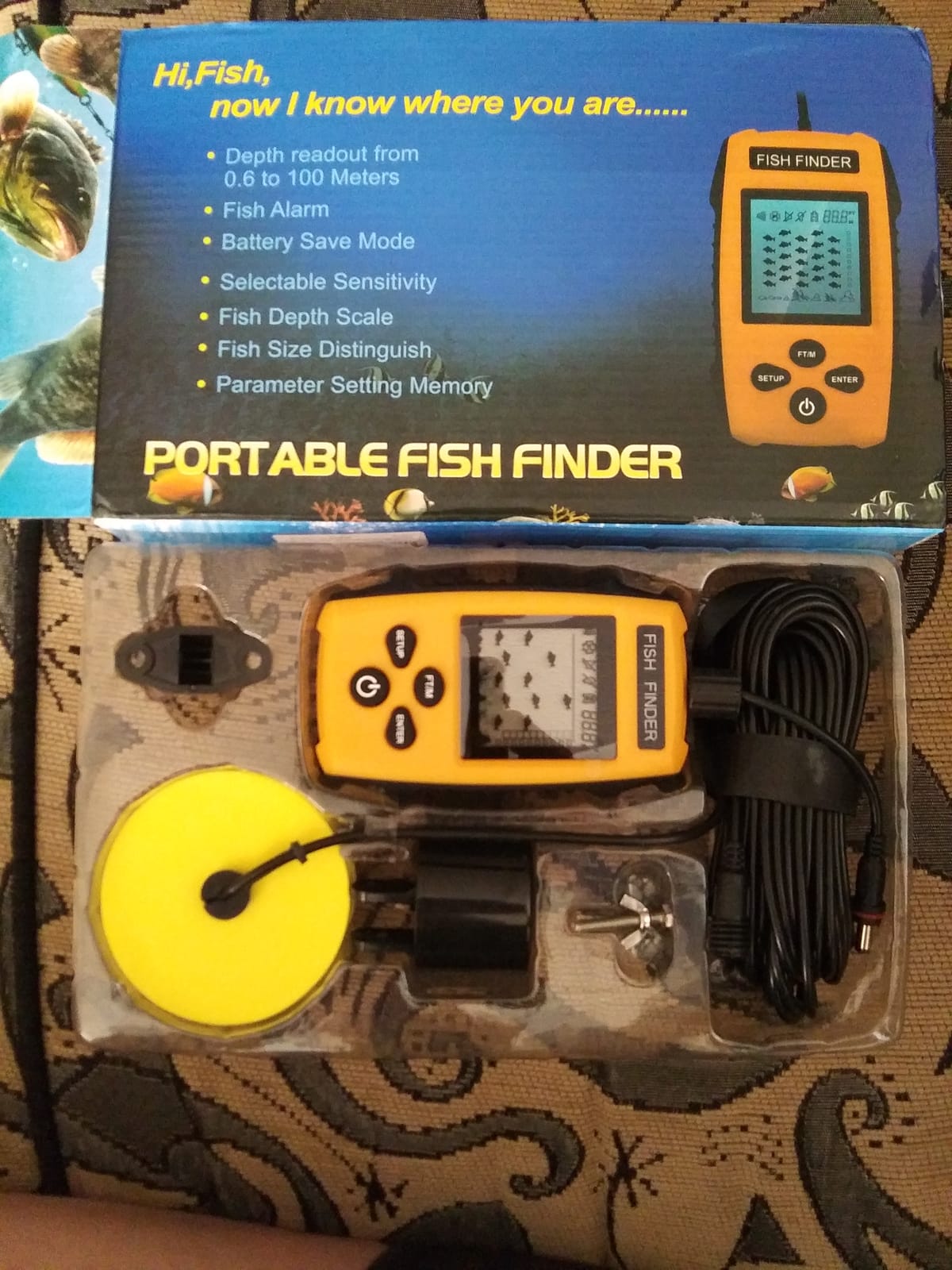
9. Yoocylii Handheld: Shallow Water and Moving Kayaks
Handheld Fish Finder Portable Kayak Fishfinder Sonar Depth LCD Display
200 kHz sonar
45 degree beam
3-328 ft range
4 AAA batteries
Pros
- Dependable depth readings while towing behind a kayak
- Screen readable in bright daylight
- No connections to make once the sensor is attached
- Includes neck strap and fits a tackle box
Cons
- Weak bottom contour detail against larger units
- Fish detection less accurate than the depth function
- Battery life may fall short of the claimed 4-5 hours
The spec that makes this unit interesting for kayaks is the stated working speed below 5 mph with the transducer held horizontal. That is the honest limit for a towed single-frequency 200 kHz sensor, and it covers paddling and slow drifting without pretending otherwise.
Depth range runs 3 ft to 328 ft at a 45 degree beam angle, so it reads very shallow water where a 200 kHz cone is an advantage. Owners use it from kayaks, docks and on ice, and it fits in a tackle box.
Once the transducer is attached there are no connections to make, which keeps the setup simple. Four AAA batteries give four to five hours of continuous use, and there is a two-year warranty behind the brand support.
Best fit for shallow and fast-moving water
River fishing, marsh edges and shallow weed beds are where a 45 degree beam at 200 kHz earns its place. It also shows weeds, sand and rock, which is the information you need when you are hunting structure in 3 to 10 ft of water.
Five sensitivity levels, a battery save mode, backlight and saved settings cover the settings most anglers actually change on the water.
Where it falls short
Bottom contour detail is weak next to larger and more expensive units, and fish detection is less accurate than the depth function. Treat it as a depth and vegetation finder with a fish feature rather than the reverse.
A small number of owners report battery life falling short of the claimed four to five hours, and some units stopped powering on entirely.
10. Lowrance HOOK2 Bullet Skimmer: A Clean Fit for HOOK2 4 Displays
Lowrance HOOK2 Bullet Skimmer Transducer for HOOK2 4 and HOOK2 4x Fish Finder 000-14027-001 , Gray
Fits HOOK2 4 and 4X
Wide sonar cone
500 ft depth
Built-in temperature
Pros
- Highest average rating in the roundup at 4.7
- Wider cone gives roughly double traditional coverage
- Mounts on transom
- inside hull
- trolling motor or through a scupper
- Built-in temperature sensor
Cons
- Only fits HOOK2 4 and HOOK2 4X models
- Transducer only
- so a matching Lowrance display is required
The bullet housing is one of the more kayak-friendly shapes in the fixed-mount group. It is small enough to sit inside a hull, on a trolling motor or route straight through a scupper, and the wider sonar cone gives roughly double the coverage of a traditional beam.
It carries the highest average rating in this roundup at 4.7 across 362 reviews. Owners confirm correct fitment on HOOK2 4 and 4X models, clean installation and steady readings, with a 500 ft maximum depth and a built-in temperature sensor.
Because it is a straightforward replacement for an existing or failed HOOK2 4 or 4X transducer, most of the feedback centers on getting the swap right rather than on long-term durability commentary.
What it fits well
A 4 inch display is the sweet spot on a kayak because it stays out of the way of your paddle and knees, and this is the transducer built for exactly that class of display. Scupper routing gives you a no-drill install on most sit-on-top hulls.
The wider cone means you pick up structure earlier while moving, which reduces the amount of paddling you do just to find the drop-off.
Where it falls short
The fitment list is narrow. It works only with HOOK2 4 and HOOK2 4X models, so if your display is a 5 inch or larger HOOK2 you need the SplitShot instead.
It is also a transducer only, so it makes sense as a replacement or an upgrade rather than a starting point for a brand new install.
Through-Hull vs In-Hull vs Suction Cup vs Castable Mounts
Yes, a transducer can read through a kayak hull. Most composite and polyethylene hulls are thin enough for the sonar pulse to pass, and many anglers mount the element inside the hull with epoxy or a suction arm. Rotomolded and fiberglass hulls are thicker and can absorb the signal, so test before you commit. Through-hull installation is the cleanest signal of all, but it requires drilling, which rules it out on inflatables.
The decision framework is simpler than the jargon suggests. Match the mount to what your hull allows, then match the element to how fast you paddle.
Through-hull gives the cleanest, strongest reading with no air between the element and the water, and it survives rough water. It requires drilling a hole and sealing it permanently, so it suits a hard sit-inside or sit-on-top you own for years.
In-hull (adhesive or suction arm) puts the element inside the hull against the skin. No drilling, easy to move between boats, and the option most kayak anglers choose first. It fails when the element loses contact with the hull or when trapped air bubbles sit in front of it.
Transom-style bracket with a strap or arm borrows hardware from boat installs and suits pedal kayaks with a trolling motor, where the element rides on the motor shaft in clean water.
Suction cup mount is the simplest reversible option and works on smooth hulls, though cups lose grip in rough water and in direct sun on a hot deck.
Castable wireless removes the install decision entirely. Tether the sensor, cast it, and read a handheld. Nothing to mount, nothing to seal, nothing to remove at the ramp.
For inflatable kayaks, the castable category and the in-hull suction arm are effectively the only two real answers, because drilling a deflatable tube is not a repair, it is a retirement.
How to Choose a Kayak Fish Finder Transducer?
Start with the display you already own, because connector format removes most options instantly. Garmin, Humminbird and Lowrance each use their own connector family, and a transducer from one brand will not physically plug into another brand’s unit without an adapter kit.
Second, decide whether you want arches or structure imagery. Traditional sonar at 83/200 kHz gives reliable arches and bottom tracking. Scanning sonar at 455 kHz or higher gives photo-like views of structure. Many transducers now carry both.
Third, match the beam to your speed. A wide beam covers more water per stroke and shows up early, which suits slow paddling. A narrow beam separates targets better and holds detail at depth, which suits drifting and trolling. A 45 degree beam is a reasonable middle ground for typical paddle speed.
Fourth, look at power. A transducer adds to the total draw of your display, and from a kayak your budget usually comes from a small battery pack. Transducers themselves are modest draws, so the display is the bigger factor, and a lightweight unit plus a lithium power bank typically outlasts a bright high-resolution screen on the same charge.
Fifth, check the cable and the hardware. Twenty feet or more gives you placement freedom, and on a kayak that freedom is worth more than any spec on the box. Confirm the supplied bracket fits your hull material before you commit.
Finally, consider the display size constraint. Four inches or less sits comfortably in a kayak cockpit, five inches is workable, and anything larger crowds your knees and paddle. Our beginner kayak guide covers hull choices that pair well with a compact deck layout.
Transducer Compatibility With Your Existing Fish Finder
Connector format, not brand loyalty, decides whether a transducer works. Check the port on your display before you buy, because returns in this category are almost always a mismatched plug rather than a faulty unit.
Humminbird transducers use the XNT connector family and pair with HELIX and most 100 to 1100 series models, with down imaging models needing their own matching element. Lowrance uses a 7-pin connector on many transom skimmers, and the HOOK2 line uses a smaller connector that only accepts its own bullet and SplitShot units. Garmin uses its own plug across the GT series.
The practical rule is to buy the transducer your display was designed around, and to treat any cross-brand adapter kit as a project with a plan for sealing and strain relief. If you are still choosing a display, our kayak fish finder guide compares the major ecosystems and where each one’s transducer options are strongest.
One forum thread we found while researching this shows the pattern clearly: on the Hobie forums, an angler reported a Lowrance unit with the transducer mounted inside the kayak hull producing good depth and fish readings. Install method and connector fit mattered more to that setup than any spec sheet.
Installing a Transducer on a Kayak Without Drilling
Start with a no-drill install so you can test before you commit. The order below puts the reversible methods first and the permanent method last.
Pick a location with clean hull. Look for an area with no ribs, keels or stiffeners running under it, and keep it away from the paddle blade path.
Dry-fit and mark. Hold the element against the hull and confirm the cable route reaches the display without kinking at the tightest bend.
Mount with epoxy, a suction arm or a strap. A suction arm is the most removable option, an adhesive bed is the most secure, and a strap around the hull works well near a trolling motor shaft.
Route the cable. Run it through a scupper hole or along a track system, add strain relief at the entry point, and seal any hole you use.
Fill the hull with water, wait, and test. Trapped air bubbles are the number one cause of a false bottom. Soak the install fully before you judge the reading.
Drill only as a last resort. If an in-hull install will not hold a signal, a properly sealed through-hull pass is the fix, and it is a permanent change to the boat.
Test the install in shallow water over known ground first. A kayak paddle or a kayak pole gives you a reference depth to compare against, and confirming accuracy at 5 ft is far easier than trusting an arch at 40 ft.
On rivers and moving water, keep the whole system inside the boat and off the deck. Our sit-inside river kayak guide covers the hull types that handle that kind of deck gear best.
Frequently Asked Questions
Will a transducer work through a kayak?
Most composite and polyethylene kayak hulls are thin enough for a transducer to read through them, and many anglers mount the element inside the hull. Rotomolded and fiberglass hulls are thicker and can absorb the signal. Through-hull mounting gives the cleanest reading but requires drilling. Test a cheap handheld first before you modify the boat.
What is the best fishfinder for a kayak?
The best setup for a kayak is a compact display of four inches or less paired with a transducer that mounts without drilling. In-hull, trolling motor and scupper routing options work on most hulls. A dual-frequency element at 83/200 kHz handles both shallow and deep water in one unit.
Do I need a separate transducer for a kayak?
Only if your display does not already include one. Many entry-level displays ship with a transom-mount transducer that can be adapted with a strap or arm on a kayak. If your unit supports a scupper or in-hull mount, buying a dedicated kayak element is worth it for cleaner placement and better cable routing.
How do I mount a fish finder transducer on a kayak without drilling?
Use an in-hull install with epoxy or a suction arm, a strap around the hull, or route the cable through a scupper hole to a trolling motor shaft. A castable wireless sensor needs no install at all. Fill the hull with water and wait before testing so trapped air bubbles do not create a false bottom.
Why does my kayak fish finder show a false bottom?
Trapped air bubbles in front of the element are the usual cause, and they are common on fresh in-hull installs. Let the hull sit full of water for a while and test again. Other causes include a gap between the element and the hull, a thick or fiberglass hull absorbing the signal, and low sensitivity in stained water.
Is Garmin or Lowrance better?
Both are strong ecosystems with broad transducer coverage. Garmin offers traditional plus ClearVu in the GT20-TM, while Lowrance covers 83/200 kHz skimmers, the SplitShot with DownScan, and a compact HOOK2 bullet for smaller displays. The deciding factor is usually the connector your existing display uses.
Conclusion
The best fish finder transducers for kayaks come down to one question: what does your hull allow and what does your display accept. Own a Humminbird and want the widest compatibility? The XNT 9 20 T is the safest fixed-mount choice in this roundup. Starting from scratch on an inflatable or a rental boat? A castable wireless unit removes the install problem entirely.
Match the connector first, pick the mount your hull allows, then choose the beam that suits your paddle speed. Do that and the sonar hardware stops being the weak part of your setup. If you have not chosen a boat yet, our inflatable kayak guide covers hull shapes that suit no-drill electronics.