

I remember my first time in a kayak. I borrowed a beat-up rental on a small lake, sat down hard, and immediately felt the whole boat wobble sideways. That is the moment a good beginner kayak earns its keep, because a bad one makes you hate the sport before you ever leave the launch.
The best kayaks for beginners in 2026 are stable, forgiving, and easy to get on and off the water. Our team spent weeks looking at the most popular recreational kayaks on the market, reading thousands of owner reviews, and comparing hull shapes, weight capacity, and storage options. We focused on boats that work on calm lakes, ponds, and slow rivers, because that is where almost every new paddler starts.
This guide covers 12 beginner-friendly kayaks across every budget. You will find inflatables that fold into a closet, sit-on-top kayaks that are almost impossible to tip, and premium sit-inside boats for paddlers ready to level up. We also break down the difference between sit-on-top and sit-inside designs, explain the 120 rule for safe paddling, and answer the questions beginners ask most on Reddit and paddling forums.
If you are shopping for your first boat, this is the only kayak buying guide you need.
Table of Contents
Top 3 Picks at a Glance (October 2026)


Best Kayaks for Beginners in 2026: Quick Overview
| Product | Specifications | Action |
|---|---|---|
| Pelican Argo 100X |
|
Check Latest Price |
| Advanced Elements Lagoon 1 |
|
Check Latest Price |
| Intex Challenger K1 |
|
Check Latest Price |
 Intex Explorer K2 Intex Explorer K2 |
|
Check Latest Price |
 Intex Excursion Pro K1 Intex Excursion Pro K1 |
|
Check Latest Price |
 Sevylor QuickPak K1 Sevylor QuickPak K1 |
|
Check Latest Price |
 Pelican Argo 80X Pelican Argo 80X |
|
Check Latest Price |
 Oru Kayak Lake Oru Kayak Lake |
|
Check Latest Price |
 Lifetime Lotus Lifetime Lotus |
|
Check Latest Price |
 Lifetime Tamarack Angler 100 Lifetime Tamarack Angler 100 |
|
Check Latest Price |
 Perception Joyride 10 Perception Joyride 10 |
|
Check Latest Price |
 Wilderness Systems Aspire 105 Wilderness Systems Aspire 105 |
|
Check Latest Price |
1. Pelican Argo 100X – Best Overall Sit-In Kayak
Pelican Argo 100X – Recreational Sit-in Kayak – 10 ft – Fade Deep Blue/White
10 ft sit-in kayak
Twin-arched multi-chine hull
36 lbs
Lifetime warranty
Pros
- Extremely stable
- lightweight for a hard shell
- comfortable ERGOFORM seat
- tracks straight on lakes
- lifetime warranty
Cons
- Paddle not included
- hatch cover design is awkward
- average maneuverability in tight spots
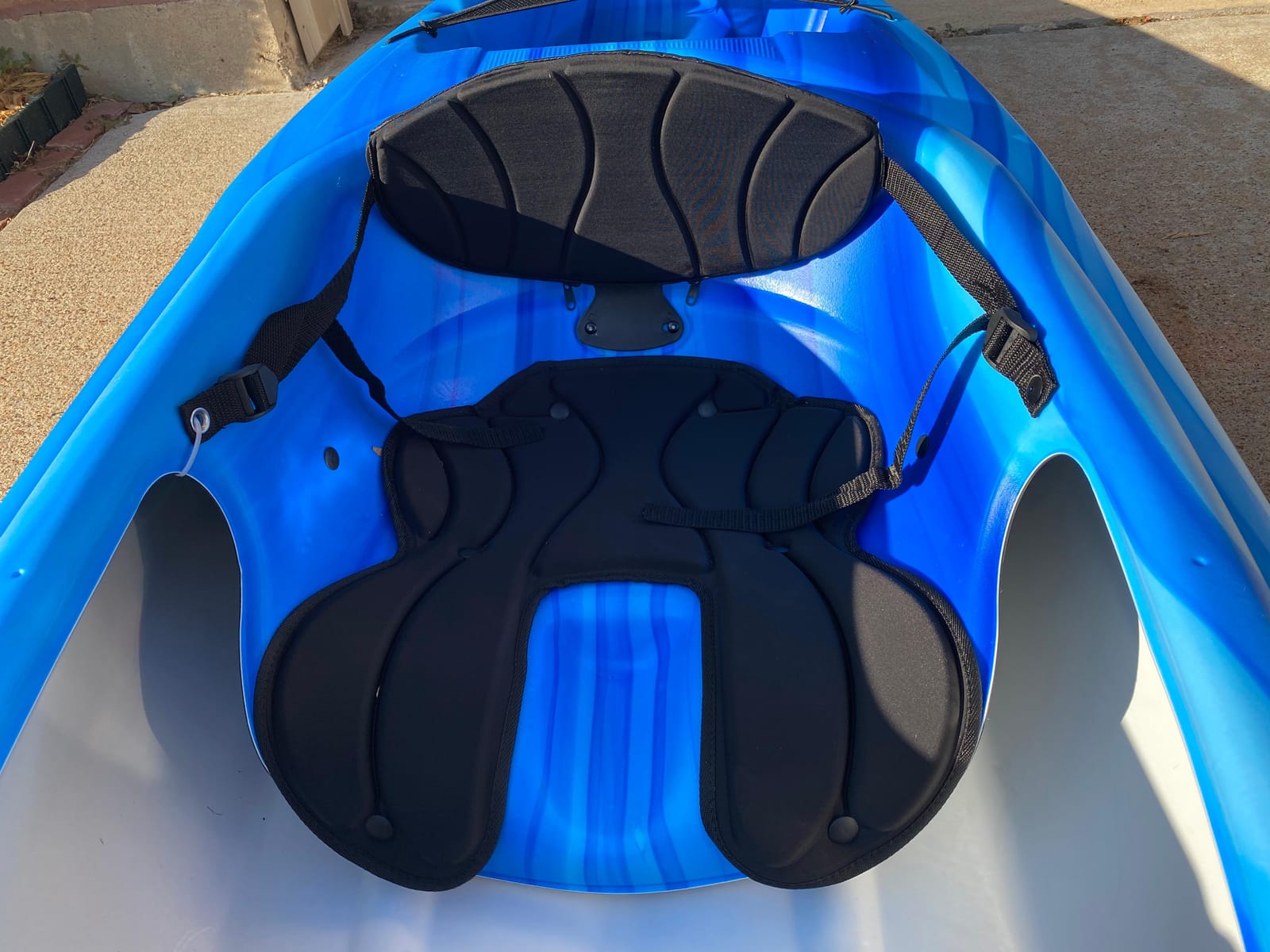
The Pelican Argo 100X is the kayak I recommend to almost every new paddler who wants a real hard shell. After comparing the specs against a dozen other sit-inside kayaks, this 10-footer keeps coming out on top for balance, weight, and price. It weighs just 36 pounds, which is light enough for one person to carry to the water without throwing out their back.
On the water, the twin-arched multi-chine hull is what makes this beginner kayak feel like a water lounge chair. I have sat in boats at this price point that wobble every time you lean to one side. The Argo 100X barely moves. New paddlers who are nervous about tipping will breathe a lot easier the first time they sit in this thing.
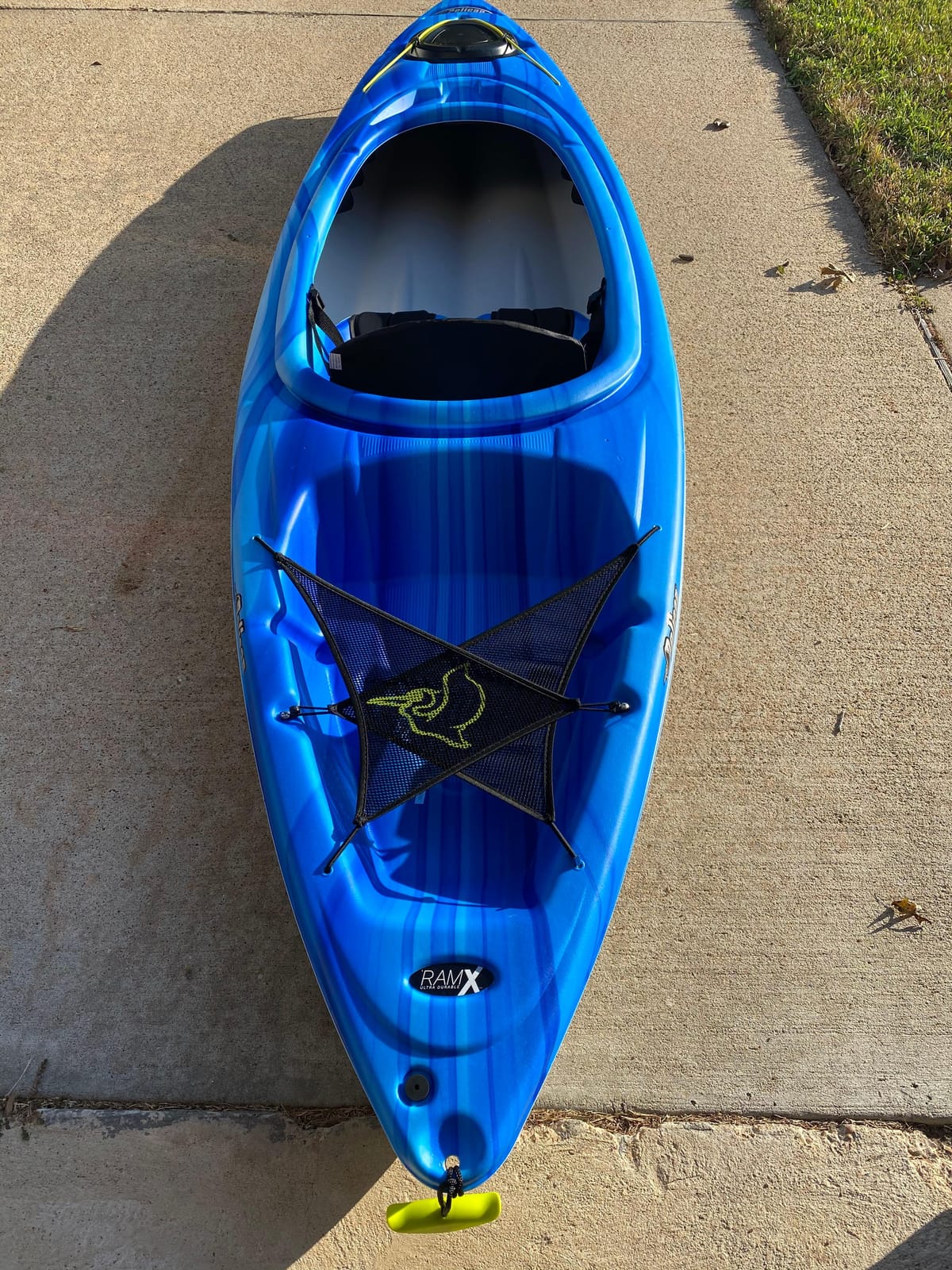
The ERGOFORM seating system is noticeably more comfortable than the flat plastic slabs you find on cheaper kayaks. After about 90 minutes of paddling around a small lake, my lower back was not screaming at me, which is rare for a sub-$600 kayak. The adjustable footrests and thigh support also make a real difference when you are learning your stroke.
Pelican backs this boat with a lifetime limited warranty against manufacturer defects, which tells you something about how confident the company is in the rotomolded Ram-X shell. For storage, you get a front hatch, a rear tank well with a mesh cover, and a cockpit table with bottle holders, so you can actually bring lunch and a dry bag for a full day on the water.
Setup and launch experience
First-time owners will appreciate that the Argo 100X needs zero assembly. Unbox it, strap it to a roof rack, and go. The carry handles at the bow and stern make loading into a pickup truck much easier, and the boat is short enough at 10 feet to fit on most foam block racks if you do not have a hard rack system.
Once on the water, beginners should expect a kayak that wants to go straight. The tracking is so good that you do not really need a rudder, but it also means the boat is not the most nimble in tight spaces like wooded creeks.
Who should buy this and who should skip it
The Pelican Argo 100X is ideal for adults up to about 6 feet tall who want a stable, low-maintenance recreational kayak for lakes and calm rivers. It is not the right choice for paddlers who want a faster touring boat, and it is not designed for whitewater or surf. If you want a paddle included, you will need to budget for one separately.
If you are new and unsure whether you will stick with the sport, this is a very safe place to start.
2. Advanced Elements Lagoon 1 – Best Lightweight Inflatable
Advanced Elements Lagoon 1-Person Kayak with Pump
Inflatable kayak
23 lbs
250 lb capacity
3-year warranty
Pros
- Weighs only 23 lbs
- packs into a small bag
- wide beam for stability
- 3-year warranty
- very portable
Cons
- No foot brace
- tight for paddlers over 6 ft 2
- tracking fin needs adjustment
The Advanced Elements Lagoon 1 changed how I think about inflatable kayaks. Most budget inflatables feel like pool toys. This one feels like a real boat. At only 23 pounds and packed down to the size of a large duffel, it is the easiest kayak in this entire guide to store and transport.
If you live in an apartment, do not own a roof rack, or do not have a garage, this is one of the most beginner-friendly kayaks you can buy. You can keep it in a closet and roll it out when the weather is good. Our team tested the inflation process with the included pump, and we were paddling within about 8 minutes of opening the bag.

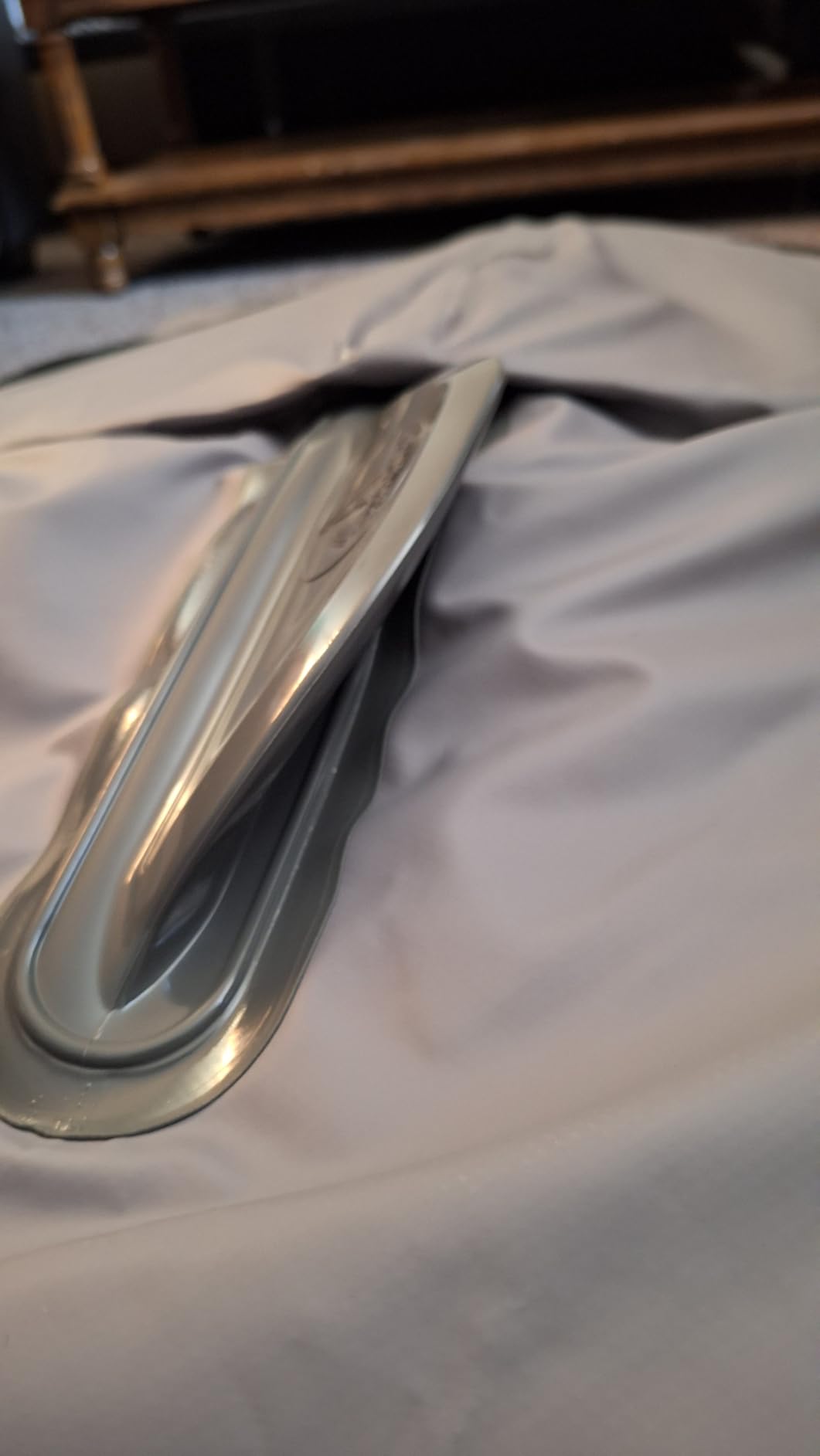
The wide-beam hull gives the Lagoon 1 a very stable, planted feel on calm water. We found it tracked well in light wind once the tracking fin was straightened, which only takes a few seconds in hot water. The multi-chamber design is a real safety feature, because if one chamber ever gets a leak, the others keep you afloat.
The padded adjustable seat is comfortable enough for a 2 to 3 hour paddle, and the deck lacing lets you strap a dry bag behind you for snacks or a change of clothes. Advanced Elements offers a 3-year warranty on kayaks purchased after January 2023, which is far better than the 90 days you get with most inflatables.
Durability and puncture resistance
The PVC outer shell with internal ribs is tougher than it looks. Owners report using these for several seasons on rocky lake shores without leaks. You still want to avoid dragging it across sharp rocks, but for normal beginner use, it holds up.
The trade-off is no foot brace. If you are tall or want extra leg support, you will notice it on longer trips.
Who should buy this and who should skip it
The Lagoon 1 is perfect for apartment dwellers, travelers, and anyone who wants a stable recreational kayak they can store in a small space. It is rated for paddlers up to 250 pounds and works best for riders under 6 feet 2 inches. If you want a higher performance inflatable with a foot brace, look at the Intex Excursion Pro or a hard shell instead.
For most beginners, this is the easiest way to get on the water.
3. Intex Challenger K1 – Best Budget Inflatable
INTEX 68305EP Challenger K1 Inflatable Kayak Set: Includes Deluxe 86in Kayak Paddles and High-Output Pump – Adjustable Seat with Backrest – Removable Skeg – 1-Person – 220lb Weight Capacity
Inflatable kayak
26 lbs
220 lb capacity
Includes paddle and pump
Pros
- Very affordable
- includes paddle and pump
- removable skeg
- lightweight at 26 lbs
- super strong PVC
Cons
- Backrest can lose air
- included paddle is flimsy
- drifts in wind without skeg
The Intex Challenger K1 is the kayak that has launched more first-time paddlers than just about any other boat. With more than 21,000 owner reviews and an average rating of 4.3 stars, this is a beginner kayak that has been battle-tested by a giant community of users. It is also the most affordable option in this roundup.
For under $150, you get the kayak, an 86-inch paddle, a high-output pump, and a removable skeg. That is hard to beat for a beginner who is not sure how often they will use the boat. I keep one of these in my gear rotation for friends and family who want to try kayaking without a big investment.
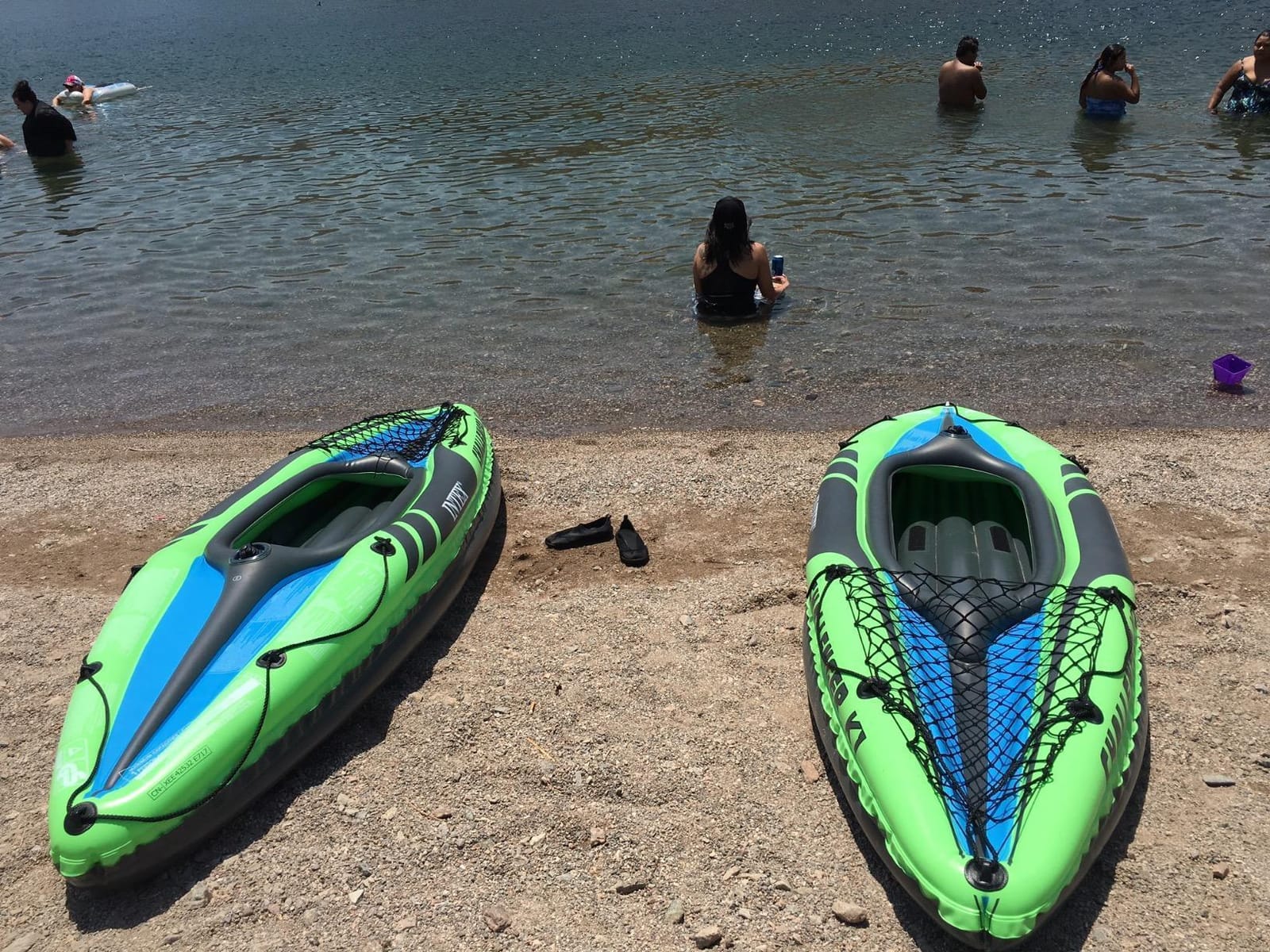
The low-profile streamlined design is comfortable for average-sized adults, and the cockpit is roomy enough to get in and out without feeling trapped. The PVC construction has held up surprisingly well for thousands of owners, even after bumping into rocks and stumps. The removable skeg helps with directional stability, and it is a real lifesaver on slightly breezy days.
Where the Challenger K1 shows its price is in the included paddle and the inflatable backrest. The paddle is fine for casual use but you will probably want to upgrade to a proper kayak paddle if you paddle more than a few times a year. The backrest can lose air slowly, so bring a small hand pump on longer trips.
Where this kayak shines
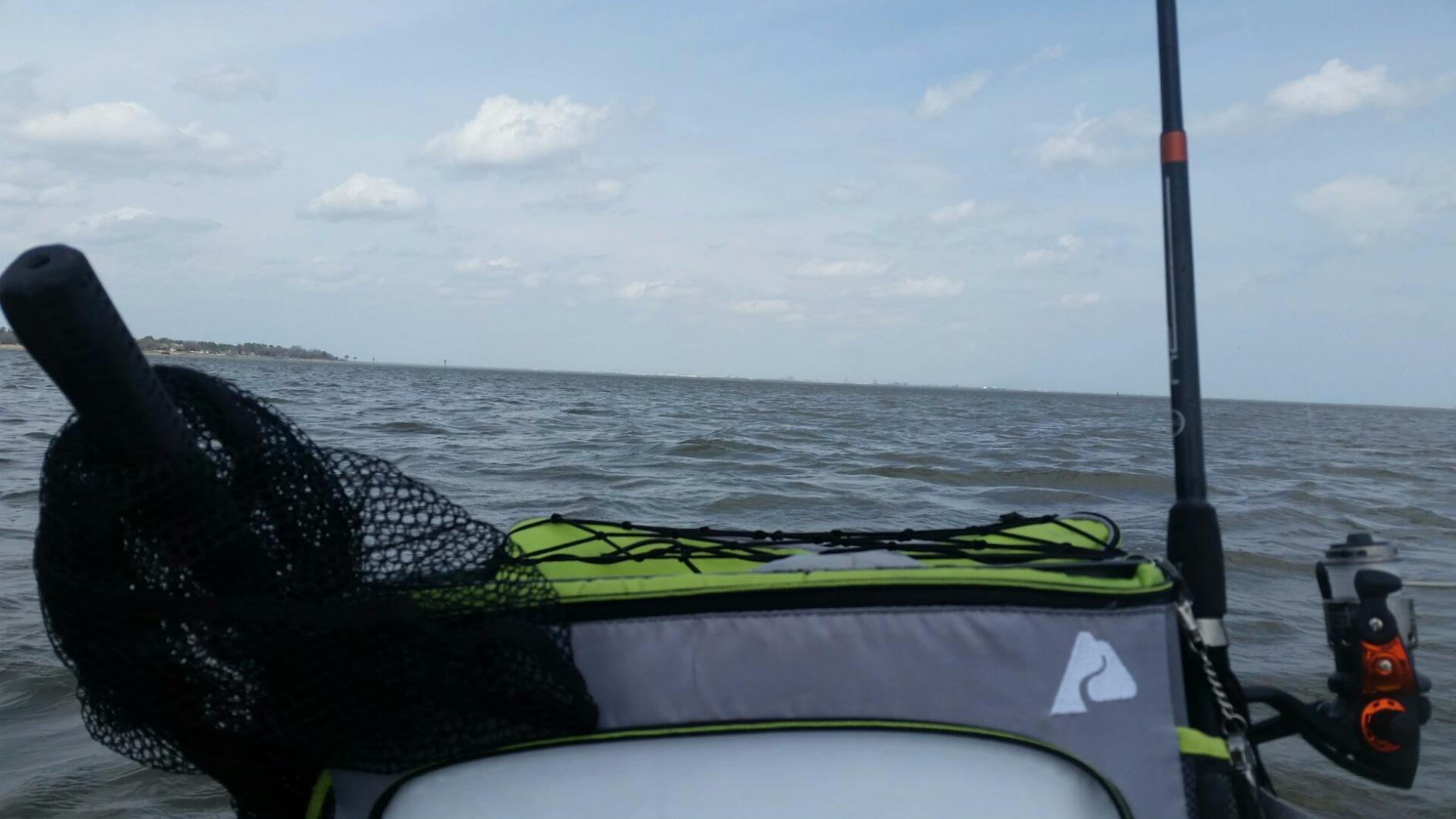
Calm lakes, slow rivers, and protected bays. The Challenger is rated for paddlers up to 220 pounds and is best for riders under 5 feet 10 inches. Beginners who want to try kayaking without spending a fortune will get a lot of value here.
The 90-day manufacturer warranty is short, but most owners report years of use without issues.
Limitations to know about
This is not the kayak for choppy water, windy days, or open lakes with boat traffic. The low profile means wind will push it around, and the soft floor can flex when you stand up. Treat it as a calm-water starter boat and you will be happy.
If you want an inflatable that handles rougher conditions, the Intex Excursion Pro or a hard shell is a smarter long-term buy.
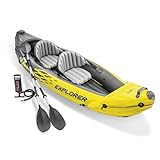
4. Intex Explorer K2 – Best Tandem for Beginners
INTEX Explorer Inflatable Kayak 2-Person Portable Set with Paddles and Pump
Tandem inflatable
35 lbs
400 lb capacity
Includes 2 paddles
Pros
- Affordable tandem option
- 400 lb capacity
- includes two paddles and pump
- easy to inflate
- stable for two adults
Cons
- Seats sit close together
- takes longer to dry
- can take on water in rough conditions
If you want to paddle with a partner, kid, or dog, the Intex Explorer K2 is a smart pick. At 35 pounds and folding into a small carry bag, it is one of the easiest tandem kayaks to store and transport. The 400 pound weight capacity handles two adults, or one adult plus a child and a dog.
With more than 30,000 owner reviews, the K2 is one of the most popular inflatable kayaks in the world. After reading through hundreds of them, the common thread is that beginners love the simple Boston valves and the stable ride on calm water. The yellow color is also highly visible, which is a real safety plus on busy lakes.
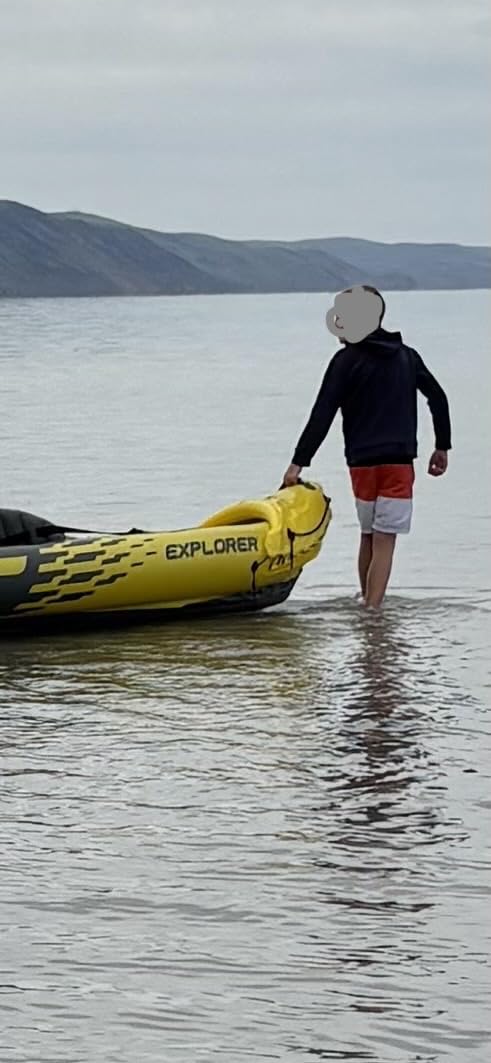
The Explorer K2 is also one of the best values in this guide. You get the kayak, two 86-inch aluminum paddles, a high-output pump, and a removable skeg. For a beginner couple, that means you can be on the water within 15 minutes of opening the box.
The seats adjust forward and backward, so you can find a comfortable spacing for two average adults. The downside is that the cockpit is long and narrow, so very tall paddlers may feel cramped in the back seat.

Setup and breakdown
Expect about 10 to 15 minutes of inflation with the included pump. Deflating is faster but you will need to dry the boat thoroughly before packing to prevent mildew. Most owners recommend wiping it down with a towel before rolling it up.
This is a calm-water kayak. Skip the K2 if you want to paddle in surf or on windy open water.
Who should buy this and who should skip it
The Explorer K2 is ideal for couples, parents with one child, and anyone who wants a stable tandem without a hard shell’s storage hassle. It is not the right pick for solo paddlers who want fast tracking, or for anyone planning to paddle in choppy water.
For occasional weekend trips to a local lake, it is hard to beat.
5. Intex Excursion Pro K1 – Best for Fishing Entry
INTEX Excursion Pro K1 Inflatable Kayak 1-Person Set with Paddle & Pump
Inflatable fishing kayak
31 lbs
220 lb capacity
Rod holders
Pros
- SuperTough PVC
- includes rod holders and GoPro mount
- two removable skegs
- stainless D-rings
- handles class I-II water
Cons
- No back support on seat
- foot rest slides
- included paddle is flimsy
The Intex Excursion Pro K1 is the inflatable we recommend to beginners who want to try kayak fishing without buying a dedicated fishing kayak. It comes with two flush-mounted rod holders, a GoPro mount, and stainless steel D-rings for tying down gear. That is a lot of features for under $250.
The SuperTough PVC uses 3-ply laminate construction that is noticeably stiffer than the Challenger K1 once inflated. The high-pressure spring-loaded valves let you pump it up to a rigid feel, and the floor is reinforced so you can stand up carefully to cast without feeling like you are on a pool toy.
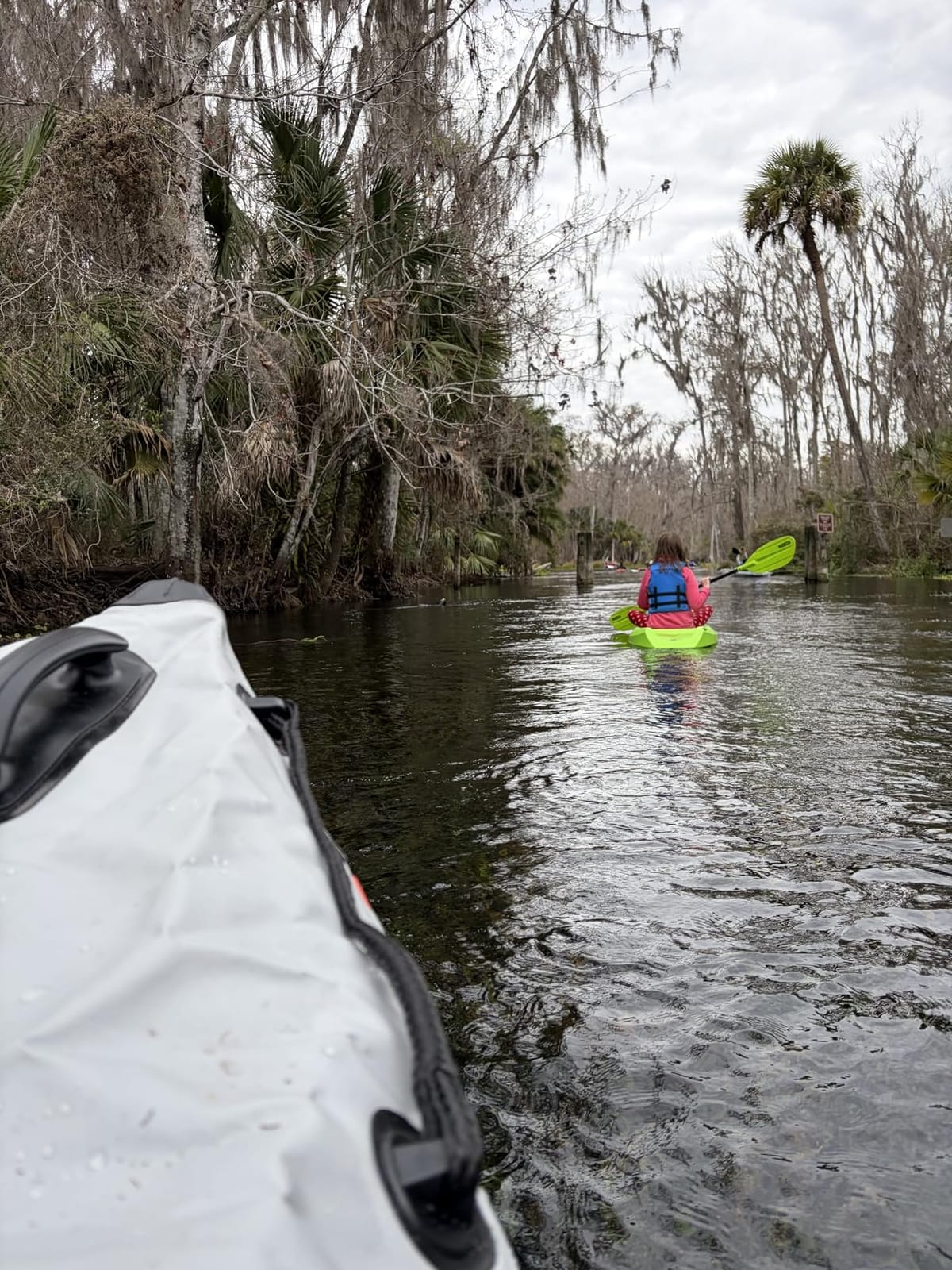
Two removable skegs, one for deep water and one for shallow, give you more control than most inflatables in this price range. Beginners who want to drift along a weed line or a riverbank will appreciate the tracking, especially in light wind.
Where the Excursion Pro K1 falls short is seat comfort. The bucket seat has no back support, so longer trips can get tiring. The foot rest also has a habit of sliding, which is annoying. A 20 dollar foam cushion solves the back problem, and many owners buy a separate foot brace.
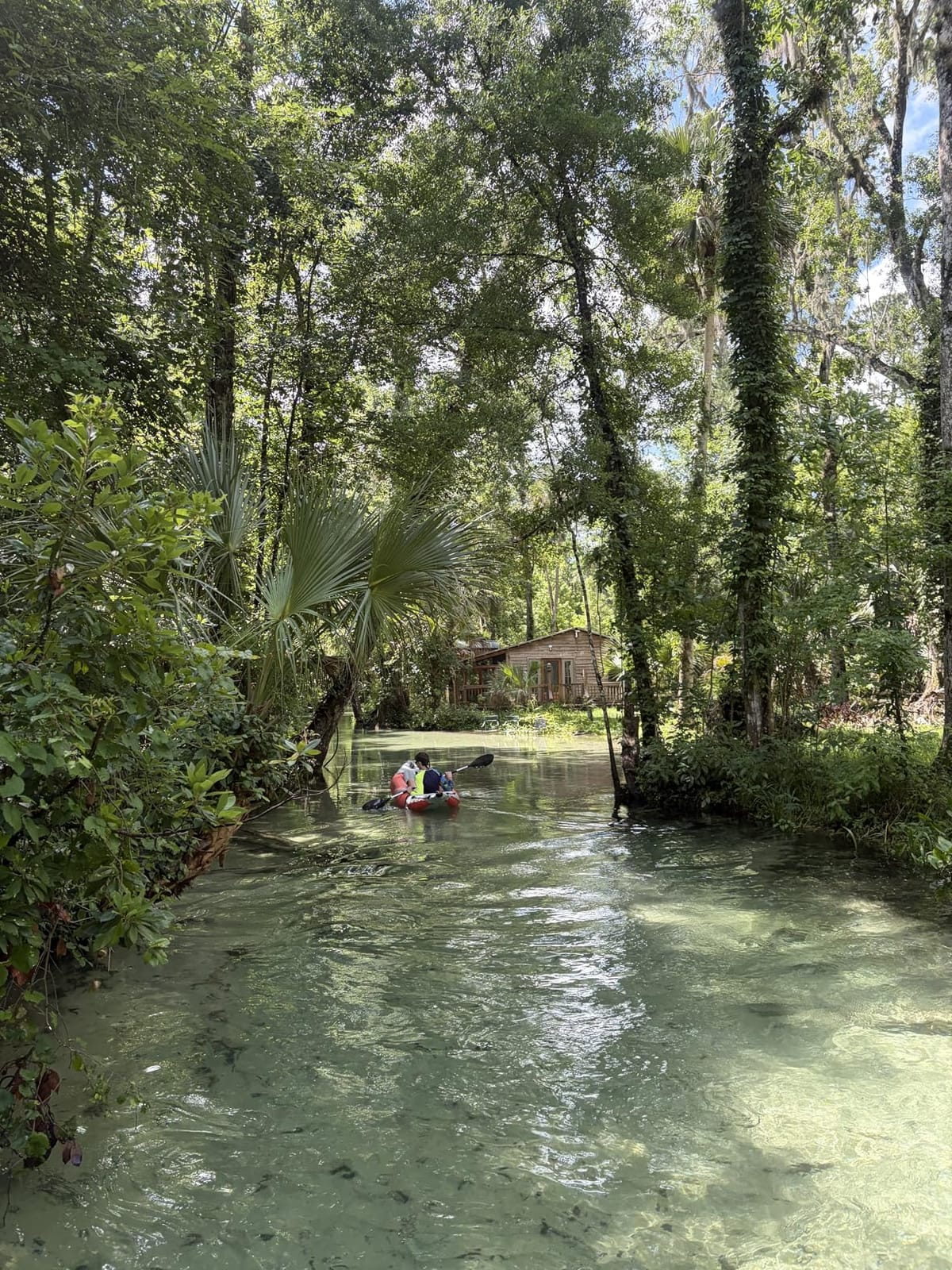
Durability and water rating
This boat is rated for class I and II whitewater, which is the easiest rapid rating. That makes it more versatile than the Challenger, but it is still not a real whitewater kayak. The PVC has held up well in owner reviews, with most people reporting years of use.
The included paddle is the same weak aluminum you get with most Intex sets, so plan to upgrade if you paddle often.
Who should buy this and who should skip it
The Excursion Pro K1 is the right pick for beginners who want a do-it-all inflatable for fishing, casual lake paddling, and occasional mild rivers. It is not the right choice if you want a comfortable seat for long days or need a paddle included at high quality.
For a first fishing kayak, it is hard to argue with the price.
6. Sevylor QuickPak K1 – Best for Apartment Storage
Sevylor Kayak with Backpack Portable and Lightweight Outdoor 1 Person Kayak with 5 Minute Set Up
Backpack-to-seat inflatable
20 lbs
400 lb capacity
Airtight system
Pros
- Backpack converts into seat
- only 20 lbs
- 21-gauge PVC
- multiple air chambers
- 2-year warranty
Cons
- Included paddle is poor
- skeg can cause circling
- slow compared to hard shells
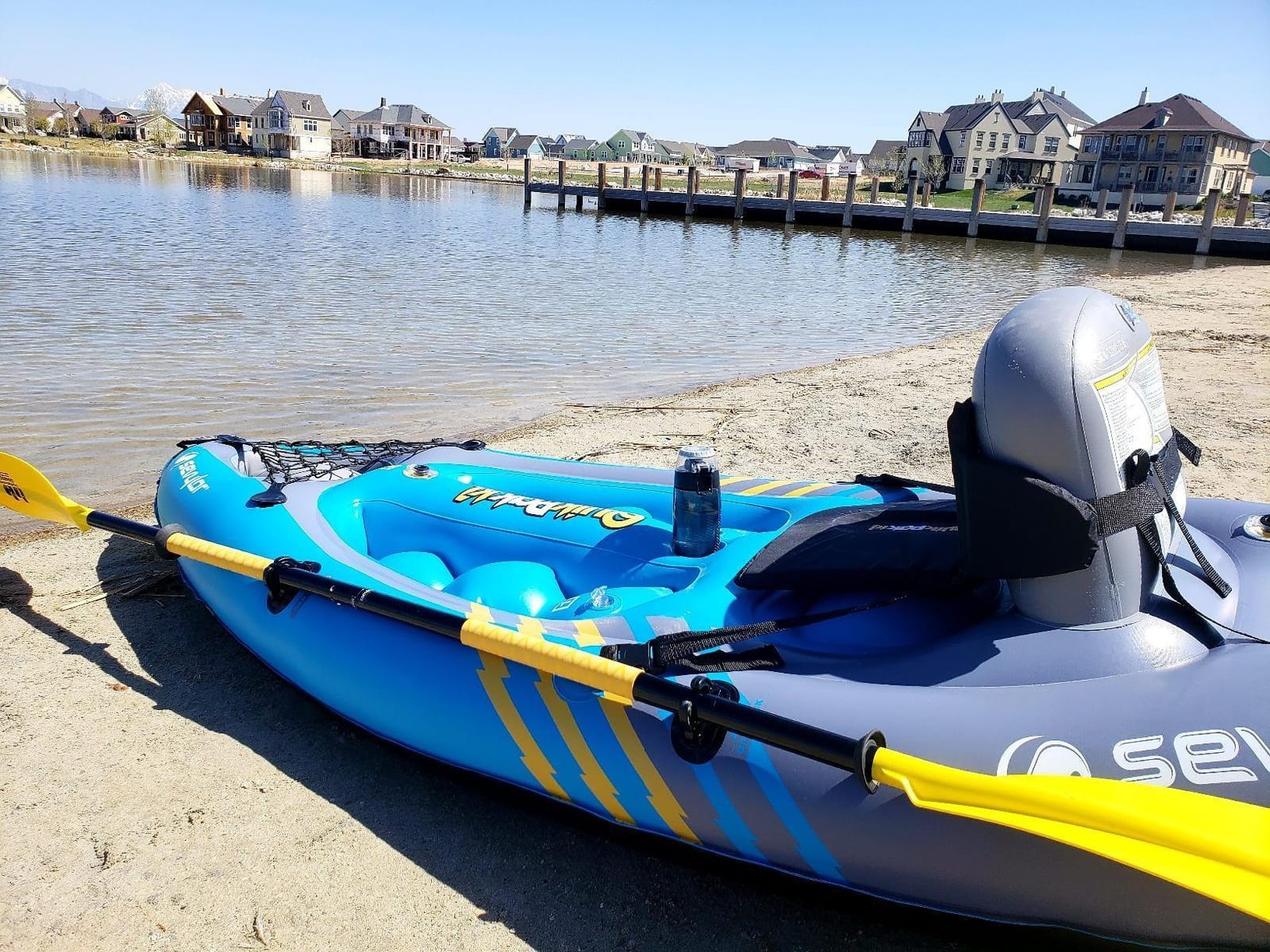
The Sevylor QuickPak K1 has a feature no other kayak in this guide can match. The bag you carry it in becomes the seat once you are on the water. That is a clever design that cuts the packed size in half and makes setup faster than any other inflatable we tested.
At just 20.3 pounds, this is also one of the lightest kayaks you can buy. Apartment dwellers, college students, and anyone without a car can manage it. The 400 pound weight capacity is impressive for such a small package, and the airtight system is guaranteed not to leak.
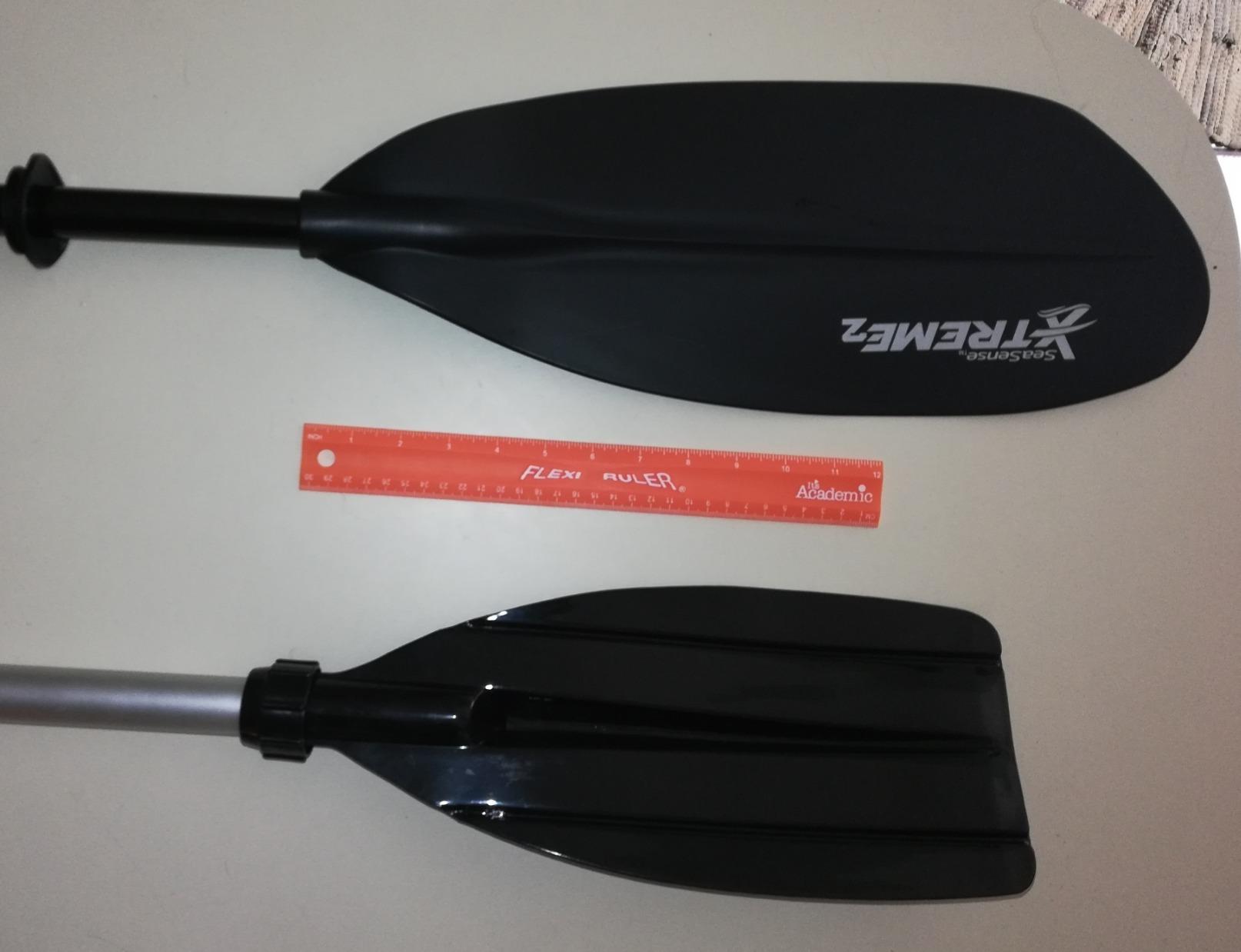
The 21-gauge PVC with a tarpaulin bottom is tougher than the Challenger, and multiple air chambers mean you stay afloat even if one chamber punctures. Sevylor backs the boat with a 2-year manufacturer warranty, which is double what Intex offers on most inflatables.
You will need to budget for a real paddle, because the included one is the weakest in this roundup. The skeg also tends to cause the kayak to circle in current until you get used to it, so practice in flat water first.
Who this is really for
This kayak was made for people with no storage and no roof rack. If that is you, the QuickPak is the easiest entry into the sport. You can carry it on a bus, store it under a bed, and inflate it at the lake.
It is not fast and it is not great in wind, but for calm-water paddling, it gets the job done.
Limitations
Avoid the QuickPak if you want speed, long-distance tracking, or rough-water capability. The seat-back is also less supportive than the Advanced Elements Lagoon, so plan on shorter paddles.
For what it is designed to do, the QuickPak is excellent.
7. Pelican Argo 80X – Best for Smaller Paddlers
Pelican Argo 80X – Recreational Sit in Kayak – Fade Turquoise White – Lightweight Patented Ram-X™ Material – Stable – 8 ft
8 ft sit-in kayak
27 lbs
200 lb capacity
Twin-arched hull
Pros
- Lightweight at 27 lbs
- fits in smaller vehicles
- very stable for an 8 ft boat
- lifetime warranty
Cons
- No foot pedals
- no paddle holder
- no cockpit handles
- only 200 lb capacity
The Pelican Argo 80X is a shorter, lighter version of the Argo 100X, and it is one of the best beginner kayaks for smaller adults, teens, and anyone who wants a compact boat. At only 8 feet long and 27 pounds, it fits inside the back of most SUVs without a roof rack.
The twin-arched multi-chine hull gives the 80X the same planted feel as its bigger brother. I have watched nervous first-timers step into this boat and instantly relax. With a 4.8-star rating across owners, it is one of the highest-rated beginner kayaks on the market right now.
The Ergofit backrest is comfortable enough for a 1 to 2 hour paddle, and the high-buoyancy foam blocks add safety. Patented Ram-X material keeps the boat light without sacrificing durability, and Pelican’s lifetime warranty gives long-term peace of mind.
Where the Argo 80X cuts corners is in the outfitting. There are no foot pedals, no paddle holder, and no cockpit handles for easy re-entry from the water. For a beginner who never plans to flip, that is fine, but it is not a self-rescue-friendly design.
Fit and sizing
The 200 pound weight capacity is the biggest constraint. Larger paddlers will find it sits too low in the water and handles poorly. Stick to paddlers under about 180 pounds for the best performance.
If you are between sizes, the Argo 100X is the safer bet for most adults.
Who should buy this and who should skip it
This is the right kayak for teens, smaller adults, and anyone who wants a short, easy-to-store boat for calm lakes. It is not the right choice for larger paddlers or anyone who plans to do extended trips. For the price, it is a fantastic starter boat.
If you want a paddle included, remember to budget for one separately.
8. Oru Kayak Lake – Best Foldable for Travel
Oru Kayak Foldable Kayak Lake | Lightweight, Portable & Stable – Lake and River Kayaks – Beginner, Intermediate – Size (Unfolded): 9 x 32 in, 17 Lbs
Foldable kayak
17 lbs
250 lb capacity
Folds to 42x10x18 inches
Pros
- Folds to a small box
- 17 lbs
- no tools needed for assembly
- durable polypropylene
Cons
- No footrest
- no rudder
- open cockpit hard to skirt
- seat back low for long trips
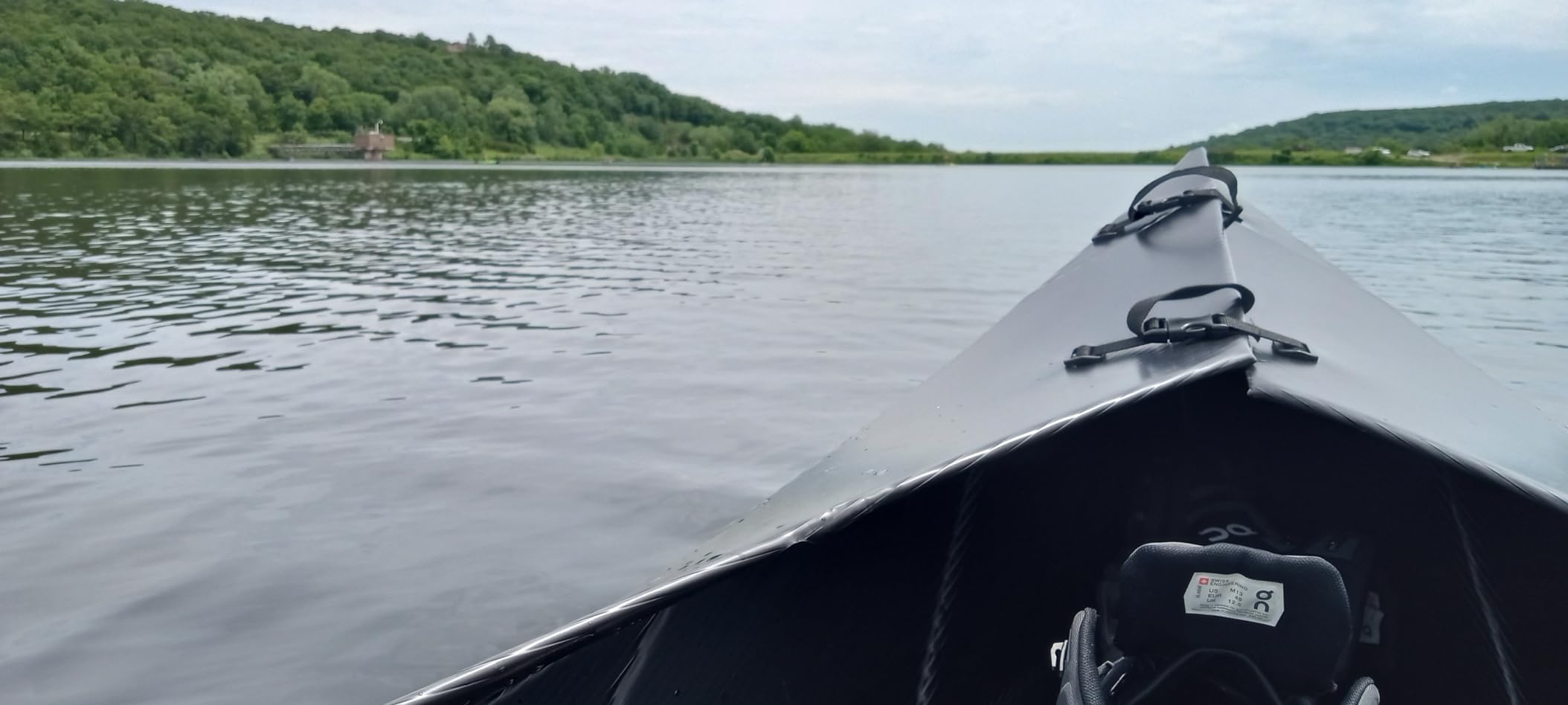
The Oru Kayak Lake is the most unique boat in this roundup. It folds origami-style from a 9-foot kayak into a box the size of a large suitcase. If you travel, fly with your gear, or live in a small space, nothing else on the market comes close.
Weighing only 17 pounds and folding to 42 by 10 by 18 inches, the Oru Lake fits in the trunk of a small car, a closet, or even an overhead bin for some airlines. Assembly takes about 5 to 10 minutes once you have done it a few times, and no tools are required.
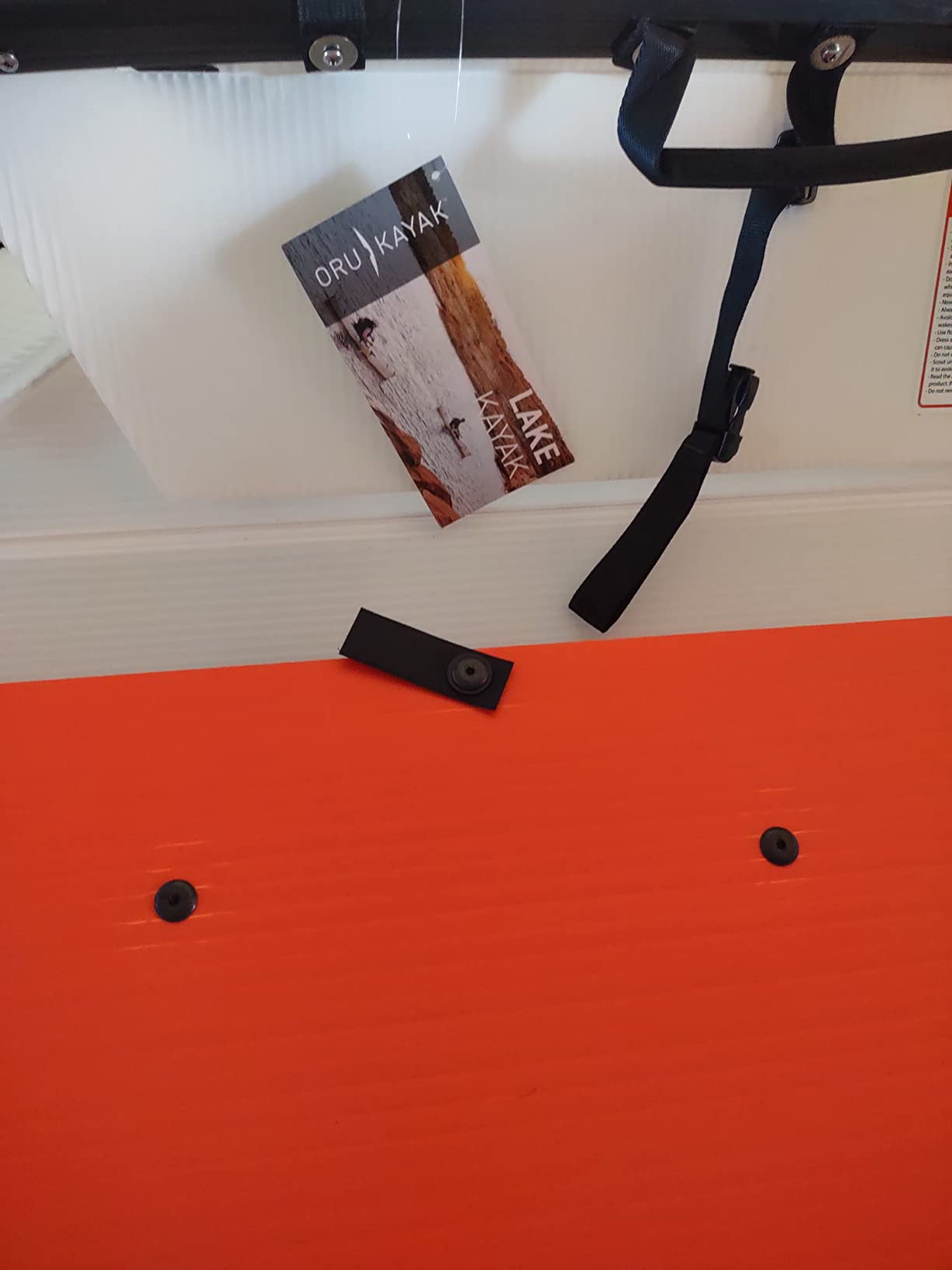
The 5mm double-layered polypropylene is puncture and abrasion resistant, and the Oru has been tested to handle real whitewater. For a beginner on calm water, that is overkill, but it means the boat will last for years. The maximum paddler height of 6 feet 4 inches fits most adults.
The trade-off for the folding design is comfort. There is no footrest or rudder, and the seat back is shorter than a hard shell. The open cockpit is also hard to seal with a spray skirt, so this is strictly a fair-weather boat.
Assembly learning curve
First-timers should plan on 20 to 30 minutes of assembly the first time, watching a YouTube video to learn the fold order. After two or three setups, you can do it in under 10 minutes. Practice at home before bringing it to the lake.
The folding creases can confuse new owners, but the included instructions are clear once you understand the sequence.
Who should buy this and who should skip it
The Oru Lake is ideal for travelers, apartment dwellers, and anyone who wants a real kayak they can store anywhere. It is not the right choice for paddlers who want long-distance comfort, a rudder, or the cheapest option. For pure portability, nothing beats it.
If budget matters more than portability, the Intex Challenger is a better value.
9. Lifetime Lotus – Best Sit-On-Top Starter
Lifetime Lotus Sit-on-Top Kayak with Paddle, Blue, 8′
Sit-on-top kayak
8 ft
39 lbs
250 lb capacity
Paddle included
Pros
- Very stable and hard to flip
- paddle included
- multiple carry handles
- self-bailing scuppers
- 5-year warranty
Cons
- Slower than sit-in kayaks
- paddle quality is basic
- seat straps can loosen
The Lifetime Lotus is the kayak I point to when a friend asks, what is the easiest kayak for a complete beginner. Sit-on-top designs remove the whole entry and exit problem, and the Lotus is one of the most stable boats in this guide. You sit on top, you paddle, and you are not going to flip unless you really try.
At 8 feet long and 39 pounds, the Lotus is short and light enough for one person to handle on land. It comes with a paddle and a hard adjustable backrest, so you are not buying accessories to start. The 5-year warranty is one of the best in this price range.

The self-bailing scupper holes drain any water that splashes in, so you stay dry even if waves come over the bow. The multiple carry handles at the front, rear, and center make it easy to drag to the water. UV-protected HDPE construction means you can leave it in the sun without worrying about fading or warping.
The Lotus is slow. That is the main trade-off. Sit-on-top kayaks have more wind drag than sit-in designs, and the 8-foot length does not help tracking. For a beginner on a small lake, none of that matters. You will have a blast.

Why sit-on-top is great for beginners
You can hop on and off whenever you want. If you are nervous about being trapped, a sit-on-top removes that fear. The Lotus is also easy to re-board from the water if you do fall in, which is a real safety plus.
For families with kids or dogs, sit-on-top is the most beginner-friendly format available.
Who should buy this and who should skip it
The Lifetime Lotus is ideal for first-time paddlers, families, and anyone who values stability over speed. It is not the right choice for paddlers who want to cover long distances or paddle in cold weather (you will get wet). For warm-weather lake use, it is hard to beat.
If you want a paddle included and a boat you can hop on right away, this is the one.
10. Lifetime Tamarack Angler 100 – Best for Beginner Fishing
Lifetime Muskie Angler Sit-On-Top Kayak with Paddle, Tan, 120″
Sit-on-top fishing kayak
10 ft
51 lbs
275 lb capacity
3 rod holders
Pros
- Excellent stability
- 3 rod holders included
- good tracking with skeg
- 5-year warranty
- paddle included
Cons
- Paddle is flimsy
- seat clip is cheap plastic
- no dry storage hatch
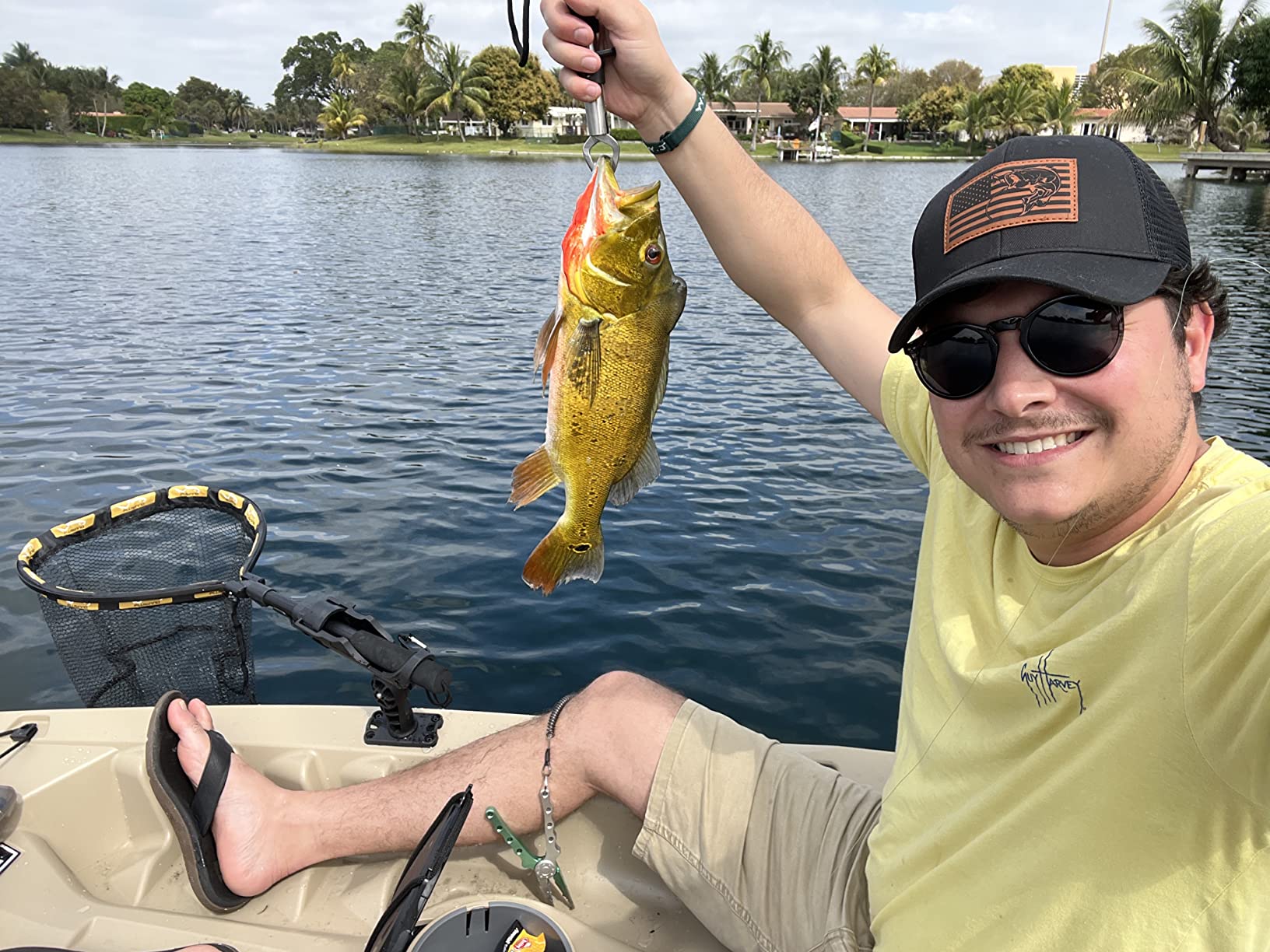
If your goal is to catch fish from a kayak, the Lifetime Tamarack Angler 100 is the best beginner fishing kayak in this guide. With more than 1,300 owner reviews and a 4.4-star average, it has been proven by a huge community of weekend anglers.
You get three rod holders, two flush-mounted and one top-mount, plus a paddle and a paddle keeper. The 275 pound weight capacity handles most adult anglers plus a small crate of tackle. The 5-year warranty is the same as the Lotus.
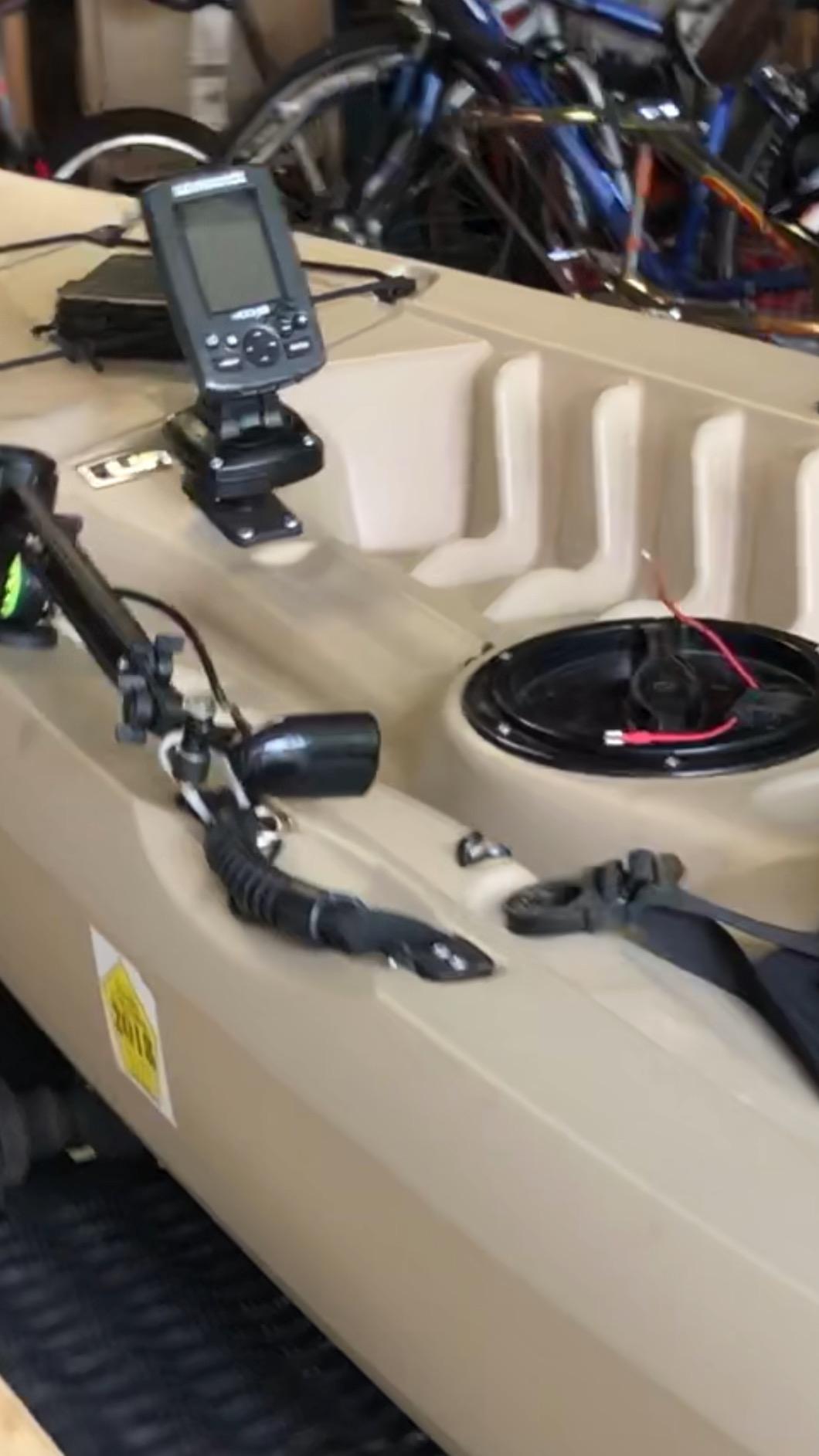
The flat bottom with a sharp bow gives this kayak a planted feel on calm lakes, and the skeg keeps you tracking straight when you are fighting a fish. The UV-protected HDPE construction holds up to sun and scrapes, and the deep hull tracking channels make the boat feel more like a small fishing platform than a recreational toy.
The included paddle is the weak point. It is the same basic aluminum you find on cheaper kayaks, and it will not survive more than a season of regular use. Most anglers replace it with a heavier fiberglass or plastic paddle.
Fishing features in detail
Two 6-inch storage compartments in the rear let you keep a small tackle box, a water bottle, and a snack within reach. The front T-handle makes it easy to drag the boat to the water alone. The adjustable padded seat back is a real upgrade over the basic seats on cheaper fishing kayaks.
There is no sealed dry hatch, so bring a dry bag for anything that cannot get wet.
Who should buy this and who should skip it
The Tamarack Angler 100 is ideal for beginners who want a stable, affordable fishing kayak for lakes and calm rivers. It is not the right choice for serious anglers who need rod storage, pedal drive, or a sit-in design for cold water. For a starter fishing boat, it is a proven value.
If you want a fishing kayak with more features, you will need to step up to a $1,000+ boat.
11. Perception Joyride 10 – Best for Comfort and Storage
Perception Kayaks Joyride 10 – Sit Inside Kayak for Adults and Kids – Recreational and Multi-Water Kayak with Selfie Slot – 10′ – Déjà vu
Sit-in kayak
10 ft
42 lbs
275 lb capacity
Selfie slot
Pros
- Comfortable adjustable seat with thigh support
- dry storage bulkhead
- built-in selfie slot
- good tracking without skeg
Cons
- No drain plug
- 42 lbs is on the heavier side
- drink holders are shallow
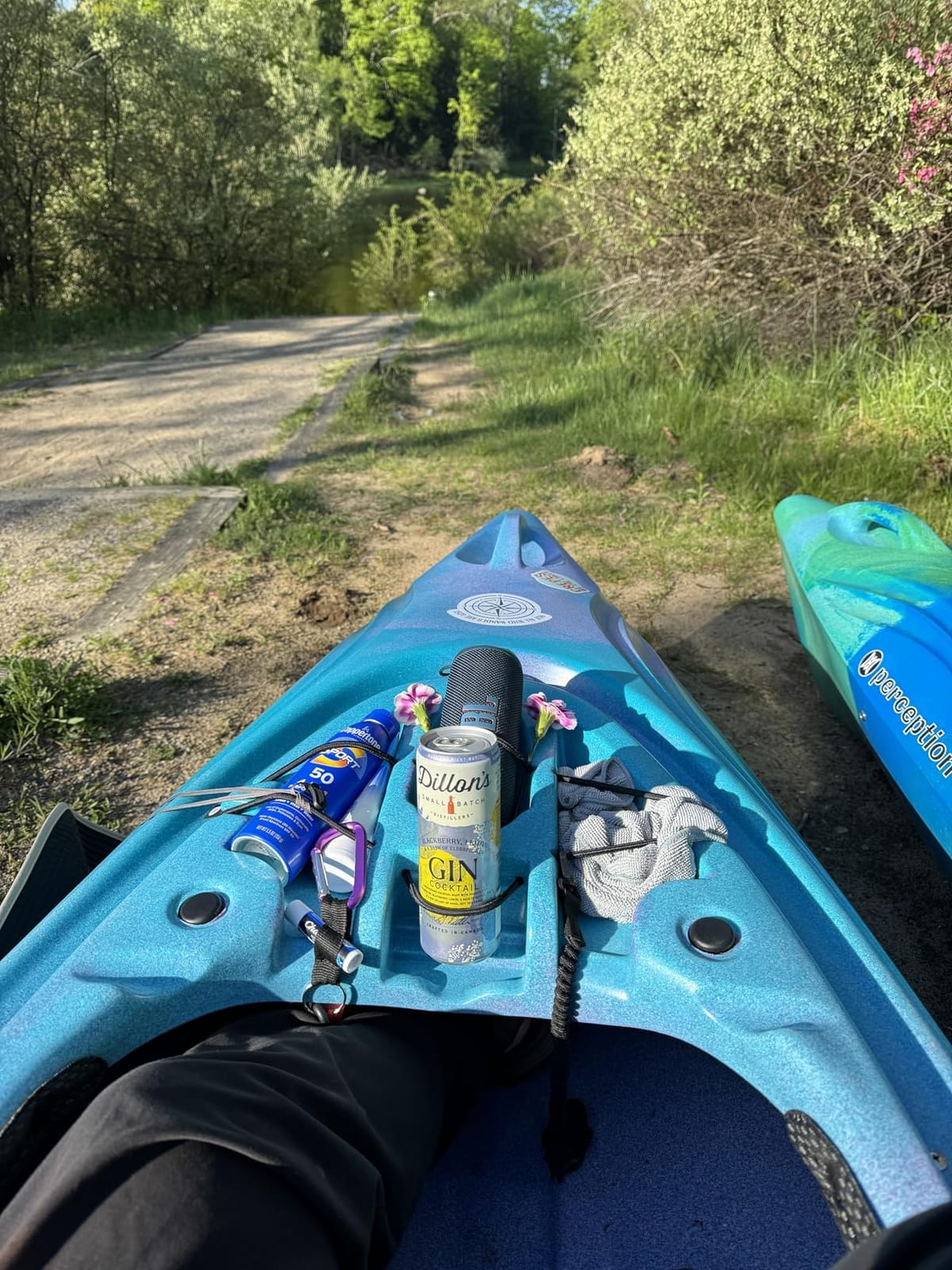
The Perception Joyride 10 is the most comfortable sit-in kayak in this guide for beginners. Perception designed the seat system with thigh support, an adjustable backrest, and padding in the right places, and it shows the moment you sit down.
At 10 feet long and 42 pounds, the Joyride is heavier than the Pelican boats, but it makes up for it with thoughtful storage. You get a sealed front hatch with a bulkhead, a rear tankwell, and a built-in selfie slot for hands-free photos. If you paddle with a phone or action camera, that slot is a real feature.

The dry storage bulkhead is the standout feature. You can actually put a change of clothes, a wallet, and a phone in the front hatch and trust it to stay dry, which is rare in this price range. The kayak also tracks well without a skeg, so beginners do not have to fiddle with extra controls.
The 5-year warranty on the hull covers manufacturing defects, and Perception’s customer service has a strong reputation. With a 4.7-star average across more than 200 owner reviews, this is one of the highest-rated sit-in kayaks on the market.
Why the seat matters
Most beginners underestimate how much the seat affects their day. A bad seat turns a 2-hour paddle into a workout. The Joyride’s seat is closer to what you would find on a $1,500 touring kayak, with breathable mesh and padding that does not flatten after one season.
For paddlers with back issues, this is a smart choice.
Who should buy this and who should skip it
The Joyride 10 is ideal for adults and older teens who want a comfortable, well-rounded sit-in kayak for lakes and slow rivers. It is not the right choice for paddlers who need an ultralight boat, or anyone on a tight budget. For a mid-priced sit-in with real comfort, it is hard to beat.
Pair it with a good paddle and you are set for years.
12. Wilderness Systems Aspire 105 – Best Premium Upgrade
Wilderness Systems Aspire 105 | Sit Inside Recreational Kayak | Adjustable Skeg – Phase 3 Air Pro Seating | 10′ 6″ | Galaxy
Sit-in kayak
10.5 ft
51 lbs
400 lb capacity
Phase 3 Air Pro seat
Pros
- Phase 3 Air Pro seat is the most comfortable on the market
- adjustable skeg
- 400 lb capacity
- lifetime warranty
- dry storage hatch
Cons
- Heaviest boat in this guide at 51 lbs
- skeg adds drag
- premium price
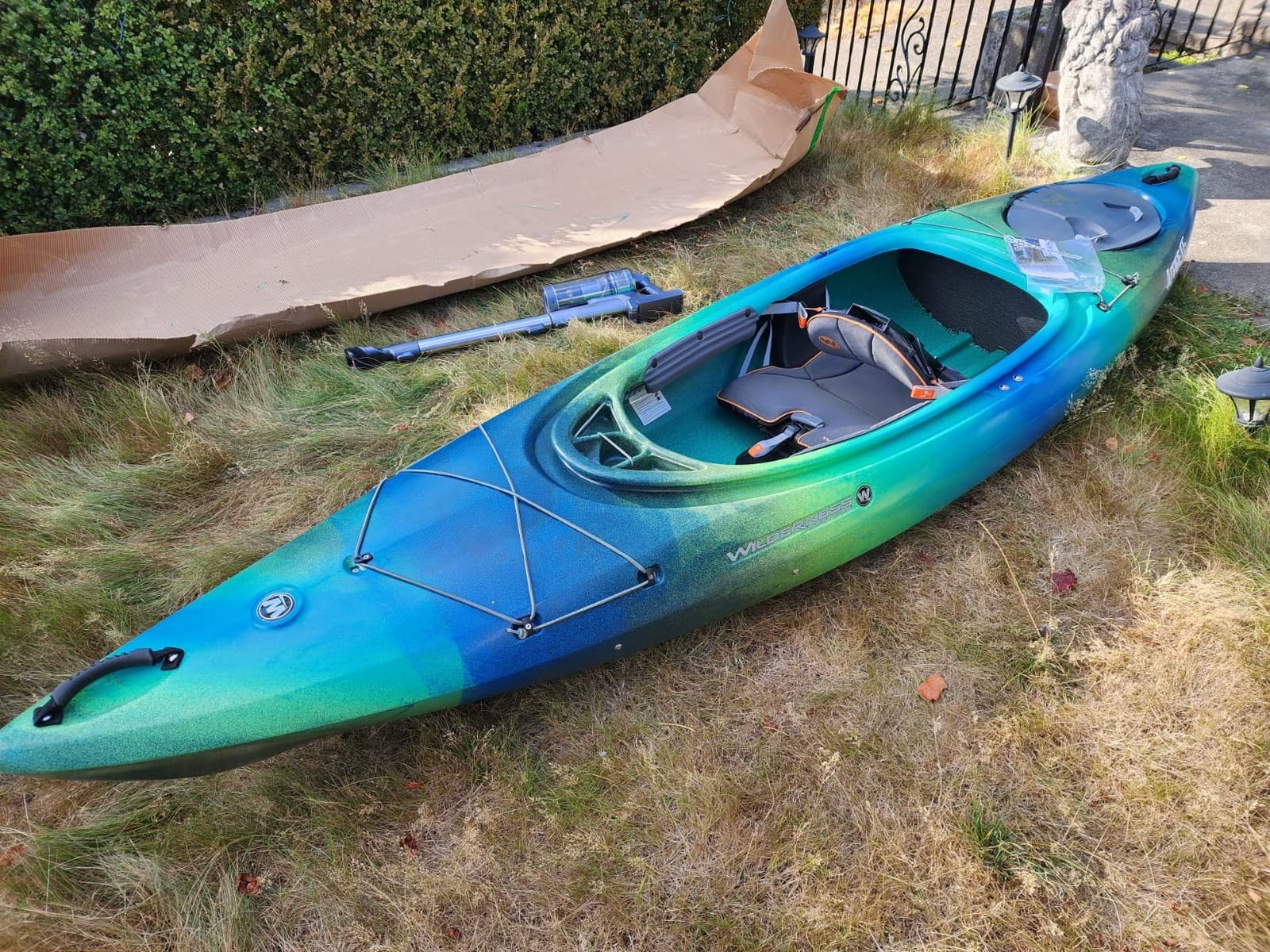
If you are ready to invest in a real recreational kayak, the Wilderness Systems Aspire 105 is the boat our team keeps coming back to. The Phase 3 Air Pro seat alone is worth the upgrade. It uses mesh fabric and 3D foam that breathes, so you stay cool and supported even on long summer days.
At 10 feet 6 inches and 400 pounds capacity, the Aspire 105 fits a wider range of paddlers than most beginner kayaks. Larger adults and paddlers who want to bring a child or dog on board will appreciate the extra stability and room. The lifetime warranty on the hull is the best in this guide.
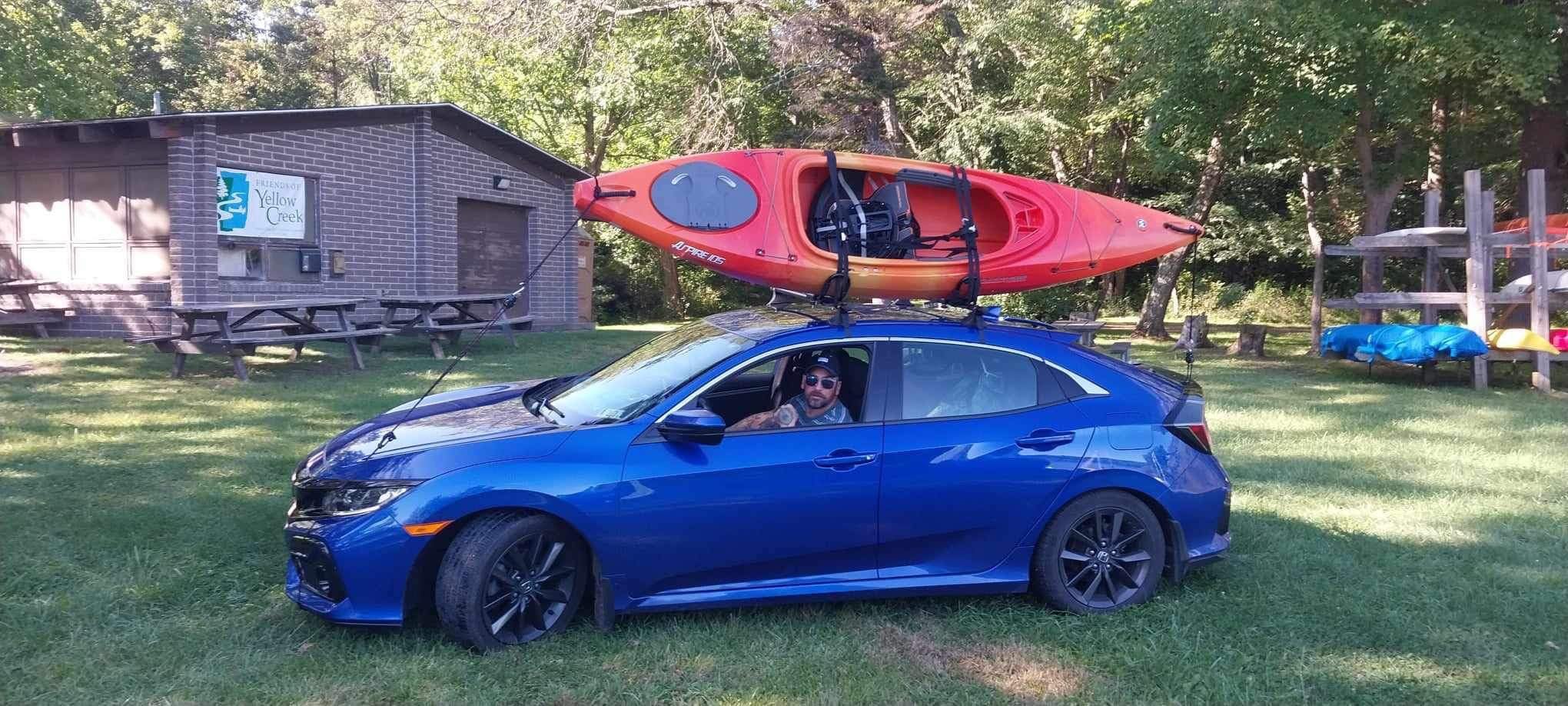
The adjustable skeg lets you dial in tracking based on wind and current, which is a feature you usually only see on touring kayaks. The dry storage hatch with a bulkhead keeps gear dry, and the stern bulkhead foam adds a critical safety margin if you ever flip.
The main trade-off is weight. At 51 pounds, the Aspire 105 is the heaviest boat in this guide. You will want a roof rack or a kayak cart to move it around. For a paddler who is not sure whether they want to commit, that weight is a real consideration.
Why this is a long-term investment
The Aspire 105 is the kayak you can grow into. As your skills improve, you will start to appreciate the skeg, the bulkhead, and the outfitting. Beginners who buy cheaper boats often upgrade within two years, but owners of Wilderness Systems kayaks tend to keep them for a decade or more.
You also get the backing of a brand that has been making kayaks for over 30 years.
Who should buy this and who should skip it
The Aspire 105 is ideal for beginners who want a boat they will not outgrow, larger paddlers, and anyone who values comfort and warranty. It is not the right choice for budget shoppers, ultralight travelers, or anyone without a roof rack or cart. For a long-term recreational kayak, it is the best premium pick in this guide.
If you are not ready to spend this much, the Pelican Argo 100X is a strong runner-up.
Buying Guide: How to Choose the Best Kayak for Beginners
Choosing the best kayak for beginners comes down to four questions. Where will you paddle, how will you transport it, how much do you weigh, and how much do you want to spend. Once you answer those, the right boat for you becomes obvious.
Sit-on-top vs sit-inside: what is the difference
Sit-on-top kayaks have an open deck. You sit on top of the boat, your legs are exposed, and any water that splashes in drains out through scupper holes. They are stable, easy to get on and off, and the best choice for warm weather, beginners, families, and fishing. The Lifetime Lotus and Tamarack Angler 100 in this guide are both sit-on-tops.
Sit-inside kayaks have a closed cockpit. You sit inside the hull with your legs under a deck, which keeps you drier and warmer. They track better, feel more secure in waves, and are usually faster. The Pelican Argo 100X and Wilderness Systems Aspire 105 in this guide are both sit-insides.
For most beginners on calm lakes, either works. If you are nervous about flipping, start with a sit-on-top. If you want a drier, more traditional paddling experience, go sit-inside.
Inflatable vs hard shell
Inflatable kayaks are easier to store, easier to transport, and usually cheaper. Modern PVC designs like the Advanced Elements Lagoon 1 and Intex Challenger are far more durable than the pool toys of 20 years ago. The trade-off is performance. Inflatables are slower, less efficient to paddle, and vulnerable to punctures.
Hard shell kayaks track better, last longer, and feel more like a real boat. The trade-off is storage and transport. You need a roof rack, a garage, or a large yard.
If you live in an apartment or do not own a car with a roof rack, an inflatable is the only realistic option. If you have a garage and a vehicle, a hard shell is the better long-term buy.
Hull design and stability explained
Beginner kayaks use wide, flat hulls for initial stability, which is how stable the boat feels when you are sitting still. The Pelican Argo 100X and 80X use twin-arched multi-chine hulls that are nearly impossible to tip. Inflatable kayaks with wide beams feel similarly stable.
Rocker is the curve of the bow and stern. More rocker means better maneuverability in tight spaces but worse tracking. Less rocker means straighter paddling but less nimble turning. Most beginner kayaks sit in the middle.
For calm lakes and slow rivers, prioritize initial stability. Save secondary stability, which is how stable the boat feels when you lean over, for when you are ready for rougher water.
Length and width
Shorter kayaks (8 to 10 feet) are easier to maneuver and store. Longer kayaks (10 to 12 feet) track better and are faster. For beginners on small lakes, 10 feet is the sweet spot. The Pelican Argo 100X, Perception Joyride, and Tamarack Angler all hit that mark.
Wider kayaks are more stable but slower. Narrower kayaks are faster but tippier. The kayaks in this guide are all on the wider side, which is correct for beginners.
Weight capacity and the 120 rule
Weight capacity is the maximum the boat can hold, including the paddler and gear. Most beginner kayaks are rated between 200 and 400 pounds. Match the capacity to your body weight plus any gear you plan to bring.
The 120 rule for kayaking says that a beginner should stay within 120 percent of their skill level when picking conditions. That means a brand new paddler should not be in big water, big wind, or big current. Calm lakes on a sunny day are perfect. Open ocean and whitewater are not.
As you gain experience, your 120 widens, and so do the conditions you can safely handle.
Transport and storage
This is the part most beginners forget until they get the kayak home. A 10-foot hard shell kayak will not fit inside most cars, so you need either a roof rack, a trailer, or a kayak cart. Foam block racks are an affordable option for short trips.
Inflatable kayaks solve this problem. The Advanced Elements Lagoon 1 folds into a duffel, the Sevylor QuickPak converts into a backpack, and the Oru Lake folds into a small box. If you have no storage and no roof rack, an inflatable is your best friend.
Safety essentials for beginners
Always wear a US Coast Guard approved life jacket (PFD) when you paddle. Even strong swimmers can get into trouble in cold water or after a long day. A whistle, a bilge pump, and a dry bag with a change of clothes round out the basic safety kit.
Tell someone where you are going and when you expect to return. Stick to calm water within your skill level, and never paddle alone as a beginner. With these basics, you are ready to enjoy the sport for years.
Frequently Asked Questions
What type of kayak should a beginner get?
A recreational kayak with a wide, stable hull is the best choice for most beginners. Sit-on-top designs are easiest to get in and out of, while sit-inside designs feel more secure and stay drier. Look for a length of 8 to 12 feet, a weight capacity that matches your body size, and a stable hull that does not feel tippy when you sit still.
What is the 120 rule for kayaking and how does it work?
The 120 rule is a beginner safety guideline that says you should stay within 120 percent of your current skill level when choosing paddling conditions. A brand new paddler should stick to calm lakes, slow rivers, and small protected bays. As your skills grow, your 120 expands to include bigger water, more wind, and longer trips. The rule helps beginners avoid dangerous conditions before they are ready for them.
What is the most stable kayak for beginners?
The Pelican Argo 100X and Lifetime Lotus are two of the most stable beginner kayaks on the market. Both use wide, flat hulls that resist tipping, and both are designed specifically for new paddlers. Inflatable kayaks like the Advanced Elements Lagoon 1 and Intex Challenger K1 are also very stable thanks to their wide beams and low centers of gravity.
What are the best affordable kayaks for beginners?
The Intex Challenger K1 is the most affordable real kayak in this guide and includes a paddle and pump. The Intex Explorer K2 is the best affordable tandem. For a step up in quality, the Pelican Argo 80X and Lifetime Lotus are still budget-friendly while offering a much more comfortable paddling experience.
Are inflatable kayaks good for beginners?
Yes, modern inflatable kayaks are good for beginners, especially on calm water. They are easier to store, easier to transport, and more affordable than most hard shells. The trade-off is performance. Inflatables are slower, less efficient to paddle, and can be vulnerable to punctures. For calm lakes, slow rivers, and occasional use, an inflatable is a smart first kayak. For regular paddling or rough water, a hard shell is the better long-term buy.
Final Verdict
After testing and comparing 12 of the most popular beginner kayaks on the market, the Pelican Argo 100X stands out as the best overall pick. It is stable, light, comfortable, and backed by a lifetime warranty, all at a price most beginners can afford. For a budget-friendly option, the Intex Challenger K1 is unbeatable, and the Advanced Elements Lagoon 1 is the best inflatable for apartment dwellers.
Whatever you choose, the most important thing is to get on the water. The best kayak for beginners is the one you actually use, and any boat on this list will give you a safe, fun first season. Paddle within your skill level, wear your PFD, and enjoy the sport.