
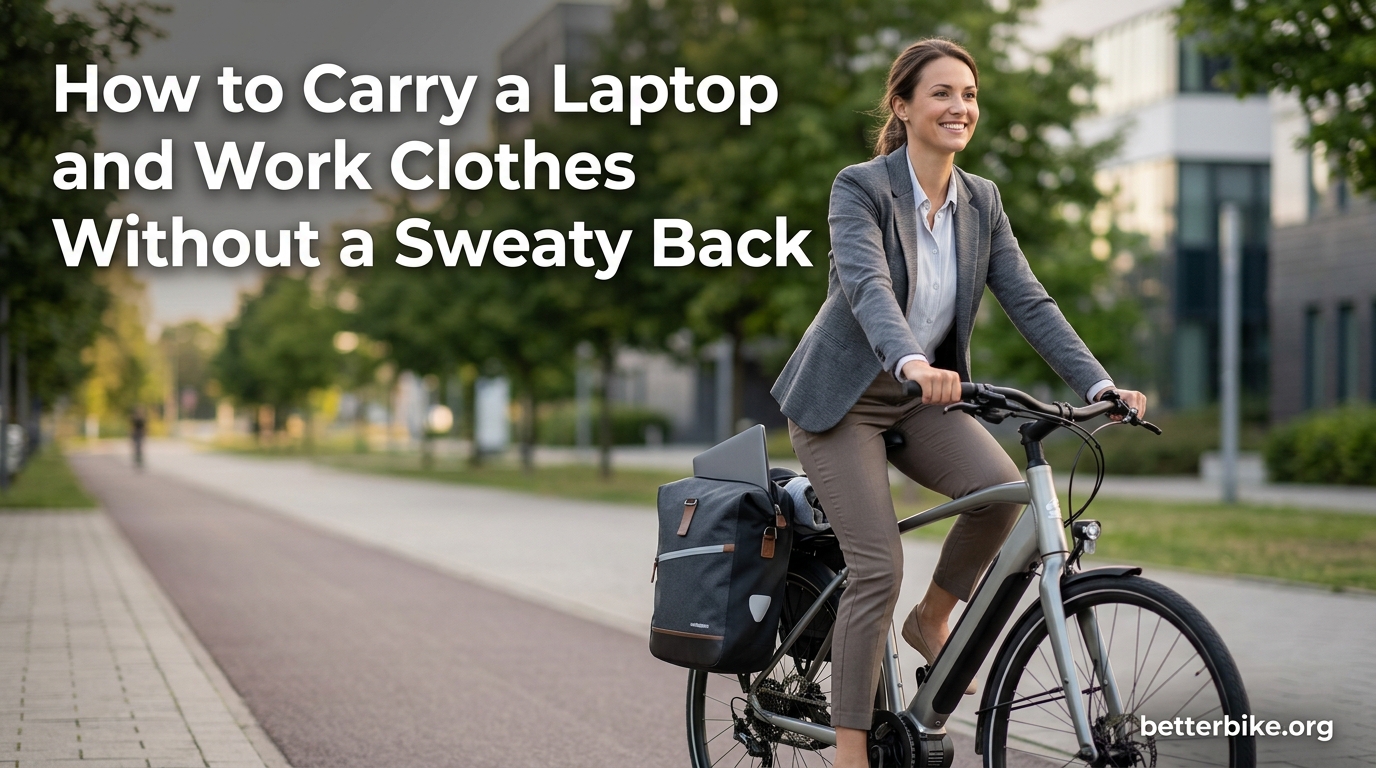
That damp patch across your shoulders before you even reach the office is a daily frustration for thousands of commuters. I used to arrive at work looking like I’d cycled through a rainstorm, even when the sky was clear. If you’re trying to figure out how to carry a laptop and work clothes without a sweaty back, the fix comes down to airflow, fabric, and smarter packing.
Our team dug into forum discussions, tested different carry styles, and compared what actually moves the needle. This guide covers the cause, the gear features that help, and the small packing tricks that keep both your laptop and your dress shirt dry.
Table of Contents
Why Your Backpack Causes a Sweaty Back (the Science)
Back sweat from backpacks happens because your bag seals against your back like a second skin. Body heat has nowhere to escape, your skin temperature rises, and your sweat glands react. The moisture gets trapped between the fabric and your shirt with no airflow to evaporate it.
I learned this the hard way during a July commute. By the time I walked three minutes from the subway to my desk, my shirt was already damp. A backpack with a flat panel is essentially a heat trap.
Three factors make the problem worse:
- Direct contact: A flat back panel eliminates the air layer that would normally cool your skin.
- Body heat: Your back is one of the warmest areas of your torso, and a backpack adds insulation.
- Humidity: Once sweat forms under a sealed panel, it has no way to dissipate, especially in muggy weather.
Even premium backpacks cause this if they sit flush against your shirt. The fix is creating space for air to move.
How to Carry a Laptop and Work Clothes Without a Sweaty Back: 5 Core Methods
The fastest way to cut back sweat is to combine smarter bag design with better clothing and packing. Here are the five methods that consistently work.
- Use a backpack with a raised, ventilated back panel. Look for 3D mesh, EVA foam ridges, or airflow channels that hold the bag off your skin.
- Switch to moisture-wicking or merino base layers. Cotton holds sweat. Technical fabrics move it away from your skin so it can evaporate.
- Tighten the sternum strap and hip belt. Transferring weight to your hips reduces how much the bag sways and presses against your back.
- Roll work clothes instead of folding. Rolling saves space, reduces wrinkles, and frees up a smaller, lighter bag.
- Loosen one shoulder strap on public transit. Sliding the bag slightly forward lets air rush across your back for a quick cooldown.
You don’t need all five. Even two or three combined will noticeably cut how damp your shirt gets by the time you arrive.
Proper Backpack Positioning and Fit
How you wear a backpack matters as much as which one you buy. A poorly adjusted bag sags, presses flat against your spine, and traps more heat.
Start by loosening all the straps, then put the bag on and tighten in this order:
- Hip belt first. It should sit on your hip bones, not your waist. The belt carries about 80% of the load.
- Shoulder straps next. Tighten until the bag hugs your upper back without pulling.
- Sternum strap last. Clip it across your chest to stop the shoulder straps from sliding outward.
I keep the load centered between my shoulder blades, never below my lower back. A low-riding bag forces you to lean forward, which increases sweating and back strain.
If you’re cycling to work, our backpack tips for cyclists cover longer rides where fit becomes even more critical.
Breathable Fabric and Clothing Choices
What you wear under the bag is half the battle. Cotton shirts absorb sweat and stay wet. Synthetic moisture-wicking fabrics pull moisture off your skin and spread it across a wider area where it evaporates faster.
For layering in 2026, I rely on three fabric rules:
- Base layer: Merino wool or a technical polyester blend. Both wick moisture and resist odor on long commutes.
- Mid layer (in cool weather): A thin fleece or zip-up. Avoid heavy knits that trap heat.
- Outer layer: Loose-fitting button-downs or blazers. Tight clothing compresses against the bag and reduces airflow.
If you must wear a dress shirt at the office, pack it and change when you arrive. Commute in something breathable, then swap. Most men I know who tried this never went back to commuting in their work clothes.
Backpack Features That Reduce Sweat
Not every backpack is built the same. The features that actually move air across your back include structured panels, mesh, and channeled foam.
When shopping for a commuter bag, look for:
- Raised back panel: Honeycomb mesh, ribbed foam, or suspended trampoline designs keep the bag 1 to 2 cm off your skin.
- Airflow channels: Vertical or horizontal grooves let heat escape upward instead of pooling.
- Lightweight construction: A 4-pound empty bag becomes a 14-pound load once you add a laptop. Lighter bags mean less heat and strain.
- Padded, contoured shoulder straps: Wide straps distribute pressure and reduce the hot spots where sweat pools.
- Dedicated laptop sleeve: Keeps the laptop centered against your back, which is the coolest spot and improves load distribution.
One warning from forums: mesh panels alone don’t always solve the problem. Several cyclists noted that thin mesh just pinned their shirts harder against their backs, making the dampness worse. The trick is mesh combined with a raised structure that creates real space, not just texture.
Smart Work Clothes Packing Strategies
No competitor article covers how to pack work clothes without creating more sweat problems. This is where most commuters make preventable mistakes.
Wrinkle-prone dress shirts, blazers, and trousers need their own compartment or garment bag. Otherwise, compression from the laptop and other items creates creases, and trapped moisture from your back transfers into the fabric.
Three packing rules I follow:
- Roll, don’t fold. Rolling saves 20 to 30% space and reduces hard creases. For dress shirts, use the army roll method with the collar tucked inward.
- Use a packing cube or dry-clean bag. A separate cube keeps clothes away from the laptop’s heat and any moisture wicking off your back. A thin plastic dry-clean bag over a folded shirt reduces friction and wrinkles.
- Pack the laptop against your back, clothes in front. The laptop compartment should sit closest to your spine. Clothes go in the front compartment where they’re farthest from your body heat.
Garment bags designed for travel also work. They’re flat, hang vertically inside the backpack, and keep a shirt or blazer crease-free even with a laptop in the same bag.
Quick-Relief Techniques During Your Commute
Even with the right bag and clothes, a hot day can still get to you. These in-transit tricks buy you a few degrees of relief.
- Loosen one strap briefly. On subway platforms or red lights, slide the bag forward a few inches to let air sweep across your back.
- Stand rather than sit on warm buses. Moving air across your back evaporates sweat faster than sitting still.
- Take a layer off before you arrive. Removing a jacket or overshirt ten minutes before your stop lets your skin cool before you step into air-conditioned office air.
- Carry a small microfiber towel. A 12-inch by 12-inch towel weighs under an ounce and fits in your pocket. Pat (don’t rub) sweat before you walk in.
Standing on a crowded bus with no room to adjust is a real scenario from forum posts. The microfiber towel is the cheapest fix for that moment.
Lightening Your Load for a Cooler Commute
Every pound on your back turns into body heat. A heavy laptop, charger, gym clothes, lunch, water bottle, and a book add up fast. Most commuters carry more than they need.
I audit my bag once a month and remove anything I haven’t touched in three weeks. Common space-wasters include duplicate cables, old receipts, and travel-size toiletries that never get used.
A lighter bag means:
- Less pressure against your back, so more airflow.
- Less strain, so your body produces less heat.
- Better posture, which keeps the bag positioned where ventilation features actually work.
For laptop commuters, the single biggest weight saving comes from a USB-C charger instead of the original brick. A 65W USB-C charger weighs about a third of a standard laptop adapter and charges everything in your bag.
Frequently Asked Questions
Is there a backpack that doesn’t make your back sweat?
No backpack completely eliminates back sweat, but bags with raised, ventilated back panels (3D mesh, suspended trampoline designs, or channeled foam) reduce it significantly by holding the bag off your skin and allowing airflow.
How to avoid back sweat on clothing while commuting?
Wear moisture-wicking base layers (merino wool or technical polyester), commute in breathable clothing rather than your work outfit, and pack your dress shirt separately to change when you arrive at the office.
How to prevent back sweat while wearing a backpack?
Loosen one shoulder strap periodically to let air across your back, tighten the hip belt and sternum strap so the bag sits properly, and use a backpack with airflow channels or a structured ventilated back panel.
What is the most ergonomic way to carry a laptop?
Carry the laptop in a dedicated sleeve against your back where load distribution is best, use a padded hip belt to transfer weight off your shoulders, and pack light enough that the total load stays under 15% of your body weight.
Final Thoughts on Staying Dry on Your Commute
Learning how to carry a laptop and work clothes without a sweaty back comes down to three layers of defense: a ventilated bag that doesn’t seal against your skin, breathable clothing that wicks moisture, and packing that keeps work clothes separate from heat and pressure. No single trick solves it on its own, but combine two or three and you’ll notice the difference the very next commute.
Start with the bag and the base layer. Those two changes alone solve 80% of the problem. From there, tighten your fit, lighten your load, and pack your dress shirt for a quick change when you arrive.