
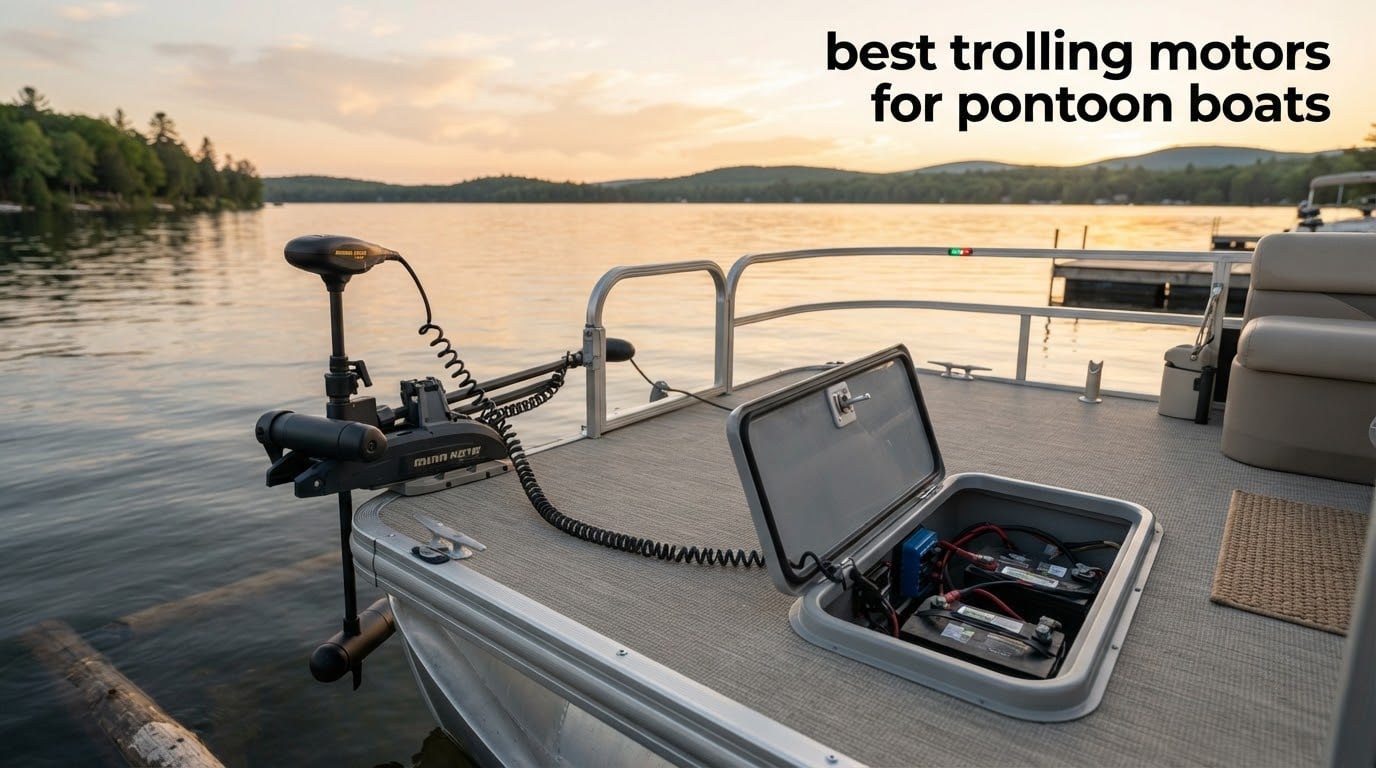
The best trolling motors for pontoon boats in 2026 are the Newport NV-Series 55 lb for most owners, the Minn Kota Riptide Terrova 80 for saltwater, and the Minn Kota PowerDrive 55 for GPS anchoring. That is our short answer, and the rest of this guide explains why a pontoon needs more thrust and more shaft than the generic charts suggest.
A pontoon is a different animal from a bass boat. You have a wide, flat deck that catches wind like a beach umbrella, a lot of freeboard above the waterline, and often a family and a cooler riding along while you try to hold a position over a weed line. A small transom motor simply cannot steer that hull through a current, and a short shaft leaves the lower unit breaking the surface in every bit of chop.
We spent weeks comparing nine motors across thrust class, voltage, shaft length, mount hardware and control type, and we cross-checked owner feedback on forum threads to see which complaints repeat. What follows is the honest list: the numbers come from the manufacturers, the pros and cons come from people who own these motors, and we tell you where each one falls short.
One note before we start. Every motor here needs a battery bank, wiring and a breaker that are sold separately, and on a 24V system that means two deep-cycle batteries, not one. Budget for the whole install rather than the motor alone, and our marine battery guide covers the sizing. If you are still picking the boat itself, start with our pontoon boat picks for lake fishing first.
Table of Contents
Top 3 Pontoon Trolling Motors for October 2026
Best Trolling Motors for Pontoon Boats in October 2026
1. Newport NV-Series 55 lb – Best Overall Trolling Motor for a Pontoon

Newport NV-Series 55lb Thrust Saltwater Transom Mounted Trolling Electric Trolling Motor w/ LED Battery Indicator & 30″ Shaft (23M1000203)
55 lb thrust
12V system
30 inch shaft
Saltwater rated
2 year warranty
Pros
- More than 3300 owner reviews to learn from
- 8 speeds for smooth low-speed control
- Three-blade prop for strong low-end torque
- Saltwater capable
- Adjustable mount that locks angle height and direction
Cons
- Tiller steering only
- so no remote or foot pedal
- Battery and breaker sold separately
- About 4 mph top speed makes it poor for long transit
The Newport NV-Series is the number one best seller in trolling boat motors, and that is not a marketing claim, it is a placement in a category with thousands of competing listings. More than 3,300 reviews sit behind this motor, which makes it the most proven unit in our entire field and the safest recommendation for a first pontoon install.
For a mid-size pontoon on an inland lake it does the fundamentals better than anything cheaper. Fifty-five pounds of thrust at 12V moves a boat that most people assume needs a 24V system, the eight speeds give genuinely fine control at low RPM, and the three-blade prop delivers the torque you feel when you need to power through a weed mat.
Owners consistently report all-day runtime without overheating, and reviewers note the motor runs quietly enough not to spook fish that are only a few feet away. The adjustable mount locks angle, height and direction in place, which matters more on a pontoon than on a bass boat because the deck surface is not a flat factory panel.
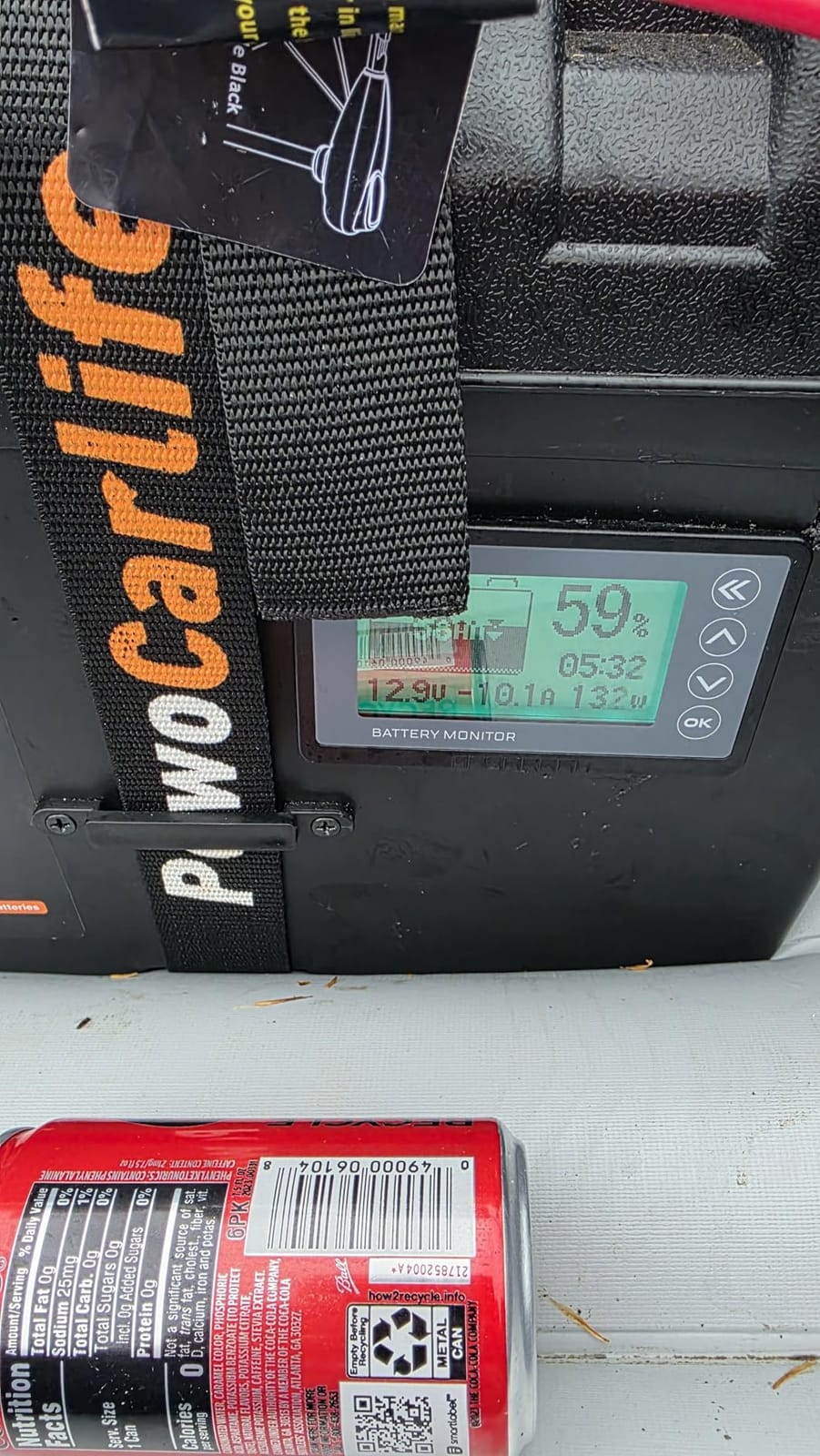
The hardware kit is genuinely complete. A 50 amp circuit breaker ships in the box, max amp draw is 52A, and the motor runs on one 12V lead-acid or lithium deep cycle battery of 50Ah or more. That single-battery requirement is the quiet advantage here, because a pontoon battery box has room for one deep cycle far more easily than two.
The shaft is 30 inches, and that is the one spec that gives pause on a high-freeboard pontoon. Thirty inches works well on a low deck or a fishing pontoon with a modest bow height. If your deck sits high enough that the lower unit would surface in a wake, pair it with a longer shaft or a raised quick-release bracket rather than shortening your transom mounts.
Is 55 lb of thrust enough for a pontoon boat?
On a 16 to 20 foot pontoon cruising on a sheltered lake, 55 lb is enough, and the top speed of roughly 4 mph is a trolling speed by design rather than a limitation. The extra power a pontoon actually needs comes from wind and current, not from acceleration, and a 55 lb unit that you can run at speed one holds a heading better than an oversized motor you throttle down.
If your boat is a tri-toon, a loaded 24 footer, or you fish open water with a stiff crosswind, step up to 70 or 80 lb. Owners on larger pontoons report the jump in control is immediate, especially when the deck is full of people and gear.
What you give up with tiller-only steering
There is no remote, no foot pedal and no cable steer on this motor. Steering happens with a 6 inch telescoping tiller handle, which is genuinely fine if you fish from the front deck alone, and genuinely awkward if you want to sit back on the rear bench with a rod in your hands. Anglers moving up from a small transom motor will find the tiller familiar rather than limiting.
The other real cost is the 23.2 lb unit weight, which matters if you plan to lift the motor onto the deck alone every trip. A lift-assist spring or a two-person routine keeps it manageable.
2. Minn Kota Riptide Terrova 80 – Best Trolling Motor for Saltwater Pontoons

Minn Kota Riptide Terrova Bow-Mount Electric Trolling Motor with GPS, Spot-Lock – 80 Lb. Thrust, 60 In. Shaft, Saltwater
80 lb thrust
24V system
60 inch shaft
Spot-Lock and Jog
Saltwater rated
Pros
- Longest shaft in the field at 60 inches for a high deck
- Hardware built for saltwater with a grit-blasted coated lower unit
- Spot-Lock plus drift
- follow and dodge modes
- One-touch deploy and stow with a fall-away ramp
- Three-year warranty with registration
Cons
- Demands a large battery bank to run all day
- One owner reported sudden total power loss after a few outings
- Most expensive saltwater entry in this lineup
If your pontoon lives in salt or brackish water, this is the motor to shortlist. The Riptide Terrova 80 carries the marine hardware you actually need for that job: a grit-blasted, aluminum-coated lower unit housing with a powder coat finish, and a 60 inch shaft that comfortably clears a high pontoon deck.
Thrust is 80 lb on a 24V system, which is the right class for an 18 to 22 foot pontoon that carries passengers. Owners describe the Spot-Lock as anchor-like, meaning the position hold actually replaces throwing a conventional anchor in most fishing situations. Drift mode, follow mode and dodge mode round out the GPS feature set.
Stowing and deploying is handled by a single lever with a fall-away ramp, which matters a lot on a pontoon where you are lifting a heavy motor over a high rail. A wireless remote with an LCD screen and programmable One-Boat Network buttons is included, so you can steer from anywhere on the deck without a cable running across the deck.
The runtime story is what makes this a two-battery proposition. One reviewer trolls all day at 2 knots on an 18 foot Bayliner with two 100Ah batteries, and that is the realistic way to run an 80 lb 24V motor for a full day. Owners also report straightforward installation for a do-it-yourself setup.
Does a 60 inch shaft actually help on a pontoon?
Yes, and it is the single most under-rated spec on a pontoon. The lower unit has to stay submerged for the propeller to steer the boat, and a pontoon deck sits far higher off the water than a bass boat deck. A longer shaft means you can deploy deeper, hold a cleaner prop in the water column, and keep control in chop where a short shaft would break the surface and lose authority.
If your deck is unusually tall, measure from the mounting surface to the waterline with the motor fully deployed before you order a shorter shaft to save money. The 60 inch length here gives the most margin in this lineup.
What about saltwater corrosion over time?
Freshwater-only motors start showing corrosion at the shaft, the windings and the connections within a few seasons in salt water, and the failure tends to arrive suddenly rather than gradually. This motor is built for the environment with the sacrificial protection and coated housing the marine application needs, which is why owner consensus on the forums keeps pointing to Minn Kota for durability in salt water.
The honest caveat is cost of ownership. A large deep cycle battery bank, a proper breaker and the wiring to connect it all is a real addition to the purchase, and a failure in the electronics means a dealer visit rather than a weekend fix. Our battery guide covers how to size that bank.
3. Minn Kota Ultrex 80 – Best Feature-Rich Pontoon Motor with Built-in Sonar
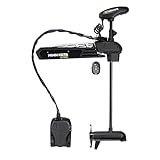
Minn Kota Ultrex Bow-Mount Electric Trolling Motor with GPS, Spot-Lock, Dual Spectrum CHIRP Sonar – 80 Lb. Thrust, 52 In. Shaft, Freshwater
80 lb thrust
24V system
52 inch shaft
Built-in CHIRP sonar
Power steering
Pros
- Dual Spectrum CHIRP sonar built into the shaft
- Power steering with lock and programmable heel-toe pedal
- Lift-Assist spring cuts the effort of stowing
- Spot-Lock plus Jog for fine repositioning
- Three-year warranty with registration
Cons
- Highest cost in this roundup for a freshwater build
- One buyer received a box without the remote
- Freshwater model
- so salt water needs the Riptide line
The Ultrex 80 is the do-everything motor in this group, and the reason is the transducer hidden inside the shaft. The built-in Dual Spectrum CHIRP sonar sends a signal through the composite shaft while the motor is deployed, which means you get fish and structure detail with no separate transducer, no cable across the deck and no chance of a transducer hanging off the bow.
Thrust is 80 lb on 24V with a 52 inch shaft, and steering is handled by power steering with a steering lock plus a programmable heel-toe foot pedal. A corded foot pedal and a micro remote are both included in the box, so you can fish hands-free from the helm or drive the boat from the bow with the remote.
Owners upgrading from older Minn Kota models consistently call the Spot-Lock and the steering a step change. The patented Lift-Assist design uses a nitrogen gas-charged stainless steel spring to halve the effort needed to raise the motor onto the deck, which is the feature that matters most on a tall pontoon with a 50 lb-plus motor in your hands.
Drift mode, follow mode and dodge modes round out the control options, and Digital Maximizer manages speed to stretch a charge. Included in the box are a heading sensor, a 30 ft ethernet extension cable, a stabilizer, a hold-down strap and the MKP-33 prop.
Who should spend up here and what do they get?
This motor is for the angler who fishes structure seriously and wants the sonar and the anchoring in one package. If you already own a good fish finder, the built-in CHIRP is still useful as a second screen or a backup, but it is not a reason on its own to jump to this tier. The real payoff is power steering and Lift-Assist on a heavy 24V motor.
Owners report Spot-Lock performance as the standout feature, with plenty of power from the 80 lb class and easier steering than previous generations. A three-year warranty with registration is longer than anything else in this roundup.
What is the catch with a freshwater Ultrex?
This is the freshwater version. If your boating happens in salt or brackish water, the Riptide line is the one built for corrosion protection and fully encapsulated electronics, and the forum consensus is clear that mixing a freshwater unit into salt water shortens its life considerably.
There is also a purchase-order reality to note. This is the most expensive motor in the lineup, and reviewers with only a handful of ratings cannot yet speak to long-term reliability the way the 3,000-review motor can. One buyer did receive a box without the remote, so check the contents before you leave the dock.
4. Minn Kota PowerDrive 55 – Top Rated GPS Pontoon Motor at 12V

Minn Kota PowerDrive Bow-Mount Electric Trolling Motor with GPS – 55 Lb. Thrust, 54 In. Shaft, Freshwater
55 lb thrust
12V system
54 inch shaft
GPS Spot-Lock
Digital Maximizer
Pros
- Highest average rating in this roundup
- Spot-Lock
- drift
- follow and dodge modes in one GPS head
- Long 54 inch shaft on a single battery
- Deploy-Assist lever for one-handed stow
- Micro remote and MKP-37 prop included
Cons
- Micro remote only
- with no foot pedal in the box
- 12V limits sustained thrust versus 24V motors
- GPS head failure reported on one unit
Owners rate this motor at 4.6 out of 5, the strongest average of any product we reviewed, with 84 percent of ratings at five stars. The PowerDrive 55 is also one of the few GPS pontoon motors that runs on a single 12V battery, which removes the two-battery install entirely and makes it the easiest upgrade path for an existing pontoon electrical system.
The GPS head is the reason to buy. Spot-Lock holds your position over a spot, drift mode lets you follow a slow current without correcting the throttle, follow mode tracks a route, and dodge mode steers around an obstacle on command. In practice that means fishing a weed edge in a current without fighting the tiller or drifting off the mark.
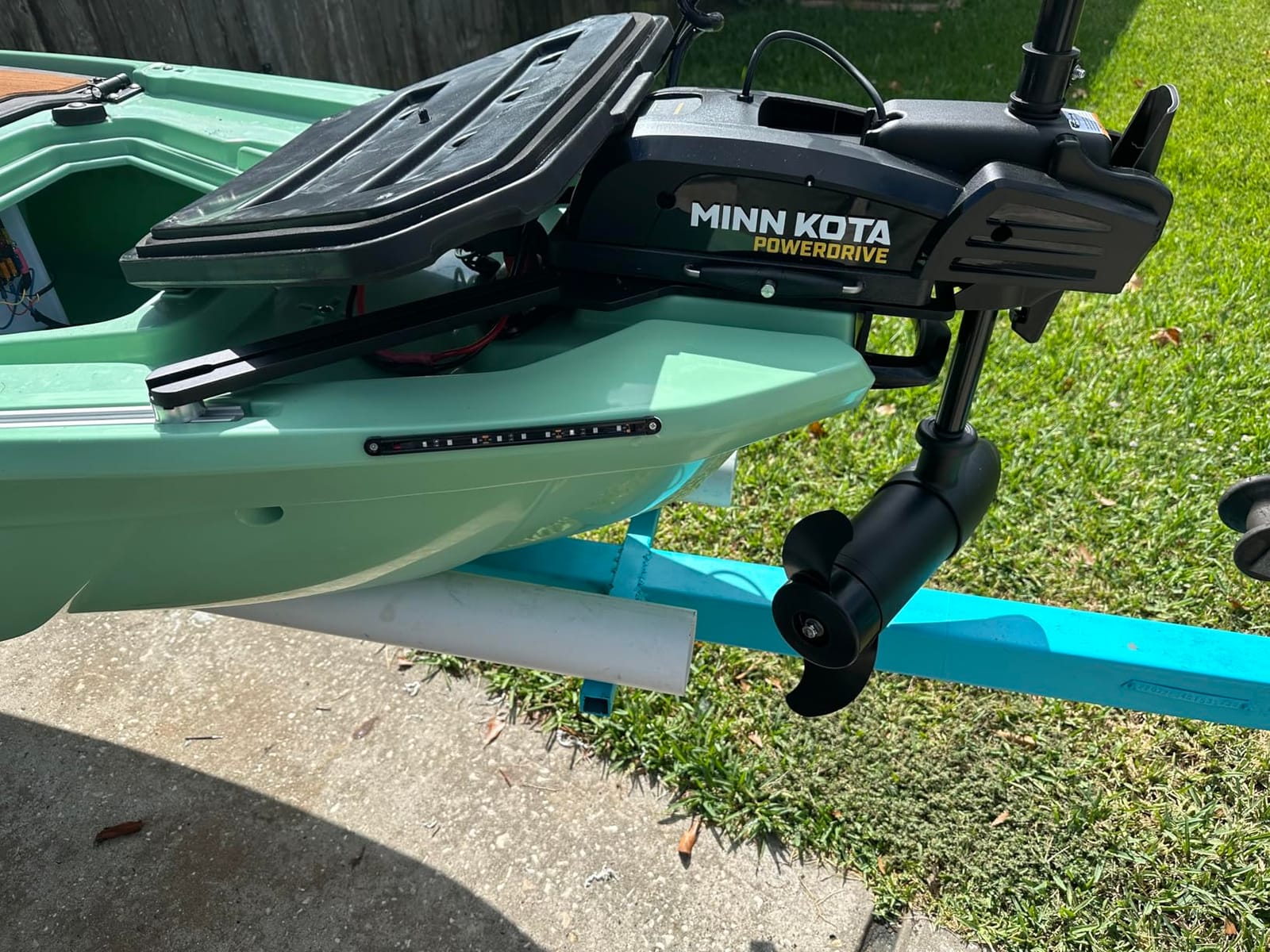
The 54 inch shaft is a genuine surprise at this thrust rating, and it solves the high-deck submersion problem that short-shaft 55 lb motors cannot. Deploy-Assist gives you a lever to raise and lower the unit with one hand, and the indestructible composite shaft with Power Prop is built for open water where an aluminum shaft would be a liability.
Digital Maximizer is the runtime story. Owners report using roughly a quarter of a single 12V battery on a four to five hour trip, which is the efficiency gain you feel most on a long day. A push-to-test battery meter on the head tells you what is left without guessing.
Is 55 lb with GPS enough for a 20 foot pontoon?
For a 20 foot pontoon on a lake with moderate wind, yes. The GPS anchoring does work that extra thrust is not required for, because holding a position is about control resolution rather than raw power. Anglers on similar-sized pontoons consistently pair this thrust class with Spot-Lock and report that it holds in wind and tide.
For a tri-toon, a heavily loaded boat, or exposed open water, move up to a 24V 80 lb motor instead. The jump matters most when you are pushing a heavy deck through a chop, not when you are holding still.
What does the micro remote leave you without?
There is no foot pedal in the box, only the micro remote, and no cable steer either. That means you steer from the remote at the bow or wherever you happen to be standing, and you cannot drive the motor from the helm while seated. Anglers moving from a cable-steer setup notice this immediately.
One owner reported a GPS head failure that needed a replacement part, and it is worth knowing that failure mode exists on any GPS-equipped motor, not just this one. Everything else about the ownership experience is unremarkably positive, and a two-year manufacturer warranty is included.
5. MotorGuide X3 70 lb – Best Cable Steer and Foot Control Pontoon Motor

MotorGuide 940200120 X3 Freshwater Bow Mount Trolling Motor — Cable Steer, Foot-Control — 50-Inch Shaft, 70-Pound Peak Thrust 24V
70 lb thrust
24V system
50 inch shaft
Foot control
Variable ratio steering
Pros
- Foot control frees both hands for fishing
- Variable Ratio Steering holds position in wind and chop
- Composite bushings and pin keep it very quiet
- Aircraft-grade aluminum mount with stainless bushings
- True 24V thrust for larger pontoons
Cons
- Freshwater only
- with no saltwater rating
- Steering cables reported as a durability weak point
- Foot pedal direction arrow does not light up
- 50 lb unit weight complicates solo handling
The MotorGuide X3 is the only true cable-steer, foot-control motor in this roundup, and for a pontoon owner who drives from the helm that is a genuinely different experience. You heel or toe the pedal, both hands stay free, and the steering response is immediate rather than mediated by a remote or a tiller handle.
Thrust is 70 lb peak on a 24V system with a 50 inch shaft, which suits a 20 foot pontoon that spends time in wind. The patented Variable Ratio Steering is the engineering story here. It varies the steering ratio through the range of movement so you get fine adjustment when you are holding a spot and real leverage when you are swinging the bow around.
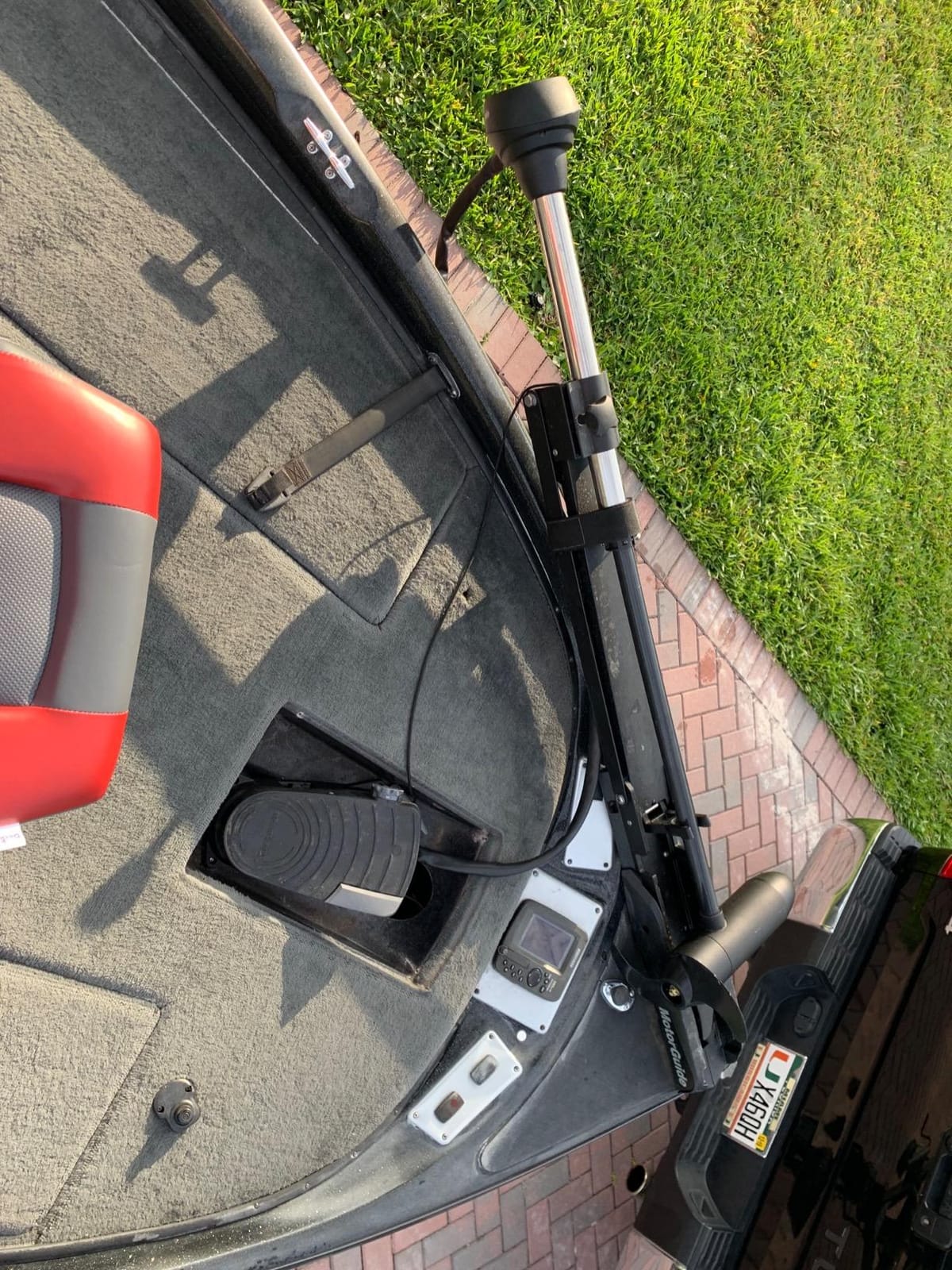
The build is heavy and deliberate. A rigid aircraft-grade aluminum mount with stainless steel bushings, and a composite precision locking pin and bushings that keep the unit very quiet, which matters when you are fishing within a few feet of the boat. Owners consistently describe it as quiet and responsive with plenty of power.
MotorGuide is the brand owners point to when they want simple, repairable engineering rather than feature complexity, and that reputation carries through in this motor’s design. Fewer gadgets means fewer failure points over a long ownership.
Why choose foot control over a remote?
Because a pontoon helm is where you already are. With foot control you can drive the boat, deploy the motor, hold a heading and fish without ever leaving the seat or reaching for a handheld. Remote-only motors force you to move or to use a lanyard, and a tiller forces you to stand at the bow.
Cable steer also means mechanical advantage. On a heavy 24V motor, steering with a cable is calmer and more precise than steering with radio commands, and it does not depend on batteries, wiring or a pairing to work.
What are the real complaints?
The sample is small, only around 20 reviews, and it splits between enthusiasts who love the quietness and buyers who hit steering cable or motor failures. The steering cables are the most reported weak point, and the directional indicator arrow on the foot pedal does not light up on some units, which is annoying rather than dangerous.
Warranty service is described as a hassle by owners, and it is freshwater only, so this is not the motor for a coastal pontoon. At 50 lb it is a two-person lift in most cases.
6. Haswing 80 lb 24V – Best Value Heavy Duty Pontoon Motor
Haswing Bow Mount Trolling Motor 80lbs 54in – Remote & Foot, Quick Release
80 lb thrust
24V system
54 inch shaft
Remote and foot control
Quick release bracket
Pros
- 80 lb of thrust rated for boats up to 4000 lbs
- Remote and wireless foot control both included
- Quick release bracket makes the install and removal simple
- Variable speed and long power cord reach distant battery banks
- Sacrificial anode protection for fresh and salt water
Cons
- Release handles out of sync so one side can stall
- Motor can freeze when lifted out of the water
- Controller failure reported around the one-year mark
- Cruise control is not true Spot-Lock
This is the motor to look at if you want 80 lb of thrust, a 54 inch shaft, remote and foot control, and a quick release bracket without stepping up to a premium marine brand. Owners consistently report that it moves 18 to 22 foot pontoons with charge to spare, and that it runs a full day on a charge.
The controls are a genuine bonus at this level. A 2.4G wireless remote with up to 164 ft of range, a wireless foot control and a quick release bracket all come in the box, and the bracket means you can drop the motor for storage in a couple of minutes instead of unbolting it.
Variable speed control gives smooth incremental changes rather than three or five fixed steps, and the long power cord reaches battery banks mounted further back on a larger pontoon deck. Corrosion protection comes from a sacrificial anode, and the motor is rated for boats up to 4000 lbs, which covers a loaded tri-toon.
It fits boats up to about 21 ft and needs a 13.7 by 8 inch flat mount surface, so measure your deck before ordering. Two-year warranty on the motor itself, three months on accessories.
What do 80 lb of thrust buy you on a pontoon?
Control in wind and current. A pontoon deck acts like a sail, and the difference between 55 and 80 lb shows up when you are trying to hold a heading into a crosswind with people moving around on deck. Owners describe all-day runtime and ample power as the defining experience.
It also gives you a shaft that stays submerged on a high deck at 54 inches, and enough thrust to back a heavier boat down onto a spot without fighting the current.
Where the hardware has let owners down
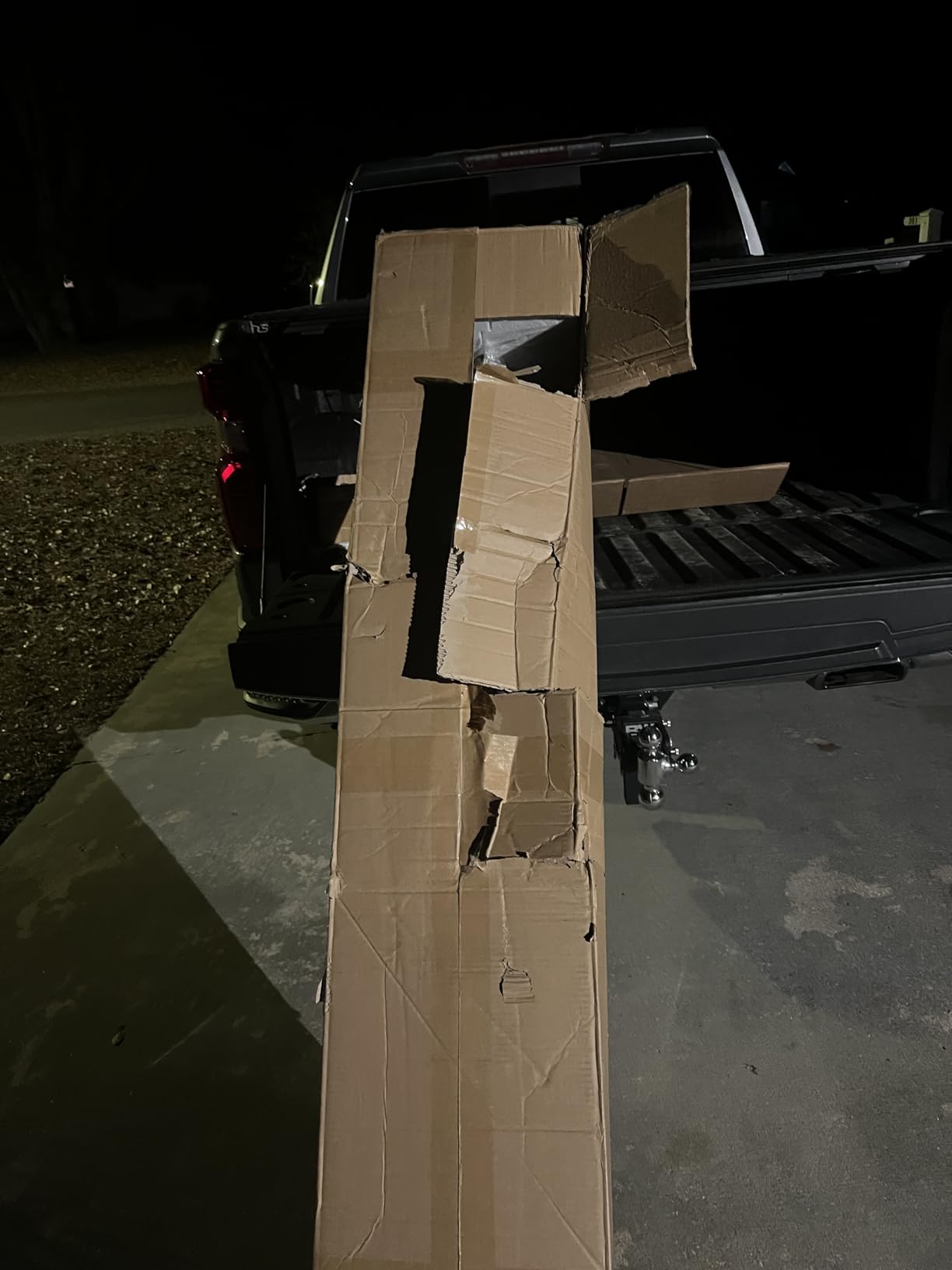
The deploy mechanism is the main issue. Owners report that the release handles are out of sync so only one side fully deploys the motor, and that the motor can freeze up when lifting it out of the water, requiring it to be tied off. Treat the lift with care and secure it before you release the clamp.
A controller failure around the one year mark is also reported, and the controller is not sold separately, which is the main reason this motor sits below the premium models in our ranking despite the strong thrust. Cruise control here is not true Spot-Lock, so you will still correct heading manually in wind. If you fish over structure in current, look at a real GPS hold instead.
7. Haswing Cayman 55 lb – Best Trolling Motor for Smaller Pontoons

Black Haswing Cayman 12V 55lbs 48 inch Bow Mount Electric Trolling Motor Lightweight, Variable Speed, with Foot Control/Quick Release Bracket for Bass Fishing Boats Freshwater/Saltwater
55 lb thrust
12V system
48 inch aluminum shaft
Remote and foot control
Anode protected
Pros
- 48 inch shaft clears a raised pontoon deck
- Remote and wireless foot control both included
- Quick release bracket simplifies install and removal
- Variable speed improves control and battery life
- Two-year warranty on the motor
Cons
- Cruise control is not true Spot-Lock
- 12V system limits it versus 24V options
- Accessories carry only a three-month warranty
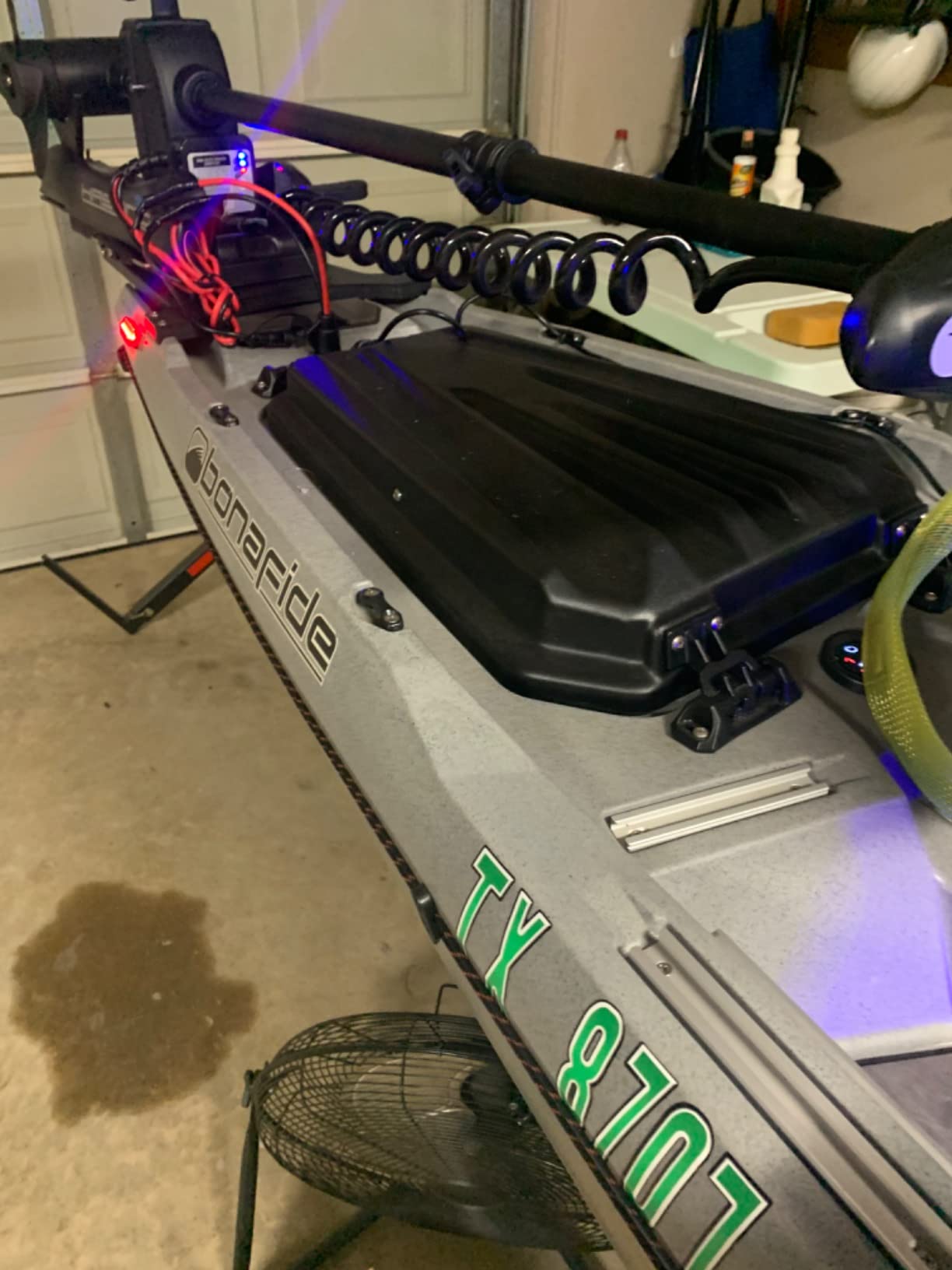
The Cayman is the mid-size pontoon answer: 55 lb of thrust, a 48 inch aluminum shaft and a 12V system that runs on one deep cycle battery. The 48 inch shaft is the number that makes it work on a raised deck, because it lets you deploy the lower unit properly deep instead of skimming it through the surface.
Both control styles are included. A 2.4G wireless remote with up to 164 ft of range, USB rechargeable, plus a wireless foot control, and the quick release bracket mounts to the deck so the motor lifts off in seconds at the end of the day.
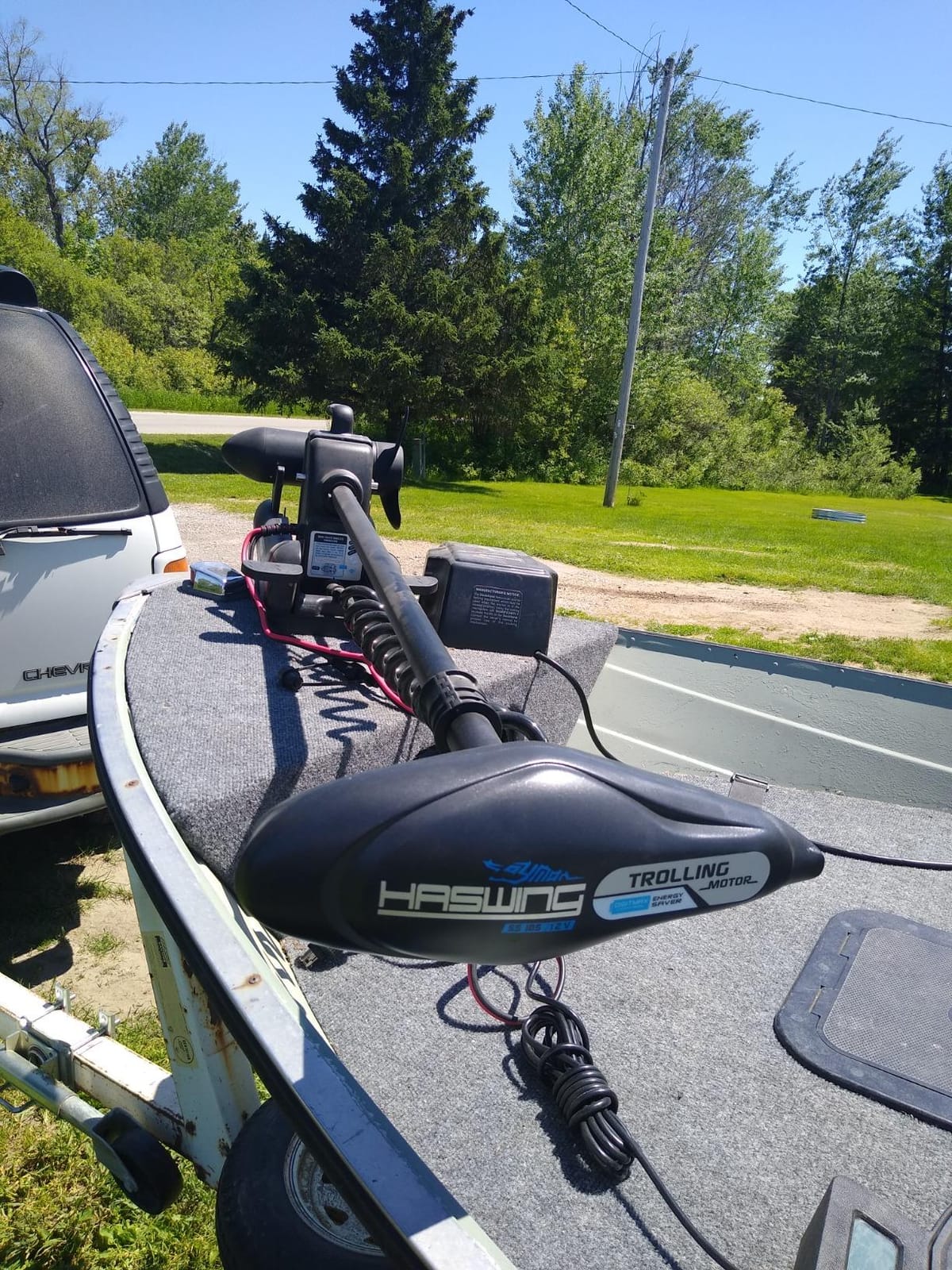
Owners highlight quiet operation that does not spook fish, smooth variable speed control, and easy solo handling thanks to the ergonomic lifting handle. A sacrificial anode gives you fresh and salt water corrosion protection, and it is rated for boats up to 2750 lbs.
Variable speed also extends your runtime, because you are not blasting a fixed high setting to hold position. The two-year warranty covers the motor, with three months on the remote, foot control and quick release bracket.
Is this motor big enough for a pontoon?
For a 16 to 20 foot fishing pontoon on a lake, yes, and the 48 inch shaft is the feature that makes it work where a short-shaft motor of the same thrust would not. If your boat is a tri-toon, carries a heavy gear load, or you fish exposed water in the wind, the 12V class will feel underpowered and you should step up to 24V.
Sizing rule of thumb: 2 lb of thrust per 100 lbs of total boat weight including gear, passengers and motor. That rule will steer most buyers toward 24V 80 lb for a big tri-toon, and toward this class for a small one.
Cruise control is not the same as Spot-Lock
This is the expectation gap that matters most here. The advertised cruise control holds a speed, not a position, so wind and current will still push you off heading and you will correct manually. If holding a spot over structure is central to how you fish, spend up on a GPS hold.
Otherwise, for anchoring, drifting and general slow maneuvering, the combination of variable speed, remote control and a 48 inch shaft is a genuinely capable package. If your boat is smaller still, our small boat trolling motor picks cover the lighter end.
8. BODIOO 68 lb – Best Budget High-Thrust Pick for Pontoons

68LB Thrust Trolling Motor 8 Speed Electric Outboard Motor Boat Kayak Motor with 6’’ Adjustable Handle 30” Shaft Length & LED Indicator Transom Mounted for Kayak, Fishing Boat
68 lb thrust
12V system
30 inch adjustable shaft
LED voltage display
Copper core motor
Pros
- 68 lb of thrust in a single 12V package
- Low-voltage cutoff protects battery life
- Rotatable bracket with 10 steering positions
- Tool-free 3-blade 9.5 inch propeller
- Light at about 20.7 lb for easy stowing
Cons
- Freshwater use only
- Six-month manufacturer warranty
- Needs a 12V deep cycle battery of 50Ah or more
- Short 30 inch shaft is awkward on a high deck
The BODIOO is the value play in this roundup: 68 lb of thrust from a single 12V battery for a fraction of what a 24V marine brand costs. That combination is unusual, and on a smaller pontoon in calm freshwater it is a genuinely capable amount of power.
The motor is built around a copper core with upgraded wiring, and reviewers consistently cite strong thrust and quiet running as the main draws, with operation around 50 dB. An integrated LED voltage display shows real-time battery status and a low-voltage cutoff protects the battery from deep discharge.
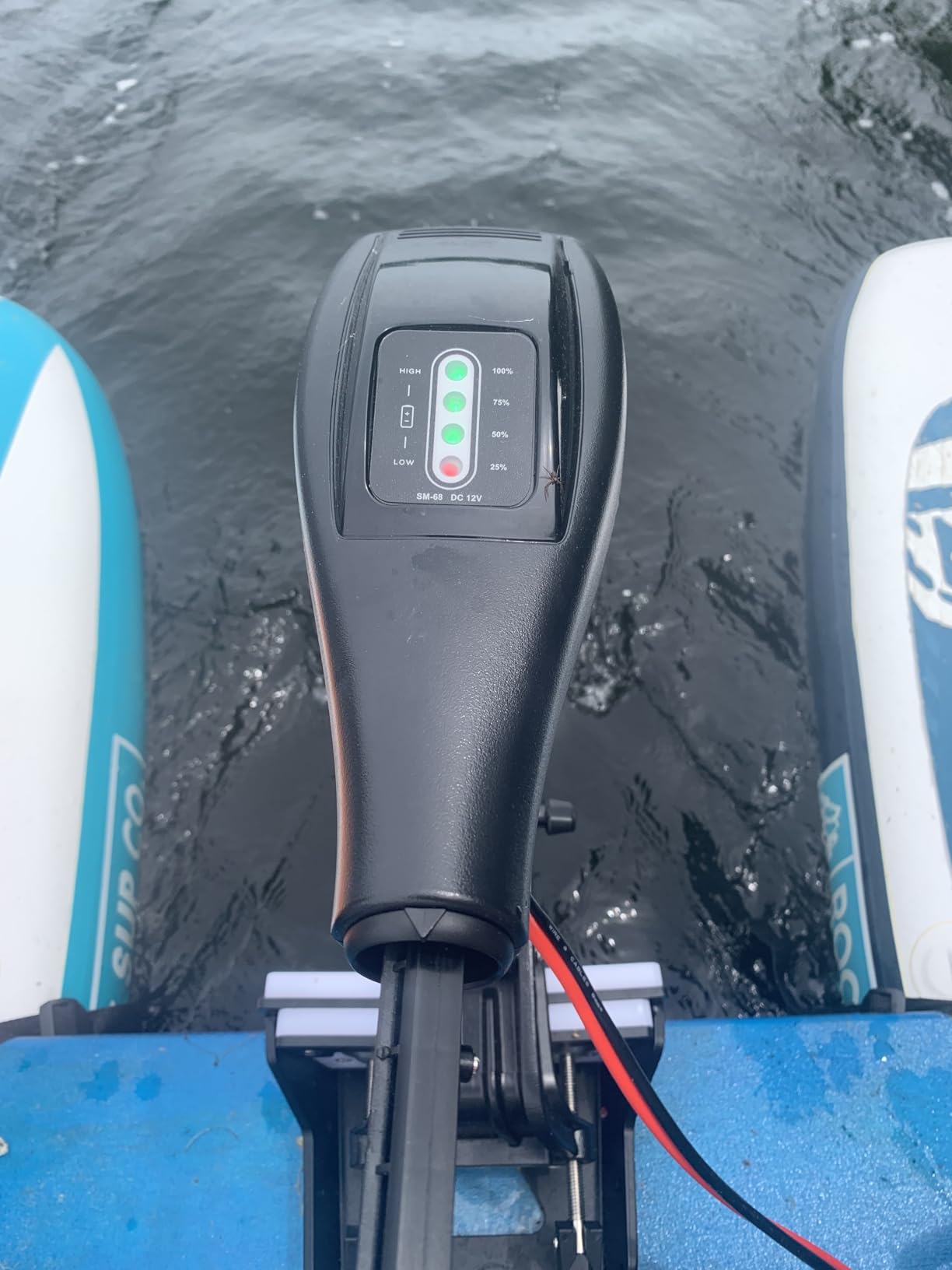
Control is a 6 inch twist-grip telescoping handle with 5 forward and 3 reverse speeds, and a 90 degree rotatable bracket gives 10 steering positions. The tool-free 9.5 inch three-blade propeller is described as debris resistant, which matters in weedy water.
At about 20.72 lb with a 30 inch adjustable shaft, it is also the easiest unit here to lift and stow. Seventy percent of ratings are five stars, and the most common reservation among owners is that it is not usable in salt water.
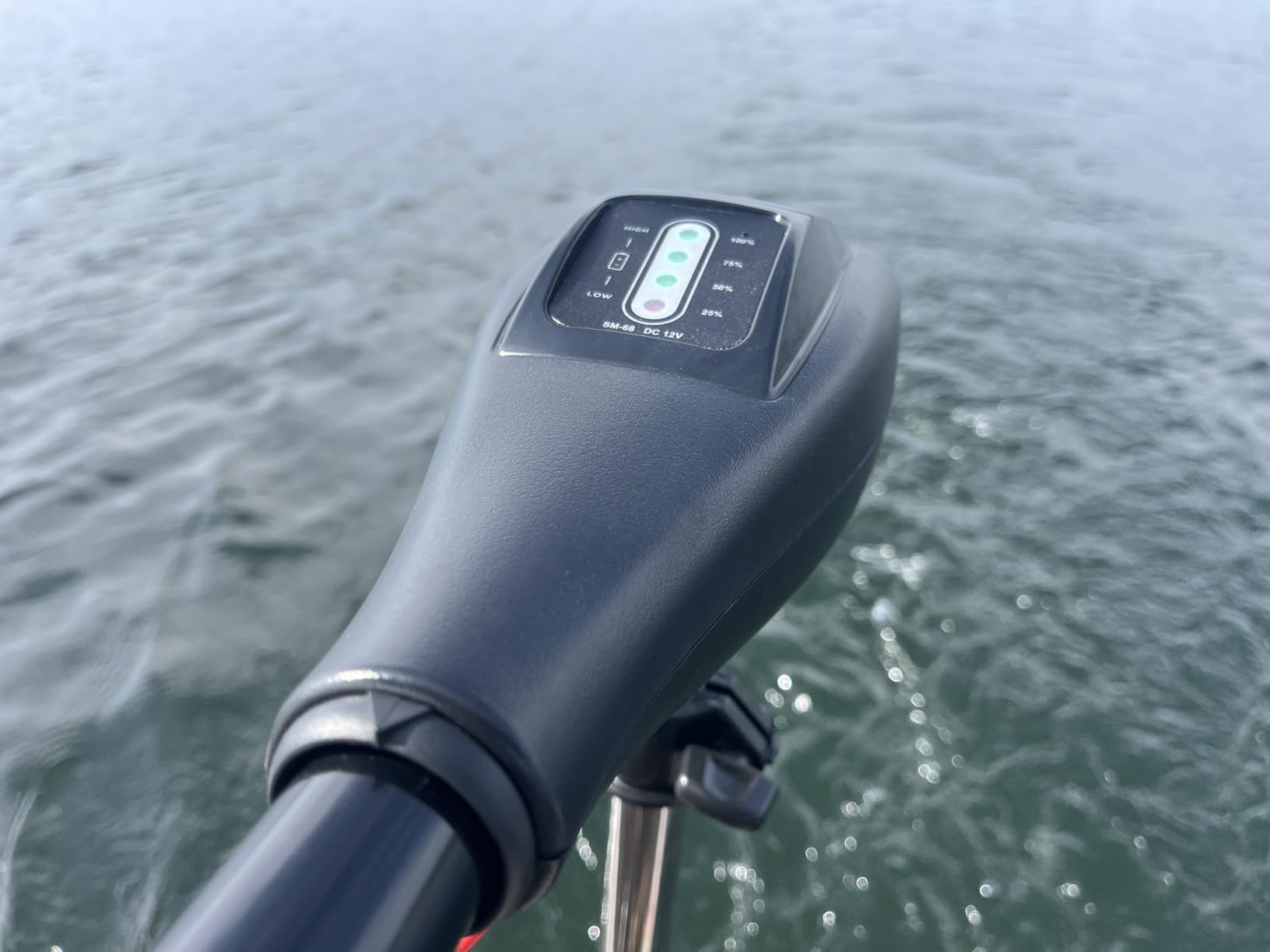
Can a budget transom motor really push a pontoon?
Thrust-wise, yes, 68 lb is a real amount of power and owners report it moving a loaded small-to-mid-size pontoon. The limitation is not power, it is the installation. This is a transom mount with a 30 inch shaft, and a pontoon has no transom in the traditional sense, so you need a proper mounting surface or bracket rather than clamping it to an aluminum tube.
On a high-deck pontoon, that 30 inch shaft will not keep the lower unit submerged. Treat this motor as a small-pontoon and low-deck choice unless your deck height allows a deeper deployment.
What do you trade away for the low cost?
Salt water compatibility is the big one, and it is a hard limit rather than a preference. The six-month manufacturer warranty is also thin for a marine motor, and there is no remote, no foot control and no cable steer, so steering is by handle only.
Everything else is honest equipment: a 12V deep cycle battery of 50Ah or more is required and not included, and the adjustable shaft and rotatable bracket do a lot of work to make a transom motor usable in an unusual hull. If you want remote control on a small craft, our kayak trolling motor picks cover that side of the market.
9. PEXMOR 26 lb – Best for Inflatable Dinghies Towed Behind a Pontoon
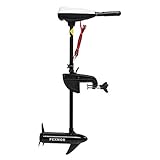
PEXMOR 55LBS Thrust 8 Speed Electric Trolling Motor, Electric Outboard Boat Motor w/Adjustable Handle & LED Indicator, Transom Mounted for Saltwater, Kayak, Fishing Boat
26 lb thrust
12V system
Adjustable shaft depth
8 speeds
LED battery gauge
Pros
- 8 speeds give fine low-speed control
- Adjustable shaft angle and depth set from the head
- LED battery indicator tracks remaining capacity
- Runs quietly and steadily without overheating
- Three-blade prop with spare blades cuts through seaweed
Cons
- Battery not included
- Transom mount with no remote or foot control
- Lowest thrust in the lineup
This is the smallest motor here, and it does not belong on the pontoon deck. It belongs on the dinghy you tow behind the pontoon, the small tender you row to a sandbar, or an inflatable you are launching on the beach. At 26 lb of thrust it is the right tool for a light craft in sheltered water.
What it does well is control. Eight speeds, five forward and three reverse, come off a 6 inch telescoping adjustable handle, and the shaft angle and depth are adjusted by a button and a knob. That combination makes fine positioning in shallow water easy, which is exactly what a dinghy near a beach requires.
The 1 to 10 LED battery capacity indicator is a small touch that turns out to matter, because you can see remaining charge at a glance instead of guessing. Reviewers also note it runs quietly and steadily without overheating, and the three-bladed propeller with spare blades included cuts through seaweed.
Sixty-four percent of ratings are five stars, and the criticism is limited to the low thrust relative to larger boats and the need to source a battery separately. If your dinghy is inflatable, our inflatable boat motor guide covers the rest of that setup.
When is 26 lb the right amount of thrust?
For an inflatable, a small dinghy or a jon boat under about 14 feet, on a lake with low wind, 26 lb is genuinely enough. Owners of small craft report steady, controllable progress and the ability to work close to shore at trolling speed.
If you want to hold a position in current with the 26 lb class, you will be disappointed. Under-thrust leads to slow drift and poor boat control, and that is the single most common complaint pattern across every thrust class below 50 lb.
What are the trade-offs?
The 1 year manufacturer warranty is the shortest in this lineup apart from the BODIOO, and there is no remote or foot control, so steering is by telescoping handle only. The battery is not included, and you will need a 12V deep cycle unit.
On the plus side, the transom mount means it fits small craft without drilling, and the aluminum saltwater-capable build handles being rinsed in brackish water after a beach day. It is a tool for a specific job, and it does that job well.
How to Choose a Trolling Motor for a Pontoon Boat
What a trolling motor actually is
A trolling motor is a small electric outboard mounted on the bow of a boat, used for slow, quiet, precise maneuvering and for holding position over fish instead of relying on the main outboard. It runs from a battery bank, drives a propeller below the water, and is steered by a tiller, a foot pedal, a cable or a remote.
The shaft depth is set so the lower unit stays submerged. That is the whole trick, because a propeller that breaks the surface loses steering authority, and on a pontoon the deck is so far above the waterline that a short shaft simply cannot stay deep enough.
How much thrust does a pontoon need?
The rule of thumb angling industry uses is 2 lb of thrust per 100 lbs of total weight. Total weight means the boat plus the motor plus the batteries plus the people plus the gear, and pontoons are heavy before you add any of that.
Use the guide below as a starting point, then adjust for water conditions. If you fish open water, run in wind, or carry a full deck of passengers, step up one class.
Small fishing pontoon, 14 to 16 ft, roughly 1800 to 2500 lbs total weight: 40 to 55 lb of thrust on 12V.
Mid-size pontoon, 18 to 20 ft, roughly 2500 to 3500 lbs total weight: 55 to 70 lb of thrust on 12V or 24V.
Large pontoon, 22 to 24 ft and loaded, roughly 3500 to 4500 lbs total weight: 70 to 80 lb of thrust on 24V.
Tri-toon with a heavy tow package, 4500 lbs and up: 80 lb of thrust on 24V.
On the 55 lb question specifically: a 55 lb motor will move a mid-size pontoon at a slow cruise in calm conditions, and forum consensus is that real GPS anchoring deserves 70 lb or more because holding a position in current is harder than moving forward. Owners on narrow-beam pontoons commonly pair 80 lb class units with Spot-Lock for exactly that reason.
How long should the shaft be on a pontoon?
Most pontoons need 48 to 60 inches, which is longer than the shaft on a typical bass boat trolling motor. Measure from your mounting surface to the waterline with the motor fully deployed, then subtract the depth you want below the prop.
If the math does not work with 48 inches, your deck is high enough that you need a 60 inch shaft or a raised mounting bracket, not a shorter motor. Anglers on pontoons report that at least a 60 inch shaft combined with correct mounting is the combination that finally gave them control in chop.
12V vs 24V vs 36V and how many batteries you need
Voltage is a proxy for available power, and power is what lets a motor push a heavy deck without draining the battery in an hour. A 12V system runs on one deep cycle battery. A 24V system runs on two in series. A 36V system runs on three, and owners moving to larger pontoons report that a 36V setup is worth it for a tri-toon fishing all day.
Space is the hidden constraint. Two group 31 deep cycle batteries weigh roughly 130 lb together and need a secured, ventilated box, which is a real deck space decision on a pontoon. Our marine battery guide covers the sizing and charging side in detail.
Wiring matters as much as the batteries. Use the correct gauge for the total amp draw, keep the run as short as you can, and fit a breaker on the motor branch. A selector switch between the starting battery and the trolling bank is the simplest protection against a flat start battery, and it is a common recommendation on boating forums.
Where to mount a trolling motor on a pontoon
A pontoon has no transom in the conventional sense, so a standard transom mount is usually the wrong answer. The realistic options are a quick-release bow mount bracket screwed into a flat deck section, a purpose-built pontoon mount, or a side-mount on a bracket clamped to a pontoon tube.
The bow, centered on the forward-most flat section of the top deck, is the correct spot. The quick-release bracket matters more than most buyers expect, because a 50 lb motor bolted to the deck every time you fish is a guarantee that you will stop doing it. Check the flat mounting area dimensions before ordering, and keep the motor lead routed away from foot traffic.
Freshwater or saltwater
Freshwater-only motors are built for lakes and rivers, and they will start showing corrosion at the shaft, windings and connections in salt or brackish water. Saltwater-rated models use a coated lower unit housing, a sacrificial anode and encapsulated electronics.
Owners on the forums are consistent on this: the durability leaders in real salt water use are the saltwater lines, and mixing a freshwater unit into coastal water is how people end up replacing electronics after a few seasons. Our saltwater pick above is the right answer for that water, and everything else in the roundup is either saltwater rated or clearly marked freshwater only.
What to check before the motor leaves the dock
First, confirm the shaft length clears your deck height. Second, confirm the mount surface is flat and large enough for the bracket. Third, size the battery bank to the voltage. Fourth, run proper gauge wire and fit a breaker. Fifth, confirm whether you need real position holding, because cruise control and Spot-Lock are not the same feature.
That last one is worth repeating. If you fish structure in current, buy the GPS hold. If you mostly cruise, anchor and drift, the variable speed and remote control are the features you will actually use.
Frequently Asked Questions
What is the best trolling motor for a pontoon?
The Newport NV-Series 55 lb is the best all-round trolling motor for most pontoon owners, because 55 lb of thrust on a single 12V battery is enough for a mid-size pontoon on a lake and it costs far less to install. Step up to a 24V 80 lb motor such as the Minn Kota Riptide Terrova for a tri-toon, a heavily loaded boat or open water.
How big of a trolling motor do I need for a 20 ft pontoon?
For a 20 ft pontoon, use 2 lb of thrust per 100 lbs of total weight including gear and passengers. That usually lands between 55 and 70 lb of thrust. A 55 lb motor is comfortable on a sheltered lake, while 70 to 80 lb gives you the control you need in wind, current and a chop.
How long should a trolling motor shaft be on a pontoon?
Most pontoons need a shaft between 48 and 60 inches because the deck sits high above the waterline. Measure from your mounting surface to the waterline with the motor deployed and make sure the lower unit stays submerged. If 48 inches does not reach, use a 60 inch shaft rather than a raised mount.
Can I use a freshwater trolling motor in saltwater?
You can run a freshwater motor in salt water briefly, but it is a bad idea long term. Freshwater-only motors corrode at the shaft, windings and connections, and failures tend to come suddenly rather than gradually. For coastal or brackish fishing choose a saltwater-rated model with a coated lower unit housing, a sacrificial anode and encapsulated electronics.
Do I need a 24 volt trolling motor for a pontoon?
Only if you are carrying a heavy boat, a tri-toon layout, or a full deck in wind. A 24V system needs two deep-cycle batteries in series, heavier wire and a proper breaker, so it is a bigger electrical project. A 12V 55 lb motor on one battery is enough for most 16 to 20 ft pontoons on sheltered water.
Where is the best place to mount a trolling motor on a pontoon boat?
Center it on the forward-most flat section of the top deck using a quick-release bow mount bracket, since a pontoon has no conventional transom. A quick-release bracket matters because a 50 lb motor bolted down every trip gets left at home. Check that the flat mounting area is large enough and keep the power lead routed away from foot traffic.
The Verdict: Which Pontoon Trolling Motor Should You Buy?
The Newport NV-Series 55 lb is the best trolling motor for pontoon boats in 2026 for the widest range of owners, because it delivers real thrust from a single battery, holds up in salt water and has more owner history behind it than anything else we reviewed. Buy it if your pontoon is 16 to 20 feet, mostly freshwater or sheltered coastal, and you fish from the front deck.
Move up to the Minn Kota Riptide Terrova 80 if you run salt water, need a 60 inch shaft for a very high deck, or want real GPS position holding on a loaded boat. The Minn Kota Ultrex 80 is the choice when you want built-in sonar and power steering in one package, and the MotorGuide X3 70 is the only cable-steer foot-control option in the group.
Whatever you choose, remember that the motor is the cheapest part of the install. Size the battery bank, wire gauge and breaker for the voltage, spend real attention on shaft length and submersion, and buy a quick-release bracket so the motor is actually on the boat when you want to fish.