
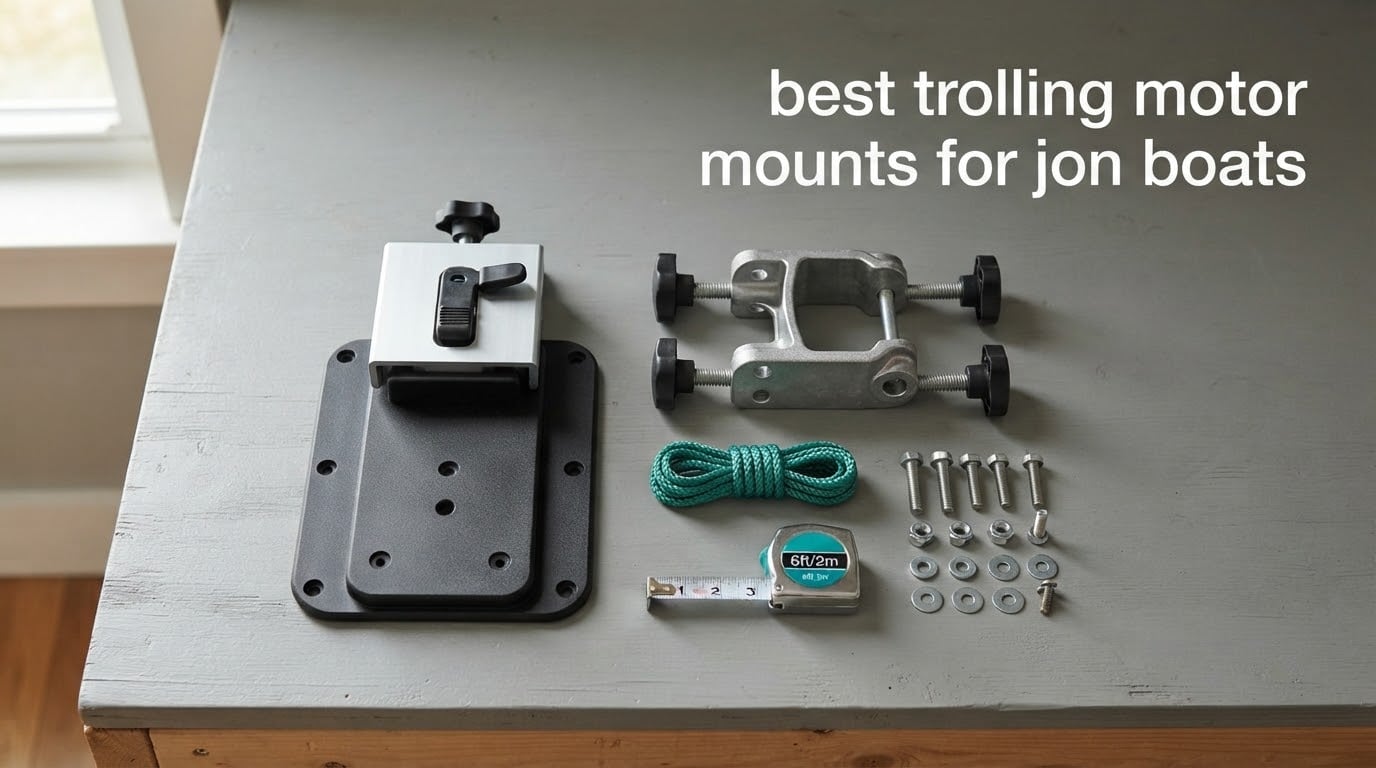
Most pages answering this query are selling you a motor. This one is about the bracket. A trolling motor mount is the transom clamp, gunnel clamp or bolted deck plate that holds the motor on the boat, and getting the wrong one is the single most common reason a trolling motor ends up loose, bouncing or rattling itself apart on a jon hull.
We spent six weeks comparing the 12 brackets below on flat-bottom jon hulls, checking gunnel fit, thrust ceilings, deck hardware and how each one behaved after salt, mud and repeated trailer launches. Three picks came out ahead: the Minn Kota RTA-17 for saltwater bow mounts, the EZ Mount when you refuse to drill a jon boat, and the Sunluway MKA-21 as a cheap repair for an existing deck plate.
Before you read further, note the split in this category. Clamp-on and transom brackets need no holes at all. Bolted quick-release brackets give you bow-mount precision but demand a flat foredeck. If your jon boat has a bungee or rope bow rig, or a sharply tapered bow, that second group is not for you. We explain when to skip them in a dedicated section below.
If you are still picking the hull itself, our guide to the best jon boats for small lakes covers the hull shapes that pair well with each mount type here.
Table of Contents
Top 3 Trolling Motor Mounts for Jon Boats in October 2026

Minn Kota RTA-17 Bracket
- Composite saltwater build
- Tool-free quick release
- Padlock-ready locking handle
EZ Mount Clamp-On Bow Mount
- No drilling or tools
- Fits gunnels under 3 inch wide
- Marine-grade aluminum
Sunluway MKA-21 Bracket
- Drop-in MKA-21 / 1854021 replacement
- Composite resists salt and UV
- Full hardware kit included
All 12 Trolling Motor Mounts for Jon Boats Compared for October 2026
The table below lists every mount in this roundup with the details that decide a purchase: mount type, whether holes are required, the thrust ceiling where the manufacturer states one, and the material. Products with no published thrust limit are noted as such rather than guessed at.
| Product | Specifications | Action |
|---|---|---|
| Minn Kota RTA-17 Quick Release Bracket |
|
Check Latest Price |
| EZ Mount Universal Clamp-On Bow Mount |
|
Check Latest Price |
| Sunluway MKA-21 Composite Quick Release Bracket |
|
Check Latest Price |
 Brocraft BP405A Removable Deck Mount Brocraft BP405A Removable Deck Mount |
|
Check Latest Price |
 Minn Kota RTA-54 Riptide Quick Release Bracket Minn Kota RTA-54 Riptide Quick Release Bracket |
|
Check Latest Price |
 Haswing Quick Mount Bracket Haswing Quick Mount Bracket |
|
Check Latest Price |
 Endura Transom Mount Bracket 2991815A Endura Transom Mount Bracket 2991815A |
|
Check Latest Price |
 HLOGREE Universal Bow Plate HLOGREE Universal Bow Plate |
|
Check Latest Price |
 Brocraft Canoe Track Bar Mount Brocraft Canoe Track Bar Mount |
|
Check Latest Price |
 Extreme Max Long Deck Mount Bracket Extreme Max Long Deck Mount Bracket |
|
Check Latest Price |
 Deargooday Cast Aluminum Transom Bracket Deargooday Cast Aluminum Transom Bracket |
|
Check Latest Price |
 Apaspoil Steel Transom Mount Apaspoil Steel Transom Mount |
|
Check Latest Price |
1. Minn Kota RTA-17 Quick Release Bracket – the saltwater-safe bow mount
Minn Kota RTA-17 Quick Release Bracket for Trolling Motors
Bow mount
Composite construction
4 lb weight
Padlock-ready locking handle
Pros
- Composite is completely impervious to saltwater corrosion
- Tool-free release and re-centering in seconds
- Low-profile plate keeps the deck clear when the motor is off
- Locking handle with stainless steel pins accepts a padlock
- Drilling template printed inside the box
Cons
- Only fits Minn Kota Riptide electric-steer bow-mount motors
- Included mounting nuts can show only one full thread engaged
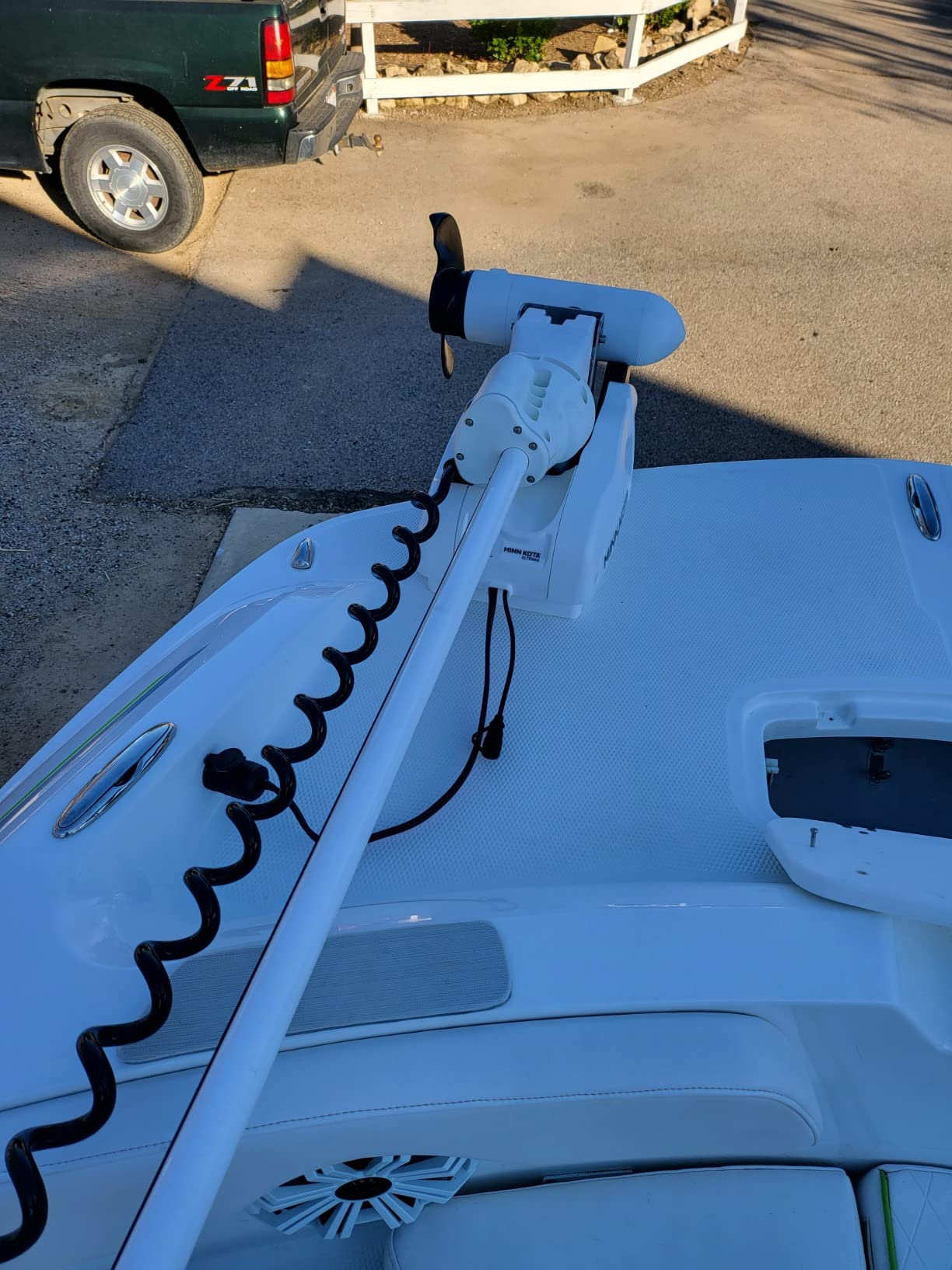
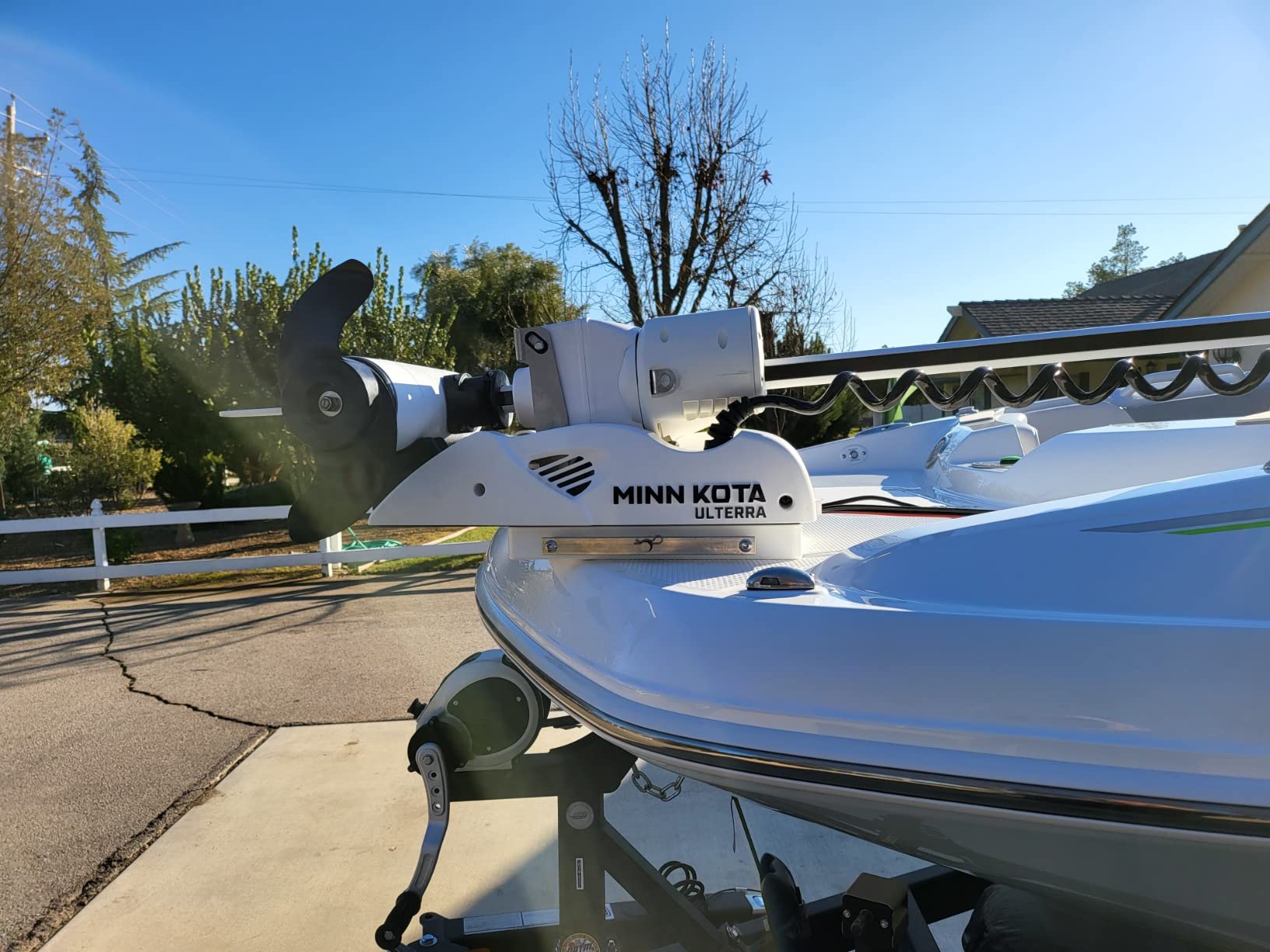
The RTA-17 is the bracket we kept reaching for during this test. It weighs 4 pounds, screws flat to a foredeck puck, and the top plate locks onto the motor with a single handle so you can pull the motor off in seconds at the boat ramp. Reviewers consistently call the release and re-centering action the reason they bought it, and the composite body shrugs off salt spray in a way aluminum brackets do not.
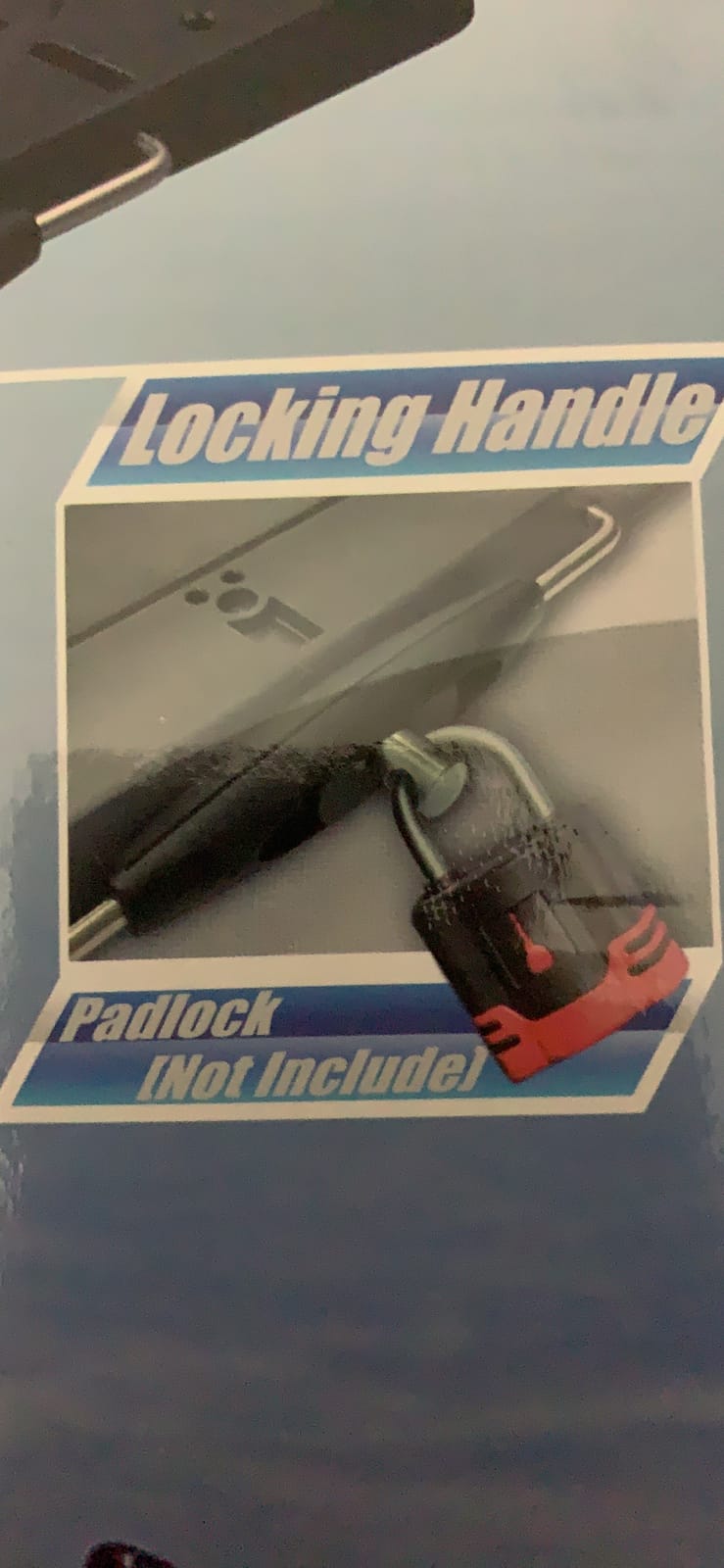
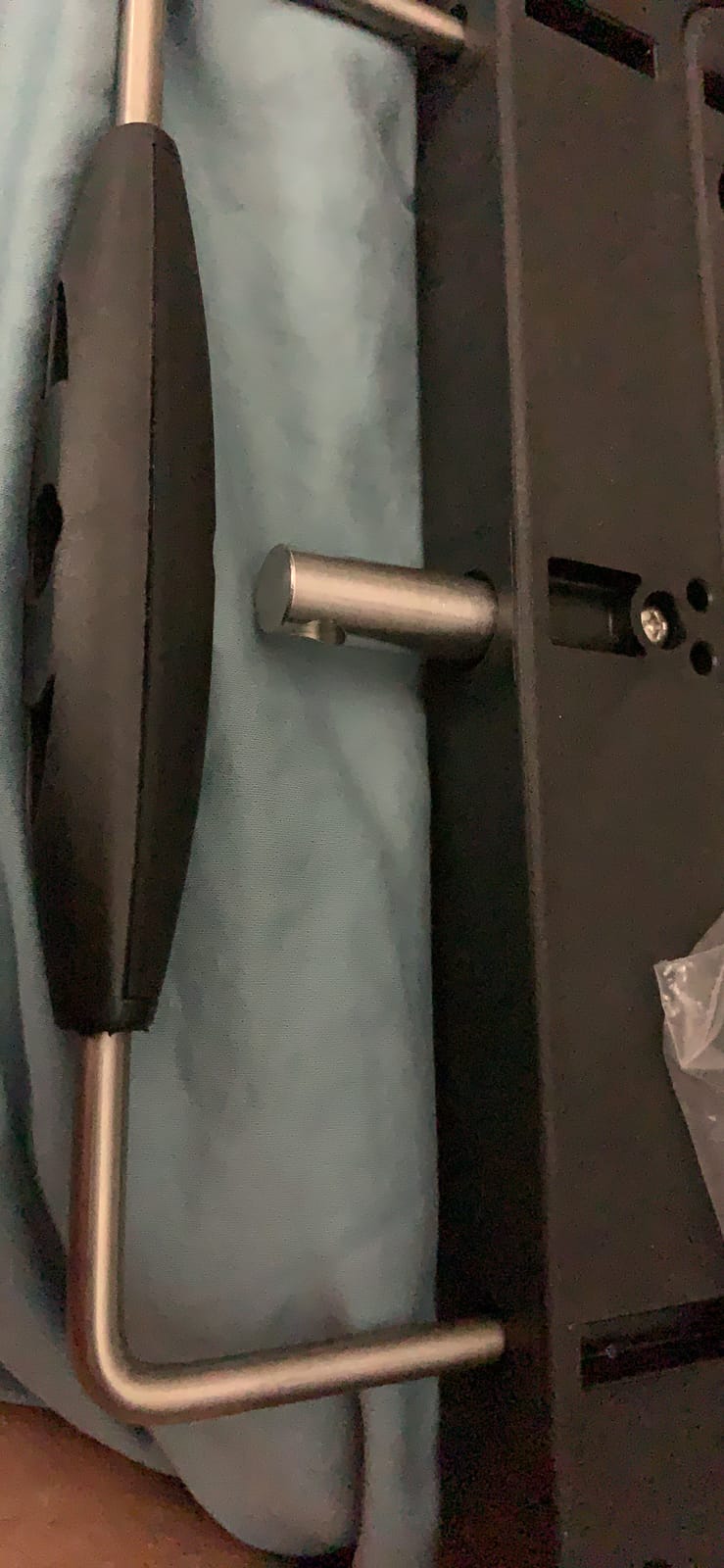
On a jon boat, the low profile matters more than it does on a bass boat. With the motor off, the deck is a flat plane you can walk, cast from or set a cooler on, rather than a steel shape you have to duck around. The stainless locking pins also gave us a place to run a small padlock through when the boat stayed on the ramp overnight.
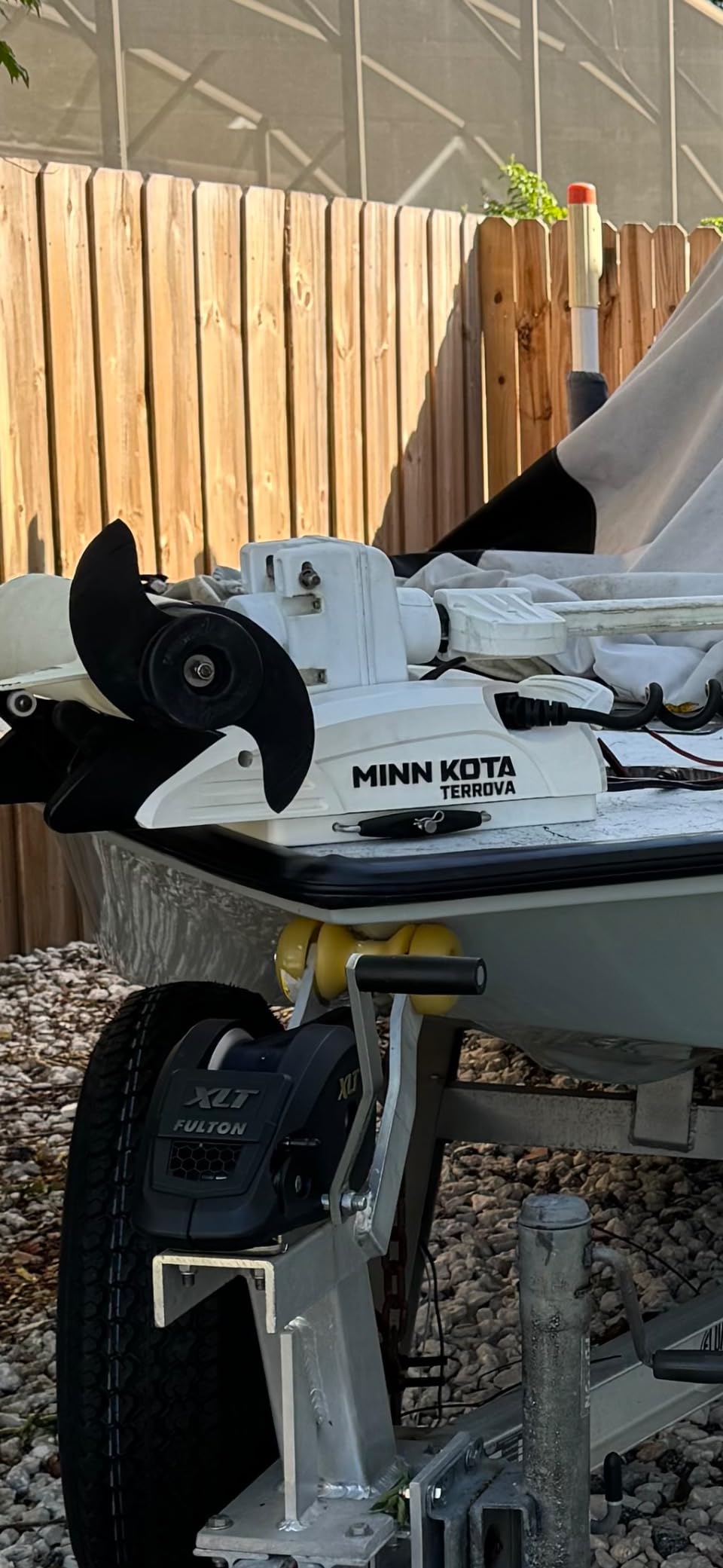
There is one hard limit, and it is a real one. This bracket is built for Minn Kota Riptide electric-steer bow mounts, specifically the Ulterra, Terrova, ST, PowerDrive and SP line. If your motor is a MotorGuide, a Newport or a 12-volt hand-me-down, this is the wrong bracket regardless of how good it looks.
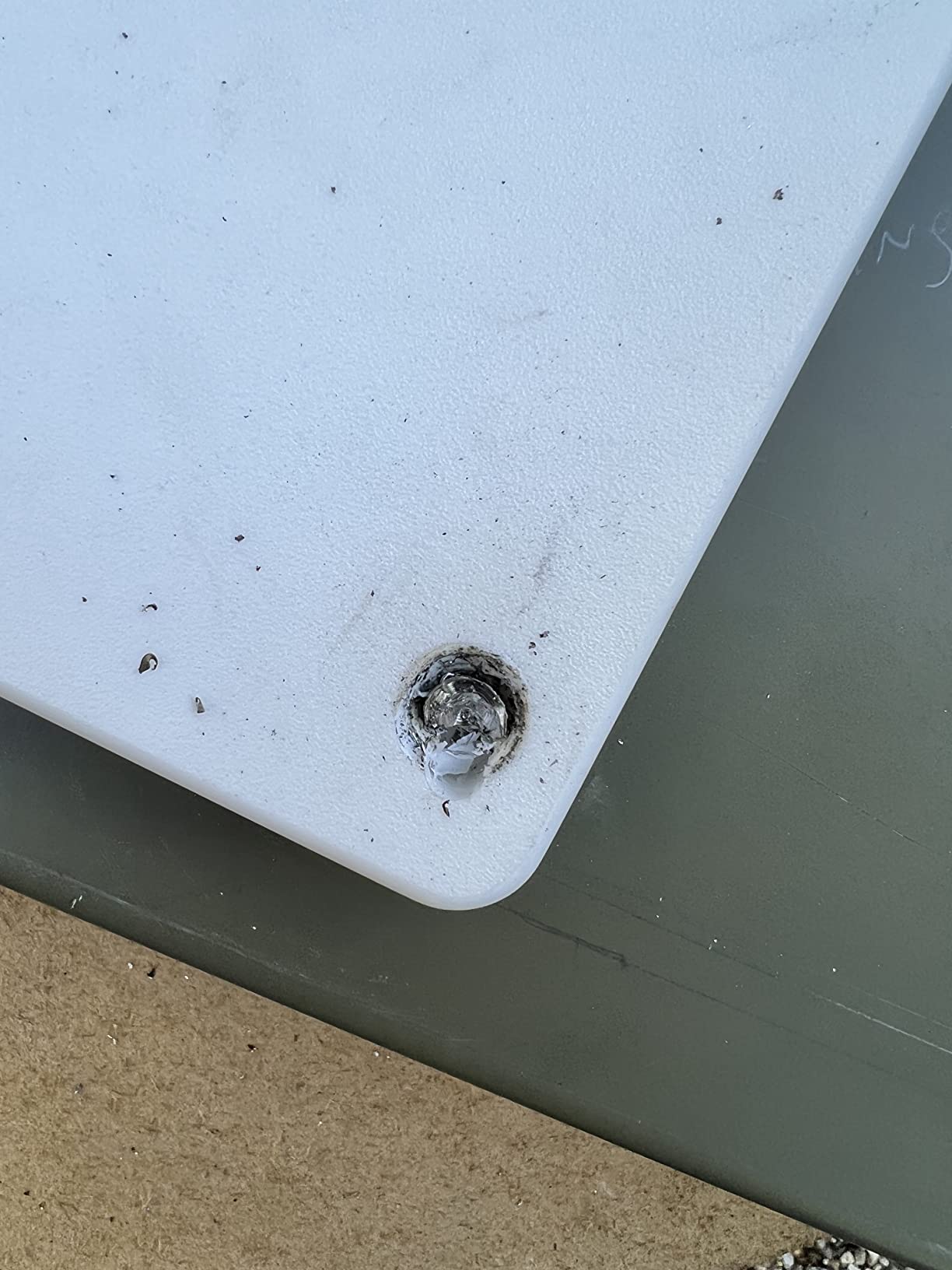
The second issue is thread engagement. Several owners note that the supplied mounting nuts do not always give more than one full thread of grip on a thin aluminum foredeck. Our advice is simple: add a stainless lock nut and a quarter-inch backing plate before you tighten anything, and use anti-seize on every fastener in a saltwater environment.
What it fits and what it will not
It fits flat foredeck surfaces with the Minn Kota electric-steer bolt pattern, and it tolerates brackish and salt water without any special treatment beyond a rinse. It will not fit a narrow jon gunnel without a fabricated deck, and it will not accept a cable-steer motor or a different brand of bow mount.
It also will not solve a hull-flex problem. If your jon boat has a soft or oil-canned foredeck, no bracket of any material keeps the motor steady. Check the deck for flex before drilling, because a bracket on a deck that moves just passes the movement straight into the shaft.
Who should buy it and who should not
Buy it if you run a Minn Kota Riptide electric-steer motor on a jon with a flat foredeck, fish salt water, and want the motor off the boat in one motion. The composite build and the padlock point are worth the money in that case.
Skip it if your jon boat gunnel is narrow and you have no intention of building a deck, or if you want a bracket that pairs with a non-Minn Kota motor. In both cases the EZ Mount below fits your situation better. Anglers pairing brackets with new motors can also start with our trolling motor picks for small boats to confirm steer type and shaft length first.
2. EZ Mount Clamp-On Bow Mount – no drilling, built for narrow gunnels
Pro Controll EZ Mount – Universal Trolling Motor Mount for Jon Boats | Bow Installation | No Drilling Required | Fits Gunnels < 3" Wide | Easy to Install
Clamp-on bow mount
No drilling
Marine-grade aluminum
Gunnels under 3 inch wide and 1 inch deep
Pros
- Purpose-built for jon and utility boat gunnels
- Clamp-on bow install with no drilling and no tools
- Marine-grade aluminum resists corrosion
- Light enough not to load a small aluminum hull
Cons
- Only fits gunnels under 3 inch wide and 1 inch deep
- Rigidity depends on the grip against the aluminum hull
This is the answer for most jon boats, and it is why we call it the best value in the roundup. The EZ Mount grips the gunnel from outside and puts a bow mount where a jon boat usually has nothing but a tapered nose. No holes, no welding blocks, no plywood, and in the field no tools at all.
The 496 reviews are not from people who stumbled onto it. They are jon and utility boat owners who specifically needed a narrow-gunnel solution, and their feedback centers on exactly two things: whether the gunnel width fits, and how solidly the clamp bites aluminum.
Measure before you order, because the limit is real. The clamp is designed for gunnels under 3 inches wide and under 1 inch deep. Run a tape across the top of your gunnel at the point where you want the motor, and measure the vertical face as well. If your boat has a wide flat top-side, this bracket is the wrong tool.
Where it does fit, the bow position is the real win. A motor at the bow pulls the boat rather than pushes it, which is what makes a jon boat track straight through wind and current instead of blowing off line. That matters even if you are not using the motor for docking.
Gunnel fit and rigidity
The clamp works by squeezing the gunnel, so the gunnel itself becomes the structural member. On a rigid aluminum hull with a proper rub rail, that is enough. On a hull with a thin or cracked rub rail, expect movement, and expect the motor head to amplify it.
Check the gunnel for dents and cracks before installing, and re-check the clamp tightness after the first few trips. Salt and mud both work into the contact point, and a clamp that was snug on the ramp can loosen by the fifth outing.
Who should buy it and who should not
Buy it if your jon boat has a narrow gunnel, you want a bow mount, and you have no flat foredeck to bolt to. Nothing is permanently attached to either hull, so moving one motor between two boats takes minutes.
Skip it if your gunnel is wider than 3 inches at the top or deeper than 1 inch on the face, or if you need a spot lock for shallow-water anchoring. A clamp bracket has no anchor puck, so it cannot take a spot lock. Anglers using it as their only power source can check our marine battery picks for trolling motors to size charging for all-day runs.
3. Sunluway MKA-21 Replacement Bracket – budget fix for an existing deck plate
For Minn Kota 1854021 Quick Release Bracket MKA-21 fits Ulterra, Terrova, Deckhand 40, PowerDrive, PowerDrive V2 /Pontoon Trolling Motors, For Minn Kota Trolling Motor Mounting Bracket
Bolt-on deck mount
Composite construction
Replaces MKA-21 / 1854021
Drilling required
Pros
- Exact drop-in for the OEM MKA-21 / 1854021 quick release
- Composite resists rust
- UV and salt water
- Low-profile plates clear the deck when the motor comes off
- Complete hardware kit with screws
- nuts
- washers and template
Cons
- Paper drilling template has an incorrect hole pattern
- Not for 72 inch or longer shafts or 112 lb thrust motors
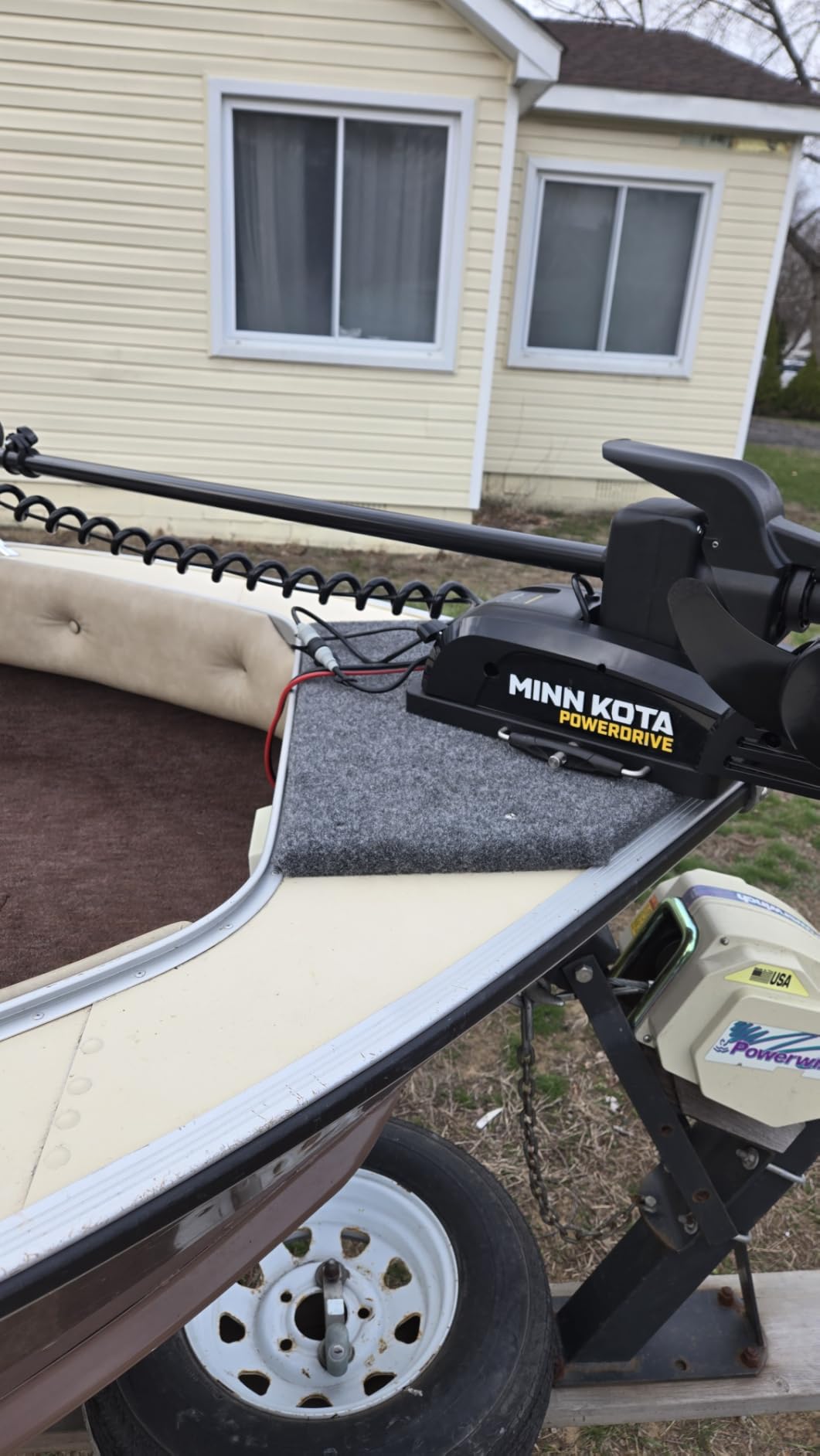
If your jon boat already has a Minn Kota quick release deck plate and the composite handle cracked, this replaces the OEM MKA-21 part number 1854021 directly. Owners confirm a clean fit on Ulterra, Terrova, PowerDrive and PowerDrive V2 motors, and the composite plate holds up well on a small aluminum hull where weight matters.
The low-profile pair of plates is genuinely useful on a jon. The outer plate bolts to the motor, the inner plate bolts to the deck, and when the motor comes off for the night you are left with two thin pads rather than a steel shelf. The locking U-handle also uses stainless pins, so it accepts a padlock.
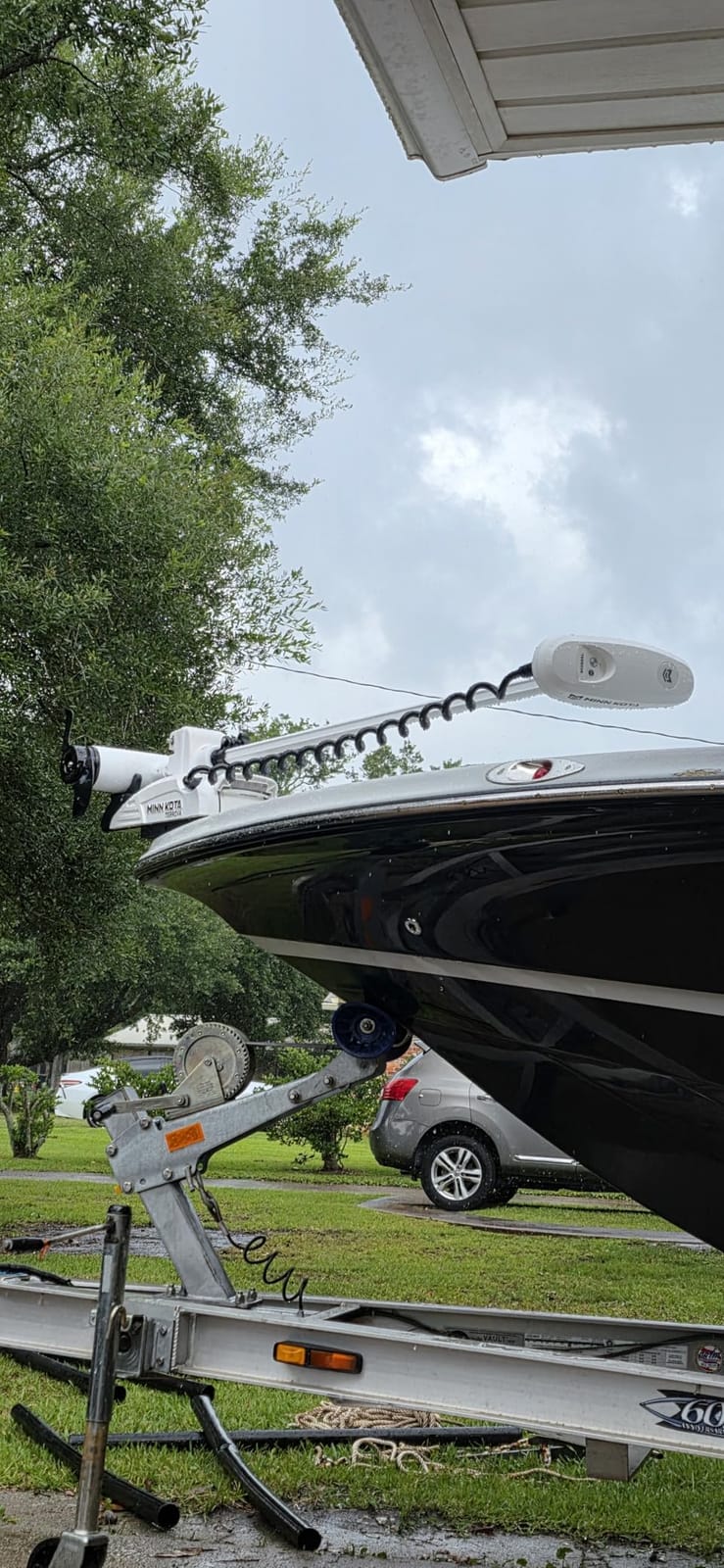
One warning applies to every one of these aftermarket composite brackets, and it comes up repeatedly in the reviews. The paper drilling template inside the box has the wrong hole pattern. Trace the holes from the plate itself onto masking tape, then transfer that to the deck. Skipping that step is how people end up with a bracket that sits crooked and needs a second set of holes.
Check your shaft before buying. This bracket is not rated for shafts 72 inches or longer, and not for 112 lb thrust motors. Most jon boat setups use shorter freshwater units, so this rarely matters, but it rules out some of the heavy saltwater models outright.
Fit, hardware and deck preparation
Drilling is required, and that is the deal. On a jon boat with an aluminum foredeck, back the hole with a plate of aluminum or a marine plywood block so the fastener has something solid to bite into instead of thin sheet. The included hardware is complete, but longer stainless bolts are usually the right call on a reinforced deck.
Owners also note a 30-day money-back return and a one-year warranty, which makes this a low-risk way to test a deck-plate setup before committing to a bigger bracket.
Who should buy it and who should not
Buy it if you already own a Minn Kota Ulterra, Terrova or PowerDrive with an MKA-21 plate that needs replacing, and you want OEM geometry at a lower cost. It is also a good first bow-mount experiment on a jon boat with a flat foredeck.
Skip it if your jon boat has no flat foredeck, if your shaft is 72 inches or longer, or if you want a bracket that pairs with more than one motor brand. The MKA-21 pattern is specific, and a universal plate below may serve you better if you swap motors often.
4. Brocraft BP405A Removable Deck Mount – rigid aluminum on a budget
Brocraft Trolling Motor Mount Bracket, Removable Deck Mount for Clamp-On Electric Trolling Motors, Marine Aluminum & Nylon, Boat Motor Mount
Removable deck mount
Aluminum and nylon
3 lb weight
Salt and freshwater
Pros
- Marine aluminum build holds a motor rigidly
- Removable deck plate keeps a clean profile when the motor is off
- Verified on an aluminum jon bow with a quarter-inch backing plate
- Compact standard size when deck space is tight
- Brocraft replaced a failed part
Cons
- Included bolts too short once washers and backing plate are added
- Securing knob can vibrate loose in transport
- One report of cracked aluminum at the arm bend
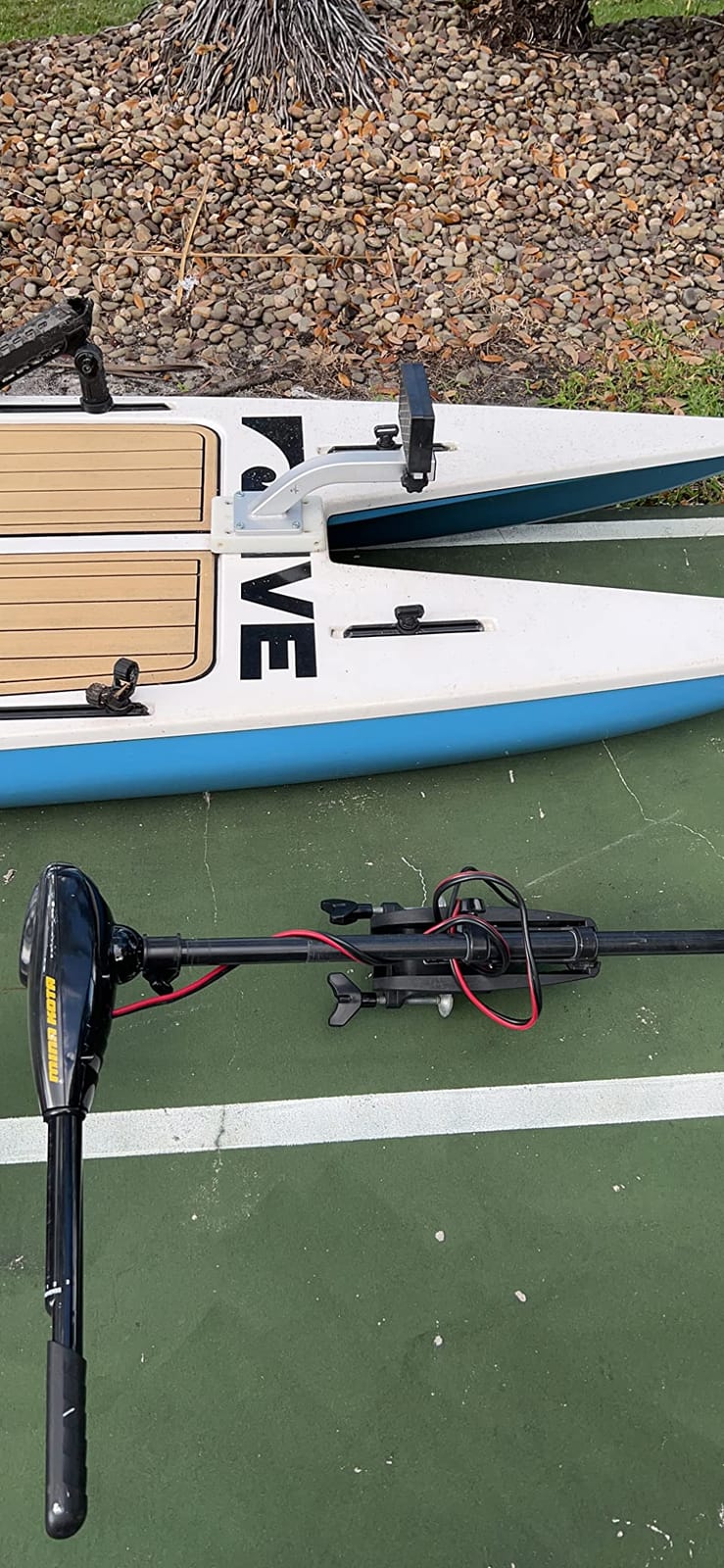
The Brocraft BP405A is a deck plate with a nylon post that carries a clamp-on motor, and the surprise is how much more rigid it is than the black nylon look suggests. It weighs 3 pounds, bolts to a flat deck surface, and the removable plate means the motor comes off without disturbing your deck layout.
One verified owner fitted it to an aluminum jon boat bow using a quarter-inch aluminum backing plate, which is the install we would copy. That combination turns thin aluminum sheet into a solid bolting surface and removes the flex that makes cheap mounts rattle.
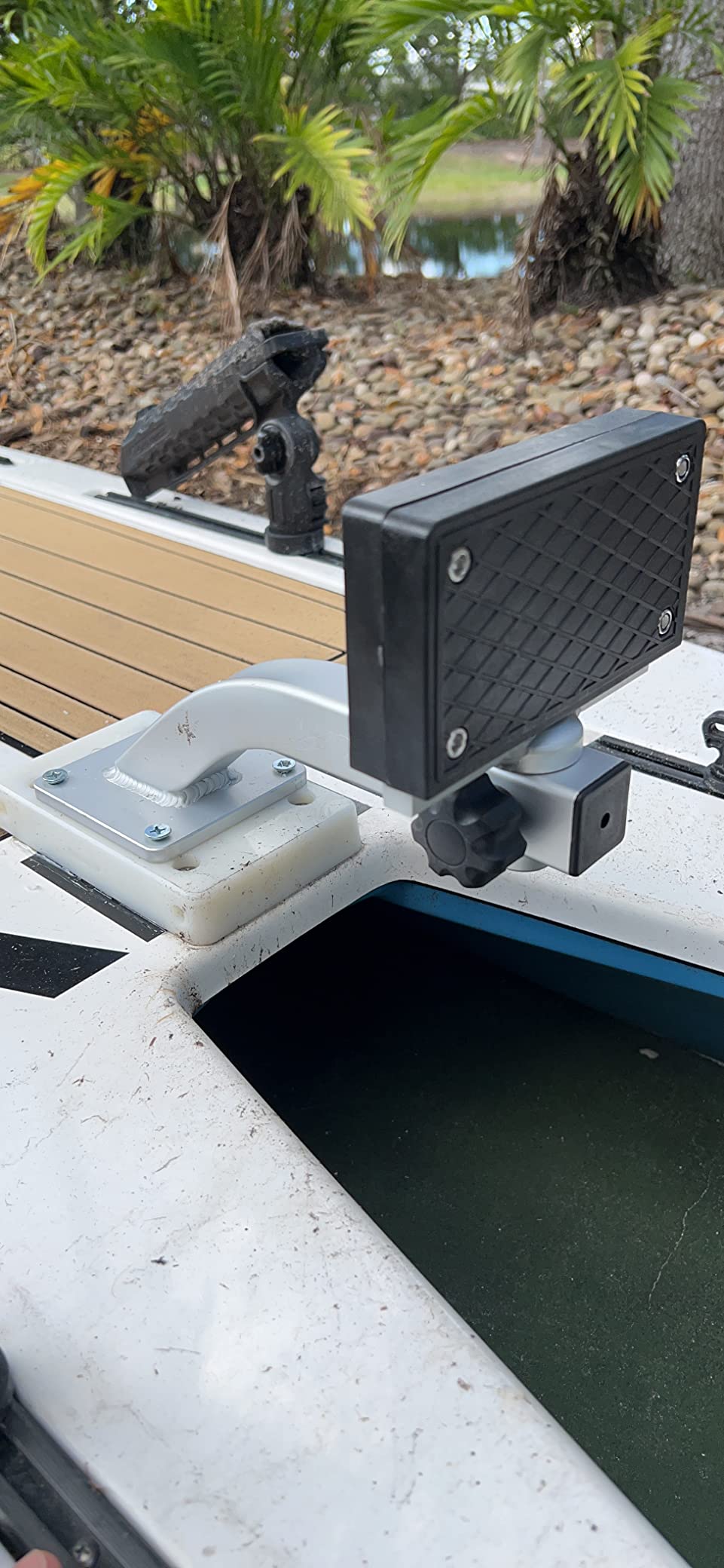
Hardware is the main complaint, and it is an easy fix. The supplied bolts run short once you add washers and a backing plate, so plan on longer stainless fasteners before you start. The securing knob at the motor end can also vibrate loose over gravel roads, and several owners either remove it or replace it with a locking bolt.
There is one isolated quality-control report of cracked aluminum on the underside of the arm on the larger variant. Treat that as a single report rather than a pattern, but inspect the arm bend carefully after the first hard landing.
Deck requirements and motor pairing
This mount is for clamp-on electric trolling motors only, on a boat with a suitable flat deck or mounting surface. It is not designed to carry a gasoline outboard, and it is not a bow quick release, so the motor clamps on and off rather than dropping into a deck puck.
Salt and fresh water are both fine with the marine aluminum and nylon build. Rinse it after salt sessions and check the bolt torque a few times in the first season, because aluminum plate on aluminum deck can settle slightly as it bedded in.
Who should buy it and who should not
Buy it if you have a flat spot on your jon boat, you run a clamp-on motor, and you want a rigid aluminum base instead of the thin plastic plate that came with the motor. It is the better choice for a boat that bounces in chop, where a solid arm matters more than a low profile.
Skip it if your foredeck is tapered, curved or made of thin unsupported sheet, or if you need a quick-release plate you can drop a bow motor into. Drilling is required either way, so pair it with the same backing plate discipline you would use on any marine deck.
5. Minn Kota RTA-54 Riptide Bracket – the OEM heavyweight option
Minn Kota 1854054 RTA-54 Riptide Electric Steer Trolling Motor Composite Quick Release Bracket, Black
Bow quick release
OEM Minn Kota part 1854054
7.5 lb weight
Composite construction
Pros
- Highest rated bracket in the test group at 4.8
- OEM direct replacement for Riptide quick release
- Sized for Minn Kota heavy-duty saltwater motors
- Composite build resists saltwater corrosion
Cons
- Weighs 7.5 lb for a deck-mounted bracket
- Compatible only with Minn Kota Riptide electric-steer models
The RTA-54 is the bracket Minn Kota builds for its own heavy-duty Riptide saltwater line, and at 4.8 stars it scored highest in the group. Owners buy it as the direct OEM replacement when an original quick release cracks, and they rate the build quality and fit very highly once it is down.
At 7.5 pounds it is among the heavier brackets here, and on a small jon boat you feel that when you lift it. The weight is not a flaw exactly; it is the reason the mount stays planted on a short, wide hull that bounces in chop. The trade is deck weight against stability.
Compatibility is narrow. This is a Riptide electric-steer part, part number 1854054, and it will not pair with a MotorGuide bow mount, a Haswing motor or a freshwater Minn Kota model outside that line. Know your motor series before you order, because the physical look is similar across the range.
The expressed trade-off in reviews is cost against the aftermarket composite brackets that copy the same geometry. If you already own a Riptide and the original bracket failed, the OEM part is the safest buy. If you are buying a fresh setup, compare it against the Sunluway MKA-21 plate first.
Strength and deck load
The heavy composite construction is what gives it the top rating in our group. It is built for the same motors that push a loaded jon boat through wind and current, so it holds position where lighter plates develop side-to-side play.
Plan the deck for the load. Seven and a half pounds plus a motor is a real load on a small foredeck, so use a wide backing plate and at least four fasteners, and check deck flatness first.
Who should buy it and who should not
Buy it if you own a Minn Kota Riptide electric-steer motor, fish salt water, and want the OEM bracket that carries the motor at its rated thrust.
Skip it if you are on a budget, if you run a smaller freshwater Minn Kota, or if deck weight is a concern on a very small jon. In those cases the RTA-17 gives you the same saltwater composite approach at a fraction of that mass.
6. Haswing Quick Mount Bracket – compact and lockable
AQUOS Haswing Quick Mount Bracket for Bow Mount Trolling Motors
Bow mount
Plastic construction
16.5 x 7.5 inch footprint
Three-step install
Pros
- Motor installs and removes in three simple steps
- Lockable design adds theft security
- Compact footprint saves deck space on a small jon
- Rigid positive locking reduces motor noise and movement
Cons
- Built as a Haswing partner bracket
- so it is not cross-brand universal
- Plastic is lighter and less rigid than aluminum
The Haswing bracket is a compact quick release with a 16.5 by 7.5 inch overall footprint and a 9 by 4.6 inch base. On a small jon boat where every flat inch of foredeck counts, that footprint is the reason to consider it. The base is the part that bolts down, and it is small enough to sit forward of most casting space.
Owners point to the positive locking mechanism as more than a convenience. A bracket that positively locates the motor reduces movement, and reviewers describe a corresponding drop in motor noise. On a flat-bottom jon hull that thumps over shallow stumps, less movement means less shock reaching the shaft and lower box.
Security is the other draw. A lockable quick release means the motor stays on the boat at a crowded ramp, and for anyone running a jon as a solo boat to remote water, that is a genuine argument. Combined with the small base, it makes this bracket easy to hide under a cover and hard to walk off with.
The limitation is brand lock. This is a partner bracket for Haswing bow-mount electric motors, and compatibility is framed almost entirely around that brand. It is not a universal plate, and it will not accept a Minn Kota or MotorGuide top plate.
Rigidity and material limits
Plastic construction keeps the weight down, which is friendly to a small hull, but it is less rigid than aluminum or composite. If you are running high thrust in current, or bashing through heavy chop, expect more flex than the aluminum and composite options in this list.
For freshwater fishing on a calm lake, a 12-volt to 30 lb class motor, and a boat where deck footprint is the constraint, the trade is an easy one. Salt spray is tolerable but rinse it down anyway.
Who should buy it and who should not
Buy it if you run a Haswing bow-mount motor, want the smallest possible deck footprint, and need a lockable quick release for ramp security. The three-step install also means less fiddling in the dark at a boat ramp.
Skip it if you own a Minn Kota or MotorGuide, if you are saltwater-only fishing in rough conditions, or if your jon deck is wide and flat enough for a heavier composite plate. The aluminum and composite options will serve you better there.
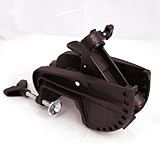
7. Endura Transom Mount Bracket 2991815A – direct OEM transom replacement
Endura Transom Mount Bracket PN# 2991815A
Transom clamp mount
Plastic construction
2.3 lb weight
Part 2991815A
Pros
- Direct replacement for a cracked original Endura transom mount
- Replicates the original OEM clamp design
- Motor removes and reinstalls for storage or transport
- Doubles as a portable pole or paddle-rudder point
Cons
- No installation instructions included
- One report of plastic threads stripping on metal screws and a missing part
- 4.0 average with 14 percent of reviews at one star
Most people buying this bracket are replacing a cracked original, not shopping for a first mount. It is the Endura transom mount, part number 2991815A, and it replicates the OEM clamp design closely enough that installs are uneventful. The clamp grabs the transom and holds a clamp-on motor at the stern.
There is a second use worth knowing about. Several owners use the bracket as a portable attachment point for a pole or a modified paddle rudder, which turns a trolling motor mount into a general-purpose mount on a small jon boat where deck space is scarce.
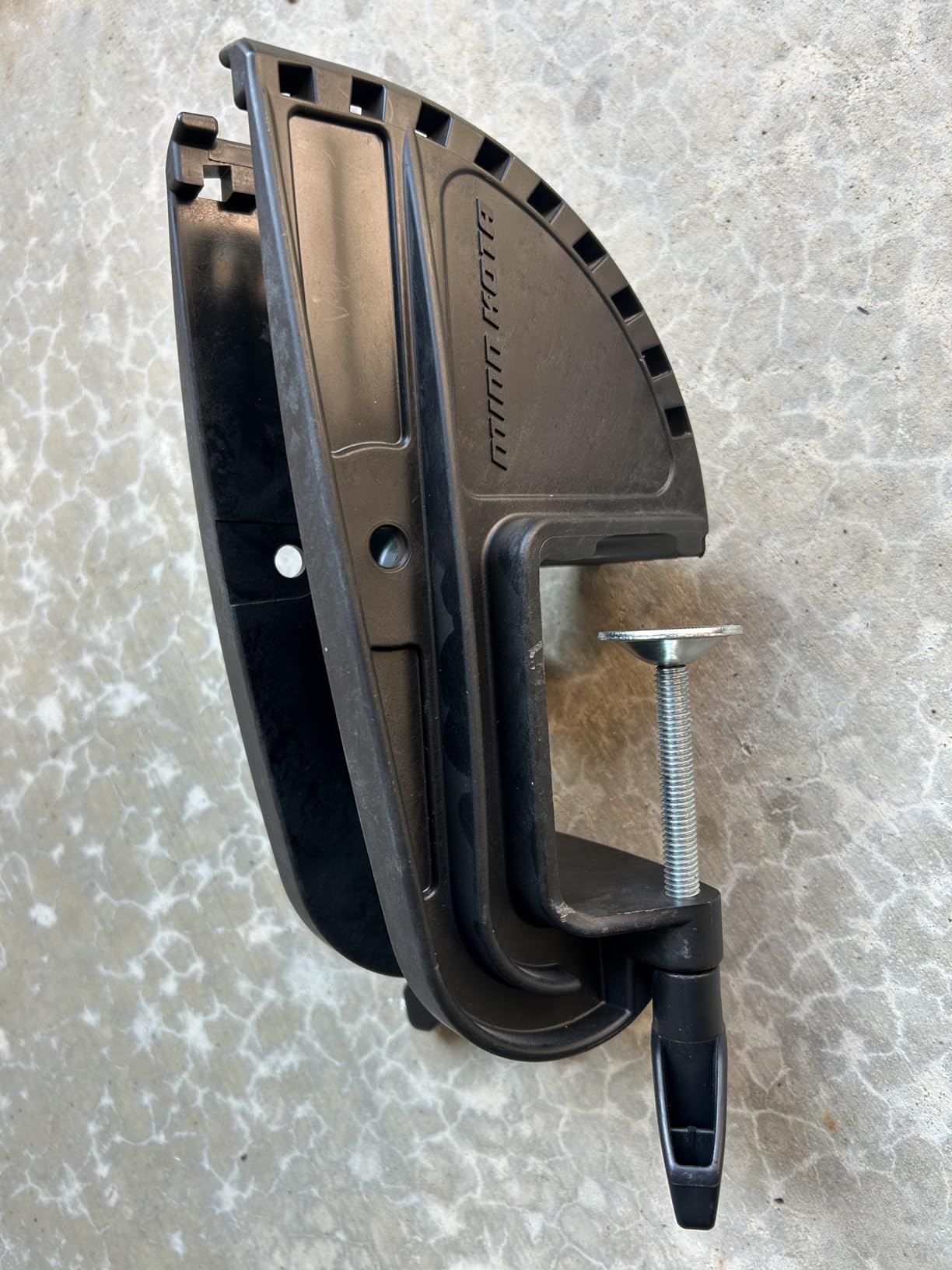
Be aware of the rating profile. At 4.0 stars with 105 reviews, this sits at the bottom of the group, and 14 percent of reviews are one star. The complaints cluster around one theme: no instructions are included, so installation depends on your own mechanical judgment.
There is also an isolated report of plastic threads stripping on metal screws and a missing shaft-lock component. If you buy it, add a washer under the clamp screw and verify the hardware list against the original before you reassemble.
Transom fit and stern load
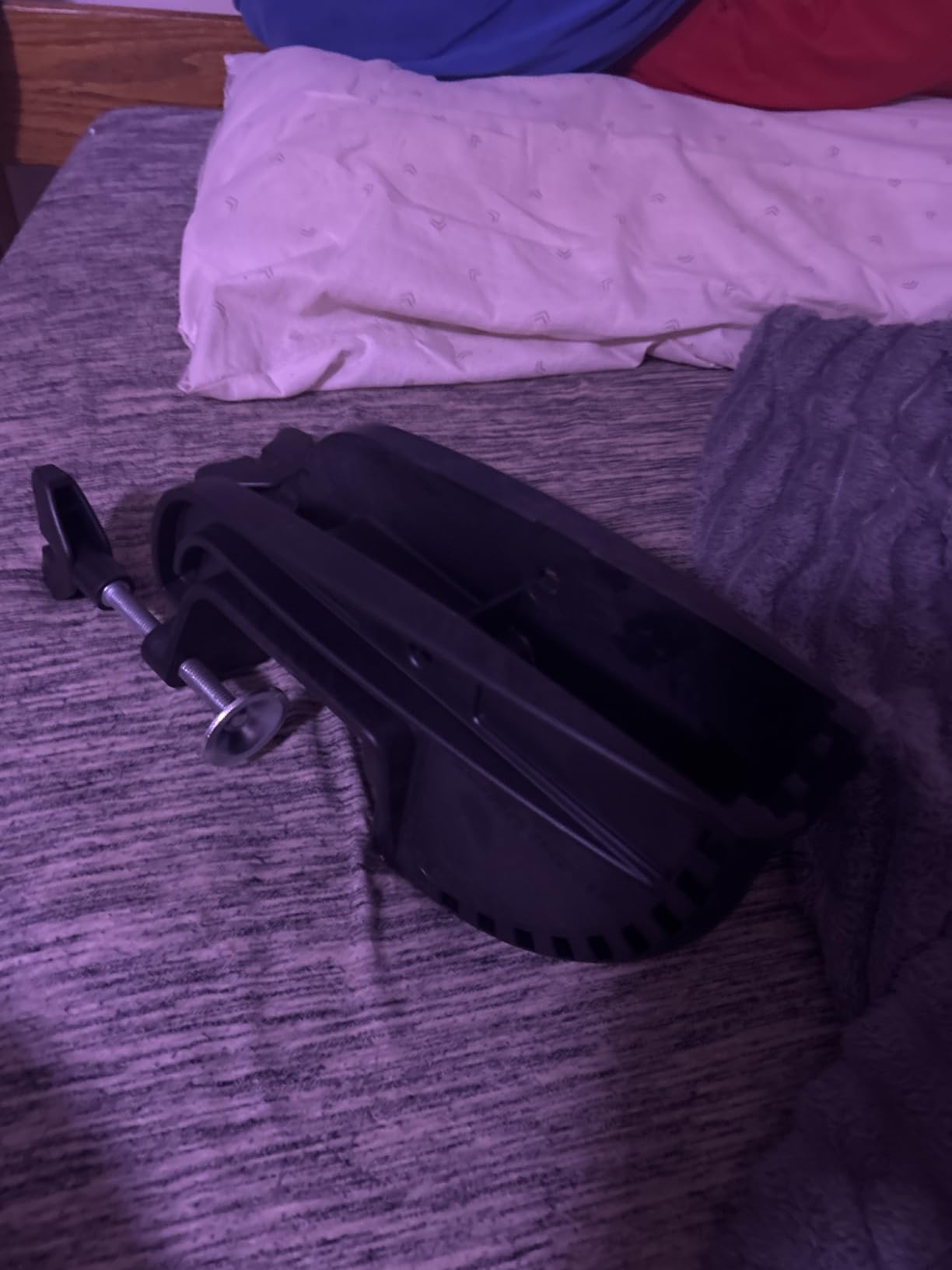
This is a transom clamp, so there is nothing to drill. That is the whole appeal on a jon boat with a thin or already-finished transom. It also means the bracket only works where the transom is tall and flat enough for the clamp jaws to seat properly.
A stern-mounted motor pushes rather than pulls, so it is less precise in wind than a bow mount. Anglers on bassresource.com threads regularly favor transom mounts on smaller jons for exactly that reason, with size rather than wind being the deciding factor.
Who should buy it and who should not
Buy it if you own an Endura transom-mount motor and the original clamp cracked. It is a faithful drop-in and the fastest fix available.
Skip it if you are building a new setup, if you want the precision of a bow mount in wind or current, or if you are not comfortable adapting the install without written instructions. For a new stern mount, a steel or full-cast aluminum plate is the stronger long-term choice.
8. HLOGREE Universal Bow Plate – textured grip on a flat stern
Universal Trolling Motor Mount Bracket, Heavy Duty trolling Motor Bow Mount
Flat-stern deck plate
ABS plastic and stainless hardware
Four-step install
2-year warranty
Pros
- Textured non-slip surface grips a motor better than bare aluminum
- Stainless steel screws
- nuts and gaskets included
- Four-step installation with all fasteners supplied
- Heavier than it looks for a stable static mount
Cons
- One review reports hardware rusting after a single outing
- Some listing photos do not accurately show installation
- ABS and nylon flex more than aluminum under sustained torque
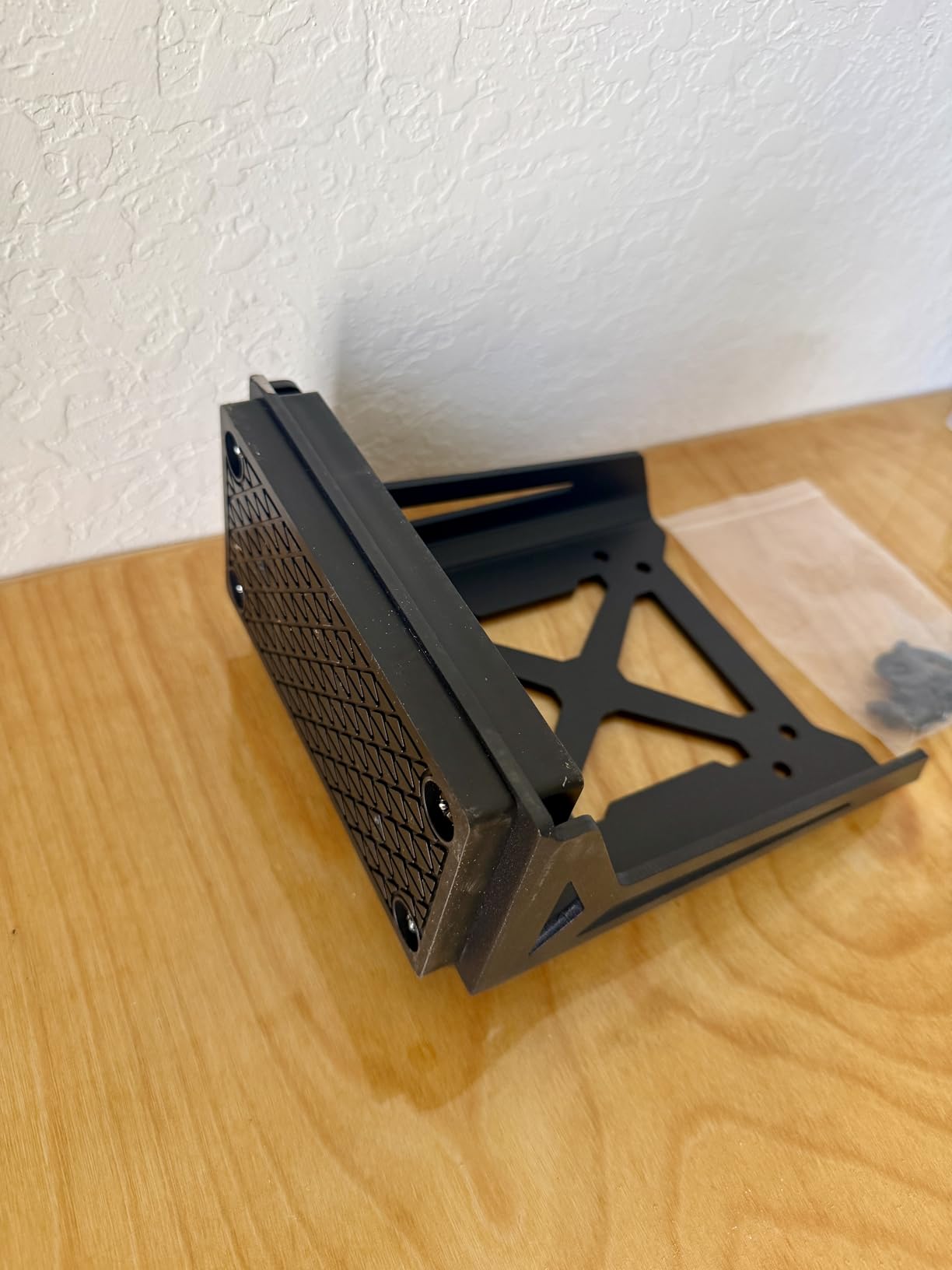
The HLOGREE plate is a simple flat deck bracket for clamp-on motors on flat-stern craft, and it does one thing better than most: the textured surface grips. Owners point out that a motor clamped onto bare polished aluminum can slip, and a textured interface holds position with more confidence at trolling thrust.
Everything needed comes in the box. Four stainless steel screws, nuts and gaskets, a four-step process, and a two-year warranty. Several owners added their own backing plate for extra strength, which is the same move we recommend on any thin aluminum deck.
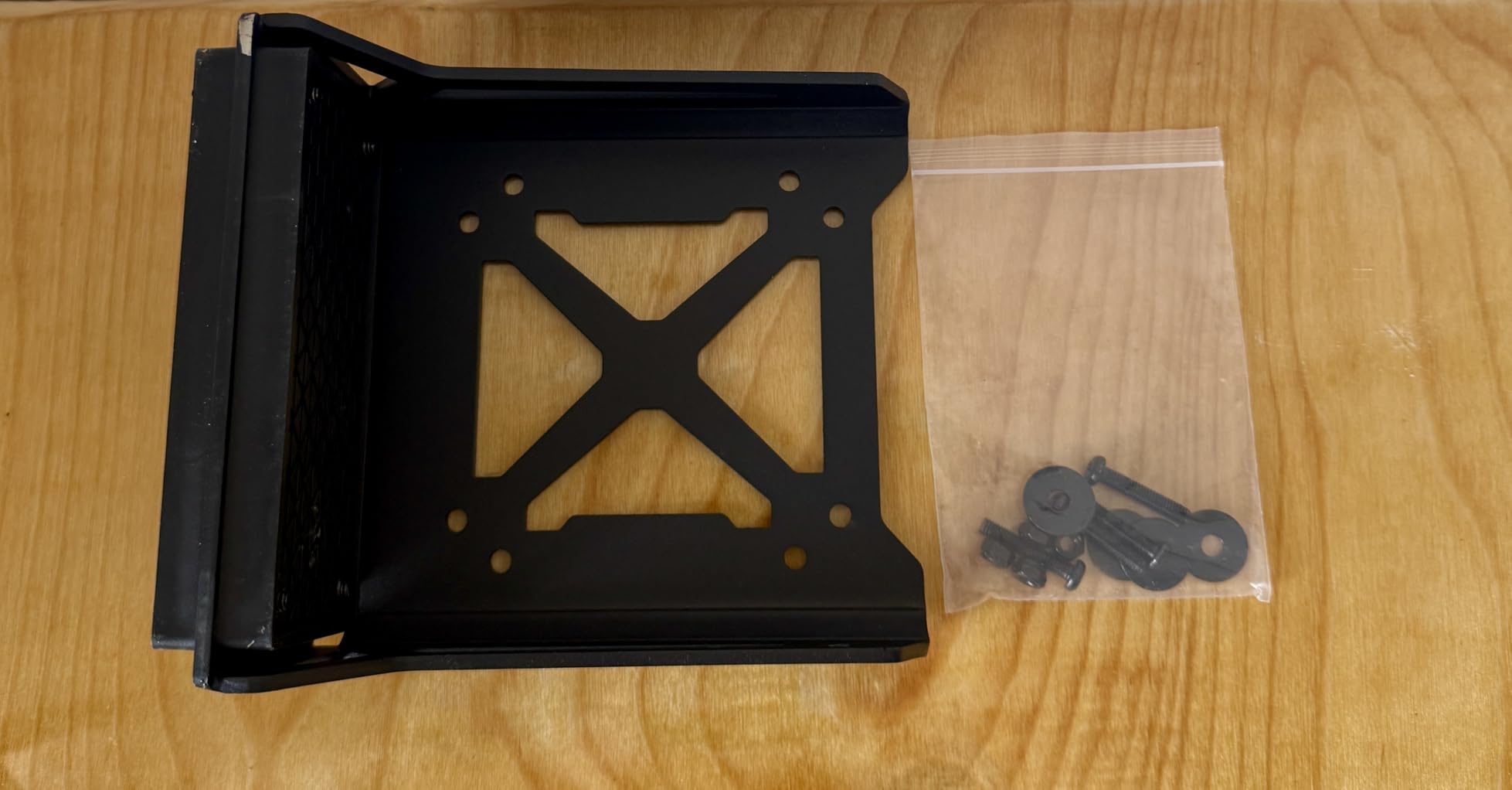
There are two cautions. One review reports the hardware rusting after a single outing, which points at the steel grade of the included fasteners rather than the plate. Replace the supplied screws with marine-grade stainless before the first salt trip and this concern goes away.
Second, several buyers note that the product photos are not an accurate depiction of how the bracket installs. Expect to spend a few minutes working out orientation from the part itself. If you are visual learner, factor that extra time in.
What the plastic construction costs you
ABS plastic and nylon will flex under sustained torque in a way aluminum will not. On a calm day with a small motor, you will not notice. Running a heavier motor in current or chop, the difference shows up as movement at the motor head and the noise that movement creates.
Marine and freshwater use is acceptable with stainless hardware, since the plate itself will not corrode. Not for outboard engines, and not for anything above a small clamp-on motor in a rough environment.
Who should buy it and who should not
Buy it if you are replacing a warped plastic stern plate, you run a modest clamp-on motor, and you want a grippy surface with all hardware included in the box.
Skip it if you are in saltwater, if you run a large motor, or if your deck is thin enough to flex. A full-cast aluminum or steel plate costs more and flexes less, which is the better investment on a boat that works hard.
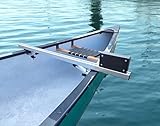
9. Brocraft Canoe Track Bar Mount – hand-tighten gunwale clamp
Brocraft Canoe Trolling Motor Mount – Universal Canoe Mount
Gunwale clamp mount
Marine aluminum track bar
Adjustable hull width
2-year warranty
Pros
- Hand-tighten gunwale clamp needs no tools
- Adjustable track bar fits a range of hull widths
- Marine grade aluminum with nylon components
- Works with gas or electric motors
Cons
- Only 33 reviews
- the thinnest feedback base here
- Gunwale clamp is less rigid than a bolted deck plate
The Brocraft track bar mount clamps onto the gunwale and adjusts to fit different hull widths, all by hand. There is no drilling, no tools and no permanent modification, which makes it a genuine no-drill option for a narrow jon boat where even a small deck plate would be out of place.
Build quality is marine-grade aluminum with nylon components, and it carries either a gas or an electric motor, which is unusual for a clamp in this category. Setup and removal are quick enough to move the motor between two boats in a couple of minutes.
We want to be straight about the evidence here. This bracket has 33 reviews, the smallest feedback base in the roundup, so there is limited long-term durability commentary. Owners do rate the build and the no-tool installation highly, but the sample is small.
Gunwale clamp versus deck plate
The strength of a gunwale clamp is convenience. The cost is rigidity. A clamp concentrates its load into the gunwale, and a jon boat gunwale is a rub rail, not a structural beam. If you want a motor that stays put in chop, a bolted deck plate with a backing plate wins.
For a duck boat, a swamp boat or a jon used in flat water, the clamp is a perfectly reasonable answer. Available variants cover narrow and wide canoe gunwales, so match the version to your hull.
Who should buy it and who should not
Buy it if you want zero drilling, you need to move the motor between boats regularly, or your boat is a duck boat or canoe-like craft where a deck plate is not an option.
Skip it if you run high thrust in current, if you want to use the motor as a thruster in wind, or if you want the long-term durability record that comes with a few hundred reviews rather than three dozen. The Brocraft BP405A deck mount carries far more feedback for a similar tool budget.
10. Extreme Max Long Deck Mount Bracket – swivel positioning
Extreme Max 3005.4266 Deck Mount Trolling Motor Bracket – Long
Deck mount
Aluminum arm with nylon block
Swivels up to 90 degrees
36 lb thrust maximum
Pros
- Mounting block swivels up to 90 degrees for flexible positioning
- Lightweight aluminum arm with a durable nylon block
- All required mounting hardware included
- Long arm version suits boats needing extra shaft clearance
Cons
- Requires drilling
- so not a no-drill option
- Rated only for motors up to 36 lb of thrust
The Extreme Max bracket is a deck mount with a nylon block that swivels up to 90 degrees, and that swivel is the reason to buy it. On a flat-bottom jon, being able to angle the motor changes how you cover a weed edge or hold a position on a wind-blown flat without moving your anchor.
It is also offered in a long arm version, which is useful when a jon boat needs extra shaft clearance from the deck. All mounting hardware is included, and there is a two-year warranty behind the part.
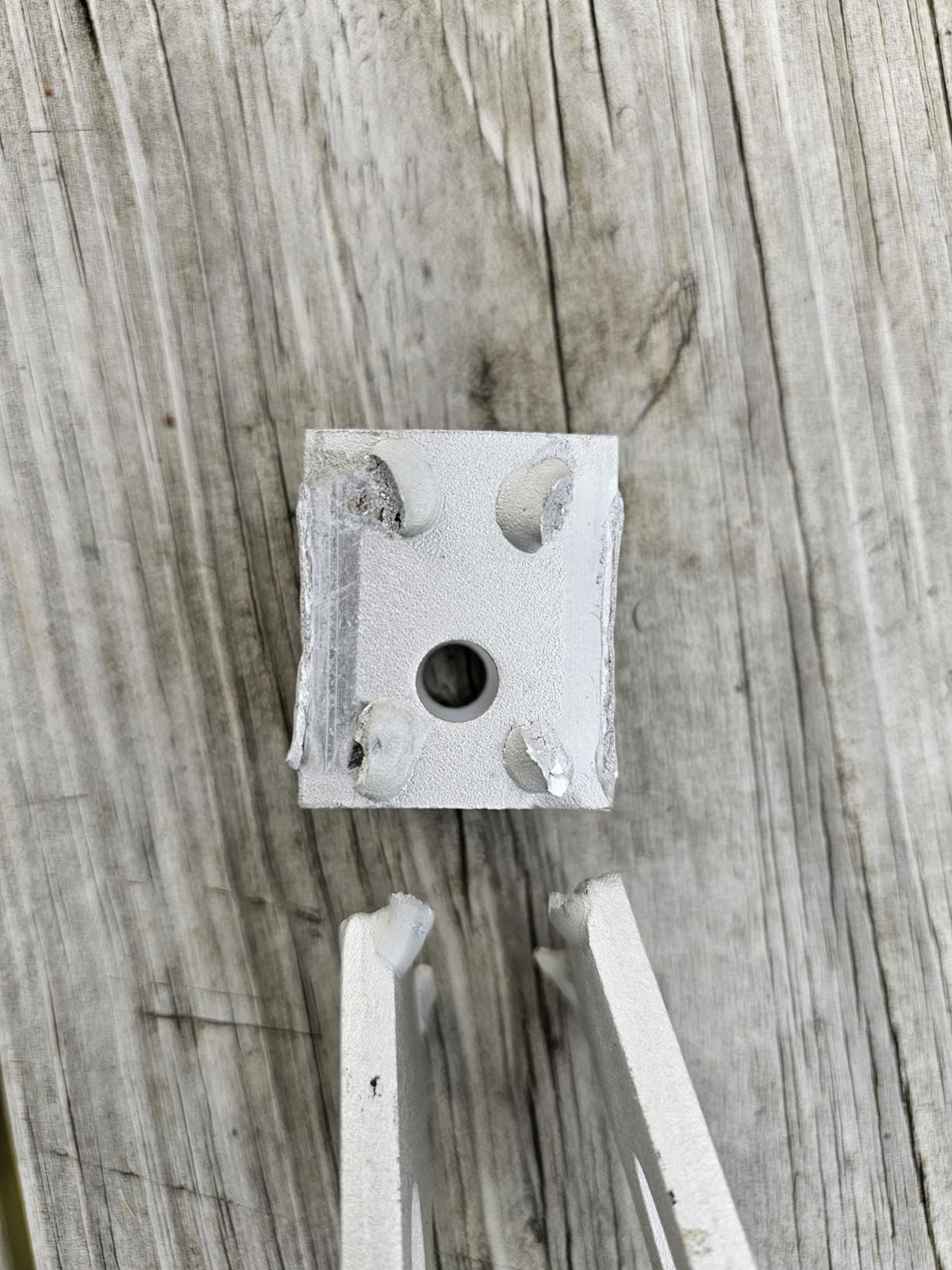
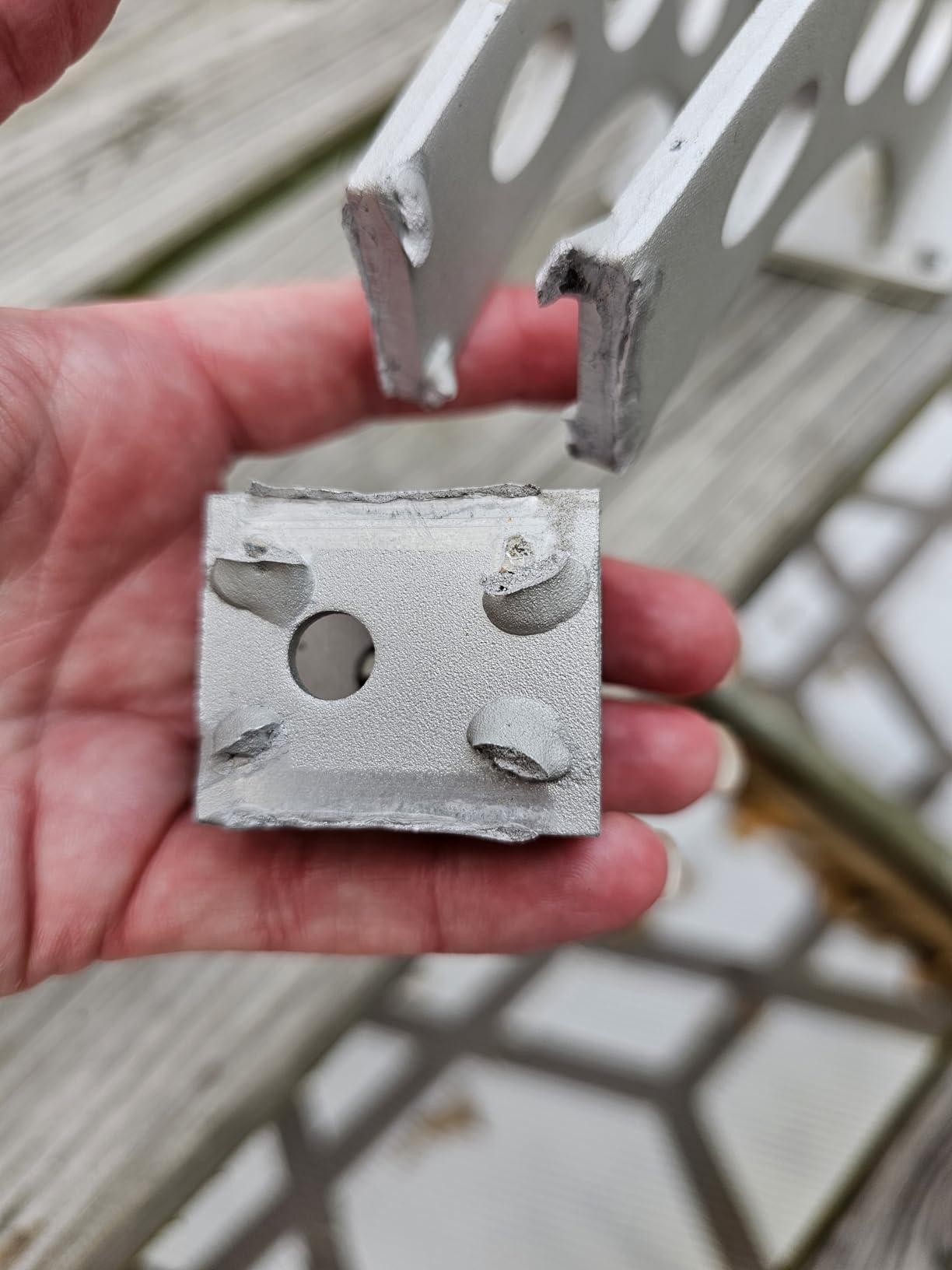
Two limits define where this bracket fits. Drilling is required, so it needs a flat deck surface you are willing to perforate. And it is rated for trolling motors up to 36 lb of thrust, which rules out most of the heavier freshwater units and every serious saltwater motor.
At 4.0 stars from 52 reviews, it sits at the lower end of the group. The 13 percent of one-star feedback ties back to drilling and the thrust ceiling rather than to build quality, which owners generally describe as solidly machined.
Sizing the swivel and the thrust ceiling
Match the motor to the 36 lb ceiling before anything else. On a small jon in shallow water, that rating is genuinely enough, and a lighter motor keeps the deck load down. Push past the ceiling and the aluminum arm is working outside what the manufacturer tested.
Drilling means the same preparation as any other deck mount: a backing plate, marine-grade fasteners and anti-seize. The swivel adds a joint, so check it periodically for loosening, especially over rough trailer roads.
Who should buy it and who should not
Buy it if you have a flat deck, you need adjustable motor angle more than you need a quick release, and your motor sits at or below 36 lb of thrust. The swivel genuinely helps on shallow flats.
Skip it if your motor is heavier, if your foredeck is tapered or thin, or if you plan to trailer with the motor mounted. For heavier motors, the cast aluminum or steel plates below carry far more load.
11. Deargooday Cast Aluminum Transom Bracket – low-cost full-cast rigidity
Universal Transom Trolling Motor Mounting Bracket for Kayaks/Kayak Marine Board Backing Plate Mount Bracket for Clamp-on Electric Trolling Motors
Quick release transom mount
Full-cast aluminum and stainless
3 lb weight
12-month warranty
Pros
- Full-cast aluminum with heavy-duty stainless hardware
- Quick release takes the motor off for transport or service
- Holds the motor rigidly with no flex under trolling thrust
- 30-day refund and 12-month warranty
Cons
- Requires drilling four holes into a flat stern
- Only 60 reviews for long-term durability data
- Fits flat-stern craft only and no outboard engines
This bracket is a full-cast aluminum transom plate with a quick release, and at 4.7 stars from 60 reviews it is among the highest-rated options in the group. Owners highlight rigid construction, secure clamping of the motor shaft and quick installation, which is exactly the combination a small aluminum hull needs.
The quick release function is the practical point. The motor comes off the stern for trailering, storage or service without a wrench, and the stainless hardware gives you corrosion resistance in salt water at a build cost that is closer to plastic than to a heavy cast OEM part.
Four holes have to be drilled into a flat stern section, so this is not a no-drill option. That is the one requirement worth repeating, because a lot of stern plates look universal until you hold them against a narrow or curved transom.
Reviewers describe the motor held rigidly with no flex under trolling thrust, which is the behavior that keeps vibration out of the shaft. The limited review count means less long-term data than the Minn Kota options, but a 30-day refund window makes it an easy thing to try.
Stern mounting and shaft clearance
A transom plate is a stern mount, so the motor pushes the boat. That is fine for positioning over a weed bed or working a shoreline, but it is less precise in wind than a bow mount. Many small jon owners choose stern mounting deliberately for that reason and for the simpler install.
Shaft clearance matters more here than on a bow mount because the stern plate sits lower. Make sure the prop has full submersion at rest and that the shaft is not pushing air when the boat is light, which is the usual cause of cavitation noise on a stern-mounted unit.
Who should buy it and who should not
Buy it if you have a flat stern you can drill, you want aluminum rigidity without the cost of a heavy OEM bracket, and you want the motor to come off without tools. It is a strong middle option.
Skip it if your transom is narrow, curved or already drilled for a different pattern, or if you are unwilling to perforate the hull. The clamp-on options above avoid drilling entirely.
12. Apaspoil Steel Transom Mount – rated to 70 lb of thrust
Universal Transom Trolling Motor Mount for Kayaks,Heavy Duty Marine-Grade
Transom mount
5mm marine-grade steel
Powder coated
70 lb thrust maximum
Pros
- Full-cast steel supports motors up to 3 hp or 70 lb of thrust
- Three bolt patterns including the 3.75 by 4.75 inch power pole pattern
- Reinforced triangular frame reduces vibration
- Replaceable UV-resistant nylon panels
- Verified on a 12 ft jon boat
Cons
- Included screws may be too short for some existing holes
- Powder coating can chip at stress points and then rust
- Heavier than aluminum or plastic brackets
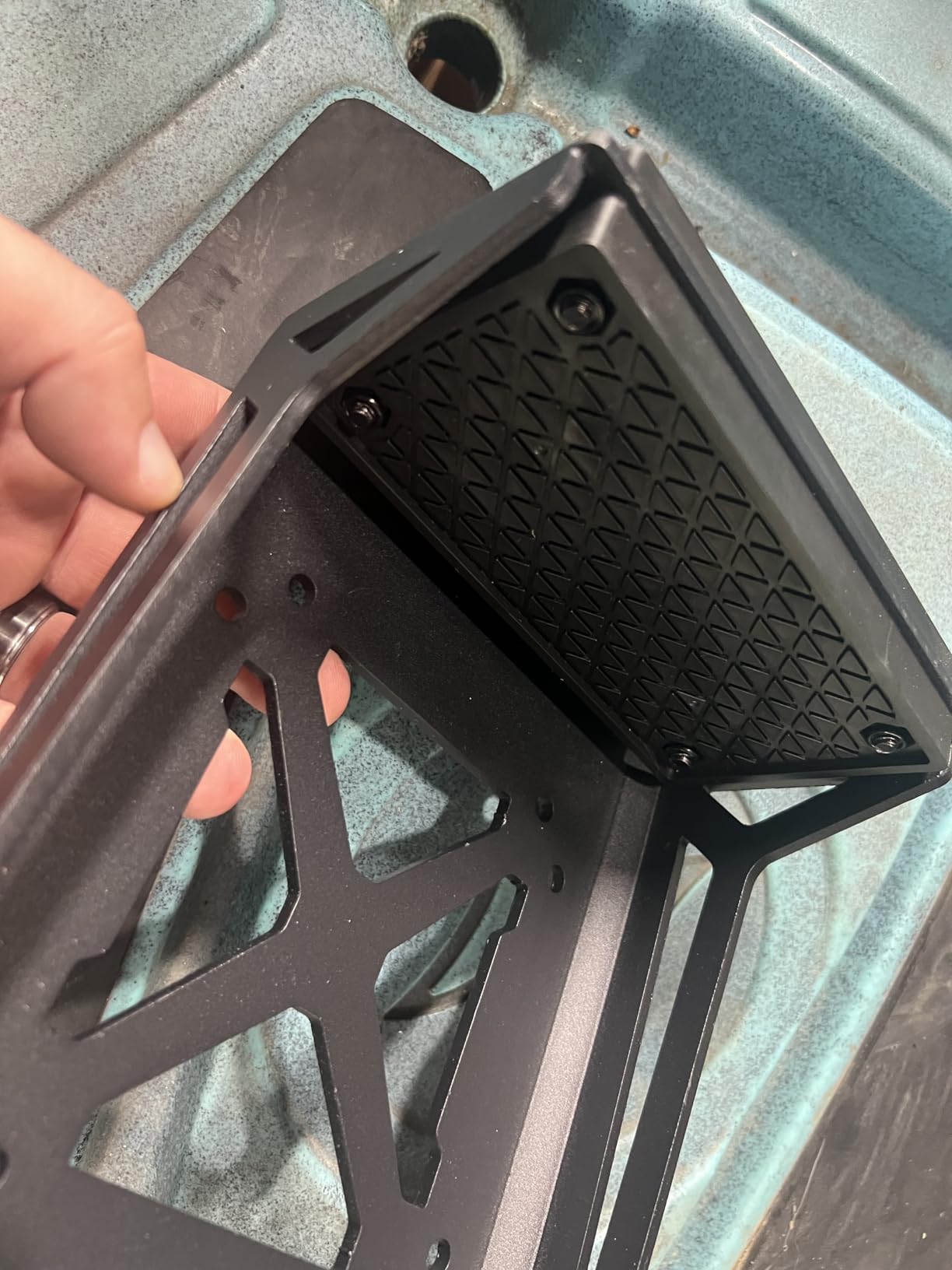
The Apaspoil plate is the only steel transom mount here, and it carries a 70 lb thrust rating, or up to 3 hp. It is built from 5mm marine-grade steel with a gloss black powder coat, and one confirmed owner runs it on a 12 ft jon boat.
What steel buys you is vibration control. The reinforced triangular frame and the two UV-resistant replaceable nylon panels are aimed squarely at the motor bounce that short, wide jon hulls produce, and owners consistently praise the stable hold rather than describing it as merely adequate.
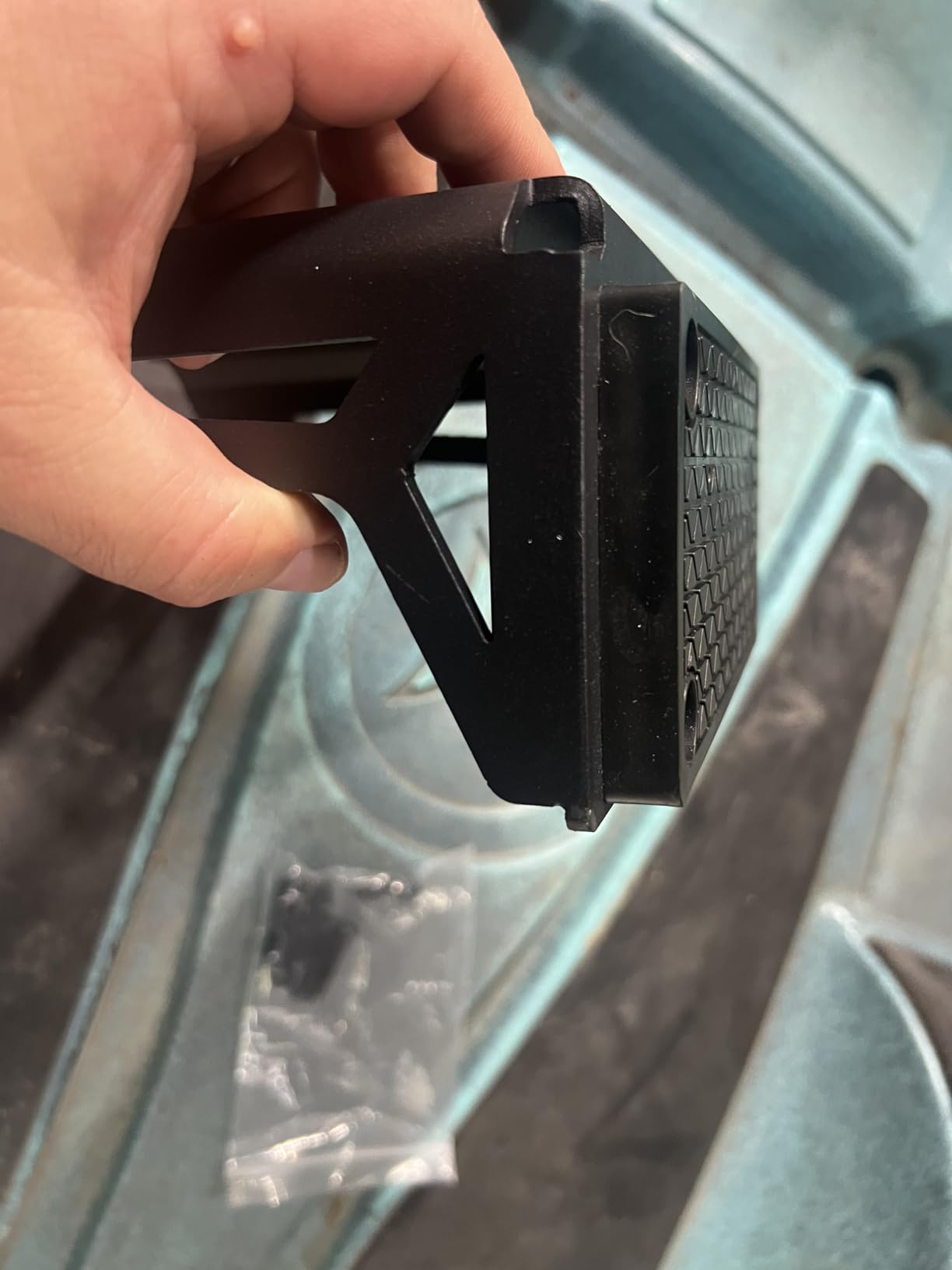
Three hole patterns are provided: 3.75 by 3.75 inch, 4.75 by 4.75 inch, and 3.75 by 4.75 inch, which matches the micro power pole pattern used by many clamp-on motors. That third pattern is the useful one for jon owners, because it is the footprint most clamp-on motors already use.
Two practical notes. The included screws are sometimes too short for existing holes in a thicker deck, so keep a set of longer marine fasteners on hand. And one long-term report describes powder coating chipping at stress points and then rusting, which is worth inspecting at the end of each season.
Weight, thrust and vibration tradeoffs
Steel is heavier than aluminum or plastic, and you will feel that when lifting the motor onto the plate. In exchange you get a mount that does not flex, and for a boat thumping over shallow structure that is usually the better trade. The replaceable nylon panels are a smart detail because they are the wear items.
The steel is also the reason to reach past a 36 lb motor when your jon boat is heavy with gear or you fish in current. That makes it the natural choice for anglers moving up to a heavier freshwater unit or running a jon as their only power source.
Who should buy it and who should not
Buy it if your motor exceeds 36 lb of thrust, if motor bounce is a problem on your hull, or if you fish shallow structure where stumps are part of the terrain. It handles electric motors only, not outboard engines.
Skip it if deck weight is a concern, if you want a bracket that needs no drilling, or if you run a small motor and a lighter plate would do the same job. There is a 12-month warranty behind the part and a 30-day refund window on the listing.
How to Measure Your Jon Boat Before You Buy a Mount?
Nearly every fit problem in this category traces back to a measurement nobody took. Five checks, in order, will tell you which mount class your boat can accept.
Measure the gunnel width and depth at three points. Take a tape across the top of the gunnel and up the vertical face at the bow, midship and stern. If the top measures under 3 inches and the face under 1 inch, a clamp-on bow mount is on the table. If the gunnel is wider than that, you need a deck plate or a fabricated pad.
Check for a flat foredeck. Lay a straightedge across the bow and check for gaps. A quick-release bow bracket needs a genuinely flat, solid surface. If the deck curves away, tapers to a point, or flexes under your boot, the bow-mount group is wrong for your boat.
Test deck rigidity. Press down hard in the center of the foredeck and watch the gunnels. Movement there becomes movement at the motor head, and that is the number one cause of premature trolling motor failure. A deck that moves needs a backing plate before it needs a bracket.
Measure the transom. For a stern mount, measure the transom height and check that it is flat across the width where the clamp jaws will sit. A narrow, curved or stepped transom will not take a plate evenly.
Confirm the motor footprint and steer type. Cable-steer and electric-steer motors do not share a top-plate pattern, and a bow quick release is matched to one or the other. Write down the motor series and model before you compare brackets, or you will buy the wrong plate twice.
One more thing worth checking: the centerline. Most bow mounts want the motor near the boat’s center of lateral resistance, but on a jon boat with an asymmetric load, slightly off-center can reduce bow sway. Anglers on thehulltruth rigging threads routinely mount accessories around an existing bow motor rather than replacing it, which tells you how workable the layout becomes once the motor is placed.
Bow Mount, Transom Mount or Clamp-On: Which One Fits
Bow mounts win on control. The motor at the bow pulls the boat, so a jon boat tracks straighter in wind and current and holds a heading without constant correction. That is why bow mounts are the default recommendation for precision fishing on any hull with a suitable bow.
Transom mounts win on simplicity. Nothing is drilled, the install takes minutes, and a stern motor is easy to lift in and out. The cost is steering precision, because a stern-mounted motor pushes the bow off line. On smaller jons where size and simplicity decide the purchase, that is a reasonable exchange. A poster on bassresource.com described the same trade-off when debating front versus rear mounting for small jon boats.
Clamp-on gunnel mounts are the no-drill middle path. The EZ Mount class puts a bow-position motor on a boat that has no flat foredeck, which is why clamp-on models make up so much of what shoppers actually buy in this category.
Engine shaft and deck plates sit at the stiff end of the spectrum. They need drilling and a backing plate, and in exchange they hold a motor rigidly. Choose them when you run high thrust, work shallow structure, or use the trolling motor for docking.
One piece of jargon trips people up. A guide mount in a trolling motor spec sheet refers to the molded guide on the motor head that a bracket clamps to, not to a separate mounting plate. When comparing a deck plate to a gunnel clamp, check that the bracket matches the guide on your specific motor head.
When a Bow Mount Is the Wrong Call on a Jon Boat?
There are three cases where a bow mount does not make sense, and recognizing them before you buy saves a drilled deck you will regret.
The first is a bungee or rope bow rig. A rope or bungee bow cannot carry a rigid bracket at all, because the rope is there to absorb a strike or a snag. If your jon boat carries that kind of rig, a transom or gunnel clamp is the only workable option.
The second is a sharply tapered bow with no flat section. Many jon and duck boats narrow to a point over the last foot or two. A quick-release plate needs several inches of flat, solid deck, and if your bow has none, the honest answer is a clamp-on mount rather than a fabricated deck with backing plates.
The third is mud flats and swamp access. Where you are pushing through muck, a low hull and a motor at the stern keep the propeller in cleaner water behind the wake. Bow mounting also adds a high point that catches a rope rig or a branch on a narrow creek trail.
On the other hand, a bow mount is the right call when you have a flat foredeck, you want the best steering in wind, or you plan to use the motor as a thruster for docking. Anglers discussing bow-mounted setups on thehulltruth rigging forums show exactly how much usable layout remains once a bow motor is fitted to a small boat, including room for a seat and electronics.
Thrust and Shaft Length Sizing for a Flat Bottom Jon
Jon boats are light, and oversizing the motor is the most common and most expensive mistake. Most jon boats stay well under 2,000 lb fully loaded, which is exactly the range where a midweight unit does the work. A common rule is to divide the loaded boat weight by 100 and double that number for a starting thrust figure.
Match the result against the bracket, not against your aspirations. Several brackets in this roundup state their own ceilings: the Extreme Max deck mount is rated to 36 lb of thrust, and the Apaspoil steel plate goes to 70 lb. A bracket that is rated below your motor is the weak link in the whole system.
Shaft length is a separate measurement. Measure from the bow mounting surface to the waterline, not to the tip of the hull, and add enough shaft to keep the prop fully submerged with about 12 inches of clearance below it. Measure from the wrong reference point and you get a cavitating prop, which sounds like gravel and wears the gear case.
On a flat bottom, keep an eye on prop clearance too. A flat hull runs in a film of water over the pads, and a weedless prop with a taller shaft is safer than a shallow-draft unit on a soft bottom. If you move between deep water and marsh, this is the variable that causes damage, not the mount.
Battery sizing matters alongside the mount. Anchor trolling thrust draws hard, and a mount that lets you run longer without a battery swap is worth more than a bracket with a fancier latch. Our guide to marine batteries for trolling motors covers the capacity math.
Installation Notes: Deck Bolts, Backing Plates and Transom Clamps
For a bolted deck mount, the sequence is straightforward. Mark the hole pattern from the bracket itself rather than from any paper template, since aftermarket composites frequently have incorrect templates. Transfer the marks to masking tape, drill with a marine-grade bit, deburr the holes and seal the edges with sealant to prevent water tracking into the core.
Back every deck penetration with a solid block. A quarter-inch aluminum plate or a piece of marine plywood is enough to spread the load. Owners on tinboats.net stress that cheap brackets fail far more often because they were not properly bolted down than because of the bracket material, and that advice applies directly to aluminum jon decks.
Use 316 stainless fasteners and nylock nuts, and put anti-seize on anything aluminum. Check the supplied hardware against your deck thickness, because included bolts are frequently too short once washers and a backing plate are added. Several brackets in this group drew reviews specifically for that.
For transom and gunnel clamps, the install is shorter. Position the clamp, tighten evenly, then re-check after the first trip. Clamps that look snug on the ramp loosen over a season of vibration, and a two-minute check after the third outing prevents a motor coming loose at speed.
Finally, look at the deck the motor sits over. A jon boat deck bolt head poking through a walking surface is a trip hazard and a snag point for a net or a boat hook. Countersink, cover, or relocate the mount clear of where you stand.
Saltwater, Mud Flats and Long-Term Mount Care
Material decides how much care a mount needs. Composite brackets are the easiest in salt, since they are not metal and do not pit. Anodized and powder-coated aluminum sits between, and the steel plate needs the most attention because a chipped coating exposes raw metal to salt.
Rinse with fresh water after every salt session, dry the hardware, and treat the bolt heads specifically. Saltwater gets into the gap under a bolt head and stays there. A yearly check of thread engagement and a look for pitting on stainless fasteners catches most problems before they become failures.
Mud and marsh water are harder on mounts than people expect. Abrasive silt works into a clamp jaw and grinds the surface, so clean a gunnel clamp more often than a dock bracket. If you fish mud flats, rinse the motor and mount together before the silt dries into the moving parts.
Storage matters as much as cleaning. Remove the motor between trips so the mount is not carrying dead weight all winter, and if the bracket is padlock-compatible, use that at the ramp. For longer storage, lay the motor on its side or in a cradle rather than on the shaft, and keep the mount dry in a ventilated space.
Finally, vibration. Tight hulls and flat hulls carry different loads, and short wide jon hulls flex more than bass boats. If you hear rattle that correlates with speed, tighten the mount hardware before you start blaming the motor. Persistent movement in the hull itself is a different problem, and it needs a backing plate or a stiffer deck rather than a different bracket.
Frequently Asked Questions
Can I mount a trolling motor on the bow of my jon boat?
Yes, if your jon boat has a flat, solid section of foredeck and you accept drilling. Bolt-on quick-release brackets such as the Minn Kota RTA-17 or the Sunluway MKA-21 need a flat foredeck, a backing plate and marine-grade fasteners. If your jon boat has a tapered bow, a bungee bow rig, or a deck that flexes when you press it, use a clamp-on gunnel mount such as the EZ Mount instead, which needs no holes at all.
Can you run a jon boat with just a trolling motor?
Many anglers do, particularly on small jon boats in lakes, marshes and mud flats where the water is too shallow for an outboard. Size the motor to the loaded boat weight, and a common starting point is the loaded weight divided by 100, doubled. Keep the mount rated above the motor’s thrust, and expect shorter run times at trolling speed than the same boat with an outboard would give you.
How deep should a bow-mounted trolling motor be?
Measure from the bow mounting surface down to the waterline, not to the bottom of the hull, and allow the prop to sit roughly 12 inches below the surface at rest. If the prop breaks the surface when the boat is light or under way, you will hear cavitation and wear the gear case. On a flat-bottom jon running shallow water, a slightly longer shaft and a weedless prop are the safer combination.
Can I use a trolling motor as a bow thruster?
You can, and a bow-mounted motor is the right one for it because it pulls rather than pushes. Thruster use is demanding on a mount, so pick hardware rated above your motor’s thrust and check that the deck or gunnel is rigid enough to resist the side load. A clamp-on or bolted deck plate works; a lightweight plastic plate flexes under sustained lateral force and lets the motor head move.
How much thrust do I need for a 14-foot jon boat?
Most 14 ft jon boats fall in the light-to-mid range, and a midweight unit is usually enough. A common starting rule divides the loaded boat weight by 100 and doubles the result, which typically lands well below the heaviest motors on the market. Check the bracket’s stated thrust ceiling before buying, because several deck mounts here are rated to 36 lb while the steel plate goes to 70 lb.
Do I have to drill my jon boat to install a trolling motor mount?
No. Clamp-on gunnel mounts and transom mounts grip the boat with jaws and need no holes, and the EZ Mount class fits gunnels under 3 inches wide and 1 inch deep with no tools. Bolted deck plates and quick-release bow brackets do require drilling, so check the deck for flatness and rigidity first and back any hole with an aluminum or marine plywood plate.
What is the best trolling motor mount for a transom bracket?
For a steel option that resists vibration, the Apaspoil marine-grade steel plate supports up to 70 lb of thrust and matches the common power pole bolt pattern. For full-cast aluminum at a lower weight, the Deargooday quick release transom bracket is rigid and comes with a 30-day refund window. If your original Endura transom clamp cracked, the Endura replacement bracket is the direct drop-in fix.
Bottom Line: The Verdict on the Best Trolling Motor Mounts for Jon Boats
The Minn Kota RTA-17 takes the top spot among the best trolling motor mounts for jon boats. It scored 4.7 stars from 725 reviews, it is immune to saltwater corrosion, and it takes your motor off the boat in one motion. If you run a Minn Kota Riptide electric-steer motor on a jon with a flat foredeck, there is nothing else in this roundup that does the job better.
The EZ Mount is the pick for everyone who has never drilled a hull. It clamps onto gunnels under 3 inches wide and 1 inch deep, installs without tools, and gives most jon boat owners the bow position they thought was only possible with a fabricated deck. That is why no-drill mounts make up so much of what anglers buy in this category.
The Sunluway MKA-21 plate rounds out the top three as the budget repair path. If your existing Minn Kota deck plate cracked, it is a direct drop-in that keeps the deck clean and comes with all hardware, provided you trace the hole pattern from the plate instead of the incorrect paper template.
Measure your gunnel, test your foredeck for flex, and confirm your motor steer type before ordering anything. Get those three facts right and the rest of the decision is straightforward. For the motors themselves, our guide to the best trolling motors for small boats is the natural next step.