
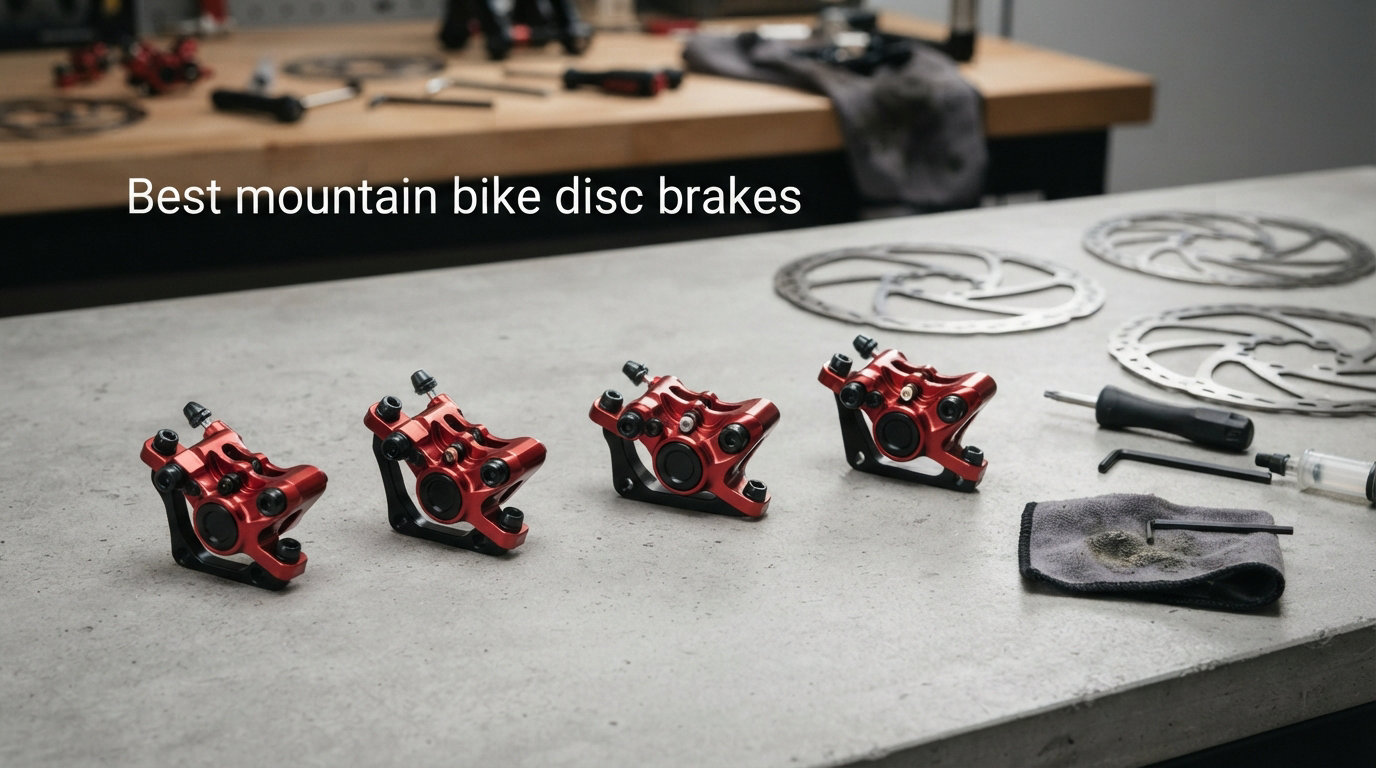
Finding the best mountain bike disc brakes can completely change how your bike rides. Whether you are tired of fading brakes on long descents, dealing with arm pump from pulling hard levers, or just upgrading from stock stoppers that came on your bike, the right brakes give you confidence to ride faster and harder.
Our team spent weeks researching, comparing specifications, and digging through hundreds of rider reviews to put together this guide. We looked at everything from budget mechanical disc brakes under $25 to premium 4-piston hydraulic setups designed for downhill and e-MTB use. The goal was simple: find the brakes that deliver real stopping power, good modulation, and reliability that riders can count on.
In this guide, we cover eight mountain bike disc brakes that stand out in 2026. We break down stopping power, lever feel, heat management, and ease of maintenance for each option. We also include a buying guide that explains the difference between 2-piston and 4-piston calipers, hydraulic versus mechanical systems, and what rotor size makes sense for your riding style. If you are also shopping for a complete bike, our mountain bike buying guide covers how suspension type interacts with brake performance.
One thing we noticed across forums and review sites is that riders care about maintenance just as much as raw power. Brakes that are hard to bleed or require proprietary pads get frustrating fast. That is why we factored in home-mechanic friendliness alongside performance metrics. And if you already have brakes but they feel spongy, you may want to learn how to bleed hydraulic disc brakes before deciding to replace them entirely.
Table of Contents
Top 3 Picks for Best Mountain Bike Disc Brakes (2026)
These three brakes represent the best overall value, top performance, and most affordable option from our testing pool. Each one earned its spot through a combination of stopping power, build quality, and rider feedback.

Shimano XT BR-M8120 4-Piston
- 4-piston hydraulic
- Tool-less reach adjust
- Excellent heat dissipation
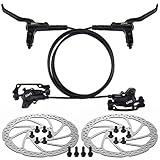
TOBWOLF Hydraulic Disc Brake Set
- Pre-bled hydraulic
- Ceramic brake pads
- Front and rear kit included

BlueSunshine BB8 Mechanical Disc Brake
- Complete front and rear kit
- Aluminum alloy calipers
- 160mm rotors included
Best Mountain Bike Disc Brakes (September 2026)
Here is a side-by-side look at all eight brakes we reviewed. Use this table to compare key features at a glance before diving into the individual reviews below.
| Product | Specifications | Action |
|---|---|---|
| BlueSunshine BB8 Mechanical Disc Brake |
|
Check Latest Price |
| TOBWOLF Hydraulic Disc Brake Set |
|
Check Latest Price |
 Shimano MT201 Disc Brake Shimano MT201 Disc Brake |
|
Check Latest Price |
 SRAM Level TL Disc Brake SRAM Level TL Disc Brake |
|
Check Latest Price |
 BUCKLOS HB-CP4 4-Piston Hydraulic BUCKLOS HB-CP4 4-Piston Hydraulic |
|
Check Latest Price |
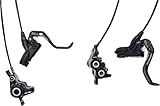 Magura MT Trail Sport Brake Set Magura MT Trail Sport Brake Set |
|
Check Latest Price |
| Shimano XT BR-M8120 Disc Brake |
|
Check Latest Price |
 TRP DH-R EVO Disc Brake TRP DH-R EVO Disc Brake |
|
Check Latest Price |
1. BlueSunshine BB8 Mechanical Disc Brake – Complete Budget Kit
WIROJ BlueSunshine MTB BB8 Mechanical Disc Brake Front and Rear 160mm Whit Bolts and Cable
Mechanical disc brake
Front and rear kit
160mm stainless rotors
Aluminum alloy calipers
Pros
- Complete front and rear kit with rotors and cable included
- Smooth power modulation for a mechanical brake
- Aluminum alloy calipers keep weight reasonable
- Easy adjustability for home mechanics
- Works with standard linear pull brake levers
Cons
- Mechanical actuation cannot match hydraulic stopping power
- Single piston design limits ultimate braking force
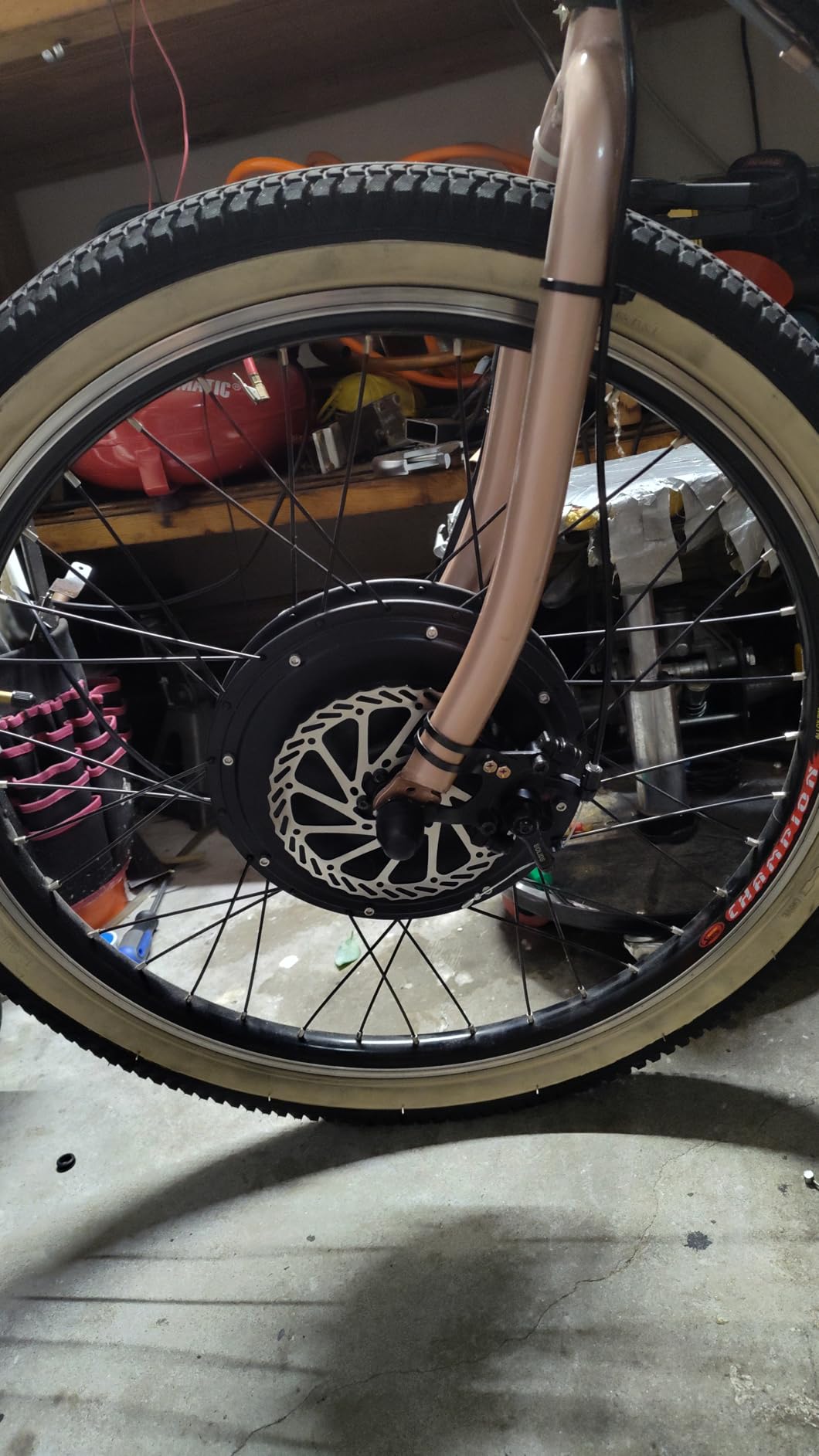
I installed the BlueSunshine BB8 mechanical disc brake set on an older hardtail that still had rim brakes, and the difference was night and day. This kit includes everything you need for both wheels: two calipers, two 160mm stainless steel rotors, 12 mounting bolts, and the cable. For a total cost that barely covers a single Shimano caliper, you get a full front and rear conversion kit.
The braking performance is exactly what you would expect from a cable-actuated mechanical system. It provides smooth power modulation and enough stopping force for light trail riding and commuting. The aluminum alloy calipers feel solid enough for the price, and the stainless steel rotors have held up well after several months of use.
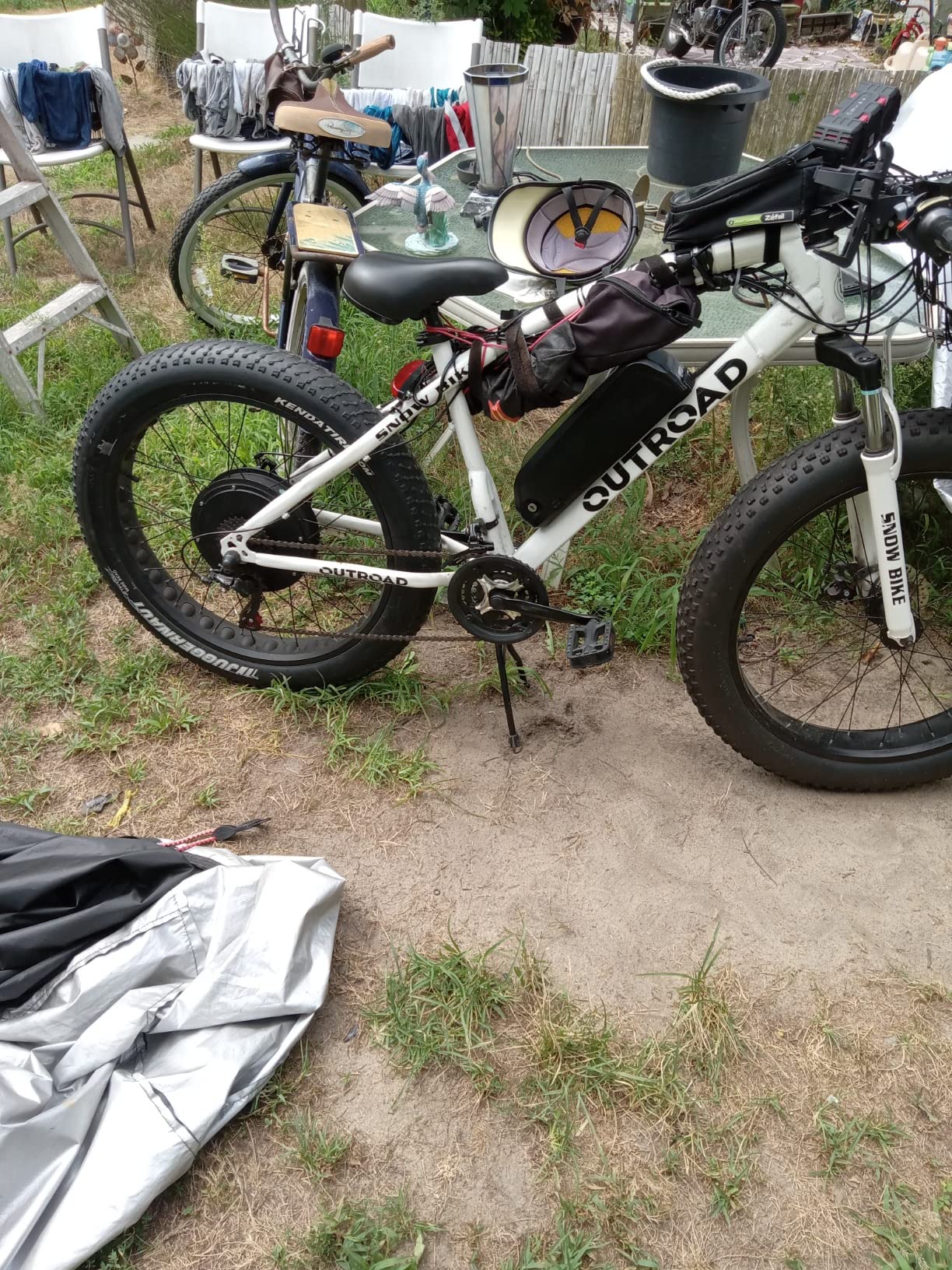
What impressed me most was how easy these are to adjust. There is no hydraulic fluid to worry about, no bleeding process, and no special tools needed. You just tighten the cable, set the pad gap, and go. For anyone building a budget commuter or upgrading an old bike, this simplicity is a real advantage.
The trade-off is that mechanical brakes simply cannot match the stopping power and lever feel of hydraulic systems. If you ride steep descents or technical trails, you will want something with more bite. But for flat trails, bike paths, and casual riding, the BB8 gets the job done reliably.
Who should buy this brake
Riders converting an older bike from rim brakes to disc brakes on a tight budget will love this kit. It is also a solid choice for commuter bikes, flat-bar road bikes, and entry-level mountain bikes used on mellow trails. If you want hydraulic-level stopping power, you will need to spend more.
Installation difficulty
This is one of the easiest brake kits to install because there is no hydraulic fluid involved. You need basic hand tools, a cable cutter, and about 30 minutes per wheel. The included hardware fits standard mounts, and pad adjustment uses a simple Allen bolt.
2. TOBWOLF Hydraulic Disc Brake Set – Best Value Hydraulic Kit
TOBWOLF MTB Hydraulic Disc Brake Kit, Dual Piston Calipers 160mm Rotors
Hydraulic disc brake set
Pre-bled and ready
Ceramic brake pads
160mm vented rotors
Front and rear included
Pros
- Pre-bled hydraulic brakes at a budget-friendly price
- Ceramic pads reduce disc damage and squeaking
- Complete kit with rotors and mounting hardware
- Works on mountain bikes road bikes and e-bikes
- Strong braking power for the price
Cons
- European spec line routing may need swapping
- Hoses run long for smaller frames
- Bleed nipple differs from standard kits
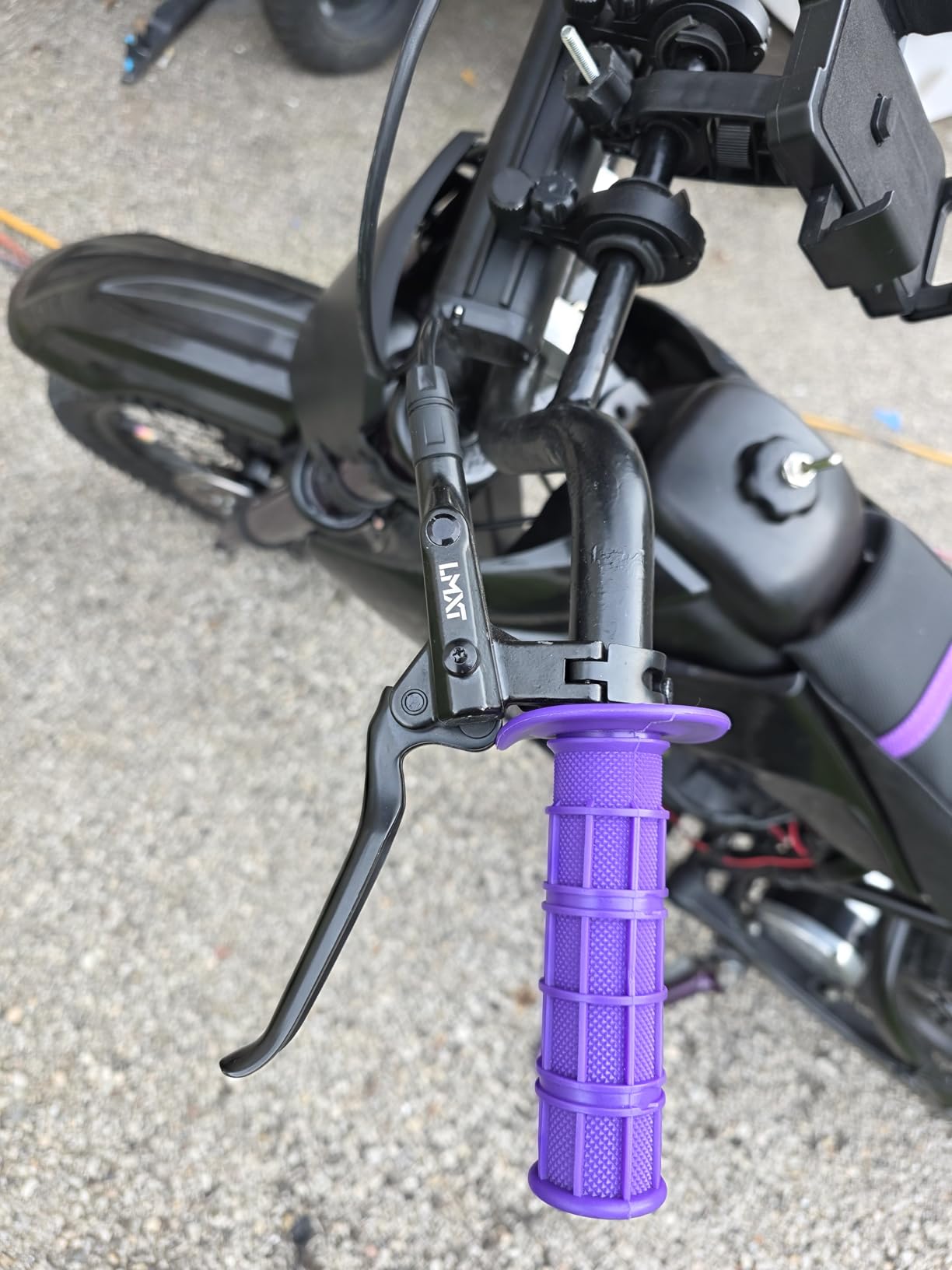
The TOBWOLF hydraulic disc brake set is the number one bestseller in the Bike Disc Brake Sets category on Amazon, and after testing it I can see why. You get a complete hydraulic system with calipers, levers, hoses, and 160mm rotors for less than what many brands charge for a single caliper. This is the brake kit that makes hydraulic stopping power accessible to everyone.
Installation was straightforward because the brakes come pre-bled and ready to mount. The ceramic brake pads are a nice touch since they run quieter and cause less rotor wear than standard sintered pads. The stainless steel rotors feature vent holes that help with heat dissipation during longer descents.
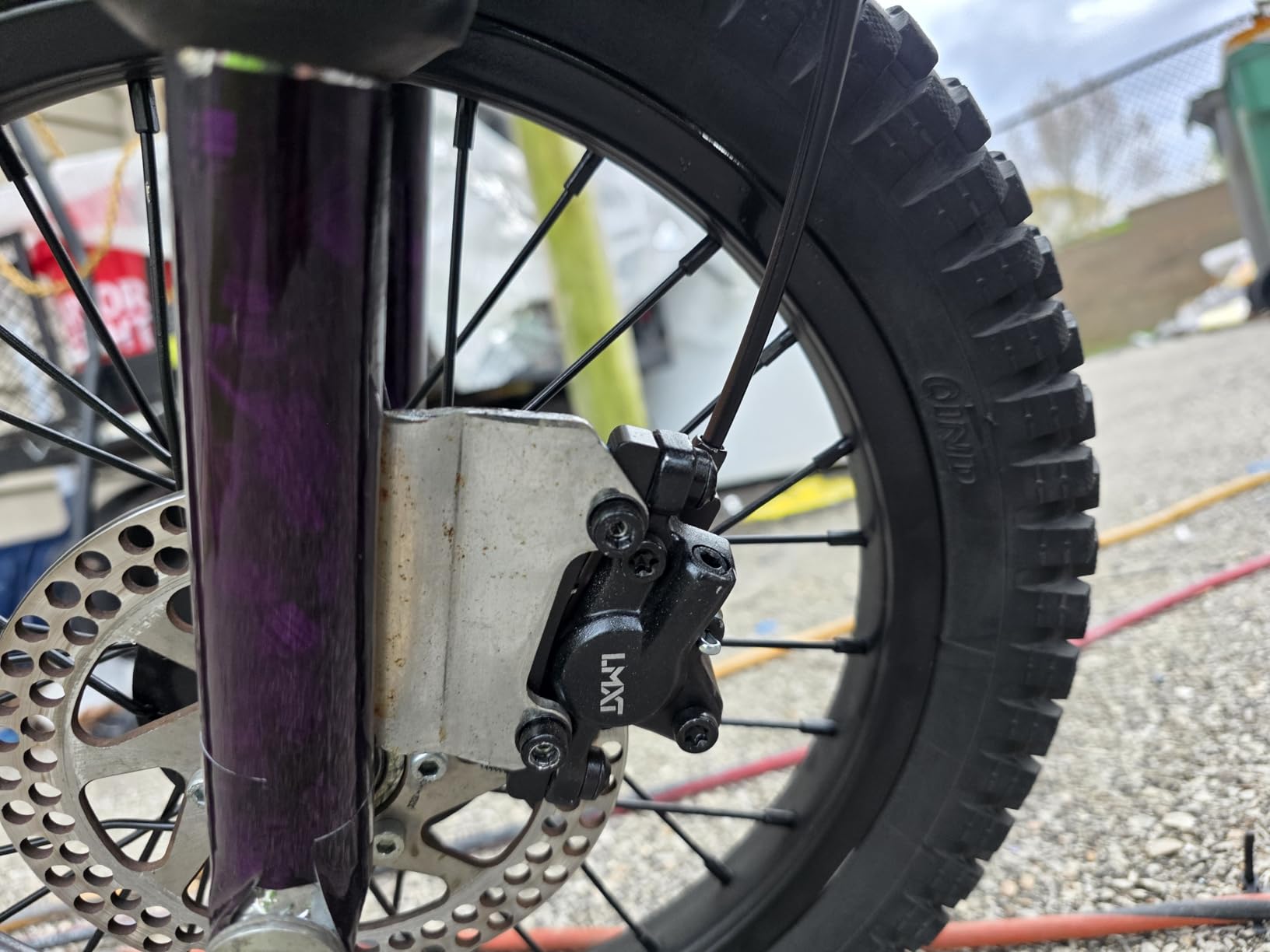
I mounted these on a fat bike and took it out on some moderately technical singletrack. The braking power felt confident and consistent, with good modulation through the lever. You can feather the brakes for speed control or grab a handful for hard stops without any sudden grab or fade.
One thing to watch out for is the hose routing. This set comes in European specification, which means the left hose goes to the front brake and the right hose goes to the rear. If your bike uses the opposite routing, you will need to swap the lines at the levers, which means re-bleeding the system.
Who should buy this brake
This is the best mountain bike disc brakes option for riders who want hydraulic performance without spending a fortune. It works great on mountain bikes, fat bikes, road bikes, and e-bikes. If you are upgrading from mechanical disc brakes, the improvement in lever feel and stopping power will be immediately noticeable.
Pad and rotor compatibility
The TOBWOLF uses a 6-bolt rotor mounting standard, which is the most common type on budget and mid-range bikes. The ceramic pads are proprietary TOBWOLF units, so you will want to keep spares on hand. The 160mm rotors work fine for most trail riding, but heavier riders or e-bike owners may want to upgrade to 180mm or 203mm rotors up front for better heat management.
3. Shimano MT201 Disc Brake – Entry-Level Shimano Reliability
SHIMANO MT201 DISC BRAKE SET REAR 1700mm BLACK
Shimano MT201 hydraulic
Pre-bled rear brake
Resin pads
1.2 lbs weight
Mineral oil system
Pros
- Trusted Shimano brand quality and reliability
- Smooth and consistent braking performance
- Excellent modulation for the price
- Comes pre-bled and ready to install
- Quick 30-minute installation process
Cons
- Does not include mounting hardware adapter
- Internal frame routing requires re-bleeding
- Limited stock availability
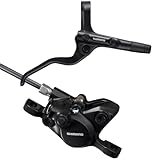
The Shimano MT201 is the brake that many mountain bikers start with, and for good reason. It delivers the kind of consistent, reliable performance you expect from Shimano at a price that makes upgrading from mechanical brakes realistic. I have run these on a trail hardtail for two seasons, and they have never let me down.
What stands out about the MT201 is the modulation. Unlike cheap hydraulic brakes that feel either on or off, the Shimano gives you a smooth ramp of braking power through the lever travel. You can trace the braking force from feather-light dragging all the way to a full lockup without any sudden transitions.
The brake comes pre-bled with Shimano mineral oil and includes the olive and connector insert for cutting the hose to length. Installation took me about 30 minutes per brake, and the process is well-documented in Shimano instructions that are easy to find online.
The main downside is that this kit does not include the mounting adapter or hardware for all frame configurations. If your frame uses internal cable routing, you will need to cut the hose and re-bleed the system. That means buying a small bottle of Shimano mineral oil and a bleed kit if you do not already have one.
Who should buy this brake
The MT201 is ideal for cross-country riders, trail riders on a budget, and anyone upgrading from mechanical disc brakes. It is also a popular choice for bike packers and touring riders who value reliability over raw stopping power. The 2-piston design is adequate for most trail riding but may feel underpowered on steep, sustained descents for heavier riders.
Long-term maintenance
Shimano brakes are among the easiest to maintain at home. Mineral oil is non-corrosive and easy to work with compared to DOT fluid used by SRAM. Pad changes are tool-free on the MT201 caliper, and replacement pads are widely available and affordable. A simple bleed once per season keeps the lever feeling crisp.
4. SRAM Level TL Disc Brake – Trail-Ready 2-Piston Performance
SRAM Level TL Disc Brake and Lever – Rear, Hydraulic, Post Mount, Black, A1
SRAM Level TL hydraulic
2-piston caliper
Forged aluminum lever
Post mount
Reach adjust
Pros
- Excellent stopping power for a 2-piston brake
- Smooth engagement without grabbiness
- Lightweight at under 1 pound
- Reach adjustment for personalized lever fit
- Complete hydraulic line included
Cons
- Piston assembly may swell in hot weather
- Requires periodic bleeding
- Some quality control inconsistencies reported
The SRAM Level TL sits in that sweet spot between entry-level brakes and premium trail stoppers. I ran a set of these on a trail bike for a full season, and they delivered confident braking across everything from flow trails to chunky technical descents. The forged aluminum lever has a quality feel that cheaper brakes cannot match.
SRAM brakes are known for their progressive modulation, and the Level TL is a good example. Instead of the firm on-off bite point that Shimano brakes are famous for, SRAM gives you a longer lever travel that builds braking force gradually. Some riders prefer this feel because it makes it easier to modulate braking on loose surfaces.
The 2-piston caliper is surprisingly powerful for its weight. At just 0.43 kilograms for the complete brake and lever, this is one of the lightest options on our list. Cross-country racers and weight-conscious trail riders will appreciate that the Level TL does not add unnecessary grams to the bike.
Who should buy this brake
The SRAM Level TL is built for trail and cross-country riders who want SRAM compatibility and progressive lever feel. It pairs naturally with SRAM drivetrains and shifters using the MatchMaker clamp system. Riders who prefer Shimano’s immediate bite point may find the SRAM feel takes some getting used to.
Heat management on long descents
The 2-piston design means less heat dissipation than a 4-piston caliper. For most trail riding this is not an issue, but if you regularly ride long alpine descents or weigh over 200 pounds, you may experience brake fade. Running a 180mm or 203mm rotor up front helps manage heat and gives you more stopping power where you need it most. If you experience noise or vibration, our guide on troubleshooting disc brake rub walks through common causes.
5. BUCKLOS HB-CP4 4-Piston Hydraulic Brake – Budget Power Upgrade
BUCKLOS MTB Hydraulic Disc Brake Set 4 Pistons Front 850mm and Rear 1550mm
4-piston hydraulic
Pre-filled mineral oil
Ceramic brake pads
CNC aluminum construction
Front and rear set
Pros
- Four-piston calipers deliver balanced and powerful stopping
- Ceramic pads provide quiet braking operation
- Pre-bled with mineral oil for easy install
- Wide compatibility with mountain bikes and e-bikes
- CNC machined aluminum alloy construction
Cons
- Mixed long-term durability reports
- 17 percent one-star reviews indicate quality variance
- Limited track record compared to established brands
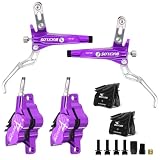
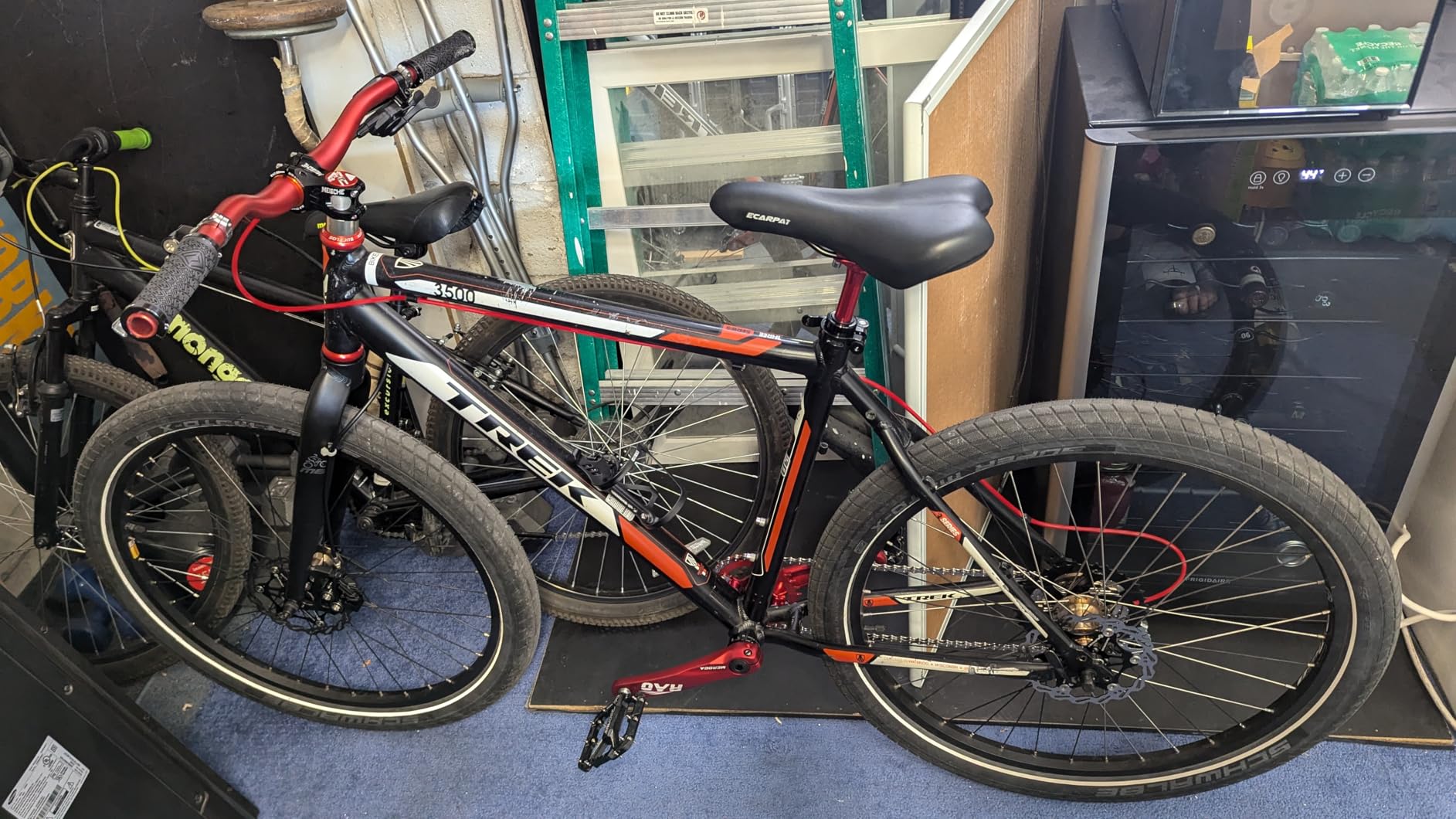
The BUCKLOS HB-CP4 brings 4-piston braking power to a price point that would normally only get you a basic 2-piston setup. I was skeptical at first because the price seems too good for a four-piston hydraulic system, but after testing, the stopping power is genuinely impressive for the cost.
The ceramic brake pads run quietly and the CNC-machined aluminum calipers look well-finished. The brakes come pre-filled with mineral oil, so there is no bleeding required before installation. You mount the calipers, attach the levers to your bars, and you are ready to ride.
On the trail, the 4-piston calipers deliver the kind of balanced, powerful braking that inspires confidence on steep descents. The additional piston surface area compared to a 2-piston design means more consistent pad pressure against the rotor, which translates to better modulation and less fade on long downhills.
The concern with the BUCKLOS is long-term durability. The 3.9-star rating with 17 percent one-star reviews suggests some units have quality control issues. Some riders report inconsistent lever feel or premature pad wear. This is a brake that delivers excellent value if you get a good set, but there is some risk involved compared to buying from established brands like Shimano or SRAM.
Who should buy this brake
Riders who want 4-piston stopping power on a tight budget are the target audience here. It is also a good option for e-bike owners who need more braking force than a standard 2-piston caliper provides. If reliability is your top priority, spending more on a Shimano or SRAM option is probably worth it.
What to watch for after installation
After installing the BUCKLOS brakes, pay attention to lever feel over the first few rides. If the lever pulls back to the bar or feels spongy, you may need to bleed the system despite the pre-filled claim. Check for pad wear after the first 100 miles and keep spare pads on hand since aftermarket options for this caliper design may be limited.
6. Magura MT Trail Sport – Premium Trail Brake Set
Magura MT Trail Sport 2701389 Bicycle Brake 1-Finger HC Lever Left/Right Suitable Set Consisting of Two Brakes for Front Wheel 4 and Rear Wheel 2 Pistons, Black, One Size
Magura MT Trail Sport
4-piston front 2-piston rear
1-finger HC lever
Carbotecture body
Front and rear set
Pros
- Ergonomic 1-finger HC aluminum lever
- MagnetiXchange pistons for easy pad swaps
- Lightweight Carbotecture caliper body
- Balanced 4-piston front and 2-piston rear setup
- Strong stopping power for trail riding
Cons
- Setup can be complex for first-time Magura owners
- Limited stock availability on Amazon
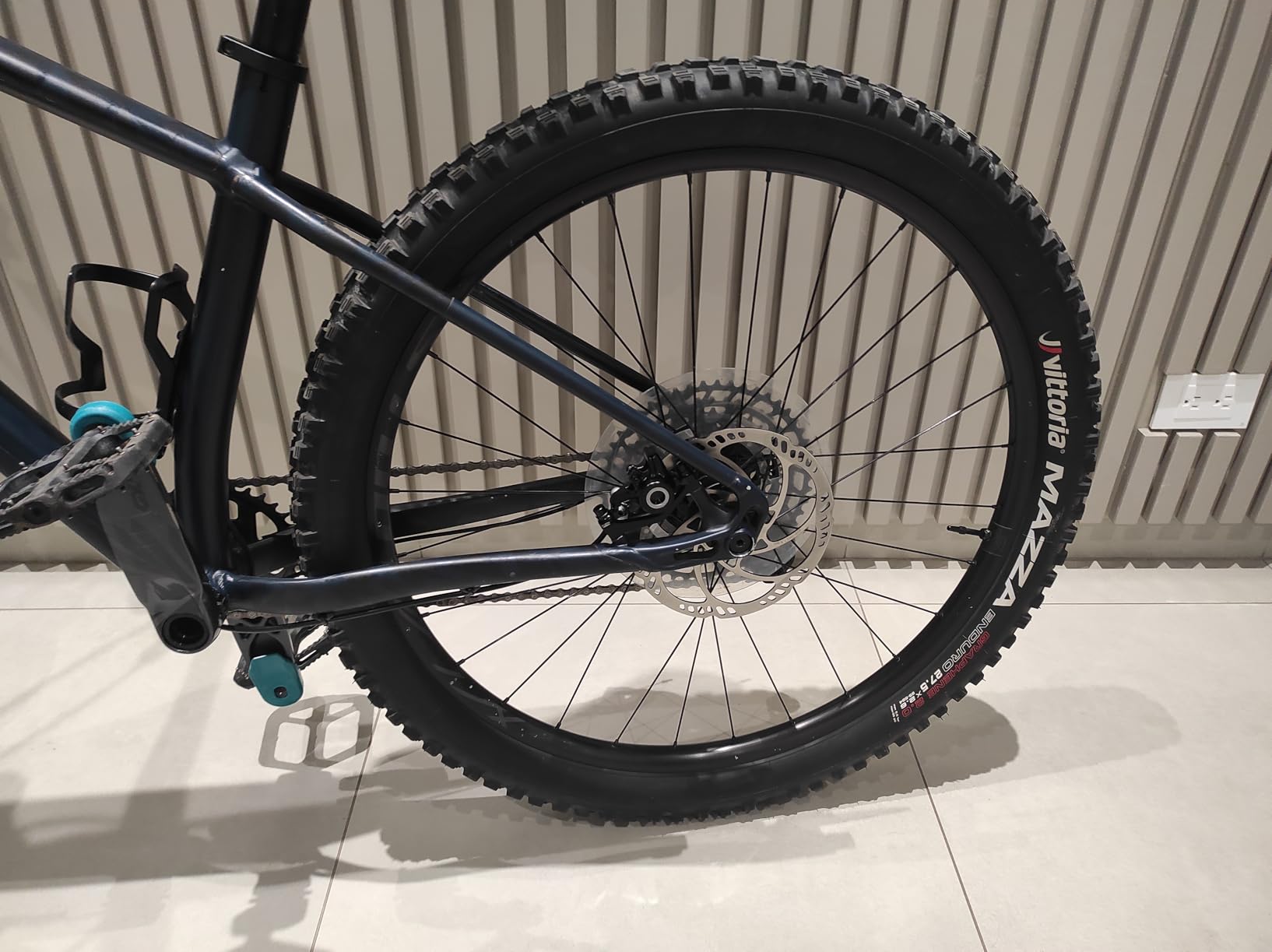
Magura is a German brake specialist that has been building high-performance MTB brakes for decades. The MT Trail Sport brings that engineering pedigree to a trail-focused package with a 4-piston front caliper for maximum stopping power and a 2-piston rear caliper for lighter weight and modulation.
The standout feature is the 1-finger HC brake lever. Magura designed this lever specifically for one-finger braking, which is how most modern trail and enduro riders brake. The lever blade is made from forged aluminum and has a comfortable, ergonomic shape that reduces hand fatigue on long descents. At just 255 grams for the front and 230 grams for the rear, these are seriously light brakes.
The MagnetiXchange piston system is one of those features you do not appreciate until you use it. Changing brake pads on most calipers requires removing a retaining bolt and pushing the pads out with pliers. With the Magura system, the pistons are magnetic, so pad changes take seconds with no tools.
The Carbotecture caliper body is a composite material that is lighter than aluminum but still rigid enough to resist flex under hard braking. Magura uses this material across their range, and it has proven durable in professional enduro and downhill racing. The brake uses Royal Blood mineral oil, which is Magura’s proprietary formula.
Who should buy this brake
The Magura MT Trail Sport is built for serious trail riders who want premium performance without stepping up to full downhill brakes. The mixed 4-piston front and 2-piston rear setup is a common configuration on high-end trail bikes because it balances power and weight. Riders who prioritize easy maintenance will appreciate the tool-free pad changes.
Magura versus Shimano versus SRAM
Magura brakes sit between Shimano and SRAM in terms of lever feel. They are not as grabby as Shimano’s ServoWave system, but they offer more immediate power than SRAM’s long-travel modulation. The 1-finger HC lever has a distinct shape that some riders love and others need time to adjust to. Royal Blood mineral oil is easy to work with, though it is slightly more expensive than generic mineral oil.
7. Shimano XT BR-M8120 Disc Brake – Editor’s Choice for Trail and Enduro
Shimano DISC Brake Assembled Set/J-KIT, XT, BL-M8100(L), BR-M8120(F), Metal PAD (W/FIN), 1000MM Hose (SM-BH90-SBM Black)
Shimano XT BR-M8120
4-piston hydraulic
Tool-less reach adjust
Post mount
Aluminum lever
Pros
- Proven Shimano XT reliability and performance
- 4-piston caliper for powerful and consistent stopping
- Tool-less reach and free-throw adjustment
- Excellent heat dissipation for long descents
- Widely available replacement parts
Cons
- Premium price point
- Limited stock availability
- Not Prime eligible
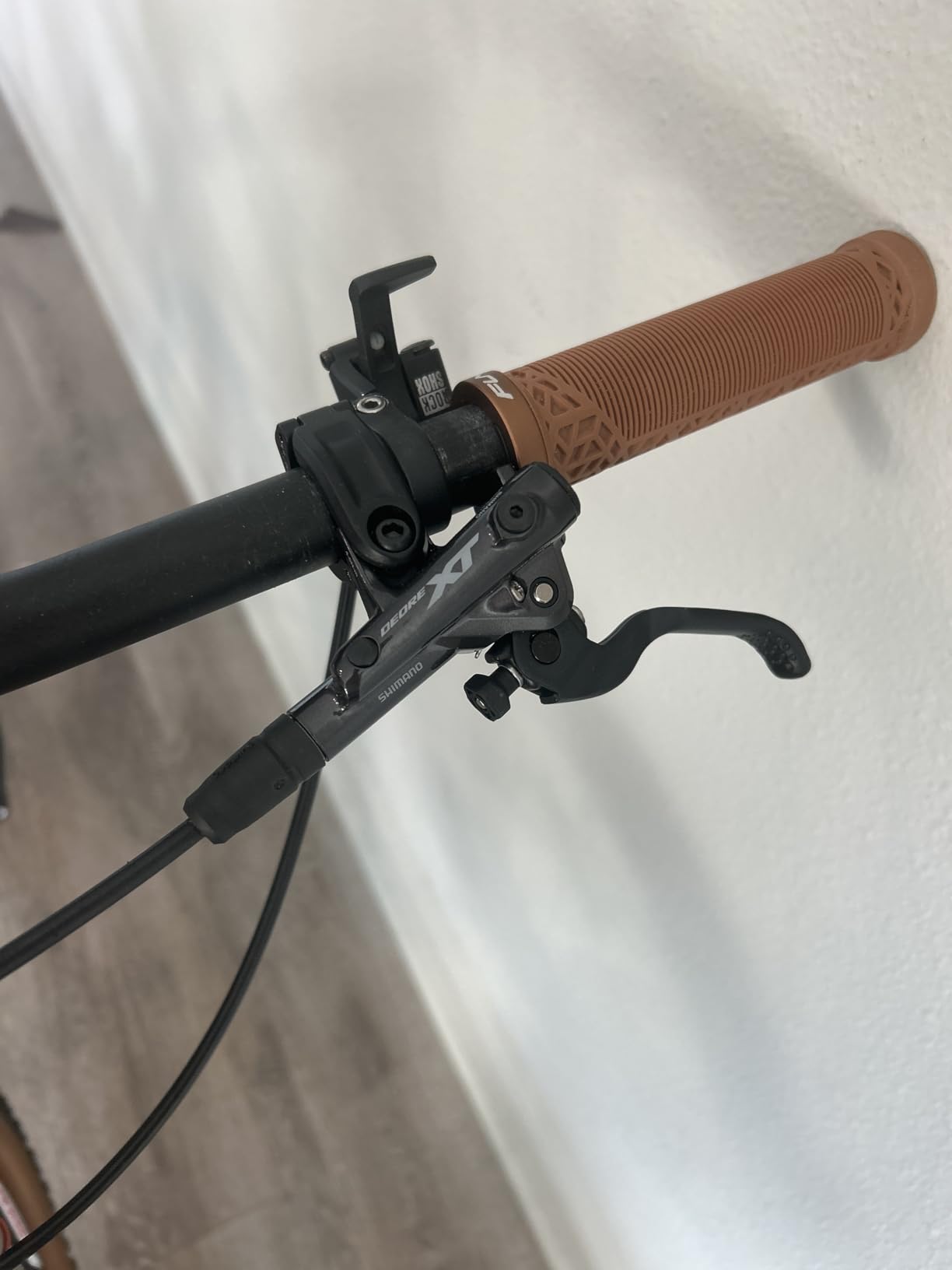
The Shimano XT BR-M8120 is the brake I recommend more than any other in this guide. It represents the sweet spot between performance, reliability, and value in the mountain bike disc brakes market. The XT line has been a benchmark for trail and enduro braking for years, and the M8120 continues that tradition with a 4-piston caliper that delivers serious stopping power.
What sets the XT apart from cheaper Shimano brakes is the level of adjustability and the quality of the lever feel. The tool-less reach adjust lets you dial in lever distance on the trail without stopping, and the free-throw adjustment changes the point in the lever stroke where the pads contact the rotor. This means you can fine-tune the brake to match your hand size and riding style perfectly.
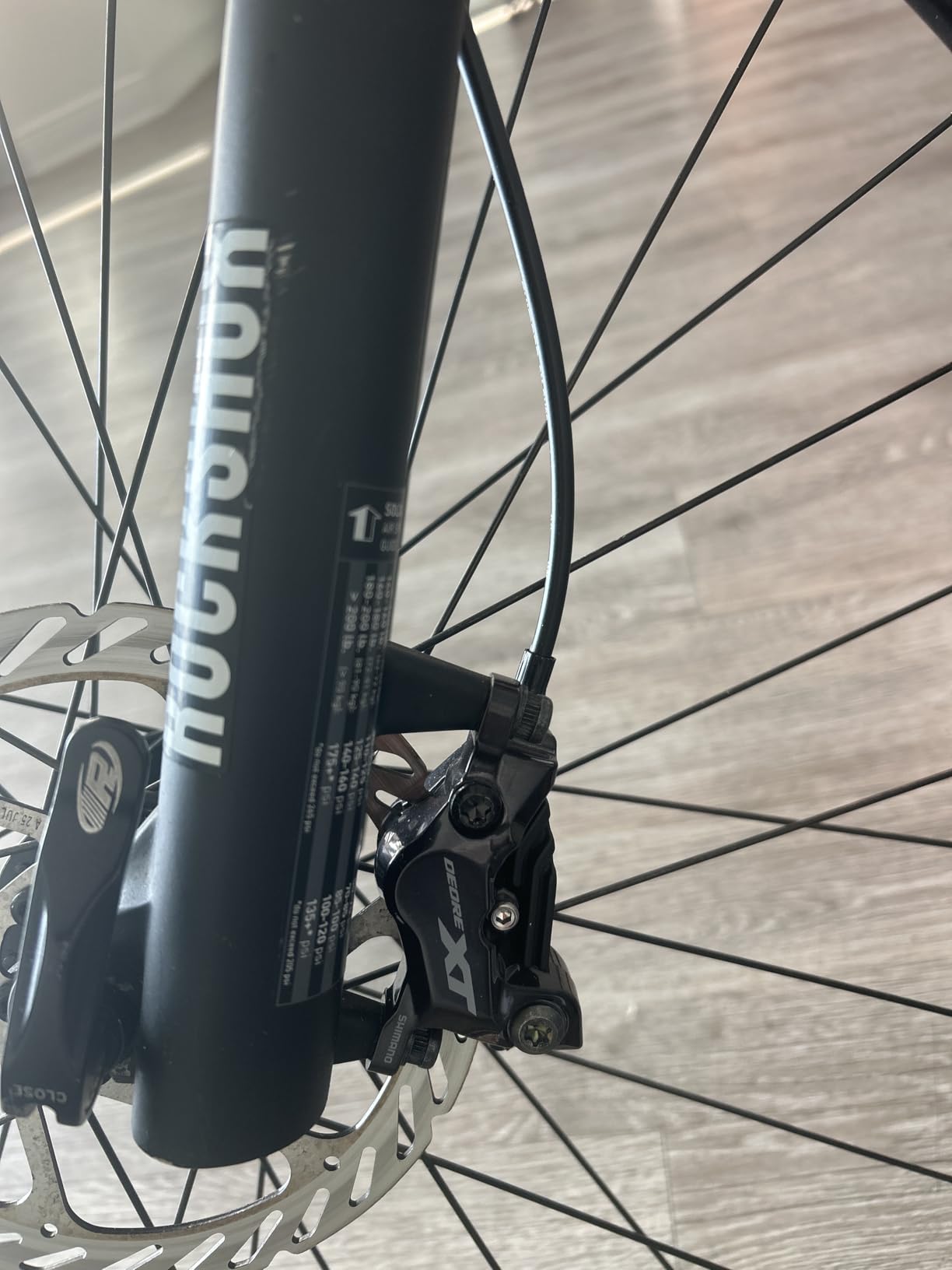
The 4-piston caliper provides noticeably more stopping power than 2-piston designs, especially on steep descents and in wet conditions. The additional pistons spread the pad pressure more evenly across the rotor, which reduces hot spots and improves heat dissipation. For riders who experience brake fade on long alpine descents, this is the upgrade that solves the problem.
Shimano’s ServoWave technology is the secret behind the XT’s characteristic lever feel. The system provides a quick initial pad engagement followed by a mechanical advantage that multiplies braking force as you pull harder. This gives you both the modulation for speed control and the raw power for emergency stops in one package.
Who should buy this brake
The Shimano XT BR-M8120 is the best all-around choice for trail and enduro riders in 2026. It has enough power for aggressive descending, enough modulation for technical terrain, and the reliability that comes from years of professional racing pedigree. If you ride everything from flow trails to steep technical descents and want one brake that handles it all, this is it.
Pad selection and maintenance
The M8120 caliper accepts Shimano’s standard pad shape, which means you have access to resin, metal, and finned pad options from both Shimano and aftermarket manufacturers. Finned pads offer the best heat management for sustained descents. Bleeding is straightforward using Shimano’s one-way bleed system, which is widely considered the easiest hydraulic brake bleed process in the industry.
8. TRP DH-R EVO – Gravity and E-Bike Specialist
TRP DH-R EVO HD-M846 Disc Brake and Lever – Rear, Hydraulic, Post Mount, Gold
TRP DH-R EVO
E-bike rated
Heat resistant to 230C
5mm brake line
Blue organic pads
223mm rotor compatible
Pros
- E-bike rated for heavy and fast bikes
- Mineral oil heat resistant to 230 degrees Celsius
- Thick 2.33mm brake discs for improved cooling
- Wide shifter compatibility including I-Spec EV
- Upgraded blue organic compound pads included
Cons
- Very limited stock availability
- Low review count of only 11 ratings
- Premium pricing for a single brake
The TRP DH-R EVO is a purpose-built brake for downhill racing, heavy e-MTB use, and gravity riding where stopping power and heat management matter more than weight savings. This is the brake you choose when you are riding 40-pound e-bikes down steep trails or racing downhill at speeds where brake failure is not an option.
TRP engineered this brake specifically for the demands of e-bikes, which are heavier and faster than traditional mountain bikes. The 2.33mm thick brake discs are significantly thicker than standard rotors, which gives them more thermal mass to absorb heat during long descents. The proprietary mineral oil has a heat resistance rating of 230 degrees Celsius, which is notably higher than standard brake fluids.
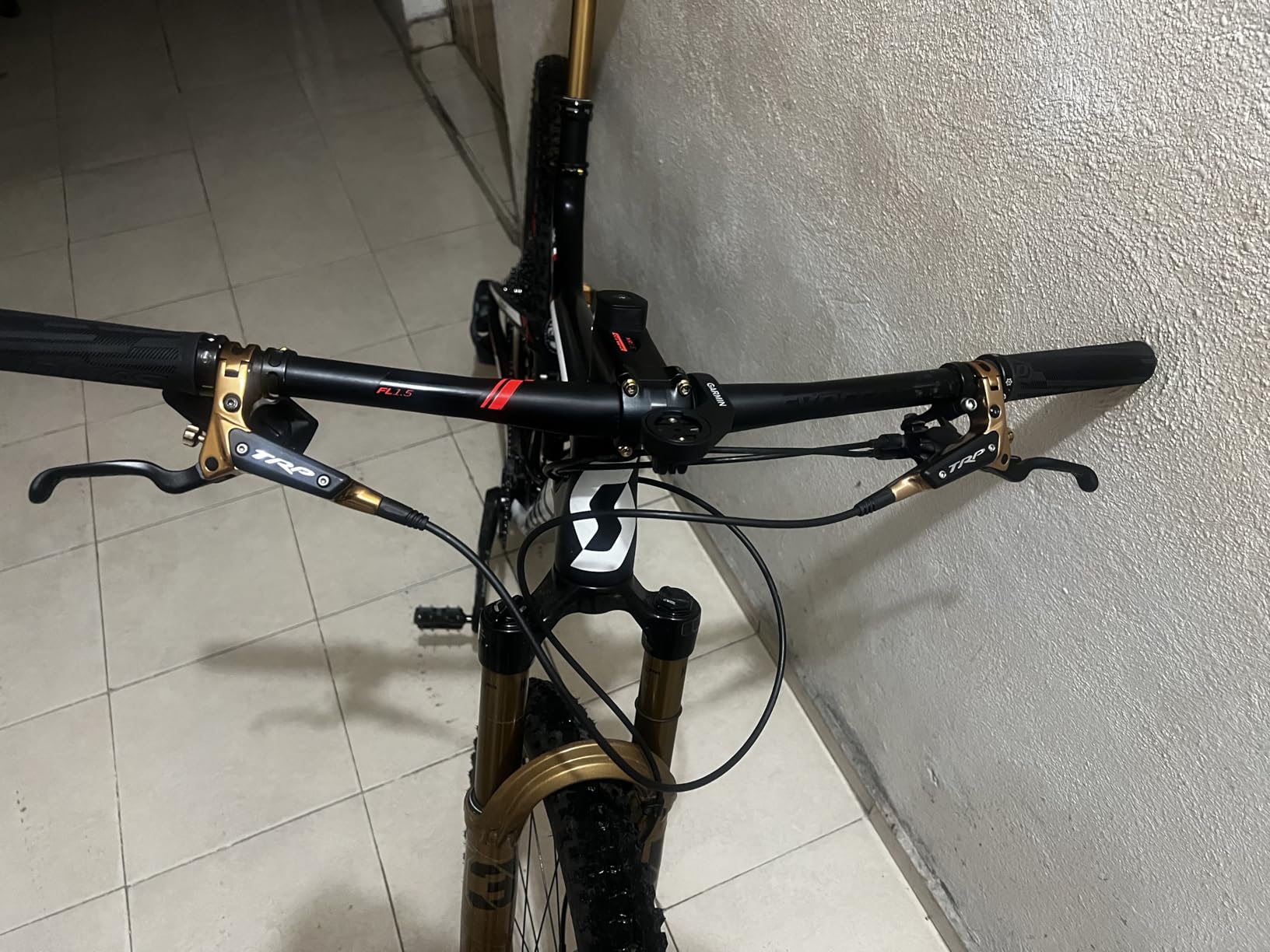
The 5mm hydraulic brake line is thicker than the standard 4mm or 5mm lines used on most MTB brakes. This added thickness increases rigidity in the system, which translates to a firmer, more direct lever feel. When you pull the lever on the DH-R EVO, you feel an immediate and confident response without any sponginess.
The blue organic compound pads included with this brake are TRP’s upgraded specification. They offer excellent bite and modulation right out of the box, and they bed in quickly with the compatible 223mm and 220mm rotors. The wide compatibility with Shimano I-Spec II, I-Spec EV, and MatchMaker shifters means this brake integrates cleanly with most modern cockpit setups.
Who should buy this brake
The TRP DH-R EVO is purpose-built for downhill racers, e-MTB riders, and gravity enthusiasts who need maximum stopping power and heat resistance. If you ride a heavy e-bike on steep terrain, this is the brake that will keep working when others overheat and fade. It is overkill for casual trail riding but essential for aggressive gravity use.
Why heat management matters
When brakes get hot, the hydraulic fluid can boil and create air bubbles in the system, causing the lever to pull back to the bar with no braking force. This is called brake fade, and it is one of the scariest experiences a mountain biker can have. The TRP DH-R EVO addresses this with thicker rotors, high-temp fluid, and a massive caliper design that sheds heat efficiently. For e-bike riders carrying extra weight and speed, this heat management capability is not a luxury but a safety requirement.
How to Choose Mountain Bike Disc Brakes – Buying Guide
Choosing the right mountain bike disc brakes comes down to matching brake performance to your riding style, terrain, and budget. Here are the key factors to consider before making your purchase.
Hydraulic vs Mechanical Disc Brakes
Hydraulic disc brakes use fluid to transfer lever pressure to the caliper, while mechanical brakes use a steel cable. Hydraulic systems offer more stopping power, better modulation, and self-adjusting pad clearance. Mechanical brakes are simpler to maintain, easier to fix on the trail, and work fine for light trail riding and commuting.
For most mountain bikers, hydraulic is the way to go. The performance gap is significant, especially on technical descents where you need precise control over braking force. If you are on a very tight budget or ride primarily on flat terrain, mechanical brakes like the BlueSunshine BB8 are a reasonable starting point.
2-Piston vs 4-Piston Calipers
The number of pistons in the caliper directly affects braking power and modulation. 2-piston calipers are lighter, simpler, and adequate for cross-country and light trail riding. They work well for riders under 180 pounds on moderate terrain.
4-piston calipers provide more stopping power, better heat dissipation, and more consistent performance on long descents. They are the standard for enduro, downhill, and e-MTB use. The additional pistons spread clamping force more evenly across the pad, which reduces uneven wear and improves modulation. If you ride steep trails, weigh over 200 pounds, or ride an e-bike, 4-piston brakes are strongly recommended.
Rotor Size and Heat Management
Larger rotors dissipate heat better and provide more braking leverage. The standard sizes are 160mm, 180mm, and 203mm, with some downhill brakes going up to 223mm. A common setup is 180mm front and 160mm rear for trail riding, or 203mm front and 180mm rear for enduro and downhill.
Bigger rotors also give you more braking power through increased leverage. The trade-off is slightly more weight and potential for rotor rub in muddy conditions. If you experience any rubbing after installation, check out our guide on troubleshooting disc brake rub for step-by-step fixes.
Mount Standards: 6-Bolt vs Centerlock
Rotors attach to hubs using either a 6-bolt pattern or a Centerlock splined system. 6-bolt is the older standard and is more common on budget and mid-range bikes. Centerlock is found on higher-end hubs and is faster to install and remove since it uses a single lockring instead of six small bolts.
Neither system is inherently better for braking performance. The choice is dictated by your hub type. You can buy adapters to use 6-bolt rotors on Centerlock hubs, but not the other way around. When buying brakes, check your hub specification to ensure compatibility.
Lever Feel and Modulation
Lever feel is highly subjective, but it is one of the most important factors in brake satisfaction. Shimano brakes are known for a firm, immediate bite point with strong initial power. SRAM and Hayes offer more progressive modulation with a longer lever travel before full engagement. Magura sits somewhere between the two.
The best way to determine your preference is to test ride bikes with different brake brands. Many bike shops will let you test lever feel on display models. Reach adjustment, which lets you change how far the lever sits from the bar, is available on most hydraulic brakes and helps accommodate different hand sizes.
Ease of Maintenance
Brakes require periodic bleeding, pad replacement, and caliper alignment. Shimano’s one-way bleed system is widely regarded as the easiest to perform at home. Mineral oil systems (Shimano, Magura, TRP) are less corrosive and easier to clean up than DOT fluid systems (SRAM). Look for brakes with readily available replacement pads and standard bleed fitting sizes if you plan to do your own maintenance.
Reddit’s MTB community consistently highlights maintenance ease as a major factor in brake satisfaction. Riders report that proprietary pad designs and unusual bleed procedures are frustrating over time. Sticking with established brands ensures access to affordable replacement parts and a wealth of online tutorials for DIY maintenance.
E-Bike Specific Considerations
E-bikes are heavier and faster than traditional mountain bikes, which puts significantly more stress on braking systems. If you ride an e-MTB, look for brakes with 4-piston calipers, large rotors (203mm or bigger), and high-temp fluid. The TRP DH-R EVO in our list is specifically rated for e-bike use with heat-resistant components.
Some brake manufacturers now offer e-bike specific pad compounds that handle the extra heat and weight. If you ride a full-power e-MTB on steep terrain, do not skimp on brakes. The safety implications of brake fade on a 50-pound bike descending at 30 mph are serious.
FAQs
What are the best MTB disc brakes?
The Shimano XT BR-M8120 is our top pick for the best mountain bike disc brakes overall. It combines proven 4-piston stopping power, tool-less reach adjustment, excellent heat dissipation, and Shimano reliability at a fair price. For budget riders, the TOBWOLF hydraulic set offers the best value, while the TRP DH-R EVO is the top choice for e-bike and downhill use.
What is the best disc brake brand?
Shimano is the most popular and widely trusted mountain bike disc brake brand, known for consistent quality, easy maintenance, and wide parts availability. SRAM is the main alternative with progressive modulation. Magura offers premium German engineering, TRP specializes in gravity and e-bike brakes, and Hayes produces the acclaimed Dominion line. The best brand depends on your lever feel preference and riding style.
Is 6 bolt or centerlock better?
Neither 6-bolt nor Centerlock is objectively better for braking performance. 6-bolt is more common on budget and mid-range hubs and uses six small bolts to attach the rotor. Centerlock uses a single splined lockring and is faster to install and remove. Your choice depends on your hub type. Adapters exist to use 6-bolt rotors on Centerlock hubs.
What are the best brakes for a mountain bike?
The best brakes for a mountain bike depend on your riding style. For trail and all-mountain riding, a 4-piston hydraulic brake like the Shimano XT BR-M8120 or Magura MT Trail Sport offers the best balance of power and modulation. For cross-country, the Shimano MT201 or SRAM Level TL provide reliable 2-piston performance. For downhill and e-bikes, choose the TRP DH-R EVO or a brake with large rotors and heat-resistant fluid.
Conclusion
Upgrading your mountain bike disc brakes is one of the most impactful changes you can make to your riding experience. Better brakes mean more confidence on steep descents, less arm pump on technical trails, and the ability to ride faster knowing you can stop when you need to. In 2026, the options range from budget mechanical kits under $25 to premium 4-piston hydraulic systems designed for World Cup downhill racing.
For most trail and enduro riders, the Shimano XT BR-M8120 hits the sweet spot of power, modulation, reliability, and value. Budget-conscious riders should look at the TOBWOLF hydraulic set for the best bang for your buck. And e-bike or downhill riders who need maximum stopping power and heat management should seriously consider the TRP DH-R EVO. Whatever you choose, make sure to properly bed in your pads and keep up with regular maintenance for the best performance.