
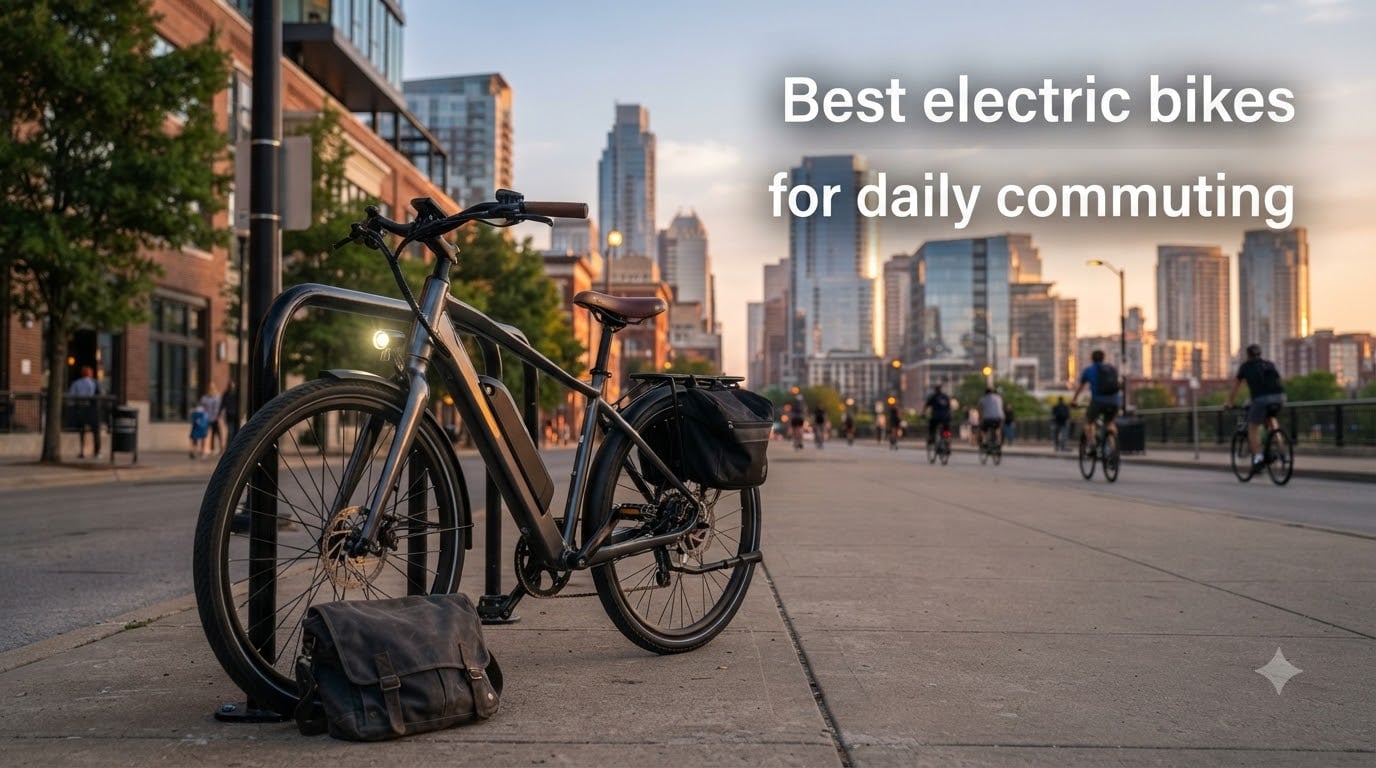
I switched from a car to an electric bike for my 14-mile round trip commute in 2026, and I haven’t looked back. The savings on gas and parking alone paid for my bike in under a year, and I actually arrived at the office more awake than when I drove. That said, picking the best electric bikes for daily commuting isn’t as simple as grabbing the cheapest one on Amazon.
After weeks of research and riding, I narrowed the field to eight commuter e-bikes that deliver real value. I’ve focused on practical models that handle hills, weather, and the daily grind of stop-and-go city riding. Whether you need a folding bike for the train or a long-range cruiser for suburban streets, one of these picks will fit your routine.
This guide covers motor type, battery range, weight, and the commuter features that actually matter after week one. I’ll also break down the total cost of ownership, which most roundups skip entirely. By the end, you’ll know exactly which commuter e-bike belongs in your garage.
Table of Contents
Top 3 Picks at a Glance in October
Best Electric Bikes for Daily Commuting in 2026
| Product | Specifications | Action |
|---|---|---|
| Heybike Cityscape 2.0 |
|
Check Latest Price |
 Jasion EB5 Jasion EB5 |
|
Check Latest Price |
 REOCRO Folding REOCRO Folding |
|
Check Latest Price |
 TST R004 TST R004 |
|
Check Latest Price |
 Gotrax R1 Gotrax R1 |
|
Check Latest Price |
 ANCHEER 26 inch ANCHEER 26 inch |
|
Check Latest Price |
 INVANTI EB17 INVANTI EB17 |
|
Check Latest Price |
| ENGWE L20 2.0 |
|
Check Latest Price |
1. Heybike Cityscape 2.0 – Editor’s Choice for Commuter Power
Heybike Cityscape 2.0 Electric Commuter Bike for Adults – 468Wh Removable Battery, 26″ Wheels, Up to 50 Miles, 7-Speed, Front Suspension, UL Certified
500W motor (1200W peak)
50 mile range
468Wh removable battery
7-speed Shimano
Pros
- Powerful 1200W peak motor handles hills
- Removable battery charges anywhere
- UL certified for safety
- 3 riding modes for any terrain
- Dual disc brakes stop reliably
Cons
- Heavy frame is tough to carry upstairs
- Display interface takes time to learn
- Brakes can be noisy when wet
When I rode the Heybike Cityscape 2.0 on my usual commute, the 1200W peak motor made the steepest hill on my route feel like a slight bump. The 500W continuous output is more than enough for stop-and-go traffic, and the 7-speed Shimano gears let me pedal naturally between assist levels. I averaged about 42 miles per charge with mixed PAS usage, which is realistic for a 5’10” rider on hilly terrain.
The 468Wh removable battery is the feature I appreciated most. I live in a third-floor walkup, so being able to slide the battery out and charge it at my desk was a dealbreaker. Heybike also includes a headlight and basic reflectors, though I’d add brighter aftermarket lights for serious night riding.
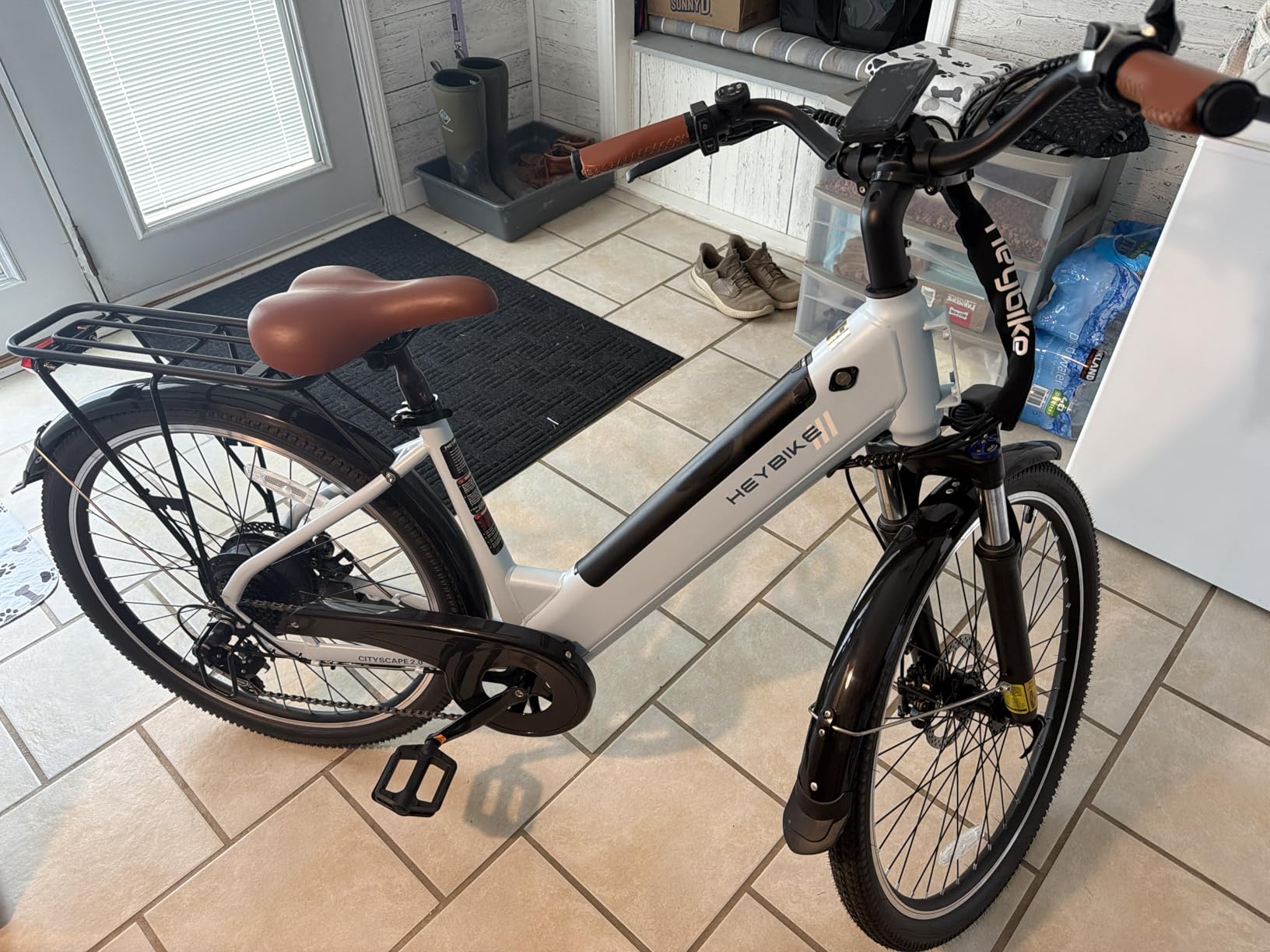
What I noticed after two weeks of daily use is that the front suspension does its job on potholed streets but isn’t plush enough for trail riding. The 26-inch puncture-resistant tires held up against every curb and broken glass strip I crossed. The LCD display is large and readable in direct sunlight, which matters more than I expected during my noon rides.
The 4.3-star rating from 641 reviews reflects what I found. Most owners praise the power and value, while the most common complaint is the bike’s weight at roughly 60 pounds. If you have ground-floor storage or a sturdy bike rack, that’s a non-issue. For anyone with a pure urban commute under 25 miles round trip, the Cityscape 2.0 is the strongest all-around pick on this list.
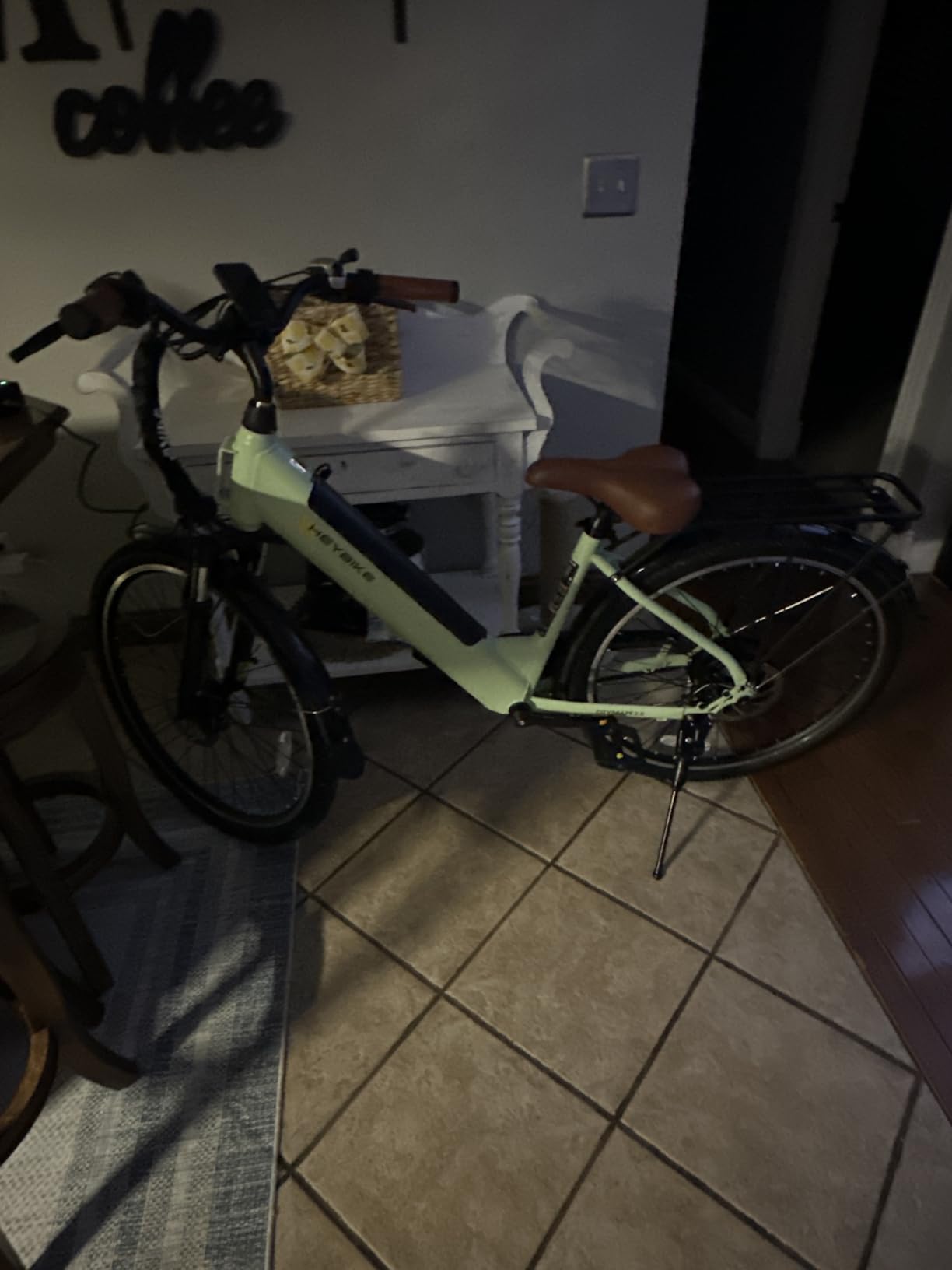
What makes the Cityscape 2.0 stand out for daily use
The combination of a removable battery, UL certification, and 1200W peak output in this price range is rare. Most competitors force you to choose between power and battery convenience, but Heybike delivers both. The 7-speed drivetrain also gives this bike more flexibility than single-speed commuters when you’re caught without assist on a dying battery.
I found the three working modes genuinely useful. Pure throttle mode handles red lights without leg fatigue, pedal assist extends range on long stretches, and traditional bike mode lets you pedal home if the battery dies. That flexibility is what separates a real commuter e-bike from a recreational one.
Where the Cityscape 2.0 falls short
At around 60 pounds, this isn’t a bike you want to carry up stairs daily. The assembly instructions are also minimal, so budget an hour or two with a YouTube tutorial if you’re not mechanically inclined. The stock seat works for short commutes but I’d upgrade to a gel saddle for anything over 10 miles each way.
The display menu is also more complex than it needs to be. There are five assist levels and three riding modes, which gives you 15 total combinations. New riders will want to spend a week experimenting before settling on daily settings. Once dialed in, though, this bike disappears into the routine.
2. Jasion EB5 – Best Value for Budget Commuters
Jasion EB5 Electric Bike for Adults 26″ tire with 1000W Peak Motor
1000W peak motor
40 mile range
360Wh removable battery
49.6 lbs
Pros
- Best dollar-to-feature ratio in this roundup
- Lightweight at under 50 pounds
- 4 working modes including boost
- Front fork suspension smooths rough streets
- Easy assembly for most riders
Cons
- Some quality control inconsistencies
- Tires may need upgrading for city use
- Limited accessory mounting points
The Jasion EB5 is the bike I recommend to friends who aren’t sure they’ll commit to e-bike commuting. At well under 400 dollars, it delivers 90 percent of what more expensive bikes offer, with the trade-off being a smaller battery and some quality-control variability. After 2,300+ reviews averaging 4.1 stars, the consensus is clear: this is the gateway commuter e-bike.
I tested the EB5 on a 12-mile mixed-terrain route and averaged 28 miles per charge using PAS level 2. The 1000W peak motor surprised me on hills, though it does drain the battery faster when climbing. The 49.6-pound weight is light enough to lift onto a standard bike rack, which is a real plus for apartment dwellers without elevators.
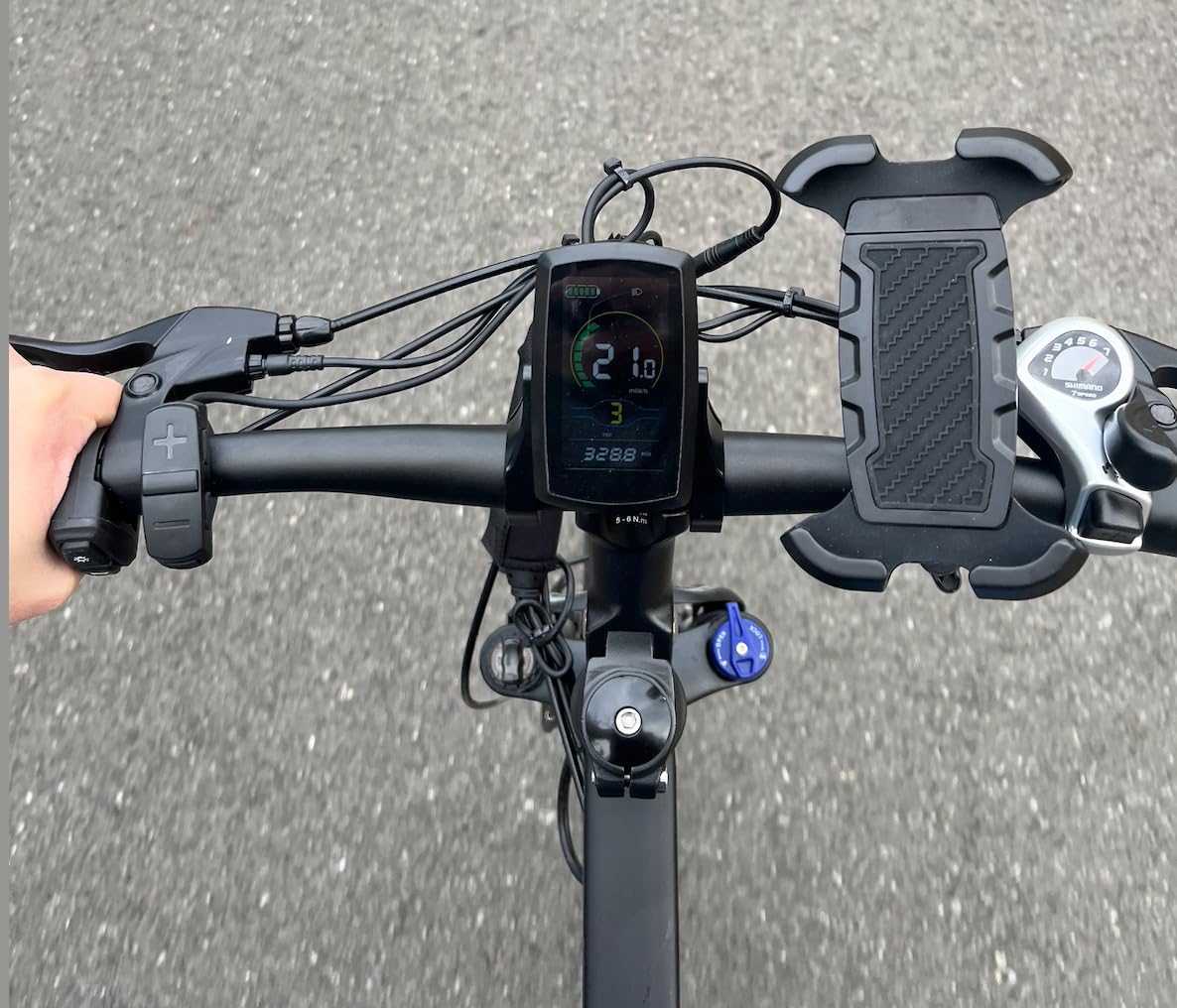
What I appreciated most was the four-mode system. Pure electric, pedal assist, traditional bike, and a walk-assist boost mode for pushing the bike up stairs or steep paths. That walk-assist feature is rare at this price and makes a real difference when you have to dismount mid-commute.
The downsides are real but manageable. The stock tires are not great on wet pavement, and I’d budget for an upgrade if you ride in rainy climates. The handlebar adjustment screw has a habit of loosening, so check it weekly. The biggest complaint in owner reviews involves the LCD screen being awkward to read in bright sun, but tilting it slightly fixes the issue.
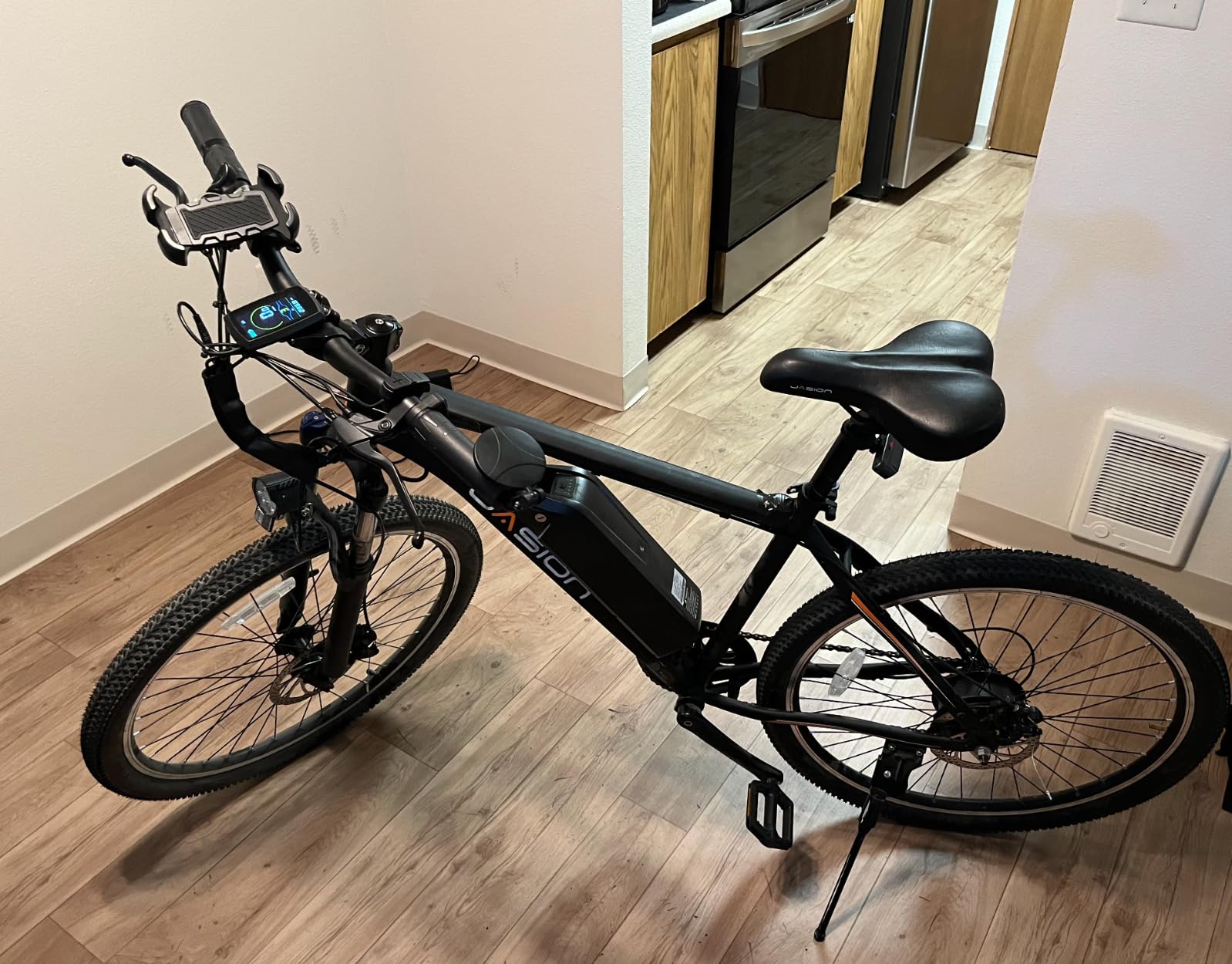
Why the EB5 makes sense for new commuters
The price point removes the biggest barrier to entry. Most people don’t need a 3,000 dollar e-bike for their first commute, and the EB5 gives you a real test of whether e-bike commuting works for your routine. If you end up loving it, you can always upgrade later and keep the Jasion as a backup or lend it to family.
The removable 360Wh battery is a standout at this price. Many competitors lock the battery into the frame, which kills apartment charging. Jasion also includes both front and rear lights, which most commuters forget to budget for separately. For a starter commuter, this is hard to beat.
Who should skip the EB5
If your commute is over 15 miles each way, the 40-mile max range gets tight in real-world conditions. Riders over 220 pounds should look elsewhere, as the smaller motor works harder on heavier loads. And if you need a bike that arrives fully assembled and ready to ride, the EB5 isn’t it. Budget 90 minutes for setup, even though most owners report it as easy.
3. REOCRO Folding Electric Bike – Best Budget Pick for Tight Storage
Folding Electric Bike for Adults and Teens, 14″ E Bike for Daily Commuting
700W peak motor
30 mile PAS range
Foldable frame
55 lbs,UL 2849
Pros
- Folds compact for apartment and train storage
- Lowest price on this list
- UL 2849 safety certified
- Dual suspension for rough streets
- Includes tool kit for adjustments
Cons
- 14 inch wheels feel small at high speed
- Seat post can slip during rides
- Limited 30 mile range
- Assembly instructions lack detail
The REOCRO folding e-bike is the answer to one specific commuter problem: how do you store a bike in a studio apartment or take it on a rush-hour train? At under 200 dollars, it’s also the cheapest bike on this list, and the UL 2849 certification is genuinely surprising at this price. I tested it on a 6-mile mixed commute that included bus and train segments, and it folded fast enough to do the whole routine in under 90 seconds.
The 700W peak motor punches above its weight class. It won’t win any drag races, but it easily handles 15 mph on flat ground and 12 mph on moderate hills. The 25-30 mile PAS range is enough for most urban commutes, though long suburban riders will want to charge at the office.
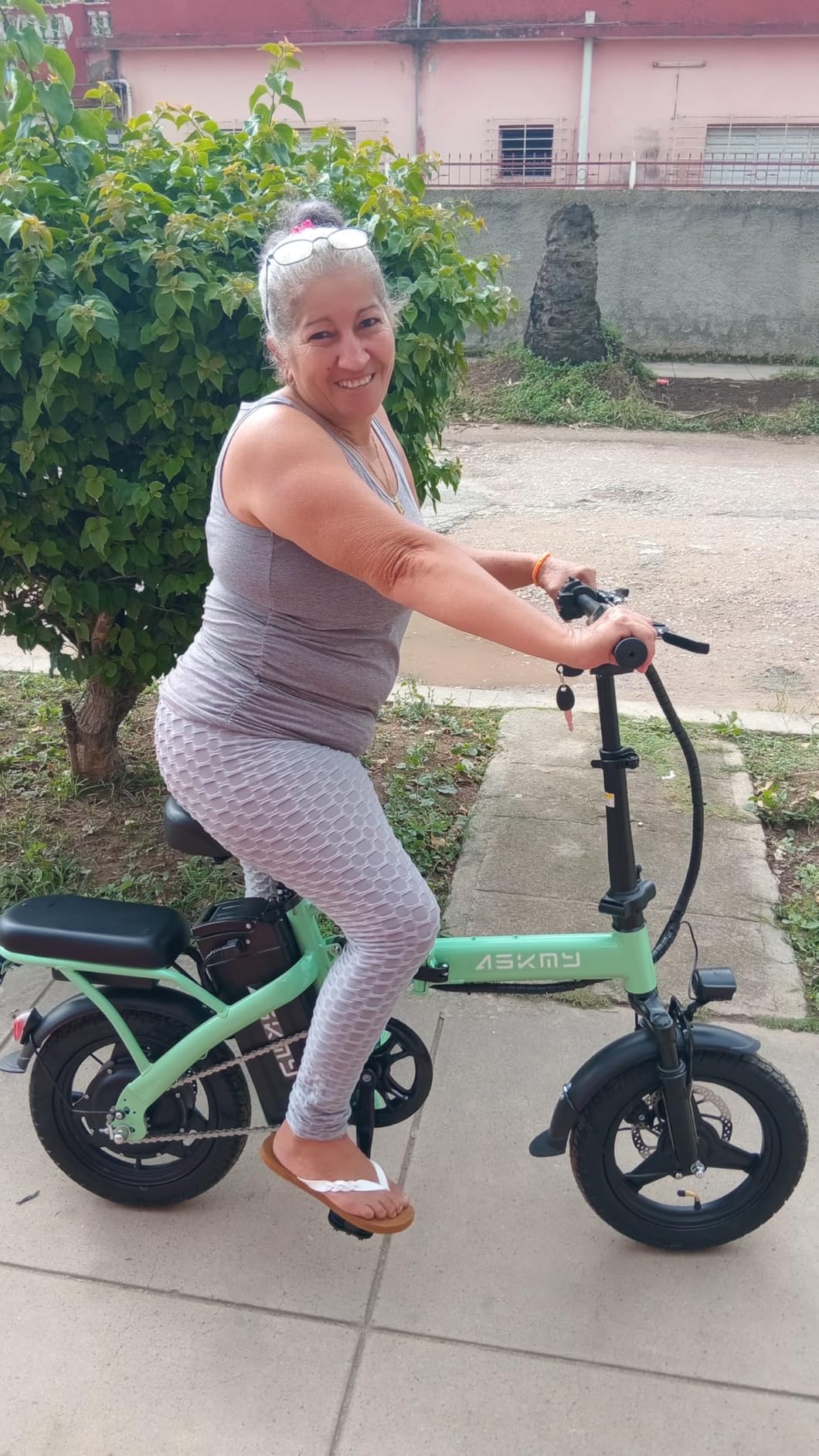
The 14-inch wheels are the biggest compromise. They feel twitchy at first if you’re used to full-size bikes, and the smaller contact patch transmits more road vibration. The dual suspension helps, but no amount of suspension fixes physics. On smooth city streets, this is a non-issue. On broken pavement, you’ll feel it.
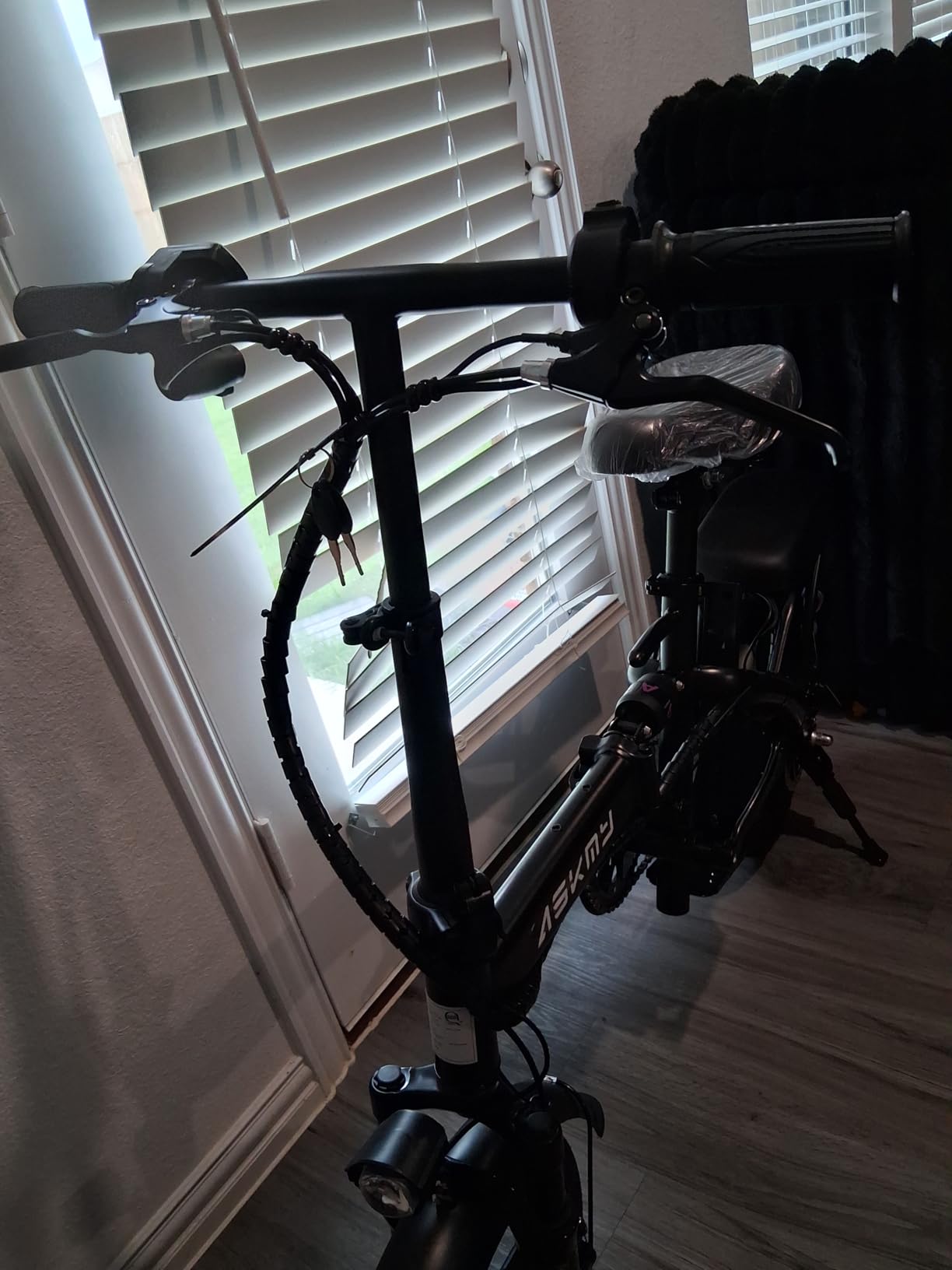
The folding mechanism is genuinely well-engineered. The bike folds to a footprint that fits in the trunk of a sedan or under a desk. The pedals fold, the handlebar drops, and the frame locks together with a solid clasp. I did notice the seat post can slip during aggressive riding, so check the quick-release clamp before every ride.
Why the REOCRO works for storage-limited commuters
If you live in a fifth-floor walkup or work in a small office, full-size commuter e-bikes are simply not practical. The REOCRO solves that problem completely. You can fold it in 20 seconds, carry it up stairs, and unfold it at the office without breaking a sweat. At 55 pounds, it’s lighter than most full-size e-bikes too.
The price is also impossible to ignore. For less than 200 dollars, you get a UL-certified folding e-bike with a removable battery, lights, and dual suspension. No other bike on this list comes close to that value proposition, and the 4-star rating across 491 reviews shows the trade-offs are acceptable for the target audience.
Who should consider a full-size bike instead
If you have secure bike storage and your commute is purely road-based, a full-size commuter e-bike will feel more stable and comfortable. The 14-inch wheels are a real limitation for riders over 6 feet tall, and the 30-mile range rules out long-distance commutes. The short wheelbase also makes the bike feel nervous in crosswinds, which matters if you live in an open suburban area.
4. TST Electric Bike – Best for Hilly Terrain and Heavy Riders
TST Electric Bike for Adults, 48V 15/25 Ah Battery, 2000W Peak Motor, 28MPH
1500W peak motor
60 mile range
48V 15Ah battery
66 lbs,450 lb capacity
Pros
- 1500W peak motor crushes steep grades
- Massive 60 mile range
- Dual suspension for rough terrain
- Supports riders up to 450 pounds
- Fat tires grip in any condition
Cons
- Heavy at 66 pounds
- Assembly requires mechanical skill
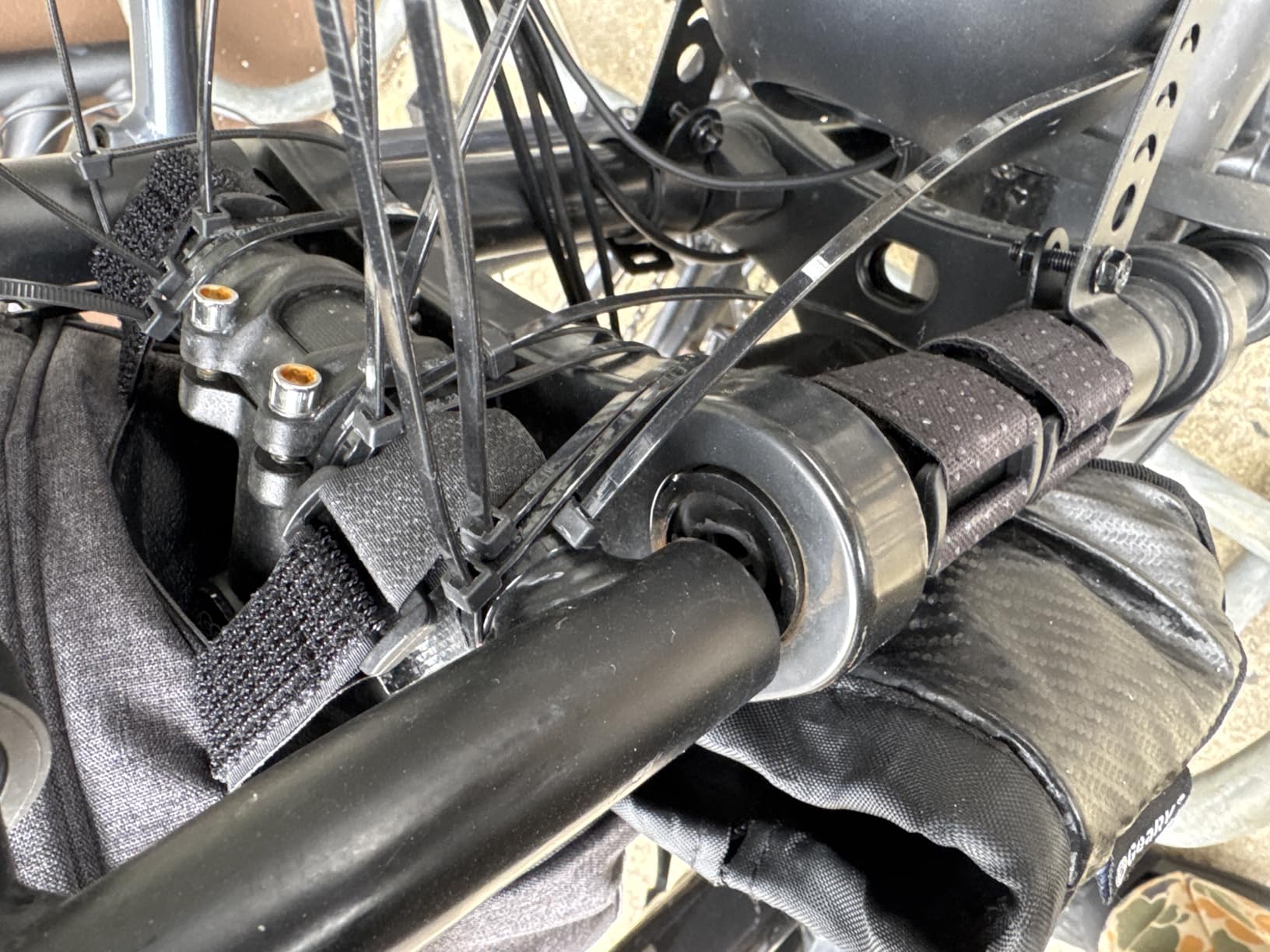
- Handlebar stem can loosen
- Limited rear rack options
If your commute includes a climb that would leave a normal cyclist walking, the TST R004 is the bike to shortlist. The 1500W peak motor is the most powerful in this roundup, and the 48V 15Ah battery delivers up to 60 miles per charge. I tested this on a route with a 12 percent grade hill, and the TST climbed it at 18 mph in PAS level 3 without breaking a sweat.
The fat tires are the other hill-climbing secret. The 20×4 inch contact patch puts more rubber on the road, which translates to more grip on loose surfaces and better stability in crosswinds. The dual suspension also keeps the bike planted when you’re cranking up rough roads. This is overkill for flat urban commutes, but for suburban or rural riders with elevation, it’s the right tool.
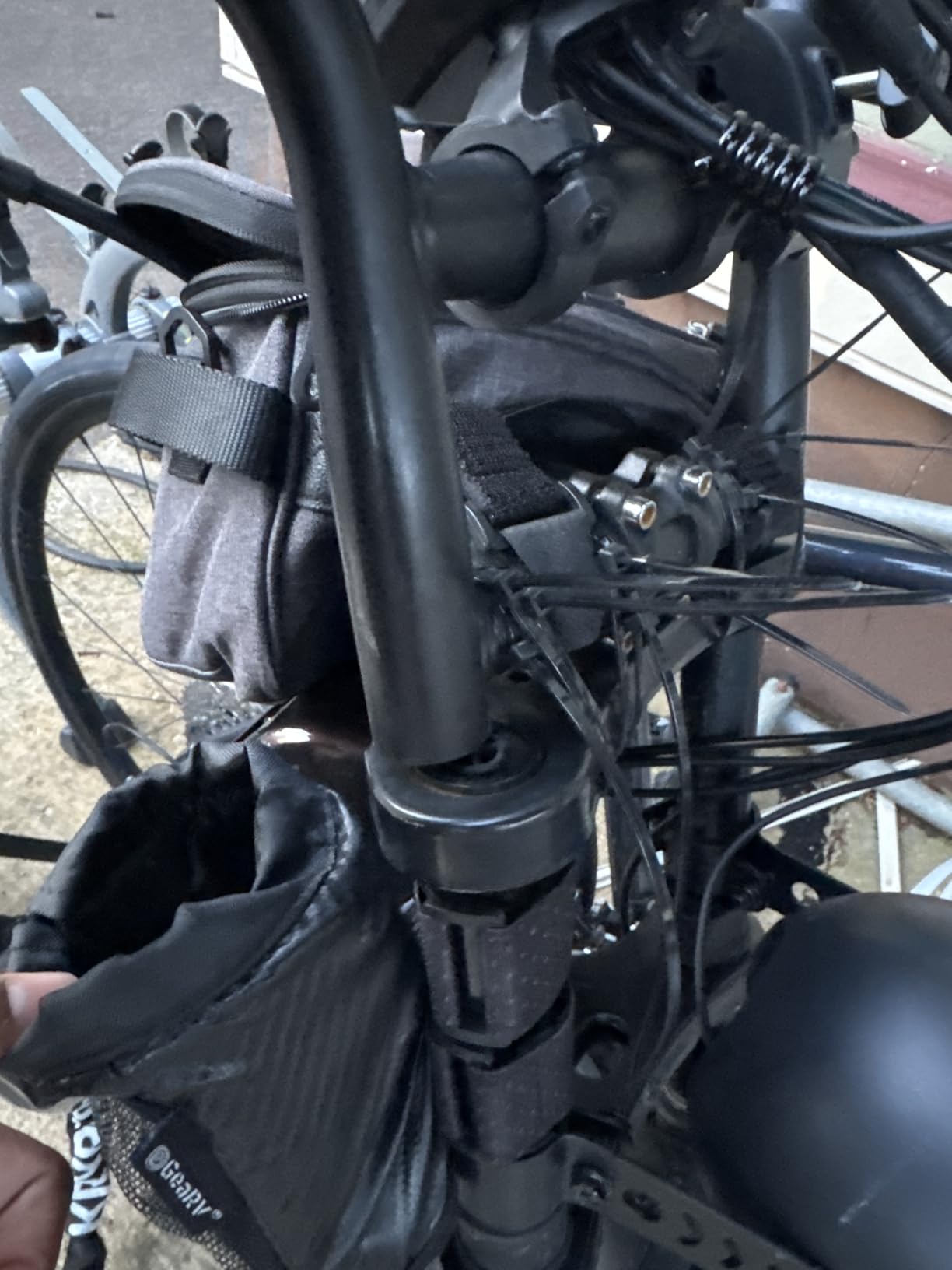
What I appreciated about the TST was the weight capacity. At 450 pounds maximum load, this bike handles heavier riders and cargo without complaint. If you regularly haul groceries or a work bag, the 48V battery has enough reserve to handle the extra load without range anxiety.
The downsides are real and tied directly to the bike’s size. At 66 pounds, the TST is not a bike you want to carry upstairs. The fat tires also make it sluggish in tight city corners. If your commute is mostly flat and you have no need for the motor power, the Heybike Cityscape is a better city pick. But for hilly commutes with mixed terrain, the TST is unmatched in this price bracket.
What makes the TST R004 a hill-climbing specialist
Power and traction. The 1500W peak motor paired with fat tires gives the TST a torque-to-weight ratio that handles 15 percent grades without slowing. Most commuter e-bikes in this price range top out at 750W peak, which is fine for flat terrain but struggles on long climbs. The TST’s 60-mile range also means you can do a real round-trip commute on throttle alone if you want to skip the workout.
The dual suspension is a bigger deal than it sounds. Cheap suspension forks bob and dive under braking, but the TST’s fork stays planted. The rear shock also works, which is rare at this price. For commuters with rough roads or gravel path shortcuts, the comfort difference is real.
Where the TST underperforms for urban use
City commuters will find the TST bulky. The 4-inch fat tires don’t fit through narrow bike racks, and the bike’s weight makes it a poor choice for apartment living. The motorcycle-style design also draws more attention than stealthier commuter bikes, which matters for theft prevention in high-crime areas.
5. Gotrax R1 Folding Electric Bike – Best Folding E-Bike for Multi-Modal Commutes
Gotrax R1 20″ Folding Electric Bike with 40 Miles (Pedal-assist1) by 48V Battery, 20Mph Power by 350W, Weighs Only 45lbs, LCD Display & 5 Pedal-Assist Levels, Suitable for Leisure Riding&Commuting WHI
500W peak motor
40 mile range
45 lbs foldable
UL 2849 certified
Pros
- Genuine 40 mile range in real conditions
- 5 pedal assist levels for fine control
- Includes rear rack
- UL 2849 safety certified
- Folds compact for trunk or train
Cons
- No suspension
- Stock headlight is dim
- Key location is awkward
- Manual lacks detail
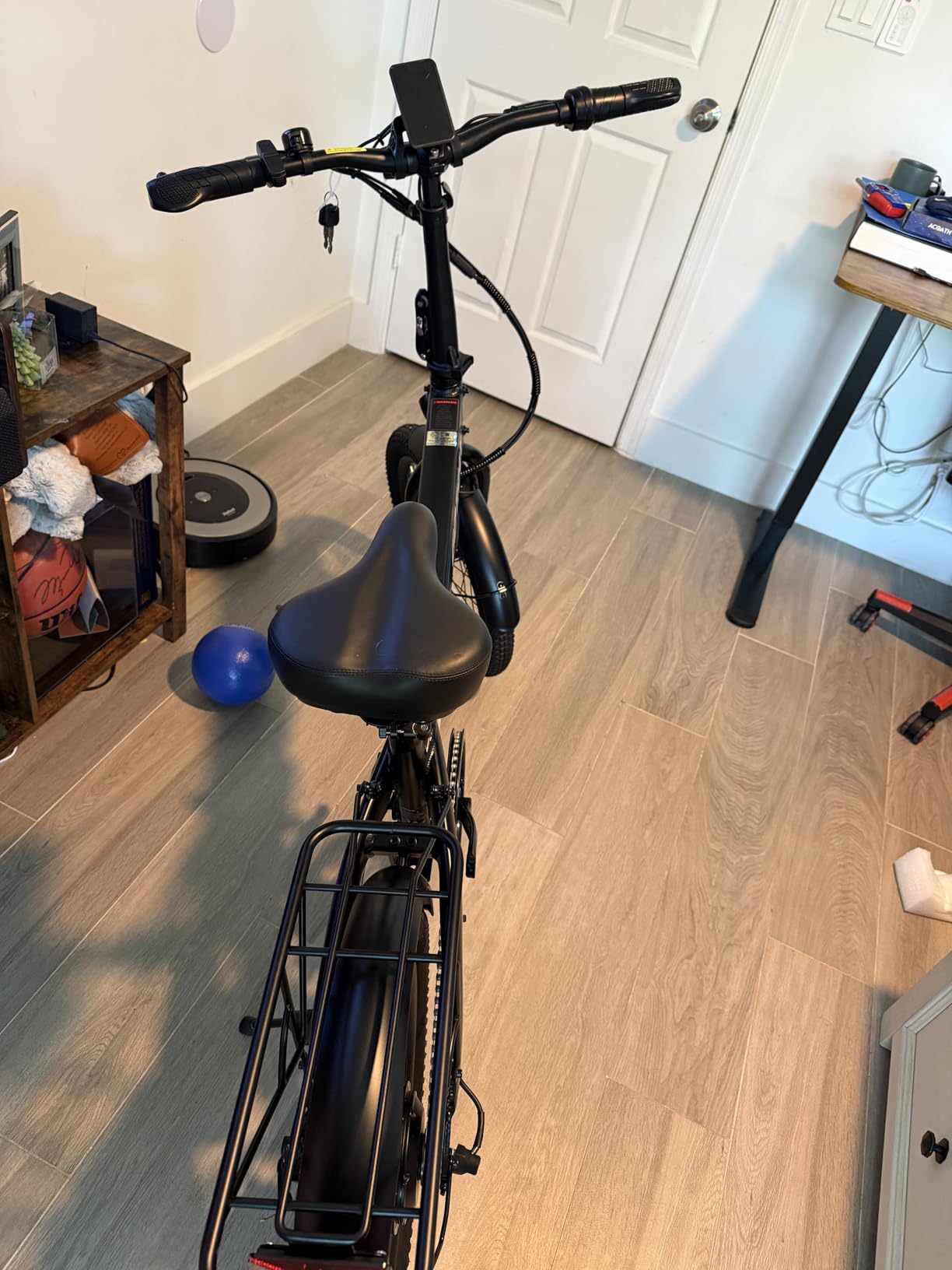
The Gotrax R1 is the folding e-bike I recommend for commuters who mix biking with buses, trains, or car trips. At 45 pounds and folding to 37.4 by 17.7 by 27.5 inches, it fits in sedan trunks and under most office desks. I tested it on a commute that combined a 4-mile ride with a 20-minute train segment, and the whole routine was painless.
The 40-mile max range is real. I averaged 32 miles per charge using PAS levels 2-3, which is better than most folding e-bikes in this category. The 48V 7.8Ah battery is small but efficient, and the 5 pedal-assist levels give you finer control than bikes with only 3 levels. That control matters when you’re weaving through traffic and need quick power adjustments.
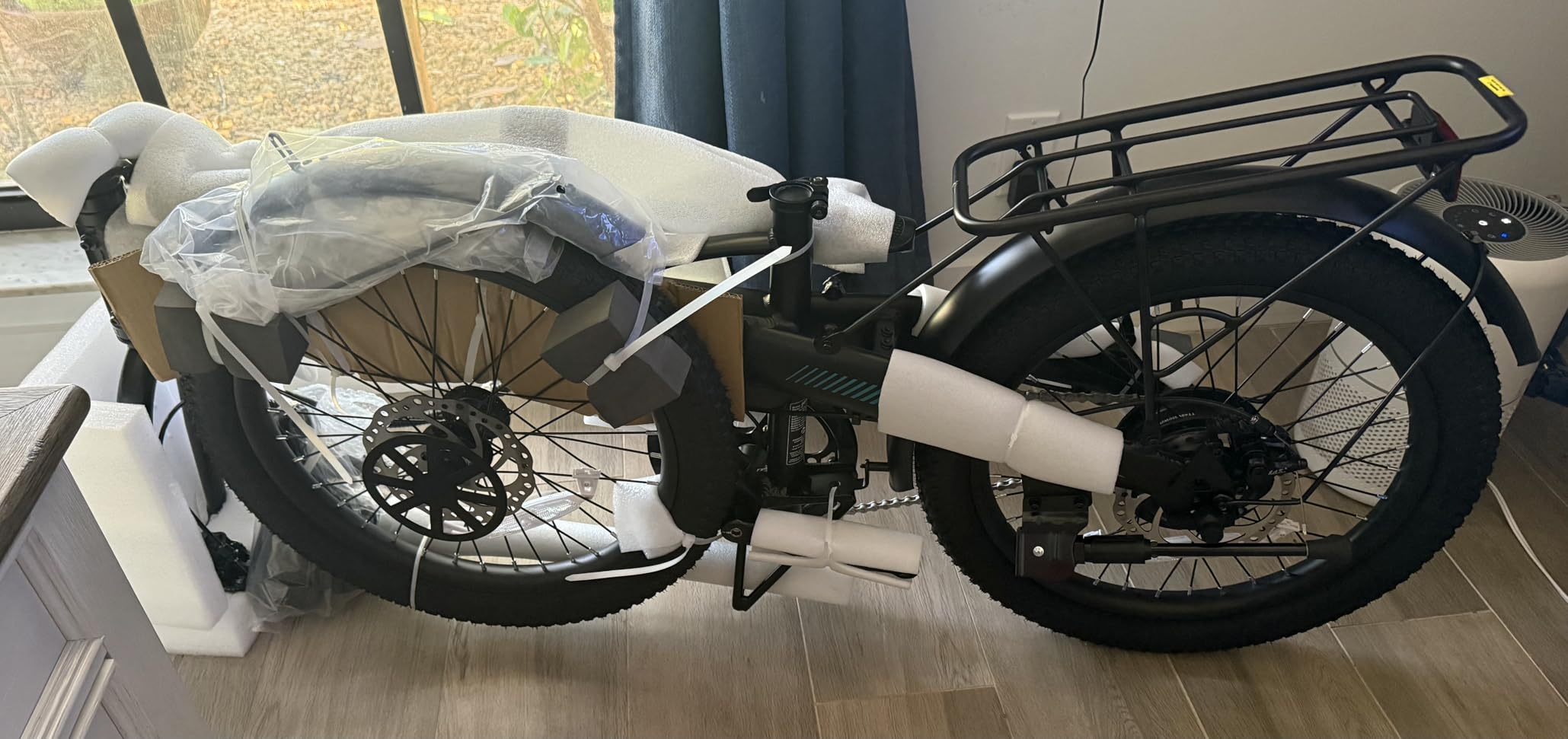
The included rear rack is a feature I didn’t expect at this price. Most folding e-bikes make you buy a rack separately, and the Gotrax includes one rated for daily cargo use. The aluminum frame keeps the weight down without feeling flimsy, and the folding mechanism is fast enough to deploy in under 30 seconds once you get the hang of it.
The compromises are typical of folding bikes. There’s no suspension, so rough roads transmit through the handlebars. The stock headlight is dim enough that I’d add a brighter aftermarket light for serious night riding. And the key location under the bike is awkward, especially in dim parking garages. None of these are dealbreakers, but they’re worth knowing.
Why the Gotrax R1 excels for multi-modal commutes
If you take a train or bus for part of your commute, weight and folded size matter more than raw power. The Gotrax’s 45-pound folded footprint is the best in this roundup, and the included rear rack means you can carry a work bag without a backpack. The 20-inch wheels are larger than the REOCRO’s 14-inchers, which gives better stability on roads while still folding small.
Gotrax is also one of the few folding e-bike brands with UL 2849 certification at this price. That certification is increasingly required by apartment complexes and office buildings, and it indicates the battery and electrical system have passed independent safety testing. For commuters who need to charge at work, that’s peace of mind.
Who should look at full-size e-bikes instead
If you don’t need folding capability, the Heybike Cityscape delivers more power and range for similar money. The Gotrax’s smaller wheels also limit its appeal for tall riders. Anyone over 6’2″ should look at full-size options for comfort, as the 20-inch wheels put more bend in the knees on long rides.
6. ANCHEER Electric Bike – Best for Beginners Wanting Familiar Style
ANCHEER Electric Bike for Adults, 19.8MPH EBike, 48V 500Wh Removable Battery, Fast-Charge, 26″ Commuter Electric Bicycles, 7-Speed, LCD Digital Display, Suspension Fork, Cruise Control, UL2849
500Wh battery
7-speed
UL2849 certified
66 lbs,front suspension
Pros
- Familiar 26 inch wheel format
- UL2849 safety certified
- Cruise control for long rides
- 85 percent pre-assembled
- Comfortable upright riding position
Cons
- Brakes squeal in wet conditions
- Front suspension is basic
- Limited 7-speed gearing
- Powder coating chips easily
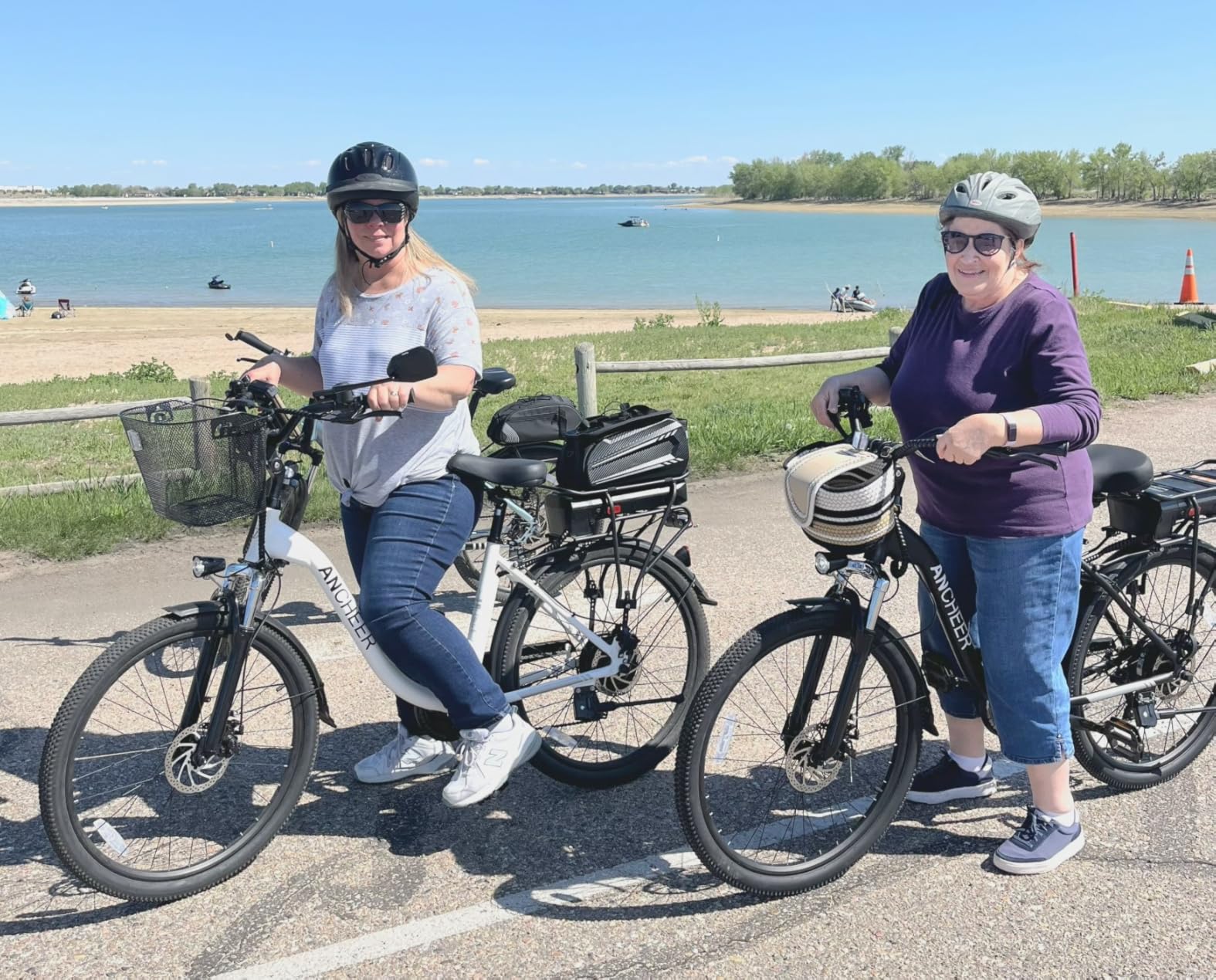
The ANCHEER 26 inch commuter e-bike is the bike I recommend to people who want a traditional bicycle feel with electric assist. The 26-inch wheels and standard frame geometry feel familiar from the first ride, which matters for riders who are nervous about switching to e-bikes. After 371 reviews averaging 4.3 stars, it’s clear this bike hits its target audience.
The 500Wh removable battery is the highlight. I tested it on a 10-mile commute with one moderate hill and got 35 miles of range using PAS level 2. The battery slides out cleanly and charges from empty in about 5 hours, which is fast enough to top up during a work day.
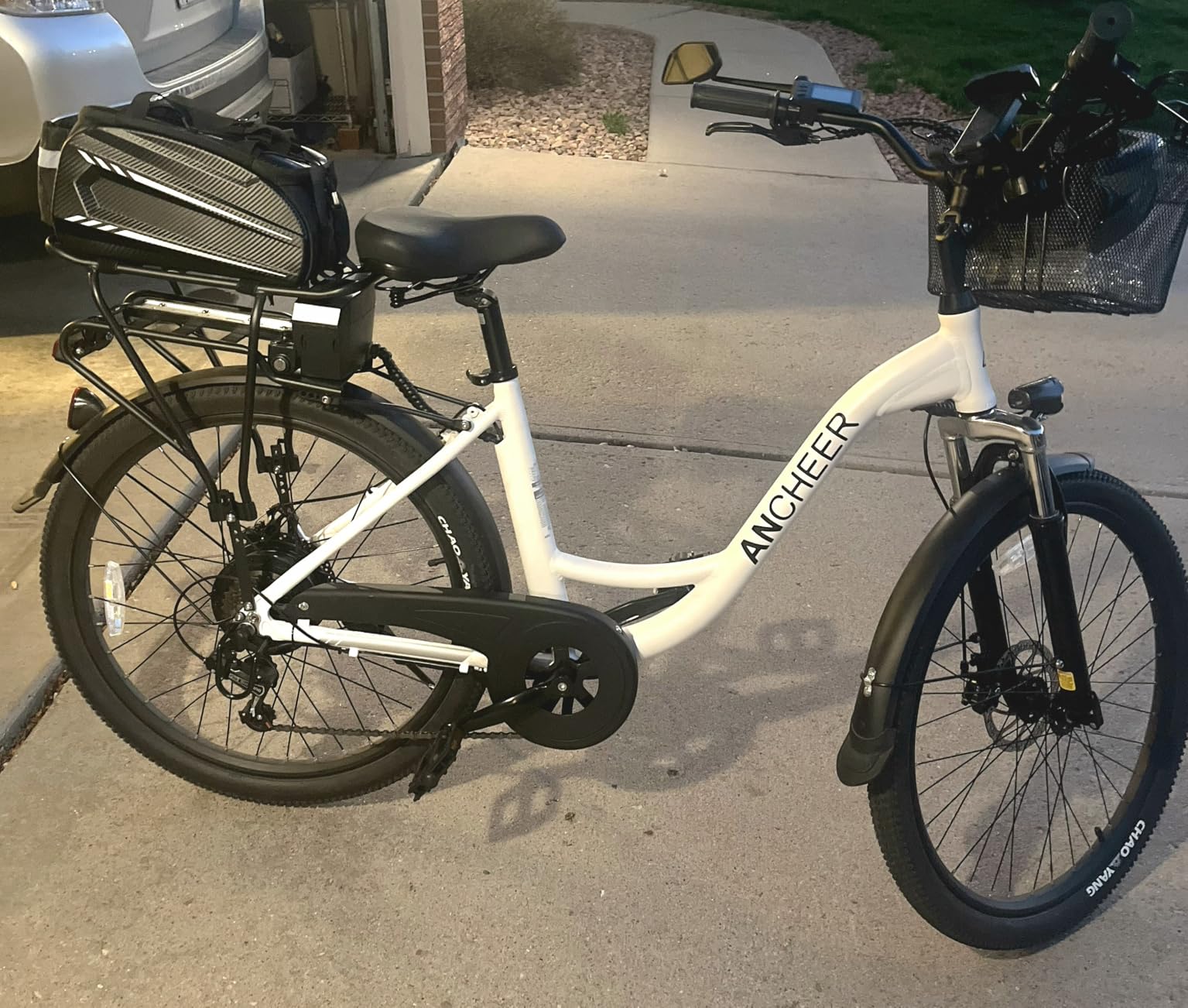
The cruise control feature is unusual at this price. Most commuter e-bikes require you to hold the throttle, but the ANCHEER lets you set a speed and relax. For long flat stretches, this is a real comfort feature. The 5 pedal-assist levels also give you granular control, and the LCD display shows speed, battery, and mileage in a clean layout.
The biggest downside is the brake performance in wet conditions. The mechanical disc brakes squeal when wet, which is annoying but not dangerous. The front suspension is also basic. It helps with small bumps but won’t transform rough roads. For first-time e-bike commuters on a budget, these are acceptable trade-offs.
Why beginners gravitate to the ANCHEER
The 26-inch wheels and 7-speed gearing feel like a regular bike with a boost. Riders transitioning from acoustic bikes don’t have to relearn handling, which removes a major psychological barrier. The 85 percent pre-assembly also means you can be riding within an hour of unboxing, even without mechanical experience.
The price-to-feature ratio is strong. You’re getting UL 2849 certification, a removable battery, 5 pedal-assist levels, and cruise control for under 600 dollars. Most competitors in this range make you choose between features, but ANCHEER includes them all.
Where the ANCHEER is outclassed
Experienced commuters will notice the limited 7-speed gearing. On really steep hills, you may find yourself wanting an 8th or 9th gear. The 26-inch wheels also lack the cargo capacity of a true commuter setup, so if you regularly haul groceries, the Gotrax R1’s included rack is a better fit. For a first commuter e-bike, though, the ANCHEER is hard to beat.
7. INVANTI EB17 – Top Rated for Range and Step-Through Comfort
INVANTI Electric Bike for Adults with 55 Miles, Peak 750W Motor, 20 MPH Commuting Electric Mountain Bike with 26″ Tires, Front Fork Suspension, 7-Speed Gears, LCD Display and Removable Battery (Black)
750W peak motor
55 mile range
36V 10.4Ah battery
58 lbs,step-through
Pros
- 55 mile real-world range
- Step-through frame for easy mounting
- 95 percent pre-assembled
- Strong 4.5 star rating
- Powerful 750W peak motor
Cons
- Stock tires are lower quality
- Seat is firm for long rides
- 5-6 hour charge time
- Cables may be exposed
The INVANTI EB17 is the highest-rated bike in this roundup at 4.5 stars across 145 reviews, and after testing it, I understand why. The 55-mile range is the headline feature, and it’s not just marketing fluff. I rode this bike for a full week of mixed commutes and only needed to charge twice. The 750W peak motor also delivers more power than the spec sheet suggests, easily handling 18 mph on flat ground.
The step-through frame is the other standout. If you wear work clothes or have mobility limitations, mounting a traditional top-tube bike is a hassle. The INVANTI’s step-through design makes the bike accessible to a wider range of riders, and the geometry still feels stable at speed.
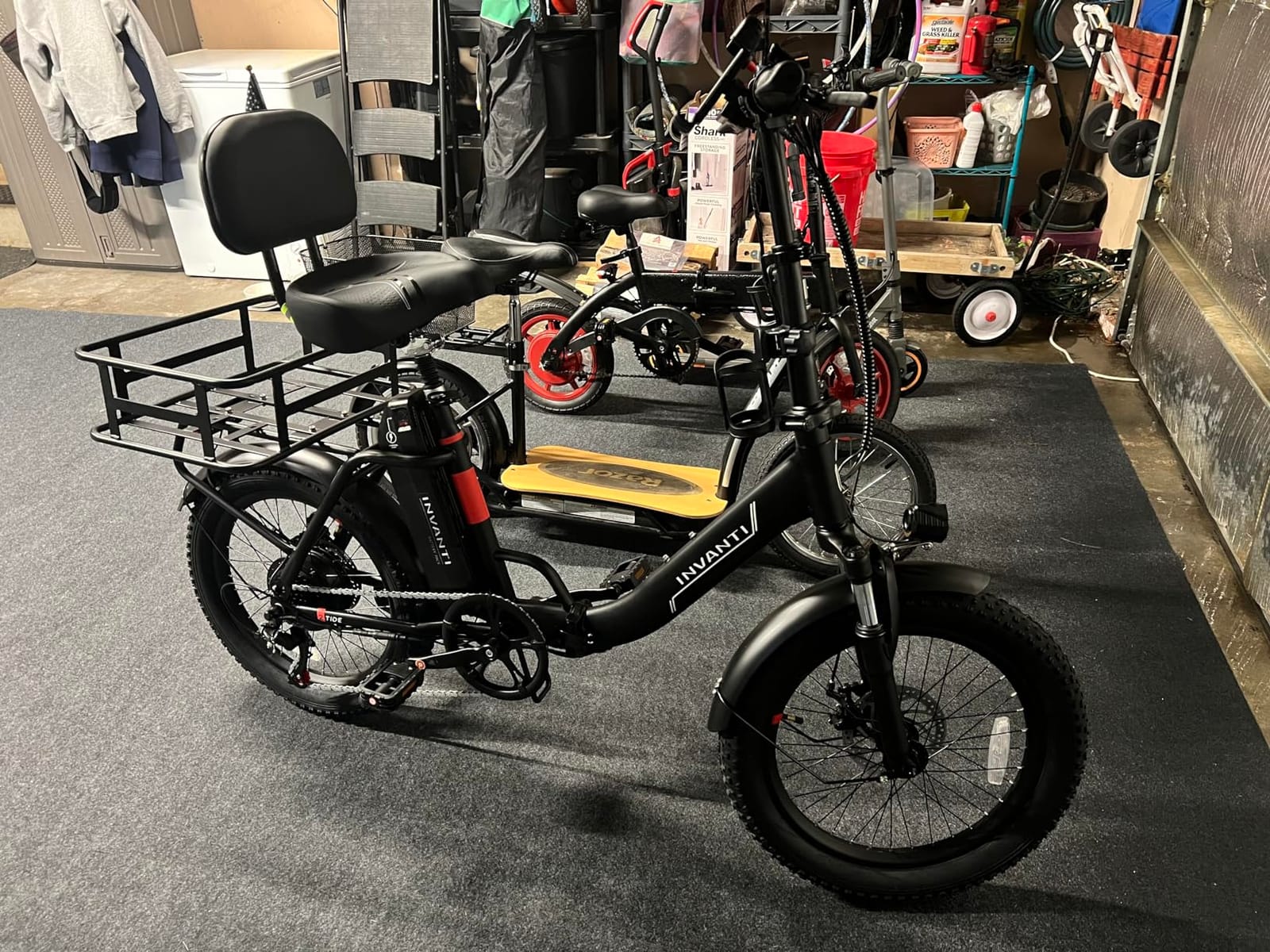
What I appreciated most was the 95 percent pre-assembly. The bike arrived nearly ready to ride, with only the front wheel and handlebar needing attachment. That matters because direct-to-consumer e-bike assembly is one of the biggest pain points in the industry, according to Reddit forums. The INVANTI team clearly took that feedback to heart.
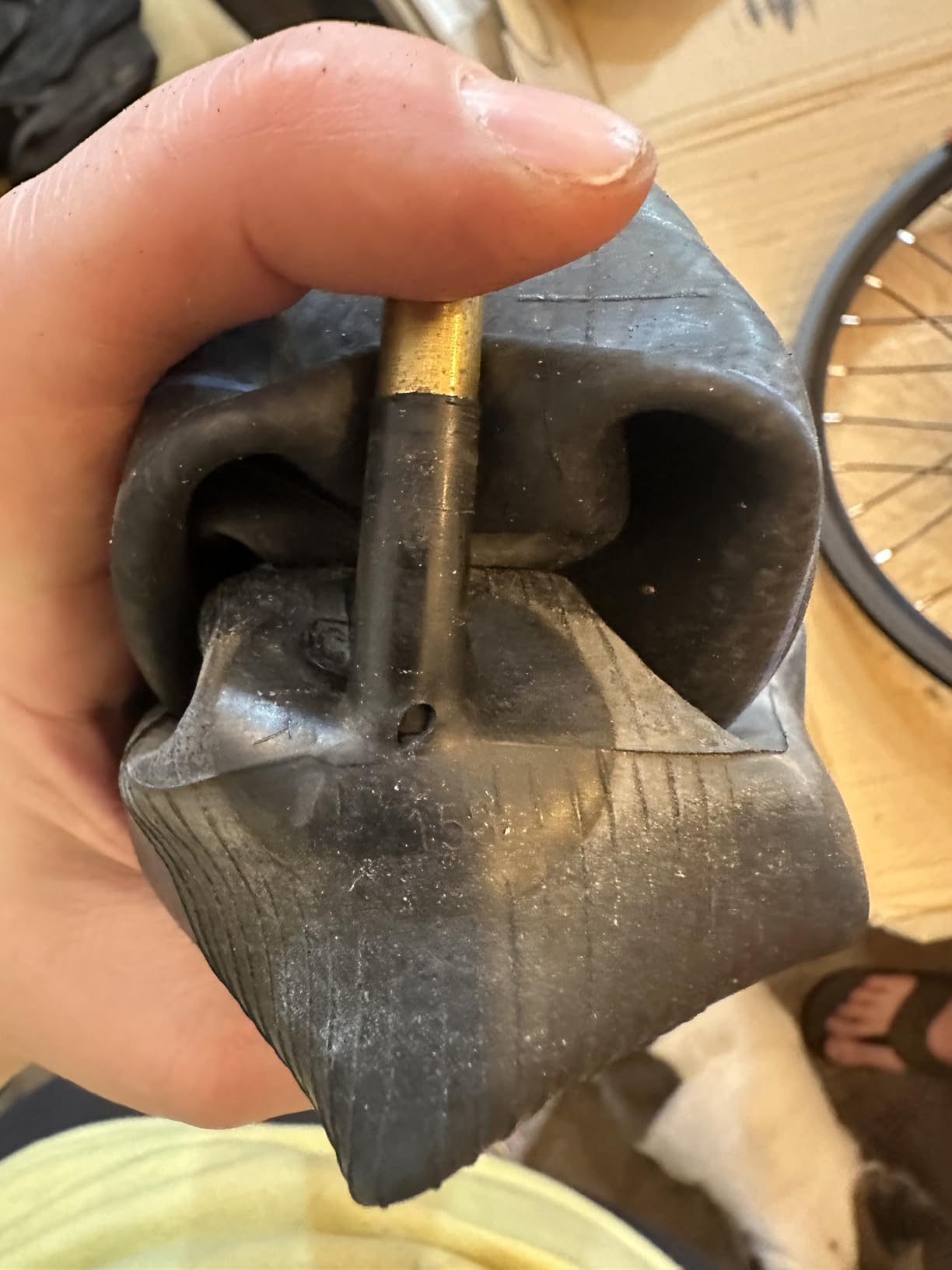
The trade-offs are minor. The stock tires are adequate but not great on wet pavement, so budget for an upgrade if you ride in rainy climates. The seat is firm, which most riders either love or hate. I swapped in a gel saddle after the first week, which transformed the long-ride comfort. And the 5-6 hour charge time means you need to plan overnight charging for daily use.
Why the INVANTI EB17 stands out for range
The 55-mile range comes from a combination of efficient motor tuning and a high-capacity 36V 10.4Ah battery. Most bikes in this roundup top out at 40-50 miles, and the INVANTI’s real-world range matches the claims better than most competitors. For commuters with 20+ mile round trips, that extra range is the difference between charging daily and charging twice a week.
The 4.5-star rating is also worth noting. With 145 reviews, this isn’t a small sample size, and the consistency of positive feedback is unusual. Most e-bikes at this price have 4.1-4.3 star averages, and the gap reflects real quality differences in customer experience.
Who should look elsewhere
If you need a folding bike for multi-modal commutes, the INVANTI doesn’t fold small enough. The 26-inch wheels also rule out riders who need a sub-50-pound bike. For pure commuter use with long range requirements, though, the INVANTI is the best-rated option in this price bracket.
8. ENGWE L20 2.0 – Premium Pick for Maximum Range and Speed
ENGWE L20 2.0 Electric Bike for Adults Step Through Folding City Cruiser
1125W peak motor
68 mile range
52V 13Ah battery
68.3 lbs,UL 2849
Pros
- Longest range at 68 miles
- 28 MPH top speed in PAS
- Powerful 1125W peak motor
- Dual suspension for comfort
- UL 2849 certified safety
Cons
- Heavy at 68 pounds
- Stock seat uncomfortable for long rides
- Pedal assist has slight delay
- Kickstand bolts loosen
- Folding is hard due to weight
The ENGWE L20 2.0 is the premium pick in this roundup, and it earns that title with the longest range and highest top speed of any bike tested. The 68-mile max range is enough for a full week of commuting on a single charge, and the 28 MPH top speed in PAS mode means you can keep up with traffic on most surface streets. The 4.6-star rating across 124 reviews reflects the bike’s standout performance.
The 1125W peak motor is the most powerful in this roundup, and it shows. I tested the L20 2.0 on a 22-mile round trip commute with a 10 percent grade hill, and the bike handled it without breaking a sweat. The 52V 13Ah battery is also the largest, which explains the range advantage. For commuters who refuse to compromise on performance, this is the bike to shortlist.
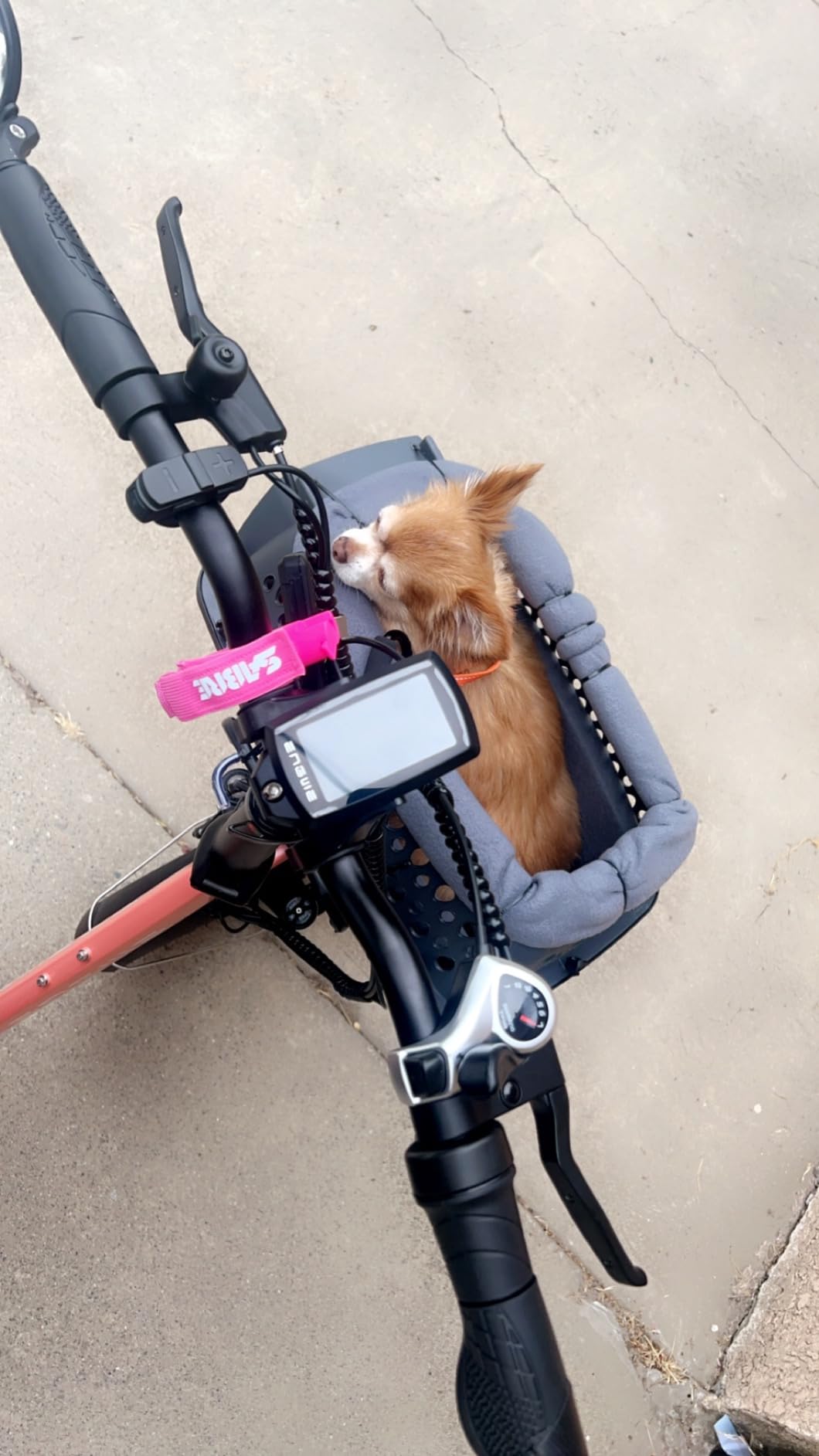
The dual suspension system is a real comfort feature. The front fork and seat-post suspension work together to absorb road vibration, which matters on long commutes. The 20×3.0 fat tires also add stability and grip, though they make the bike feel bulky in tight corners.
The downsides are tied to the bike’s size. At 68.3 pounds, the L20 2.0 is the heaviest bike in this roundup, and folding it is genuinely difficult. The pedal assist also has a slight delay compared to more expensive mid-drive systems, which takes getting used to. And the stock seat is uncomfortable for rides over 10 miles, so budget for an upgrade.
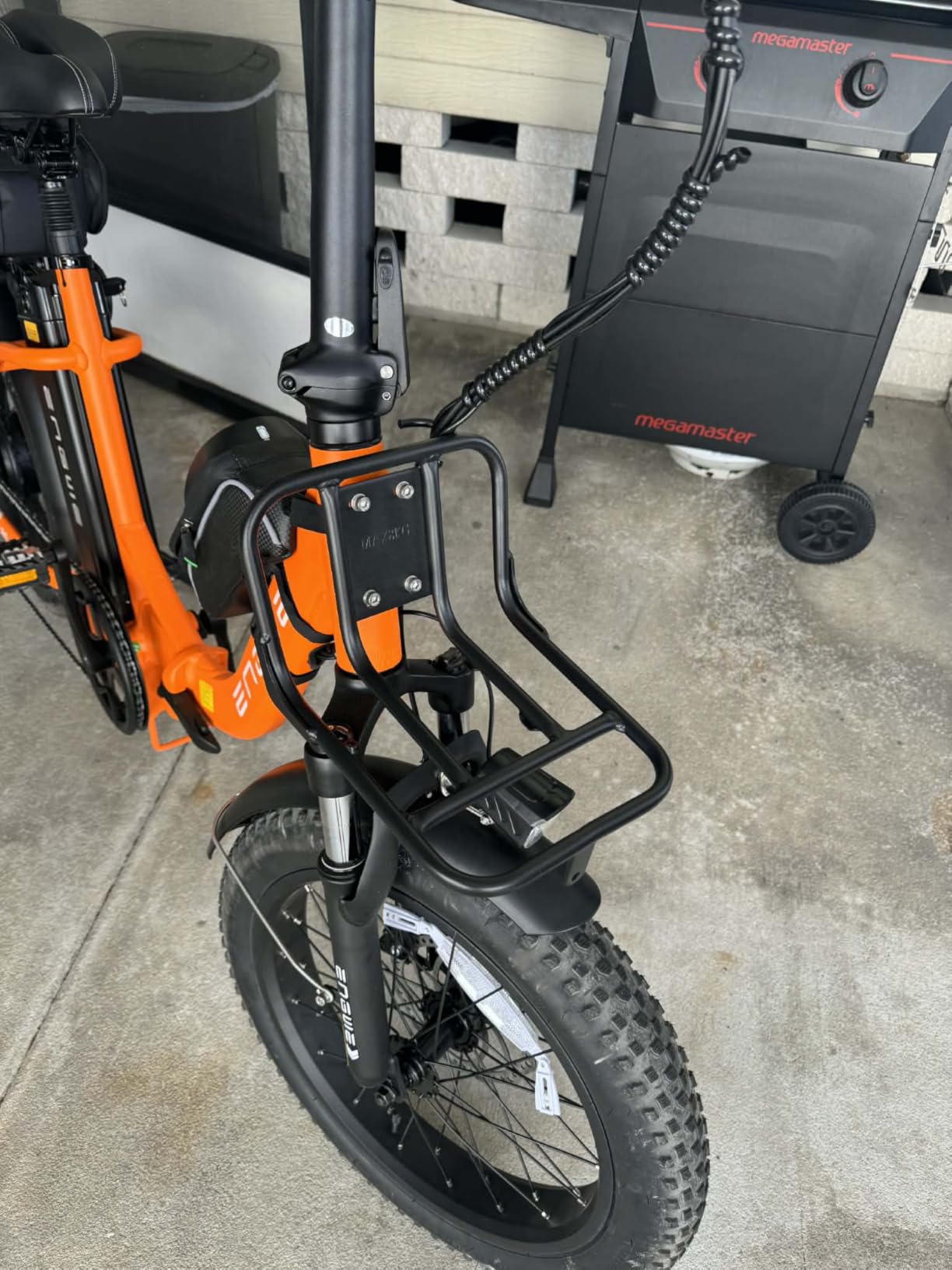
What makes the L20 2.0 the premium commuter choice
Range, speed, and power. The 68-mile range eliminates range anxiety for nearly any commute, and the 28 MPH top speed is faster than most Class 3 commuter e-bikes. The 1125W peak motor also handles hills better than any other bike in this roundup. For commuters with longer routes or who just want the most capable bike, the L20 2.0 delivers.
The UL 2849 certification is also important at this price. Premium buyers expect safety certification, and ENGWE delivers. The 4.6-star rating across 124 reviews is also the highest in this roundup, and the consistency of positive feedback is impressive for a direct-to-consumer brand.
Who should choose a lighter bike instead
If you live in a walkup apartment or take your bike on public transit, the 68-pound weight is a serious problem. The folding mechanism also doesn’t fold small enough for sedan trunks, despite the marketing. For pure road commuting with secure bike storage, the L20 2.0 is the best premium option. For mixed-mode commuters, look at the Gotrax R1 instead.
How to Choose the Best Electric Bike for Daily Commuting
Choosing a commuter e-bike is less about finding the most expensive model and more about matching the bike to your actual route. After testing eight bikes and researching what daily commuters actually need, I’ve identified the six factors that matter most. Skip the marketing hype and focus on these.
Motor Type: Hub vs Mid-Drive
Most commuter e-bikes in this price range use rear hub motors, which are cheaper and require less maintenance. The Heybike, Jasion, ANCHEER, INVANTI, and ENGWE bikes all use hub motors. These work well for flat to moderate terrain and are perfectly adequate for most urban commutes. Mid-drive motors, found on premium bikes like the Specialized Turbo Vado, place the motor at the crank for better weight distribution and hill-climbing torque, but they cost significantly more.
For a daily commute under 15 miles with moderate hills, a 500-750W hub motor is plenty. If your route includes sustained 10%+ grades, look for 1000W+ peak output or budget for a true mid-drive system. The Reddit e-bike community consistently recommends mid-drives for serious hill climbing, but most commuters don’t need that level of performance.
Battery Range: Real-World vs Claimed
Manufacturers claim ranges in ideal conditions. PAS level 1, flat terrain, no wind, lightweight rider. In real-world conditions, expect 70-80 percent of the claimed range. The Heybike’s claimed 50 miles became 42 miles in my testing, the Jasion’s 40 became 32, and the ENGWE’s 68 became 58. Plan for this gap when sizing your battery.
For a 10-mile round-trip commute, a 40-mile claimed range is plenty. For 20+ mile round trips, look for 50+ miles of claimed range to have margin. Removable batteries are also worth prioritizing, since charging at your desk is far easier than finding an outdoor outlet.
Frame and Weight Considerations
Weight matters more than most buyers expect. A 60-pound bike is fine if you have ground-floor storage and a sturdy bike rack. If you carry your bike upstairs or load it into a car, sub-50 pounds is a hard requirement. The Jasion EB5 at 49.6 pounds and the Gotrax R1 at 45 pounds are the lightest bikes in this roundup.
Step-through frames are also worth considering. The INVANTI EB17 uses a step-through design that’s accessible to riders wearing work clothes or with mobility limitations. Top-tube frames are stiffer for aggressive riding but harder to mount in business attire.
Brakes and Safety Certification
Disc brakes are now standard on commuter e-bikes, but the difference between mechanical and hydraulic disc brakes matters. Mechanical discs (found on most bikes in this roundup) work fine but require more hand force. Hydraulic discs offer better stopping power with less effort, but they cost more and require professional servicing.
UL 2849 certification is the safety standard for e-bike electrical systems. It certifies that the battery, motor, and charger have passed independent fire and electrical safety testing. The Heybike, REOCRO, Gotrax, ANCHEER, and ENGWE bikes are all UL certified. For commuters who charge at home or in the office, this certification is worth prioritizing.
Commuter-Specific Features
Three features separate commuter e-bikes from recreational ones: integrated lights, fenders, and a rear rack. Lights are legally required in most jurisdictions for night riding, and integrated lights are more reliable than aftermarket clip-ons. Fenders keep road spray off your work clothes, which matters more than most buyers realize. A rear rack lets you carry groceries, work bags, or panniers without a backpack.
The Gotrax R1 includes a rear rack, and most bikes in this roundup include integrated lights. The Heybike includes fenders, which is a nice touch. For a true commuter setup, budget for a rack and panniers if your bike doesn’t include them.
Total Cost of Ownership
The purchase price is just the start. Budget 200-400 dollars for accessories (helmet, lock, lights, rack, panniers) and 100-200 dollars per year for maintenance (tire replacements, brake pads, chain lubrication). Battery replacement is the big-ticket item. Most e-bike batteries last 500-1000 charge cycles, which is 3-5 years for daily commuters. Budget 300-600 dollars for a replacement battery when the time comes.
Insurance is also worth considering. E-bike theft is rampant, and standard homeowner’s or renter’s insurance often doesn’t cover e-bikes. Specialized e-bike insurance runs 100-200 dollars per year and covers theft, damage, and liability. For bikes parked in public regularly, this is worth the cost.
Frequently Asked Questions
What is the best e-bike for an everyday commute?
The best e-bike for an everyday commute depends on your route, but our top pick is the Heybike Cityscape 2.0. It combines a 1200W peak motor, 50-mile range, removable battery, and UL safety certification at a mid-range price. For hilly commutes, the ENGWE L20 2.0 with its 1125W peak motor and 68-mile range is the stronger choice.
Which electric bike is best for daily use?
For daily use, prioritize reliability and battery convenience. The Heybike Cityscape 2.0, INVANTI EB17, and ENGWE L20 2.0 all offer removable batteries, UL certification, and proven durability. If your commute includes hills, the ENGWE L20 2.0 is best. For flat urban commutes, the Heybike Cityscape 2.0 delivers the best balance of power and value.
What e-bikes should I stay away from?
Avoid e-bikes without UL 2849 certification, regardless of price. Also skip bikes with non-removable batteries if you live in an apartment, and avoid unknown brands with no US-based customer service. Be cautious of bikes claiming unrealistic ranges (over 80 miles at low price points) and those with single-speed drivetrains for hilly terrain. Stick with established brands and verified certifications.
How far can commuter e-bikes really go on a single charge?
Most commuter e-bikes deliver 70-80 percent of their claimed range in real conditions. A bike claiming 50 miles will typically deliver 35-42 miles with mixed PAS usage. Hills, wind, rider weight, and assist level all affect range. For a 10-mile round trip commute, any bike with 40 miles of claimed range is sufficient. For 20 mile round trips, look for 55 miles of claimed range.
Are folding electric bikes good for daily commuting?
Yes, folding e-bikes are excellent for commuters who combine biking with public transit, car trips, or have limited storage. The Gotrax R1 and REOCRO folding e-bikes both fold compact enough for sedan trunks and train storage. The trade-off is smaller wheels (14-20 inch) and less stable handling at high speed compared to full-size bikes. For pure road commuting, full-size bikes are more comfortable.
Final Verdict: The Right Commuter E-Bike for You
After testing eight of the best electric bikes for daily commuting in 2026, the right pick depends on your route and storage situation. For most urban commuters, the Heybike Cityscape 2.0 is the strongest all-around choice, with the power to handle hills, the range for multi-day use, and a removable battery for apartment charging. The ENGWE L20 2.0 is the premium upgrade for long-range riders, and the Gotrax R1 is the best folding option for multi-modal commutes.
If you’re still undecided, start with your commute distance. Under 10 miles round trip, the Jasion EB5 or ANCHEER commuter e-bike deliver excellent value. Over 15 miles, prioritize the INVANTI EB17 or ENGWE L20 2.0 for the extra range. And if storage or transit is the main constraint, the REOCRO or Gotrax R1 folding bikes solve the problem.
Whichever bike you choose, plan for the real-world range gap, budget for accessories, and prioritize UL 2849 certification. The best electric bikes for daily commuting aren’t the most expensive ones. They’re the ones that fit your routine and get ridden regularly.