
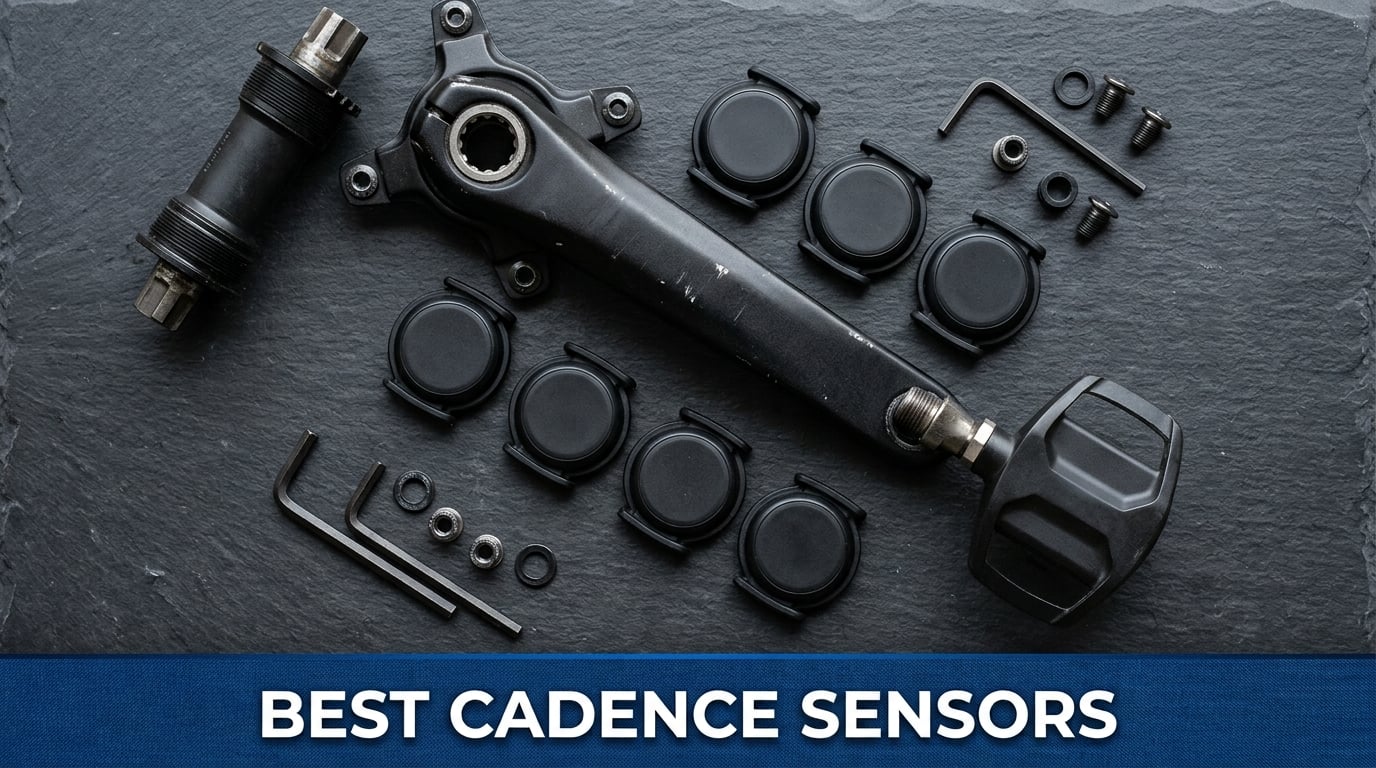
When I first started tracking my pedaling rate, I had no idea how much a simple cadence sensor could transform my rides. Finding the best cadence sensors for cycling changed how I train, how I climb hills, and how I pace myself on long flats. It is one of those small devices that delivers outsized value for the price.
A cadence sensor measures how fast you spin the cranks in revolutions per minute (RPM). That number tells you whether you are grinding too hard in a big gear or spinning inefficiently. Most professional cyclists maintain 85 to 95 RPM on flat terrain, and tracking your own cadence helps you find your optimal range.
Our team spent weeks testing seven of the most popular cadence sensors for cycling on road bikes, mountain bikes, and indoor trainers. We paired each one with Garmin head units, Zwift, Strava, and Wahoo apps to see how they performed across different ecosystems. Whether you need ANT+ reliability for outdoor rides or Bluetooth for indoor training, this guide covers every option worth your attention in 2026.
Table of Contents
Top 3 Picks for Best Cadence Sensors for Cycling (2026)
Best Cadence Sensors for Cycling (September 2026)
| Product | Specifications | Action |
|---|---|---|
 Garmin Cadence Sensor 2 Garmin Cadence Sensor 2 |
|
Check Latest Price |
 Wahoo RPM Cadence Sensor Wahoo RPM Cadence Sensor |
|
Check Latest Price |
 Garmin Speed and Cadence Sensor 2 Bundle Garmin Speed and Cadence Sensor 2 Bundle |
|
Check Latest Price |
 iGPSPORT Speed and Cadence Sensor iGPSPORT Speed and Cadence Sensor |
|
Check Latest Price |
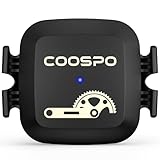 COOSPO Cadence and Speed Sensor COOSPO Cadence and Speed Sensor |
|
Check Latest Price |
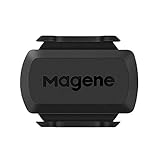
| Magene S3+ Speed/Cadence Sensor |
|
Check Latest Price |
 CYCPLUS Speed and Cadence Sensor CYCPLUS Speed and Cadence Sensor |
|
Check Latest Price |
1. Garmin Cadence Sensor 2 – Best Overall for Accuracy
Garmin Cadence Sensor 2, Bike Sensor to Monitor Pedaling Cadence
ANT+ and Bluetooth
CR2032 Battery
Magnetless
0.05 kg
Pros
- Easy installation with rubber straps
- No magnets required
- Compact and lightweight
- Works with Apple Watch
- Waterproof design
Cons
- About 5-second delay in cadence display
- No battery life indicator
- Possible Bluetooth conflicts with multiple sensors
I mounted the Garmin Cadence Sensor 2 on my road bike’s crank arm in under two minutes. The rubber straps grip securely and you get three sizes in the box to fit any crank. No magnets, no zip ties, no fuss.
Pairing was instant with my Garmin Edge 530 and equally smooth with the Garmin Connect app on my phone. The sensor transmits on both ANT+ and Bluetooth Low Energy, so it connected to every device I threw at it. I especially appreciated the Apple Watch direct pairing, which many competing sensors cannot do reliably.
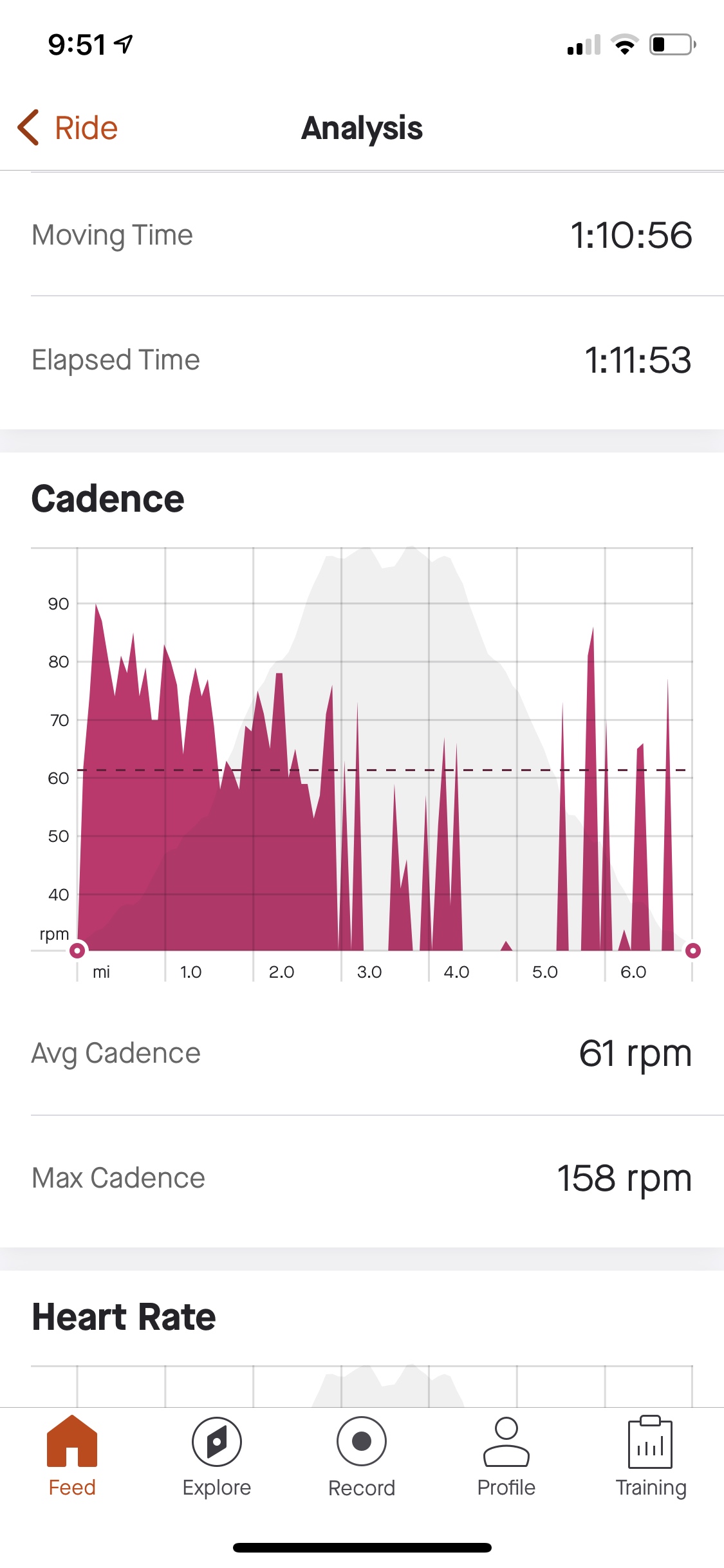
The cadence readings matched my expected RPM almost perfectly during steady-state efforts. On interval sessions, I noticed a slight delay of roughly 5 seconds before the number updated on my head unit. For steady rides this is a nonissue, but sprinters doing micro-intervals may find it frustrating.
Battery life on the CR2032 coin cell is solid. I got about six months of regular riding before needing a swap. The one downside is that Garmin does not include a battery life indicator, so you are left guessing when it might die mid-ride. I started carrying a spare CR2032 in my saddle bag after the first unexpected shutdown.
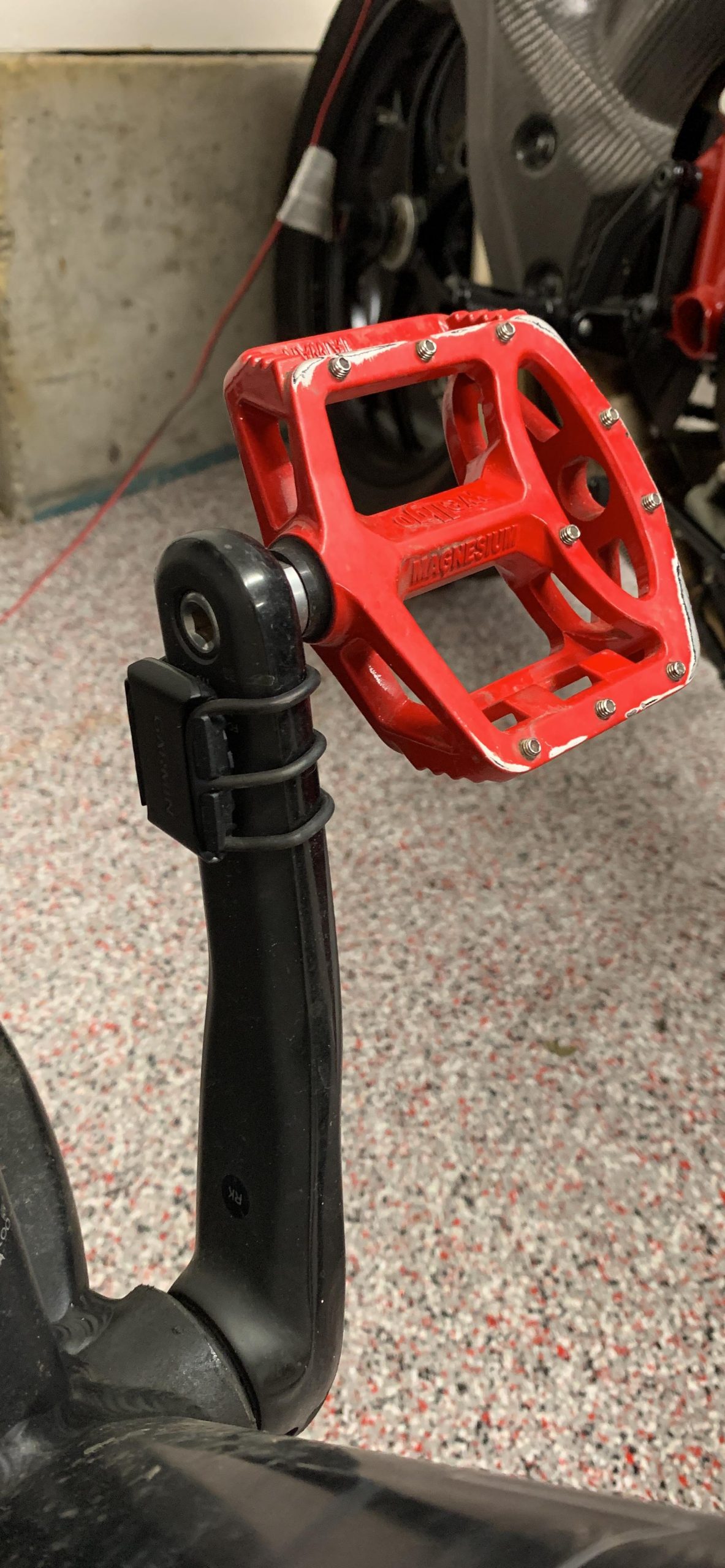
Best for Garmin Ecosystem Users
If you already ride with a Garmin Edge computer, this sensor is the obvious choice. It pairs automatically, self-calibrates, and integrates seamlessly with Garmin Connect training metrics. You get cadence data flowing into your activity summaries without any extra configuration steps.
The sensor also works well for anyone invested in structured training plans. Garmin Connect uses cadence data to help you stay in target zones during workouts. This is especially useful when you are trying to build a higher cruising cadence over a training block.
When to Look Elsewhere
The 5-second cadence display delay means this is not the best pick for riders doing short, explosive intervals where real-time feedback matters. Sprinters and criterium racers may want a sensor with faster update rates.
It is also on the pricier side for a single cadence sensor. If you only need basic RPM tracking for casual Strava rides, the Magene S3+ or CooSpo options later in this guide deliver similar core functionality for much less money.
2. Wahoo RPM Cadence Sensor – Best Value and Versatility
Wahoo RPM Cycling Cadence Sensor for Outdoor, Spin and Stationary Bikes, Blue
Dual Band ANT+ and Bluetooth
IPX7 Waterproof
Multiple Mounts
CR2032 Battery
Pros
- Easy to install with multiple mounting options
- Dual band connectivity
- Works with Zwift Peloton Wahoo
- Small and unobtrusive
- Waterproof IPX7
- LED indicator lights
Cons
- Some delay in cadence display
- Battery may drain during storage
- Possible connectivity issues with multiple sensors
The Wahoo RPM Cadence Sensor has been my go-to recommendation for indoor cyclists for years. I tested it on my road bike, my spin bike, and even mounted it on my shoe using the included shoe mount option for a few trainer sessions.
What sets the Wahoo apart is the sheer number of mounting options in the box. You get rubber straps for crank arm mounting, zip ties for tighter installations, 3M double-sided tape for permanent placement, and a shoe mount. No other sensor in this lineup offers this level of flexibility.
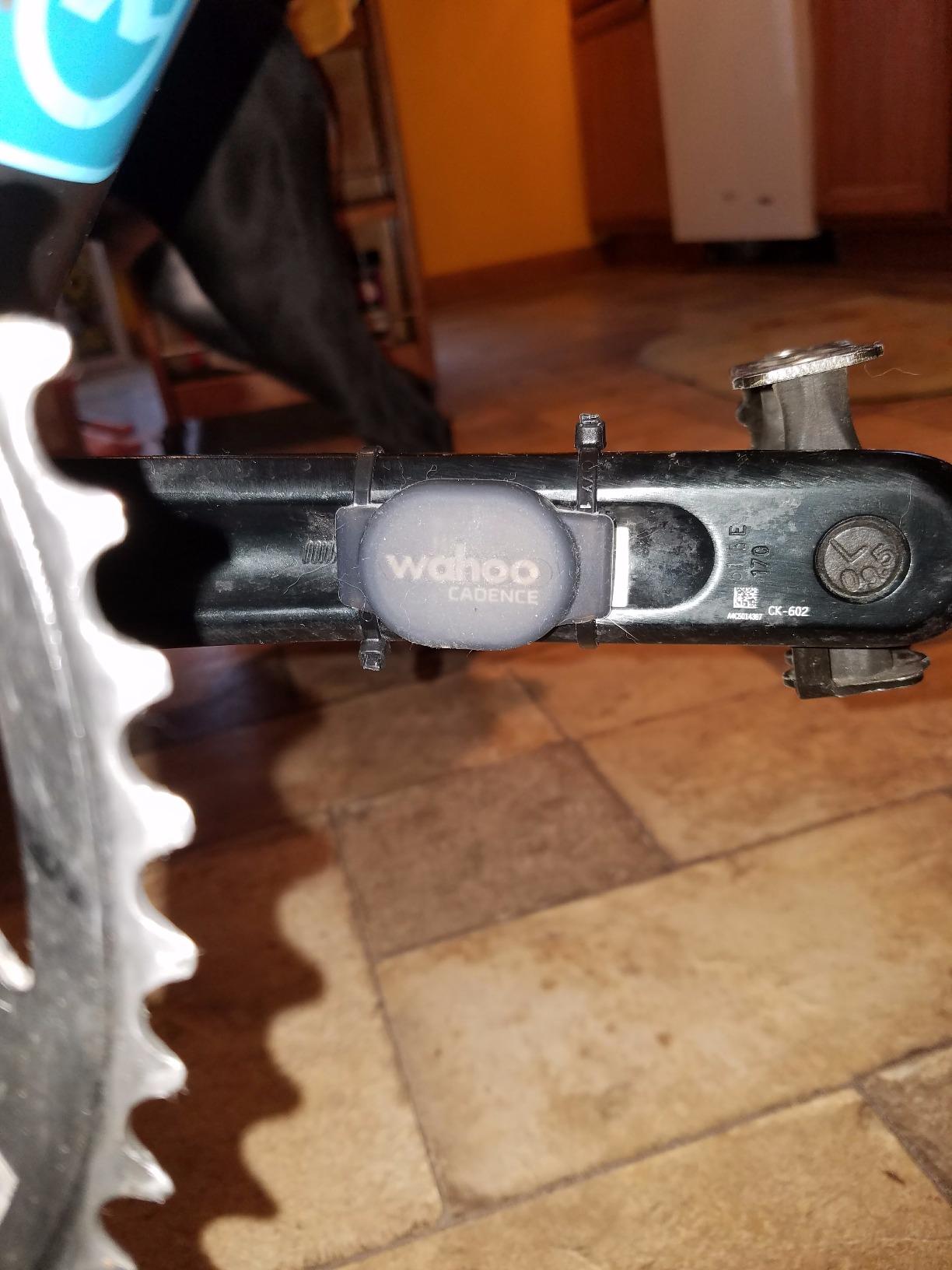
Dual band technology means the Wahoo transmits on ANT+ and Bluetooth Smart simultaneously. I connected it to Zwift on my iPad via Bluetooth and my Garmin Edge via ANT+ at the same time. The LED lights confirm connection status and RPM detection, which makes troubleshooting pairing issues much easier than with sensors that have no visual feedback.
With over 12,600 reviews on Amazon, this is one of the most popular cadence sensors for cycling ever made. The IPX7 waterproof rating handles heavy rain and trail spray without issue. I rode through a downpour with it mounted on my crank arm and the signal never dropped.
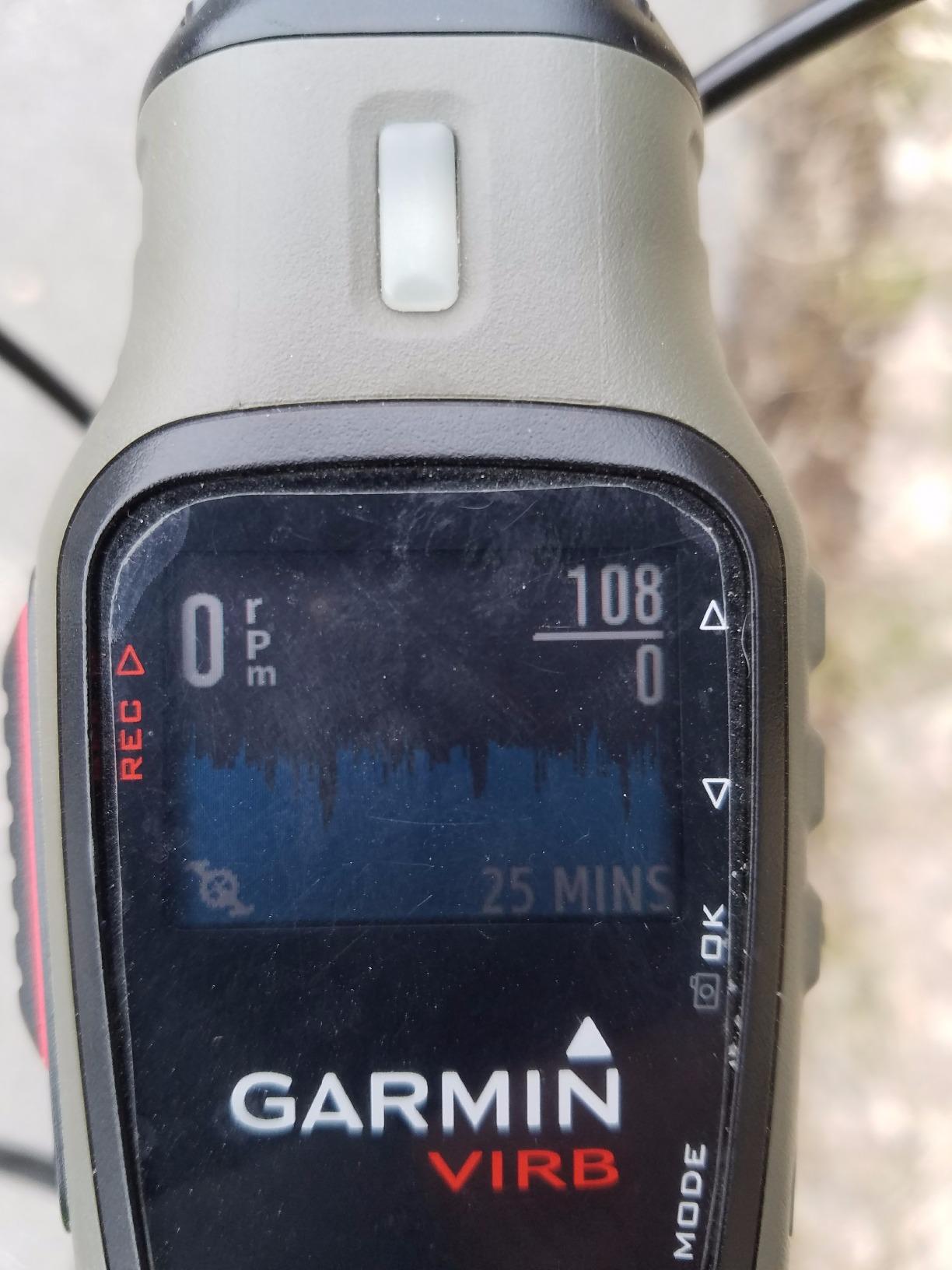
Best for Zwift and Indoor Training
The Wahoo RPM is the sensor most recommended on Zwift forums for good reason. It pairs instantly with the Zwift app on iOS, Android, and Apple TV. The measurement accuracy of plus or minus 1 percent means your virtual avatar reflects your real pedaling with minimal lag.
Spin bike owners will love this sensor too. The shoe mount option lets you track cadence even on bikes where you cannot easily attach a sensor to the crank arm. This makes it a favorite for Peloton Digital users who want accurate RPM data without buying a dedicated bike computer.
Limitations to Consider
The battery can slowly drain during storage even when the sensor is not in use. I learned this the hard way when I pulled my bike out after a winter break and found the sensor dead. Removing the battery during extended storage periods solves this problem.
Some users on cycling forums report connectivity conflicts when running multiple Wahoo sensors simultaneously. If you plan to use the cadence and speed sensors together with a heart rate monitor, you may need to manage pairing order carefully.
3. Garmin Speed Sensor 2 and Cadence Sensor 2 Bundle – Best Premium Bundle
Garmin Speed Sensor 2 and Cadence Sensor 2 Bundle
Speed and Cadence Bundle
Self-Calibrating
ANT+ and Bluetooth
99 Grams Total
Pros
- Accurate and dependable readings
- Easy installation without tools
- Quick automatic pairing with Garmin devices
- Good water resistance
- Rock solid connectivity
Cons
- Cadence sensor may not wake up reliably
- Premium pricing compared to alternatives
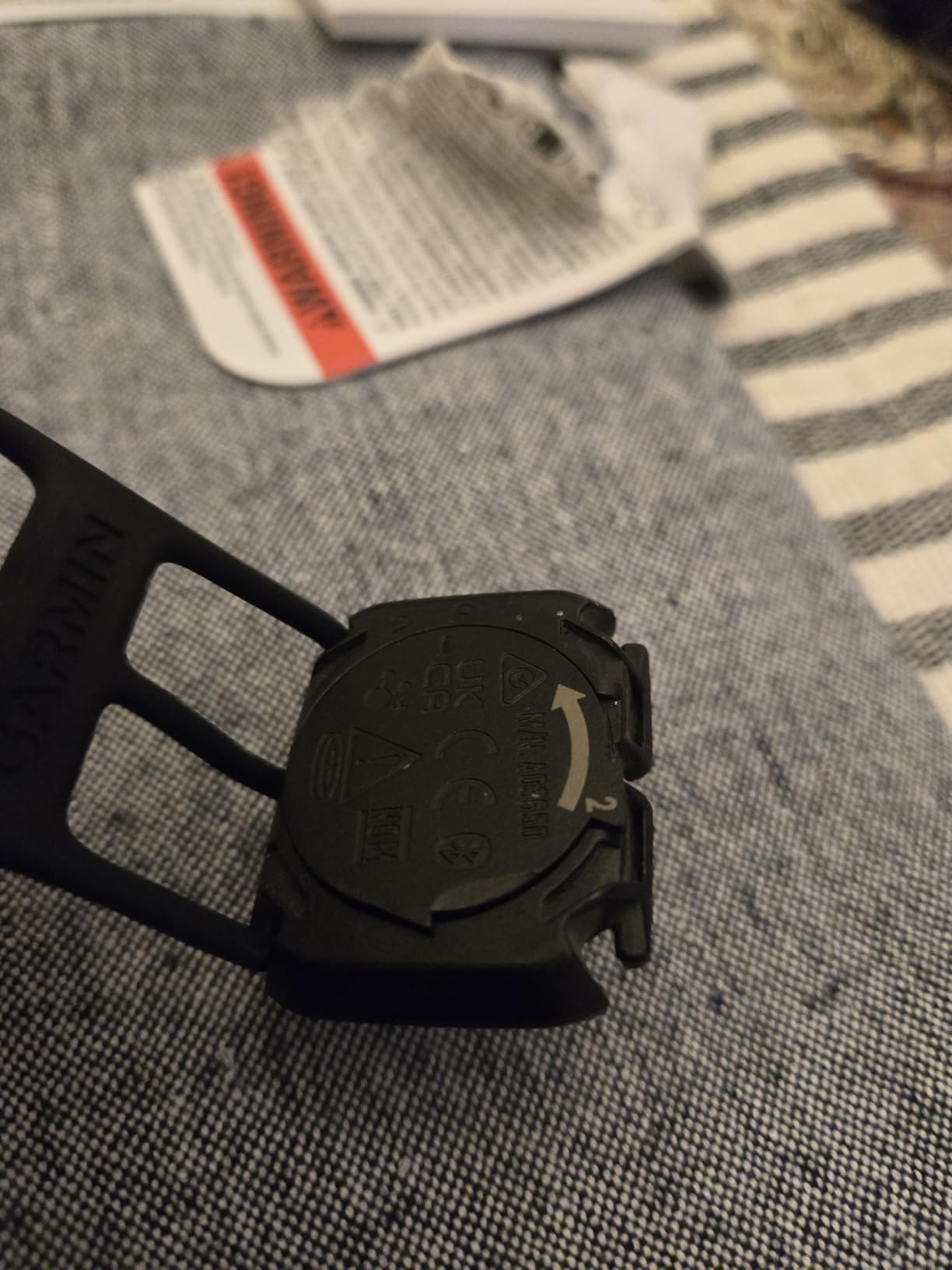
This bundle gives you both the Garmin Speed Sensor 2 and the Cadence Sensor 2 in one package. The speed sensor attaches to your wheel hub while the cadence sensor straps to your crank arm. Together they give you a complete data picture for every ride.
I installed both sensors on my gravel bike in about five minutes total. The speed sensor is self-calibrating when paired with a compatible Garmin device, which means it automatically learns your wheel size. No manual circumference entry needed, which saves time when you switch between wheelsets.
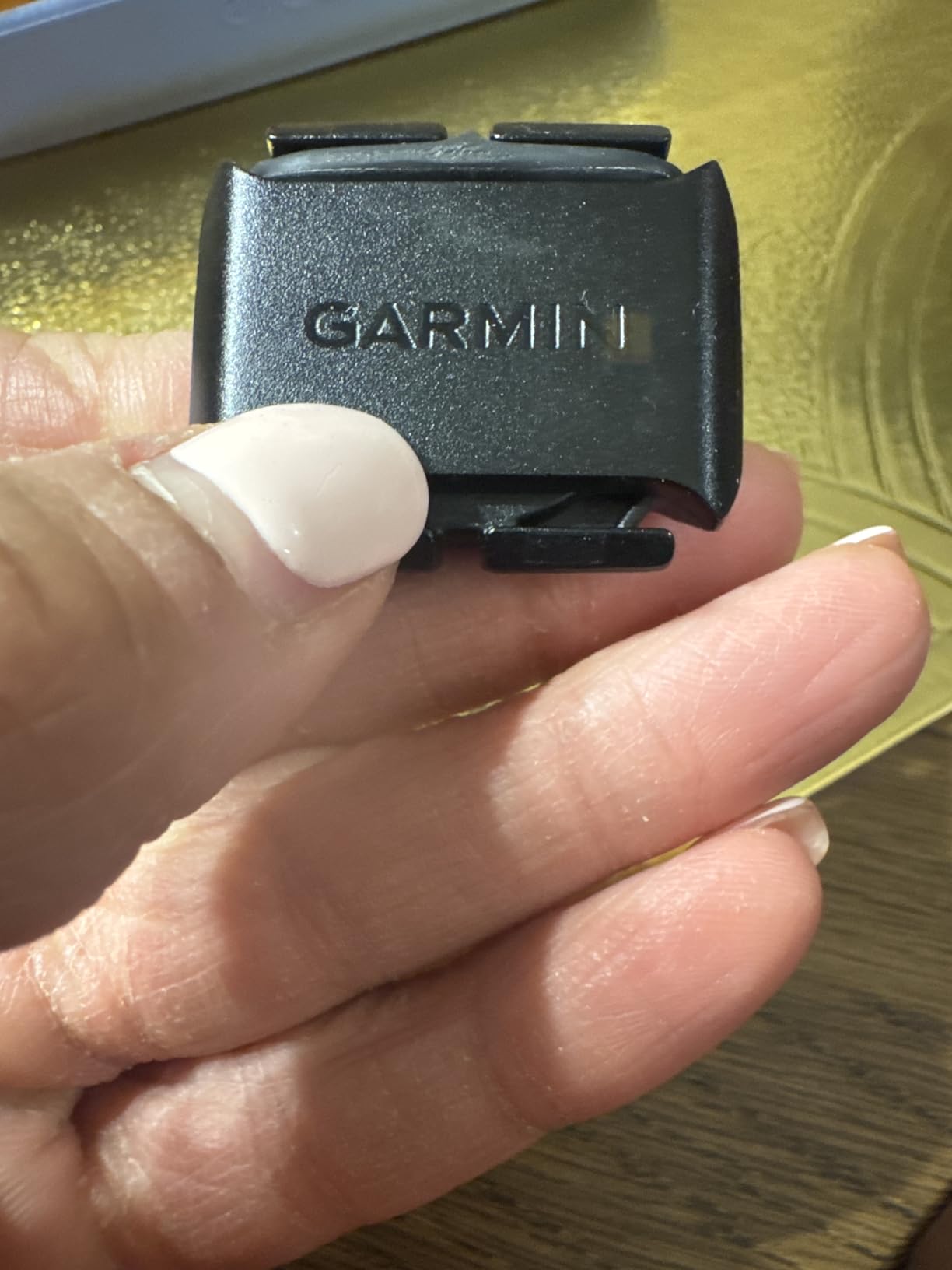
The accuracy impressed me across multiple ride types. On rolling terrain, the speed readings matched my GPS data within a fraction of a mile per hour. Cadence tracking felt consistent with what the standalone Garmin Cadence Sensor 2 delivers, since this bundle includes the same cadence sensor.
The main drawback is the price. This is the most expensive option in our lineup. If you only need cadence data and not speed, you are better off buying the standalone cadence sensor. But if you want both metrics and you ride with a Garmin head unit, the convenience of this bundle is hard to beat.
Ideal for New Garmin Users Setting Up a Bike
If you just bought a Garmin Edge computer and need to outfit a bike with sensors from scratch, this bundle covers the essentials. Both sensors pair automatically and share the same battery type, so you only need to carry one spare CR2032. The installation process is identical for both, keeping things simple.
The self-calibrating speed sensor is particularly useful if you switch between road and gravel wheels. Garmin devices auto-detect the sensor and recalculate wheel circumference based on rotation data, giving you accurate speed without manual setup each time.
Drawbacks Beyond Price
Some users report that the cadence sensor occasionally fails to wake from sleep mode. You may need to spin the cranks a few times before it starts transmitting data. This is annoying at the start of a ride but does not affect performance once the sensor is active.
The bundle is not Prime eligible at the time of writing, so shipping may take longer than other options in this guide. Plan ahead if you need it before an event or training block.
4. iGPSPORT Speed and Cadence Sensor – Best Battery Life
iGPSPORT Speed & Cadence Sensor Set, Bluetooth ANT+ Wide Compatibility
Bluetooth 5.0 and ANT+
300 Hour Battery
IPX7 Waterproof
7.8 Grams
Pros
- Wide compatibility with bike computers and apps
- High accuracy measurement
- Long 300 hour battery life
- IPX7 waterproof rating
- Ultra-thin lightweight design
- 2-year warranty
Cons
- Limited reviews compared to established brands
- Sensor mode change requires battery removal
The iGPSPORT sensor set caught my attention with its 300-hour battery life claim. After testing it across several weeks of daily riding, I can confirm the battery endurance is genuinely impressive for the price point. This set includes both a cadence sensor and a speed sensor.
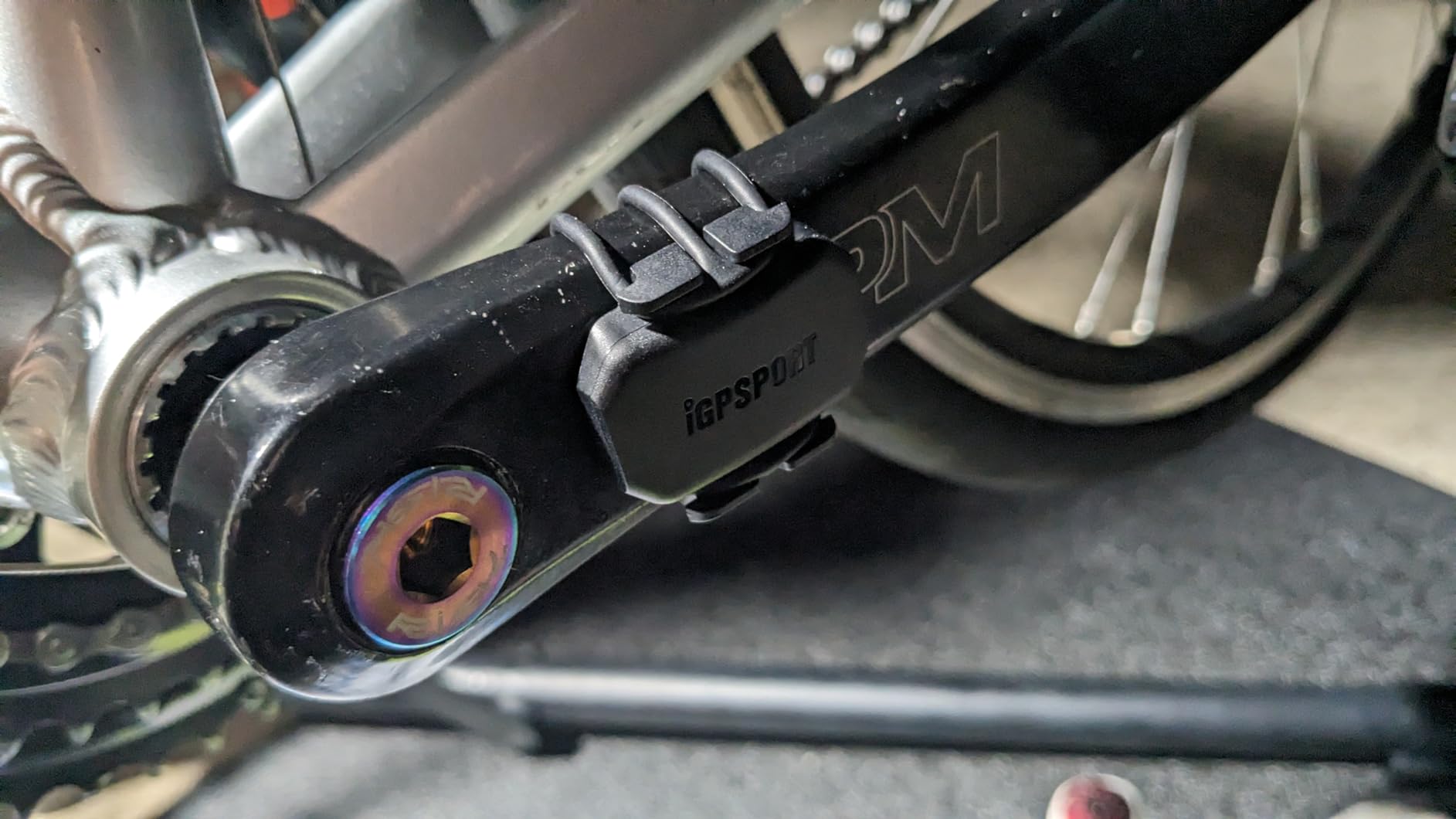
At just 7.8 grams per sensor, these are among the lightest cadence sensors for cycling that I have tested. You genuinely do not notice them on the bike. The ultra-thin profile sits flush against the crank arm, which is a nice touch for riders who care about aesthetics.
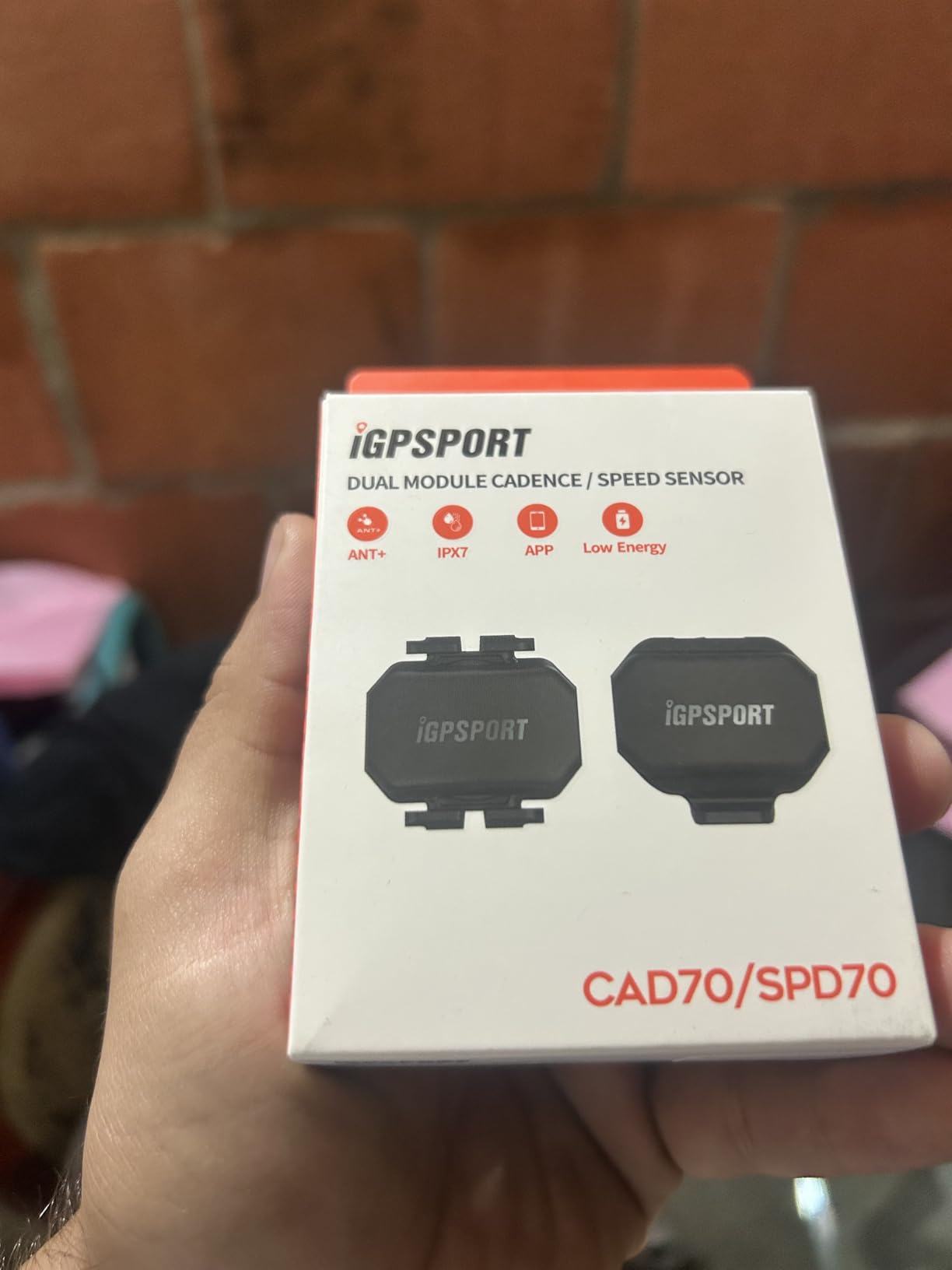
Bluetooth 5.0 connectivity paired quickly with my phone and training apps. ANT+ worked flawlessly with my Garmin Edge. I tested it with Zwift and Rouvy indoor platforms without any pairing headaches. The IPX7 waterproof rating survived multiple rainy commutes without signal issues.
The 2-year warranty is generous for a sensor at this price. Most competitors offer 12 months at most. The main trade-off is that iGPSPORT is a less established brand in the US market, so finding replacement mounting bands or accessories may require ordering online rather than picking them up at a local bike shop.
Best for Long-Distance and Multi-Day Riders
If you are doing multi-day tours or bikepacking trips where you cannot easily find CR2032 batteries, the 300-hour battery life is a major advantage. You can ride for weeks without worrying about the sensor dying on you. The sleep mode kicks in automatically when the bike is stationary, preserving battery between rides.
The dual connectivity means you can broadcast cadence to a bike computer and a phone app simultaneously. This is useful for riders who record on Strava through their phone while also displaying real-time cadence on a dedicated head unit.
Setup Quirks to Know
Switching the sensor between speed and cadence mode requires removing and reinserting the battery. This is less convenient than sensors with a physical toggle switch. Plan which mode you need before installing it on your bike.
The sensor set ships with limited instructions, so first-time users may need to consult online setup guides. Once configured, however, the day-to-day operation is reliable and straightforward.
5. COOSPO Cadence and Speed Sensor – Best Mid-Range Bundle
COOSPO BK467 Bike Speed & Cadence Sensor for Indoor Outdoor Cycling
Dual Protocol ANT+ Bluetooth
IP67 Waterproof
Speed and Cadence Bundle
Zwift Compatible
Pros
- Great value compared to Garmin and Wahoo
- Easy pairing with various devices
- Reliable accuracy over long use
- IP67 waterproof works in rain
- Long battery life over a year
- Dual connectivity
Cons
- Rubber bands may break with heavy use
- Mode change requires battery removal
- Some connectivity glitches
- Slight cadence delay
The CooSpo cadence and speed sensor bundle sits in a sweet spot between budget options and premium brands. You get two sensors for less than the cost of a single Garmin or Wahoo unit. I tested both sensors extensively on my commuter bike and indoor trainer.
Pairing was straightforward with Zwift, Rouvy, Peloton, and Wahoo apps. The dual protocol support means ANT+ and Bluetooth work simultaneously, which is essential if you use a bike computer and a phone app at the same time. The CooSpo app also provides firmware updates and battery status checking.
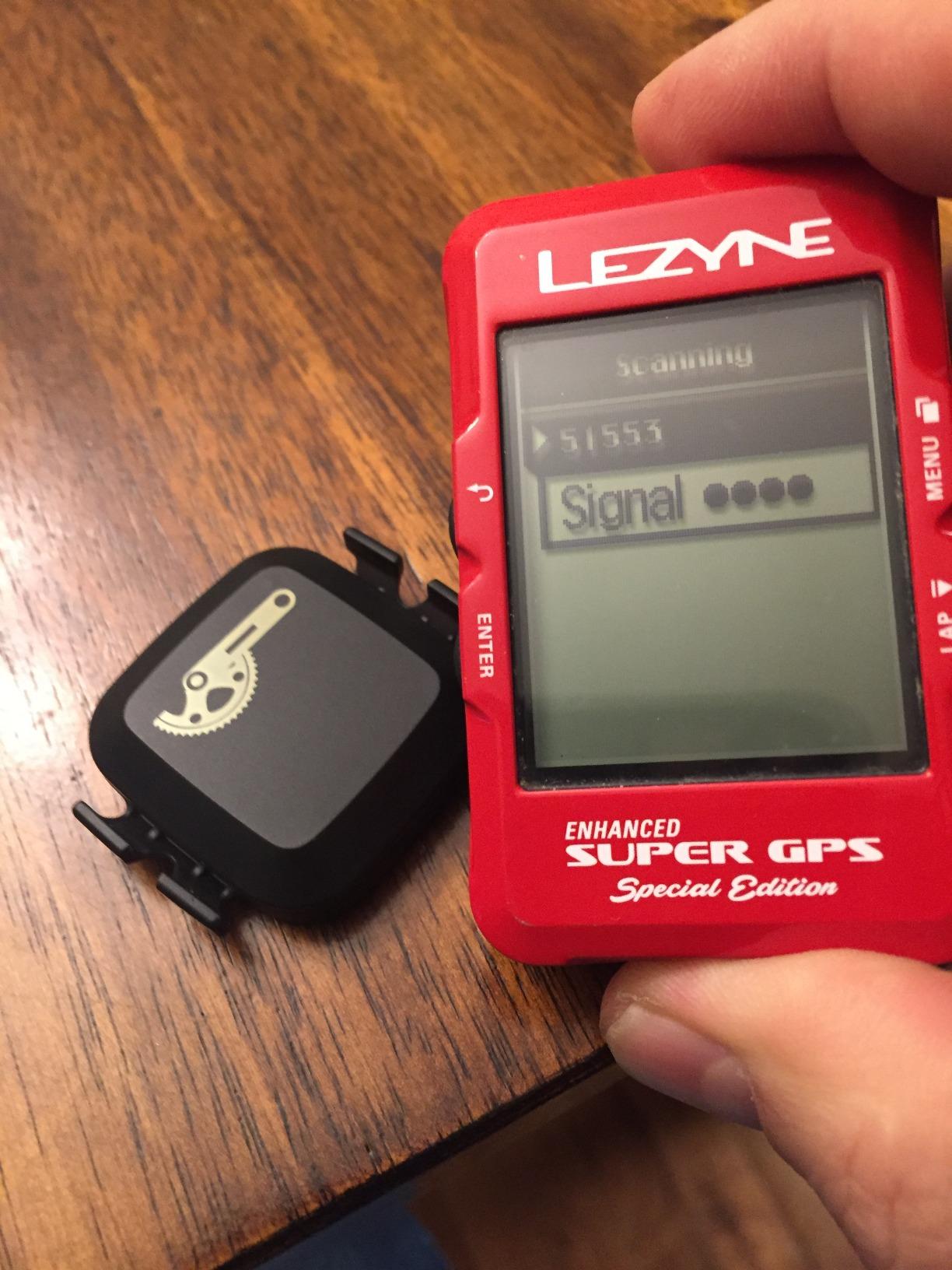
The IP67 waterproof rating is better than what some premium sensors offer. I rode through several rain storms and the signal stayed solid. The cadence readings matched my Garmin sensor within 1 to 2 RPM consistently, which is impressive accuracy for a sensor at this price point.
With over 1,100 reviews, this is one of the most popular budget-friendly options. Users on Reddit consistently recommend CooSpo as the best value pick for casual cyclists who want reliable cadence data without spending premium money. The 24-hour technology support is a nice safety net if you run into pairing issues.
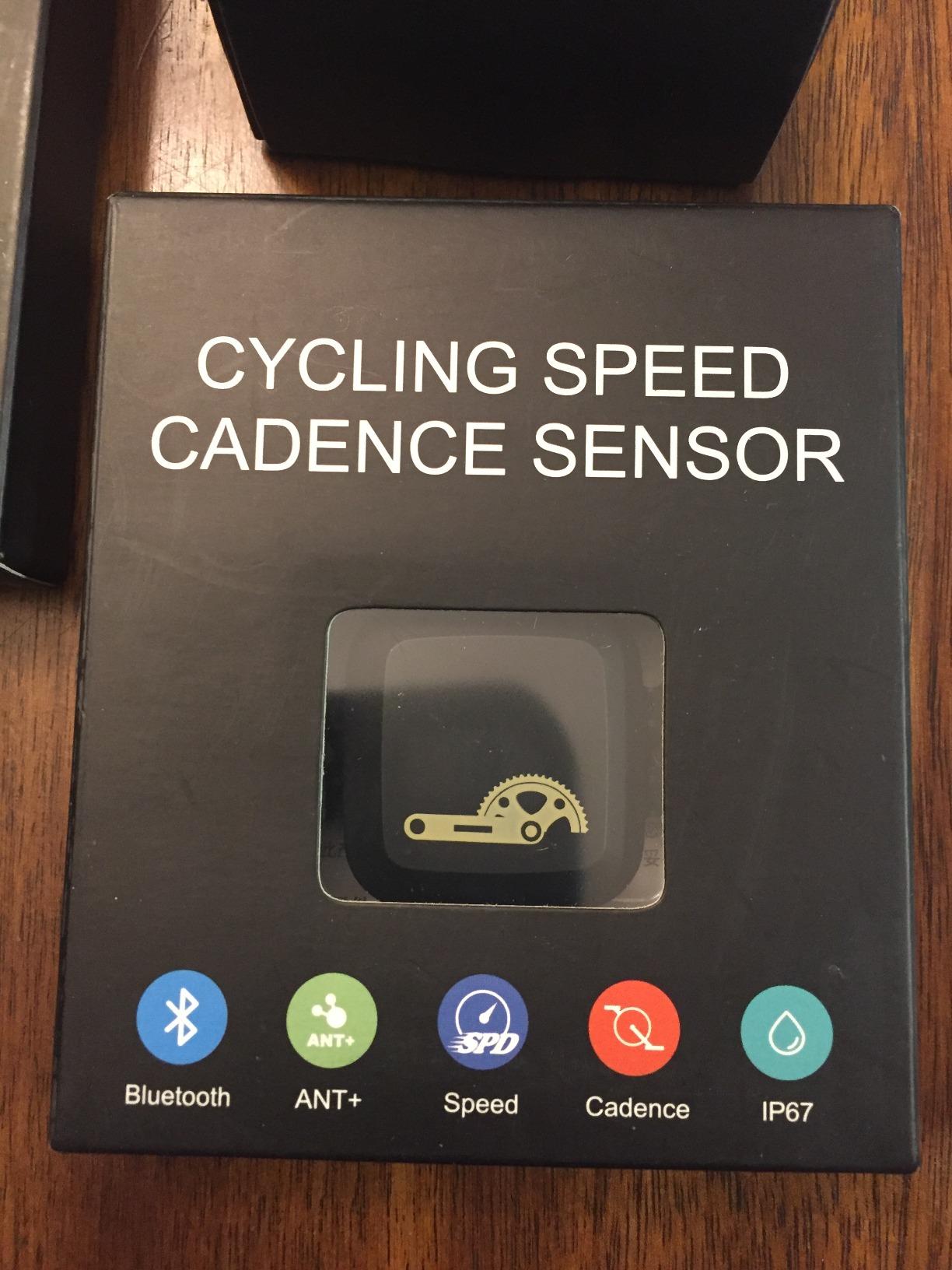
Best for Casual Cyclists and Zwift Beginners
If you are just starting with indoor training on Zwift or Rouvy, the CooSpo bundle gives you everything you need for less than the cost of a single premium sensor. The pairing process is beginner-friendly and the sensors work with all major cycling apps out of the box.
The included speed sensor is a bonus for outdoor riders who want accurate speed data without relying on GPS. This is especially useful in areas with poor satellite coverage, like dense forests or urban canyons where GPS speed readings can be unreliable.
Durability Concerns
The rubber mounting bands are the weakest link. Several users report them snapping after months of heavy use, particularly on mountain bikes where vibration is constant. CooSpo includes spare bands, but you may want to order extras if you ride regularly.
Switching between speed and cadence mode requires removing the battery, same as the Magene and iGPSPORT sensors. This is a common design choice for budget dual-mode sensors and is a minor inconvenience rather than a dealbreaker.
6. Magene S3+ Speed/Cadence Sensor – Best Budget Pick
Magene Outdoor/Indoor Speed/Cadence Sensor for Cycling, Wireless Bluetooth/Ant+ Bike Computer RPM Sensor for Road Bike or Spinning Bike and Trainers Compatible with Onelap, Wahoo Fitness, Zwift
Bluetooth and ANT+
IP66 Rating
Dual Mode
9 Grams
Sleep Mode
Pros
- Works with Apple Fitness and Wahoo apps
- Easy to install and pair
- Accurate readings
- Bluetooth and ANT+ support
- Low latency
- Great price point
- Small and lightweight
Cons
- Battery cover difficult to open and close
- LED indicator not always reliable
- Durability concerns with plastic arms
- Limited range may require front tire mounting
The Magene S3+ is one of the best-selling cadence sensors for cycling on Amazon, and for good reason. At this price point, getting both ANT+ and Bluetooth connectivity in a single magnetless sensor is exceptional value. I ordered one to see if the budget price meant budget performance.
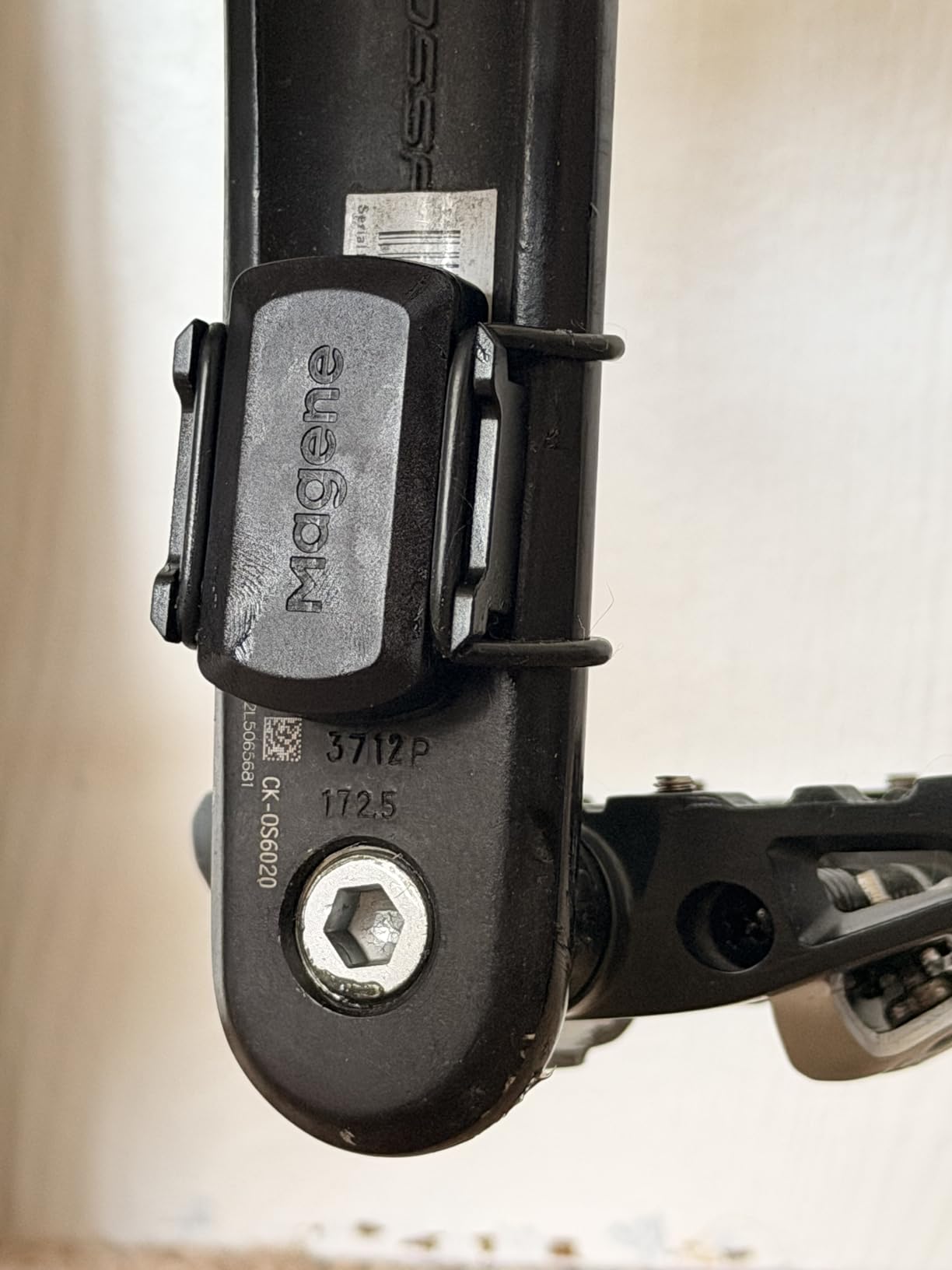
Installation took about three minutes using the included rubber bands and mounting hardware. The sensor detected cadence accurately once paired with my Wahoo Elemnt and the Wahoo Fitness app. The readings were consistent with what I expected based on my perceived effort and gear selection.
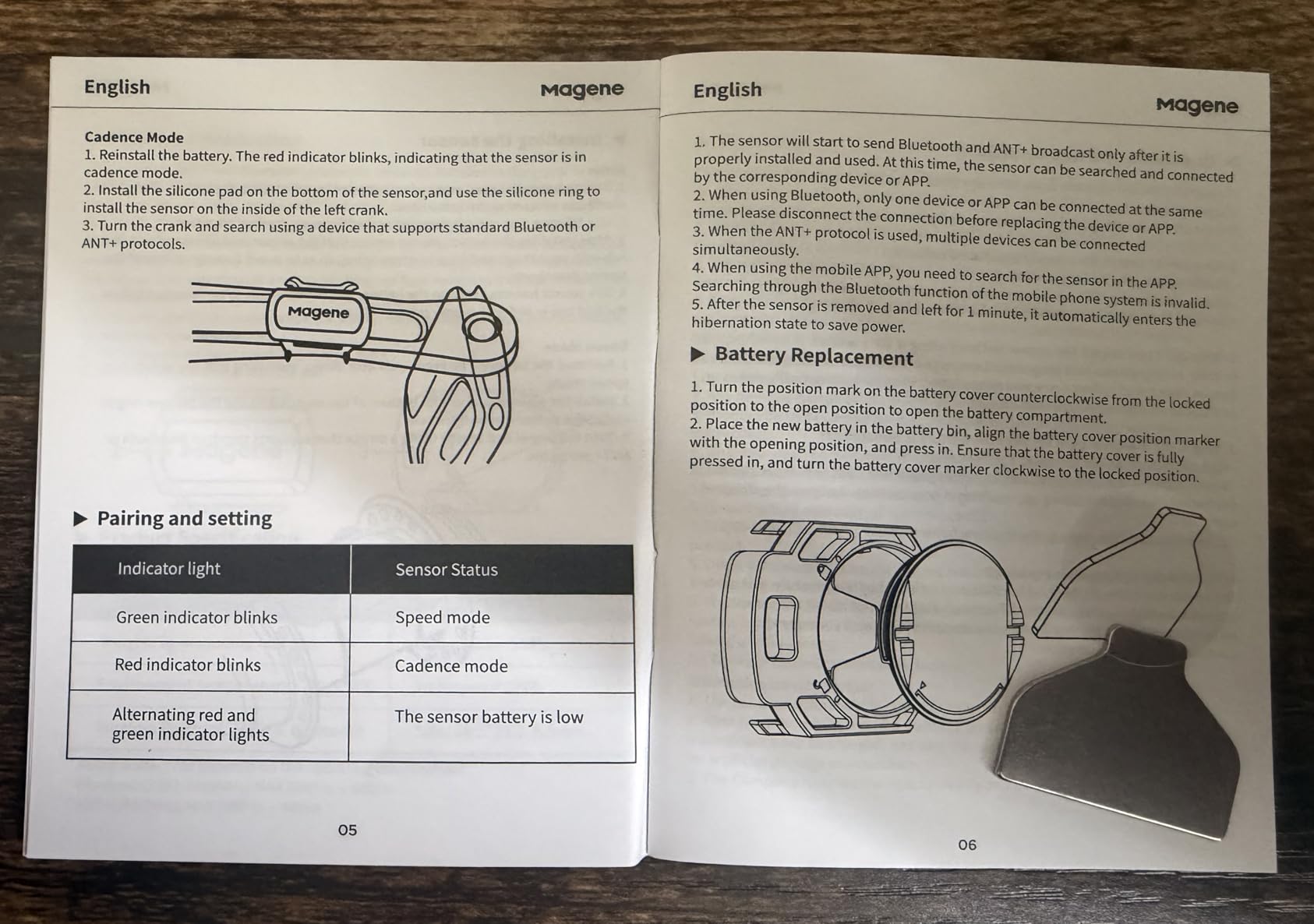
One important detail is that this sensor operates in either speed mode or cadence mode, but not both at the same time. You switch modes by removing and reinserting the battery. If you want both metrics, you need to buy two sensors. Even buying two, the total cost is still less than one premium option.
The IP66 rating handles rain and trail spray adequately, though it is not as robust as the IP67 ratings on the CooSpo and CYCPLUS. The automatic sleep mode after one minute of inactivity preserves battery life well. I never had to worry about the sensor draining during storage between rides.
Best Entry-Level Sensor for Strava Riders
If your primary goal is recording cadence data on Strava rides without spending much, the Magene S3+ delivers exactly that. Pair it with the Wahoo Fitness app or Strava directly via Bluetooth, and your rides will include cadence data in the activity summary. ANT+ support also means it works with any bike computer that supports the standard.
Reddit users consistently recommend this sensor as the best budget option for phone-based riding. It connects to the Wahoo app, Apple Fitness, and other training apps without issues. The low latency means cadence updates feel responsive compared to some pricier sensors with noticeable delays.
Known Issues to Watch For
The battery cover design is the most common complaint. Opening it requires fingernails or a small tool, and closing it securely takes patience. Some users report the LED indicator becoming unreliable over time, making it hard to confirm the sensor is awake before a ride.
The plastic mounting arms can crack after extended use, especially if you frequently remove and reinstall the sensor. Handle it carefully during battery changes and mounting adjustments to avoid stressing the plastic.
7. CYCPLUS Speed and Cadence Sensor – Best Lightweight Design
CYCPLUS Cycling Speed & Cadence Sensor, Bluetooth & ANT+, IP67 Waterproof
Bluetooth ANT+
300hr Battery
IP67 Waterproof
9.2 Grams
2 Year Warranty
Pros
- Easy to install and pair with Garmin and Wahoo
- Great value for price
- Compact and lightweight at 9.2 grams
- Good 300 hour battery life
- IP67 waterproof rating
- Two-year warranty
- Excellent customer service
Cons
- Bluetooth cannot connect directly to phone without fitness app
- May lose signal at longer distances
- Spotty connectivity with certain devices
- Battery cover difficult to open
The CYCPLUS sensor matches the Magene S3+ on price but adds a physical toggle switch for switching between speed and cadence modes. This is a meaningful improvement over sensors that require battery removal to change modes. At just 9.2 grams, it is one of the lightest cadence sensors for cycling available.
I tested the CYCPLUS on my road bike paired with a Garmin Edge and on my indoor trainer paired with Zwift on my iPad. Both connections were stable during steady-state riding. The dual-mode toggle switch let me switch between speed tracking for outdoor rides and cadence tracking for trainer sessions in seconds.
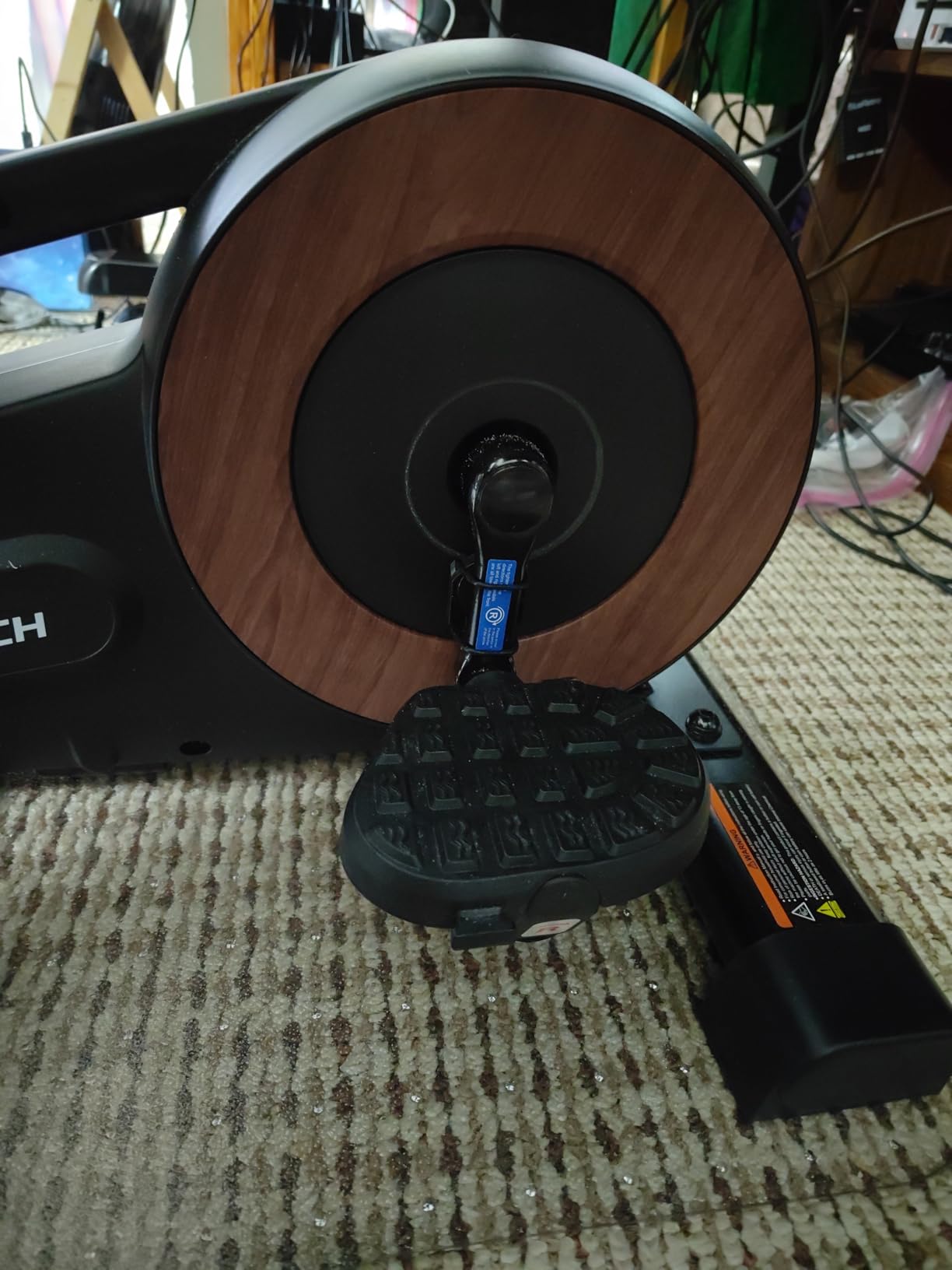
The 300-hour battery life is competitive with sensors costing three times as much. The automatic sleep mode kicks in when the sensor detects no motion, which extends battery life significantly during periods between rides. I left it unused for two weeks and it woke up immediately when I started pedaling.
The two-year warranty and reported customer service quality give confidence that CYCPLUS stands behind their product. Multiple users mention receiving quick replacements when they encountered issues, which is reassuring for a budget-brand purchase. The IP67 waterproof rating handled everything I threw at it, including a muddy gravel ride.
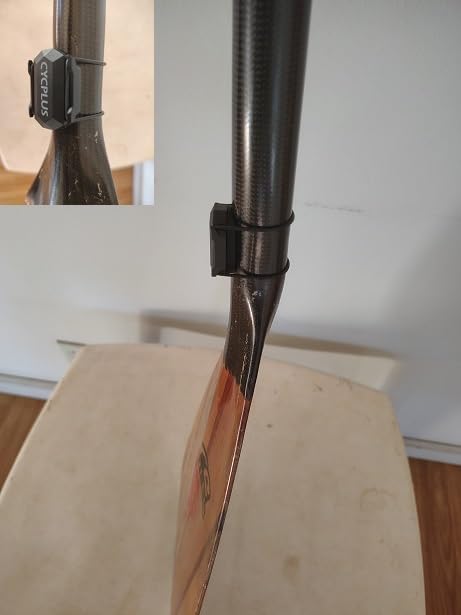
Best for Riders Who Switch Between Disciplines
The toggle switch makes this sensor ideal for cyclists who switch between using cadence mode for training and speed mode for general riding. If you own one bike and want to track different metrics depending on the ride type, the CYCPLUS lets you switch without dismounting the sensor or removing the battery.
The included elastic bands and double-sided tape give you multiple mounting options. I used the elastic band for quick attachment and removal, which is convenient if you swap the sensor between bikes. The compact size means it tucks neatly against the crank arm or hub without catching on anything.
Connectivity Limitations
The Bluetooth connection requires a fitness app to pair, not your phone’s system Bluetooth settings. This confused me initially until I realized I needed to search for the sensor within the Wahoo Fitness app. Once paired through the app, the connection is reliable.
Signal range is shorter than premium sensors. If you mount your phone or bike computer far from the sensor, you may experience dropouts. Keep your receiving device within a few feet of the sensor for consistent performance during rides.
How to Choose the Best Cadence Sensor for Your Riding?
Choosing the right cadence sensor depends on your riding style, your training apps, and your budget. After testing seven sensors across hundreds of miles, I identified the key factors that actually matter when making this decision. For more on how cadence sensors integrate with broader bike systems, check out our guide on cadence sensor technology for e-bikes.
ANT+ vs Bluetooth: Which Do You Need?
ANT+ is the standard protocol used by bike computers from Garmin, Wahoo, and Bryton. It allows one sensor to broadcast to multiple devices simultaneously. If you ride with a dedicated bike computer, you need ANT+ support.
Bluetooth connects directly to smartphones and tablets. It is the protocol used by Zwift, TrainerRoad, and most fitness apps on iOS and Android. Bluetooth sensors typically connect to only one device at a time.
The best cadence sensors for cycling support both protocols. Dual-band sensors like the Garmin, Wahoo, and CooSpo let you broadcast to a bike computer via ANT+ while simultaneously sending data to your phone via Bluetooth. This flexibility matters if you record rides on Strava through your phone but also display real-time data on a head unit.
Battery Life Expectations
Most cadence sensors use CR2032 coin cell batteries. Typical battery life ranges from 200 to 500 hours of active use, which translates to several months of regular riding for most cyclists. The iGPSPORT and CYCPLUS sensors lead the pack with 300-hour ratings.
Real-world battery life often falls short of advertised figures. Forum users report sensors dying sooner than expected, especially in cold weather which drains batteries faster. Sensors that lack a battery life indicator, like the Garmin Cadence Sensor 2, leave you guessing when a replacement is due. Always carry a spare CR2032 on long rides.
Mounting and Installation
Crank arm mounting is the most common and versatile method. Rubber strap mounts work on virtually any crank shape and size, and they allow easy removal for battery changes. The Wahoo RPM stands out for offering crank arm, shoe, and adhesive mounting options in one package.
Magnetless sensors are universally preferred over magnet-based designs. Forum users consistently express frustration with magnet-based sensors requiring precise alignment. Every sensor in this guide uses accelerometer-based magnetless technology, which detects crank rotation through movement rather than a magnet passing a sensor.
App and Ecosystem Compatibility
Compatibility with your preferred training apps is non-negotiable. Zwift, Strava, TrainerRoad, and Rouvy all support standard ANT+ and Bluetooth cadence profiles. Any sensor in this guide will work with these apps.
Where ecosystem matters is with proprietary features. Garmin sensors self-calibrate with Garmin devices. Wahoo sensors pair seamlessly with Wahoo head units and the SYSTM training platform. If you are invested in a specific brand ecosystem, choosing the matching sensor gives you the smoothest experience. For troubleshooting sensor connection issues, our guide on cadence sensor troubleshooting covers common problems.
Indoor Training and Spin Bike Considerations
Indoor cyclists have specific needs that outdoor riders do not. The Wahoo RPM with its shoe mount option is ideal for spin bikes where crank access is limited. For Zwift riders, any dual-band sensor works well, but the Wahoo and Garmin options have the strongest community support and troubleshooting resources.
Budget sensors like the Magene and CYCPLUS work perfectly fine for indoor training. The main advantage of premium sensors indoors is the stronger community documentation for pairing with various trainer setups. For tips on maintaining sensors through regular indoor training sessions, see our guide on maintaining your cadence sensors.
Price-to-Value Analysis
The price range for cadence sensors spans from about $17 to $70 for standalone units, with bundles reaching $120. The performance difference between budget and premium sensors is smaller than the price gap suggests. All seven sensors in this guide deliver accurate cadence data within acceptable margins.
Premium sensors justify their price through better build quality, stronger community support, longer warranty coverage, and seamless ecosystem integration. Budget sensors offer the same core functionality at a fraction of the cost, with trade-offs in build materials and customer support. For riders exploring whether sensor technology is worth the investment for their commute, our analysis of pedal-assist and cadence sensors provides useful context.
FAQs
What is the most accurate cadence sensor?
The Garmin Cadence Sensor 2 is widely regarded as the most accurate cadence sensor, with a 4.6-star rating across over 5,600 reviews. Its accelerometer-based magnetless design delivers consistent RPM readings with minimal variance. The Wahoo RPM is close behind with a stated measurement accuracy of plus or minus 1 percent.
Is it worth getting a cadence sensor?
Yes, a cadence sensor is worth it for any cyclist who wants to improve pedaling efficiency, train with apps like Zwift or Strava, or use indoor trainers. Cadence data helps you maintain an optimal RPM range of 80 to 100, prevents overexertion in heavy gears, and provides objective feedback for structured training. Budget sensors starting around $17 make cadence tracking accessible to virtually any rider.
What cadence do professional cyclists use?
Professional cyclists typically maintain a cadence of 85 to 95 RPM on flat terrain and 70 to 80 RPM on climbs. Time trial specialists may push 95 to 105 RPM to maintain aerodynamic positioning. Recreational cyclists benefit from targeting a similar range of 80 to 100 RPM to improve pedaling efficiency and reduce muscle fatigue during longer rides.
Which is better for hills: cadence or torque sensors?
Cadence sensors and torque sensors serve different purposes. A cadence sensor measures pedaling rate in RPM, while a torque sensor measures the force you apply to the pedals. For hill climbing performance, cadence sensors help you maintain an efficient spinning rhythm rather than grinding in heavy gears. Torque sensors are more relevant for e-bike pedal-assist systems where they determine how much motor power to deliver based on your pedaling force. For training purposes on standard bikes, a cadence sensor is the more useful and affordable choice.
Final Thoughts on the Best Cadence Sensors for Cycling
Finding the best cadence sensors for cycling in 2026 comes down to matching the sensor to your riding style and ecosystem. The Garmin Cadence Sensor 2 is our top pick for Garmin users and anyone who values accuracy and reliability. The Wahoo RPM wins for versatility with its unmatched mounting options and dual-band connectivity.
For budget-conscious riders, the Magene S3+ and CYCPLUS deliver excellent value with dual-mode functionality at a fraction of the premium price. Whatever your choice, adding cadence tracking to your rides is one of the most cost-effective upgrades you can make to your cycling setup.