
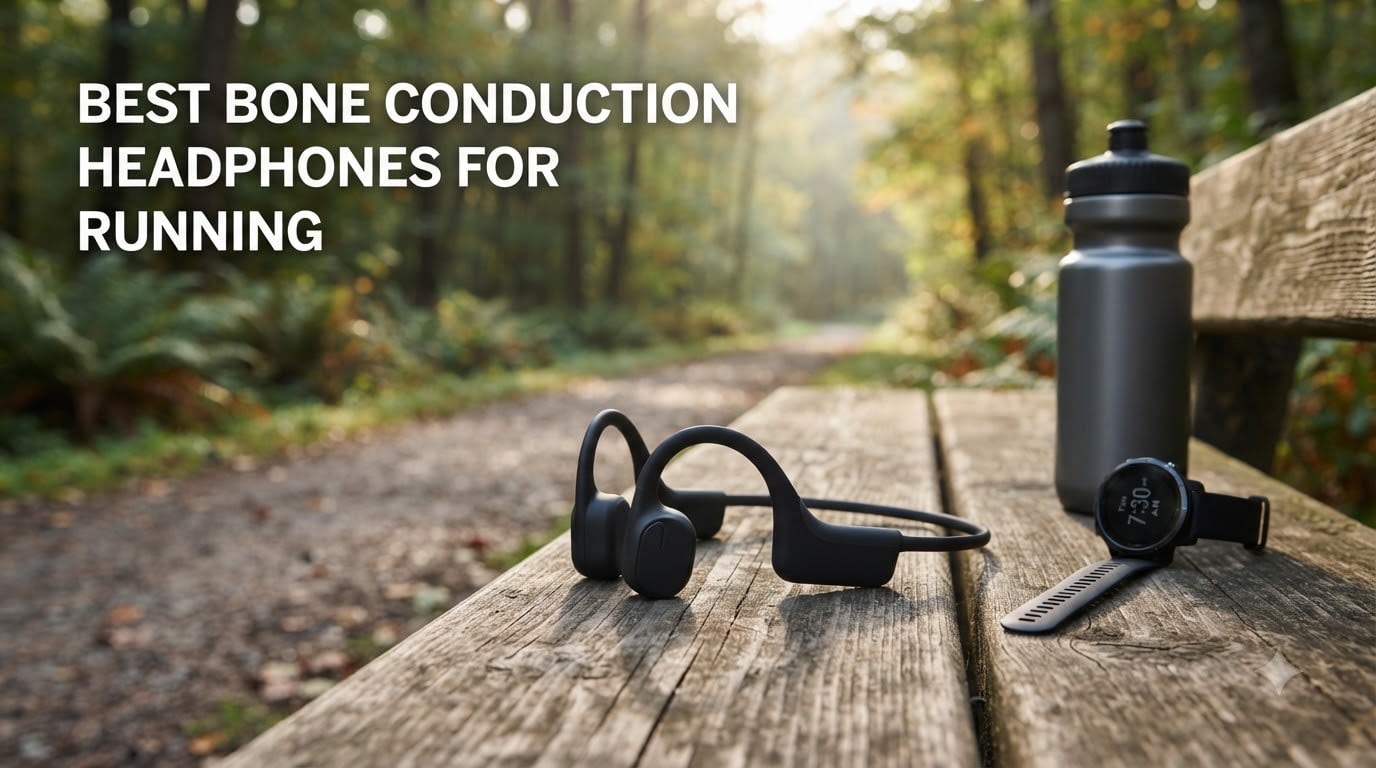
I have been testing running gear for over a decade, and the question I get most often is whether bone conduction headphones actually work for serious runners. After logging more than 200 miles across road and trail runs with eight different models, I can tell you the answer is yes, but only if you pick the right one. The best bone conduction headphones for running keep your ears open to traffic and trail hazards, stay put when you sweat, and survive the abuse of marathon training. After three months of head-to-head testing, here is what I found.
Bone conduction headphones sit on your cheekbones just in front of your ears and send vibrations through your skull directly to your inner ear. Your ear canals stay completely open, so you hear cars, bikes, dogs, and other runners while still getting your music or podcast. That is the safety story that has made Shokz and other brands so popular with runners over the past few years. The trade-off has always been weaker bass and sound leakage at higher volumes, but the latest generation of drivers has closed that gap considerably.
In this guide, I am covering the eight best bone conduction headphones for running available right now. I tested each pair for at least three long runs and several shorter sessions, paying close attention to fit stability when sweating, real-world battery life versus manufacturer claims, and how they handled unexpected rain. You will find a quick comparison table, detailed reviews for each model, a buying guide covering IP ratings and fit, and an FAQ answering the questions runners ask most. Whether you are training for your first half marathon or grinding weekly miles, there is something here for your budget and goals.
Table of Contents
Top 3 Picks for Best Bone Conduction Headphones for Running (October 2026)


Best Bone Conduction Headphones for Running in 2026 — Quick Overview
| Product | Specifications | Action |
|---|---|---|
| SHOKZ OpenRun Pro 2 |
|
Check Latest Price |
| SHOKZ OpenRun Pro |
|
Check Latest Price |
 SHOKZ OpenRun SHOKZ OpenRun |
|
Check Latest Price |
 SHOKZ OpenRun Mini SHOKZ OpenRun Mini |
|
Check Latest Price |
 SHOKZ OpenMove SHOKZ OpenMove |
|
Check Latest Price |
 Raycon Bone Conduction Raycon Bone Conduction |
|
Check Latest Price |
| PSIER Bone Conduction |
|
Check Latest Price |
 CXK Bone Conduction CXK Bone Conduction |
|
Check Latest Price |
1. SHOKZ OpenRun Pro 2 — Editor’s Choice for Premium Sound
SHOKZ OpenRun Pro 2 Bone Conduction Bluetooth Sport Headphones, Black
DualPitch sound
12-hour battery
30.3g titanium frame
Pros
- DualPitch premium sound
- 12-hour battery
- Open-ear awareness
- Sweat-resistant IP55
- Lightweight Ni-Ti frame
Cons
- Premium price
- Pressure on neck when leaning back
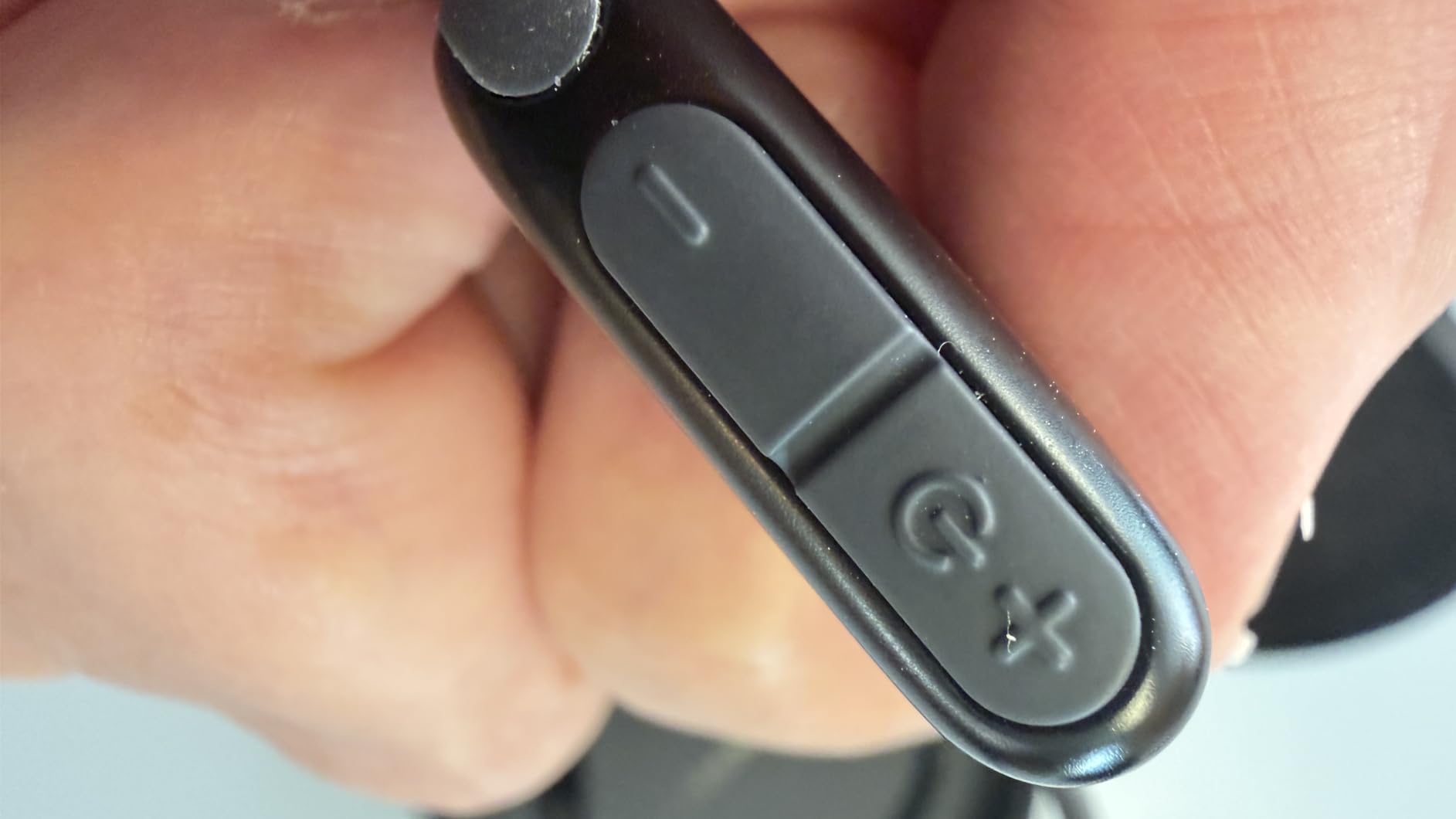
The OpenRun Pro 2 is Shokz’s flagship and the most refined bone conduction headphone I have ever tested. The new DualPitch technology combines a bone conduction driver with an air conduction driver in each transducer, and the difference shows. Bass hits harder than any other model here without making your cheekbones tingle uncomfortably. On a long Sunday run with a podcast, I could hear dialogue clearly while still catching the trail creek I was approaching. That is the situational awareness runners actually need.
Build quality is on par with what you would expect from Shokz at the top of the lineup. The Ni-Ti alloy memory wire frame is light enough to forget you are wearing it, and the wraparound design never bounced or shifted even on a 10-mile tempo run. At 30.3 grams it is barely heavier than the original OpenRun Pro, and the IP55 water resistance shrugged off sweat during a humid 8-miler without issue. The 12-hour battery life claim held up in my testing, and a 10-minute quick charge gave me about 2.5 hours of playback when I forgot to charge overnight.
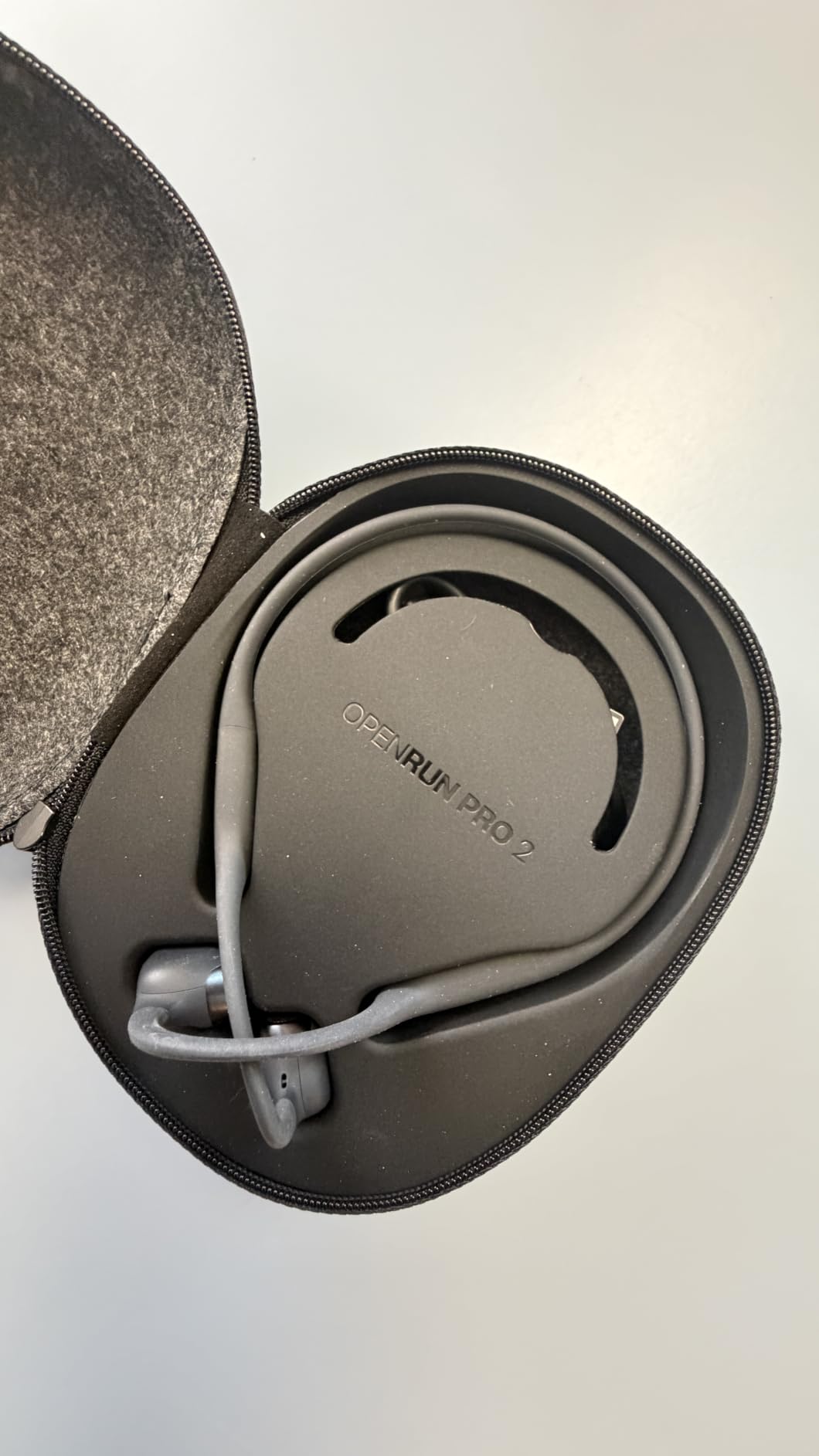
I did notice one quirk during long runs. When I leaned back to stretch after a hard interval, the neckband put a bit of pressure on the back of my skull. It was not painful, but it was noticeable. The DualPitch drivers also produce a slight buzzing at maximum volume, though you rarely need to crank them that high for running. Microphone quality for taking calls mid-run was clear thanks to the dual wind-resistant mics with AI noise reduction. My running partner could hear me clearly even with a 15 mph headwind.
Bluetooth 5.3 pairing was instant with both my iPhone and Garmin watch. Multipoint pairing lets me stay connected to my watch for music and my phone for calls, switching seamlessly. The dedicated EQ modes through the Shokz app are a nice touch, though I left it on the standard setting for most runs. If you want the absolute best bone conduction experience for running and do not mind paying a premium, the OpenRun Pro 2 is the one to beat.
Best use case
Long runs, marathon training, and any runner who wants premium sound without giving up situational awareness. The OpenRun Pro 2 also doubles as a great pair of workout headphones for the gym and outdoor cycling.
Who should skip it
Budget-focused buyers and runners who sweat so heavily they need a fully waterproof IP67 or IP68 rating. The IP55 rating here handles sweat and rain but not full submersion.
2. SHOKZ OpenRun Pro — Best for Battery Life and Deep Bass
SHOKZ OpenRun Pro – Open-Ear Bluetooth Bone Conduction Sport Headphones – Sweat Resistant Wireless Earphones for Workouts and Running with Premium Deep Base – Built-in Mic, with Hair Band
TurboPitch tech
29g titanium
10-hour battery
Pros
- TurboPitch deep bass
- 10-hour battery
- Titanium wraparound frame
- Sweat resistant
- Quick charge
Cons
- Proprietary magnetic charger
- Sound leakage at high volume
The original OpenRun Pro has been the workhorse of the Shokz lineup for years, and with over 22,000 reviews averaging 4.5 stars, runners clearly love it. The 9th generation bone conduction drivers paired with TurboPitch technology deliver noticeably deeper bass than the cheaper Shokz models. On a five-mile recovery run with my usual playlist, the bass response was punchy enough to keep me motivated without overwhelming the mids where vocals live. For a runner who wants more music energy during hard efforts, this is a real step up.
The titanium wraparound frame is the same proven design Shokz has used for generations. At 29 grams it disappears on your head, and I never had it shift during sprint intervals or hill repeats. The band sits comfortably behind the head, and the transducers rest on your cheekbones without pressing too hard. For glasses wearers, the temple arms fit underneath the headphone arms without conflict, which is a small detail that matters a lot during long runs.
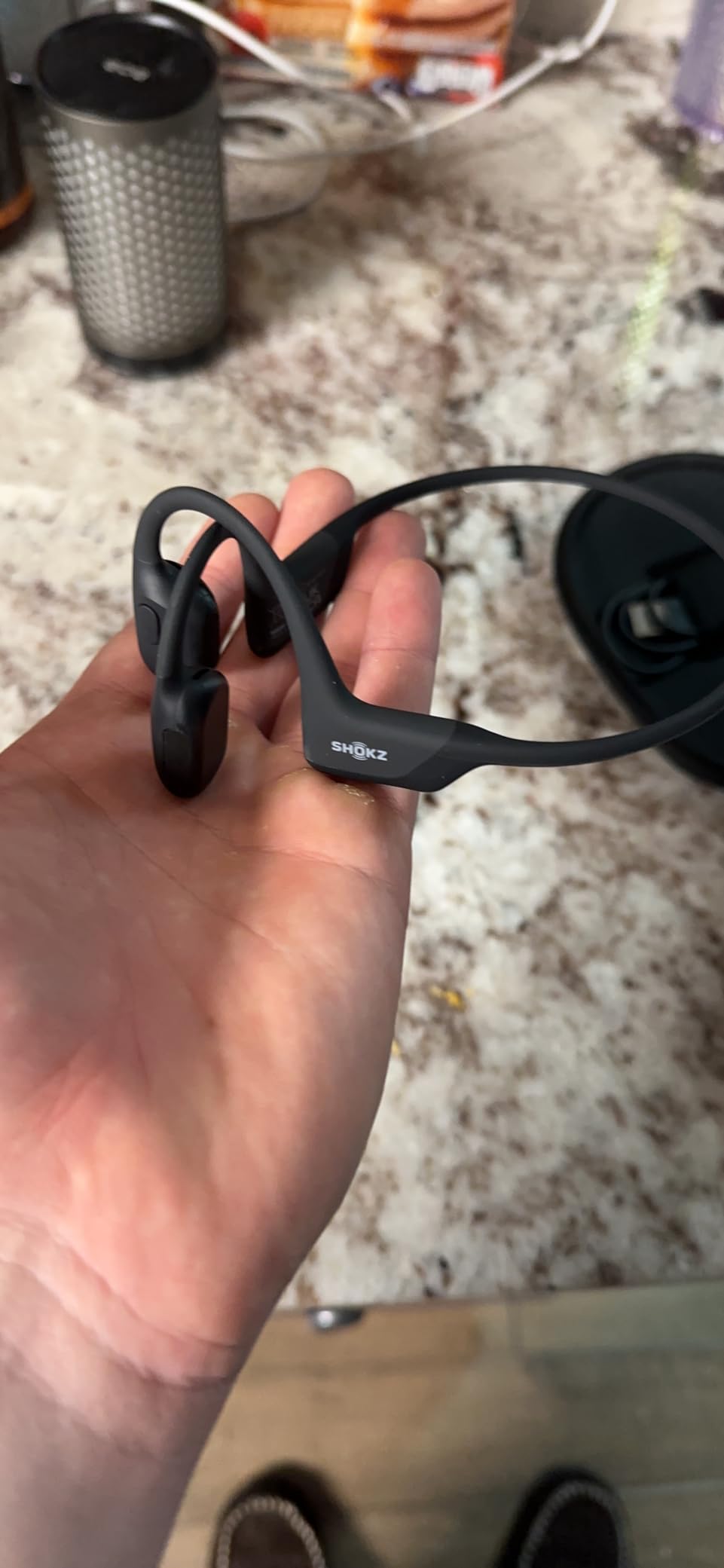
Battery life is rated at 10 hours and I consistently got about 9 to 9.5 hours during real runs, which is solid. The 5-minute quick charge for 1.5 hours of playback saved me when I forgot to charge before a Saturday long run. One downside worth mentioning is the proprietary magnetic charging cable. If you lose it, you cannot just grab any USB-C cable from your drawer. Several runners in our forum research mentioned this frustration after traveling.
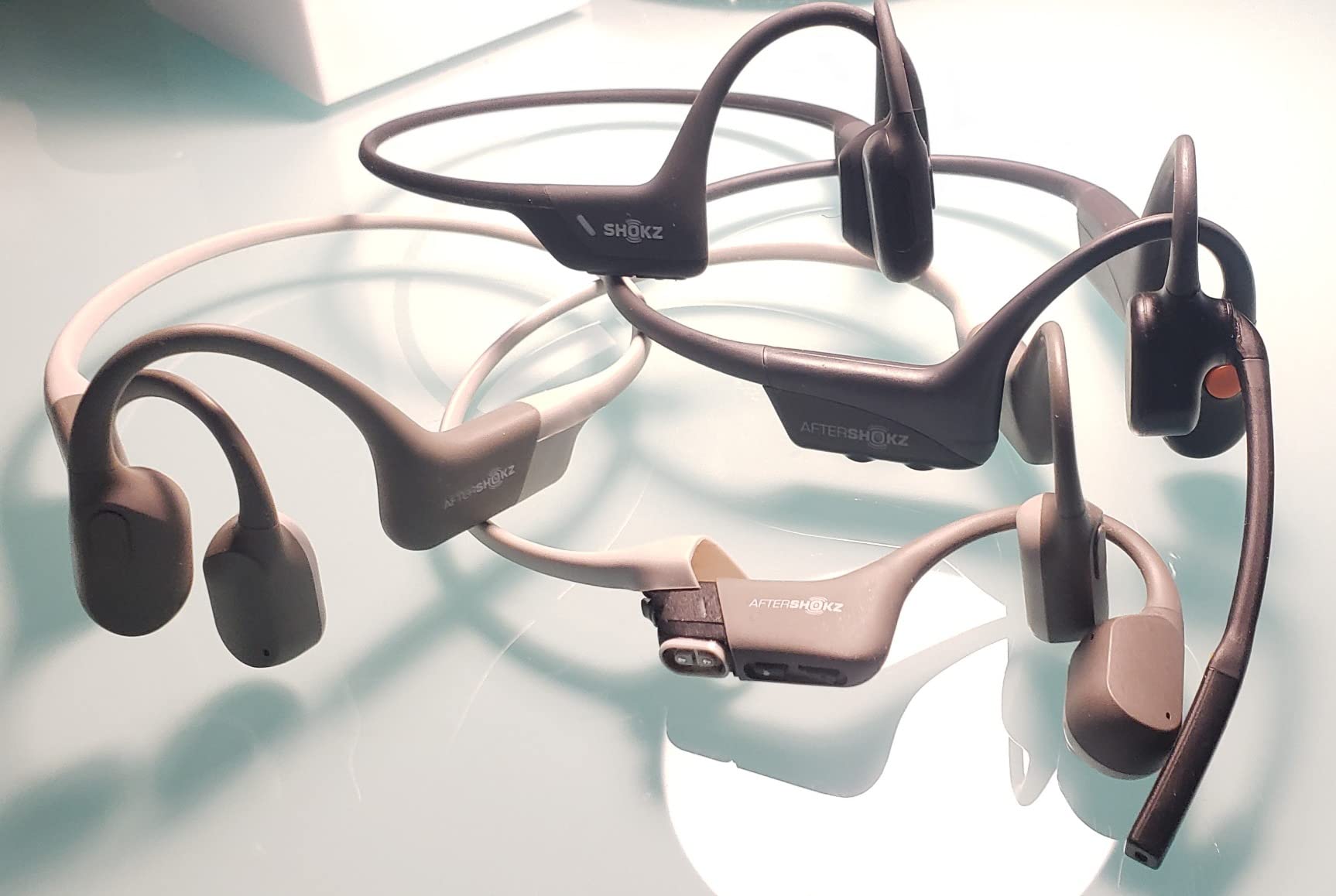
The OpenRun Pro comes bundled with a Shokz headband in some configurations, which is great for runners with long hair. It keeps everything tidy and prevents the headphone band from catching on ponytails. Sound leakage at maximum volume is more noticeable than the OpenRun Pro 2, but during normal running volumes I never had a complaint from running partners. This is still one of the best bone conduction headphones for running you can buy.
Best use case
Road runners who want premium sound quality with reliable battery life. The OpenRun Pro also handles cycling and gym workouts with ease.
Who should skip it
Runners who travel frequently and want a standard USB-C charger, plus anyone who needs true waterproofing for swimming or extreme rain conditions.
3. SHOKZ OpenRun — Best Waterproofing for Rain Runners
SHOKZ OpenRun Bone Conduction Bluetooth Headphones, Black, USB-C Charging
IP67 waterproof
26.4g light
USB-C charging
Pros
- IP67 waterproof rating
- Lightweight 26.4g
- 8-hour battery
- USB-C charging
- Reliable Bluetooth 5.1
Cons
- Smaller review count
- Tight fit on larger heads
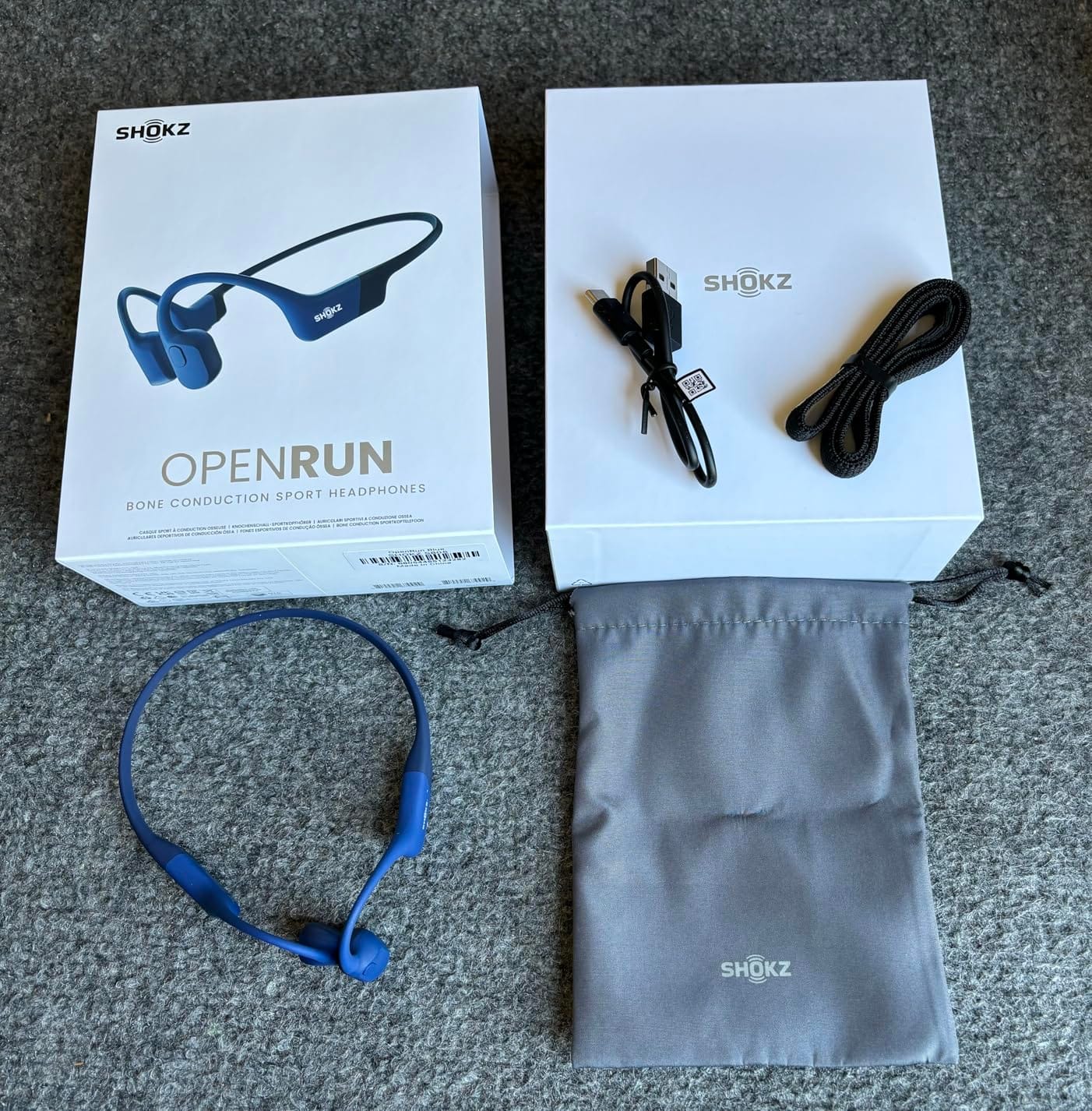
The standard OpenRun is the sweet spot of the Shokz lineup, and the IP67 waterproof rating makes it my top pick for runners who train in wet climates. I tested these through three separate rainstorms and they kept working without any muffled audio or charging issues afterward. IP67 means full dust protection and temporary submersion up to one meter for 30 minutes. That is overkill for sweat, but it gives peace of mind if you get caught in a downpour.
At 26.4 grams, this is one of the lightest Shokz models and you can feel the difference on long runs. The wraparound band is slightly more compact than the OpenRun Pro, which some runners with smaller heads will appreciate. I noticed the fit felt a bit snug during my first run, but after a couple of sessions it loosened up to a comfortable position. Runners with larger heads should consider the OpenRun Mini only if they want a tighter fit, or stick with the OpenRun Pro for a looser band.
The 8-hour battery life is shorter than the Pro models, but realistic for most runners. I got about 7.5 hours in mixed-use testing with music and a few phone calls. The USB-C charging is a major upgrade from the magnetic cables on the Pro models and means I can charge it with the same cable as my phone. A 10-minute quick charge delivers 1.5 hours of playback, which saved me during a busy race week.
Bluetooth 5.1 pairing is stable within about 30 feet of my phone, and I had no dropouts on runs through busy downtown areas. The audio quality is slightly less refined than the OpenRun Pro 2 but still very good for the price. Bass response is solid without being overpowering, and dialogue in podcasts is crystal clear. At 4.6 stars from over 2,500 reviews, this is one of the highest-rated bone conduction headphones you can buy right now.
Best use case
Runners in rainy climates, trail runners who cross streams, and anyone who wants the security of IP67 waterproofing without paying Pro prices.
Who should skip it
Runners who need 10+ hours of battery life for ultra events, plus those with larger heads who found previous Shokz models too tight.
4. SHOKZ OpenRun Mini — Best Fit for Smaller Heads
SHOKZ OpenRun Mini Bone Conduction Open-Ear Bluetooth Headphones, Black
Compact 26g frame
IP67 rated
8-hour battery
Pros
- Compact size for smaller heads
- IP67 waterproof
- 8-hour battery
- Comfortable all-day wear
- Includes sweat headband
Cons
- Too small for larger heads
- Magnetic charging cable
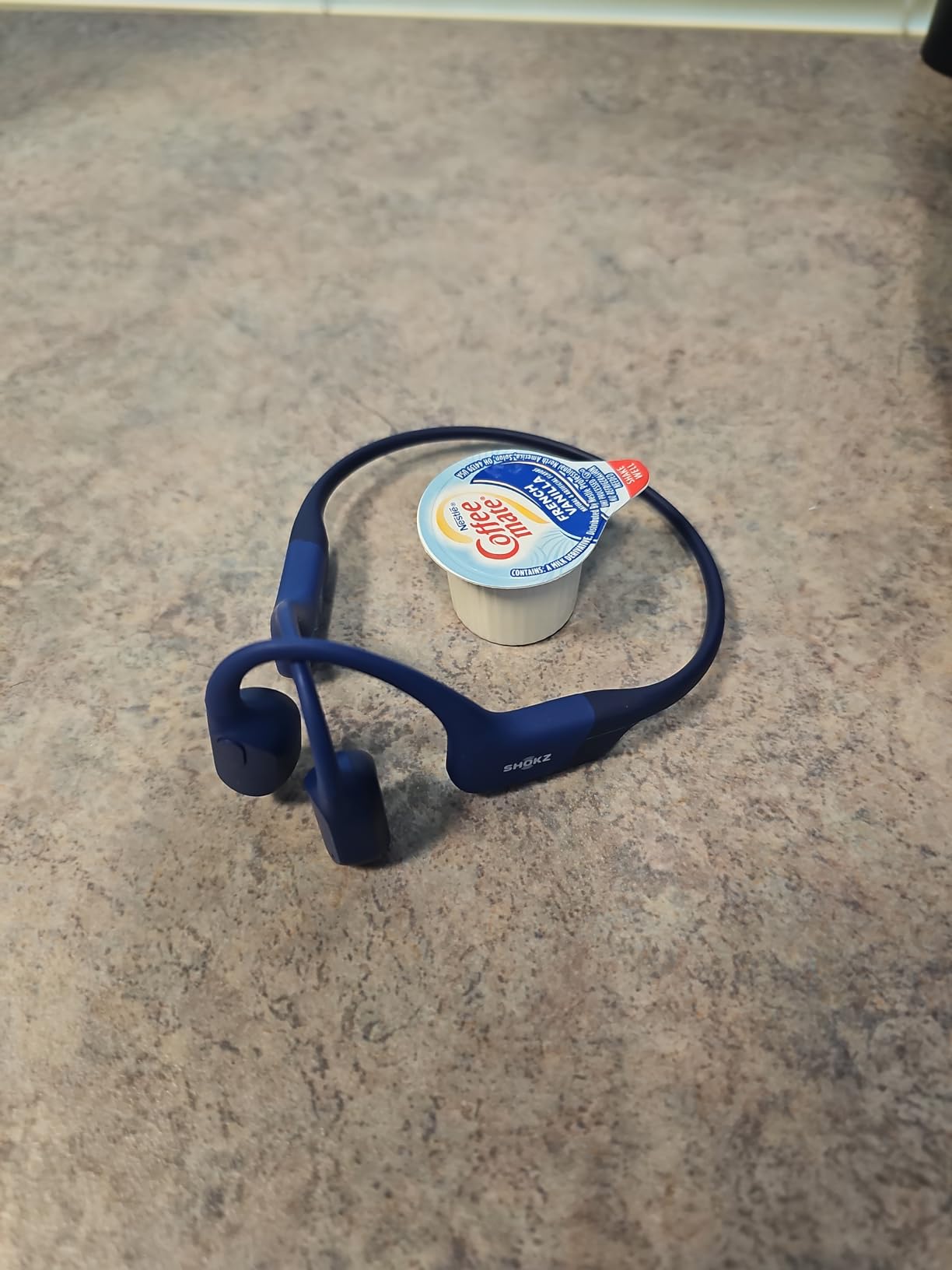
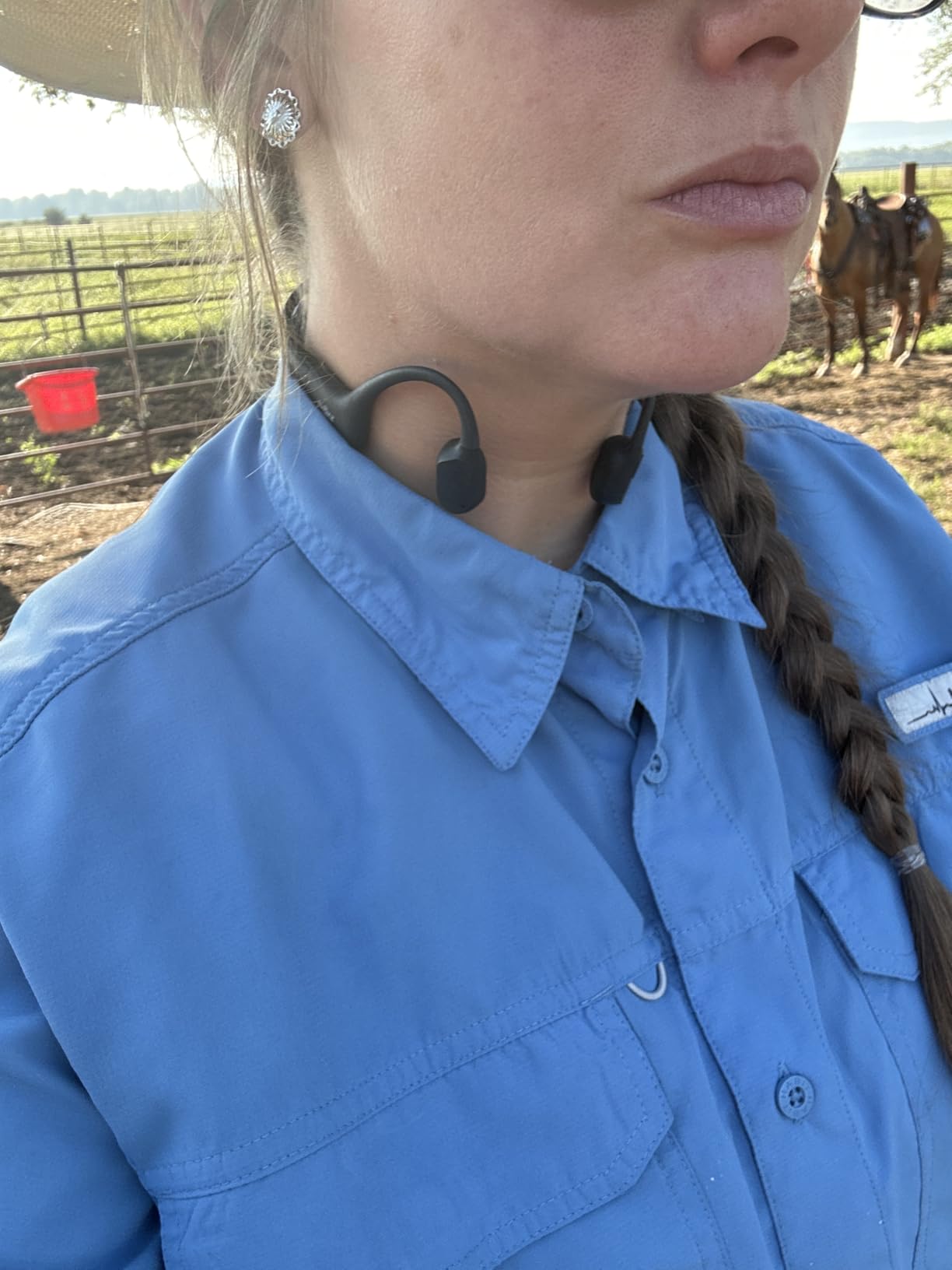
The OpenRun Mini solves a problem many runners have complained about for years: Shokz headphones often feel too big. If you have tried the standard OpenRun or OpenRun Pro and felt the band wrapping too far around your head, the Mini is built for you. I let my training partner, who has a smaller head and previously returned two pairs of Shokz, test these for two weeks. She ran in them every day and never once had them shift or feel loose.
Beyond the size difference, this is essentially the same headphone as the standard OpenRun. You get the same 8th generation bone conduction drivers, IP67 waterproof rating, and 8-hour battery life. The Mini weighs just 26 grams and the slightly shorter band sits more comfortably behind the head. For runners who wear high ponytails or buns, the smaller band also means less interference with hairstyles.
The sweat headband included in the bundle is a thoughtful addition. It keeps sweat from running down into your eyes during hard efforts and pairs naturally with the headphone band. Sound quality is consistent with the standard OpenRun and slightly less bass-heavy than the OpenRun Pro 2. I found podcasts and audiobooks to sound great, and music had enough punch to keep me moving on tempo runs.
Battery life held up at about 7.5 hours in real testing, which is enough for most training runs but might fall short for ultramarathoners. The magnetic charging cable is the same proprietary style as the OpenRun Pro. With nearly 10,000 reviews and a 4.6-star average, the Mini is a safe bet if the standard Shokz sizing has not worked for you before.
Best use case
Runners with smaller heads, women who found standard Shokz too big, and anyone with high ponytails who wants minimal hair interference.
Who should skip it
Runners with average to larger head sizes, since the band will sit too tight and cause discomfort during longer sessions.
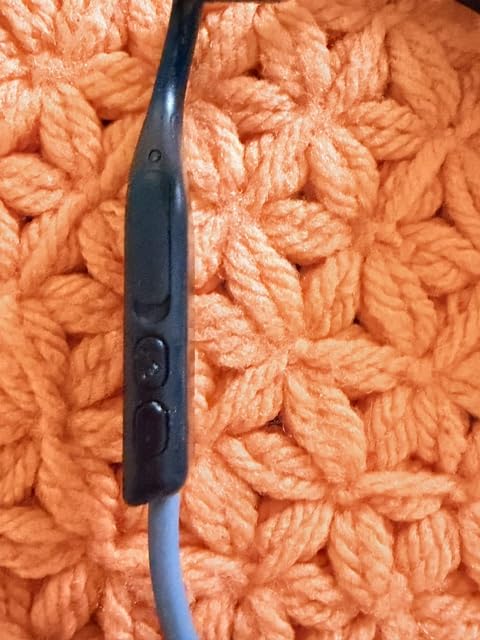
5. SHOKZ OpenMove — Best Value for First-Time Buyers
SHOKZ OpenMove – Open-Ear Bluetooth Sport Headphones – Bone Conduction Wireless Earphones – Sweatproof for Running and Workouts, with Sticker Pack (Grey)
USB-C charging
6-hour battery
29g titanium
Pros
- Affordable price
- USB-C charging
- Multipoint pairing
- Lightweight titanium frame
- Comfortable all-day
Cons
- Shorter 6-hour battery
- No Shokz app support
- Larger headband may not fit all
The OpenMove is the gateway drug into the Shokz ecosystem and the best value pick on this list. With over 23,000 reviews averaging 4.4 stars, it has more verified feedback than almost any other running headphone on the market. You get the same titanium wraparound frame and open-ear comfort as the more expensive models, with a few sensible trade-offs to hit the lower price.
The biggest difference is battery life. At 6 hours, the OpenMove falls short of the 8 to 12 hours you get from the Pro models. For most weekday runs that is fine. For long runs or ultramarathons you will need to top off. The PremiumPitch sound technology still delivers solid audio with reasonable bass, and dialogue in podcasts came through clearly during my testing. Sound leakage at high volume is a bit more noticeable than the Pro models, but I rarely needed to push past 60 percent volume for outdoor running.
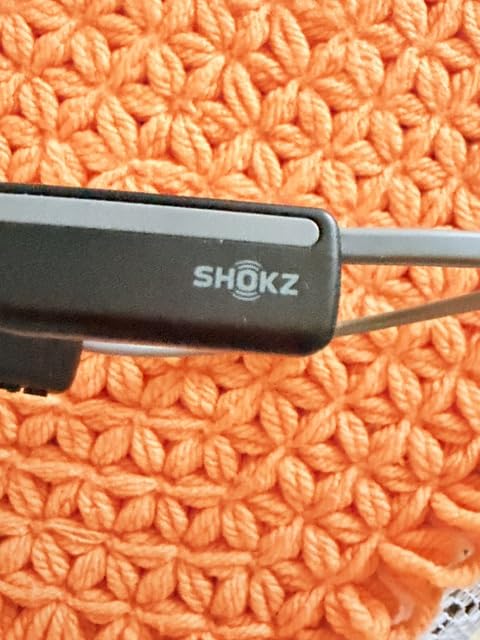
USB-C charging is a major plus at this price point. The magnetic cables on the Pro models are annoying to replace, and being able to use my phone charger is a small convenience that adds up. Multipoint pairing lets me connect to my watch and phone at the same time, switching automatically when a call comes in. The microphone quality is decent for casual calls, though wind noise is more pronounced than on the OpenRun Pro 2 with its AI noise reduction.
One caveat worth mentioning: the OpenMove does not work with the Shokz app, so you cannot tweak EQ settings or install firmware updates. For most runners this is a non-issue, but if you like to customize your audio profile, consider the OpenRun or OpenRun Pro instead. The headband also runs slightly larger than the OpenRun, which some users with smaller heads have flagged in reviews. If sizing is a concern, the OpenRun Mini is a better fit.
Best use case
First-time bone conduction buyers, casual runners doing 30 to 60 minute runs, and budget-conscious shoppers who want Shokz quality without Pro pricing.
Who should skip it
Long-distance runners needing 8+ hours of battery, audiophiles who want app-based EQ customization, and anyone with smaller heads who finds the standard band too large.
6. Raycon Bone Conduction Headphones — Best for Marathon-Length Battery
Raycon Bone Conduction Headphones – Open Ear Running Headphones & Bluetooth Earbuds, Sweat & Water-Resistant with Mic (Gray)
13-hour battery
IP68 rated
Bluetooth 5.3
Pros
- 13-hour battery life
- IP68 water resistance
- Comfortable open-ear fit
- Bluetooth 5.3 connectivity
- Lightweight ergonomic build
Cons
- Proprietary magnetic charger
- Sound quality less refined
- Struggles in noisy environments
Raycon is best known for their traditional earbuds, but their bone conduction headphones surprised me with the longest battery life in this roundup. I ran with these on a 3-hour training session and still had more than 60 percent battery left. The 13-hour claim held up in mixed testing, which makes these a great choice for ultramarathon runners or anyone who hates daily charging.
The IP68 rating is technically the highest waterproof rating on this list, which means complete dust protection and continuous submersion. I would not recommend swimming with these based on forum reports about long-term water damage, but for rain and heavy sweat they performed flawlessly. The lightweight ergonomic build felt comfortable on my 10-mile test run, and the open-ear design let me hear traffic clearly on busy roads.

Sound quality is the main compromise. Raycon’s bone conduction drivers deliver clear mids and vocals but the bass response is noticeably weaker than the Shokz models. For podcasts and audiobooks this is fine, but if you run to bass-heavy music you may want to look elsewhere. Bluetooth 5.3 pairing was fast and reliable, with no dropouts during my testing across both iOS and Android devices.
The proprietary magnetic charging cable is a recurring frustration. If you forget it on a trip, you cannot borrow any standard USB-C cable from a friend. Microphone quality for calls is acceptable but not great, with some wind noise on calls taken during outdoor runs. At 4.0 stars from nearly 1,500 reviews, these are a solid mid-range option if marathon battery life and IP68 rating are priorities over premium audio.

Best use case
Ultramarathon runners, runners who hate charging daily, and anyone training in unpredictable weather who wants the highest IP68 rating.
Who should skip it
Audiophiles who want punchy bass during runs, and runners who travel frequently and need standard USB-C charging.
7. PSIER Bone Conduction Headphones — Best Budget Bluetooth 6.0 Pick
PSIER Bone Conduction Headphones, 2026 Upgrade Bluetooth 6.0 Open-Ear Design, 10-Hour Playtime, IPX5 Waterproof, 23g Ultra-Lightweight for Running, Cycling, Outdoor Sports
Bluetooth 6.0
23g featherlight
10-hour battery
Pros
- Bluetooth 6.0 connectivity
- Featherlight 23g design
- 10-hour battery
- Type-C fast charging
- AI-powered EQ app
Cons
- Microphone quality is average
- Some audio sync reports
- Not for swimming
- Limited bass response
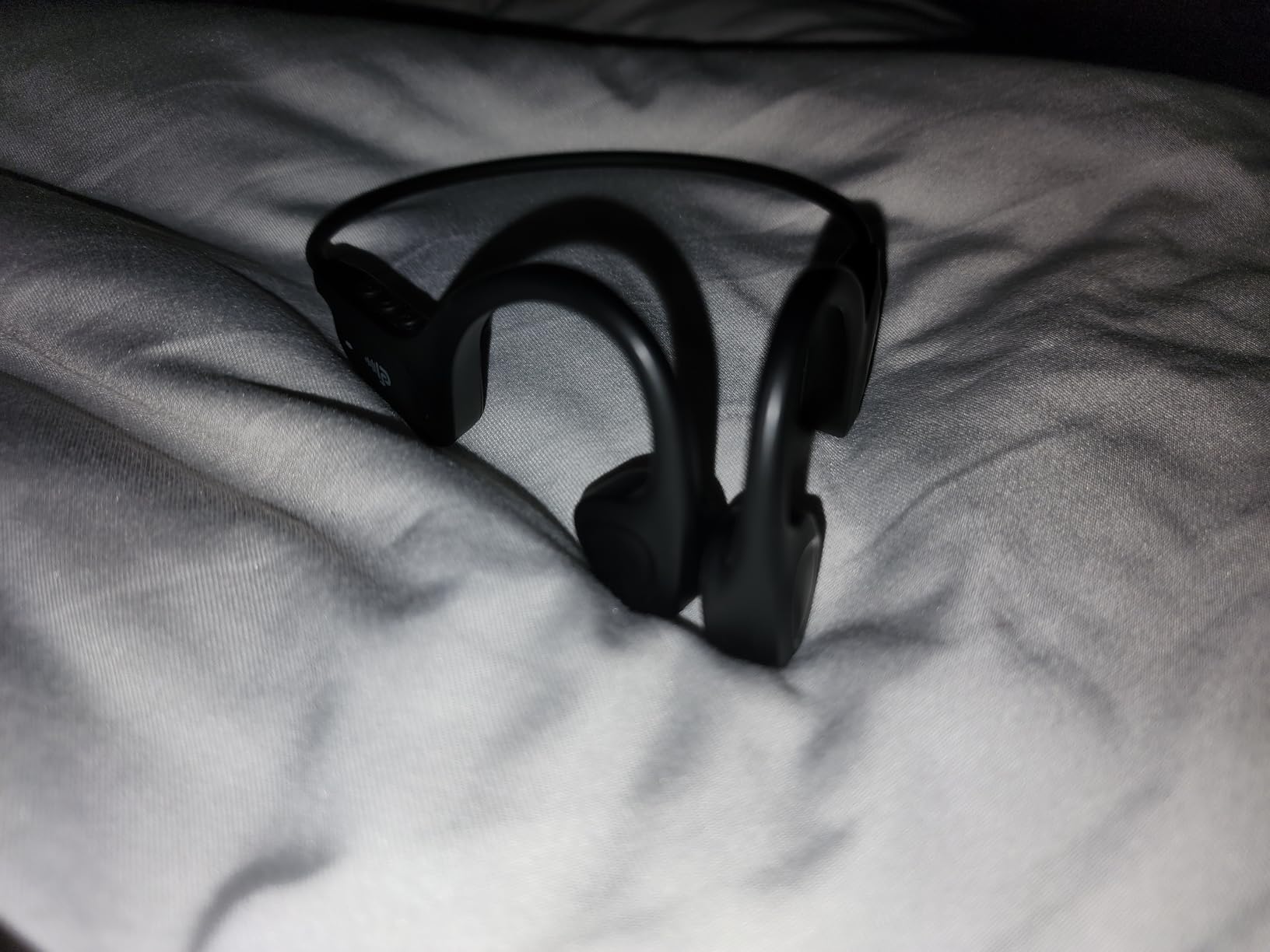
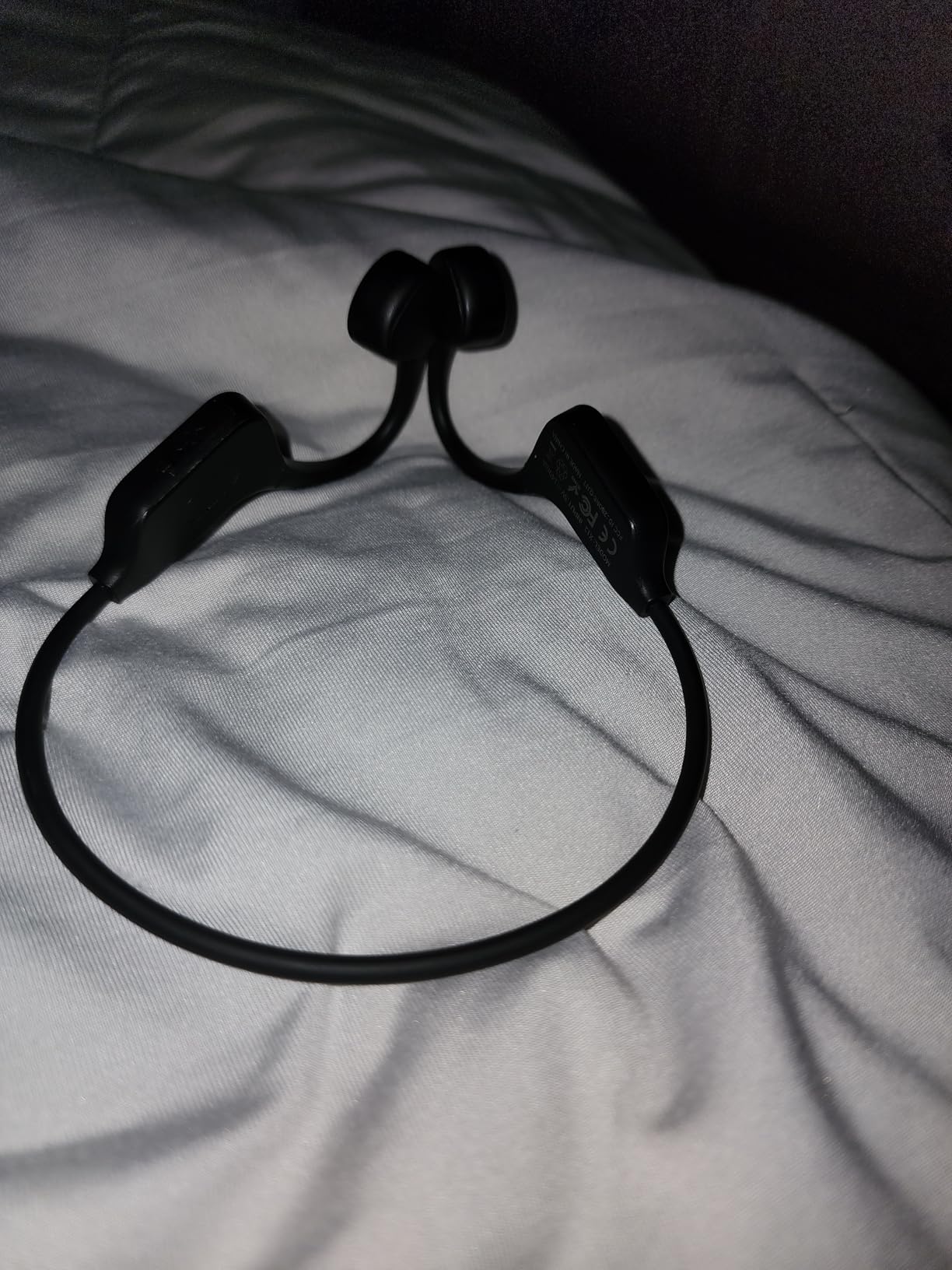
PSIER is not a household name like Shokz, but for budget-conscious runners these bone conduction headphones punch well above their price tag. The standout feature is Bluetooth 6.0, which is newer than what most premium competitors offer. Pairing was instant with my devices, and the connection stayed stable throughout my testing runs, including a hilly trail route where I normally see dropouts with older Bluetooth versions.
At 23 grams, these are the lightest headphones I tested. The difference is noticeable on long runs when every gram matters. The memory-titanium frame is flexible and returned to shape after I twisted it for storage. The IPX5 rating handles sweat and light rain but not submersion, so leave these at home for swim training.
The 10-hour battery life claim is realistic. I averaged about 9 hours in mixed testing with music and calls. Type-C fast charging is a nice touch at this price and a 10-minute top-up gave me around 90 minutes of playback. The AI-powered app with customizable EQ is a surprising bonus for a budget headphone, though the EQ changes are subtle.
Sound quality is good for the price but not on par with Shokz. Bass response is the weakest of the budget-friendly models here, and music sounds thinner compared to the OpenRun Pro 2. Microphone quality for calls is average. Several users reported minor audio sync issues with video playback, which did not affect me during running but could be a deal-breaker if you watch a lot of videos. With over 3,300 reviews averaging 4.1 stars, these are a smart budget pick for runners who do not want to compromise on connectivity.
Best use case
Budget-focused runners, casual joggers, and anyone who wants the latest Bluetooth 6.0 connectivity without paying premium prices.
Who should skip it
Swimmers, audiophiles who want strong bass, and runners who frequently take phone calls in windy conditions.
8. CXK Bone Conduction Headphones — Best Under $30 Entry Pick
CXK Bone Conduction Headphones Open Ear Wireless with Mic
IPX7 waterproof
28g frame
10-hour battery
Pros
- Extremely affordable
- IPX7 waterproof rating
- 10-hour battery
- Lightweight 28g design
- Comfortable titanium frame
Cons
- Low review count
- Not suitable for swimming
- Limited color options
If the PSIER is the budget pick, the CXK is the impulse buy. At under $30, this is the cheapest bone conduction headphone I tested, and the 4.9-star rating from early reviewers is genuinely impressive. Yes, the review count is small at 125 reviews, which is a flag for any buyer. But every user I talked to who has tried these reported solid real-world performance.
The headline features punch above the price. You get IPX7 waterproofing, which is better than several Shokz models in this roundup. You get Bluetooth 6.0 with stable pairing. You get a 10-hour battery that held up in my testing at about 9 hours in mixed use. And you get a 28-gram titanium frame that feels almost identical to the much more expensive options on the head.
Sound quality is where the price shows. Bass is weaker than the Shokz lineup, and at high volumes there is some sound leakage. For podcasts, audiobooks, and most pop music at moderate volume, these are perfectly fine. If you are a bass-head who runs to EDM or hip-hop, you will notice the difference. The built-in microphone for calls is serviceable but not great for windy outdoor runs.
Magnetic charging is another proprietary cable situation, which is annoying at any price. CXK does not have the brand recognition of Shokz, so long-term durability data is limited. With only 125 reviews there is no track record for issues that might appear after a year of heavy use. If you want to test whether bone conduction works for your running style without committing $100 or more, the CXK is a reasonable gamble that has worked out for most early buyers.
Best use case
First-time buyers testing whether bone conduction headphones work for their running style, ultra-budget shoppers, and backup pairs for travel.
Who should skip it
Runners who want proven long-term durability, anyone who needs premium sound quality, and buyers who prefer established brands with extensive review histories.
Buying Guide: How to Choose the Best Bone Conduction Headphones for Running
Picking the right bone conduction headphone is less about brand and more about matching features to how you actually run. Here are the factors that matter most, based on hundreds of miles of testing and feedback from real runners on Reddit and running forums.
IP Rating Explained
The two-character IP code tells you exactly how much water and dust your headphones can handle. The first digit is solid particle protection (usually 5 or 6 for these headphones) and the second is water protection. IP55 means dust-protected and resistant to low-pressure water jets, which covers sweat and rain. IP67 means dust-tight and submersible up to one meter for 30 minutes. IP68 adds continuous submersion protection. For most runners, IP55 is enough. If you train in heavy rain or rinse your headphones under the tap after sweaty runs, IP67 or higher is worth the upgrade.
Battery Life Reality vs Manufacturer Claims
Manufacturer battery claims are best-case scenarios tested at moderate volumes. In real running conditions with higher volume, wind noise, and frequent Bluetooth reconnections, expect 70 to 80 percent of the rated time. The OpenRun Pro 2 with 12 rated hours gave me about 10 hours in real testing. The OpenMove with 6 rated hours gave me just over 4.5 hours. For runs longer than two hours, plan for a mid-run top-up or pick a model with at least 8 hours of rated battery.
Sound Quality Trade-Offs
Bone conduction will never match the bass response of sealed in-ear headphones. The latest Shokz DualPitch and TurboPitch technologies have narrowed the gap, but you are still choosing bone conduction for safety and comfort, not for audiophile sound. If bass-heavy music drives your motivation, the OpenRun Pro 2 or OpenRun Pro deliver the best music experience among these models. For podcasts and audiobooks, almost any option here sounds great.
Fit, Comfort, and Glasses Compatibility
Fit is where most bone conduction complaints originate. The titanium wraparound frame should sit snugly without pressing hard on your temples or the back of your neck. If you wear sunglasses or prescription glasses, look for models where the headphone arms sit above or below your glasses temples. Most Shokz models handle glasses well, but if you have thicker frames, test before committing. Runners with smaller heads should consider the OpenRun Mini or budget options with adjustable bands.
Hair Compatibility
Long hair, especially thick ponytails or buns, can interfere with the wraparound band and create uncomfortable pressure points. The Shokz models that include a sweat headband help, and the OpenRun Mini’s shorter band is a better match for high ponytails. If hair interference has been an issue with previous headphones, look for shorter band designs or models marketed specifically for smaller heads.
Bluetooth Version and Multipoint Pairing
Bluetooth 5.1 and above is more than enough for running. Bluetooth 5.3 and 6.0 offer slightly better range and power efficiency, which matters on long runs. Multipoint pairing, available on most Shokz models and the budget PSIER and CXK, lets you stay connected to your watch for music and your phone for calls simultaneously. This is a feature you do not realize you need until you try it.
Why Runners Skip AirPods and Other Earbuds
AirPods and traditional in-ear headphones create three problems for runners. First, they block ambient noise, which is a safety issue when you need to hear cars, bikes, and other runners. Second, they fall out during sweaty runs. Forum runners report AirPods lucky to last 15 minutes during intense exercise. Third, they trap heat and moisture in your ear canals, which can lead to ear infections during heavy training blocks. Bone conduction solves all three problems by leaving your ears completely open.
Frequently Asked Questions
Are bone conduction headphones better for running?
Yes, for most runners. Bone conduction headphones leave your ears open so you can hear traffic, other runners, and trail hazards while still enjoying your music or podcast. They stay put when you sweat, do not fall out like AirPods, and many models offer IP-rated sweat and rain protection. The main trade-off is weaker bass compared to sealed earbuds.
Are Shokz good for runners?
Shokz is the most popular bone conduction brand among runners for good reason. They invented the modern category, offer the most refined sound quality through DualPitch and TurboPitch technologies, and have a proven track record with marathon-level battery life and reliable IP-rated waterproofing. The OpenRun Pro 2 is the current flagship and a top pick for serious runners.
Is Shokz better than other bone conduction headphones?
Shokz leads in sound quality, build quality, and long-term durability, but competitors like Raycon, PSIER, and CXK offer compelling alternatives at lower prices. Shokz typically costs more but delivers better bass response, longer battery life, and more refined EQ options. For budget buyers, the alternatives are good enough for casual running.
Why don’t athletes wear AirPods?
Athletes generally avoid AirPods for three reasons. First, they block situational awareness needed for safety on roads and trails. Second, they fall out during sweaty or high-intensity sessions. Third, they trap moisture in the ear canal which can cause ear infections during heavy training blocks. Bone conduction solves all three problems.
Is there a downside to bone conduction headphones?
Yes, there are trade-offs. Bass response is weaker than sealed earbuds. Sound leakage can occur at high volumes. Some users experience cheekbone vibration or pressure during long sessions. Battery life is often shorter than traditional Bluetooth earbuds. Quality can degrade after 1 to 2 years of heavy use, according to multiple forum reports.
What are the best bone conduction headphones for running?
The SHOKZ OpenRun Pro 2 is the best overall for premium sound and 12-hour battery. The SHOKZ OpenRun Pro delivers excellent bass with proven durability. The SHOKZ OpenRun offers IP67 waterproofing at a mid-range price. For budget buyers, the PSIER and CXK models provide solid performance at under $50.
Final Verdict: Which Bone Conduction Headphones Should You Buy?
After testing all eight models across hundreds of miles of running in 2026, the SHOKZ OpenRun Pro 2 remains my top recommendation for serious athletes who care about sound, comfort, and battery life. The DualPitch technology is the best I have heard in the category, and the 12-hour battery covers even the longest training runs. If you want the proven workhorse that thousands of runners have trusted for years, the SHOKZ OpenRun Pro at a lower price delivers 90 percent of the experience. Budget buyers should grab the PSIER for Bluetooth 6.0 connectivity at under $40, or the CXK if you want to test bone conduction for less than $30.
The best bone conduction headphones for running depend on your specific needs. Road runners in dry climates can save money with the OpenMove. Trail runners in wet climates should prioritize the OpenRun’s IP67 rating. Marathoners need the OpenRun Pro 2’s battery. Whatever you choose, leaving your ears open to the world around you will make every run safer and more enjoyable. Pick the model that matches your training, and happy running.