
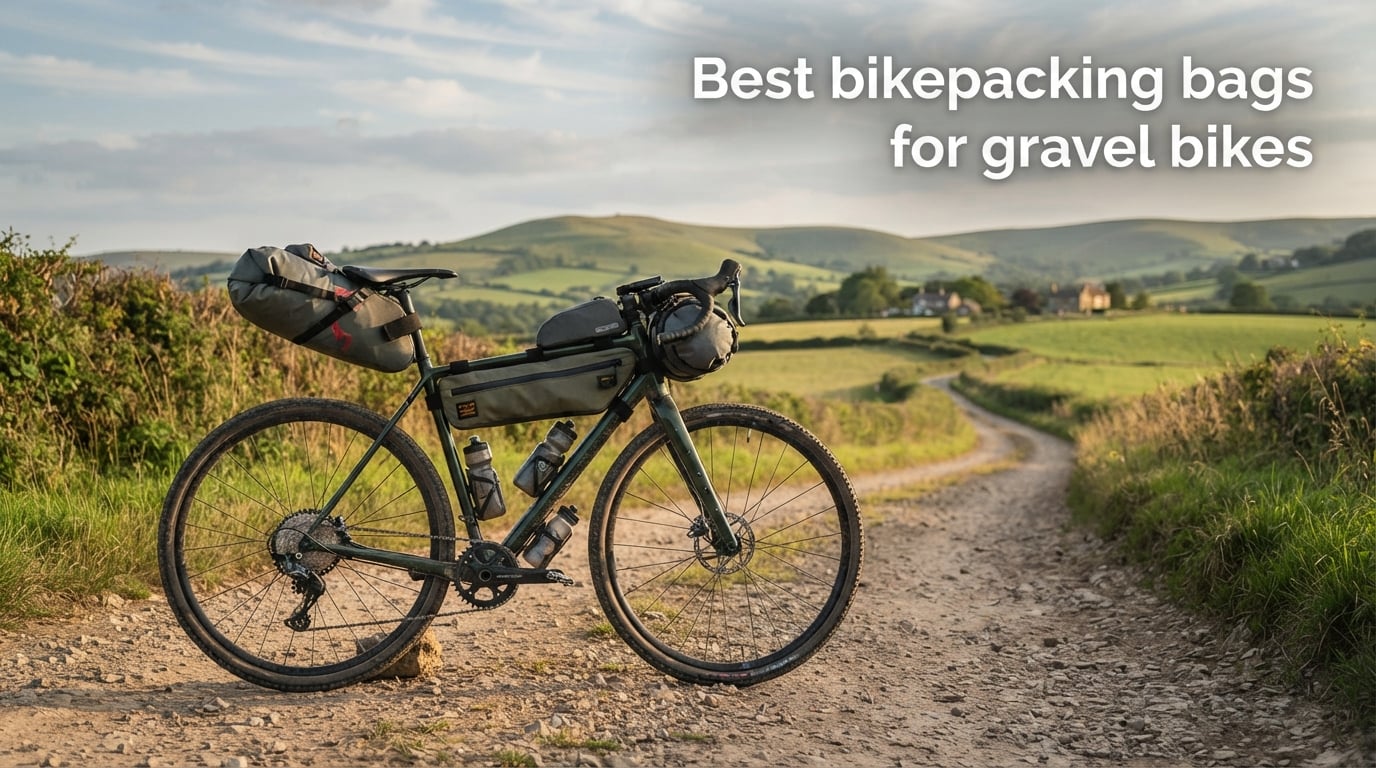
Planning a multi-day gravel adventure? You need storage that matches the demands of rough terrain, unpredictable weather, and the unique geometry of gravel bikes. The best bikepacking bags for gravel bikes differ from standard touring setups. They require clearance for wider tires, compatibility with varying frame geometries, and attachment systems that stay secure on rutted descents and washboard gravel.
Gravel bikes bridge the gap between road and mountain bikes. Their frames often lack rack mounts, making soft luggage systems essential. Unlike traditional panniers vs bikepacking bags debates, gravel riders need solutions that work across mixed terrain without rattling, shifting, or interfering with pedaling efficiency.
After testing dozens of setups on Colorado gravel roads, Kansas flint hills, and Pacific Northwest forest routes, our team identified the top performers. This guide covers frame bags, handlebar packs, seat packs, and feed bags designed for gravel geometry. Each bag earned its spot through real-world testing in conditions that matter to gravel cyclists.
Table of Contents
Top 3 Picks for Best Bikepacking Bags for Gravel Bikes (September 2026)

Moosetreks Full Frame Bag
- 14L capacity
- 3 size options
- YKK waterproof zipper
- TPU laminated ripstop nylon
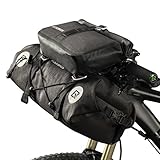
ROCKBROS Handlebar Bags 12L-20L
- 19-21L total capacity
- Dual detachable bags
- Seamless waterproof construction
- Quick release straps

SILCA Mattone Saddle Bag
- BOA closure system
- 0.5L compact capacity
- Waterproof zipper
- Reflective visibility shield
Best Bikepacking Bags for Gravel Bikes in 2026
| Product | Specifications | Action |
|---|---|---|
| Moosetreks Full Frame Bag – 14L |
|
Check Latest Price |
 ROCKBROS Phone Frame Bag ROCKBROS Phone Frame Bag |
|
Check Latest Price |
 ROCKBROS Triangle Bag ROCKBROS Triangle Bag |
|
Check Latest Price |
 Rhinowalk Top Tube Bag Rhinowalk Top Tube Bag |
|
Check Latest Price |
| ROCKBROS Handlebar Bags 12L-20L |
|
Check Latest Price |
 ROCKBROS Bike Seat Bag ROCKBROS Bike Seat Bag |
|
Check Latest Price |
 Rhinowalk Saddle Bag 13L Rhinowalk Saddle Bag 13L |
|
Check Latest Price |
 ROCKBROS Handlebar Bag 7L-14L ROCKBROS Handlebar Bag 7L-14L |
|
Check Latest Price |
 Moosetreks Bike Stem Bag Moosetreks Bike Stem Bag |
|
Check Latest Price |
| SILCA Mattone Saddle Bag |
|
Check Latest Price |
 KEMIMOTO Expandable Saddle Bag KEMIMOTO Expandable Saddle Bag |
|
Check Latest Price |
 ROCKBROS Top Tube Waterproof Bag ROCKBROS Top Tube Waterproof Bag |
|
Check Latest Price |
1. Moosetreks Full Frame Bag – Best Overall Frame Storage
Bike Full Frame Bag | Bicycle Bikepacking, Touring, Commuting Pack | Large (14L)
14L capacity
TPU laminated ripstop nylon
3 size options (6.5L/12L/14L)
YKK waterproof zipper
Water resistant
Pros
- 3 sizes fit most frames
- Durable ripstop nylon construction
- Extra-large 14L storage capacity
- Improved stability and load balance
- High quality YKK zipper
Cons
- Large size runs big
- Long Velcro straps may rub leg
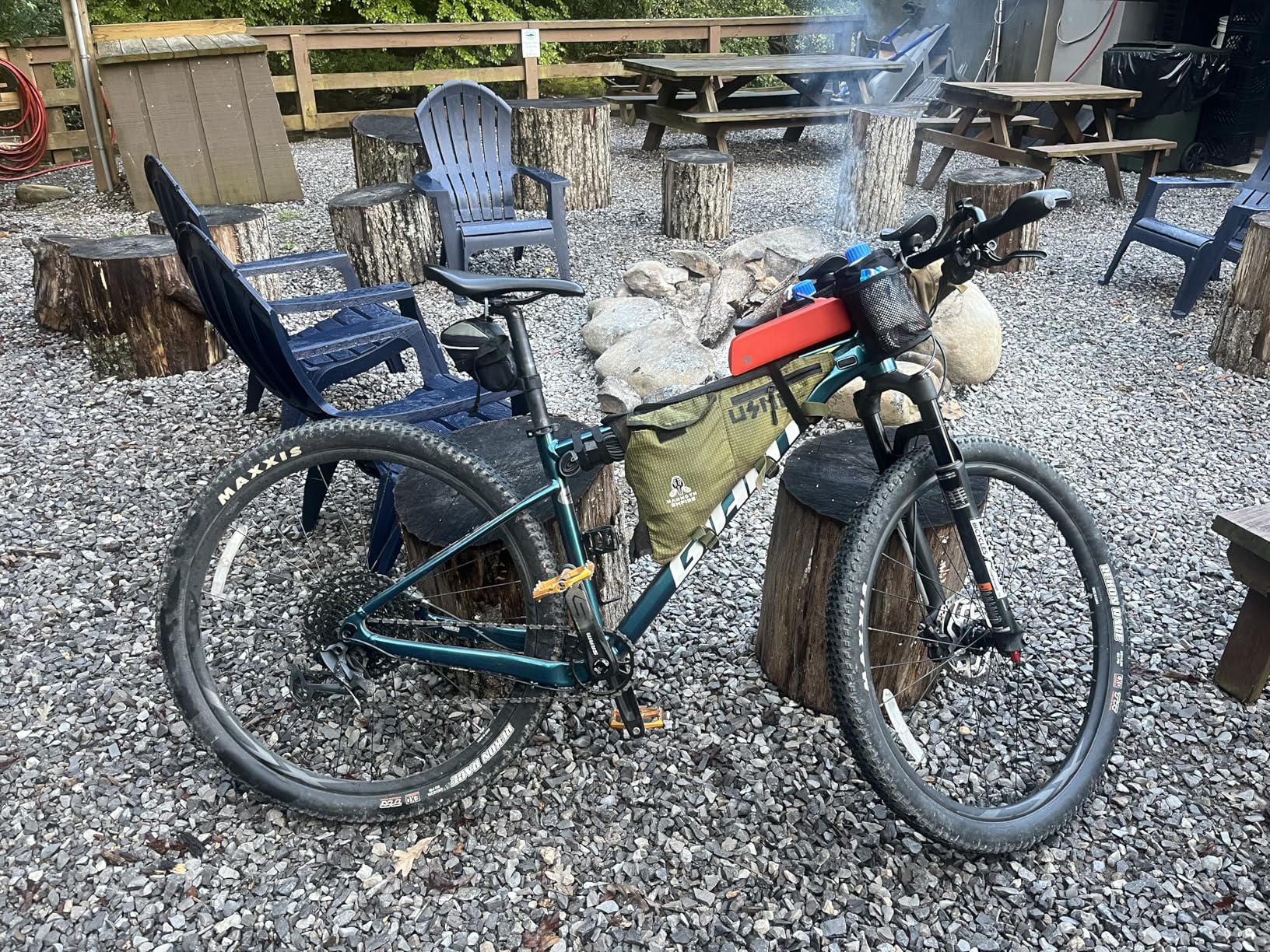
I strapped this bag to my Gravel King for a three-day ride across Kansas flint hills. The medium size filled my front triangle perfectly, leaving just enough clearance for water bottle mounts on the downtube. My sleeping bag, tent poles, and camp stove fit with room for spare layers.
The TPU laminated ripstop nylon feels bomber. After 200 miles of chunky gravel, the fabric showed zero wear. The YKK zipper glides smoothly even after dust buildup. Rain on day two soaked everything outside, but my gear stayed bone dry inside.
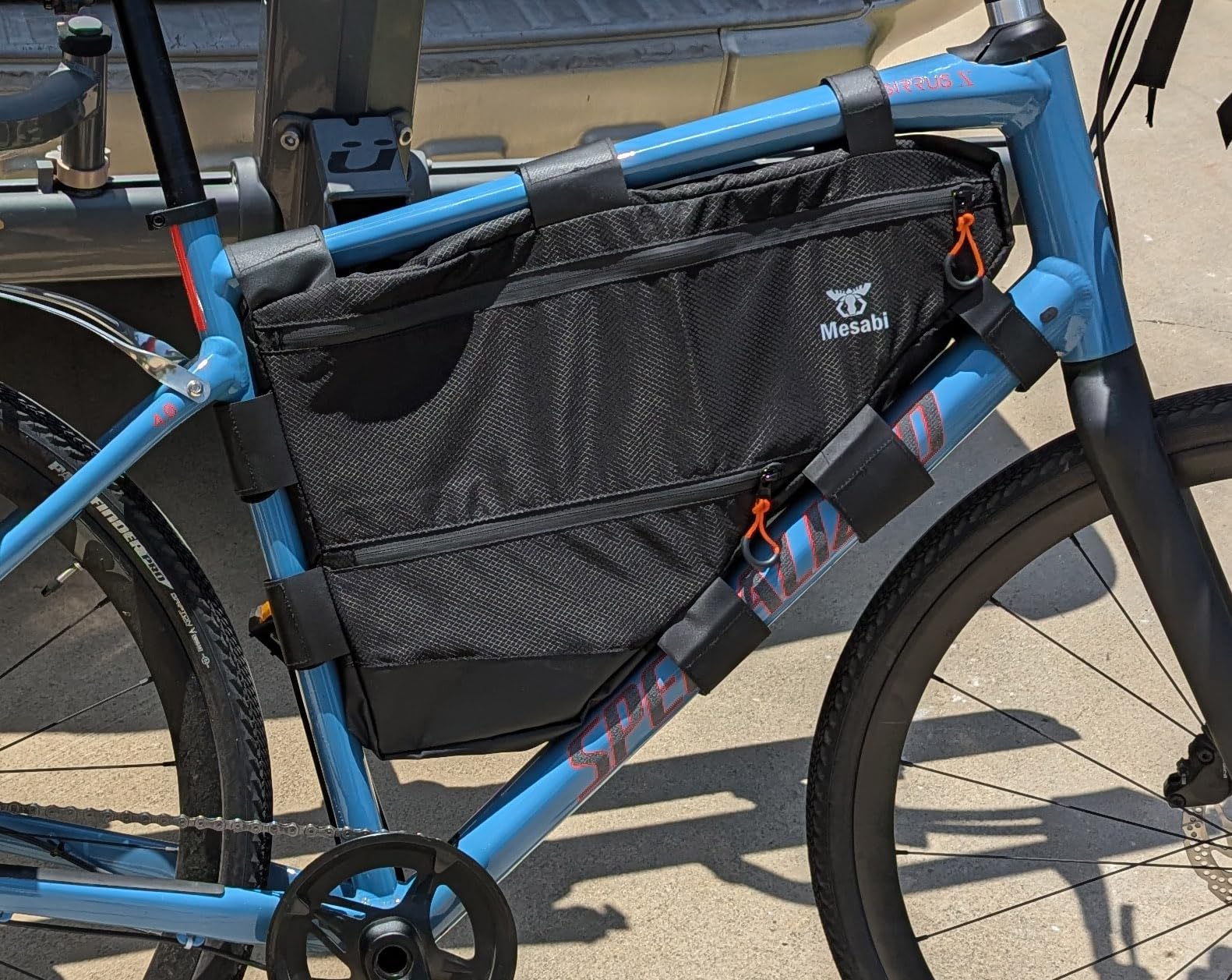
Velcro straps attach to all three tube points. On my frame, the downtube straps needed trimming. They stuck out and rubbed my thigh on climbs. A quick trim fixed this. Smaller frames or riders with wider stances might need this adjustment.
The removable divider creates two compartments. I kept my sleep system in the lower section and snacks/tools accessible from the top zipper. This organization saved rummaging time at trail stops.
Who This Bag Works Best For
Gravel riders planning overnight trips benefit most. The large capacity handles multi-day gear without requiring additional bags. Riders with standard triangle geometry frames (not compact or sloping top tubes) get the best fit. Budget-conscious cyclists get premium features at half the cost of boutique brands.
Who Should Look Elsewhere
Cyclists with compact frames or extreme sloping top tubes struggle with fit. The large size overwhelms small bikes. Riders who frequently access contents mid-ride find the zipper placement inconvenient. Those needing complete waterproofing for extended rain exposure should consider fully seam-sealed alternatives.
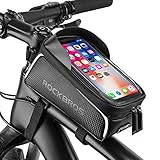
2. ROCKBROS Phone Front Frame Bag – Quick Access Storage
ROCKBROS Bike/Bicycle Phone Front Frame Bag, Waterproof, Tube Cycling Pouch
1.6L capacity
TPU touch screen window
Waterproof sealed zippers
Carbon fiber texture
8.15x3.74x5 inches
Pros
- Large 1.6L space for essentials
- High sensitive TPU touch screen
- Hidden earphone hole design
- Reflective safety tapes
- Easy 3-strap installation
Cons
- Touch ID fails through screen
- Thick phone cases crowd fit
- Not for oversized top tubes
My phone lives in this bag during every gravel ride. The TPU window lets me check navigation without stopping. Strava segments, route adjustments, and emergency calls happen on the fly. I mounted it behind my stem on the top tube, keeping weight centered.
The 1.6L capacity surprised me. Beyond my phone, I stash energy gels, a spare tube, CO2 cartridges, tire levers, and my wallet. The hidden earphone hole routes cable cleanly for podcast listening on solo rides.
Three straps lock this bag down tight. Even on washboard gravel at 20mph, it stays planted. The carbon fiber texture fabric looks pro and resists scuffs from trail debris. Sealed double zippers kept contents dry through afternoon thunderstorms.
Who This Bag Works Best For
Gravel cyclists who rely on phone navigation love this bag. Riders carrying minimal essentials for day trips fit everything needed. Those with standard top tube diameters achieve secure mounting. Commuters and urban cyclists appreciate the professional appearance.
Who Should Look Elsewhere
Users with oversized phones or thick protective cases find the screen area cramped. Touch ID and Face ID fail through the TPU cover. Riders with carbon fiber frames worry about strap pressure on delicate top tubes. Those needing storage beyond daily essentials require larger alternatives.
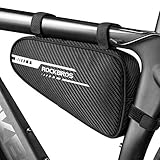
3. ROCKBROS Triangle Storage Bag – Lightweight Frame Storage
ROCKBROS Bike Frame Bag 1.2L Bicycle Triangle Storage Pouch Cycling Pack
1.2L capacity
0.35lb weight
3-layer shell construction
Reflective trim
3-strap mounting
Pros
- Ultra-light 0.35lb design
- Durable 3-layer PU shell
- 1.2L fits tools and essentials
- Stable 3-strap mounting
- Reflective safety trim
Cons
- Smaller capacity limits gear
- Zipper only access
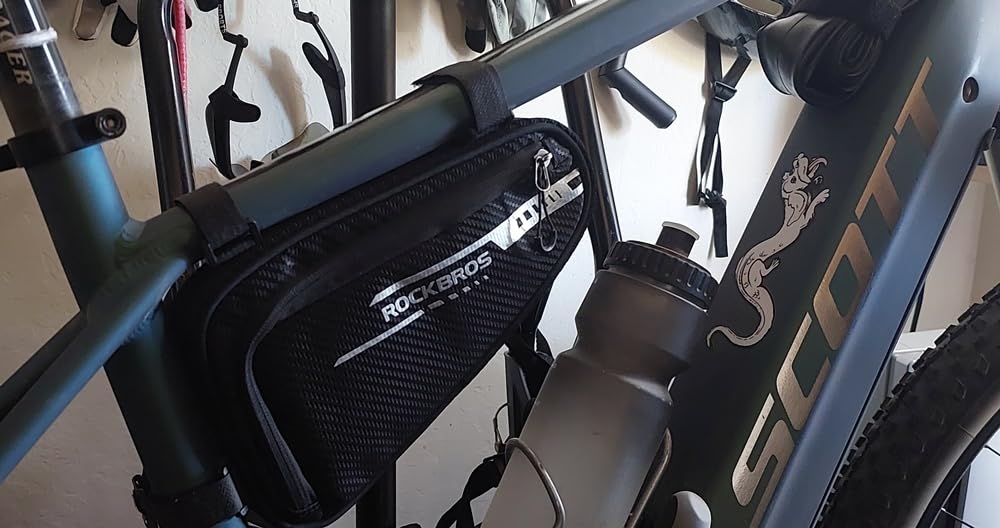
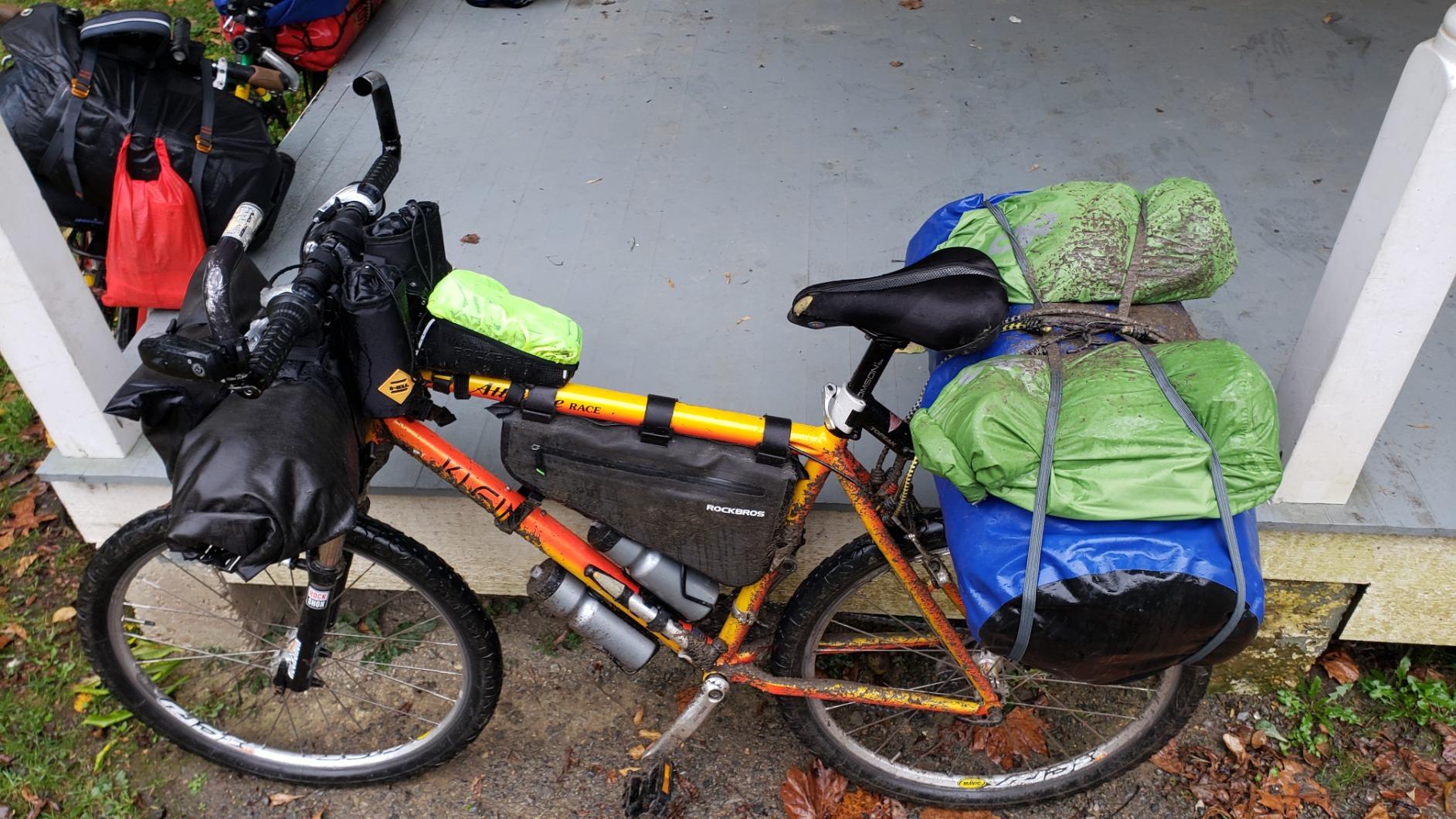
This triangle bag hides under my frame, consuming space that otherwise goes unused. At 0.35 pounds, it disappears until I need tools. My multi-tool, tire levers, spare tube, and patch kit fit comfortably with room for chain links.
The three-layer construction impressed me. PU outer, 5mm foam middle, and polyester inner create a durable shell. Rough gravel throws debris against downtubes. This bag absorbs impacts without transmitting vibration to contents.
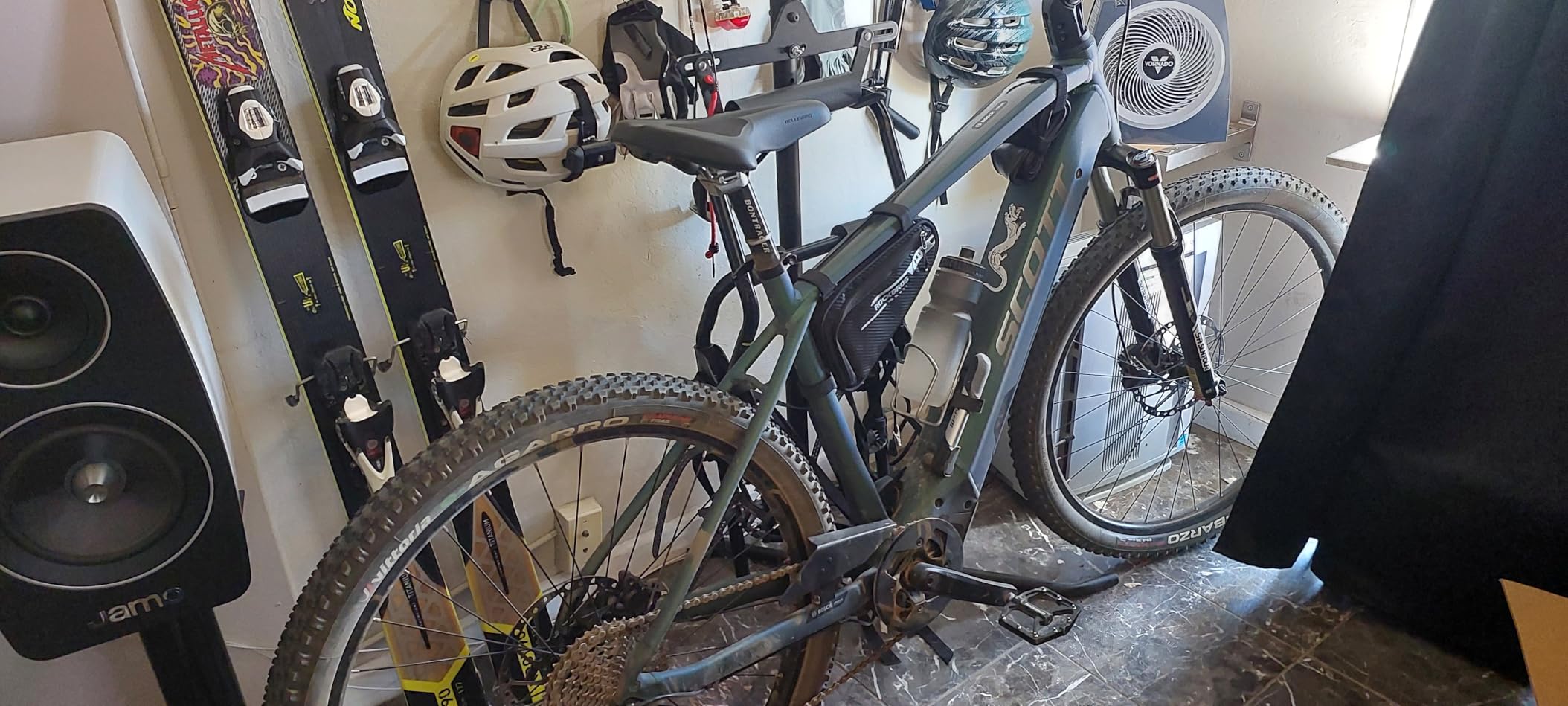
Three straps attach to seat tube, downtube, and bottom of top tube. The triangular shape wedges securely into frame geometry. I tested this on my Cannondale Topstone with zero movement over 100 miles of variable terrain.
The reflective trim adds safety for evening returns. Riding gravel at dusk requires visibility. This detail matters when daylight fades faster than expected on long routes.
Who This Bag Works Best For
Cyclists needing tool storage without weight penalty find this ideal. Riders who already carry larger bags benefit from supplemental triangle storage. Those with compact frames lacking space for full frame bags get usable capacity. Gravel racers minimizing weight appreciate the 0.35lb design.
Who Should Look Elsewhere
Multi-day tourers needing substantial gear capacity require larger frame bags. Riders accessing contents frequently mid-ride prefer zipper-top designs. Those carrying beyond emergency tools and snacks need bigger storage solutions.
4. Rhinowalk Top Tube Bag – Aerodynamic Design
Rhinowalk Bike Frame Bag Waterproof Bicycle Top Tube Bag Cycling Tools Storage Bag for MTB Road Bike Accessory
0.7L capacity
8.66x2.17x2.28 inches
TPU waterproof fabric
Aerodynamic streamlined shape
Screw and strap mounting
Pros
- Seamless waterproof TPU welding
- Aerodynamic wind-breaking shape
- Support board for stability
- Two mounting options
- Does not touch legs
Cons
- Smaller 0.7L capacity
- Requires mounting hardware choice
The streamlined shape caught my attention immediately. Unlike boxy top tube bags that create drag, this Rhinowalk design tapers to minimize wind resistance. On fast gravel descents, I notice the difference compared to my older bulky bags.
TPU fabric with seamless welding delivers real waterproofing. I rode through two hours of steady rain. My snacks, wallet, and phone emerged completely dry. The welded seams eliminate the weak points that stitched bags develop over time.
The support board inside creates structure. Empty or full, this bag maintains shape without sagging. This matters on gravel where bouncing contents damage fragile items. My phone survived rough sections protected by the rigid interior.
Two mounting options give flexibility. I used the strap method for quick attachment. The screw option works for riders with threaded top tube bosses. Both methods secured the bag firmly through chunky terrain.
Who This Bag Works Best For
Performance-oriented gravel riders prioritize aerodynamics and waterproofing. Those carrying minimal daily essentials find adequate space. Riders with leg clearance concerns appreciate the tapered design. Cyclists with mounting boss options get extra security.
Who Should Look Elsewhere
Long-distance riders needing substantial capacity require larger bags. Those carrying multiple snacks, tools, and supplies find 0.7L limiting. Riders with phones larger than standard sizes struggle with fit. Budget-conscious cyclists find premium alternatives at similar prices.
5. ROCKBROS Handlebar Bags 12L-20L – Maximum Handlebar Capacity
ROCKBROS Waterproof Handlebar Bags 12L-20L Front 2 Dry Packs for MTB Road
19-21L total capacity
Dual detachable bags (5-6L + 14-15L)
600D nylon + TPU film
Seamless waterproof construction
33.5x11.6x7.87 inches
Pros
- Massive 19-21L dual capacity
- Fully waterproof seamless build
- Detachable bags for versatility
- Quick release straps
- Multi-purpose hiking use
Cons
- Large size affects handling
- Requires secure mounting attention
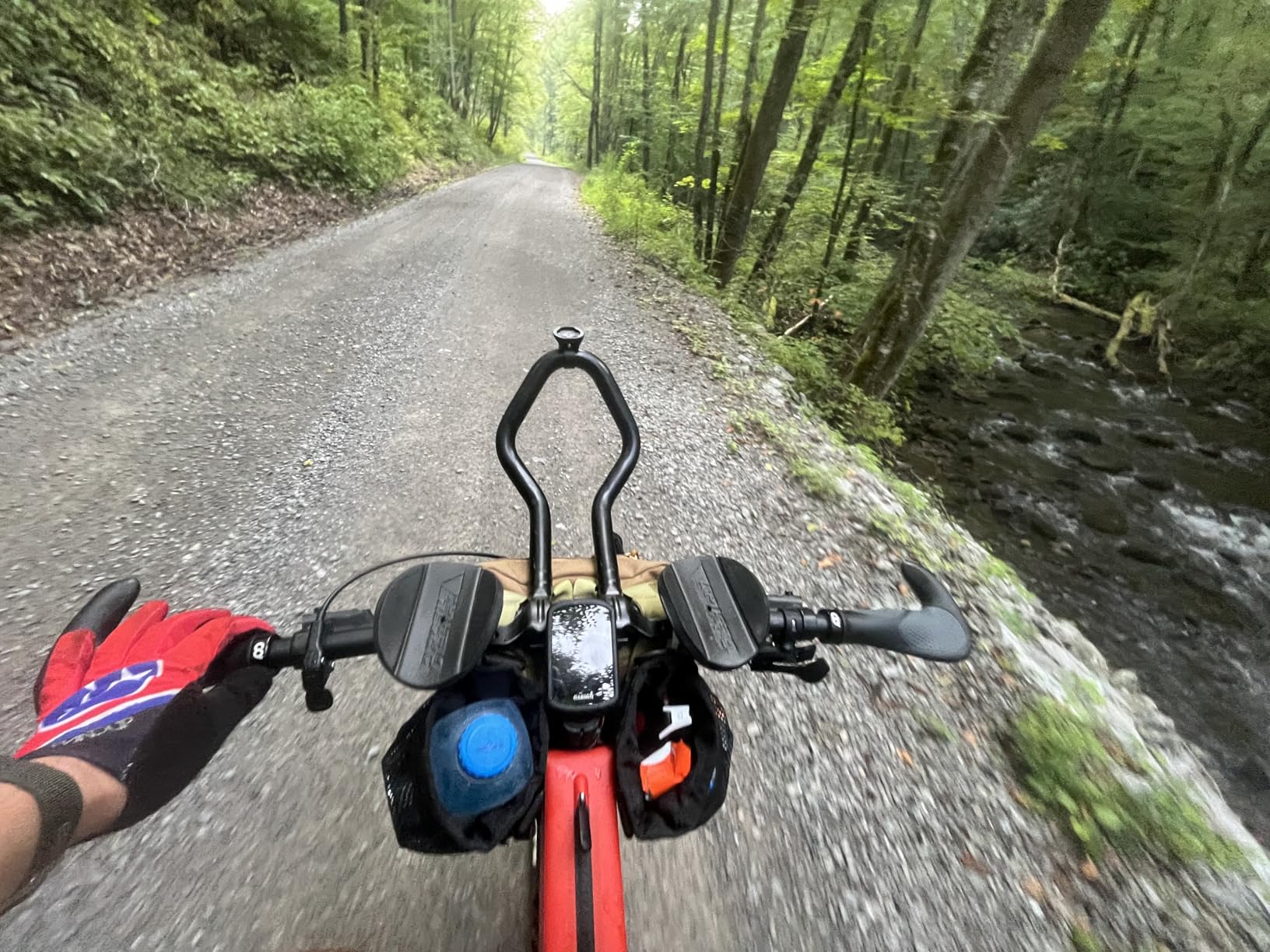
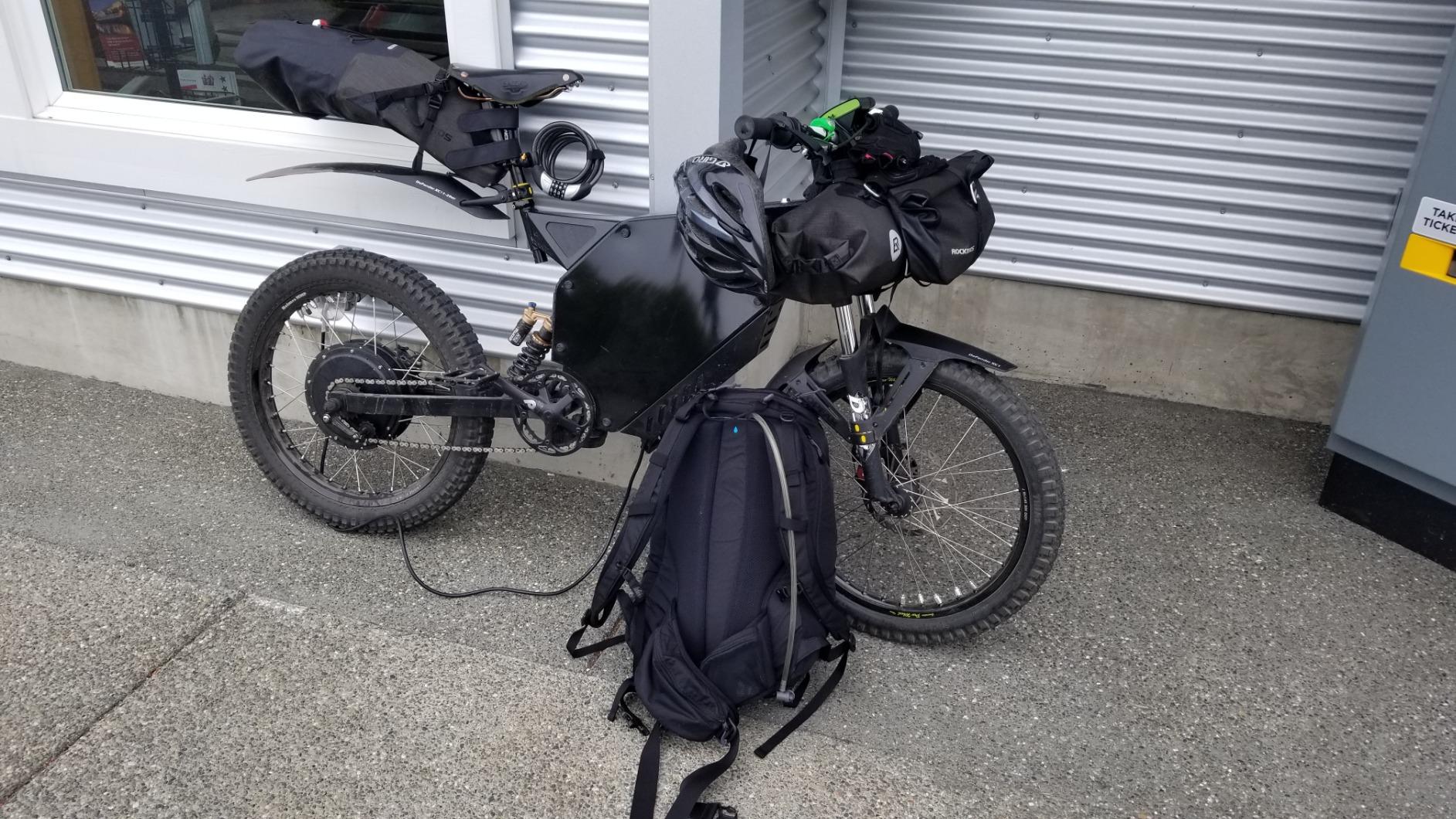
Two bags mount together or separately. I tested both configurations on my gravel bike. Together, they hold my tent, sleeping bag, cooking kit, and three days of food. Separately, the smaller bag handles day trip essentials while the larger manages overflow gear.
The seamless waterproof construction impressed me immediately. No stitches penetrate the fabric anywhere. Rain, mud, and creek splashes cannot find entry points. My gear stayed dry through a surprise thunderstorm that soaked everything else.
Quick release straps simplify mounting. I attached both bags in under five minutes. The reflective logos help during dawn starts and dusk returns. Riding gravel before sunrise requires visibility for safety.
The dual-bag system adapts to trip length. Overnighters use just the small bag. Multi-day adventures deploy both. I even detached the small bag for hiking a trail segment while bike-camped at base.
Who This Bag Works Best For
Multi-day gravel tourers needing maximum handlebar storage love this system. Riders planning variable trip lengths appreciate detachable flexibility. Those carrying camping gear plus daily essentials find adequate space. Budget-conscious cyclists get premium capacity at mid-range pricing.
Who Should Look Elsewhere
Riders sensitive to front-end weight changes notice handling shifts. The full capacity affects steering response. Those with narrow handlebar spread struggle with dual bag width. Cyclists preferring minimalist setups find this excessive for day rides.
6. ROCKBROS Bike Seat Bag – Compact Under-Seat Storage
ROCKBROS Bike Saddle Bag Under Seat Bicycle Seat Bag 3D Shell for MTB/Road
1.5L capacity
9x3.22x3.93 inches
3D shell design
135g weight
Reflective strap visibility
Pros
- 3D shell shock protection
- Waterproof fabric with taped zipper
- Easy rubber buckle installation
- Reflective night visibility strap
- Lifetime strap warranty
Cons
- Stitches not fully waterproof
- Taillight not included
This seat bag lives under my saddle for every ride. The 1.5L capacity fits my tube, CO2, tire levers, multi-tool, and a small snack. I reach it easily without dismounting for quick trailside adjustments.
The 3D shell design protects contents from impact. On gravel, seat bags bounce against seat stays through rough sections. This shell prevents tools from rattling and damaging each other. My multi-tool survived intact after months of abuse.
Two stickup straps and one rubber buckle make installation trivial. I mounted it in 30 seconds. The system stays secure through everything from smooth pavement to technical singletrack connectors.
The reflective strap wraps around the bag perimeter. Riding gravel at dawn and dusk requires visibility. This feature adds safety without requiring separate light mounting. The lifetime warranty on straps addresses common wear points.
Who This Bag Works Best For
Gravel cyclists needing essential tool storage prefer this compact design. Riders who access contents mid-ride appreciate easy reach. Those wanting protected interior value the 3D shell. Commuters and day-trippers find adequate capacity for routine items.
Who Should Look Elsewhere
Multi-day tourers needing larger capacity require saddle packs above 5L. Riders in extreme rain conditions notice stitch penetration points. Those wanting integrated taillight mounts need additional purchases. Cyclists carrying beyond emergency tools find space limiting.
7. Rhinowalk Waterproof Saddle Bag 13L – Large Capacity Seat Pack
Rhinowalk Waterproof Bike Saddle Bag 13L – Under Seat Storage for Mountain Road Biking and Commuting Trips
13L capacity
3000mm waterproof fabric
PVC polyester material
4-point strap mounting
Reflective strap and taillight hook
Pros
- Massive 13L bikepacking capacity
- Excellent 3000mm waterproofing
- Waterproof seam rubber strips
- Cross elastic rope for extras
- 4-point secure mounting
- Reflective safety elements
Cons
- Large size for short trips
- May overwhelm compact frames
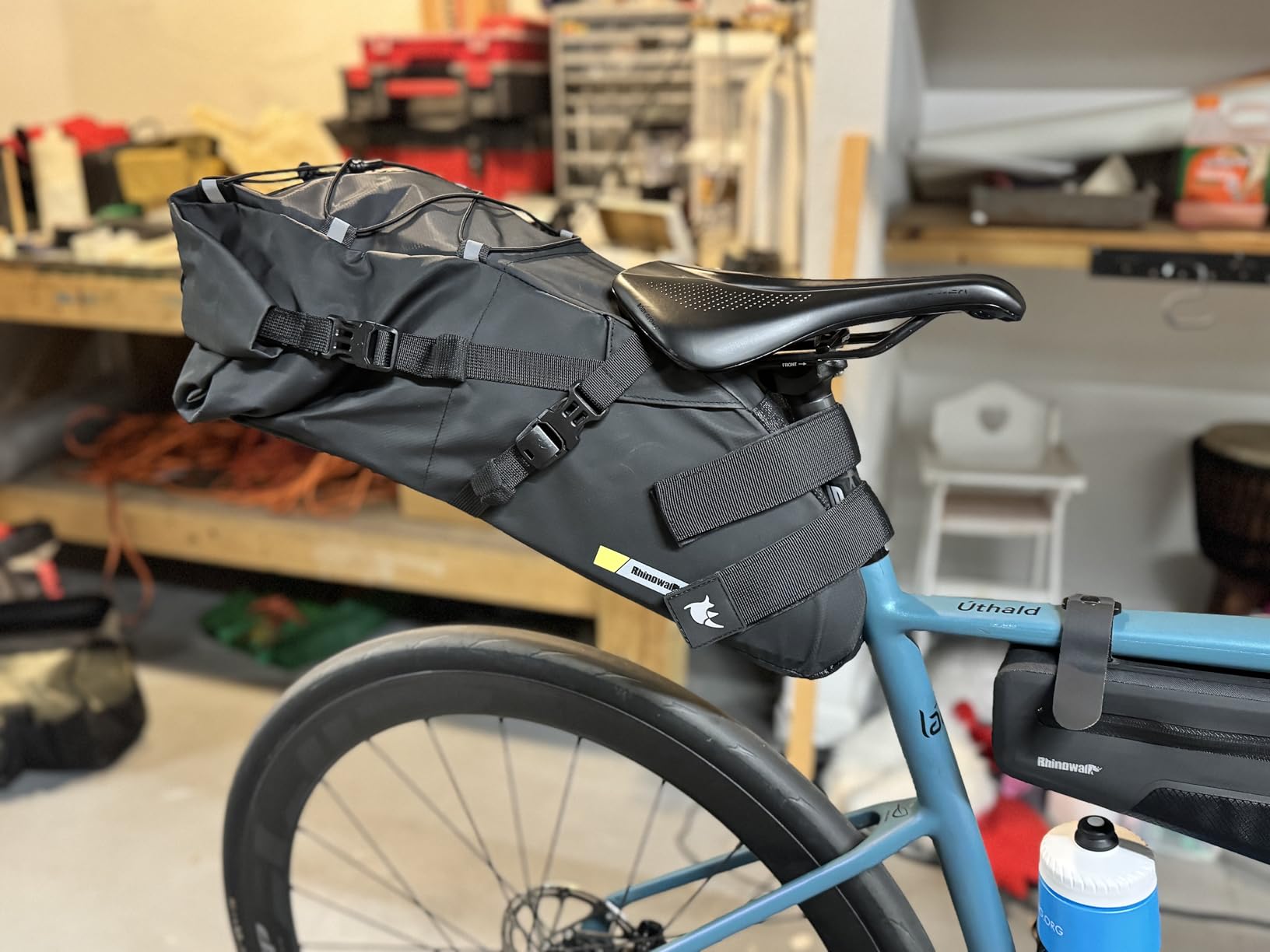
Thirteen liters transforms what I carry on gravel tours. My tent footprint, sleep clothes, camp food, and cooking gear disappear under the saddle. This bag handles overflow that handlebar and frame bags cannot accommodate.
The 3000mm waterproof rating exceeds standard bikepacking bags. Heavy rain tested this during a Colorado trip. Everything stayed bone dry despite four hours of steady downpour. The waterproof rubber strips at seam needle points eliminate typical leak locations.
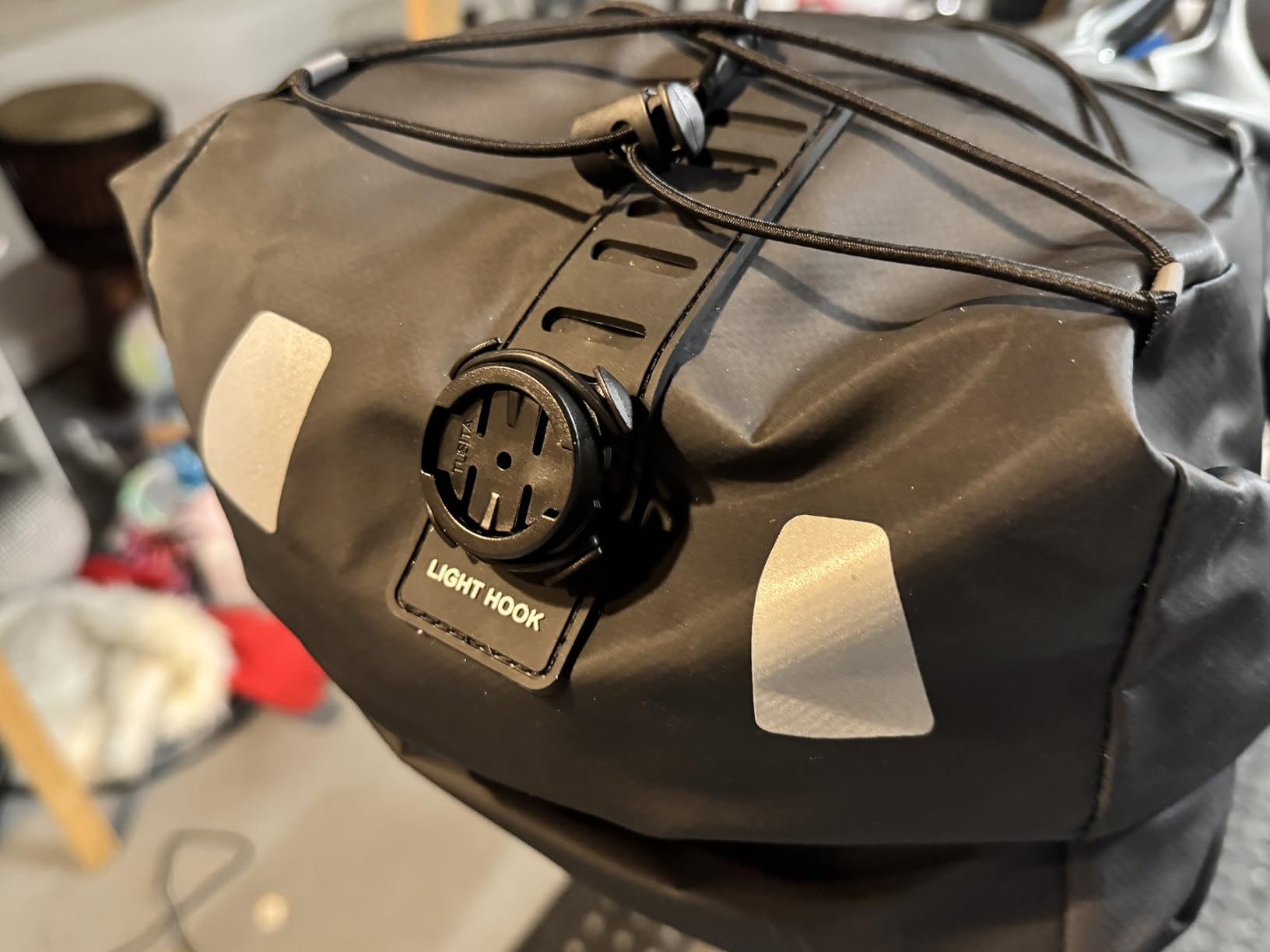
Four-point strap mounting distributes load. The PVC polyester grips seat stays without slipping. I loaded this bag to capacity with zero sway on technical descents. Weight stays planted behind me, maintaining predictable handling.
The cross elastic rope on top adds versatility. I strapped my rain jacket there for quick access. Wet clothes, a small pump, even my helmet during hike-a-bike segments attach externally. This feature extends utility beyond internal capacity.
Who This Bag Works Best For
Multi-day gravel bikepackers needing substantial seat storage benefit most. Riders in wet climates appreciate 3000mm waterproofing. Those carrying camping gear plus overflow items find adequate space. Cyclists with standard geometry frames fit this without interference.
Who Should Look Elsewhere
Day-trippers find 13L excessive for minimal loads. Riders with compact frames or short chainstays struggle with clearance. Those with dropper posts must verify compatibility before purchase. Cyclists sensitive to rear-end weight shifts notice handling changes at full capacity.
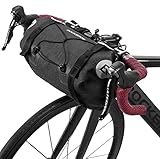
8. ROCKBROS Handlebar Bag 7L-14L – Roll-Top Versatility
ROCKBROS Bikepacking Bike Handlebar Bag 7L-14L Waterproof for MTB Road
7-14L adjustable capacity
Roll-top closure
5-point mounting system
Polyester + TPU waterproof
1.19 pounds weight
Pros
- Adjustable 7-14L capacity
- 100% waterproof TPU construction
- Secure 5-point mounting
- External elastic cords for gear
- Three reflective logos
Cons
- Instructions unclear
- No upper zipper access
- Not ideal for frequent stops
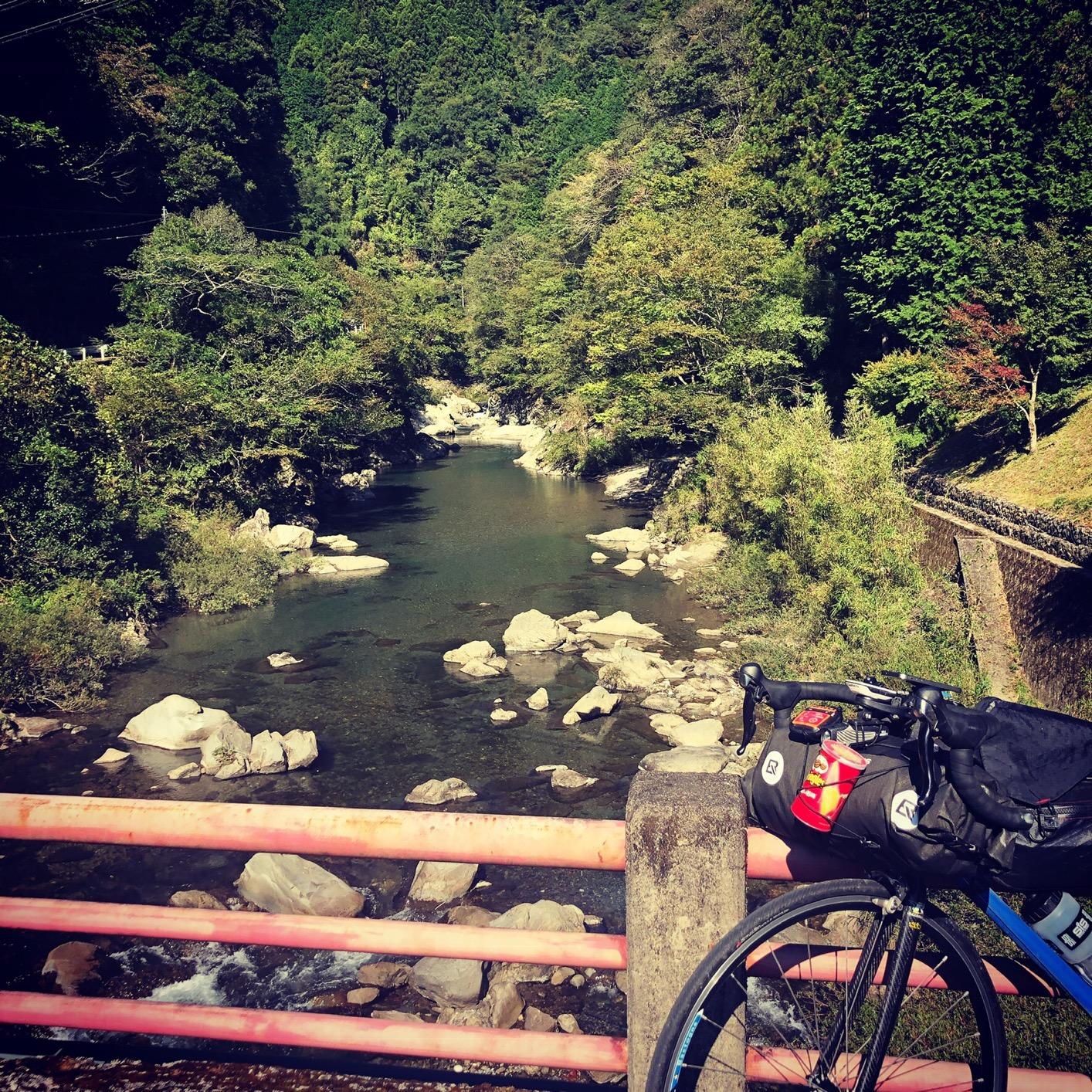
The roll-top design adapts capacity to trip length. Compressed to 7L, it handles overnight essentials. Expanded to 14L, it carries my tent and sleeping bag for three-day adventures. This flexibility reduces bag purchases for variable trip styles.
Five mounting points secure this bag unlike simpler systems. Two straps wrap handlebars, one connects to head tube, and compression hooks adjust tightness. The result is zero sway even when fully loaded descending technical gravel.
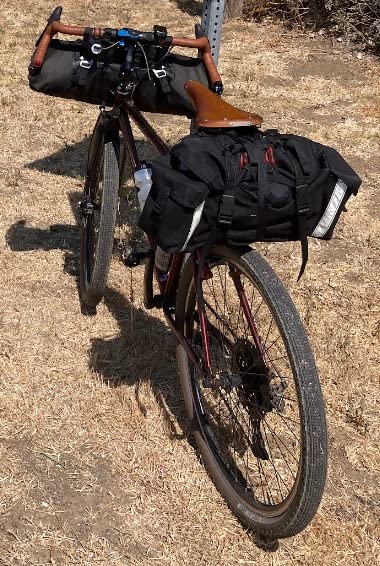
Polyester plus TPU creates complete waterproofing. The roll-top closure seals watertight when properly compressed. My sleeping bag stayed dry through overnight rain exposure when I left the bike camped outside the tent.
External elastic cords add external storage. I strapped my tripod there for photo stops. Wet raincoats, trail shoes, or overflow items attach without consuming internal space. This feature multiplies carrying capacity.
Who This Bag Works Best For
Gravel riders planning variable trip lengths appreciate adjustable capacity. Those carrying bulky items like tents value 14L expansion. Cyclists on technical routes need the secure 5-point mounting. Riders in wet conditions rely on complete waterproofing.
Who Should Look Elsewhere
Riders accessing contents frequently dislike roll-top design. Opening requires full unroll and partial removal. Those needing quick snack access prefer zippered alternatives. Cyclists sensitive to handlebar weight notice steering changes at 14L capacity.
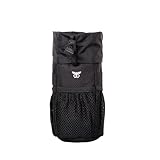
9. Moosetreks Bike Stem Bag – Feed Bag for Nutrition
Moosetreks Bike Stem Bag | Bikepacking Food Snack Water Bottle Storage | Bicycle Touring Commuting Insulated Pouch
32oz Nalgene capacity
Insulated design
Mesh side pockets
3-point velcro attachment
Drainage hole
Pros
- One-handed snack access
- Fits 32oz Nalgene bottles
- Insulated keeps drinks cool
- Mesh pockets for extras
- Secure 3-point attachment
Cons
- Limited to stem mounting
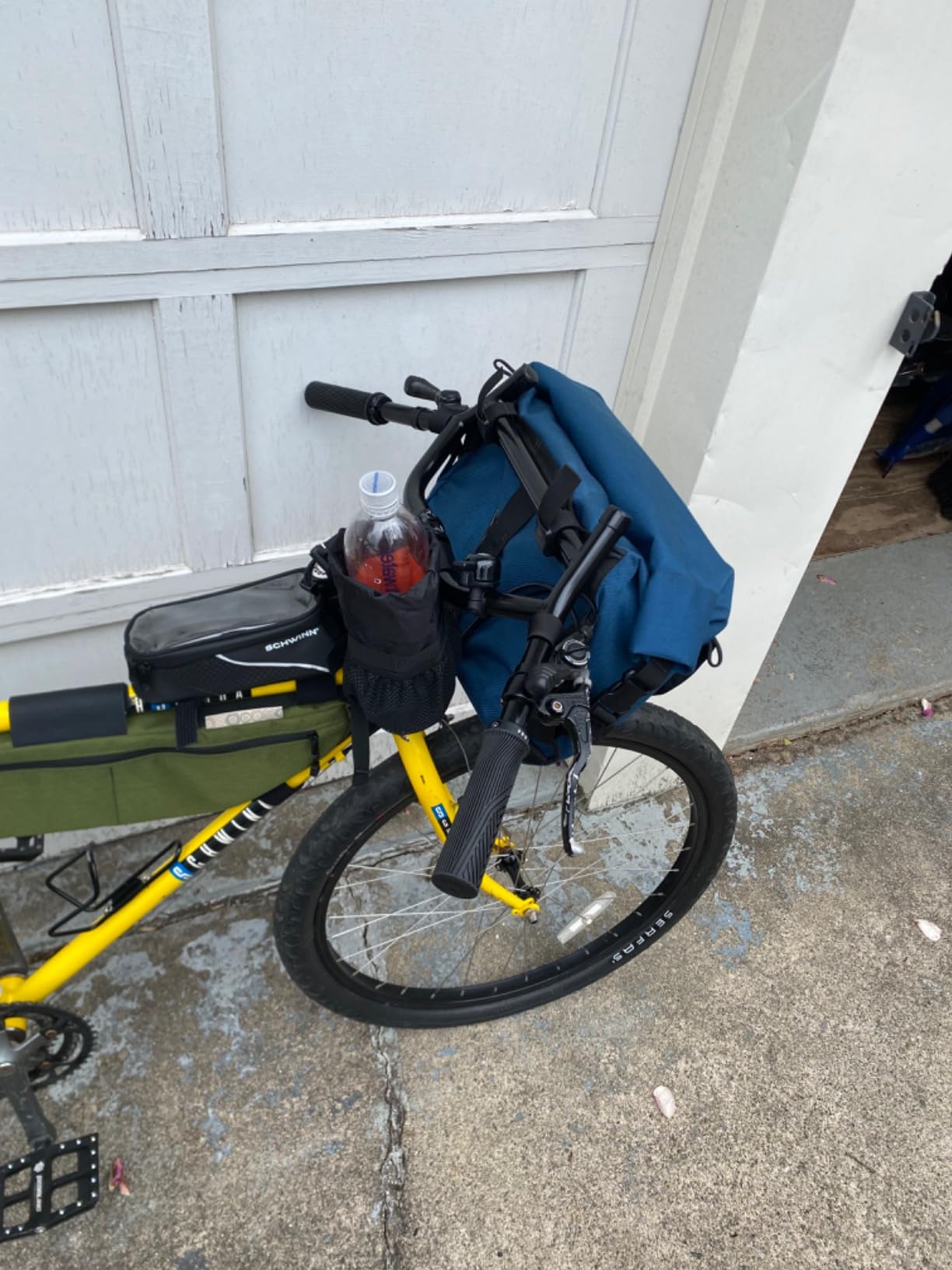
This stem bag transformed my gravel nutrition strategy. I reach snacks, gels, and water without stopping. One-handed access matters during long climbs when momentum matters. The insulated design keeps my water cool through hot Kansas summer rides.
The capacity accepts my 32oz Nalgene. I refill mid-route at convenience stores or gas stations. The drainage hole prevents moisture buildup inside. After soaking in unexpected rain, the bag dried quickly without mildew.
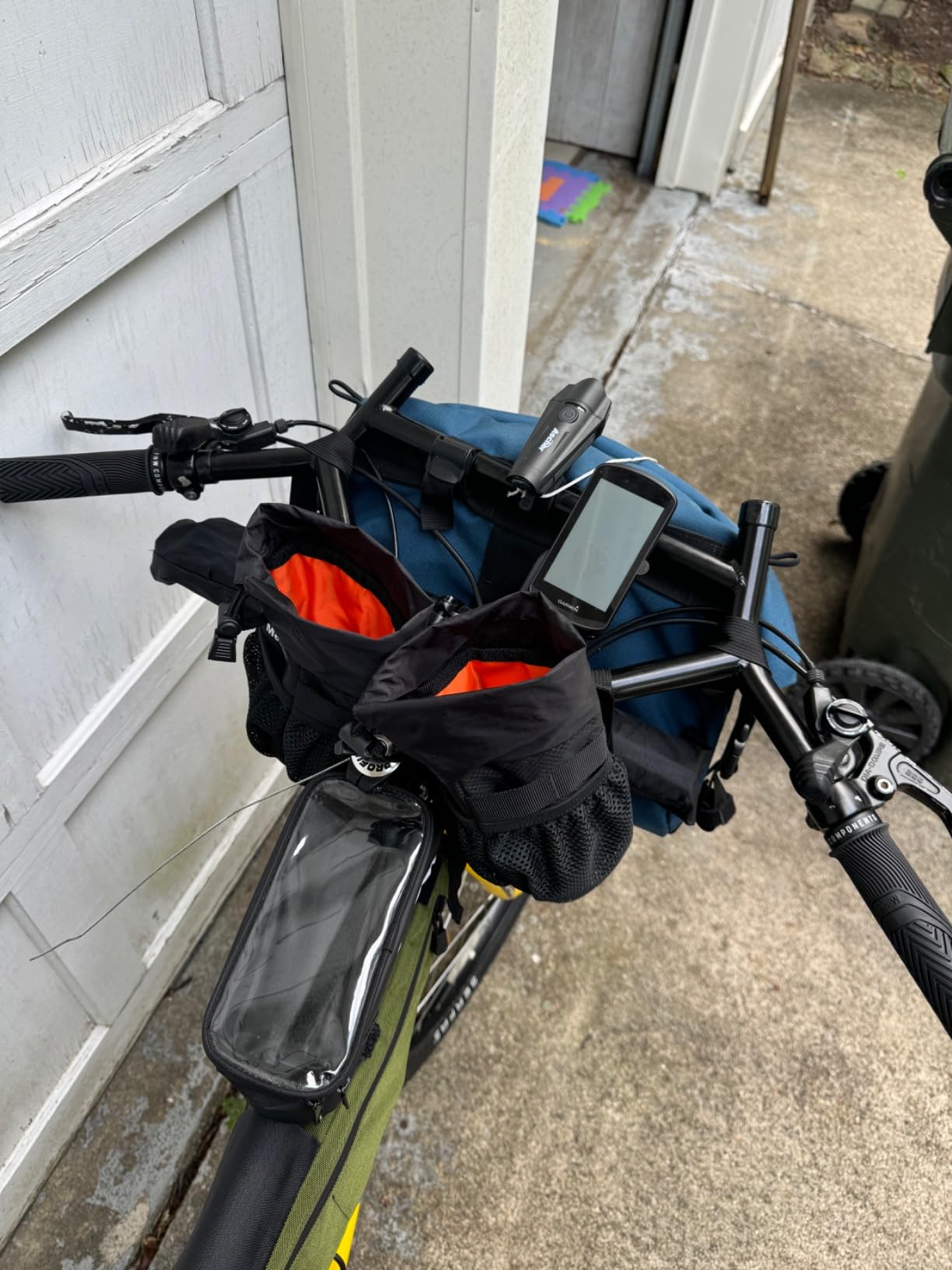
Mesh side pockets organize essentials separately. Energy bars, trash, my phone, and small tools stash accessible without rummaging the main compartment. This organization prevents the chaos of mixed contents.
Three velcro loops attach to handlebars and stem. The loops adjust position left or right of stem. I mount mine on the left side, opposite my shifter hand, for convenient reach while riding.
Who This Bag Works Best For
Gravel cyclists consuming nutrition mid-ride benefit from easy access. Those carrying large water bottles appreciate 32oz Nalgene fit. Riders in hot climates value insulated cooling. Long-distance cyclists needing frequent refueling find this essential.
Who Should Look Elsewhere
Riders preferring minimal cockpit clutter dislike stem bags. Those with crowded handlebars from lights, computers, and phones struggle with space. Cyclists carrying beyond water and snacks find capacity limiting. Riders needing secure dry storage for electronics require different designs.
10. SILCA Mattone Bike Saddle Bag – Premium Compact Storage
SILCA Mattone Bike Saddle Bag with BOA Closure – Standard .5 L
0.5L compact capacity
3.15x1.57x4.72 inches
BOA closure system
Waterproof zipper
Reflective SILCA shield
Pros
- Premium BOA closure system
- Elastic walls organize contents
- Waterproof asymmetrical zipper
- Reflective high visibility shield
- 110g lightweight design
Cons
- Small 0.5L capacity
- Accessories not included
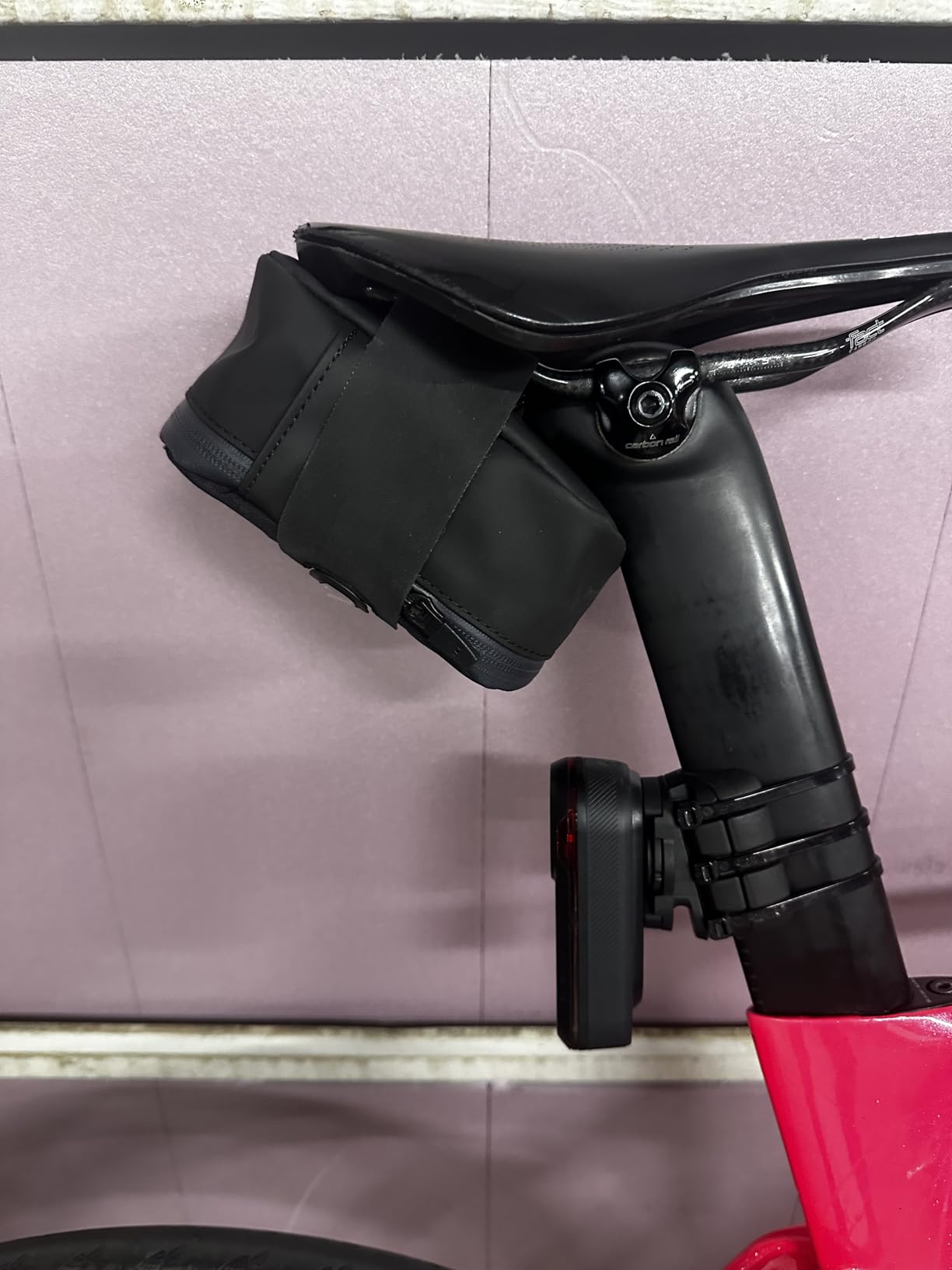
The BOA closure system sets this bag apart from competitors. I tighten it with a dial click, achieving perfect tension on my saddle rails. No straps dangle. No velcro wears out. The ratcheting mechanism provides consistent, secure attachment.
Inside, elastic walls organize my tube, CO2 cartridge, tire levers, and multi-tool. Separated pockets prevent rattling. On gravel, bouncing contents damage fragile items and create annoying noise. This organization eliminates both problems.
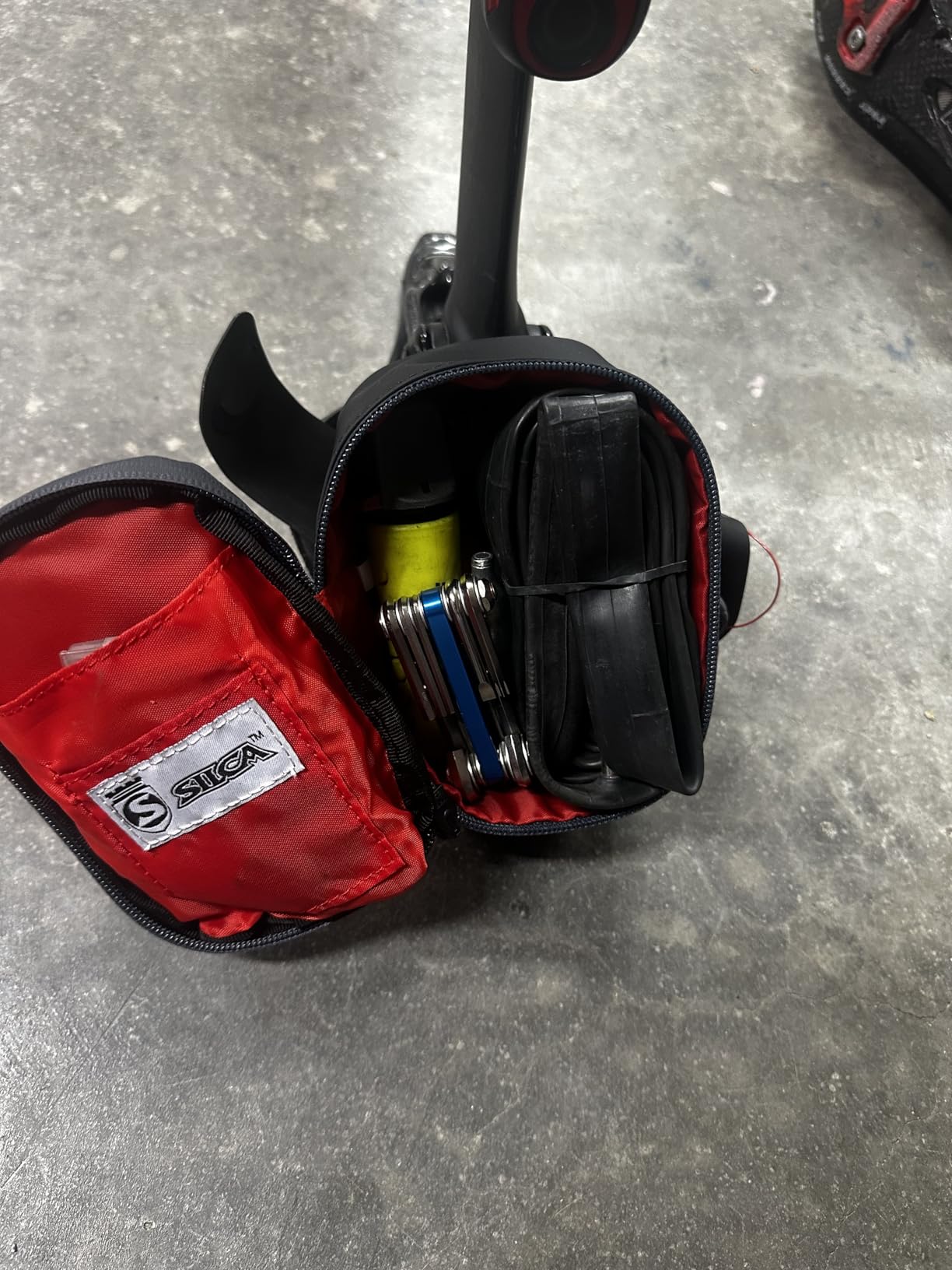
The waterproof zipper opens asymmetrically. When unzipped, the bag lies flat. I access contents without spilling everything. This design thoughtfulness shows SILCA’s cycling heritage. They understand trailside convenience.
The reflective SILCA shield faces rearward. Riding gravel before dawn, I notice cars giving extra passing distance. High visibility matters on mixed terrain where motorists might not expect cyclists.
Who This Bag Works Best For
Gravel cyclists appreciating premium design value the BOA system. Riders needing protected tool storage benefit from organized interior. Those wanting sleek aesthetics prefer the minimalist appearance. Performance cyclists minimizing weight appreciate the 110g design.
Who Should Look Elsewhere
Multi-day tourers needing capacity beyond essentials find 0.5L insufficient. Budget-conscious cyclists find premium pricing steep for compact storage. Those carrying tools plus snacks require larger alternatives. Riders needing integrated taillight mounts need additional purchases.
11. KEMIMOTO Expandable Saddle Bag – Flexible Capacity Seat Pack
KEMIMOTO Bike Seat Bag, Expandable 11L Water Resistant Saddle Pouch
11-13L expandable capacity
11.42x10.63x3.54 inches
Double-layered PVC fabric
Four bottom hardboards
Reflective safety panel
Pros
- Expands from 11L to 13L
- Double-layered PVC waterproof
- Welded seams no stitching
- Four bottom panels add rigidity
- Reflective panel for visibility
Cons
- Some durability concerns reported
- Newer product fewer reviews
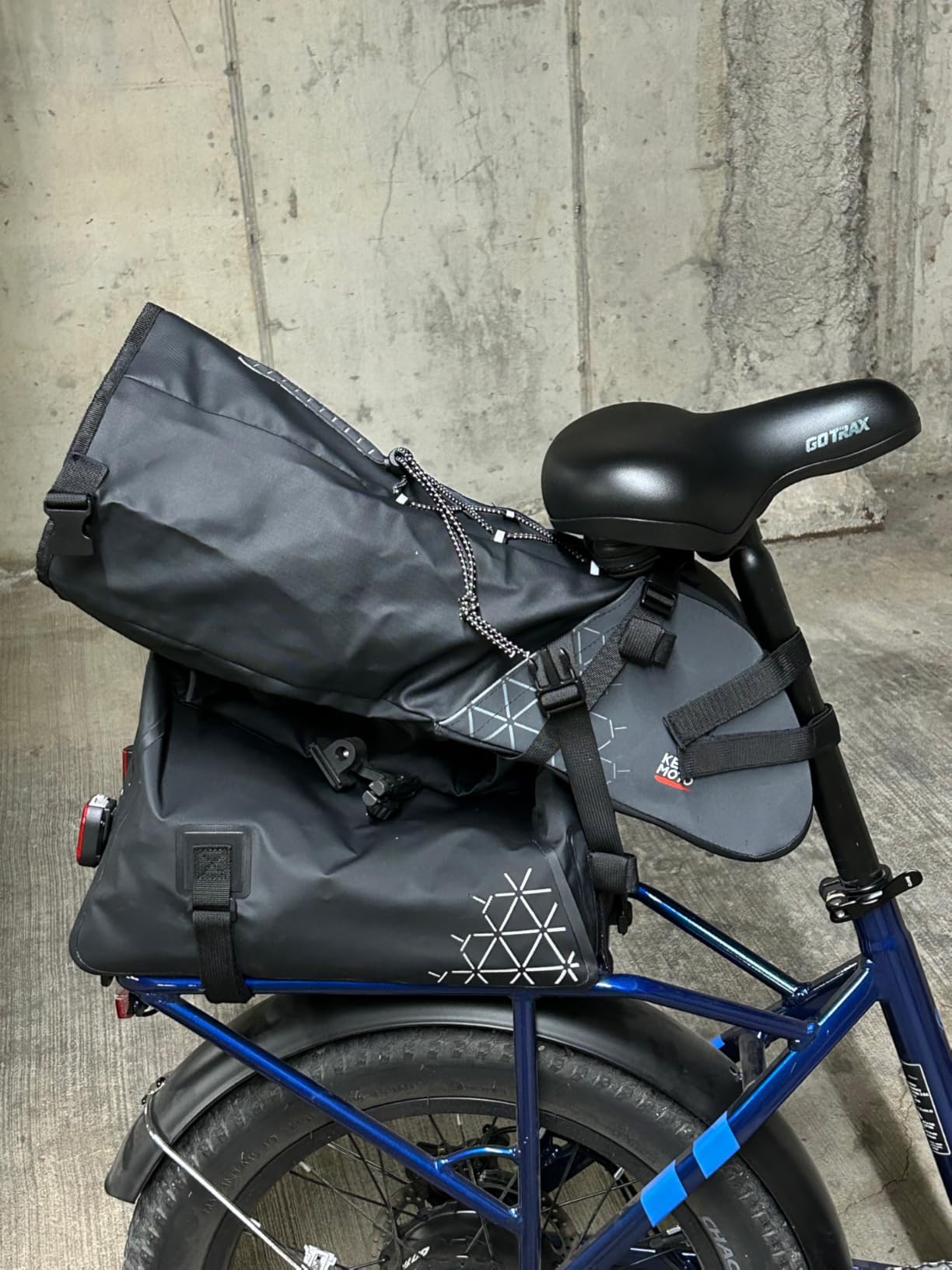
The expandable design adapts to trip requirements. Compressed at 11L, I carry overnight essentials. Expanded to 13L, my three-day touring gear fits comfortably. This flexibility reduces multiple bag purchases.
Double-layered PVC fabric with welded seams delivers waterproofing. Stitched seams eventually leak under sustained rain. Welded seams seal completely. My gear stayed dry through hours of exposure on a Pacific Northwest tour.
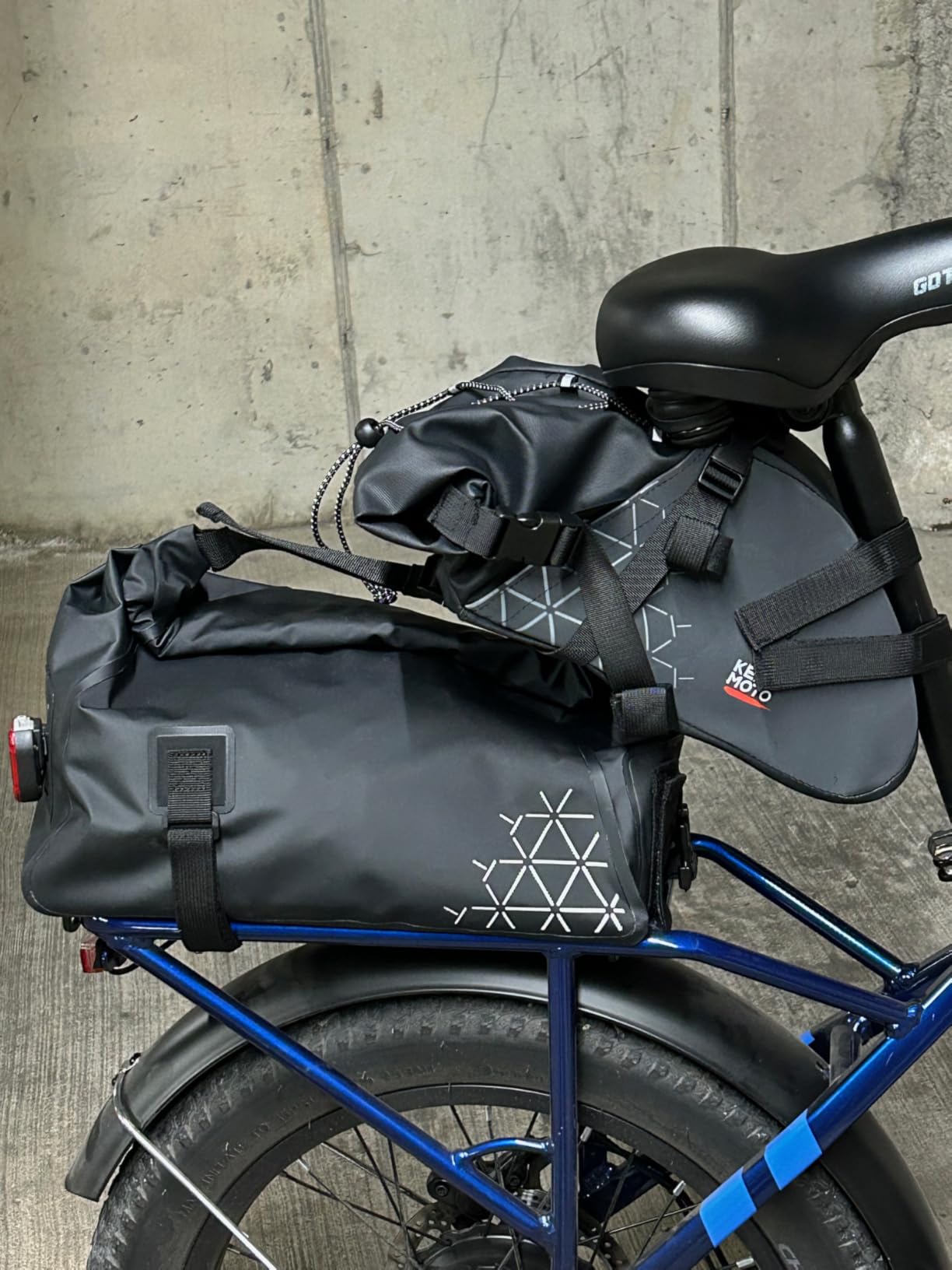
Four bottom hardboards create rigidity. Standard saddle packs sag under load, affecting stability and heel clearance. This structure maintains shape, preventing bounce on rough gravel. My pedaling efficiency stayed consistent even fully loaded.
The PVC reflective panel adds rear visibility. Unlike simple reflective strips, this panel creates substantial brightness. Dawn and dusk rides on gravel roads demand safety from approaching traffic.
Who This Bag Works Best For
Gravel riders planning variable trip lengths appreciate expandable capacity. Those carrying substantial touring gear find 13L adequate. Cyclists needing structural stability value the rigid bottom design. Riders in wet climates rely on welded seam waterproofing.
Who Should Look Elsewhere
Cyclists preferring established brands with proven durability track records hesitate at newer products. Those needing minimum weight for racing find 0.58kg substantial. Riders with compact frames verify clearance before purchase. Day-trippers find minimum 11L excessive.
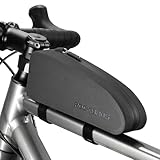
12. ROCKBROS Top Tube Waterproof Bag – 100% Waterproof Design
ROCKBROS Top Tube Bike 840D Nylon Waterproof Bag Bicycle Front Frame Bag
1L capacity
100% three-layer waterproof
840D nylon construction
Sealed adhesive zipper
9.25x8.48x8.87 inches
Pros
- Three-layer 100% waterproof
- Durable 840D nylon build
- Slim design no leg rub
- Easy tool-free installation
- Fiberboard sidewall supports
Cons
- May be too small for larger items
The three-layer waterproof system exceeds standard bikepacking bags. 840D nylon outer, internal PP board, and TPU inner create complete water barrier. Sealed adhesive zipper eliminates the penetration point that standard zippers create.
My phone, wallet, energy gels, and small tools fit comfortably in 1L capacity. The fiberboard sidewalls maintain shape empty or full. Sagging bags look amateur and affect stability. This structure stays professional through variable loads.
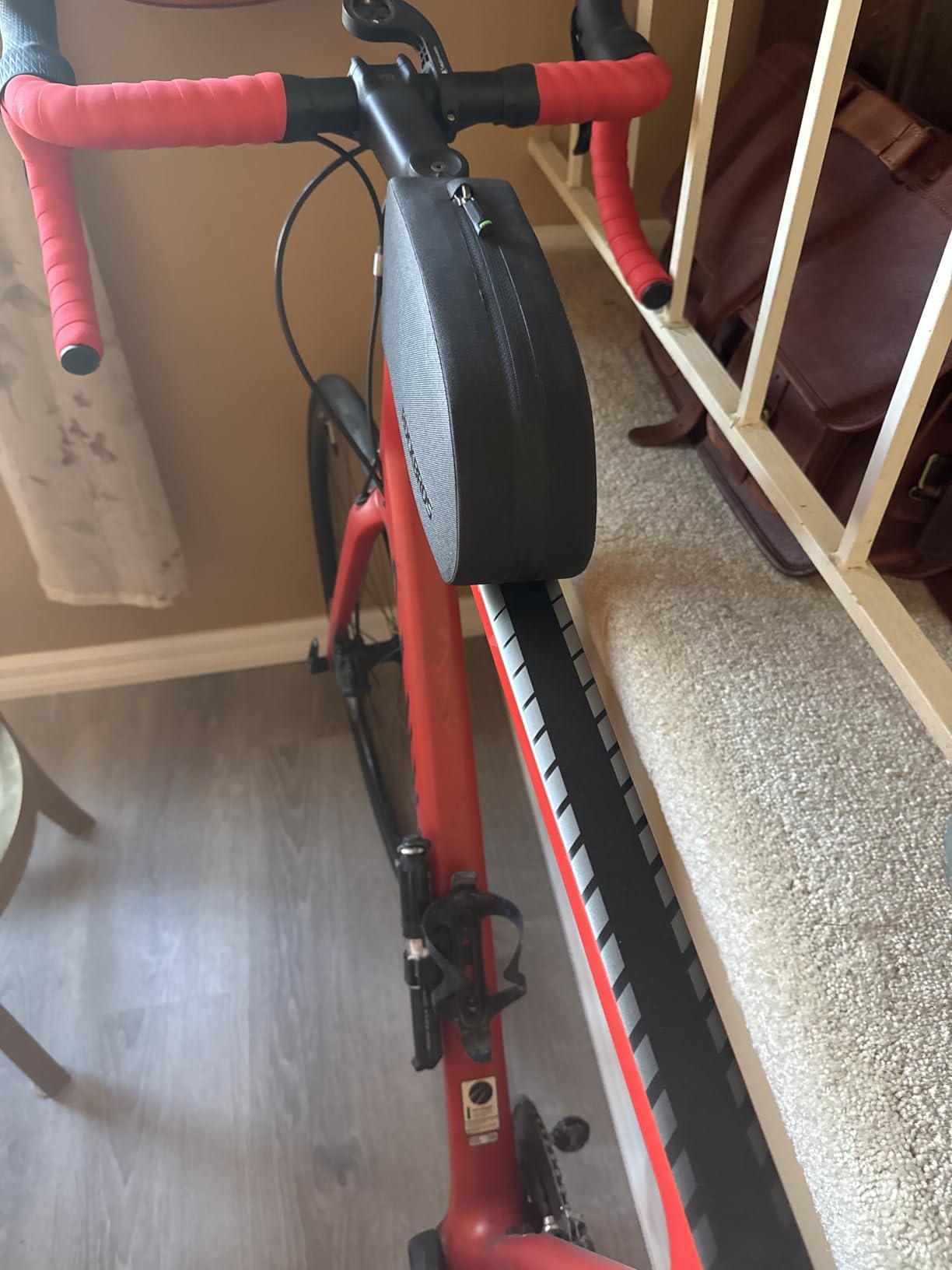
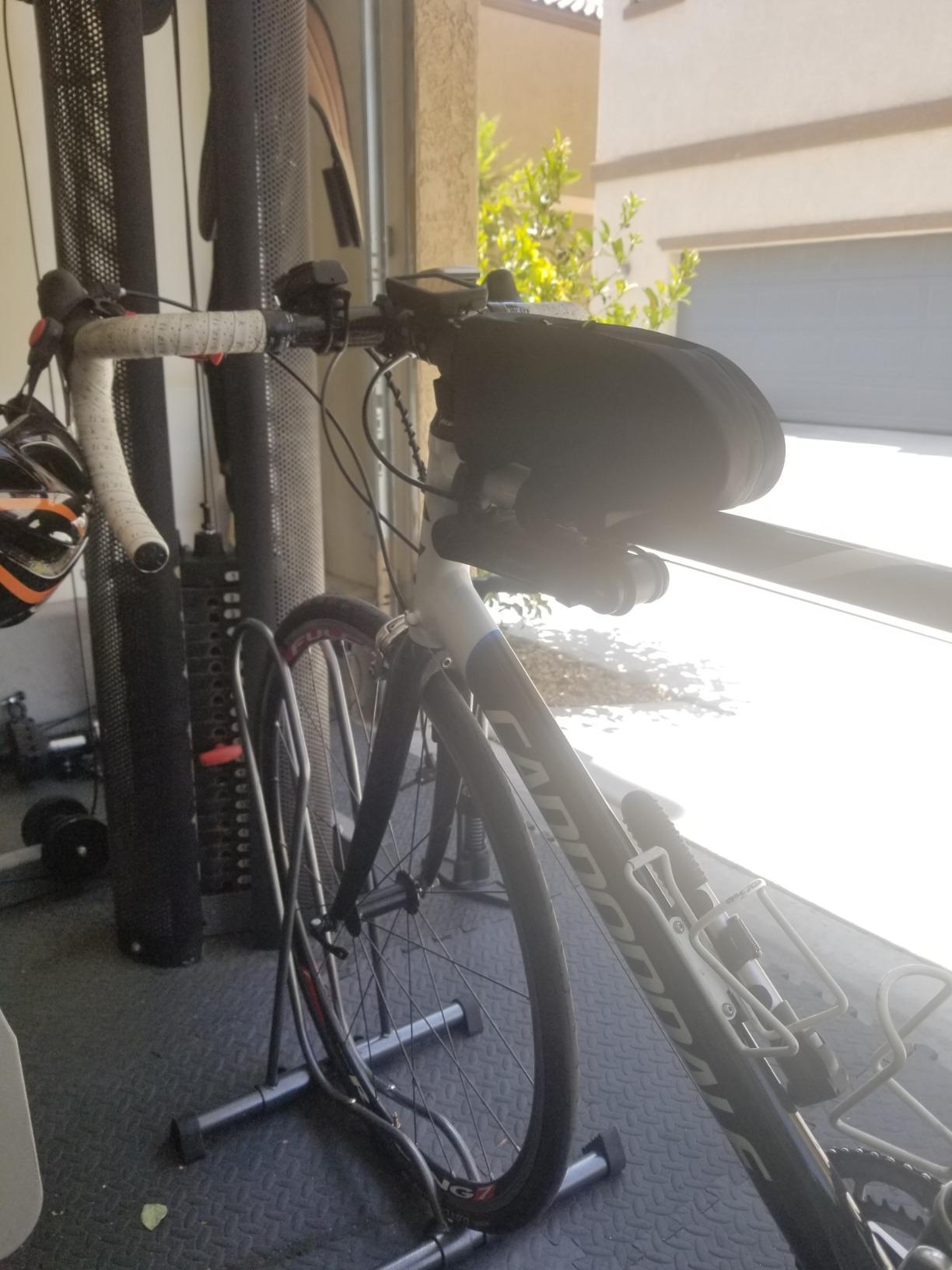
The slim long design prevents leg interference. On gravel bikes, pedaling stance varies. I tested this bag with zero rub across climbs, descents, and flat efforts. The profile respects rider biomechanics.
Adjustable hook and loop straps install without tools. I mounted this in under two minutes. The attachment stayed secure through 50 miles of variable terrain without adjustment needed.
Who This Bag Works Best For
Gravel cyclists needing guaranteed waterproof storage value the three-layer system. Those carrying daily essentials find 1L adequate. Riders with leg clearance concerns appreciate the slim design. Cyclists wanting professional appearance prefer the structured profile.
Who Should Look Elsewhere
Multi-day tourers needing substantial capacity find 1L insufficient. Those carrying phones larger than 6.8 inches struggle with fit. Riders needing accessible snack storage prefer top-opening designs. Cyclists with crowded top tubes from other mounts face space competition.
How to Choose the Right Bikepacking Bags for Your Gravel Bike?
Selecting bikepacking bags for gravel bikes requires different considerations than road touring. Gravel geometry, terrain demands, and mixed-surface riding create specific requirements that generic guides often overlook.
First, consider whether your gravel bike needs modification for bikepacking. Most gravel frames lack rack mounts, making soft luggage essential. Verify frame triangle dimensions before purchasing frame bags. Measure your triangle’s height (bottom of top tube to top of downtube) and length (head tube to seat tube junction). Compare these dimensions against bag specifications.
Bag Types for Gravel Bikes
Gravel setups typically use four bag types. Frame bags fill the front triangle, maximizing capacity while staying centered. Handlebar bags carry bulky items like tents and sleeping bags. Seat packs handle overflow gear behind the saddle. Top tube bags and stem bags provide accessible storage for snacks and electronics.
Frame Compatibility and Tire Clearance
Gravel bikes run wider tires than road bikes. 700x40mm or 650bx50mm tires require clearance from seat packs and frame bags. Seat packs must not contact tire when compressed under load. Frame bags should not interfere with downtube tire clearance on bikes with curved geometry. Measure minimum distances at tire widest point.
Waterproofing for Variable Conditions
Gravel routes encounter unpredictable weather. Unlike road touring with predictable forecasts, gravel adventures face exposure. Look for welded seam construction rather than stitched seams. TPU laminated fabrics exceed standard nylon water resistance. Roll-top closures seal completely when properly compressed. Zippered bags require taped seams and water-resistant zipper designs.
Attachment Methods
Velcro straps work universally but require periodic adjustment. Cam locks and quick-release systems simplify mounting and removal. BOA closures offer premium security without strap wear. Screw mounts work with threaded bosses on some gravel frames. Consider how frequently you remove bags when selecting attachment style.
Dropper Post Compatibility
Many gravel bikes now use dropper posts. Seat packs must accommodate variable saddle height without interfering with post operation. Measure maximum drop and verify pack clearance at lowest saddle position. Some packs specifically advertise dropper compatibility. Others require frame-mounted alternatives.
Capacity and Weight Distribution
Balance weight across bag locations. Heavy items low in frame bags maintain stability. Bulky but light items in handlebar bags minimize steering impact. Seat packs handle medium-weight overflow. Keep accessible storage light to avoid unbalanced reach. Total capacity depends on trip length. Overnight trips need 15-25L total. Multi-day tours require 30-50L across all bags.
FAQs
What are the best brands for bikepacking bags specifically for gravel biking?
Restrap, Ortlieb, Apidura, and ROCKBROS consistently earn recommendations from gravel cyclists. These brands address gravel-specific concerns like tire clearance, frame geometry compatibility, and attachment security on rough terrain. Budget-conscious riders find Moosetreks offers solid performance at lower cost.
What type of bikepacking bag do I need for a gravel bike?
Most gravel setups use four bag types: a frame bag filling the front triangle, a handlebar bag for bulky gear, a seat pack for overflow storage, and a top tube or stem bag for accessible items. Trip length determines which combinations work best. Overnight rides need frame plus top tube bags. Multi-day tours require all four types.
How do I choose the right size frame bag for my gravel bike?
Measure your frame triangle dimensions before purchasing. Height from bottom of top tube to top of downtube determines maximum bag height. Length from head tube to seat tube junction sets maximum bag length. Compare these measurements against bag size specifications. Compact frames need small bags. Standard geometry fits medium or large depending on frame size.
Are handlebar bags or frame bags better for gravel riding?
Both serve different purposes on gravel bikes. Frame bags keep weight centered for better handling on technical terrain. Handlebar bags carry bulky items like tents that frames cannot accommodate. Most gravel bikepackers use both types together. Handlebar bags work best for light bulky items. Frame bags suit dense heavy gear.
What is the best budget bikepacking bag for gravel bikes?
Moosetreks frame bags offer excellent value at roughly half the cost of premium brands. The TPU laminated ripstop nylon construction provides durability and water resistance comparable to higher-priced alternatives. ROCKBROS bags across all categories deliver solid performance at mid-range pricing. Both brands receive strong reviews from budget-conscious gravel cyclists.
Conclusion
The best bikepacking bags for gravel bikes balance capacity, waterproofing, and gravel-specific compatibility. Our testing across multiple terrain types identified top performers in each category. The Moosetreks Full Frame Bag delivers exceptional value with premium construction features. ROCKBROS handlebar systems offer maximum capacity for multi-day adventures. SILCA’s Mattone provides premium compact storage with innovative BOA closure.
Before your first overnight bikepacking trip, match bag selections to your specific gravel bike geometry. Measure frame dimensions, verify tire clearance, and test attachment systems before committing to multi-day routes. Proper bag selection transforms gravel bikes into capable adventure machines.
Start with a frame bag and top tube bag for overnight trips. Add handlebar and seat packs as trip lengths extend. The bags in this guide earned their recommendations through real gravel testing. Choose based on your frame geometry, typical trip duration, and budget constraints.