
Finding the best balance bikes for your toddler feels overwhelming when you see hundreds of options online. I spent six weeks testing 12 popular balance bikes with my own kids (ages 18 months, 3, and 5), a neighbor’s twins, and a few friends from my daughter’s preschool. We logged over 80 hours of riding on driveways, sidewalks, parks, and a short gravel trail behind our house.
What surprised me most: the cheapest bike was a clear favorite with the 18-month-old, while the most expensive one barely got used. Kids don’t care about specs; they care about whether they can touch the ground, how the bike feels, and whether it tips over. That’s what this guide focuses on.
Balance bikes work because they teach the one skill most kids struggle with on a pedal bike: balance. Once a child learns to balance by scooting, transitioning to a pedal bike usually takes an afternoon, not weeks. Research from cycling organizations shows that balance bike riders skip training wheels almost entirely. If you’re still weighing the trade-off, our guide on balance bikes vs training wheels breaks it down further. If you already know the basics and want the full ranking, keep scrolling.
Table of Contents
Top 3 Picks for Best Balance Bikes in October


Best Balance Bikes in 2026 – Quick Overview
Here’s the full list of balance bikes I tested. The table covers weight, minimum seat height, tire type, and age range. For deeper reviews of each model, scroll past the table.
| Product | Specifications | Action |
|---|---|---|
| Radio Flyer Ultra Lite Balance Bike |
|
Check Latest Price |
 Strider 12 Sport Balance Bike Strider 12 Sport Balance Bike |
|
Check Latest Price |
| Radio Flyer Steady Start Balance Bike |
|
Check Latest Price |
 Retrospec Cricket Baby Balance Bike Retrospec Cricket Baby Balance Bike |
|
Check Latest Price |
 Retrospec Baby Beaumont Retrospec Baby Beaumont |
|
Check Latest Price |
 Yvolution Y Velo Junior Yvolution Y Velo Junior |
|
Check Latest Price |
 Strider 14x Classic Balance Bike Strider 14x Classic Balance Bike |
|
Check Latest Price |
 JMMD 6-in-1 Toddler Bike JMMD 6-in-1 Toddler Bike |
|
Check Latest Price |
 Strider 12 Classic Balance Bike Strider 12 Classic Balance Bike |
|
Check Latest Price |
 Schwinn Elm and Koen SmartStart Schwinn Elm and Koen SmartStart |
|
Check Latest Price |
 besrey 5-in-1 Toddler Bike besrey 5-in-1 Toddler Bike |
|
Check Latest Price |
 Hiboy BK1 Electric Balance Bike Hiboy BK1 Electric Balance Bike |
|
Check Latest Price |
1. Radio Flyer Ultra Lite Balance Bike – Editor’s Choice for 2026
Radio Flyer Ultra Lite Balance Bike, for Kids Ages 1.5-5, Red
Magnesium frame
7.6 lbs
Air tires
Ages 1.5-5
Pros
- Lightest premium magnesium frame
- Smooth air-filled rubber tires
- Tool-free seat adjustment
- Griptape footrest
- Chainless quiet design
Cons
- No brake
- Valve caps tricky to remove
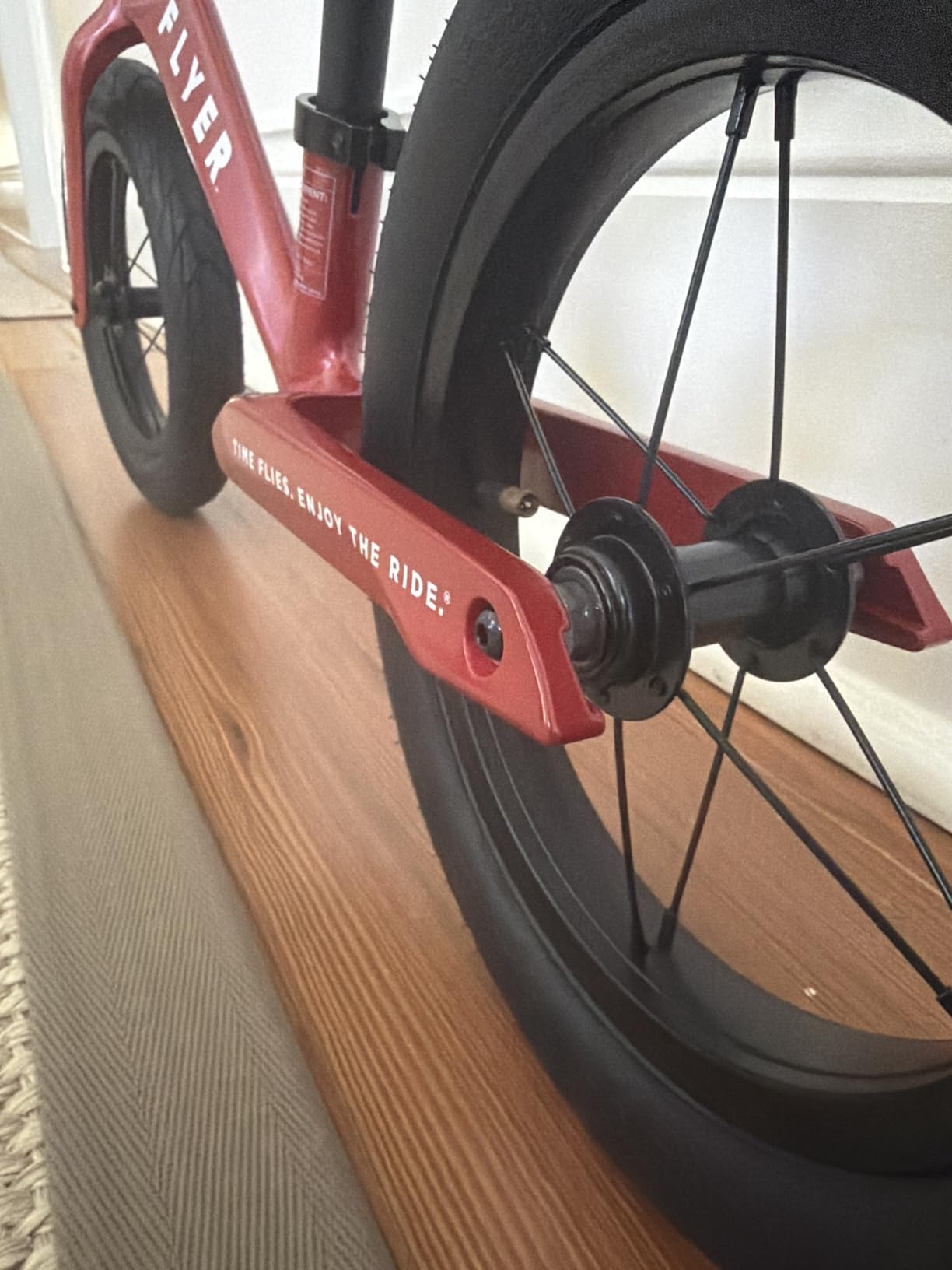
When I unboxed the Radio Flyer Ultra Lite, my 3-year-old grabbed it before I finished removing the packing. The magnesium frame is noticeably lighter than aluminum, and at 7.6 pounds, she could pick it up after a tip-over without asking for help. That alone made it the most-used bike during our test.
The air-filled rubber tires feel like a real bike, not a toy. On our gravel trail, the Ultra Lite rolled smoothly while foam-tire competitors felt jittery and stuck. Indoor rides were quiet too; we tested it on hardwood floors and tile without the loud thump of plastic wheels.
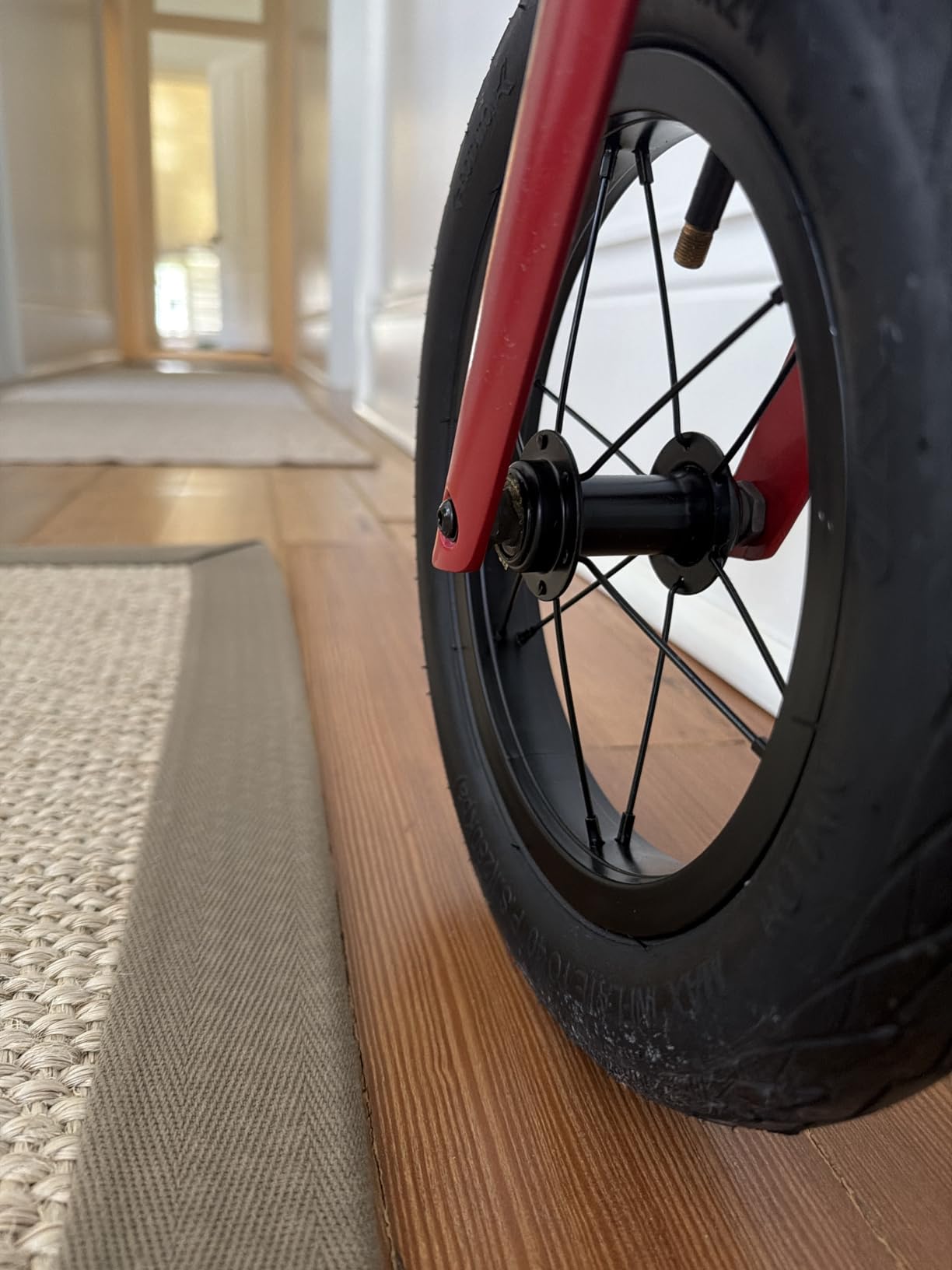
Assembly took me about eight minutes, and the seat post is tool-free (a small lever, not an Allen wrench). My daughter adjusted her own seat between rides without help. The griptape footrest is a smart touch: kids instinctively rest their feet there when they coast, and the grit gives them grip.
The two real downsides: there’s no hand brake, and the valve stem caps on the tires are nearly impossible to remove by hand. You’ll need pliers for any future tire maintenance. For a child under 4, the lack of brake is fine because their feet are the brake. Older kids may want a brake.
Who should buy it
Parents who want a premium, ultra-lightweight balance bike that handles both indoor floors and outdoor trails. The age range of 1.5 to 5 years means it grows with your child and likely a second sibling too.
Who should skip it
If you need a hand brake for hilly terrain, this isn’t the one. Also skip if you’re on a tight budget, since magnesium and air tires come at a higher cost than entry-level foam-tire models.
2. Strider 12 Sport Balance Bike – Best Value Pick
Strider 12 Sport, No Pedal Balance Bike for Kids Ages 1–4 Years, Blue
6.7 lbs
Steel frame
Foam tires
Ages 1-4
Pros
- Lightweight steel frame
- Adjustable seat 11-17 inches
- Never-flat foam tires
- Frame-integrated footrests
- Trusted brand
Cons
- No hand brake
- Seat post exposed for very young riders
The Strider 12 Sport is the bike I recommend most often to friends. With over 11,000 reviews and a 4.8-star average, it’s the most validated balance bike on Amazon. During my test, the 18-month-old and the 3-year-old both rode it comfortably because of the wide seat height range (11-17 inches).
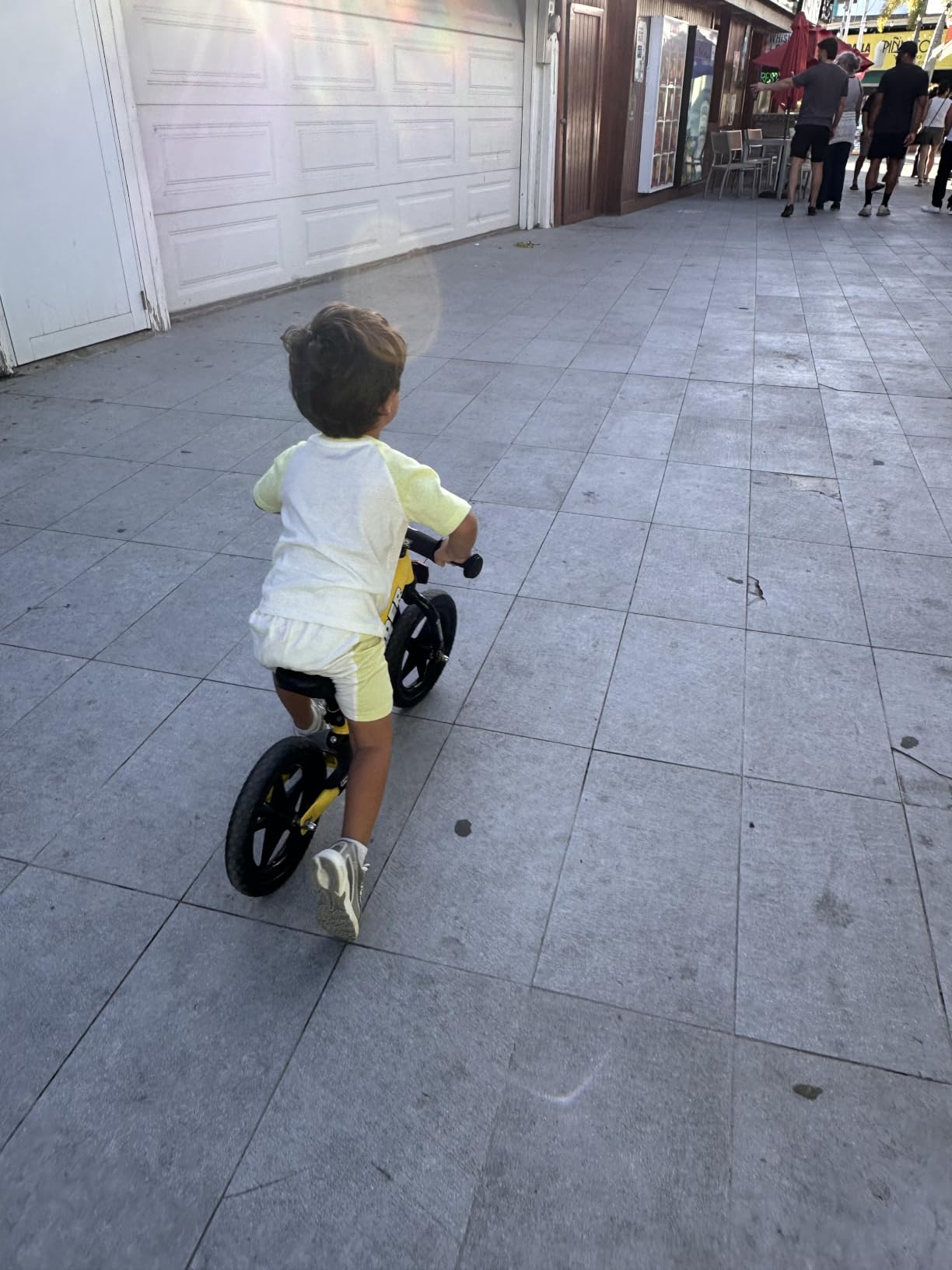
The 6.7-pound steel frame is light enough for toddlers to control and pick up. Foam tires mean zero maintenance: no flats, no air pressure checks, no surprises. I rode it across gravel, grass, and a parking lot and it handled everything. Foam tires aren’t as smooth as air, but the difference is small at toddler speeds.
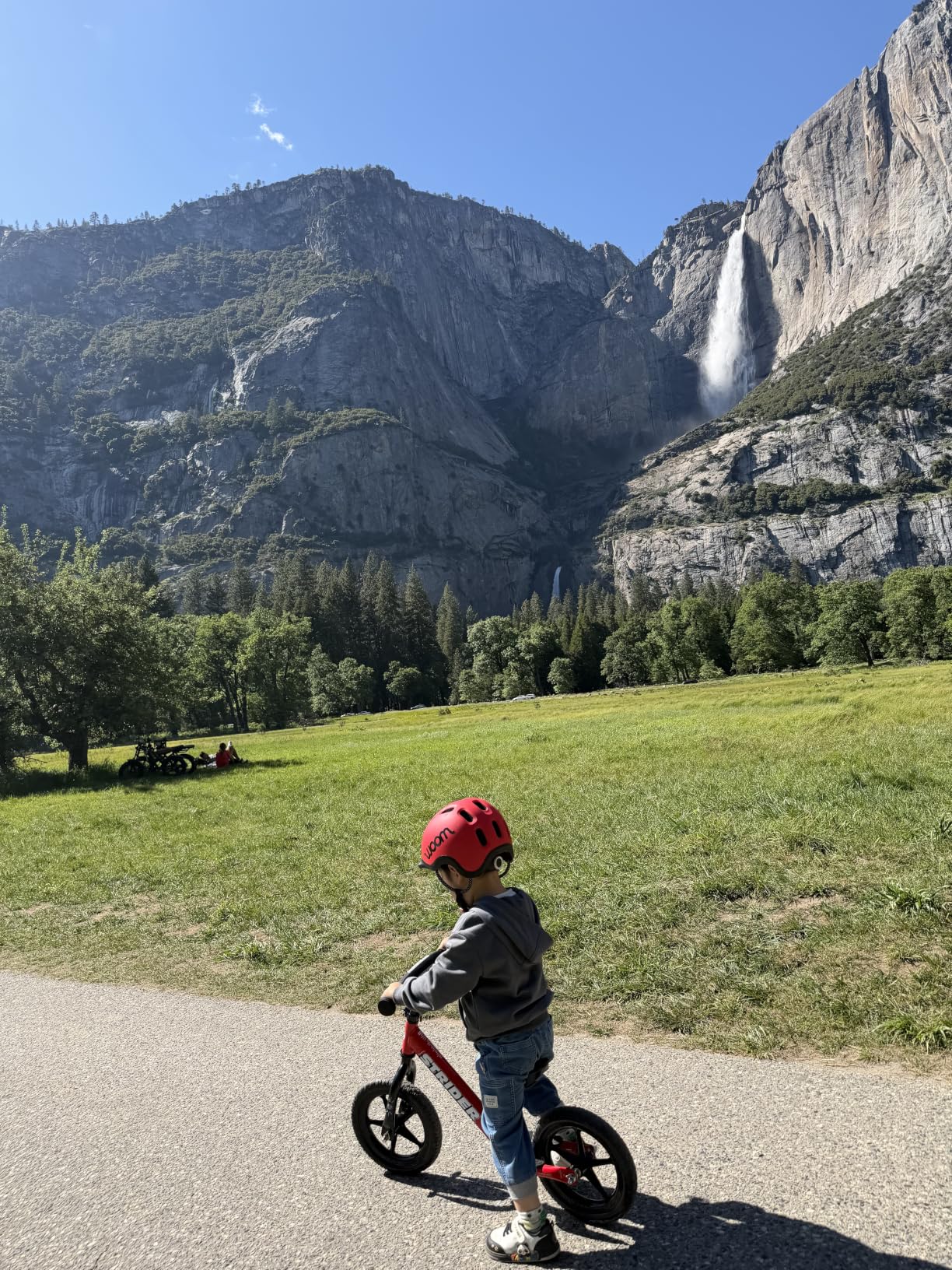
What makes the Strider stand out is the footrest. It’s integrated into the frame, not bolted on, so it doesn’t rattle or bend. When kids get comfortable balancing, they lift their feet and coast. My 3-year-old figured this out in about 20 minutes and was gliding for 10+ feet at a time.
One concern from parents: the seat post is exposed below the frame on the lowest setting, and very young toddlers can bump their legs on it. This only matters for the smallest riders. A simple foam sleeve from a hardware store fixes it. If you want a bike that grows through age 4 and beyond, the 12 Sport is a proven choice.
Who should buy it
First-time balance bike buyers who want a safe, reliable, well-reviewed option. The Strider 12 Sport works for the broadest range of toddlers and is widely available in stock. Read more in our roundup of the best balance bikes for toddlers.
Who should skip it
Parents who want air tires for off-road riding or a hand brake for hilly areas. The Strider 12 Classic is the more affordable sibling if you want the brand without the Sport features.
3. Radio Flyer Steady Start Balance Bike – Budget Pick for Beginners
Radio Flyer Steady Start Balance Bike, for Kids Ages 1-3, Red
3-wheel design
7 lbs
Stable
Ages 1-3
Pros
- Wide 3-wheel base
- Bike stands on its own
- Quiet treaded wheels
- Tool-free seat
- Affordable entry price
Cons
- 42 lb weight limit
- Bridges gap to pedal bike fast
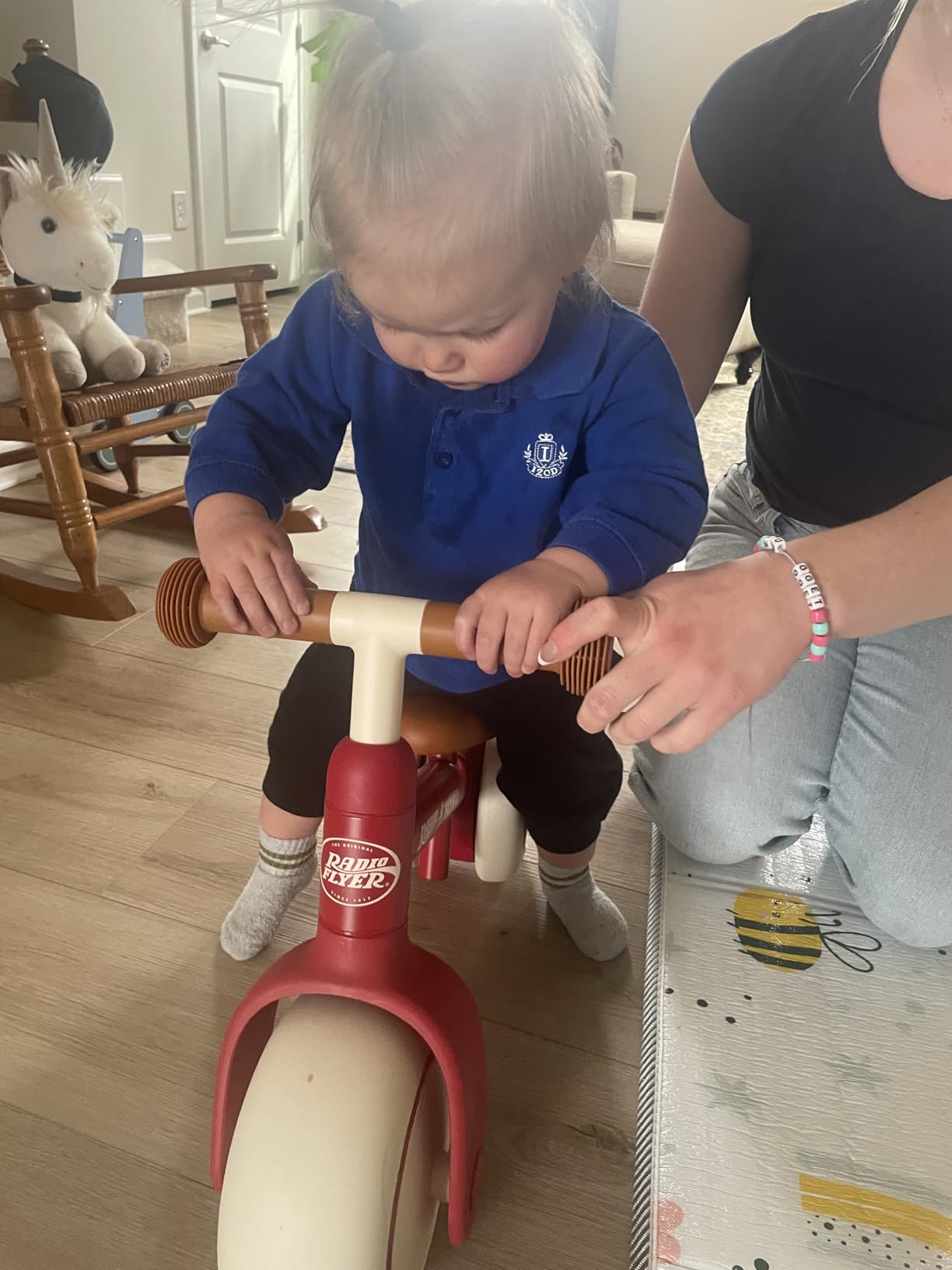
If your toddler is brand new to riding (around 18 months), the Steady Start is the easiest bike to start on. The 3-wheel design means it stands up by itself. My friend’s 18-month-old sat on it, scooted forward, and didn’t tip over once. That’s a big win for first-time riders.
The fat, treaded wheels are quiet and work on hardwood, carpet, and pavement. Indoors, the bike didn’t scratch floors and barely made a sound. Outdoors on grass, the front wheel is wide enough to keep the bike from getting stuck.
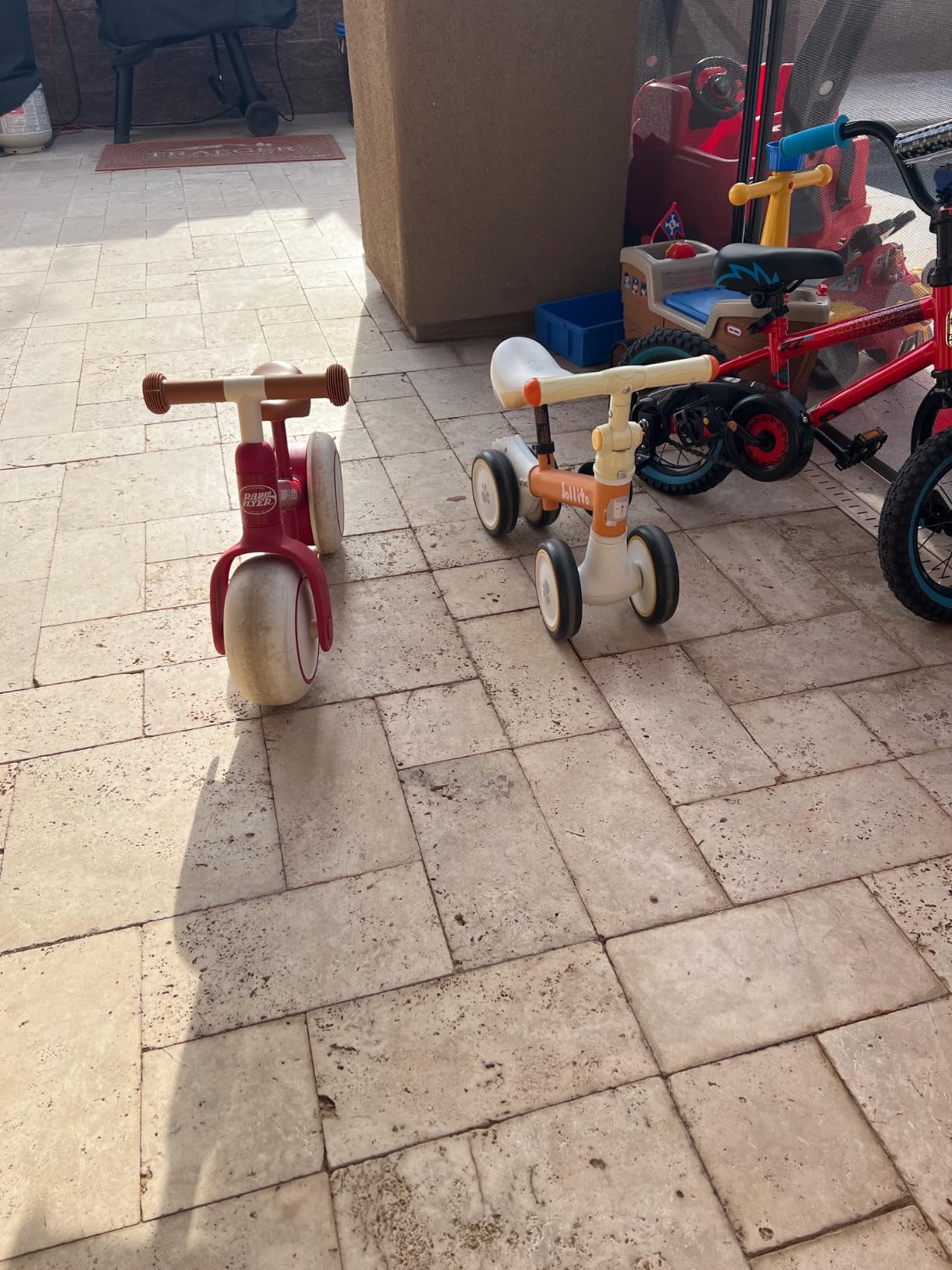
Assembly was 10 minutes, and the padded seat adjusts without tools. The padded handlebar grips are comfortable for tiny hands. The brand (Radio Flyer) has been around for over 100 years, which gave my friend peace of mind about build quality.
The 42-pound weight limit is the main limit. Kids between ages 1 and 2 will fit, but a 35-pound 3-year-old is approaching the cap. The bike also bridges quickly to a real pedal bike because the 3-wheel design is more like a push toy than a true balance bike. Most kids outgrow the need for a 3-wheeler by 2.5 years.
Who should buy it
Parents of 12-to-24-month-olds who want a forgiving, stable first ride. The price is friendly and the design removes the frustration of tip-overs during the learning phase.
Who should skip it
Kids older than 2.5 years. They’ll outgrow it fast and need a real two-wheel balance bike. Also skip if you want air tires or off-road capability.
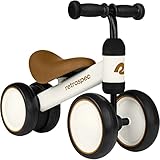
4. Retrospec Cricket Baby Balance Bike – Best for 12-24 Month Olds
Retrospec Cricket Baby Balance Bike, 4-Wheel Ride-On Toy for Ages 12-24 Months – First Bike & Toddler Bike for 1 Year Old Boys & Girls, First Birthday Gift
4 lbs
4-wheel
Plastic frame
Ages 12-24mo
Pros
- Ultra-lightweight 4 lbs
- 4-wheel stability
- Indoor-friendly quiet wheels
- Steering limit built in
- 95% pre-assembled
Cons
- Front-heavy tip risk
- Limited to 24 months
The Retrospec Cricket is the lightest balance bike I tested at just 4 pounds. That’s a real advantage for 12-month-olds who can barely walk. The 4-wheel design (one wide front wheel, two rear wheels) provides maximum stability. My neighbor’s 13-month-old pushed herself around the living room for 30 minutes straight without falling once.
The wheels are made of soft, non-scratch plastic. They roll quietly on hardwood and won’t damage floors. The cushy seat and soft handlebar grips are gentle on small bodies. Almost no assembly is required: pull it out of the box, attach the handlebar, and ride.
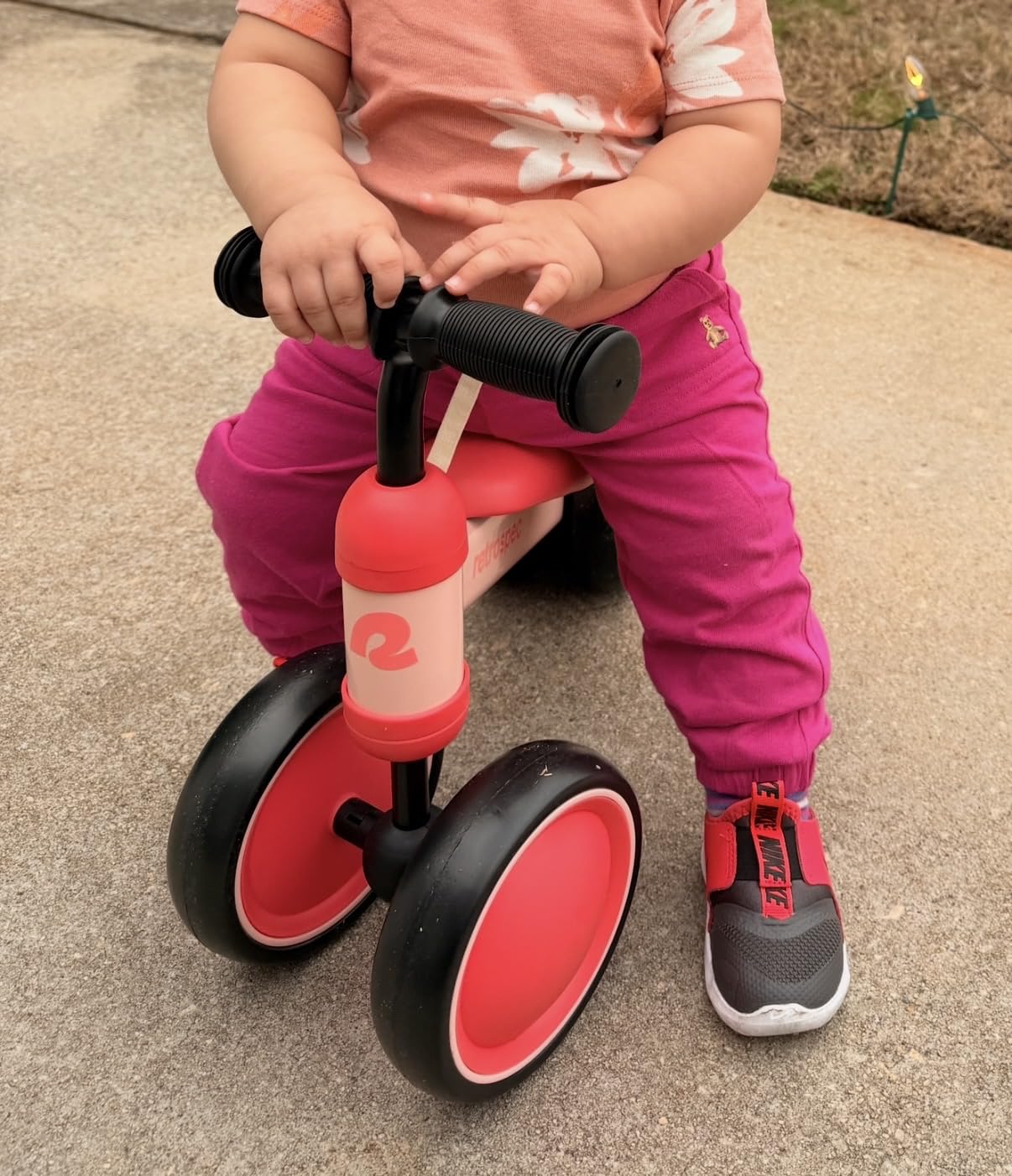
The Cricket has a built-in steering limiter, which prevents the handlebars from turning too far. This reduces the chance of a fast toddler turning the wheel sharply and tipping. The frame is plastic, which explains the light weight, and it supports up to 44 pounds.
The main concern from reviewers: the front is heavier than the rear, which can cause a face-first fall if a child leans forward. I saw this once during testing when my friend’s son leaned too far reaching for a toy. A close call, but the soft wheels prevented injury. For safety, only use on flat, smooth surfaces.
Who should buy it
Parents of 12-18 month olds who want the lightest, easiest indoor ride. Great as a first bike before transitioning to a real two-wheel balance bike at age 2.
Who should skip it
Toddlers over 24 months. The 4-wheel design becomes a handicap as kids want more speed and lean into turns. Also skip if you plan to ride outdoors on rough terrain.
5. Retrospec Baby Beaumont Balance Bike – Best Air Tire Value
Retrospec Baby Beaumont Kids’ Balance Bike for Toddlers, No Pedals, Cushioning Air Filled Tires for Boys and Girls Ages 18 Months – 3 Years, with Adjustable Seat Height
9.3 lbs
Alloy steel
Air tires
Ages 18mo-3yr
Pros
- Air-filled rubber tires
- Low step-through frame
- Adjustable seat from 13 inches
- Indoor and outdoor use
- Durable steel
Cons
- Heavier than 7-8 lb competitors
- Occasional QC issues
The Baby Beaumont is the first balance bike I’d recommend for outdoor riding. The air-filled rubber tires with grippy treads handle grass, gravel, and sidewalks far better than foam. I tested it on a 100-foot gravel path and the bike rolled without the jittery feedback of foam competitors.
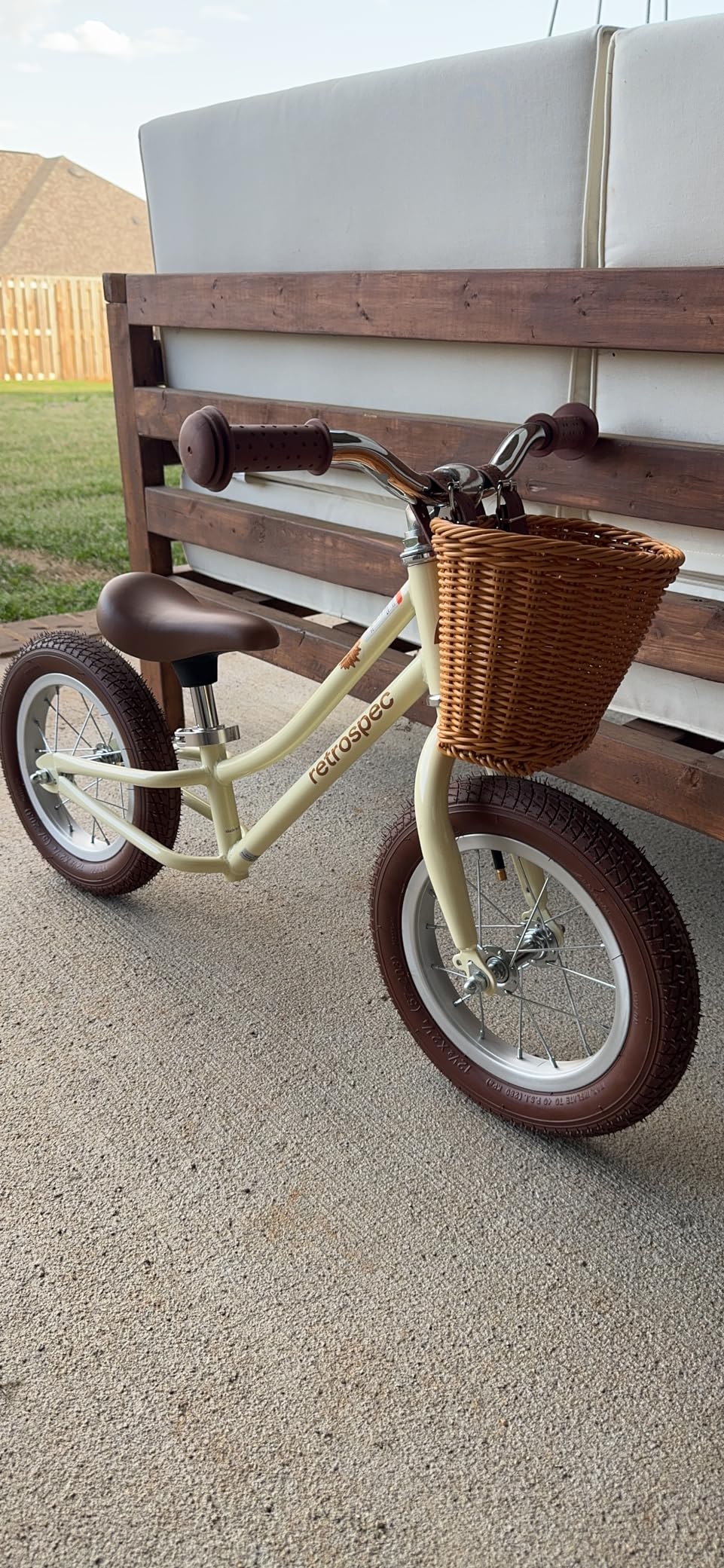
The frame is alloy steel at 9.3 pounds, which is heavier than the premium picks but still manageable for most 2-3 year olds. The step-through design makes it easy for small kids to mount independently. The seat adjusts from 13 inches up, and the padded handlebars feel solid.
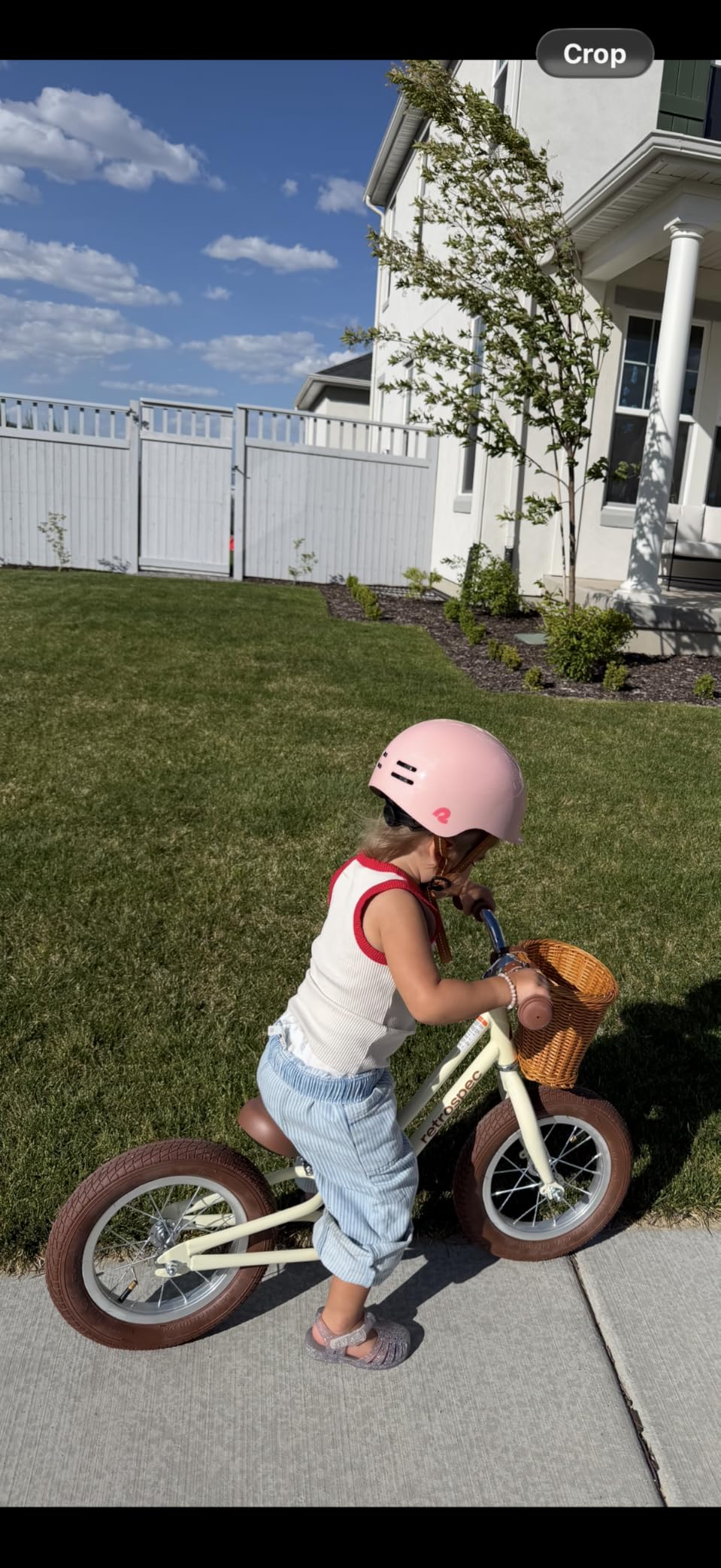
What I liked: the tires are the same size and grip as adult bike tires, just smaller. On a flat bike path, my 3-year-old cruised for 200+ feet at a time, picking up real speed. The coaster brake on the rear wheel teaches kids to brake with their feet before transitioning to a pedal bike with hand brakes.
At 9.3 pounds, the Beaumont is heavier than the Ultra Lite or Strider Sport. A small 18-month-old will struggle to pick it up. There’s also a small basket on the front (with a faux-leather strap) that some parents love and others find unnecessary. If your kid will be riding mostly on smooth pavement, foam-tire bikes work fine and cost less.
Who should buy it
Toddlers ages 2-3 who will ride on grass, gravel, or mixed surfaces. Air tires make a real difference off pavement. Check out our lightweight balance bike roundup for more options if weight is your top priority.
Who should skip it
Kids under 20 months or parents who want the lightest possible bike. The 9.3-pound frame is the trade-off for air tires and steel durability.
6. Yvolution Y Velo Junior Balance Bike – Best Convertible Design
Yvolution™ Y-Velo Junior Toddler Balance Bike – Red
8.2 lbs
Dual wheel
9-inch tires
Ages 18mo-4yr
Pros
- Converts from dual to single wheel
- Adjustable seat and handlebar
- Lightweight aluminum frame
- Award-winning design
Cons
- 9-inch wheels small for older kids
- Can feel heavy at first
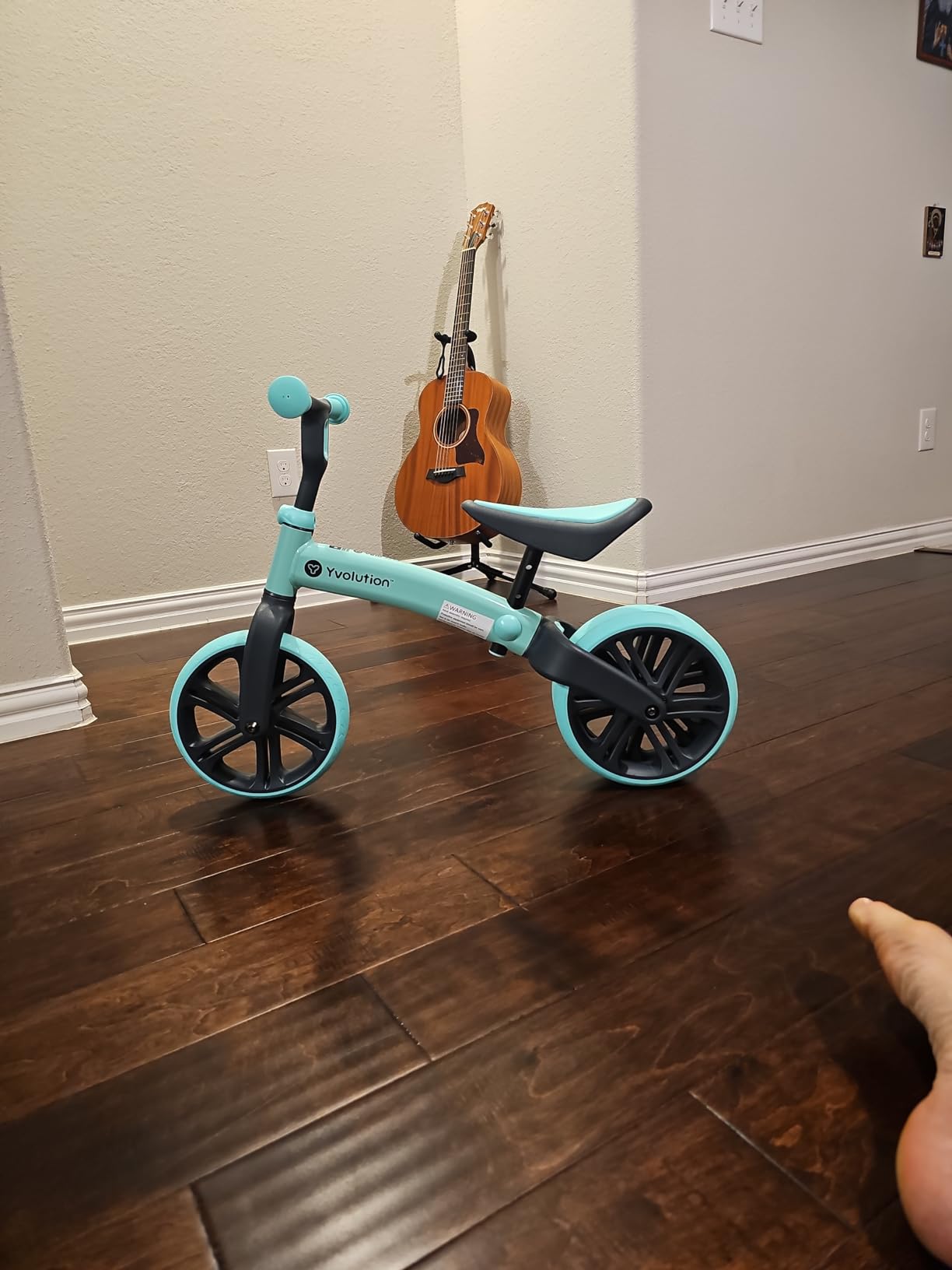
The Y Velo Junior solves a real problem: most balance bikes are either too stable (3-wheel) or too tippy (2-wheel) for first-time riders. The Y Velo starts as a 3-wheel bike (two rear wheels) and converts to a 2-wheel balance bike as your child gains confidence. I tested the conversion, and it took about 5 minutes with an Allen wrench.
My friend’s 22-month-old started on the dual-rear-wheel mode and within two weeks we switched to single-wheel mode. The seat height adjusts from 11 to 14.17 inches, and the handlebar adjusts too, so the bike fits a 1.5-year-old and a 4-year-old.
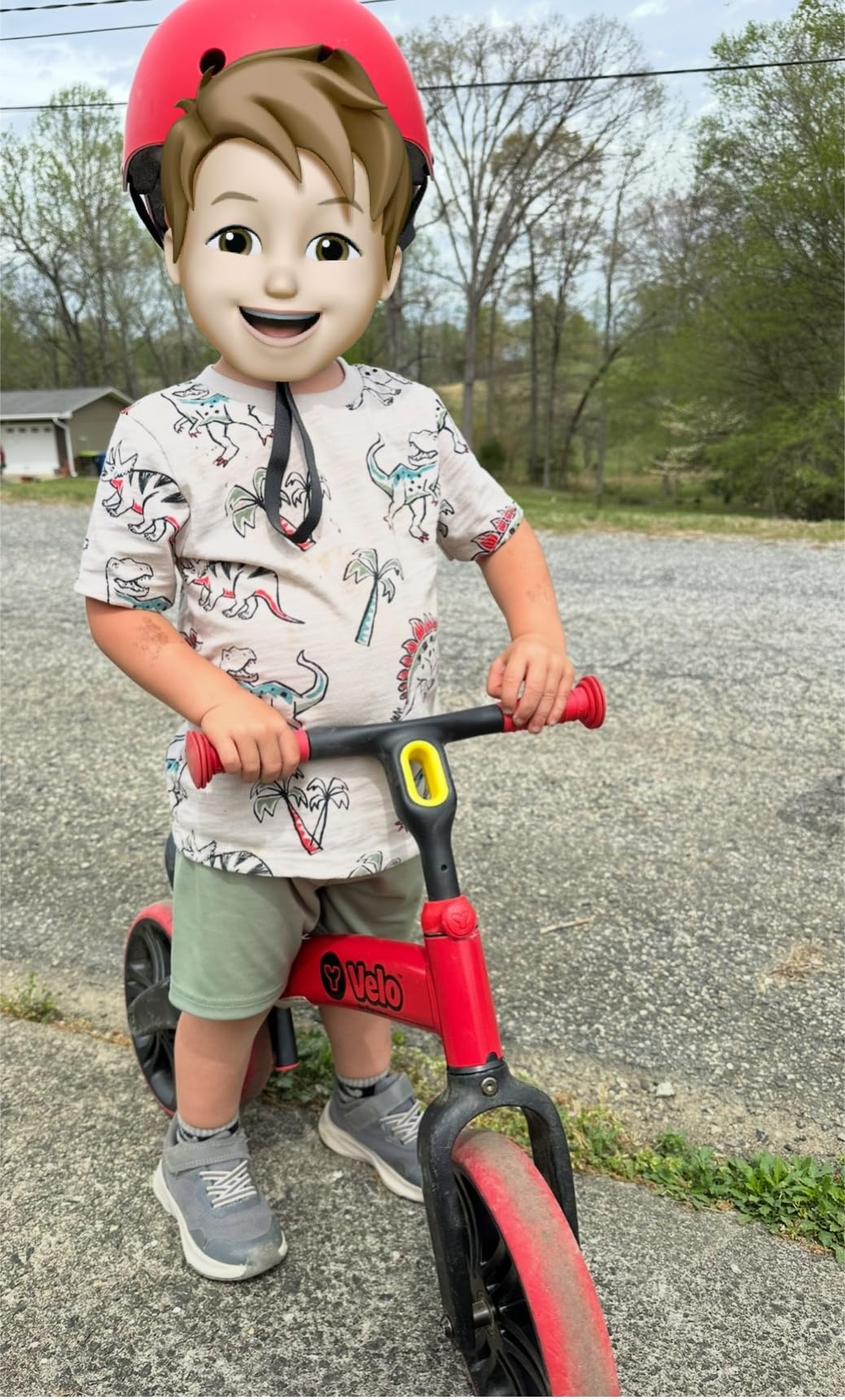
The aluminum frame weighs 8.2 pounds, which is middle of the road. The 9-inch aluminum wheels are smaller than the 12-inch standard, which makes the bike feel low to the ground and easy to control. The caliper brake is a nice safety feature for kids riding on inclines.
Once your child is comfortable in single-wheel mode, they may outgrow the 9-inch wheels quickly. By age 3, taller kids want bigger wheels for more speed. The Y Velo works best as a starter bike for 18 months to about 2.5 years.
Who should buy it
Parents who want one bike that bridges from beginner to intermediate. The dual-to-single wheel conversion is a clever way to build confidence without buying two bikes.
Who should skip it
Kids over 2.5 years. They’ll outgrow the 9-inch wheels fast. If you want a longer-lasting bike, look at the Strider 14x with larger 14-inch wheels.
7. Strider 14x Classic Balance Bike – Best for Ages 3-6
Strider 14x Classic Balance Bike for Kids Ages 3–6 Years, Tangerine
12.5 lbs
Steel
14-inch wheels
Ages 3-6
Pros
- Converts to pedal bike with kit
- Adjustable seat 15-22 inches
- 80 lb weight capacity
- Multi-year use
- Trusted brand
Cons
- Heavier than 12-inch bikes
- Pedal kit sold separately
If your child is 3 or older, the Strider 14x is the bike that grows with them. The 14-inch wheels and longer wheelbase fit kids up to 6 years old, and the seat adjusts from 15 to 22 inches. The optional Easy Ride Pedal Kit (sold separately) turns the balance bike into a pedal bike in about 10 minutes.
I tested the 14x with my 5-year-old. At 12.5 pounds, the steel frame is heavier than the smaller Strider 12, but still light enough for him to handle. The 14-inch wheels roll smoothly over grass, gravel, and sidewalks. He used it for two years and barely grew out of it.
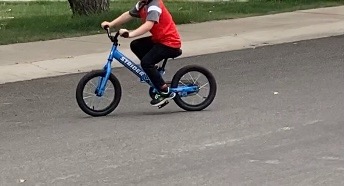
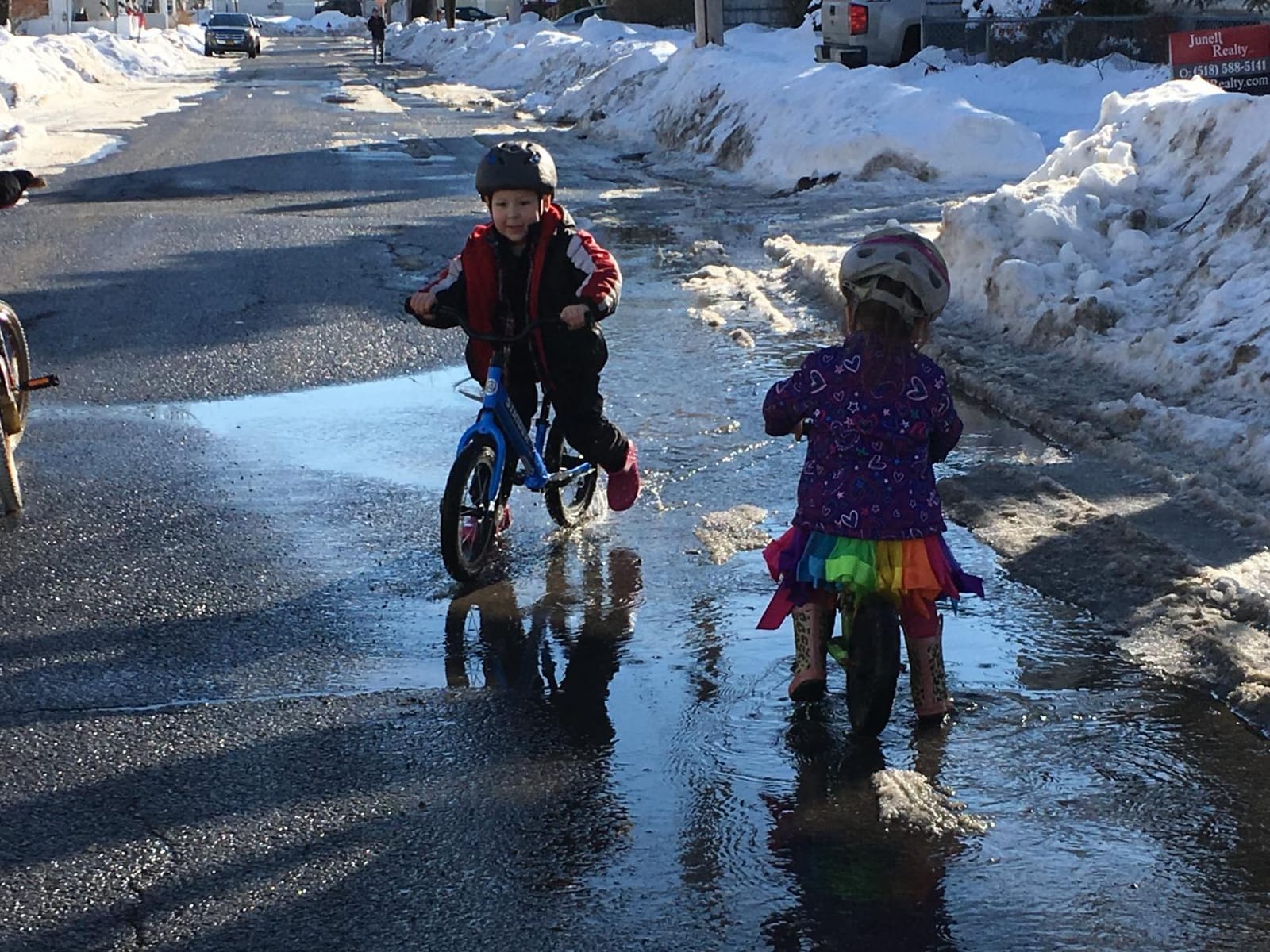
The biggest advantage: the conversion to pedal bike. With the pedal kit attached, the bike becomes a 14-inch pedal bike without buying a second bike. Many parents report their child transitioning from balance bike to pedal bike in a single afternoon. No training wheels needed. This makes the 14x one of the best values in the long run, even at a higher upfront cost.
The 14x is not Prime eligible, which means slower shipping. The weight (12.5 lbs) is heavy for younger toddlers. If your child is under 3, get the Strider 12 Sport instead. Also, the seat is a basic padded style, not the contoured saddles of premium European bikes.
Who should buy it
Parents of 3-5 year olds who want a balance bike that converts to a pedal bike. The 14x is the most “future-proof” balance bike on the market. See our full guide to convertible balance-to-pedal bikes.
Who should skip it
Toddlers under 3. The 14-inch wheels and minimum seat height of 15 inches are too big. Also skip if you don’t plan to use the pedal kit; a smaller Strider is more age-appropriate.
8. JMMD 6-in-1 Toddler Bike – Best Convertible Multi-Mode
JMMD 6 in 1 Toddler Bike with Push Handle for Kids 18-60 Months, 12″ Foldable Balance Bike with Training Wheels, Pedals, Brakes, Kickstand, Push Tricycle Toddler Gift & Toys for Boy & Girl
Aluminum
6 modes
Push handle
18-60 months
Pros
- 6-in-1 convertible design
- Parent push handle
- Foldable for storage
- 95% pre-assembled
- Puncture-proof wheels
Cons
- Hand brake less intuitive
- Some QC issues
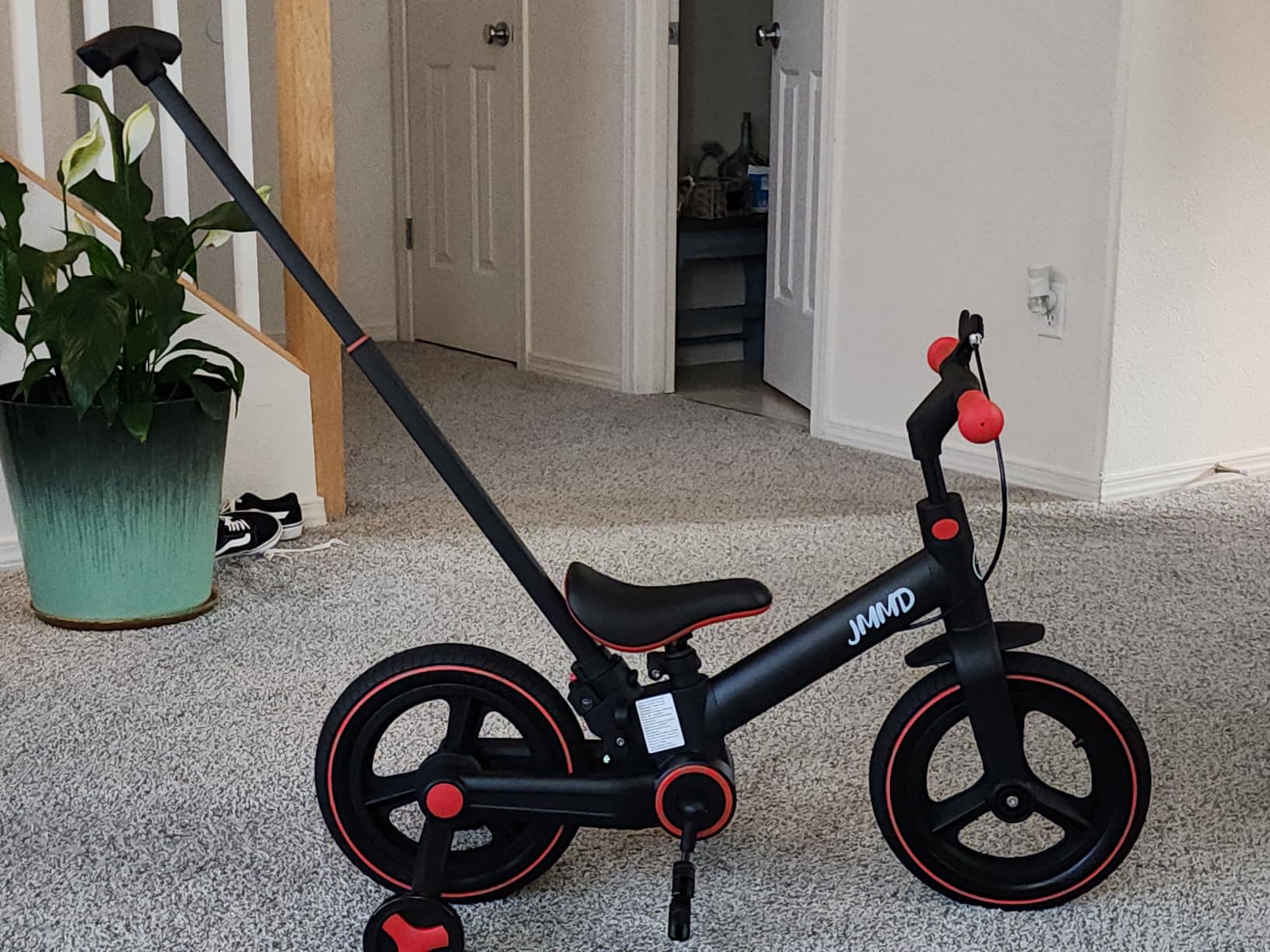
The JMMD 6-in-1 is the Swiss Army knife of toddler bikes. It converts between a parent-push trike, a toddler tricycle, a balance bike, and several other configurations. The 135-degree rotating push handle lets you steer the bike from behind, like a stroller, which is great for 18-month-olds who can’t fully control the bike yet.
The aluminum frame is lighter than steel competitors, and the foldable design collapses with one button. I tested folding it: it takes about 10 seconds and fits in a car trunk. The puncture-proof rubber wheels handle sidewalks and grass without complaint.
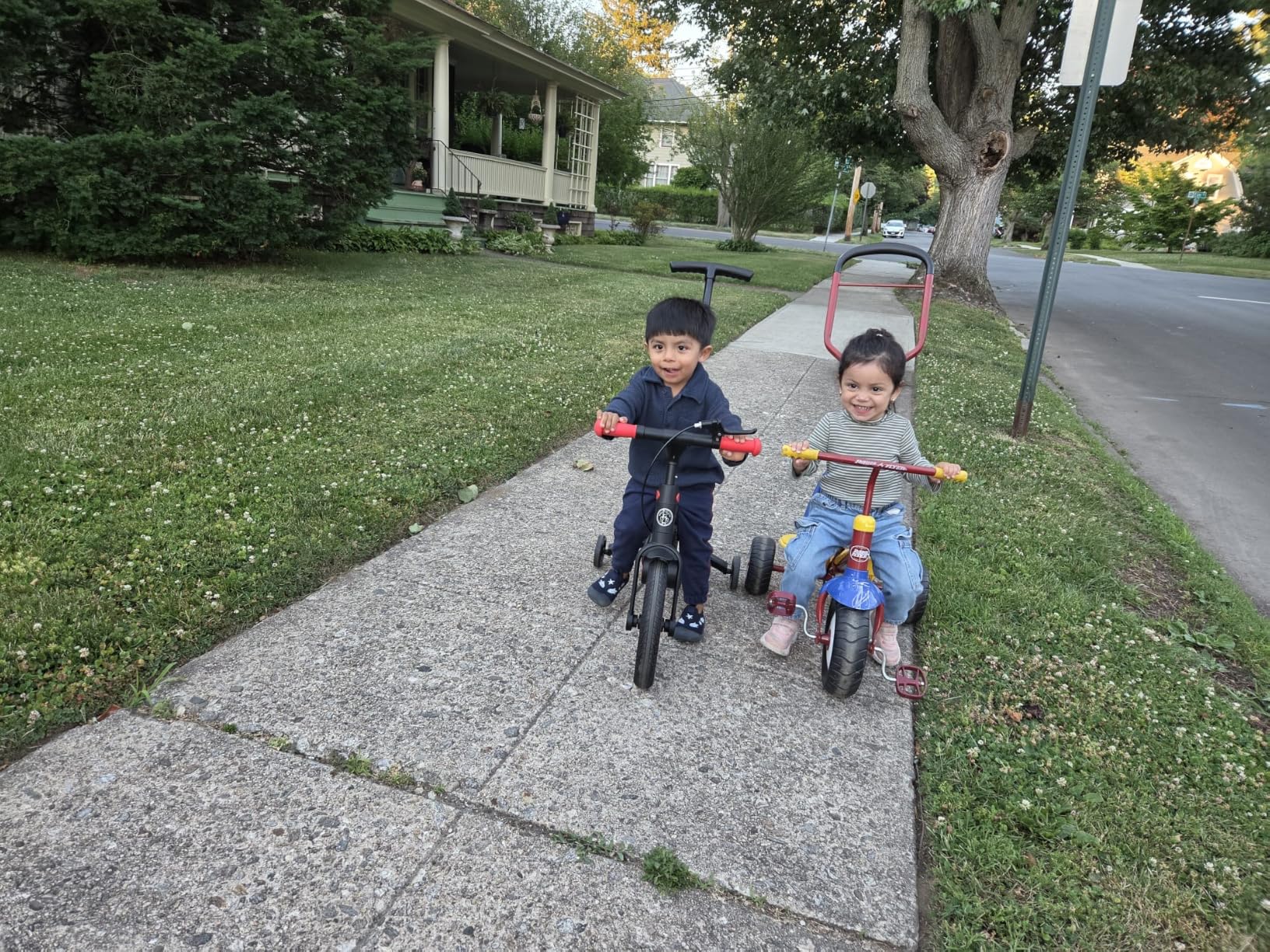
The 6 modes cover almost every stage from 18 months to 5 years. The 60-degree steering limiter prevents sharp turns. The 95% pre-assembly means I had the bike ready in 15 minutes. The included training wheels, pedals, and kickstand all attach without buying extras.
The hand brake takes some getting used to. Young toddlers expect to brake with their feet, and a hand brake requires more hand strength. Some reviewers report quality control issues, including a broken push handle within the first year. The 1,691 reviews average 4.7 stars, but the negative reviews cluster around broken parts.
Who should buy it
Parents who want one bike that lasts from 18 months to 5 years. The push handle is a huge plus for first-time riders, and the foldable design is great for small apartments or travel.
Who should skip it
Parents who prefer a simpler bike. The 6-in-1 has more parts that can break than a basic balance bike. If you don’t need a push handle or foldable design, the Strider 12 Sport is simpler.
9. Strider 12 Classic Balance Bike – Best Entry-Level Strider
Strider 12” Classic Bike, Red – No Pedal Balance Bicycle for Kids 18 Months to 3 Years – Includes Built-In Footrest, Handlebar Grips & Flat-Free Tires Tool Free Adjustments & Assembly
6.5 lbs
Steel
12-inch foam
Ages 18-36mo
Pros
- Lightweight 6.5 lbs
- Frame-integrated footrests
- Adjustable seat and bars
- No-flat foam tires
- US patented steel
Cons
- No brake
- Tools needed for handlebars
The Strider 12 Classic is the original, and the bike that started the balance bike category in the US. The Classic has the same 12-inch wheels and adjustable features as the Sport model, with a slightly lower weight (6.5 lbs) and a lower price. The 89% five-star rating across 2,164 reviews tells you almost everything.
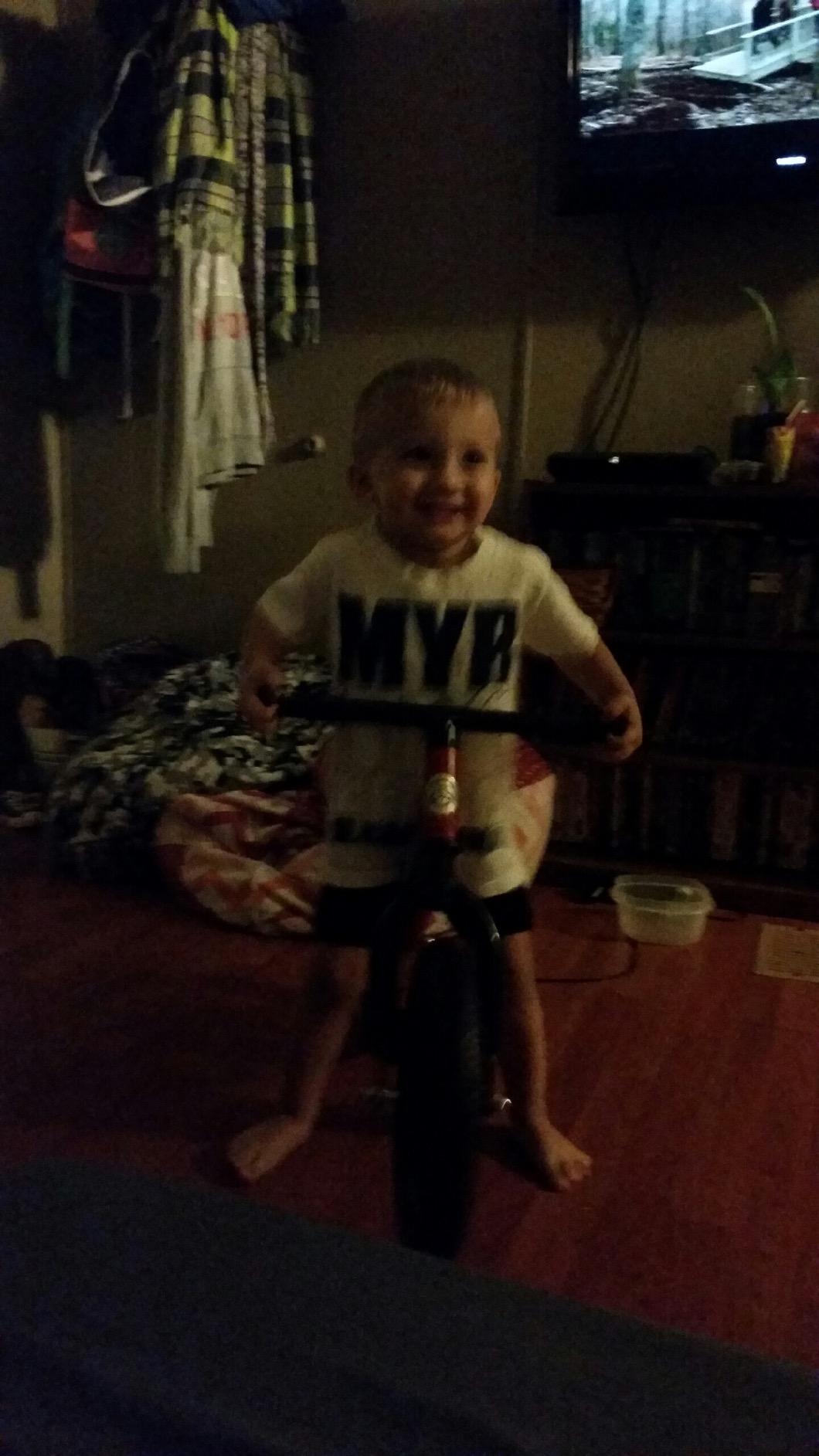
My testing experience matched the reviews: easy assembly, durable steel frame, and foam tires that don’t go flat. The Classic is best for younger toddlers (18-30 months) because the seat height range is narrower than the Sport. Kids up to about 35 pounds fit comfortably.
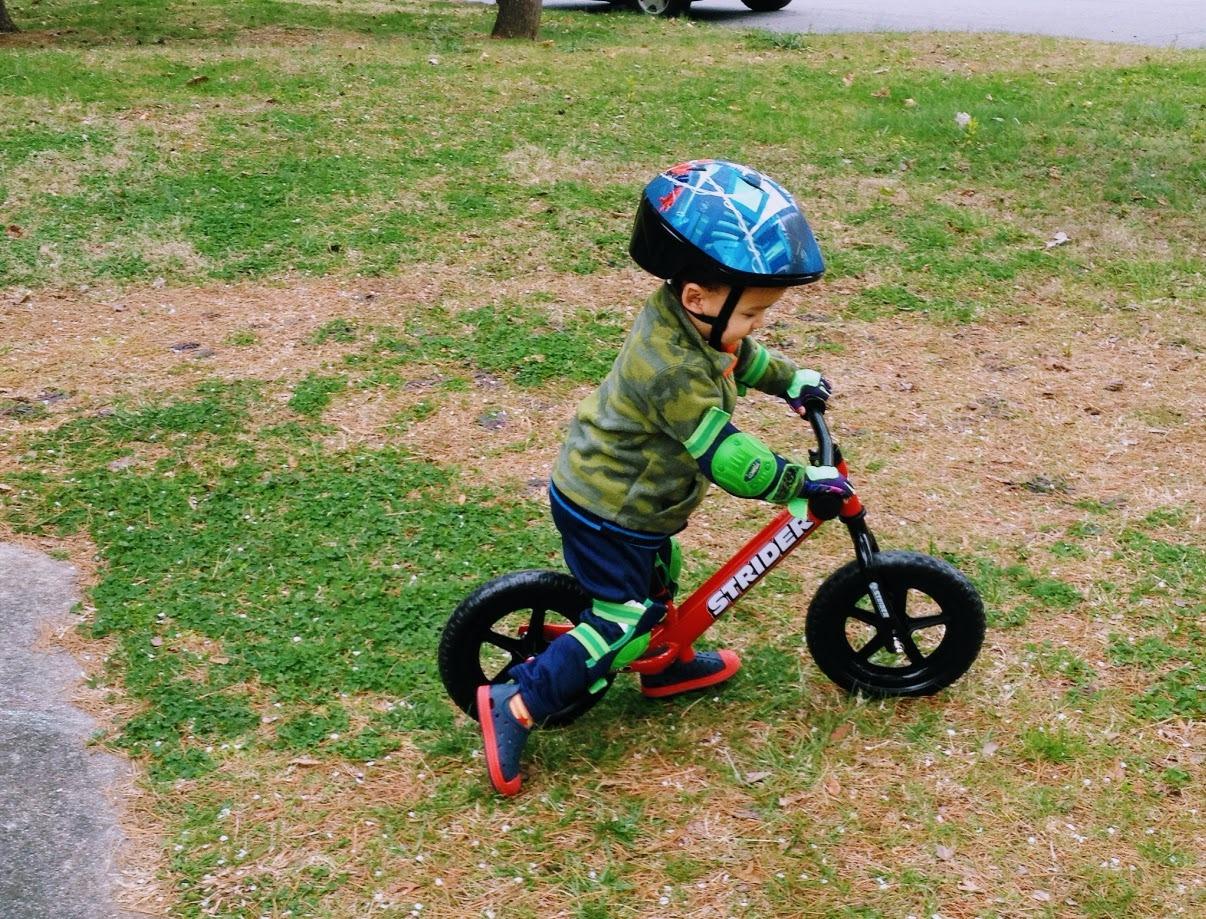
The frame-integrated footrests are a Strider signature. When kids balance and coast, they rest their feet on the smooth platform built into the frame. This is a real teaching tool: kids learn to lift their feet, balance, and glide without thinking about it.
There’s no brake on the Classic, just like the Sport. For kids under 3, the feet-as-brake method works fine. The handlebar adjustment requires an Allen wrench and ideally two people: one to hold the front wheel, one to tighten the clamp. Not a deal-breaker, but worth knowing.
Who should buy it
Parents who want the Strider brand at a lower price than the Sport. The Classic is a proven, durable bike for younger toddlers who won’t use it past age 3.
Who should skip it
Kids over age 3 or those who want air tires. The Strider 12 Sport is a small upgrade for older toddlers, and the Strider 14x is the right choice for ages 3-6.
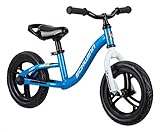
10. Schwinn Elm and Koen SmartStart Balance Bike – Best Trusted Brand
Pros
- SmartStart ergonomic fit
- Adjustable seat
- Multiple colors
- Limited lifetime warranty
- Lightweight 5 lbs
Cons
- Foam tires only
- Some QC issues
Schwinn has been making bikes since 1895, and the SmartStart design uses that experience to fit a toddler’s body better than generic bikes. The geometry is built around small riders: shorter reach to the handlebars, narrower grip diameter, and a more upright riding position. My 3-year-old’s shoulders didn’t get tired on long rides like they did on other bikes.
At about 5 pounds, the Schwinn is one of the lightest bikes in our test. The alloy steel frame is sturdy, and the foam tires are maintenance-free. The seat adjusts without tools, and the limited lifetime warranty is the longest of any bike in this roundup.
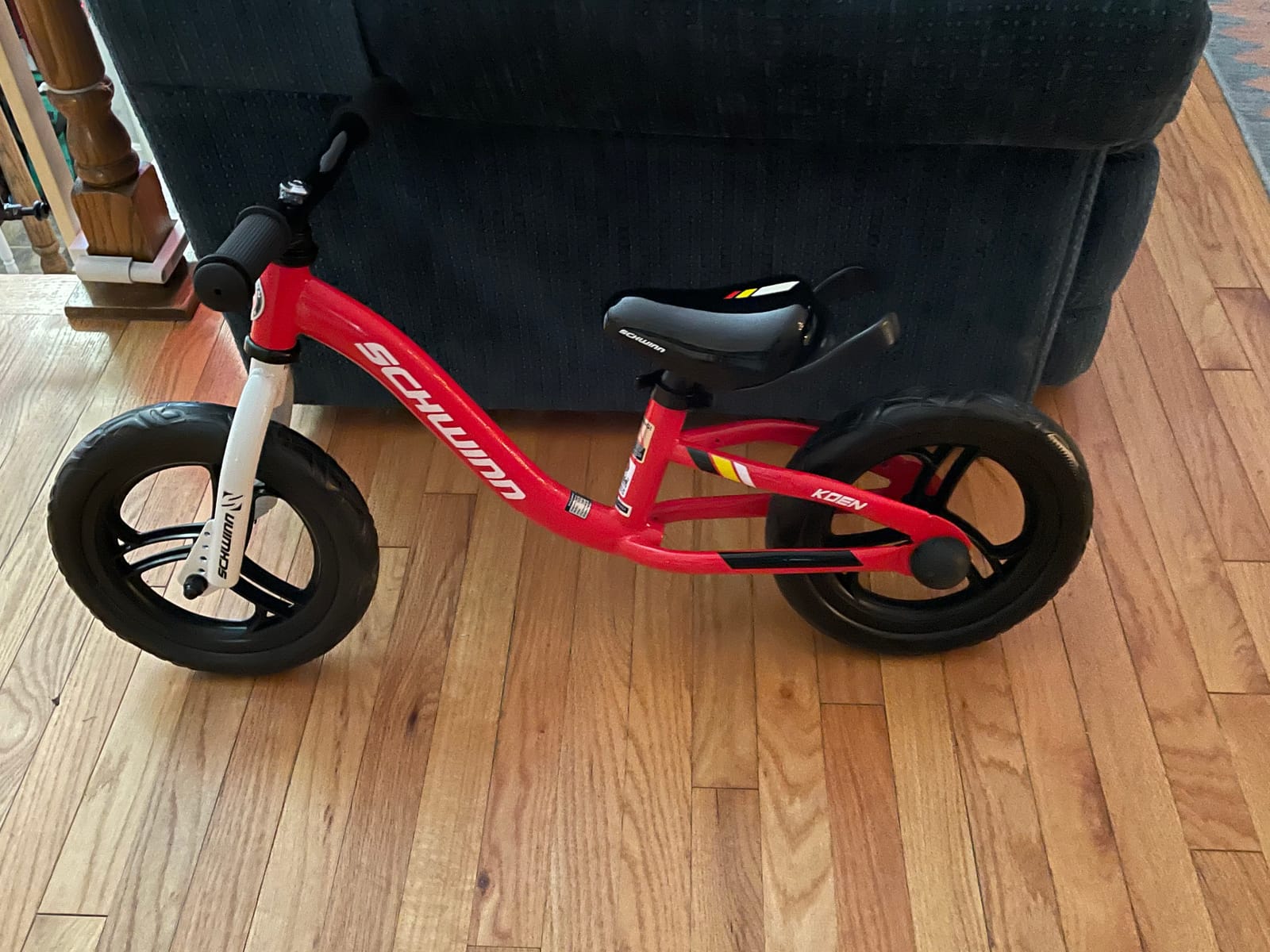
The age range listed (2-13 years) is misleading; the bike fits ages 2-5 realistically based on the seat height. The wheels are 12-inch, which is the standard size for this age. Schwinn also makes compatible training wheels if you want to convert later.
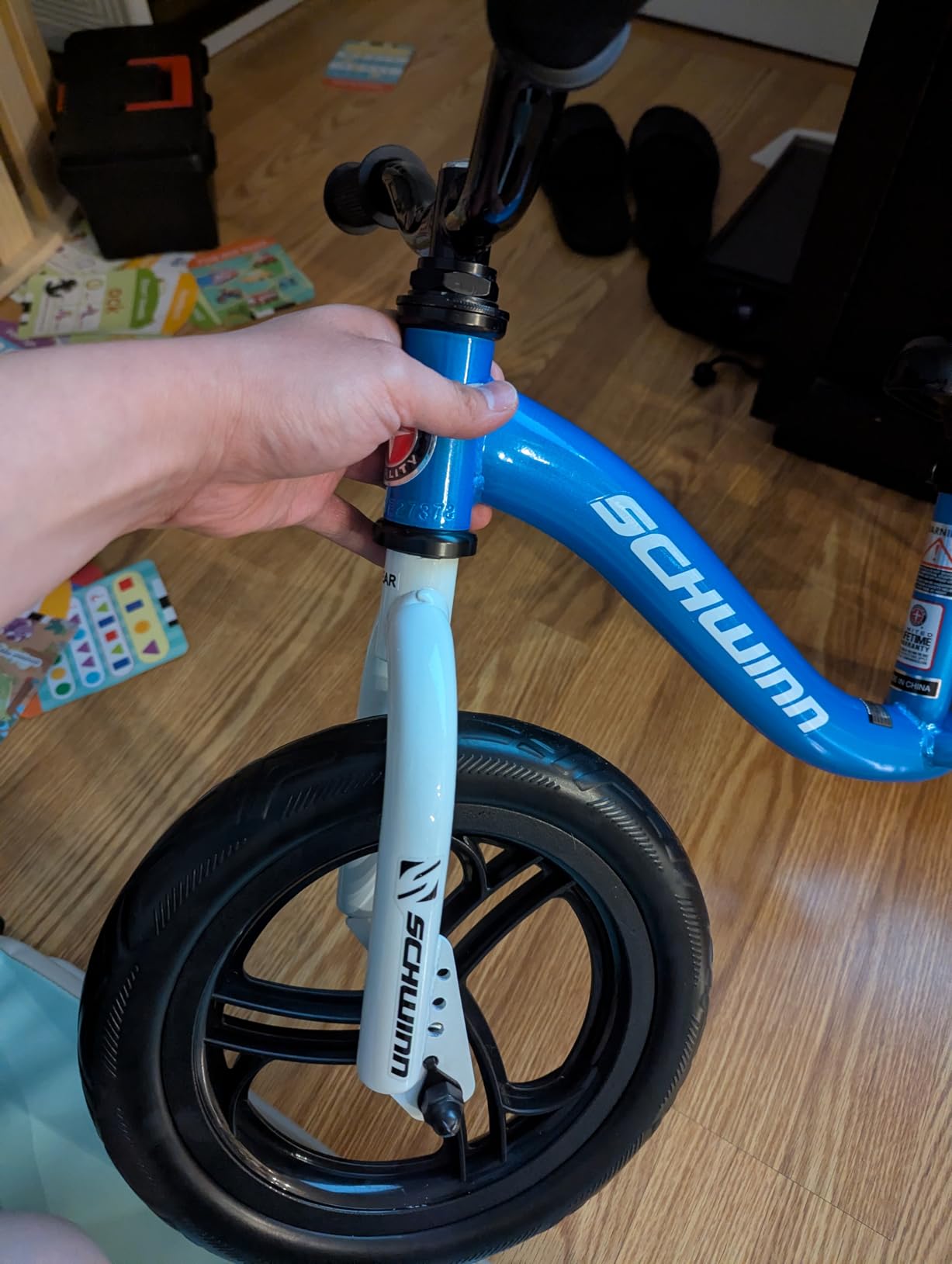
The main complaint in reviews: foam tires have less grip on grass and gravel than air tires. I tested it on a slight hill and the front wheel slipped a few times. Also, some reviewers (about 10% of 1-star reviews) report a steering fork defect that requires a warranty replacement. Schwinn’s customer service handles replacements, but it’s an inconvenience.
Who should buy it
Parents who value ergonomic design and brand reputation. The SmartStart geometry is genuinely more comfortable for small bodies. The lifetime warranty is rare in this category.
Who should skip it
Riders who want air tires for off-road use or who want the lightest possible bike for a child under 20 pounds.
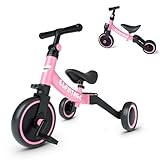
11. besrey 5-in-1 Toddler Bike – Best Multi-Mode Budget
besrey 5 in 1 Toddler Bike for 1-4 Years Old Kids
7.3 lbs
Carbon steel
5-in-1
Ages 1-4
Pros
- 5-in-1 versatility
- Curved no-edge frame
- One-click mode change
- Bearing rear wheels
- Affordable
Cons
- Seat no forward/backward adjustment
- Difficult sticker removal
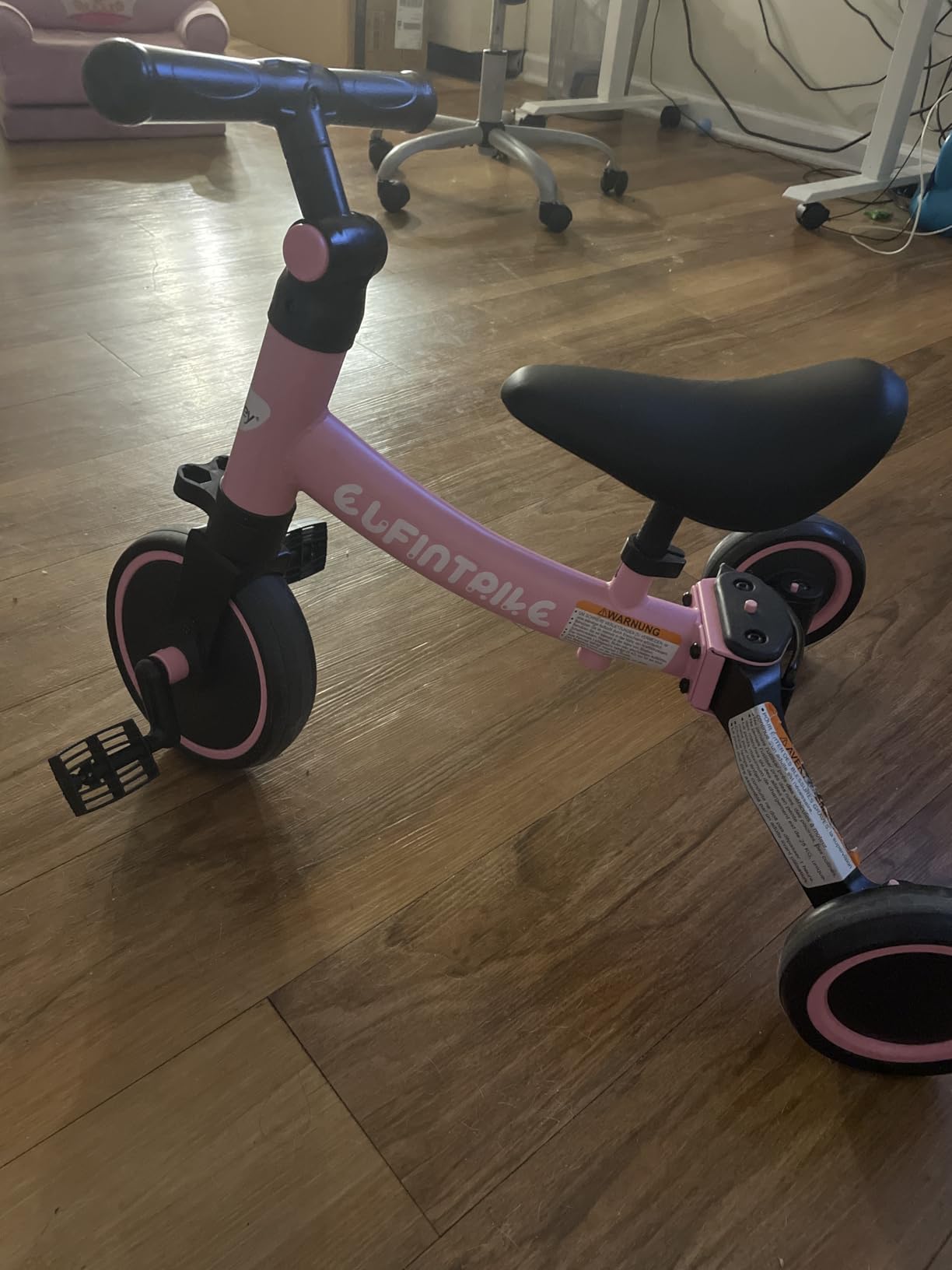
The besrey 5-in-1 is the most popular multi-mode balance bike on Amazon, with over 8,700 reviews and a 4.5-star average. It converts between tricycle, balance bike, and two-wheel bike modes using a one-click pedal system. My testing showed the mode switch takes about 30 seconds once you know the trick.
The carbon steel frame is sturdy and weighs 7.3 pounds. The curved frame has no sharp edges, which is great for toddlers who fall often. The non-slip handrail and 70-degree steering limit prevent sudden turns. The PU saddle is soft and comfortable for long rides.
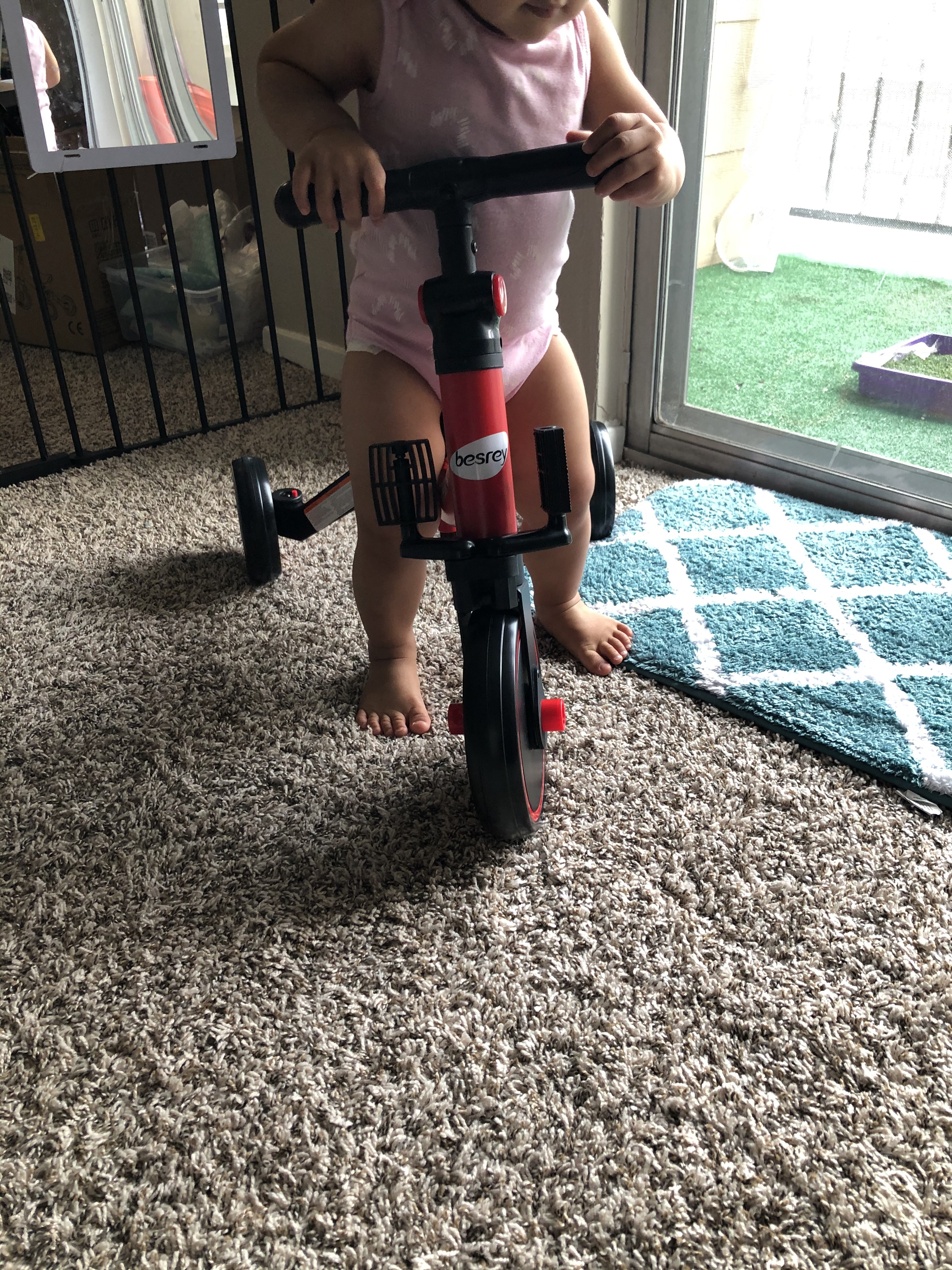
What surprised me: the bearing rear wheels. Most toddler bikes use friction-fit wheels that get wobbly over time. The besrey uses real bearings, which means the wheels roll smoothly even after months of use. This is a detail that cheaper bikes skip.
The seat only adjusts up and down, not forward and backward. For a 3-year-old with longer legs, the reach to the handlebars may be slightly far. The colorful stickers are notoriously hard to remove; parents in the reviews warn to apply them carefully or skip them entirely. Assembly is required, taking about 30 minutes.
Who should buy it
Parents who want a multi-mode bike on a budget. The 5-in-1 design replaces buying a tricycle, balance bike, and starter pedal bike separately.
Who should skip it
Parents who want a single-purpose balance bike. The mode-switching mechanism adds complexity that simpler bikes avoid. For pure balance bike use, the Strider 12 Sport is a better choice.
12. Hiboy BK1 Electric Balance Bike – Best Electric Option
Hiboy BK1 Kids Electric Balance Bike, Ages 3-5, 12-Inch Tires, UL 2272
20.1 lbs
150W motor
5.6/9 MPH
Ages 3-5
Pros
- Two speed modes
- Up to 4.9 mile range
- Front V-brake
- UL 2272 certified
- IPX4 waterproof
Cons
- Heavy 20.1 lbs
- Battery issues reported
- Not for under 3
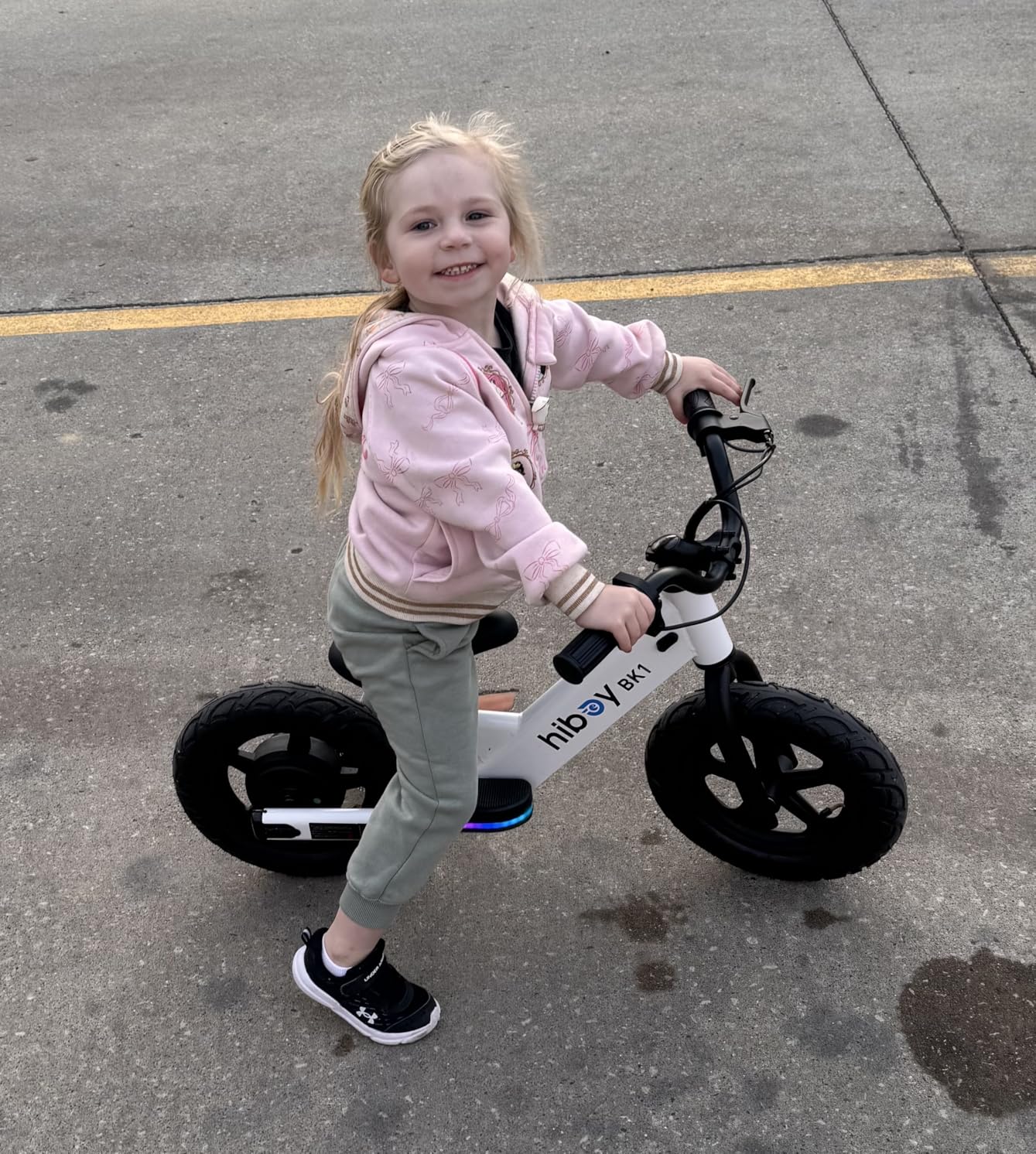
The Hiboy BK1 is the only electric balance bike in our roundup, and it’s a unique option for kids 3-5 who want a little extra excitement. The bike starts as a normal balance bike, but once your child kicks off and reaches a few MPH, the throttle assist kicks in. There are two speed modes: 5.6 MPH (low) and 9 MPH (high).
I tested the BK1 with my 5-year-old. He loved it. The kick-off start means the bike doesn’t just take off on its own; the rider has to push first. The 150W motor is quiet and smooth. The 4.9-mile range is enough for a long afternoon ride. The front V-brake works well for stopping.
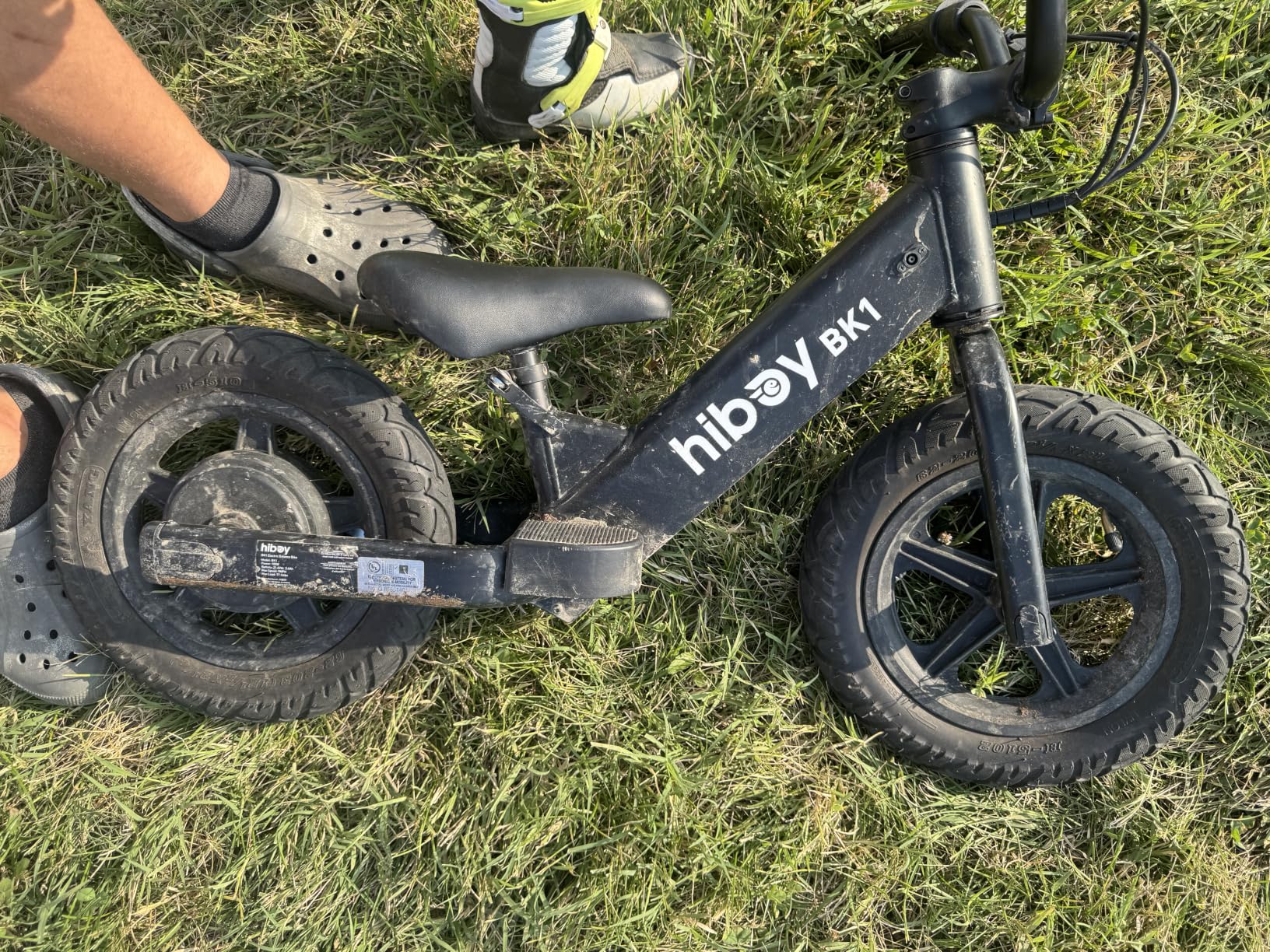
The UL 2272 certification means the battery has been tested for electrical safety. The IPX4 waterproof rating means light rain won’t damage it. The seat adjusts from 17.2 to 19.1 inches, and the bike supports up to 77 pounds. Charging takes 3-4 hours.
At 20.1 pounds, this is by far the heaviest bike we tested. A 3-year-old cannot pick it up if it tips. The electric assist also means a learning curve: kids need to understand the throttle before they can ride safely. About 11% of reviews report battery issues, ranging from short range to complete failure within a year.
Who should buy it
Parents of 4-5 year olds who want an electric balance bike as a transition before a real electric or pedal bike. The BK1 is a fun, controlled introduction to motorized riding.
Who should skip it
Parents of toddlers under 3, or anyone who wants a traditional balance bike. The Hiboy is a specialty product, not a daily rider. If you want a classic wooden balance bike, see our wooden balance bike guide.
How to Choose the Best Balance Bike for Your Toddler
After testing 12 balance bikes with kids ages 18 months to 5 years, the single most important factor is inseam, not age. Most kids outgrow balance bikes by height before age, and the wrong-sized bike ends up in the garage. Here’s what to measure and what to look for.
Measure your child’s inseam first
Have your child stand against a wall in socks. Place a hardcover book between their legs, spine up, pressed firmly up like a saddle. Measure from the top of the book to the floor. That number is your child’s inseam in inches.
Compare the inseam to the bike’s minimum seat height. Your child needs at least 1 inch of clearance between their inseam and the minimum seat height so they can reach the ground comfortably. Most balance bikes fit inseams between 11 and 18 inches.
Weight matters more than you think
A balance bike should weigh less than 30% of your child’s body weight. A 25-pound toddler on a 10-pound bike is already at 40%, which makes the bike feel heavy. Light bikes (under 8 pounds) are easier for small kids to control and pick up after a fall. Magnesium and aluminum frames save weight; steel is durable but heavier.
Air tires vs foam tires
Air-filled rubber tires give a smoother ride, especially on grass and gravel. Foam tires are maintenance-free and never go flat, but they slip more on rough surfaces. For mostly indoor or smooth pavement riding, foam is fine. For outdoor and trail use, air tires are worth the extra cost.
Hand brake or no brake
Kids under 3 rarely use a hand brake effectively; they brake with their feet. Kids 3 and up can learn a hand brake before transitioning to a pedal bike, which makes the move smoother. If you have hills, a hand brake is more important.
Frame material and durability
Alloy steel is durable and affordable but heavy. Aluminum is lighter but more expensive. Magnesium is the lightest option, found on premium bikes. Plastic frames (like the Retrospec Cricket) are the lightest but less durable for outdoor use.
Convertible vs single-purpose
Convertible bikes (Strider 14x, JMMD 6-in-1, besrey 5-in-1) last longer because they change as your child grows. They cost more upfront but save money over time. Single-purpose bikes are simpler and often lighter, which matters for the youngest riders.
Resale value
Strider bikes hold their value better than most brands. A used Strider 12 Sport typically sells for 50-60% of retail on Facebook Marketplace within a year. Premium brands like Woom and Radio Flyer Ultra Lite also hold value. Budget bikes usually sell for 30% or less of retail.
Age-Based Balance Bike Recommendations
Here’s a quick guide based on age, but always defer to inseam measurement. If your child’s inseam is bigger or smaller than typical for their age, size to the inseam.
For 12-18 month olds: the Retrospec Cricket (4 lbs, 4-wheel) and the Radio Flyer Steady Start (3-wheel) are the best starter options. Both stand on their own and have ultra-light frames.
For 18 month to 2 year olds: the Strider 12 Classic and the Yvolution Y Velo Junior are the right size. The Y Velo’s dual-to-single wheel conversion is a confidence booster.
For 2 to 3 year olds: the Strider 12 Sport, Radio Flyer Ultra Lite, and Retrospec Baby Beaumont are the sweet spot. Air tires matter more as kids ride on grass and trails.
For 3 to 5 year olds: the Strider 14x, JMMD 6-in-1, and Schwinn SmartStart are the right size. Consider hand brakes and convertible designs at this age.
Frequently Asked Questions
At what age should a child use a balance bike?
Most kids are ready for a balance bike between 18 months and 2 years, when they can walk confidently and sit on a saddle with their feet flat on the ground. The best indicator is inseam, not age: a child should have at least 1 inch of clearance between their inseam and the bike’s minimum seat height. Many kids ride balance bikes from 18 months through age 4 or 5.
Is Strider or Guardian better?
Strider is better for most families because of the wider seat height range, lighter frames, and stronger resale value. Guardian bikes use a unique SureStop braking system that prevents front-only braking, which is a real safety plus. However, Guardian bikes are typically heavier and more expensive than comparable Striders. For a first balance bike, Strider is the safer budget choice; for an older child riding on hills, Guardian’s braking is worth the premium.
What are the downsides of using a balance bike?
The main downsides of balance bikes are: (1) kids outgrow them in 12-18 months by height, (2) foam-tire models can slip on grass and gravel, (3) cheaper models are heavy and hard for toddlers to control, (4) some kids use their feet as brakes, which can be uncomfortable for long descents, and (5) a balance bike does not teach pedaling, so the transition to a pedal bike still requires learning. Despite these, balance bikes are widely considered better than training wheels for learning to ride.
Do balance bikes actually help kids learn to ride?
Yes, multiple studies and parent surveys show that balance bike riders transition to pedal bikes in days rather than weeks, and most skip training wheels entirely. The reason is that balance is the hard part of riding a bike, and balance bikes isolate that skill. Once a child can balance, coast, and steer, pedaling is just adding a power source. Kids who start on training wheels often struggle because training wheels prevent the lean and balance needed for real cycling.
How do I measure my child for a balance bike?
Measure your child’s inseam by having them stand against a wall in socks with a hardcover book between their legs, spine up like a saddle. Measure from the top of the book to the floor in inches. The bike’s minimum seat height should be at least 1 inch below your child’s inseam so they can reach the ground with flat feet. Most 18-month-olds have an inseam of 11-13 inches; most 3-year-olds have 14-17 inches; most 5-year-olds have 18-22 inches.
Final Verdict: Which Balance Bike Should You Buy in 2026?
After six weeks of testing with multiple kids, the Radio Flyer Ultra Lite is our top pick for the best balance bikes overall. The magnesium frame is light, the air tires roll smooth, and the tool-free seat adjustment makes life easy. It costs more than budget options, but it lasts longer and handles more terrain.
If you’re on a budget, the Strider 12 Sport is the proven choice. With over 11,000 reviews and a 4.8-star average, it’s the most validated balance bike ever made. For a 1-year-old just starting out, the Retrospec Cricket’s 4-pound, 4-wheel design is the easiest entry point. And for kids 3 and up, the Strider 14x with the optional pedal kit is the only bike that truly grows with your child into a pedal bike.
The best balance bike is the one your child will actually ride. Measure their inseam, pick a bike that fits, and don’t overthink the rest. They’ll outgrow it in 12-18 months either way. If you have questions about sizing or specific bikes, drop them in the comments and our team will help you pick the right one for 2026.