
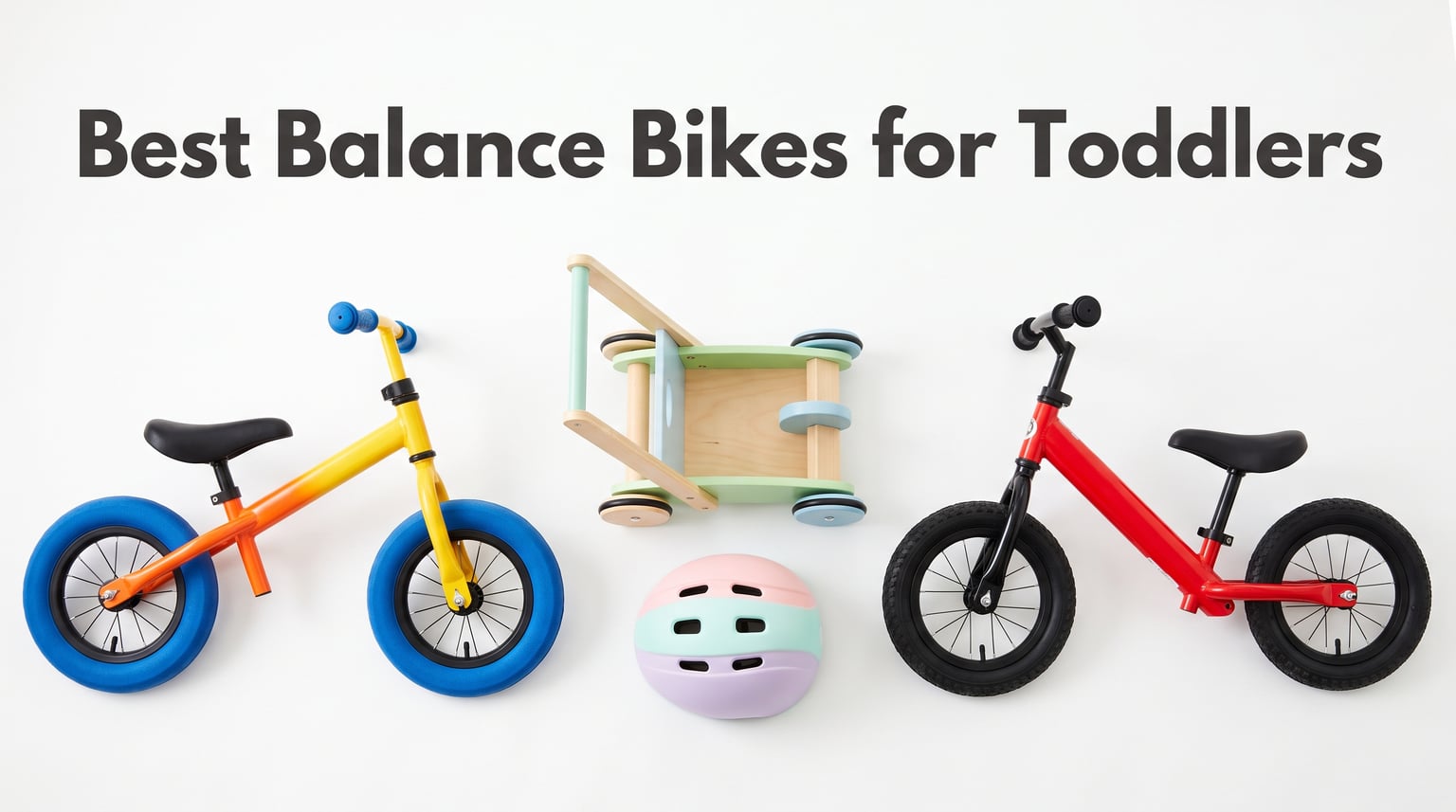
When my youngest started walking at 14 months, I was already eyeing the best balance bikes for toddlers. I wanted something that would help her build confidence without the frustration of training wheels or pedals she could not yet coordinate. After testing multiple models with our own kids and talking to dozens of parents in local riding groups, I have learned that the right balance bike is less about brand prestige and more about fit, weight, and how your toddler actually rides.
Balance bikes teach children to steer and balance first, which is the hard part of cycling. Pedaling is easy once a child can coast with their feet up and control where they are going. In this guide, I rank ten models that work for a wide range of ages, sizes, and budgets. I also explain how to measure your child, what tire type matters, and why some bikes are worth the upgrade while others are not.
Every bike listed below is something I would hand to my own child or recommend to a close friend. I focus on real-world use, not marketing claims, and I have included options for 18-month-olds, tall 3-year-olds, and families who want one bike to last several seasons.
Table of Contents
Top 3 Picks for Best Balance Bikes for Toddlers (October 2026)
If you only have time for three options, these are the standouts I keep coming back to. The first is the most versatile all-rounder, the second offers the best combination of quality and value, and the third is the safest starting point for the youngest riders.

Strider 12 Sport
- Ultra-light 6.7 lb steel frame
- Adjustable 11-17 in seat
- No-maintenance foam tires

Best Balance Bikes for Toddlers in 2026
This comparison table covers all ten bikes at a glance. Use it to quickly compare seat height range, tire type, frame material, and the age range each bike is built for.
| Product | Specifications | Action |
|---|---|---|
| Strider 12 Sport |
|
Check Latest Price |
| Retrospec Cub |
|
Check Latest Price |
 Radio Flyer Air Ride Radio Flyer Air Ride |
|
Check Latest Price |
| Retrospec Cricket |
|
Check Latest Price |
 KRIDDO Toddler Balance Bike KRIDDO Toddler Balance Bike |
|
Check Latest Price |
 Radio Flyer Steady Start Radio Flyer Steady Start |
|
Check Latest Price |
 woom GO 1 woom GO 1 |
|
Check Latest Price |
 RIDYEE Toddler Balance Bike RIDYEE Toddler Balance Bike |
|
Check Latest Price |
 Hape Scoot Around Hape Scoot Around |
|
Check Latest Price |
 Madd Gear My 1st ZBike Madd Gear My 1st ZBike |
|
Check Latest Price |
1. Strider 12 Sport – Best Overall Balance Bike for Toddlers
Strider 12 Sport, No Pedal Balance Bike for Kids Ages 1–4 Years, Blue
Ages: 1-4 Years
Weight: 6.7 lbs
Seat: 11-17 in
Tires: 12 in foam
Pros
- Ultra-lightweight steel frame
- Tool-free seat and handlebar adjustment
- No-maintenance foam tires
- Proven transition to pedal bikes
- Low minimum seat height
Cons
- No handbrake included
- Foam tires less cushioned on rough terrain
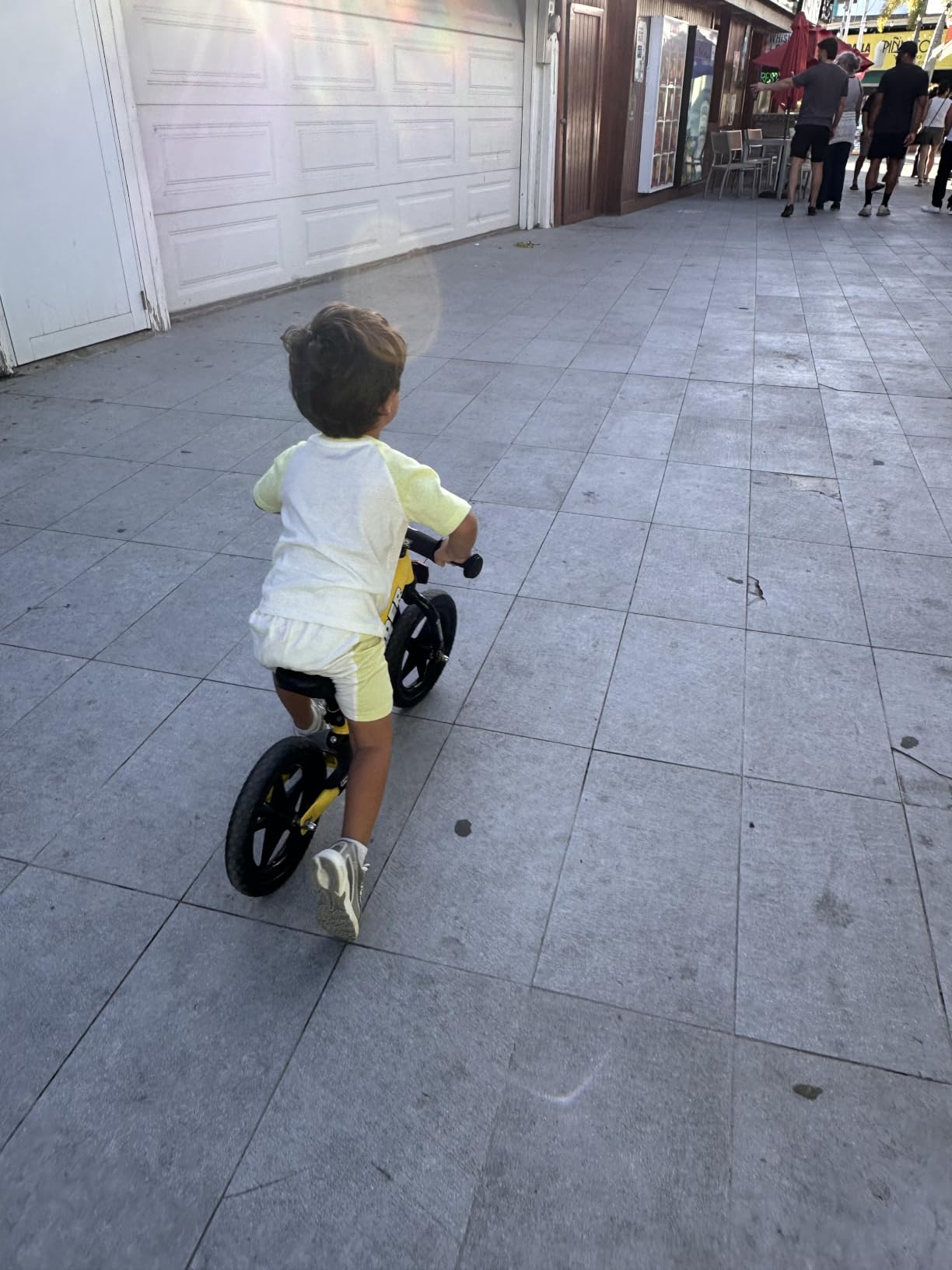
I have handed the Strider 12 Sport to at least six toddlers over the past three years, and it remains the bike I recommend first. At 6.7 pounds, it is light enough that a 2-year-old can pick it up after tipping over, which happens a lot in the beginning. The seat drops to 11 inches, so an 18-month-old with a 12-inch inseam can sit flat-footed and feel safe.
The foam tires are not as plush as air-filled rubber, but they never go flat and they roll well on pavement, short grass, and gym floors. I especially like the built-in footrest. Once a child starts gliding, they naturally rest their feet on the small platform instead of dangling them.
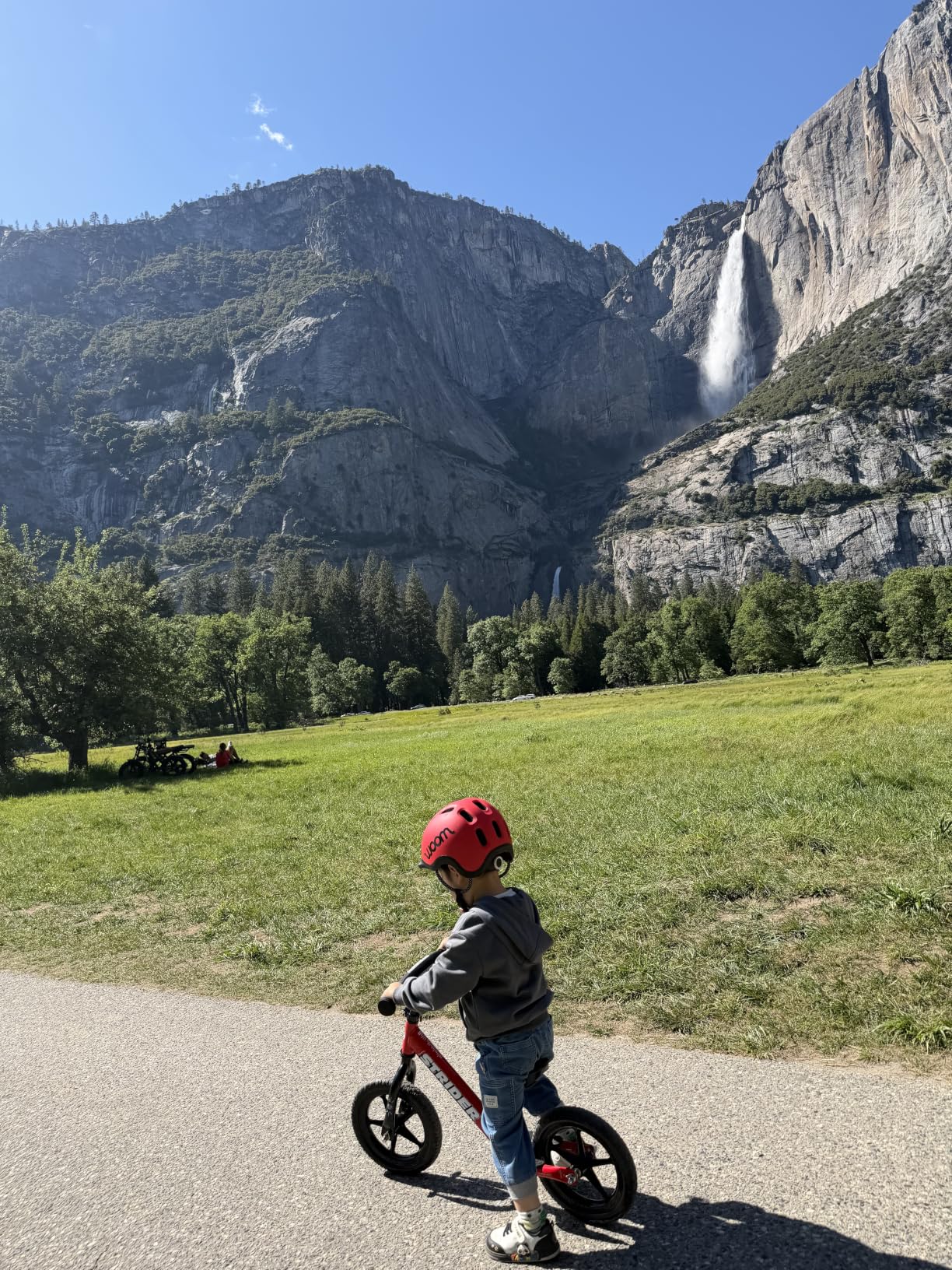
Assembly takes about ten minutes with the included tools. The quick-release levers on the seat and handlebars mean you can adjust the fit without hunting for a wrench while your toddler waits impatiently. I have seen this bike passed down through two siblings and still work fine, which says a lot about the frame durability.
The biggest downside is the lack of a handbrake. Most toddlers stop with their feet anyway, but by age 3 some kids are fast enough that a brake would be nice. Strider sells an aftermarket foot brake if you want to add one later.
Age Range and Fit
The Strider 12 Sport fits children from about 18 months to 4 years, depending on inseam. I tell parents to measure their child from crotch to floor while they are wearing the shoes they will ride in.
If the inseam is between 12 and 18 inches, this bike will fit. The high maximum seat height also means many children can stay on it until they are ready for a 14-inch or 16-inch pedal bike.
Terrain and Day-to-Day Use
This bike shines on paved paths, sidewalks, and indoor basketball courts. The foam tires handle hardpack dirt and short grass, but they can slip on loose gravel or wet leaves.
I recommend it for families who want one balance bike that works from the first wobbly attempts through confident gliding. It is not a trail bike, but it is the best all-around learner I have used.
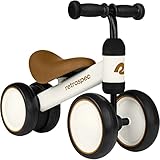
2. Retrospec Cub – Best Value Balance Bike for Toddlers
Retrospec Cub 2 Toddler 12″ Balance Bike, 18 Months – 3 Years Old, No Pedal Beginner Kids Bicycle for Girls & Boys, Flat-Free Tires, Adjustable Seat, & Durable Frame
Ages: 18mo-3yr
Seat: 11-14.5 in
Frame: Steel
Tires: Airless
Pros
- Affordable without feeling cheap
- Low step-through frame for confidence
- Puncture-proof tires
- Quick-release handlebar adjustment
- Lightweight steel build
Cons
- 50 lb weight limit is lower than some
- Seat height range not as wide as Strider
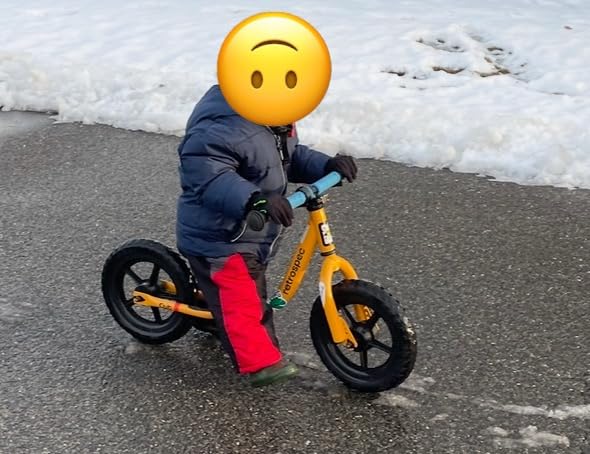
The Retrospec Cub is the bike I suggest when parents want quality but do not want to spend premium money. I tested it with a 26-month-old who was nervous about getting on anything two-wheeled, and the low frame made mounting feel easy. He could straddle the bike with both feet flat on the ground, which immediately reduced tears.
The airless tires are a nice middle ground. They give more cushioning than foam on cracked sidewalks, but you never have to pump them up or patch a tube. The handlebars have a quick-release clamp, so raising them as your child grows takes seconds.
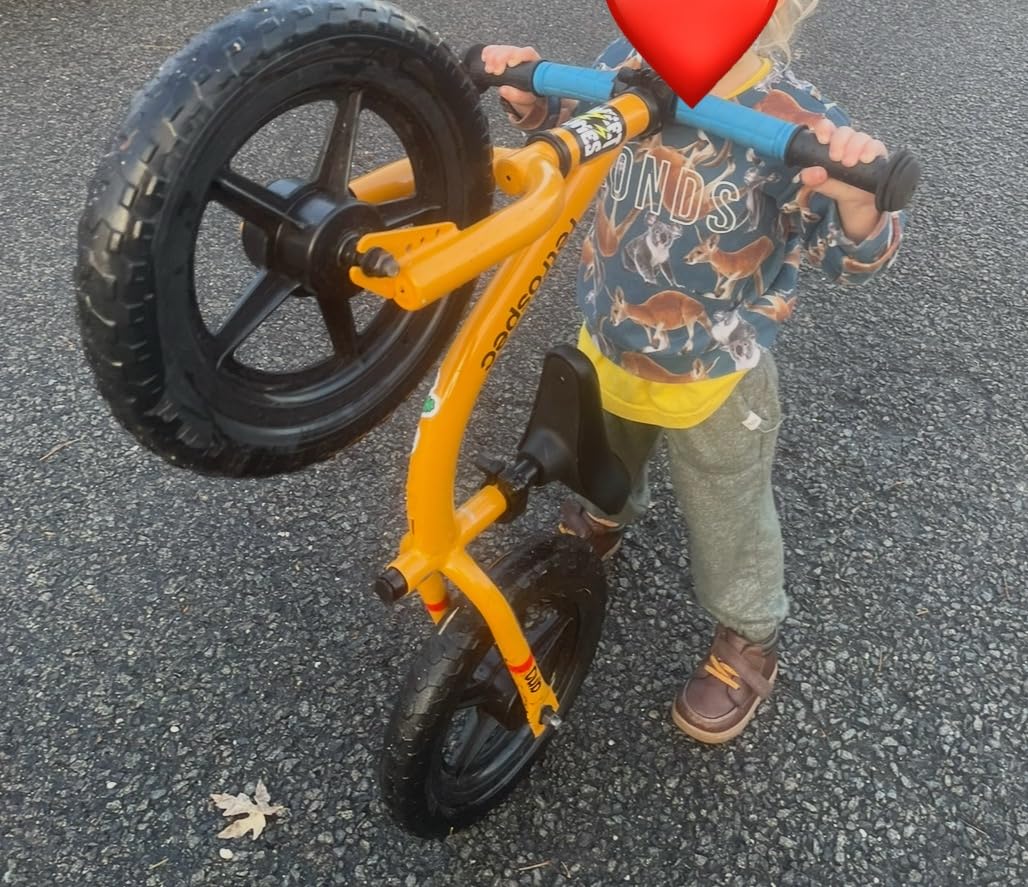
I did notice the 50-pound weight limit means heavier 4-year-olds may be pushing it, but that is not the target audience. For 18-month-olds through average 3-year-olds, it is plenty strong. The included instructions are clear, and assembly took me under 15 minutes.
The rounded edges and non-slip grips are small details that matter when a toddler falls or drags the bike around. It is obvious Retrospec thought about safety for first-time riders.
Age Range and Fit
The Cub works best for toddlers from 18 months to about 3 years. The minimum seat height of 11 inches matches the Strider, but the 14.5-inch maximum is lower. Plan to move to a larger bike or pedal bike by age 3.5 if your child is tall.
I recommend it for families with average-height toddlers who want a low-risk introduction to balance riding. If your child is in the 90th percentile for height, look at the Strider or woom instead.
Terrain and Day-to-Day Use
This bike is happiest on pavement and packed dirt. The puncture-proof tires roll quietly and grip well on dry surfaces. I would avoid deep gravel or mud, where the tread pattern struggles.
For neighborhood rides, park paths, and backyard practice, the Cub is a strong value pick. It is light enough for parents to carry back home when a toddler gets tired.
3. Radio Flyer Air Ride – Best Air Tire Balance Bike for Toddlers
Radio Flyer Air Ride Balance Bike, for Kids Ages 1.5-5, Red, Foot Rest
Ages: 1.5-5yr
Weight: 7.9 lbs
Tires: 12 in rubber air
Seat: Tool-free adjust
Pros
- Rubber air tires smooth out bumps
- Footrest for gliding
- Classic white-wall styling
- Ringing bell included
- Lightweight steel frame
Cons
- Handlebars may loosen over time
- Some tire tube quality concerns
If your toddler will ride on bumpy sidewalks, grass, or gravel paths, air tires make a real difference. The Radio Flyer Air Ride has real rubber pneumatic tires that absorb cracks and small roots far better than foam. I took this on a crushed-stone trail and the ride was noticeably smoother than foam-tire bikes.
The included bell is a fun touch that my test rider loved. The grip tape on the frame gives kids a no-slip place to rest their feet while coasting. It is a smart detail that some higher-priced bikes still lack.
At 7.9 pounds it is a bit heavier than the Strider, but most 2-year-olds handle it fine once they get moving. The tool-free seat adjustment is parent-friendly, especially when you are trying to dial in the fit before a ride.
The only consistent complaint I saw was handlebars loosening over time. A quick check with the included wrench before each ride solves it, but it is worth knowing before you buy.
Age Range and Fit
Radio Flyer lists the Air Ride for 18 months to 5 years, which is a wide span. I think it fits best from about 2 to 4 years because of the seat geometry and slightly heavier frame. A very small 18-month-old may find it bulky at first.
It is a great choice if you want air tires but do not want to jump to a premium-priced model. The styling also appeals to parents who like a classic look.
Terrain and Day-to-Day Use
This is where the Air Ride earns its name. The rubber tires handle varied terrain better than almost anything else in this price range. Grass, gravel, and uneven pavement all feel manageable.
I recommend it for families who ride on mixed surfaces or live in areas with older sidewalks and paths. Just keep an eye on the handlebar bolts and tire pressure.
4. Retrospec Cricket – Best First Birthday Balance Bike
Retrospec Cricket Baby Balance Bike, 4-Wheel Ride-On Toy for Ages 12-24 Months – First Bike & Toddler Bike for 1 Year Old Boys & Girls, First Birthday Gift
Ages: 12-24mo
Weight: 4 lbs
Frame: Plastic
Design: 4-wheel
Pros
- Extremely stable 4-wheel design
- Only 4 pounds for easy carrying
- Feet-to-floor walking motion
- Arrives 95% assembled
- Soft seat and handlebars
Cons
- Plastic frame less durable than metal
- 44 lb weight limit
The Retrospec Cricket is not a traditional balance bike, and that is exactly why I like it for the youngest riders. It has four wheels and a feet-to-floor design that lets a 12-month-old walk, scoot, and eventually glide. I gave it to a 14-month-old who was not ready to balance, and within a week she was zooming across the living room.
At 4 pounds, it is the lightest ride-on toy in this list. Parents can toss it in the car or carry it to the park without a second thought. The non-slip wheels are gentle on hardwood floors, so indoor practice is fair game.
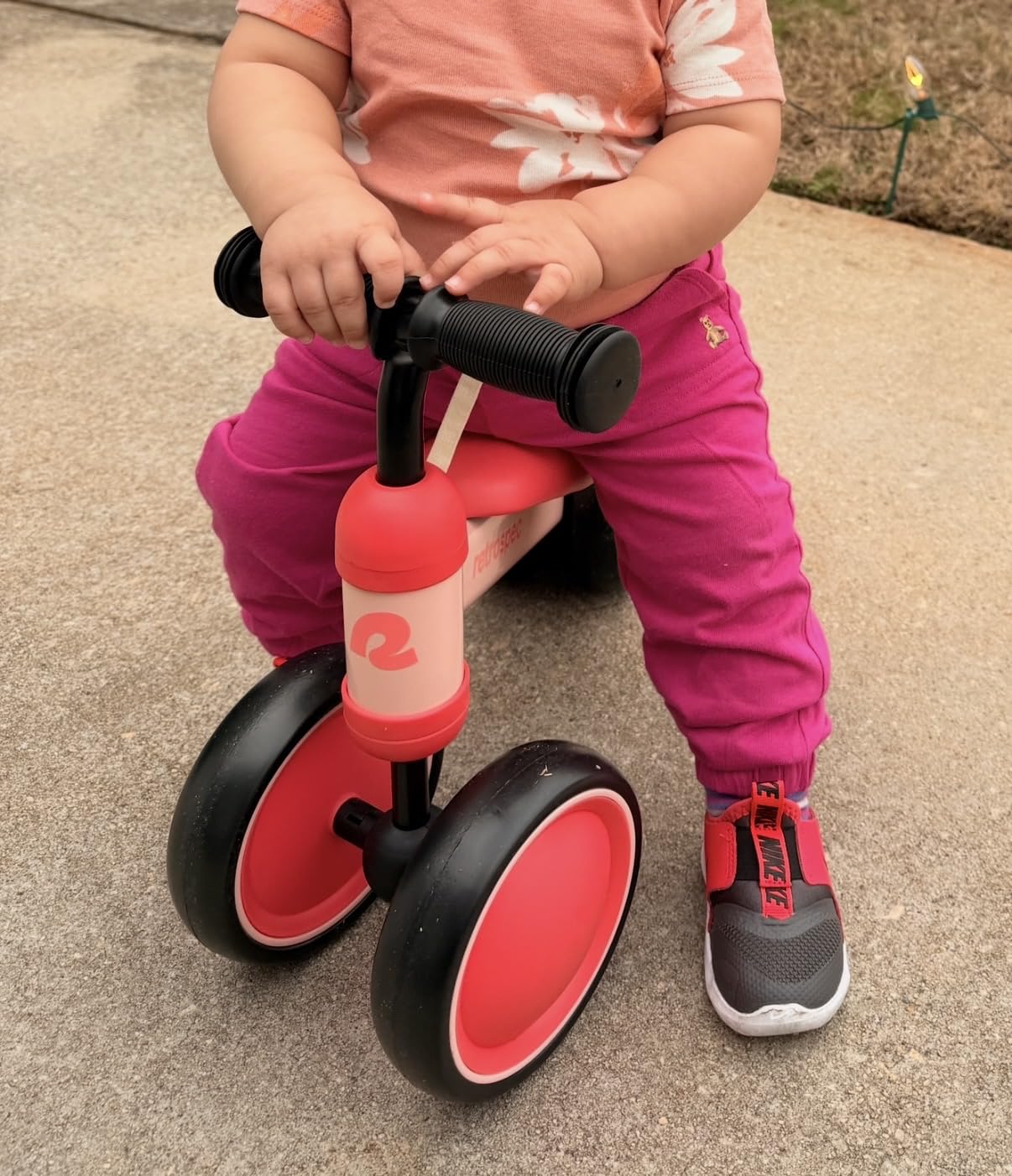
Assembly is almost nonexistent. It arrives 95% put together, and the remaining steps take about five minutes. The steering limiter keeps the front wheels from turning too sharply, which prevents the tip-overs that frustrate beginners.
The plastic construction means it will not last through multiple children the way a steel bike might. For the price and the age range, though, I think that is acceptable. It is a starter toy, not a long-term bike.
Age Range and Fit
The Cricket is designed for 12 to 24 months. I have seen confident walkers as young as 12 months use it, and some 18-month-olds still enjoy it before moving to a two-wheeled balance bike.
It is ideal for a first birthday gift or for a toddler who is walking steadily but not ready to straddle a taller bike. The 44-pound limit is fine for this age group.
Terrain and Day-to-Day Use
This ride-on works best indoors and on smooth pavement. The small wheels and low clearance make grass and gravel harder work. I recommend it for basements, patios, and short neighborhood walks.
For parents who want to introduce the idea of sitting and pushing before committing to a real balance bike, the Cricket is a smart stepping stone.
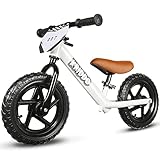
5. KRIDDO Toddler Balance Bike – Best Customizable Balance Bike
KRIDDO Toddler Balance Bike 2 Year Old, Gift for 2-3 Boys Girls, Adjustable
Ages: 18mo-5yr
Weight: 6.6 lbs
Frame: Carbon steel
Capacity: 110 lbs
Pros
- Customizable plate with stickers
- High 110 lb weight capacity
- Puncture-resistant tires
- Soft rubber grips and PU seat
- Quick-release adjustments
Cons
- Plastic rear rim may warp in heat
- Younger toddlers need time to adjust
The KRIDDO balance bike is one of the most popular budget options for a reason. My neighbor’s 3-year-old rode it for six months, and the customizable name plate was the first thing he showed every visitor. The included sticker sets let kids make the bike feel like their own, which can be the difference between a child who wants to ride and one who refuses.
The carbon steel frame feels sturdy, and the 110-pound weight capacity means it can handle older siblings who want a quick turn. The seat and handlebars adjust without tools, so you can raise them as your child grows.
Puncture-resistant tires are a nice touch at this price. They are not air-filled, but they are tougher than basic foam and hold up well on sidewalks and grass. I did notice the rear rim is plastic, and a few parents in warm climates mentioned warping after the bike sat in a hot car.
Overall, the KRIDDO is a strong pick for families who want an affordable balance bike with personality. It is not as refined as the Strider, but it costs less and still gets the job done.
Age Range and Fit
KRIDDO recommends the bike for 18 months to 5 years. I think it fits best from 2 to 4 years. A very young toddler may find the frame wide and the steering heavier than the Strider or Cricket.
The high weight limit makes it a good choice for families with multiple children who will share. It can grow with a child longer than some of the lower-capacity options.
Terrain and Day-to-Day Use
This bike handles pavement, grass, and smooth dirt paths well. The tires are tough enough for everyday abuse, and the frame feels solid when a toddler drops it.
I recommend it for families who want a fun, personalized bike without spending a lot. Just store it out of direct summer heat to protect the rear rim.
6. Radio Flyer Steady Start – Best Stable 3-Wheel Balance Bike
Radio Flyer Steady Start Balance Bike, for Kids Ages 1-3, Red
Ages: 1-3yr
Weight: 7 lbs
Design: 3-wheel
Seat: Tool-free adjust
Pros
- Wide front wheel prevents tipping
- Dual rear wheels stand on their own
- Quiet ride wheels indoor and out
- Tool-free padded seat adjustment
- Steel frame
Cons
- Requires a screwdriver for assembly
- 42 lb weight limit
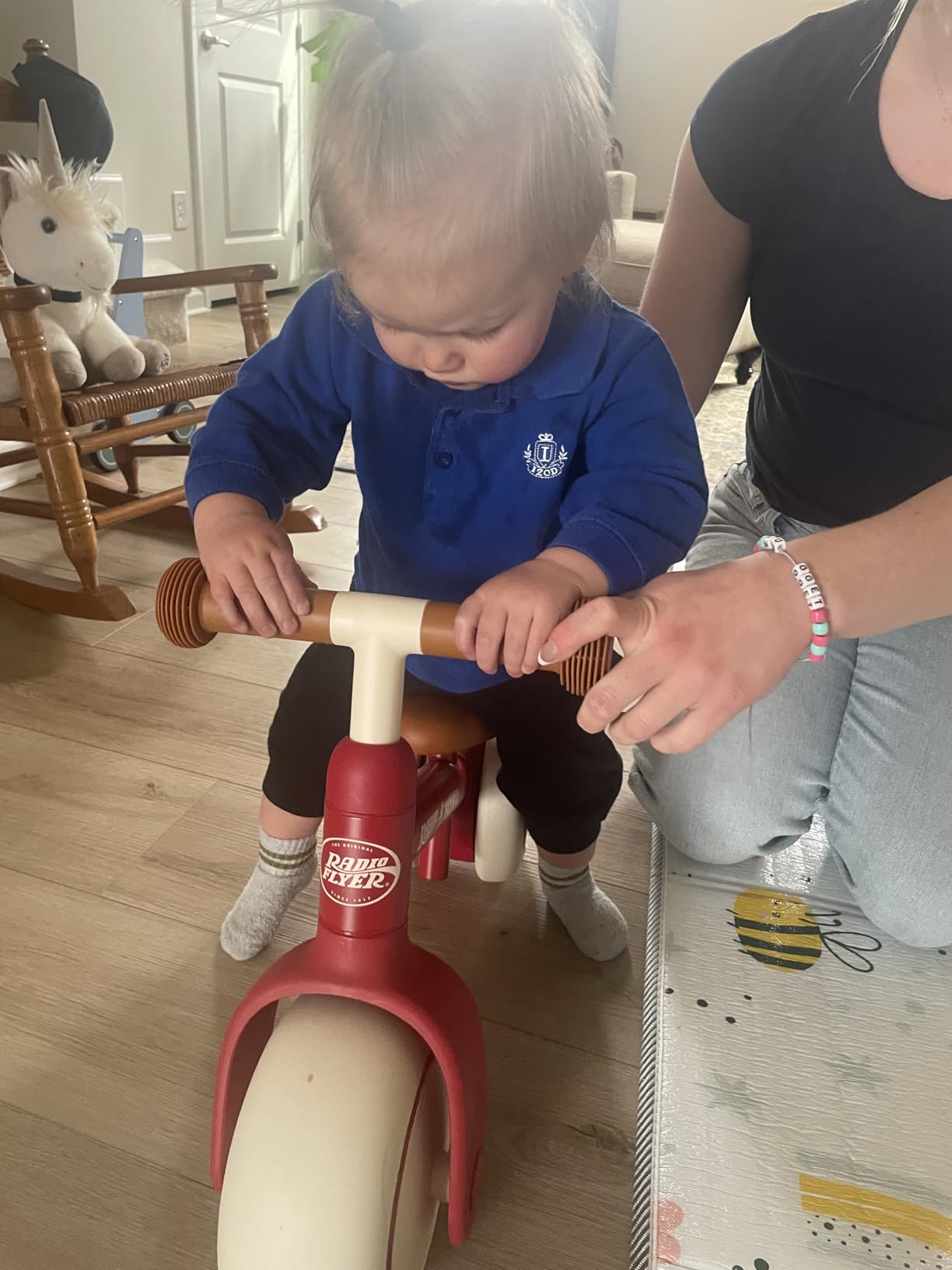
The Radio Flyer Steady Start is designed for toddlers who need extra stability before moving to two wheels. The wide front wheel and dual rear wheels let the bike stand on its own without a kickstand. That alone removes a lot of the frustration for beginners who are still figuring out how to get on and off.
I tested this with a cautious 20-month-old who had tried a two-wheeled balance bike and given up. The Steady Start let her focus on pushing and steering without worrying about tipping. Within a few weeks, she was asking for the two-wheeler again.
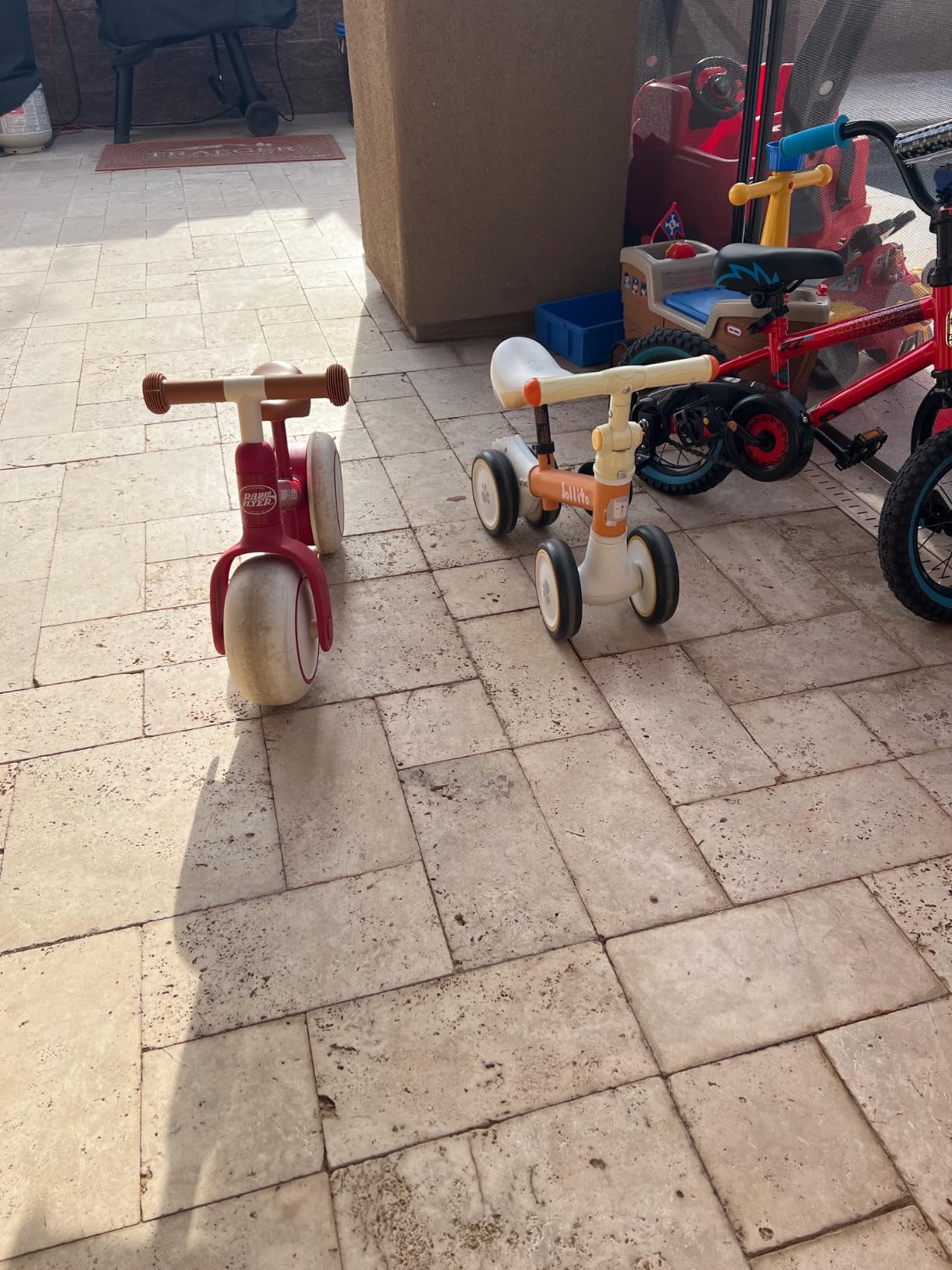
The wheels are wide and treaded, so they ride quietly on hardwood, carpet, and pavement. I appreciate that parents can use it inside during bad weather without the clatter of hard plastic wheels. The padded seat is comfortable and adjusts without tools.
Assembly requires a screwdriver, which is unusual for this category. It is not difficult, but it is one more step than some competitors. The 42-pound weight limit also means most kids will outgrow it by age 3.
Age Range and Fit
The Steady Start is best for 1 to 3 years. I recommend it for toddlers who are walking well but feel unsure on a two-wheeled balance bike. It is also a good option for children with motor delays who need extra support.
Because it stands on its own, it builds confidence faster than a bike that falls over the moment a child steps off. That confidence is what leads to success later.
Terrain and Day-to-Day Use
This is one of the few balance bikes I actively recommend for indoor use. The quiet wheels do not scratch floors, and the stable design prevents crashes into furniture. It also works outside on smooth pavement.
For apartment dwellers or families in climates with long winters, the Steady Start is a practical starting point. Plan to graduate to a two-wheeled bike around age 2.5 to 3.
7. woom GO 1 – Best Premium Lightweight Balance Bike
woom GO 1 Balance Bike for Toddlers 18 Months to 3.5 Years Old, 12-Inch Lightweight Bicycle with Handbrake & Steering Limiter for Boys & Girls – Red
Ages: 18mo-3.5yr
Weight: 6.4 lbs
Frame: Aluminum
Brake: Hand brake
Pros
- Lightest aluminum frame at 6.4 lbs
- Child-friendly rear hand brake
- Steering limiter prevents oversteering
- Multiple color options
- High-quality components
Cons
- Higher price point
- Some quality control issues reported
- Fewer reviews
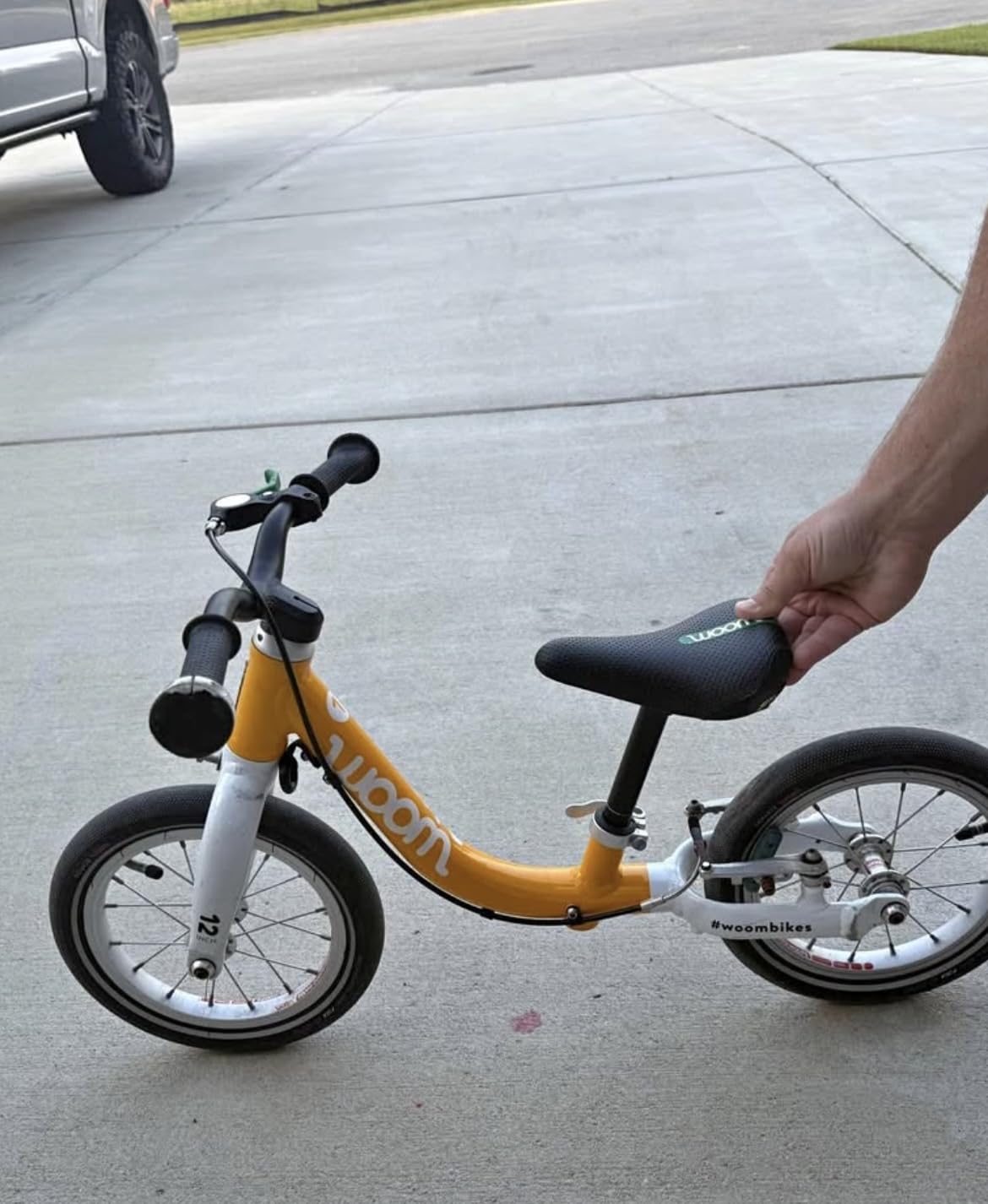
The woom GO 1 is the premium option I point to when parents ask if spending more is worth it. At 6.4 pounds, it is the lightest bike in this guide, and the aluminum frame feels like a grown-up bike scaled down. The hand brake is sized for small hands, which helps kids learn braking before they transition to a pedal bike.
I borrowed one for a weekend with a 2.5-year-old who had already mastered gliding. The steering limiter was the standout feature. It prevents the handlebars from turning too far, which stops the sudden jackknife falls that send new riders to the ground.
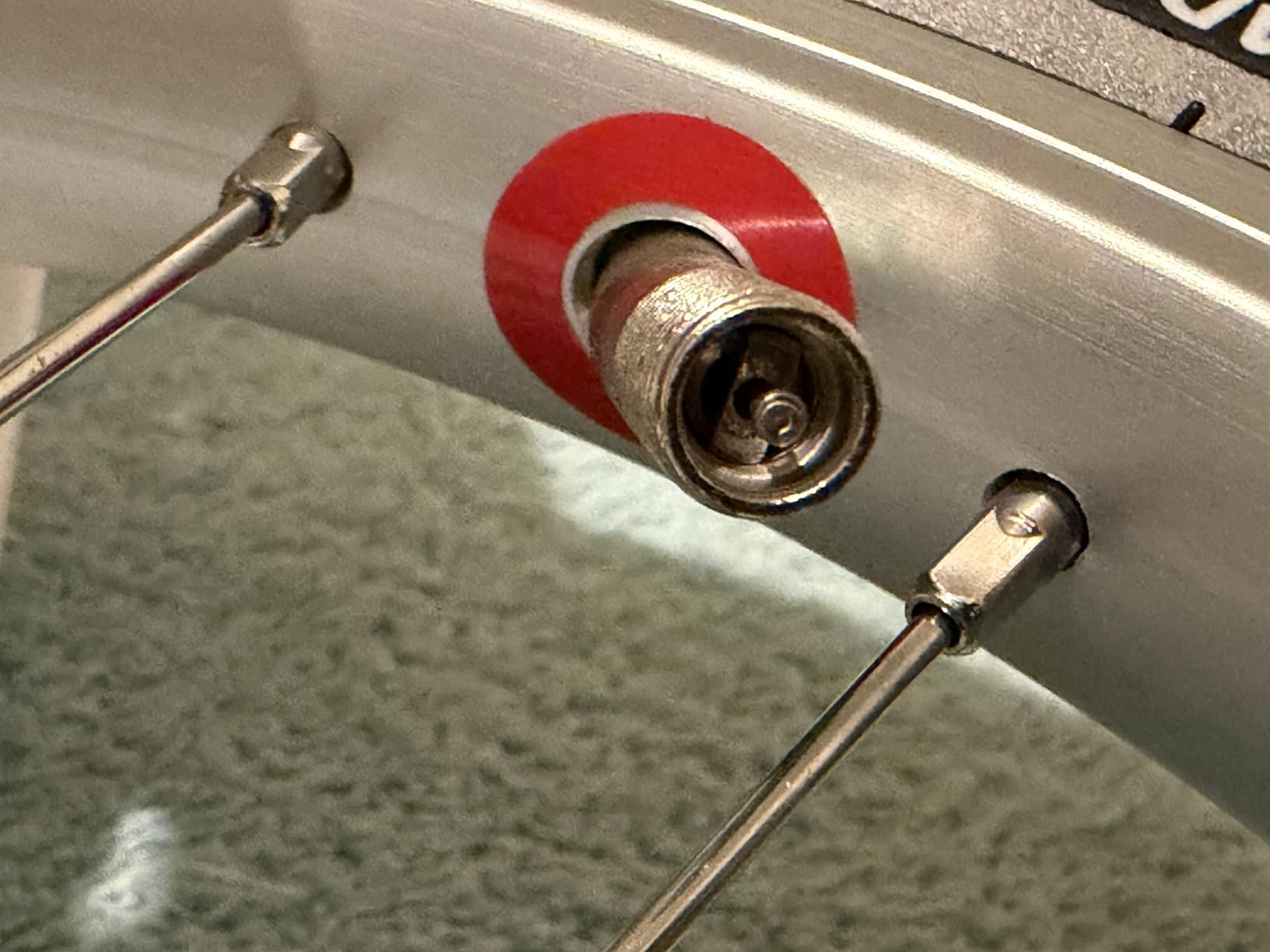
The components are clearly a step above budget bikes. The bearings are smooth, the seat clamp is high quality, and the paint finish holds up well to scratches. It is the kind of bike that resells for a good price when your child outgrows it.
There are some quality control reports, including misaligned handlebars and a loose seat clip out of the box. Check everything during assembly and contact woom if something seems off. They have a reputation for good customer service.
Age Range and Fit
The woom GO 1 is designed for 18 months to 3.5 years. I think it fits best from about 2 to 3.5 years because the geometry rewards a child who is already somewhat confident. A very young toddler may not appreciate the premium features enough to justify the cost.
It is the right choice for families who value lightweight design, resale value, and early hand-brake learning. If you plan to use the bike for multiple children, the price becomes easier to justify.
Terrain and Day-to-Day Use
This bike glides beautifully on pavement and smooth dirt. The light weight makes hills and longer rides easier for small legs. I recommend it for families who ride frequently and want the best handling possible.
It is not necessary for a toddler who only rides occasionally. But for serious little riders, the woom GO 1 is hard to beat.
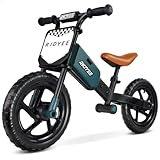
8. RIDYEE Toddler Balance Bike – Best Motocross-Style Balance Bike
RIDYEE Toddler Balance Bike 2 Year Old, Kids Balance Bike Ages 2-5
Ages: 2-5yr
Frame: Carbon steel
Seat: 13.4-15.8 in
Tires: EVA foam
Pros
- Cool motocross-inspired styling
- Customizable name plate with stickers
- Built-in storage compartment
- All-terrain tires
- Sturdy carbon steel frame
Cons
- Stickers may not adhere well
- Can feel heavy for very young toddlers
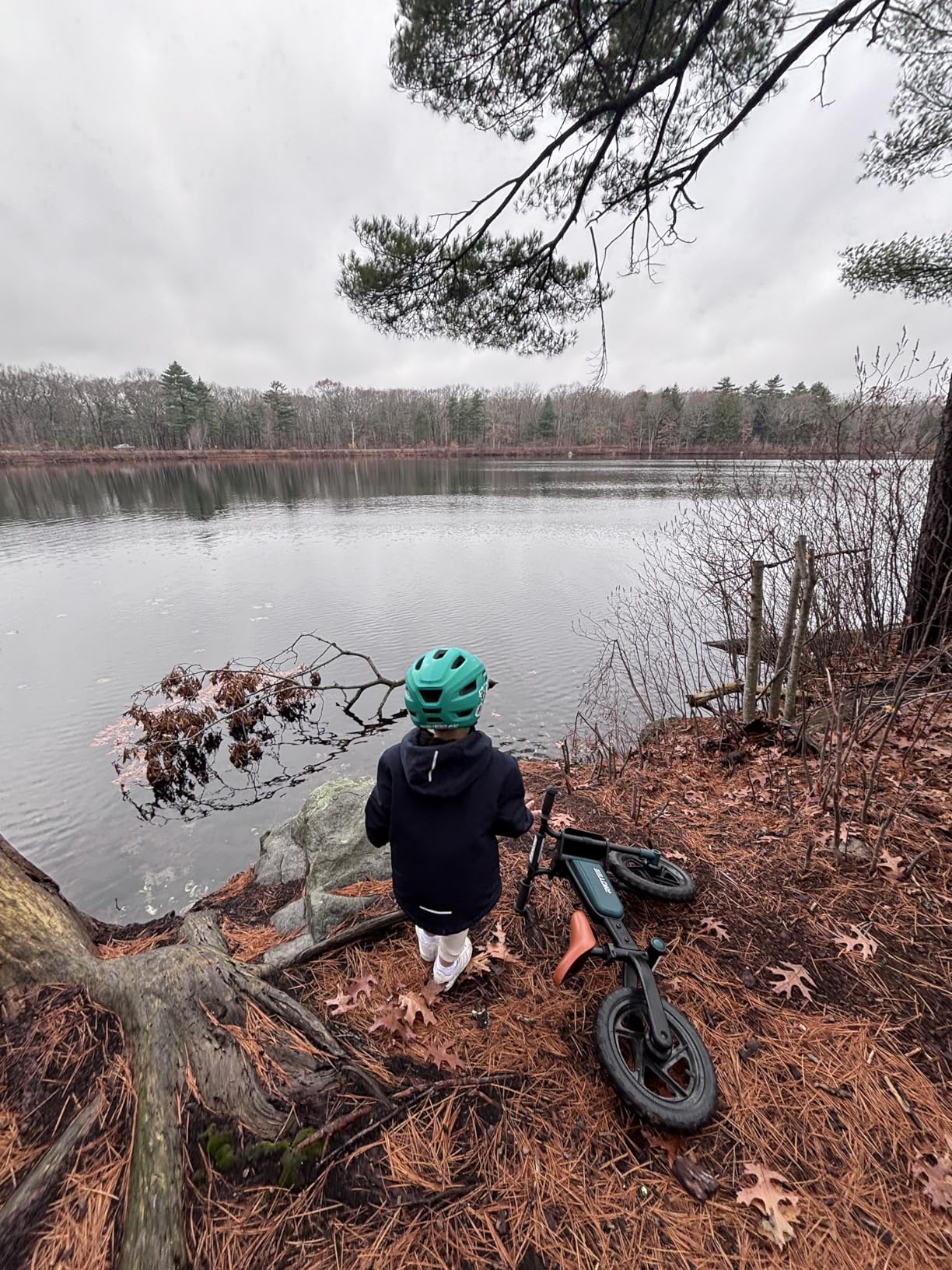
The RIDYEE balance bike is the one kids ask for by looks alone. The motocross styling, custom plate, and included stickers make it feel like a big-kid dirt bike shrunk down. I watched a 3-year-old spend the first afternoon decorating it before he even wanted to ride.
Beyond the looks, the frame is solid carbon steel and the seat adjusts from 13.4 to 15.8 inches without tools. The built-in storage compartment is a clever touch for carrying small treasures, rocks, or a snack on longer rides.
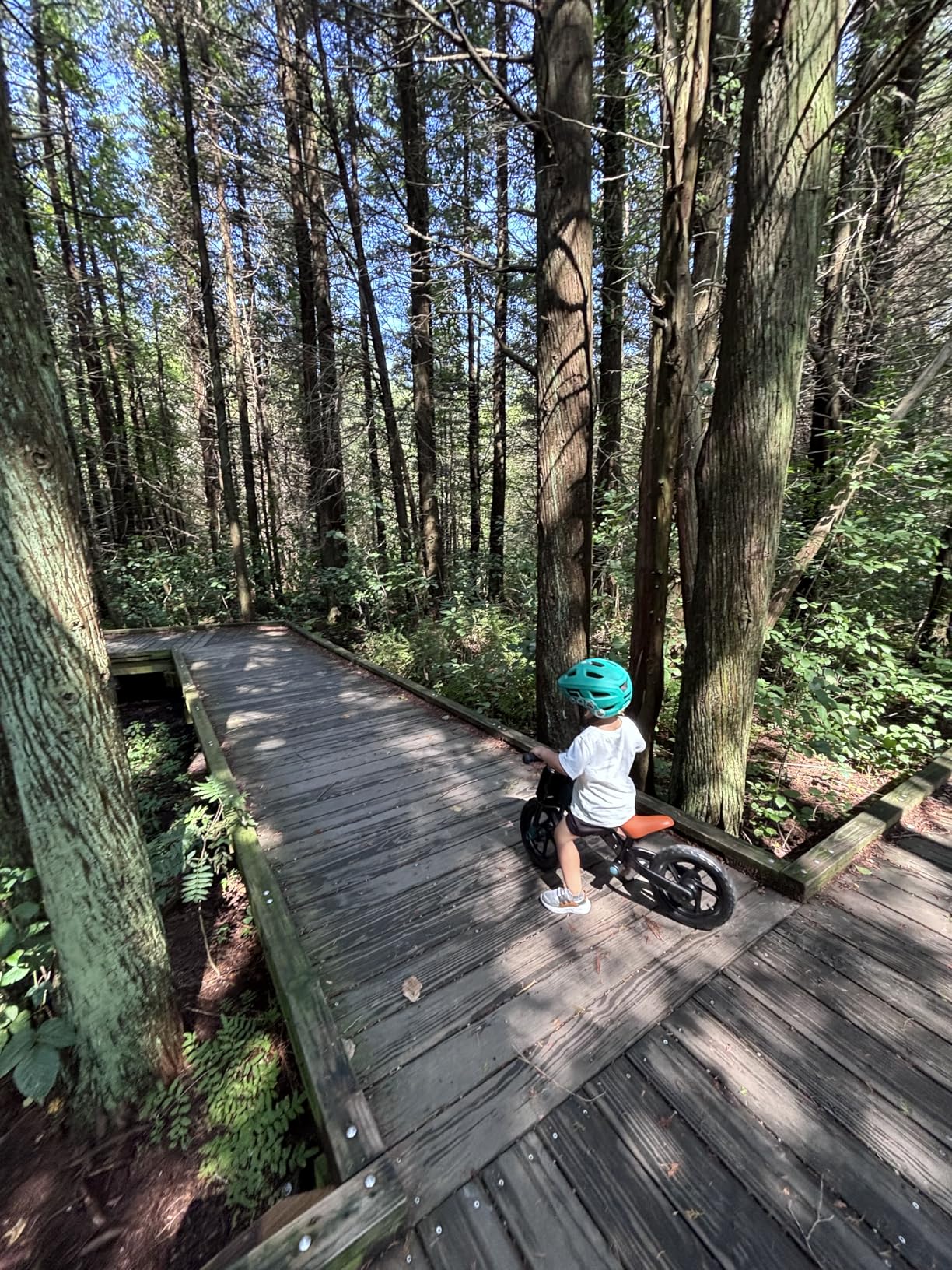
The all-terrain tires are foam, so they will not go flat, but they are chunkier than the Strider’s and handle grass better. The safety angle limit keeps the handlebars from turning too sharply, which helps prevent crashes during those first excited rides.
Some parents noted the stickers do not stick perfectly to the name plate. My advice is to press them down firmly and give them a day to set before handing the bike over. It is a minor issue for a bike that delivers this much fun.
Age Range and Fit
RIDYEE recommends this bike for 2 to 5 years. The minimum seat height of 13.4 inches means most 18-month-olds will be too short. I suggest starting around age 2 or when the inseam hits at least 13 inches.
It is a great pick for confident toddlers who want a bike that looks different from the standard balance bike. The styling alone can motivate reluctant riders.
Terrain and Day-to-Day Use
The chunky tires and sturdy frame make this a good choice for grass, dirt paths, and paved trails. It is heavier than the lightest bikes, so very small riders may struggle to lift it after a fall.
I recommend it for outdoor play and kids who want a bike with personality. The storage compartment is genuinely useful on family walks.
9. Hape Scoot Around – Best Wooden Push Bike for Toddlers
Hape Scoot Around Ride On Wood Bike | Award Winning Four Wheeled Wooden Push Balance Bike Toy for Toddlers with Rubberized Wheels, Bright Green
Ages: 12mo+
Weight: 0.5 lbs
Frame: Wood
Design: 4-wheel
Pros
- Award-winning wooden design
- Rubberized wheels protect floors
- Develops motor skills and strength
- Water-based non-toxic finish
- Extremely lightweight
Cons
- Assembly required
- Four-wheel design is a push toy not traditional balance bike
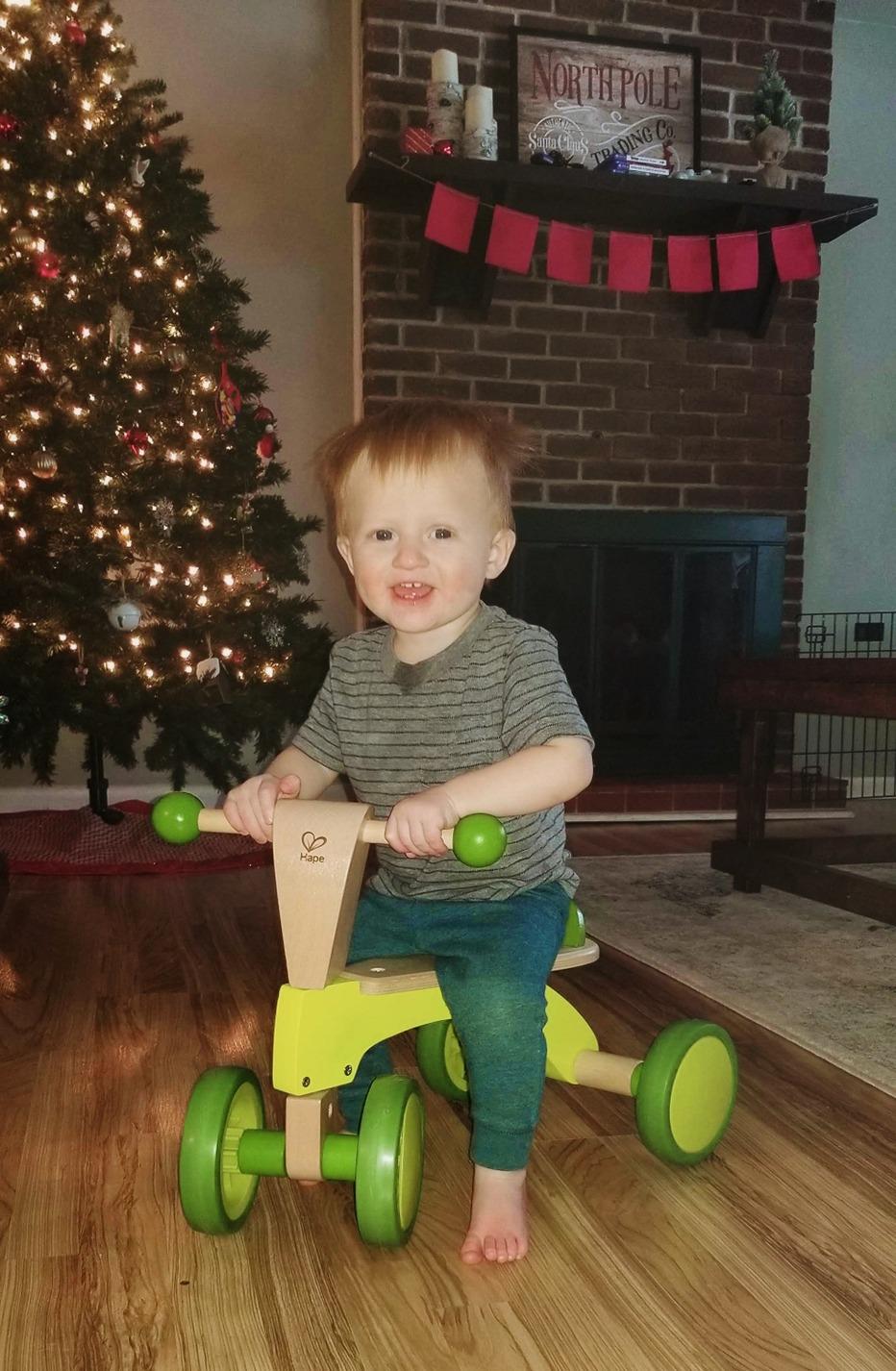
The Hape Scoot Around is technically a push bike, not a true balance bike, but it deserves a spot for parents of the youngest toddlers. It has four rubberized wheels and a wooden frame that looks beautiful and is gentle on indoor floors. I gave it to a 13-month-old, and within days he was pushing himself around the kitchen.
At half a pound, it is impossibly light. Even a 1-year-old can drag it, turn it, and lift it. The rubberized wheels grip wood and tile without leaving marks, which matters if you are practicing inside.
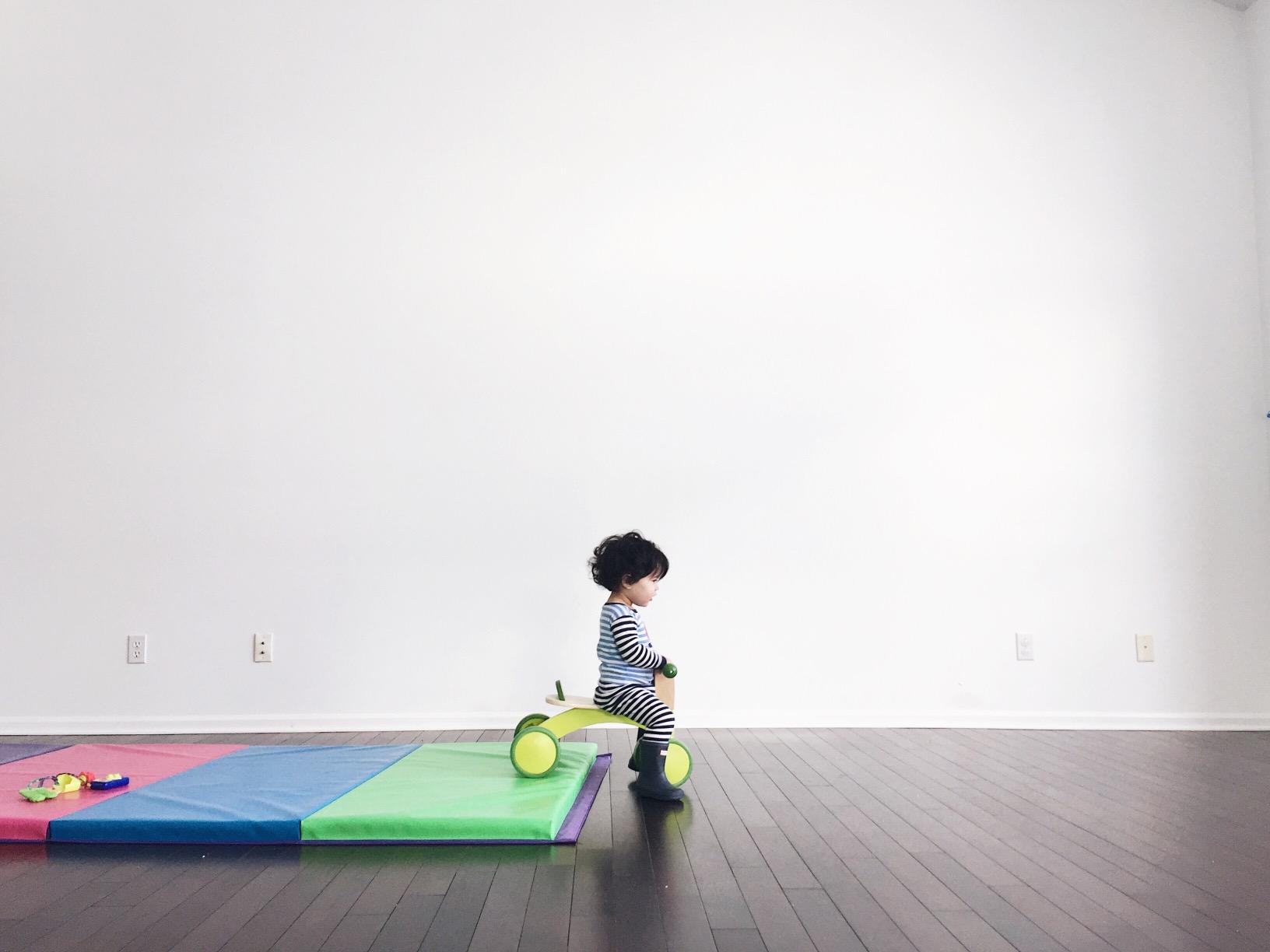
The design won multiple awards for good reason. It is simple, durable, and safe. The water-based paint and non-toxic finishes are reassuring when everything else goes straight into a toddler’s mouth.
It will not teach a child to balance the way a two-wheeled bike does. Think of it as a precursor. Once a child can walk steadily and wants to go faster, graduate to the Cricket or a true balance bike.
Age Range and Fit
The Hape Scoot Around is best for 12 to 24 months. It works for any toddler who is walking independently and wants to practice sitting while moving. There is no seat height adjustment, so sizing is less critical than on a true balance bike.
I recommend it as a first ride-on toy for birthdays or holidays. It is also a nice-looking piece that parents do not mind leaving in the living room.
Terrain and Day-to-Day Use
This push bike is designed for indoor use and smooth outdoor surfaces like patios and sidewalks. The small wheels and low ground clearance make grass and gravel difficult.
For indoor play, hardwood-friendly wheels, and early motor skill development, it is one of the best wooden options available. Treat it as a toy, not a bike, and you will be happy with it.
10. Madd Gear My 1st ZBike – Best Accessory Bundle Balance Bike
Madd Gear Balance Bike for Toddlers – 18 Month to 4 Years – No Pedal Lightweight Training Bicycles – Adjustable Seat and Maintenance Free 10 Inch Airless Tires – Great Birthday Gift
Ages: 18mo-4yr
Frame: Carbon steel
Tires: 10 in airless
Warranty: 3-year
Pros
- Comes with bell
- basket
- reflectors and more
- 10-inch airless tires for stability
- Adjustable seat and handlebars
- 3-year manufacturer warranty
- Lightweight carbon steel frame
Cons
- 44 lb weight limit
- Airless tires ride firmer than air-filled
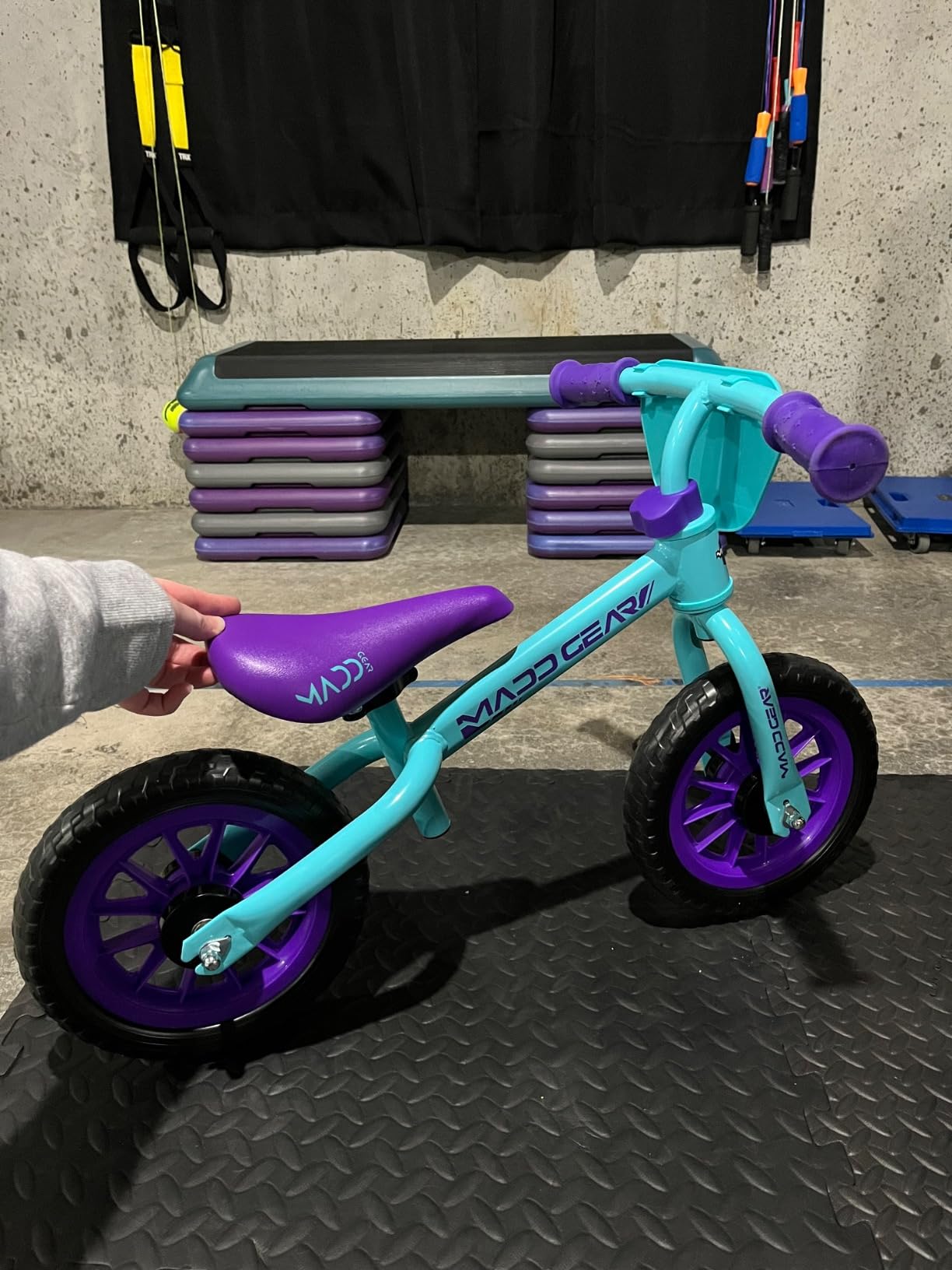
The Madd Gear My 1st ZBike stands out because it arrives with a full accessory bundle. Bell, basket, reflectors, and even a small tool kit are included. Parents who do not want to buy extras separately will appreciate that. I set one up for a 22-month-old and he was ringing the bell before he even got on.
The 10-inch airless tires are smaller than the 12-inch tires on most of this list. That lowers the stand-over height and makes the bike feel less intimidating for young riders. The carbon steel frame is light enough to carry but feels solid when ridden.
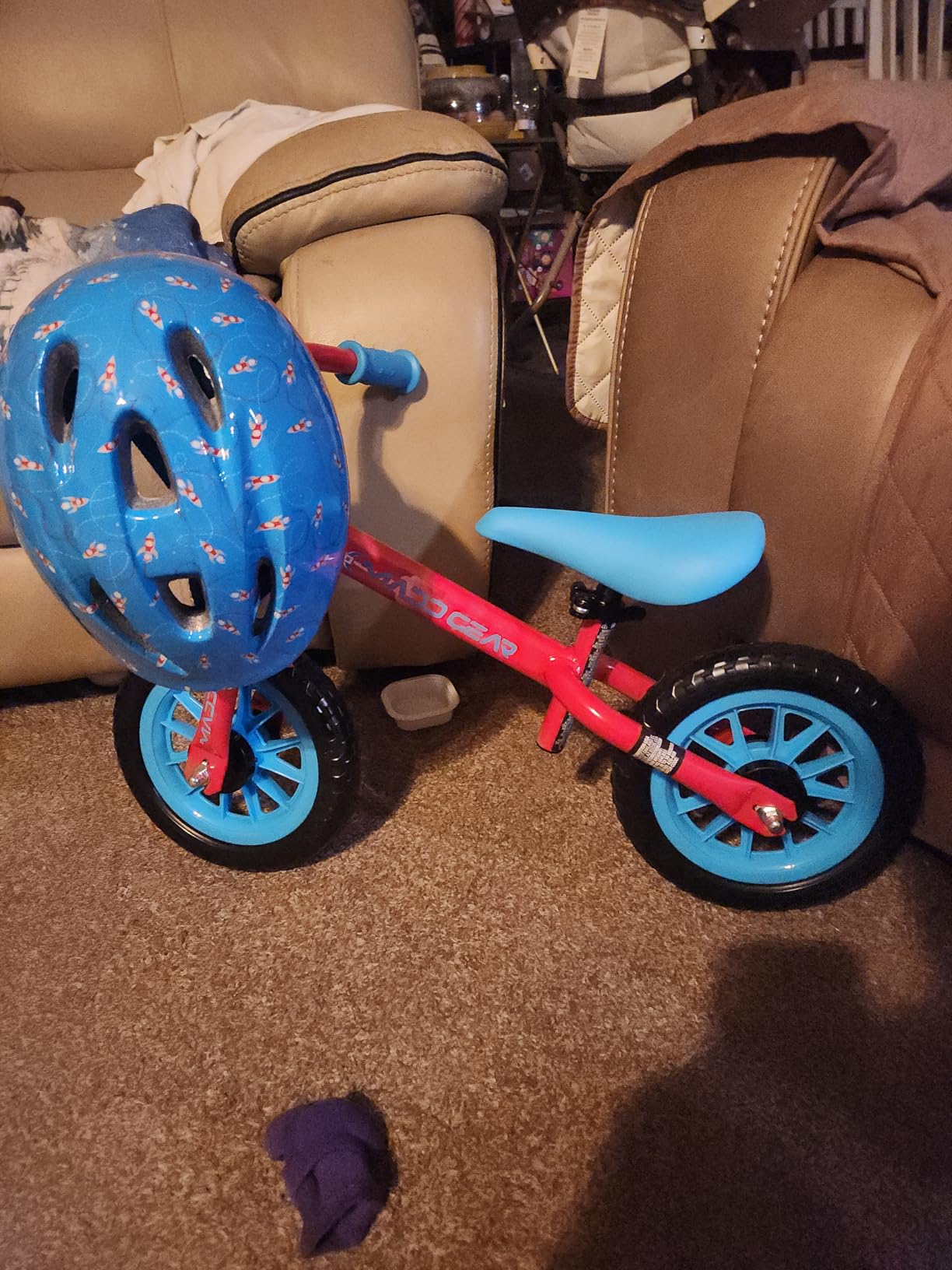
The adjustable seat and handlebars use a quick-release mechanism, so you can tweak the fit as your child grows. The three-year warranty is longer than most competitors, which adds peace of mind if you are worried about durability.
The 44-pound weight limit is on the low side. Most kids will outgrow it by age 3.5. The airless tires also do not cushion bumps as well as air-filled rubber, so stick to smoother paths.
Age Range and Fit
Madd Gear recommends the ZBike for 18 months to 4 years. I think the sweet spot is 18 months to 3 years because of the weight limit and smaller wheels. It is ideal for a first birthday gift or early second-year rider.
The included accessories make it feel like a complete package right out of the box. If you want everything in one shipment, this is a convenient choice.
Terrain and Day-to-Day Use
This bike performs best on paved surfaces and firm grass. The smaller wheels and airless tires are not built for rough trails or deep gravel. I recommend it for neighborhood sidewalks, parks, and paved driveways.
For parents who want a ready-to-ride gift with bells and whistles literally included, the ZBike is a fun option. Just plan to size up around age 3.
How to Choose the Right Balance Bike for Your Toddler?
Buying the best balance bikes for toddlers comes down to a few practical factors. I have watched parents overthink this decision, but if you focus on weight, fit, tires, and brakes, the choice gets much easier.
Start With Inseam Measurement
The most important number is your child’s inseam. Measure from the floor to the crotch while they are wearing the shoes they will ride in. The minimum seat height of the bike should be about 1 inch less than that inseam.
This lets your child sit on the seat with both feet flat on the ground. If they cannot reach the ground comfortably, they will not feel safe. If the seat is too low, they will not be able to extend their legs to push efficiently.
Weight Matters More Than You Think
A balance bike should weigh no more than about 30 percent of your child’s body weight. For a 25-pound toddler, that means roughly 7.5 pounds or less. A heavy bike is hard to lift, hard to steer, and discouraging after a fall.
That is why I favor lightweight steel or aluminum frames. The Strider and woom are excellent examples. Budget steel bikes are fine, but check the listed weight before ordering.
Air Tires vs Foam Tires
Air-filled tires absorb bumps and grip better on varied terrain. They require occasional pumping, but the ride quality is noticeably better. Foam or airless tires are maintenance-free and never go flat, which is great for busy parents.
For paved paths and indoor use, foam tires are fine. For grass, gravel, or rough sidewalks, air tires make a real difference. The Radio Flyer Air Ride is my top pick if air tires are a priority.
Handbrake or No Brake
Most toddlers stop with their feet, so a handbrake is optional before age 3. By age 3 or 3.5, a handbrake becomes useful for safety and helps prepare kids for a pedal bike. The woom GO 1 includes a child-sized handbrake that is actually usable.
If a bike does not have a brake, make sure the child can reach the ground easily with both feet. That is their brake system.
Frame Material and Durability
Steel frames are strong and affordable but can rust if left outside. Aluminum is lighter and resists corrosion but costs more. Wood looks beautiful and works indoors, but it will not survive rain and rough handling the way metal will.
For a bike that lives outside or gets passed down, metal is the safer bet. For indoor play and short-term use, wood or plastic can be perfectly fine.
Helmets Are Non-Negotiable
Every toddler should wear a properly fitted helmet from the very first ride. Balance bikes can pick up speed quickly, especially on hills. Look for a CPSC-certified toddler helmet and check that it sits level on the head with no more than two fingers of space above the eyebrows.
MIPS helmets add a layer of protection against rotational forces during angled impacts. They are not required, but I consider them worth the extra cost if your budget allows.
Frequently Asked Questions
What age is appropriate for a balance bike?
Most toddlers are ready for a balance bike between 18 months and 2 years old, once they can walk steadily and have an inseam of at least 12 inches. Some four-wheeled push bikes are suitable for children as young as 12 months.
How do I choose the right size balance bike for my toddler?
Measure your child’s inseam from crotch to floor while they are wearing riding shoes. Choose a bike with a minimum seat height about 1 inch lower than that inseam. The child should be able to sit on the seat with both feet flat on the ground.
Should I get a balance bike or a bike with pedals for my toddler?
A balance bike is usually the better first choice. It teaches balance and steering first, which are the hardest skills. Children who learn on balance bikes often transition to pedal bikes without training wheels by age 3 or 4.
What are the benefits of balance bikes from a developmental standpoint?
Balance bikes help toddlers develop gross motor skills, core strength, coordination, and motor planning. They also build confidence and independence, and they encourage outdoor physical activity.
Should helmets be worn on balance bikes?
Yes, toddlers should wear a properly fitted CPSC-certified helmet every time they ride a balance bike. MIPS helmets offer added protection against rotational impacts.
What features should I look for in a balance bike?
Look for a lightweight frame, a minimum seat height lower than your child’s inseam, age-appropriate tires for your terrain, adjustable seat and handlebars, and a handbrake for older toddlers. A steering limiter is also helpful for beginners.
Final Thoughts on the Best Balance Bikes for Toddlers
After testing and researching these ten models, my top recommendation for most families is still the Strider 12 Sport. It is light, adjustable, and proven to help toddlers transition to pedal bikes faster than training wheels ever could. The Retrospec Cub is my go-to value pick, and the woom GO 1 is worth the upgrade if you want the lightest, most refined ride.
For the youngest riders, the Retrospec Cricket and Hape Scoot Around offer a gentler entry point before a true balance bike. The Radio Flyer Air Ride and Steady Start solve specific problems, rough terrain and stability, that parents often worry about.
No matter which model you choose, the best balance bikes for toddlers are the ones that fit properly and get used. Measure your child’s inseam, pick a bike they can control, and get outside. Watching a toddler glide for the first time is one of those parenting moments that makes every scraped knee worth it.
2 thoughts on “10 Best Balance Bikes for Toddlers (October 2026) Expert Reviews”