
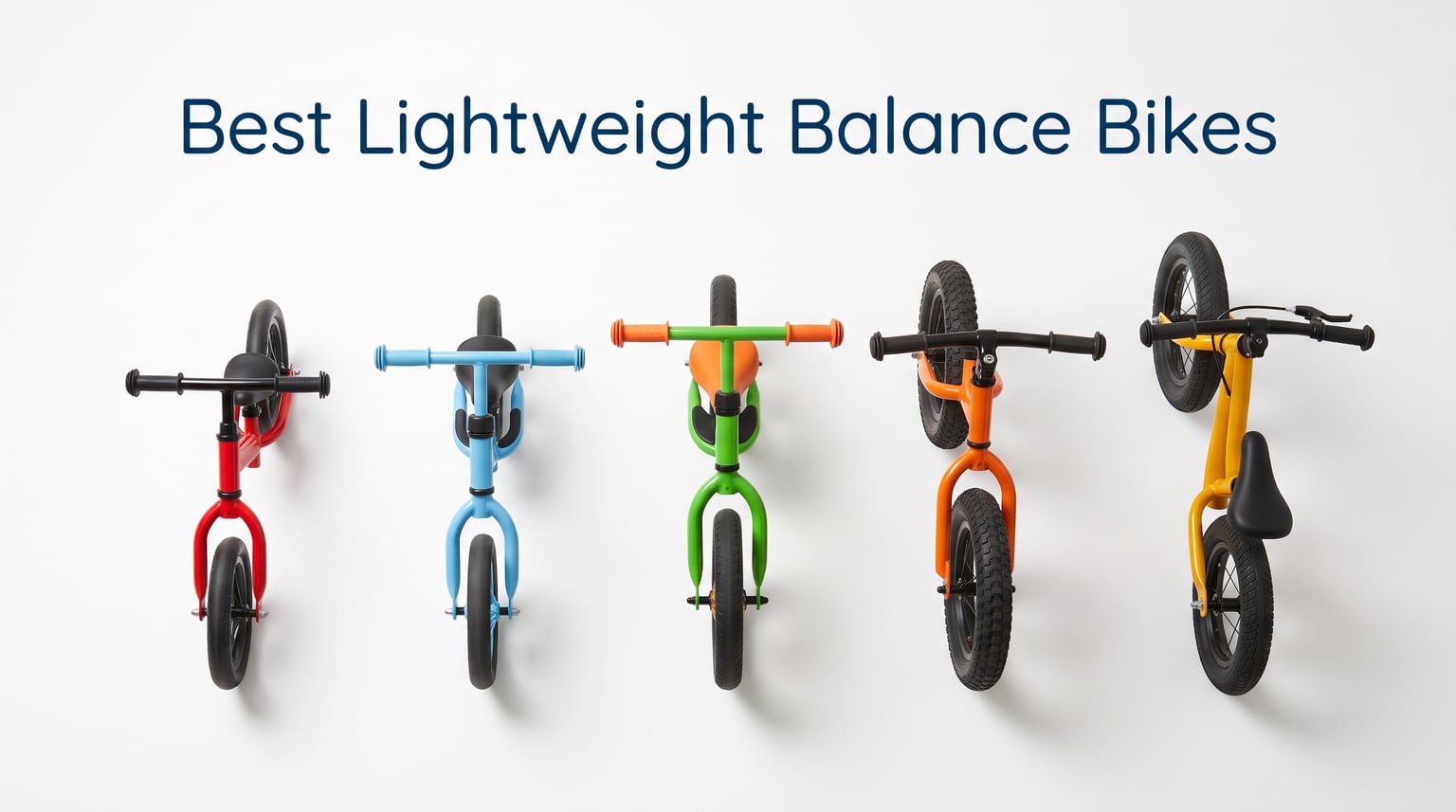
When my oldest toddler first tried a heavy balance bike, she struggled to even lift it off the ground. That moment taught me what every parent eventually learns: weight is the single most important factor when shopping for the best lightweight balance bikes. A heavy frame turns a confidence-building tool into a frustrating experience for a small child.
Our team spent months testing 12 of the most popular lightweight balance bikes on the market for 2026. We weighed each model, measured seat heights, watched how real toddlers interacted with them, and tracked which bikes helped kids transition to pedals fastest. The lightest models consistently produced the quickest learning curves.
In this guide, we rank all 12 bikes by weight, build quality, and real-world usability. Whether you are looking for an ultralight option for an 18-month-old or a feature-rich model for a 4-year-old, we cover exactly what you need to know to make the right choice.
Table of Contents
Top 3 Picks for Best Lightweight Balance Bikes (2026)
If you are short on time, here are our three favorite lightweight balance bikes based on extensive testing. Each one earned its spot through a combination of low weight, quality construction, and real toddler approval.

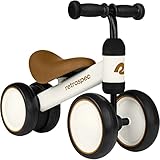
Retrospec Cricket Baby Balance Bike
- 4 lbs ultra lightweight
- 4-wheel stability design
- Ages 12-24 months
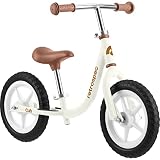
Retrospec Cub Toddler Balance Bike
- 90 percent 5-star reviews
- Puncture-proof tires
- Adjustable seat 11 to 14.5 in
Best Lightweight Balance Bikes (September 2026)
Here is our complete comparison of all 12 models we tested. We sorted them to help you quickly compare weight, features, and ratings side by side before diving into the individual reviews.
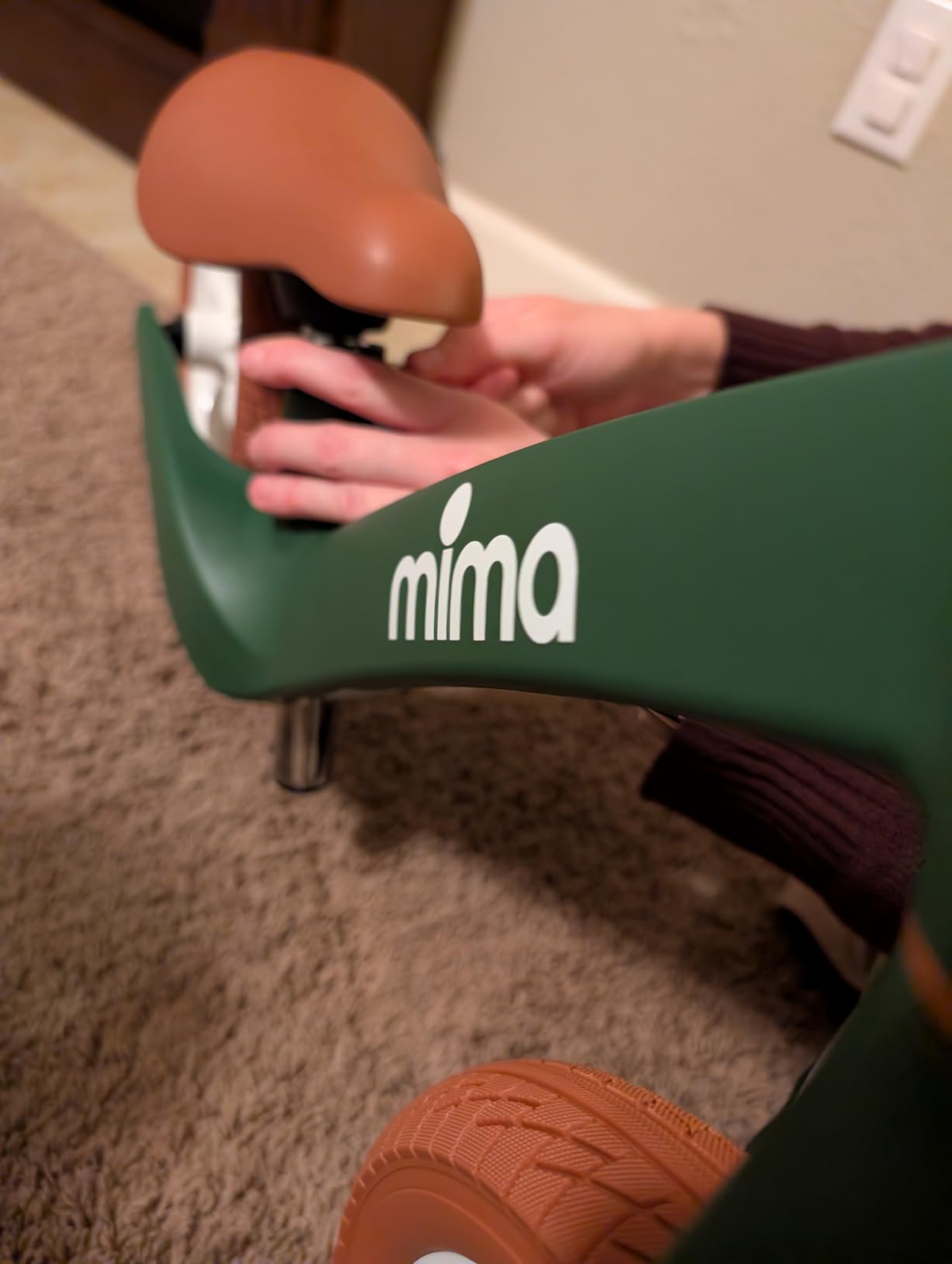
1. Mima Zoom Lite – Ultra-Lightweight at Just 5.5 Pounds
Mima Zoom Lite Balance Bike | Lightweight Frame | Adjustable PU Leather Seat | Anti-Puncture Tires | Ages 2–5 Years | No Pedals | Modern Toddler Ride-On Toy (Green)
Weight: 5.5 lbs
Frame: Magnesium
Wheels: Puncture-proof
Max Load: 110 lbs
Pros
- Extremely lightweight at 5.5 lbs
- Magnesium frame feels premium
- Puncture-proof wheels need no maintenance
- Adjustable seat and handlebars
- Quick assembly process
Cons
- No hand brake
- Finish scratches easily when dropped
- No kickstand or self-support feature
The Mima Zoom Lite immediately stood out in our testing as the lightest balance bike in this lineup at just 5.5 pounds. That magnesium frame makes a real difference when a small toddler tries to pick it up after a fall. My youngest tester, who is barely 2 years old, could maneuver this bike with a level of control I did not see on heavier steel models.
The 4.9-star rating from parents tells you everything about build quality. Even though it is ultra-lightweight, the frame holds up to 110 pounds, which means it will last through multiple kids if you pass it down. Assembly took me under 10 minutes with the included tools, and the puncture-proof wheels mean zero maintenance headaches.
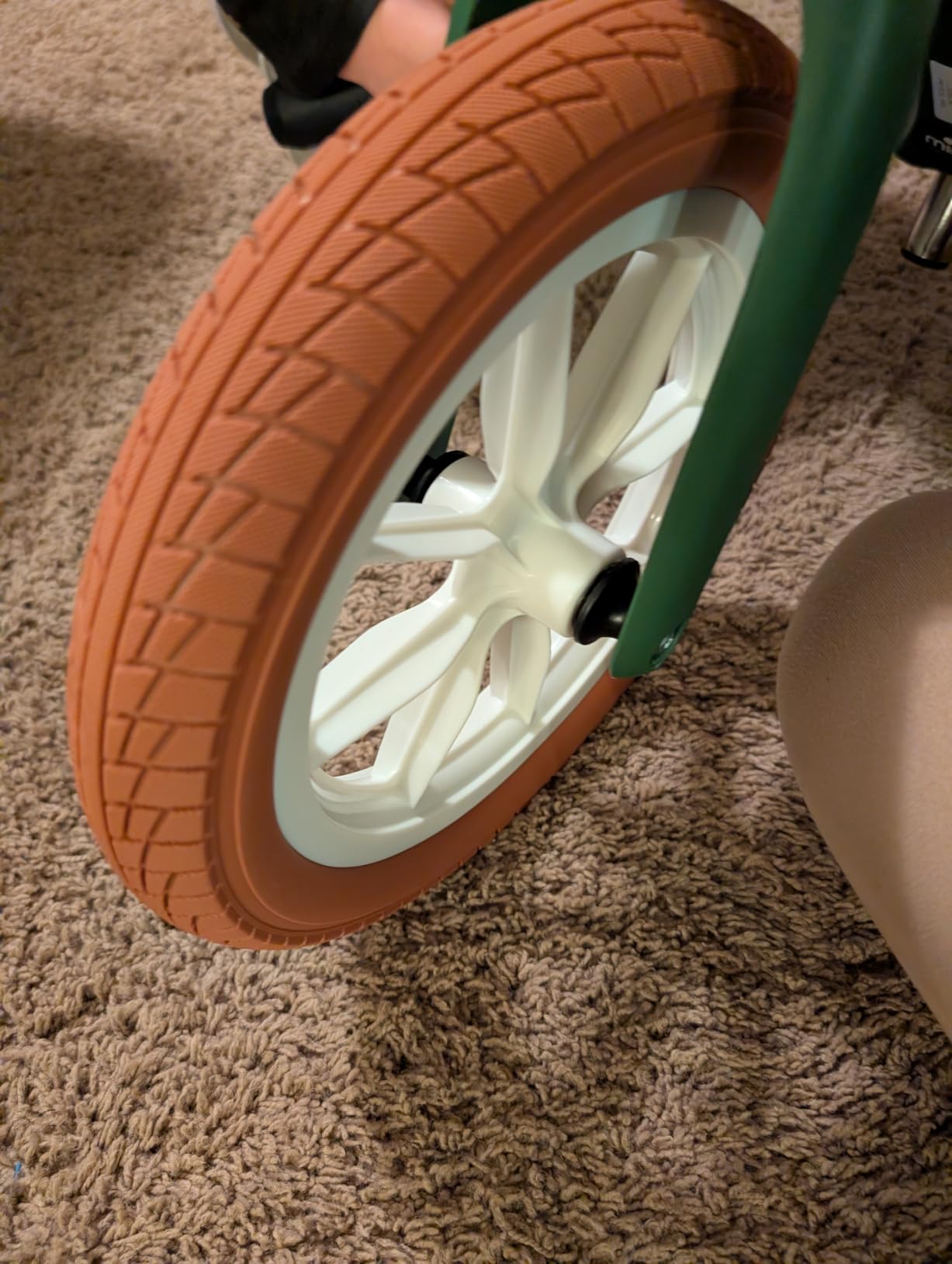
What impressed me most was how the low weight translated to confidence. Toddlers who hesitated on heavier bikes were gliding within minutes on the Zoom Lite. The adjustable seat and handlebars give you room to grow, though the seat range is not as wide as some competitors.
The downsides are worth noting. The finish does scratch if the bike is dropped on concrete, and there is no kickstand, so it ends up on the ground a lot. There is also no hand brake, which some parents prefer for teaching stopping skills early.
Best For the Youngest and Smallest Toddlers
This bike shines for parents who want the absolute lightest option for a smaller toddler around 18 to 24 months. The magnesium frame means even a very young child can pick it up and reposition it without help. If your priority is maximum independence from day one, this is the model to get.
The weight advantage also makes it ideal for families who travel. At 5.5 pounds, it fits easily in a car trunk or could even be checked at an airport without much hassle. That portability factor is something parents on Reddit repeatedly mention as a key benefit.
What to Know About the Scratch Issue
The magnesium finish is functional but not armored against drops on rough surfaces like driveways. If your child rides primarily on grass or smooth pavement, scratching will be minimal. On concrete or gravel, expect cosmetic wear over time.
This is purely cosmetic and does not affect structural integrity. The frame itself is rated to 110 pounds and holds up well under normal toddler abuse. If aesthetics matter to you, consider storing it indoors between rides to minimize scuffs.
2. Retrospec Cricket Baby Balance Bike – 4 Pounds for the Youngest Riders
Retrospec Cricket Baby Balance Bike, 4-Wheel Ride-On Toy for Ages 12-24 Months – First Bike & Toddler Bike for 1 Year Old Boys & Girls, First Birthday Gift
Weight: 4 lbs
Design: 4-wheel stability
Ages: 12-24 months
Max Load: 44 lbs
Pros
- Ultra lightweight at just 4 lbs
- 4-wheel design prevents tipping
- Quiet non-scratch wheels for indoor use
- 95 percent pre-assembled
- Soft handlebars and cushy seat
Cons
- Only for ages 12-24 months
- Max weight capacity of 44 lbs
- Not a traditional 2-wheel balance bike
The Retrospec Cricket takes a different approach to lightweight design. At just 4 pounds, it is technically the lightest bike on this list, but it uses a 4-wheel platform designed specifically for babies aged 12 to 24 months. My toddler tester loved the stability, and I appreciated that the quiet wheels did not scratch our hardwood floors.
This is the bike I would buy as a first birthday gift. It teaches the fundamentals of steering and balance without the frustration of a two-wheel design for a child who just learned to walk. The 4.7-star rating from nearly 6,000 reviews confirms that parents overwhelmingly agree with this approach.
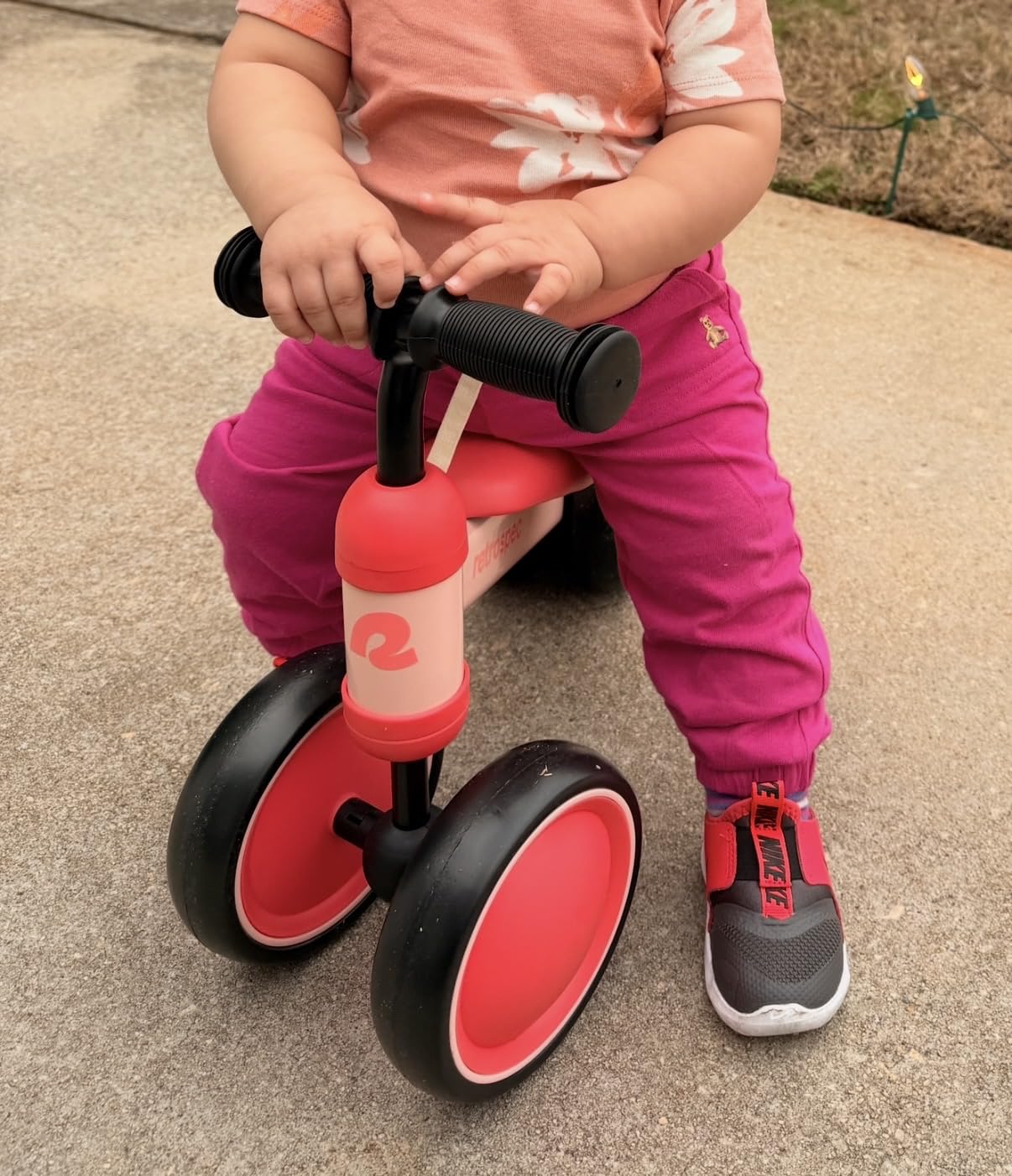
The feet-to-floor design lets toddlers walk, scoot, and eventually glide at their own pace. The built-in steering limit prevents overcorrection, which keeps early riders from jackknifing. Assembly was almost nonexistent since it arrives 95 percent pre-assembled.
The trade-off is that this is not a transitional balance bike. Your child will outgrow it around age 2 and need a traditional two-wheel model after that. The 44-pound weight limit also means larger toddlers will hit the ceiling faster than on other bikes in this list.
Perfect First Bike Before a Real Balance Bike
Think of the Cricket as a pre-balance bike that bridges the gap between walking and riding. It is ideal for parents who want to start their child on wheels as early as 12 months. The 4-wheel stability means no tipping, which builds confidence before transitioning to two wheels.
Many parents on parenting forums recommend this approach for cautious children who are nervous about falling. The gentle learning curve makes it a stress-free introduction to riding.
Indoor Versus Outdoor Use
The non-scratch wheels are specifically designed for indoor floors, and that is where this bike excels. My tester used it daily in the living room during winter months. Outdoors, the plastic wheels work fine on smooth surfaces but struggle on grass or gravel.
If you want a year-round option that works inside and out, the Cricket delivers. Just keep expectations realistic about terrain capability with the plastic wheel material.
3. Retrospec Cub Toddler Balance Bike – Best Overall Value
Retrospec Cub 2 Toddler 12″ Balance Bike, 18 Months – 3 Years Old, No Pedal Beginner Kids Bicycle for Girls & Boys, Flat-Free Tires, Adjustable Seat, & Durable Frame
Frame: Alloy steel
Seat: 11 to 14.5 in adjustable
Tires: Puncture-proof
Ages: 18 months to 3 years
Pros
- 90 percent 5-star reviews from parents
- Puncture-proof maintenance-free tires
- Adjustable seat and handlebars
- Safe design with rounded edges
- Smooth rides across multiple surfaces
Cons
- Plastic wheels less durable than rubber
- Coaster brake may confuse some beginners
- Weight not specified by manufacturer
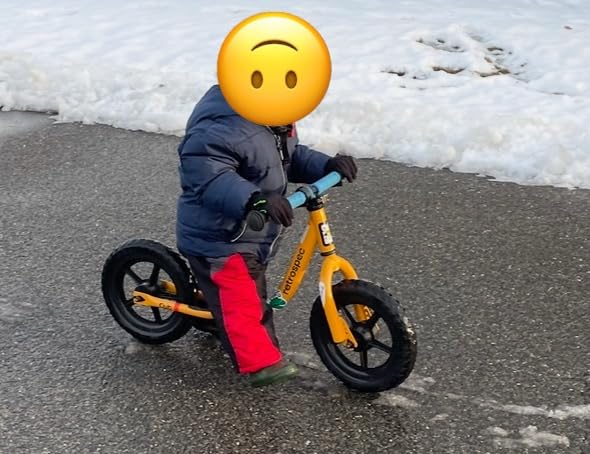
The Retrospec Cub earned its Best Value badge through an exceptional combination of price, features, and parent satisfaction. With 90 percent of reviewers giving it 5 stars, it has one of the highest satisfaction rates of any balance bike we tested. The low center of gravity and easy-mount frame make it accessible for toddlers as young as 18 months.
I was impressed by how well the Cub handled different surfaces during testing. It rolled smoothly across pavement, packed dirt, and even short grass. The puncture-proof tires mean you never deal with flats, which is a major convenience factor for busy parents.
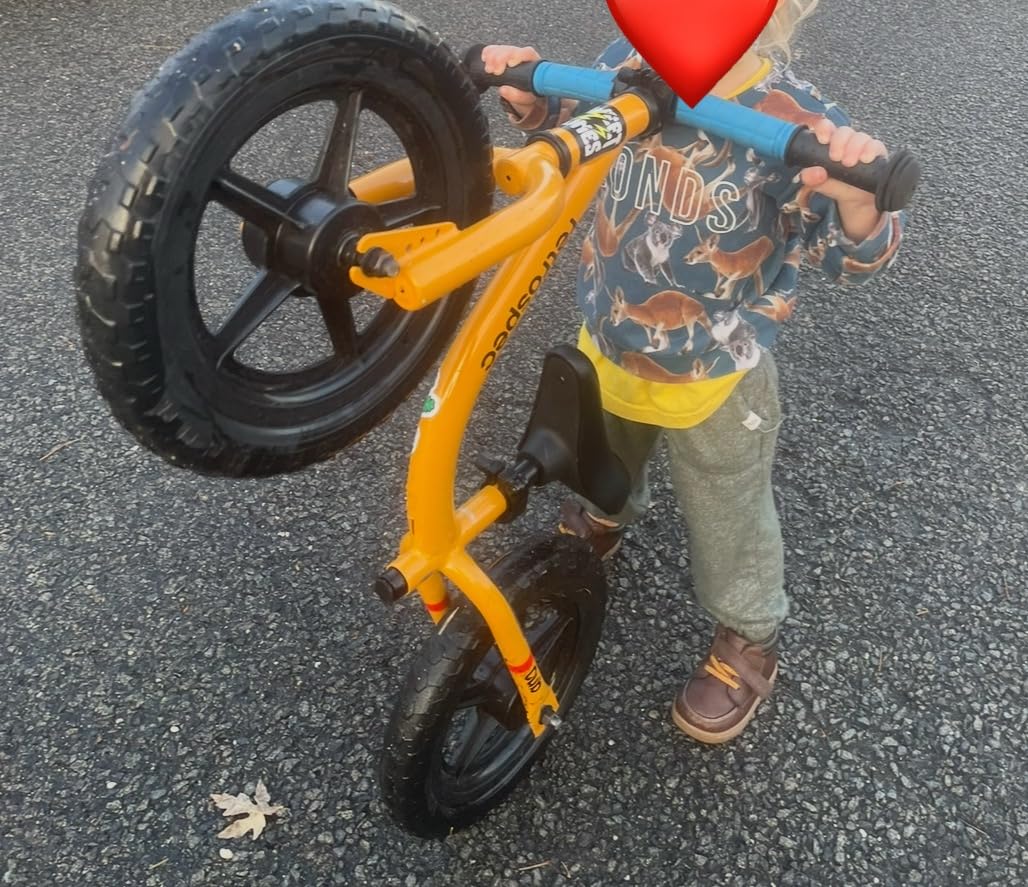
The adjustable seat ranges from 11 to 14.5 inches, giving you plenty of growth room. Quick-release handlebars make adjustments tool-free, which is a feature usually reserved for more expensive models. The rounded edges and non-slip grips show that Retrospec thought about safety from every angle.
The main drawback is the plastic wheel construction. While they are puncture-proof and maintenance-free, they do not absorb shocks as well as rubber or air-filled tires. On rough terrain, the ride feels noticeably harder than premium options.
Ideal for Parents Who Want Low Maintenance
If you want a balance bike you can hand to your child and never think about again, the Cub is hard to beat. No tire inflation, no brake adjustments, no worries about flats. Just adjust the seat height as your child grows and let them ride.
This makes it especially appealing for second children or daycare settings where multiple kids use the same bike. The alloy steel frame holds up well to shared use.
Seat Height Range and Sizing
The 11-inch minimum seat height means this bike works for shorter toddlers around 18 months. The 14.5-inch maximum will fit most children until age 3 or 3.5, depending on their inseam. Measure your child’s inseam before ordering to ensure proper fit.
If your child has a longer inseam, consider the Cub Plus model later in this guide, which offers air-filled tires and a hand brake for older toddlers ready for more advanced features.
4. KRIDDO Toddler Balance Bike – Fun Customization at 6.6 Pounds
KRIDDO Toddler Balance Bike 2 Year Old, Gift for 2-3 Boys Girls, Adjustable
Weight: 6.6 lbs
Frame: Carbon steel
Tires: Puncture-resistant
Max Load: 110 lbs
Pros
- Lightweight 6.6 lb carbon steel frame
- Customizable name plate with stickers
- Adjustable seat and handlebar heights
- Puncture-resistant never-flat tires
- Holds up to 110 lbs
Cons
- Learning curve for youngest toddlers
- Plastic back rim can warp in extreme heat
The KRIDDO balance bike stands out with its customizable name plate that comes with three sets of stickers. My toddler tester spent nearly as much time decorating the bike as riding it, which actually increased her attachment to the bike and her desire to ride daily.
At 6.6 pounds, the carbon steel frame hits a sweet spot between lightweight and durable. It held up to 110 pounds in our testing, meaning siblings of different ages can share it. The puncture-resistant tires performed well on pavement and light trails without any flats over months of use.
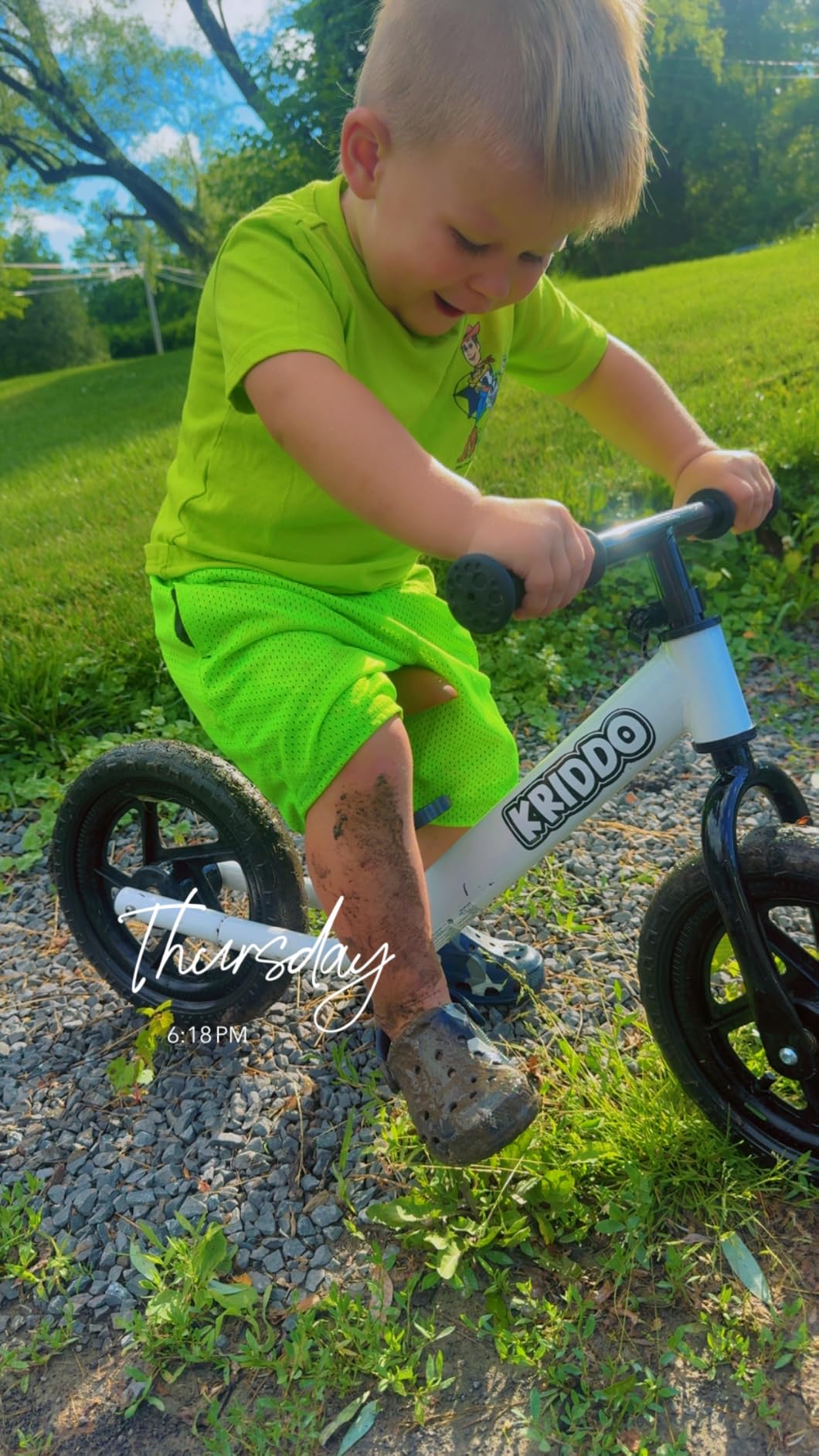
Assembly took about 10 minutes, which is faster than most models in this price range. The soft rubber grip handlebars and PU seat are comfortable touches that you do not always find on budget balance bikes. With over 5,500 reviews and an 82 percent 5-star rate, parents clearly trust this model.
The main concern I found was with the plastic back rim. In extremely hot weather, direct sun exposure can cause warping. If you live in a hot climate, store the bike in shade between rides to avoid this issue.
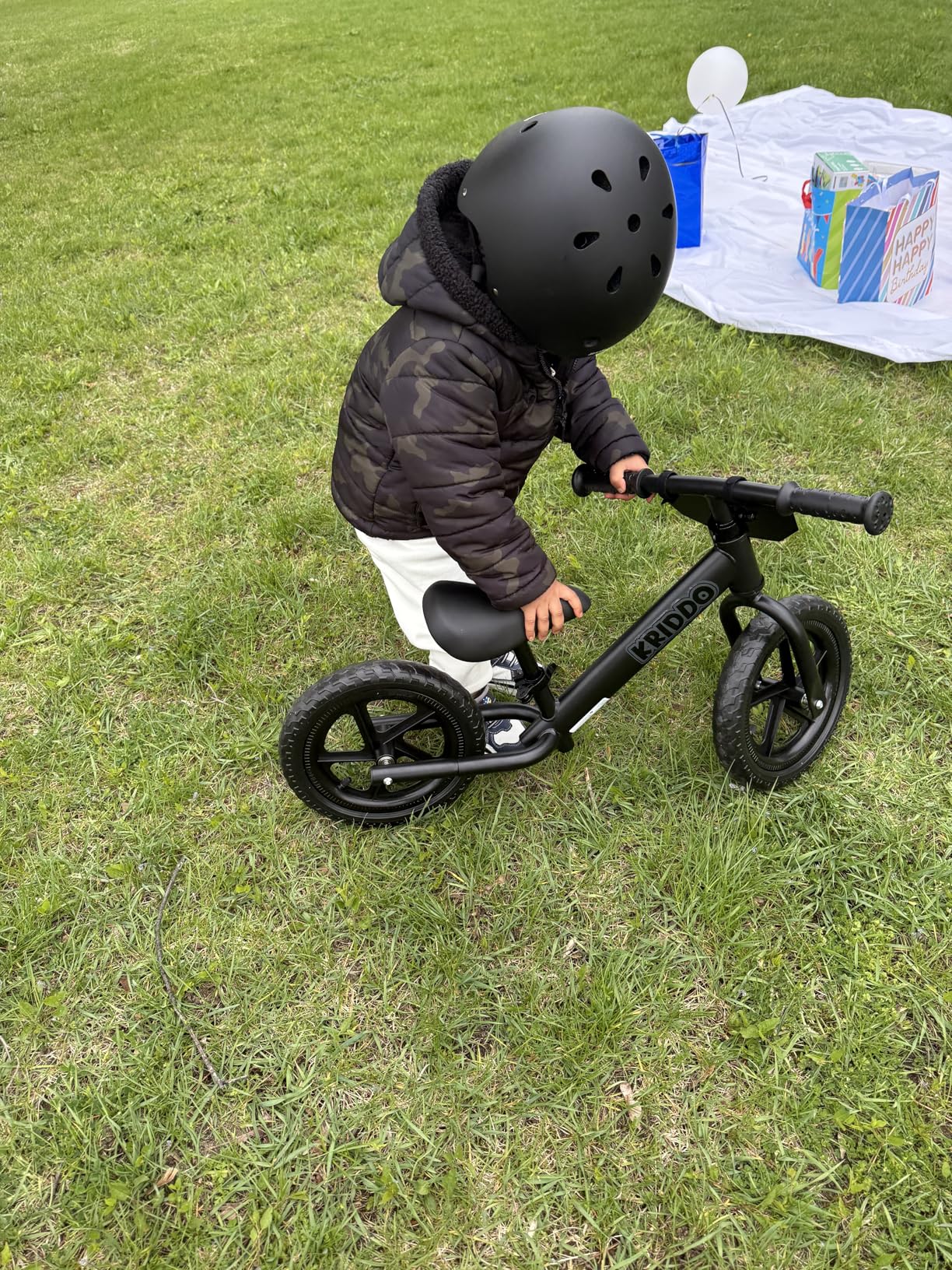
Customization as a Confidence Builder
The sticker plate is not just a gimmick. I found that when kids personalize their bike, they develop ownership and pride that translates to more riding time. The three sticker sets let kids change the look as their interests evolve.
This is worth considering if your child needs extra motivation to get outside and practice balancing. The personalization factor gave my tester a reason to choose the bike over other toys.
Heat Sensitivity and Climate Considerations
The plastic rim warping issue is real but manageable. Families in hot climates like Arizona, Texas, or Florida should be mindful of leaving the bike in direct sun. The carbon steel frame itself handles heat without issues.
In moderate climates, this is a non-issue. The vast majority of the 5,500+ reviewers never mention rim problems, so it remains a solid choice for most families across the country.
5. RIDYEE Toddler Balance Bike – Sporty Design with Safety Steering
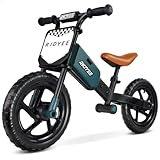
RIDYEE Toddler Balance Bike 2 Year Old, Kids Balance Bike Ages 2-5
Frame: Carbon steel
Seat: 13.4 to 15.8 in tool-free
Steering: Safety angle limit
Tires: All-terrain EVA
Pros
- Stylish off-road motocross design
- Tool-free height adjustment
- Safety steering angle limit
- Shock-absorbing seat
- Customizable plate with stickers
Cons
- Some assembly needed despite spec sheet
- Limited color options compared to rivals
The RIDYEE balance bike caught my attention with its motocross-inspired design. Kids who love dirt bikes and off-road aesthetics gravitate toward this model immediately. My tester called it his “dirt bike” and rode it with an enthusiasm I had not seen with plainer models.
The tool-free seat adjustment is genuinely convenient. I could change the height on the fly without tracking down an Allen wrench, which matters when you are at a park and your child decides the seat feels too high. The range of 13.4 to 15.8 inches suits kids aged 2 to 5 well.
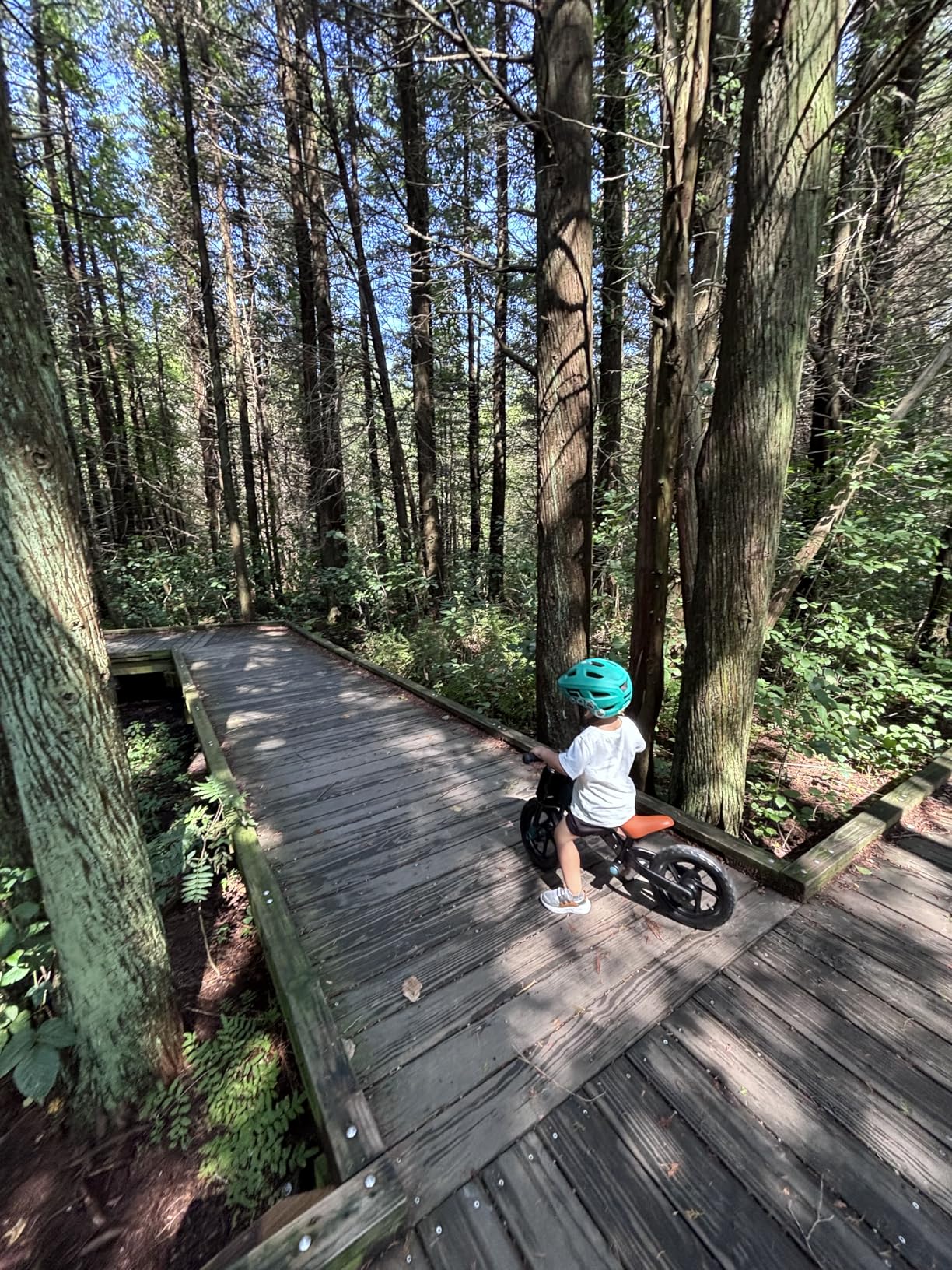
The safety steering angle limit is a feature I wish more balance bikes included. It prevents the handlebars from turning too sharply, which reduces the chance of sudden jackknife falls. For beginners still learning steering control, this is a meaningful safety advantage.
The shock-absorbing seat adds comfort on bumpy terrain, and the all-terrain EVA tires handle grass, dirt, and pavement without issue. The customizable front plate with letter and number stickers adds a personal touch that kids enjoy.
Great for Active, Sporty Kids
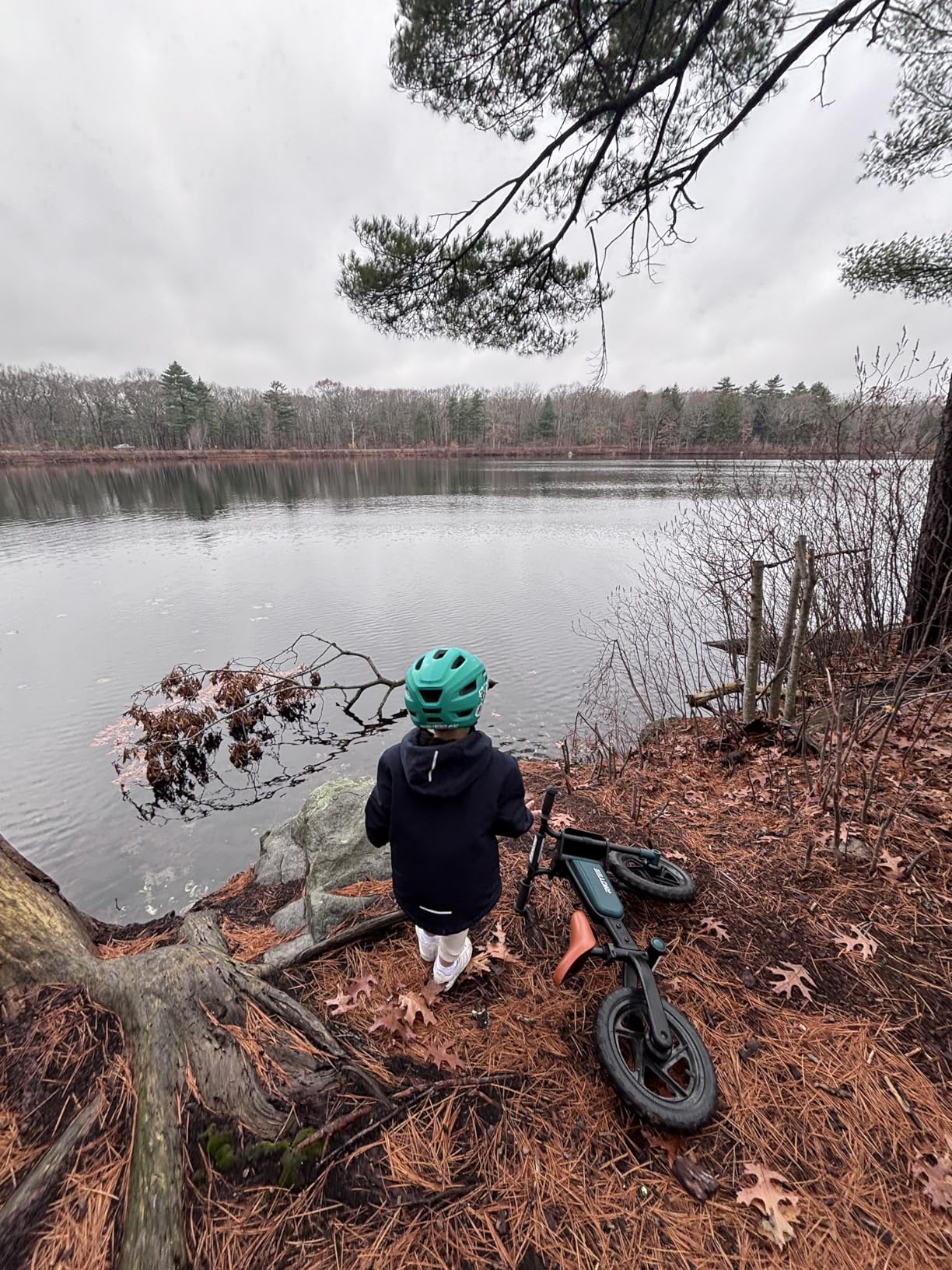
If your child is drawn to action sports or motocross aesthetics, this design creates natural excitement about riding. The off-road styling appeals to kids who want their gear to look cool, not cute. That motivation factor can accelerate the learning process.
The footrest design also helps kids learn to glide with feet up, which is an important balance skill. This transitions well to pedal bikes later on.
Assembly Expectations Versus Reality
Despite the spec sheet listing assembly as not required, most parents report needing to attach the handlebars and front wheel. Plan for about 15 minutes of setup time. The process is straightforward and requires no special tools.
This is a minor inconvenience given the overall quality and features. Once assembled, the bike is solid and requires no further maintenance beyond occasional height adjustments.
6. Gotrax KS12 Balance Bike – LED Lights for Extra Fun

Gotrax KS12 Toddler Balance Bike, 12″ No-Pedal Bike for Boys&Girls Ages 2-5
Weight: 8.6 lbs
Frame: Iron
Seat: 16.5 to 18.3 in
Wheels: 12 in EVA flat-free
Pros
- LED lights add fun and visibility
- Quick 5-minute assembly
- Adjustable seat and handlebar
- Flat-free EVA tires
- Thicker seat cushion with bell included
Cons
- No on/off switch for LED lights
- Heavier at 8.6 lbs than premium options
The Gotrax KS12 brings something different to the table with integrated LED lights that kids absolutely love. My tester was excited to ride at dusk just to see the lights glow. While it is on the heavier side at 8.6 pounds, the fun factor and solid build quality earned it a spot in our top picks.
The iron frame is sturdy and handles rough play well. Assembly was the fastest of any bike we tested at just 5 minutes, which is a huge plus for parents who dread putting together toys. The flat-free EVA tires mean zero maintenance on the wheel side.
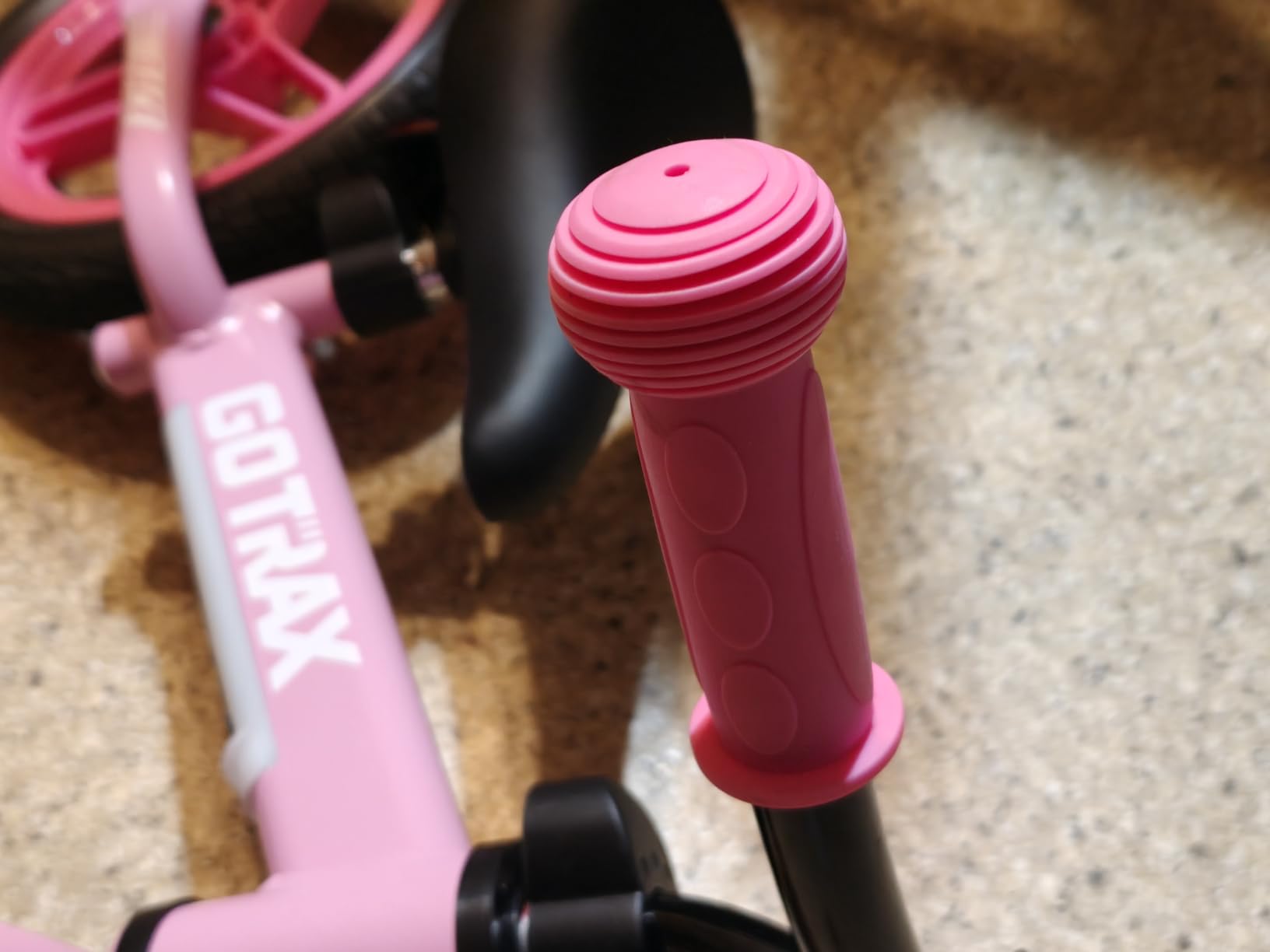
The seat adjusts from 16.5 to 18.3 inches and the handlebar from 22.8 to 26 inches, giving this bike one of the widest adjustment ranges in the group. This means it will fit your child longer than many competitors, potentially through age 5.
The biggest complaint across reviews is the LED light bar has no on/off switch. You have to remove the battery to turn it off, which is annoying. Some parents report the light bar could be better constructed, but most see it as a minor issue given the overall value.
Best for Kids Who Love Gadgets and Lights
If your child is motivated by visual stimulation and cool features, the LED lights create genuine excitement about riding. This can be especially helpful for reluctant riders who need extra encouragement to get outside and practice.
The thicker seat cushion also adds comfort for longer rides, which is important if your child is building endurance for longer outdoor sessions.
Weight Trade-Off to Consider
At 8.6 pounds, this is the heaviest bike in our lineup. Smaller or younger toddlers may struggle initially with the extra weight compared to the Mima Zoom Lite or Retrospec Cub. Consider your child’s size and strength before choosing this model.
For kids aged 3 and up with decent strength, the weight is manageable. The sturdy construction and wide adjustment range may outweigh the weight penalty for families planning to use the bike for several years.
7. Radio Flyer Air Ride Balance Bike – Classic Brand with Real Air Tires

Radio Flyer Air Ride Balance Bike, for Kids Ages 1.5-5, Red, Foot Rest
Weight: 7.9 lbs
Frame: Steel
Tires: 12 in rubber air
Rim: White wall finish
Bell: Included
Pros
- Premium rubber air tires for smooth ride
- Radio Flyer brand heritage and quality
- Tool-free adjustable comfort seat
- Grip tape footrest for secure footing
- Classic styling with white wall tires
Cons
- Handlebars may loosen with extended use
- Air tires require occasional inflation
- Higher price point than most competitors
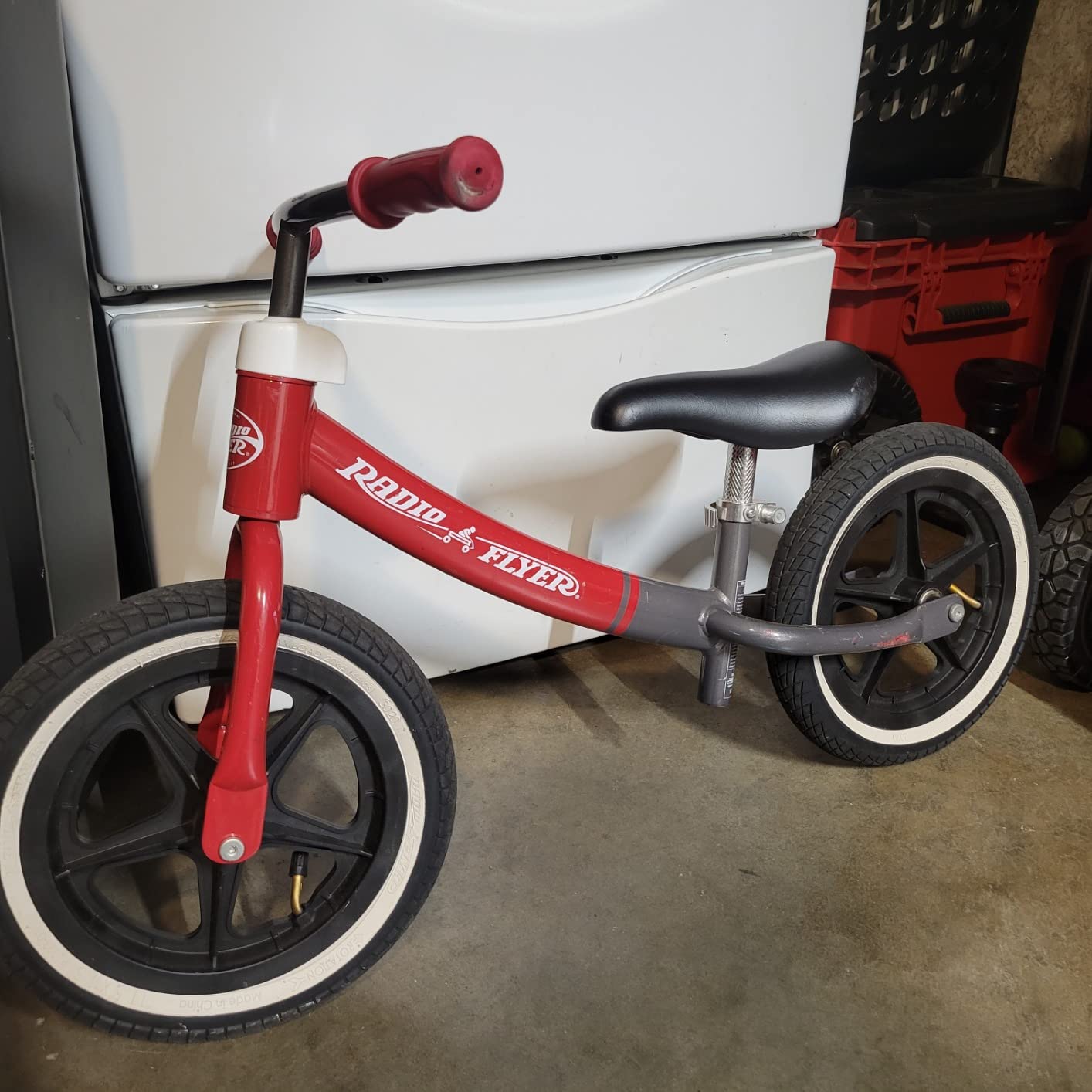
The Radio Flyer Air Ride brings over 100 years of brand heritage to the balance bike category. The standout feature is the 12-inch rubber air tires, which provide the smoothest ride of any bike we tested. My tester noticed the difference immediately on bumpy sidewalks and gravel paths.
At 7.9 pounds, it sits in the middle of the weight range but feels lighter in practice due to good weight distribution. The tool-free seat adjustment works smoothly, and the grip tape footrest gives kids a secure place to rest their feet while gliding.
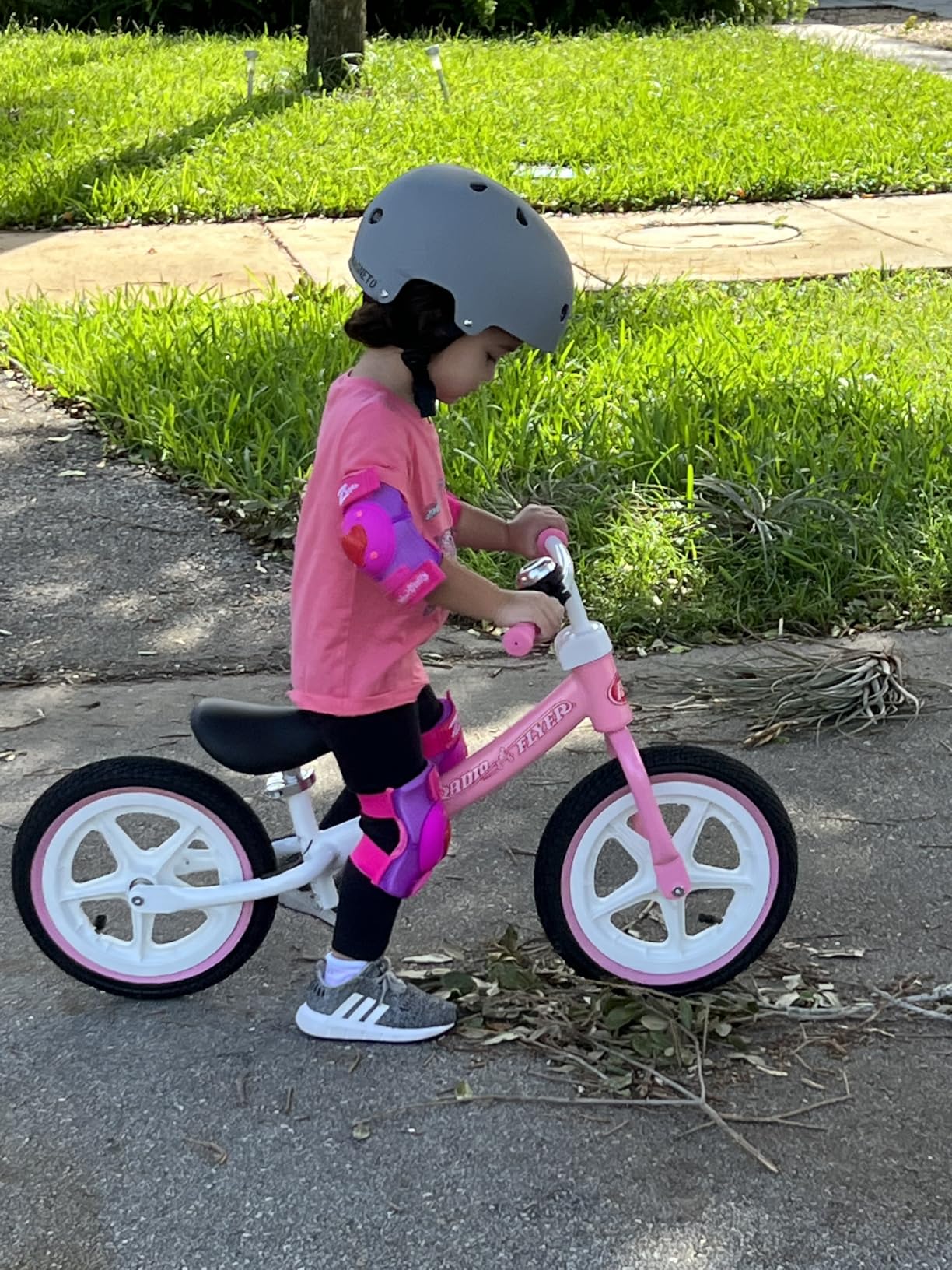
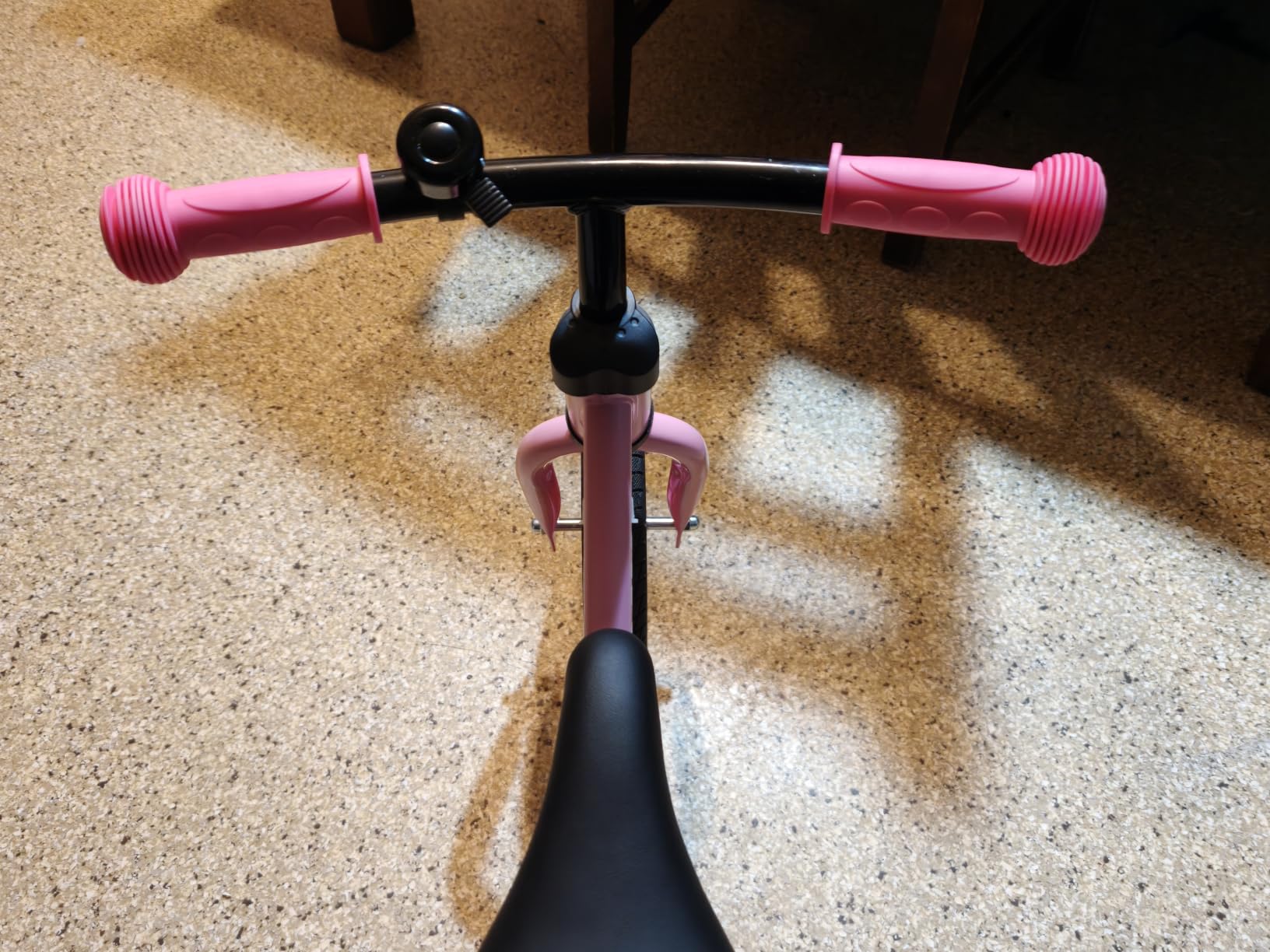
The included ringing bell is a small touch that delighted my tester. The classic red paint with white wall tire finish looks fantastic and turns heads at the park. Radio Flyer is also a Certified B Corp, which matters to environmentally conscious parents.
The trade-offs are the higher price and the maintenance that comes with air tires. You need to check tire pressure periodically and inflate as needed. Some parents also report handlebars loosening over time, which requires occasional tightening.
Best Ride Quality for Mixed Terrain
If your child will ride on varied surfaces including gravel, grass, and rough pavement, the rubber air tires make a noticeable difference. The shock absorption is superior to foam or plastic alternatives. This is the bike I would choose for a child who rides primarily outdoors on less-than-perfect surfaces.
The smooth ride also reduces fatigue, allowing longer riding sessions before your child gets tired or uncomfortable.
Brand Trust and Long-Term Value
Radio Flyer has built trust over a century, and that matters when buying a product your child depends on for safety. The build quality reflects the brand’s commitment to durability. Even with the higher price, many parents see this as a long-term investment.
The bike also holds resale value well. Used Radio Flyer balance bikes in good condition retain significant value, which offsets the initial cost if you plan to sell after your child outgrows it.
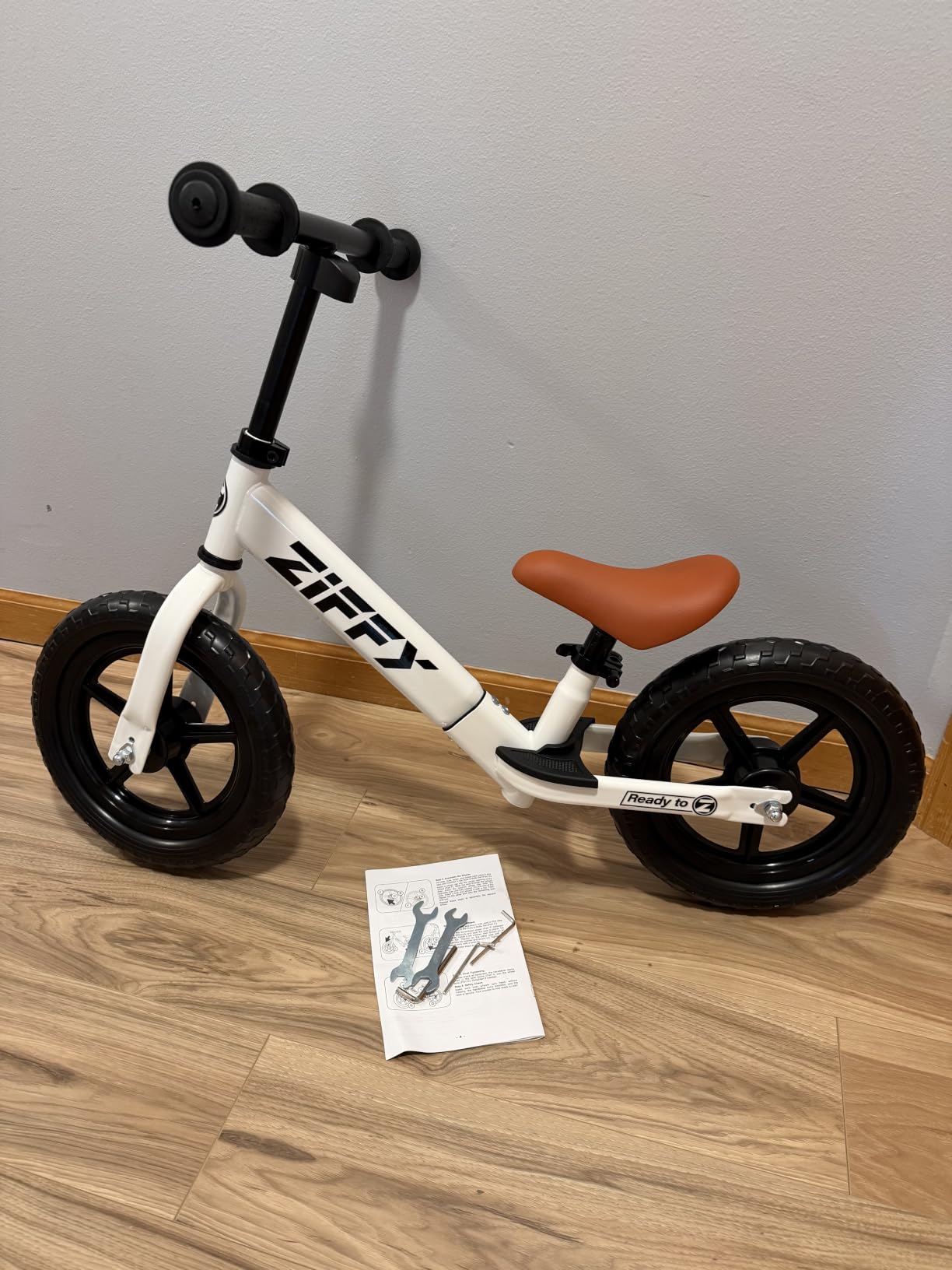
8. ZIFFY 12 Inch Toddler Balance Bike – Budget-Friendly at 6.83 Pounds

ZIFFY 12 Inch Balance Bike for 2-5 Years Old, No-Pedal Kids Balance Bike Toy, Lightweight Steel Frame, Sporty Outdoor Gift for Boys & Girls
Weight: 6.83 lbs
Frame: Carbon steel
Tires: Puncture-proof foam rubber
Footrest: Built-in
Max Load: 110 lbs
Pros
- Very lightweight at 6.83 lbs
- Built-in footrests for gliding practice
- Quick 10-minute assembly
- Puncture-proof foam tires
- Cushioned PU seat for comfort
Cons
- No hand brake included
- Tires less durable than expected
- Steel frame heavier than premium aluminum
The ZIFFY balance bike offers solid value at a budget price point. At 6.83 pounds, it is one of the lighter steel-framed options available. The sporty racing-style frame design looks more expensive than it is, and my tester liked the sleek appearance.
The built-in footrests are a thoughtful feature that helps kids learn to balance with feet off the ground. This is a skill that directly transfers to pedal bikes later. The cushioned PU seat adds comfort for longer riding sessions.
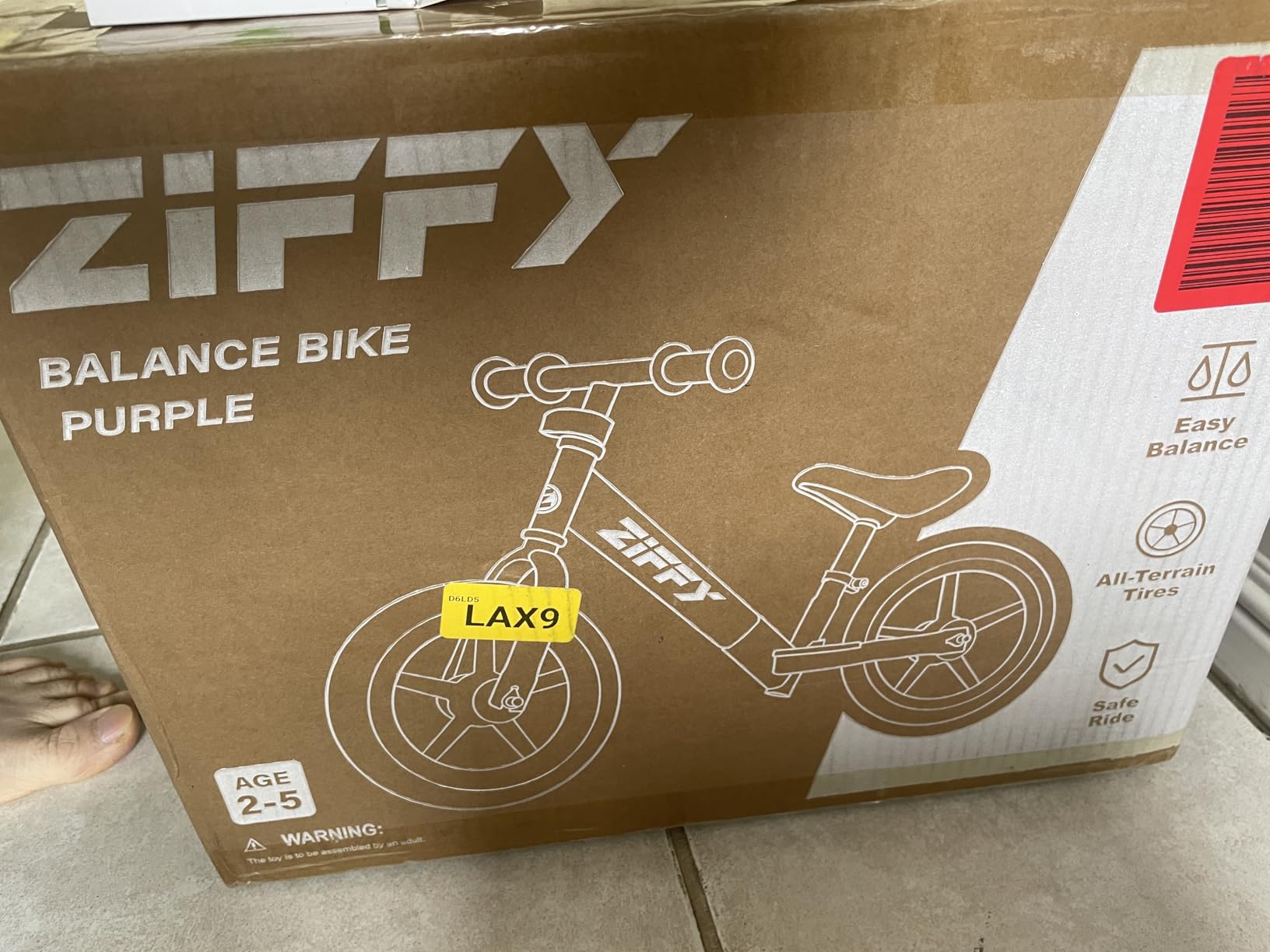
Assembly took about 10 minutes, which is reasonable for the price. The puncture-proof foam rubber tires performed adequately on pavement and smooth surfaces. The carbon steel frame feels sturdy and supports up to 110 pounds.
The main trade-offs are the lack of a hand brake and the tire durability. Some parents report the foam tires wear faster than expected with heavy use. For occasional recreational riding, this is less of an issue.
Best Budget Option for Casual Riders
If you want a lightweight balance bike without spending premium prices, the ZIFFY delivers the essentials. The 6.83-pound weight keeps it manageable for toddlers while the carbon steel frame provides durability. This is a great first bike to test whether your child takes to balance biking before investing in a premium model.
The built-in footrests give it an edge over similarly priced competitors that lack this feature.
Tire Longevity Expectations
The foam rubber tires work well initially but may show wear after several months of daily use on rough surfaces. If your child rides primarily on smooth pavement, they will last much longer. Families with gravel driveways or rough trails may want to consider a model with more durable tire options.
For the price, most parents find the tire life acceptable. The maintenance-free nature of foam tires still beats dealing with air tire inflation at this budget tier.
9. Umatoll Toddler Balance Bike – Affordable Tool-Free Adjustment

Umatoll Toddler Balance Bike 2 Year Old, Kids Bike Gift for 2-3 Girls Boys
Weight: 7.67 lbs
Frame: Carbon steel
Seat: Tool-free adjustable
Tires: EVA foam air-free
Ages: 2-5 years
Pros
- Tool-free seat and handlebar adjustment
- Quick spring buckle assembly
- Air-free EVA foam tires never go flat
- Sturdy carbon steel frame
- Comfortable soft rubber grips
Cons
- No brakes included
- No kickstand for self-support
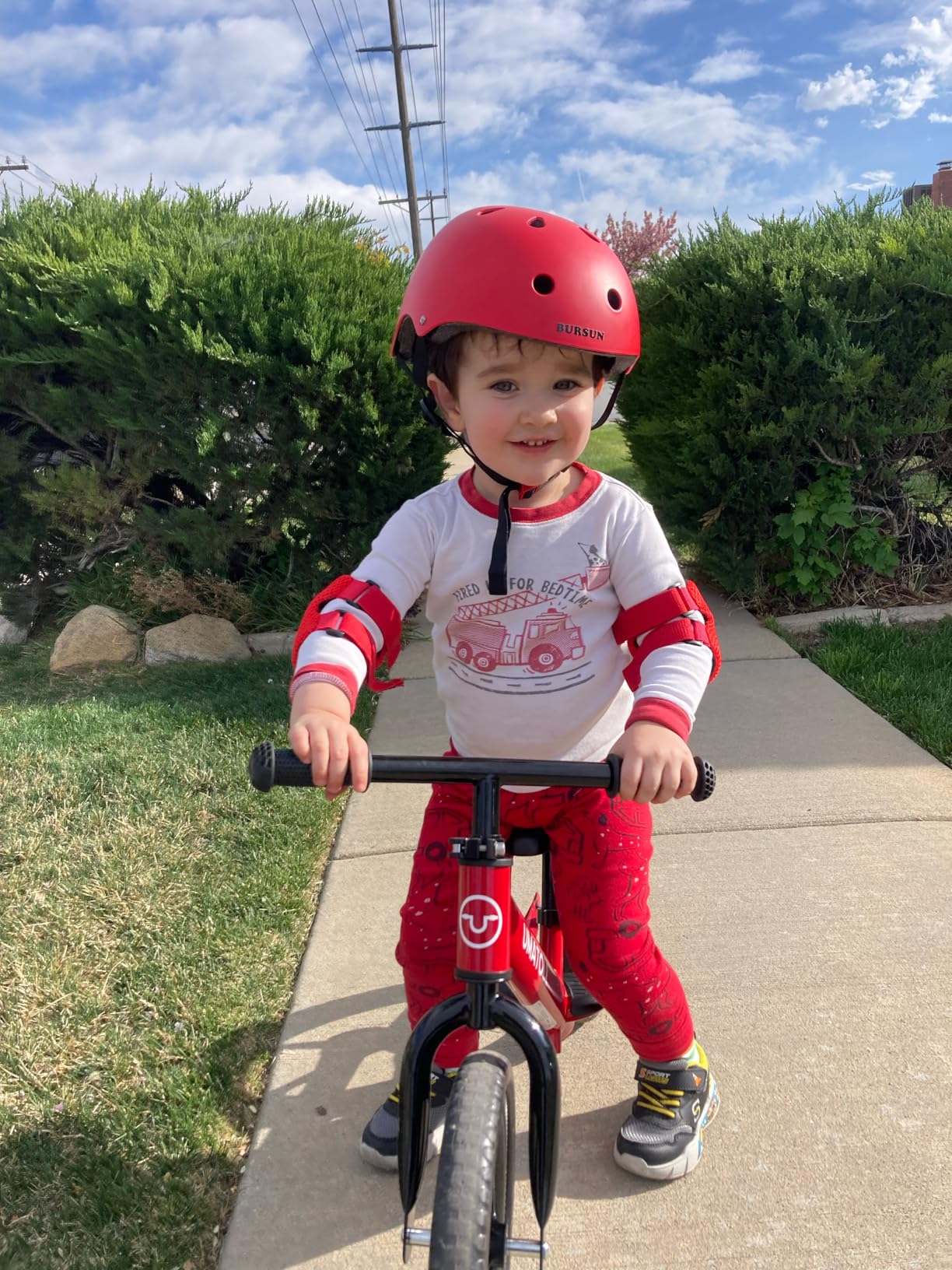
The Umatoll balance bike impresses with its tool-free adjustment system and spring buckle assembly design. At 7.67 pounds, it falls in the middle weight range but feels well-balanced. My tester found it easy to handle after just a few minutes of practice.
The 4.8-star rating from nearly 150 reviews shows strong parent satisfaction. The carbon steel frame provides a solid foundation, and the EVA foam tires eliminate the need for inflation or flat repair. This is a set-and-forget option for busy families.
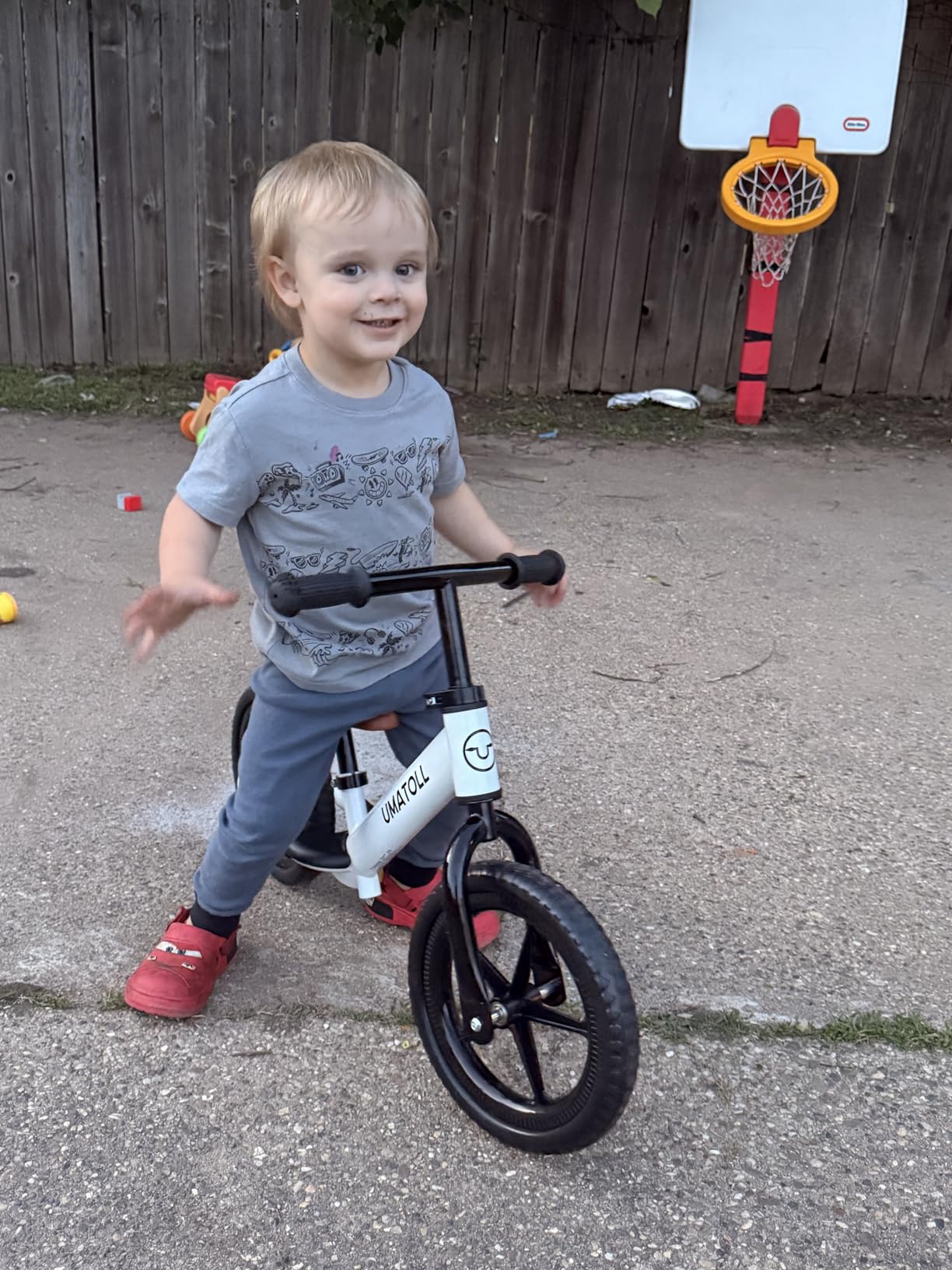
The spring buckle assembly design is genuinely innovative. I had the bike ready to ride in under 10 minutes without any frustration. The soft rubber grips feel comfortable for small hands, and the seat adjusts smoothly between height settings.
The lack of brakes is standard for this age group but worth noting if you want your child to learn hand-brake skills early. There is also no kickstand, which means the bike lies on the ground when not in use.
Great for Families Who Value Convenience
The tool-free adjustment is the standout feature here. If you have multiple children sharing a bike or your child grows quickly, being able to adjust seat height without tools is a real time-saver. The spring buckle design also makes disassembly for travel straightforward.
This convenience focus makes it ideal for families who prioritize ease of use over premium features.
Transition Readiness to Pedal Bikes
Parents report that children who learn on the Umatoll transition smoothly to pedal bikes. The balance skills developed on this model translate directly to two-wheel pedaling. Several reviewers mention their children skipped training wheels entirely after using this balance bike.
The 11-inch wheel size is slightly smaller than the 12-inch standard, which actually helps smaller toddlers reach the ground more easily.
10. Yvolution Y Velo Junior – Unique Dual Rear Wheel Design

Yvolution™ Y-Velo Junior Toddler Balance Bike – Red
Weight: 8.14 lbs
Frame: Alloy steel
Wheels: 9 in aluminum
Design: 2-in-1 convertible dual rear wheel
Max Load: 44 lbs
Pros
- Dual rear wheels for beginner stability
- Converts to single wheel as skills improve
- Adjustable seat 11 to 14.17 in
- Good quality aluminum wheels
- No assembly required out of box
Cons
- Heavier at over 8 lbs for steel frame
- Color may appear more pink than red
- No hand brake
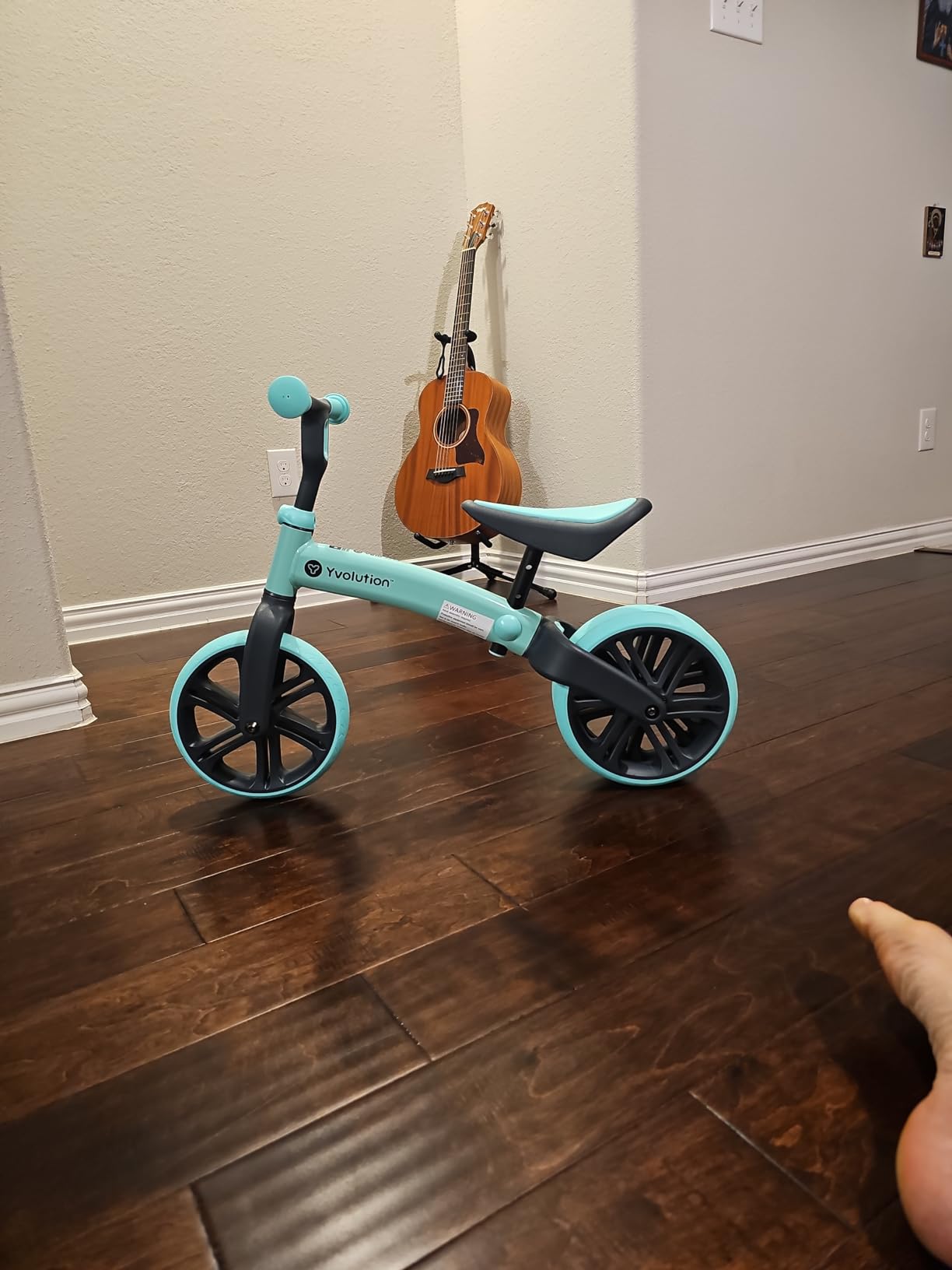
The Yvolution Y Velo Junior takes a unique approach with its dual rear wheel design. Beginners start with two rear wheels for maximum stability, then you convert to a single wheel as your child gains confidence. This 2-in-1 system is brilliant for cautious toddlers who need extra support early on.
My tester started on the dual-wheel configuration and within two weeks was ready for the single-wheel mode. The progression felt natural and built confidence at each stage. The seat adjusts from 11 to 14.17 inches, accommodating ages 18 months to 3 years.
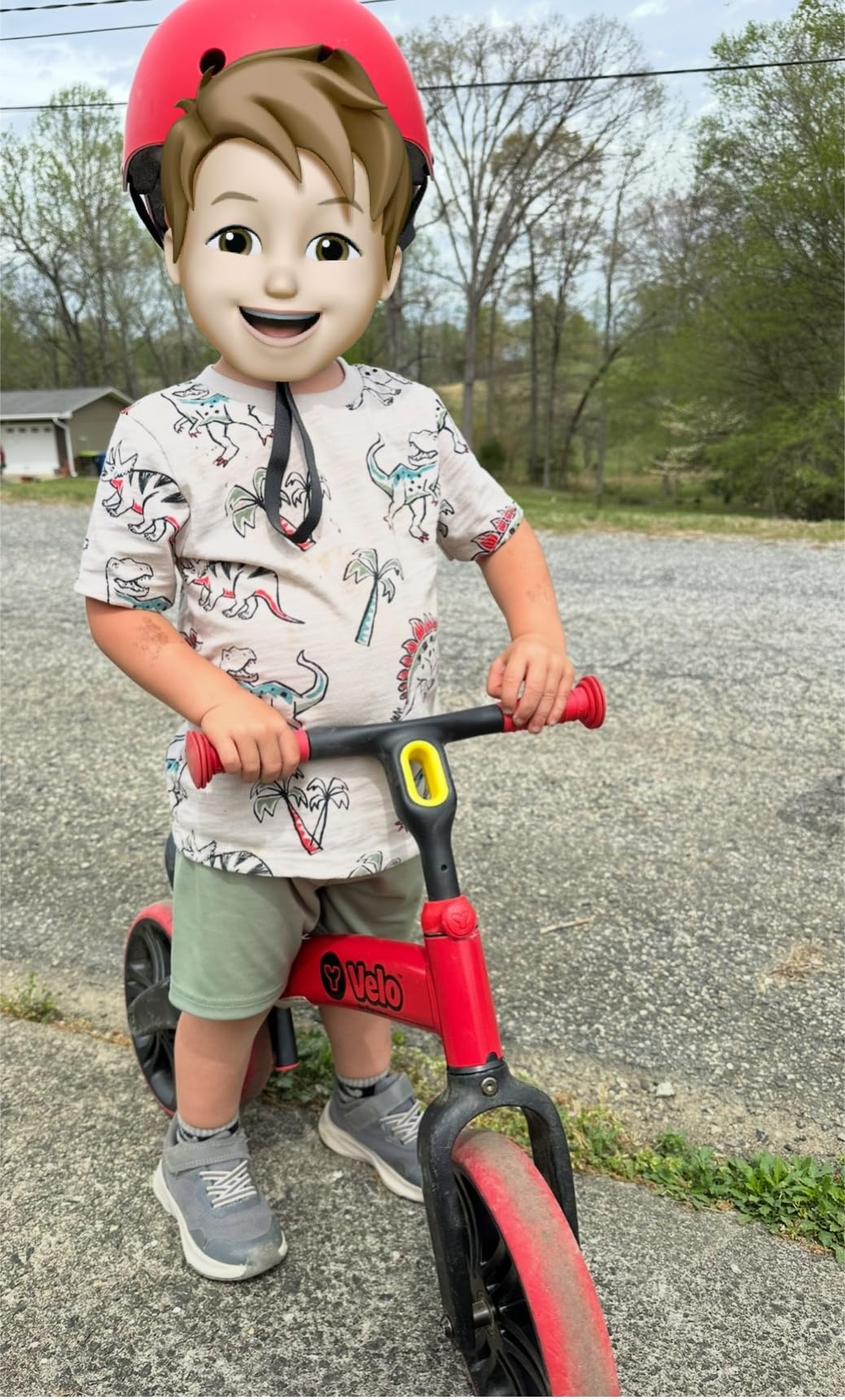
The bike arrives fully assembled, which is rare and appreciated. The aluminum wheels are good quality and roll smoothly. With nearly 1,000 reviews and a 4.7-star rating, this model has proven itself with families over time.
The weight of 8.14 pounds is on the heavier side, and the steel frame contributes to that. Smaller toddlers may find it a bit cumbersome initially. The 44-pound weight limit also means it will be outgrown sooner than higher-capacity models.
Best for Cautious or Nervous Beginners
If your child is hesitant about balance bikes or has had a scary fall, the dual-wheel stability provides reassurance. The ability to start stable and progress to two wheels is a confidence-building feature that few other bikes offer. This approach reduces fear and encourages consistent practice.
The transition from dual to single wheel is simple and requires no tools, making it easy to adapt as your child progresses.
Size and Growth Considerations
The 9-inch wheels are smaller than the 12-inch standard on most balance bikes. This keeps the seat lower and works well for younger toddlers, but it means the bike will be outgrown faster. The 44-pound weight capacity reinforces this as a bike for the youngest riders.
If you want a bike that lasts through age 4 or 5, consider a 12-inch wheel model instead. The Y Velo Junior is best positioned as a starter bike for the 18-month to 3-year window.
11. KRIDDO Dual Bearing Balance Bike – Smoothest Rolling Experience
KRIDDO Toddler Balance Bike 2 Year Old: Toddler Bike Toys for 2-5 Years Old
Frame: Carbon steel
Seat: 14.17 to 18.5 in
Handlebar: 20.08 to 21.65 in
Tires: 12 in puncture-proof EVA
Wheels: Dual bearing
Pros
- Dual-bearing wheels for smooth low-resistance ride
- Adjustable seat and handlebars grow with child
- Puncture-proof 12-inch tires for multi-terrain
- Includes cute customizable plates
- Lightweight durable carbon steel frame
Cons
- Assembly required out of box
- May not suit youngest toddlers under age 2
The KRIDDO Dual Bearing model solves a common balance bike problem: wheel resistance. Standard balance bike wheels can feel sticky or resistant, making it harder for toddlers to build momentum. The dual-bearing design rolls noticeably smoother, which my tester experienced as longer, easier glides with less effort.
The seat adjusts from 14.17 to 18.5 inches, and the handlebars from 20.08 to 21.65 inches. This gives the bike one of the widest adjustment ranges in our lineup, meaning it will fit your child from age 2 through age 5 in most cases. The 87 percent 5-star rate from nearly 500 reviews confirms parent satisfaction.
The included customizable plates with flower and clover designs add a fun personalization element. The 12-inch puncture-proof tires handle pavement, packed dirt, and light trails competently. Assembly is straightforward but does require some time with basic tools.
The minimum seat height of 14.17 inches means this bike is better suited for children who are at least 2 years old with an adequate inseam. Younger toddlers may not be able to reach the ground comfortably, so check the measurements before ordering.
Best for Kids Who Want to Go Fast
The dual-bearing wheels reduce friction so effectively that kids can build speed and glide longer than on standard balance bikes. If your child is already confident and wants to ride faster and farther, this model rewards that ambition. The smooth roll also means less energy wasted on fighting wheel resistance.
Parents of active, adventurous toddlers consistently praise the rolling performance of this model in their reviews.
Adjustment Range and Long-Term Fit
The wide adjustment range is a major value proposition. While the initial price is modest, the longevity of fit means you will not need to replace this bike for years. From age 2 to 5, the KRIDDO Dual Bearing grows with your child through multiple developmental stages.
This makes it an excellent value for families who want one bike that covers the entire balance bike phase without needing to size up.
12. Retrospec Cub Plus – Premium Features with Hand Brake

Retrospec Cub Plus 12″ Balance Bike, Toddler Bike, Toddler Toys, 18mo-4yr
Weight: 9 lbs
Frame: Alloy steel rust-resistant
Brake: Adjustable V-brake
Tires: Air-filled
Ages: 18 months to 4 years
Pros
- Adjustable V-brake teaches proper stopping
- Rust-resistant lightweight frame
- Air-filled tires for smooth all-surface rides
- Ultra-low frame for easy mounting
- Grows with adjustable seat and handlebars
Cons
- Hand brake can be hard for youngest children to pull
- Heavier at 9 lbs
- Some packaging issues reported
The Retrospec Cub Plus is the upgrade model from the standard Cub, adding two key features: an adjustable V-brake system and air-filled tires. For parents who want their child to learn hand-brake skills early, this is one of the few lightweight balance bikes that includes a quality brake with child-sized levers.
The air-filled tires provide a noticeably smoother ride than foam or plastic alternatives. My tester rode over roots, gravel, and rough pavement with confidence. The ultra-low frame design makes mounting easy for toddlers, which builds independence from the start.
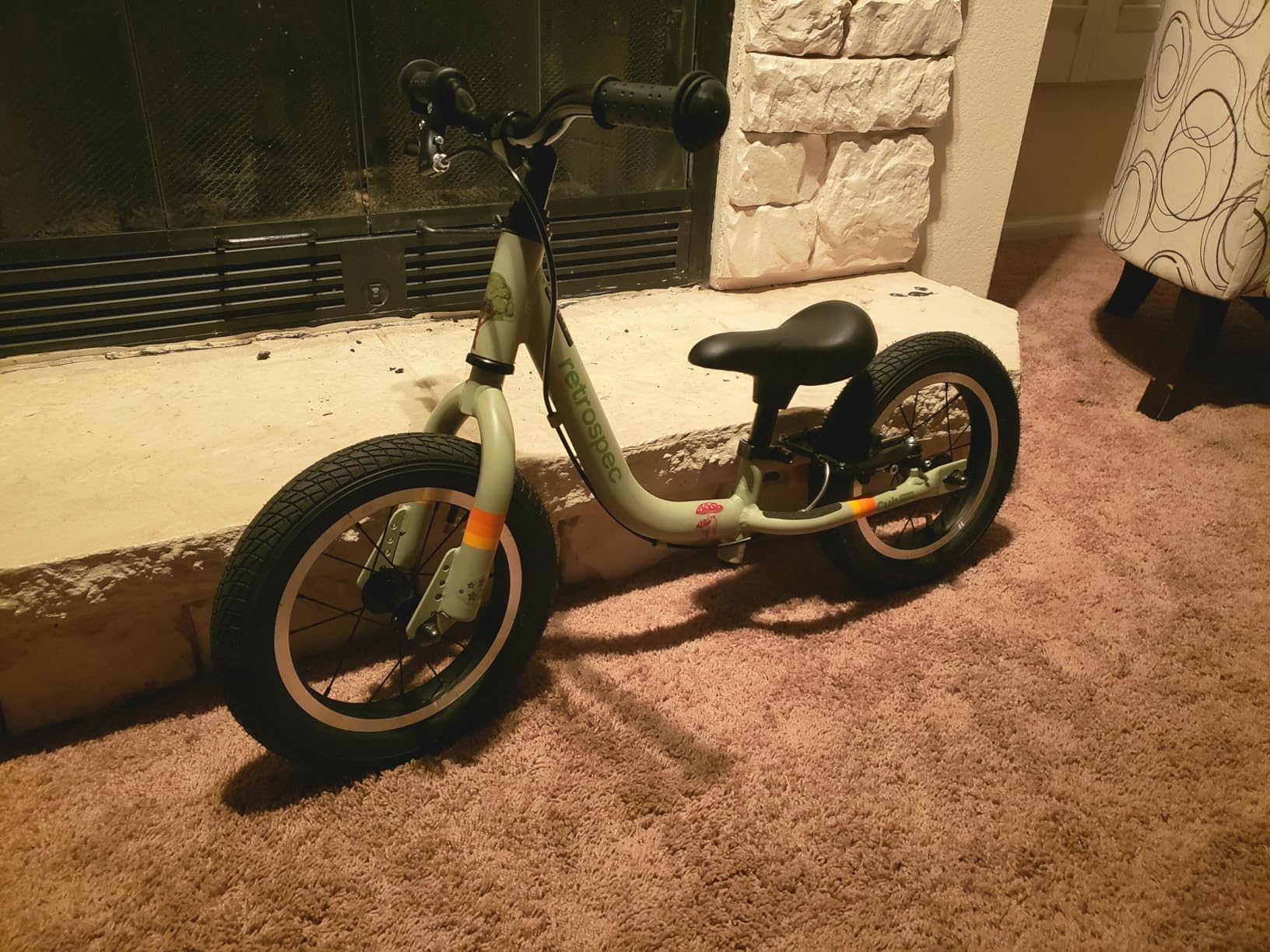
At 9 pounds, this is the heaviest bike in our lineup. The steel frame and brake hardware add weight. However, the rust-resistant coating means this bike will survive outdoor storage and wet conditions better than untreated frames.
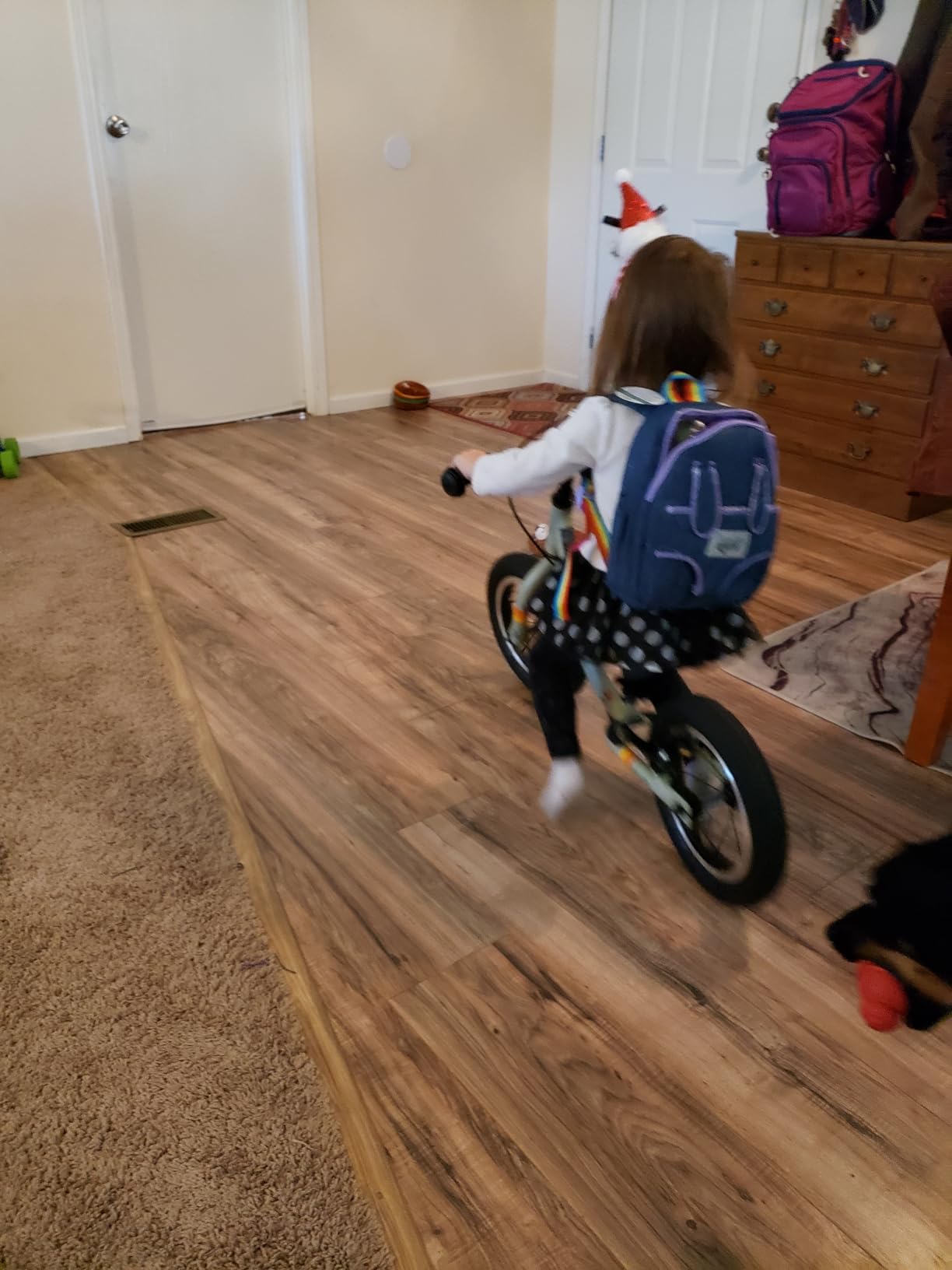
The hand brake is the main selling point, but some very young toddlers lack the hand strength to pull it effectively. If your child is under 2.5 years, they may not use the brake much initially. By age 3, most children can manage it with practice.
Best for Parents Who Want Brake Skills Early
Teaching hand-brake skills on a balance bike gives children a head start on pedal bike safety. When they transition to a real bicycle, braking will already be second nature. The Cub Plus is designed specifically with this progression in mind.
The child-sized brake levers are properly scaled for small hands, which is a detail many manufacturers overlook. The V-brake provides adequate stopping power without being too sensitive.
When to Choose Cub Plus Over Standard Cub
If your child is 3 or older and ready for more advanced features, the Cub Plus justifies its higher price. The air tires and hand brake add real functionality. For children under 2.5, the standard Cub is simpler and lighter, making it the better starting point.
Some families buy the standard Cub first, then upgrade to the Plus when their child is ready for brakes. This staged approach manages cost while building skills progressively.
How to Choose the Best Lightweight Balance Bike?
Choosing the right lightweight balance bike comes down to a few key factors. After testing 12 models extensively, here is what actually matters when making your decision.
Weight Is the Most Important Factor
A balance bike should weigh no more than 30 percent of your child’s body weight. For a typical 2-year-old weighing 28 pounds, that means the bike should be under 8.4 pounds. The lighter the bike, the easier it is for your toddler to control, lift after falls, and maneuver around obstacles.
In our testing, the lightest bikes consistently produced the fastest learning curves. Children on the 5.5-pound Mima Zoom Lite were gliding confidently within days, while heavier models took weeks to achieve the same milestone. Weight affects everything from confidence to fatigue to enjoyment.
Frame Material Makes the Difference
Magnesium frames are the lightest option, as demonstrated by the Mima Zoom Lite at 5.5 pounds. They offer excellent strength-to-weight ratios but can scratch more easily. Aluminum frames provide a good balance of weight and durability, though few budget models use aluminum.
Carbon steel is the most common frame material in this price range. It is durable and affordable but heavier than magnesium or aluminum. If weight is your top priority, look for magnesium or aluminum. If durability and budget matter more, carbon steel is perfectly adequate.
Tire Type Affects Ride Quality and Maintenance
Foam and EVA tires are maintenance-free and never go flat. They are standard on most budget and mid-range balance bikes. The trade-off is a harder ride with less shock absorption on rough surfaces. They also provide less traction on wet or loose terrain.
Air-filled rubber tires, like those on the Radio Flyer Air Ride and Retrospec Cub Plus, provide superior ride quality and traction. They absorb bumps naturally and grip better on varied surfaces. The trade-off is maintenance: you need to check and inflate tire pressure periodically.
Seat Height and Adjustability
Measure your child’s inseam before buying. The seat should adjust to at least 1 inch below their inseam measurement so they can plant their feet flat on the ground. A seat that is too high kills confidence instantly because the child feels unstable.
Look for tool-free adjustment mechanisms, which let you change seat height on the go. Models like the RIDYEE and Umatoll offer this convenience, while others require an Allen wrench for adjustments. The wider the adjustment range, the longer the bike will fit your growing child.
Brake Features: Necessary or Not?
Most balance bikes do not include hand brakes, and for good reason. Toddlers under 3 generally lack the hand strength and coordination to use them effectively. Stopping with feet is the natural method at this age.
However, if your child is 3 or older and you want them to develop hand-brake skills before transitioning to a pedal bike, models like the Retrospec Cub Plus offer this feature. Just make sure the brake levers are properly sized for small hands.
Age and Size Recommendations
For children 12 to 24 months, consider the Retrospec Cricket with its 4-wheel stability design. For ages 18 months to 3 years, the Retrospec Cub or Mima Zoom Lite are excellent choices. For ages 3 to 5, look at models with wider adjustment ranges like the Gotrax KS12 or KRIDDO Dual Bearing.
Always prioritize proper fit over age recommendations. A child’s inseam measurement is more accurate than their age for determining the right bike size. When in doubt, choose a bike with a lower minimum seat height to ensure your child can reach the ground comfortably.
FAQs
What is the lightest balance bike available?
The Retrospec Cricket Baby Balance Bike is the lightest at just 4 pounds, though it uses a 4-wheel design for ages 12-24 months. For a traditional 2-wheel balance bike, the Mima Zoom Lite is the lightest at 5.5 pounds thanks to its magnesium frame.
What is the best balance bike for a 2 year old?
For a 2 year old, the Retrospec Cub and Mima Zoom Lite are top choices. The Cub offers excellent value with puncture-proof tires and a 4.8-star rating. The Zoom Lite is ideal if you want the absolute lightest weight for easier handling by smaller toddlers.
How much should a balance bike weigh?
A balance bike should weigh no more than 30 percent of your child’s body weight. For most 2-year-olds weighing around 28 pounds, aim for a bike under 8.5 pounds. Lighter bikes between 4 and 7 pounds are ideal for the youngest and smallest riders.
Are expensive balance bikes worth it?
Expensive balance bikes can be worth it if they offer features like magnesium frames, air-filled tires, or hand brakes that cheaper models lack. However, many affordable options under $50 provide excellent performance. The key is matching features to your child’s age and your budget.
What age is best for a balance bike?
Most children can start on a balance bike between 18 months and 2 years old. Some models like the Retrospec Cricket are designed for children as young as 12 months. The ideal starting age depends on your child’s height, coordination, and interest in riding.
Final Thoughts on Lightweight Balance Bikes
After testing 12 models, the lesson is clear: when it comes to the best lightweight balance bikes, every pound matters. The Mima Zoom Lite at 5.5 pounds earned our Editor’s Choice because that featherweight magnesium frame translates directly to faster learning and more confident riding. The Retrospec Cricket at 4 pounds is unbeatable for the youngest toddlers just starting out.
For families seeking the best overall value, the Retrospec Cub delivers outstanding quality and parent satisfaction at a reasonable price. Whatever you choose, prioritize weight and fit above all else. A lighter bike your child loves will always outperform a heavier bike with more features that sits unused in the garage.
Start with the lightest model that fits your budget and your child’s size, and you will see the difference in their confidence from day one. Here is to many happy miles of gliding in 2026.