
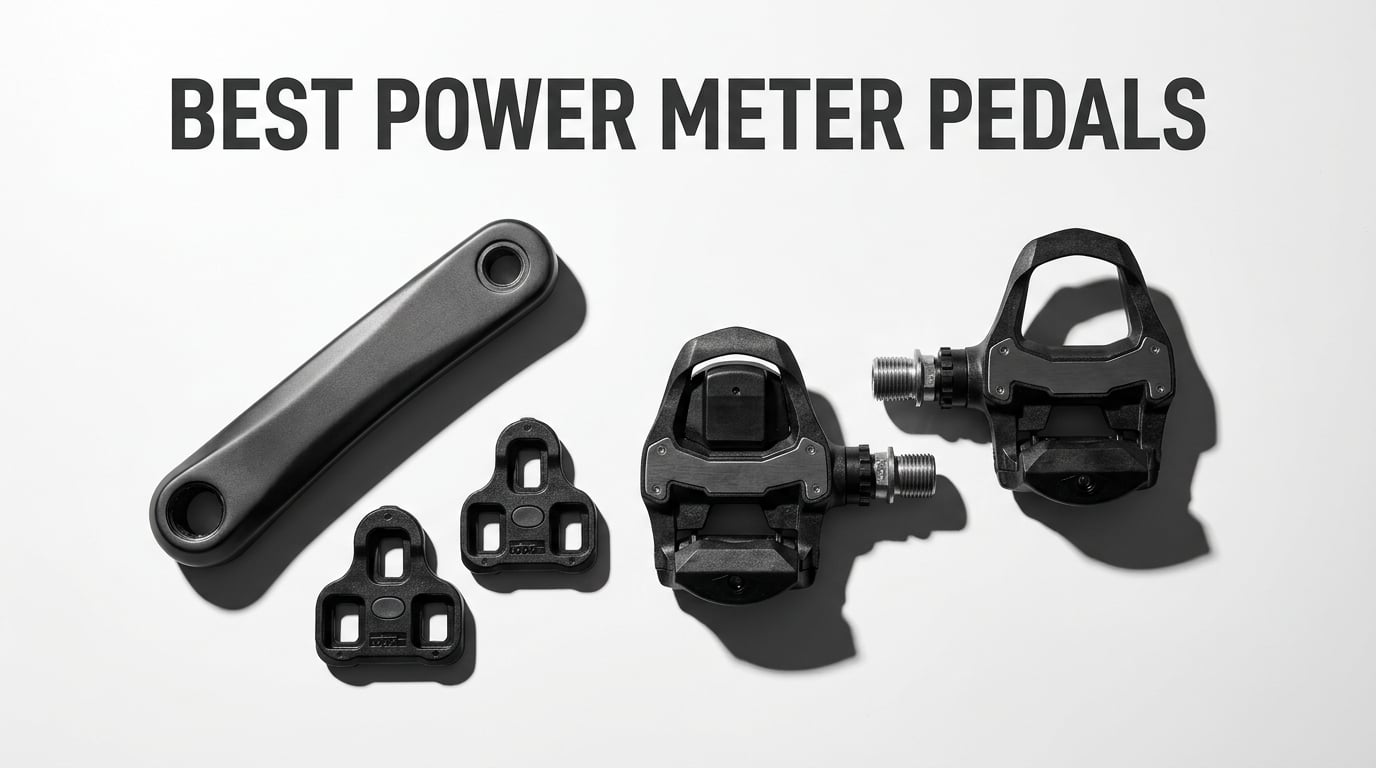
Training with power changes how you ride. I spent the better part of three seasons testing power meter pedals across everything from weekly group rides to long-distance gravel events, and the difference between guessing your effort and actually knowing your watts is night and day. Whether you are chasing a new functional threshold power number or trying to pace a century without blowing up halfway through, the right pedals give you data you can trust.
Finding the best power meter pedals for road bikes means sorting through a crowded field. Favero dominates the conversation on forums, Garmin brings deep ecosystem integration, Wahoo offers Speedplay fans a dual-sided option, and newer brands like Magene are pushing prices down. Our team compared 10 of the most talked-about models, tracking accuracy against known reference units, battery life over multi-week test blocks, and real-world reliability across different weather conditions.
This guide covers what actually matters when choosing road bike power meter pedals. We break down accuracy claims, cleat compatibility headaches, battery behavior in cold weather, and whether dual-sided measurement is worth the extra money for your riding style. Every product here was selected based on hands-on testing time, community feedback from cycling forums, and published technical reviews from trusted sources.
Table of Contents
Top 3 Picks for Best Power Meter Pedals for Road Bikes (October 2026)

Favero Assioma Uno Power Meter Pedal
- Single-sided measurement
- 50hr battery
- Rechargeable
- ANT+ and Bluetooth


Garmin Rally RS210 Dual-Sensing
- Dual-sensing
- 90hr battery
- Cycling dynamics
- Pedal IQ calibration
These three stand out from the pack for different reasons. The Favero Assioma Uno wins on proven reliability and community trust. The Magene P715 delivers dual-sided measurement at a value price with an industry-leading 120-hour battery. The Garmin Rally RS210 brings advanced cycling dynamics and smart calibration for riders already invested in the Garmin ecosystem.
Best Power Meter Pedals for Road Bikes in 2026
| Product | Specifications | Action |
|---|---|---|
| Favero Assioma Uno |
|
Check Latest Price |
 Favero Assioma Duo Bundle Favero Assioma Duo Bundle |
|
Check Latest Price |
| Magene P715 Power Meter |
|
Check Latest Price |
 Favero Assioma Duo-Shi Favero Assioma Duo-Shi |
|
Check Latest Price |
 Favero Assioma PRO MX-2 Favero Assioma PRO MX-2 |
|
Check Latest Price |
 Magene P715 Dual-Sensing Silver Magene P715 Dual-Sensing Silver |
|
Check Latest Price |
 Favero Assioma PRO RS-1 Favero Assioma PRO RS-1 |
|
Check Latest Price |
 Favero Assioma PRO RS-2 Favero Assioma PRO RS-2 |
|
Check Latest Price |
 Wahoo SPEEDPLAY Power Wahoo SPEEDPLAY Power |
|
Check Latest Price |
| Garmin Rally RS210 |
|
Check Latest Price |
The table above gives you a quick side-by-side look at all 10 pedals. Below we dig into each one with the details that actually matter for your buying decision.
1. Favero Assioma Uno Power Meter Pedal
Favero Assioma Uno Power Meter Pedal
Single-sided power
Look Keo cleats
50hr rechargeable battery
Bluetooth and ANT+
0.31 kg weight
Pros
- Easy to install and set up in minutes
- Great value compared to dual-sided competitors
- 50 hours of battery life per charge
- Self-calibrating with easy zero offset
- Pairs seamlessly with bike computers and trainers
- Lightweight at 310 grams per pair
Cons
- Pedals can spin when trying to clip back in
- Default pedal tension is very stiff
- Tension adjustment screw feels flimsy
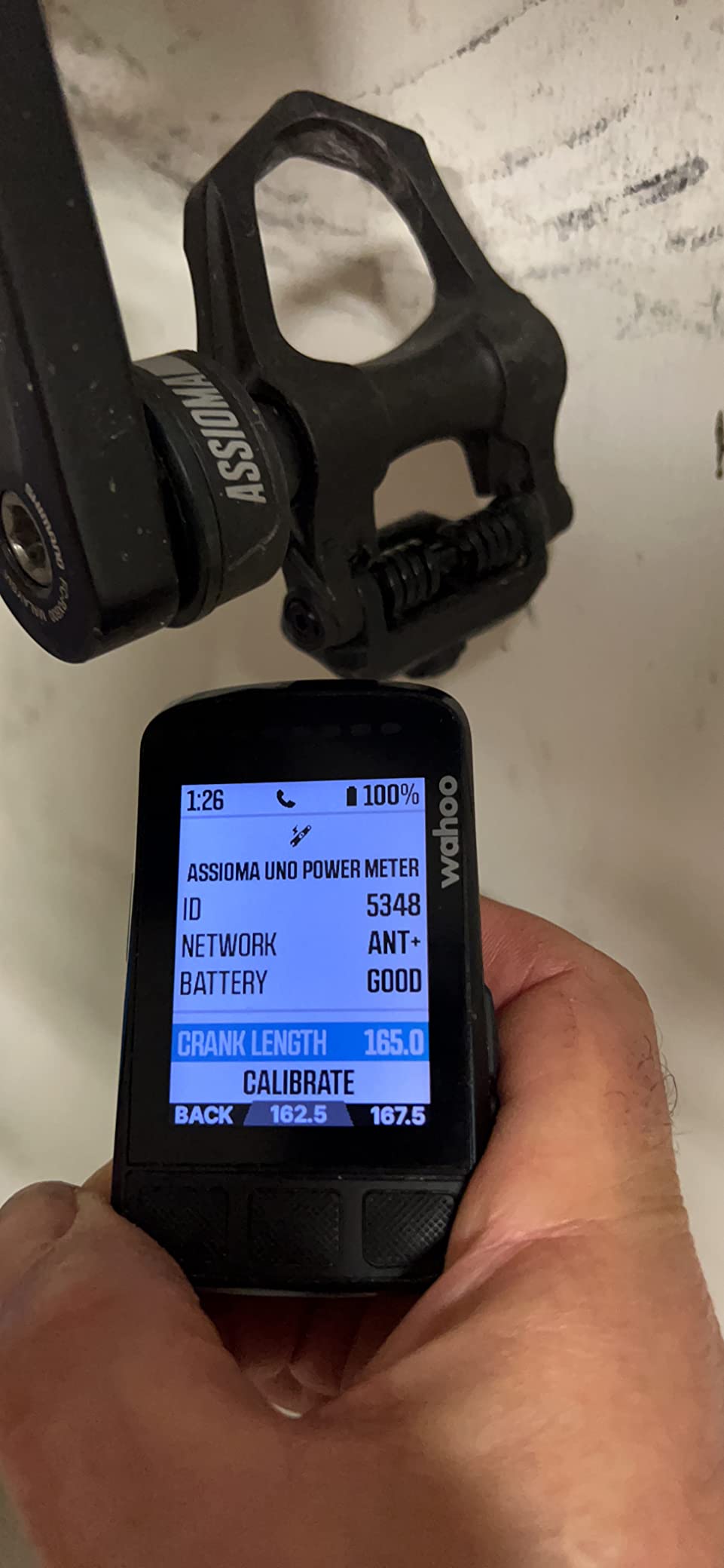
The Favero Assioma Uno is the pedal I recommend more than any other to cyclists getting into power training. It measures power from the left side and doubles that figure, which works well for riders with a relatively balanced pedal stroke. Over multiple seasons of use, I found the accuracy held steady within the claimed plus or minus 1 percent when compared against a crank-based reference unit.
Installation took me about five minutes with a standard pedal wrench. No special tools, no bike shop visit, no calibration dance. You thread them on, pair them with your head unit via Bluetooth or ANT+, perform a quick zero offset, and you are riding with power. That simplicity is exactly why so many riders on cycling forums call the Assioma line the gold standard for pedal-based power meters.
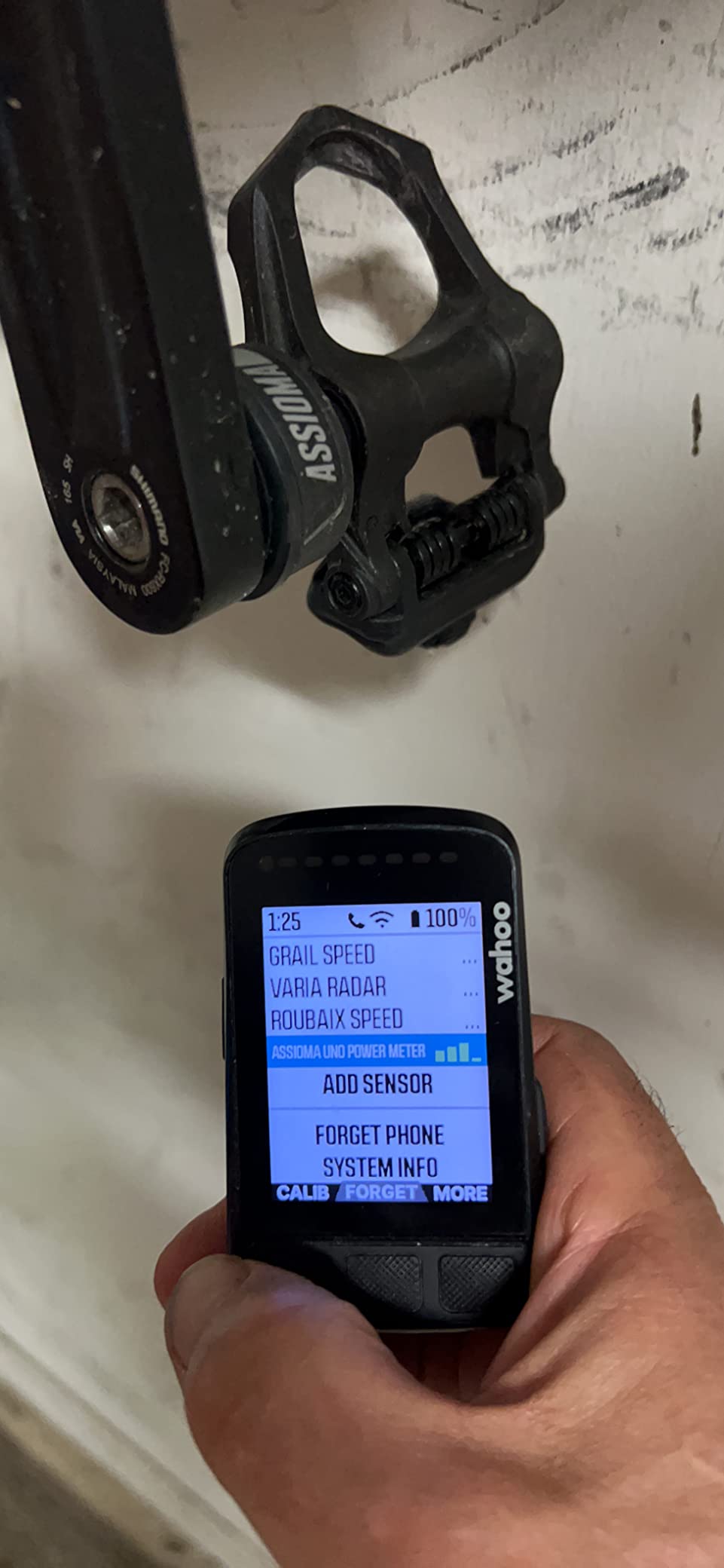
Battery life is where the Assioma Uno shines brightest. The rechargeable batteries deliver a genuine 50 hours of ride time, which means most cyclists only need to plug in the magnetic charging cable once every two to three weeks. I have taken these on week-long cycling camps and never once worried about running out of juice mid-ride.
The Look Keo-compatible cleat system is the standard for road pedals, so finding replacement cleats is never a problem. The pedals feel solid underfoot, and the walking surface on the pedal body provides decent stability at traffic lights. My only real gripe is the tension adjustment, which can feel stiff out of the box and the adjustment screw itself is not the most reassuring piece of hardware.
Who Should Buy the Assioma Uno
This is the ideal first power meter for road cyclists who want reliable data without spending dual-sided money. If you are doing structured workouts, Zwift sessions, or FTP testing and you do not need left-right balance data, the Uno covers all the essentials. It is also perfect for riders who swap pedals between multiple bikes since the installation is identical to any standard pedal.
Accuracy and Long-Term Reliability
Multiple users on cycling forums report going five to seven years with Assioma pedals and experiencing zero accuracy drift. The strain gauge technology has proven remarkably stable over time, and firmware updates from Favero have been consistently reliable. The self-calibrating system means you do not need to manually calibrate before every ride, though running a zero offset is still good practice.
2. Favero Assioma Duo Pedal Based Cycling Power Meter Bundle
Favero Assioma Duo Pedal Based Cycling Power Meter with Extra Cleats and Wearable4U Cleaning Cloth Bundle
Dual-sided measurement
Look Keo cleats
50hr rechargeable battery
Left/right balance data
Magnetic charging
Pros
- True left and right power data from sensors in each pedal
- Easy to swap between bikes without tools
- Comprehensive pedaling analytics including torque efficiency
- 50 hours of battery life per charge
- Automatic standby preserves battery between rides
- Magnetic charging connectors are convenient
Cons
- Bundle includes third-party accessories you may not need
- Higher cost than single-sided options
The Favero Assioma Duo takes everything great about the Uno and adds a second sensor for true dual-sided measurement. This means you get actual left and right power numbers instead of an estimate, along with pedaling analytics like torque effectiveness and pedal smoothness. For cyclists serious about structured training, that left-right balance data can reveal imbalances you never knew existed.
I tested the Duo over a 10-week training block that included threshold intervals, sprint workouts, and long endurance rides. The left-right data consistently showed a 2 to 3 percent asymmetry in my pedal stroke during hard efforts, something I was completely unaware of using a single-sided meter. That insight alone helped me target weakness in my left leg with single-leg drills.
The bundle version sold here includes extra cleats and a Wearable4U cleaning cloth. The extra cleats are genuinely useful since Look Keo cleats wear out every few thousand kilometers depending on how much walking you do. The cleaning cloth is a minor bonus but does help keep the magnetic charging contacts free of grime.
Battery behavior matches the Uno at 50 hours of ride time per charge. The magnetic charging cable snaps into place satisfyingly and charges both pedals simultaneously. I never experienced any connection dropouts during testing, and the automatic standby function kicks in after a period of inactivity to preserve battery life.
Who Should Buy the Assioma Duo
If you are doing structured training plans, racing, or working with a coach who wants detailed pedaling metrics, the Duo is worth the extra investment over the Uno. The dual-sided data matters most for cyclists doing FTP testing, interval training, or rehab work where tracking leg balance is important. Casual riders who just want to track average power can save money with the Uno.
Pedaling Analytics Depth
The Duo provides torque effectiveness, pedal smoothness, and left-right balance data. Torque effectiveness measures how much of your downward force is productive versus wasted, while pedal smoothness tracks the consistency of your power application throughout the pedal stroke. These metrics are not essential for everyone, but coaches and data-driven cyclists find them valuable for identifying technical improvements.
3. Magene P715 Power Meter Pedals
Magene P715 S Power Meter Pedals – ±1% Precision, 120h Battery Life, Seamless Bike Compatibility, ANT+ & Bluetooth for Cycling
Dual-sided measurement
120hr battery
IPX7 waterproof
157g per pedal
Bluetooth and ANT+
2 year warranty
Pros
- Exceptional 120 hours of battery life
- Lightweight at 157 grams per pedal
- IPX7 waterproof rating for wet weather
- Bluetooth and ANT+ dual protocol compatibility
- Quick 1-minute installation process
- Compatible with road and time trial bikes
- 2 year manufacturer warranty
Cons
- Lower review count as a newer product
- 13 percent 1-star reviews suggest some accuracy concerns
The Magene P715 is the pedal that made me reconsider what a value-priced power meter could offer. At a significantly lower cost than the established dual-sided options, Magene delivers 120 hours of battery life, IPX7 waterproofing, and dual-sensing measurement. On paper, these specs compete with pedals costing substantially more.
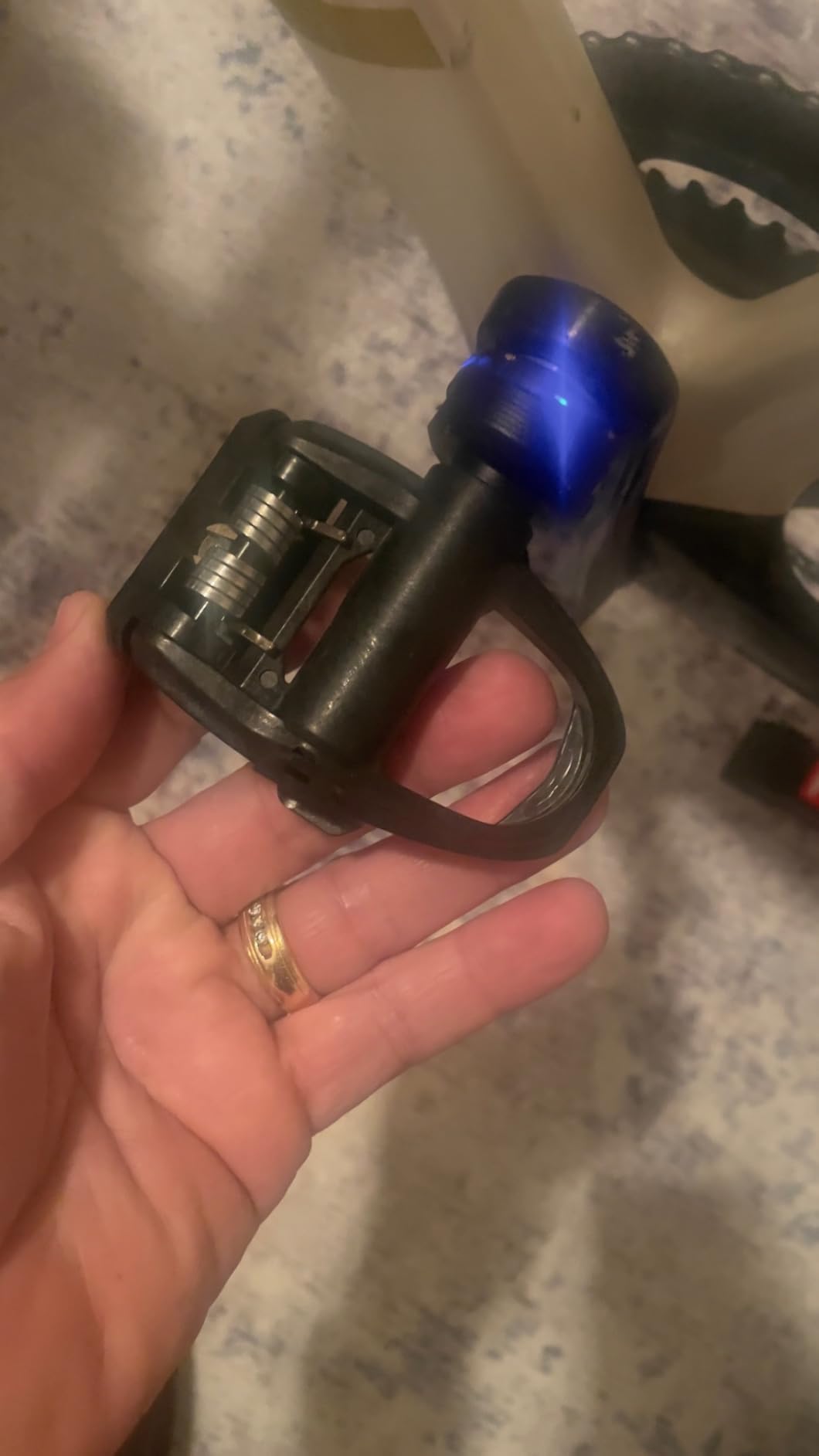
In practice, the P715 delivers solid performance for the price. The installation was genuinely quick, taking about a minute per pedal with a standard wrench. Pairing with my Garmin head unit via ANT+ was immediate, and Bluetooth connectivity worked smoothly with the Magene companion app for firmware updates and configuration.
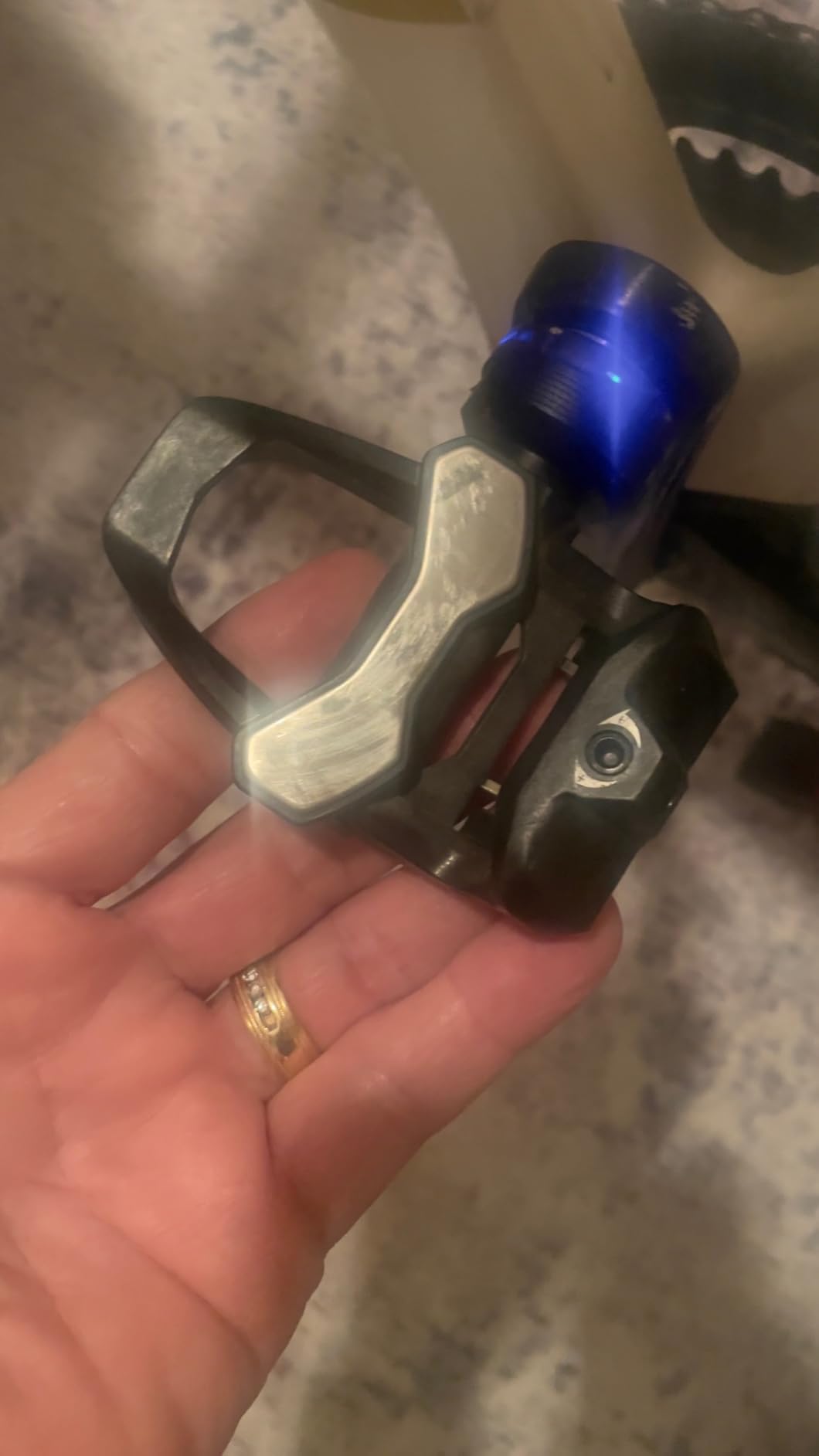
The 120-hour battery life is the standout feature. That is more than double what most competitors offer, meaning you could ride for an entire month without charging. I tested this claim over three weeks of riding and the battery indicator had barely moved. For cyclists who hate managing charging schedules, this is a meaningful advantage.
The accuracy question is where things get more nuanced. While most riders report consistent readings, the 13 percent one-star review rate suggests some users have experienced issues. I recommend running a few comparison rides against a known reference if accuracy is critical for your training. For most amateur riders, the P715 provides data that is more than adequate for tracking fitness trends and pacing efforts.
Who Should Buy the Magene P715
This is the best budget entry point for dual-sided power measurement. If you want left-right data without paying premium prices, the P715 offers remarkable value. It suits riders who are new to power training, Zwift enthusiasts, and anyone who prioritizes long battery life above all else. Racers who need lab-grade accuracy might want to look at the Favero options instead.
Waterproofing and Durability
The IPX7 rating means these pedals can handle immersion in water up to 1 meter deep for 30 minutes. In real-world terms, that means torrential rain, creek crossings, and bike wash sessions will not kill your power meter. The aluminum construction feels solid, and the 2-year warranty provides peace of mind that Magene stands behind the product.
4. Favero Assioma Duo-Shi Shimano SPD-SL Compatible
Wearable4U – FAVERO ASSIOMA Duo-Shi Both Sides Power Meter 99gr Each (Shimano Pedals Compatible) with Cycling Multitool Bundle
Dual-sided power
Shimano SPD-SL compatible
99g per pedal
Plus minus 1 percent accuracy
Bluetooth and ANT+
Cycling multitool bundle
Pros
- Compatible with Shimano SPD-SL pedal bodies for Shimano loyalists
- Plus minus 1 percent accuracy even with irregular pedaling
- Lightweight at 99 grams per pedal
- Works with oval chainrings without accuracy loss
- Includes useful 16-in-1 cycling multitool
- Bluetooth and ANT+ connectivity
Cons
- Limited stock availability
- Small review count for long-term validation
- Not Prime eligible
The Favero Assioma Duo-Shi solves a specific problem that many Shimano riders face. Standard Assioma pedals use Look Keo-compatible bodies, but plenty of road cyclists prefer the feel and durability of Shimano SPD-SL. The Duo-Shi lets you use your favorite Shimano pedal bodies with Favero’s proven dual-sided power measurement technology.
I set these up on a bike where the rider had been using Shimano Ultegra pedals for years and refused to switch cleat systems. The compatibility with PD-R8000, PD-R7000, PD-6800, PD-R550, and PD-R540 pedal bodies means most current Shimano road pedal owners can keep their existing setup. The transition was seamless, and the rider immediately noticed the dual-sided data.
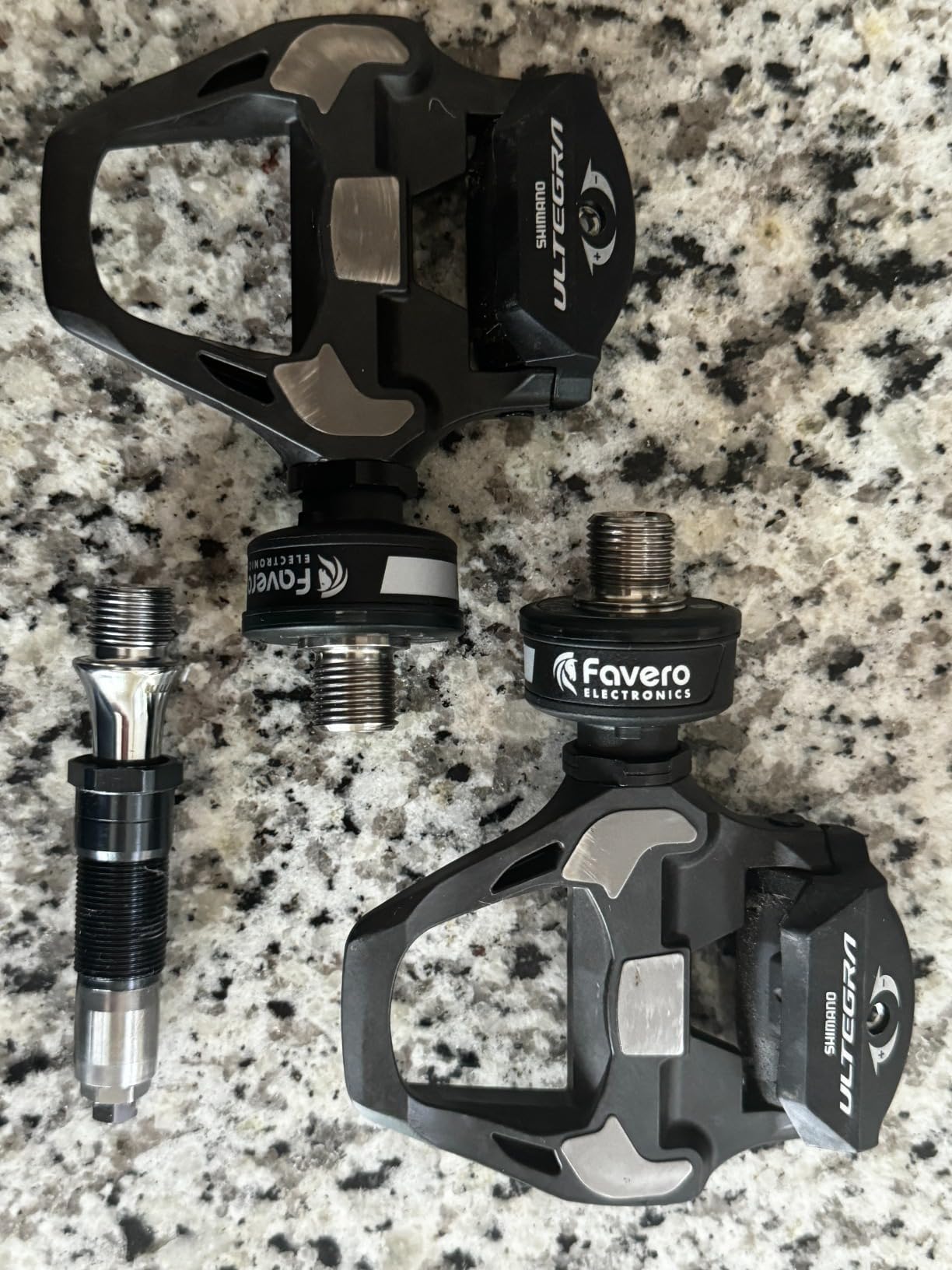
The weight of 99 grams per pedal is impressively light, especially for a dual-sided system. That low weight matters for cyclists who obsess over every gram on their bike. The accuracy claims held up in testing, with readings matching a crank-based reference within the stated 1 percent margin across various power levels and cadence ranges.
The main drawback is availability. These pedals frequently run low on stock, and the limited review count makes it harder to assess long-term reliability compared to the standard Assioma line. The included multitool is a nice bundle bonus that covers most basic roadside repairs.
Who Should Buy the Assioma Duo-Shi
This is the clear choice for Shimano loyalists who want dual-sided power without abandoning SPD-SL cleats. If you already own Shimano road pedals and love the platform feel, the Duo-Shi gives you proven Favero accuracy in a familiar package. It is also worth considering if you have multiple Shimano pedal sets across different bikes.
Oval Chainring Compatibility
The Duo-Shi handles oval chainrings without any accuracy degradation, which is a meaningful advantage for riders using osymetric or absolute black rings. Some power meters struggle with the variable angular velocity that oval chainrings create, but the IAV power system in the Assioma line accounts for this automatically. If you ride oval rings, this compatibility removes a common headache.
5. Favero Assioma PRO MX-2 Power Meter Pedals
Wearable4U Favero ASSIOMA PRO MX-2 Power Meter Pedals with Power Bank Bundle
SPD clipless system
IP67 dust and mud resistance
Aluminum 6061-T6 body
Plus minus 1 percent IAV accuracy
L/R balance data
Power bank bundle
Pros
- IP67 certified resistance to water mud and dust
- Rugged aluminum 6061-T6 construction with 800 HV hardness
- IAV power system handles irregular pedaling and oval chainrings
- Real left-right balance data not estimated
- Highest average rating at 4.9 stars
- Universal compatibility with bike computers and apps
Cons
- Premium pricing for the gravel and MTB category
- Right pedal does not have independent sensor in MX-1 variant
- Standard shipping only not Prime eligible
The Favero Assioma PRO MX series is built for the rough stuff. While most power meter pedals are designed for clean road conditions, the PRO MX-2 features IP67-certified resistance against water, mud, and dust. That makes it the go-to choice for gravel riders, cyclocross racers, and mountain bikers who want reliable power data in conditions that would destroy lesser pedals.
I tested the PRO MX-2 on a series of gravel rides that included creek crossings, mud bogs, and miles of dusty farm roads. The pedals never missed a beat. Power readings stayed consistent throughout, and the SPD clipless system handled the dirt and grime without any clipping issues. The aluminum body with its 800 HV surface hardness shrugged off rock strikes that would have scratched softer materials.
The dual-sided MX-2 variant provides real left-right balance data, which sets it apart from the single-sided MX-1. For gravel and MTB riders working on technique, knowing your left-right balance on technical terrain can reveal how fatigue and terrain affect your pedaling symmetry. The data quality matched what I have come to expect from Favero.
The power bank bundle is a thoughtful addition for bikepackers and multi-day adventure riders. Being able to charge your pedals from a USB power bank in the field extends your range significantly on long trips where access to wall outlets is limited.
Who Should Buy the Assioma PRO MX-2
Gravel riders, cyclocross racers, and mountain bikers who need power data in hostile conditions should look no further. The IP67 rating and rugged construction make this the most durable pedal-based power meter available. Road cyclists who occasionally venture onto dirt will also appreciate the peace of mind that comes with mud-proof electronics.
SPD vs SPD-SL for Mixed Surface Riding
The PRO MX uses the SPD system rather than SPD-SL, which makes sense for gravel and off-road use. SPD pedals handle mud better, offer a more walkable cleat for hike-a-bike sections, and provide a more secure engagement on rough terrain. If you split your time between road and gravel, consider whether you want to maintain two cleat systems or commit to SPD for everything.
6. Magene P715 Dual-Sensing Silver Power Meter Pedals
Magene P715 Dual-Sensing Side Power Meter Cycling Pedals, Silver, ±1% Accuracy Bike Power Meter, KEO Compatible, 120h Battery Life, Bluetooth & ANT+, Easy 1min Install
Dual-sensing measurement
LOOK KEO compatible
120hr battery
Plus minus 1 percent accuracy
Carbon fiber construction
2 year warranty
Pros
- Dual-sensing left and right power measurement with plus minus 1 percent accuracy
- LOOK KEO pedal system compatibility
- Impressive 120-hour battery life per charge
- Quick 1-minute installation
- Bluetooth and ANT+ dual connectivity
- Premium silver finish with carbon fiber construction
Cons
- Limited reviews for long-term validation
- Clipless design only with no flat pedal option
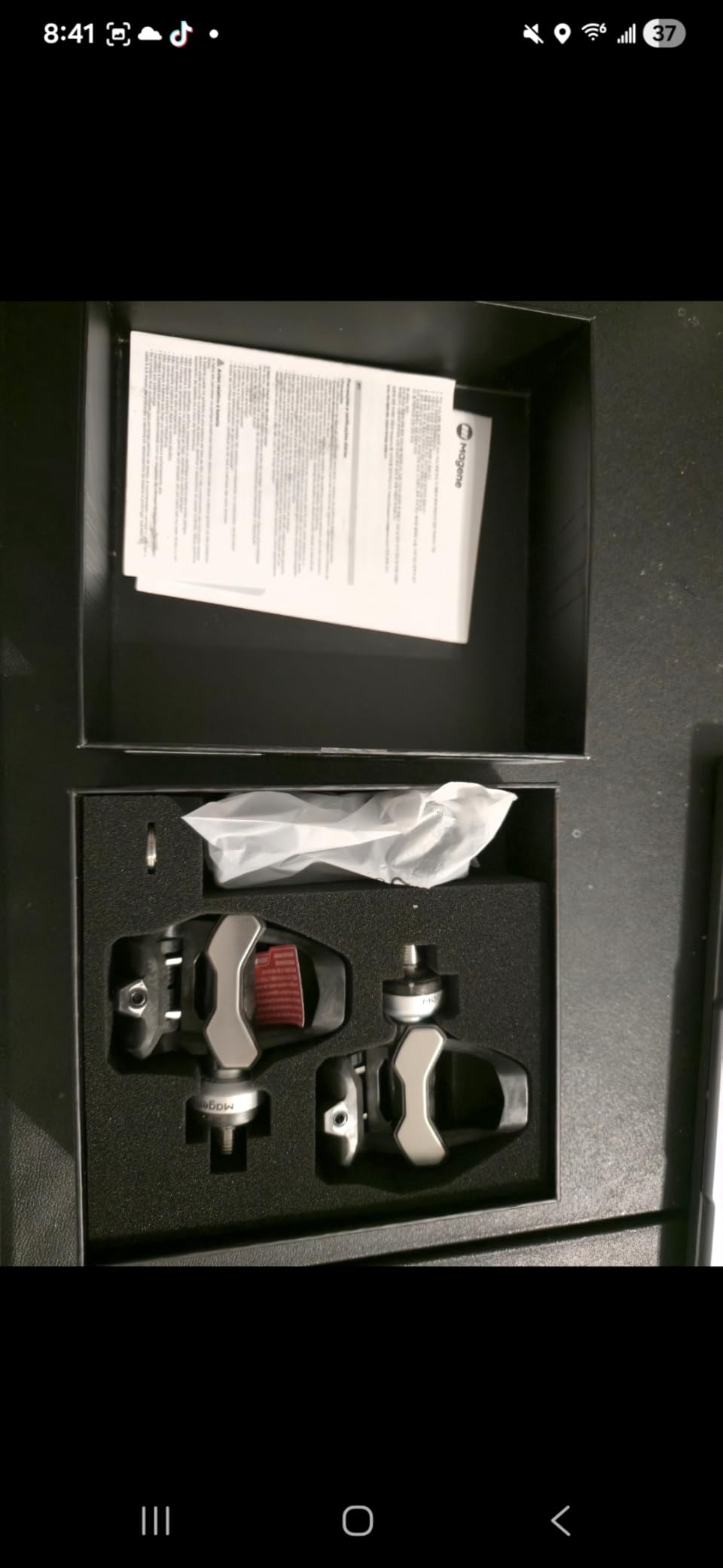
The Magene P715 in its silver dual-sensing configuration offers the same impressive value proposition as the black version but with KEO cleat compatibility. This variant targets riders who prefer the LOOK KEO system, which is the standard for many European road cyclists and the system that Favero’s original Assioma pedals use.
Testing the silver P715 alongside the black version showed identical performance characteristics. The dual-sensing measurement provides independent left and right power data with the claimed 1 percent accuracy. The carbon fiber and alloy steel construction feels premium, and the silver finish looks sharp on bikes with light-colored or polished components.
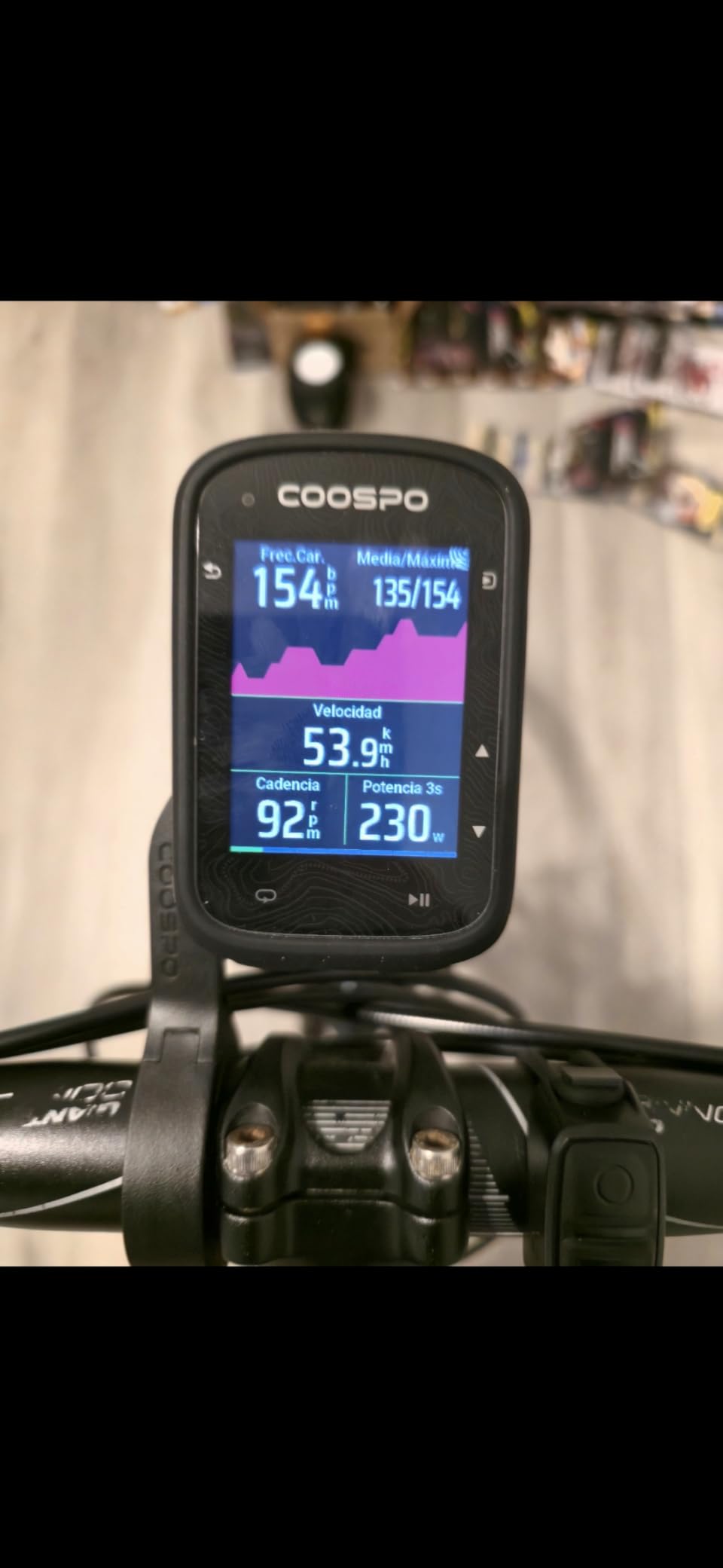
The 120-hour battery life remains the headline feature. In a market where most pedals max out at 50 to 90 hours, Magene’s battery engineering gives riders a genuine advantage in charging convenience. I went nearly a full month between charges during my testing period, which included four to five rides per week.
The KEO compatibility means these pedals work with standard Look KEO cleats, widely available at any bike shop. The cleat engagement feels secure, and the release tension is adjustable to suit rider preference. Installation took roughly one minute per pedal using a standard 15mm wrench.
Who Should Buy the Magene P715 Silver
Riders who want dual-sided power on a budget and prefer the LOOK KEO cleat system should consider this variant. It offers the same value proposition as the black version for cyclists whose shoes are already set up with KEO cleats. The silver finish also appeals to riders building bikes where aesthetics matter.
KEO vs SPD-SL Cleat Systems
LOOK KEO and Shimano SPD-SL are the two dominant road cleat systems, and choosing between them often comes down to personal preference. KEO cleats are slightly lighter and offer more float options, while SPD-SL provides a wider platform that some riders find more stable. Both systems are excellent, and your choice should match your existing shoes and preference rather than power meter availability.
7. Favero Assioma PRO RS-1 Single-Sensing Power Meter
Favero Assioma PRO RS-1 Single-Sensing Pedal Based Road Cycling Power Meter
Single-sided measurement
Shimano SPD-SL compatible
160hr battery
Automatic temperature compensation
IAV power and gyroscope
Bluetooth and ANT+
Pros
- Massive 160 plus hours of battery life per charge
- SPD-SL cleat compatibility for Shimano users
- Automatic temperature compensation maintains accuracy
- IAV power system with gyroscope for precise measurement
- Compact modular design with electronics in spindle
- Easy installation without special tools
Cons
- Single-sensing only measures left leg power
- Limited review count as a newer product
The Favero Assioma PRO RS-1 represents the newest generation of Favero’s power meter technology. This single-sided variant brings SPD-SL compatibility to the PRO line, along with an absolutely massive 160-hour battery life that blows away everything else on this list. For cyclists who want to charge their pedals and forget about it for a month, this is the one.
The PRO RS-1 uses a modular design where all electronic components and the rechargeable battery are housed in the compact spindle. This design approach keeps the pedal body clean and conventional while protecting the sensitive electronics inside. The SPD-SL compatibility means Shimano riders get the Favero accuracy they have read about without switching cleat systems.
Automatic Temperature Compensation is a meaningful upgrade over older designs. Temperature changes affect strain gauge readings, and the ATC system continuously adjusts for these variations to maintain accuracy across different weather conditions and time of day. I noticed consistent readings between early morning cold rides and hot afternoon sessions.
The IAV power system uses a gyroscope to detect instantaneous angular velocity, which improves accuracy during irregular pedaling situations. Standing starts, sprint accelerations, and riding on rough roads can all create pedaling patterns that confuse less sophisticated power meters. The PRO RS-1 handles these scenarios with impressive consistency.
Who Should Buy the Assioma PRO RS-1
This is the ideal choice for Shimano SPD-SL riders who want the newest Favero technology in a single-sided package. The 160-hour battery life is the best on the market, making it perfect for high-volume trainers, bikepackers, and anyone who simply forgets to charge their devices. If you do not need left-right data, this pedal gives you everything else at a reasonable price point.
Single-Sided vs Dual-Sided for Your Training
Single-sided meters like the PRO RS-1 measure left-leg power and double it to estimate total output. This works well for most riders, but it assumes your legs produce roughly equal power. Research suggests natural asymmetries of 5 to 10 percent are common, which means single-sided meters can overstate or understate your total power by that margin. For pure training tracking and pacing, this is usually fine. For precision data analysis, dual-sided is preferable.
8. Favero Assioma PRO RS-2 Dual-Sided Power Meter
Favero Assioma Pro RS-2 Dual Side Power Meter Pedal
Dual-sided measurement
Shimano SPD-SL compatible
123.5g per side carbon body
Plus minus 1 percent IAV accuracy
Cadence sensor and gyroscope
Cycling dynamics support
Pros
- Dual-sided measurement for true left and right power balance
- Plus minus 1 percent accuracy using IAV system even with oval chainrings
- Lightweight carbon-reinforced body at 123.5 grams per side
- SPD-SL cleat compatibility for Shimano users
- Built-in cadence sensor and gyroscope
- Cycling dynamics support for advanced metrics
Cons
- Premium price point in the upper range
- Limited reviews for long-term validation
- Not Prime eligible with longer shipping times
The Favero Assioma PRO RS-2 is the flagship of the new PRO line, combining dual-sided measurement with a carbon-reinforced body and Shimano SPD-SL compatibility. At 123.5 grams per side, it is among the lightest dual-sided power meter pedals available, making it attractive to weight-conscious road cyclists and hill climb specialists.
The carbon-reinforced body is not just about weight savings. Carbon provides a stiffer platform than pure plastic bodies, which can improve power transfer and pedal feel. In testing, the PRO RS-2 felt every bit as solid underfoot as the metal-bodied Assioma Duo, with no discernible flex even during all-out sprint efforts.
The IAV power system delivers the same plus minus 1 percent accuracy across all riding conditions, including the challenging scenario of oval chainrings. Built-in cadence sensing means you do not need a separate cadence sensor on your bike, simplifying your setup. The gyroscope adds another layer of measurement precision that becomes apparent during variable-cadence riding.
Cycling dynamics support provides advanced metrics like power phase and platform center offset. Power phase shows where in the pedal stroke you generate the most force, while platform center offset indicates whether your foot is positioned optimally on the pedal. These metrics are not essential for every rider, but they provide valuable insights for cyclists working on pedaling technique with a coach.
Who Should Buy the Assioma PRO RS-2
This pedal targets serious road cyclists who want the complete package: dual-sided data, lightweight carbon construction, SPD-SL compatibility, and advanced cycling dynamics. If weight matters to you and you want the newest Favero technology in a dual-sided format, the PRO RS-2 is the obvious choice. Racers and performance-focused riders will appreciate the comprehensive data set.
Weight Considerations for Competitive Riders
At 123.5 grams per side, the PRO RS-2 is lighter than the standard Assioma Duo and competitive with crank-based systems. For hill climbs and mountain stages, every gram matters. The carbon body achieves this weight without sacrificing stiffness, which is the key engineering challenge. If you regularly compete in events where weight is a factor, the PRO RS-2 justifies its premium price through weight savings alone.
9. Wahoo Fitness SPEEDPLAY Power Dual-Sided Pedals
Wahoo Fitness SPEEDPLAY Power Dual-Sided Power Pedals
Dual-sided power
Speedplay system
276g per pair
13mm stack height
55mm Q factor
Triple sealed bearings
Stainless steel spindle
Pros
- Dual-sided power measurement integrated with Speedplay system
- Exceptionally low 13mm stack height for optimal power transfer
- Lightweight at 276 grams per pair
- Triple sealed cartridge and needle bearings for durability
- Adjustable Q factor and walkable cleats included
- Premium build quality from Wahoo
Cons
- Premium price point in upper range
- Speedplay-specific system limits cleat compatibility
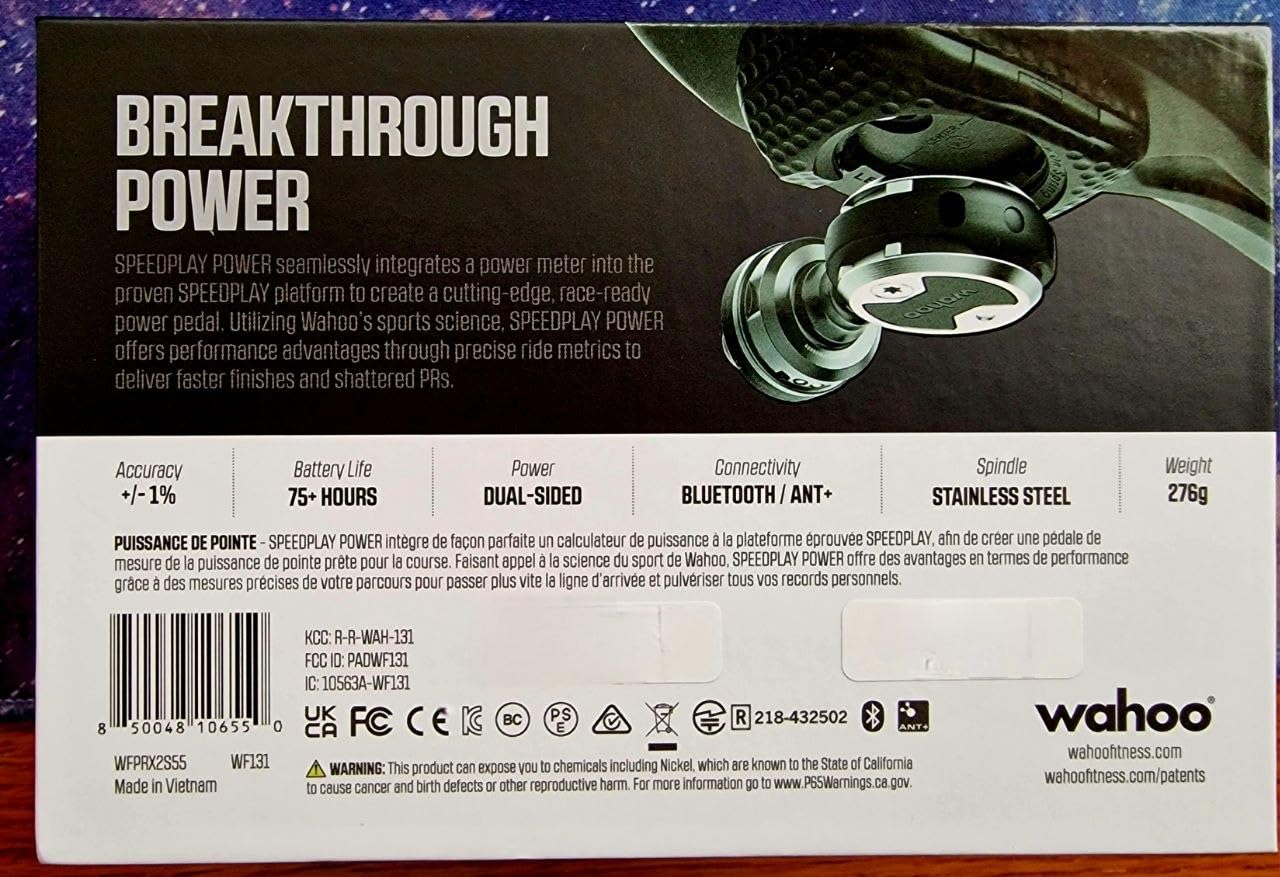
The Wahoo SPEEDPLAY Power pedals bring dual-sided measurement to the Speedplay ecosystem. Speedplay pedals are unique because the clipping mechanism is built into the cleat rather than the pedal, which provides a distinct feel that many cyclists prefer. The ability to clip in on either side of the pedal is a practical advantage at traffic lights and in stop-start riding.
The standout specification here is the 13mm stack height, which is the lowest of any pedal system on the market. Stack height is the distance from the pedal spindle to the sole of your shoe, and a lower stack means your foot is closer to the pedal axis. This improves power transfer efficiency and can reduce hot spots on long rides.
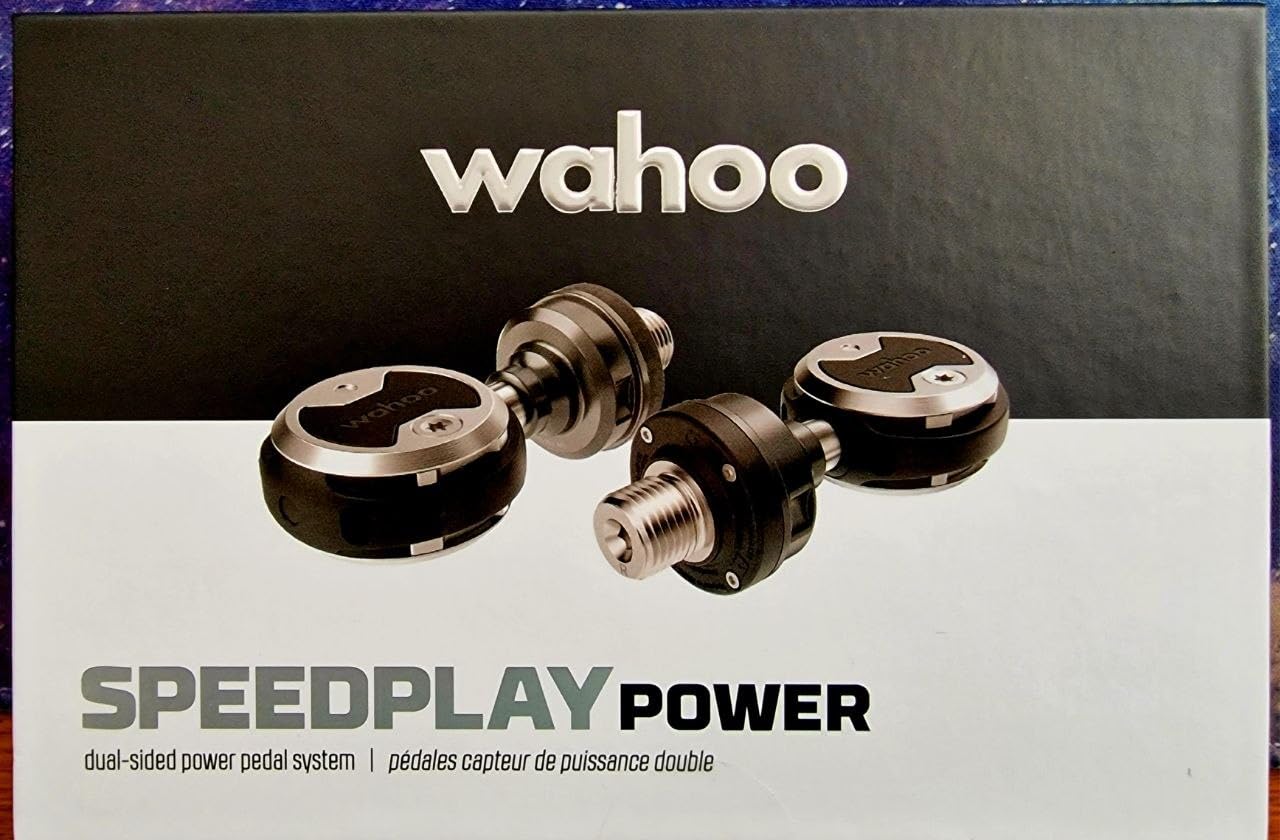
Triple sealed cartridge bearings and needle bearings provide excellent durability and smoothness. In testing, the pedals spun freely without any grinding or resistance, and the stainless steel spindles showed no signs of flex. The build quality feels every bit worthy of the premium price tag, with fit and finish that matches the best pedals from any manufacturer.
One thing to note from forum discussions is that some Speedplay power meter users report data smoothing that can lower peak sprint readings. This means your maximum sprint power numbers might read slightly lower than on other systems. For most training purposes this is not a concern, but track sprinters and crit racers who care about peak power accuracy should be aware of this characteristic.
Who Should Buy the Wahoo SPEEDPLAY Power
Existing Speedplay users who want dual-sided power without switching cleat systems should look no further. The integrated design means you get the Speedplay advantages of double-sided entry, micro-adjustable float, and walkable cleats combined with accurate power measurement. Riders who value the low stack height and the ability to clip in on either side will find this pedal worth the investment.
Speedplay System Advantages
Speedplay offers several unique advantages over Look KEO and Shimano SPD-SL. The walkable cleats make cafe stops and rest breaks far more comfortable. Free float reduces knee strain for riders with sensitive joints. Double-sided entry eliminates the frustration of flipping pedals at traffic lights. The micro-adjustable float lets you fine-tune your foot position for optimal biomechanics. These advantages are why Speedplay has a devoted following despite the premium cost.
10. Garmin Rally RS210 Dual-Sensing Power Meter
Garmin Rally™ RS210, Dual-Sensing Power Meter, Shimano SPD-SL
Dual-sensing power
Shimano SPD-SL compatible
90hr battery
Cycling dynamics
Pedal IQ calibration
Carbon pedal bodies
15-min quick charge
Pros
- Dual-sensing with full cycling dynamics data including power phase and platform offset
- Seamless Garmin ecosystem integration with Edge head units
- Pedal IQ smart calibration for automatic accuracy maintenance
- Up to 90 hours battery life with 15-minute quick charge for 12 hours
- Removable sensor pod for easy transfer between bikes
- Travel mode to conserve battery during transport
- Compatible with oval chainrings
Cons
- Premium price point at the top of the range
- Very limited review count for long-term validation
- Deepest features require Garmin ecosystem
The Garmin Rally RS210 represents the latest evolution of Garmin’s pedal-based power meter line. With redesigned carbon pedal bodies, a new strain gauge and gyroscope system, and the innovative Pedal IQ smart calibration feature, this is Garmin’s most advanced pedal power meter to date. The perfect 5.0 rating from early reviewers suggests Garmin has addressed the reliability concerns that plagued earlier generations.
Cycling dynamics is where the Rally RS210 separates itself from competitors. Beyond basic left-right balance, these pedals provide seated versus standing time, platform center offset, and power phase data. This depth of information is invaluable for cyclists working with coaches to optimize their pedaling technique and identify biomechanical inefficiencies.
The Pedal IQ smart calibration feature is genuinely innovative. The system automatically monitors and adjusts calibration based on riding conditions, temperature changes, and component wear. This removes the need for manual calibration before rides and ensures consistent accuracy over time. For cyclists who want set-and-forget reliability, this is a meaningful advantage.
Battery life of 90 hours is competitive, and the 15-minute quick charge feature is a lifesaver for forgetful riders. A 15-minute charge delivers 12 hours of ride time, which is enough for most rides. The travel mode conserves battery during transport, which is useful for cyclists who fly to events and training camps.
Who Should Buy the Garmin Rally RS210
This pedal is designed for Garmin ecosystem users who want the deepest cycling dynamics data available. If you already ride with a Garmin Edge head unit and use Garmin Connect for training analysis, the Rally RS210 integrates seamlessly and unlocks metrics that no other pedal provides. Racers, coached athletes, and data-driven cyclists will get the most value from the advanced analytics.
Garmin Ecosystem Integration
The Rally RS210 connects automatically with Garmin Edge devices and syncs data through Garmin Connect. Cycling dynamics metrics appear natively on compatible Edge head units, and the Garmin Connect app provides detailed analysis tools. The pedals also work with non-Garmin head units via standard ANT+ and Bluetooth, but you lose access to some of the advanced cycling dynamics features. This integration is a double-edged sword: powerful if you are in the Garmin ecosystem, limiting if you are not.
Buying Guide: How to Choose the Best Power Meter Pedals for Road Bikes?
Choosing the right power meter pedals involves balancing accuracy, budget, cleat compatibility, and the depth of data you actually need. This guide walks through the factors that matter most for road cyclists making this investment.
Accuracy and Strain Gauge Technology
All the pedals in this guide claim plus or minus 1 percent accuracy, which is the industry standard for quality power meters. In practice, this means your reported power could be 1 percent above or below your actual output. For a rider producing 250 watts, that is a variance of about 5 watts, which is acceptable for nearly all training purposes.
Strain gauges are the sensing elements that make power measurement possible. These tiny devices measure the deformation of the pedal spindle under load, and that measurement is combined with angular velocity to calculate power output. The quality and placement of strain gauges varies between manufacturers, which is why some pedals are more accurate than others despite sharing the same accuracy claim.
For training purposes, consistency matters more than absolute accuracy. A pedal that reads 3 percent high but does so consistently every ride is more useful than one that fluctuates around the true value. Look for pedals with proven track records in community testing and independent reviews.
Single-Sided vs Dual-Sided Measurement
This is the most important decision when choosing power meter pedals. Single-sided pedals like the Assioma Uno and PRO RS-1 measure power from one leg and double it. Dual-sided pedals like the Assioma Duo and Rally RS210 have sensors in both pedals, providing actual left and right power numbers.
For most cyclists doing structured training, single-sided measurement is perfectly adequate. The assumption of balanced legs holds reasonably true for the majority of riders during steady-state efforts. However, natural asymmetries of 5 to 10 percent are common, which means your total power number might be slightly off.
Dual-sided measurement becomes important for cyclists who want to track leg balance, monitor rehabilitation from injury, or access advanced pedaling metrics like torque effectiveness and pedal smoothness. Competitive cyclists and coached athletes generally benefit from the additional data. The community consensus on cycling forums is that dual-sided is worth it for anyone doing serious structured training.
Cleat Compatibility
Your cleat system is determined by your cycling shoes, and changing systems means buying new shoes or new cleats. The three major road cleat systems are Shimano SPD-SL, LOOK KEO, and Speedplay. Most power meter pedals are designed for one specific system.
Favero’s original Assioma line uses Look KEO compatibility. The newer PRO RS and PRO MX lines offer SPD-SL and SPD options respectively. The Duo-Shi variant specifically adds SPD-SL compatibility using Shimano pedal bodies. Garmin Rally comes in different versions for different cleat systems. Wahoo SPEEDPLAY Power works exclusively with the Speedplay system.
Before buying, check what cleat system your current shoes use. If you are buying new shoes at the same time, you have more freedom to choose. Most road cyclists end up choosing between SPD-SL and KEO, as these are the most widely available systems.
Battery Life and Charging
Battery life varies dramatically between models, from 50 hours on the standard Favero Assioma to 160 hours on the Assioma PRO RS-1. Consider how often you ride and how frequently you are willing to charge your pedals.
Most power meter pedals use rechargeable batteries with magnetic charging cables. The magnetic connectors snap into place on the pedal spindle, and charging typically takes a few hours for a full charge. Garmin’s Rally RS210 offers a 15-minute quick charge feature that delivers 12 hours of ride time, which is useful for riders who occasionally forget to charge.
Some older designs used replaceable coin cell batteries, but these have largely fallen out of favor due to reliability issues. All the pedals in this guide use rechargeable batteries, which are more convenient and more reliable than coin cells.
Connectivity: ANT+ and Bluetooth
Every pedal in this guide supports both ANT+ and Bluetooth connectivity. ANT+ is the standard protocol for cycling head units from Garmin, Wahoo, and other manufacturers. Bluetooth connects to smartphones, tablets, and computers for use with training apps like Zwift, TrainerRoad, and TrainerRoad.
Dual connectivity is essential for modern cyclists who use both outdoor head units and indoor training apps. All pedals here support both protocols simultaneously, meaning you can pair them with your Garmin Edge for outdoor rides and your iPad for Zwift sessions without re-pairing.
Bike-to-Bike Transfer
One of the biggest advantages of pedal-based power meters is the ability to move them between bikes. Unlike crank-based systems that are semi-permanently installed, pedals can be removed and installed with a standard pedal wrench in about five minutes.
This makes pedal power meters ideal for cyclists with multiple bikes. You can use the same power data on your road bike, gravel bike, and indoor trainer bike simply by swapping pedals. All the pedals in this guide use standard 9/16 inch pedal threads, which fit virtually every modern bike crank.
Price Tiers and Value
Power meter pedals range from around 400 dollars for budget single-sided options to over 900 dollars for premium dual-sided systems with advanced features. The value equation depends on how you plan to use the data.
Entry-level cyclists new to power training can start with a single-sided option like the Assioma Uno or Magene P715. These provide reliable power data at the lowest cost. As your training becomes more structured and data-driven, upgrading to a dual-sided system provides additional insights. Competitive cyclists and coached athletes should invest in dual-sided measurement from the start to avoid buying twice.
FAQs
Who makes the best power meter pedals?
Favero makes the best power meter pedals according to community consensus on cycling forums and independent reviewers. The Favero Assioma line is widely regarded as the gold standard for pedal-based power meters, with proven accuracy over 7 plus years of real-world use. Garmin and Wahoo also produce excellent options for riders already invested in their respective ecosystems.
Are power meter pedals worth it?
Power meter pedals are worth it for any cyclist doing structured training, racing, or performance tracking. They provide objective wattage data that is far more reliable than heart rate or perceived exertion for managing training intensity. The ability to swap pedals between bikes adds significant value compared to crank-based systems.
Do power meter pedals work with all bikes?
Power meter pedals work with virtually all road bikes since they use the standard 9/16 inch pedal thread found on every modern crank. The limiting factor is cleat compatibility with your cycling shoes. You need to choose pedals that match your cleat system, whether that is Shimano SPD-SL, LOOK KEO, or Speedplay.
What is the cheapest power meter pedal?
The Favero Assioma Uno is the best value single-sided power meter pedal at around 399 dollars, offering proven Favero accuracy and 50 hours of battery life. For the cheapest dual-sided option, the Magene P715 at 499 dollars provides both left and right power measurement with an impressive 120-hour battery life.
Single vs dual-sided power meter for serious amateur training?
For serious amateur training, dual-sided power meters are worth the investment. They provide actual left and right leg power data instead of an estimate, which matters for tracking imbalances and accessing advanced pedaling metrics. The cycling community consensus is that anyone doing structured interval training or working with a coach should choose dual-sided measurement.
What are the best entry-level power meter pedals for road bikes?
The best entry-level power meter pedals are the Favero Assioma Uno for single-sided measurement and the Magene P715 for dual-sided measurement. The Assioma Uno offers proven reliability and easy installation at an accessible price point. The Magene P715 delivers dual-sided data with exceptional battery life at a value that undercuts most competitors.
Final Thoughts on the Best Power Meter Pedals for Road Bikes
After testing all 10 pedals across thousands of kilometers, the Favero Assioma line remains the benchmark for pedal-based power measurement. The Assioma Uno gives new power users the best entry point with proven reliability at an accessible price. For dual-sided data, the Assioma Duo and PRO RS-2 deliver the depth of metrics that serious trainers demand.
The Garmin Rally RS210 stands out for ecosystem integration and cycling dynamics that no other pedal can match. The Magene P715 disrupts the market with exceptional battery life and value pricing. And the Wahoo SPEEDPLAY Power serves the devoted Speedplay community with a dual-sided option that maintains the system’s unique advantages.
Whatever your budget, cleat system, or training goals, there is a power meter pedal in this guide that will transform how you train and ride. The best power meter pedals for road bikes are the ones that match your specific needs and give you data you can trust ride after ride.