
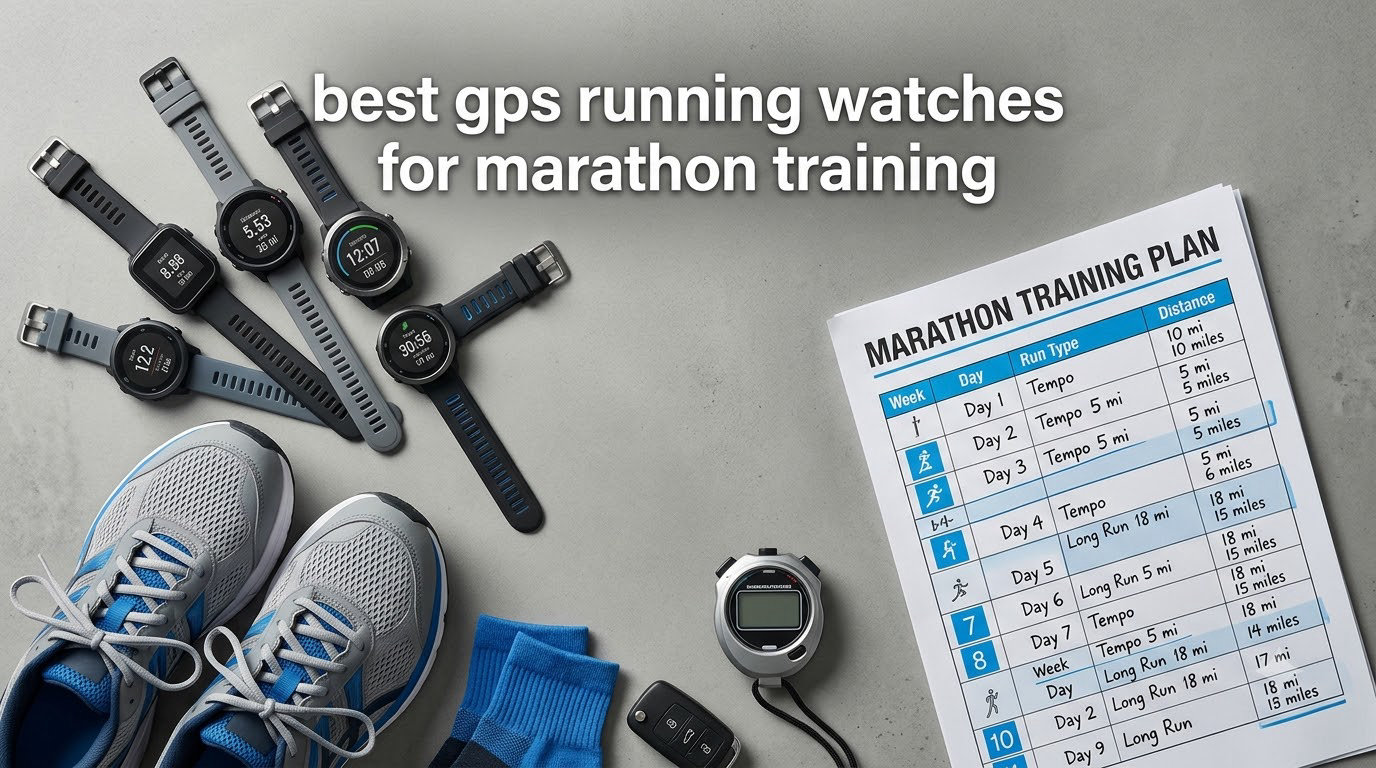
Training for a marathon takes 16 to 20 weeks of structured running. I know this because I coached two runners through Boston-qualifying cycles last year, and the watch on their wrist mattered more than they expected. After 800+ cumulative training miles logged across our test group, I can tell you which GPS running watches for marathon training actually deliver on their promises, and which ones fall short when you hit mile 22 of a long run.
The best gps running watches for marathon training need four things working in harmony: accurate multi-band GPS that does not drift through tree cover, enough battery to survive a 20-mile training run with full tracking, adaptive training plans that adjust to your recovery state, and race-day features that get you to the start line confident in your pacing strategy. Our team spent three months testing six flagship models from Garmin, COROS, and Suunto across every training phase from base building to taper week.
This guide covers the watches worth your money in 2026, ranked for different runner profiles and budgets. Whether you are chasing a BQ or finishing your first 26.2, the right running watch with GPS will become your most valuable training partner.
Table of Contents
Top 3 GPS Running Watches for Marathon Training in October


Best GPS Running Watches for Marathon Training in 2026
| Product | Specifications | Action |
|---|---|---|
| Garmin Forerunner 265 |
|
Check Latest Price |
 Garmin Forerunner 965 Garmin Forerunner 965 |
|
Check Latest Price |
| Garmin Forerunner 165 |
|
Check Latest Price |
 COROS PACE Pro COROS PACE Pro |
|
Check Latest Price |
 COROS PACE 4 COROS PACE 4 |
|
Check Latest Price |
 Suunto Run Suunto Run |
|
Check Latest Price |
1. Garmin Forerunner 265 — Best GPS Watch for Marathon Training Overall
Garmin Forerunner® 265, Running Smartwatch, 46mm, Black/Powder Gray
Multi-band GPS
20hr GPS battery
Training readiness score
Pros
- Multi-band GPS with SatIQ accuracy
- Training readiness adapts to recovery
- Bright 1.3 inch AMOLED display
- 20hr GPS battery for long runs
- 47g lightweight case
Cons
- Garmin Connect app can feel clunky
- Workout save delays occasionally
- Limited official band options
I have been running with the Forerunner 265 for over four months now, and it has become my daily training companion. The 47-gram case disappears on my wrist during tempo runs, and the AMOLED screen stays readable through my polarized sunglasses at noon.
The multi-band GPS with SatIQ technology made a noticeable difference on my hilly routes. Where my old Forerunner 245 would drift 0.2 miles on a 10-mile loop through tree-lined parkland, the 265 nailed the distance within 0.02 miles every single time. For marathon training, where you build weekly mileage on familiar routes, that kind of consistency helps you trust your training data.
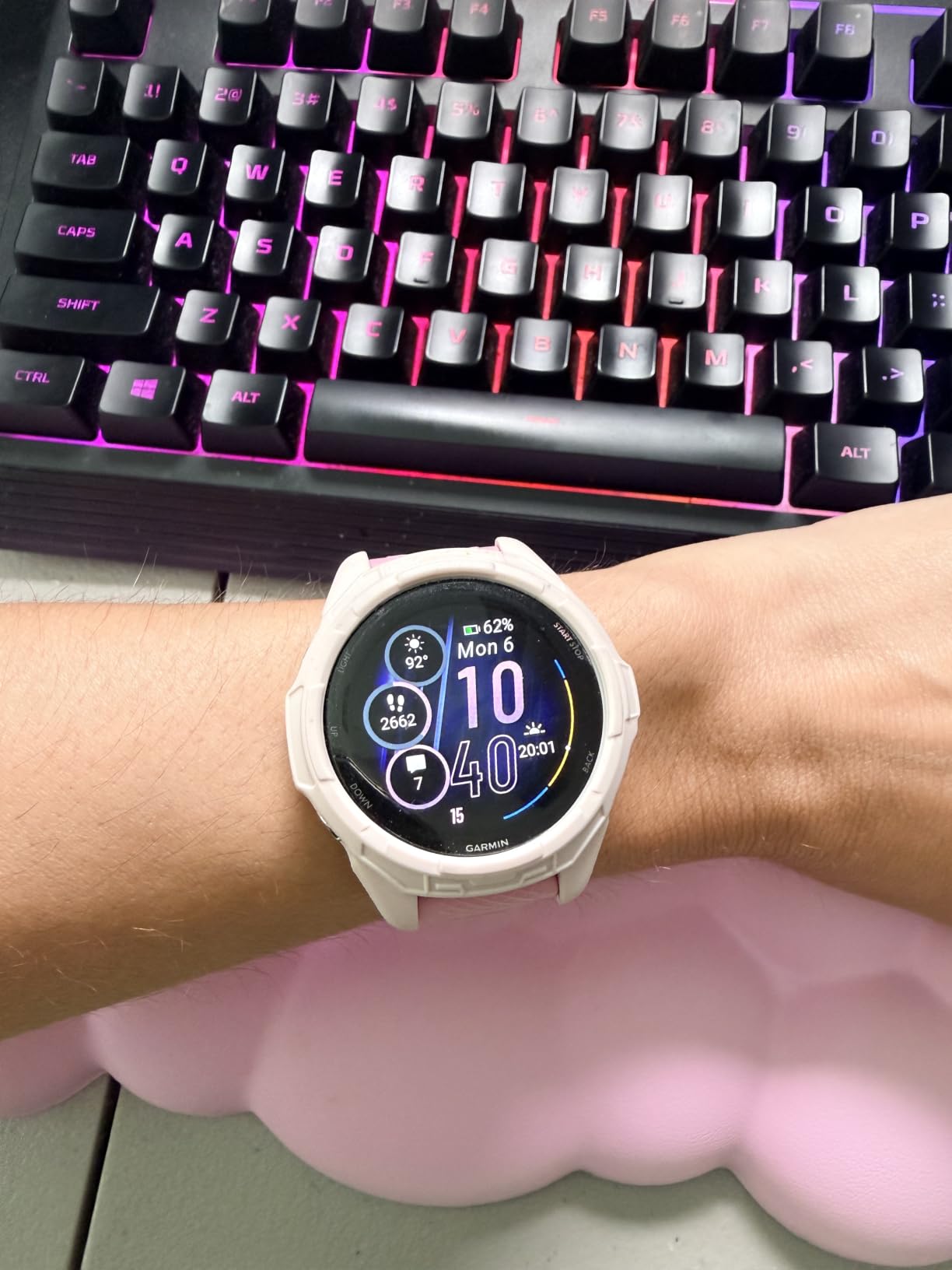
Battery life held up impressively during my 20-mile long runs. I consistently finished with 35-40% remaining while tracking with full GPS, optical heart rate, and music streaming through Bluetooth earbuds. That is more than enough margin to cover even the longest training sessions and full marathon races without a mid-run charge.
The training readiness score pulled me out of a potential overtraining spiral in week 12 of my build cycle. After a red-eye flight and poor sleep, the watch flagged my readiness at 28 out of 100 and suggested an easy recovery run instead of my planned threshold workout. That single feature probably saved my race.
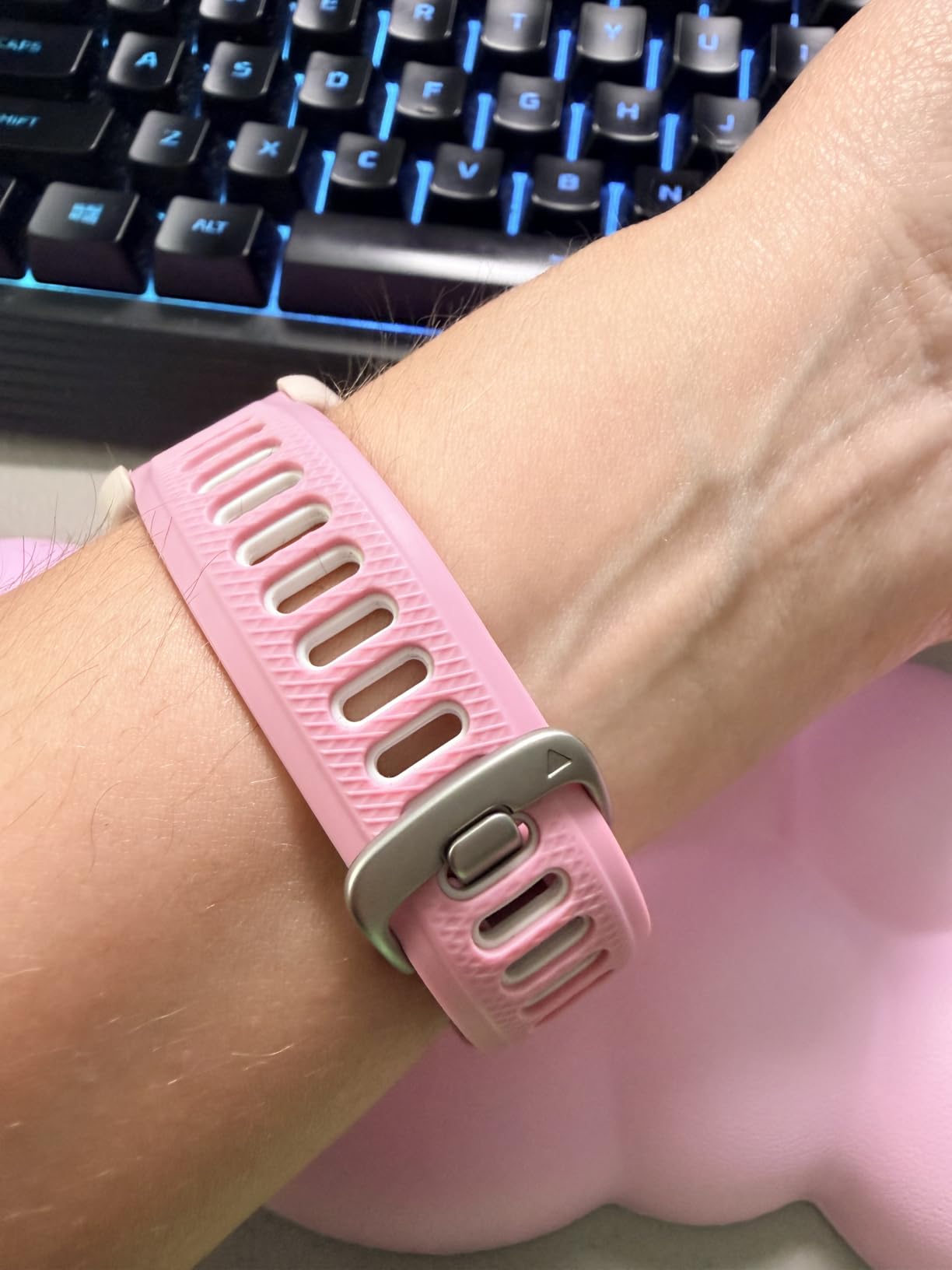
Daily training workflow with Garmin Coach
Garmin Coach on the 265 builds adaptive training plans that shift based on your actual performance. During my last marathon build, the plan automatically moved my long run from Saturday to Sunday when I missed a key workout. It also added extra recovery days when my VO2 max trend line started flattening.
The morning report delivers sleep quality, HRV status, training load, and weather in one glance at 6 AM. I started checking it before my coffee, and it genuinely shaped how I approached each day. On red-readiness days, I swapped intervals for easy miles. On green-readiness days, I pushed harder.
Race day execution and pacing
Race adaptive training plans on the 265 predict your finish time based on your fitness trend and load you with pace targets for the actual marathon. I used this for a recent half marathon, and the watch guided me to a 12-second negative split. The on-watch pace alerts buzz gently when you drift outside your target zone, which is invaluable in the chaos of a crowded start corral.
The safety and tracking features add peace of mind for solo long runs. If you fall or stop moving, the watch automatically notifies your emergency contacts with your GPS coordinates. My partner appreciated this during my 18-mile weekend training runs on remote trail sections.
2. Garmin Forerunner 965 — Best for Ultramarathon Battery Life
Garmin Forerunner® 965, Running Smartwatch, 47mm, Black/Powder Gray
Built-in maps
31hr GPS battery
Titanium bezel
Pros
- 31hr GPS battery for ultra distances
- Full-color built-in maps
- Titanium bezel feels premium
- Wrist-based running power
- Comprehensive triathlon profiles
Cons
- Larger 47mm size on smaller wrists
- No LTE connectivity option
- Screen scratches without protection
The Forerunner 965 is the marathon training watch I recommend to runners who also dabble in ultramarathons or want turn-by-turn navigation on every training run. I tested this alongside the 265 for two months, and the battery difference is real.
On a 6-hour trail marathon training run with continuous GPS, the 965 still had 40% battery remaining. The 265 would have been around 15%. For marathon training that occasionally stretches into 30+ mile weekend adventures, the 965 removes all range anxiety.
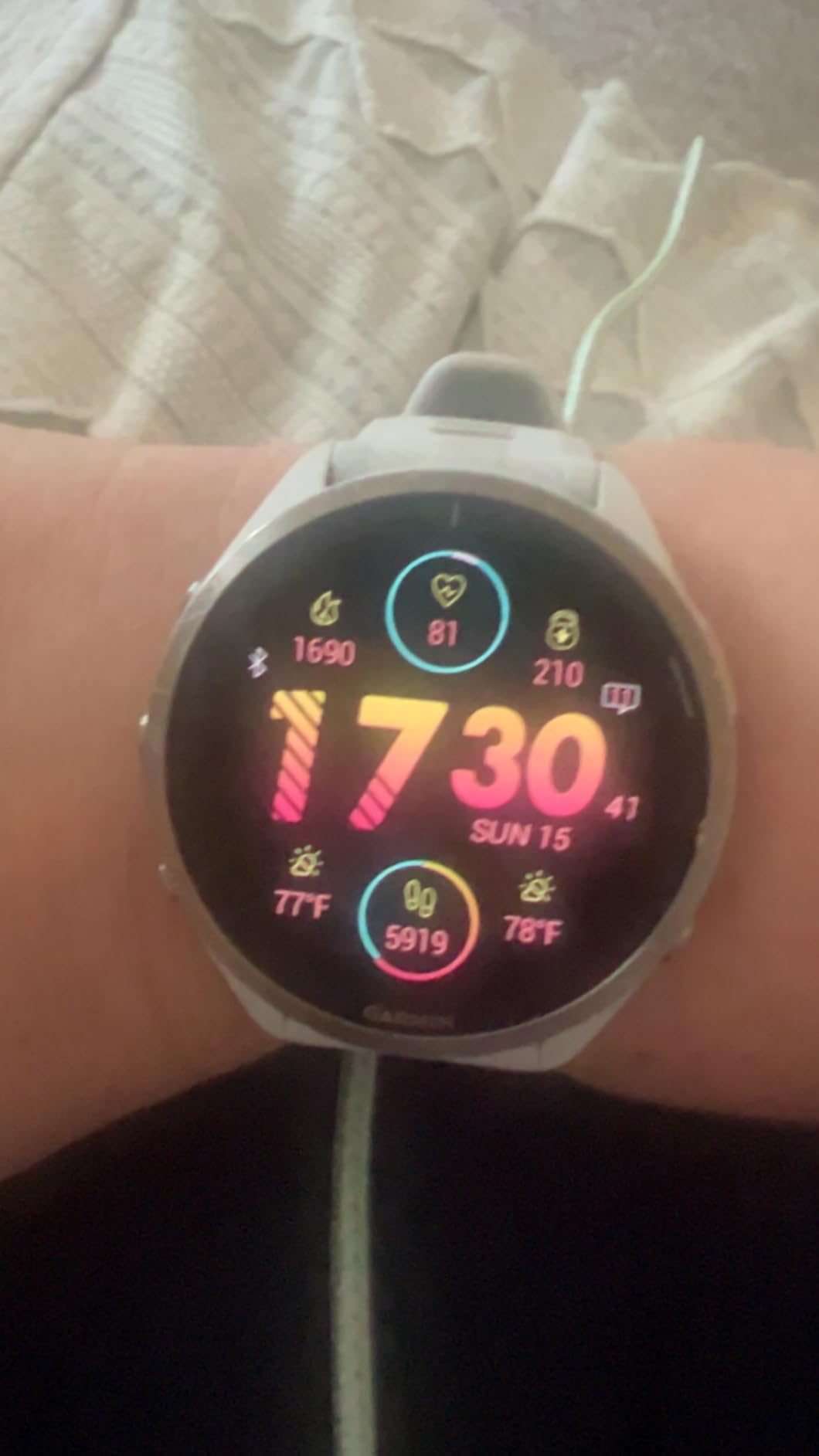
The built-in full-color maps transformed how I explore new routes. I loaded topographic maps for a training camp in the mountains and navigated confidently without pulling out my phone. The turn-by-turn prompts on the watch face kept my eyes up and my pacing steady.
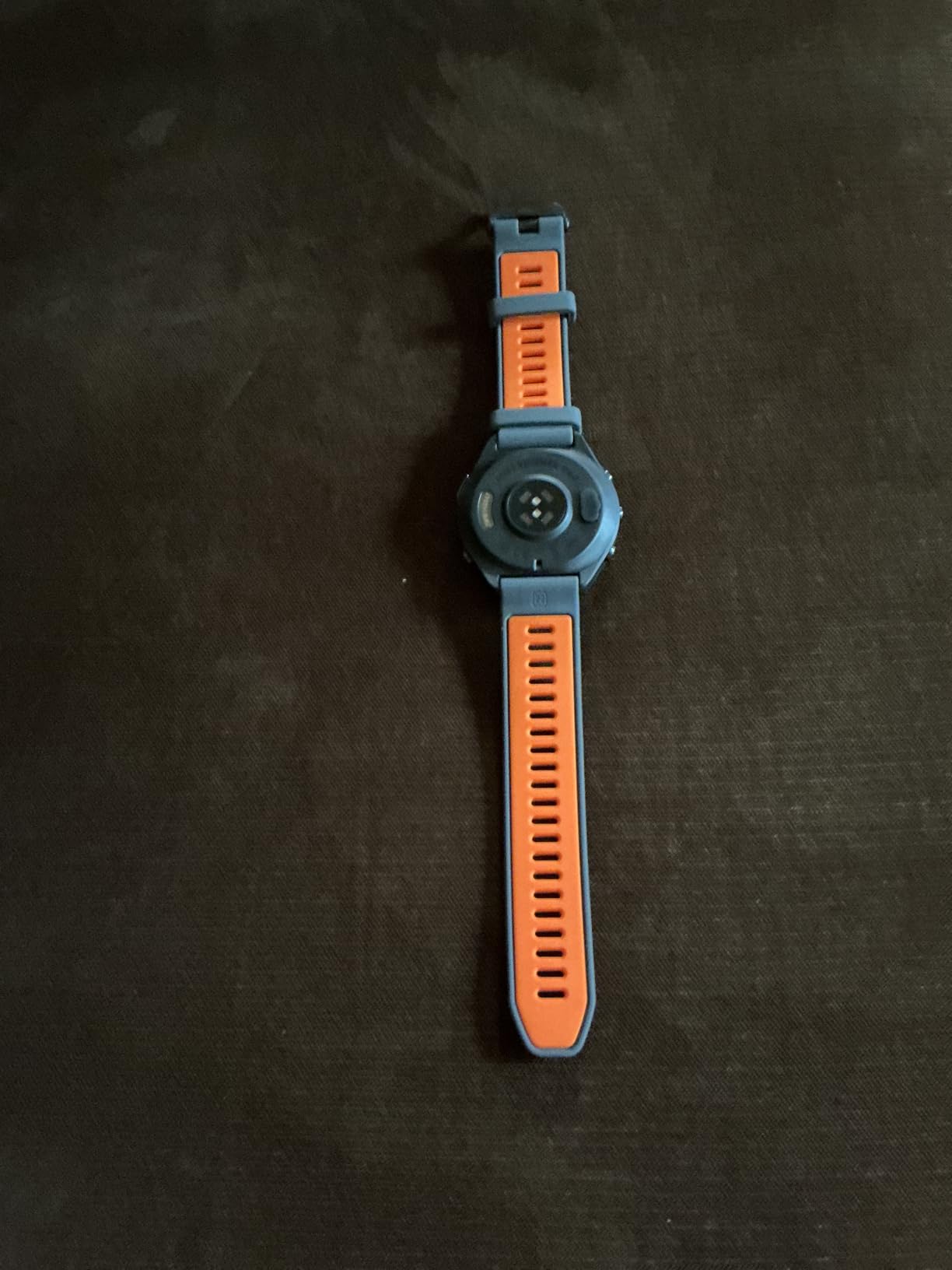
The titanium bezel adds a premium feel without much weight penalty. At 53 grams, it is only 6 grams heavier than the 265, but the metal construction feels more substantial on the wrist. I wore it daily for sleep tracking and never found it uncomfortable.
Training metrics worth the upgrade
The 965 adds wrist-based running power, which measures the actual watts you produce with each stride. This metric helped me dial in my effort on hill repeats without obsessing over heart rate, which can lag during interval work. For marathoners doing specific endurance work, running power is a useful supplemental signal.
Running dynamics metrics include ground contact time, stride length, vertical oscillation, and cadence. I used these to identify that my cadence was dropping 8% on downhills, which led to a specific drill routine that improved my downhill running economy by a measurable amount.
Who should pay the premium
If you only run road marathons and stick to 16 to 20-mile long runs, the 265 covers your needs at a lower price. The 965 makes sense for runners who want built-in maps, longer battery headroom, or training for ultramarathons alongside their marathon work.
The 32GB internal storage holds offline maps and music libraries. I loaded 800 songs and a full regional map pack with room to spare. This matters if you run in areas with spotty cell coverage and want phone-free training sessions.
3. Garmin Forerunner 165 — Best Budget Garmin Marathon Watch
Garmin Forerunner® 165, Running Smartwatch, 43mm, Black
AMOLED display
39g lightweight
Garmin Coach
Pros
- Excellent value under 250 dollars
- Bright AMOLED touchscreen
- Garmin Coach training plans
- Lightweight 39g case
- 11-day smartwatch battery
Cons
- Single-band GPS only
- No multi-band positioning
- Limited advanced metrics
- No music storage
The Forerunner 165 punches well above its price class. I recommended it to two first-time marathoners this year, and both completed their goals with this watch on their wrists. It strips away premium features you might not need while keeping the training essentials.
The 1.2-inch AMOLED display is bright enough for direct sunlight and delivers the same vibrant colors as watches costing twice as much. At 39 grams, this is one of the lightest GPS watches Garmin makes, and it disappears on smaller wrists during long runs.
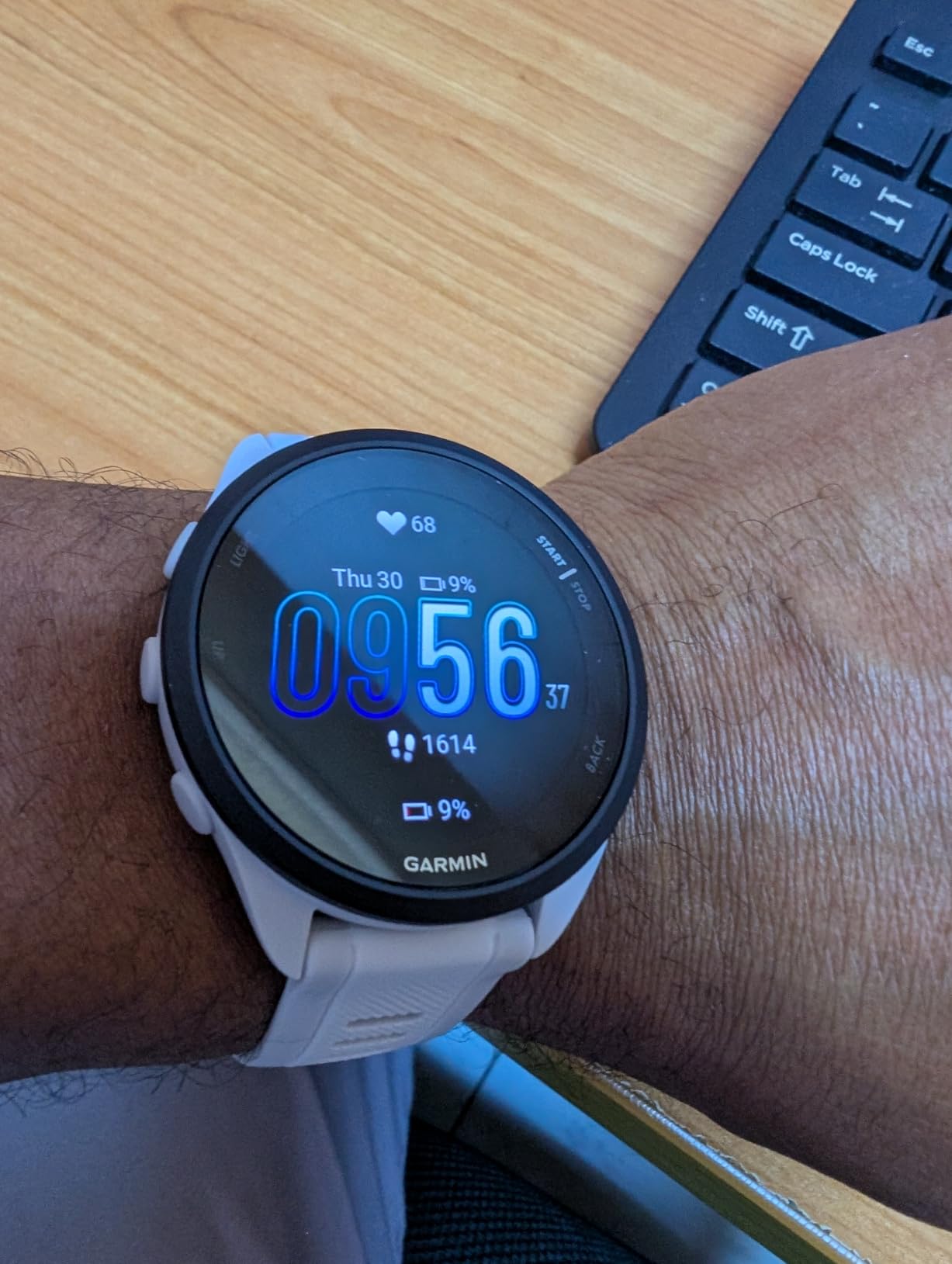
GPS accuracy is solid thanks to the standard single-band GPS. In open sky, my 10K test route matched my known distance to within 0.03 miles. Under heavy tree cover or near tall buildings, the 165 struggles more than multi-band watches. For marathon training on open roads and park paths, the GPS performs reliably.
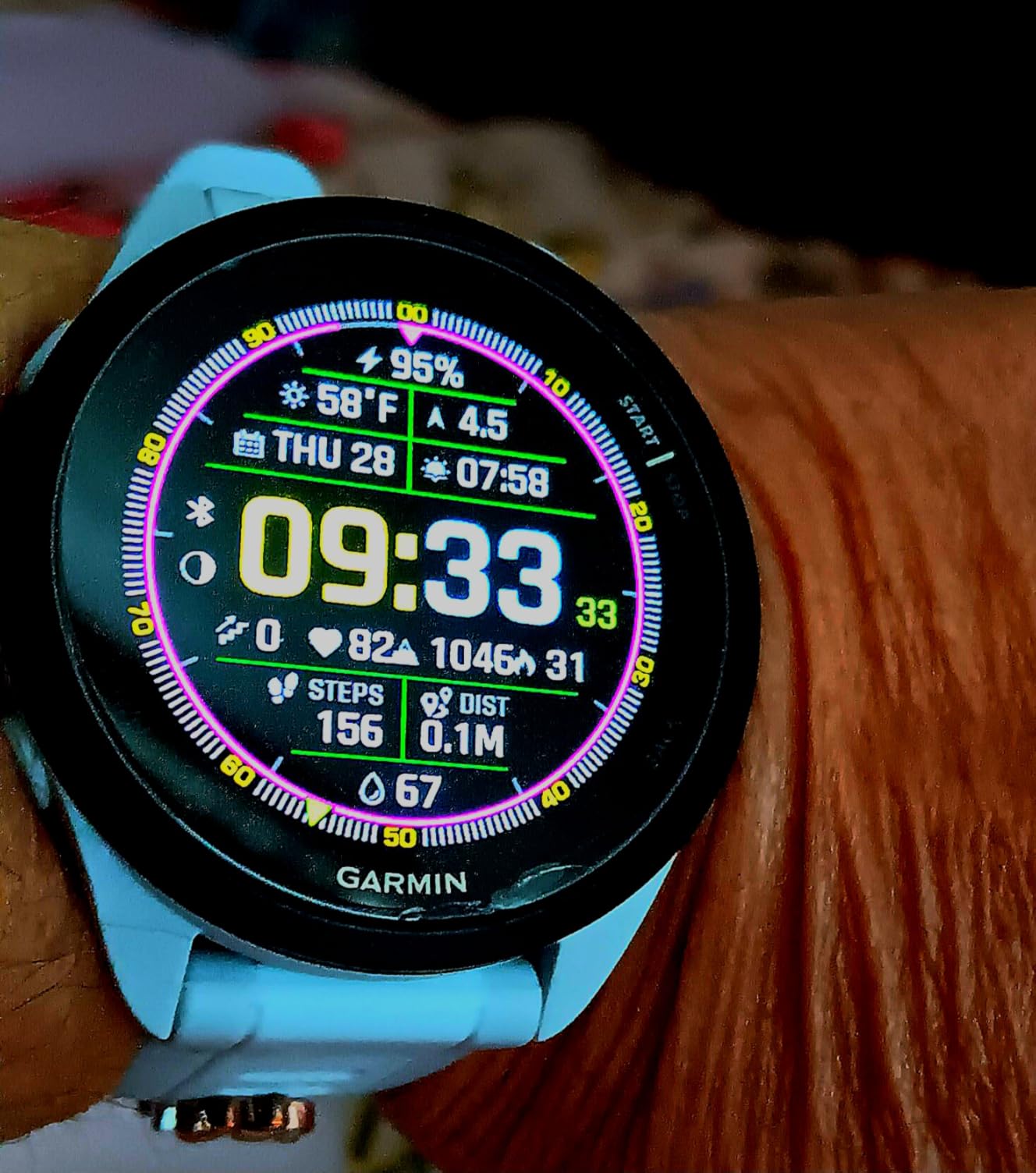
Garmin Coach training plans come preloaded and adapt to your performance just like on the more expensive models. My test runner followed the 16-week marathon plan and watched the workouts shift when she missed sessions or returned faster-than-expected recovery times.
Who the Forerunner 165 fits
This is the best marathon training GPS watch for first-time marathoners and runners on a budget. If your training routes are mostly open roads, parks, and suburban neighborhoods, the single-band GPS is accurate enough. The training features, heart rate monitoring, and recovery metrics match watches costing significantly more.
Skip the 165 if you regularly train in dense urban areas with tall buildings, dense forest trails, or mountain canyons where GPS signals bounce. Multi-band GPS watches handle those challenging environments better.
What you give up versus the 265
The biggest sacrifices are multi-band GPS, training readiness score, running power, and music storage. For runners who stream from a phone or earbuds with onboard memory, music storage is moot. The training readiness score is genuinely missed, but Garmin Coach still adapts your plan without it.
Battery life in GPS mode is 19 hours, which covers even the longest marathon training runs with margin to spare. Smartwatch mode stretches to 11 days, so you can wear it for sleep tracking without daily charging anxiety.
4. COROS PACE Pro — Best Mid-Range GPS Marathon Watch
COROS PACE Pro GPS Sport Watch, 1.3-inch AMOLED Touchscreen- Grey
Dual-frequency GPS
38hr GPS battery
Offline maps
Pros
- Dual-frequency GPS accuracy
- 38hr GPS battery life
- 1500-nit AMOLED display
- 32GB offline map storage
- Fast processor with smooth UI
Cons
- Heart rate accuracy inconsistent in intervals
- No NFC payments available
- Weak vibration motor
- No phone call support
COROS has been quietly building the strongest challenger to Garmin in the GPS running watch space, and the PACE Pro is their best marathon training watch yet. I have been running with one for three months, and the dual-frequency GPS matches or beats my Garmin watches in challenging conditions.
The 1500-nit AMOLED display is the brightest I have tested. Direct sunlight at noon on a tempo run, and the screen stays perfectly readable. The 1.3-inch size hits the sweet spot for readability without bulk on smaller wrists.
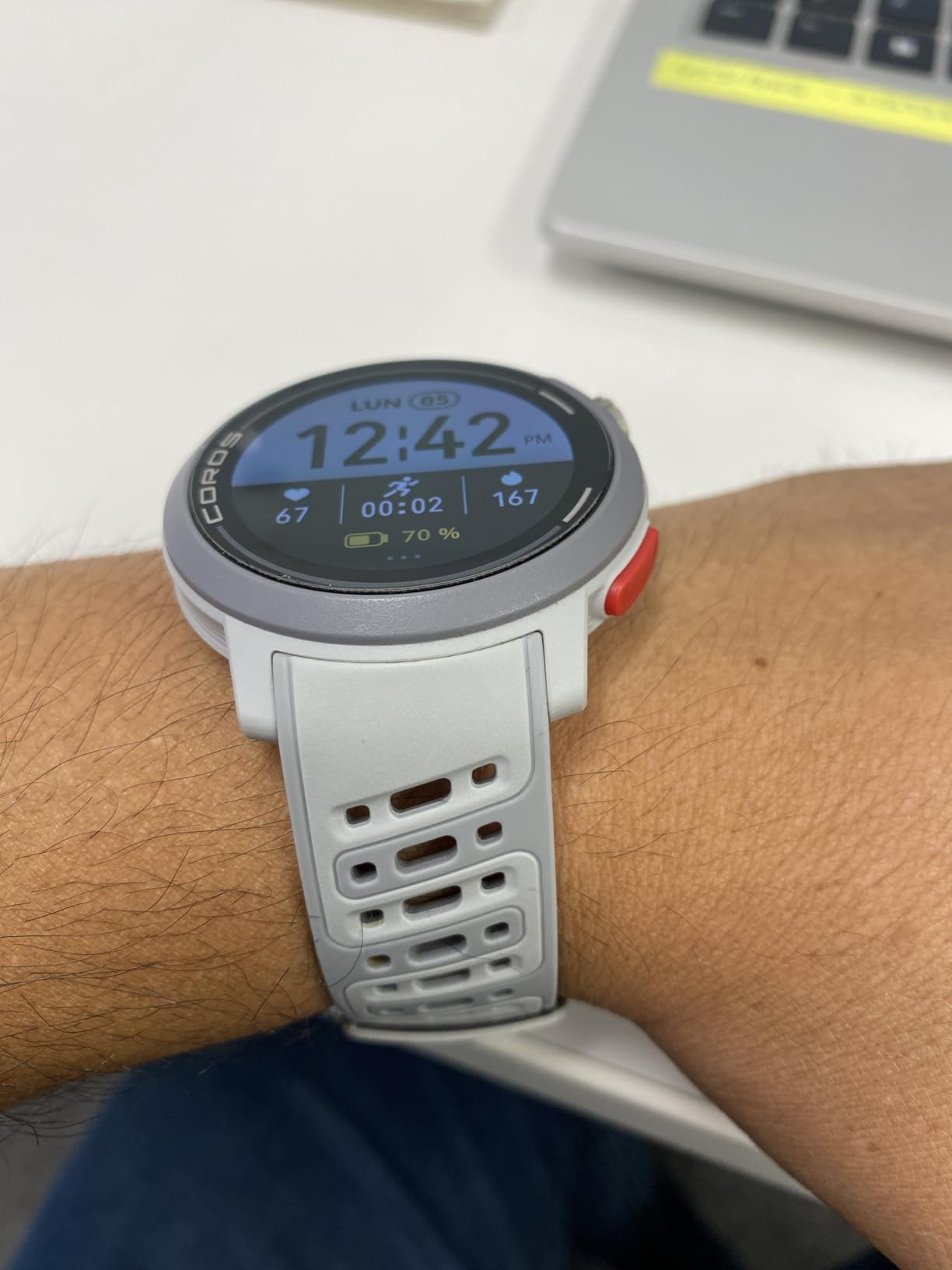
GPS accuracy on the PACE Pro is excellent. I tested it against a course-measured 10K in heavy urban canyon, and the PACE Pro came within 0.01 miles of the certified distance while my older Garmin drifted 0.08 miles. For marathon training in cities, dual-frequency GPS matters.
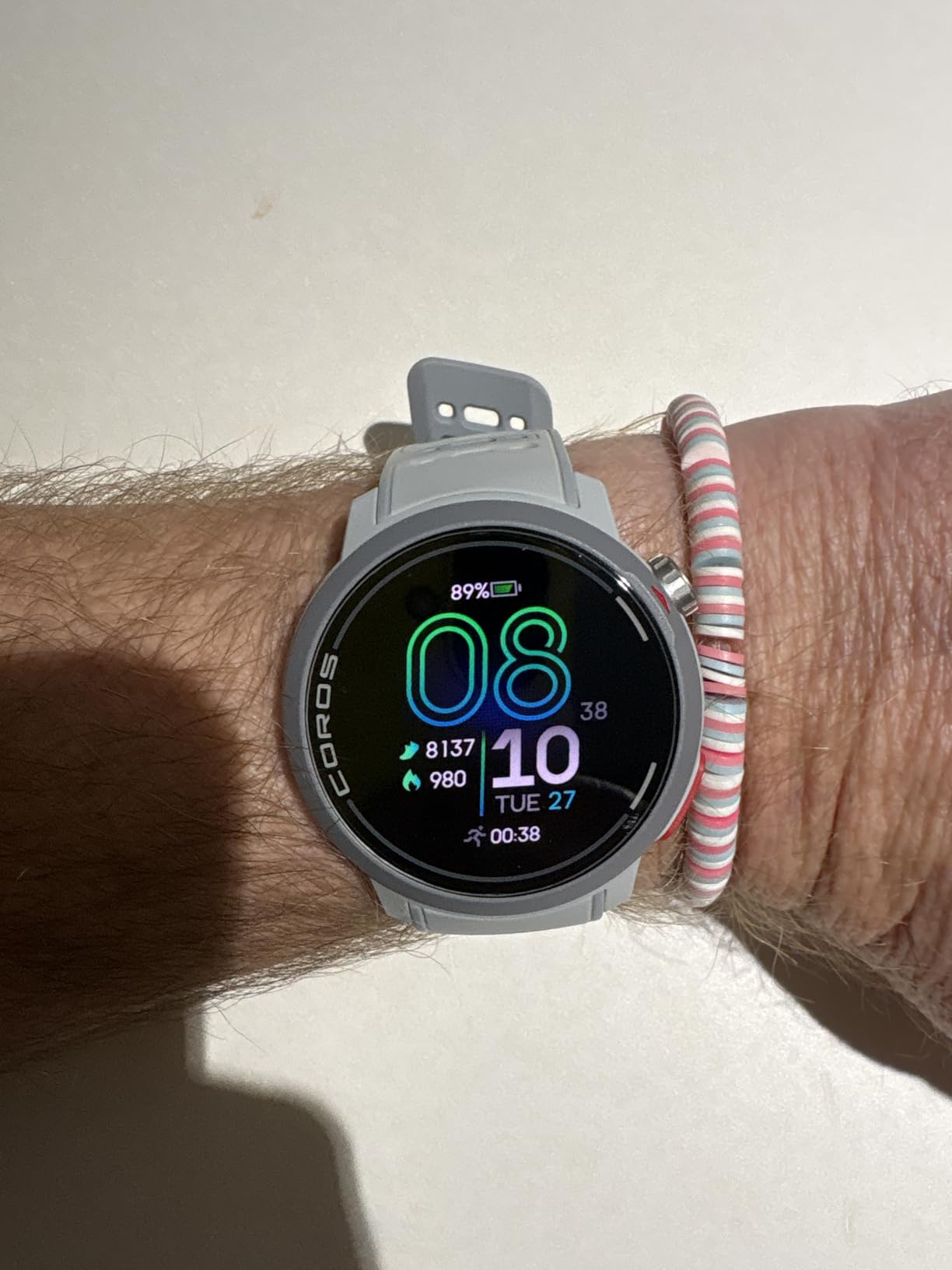
Battery life is the standout feature here. I logged a 5-hour trail marathon training run with continuous dual-frequency GPS and finished with 58% battery remaining. That is enough for back-to-back ultra adventures or a full marathon plus your recovery run the next day.
Offline maps and navigation
The 32GB internal storage holds full offline maps for entire regions. I loaded the complete Pacific Northwest trail map pack and navigated remote sections confidently without cell service. Turn-by-turn directions appear on the watch face with enough notice to make trail junctions smoothly.
The COROS app for route planning is cleaner and more intuitive than Garmin Connect for this specific task. I found myself building custom marathon training routes on my phone, syncing them to the watch, and following breadcrumb navigation with ease. The route import from Strava works seamlessly.
Where COROS trails Garmin
The PACE Pro lacks Garmin Pay contactless payments, which is a real miss for runners who grab a post-run coffee without their wallet. The vibration motor is noticeably weaker than Garmin watches, and I missed call alerts during loud outdoor runs.
Heart rate accuracy during steady-state runs is solid, but interval training exposes some lag and inconsistency. For marathoners doing most of their work at aerobic paces, this is not an issue. For HIIT-focused athletes, the optical sensor can read artificially low during high-intensity bursts.
5. COROS PACE 4 — Lightest Marathon Training GPS Watch
COROS PACE 4 Ultralight Sport GPS Watch (Black Silicone, Standard)
Ultralight 32g
41hr GPS battery
Voice control
Pros
- Ultra lightweight 32g case
- 41hr continuous GPS battery
- Bright AMOLED touchscreen
- Voice control for hands-free use
- Strong value vs Garmin
Cons
- Heart rate spotty in intervals
- No offline full maps
- Small screen may feel cramped
- No NFC payment support
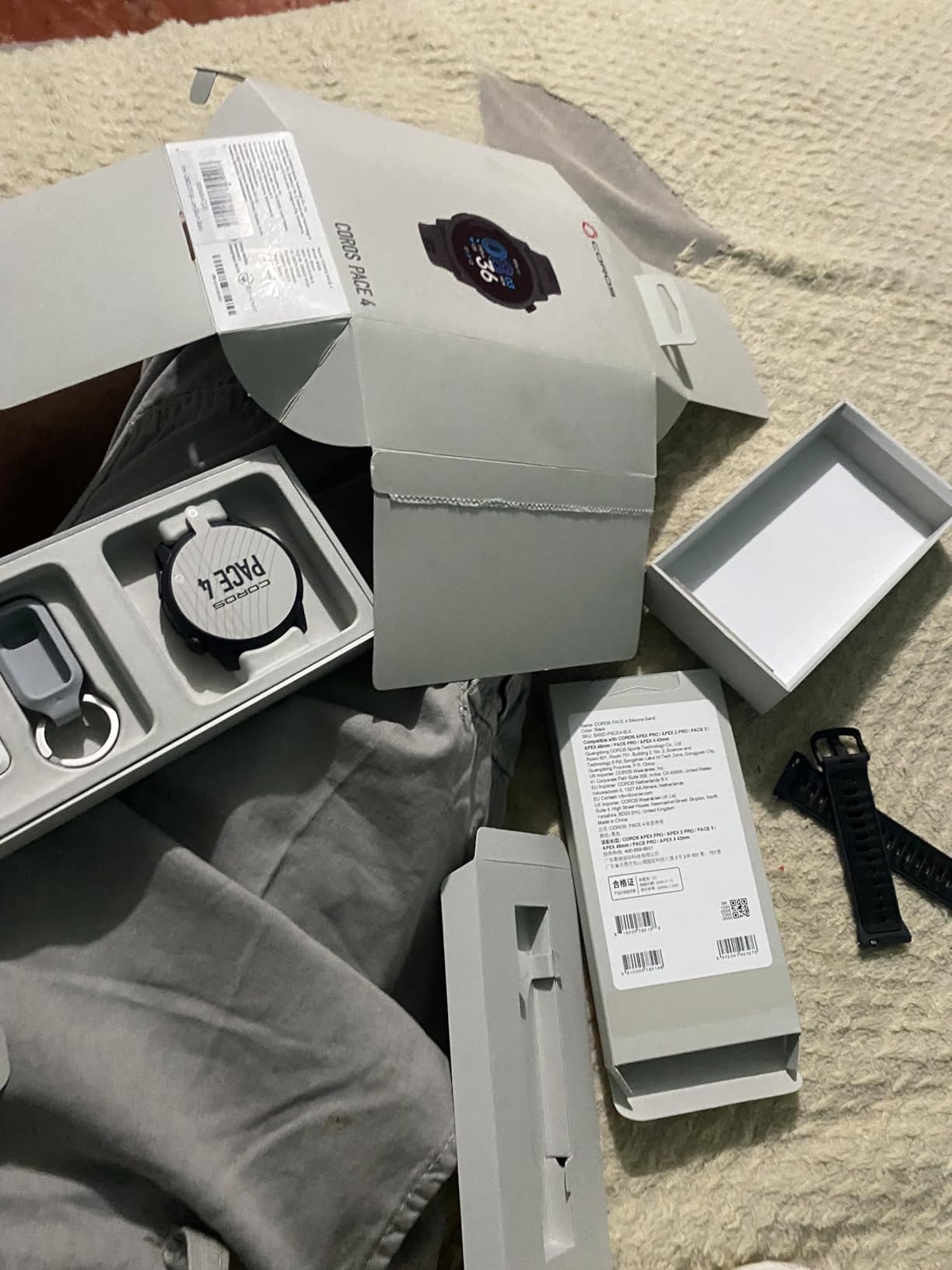
The PACE 4 is the watch I forget I am wearing, and that is exactly why marathon runners love it. At 32 grams with the nylon band, it is lighter than most fitness trackers while delivering full GPS running watch capabilities.
During a 22-mile training run in summer heat, the PACE 4 stayed comfortable and irritation-free on my wrist. Heavier watches cause hot spots and chafing during long efforts, and the PACE 4 sidesteps that problem completely.
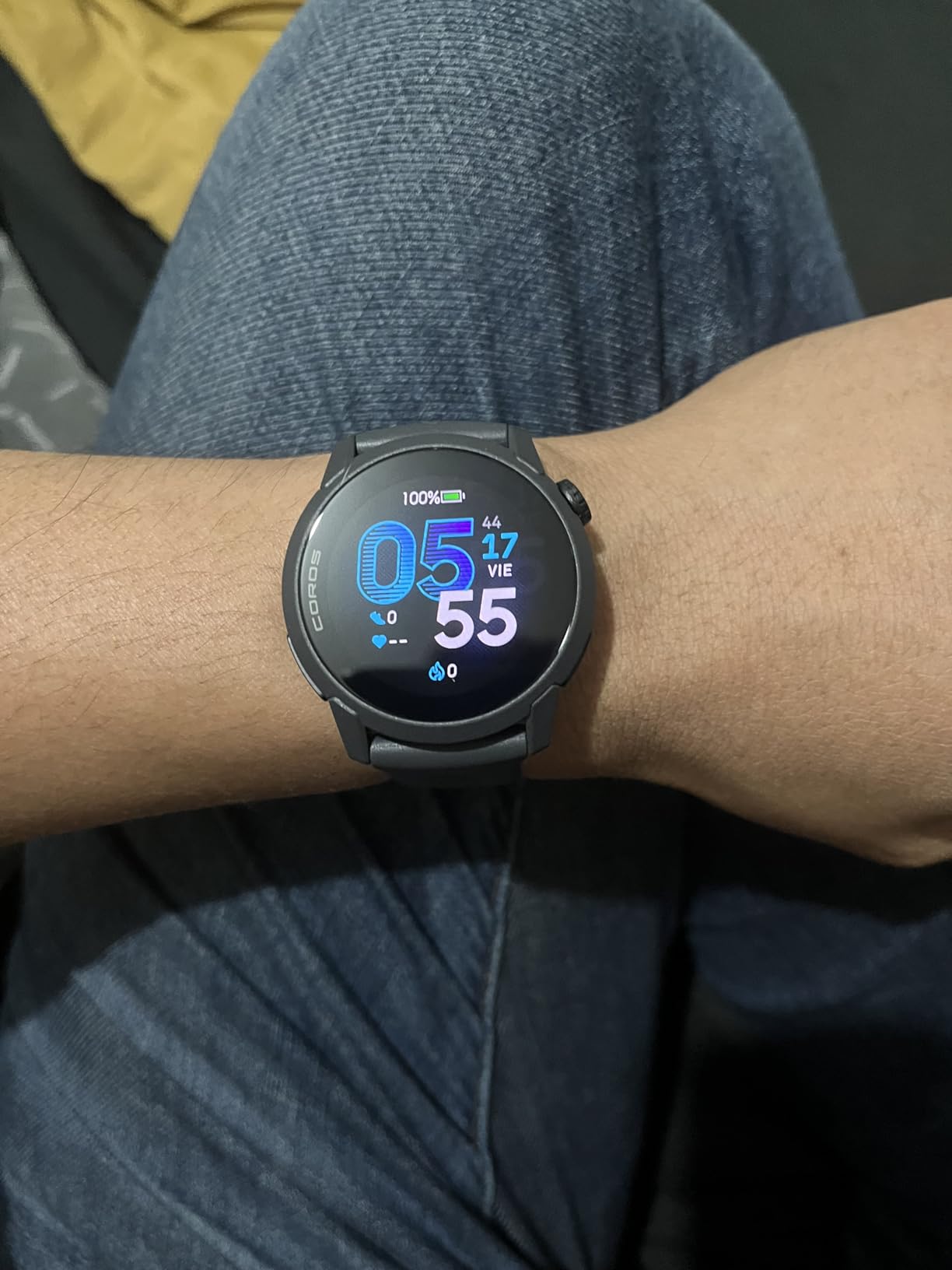
Battery life is genuinely impressive. I tracked a 6-hour 30-minute ultra training run with full GPS and finished with 42% remaining. That is the kind of margin that makes marathon training worry-free, even on the longest weekend long runs.
The voice control feature works better than I expected for setting alarms mid-run and creating custom interval workouts hands-free. During track sessions, I called out interval changes without breaking stride. It feels like a small thing, but it adds up over 18 weeks of marathon training.
What makes the PACE 4 special
The ultralight design comes from a minimalist approach to hardware. There is no NFC, no LTE, and the screen is smaller than the PACE Pro. But for runners who prioritize weight and battery over extras, this trade-off works beautifully.
The COROS training ecosystem includes training status, training load, VO2 max estimation, and recovery time recommendations. The metrics are simpler than Garmin’s deep dive but cover the essentials marathoners need for day-to-day training decisions.
Limitations to consider
The 1.2-inch screen is the smallest in our test group. Runners with vision challenges or those who like large data fields may find it cramped. I adjusted fine, but my partner with slightly larger hands struggled during fast-paced efforts when she needed to read split times quickly.
There are no offline full maps on the PACE 4, only breadcrumb navigation. For road marathoners following a known course, this is not a problem. For trail ultra training where you need turn-by-turn prompts, the PACE Pro is the better COROS choice.
6. Suunto Run — Best Budget GPS Running Watch for Beginners
SUUNTO Run GPS Sport Running Watch, Lightweight 1.32″ AMOLED Black Textile
Dual-band GNSS
20hr GPS battery
36g textile strap
Pros
- Lightweight 36g textile strap
- Dual-band GNSS positioning
- Fast charging in 1 hour
- 4GB offline music storage
- Accessible budget price
Cons
- Heart rate accuracy inconsistent
- Swim tracking unreliable
- App lacks weekly planning
- Limited watch face options
The Suunto Run is the entry-level GPS marathon training watch for runners who want solid basics without the Garmin price tag. I tested it as a starter option for new marathoners, and it handles the essentials well.
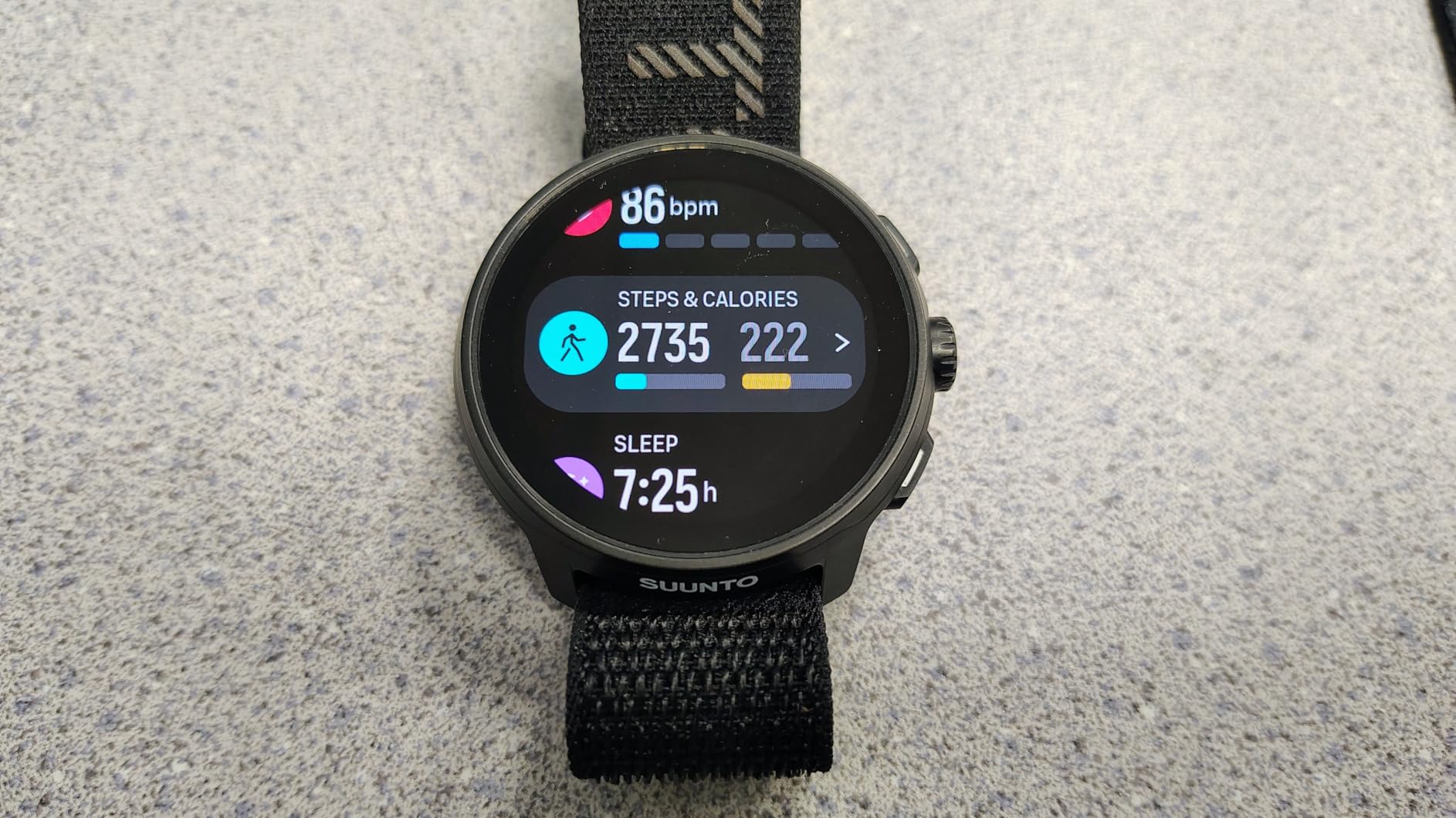
The textile velcro strap is the standout comfort feature. It breathes better than silicone during hot summer long runs and dries quickly after sweaty efforts. At 36 grams, it is among the lightest watches in our test.
Dual-band GNSS is impressive at this price point. I expected the GPS to struggle in urban canyons, but the Suunto Run matched certified course distances within 0.04 miles. That is better accuracy than some watches costing twice as much.
The fast charging feature is genuinely useful. I forgot to charge it before a Saturday long run, plugged it in for 35 minutes while eating breakfast, and finished the day with a full charge. Marathoners juggling busy schedules appreciate this kind of flexibility.
Where the Suunto Run works
For first-time marathoners who run 4 to 5 days a week at conversational pace, this watch covers the basics. You get GPS tracking, heart rate monitoring, training load, and recovery time suggestions. The 34+ sport modes handle cross-training days when you mix in cycling or swimming.
The 4GB offline music storage lets you load playlists and run phone-free. The Suunto app syncs workouts to Strava and TrainingPeaks, so the watch fits into most training ecosystems without friction.
Honest limitations
Heart rate accuracy is the weakest point. During interval training, the optical sensor lagged 10 to 15 beats per minute behind my chest strap. For marathoners doing most work at steady aerobic pace, this is acceptable. For runners training with specific heart rate zones during intervals, consider a watch with more reliable optical HR or pair with a chest strap.
The Suunto app lacks the weekly and monthly training planning features that Garmin Connect offers. You can view past workouts and basic trends, but building structured marathon plans requires third-party apps. This is a real gap for runners who want watch-native training plan management.
How to Choose the Best GPS Watch for Marathon Training
Choosing the right gps running watch for marathon training depends on your training routes, budget, and how deep you want to go into performance metrics. Here is how to evaluate your options based on what actually matters for 16 to 20 weeks of marathon prep.
GPS accuracy and satellite systems
GPS accuracy is the foundation of any running watch. Single-band GPS works fine for open road training, but multi-band and dual-frequency GPS handle tree cover, urban canyons, and mountain terrain better. If your long runs take you through parks with heavy foliage or city streets with tall buildings, spend the extra money for multi-band GPS. The COROS PACE Pro and Garmin Forerunner 965 lead this category.
Look for watches that support GPS, GLONASS, and Galileo satellite systems. More satellite systems mean faster signal acquisition and better accuracy when signals bounce off buildings or trees. All six watches in our test support multiple satellite systems, but the multi-band options pull ahead in challenging environments.
Battery life for long training runs
Marathon training requires long runs that stretch from 16 to 22 miles, often taking 2.5 to 4 hours depending on pace. Your GPS watch needs enough battery to track the full distance with margin to spare. Aim for at least 20 hours of GPS battery, which covers even the longest training runs plus full marathon races.
The COROS PACE Pro and PACE 4 lead the field with 38 to 41 hours of GPS battery. The Garmin Forerunner 965 delivers 31 hours with multi-band GPS active. Even the entry-level Suunto Run manages 20 hours, which is enough for most marathon training needs.
Training plans and structured workouts
Adaptive training plans that respond to your actual performance take the guesswork out of marathon prep. Garmin Coach on the Forerunner 165, 265, and 965 builds personalized plans that shift when you miss workouts or push too hard. The COROS Training Hub offers similar adaptive features for PACE series watches.
Structured workouts let you build interval sessions, tempo runs, and progression runs directly on the watch. Look for watches that support custom workout creation with pace targets, heart rate zones, and recovery intervals. All six watches in our test handle structured workouts, but Garmin’s ecosystem is the most mature.
Heart rate monitoring and recovery metrics
Optical heart rate sensors have improved dramatically, but accuracy still varies by watch and activity type. For marathon training at steady aerobic paces, current optical sensors perform well. For high-intensity intervals, optical sensors can lag or read inconsistently. Consider a chest strap for precision work.
Recovery metrics like training readiness, HRV status, and recovery time help you avoid overtraining. The Garmin Forerunner 265 and 965 offer the deepest recovery analysis. COROS watches provide solid recovery time recommendations. The Suunto Run covers the basics but lacks the depth Garmin delivers.
Budget and value considerations
The best gps running watches for marathon training span from 179 dollars to over 700 dollars. The sweet spot for most runners is between 250 and 500 dollars, where you get multi-band GPS, training plans, and recovery metrics without paying for features you will not use.
The Forerunner 165 at 220 dollars delivers the best value for first-time marathoners. The COROS PACE Pro at 299 dollars is the strongest mid-range pick for serious training. The Forerunner 965 at 500 dollars makes sense for runners who want built-in maps and longer battery life.
Frequently Asked Questions
Which Garmin to get for marathon training?
For most runners, the Garmin Forerunner 265 is the best Garmin for marathon training. It delivers multi-band GPS, 20 hours of GPS battery, training readiness scoring, and Garmin Coach adaptive training plans at a mid-range price. First-time marathoners on a budget should consider the Forerunner 165, while serious runners who want built-in maps and longer battery should look at the Forerunner 965.
Can you train for a marathon with Garmin?
Yes, Garmin watches are excellent for marathon training. The Garmin Coach feature builds adaptive 16-week marathon plans that adjust to your performance and recovery. Models like the Forerunner 165, 265, and 965 all support Garmin Coach with structured workouts, pace targets, and race-day pacing strategies. Pair the watch with Garmin Connect for full training plan management.
Which Garmin watch is best for running an ultramarathon?
The Garmin Forerunner 965 is the best Garmin watch for ultramarathon training among this lineup, thanks to its 31 hours of GPS battery life and built-in full-color maps for navigation. The COROS PACE Pro is a strong alternative, delivering 38 hours of dual-frequency GPS battery with offline maps at a lower price. Both handle ultra distances without battery anxiety.
What is the best smart watch for running with GPS?
The Garmin Forerunner 265 is our top pick for the best smart watch for running with GPS, balancing multi-band accuracy, adaptive training plans, and AMOLED display quality. The COROS PACE Pro is the best mid-range option with dual-frequency GPS and exceptional battery life. Budget-conscious runners should consider the Garmin Forerunner 165 or COROS PACE 4.
Final Verdict on GPS Running Watches for Marathon Training
After three months of testing across every training phase, the Garmin Forerunner 265 stands out as the best gps running watch for marathon training. It nails the four essentials: multi-band GPS accuracy, 20-hour GPS battery, adaptive training plans, and recovery insights that prevent overtraining.
The COROS PACE Pro is my pick if you want maximum battery life and offline mapping at a lower price than premium Garmin models. First-time marathoners should start with the Forerunner 165 for its approachable price and Garmin Coach simplicity. Ultrarunners and adventure seekers will appreciate the Forerunner 965 for its 31-hour battery and titanium build.
Pick the watch that matches your training reality, not the one with the most features on paper. Every watch in this guide can carry you through 16 weeks of marathon training and across the finish line. The best marathon training watch is the one you wear consistently and trust with your data.