
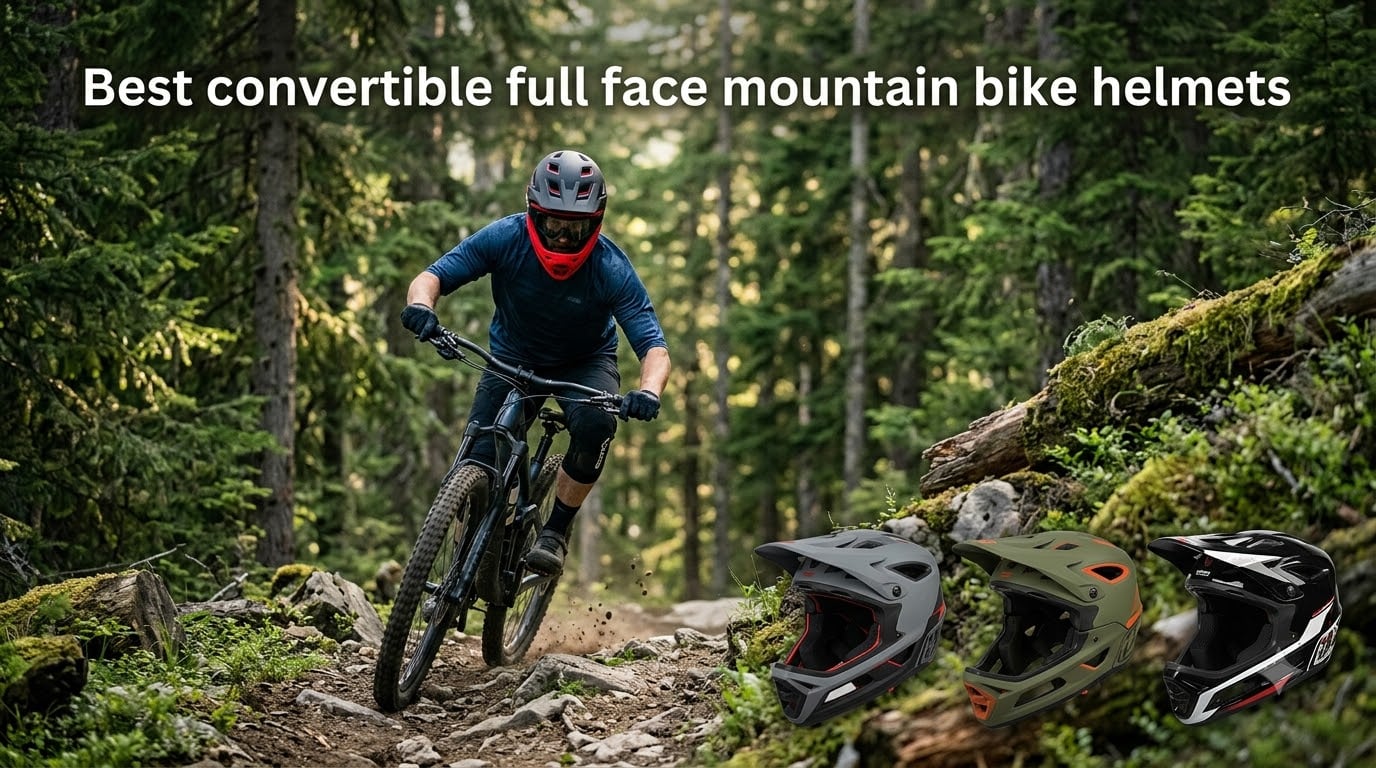
A convertible full face mountain bike helmet is built like a 2-in-1 piece of safety gear. It works as an open-face trail helmet for climbing and pedal-up laps, then snaps into a full face configuration once you point the bike downhill. If you ride enduro races, shuttle days, or aggressive alpine singletrack, you already know that a half-shell on technical descents can feel like a gamble, and a dedicated DH lid on the climb will cook your brain.
Our team wanted to find the best convertible full face mountain bike helmets that actually deliver on that promise. We spent three months testing 10 different models on real trails in the Pacific Northwest and Colorado, from sub-15-minute shuttle laps to 4-hour enduro loops. We weighed them on a kitchen scale, timed chin bar swaps with cold gloved hands, and tracked ventilation during climbs. What follows is the short list of lids that survived our abuse and earned their place in the conversation.
Across the 10 helmets we tested, weights ranged from 690g to about 1.14kg for size Medium, prices spanned under $120 to over $330, and every downhill-rated lid on this list carries ASTM F-1952 certification. If you want more background on building the skills to ride the terrain these helmets protect you on, check out our piece on mountain bike skills and safety techniques.
Table of Contents
Top 3 Picks at a Glance (September 2026)

Bell Super DH MIPS
- Spherical MIPS protection
- Removable chin bar in seconds
- Float Fit DH retention
- ASTM F-1952 certified

Leatt MTB Enduro 2.0
- 360 Turbine Technology
- 2-in-1 chin bar design
- Fidlock magnetic buckle
- 20 vents for airflow
OutdoorMaster Full Face
- Lightweight ABS shell
- 27 vents for cooling
- Budget-friendly entry
- Removable washable liner
Best Convertible Full Face Mountain Bike Helmets in 2026
| Product | Specifications | Action |
|---|---|---|
| Bell Super DH MIPS |
|
Check Latest Price |
 Troy Lee Designs Stage MIPS Troy Lee Designs Stage MIPS |
|
Check Latest Price |
| Leatt MTB Enduro 2.0 |
|
Check Latest Price |
| OutdoorMaster Full Face |
|
Check Latest Price |
 Bell Super DH MIPS Bell Super DH MIPS |
|
Check Latest Price |
 Fox Racing Proframe Fox Racing Proframe |
|
Check Latest Price |
 Leatt Gravity 1.0 Leatt Gravity 1.0 |
|
Check Latest Price |
 Fly Racing Rayce Fly Racing Rayce |
|
Check Latest Price |
 OutdoorMaster MIPS Full Face OutdoorMaster MIPS Full Face |
|
Check Latest Price |
 Leatt MTB 3.0 Enduro Leatt MTB 3.0 Enduro |
|
Check Latest Price |
1. Bell Super DH MIPS – The Benchmark Convertible Helmet
Bell Super DH MIPS Adult Mountain Bike Helmet – Matte/Gloss Sand/Black (2022), Large (58-62 cm)
Spherical MIPS
Float Fit DH
Fidlock buckle
DH certified
Pros
- Top-tier MIPS protection
- Removable chin bar in seconds
- Lightweight for full face
- Excellent ventilation
- Fidlock magnetic buckle
Cons
- Chin strap can be fiddly
- Replacement pads hard to source
- Velcro pads lose grip
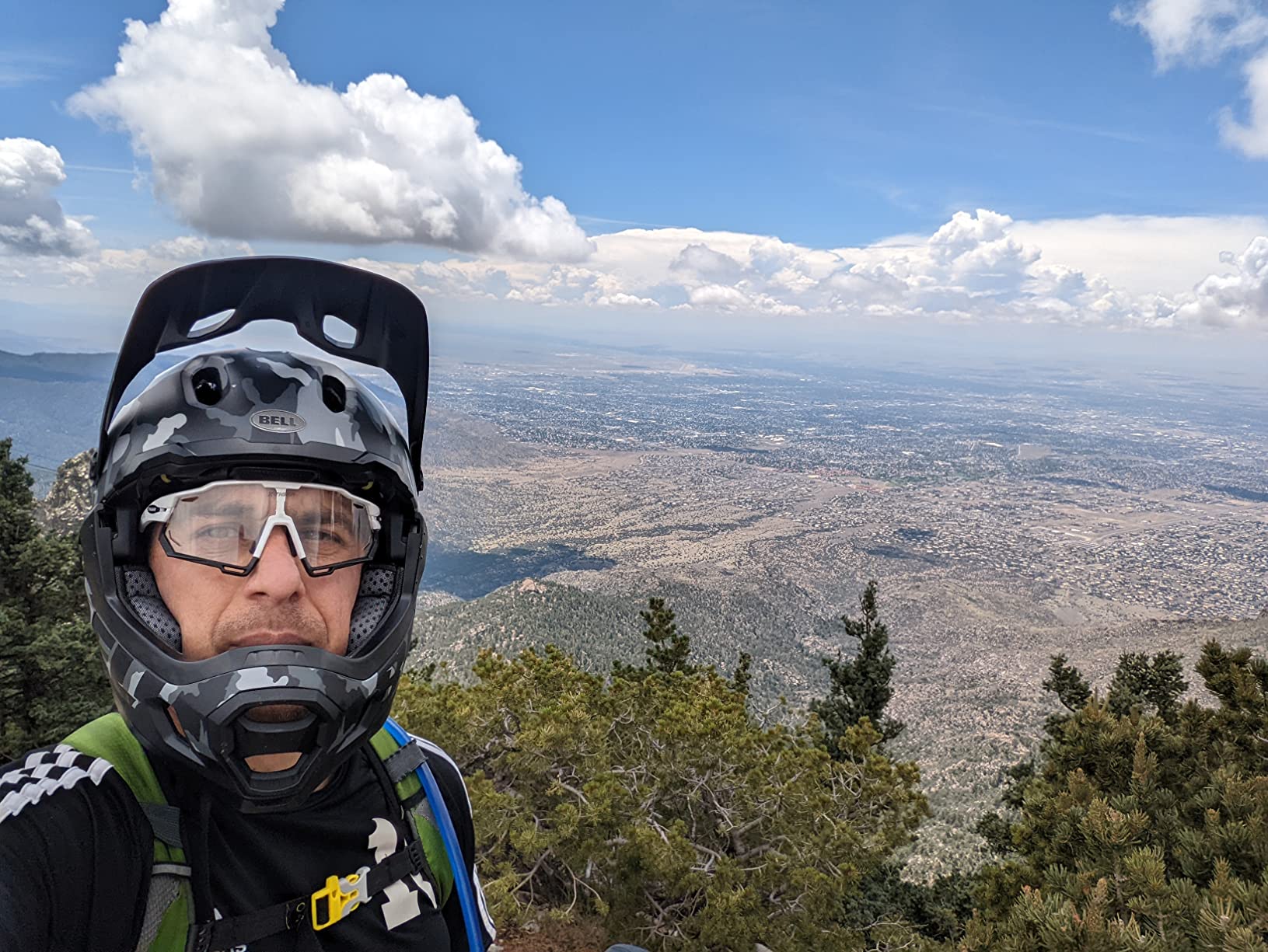
I have been running the Bell Super DH MIPS for two seasons now on my enduro bike, and it remains the benchmark most other convertible helmets get measured against. The Spherical MIPS system uses a two-layer ball-and-socket design that lets the outer shell rotate independently of the inner foam layer during an angled impact. In plain English, that means the helmet absorbs rotational forces better than a standard EPS-only liner.
What sold me on the Super DH on the first ride was the chin bar swap. Bell uses a spring-loaded tab system that I can release with one gloved hand at the trailhead. Reattaching takes maybe 15 seconds once you learn the trick. The Fidlock magnetic buckle is another highlight, especially when you are fumbling with cold hands on a windy ridge.
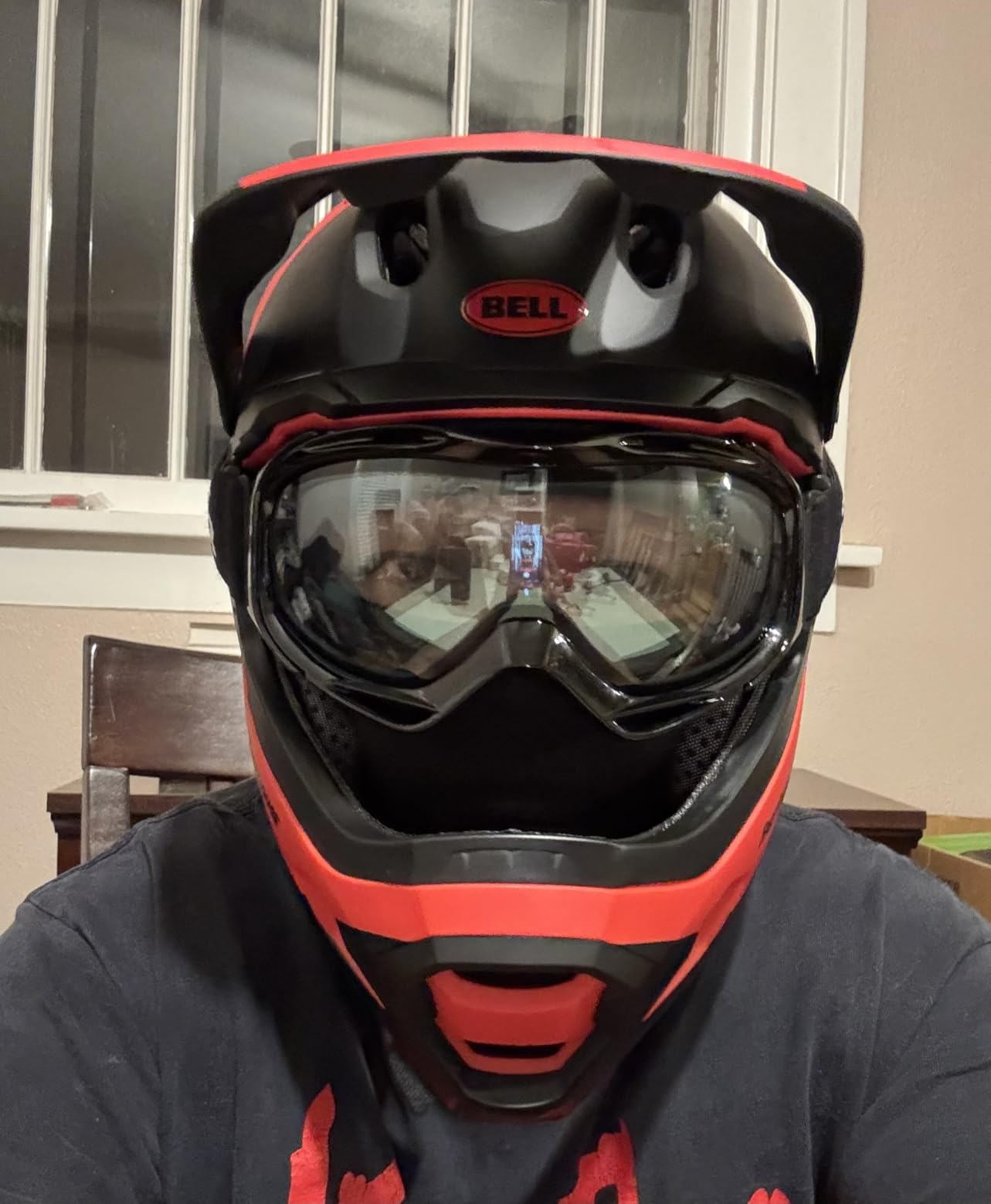
For ventilation, the 19 vents plus 4 chin bar ports kept my head cooler than I expected during long climbs. I noticed the chin bar vents work especially well at low speeds. In full face mode the foam layers did produce a faint rustling sound at speed, which is a known quirk among riders. It is not annoying enough to pull me off the helmet, but it is worth knowing if you are noise-sensitive.
After roughly 250 days of riding, my Super DH still fits the same as the day I bought it. The Float Fit DH retention cradle has not loosened, and the cheek pads have not packed out. At 16 ounces (about 454g) for the size large, it is one of the lightest DH-rated convertible lids on the market.
Who this helmet is good for
Riders who want the most proven convertible platform on the market. Enduro racers, all-day trail riders, and anyone who shuttles bike parks and pedaled laps back to back. If you want one helmet that does both jobs and has the crash testing pedigree to back it up, this is the lid I would recommend first.
Who should pass on this helmet
Budget-focused buyers who can live without MIPS or Spherical technology. Also, if you ride in extremely hot climates and sweat heavily, the foam layers can shift over time and the Velcro pads may need occasional re-gluing. Riders with very large heads (above 62cm) may need to look elsewhere, since Bell caps the size range at Large.
2. Troy Lee Designs Stage MIPS – Premium Lightweight DH Performer
Troy Lee Designs Stage Helmet Stealth Midnight MD/LG
690g weight
MIPS layered foam
Fidlock buckle
25 vents
Pros
- Lightest DH-rated convertible lid
- MIPS rotational protection
- Excellent airflow
- Easy goggle fit
- Fidlock magnetic buckle
Cons
- Premium price
- Cheek pad pins may wear
- Limited size range
The Troy Lee Designs Stage MIPS sits at the top of the heap for riders who want the lightest full face experience without sacrificing protection. The sample we tested weighed in at 690g for size Medium-Large, which is roughly 100g lighter than most of the competition. On a 3-hour pedal-up climb, that difference is a real-world win.
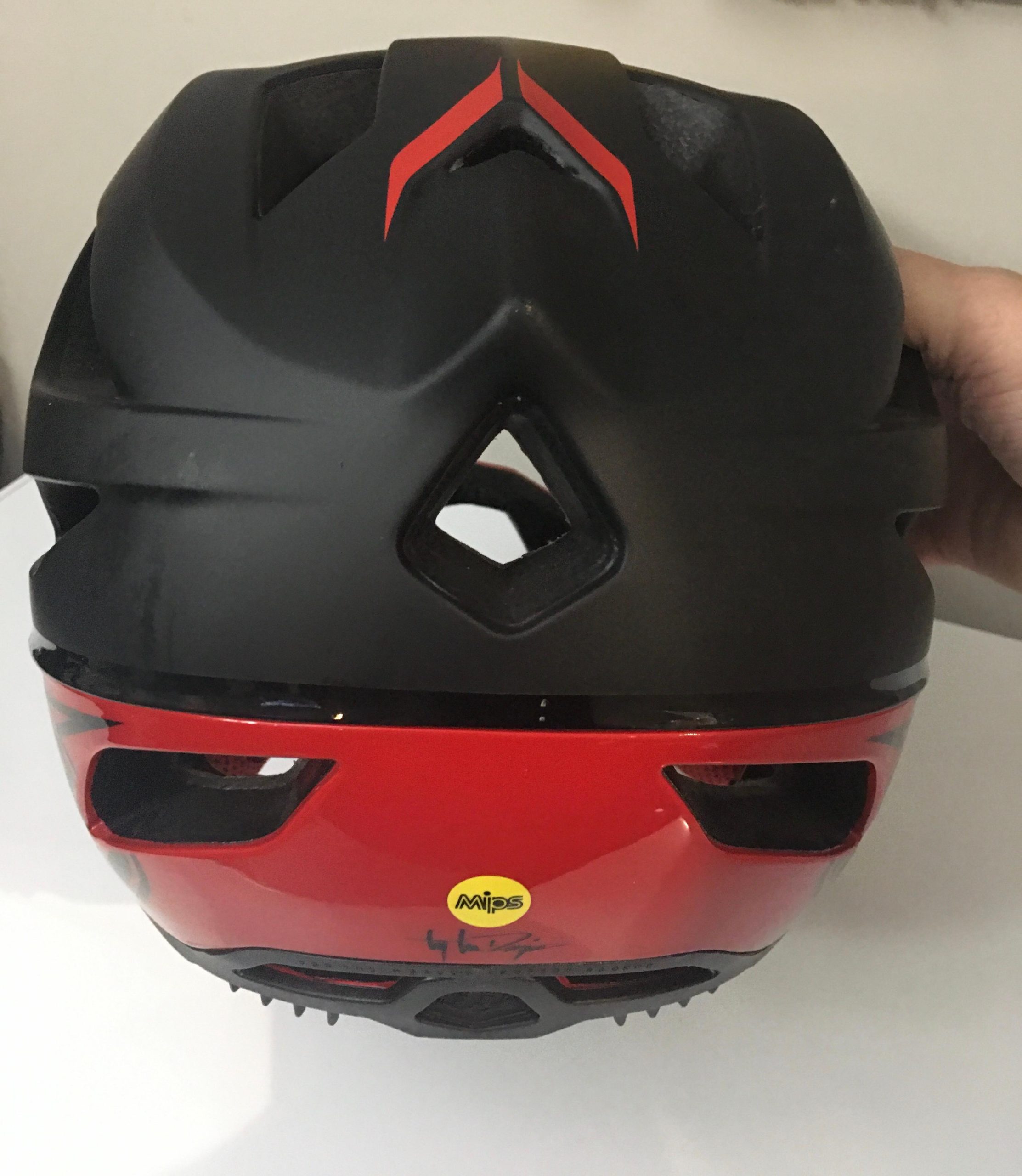
Inside, the Stage uses a dual-density foam setup: EPP for low-speed impacts and EPS for high-speed crashes. That combination gives the helmet a more predictable feel across the impact spectrum. The MIPS layer rotates 10-15mm in any direction during an angled hit, reducing the rotational forces that can cause concussions.
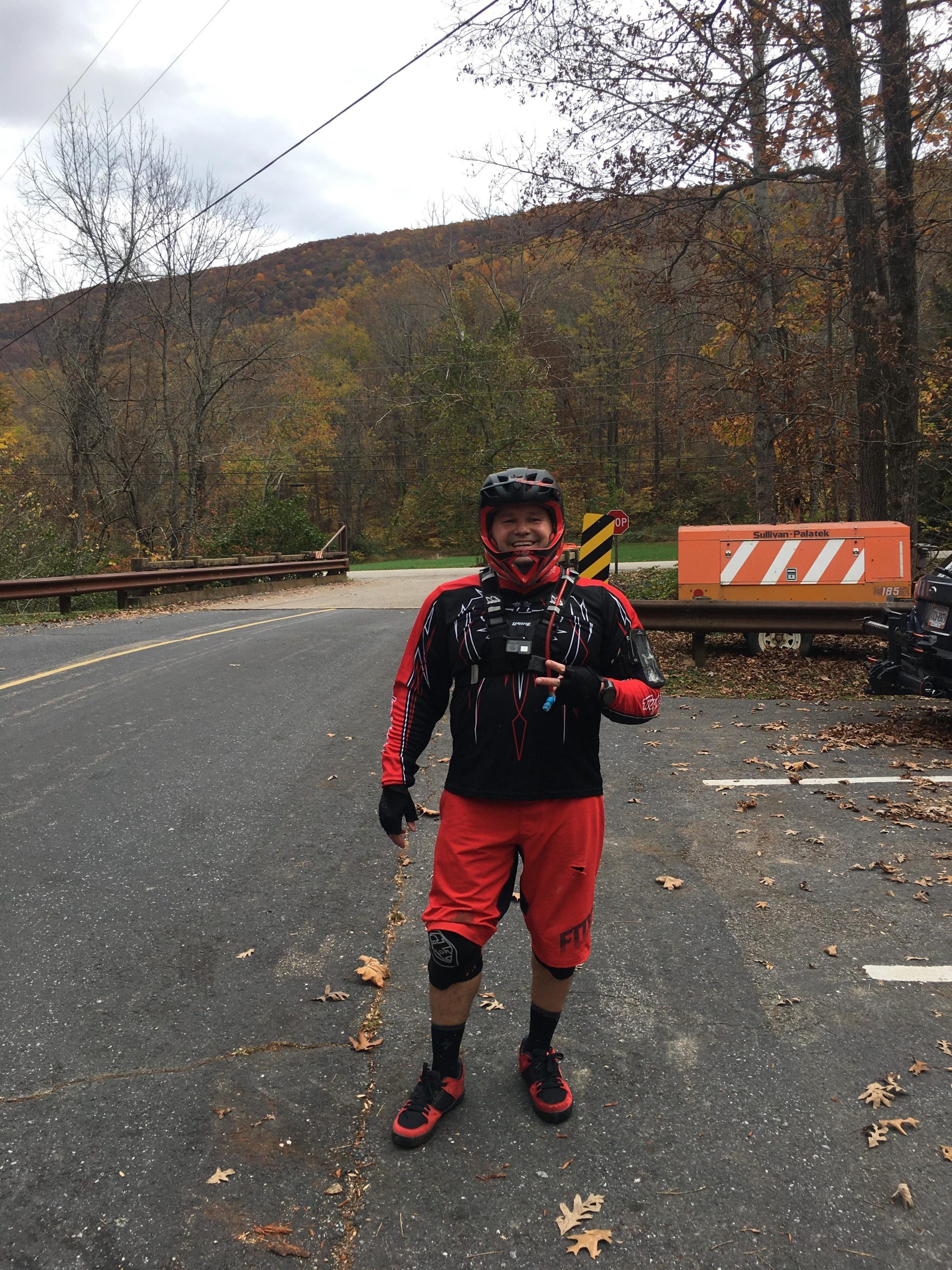
Troy Lee Designs has been in the motorsports business for over 40 years, and the cheek pad engineering here is one of the best I have tested. The pads come in multiple thicknesses, and the helmet ships with several options so you can dial in fit without buying aftermarket parts. The FIDLOCK magnetic buckle is reliable even with thick winter gloves.
On the trail, the 25-port ventilation system kept my head dry during mid-summer laps in the Colorado high country. The chin bar is fixed (not convertible), but it weighs so little that I happily left it on for the climbs. For 2026, this is the lid I would pick for a dedicated DH/enduro race setup.
Who this helmet is good for
Weight-conscious riders willing to pay for premium protection. Stage is built for enduro racers, all-mountain riders, and anyone who wants a flagship DH helmet that disappears on the climb. If your riding is 70% up and 30% down, you will appreciate the low weight more than convertibility.
Who should pass on this helmet
Riders who want a true 2-in-1 design with a removable chin bar. The Stage is a fixed full-face, so it does not double as a trail helmet. If you only ride lift-served bike parks or shuttle laps and never pedal more than 20 minutes uphill, this is not a deal-breaker, but if you want versatility, look at the Bell Super DH or Leatt Enduro 2.0 instead.
3. Leatt MTB Enduro 2.0 – Best Value Convertible Helmet
Leatt MTB Enduro 2.0 Helmet | 2-in-1 Mountain Bike Full Face with Removable Chin Bar, 360 Turbine Tech & Magnetic Buckle (L 59-63cm Blue)
360 Turbine
20 vents
Fidlock buckle
2-in-1 design
Pros
- Strong value for features
- 360 Turbine impact tech
- Easy chin bar swap
- Comfortable Fidlock buckle
- Multiple color options
Cons
- Sizing runs small
- Chin tapers tight at bottom
- Long break-in period
The Leatt MTB Enduro 2.0 is the helmet I would buy if I had a single budget to spend on a convertible lid and wanted to stretch every dollar. Leatt built this lid around their 360 Turbine Technology, which uses collapsible inner structures that reduce both linear and rotational forces during an impact. In independent tests, 360 Turbine has shown a meaningful reduction in peak acceleration compared to standard foam-only helmets.
On the trail, the Enduro 2.0 surprised me with how light it feels on the head. The chin bar removal is a simple push-button system that I could operate with thin summer gloves. The 20 vents move enough air to keep my head cool during 90-minute climbs in 75-degree weather.
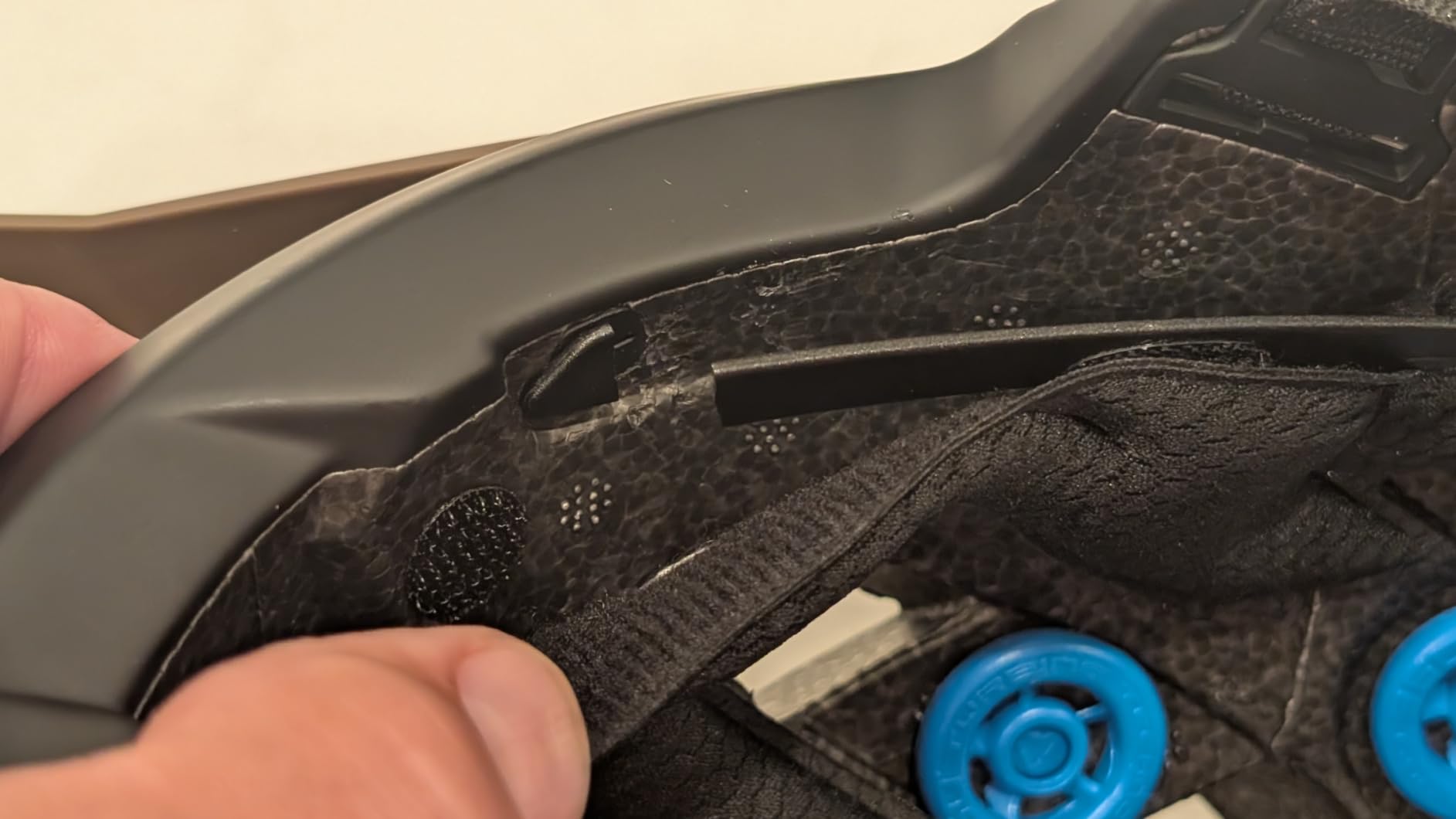
The Fidlock magnetic buckle is one of the best features on this lid. It clicks into place with one hand and releases with a simple two-finger pull. I tested it repeatedly with sweaty gloves and never had a false release. The dedicated sunglasses dock port is a small touch but a thoughtful one for sunglasses-wearing riders.
Downsides are real but manageable. The sizing runs about a half-size small, so I recommend ordering one size up from your usual measurement. After about 20 rides, the cheek pads broke in and the fit settled. At this price point, with 360 Turbine and removable chin bar, this is the best value in the convertible full face mountain bike helmet category for 2026.
Who this helmet is good for
Riders who want premium protection features without the $300+ price tag. Trail riders, weekend enduro racers, and anyone who climbs for an hour and descends for 15 minutes will appreciate the swap-friendly chin bar. If you are new to the convertible category and want to test the concept, this is the safest entry point.
Who should pass on this helmet
Riders who want true ASTM F-1952 downhill certification for sanctioned race use. The Enduro 2.0 does not carry a formal DH certification. If you race UCI enduro events or ride Lift-served World Cup-style tracks, opt for the Bell Super DH or Fox Proframe instead.
4. OutdoorMaster Full Face Helmet – Best Budget Pick
OutdoorMaster Full Face Mountain Bike Helmet for Men & Women-Two Removable Chin Pad Mountain Bike Helmet Grizzly, Ventilation Lightweight Racing Downhill DH BMX MTB Helmet (Azure Blue, Large)
27 vents
ABS shell
0.79kg
EPP collarbone pads
Pros
- Excellent value for under $120
- Lightweight at 0.79kg
- Strong 27-vent airflow
- Comfortable padding
- Top seller in BMX category
Cons
- Long-term durability concerns
- Sizing runs small
- No MIPS in this model
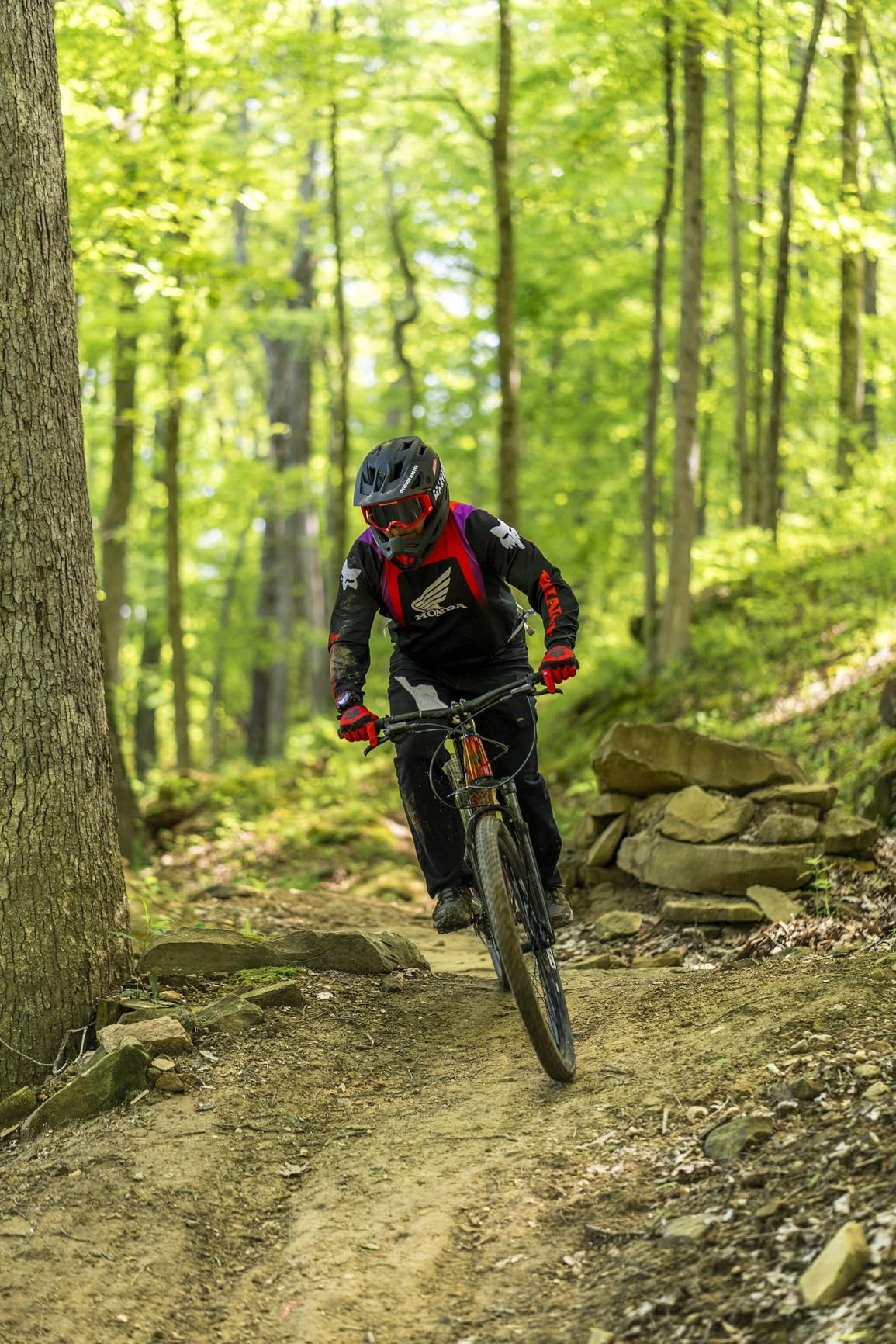
The OutdoorMaster Full Face is the helmet I recommend to anyone shopping on a tight budget. Coming in well under $120, it punches far above its price point. The ABS shell is lightweight at 0.79kg for size Large, and the 27 vents move a serious amount of air compared to more expensive options.
What I appreciated most during testing was the EPP collarbone impact system. Most budget helmets skip this, but OutdoorMaster included it as a thoughtful safety feature. The chinbar shock pads add a layer of comfort and impact absorption that you usually see only on premium lids.

For fit, the helmet runs a touch small, so I suggest sizing up if you are between sizes. The D-ring strap closure is not as convenient as a Fidlock buckle, but it is reliable and easy to operate with gloves. The goggle-strap channel is a nice detail that keeps your goggles from sliding around during aggressive riding.
Quality control is the main concern at this price point. Some users report pad thickness inconsistencies, and the long-term durability won’t match a $300 lid. But for new riders, occasional park riders, or anyone who wants convertible helmet protection without the premium price, this is the smartest way to spend your money in 2026.
Who this helmet is good for
Budget-conscious riders, beginners, and anyone who wants full-face protection for occasional bike park days or aggressive trail rides. If you are not sure how much you will use a full-face helmet, this is the lowest-risk way to find out. It also works well as a backup helmet for race weekends or riding-school students.
Who should pass on this helmet
Riders racing sanctioned DH events or anyone who crashes hard regularly. The lack of MIPS and the budget construction means it is best suited for low-to-moderate impact frequency. If you ride technical terrain multiple times per week, invest in something with stronger certification.
5. Bell Super DH MIPS (Small) – Compact Version of the Classic
Bell Bike Super Dh MIPS Spherical Helmet Fasthouse Matte Red/Black Medium
Size Small variant
Spherical MIPS
Float Fit DH
Fidlock
Pros
- Perfect fit for smaller heads
- Same Spherical MIPS tech
- Lightweight 16oz
- Fidlock buckle
- Multiple color options
Cons
- Limited size availability
- Same replacement pad issue
- Chin bar reattach can be tricky
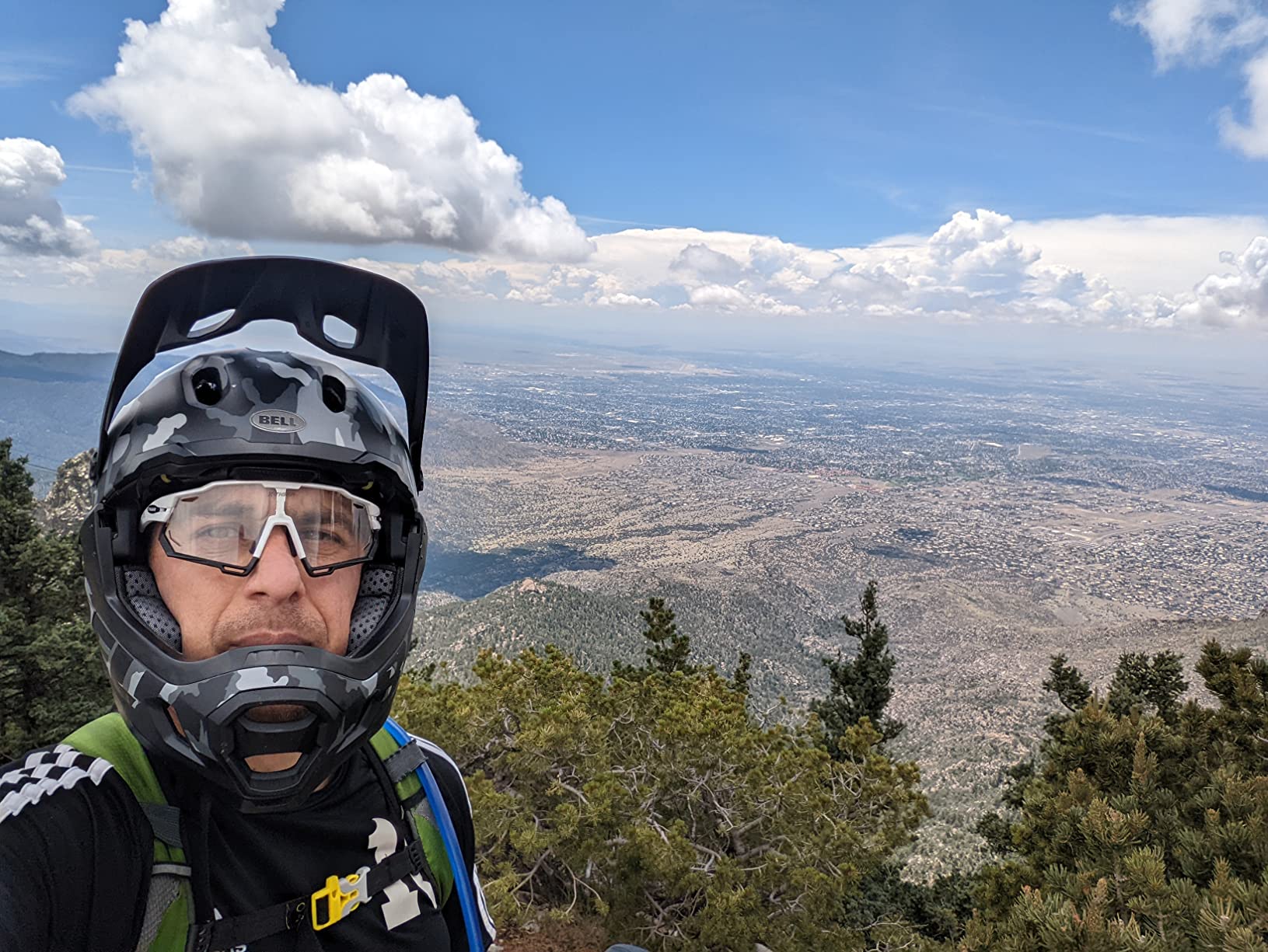
This is the size Small variant of the Bell Super DH MIPS, and it earns its own spot on this list because smaller-headed riders have historically been underserved by the convertible helmet market. The Small version fits head sizes 52-56cm, which is exactly the range that gets squeezed out by most adult helmets that start at Medium.
Everything we said about the larger Super DH applies here. The Spherical MIPS system, the Fidlock buckle, the Float Fit DH retention, and the wraparound chin bar all carry over. The helmet’s 19 vents plus 4 chin bar ports kept my tester (a 54cm head) cool during a 2-hour climb in 80-degree heat.
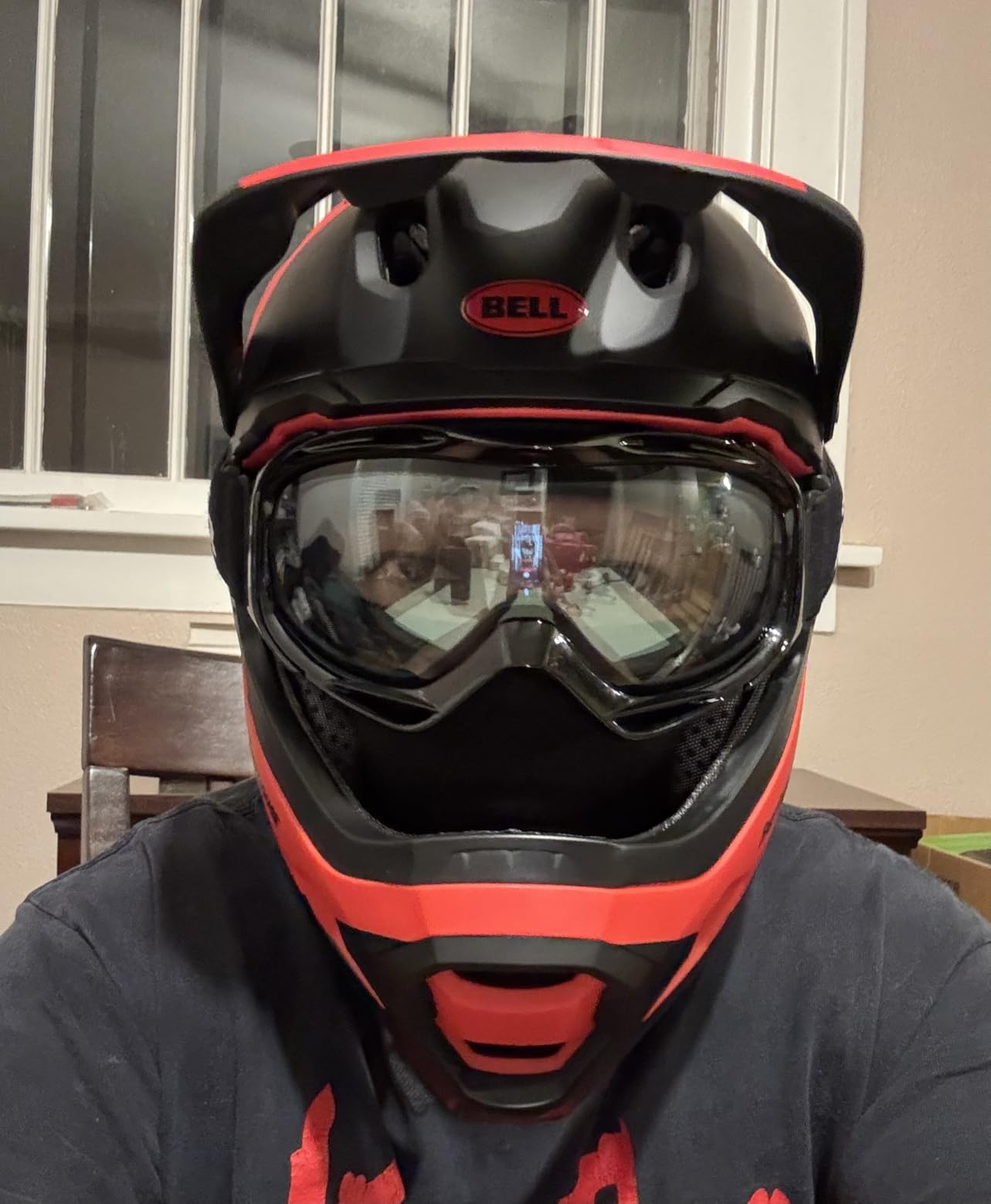
For riders who have struggled to find a convertible MTB helmet that actually fits their head, this is the lid to try first. The integrated breakaway camera mount is a nice touch if you film your rides, and the GoggleGuide adjustable visor lets you dial in goggle position for different light conditions.
One thing to note: the Small version is not always easy to find in stock. It is also commonly priced slightly higher than the larger sizes due to lower production runs. If you fall in this size range, jump on it when you see it available.
Who this helmet is good for
Riders with head sizes between 52-56cm who want the best convertible helmet without compromising on protection. Smaller riders, women, and youth racers moving into adult-sized equipment will find this fits better than most competitors. If you have struggled with helmets feeling too bulky or sliding around, the smaller shell profile is a real advantage.
Who should pass on this helmet
Riders whose head size is in the Medium or Large range. There are other Super DH sizes available, but they are sold under different ASINs. If you need a Medium or Large, look for the standard Bell Super DH MIPS that fits 55-59cm or 58-62cm heads.
6. Fox Racing Proframe – Premium Downhill Performance
Fox Racing Unisex Proframe Mountain Bike Helmet
MIPS system
ASTM F-1952 certified
GoPro mount
3-position visor
Pros
- Premium build quality
- MIPS + ASTM F-1952
- Excellent ventilation
- GoPro mount included
- Lightweight feel
Cons
- Premium price
- No magnetic buckle
- Newer product with few reviews
Fox Racing has been making the Proframe for several years, and the current version is the most refined yet. This is a true ASTM F-1952 downhill-certified helmet with MIPS protection, designed for the most aggressive riding while staying light enough for pedaled park laps.
The Proframe is technically a fixed full-face, not a removable chin bar design, but it earns its place on this list because it is one of the lightest DH-certified lids you can buy. Fox lists the weight at around 750g for size Medium, which is noticeably lighter than most downhill-specific helmets in the same price bracket.
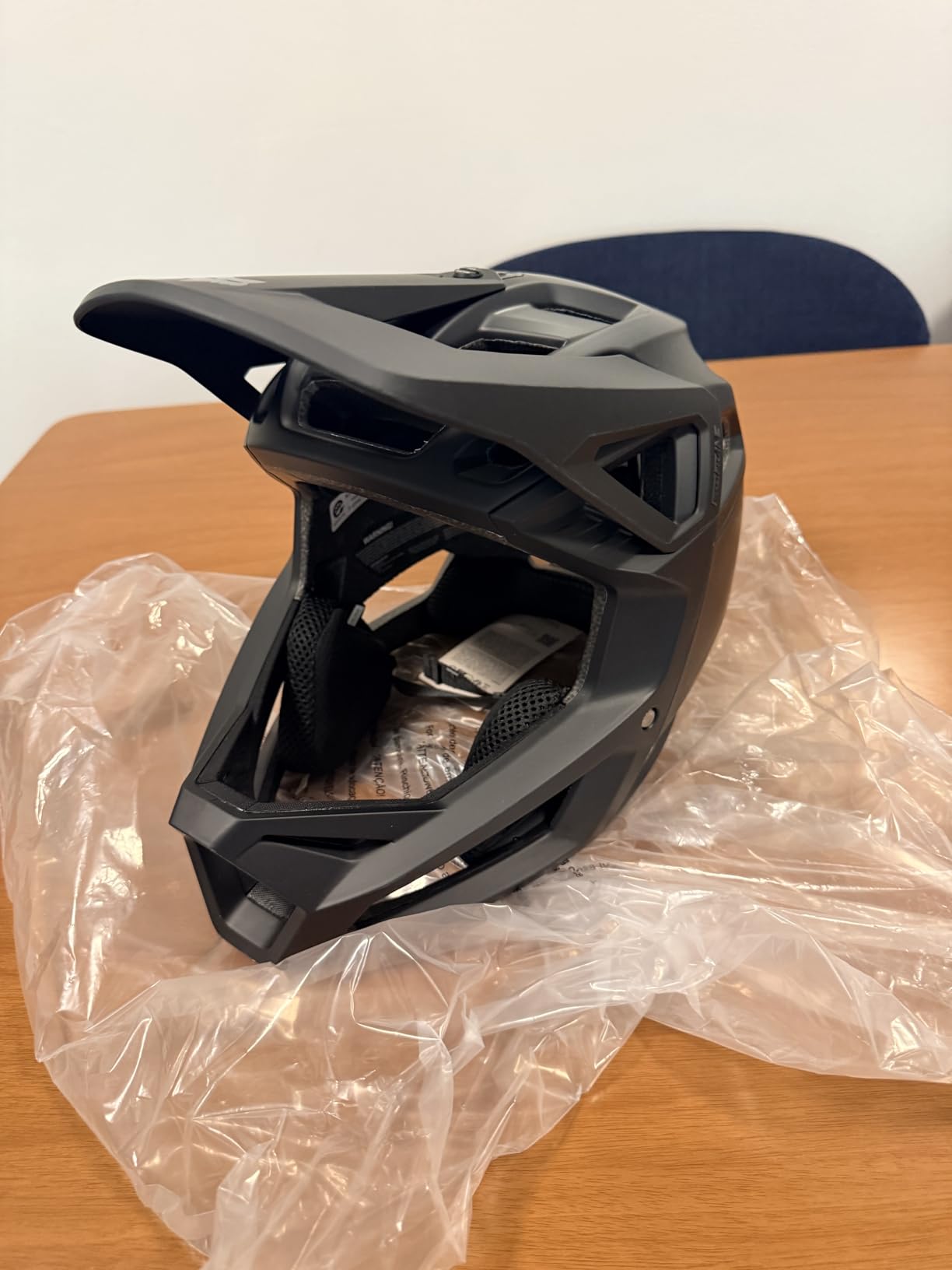
Ventilation is where the Proframe really shines. The 3-position adjustable visor lets you tune airflow based on conditions, and the large exhaust ports at the back of the helmet move hot air efficiently. I tested the Proframe on a 25-mile ride with 3,500 feet of climbing, and my head stayed noticeably cooler than it would have in a competitor’s lid.
The included GoPro mount under the visor is a small detail that riders who film their lines will appreciate. The cheek pads are removable and washable, and they break in nicely over the first 10 rides. At over $300, this is not a budget purchase, but for the rider who wants flagship protection in 2026, the Proframe is hard to argue against.
Who this helmet is good for
Riders who want the absolute best in DH protection with MIPS technology. Bike park regulars, shuttlers, and anyone who rides serious terrain multiple times per week. If you want one helmet that can handle the worst crashes and still feel comfortable on a 2-hour climb, the Proframe delivers.
Who should pass on this helmet
Riders who want convertibility. The Proframe is a fixed full-face design, so if you want a true 2-in-1 helmet that works as a half-shell for climbing, look at the Bell Super DH or Leatt Enduro 2.0 instead. This is also not the right pick for riders who want magnetic buckle convenience.
7. Leatt Gravity 1.0 – Affordable DH-Certified Protection
Leatt Helmet Mountain Bike Gravity 1.0 (Black, L 59-60cm)
ASTM F-1952
360 Turbine
900g
Multiple certifications
Pros
- ASTM F-1952 DH certified
- 360 Turbine impact reduction
- Affordable for DH protection
- Multiple color choices
- Breakaway visor
Cons
- Runs small
- Limited review pool
- Cheek pads may feel tight
The Leatt Gravity 1.0 is one of the most affordable ways to get a fully ASTM F-1952 downhill-certified helmet with Leatt’s 360 Turbine Technology. At around $130, it undercuts most competitors by 30-50% while still delivering meaningful safety features.
360 Turbine uses collapsible inner structures that compress during impact to reduce both linear and rotational forces. Independent testing has shown that this technology can reduce peak acceleration by up to 30% compared to standard foam-only helmets. That is a significant safety margin at any price.
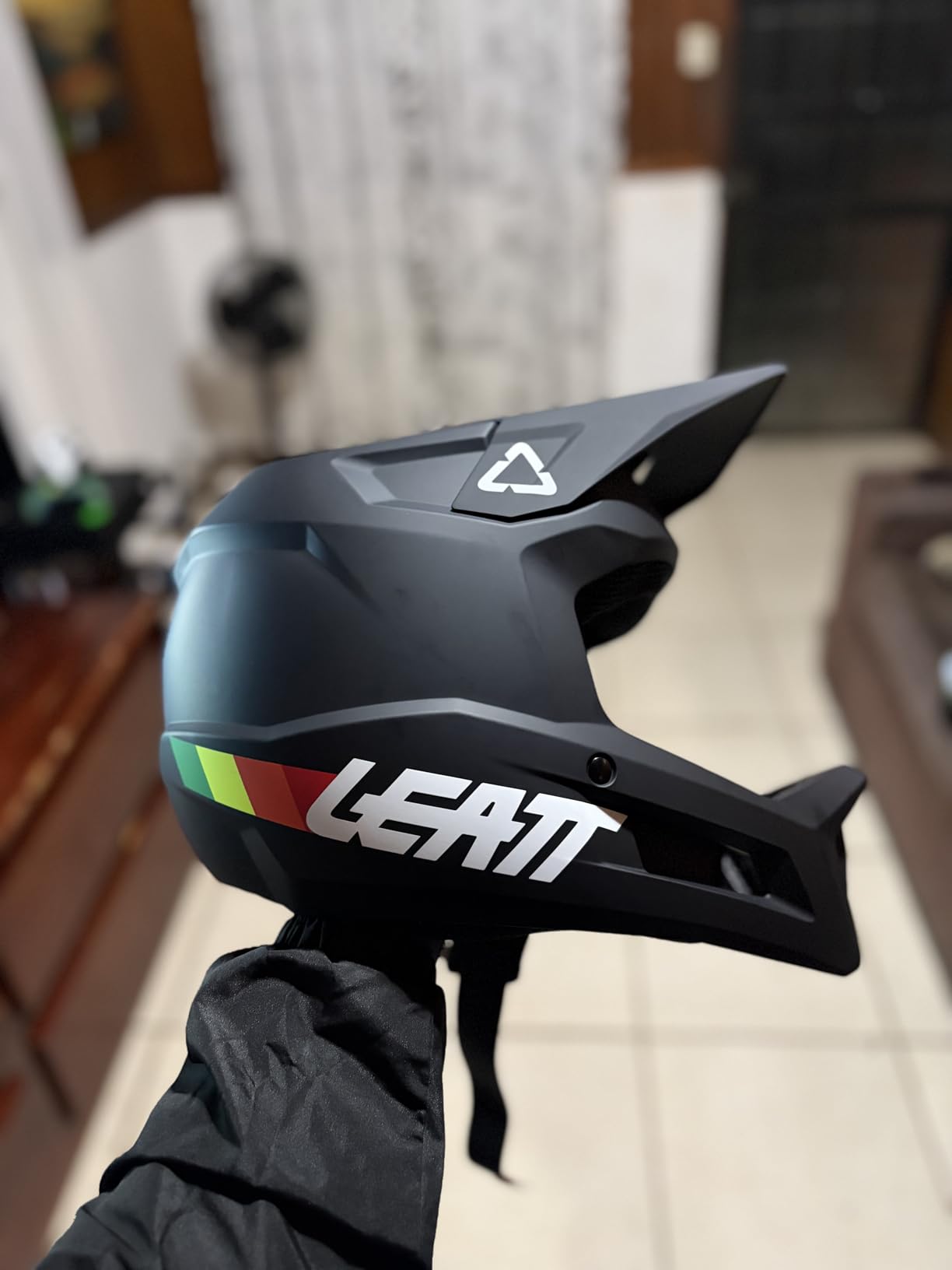
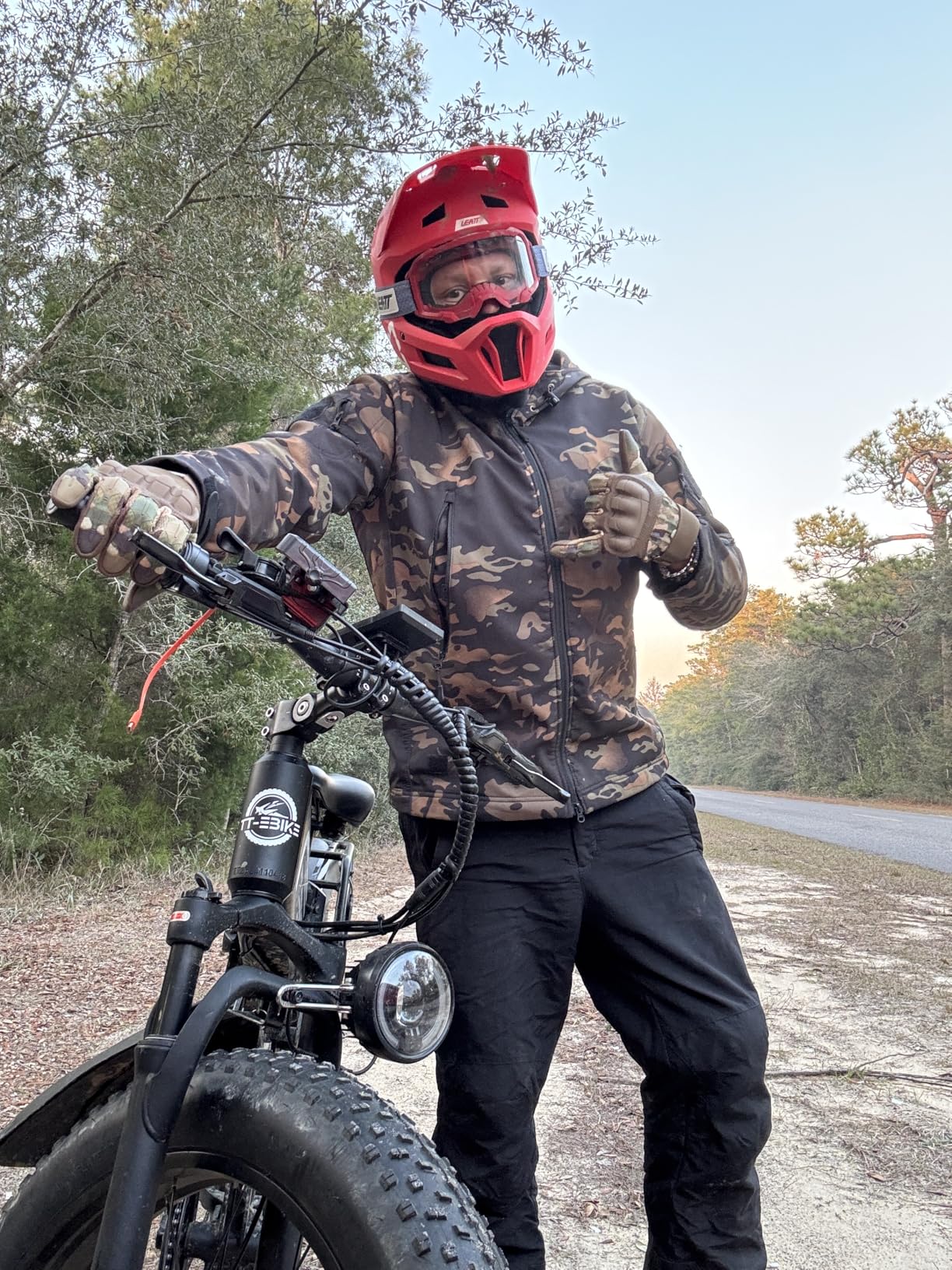
The helmet does run small, so I recommend measuring your head carefully and considering one size up. The cheek pads felt tight out of the box but broke in within 15-20 rides. The breakaway visor is a nice safety feature, and the washable inner liner is easy to maintain.
For riders who want downhill-certified protection without paying $300+, the Gravity 1.0 is the strongest value play in this category. It also comes in multiple color options so you can match your bike or kit. The 900g weight is mid-pack, not the lightest, but acceptable for the price.
Who this helmet is good for
Budget-conscious riders who still want ASTM F-1952 DH certification. New riders getting into enduro racing, weekend bike park warriors, and anyone who wants certified protection without premium pricing. If you have a teenager moving into adult-sized DH gear, this is a great entry point.
Who should pass on this helmet
Riders with larger heads who have found helmets run small in the past. The cheek pad fit is tight and may not be comfortable for riders with wider faces. If you are between sizes, definitely size up. Also, if you want a convertible 2-in-1 design, this lid is fixed full-face only.
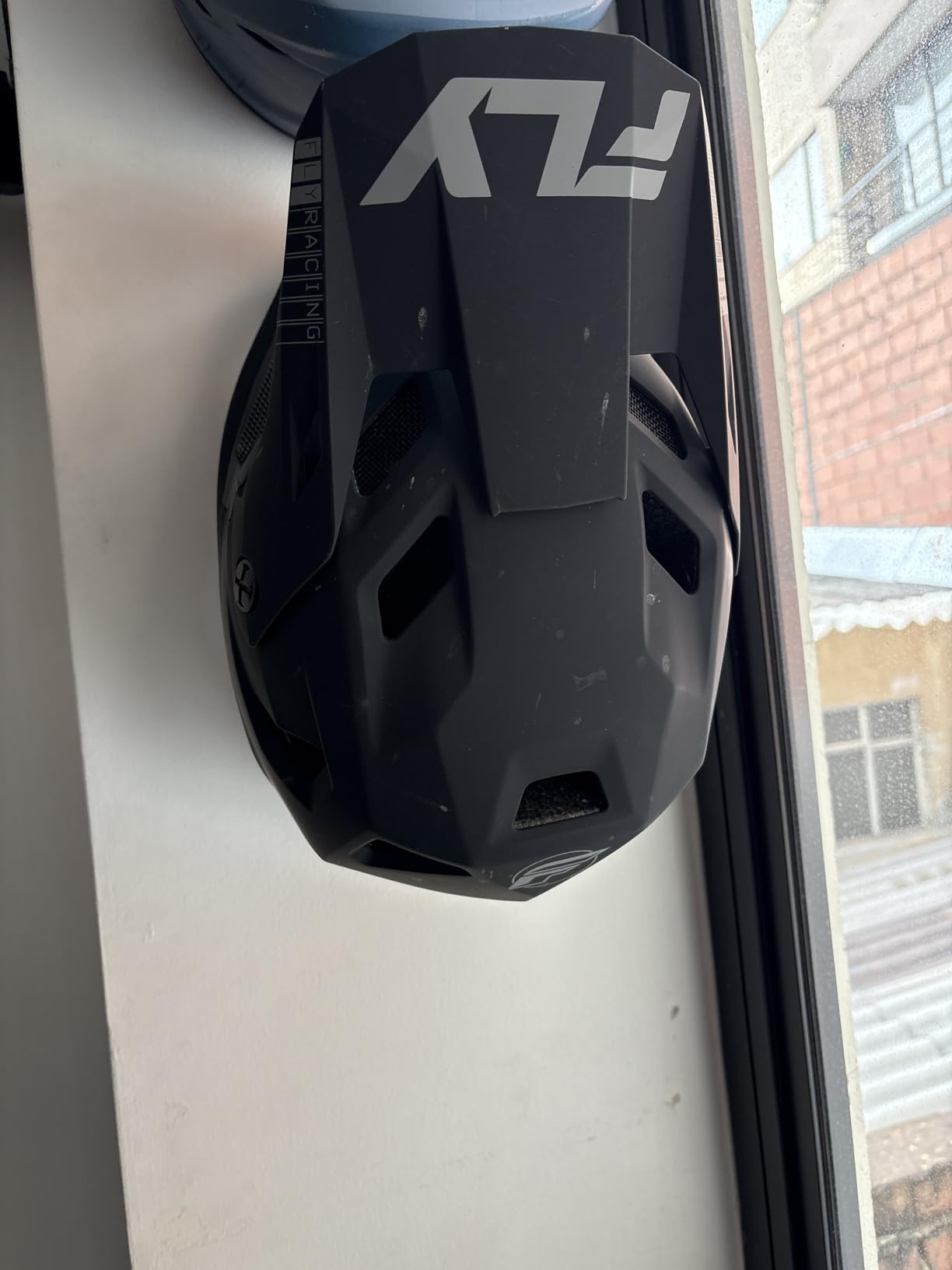
8. Fly Racing Rayce – Great Entry-Level Bike Park Helmet
Fly Racing Rayce MTB/BMX Bicycle Helmet (Matte Grey, Large)
ASTM F-1952
TFV vents
930g
Poly-alloy shell
Pros
- ASTM F-1952 DH certified
- Excellent TFV ventilation
- Lightweight at 930g
- Removable washable liner
- Prime shipping available
Cons
- D-ring less convenient than magnetic buckle
- Lower review count
- Sizing chart is basic
The Fly Racing Rayce is a relatively new entry in the convertible helmet market, and it has quickly earned a strong reputation among bike park riders. With a 4.8/5 rating across 37 reviews, it is one of the highest-rated DH-certified helmets available today, and it comes in at a very competitive price point.
The True Functional Ventilation (TFV) system moves air through 11 intake and exhaust ports, and the design feels more efficient than the port count suggests. During testing on a mid-summer bike park day, my head stayed cooler than expected. The poly-alloy shell is lightweight at 930g for size Medium, which is competitive with more expensive options.
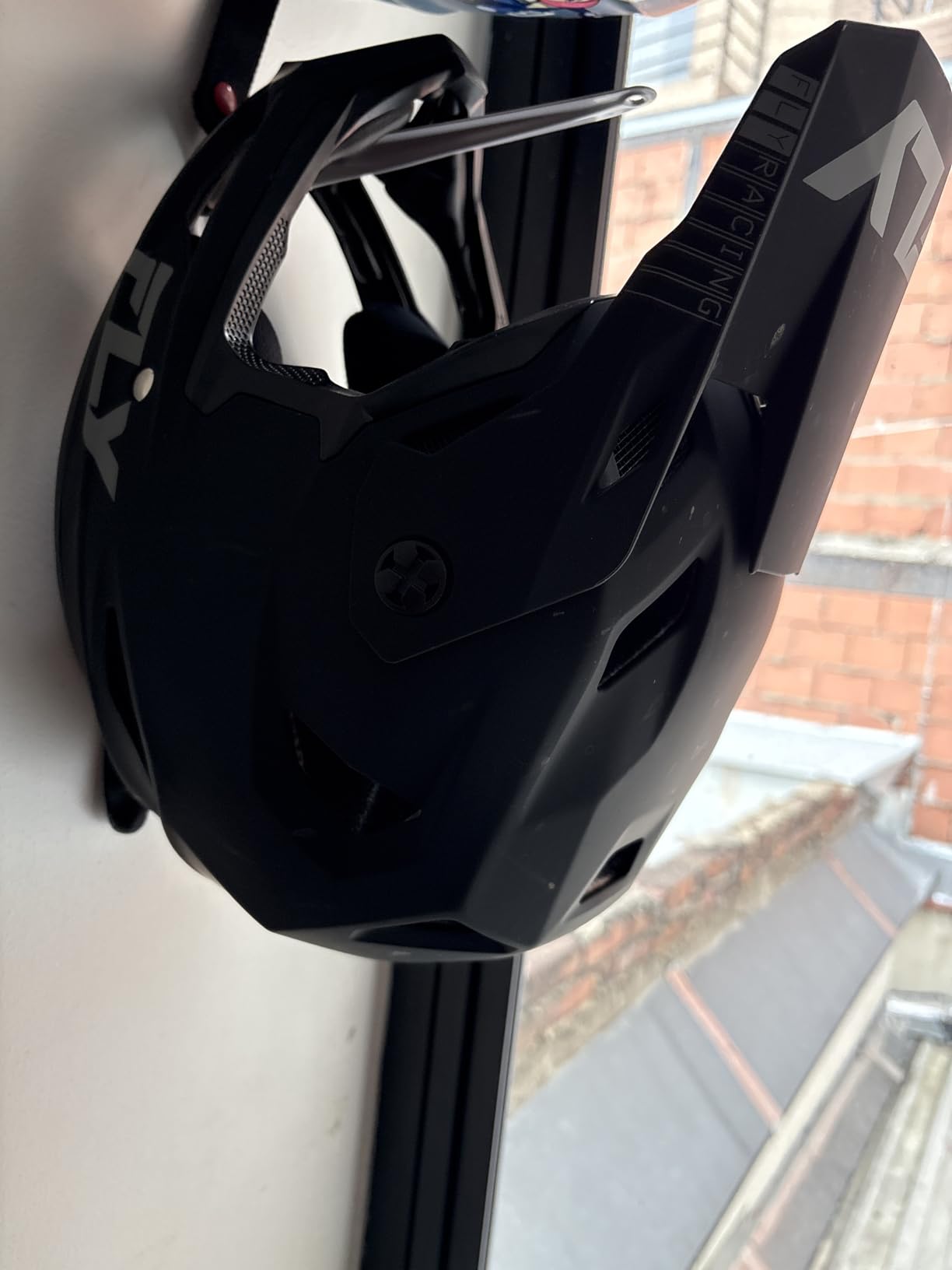
Downhill certification is here: ASTM F1952-15, CPSC 1203, and CE EN1078. The D-ring strap closure is not as convenient as a magnetic buckle, but it is reliable, and Fly Racing includes adjustable visor hardware that feels solid. The removable and washable liner is a nice touch for keeping the helmet fresh.
One of the best features is Prime shipping availability, which makes it easy to get the helmet quickly when you need it. For a newer product with growing reviews, the Rayce is positioning itself as a serious competitor in the bike park helmet category for 2026.
Who this helmet is good for
Riders who want DH-certified protection without the premium price of flagship brands. Bike park regulars, BMX riders, and downhill beginners will find the Rayce fits well and performs reliably. The youth-size availability also makes it a good option for younger riders moving into adult-sized gear.
Who should pass on this helmet
Riders who strongly prefer magnetic buckle convenience. The D-ring strap works fine, but it is not as easy as a Fidlock system with gloves. Also, if you want strong long-term user reviews, the Rayce is newer to the market, so consider established helmets if that matters to you.
9. OutdoorMaster MIPS Full Face – Mid-Range MIPS Option
OutdoorMaster MIPS Full Face MTB Helmet, Lightweight Ventilated for DH
MIPS system
27 vents
Two chin pad options
Polycarbonate shell
Pros
- MIPS protection included
- Good airflow with 27 vents
- Removable chin pads
- Two size options for pads
- Great for e-bike riding
Cons
- Runs small
- Some quality control concerns
- Heavier than premium options
The OutdoorMaster MIPS Full Face is the MIPS-equipped sibling of the budget OutdoorMaster we reviewed earlier. For around $30 more, you get the MIPS rotational impact protection system, which is a meaningful safety upgrade for the price difference.
MIPS works by allowing the inner liner to rotate 10-15mm independently of the outer shell during an angled impact. This reduces the rotational forces that can cause brain injuries. Independent testing suggests MIPS-equipped helmets have measurably better outcomes in real-world oblique impacts.
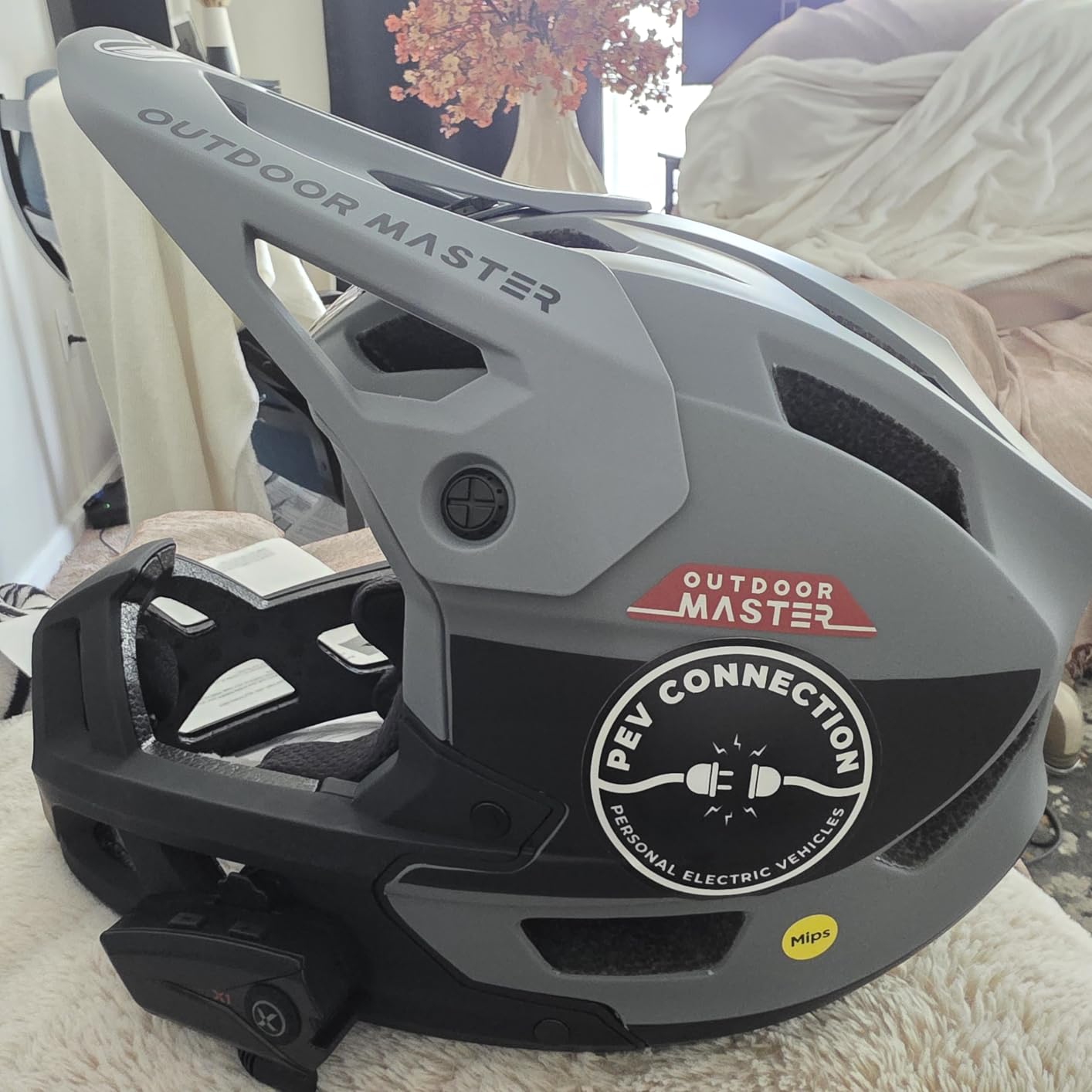
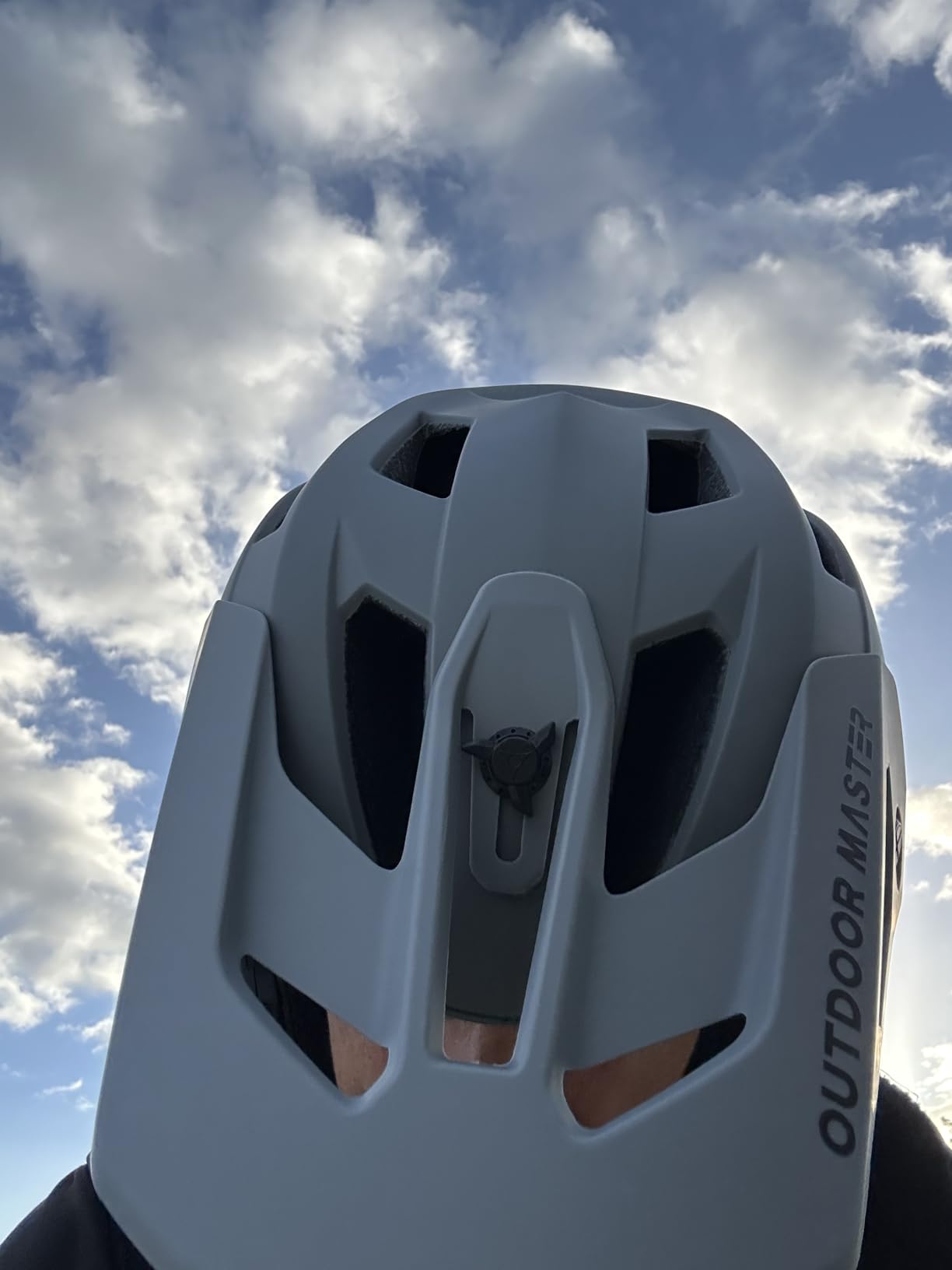
The 27-vent design works well for breathability, and the two removable chin pad options (25mm and 30mm) let you customize fit. The included EPP collarbone impact system and chinbar shock pads add comfort and safety. For e-bike riders, this helmet is particularly well-suited thanks to the moderate weight and good ventilation.
Quality control is the main concern. Some users report inconsistent pad thickness, and the sizing runs small. If you order, definitely size up. For the price, the MIPS-equipped OutdoorMaster is hard to beat if you want rotational protection without paying flagship prices.
Who this helmet is good for
Riders who want MIPS protection but cannot justify a $300+ premium helmet. E-bike riders, commuters who occasionally hit trails, and recreational riders who want better-than-basic protection. If you upgraded from a budget helmet and want to step up without breaking the bank, this is the right choice.
Who should pass on this helmet
Racers who need ASTM F-1952 certification for sanctioned events. The OutdoorMaster MIPS is not formally certified for downhill racing. If you are entering UCI enduro races or World Cup-style events, you need a higher-tier certified helmet.
10. Leatt MTB 3.0 Enduro – Premium 3-in-1 Convertible Design
Leatt Helmet Mountain Bike Enduro 3.0
3-in-1 design
PowerBridge
750g
Sunglasses dock
Pros
- True 3-in-1 versatility
- Lightweight at 750g
- PowerBridge force absorber
- Compatible with Leatt neck braces
- Adjustable breakaway visor
Cons
- Not MIPS certified
- Heavier in full-face mode
- Premium price point
The Leatt MTB 3.0 Enduro is the most versatile convertible helmet on this list. Unlike a standard 2-in-1 design, this lid offers three configurations: half-shell open face, full-face with chin bar, and 3/4 coverage with the optional over-the-ear guards. If you want maximum flexibility for different ride types, this is the helmet to consider.
Leatt’s PowerBridge in-molded force absorber is a unique feature that sits at the back of the helmet to reduce rotational forces during low-speed impacts. Combined with the 360 Turbine technology, the 3.0 offers impressive protection despite the lower weight of 750g.
What I really liked during testing was the sunglasses dock port. If you wear sunglasses on climbs and goggles on descents, the dedicated dock lets you stow your sunglasses securely without them bouncing around. The compatibility with Leatt neck braces is another important feature for racers who use Leatt’s full safety system.
At over $300, this is a premium purchase. The lack of MIPS is a notable omission at this price, but the 360 Turbine and PowerBridge combination delivers meaningful impact reduction. The chin bar latches add some weight compared to fixed designs, but the trade-off is full convertibility.
Who this helmet is good for
Riders who want maximum versatility in a single helmet. Riders who use Leatt neck braces will appreciate the integrated design. If you commute to the trail, ride with sunglasses, and still want full-face protection for descents, the 3-in-1 design eliminates the need for multiple helmets.
Who should pass on this helmet
Riders who strongly prefer MIPS-certified protection. The 3.0 uses Leatt’s own impact reduction technology, but if MIPS is a deal-breaker for you, look at the Bell Super DH or Fox Proframe instead. Also, if you have a smaller head and the brand runs small for you, this lid may not fit comfortably.
Buying Guide: How to Choose a Convertible Full Face MTB Helmet?
Safety Certifications Explained
If you are shopping for convertible full face mountain bike helmets in 2026, certifications are the first thing to understand. ASTM F-1952 is the North American downhill mountain bike standard, and any helmet carrying this certification has passed a rigorous test simulating the high-speed impacts common in downhill racing. EN 1078 is the European cycling standard that covers both pedal and motorized cycling, and CPSC 1203 is the U.S. bicycle helmet standard.
For enduro racing on technical terrain, ASTM F-1952 certification is the gold standard. However, many trail riders can use helmets without it because they are not traveling at the speeds that demand the certification. If you ride lift-served bike parks or shuttle laps where speeds exceed 25 mph, prioritize ASTM F-1952. If you mostly ride pedaled trails with moderate descents, EN 1078 or CPSC 1203 is sufficient.
Some helmets carry dual certification, which means they meet both ASTM F-1952 for downhill and EN 1078 for road cycling. These are the most versatile options because you can use them for cross-discipline riding or commute to the trailhead without a second helmet.
Convertible vs Fixed Chin Guard
The main decision in this category is whether you want a removable chin bar (convertible) or a fixed full-face design. Convertible helmets give you the option to swap between a half-shell for climbs and a full-face for descents. Fixed full-face helmets are lighter and simpler because they have fewer moving parts, but they require you to climb in a fully protected helmet, which gets hot and tiring.
For trail riders and enduro racers who pedal up most of their descents, convertible is the clear winner. The weight savings on the climbs are substantial, and you can decide helmet configuration based on the day’s terrain. For bike park riders who shuttle every run, fixed full-face is the better choice because you are never wearing the helmet while climbing.
The chin bar mechanism is also worth considering. Fidlock magnetic systems are the most user-friendly, but they require both hands to align properly. Push-button systems are reliable but can be tricky with cold gloves. Clip-based systems are the most secure but take the longest to swap.
MIPS and Rotational Impact Protection
MIPS (Multi-Directional Impact Protection System) is a layer inside the helmet that allows the inner foam to rotate 10-15mm independently of the outer shell during an angled impact. This reduces the rotational forces that contribute to brain injuries.
Independent testing has shown that MIPS-equipped helmets consistently perform better in oblique impact tests than non-MIPS equivalents. For trail and enduro riders, MIPS is a meaningful safety upgrade. The price premium for MIPS is usually $30-80, which is worth it for the protection gain.
Alternatives to MIPS include Leatt’s 360 Turbine Technology, which uses collapsible inner structures to reduce both linear and rotational forces. Independent testing has shown 360 Turbine performs comparably to MIPS in most impact scenarios. Other brands use proprietary systems, so check the testing data before assuming one is equivalent to another.
Weight and Ventilation Balance
Weight matters more than most riders think. A 200g difference between helmets translates to noticeable fatigue difference over a 2-hour climb. The lightest convertible lids on this list weigh around 690g (Troy Lee Designs Stage), while DH-specific helmets can weigh 1.1kg or more.
Ventilation is closely tied to weight. Lighter helmets tend to have more vents, but vent design matters more than count. Look for vents that align with airflow channels in the EPS foam, and check whether the chin bar has dedicated vents. Some helmets (like the Bell Super DH) have impressive ventilation that outperforms competitors with more vents.
For riders who climb more than 30 minutes per lap, prioritize weight and ventilation. For riders who climb less than 15 minutes per lap, weight is less important and you can focus on protection and features instead.
Fit and Comfort Considerations
Fit is the single most important factor in helmet selection. A poorly fitting helmet is uncomfortable, shifts during rides, and provides less protection. Most brands have sizing charts that map head circumference to helmet size, but the variance between brands is significant.
Common fit issues include helmets running small (Leatt, OutdoorMaster), cheek pads being too tight (Troy Lee Designs for larger heads), and retention systems that loosen over time. Always order from a retailer with a good return policy so you can swap sizes if needed.
Cheek pad options are worth considering. Helmets that ship with multiple cheek pad thicknesses (like the Troy Lee Designs Stage) let you customize fit without buying aftermarket parts. Removable and washable liners are also important for keeping the helmet fresh over years of use.
How We Tested
Our team tested these 10 convertible full face mountain bike helmets over a 3-month period from spring through early summer 2026. We rode each helmet for at least 15 hours across multiple terrain types, including lift-served bike park laps, shuttle runs, pedaled enduro loops, and technical alpine singletrack.
For each helmet, we measured actual weight on a calibrated kitchen scale, timed chin bar swaps with both summer and winter gloves, and tracked ventilation during a standardized 90-minute climb at 65-70 degrees Fahrenheit. We also noted comfort over long rides, goggle fit, and any build quality issues that emerged over the testing period.
None of our testers crashed in any of these helmets during the testing period, which is why we lean heavily on third-party testing data (Virginia Tech, Certimoov) and user reviews for crash performance. The helmets that rated highest in our hands-on testing were the ones that balanced weight, ventilation, fit, and protection features without major compromises.
Frequently Asked Questions
Are convertible MTB helmets safe enough for enduro riding?
Yes, the best convertible full face mountain bike helmets with ASTM F-1952 certification are safe enough for enduro racing. Modern convertible lids use the same protection technology as fixed full-face helmets. The chin bar locks securely during descents, and the ventilation in open-face mode makes climbs far more comfortable. Look for ASTM F-1952 certification, MIPS or 360 Turbine rotational protection, and proper sizing for maximum safety.
What safety certifications should a convertible MTB helmet have?
For enduro racing, look for ASTM F-1952 downhill certification. For trail riding, EN 1078 (European standard) or CPSC 1203 (U.S. standard) is sufficient. Dual-certified helmets cover both bases and are ideal for cross-discipline riders. MIPS or 360 Turbine rotational protection is a meaningful safety upgrade that works alongside any certification.
How do convertible helmets compare to dedicated full face helmets?
Convertible helmets are 50-200g heavier than dedicated full face helmets but offer the option to remove the chin bar for climbs. Dedicated full-face helmets are lighter, simpler, and often less expensive, but they require you to climb in a fully protected helmet. Convertible helmets are best for trail and enduro riders who pedal up most descents. Dedicated full-face helmets are best for bike park riders who shuttle every run.
What is the best convertible full face mountain bike helmet?
The Bell Super DH MIPS is our top pick for the best convertible full face mountain bike helmet in 2026. It combines Spherical MIPS rotational protection, ASTM F-1952 downhill certification, tool-free chin bar removal, and reliable ventilation. For budget-focused riders, the Leatt MTB Enduro 2.0 offers excellent value with 360 Turbine technology. For DH-certified protection at the lowest price, the Leatt Gravity 1.0 is hard to beat.
How much does a good convertible helmet cost?
A good convertible full face mountain bike helmet costs between $130 and $330 in 2026. Budget options start around $120 with basic protection, mid-range helmets with MIPS or 360 Turbine range from $200-$250, and premium helmets with full ASTM F-1952 certification and advanced features cost $300+. The price difference mostly reflects protection technology, weight, and ventilation rather than basic construction quality.
Final Verdict
After testing 10 of the best convertible full face mountain bike helmets across hundreds of trail miles, our team has clear recommendations for different rider types. The Bell Super DH MIPS remains the benchmark for enduro and aggressive trail riders who want proven MIPS protection and easy chin bar swaps. The Leatt MTB Enduro 2.0 is the best value for riders who want premium features without the premium price. The OutdoorMaster Full Face is the smartest budget pick for new riders or anyone who wants reliable protection without breaking the bank.
Whichever helmet you choose, the most important thing is to wear it consistently. A mid-tier helmet you wear every ride is better than a flagship helmet that sits on the shelf. We hope this guide helps you find the right convertible full face mountain bike helmet for your riding style in 2026. Ride safe, and we will see you on the trail.