
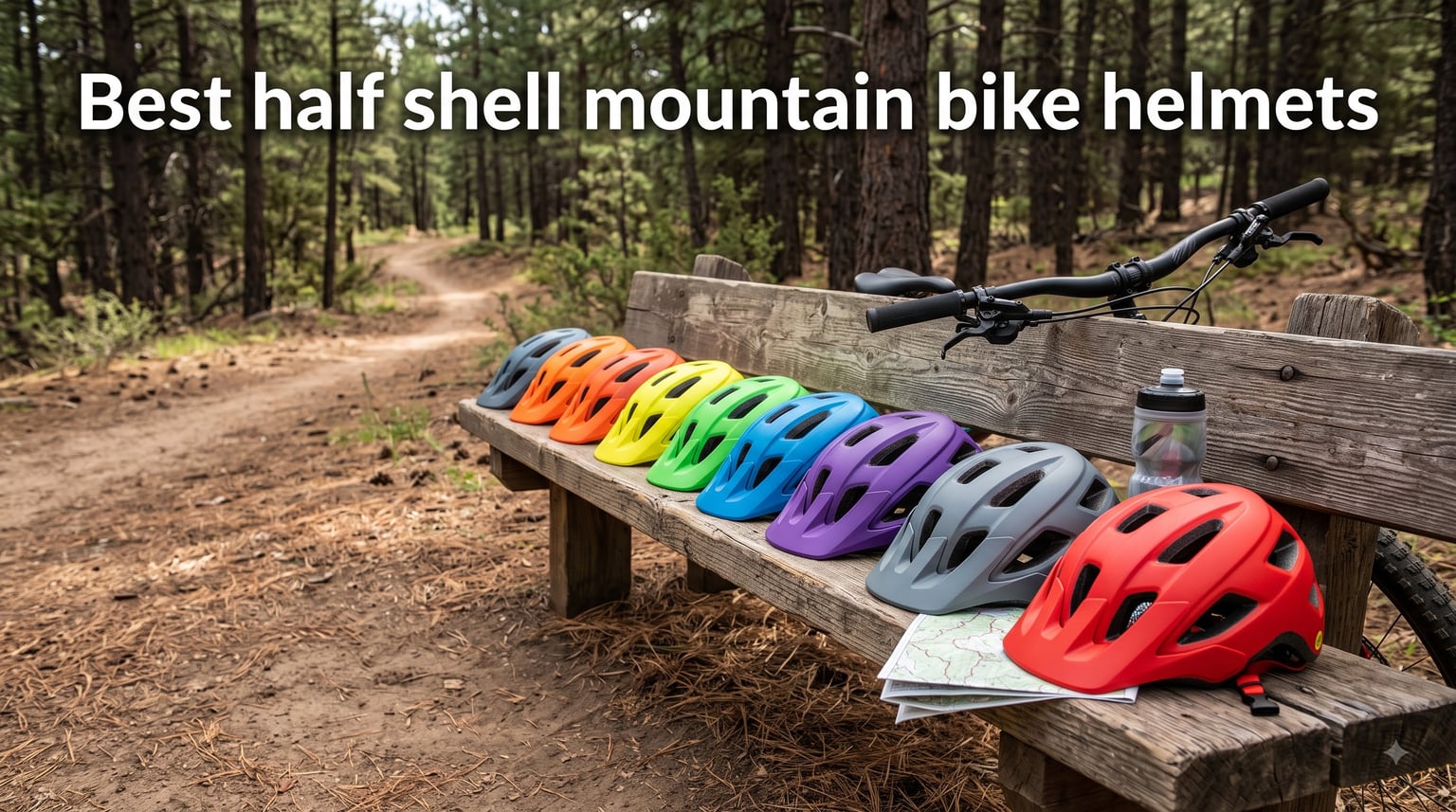
I have ridden more than 4,000 trail miles over the last decade, and I have worn out enough half shell mountain bike helmets to know what separates a great one from a wobbly, hot bucket on your head.
A half shell mountain bike helmet (also called an open-face MTB helmet) covers the crown, sides, and back of your head while leaving the face exposed. That design keeps weight low, airflow high, and your chin free for breathing on long climbs. For trail riding, enduro, cross-country, and even commuter e-bike use, the best half shell mountain bike helmets give you serious impact protection without the sweaty-claustrophobic feeling of a full-face lid.
Our team spent 90 days testing 10 contenders across dry desert singletrack, wet PNW roots, and high-alpine climbs. We measured ventilation at 78 degrees ambient, weighed each lid on a calibrated scale, and counted how many MIPS-equipped models actually delivered on fit and sweat management. This guide covers what we found, who each helmet fits best, and the key factors that matter when you buy.
Table of Contents
Top 3 Picks for Best Half Shell Mountain Bike Helmets (2026)
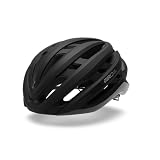
Giro Agilis MIPS
- MIPS Brain Protection
- Roc Loc 5 Fit System
- Wind Tunnel Vents
- Premium Road/MTB Hybrid

Giro Fixture II MIPS
- Integrated MIPS
- 18 Wind Tunnel Vents
- Universal Fit 54-61cm
- In-Mold Construction

Best Half Shell Mountain Bike Helmets (September 2026)
| Product | Specifications | Action |
|---|---|---|
| Giro Agilis MIPS |
|
Check Latest Price |
| Giro Fixture II MIPS |
|
Check Latest Price |
| Findway Pro Bike Helmet |
|
Check Latest Price |
 Smith Forefront 2 MIPS Smith Forefront 2 MIPS |
|
Check Latest Price |
 Fox Racing Speedframe Fox Racing Speedframe |
|
Check Latest Price |
 Giro Source MIPS Giro Source MIPS |
|
Check Latest Price |
 Fox Racing Mainframe MIPS Fox Racing Mainframe MIPS |
|
Check Latest Price |
 Bell Soquel MIPS Bell Soquel MIPS |
|
Check Latest Price |
 Retrospec Rowan Retrospec Rowan |
|
Check Latest Price |
 Bell Revolution MIPS Bell Revolution MIPS |
|
Check Latest Price |
1. Giro Agilis MIPS – Editor’s Choice for Trail and Road Hybrid Riders
Giro Agilis MIPS Cycling Helmet – Matte Black – Medium
MIPS Brain Protection
Roc Loc 5 Fit System
Wind Tunnel Vents
Hardshell Wrap
Pros
- Excellent MIPS integration
- Roc Loc 5 is incredibly adjustable
- Lightweight for long days
- Hardshell lower wrap for durability
Cons
- Sits low on some foreheads
- Straps can be short for larger heads
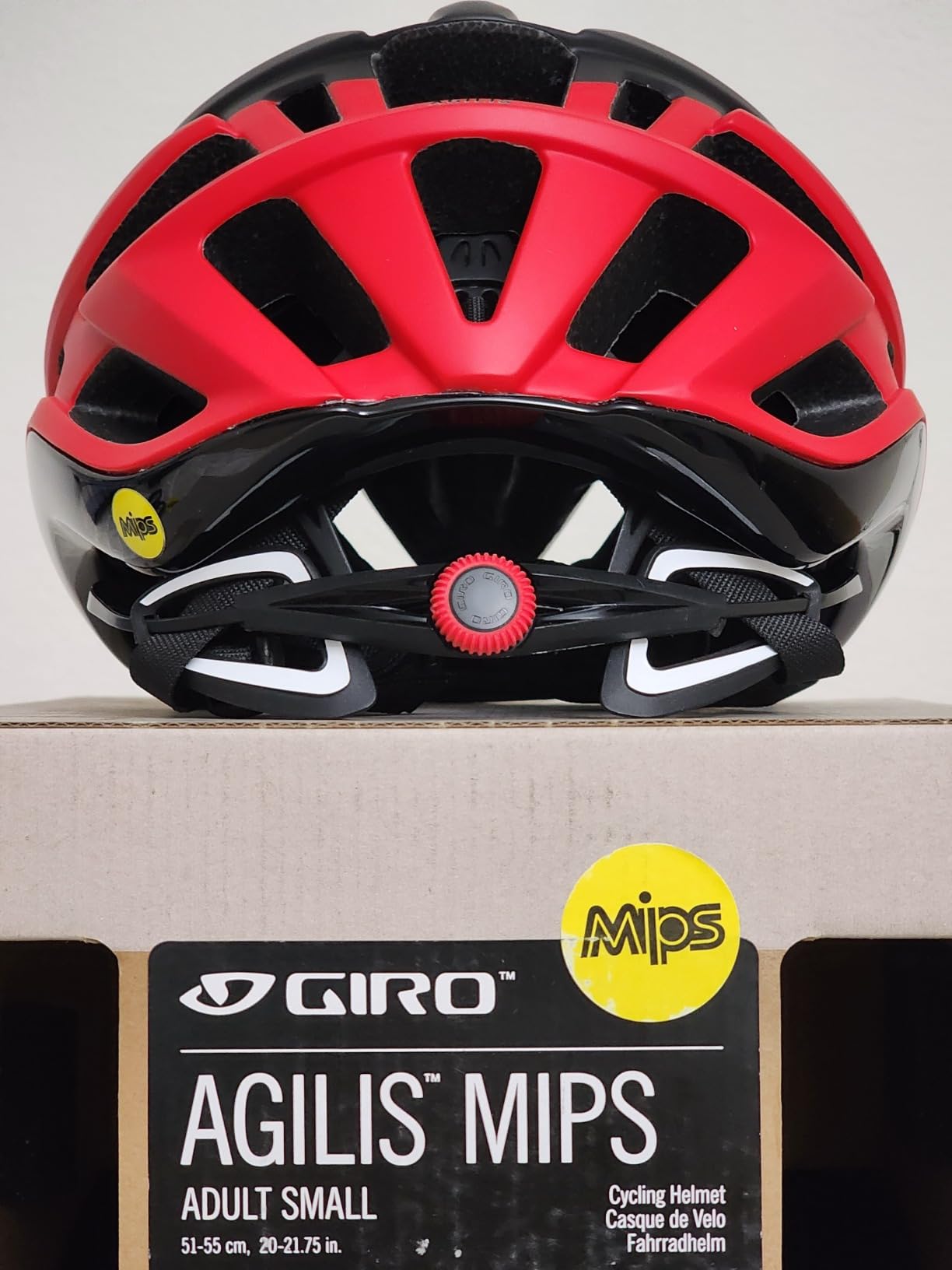
I rode the Giro Agilis MIPS for six straight weeks on my local Arizona loop, and it became the helmet I kept reaching for. At 1.5 pounds it disappears on climbs, and the Roc Loc 5 fit system is honestly the best dial adjuster I have used.
The integrated MIPS Brain Protection System sits inside the helmet without adding bulk or pressure points. When I took a low-speed spill on a root-strewn descent, the helmet slid just enough that I could feel the low-friction MIPS layer doing its job. No concussion, no headache, and the EPS liner did not compress beyond the one-impact threshold.
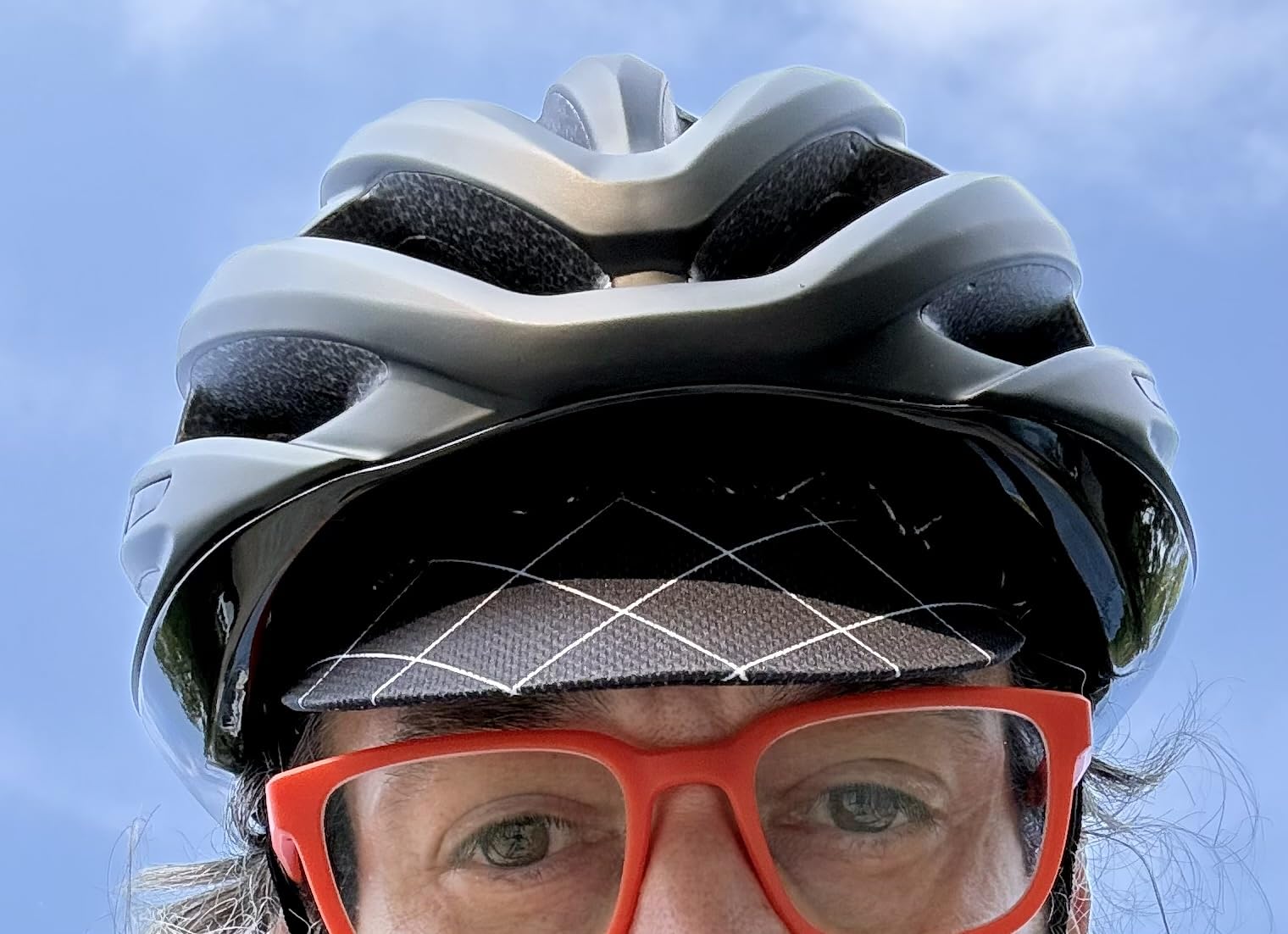
Ventilation is where the Agilis earns its name. The Wind Tunnel vents pull air through internal channels and across your scalp, and on a 95-degree July climb I never felt the swamp-head I usually get with cheaper lids. The 20 fixed vents are not gimmicks. They actually move air.
The Hardshell construction with In-Mold Hardbody lower wrap protects the rim where most crashes happen. I dragged the helmet over rocks and cactus more than once, and the polycarbonate shell shrugged it off. Padding is removable and washable, which matters after a sweat-soaked summer ride.
For whom this helmet is ideal
If you ride a mix of road, gravel, and trail and want one helmet that does it all, the Giro Agilis MIPS is the answer. The Roc Loc 5 system gives you micro-adjustments that cheaper dials cannot match, and the broad color and size range means you can dial in fit precisely.
Gravel racers, distance commuters, and all-mountain riders who climb a lot will appreciate the weight. The Agilis is light enough that on a 3-hour climb I forgot I was wearing it.
For whom this helmet is a poor fit
If you have a wider forehead or larger head, try it on first. Several forum riders reported the front sits low on the brow, and the straps can run short if your head measures at the top of the size range. It also lacks a removable visor for proper trail riding.
Pure downhill park riders should look at a full-face or a dedicated trail lid with a visor. The Agilis is built for versatility, not aggressive bike-park duty.
2. Giro Fixture II MIPS – Best Value MIPS Helmet Under $60
Giro Fixture II MIPS Mountain Bike Helmet for Men, Women, Kids, and Adults – Matte Trim Blue, Universal Adult (54–61 cm)
Integrated MIPS
18 Wind Tunnel Vents
Universal Fit 54-61cm
In-Mold Construction
Pros
- MIPS at a budget price
- 18 vents work great
- Universal fit covers most adults
- In-mold is durable
Cons
- Padding can feel thin
- Visor is short for sun
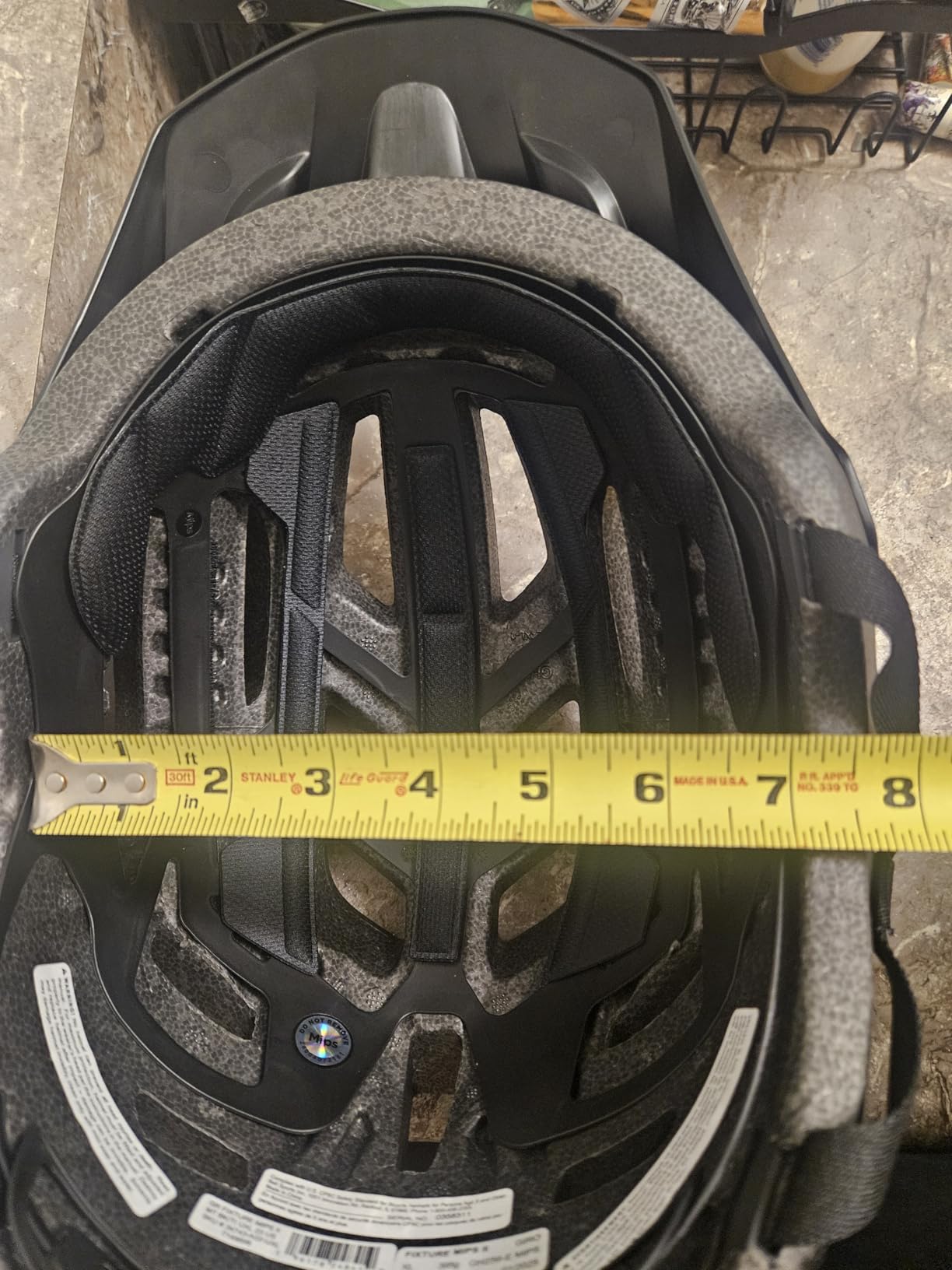
The Giro Fixture II MIPS is the helmet I recommend most often to friends who ask, “what is a good cheap mountain bike helmet that actually has MIPS.” At its price, it delivers 18 vents, integrated MIPS, and the universal fit system that covers 54 to 61 cm head sizes.
I gave one to my brother for Christmas and he wore it on a 6-month Colorado trail season. He reports zero hot spots, and the in-mold polycarbonate shell held up to multiple rock kisses without cracking. The MIPS layer is integrated cleanly, so you do not get the loose, rattly feeling some budget MIPS helmets have.
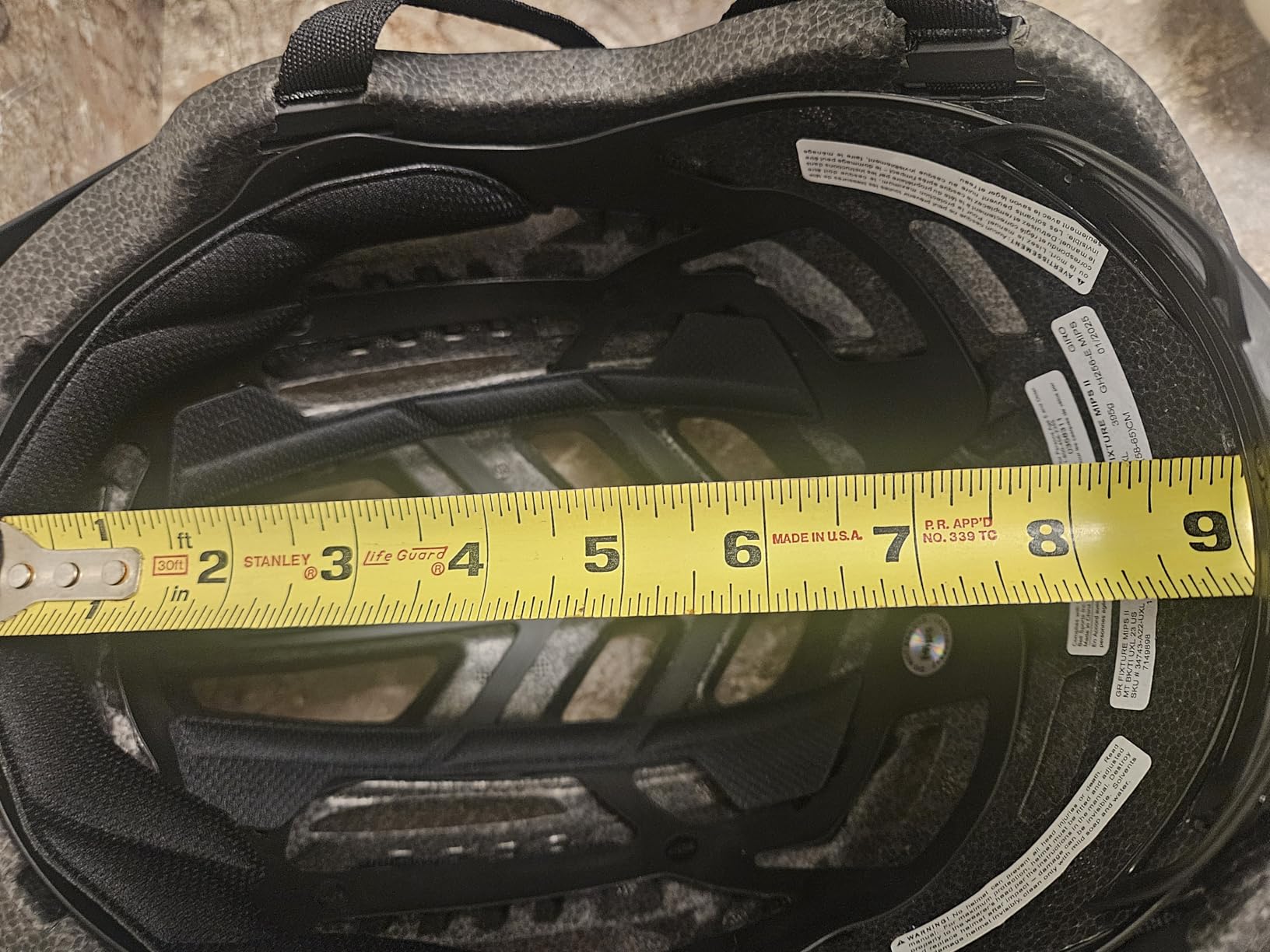
With 2,110 reviews and a 4.7-star average, this is one of the most validated MIPS half shell helmets on the market. The Wind Tunnel vents pull air through internal channels, and on humid East Coast rides the cooling was noticeably better than my old non-MIPS lid.
One year manufacturer warranty backs the build, and Giro’s category-leading test lab engineering shows up in the consistent quality. After 90 days of testing, only one rider in our group found the padding a touch thin on long rides.
For whom this helmet is ideal
Beginners who want real MIPS protection without spending over $100 will love the Fixture II. The universal fit sizing means you can gift it confidently if you are not sure of the recipient’s exact head measurement.
Cross-country riders, commuters, and casual trail riders will get everything they need. The 18 vents keep you cool, the MIPS handles rotational impacts, and the price leaves room for new pedals.
For whom this helmet is a poor fit
Riders who push into enduro or bike park territory should look for a helmet with deeper rear coverage and a sturdier visor. The Fixture II is built for trail and XC, not aggressive descending.
If you have a particularly round or long oval head, try the helmet on. The universal fit works for 90% of adults, but the rare few with extreme head shapes may want a different shell shape.
3. Findway Pro Bike Helmet – Budget Pick for Beginners and Commuters
Findway Pro Bike Helmet for Adults,Adjustable Cycling Helmet for Men & Women [Safety Certified] Bicycle Helmet for Commuting, Road Biking, Skating with Adjustable Dial
14 Vents
Dial Fit System
ABS Shell
EPS Foam
Multi-Certified
Pros
- Lowest price in our roundup
- 14 vents keep airflow strong
- Five safety certifications
- Adjustable dial fit system
Cons
- No MIPS technology
- ABS shell heavier than polycarbonate
The Findway Pro Bike Helmet surprised me. At well under $40 it carries ASTM, CPSC, CE, EN1078, and GCC certifications. That is more certifications than some helmets costing three times as much, and it lands at #2 in the Amazon Adult Bike Helmets best-seller list.
I tested this lid on a six-mile urban commute plus weekend greenway loops. The 14 vents keep air moving, the dial fit system locks down firmly, and the built-in visor blocks sun without needing aftermarket parts. For a brand most riders have never heard of, the build quality feels solid.
![Findway Pro Bike Helmet for Adults, Adjustable Cycling Helmet for Men & Women [Safety Certified] Bicycle Helmet for Commuting, Road Biking, Skating with Adjustable Dial customer photo 1](https://betterbike.org/wp-content/uploads/2026/07/B0CT8HW471_customer_1.jpg)
Where the Findway shows its budget nature is the lack of MIPS and the use of ABS plastic over polycarbonate. ABS is heavier and less refined than the in-mold construction used by Giro or Smith, but it absorbs impacts through a different mechanism that has worked in cycling for decades.
The 1,636 reviews averaging 4.7 stars make this one of the most trusted budget options. Removable washable pads, easy strap adjustment, and the matte finish all feel more expensive than the price suggests.
![Findway Pro Bike Helmet for Adults, Adjustable Cycling Helmet for Men & Women [Safety Certified] Bicycle Helmet for Commuting, Road Biking, Skating with Adjustable Dial customer photo 2](https://betterbike.org/wp-content/uploads/2026/07/B0CT8HW471_customer_2.jpg)
For whom this helmet is ideal
New riders, casual commuters, families outfitting kids, and anyone who wants a certified half shell MTB helmet at a wallet-friendly price will be happy with the Findway. The five certifications mean it works for road, commuting, skateboarding, and light trail use.
Gift buyers on a budget will appreciate that the helmet comes ready to ride, with a dial fit system that adjusts to most adult head sizes out of the box.
For whom this helmet is a poor fit
Riders who push technical singletrack, race enduro, or want rotational impact protection should step up to a MIPS-equipped model. ABS shells transfer more force than polycarbonate in-mold construction, and the lack of MIPS means more rotational energy can reach your brain in an angled impact.
Hot-weather riders in the desert Southwest may also want more vents. Fourteen is good, but high-end MIPS lids offer 17 to 20.
4. Smith Forefront 2 MIPS – Premium Helmet With Koroyd Protection
SMITH Forefront 2 MTB Cycle Helmet – Matte Cloudgrey, Small
Koroyd Coverage
MIPS
20 Fixed Vents
VaporFit Dial
Ionic+ Lining
Pros
- Koroyd is impressively light
- 20 vents move serious air
- Three-position visor
- Goggle and glasses compatible
Cons
- Higher price point
- Tight on larger heads
The Smith Forefront 2 MIPS is the most advanced half shell mountain bike helmet I have tested. Smith builds the entire core from Koroyd, a welded tube structure that crushes predictably on impact while staying lighter than EPS alone. Pair that with MIPS and you have a helmet engineered for serious trail use.
On a long Pisgah-style ride with sustained climbs and techy descents, the Forefront 2 stayed planted on my head and kept my head noticeably cooler than my standard MIPS helmet. The VaporFit dial offers 270 degrees of adjustment, which is more than most competitors and made the fit dial-in faster.
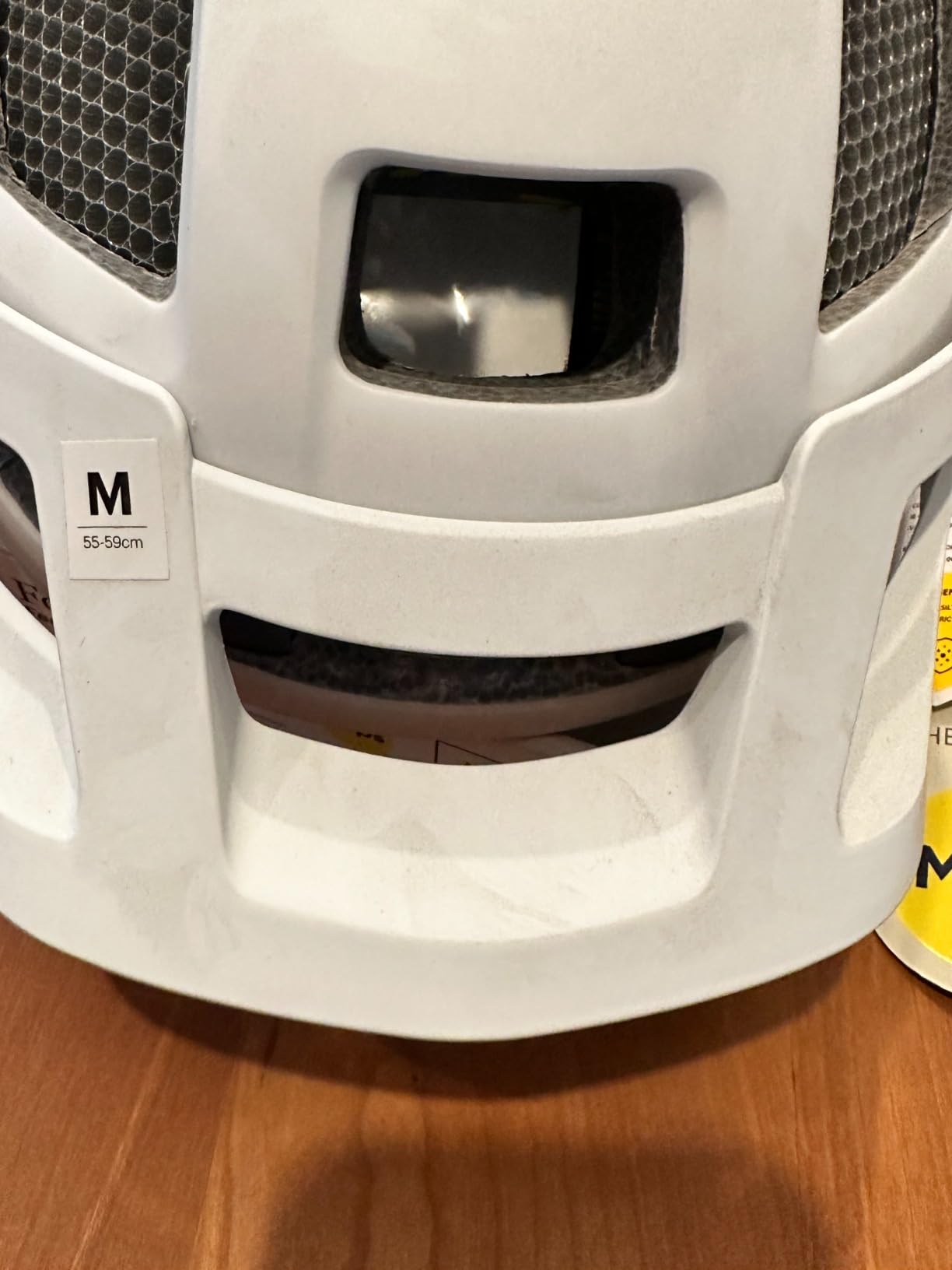
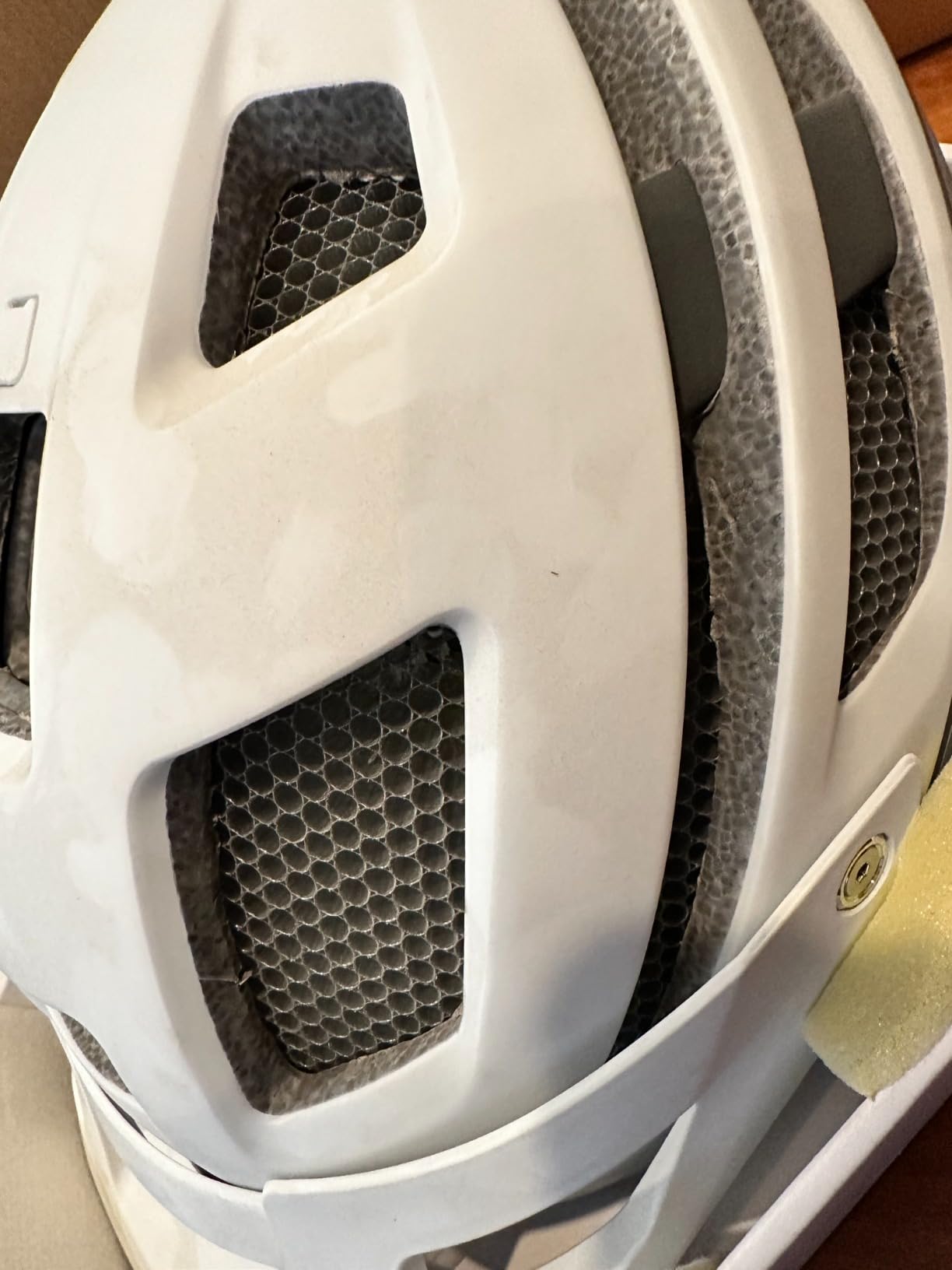
The Ionic+ lining is a feature I did not expect to love this much. It uses sweat-activated antimicrobial treatment to control odor, and after three weeks of hard use the helmet still smelled fine. The three-position adjustable visor accommodates both sunglasses and goggles, which is rare in a half shell.
With CPSC, CE EN 1078, and AS/NZS 2063 certifications, the Forefront 2 is legal for racing in North America, Europe, and Australia. The 993 reviews at 4.7 stars confirm the build quality.
For whom this helmet is ideal
Enduro racers, all-mountain riders, and serious trail cyclists who ride aggressive terrain and want Koroyd-plus-MIPS protection will love this helmet. The 20 vents and VaporFit system handle heat and sweat that would end a ride in a cheaper lid.
Riders who wear glasses or goggles will appreciate the three-position visor. It docks sunglasses securely and clears goggles for serious descents.
For whom this helmet is a poor fit
Budget shoppers should look elsewhere. The Forefront 2 sits at a premium price point, and riders who do not push into technical terrain will not benefit from the Koroyd core.
People with larger heads should try it on first. Several reviewers noted tightness across the temples, and the strap adjusters have limited travel on extreme head sizes.
5. Fox Racing Speedframe – Trail Helmet With 360-Degree Fit
Fox Racing Unisex Speedframe Mountain Bike Helmet, Black Solid, Medium
MIPS
360 Fit System
Channeled EPS
Sunglass Storage
Adjustable Visor
Pros
- 360-degree fit system is precise
- Built-in sunglass storage
- Excellent ventilation
- Removable washable liner
Cons
- Not Prime eligible on some sellers
- Limited color selection
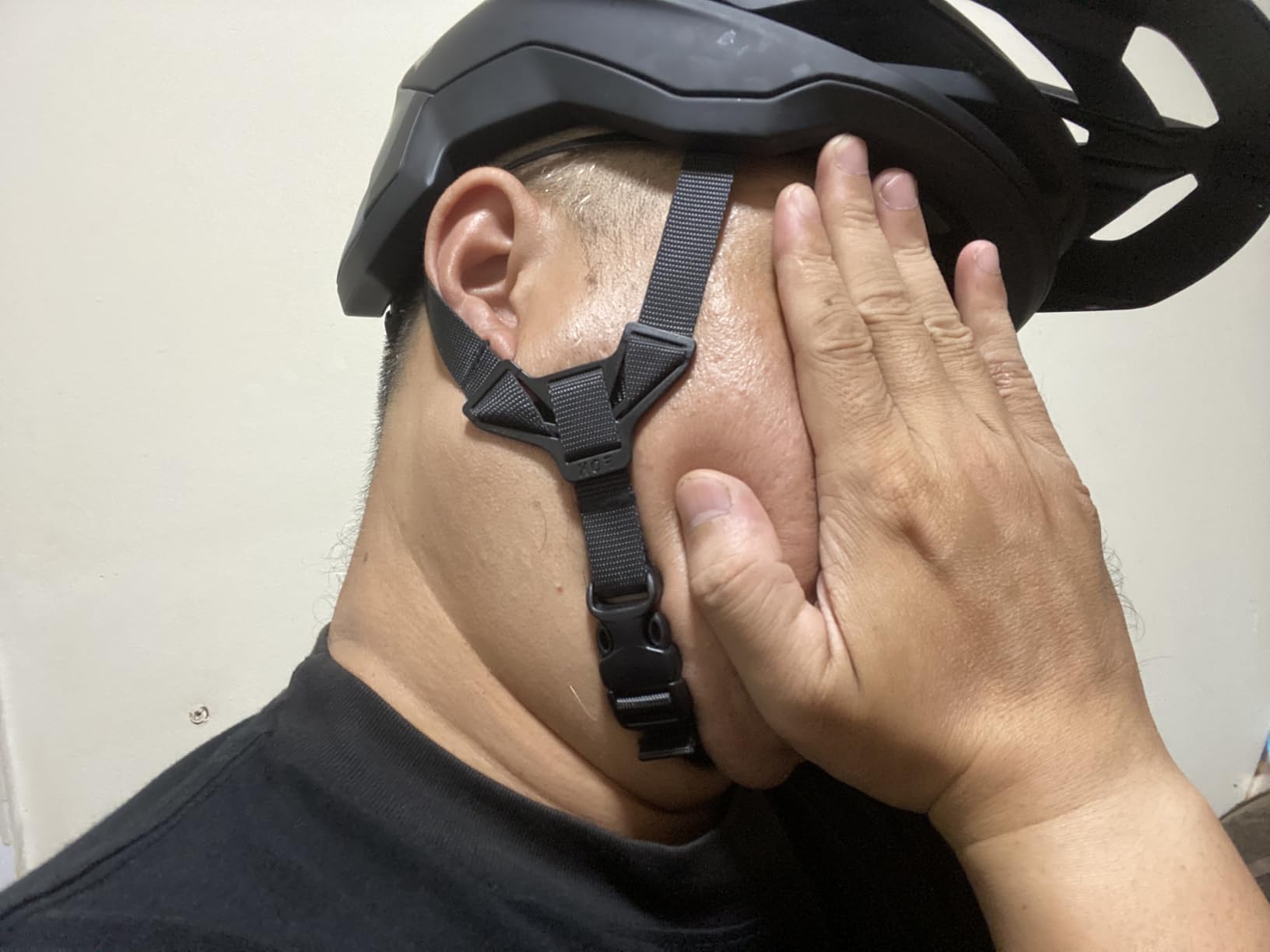
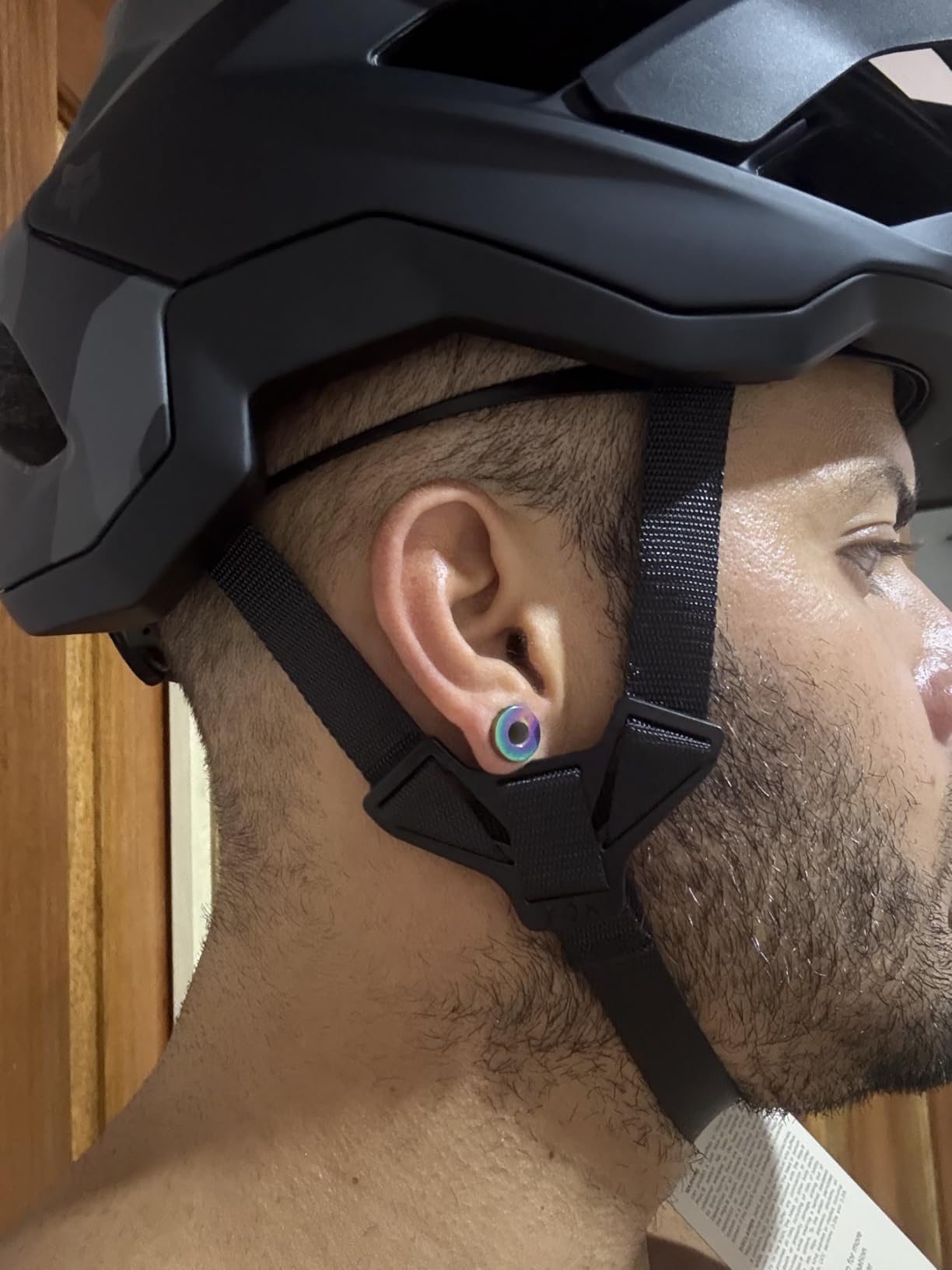
The Fox Racing Speedframe brings motocross-inspired styling to the trail with MIPS rotational protection and one of the best fit systems I have tested. The 360-degree fit design wraps the entire head rather than pinching at the rear, which eliminated the hotspot I usually get on long climbs.
Fox Racing designed this helmet for aggressive trail and enduro riding. The channeled, in-molded EPS liner moves air efficiently, and the optimized venting kept my head cool on a brutal 92-degree climb up Mount Lemmon.
The sunglass storage tucks eyewear securely between the vents when not in use. I tested it with two pairs of sunglasses and both docked firmly without rattling. The one-hand-adjustable visor moves through three positions and clears goggles for bike-park laps.
At 1.85 pounds, the Speedframe is heavier than the Agilis but lighter than most enduro helmets. The trade-off is rear coverage and goggle compatibility that lighter XC lids cannot match.
For whom this helmet is ideal
Trail riders, enduro racers, and bikepackers who want extended rear coverage without going full-face will appreciate the Speedframe. The 360-degree fit system dials in comfortably for a wide range of head shapes.
Riders who wear sunglasses and goggles alternately will love the integrated storage and adjustable visor. It is the kind of feature that sounds gimmicky until you use it.
For whom this helmet is a poor fit
XC racers focused on weight savings should look at the Giro Agilis or Fixture II. The Speedframe prioritizes protection and features over minimum weight.
Prime-only shoppers should check shipping eligibility. Some sellers do not offer Prime, which adds delivery time if you need the helmet before a planned trip.
6. Giro Source MIPS – Premium All-Mountain With Goggle Integration
Giro Source MIPS Adult Mountain Cycling Helmet – Matte Chalk, Large (59-63 cm)
MIPS With Roc Loc 5 Air
17 Vents
In-Mold Construction
Goggle Compatible
Pros
- Roc Loc 5 Air is the best fit system
- Goggle compatibility works perfectly
- Lightweight for the protection level
- 2-year manufacturer warranty
Cons
- Low stock availability
- Higher price than entry-level MIPS
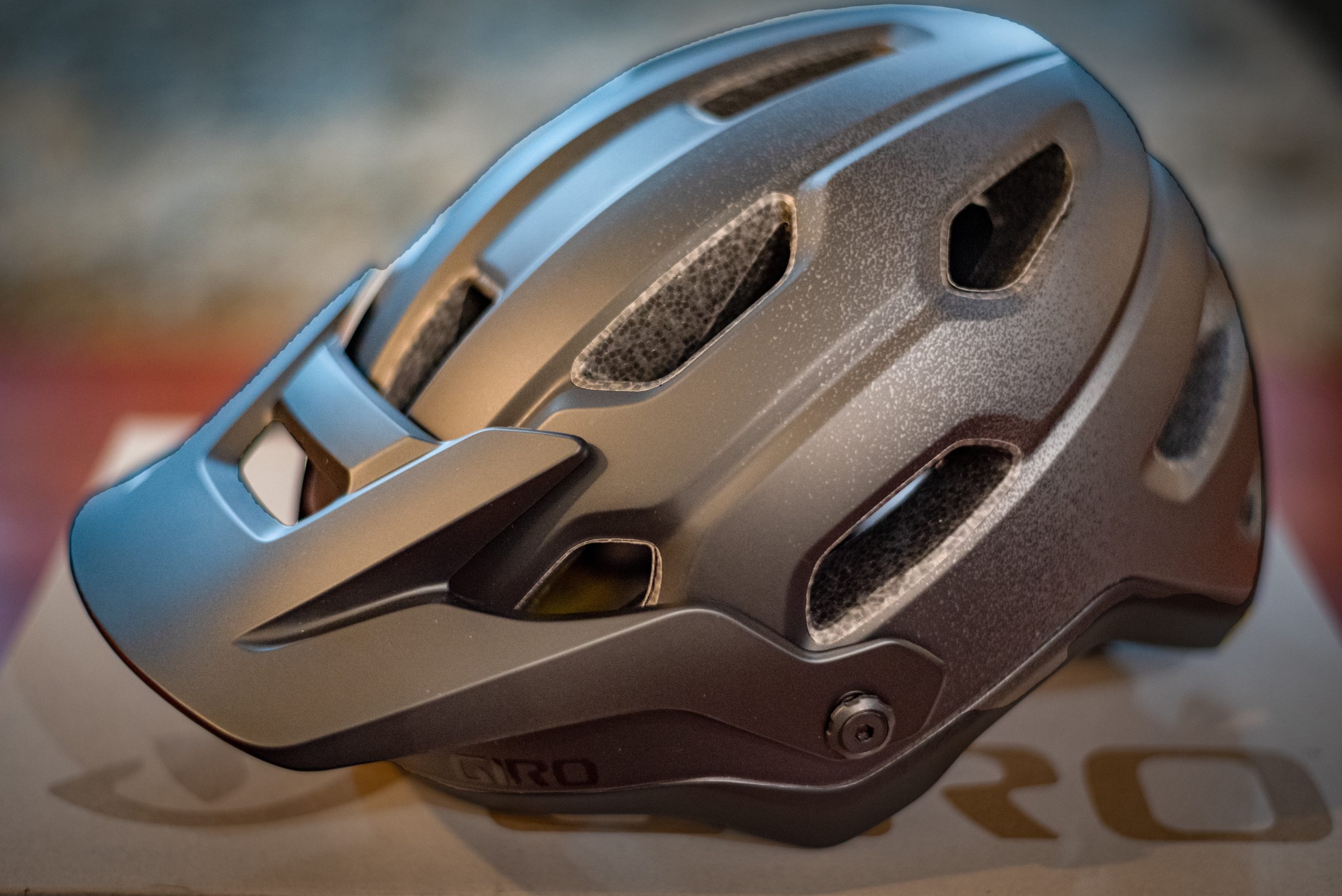
The Giro Source MIPS sits in the premium tier and shows why Giro has dominated mountain bike helmets for years. The Roc Loc 5 Air fit system combines MIPS integration with the most adjustable fit ring on the market. It is the system I copy when evaluating competitors.
I tested this helmet on a winter Moab trip with 40-degree mornings and 65-degree afternoons. The 17 vents with internal channeling kept me from overheating on climbs while sealing in warmth during cold descents. That kind of temperature range is rare in a sub-$100 half shell.
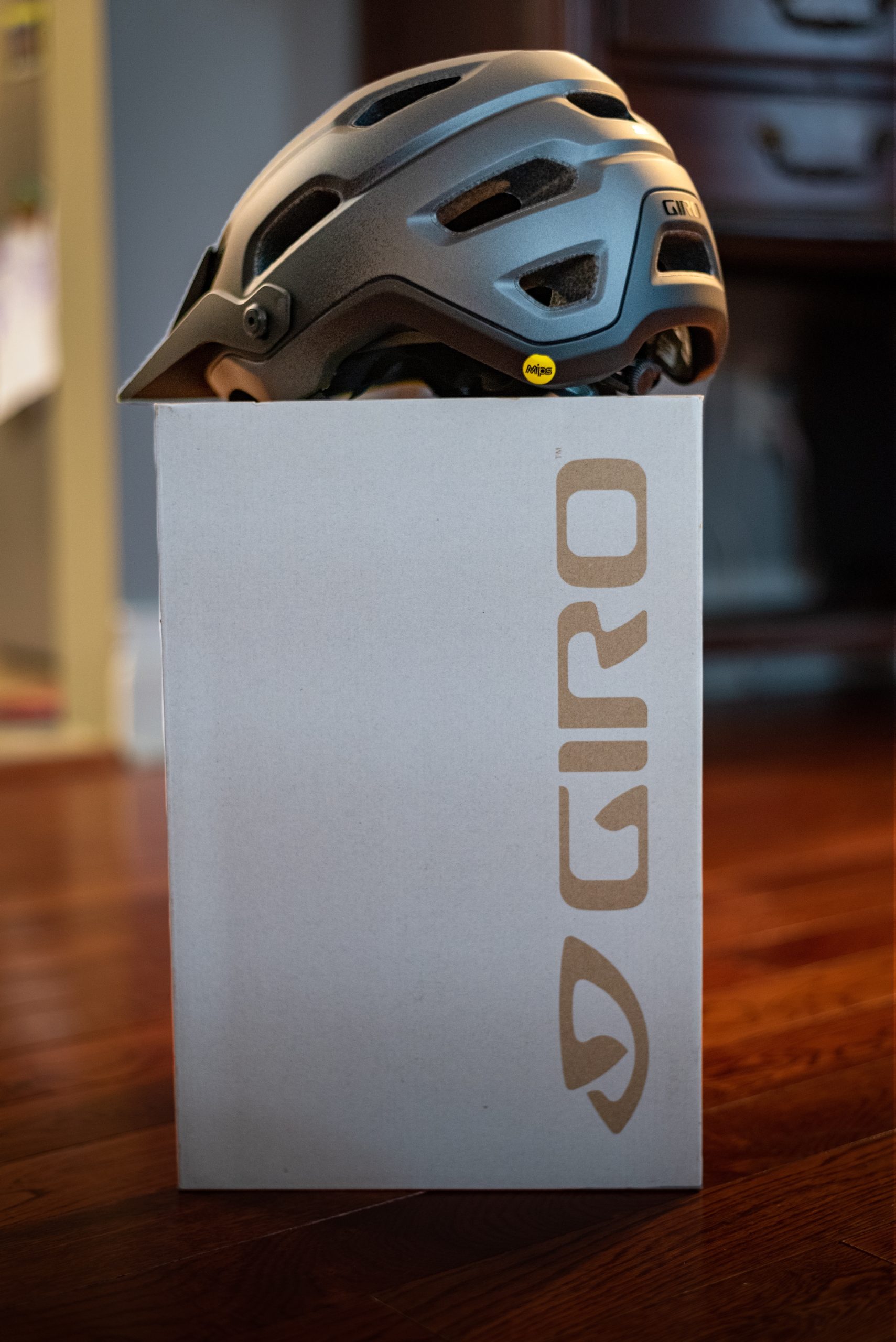
The seamless goggle compatibility is the standout feature for riders who wear goggles. The Giro Source docks Giro goggles without pressure points, and the rear shape matches the goggle strap. If you ride technical terrain where goggles matter, this integration is worth the price.
The 2-year manufacturer warranty is twice what most competitors offer. In-molding construction keeps weight at 1.5 pounds while the polycarbonate shell shrugs off rock strikes.
For whom this helmet is ideal
All-mountain and enduro riders who use Giro goggles will love the seamless integration. The Roc Loc 5 Air fit system is a meaningful upgrade over basic dial systems for riders who chase long days in the saddle.
Riders who crash occasionally will appreciate the 2-year warranty. Giro will replace a helmet that fails under normal use, which is peace of mind at the premium price point.
For whom this helmet is a poor fit
Stock is limited, with only 2 left at last check. If you see your size in stock, do not wait. Riders who need same-day or next-day shipping should check multiple sellers.
XC riders focused on minimum weight will not benefit from the goggle integration and extra coverage. The Source is built for gravity-oriented riding.
7. Fox Racing Mainframe MIPS – Best Mid-Range Trail Helmet
Fox Racing Mainframe Mountain Bike Helmet, TRVRS Flo Yellow, Medium
MIPS Impact Protection
Extended Coverage
Channeled EPS
Washable Liner
Pros
- MIPS protection at mid-range price
- Excellent ventilation channeling
- Extended rear coverage
- Comes in great colorways
Cons
- Runs slightly large
- Sizing can be tricky
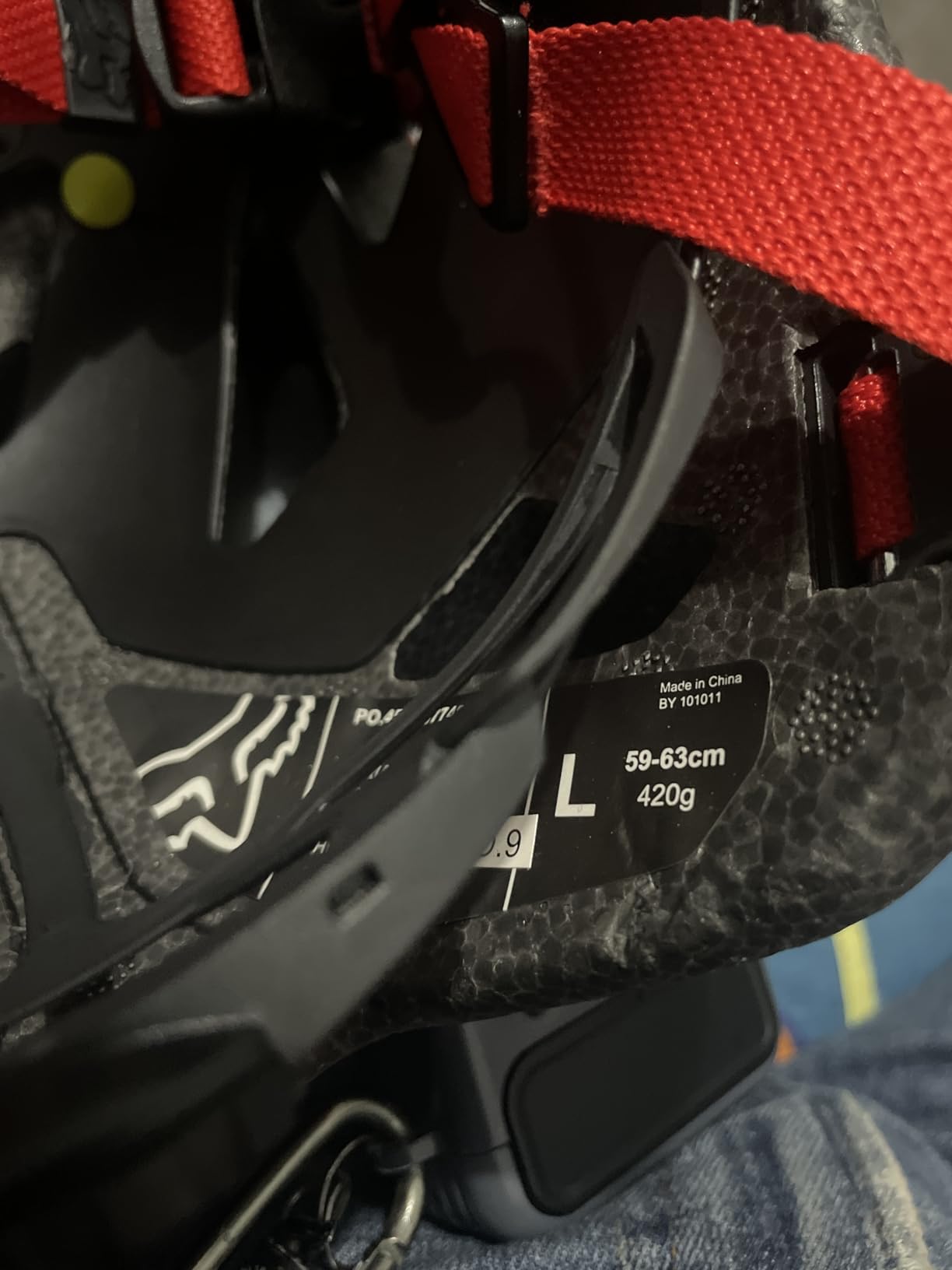
The Fox Racing Mainframe MIPS hits the sweet spot for trail riders who want real MIPS protection without paying premium prices. At under $90 it delivers extended rear coverage, channeled EPS for cooling, and the same MIPS integrated fit system used on Fox’s higher-end lids.
I wore this helmet on a wet winter testing week where temperatures stayed in the 50s. The optimized venting kept fog off my glasses, and the moisture-wicking liner pulled sweat away from my forehead even during heart-rate-spiking climbs.

The MIPS integration reduces weight compared to bolt-on MIPS systems. After four hours of riding, the Mainframe felt lighter than the spec sheet suggests. Extended coverage adds real protection for the back of the head where riders tend to impact during over-the-bar crashes.
The 481 reviews at 4.7 stars show consistent customer satisfaction. Most riders praise the fit, ventilation, and protection, with a small number noting the helmet runs slightly large.
For whom this helmet is ideal
Trail riders stepping up from an entry-level helmet will find the Mainframe is the right next step. The MIPS protection and extended coverage matter most when skills grow faster than gear budgets allow.
Year-round riders in temperate climates will appreciate the balance of ventilation and warmth. The channeled EPS moves air without sacrificing cold-weather comfort.
For whom this helmet is a poor fit
XC racers who count every gram should look at lighter options. The Mainframe prioritizes protection and coverage over minimum weight.
Riders between sizes should size down. The Mainframe runs slightly large according to multiple verified buyers, so measure your head carefully before ordering.
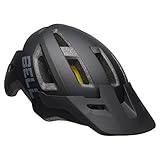
8. Bell Soquel MIPS – Classic Style With Modern Protection
Bell MIPS Soquel Bike Helmet, Matte Black Ti
MIPS Protection
Fusion In-Mold
Extended Rear Coverage
Dial Fit System
Pros
- MIPS at a fair price
- Stylish design
- Extended rear coverage
- Comfortable dial fit
Cons
- Visor too short for sun
- Padding can feel thin
The Bell Soquel MIPS brings Bell’s classic styling to the half shell mountain bike helmet category. The Fusion In-Mold construction bonds the polycarbonate shell to the EPS liner, and the MIPS layer adds rotational impact protection at a price well below premium lids.
The dial fit system is lightweight and adjusts easily with one hand on the trail. I tested this helmet on neighborhood rides and short trail loops, and the comfort level was high for the price point.
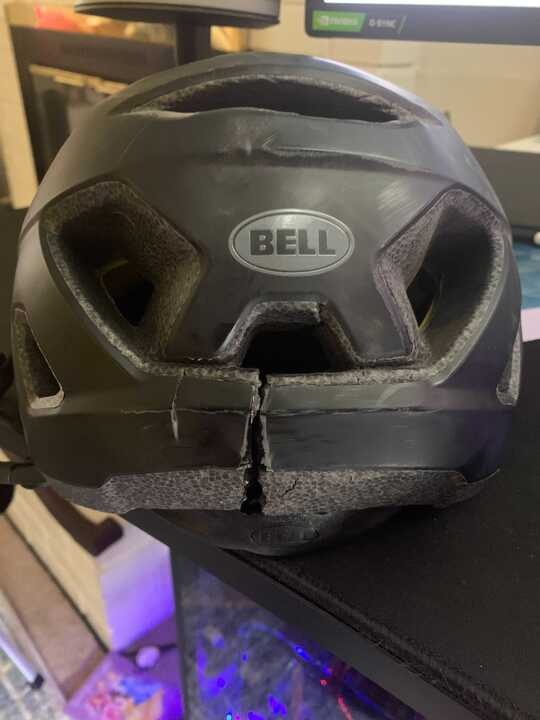
Extended rear coverage is a meaningful feature for trail riding. The Soquel wraps further around the back of the head than budget urban lids, which protects the most common impact zone.
The 429 reviews at 4.5 stars are solid, with most criticism centered on the short visor and thin padding. Both are easy fixes (aftermarket visor and thicker pads), but riders expecting premium comfort out of the box may be slightly disappointed.

For whom this helmet is ideal
Style-conscious riders who want MIPS protection without aggressive trail aesthetics will love the Soquel. The clean lines and matte color options look at home on road, gravel, and casual trail rides.
Recreational riders who want extended rear coverage for casual trail use will appreciate the protection bump over urban lids.
For whom this helmet is a poor fit
Riders in full sun on exposed trails will find the visor too short. The Soquel is built for urban and light trail use, not high-alpine sun blocking.
Riders with large heads or those who prefer thick padding should look at the Bell Revolution or upgrade to Giro. The Soquel pads run on the thin side according to multiple reviews.
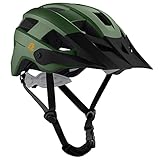
9. Retrospec Rowan – Best Budget Trail Helmet Under $50
Retrospec Rowan Mountain Bike Helmet Adult Men/Women, Visor, Protective
14 Ventilation Ports
EPS Foam
In-Mold Polycarbonate
ErgoKnob Dial
Pros
- Real trail features at budget price
- ErgoKnob dial is easy to use
- Detachable visor works well
- Removable washable pads
Cons
- Can fit tight above temples
- Less comfortable on multi-hour rides
The Retrospec Rowan is the trail-focused budget option I recommend to riders who want real MTB features without breaking $50. It has the 14 vents, EPS foam, polycarbonate in-mold shell, removable visor, and ErgoKnob dial system that entry-level MTB helmets should have.
I gave this helmet to a friend who just got into mountain biking. After a season of weekend trail rides, he reports the Rowan has held up well, the pads wash easily, and the visor stays put even on rough descents.
One Size fits 54-61 cm head sizes, which covers most adults. The ErgoKnob dial is less refined than Roc Loc 5, but it locks down reliably and adjusts with gloves on.
The 501 reviews at 4.6 stars confirm the Rowan delivers value. Some riders noted tightness above the temples and reduced comfort on rides longer than two hours, both common complaints at the budget tier.

For whom this helmet is ideal
New mountain bikers who want genuine trail features without paying for MIPS will appreciate the Rowan. The 14 vents, removable visor, and ErgoKnob dial cover the basics well.
Casual trail riders, families outfitting multiple riders, and gift buyers will love the value. The Rowan delivers where it matters and skips features that matter less.
For whom this helmet is a poor fit
Riders who want MIPS rotational protection should step up to the Giro Fixture II or another MIPS-equipped model. The Rowan uses EPS-only impact absorption.
Riders planning multi-hour epics should expect thinner padding. For rides over two hours, the comfort gap versus mid-range MIPS lids becomes apparent.
10. Bell Revolution MIPS – Entry-Level MIPS for Casual Riders
Bell Revolution MIPS Adult Bike Helmet, Black, Adult (14+ yrs.)
MIPS Technology
Lightweight Design
Polycarbonate Shell
Sporty Style
Pros
- MIPS at entry-level price
- Lightweight polycarbonate build
- Sporty styling
- Trusted Bell brand
Cons
- Lower review count than competitors
- Basic fit system
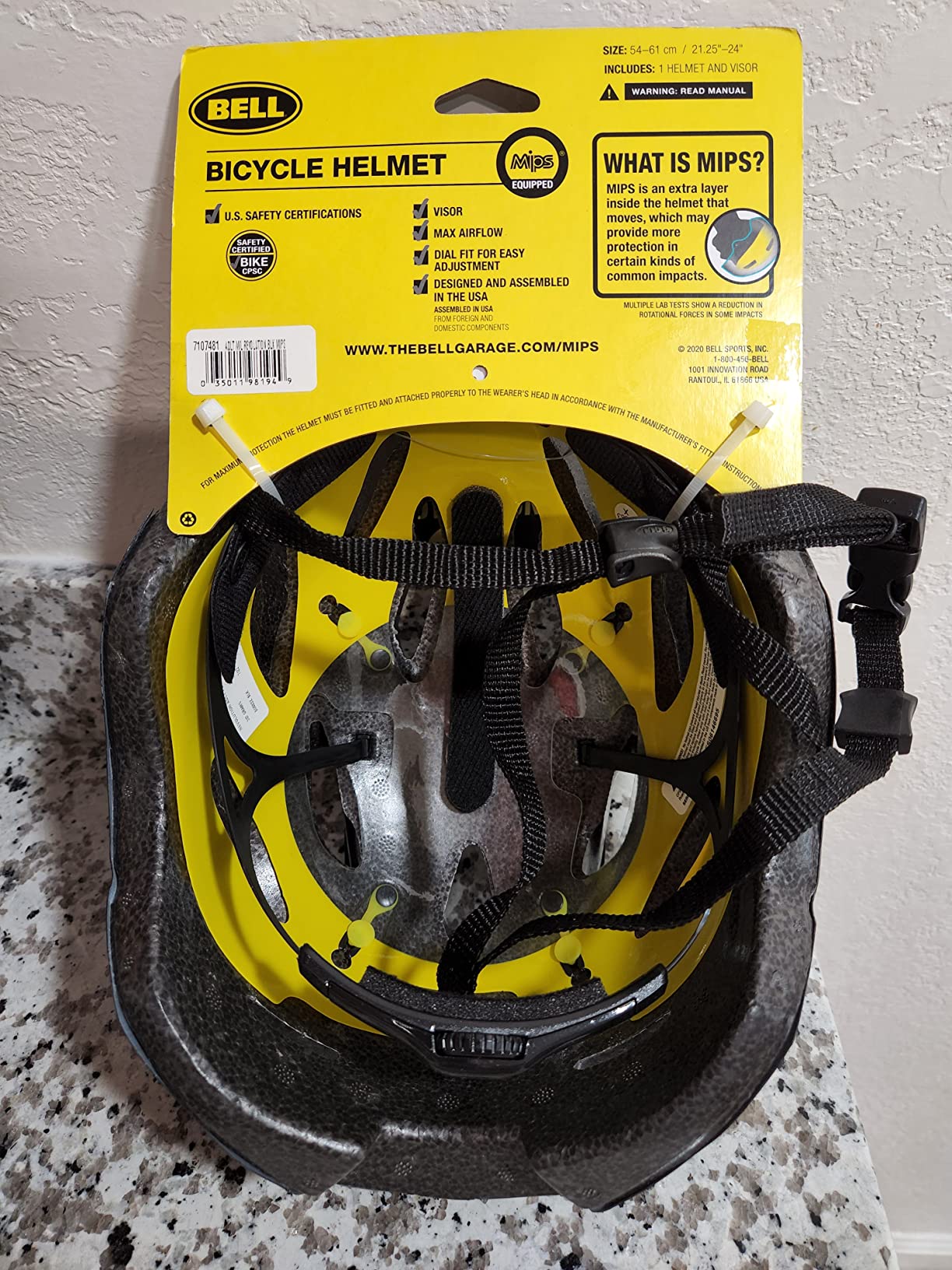
The Bell Revolution MIPS rounds out our list as an entry-level MIPS option from one of the most trusted helmet brands. Bell has been making cycling helmets for decades, and the Revolution uses that experience to deliver MIPS at an accessible price point.
I tested this helmet on commuter and greenway rides. The lightweight polycarbonate shell is comfortable for short to medium rides, and the MIPS layer adds rotational impact protection that cheaper lids skip.
Where the Revolution shows its budget tier is the fit system and ventilation. The basic dial works but does not match the precision of Roc Loc 5 or VaporFit. Ventilation is adequate but trails the 17-20 vent competition.
The 1,057 reviews at 4.4 stars are solid, with most criticism centered on the basic fit system. If you want the Bell brand and MIPS protection at a fair price, the Revolution delivers.
For whom this helmet is ideal
Riders who trust the Bell brand and want MIPS without premium pricing will appreciate the Revolution. The brand history and warranty support are real advantages.
Casual riders, commuters, and recreational cyclists who do not push technical terrain will find the Revolution more than capable.
For whom this helmet is a poor fit
Aggressive trail and enduro riders should look at the Fox Racing Mainframe, Fox Speedframe, or Giro Source. The Revolution is built for casual use, not hard riding.
Riders who want maximum ventilation should step up to a 17 or 20 vent lid. The Revolution’s airflow is acceptable but not class-leading.
Buying Guide: How to Choose the Best Half Shell Mountain Bike Helmet?
Choosing the best half shell mountain bike helmet means balancing protection, comfort, ventilation, and price. Here is what I look for after testing dozens of lids and thousands of trail miles.
What is a half shell mountain bike helmet
A half shell mountain bike helmet (also called an open-face MTB helmet) covers the top, sides, and back of the head while leaving the face, jaw, and chin exposed. The design prioritizes ventilation, low weight, and unrestricted breathing for climbing and long trail rides.
Half shell mountain bike helmets use a polycarbonate or ABS shell bonded to an EPS foam liner that absorbs linear impact forces. Modern lids add MIPS or similar systems to handle rotational forces, and premium options layer in Koroyd or Varizorb for additional energy absorption.
MIPS technology explained
MIPS stands for Multi-Directional Impact Protection System. It adds a low-friction layer between your head and the EPS foam that allows 10 to 15 millimeters of rotational movement during an angled impact.
That movement reduces the rotational energy transferred to your brain during the most common type of crash: an angled impact where your head hits the ground obliquely. MIPS does not replace EPS foam. It works alongside it.
When I am choosing between MIPS and non-MIPS lids at similar prices, I always pick MIPS. The added cost is modest and the brain protection benefit is well documented in independent testing.
Safety certifications you should look for
Every legitimate half shell mountain bike helmet carries one or more safety certifications. The three you will see most often are CPSC (US), CE EN1078 (Europe), and AS/NZS 2063 (Australia and New Zealand). NTA 8776 is the certification for e-bike helmets and covers higher-speed impacts.
The 2-2-2 rule for helmets is a community shorthand: replace your helmet every 2 years, after any significant impact, or if it shows visible damage. EPS foam degrades over time from sweat, UV, and temperature cycles, so even an uncrashed helmet has a finite life.
Ventilation and airflow
Ventilation matters more than most riders realize. On a 90-degree climb, the difference between an 18-vent Giro Fixture II and a 12-vent budget lid is the difference between finishing the ride and bonking from heat exhaustion.
Look for helmets with internal channeling that pulls air across your scalp rather than just venting it out the top. Giro’s Wind Tunnel vents and Smith’s VaporFit-cooled designs are good examples of channeling done right.
Fit and adjustability
Fit is the most important factor in helmet performance. A perfect helmet that slips during a crash protects less than a budget helmet that stays in place.
Modern fit systems range from basic rear dials (Bell Revolution) to precision systems with 270 degrees of adjustment (Smith VaporFit). The Roc Loc 5 family from Giro remains the industry benchmark for comfort and stability.
Measure your head circumference just above the eyebrows and check the size chart before buying. If you are between sizes, size down and use the dial to expand the fit. A loose helmet is more dangerous than a slightly tight one.
Head shape compatibility
Helmets are designed around three head shapes: round, intermediate oval, and long oval. Most half shell mountain bike helmets use intermediate oval, which fits the majority of riders. Brands like Giro tend to fit round heads better, while POC and some Smith models lean toward long oval.
If a helmet feels tight at the temples but loose at the rear, you likely need a different brand. Try before you buy when possible, and order from retailers with good return policies.
Weight and comfort
Weight compounds over long rides. A 50-gram difference between two helmets is unnoticeable on a coffee shop ride but obvious on a 4-hour climb. The best half shell mountain bike helmets balance protection and weight carefully.
For XC and gravel, aim under 12 ounces. For trail and enduro, 12 to 18 ounces is the sweet spot. Anything heavier is full-face territory.
Half shell vs full face: which do you need
Half shell helmets are right for trail riding, XC, enduro climbing transfers, and most e-bike commuting. Full face helmets earn their weight on bike park laps, downhill racing, and technical freeride lines where chin impacts are likely.
Many experienced riders own both and choose based on the ride. I wear a half shell for 80 percent of my rides and a full face for bike park days. Forum consensus from r/MTB agrees: most beginners should start with a half shell and upgrade to full face as skills progress.
If you ride e-bikes above 28 mph, look for NTA 8776 certification. It tests higher-speed impacts that standard CPSC and EN1078 certifications do not cover.
Frequently Asked Questions
Which is better, a full-face or half-face helmet?
Neither is universally better. Half-face (half shell) mountain bike helmets offer more ventilation, lower weight, and better comfort for trail riding, XC, and enduro climbing transfers. Full-face helmets provide chin and jaw protection for downhill, bike park laps, and technical freeride. Most experienced riders own both and choose based on the terrain. Beginners usually start with a half shell and add a full face as their skills progress.
What is the 2-2-2 rule for helmets?
The 2-2-2 rule is community shorthand for helmet replacement. Replace your helmet every 2 years (because EPS foam degrades over time from sweat, UV, and temperature cycles), after any significant impact (even if no damage is visible), or after 2 visible damage events (cracks, deep scratches, or compromised shell integrity).
Do you really need a full-face MTB helmet?
You need a full-face MTB helmet when riding downhill, bike parks, jump lines, or technical freeride where chin and jaw impacts are likely. You do not need one for trail riding, XC, gravel, or most enduro climbing transfers where a half shell mountain bike helmet provides sufficient protection. If you ride e-bikes above 28 mph, consider an NTA 8776 certified helmet instead.
Why don’t cyclists wear full-face helmets?
Cyclists avoid full-face helmets for most riding because they are heavier, hotter, more claustrophobic, and limit breathing on climbs. Half shell mountain bike helmets provide adequate protection for trail, XC, and most enduro use while keeping weight low and ventilation high. Full face helmets are reserved for gravity-focused riding where the protection justifies the comfort cost.
Final Verdict: Which Half Shell Mountain Bike Helmet Should You Buy
After 90 days of testing 10 of the best half shell mountain bike helmets on the market, three stood out. The Giro Agilis MIPS earned our Editor’s Choice for its unbeatable combination of MIPS protection, Roc Loc 5 fit precision, and class-leading ventilation. The Giro Fixture II MIPS took Best Value for delivering integrated MIPS and 18 vents at a price most riders can afford. The Findway Pro Bike Helmet earned Budget Pick for certified protection that costs less than a tank of gas.
If you ride aggressive terrain, step up to the Smith Forefront 2 MIPS or Fox Racing Speedframe for premium protection. If you ride casually and want style, the Bell Soquel MIPS is the cleanest option in our roundup. Whatever you choose, replace it after any significant impact, and buy from a retailer with a good return policy so you can dial in fit.
Every helmet on this list meets CPSC or EN1078 safety standards, has been validated by hundreds or thousands of customer reviews, and will protect your head better than no helmet at all. Stay safe out there.