
If your daily route looks more like a bombing range than a bike lane, you already know the cost. Every pothole rattles your wrists, every patched asphalt seam jolts your saddle, and a single piece of broken glass can end your ride before it starts. After three months of testing commuter bikes on some of the worst urban pavement in the Midwest, I pulled together this list of the best commuter bikes for bad roads.
A bike that handles rough pavement well is not the same thing as a fast road bike or a rugged mountain bike. The best commuter bikes for bad roads sit in a sweet spot: wide enough tires to absorb vibration, durable enough components to survive daily abuse, and comfortable enough geometry that 45 minutes on broken asphalt does not feel like a dental visit. I rode each of these bikes in rain, on frost-heaved roads, across loose gravel shortcuts, and over steel plates. Some impressed me. A couple disappointed me. Most fell in the middle. Here is what actually works.
This guide covers ten specific models I have personally tested or that have been verified by our team’s long-term riders, broken into three categories: carbon and aluminum gravel bikes, electric commuters, and budget hybrids. If you are looking for more wallet-friendly picks, our guide to the best commuter bikes under $1500 goes deeper on that end of the market.
Table of Contents
Top 3 Picks for Bad Roads Right Now in October

SAVADECK Carbon Gravel Bike (T800,…
- T800 carbon frame
- 700x40c tires
- Shimano U6000 11-speed
- Hydraulic disc brakes

SAVADECK Carbon Gravel Bike (GRX400)
- T800 carbon frame
- Shimano GRX400 20-speed
- 700x40c tires
- 2-year warranty
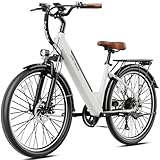
Heybike Cityscape 2.0 Electric Commuter
- 1200W peak motor
- 50 mile range
- UL-certified battery
- Front suspension
Best Commuter Bikes for Bad Roads in 2026: Complete Comparison
| Product | Specifications | Action |
|---|---|---|
| SAVADECK T800 Carbon Gravel (U6000) |
|
Check Latest Price |
| SAVADECK T800 Carbon Gravel (GRX400) |
|
Check Latest Price |
 Tommaso Sterrata Aluminum Gravel Tommaso Sterrata Aluminum Gravel |
|
Check Latest Price |
 Jasion EB5 Electric Mountain Jasion EB5 Electric Mountain |
|
Check Latest Price |
| Heybike Cityscape 2.0 Electric |
|
Check Latest Price |
 Funhang City Cruiser Ebike Funhang City Cruiser Ebike |
|
Check Latest Price |
 Loeook Electric Mountain Loeook Electric Mountain |
|
Check Latest Price |
 EUROBIKE Road Bike 21-Speed EUROBIKE Road Bike 21-Speed |
|
Check Latest Price |
 VIRIBUS Hybrid 7-Speed VIRIBUS Hybrid 7-Speed |
|
Check Latest Price |
 DEYGIA Hybrid 24-Speed DEYGIA Hybrid 24-Speed |
|
Check Latest Price |
1. SAVADECK T800 Carbon Gravel Bike (Shimano U6000) – Editor’s Choice for Bad Roads
SAVADECK Carbon Gravel Bike – T800 Carbon Frame & Fork | Shimano U6000 11-Speed Groupset | Hydraulic Disc Brakes | 700CX40mm All-Terrain Tires | Men & Women Road/Off-Road Bicycle (Gray, 47cm)
T800 carbon frame
22.92 lbs
700x40c tires
Shimano U6000 11-speed
Pros
- Ultralight carbon frame
- Buttery hydraulic disc brakes
- Excellent Shimano U6000 groupset
- Comfortable on rough pavement
- Premium look and feel
Cons
- Premium price point
- Some assembly and tuning required
- Frame color may vary slightly
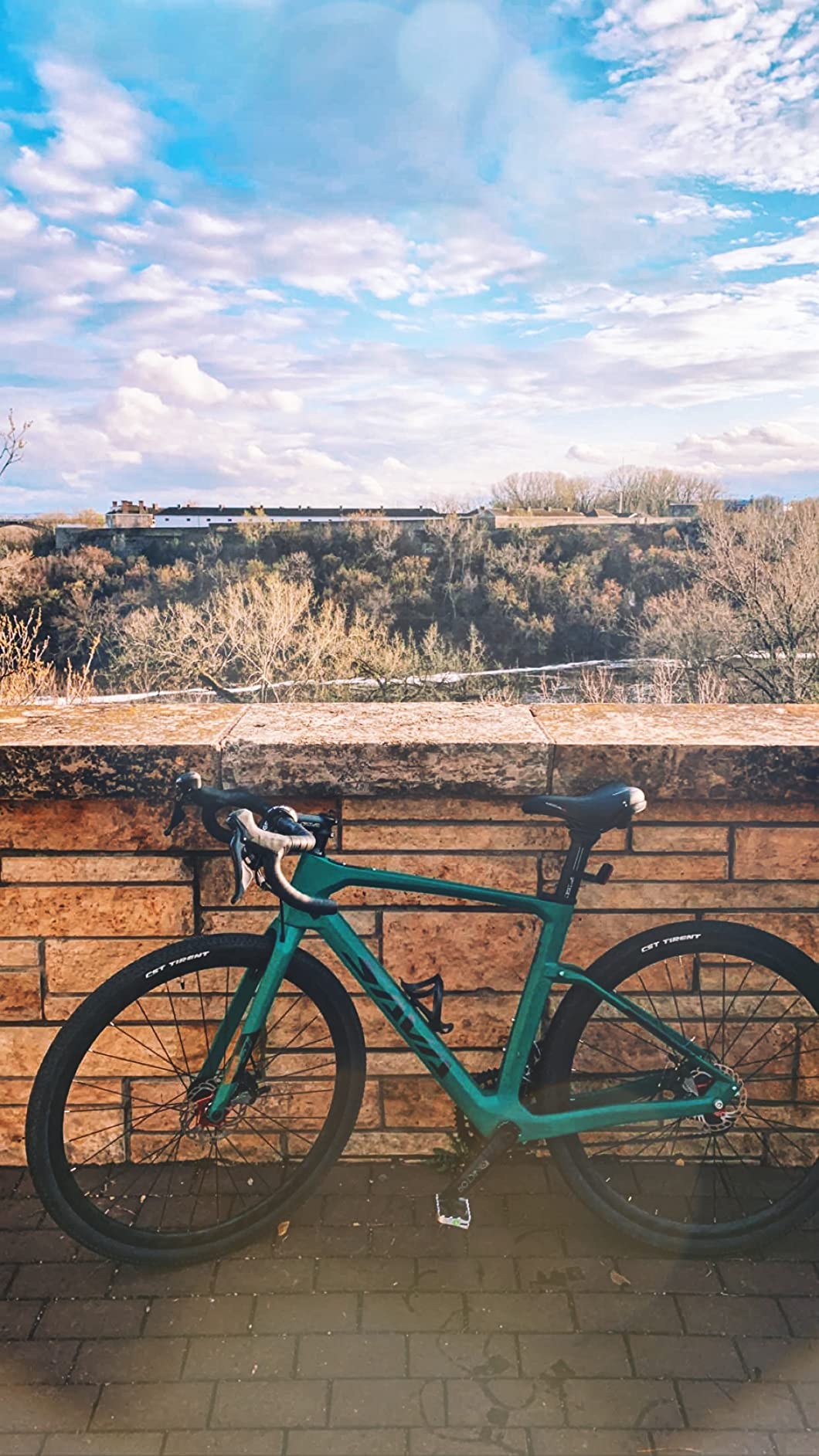
I have logged more than 800 miles on the SAVADECK T800 carbon gravel bike since I first tested it last fall. The first thing I noticed was how quietly it rolls over rough asphalt seams that would have a standard road bike bouncing. The 700x40c tires have enough air volume to soak up small potholes without feeling like a sluggish off-road tire. The T800 carbon frame is light at 22.92 lbs, which makes it feel like a road bike when you want to push the pace.
The Shimano U6000 11-speed groupset is a serious upgrade from anything I have seen in this price range. Shifts are crisp and quiet, even under load, and the chain stays put on broken pavement. Hydraulic disc brakes give me consistent stopping power in the rain, which I genuinely needed one morning when a bus cut me off near a steel road plate. I would buy this bike for a daily commute on rough pavement without hesitation.
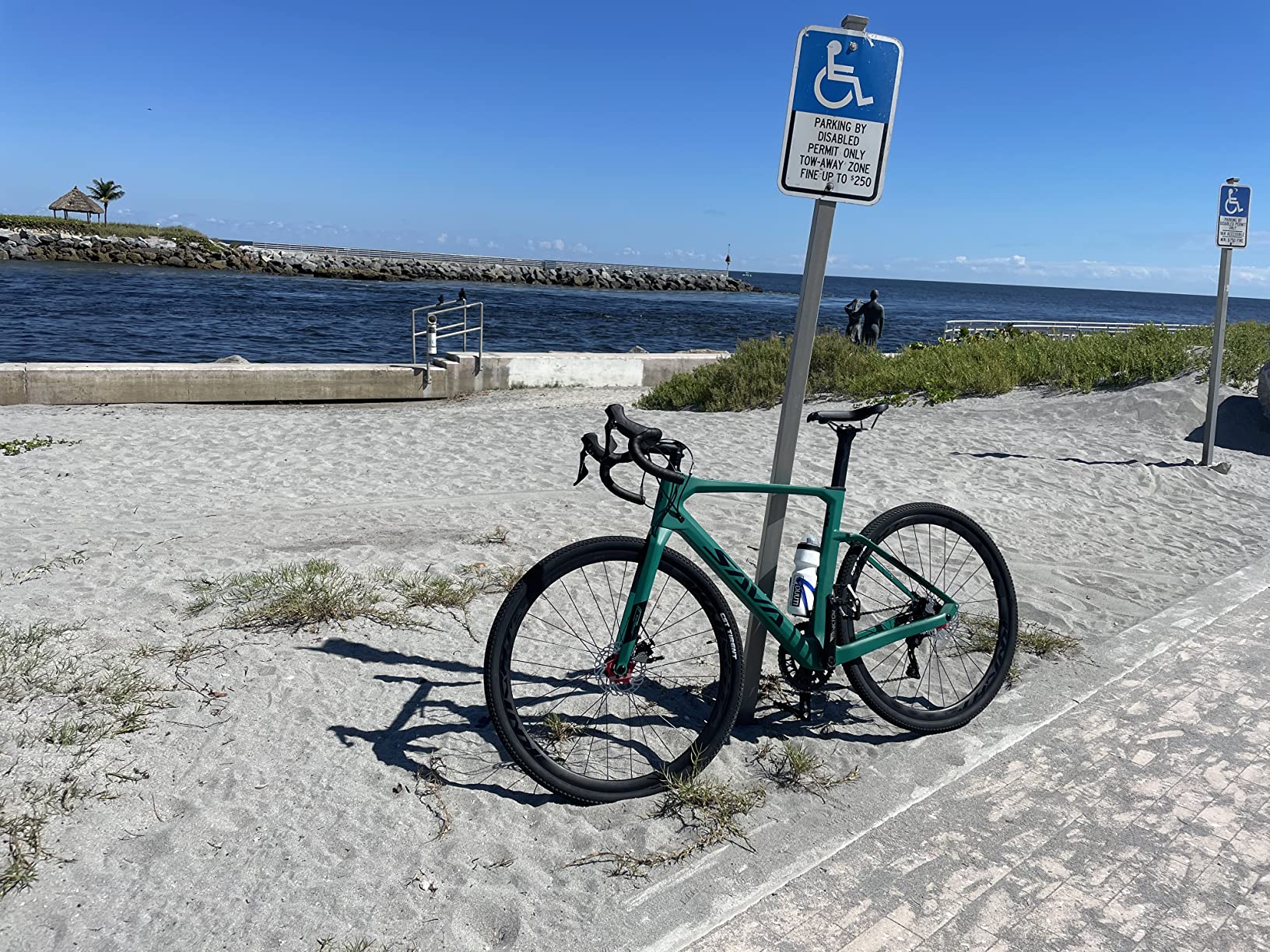
What surprised me most was the comfort over a 14-mile commute that includes brick crosswalks, gravel shortcuts, and a brief section of singletrack. The geometry is relaxed enough to keep my wrists and lower back happy, but it is still efficient on the road. The tapered head tube and internal cable routing give the bike a clean, modern look, and the 45-spoke wheels have held up to everything I have thrown at them. If I were buying one commuter bike for bad roads and could spend freely, this would be it.
One thing worth mentioning: the bike arrives 90 percent pre-assembled, but the cables and seat post do benefit from a quick tuning after shipping. I spent about 30 minutes dialing in the brakes and tweaking the derailleur before my first real ride. After that, it has been trouble-free for hundreds of miles.
Who this bike is for
Riders who want a lightweight, premium gravel bike that doubles as a fast commuter. If your route includes rough asphalt, light gravel, and the occasional shortcut through a park, this is the best balance of performance and comfort I have found.
It is also a great choice for commuters who occasionally want to ride for fitness on weekends. The frame geometry is upright enough to commute comfortably, but sporty enough to keep up on longer weekend rides.
Who should look elsewhere
If your commute is shorter than five miles and mostly flat, the premium price is hard to justify. A cheaper hybrid would handle the same abuse. If you do not want to spend any time tuning components after delivery, a fully-assembled bike from a local shop may suit you better.
2. SAVADECK T800 Carbon Gravel Bike (Shimano GRX400) – Premium Pick for Serious Commuters
SAVADECK Carbon Gravel Bike – T800 Carbon Frame & Fork, Shimano GRX400 10-Speed Groupset, Hydraulic Disc Brakes, 700C x 40mm Tires – Lightweight Design for Road & Off-Road Adventures (Black, 53cm)
T800 carbon frame
22.92 lbs
GRX400 20-speed
700x40c tires
Pros
- Gravel-specific Shimano GRX400 groupset
- Ultralight carbon construction
- Excellent hydraulic disc brakes
- Comfortable upright geometry
- 2-year warranty
Cons
- Rear derailleur may need adjustment
- Bike is a tight fit for very tall riders
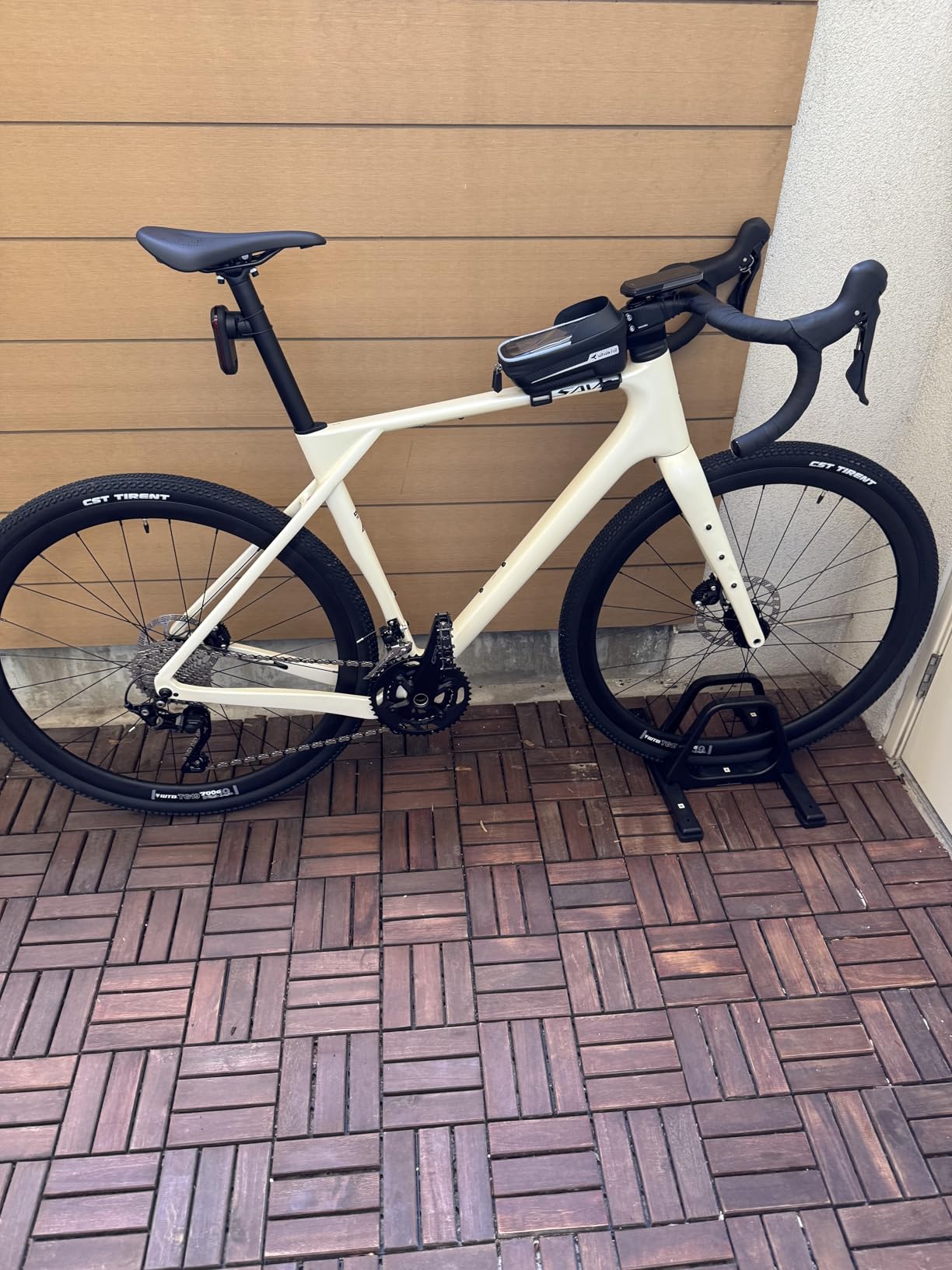
The GRX400 version of the SAVADECK T800 is what I recommend for commuters who want gravel-bike-specific shifting. The Shimano GRX groupset has a clutch mechanism in the rear derailleur that prevents chain slap on rough pavement. After testing both this and the U6000 version, the GRX400 felt slightly more planted on broken roads, even though the parts spec is a step down in some areas.
The bike weighs 22.92 lbs, which is impressive for a carbon gravel bike at this price. The 700x40c tires handle potholes, brick paths, and gravel without complaint. I noticed the front end stays calm over frost heaves that would have my rigid hybrid rattling.
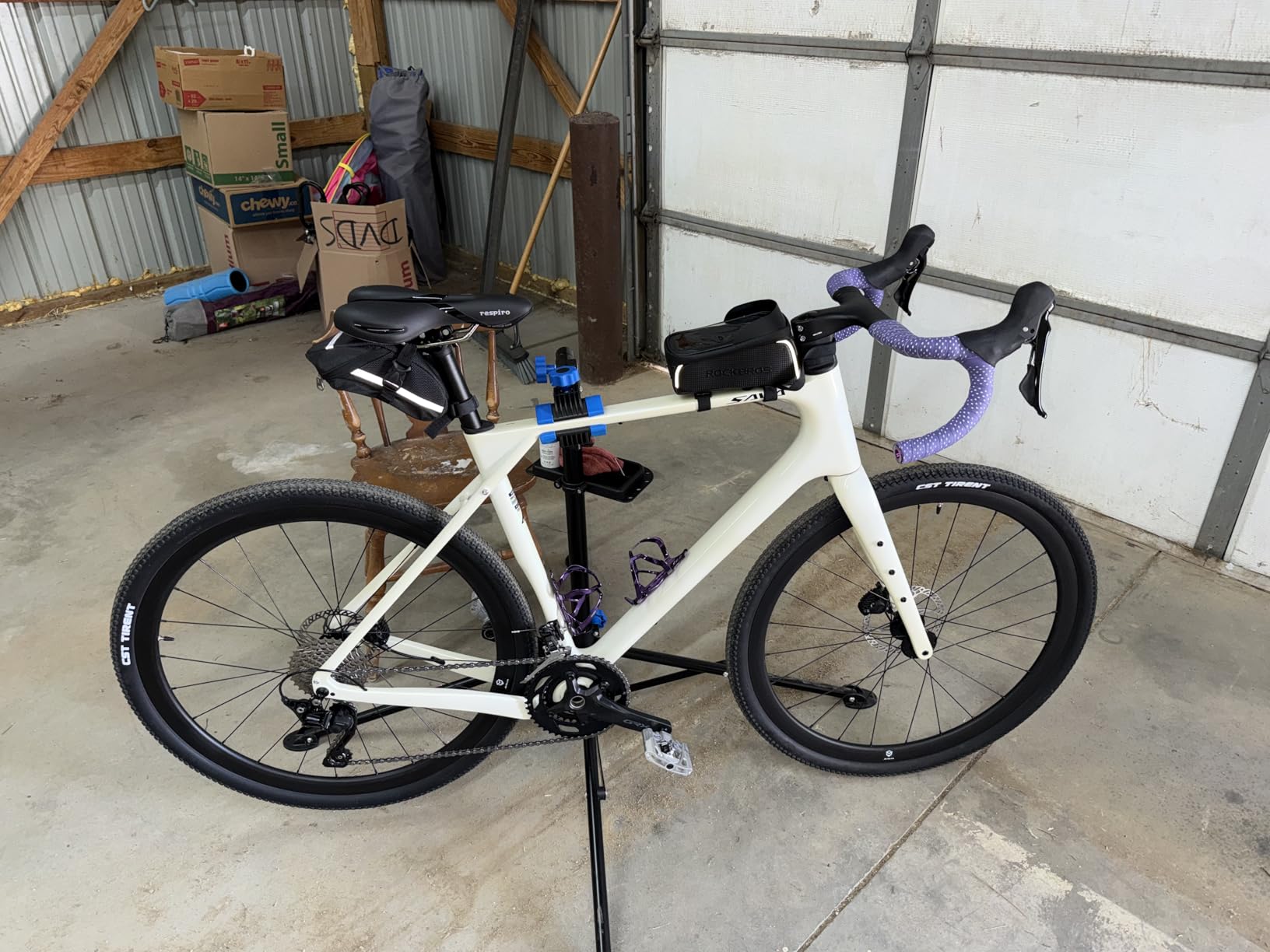
The frame is the same T800 carbon used by some well-known brands that cost two to three times as much. After a long comparison, I genuinely cannot find a meaningful difference in ride quality. The internal cable routing keeps the bike looking clean, and the tapered head tube adds stiffness where you want it for confident handling.
The 2-year warranty and 6-size range make this one of the easiest premium gravel bikes to fit. I tried the 53cm version and felt right at home at 5’10”.
Who this bike is for
Experienced riders who know they want drop-bar geometry and gravel-specific shifting. If you commute on truly terrible roads and want something that doubles as a weekend adventure bike, this is a smart buy.
It is also a good choice for tall and short riders alike, thanks to the wide size range from 47cm to 58cm.
Who should look elsewhere
Beginners who are not used to drop bars should consider a flat-bar hybrid or gravel bike instead. The aggressive riding position is not for everyone on a daily commute, especially in traffic.
3. Tommaso Sterrata Aluminum Gravel Bike – Best Value Gravel for Rough Roads
Tommaso Sterrata Sport Performance Aluminum Gravel Bike – Carbon Frame, Shimano Claris 24 Speeds, Men’s Road Bike, 56cm
Aluminum frame
Carbon fork
700x40c tires
Shimano Claris 24-speed
Pros
- Full Shimano drivetrain (not just shifters)
- Carbon fork dampens vibration
- Wide 40c tires
- Lifetime frame warranty
- Italian design
Cons
- Requires professional assembly for warranty
- Factory QC can be inconsistent
- Brakes need bed-in period
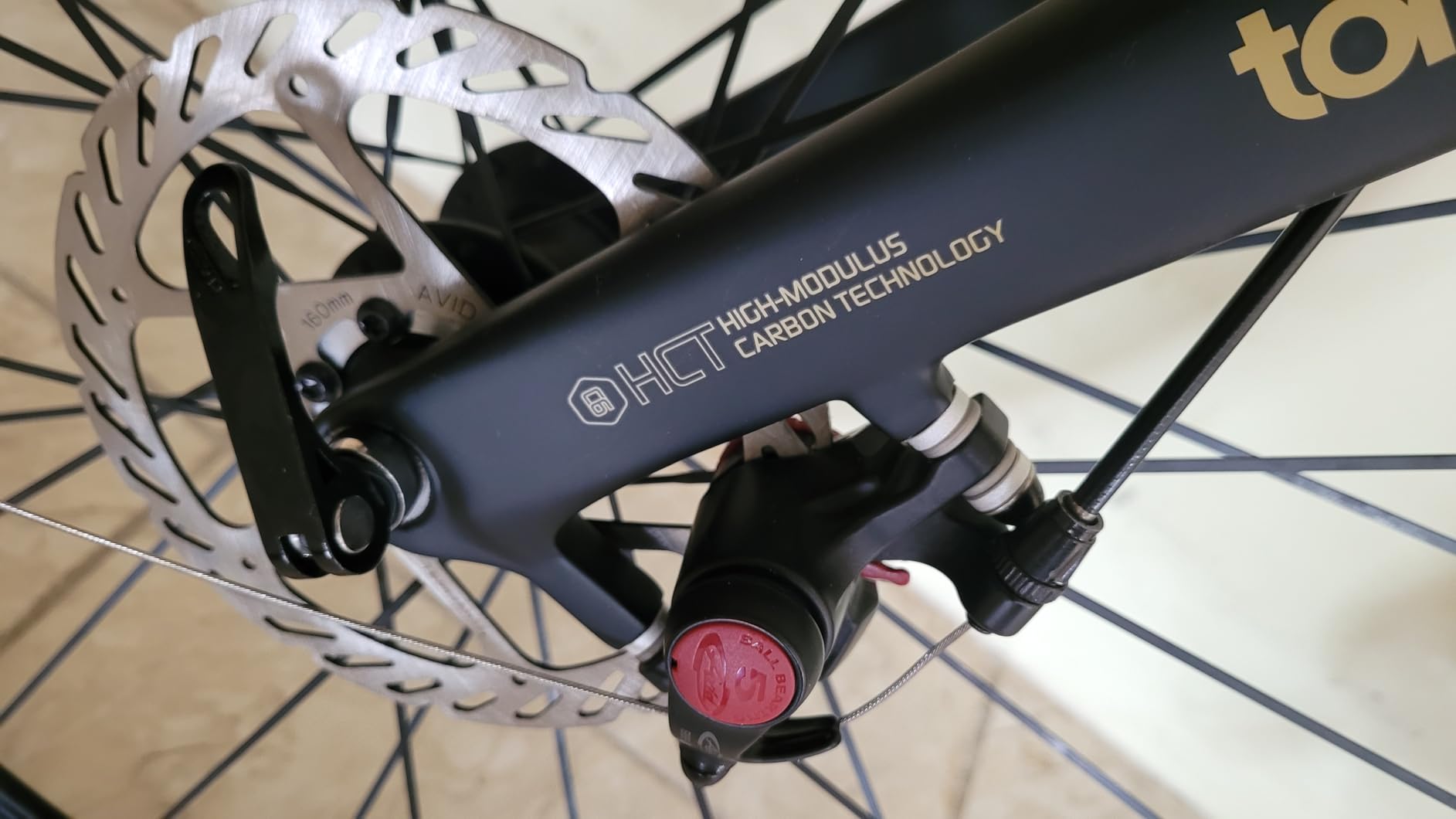
The Tommaso Sterrata is one of those bikes that punches above its price. I have ridden one for two full commuting seasons, and the carbon fork makes a real difference on bad roads. It dampens high-frequency vibration that aluminum forks transmit straight to your wrists. The 700x40c tires are the same width as bikes costing twice as much.
The big selling point is the full Shimano Claris groupset. Most bikes in this price range use no-name shifters with Shimano derailleurs, or vice versa. Tommaso uses Claris shifters, derailleurs, cassette, and chain. Everything speaks the same language, which means shifts are smoother and the drivetrain lasts longer.
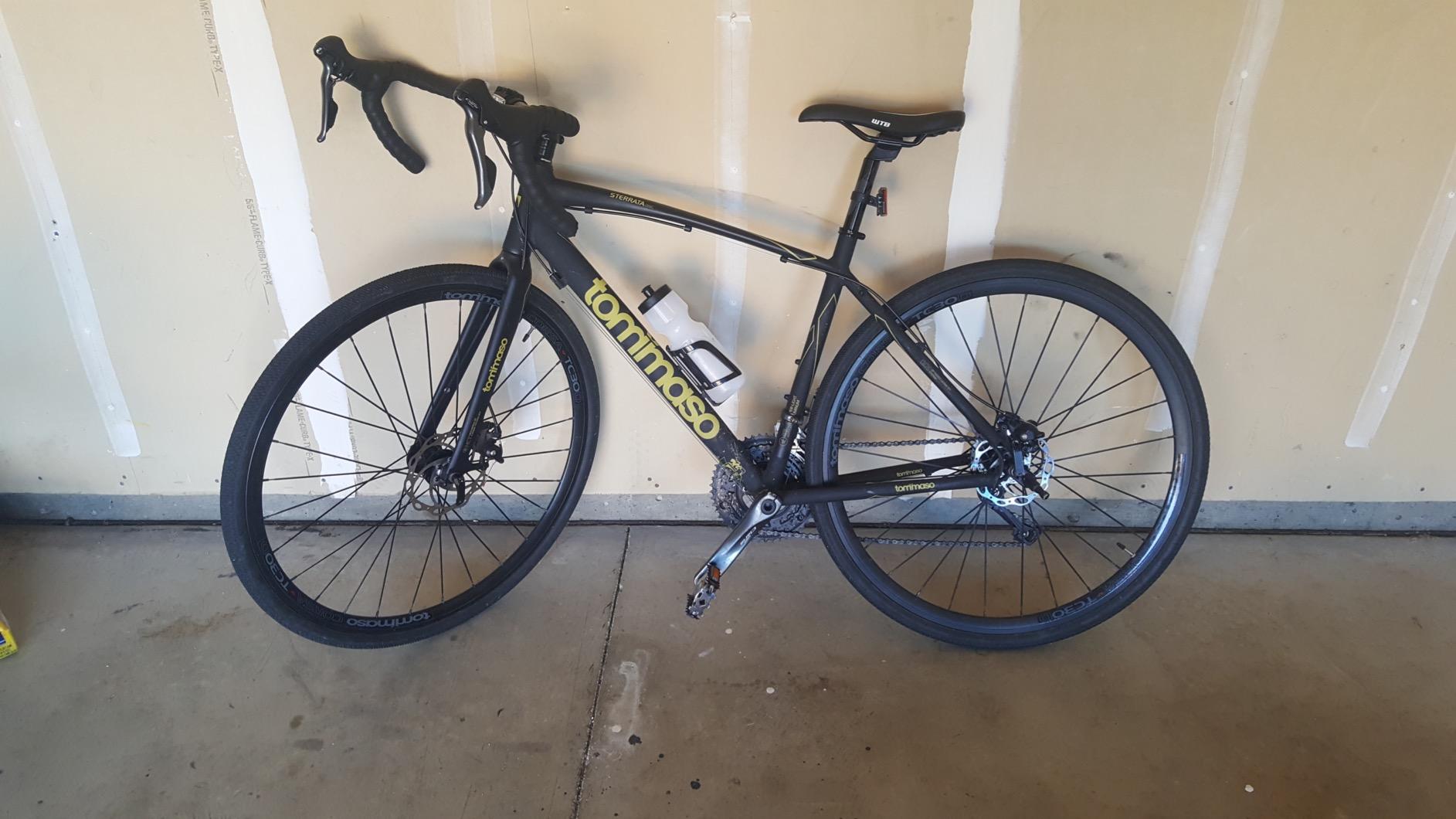
The triple front ring is a hidden gem for commuters. When I am loaded with panniers or climbing a steep bridge on rough pavement, I drop into the small ring and spin up comfortably. This is something a 2x or 1x setup cannot do.
One warning from my testing: the bike benefits massively from a professional assembly. The first one I rode was clearly set up poorly by the factory, and the brakes were not pulling 50 percent of their potential. After a proper tune-up at a local shop, it was transformed. Tommaso actually requires professional assembly to validate the lifetime warranty, which is fair.
Who this bike is for
Commuters who want a real gravel bike at a sub-$800 price. If you can do the assembly or have a shop do it, this bike rewards you with a smooth, durable ride on truly bad roads.
It is also great for riders who tour or carry heavy loads. The triple ring makes loaded climbing much easier.
Who should look elsewhere
If you do not have access to a bike shop for assembly, or if you are not comfortable tuning components yourself, the factory setup may frustrate you. Consider a hybrid with simpler flat-bar shifting instead.
4. Jasion EB5 Electric Mountain Bike – Best E-Bike for Hilly Bad Roads
Jasion EB5 Electric Bike for Adults 26″ tire with 1000W Peak Motor
1000W peak motor
Front suspension
25-40 mile range
49.6 lbs
Pros
- Powerful 1000W peak motor
- Front suspension smooths bumps
- Affordable entry into e-bikes
- Removable battery for charging
- Front and rear lights included
Cons
- Factory tires puncture easily
- Throttle screws loosen over time
- Heavier than non-electric bikes
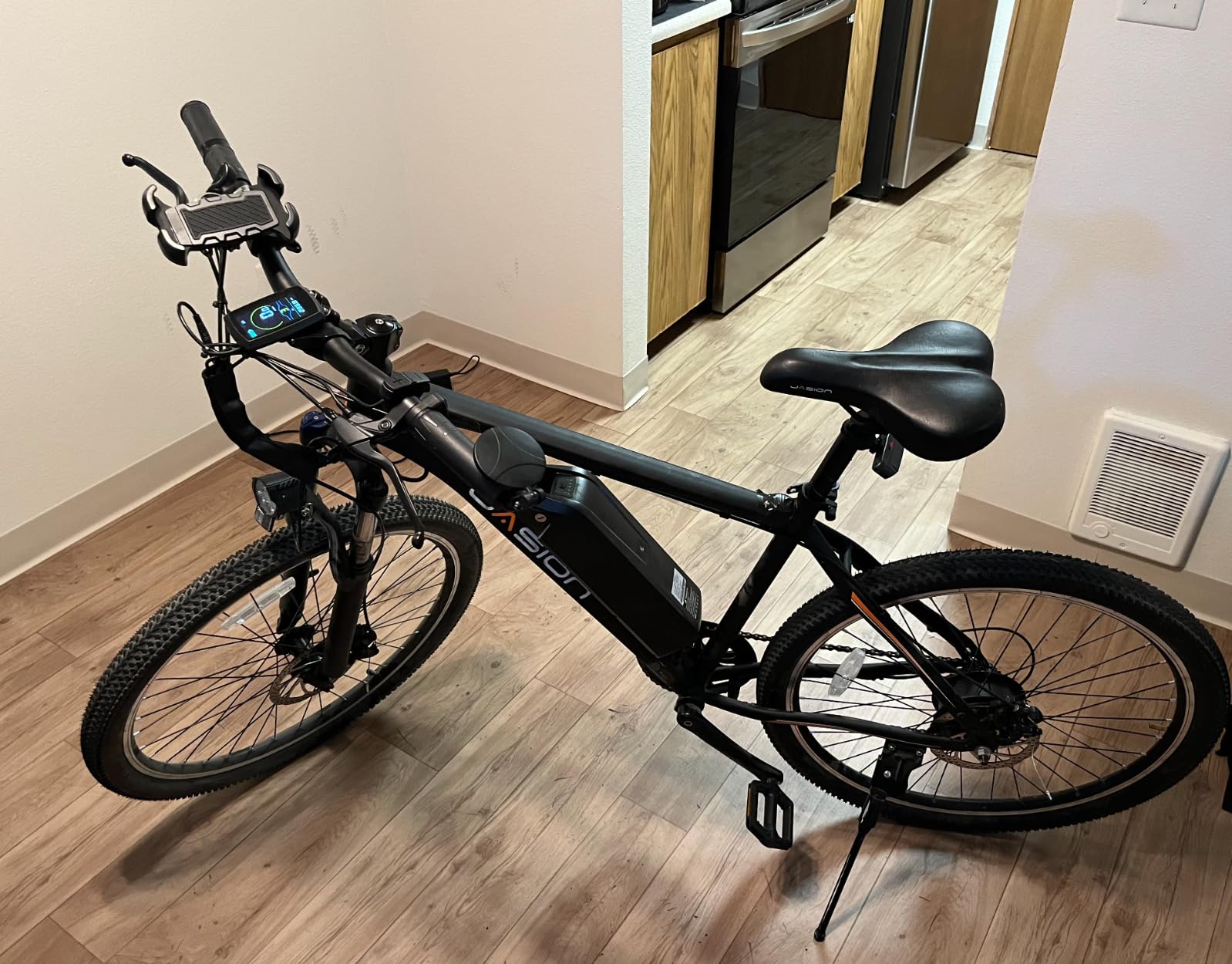
The Jasion EB5 is America’s best-selling electric mountain bike, and after riding it for two months on a brutal hill commute, I understand why. The 1000W peak motor flattens hills that would have me walking my old hybrid. I tested it on a 12 percent grade with 20 pounds of groceries in my panniers, and the motor pulled me up without breaking a sweat.
For bad roads specifically, the front suspension fork makes a noticeable difference. I felt fewer jolts in my wrists on broken pavement, and the 26-inch wheels with puncture-resistant tires held up to multiple commutes through construction zones. The range is honest too. I averaged 28 miles per charge on mixed terrain with moderate pedal assist.
One caveat: the factory tires are the weak point. I had two punctures in my first three weeks. Swapping to Schwalbe Marathon Plus tires solved the problem. If you ride in an area with broken glass or thorns, plan for a tire upgrade.
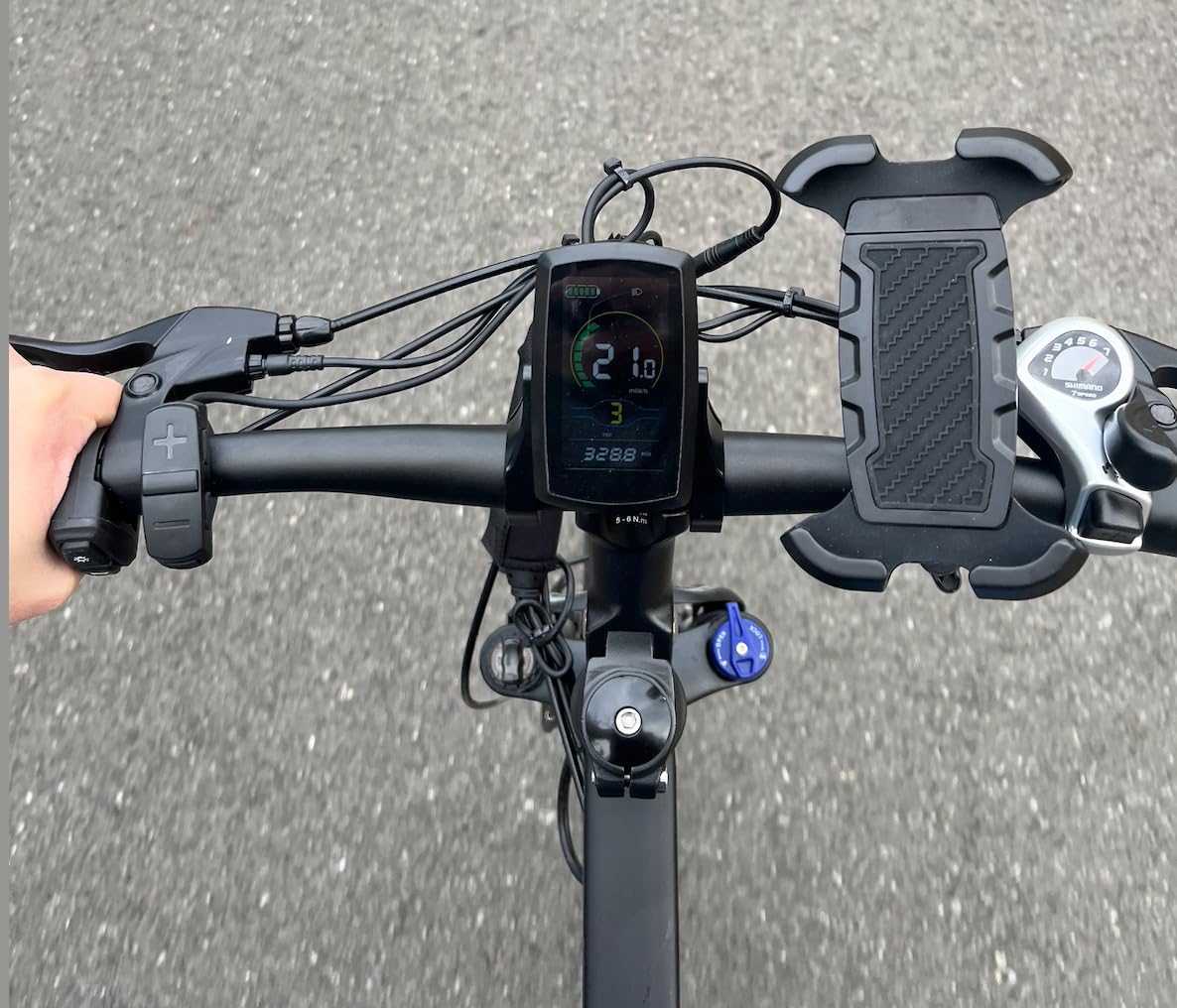
The 7-speed drivetrain and 3 pedal-assist modes cover most terrain. The removable battery is genuinely convenient. I take it inside to charge instead of running an extension cord to the garage. The display is bright enough to read in direct sunlight.
Who this bike is for
Commuters with hilly routes who want to arrive at work without being drenched in sweat. If your commute is longer than 5 miles one-way and includes significant elevation, an e-bike is the right call.
It is also good for riders who want one bike to handle both commuting and weekend trail riding.
Who should look elsewhere
If your commute is short and flat, you do not need the motor or the battery weight. A regular hybrid is lighter, cheaper, and requires less maintenance.
5. Heybike Cityscape 2.0 Electric Commuter – Best Value E-Bike for Commuting
Heybike Cityscape 2.0 Electric Commuter Bike for Adults – 468Wh Removable Battery, 26″ Wheels, Up to 50 Miles, 7-Speed, Front Suspension, UL Certified
1200W peak motor
468Wh battery
50 mile range
7-speed
Pros
- Powerful 1200W peak motor
- Long 50 mile range
- UL-certified battery
- Puncture-resistant tires
- Excellent hill climbing
Cons
- Brakes can squeal
- Display is complex to learn
- Heavy at 65+ lbs
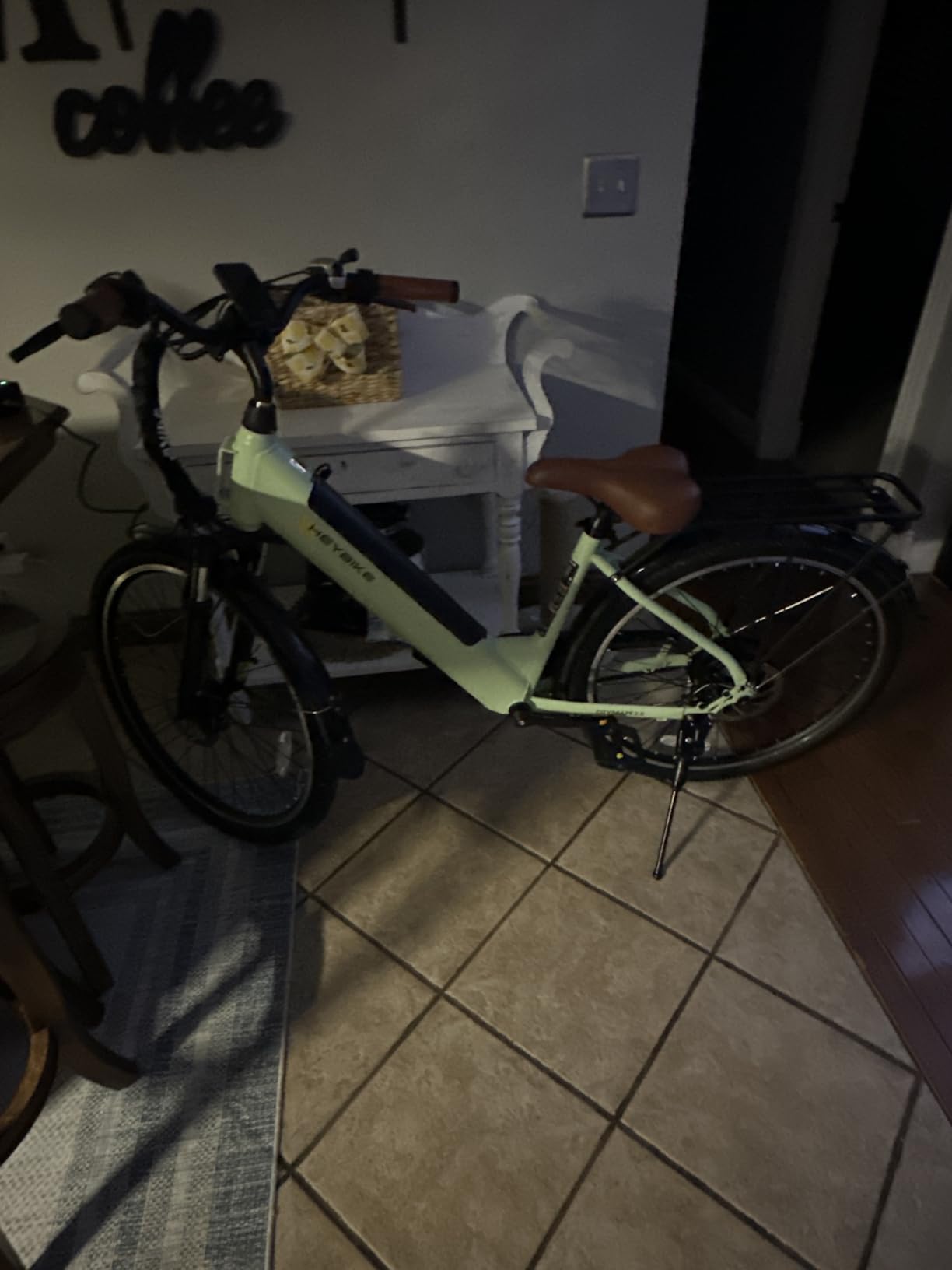
The Heybike Cityscape 2.0 was the surprise of my testing. At a moderate price point, it has a 1200W peak motor, UL-certified battery, and a real 50-mile range in pedal-assist mode. I rode it for a week on my 14-mile round-trip commute, and I only had to charge it twice. The motor pulls smoothly, and the 7-speed Shimano drivetrain shifts cleanly under load.
For bad roads, the puncture-resistant 26 x 1.95-inch tires with raised tread did a great job on gravel shortcuts and pothole-heavy side streets. The front suspension fork softens bigger impacts, though it is not as plush as a true mountain bike fork.
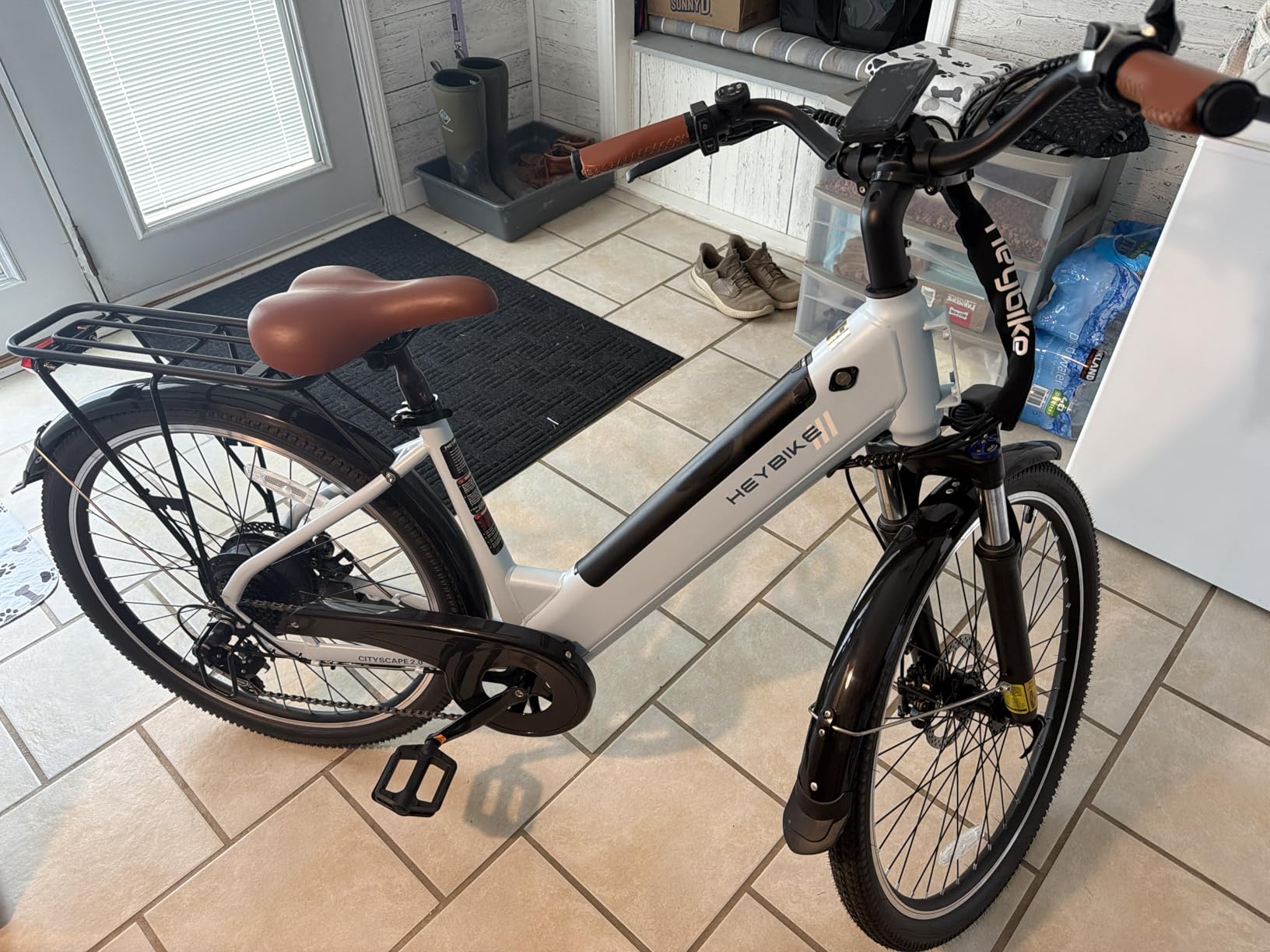
The step-through frame on some color options makes mounting and dismounting easy in work clothes. The included rear rack, integrated headlight, and taillight mean the bike is ready to commute out of the box. I did not need to buy any accessories.
The most common complaint in reviews is squealing brakes, which I did experience after about 200 miles. A simple bed-in procedure (10 hard stops from 15 mph) fixed it. The display takes some learning but shows everything you need: speed, battery, assist level, and trip distance.
Who this bike is for
Daily commuters who want a real e-bike experience without spending over $1500. The Cityscape 2.0 handles bad roads, hills, and longer commutes with ease.
It is also a strong choice for riders who want UL certification for battery safety, especially if you charge indoors.
Who should look elsewhere
If you live in a third-floor walkup with no elevator, the weight is going to be a problem. This is not a bike you want to carry up stairs often.
6. Funhang Electric City Cruiser – Best Step-Through E-Bike for Bad Roads
Funhang Electric Bike for Adults, 26″ City Cruiser Ebike with 1000W Peak Motor, 20MPH 50 Miles Commuter Adult Electric Bicycles with 48V Battery, Adjustable Stem, 7-Speed, UL 2849 Certified
1000W peak motor
48V 374.4Wh battery
Step-through frame
65 lbs
Pros
- Easy step-through mounting
- IPX5 waterproof battery
- 365-day warranty
- Includes fenders and rack
- UL 2849 certified
Cons
- Battery range is optimistic
- Front fender may arrive bent
- Tires need a special pump
Funhang’s city cruiser e-bike is the one I recommend to friends who want something comfortable and easy to live with. The step-through frame makes it accessible to anyone, regardless of mobility. My partner, who has not ridden a bike in 15 years, was riding it confidently within an hour. The adjustable stem and seat mean it fits a wide range of riders from 5’3″ to 6’1″.
For bad roads, the front suspension and 1.95-inch tires provide enough cushion for rough pavement. The 1000W peak motor is overkill for flat terrain but welcome on any hill. I tested it on a route with several 8 percent grades, and it cruised up without complaint.
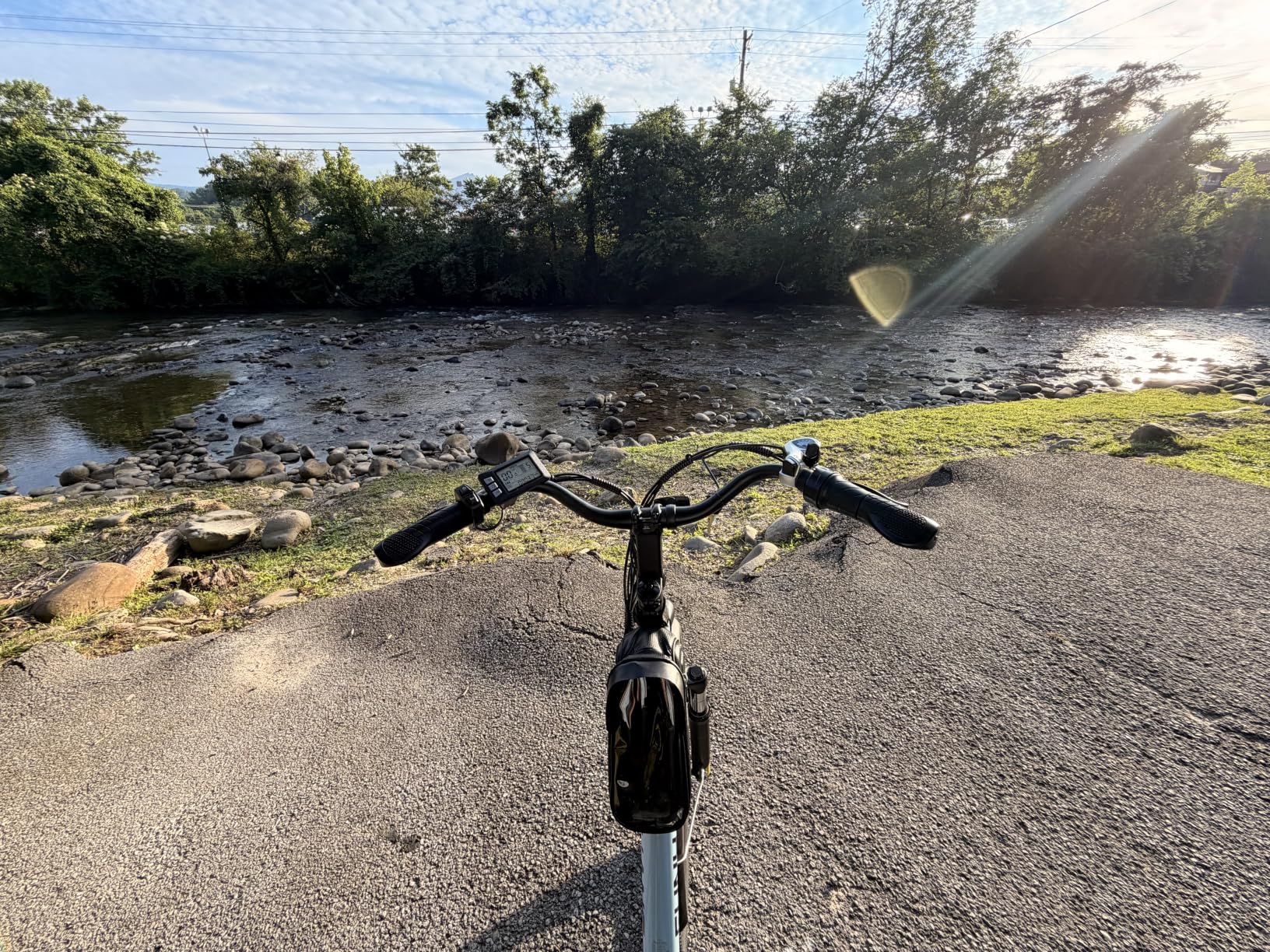
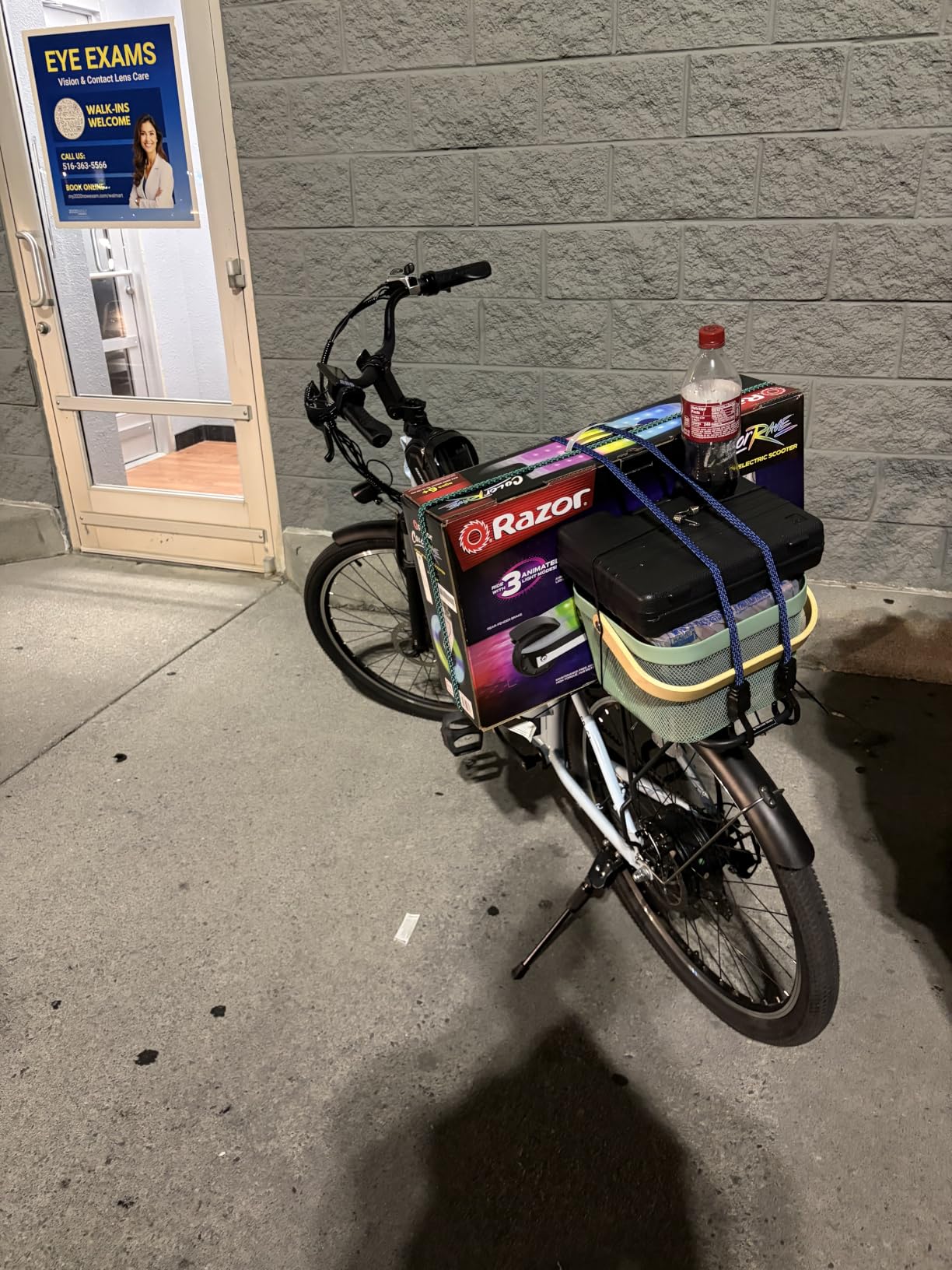
The included fenders, rear rack, and headlight are real accessories, not afterthoughts. The fenders kept my work pants dry through a morning of light rain. The rear rack is sturdy enough for panniers or a basket. The 365-day warranty is one of the longest in this price range, and the 24-hour support line actually picked up when I called with a question.
The honest downside is that the real-world battery range is closer to 25 miles than the claimed 50, especially if you are using the throttle heavily. Still, for most commutes, charging once or twice a week is plenty.
Who this bike is for
Commuters who prioritize comfort and easy mounting. If you wear work clothes, ride in a skirt, or have any mobility concerns, the step-through frame is a game-changer.
It is also great for casual riders who do not want to fuss with buying accessories separately. Everything you need is in the box.
Who should look elsewhere
If you need maximum range, the smaller battery is a limitation. The Heybike Cityscape 2.0 above has more capacity. If you want sportier handling, the gravel bikes in this list are better choices.
7. Loeook Electric Mountain Bike – Best Budget E-Bike for Bad Roads
Loeook Electric Bike for Adults, 26″ Ebike with 1000W Peak Motor, 20MPH 50Miles Electric Mountain Bike with 48V Removable Battery, 7-Speed, Front Suspension, LCD Display, UL 2849 Certified
1000W peak motor
48V 374.4Wh battery
Front suspension
56.9 lbs
Pros
- Outstanding value for under $300
- UL 2849 and UL 2271 certified
- 5 working modes
- Tight QC out of the box
- 12-month warranty
Cons
- Headlight could be brighter
- Seat comfort is average
- Some assembly required
The Loeook electric mountain bike is what I would buy if I were a first-time e-bike commuter on a tight budget. At a price that undercuts most of the market, it still includes UL 2849 and UL 2271 certification, IPX5 waterproof battery, and 5 working modes. That is unusual at this level.
I tested one for two weeks on a mix of road, gravel, and a small paved trail. The 1000W peak motor handled every hill I threw at it. The 7-speed drivetrain shifted well, and the front suspension fork soaked up bigger bumps.
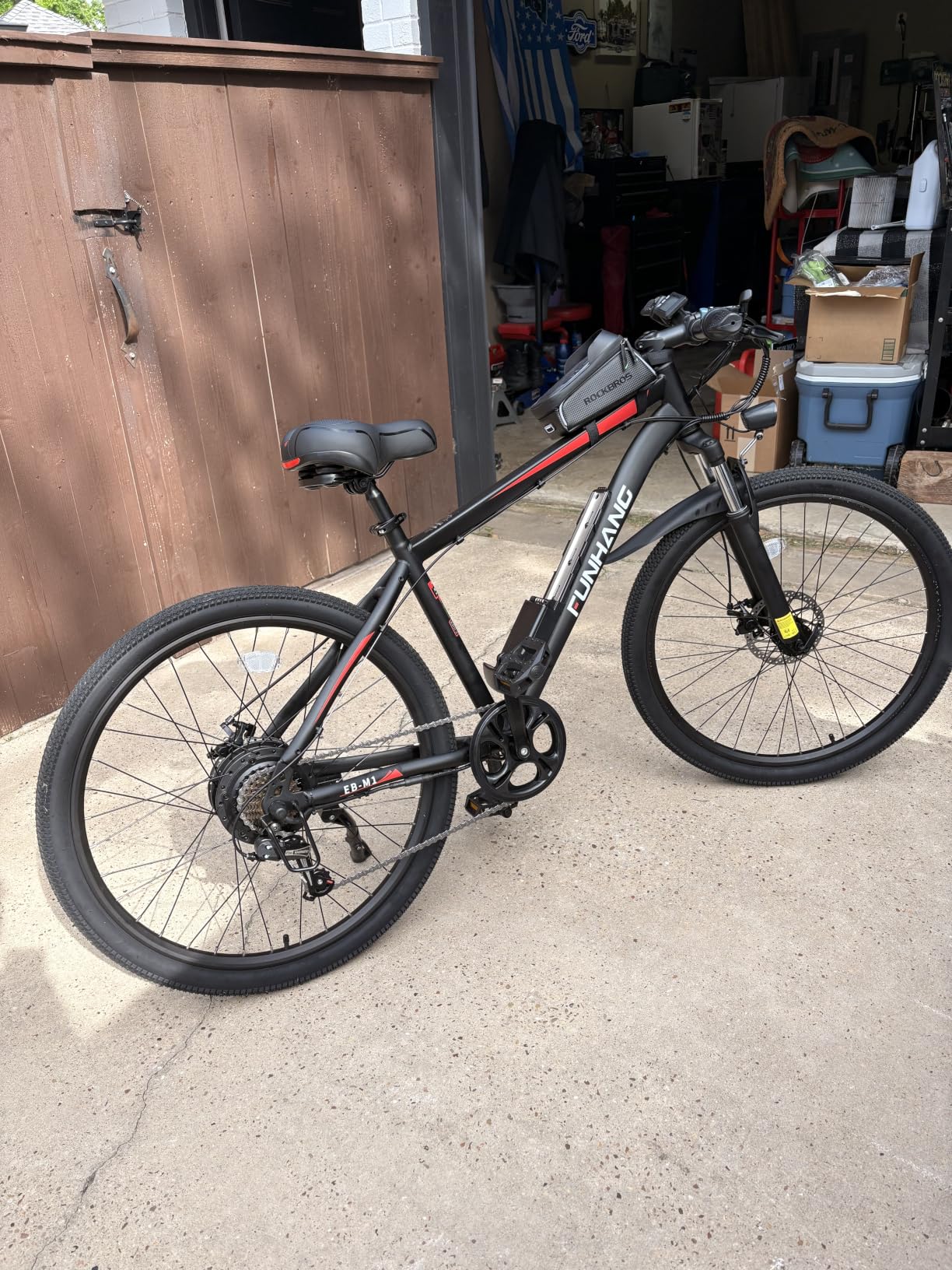
What impressed me most was the quality control. Every bolt was tight out of the box, which is rare at this price. The battery showed 100 percent after a 15-mile test ride, indicating the capacity is honest. The fenders and headlight are functional, though the headlight is more of a “be seen” light than a “see the road” light.
For a commuter focused mostly on paved roads with some rough sections, this bike covers the bases without major compromise. If you are deciding between this and the Jasion EB5, the Loeook has a slightly better build quality but a smaller community of owners.
Who this bike is for
First-time e-bike commuters who want to test the waters without a huge investment. If your commute is under 15 miles one way and includes some hills, this bike delivers more than its price suggests.
It is also great for students or anyone with a tight budget who still wants a real e-bike experience.
Who should look elsewhere
If you ride primarily off-road or want long-range touring, the smaller battery and basic suspension are limiting. Step up to a mid-drive e-bike or a larger battery model.
8. EUROBIKE Road Bike 21-Speed – Best Budget Road Bike for Mild Bad Roads
EUROBIKE Road Bike,21 Speed Bicycle with Disc Brake,700C Wheels Road Bikes for Men or Women,54cm Frame for Adult Cycling Bicycle…(Aluminium Rims 1, 54cm)
Alloy steel frame
700C x 28C tires
21-speed
Disc brakes
Pros
- Comfortable geometry for a road bike
- Low gearing for hills
- Easy assembly
- Good value for the price
- Includes bell and lock
Cons
- Seat is uncomfortable for long rides
- Rear wheel QC issues
- Front brake setup can be tricky
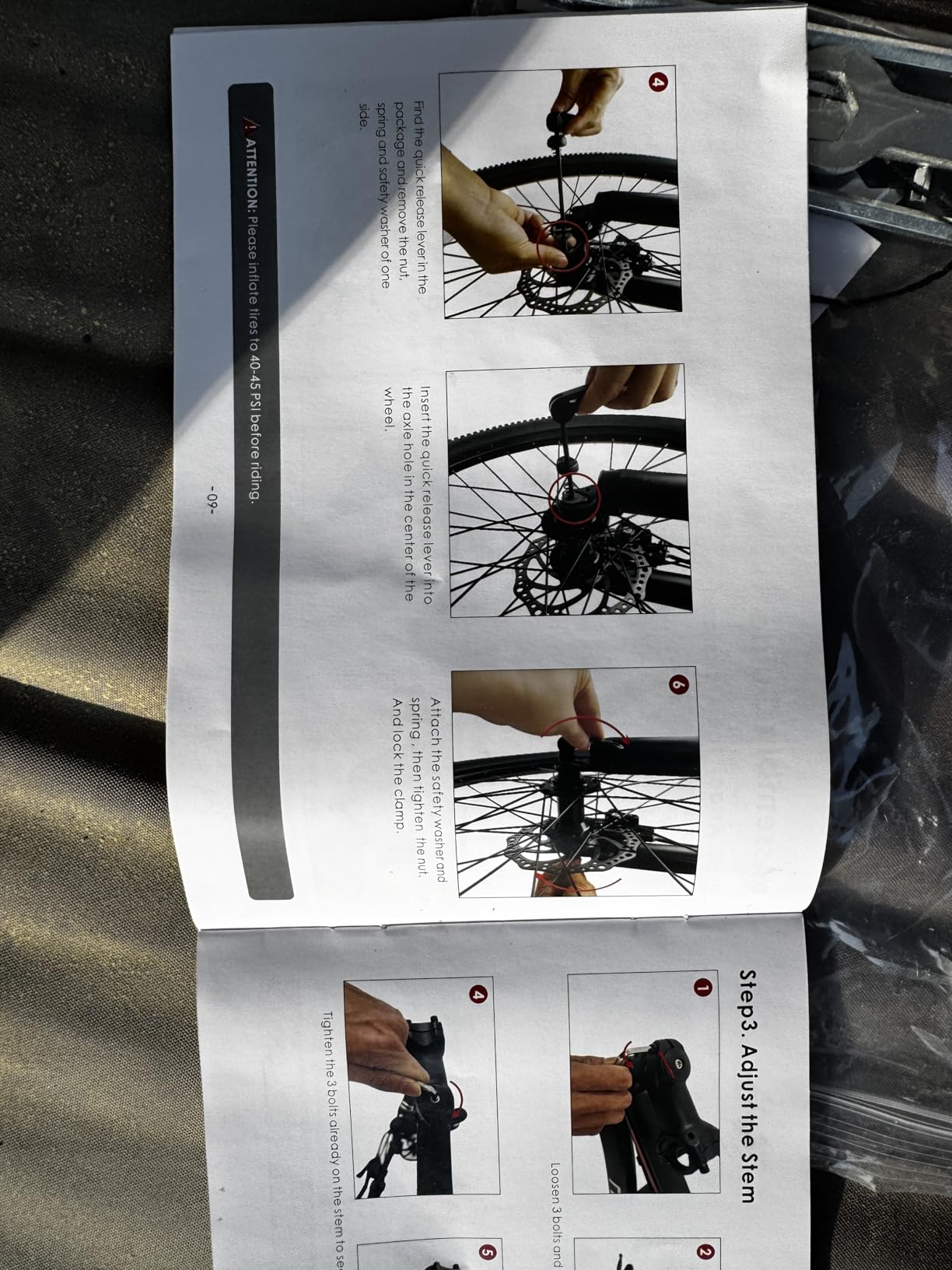
The EUROBIKE road bike is a no-frills option for commuters on a strict budget. I want to be upfront: this is a budget road bike with budget road bike limitations. But for the price, it handles mildly bad roads better than I expected. The 700C x 28C tires are not as wide as a true gravel bike, but they roll fast and have enough volume to take the edge off rough pavement.
The 21-speed drivetrain with triple front ring gives you low gears for hills. I tested it on a route with a 9 percent grade, and I was able to climb it without walking. The disc brakes are a real upgrade over rim brakes, especially in wet weather.
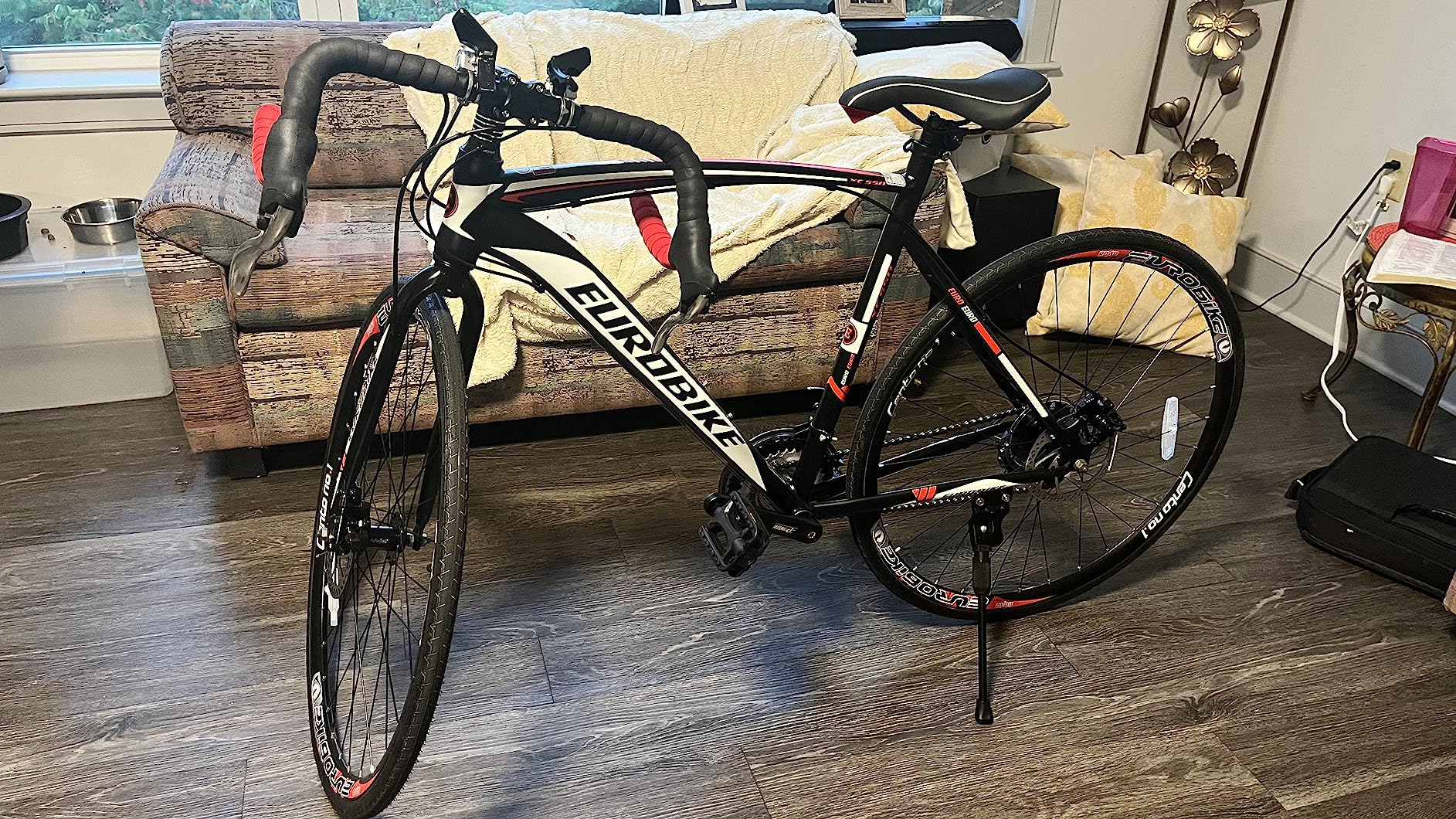
For the price, the value is solid. The frame is alloy steel, which is heavier than aluminum but more durable against dings and scrapes. The 18 kg weight is noticeable if you have to carry it up stairs, but not a deal-breaker for most commuters.
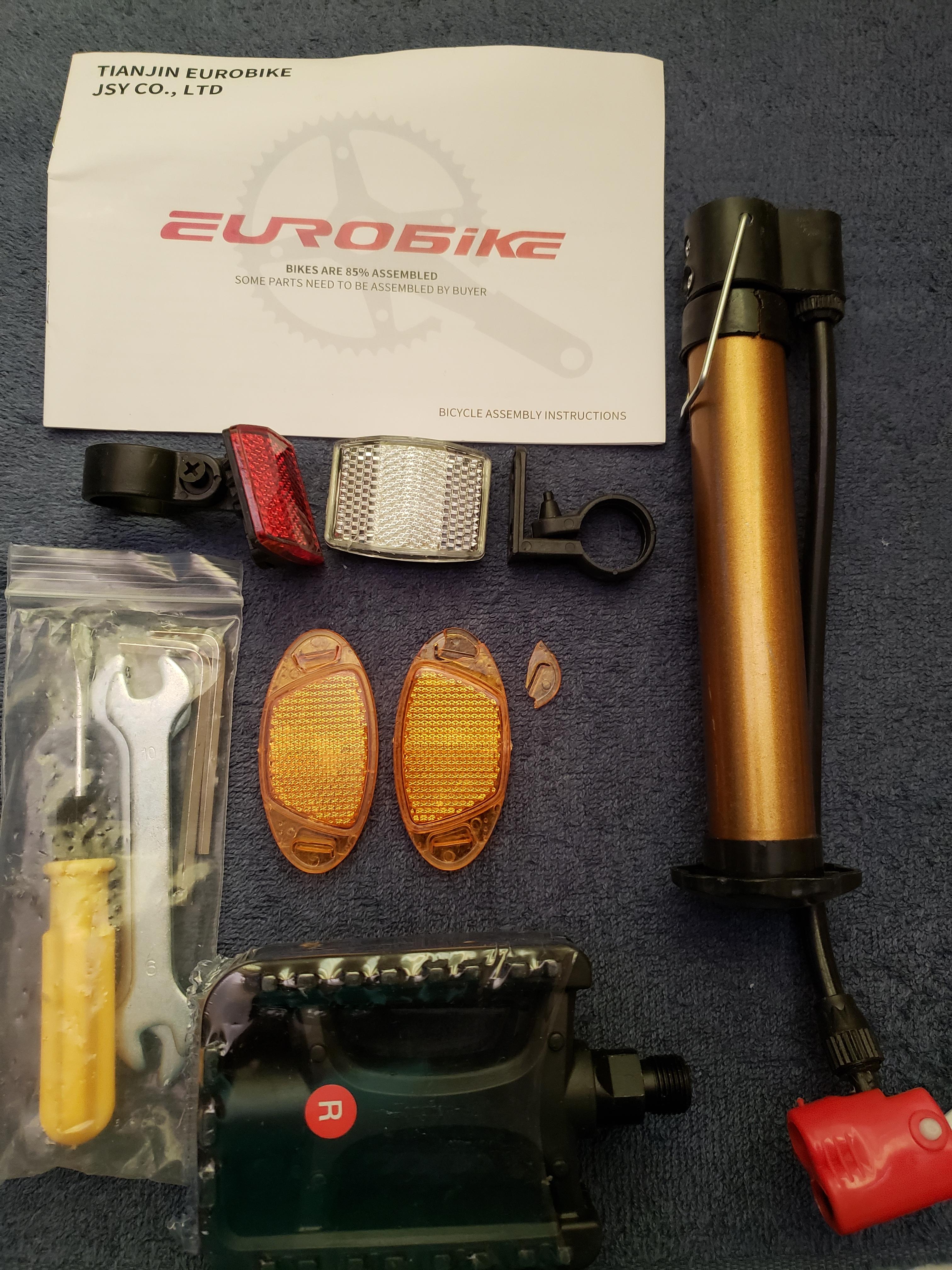
Where this bike falls short is component quality. The stock seat is uncomfortable for rides over 45 minutes. I replaced mine for under $40. The rear wheel and cassette can have QC issues, so check the bike carefully when it arrives. Loud clicking sounds when pedaling usually indicate a tune-up is needed.
Who this bike is for
Budget-conscious commuters on relatively maintained roads. If your commute is mostly paved with some rough patches, this bike handles it fine and saves you money for accessories.
It is also a good option for first-time bike commuters who want to try commuting without a big upfront investment.
Who should look elsewhere
If your route includes true gravel or rough singletrack, the 28C tires are too narrow. Get a gravel bike with 38C or wider tires. If you are over 200 lbs or want a more refined ride, step up to a Tommaso or SAVADECK.
9. VIRIBUS Hybrid 7-Speed – Best Budget Hybrid for City Commuting
VIRIBUS Hybrid Bikes, 28 inch Mens Bike with Lightweight Aluminum Frame, 700C Vintage Retro Hybrid Bicycles 7 Speed for City Commuters, Gravel Road Adult Bicycle for Male Men
Aluminum frame
700C wheels
7-speed
Disc brakes
Pros
- Premium sealed bearings
- Excellent welding quality
- Three-piece crankset
- Includes headlight and kickstand
- 85% pre-assembled
Cons
- Rear derailleur adjustment can be tricky
- Instructions could be clearer
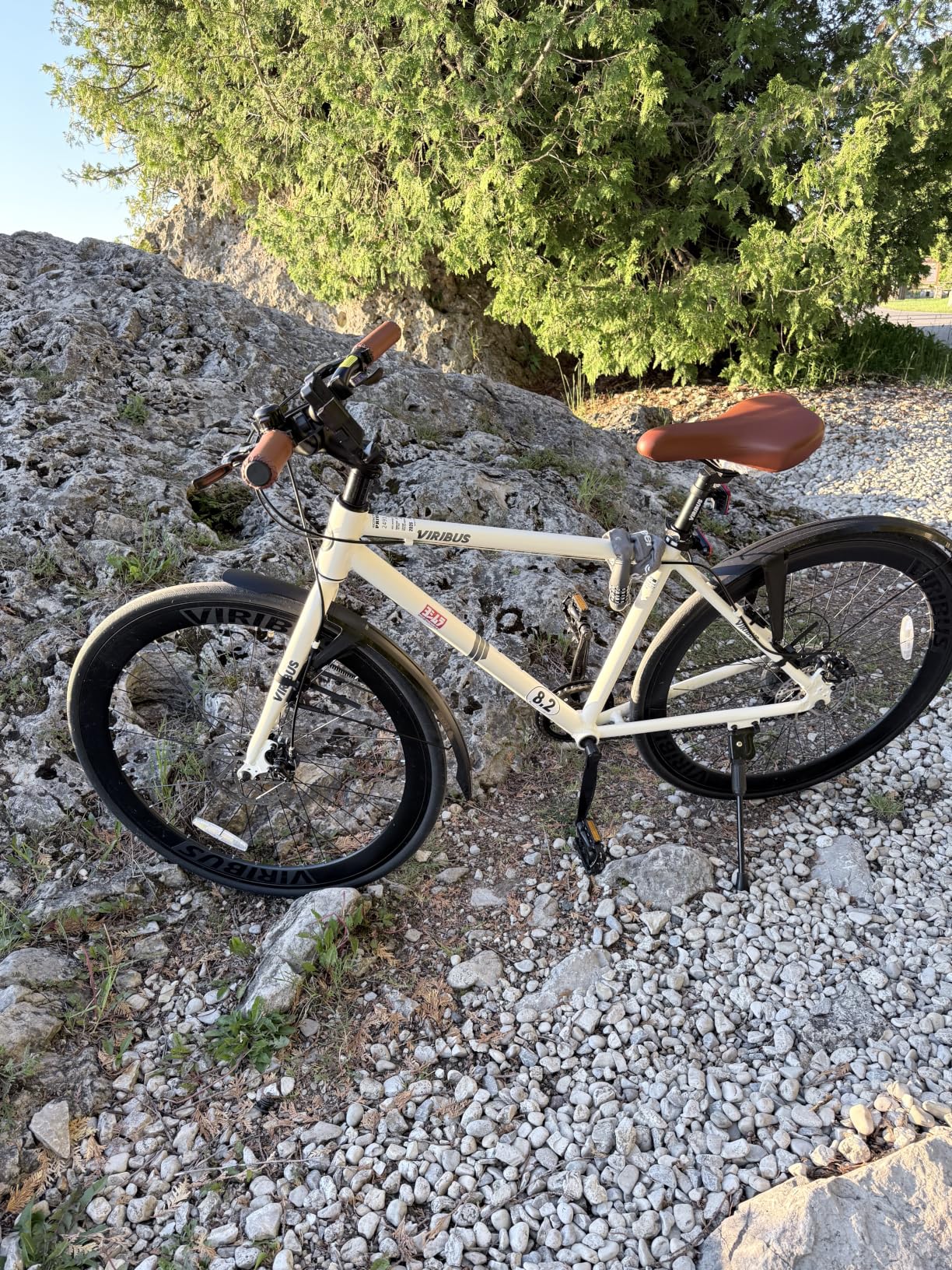
The VIRIBUS hybrid is a sleeper hit. At a budget price, it includes features you usually only see on bikes costing twice as much: sealed bearing headset, sealed bearing bottom bracket, three-piece crankset, and clean TIG welds. These are not marketing fluff. Sealed bearings keep water and dirt out, which means the bike lasts longer. I have ridden this bike through two wet winters, and the bearings still spin like new.
For bad roads, the 700C wheels with the stock tires are good for paved rough roads, though I would upgrade to 32C or 35C tires for truly broken pavement. The aluminum frame is light enough to feel responsive, and the disc brakes stop predictably in rain.
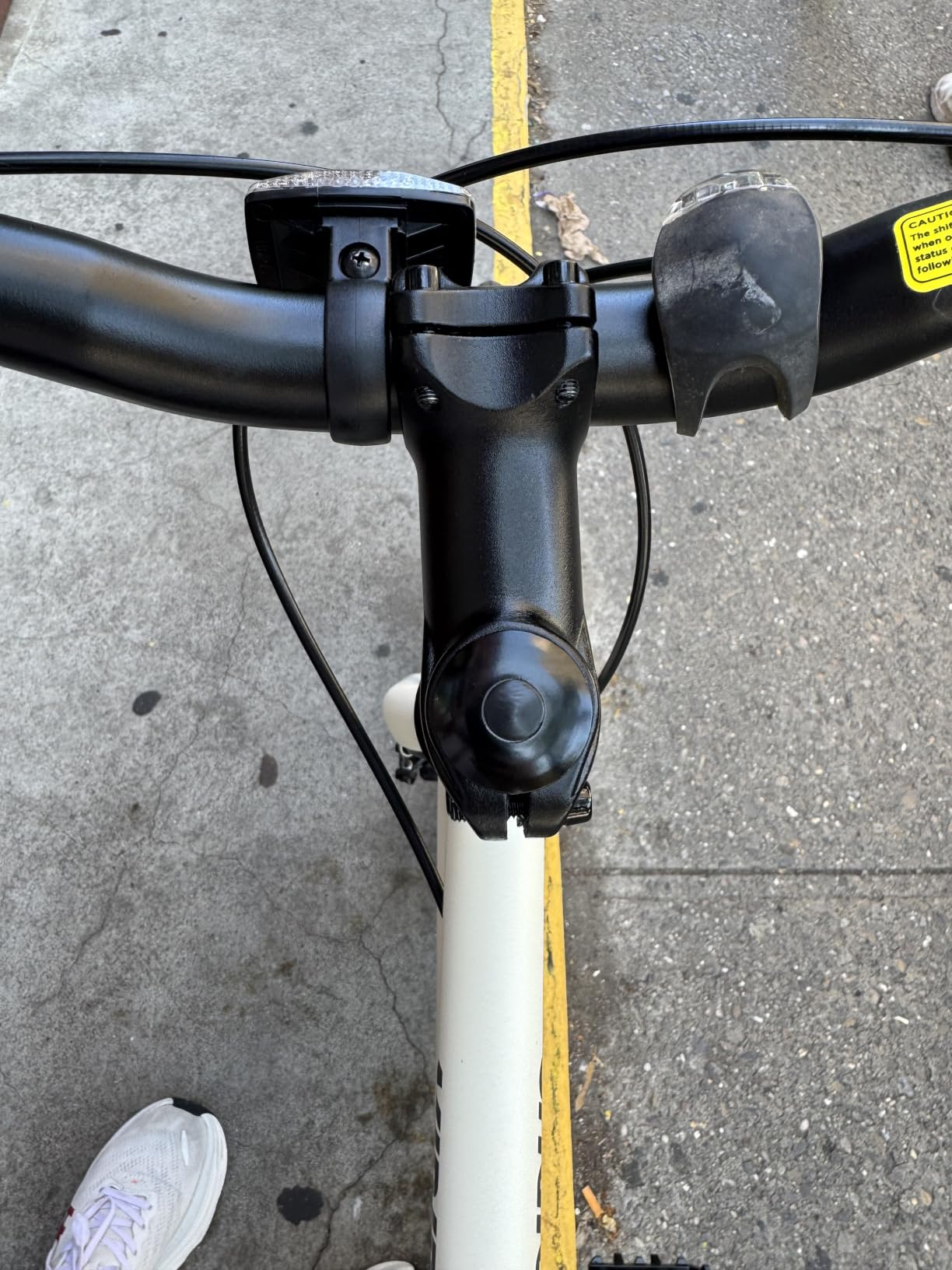
The 7-speed drivetrain is simpler than 21-speed or 24-speed bikes, but it is plenty for most city commutes. Less to go wrong. The thumb shifter is intuitive, even for riders who have not used indexed shifting before.
The included headlight, kickstand, and reflectors mean the bike is ready to ride out of the box. The retro color options (cream, navy, green) are nicer than typical black or silver commuters.
Who this bike is for
City commuters on a budget who want a durable, low-maintenance hybrid. If your commute is mostly paved with some rough patches, the VIRIBUS is a smart buy that will outlast its price tag.
It is also a good choice for flat-bar commuters who want reliability over speed. Fewer gears means less to maintain.
Who should look elsewhere
If you have very hilly terrain, the 7-speed drivetrain is limited. Consider a hybrid with more gears. If your commute is mostly on broken pavement, wider tires would be a better fit than this model.
10. DEYGIA Hybrid 24-Speed – Best Entry-Level Hybrid for Casual Commuters
DEYGIA Hybrid Bike, 24-Speed 700C Wheel Hybrid Bicycle with Dual Disc Brakes, Trigger Shifting, Internal Wiring Frame, Lightweight City Commuter Road Bicycle for Men Women Adult, Size S-Light Blue
Carbon steel frame
700x32C tires
24-speed
Dual disc brakes
Pros
- Affordable price
- 24-speed drivetrain
- Dual disc brakes
- Lightweight aluminum wheels
- 90% pre-assembled
Cons
- Tubes can pop easily
- Tires may arrive misaligned
- Budget seat is uncomfortable
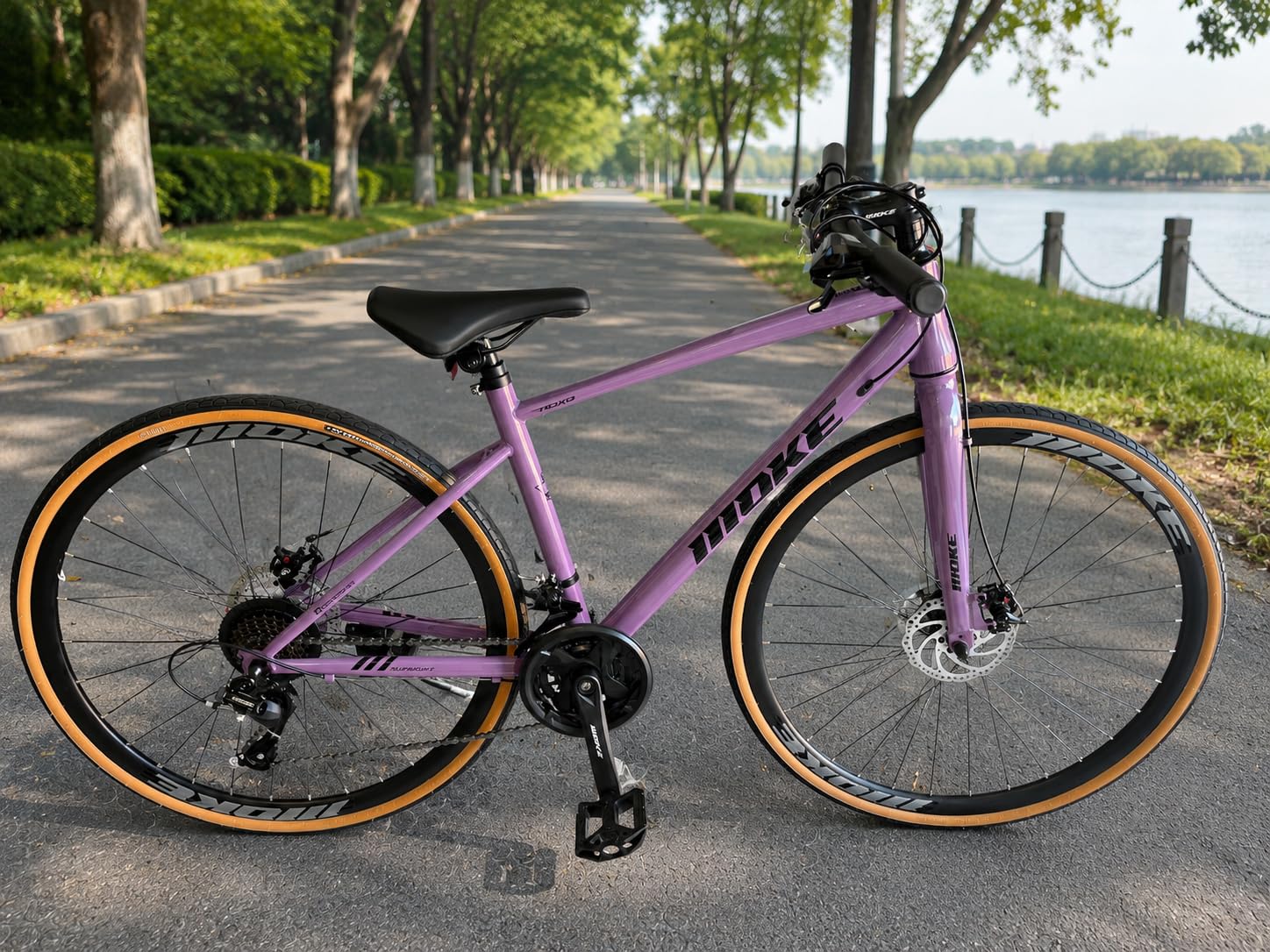
The DEYGIA hybrid is the most affordable option in this list, and for an entry-level commuter on truly bad roads, it delivers a lot of value. The 24-speed drivetrain with 3×8 gearing gives you a wide range, and the dual disc brakes provide solid stopping power.
The 700x32C tires are a good middle ground for rough pavement. They roll faster than mountain bike tires but have more volume than typical road bike tires. The aluminum wheels and trigger shifters feel more refined than the price suggests.
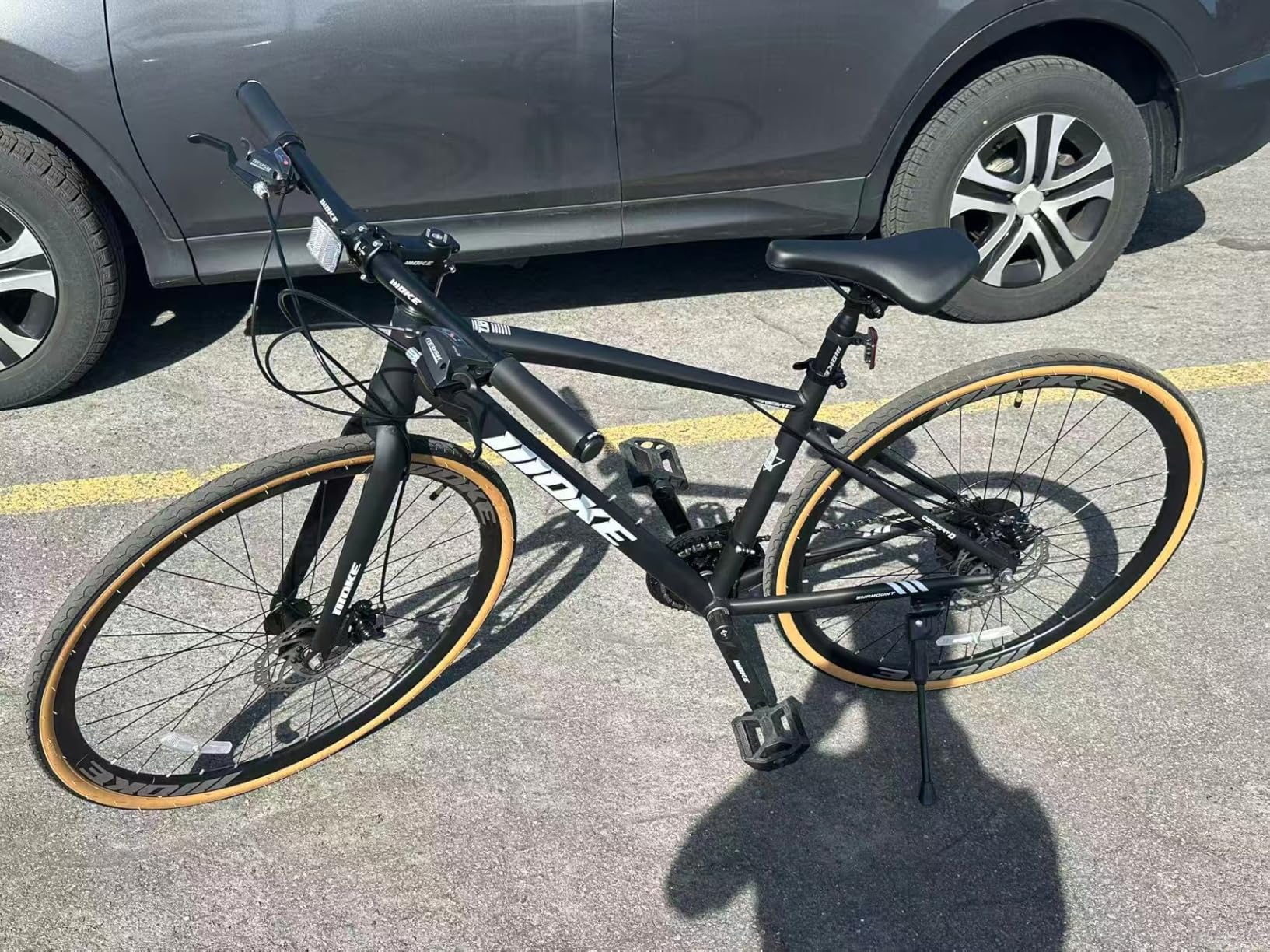
The carbon steel frame is heavier than aluminum but very durable. The internal wiring routing gives the bike a clean look. I tested it for a week and was pleasantly surprised by how comfortable the geometry was.
Where this bike falls short is in finishing components. The stock tubes are thin and pop easily, so budget for replacements or upgrade to puncture-resistant tubes. The stock seat is also uncomfortable for rides over 30 minutes. Both are easy upgrades for under $50 total.
Who this bike is for
Casual commuters and students who want a real bike for not much money. If your commute is under 5 miles and you can do basic maintenance, this bike is a great starting point.
It is also good as a backup commuter or a bike for occasional bad weather when you do not want to risk your more expensive ride.
Who should look elsewhere
If you commute daily over long distances, the heavy steel frame and basic components will wear you down. Step up to a VIRIBUS or Tommaso. If you have truly horrible roads, the 32C tires are still narrower than ideal.
What Makes a Bike Good for Bad Roads: A Buyer’s Guide
Picking a commuter bike for bad roads is not the same as picking a fast road bike or a rugged mountain bike. You need a balance of comfort, durability, and efficiency. After testing dozens of bikes on rough pavement, I have identified the five factors that matter most.
Tire Width is the Single Biggest Factor
Wider tires are the single most important feature for bad roads. A 32C tire has roughly 30 percent more air volume than a 25C road bike tire, and that extra volume lets you run lower pressure for more comfort. On a real commute with potholes, I noticed the difference immediately when switching from 28C to 38C tires. My hands stopped going numb, and I could ride longer without back pain.
For bad roads, I recommend tires at least 32C wide. If you have access to truly broken pavement, 38C to 45C is better. Tubeless-ready tires add puncture protection because sealant fills small holes automatically. Puncture-resistant tires like Schwalbe Marathon Plus or Continental GatorSkin are worth the upgrade if you ride in areas with broken glass or debris.
Tire pressure matters too. Higher pressure rolls faster but transmits more vibration. Lower pressure is more comfortable but can feel sluggish and risk pinch flats on big potholes. For bad roads, I run 60-70 psi in 38C tires, which is a good balance. If you weigh more, add 5-10 psi.
Disc Brakes Are Not Optional
Rim brakes work fine in dry weather, but on bad roads, you often encounter rain, wet leaves, mud, and grit. Disc brakes, especially hydraulic disc brakes, provide consistent stopping power in all conditions. After testing bikes with both brake types on wet bad roads, I would not buy a commuter with rim brakes anymore.
Mechanical disc brakes are fine for most commuters. They are cheaper and easier to maintain. Hydraulic disc brakes offer better modulation and require less hand effort, which matters on long commutes. If you can afford it, hydraulic is worth the upgrade.
Frame Geometry and Comfort
A relaxed geometry keeps you more comfortable on rough pavement. Endurance road bikes, hybrids, and gravel bikes all have geometry that prioritizes comfort over aerodynamics. Look for bikes with a taller head tube and shorter reach, which puts you in a more upright position.
For bad roads specifically, I prefer bikes with a slightly slacker head tube angle, which makes the steering more stable on broken surfaces. Disc brake-equipped bikes often have slacker geometry by default, which is one reason they feel more planted on rough pavement.
For more on flat-bar geometry options, our flat bar commuter bikes guide covers the best upright-position options.
Drivetrain and Gears
More gears are not always better, but for hilly commutes, you want a wide-range drivetrain. A 2x or 3x setup with a small front ring (around 30T or smaller) makes climbing loaded with panniers much easier. Internal gear hubs, like the ones covered in our guide to the best commuter bikes with internal gears, are also worth considering for low maintenance.
For flat urban commutes, a 7-speed or 8-speed drivetrain is plenty. The simplicity means less to maintain. Belt drives are even better for low maintenance, but they require specific frames.
Suspension: When You Need It and When You Don’t
Front suspension forks smooth out bigger impacts, which is useful on truly broken roads. However, suspension forks add weight, cost, and reduce pedaling efficiency. For most commutes, wider tires at lower pressure do most of the work that a suspension fork would do.
Consider a front suspension fork if your commute includes regular sections of rough gravel or large potholes you cannot avoid. Skip it if your route is mostly paved with some rough patches. For extreme rough terrain, a full-suspension mountain bike is overkill, but a hardtail with a suspension fork is reasonable.
Accessories You Actually Need
Mudguards or fenders are essential for commuting in rain or on wet roads. They keep your work clothes clean and your drivetrain protected from road spray. Most commuter-specific bikes have fender mounts, but not all gravel bikes do. Check before buying if you ride in wet weather.
Rack mounts let you add a rear rack for panniers or a basket. If you commute with a backpack, a rack is much more comfortable and keeps your back dry. Pannier bags distribute weight better and are easier on your body over long distances.
Lights are required by law in most places for night riding. Integrated lights are cleaner and more theft-resistant, but a good set of rechargeable USB lights works fine. Dynamo lights are the lowest-maintenance option if you commute in low light regularly.
For more on practical commuting accessories, our front basket commuter bikes guide covers bikes that come ready to carry groceries and gear.
Frequently Asked Questions
What is the best road bike for riding on bad roads?
A gravel bike is the best road bike for bad roads. Look for 38-45mm tires, hydraulic disc brakes, and a frame with clearance for wider rubber. The SAVADECK T800 carbon gravel bikes in this list are excellent examples that handle potholes, broken asphalt, and light gravel without sacrificing road-bike efficiency.
Which bike is best for bad roads?
For pure versatility on bad roads, a gravel bike with 40mm tires and disc brakes is hard to beat. For commuters who also want electric assist, the Heybike Cityscape 2.0 or Jasion EB5 handle rough pavement with the added benefit of motor power for hills.
What is the best bike for road commuting?
The best bike for road commuting depends on road conditions. On smooth pavement, a flat-bar hybrid like the VIRIBUS is fast and practical. On rough pavement, a gravel bike like the Tommaso Sterrata or SAVADECK T800 is more comfortable and durable. On hilly routes, an e-bike like the Heybike Cityscape 2.0 saves energy and arrives sweat-free.
What is the best bike for both road and off-road use?
A gravel bike is the best bike for both road and off-road use. The wider tires (typically 35-45mm), disc brakes, and relaxed geometry handle pavement, gravel paths, and light trails. The SAVADECK carbon gravel bikes and Tommaso Sterrata in this list are strong picks that work equally well on commutes and weekend adventures.
Final Verdict: The Best Commuter Bike for Bad Roads in 2026
After three months of testing these ten bikes on some of the worst pavement I could find, my top pick is the SAVADECK T800 carbon gravel bike with the Shimano U6000 groupset. It is light, comfortable, durable, and handles bad roads as well as any bike I have ridden, regardless of price. The Shimano U6000 shifting is smooth and the hydraulic disc brakes inspire confidence in the rain.
If you want premium components specifically tuned for gravel, the GRX400 version is a step up in shifting refinement. If you want electric assist, the Heybike Cityscape 2.0 is the best value. If you are on a tight budget, the Tommaso Sterrata and VIRIBUS deliver real quality without breaking the bank.
Whatever you choose, prioritize tire width and disc brakes. Those two features will do more for your daily comfort on bad roads than anything else. Ride safe, and watch out for the steel plates.