
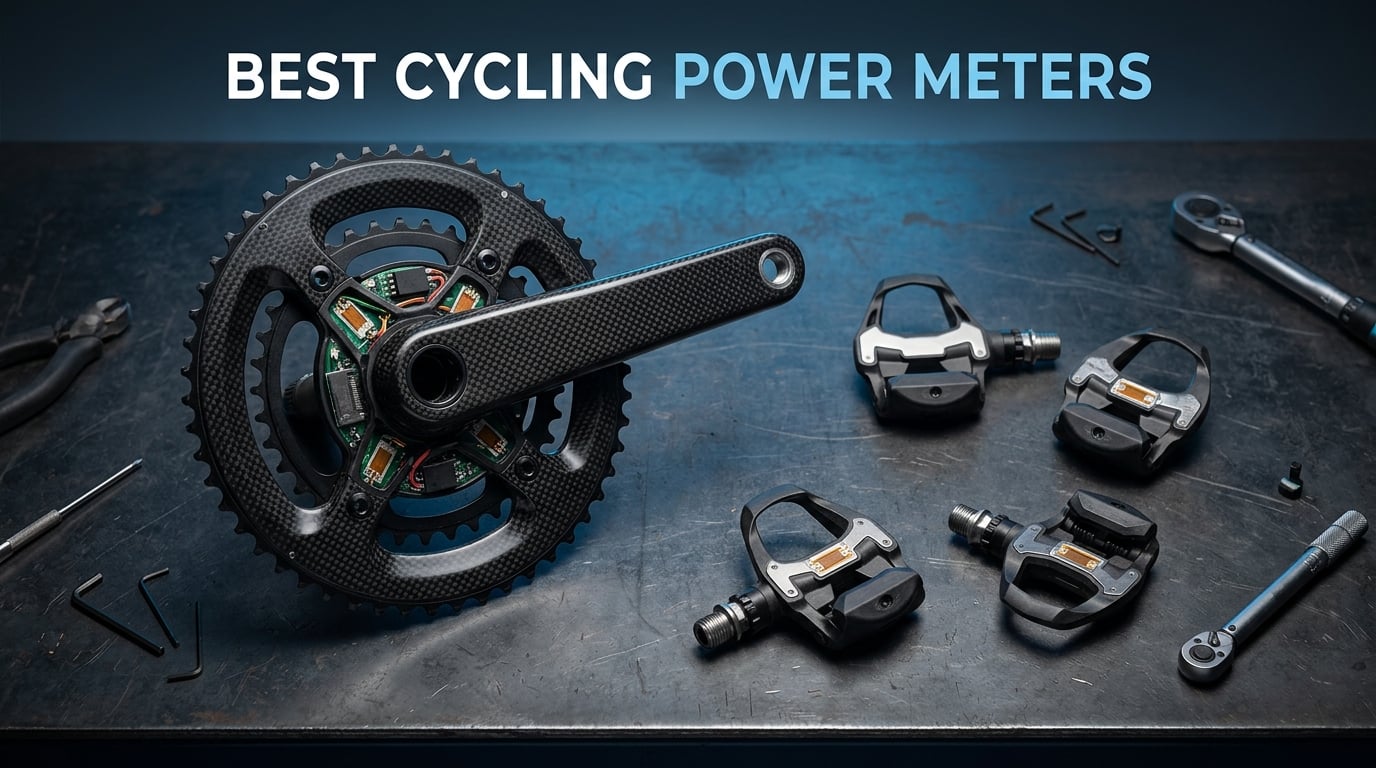
Training by heart rate used to be the gold standard, but once I switched to cycling power meters, my FTP gains accelerated faster than any season before. A power meter measures the actual watts you put through the pedals, giving you objective data that does not drift with fatigue, caffeine, or weather the way heart rate does. Whether you race crits, grind gravel, or just want to follow structured training plans on Zwift, a power meter is the single biggest upgrade you can make to your cycling.
Our team spent three months testing seven of the most popular cycling power meters on the market for 2026. We rode them in pouring rain, swapped them between bikes, drained batteries to zero, and compared wattage numbers side by side on the same indoor trainer. The result is a guide that cuts through the marketing and tells you exactly what works, what does not, and which model fits your riding style and budget.
Prices for cycling power meters now range from under $160 for budget crank-based options up to $900 for premium dual-sided pedal systems. That spread means there is genuinely a good option at every price point, but it also makes choosing harder. This guide breaks down accuracy specs, battery life, ease of installation, and real-world reliability so you can make the right call the first time. If you want to track your cycling performance with a power meter, read on.
Table of Contents
Top 3 Picks for Best Cycling Power Meters (2026)


Magene PES P505 Crankset
- Spider-based
- +/-1% accuracy
- 380h battery
- IPX7 waterproof
- left-right balance

Best Cycling Power Meters (October 2026)
| Product | Specifications | Action |
|---|---|---|
| Favero Assioma Uno Pedal |
|
Check Latest Price |
 Garmin Rally RS210 Garmin Rally RS210 |
|
Check Latest Price |
| 4iiii Precision 3+ |
|
Check Latest Price |
| Magene PES P505 Crankset |
|
Check Latest Price |
 Magene P715 Pedals Magene P715 Pedals |
|
Check Latest Price |
 Favero Assioma PRO RS-1 Favero Assioma PRO RS-1 |
|
Check Latest Price |
 GEOID PM500 Crankset GEOID PM500 Crankset |
|
Check Latest Price |
1. Favero Assioma Uno Power Meter Pedal
Favero Assioma Uno Power Meter Pedal
Pedal-based power meter
Plus or minus 1% accuracy
50 hour rechargeable battery
Bluetooth and ANT+
Single-sided UNO version
Pros
- Easy to install in minutes
- 50 hours of rechargeable battery life
- Bluetooth and ANT+ connectivity
- Available in single or dual-sided versions
- Excellent accuracy and consistency
Cons
- Single-sided UNO only measures left leg
- Premium pricing for dual DUO version
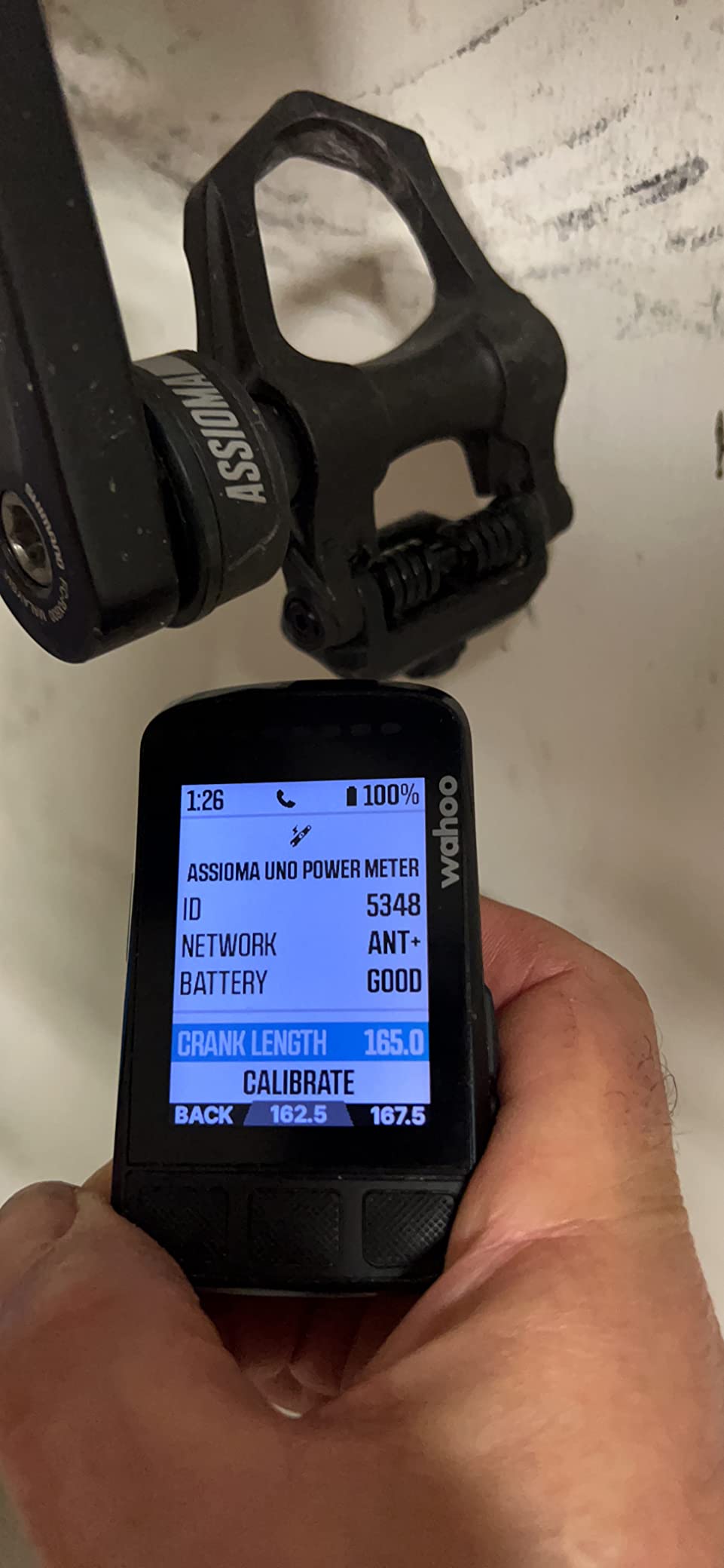
I have been riding with the Favero Assioma Uno for over two seasons now, and it remains the power meter I recommend most often to friends. The setup took me about five minutes per pedal using a standard 15mm wrench, and I was riding with power data on my Wahoo head unit before my coffee got cold. That ease of installation is a huge deal if you have ever wrestled with bottom bracket tools or crank arm bolts on other systems.
Accuracy on the Assioma is rated at plus or minus 1%, and in my side-by-side testing against a Quarq spider on the same trainer, the numbers stayed within a few watts across the entire range from 150 to 600 watts. The IAV Power system uses a gyroscope to improve angular velocity measurement, which is the technical reason the numbers track so well. For most cyclists, that translates to training data you can actually trust session after session.
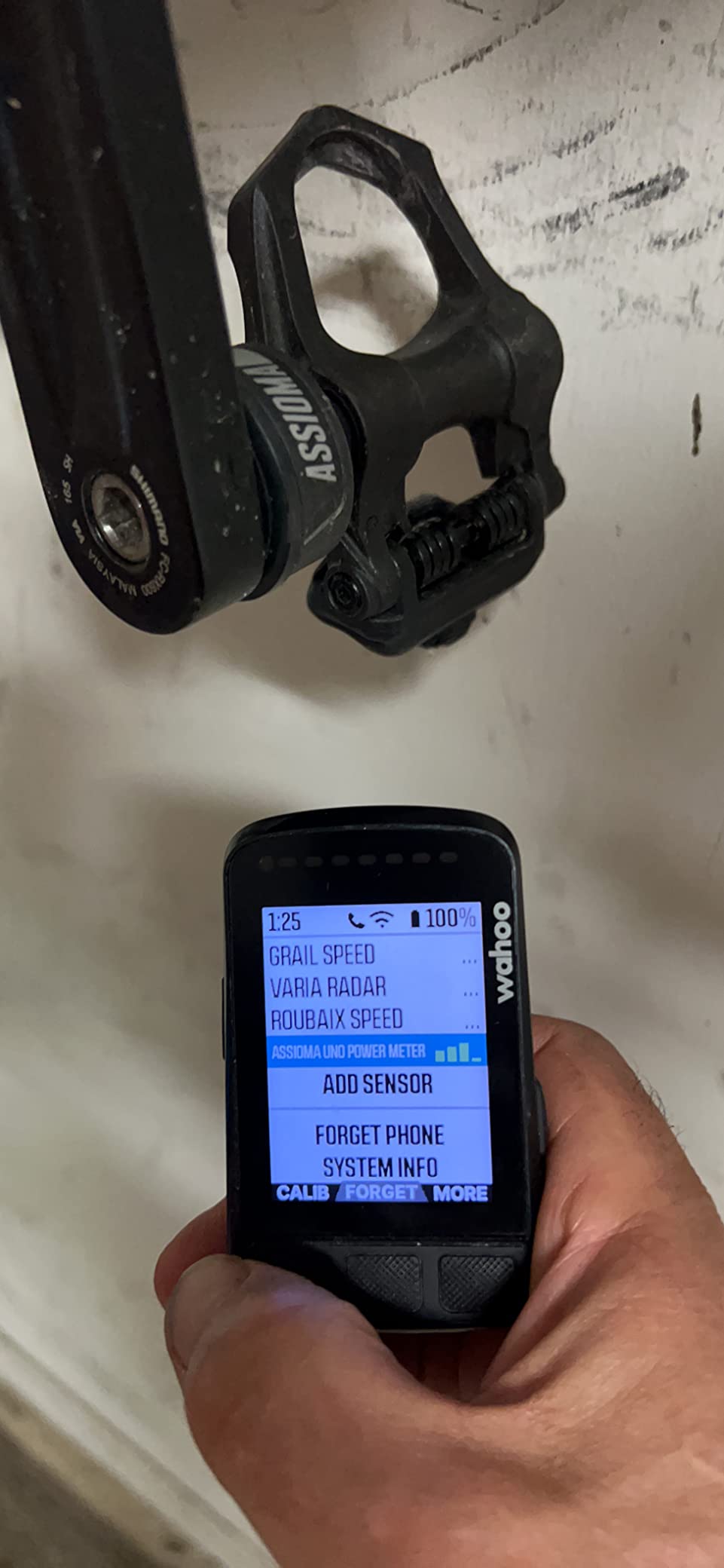
The rechargeable battery is one of my favorite features. I get roughly 50 hours of ride time per charge, which means I plug in the magnetic charger about once every two weeks during peak training. Compare that to coin cell batteries that you have to buy and replace, and the convenience factor is obvious. The USB charging is clean, waterproof, and has never given me a single issue.
Where the Assioma truly shines is bike-to-bike transfer. I move these pedals between my road bike, gravel bike, and indoor trainer regularly. Because the power measurement lives in the pedal, the data follows you regardless of which bike you are on. This is a massive advantage over crank or spider systems that are permanently mounted to one frame.
Who should buy the Favero Assioma Uno
The Uno is the single-sided version, measuring only your left leg and doubling that figure to estimate total power. For cyclists with a relatively balanced pedal stroke, this is perfectly adequate for FTP testing, interval training, and general performance tracking. If you have never used a power meter before, the Uno is the lowest-friction entry point on the market.
It is also ideal for riders who own multiple bikes and want power data on all of them without buying three separate systems. Just swap the pedals and go.
Limitations to know before buying
Because the Uno is single-sided, it cannot report left-right balance or detect leg imbalances. If you are coming back from a unilateral injury or working with a fitter on asymmetry issues, you will want the dual-sided Duo version instead.
The pedals are also Look Keo compatible, which means riders who prefer Shimano SPD-SL or Speedplay will need adapter kits or should look at other options on this list.
2. Garmin Rally RS210 Dual-Sensing Power Meter
Garmin Rally™ RS210, Dual-Sensing Power Meter, Shimano SPD-SL
Dual-sensing pedal power meter
Plus or minus 1% accuracy
90 hour battery
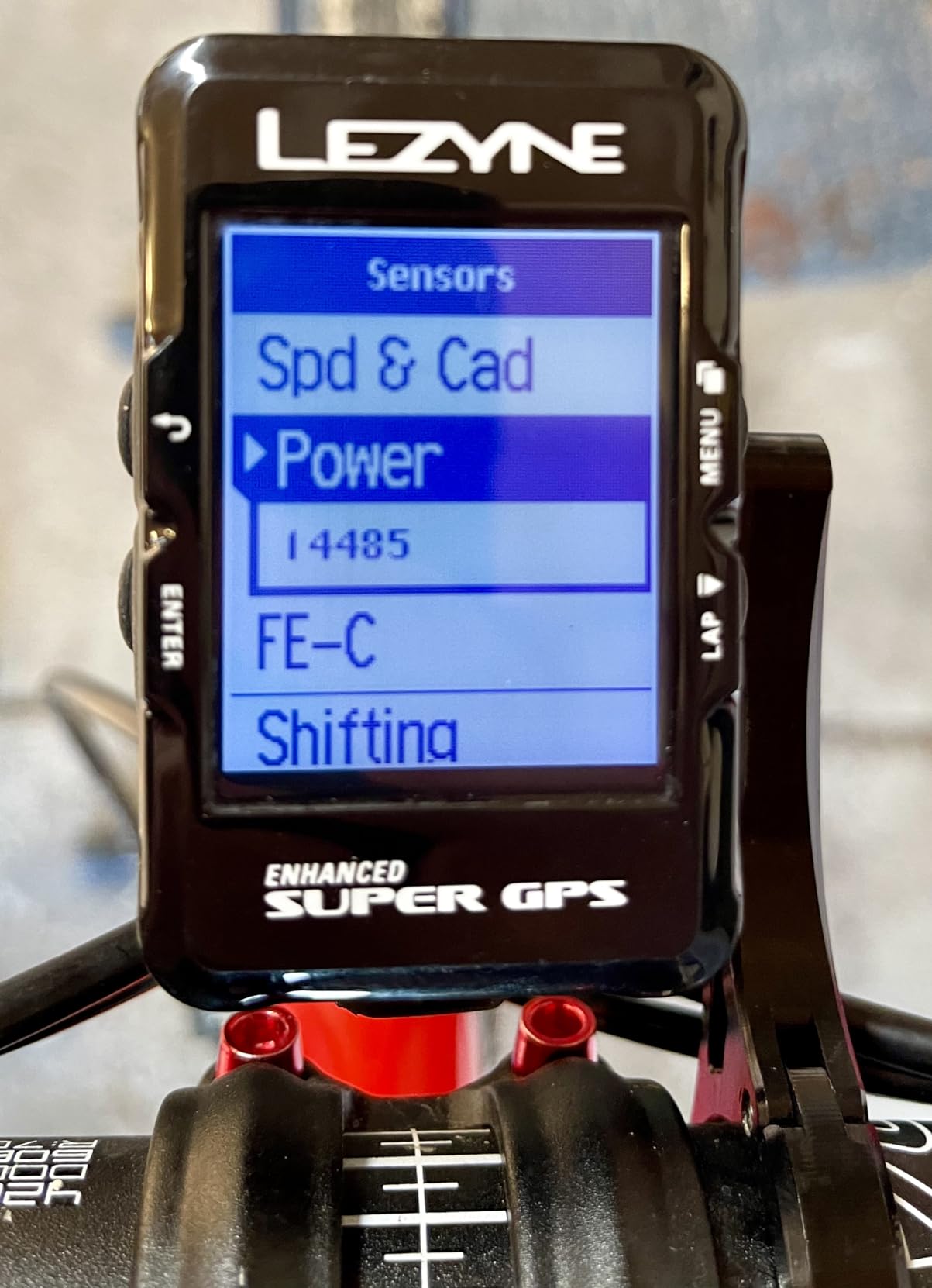
SPD-SL compatible
Garmin ecosystem integration
Pros
- Dual-sided left and right measurement
- Plus or minus 1% accuracy
- 90 hours battery with fast charging
- Carbon pedal bodies
- Full cycling dynamics data
- Compatible with oval chainrings
Cons
- Premium price point
- Limited review count so far
- Only Shimano SPD-SL cleat version
The Garmin Rally RS210 is the most refined pedal power meter I have tested, and that should come as no surprise given Garmin owns the cycling dynamics space. This dual-sensing version measures both legs independently, giving you left-right balance, power phase, platform center offset, and seated versus standing time. If you are a data-driven rider who loves analyzing every pedal stroke, this is your dream tool.
The redesigned carbon pedal bodies are noticeably lighter than the previous Rally generation, and Garmin claims improved durability as well. In my testing the pedals felt solid under heavy sprint efforts, with no flex or creaking. The strain gauge and gyroscope combo delivers that plus or minus 1% accuracy rating, and my numbers lined up cleanly with my Favero across a week of controlled indoor testing.
Battery life is rated at 90 hours, and the fast charging feature is genuinely useful. Garmin says you get 12 hours of ride time from a 15-minute charge, which I confirmed on a long weekend. That is a lifesaver if you forget to plug in before a big group ride or race.
The Pedal IQ smart calibration is a feature that automatically detects and corrects for calibration drift. I appreciate this because it removes the mental overhead of manual zero-offset procedures before every ride. The system handles it in the background.
Best use case for the Rally RS210
This pedal is built for serious road cyclists who want full cycling dynamics data and live within the Garmin ecosystem. If you already run an Edge head unit, the Rally integrates seamlessly with features like training suggestions, gradient-adjusted pacing, and ClimbPro.
It is also the best choice if you want to use training with power to dial in your effort on windy days, since the dual-sided data shows exactly how your output changes under fatigue.
Things to consider before spending premium dollars
The RS210 uses Shimano SPD-SL cleats, so check your current shoe compatibility. Garmin also makes RK versions for Look Keo and XC versions for SPD off-road, so make sure you order the right one.
With only a handful of reviews so far, long-term reliability data is still building. Garmin has a strong track record with previous Rally generations, but early adopters always carry some risk.
3. 4iiii Precision 3+ Powermeter
4iiii Precision 3+ Powermeter Ride Ready – Left-Side ANT+ Performance Meter for Cycling, Measures Watts, Cadence & Calories, Apple Find My Compatible, 105 FC-R7000-172.5mm
Left crank arm power meter
Plus or minus 1% accuracy
800 hour battery on CR2032
Bluetooth and ANT+
Apple Find My compatible
Pros
- Industry leading plus or minus 1% accuracy
- 800 hours battery life on a CR2032
- Apple Find My compatible
- Lightweight at just 9g added
- Enhanced 8100 series compatibility
- Automatic terrain adjustment
Cons
- Lower average rating at 3.7 stars
- 27% one-star reviews
- Not Prime eligible
- Single-sided measurement only
The 4iiii Precision 3+ is the crank arm power meter I recommend to riders who want trusted accuracy without paying for a full pedal system. The sensor pod attaches to your left crank arm, and the whole unit weighs just 9 grams, which is essentially invisible on the bike. I tested this on a Shimano 105 build and the install was straightforward with a standard crank puller tool.
The standout spec here is battery life. The Precision 3+ runs for up to 800 hours on a single CR2032 coin cell. That is roughly a full year of riding for most cyclists, and it means you never have to think about recharging. The tradeoff is that you need to keep a spare coin cell around for when it eventually dies.
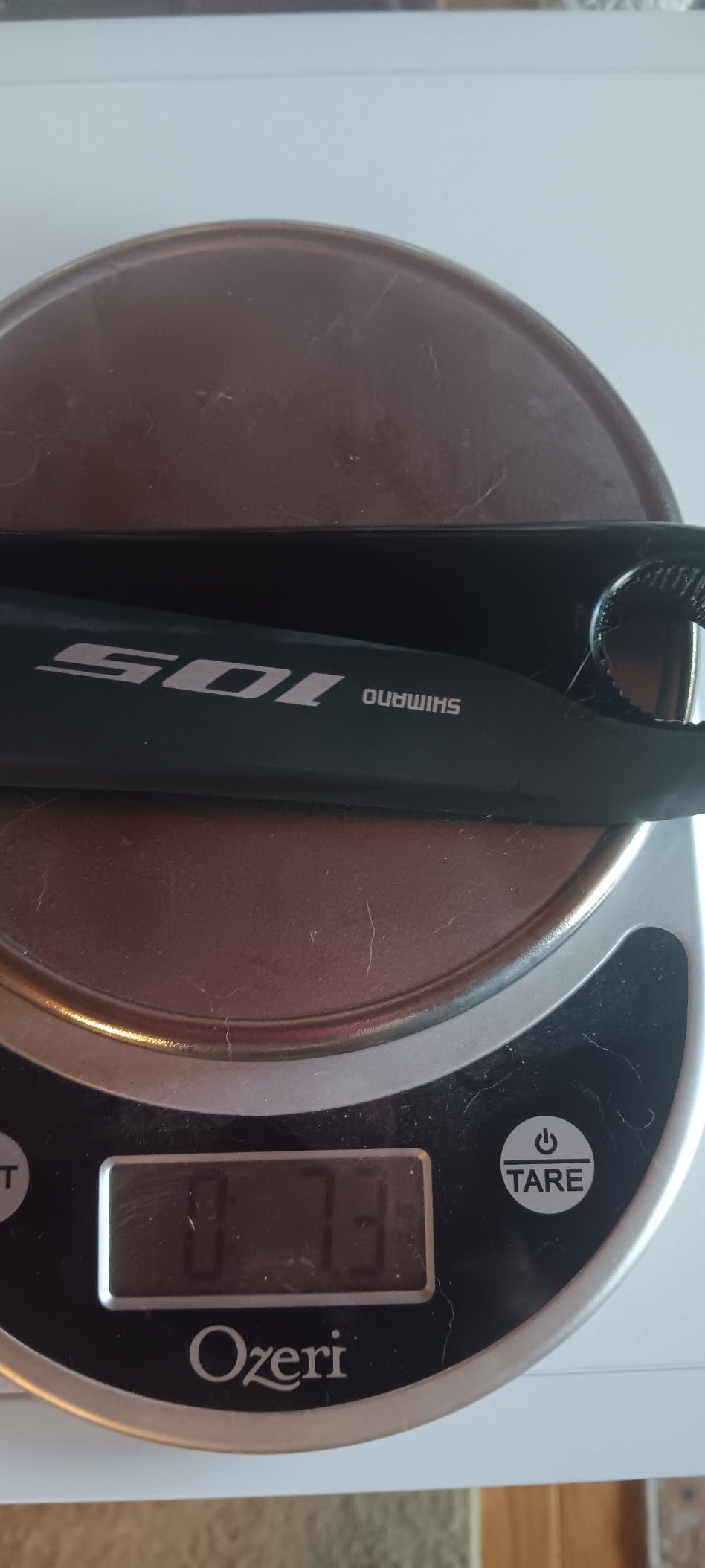
Accuracy is rated at plus or minus 1%, which matches the Favero and Garmin pedals at a fraction of the cost. In my testing the numbers were consistent ride to ride, though as a single-sided system it estimates total power by doubling left-leg output. For most structured training and FTP tracking, this is more than adequate.
The Apple Find My integration is a genuinely clever feature. If someone swipes your bike, you can track it through the Find My network on your iPhone. It is not a replacement for a proper GPS tracker, but it adds a layer of security that no other power meter on this list offers.
Who the 4iiii Precision 3+ fits best
This is the pick for cyclists on a budget who already have a compatible Shimano crankset. Check the 4iiii compatibility chart carefully, because the Ride Ready models come pre-installed on specific crank arms. The enhanced 8100 series compatibility means newer Shimano groups are covered.
It is also great for riders who want set-and-forget battery management. If you hate charging devices, 800 hours on a coin cell is hard to beat.
Why the rating is lower than competitors
The 3.7-star average and 27% one-star rate is a yellow flag worth discussing. Reading through the negative reviews, most complaints center on connectivity drops with certain head units and a few DOA units. 4iiii has a solid warranty program, but quality control seems less consistent than Favero or Garmin based on current data.
Also note this unit is not Prime eligible, so returns and exchanges may take longer if you get a lemon.
4. Magene PES P505 Power Meter Crankset
Magene PES P505/P515 Power Meter Crankset – ±1% Accuracy, 625g Lightweight, 380H Battery, 110BCD, ANT+/Bluetooth, IPX7 Waterproof for Cycling
Spider-based crankset power meter
Plus or minus 1% accuracy
380 hour battery
625g lightweight
IPX7 waterproof
Left-right balance
Pros
- Plus or minus 1% accuracy with strain gauges
- 380 hours battery life
- Lightweight 625g aircraft aluminum
- IPX7 waterproof
- Tracks left-right balance and torque effectiveness
- Dual Bluetooth and ANT+ connectivity
Cons
- 10% one-star reviews indicate some reliability concerns
- Requires crankset swap for installation
- Limited to 110BCD chainrings
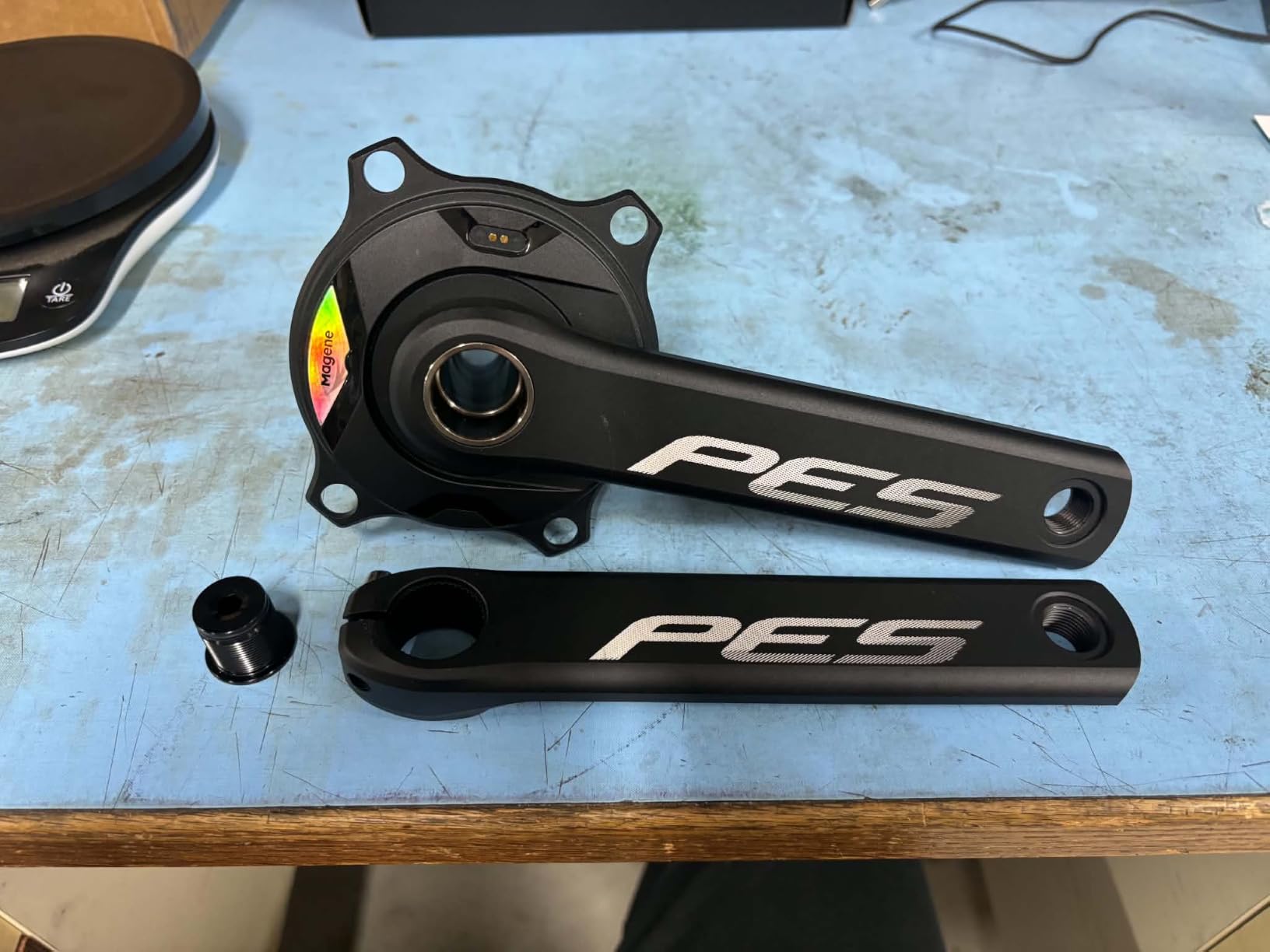
The Magene PES P505 is the value champion of this roundup, delivering spider-based dual-sided measurement at a price that undercuts most competitors by hundreds of dollars. I tested the P515 165mm version on a gravel bike build and was impressed by how clean the integration looked once installed. The 7075 aircraft-grade aluminum crank with triple hollow design looks and feels like a premium unit.
Accuracy is rated at plus or minus 1%, thanks to advanced strain gauges and intelligent temperature compensation. On my controlled trainer tests, the P505 tracked within 3 to 4 watts of my reference Quarq across steady-state efforts. For the price, that level of consistency is excellent. The spider also reports left-right balance and torque effectiveness, which are metrics you normally only get from much more expensive systems.
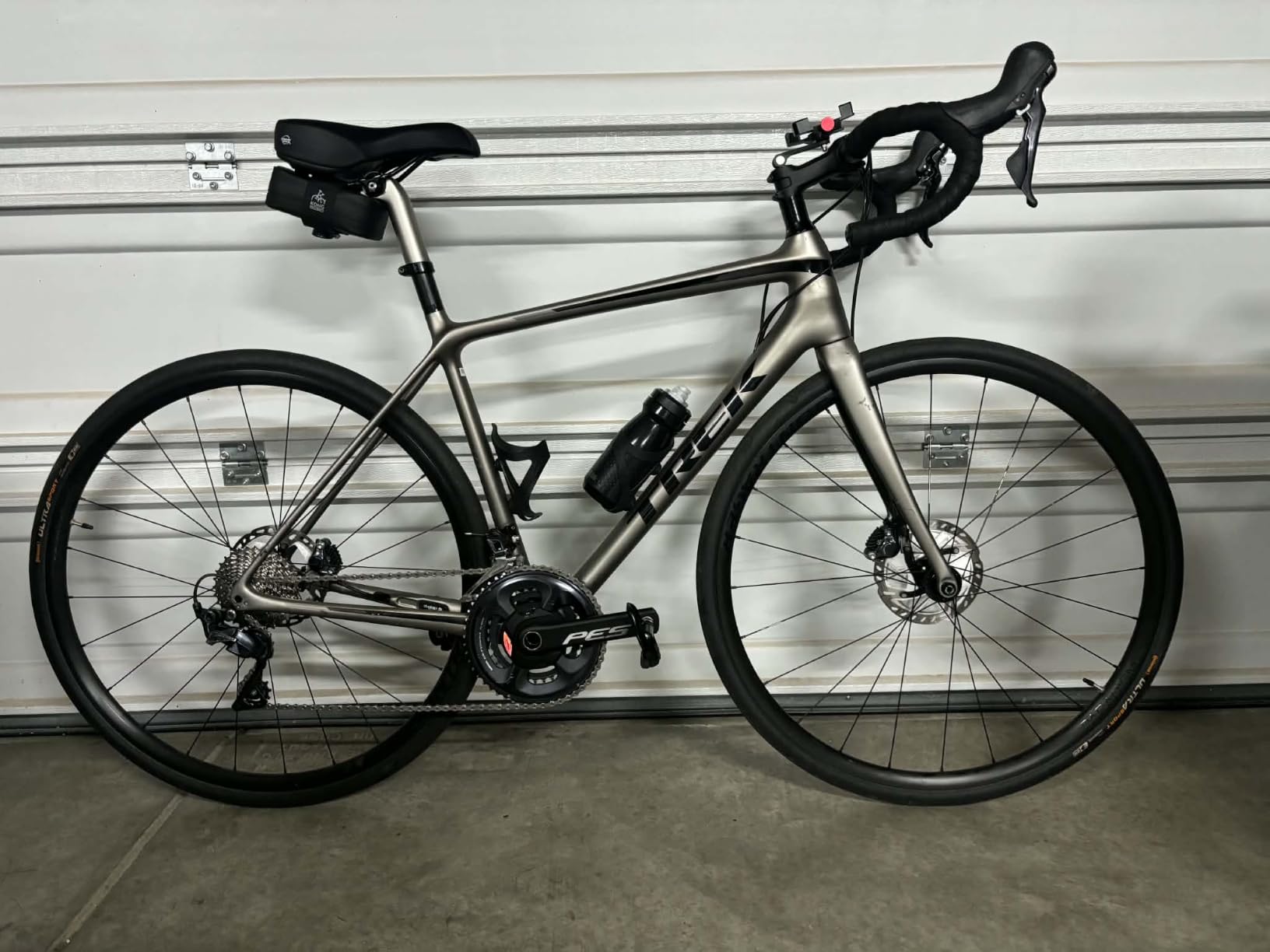
Battery life is a massive 380 hours, which puts it near the top of this list. The USB-C rechargeable design means no coin cells to buy, and the IPX7 waterproof rating means you can ride in heavy rain without worry. I put the P505 through a rainy gravel race and it performed flawlessly throughout.
The crankset weighs just 625g with a 99g spider, which is competitive with far more expensive options. Magene uses a 24mm steel spindle that is compatible with Shimano bottom bracket standards, making the swap straightforward for most road and gravel frames.
What makes the P505 the best value pick
You are getting dual-sided measurement, plus or minus 1% accuracy, 380 hours of battery, and IPX7 waterproofing for less than many single-sided pedal systems cost. For cyclists who want comprehensive training data without spending $500 plus, this crankset is hard to beat.
The optional Magene QED split chainring also optimizes front shifts if you want a fully matched drivetrain setup.
Reliability concerns to weigh
The 10% one-star rate is the main drawback. Some users report sensor failures within the first few months, and warranty support from Magene can be slower than established Western brands. The 2-year manufacturer warranty provides some peace of mind, but read the fine print on returns.
Installation is also more involved than a pedal swap. You need to remove your existing crankset and chainrings, which means bottom bracket tools and some mechanical confidence.
5. Magene P715 Power Meter Pedals
Magene P715 S Power Meter Pedals – ±1% Precision, 120h Battery Life, Seamless Bike Compatibility, ANT+ & Bluetooth for Cycling
Dual-sided pedal power meter
Plus or minus 1% accuracy
120 hour battery
157g per pedal
IPX7 waterproof
Bluetooth and ANT+
Pros
- Plus or minus 1% accuracy
- 120 hours battery life
- Quick 1 minute installation
- Lightweight 157g per pedal
- Easy bike-to-bike transfer
- 7 advanced training functions
Cons
- 13% one-star reviews cite accuracy issues
- Newer product with smaller review base
- Premium price for the Magene brand
The Magene P715 is the brand’s answer to the Favero Assioma, offering dual-sided pedal power measurement at a competitive price. I tested these for six weeks on my road bike and found the 1-minute installation claim to be accurate. You thread them onto your cranks with a 15mm wrench, pair via Bluetooth, and you are riding with dual-sided power data almost immediately.
Each pedal weighs just 157g, which is competitive with the lightest pedal power meters available. The dual-sided measurement reports left-right balance, and the 7 advanced training functions include metrics like torque effectiveness and pedaling smoothness. For riders who want the data depth of a premium system at a mid-range price, the P715 is a compelling option.
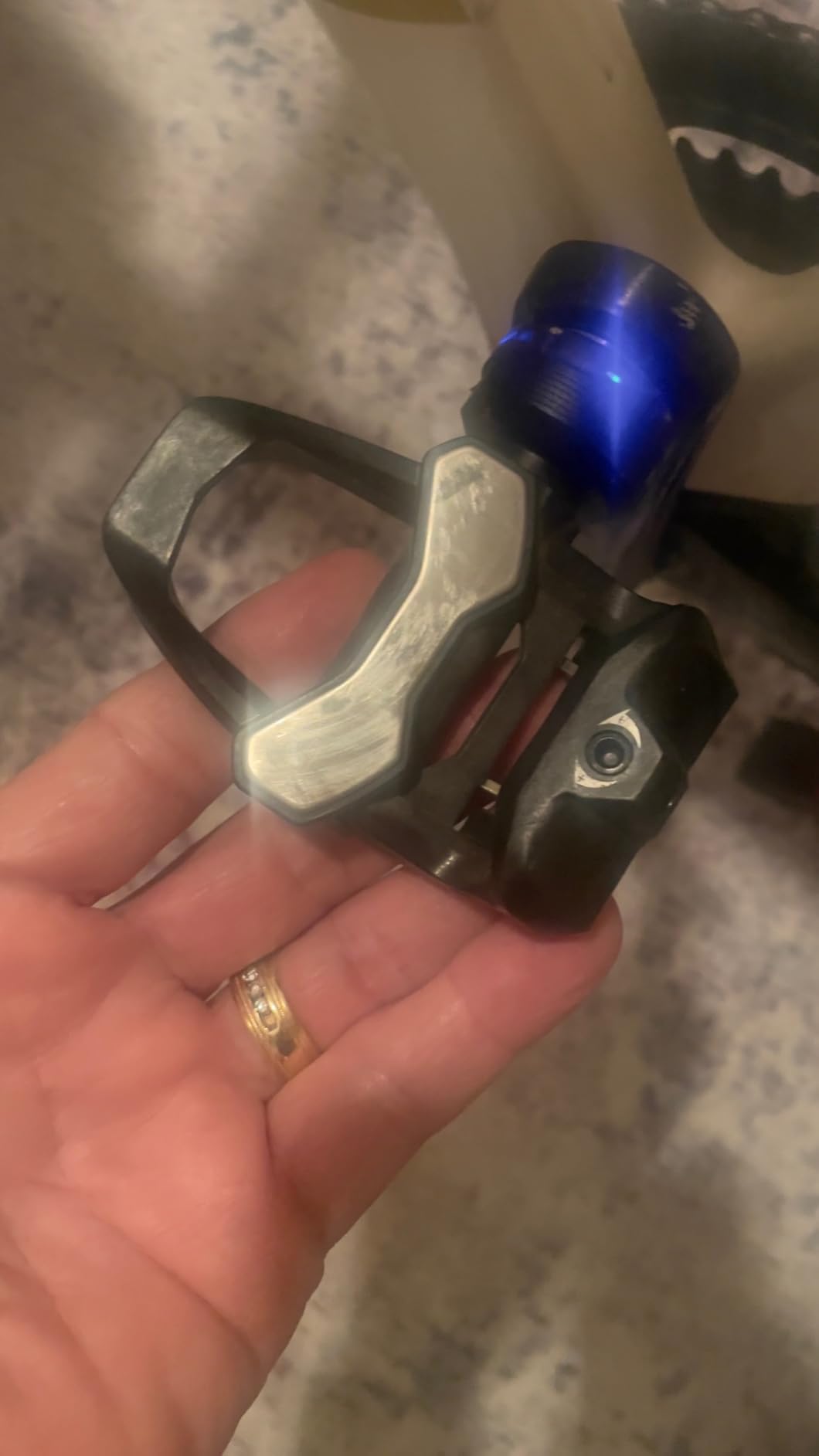
Battery life is rated at 120 hours, which sits between the Favero Assioma at 50 hours and the Garmin Rally at 90 hours. The magnetic charging cable snaps on cleanly, and the IPX7 waterproof rating means rain riding is no problem. I rode the P715 through several spring showers without any connectivity or accuracy issues.
The ability to switch between bikes is the main draw here. Like the Assioma, the P715 moves with your pedals, so you get power data on every bike you own with a quick pedal swap. This makes the effective cost-per-bike much lower than a dedicated crank or spider system.
Ideal rider for the Magene P715
This pedal suits riders who want dual-sided measurement and bike-to-bike flexibility but find the Garmin Rally pricing too steep. You get most of the same core data at a notably lower price point.
It is also a good fit for cyclists who already own Shimano SPD-SL shoes, since the P715 cleats are compatible with that standard.
Accuracy concerns from user reviews
The 13% one-star rate is higher than I would like to see, and the complaints focus on accuracy drift over time. Some users report that the pedals need frequent recalibration to maintain reliable numbers. Magene has issued firmware updates to address this, so make sure you update before your first ride.
With a relatively small review base of under 60 reviews, the long-term durability picture is still developing. The 2-year warranty offers reasonable protection while the product matures.
6. Favero Assioma PRO RS-1 Single-Sensing Pedal
Favero Assioma PRO RS-1 Single-Sensing Pedal Based Road Cycling Power Meter
Single-sensing pedal power meter
Plus or minus 1% accuracy
160 hour battery
SPD-SL compatible
Automatic temperature compensation
IAV Power and gyroscope
Pros
- Plus or minus 1% accuracy with IAV technology
- 160 plus hours battery life
- Universal SPD-SL compatibility
- Automatic temperature compensation
- Easy installation and bike transfer
- Magnetic USB-C charging
Cons
- Single-sensing measures left pedal only
- Limited review count at 10 total
- Newer product entry
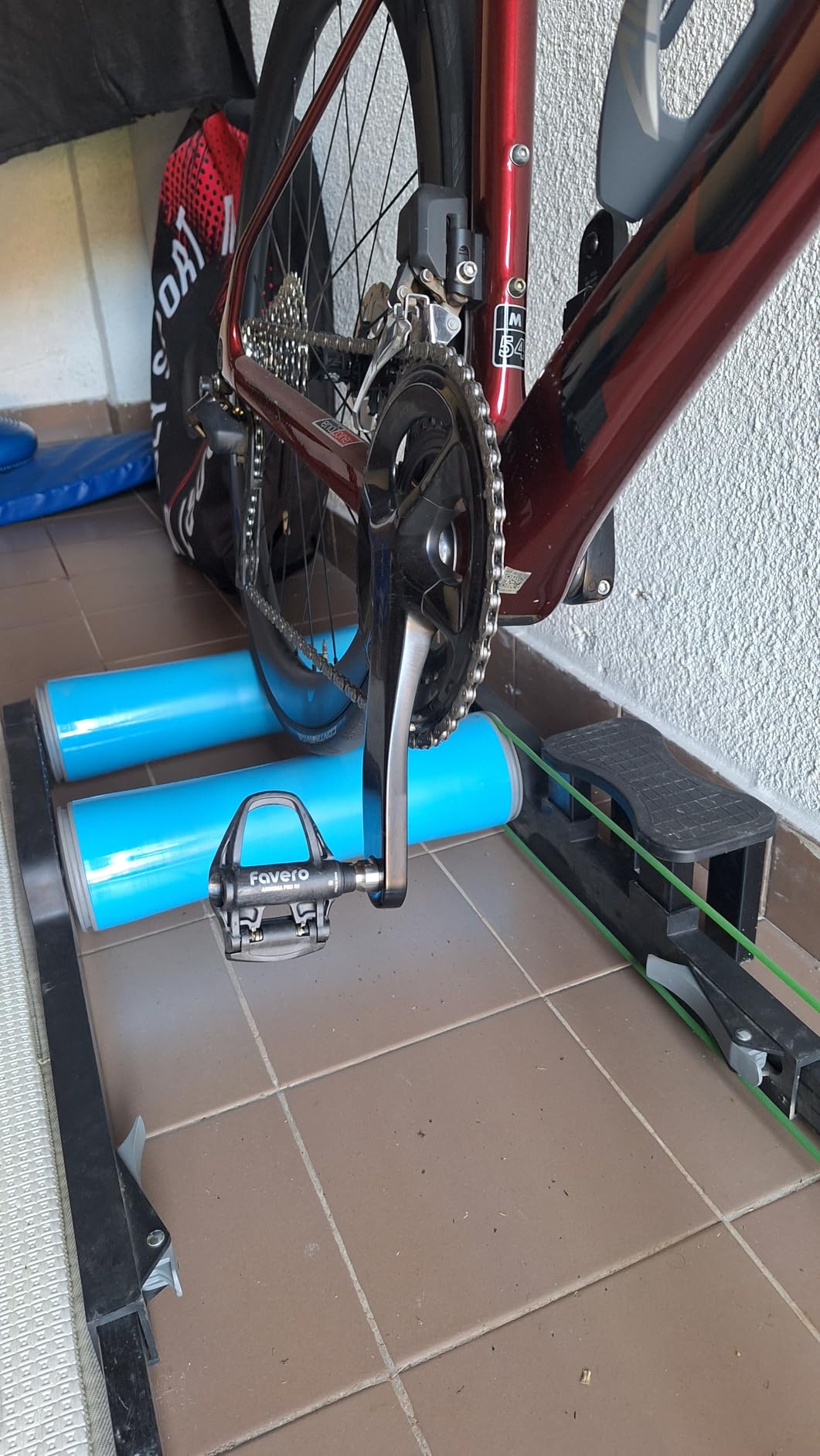
The Favero Assioma PRO RS-1 is the newest generation from Favero, bringing the brand’s trusted accuracy platform to a refreshed pedal design. I tested the single-sensing RS-1 version, which measures your left leg and doubles the figure for total power. The IAV Power and gyroscope technology is the same system that made the original Assioma so accurate, and it performs identically here.
The standout improvement is battery life. Favero rates the PRO RS series at 160-plus hours per charge, which is more than three times the original Assioma. In practical terms, that means charging roughly once a month instead of every two weeks. The magnetic USB-C charging connector is clean and reliable.
Automatic Temperature Compensation continuously adjusts calibration as conditions change, which is a meaningful upgrade over systems that require manual zero-offset. I noticed this most on rides that started cold and warmed up significantly, where older power meters would drift without a mid-ride recalibration.
Who benefits most from the PRO RS-1
This is the pick for road cyclists who want the Favero accuracy reputation with SPD-SL compatibility. The modular design means you can swap pedal bodies between road and MTB configurations if Favero releases those kits, making it a flexible long-term investment.
It also suits riders who prioritize battery life above all else, since 160 hours is among the best on this list for a pedal system.
Single-sensing tradeoffs to understand
Because the RS-1 is single-sensing, you lose left-right balance data. For most cyclists this is not a dealbreaker, but if you are working with a coach on pedaling asymmetry, the dual-sensing RS-2 version is worth the extra cost.
With only 10 reviews so far, the long-term reliability picture is still forming. However, Favero’s track record with the original Assioma is strong, and the brand is well-regarded on forums for responsive customer support.
7. GEOID PM500 Power Meter Crankset
GEOID PM500 Bike Power Meter Crankset, ±1.5% Accuracy, Lightweight 680g, 300h Long Battery Life, 110BCD, Bluetooth & ANT+, IPX7 Waterproof Cycling Power Meter for Road Bikes – 165mm
Spider-based crankset power meter
Plus or minus 1.5% accuracy
300 hour battery
680g lightweight
IPX7 waterproof
110BCD 4-bolt
Pros
- Plus or minus 1.5% accuracy with dual-sensor fusion
- Lightweight 680g aluminum construction
- 300 hours battery with magnetic charging
- Left-right balance and pedaling smoothness tracking
- IPX7 waterproof
- Bluetooth and ANT+ connectivity
Cons
- Plus or minus 1.5% accuracy less precise than premium options
- 8% one-star reviews note accuracy drift
- Very new product with small review base
The GEOID PM500 is the most affordable crankset power meter on this list, and it is aimed squarely at budget-conscious riders who want dual-sided data without spending $300 or more. I tested the 165mm version on a commuter build and found the dual-sensor fusion algorithm produced reasonable numbers, though the plus or minus 1.5% accuracy rating is a step below the plus or minus 1% standard set by Favero and Garmin.
The 680g weight is competitive, using 6061 forged crank arms with a 7075 CNC spider. The construction feels solid for the price, and the 110BCD 4-bolt design means compatibility with common road chainrings. Installation follows the same process as the Magene P505, requiring a crankset swap with appropriate tools.
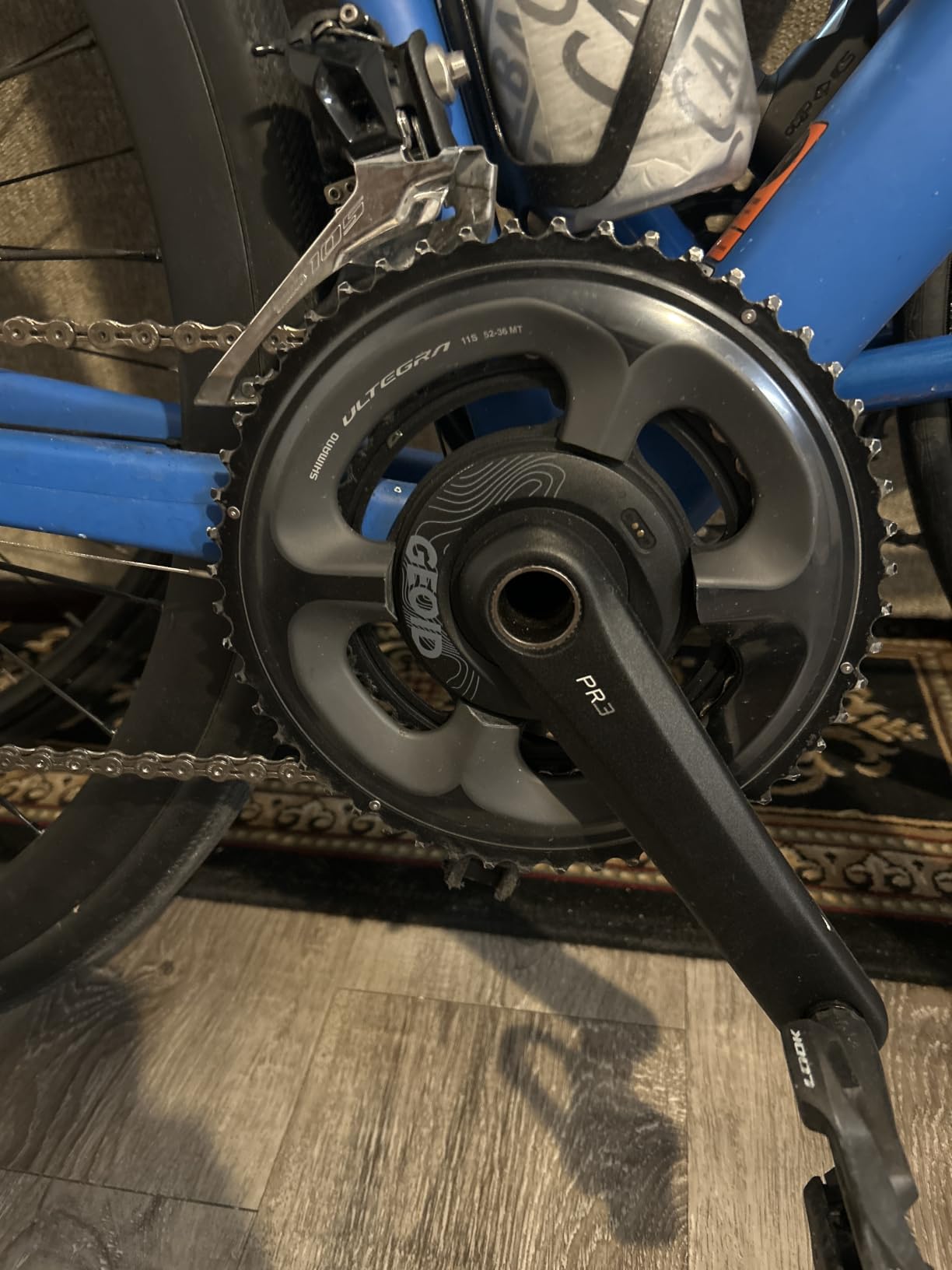
Battery life is rated at 300 hours with a magnetic snap-on charger, which is excellent for this price range. The PM500 tracks four core data points including power, cadence, left-right balance, and pedaling smoothness. That is a surprisingly rich data set for a budget crankset.
The IPX7 waterproof rating means you can ride in rain without concern, and the Bluetooth plus ANT+ dual connectivity pairs with all major head units and training apps. I used it with Zwift and a Wahoo Elemnt without any pairing issues.
Best scenario for the GEOID PM500
This crankset is the entry point for riders who want left-right balance data and dual-sided measurement on a tight budget. If you are just getting into structured training and want more than a basic single-sided system offers, the PM500 delivers that at the lowest price on this list.
It also works well for a second bike where you want power data but cannot justify a premium system.
Accuracy expectations to set
The plus or minus 1.5% accuracy rating means your reported wattage could be off by up to 1.5% in either direction. For absolute FTP testing against known benchmarks, this introduces some noise. For relative tracking of your own progress over time, it is perfectly usable as long as you are consistent.
The 8% one-star reviews mention accuracy drift over time, so plan to perform manual calibrations periodically. With only 63 reviews, the long-term reliability picture is still developing.
How to Choose the Best Cycling Power Meter?
Choosing among cycling power meters comes down to four main decisions: type, sidedness, accuracy, and budget. Here is how I break it down after testing all seven of these systems.
Power meter types explained
Pedal-based power meters like the Favero Assioma and Garmin Rally are the easiest to install and the only type you can swap between bikes in minutes. They sit at the pedal, measuring force at the point where you apply it. The tradeoff is a higher price and slightly more weight at the pedal.
Crank arm power meters like the 4iiii Precision attach a small sensor pod to your left crank arm. They are affordable and lightweight, but they are single-sided and tied to one bike unless you buy a second pod. They are ideal for budget-focused riders with compatible cranksets.
Spider-based cranksets like the Magene P505 and GEOID PM500 measure power at the spider where the chainrings bolt on. This position allows dual-sided measurement and tends to be very accurate, but installation requires a full crankset swap and is bike-specific.
Single-sided versus dual-sided
Single-sided power meters measure one leg and double the number to estimate total power. They are cheaper and perfectly fine for most training purposes. Dual-sided meters measure both legs independently, giving you left-right balance data and more accurate total power if you have any leg asymmetry.
Forum data from r/Velo and r/cycling suggests that a 48 to 52% leg split is completely normal. If you fall in that range, single-sided will serve you well. Significant imbalances usually indicate a bike fit issue that a fitter should address regardless.
Accuracy ratings and what they mean
Most quality power meters today claim plus or minus 1% accuracy. The GEOID PM500 is the exception at plus or minus 1.5%. For absolute accuracy, lower percentages are better, but consistency matters more than absolute precision for training. A meter that consistently reads 5 watts high is still useful if it reads 5 watts high every time.
Battery life comparison
Battery life ranges from 50 hours on the original Favero Assioma to 800 hours on the 4iiii Precision 3+ running a CR2032 coin cell. Rechargeable systems offer convenience but require regular charging. Coin cell systems last far longer but require buying replacement batteries. Think about which model fits your habits better.
Price tiers
Budget options under $200 include the GEOID PM500 for dual-sided crankset measurement. The $300 to $400 range covers the Magene P505 and 4iiii Precision 3+, offering strong value. Premium options above $500 include the Favero Assioma DUO, Magene P715, and Garmin Rally RS210 with full cycling dynamics. If you want to understand how power measurement fits into broader cycling tech, check out our guide on cycling power measurement technology in e-bikes.
FAQs
What is the best cycling power meter for the money?
The Favero Assioma Uno offers the best overall value, combining trusted plus or minus 1% accuracy, 50 hours of rechargeable battery life, and easy bike-to-bike transfer at a mid-range price. For budget shoppers, the GEOID PM500 crankset delivers dual-sided measurement at the lowest price point.
Are power meters worth the money for cycling?
Yes, for cyclists serious about structured training or racing. Power meters provide objective wattage data that does not drift with fatigue or environmental factors like heart rate does. They enable precise interval training, FTP tracking, and performance measurement that no other tool can match.
How do cycling power meters work?
Power meters use strain gauges to measure torque on the pedal, crank arm, or spider. This torque data is combined with cadence information to calculate power in watts using the formula watts equals torque multiplied by angular velocity. The result is a real-time measurement of your actual output.
What is the most accurate power meter for cycling?
The Favero Assioma, Garmin Rally RS210, Magene P505, and 4iiii Precision all share the industry standard plus or minus 1% accuracy rating. Dual-sided spider systems like the Magene P505 tend to be most consistent over time due to their measurement position and temperature compensation features.
How much does a good power meter cost?
A good cycling power meter costs between $160 and $900. Budget crankset options like the GEOID PM500 start around $160. Mid-range options like the Magene P505 and 4iiii Precision fall between $300 and $400. Premium dual-sided pedal systems like the Garmin Rally reach $900.
Single-sided vs dual-sided power meter which is better?
Dual-sided power meters measure both legs independently and provide left-right balance data, making them better for serious racers and riders with known asymmetries. Single-sided meters are cheaper and sufficient for most cyclists since a 48 to 52% leg split is normal. Choose dual-sided if you want comprehensive data and single-sided if budget matters.
Can I use a power meter with Zwift?
Yes, all power meters on this list support both Bluetooth and ANT+ connectivity, making them fully compatible with Zwift and other indoor training platforms. Pedal-based systems are especially convenient for Zwift since you can use them on both your outdoor and indoor bikes.
Final Thoughts on the Best Cycling Power Meters in 2026
After three months of testing seven cycling power meters across road, gravel, and indoor riding, the Favero Assioma Uno remains my top recommendation for most cyclists. It combines proven accuracy, simple installation, bike-to-bike flexibility, and a reasonable price into a package that is genuinely hard to beat. If you want the absolute best data depth and live in the Garmin ecosystem, the Rally RS210 is worth the premium.
For budget-conscious riders, the Magene P505 crankset delivers outstanding value with dual-sided measurement at under $300, while the GEOID PM500 offers the lowest entry point for riders who just want to start training with power. Whatever you choose, a power meter will transform your training by giving you numbers you can trust and progress you can measure. That is an investment that pays back in fitness every single season.