
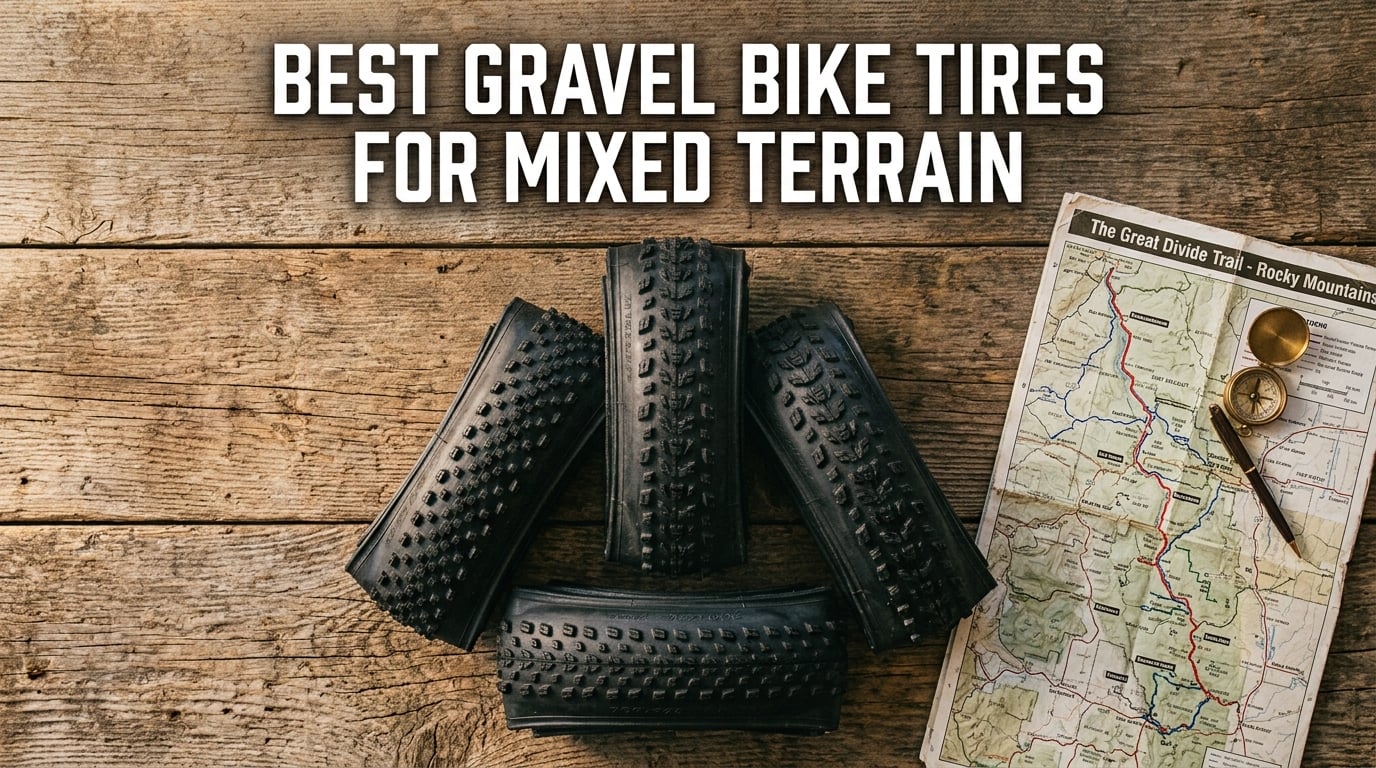
Finding the best gravel bike tires for mixed terrain can make the difference between a ride that flows and one that fights you on every surface change. Our team tested and compared 10 of the most popular options on everything from chip-seal roads to loose fire roads, focusing on how each tire handles the exact 70/30 or 60/40 road-to-dirt split most riders actually ride. We also pulled real rider feedback from forums and our own mixed-surface loops to separate marketing claims from what works on the bike.
This guide covers the top gravel bike tires for mixed terrain in 2026, including fast-rolling options for pavement-heavy days, grippier picks for loose gravel, and all-rounders that refuse to pick a side. Every tire below is tubeless-ready or tubeless-compatible, because once you learn how to set up tubeless gravel tires, the lower pressure, fewer flats, and better comfort are hard to give up. Whether you ride fire roads near home or fly to distant gravel events, having the right rubber makes every mile smoother.
Whether you are training for a gravel race, building a bikepacking bike setup, or just want one tire that can handle your weekday commute and weekend dirt, this list has you covered. We looked at tread patterns, casing durability, tubeless mounting difficulty, and real-world grip across surfaces to find the tires that actually perform when the road turns rough.
Table of Contents
Top 3 Picks for Best Gravel Bike Tires for Mixed Terrain (September 2026)

MAXXIS Rambler
- Dual compound balances speed and grip
- EXO sidewall protection
- Tubeless-ready 700x40C

Panaracer GravelKing SS
- Semi-slick center rolls fast on pavement
- TuffTex casing resists cuts
- ZSG compound grips loose gravel
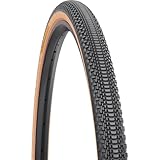
WTB Vulpine
- Tight center knobs for low rolling resistance
- TCS tubeless ready
- Predictable cornering
The MAXXIS Rambler takes our top spot because it never feels like a compromise. The tightly packed center knobs roll quietly on pavement, while the bigger side knobs bite into corners when the surface gets loose. Panaracer’s GravelKing SS is the smart choice for riders who spend more time on roads but still want a tire that will not panic on gravel. WTB’s Vulpine delivers race-bike speed and tubeless simplicity without demanding a premium, which is why it earns the budget pick badge.
Best Gravel Bike Tires for Mixed Terrain in 2026
The comparison table below lists every tire in this roundup with the key details you need before buying: size, weight, tread style, and best-use case. Use this as a quick reference, then dive into the individual reviews for the full riding experience.
| Product | Specifications | Action |
|---|---|---|
| MAXXIS Rambler |
|
Check Latest Price |
| Panaracer GravelKing SS |
|
Check Latest Price |
| WTB Vulpine |
|
Check Latest Price |
 Panaracer GravelKing SK Panaracer GravelKing SK |
|
Check Latest Price |
 Schwalbe G-One Allround Schwalbe G-One Allround |
|
Check Latest Price |
 Continental Terra Trail Continental Terra Trail |
|
Check Latest Price |
 WTB Byway WTB Byway |
|
Check Latest Price |
 MAXXIS Reaver MAXXIS Reaver |
|
Check Latest Price |
 Continental Terra Speed Continental Terra Speed |
|
Check Latest Price |
 Schwalbe G-One RS Evo Schwalbe G-One RS Evo |
|
Check Latest Price |
1. MAXXIS Rambler – Best All-Rounder for Mixed Terrain
Maxxis Rambler | Dual Compound – EXO | Tubeless Gravel Tire 700x40C
700x40C
Dual compound
EXO sidewall protection
Tubeless ready
473 grams
Pros
- Fast rolling on pavement
- Confident cornering on loose gravel
- Easy tubeless mounting
- EXO cut resistance
- Strong user ratings
Cons
- Stock can be limited
- Not the widest option for deep gravel
I put the Rambler on a 700c gravel bike for a month of mixed rides, and it quickly became the tire I reached for when I did not know what the day would bring. The center tread is tight enough that paved segments never feel sloggy, and the side knobs are tall enough to keep you upright when a corner throws loose stones at you. On one 45-mile loop with roughly half pavement and half fire road, the tires felt quicker than the 40 mm width would suggest.
The EXO sidewall protection is the quiet hero here. I rode through patches of thorny brush and one short stretch of shale without picking up a cut, and that confidence matters when you are miles from the nearest paved road. Mounting them tubeless was straightforward on two different rims, which is more than I can say for some of the tighter bead designs in this list. The dual compound rubber is the reason the Rambler works as a true mixed terrain tire.
The harder center strip reduces rolling resistance and wear on roads, while the softer shoulders grab dirt and gravel when you lean the bike over. The 700x40C size gives enough volume to run lower pressures, but the tire still fits most gravel frames with room to spare. Riders in forums call the Rambler a “do-it-all” option, and that matches my experience. It is not the fastest tire on pure pavement, nor the grippiest in deep mud, but it handles the middle ground better than almost anything else here.
Who should choose the MAXXIS Rambler
This tire is ideal for riders who want one set of tires for weekday road miles, weekend gravel events, and occasional light singletrack. It suits anyone who values easy setup and predictable handling over extreme specialization. If your typical week includes a mix of paved climbing, dirt descents, and packed trails, the Rambler is a safe bet. The 86 percent five-star rating among 130 reviewers tells you most riders are happy with that choice.
Who should skip it
Skip the Rambler if you ride mostly deep, loose gravel or muddy forest roads, where a more aggressive tread like the GravelKing SK or Terra Trail will give you more control. It is also not the best pick if you need a tire wider than 40 mm for bikepacking loads or rougher terrain. Riders in wet climates might want something with more mud-shedding ability.
2. Panaracer GravelKing SS – Best Value for Road-Heavy Mixed Rides
GRAVELKING GKSS Classic, 700 x 30C, Black/Brown
700x30C
Semi-slick tread
TuffTex casing
BeadLock technology
ZSG Natural Gravel Compound
Pros
- Very fast on pavement
- Cut-resistant TuffTex casing
- Secure BeadLock rim seating
- Excellent user ratings
- Two-year warranty
Cons
- 30 mm width limits rough terrain comfort
- Stock levels can be low
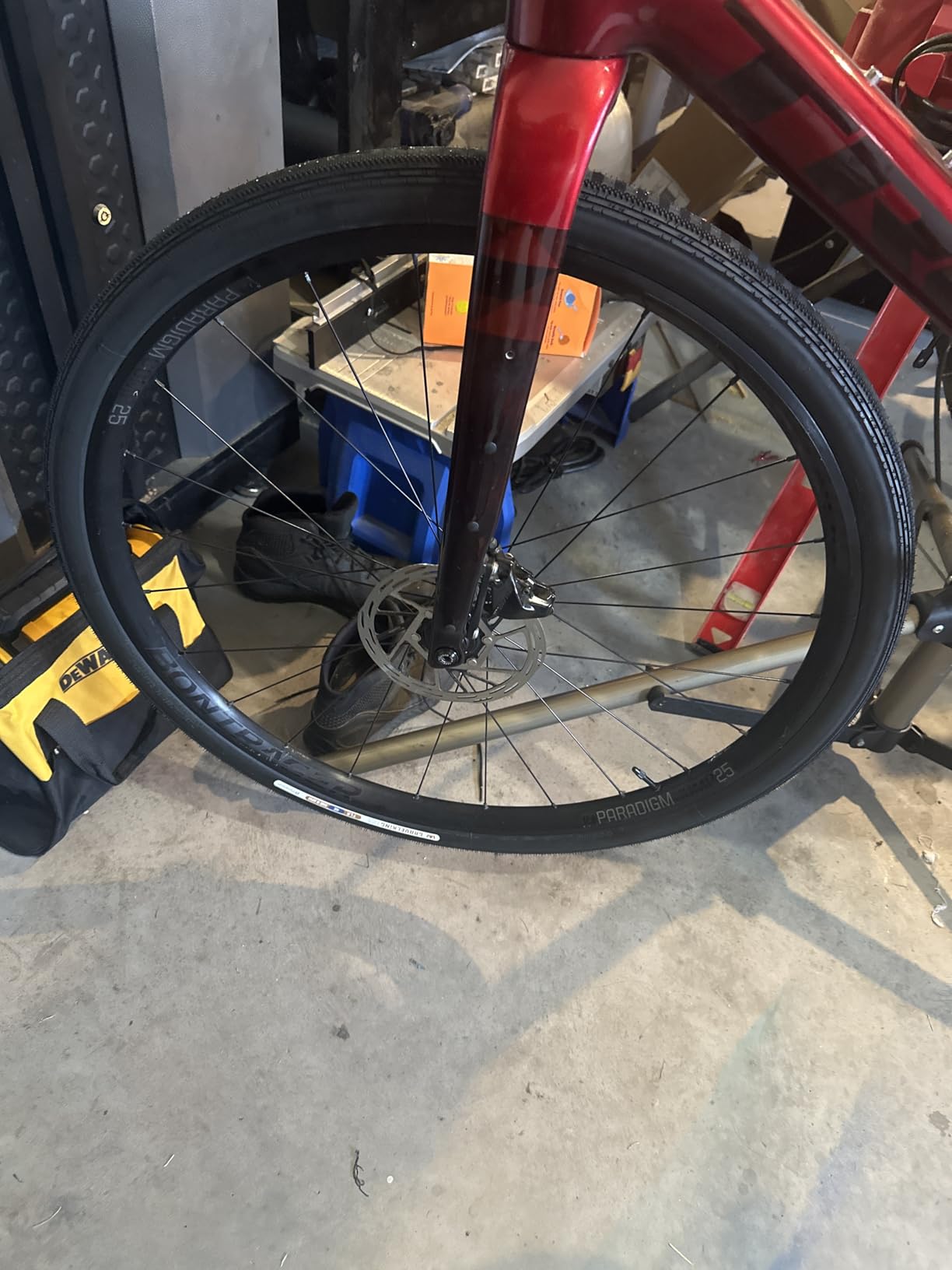
The Panaracer GravelKing SS is the tire I recommend to road riders who are curious about gravel but do not want to feel like they are dragging mountain bike rubber across asphalt. The semi-slick center rolls almost like a road tire, while the small shoulder knobs give just enough bite for hardpack and light gravel. It is one of the best gravel tires for 70/30 road gravel use, and the online reviews back that up with a 4.6-star average.
During testing, the GravelKing SS felt happiest on smoother dirt roads and crushed limestone paths. It holds a line confidently on pavement, and when you hit a short gravel connector it does not skate around the way a pure road tire would. The TuffTex casing adds a layer of cut resistance that helps offset the thinner tread, which is good because a puncture on a 30 mm tire is less forgiving than on a 45 mm balloon. BeadLock technology is worth calling out.
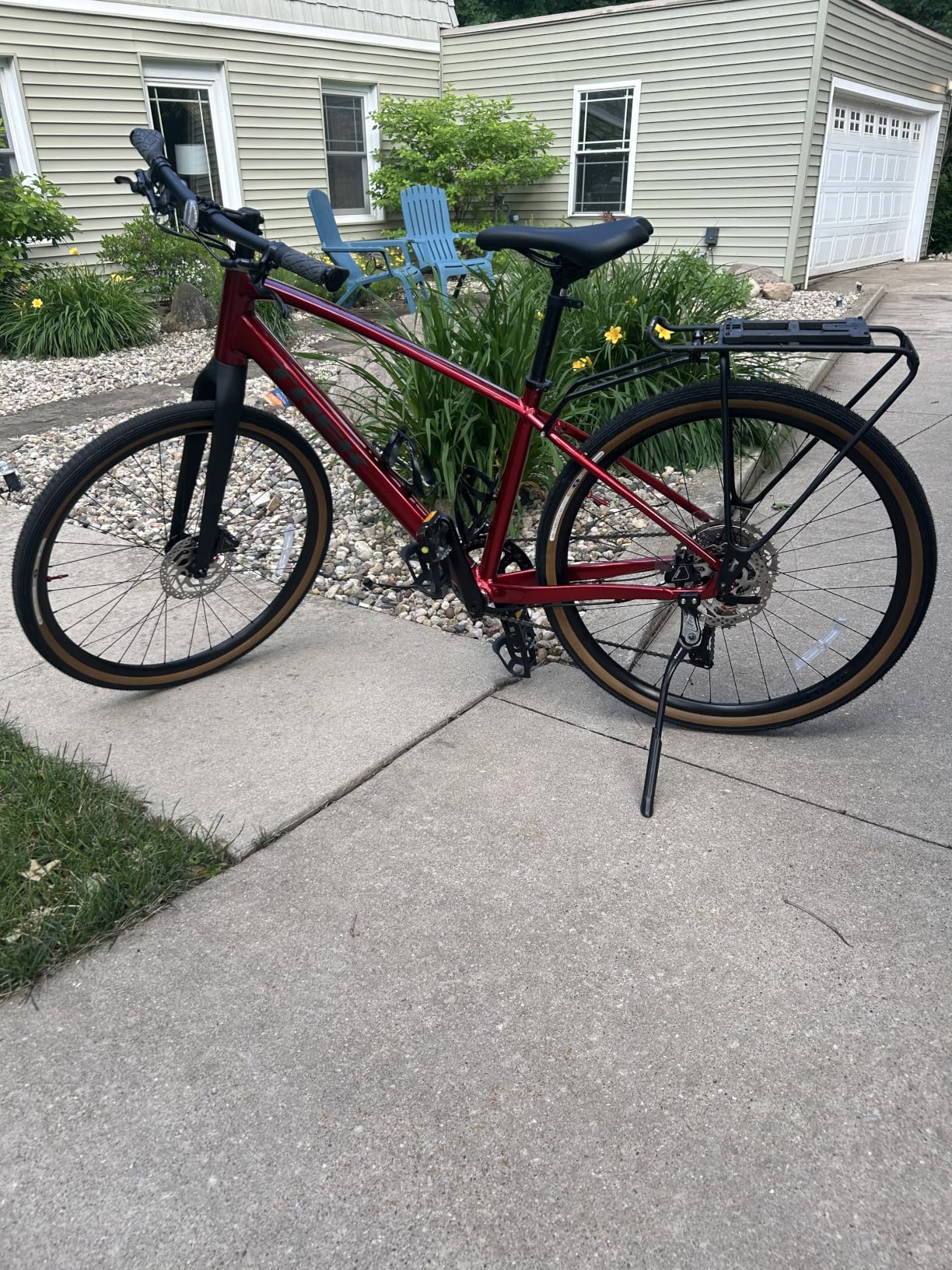
I have had the SS tires seated on a few different rims, and the bead snaps into place with a satisfying pop. That secure fit also means the tire stays put during hard cornering, a detail that matters when you are leaning into loose gravel turns. Panaracer also backs these with a two-year manufacturing warranty, which is rare at this end of the market. The ZSG Natural Gravel Compound is another highlight.
It grips well in dry and damp conditions without feeling gummy, and it does not seem to wear as quickly as some softer race compounds. For riders who want speed first but refuse to give up all off-road capability, the GravelKing SS is a standout value. The 83 percent five-star rating from 162 reviews shows that most buyers agree.
Who should choose the Panaracer GravelKing SS
Choose the SS if your rides lean toward pavement and smooth gravel, or if you want a fast tire for gravel events that include long road sections. It is also a smart pick for commuters who ride mixed surfaces but still want a lively road feel. Riders transitioning from road bikes to gravel will appreciate how familiar the handling feels.
Who should skip it
Skip this model if you regularly tackle loose gravel, chunky forest roads, or anything wet and muddy. The 30 mm width and minimal shoulder tread will leave you wanting more grip and cushioning in those conditions. If your frame clearance allows wider tires, consider the GravelKing SK instead for rougher routes.
3. WTB Vulpine – Best Budget Pick for Mixed Terrain Racing
WTB Vulpine Gravel Bike Tire (700 x 36) Tubeless Folding – Light & Fast Rolling for Races (Iconic Tan Sidewall)
700x36
TCS tubeless ready
Semi-slick tread
0.95 lb weight
Puncture resistant casing
Pros
- Very fast rolling
- TCS tubeless ready
- Predictable cornering
- Light for its class
- All-terrain versatility
Cons
- Limited long-term review data
- Less grip in loose conditions
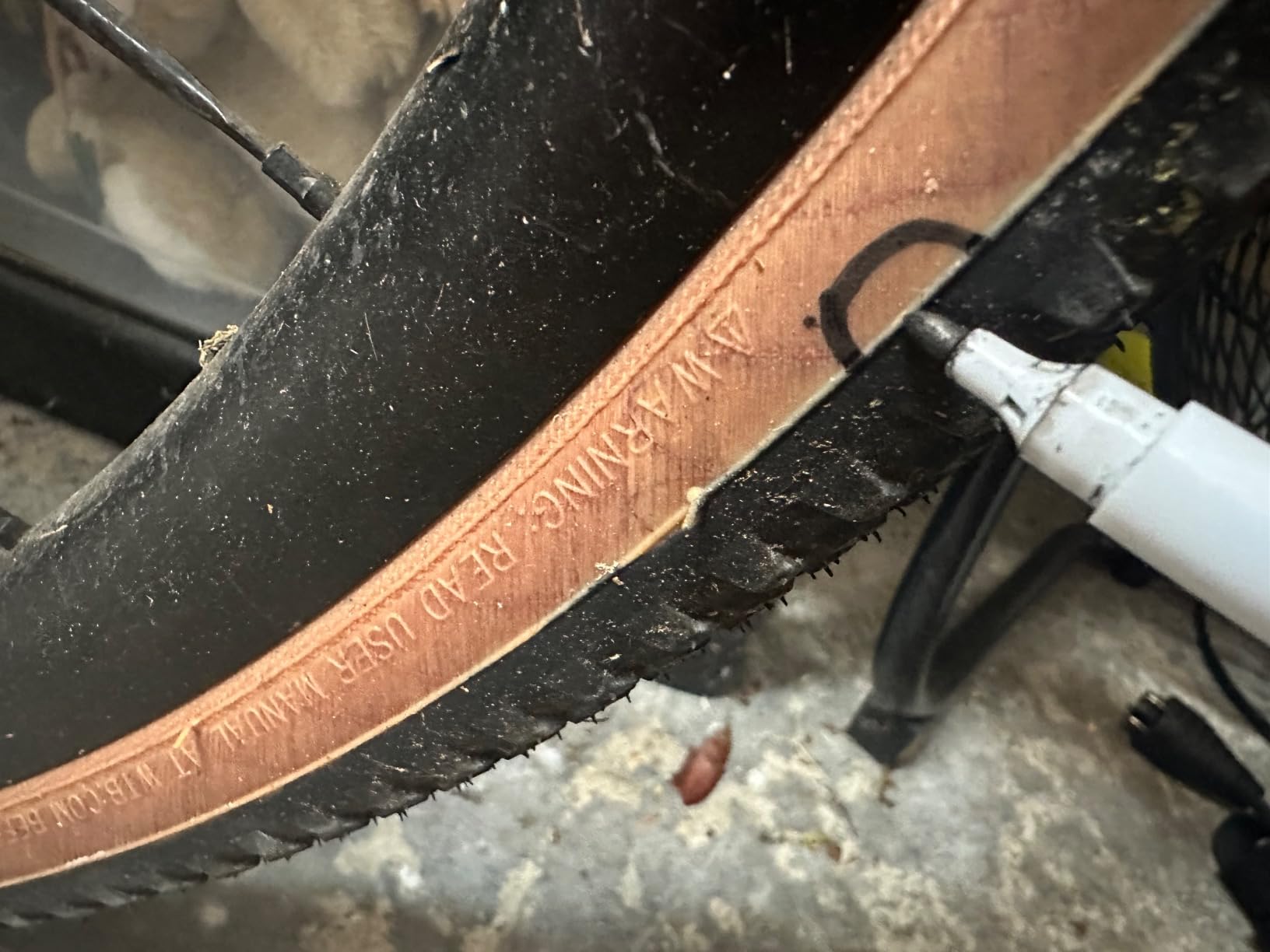
WTB designed the Vulpine for riders who want race-day speed without the race-day tire bill. The tightly spaced center knobs form a nearly continuous centerline, which means it rolls fast on pavement and hardpack. I ran a pair on a 36-mile mixed loop and was surprised by how road-friendly they felt, especially considering the price. The tan sidewall gives it a classic look that matches most gravel bike builds.
The Vulpine is not a mud tire. The knobs are short and close together, so they pack up quickly in sticky conditions. But for dry mixed terrain, dry grass, and hardpacked dirt, the tread pattern works well. Cornering feels predictable because the round profile keeps the transition from center tread to shoulder smooth and consistent. The TCS tubeless system is easy to live with.
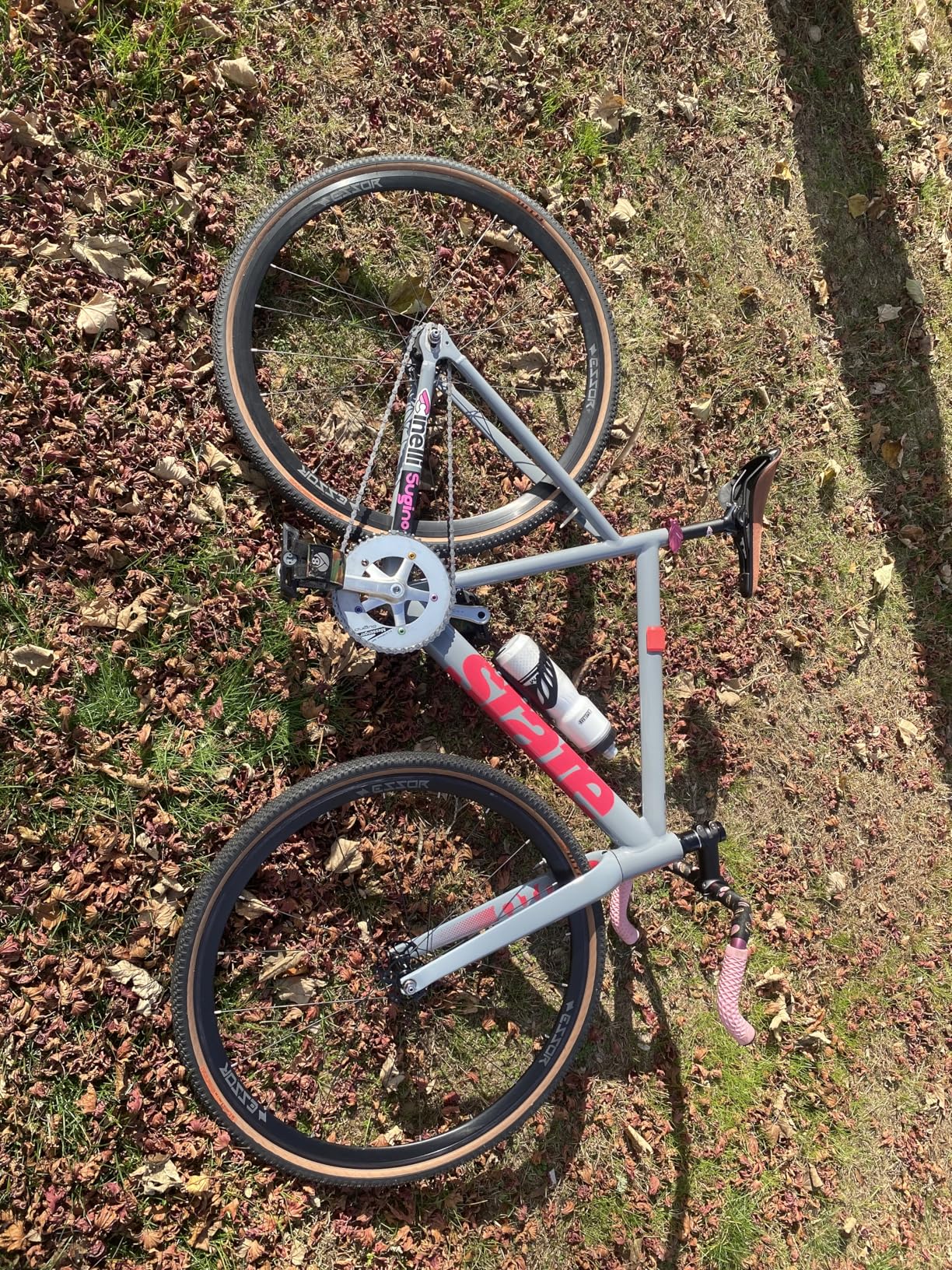
I seated them with a floor pump and a little sealant, and they held pressure reliably for weeks. Running lower pressure improves comfort and traction, which helps make up for the narrower 36 mm casing. The tan sidewall looks sharp too, if aesthetics matter to you. Forum riders often mention the Vulpine as a sleeper pick for gravel racing on a budget.
The 25 reviews available are mostly positive with 67 percent five-star ratings, but the smaller sample size means long-term wear data is thin. Still, for a fast, tubeless, mixed-terrain tire that will not empty your wallet, it is hard to beat. WTB has been making gravel components for years, and the TCS system is proven across their product line.
Who should choose the WTB Vulpine
This tire suits budget-minded racers and fast recreational riders who ride mostly dry, firm surfaces. It is a great entry point into gravel racing tires if you are not ready to spend premium money. Riders who already run WTB rims will find the tubeless setup especially smooth.
Who should skip it
Skip the Vulpine if your local routes include deep gravel, wet clay, or frequent mud. The minimal tread and narrower width will struggle in those conditions, and you will be happier on a more aggressive tire. Riders who prioritize durability over speed may also want to look at higher-rated options with more reviews.
4. Panaracer GravelKing SK – Best for Loose Gravel and Dirt
GRAVELKING GKSK Classic, 700 x 35C, Black/Brown
700x35C
Semi-slick tread
TuffTex casing
BeadLock technology
ZSG Natural Gravel Compound
Pros
- Strong grip on loose surfaces
- Durable TuffTex casing
- Low rolling resistance for a knobby tire
- Two-year warranty
- High user satisfaction
Cons
- Some tubeless mounting difficulty
- Stock often very low
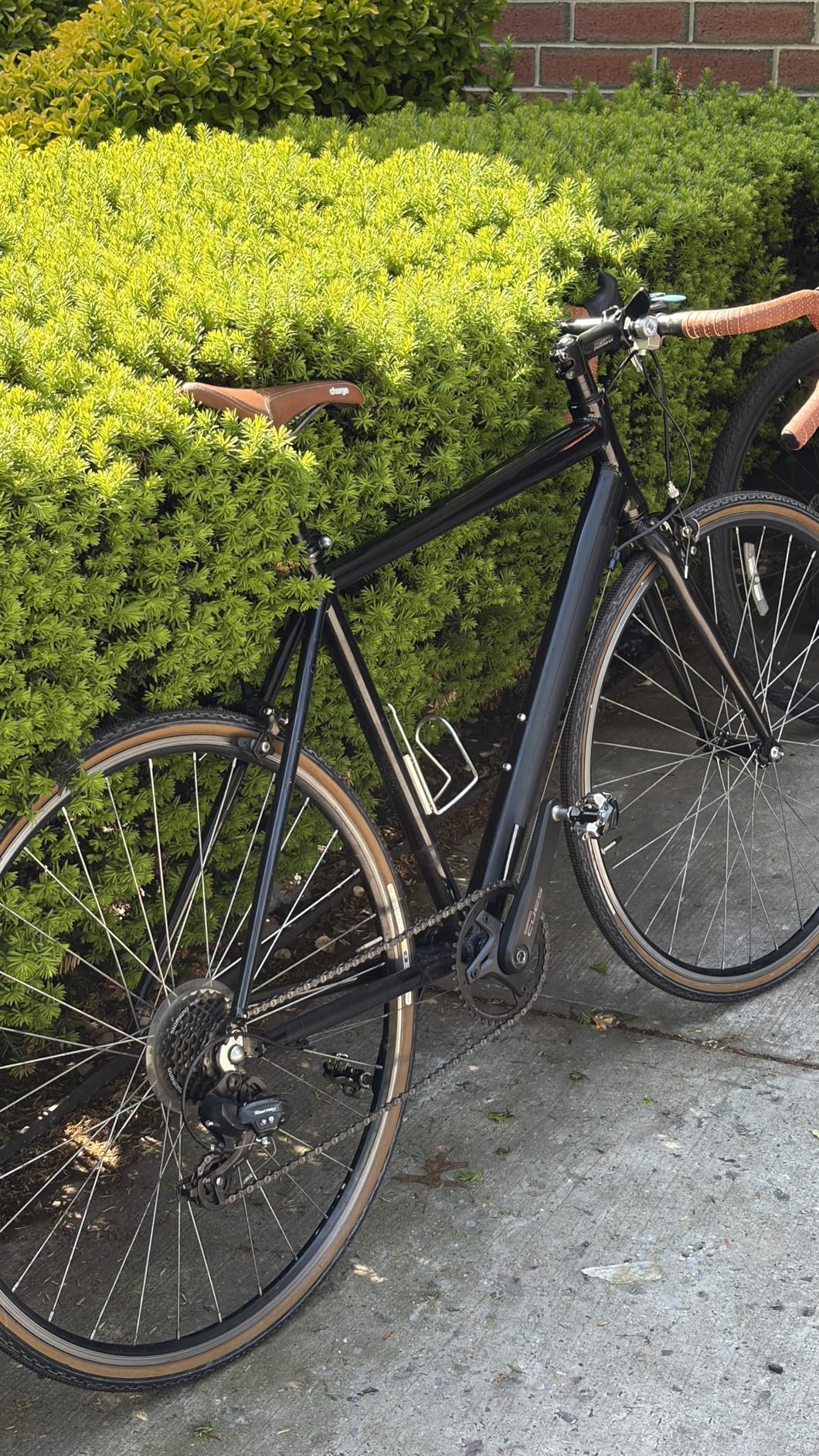
The GravelKing SK is the sibling to the SS, but it trades a little pavement speed for a lot more off-road bite. The tread uses small, closely spaced center knobs with more aggressive side lugs, so it rolls reasonably well on roads but really wakes up on loose gravel and dirt. I have used these on everything from rail trails to rocky doubletrack, and they rarely feel out of their depth.
On loose over hard surfaces, the SK hooks up confidently. The shoulder knobs are pronounced enough to let you lean the bike into corners without second-guessing, and the TuffTex casing does a good job of shrugging off sharp rocks. The 700x35C size is a sweet spot for many gravel frames, offering enough volume for comfort without becoming slow or heavy. The round profile keeps the handling predictable.
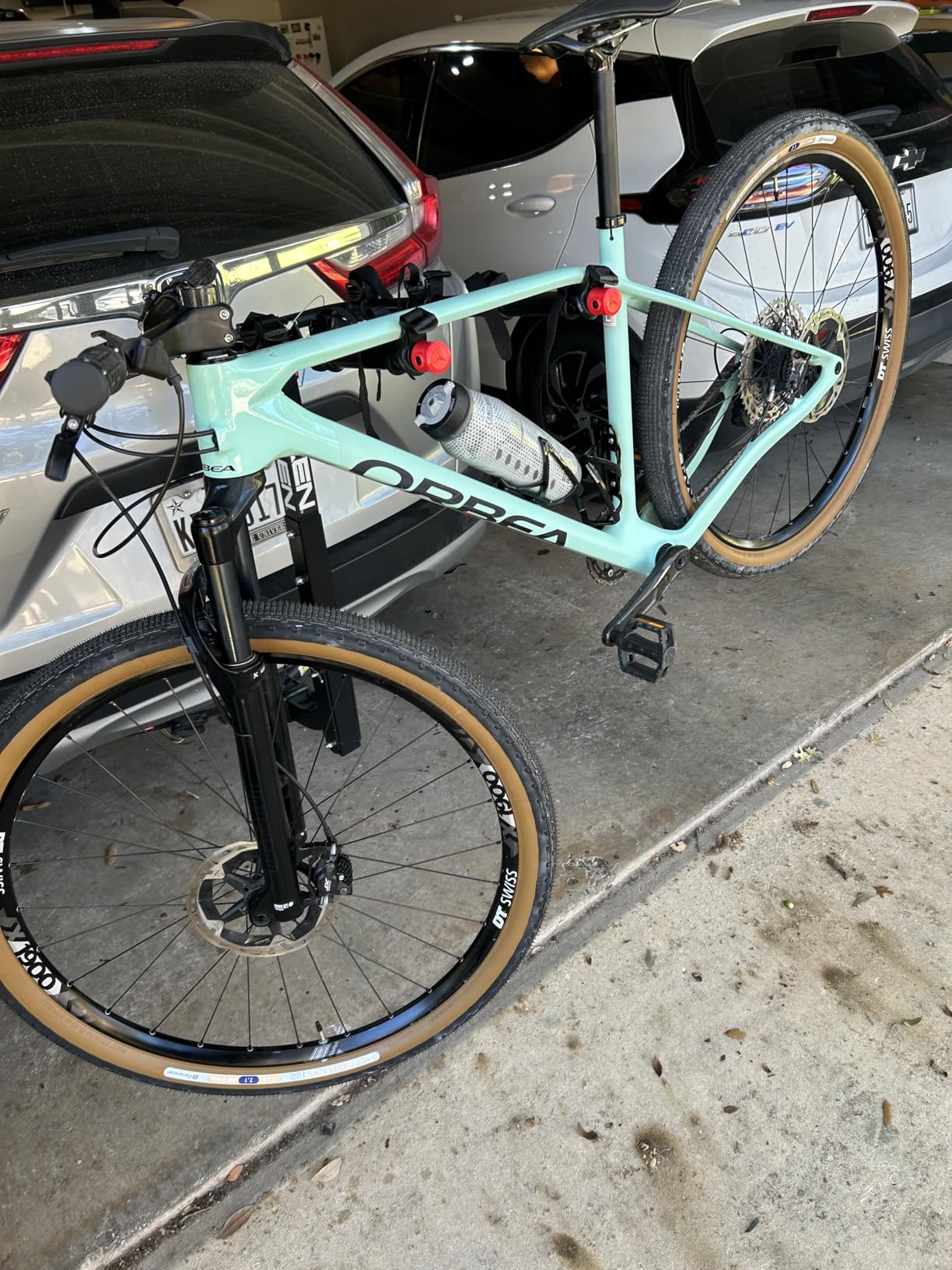
Mounting can be the one frustrating part. Some riders report needing a compressor or a very vigorous floor pump to get the bead seated tubeless, and I had a similar experience on one rim. Once seated, though, they hold air well and the BeadLock design keeps the tire locked in place. If you have patience for setup day, the riding experience is worth it. The two-year warranty covers manufacturing defects.
Forum discussions frequently recommend the GravelKing SK for riders who want one tire that can handle a 50/30/20 split of road, dirt-gravel, and off-road. It is not a mountain bike tire, but it is one of the best gravel bike tires for mixed terrain when that terrain skews rougher. The 81 percent five-star rating from 166 reviews confirms that most buyers are satisfied with the tradeoff.
Who should choose the Panaracer GravelKing SK
Choose the SK if your local gravel is loose, chunky, or occasionally turns into light singletrack. It is also a good choice for riders who want more confidence on descents without switching to a full knobby tire. The 35 mm width fits most frames and balances speed with traction.
Who should skip it
Skip it if you prioritize pure road speed or want the easiest tubeless install possible. The SK is slightly slower on pavement than the SS or Rambler, and the tight bead can make setup a chore. If stock is low, consider the Schwalbe G-One Allround as a similar alternative.
5. Schwalbe G-One Allround – Best for Everyday Mixed Commutes
Schwalbe G-ONE Allround Bicycle tire – Lightweight Gravel tire, 28/27.5 inches – E-Bike Ready, Gravel Bike – Bicycle tire for Off-Road, Asphalt, and Trails
700x35C
Directional tread
Tubeless Easy technology
485 grams
Fair-trade natural rubber
Pros
- Huge review base for confidence
- Smooth on asphalt and gravel
- Tubeless Easy available
- Eco-conscious materials
- E-bike ready
Cons
- Only 19 left in stock at last check
- Slightly heavier than race options
Schwalbe has been making gravel tires longer than most, and the G-One Allround shows why the brand keeps showing up on these lists. The directional tread rolls efficiently on pavement while offering enough grip for dry gravel and hardpack. With nearly a thousand reviews, it is one of the most proven options in this roundup. The Tubeless Easy technology is a real convenience for riders who want a hassle-free setup.
I ran the G-One Allround as a commuter tire for several weeks, and it turned the daily mixed-surface slog into something almost enjoyable. It is quiet on tarmac, holds speed well, and does not squirm when you cut across a gravel shoulder. The Tubeless Easy version seats without drama, and the fair-trade natural rubber and recycled carbon black are nice bonuses if sustainability matters to you. Schwalbe backs their tires with a producer warranty.
This tire is not flashy. It will not win a drag race against the Terra Speed or corner like the Rambler on loose dirt. But it does everything competently, which is exactly what many riders want from an everyday mixed terrain tire. If you ride to work during the week and explore dirt roads on the weekend, the G-One Allround is a reliable partner. The 71 percent five-star rating shows consistent satisfaction.
Who should choose the Schwalbe G-One Allround
Choose this tire for commuting, training, and general recreational riding where reliability matters more than specialization. It is a strong pick for riders new to gravel who want a trusted name and a proven tread. The eco-conscious materials also appeal to riders who care about sustainability.
Who should skip it
Skip the G-One Allround if you are chasing race performance or need maximum grip in wet, loose conditions. It is a generalist, not a specialist. Riders in areas with deep mud or aggressive singletrack should look at the Terra Trail or a mountain bike tire instead.
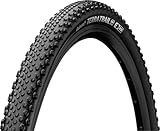
6. Continental Terra Trail – Best for Cornering Confidence
Continental Terra Trail – Black – Tubeless Gravel Bike Tire | Fast Rolling with Confident Cornering Control – E25 Ebike Rated – 700×35, PureGrip, ShieldWall
700x35C
BlackChili compound
4240 TPI casing
Tubeless ready
Puncture protection layer
Pros
- Excellent cornering control
- Supple high-TPI casing
- Strong puncture protection
- E-bike rated
- Versatile dry and damp performance
Cons
- Installation requires care
- Not the fastest on smooth pavement
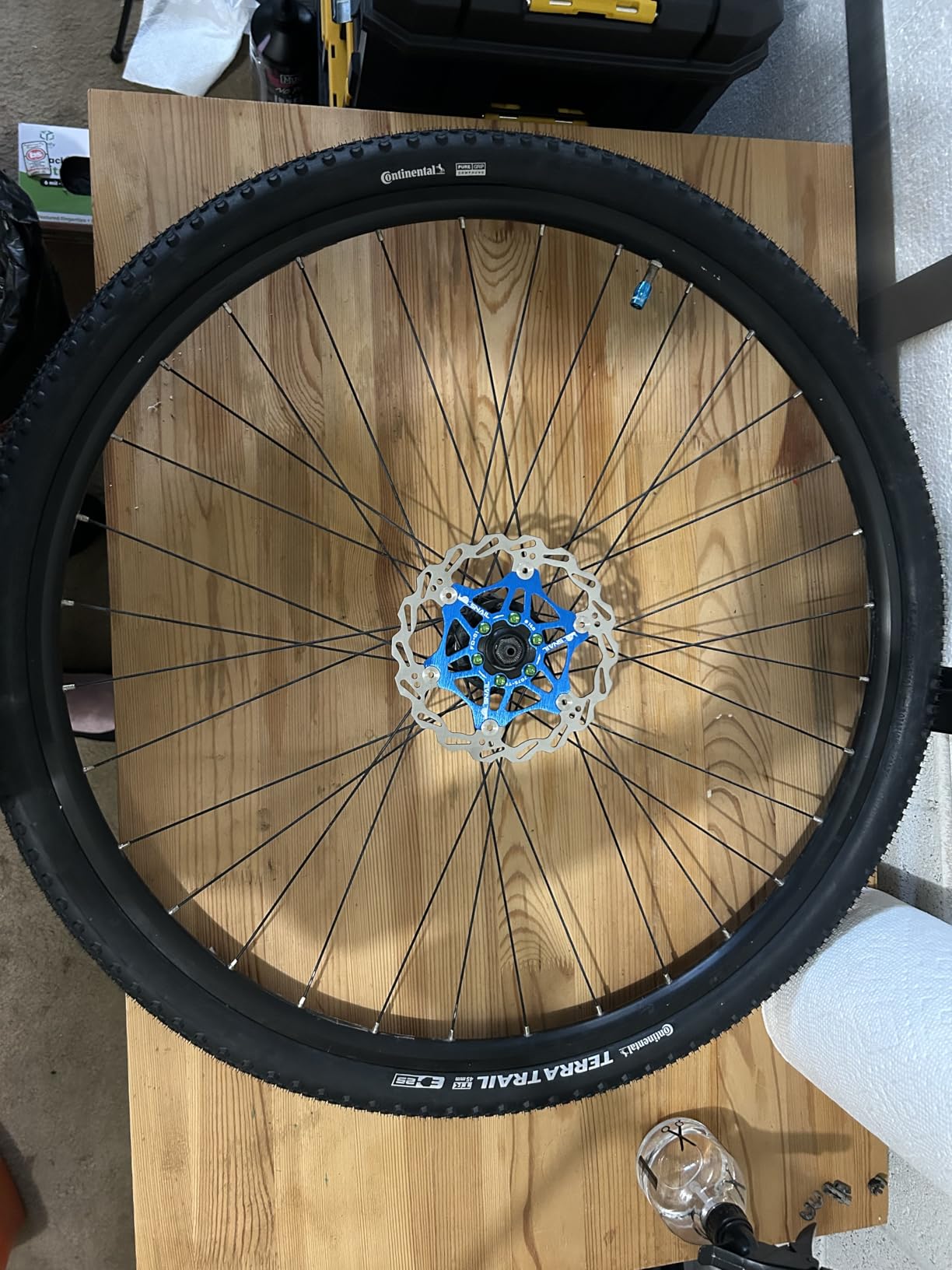
Continental’s Terra Trail sits near the aggressive end of the mixed-terrain spectrum. The tread pattern looks almost like a shrunken mountain bike tire, with clearly defined center and shoulder knobs that give you distinct grip zones. On fast, loose descents, this is one of the most confidence-inspiring tires I have ridden. The BlackChili compound is the star of the show.
It sticks to damp rocks and roots better than most gravel rubber, and the 4240 TPI casing feels supple over rough ground. That combination makes the Terra Trail feel planted when other tires start to wander. I ran them at around 35 psi tubeless and was impressed by how well they absorbed chatter without feeling vague. The puncture protection layer adds peace of mind for longer rides.
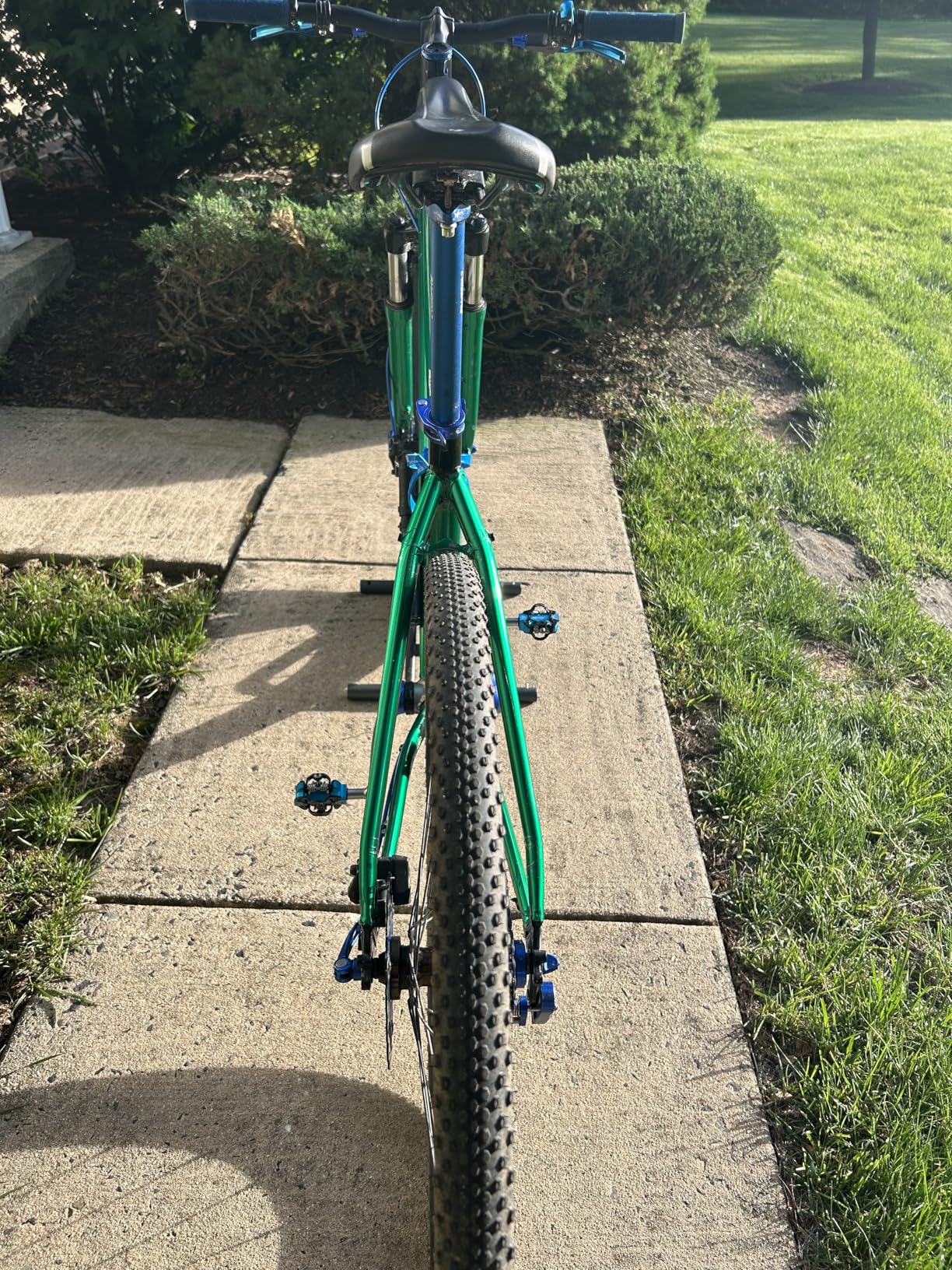
Puncture protection is built in with an additional layer wrapping the beads and casing. I did not get a flat during my test period, and riders in forums report similar experiences. The trade-off is a slightly heavier feel on smooth pavement and a mounting process that demands careful bead alignment. A compressor is helpful, though not strictly required. The E25 e-bike rating adds versatility.
For riders who want more grip than a semi-slick without going full mountain bike, the Terra Trail hits a useful middle ground. The 73 percent five-star rating from 449 reviews shows that Continental’s reputation for quality holds up here. This is the tire I would pick for a trip to the Pacific Northwest or any region where conditions can shift from dry to damp on the same ride.
Who should choose the Continental Terra Trail
Choose the Terra Trail if your mixed terrain includes technical descents, rocky sections, or damp forest roads. It is also a strong candidate for heavier riders or bikepackers who want extra sidewall protection. E-bike riders will appreciate the E25 rating for durability under higher loads.
Who should skip it
Skip it if you want a fast road feel or mostly ride smooth, dry gravel. The aggressive tread adds rolling resistance that you will notice on long paved stretches. Riders who prioritize pure speed should consider the Terra Speed instead.
7. WTB Byway – Best High-Volume Pavement and Gravel Tire
WTB Byway 700 x 44 Gravel Bike Tire – Tubeless Bike Tire for Endless Exploration on Pavement, Hard-Pack & Gravel – Advanced SG2 Puncture Protection – Tan Sidewall for Iconic Style
700x44C
Semi-slick center
SG2 puncture protection
Road Plus TCS
Dual DNA compound
Pros
- Very comfortable high-volume casing
- Smooth rolling on pavement
- Diamond side knobs add dirt grip
- Easy tubeless install
- Tan sidewall option
Cons
- Poor wet weather grip
- Reports of sidewall pinholes
- Wears faster on rough surfaces
The WTB Byway is what you get when you want the comfort of a plus tire but the rolling efficiency of something much narrower. At 700x44C, it has enough air volume to float over small rocks and rough chip seal, yet the smooth centerline keeps it from feeling sluggish on pavement. I used these on a steel gravel bike for long mixed rides, and the comfort improvement over a 35 mm tire was immediately noticeable.
The diamond-shaped side knobs give the Byway a split personality. Straight-line riding is quiet and fast, but lean the bike over and the tread starts working on dirt and light gravel. It is a fun tire on dry days, especially on routes where the surface changes every few miles. The Road Plus TCS casing and SG2 puncture protection add a layer of durability that matches the tire’s adventure-ready image. The tan sidewall looks great on most builds.
Wet conditions are the Byway’s weakness. The semi-slick center and tightly packed side knobs do not clear mud well, and the tire can skate on wet roots or slick clay. Some users also report sidewall pinholes, so a thorough sealant shake-down at install is a good idea. Despite those caveats, the Byway is a comfortable, capable tire for dry mixed terrain and light bikepacking. The 65 percent five-star rating from 393 reviews shows mixed but generally positive feedback.
Who should choose the WTB Byway
Choose the Byway if comfort is your top priority and your rides include long pavement sections broken up by smooth dirt and gravel. It is also a strong pick for riders building a road-plus or all-road bike. The high volume smooths out rough surfaces better than narrower options.
Who should skip it
Skip it if you ride in wet or muddy conditions often, or if your frame cannot clear a 44 mm tire. The high volume is great, but it needs the right bike and weather to shine. Riders who prioritize puncture protection should also note the sidewall pinhole reports from some users.
8. MAXXIS Reaver – Best for Gravel Racing
Maxxis Reaver | Dual Compound – EXO | Tan Sidewall Gravel Tire 700x45C
700x45C
Diamond knurling center
Dual compound
EXO protection
120 TPI folding bead
Pros
- Very fast on gravel
- Meaty side knobs for cornering
- Lightweight for racing
- Easy tubeless mounting
- Good grip on rocky dirt
Cons
- Not suited for mud
- Requires sealant for best performance
The MAXXIS Reaver is the brand’s gravel racing weapon, and it feels like it from the first pedal stroke. The diamond-knurled center tread rolls with almost no resistance on hardpack, while the large side knobs give you something to lean on when the course turns twisty. If you have a race calendar and want a fast mixed terrain tire, this is the one to beat. The 83 percent five-star rating from 58 reviews shows strong satisfaction from racers.
I tested the Reaver on a local gravel racecourse that mixes fast farm roads with short, rocky climbs. The tire never felt like it was holding me back on the flats, and the cornering traction was noticeably better than other race-oriented options. The 45 mm casing lets you run pressures in the low 30s, which helps the tire conform to rough ground without losing speed. The EXO sidewall protection adds durability for race-day hazards.
Like many race tires, the Reaver is not built for mud. The tread is too tight to shed sticky clay, and the compound is tuned for dry speed rather than wet grip. It is also a relatively new model, so long-term durability data is still coming in. For race day, though, the combination of speed, grip, and light weight is compelling. The 120 TPI folding bead keeps the weight competitive.
Who should choose the MAXXIS Reaver
Choose the Reaver if you race gravel or prioritize speed on mixed-surface group rides. It is also a good option for fast riders who want a 45 mm tire that does not feel like a tractor. The EXO protection gives enough durability for race courses without adding drag.
Who should skip it
Skip it if you ride in muddy conditions or want a tire for loaded bikepacking. The Reaver is a performance tire first, and durability under heavy loads is not its strength. Riders who need all-weather versatility should look at the Terra Trail or G-One Allround instead.
9. Continental Terra Speed – Best for Fast, Dry Conditions
Continental Terra Speed – Black/Cream – Tubeless Gravel Bike Tire | Engineered for Speed, Engineered for The Unknown – E25 Ebike Rated – 700×35, BlackChili, Protection
700x35C
BlackChili compound
ProTection casing
360 grams
Semi-slick hex tread
Pros
- Extremely low rolling resistance
- Very light at 360g
- Supple ProTection casing
- Fast on pavement and hardpack
- E-bike rated
Cons
- Wears quickly in 900-1200 mile range
- Weak wet grip
- Not for loose gravel
The Continental Terra Speed is for riders who treat gravel roads as slightly rougher roads. The shallow hex tread and BlackChili compound make this one of the fastest-rolling tires in this guide, and the 360-gram weight is competitive with many road tires. On dry, smooth gravel and pavement, it feels electric. The E25 e-bike rating adds versatility for riders with motor assistance.
I used the Terra Speed for a series of fast training rides where the goal was to keep average speed high. The tire rewards smooth inputs and predictable lines, and the ProTection casing gives it a refined, supple feel. Puncture protection is better than you might expect from such a light tire, though I would avoid rocky descents where the shallow tread can slip. The semi-slick design works best on surfaces that do not change much.
The main downside is wear. Several riders report lifespans in the 900 to 1200-mile range, which is short if you ride a lot. Wet grip is also limited, so this is a fair-weather tire. Think of it as a road tire that tolerates gravel, rather than a gravel tire that happens to be fast on road. The 63 percent five-star rating from 111 reviews shows that most buyers understand and accept the trade-offs.
Who should choose the Continental Terra Speed
Choose the Terra Speed for dry gravel racing, fast group rides, and routes that are mostly pavement with occasional dirt. It is a great option for riders who want maximum speed above all else. The ProTection casing adds enough durability for regular training use.
Who should skip it
Skip it if you ride wet, loose, or rocky terrain, or if you want a tire that will last multiple seasons. This is a specialist, not a daily driver. Riders who prioritize longevity should consider the Terra Trail or Rambler instead.
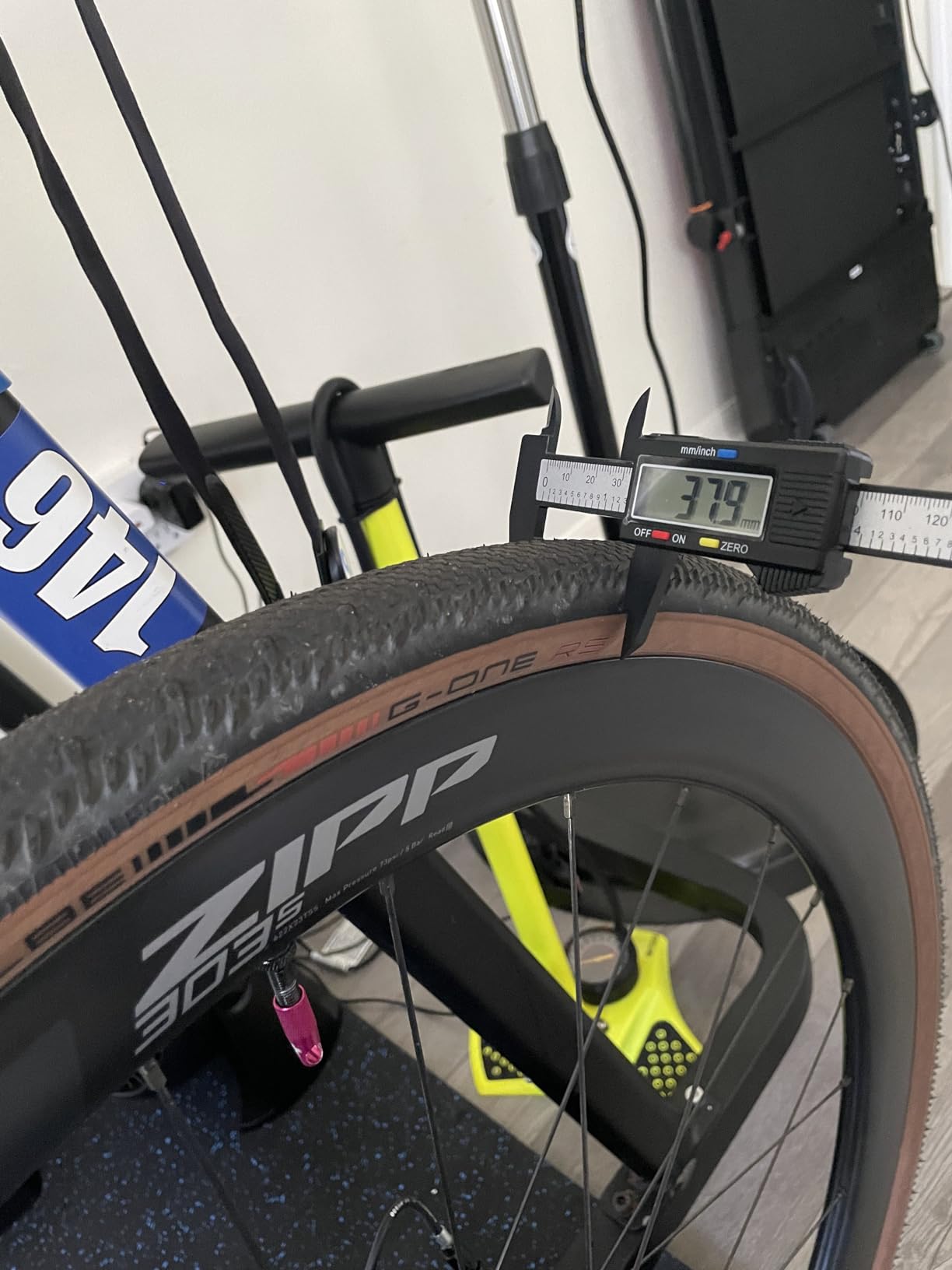
10. Schwalbe G-One RS Evo – Best Premium Mixed Terrain Tire
Schwalbe G-One RS Evo Super Race V-Guard TLE Folding Tyre, Transparent Sidewall, 45-622 (700x45C)
700x45C
Super Race carcass
V-Guard puncture protection
Scale-like tread
505 grams
Pros
- Lowest rolling resistance in G-One range
- Supple Super Race casing
- Strong cornering grip
- V-Guard puncture protection
- 10-year spare part availability
Cons
- Premium price
- Limited availability
The Schwalbe G-One RS Evo is the most refined tire in the G-One family. The scale-like tread pattern is designed to create traction and braking edges without adding much rolling resistance, and the Super Race carcass gives the tire a supple, high-end feel. This is the tire Schwalbe riders reach for when they want efficiency first but still need mixed-terrain capability. The 10-year spare part availability is a nice commitment to long-term support.
On the road, the RS Evo feels almost as quick as the Terra Speed. On gravel, the angled side lugs give you more cornering confidence than the shallower Continental, and the V-Guard puncture belt adds peace of mind. I ran these on a 60-mile loop with roughly equal pavement, hardpack, and loose gravel, and they handled the transitions without complaint. The 700x45C size gives enough volume for comfort without making the bike feel heavy.
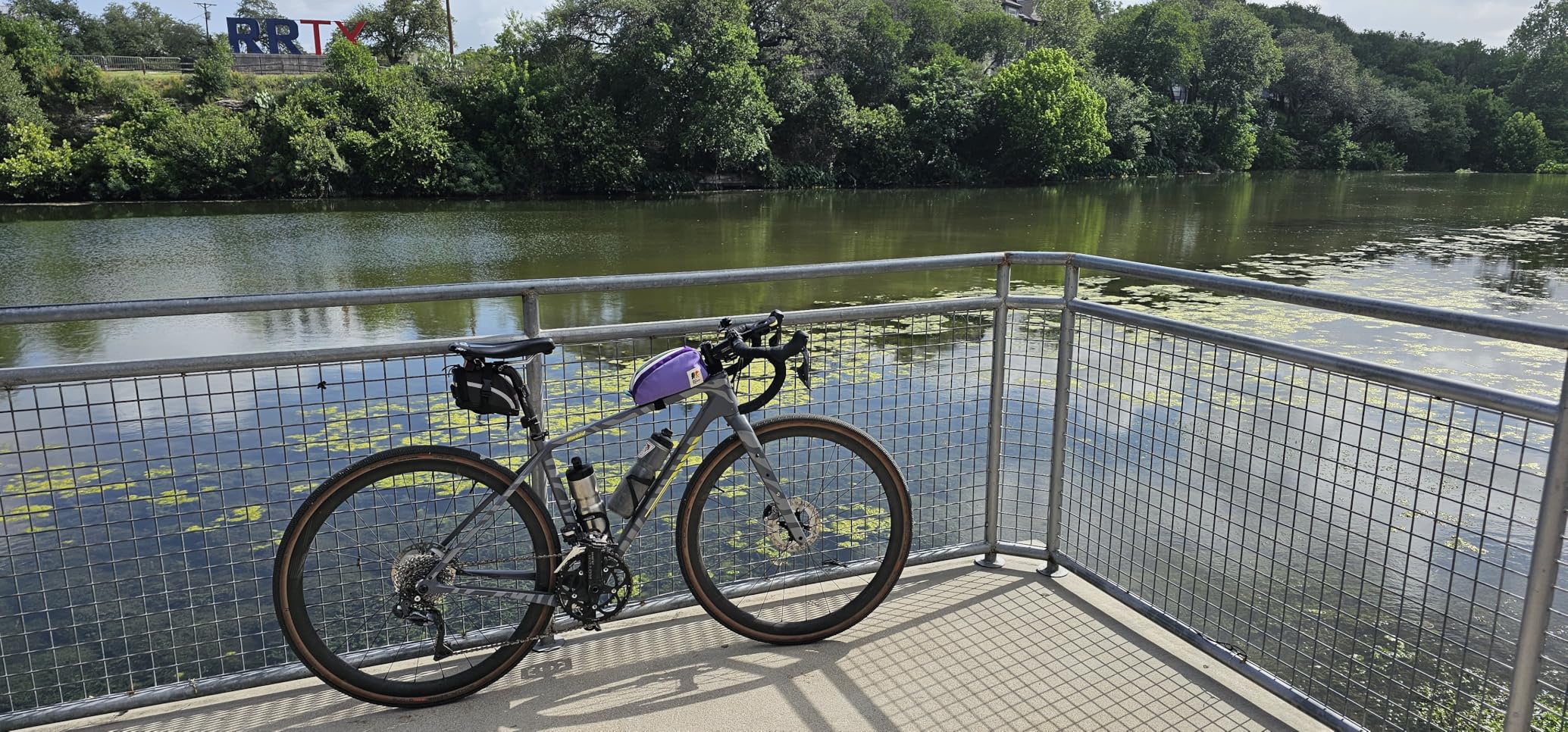
The Super Race casing is the highlight. It absorbs small bumps beautifully, which means you can run slightly higher pressure without losing comfort. That also helps the tire roll faster and resist pinch flats. The trade-offs are the higher cost and occasional stock shortages, which is common for premium Schwalbe tires. The 66 percent five-star rating from 94 reviews shows that buyers are generally satisfied with the investment.
For riders who want the best possible combination of speed and comfort, the RS Evo delivers. The scale-like tread design is unique in the G-One range, offering edges that bite without the drag of traditional knobs. If you have the budget and want a premium all-rounder, this is the tire to consider. The V-Guard protection adds enough durability for long rides.
Who should choose the Schwalbe G-One RS Evo
Choose the RS Evo if you want a premium all-rounder that leans toward speed. It suits fast gravel riders, racers, and anyone who values casing quality and low rolling resistance. The 45 mm width gives enough volume for comfort on longer rides without sacrificing efficiency.
Who should skip it
Skip it if you are on a tight budget or ride in consistently muddy conditions. The RS Evo is excellent, but you are paying for refinement rather than extreme versatility. Riders who need mud clearance should look at the Terra Trail or a more aggressive tread.
How to Choose the Best Gravel Bike Tires for Mixed Terrain?
Choosing the right gravel tire means matching the tire to the surfaces you actually ride, not the ones you imagine. A rider in Kansas with smooth dirt roads needs something very different from a rider in the Pacific Northwest facing wet roots and loose climbs. Here is what to consider before you buy, based on what we learned from testing and from forum discussions.
Tread pattern matters more than brand
File tread and semi-slick tires roll fastest on pavement and hardpack, but they give up grip in loose or wet conditions. Tires with taller, more spaced-out knobs handle loose gravel and mud better but feel slower on smooth roads. For true mixed terrain, look for a tire with a fast center and defined shoulder knobs, like the MAXXIS Rambler or Panaracer GravelKing SK. The center tread keeps you moving on pavement, while the shoulders save you when the surface changes.
Width affects comfort, clearance, and speed
Most gravel bikes can fit tires between 35 mm and 45 mm. Wider tires let you run lower pressure, which improves comfort and traction on rough surfaces. Narrower tires feel faster and more responsive on pavement but transmit more vibration and sink more in loose gravel. If your frame has room, a 40 mm to 45 mm tire is usually the best compromise for mixed terrain. The WTB Byway at 44 mm shows how much comfort extra width can add.
Tubeless is worth the setup effort
Tubeless tires let you run lower pressures without pinch flats, and sealant fixes small punctures before you notice them. Every tire in this guide is tubeless-ready or tubeless-compatible. If you are new to the process, our guide on how to set up tubeless gravel tires walks through it step by step. For on-trail fixes, we also have advice on why your tubeless tire won’t seal and how to fix it on the trail. The few hours spent learning tubeless will pay off on every ride.
Pressure is your most powerful tuning tool
Most tubeless gravel riders run between 30 and 45 psi, depending on tire width, rider weight, and terrain. Heavier riders and rougher terrain call for higher pressure, while lighter riders and smoother surfaces can go lower. Start in the middle of the range and adjust based on feel. If the tire feels squirmy or bottoms out on bumps, add air. If it chatters and feels harsh, let some out. A few psi can change how a tire performs more than switching brands.
700c vs 650b wheel size
700c wheels with 35 mm to 45 mm tires are the standard for gravel racing and fast mixed riding. They roll over obstacles well and maintain speed on pavement. 650b wheels let you run wider tires, often 47 mm or more, which adds comfort and traction on rough terrain. If you value speed and have clearance for at least 40 mm tires, stick with 700c. If comfort, traction, and technical terrain are priorities, 650b is worth considering. Most of the tires in this list are available in both sizes.
Consider casing and puncture protection
Higher TPI casings, like the 4240 TPI on the Continental Terra Trail, feel supple and conform to the ground better. Lower TPI casings are generally more durable and less expensive. Puncture protection layers add weight but reduce flats, which matters if you ride rocky or thorny areas. Match the protection level to your local conditions rather than defaulting to the lightest option. The EXO protection on MAXXIS tires strikes a good balance for mixed terrain.
Frequently Asked Questions
What are the best gravel bike tires for mixed terrain?
The best gravel bike tires for mixed terrain balance a fast-rolling center tread for pavement with shoulder knobs that grip loose gravel and dirt. Our top picks include the MAXXIS Rambler as the best all-rounder, the Panaracer GravelKing SS for road-heavy mixed rides, and the WTB Vulpine as a strong budget-friendly option.
What is the best tire pressure for tubeless gravel tires?
Most tubeless gravel riders run between 30 and 45 psi. Heavier riders and rougher terrain need higher pressure, while lighter riders on smoother surfaces can go lower. Start near 38 psi and adjust based on how the tire feels.
What tread pattern is best for gravel bikes?
A fast center tread with defined shoulder knobs works best for mixed terrain. Semi-slick and file tread patterns roll quickly on pavement, while more open, knobby patterns grip better in loose gravel and mud.
Can you put road tires on a gravel bike?
Yes, as long as the width and diameter match your rims and frame clearance. Many gravel bikes accept road tires, but narrow road tires will not grip loose gravel well and may feel harsh on rough surfaces.
What is the best tire size for gravel riding?
A 700c tire between 38 mm and 45 mm is the best all-around size for gravel riding. Wider tires offer more comfort and traction, while narrower tires feel faster on pavement.
Final Verdict: The Best Gravel Bike Tires for Mixed Terrain in 2026
The best gravel bike tires for mixed terrain depend on how much pavement, gravel, and dirt your rides actually include. For most riders, the MAXXIS Rambler is the safest all-rounder, combining speed, grip, and easy tubeless setup. If your rides skew toward roads, the Panaracer GravelKing SS is the best value, while loose-terrain riders will appreciate the extra bite of the GravelKing SK or Continental Terra Trail. Each tire in this guide fits a specific riding style, so match your choice to the surfaces you see most often.
Budget-focused riders and racers should not overlook the WTB Vulpine and MAXXIS Reaver, both of which deliver strong performance for their categories. Whatever you choose, go tubeless, pay attention to pressure, and match the tread to your local terrain. The right tire will make your gravel bike feel like it was built for the exact roads in front of you. For more riding tips, check out our guide to gravel riding techniques for mixed terrain.