
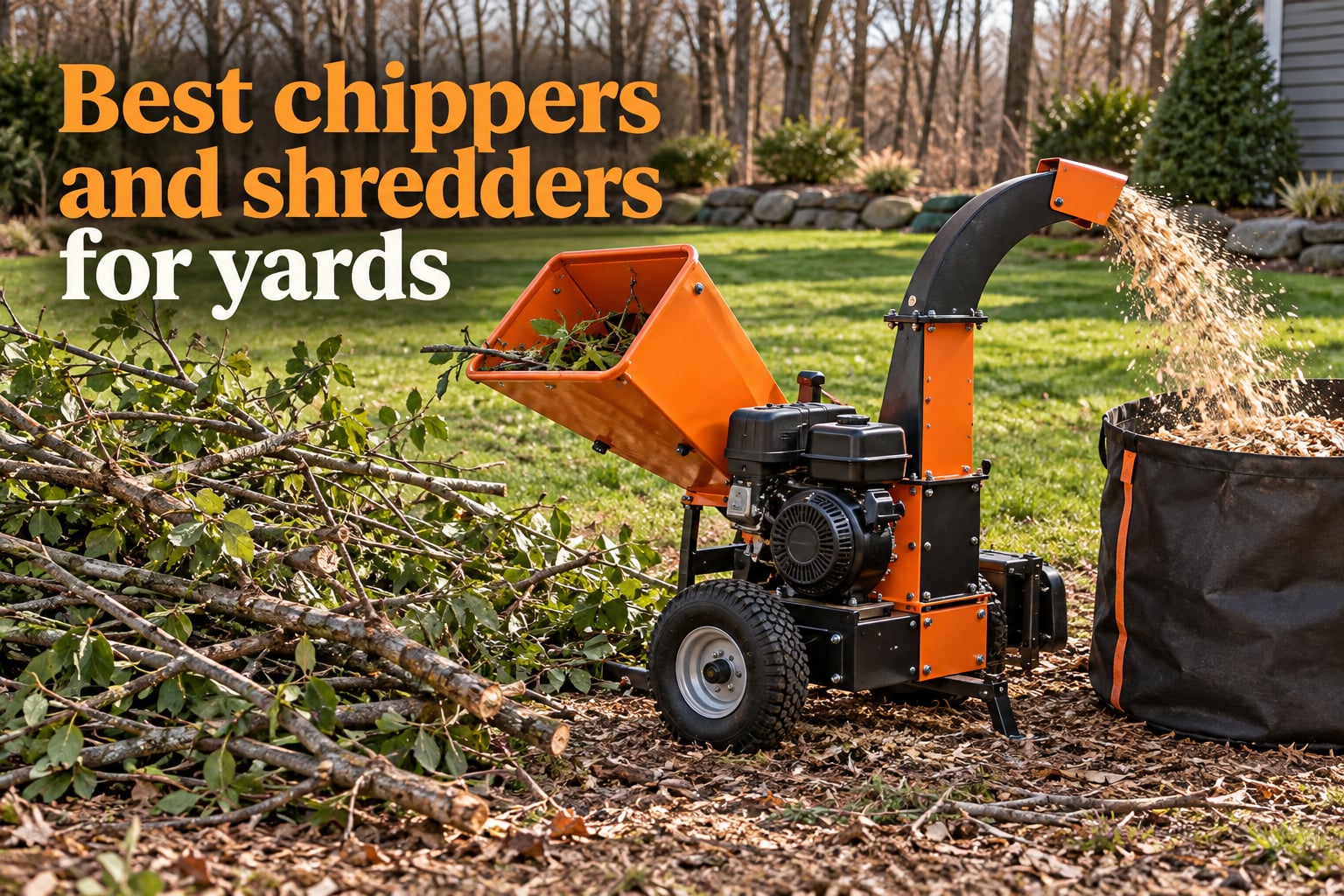
If your yard produces more than a yard bag of brush twice a year, a chipper or shredder pays for itself. The best wood chippers and shredders for yards are the machines that swallow the material you actually have: dry prunings and twigs for an electric unit, limbs past 2 inches for a gas machine. We lined up 10 of them and read thousands of owner reports to work out where each one earns its place.
One thing to clear up before the reviews: nothing in this price range self-feeds. Every machine here needs you standing at the chute, feeding branches by hand or with the supplied stick, and every one of them bogs down faster than the manufacturer sheet implies. Owner threads on r/gardening and ar15.com describe the same pattern in different words, which is why we weighted the reduction ratio, the rotor size and the real jam behaviour more heavily than the brochure numbers.
We also found a second truth worth stating plainly. Two of the ten machines here are leaf mulchers rather than chippers, and they belong in the list because most yards have both a branch problem and a leaf problem. If your debris is mostly woody, jump to the gas machines. If it is mostly leaves and fine twigs, the electric mulchers are faster and quieter than anything else on the page. Our longer breakdown of the branch-only side of the market sits in our wood chipper yard cleanup guide.
Table of Contents
Top 3 Picks for Yards in 2026

WORX WG430 Leaf Mulcher
- 13-Amp motor
- 11:1 mulching ratio
- Bladeless flex-a-line cutting
- Processes 53 gallons per minute

SuperHandy 7HP 3-in-1 Chipper
- 7HP gas engine
- 3-inch max capacity
- 15:1 reduction
- Slanted anti-jam housing

EFCUT C30 LITE 7HP Chipper
- 7HP 212cc engine
- 11.8-inch rotor
- 3-inch capacity
- Only 84.4 pounds
All 10 Picks at a Glance in 2026
This is the short version. Max branch diameter is the single most important number on the sheet, because it is a hard ceiling rather than a suggestion. Anything that stalls the moment it meets wood past its rating will waste an afternoon.
| Product | Specifications | Action |
|---|---|---|
| WORX WG430 13-Amp Electric Leaf Mulcher |
|
Check Latest Price |
| SuperHandy 7HP 3-in-1 Chipper Shredder Mulcher |
|
Check Latest Price |
| EFCUT C30 LITE 7HP 212cc Gas Chipper |
|
Check Latest Price |
 Earthwise GS70015 15-Amp Corded Electric Chipper Earthwise GS70015 15-Amp Corded Electric Chipper |
|
Check Latest Price |
 Sun Joe CJ603E 15-Amp Chipper Shredder Sun Joe CJ603E 15-Amp Chipper Shredder |
|
Check Latest Price |
 Landworks 7HP 3-in-1 Gas Chipper Shredder Landworks 7HP 3-in-1 Gas Chipper Shredder |
|
Check Latest Price |
 GreatCircleUSA 7HP 3-in-1 Gas Chipper GreatCircleUSA 7HP 3-in-1 Gas Chipper |
|
Check Latest Price |
 LawnMaster FD1503 Electric Chipper LawnMaster FD1503 Electric Chipper |
|
Check Latest Price |
 Sun Joe SDJ616 13-Amp Leaf Mulcher Sun Joe SDJ616 13-Amp Leaf Mulcher |
|
Check Latest Price |
 Yard Force YF8000LS Leaf Mulcher Yard Force YF8000LS Leaf Mulcher |
|
Check Latest Price |
1. WORX WG430 Electric Leaf Mulcher – Best All-Rounder for Leaf Debris
WORX 13 Amp Electric Leaf Mulcher for Yard Leaf & Waste Shredding, WG430
13-Amp motor
11:1 mulching ratio
Bladeless line cutter
Up to 53 gallons per minute
20 pounds
Pros
- Largest owner base in the group with over 7400 ratings
- No metal blades to sharpen or replace
- Handles dry leaves at genuinely high speed
- Tool-free assembly and nests flat for storage
Cons
- Not a chipper
- so twigs and sticks must be screened out first
- Cutting lines wear down faster than most owners expect
- Intake will not take a standard paper yard bag without modification
The WG430 is the machine we would put in the hands of someone who has never owned a chipper before. It has more than 7,400 ratings behind it at a 4.2 average, and the pattern across those reviews is remarkably consistent: it shreds dry leaves faster than people expect, and it will not touch wood.
That last point is the whole story. The cutting system is a bladeless flex-a-line head, 24 strands of line spinning on a drum. There is no knife to dull, no shear plate to clean and nothing to order when it wears out. What it will not do is swallow a branch. Owners feeding it twigs report the line fraying and breaking in a single session, so the honest routine is screening your pile first.
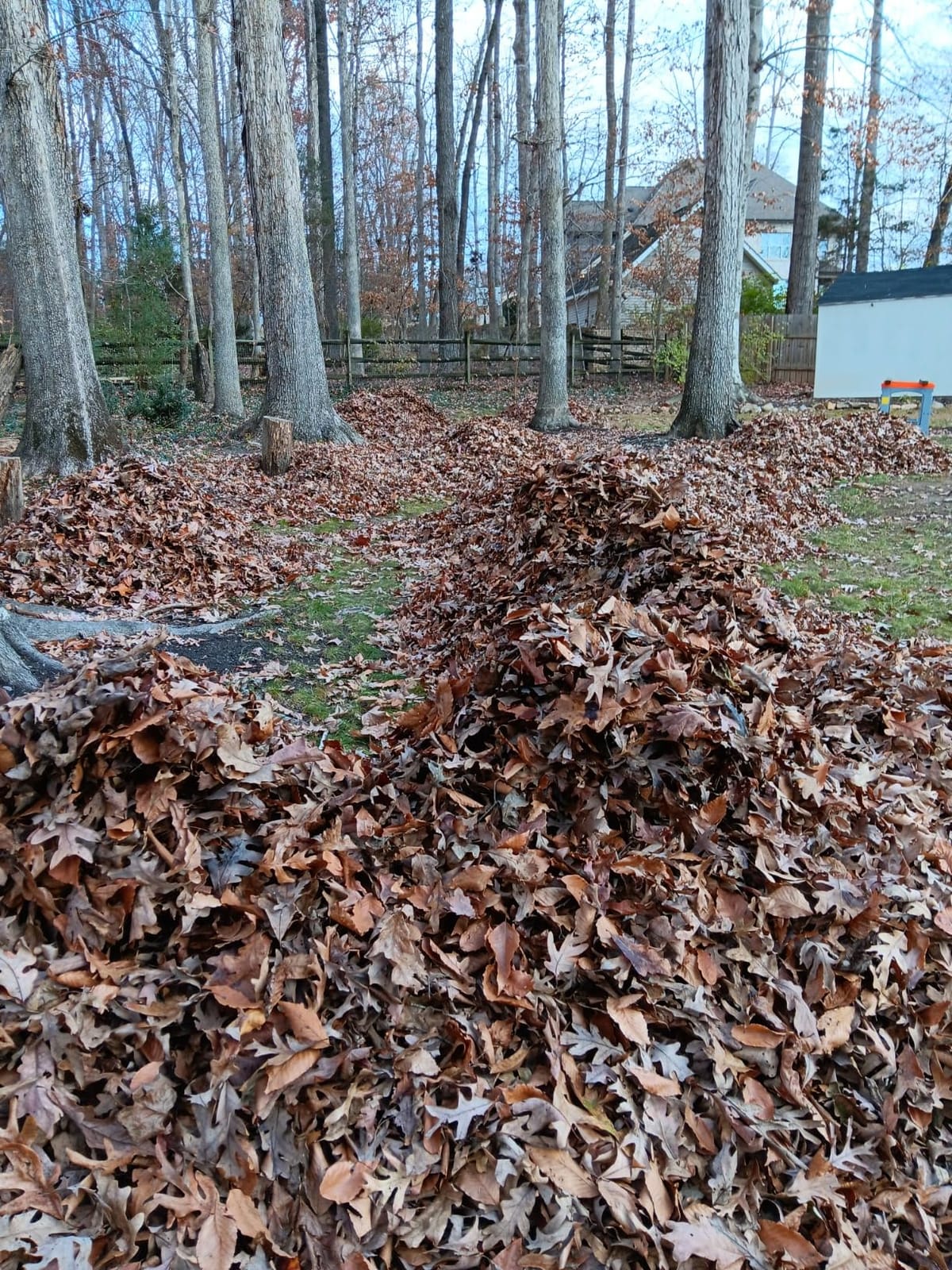
Throughput is the headline figure and it holds up. The manufacturer claims 53 gallons of leaves per minute, and owners describe filling a 50-gallon bag in a few minutes once you get a rhythm. The 11:1 ratio means eleven bags of curbside leaves collapse into roughly one, which is the difference between one trailer load to the transfer station and a wheelbarrow to the compost pile.
Most owners who modify anything modify the same two things. Upgrading the supplied line to a heavier .105-inch strand is the first, and extending the legs with PVC so a 50-gallon paper bag fits flat across the intake is the second. Both are five-minute jobs, and both are common enough that search for the fix before you buy.
What you will actually use it for
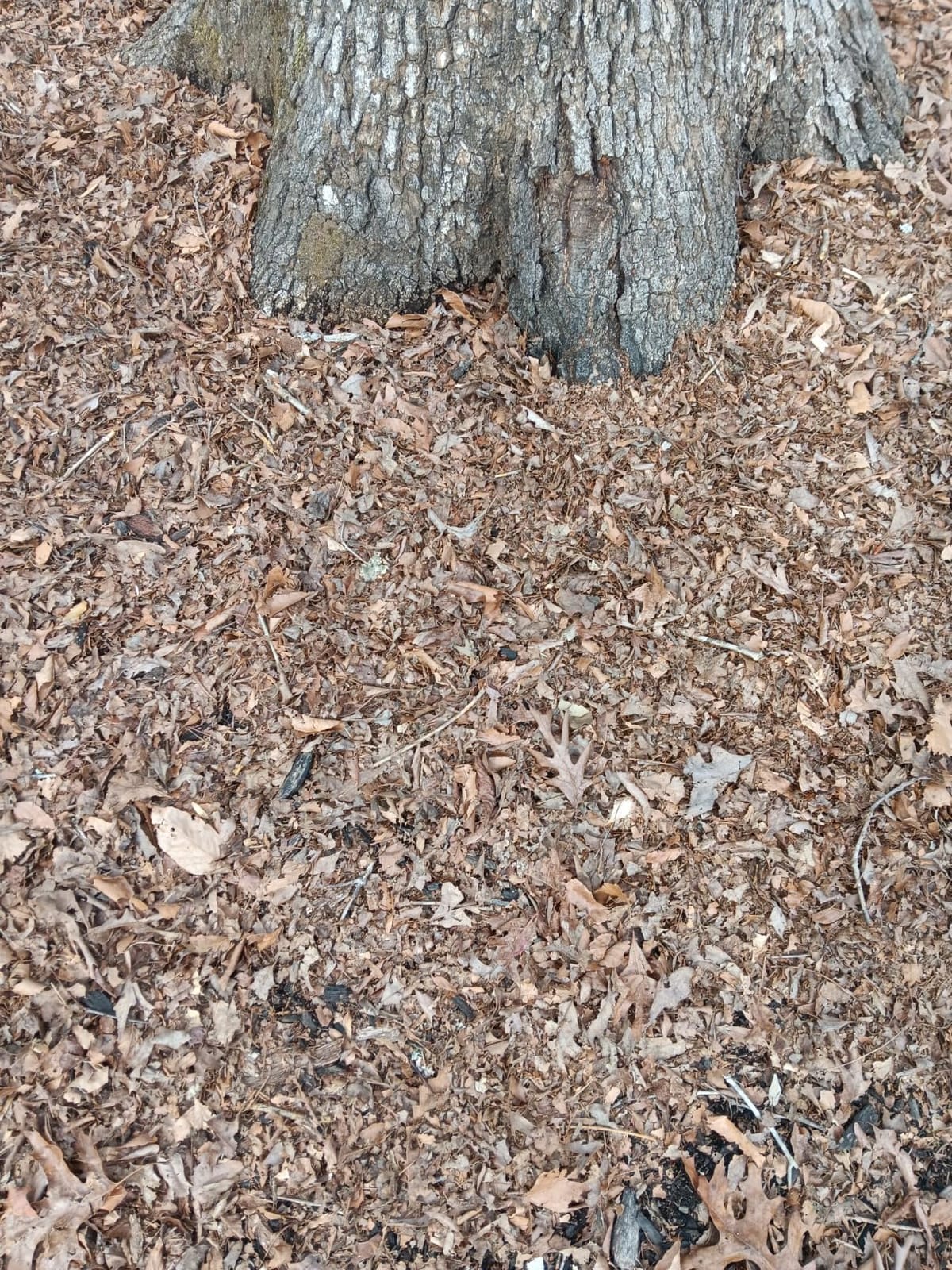
Leaf piles, garden cleanup and compost bedding. Because it pulverises leaves to something close to powder, the output breaks down far faster in a compost bin than whole leaves do. If you strip your beds in autumn, this is the machine that makes that chore bearable.
It also handles the twigs that show up mixed in with leaves, up to the small diameter where the line starts fraying. A little screening up front keeps the job moving and the line alive.
Where it falls short
Buy it expecting a leaf machine, not a chipper. Owners who tried to run thicker woody debris through it replaced the line far more often than they expected and eventually gave up. If your cleanup is branch-driven rather than leaf-driven, the gas chippers further down this page handle that job properly.
Also expect dust. The machine throws fine leaf material outward, so eye protection and a mask are worth having on hand before your first session.
2. SuperHandy 7HP 3-in-1 Chipper Shredder Mulcher – Best for 3-Inch Branches
SuperHandy Wood Chipper Shredder Mulcher Ultra Heavy Duty 7HP 3 in 1 Multi-Function 3″ Inch Max Capacity (Amazon Exclusive)
7HP 4-stroke OHV gas engine
3-inch max capacity
15:1 reduction ratio
Slanted anti-jam housing
Pros
- Handles up to 2 inches cleanly in real owner use
- Slanted housing measurably reduces jams
- Large tires make it easy to roll to the brush pile
- Clone-engine parts such as carburetor kits are cheap and common
Cons
- Anything over 2 inches tends to jam unless pre-cut into shorter sections
- Included cloth bag tears after modest use
- Optional tow bar and leaf vacuum kits cost extra
- Very loud
- with chips passing the safety flaps
At 809 ratings the SuperHandy shares the highest gas rating in this group at 4.3, and it earns that score on one specific strength: it feeds branches that are genuinely too thick for the electric units here. Owners cleaning a wooded lot report clearing mixed brush and small limbs quickly on a single tank of fuel.
The 3-in-1 layout is the standard one in this class. A top hopper handles half-inch material at a 15:1 reduction, a side chute takes branches up to the rated 3 inches, and an inlet accepts a leaf vacuum kit if you buy it separately. The 7HP horizontal 4-stroke OHV engine with recoil start is a common clone-engine design, which matters more than it sounds: carburetor rebuild kits and other wear parts are cheap and easy to find.
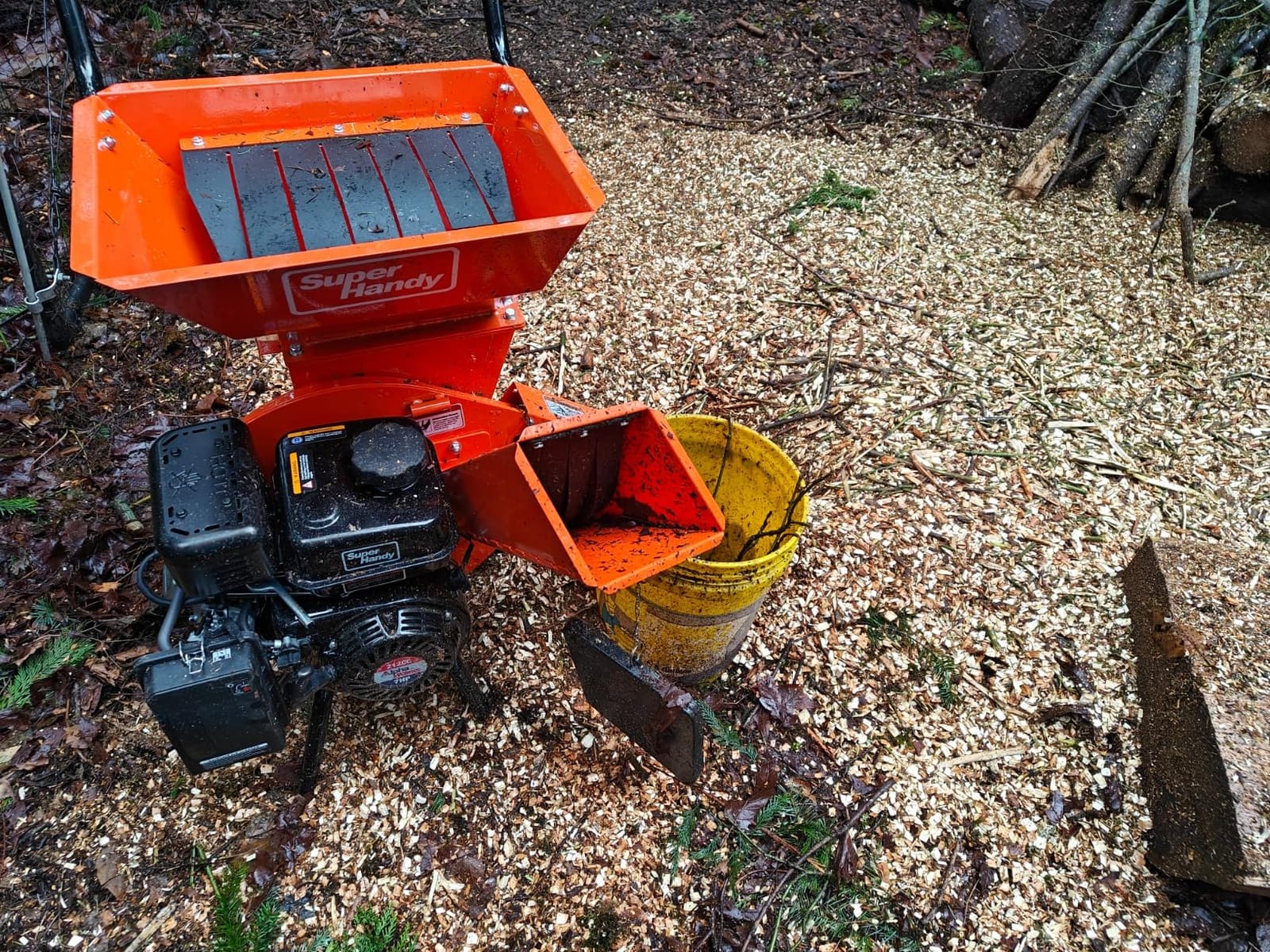
The slanted housing is the detail owners mention most. Instead of a flat bed where material sits and compacts, the angled design guides the load toward the blades, and several reviewers report noticeably fewer stalls than with flat-bed machines they have owned. It is a real engineering choice rather than a marketing label.
Now the honest part. The most repeated owner advice is to expect roughly two-thirds of the 3-inch rating in practice. Most people report clean feeding to about 2 inches and pre-cutting anything larger into shorter sections. That is not a defect, it is what nearly every chipper in this class does, and it matches the ar15.com forum reports of feeding slowly to avoid the cutting head clogging.
What you will actually use it for
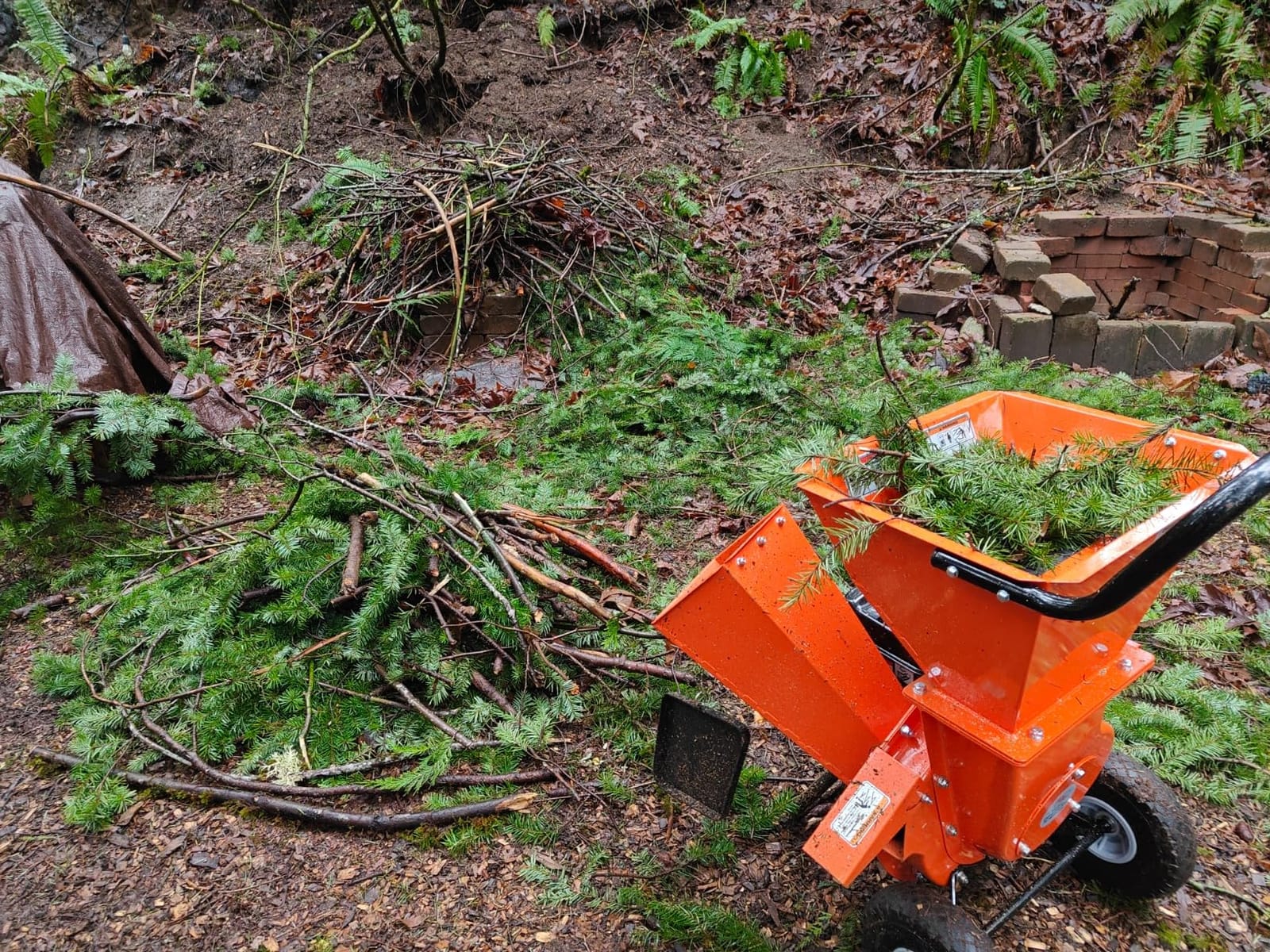
Storm debris, spring pruning and thinning work on a property with real trees. A 133.7-pound machine on large tires will roll from the garage to the brush pile without being lifted, which is more than can be said for most of its weight class.
It is also genuinely multi-function if you add the leaf vacuum kit, so one machine covers branches, twigs and autumn leaves rather than two tools in the shed.
Where it falls short
Noise. Owners describe it as very loud, and the safety flaps do not fully stop chips from flying past. Hearing and eye protection are not optional with this machine, and it is a poor choice for a dense neighborhood.
The included cloth collection bag is also a consumable. Reviewers report it tearing after modest use, so treat it as a replaceable part rather than a permanent part of the machine.
3. EFCUT C30 LITE 7HP 212cc Gas Chipper – Best Compact Gas Machine You Can Move Alone
EFCUT C30 LITE Wood Chipper Shredder Mulcher Heavy Duty 7 HP 212cc Gas Powered 3 Inch Max Capacity 1-Year Warranty After Product Registration
7HP 212cc gas engine
11.8-inch rotor at 3600 RPM
3-inch max capacity
84.4 pounds
Pros
- Smallest and lightest gas chipper here at 84.4 pounds
- 11.8-inch rotor holds blade speed under load
- Blade check windows speed up changes and clog clearing
- Starts on the first pull in owner reports
Cons
- Will not self-feed
- so twigs must be pushed in by hand
- Weak on bushy leafy material that clogs the feed opening
- Factory blades dull fast and retaining nuts are hard to break free
The C30 LITE solves a specific problem: gas chippers in this class usually weigh 125 to 135 pounds and need two people or a tow bar to move. This one comes in at 84.4 pounds, which is roughly 40 pounds lighter than most of its competitors, and owners consistently single that out as the reason they bought it.
Underneath, it is the more serious machine of the compact group. The 7HP 212cc horizontal 4-stroke OHV engine drives an 11.8-inch cutting rotor at up to 3,600 RPM, and the rotor diameter is the reason chip quality holds up. A larger rotor carries more momentum, so the blades keep their speed when a thick branch hits them instead of bogging the engine down.
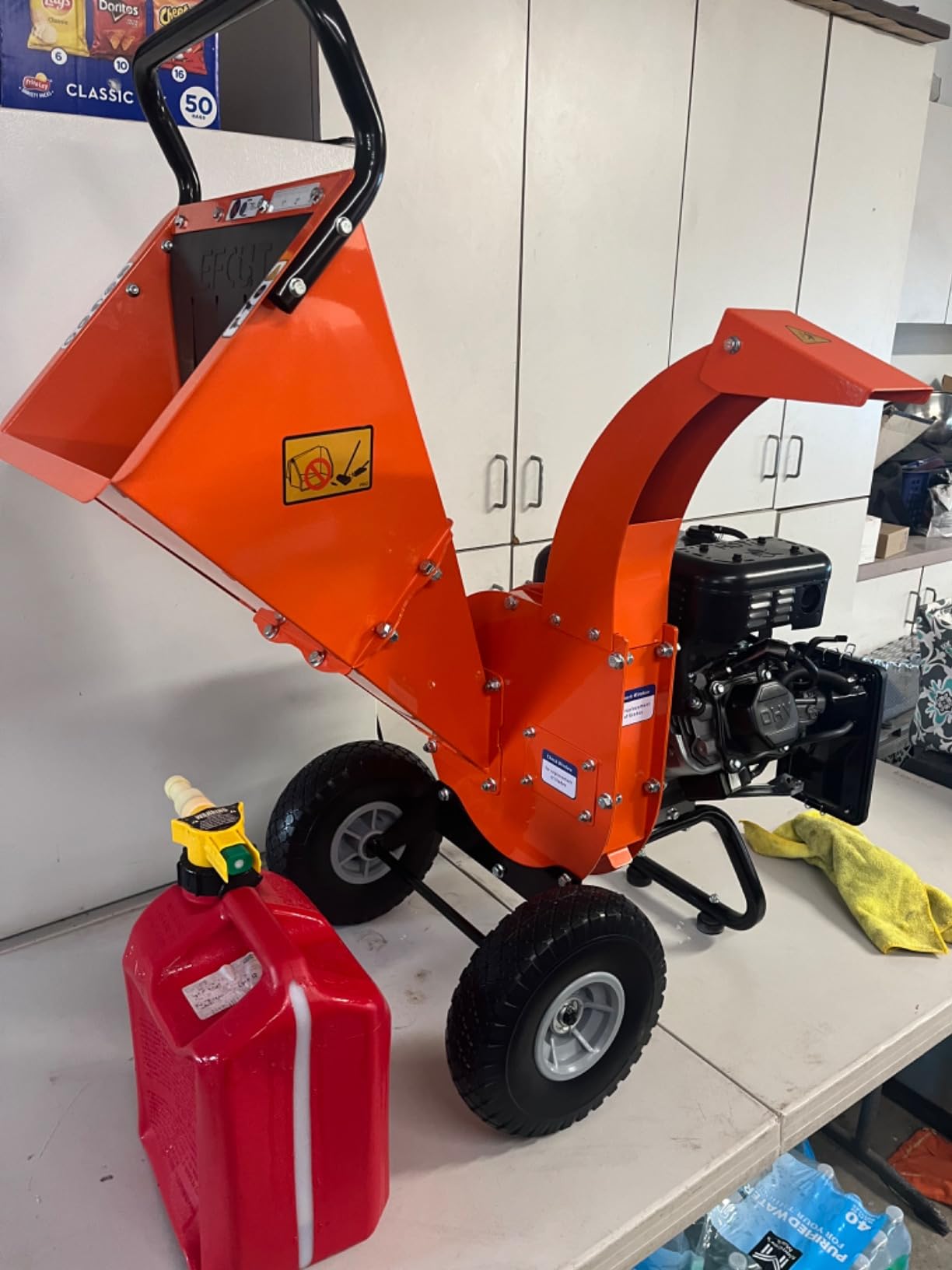
The other design details that matter in daily use are the access check windows and the discharge chute. The windows let you see the blades without taking the housing apart, which turns a blade change from a half-hour job into a short one and doubles as a fast way to find the jam point when a branch stalls. The extended vertical chute adjusts through 90 to 145 degrees, so you can direct chips into a trailer or over a fence from wherever you parked the machine.
Owners also like that it starts on the first pull, which sounds minor until you have spent an autumn restarting a machine that floods after a week of sitting. Fuel capacity is 0.73 gallons and the engine oil is not included, so add a quart before the first run.
What you will actually use it for
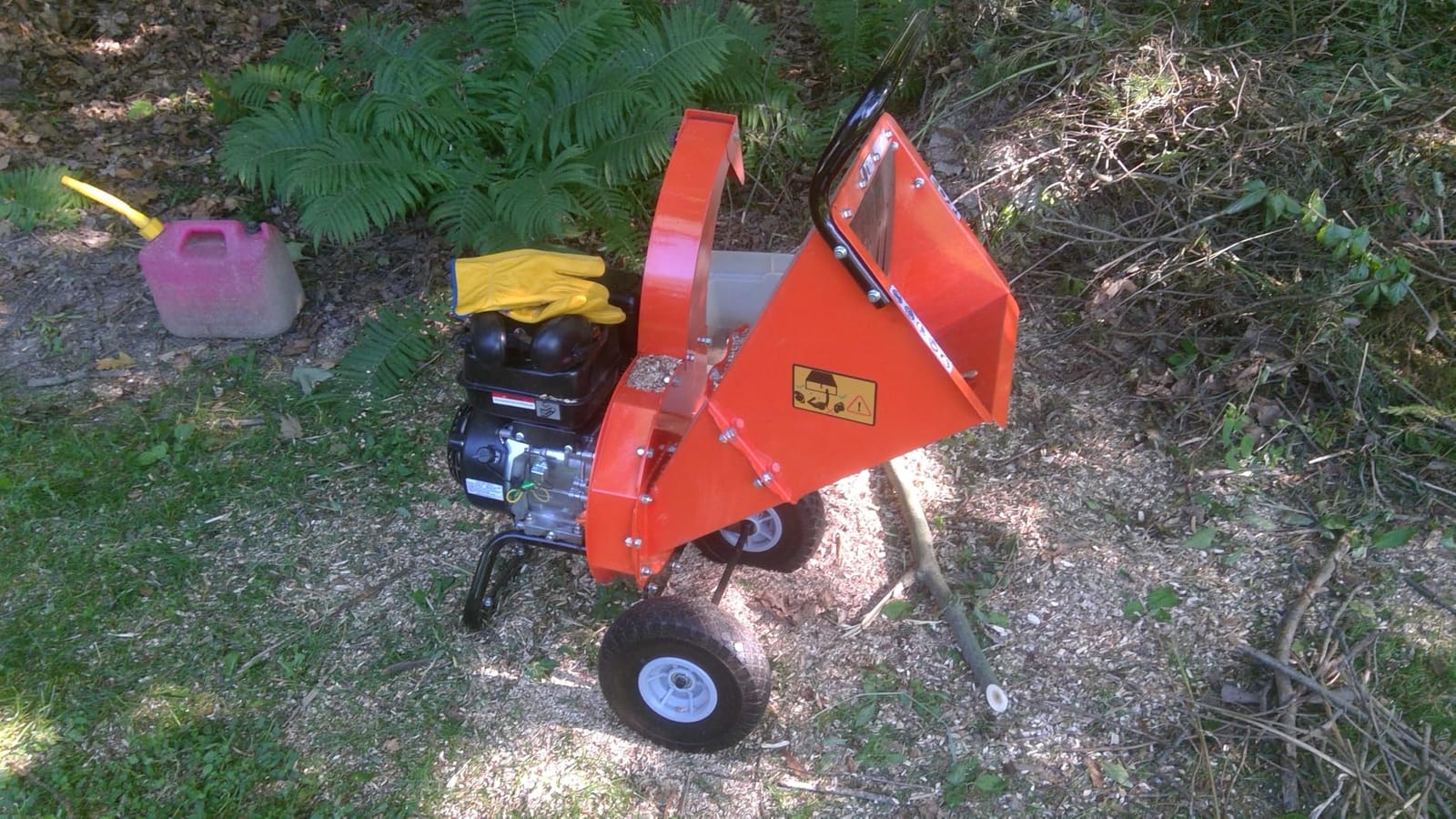
A yard with a real branch load where storage space is tight. At 32.6 by 26.5 by 41.2 inches it fits in a normal garage bay, and at 84.4 pounds one adult can reposition it across a lawn without a tow kit.
It is also the pick for anyone who wants a genuine 3-inch rated capacity without the 130-pound commitment that the other gas machines in this list carry.
Where it falls short
It is a chipper, not a shredder, despite the marketing around the feed opening. Owners report it handles branches well and bushy leafy material badly, so a separate leaf machine is still on your list for autumn.
Plan on sharpening early. Factory blades dull within a session in several ownership histories, and the retaining nuts are reported as frequently over-torqued, which makes a routine change harder than it should be.
4. Earthwise GS70015 15-Amp Corded Electric Chipper – Best Corded Chipper for Dry Brush
Earthwise GS70015 15-Amp Garden Corded Electric Chipper, Collection Bin
15-Amp electric motor
1.5-1.8 inch capacity
Up to 15:1 reduction
10.5-gallon bag,29.8 pounds
Pros
- A large owner base of 4103 ratings
- Light at 29.8 pounds and easy to move on its wheels
- Overload protection and a safety interlock switch
- Handles dry seasoned brush quickly with no fumes
Cons
- 3.9 average with 12% one-star ratings shows a split owner experience
- Loses performance on green or freshly cut material
- Anything past roughly 1.8 inches is out of scope
- No extension cord included
The GS70015 is the machine most people mean when they say they want an electric chipper, and its 4,100 ratings make it one of the most proven products in this category. It cuts branches up to 1.5 to 1.8 inches with heat-treated SK5 steel blades and a stated reduction of up to 15:1, and it ships with a 10.5-gallon collection bag so output goes straight into a container.
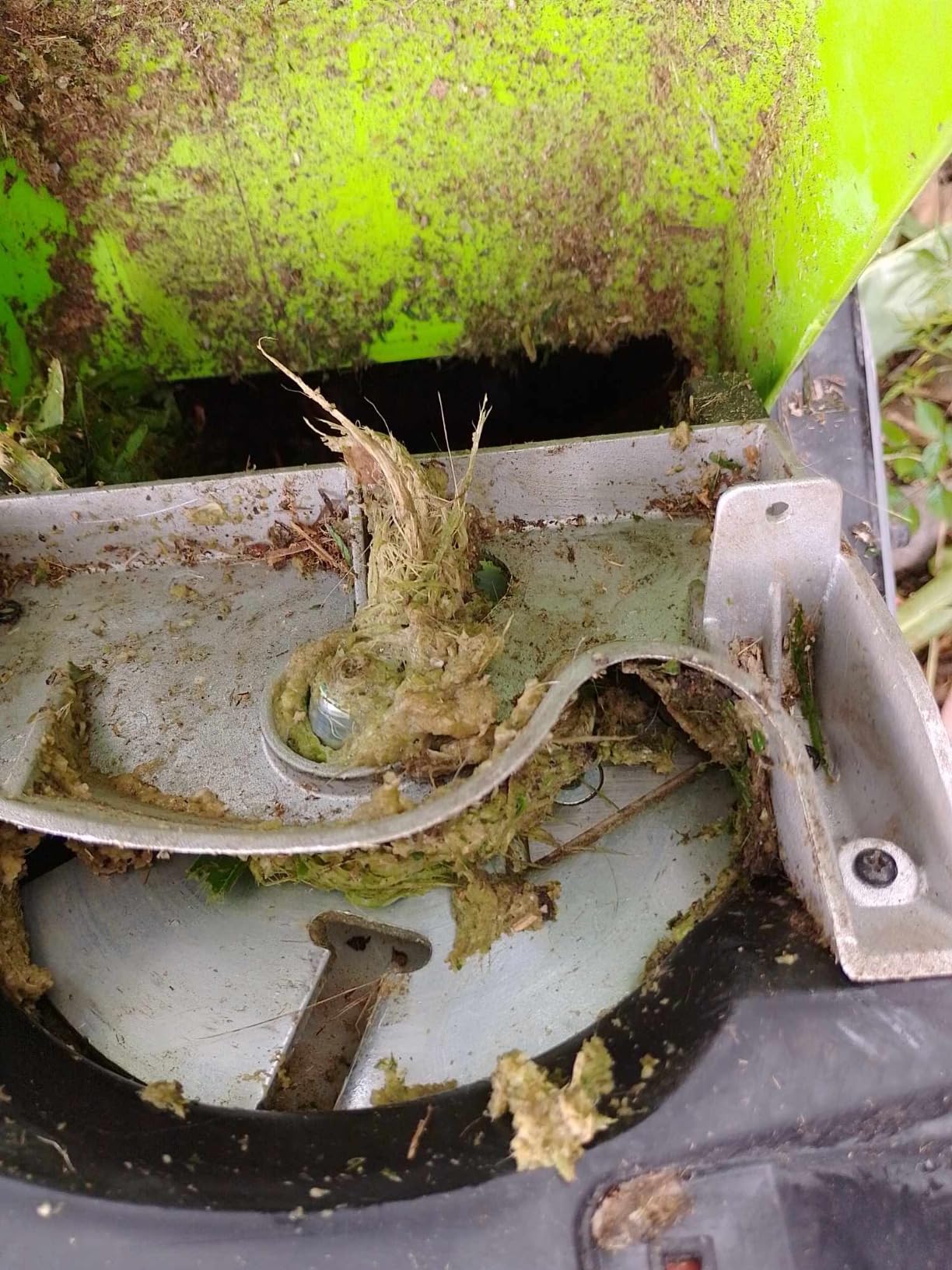
The 3.9 average tells you something real. With 12% of ratings at one star, the owner reports describe a split experience rather than a bad machine. People chipping dry, aged brush on a light schedule rate it well. People who expected it to handle wet green branches or thicker material rate it badly. The manufacturer is direct about the first half of that, listing dry and seasoned material as the intended input.
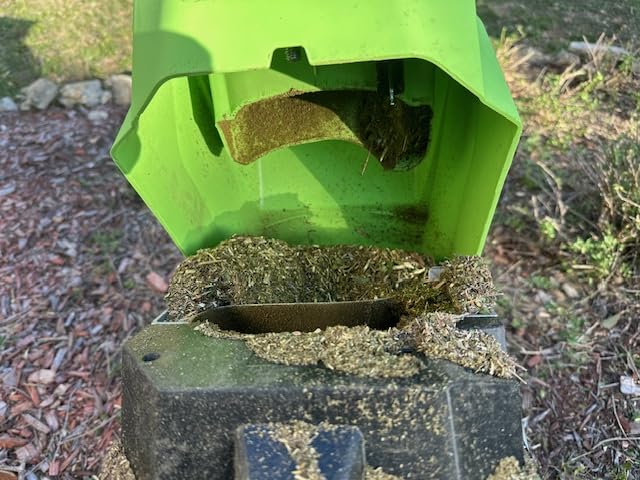
At 29.8 pounds and 42 by 24 by 18 inches, it is one of the easiest machines here to reposition, and the transport wheels make moving it from the garage to the driveway a one-person job. That matters more than it sounds, because you will move it several times a season.
The overload protection and safety interlock switch are genuine additions rather than decoration. Overload protection cuts power before the motor strains, which on a corded machine is the difference between a tripped breaker and a burned motor.
What you will actually use it for
Prunings, hedge trimmings, thin fruit-tree wood and general seasonal brush from a suburban lot. Material that has been cut and left for a few weeks is exactly the input this machine is built for, and it processes that quickly with no fumes, no fuel storage and no pull cord.
It is also the sensible companion to a gas machine if you want to keep noise down for close neighbors during weekday work.
Where it falls short
Green wood. That is the single most common complaint in the reviews, and it aligns with what forum users report across brands. Fresh material carries far more moisture and gums the blades quickly, so let brush season before you feed it.
Also plan on a proper extension cord. None is included, and to hold full 15-amp performance the manufacturer specifies a 12-gauge cord up to 75 feet or 10-gauge for longer runs. A thin household cord will cause a voltage drop and a disappointing experience.
5. Sun Joe CJ603E 15-Amp Chipper Shredder – Best Corded Chipper With a Reverse Switch
Sun Joe Wood Chipper Shredder and Waste Shredding Machine, CJ603E
15-Amp electric motor
1.7-inch cutting diameter
Forward and reverse switch
94 dB,7-inch wheels
Pros
- 4.2 average across 3828 ratings
- Reverse switch clears a short branch without reaching into the chute
- Quiet enough for a suburban street
- Bag
- paddle and wheels all included
Cons
- Heaviest electric unit here at 38.6 pounds
- Two-year warranty is shorter than some rivals
- Refurbished condition on this listing
- Needs a heavy-gauge extension cord for full 15-amp performance
The CJ603E stands out from the other corded machines here for one reason: the forward and reverse switch. When a short branch wedges in the chute, you can reverse the feed and back it out instead of pulling at it with your hands. On a 15-amp machine running at speed, that is a safety feature as much as a convenience.
Output goes to 1.7 inches of cutting diameter on a 15-amp motor, with a cross-cut blade and a 7-inch wheel set for moving it around. At 94 dB it is still much easier to live with than a gas machine, which matters if your property borders other houses closely.
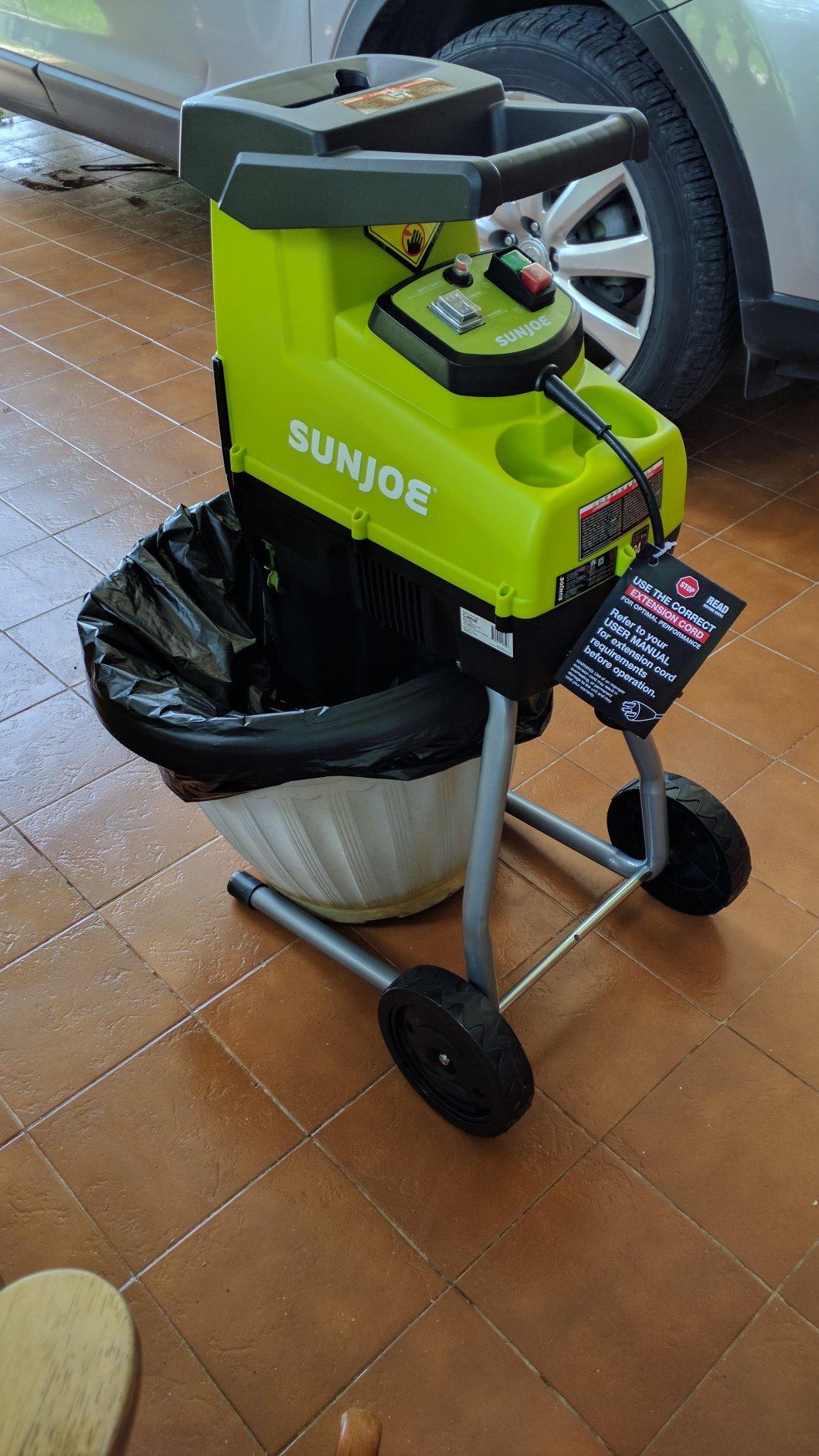
One detail you need before you buy, not after. This listing is for a refurbished unit. The description states it is tested, cleaned, inspected and repackaged in a generic box, with possible minor cosmetic marks from testing. Functionally it is the machine we describe here, but expect packaging that looks second-hand and do not treat minor blemishes as grounds for surprise.
The 4.2 average across nearly 3,900 ratings is strong for an electric chipper, with 58% of ratings at five stars. Reviewers focus on the cutting capacity, the quiet electric drive and the reverse switch that helps clear short branches, which is the same trio we would flag.
What you will actually use it for
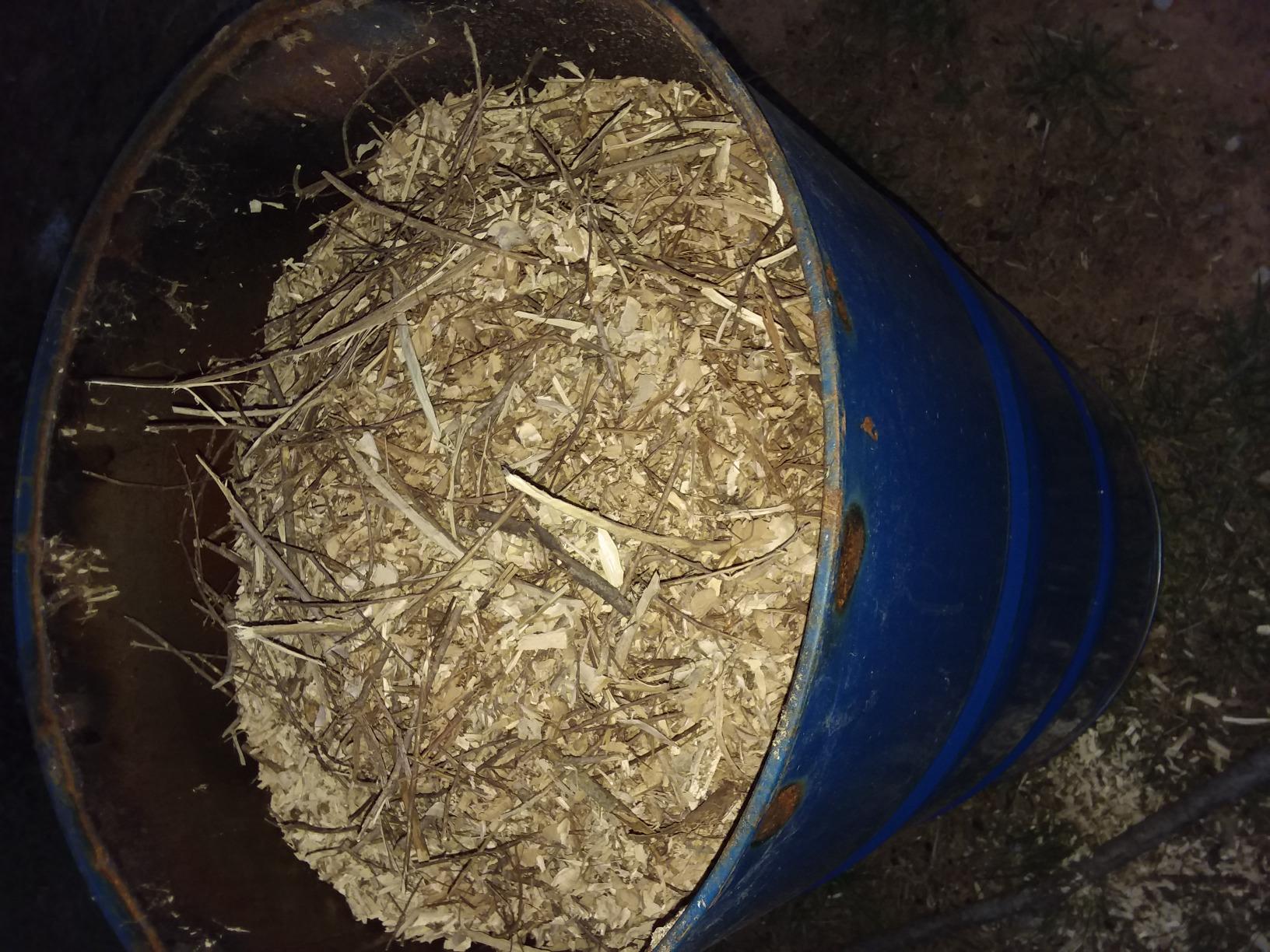
A suburban lot with a season of prunings under about 1.7 inches, especially if noise is a consideration. Feeding paddle, collection bag and 7-inch wheels all come in the box, so there is nothing to buy to get started.
It suits a gardener who wants branch chips for pathways and beds without committing to fuel, oil and pull-start maintenance.
Where it falls short
At 38.6 pounds it is the heaviest electric machine on this page, roughly 9 pounds more than the Earthwise, so moving it across a lawn takes more effort than the wheel count suggests.
Capacity is the hard ceiling. Anything meaningfully thicker than 1.7 inches belongs in a gas machine, and the two-year warranty is shorter than some competing coverage in this group.
6. Landworks 7HP 3-in-1 Gas Chipper Shredder – Best Alloy Steel Build in the Class
Landworks 3-in-1 Gas Wood Chipper Shredder, 7 HP, 3″ Capacity
7HP 4-stroke OHV gas engine
3-inch max capacity
15:1 reduction ratio
Alloy steel enclosure
Pros
- Alloy steel enclosure feels far more solid than typical sheet-metal budget chippers
- Handles branches up to about 3 inches cleanly
- 3-in-1 design covers chipping
- shredding and leaf mulching
- Tow bar kit compatible for working around a large property
Cons
- Roughly 130 pounds and needs two people to reposition
- Leaf vacuum and tow bar kits sold separately
- Small twigs do not self-feed well and must be pushed in
Where most machines in this price band use folded sheet steel, the Landworks uses an alloy steel enclosure. That is not a spec-sheet flourish. Owners describe it as feeling noticeably more solid, and forum buyers weighing machines at this level consistently point at welds, bolts and sheet metal as the places budget chippers eventually give up.
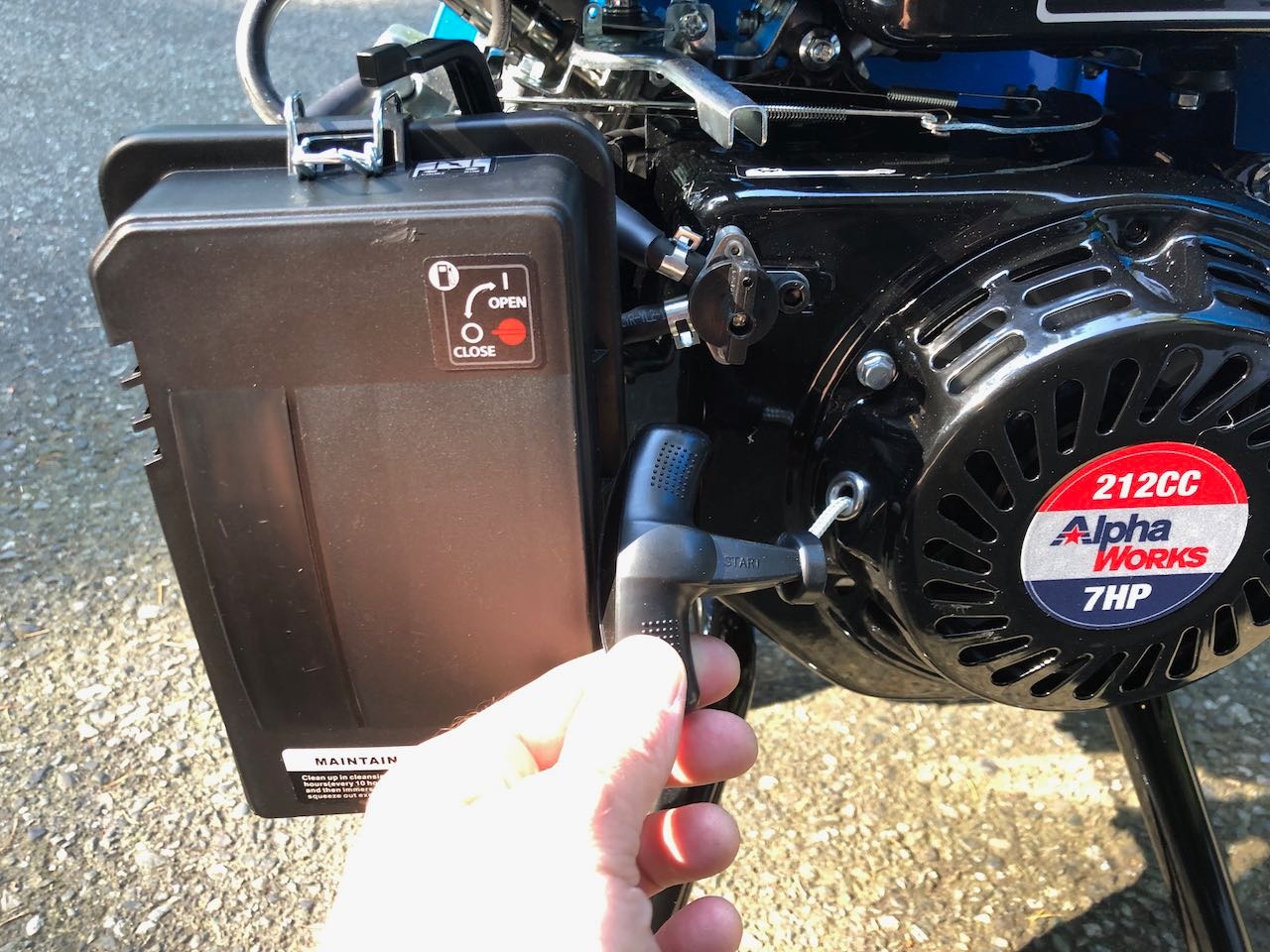
Underneath it is the familiar 7HP horizontal 4-stroke single-cylinder OHV engine with recoil start, rated for 3-inch branches, with a 15:1 reduction through the top hopper for 1×2 inch material and a side chute for limbs. Fuel capacity is 0.7 gallons on 87 octane or better.

At 794 ratings and a 4.2 average with 60% five-star, the owner pattern is familiar. Strong chipping of dry branches up to two or three inches, effective reduction of garden debris, and a need to push small twigs in by hand because the feed does not pull them in on its own.
The slanted housing appears here too, doing the same job it does on the SuperHandy, guiding material toward the blades rather than letting it sit on a flat bed. Buyers who attach the tow bar kit report the tow setup is what makes a 130-pound machine workable across a larger property.
What you will actually use it for
Properties where build quality matters more than portability. A wood-frame lot, a smallholding with hedgerows, or a property with storm debris that needs a machine you can keep for years rather than seasons.
Attach a tow bar kit if the machine lives in a shed away from the work area. It is the cheapest upgrade that changes how the whole job feels.
Where it falls short
Weight is the honest drawback. At 130.1 pounds it is one of the heaviest machines here, and two people are needed to reposition it without the tow kit. If your work area is a paved patio rather than open ground, that is a daily irritation.
Also note that the leaf vacuum and tow bar kits are extra purchases, and the shredding side handles small material well but not bulky leafy branches.
7. GreatCircleUSA 7HP 3-in-1 Gas Chipper – Best for Firebreak and Vegetation Work
GreatCircleUSA Wood Chipper Shredder Mulcher Heavy Duty Gas Powered 3 in 1 Multi-Function 3″ Inch Max Wood Diameter Capacity EPA/CARB Certified Aids in Fire Prevention – Building a Firebreak
7HP 4-stroke OHV engine
3-inch max capacity
CR12MoV cutting blades
3600 RPM,9.14 ft-lbs torque
Pros
- A large owner base of 1143 ratings
- CR12MoV alloy blades are a real step up in steel hardness
- Rated for firebreak building and fire prevention work
- Towable with an ATV or small tractor
Cons
- 4.0 average is the lowest gas rating here with 13% one-star
- Top hopper and side chute both limited to small material
- Tow bar and leaf vacuum kits sold separately
- 124.7 pounds is heavy without the tow kit
The GreatCircleUSA is the odd one out in this list in a useful way. Its manufacturer markets it for fire prevention and building firebreaks, which is a job most homeowner chippers never consider. If you live on a wooded property in a fire-prone area, that use case alone justifies it.
The blade specification is the other differentiator. It uses CR12MoV cutting blades, a harder alloy than the standard steel on most competitors, rated at 3,600 RPM with 9.14 ft-lbs of torque at 2,500 RPM. Harder steel holds an edge longer, which is exactly what you want when the wood is dry and old rather than green.
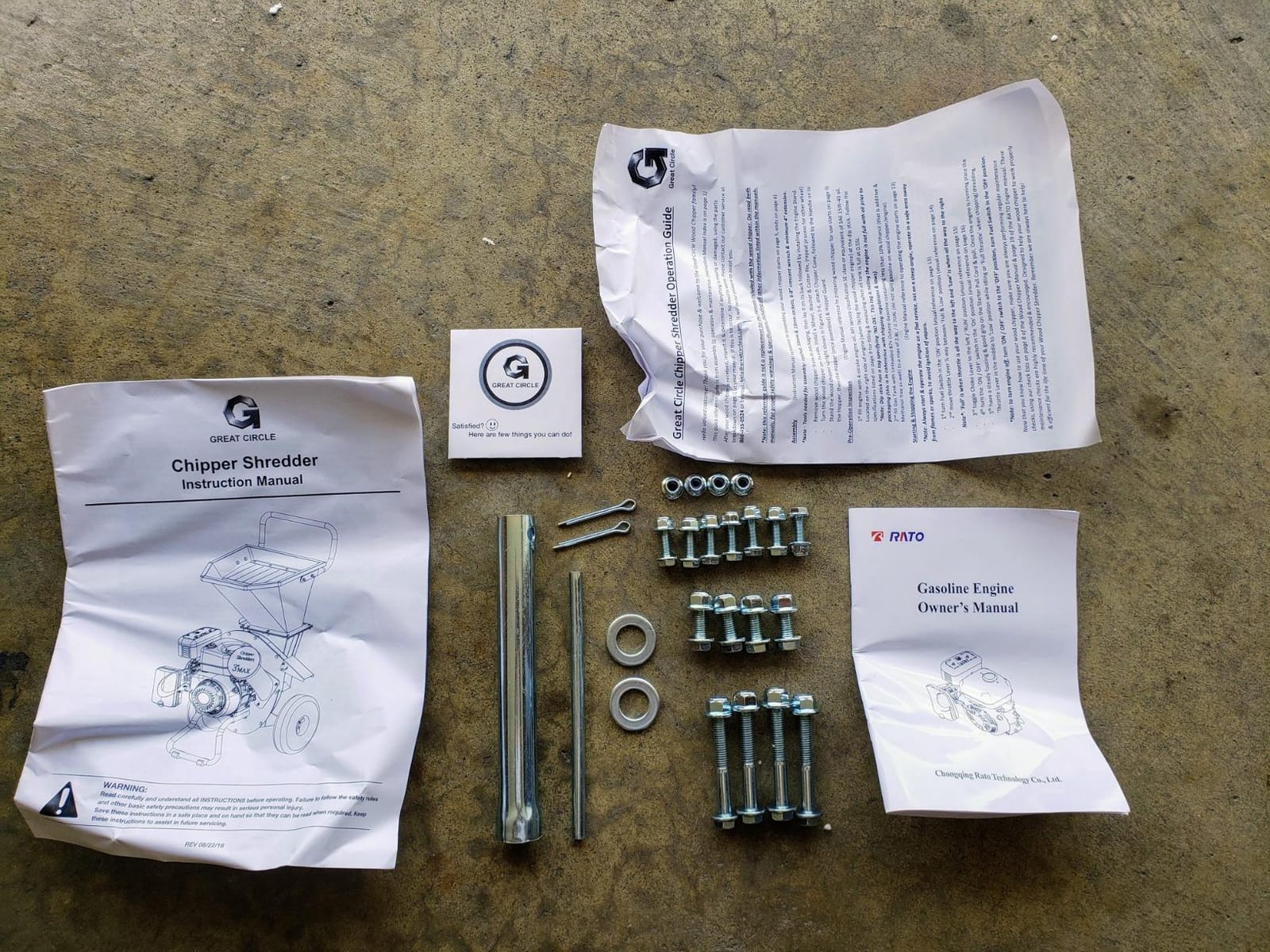
With 1,143 ratings it carries more owner history than any other gas machine here, and the 4.0 average is the lowest in that group. The distribution is broad rather than sharply split, which tells you most owners accept the machine for the job it is designed to do.
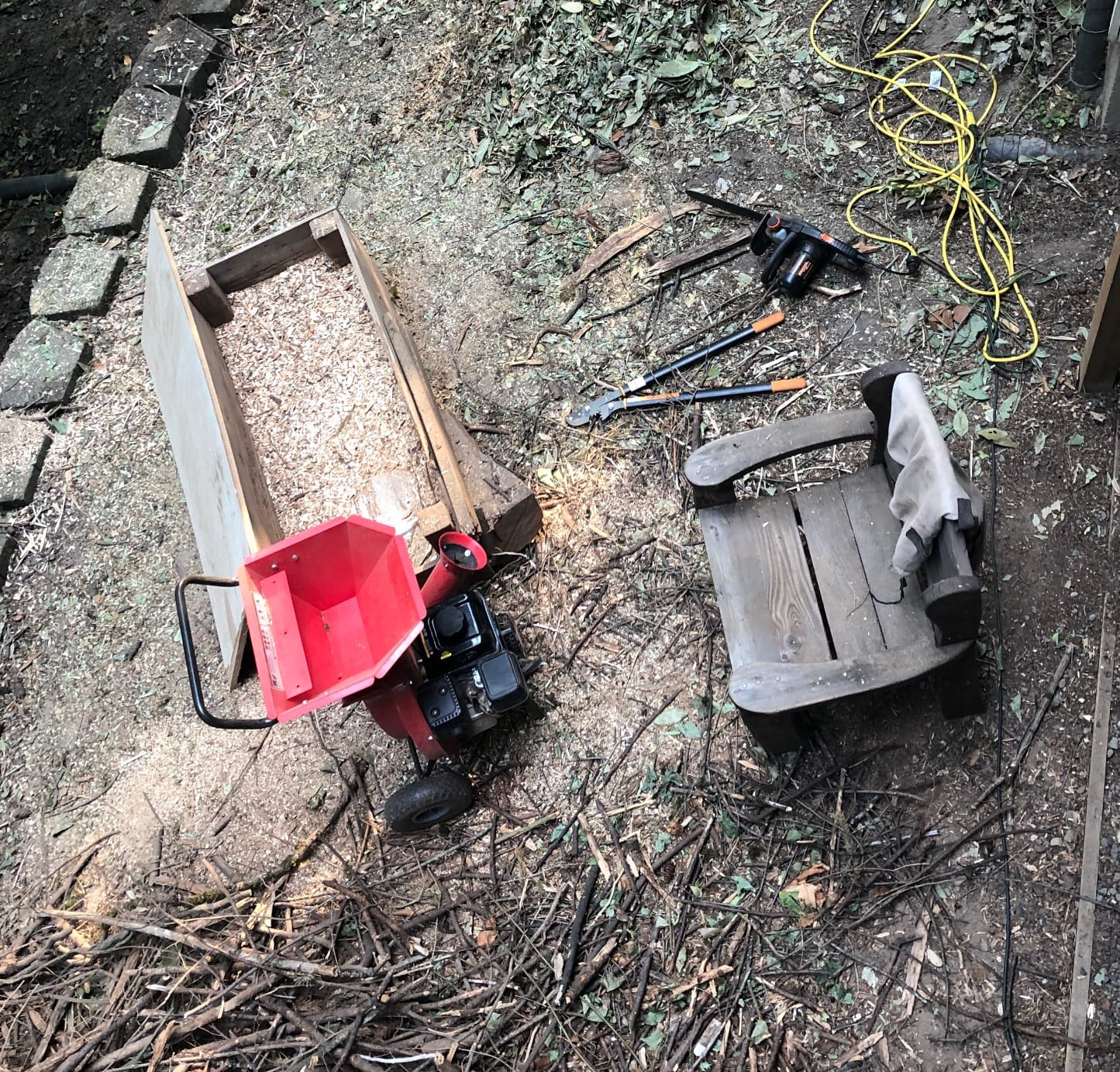
The recurring note is to treat it as a chipper first. The top hopper and the side chute are both limited to small material, so bulk leafy work clogs, and the manufacturer is explicit that fresh greens, pine cones, palm branches, petrified wood and vines are out of scope.
What you will actually use it for
Firebreak construction and vegetation management on wooded land, plus ordinary storm debris. Dry, hard, resinous wood is where the harder blade material pays off, because that is exactly the material that destroys cheaper blades fastest.
It is also a reasonable choice for anyone with a large pile of old brush to clear once and then not much for years.
Where it falls short
It is the least refined of the gas machines here. The 4.0 average with 13% one-star ratings reflects more reports of early problems than its competitors, and the small hopper means more of your material goes through the side chute where throughput is lower.
At 124.7 pounds it is heavy to reposition without the tow kit, and both the tow bar and the vacuum kit are separate purchases that quickly add to the cost of the setup.
8. LawnMaster FD1503 Electric Chipper – Best Value for a Light-Duty Chipper
LawnMaster Electric Wood Chipper 1.8” Cutting Diameter with Bag, FD1503
15-Amp electric motor
1.8-inch cutting diameter
Two-sided blade at 3700 RPM
23.2 pounds
Pros
- Handles branches just under 2 inches
- Lightest chipper here at 23.2 pounds and easy to store
- Side feed slot accepts a branch with a twig stub attached
- Output is well suited to planters and compost
Cons
- Included blade dulls and heats within about half an hour
- Jams past roughly 1.75 inches and on green material
- Does not self-feed
- so the operator pushes material in by hand
- Bag attachment is a tight fit
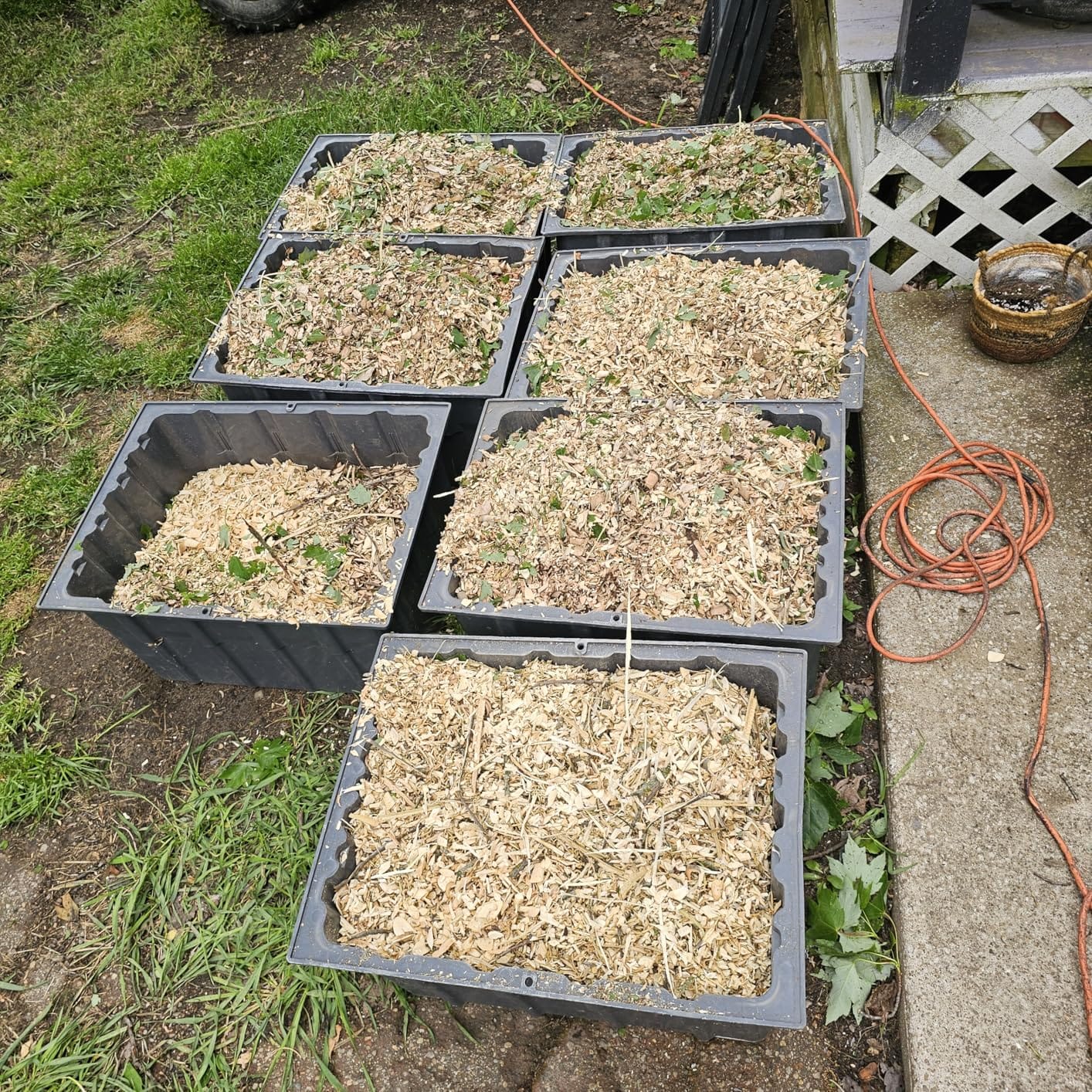
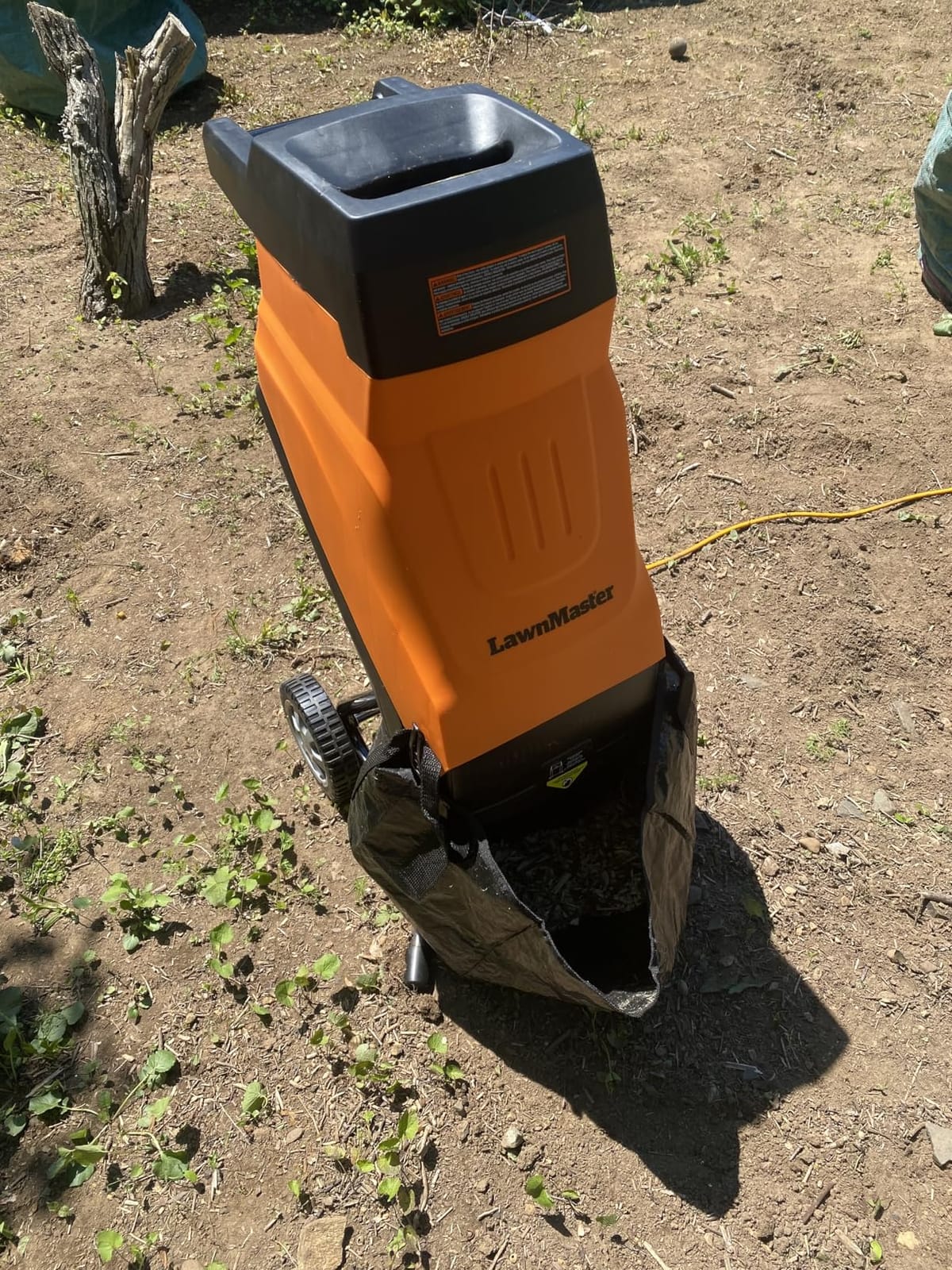
The FD1503 is the pick if your definition of a chipper is a composting appliance rather than a land-clearing machine. It chips branches to 1.8 inches on a 15-amp motor with a two-sided blade spinning at 3,700 RPM, and owners report high satisfaction when they use it for vine, crepe myrtle and garden-stalk material.
Two details make it more useful than a plain budget shredder. The side feed slot accepts a branch with a small twig stub still attached, so you are not trimming every piece before feeding. And the 14:1 volume reduction turns 14 bags of yard debris into roughly one, which is a meaningful saving on hauling.
Owners converge on one piece of advice with unusual consistency: order a spare set of FD1503 blades before the first session. The supplied blade loses its edge within about half an hour of use, and replacements are straightforward aftermarket parts. Once you have a spare on the shelf, the machine performs far better than the box contents suggest.
At 23.2 pounds and 25.2 by 12.8 by 14 inches it is the smallest, lightest chipper here, so it lives in a corner of the garage rather than taking a bay. The dent-resistant polypropylene housing keeps the total weight down and is the reason one person can carry it.
What you will actually use it for
Gardeners chipping soft growth for compost, and anyone with a lot of vine and flowering debris. The mulch output suits planters and beds, and the small size means it can come out of storage on a whim rather than sitting unused for a season.
It also works well for crepe myrtle cleanup after flowering, which is messy, twiggy and well within a 1.8-inch rating.
Where it falls short
Real-world capacity is closer to 1.75 inches than the 1.8-inch rating suggests, and green material will stall it. It is a light-duty machine and behaves like one the moment you push past its rating.
The bag attachment is also reported as a tight fit, and the unit is a little tippy when rolled across uneven ground, so move it on flat paths.
9. Sun Joe SDJ616 13-Amp Leaf Mulcher – Best for Wet Leaves and Bag-Emptying Convenience
Sun Joe Corded Leaf Mulcher Shredder with Adjustable Control Dial, SDJ616
13-Amp motor at 8000 RPM
Up to 55 gallons per minute
16:1 reduction claim
Wet and dry control dial
Pros
- Lightest functional mulcher here at 13.4 pounds
- Adjustable legs let you match any bin
- bucket or bag
- Wet and dry control dial is rare at this level
- Can handle damp green material when fed slowly
Cons
- Cut-to-the-line design cannot take sticks or hard branches
- Line wears quickly on stems and twigs
- Air filter clogs with leaf dust and can trigger overheating
- Short attached cord needs a heavy extension cord
The SDJ616 is defined by two features you rarely see together: an adjustable control dial with separate wet and dry settings, and height-adjustable legs that let the machine straddle whatever container you are filling. Owners describe setting it up over a trash can and emptying straight into bags without lifting anything heavy.
Performance is strong on paper. A 13-amp motor at 8,000 RPM, up to 55 gallons of leaves per minute and a claimed 16:1 reduction. At 13.4 pounds it is the easiest machine on this page to carry between collection points, which is the difference between finishing a job and abandoning it halfway.
Real owners treat the throughput and ratio claims as optimistic. They describe the machine working well but not at the advertised extremes, and the honest summary across roughly 1,970 ratings at 4.1 is that it is fast and convenient rather than record-setting.
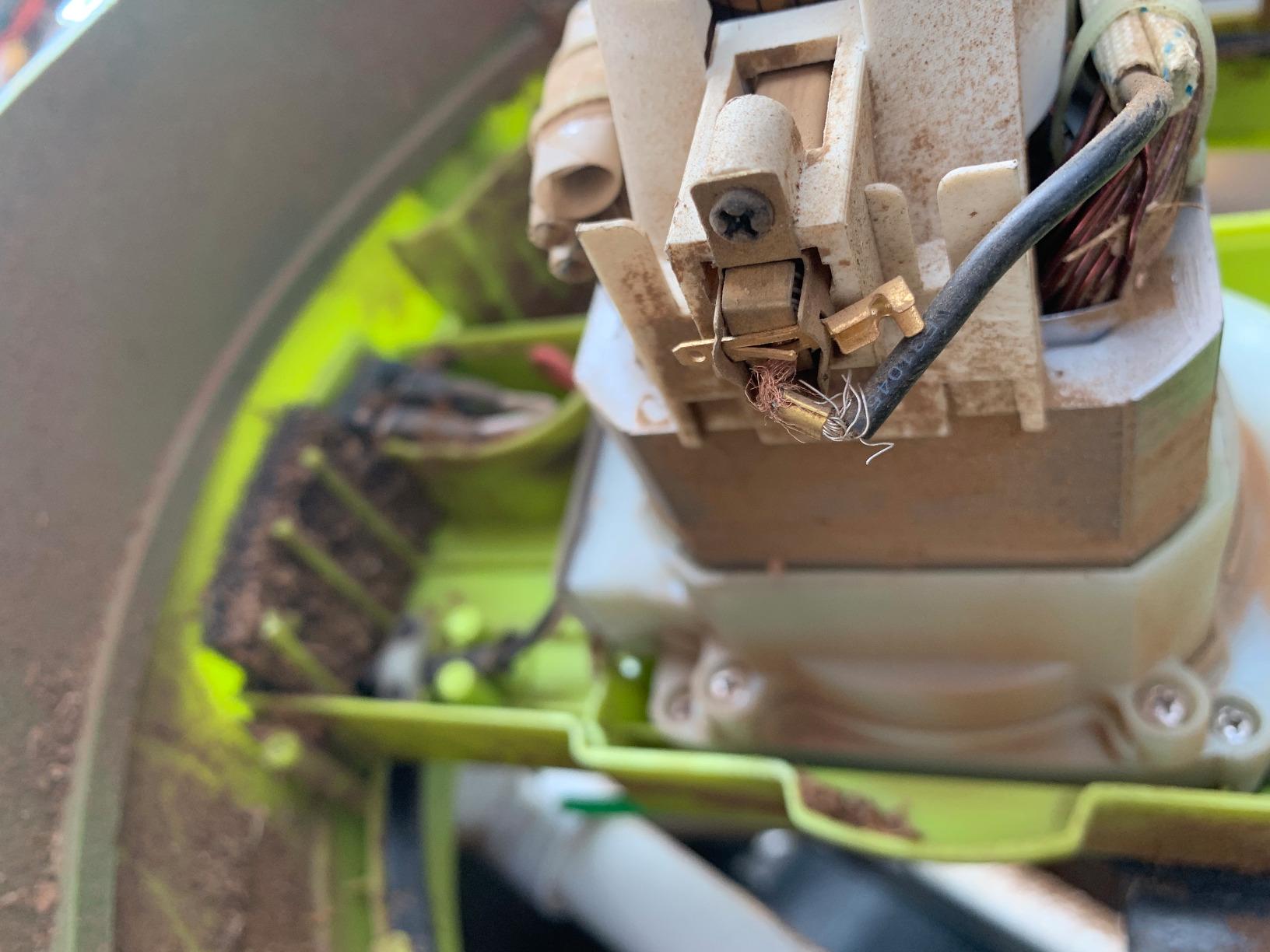
The one maintenance item you need to know about is the air filter. The air-cooled motor draws through a foam filter that clogs with leaf dust, and when it does the motor runs hot and shuts itself down. Owners who wipe the filter between barrels report years of trouble-free use. Owners who do not report recurring thermal cutouts, particularly on long autumn cleanups.
What you will actually use it for
Damp leaf piles straight after they fall, which is where the wet setting earns its place. Most competing leaf mulchers struggle with fresh material, and feeding this one slowly gets damp leaves processed without stalling.
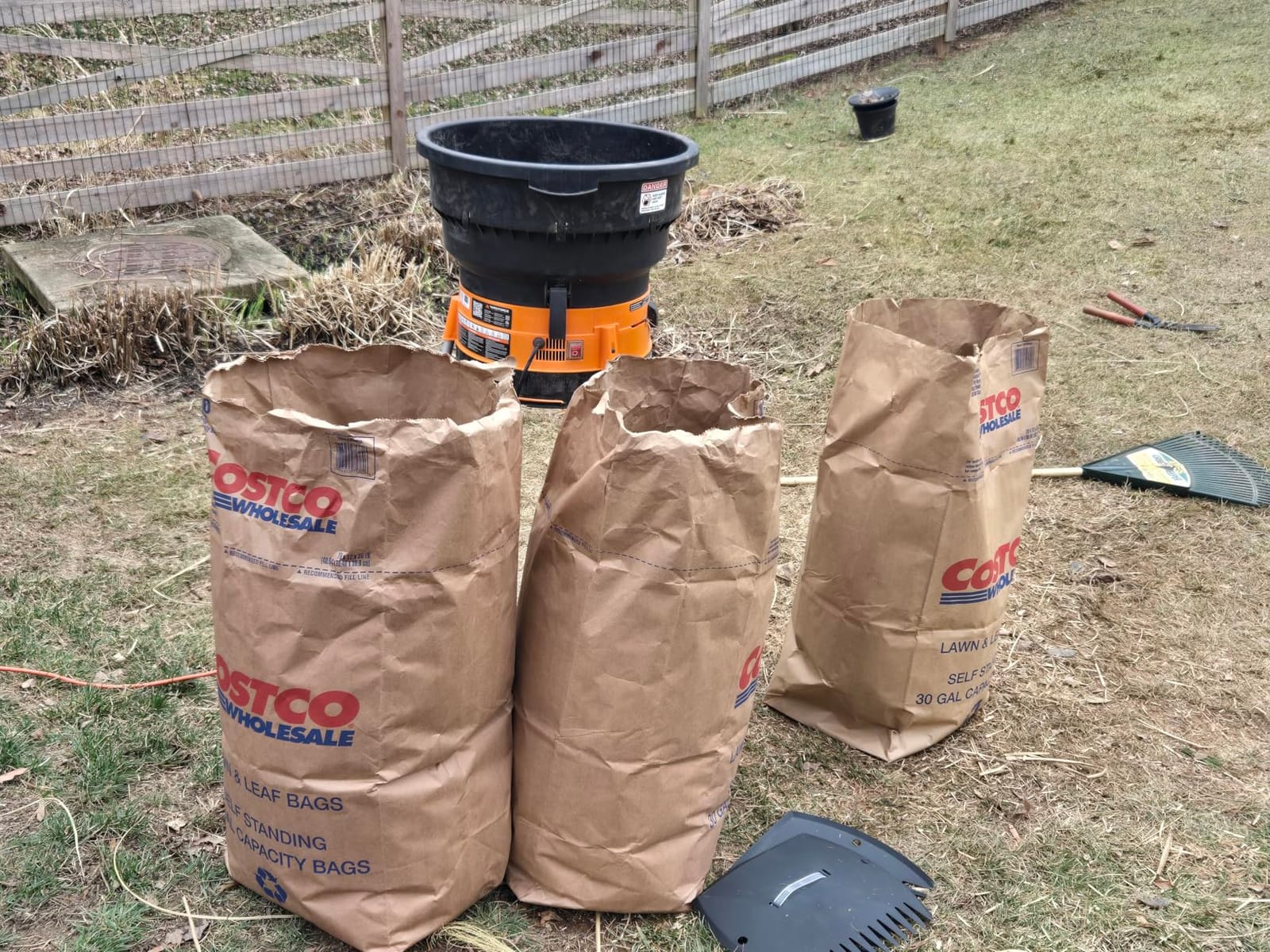
The bungee-cord attachment takes both paper and plastic yard bags, and the dust-reducing motor cooling system keeps the discharge cloud down enough to work with a mask on.
Where it falls short
It is a cut-to-the-line machine, so sticks and hard branches are simply out of scope. The line also wears faster on stems and twigs than on leaves, which is the opposite of the profile you want if your pile is half woody.
The attached cord is short, so budget for a heavy-gauge extension cord, and note the plug and motor are 120V only.
10. Yard Force YF8000LS Leaf Mulcher – Best Box of Accessories
Yard Force YF8000LS Electric Leaf Mulcher/Shredder with Bonus Accessory Kit, One Size, Black/Orange
13-Amp AC motor at 8000 RPM
12:1 leaf reduction
Under 15 pounds, fully nestable
24-month motor warranty
Pros
- Strong accessory kit in the box with rakes
- ten lines
- cord and goggles
- Under 15 pounds and nests completely for small-space storage
- Individually adjustable legs keep it level on sloped ground
- Uses standard .095-inch line with a tool-free quick change
Cons
- Supplied line lasts roughly 30 to 45 minutes before needing replacement
- Some machines overheat and shut down after about half an hour
- Very loud
- with goggles
- gloves
- ear protection and a mask advised
- Leaves must be fed by hand
The YF8000LS wins on what arrives in the box. You get a hand rake set, ten replacement shredder lines, a bungee cord and safety goggles, which covers most of the accessories you would otherwise chase. That head start matters for a machine whose consumable line lasts less than an hour anyway.
Under the hood it is a 13-amp AC motor at 8,000 RPM with adjustable settings for dry and wet leaves and a 12:1 reduction. Long-run owners report producing more than 50 barrels of mulch with minimal filter cleaning, and the 24-month motor warranty is longer than the two-year cover listed on several competing electric machines.
Storage is where it quietly wins over the alternatives. Every component nests inside every other component, so it occupies roughly the volume of a bucket when it is not in use. In a small garage or a rented property, that is worth more than any extra pound of throughput.
Individually adjustable legs let you level the machine on uneven terrain, which prevents the kind of tip-over that jams the intake and is the main complaint against cheaper single-height stands. The bungee-cord bag clamp adapts to both paper and plastic bags.
What you will actually use it for
Leaf cleanup on a lot where storage space is the binding constraint. The nestable design and the 13.45-pound weight mean two people can carry it out and back without planning, which is what actually determines whether the machine gets used all autumn.
The included goggles matter more than they look on a parts list, because this is a loud machine that throws fine material outward.
Where it falls short
The line is the main consumable and the included one is short-lived at roughly 30 to 45 minutes. Plan to buy your own .095-inch line in bulk, and note that replacement lines can become hard to find as an accessory ages.
A few machines also overheat and shut down after about half an hour of continuous use, needing a cool-down before restarting. Feeding leaves lightly rather than packing them down keeps that from becoming a pattern, and our leaf blower guide covers the other half of autumn cleanup if you want to move material before it ever reaches a machine.
How to Choose a Wood Chipper Shredder in 7 Steps
Start here after the reviews, because the right machine for a quarter-acre suburban lot and a five-acre wooded property are not remotely the same purchase. Work through these in order and the model choice usually makes itself.
- Measure your thickest branch, not your average one. Walk your property and find the biggest limb you realistically expect to feed. That diameter sets your machine, and the rating is a ceiling, not a target.
- Decide whether leaves or branches dominate your debris. Mostly leaves and fine twigs means a line-based mulcher is faster, quieter and cheaper. Mostly woody material means a chipper with steel blades.
- Choose the power source by capacity, not preference. Electric handles roughly 1.5 to 1.8 inches of branch. Gas handles 3 inches. There is no electric machine in this group rated for a 3-inch limb.
- Use engine size in cc, not horsepower. Manufacturers measure horsepower inconsistently across this category. Engine displacement in cc is the comparable number, and all the 7HP machines here run a 212cc four-stroke.
- Check the reduction ratio against your use. Fifteen to one is plenty for mulch and paths. If you are building compost, higher reduction breaks down faster.
- Weigh the machine against your storage and your ground. Gas units here run from 84.4 pounds to 133.7 pounds. Anything over 100 pounds effectively needs a tow bar kit for work away from the garage.
- Confirm parts access before you buy. Blades and shear plates are consumables. Machines built on common clone engines have cheap, widely available wear parts, and that should influence a purchase as much as the sticker does.
Chipper vs Shredder vs Mulcher: What Each One Handles
These three words get used interchangeably on retail pages, which is exactly why people buy the wrong machine. A chipper slices woody branches with hardened steel blades on a spinning disc or drum. A shredder pulverises soft material with flails, hammers or cutting line. A mulcher is a shredder whose output is fine enough to compost directly.
The practical consequence: a chipper will not turn a leaf pile into compost, and a mulcher will not take a branch. If your yard produces both, as most do in autumn, you either buy two machines or pick a 3-in-1 gas model that handles branches in the side chute and half-inch material in the top hopper at 15:1. If you would rather own one machine, the leaf mulchers on this page pair best with a gas chipper rather than with another electric chipper.
Electric vs Gas and How Much Power You Need
Electric machines are quieter, start every time, need no fuel storage and cost nothing to run. They top out around 1.8 inches of branch diameter, which covers prunings, hedge trimmings and most fruit-tree wood. They are the right answer for a suburban lot with light seasonal brush.
Gas machines exist for one reason: branch diameter. Every 7HP unit here runs a 212cc four-stroke OHV engine and is rated to 3 inches, though owner reports across the group consistently describe clean feeding to about 2 inches with anything larger needing pre-cutting. The cost is noise, exhaust, fuel storage and a pull cord. One forum poster put it plainly: the number that matters is the thickest branch you will feed, and everything else is preference.
What Not to Put in a Chipper, and Wet Wood Guidance
Wet and green wood is the single most repeated complaint in the owner reports, and the reason is physical. Fresh material carries far more moisture, which gums the blades, adds load to the motor and turns a chip into a paste that clogs the chute. One ar15.com owner described the contrast exactly: green wood would chip properly while dried sticks would shred and clog the cutting head. A r/gardening poster with a heavily wooded yard rejected a capable machine for the same reason.
The rule that follows from the reports is simple. Chip dry, seasoned material. Let brush sit for weeks before you feed it, and if a storm has just dropped a pile, give it time. Feeding slowly helps more than any other technique, and a stick or the supplied tamper keeps your hands out of the chute.
Keep several materials out of the machine entirely. Palm fronds, vines, bamboo, pine cones, acorns and petrified wood wrap around cutters or bog the feed, and two of the manufacturers here name these exclusions on their own product pages. Rocks and metal damage blades and flywheels immediately. A branch that is embedded in soil is a rock with extra steps.
Safety Gear and Blade Maintenance
Before the first session, gather the basics. Eye protection, hearing protection, gloves and sturdy closed-toe shoes are the baseline on every machine here, and the gas chippers need all four because chips genuinely pass the safety flaps. Never reach into a running chute, and on a gas unit pull the spark plug wire before any jam clearing or blade change. Unplug a corded machine for the same task.
Blades dull, and the rate depends on what you feed them. Resinous pine and cedar are the worst offenders, which is why the CR12MoV blades on the GreatCircleUSA matter for anyone burning or processing softwood. Sharpen on a schedule rather than when the machine starts bogging, and keep a spare set on hand before the first session rather than after the first failure, which is the single most consistent piece of owner advice on this page.
On electric leaf mulchers the equivalent routine is the air filter. Wipe it between barrels of leaves. A clogged filter causes an overheating shutdown, and it is the most preventable fault in this entire category.
Rent or Buy: Where the Break-Even Sits
If you chip twice a year or less, renting is the smarter financial decision and nobody will think less of you for it. Forum users report commercial 6-inch machines going for around 175 a day, which covers a couple of large cleanup days in one season. Add hauling fees and transfer station trips, and a lot of buyers never recover the cost of a machine they use twice a year.
Buying makes sense when brush arrives regularly, when you have more than a cart of material to process each season, or when the machine earns its place by producing mulch you would otherwise pay for. If you are still deciding, the branch diameter question in step one answers it for you: a machine rated above what you own is money spent on capacity you will never use.
Frequently Asked Questions
What is the best chipper shredder for home use?
For a typical suburban yard with prunings under 1.8 inches, the Earthwise GS70015 15-Amp corded chipper is the most proven choice, with more than 4,100 owner ratings. For a yard with real branches, the EFCUT C30 LITE gives you a rated 3-inch capacity at 84.4 pounds. For leaf-heavy autumn cleanup, the WORX WG430 processes up to 53 gallons of leaves per minute with no blades to maintain.
What is better, a chipper or a shredder?
A chipper is better for woody branches, using steel blades on a spinning disc or drum to slice limbs up to 3 inches. A shredder is better for leaves and fine twigs, using flails, hammers or cutting line to pulverise soft material. A shredder cannot handle a branch, and a chipper will not turn a leaf pile into compost. Most yards need both jobs done, so a 3-in-1 gas model covers both in one machine.
Are self-feeding wood chippers available?
Not in the residential price range. Every chipper and shredder in this roundup is manual feed, meaning you stand at the chute and push branches in by hand or with a stick. Genuine self-feeding mechanisms appear on drum and PTO chippers well above this tier, and on tow-behind and tractor-driven units. Expect to do the feeding yourself on any machine covered here.
How much HP does a wood chipper need?
For branches up to 1.8 inches, a 15-amp electric motor is enough. For branches up to 3 inches, you want a 7HP gas engine with at least 212cc of displacement. Manufacturers measure horsepower inconsistently in this category, so compare engine size in cc rather than the horsepower figure on the box.
Can you chip wet or green wood?
You can, but it is the most common source of frustration in owner reports. Fresh green branches carry far more moisture, which gums the blades and clogs the chute. Chip dry, seasoned material whenever possible, let brush sit for weeks after cutting, and feed slowly. One forum owner reported the exact contrast: green wood chipped properly while dried sticks shredded and clogged the cutting head.
What safety gear do I need for a wood chipper?
Eye protection, hearing protection, gloves and sturdy closed-toe shoes are the baseline on every machine. Gas chippers need all four because chips pass the safety flaps. Never reach into a running chute, pull the spark plug wire on gas units before any jam clearing or blade change, and unplug corded electric machines for the same task.
Conclusion
Our pick for most yards is the WORX WG430, the machine with the largest owner base in this group and the one we would put in front of a first-time buyer. There is no single best wood chipper and shredder for yards, though, because the right answer turns on one measurement: the thickest branch you will actually feed. Under 1.8 inches and you want the Earthwise GS70015 or the Sun Joe CJ603E for quiet, fuss-free electric work. Past that, the EFCUT C30 LITE gives you genuine 3-inch capacity at a weight you can move yourself, and the SuperHandy 7HP is the stronger choice for continuous work on a wooded lot.
For a leaf-heavy autumn, the WG430 earns its place again, processing up to 53 gallons of leaves per minute with no blades to maintain. The honest summary from ten machines and thousands of owner reports is that none of them self-feeds, none of them like wet wood, and all of them want a spare set of consumables in the box on day one. Choose for your thickest branch, chip dry material, feed it slowly, and these machines will be the best 2026 yard cleanup investment most owners make.