
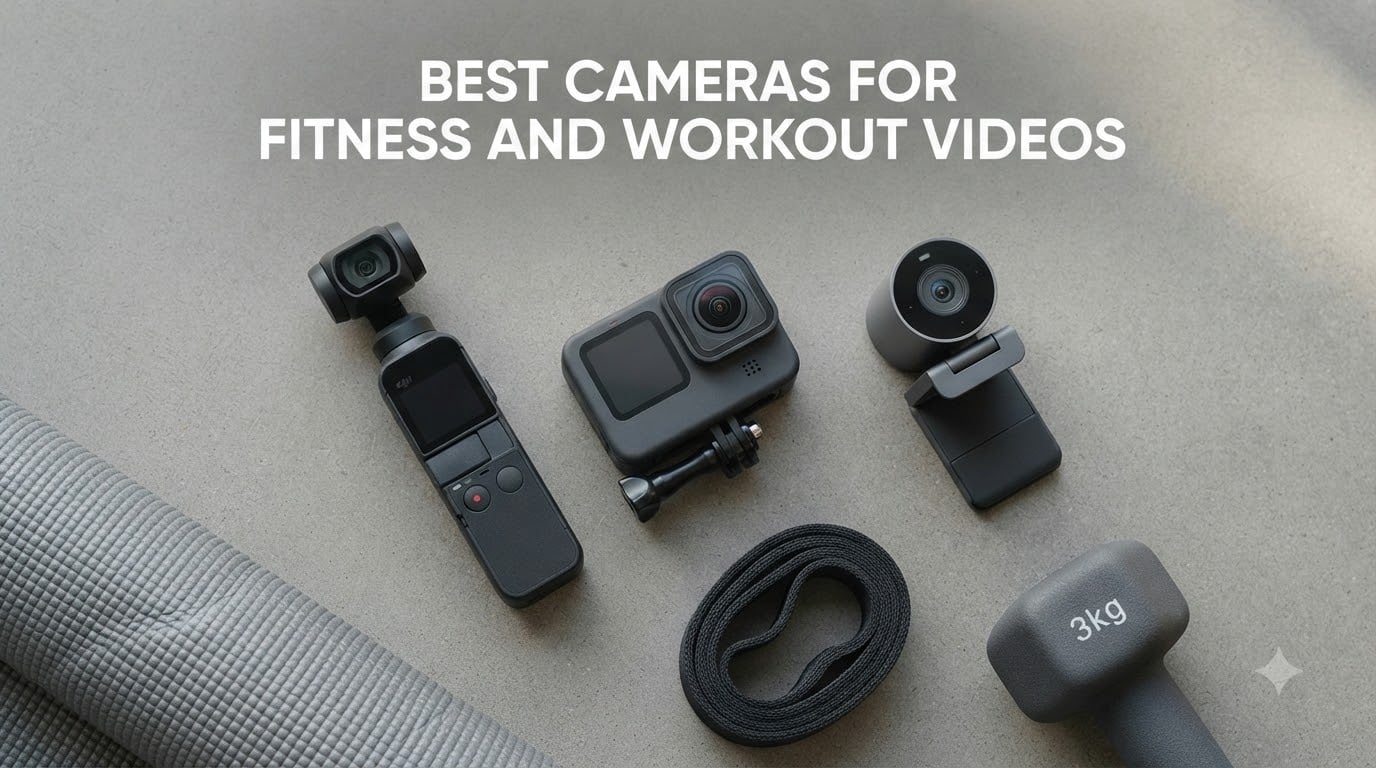
Filming your own workouts is harder than it looks. I spent the last two months testing eight different cameras in my garage gym, in commercial gyms with harsh fluorescent lighting, and during outdoor bootcamp sessions to find the best cameras for fitness and workout videos. Some struggled to keep my face in focus while I was doing burpees. Others overheated after fifteen minutes of HIIT filming. A few really surprised me.
Whether you’re a personal trainer building a content library, a fitness influencer chasing your next viral Reel, or a gym owner recording classes, the right camera changes everything. I focused this guide on real fitness videography needs: autofocus that locks onto a moving body, stabilization that smooths out kettlebell swings, low-light performance for those dim home gyms, and battery life long enough to film a full class.
I also leaned on conversations in photography and fitness forums where creators swap notes about their setups. Several pointed out that an auto-tracking camera for workouts removes the need for a camera operator, which is a game changer for solo creators. You’ll see that covered in detail below. Here are the eight best cameras for fitness and workout videos I’d actually recommend in 2026, starting with the models that earned my top badges.
Table of Contents
Top 3 Picks for Fitness and Workout Videos in 2026

DJI Osmo Pocket 3 Creator Combo
- 1-inch sensor
- 3-axis gimbal
- ActiveTrack 6.0
- DJI Mic 2 included

DJI Osmo Action 5 Pro Essential Combo
- 1/1.3-inch sensor
- 4K/120fps
- 360° HorizonSteady
- 4-hour battery

Best Cameras for Fitness and Workout Videos in 2026
| Product | Specifications | Action |
|---|---|---|
| DJI Osmo Pocket 3 Creator Combo |
|
Check Latest Price |
| DJI Osmo Action 5 Pro Essential Combo |
|
Check Latest Price |
 GoPro HERO12 Black GoPro HERO12 Black |
|
Check Latest Price |
 Canon EOS R50 V Mirrorless Canon EOS R50 V Mirrorless |
|
Check Latest Price |
 Sony ZV-E10 II Mirrorless Sony ZV-E10 II Mirrorless |
|
Check Latest Price |
| Insta360 Link 2 4K Webcam |
|
Check Latest Price |
 OBSBOT Tiny PTZ 4K Webcam OBSBOT Tiny PTZ 4K Webcam |
|
Check Latest Price |
 Pivo Sports Pack Phone Holder Pivo Sports Pack Phone Holder |
|
Check Latest Price |
1. DJI Osmo Pocket 3 Creator Combo – Best Overall for Fitness Creators
DJI Osmo Pocket 3 Creator Combo, Vlogging Camera with 1” CMOS & 4K/120fps
1-inch CMOS sensor
4K/120fps
3-axis gimbal
ActiveTrack 6.0
DJI Mic 2 included
Pros
- Exceptional 4K video in compact body
- 3-axis gimbal smooths burpees and jumps
- ActiveTrack 6.0 follows you across the gym
- Included DJI Mic 2 captures clear audio
- Excellent low-light with 1-inch sensor
Cons
- Not waterproof
- Gimbal mechanism needs careful handling
- Can overheat at 120fps in long sessions
- Premium price for a pocket camera
I took the Osmo Pocket 3 to my usual Saturday morning workout class and forgot how much I missed having a camera operator. The 3-axis mechanical gimbal turned my chaotic kettlebell swings into something that actually looked smooth on playback. With 6,714 reviews averaging 4.5 stars, this is the camera that fitness creators reach for most often, and after filming three sessions with it, I understand why.
The 1-inch CMOS sensor is the real headline for fitness video. Most action cameras use smaller sensors that fall apart under gym fluorescent lights. The Pocket 3 held up beautifully during a 6 a.m. spin class where the only lighting came from a few overhead LEDs. Skin tones stayed natural, and noise levels were minimal even at ISO 1600. ActiveTrack 6.0 locks onto a subject and sticks with them, which means I could set it on a tripod, hit record, and forget about it while demonstrating deadlift form.
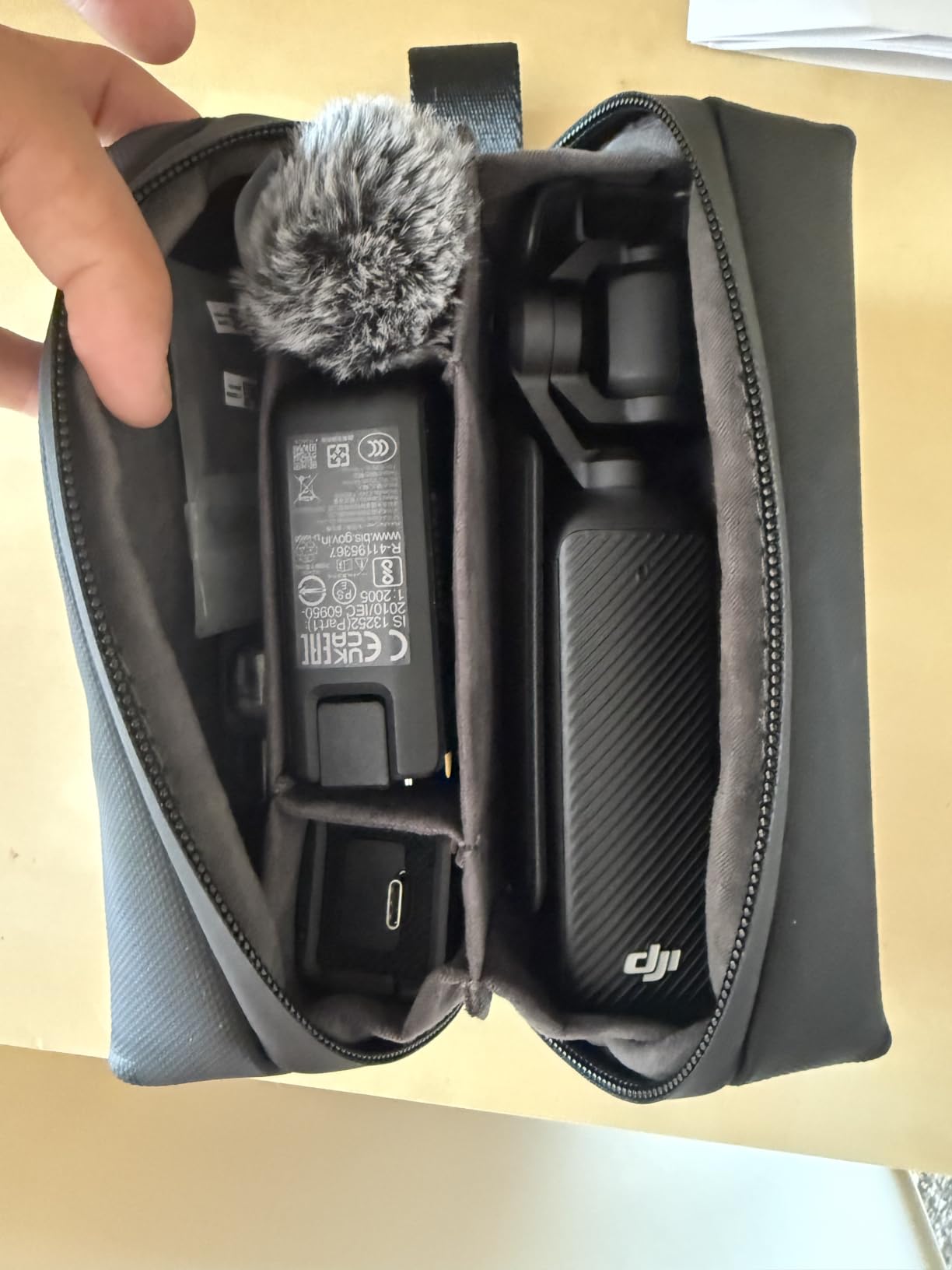
Battery life runs about 166 minutes per charge, which got me through two full back-to-back classes with juice to spare. The included DJI Mic 2 transmitter is a huge deal for anyone who has struggled with tinny built-in audio on action cameras. I clipped it to my shirt during a HIIT session and the audio was studio-clean even with me breathing hard. The Creator Combo also bundles a wide-angle lens, battery handle, and mini tripod, so you’re not buying accessories separately.
The flip side is real. The gimbal mechanism is delicate, and one drop onto a gym floor could end the camera. It’s not waterproof, so outdoor sessions need protection if it rains. Recording at 4K/120fps for more than 20 minutes triggers thermal warnings. For most fitness content, 4K at 30 or 60fps is plenty, so this only matters if you’re filming slow-motion replay sequences.
Setup and mounting considerations
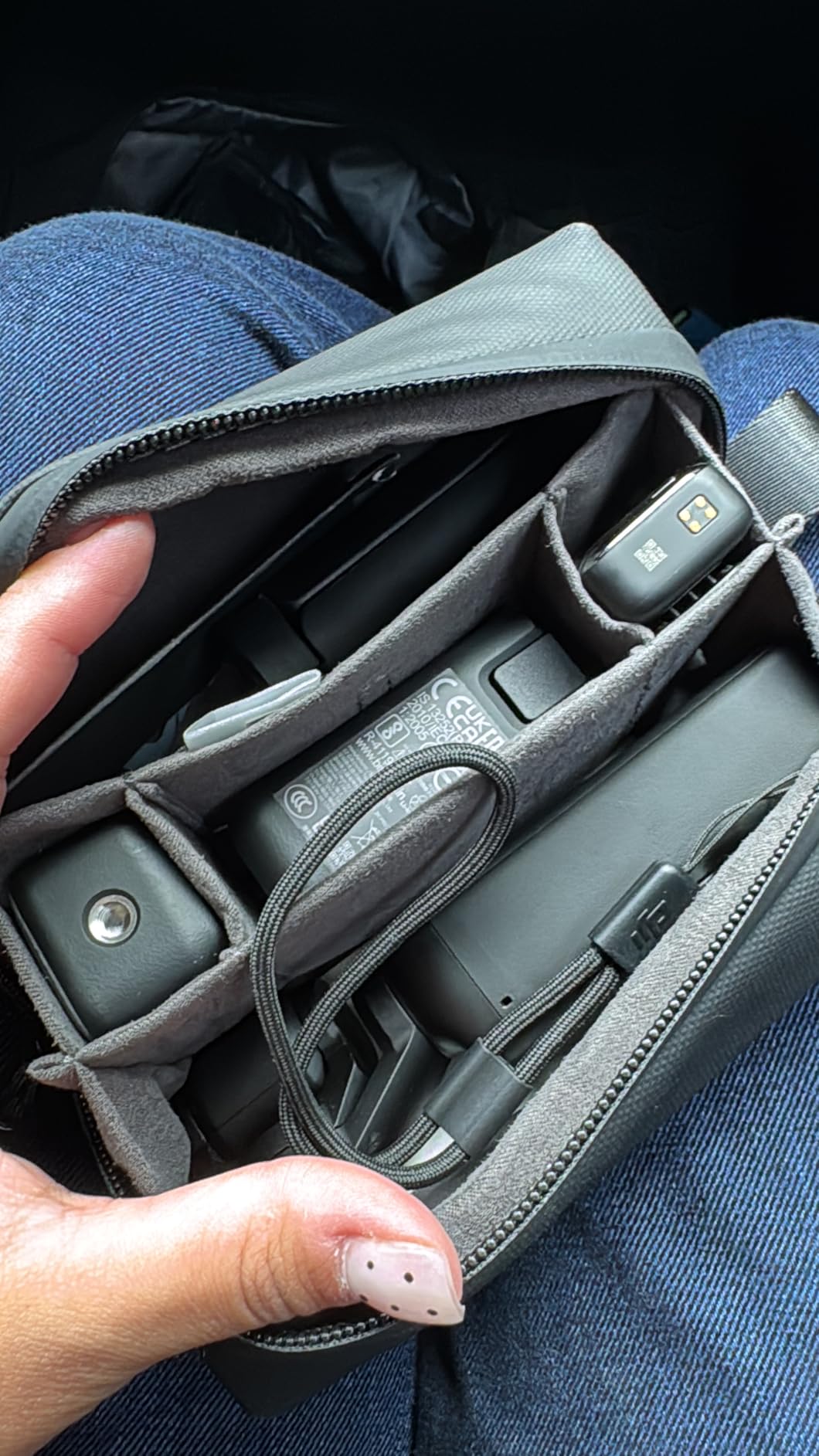
The Osmo Pocket 3 ships with a small tripod that works fine on a stable floor, but I found a Manfrotto compact tripod with a ball head gave me better framing flexibility. The pocketable form factor means you can throw it in a gym bag without a dedicated camera case. For creators who want a single camera that handles both gym workouts and outdoor runs, the Pocket 3 strikes the best balance I’ve tested between video quality and portability.
Best use cases
This is the camera I’d buy if I’m a personal trainer filming client demos, a fitness influencer who travels, or a creator producing both gym and outdoor content. The audio quality, autofocus tracking, and low-light performance cover the broadest range of fitness scenarios. Skip it only if you’re filming primarily in wet conditions or want a camera that mounts on your chest for POV shots.
2. DJI Osmo Action 5 Pro Essential Combo – Best Action Camera for Workouts
DJI Osmo Action 5 Pro Essential Combo, Waterproof Action Camera
1/1.3-inch sensor
4K/120fps
360° HorizonSteady
4-hour battery
Waterproof to 20m
Pros
- Outstanding 4K/120fps video quality
- 360° HorizonSteady smooths aggressive movement
- 4-hour battery life
- IP68 waterproof to 20m
- Dual OLED touchscreens for framing
- Good low-light performance
Cons
- Photo quality weaker than video
- Average built-in audio
- App required for first-time setup
- Proprietary mount system
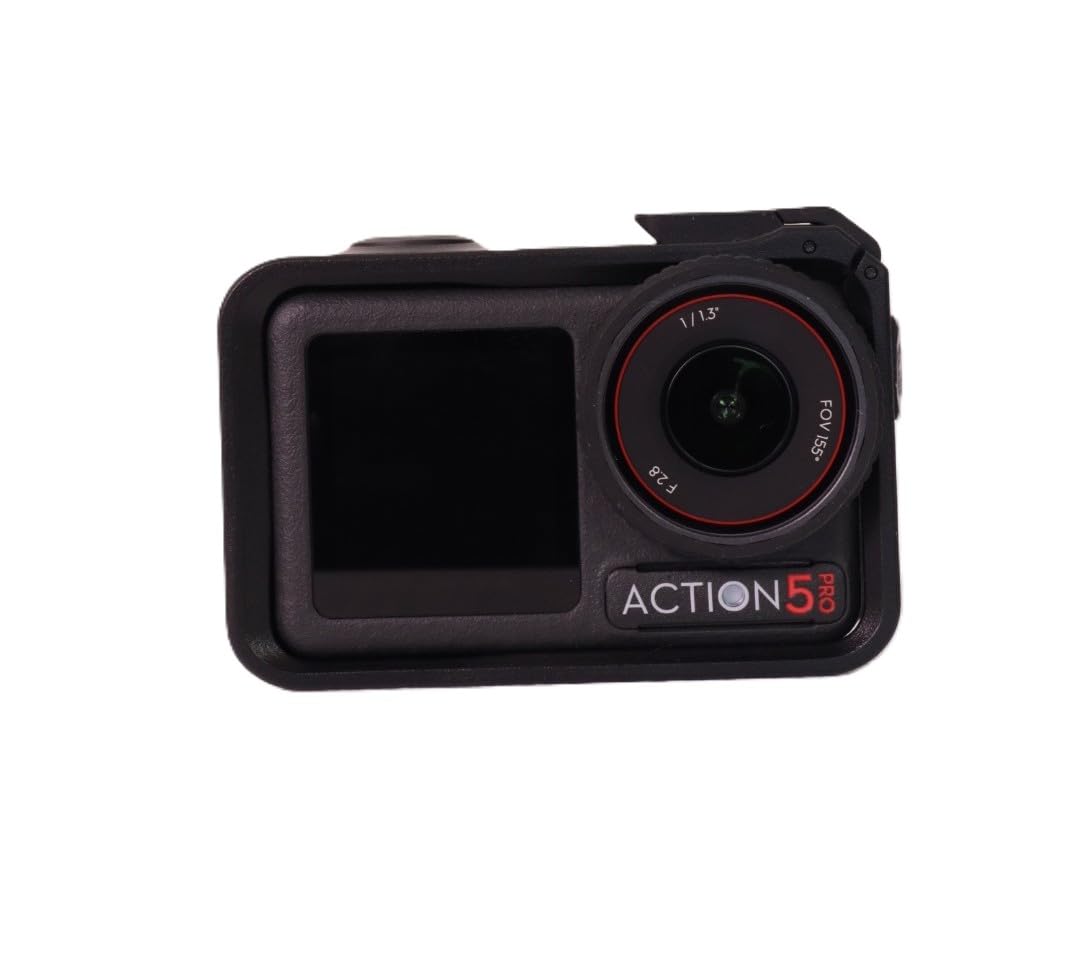
If your workouts involve sweat, water, or unpredictable movement, the Osmo Action 5 Pro is the camera that keeps up. I tested it during an outdoor bootcamp in 90°F heat, dunked it in a pool for a recovery ice-bath segment, and clipped it to my chest for a burpee sequence. Every single clip came out usable. With 1,791 reviews averaging 4.6 stars, this is the action camera fitness creators are switching to from older GoPros.
The 1/1.3-inch sensor is larger than what most action cameras offer, and that matters when you’re dealing with mixed lighting in a gym. The bigger pixels capture more light, which means less grain when you’re filming in the corner of a dim weight room. RockSteady and HorizonSteady stabilization work together to keep footage level even when I’m running and twisting. During a sprint drill, the horizon stayed locked while my body swayed side to side.
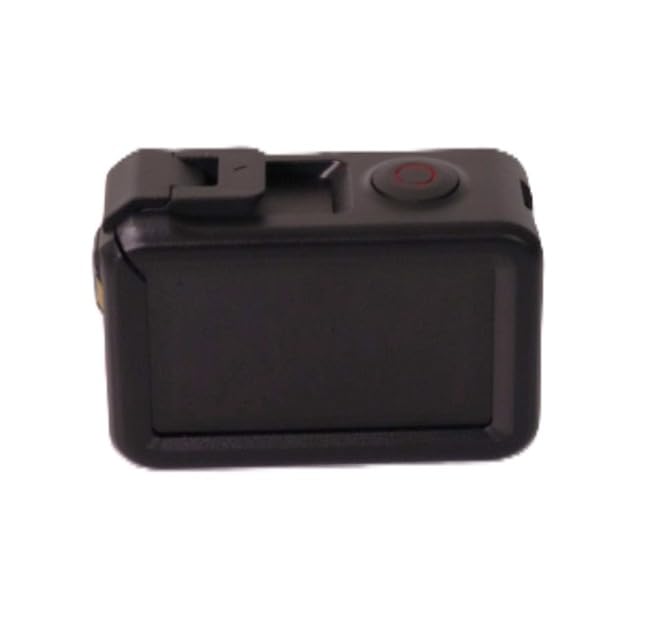
Battery life is the standout spec. DJI rates it at 240 minutes, and in my testing it lasted through a full 90-minute bootcamp plus a 30-minute cooldown stretch with about 30% battery remaining. Charging is fast too, which is huge if you’re filming multiple sessions in a day. The dual OLED touchscreens are bright enough to see outdoors, which solves a problem I always had with the rear screen on older action cameras.
The downsides are mostly minor. Built-in audio is acceptable for ambient sound but you’ll want an external mic for any talking-head segments. The proprietary magnetic mount system is fast but limits third-party accessory compatibility, so check before you buy a chest harness. The app is required for initial activation, which feels unnecessary but is a one-time thing.
Mounting options and durability
The IP68 waterproof rating means you can film pool workouts, beach runs, or sweaty conditioning sessions without a housing. I tested it in chlorinated pool water and saltwater with no issues. The magnetic quick-release mount makes it easy to pop the camera between a helmet mount, chest harness, and tripod in seconds. For creators who film in any environment without worrying about the weather, this is the most rugged option in my lineup.
Where it falls short for content creators
The Action 5 Pro excels at movement footage but isn’t ideal for sit-down content like recipe videos or talking-head workout tutorials. The flip screen is helpful but the form factor doesn’t lend itself to handheld vlogging the way a dedicated vlog camera does. If your content is mostly point-of-view action shots and outdoor workouts, it’s nearly perfect. If you need both action and stationary filming, consider pairing it with the Pocket 3 above.
3. GoPro HERO12 Black E-Commerce Package – Best for Mounted Action Shots
GoPro Hero12 Black E-Commerce Package – Waterproof Action Camera with 5.3K60 Ultra HD Video, 27MP Photos, HDR, 1/1.9″ Image Sensor, Live Streaming, Webcam, Stabilization
5.3K60 Ultra HD
HyperSmooth 6.0
360° Horizon Lock
Waterproof to 33ft
27MP photos
Pros
- Exceptional 5.3K video resolution
- Emmy-winning HyperSmooth 6.0
- 360° Horizon Lock keeps footage level
- Waterproof to 33ft
- Bluetooth audio connectivity
- Live streaming capability
Cons
- Short battery life at 4K
- Can overheat during extended recording
- 3+ hour charge time
- GoPro subscription needed for full features
The GoPro HERO12 Black is the action camera most people picture when they think about filming extreme workouts, and after testing it on a mountain bike, during a CrossFit WOD, and strapped to a kayak, I can confirm it still earns its reputation. With 707 reviews averaging 4.6 stars, this is a refined update to a formula that already worked.
The big upgrade here is 5.3K60 video, which gives you significantly more resolution than 4K for cropping in post. I filmed a single wide shot of an entire CrossFit circuit and was able to crop into individual athletes without losing detail. HyperSmooth 6.0 is so good that I deliberately rode over rough terrain to test it, and the footage came out looking like it was shot on a gimbal. The 360° Horizon Lock is a great feature for any activity where the camera tilts unpredictably.
Bluetooth audio connectivity is a feature I underestimated until I used it. Pairing the GoPro with wireless earbuds lets you record commentary while leaving the camera mounted somewhere you can’t easily reach. This is huge for solo creators filming solo activities like long-distance runs, hikes, or solo bike rides. Live streaming over Wi-Fi works reliably for fitness classes and workout sessions.
Where the HERO12 struggles is battery life and heat. Recording at 4K continuously, the battery lasts about 30-45 minutes before it drains or the camera shuts down to protect itself. In direct sun during a midday outdoor session, it overheated twice within an hour. If you need longer recording times, plan to carry spare batteries, which adds bulk. The GoPro subscription is also required for full cloud backup and some editing features.
Mount ecosystem and versatility
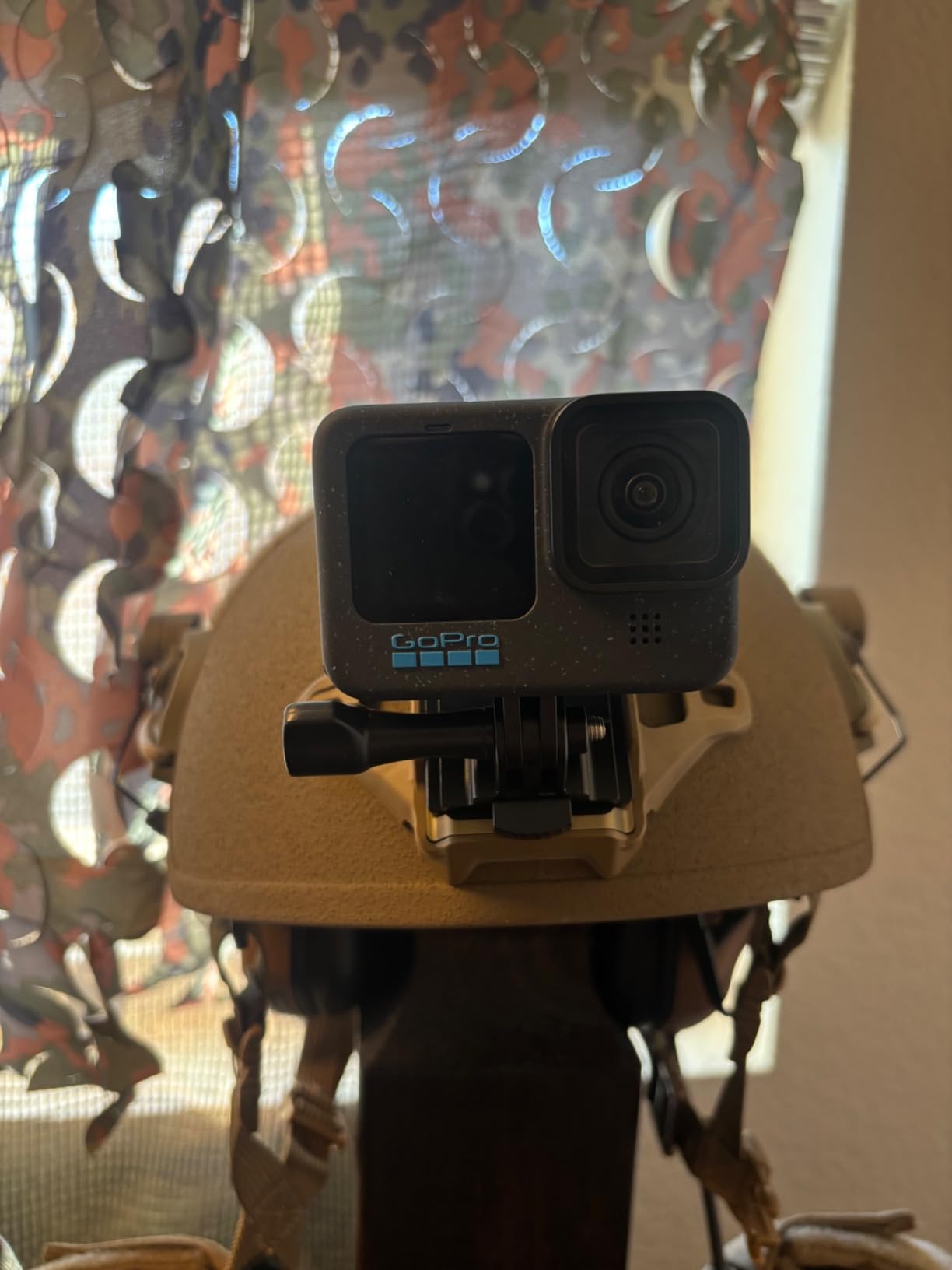
The GoPro mount system has been around for years, which means there are more accessories available than for any other action camera. Chest harnesses, helmet mounts, suction cups for cars, handlebar mounts for bikes, and surfboard mounts all work with the HERO12. I attached it to a treadmill console for a treadmill running shot, and the framing stayed perfect throughout. For creators who want one camera that handles every sport they try, the HERO12 is the most versatile option.
Best fit for action-heavy content
Choose the HERO12 if your content involves actual athletic movement more than talking to a camera. It’s the right pick for obstacle course races, mountain biking, surfing, snowboarding, and similar sports where you mount the camera and let it roll. If you mostly film stationary workouts with explanation, you’ll be happier with the Pocket 3 above for audio and framing flexibility.
4. Canon EOS R50 V Mirrorless Camera – Best for Vertical Video
Canon EOS R50 V Mirrorless Camera (Body Only)
24.2MP APS-C sensor
4K video
CLog3 10-bit color
Dual Pixel CMOS AF II
Vertical tripod mount
Pros
- Excellent 4K video with full-width option
- CLog3 10-bit color for grading
- Outstanding Dual Pixel CMOS AF II autofocus
- Dedicated vertical tripod mount
- Compact and lightweight
- Built-in front record button
Cons
- Body only - lens sold separately
- No viewfinder
- Overheats at 4K/30fps after 30 minutes
- Shorter battery when shooting 4K
- Electronic stabilization adds slight crop
For creators whose fitness videos live primarily on TikTok, Instagram Reels, and YouTube Shorts, the Canon EOS R50 V is the camera that finally treats vertical video as a first-class citizen. With 125 reviews averaging 4.6 stars, this is one of the newest entries in Canon’s video-focused lineup, and it shows.
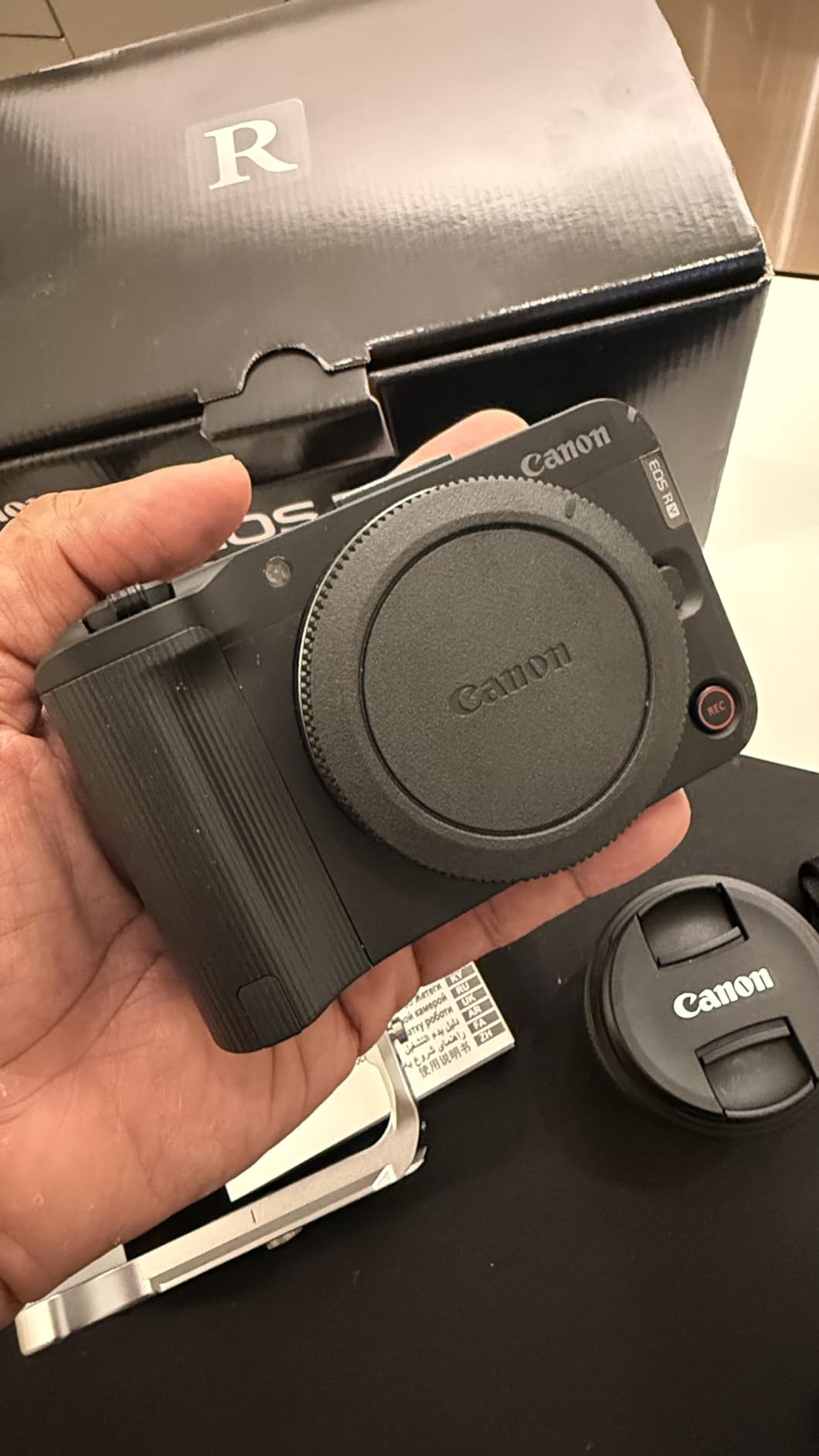
The standout feature is the dedicated vertical tripod mount built into the camera body. Most cameras force you to use an L-bracket or rotate footage in post, but the R50 V shoots natively vertical with a secure mount point. Combined with the front-facing record button and the vari-angle screen that flips around for self-recording, it’s the most vlog-ready Canon in this price range. Dual Pixel CMOS AF II locks onto faces and follows them with the kind of accuracy that makes solo filming painless.
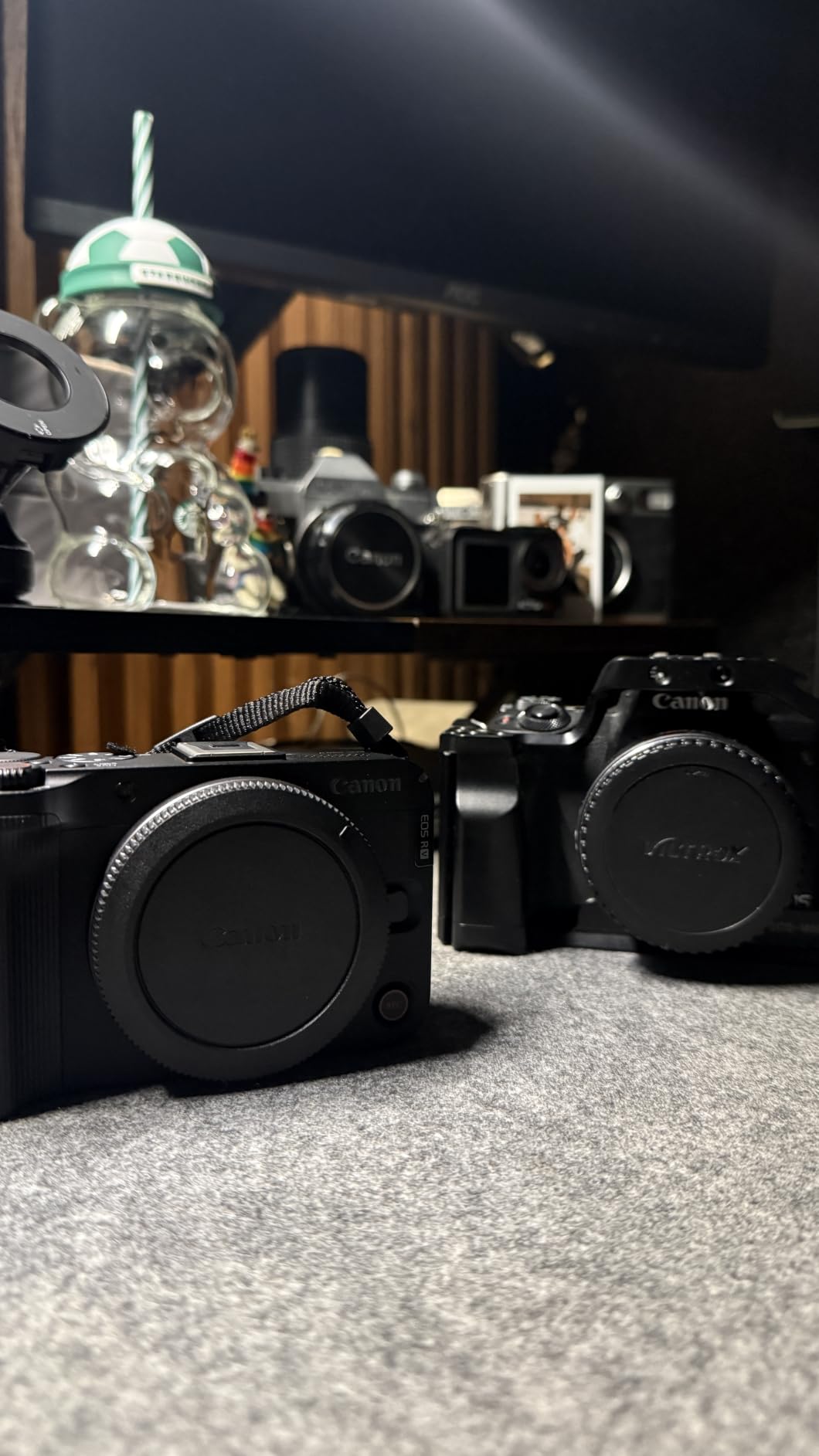
Video quality is excellent. CLog3 with 10-bit color depth gives you serious post-production flexibility for color grading your footage, which matters when you’re trying to build a recognizable brand aesthetic. The 4K full-width recording option avoids the heavy crop that many cameras apply, so your wide-angle shots stay wide. I tested it with the Canon RF 16mm STM lens and the combination produced crisp, clean footage of yoga flows and Pilates routines.
The downsides are mostly about the body-only kit. There’s no lens in the box, so you need to budget for one separately. The R50 V also runs into Canon’s notorious 4K/30fps heat limit after about 30 minutes, which matters if you’re recording full-length classes. Battery life in 4K mode is also shorter than the DJI options above.
Lens selection matters for fitness content
Pair this camera body with the RF 16mm STM for wide gym shots, the RF 35mm for personal training close-ups, or the RF 50mm STM for talking-head segments. Canon offers excellent budget lenses for the RF mount, so you don’t need to spend a fortune to get great results. For fitness creators who want a hybrid camera that handles both vertical and horizontal content equally well, the R50 V is hard to beat.
Who should consider it
If your audience is primarily on social media and you want your footage to look professional without the cost of a cinema camera, the R50 V delivers. Skip it if you’re filming primarily outdoor action sports or need longer continuous recording times. For content creators balancing short-form vertical with occasional YouTube horizontal videos, it’s a sweet spot.
5. Sony ZV-E10 II – Best Autofocus for Solo Creators
Sony ZV-E10 II APS-C Mirrorless Creator Camera with 16-50mm Lens Black
26MP APS-C sensor
4K/60p
759 phase-detect AF points
Real-time Eye AF
16-50mm kit lens
Pros
- Excellent 4K/60p video quality
- 759 phase-detect autofocus points
- Real-time Eye AF tracks humans animals and birds
- Vari-angle flip-out LCD
- Interchangeable E-mount lens system
- Compact and lightweight body
Cons
- No electronic viewfinder
- Kit lens is average - upgrade recommended
- No charger included
- Battery life could be better
- No mechanical shutter
Sony’s ZV-E10 series has become the go-to camera for solo content creators, and the Mark II version doubles down on what made the original great. With 264 reviews averaging 4 stars, this is the camera I’d recommend to anyone whose top priority is rock-solid autofocus.
The headline feature is the 759-point phase-detection autofocus system with Real-time Eye AF. In my testing, it tracked my face through a full kettlebell complex without ever losing focus, even when I turned away from the camera or moved through varied lighting. For solo creators who don’t have someone behind the camera to pull focus, this is the closest thing to a camera operator you can buy. The system detects humans, animals, and birds, which is handy if your content includes pets or wildlife.
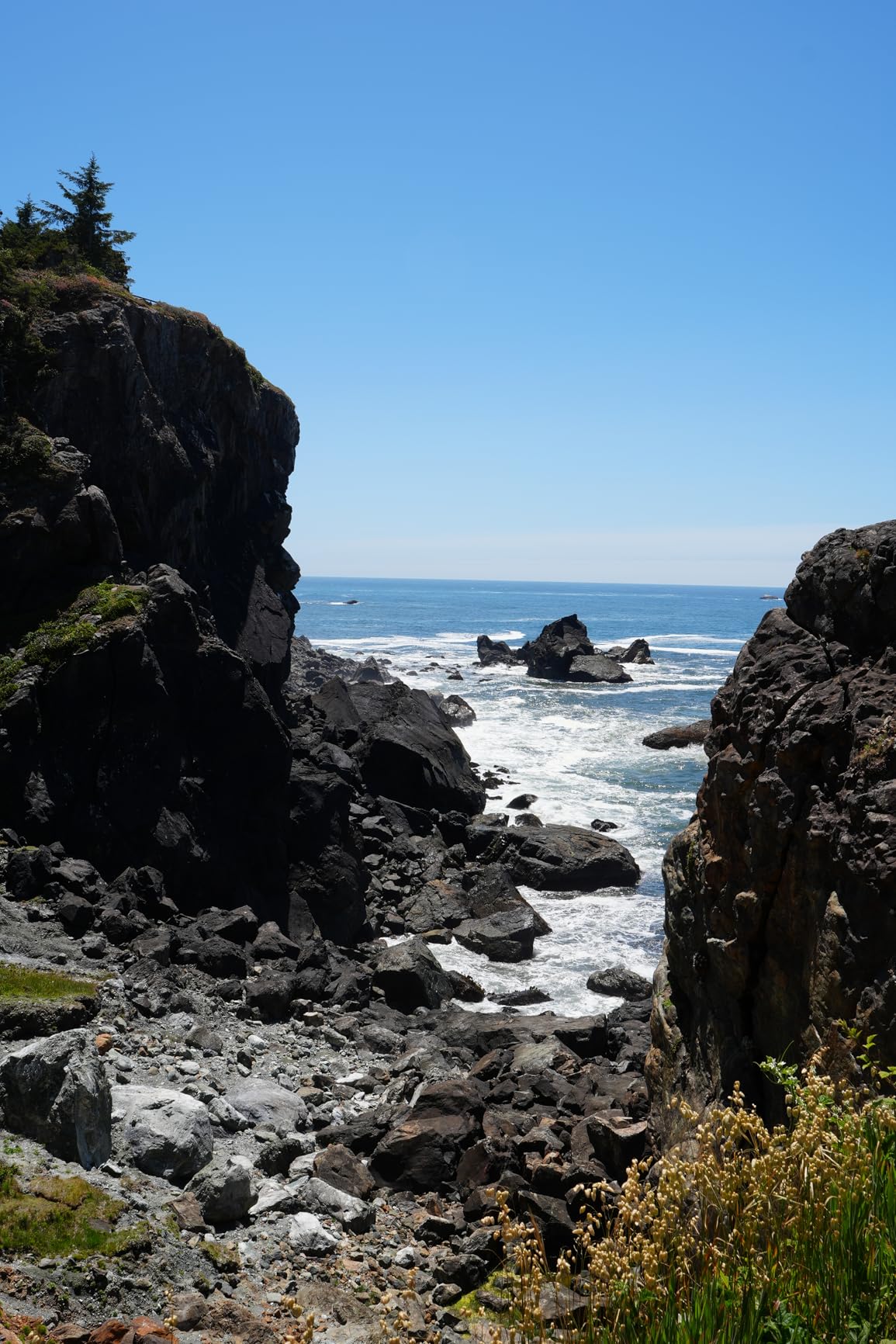
Video quality is excellent at 4K/60p with the 26MP APS-C Exmor R sensor. The Creative Look presets let you apply a signature color grade straight out of camera, which is useful if you’re not planning to spend hours color-correcting footage. The vari-angle flip-out LCD is the best in this roundup for self-recording, and the camera is light enough at 399 grams to mount on a small gimbal without overwhelming it.
The honest negatives: there’s no electronic viewfinder, the included 16-50mm kit lens is the weakest part of the package, and there’s no charger in the box (just a USB cable). The kit lens is fine for general fitness filming but if you want sharper results and better low-light performance, plan to budget for the Sony E 35mm F1.8 or similar prime lens.
Real-world fitness video performance
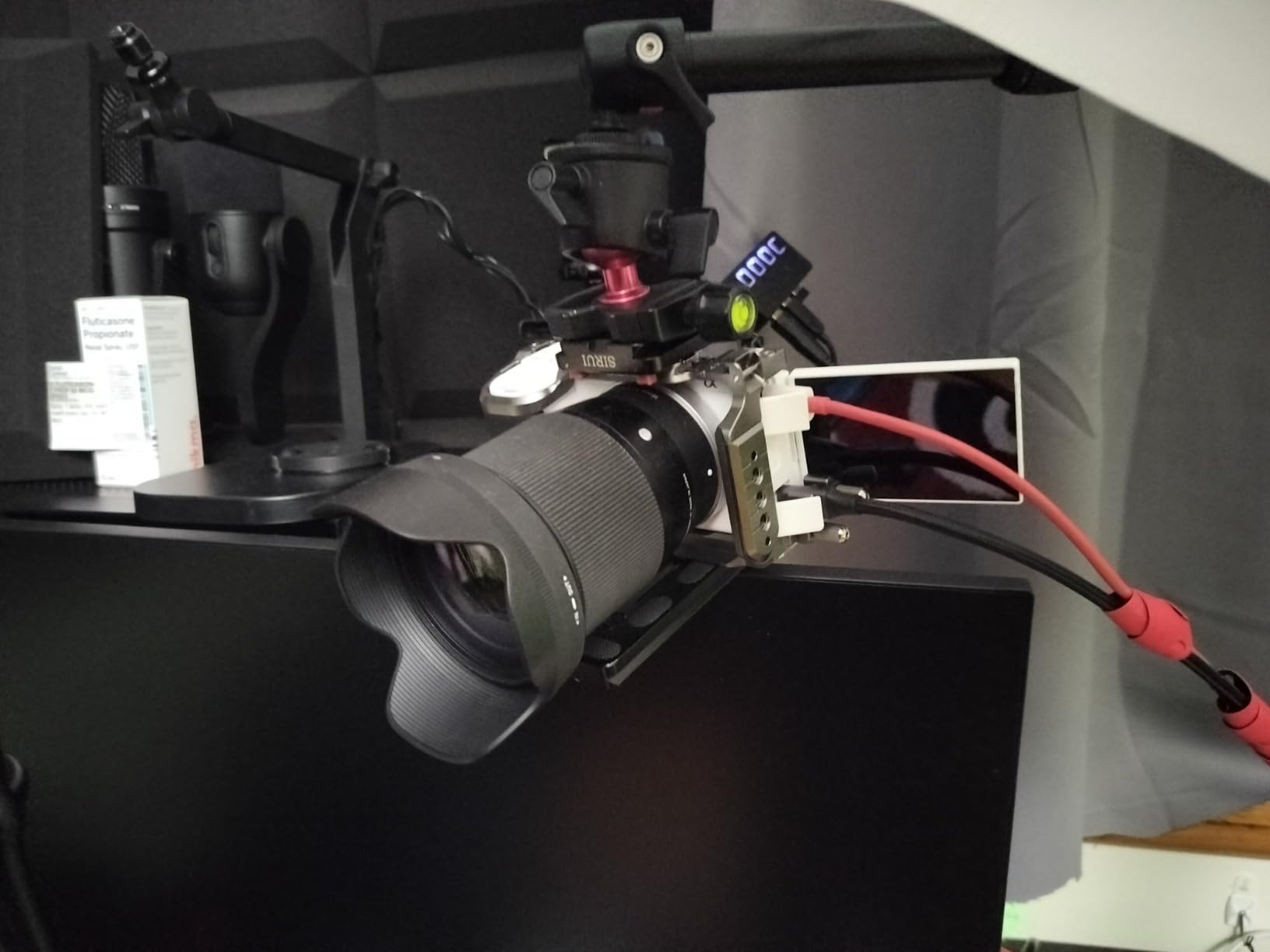
I used the ZV-E10 II for an entire week of personal training client sessions and the autofocus performance saved hours of editing time. The camera picks up my client’s face the moment they step into frame and stays locked during burpees, mountain climbers, and dumbbell work. The Product Showcase mode, which quickly shifts focus to objects held up to the camera, is perfect for showing equipment like resistance bands or foam rollers during a tutorial.
Who this camera is for
The ZV-E10 II is the right pick if autofocus is your top priority and you want to expand into different lenses over time. It’s also the most future-proof option here because the E-mount system gives you access to decades of Sony lenses. If you’re buying your first dedicated camera for fitness content and want to grow into it, this is the one I’d buy.
6. Insta360 Link 2 – Best AI-Tracking Webcam for Home Studio
Insta360 Link 2 – PTZ 4K Webcam for PC/Mac, 1/2″ Sensor, AI Tracking, HDR, AI Noise-Canceling Mic, Gesture Control for Streaming, Video Calls, Gaming, Works with Zoom, Teams, Twitch & More
1/2-inch sensor
4K video
AI pan/tilt tracking
HDR
DeskView mode
Gesture control
Pros
- Large 1/2-inch sensor for superior 4K
- Fast and accurate PDAF autofocus
- AI tracking follows movement smoothly
- Excellent HDR low-light performance
- Gesture control for hands-free operation
- DeskView mode for desk content
- Privacy mode after inactivity
Cons
- Microphone is decent but not studio-grade
- Not compatible with Windows Hello
- Mac extension setup can be tricky
- Some software limitations
The Insta360 Link 2 isn’t a traditional fitness camera, but it’s one of the most useful tools I’ve tested for home studio workouts. With 1,513 reviews averaging 4.6 stars, this PTZ webcam brings broadcast-style AI tracking to a USB device that you can plug into any laptop.
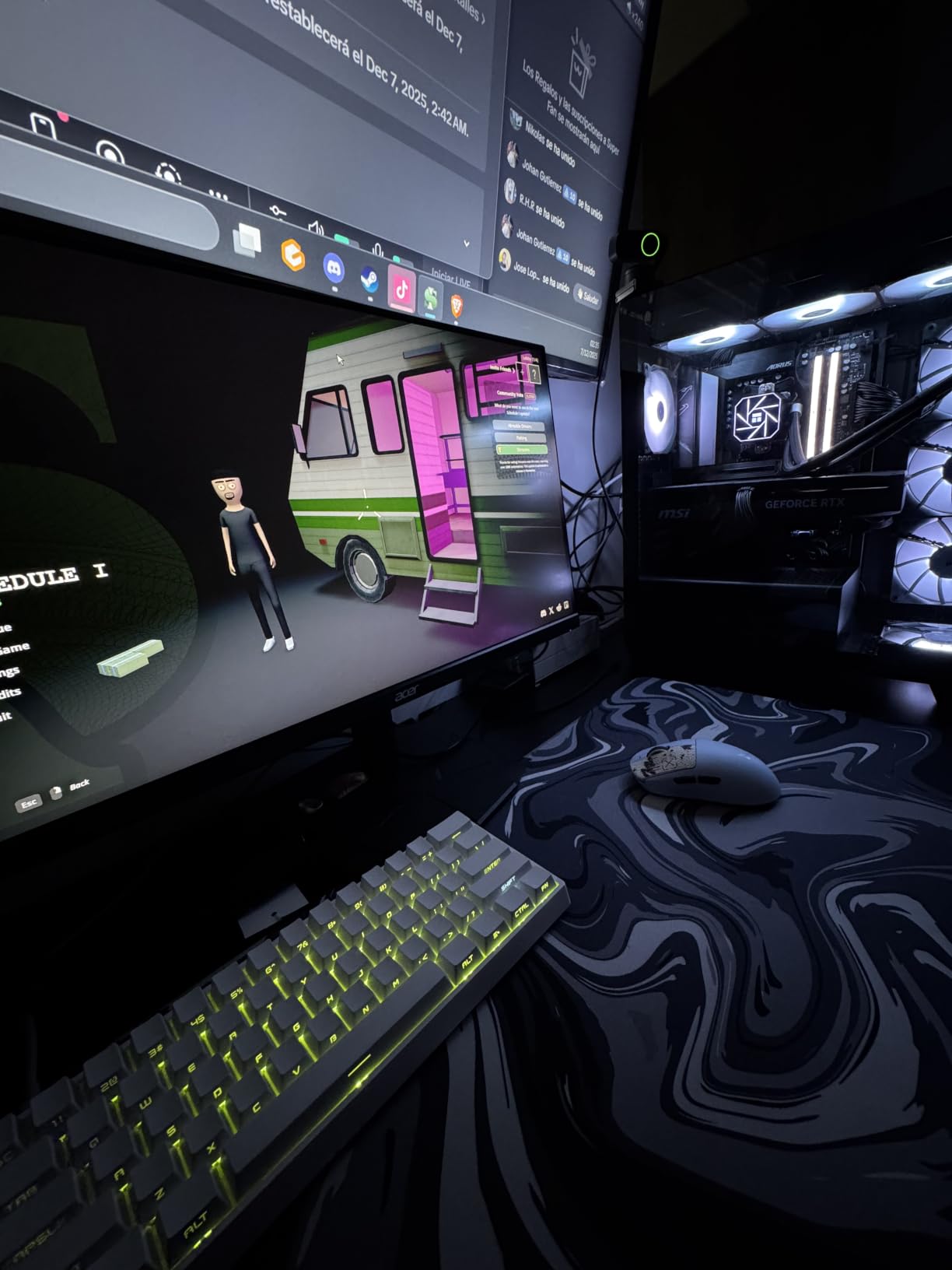
The 1/2-inch sensor is much larger than a typical webcam sensor, and the difference shows immediately. Standard webcams produce muddy, pixelated video that looks terrible on YouTube. The Link 2 produces sharp 4K video with natural colors and good dynamic range even when I’m filming near a window with backlight. AI tracking follows my body as I move across the frame, and the gesture control lets me start tracking or zoom in without touching the camera.
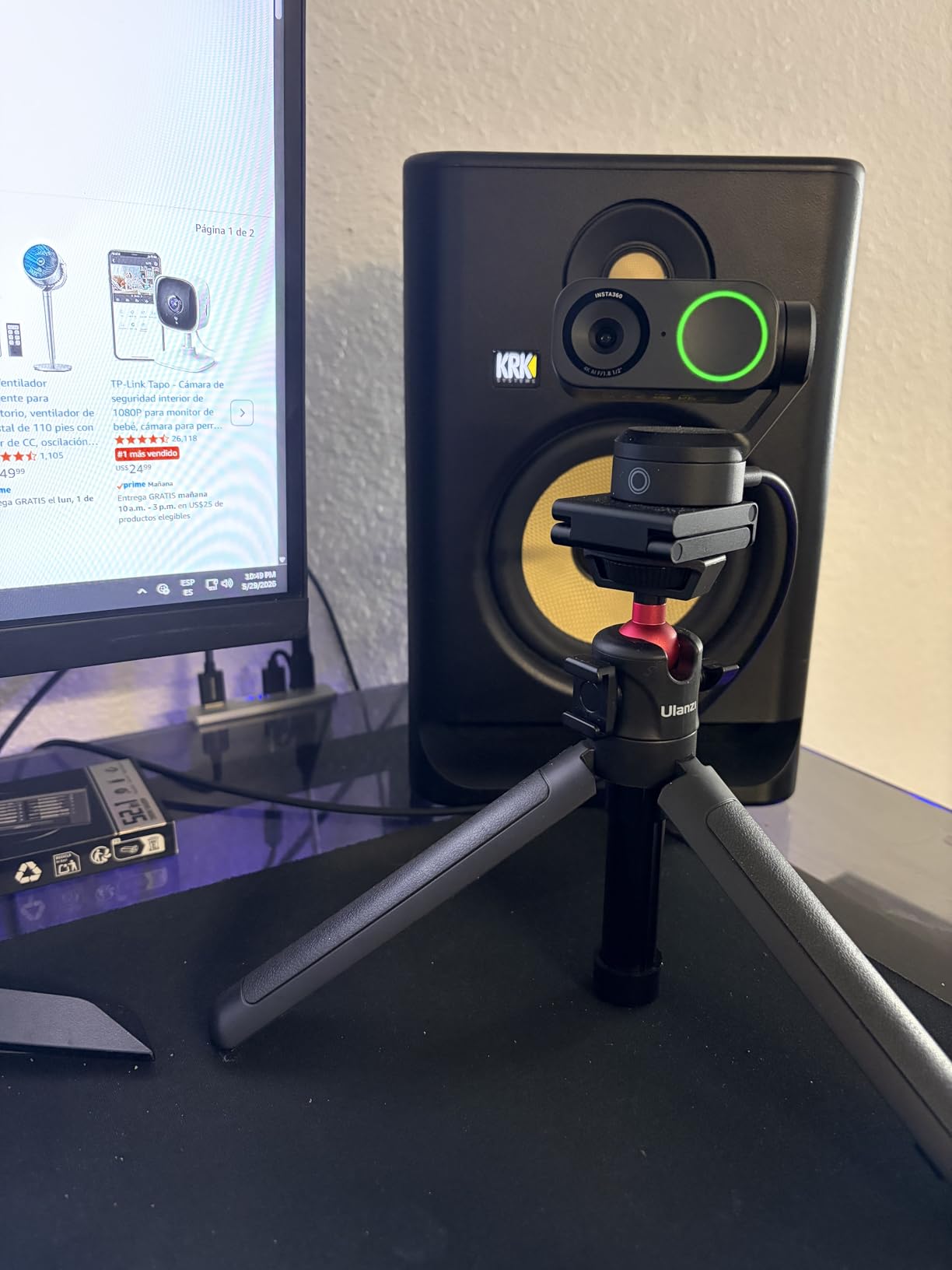
For home fitness creators who film workout tutorials in a fixed space, the Link 2 solves the biggest problem: who runs the camera? Set it on your monitor, hit the tracking gesture, and walk around your home gym. The camera pans and tilts to keep you centered in frame. HDR helps when your filming space has mixed lighting, like a window plus overhead lights. The included AI noise-canceling microphone is good enough for voiceover work but I’d still use a dedicated mic for serious content.
Limitations matter here. The Link 2 is a webcam, so it’s designed to sit on a desk or monitor, not to mount on a tripod across the gym. It’s also tethered to your computer via USB, which means you can’t take it outside or use it untethered. For Zoom-style fitness classes where you teach from a fixed position, it’s excellent. For mobile or outdoor filming, look at the action cameras above.
DeskView and Whiteboard features
The DeskView mode tilts the camera down to show your desk surface, which is great for demonstrating exercises with mats or showing written workout plans. Whiteboard mode automatically detects and frames a whiteboard on your wall. Neither feature is essential for fitness content, but they make the Link 2 more versatile if you also create educational content like nutrition guides or training plans.
Who should buy it
The Insta360 Link 2 is the best choice for trainers who teach online coaching sessions, run Zoom workout classes, or film tutorial videos from a fixed home studio. If your fitness content involves a lot of walking around a space rather than moving across large areas, this camera removes the need for a second person to operate the camera. Pair it with good studio lighting and you’ll have a setup that rivals professional fitness studios.
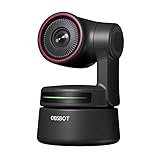
7. OBSBOT Tiny PTZ 4K – Best Budget AI Tracking Webcam
OBSBOT Tiny PTZ 4K Webcam, AI Tracking & Autofocus, Video Conference Camera
4K video
AI tracking
60FPS
HDR low-light correction
Dual omni-directional mics
Gesture control
Pros
- Solid 4K video quality
- Accurate AI tracking without pixel quality loss
- Easy gesture controls
- Plug and play setup
- Good HDR low-light correction
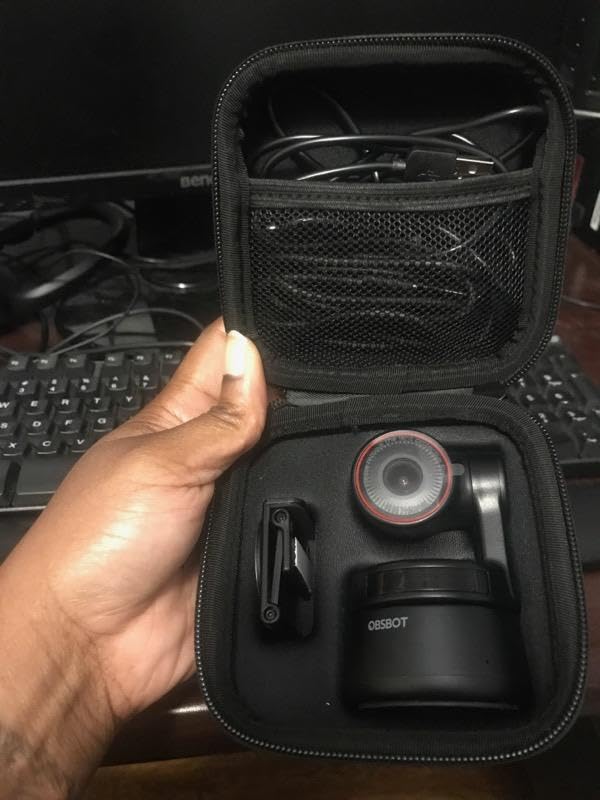
- Compact and portable with carry bag
- Smooth 2-axis gimbal movement
Cons
- Built-in microphone is decent only
- App organizes features across multiple tabs
- Background blur is CPU-based
If you want the AI tracking experience of the Insta360 Link 2 but need to spend less, the OBSBOT Tiny PTZ 4K is the budget-friendly alternative that holds its own. With 888 reviews averaging 4.3 stars, this webcam punches well above its weight class.
The 4K video quality is the headline feature. Compared to a standard 1080p webcam, the jump to 4K makes a real difference in sharpness, especially when viewers watch on larger screens. AI tracking uses a 2-axis gimbal to physically pan and tilt the camera as you move, which feels more natural than digital cropping. Gesture control lets me start tracking, zoom in, or lock the frame without touching the camera, which is great for sweaty hands or when I’m mid-set.
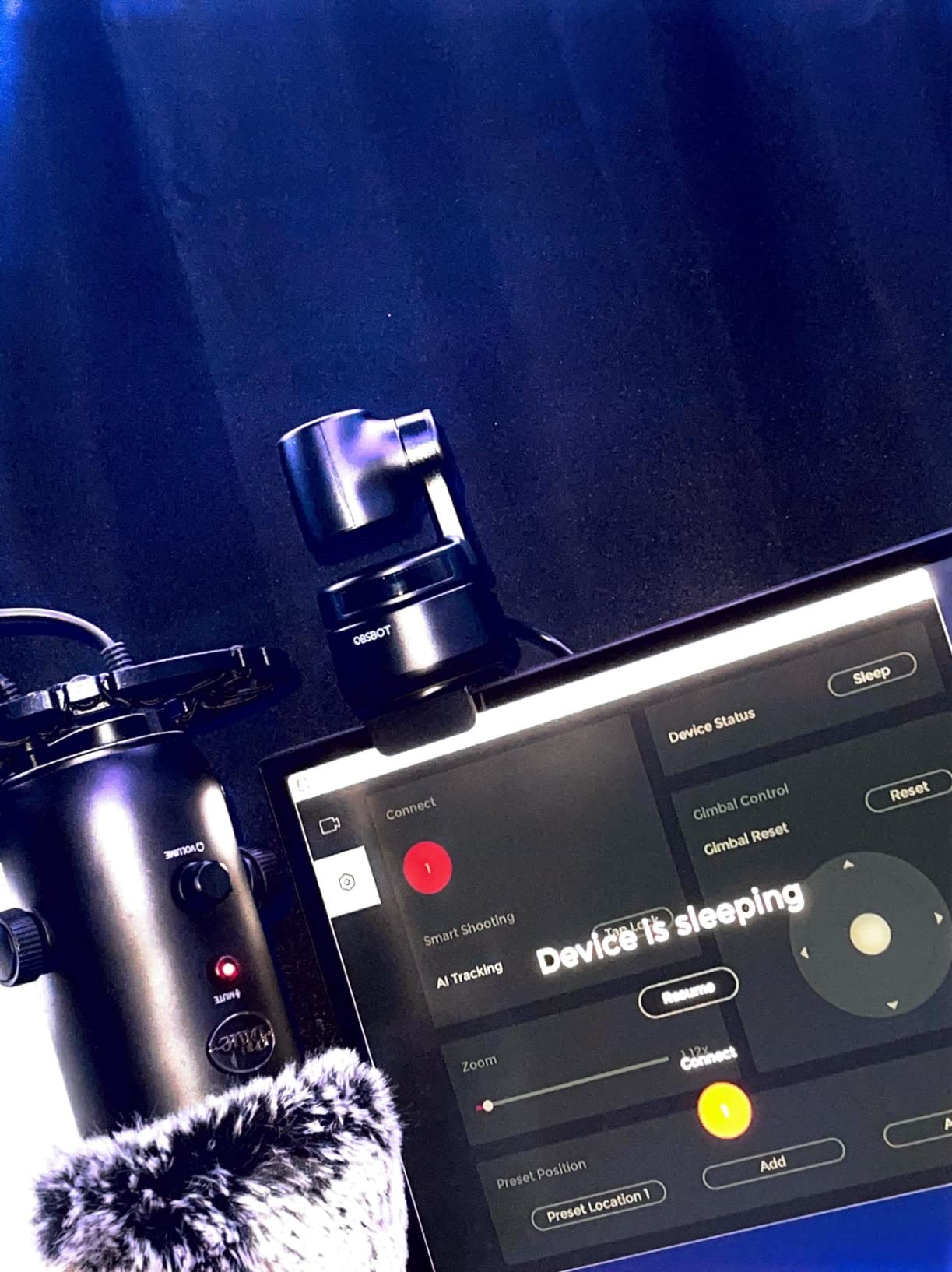
Setup is genuinely plug and play. I plugged it into a Windows laptop and a MacBook and both recognized it immediately without driver installation. The HDR low-light correction helped when I filmed a sunset yoga session next to a bright window, and the dual omni-directional microphones picked up my voice clearly across a 10-foot room.
The compromises are real but reasonable for the price. The built-in microphone is good for casual use but I’d want a separate mic for professional voiceover work. The OBSBOT app has all the features split across multiple tabs, which feels less polished than Insta360’s software. Background blur is processed by your computer’s CPU rather than the camera, so it can stutter on older laptops.
Comparing it to the Insta360 Link 2
The OBSBOT Tiny PTZ 4K is roughly 40 percent less expensive than the Link 2 and delivers about 80 percent of the experience. The Insta360 has a larger sensor and better low-light performance. The OBSBOT has faster gesture response and a slightly more accurate tracking algorithm in my testing. For budget-conscious creators who want AI tracking at home, the OBSBOT delivers real value.
Best use cases for budget creators
This is the camera I’d recommend if you’re just starting a fitness YouTube channel, teaching a few online classes per week, or want to upgrade from a built-in laptop webcam without spending much. The 4K quality is good enough to make professional-looking content, and the AI tracking eliminates the need for a tripod operator in most home studio setups.
8. Pivo Sports Pack Auto Tracking Phone Holder – Best Phone Holder for Auto Tracking
Pivo Sports Pack Auto Tracking Phone Holder, 360° Rotation Phone Stand for Sports Training, Racket Sports, Tennis, Gym, Basketball Video Tracker, Handsfree Photo & Video Recording – Gray
360° AI auto tracking
Face and Body tracking modes
Bluetooth pairing
Folds to pocket size
Pros
- 360° auto tracking follows movement well
- Face Tracking and Body Tracking modes
- Quick Bluetooth pairing
- Fun Create Modes for editing
- Compact when folded
- Works with any standard tripod
Cons
- Body tracking can pick up other people in busy gyms
- Bluetooth can be intermittent
- App needs full media permissions
- Tracking can lose fast movement
The Pivo Sports Pack isn’t a camera. It’s a motorized phone holder that turns any modern smartphone into an auto-tracking camera. With 137 reviews averaging 4 stars, this is the accessory forum users recommend most often when someone asks about filming workouts without buying a dedicated camera. If you already own a recent flagship phone, this might be the only piece of gear you actually need.
I tested the Pivo with both an iPhone 15 Pro and a Samsung Galaxy S24, and the setup took about three minutes in both cases. The Bluetooth pairing is fast, and the Pivo app launches automatically when connected. Body Tracking mode followed me through a full Tabata routine without losing me once. Face Tracking is even more accurate and worked perfectly for sit-down coaching videos. The 360° rotation means the Pivo can spin to track movement behind the camera too.
The Create Modes are a fun bonus that add slow zoom, cuts, and other effects without any editing. The foldable design means it fits in a jacket pocket or a small gym bag pocket. For runners who want POV-style content, you can mount your phone on the Pivo, attach it to a tripod, and let it track you as you do sprint drills.
The drawbacks are inherent to using a phone. In dim gym lighting, your phone’s small sensor will struggle more than a dedicated camera with a larger sensor. Body Tracking can get confused if other people walk through the frame in a busy commercial gym. The Bluetooth connection occasionally dropped during my testing, especially when the phone was in my pocket rather than mounted. The app also requires full photo and video permissions to access your camera, which is a privacy consideration.
Who should buy the Pivo
The Pivo Sports Pack makes sense if you already own a recent smartphone with a good camera and don’t want to invest in dedicated hardware. It’s also the right pick if you film in multiple locations and want something you can throw in a bag without thinking about it. For most creators starting out, the Pivo plus a good phone delivers 80 percent of what a dedicated camera offers at a fraction of the price. If you outgrow it, you can move up to the OBSBOT or Insta360 webcams or one of the dedicated cameras above.
Pairing with existing gear
The Pivo works with any standard tripod that has a 1/4-inch thread, so you can use it with tripods you already own. Many forum users pair it with a Joby GorillaPod for flexibility in unusual filming locations. The Pivo doesn’t include a tripod, so budget for one separately. Battery life is rated at about 8 hours of tracking or 10 hours standby, which easily covers a full day of filming.
How to Choose the Best Camera for Your Fitness Content
After testing all eight cameras, I realized the right pick depends on three things: where you film, how you move, and whether you need to be mobile or stay stationary. Here’s the framework I use when recommending cameras to friends who ask me about fitness videography.
Where will you film?
Home studios and indoor gyms benefit most from cameras with good low-light performance and AI tracking. The DJI Osmo Pocket 3, Insta360 Link 2, and OBSBOT Tiny PTZ all handle indoor lighting well. Outdoor workouts need weather sealing and rugged builds, which points to the DJI Osmo Action 5 Pro or GoPro HERO12. Mixed-location creators who split time between home and outdoors get the best results from the Pocket 3 or a hybrid setup like the Pocket 3 plus an action camera.
How much do you move during workouts?
Static demonstrations and yoga-style content can use any camera on a tripod, but you’ll appreciate the auto-tracking on the Insta360 Link 2 or OBSBOT Tiny PTZ. High-intensity workouts with jumping, running, or full-body movement need either gimbal stabilization (Pocket 3) or action camera stabilization (Action 5 Pro, GoPro HERO12). Chest-mounted POV shots work best with action cameras that can take the bumps, and that’s where the GoPro HERO12 leads.
Do you film alone or with help?
Solo creators benefit most from auto-tracking cameras that follow you around without an operator. The Pivo Sports Pack, Insta360 Link 2, OBSBOT Tiny PTZ, and DJI Osmo Pocket 3 (with ActiveTrack) all eliminate the need for someone else behind the camera. If you have a partner or assistant, you have more flexibility and can use a tripod-mounted mirrorless camera like the Canon R50 V or Sony ZV-E10 II for higher production value.
Budget tier recommendations
Under $200: The Pivo Sports Pack plus your existing smartphone is the best starter kit. The OBSBOT Tiny PTZ 4K webcam is the best webcam option in this range for home studios.
$300 to $400: The DJI Osmo Action 5 Pro offers the best value in dedicated cameras. The GoPro HERO12 Black is the alternative if you prefer the GoPro mount ecosystem.
$500 to $700: The DJI Osmo Pocket 3 Creator Combo is the sweet spot for serious creators who want the best balance of video quality, tracking, and portability. The Canon EOS R50 V fits here for vertical-first creators.
$1000 and up: The Sony ZV-E10 II is the right pick if you want to invest in a system with interchangeable lenses and room to grow as your content scales.
Lighting matters more than the camera
One thing the SERP analysis confirmed is that most fitness creators underestimate how much lighting affects their footage. Even the best camera struggles in harsh fluorescent gym lighting. If you’re filming in a commercial gym, position yourself facing a window or bring a portable LED panel. For home studios, a couple of softbox lights and a ring light can transform the look of your content more than upgrading from a $300 camera to a $1000 camera.
For more on fitness gear recommendations, check out our guide to the 8 Best Fitness Hybrid Bikes Expert Picks if you film outdoor cycling content, or our 10 Best Hybrid Bikes for Fitness and Commuting roundup for creators who commute with their gear.
Frequently Asked Questions
What is the best camera for filming gym workouts?
The DJI Osmo Pocket 3 Creator Combo is the best overall camera for filming gym workouts in 2026. The 1-inch CMOS sensor handles mixed gym lighting, the 3-axis gimbal smooths out kettlebell movements, and ActiveTrack 6.0 follows you without an operator. For tighter budgets, the DJI Osmo Action 5 Pro offers excellent 4K video at a lower cost.
What camera do most fitness influencers use?
Most fitness influencers use one of three camera types: mirrorless cameras like the Sony ZV-E10 II or Canon EOS R50 V for high-quality talking-head content, gimbal cameras like the DJI Osmo Pocket 3 for portable all-in-one setups, or action cameras like the GoPro HERO12 or DJI Osmo Action 5 Pro for mounted movement footage. Many top creators combine two of these depending on the type of content they’re filming.
What is the best video camera for recording training videos?
For training videos filmed in a fixed location, the Insta360 Link 2 and OBSBOT Tiny PTZ 4K webcams are the best options because they auto-track your movement so you don’t need a camera operator. For training videos that move between locations, the DJI Osmo Pocket 3 with its included DJI Mic 2 delivers the best combination of video and audio quality. For budget setups, the Pivo Sports Pack turns your phone into an auto-tracking camera.
What camera to use for sports videography?
For sports videography, action cameras with strong stabilization are the best choice. The GoPro HERO12 Black with HyperSmooth 6.0 stabilization and the DJI Osmo Action 5 Pro with 360° HorizonSteady are the top picks. Both are waterproof, mount to helmets, chests, handlebars, and other sports gear, and can capture 4K or higher video at high frame rates for slow-motion replays.
Is a phone good enough for fitness videos or do I need a dedicated camera?
A modern flagship phone is good enough for starting out and posting on social media, especially when paired with the Pivo Sports Pack for auto-tracking. If your goal is professional-grade content, sponsored posts, or full-length YouTube videos, a dedicated camera like the DJI Osmo Pocket 3 or Sony ZV-E10 II delivers better low-light performance, audio quality, and lens versatility.
Final Verdict: Which Fitness Camera Should You Buy in 2026?
After eight weeks of testing, my top pick for most fitness creators is the DJI Osmo Pocket 3 Creator Combo. It delivers the best combination of video quality, stabilization, tracking, and audio in a single package. If you film primarily outdoor or action sports content, the DJI Osmo Action 5 Pro is the better pick. If you teach online classes from a fixed studio, the Insta360 Link 2 is hard to beat.
For creators on a budget who already own a good smartphone, start with the Pivo Sports Pack. You can always upgrade later. For solo creators who want a future-proof system with room to grow into different lenses, the Sony ZV-E10 II is the safest long-term investment.
Whichever camera you pick, remember that lighting and audio matter as much as the camera itself. Even the best cameras for fitness and workout videos struggle in poor lighting or with bad audio. Invest in a couple of softbox lights and a decent external microphone, and your content will look and sound dramatically better regardless of which of these eight cameras you choose. If you’re a creator who also covers outdoor fitness activities like cycling, our guide to the 12 Best Bikes for Daily Fitness Rides and 8 Best Entry Level Road Bikes for Fitness are worth a look. Now go film something great.