
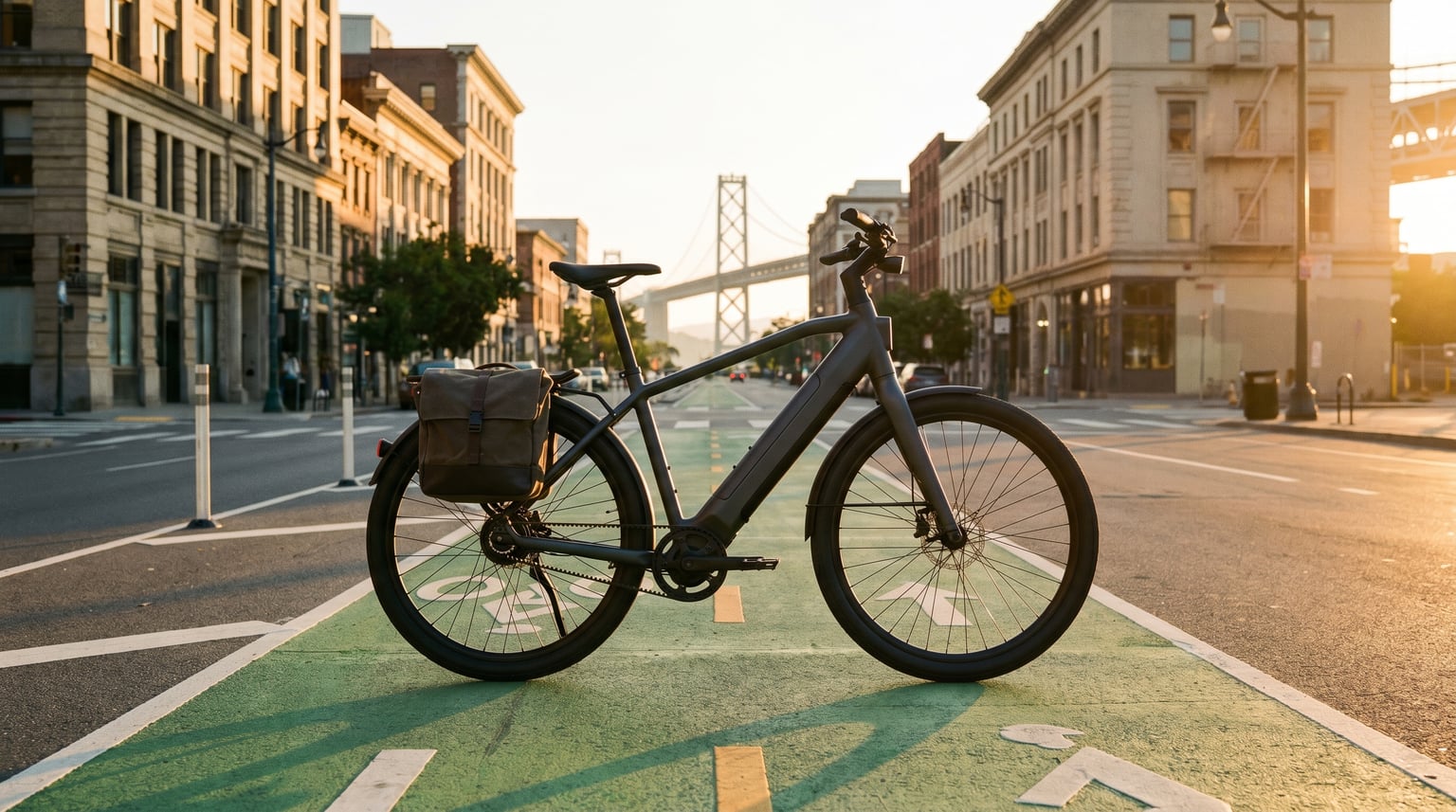
Eleven months ago, I pedaled away from my driveway on a brand-new e-bike and felt like I had discovered a secret the world was keeping from me. The motor kicked in, the hills disappeared, and I covered four miles before I even noticed I was exercising. I was hooked from minute one.
But that was the easy part. Owning an e-bike for a year has taught me things no spec sheet or marketing video ever mentioned. Some of those lessons were wonderful. Others were expensive, frustrating, or flat-out unexpected.
If you are wondering what it is really like to own an e-bike for a year, this article walks you through every phase I experienced, from the first-week grin to the twelve-month verdict. I am sharing real costs, real battery numbers, real maintenance bills, and the lifestyle shifts that stuck around after the novelty faded.
Our team at BetterBike has spent years researching electric bicycles, and my personal year-long ownership experience backs up what forum communities on r/ebikes and ElectricBikeReview have been saying: the gap between marketing promises and daily reality is wide. Let me close it for you.
Table of Contents
The First Week: Grinning Like a Kid Again
The first thing that hit me was how effortless the initial ride felt. My bike was a Class 2 model with a 500W hub motor and a 48V battery rated for around 45 miles of range. The pedal assist kicked in the moment I started pedaling, and suddenly the hill I had avoided for years felt like flat ground.
I spent that first week riding everywhere. Grocery store runs, post office trips, loops around the neighborhood for no reason. My car sat in the driveway untouched for six straight days. That alone felt like a small revolution.
What surprised me most was how quickly the learning curve resolved itself. Figuring out the pedal assist levels took about ten minutes. I started on level 1 (eco mode) for my first ride, bumped to level 3 (sport) for my second, and within three days I had a natural feel for which setting matched which terrain.
The one thing I had to adjust to was the weight. My e-bike weighed 55 pounds, nearly double a standard hybrid bike. Maneuvering it through a narrow hallway or loading it onto a bike rack required a different approach than I was used to. By the end of week one, I had developed the habit of parking it in the garage and walking inside without it rather than trying to bring it through the front door.
The Honeymoon Phase: Months 1 to 3
Months one through three were pure joy. My daily commute transformed from a stressful 25-minute car ride into a 20-minute e-bike ride that actually improved my mood. I arrived at work energized instead of irritated. The pedal assist meant I could show up without being drenched in sweat, which solved the biggest excuse I had used for years to avoid bike commuting.
I started riding farther than I ever had on a regular bike. A 15-mile round trip to a nearby trailhead that I would never have attempted on a standard bicycle became a regular Saturday morning ride. The motor kept my effort consistent, so I could ride for two hours without the leg fatigue that used to cut my rides in half.
The fitness benefits caught me off guard. I expected e-biking to be “cheating” when it came to exercise. After three months, I had lost eight pounds without changing anything else in my routine. My resting heart rate dropped by about four beats per minute. Studies back this up: research shows e-bike riders get moderate-to-vigorous physical activity comparable to conventional cycling, largely because e-bike owners simply ride more often and for longer distances.
My Strava data told the story clearly. Over the first 90 days, I logged 420 miles on the e-bike compared to about 60 miles on my standard bike during the same period the previous year. The motor did not replace my effort. It replaced my excuses.
The Reality Check: What Nobody Tells You About E-Bike Ownership
Around month four, the honeymoon started to fade and reality set in. This is the phase that most reviews skip entirely, and it is exactly what prospective buyers need to hear.
Battery range was the first reality check. The manufacturer advertised 45 miles on a full charge. In the real world, with pedal assist level 3, some hills, and a rider weighing 175 pounds plus a backpack, I got about 32 miles in warm weather. In colder weather (below 45 degrees Fahrenheit), that dropped to around 24 miles. The gap between advertised range and actual range was significant enough that I had to plan longer trips carefully and carry the charger with me.
Weather became a bigger factor than I expected. I live in a region with four distinct seasons, and riding in rain, wind, and cold required gear I had not budgeted for. A good waterproof jacket, fenders, and waterproof panniers added another $180 to my total cost. I also learned that wet roads eat brake pads faster and that cold temperatures sap battery performance noticeably.
Theft anxiety was a constant low-level stress. An e-bike worth $1,500 to $3,000 is a prime target, and I spent the first three months worrying every time I parked at a store or coffee shop. I ended up investing in a thick U-lock, a secondary chain lock, and a GPS tracker, which together cost around $130. Even with all that, I still felt uneasy leaving the bike unattended for more than 30 minutes.
The weight issue persisted too. At 55 pounds, I could not casually carry the bike up a flight of stairs. If the battery died mid-ride, pedaling it home without assistance was genuinely difficult, like riding through wet sand. I learned to always monitor my battery percentage and turn back when I hit 30 percent remaining.
The Real Cost of Owning an E-Bike for a Year
This is where owning an e-bike for a year gets concrete. I tracked every dollar I spent, and the breakdown might surprise you. Let me walk through the real numbers.
The upfront purchase was $1,800 for the bike itself. That is mid-range territory. You can spend less on budget models ($800 to $1,200) or significantly more on premium brands ($3,000 to $8,000). My purchase was deliberate: enough quality to last, but not so expensive that I would be devastated by theft.
Accessories in the first month added $345. This included a helmet with better ventilation ($75), a rear rack and panniers ($110), a heavy-duty U-lock and cable ($55), front and rear lights ($45), fenders ($35), and a phone mount for navigation ($25). I underestimated accessories in my initial budget by a wide margin.
Maintenance over twelve months totaled $287. The biggest items were two sets of brake pads ($48 total), a new rear tire ($45 installed), two professional tune-ups ($80 each), and miscellaneous small parts and chain lubricant. Brake wear was noticeably faster than on a standard bike because the added weight and higher average speeds put more demand on the braking system.
Electricity costs were almost laughably low. Charging a 48V 14Ah battery from empty to full uses roughly 0.67 kilowatt-hours of electricity. At my local rate of about $0.15 per kWh, a full charge cost around 10 cents. Over a year of charging roughly twice a week, I spent about $10 on electricity. That is not a typo. Ten dollars for an entire year of riding.
Insurance was an unexpected cost category. My renters insurance covered the bike for theft at home but not away from the property. I added a specialized e-bike insurance policy for $14 per month, which covered theft, collision, and liability. That added $168 to my annual total.
Grand total for one year: $2,610, with the vast majority being the upfront purchase. My ongoing annual costs going forward will be roughly $465 per year for maintenance, electricity, and insurance combined. Compare that to the estimated $8,500 annual cost of operating a car, and the financial argument becomes pretty compelling.
Battery Life After 12 Months: The Honest Truth
Battery degradation was one of my biggest worries going in, and after twelve months of real-world use, I can share specific numbers. My battery started with a rated capacity of 672 watt-hours (48V x 14Ah). After approximately 180 charge cycles over the year, the usable capacity dropped by roughly 8 to 10 percent based on my range observations.
In practical terms, a route that used to deplete the battery to 50 percent now depletes it to about 55 percent. That is a modest but noticeable decline, and it tracks with what most lithium-ion batteries experience in their first year. The degradation curve should remain gradual if I keep following good charging habits.
The charging habits that helped preserve my battery were simple. I avoided leaving the battery at 100 percent for extended periods, tried to keep it between 20 and 80 percent for daily use, and stored it indoors during extreme weather. I also avoided fast charging when possible, sticking to the standard charger that came with the bike.
Range changes over the year were modest but real. My reliable warm-weather range went from about 32 miles to roughly 29 miles on a full charge. In cold weather, the range dropped more dramatically. On a 35-degree morning, I learned to expect only 20 to 22 miles before the battery indicator started flashing warnings.
Based on conversations in e-bike forums, most owners see 10 to 15 percent degradation in the first year, then a slower decline after that. A quality battery should deliver 500 to 1,000 full charge cycles before needing replacement, which translates to roughly three to five years of typical use before you are looking at a $400 to $700 battery replacement.
Maintenance Realities: What Broke and What Didn’t
After a full year, I have a clear picture of what wears out, what holds up, and what will surprise you. Let me break it down based on what actually happened to my bike.
Brake pads were the first thing to need replacement. I went through my first set of organic brake pads in about four months, which was faster than I expected. The combination of a 55-pound bike, my weight, and a backpack meant the brakes worked harder on every stop. Switching to semi-metallic pads extended the replacement interval to about six months per set. Budget for two to three brake pad replacements per year if you ride regularly.
Tire wear followed a different pattern than I anticipated. The rear tire wore out faster than the front, which is normal, but it wore out significantly faster than on a standard bike. The added weight and motor torque concentrated on the rear wheel meant I needed a new rear tire at month seven. The front tire still had decent tread at the twelve-month mark. I recommend budgeting for one rear tire replacement per year.
The motor and electrical system were the most reassuring part of the year. Zero issues. The hub motor performed identically on day 365 as it did on day 1. The display unit, throttle, and pedal assist sensors all worked flawlessly. This matches what most long-term owners report: the electrical components on quality mid-range e-bikes are generally reliable.
Finding qualified repair shops was harder than I expected. My local bike shop initially refused to work on e-bikes because of the electrical components. I eventually found a shop that specialized in e-bikes about 20 minutes away, but their labor rates were higher ($90 per hour versus $60 at a standard shop). If you live outside a major city, this could be a real challenge. Many owners end up learning basic maintenance themselves, which I would recommend regardless.
The maintenance tasks I learned to do myself over the year included chain lubrication, brake pad inspection and replacement, tire pressure checks, bolt tightening, and basic derailleur adjustment. YouTube tutorials and forum communities were invaluable. These skills saved me at least $200 in shop labor costs over the year.
How Owning an E-Bike Changed My Daily Life
The lifestyle changes from a year of e-bike ownership were more profound than I anticipated. Let me share the specific shifts that became permanent.
I eliminated roughly 60 percent of my short car trips. Groceries, post office, pharmacy visits, and social visits within five miles all happened on the e-bike. My car’s odometer showed about 2,800 fewer miles over the year compared to the previous twelve months. At the IRS standard mileage rate, that represents roughly $1,700 in avoided vehicle operating costs.
The social reactions surprised me. Friends and neighbors fell into three camps: genuinely curious and excited, dismissive (“isn’t that basically a moped?”), and quietly envious (they bought one within three months of seeing mine). The dismissive reactions faded as people saw me showing up places without being sweaty, saving on gas, and genuinely enjoying the ride. Two of my neighbors bought e-bikes within six months.
The mental health benefit was the most unexpected change. My commute became the best part of my day instead of the worst part. Twenty minutes of fresh air, light exercise, and the simple pleasure of moving under my own power (with a helpful boost) reset my brain every morning. I arrived at work in a better mood and came home less stressed. This alone would justify the purchase for me.
Season by Season: Riding Through the Full Year
Spring was pure enthusiasm. Every ride felt like a celebration of warmer weather and longer days. I logged my highest monthly mileage in May, with over 140 miles. The trails were busy, the flowers were blooming, and the e-bike made every ride feel effortless.
Summer required heat management strategies. Riding in 90-degree weather with pedal assist still means you are generating body heat. I shifted my rides to early morning and evening, used level 1 assist to keep my effort manageable, and carried extra water. The e-bike was actually better than a regular bike in heat because I could dial down my physical exertion while still maintaining speed.
Fall was the best riding season by far. Crisp air, beautiful scenery, comfortable temperatures, and no range anxiety from cold-degraded batteries. I did a 35-mile round trip to a state park in October that ranks among the best rides of my entire year. The fall foliage from an e-bike, at 15 miles per hour, moving quietly through the countryside, was unforgettable.
Winter was the survival test. I rode through January and February but cut back significantly. Cold weather reduced my range by 25 to 30 percent, so I kept rides under 15 miles. I added handlebar mitts ($35), a balaclava, and thermal layers. Riding in 25-degree weather was doable but not exactly fun. By February, I was riding about once a week instead of daily. Most owners I talked to in colder climates essentially park their e-bikes for two to three months, which is worth considering in your annual mileage expectations.
FAQ’s
What’s the average lifespan of an e-bike?
The average e-bike lasts 3 to 5 years of regular use before needing significant component replacement. The frame can last a decade or more, but the battery typically needs replacement after 500 to 1,000 charge cycles (about 3 to 5 years), and brake pads, tires, and chains are consumables that need periodic replacement. With proper maintenance and a battery swap, a quality e-bike can serve you well for 7 to 10 years.
Is an e-bike a good investment?
An e-bike is a strong investment if you use it to replace car trips. My first-year total cost was $2,610 (mostly the upfront purchase), while I avoided roughly $1,700 in vehicle operating costs. By year two, ongoing costs drop to about $465 annually. Compared to the $8,500 average annual cost of car ownership, an e-bike used for commuting and errands pays for itself within 1 to 2 years for most riders.
What is the biggest problem with electric bikes?
The biggest problem with e-bikes is the gap between advertised battery range and real-world performance. Most manufacturers test under ideal conditions (light rider, flat terrain, low assist), so actual range is typically 25 to 40 percent lower than claimed. Other common issues include faster brake and tire wear due to added weight, difficulty finding qualified repair shops, and theft risk due to high value.
Do electric bikes raise the electric bill?
No, e-bikes have a negligible impact on your electric bill. Charging a typical 48V 14Ah battery from empty to full uses about 0.67 kilowatt-hours, which costs roughly 10 cents at average U.S. electricity rates. Over a full year of charging twice a week, the total electricity cost is about $10. That is less than the cost of a single gallon of gas in most states.
Would I Do It Again? My Honest Verdict After a Year
After a full year of owning an e-bike, my answer is an unqualified yes. I would buy one again tomorrow. But I would buy smarter the second time around.
The experience of owning an e-bike for a year has been overwhelmingly positive, but it is not the frictionless utopia that marketing materials suggest. You will deal with range anxiety on longer rides, faster component wear, theft worries, weather limitations, and a learning curve for basic maintenance. These are real costs and real inconveniences.
But the payoff has been substantial. I am healthier, happier, and wealthier than I would have been without the e-bike. I drive less, exercise more, and genuinely look forward to my daily commute. The e-bike replaced 60 percent of my car trips and paid for a significant portion of its own cost in the first year alone.
If you live within 10 miles of your workplace, have safe cycling infrastructure for at least part of your route, and are willing to learn basic maintenance, an e-bike is one of the best lifestyle investments you can make. If you live somewhere with harsh winters, no safe cycling routes, or limited storage, the calculus changes. Be honest with yourself about your situation.
My advice for anyone considering e-bike ownership is simple: buy from a brand with a real warranty and local dealer support, budget at least $400 for accessories on top of the bike price, and commit to riding regularly for at least 90 days before you judge the experience. The first month is excitement. The second month is adjustment. The third month is when it becomes a habit, and that is when the real value shows up.
Owning an e-bike for a year changed how I think about transportation, exercise, and my daily routine. It was not perfect, but it was worth every dollar and every cold morning ride. If you are on the fence, I hope this honest account helps you make the right call for your life.