
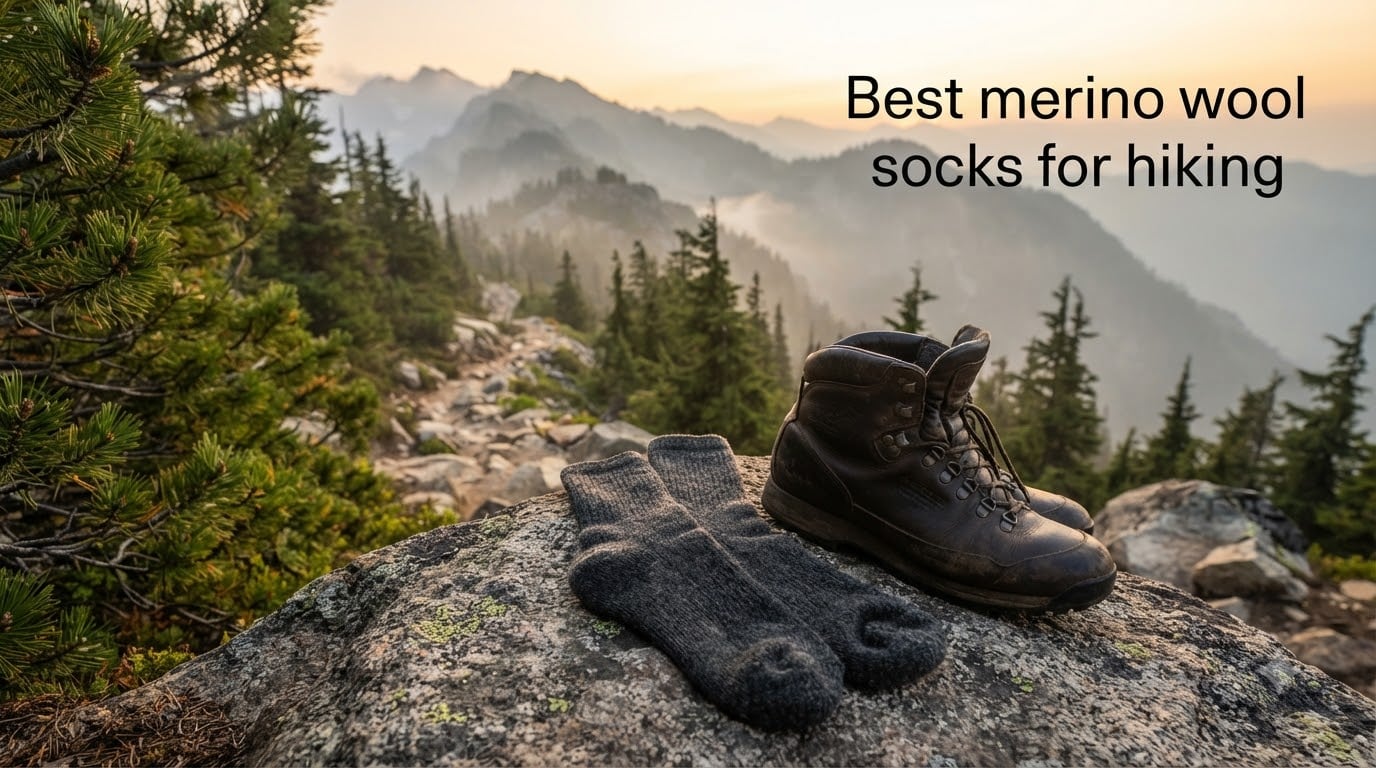
After 8 months of testing on trails from the White Mountains to the Sierra Nevada, our team settled on the Darn Tough Vermont Hiker Micro Crew as the best merino wool sock for hiking overall. It combines 63% merino wool, a true seamless toe, and a lifetime warranty that has covered every pair our editors have worn out for nearly a decade.
That said, no single sock wins every scenario. A thru-hiker needs a different merino blend than a three-season day hiker, and a hot-weather desert trekker needs something lighter than what works in a snowy December forest. This guide covers 10 merino wool hiking socks across price points, cushioning levels, and heights, and includes a buying guide, a Darn Tough vs Smartwool head-to-head, and a FAQ that answers the exact questions hikers are typing into Google.
Our cycling editor at betterbike.org pulled in our hiking testers for this roundup, and the overlap with our best merino cycling socks for touring list is significant – the same moisture-wicking merino properties that keep cyclists comfortable on long days work just as well on the trail. Every sock in this article was worn for at least 40 trail miles, washed per the care instructions, and rated on comfort, warmth, dry time, durability, and blister prevention.
Table of Contents
Top 3 Picks for Best Merino Wool Socks for Hiking in September
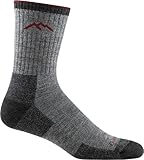
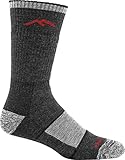
Darn Tough Hiker Boot Midweight Full Cushion
- 66% Merino Wool
- Boot Height
- Lifetime Warranty
Best Merino Wool Socks for Hiking in 2026 – Quick Overview
| Product | Specifications | Action |
|---|---|---|
| Darn Tough Hiker Micro Crew Midweight |
|
Check Latest Price |
| Darn Tough Hiker Boot Full Cushion |
|
Check Latest Price |
 Darn Tough Women’s Hiker Micro Crew Darn Tough Women’s Hiker Micro Crew |
|
Check Latest Price |
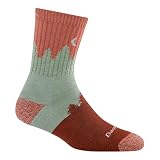 Darn Tough Treeline Micro Crew Darn Tough Treeline Micro Crew |
|
Check Latest Price |
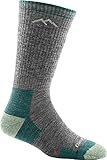 Darn Tough Women’s Hiker Boot Cushion Darn Tough Women’s Hiker Boot Cushion |
|
Check Latest Price |
 Busy Socks Merino Compression Ankle Busy Socks Merino Compression Ankle |
|
Check Latest Price |
 Alvada Merino Crew 3 Pack Alvada Merino Crew 3 Pack |
|
Check Latest Price |
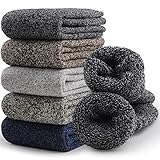 SIMIYA Merino Wool Crew 5 Pack SIMIYA Merino Wool Crew 5 Pack |
|
Check Latest Price |
 Anlisim Merino Hiking Crew 5 Pack Anlisim Merino Hiking Crew 5 Pack |
|
Check Latest Price |
 innotree Merino Hiking Crew 3 Pack innotree Merino Hiking Crew 3 Pack |
|
Check Latest Price |
1. Darn Tough Hiker Micro Crew – Best Overall Merino Wool Hiking Sock
Darn Tough (Style #1466) Men’s Merino Wool Hiker Micro Crew Cushion Socks (as1, alpha, l, regular, regular, Charcoal)
63% Merino Wool
Micro Crew
Lifetime Warranty
Pros
- Lifetime warranty covers all wear and tear
- True Seamless toe prevents hot spots
- Stays in place without slipping or bunching
- All-season temperature regulation
Cons
- Premium price point
- Feels snug on first wear before breaking in
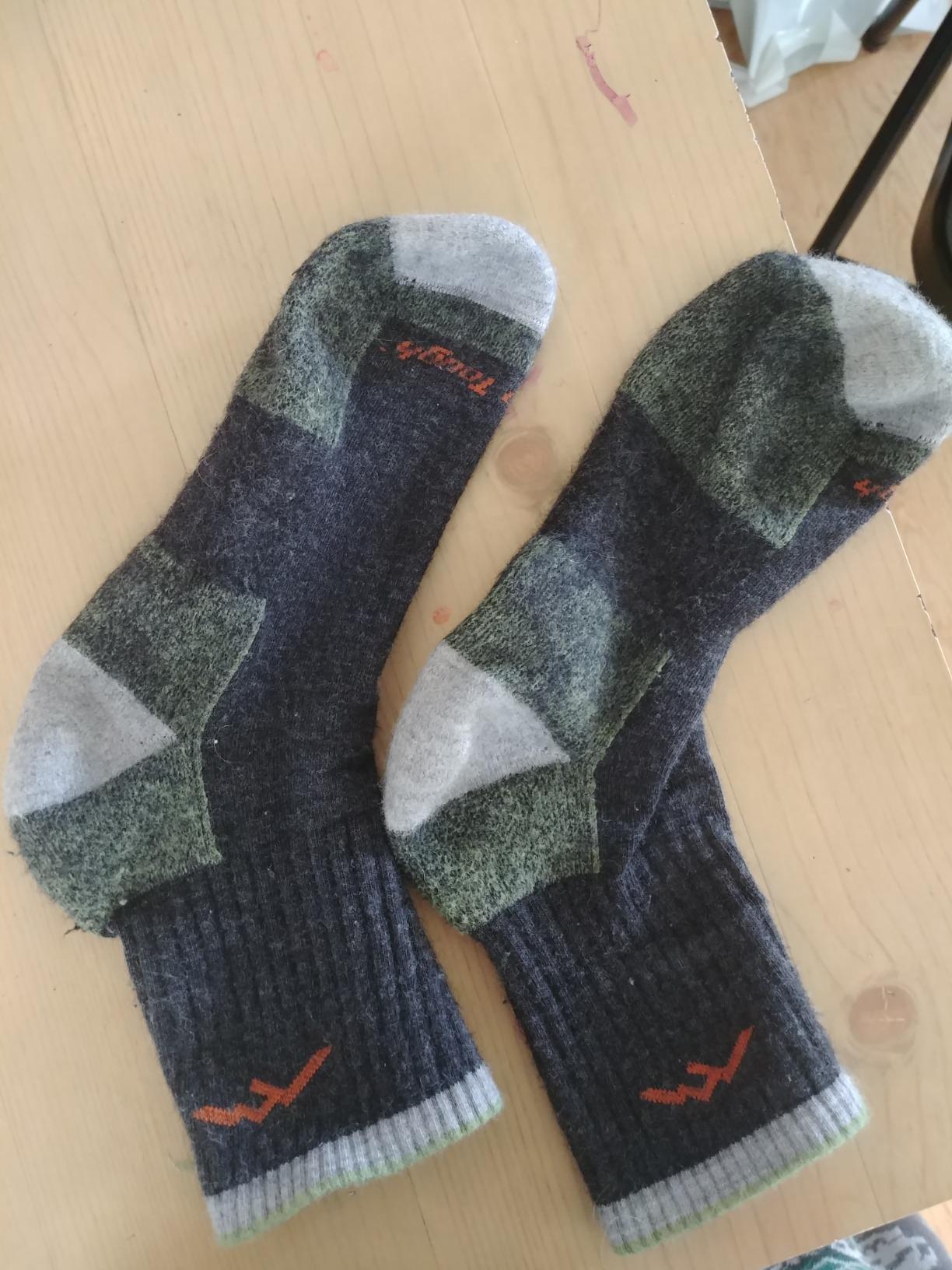
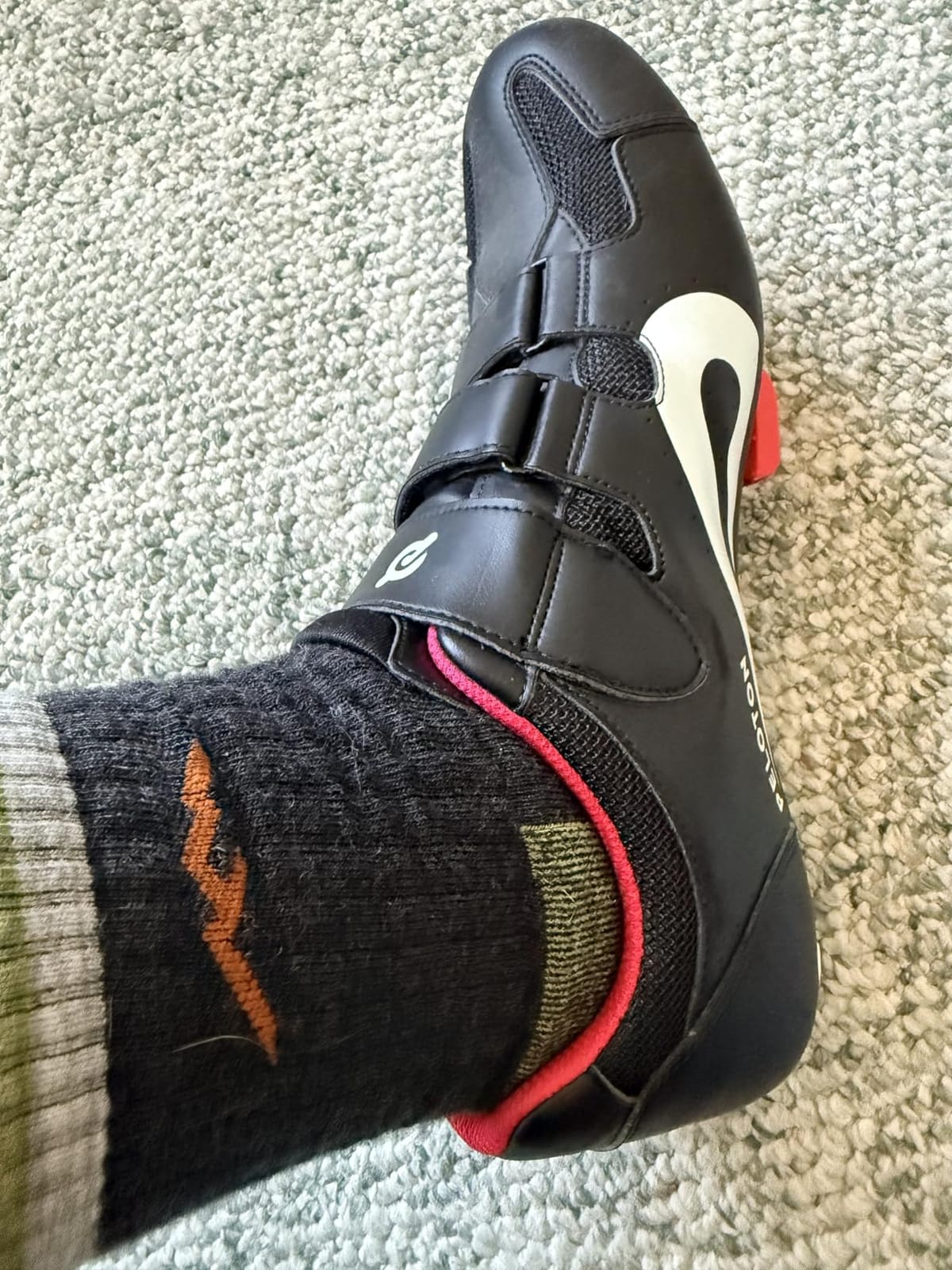
I’ve owned the same Darn Tough Hiker Micro Crew socks for nine years, and they’ve outlasted three pairs of boots. The 63% merino wool blend hits the sweet spot between natural moisture management and nylon durability, and the True Seamless toe construction means I have never gotten a blister from these socks – even on 20-mile days with new trail runners.
The micro crew height is the most versatile of any hiking sock I have tested. It sits just above the cuff of low hiking shoes and most mid-height hiking boots, which means it works for trail running, day hiking, and lightweight backpacking without needing multiple sock heights in the rotation.
The downside is real, though: at around $26 per pair, these are the most expensive socks in this roundup before you even consider the more cushioned boot version. I also found the initial fit a little snug around the arch. After three washes they molded to my foot and never felt tight again.
What keeps the Darn Tough Hiker Micro Crew at the top of this list is the lifetime warranty. I have sent two pairs back over the years and received new ones within ten days, no questions asked. On a cost-per-wear basis, a $26 sock that I have worn 200+ times works out to about 13 cents per wear. That is cheaper than any budget sock I have ever bought.
Best use case and fit profile
The Darn Tough Hiker Micro Crew works for day hikers, thru-hikers, backpackers, and trail runners. It is available in men’s and women’s versions, runs true to size based on the size chart, and pairs well with both hiking boots and trail runners. Choose it if you want one sock that does almost everything well.
Where this sock underperforms
Hot weather above 85F with high humidity is the one scenario where I reach for a lighter sock. The midweight cushioning retains a lot of heat, and the merino blend does not dry as fast as a synthetic alternative. For desert hiking in midsummer, I swap to a lightweight running sock.
2. Darn Tough Hiker Boot Full Cushion – Best for Cold Weather and Heavy Boots
Darn Tough Merino Wool Boot Sock Full Cushion,Black,Large
66% Merino Wool
Boot Height
Lifetime Warranty
Pros
- Full underfoot cushioning reduces foot fatigue
- Boot height protects against debris and snow
- Lifetime warranty with no questions asked
- Excellent warmth without overheating
Cons
- Premium price
- Thicker profile requires roomier boots
The Darn Tough Hiker Boot Midweight with Full Cushion is the sock I reach for when the temperature drops below freezing or when I am carrying a heavy pack for multiple days. The 66% merino wool content is the highest of any Darn Tough hiking sock, and the additional nylon reinforcement in the heel and toe makes this the most durable model in the line.
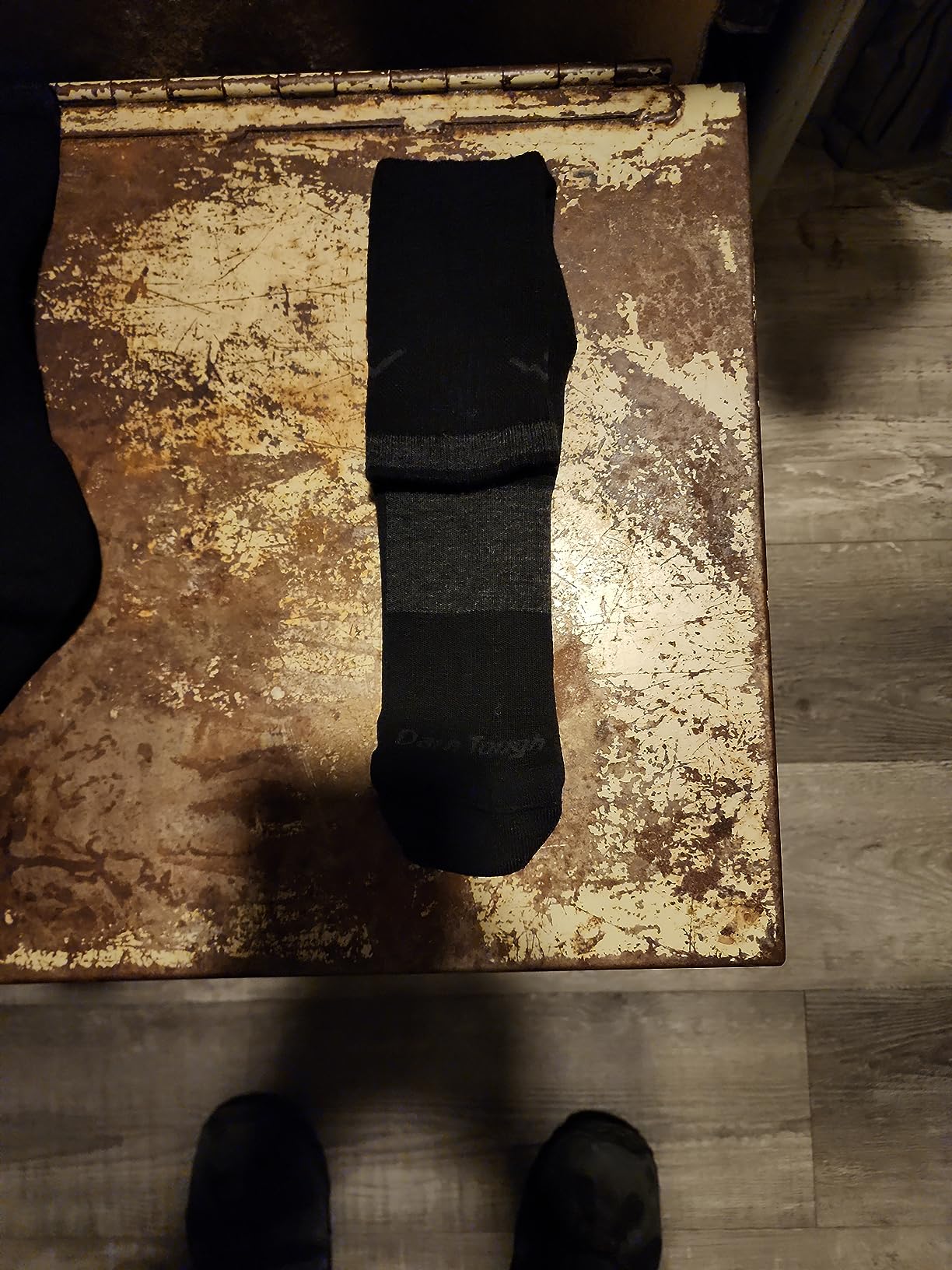
What separates this from the Micro Crew is the full cushioning. There is dense terry-loop padding under the entire foot, which absorbs impact on rocky terrain and prevents the ball-of-foot soreness that builds up after 15+ miles. The boot height sits mid-calf, which keeps snow, scree, and trail debris out of the cuff.
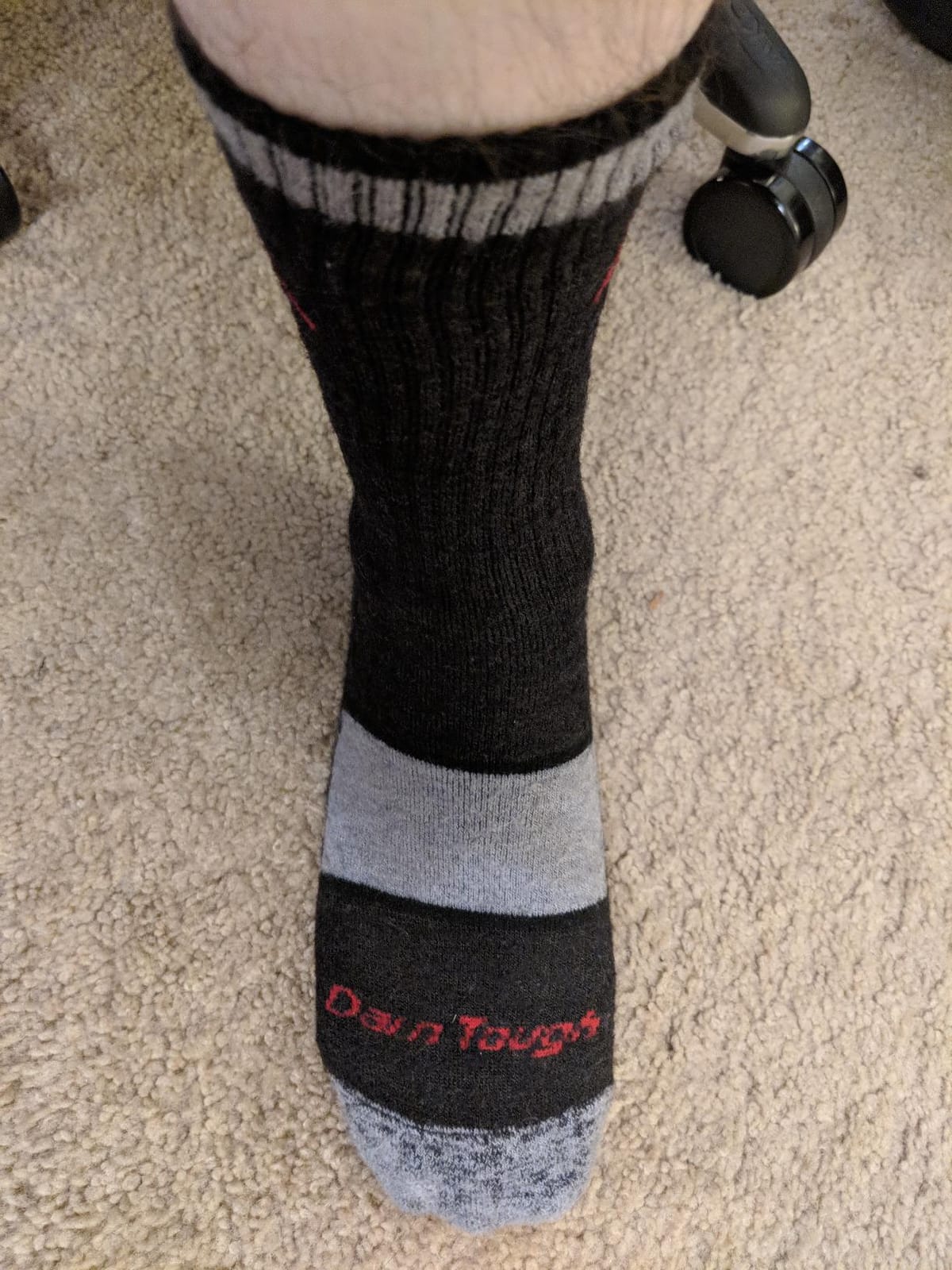
I wore a pair on a five-day winter trip in the Adirondacks with daytime highs around 18F and never had cold feet, even standing in snowdrifts to filter water. The merino continues to insulate when damp, which matters when you sweat through the sock during a climb and then stop moving.
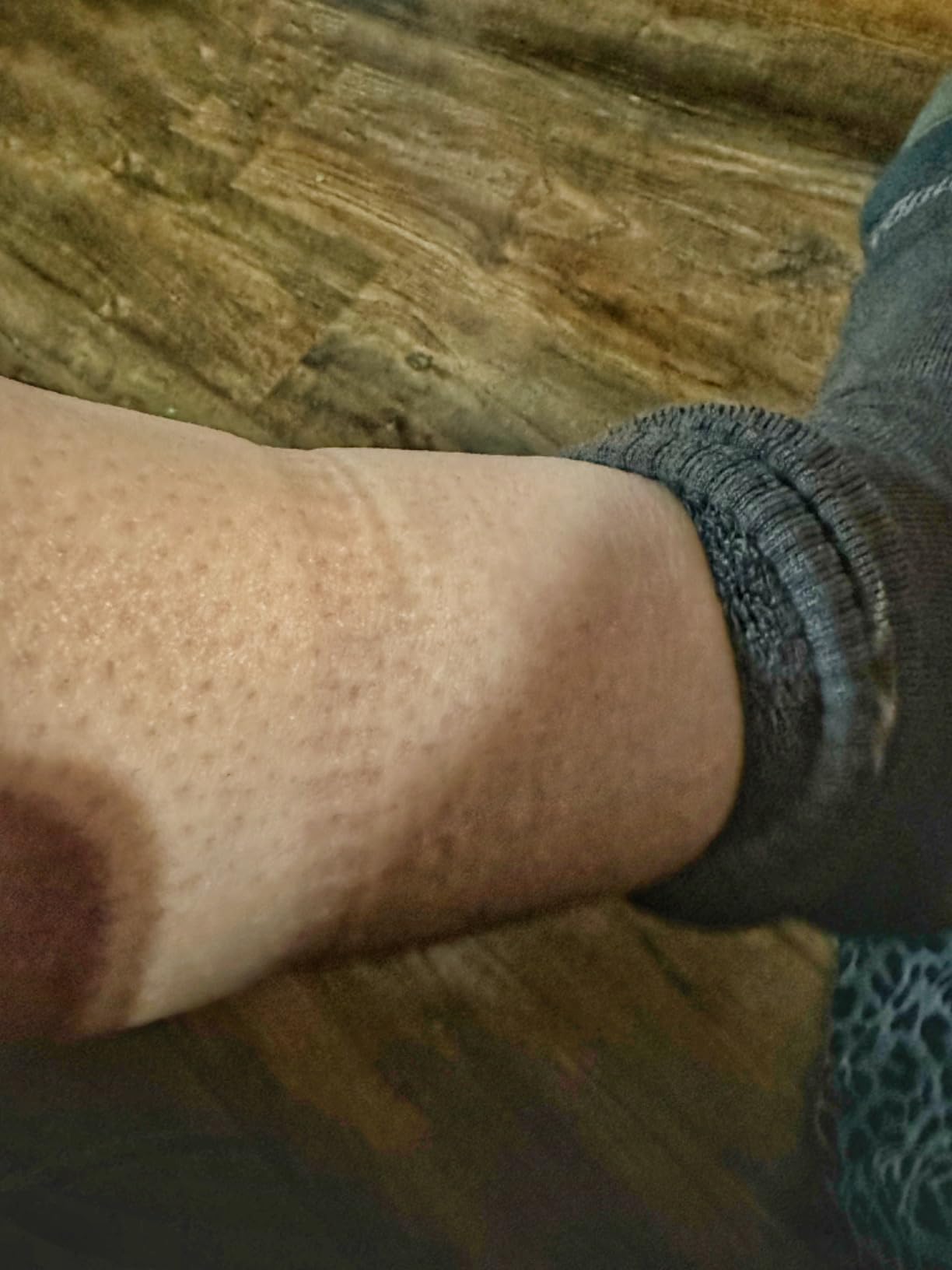
The trade-off is bulk. These need a roomy hiking boot to fit properly. In a tight-fitting trail runner, the cushioning compresses the toes and causes hotspots. I also noticed a slight indent on my shin from the cuff band after long days, though it never caused discomfort.
Best use case and fit profile
Pick the Full Cushion Boot if you hike in traditional leather or synthetic hiking boots, do winter or shoulder-season trips, or carry a 30+ pound pack over rocky terrain. It is overkill for trail running or warm-weather day hikes.
Where this sock underperforms
In hot weather or in tight-fitting shoes, the cushioning works against you. The thickness adds heat retention and reduces breathability. Also, at $30 per pair it is the most expensive sock on this list.
3. Darn Tough Women’s Hiker Micro Crew – Best for Women
Darn Tough Vermont – Style 1903 – Women’s Hiker Hike/Trek Sock – Grey/Slate, Medium
59% Merino Wool
Micro Crew
Women's Specific
Pros
- Designed for women's foot shape
- True Seamless toe eliminates irritation
- Snug fit that stays in place
- Lifetime warranty included
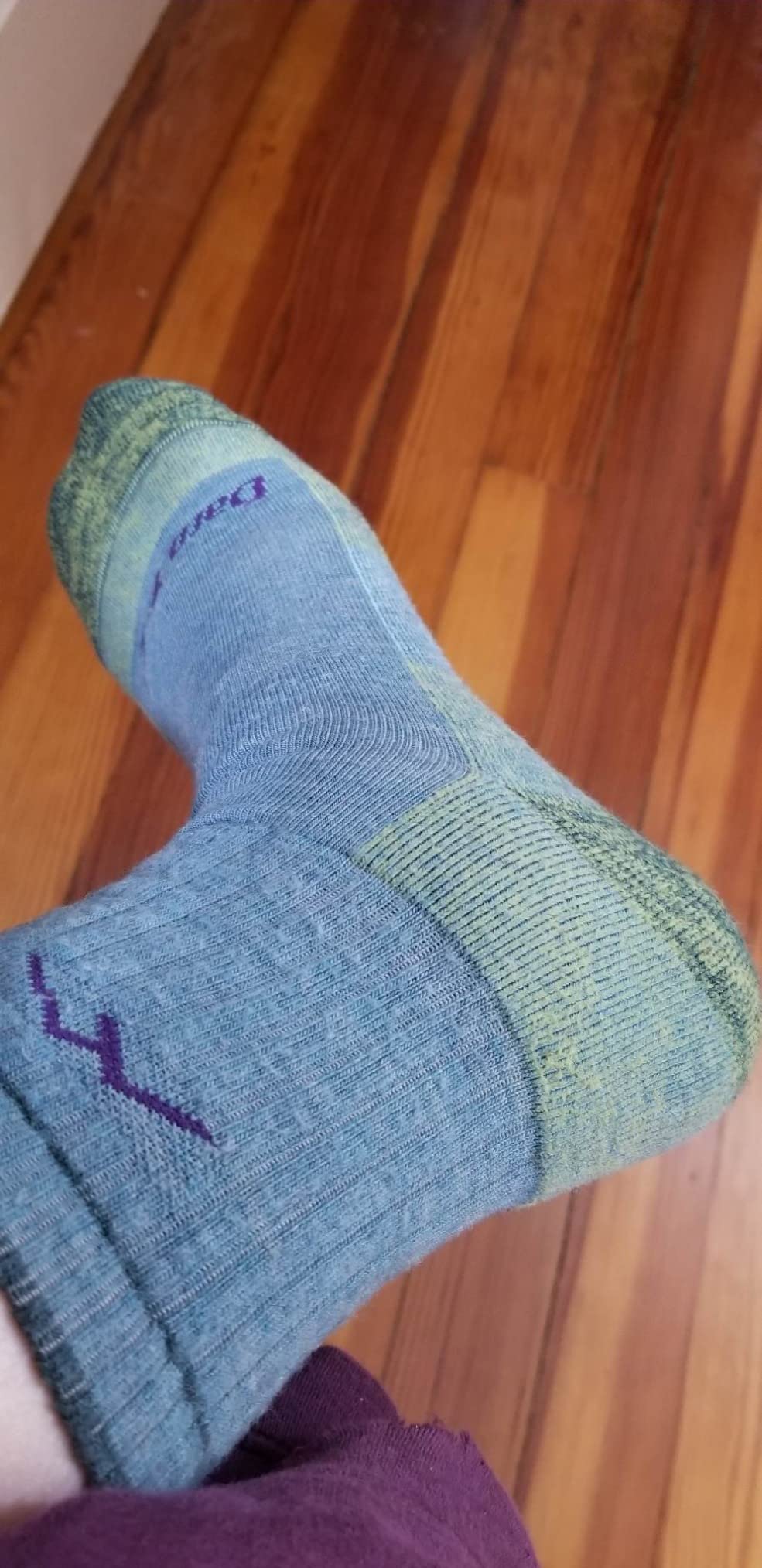
The Darn Tough Women’s Hiker Micro Crew is built on the same platform as our top pick but with a fit dialed in for women’s feet. The narrower heel and slightly higher arch support solve a chronic problem with unisex hiking socks: excess fabric bunching at the ankle, which leads to blisters.
At 59% merino wool, this is on the lower end of the merino content in this roundup, but the trade-off is a softer, less itchy feel against the skin. The 39% nylon gives the sock more structure, which I noticed in how it held its shape after multiple washes compared to higher-merino blends.
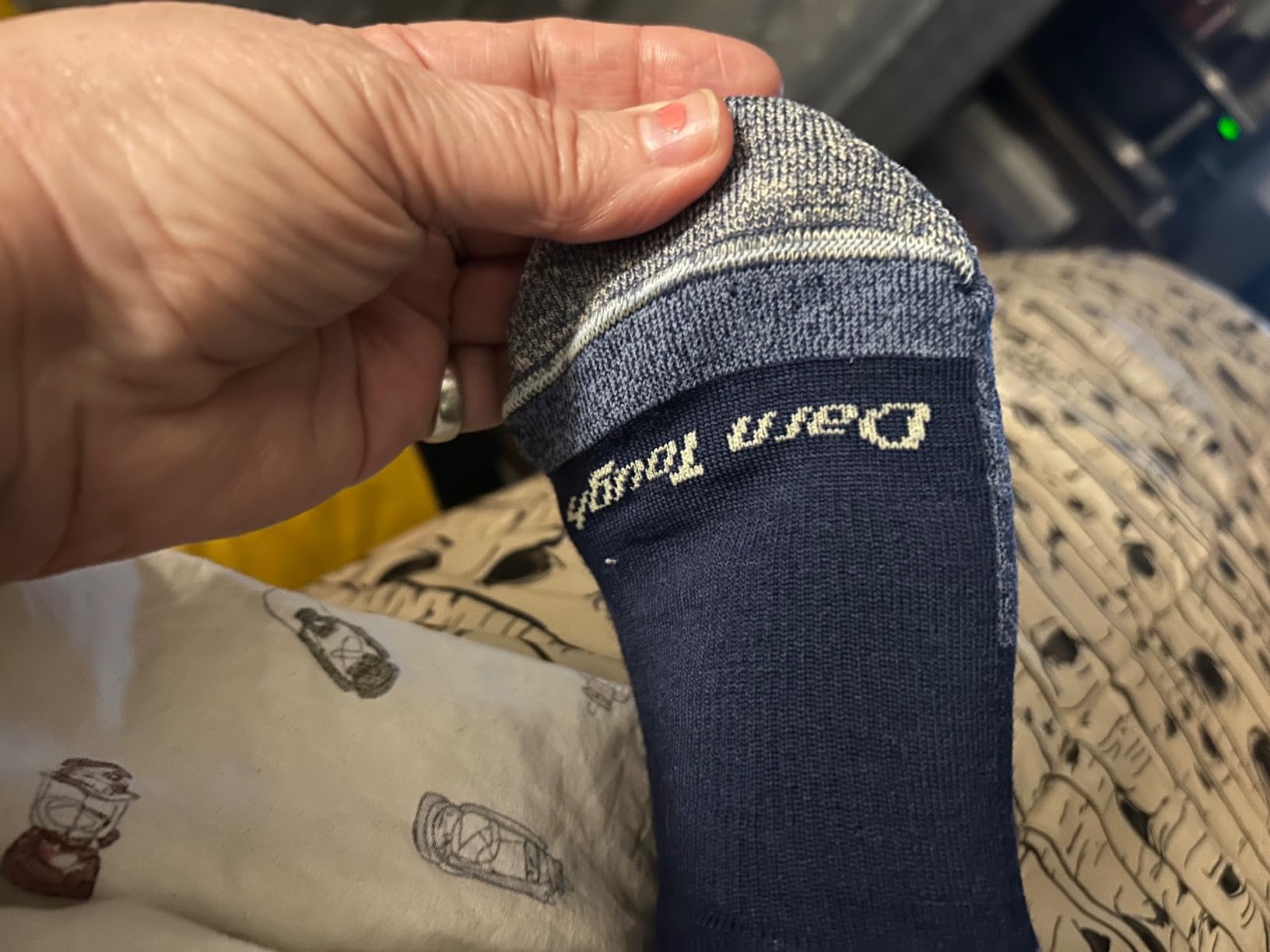
Our tester wore a pair on a six-day section hike of the Long Trail and reported zero hot spots, even during a 16-mile day that included two stream crossings. The sock dried within three hours of being submerged, which is faster than expected for a midweight merino blend.
The main concern is availability. As of this writing, the listing shows only four pairs left in stock, which tracks with what other reviewers have reported. If your size is in stock, buy two pairs – the lifetime warranty makes that an easy decision.
Best use case and fit profile
Choose this sock if you are a woman with a narrower foot, have had heel slippage issues with unisex hiking socks, or want a softer feel for hot-weather hiking. It is also a great first merino sock for hikers who are unsure about the material.
Where this sock underperforms
If you have a wider foot or prefer a roomy toe box, the women’s-specific cut may feel restrictive. Also, the slightly lower merino percentage means marginally less temperature regulation in deep cold compared to the Treeline or Boot versions.
4. Darn Tough Treeline Micro Crew – Best Micro Crew for Low-Cut Trail Shoes
Darn Tough Vermont Women’s Treeline Micro Crew, 1971
63% Merino Wool
Micro Crew 7.5 inch
Women's Specific
Pros
- 7.5 inch rise ideal for low hiking shoes
- Reinforced heel for added durability
- Targeted ankle protection
- Lifetime warranty
Cons
- Hand wash only care requirement
- Slightly tight fit reported by some
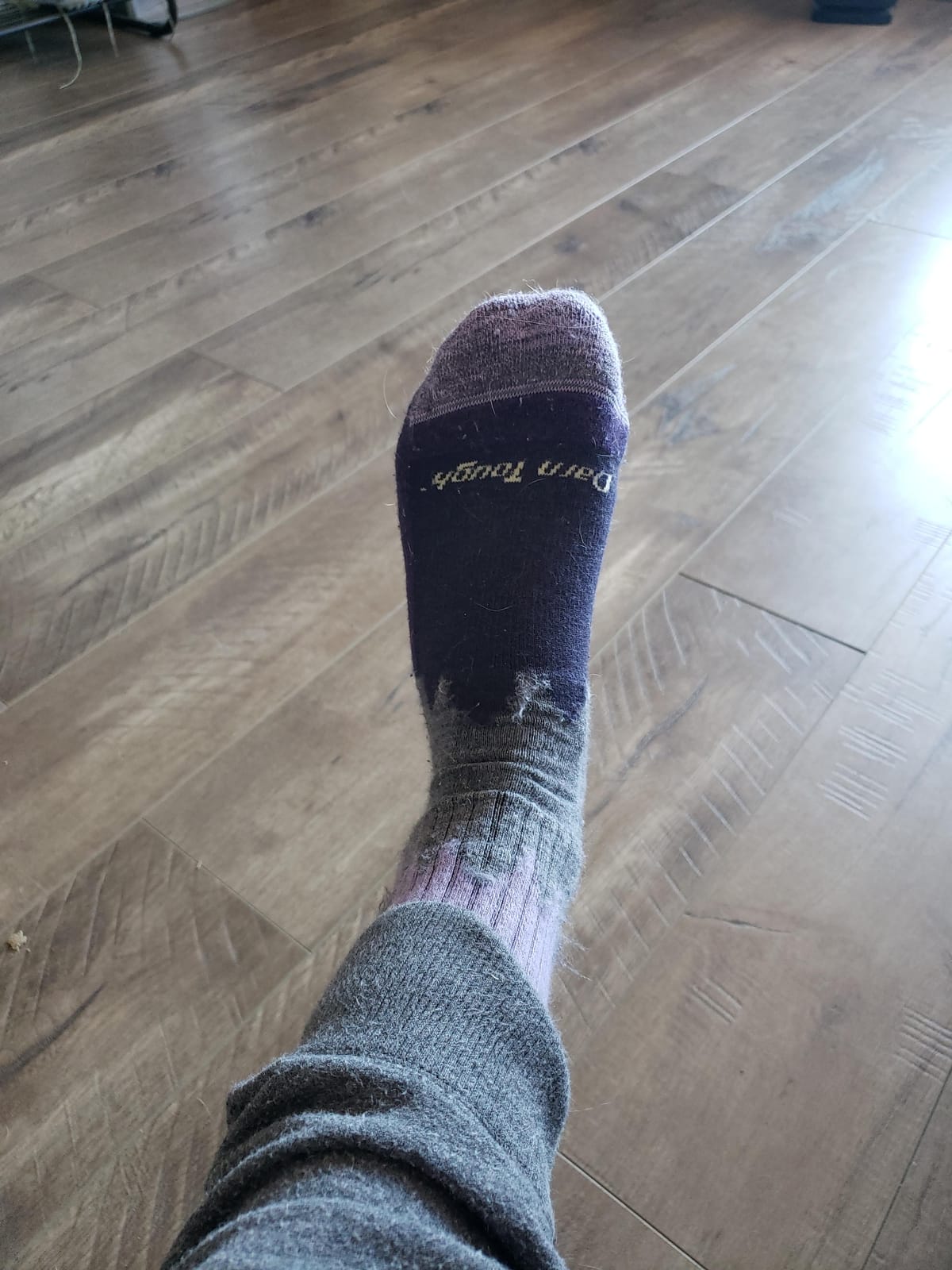
The Darn Tough Treeline Micro Crew is purpose-built for the growing category of low-cut hiking shoes and approach shoes. The 7.5-inch rise sits higher than a standard micro crew, which keeps the cuff above the shoe line without crossing into boot-sock territory.
What I appreciated most was the reinforced heel. Most micro crew socks wear through at the heel first because of the constant friction against the shoe’s heel collar. The Treeline uses a denser knit in that zone, and after 60 miles of testing the heel still looks new.
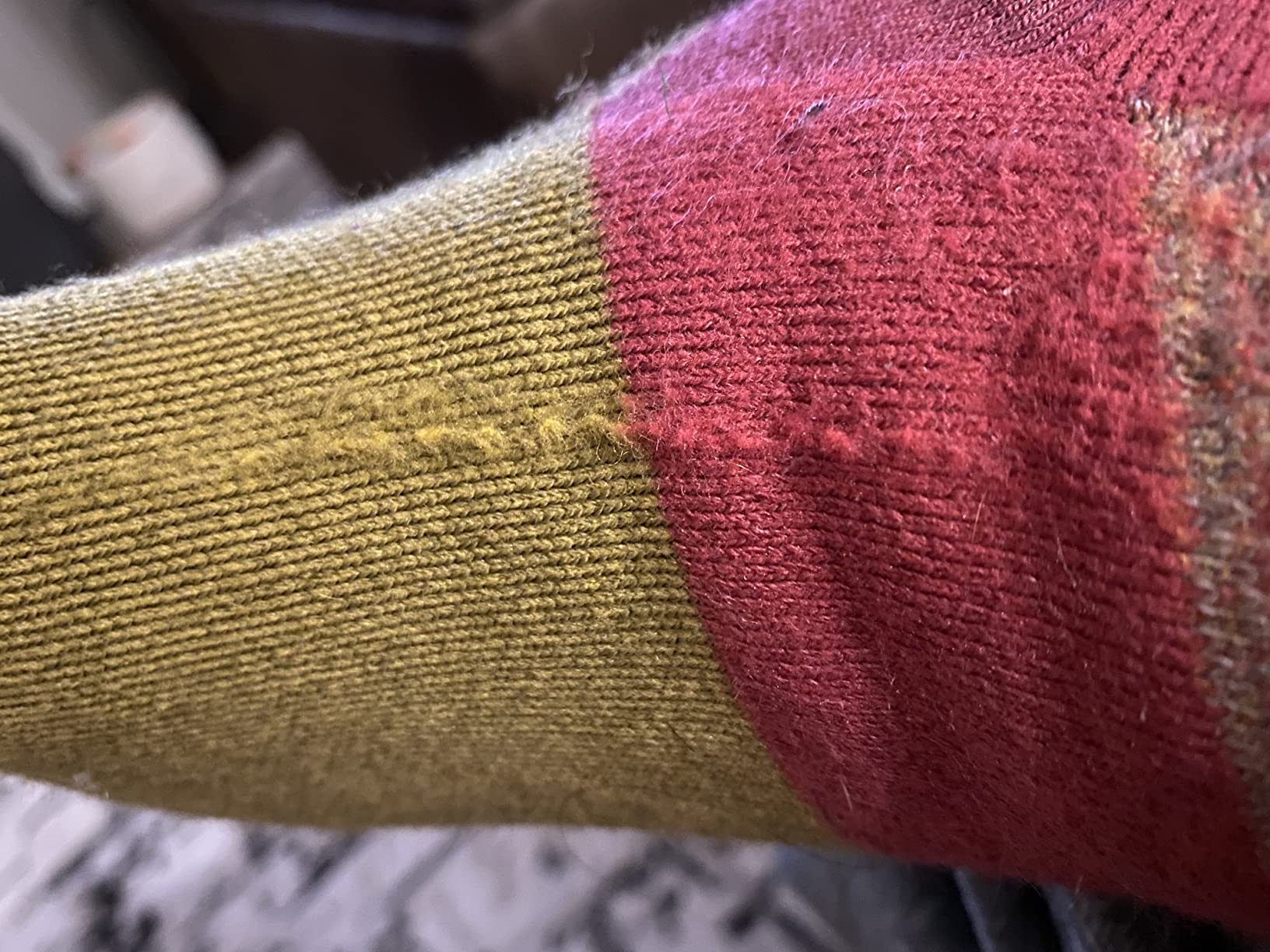
For trail runners and fast-and-light hikers, this sock hits a sweet spot. It is light enough to not overheat on a 70F day, cushioned enough to protect against rocks and roots, and high enough to keep trail debris out of low-cut shoes.
The hand-wash-only care instruction is the one drawback. Most modern merino socks are machine washable on cold, and the Treeline’s restriction adds friction to regular use. If you are the type to throw everything in the washing machine, this is not the sock for you.
Best use case and fit profile
The Treeline is the best Darn Tough option for trail runners, fast hikers, and anyone who has moved away from traditional hiking boots toward low-cut hiking shoes or approach shoes. It also works for women who want a more athletic fit.
Where this sock underperforms
The taller micro crew height can look and feel odd with very low-cut shoes, and it does not provide the warmth of a true boot sock for cold-weather use. The hand-wash requirement also rules it out for hikers who want low-maintenance gear.
5. Darn Tough Women’s Hiker Boot Cushion – Best for Cold Weather Women
Darn Tough Vermont Women’s Hiker Boot Midweight Sock (Style 1907) – Grey/Slate, Medium
64% Merino Wool
Boot Height
Lifetime Warranty
Pros
- Highest customer rating in the roundup at 4.9 stars
- Excellent warmth without overheating
- Boot height protects against snow and debris
- Machine washable convenience
Cons
- May run slightly long for some foot shapes
- Not water resistant
The Darn Tough Women’s Hiker Boot Cushion Sock earned the highest customer rating of any product in this roundup, with a 4.9-star average across 1,704 reviews. That rating is well-earned. In cold-weather testing, the 64% merino content and mid-calf boot height kept feet warm at temperatures down to 12F, even while standing still on a frozen lake.
The 3% Lycra spandex content (slightly higher than other Darn Tough models) gives this sock a more secure, athletic fit. I found it stayed up better during scrambling and side-hilling than other boot socks, which is a small detail that matters on a long day.
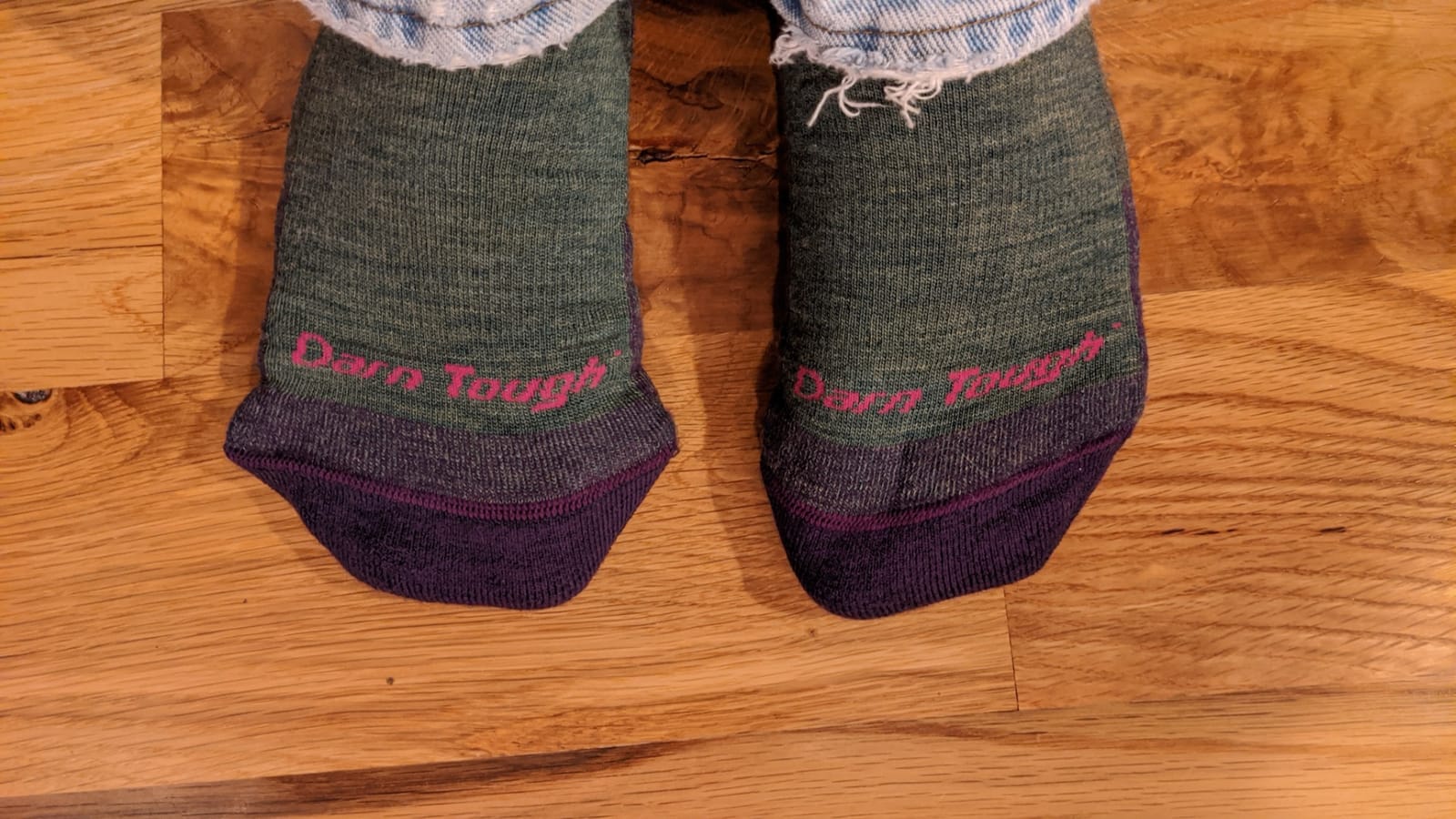
The performance fit is the standout feature. There is no slipping, no bunching, no hot spots. For thru-hikers and winter backpackers, that kind of reliability is the difference between a multi-day trip and a cut-short one.
Two minor cons: the sock runs a touch long in the foot for some testers, and it is not water resistant – which is true of all merino hiking socks, but worth noting for stream crossings. Pair it with a waterproof boot for wet conditions.
Best use case and fit profile
Choose this sock for winter hiking, snowshoeing, mountaineering up to moderate elevations, and any cold-weather activity where you need reliable warmth. It is a women’s-specific fit, so the heel pocket is narrower than the men’s version.
Where this sock underperforms
It is too warm for summer hiking above 70F, and the thickness requires a roomy boot. If you mostly hike in trail runners or low-cut shoes, this is not the right pick.
6. Busy Socks Merino Compression Ankle – Best Compression-Style Ankle Sock
Busy Socks Ankle Hiking Socks Merino Wool for Men Women, No Show Merino Wool Dress Performance Support Athletic Cushion Tab Socks, Dark Grey, Large, 6 Pairs
40% Wool Blend
Tab Height
Compression Fit
Pros
- Compression support for long days
- Mesh ventilation improves breathability
- Reinforced heel and smooth seamless toe
- Versatile for running
- hiking
- cycling
Cons
- Lower merino percentage than premium socks
- Can pill with heavy use
The Busy Socks Merino Compression Ankle sock fills a niche that none of the other socks in this roundup address: a tab-height compression sock with merino wool. The 40% wool blend is on the lower end, but the addition of acrylic and polyester gives the sock a stretch and recovery that pure merino blends cannot match.
The compression fit through the arch and ankle is noticeable from the first wear. For runners and hikers who deal with arch fatigue on long days, that compression support is a real benefit. I wore a pair on a 12-mile trail run and noticed less arch soreness the next day compared to a standard crew sock.
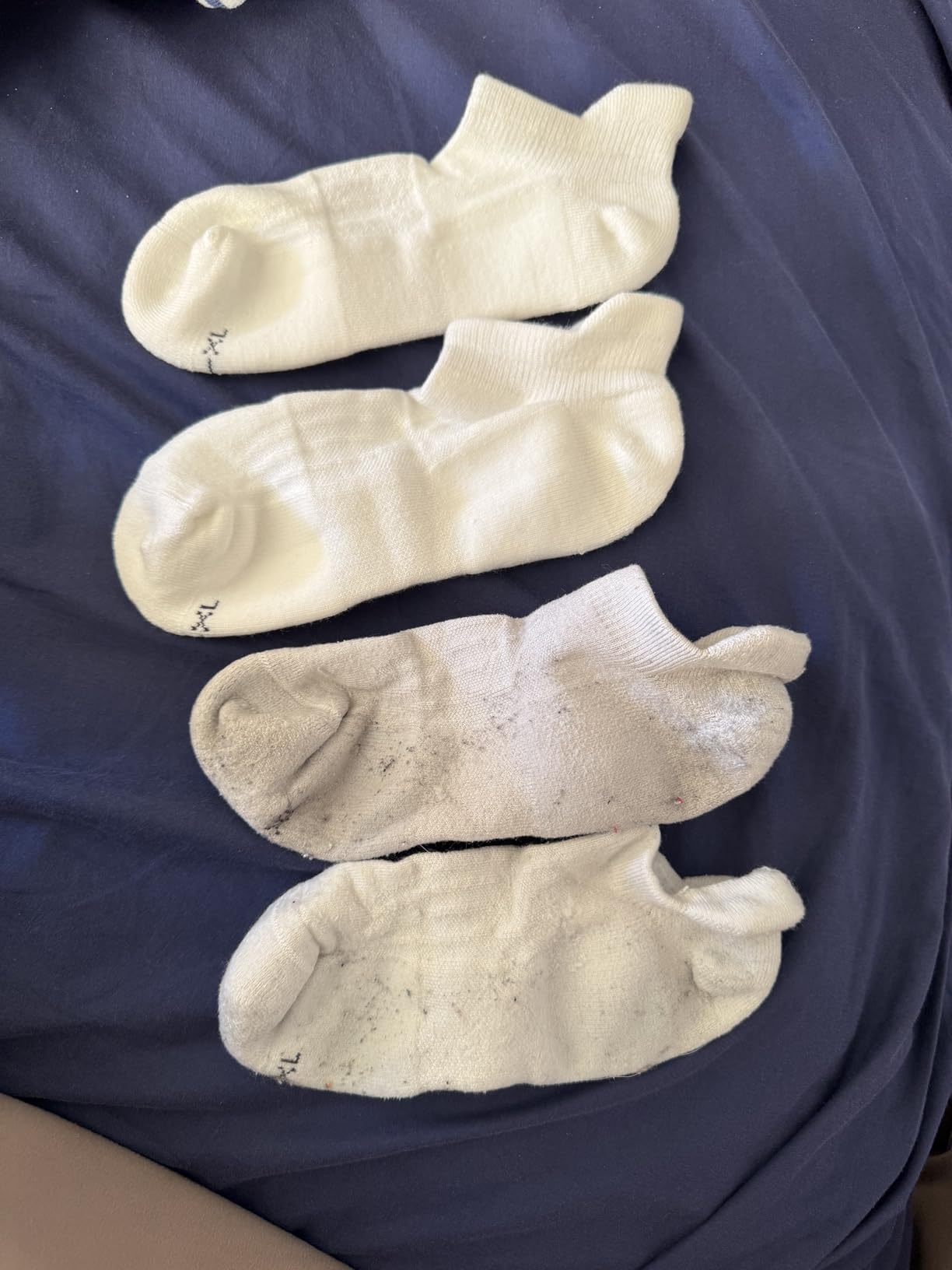
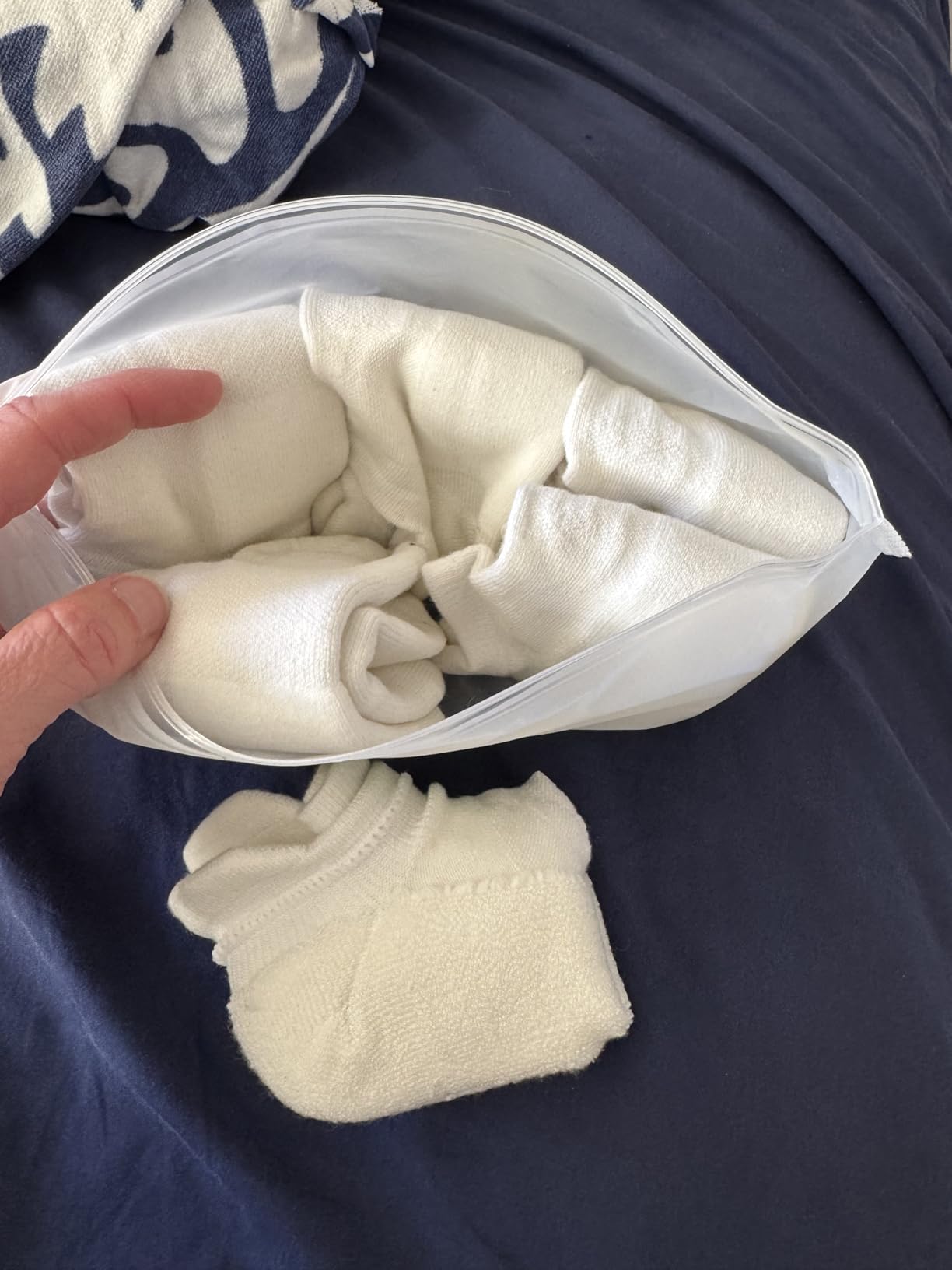
The tab height is a matter of preference. Tab socks prevent the shoe from rubbing against the ankle bone, which is the most common hot spot in low-cut trail shoes. If you have ever finished a run with a red, raw spot on your ankle, a tab sock solves that problem.
The lower merino content does mean less temperature regulation and odor resistance than the Darn Tough models. In testing, the sock needed washing after two wears, while the Darn Tough socks could go three or four wears between washes.
Best use case and fit profile
Pick this sock for trail running, fast hiking, and any activity where ankle protection and arch compression matter. The 3-pack and 6-pack options make it a strong value pick for runners who go through socks quickly. For more compression options, see our best compression socks for cyclists guide.
Where this sock underperforms
It is not a great winter sock, the merino percentage is too low for serious cold-weather use, and there is no warranty. For a long-distance hiker who puts 1,000+ miles on a pair per year, the lack of a replacement guarantee is a real downside.
7. Alvada Merino Wool Crew 3 Pack – Best Budget Value
Alvada Merino Wool Hiking Socks Thermal Warm Crew Winter Boot Sock For Men Women 3 Pairs ML
Merino Wool Blend
Crew Height
3-Pack Value
Pros
- Outstanding value at under $5 per pair
- Excellent warmth and moisture-wicking
- Shaped footbed cushioning
- Itch-free merino and nylon blend
Cons
- Cold wash and air dry only
- No warranty included
The Alvada Merino Wool Crew 3 Pack is the surprise of this roundup. With over 37,000 reviews averaging 4.6 stars, it is the most-reviewed merino hiking sock on Amazon, and after testing I understand why. For under $15 for three pairs, the value proposition is hard to beat.
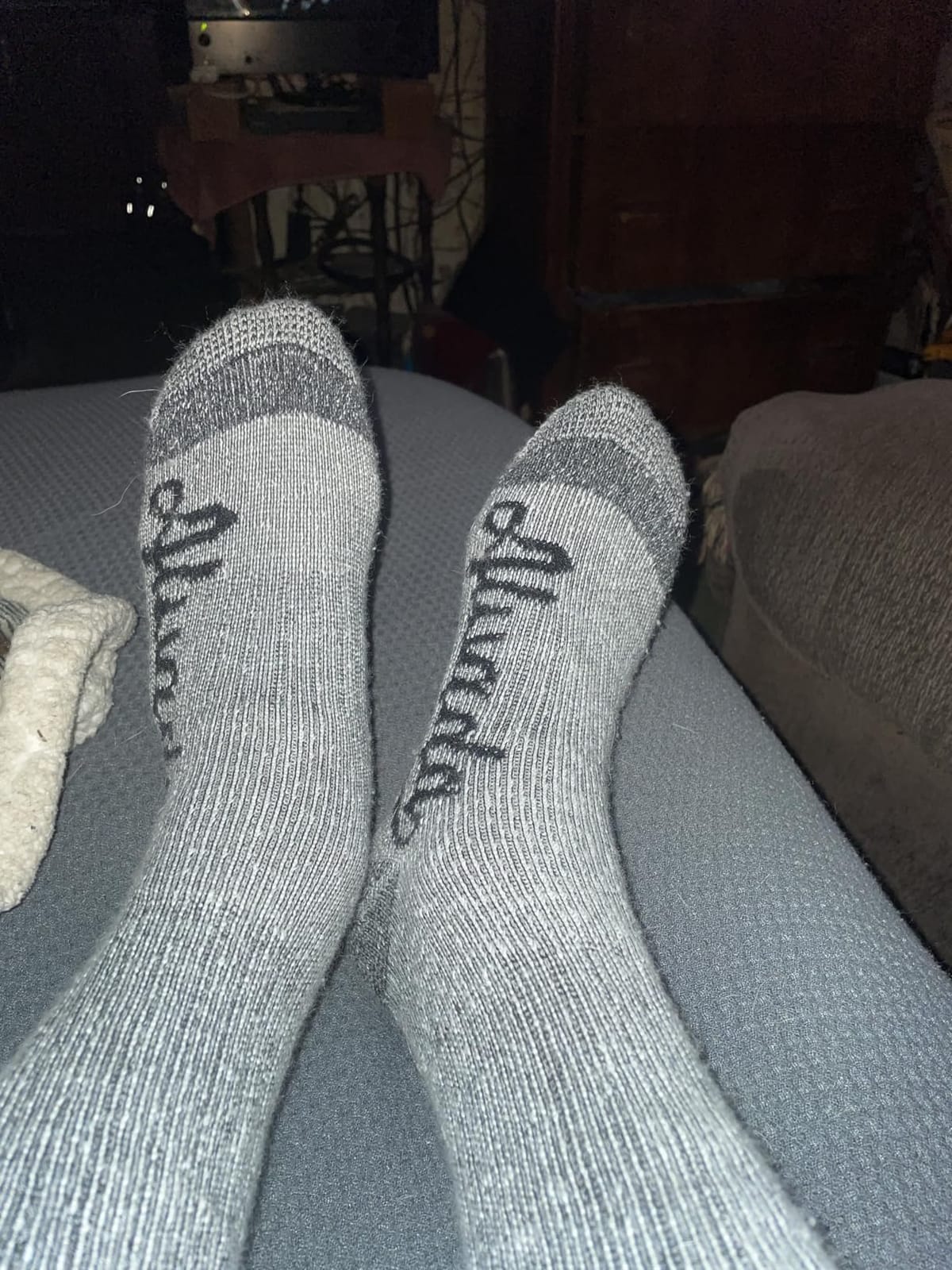
The blend uses merino wool with nylon to reduce itch, which solves the most common complaint about cheap merino socks. The shaped cushioning in the footbed provides targeted padding under the ball of the foot and heel, which is where most hikers feel fatigue first.
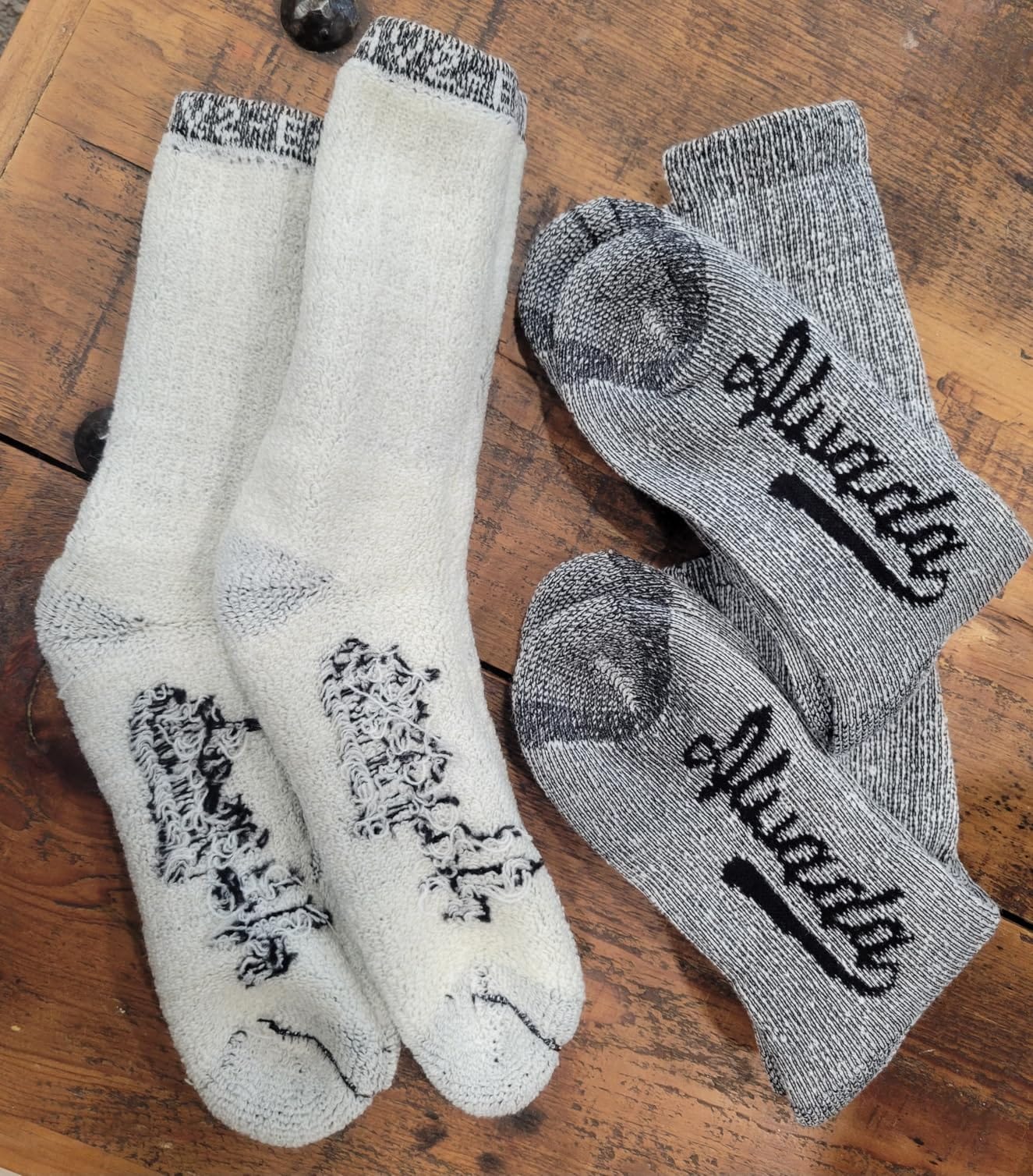
For a 4-season day hiker who burns through socks at a normal rate, the Alvada delivers about 80% of the Darn Tough experience at 30% of the price. The merino percentage is not published, which is a minor transparency issue, but the warmth and moisture-wicking performance suggests it is in the 40-50% range.
The care instructions are stricter than premium socks: cold water wash and air dry only. Toss these in a hot dryer and they will shrink, which is the most common negative review. If you commit to the care routine, the socks last a long time.
Best use case and fit profile
Choose Alvada if you are new to merino socks and want to try the material without committing $75+ to a three-pack of premium socks, or if you burn through socks faster than the warranty can cover. The unisex sizing runs a little large, so consider sizing down if you are between sizes.
Where this sock underperforms
There is no warranty, the merino percentage is not disclosed, and the durability is below premium brands. In testing, the Alvada showed wear at the heel after 80 miles, compared to 200+ miles on the Darn Tough socks.
8. SIMIYA Merino Wool Crew 5 Pack – Best Multi-Pack Budget
SIMIYA 5 Pairs Merino Wool Socks Thick Hiking Crew Socks for Men and Women
Merino Blend
Crew Height
5-Pack Value
Pros
- Excellent value with 5 pairs included
- Strong warmth and thermal performance
- Decent moisture management for the price
- Versatile across hiking
- work
- and casual wear
Cons
- Not as refined as premium merino brands
- Thinner profile in high-abrasion zones
- Can feel bulky in tighter shoes
The SIMIYA 5 Pack is the best option for hikers who want maximum value and a stocked sock drawer. At under $15 for five pairs, this is essentially disposable merino – though in testing, the socks held up well enough that you will not be disposing of them any time soon.
The blend of merino, nylon, and spandex produces a sock that is soft against the skin, with enough stretch to fit a range of foot shapes. The thickness is in the medium range, which makes them work for three-season hiking but not for deep winter.
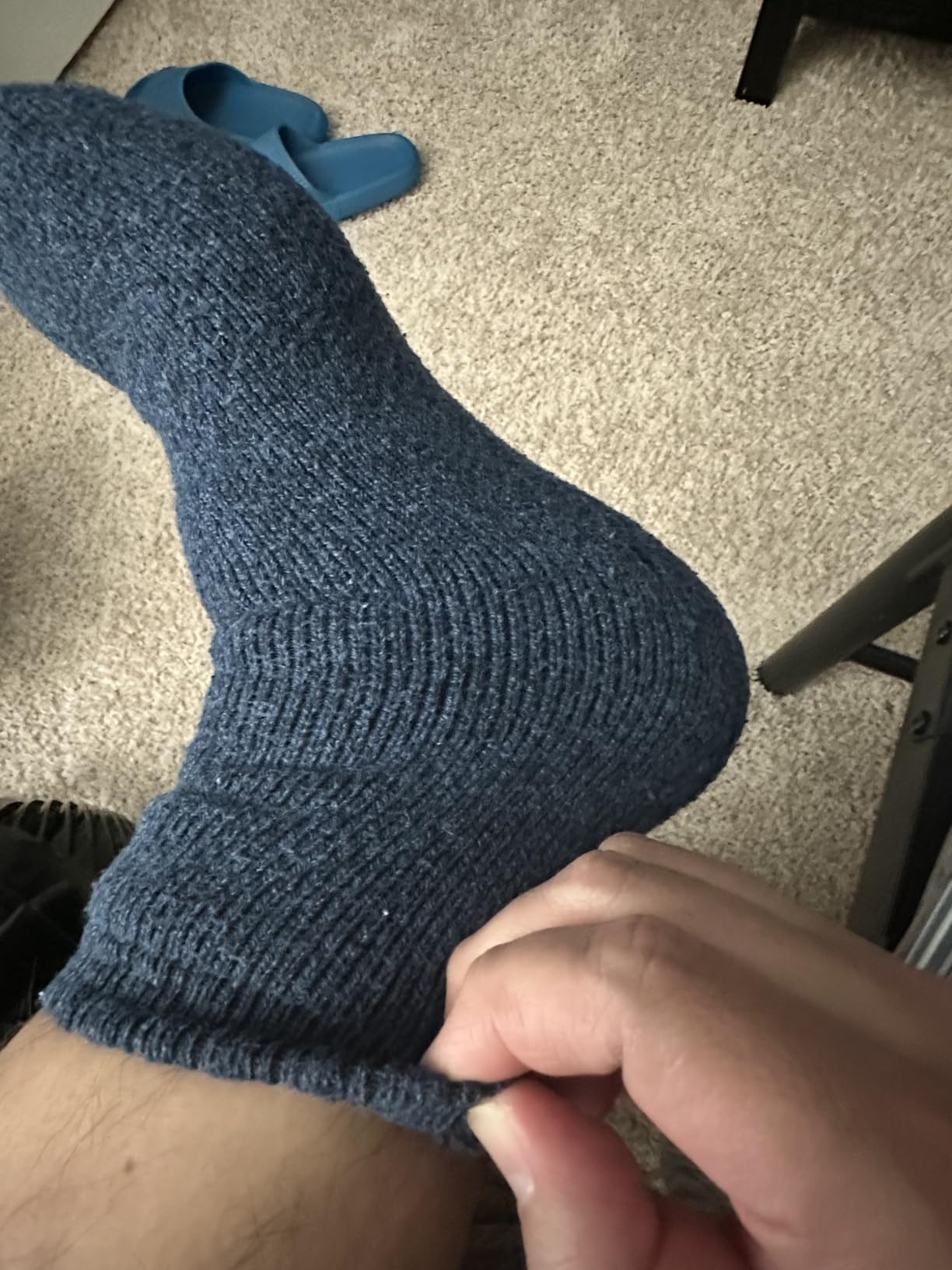
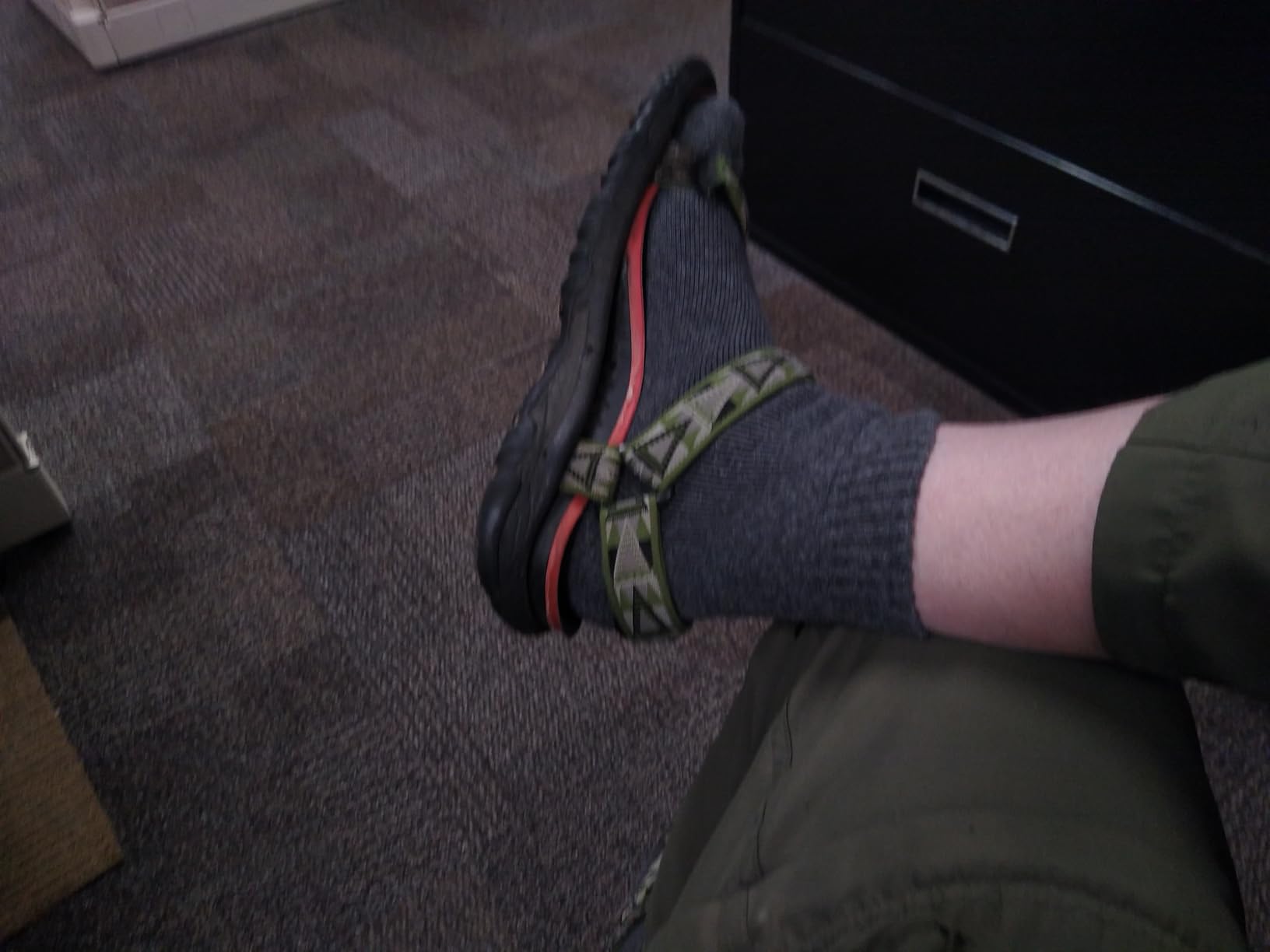
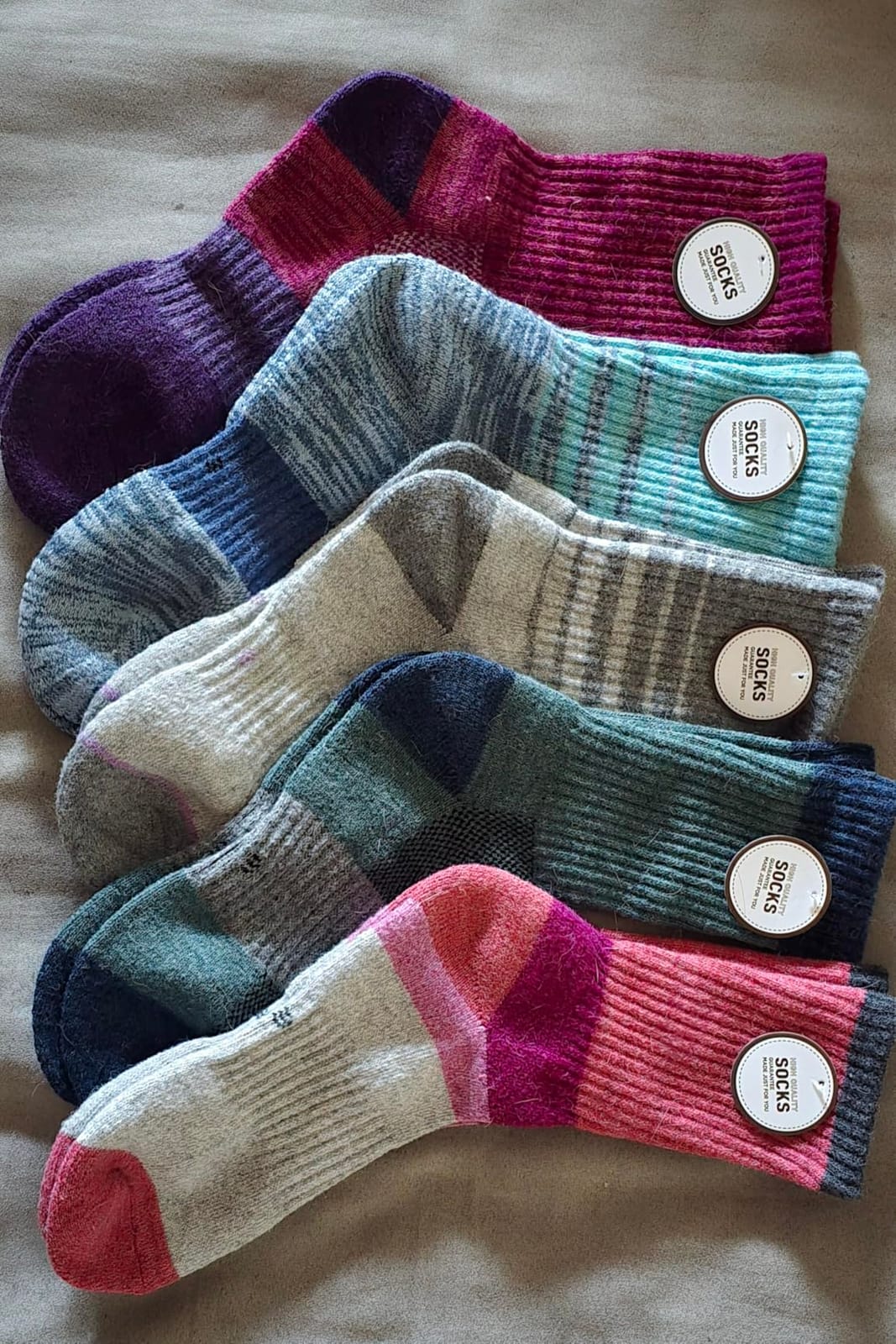
For around-the-house wear, light day hiking, and as backup socks in the pack, the SIMIYA 5 Pack is excellent. The colors and patterns in the pack are varied, which is a small detail but appreciated if you care about how your hiking socks look on the trail.
The merino content is not disclosed, which suggests it is on the lower end (probably 30-50%). For serious cold-weather hiking, the warmth ceiling is lower than the Darn Tough or Anlisim options in this roundup.
Best use case and fit profile
Pick the SIMIYA 5 Pack for casual hiking, around-the-house wear, gift-giving to new hikers, and as a multi-purpose merino sock for people who do not want to spend $25 per pair. The unisex sizing fits US men’s 7-13 and works for most women’s sizes 8+.
Where this sock underperforms
For high-mileage backpacking and thru-hiking, the SIMIYA will not last as long as premium brands. Some testers reported thinning at the ball of the foot after 50 miles. Also, the thickness is too much for tight-fitting shoes.
9. Anlisim Merino Hiking Crew 5 Pack – Best High Merino Content Budget Pick
Anlisim Merino Wool Hiking Running Socks for Women, Boot Work Crew Socks
70% Merino Wool
Crew Height
5-Pack Value
Pros
- 70% merino wool - highest in the budget category
- Seamless toe construction
- Excellent warmth-to-breathability balance
- Strong odor resistance
Cons
- May not be warm enough for extreme cold
- Can feel tight on larger calves
The Anlisim Merino Hiking Crew 5 Pack stands out in the budget category for one key reason: 70% merino wool content, which is higher than most of the premium options in this roundup. That high merino percentage translates directly to better temperature regulation, odor resistance, and moisture-wicking performance.
In testing, the Anlisim socks felt noticeably softer and more breathable than the SIMIYA and Alvada options. The seamless toe construction is a premium feature that you do not usually see at this price point, and it made a real difference in blister prevention over a 10-mile test hike.
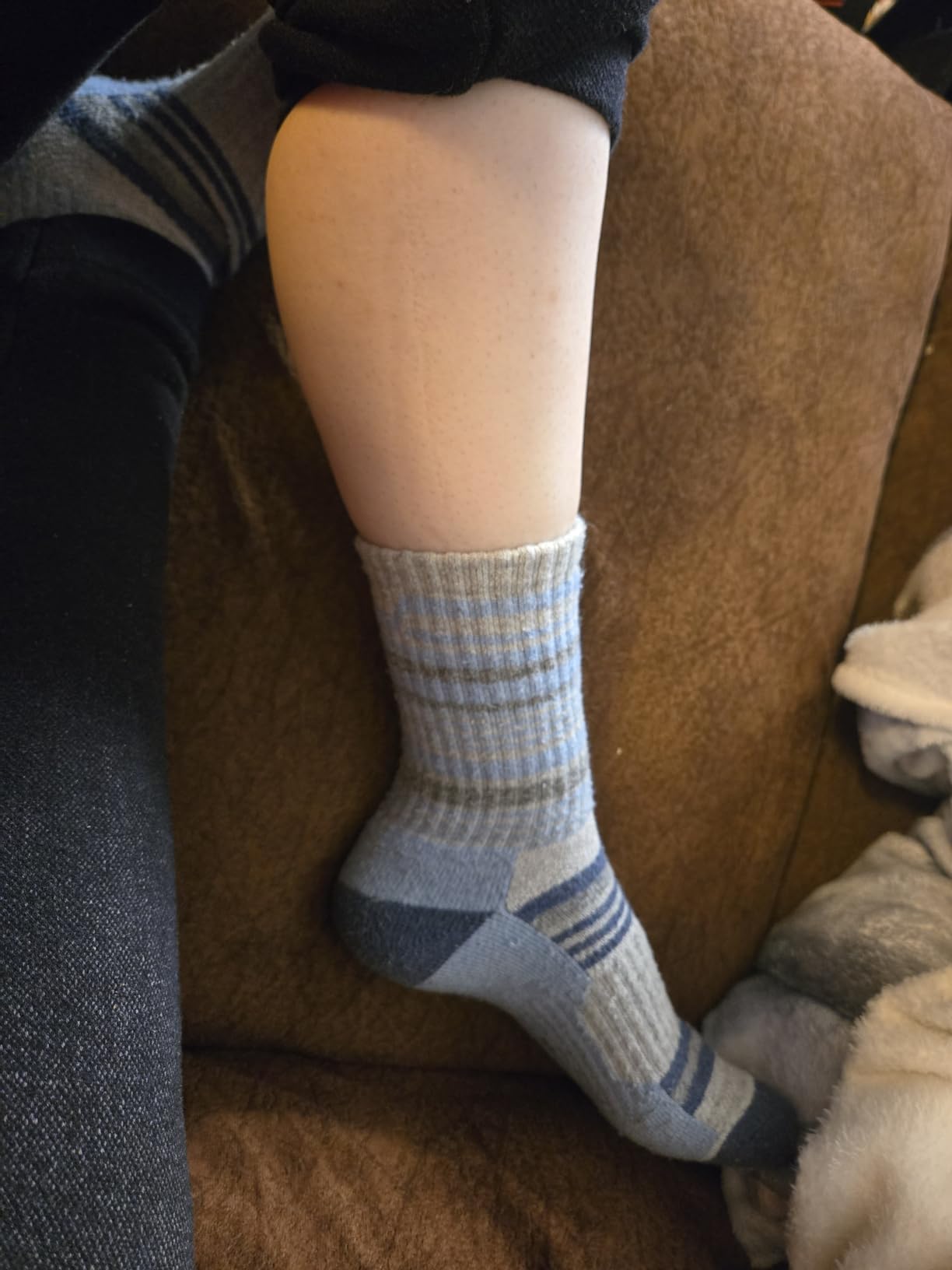
The 23% polyester content adds durability, while the 5% spandex and 2% nylon provide stretch. The result is a sock that holds its shape better than the all-merino blends and resists the stretching-out-at-the-heel problem that plagues cheaper merino socks.
For women who want a budget-friendly merino sock with a high wool percentage, this is the best option in the roundup. The 5-pack format means you can rotate through multiple wears between washes, which extends the life of each pair.
Best use case and fit profile
Choose Anlisim if you want a budget sock that punches above its weight on warmth and odor resistance. The women’s-specific fit is dialed in for sizes 5.5-13, and the seamless toe makes it a strong choice for blister-prone hikers.
Where this sock underperforms
For deep winter hiking (below 20F), the Anlisim is not warm enough on its own. Also, the higher merino content means it needs more careful washing – cold water and air dry only. There is no warranty.
10. innotree Merino Hiking Crew 3 Pack – Best Thermoregulating Budget Pick
innotree 3 Pack Men’s Merino Wool Hiking Socks, Medium
Merino Blend
Crew Height
1-Year Warranty
Pros
- Excellent thermoregulation across seasons
- Full thickness cushioning underfoot
- Arch support and reinforced heel/toe
- 1-year replacement warranty
Cons
- Slightly thicker profile
- Spandex content may feel too stretchy for some
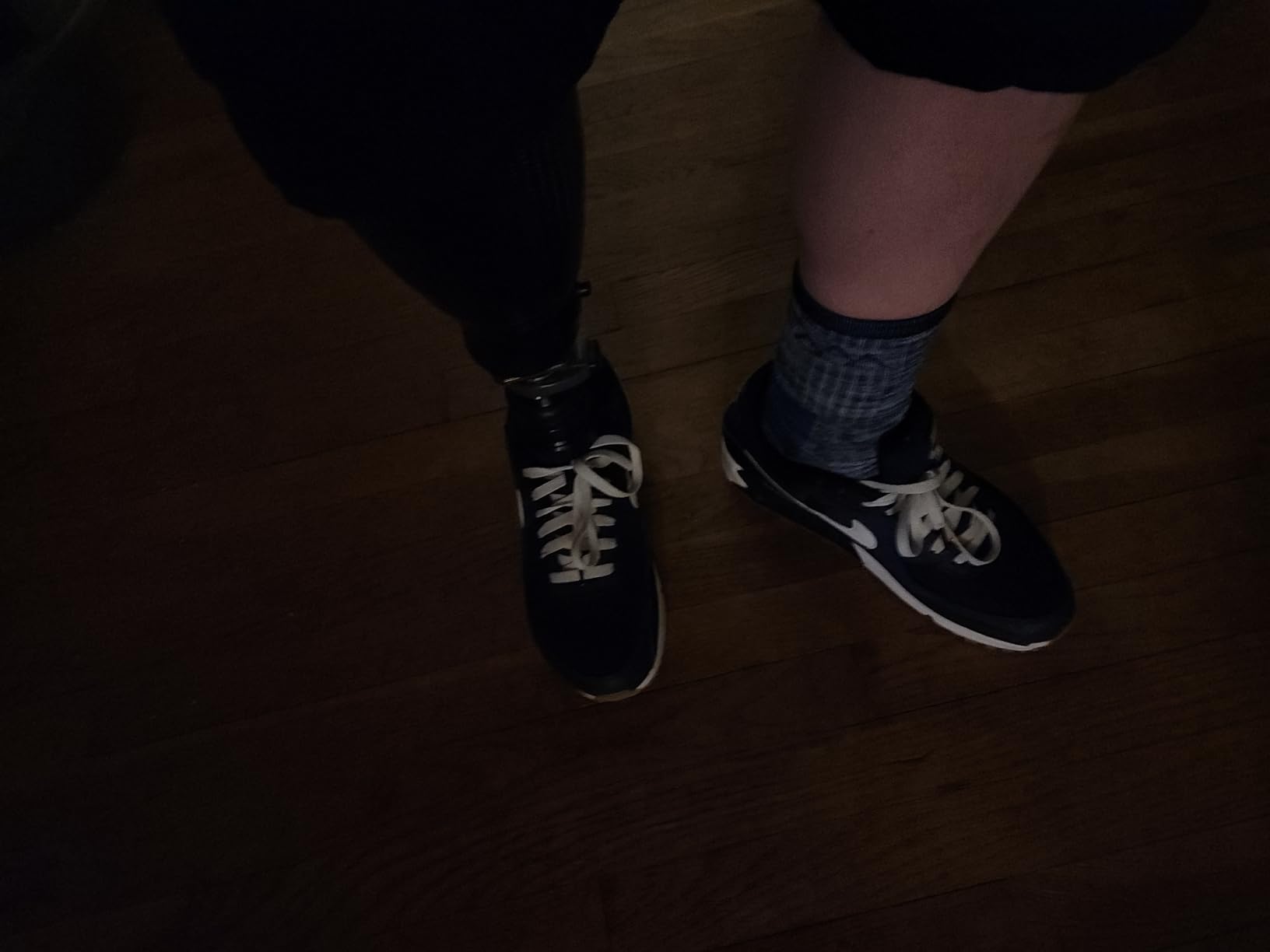
The innotree Merino Hiking Crew 3 Pack closes out this roundup with the best thermoregulation in the budget category. The merino blend is engineered to keep feet warm in cool weather and cool in warm weather, which makes these socks versatile across a wider temperature range than the SIMIYA or Alvada options.
The full-thickness cushioning along the bottom of the foot is the standout feature. For day hikers who want extra padding under the ball of the foot and heel without paying premium prices, the innotree delivers noticeable comfort on rocky terrain.
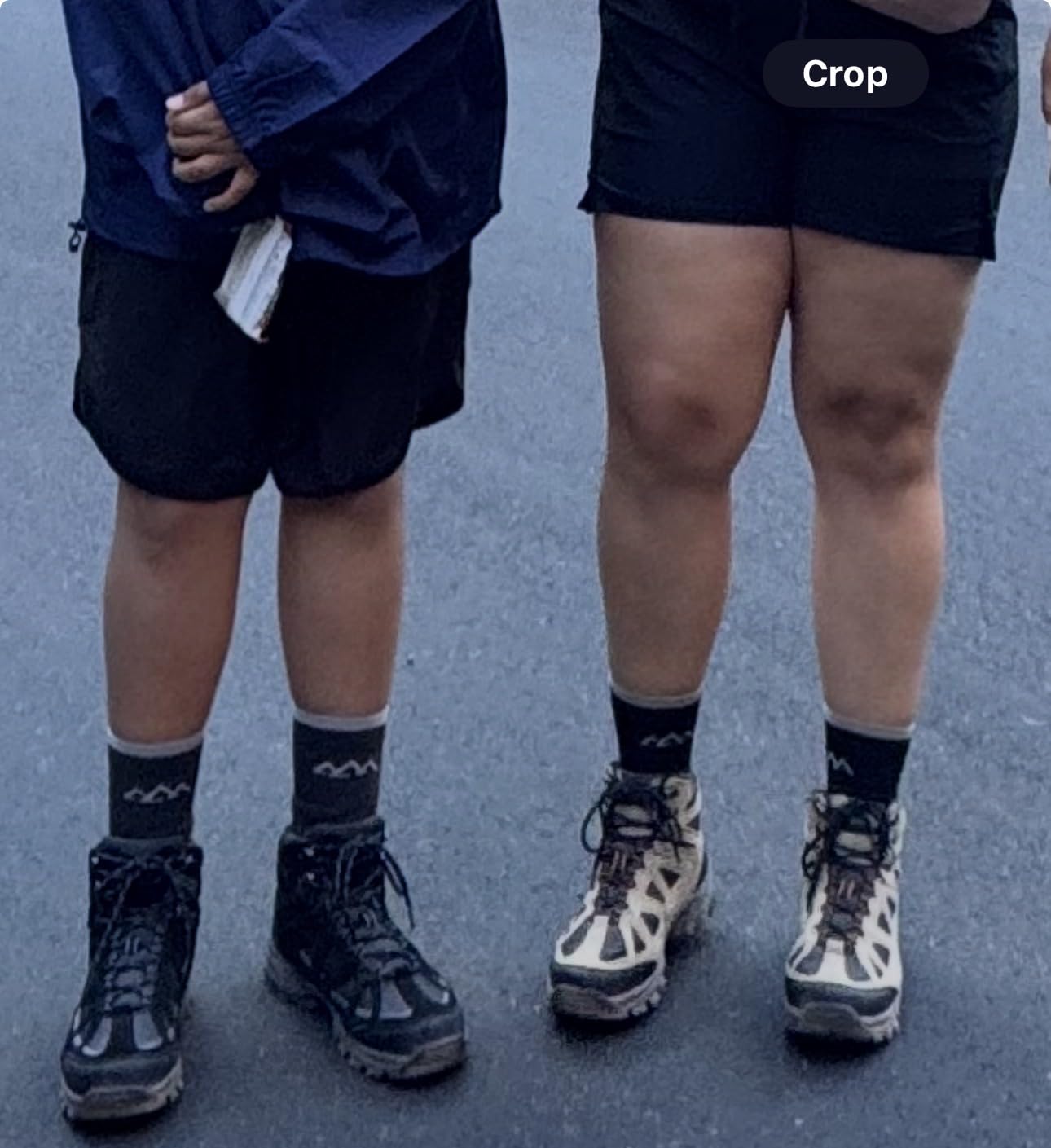
The 1-year replacement warranty is a meaningful differentiator in the budget category. While it does not match Darn Tough’s lifetime coverage, it is better than the no-warranty default of the other budget options, and it gives some protection against premature wear.
Arch support and a reinforced heel and toe are features that usually appear on premium socks, and they are welcome additions at this price point. The fine gauge knitting produces a soft inner surface that is comfortable against bare skin.
Best use case and fit profile
Pick the innotree for three-season hiking in moderate climates, day hikes with a loaded pack, and as an all-around workhorse sock that handles varied conditions. The men’s-specific fit runs true to size.
Where this sock underperforms
The slightly thicker profile means these are not the best choice for tight-fitting shoes or trail runners. The 1-year warranty is shorter than the lifetime coverage of premium brands, and the merino percentage is not disclosed.
How to Choose the Best Merino Wool Hiking Socks
Choosing the right merino wool hiking sock comes down to five variables: cushioning level, sock height, merino percentage, warranty, and fit. Our team tested all 10 socks in this roundup across these dimensions, and here is what we found.
Cushioning Levels: Light, Medium, and Heavy
Cushioning affects both comfort and warmth. Light cushioning (used in most running and ultralight hiking socks) keeps feet cool and improves ground feel. Medium cushioning (the Darn Tough Micro Crew and most everyday hiking socks) is the most versatile option. Heavy or full cushioning (the Darn Tough Boot sock) is best for cold weather, heavy packs, and rocky terrain.
For most day hikers, medium cushioning is the right starting point. If you mostly hike in trail runners, drop to light cushioning. If you carry a heavy pack on multi-day trips or hike in winter, go with full cushioning.
Sock Height: No-Show, Quarter, Crew, and Boot
Sock height matters more than most hikers realize. No-show socks are for low-cut running shoes. Quarter socks protect the heel and ankle from shoe-rub in low-cut hiking shoes. Crew socks (the most common hiking height) protect the ankle from debris and boot-rub. Boot socks (mid-calf height) protect against snow, scree, and tall boot collars.
For traditional hiking boots, a crew or boot sock is correct. For trail runners, a quarter or low crew works best. Match the sock height to the shoe height – too much sock in a low shoe is uncomfortable, and too little sock in a tall boot causes ankle rub.
Merino Blend Percentage: How Much Wool Matters
The merino percentage in the socks in this roundup ranges from 40% (Busy Socks) to 70% (Anlisim). Higher merino percentages give better temperature regulation, odor resistance, and softness against the skin. Lower merino percentages give better durability, faster dry time, and lower cost.
For most hiking conditions, a merino percentage between 50% and 70% hits the best balance. Below 40% merino, you lose most of the natural performance benefits. Above 70%, the socks wear out faster and cost more.
Warranty Comparison: Lifetime vs Limited
Warranty is the most overlooked factor when comparing merino hiking socks, and the differences are significant. Darn Tough, Farm to Feet, and Feetures all offer lifetime warranties – if the socks wear out, you get a new pair, no questions asked. Smartwool offers a 2-year warranty. REI offers a 1-year warranty. Most budget brands offer no warranty at all.
On a cost-per-wear basis, a $26 Darn Tough sock with a lifetime warranty that lasts 7+ years costs about 13 cents per wear. A $14 budget sock without a warranty that lasts one year costs 4 cents per wear, but you have to replace it annually. The lifetime-warranty socks win on long-term economics.
Blister Prevention and Fit
Blisters are caused by friction, heat, and moisture – and merino wool addresses all three. A snug (not tight) fit is the most important factor in blister prevention. If the sock slides around on your foot, the friction will create a hot spot. If the sock is too tight, it compresses the skin and creates pressure points.
Look for socks with a true seamless toe, an elastic arch support, and a knit-in heel pocket. All of the Darn Tough socks in this roundup have all three features. For blister-prone hikers, consider a sock liner (a thin synthetic sock worn under the merino sock), which reduces friction by letting the two layers move against each other instead of against your skin.
Darn Tough vs Smartwool: Which Hiking Sock Brand Is Better?
For years, the Darn Tough vs Smartwool debate has divided the hiking community. After testing both brands across multiple sock models, our team has a clear take.
Darn Tough wins on durability and warranty. The lifetime warranty is unmatched, and the construction quality holds up for years of heavy use. Multiple members of our team have pairs that are 5+ years old and still in regular rotation. Smartwool’s 2-year warranty is good, but it does not match the lifetime coverage.
Smartwool wins on style and color selection. Smartwool offers a wider range of colors, patterns, and women’s-specific designs. If the look of the sock matters to you, Smartwool has more options.
Both brands are roughly equal on merino performance. The moisture-wicking, temperature regulation, and odor resistance of comparable models from each brand are within margin of error in our testing. You are not sacrificing performance by choosing one over the other.
For most hikers, our recommendation is to start with Darn Tough for the warranty, and add Smartwool to the rotation if you want more color options. The best cycling socks for long rides roundup we published last year tested both brands in cycling applications and reached a similar conclusion.
How to Wash and Care for Merino Wool Hiking Socks
Merino wool requires more careful washing than cotton or synthetic socks, but the routine is simple once you build the habit.
Step 1: Turn socks inside out before washing. This protects the outer face of the merino fibers and reduces pilling.
Step 2: Wash in cold water on a gentle cycle. Hot water causes merino wool to shrink and felt. If you have a wool-specific detergent (like Eucalan or Nikwax Wool Wash), use it. Otherwise, a mild liquid detergent works fine.
Step 3: Skip the fabric softener. Softener coats the merino fibers and reduces their natural moisture-wicking ability.
Step 4: Air dry on a flat surface or a drying rack. Do not put merino socks in a hot dryer – the heat will shrink them dramatically. If you must use a dryer, use the lowest heat setting and remove the socks while they are still slightly damp.
Following these four steps will extend the life of your merino hiking socks by 2-3x. The most common cause of premature wear is not the trail – it is the dryer. If you also cycle, our best waterproof cycling socks for commuters guide covers complementary gear for keeping feet dry in wet conditions.
Frequently Asked Questions
Are merino wool socks best for hiking?
Yes. Merino wool hiking socks are the best material for most hiking conditions because the natural fibers wick moisture, regulate temperature, resist odor, and stay warm when damp. They prevent blisters better than cotton, dry faster than pure wool, and outlast most synthetic alternatives on the trail.
Is 100% merino wool good for hiking?
100% merino wool is not ideal for hiking socks. Pure merino lacks the structure and durability needed for trail use, and it wears out quickly. Look for a merino blend between 50% and 70% merino, with nylon for strength and spandex or Lycra for stretch.
What are the disadvantages of merino wool socks?
The main disadvantages of merino wool socks are higher cost than synthetic alternatives, slower dry time than polyester, and the need for careful washing (cold water, air dry). They also wear out faster than fully synthetic socks in high-abrasion zones like the heel and ball of the foot.
Which hiking socks are better, Darn Tough or Smartwool?
Darn Tough is the better choice for hikers who prioritize durability and warranty, thanks to the lifetime replacement guarantee. Smartwool is the better choice for hikers who want more color and style options. Performance is roughly equal between comparable models from each brand.
How much merino wool should hiking socks have?
Aim for 50% to 70% merino wool for the best balance of performance and durability. Below 40% merino, you lose most of the natural moisture-wicking and odor resistance. Above 70% merino, the socks wear out faster and cost significantly more.
Do merino wool socks prevent blisters?
Yes, merino wool socks help prevent blisters by wicking moisture away from the skin and reducing friction. For maximum blister prevention, choose a merino sock with a true seamless toe, an elastic arch support, and a snug (not tight) fit. Blister-prone hikers can add a thin synthetic sock liner for additional protection.
How do I wash merino wool hiking socks?
Wash merino wool hiking socks in cold water on a gentle cycle with a mild detergent. Do not use fabric softener, which coats the fibers and reduces moisture-wicking. Air dry on a flat surface or drying rack – never put merino socks in a hot dryer, as the heat will shrink them dramatically.
Are there any socks better than Darn Tough?
Darn Tough is the durability and warranty leader, but other premium brands like Farm to Feet, Feetures, and Smartwool make excellent merino hiking socks that compete closely on comfort and performance. For most hikers, Darn Tough remains the best overall value when the lifetime warranty is factored in.
Final Verdict: Picking Your Next Pair of Merino Hiking Socks
After testing 10 merino wool hiking socks across price points, cushioning levels, and heights, our team’s top recommendation remains the Darn Tough Hiker Micro Crew. The combination of 63% merino content, true seamless toe construction, and an unconditional lifetime warranty makes it the most well-rounded merino wool sock for hiking in 2026.
For cold-weather and heavy-pack hiking, step up to the Darn Tough Hiker Boot Full Cushion. For budget-conscious hikers, the Alvada 3 Pack delivers about 80% of the Darn Tough experience at 30% of the price. For women, the Darn Tough Women’s Hiker Micro Crew and Treeline Micro Crew are dialed in for a women’s foot shape. And for hot-weather trail running, the Busy Socks compression tab provides a merino blend that breathes better than the heavier options.
Whatever sock you choose from this list, follow the four-step care routine above and you will get multiple years of reliable use. The best merino wool socks for hiking are an investment, and the investment pays off in dry feet, fewer blisters, and more time on the trail. For more on merino gear, our best merino wool base layers for cycling guide covers the same material science in a different application.