
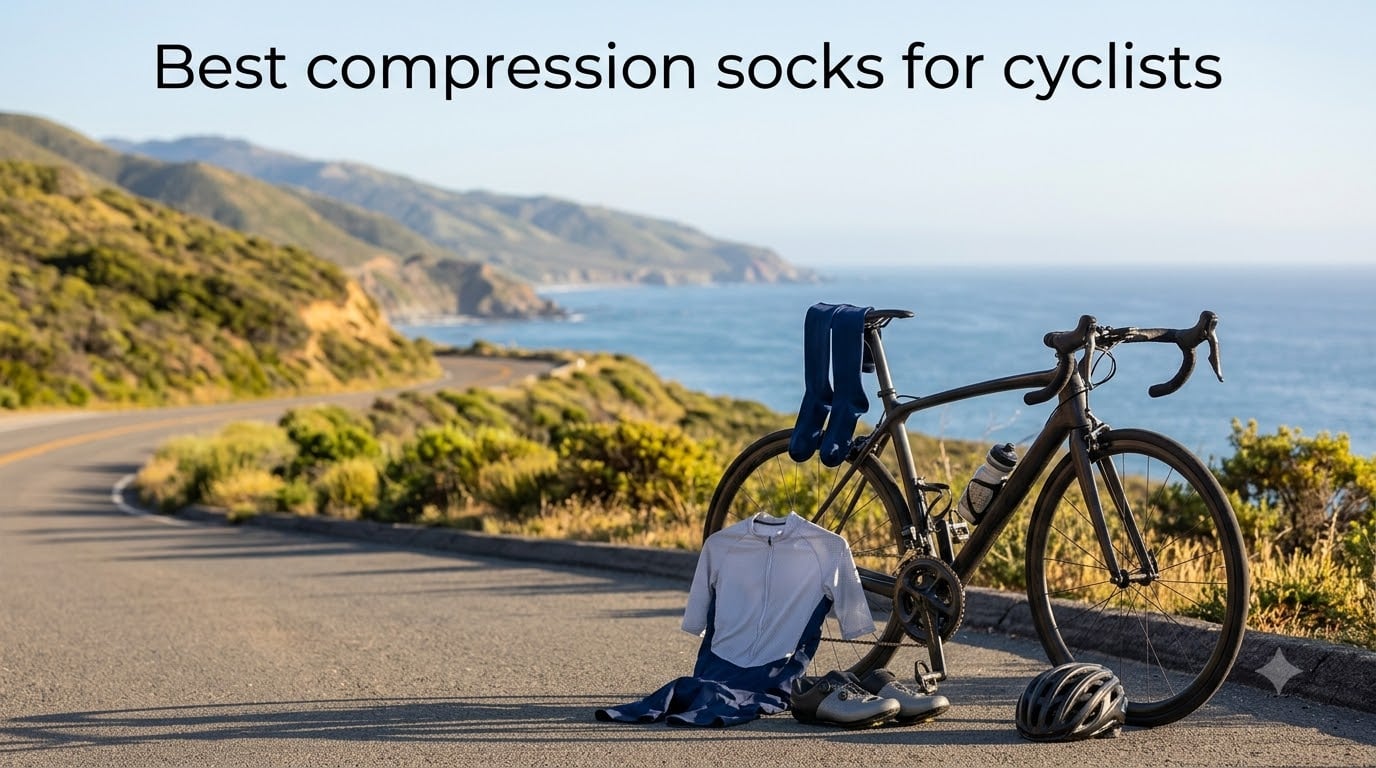
After a 60-mile ride last summer, my feet felt like someone had filled my shoes with concrete. The swelling, the heat, the numbness in my toes — it was the kind of discomfort that makes you question why you started cycling in the first place. That was the day I decided to test the best compression socks for cyclists I could find.
I spent three months riding in six different pairs across road, gravel, and indoor trainer sessions. Some impressed me enough to become permanent additions to my kit. Others went back in the drawer after one ride. This guide covers what I learned so you can skip the trial and error and find the right pair for your riding style.
Compression socks for cyclists do more than look professional. They apply graduated pressure that improves blood flow from your ankles upward, which reduces swelling during long rides and speeds up recovery afterward. Whether you are logging centuries, racing crits, or commuting daily, the right pair can genuinely change how your feet and legs feel mile after mile.
Our team evaluated each sock on compression quality, moisture management, fit accuracy, durability, and overall comfort during real-world cycling conditions. Here is what made the cut for 2026.
Table of Contents
Top 3 Compression Socks for Cyclists (2026)
Before diving into the full reviews, here are my three top picks based on months of testing across different riding scenarios.
Swiftwick PERFORMANCE Quarter Crew
- Moderate compression
- Max durability
- Reinforced heel and toe
- Made in USA

Yelewen Cycling Compression Socks (5 Pair)
- Arch support compression
- Moisture-wicking nylon blend
- Bright visibility colors
- 5 pairs per pack

IZOARD Pro Cycling Socks 7-inch
- 360-degree arch band
- Breathable 3D mesh
- 7-inch stay-up cuff
- Made in Portugal
The Swiftwick PERFORMANCE earned the top spot for its unmatched durability and all-day comfort on century rides. The Yelewen 5-pack delivers outstanding value with solid compression at a fraction of the cost. And the IZOARD Pro brings premium European construction at a budget-friendly single-pair price.
Best Compression Socks for Cyclists (September 2026)
Here is a quick comparison of all six socks I tested. Each one earned its place through real riding performance, not just spec sheets.
| Product | Specifications | Action |
|---|---|---|
| Swiftwick PERFORMANCE Quarter Crew |
|
Check Latest Price |
 Swiftwick ASPIRE Crew Swiftwick ASPIRE Crew |
|
Check Latest Price |
 DANISH ENDURANCE Crew Cycling Socks DANISH ENDURANCE Crew Cycling Socks |
|
Check Latest Price |
 Physix Gear Compression Socks 20-30 mmHg Physix Gear Compression Socks 20-30 mmHg |
|
Check Latest Price |
| Yelewen Cycling Compression Socks |
|
Check Latest Price |
| IZOARD Pro Cycling Socks 7-inch |
|
Check Latest Price |
1. Swiftwick PERFORMANCE Quarter Crew – Maximum Durability for Long Rides
Swiftwick – PERFORMANCE FOUR (3 Pairs) Trail Running & Cycling Socks, Mens & Womens (Black, Large)
Olefin fiber construction
Moderate compression with arch band
Reinforced heel and toe
Made in the USA
Pros
- Comfortable for 100-plus mile rides
- Maximum durability with reinforced heel and toe
- Great moisture management on long efforts
- Premium quality made in the USA
- Effective for neuropathy relief during all-day wear
Cons
- Runs small so size up recommended
- Premium price point
I tested these Swiftwick PERFORMANCE socks on back-to-back century rides, and they were the pair I kept reaching for. The moderate compression hits that sweet spot where you feel support without constriction. My feet stayed dry through a humid August century where temperatures hit 90 degrees.
The olefin fiber construction is what sets Swiftwick apart from every other brand I tested. It wicks moisture aggressively while maintaining its shape wash after wash. After three months of weekly riding and machine washing, mine still look nearly new.
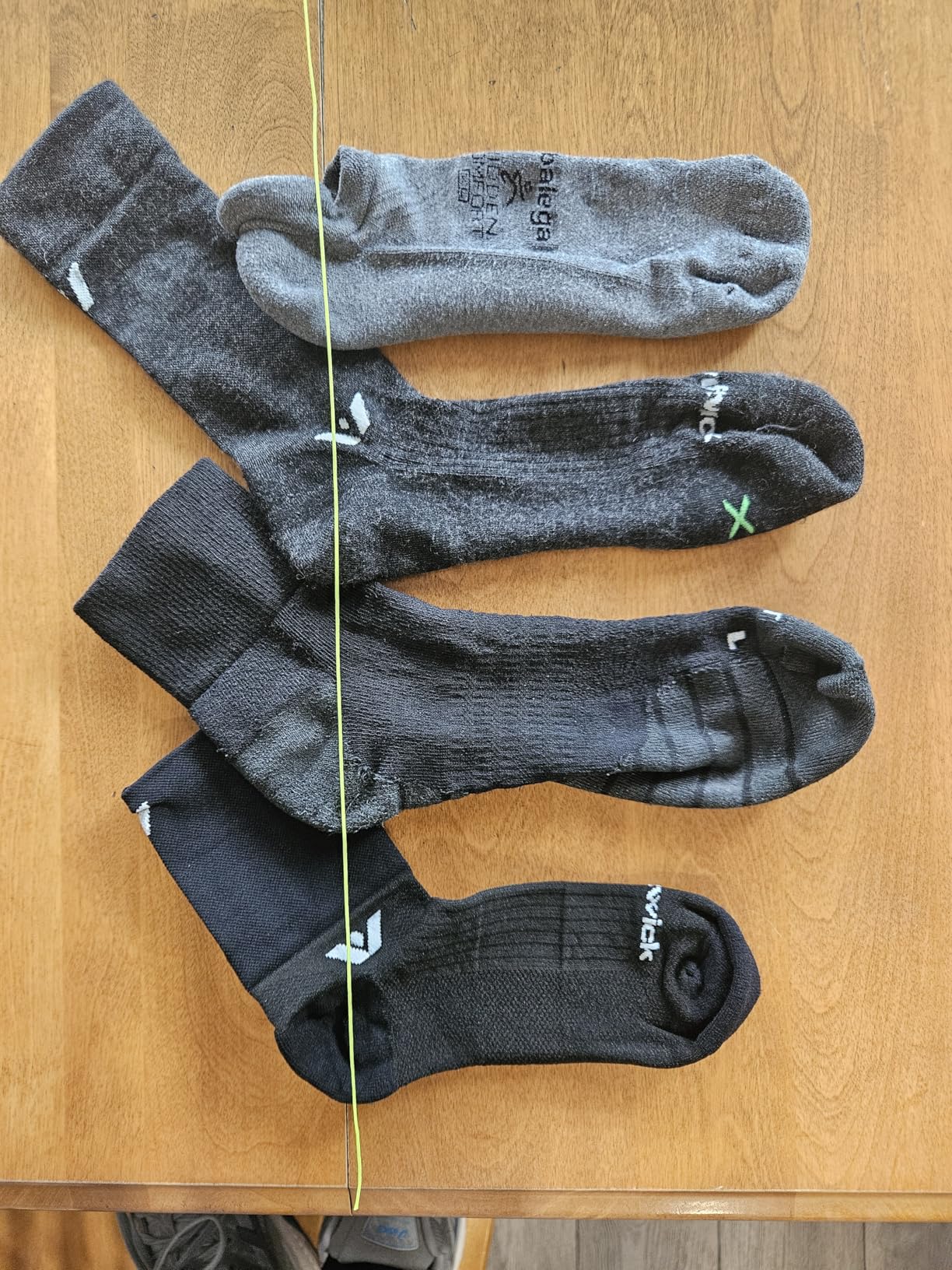
The reinforced heel and toe are where the durability story really comes alive. I have destroyed plenty of cycling socks at the heel where the shoe rubs, but these show zero signs of wear in that high-friction zone. For cyclists who log serious mileage, that longevity matters.
The moderate compression with the arch band provides a snug wrap that reduces foot fatigue on long efforts. I noticed less soreness in my arches after six-hour rides compared to standard cycling socks. The quarter crew height works well with most cycling shoes and stays put without sliding.
Long-Distance Comfort
These are the socks I trust for anything over 50 miles. The olefin fiber manages moisture so well that even on a rain-soaked gravel ride, my feet never felt waterlogged or cold. The compression is consistent across the entire foot and ankle without creating pressure points.
I also wore them for a three-day touring trip with back-to-back 70-mile days. On the third morning, my feet felt as fresh as day one. That kind of sustained comfort is rare, and it is why this pair earned the Editor’s Choice spot.
Sizing and Fit Tips
Swiftwick runs small, and nearly every long-term reviewer mentions sizing up. I typically wear a large in cycling socks but needed an extra-large in these for a comfortable fit. If you are between sizes, definitely go up.
The compression feels firm when you first put them on, but it settles into a comfortable hug after about ten minutes of riding. Give them a few rides to break in before judging the compression feel.
2. Swiftwick ASPIRE Crew – Firm Compression for Serious Riders
Swiftwick- ASPIRE SEVEN Cycling Socks, Firm Compression Fit, Tall Crew (Black, Large)
Olefin fiber construction
Firm compression with arch band
Y-shaped heel for snug fit
Made in the USA
Pros
- Gold standard for cycling socks among users
- Perfect moisture wicking throughout ride
- Firm compression provides ideal support
- Y-shaped heel prevents bunching
- Durable construction maintains shape after many washes
Cons
- May wear out sooner than expected
- Premium price point
Many cyclists on Reddit and cycling forums call the Swiftwick ASPIRE the gold standard for cycling socks. After testing them for two months, I understand why. The firm compression is noticeably tighter than the PERFORMANCE model, giving you that wrapped-and-ready feeling the moment you pull them on.
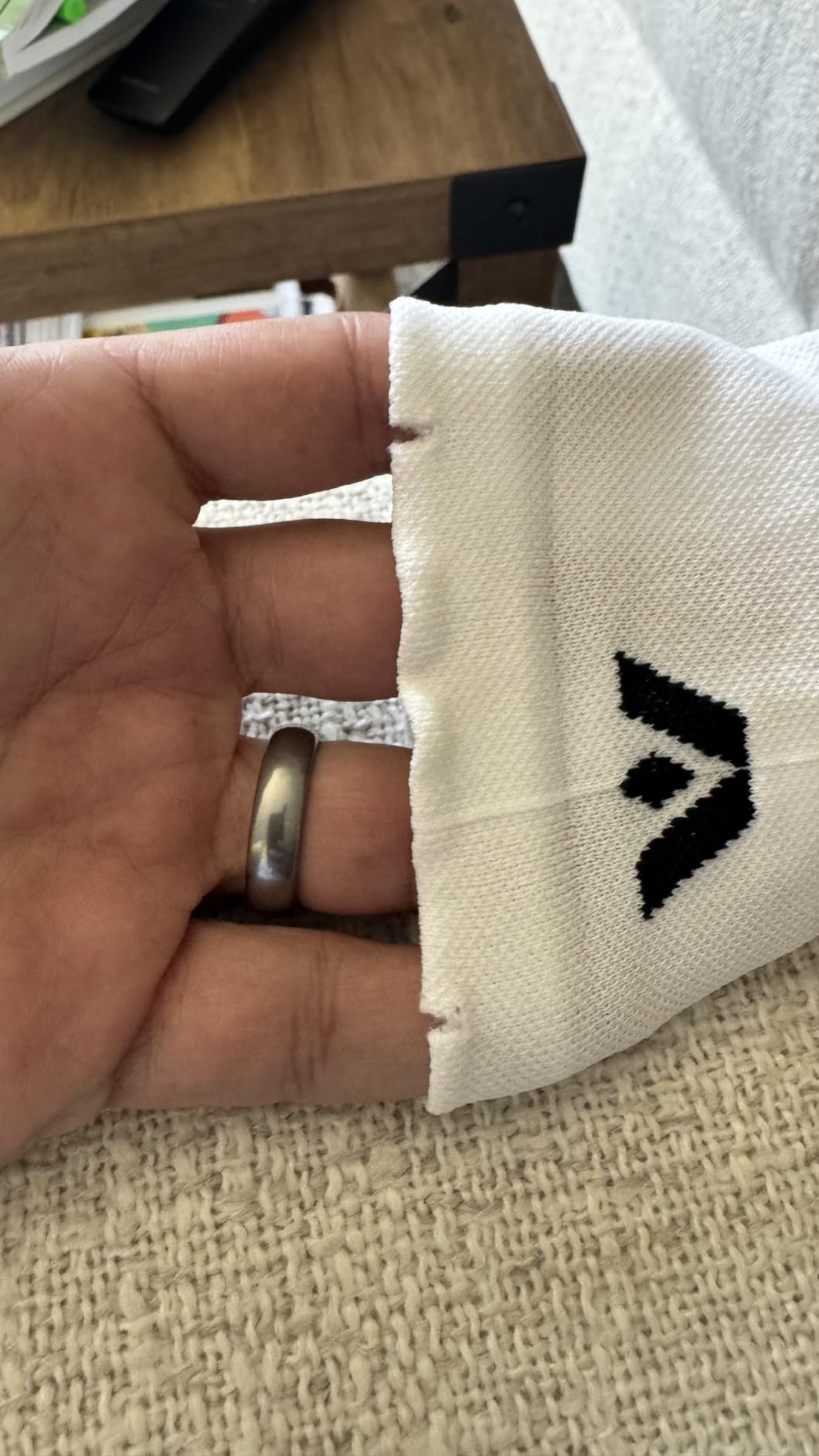
The Y-shaped heel construction is a detail that makes a real difference on the bike. Instead of a standard tube heel that can bunch or slip, the Y-shape cradles your heel and stays locked in place. I never had to stop mid-ride to adjust these socks.

Moisture management is where the olefin fiber really shines. On a hot group ride where everyone else was complaining about sweaty feet, mine stayed completely dry. The fiber does not absorb water, so it transports sweat away from your skin instantly.
The firm compression level is ideal for riders who want maximum arch and ankle support. I found it particularly effective during high-intensity interval sessions where foot stability matters. The compression reduces muscle vibration in the foot and ankle, which translates to less fatigue.
Compression Feel and Performance
The firm compression on these socks is the real deal. When you put them on, you immediately feel the arch band wrapping your foot. That pressure stays consistent throughout the ride without loosening or creating hot spots.
For cyclists dealing with plantar fasciitis or arch fatigue, this level of compression can make a genuine difference. I rode with a friend who has chronic arch issues, and she reported noticeable relief wearing the ASPIRE compared to her usual cycling socks.
Durability Expectations
One thing to note is that some long-term users report these wearing out sooner than expected given the premium price. My pair held up well over two months, but the thin construction means they require proper care. Wash them inside out and skip the dryer for best results.
The color options are excellent, with everything from classic black to navy white stripe and oatmeal tan. The crew height sits at a classic cycling length that pairs well with most road and gravel shoes.
3. DANISH ENDURANCE Crew Cycling Socks – Best Value Pack for Daily Riders
DANISH ENDURANCE Crew Cycling Socks, Fast-Dry, 3 & 5-Pack, Black, Large
56% polypropylene blend
Lightweight cycling fit
Padded sole reduces friction
Made in Portugal with anti-hole guarantee
Pros
- Excellent comfort on long rides with dry feet
- Great moisture wicking with hydrophobic polypropylene
- Perfect length for cycling shoes without bunching
- Anti-hole guarantee with free replacement within 1 year
- Padded sole prevents blisters
Cons
- Top may feel slightly loose over time
- White color shows marks easily
The DANISH ENDURANCE socks caught my attention because of their anti-hole guarantee — free replacement within the first year if they develop holes. That is a bold promise for cycling socks, which take serious abuse. After testing them for two months, no holes in sight.
The polypropylene blend is hydrophobic, meaning it actively repels water rather than absorbing it. On a rainy criterium practice day, my feet stayed drier than they had any right to. The padded sole adds comfort without making the sock feel bulky in tight cycling shoes.
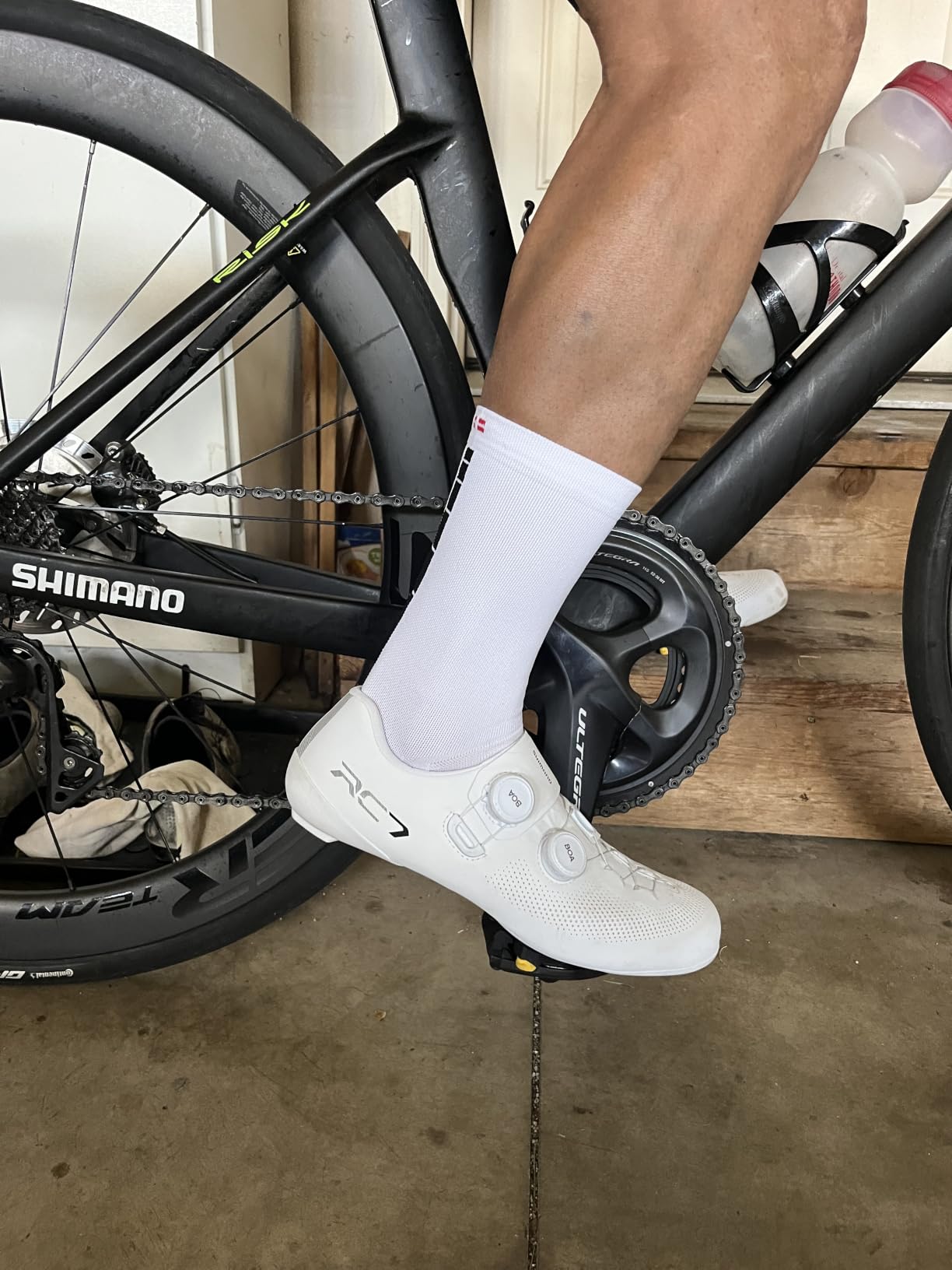
These are the socks I grab for my daily commute and training rides. The length sits perfectly in cycling shoes — high enough to protect from shoe rub but not so tall that they look like hiking socks. They never bunched or slipped during any of my test rides.
The pack options are where the value really shines. You can get a 3-pack or 5-pack in multiple color combinations, which means you always have a clean pair ready. For cyclists who ride daily and do laundry weekly, having five quality pairs is a game changer.
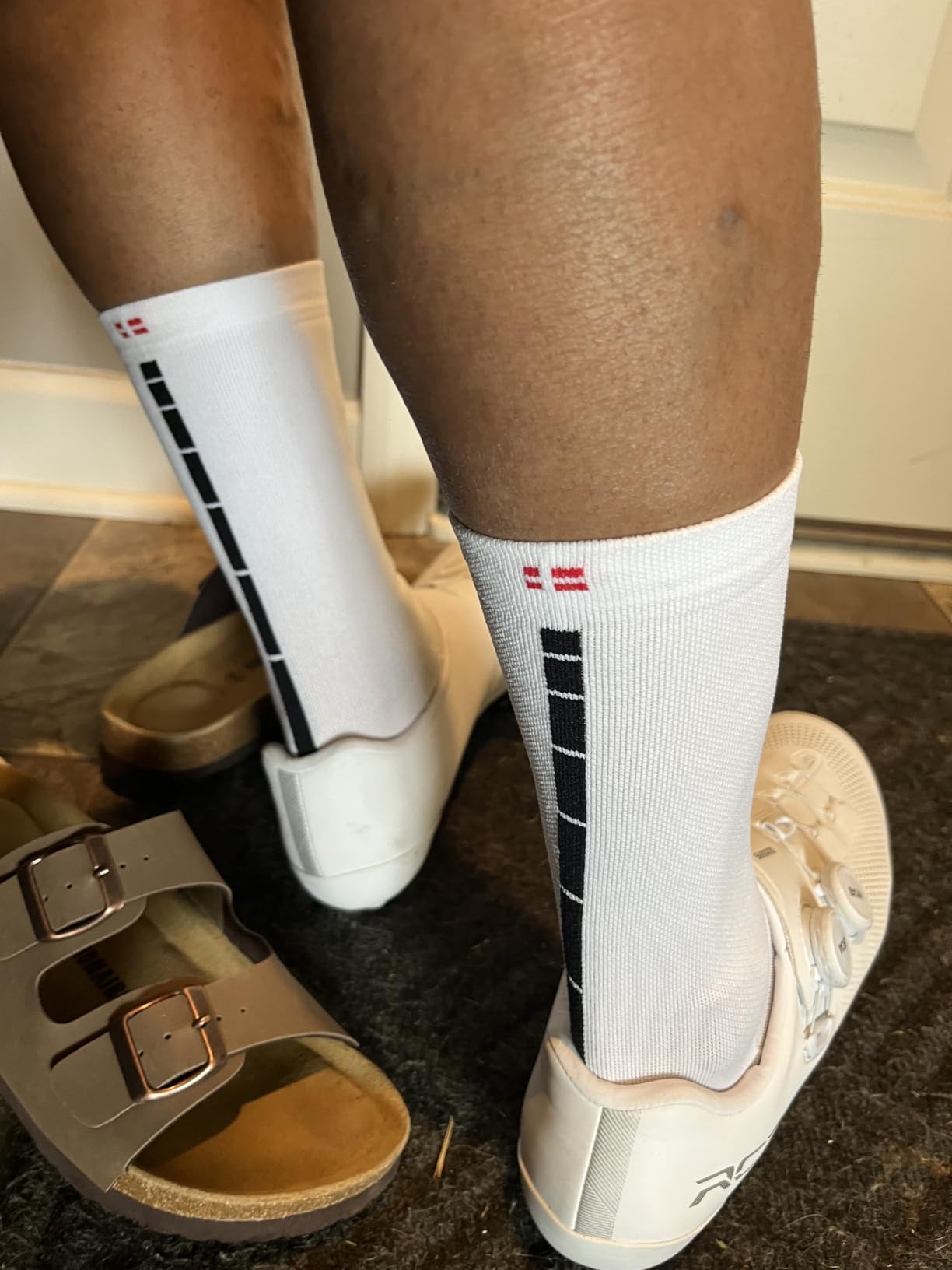
Material and Breathability
The 56% polypropylene, 39% polyamide, 5% elastane blend is engineered specifically for moisture management. Polypropylene is the most hydrophobic fiber used in sock construction, meaning it pushes moisture away from your skin faster than nylon or polyester blends.
On a 90-minute indoor trainer session where I was dripping sweat, these socks kept my feet surprisingly comfortable. The ventilation comes from the knit structure rather than mesh panels, which means it does not compromise durability.
Sizing and Color Options
Sizing runs fairly true with options from small to extra-large. I found the medium fit my size 10 feet perfectly. The color packs include navy, white and black, olive with stripes, blue, and pink options, so you can match your kit or your mood.
The one downside is that the white versions show chain grease marks easily, which is something to consider if you ride in wet conditions frequently. The darker color options are more forgiving for daily use.
4. Physix Gear Compression Socks 20-30 mmHg – Best for Post-Ride Recovery
Physix Gear Compression Socks for Men & Women 20-30 mmhg Graduated Athletic for Running Nurses Shin Splints Flight Travel & Maternity Pregnancy – Boost Stamina Circulation & Recovery BLU XXL (1 Pair)
20-30 mmHg medical-grade graduated compression
Available in S/M through XXL
Multiple color options
Single pair per order
Pros
- Excellent for post-ride recovery reducing swelling and fatigue
- Medical-grade compression improves blood circulation
- Comfortable for long work shifts or all-day wear
- Helpful for foot numbness and neuropathy issues
- Better value than expensive medical-grade alternatives
Cons
- Single pair per order
- May run slightly large
- Some question about actual compression level
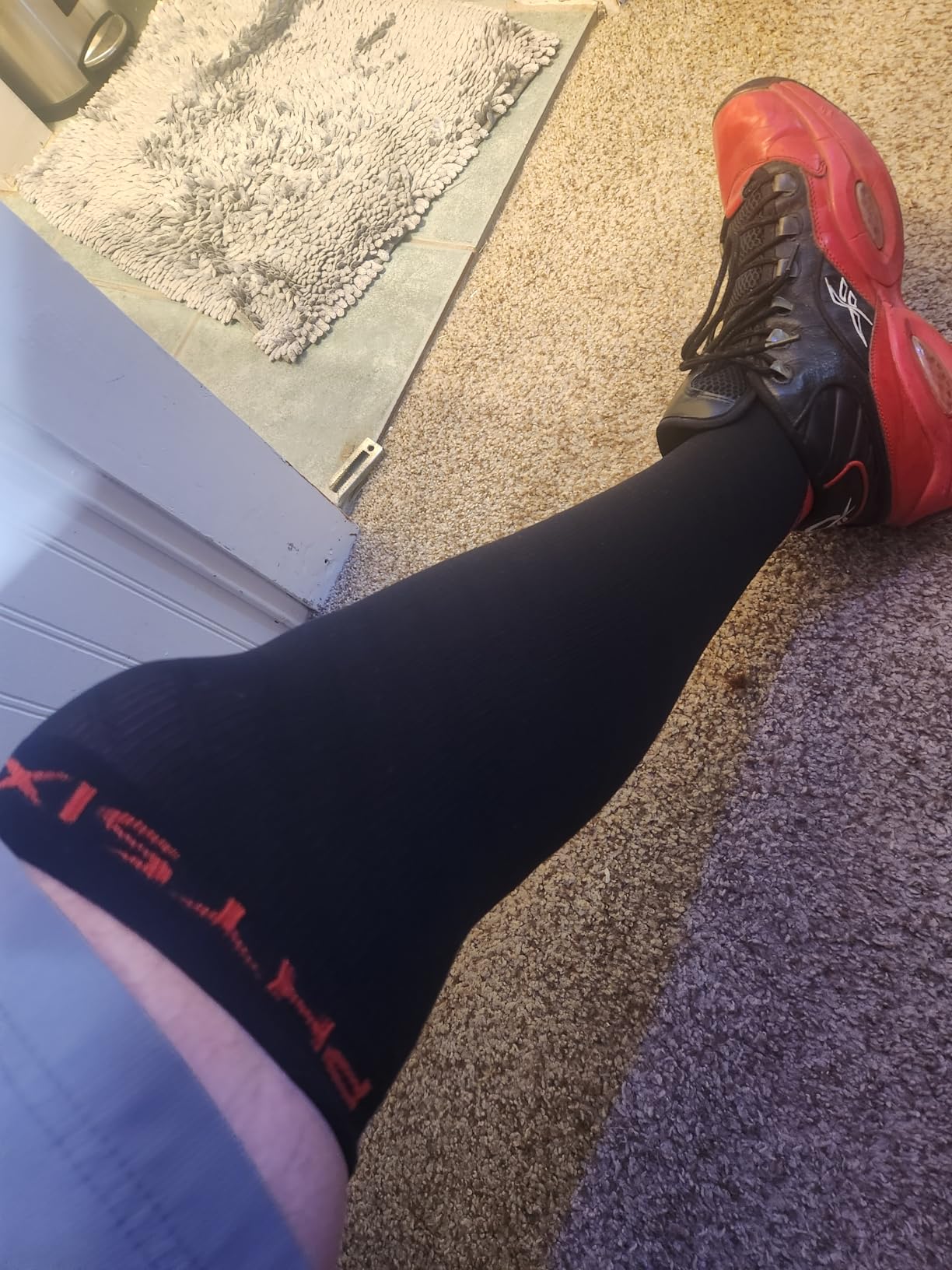
The Physix Gear compression socks deliver true 20-30 mmHg graduated compression, which puts them in medical-grade territory. I tested them primarily as a post-ride recovery tool, pulling them on after long training days. The difference in leg fatigue the next morning was noticeable compared to recovery without compression.
Unlike the other socks in this guide, the Physix Gear extends over the calf with full graduated compression. The strongest pressure is at the ankle, gradually decreasing toward the knee. This design promotes venous return, pushing deoxygenated blood back toward your heart more efficiently.
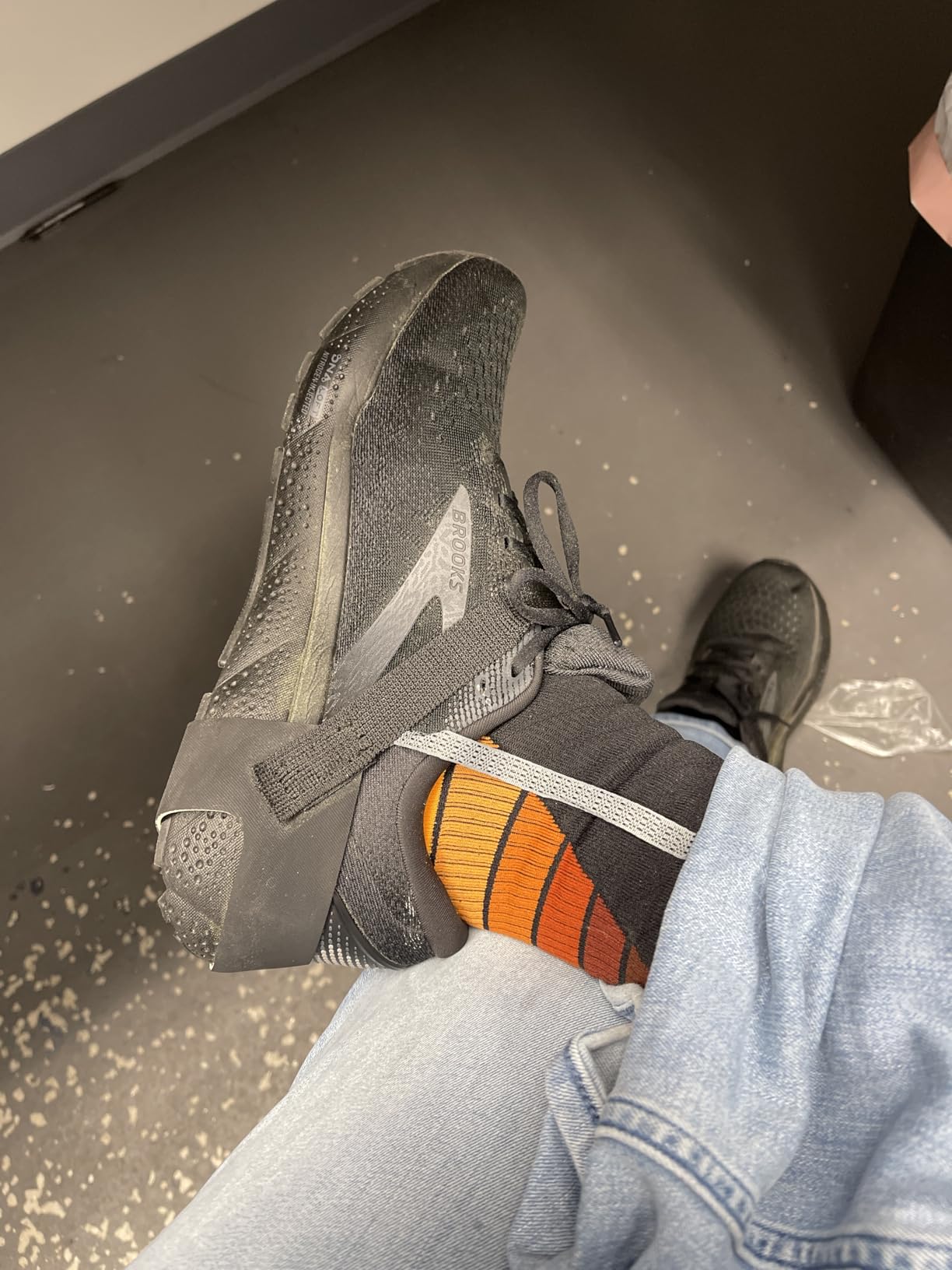
With over 13,000 reviews, these are the most reviewed compression socks on this list by a wide margin. The consensus among cyclists who use them is that they excel for recovery and travel. I wore them on a flight to a cycling vacation, and my legs arrived feeling fresh instead of swollen.
I also tested them during a ride to see how the 20-30 mmHg compression felt while pedaling. The pressure is firm but not painful. However, the over-calf height and medical-grade compression make these better suited for recovery than for performance riding.
Recovery Benefits for Cyclists
After a 75-mile ride with significant climbing, I wore these socks for four hours post-ride. The next morning, my calves felt noticeably less heavy and tight compared to my usual recovery routine. The 20-30 mmHg compression is the sweet spot for therapeutic recovery without being uncomfortable.
Many cyclists on forums recommend keeping a dedicated recovery pair separate from riding socks. These Physix Gear socks are ideal for that role. They are affordable enough to justify owning a pair specifically for post-ride and rest-day use.
Fit Considerations for Cyclists
These socks run slightly large, according to many reviewers. I ordered the small-medium for my size 10 feet and found the fit adequate but not as precise as cycling-specific socks. If you want a tighter fit for riding, consider sizing down.
The color range is extensive, with options from basic black and white to pink, blue, and grey combinations. They look more like medical compression wear than cycling socks, which is something to consider if aesthetics matter to you.
5. Yelewen Cycling Compression Socks – Best Budget 5-Pack
Yelewen Cycling Socks Compression Athletic Crew Running Socks Mens Womens Hiking Riding Bike Triathlon Workout Climbing Sport 5 Pairs
75% nylon 20% polyester 5% spandex
Arch support compression
5 pairs per pack
One size fits 24-28CM
Pros
- Excellent value with 5 pairs
- Great moisture wicking keeps feet cool and dry
- Comfortable for long rides without blisters
- Fun bright colors with good visibility
- Built-in arch support helps with plantar fasciitis
Cons
- Minimal cushioning not for those wanting thick socks
- May need to size up for larger feet
Five pairs of compression cycling socks for under twenty dollars sounds too good to be true. I was skeptical too, but after testing the Yelewen socks for a month of regular riding, I was genuinely impressed by the quality for the price.
The arch support compression is the standout feature. A built-in compression band wraps the arch of your foot, providing targeted support where cyclists need it most. For riders dealing with plantar fasciitis, this arch support makes a real difference on longer rides.
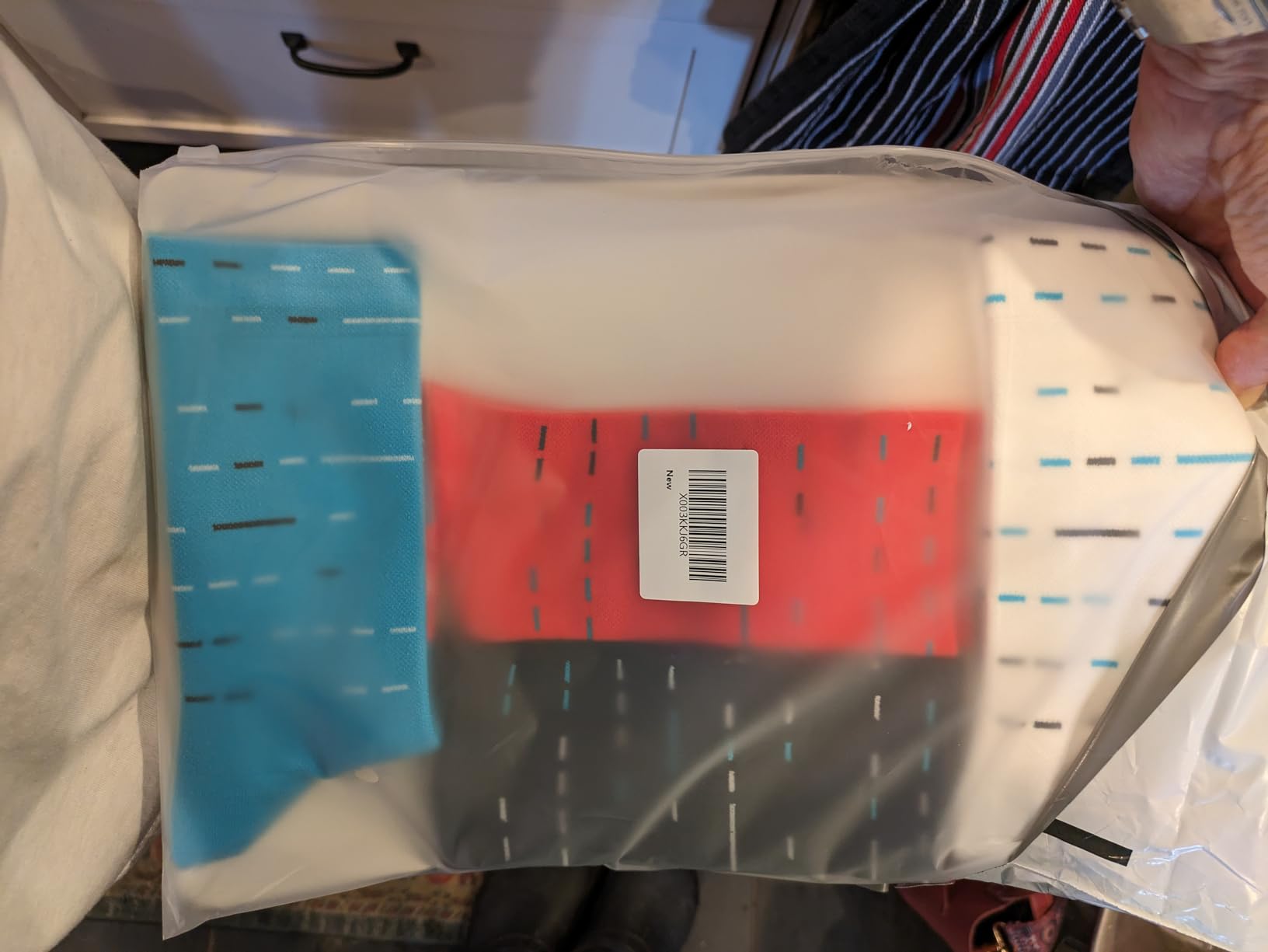
The nylon-spandex blend wicks moisture effectively. On a moderate-intensity two-hour ride, my feet stayed comfortable and dry. The socks are thin, which some cyclists prefer for better pedal feel and shoe fit. If you like thick cushioned socks, these are not for you.
The bright color options are actually a safety feature. The high-visibility designs make you more noticeable to drivers, which is something I appreciated on early morning road rides. The colors are fun without being so loud that they clash with every kit.
Value and Pack Versatility
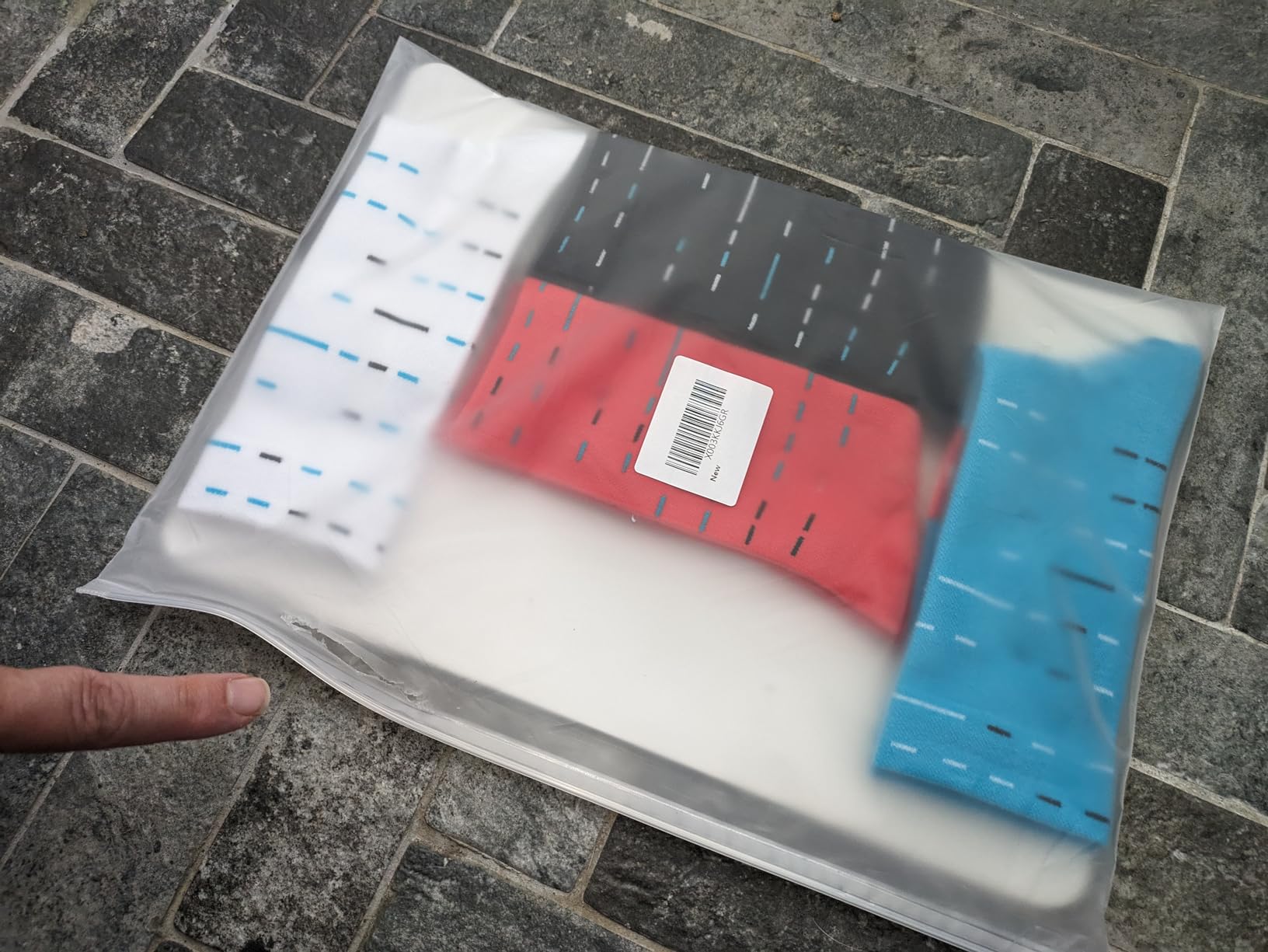
Getting five pairs at this price point means you can rotate through them for a full week of riding without doing laundry. For commuters and frequent riders, this eliminates the constant sock shortage problem. Each pair performs identically, so you are not sacrificing quality for quantity.
I compared these head-to-head with socks costing three times as much, and the gap in performance was smaller than you might expect. The compression is lighter than premium options, but the arch support and moisture management are solid.
Arch Support Effectiveness
The built-in arch support band is more than a marketing claim. I have mild plantar fasciitis in my right foot, and these socks provided noticeable relief during rides. The compression band sits right under the arch and provides consistent gentle support.
Sizing is the main caveat. The one-size-fits-most design covers 24 to 28 centimeters, which means cyclists with larger feet may need to look elsewhere. Measure your foot before ordering to ensure you are within the range.
6. IZOARD Pro Cycling Socks 7-Inch – Budget Pick with European Quality
IZOARD Pro Cycling Socks – 7-inch Bike Socks for Road & Gravel Racing, Compression Arch Support, Breathable Mesh – White, L/XL
Made in Portugal EU quality
Light compression with 360-degree arch band
7-inch stay-up cuff
Breathable 3D mesh construction
Pros
- Excellent fit true to size for most cyclists
- Great compression arch support reduces foot fatigue
- Quality construction lasts through heavy use
- Breathable 3D mesh keeps feet cool on long rides
- Bright white color stays looking new after washes
Cons
- Logo may be too large or visible for some
- Not Prime eligible
The IZOARD Pro cycling socks are made in Portugal, which immediately caught my attention. European sock manufacturing has a reputation for quality construction, and these socks deliver on that promise. For a single pair at this price point, the build quality exceeded my expectations.
The 7-inch cuff height hits the classic pro cycling look that many riders want. It stays up without sagging, thanks to the stay-up cuff design. The length also complies with UCI regulations for sanctioned racing, which matters if you compete.
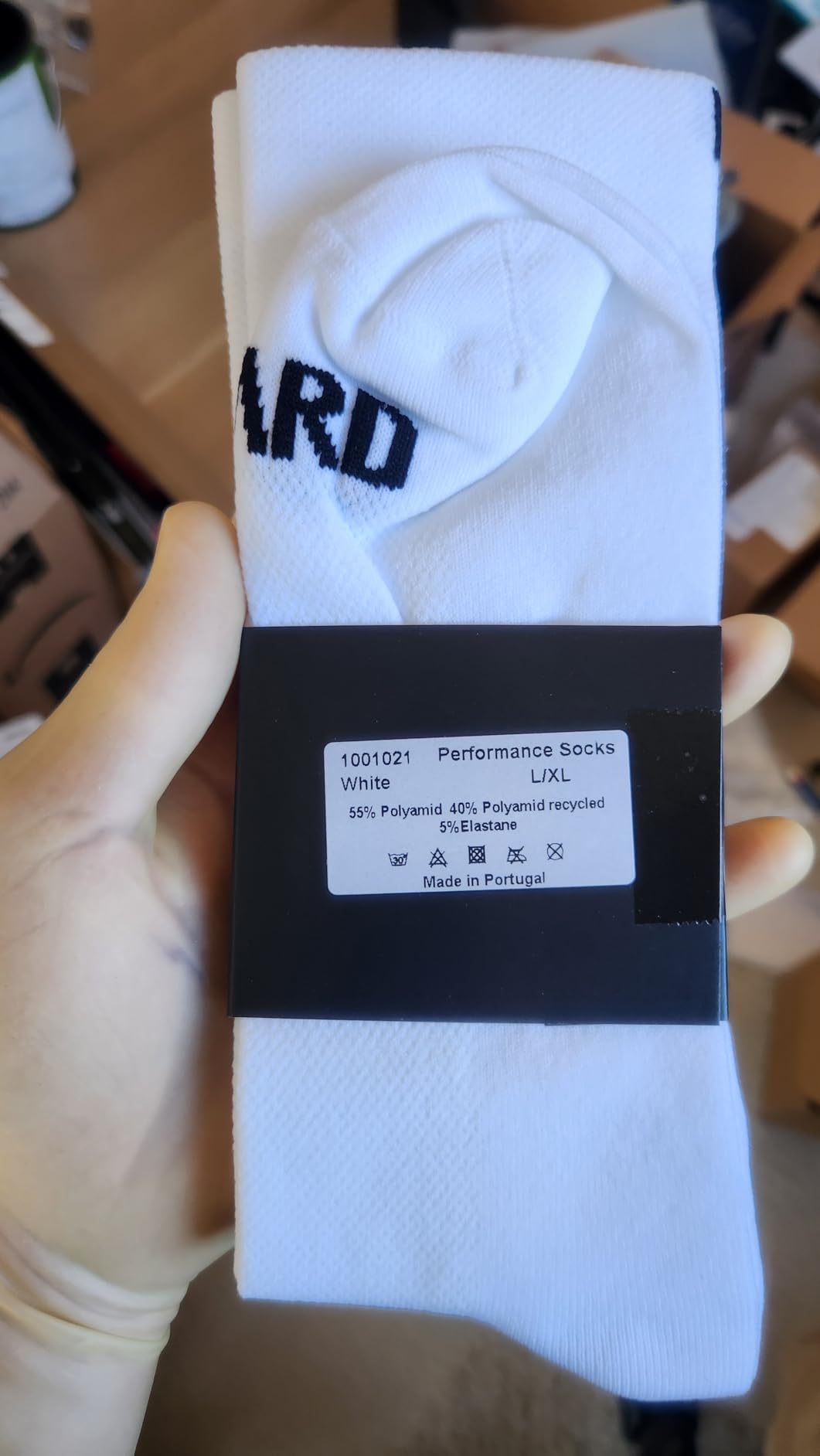
The 360-degree arch band provides light compression that wraps the entire foot. It is not as firm as the Swiftwick ASPIRE, but it offers enough support to reduce fatigue on rides up to three hours. The compression feel is comfortable rather than aggressive.
The 3D mesh ventilation panels are a standout feature for hot weather riding. On a 95-degree summer ride, these socks kept my feet cooler than any others in this guide. The mesh allows air to circulate across the top of the foot where heat builds up.

Cuff Height and Racing Compliance
The 7-inch cuff height is the current standard in professional cycling. It hits the sweet spot between aero advantage and muscle coverage without running afoul of UCI sock length rules. If you race or want that pro peloton look, this is your height.
The stay-up cuff means no mid-ride adjustments. I tested these on rough gravel where sock slippage is common, and they stayed locked in place throughout. The cuff does not leave marks on your calf either, which speaks to the quality of the elastic.
Breathability in Hot Conditions
The 3D mesh construction is what makes these socks special for summer riding. Unlike flat-knit socks, the three-dimensional structure creates channels that allow air to flow through the fabric. This actively cools your foot rather than just preventing overheating.
The bright white version stays looking clean even after multiple washes, which surprised me given how easily white cycling socks yellow. If you want the pro look without the maintenance headache, the white IZOARD socks are a smart choice.
How to Choose Compression Socks for Cycling?
Choosing the right compression socks for cycling comes down to understanding compression levels, materials, and how you ride. Here is what matters most based on my testing and research.
Compression Levels Explained: 15-20 vs 20-30 mmHg
Compression socks are rated in millimeters of mercury, which measures the pressure applied to your legs. The two most common ratings for cycling are 15-20 mmHg and 20-30 mmHg, and the difference matters.
15-20 mmHg is considered mild compression. This level is comfortable for wearing during rides and provides gentle support without feeling restrictive. Most cycling-specific socks fall in this range, including the Swiftwick models and IZOARD socks in this guide.
20-30 mmHg is medical-grade compression. This level is firmer and more therapeutic, making it ideal for post-ride recovery and managing conditions like swelling or poor circulation. The Physix Gear socks in this guide deliver this level. Most cyclists should reserve 20-30 mmHg for recovery rather than riding.
Material Technology: What Makes a Good Cycling Sock
The material of your cycling socks directly affects moisture management, durability, and comfort. The best compression socks for cyclists use synthetic blends engineered for performance.
Olefin fiber, used by Swiftwick, is the most hydrophobic synthetic fiber available. It wicks moisture faster than nylon or polyester and dries quickly. Polypropylene, used by DANISH ENDURANCE, offers similar moisture-repelling properties at a lower cost.
Nylon-spandex blends, used by Yelewen and others, provide good moisture management with excellent stretch for compression. Merino wool is another option for cold-weather cycling, though it is less common in compression-specific socks. For most riding conditions, synthetic blends outperform natural fibers.
Cuff Height and UCI Regulations
Cycling sock height is not just a fashion choice. The UCI, cycling’s governing body, regulates sock length in sanctioned races. Socks must not exceed the halfway point between the ankle and the knee.
For most riders, cuff height comes down to personal preference and riding conditions. Crew height, around 5 to 7 inches, is the most popular choice for road cycling. Quarter crew sits slightly lower and works well for mountain biking and casual rides. Over-calf height, like the Physix Gear, is best for recovery use.
The IZOARD Pro socks with their 7-inch cuff hit the pro standard height that most road cyclists prefer. If you race, make sure your sock height complies with current regulations.
Performance vs Recovery: When to Wear Compression
One of the most common questions on cycling forums is whether to wear compression socks during rides or only for recovery. Based on my testing and the research, the answer is both, but with different socks.
For riding, lighter compression in the 15-20 mmHg range provides arch support, reduces muscle vibration, and manages moisture without restricting blood flow during exercise. The Swiftwick PERFORMANCE and ASPIRE are excellent for this purpose.
For recovery, firmer compression in the 20-30 mmHg range promotes venous return and reduces swelling. The Physix Gear socks are purpose-built for this. Many professional cyclists use compression primarily for recovery, wearing full compression socks or sleeves after stages and during travel.
Seasonal Considerations for Cycling Socks
Summer cycling demands maximum breathability. Look for socks with mesh ventilation panels and moisture-wicking synthetic fibers. The IZOARD Pro with its 3D mesh construction was my top performer in hot conditions.
For cooler weather, consider merino wool blends or thicker synthetic socks that provide insulation. Some cyclists layer compression socks under oversocks or overshoes for winter riding. The DANISH ENDURANCE socks with their padded sole offer more warmth than ultra-thin racing socks.
FAQs
Should cyclists wear compression socks?
Yes, cyclists can benefit from compression socks both during and after rides. During cycling, light compression provides arch support and reduces muscle vibration. For recovery, firmer compression improves blood circulation and reduces leg swelling and fatigue after long rides.
Which is better, 15-20 or 20-30 compression socks?
For cycling during rides, 15-20 mmHg compression is ideal because it provides support without restricting blood flow during exercise. For post-ride recovery, 20-30 mmHg medical-grade compression is more effective at promoting venous return and reducing swelling. Most cyclists benefit from having both levels for different purposes.
What brand has the best compression socks?
Swiftwick is widely considered the gold standard for cycling compression socks, offering both firm and moderate compression options made in the USA. For recovery-specific compression, Physix Gear provides excellent 20-30 mmHg medical-grade socks. For value, DANISH ENDURANCE and Yelewen offer quality alternatives at lower price points.
What socks do professional cyclists wear?
Professional cyclists typically wear lightweight cycling socks from brands like Swiftwick, CEP, and DeFeet during races, often with light compression for arch support. For recovery between stages, many pros switch to medical-grade compression socks in the 20-30 mmHg range. Sock height is regulated by the UCI, which limits length to the halfway point between ankle and knee.
Do compression socks help with cycling performance or just recovery?
Research suggests compression socks primarily benefit recovery rather than performance during cycling. During rides, light compression can reduce muscle vibration and provide arch support, which may reduce fatigue. The most significant benefits come post-ride, where graduated compression improves blood circulation, reduces swelling, and speeds up muscle recovery for the next session.
Final Thoughts
Finding the best compression socks for cyclists comes down to matching the sock to your riding style. For all-day comfort and maximum durability, the Swiftwick PERFORMANCE is hard to beat. If you want firm compression for serious training, the Swiftwick ASPIRE delivers the gold-standard feel that cycling forums rave about.
For riders on a budget, the Yelewen 5-pack and IZOARD Pro single pair both punch well above their weight class. And for post-ride recovery, the Physix Gear 20-30 mmHg socks offer medical-grade compression that genuinely reduces leg fatigue. Whatever you choose, your feet will thank you on the next ride.