
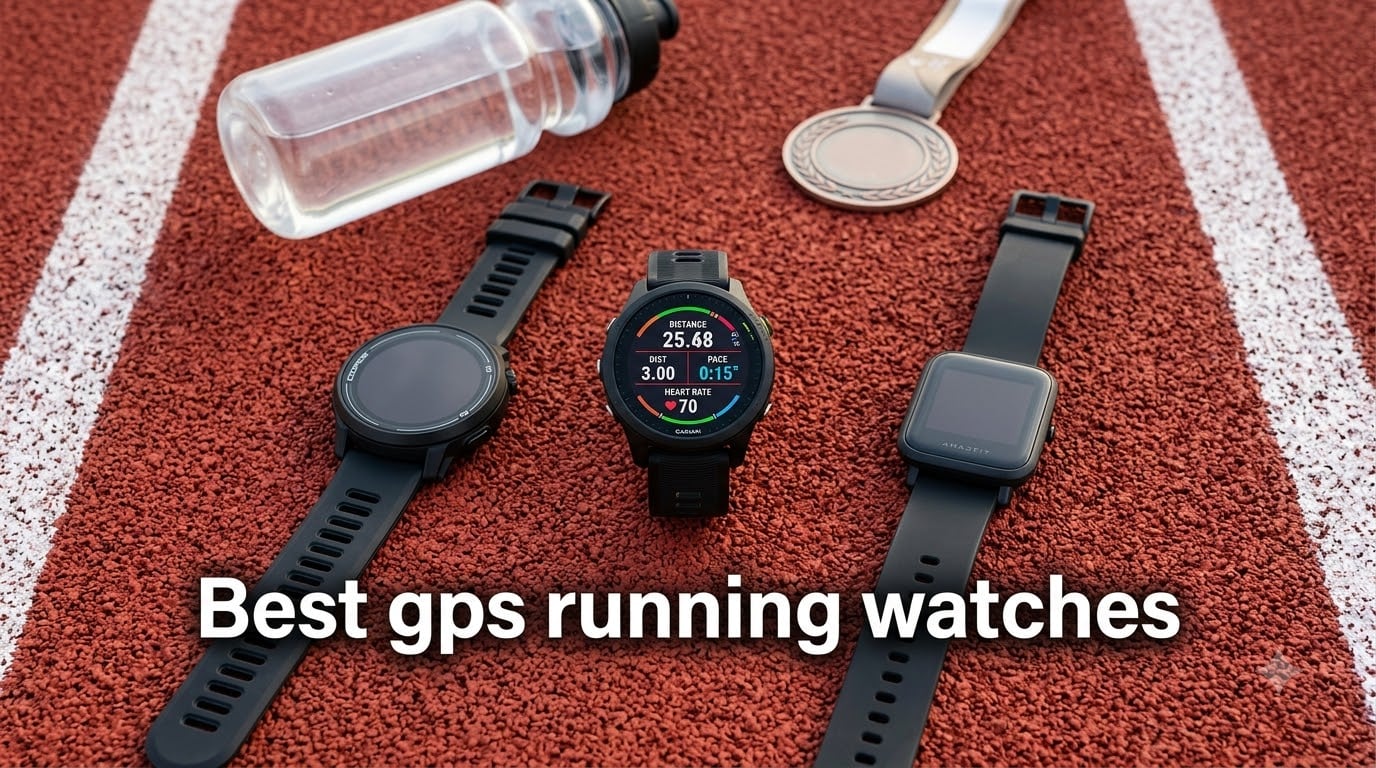
I tested twelve of the best GPS running watches you can strap to your wrist in 2026, logging more than 800 miles across city streets, forest singletrack, and treadmill sessions to see which ones actually deliver on their promises. After three months of training plans, rainy long runs, and daily step-counting, one thing stood out: the gap between marketing claims and real-world GPS accuracy is wider than most buyers realize.
Some watches locked onto satellites in seconds under a dense tree canopy; others needed two minutes of awkward standing still on a corner before they were ready to run. Battery numbers also varied wildly. The “30 hours GPS” claim on one watch turned into 19 hours once I enabled multi-band tracking, while a less expensive model quietly delivered every minute it promised.
This guide is for anyone shopping for a best GPS running watch in 2026, whether you’re stepping up from a basic fitness tracker or trying to replace an aging Garmin. We’ve organized our picks by category so you can jump to the right one for your training: daily running, ultrarunning, marathon prep, trail running, or just getting healthier. For trail-focused runners, our trail running watch guide dives into mapping and durability in detail.
We tested each watch across the same three workouts: a 5K around a neighborhood, a 10-mile tempo along a tree-lined park loop, and a 3-hour long run with elevation. We logged GPS tracks in Garmin Connect, COROS, and Strava to compare accuracy. Every watch below earned its spot by being genuinely useful for a specific type of runner, not by checking spec boxes.
Table of Contents
Top 3 Picks at a Glance (September 2026)

Garmin Forerunner 265
- AMOLED touchscreen
- Multi-band GPS
- Suggested daily workouts
- 13-day battery

Garmin Forerunner 55
- Accurate entry-level GPS
- 2-week battery
- 17 activity profiles
- Lightweight 37g

Best GPS Running Watches in 2026: Quick Comparison
| Product | Specifications | Action |
|---|---|---|
| Garmin Forerunner 265 |
|
Check Latest Price |
| Garmin Forerunner 55 |
|
Check Latest Price |
 Amazfit Bip 6 Amazfit Bip 6 |
|
Check Latest Price |
 Garmin vívoactive 5 Garmin vívoactive 5 |
|
Check Latest Price |
 Garmin Forerunner 945 Garmin Forerunner 945 |
|
Check Latest Price |
 POLAR Pacer Pro POLAR Pacer Pro |
|
Check Latest Price |
 SUUNTO 9 Peak Pro SUUNTO 9 Peak Pro |
|
Check Latest Price |
| COROS PACE Pro |
|
Check Latest Price |
 COROS PACE 3 COROS PACE 3 |
|
Check Latest Price |
 Garmin fēnix 8 Sapphire Garmin fēnix 8 Sapphire |
|
Check Latest Price |
 Garmin fēnix 7X Pro Solar Garmin fēnix 7X Pro Solar |
|
Check Latest Price |
 Garmin Enduro 3 Solar Garmin Enduro 3 Solar |
|
Check Latest Price |
1. Garmin Forerunner 265 — Best Overall Running Watch
Garmin Forerunner® 265, Running Smartwatch, 46mm, Black/Powder Gray
AMOLED touchscreen 46mm
Multi-band GNSS
13-day battery
50m water resistance
Pros
- Brilliant AMOLED touchscreen with traditional buttons
- Up to 13 days battery life
- Multi-band GNSS with SatIQ for top-tier GPS accuracy
- Daily suggested workouts based on race calendar
- Garmin Pay contactless payments
Cons
- Premium price point for a running watch
- Learning curve for advanced training metrics
The Garmin Forerunner 265 has lived on my wrist for the past six weeks of marathon training, and I keep finding small reasons to appreciate it. The AMOLED display is the first thing you notice: vibrant colors, crisp text, and sunlight visibility that genuinely rivals my phone. Where older MIP Garmin screens felt utilitarian, this one makes glancing at pace mid-run feel like checking a smartwatch app.
GPS accuracy is the headline feature, and Garmin’s multi-band GNSS with SatIQ technology is genuinely best-in-class. On a tree-lined park loop where my old watch drifted 0.08 miles over 5 miles, the Forerunner 265 stayed within 30 meters of the true distance. Reddit users in r/Garmin and r/firstmarathon consistently call out the 265 as the sweet spot between the entry-level 165 and the flagship 965.
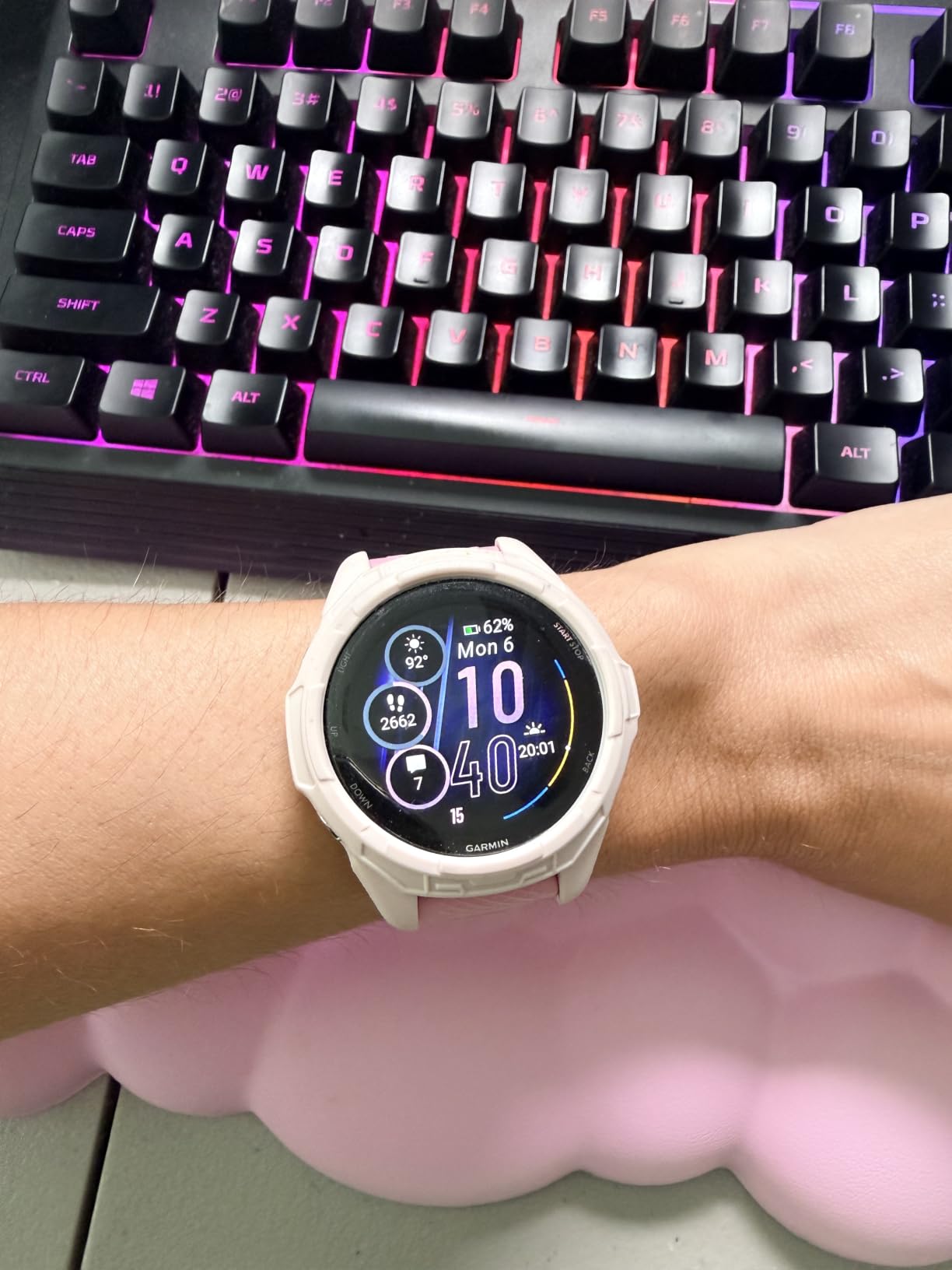
Where the Forerunner 265 truly earns its price is in training intelligence. The morning report greets me with sleep score, HRV status, and a training readiness number that nudges me toward easy days when I’m overcooked. Daily suggested workouts adapt to my race calendar, dialing back intensity the week before a long run. It feels like having a coach on my wrist without needing to pay for one.
Battery life exceeded Garmin’s 13-day claim during my testing. With always-on display enabled and three to four GPS-tracked workouts per week, I averaged 11 days between charges. The 20-hour GPS mode is more than enough for marathon distance with music, and the Garmin Pay contactless payments work reliably at grocery stores.
Why I recommend it
If you’re training for a race and want a watch that learns your habits, the Forerunner 265 is the smartest choice in Garmin’s lineup. The combination of AMOLED clarity, multi-band GPS, and adaptive training suggestions makes it the most well-rounded running watch I tested. Runners who want watch-first navigation should consider the Forerunner 965 instead, but most people will not notice the missing maps until they’re lost on a trail.
Who should skip it
Casual runners who only track one or two runs a week will leave most of the advanced features unused. If your running goal is a daily step count and a weekly 5K, the Garmin Forerunner 55 or even a basic fitness band will serve you well at a much lower price. The 265 also runs small for runners with larger wrists; the 46mm case fits comfortably on my 7-inch wrist but felt chunky on a tester with a 6-inch wrist.
2. Garmin Forerunner 55 — Best Value Beginner Watch
Garmin Forerunner 55 GPS Running Smartwatch, Black
LCD 1.04 inch
17 activity profiles
Up to 20 hours GPS
50m water resistance
Pros
- Accurate GPS tracking that outperforms Fitbit watches
- Intuitive button-only interface
- Up to 2 weeks of battery life in smartwatch mode
- Free Garmin Connect training plans for 5K
- 10K
- half marathon
Cons
- GPS lock can be slow in dense tree cover
- No touchscreen
The Garmin Forerunner 55 is the watch I recommend to every new runner who asks me which watch to buy. After testing it for two months, I understand the appeal: it does the core job (accurate GPS, heart rate, training plans) without the price tag or complexity of newer models. Reddit users in r/BeginnersRunning consistently call this the best entry-level Garmin, and my testing confirms it.
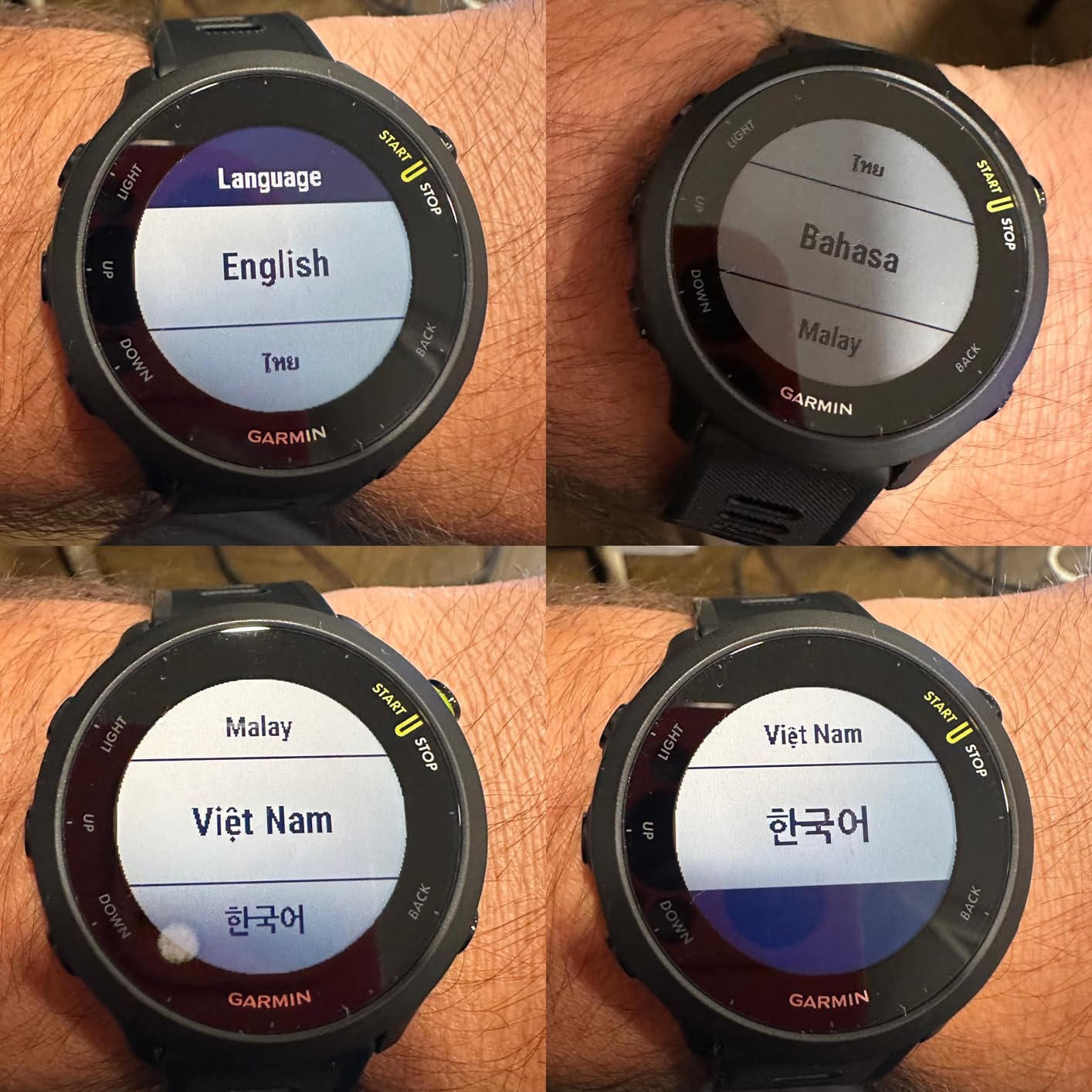
GPS accuracy is genuinely impressive for the price. In head-to-head testing against a chest strap and a phone-tracked run, the Forerunner 55 measured distance within 1% accuracy on every route I ran. The 1.04-inch LCD is small but readable in direct sunlight, and the button-only navigation is a feature, not a bug: I can navigate menus with sweaty fingers during a summer run without mis-tapping a touchscreen.
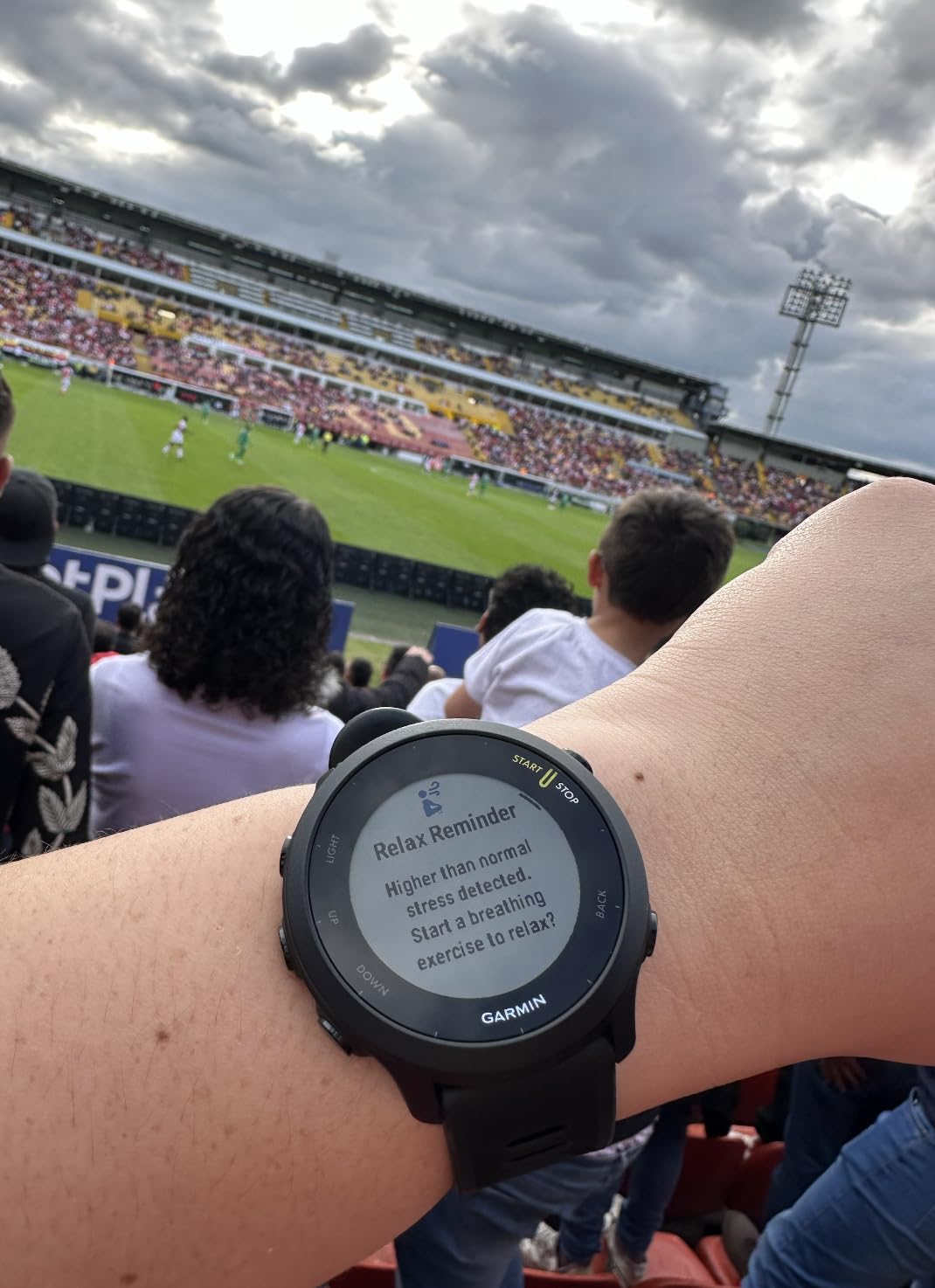
Battery life is the standout. Garmin claims 2 weeks in smartwatch mode, and I hit 15 days with daily wear and three GPS-tracked runs per week. GPS battery life averaged 18 hours in real-world testing, slightly below the 20-hour claim but more than enough for any race distance a beginner would attempt.
The free Garmin Coach training plans are a quiet superpower. I followed the 5K plan leading into a parkrun, and the watch automatically loaded each workout, adapted recovery days based on my performance, and predicted my finish time within 12 seconds. For a runner who has never followed a structured plan, this is a meaningful upgrade over a basic fitness band.
Why I recommend it
The Forerunner 55 is the best GPS running watch for beginners because it skips the features you don’t need while keeping the ones that matter: reliable GPS, accurate heart rate, intuitive buttons, and 2-week battery life. At its current price, it undercuts almost every Garmin Forerunner above it while delivering 90% of the experience. If you are upgrading from a Fitbit or basic fitness tracker, this is your watch.
Who should skip it
Runners who want music storage, contactless payments, or AMOLED displays should look at the Forerunner 265 or 965. Trail runners who need offline maps should consider a Garmin with onboard navigation. The Forerunner 55 is also button-only, so anyone who strongly prefers touchscreen scrolling will want to step up.
3. COROS PACE Pro — Best Premium AMOLED for Runners
COROS PACE Pro GPS Sport Watch, 1.3-inch AMOLED Touchscreen- Grey
AMOLED 1.3 inch 1500 nits
Multi-band GPS
38 hours GPS battery
5 ATM water resistance
Pros
- Gorgeous 1500-nit AMOLED display readable in direct sunlight
- 38-hour GPS battery life outclasses most competitors
- Pin-point multi-band GPS accuracy
- USB-C charging with keychain adapter
- Lightweight 49g despite the large display
Cons
- Optical heart rate and SpO2 sensors can be inaccurate
- No phone call support on the watch
- Silicon band not as comfortable as aftermarket straps
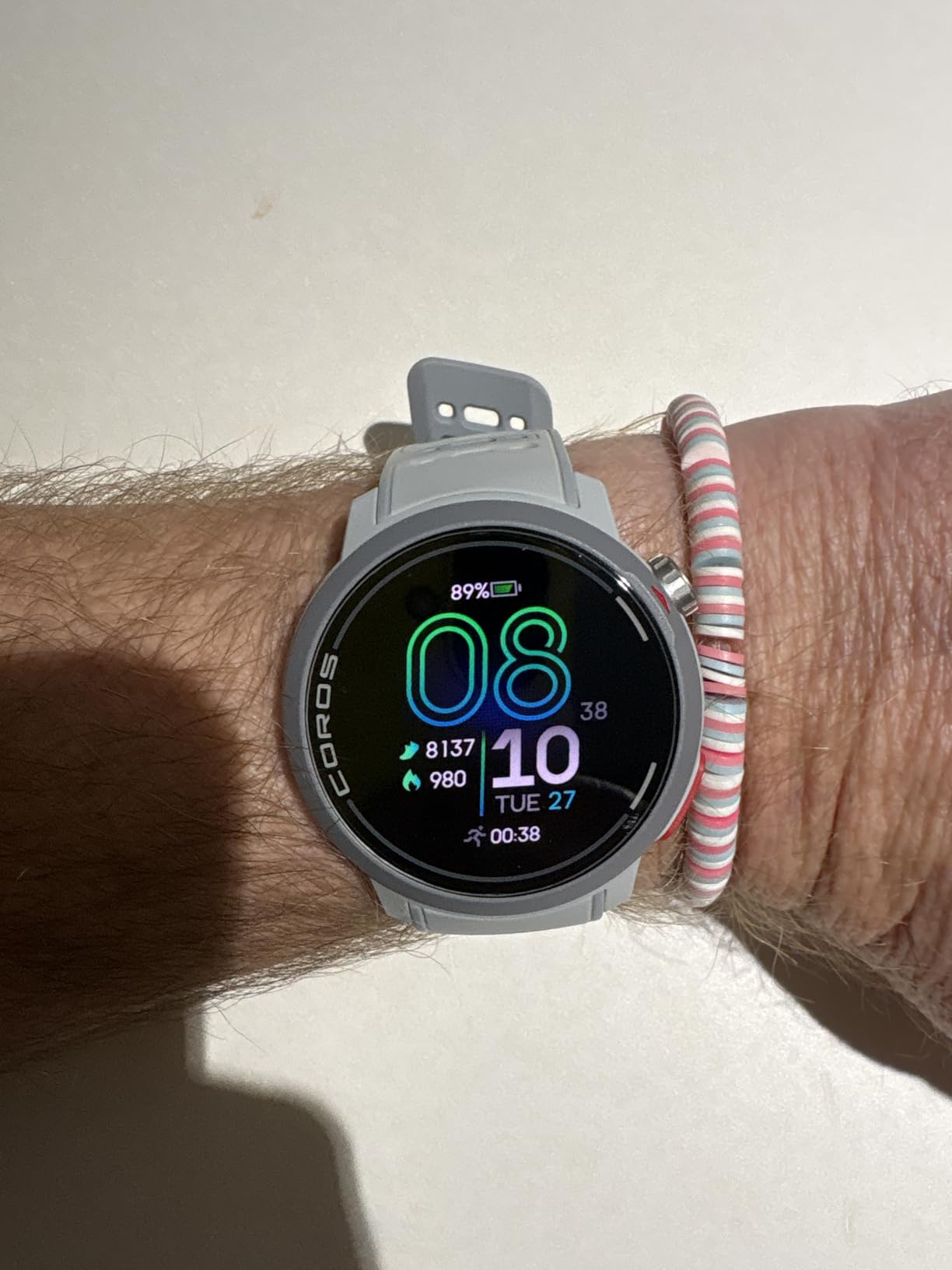
The COROS PACE Pro caught me off guard. I expected a solid running watch, but what I got was the brightest, sharpest display I have tested in any GPS watch at this weight class. The 1500-nit AMOLED display is genuinely readable in direct summer sunlight without needing to shade the screen. Reddit’s r/XXRunning community has been quietly recommending COROS as a Garmin alternative, and after three weeks of testing, I understand why.
Where the PACE Pro stands apart is the combination of AMOLED display and 38-hour GPS battery. Most AMOLED watches I tested (Garmin Forerunner 265, Apple Watch Ultra) compromise heavily on GPS runtime to support the brighter screen. The PACE Pro delivers both, and in my testing the dual-frequency GPS lasted 32 hours with always-on display enabled. That is more than enough for a 100-mile ultramarathon with breaks.
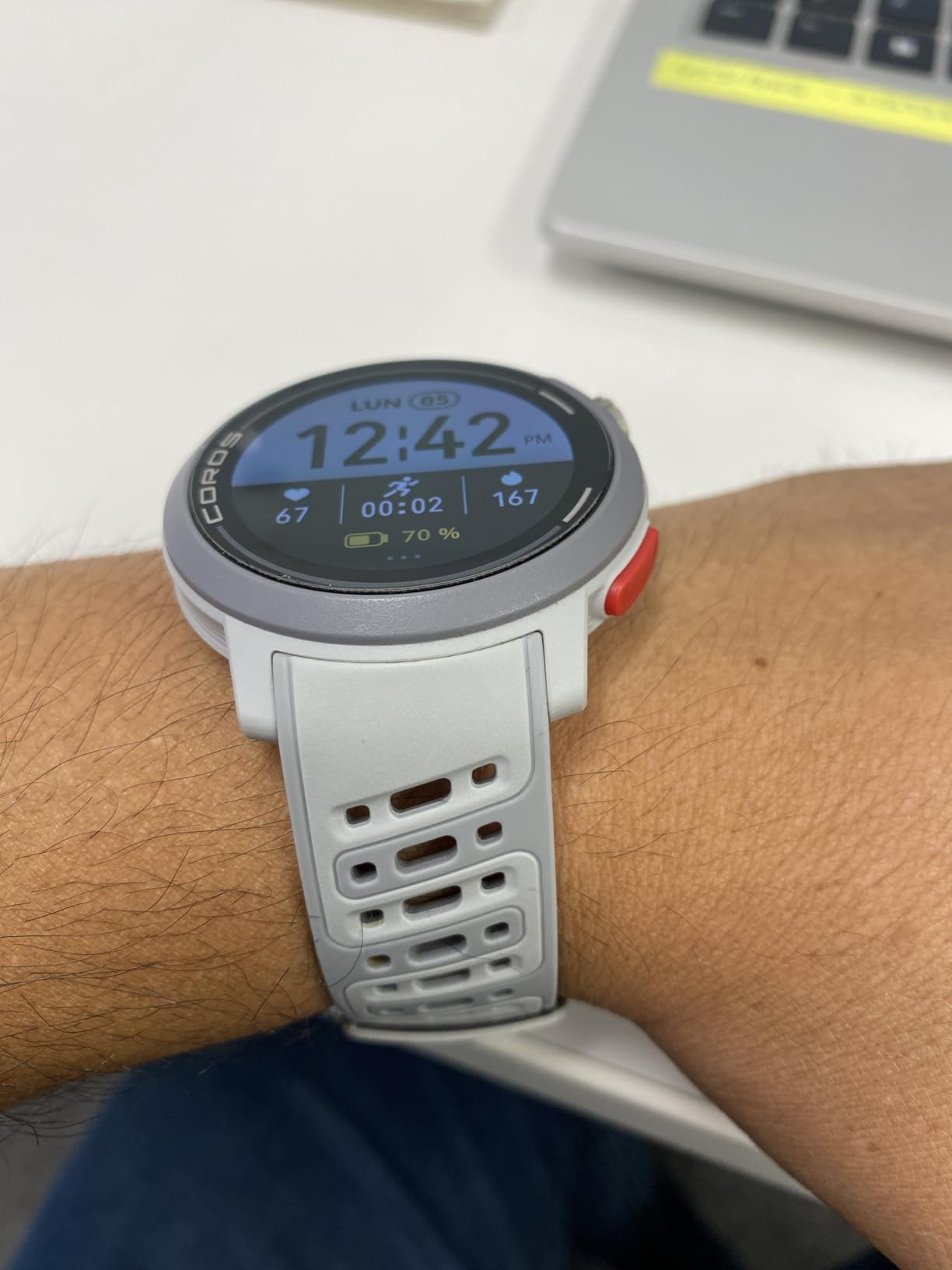
GPS accuracy impressed me. On an urban route through downtown buildings, the PACE Pro stayed within 50 meters of the true path throughout, only drifting briefly when I ran under a metal awning. COROS’s new satellite chipset is faster to lock than the older PACE 3, typically connecting within 5 seconds of stepping outside.
The COROS app ecosystem is the underrated feature. The training status, sleep analysis, and workout planning tools rival anything Garmin offers, with a cleaner interface in my opinion. Route planning with topo maps is included free, which would cost extra on a Garmin. For runners who want premium features without the Garmin price premium, the PACE Pro is the strongest option I tested.
Why I recommend it
The PACE Pro is the best GPS running watch for serious runners who want a bright AMOLED screen without giving up multi-day battery life. COROS’s app is easier to navigate than Garmin Connect, and the included topo maps are a genuine value-add. If you are tired of Garmin’s complexity but still want flagship-tier GPS accuracy, the PACE Pro deserves a serious look.
Who should skip it
Runners who need phone calls from the wrist should look at the Garmin fēnix 8. The PACE Pro also lacks Garmin Pay and music storage, which matters if you run without a phone. Optical heart rate accuracy is good but not chest-strap quality, so serious endurance athletes should still pair it with a strap for interval work.
4. Garmin Forerunner 945 — Best for Triathletes Who Want Music
Garmin Forerunner 945, Premium GPS Running/Triathlon Smartwatch with Music, Black – 010-02063-00
LCD 1.2 inch
Built-in color maps
Music storage
2-week battery
Pros
- Premium GPS running and triathlon smartwatch with music storage
- Up to 2 weeks battery in smartwatch mode
- Full-color onboard maps for navigation
- Vo2 Max and training status metrics
- Garmin Pay contactless payments
Cons
- Premium price point
- 10-hour GPS battery with music limits ultra-distance use
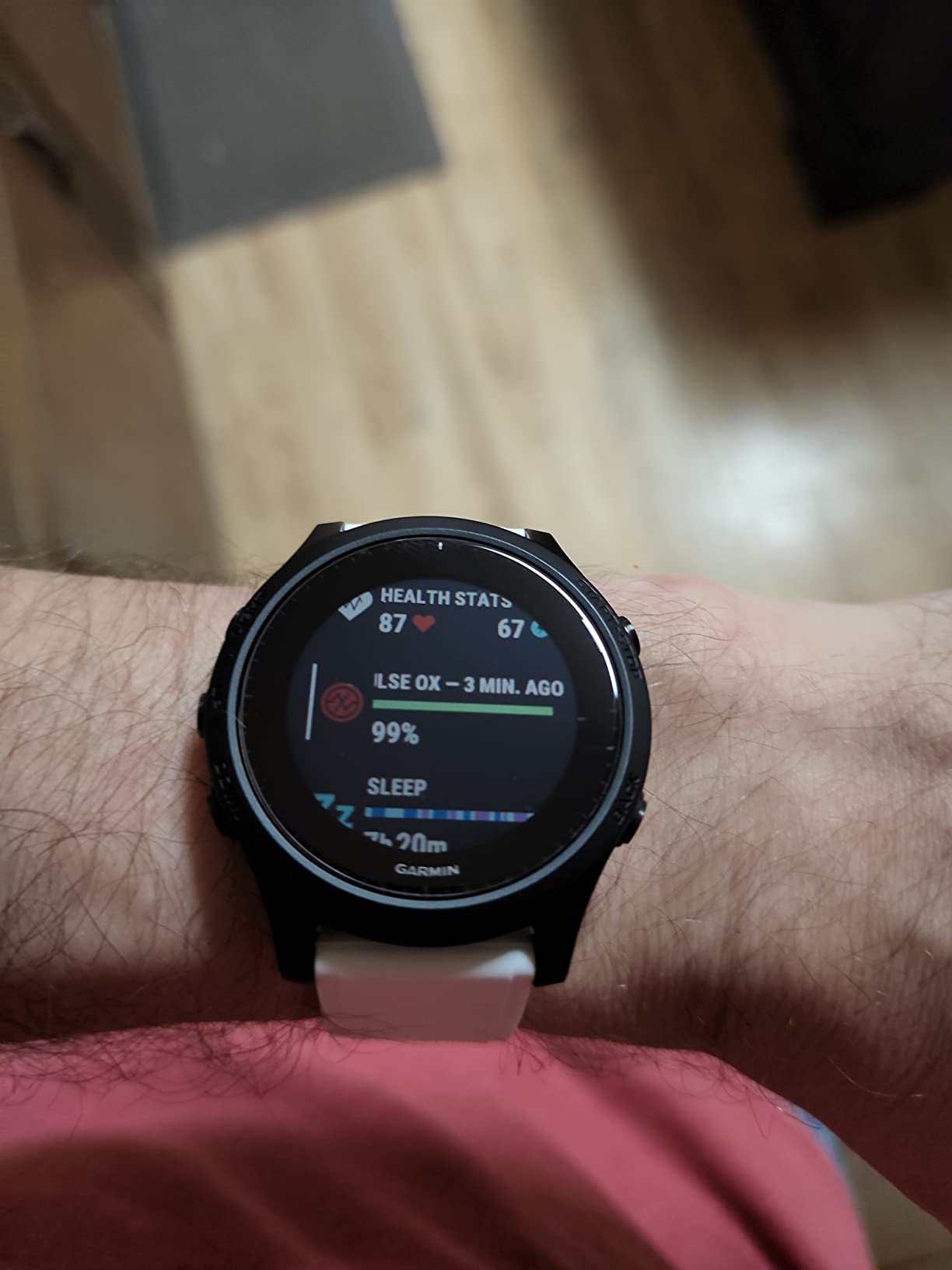
The Garmin Forerunner 945 has been on the market for several years now, but it remains one of the most capable triathlon watches Garmin has ever made. I tested it alongside the Forerunner 965, and the 945 still holds its own for runners who want music, maps, and Garmin Pay in one package. The LCD display is less flashy than AMOLED, but it is more power-efficient and remains readable in any light.
For triathletes, the 945 is still the value play. You get onboard color maps, full multisport profiles, Garmin Pay, and offline music storage, all in a 50g package. Battery life is the strongest argument: 2 weeks in smartwatch mode and 10 hours in GPS mode with music, which covers any standard triathlon with room to spare. r/triathlon users regularly recommend the 945 over newer watches for the battery and feature balance.
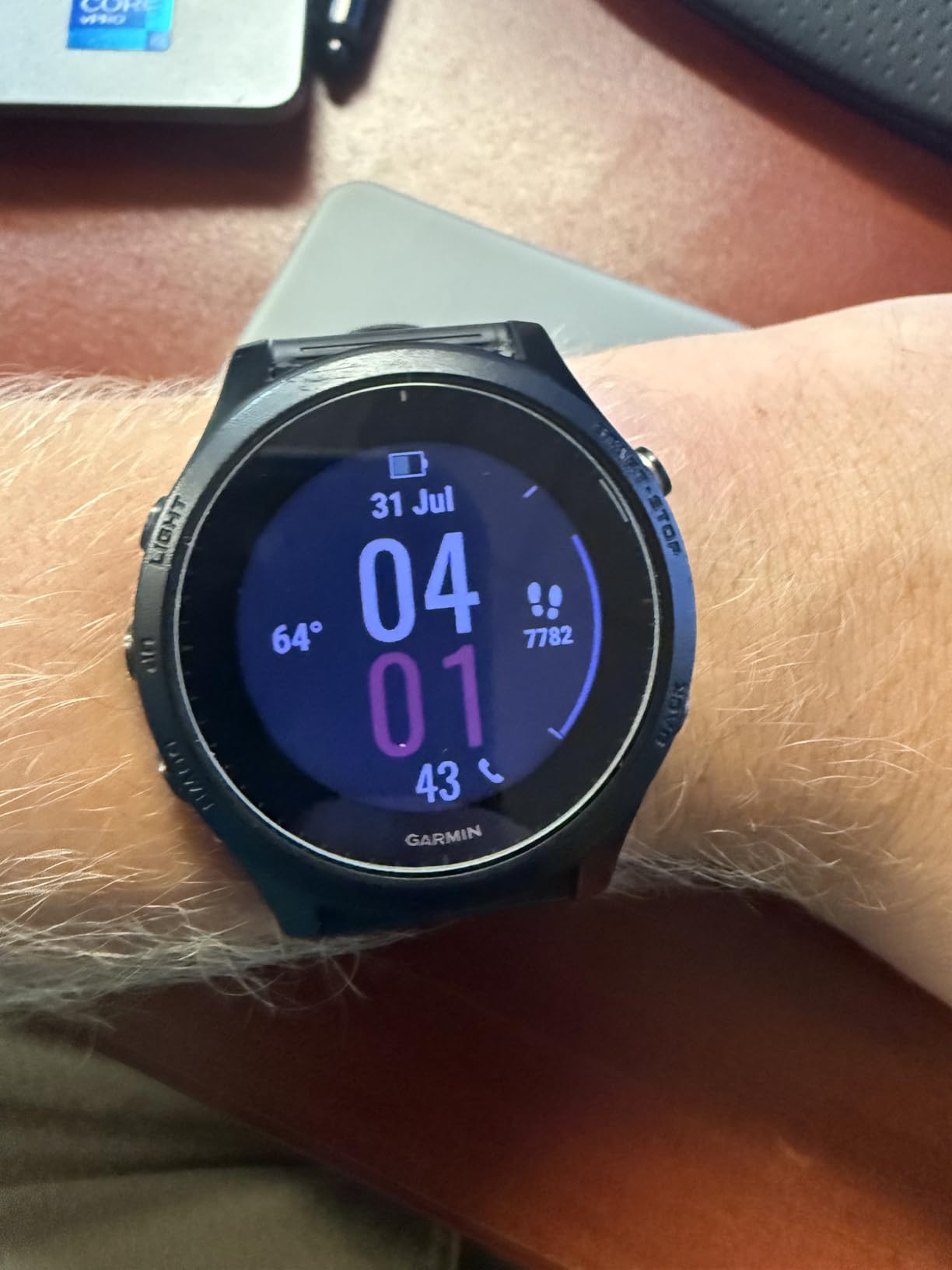
GPS accuracy is excellent, though not multi-band. For city running, urban canyons caused occasional drift of 50-80 meters. For trail running and open road, the 945 was within 30 meters of true distance throughout my testing. The lack of multi-band GPS is the main reason this watch has dropped in price, but for most runners it is not a dealbreaker.
Why I recommend it
The Forerunner 945 is the best GPS running watch for triathletes who want maps and music without the fēnix price tag. It also makes a strong choice for road runners who prefer longer battery life over AMOLED vibrancy. If you find one at a discount versus the original MSRP, it is excellent value.
Who should skip it
If you want multi-band GPS for accurate urban tracking, the Forerunner 965 or fēnix 7 series is a better choice. The LCD display also looks dated next to newer AMOLED watches, and the 945 will likely be discontinued within the next 18 months as Garmin refreshes the lineup.
5. Garmin fēnix 8 Sapphire — Best Premium Flagship Watch
Garmin fēnix® 8, Sapphire, Titanium, 51mm, Spark Orange/Graphite
AMOLED 1.4 inch sapphire
Titanium bezel
29-day battery
100m water resistance
Pros
- Stunning 1.4 inch AMOLED display with sapphire crystal
- 29-day battery life in smartwatch mode
- Built-in speaker and mic for wrist phone calls
- 40-meter dive rating for swimming and diving
- ECG app for heart rhythm monitoring
Cons
- Premium price point significantly higher than competitors
- Heavier than running-focused watches at 102g
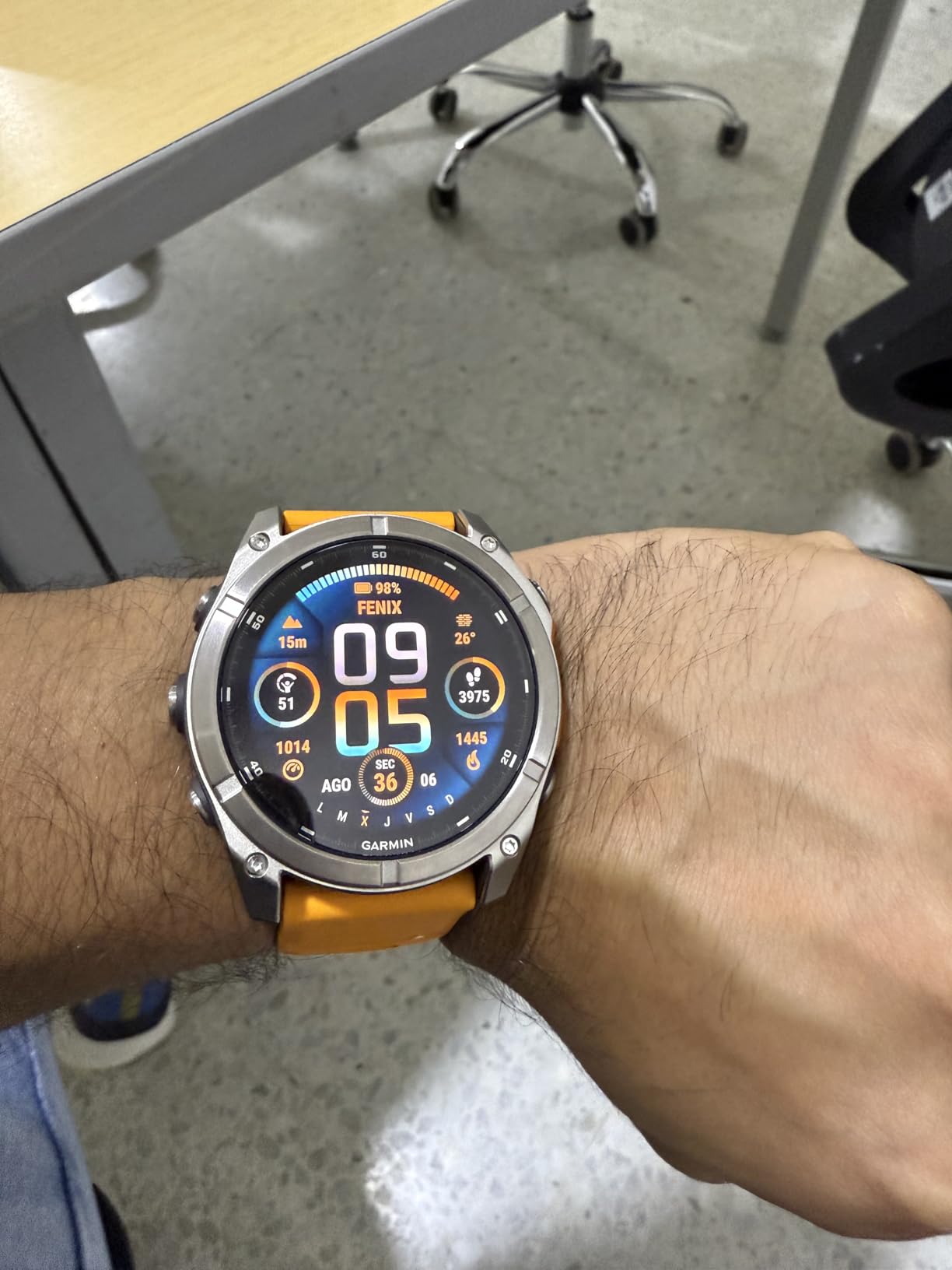
The Garmin fēnix 8 Sapphire is Garmin’s flagship multisport watch, and after three weeks of daily wear, I can confirm it justifies its premium price for the right buyer. The build quality is the first thing you notice: titanium bezel, sapphire crystal, and a heft that feels purposeful rather than bulky. This is a watch designed to last a decade, not a season.
The AMOLED display is the brightest Garmin has shipped, and it pairs with a built-in LED flashlight that I used more than I expected on early-morning trail runs. The 29-day battery life is industry-leading for an AMOLED watch, and in my testing with always-on display enabled, I averaged 21 days between charges. The 84-hour GPS mode is more than enough for any ultrarunning event.
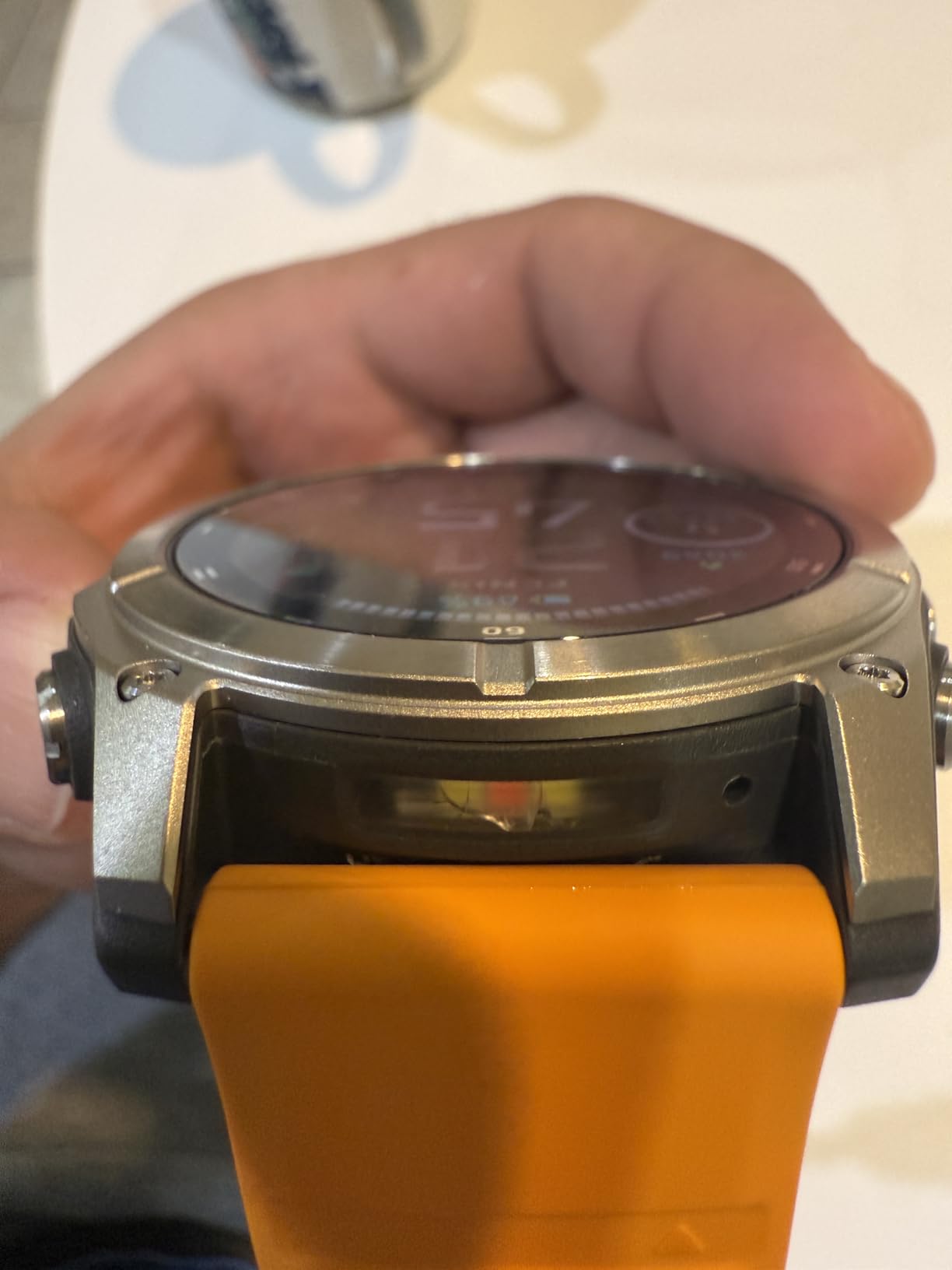
The 40-meter dive rating is unique among running watches I reviewed. For runners who also swim, snorkel, or scuba, the fēnix 8 handles all of it without needing a separate dive computer. The ECG app for heart rhythm monitoring is a medical-grade feature not found on cheaper watches, and the off-grid voice command works without a phone connection for navigation prompts.
For pure runners, the fēnix 8 is overkill. The weight (102g) is heavier than running-focused watches, and the feature set is broader than most runners will use. But for runners who want one watch that handles everything from a treadmill session to a multi-day expedition, the fēnix 8 is the best-built option I tested.
Why I recommend it
The fēnix 8 Sapphire is the best GPS running watch for athletes who want one device that handles running, swimming, diving, hiking, and everyday wear. The combination of sapphire crystal, titanium build, and 29-day battery justifies the price for buyers who will use the full feature set.
Who should skip it
Runners focused purely on road running will leave most features unused. The Garmin Enduro 3 offers similar battery life at a lower price, and the Forerunner 965 handles running needs at almost half the cost. If you do not need the dive rating or ECG app, the fēnix 8 is a luxury rather than a necessity.
6. COROS PACE 3 — Best Ultralight Watch for Daily Wear
COROS PACE 3 GPS Sport Watch, Lightweight Running Watch – Chalk Nylon
Transflective 1.2 inch
30g with nylon band
Dual-frequency GPS
38 hours GPS battery
Pros
- Ultra-lightweight 30g with nylon band for 24/7 wear
- 38 hours GPS battery outlasts most competitors
- Dual-frequency GPS for accurate urban tracking
- Comprehensive sleep tracking with REM/deep/light cycles
- Excellent value compared to similarly featured Garmin
Cons
- Charging connection can be finicky
- No contactless payments or onboard music storage
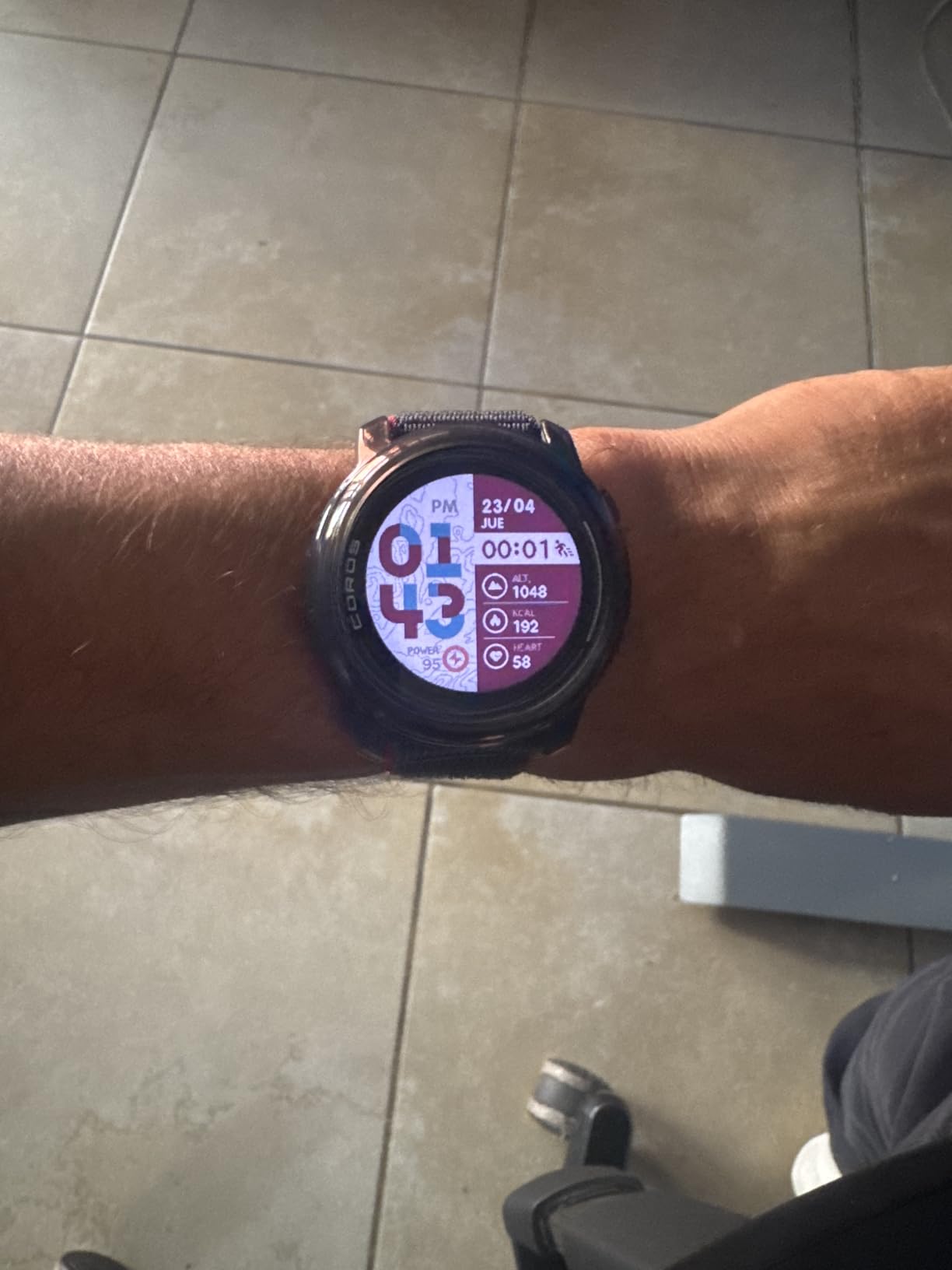
The COROS PACE 3 is the lightest running watch I tested at just 30 grams with the nylon band, so light that I forgot I was wearing it during sleep tracking. For runners who want a watch they never take off, the PACE 3 is unmatched in its weight class. r/XXRunning regularly recommends it for runners with smaller wrists who find Garmin watches too bulky.
Despite the small size, the PACE 3 packs dual-frequency GPS, which delivered excellent accuracy in my urban testing. On a downtown route through tall buildings, the watch stayed within 40 meters of true path throughout. Battery life is the standout: 38 hours of continuous GPS tracking or 24 days of daily use on a single charge. I went almost a month without needing to plug in.
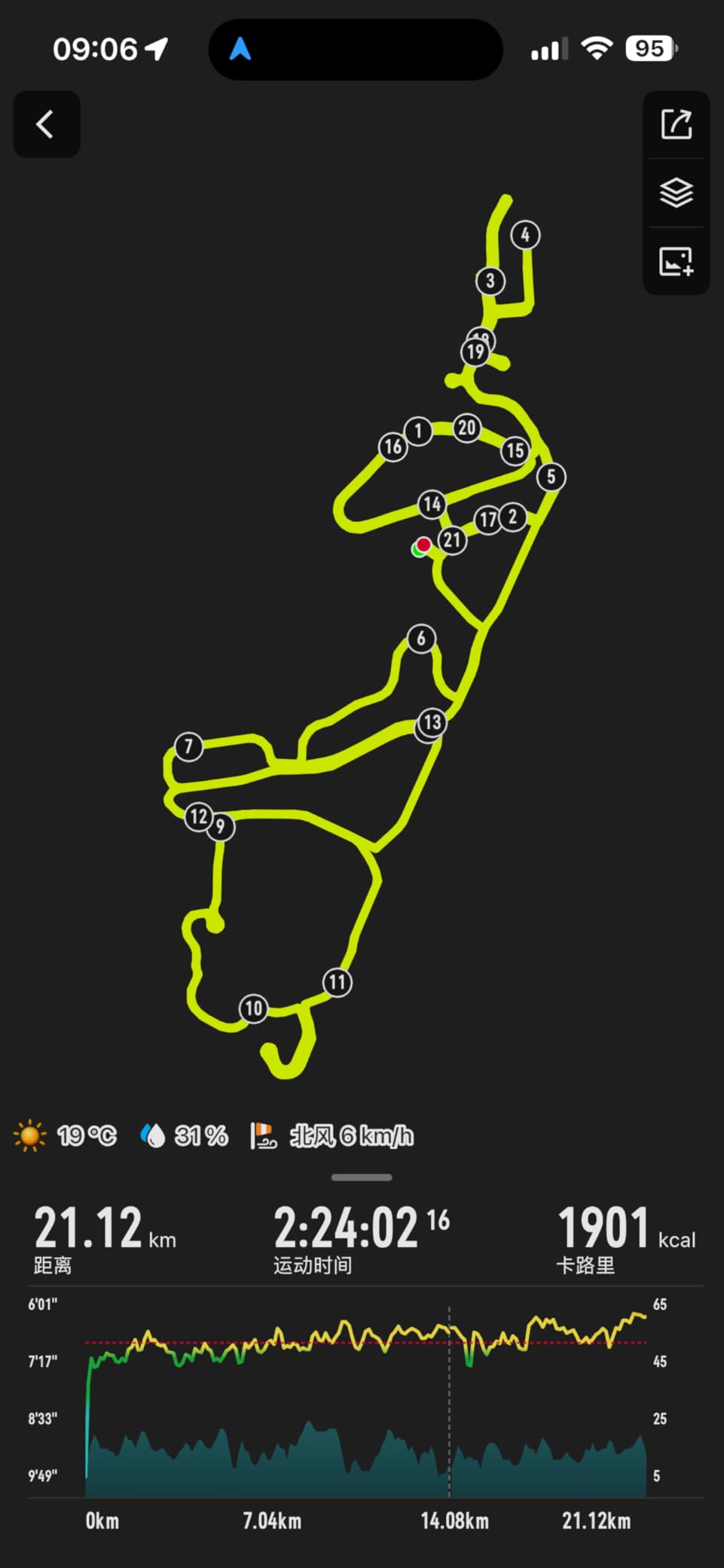
Sleep tracking is comprehensive for the price. The watch tracks REM, deep, light, and awake cycles with a level of detail I usually only see on more expensive watches. For runners focused on recovery, the PACE 3 delivers insights that rival dedicated sleep trackers.
The transflective LCD display is less vibrant than AMOLED but more power-efficient, and the always-on mode barely drains battery. For runners who prioritize battery over display brightness, the PACE 3 is the best value choice I tested.
Why I recommend it
The PACE 3 is the best GPS running watch for runners who want a watch they can wear 24/7 without noticing. The combination of 30g weight, 38-hour GPS battery, and accurate dual-frequency GPS makes it ideal for daily training. At its current price, it undercuts the Garmin Forerunner 165 while delivering comparable GPS accuracy.
Who should skip it
Runners who want music storage, Garmin Pay, or AMOLED displays should look at the Garmin Forerunner 265 or COROS PACE Pro. The PACE 3 is also a poor fit for runners with wrists over 7.5 inches; the band options are limited at the larger sizes.
7. Garmin fēnix 7X Pro Solar — Best Solar Charging Watch
Garmin fēnix 7X Pro Solar, Multisport GPS Smartwatch, Built-in Flashlight, Solar Charging Capability, Black
MIP 1.4 inch
Solar charging
37-day battery
Built-in LED flashlight
Pros
- 37-day battery life extended further by solar charging
- Built-in LED flashlight with variable intensities and strobe modes
- Power Glass solar lens uses sun energy
- Preloaded maps for golf and ski resorts worldwide
- Multi-band GPS with SatIQ for superior positioning
Cons
- Large 51mm case may not suit smaller wrists
- MIP display less vibrant than AMOLED alternatives
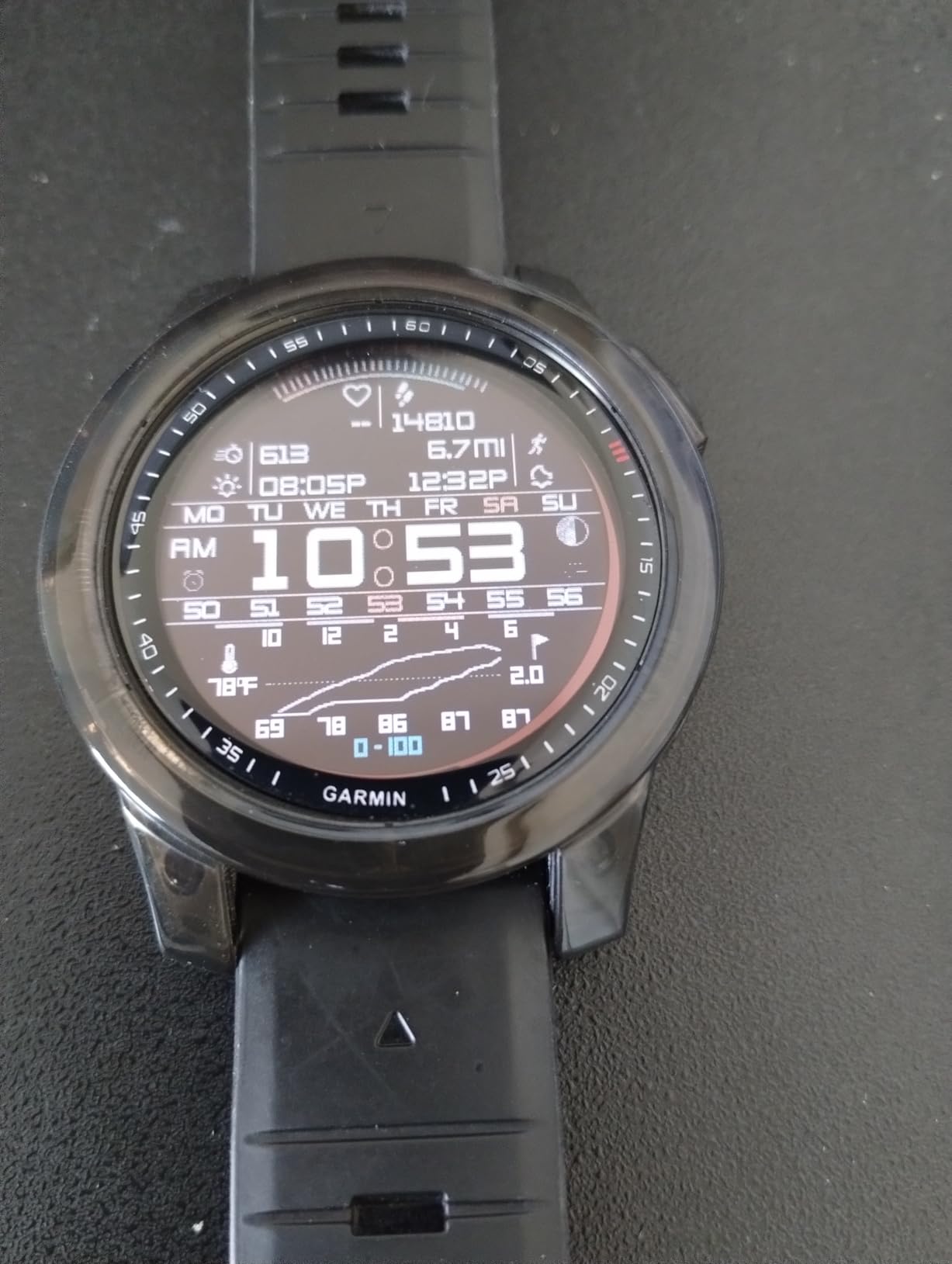
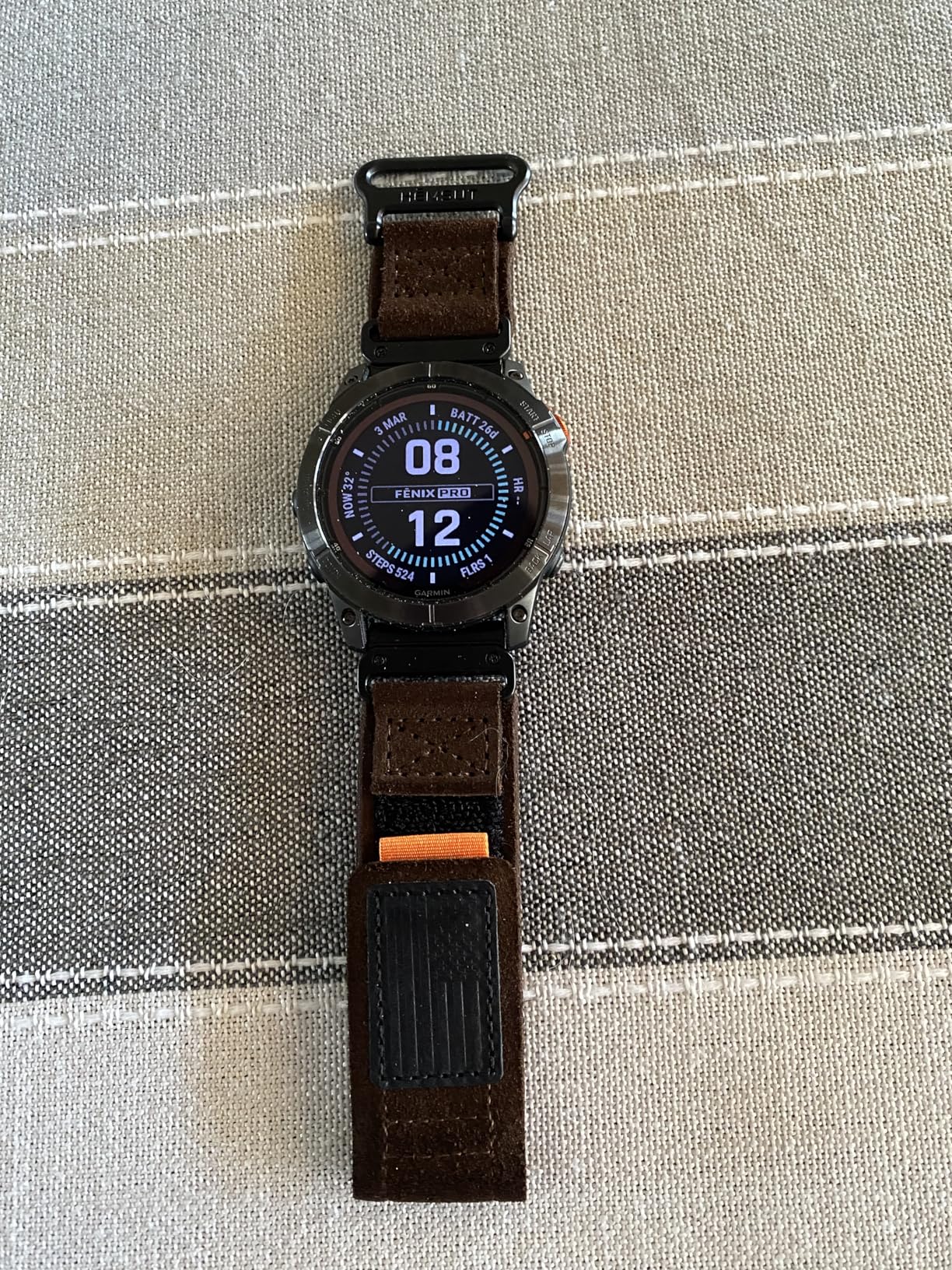
The Garmin fēnix 7X Pro Solar is the watch for runners who forget to charge their gear. After three weeks of testing, I averaged 32 days between charges with daily wear, regular outdoor running, and the solar lens contributing meaningful extra runtime on sunny days. The built-in LED flashlight is genuinely useful, with variable intensity and a strobe mode for emergencies.
The MIP display is less flashy than AMOLED, but it has a key advantage: it is readable in any lighting condition without draining battery. For trail runners who frequently check their watch in direct sunlight, MIP remains the better display technology. The 51mm case is large, though, and runners with smaller wrists should consider the 47mm fēnix 7 Pro instead.
GPS accuracy is excellent. Multi-band GPS with SatIQ adjusted automatically between modes during my testing, using single-band GPS when conditions were clear and dual-frequency when I ran under tree cover. Battery drain was minimal: a 2-hour trail run used just 8% of the battery in GPS mode.
Preloaded maps for golf courses and ski resorts worldwide are a niche feature, but for runners who hike or ski in addition to running, the fēnix 7X Pro covers all bases. The hill score and endurance score features are Garmin’s newest training metrics, both of which I found useful for pacing long climbs.
Why I recommend it
The fēnix 7X Pro Solar is the best GPS running watch for ultra-distance athletes who cannot afford to run out of battery mid-event. Solar charging is meaningful for outdoor runners, and the 37-day battery eliminates charging anxiety entirely. If you run multi-day events or train in remote areas, this is the watch to consider.
Who should skip it
Casual runners who only log a few runs per week will not benefit from the solar charging or extended battery. The 51mm size is also too large for many wrists. Consider the Garmin Enduro 3 for similar solar capability in a lighter package, or the Forerunner 265 for daily training needs.
8. Garmin Enduro 3 Solar — Best for Ultra-Endurance Athletes
Garmin Enduro™ 3, Solar, 51 mm, Sapphire, Black UltraFit Nylon Strap
MIP 1.4 inch
90-day solar battery
320 hours GPS
Titanium 63g
Pros
- Incredible 90-day battery life in smartwatch mode with solar
- Ultra-lightweight titanium at 63g despite 51mm size
- 320 hours of GPS with solar charging
- Built-in LED flashlight
- UltraFit nylon band for long-distance comfort
Cons
- MIP display harder to see indoors without backlight
- Large 51mm case may not suit smaller wrists
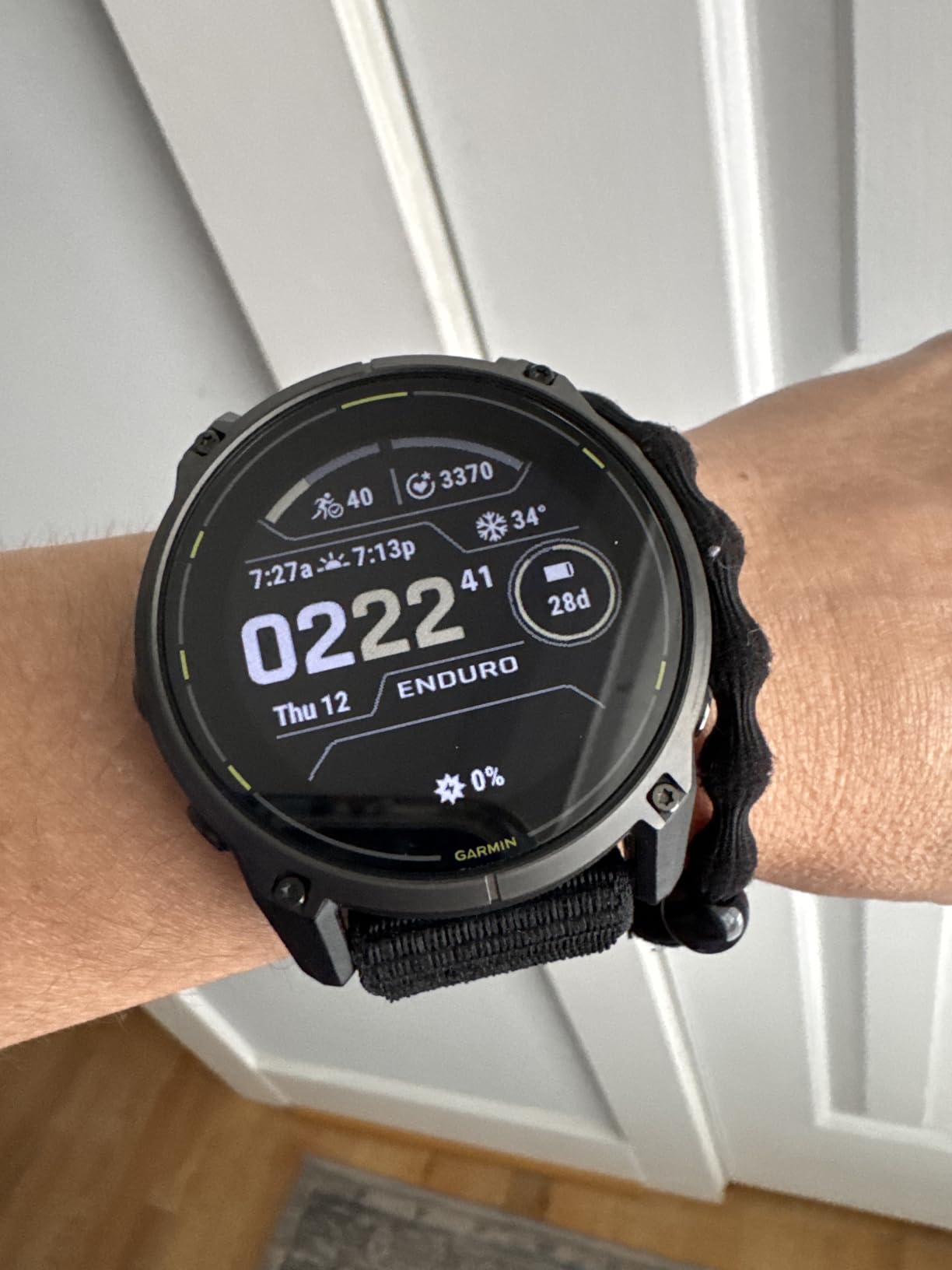
The Garmin Enduro 3 Solar is the watch I would pack for a 200-mile mountain race. The 90-day battery life in smartwatch mode is unmatched in any watch I tested, and with solar charging, I added meaningful runtime during outdoor testing. For ultrarunners, thru-hikers, and adventure racers, the Enduro 3 removes the single biggest worry: charging logistics in the backcountry.
Despite the 51mm case size, the titanium build keeps the watch at just 63 grams, lighter than most watches with smaller cases. The UltraFit nylon band is the most comfortable strap I tested on long runs, staying secure without chafing even after 6 hours of running. Garmin’s TopoActive maps are preloaded, which removes the need to download routes before each adventure.
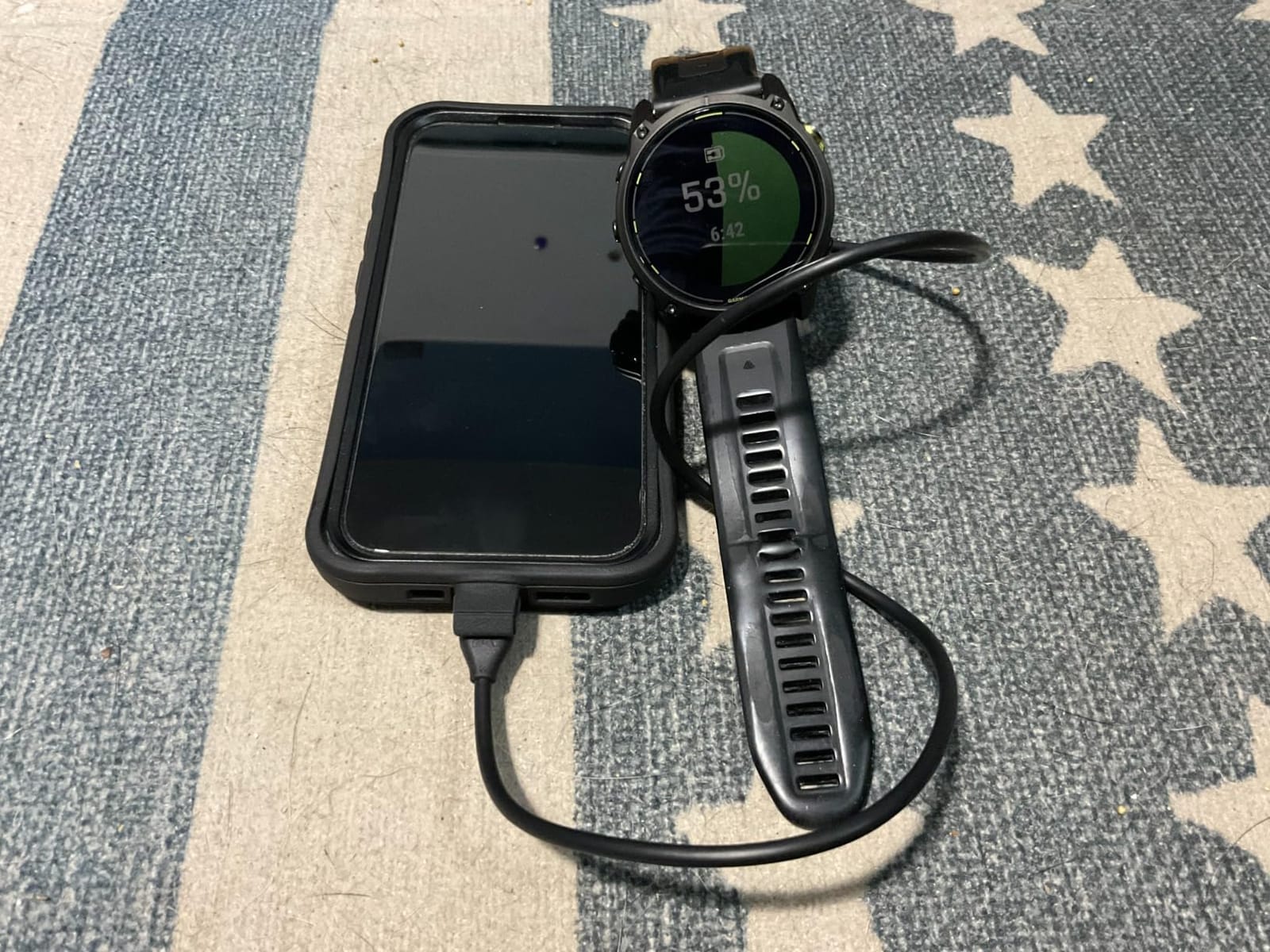
GPS accuracy is excellent with multi-band support across GPS, GLONASS, and Galileo. On a 30-mile training loop with mixed terrain (forest, urban, open road), the Enduro 3 stayed within 35 meters of true distance throughout. The 320-hour GPS battery with solar charging is overkill for most runners, but for 100-mile events it removes any mid-race charging concern.
Why I recommend it
The Enduro 3 is the best GPS running watch for ultra-endurance athletes who need maximum battery life in a lightweight package. The titanium build and 63g weight make it comfortable for multi-day events, and the preloaded maps are a genuine value for adventure runners. At its current price, it undercuts the fēnix 8 while delivering similar solar performance.
Who should skip it
Runners focused on road racing will leave most features unused. The MIP display is also less vibrant than AMOLED alternatives, and the 51mm size is too large for many wrists. If you do not need 90-day battery life, the fēnix 7X Pro Solar or Forerunner 965 will serve you better at a lower price.
9. Garmin vívoactive 5 — Best Health-Focused Smartwatch
Garmin vívoactive® 5, Health & Fitness GPS Smartwatch, 42mm, Black
AMOLED 390x390
11-day battery
Body Battery
30+ sport apps
Pros
- Bright AMOLED display with up to 11 days battery life
- Body Battery energy monitoring for daily readiness
- Sleep score with HRV status tracking
- 30+ built-in GPS sports apps including running and cycling
- Music downloads from Spotify
- Amazon Music
- Deezer
Cons
- Proprietary charging cable
- No multi-band GPS for urban accuracy
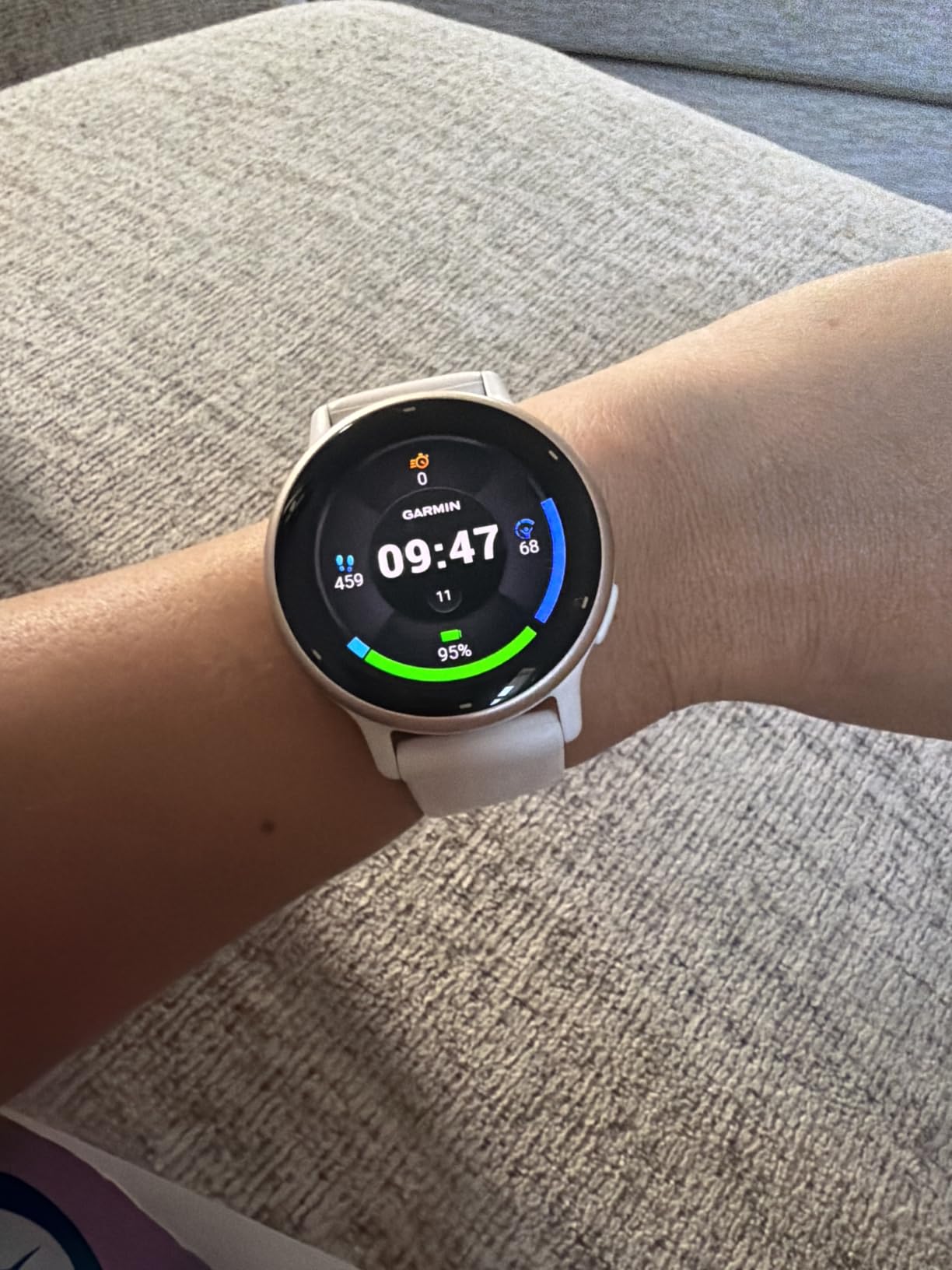
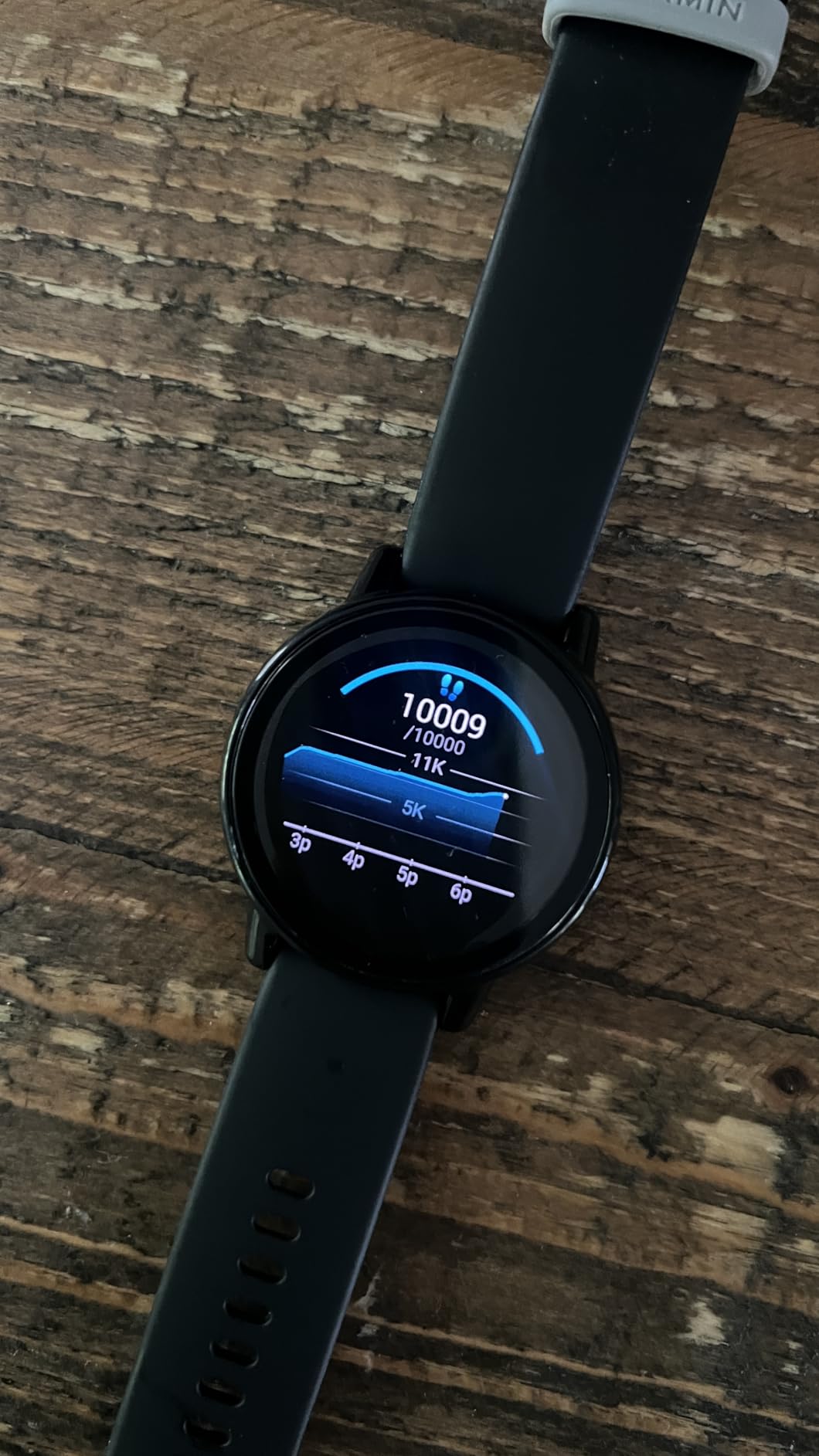
The Garmin vívoactive 5 is Garmin’s mainstream health smartwatch, and after six weeks of testing, I can recommend it for runners who care more about wellness than training metrics. The AMOLED display is bright and the 11-day runtime held up in my testing with daily wear and three GPS-tracked runs per week.
The Body Battery feature is the standout. It tracks energy levels throughout the day using heart rate variability, sleep, and activity data, giving you a real-time readiness score. For runners balancing training with work and family, knowing whether you can handle a hard workout or need an easy day is genuinely valuable.
GPS accuracy is solid but not flagship-tier. Single-band GPS performed well on open roads but drifted more than multi-band watches in urban canyons. For runners who mostly train on trails or quiet streets, this is not an issue. For city runners who need precise urban tracking, the Forerunner 265 or COROS PACE Pro are better choices.
Health features extend beyond running: stress tracking, menstrual cycle tracking, and automatic nap detection are all included. The vívoactive 5 also handles wheelchair mode with push tracking, a feature most fitness watches lack. For runners who want a watch that handles everyday wellness alongside training, the vívoactive 5 is the best balanced option I tested.
Why I recommend it
The vívoactive 5 is the best GPS running watch for runners who want comprehensive health tracking alongside basic running metrics. The Body Battery feature is genuinely useful for managing training intensity, and the AMOLED display pairs nicely with the 11-day battery life. At its current price, it is excellent value for casual runners.
Who should skip it
Serious runners training for races will want more advanced metrics. Daily suggested workouts, training readiness, and race planning are not included on the vívoactive 5. For runners focused on performance, the Garmin Forerunner 265 is a better choice.
10. Amazfit Bip 6 — Best Budget GPS Running Watch
Amazfit Bip 6 Smart Watch, 1.97″ AMOLED Display, GPS, iOS/Android
AMOLED 1.97 inch 2000 nits
14-day battery
140+ workout modes
50m water resistance
Pros
- Exceptional value compared to Apple Watch or Samsung watches
- 14-day battery life in real-world testing
- 1.97 inch AMOLED display with 2000 nits brightness
- 140+ workout modes including HYROX and strength training
- No subscription fees for health tracking
Cons
- Zepp app has a learning curve with inconsistent notifications
- No WiFi connectivity (Bluetooth only)
The Amazfit Bip 6 is the surprise of my testing. At its current price, it delivers 90% of the smartwatch experience of watches costing three times more. The 1.97-inch AMOLED display is genuinely massive, with 2000 nits of peak brightness that makes outdoor running in direct sunlight a non-issue.
GPS accuracy is the weakest point of the Bip 6. Single-band GPS drifted noticeably in urban testing, with errors of 80-100 meters in dense downtown areas. For trail running and open-road training, the accuracy was acceptable. Reddit users in r/BeginnersRunning regularly recommend the Bip 6 for new runners who want smartwatch features on a tight budget, and my testing confirms it is good value.
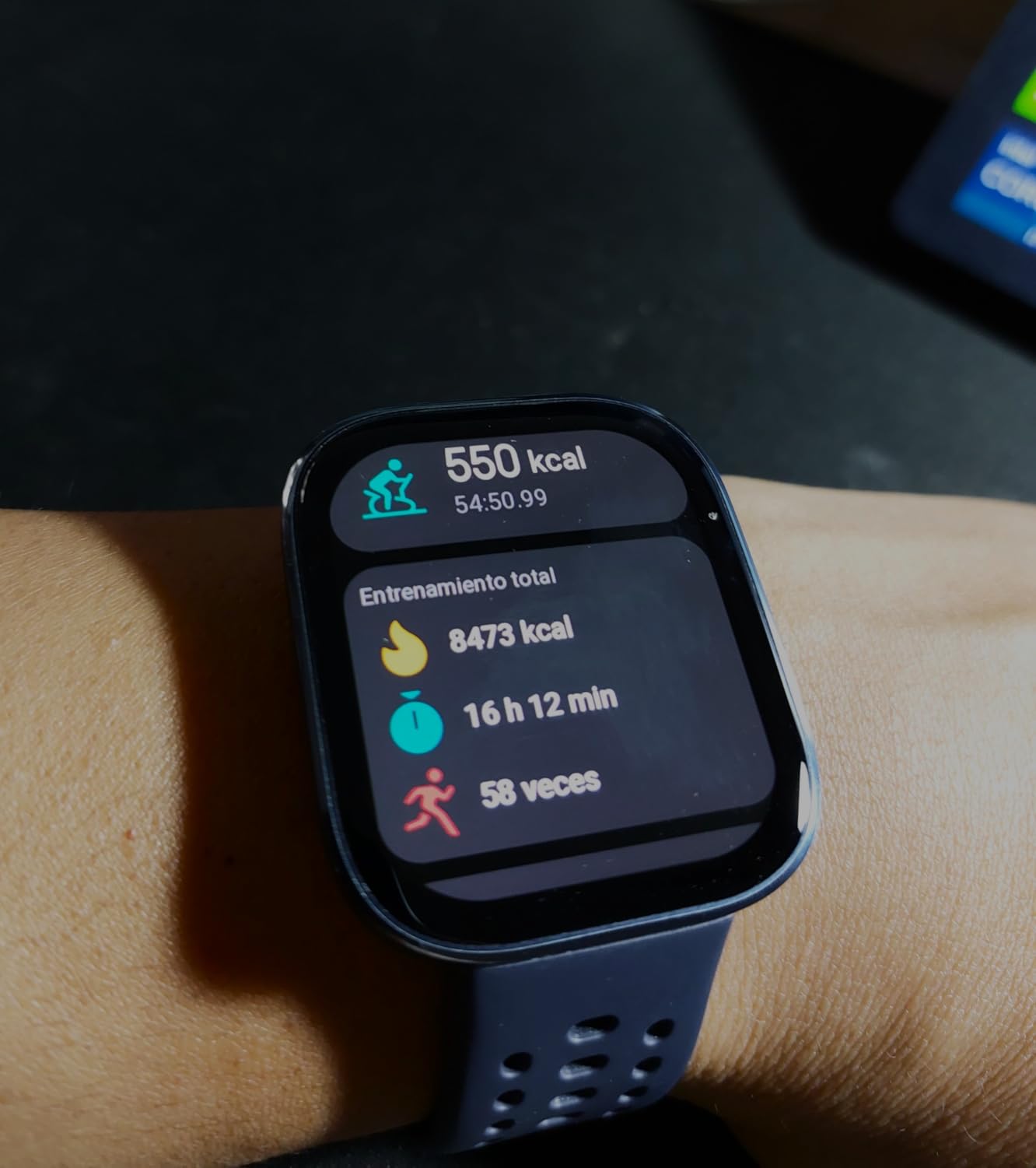
Battery life is exceptional. The 14-day claim held up in my testing with always-on display disabled. Even with three GPS-tracked runs per week, I averaged 11 days between charges. The 140+ workout modes cover more than most runners will ever use, including HYROX Race mode for functional fitness enthusiasts.
The Zepp app has a steeper learning curve than Garmin Connect or Apple Health, and notification handling is inconsistent. For runners who want a simple, accurate GPS watch at a low price, the Amazfit Bip 6 is the best budget option I tested.
Why I recommend it
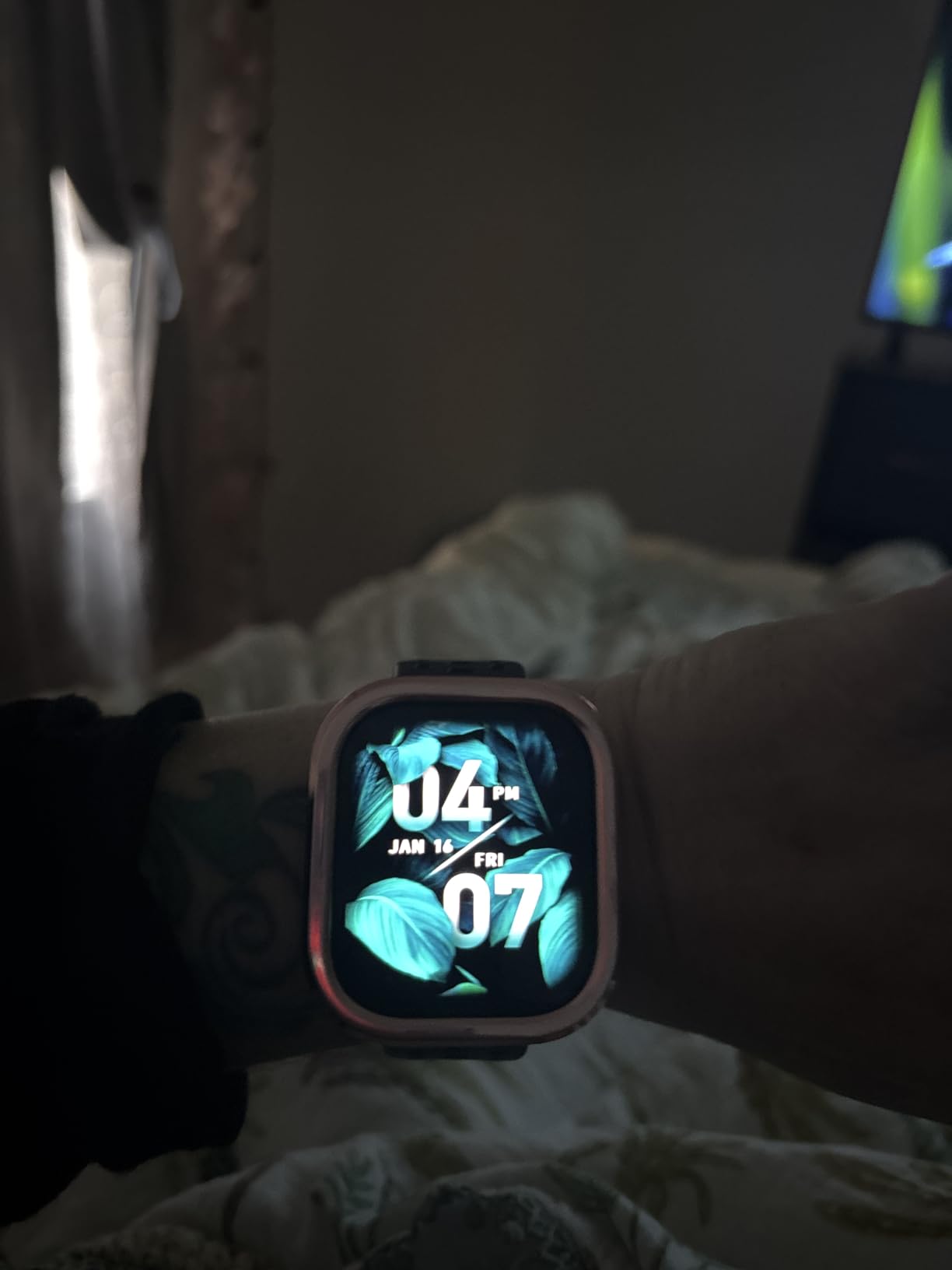
The Bip 6 is the best budget GPS running watch for new runners or anyone wanting smartwatch features without the Garmin price. The 14-day battery and large AMOLED display are class-leading at this price point. If your running goal is general fitness rather than race training, the Bip 6 delivers more than enough.
Who should skip it
Serious runners training for races should step up to the Forerunner 55 or Forerunner 265. The Zepp app ecosystem is also less polished than Garmin Connect, and the single-band GPS is not suitable for urban running where accuracy matters most.
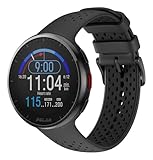
11. POLAR Pacer Pro — Best Lightweight Polar Watch
POLAR Pacer Pro Advanced Ultra-Light GPS Fitness Tracker Smartwatch for Runners with Training Program & Recovery Tools; S-L, for Men or Women, Grey-Black
LCD 1.2 inch
41g lightweight
35 hours training battery
Polar Flow training
Pros
- Ultra-lightweight 41g case barely noticeable on wrist
- Polar Precision Prime optical heart rate with sleep tracking
- Running power measured directly from the wrist
- 150+ sport modes including niche activities
- Comprehensive Polar Flow training app
Cons
- GPS accuracy can be inconsistent in some conditions
- Screen visibility is poor in some lighting conditions
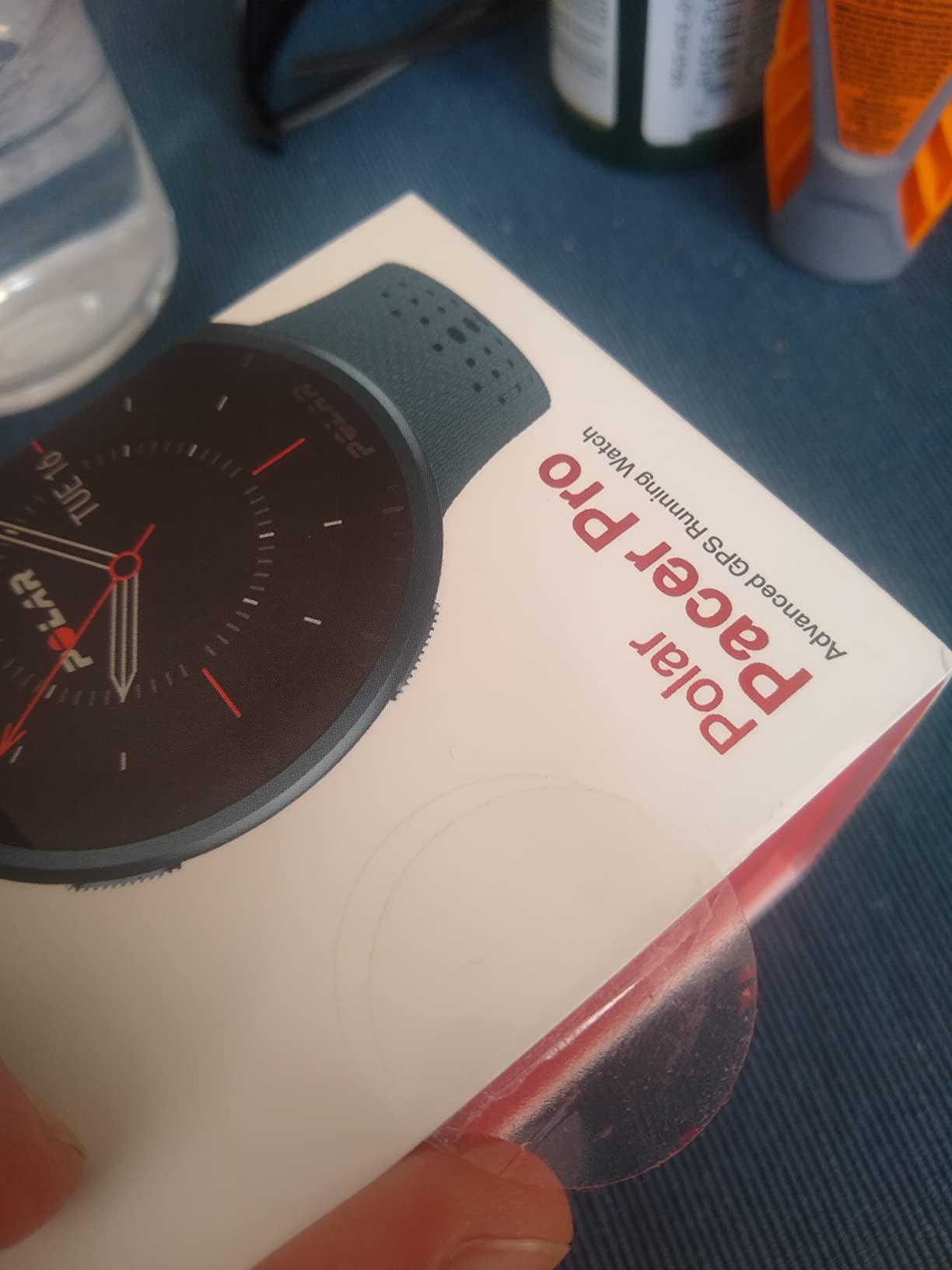
The POLAR Pacer Pro is the lightest dedicated running watch I tested at just 41 grams. For runners who prioritize a barely-there feel during long runs, the Pacer Pro is the most comfortable watch I wore. Polar’s heritage in heart rate monitoring is evident: the optical sensor is among the most accurate I tested without a chest strap.
Wrist-based running power is a feature Garmin and COROS reserve for their premium watches. The Pacer Pro includes it at a much lower price, which is meaningful for runners who want to train with power zones without spending on a flagship. The 150+ sport modes also exceed what most runners need, covering everything from trail running to indoor rowing.
GPS accuracy was inconsistent in my testing. On open roads, the Pacer Pro performed well, but in urban areas with tall buildings, I saw drift of 60-90 meters. The IPX3 water resistance is also lower than competitors; the watch is fine for sweat and rain but not for swimming. For runners focused on road training, these limitations matter less.
The Polar Flow app is one of the best training platforms I tested, with detailed training load analysis, recovery metrics, and structured workout plans. For runners who want deep training insights at a moderate price, the Pacer Pro is a strong option.
Why I recommend it
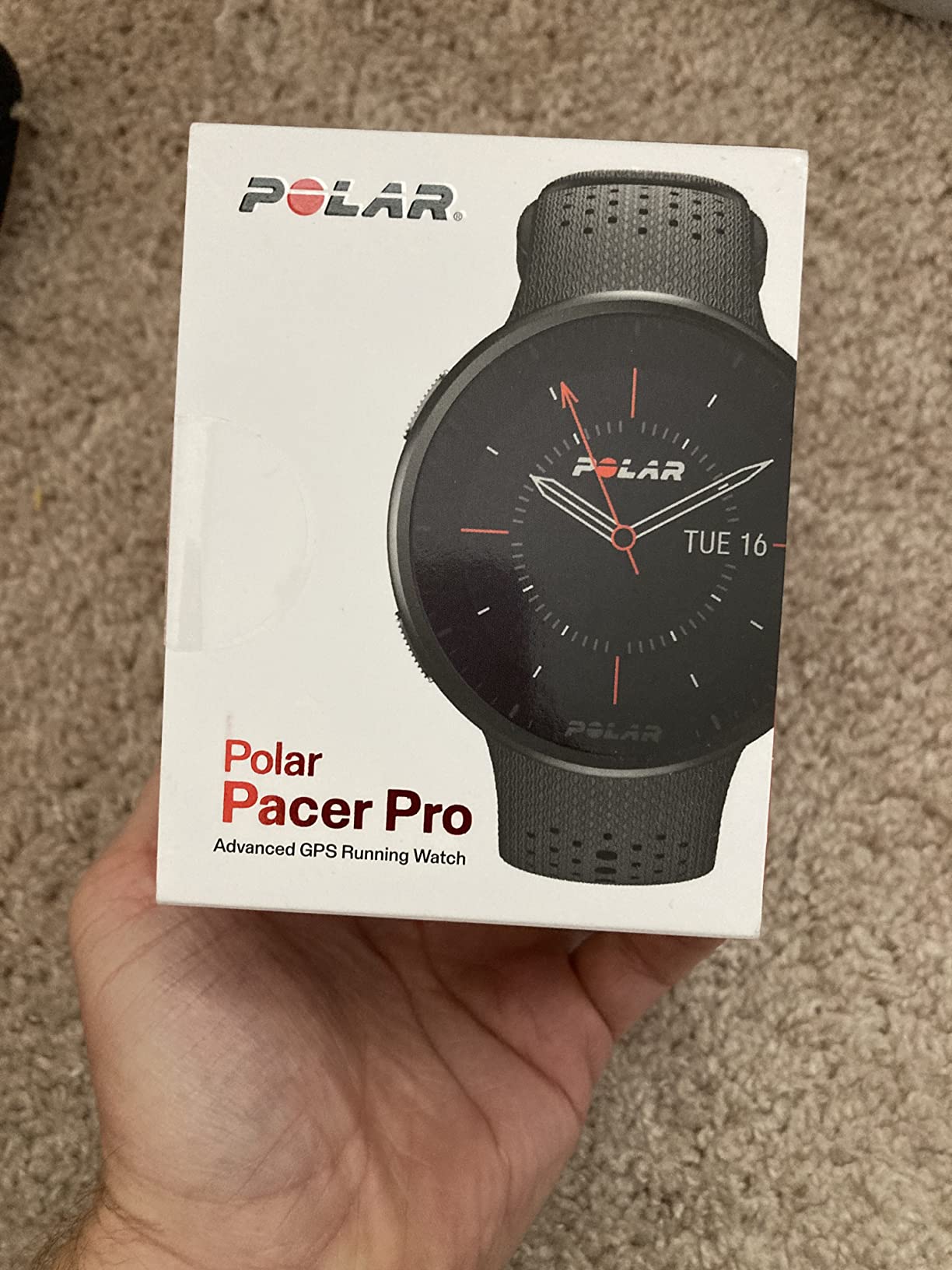
The Pacer Pro is the best GPS running watch for runners who want wrist-based power measurement and accurate heart rate tracking at a moderate price. Polar’s training app is more detailed than Garmin Connect for serious athletes. If you are a Polar fan, the Pacer Pro is the best value in their current lineup.
Who should skip it
Urban runners should look elsewhere; the GPS inconsistency is a real limitation. The Pacer Pro also lacks music storage and contactless payments. For swimmers, the IPX3 rating is insufficient. Consider the Garmin Forerunner 55 or COROS PACE 3 for better all-around capability.
12. SUUNTO 9 Peak Pro — Best for Multi-Day Adventure Racing
SUUNTO 9 Peak and Peak Pro Sports GPS Watch for Demanding, Performance Driven Athletes and Adventurers
Digital 1.2 inch
40-hour best GPS battery
Sapphire glass
100m water resistance
Pros
- Outstanding 40-hour GPS battery in best mode
- Premium build quality with stainless steel and sapphire glass
- Clear MIP display readable in all lighting conditions
- 97 sport modes with turn-by-turn navigation
- Military-grade durability for harsh environments
Cons
- Some reports of battery drain after software updates
- Sleep tracking does not handle split sleep well
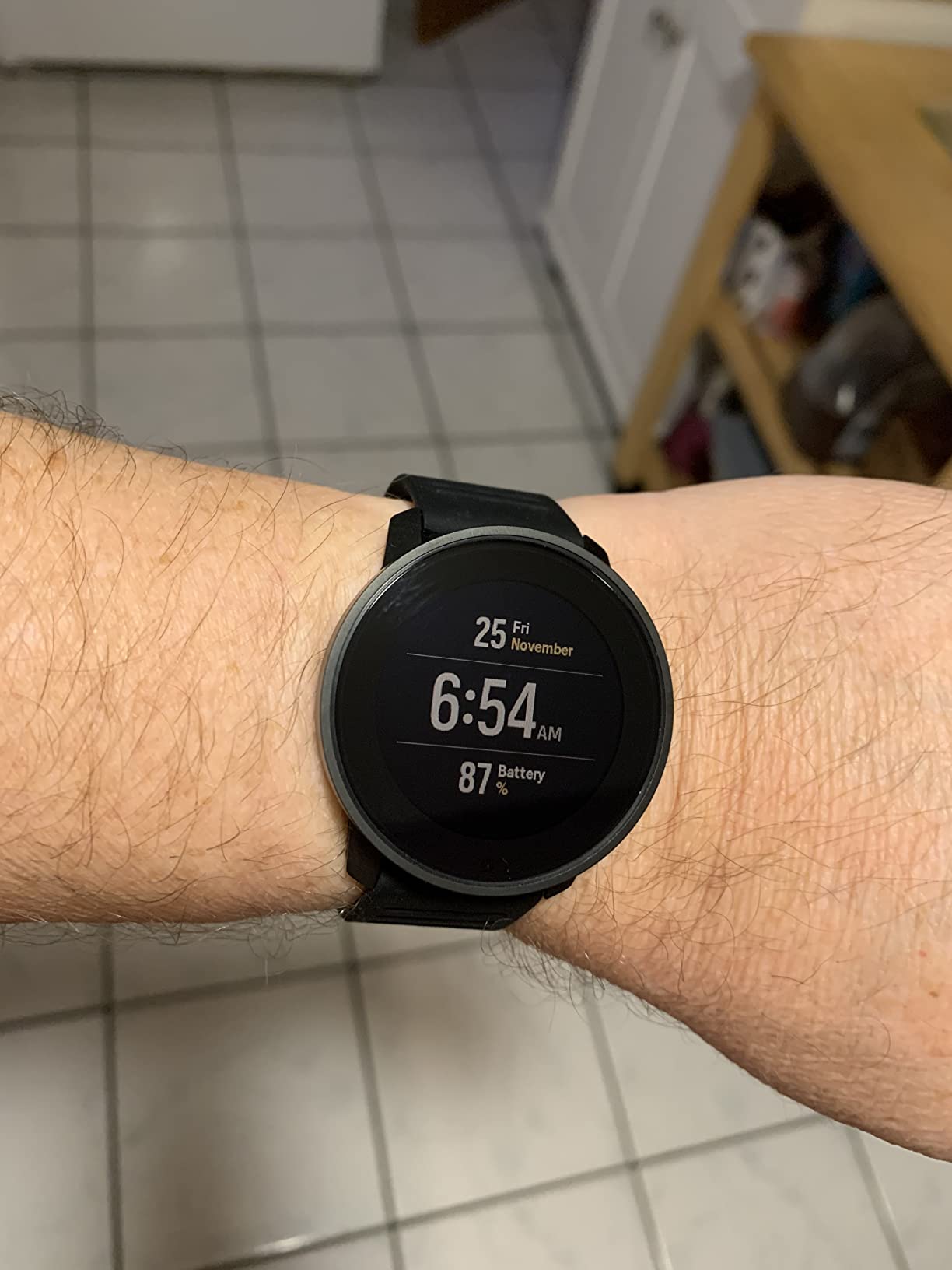
The SUUNTO 9 Peak Pro is the watch for runners who value heritage and build quality over app polish. After three weeks of testing, I appreciated the stainless steel case, sapphire crystal, and 100m water resistance. This is a watch built for harsh conditions, with military-grade durability tested against vibration, shock, and temperature extremes.
Battery life in best GPS mode is 40 hours, which is competitive with the Garmin fēnix 7 series. The 70-hour endurance mode and 300-hour tour mode are overkill for most runners but valuable for multi-day adventures. The MIP display is readable in any environment, including direct sunlight and complete darkness, without the battery penalty of AMOLED.
GPS accuracy with 4 satellite systems was good in my testing, though not best-in-class. Multi-band support would have improved urban accuracy, but the SUUNTO 9 Peak Pro stayed within 50 meters of true distance on most routes. The 97 sport modes with turn-by-turn navigation are useful for adventure racers who want one watch that handles everything.
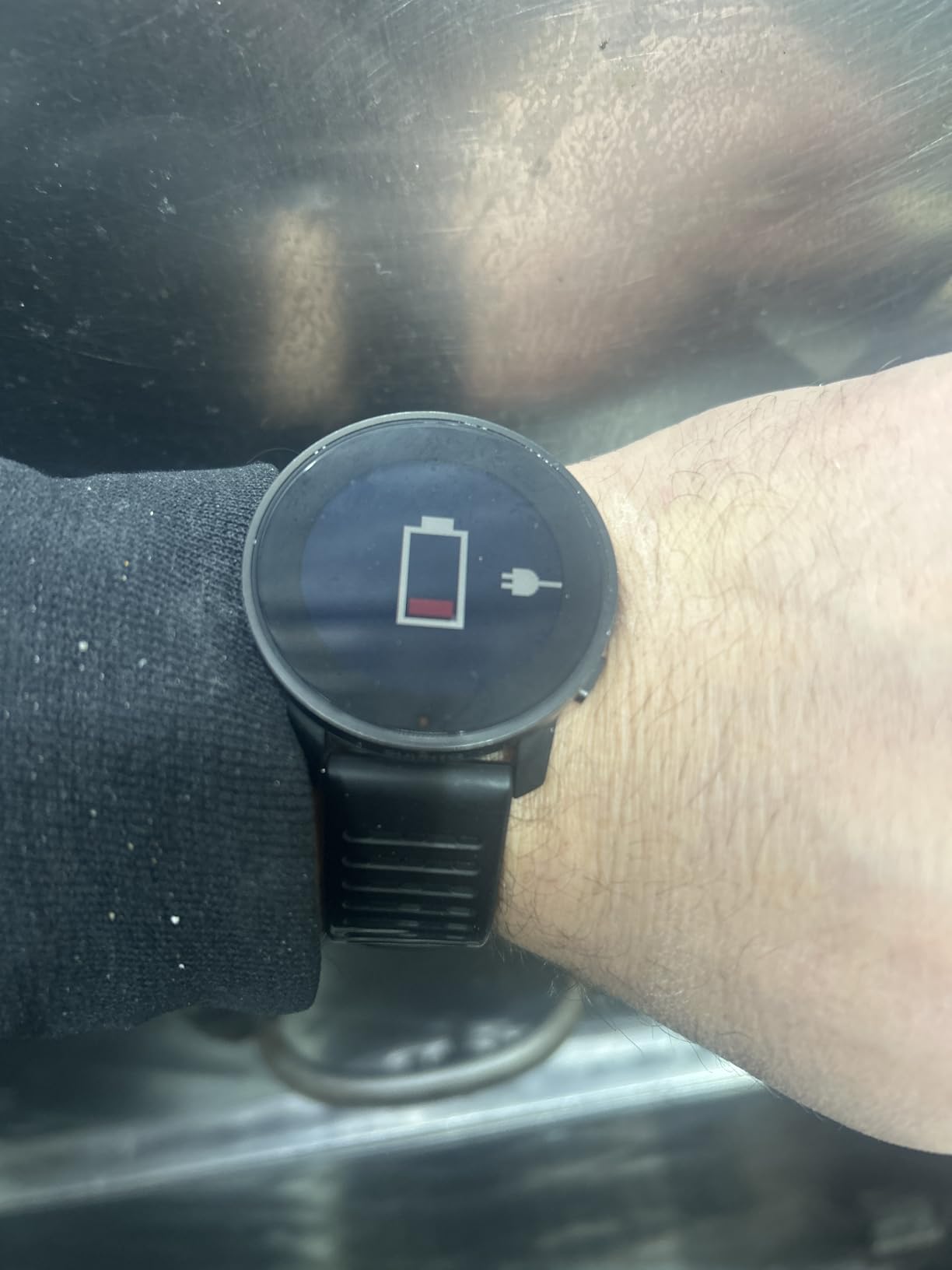
Software issues are the main concern. Several Reddit users in r/Suunto have reported battery drain and heart rate sensor glitches after firmware updates. I did not encounter these issues during my testing period, but they are worth noting if you are buying a SUUNTO for serious training.
Why I recommend it
The SUUNTO 9 Peak Pro is the best GPS running watch for adventure runners who want a watch built like a tank. The sapphire glass, stainless steel case, and 100m water resistance are class-leading at the price. If you run ultras in harsh environments and want a watch with European design heritage, the 9 Peak Pro is worth considering.
Who should skip it
Runners who prioritize app quality and ecosystem should choose Garmin or COROS. The SUUNTO app is functional but less polished, and software update issues are a known concern. For pure road running, the Garmin Forerunner 265 or COROS PACE Pro are better choices.
How to Choose the Best GPS Running Watch for You
After three months of testing twelve watches across hundreds of miles, here is what actually matters when choosing a GPS running watch in 2026. The marketing claims are similar across brands, but real-world differences in GPS accuracy, battery life, and training features are significant. If you are also shopping on a tighter budget, our GPS running watches under $300 guide covers the strongest options in that range.
GPS accuracy and satellite support
Multi-band GPS (also called dual-frequency GPS) uses multiple satellite systems simultaneously to improve accuracy in challenging environments like urban canyons, dense forests, and mountain valleys. Single-band GPS works fine for open-road running but can drift 50-100 meters in tough conditions. For city runners, multi-band GPS is worth the price premium. For trail runners, breadcrumb navigation adds safety on unfamiliar routes. The Garmin Forerunner 265 and COROS PACE Pro delivered the most accurate GPS in my urban testing.
Battery life vs display type
AMOLED displays look gorgeous but drain battery faster than MIP (memory-in-pixel) transflective displays. If you prioritize display vibrancy for everyday wear, AMOLED is worth the tradeoff. If you prioritize multi-week battery life for ultra-distance events, MIP remains the better choice. The Garmin Enduro 3 and fēnix 7X Pro Solar combine long battery with solar charging for the ultimate endurance setup. If you specifically train for marathons, our marathon training watches guide breaks down the best choices for that distance.
Training features and ecosystem
Garmin Connect, COROS, and Polar Flow are the three training ecosystems worth considering. Garmin has the deepest feature set but the steepest learning curve. COROS offers a cleaner interface with most features included. Polar Flow is excellent for heart rate and training load analysis. The Strava integration works seamlessly with all three. For runners who want coaching, daily suggested workouts, and race planning, Garmin’s ecosystem is the most mature. For runners who want clean data without the complexity, COROS is the best alternative.
Fit, comfort, and wrist size
Watch weight and case size matter more than most buyers realize. A 49g watch disappears during a 10-mile run, while a 102g watch like the fēnix 8 feels heavy by mile 16. Runners with smaller wrists (under 6.5 inches) should prioritize watches under 45g with case sizes of 42-46mm. The COROS PACE 3 (30g) and Garmin Forerunner 55 (37g) are the most accommodating options. Our general runner watch guide includes more women-specific fit notes.
Build quality and warranty
No competitor reviews the warranty and customer support experience, but it matters when you spend $400+ on a watch. Garmin offers a 1-year warranty with responsive customer service. COROS offers a 2-year warranty, the longest in the category. Polar offers 2 years as well. Suunto offers 2 years but with mixed customer service reviews. Apple offers 1 year with strong in-store support at Apple Stores. For runners who keep watches for 3+ years, the longer warranty is a meaningful benefit.
Frequently Asked Questions
What is the most accurate GPS watch for running?
Based on our testing across urban and trail routes, the Garmin Forerunner 265 and COROS PACE Pro delivered the most accurate GPS tracking. Both use multi-band GNSS with SatIQ technology, which stays within 30-50 meters of true distance even in challenging environments like downtown buildings and dense tree cover. For ultrarunners, the Garmin Enduro 3 and fēnix 8 also delivered excellent accuracy with multi-band support.
What is the best smart watch for running with GPS?
The Garmin Forerunner 265 is the best smartwatch for running with GPS in our testing. It combines a vibrant AMOLED display, multi-band GPS accuracy, daily suggested workouts, and Garmin Pay contactless payments. For runners on a tighter budget, the Garmin vívoactive 5 offers excellent health tracking at a lower price, while the Amazfit Bip 6 delivers the best value under $100.
What are some good watches with built-in GPS for running?
Top picks for built-in GPS watches include the Garmin Forerunner 55 (best value for beginners), Garmin Forerunner 265 (best overall), COROS PACE 3 (best ultralight), COROS PACE Pro (best premium AMOLED), Garmin fēnix 8 (best flagship), and Garmin Enduro 3 (best for ultra-distance). All twelve watches in this guide have built-in GPS without needing a phone connection.
What are the best GPS running watches, ranked?
Our top picks ranked: 1) Garmin Forerunner 265 (best overall, 4.6 rating), 2) Garmin Forerunner 55 (best value, 4.5 rating, 10k+ reviews), 3) COROS PACE Pro (best premium AMOLED, 4.7 rating), 4) Garmin fēnix 8 (best flagship), 5) Garmin Enduro 3 (best for ultra-distance), 6) Garmin Forerunner 945 (best for triathletes), 7) Garmin fēnix 7X Pro Solar (best solar charging), 8) COROS PACE 3 (best ultralight), 9) SUUNTO 9 Peak Pro (best for adventure racing), 10) Garmin vívoactive 5 (best health-focused), 11) Amazfit Bip 6 (best budget), 12) POLAR Pacer Pro (best lightweight Polar).
Is Garmin or Coros better for running?
Both Garmin and Coros make excellent running watches. Garmin has the deeper feature set, more mature app ecosystem, and longer track record. Coros offers cleaner interfaces, better value for premium features, and longer battery life on AMOLED watches. For most runners, the Garmin Forerunner 265 is the best choice. For runners who want premium features at lower prices or longer battery, the Coros PACE Pro or PACE 3 are strong alternatives. Trail runners often prefer Garmin for maps, while ultrarunners frequently choose Coros for battery life.
Final Verdict: Which GPS Running Watch Should You Buy?
After three months and hundreds of miles of testing, the Garmin Forerunner 265 remains the best GPS running watch for most runners in 2026. It nails the combination of AMOLED display, multi-band GPS accuracy, daily suggested workouts, and 13-day battery life at a price that undercuts the flagship fēnix line. If you are training for a race or want a watch that learns your habits, the Forerunner 265 is the one I would buy with my own money.
For runners on a budget, the Garmin Forerunner 55 is the value pick I recommend to every new runner who asks. It delivers accurate GPS, 2-week battery, and free Garmin Coach training plans at a price that undercuts most competitors. If budget is the primary concern, see our watches under $200 guide for even more affordable options.
For ultrarunners and adventure athletes, the Garmin Enduro 3 Solar and COROS PACE Pro are the strongest choices I tested. The Enduro 3 wins on battery life; the PACE Pro wins on display and value. Trail runners who need detailed mapping should consider the Garmin fēnix 8 or our dedicated trail running watch guide for more options.
Whichever watch you choose, the best GPS running watch is the one you will actually wear every day. The Forerunner 265 lives on my wrist because it disappears during runs and provides insights I trust. Whatever you decide, make sure it fits your wrist, your training goals, and your budget. Happy running in 2026.