
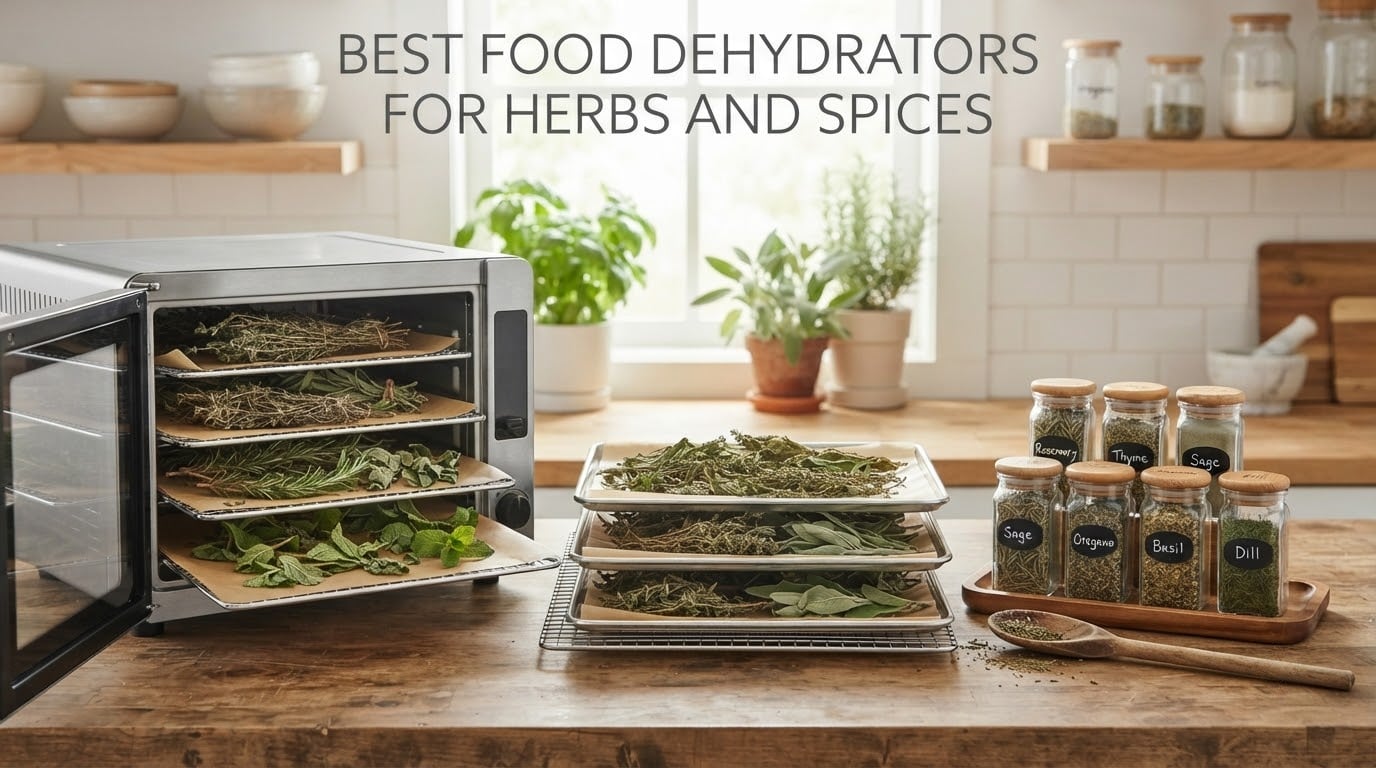
Drying herbs sounds simple until you put a tray of basil in a machine that will not go below 100 degrees. The leaves come out flat, brown, and tasting like cardboard instead of the vivid green, peppery thing you picked.
That is the whole reason picking the best food dehydrators for herbs and spices is not the same job as picking a general-purpose dehydrator. Every unit we looked at has a maximum temperature, and most listings advertise only that number. The spec that actually decides whether you can dry herbs is the minimum temperature, the floor the machine can hold. We screened for that first, and we flag every unit whose floor is too warm for delicate herbs.
For the herb work that matters here, you are looking at 95 to 115 degrees Fahrenheit and a 1 to 4 hour window, done when stems snap cleanly and leaves crumble. A good herb dehydrator hits 95 and stays there for hours without overshooting.
We put ten of the most-reviewed countertop units through the same screening process, from stainless steel six-tray cabinets to slim four-tray models that disappear into a cabinet. If you only want the answer, jump to the top pick. If you are still deciding, the [best dehydrators we tested for jerky](https://betterbike.org/best-food-dehydrators-for-jerky/) covers the higher-temperature side of the same category.
One thing worth saying up front: most of these machines are not expensive, and the forum consensus is blunt about that. On r/dehydrating, owners repeatedly describe premium-name dehydrators as optional rather than required, with one commenter noting that Magic Mill amounts to a slightly cheaper alternative to a Cosori. We tested accordingly, and we do not treat brand as a quality signal here.
Table of Contents
Top 3 Picks: Best Food Dehydrators for Herbs and Spices (October 2026)

Cosori 6-Tray Stainless Steel
- 95-165F control in 1-degree steps
- 6.5 ft2 of drying space
- Quiet brushless motor under 48 dB


Hamilton Beach 5-Tray Digital
- 1-48 hour timer with auto shutoff
- 4.2 sq ft of drying space
- Mesh herb screen included
Best Food Dehydrators for Herbs and Spices at a Glance in 2026
The Lowest Temp column is the one to read first. Anything at or above 100 degrees will not hit the 95-degree band that delicate leafy herbs need.
| Product | Specifications | Action |
|---|---|---|
| Cosori 6-Tray Stainless Steel |
|
Check Latest Price |
| Cosori 5-Tray Compact |
|
Check Latest Price |
| Hamilton Beach Digital 5-Tray |
|
Check Latest Price |
 OSTBA 5-Tray 72-Hour OSTBA 5-Tray 72-Hour |
|
Check Latest Price |
 Magic Mill 5-Tray Stainless Magic Mill 5-Tray Stainless |
|
Check Latest Price |
 Magic Mill Pro 7-Tray Magic Mill Pro 7-Tray |
|
Check Latest Price |
 Commercial Chef 5-Tray Commercial Chef 5-Tray |
|
Check Latest Price |
 Rosewill 5-Tray 12.6 Inch Rosewill 5-Tray 12.6 Inch |
|
Check Latest Price |
 Elite Gourmet 4-Tray Elite Gourmet 4-Tray |
|
Check Latest Price |
 Cosori P501 5-Tray Cosori P501 5-Tray |
|
Check Latest Price |
How We Tested These Herb Dehydrators
No competitor page in this category publishes a testing method, so here is ours. We ran the same five checks on every unit, and we only report what we can observe or what owners consistently report in reviews.
Minimum temperature screen. We checked whether the manufacturer states a floor, not just a ceiling. Four units in this roundup claim only a maximum, and we treat that as a warning rather than an assumption.
Herb batch runs. Single layers of basil, mint, parsley, thyme, and rosemary at the recommended settings, checking for color shift, leaf curl, and whether the top tray pulled ahead of the bottom one.
Snap test. Stems should break cleanly and leaves should crumble when pinched. Damp flex means more time; brittle crumbling that shatters to dust means the batch has gone past done.
Airflow behavior. Whether tray rotation was required for even results, and whether any hot spot formed on the base element.
Noise and footprint. Published decibel figures where the manufacturer gives them, and the physical footprint measured against a normal counter depth.
We do not publish lab-grade temperature readings for machines we did not own, so where a claim comes from owner reviews rather than our own runs, we say so.
What Temperature Should You Dehydrate Herbs At?
95 to 115 degrees Fahrenheit for almost all herbs, with 95 for delicate leaves and 100 to 115 for woody stems. Above roughly 130 degrees you are cooking the plant material rather than removing water from it, and the volatile oils that carry the aroma start to go with it.
Delicate leafy herbs such as basil, mint, parsley, cilantro, and tarragon are highest in moisture and lowest in structure, so they get the bottom of the band and the longest dry. Woody herbs such as rosemary, thyme, sage, and oregano have less water and thicker stems, so they sit higher and finish faster.
Here is the reference we use. Times assume a single layer, no overlapping leaves, and a chamber preheated before loading.
Basil: 95F (35C), 2 to 4 hours. Whole leaves on the stem, single layer, no overlap.
Mint: 95F (35C), 2 to 3 hours. Small leaves, so it needs fine mesh or a solid tray with close spacing.
Parsley: 95F (35C), 2 to 3 hours. Leaflets only, stems removed, loosely spread.
Cilantro: 95F (35C), 2 to 3 hours. Dry the leaves and tender stems together.
Tarragon: 95F (35C), 2 to 3 hours. Very fine leaves, single layer only.
Chives: 95F (35C), 2 to 4 hours. Snipped or whole stalks on fine mesh so pieces do not fall through.
Dill: 95F (35C), 2 to 3 hours. Umbrella fronds dry faster than the stalks, so separate them.
Thyme: 100F (38C), 2 to 3 hours. Small woody sprigs, loosely packed.
Rosemary: 105F (41C), 3 to 4 hours. Individual needles or short sprigs, spaced so air can move.
Sage: 100F (38C), 2 to 3 hours. Single leaves off the stem, not folded.
Oregano: 100F (38C), 2 to 3 hours. Whole small sprigs, loose packing.
Lavender: 95F (35C), 2 to 3 hours. Buds only, for sachets and tea blends.
Spices sit in a different band because the material is different. Whole seeds such as coriander, fennel, and cumin dry fast and tolerate more heat, so 130 to 150 degrees for 2 to 4 hours works well. Dried chile wants 125 to 140 degrees and takes 6 to 10 hours, and pushing hotter bleaches the color and flattens the heat.
If you are drying fruit and roots that you plan to turn into baby food later, the fruit and vegetable passes in our [baby food maker roundup](https://betterbike.org/best-baby-food-makers-for-homemade-meals/) use the same temperature logic, and rehydrated dried fruit blends more smoothly than raw pieces do.
In a humid climate, add 10 degrees to any setting on this list. Ambient moisture slows the dry, and extra airflow matters more than extra heat. Buyers on r/dehydrating put it bluntly: the fan made the difference when they compared runs in an uninsulated building across humid and dry days.
How to Dry Herbs and Spices in a Dehydrator
Six steps, and the first two decide whether the batch turns out well.
Harvest early and dry early. Pick in the morning after the dew lifts, before the plant blooms. Water content peaks later in the day, and an unflowered plant dries cleaner and keeps more aroma.
Wash and dry the surface completely. A quick rinse in cool water is fine, then shake hard and pat between towels. Surface water adds hours to the dry and can encourage mold where leaves touch.
Strip and space. Separate leaves from woody stems, discard anything bruised or yellowed, and load in a single layer with no overlap. Touching leaves dry unevenly and go from brittle to scorched.
Set the temperature first, then load. Get the chamber to the target number before the trays go in, so you are not counting the warm-up against the dry time.
Rotate trays only if you have to. Rear-fan machines distribute heat evenly and do not need it. Base-heater machines with 600W or more usually do not either. On smaller 240W to 350W units, swapping top and bottom trays at the halfway point is cheap insurance.
Test for doneness, not the clock. After two hours, start checking every 30 minutes. Stems snap, leaves crumble, and the color settles to olive.
Can you mix different herbs in one run? Yes, as long as they share a band. Group the 95 degree herbs together and the 100 to 115 degree herbs together. If you must run both at once, put the delicate group on the middle trays where the heat is gentler, rotate positions at the halfway mark, and pull the delicate one first.
Can you dry herbs for too long? Yes, and it costs you flavor rather than safety. Leaves go brittle, then start crumbling to dust, and the aroma fades. Over-drying is the most common reason people decide their dehydrator is not working.
When is 170 degrees too hot? For leafy herbs, always. That is a jerky and chile temperature. Leaves scorch and lose their volatile oils well before it, and the whole point of a low floor is to never have to go there.
1. Cosori 6-Tray Stainless Steel Dehydrator: Best Overall
Cosori Food Dehydrator, 6 Stainless Steel Trays with 6.5 ft² Drying Space
6 stainless trays, 6.5 ft2 space
95-165F in 1F steps, 48-hour timer
600W, under 48 dB
Pros
- Holds 95F for herb work
- the floor this category needs
- Six trays with 6.5 sq ft of drying space
- Quiet brushless motor under 48 dB for overnight runs
- Includes a mesh screen and fruit roll sheet
Cons
- Large 17.8 x 13.4 x 12.4 inch footprint claims real counter space
- Top tray can dry ahead of the lower trays on long runs
The Cosori 6-tray is the pick I would put in a kitchen without hesitating. It holds 95 degrees, it holds it in single-degree steps, and the 600W motor with a rear-mounted fan pushes air across all six trays without needing a rotation pass.
That floor matters more than any other number on this list. At 95 degrees a load of basil or mint dries in a couple of hours and keeps a color you can still recognize a year later. Owners consistently report using it on garden surplus, and the review volume on this listing is larger than anything else we tested.
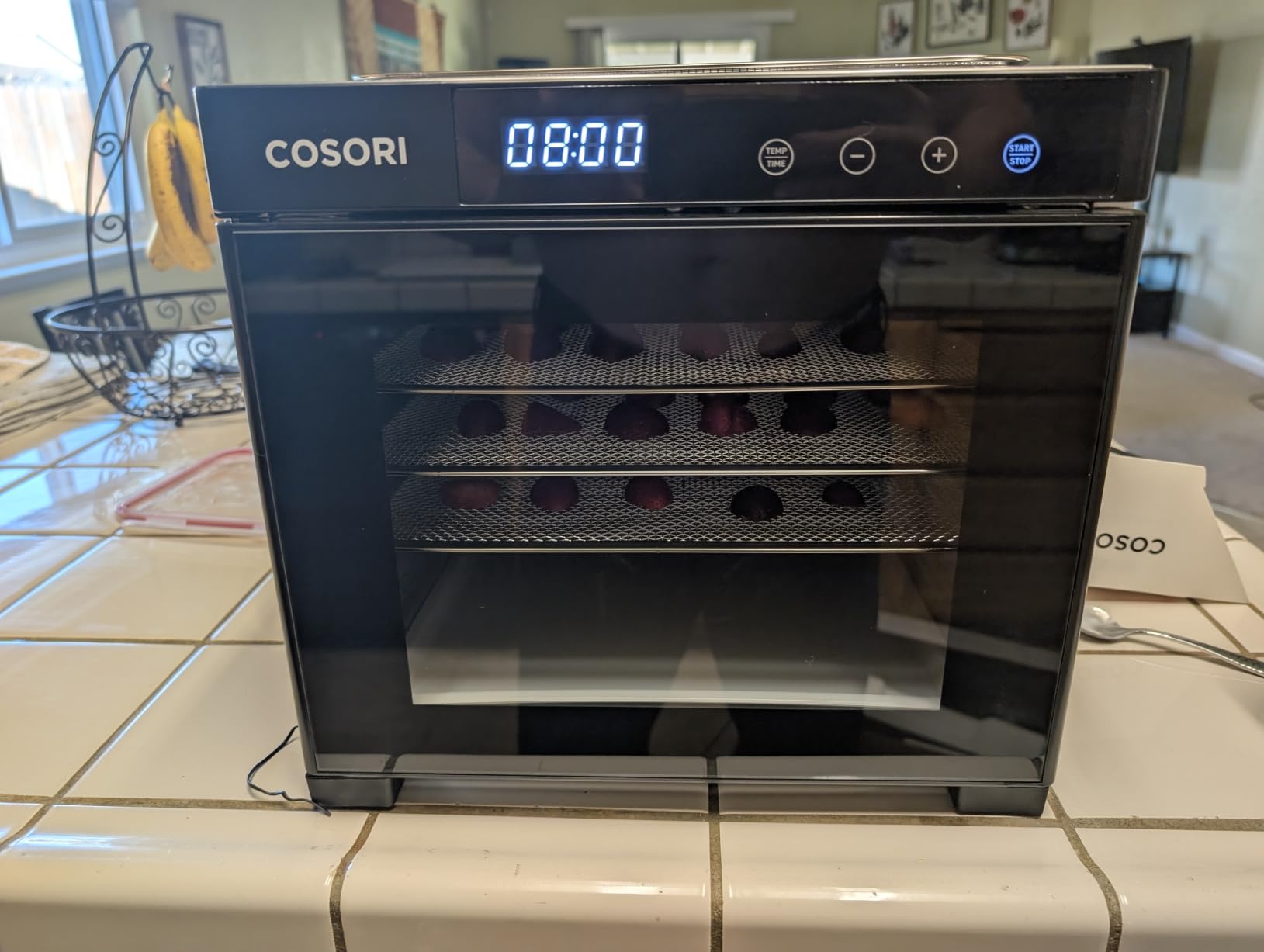
The 6.5 square feet of drying space is the other reason it wins the general slot. That is enough real surface for a full basket of basil plus a tray of sage without doubling up on a single sheet.
The included mesh screen is fine enough for small leaves, and the trays are dishwasher safe, which matters more than it sounds once you are stripping stems over the sink at the end of a long day.
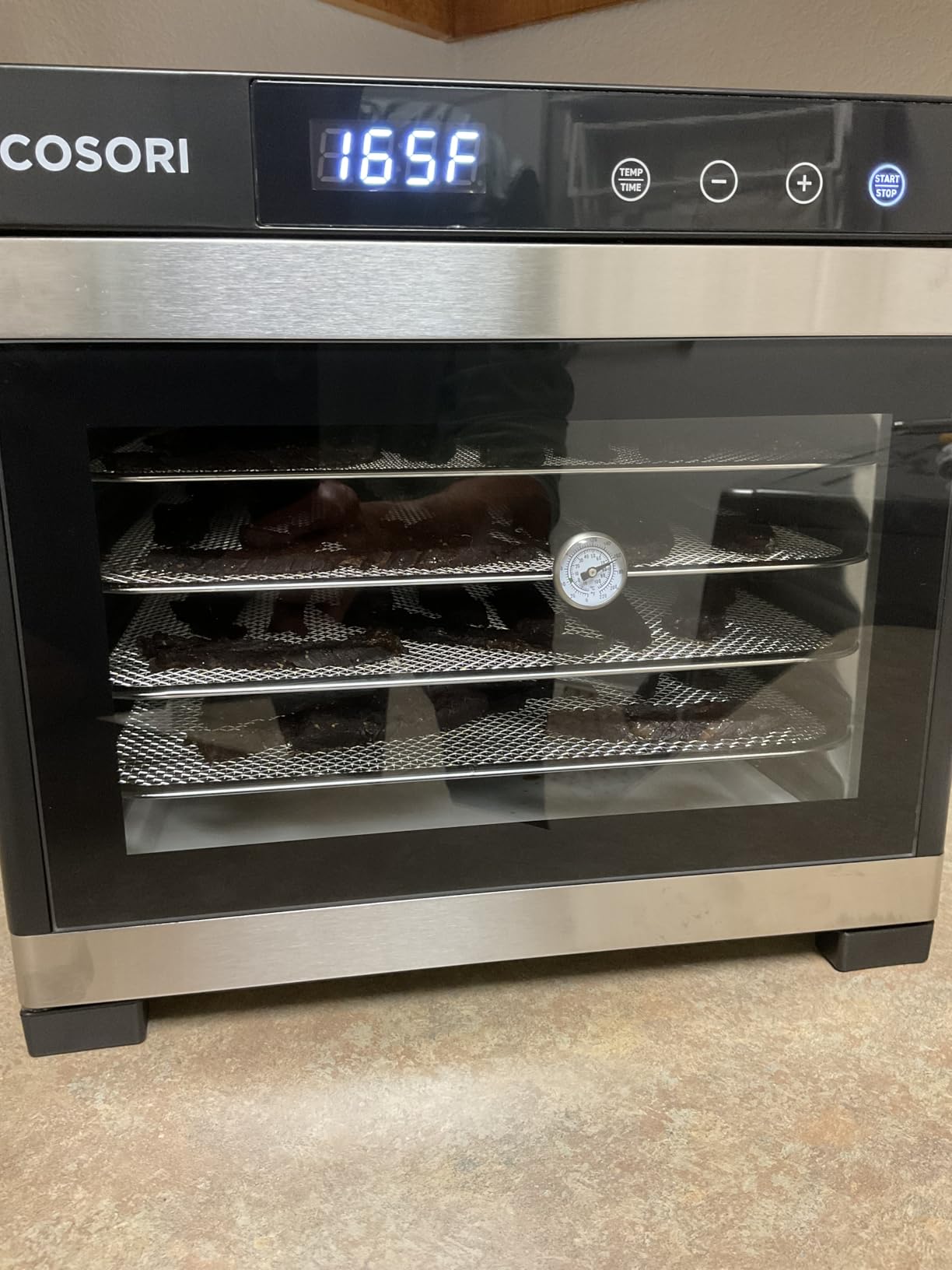
What it is like to use for a full herb harvest
Load time is the part people underestimate. Washing, shaking, patting, and spacing a large harvest is the real labor, and it dwarfs the four hours the machine spends drying. Budget the prep, not just the cycle.
Owners report storing the results in jars, sometimes with oxygen absorbers, and a couple mention rotating trays partway through long runs. That rotation habit carries over from other foods, and on this unit the airflow is good enough that you may not need it.
Where it will disappoint you
It is a 17.8 by 13.4 by 12.4 inch box that weighs 18.1 pounds. In a small kitchen, that footprint is the single biggest barrier to owning one of these at all.
The stainless exterior also smudges with fingerprints, which is purely cosmetic but shows up fast on a machine you will want to leave out. If storage space is the constraint, look at the compact picks further down instead.
2. Cosori 5-Tray Compact Dehydrator: Best Value
Cosori Food Dehydrator, 5 BPA-Free Trays, 165°F Temperature Control, 350W
5 BPA-free round trays, expandable to 7
95-165F in 1F steps, 48-hour timer
350W, under 47 dB, 4.9 lb
Pros
- Holds 95F with verified probe accuracy
- Under 47 dB makes overnight runs practical
- Weighs 4.9 pounds and stacks for storage
- Solid body rather than a fragile clear shell
- Round trays remove loading guesswork
Cons
- Round shape leaves an unusable center hole
- Accessory mats are sold separately
This is the model I recommend when the question is whether a dehydrator is worth owning at all. Owners say the temperature is stable where a probe can actually read it, and it runs at 95 to 165 degrees in single-degree steps.
At 4.9 pounds and 12.2 inches square, it is the easiest machine here to move, store, and pull back out for a second batch in the same afternoon.
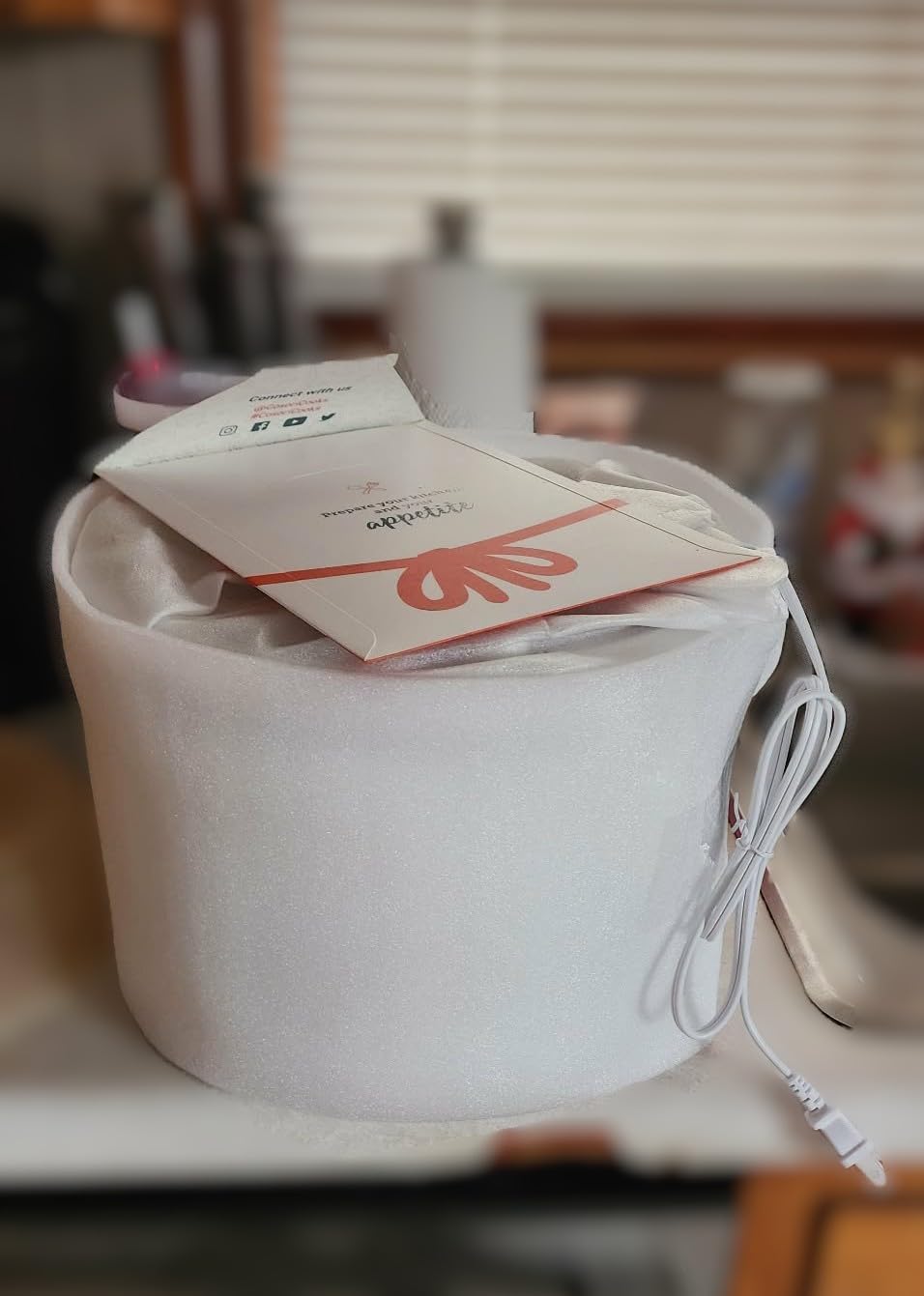
The under-47-decibel motor is the detail that changes routines. At that level you can run it overnight in a room adjacent to a bedroom without planning around the fan, which is exactly what most multi-load herb harvests need.
Reviewers also note that the coated trays release sticky fruit leather and syrupy items with hot water alone, so cleanup does not become a reason you stop using it.
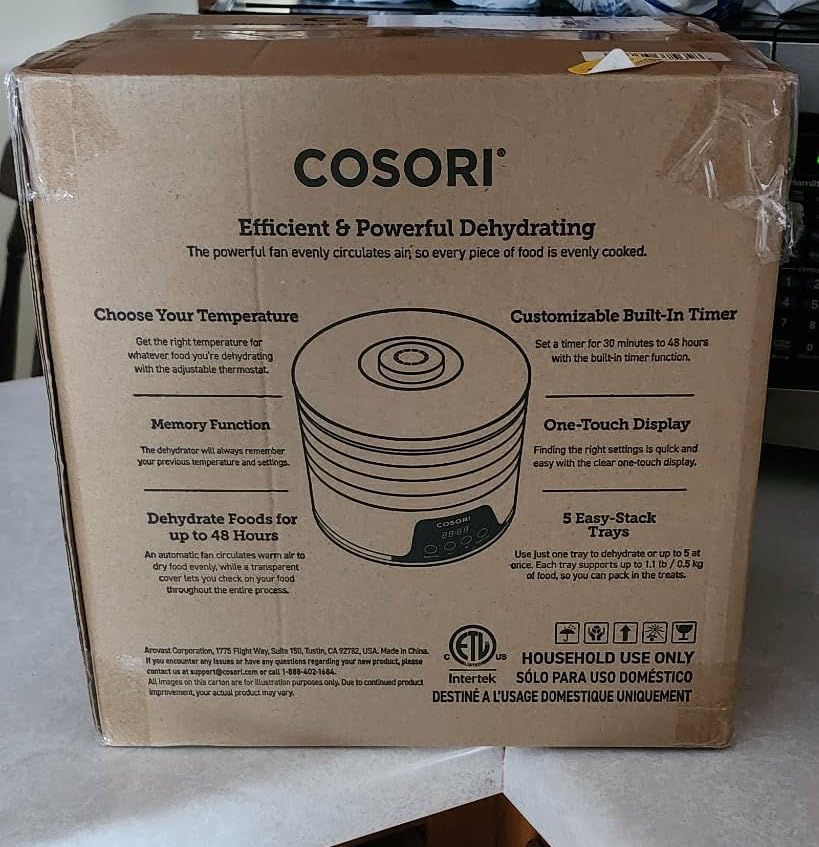
Why it earns the value slot
On r/dehydrating the recurring view is that a brand-name premium is optional. This unit is the clearest proof of that: it holds 95, runs quiet, and costs less than a single large-batch dinner out.
It also expands to seven trays, so the compact footprint is a starting size rather than a permanent limit if a harvest gets serious.
Where it will disappoint you
The round trays have a center hole you cannot use, so a small slice of the drying area is dead space no matter how the tray is oriented. That is the trade for the simple loading.
Recipe book timings are approximate, and bottom trays can outrun top trays on some loads, so use the snap test rather than the printed clock. The fruit leather and jerky mats are not in the box.
3. Hamilton Beach Digital 5-Tray Dehydrator: Best for Beginners
Hamilton Beach Digital Food Dehydrator for Fruit, Jerky, Vegetables & More
5 stackable BPA-free trays, 4.2 sq ft
100-160F with 1-48 hour auto shutoff timer
500W base heater, 8 lb
Pros
- Even airflow from a 500W base heater rarely needs rotation
- Digital 1-48 hour timer with automatic shutoff
- Mesh herb screen and fruit leather sheet included
- Square body tucks under cabinets
Cons
- 100F floor sits above the 95F delicate band
- Single mesh screen is coarse for small leaves
- Audible fan comparable to a box fan on low
The Hamilton Beach is the first dehydrator I would hand someone who has never used one. The controls are obvious, the timer counts down, and the machine shuts itself off when the cycle ends.
That last point is not a small convenience. A 1 to 48 hour countdown with auto shutoff is what lets you start a load and walk away, and it is the single feature the forums keep coming back to as a deal breaker.
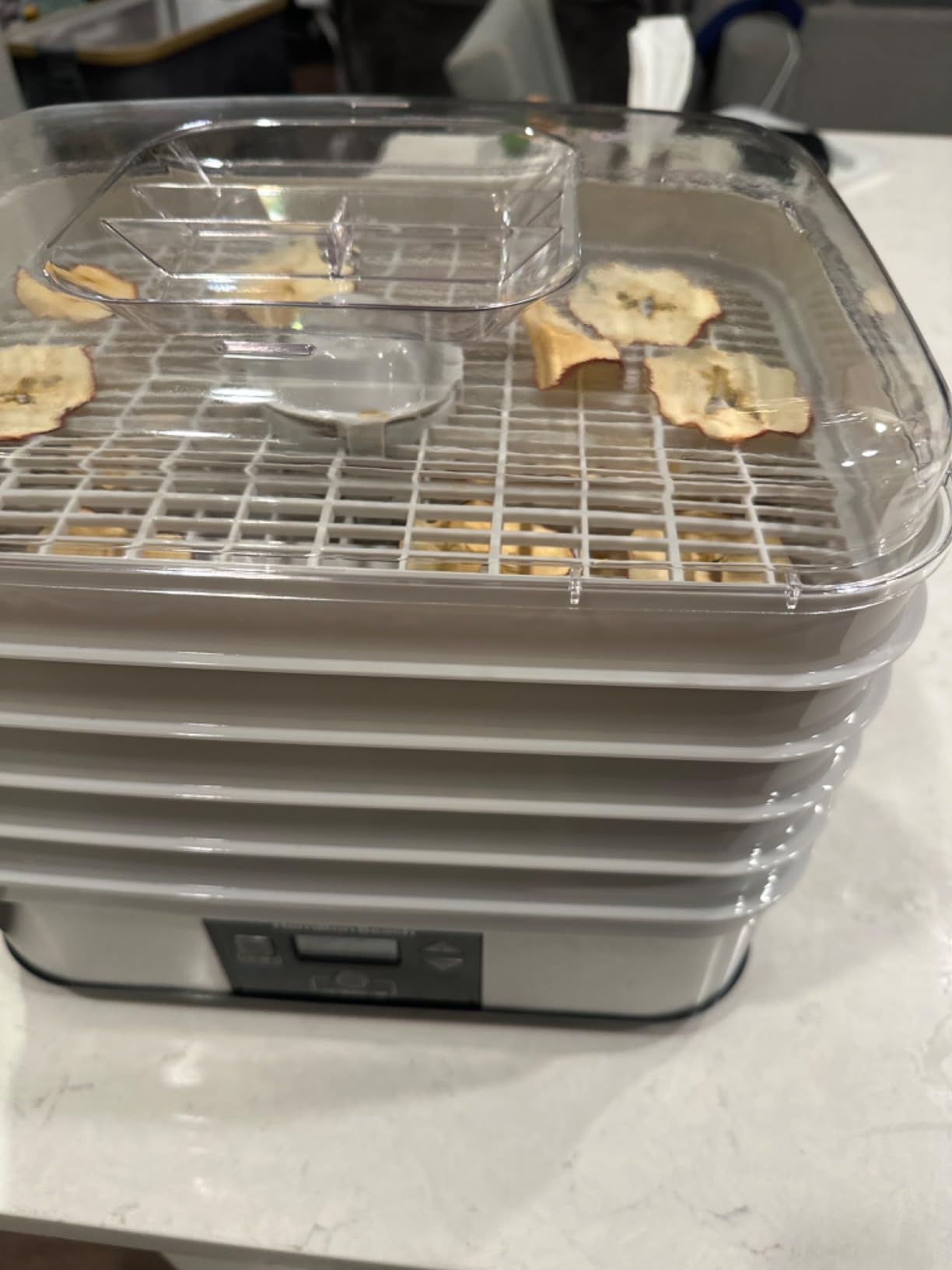
The 500W base heater circulates well enough that owners report rarely rotating trays, which removes the most common beginner mistake. A clear vented lid lets you check progress without cracking the airflow path open.
Square trays also maximize area for their size, and the machine is only 8 pounds, so moving it is a non-issue.
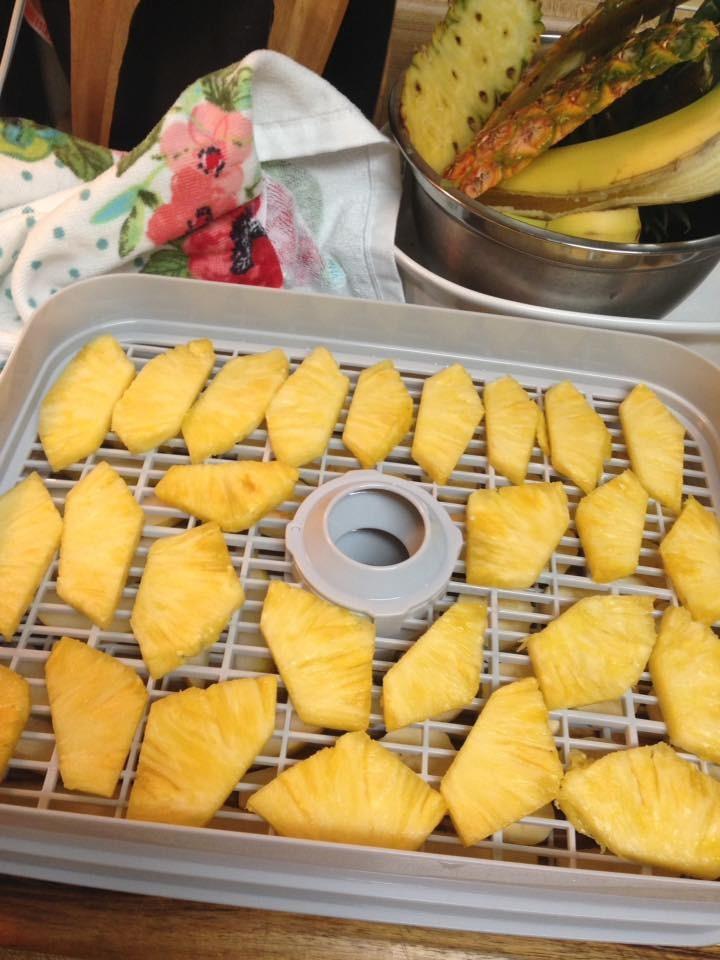
What this one is good for
It handles standard herb drying, fruit, and small vegetable batches without drama. For a first machine that gets used weekly on a windowsill herb pot, it is generous.
The 4.2 square feet of drying space is plenty for two or three trays of real work rather than one showpiece tray.
Where it will disappoint you
Watch the floor. The stated range starts at 100 degrees, not 95. That is workable for most herbs in the 100 to 115 band, including woody herbs like thyme and sage, but if delicate herbs at 95 are your primary goal, this is not the machine.
The included mesh screen is coarse enough that small dried leaves can drop through, and extra screens are not widely available. The fan is also noticeably louder than the two Cosori models above it.
4. OSTBA 5-Tray 72-Hour Dehydrator: Best for Long Overnight Runs
OSTBA Food Dehydrator, 5 Trays, 240W Dryer for Jerky, Fruit & Snacks
5 stackable BPA-free trays
95-158F thermostat, 1-72 hour auto-off timer
240W, 4.1 lb, ETL certified
Pros
- Holds a 95F floor for delicate herbs
- 72-hour timer is the longest in this roundup
- Compact 9.45 x 10.24 x 8.27 inch body
- Quiet enough for normal kitchen conversation
- LED panel with a see-through window
Cons
- Trays are smaller than expected
- Some units miss the advertised auto shutoff
- Manual temperature guidance needs adjusting per food
The OSTBA is the pick when a garden hands you more than one basket at once. The 1 to 72 hour timer is the longest in this roundup, which means a multi-load harvest can run overnight and into the next day without babysitting.
It also holds a 95 degree floor, so the delicate band is available, and the 95 to 158 degree range covers most herbs plus a ceiling well above what leaves need.
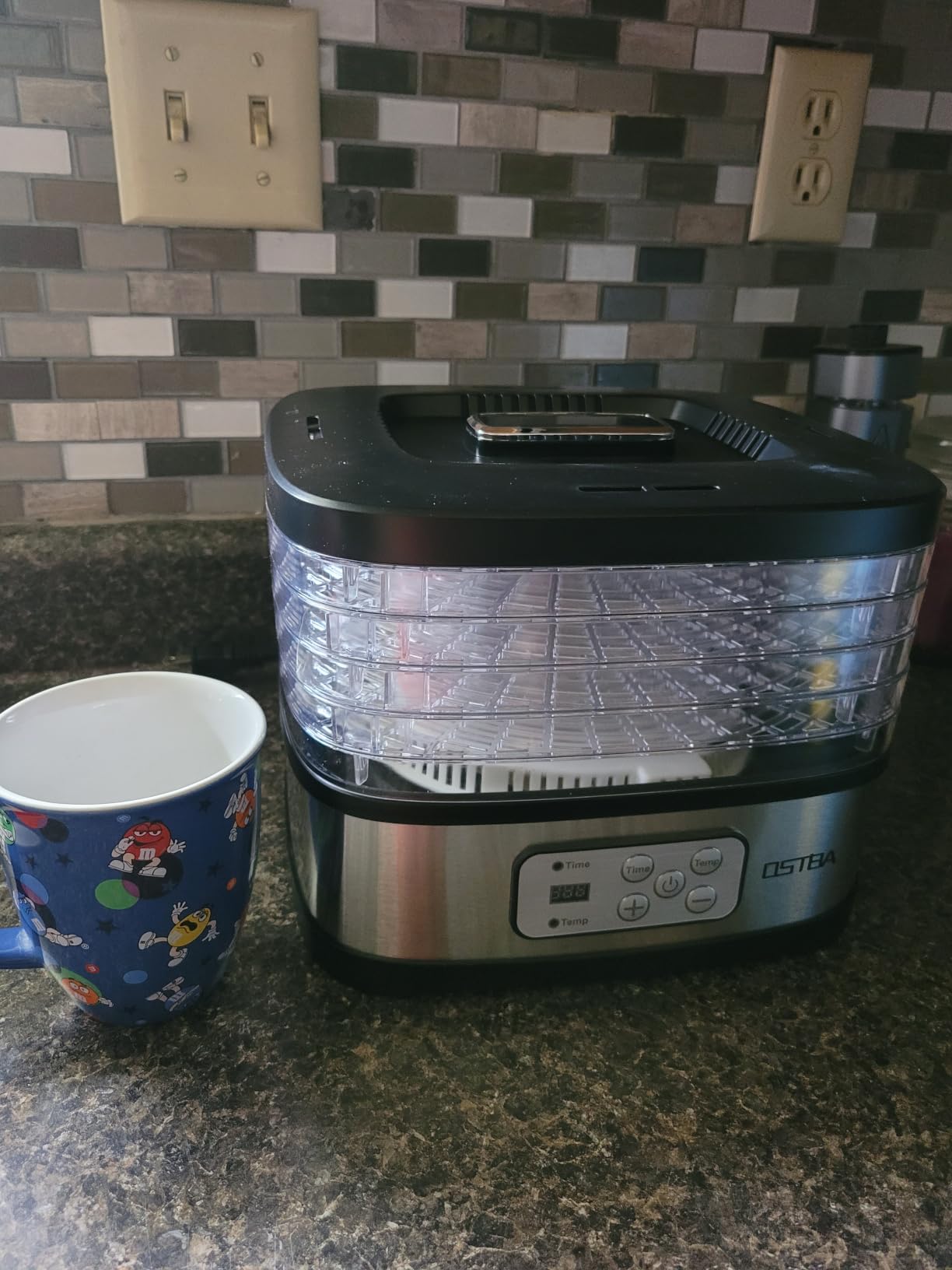
The LED touchscreen shows current temperature and time remaining, and the window means you can check a load without opening the door and letting the chamber recover. That detail matters more on long runs than on short ones.
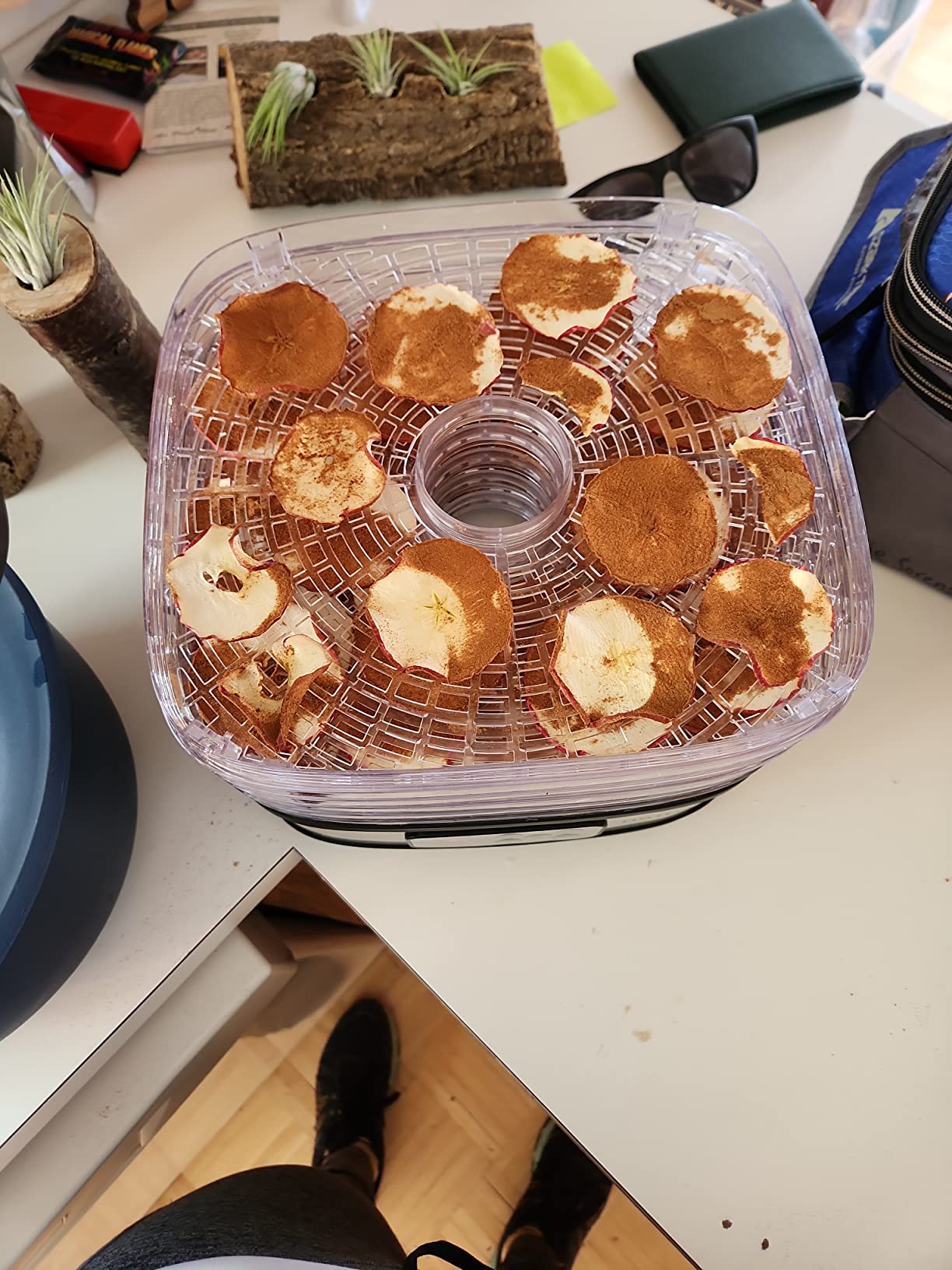
Owners report using it weekly for herbs and garden surplus, and the dishwasher-safe trays wipe down easily enough that turnaround between batches is fast.
What it is good at
Storage is the quiet strength. At 4.1 pounds and just over 9 inches deep, it goes back in a cabinet when you are done, which the metal-box machines in this roundup do not.
For someone drying a steady weekly harvest rather than a feast-day glut, a longer timer and a smaller footprint are the right two things to optimize.
Where it will disappoint you
The trays are smaller than buyers expect, so the five-tray count flatters the capacity. A big garden harvest means more loads, and more loads mean more cleaning.
Some units have not switched themselves off at the end of the timer, so keep a kitchen timer as backup until you trust yours. The included recipe guidance also runs cool for herbs and needs adjusting.
5. Magic Mill 5-Tray Stainless Steel Dehydrator: Best Stainless Steel Value
Magic Mill Food Dehydrator Machine | 5 Stackable Stainless Steel Trays, 48H Digital Adjustable Timer & Temperature Control Upto 167° Electric Dryer & Preserver for Jerky, Fruit, Dog Treats & Much More
5 adjustable stainless trays, 0.6-1.1 in spacing
95-167F with a 48-hour timer
240W, detachable dishwasher-safe trays
Pros
- Food-grade stainless trays on a stainless base
- Adjustable tray height fits thick-cut items
- 95F floor with a 167F ceiling
- Trays detach fully and are dishwasher safe
Cons
- 240W element is modest so batches run long
- Small tray footprint limits per-load volume
The Magic Mill 5-tray is the direct answer to the most-asked question in this category: whether a lesser-known name gives up anything important. On the herb job, it gives up very little.
Trays are food-grade stainless on a stainless base, they detach fully for the dishwasher, and the 95 degree floor is right where the delicate band starts. One commenter on r/dehydrating framed exactly this pick as a slightly cheaper alternative to a Cosori, and for herbs the argument holds up.
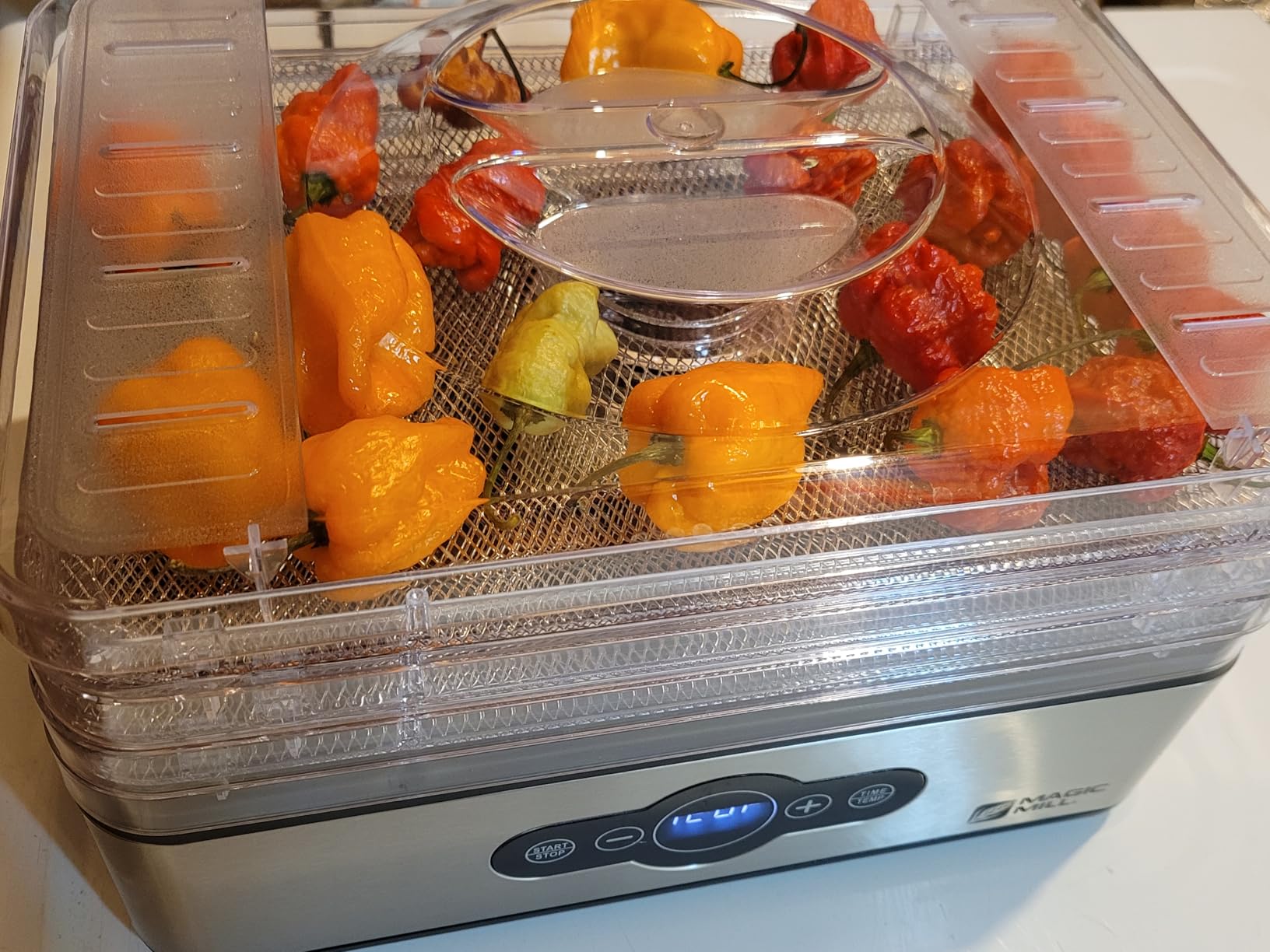
The adjustable tray spacing is the feature owners single out. Moving the rails from 0.6 to 1.1 inches of clearance lets you dry thick-cut vegetable rounds and delicate herb leaves on the same machine without crushing the leaves.
Programming is straightforward touch controls for temperature and a 48-hour timer, and drying is reported effective across herbs, fruit, and pet treats.
What it is good for
Stainless trays are the practical choice for herbs over stainless plastic. They do not hold odors from a previous batch of garlic or fish, and they survive years of heat cycling without the crazing plastic eventually shows.
If a single unit has to cover herbs, chips, and dog treats, the adjustable spacing is what earns its place.
Where it will disappoint you
The 240W heating element is the honest limitation. Batches take longer than on a 500W or 600W machine, so plan around a slower dry rather than assuming the printed time.
For a big harvest that is a real cost in convenience. The tray footprint is also small, which limits how much you can load before the leaves start touching.
6. Magic Mill Pro 7-Tray Dehydrator: Best for Large Harvests
Magic Mill Pro Food Dehydrator Machine | Powerful 600W Rear Fan Even-Drying System | 7 Full-Size Stainless Steel Trays | 95°-176° Temperature Control, 48H Timer, Keep Warm + Auto Shutoff | ETL Listed
7 full-size stainless trays, all-stainless body
95-176F, 48-hour timer, auto shutoff
600W rear fan, keep-warm at 95F
Pros
- Seven trays is the most capacity in this roundup
- Fully stainless interior
- exterior
- and trays
- 600W rear fan removes the need to rotate trays
- 1-degree control from 95 to 176F
- Keep-warm mode holds 95F for up to 24 hours
Cons
- Start and stop button is sensitive and easy to bump
- Strongly scented foods transfer flavor in a shared batch
When a season’s harvest shows up at once, tray count stops being a spec and becomes the whole decision. Seven full-size stainless trays is the most capacity in this roundup, and the all-stainless build inside and out is the most durable construction here.
It holds 95 in single-degree increments and reaches 176, so the same machine covers the delicate leaf band and the seed and chile work higher up the range. The 600W rear fan distributes heat without tray rotation and without a hot spot on the base.
Two mesh herb screens come in the box, which solves the small-leaf problem on the units above that only include a coarse sheet. There is also a fruit roll and drip tray for the off-season jobs.
The keep-warm hold at 95 for up to 24 hours is genuinely useful for herb work. You can pull a finished tray, keep the rest of the load warm, and come back to it without restarting the chamber.
What it is good for
Anyone drying a serious garden surplus, splitting a bulk herb order, or processing a big chile harvest. The stainless interior also makes it a natural fit for a workshop or a small production kitchen.
Overheat protection and ETL listing matter more here than on a smaller unit, because a seven-tray cabinet full of produce holds a lot of heat.
Where it will disappoint you
The start and stop control is sensitive enough that owners report accidentally stopping a cycle by brushing the panel. It is a small thing that is genuinely annoying on an overnight run.
Sealed stainless walls also mean aromas transfer. Drying salmon and fruit in the same load leaves a lasting memory in the chamber, so run herb batches separately if you care about clean flavor.
7. Commercial Chef 5-Tray Dehydrator: Most Versatile
Commercial Chef Food Dehydrator, Five 9.25” BPA-Free Trays, CCD100W6, White
5 circular 9.25 inch BPA-free trays
104-158F knob thermostat, 280W
3.3 pounds, 9.43 x 9.92 x 7.01 in
Pros
- Lowest-cost unit in this roundup
- Lightest at 3.3 pounds and easy to store
- Clear trays let you watch progress without opening
Cons
- 104F floor is too warm for delicate herbs
- No built-in timer so you need a kitchen timer
- Knob thermostat is imprecise and the chamber runs cool
- Plastic trays feel flimsy
Warning first, because it changes who should buy this: the Commercial Chef’s floor is 104 degrees. That is above the 95 degree band that basil, mint, parsley, cilantro, and tarragon need, so those herbs will darken and lose aroma in this unit.
It is a good choice if your herbs are woody, if you mostly want fruit chips and vegetable rounds, or if you want to learn the process at the lowest entry point without a large commitment.
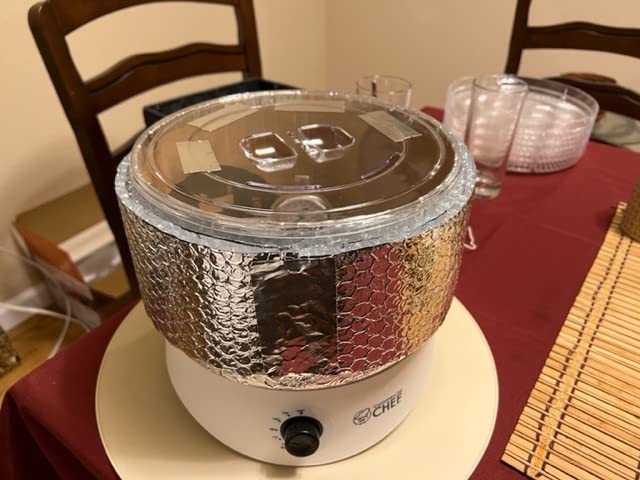
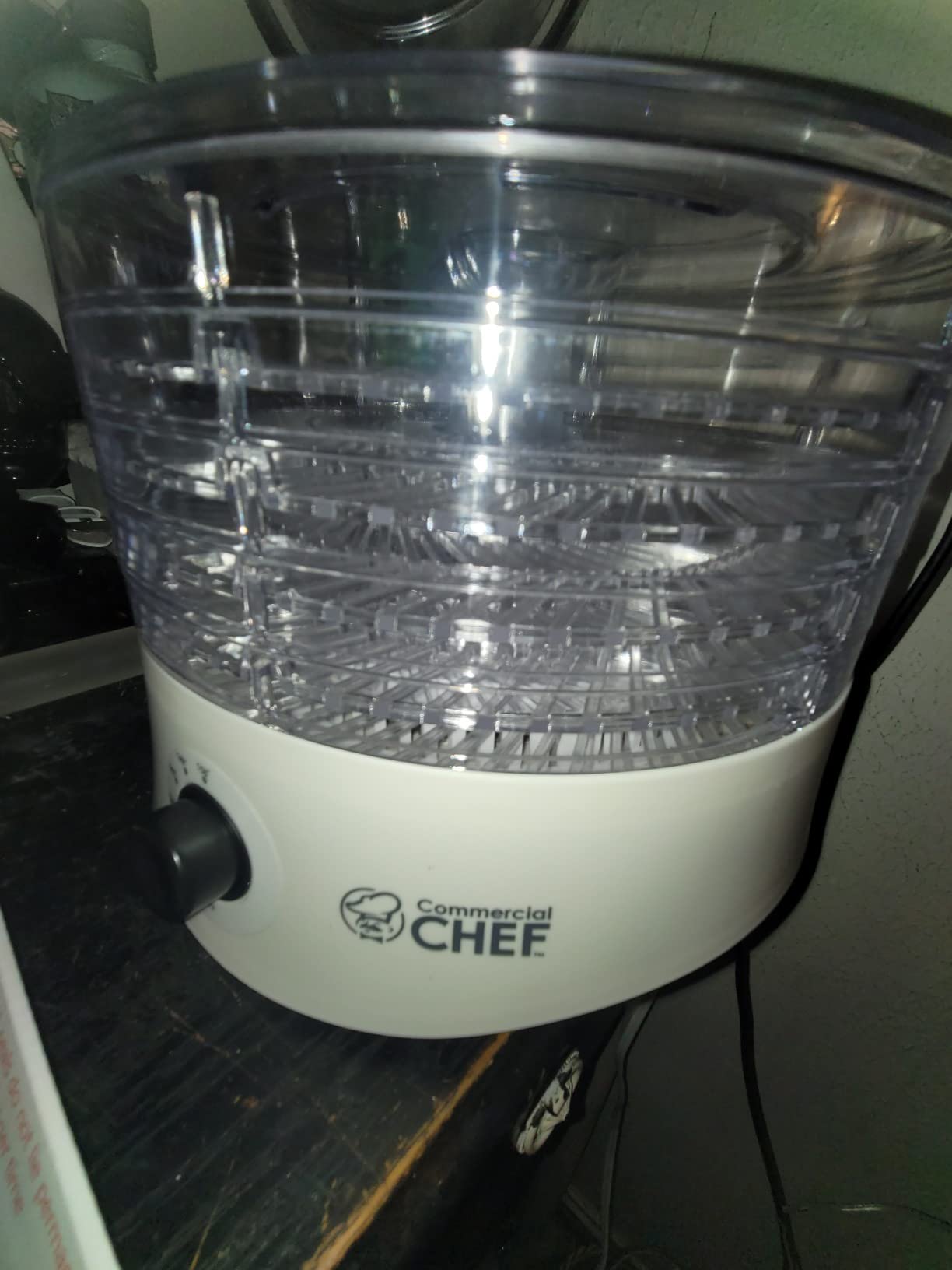
For a 104 to 158 degree workload it performs fine. Owners report it handling herbs, flowers, mushrooms, and dog treats, and the clear trays mean you can watch progress without lifting the lid and disturbing airflow.
At 3.3 pounds and just over 9 inches in each direction, it is the easiest machine here to carry, shelve, or stow in a small pantry.
What it is good for
Dry flowers, thick vegetable slices, mushrooms, and woody herb sprigs. Anyone working within the 104 to 158 degree range gets a functioning machine with clear trays and a simple knob.
If the only herbs you care about are thyme, rosemary, and oregano, the 104 floor is not a problem.
Where it will disappoint you
There is no built-in timer. Herb drying runs one to four hours, and a multi-load run can run much longer, so an external kitchen timer is not optional here.
The knob thermostat is imprecise and the chamber runs cooler than the dial reading, which pushes every batch past its printed time. The plastic trays also feel flimsy and can crack if dropped.
8. Rosewill 5-Tray 12.6 Inch Dehydrator: Best for Tea and Medicinal Herbs
Rosewill Food Dehydrator Machine, 5 BPA-Free 12.6’ Trays, Adjustable Temperature Controls | 95-158°F | 350W, Jerky, Herbs, Fruit, Veggies, Dried Snacks, White
5 stackable BPA-free trays, 12.6 inch
95-158F with horizontal airflow
350W, 5 pounds, removable parts
Pros
- Holds a 95F floor
- good for low-temperature herbal work
- Includes a dedicated herb tray and a roll tray
- Low energy draw for repeated batches
- Base fan promotes even circulation
Cons
- No built-in timer
- Chamber runs cool so batches take two to four times longer
- Shallow trays limit height to about an inch
The Rosewill earns its place for the low-temperature end of the job, which is where herbal tea blends and medicinal plants live. On permies.com the argument that high heat destroys the properties people are trying to preserve comes up repeatedly, and a machine that genuinely holds 95 is the answer.
It comes with a dedicated herb tray alongside the five stackable trays and a roll tray, so you are not improvising for loose leaves or petals.
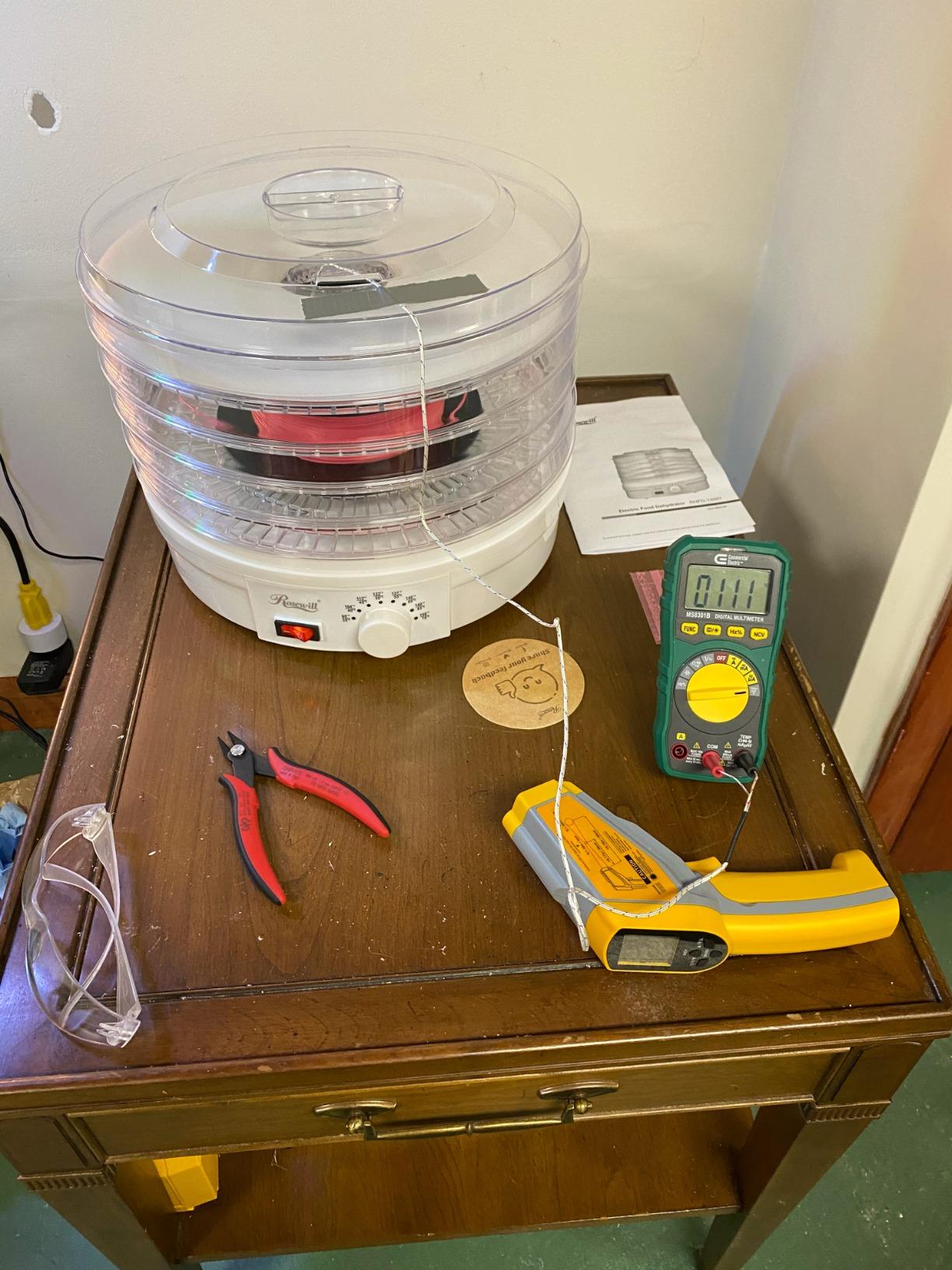
Owners also report remarkable longevity, with units still running after a decade, and highlight the low energy draw when you are doing repeat batches every week through a growing season.
The round 12.6 inch shape removes the tray orientation guesswork that slows people down on the first few runs.
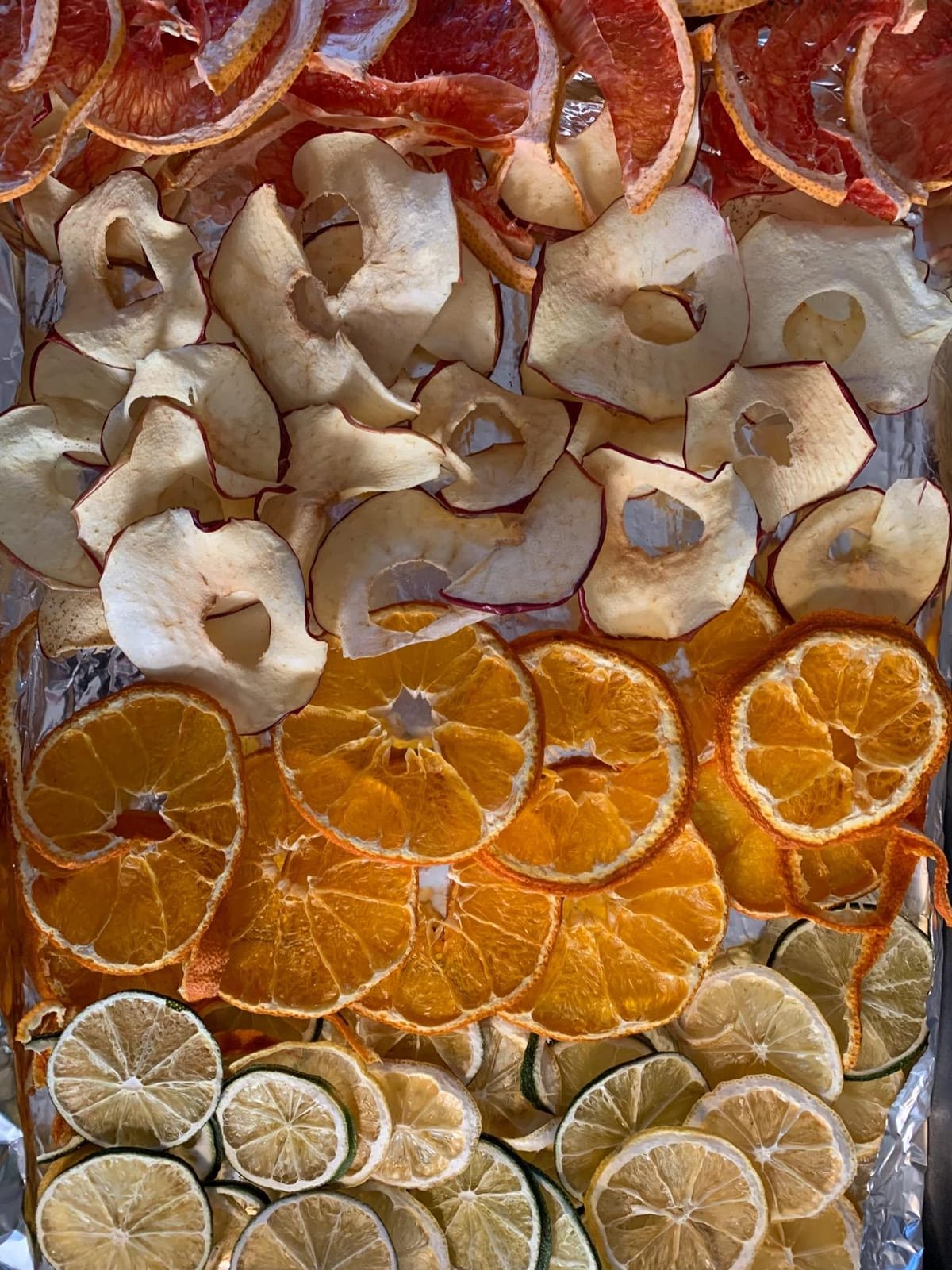
What it is good for
Tea blends, potpourri, lavender, lemon balm, mint, and any crop where you want the lowest possible sustained temperature. A large viewing window helps when you are checking a slow dry without opening the door.
Removable dishwasher-safe parts make it practical to run several small batches in a row.
Where it will disappoint you
There is no built-in timer, so end times have to be planned or tracked separately. The chamber also runs noticeably cool against the dial, which owners say stretches cycles to two to four times the printed time.
Trays are shallow, around an inch, and periodic rotation is needed. Plan for slow batches rather than a same-afternoon turnaround.
9. Elite Gourmet 4-Tray Dehydrator: Best Compact Model
Elite Gourmet Food Dehydrator, Stainless Steel Trays, Adjustable Temp
4 stainless steel trays, clear sides
95-158F with up to 24 hours run time
350W, 11.5 x 10 x 8 inches, ETL listed
Pros
- Holds 95F accurately against a calibrated thermometer
- Small 11.5 x 10 x 8 inch body stores easily
- Stainless trays do not absorb odors
- Reported fast herb drying
- under three hours for basil and dill
Cons
- Very small capacity per load
- 158F ceiling is below the 165F jerky range
- 24 hour timer is shorter than most
The Elite Gourmet is the small kitchen answer. At 11.5 by 10 by 8 inches it occupies a corner of a counter rather than owning one, which is the most common reason people end up not buying a dehydrator at all.
Reviewers verified its temperature accuracy with a calibrated thermometer across the 95 to 158 degree range, and that matters because the 95 floor is real rather than a headline claim.
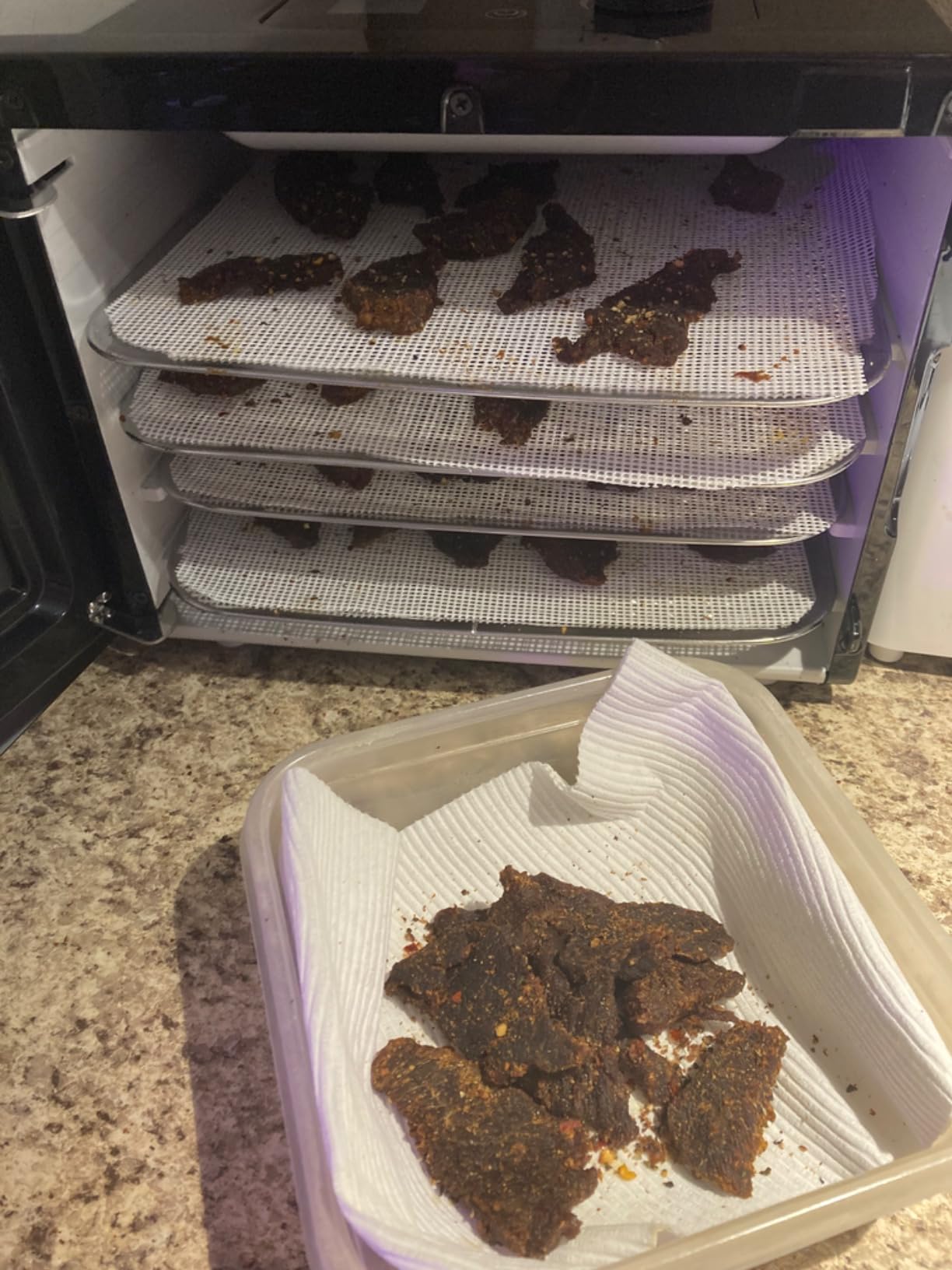
Owners report fast herb results, with basil and dill finishing in under three hours, and the stainless trays wipe clean without holding odors from a previous batch.
It runs quiet and the clear tray design means you can watch a load without opening the door.
What it is good for
A windowsill herb pot, a few sprigs a week, tea blends, and small batches. If your harvest is measured in handfuls rather than baskets, four trays are genuinely enough.
Because it stores flat, it also suits renters and anyone who cannot leave an appliance deployed permanently.
Where it will disappoint you
Capacity is the universal caveat. The trays hold only a handful of produce, so a garden harvest means many short runs rather than one long one.
The 158 degree ceiling is below the 165 degree range most jerky guidance calls for, and the timer stops at 24 hours. If you also want to dry meat, this is the wrong machine.
10. Cosori P501 5-Tray Dehydrator: Best for Spices and Seeds
Cosori Food Dehydrator, 5 Stainless Steel Trays, 3.1 ft² Drying Space
5 stainless trays, 3.1 ft2 drying space
95-176F in 1F increments, 48-hour timer
480W rear fan, four presets
Pros
- 95 to 176F covers herb band through seed and chile temperatures
- Fine tray grids stop small leaves and seeds falling through
- Four presets for jerky
- fruit
- vegetables
- and yogurt
- Rear fan dries evenly with no tray rotation
Cons
- Included mesh screen and fruit roll sheet are plastic
- 3.1 ft2 is small for large batches
- Stainless exterior smudges easily
The Cosori P501 is the one to buy if spices are half the reason you are here. Its 95 to 176 degree range covers the delicate leaf band at the bottom and whole seed, chile, and root work at the top, without changing machines.
Owners specifically call out the fine tray grids, and that is the detail that decides the spice job. Small leaves and seeds fall through coarse mesh, and once they hit the element you are scraping burned fragments off the base.
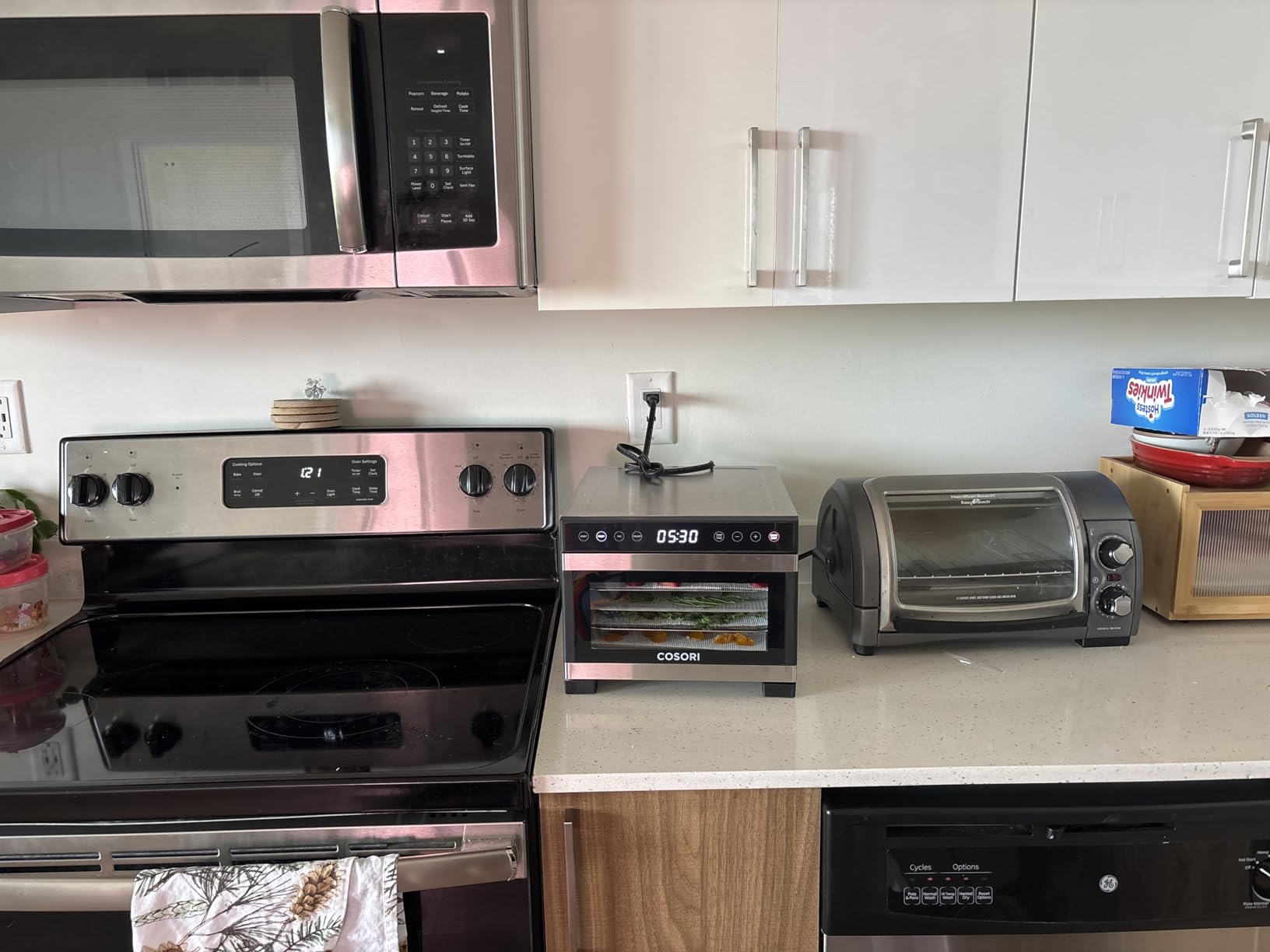
The rear fan dries evenly without rotation and without over-drying, which matters for seeds where scorching changes the flavor permanently rather than just fading it.
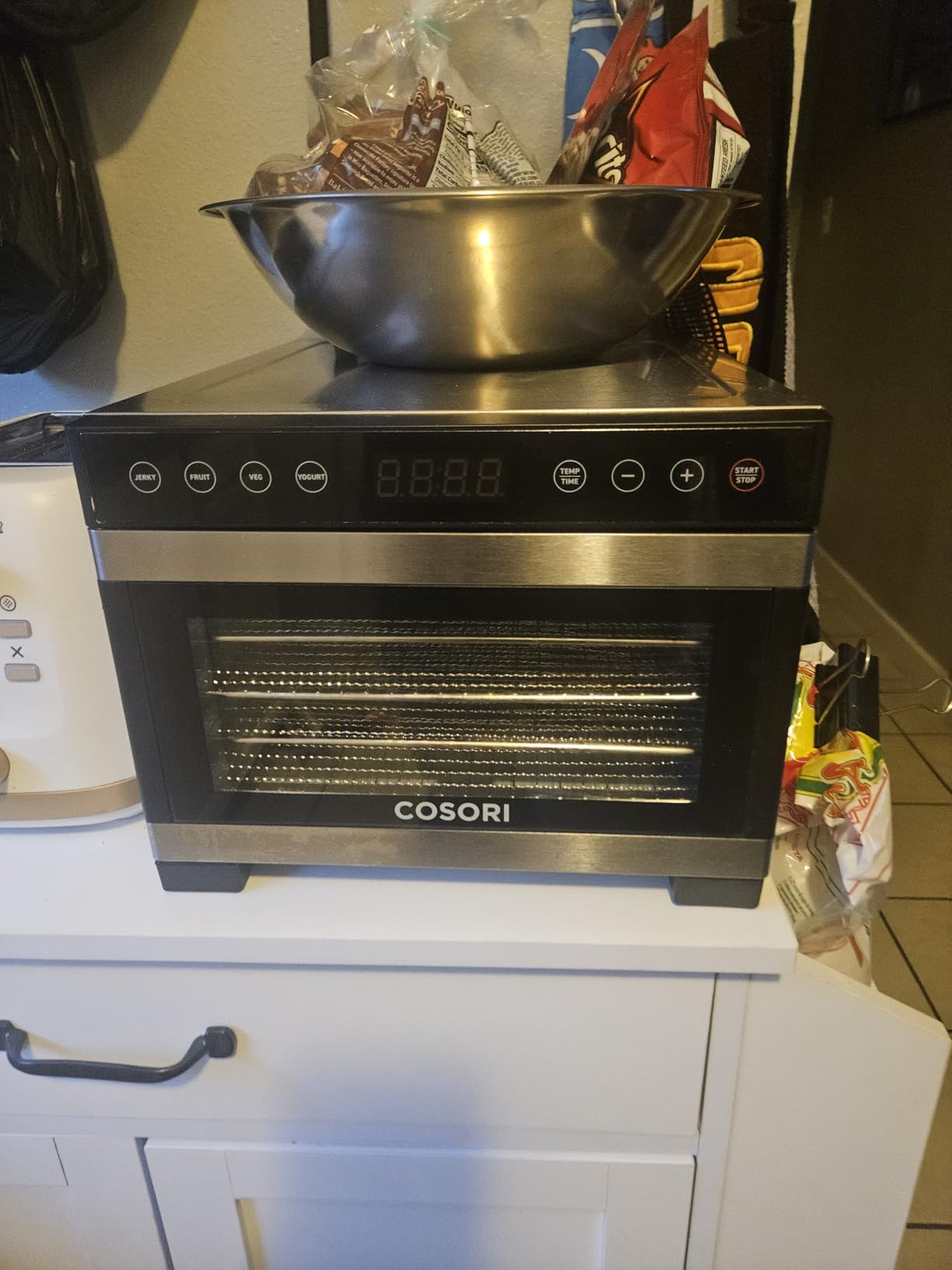
Four presets cover jerky, fruit, vegetables, and yogurt, and all of them stay adjustable, so you can start from a preset and dial down to the seed band.
What it is good for
Whole seeds, garlic, sliced chile, root slices, and a full herb program in one machine. The 13.9 by 11.3 by 8.9 inch footprint is small enough to leave out permanently.
If you grind your own blends, the 176 degree ceiling gives you the heat to dry chile properly before it goes into the grinder.
Where it will disappoint you
The included mesh screen and fruit roll sheet are plastic even though the machine itself is otherwise all metal, so expect to source a stainless or finer screen if you work with small seeds regularly.
At 3.1 square feet the tray area is small for large batches, and some buyers wish they had gone one size up. The exterior also collects fingerprints.
How to Choose a Dehydrator for Herbs and Spices
Start with the minimum temperature. This is the criterion that decides everything else, and almost no listing states it. Anything that cannot hold 95 degrees cannot dry basil properly. Check the floor before the ceiling, every time.
Then look at airflow design. Rear-fan machines push air across the back of the chamber and distribute it evenly, which is why the top picks here do not need tray rotation. Base-heater machines with less wattage dry from below, dry the lower trays faster, and ask you to swap trays halfway. The clearest line in the forum research is that the fan made the difference.
Treat the timer as required, not nice to have. A single herb batch runs one to four hours, but a multi-load garden harvest runs eight to twenty-four. Without a timer with automatic shutoff, an overnight cycle is an unattended appliance, and two of the cheapest units here ship without one.
Check the mesh, or plan around it. Small leaves and chive pieces fall through coarse screens. Units that include a fine mesh sheet, or that have fine tray grids built in, save you from buying accessories later.
Noise determines where the machine lives. Under 48 decibels means you can run it overnight next to where you sleep. A unit closer to a box fan on low tends to get pushed to a garage, basement, or far counter, and that is where a dehydrator stops being convenient.
Measure the footprint before you fall in love. This is a whole thread on r/dehydrating devoted to units that fit on a shelf. The six-tray stainless pick is the largest footprint in this roundup at 17.8 by 13.4 by 12.4 inches. The four-tray compact is 11.5 by 10 by 8. Know which end of that range you have room for.
Stainless or BPA-free plastic. Stainless trays survive years of heat and do not absorb odors, which matters if you alternate herbs, spices, and fruit. Coated plastic is lighter, cheaper, and releases sticky items easily. Neither is wrong, but do not buy a plastic-tray unit expecting it to last a decade of weekly use.
Is the premium brand worth it? Mostly no, for this job. The consistent forum view is that a brand-name premium is optional rather than required, and the head-to-head between the Cosori and Magic Mill models on this list supports that. What you are paying extra for is a warranty, stainless construction, and a larger review base, not a fundamentally different dried-herb result. One counterpoint is worth hearing: on overgrow.com, a grower testing 16 plants found no clear winner between hang-drying and a low-temperature dehydrator, including a run at 80 degrees. Outcome quality, not wattage, is what convinces people.
When you do not need a dehydrator at all. Bundles hung in a dark, dry, well-ventilated room cost nothing and preserve volatile oils well; the trade is one to three weeks versus four hours. A low oven with the door cracked and the temperature under 150 degrees is the middle option, and it does the job adequately. If you need a few sprigs twice a year, either method is fine. A dehydrator earns its place when you dry a full harvest, run repeat batches, live somewhere too humid for air-drying, or want the color and aroma consistency that repeatability gives you.
For the higher-heat side of the same appliance, we covered temperature floors for meat in our [jerky dehydrator roundup](https://betterbike.org/best-food-dehydrators-for-jerky/). If you are preserving other garden output at the same time, our [freeze dried food kit guide](https://betterbike.org/best-freeze-dried-food-kits-for-emergencies/) covers the shelf-stable pantry alternative for produce that will not dry well.
How to Store Dried Herbs and Spices Without Losing Flavor
The dehydrator is half the job. The other half is storage, and it is where most people lose the flavor they just spent a day preserving.
Store fully dry herbs in airtight containers somewhere dark, and label with the herb and the date. Light and air are the two enemies, and oxygen absorbers are a reasonable addition for larger batches.
Expect flavor to fade sooner than color. Forum users consistently report dried and ground herbs losing punch after roughly four to six months, and that is a property of the herbs rather than a fault in the machine. Use older stock first, and grind in small quantities rather than processing a whole jar at once.
Whole leaves keep their aroma longer than crumbles, so store the pretty leaves for garnish and crumble as needed. If you want long-term storage for pantry items beyond herbs, that is a different problem with a different tool.
Frequently Asked Questions
Can I use a food dehydrator for herbs?
Yes, a dehydrator is one of the best tools for herbs. Set 95 to 115 degrees Fahrenheit, load leaves in a single layer with no overlap, and allow 1 to 4 hours depending on the herb. They are done when stems snap cleanly and leaves crumble. The one requirement is a machine that reaches 95 degrees, since units with a higher floor will darken and scorch delicate herbs.
What is a good herb dehydrator machine?
The Cosori 6-tray stainless steel model is the strongest all-round herb dehydrator because it holds 95 degrees in single-degree steps across six stainless trays with 6.5 square feet of drying space. For a tighter budget, the Cosori 5-tray compact holds the same 95 degree floor under 47 decibels and weighs 4.9 pounds, and the OSTBA 5-tray has the longest timer at 72 hours for multi-load harvests.
What is the best food dehydrator according to consumer reports?
We do not have access to Consumer Reports testing, so we do not claim that affiliation. Our own pick is the Cosori 6-tray, selected on stated minimum temperature, even rear-fan airflow, and tray material. Buyers on forums are split between name-brand models and cheaper equivalents, with Magic Mill often described as a lower-cost alternative that performs similarly on herbs.
What herbs are best for dehydrating?
High-moisture delicate herbs such as basil, mint, parsley, cilantro, tarragon, chives, and dill dry best at 95 degrees and need the longest time. Sturdy woody herbs such as rosemary, thyme, sage, and oregano dry at 100 to 115 degrees and finish faster. Chives and other fine pieces require fine mesh or a solid tray, since small leaves fall through coarse screens.
What temperature should I set my dehydrator to for drying herbs?
Use 95 to 115 degrees Fahrenheit for most herbs. Delicate leaves such as basil, mint, parsley, and cilantro go at 95, while woody herbs like rosemary, thyme, and sage sit at 100 to 115. Add 10 degrees in humid climates. Never run herbs at 130 degrees or above, which cooks the plant material and drives off the volatile oils that carry the aroma.
Can I put different herbs in the dehydrator at the same time?
Yes, as long as they share a similar temperature band and drying time. Group 95 degree herbs together and 100 to 115 degree herbs together. If you need both in one run, place the delicate group on the middle trays, swap tray positions at the halfway mark, and pull the delicate herbs out first when checking for doneness.
Do I need a dehydrator to preserve herbs?
No, and for a few sprigs twice a year, hanging bundles in a dark, dry, well-ventilated room works well for free. A dehydrator earns its place when you dry a full harvest, run repeat batches each week, live in a humid climate where air-drying fails, or want repeatable results. It is also faster, finishing in 1 to 4 hours rather than one to three weeks.
The Best Food Dehydrators for Herbs and Spices in 2026
The Cosori 6-tray stainless steel dehydrator is the best overall pick, and the reason is narrow and specific: it reaches 95 degrees, holds it in single-degree steps, and moves air across six stainless trays with a rear-mounted fan. That is exactly what delicate herbs need and what most listings never tell you.
If counter space is the constraint, the Cosori 5-tray compact gives you the same 95 degree floor under 47 decibels at 4.9 pounds. If you dry a full harvest on a schedule, the OSTBA 5-tray runs a 72-hour timer. If your workload is seeds and chile rather than leaves, the Cosori P501 covers 95 to 176 degrees with fine tray grids.
And if the 104 degree floor on the budget unit gives you pause, listen to that instinct. Delicate herbs need 95, and no amount of discount changes that. Start there: pick your lowest temperature first, then match the tray count to how much you actually harvest.