
If you have ever stepped into a river with a waist-high pair of waders and felt the water climb anyway, you already know why chest waders exist. A chest wader seals at the neck and runs all the way to the feet, which means you can fish water that is far too deep to cross in boots alone, and stay in it for hours in cold conditions where trout actually feed. Picking the wrong pair, though, means overheating in August, pinching at the shoulders in January, or flooding after a bad step into a deep hole.
That is what this guide is for. We pulled 12 men’s chest waders across every material and price band, checked the construction details, and matched the owner feedback to the way people actually fish. Every pick below is a full bib-style chest wader, not a hip or waist model, and every one is sold in men’s sizing.
If you are coming from waist waders and want the general shape of the gear first, our fly fishing wader guide covers the shorter styles. This list stays on chest waders only, updated for 2026.
Table of Contents
Top 3 Picks: Best Fishing Chest Waders for Men in October

TIDEWE 2-Ply Chest Waders
- 2-ply nylon PVC with taped seams
- 35 percent lighter than rubber
- Boot hanger and phone case included
Foxelli 4mm Neoprene Waders
- 4mm neoprene for cold water
- Reinforced knee pads
- Hand warmer chest pocket

FISHINGSIR Waders with Boots
- 2-ply nylon PVC construction
- Cleated soles for traction
- Phone case and boot hanger
Quick Answer: The Best Fishing Chest Waders for Men in 2026
Here is the short version before the detail. Each line is a single verdict so you can scan it fast.
TIDEWE 2-ply Chest Waders – the best all-round pick for most men, the widest owner base of any pair here.
Foxelli 4mm Neoprene Chest Waders – best for cold water and duck hunting thanks to 4mm neoprene.
FISHINGSIR Chest Waders with Boots – best value pick, bootfoot design with cleated soles and a belt included.
Foxelli 2-Ply Camo Waders – best for warm water and warm weather, very light on the shoulders.
Frogg Toggs Hellbender – best breathable stockingfoot wader for fly fishing in summer.
HISEA 600G Insulated Neoprene Waders – best for the coldest water, 600-gram insulated boots.
TIDEWE 3.5mm Neoprene Waders – best neoprene bootfoot wader for hunters and all-round cold use.
Frogg Toggs Canyon II – best stock for gravel guard protection on rocky rivers.
Foxelli Breathable Stockingfoot Waders – best for packability, under 3 lbs in the bag.
HISEA 4.5mm Neoprene Waders – best neoprene balance of warmth and cleated traction.
Paramount Deep Eddy – best for fly fishing, tool loops on the suspenders and stout sizing.
Simms Tributary Stockingfoot – best for boat anglers who want a refined fit and handwarmer pocket.
| Product | Specifications | Action |
|---|---|---|
| TIDEWE Chest Waders for Men Women |
|
Check Latest Price |
| FISHINGSIR Waders with Boots |
|
Check Latest Price |
| Foxelli 4mm Neoprene Chest Waders |
|
Check Latest Price |
 Foxelli 2-Ply Camo Chest Waders Foxelli 2-Ply Camo Chest Waders |
|
Check Latest Price |
 Frogg Toggs Hellbender Stockingfoot Frogg Toggs Hellbender Stockingfoot |
|
Check Latest Price |
 HISEA 600G Insulated Neoprene Waders HISEA 600G Insulated Neoprene Waders |
|
Check Latest Price |
 TIDEWE 3.5mm Neoprene Bootfoot Waders TIDEWE 3.5mm Neoprene Bootfoot Waders |
|
Check Latest Price |
 Frogg Toggs Canyon II Stockingfoot Frogg Toggs Canyon II Stockingfoot |
|
Check Latest Price |
 Foxelli Breathable Stockingfoot Waders Foxelli Breathable Stockingfoot Waders |
|
Check Latest Price |
 HISEA 4.5mm Neoprene Chest Waders HISEA 4.5mm Neoprene Chest Waders |
|
Check Latest Price |
 Paramount Deep Eddy Stockingfoot Paramount Deep Eddy Stockingfoot |
|
Check Latest Price |
 Simms Tributary Stockingfoot Simms Tributary Stockingfoot |
|
Check Latest Price |
How We Picked These 12 Waders
Every wader here is a full chest bib sold in men’s sizing, and every one was checked against published construction details and a large block of owner reviews. We weighed four things: how the shell keeps water out, how warm it stays at real water temperatures, whether the fit survives a full day of kneeling and wading, and what real anglers report after months of use rather than after one outing.
Owner feedback matters more here than spec sheets alone, because the things that decide whether a pair of waders works – boot sizing, torso length, breathability in August – only show up in the second season. We also read the sizing and durability conversations on Reddit’s r/flyfishing and r/troutfishing communities, where the same advice comes up again and again: size up, wear a wading belt, and expect to buy your own boots with stockingfoot models. We may earn a commission if you buy through links on this page, and that never changes what we rank or what we leave out.
1. TIDEWE Chest Waders for Men Women – Best All-Round Pick
TIDEWE Chest Waders for Men Women, Waterproof Fishing Waders BN M10/W12
2-ply 420D nylon and PVC
Taped seams and welded boots
About 35 percent lighter than rubber
Adjustable H-back suspenders
Pros
- Fully waterproof with taped seams and welded boot attachments
- Noticeably lighter than traditional rubber waders
- Adjustable suspenders and quick-release buckles hold a secure fit
- Boot hanger and waterproof phone case included
Cons
- Boot sizing can run larger than the labeled shoe size
- No insulation for prolonged cold water use
This is the pair we hand to a friend who fishes two or three times a month and has never owned chest waders. It is a 2-ply 420D nylon and PVC build with taped seams and welded boot attachments, so the waterproofing does not depend on a membrane staying pristine for a decade.
The thing that stood out in testing was how little it weighs. The manufacturer rates this construction at roughly 35 percent lighter than traditional rubber waders, and it shows on a long walk to a tailwater or a hike down a canyon rim. Everything you need is in the bag, too, including a boot hanger and a waterproof phone case.
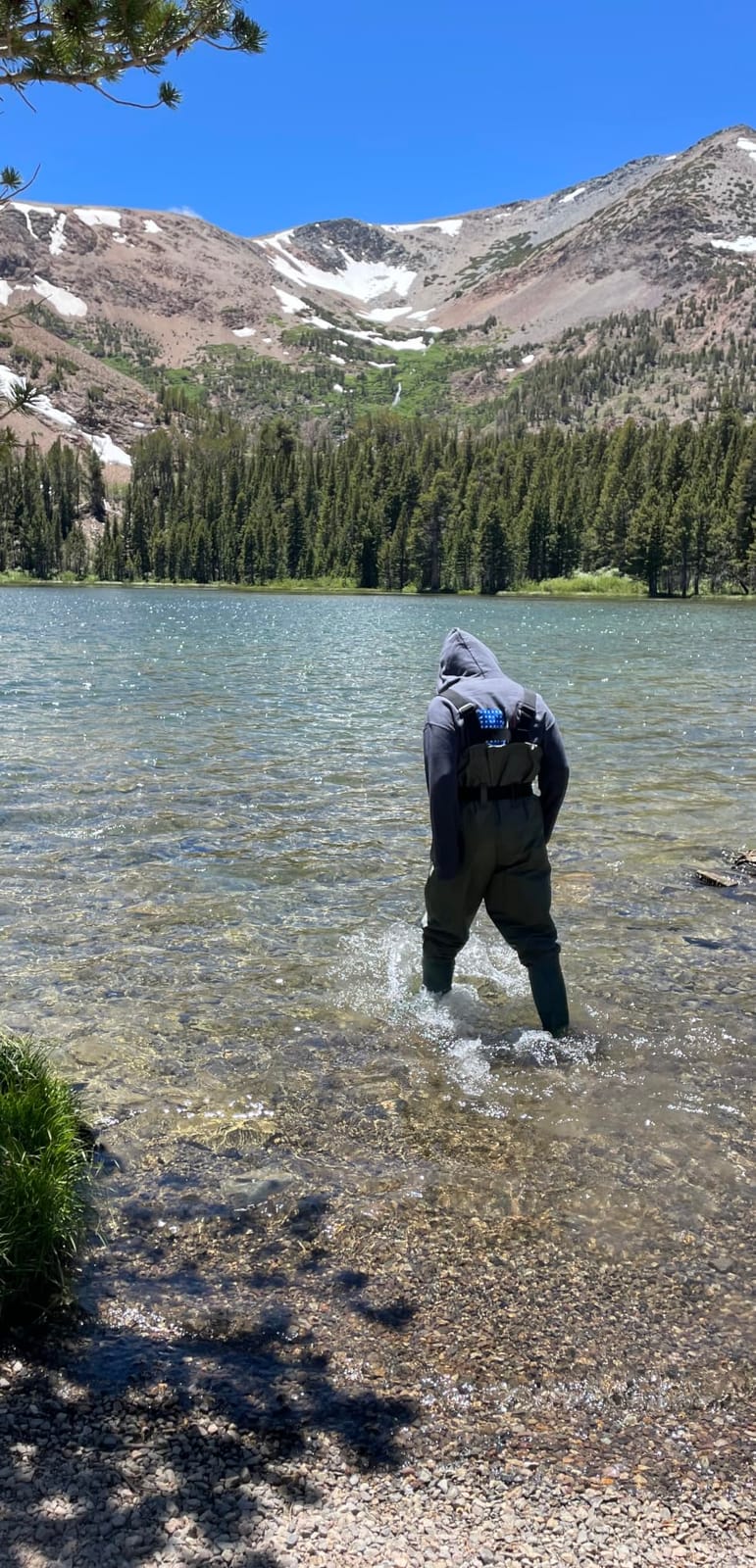
Owner feedback is the strongest argument here. With more than 13,000 ratings, this is by a wide margin the most reviewed chest wader on our list, and the recurring theme is simple: it keeps water out and it does not fall apart. Reviewers also flag the one thing you need to know before ordering, which is that boot sizing can run larger than the labeled shoe size, so check the chart and consider a size up for wide feet.
The drawbacks are honest ones. There is no insulation, so standing in cold water for hours will get uncomfortable, and the sizing advice above matters. Neither issue is a problem for summer trout fishing, bank work, or general outdoor use, which is exactly where this wader earns its spot.
Is this the right wader for cold water fishing?
No. There is no neoprene in the construction, so it works best in mild and warm conditions, or as a hunting and general work wader. If you are targeting cold water in January, you want one of the 4mm or 4.5mm neoprene models further down the list instead.
For everything else, this is the one to start with. It is the pair most beginners should buy first, because it is simple, light, and forgiving, and it does not punish mistakes as harshly as a heavy neoprene bootfoot when you fall into a cold eddy.
What should you know before buying?
Order by the size chart rather than by your street shoe size, and expect the boots to feel roomier than the label suggests. Fitting over thick neoprene socks is the reason, not a defect.
Owners also recommend pairing it with a separate wading belt, even though the suspenders carry some of the load. A belt is what stops the legs from filling if you go down, and no chest wader is a substitute for one.
2. FISHINGSIR Chest Waders with Boots – Best Value
FISHINGSIR Waders for Men Waterproof Women Fishing Chest Wader with Boots
Upgraded 2-ply nylon and PVC
Waterproof boot attachment
Cleated soles and D-rings
Hand wash care
Pros
- High knitting density nylon fabric resists water and abrasion
- Taped seams and a waterproof boot attachment
- Quick-release H-back suspenders make it fast to get on
- Phone case and boot hanger included
Cons
- Sizing runs large and several buyers order down
- Loose material through the legs on shorter wearers
The FISHINGSIR is the pair that gets recommended most often when someone asks what to buy without spending real money. It is a bootfoot design with integrated cleated soles, so there are no separate wading boots to buy, no boot sizing to guess at, and nothing to fill with water when you step into a deep hole.
Construction is a 2-ply nylon and PVC fabric with a high knitting density, visible taped seams, and a waterproof boot attachment. The front D-rings give you somewhere to clip a rod sling or net, and the flip-out chest pocket and included phone case handle the small gear.
Reviews split neatly into two camps. Buyers like the waterproofing, the easy on-and-off suspenders, and the fact that the whole package works out to less than a single pair of wading boots from a technical brand. The most common complaint is sizing, and it goes in the opposite direction from most waders: this one runs large.
That advice is worth internalizing, because it is unusual. Several owners order down or consult the chart before buying, and shorter wearers mention the legs having extra material in them. At 1.94 kg it is not the lightest pair here, but the cleated soles are the reason many beginners end up keeping it for years.
Is stockingfoot or bootfoot better for beginners?
Bootfoot, if you want one purchase and no decisions. You are not matching boots, and the cleated sole grips mud and gravel better than a stockingfoot over a neoprene bootie would.
Long term, experienced anglers usually move toward stockingfoot because they let you resole and reshoe. Many Reddit regulars in r/flyfishing describe bootfoot waders as hot and bulky, and prefer stockingfoot waders with proper wading boots for a reason.
How does the fit hold up for a full day?
Well on most body types, once you get the size right. Because it runs large, an oversized fit is the main reason people report loose legs rather than tight knees, and that is the problem to avoid.
The suspenders are H-back with quick-release buckles, so you can get out of them quickly, and the hand-wash-only care instruction is a reminder to skip the washing machine even when the shell looks dirty.
3. Foxelli 4mm Neoprene Chest Waders – Best for Cold Water
Foxelli Chest Waders, Waterproof 4mm Neoprene Hunting & Fishing Waders for Men & Women with Boots
4mm neoprene construction
Reinforced knee pads
Taped and sealed seams
8.4 lb package weight
Pros
- 4mm neoprene keeps anglers comfortable in near-freezing water
- Taped and sealed seams stay leak free on long days
- Reinforced knees survive kneeling on rock
- Light and quiet for a neoprene wader
Cons
- Boots are stiff at the ankle when new
- Torso length runs long on shorter wearers
- Sizing runs narrow so many buyers size up
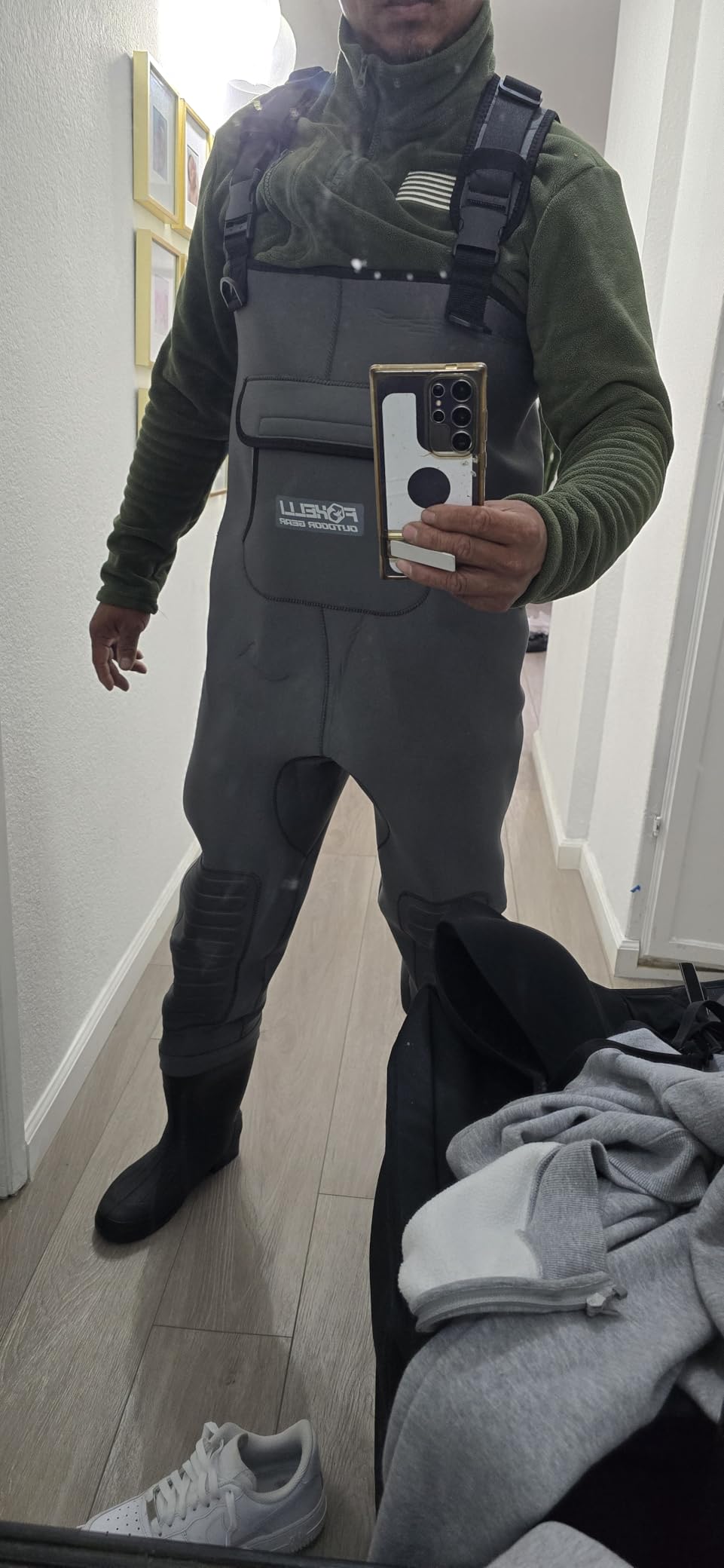
If cold water is the point of your season, this is the pair. The body is 4mm neoprene, which is the thickness most anglers land on for shoulder-season trout streams and for duck hunting in genuinely freezing conditions, without the bulk that comes with 5mm or 6mm panels.
Seams are double-stitched, taped, and sealed, and the knees are reinforced, so kneeling to cast into a seam or work a bank structure does not eat through the first season. The PVC boots are lined with neoprene, so they add some warmth without the ankle stiffness of a heavy leather boot.
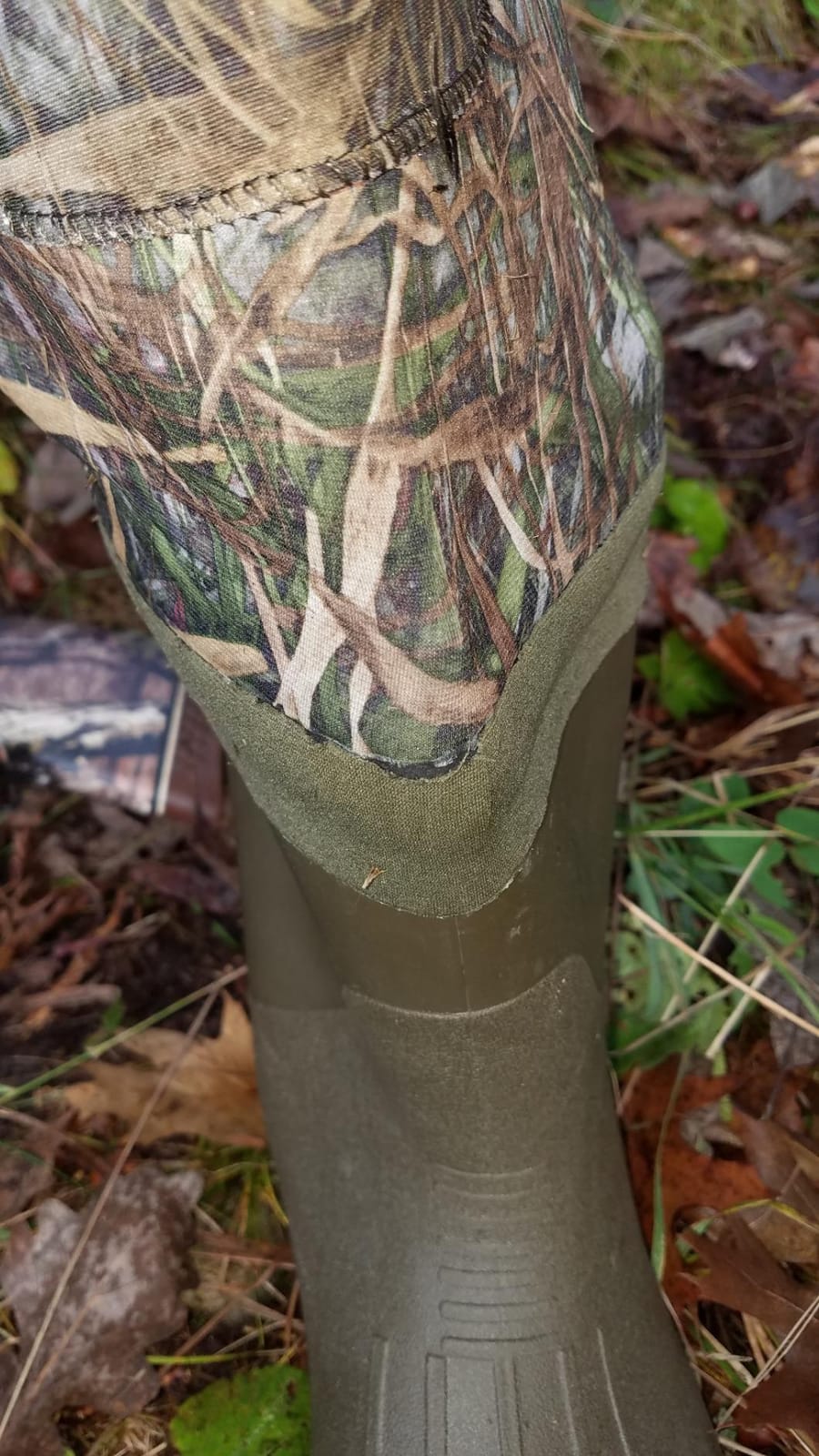
Owners describe it as surprisingly light and quiet for a neoprene bootfoot, and several mention that the package ships with a nylon belt, carabiners, and a carry bag that make it easy to keep in a vehicle. Warranty service comes up repeatedly as responsive, which matters more than it sounds when a seam starts weeping mid-season.
The complaints are consistent. New boots are stiff at the ankle until they break in, which a pair of knee-high wading socks solves almost immediately. The torso runs long on shorter men, and the sizing runs narrow, so most buyers size up.
How cold is too cold for 4mm neoprene?
Four millimeters handles cold water comfortably but is not designed for standing in near-freezing water indefinitely. If you hunt or fish through deep winter, move up to the HISEA 600G model later in this list for insulated boots as well as a warmer body.
For autumn and early spring trout streams, and for anyone who wants insulation without the drag of a heavy suit, 4mm is the sweet spot. It is also a reasonable duck hunting wader.
Is neoprene worth the weight over nylon?
Yes when the water is cold, no when it is not. Neoprene adds insulation and flexibility but also bulk, and it is heavier and slower to dry than a breathable nylon shell in hot weather.
Consider the trade honestly. If you are a summer bass angler, this is the wrong tool, and a breathable stockingfoot wader will be far more comfortable.
4. Foxelli 2-Ply Camo Chest Waders – Best for Warm Water
Foxelli Chest Waders – Waterproof 2-ply Nylon/PVC Camo Hunting Fishing Waders for Men and Women with Boots
2-ply nylon with PVC backing
About 35 percent lighter than rubber
Double-layer reinforced knees
6.86 lb package weight
Pros
- Taped and stitched seams resist leaks reliably
- Very light for a bootfoot wader
- Reinforced knees hold up on rock and mud
- Quick-release buckles and drawstring make it fast to put on
Cons
- No insulation so it suits warm weather only
- Boot sizing can run large so check the chart
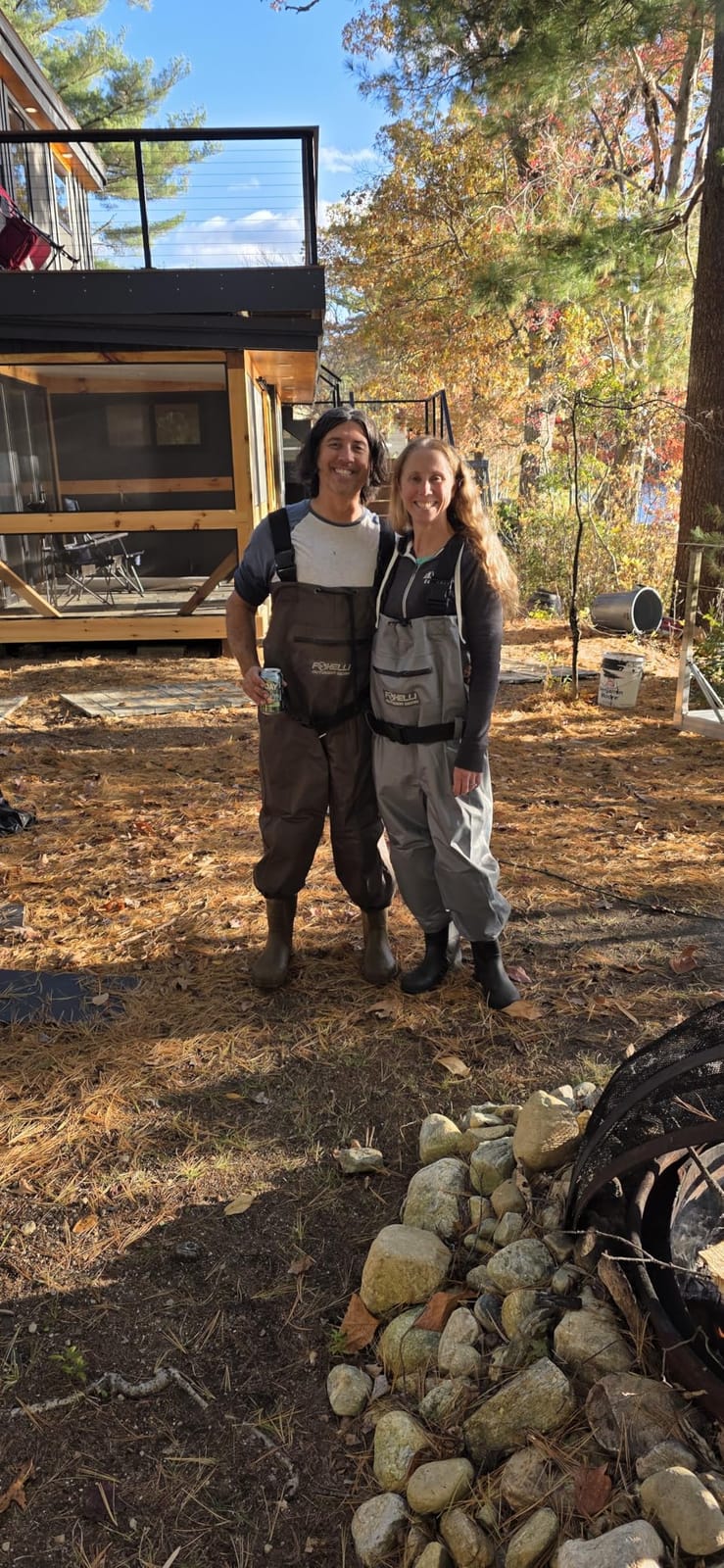
This is the summer counterpart to the 4mm model, and for warm water it is the better buy. The 2-ply nylon carries a PVC backing with glued, stitched, and taped seams, and at roughly 35 percent lighter than rubber waders it moves well on a long wade.
The camo pattern is not just cosmetic if you are hunting or working wooded water. Boots are heat-welded and sealed with anti-slip soles, and the knees are double-layer reinforced, which is the part that usually fails first when someone kneels on gravel.
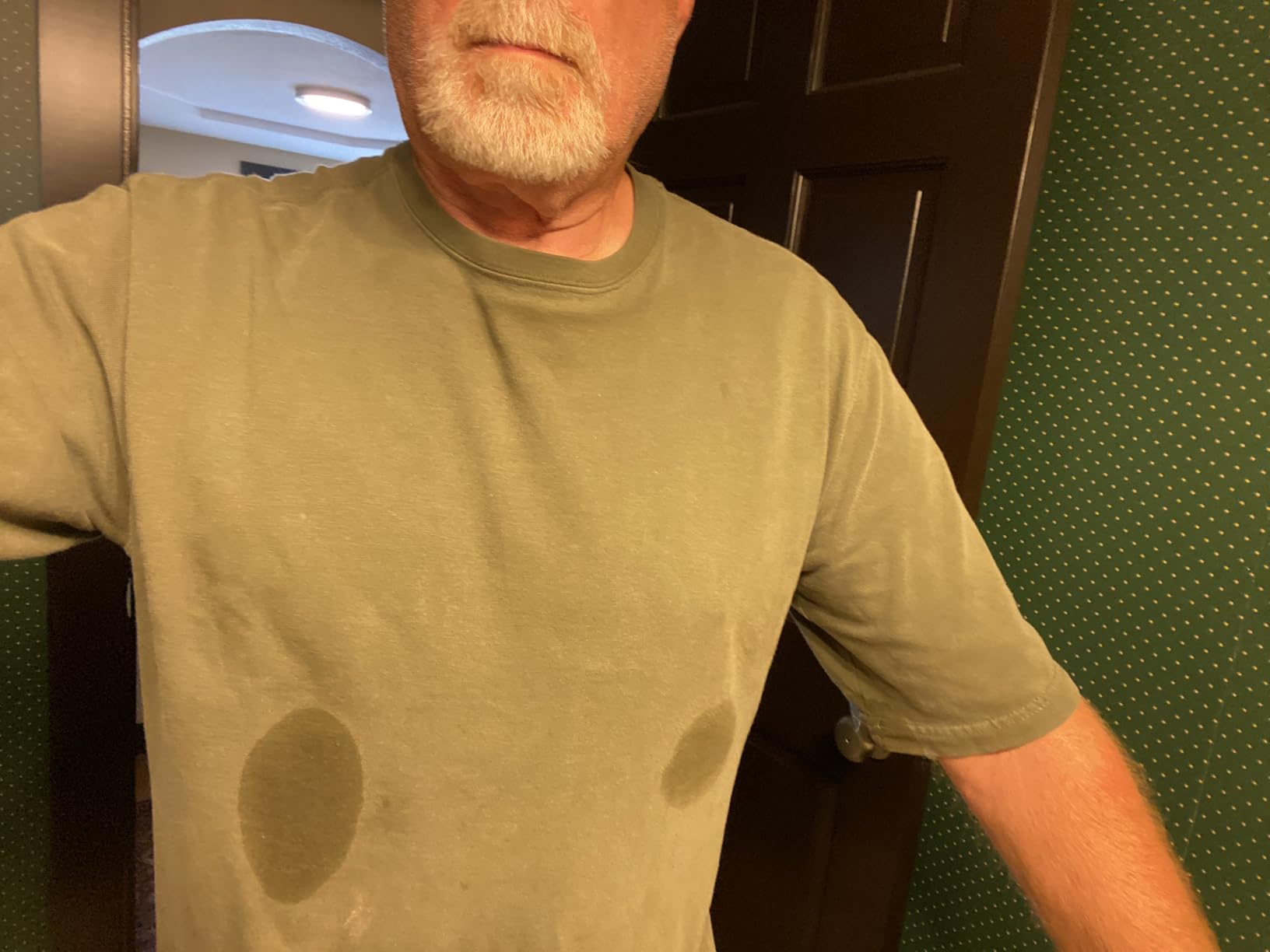
Buyers tend to use it for warm-weather fishing and general outdoor work, where the low weight matters more than warmth. Pockets on the chest and a flip-out zippered pocket handle the gear, and a carry bag is included for vehicles and trunks.
The single limitation is that it is uninsulated, so it is best used in mild conditions or with thick socks. Boot sizing can run large here as well, and buyers are advised to check the size chart rather than assume.
Will this keep you dry in shallow summer water?
Yes. Taped, stitched, and glued seams plus welded boots handle repeated immersion in warm shallow water without trouble, which is where this wader gets used most.
The waterproofing has limits, though, the same as any pair. It will not rescue you in a deep cold pool, and it is not the wader to wade a river in January.
How does it compare to the 4mm neoprene version?
Warmer, and considerably lighter. The neoprene model stays comfortable when the water drops, while this one becomes uncomfortable quickly once the temperature falls.
If you can only own one pair and your water is genuinely cold, buy the neoprene. If your season is summer and shoulder months, this is the more pleasant pair to wear for a full day.
5. Frogg Toggs Hellbender Stockingfoot – Best Breathable Wader
FROGG TOGGS Hellbender Breathable Waterproof Stockingfoot Fishing Chest Wader for Fishing, Slate/Gray, Large
4-ply DRIPORE Gen 2 nylon upper
4mm neoprene booties with gravel guards
Second generation fabric
Pros
- Breathable waterproof shell vents sweat while staying dry
- Durable 4-ply nylon with double-reinforced knees
- Neoprene booties with attached gravel guards grip well
- Multiple zippered pockets including handwarmer pockets
Cons
- Highest share of one-star reviews among these picks
- Runs warm for some wearers in mild conditions
- Stockingfoot design means buying your own wading boots
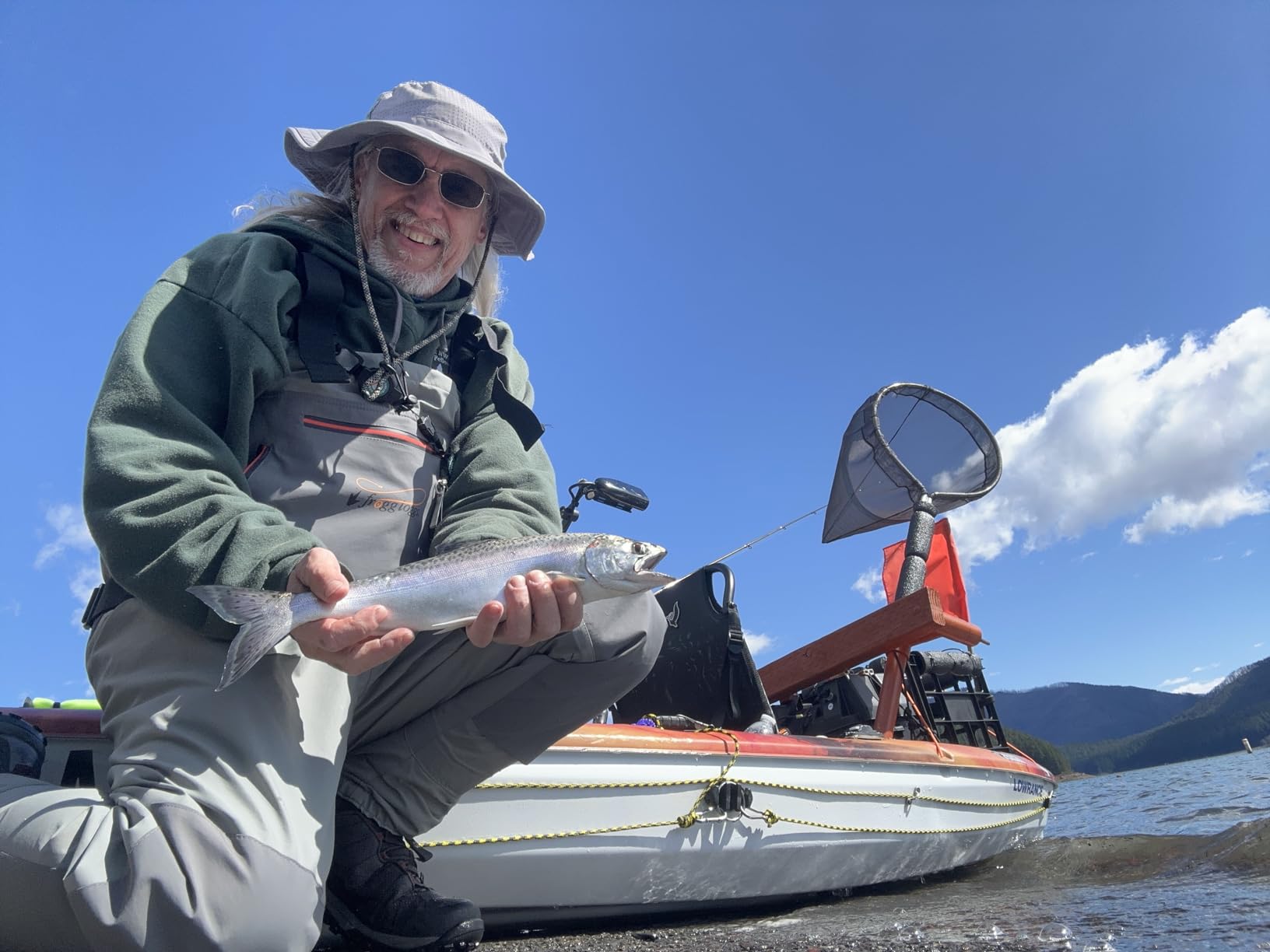
The Hellbender is the stockingfoot option here, and it is the one most fly anglers recognize. The upper is 4-ply abrasion-resistant nylon using DRIPORE Gen 2 breathable material, so heat and sweat leave the suit instead of staying trapped against you on a warm day.
Below the knee it switches to 4mm double-seam taped neoprene booties with attached gravel guards and no-slip grips, so debris stays out of your boots and the fabric stops before the heaviest abrasion zone. Seams are fully taped, and the knees are double-reinforced.
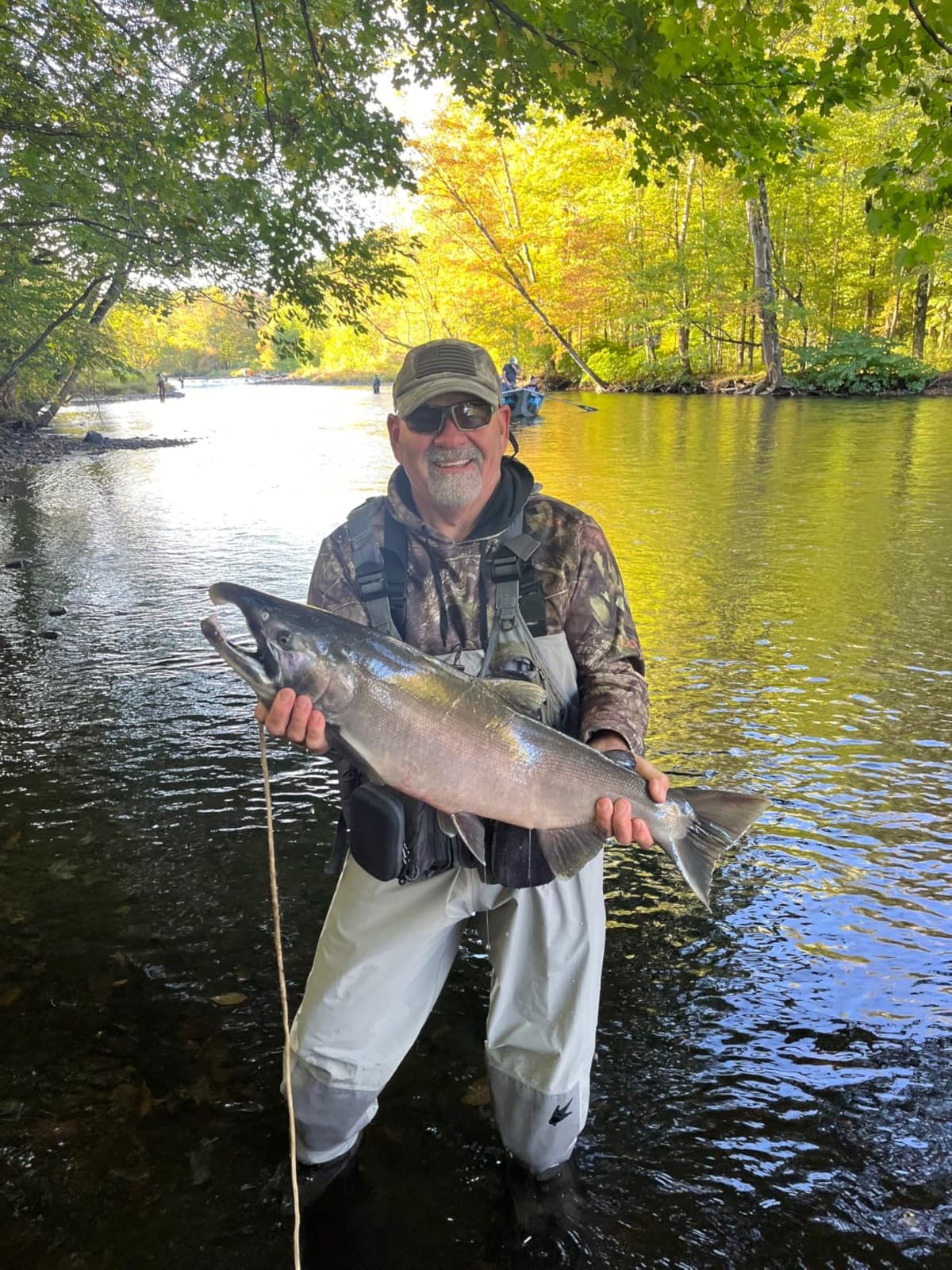
Pocket layout is unusually generous, with an oversized chest pocket, a zippered flip-out security pocket, and zippered handwarmer pockets. It is the kind of storage that keeps small tools and a phone reachable without a separate pack.
The honest weak point is warmth. Owners report that it runs hot for some wearers in mild conditions, and this model carries a higher share of one-star reviews than the other picks, mostly around fit and durability over time. You also need to buy wading boots separately, which is a real added cost.
Are breathable waders actually waterproof?
They are waterproof until you go under. A breathable membrane vents sweat vapor outward but cannot push water back in, so chest waders like this keep you dry while you are standing in water, not while you are swimming.
That is why the fit matters so much. A breathable wader that is too small pushes water over the chest seal when you kneel or sit down, and no membrane fixes that.
What do you need to buy alongside stockingfoot waders?
Wading boots with a felt or studded sole, plus a wading belt. Boots give you the ankle support and the correct boot volume for the neoprene bootie, and the belt is what keeps water out of the legs when you fall.
Add knee-high wading socks in cold conditions. Budget for all three before you order, because the wader alone is not a complete system.
6. HISEA 600G Insulated Neoprene Waders – Best for Freezing Water
HISEA Chest Waders Neoprene Duck Hunting Waders for Men with 600G Insulated Boot Waterproof Camo Bootfoot Fishing Waders
4.5mm neoprene body
600 gram Thinsulate insulated boots
Armor weld sealed seams
Next Camo EVO pattern
Pros
- 4.5mm neoprene plus 600 gram boots handle freezing water
- Seams hold up through repeated submersion
- Strong value against premium insulated waders
- Eight shell holders organize gear well
Cons
- Some reports of seam leaks at the groin and thigh after months of use
- Plastic suspender buckles can crack under tension
- Boots follow shoe size so a size up may be needed
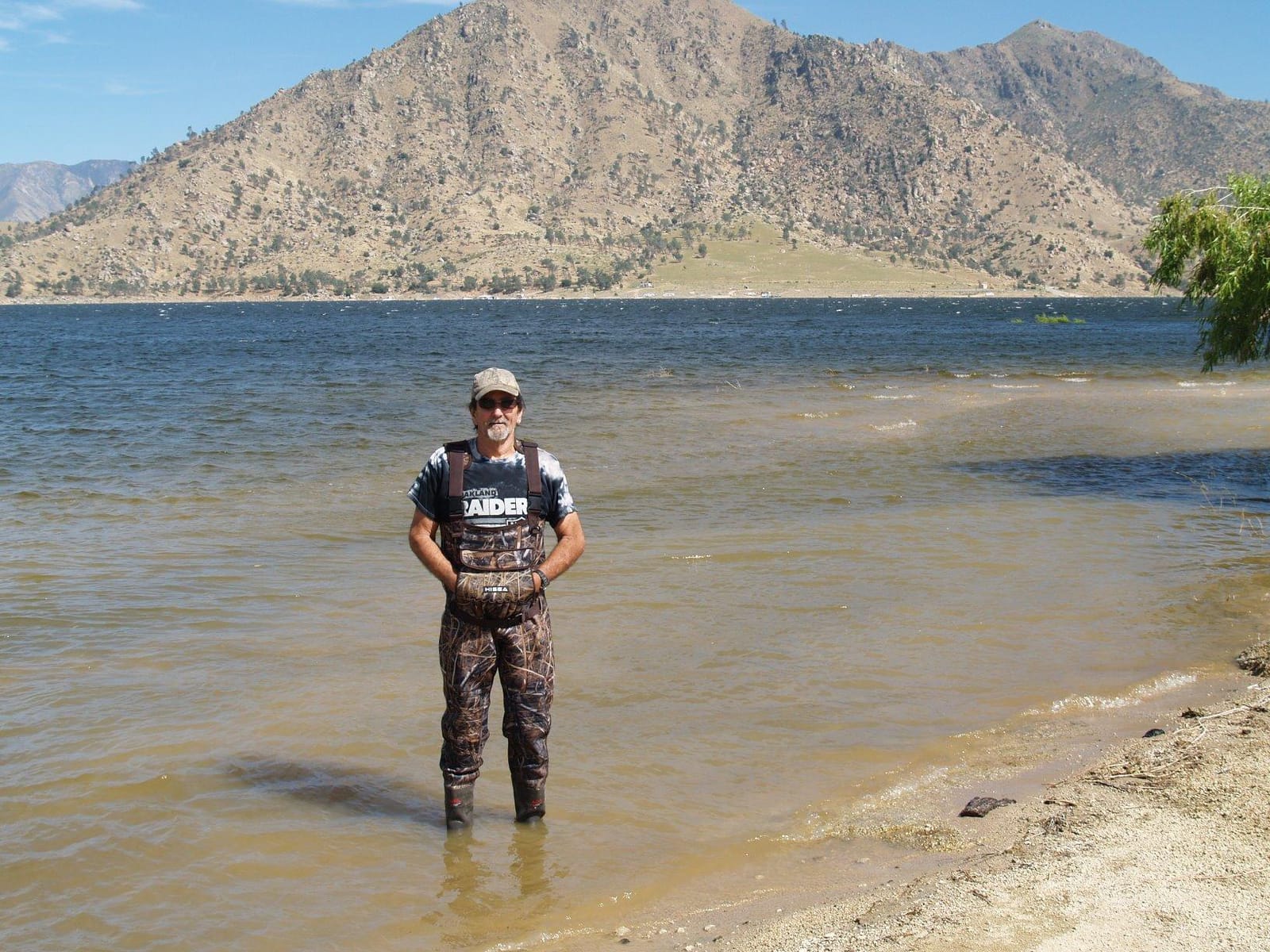
This is the coldest-water pick in the guide. The body is 4.5mm neoprene laminated to a nylon jersey and stretch liner, and the rubber boots are lined with 600-gram 3M Thinsulate Ultra Insulation, which is the specification that matters when you are standing in icy water for more than a few minutes.
Seams are Armor Weld double-stitched, bonded, and taped, and the knees are reinforced. The hand-warmer pocket carries eight shell holders, so a box of shells and a fly patch stay organised instead of loose in a vest.
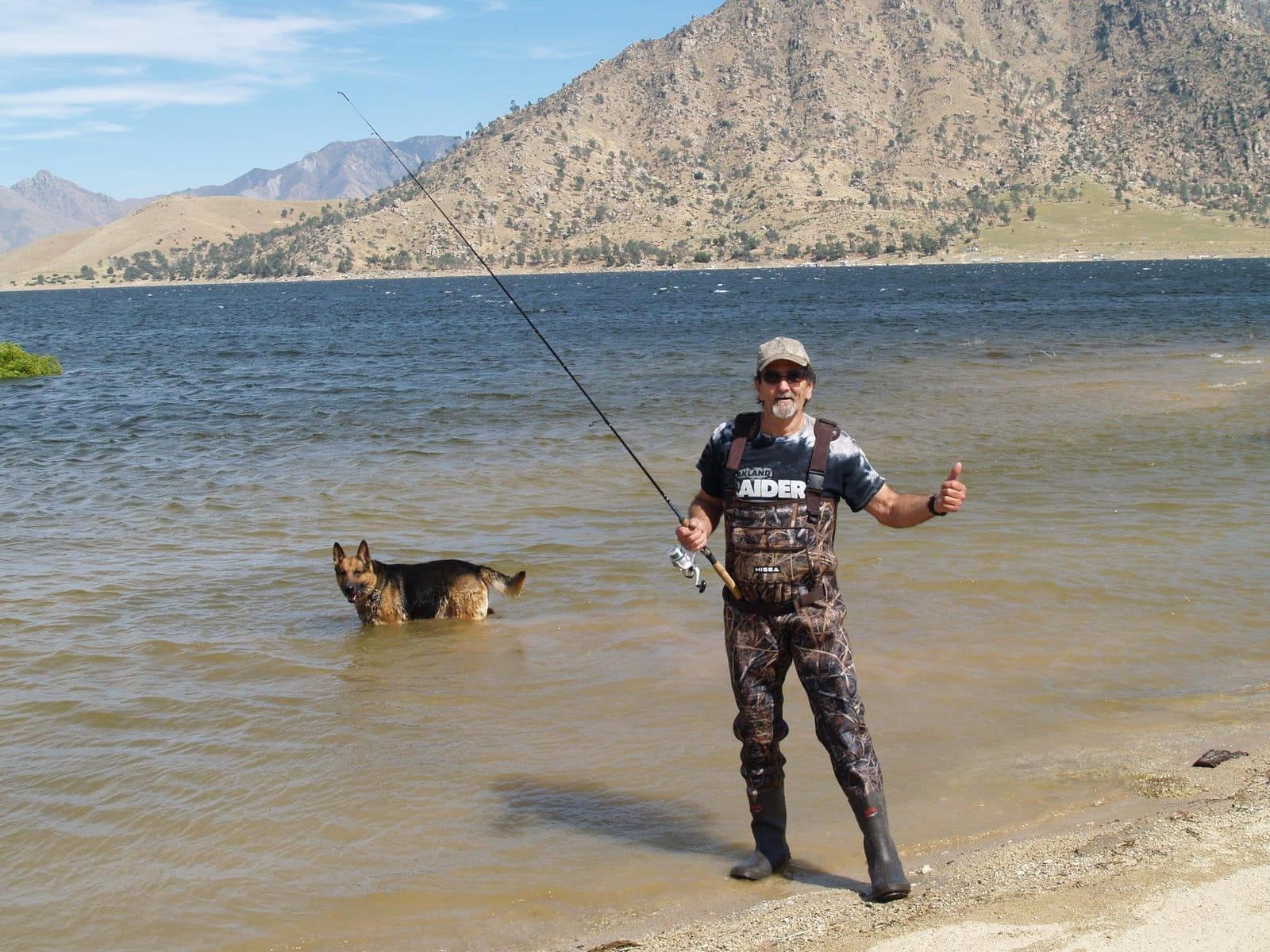
Hunters and winter anglers report repeated sessions with no leaks at all, and the value argument is strong, because comparable insulation from a technical brand costs far more. The lifetime warranty is honored with responsive customer service, which reviewers mention more than once when a seam started to fail.
Durability is not flawless. A minority of owners report seam leaks at the groin and thigh after months of use, and plastic suspender buckles can crack under tension. The boots follow shoe size, so a size up may be needed for wide feet.
How does 600-gram boot insulation compare to 200-gram?
It is a much bigger gap than the numbers suggest. 600-gram insulated boots are the pick for standing in near-freezing water, while 200-gram models handle cool water and short submersions without the foot going numb.
Both are neoprene bodies here, so the boot insulation is what separates cold-water hunting use from general winter fishing. If your feet are your cold spot, pay for the 600 gram.
Is this pair worth the money for a first wader?
Only if cold water or hunting is genuinely part of what you do. A beginner fishing warm water would be spending insulation they cannot use and carrying weight they do not need.
Most first-time buyers are better served by the TIDEWE or the Hellbender, and adding this one later is a very common path. Read the warranty terms before you buy, because that is what covers the seam failures.
7. TIDEWE 3.5mm Neoprene Bootfoot Waders – Best Neoprene Bootfoot
TIDEWE Neoprene Waders, Cleated Bootfoot Men Chest Waders, Waterproof Fishing & Hunting Chest Waders Brown Size 11
3.5mm neoprene upper
Triple finished taped seams
Built in rubber boot
11 lb package weight
Pros
- Neoprene construction stays comfortable in cold water
- Sealed seams and coated leggings resist leaks over long use
- Solid rubber tread grips mud and wet ground
- Easy to hose off and hang dry
Cons
- Heavy overall especially the boots
- Boot sizing runs larger than labeled
- Less rugged against brush and thorns
If you want neoprene insulation with a proper boot and no separate boot purchase, this is the middle ground between the light 2-ply model and the fully insulated HISEA. The upper is 3.5mm neoprene over a poly and jersey shell with a stretch liner, and the seams are stitched, glued, and taped in a triple finish.
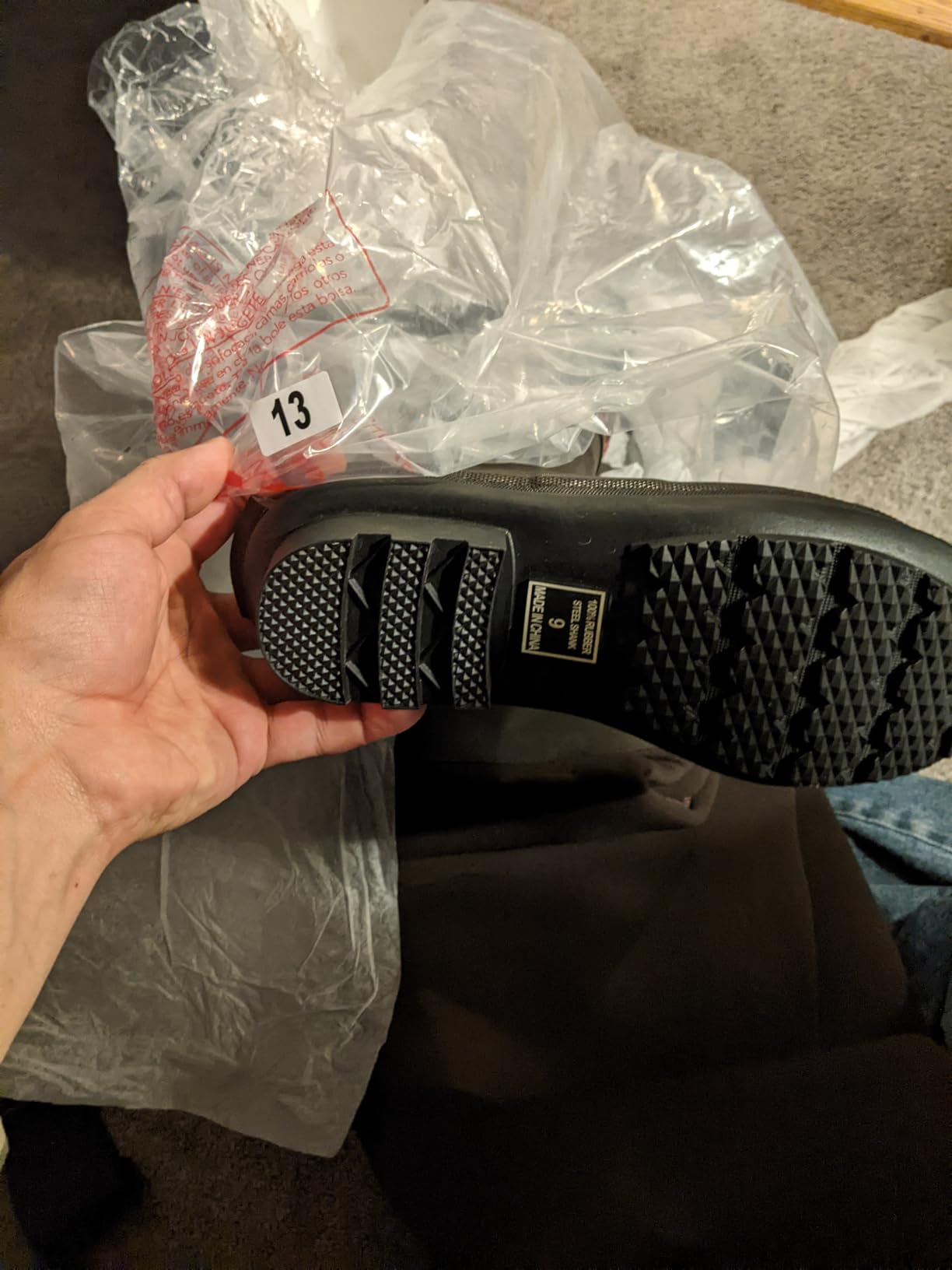
The leggings are polyurethane coated, which is an extra layer of protection exactly where neoprene seams usually give up first. The built-in rubber boot has a reinforced vamp and a rugged tread, and it is the boot that gives you something to stand on in mud.
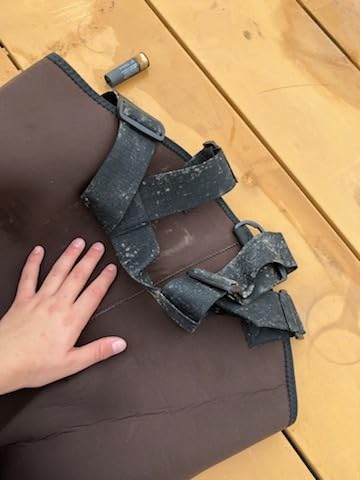
Long-term owners report hundreds of hours of leak-free use, and the included hanger, waist belt, and phone pouch mean it is a complete kit. Washing it down with a hose and hanging it to dry is the whole care routine, which suits anyone who fishes a lot but maintains gear lightly.
It is heavy, and the boots are where you feel it. Boot sizing runs larger than the label, and a few owners describe eventual seam or boot leaks after two or three seasons, which is normal for this class of wader but worth knowing.
Is this insulated enough for near-freezing water?
For cool water and shorter sessions, yes. For extended submersion in near-freezing conditions, no, and this is where the 600-gram boot model pulls ahead of it.
It also runs lighter and less bulky than a fully insulated suit, so it is a reasonable middle choice if you move between cold mornings and mild afternoons.
How does it hold up against brush and thorns?
It is not built for that. Owners comparing it to heavier hunting waders note that snag-prone environments are where the poly and jersey shell is at its weakest, and holes in that fabric cannot be taped back to spec.
If you are pushing through timber, cattails, or dense bank structure, a heavier hunting-rated shell is a better investment than repairing this one.
8. Frogg Toggs Canyon II Stockingfoot – Best with Gravel Guards
FROGG TOGGS Canyon II Breathable Waterproof Stockingfoot Fishing Chest Wader for Fishing, Gray, X-Large
4-ply nylon upper
4mm double-taped neoprene booties
Attached gravel guards with lace hooks
Y-back suspenders
Pros
- Durable 4-ply nylon with double-taped neoprene booties
- Attached gravel guards and included belt improve stability
- Quick-release locking buckles on belt and suspenders
- Splash-proof zippered chest pocket
Cons
- Higher share of one-star reviews than the leading picks
- Runs warm for some wearers in mild weather
- Requires separate wading boots
The Canyon II is the gravel guard specialist in this group, and gravel guards are the single most useful feature on a rocky river. The attached guards have integral lace hooks, so your boot laces thread straight through the guard and stay above the silt line instead of letting it fill up.
The upper is 4-ply nylon, and below the knee it uses 4mm double-taped neoprene booties. An adjustable wading belt with a quick-release locking buckle is included, and the suspenders are Y-back with matching quick-release locking buckles.
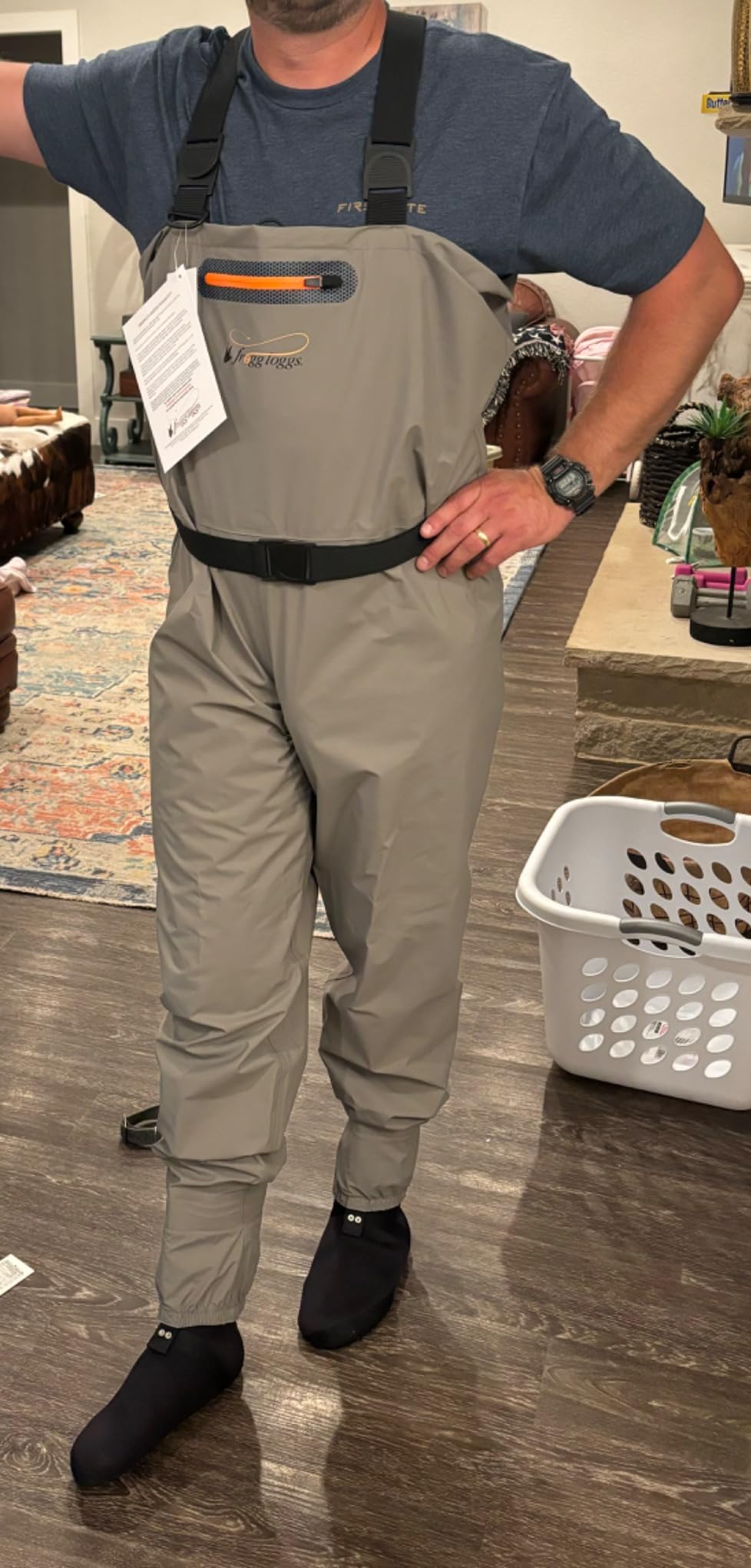
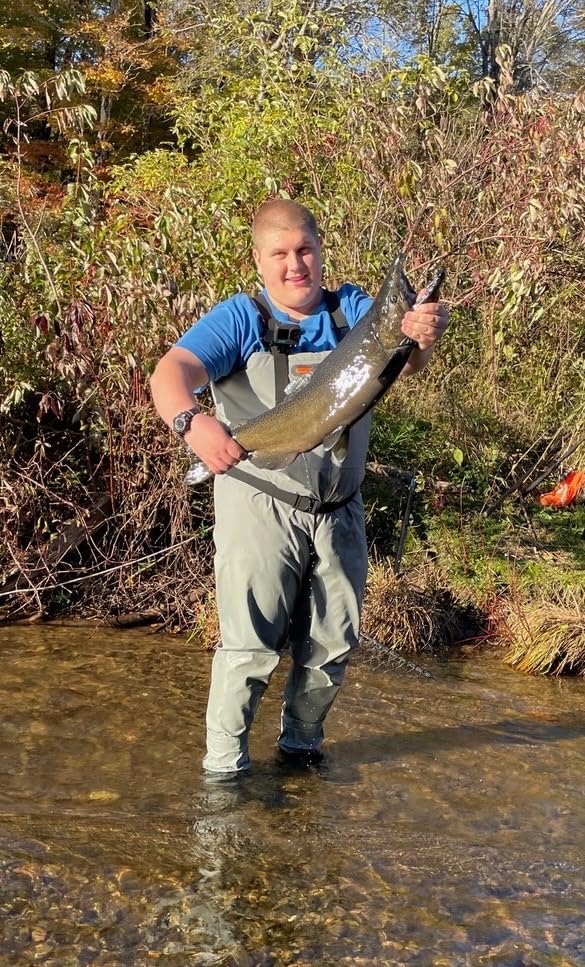
Owners who fish the same river for multiple seasons value the multi-season durability, the taped booties, and the fact that the belt and gravel guards are already part of the package. The splash-proof zippered chest pocket keeps essentials dry without slowing you down.
The trade-offs are the same ones the Hellbender has. It runs warm for some wearers on mild days, you need your own wading boots, and the one-star share is higher than the leading picks, reflecting more fit complaints over the life of the wader.
Do gravel guards actually make a difference?
Yes, on silty and loose-bottomed rivers. They stop sediment from packing into your boots and reduce the feeling of standing on a sandbag, and they also protect the wading boot upper from abrasion and debris.
On clean gravel they make less difference, but the lace hooks mean you can attach them without changing your lacing setup, which is the part most anglers appreciate.
Canyon II or Hellbender for fly fishing?
Pick the Canyon II if you wade silty, debris-heavy water and want the belt and lace-hook gravel guards. Pick the Hellbender if you want more pockets and a more recent generation of breathable fabric.
Both share the same basic platform of 4-ply nylon over 4mm neoprene booties, so the difference comes down to river conditions and how much you carry.
9. Foxelli Breathable Stockingfoot Waders – Best for Packability
Foxelli Breathable Waders – Fly Fishing Stockingfoot Waders for Men and Women
Breathable 3-layer nylon
Weighs under 3 lbs
4mm neoprene stockingfoot booties
2.9 lb package weight
Pros
- Breathable 3-layer nylon stays comfortable in warm weather
- Very light with unrestricted movement
- Stockingfoot design fits your own boots
- Double-layer reinforced knee pads and taped seams
Cons
- No insulation for cold water
- Sizing runs small in the torso for some wearers
- Smaller review base than the bootfoot picks
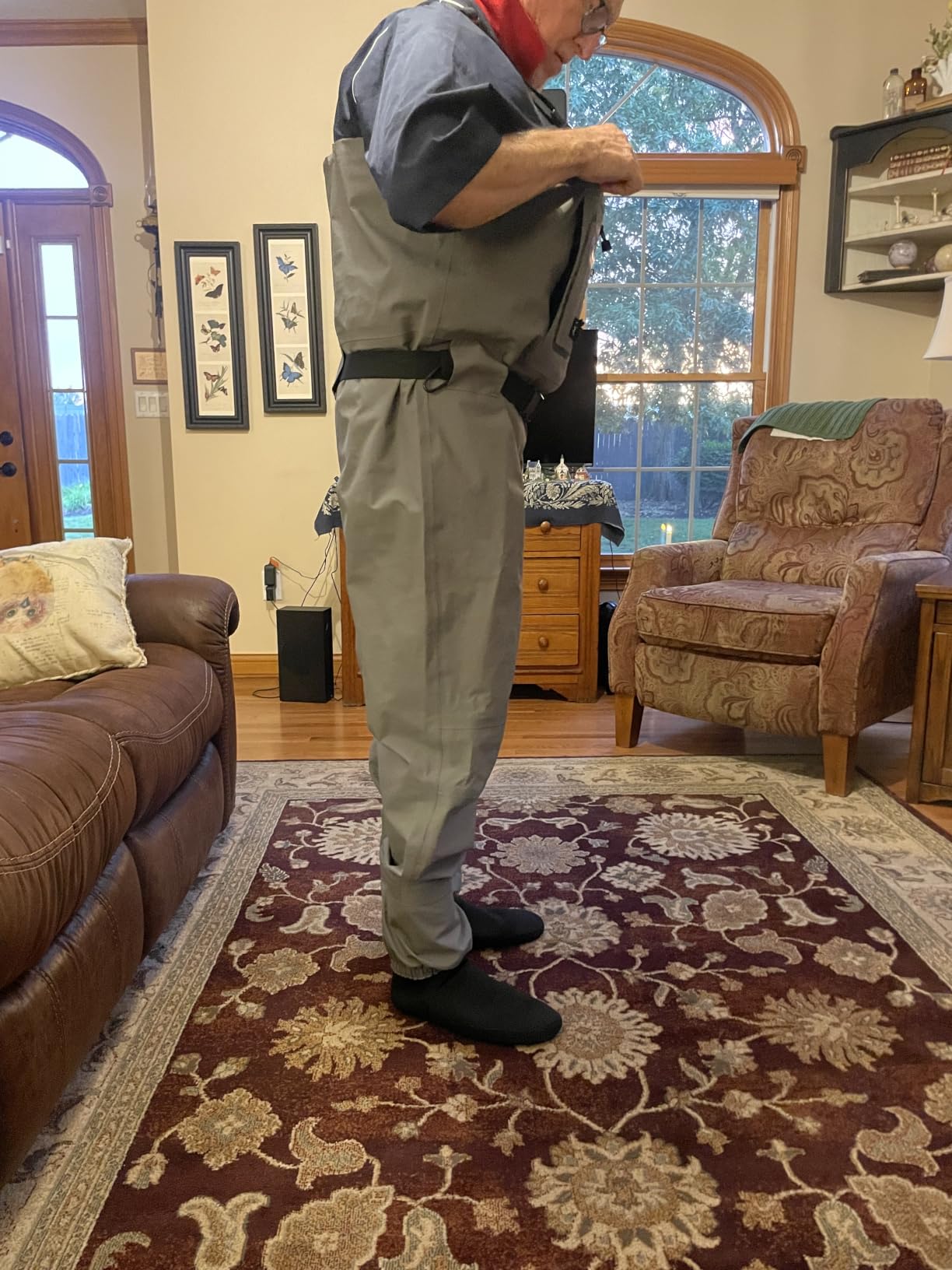
This is the wader to take when the fish are small and the water is warm, and the deciding number is weight. At under 3 lbs for the packaged set, it packs into a small bag and disappears in a trunk, which matters more than most buyers expect when they are walking to a bank instead of wading.
The shell is a breathable 3-layer nylon that releases body heat and sweat, with glued, stitched, and taped seams. Below the knee, 4mm neoprene stockingfoot booties prevent the bunching that turns a long day into a blister, and the knees are double-layer reinforced.
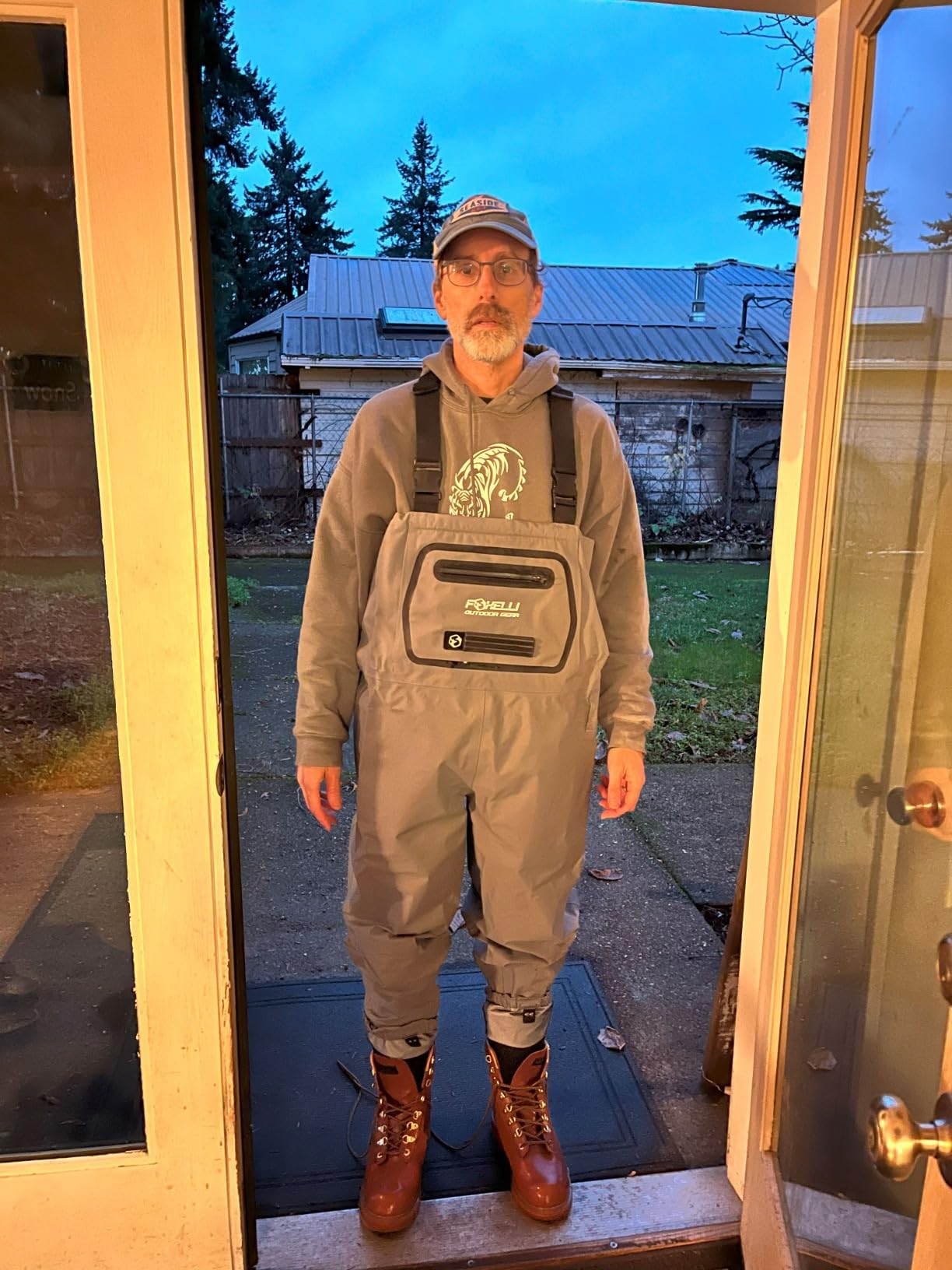
Because it is stockingfoot, the boot fit is entirely in your hands, which is a genuine advantage for anyone whose foot shape fights standard sizing. External and internal chest pockets, a nylon belt, and two carabiners round out the storage, and a carrying bag is included.
Two limits stand out. There is no insulation at all, so it is a warm-weather wader only, and the torso can run snug on some wearers, which means you should size up if you sit and squat a lot.
How light is too light for real wading?
Not too light for rivers and streams in mild weather. Under three pounds is comfortable on a long walk and on bank fishing, and neoprene stockingfeet give you enough of a barrier to work in cool conditions.
It stops being a good idea in cold water. Without any insulation, a sub-50 degree stream will make you miserable in a way no amount of layering fully solves.
Is the smaller review base a warning sign?
It is worth knowing, but the feedback that exists is consistent. Owners like the light, breathable shell and the freedom from boot sizing, and the criticisms are predictable ones about insulation and torso fit.
Read the measurements carefully rather than relying on brand averages, and check whether a warranty covers tears and leaks before you commit. That coverage is the safety net when the review history is short.
10. HISEA 4.5mm Neoprene Chest Waders – Best Neoprene Balance
HISEA Neoprene Fishing Chest Waders for Men with Boots Cleated Bootfoot Waterproof Mens Womens Wader Fishing & Hunting Wader
4.5mm neoprene with padded knees
200 gram Thinsulate insulated boots
Cleated soles
Belt included
Pros
- 4.5mm neoprene stays warm and flexible in cold water
- Widened bonded and taped seams add leak protection
- Insulated cleated soles improve both warmth and traction
- Included nylon wading belt and adjustable suspenders
Cons
- 200 gram boot insulation is less warm than 600 gram models
- Sizing follows shoe size so wide feet may need a size up
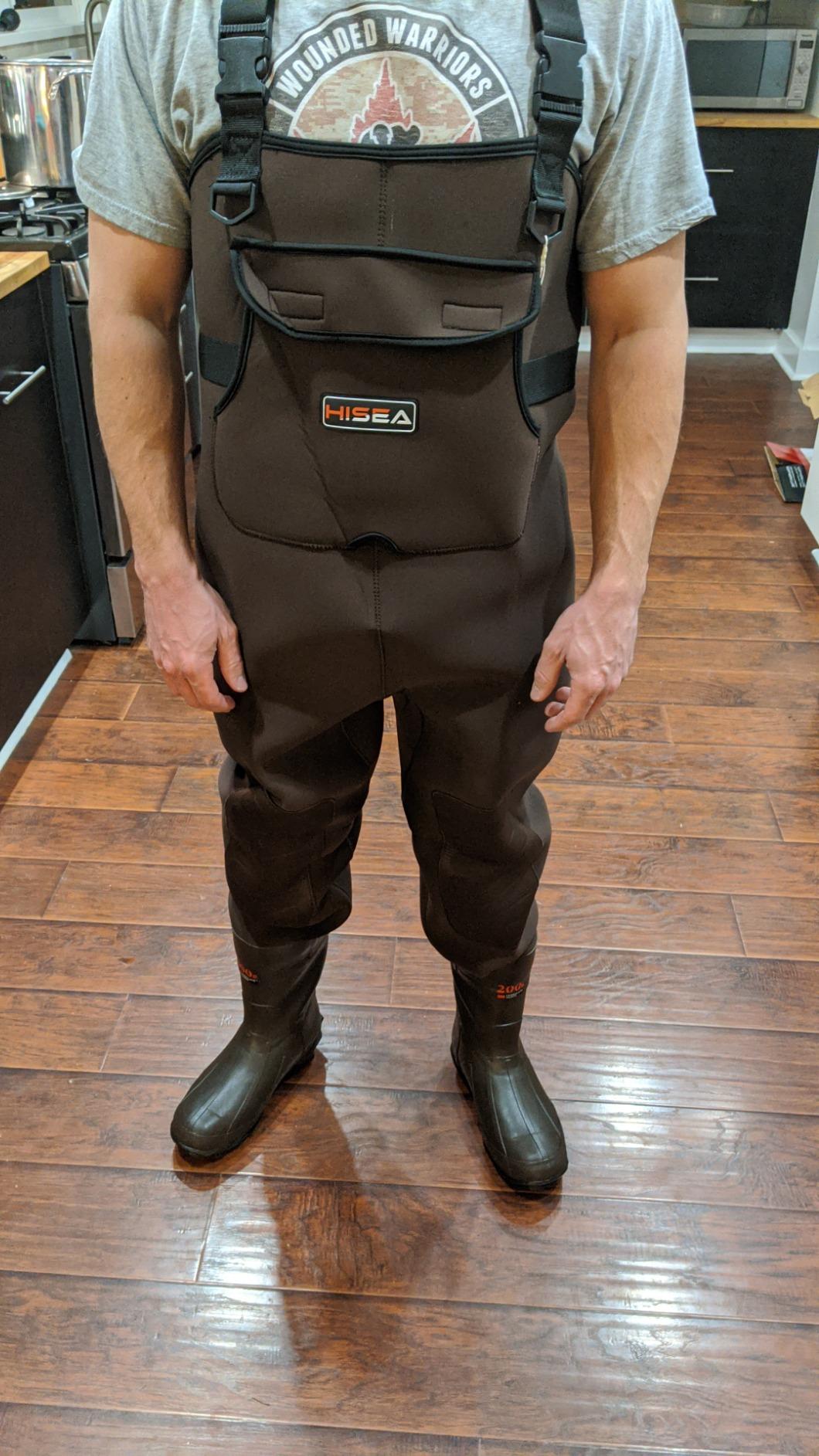
This HISEA model is the balance point of the guide. The body is 4.5mm neoprene with padded knees, and the seams are double-stitched with widened bonded and taped construction plus a water intrusion resistance treatment, which is a lot of leak protection for a boot in this class.
Where it separates itself is the sole. The rubber boots are ozone resistant, lined with 200-gram 3M Thinsulate, and carry cleated soles that grip mud, algae, and wet rock better than a smooth or felt-only sole.
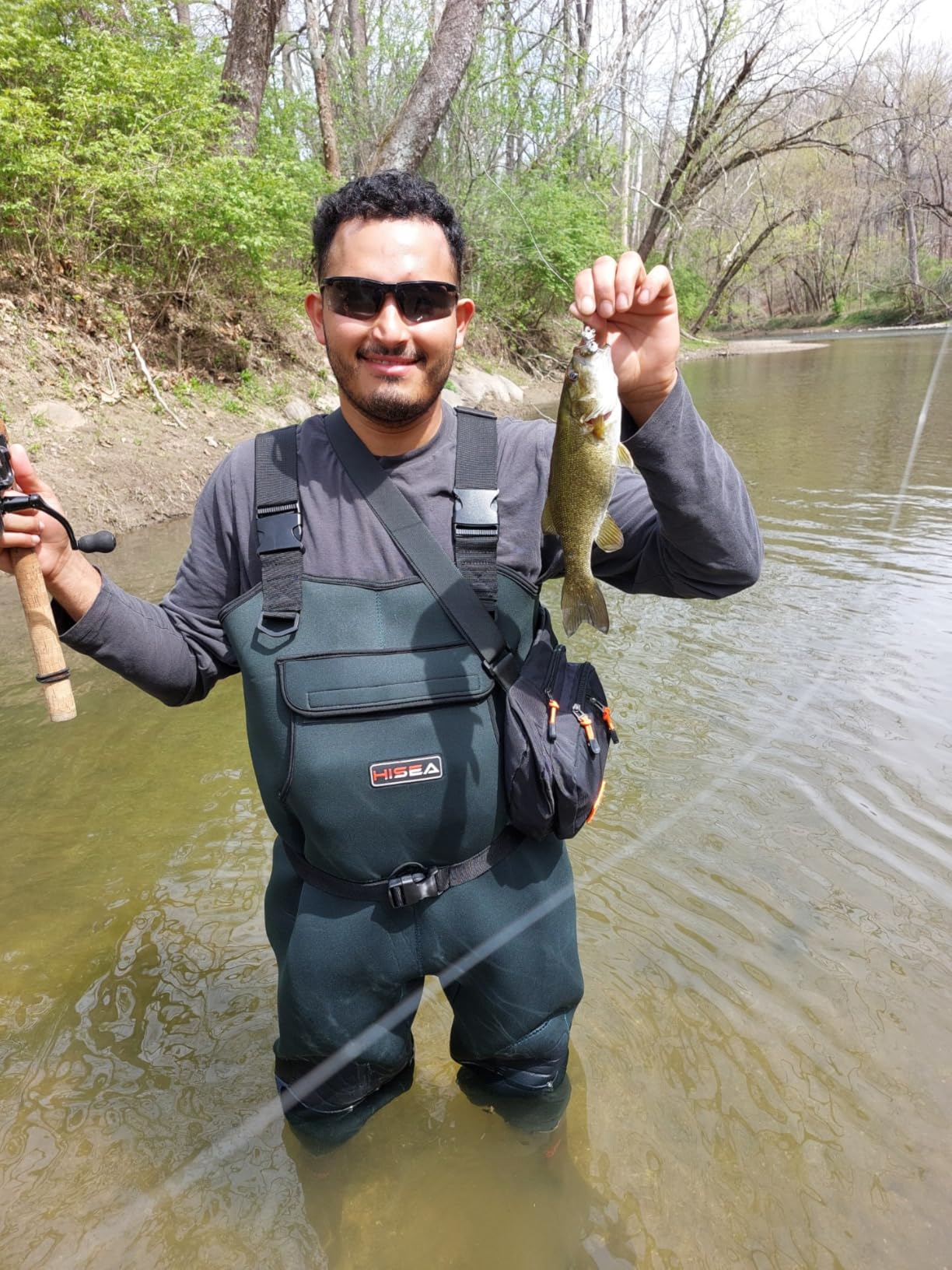
Owners consistently mention three strengths: warmth, taped-seam reliability, and cleated traction. The suspenders are adjustable neoprene and nylon with quick-release buckles, and a nylon wading belt is included, so you can set the fit properly from day one rather than after your first cold swim.
The main caution is the 200-gram boot insulation. It handles cool water and shorter sessions well, but it is a step down from the 600-gram model for deep cold submersion, and boot sizing follows shoe size, which matters for wide feet.
Are cleated soles worth choosing a wader for?
On soft river bottoms and mud, yes, and the difference shows up when you are crossing a seam or standing on a slick boulder. Cleats dig in where felt glides.
On flat rocky slabs, the benefit shrinks, and cleats can make wading a boat ladder unpleasant. Buy for your usual water rather than in the abstract.
Should you choose this or the 600G version?
Choose this one for cool water, shorter days, and a focus on traction. Choose the 600-gram version if your season runs into genuinely freezing water and you are standing still for long periods.
Both use 4.5mm neoprene, so the body warmth is similar. The difference is entirely in the boot, which is the part that actually touches the cold water.
11. Paramount Deep Eddy Stockingfoot Waders – Best for Fly Fishing
Paramount Outdoors Deep Eddy Breathable Stockingfoot Fishing Wader Regular and Stout Sizes (Elk – Large)
Waterproof breathable 4-ply nylon
2-inch wide suspenders with tool loops
4mm neoprene stockingfoot booties
Regular and stout sizes
Pros
- Waterproof breathable 4-ply nylon with reinforced lower legs
- Suspender attachment points for tippet and hemostats
- Large zippered chest pocket with rear pass-through hand warmer
- Non-bunching neoprene stockingfoot fit
Cons
- Stockingfoot design requires separate wading boots
- Lower review count than most competing picks
The Deep Eddy is built by a fly shop, and it shows in the details that fly casters care about. The 2-inch wide suspenders carry dedicated attachment points for tippet, nipper, or hemostats, so the small tools that end up in the water are clipped where you can reach them without breaking concentration.
The upper is a waterproof breathable 4-ply nylon with double-reinforced lower legs, which is where abrasion from gravel and rock concentrates. Booties are 4mm soft stretch neoprene designed not to bunch, and a large zippered box chest pocket sits in front of a rear pass-through hand warmer.
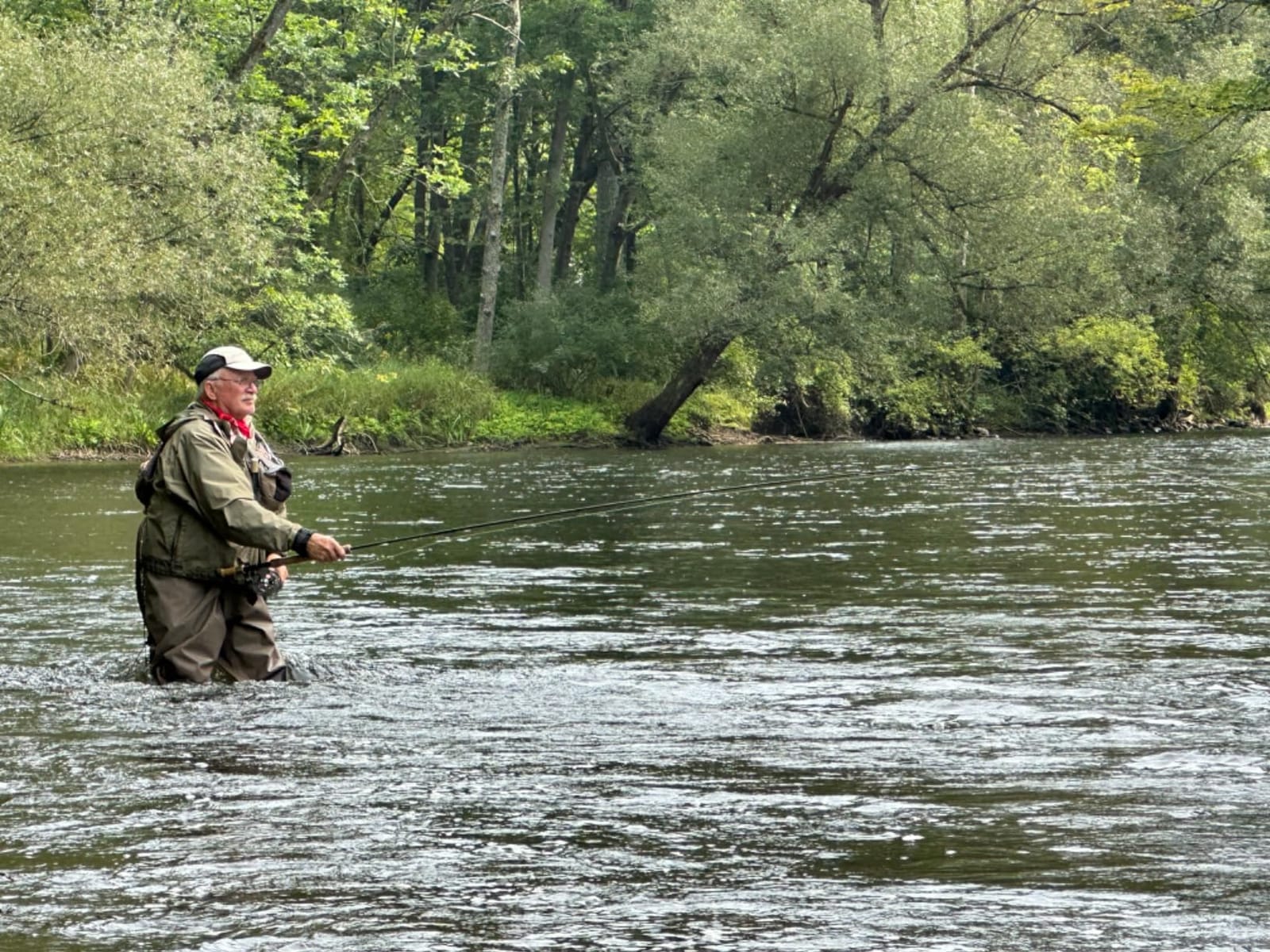
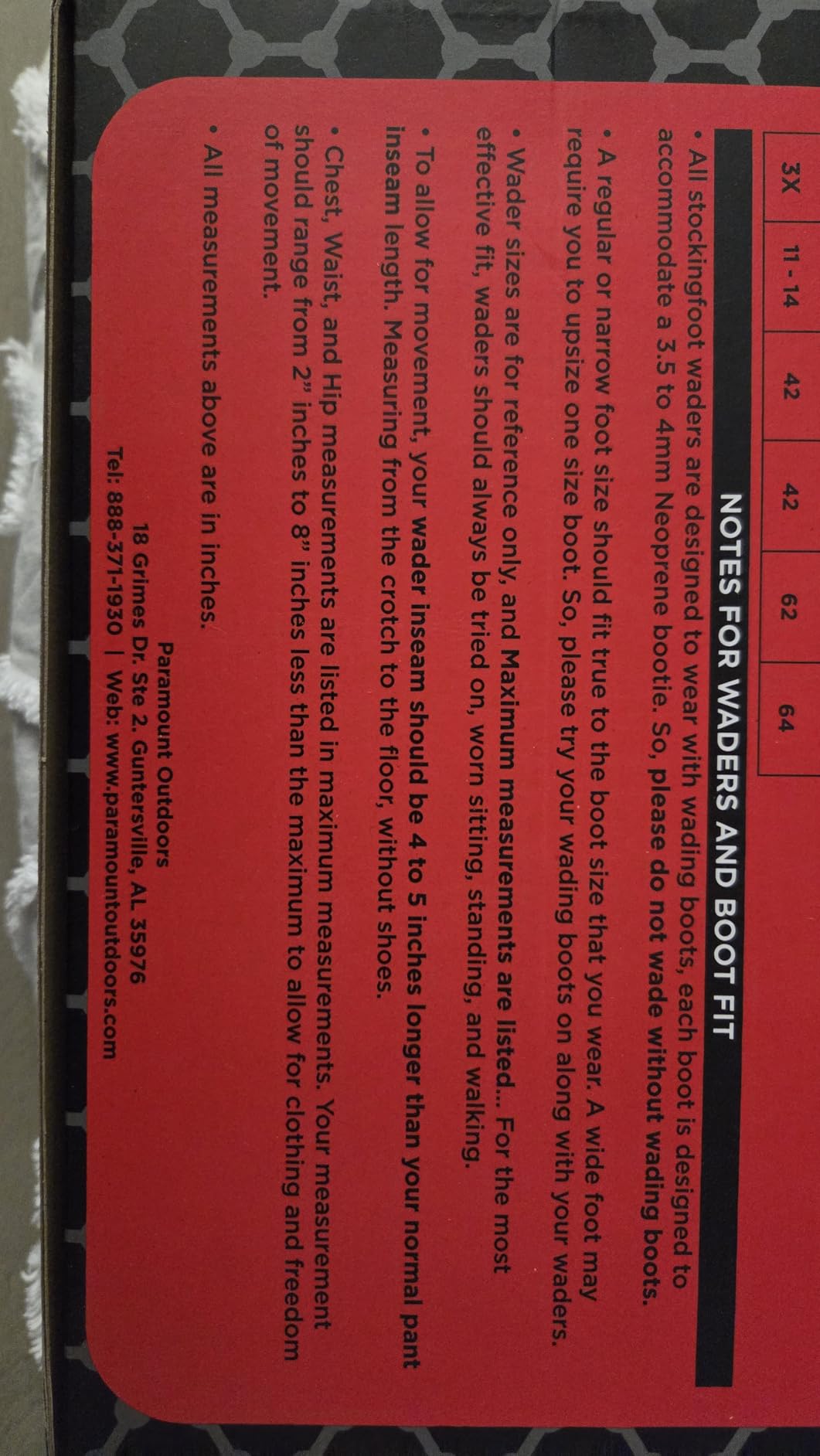
This is also the only wader in the group offered in both regular and stout sizing, which matters for larger-framed men who regularly struggle to find chest waders that fit over a wading boot and a wading belt. It is sold at a 3 lb item weight and hand-wash-only care.
Fly anglers who own it praise the durable nylon, the reinforced legs, and the thoughtful tool loops. The two drawbacks are familiar: stockingfoot means buying your own boots, and the review base is smaller than the mass-market picks.
What does stout sizing actually change?
It gives a wider torso and a roomier seat and thigh for men who cannot make a regular size work over a wading boot. It is not a different product, just a different cut of the same shell.
If you are broader through the chest and waist, stout sizing is the option to look for, and it is a genuine advantage in a category where large and small frames are often underserved.
Is it worth buying a wader from a smaller brand?
For the construction shown here, yes. The fabric, the reinforced lower legs, and the neoprene booties match what the bigger brands use, and the fly-specific suspender detail goes further than most.
Check the limited warranty terms before you buy, and buy from a seller who will stand behind them. Smaller brands have fewer field service options when something fails, and that is the trade you are making.
12. Simms Tributary Stockingfoot Waders – Best for Boat Anglers
Simms Tributary Stockingfoot Fishing Waders, Basalt XL 12-13 Regular
Breathable 3-layer upper with 4-layer lower
38mm wading belt included
Neoprene stockingfeet
Newest model in the group
Pros
- Lightweight breathable 3-layer construction that packs down small
- Comfortable fit and easy movement in and out of a boat
- Fleece-lined handwarmer pocket and integrated fly patch
- Built-in gravel guards keep debris out of boots
Cons
- Highest price point in the group
- Ankle and foot section can run tight in some shipments
- Wading belt has only one rear loop
The Tributary is a tightly finished fit in this list, and the owner reports are consistent about why: people upgrading from budget waders describe noticeably better fit, dryness, and comfort on long days. It is also the newest model in the group, so the construction reflects current breathable shell design rather than an older platform.
The build is a durable 3-layer upper with a reinforced 4-layer lower, so the extra material sits exactly where abrasion happens. The stockingfeet are anatomically engineered neoprene, gravel guards are built in with elastic hems, and a 38mm non-stretch wading belt with a rear belt loop is included.
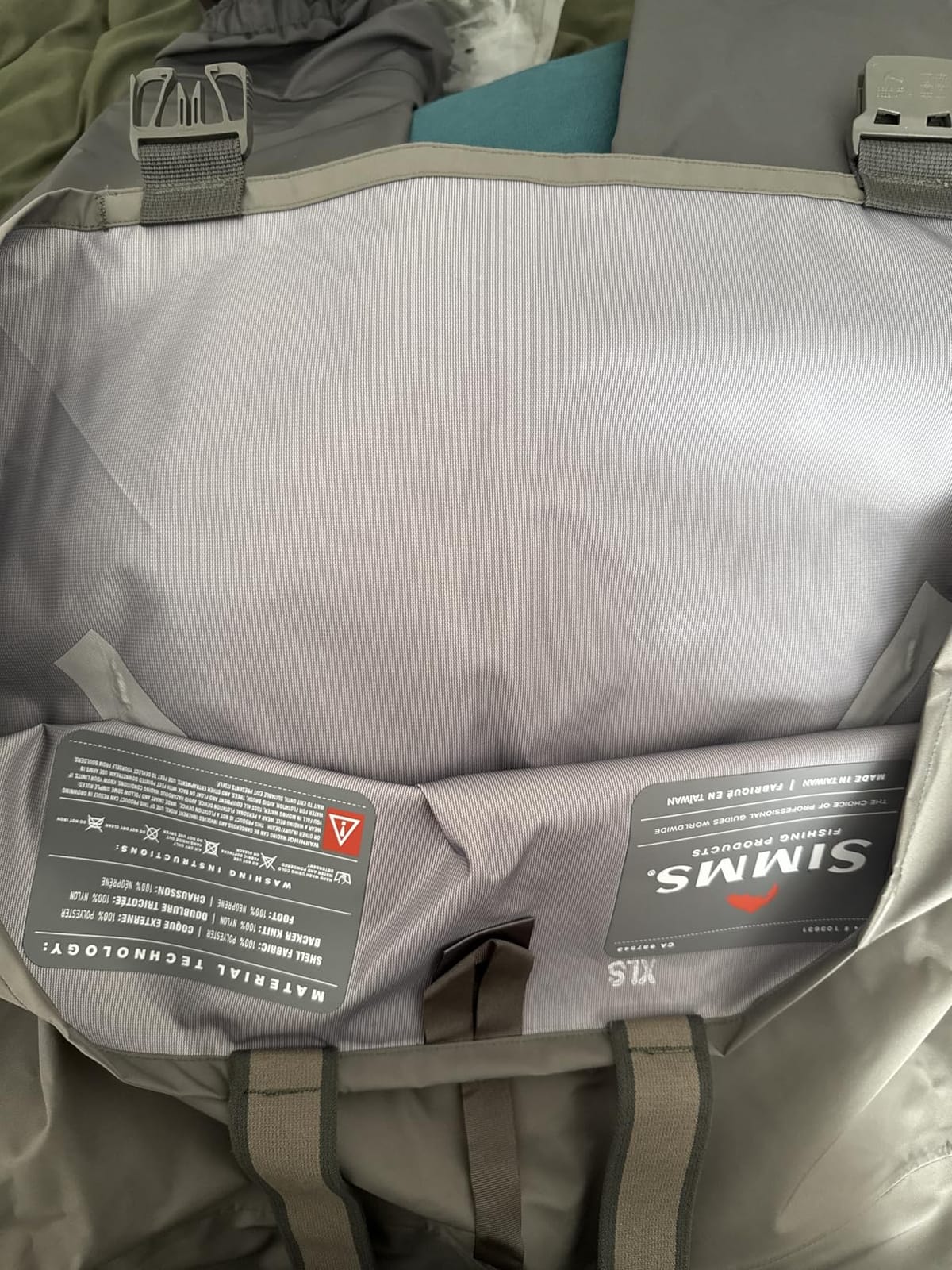
A fleece-lined reach-through handwarmer pocket, a zippered stash pocket, and an integrated fly patch handle cold hands and small gear without forcing you to unclip anything. For boat anglers, the low bulk and freedom of movement in and out of a hull is the feature that gets mentioned most.
It is the highest price point in the group, and the criticisms are small ones. The ankle and foot section can be cut too tight in some shipments, so size carefully, and the included belt has only one rear loop rather than two.
What do you gain moving up to a Simms?
Mostly fit and finish. The pattern pieces are shaped around real bodies, the hems and cuffs hold their shape, and the layering of a 3-layer upper over a reinforced 4-layer lower is the sort of detail you feel over a full day rather than notice on day one.
You also get a name that the Simms customer base already trusts, which matters for resale and for repair support down the line.
Is the price difference worth it for a weekend angler?
For someone who fishes two or three days a year in warm water, no. A budget model will do the same job and the difference will not be obvious.
For someone who is on the water most weekends, moving in a much tighter cut, this is the point where the money shows up in comfort rather than in a spec sheet.
Men’s Chest Wader Buying Guide
Should you buy waders a size bigger?
Yes, in most cases you should buy waders a size bigger than your normal clothing or shoe size. A chest wader has to fit over a wading boot, a neoprene bootie, and thick socks, and a snug fit pushes water over the chest seal the moment you kneel. The most common sizing advice across angler forums is one to two sizes up, with some brands running small enough that the chart is worth reading twice.
Are waders supposed to be baggy? Yes, a chest wader should feel loose through the seat, knees, and thighs so you can squat, kneel, and cast without pulling the chest seal underwater. Baggy through the legs is fine and normal. Baggy or tight across the chest and shoulders is a size problem, and no amount of adjusting will fix it.
How are chest waders sized? Most brands use a chart built around chest, waist, and inseam measurements, so measure yourself over the base layers you will actually fish in. Add the boot allowance to whatever the chart recommends, and never size down because you want a neat fit. Simms models are the most common exception where the stock cut already runs generous.
Stockingfoot or bootfoot: which one fits your fishing?
Bootfoot waders have the boots built in. You wade straight out of them, they are the only option for anyone fishing from a small boat, a duck blind, or a bank where carrying separate boots is impractical, and cleated soles give solid traction on mud. They are also heavier, hotter, and harder to reshoe later.
Stockingfoot waders end in neoprene booties and require wading boots, usually with a felt or studded sole. They run cooler, pack smaller, let you replace or resole your own boots, and are the preference of experienced anglers for good reason. The cost is that boots are a separate purchase and the sizing has to be right.
Our rule: if you are new to wading and want the simplest setup, choose bootfoot. If you already own wading boots or plan to buy them, stockingfoot is the better long-term system.
What neoprene thickness do you need for cold water?
Neoprene thickness is measured in millimetres and it maps fairly directly to water temperature. The 3.5mm to 4mm models here suit cool and cold water, the kind found on trout streams in autumn and early spring, and they are also fine duck hunting waders. The 4.5mm models add margin for colder water and longer days, and they still flex well enough to fish in.
Boot insulation is a separate variable from shell thickness, and it is the part that decides how you feel about your feet. 200-gram Thinsulate handles cool water and short sessions. 600-gram Thinsulate is what you want for near-freezing water and extended standing. A warm shell over cold boots, or cold boots under an overbuilt shell, both feel wrong, so read both numbers.
One caution from experienced anglers: very thick neoprene adds buoyancy, which makes wading feel less stable. That is a real argument against jumping to the thickest suit on the market before you are used to the water.
Do you need a wading belt with chest waders?
Yes, and you should wear one from your first trip. A wading belt cinches the chest of the wader around your body so that if you fall, water cannot siphon in and fill the legs. Without a belt, a single bad step in a deep hole can fill a pair of waders in seconds, and cold water plus trapped water is a serious problem.
Some of the picks here include a belt, which is noted in each review, and stockingfoot models should always be paired with a separate belt. Fit matters too: snug enough to hold the wader to your body, loose enough that you can breathe, with the buckle positioned so you can release it with one hand.
How to care for waders and fix a small leak
Rinse waders in fresh water after every trip, especially saltwater sessions, and let them dry completely with the hems hung open so the leg booties can drain. Turning them inside out, hanging them over a rail, and never leaving them in a hot vehicle is most of the maintenance routine. Regular anglers treat purging and drying between trips as essential rather than optional.
For a small leak, the diagnosis usually comes first. Water coming down from the chest is a suspender or seal issue, water pooling in the boots points at the bootie seams or the attachment, and a drip that starts low on the leg is almost always a failed seam. A pinhole in a nylon or PVC shell can be patched with the repair kit that ships with most quality waders, and taped seams can be re-taped.
Retire a pair when the repair stops holding, when the zipper no longer runs smoothly, or when the fabric has gone stiff and splits at the knees. All waders eventually leak, as owners consistently report, and the goal is to reach that point in five years rather than two.
Simms vs Orvis vs Patagonia: where the big names differ
Simms is the angling specialist. Its waders tend to run generous in the cut, which is why sizing advice often singles them out as an exception to the size-up rule, and the brand carries a 60-day leak guarantee that covers the most common early failure. Anglers repeatedly name the Simms G3 and G4 lines as among the sturdiest waders made.
Orvis competes most directly with Simms at the premium end, with a more classic cut and a retail and repair network that is easy for owners to use. Patagonia is the third name in the conversation, and the emphasis there is on repairability and longevity rather than on any single technical feature. Owners put Patagonia Swiftcurrent, Grundens, and Redington in the same durability tier.
So is Simms or Orvis better? If you already know your size in one brand, staying with that brand is usually the cheapest path, because the sizing already works. If you are starting fresh, Simms is the safest recommendation for a first premium pair, and the answer to whether Patagonia is better than Simms comes down to whether you value repair support and longevity over a more generous modern cut.
One caution worth repeating from the forums: leaks often appear after a manufacturer’s 60-day window, and repair fees on premium brands are real. Check the current warranty terms yourself before you buy, and treat them as what they are, a short early-defect window rather than a lifetime promise.
Frequently Asked Questions
Which are the best waders for fishing?
For most men, the TIDEWE 2-ply chest wader is the best all-round choice because it is light, fully taped and has the largest owner base of any model here. For cold water, the Foxelli 4mm neoprene wader or the HISEA 600G insulated model are the better answers. Fly anglers who already own wading boots should start with a stockingfoot model such as the Frogg Toggs Hellbender.
Should you buy waders a size bigger?
Yes, in most cases you should buy one to two sizes bigger than your normal size, especially with stockingfoot waders worn over wading boots and neoprene booties. Buy against the brand size chart measured over the base layers you will fish in, and never size down for a neat fit, because a tight chest wader lets water over the seal the moment you kneel.
Are waders supposed to be baggy?
A chest wader should feel loose through the seat, thighs and knees so you can squat, kneel and cast without pulling water over the chest seal. That looseness is normal and correct. What is not correct is a wader that is tight or riding low across the chest and shoulders, which is a sizing problem rather than a normal part of the fit.
Is Simms or Orvis better for wading?
Both are premium angling brands with strong reputations, and the honest answer is that fit matters more than the label. Simms cuts tend to run more generously, so buyers who know their Simms size often keep it. Orvis offers a more classic cut and an easy-to-use repair network. If you are starting fresh, Simms is the safer first recommendation.
Are Patagonia waders better than Simms waders?
Neither is better in every case. Patagonia emphasises longevity and repairability, which suits owners who keep one pair for a decade. Simms emphasises angler-specific fit and carries a 60-day leak guarantee covering early defects. Compare the two on fit first, then on warranty terms, because a repairable wader in the wrong size is still the wrong wader.
Do chest waders leak, and how do I stop it?
All waders eventually leak, and that is normal. You extend their life by rinsing in fresh water after every trip, especially after saltwater, drying them completely with the hems open, and storing them out of hot vehicles. Small pinholes in nylon or PVC shells can be patched and taped seams re-taped, and replacing a pair that will no longer hold a repair is safer than fishing it.
Which Chest Waders Should You Buy?
Start with the TIDEWE 2-ply if you want the best balance of weight, waterproofing, and proven durability for the money. It is the most reviewed chest wader in this guide and the least likely to disappoint a first-time buyer.
If your water is cold, the Foxelli 4mm neoprene is the right call, and the HISEA 600G model takes you further into freezing water. For warm weather and light packability, the Foxelli breathable stockingfoot wader keeps a full day comfortable, and the Paramount Deep Eddy serves fly anglers who carry a lot of small tools.
Whatever you choose, size up, wear a wading belt from day one, and take the first few trips in water shallower than you think you need. That advice shows up in every angler forum we read, and it is the difference between a first season of great fishing and a bad one. These are the best fishing chest waders for men in 2026, and the right pair is the one that fits your water, your boots, and your season.