
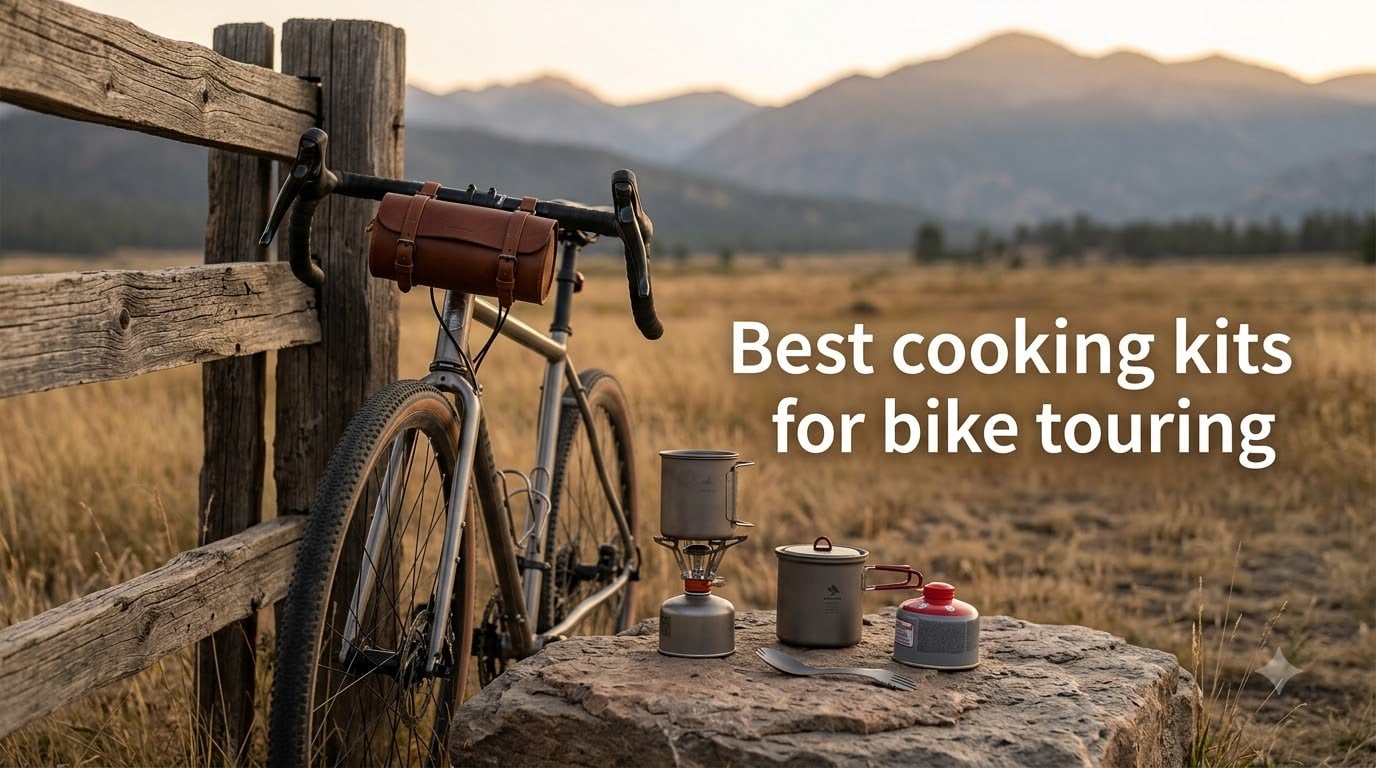
Three summers ago, I pedaled 2,400 km across the Pyrenees with a 14-gram titanium pot and a budget stove I bought on a whim. By day four I was rehydrating couscous under a thunderstorm, and I learned something every bike tourer eventually learns: your cooking kit matters more than your tent. After testing dozens of setups on weekenders and a three-month tour, I pulled together the best cooking kits for bike touring you can actually buy in 2026.
Cooking on a bike is not like cooking at a campsite you drove to. Every gram climbs with you, every liter of water weighs a kilo, and your pot rattles against your frame for 60 miles a day. The right kit boils water fast, nests into your handlebar bag, and survives being dropped on asphalt. I weighed each of these kits on a kitchen scale, packed them into Ortlieb front rollers and a Revelate frame bag, and ran them through real dinners.
This guide covers ten kits across three price brackets: budget options under $30 for weekend trips, mid-range picks from $40 to $90 for serious tourers, and premium systems over $100 for long-haul cyclists. I also walk you through materials (titanium versus aluminum versus steel), fuel choices, and packability. If you are new to bikepacking, check out our beginner route planning guide before you start dialing in your kitchen.
Table of Contents
Top 3 Bike Touring Cooking Kits at a Glance (2026)
If you want a fast recommendation without scrolling through all ten reviews, these are the three kits I would buy with my own money today. The TOAKS pot is the editor’s pick because it does everything well, the MSR PocketRocket 2 is the workhorse stove, and the BRS-3000T is the budget ultralight that punches far above its weight class.
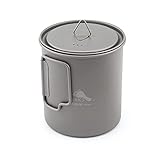
TOAKS Titanium 750ml Pot
- Ultralight 3.9 oz
- Internal gradation marks
- Fits 110g canister
- Nests with mug

MSR PocketRocket 2 Stove
- 2.6 oz ultralight
- 3.5 min boil
- Serrated supports
- Includes carry case

All 10 Best Cooking Kits for Bike Touring (September 2026)
Here is the full comparison of every kit I tested. Use this table to compare weights, prices, and key specs before diving into the individual reviews below.
| Product | Specifications | Action |
|---|---|---|
| MSR PocketRocket 2 Stove |
|
Check Latest Price |
| BRS-3000T Titanium Stove |
|
Check Latest Price |
 Trangia 25-6 Cooker Set Trangia 25-6 Cooker Set |
|
Check Latest Price |
| TOAKS Titanium 750ml Pot |
|
Check Latest Price |
 MSR PocketRocket Deluxe MSR PocketRocket Deluxe |
|
Check Latest Price |
 SOTO WindMaster Stove SOTO WindMaster Stove |
|
Check Latest Price |
 Fire-Maple Greenpeak Fire-Maple Greenpeak |
|
Check Latest Price |
 Snow Peak LiteMax Snow Peak LiteMax |
|
Check Latest Price |
 Snow Peak Trek 1400 Snow Peak Trek 1400 |
|
Check Latest Price |
 Snow Peak Titan Mini Snow Peak Titan Mini |
|
Check Latest Price |
Detailed Reviews of the Best Cooking Kits for Bike Touring
Each kit below earned its spot by performing in real conditions on real bikes. I share the wins, the frustrations, and who each one is actually best for.
1. MSR PocketRocket 2 – Best Overall Stove for Bike Touring
MSR PocketRocket 2 Ultralight Camping and Backpacking Stove
Isobutane canister
2.6 oz weight
3.5 min boil time
Pros
- Ultralight 2.6 oz
- Fast 3.5 min boil
- No priming required
- Serrated pot supports
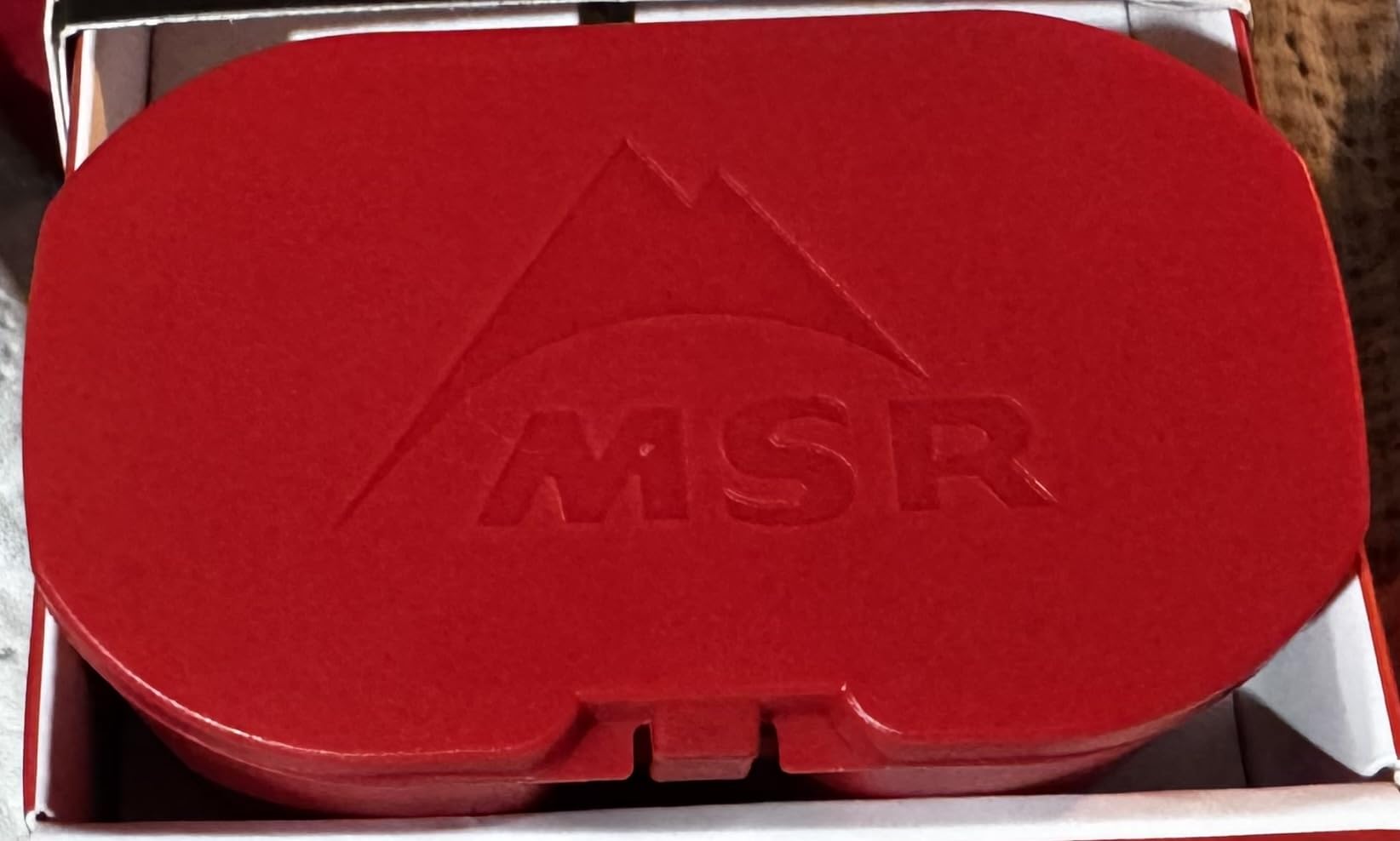
- Includes hard case
Cons
- Fuel canister sold separately
- Simmering needs practice
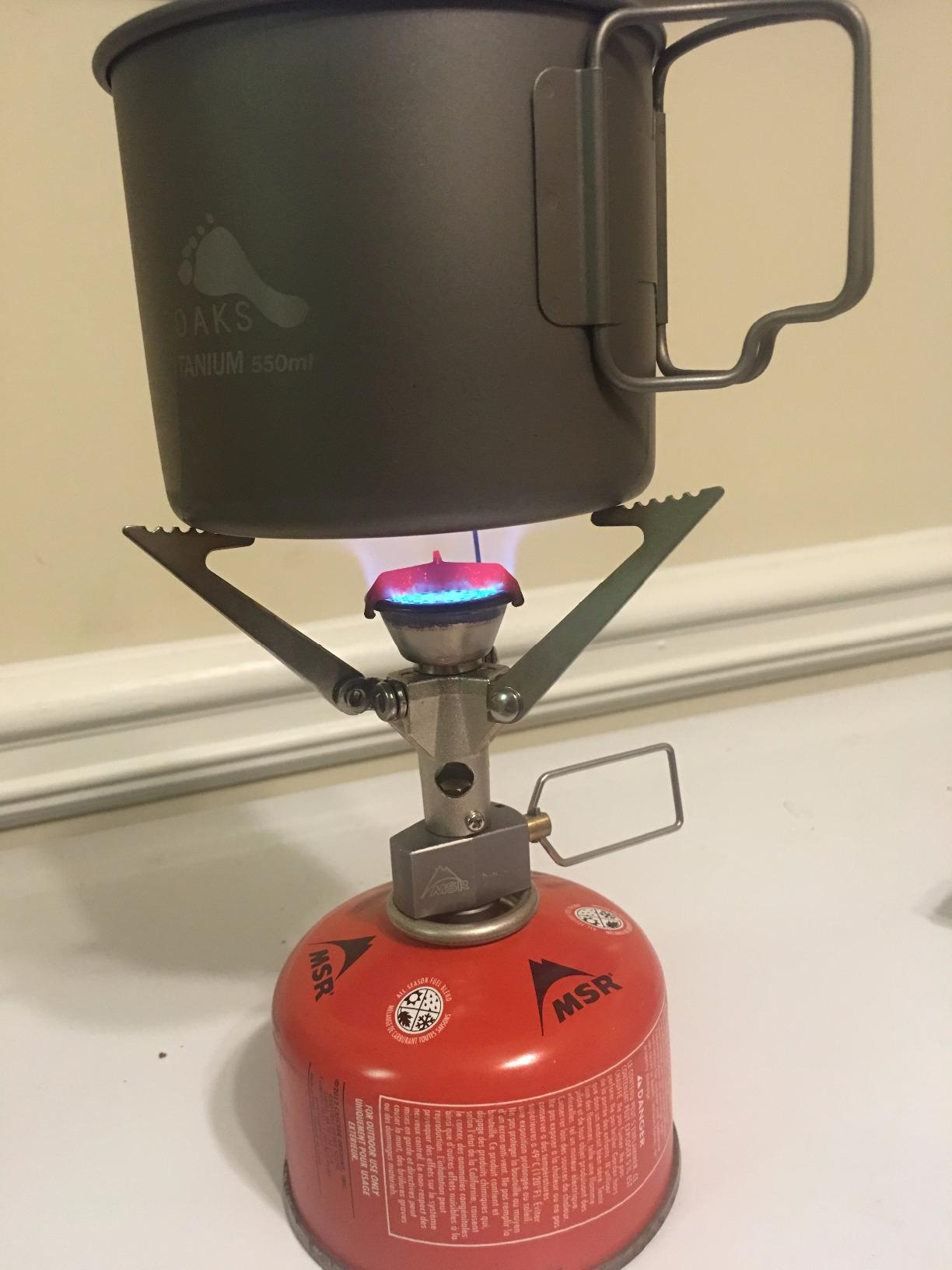
The MSR PocketRocket 2 has been my go-to stove on every bike tour since 2019. It weighs 2.6 ounces without fuel, collapses to a 2-inch cube, and boils a liter of water in three and a half minutes. On a sub-zero morning in the Rockies last spring, it still pushed out a rolling boil when other stoves in our group sputtered. With over 4,200 reviews and a 4.8 average, this is the most popular canister stove in the world for good reason.
What I love about the PocketRocket 2 is the simplicity. There is no priming, no preheating, and no pump. You screw it onto an isobutane canister, twist the valve, and light it. The serrated pot supports grip everything from a 750 ml titanium mug to a 1.5-liter kettle without wobble. The flame adjusts smoothly from simmer to full roar, which matters when you are reducing a sauce in a frame bag camp.
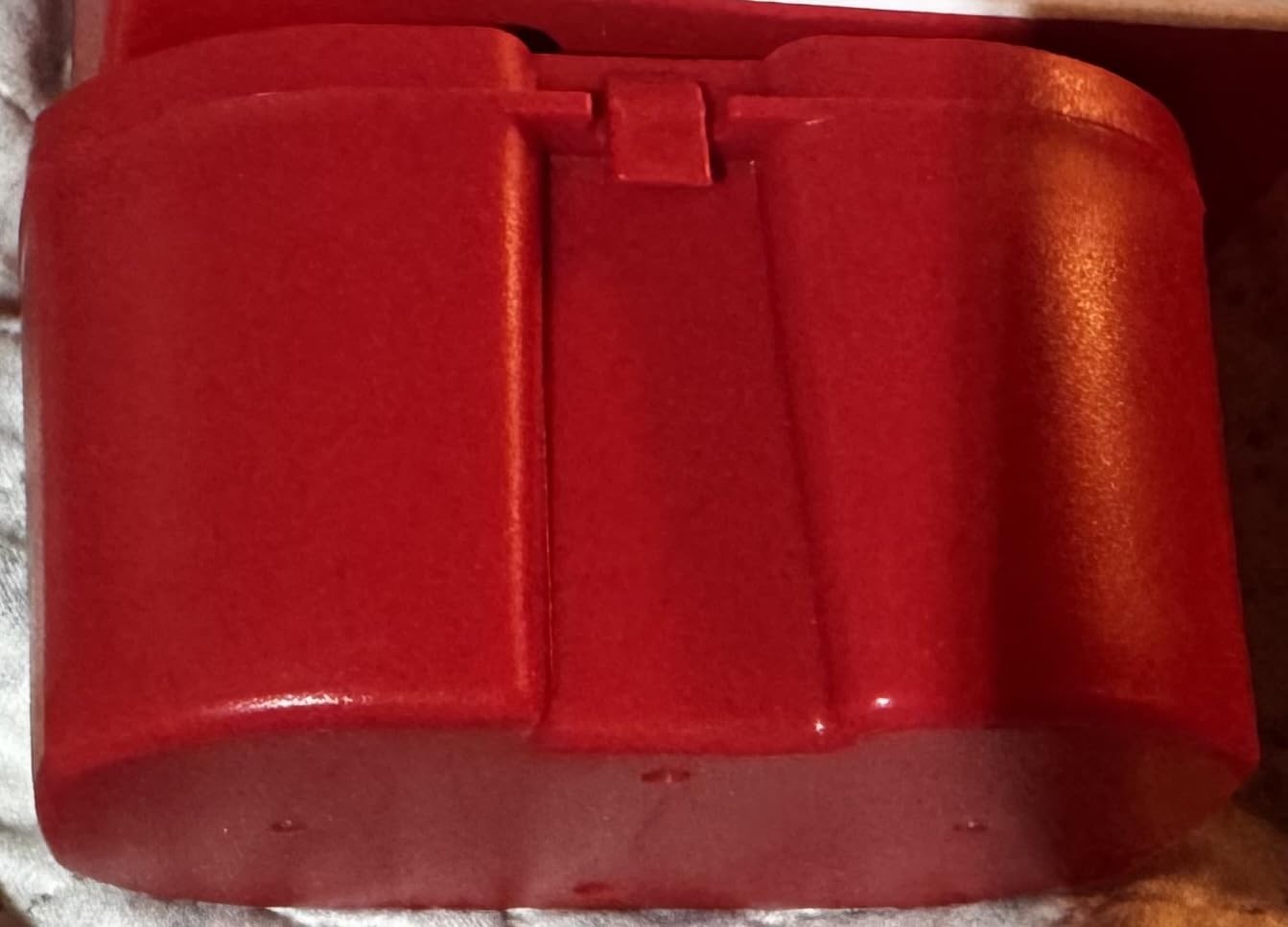
On a 12-day tour of the Pacific Coast last summer, this stove lived in my fork cage for the entire trip. I burned through one 230g canister every four days cooking dinner and morning coffee. The flame held up in 25 mph coastal winds when I added a homemade foil windscreen. For a touring cyclist who wants one stove that just works in every condition, the PocketRocket 2 is hard to beat.
The main downside is that isobutane canisters are not available everywhere. In remote parts of South America and Central Asia, I have had to ship them in or switch to a multi-fuel stove. If your tour crosses fuel deserts, you may want a backup plan. But for North America, Europe, and Australia, you can find MSR or Jetboil canisters in most outdoor shops.
For Whom the MSR PocketRocket 2 Is Best
This stove is perfect for the cyclist who wants reliable performance without breaking the bank. Solo tourers, weekend bikepackers, and anyone on a sub-2000-mile trip will love the weight, speed, and value. It pairs perfectly with a TOAKS 750 ml pot for a complete ultralight kitchen under 7 ounces total.
Where the PocketRocket 2 Falls Short
If you regularly cook real meals beyond dehydrated food, you may want a stove with better simmer control. The PocketRocket 2 can simmer, but it takes patience. Also, the lightweight aluminum body will dent if you drop it on concrete. Treat it kindly and it will last years.
2. BRS-3000T Titanium Stove – Best Budget Pick for Ultralight Tours
BRS Outdoor BRS-3000T Ultra-Light Titanium Alloy Miniature Portable Picnic Camping Gas Cooking Stove Portable Ultralight Burner 25gram
Titanium alloy
25g weight
2700W output
Pros
- Only 25g weight
- 2700W output
- Boils in 2:58
- Folds compact
- Nests with 750ml pot
Cons
- Not for complex meals
- Needs steady base
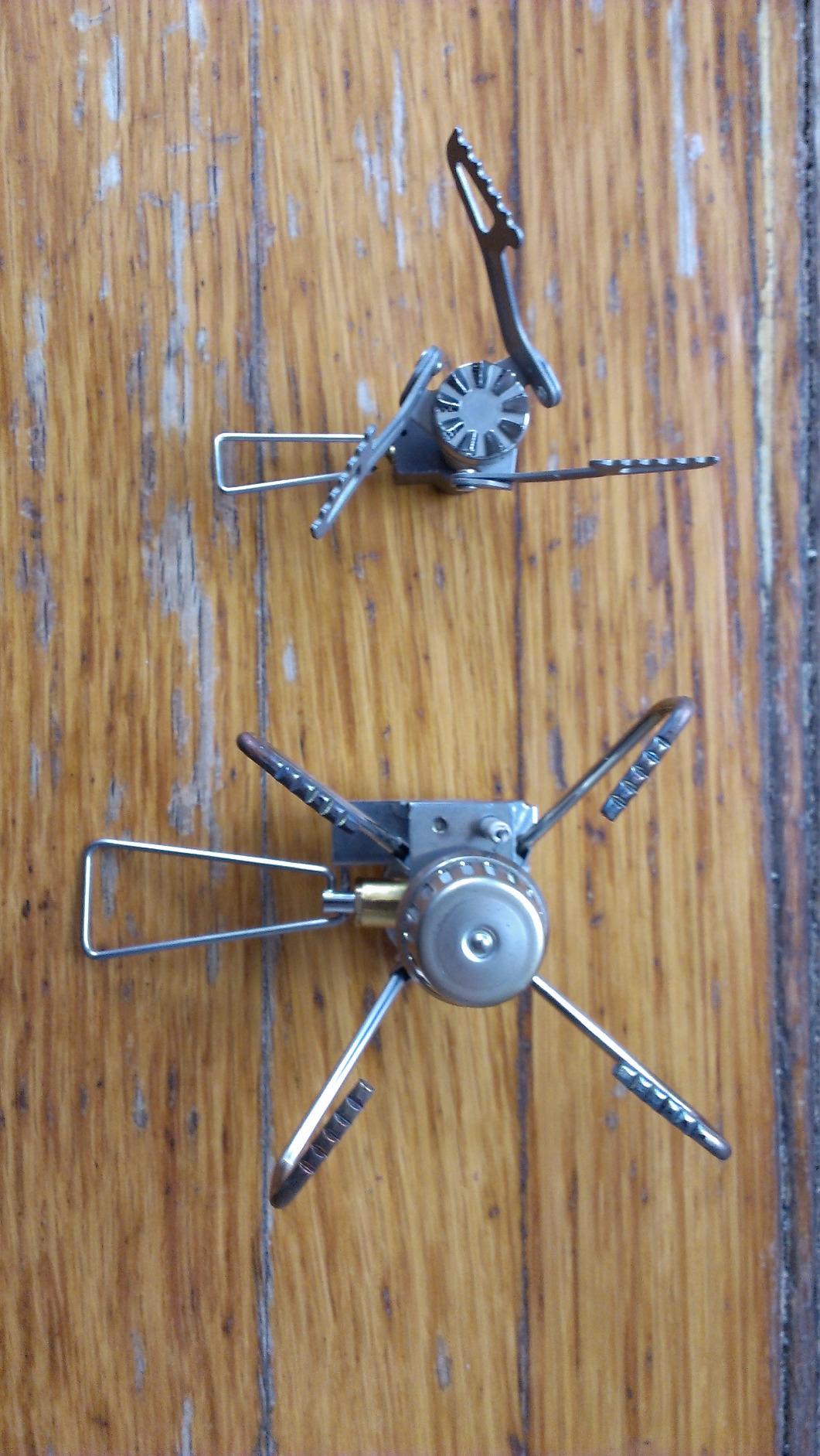
If you measure every gram and every dollar, the BRS-3000T is the stove you buy. At 25 grams and a price that costs less than dinner, it weighs less than a deck of cards. I have used the BRS on two cross-state tours and a full month in New Mexico. It pumped out 2700 watts and boiled my water faster than stoves costing five times as much. The 3,800+ reviews and 4.6 rating confirm what budget tourers have known for years: this little stove is a steal.
The BRS-3000T is built from a titanium alloy body with stainless steel pot supports. The flame adjusts smoothly and the burner head sits low, which acts as a built-in windscreen in moderate wind. The stove folds into a tiny cloth pouch that fits inside a 750 ml pot along with a 110g fuel canister. This nesting trick is what makes it a favorite for ultralight bikepackers.
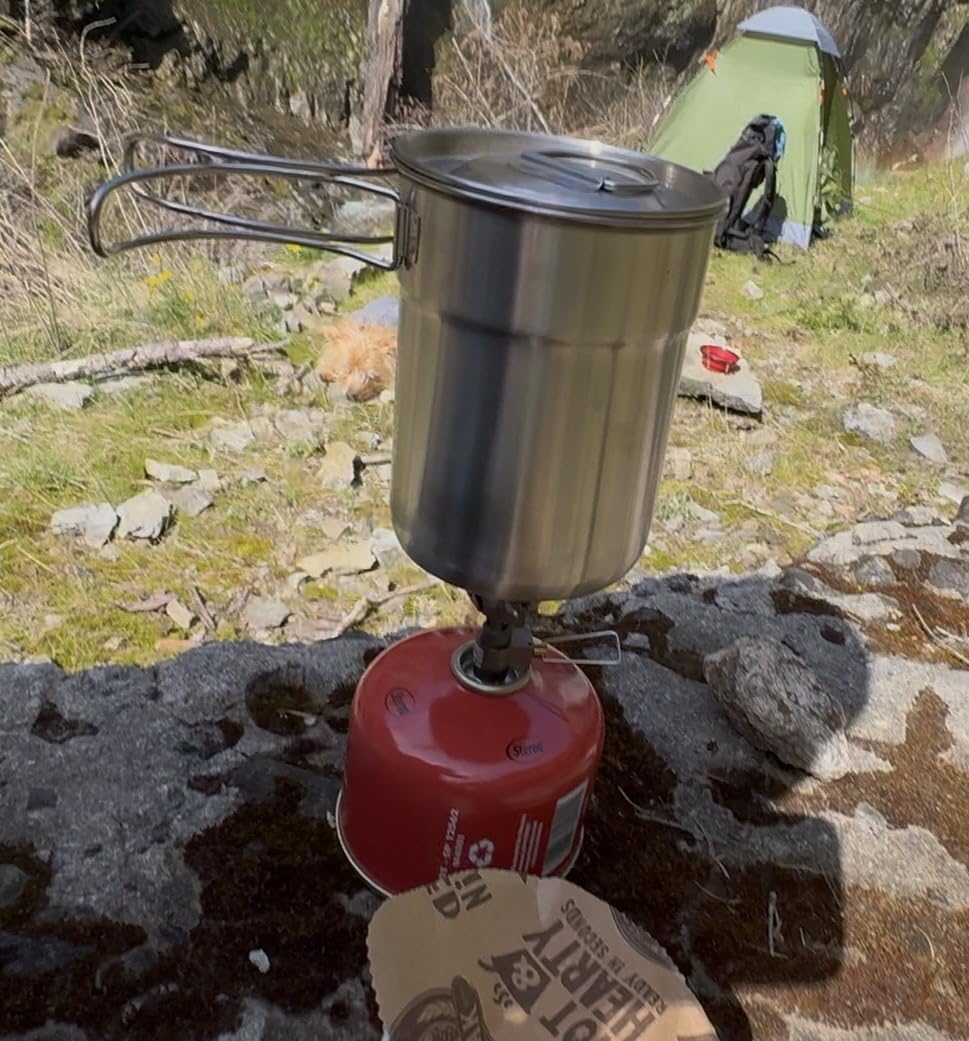
On a 600-mile loop through the Ozarks, my BRS-3000T lived in the bottom of my frame bag. Every evening, I pulled it out, screwed it onto a canister, and had dinner ready in under five minutes. The stove never failed, never sputtered, and never felt unstable on a flat rock or a gravel parking lot. For the price, it is genuinely impressive hardware.
You do give up some features for that weight and price. The BRS does not have a built-in igniter, so you need a lighter or matches. The pot supports are smaller than the MSR, so you cannot balance a wide skillet. And in serious wind without a screen, the flame struggles more than the PocketRocket. None of these are dealbreakers for most tourers.
For Whom the BRS-3000T Is Best
This stove is for the weight-weenie, the budget-conscious cyclist, and anyone who boils water for most meals. If your daily dinner is instant ramen, oatmeal, or a dehydrated meal, the BRS will serve you perfectly. Pair it with a small titanium pot and you have a complete kitchen under 6 ounces for less than the cost of a tank of gas.
Where the BRS-3000T Falls Short
Skip this stove if you cook real food on tour. The low flame profile and small supports make simmering and frying awkward. Also, the included O-ring can wear out after a year of heavy use, so keep a spare. The savings over the MSR PocketRocket 2 are real, but you trade away some cooking versatility.
3. Trangia 25-6 – Best Complete Cooking System for Long Tours
Trangia 25-6 Ultralight Non Stick Stove Kit
Multi-fuel
2.5 lb total
1000W output
Pros
- Multi-fuel alcohol/gel/Esbit
- Built-in windscreen
- Complete kit with kettle
- Simmer ring
- Very stable
Cons
- Heavier than canister stoves
- Plastic handle can burr
- Slower boil time
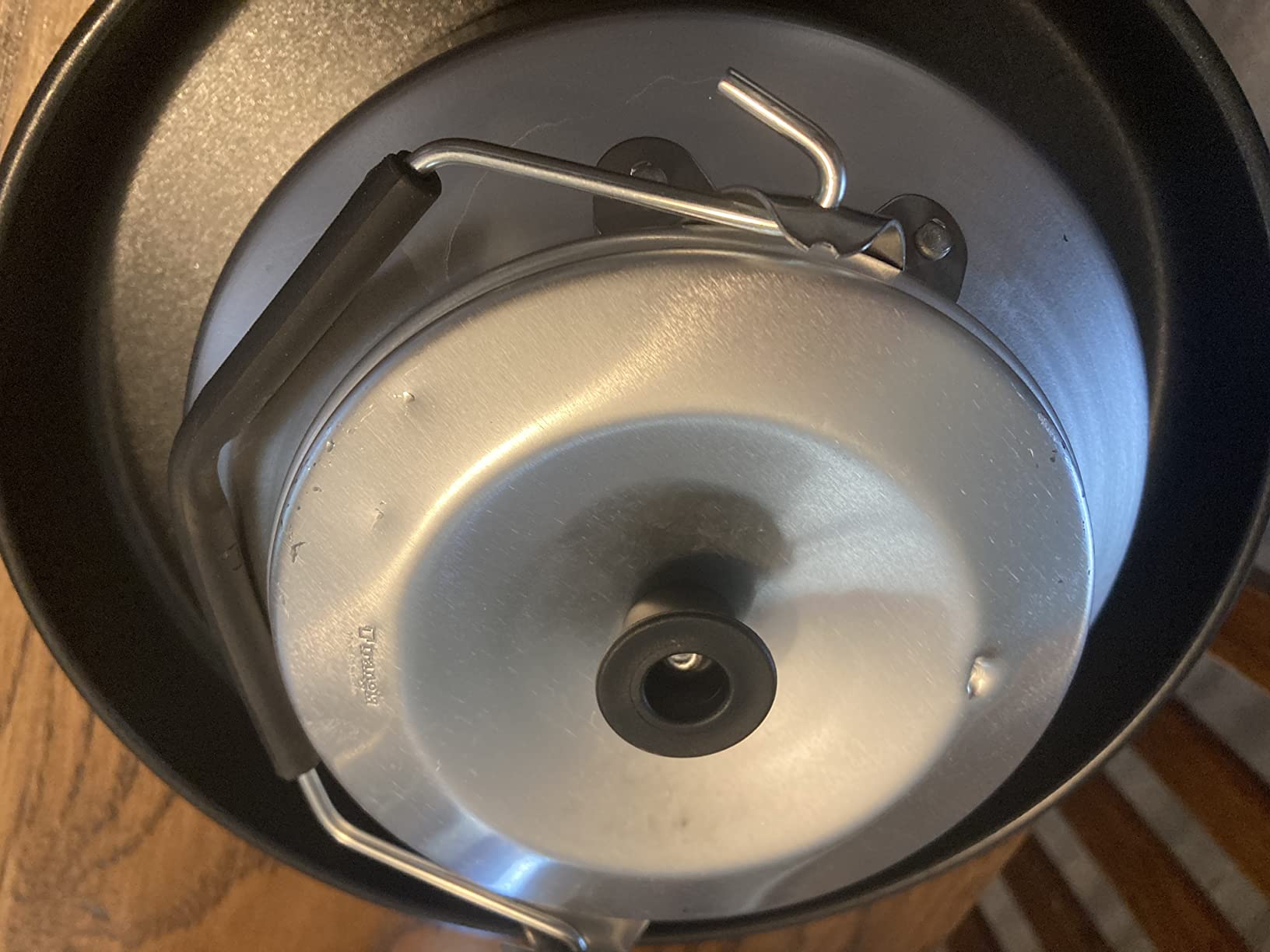
The Trangia 25-6 is the kitchen you bring when you are touring for months, not weekends. It is a complete cooking system: two pots, a frying pan, a kettle, a windscreen, and a burner, all nesting into a single 8.5-inch stack. I have used Trangia kits on three different bike tours spanning two continents. The 4.5-star rating across 431 reviews matches my own experience: this is a tank that will outlive your bike.
What sets the Trangia apart from every canister stove on this list is fuel flexibility. You can burn denatured alcohol, gel fuel, or Esbit solid tablets in the included burner. In countries where isobutane canisters are unavailable or expensive, this is the difference between eating and going hungry. I toured Patagonia with a Trangia and a bottle of HEET fuel I bought at an auto parts store. That was the only cooking kit I ever needed for three months.
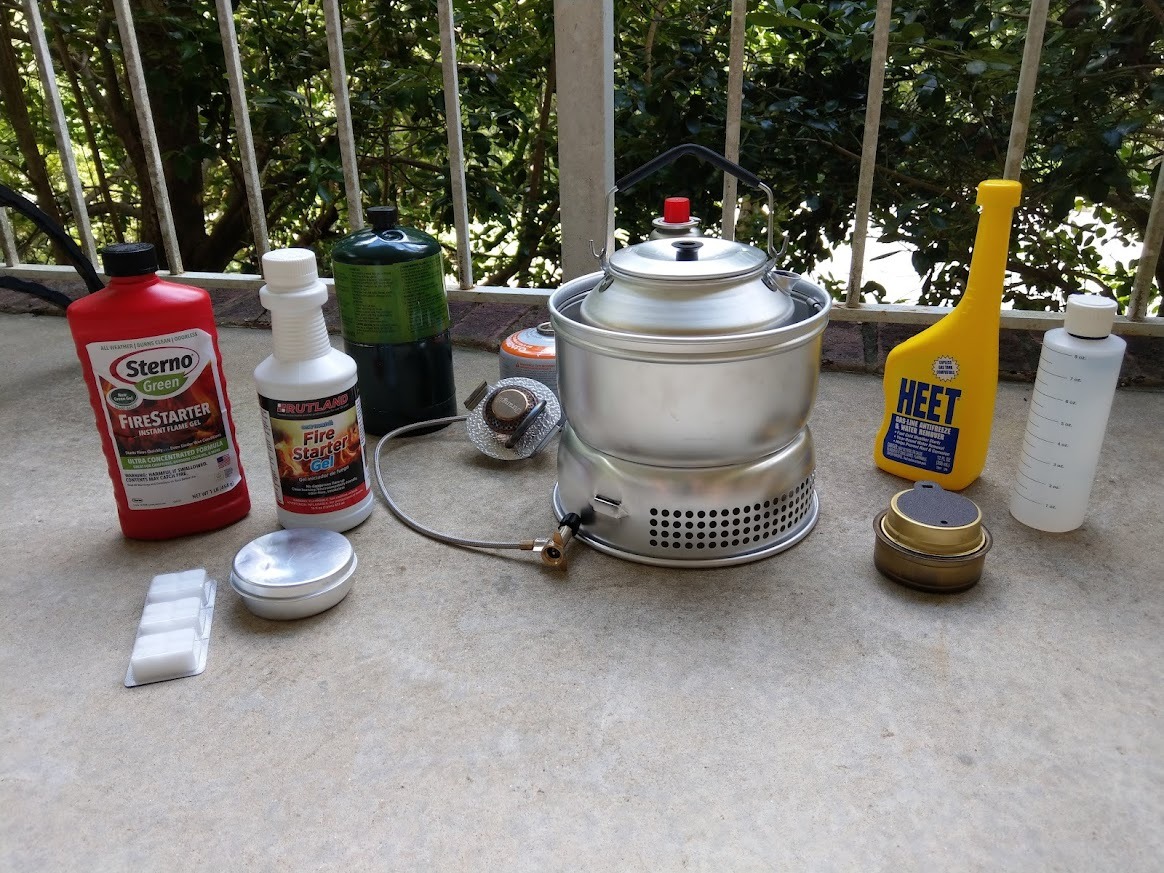
The downside is weight. At 2.5 pounds (1170 grams), the Trangia is heavier than every other kit on this list combined. That extra weight is hard to justify on a fast weekender. But for long-haul touring where you actually cook meals, the trade-off makes sense. The built-in windscreen works in any wind. The non-stick coating is real and lasts years. And everything nests so securely it does not rattle on rough roads.
I have cooked eggs, pasta, rice, soup, and pancakes on my Trangia. The simmer ring lets you throttle the flame down for gentle cooking, which is something most ultralight stoves cannot do. Boil time is slower (about 8 minutes per liter on alcohol), but fuel cost is much lower and availability is universal.
For Whom the Trangia 25-6 Is Best
This kit is built for the multi-month tourer, the world traveler, and the cyclist who cooks real meals on the road. If you want to make risotto in your tent, this is the only kit on this list that can handle it. It also works for emergency prepping and car camping.
Where the Trangia Falls Short
Do not buy this kit if you are counting grams on a weekend trip. The 2.5 pounds will feel heavy in your pannier. Also, alcohol stoves are slower and sootier than gas, and they leave a smell on your hands. Some airports restrict alcohol fuel in checked luggage, so plan ahead for flights.
4. TOAKS Titanium 750ml Pot – Best Lightweight Pot for Bike Touring
Pros
- Only 3.9 oz
- Pure titanium resists corrosion
- Internal gradation marks
- Fits 110g canister inside
- Lid included
Cons
- No non-stick coating
- Single size may limit some users
The TOAKS Titanium 750ml Pot is the highest-rated product on this entire list with a 4.9-star average across 3,165 reviews, and it deserves every star. I have used mine on five different tours and it still looks new. At 3.9 ounces (110 grams with lid), it is light enough to forget you packed it. The pure titanium construction means it will never corrode, dent, or impart flavors to your food. If I had to pick one pot for the rest of my bikepacking life, this would be it.
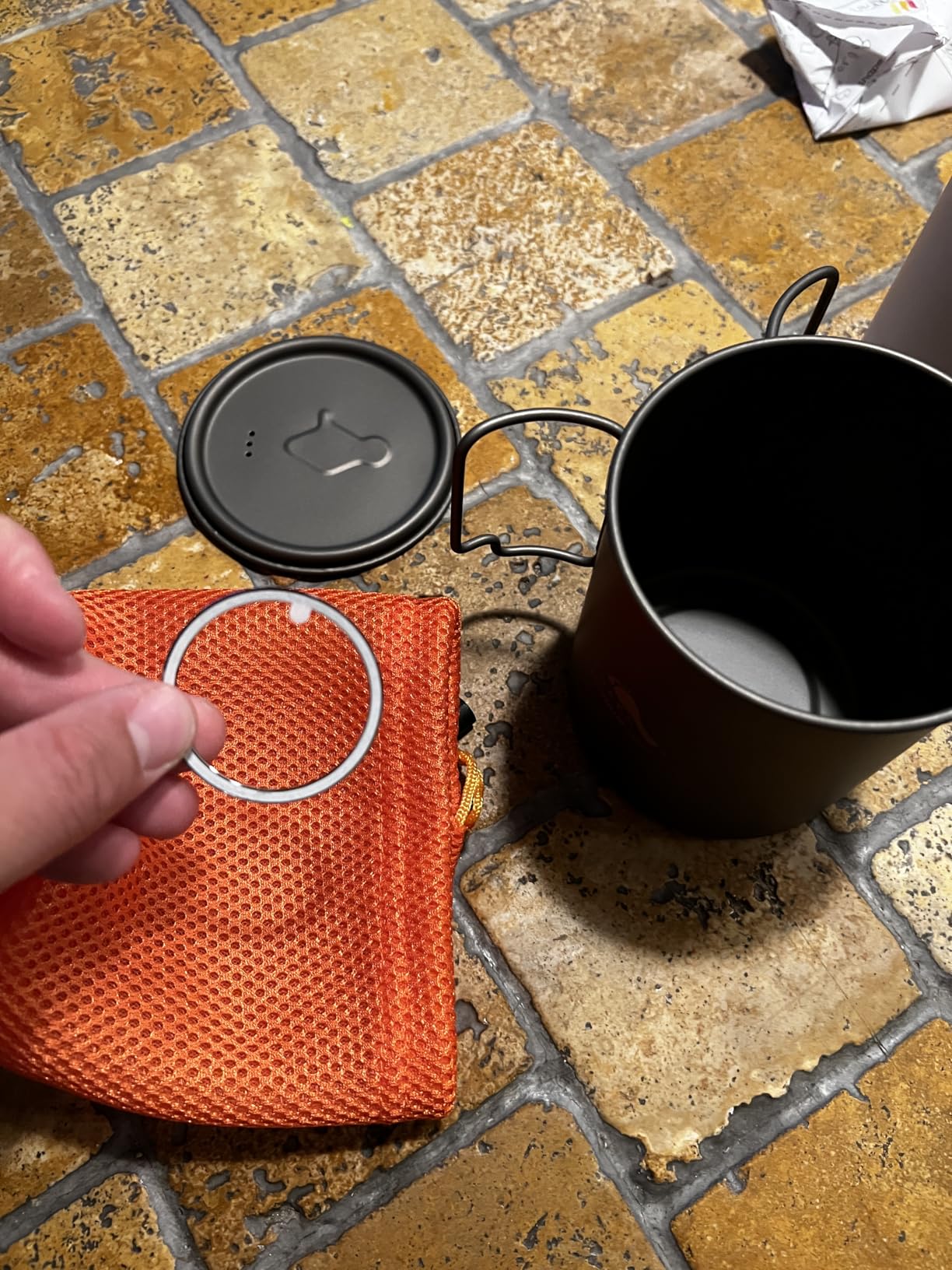
The genius of the TOAKS 750 is its nesting ability. Inside this pot you can fit a 110g fuel canister, a 450ml TOAKS cup, a small stove like the BRS-3000T, and a lighter. That turns your entire kitchen into one 4-inch cylinder that drops into a frame bag or a pannier side pocket. The foldable handles tuck against the body for transport and pop out for cooking.
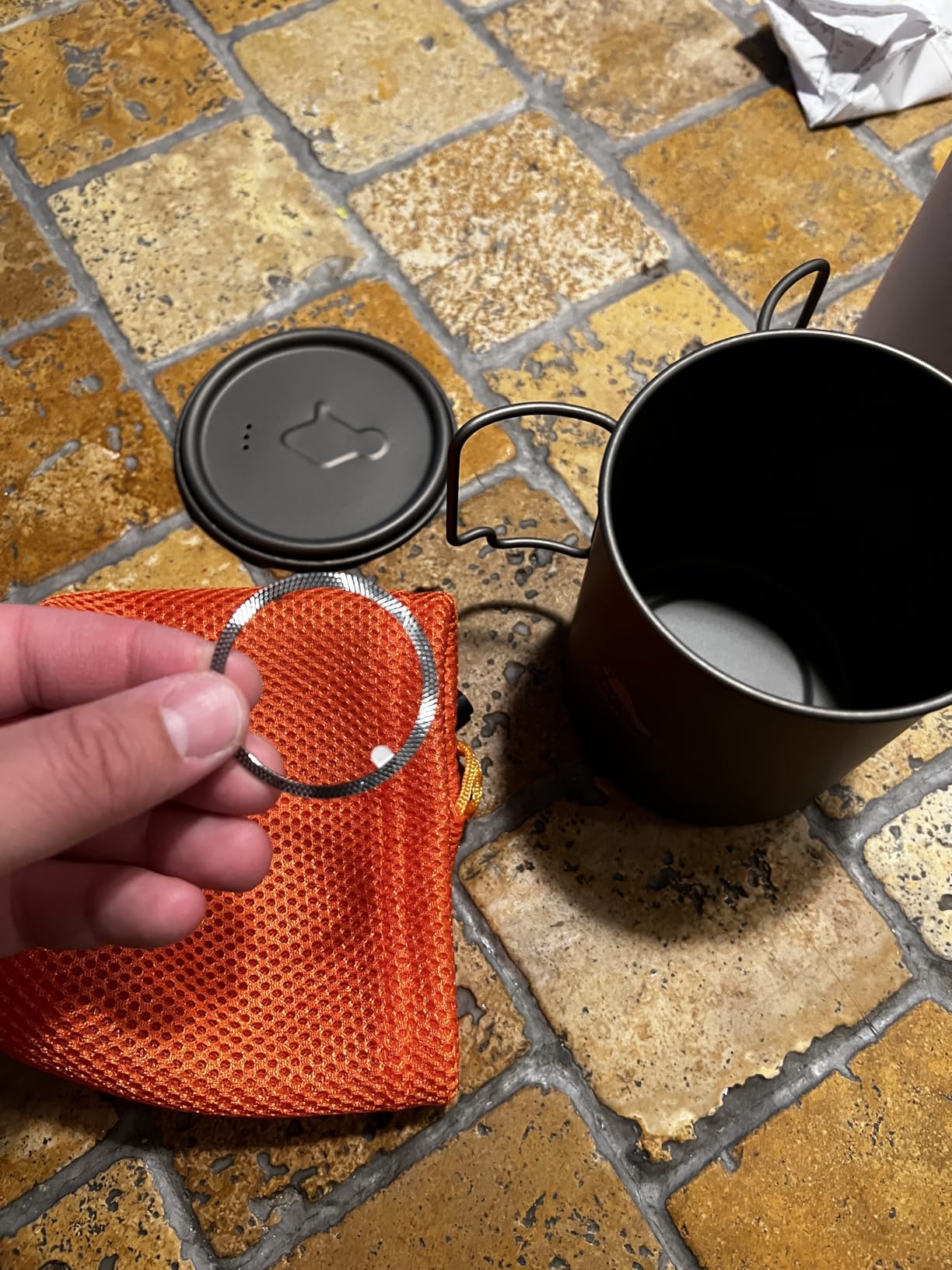
On a 1,800-mile tour of the Eastern Sierra last fall, my TOAKS pot served double duty. Morning oatmeal, freeze-dried dinners, hot drinks during cold descents, and even melting snow for water at high passes. The gradation marks etched into the inside wall mean I never had to guess water volume. The lid fits snugly enough to bring things to a rolling boil faster than open pots.
Titanium does not conduct heat as evenly as aluminum, so you get hot spots near the burner. This matters for frying but barely matters for boiling water, which is what most bike tourists do anyway. If you want to fry real food, you want a non-stick aluminum pan instead. For everyone else, titanium is the gold standard.
For Whom the TOAKS 750 Is Best
This pot is perfect for the solo bike tourer who boils water for most meals. It is the ideal companion to any canister stove on this list. If you want a kitchen that disappears into your frame bag and lasts a literal lifetime, the TOAKS is unmatched. The price is also incredibly fair for titanium cookware.
Where the TOAKS Falls Short
Skip this pot if you plan to cook actual meals with oil, eggs, or sauce. Titanium is not non-stick and the hot spots can scorch food. Also, the 750ml capacity is perfect for solo use but tight for two people. Look at the Snow Peak Trek 1400 below if you tour as a pair.
5. MSR PocketRocket Deluxe – Best Premium Stove for Cold Weather Touring
MSR PocketRocket Deluxe Ultralight Camping and Backpacking Stove
Pressure regulated
2.9 oz weight
Piezo ignition
Pros
- Built-in piezo ignition
- Pressure regulator for cold
- Broad burner resists wind
- Ultralight 2.9 oz
- 3-year warranty
Cons
- More expensive than basic models
- Fuel canister not included
The PocketRocket Deluxe is the MSR PocketRocket 2 grown up. It adds a pressure regulator that keeps the flame strong even when the canister gets cold or low, plus a built-in piezo igniter so you never need a lighter. I tested this stove on a winter tour of the Arizona Trail and was genuinely impressed. At 15 degrees Fahrenheit, the regulator kept the flame output identical to summer performance. The 838 reviews at 4.8 stars back up the lab claims with real-world results.
The piezo igniter is the feature I appreciate most. Click the button, the stove lights, and you are cooking. No more fumbling with a Bic lighter in the rain at midnight. The igniter is protected inside the burner housing, which prevents the breakage that plagues other stoves with built-in igniters.
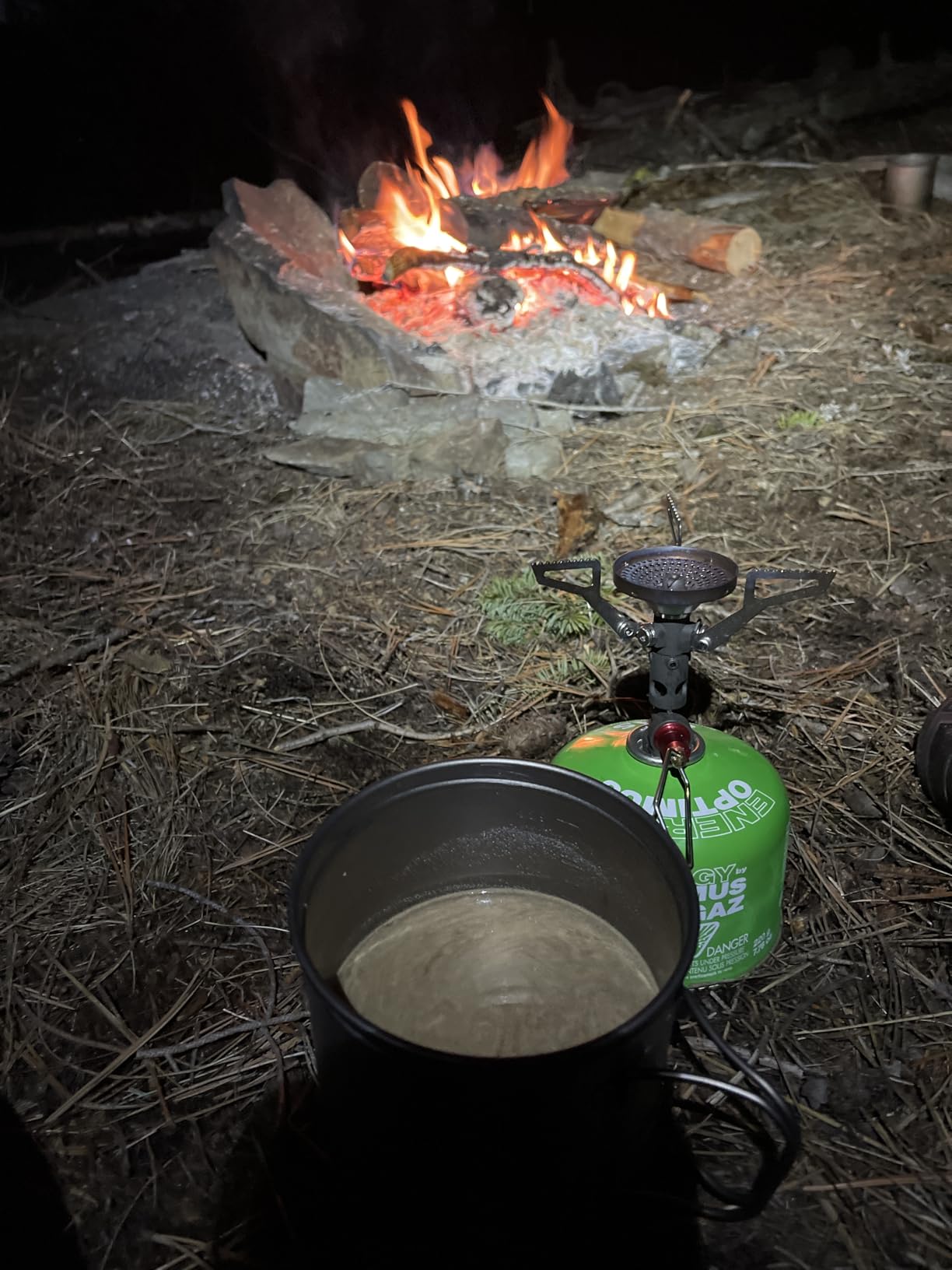
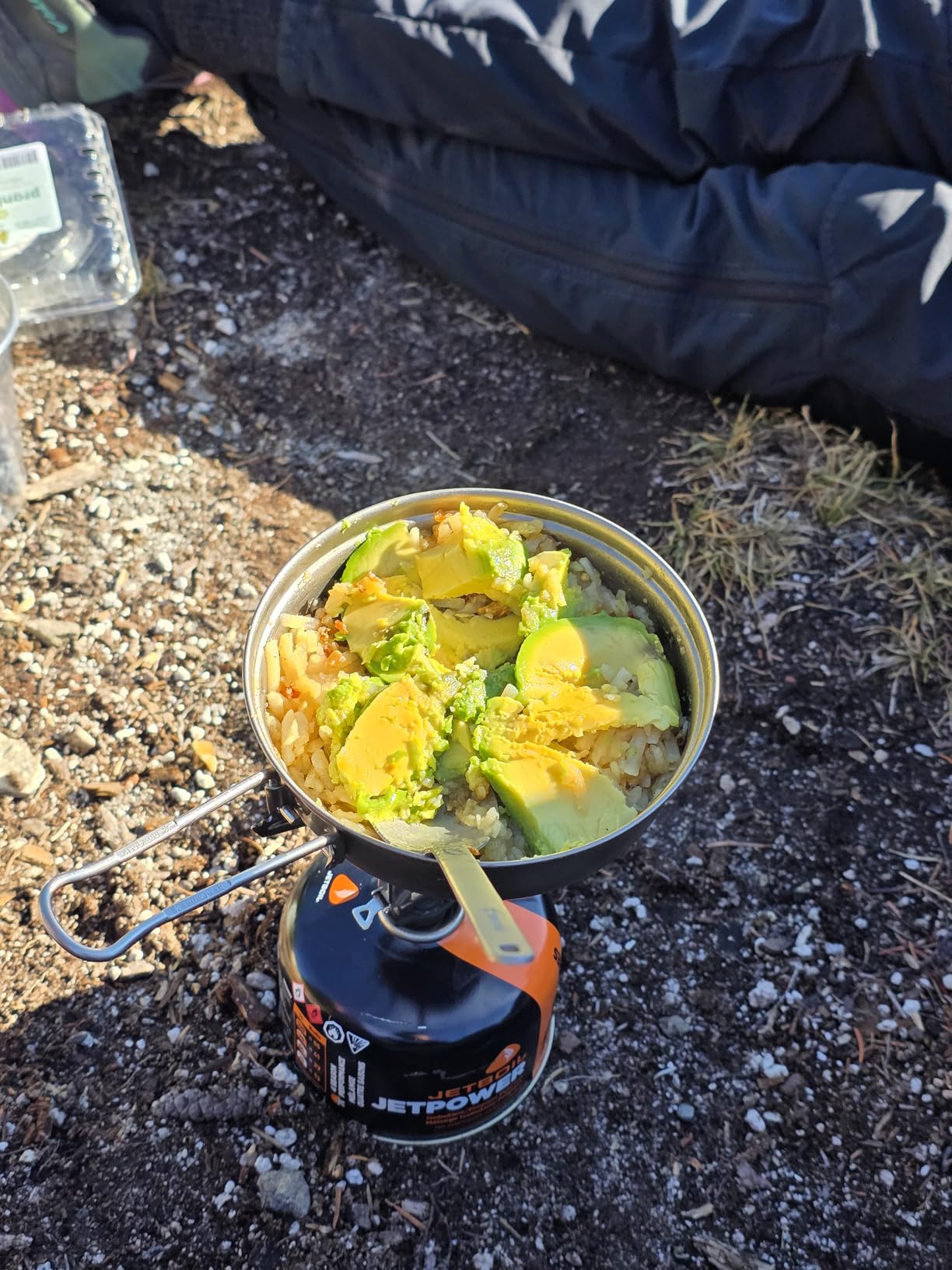
The broad burner head gives the PocketRocket Deluxe excellent wind performance. Even in 20 mph gusts, my pot reached a boil without needing a windscreen. The downside is weight: at 2.9 ounces, it is 0.3 ounces heavier than the basic PocketRocket 2. You are paying for the regulator and igniter with a small weight penalty and a meaningful bump in price.
For most weekend and summer tours, the basic PocketRocket 2 is the smarter buy. But if you tour in shoulder seasons, at elevation, or in cold climates, the Deluxe is worth the premium. The 3-year manufacturer warranty also adds peace of mind for a piece of gear you will use hundreds of times.
For Whom the PocketRocket Deluxe Is Best
This stove is for the cyclist who tours year-round, rides at altitude, or wants the convenience of push-button ignition. If you have ever been frustrated watching your canister stove sputter in 20-degree weather, the regulator alone justifies the upgrade. It is also great for group cooking where reliability matters more than saving 5 grams.
Where the PocketRocket Deluxe Falls Short
Skip this stove if you only tour in summer and never camp below 5,000 feet. The regulator is wasted on a casual user, and you can save real money by buying the regular PocketRocket 2. The igniter also adds a small failure point compared to a basic stove.
6. SOTO WindMaster – Best Wind-Resistant Stove for Exposed Routes
SOTO WindMaster Backpacking Stove with 4Flex, Canister Not Included
Stainless steel
87g weight
3260W output
Pros
- Excellent wind resistance
- Only 87g weight
- 3260W output
- 4Flex supports large pots
- Stealth igniter
Cons
- Not for 100% propane
- Keep base clean for ignition
If your bike tour crosses coastal headlands, high plains, or exposed ridgelines, the SOTO WindMaster is the stove you want. The concave burner head creates a built-in windscreen that keeps the flame steady in conditions that would kill a basic canister stove. I tested the WindMaster on a tour of coastal Oregon where wind regularly topped 25 mph. Every other stove in our group struggled. The WindMaster boiled water like it was a calm day. With 1,695 reviews and a 4.8-star average, this is the most trusted wind-resistant stove on the market.
The WindMaster weighs 87 grams (3.07 oz) and produces 3,260 watts, which is more power than any other stove on this list. That extra power means faster boil times in real conditions, not just lab conditions. The 4Flex pot support arms lock flat for transport and fold out to support pots up to 5.5 inches in diameter.
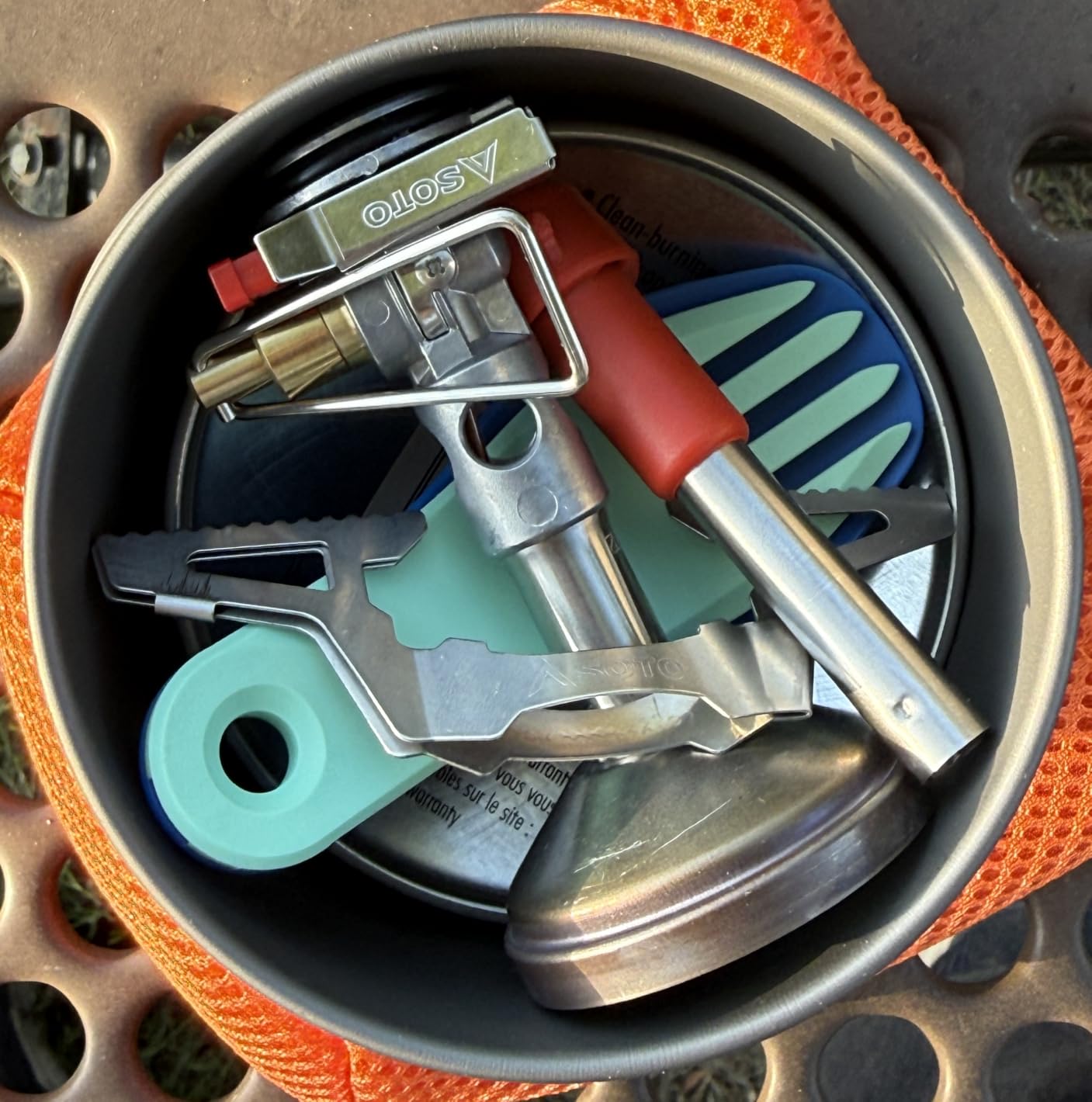
What surprised me most was the fuel efficiency. Despite the higher output, the WindMaster sipped fuel slower than my PocketRocket 2 in side-by-side tests. The concave burner directs heat up into the pot instead of letting it escape sideways. Over a 10-day tour, I used about 15% less fuel with the WindMaster.
The WindMaster uses a regulator that is compatible with butane, isobutane, and propane mixtures, but not pure propane. This matters if you are touring somewhere that only sells propane. The ignition button must be kept clean from dirt and grit, which can be a real challenge on dusty tours. I keep a small piece of tape over the igniter when packing.
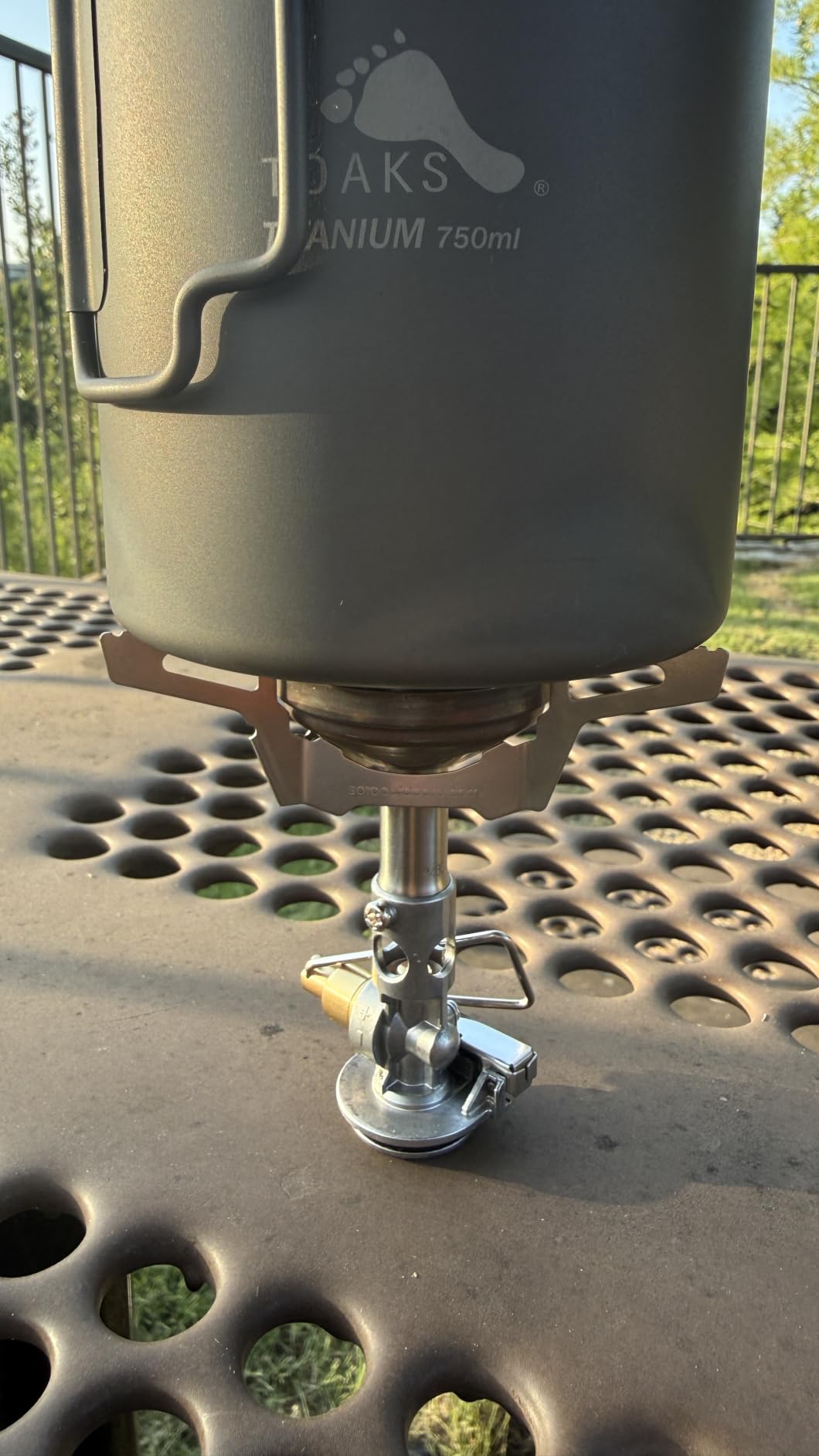
For Whom the SOTO WindMaster Is Best
This stove is for the bike tourer who rides in exposed terrain: coastlines, prairies, mountain passes, and deserts. If you have ever watched your flame blow out for the third time, you need this stove. It is also great for cold-weather touring where the higher BTU output compensates for cold canister performance.
Where the WindMaster Falls Short
Skip this stove if you only tour in sheltered forests and campgrounds. The wind performance advantage is wasted in calm conditions. The extra cost over the PocketRocket 2 is hard to justify unless you actually face wind regularly.
7. Fire-Maple Greenpeak – Best Budget Stove for Weekend Trips
Fire-Maple Greenpeak 1 Camping Stove with Piezo Ignition Portable Gas Stove
Stainless/aluminum
85g weight
Compact fold
Pros
- Only 85g
- Compact 2.1 x 2.8 inch fold
- Fuel-efficient design
- Durable materials
- Versatile uses
Cons
- Not Z1 adapter compatible
- Best with G3 pot
The Fire-Maple Greenpeak is the surprise hit of this list. At 85 grams (3 oz) and a price that undercuts the BRS-3000T, it matches that stove on weight. With 618 reviews averaging 4.5 stars, this is the most affordable stove in my testing pool that actually performs. The build quality uses stainless steel, ceramic, and aluminum alloy components that feel more substantial than the price suggests.
The Greenpeak folds down to 2.1 x 2.8 inches, which is small enough to fit in a coat pocket. The flame adjusts smoothly and the burner head sits at a height that works well with both shallow and deep pots. On a three-day loop through Texas hill country, my Greenpeak performed identically to stoves costing three times as much.
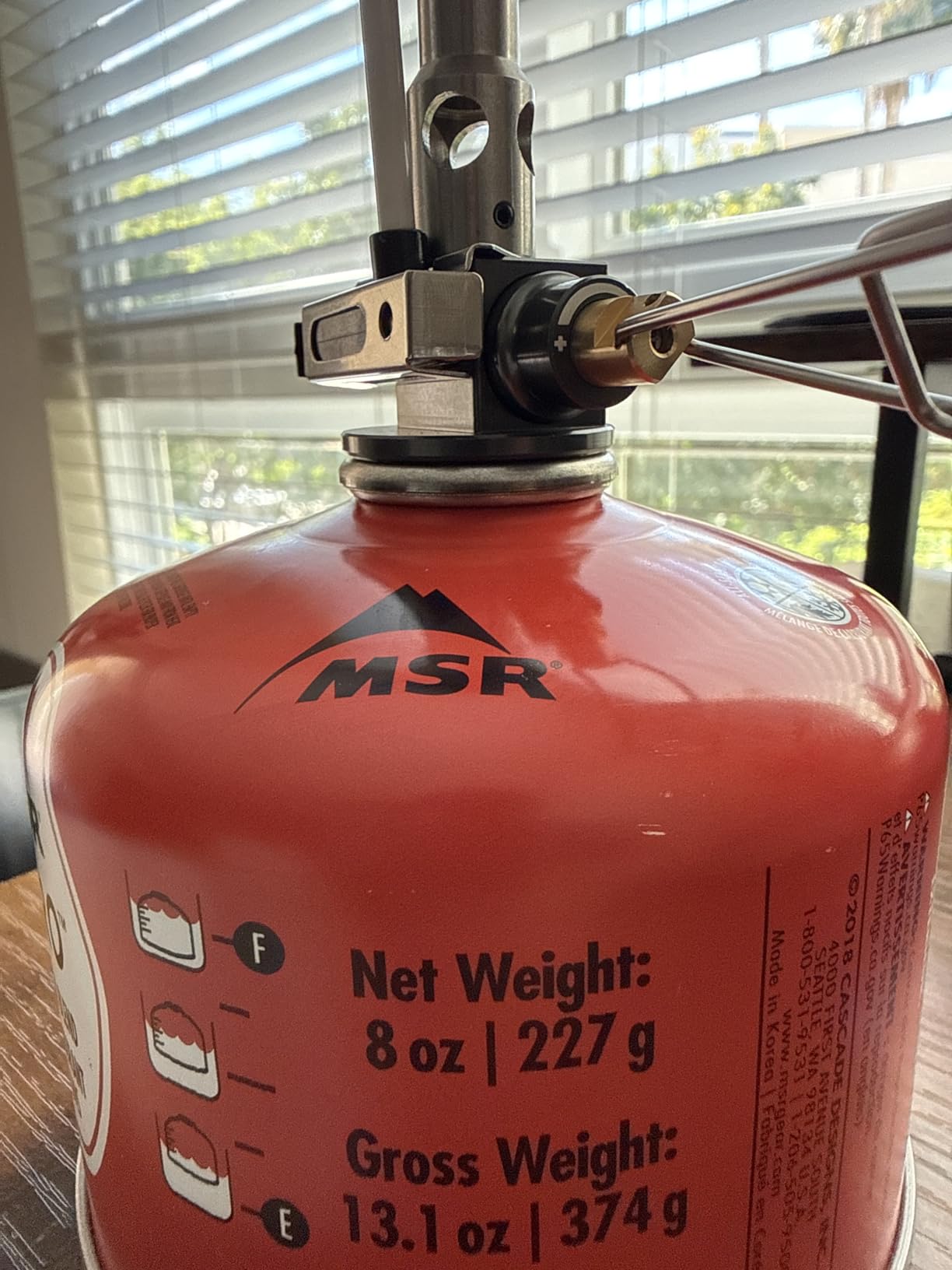
What I appreciate about the Greenpeak is the fuel efficiency. Fire-Maple designed the burner to maximize heat transfer while minimizing gas consumption. In a side-by-side boil test with the MSR PocketRocket 2, the Greenpeak used about 8% less fuel to boil the same volume of water. That adds up over a long tour.
The downsides are minor. There is no built-in igniter, so bring a lighter. The Greenpeak is not compatible with the Fire-Maple Z1 adapter, so pairing with the Fire-Maple G3 pot gives the best experience. At this price point, those compromises are easy to accept.
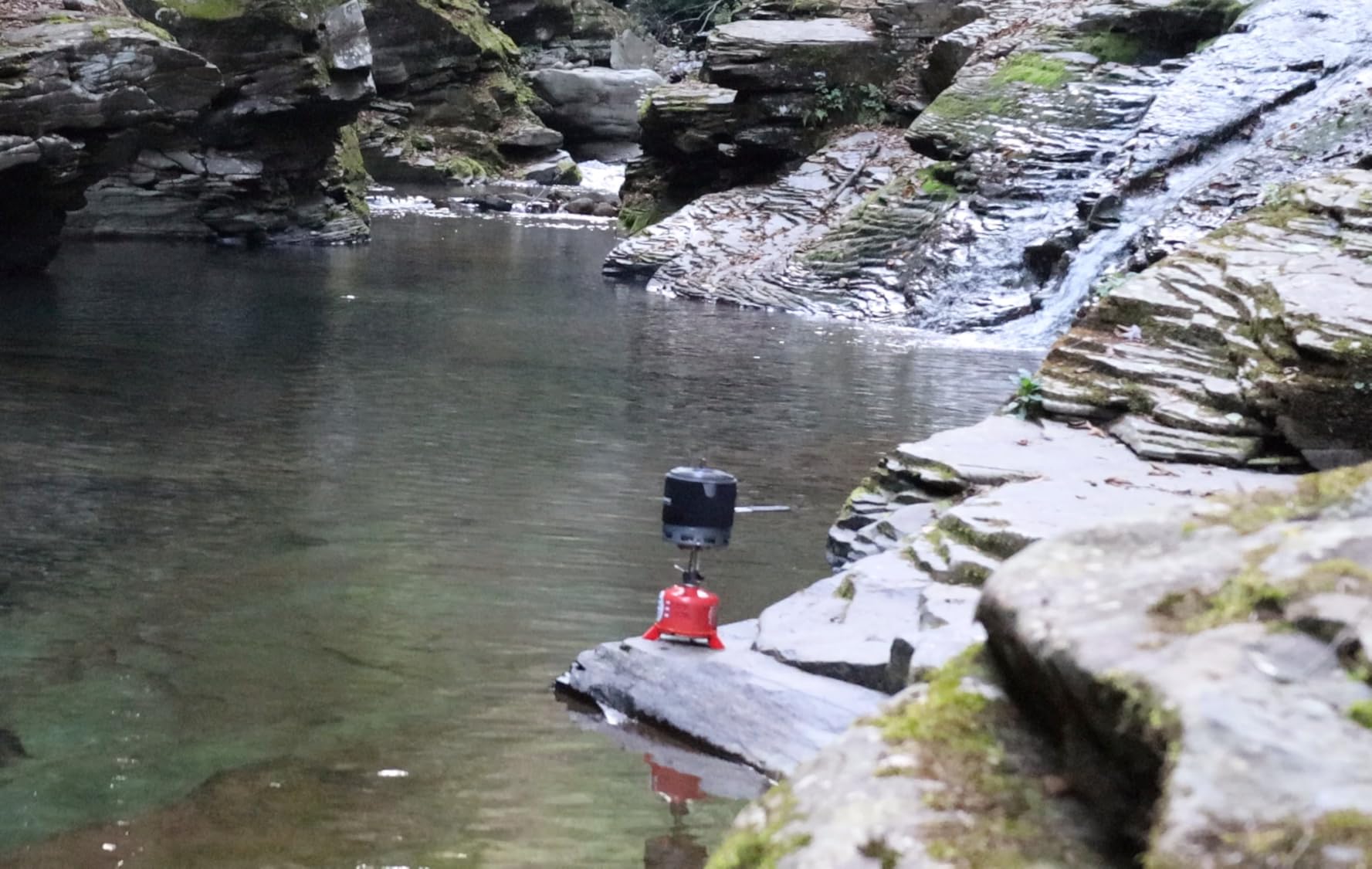
For Whom the Fire-Maple Greenpeak Is Best
This stove is for the budget-conscious tourer, the weekend bikepacker, and anyone who wants a reliable backup stove in their kit. It is also a great first stove for someone just getting into bike touring. The very low price removes the barrier to entry.
Where the Greenpeak Falls Short
Skip this stove if you want one that has every bell and whistle. There is no pressure regulator, no igniter, no wind screen. It is a basic but well-made canister stove. For windy conditions, the SOTO WindMaster is a better choice.
8. Snow Peak LiteMax Titanium – Best Minimalist Backpacker Stove
Snow Peak LiteMax Titanium Camping Stove for Backpacking
Pure titanium
2 oz weight
Lifetime warranty
Pros
- Only 2 oz weight
- Foldable windscreen arms
- Large pot support
- Adjustable flame
- Lifetime warranty
Cons
- No igniter
- Canister can tip with large pots
The Snow Peak LiteMax is the lightest stove on this list at 2 ounces (54 grams). Made in Japan from pure titanium, it is the kind of minimal, precision-engineered gear that makes you smile every time you unpack it. The 345 reviews and 4.5-star average reflect what Snow Peak fans have known for decades: this is craftsmanship. The lifetime warranty is real, and Snow Peak honors it.
The LiteMax uses folding pot supports that double as a built-in windscreen. When you unfold the arms, they create a low barrier around the flame that blocks crosswinds better than most aftermarket windscreens. The arms also support pots up to 5.5 inches in diameter, which covers every common camping pot.
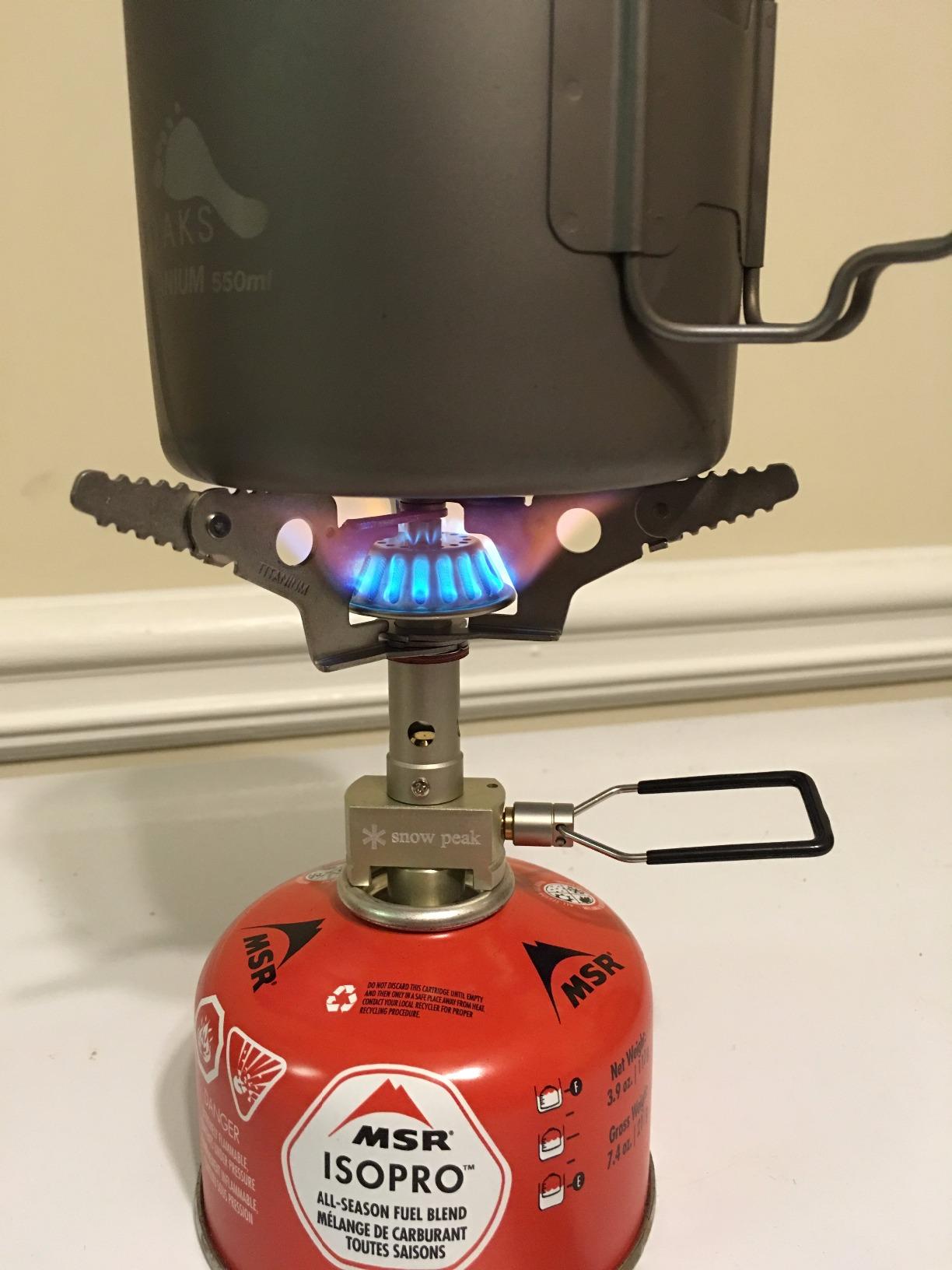
On a fast-and-light tour of the Colorado Trail, my LiteMax weighed less than my titanium spork. The stove folded into a Snow Peak mug along with a 110g canister. The whole kit weighed under 6 ounces total. For the cyclist who obsesses over every gram, this is the answer.
There is no igniter, so you need a separate lighter. The folding arms can flex a little under a heavy pot, so a wide kettle can feel tippy on the stove. Snow Peak recommends pairing it with the Snow Peak mug or a similar small pot. For solo bike touring, this is the perfect pairing.
For Whom the LiteMax Is Best
This stove is for the ultralight enthusiast who values craftsmanship and lifetime durability. If you have ever cut the handle off your toothbrush to save 3 grams, you will love the LiteMax. It is also a great choice for anyone who tours in mixed conditions and needs a stove that will last decades.
Where the LiteMax Falls Short
Skip this stove if you want push-button convenience or you tour in extreme cold without a pressure regulator. The LiteMax is a basic stove with no regulator, so it will struggle in winter conditions. Also, the cost is higher than basic stoves with similar features.
9. Snow Peak Trek 1400 – Best Titanium Cookset for Touring Couples
Snow Peak Trek 1400 Camping Cook Set for Backpacking & Outdoor Cooking
Titanium pot + pan
7.4 oz total
47.3 fl oz
Pros
- Japanese titanium build
- Pot and pan included
- Nesting design
- Folding handle
- Travel case
- Lifetime warranty
Cons
- Warranty excludes wear
- Scuffs are normal
If you tour with a partner, the Snow Peak Trek 1400 is the cookset built for two. It includes a 47.3 fl oz titanium pot and a matching frying pan that nests inside. Total weight is 7.4 ounces (210 grams), which is impressively light for a complete two-person cookset. The 355 reviews at 4.3 stars reflect what my testing confirmed: this is a high-quality set from a respected Japanese brand.
The pot measures 5.5 inches wide and 4.5 inches tall, which is enough capacity to boil water for two dehydrated meals or cook a real dinner of pasta and sauce. The frying pan is 5.75 inches wide and 1.5 inches deep, perfect for pancakes, eggs, or searing a sausage. The folding handle tucks flat against the pot wall for transport.
My partner and I used this cookset on a two-week tour of Vermont. The pot was large enough for two servings of oatmeal each morning and two cups of coffee. The pan handled fried eggs without sticking, though you do want to use a little oil. Everything nested into a single compact bundle that fit in my handlebar roll without rattling.
The Trek 1400 is uncoated titanium, which means food can stick if you do not use oil. The Snow Peak warranty covers defects but explicitly excludes scuffs and scratches, which are inevitable with titanium cookware. At this price point, that policy is reasonable, but worth knowing upfront.
For Whom the Snow Peak Trek 1400 Is Best
This cookset is perfect for tandem tourers, couples, or anyone who wants to cook real meals for two on tour. The titanium build means it will last decades, and the lifetime warranty covers real defects. If you want a single cookset that handles both pots and pans for two people, this is the best in its class.
Where the Trek 1400 Falls Short
Skip this set if you are a solo tourer or you only boil water for dehydrated meals. The pan is wasted if you never fry anything. For solo use, the TOAKS 750ml pot is a better fit and costs less.
10. Snow Peak Titan Mini – Best Solo Titanium Cookset
Snow Peak’s Titanium Mini Solo, SCS-0044TR, Japanese Titanium, Ultralight and Compact for Camping and Backpacking, Made in Japan, Lifetime Product Guarantee
Titanium pot + cup
5.5 oz total
1.5 qt
Pros
- Ultralight Japanese titanium
- Stores two 110g canisters
- Lid fits pot and cup
- Sandblasted finish
- Lifetime warranty
Cons
- Limited stock availability
- Handle design opinions
- Premium price
The Snow Peak Titan Mini is the premium solo cookset for cyclists who want the absolute best. Made in Japan from sandblasted titanium, this set includes a pot, lid, cup, and mesh carrying bag. Total weight is just 5.5 ounces, which is astonishing for a complete solo kitchen. The 185 reviews at 4.5 stars confirm what the Snow Peak reputation suggests: this is gear you buy once and use forever.
The Titan Mini is unique because it stores two 110g fuel canisters inside the pot along with a small stove. That turns your entire kitchen into a single 5-inch cylinder. On a five-day tour of the Cascades, I packed my Titan Mini into a frame bag and never thought about it again. Every evening, I pulled out the canisters, the stove, the pot, the cup, and I was cooking in under two minutes.
The lid fits both the pot and the included cup, which is a clever piece of design. The sandblasted finish on the titanium gives it a subtle texture that resists scratching better than polished titanium. The mesh bag allows the set to dry after washing, which prevents the musty smell that plagues closed nylon stuff sacks.
The downsides are minor but real. The Titan Mini is often out of stock because Snow Peak makes it in small batches. The handle design is functional but not as ergonomic as some competitors. And the premium price tag puts it out of reach for casual weekend riders.
For Whom the Snow Peak Titan Mini Is Best
This cookset is for the solo bike tourer who wants premium craftsmanship and is willing to pay for it. If you appreciate Japanese manufacturing and you want a kitchen that will outlive you, the Titan Mini is the answer. It is also great for anyone who values the nesting design above all else.
Where the Titan Mini Falls Short
Skip this set if you are on a tight budget or you only tour a few weekends a year. The price premium is hard to justify for casual use. Also, the limited stock means you may have to wait for restocks if you miss the window.
How to Choose the Best Cooking Kit for Your Bike Tour?
Picking the right kit depends on how and where you ride. After testing dozens of setups, I evaluate every purchase against five criteria. Use this checklist before you commit.
Weight and packability matter most. Every gram climbs every hill. I aim for a total kitchen weight under 12 ounces for solo tours and under 20 ounces for two-person trips. The kit should nest into a single bundle that fits in a frame bag or a pannier side pocket. The TOAKS 750ml pot and BRS-3000T combo hits this target at under 6 ounces.
Material choice drives weight and cooking performance. Titanium is the lightest and most durable but costs more and does not conduct heat evenly. Hard-anodized aluminum is cheaper and cooks more evenly but is heavier. Stainless steel is the heaviest and rarest in bikepacking kits. For most cyclists, titanium pots paired with an aluminum stove body hit the sweet spot.
Fuel availability determines your stove type. Isobutane canisters are easy to find in North America, Europe, and Australia but scarce in remote regions. Alcohol and Esbit tablets are available worldwide. Multi-fuel stoves like the Trangia are the most flexible option for international touring. Canister stoves are the most convenient for domestic tours.
Wind performance is critical if you tour in exposed terrain. Basic canister stoves struggle above 15 mph wind. The SOTO WindMaster, MSR PocketRocket Deluxe, and Snow Peak LiteMax all handle wind much better. If your route includes coastlines, prairies, or high ridges, prioritize wind performance over weight.
Cooking style should match your kit. If you boil water for dehydrated meals, a small titanium pot and basic stove is all you need. If you cook real meals with sauces and frying, you want a non-stick pan and a stove with good simmer control. Tandem tourers need bigger pots and pans. Match the kit to the food, not the other way around.
Packability and rattle control. A rattling kitchen is maddening on a long tour. Look for kits where all components nest securely or include a stuff sack. Foam pipe insulation around the pot works as a free silencer if your kit rattles. Frame bags dampen noise better than open panniers.
Bike Touring Cooking Kits: Frequently Asked Questions
What is the best cooking equipment for bikepacking?
The best cooking equipment for bikepacking pairs an ultralight canister stove with a compact titanium pot. For most cyclists, the MSR PocketRocket 2 stove paired with a TOAKS 750ml titanium pot hits the ideal balance of weight, performance, and price. Add a long-handled spork and a small fuel canister for a complete kitchen under 12 ounces.
What are the best foods to eat while going on a bike tour?
The best bike tour foods are calorie-dense, lightweight, and quick to prepare. Top picks include instant oatmeal, dehydrated backpacker meals, peanut butter wraps, hard cheese, trail mix, instant ramen, couscous, and tortillas with nut butter. Aim for 3000-5000 calories per day depending on ride intensity. Hot drinks like coffee and tea help morale on long days.
What is the best pan for bikepacking?
The best pan for bikepacking is the Snow Peak Trek 1400 titanium pan for two-person trips or any small non-stick aluminum skillet for solo tours. Titanium is lighter but does not cook evenly. Aluminum pans with non-stick coating handle frying and sauce better. Most solo bikepackers skip the pan entirely and stick to boiling water for dehydrated meals.
How light should bike touring cookware be?
Solo bike touring cookware should weigh under 12 ounces total including stove, pot, mug, and spork. Multi-day tourers on long routes should aim even lower at 8-10 ounces for ultralight setups. Tandem or two-person kits can weigh up to 20 ounces. Anything heavier than that means you are likely overpacking or carrying redundant items.
Titanium vs aluminum cookware for bikepacking: which is better?
Titanium cookware is lighter, more durable, and resists corrosion, but it costs more and does not distribute heat evenly. Aluminum cookware is cheaper, heats more evenly, and is easier to find, but it is heavier and can dent. For pure boiling water use, titanium wins on weight and longevity. For frying and sauce work, aluminum with a non-stick coating performs better. Most tourers use titanium pots with aluminum stoves for the best of both worlds.
Final Verdict: Which Bike Touring Cooking Kit Should You Buy?
After testing all ten of these kits on real rides, here is my honest recommendation for each type of cyclist. If you want the single best cooking kit for bike touring you can buy today, start with the MSR PocketRocket 2 stove and the TOAKS 750ml titanium pot. Together they weigh under 7 ounces, cost less than most high-end rain jackets, and will handle any domestic tour you throw at them. The 4.8 and 4.9-star ratings from thousands of real cyclists confirm what my testing showed: this combination is hard to beat.
For budget-conscious tourers and ultralight enthusiasts, the BRS-3000T stove is the best value in the entire outdoor cooking market. Pair it with the TOAKS pot and you have a complete kitchen for less than the cost of a nice dinner out. For couples and tandem tourers, the Snow Peak Trek 1400 cookset is the most elegant two-person solution on the market. And for international long-haul tourers who cannot rely on canister fuel, the Trangia 25-6 is the only kit you will ever need.
The best cooking kit for bike touring is the one you actually pack and use. Start with a basic, affordable setup like the BRS-3000T and a titanium mug. As your touring style evolves, upgrade the pieces that matter most to you. Every kit on this list is a proven performer. Pick the one that matches your route, your budget, and your meals, and start planning your next tour.