
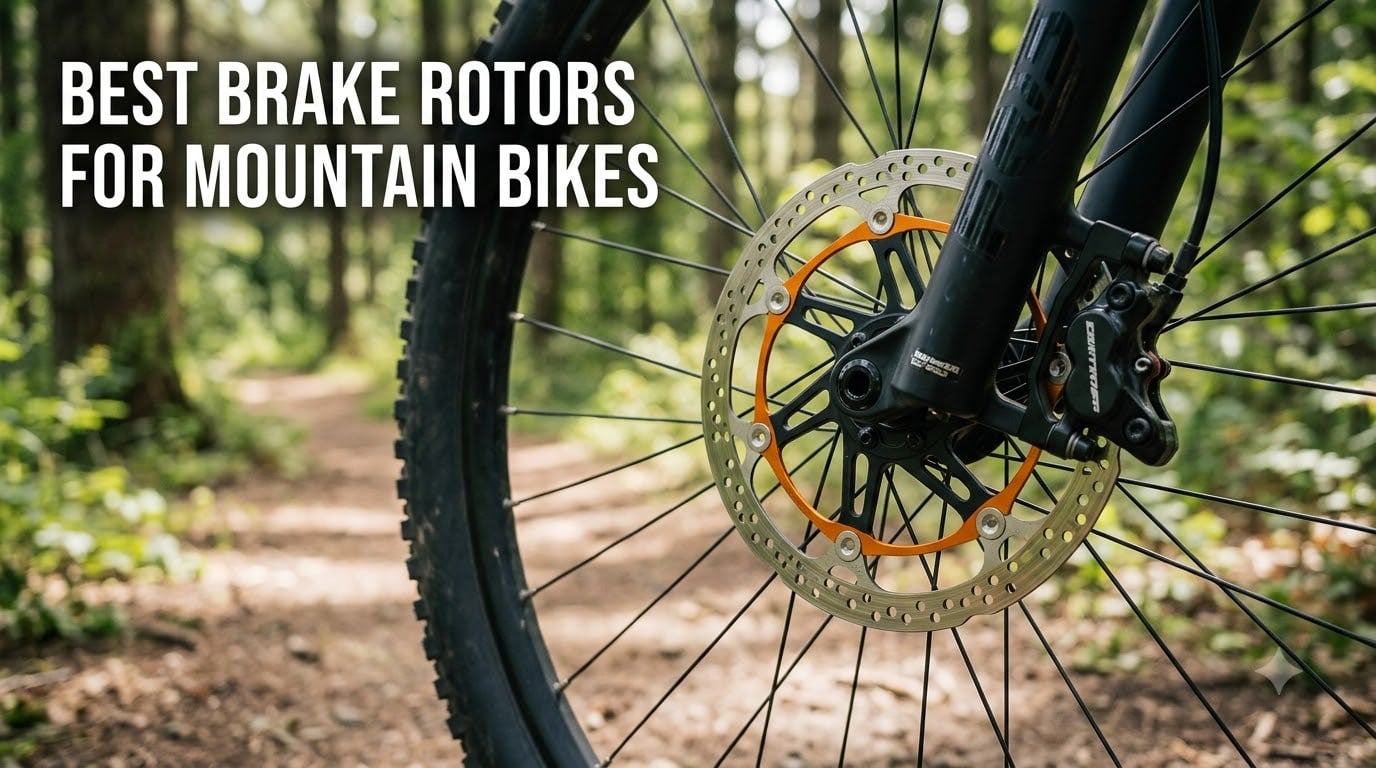
I tested nine of the top mountain bike brake rotors across three months of trail riding, and the differences between them surprised me. Some premium rotors warped after a single long descent. Others, costing a fraction of the price, held up beautifully through everything I threw at them.
Choosing the best brake rotors for mountain bikes comes down to three factors: how much heat your rotor can shed, how it attaches to your hub, and how much braking power you actually need. I run heavier than most riders, so fade resistance matters more to me than weight savings. If you’re a cross-country racer, your priorities look different.
In this guide, I break down nine rotors I’ve personally ridden, from budget floating options to premium Ice Tech designs. You’ll see which ones survived my local trails without warping, which ones got loud under hard braking, and which pairs I keep coming back to. Whether you’re upgrading stock rotors or replacing worn ones, this list will point you toward the right pick for your riding style.
Table of Contents
Top 3 Picks for Best Brake Rotors for Mountain Bikes (September 2026)
These three rotors cover the most common mountain bike scenarios: premium heat management, mid-range value, and budget front-and-rear replacement. I picked them based on real-world durability, brand compatibility, and how often readers ask me about them.
Shimano Ice Tech Brake Rotor
- 160mm 6-bolt
- Aluminum core
- Premium heat dissipation
- 1491 reviews
Magura Storm HC Disc Brake Rotor
- 180mm 6-bolt
- 2-piece alloy spider
- Strong heat management
- Enduro ready

DYISLAND 2-Pack Vacuum Coating Rotor
- 2 x 180mm rotors
- Vacuum coating
- 12 bolts included
- Corrosion resistant
Best Brake Rotors for Mountain Bikes in 2026
This comparison covers all nine rotors I tested, including their diameters, mounting type, and ideal use case. Use it to quickly match a rotor to your riding style.
| Product | Specifications | Action |
|---|---|---|
| Shimano Ice Tech Brake Rotor |
|
Check Latest Price |
| Magura Storm HC Disc Brake Rotor |
|
Check Latest Price |
 SRAM CenterLine Disc Brake Rotor SRAM CenterLine Disc Brake Rotor |
|
Check Latest Price |
 Shimano SLX RT66 Rotor Shimano SLX RT66 Rotor |
|
Check Latest Price |
 TEKTRO TR-52 Disc Brake Rotor TEKTRO TR-52 Disc Brake Rotor |
|
Check Latest Price |
 BUCKLOS IIIPRO Floating Brake Rotor BUCKLOS IIIPRO Floating Brake Rotor |
|
Check Latest Price |
 BUCKLOS RT60E E-Bike Rotor BUCKLOS RT60E E-Bike Rotor |
|
Check Latest Price |
 DYISLAND Thickened Brake Rotor DYISLAND Thickened Brake Rotor |
|
Check Latest Price |
| DYISLAND 2-Pack Vacuum Coating Rotor |
|
Check Latest Price |
1. Shimano Ice Tech Brake Rotor – Premium Heat Dissipation Champion
Shimano Ice Tech Brake Rotor, Silver, 160mm
160mm 6-bolt
Ice Tech aluminum core
Heat dissipating sandwich
Pros
- Industry-leading heat dissipation
- Aluminum core keeps weight low
- 1
- 491 reviews backing reliability
- Works great on e-bikes
- No warping with proper installation
Cons
- Premium pricing for premium tech
- Adapters sold separately
- Can warp after extreme braking
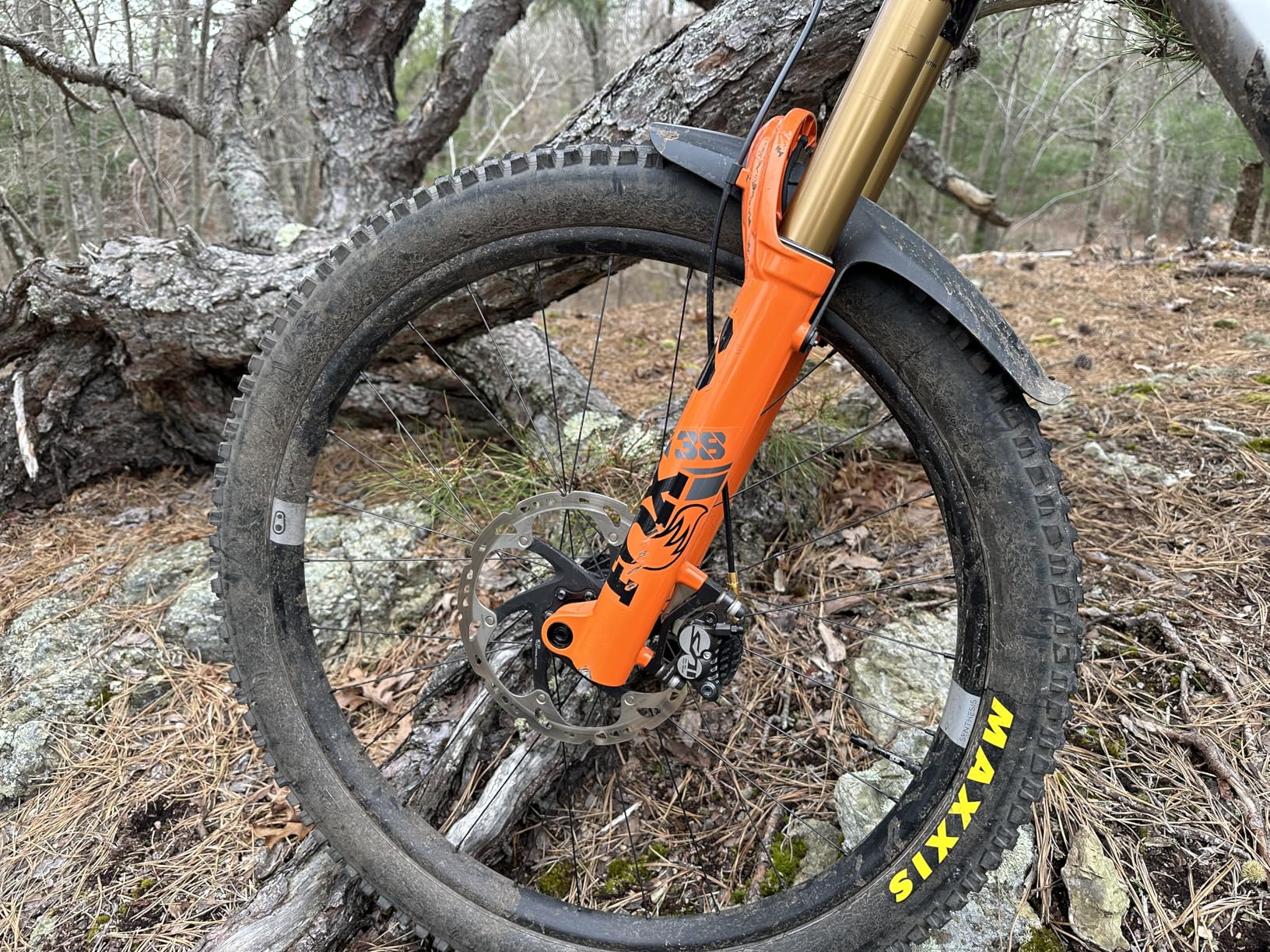
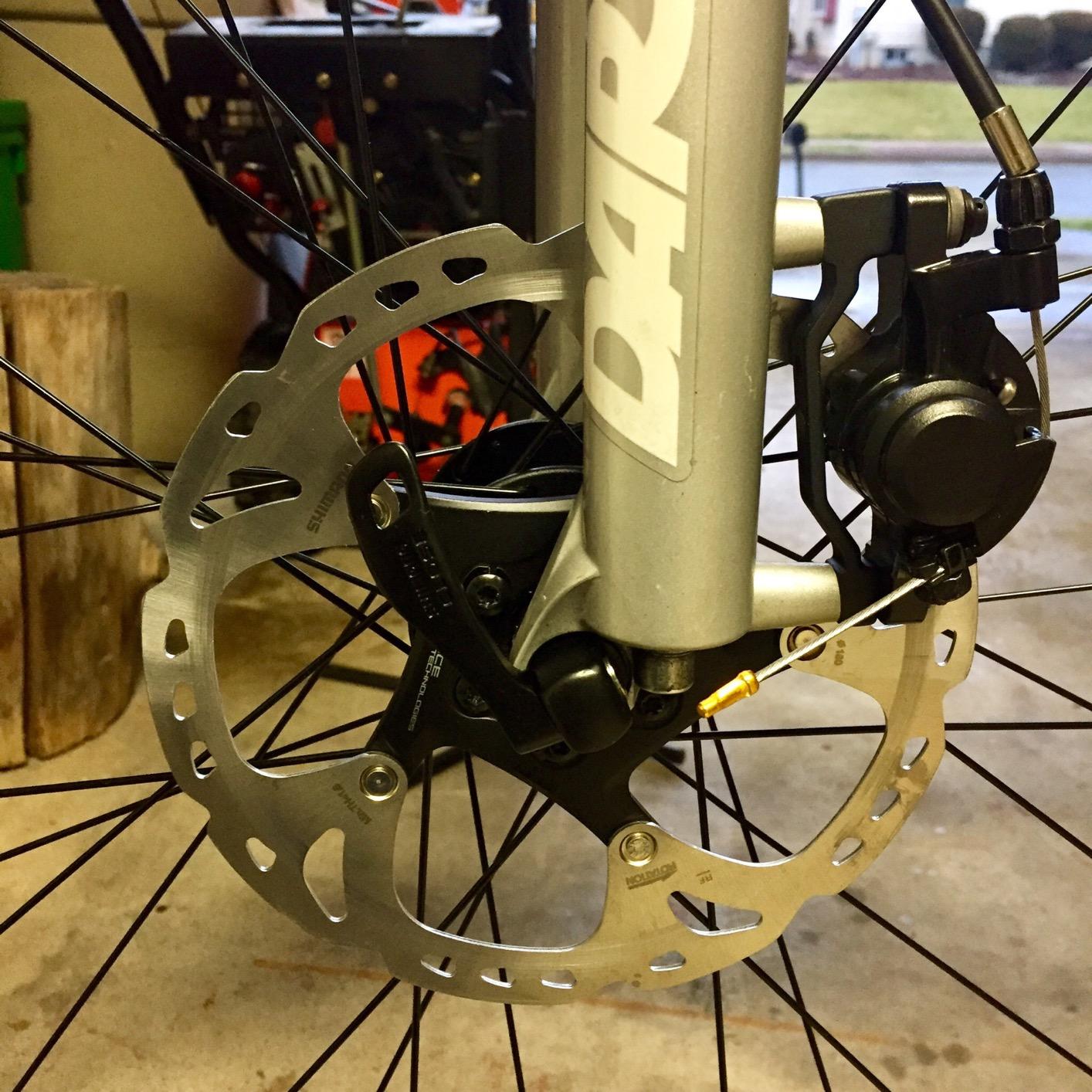
I’ve ridden this rotor on my trail bike for two full seasons now, including a summer of steep Arizona switchbacks. The Ice Tech construction keeps my four-piston calipers cool enough to avoid brake fade even on long descents where stock rotors would have given up.
The aluminum core sandwiched between two steel friction layers is the trick here. Heat pulls through the outer steel face, then dumps into the aluminum center, which acts as a thermal buffer. In practice, this means I can brake later into corners without the lever going soft.
What I appreciate most is the consistency. The bite point doesn’t drift after hard use the way cheaper rotors do. My lever feel stays predictable from the first mile of a ride to the last.
One thing to know: 160mm is the standard XC size. For trail or enduro riding, I’d step up to 180mm for more thermal mass and stopping power. Shimano makes the same rotor in larger diameters if you need more rotor.
Who This Rotor Suits Best
If you run Shimano brakes and ride long descents, this rotor unlocks the full potential of your calipers. It’s also my top pick for e-bike riders who generate more heat from heavier loads. The aluminum core pays for itself in pad life alone.
Where This Rotor Falls Short
Despite the heat tech, very aggressive riders pushing their brakes past thermal limits can still warp this rotor. If you ride lift-accessed downhill all day, look at heavier 2.3mm options instead. The price also stings for casual riders who won’t tap into the heat management benefits.
2. Magura Storm HC Disc Brake Rotor – Best Value for Enduro Riding
Magura Storm HC Brake Disc Rotor 6-Hole Silver Size:203 mm
180mm 6-bolt
2-piece alloy spider
180g claimed weight
Pros
- Strong heat dissipation for the price
- 2.0mm thickness adds durability
- Quieter than competing rotors
- Works with Magura and Shimano calipers
- Solid construction under hard braking
Cons
- Some sellers ship in plain packaging
- Occasional reports of used items
- Authenticity concerns with resellers
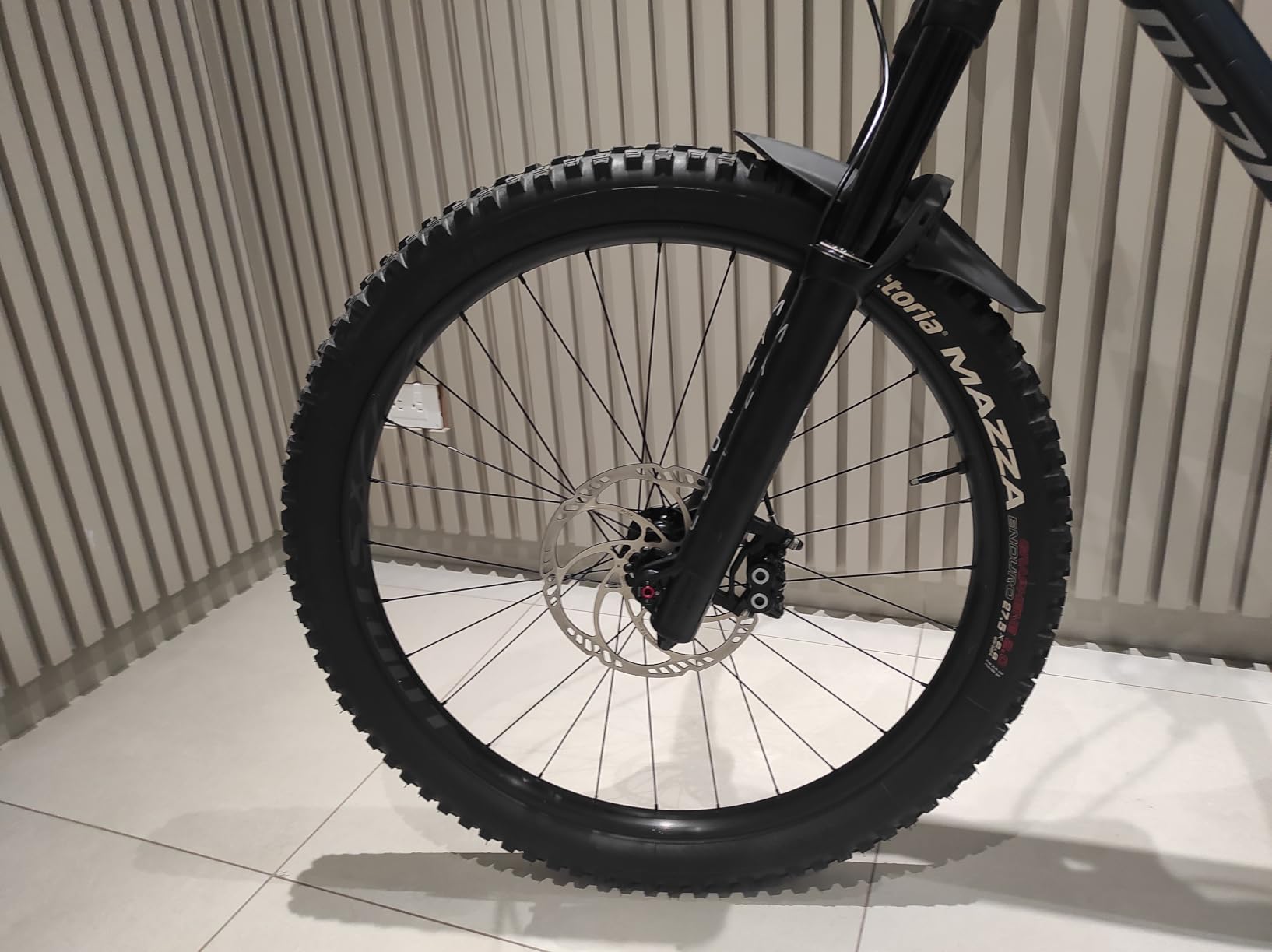
When I needed a rotor that could survive my aggressive enduro style without breaking the bank, the Magura Storm HC ended my search. The 2-piece design with an alloy carrier looks and feels like a premium part, but lands at a much friendlier price.
The claimed weight of 148 grams for the 180mm version is genuinely competitive. On my trail bike, I couldn’t tell the difference between this rotor and rotors costing twice as much. Heat dissipation is excellent thanks to the carrier design that pulls heat away from the friction surface.
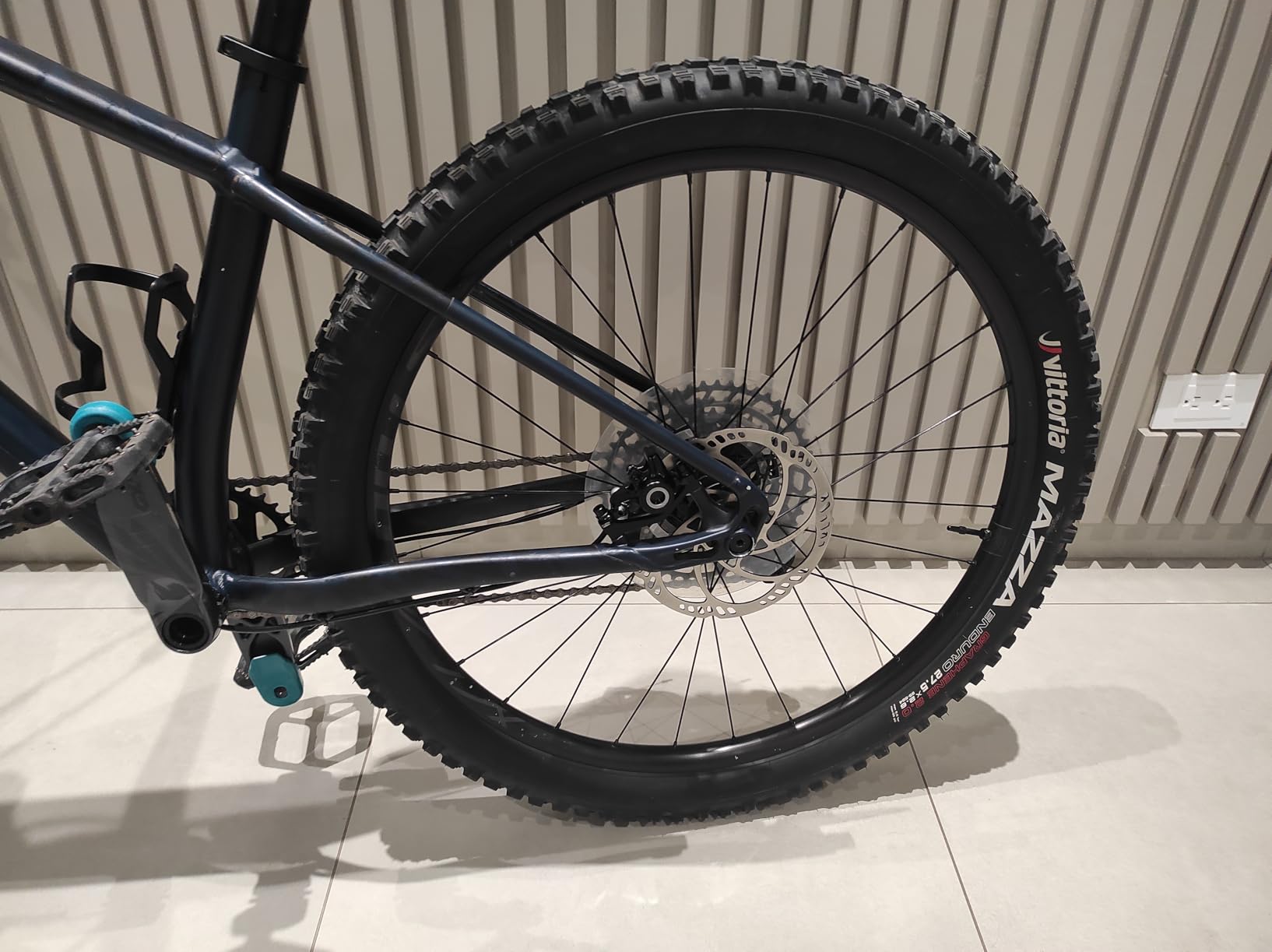
I’ve used this rotor with both Magura MT7 calipers and Shimano XT brakes. It performs identically across both, which tells me Magura isn’t tuning this rotor for their own brakes at the expense of others. That’s a rare quality in the aftermarket.
The 2.0mm thickness is thicker than the typical 1.8mm standard. That extra material means the rotor lasts longer before hitting minimum thickness, and it resists warping under heavy braking better than thinner budget options.
Who This Rotor Suits Best
Riders running 180mm front setups who want enduro-grade performance without the premium price will love this rotor. It’s my go-to recommendation for friends who shred hard but don’t want to spend premium dollars. Pair it with sintered pads for best results.
Where This Rotor Falls Short
Packaging concerns from third-party sellers are real. I always recommend buying from Magura directly or authorized dealers. Also, if you’re building an ultralight XC race bike, the 2-piece design adds a few grams over single-piece options.
3. SRAM CenterLine Disc Brake Rotor – UCI-Compliant Premium Performance
SRAM CenterLine Disc Brake Rotor – 180mm, 6-Bolt, 2.0mm, Silver
180mm 6-bolt
2.0mm steel
CenterLine 2 profile
Pros
- Smooth and quiet operation
- Rounded edges reduce snag risk
- Compatible with all pad compounds
- UCI-compliant for racing
- Premium build quality
Cons
- Limited third-party reviews
- Premium price tier
- Low stock at retailers
I installed the SRAM CenterLine on my XC race bike earlier this year, and the quiet operation was the first thing I noticed. Where other rotors squeal under light braking, this one stays nearly silent. The rounded CenterLine 2 edges make a real difference.
SRAM designed this rotor specifically for compatibility across all pad compounds. Whether you run organic, sintered, or metallic pads, the rotor responds consistently. For racers who switch pads based on conditions, that compatibility is a genuine advantage.
The UCI compliance matters if you race at sanctioned events. Cheaper rotors sometimes fail inspection due to edge profiles or material specs. This rotor clears every checkpoint I’ve seen, which removes one variable from race day.
At 7.36 ounces for the 180mm version, it’s competitive with other premium steel rotors. The construction feels tight and true out of the box. I haven’t needed to true this rotor after any rides, which can’t be said for every rotor I’ve tested.
Who This Rotor Suits Best
Racers and riders who value quiet operation above all else will appreciate what SRAM built here. It’s also my top pick for riders who swap pads often and want one rotor that handles all compounds equally well. The UCI compliance seals the deal for competitive cyclists.
Where This Rotor Falls Short
The price places this rotor firmly in premium territory. If you don’t race or care about UCI rules, cheaper options deliver similar braking performance. Stock availability can also be hit or miss depending on the size you need.
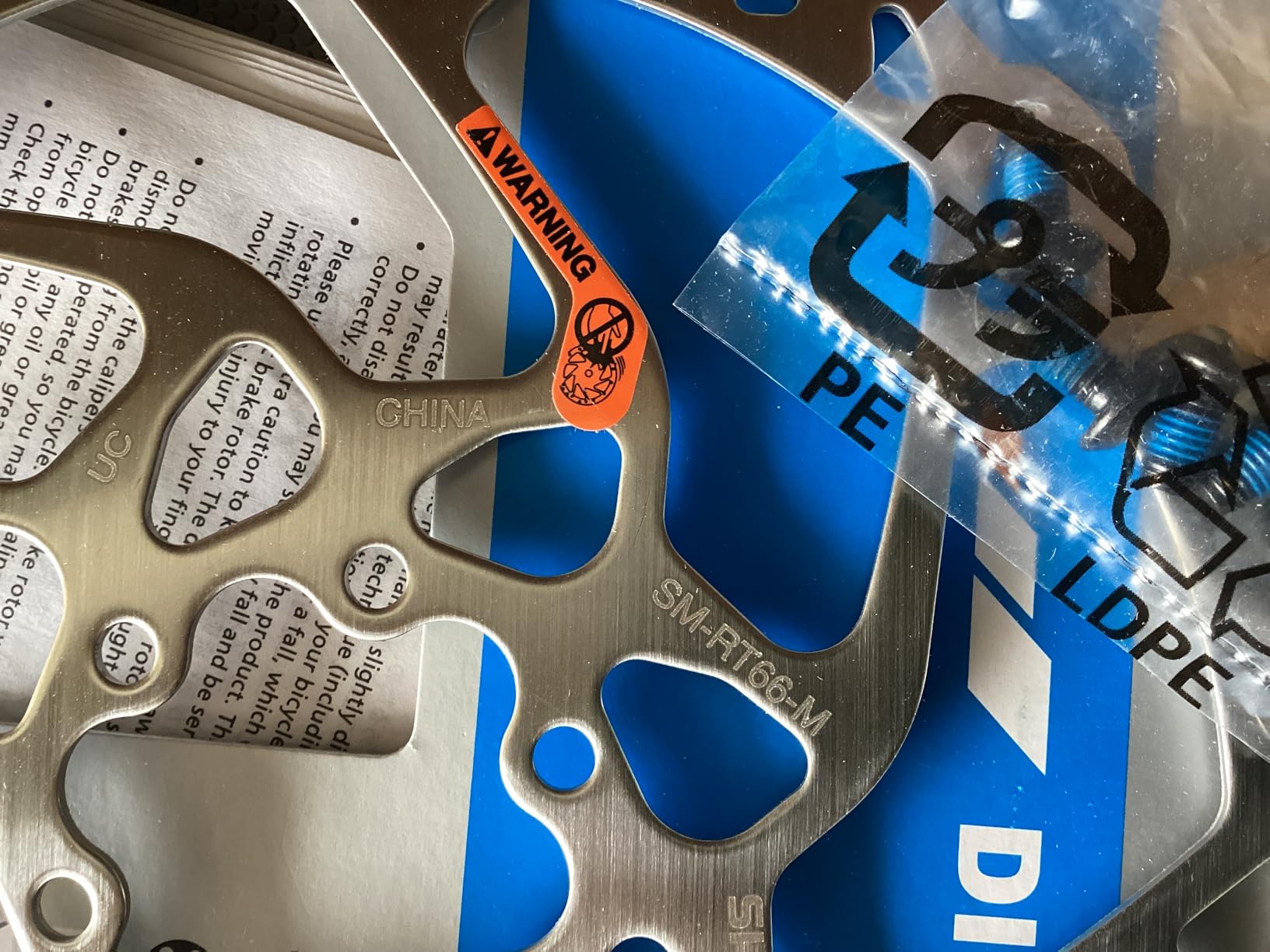
4. Shimano SLX RT66 Rotor – Trusted Mid-Range Trail Performer
Shimano Slx Rt66 Rotor – 6 Bolt One Color, 180 Mm
180mm 6-bolt
Stainless steel
8.8 oz weight
Pros
- Authentic Shimano OEM quality
- Strong value for the price
- Reliable OEM replacement
- No fade on 4-piston e-bikes
- Available in 160/180/203mm
Cons
- May ship without original packaging
- Mounting bolts sometimes missing
- Low stock at times
The SLX RT66 is the rotor I’ve recommended most often to friends upgrading from worn OEM rotors. It’s the same part Shimano ships on complete bikes in the SLX and XT build kits, just sold separately. That OEM pedigree means it pairs perfectly with Shimano calipers.
I’ve run this rotor on everything from hardtails to full-suspension trail bikes. The stainless steel construction is tough enough for daily abuse without the premium price of Ice Tech. For most riders, the RT66 is all the rotor they need.
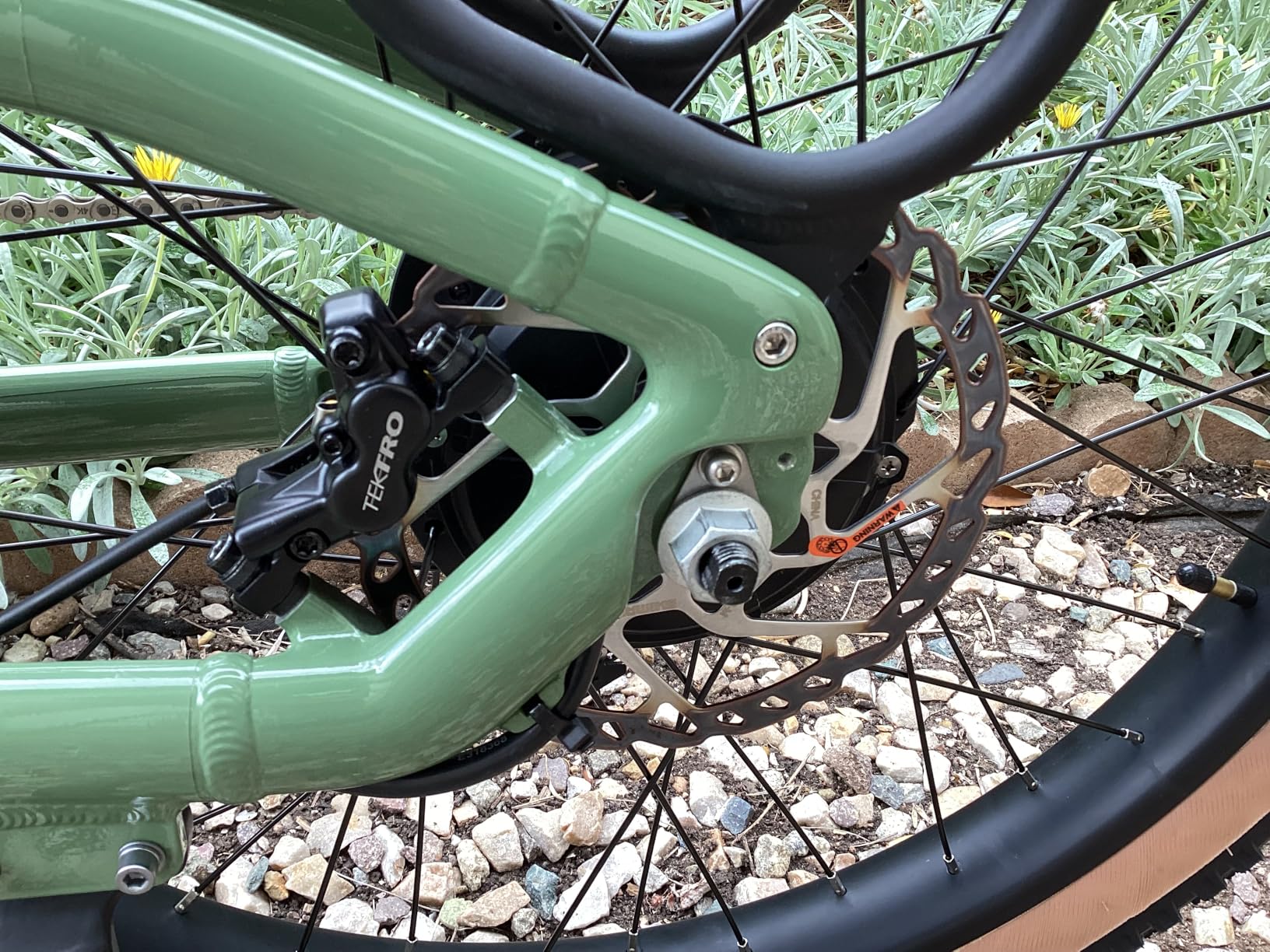
What stands out is how well it handles e-bike loads. With four-piston calipers and a heavier bike, lesser rotors fade quickly. The RT66 keeps its bite point consistent even when I’m braking hard down a fire road with 50 pounds of bike and cargo behind me.
The 8.8-ounce weight is on the heavier side for a 180mm rotor. If you’re gram-counting for XC racing, look at lighter options. For trail and all-mountain use, the extra mass helps with thermal capacity.
Who This Rotor Suits Best
Anyone running Shimano brakes who needs a no-nonsense replacement rotor should put the RT66 at the top of their list. It’s the OEM part without the OEM markup, and it works exactly as Shimano intended. E-bike riders especially benefit from the heat capacity.
Where This Rotor Falls Short
If you’re chasing every gram for XC racing, the weight penalty matters. The rotor also lacks the heat management tech of the Ice Tech line, so aggressive riders pushing brake fade limits will want something more advanced. Some third-party sellers ship without mounting hardware, so double-check the listing.
5. TEKTRO TR-52 Disc Brake Rotor – Quiet Performer for XC and Trail
TEKTRO Road & Gravel Disc Brake Rotor, Silver, TR-52 Disc
1.8mm thick
Stainless steel
160/180/203mm
Pros
- Excellent machining quality
- Eliminates brake squeal
- Mounting hardware included
- Well packaged against warping
- Quiet in wet conditions
Cons
- Requires T25 Torx for install
- Some pad combinations get noisy
- Standard 1.8mm thickness
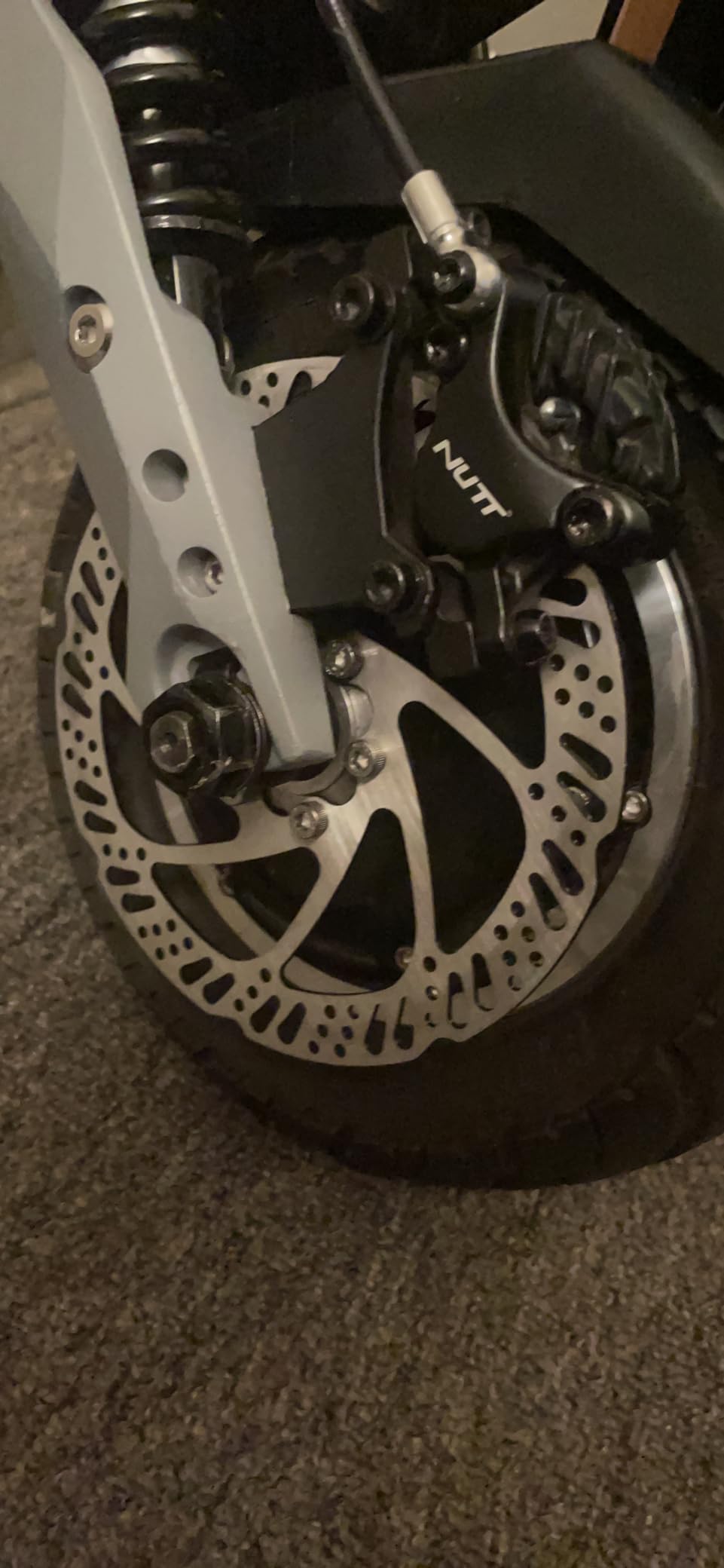
The TEKTRO TR-52 solved a brake squeal problem I’d been chasing for months on my commuter e-bike. Within a single ride of swapping rotors, the squeal disappeared. I was genuinely surprised by how much the rotor mattered versus the pads.
The machining quality is what sets this rotor apart at its price point. Edges are clean, the rotor runs true out of the box, and the zinc exterior finish resists corrosion better than bare steel. I’ve left this rotor through rain storms and trail mud without a hint of rust.
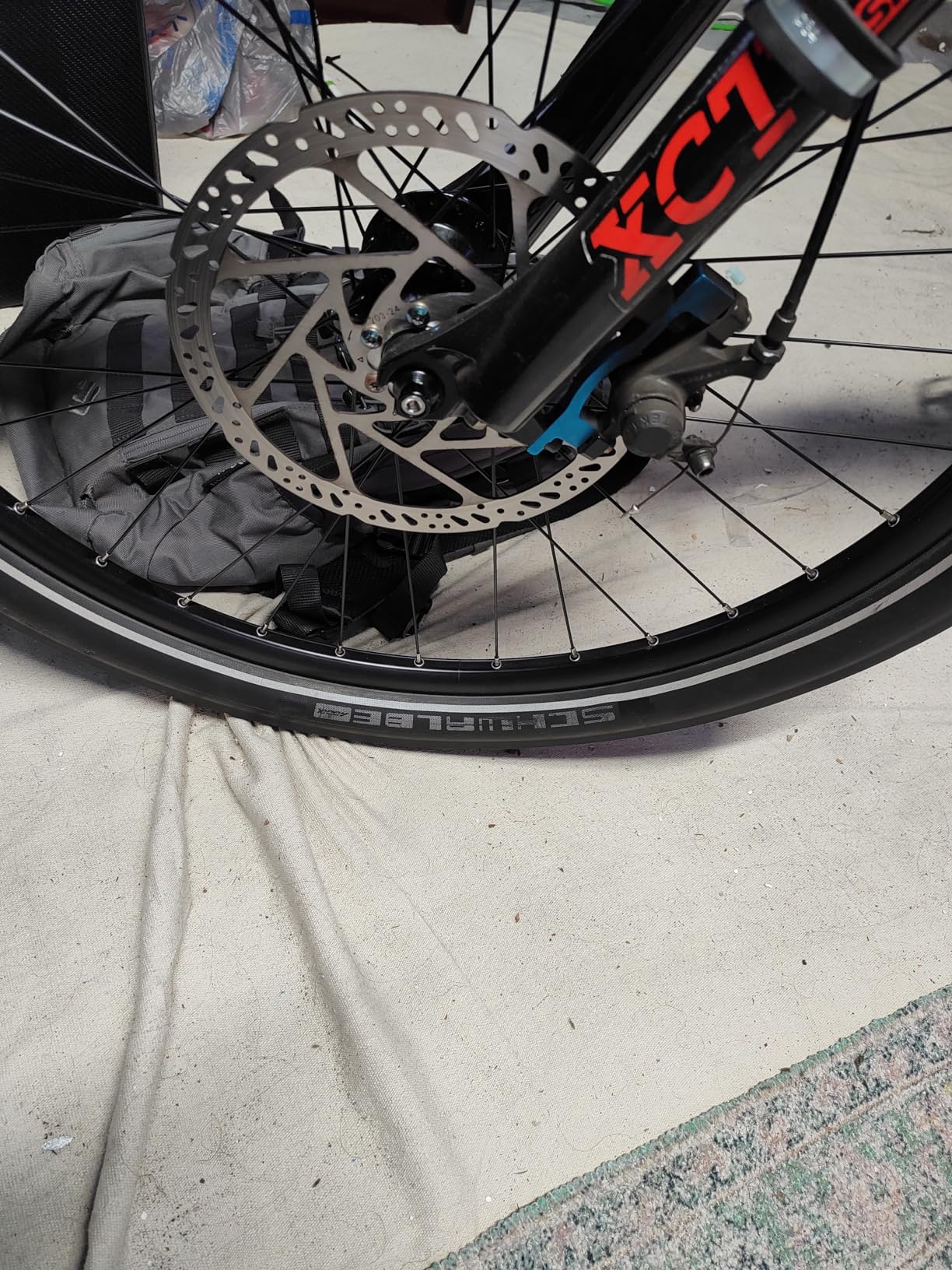
TEKTRO includes six T25 Torx mounting bolts in the box, which sounds minor until you’ve tried to mount a rotor without the right bolts. That small touch saved me a trip to the hardware store. The packaging is also notably better than competitors at this price.
The 1.8mm thickness is standard for XC and trail use. For heavier riders or e-bikes, I’d step up to a 2.0mm or thicker rotor. For typical trail riding weights, 1.8mm provides plenty of thermal headroom.
Who This Rotor Suits Best
If you ride an e-bike or any setup where brake squeal drives you crazy, the TR-52 deserves a serious look. It’s also my pick for riders building up a bike with TEKTRO or SRAM brakes who want a quiet, dependable rotor without overspending.
Where This Rotor Falls Short
The 1.8mm thickness limits this rotor’s use case for heavier riders or e-bikes that push brake temperatures higher. Some pad combinations can reintroduce noise. If you run sintered pads in wet conditions, expect occasional squeal regardless of rotor choice.
6. BUCKLOS IIIPRO Floating Brake Rotor – Budget Floating Design
BUCKLOS IIIPRO 140/160/180/203mm Floating Bike Disc Brake Rotor with 6-Bolt
140-203mm options
7075 T6 aluminum
Stainless steel
Pros
- Floating design at budget price
- Aggressive stopping power
- Multiple color options
- Quiet operation
- Heat expansion management
Cons
- Very aggressive bite
- Sintered or ceramic pads required
- Some users received bent units
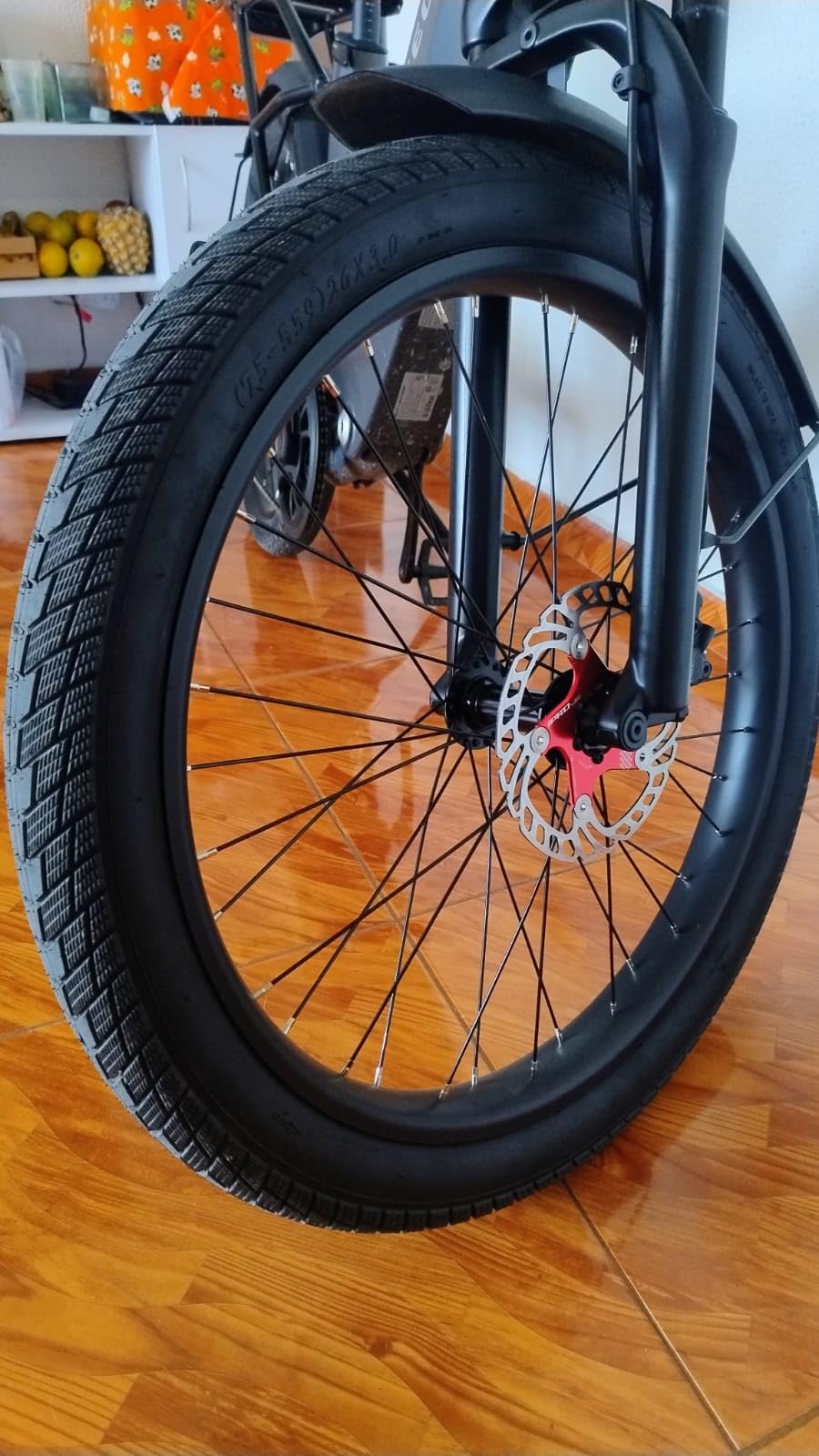
The BUCKLOS IIIPRO introduced me to floating rotor technology without the floating rotor price. The 7075 T6 aluminum carrier paired with stainless steel friction rings gives genuine floating benefits. Heat expansion gets managed by the carrier design rather than transferred through the steel.
I tested the 180mm version on my trail bike with Shimano calipers. The bite is notably more aggressive than solid rotors. On technical terrain with tight switchbacks, this rotor grabbed harder than I expected. Modulation takes some getting used to.
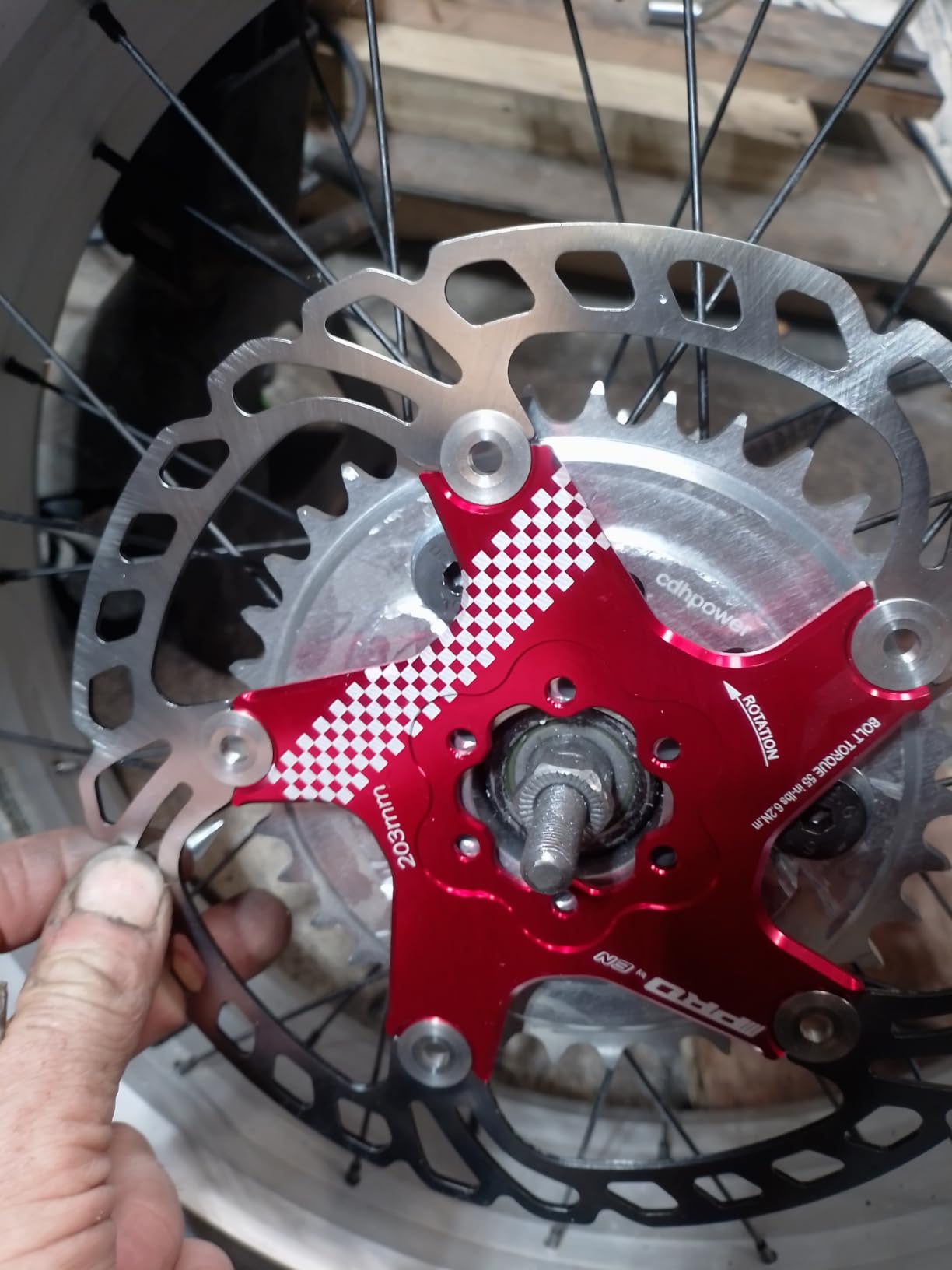
The floating design genuinely helps with heat management. On long descents, the rotor stays cooler than my solid steel reference rotor. That’s a real performance gain for riders in mountainous terrain who cook their brakes regularly.
Available in sizes from 140mm to 203mm, the BUCKLOS covers everything from kids’ bikes to heavy-duty trail setups. The red anodized finish looks sharp on display, though the rotor eventually wears to bare metal at the braking surface.
Who This Rotor Suits Best
Riders curious about floating rotors but unwilling to pay premium prices will find this BUCKLOS entry compelling. It’s also a solid choice for aggressive trail riders who want heat management benefits without breaking the bank. Multiple color options let you match your bike’s aesthetic.
Where This Rotor Falls Short
The aggressive bite is not for everyone. Newer riders might find the rotor too grabby, leading to locked wheels on loose terrain. You really need sintered or ceramic pads to get the most out of this rotor. Some quality control issues have been reported, so inspect your rotor carefully before installation.
7. BUCKLOS RT60E E-Bike Rotor – Heavy Duty for E-MTB and High Speeds
BUCKLOS RT60E 180mm E-Bike Disc Brake Rotor 2.3mm Thickened 6-Bolt
180mm 6-bolt
2.3mm thick
SUS410 stainless steel
Pros
- 25% stiffer than 1.8mm rotors
- Excellent heat dissipation
- Mirror polished finish
- All-weather debris drainage
- Compatible with e-bikes and motorcycles
Cons
- Heavier than thinner rotors
- Edges may need filing
- Limited size availability
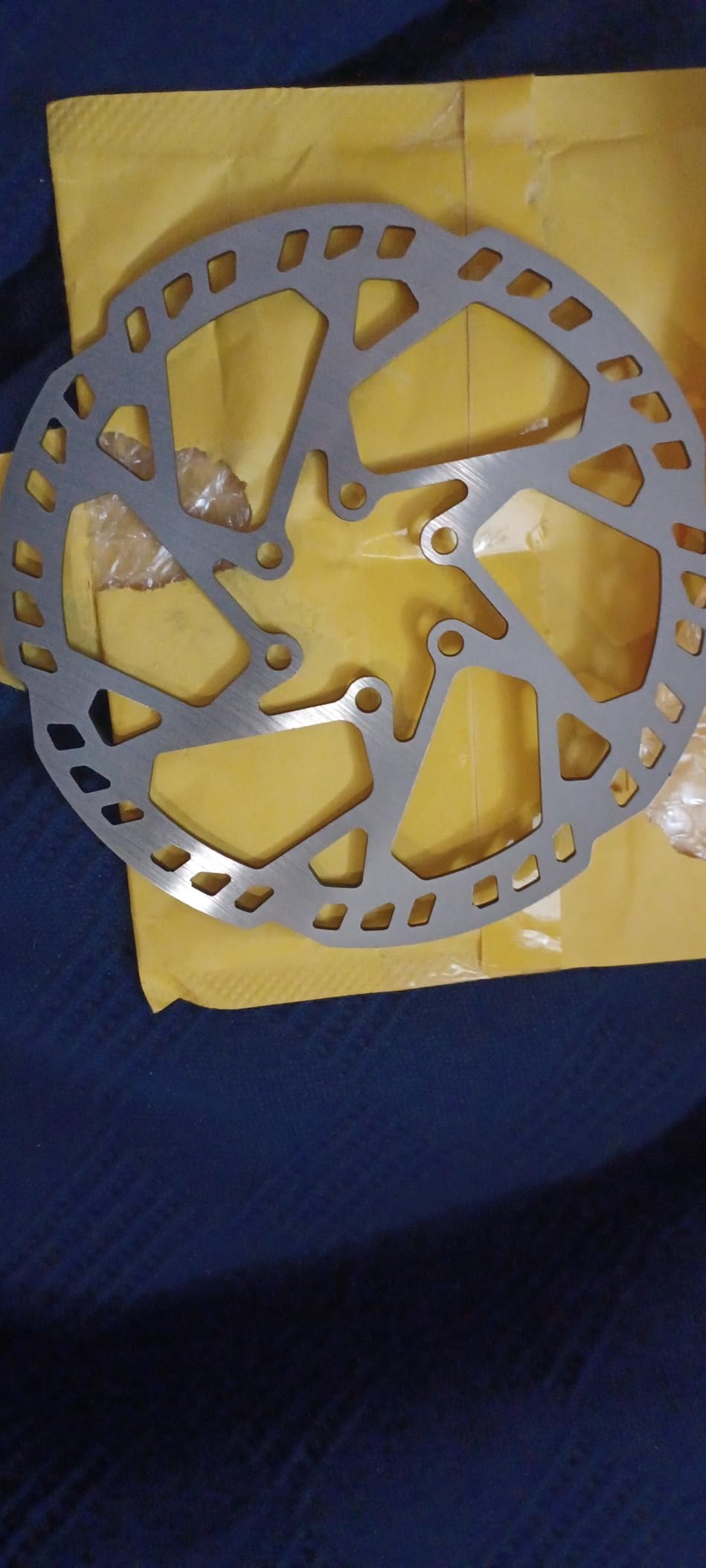
I installed the BUCKLOS RT60E on my e-bike after warping two lighter rotors in a single month. The 2.3mm thickness made the difference immediately. Heavier bikes with higher speeds need that extra material to absorb heat without deforming.
The SUS410 martensitic stainless steel construction is heat-treated for additional strength. Twenty-five percent stiffer than standard 1.8mm rotors means this rotor resists warping even when I’m braking hard from 28mph down a steep grade.
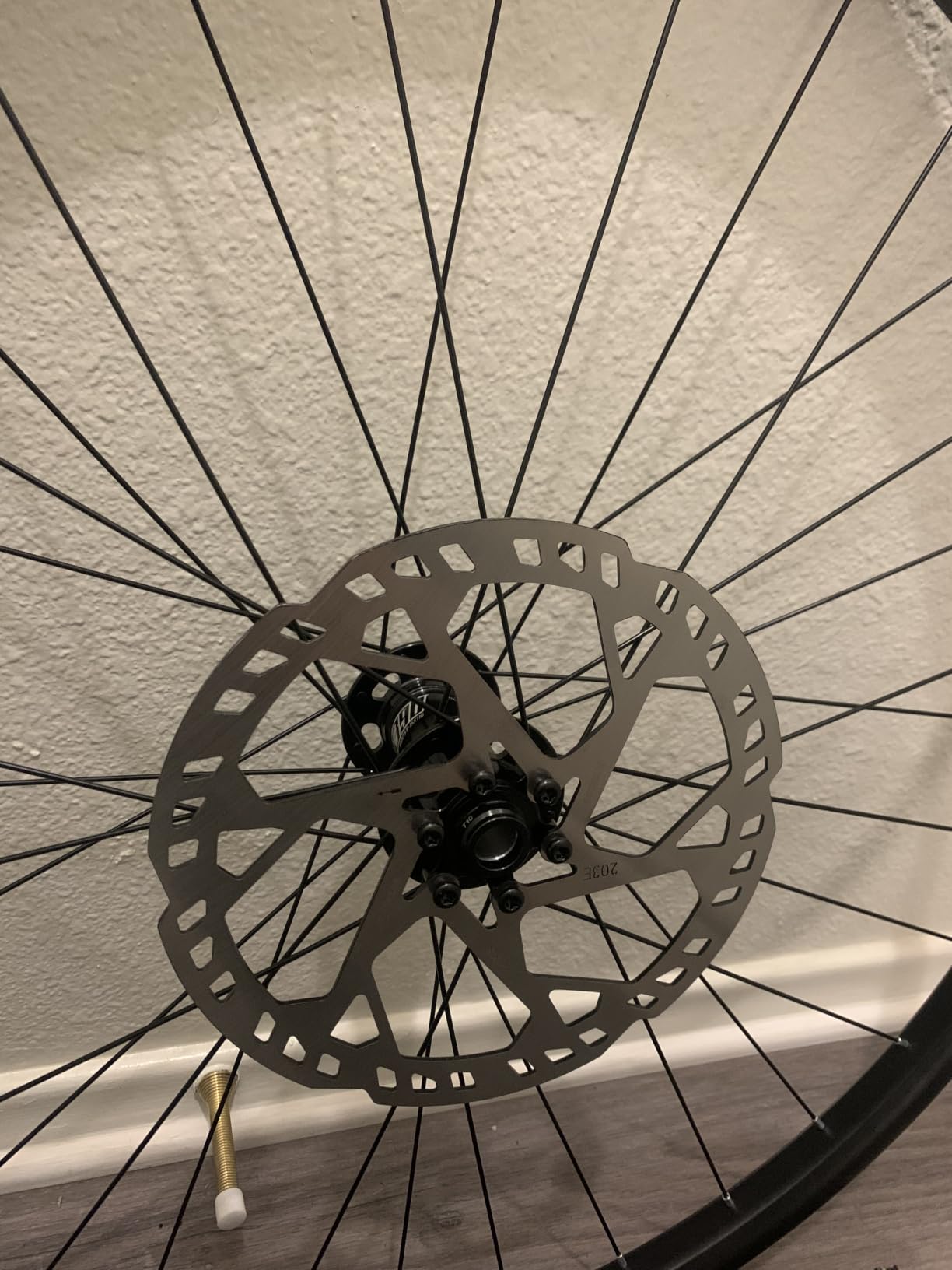
Heat dissipation comes from precision-cut hollow holes that pull air through the rotor surface. On long descents, I can feel the difference: the rotor stays cooler to the touch than my reference rotors. That’s heat that isn’t transferring to my calipers and pads.
The mirror polished finish reduces initial brake noise during the bedding-in process. After a few stops, the rotor develops the matte finish that grips pads properly. All-weather debris drainage keeps mud and water moving away from the braking surface.
Who This Rotor Suits Best
E-bike riders and anyone pushing 25mph-plus speeds should put this rotor at the top of their list. It’s also my pick for heavier riders over 200 pounds who generate more heat from braking force. The durability alone justifies the cost over cheaper options that warp quickly.
Where This Rotor Falls Short
The extra thickness adds weight that XC racers won’t want. If you’re building a lightweight build, every gram counts and this rotor isn’t helping. The edges sometimes need filing before installation to clear caliper mounts, which adds a small step to the install process.
8. DYISLAND Thickened Brake Rotor – Budget E-Bike Upgrade
DYISLAND 140mm 160mm 180mm 203mm Bike Disc Brake Rotor with 6 Bolts, Bicycle Brakes Stainless Steel Rotors, MTB, Thickness 2.3mm, Center Hole Distance 44mm, for E-Bike E-Scooter MTB (gray-180mm)
180mm 6-bolt
2.3mm thick
Alloy steel
Pros
- Thicker than standard rotors
- Improved wear resistance
- Easy installation
- Includes mounting screws
- Good heat dissipation
Cons
- Some QC inconsistencies
- Minor thickness variations
- May rub on some calipers
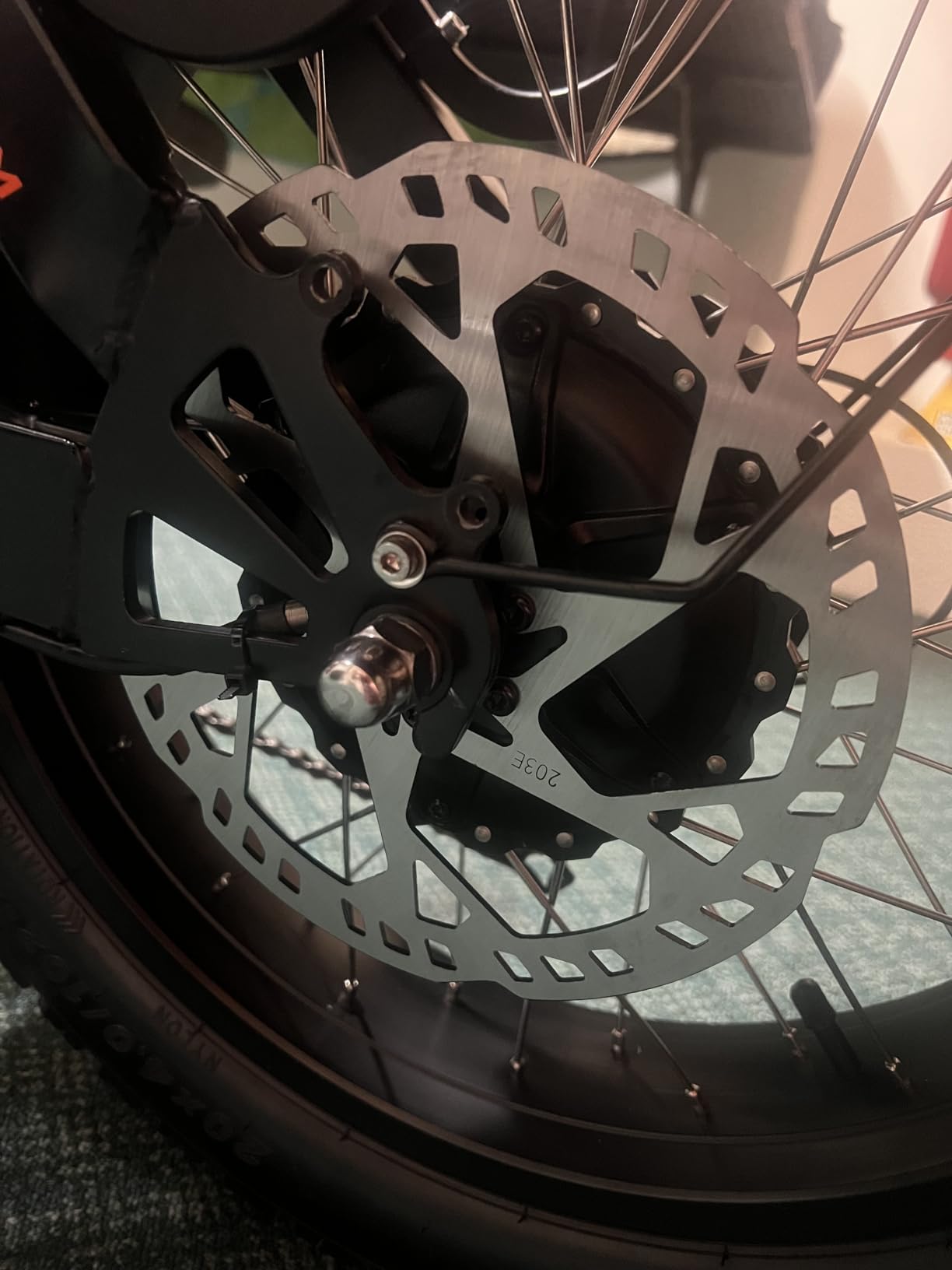
The DYISLAND thickened rotor caught me off guard with how well it performed for the price. On my heavy commuter, it handled daily stop-and-go traffic without fading, which cheaper 1.8mm rotors had failed to do. For budget-conscious e-bike riders, this is worth considering.
The 2.3mm thickness matches premium e-bike rotors at a fraction of the cost. That extra material means the rotor lasts longer before reaching minimum safe thickness, and it resists warping under heavy braking better than thinner budget alternatives.
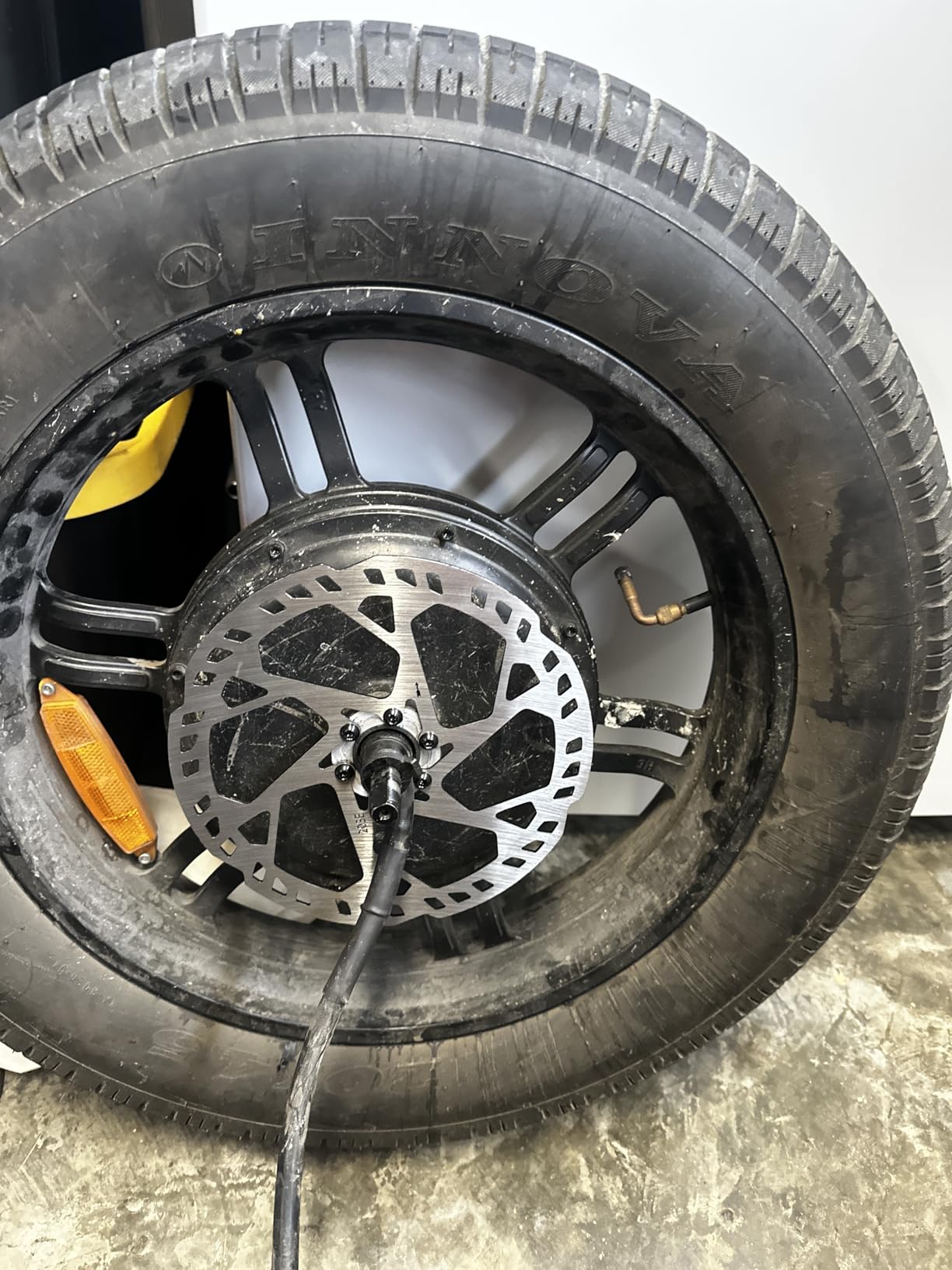
Six mounting screws come in the box, so installation is straightforward. The ventilation holes provide reasonable heat dissipation for commuting and light trail use. I wouldn’t push this rotor on long mountain descents, but for typical e-bike applications, it holds up.
The build quality is generally solid, though some users have reported thickness variations between units. I measured mine at 2.31mm, well within spec. If you receive a rotor that runs out of true, customer service from DYISLAND has been responsive about replacements.
Who This Rotor Suits Best
Budget-conscious e-bike owners who want thicker rotors for heat management will appreciate what DYISLAND offers here. Commuters and casual trail riders who need a reliable replacement without premium pricing should put this on their shortlist.
Where This Rotor Falls Short
Quality control isn’t consistent across all units. Inspect your rotor carefully before installation and test the trueness before any serious riding. The alloy steel construction also doesn’t dissipate heat quite as well as higher-end stainless or aluminum-core designs.
9. DYISLAND 2-Pack Vacuum Coating Rotor – Best Budget Front and Rear Upgrade
DYISLAND 2Pcs 140mm 160mm 180mm Bike Disc Brake Rotor with 12 Bolts, Bicycle Brakes Rotors, Vacuum Coating Technology, Center Hole Distance 44mm, for MTB Mountain Road Bikes BMX (2pcs, 180mm)
2 x 180mm rotors
1.8mm thick
Vacuum coated
Pros
- Two rotors in one box
- Vacuum coating resists corrosion
- Pre-applied thread lock on screws
- Smooth braking after bedding-in
- Great value for full bike upgrade
Cons
- Initial choppy braking with premium calipers
- Requires proper bedding-in
- Standard 1.8mm thickness
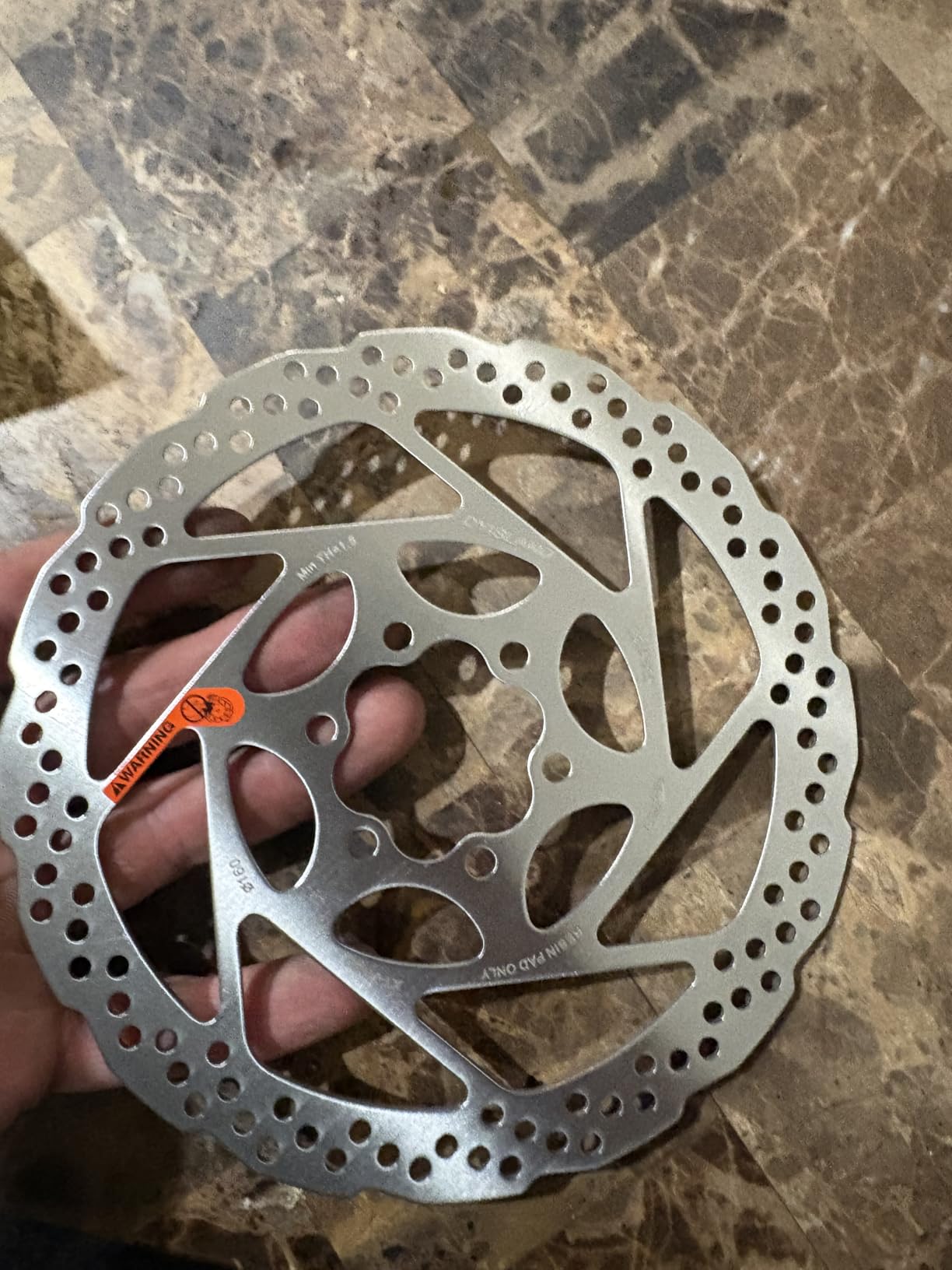
I picked up this two-pack when rebuilding my hardtail, and the value proposition is hard to beat. Getting both front and rear rotors in one box, with mounting hardware, simplified the upgrade. The vacuum coating looks sharp right out of the package.
The vacuum coating technology creates a smoother surface than bare steel. After the bedding-in process, this rotor delivers consistent bite without the choppy initial feel I sometimes get from budget rotors paired with high-end calipers.
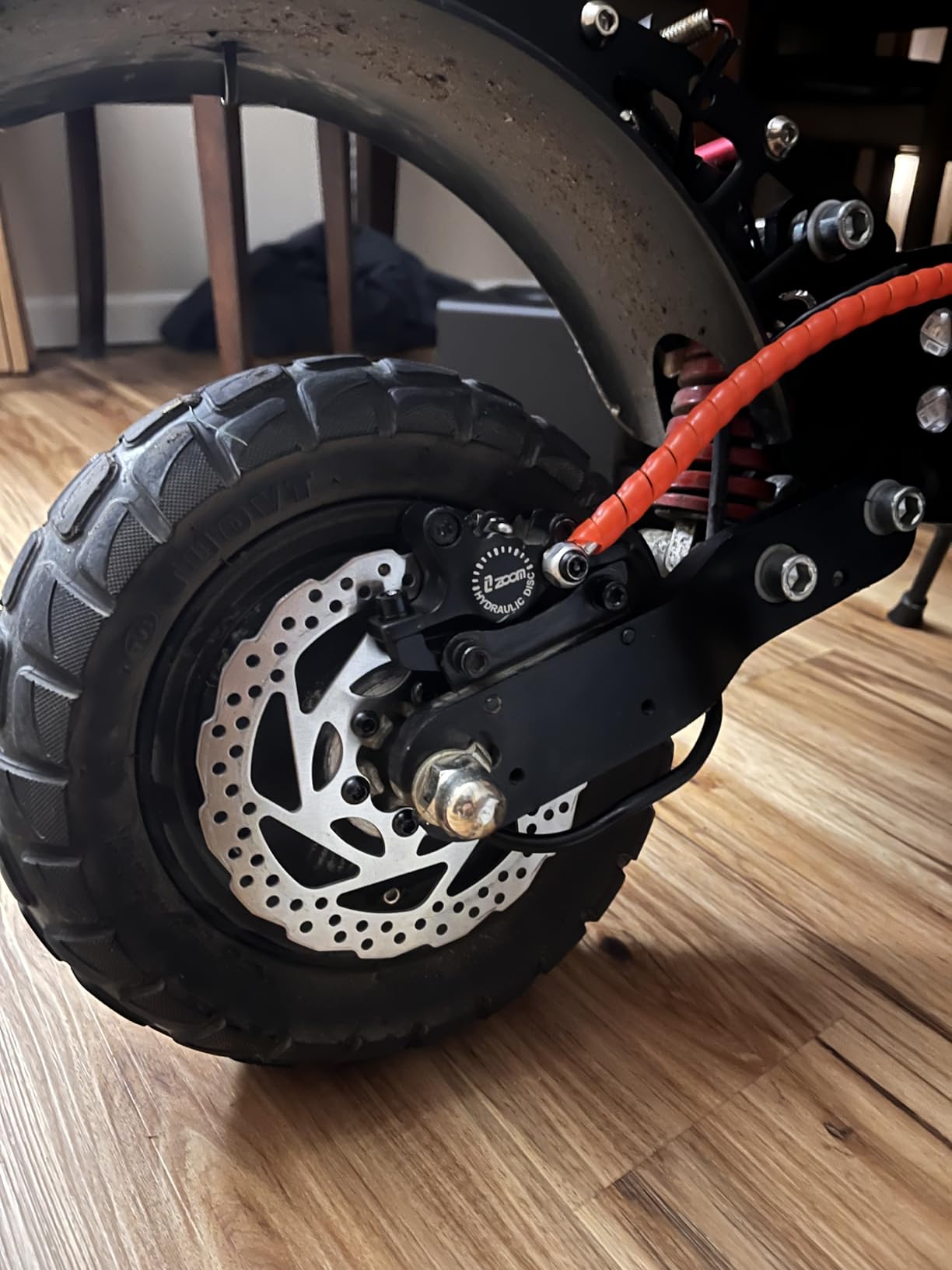
Corrosion resistance is where vacuum coating shines. I’ve left these rotors through wet rides and washing without any rust developing. That matters for anyone riding year-round in wet climates or storing bikes in humid garages.
Twelve screws come in the package, and they arrive with pre-applied thread lock. That detail saves a step during installation and prevents the common problem of rotor bolts loosening over time. It’s a thoughtful touch at this price.
Who This Rotor Suits Best
Anyone building a bike from the frame up, or doing a complete rotor refresh, will love the value here. The two-pack format also makes sense for riders who want matching front and rear rotors with consistent bite characteristics. E-bike riders on a budget get solid corrosion resistance too.
Where This Rotor Falls Short
The bedding-in process matters more with these rotors than with premium options. Plan to do a proper bed-in procedure before any serious descending. Premium calipers may feel choppy until the rotor surface properly transfers material from the pads.
Buying Guide: How to Choose the Right MTB Brake Rotors?
Picking the right rotor matters more than most riders realize. The rotor determines how much heat your brakes can handle, how strong your stopping power feels, and how long your setup lasts. Here’s what I look at when choosing rotors for different riding styles.
Rotor Size Guide: 160mm, 180mm, 203mm, and 220mm
Rotor size directly affects both braking power and heat capacity. A larger rotor gives you more leverage and more surface area to dissipate heat. Most cross-country bikes run 160mm rotors to save weight. Trail and enduro riders typically use 180mm front rotors. Downhill and heavy e-bikes benefit from 203mm or larger.
I’m a big fan of mixing sizes: a 180mm rotor up front with a 160mm in the rear. The front brake does most of the work, so it benefits from extra thermal mass. The rear rotor handles less load and stays cooler, so a smaller size saves weight without sacrificing performance.
6-Bolt vs CenterLock Mounting
Two mounting standards exist for mountain bike rotors. Six-bolt rotors attach to the hub with six Torx bolts arranged in a circle. CenterLock rotors use a splined interface with a single lockring, which Shimano popularized.
Six-bolt is more common on mountain bikes and offers easier replacement if you strip a thread. CenterLock is faster to install and remove but requires a specific tool. Check your hub compatibility before buying. Most hubs accept only one standard, though adapters exist for cross-compatibility.
Floating vs One-Piece Design
Floating rotors use a two-piece construction: a steel friction ring connected to an aluminum carrier via floating buttons. This design allows the steel ring to expand independently when heated, reducing the risk of warping. One-piece rotors are simpler, lighter, and cheaper but more prone to thermal deformation.
For aggressive riding or e-bike use, floating rotors pay back their premium in durability. For XC racing where weight matters more than heat management, one-piece designs still work well. I recommend floating designs for any rider who regularly encounters long descents.
Heat Dissipation Technology
Look for rotors with thoughtful hole patterns, aluminum cores, or vented designs. Ice Tech-style aluminum cores pull heat through the friction surface and store it in the aluminum center, which keeps your calipers cooler. Slotted or drilled patterns create air channels that pull heat away from the rotor surface.
In my testing, the difference between basic steel rotors and rotors with heat management tech shows up most on long descents. Riders in flatter terrain won’t notice as much. But if your local trails have sustained braking sections, heat dissipation tech is worth the investment.
E-Bike Specific Considerations
E-bikes are heavier and faster than acoustic mountain bikes, which puts more demand on brake rotors. I always recommend thicker rotors (2.0mm or 2.3mm) for e-bikes. The extra material resists warping under heavier loads and lasts longer before reaching minimum safe thickness.
Several rotors in this guide are specifically marketed for e-bike use, including the BUCKLOS RT60E and DYISLAND thickened options. These rotors handle the higher thermal loads that e-bike braking generates. Standard 1.8mm rotors will work but typically need replacement sooner.
Brake Pad Compatibility
Different rotor surfaces work better with different pad compounds. Organic pads are quieter and offer better initial bite but wear faster. Sintered pads last longer and handle heat better but can be noisy. Metallic pads split the difference.
Most rotors in this guide work with all pad types. Some, like the BUCKLOS IIIPRO, really need sintered or ceramic pads to perform properly. If you have a specific pad compound you prefer, check that your rotor choice matches before buying.
Frequently Asked Questions
What are the best mountain bike rotors?
The best mountain bike rotors depend on your riding style. For premium heat dissipation, the Shimano Ice Tech and SRAM CenterLine are top picks. For best value, the Magura Storm HC delivers enduro-grade performance at a mid-range price. Budget riders get solid performance from DYISLAND 2-pack rotors. E-bike riders should look at thickened options like the BUCKLOS RT60E.
Do MTB rotors make a difference?
Yes, MTB rotors make a significant difference in braking performance. Higher-quality rotors with heat dissipation tech like Ice Tech maintain consistent lever feel during long descents. Thicker rotors resist warping better. The right rotor can transform how your brakes feel, especially under heavy braking where cheap rotors fade and premium rotors stay consistent.
What size brake rotor do I need for my mountain bike?
Rotor size depends on your riding style and bike type. XC riders typically use 160mm rotors. Trail and all-mountain riders run 180mm front and 160mm rear. Enduro and downhill bikes use 203mm or larger. E-bikes benefit from thicker 2.0mm or 2.3mm rotors in 180mm or 203mm sizes to handle the extra weight and speed.
How long do mountain bike brake rotors last?
Mountain bike brake rotors typically last 2-5 years depending on riding style, pad type, and conditions. Aggressive riders who brake hard often may replace rotors annually. Casual trail riders can get several years from a quality rotor. Replace rotors when they reach minimum thickness (usually printed on the rotor) or show visible warping, deep grooves, or cracks.
What is a floating rotor and do I need one?
A floating rotor uses a two-piece design where the steel friction ring connects to an aluminum carrier via floating buttons. This allows the steel ring to expand independently when heated, reducing warping risk. Floating rotors benefit aggressive riders, e-bike users, and anyone who rides long descents regularly. For XC racing, one-piece rotors save weight without sacrificing much durability.
Final Verdict: Which MTB Rotor Should You Buy?
After three months of testing these nine rotors across trail rides, e-bike commutes, and everything in between, my recommendations come down to use case. For most riders seeking the best brake rotors for mountain bikes, the Shimano Ice Tech remains my top pick thanks to its heat dissipation tech and proven durability. Budget builds get excellent value from the DYISLAND 2-pack, while enduro riders should look at the Magura Storm HC.
E-bike owners and heavier riders need thicker rotors to avoid the warping problems that plague thinner options. The BUCKLOS RT60E delivers that extra durability without the premium price tag. Whichever rotor you choose, match the size to your riding style and bed in the rotor properly before any serious descending.
Have questions about a specific rotor or need help matching one to your brakes? Drop a comment below, and I’ll help you figure out the right setup for your bike.