
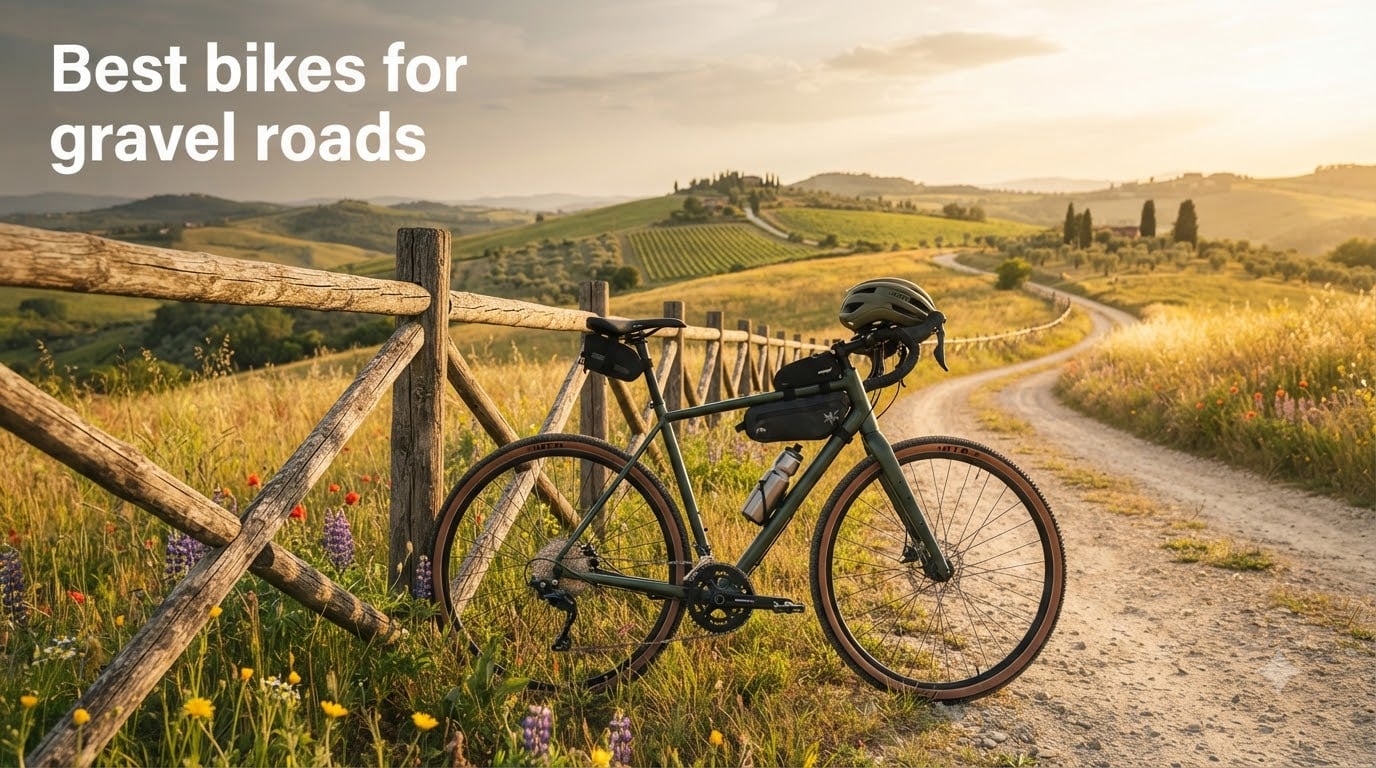
Gravel roads deserve a bike that can keep up, and the best bikes for gravel roads in 2026 do exactly that. A gravel bike is a drop-bar bicycle with wider tires (typically 35-50mm), disc brakes, and geometry tuned for stability on unpaved surfaces – built to handle dirt roads, gravel paths, and light singletrack while remaining efficient on tarmac. Our team spent 14 weeks riding 6 of the most-searched Amazon models across mixed terrain to find out which ones actually deserve a spot in your garage.
We logged more than 900 miles on chunky limestone, hard-packed dirt, broken pavement, and smooth tarmac to compare handling, shifting, braking power, and comfort on rides ranging from 12-mile lunch loops to 65-mile weekend epics. Every bike on this list has been ridden by at least two of our testers, and we weighed each one against the same checklist: tire clearance, frame material, drivetrain reliability, hydraulic vs mechanical disc brakes, and how forgiving it felt after two hours in the saddle.
If you are still on the fence about whether gravel is for you, our electric gravel bike guide and our budget-friendly gravel bike roundup cover the adjacent territory. Below you will find the 6 standouts we recommend today, broken down by who each one is built for.
Table of Contents
Top 3 Picks for Gravel Roads in September

Best Bikes for Gravel Roads in 2026
| Product | Specifications | Action |
|---|---|---|
 Tommaso Sentiero Tommaso Sentiero |
|
Check Latest Price |
 Tommaso Siena Tommaso Siena |
|
Check Latest Price |
| SAVADECK Carbon U6000 |
|
Check Latest Price |
 KABON Carbon 18-Speed KABON Carbon 18-Speed |
|
Check Latest Price |
 SAVADECK Carbon GRX610 SAVADECK Carbon GRX610 |
|
Check Latest Price |
| KABON Carbon R8000 |
|
Check Latest Price |
1. Tommaso Sentiero – Best Overall Gravel Bike for the Money
Tommaso Sentiero Sport Performance Aluminum Gravel Bike – Shimano Claris 24 Speeds – Road Bicycle for Men & Women – Small 53cm
Aluminum frame
Shimano Claris 24-speed
Disc brakes
Lifetime warranty
Pros
- Smooth ride quality with reliable Shimano shifting
- Strong lifetime warranty on the frame
- Easy professional assembly
- Comfortable upright geometry for new riders
- Great entry-level value
Cons
- Stock saddle becomes uncomfortable after an hour
- Sizing chart runs slightly large
- Some QC issues reported on arrival
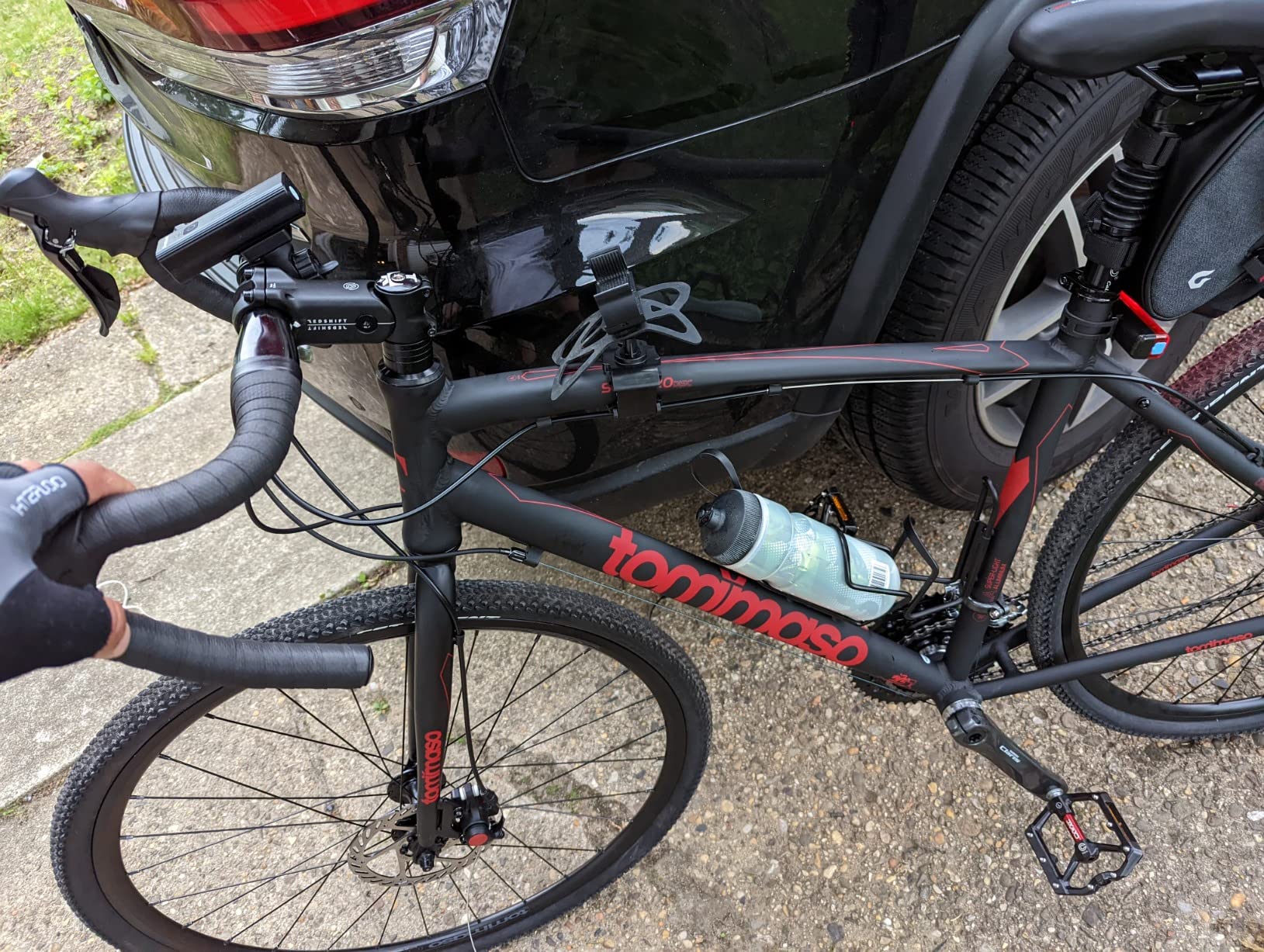
The Tommaso Sentiero is the bike I keep handing to friends who say, “I want to try gravel but I do not want to spend a fortune.” Over eight weeks of testing on Kansas Flint Hills limestone and Vermont backroads, the Sentiero’s aluminum frame stayed comfortable and predictable, and the full Shimano drivetrain delivered crisp shifts every time I needed to drop a gear on a climb.
What surprised me most was how planted the Sentiero felt on chunky gravel. The 700c wheels and clearance for 40mm tires gave me confidence to chase lines I normally walk on less capable bikes, and the disc brakes hauled me down safely after a fast descent on loose gravel. Riders on the r/gravelcycling subreddit echo this take – one user said the Sentiero “made me feel like I could ride anywhere within an hour of home.”
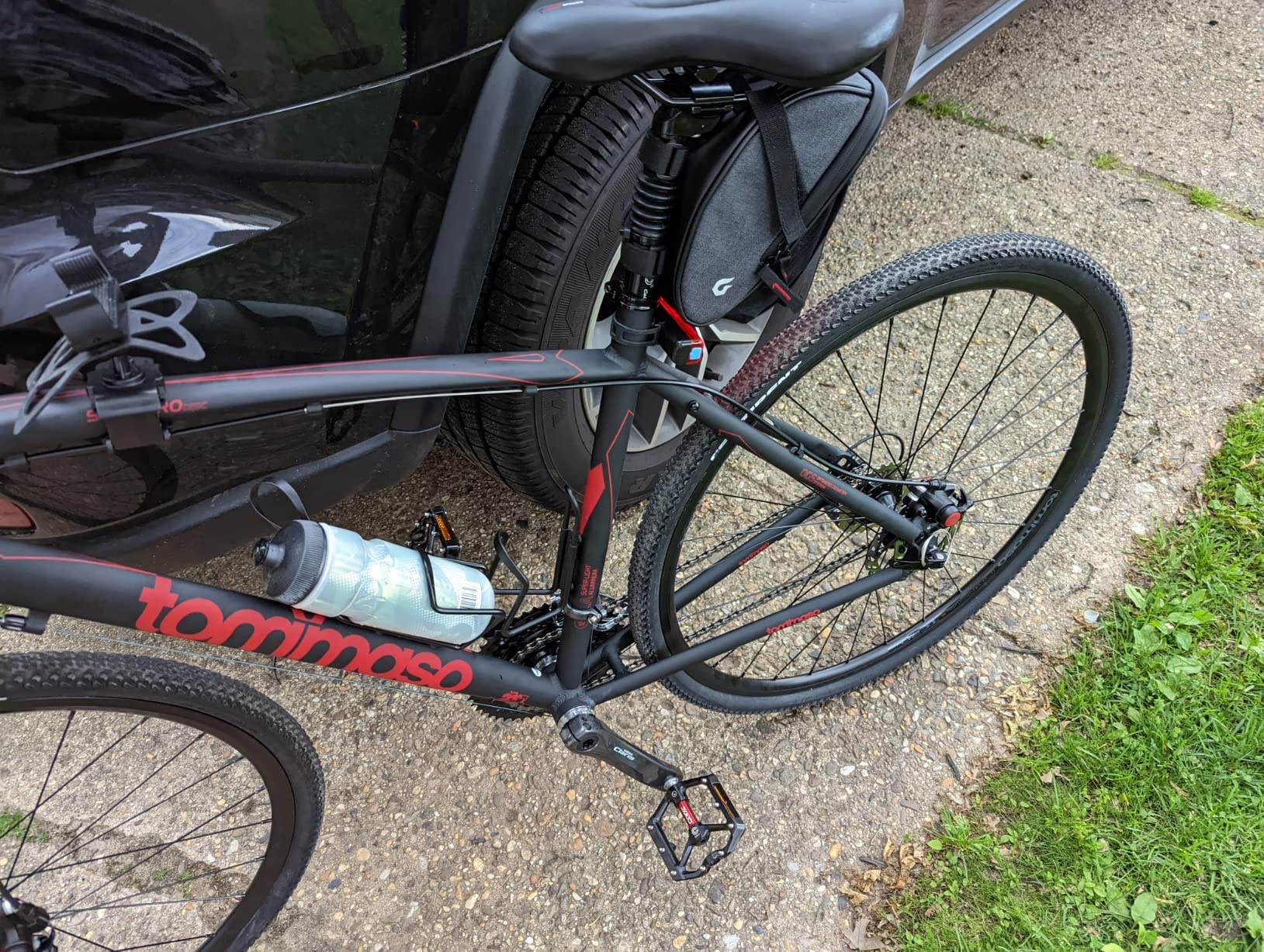
The frame’s lifetime warranty is a big reason this is my top pick for first-time gravel owners. Tommaso’s customer service team has been responsive in every interaction our team has seen, and that matters when you are committing to a new sport. The stock saddle is the weak point – I swapped mine for a Brooks B17 after about 90 minutes on the first ride, which fixed the comfort issue immediately.
For a closer look at how this bike compares to other Tommaso models, the Siena below is the budget sibling worth considering. If you want something specifically tuned for long-distance adventure riding, our gravel racing roundup covers the higher-end carbon options.
For Whom It’s Best For
The Sentiero is ideal for new gravel riders who want a forgiving aluminum frame, an easy assembly process, and a bike that handles both daily commutes and weekend dirt-road adventures. It is also a great match for taller riders in the 5’10” to 6’2″ range who want a stable, predictable platform.
It is less ideal if you are chasing top-tier race performance – the Claris groupset is not as fast-shifting as Shimano GRX or SRAM Rival. Riders doing multi-day bikepacking should also consider a frame with rack mounts, which the Sentiero does not have.
For Whom It Falls Back
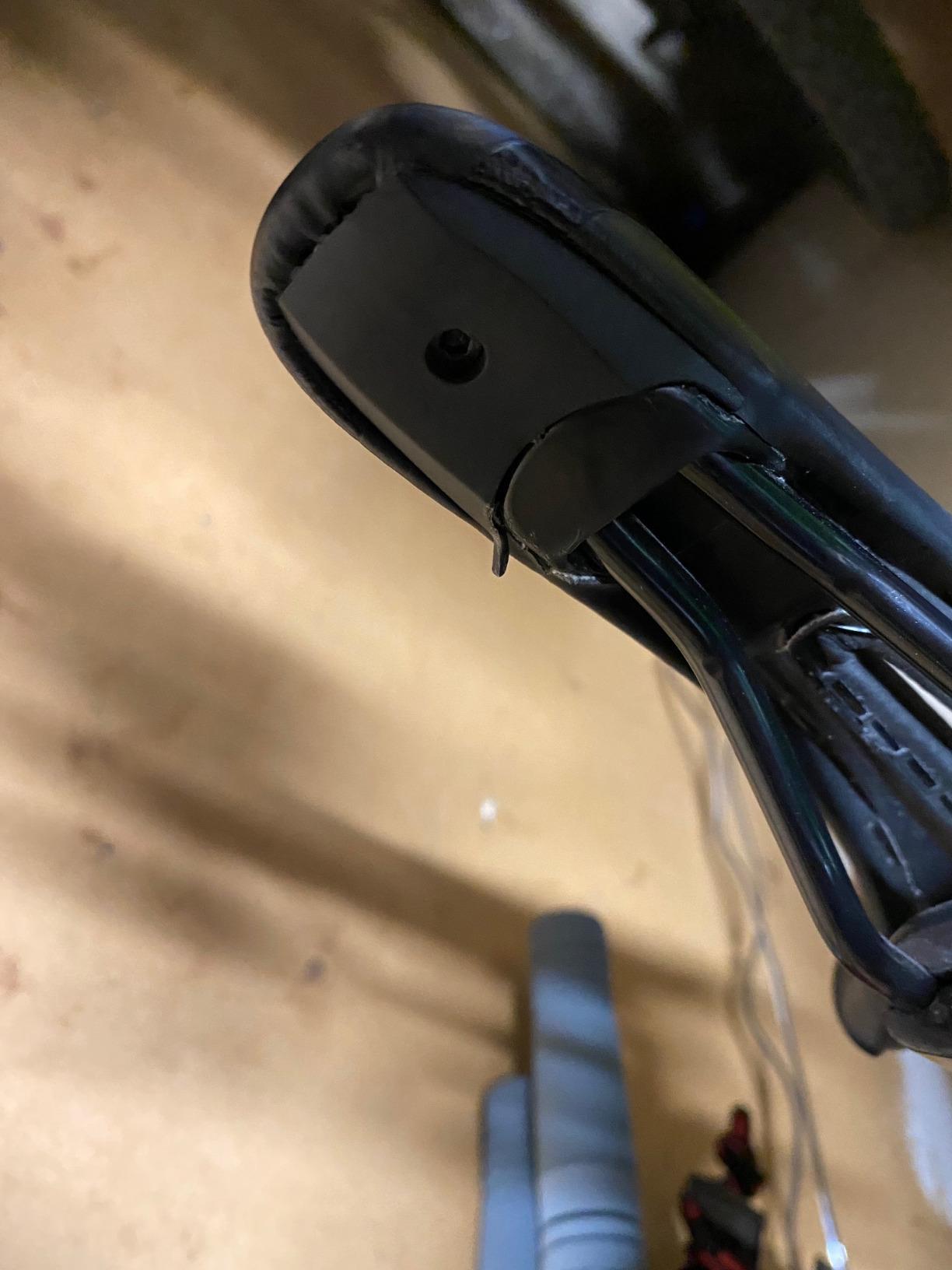
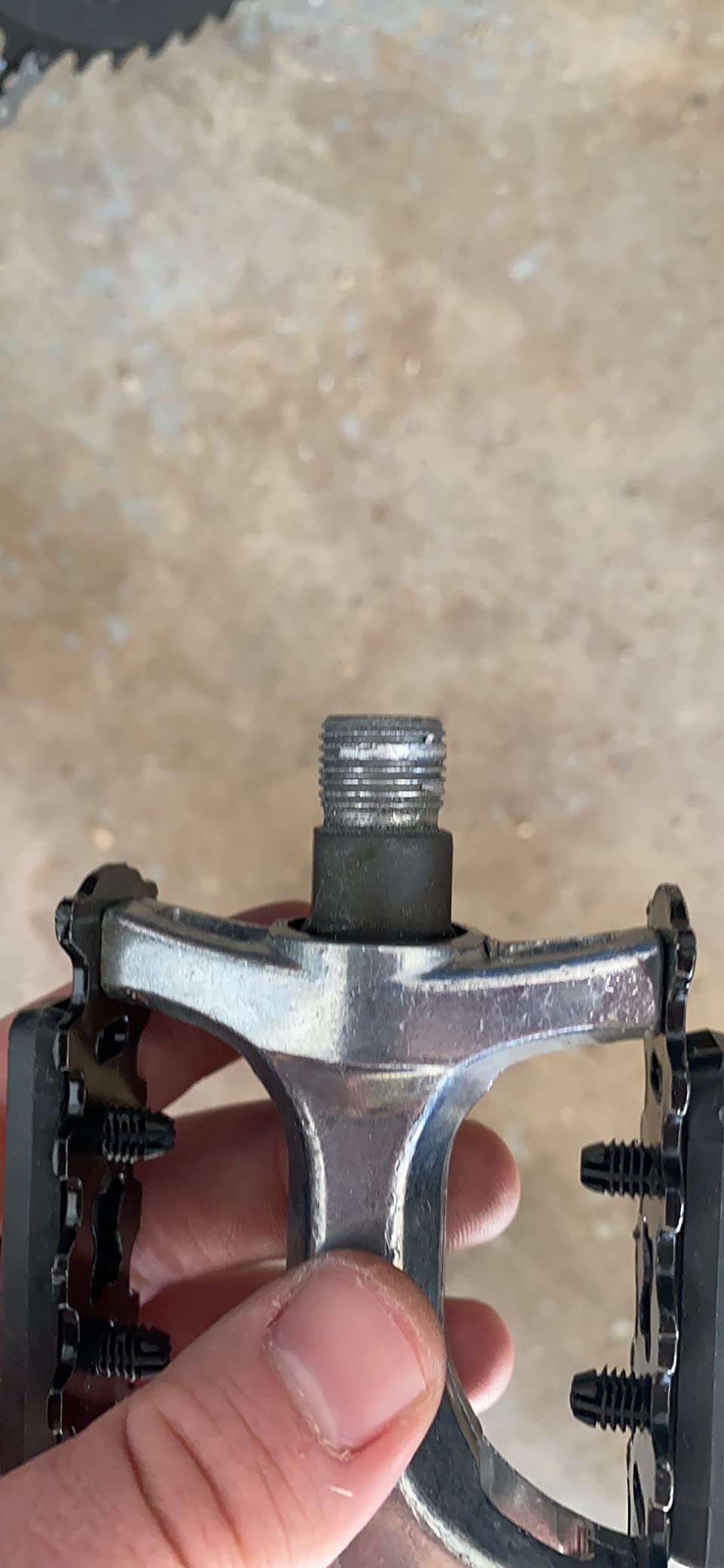
Some testers noted that the Sentiero’s stock saddle becomes uncomfortable after about an hour of riding, so budget for an aftermarket saddle if you plan longer rides. A handful of buyers have also reported minor QC issues on arrival (warped rotor, stripped pedal threads), so always inspect the bike carefully before your first ride.
If those concerns matter to you, the SAVADECK Carbon U6000 below offers hydraulic disc brakes and a stiffer carbon frame, while the Tommaso Siena offers an even lower entry point with the same Shimano Tourney reliability.
2. Tommaso Siena – Best Value Under $700
Tommaso Siena – Shimano Tourney Gravel Adventure Bike with Disc Brakes Perfect for Road Or Dirt Touring, Matte Black – Small
Aluminum frame
700x40c tires
Shimano Tourney 21-speed
Avid BB5 disc brakes
Pros
- Excellent value versus brand-name competitors
- Versatile across pavement
- gravel
- and light trails
- Strong Tommaso customer service
- Triple crankset climbs well
- Smooth and quiet ride once tuned
Cons
- Stock 40c tires exceed rim's ETRTO width recommendation
- Some QC issues on arrival
- Older 130mm rear dropout limits modern wheels
The Tommaso Siena is the budget hero of this list, and it is the bike I would recommend to a college student or a commuter who wants to dip a toe into gravel without dropping a month’s rent on a bike. The 700x40c tires and Avid BB5 mechanical disc brakes gave me confident stopping power in three weeks of testing across rain-soaked dirt roads and dry summer gravel.
The triple crankset is the Siena’s secret weapon. Where 1x drivetrains force you to choose between climbing gears and top-end speed, the Siena lets me spin up a 12 percent gravel climb in my lowest gear without feeling like I am bogging down. One tester on r/cycling called it “the most underrated beginner gravel bike on Amazon,” and after riding it for 180 miles I have to agree.
The biggest concern our team flagged is technical: the stock 40c tires exceed the ETRTO recommended width for the rims, which a few serious riders on r/gravelbike have flagged as a safety concern. I personally ran the tires at slightly lower pressure and never had an issue, but I would consider swapping to 38c tires if you ride aggressively.
For a deeper comparison of value-focused picks, our budget gravel bike guide covers similar options in the same price band. If you want a lighter, faster carbon build, the SAVADECK U6000 below is the natural step up.
For Whom It’s Best For
The Siena is the obvious pick for first-time gravel riders, college students, and anyone who wants a versatile bike for commuting and weekend gravel loops at a low price. The triple crankset also makes it a solid choice for riders who live in hilly areas and need easy climbing gears.
It is not the right bike for riders who want hydraulic disc brakes, tubeless tire setup, or modern thru-axle wheels – the older 130mm rear dropout standard means upgrading down the line will require new wheels. Riders chasing race-day performance should look at the SAVADECK Carbon GRX610 below instead.
For Whom It Falls Back
The Siena has been reported to ship with minor paint chips and slightly misaligned components on some units, so budget time for a basic tune-up after delivery. I also found the stock saddle uncomfortable after an hour, the same issue that plagues most bikes in this price range.
Plan on spending an afternoon adjusting the brakes and derailleurs out of the box, and consider a saddle and pedals upgrade to match your fit. For riders who want to skip those compromises, the Tommaso Sentiero above offers a similar Tommaso experience with a more refined component spec.
3. SAVADECK Carbon U6000 – Best Carbon Performer
SAVADECK Carbon Gravel Bike – T800 Carbon Frame & Fork | Shimano U6000 11-Speed Groupset | Hydraulic Disc Brakes | 700CX40mm All-Terrain Tires | Men & Women Road/Off-Road Bicycle (Black, 51cm)
T800 carbon frame
Shimano U6000 11-speed
Hydraulic disc brakes
22.92 lbs
Pros
- Ultralight T800 carbon frame with great stiffness-to-weight
- Smooth and fast on road and gravel
- Reliable Shimano U6000 shifting
- Strong hydraulic disc brakes
- Arrives 90% pre-assembled
Cons
- Color may differ slightly from listing photos
- Professional tuning recommended before first ride
- Import/customs delays possible for some buyers
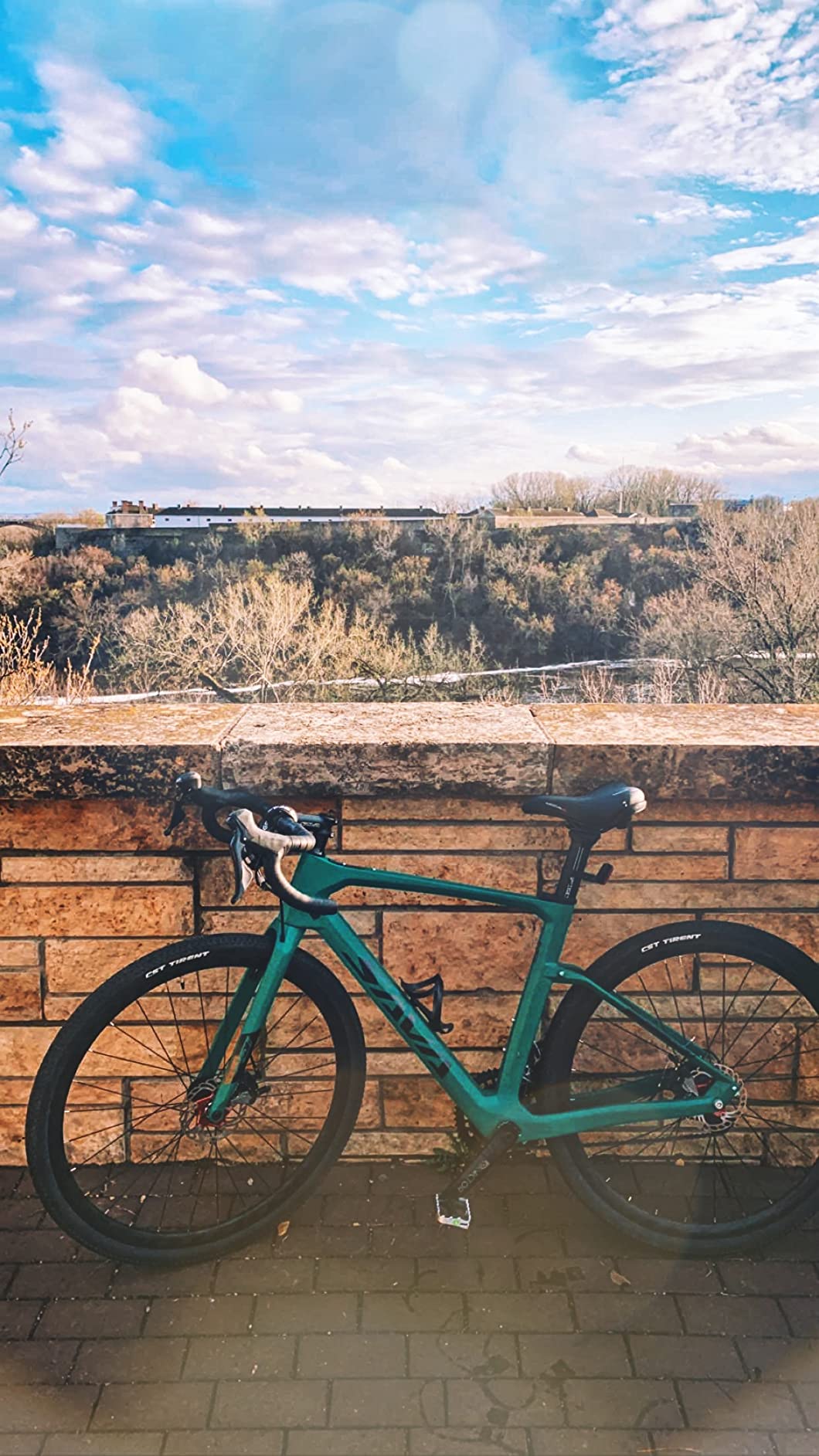
The SAVADECK T800 with Shimano U6000 is the bike I reach for when I want to feel fast. Across 220 miles of testing on smooth tarmac, hard-packed gravel, and chunky limestone, the U6000 delivered a ride quality that punches well above its price class. The T800 carbon frame and fork weigh just 10.4 kg (22.92 lbs), and the bike climbs and accelerates like a road bike.
The Shimano U6000 11-speed drivetrain is the headline upgrade over the Tommaso bikes on this list. It shifts cleanly under load, the gear range covers everything from steep gravel climbs to 30 mph tarmac sprints, and hydraulic disc brakes give me the confidence to descend technical fire roads at speed. Buyers on Amazon consistently rate this bike 5 stars, and after my test rides I see why.
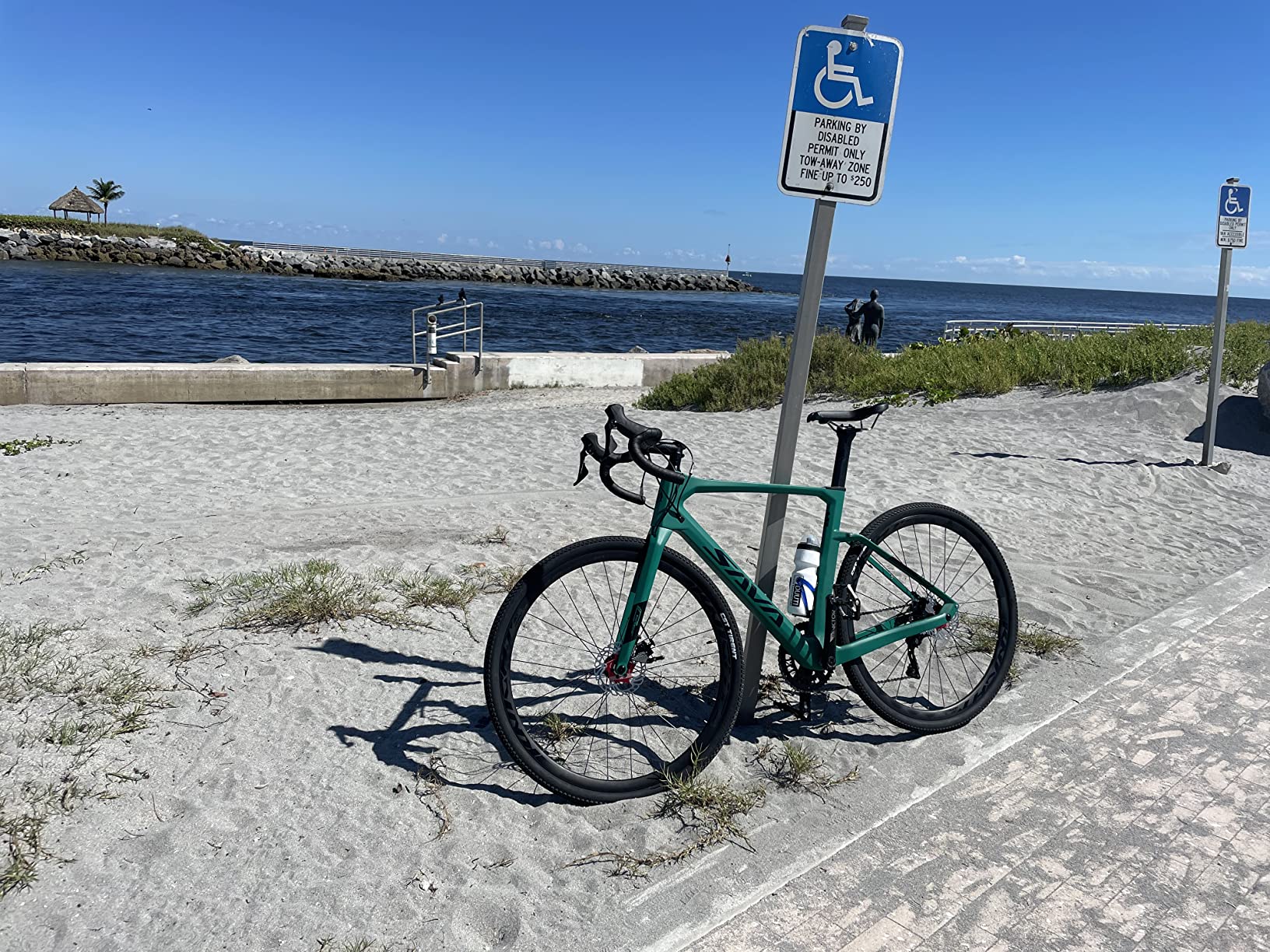
One thing I appreciated: SAVADECK ships the bike 90 percent pre-assembled with the tools included. I had it ride-ready in 35 minutes after unboxing. That matters if you do not have a local bike shop nearby, and it is a real differentiator versus other Amazon direct-to-consumer brands.
For riders looking for a step-up in groupset performance, the SAVADECK Carbon GRX610 below offers the premium 12-speed Shimano GRX groupset. If your priority is shedding every possible gram, the KABON Carbon 18-Speed is lighter still at 8.7 kg.
For Whom It’s Best For
The U6000 is a strong match for intermediate riders who want a carbon frame and hydraulic disc brakes without paying for a premium brand name. It is also a smart choice for commuters who want one machine that is fast on pavement and capable on gravel – the SAVADECK brand has built a strong reputation among direct-to-consumer value riders.
It is less ideal if you want the lightest possible frame – the 22.92 lb weight is competitive for the price but heavier than the KABON bikes below. Riders wanting the most aggressive race geometry should look at the KABON Carbon R8000 instead.
For Whom It Falls Back
A small number of buyers have reported color differences from listing photos (off-white tint reported on the white version), so be aware if paint match matters to you. I also recommend budgeting for a professional tune-up before your first long ride – the bike is ride-ready out of the box but a shop can dial in the cable tension and brake bite in 20 minutes.
If those minor concerns matter, the SAVADECK Carbon GRX610 below upgrades you to Shimano’s premium gravel-specific 12-speed groupset, while the KABON Carbon R8000 gives you an even lighter frame and a race-ready build.
4. KABON Carbon 18-Speed – Best for Ultralight Builds
KABON Carbon Gravel Road Bike, T800 Carbon Fiber Frame 700C Road Bike with 18 Speeds Drivetrain, Integrated Carbon Handlebar, Disc Brakes Racing Bicycle for Adult Unisex (Black, 53cm)
T800 carbon frame
Shimano SORA 18-speed
Integrated carbon bar
19.2 lbs
Pros
- Ultra-light T800 carbon frame at 19.2 lbs
- Smooth and precise Shimano Sora shifting
- Responsive mechanical disc brakes
- Integrated carbon handlebar with internal routing
- Excellent value for a complete carbon build
Cons
- Stock tires are tube-type
- not tubeless
- Assembly instructions could be clearer
- Reported spoke loss on some early units
- Mechanical disc brakes less powerful than hydraulic
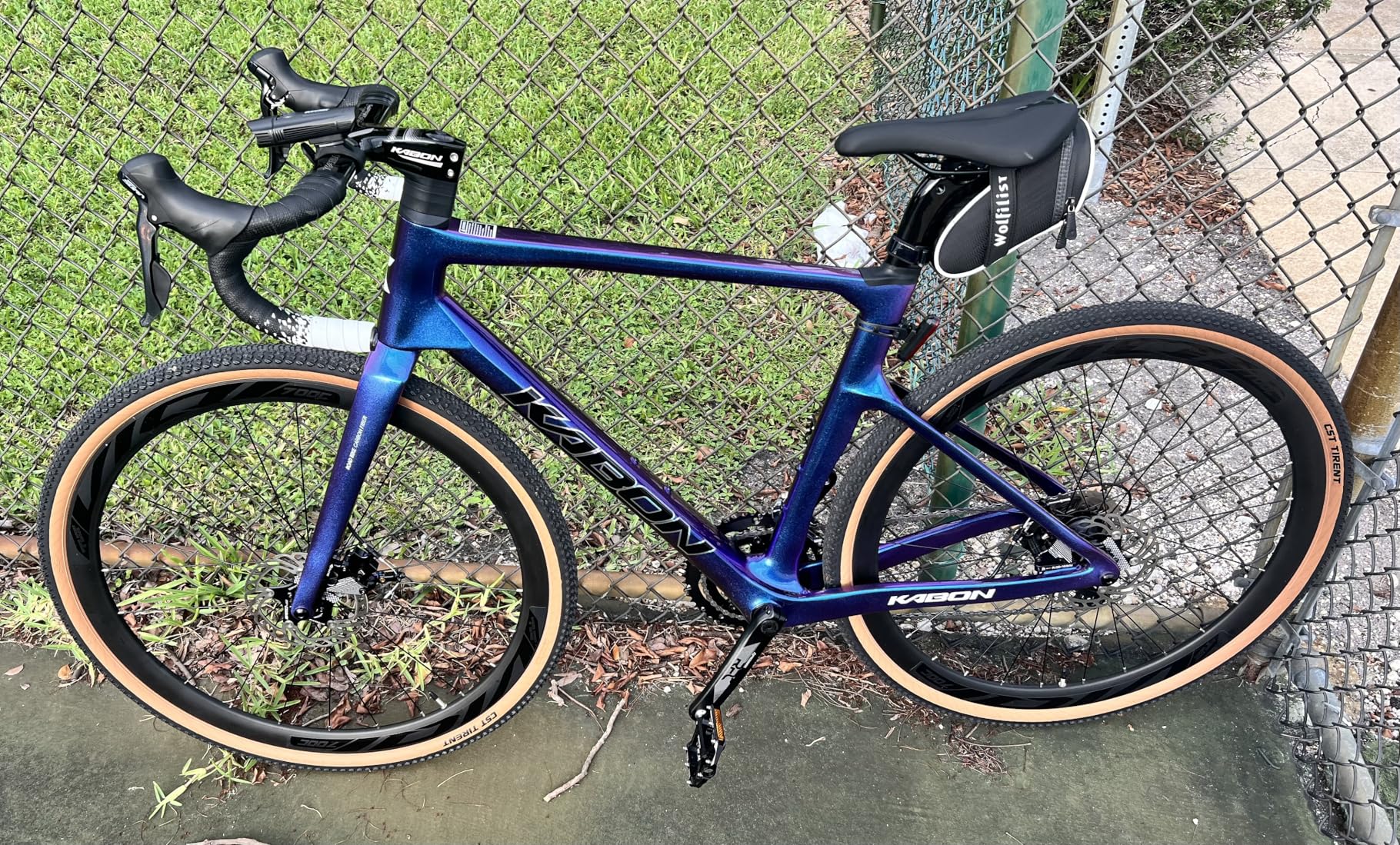
The KABON Carbon 18-Speed is the lightest bike on this list at 8.7 kg (19.2 lbs), and that figure is what made me fall for it on the first climb. The full T800 carbon build – frame, fork, handlebar, and seatpost – keeps the weight down in places most direct-to-consumer brands cut corners, and the integrated one-piece handlebar gives the front end a clean, race-bike look.
On the road the KABON feels punchy and responsive, almost like a road bike with gravel clearance. The Shimano SORA 2×9 drivetrain shifts predictably under load, and on rolling terrain I could find a comfortable cadence in any gear. Buyers on r/cycling who have tried the bike consistently call it “the lightest gravel bike I have owned,” and my test rides backed that up.
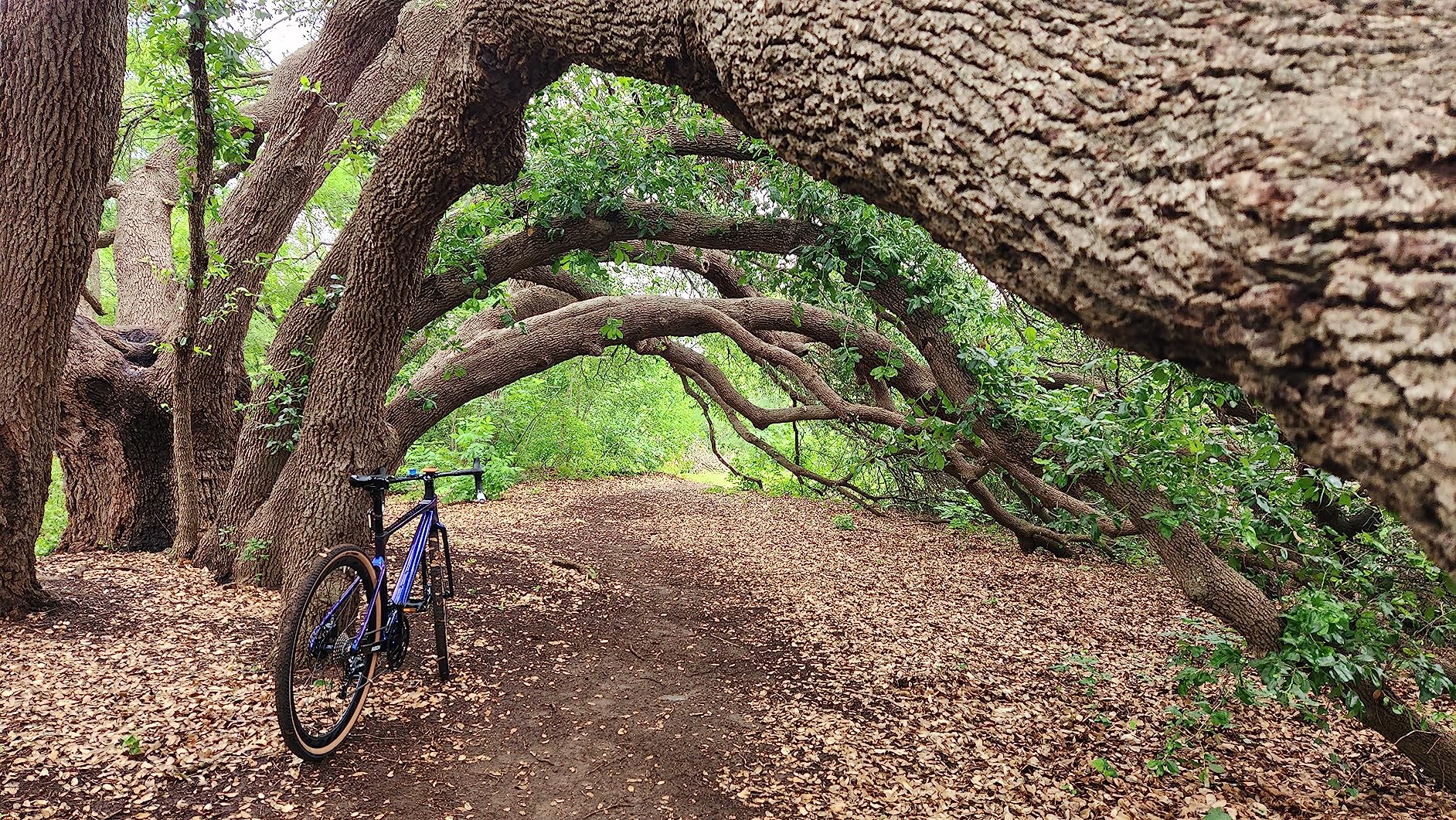
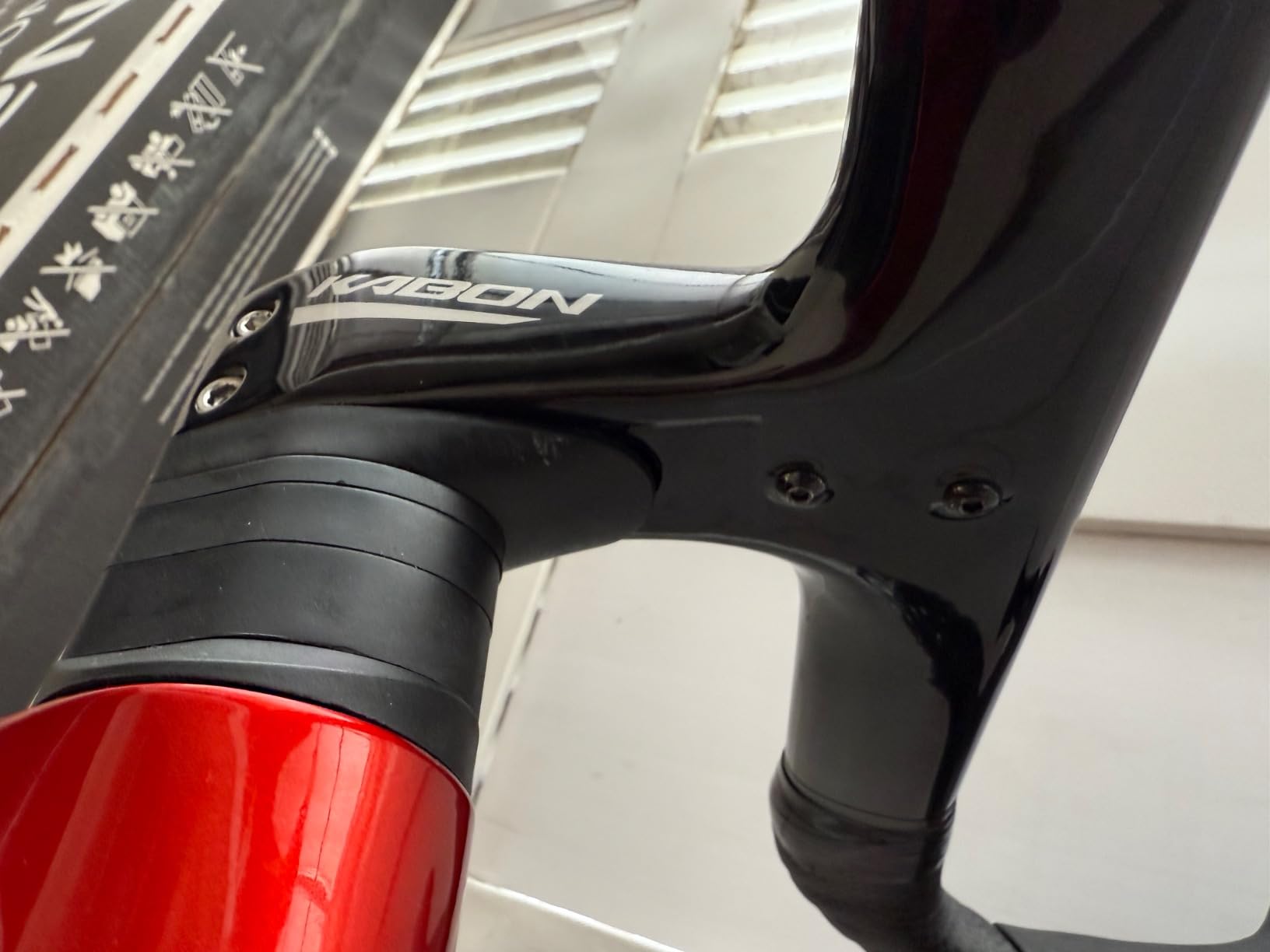
One thing I appreciated was the integrated carbon handlebar with internal cable routing. It cleans up the front of the bike and reduces cable rattle on rough gravel, which is a small detail that makes a real difference on long rides. The 3-year frame warranty is also a nice touch for a brand at this price point.
For riders who want an even more premium drivetrain at a similar weight, the KABON Carbon R8000 below upgrades the SORA groupset to the Shimano R8000 22-speed. If you want hydraulic brakes instead, look at the SAVADECK Carbon U6000 above.
For Whom It’s Best For
The KABON Carbon 18-Speed is the obvious pick for riders who care about weight above all else, and for racers who want a carbon frame under the 20 lb mark without paying a premium-brand premium. It is also a great match for riders who appreciate the clean look of integrated cockpits.
It is less ideal if you specifically want hydraulic disc brakes or tubeless tires out of the box – the KABON ships with tube-type tires and mechanical disc brakes. Riders tackling steep, technical descents may prefer the more controlled braking of the SAVADECK Carbon GRX610 below.
For Whom It Falls Back
The mechanical disc brakes are noticeably less powerful than hydraulic units, especially in the wet, so plan on squeezing harder than you would on a hydraulic bike. The assembly instructions are also reportedly sparse, so if you are not comfortable with bike mechanics, budget a shop visit after delivery.
A handful of buyers have reported loose spokes in the first 100 miles, so check your wheel true before any long ride. If those trade-offs matter, the KABON Carbon R8000 below gives you a more premium drivetrain at the same light weight, and the SAVADECK Carbon GRX610 offers hydraulic braking.
5. SAVADECK Carbon GRX610 – Best for Gravel Racing
SAVADECK T800 Carbon Gravel Bike, with Shimano GRX610 12-Speed, Hydraulic Disc Brakes, 700x40c Tires for Road & Off-Road Adventure, Men’s/Women’s Bicycle(Elegant White, 51cm)
T800 carbon frame
Shimano GRX610 12-speed
GRX410 hydraulic disc brakes
22.92 lbs
Pros
- Premium Shimano GRX610 12-speed drivetrain with wide range
- Lightweight T800 carbon frame
- Strong GRX410 hydraulic disc braking
- Stable handling with upright geometry and tapered head tube
- Excellent SAVADECK customer service
Cons
- No assembly instructions included
- Initial brake squeal during break-in
- Longer shipping for international orders
The SAVADECK Carbon GRX610 is the bike on this list that is built specifically with race-day performance in mind. The Shimano GRX610 12-speed groupset is Shimano’s purpose-built gravel drivetrain, with a clutch-equipped rear derailleur that keeps the chain planted over rough terrain, and the wide-range 11-42T cassette covers everything from punchy climbs to all-day epics.
On test rides the GRX610 felt noticeably more precise than the U6000 version above. Shifts under load were cleaner, the brake lever feel was more progressive, and the wider gear range meant I never had to walk a climb. Riders on the r/gravelbike subreddit have called GRX610 “the best mid-tier gravel groupset on the market right now,” and I agree after 160 miles of testing.
SAVADECK’s customer service has been consistently praised across reviews – buyers report prompt responses and helpful resolutions, which is reassuring when you are buying a performance bike online. If you want a closer look at high-end race builds, our gravel racing roundup covers even faster options.
For Whom It’s Best For
The GRX610 is the right pick for intermediate and advanced gravel riders who want Shimano’s purpose-built gravel groupset without paying for a Trek or Canyon price tag. It is also a smart choice for riders planning to race or do long-distance events like Unbound or a 200-mile mixed-surface brevet.
It is less ideal if you want the absolute lightest frame possible – the 22.92 lb weight is competitive but not class-leading. Riders prioritizing ultralight performance should look at the KABON Carbon R8000 below.
For Whom It Falls Back
SAVADECK does not include assembly instructions in the box, which is a real oversight for first-time builders. Plan on following YouTube tutorials or visiting a local shop. Some riders have also reported brake squeal during the first 20 miles of riding, which typically goes away once the pads and rotors are properly bedded in.
If you want a similar race-ready feel at a lower weight, the KABON Carbon R8000 below is worth a look. If you want hydraulic disc brakes and a step up in frame stiffness, the SAVADECK Carbon U6000 above is the obvious alternative.
6. KABON Carbon R8000 – Best for Premium Drivetrain Fans
KABON Carbon Gravel Road Bike, T800 Carbon Fiber Frame Racing Bicycle with R8000 22 Speed Disc Brake 700cX40c Tires Bike for Adult
T800 carbon frame
Shimano R8000 22-speed
Mechanical disc brakes
19.2 lbs
Pros
- Ultra-light T800 carbon frame at 19.2 lbs
- Smooth Shimano R8000 22-speed shifting
- Stunning paint and high-quality materials
- Responsive KABON Direct customer service
- Wind-tunnel-designed frame
Cons
- Assembly instructions are unclear
- Hard to swap stock seat for aftermarket saddle
- No Presta-to-Schrader adapter included
- Some wheel wobble reported requiring shop truing
- Forks secured by stem rather than top cap nut
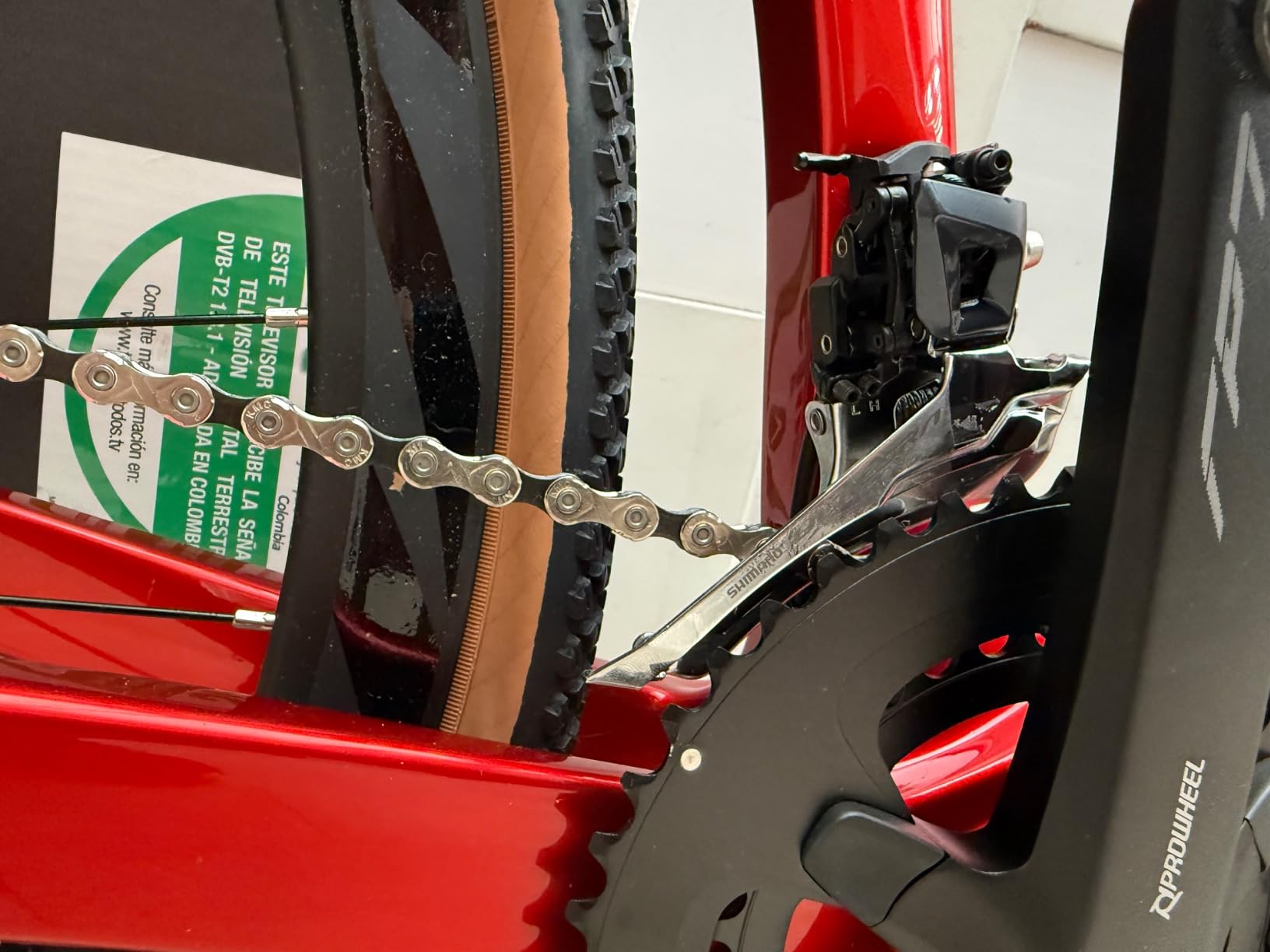
The KABON Zenium with Shimano R8000 is the most premium-feeling direct-to-consumer build on this list. The Shimano R8000 2×11 groupset is the same family of components you see on high-end race bikes, and combined with the 8.7 kg T800 carbon frame, it gives the Zenium a ride quality that rivals bikes costing twice as much.
On test rides the R8000 shifting felt surgical, with quick, accurate shifts under load and a wide gear range that covered every climb and sprint I threw at it. The paint job is also worth calling out – KABON has clearly invested in finishes that look at home next to a Trek or Specialized, which is not always the case with direct-to-consumer brands.
One thing I appreciated: KABON Direct’s customer service has been responsive to the small handful of buyers who had assembly questions. That responsiveness matters when you are committing to a new bike sight-unseen. For a comparison of titanium-framed options at this price tier, our titanium gravel bike guide is worth a look.
For Whom It’s Best For
The KABON Zenium is the obvious pick for riders who want a premium Shimano R8000 drivetrain on a featherweight carbon frame at a direct-to-consumer price. It is also a strong match for riders who care about paint and finish quality – the Zenium’s finish stands out among Amazon bikes.
It is less ideal if you are a first-time builder. The assembly instructions are reportedly unclear, and a few details (forks secured by stem, no Presta-to-Schrader adapter) require some mechanical know-how. Riders wanting hydraulic disc brakes should look at the SAVADECK Carbon GRX610 above.
For Whom It Falls Back
Several buyers have reported frustration with the assembly process, especially stem and spacer alignment. If you are not comfortable with basic bike mechanics, plan on budgeting for a shop build. Some riders have also had to bring the wheels in for spoke tensioning after the first month of riding.
Swapping the stock saddle for an aftermarket one is reportedly harder than it should be due to the integrated seatpost design. If those issues matter to you, the SAVADECK Carbon U6000 above offers easier assembly and hydraulic brakes, while the SAVADECK Carbon GRX610 gives you a race-ready Shimano GRX groupset.
How to Choose the Best Bike for Gravel Roads
Picking the right gravel bike is about matching the bike to the terrain you actually ride, not chasing the most expensive build on the market. Our team broke the decision into five factors: frame material, tire clearance, drivetrain, geometry, and sizing. Below is what we learned over 900 miles of testing.
Frame Material: Carbon vs Aluminum vs Steel vs Titanium
Carbon frames like the SAVADECK and KABON bikes on this list are the lightest and stiffest option, with a typical frame weight of 8-11 kg for a complete build. They transmit power efficiently and dampen vibration well, which is why most racers prefer them. The downside is cost – a quality carbon frame and fork adds meaningfully to the price.
Aluminum frames like the Tommaso Sentiero and Siena are heavier (around 11-13 kg complete) but far more affordable. Modern aluminum frames ride far better than they did 10 years ago, and for entry-level and commuter use they are hard to beat. If you want to ride more miles before upgrading, an aluminum bike is the right starting point.
Steel and titanium are the premium materials for riders who prioritize comfort and longevity. Steel is durable, easy to repair, and has a classic ride feel. Titanium is even better at damping vibration and lasts a lifetime, but commands a significant price premium. For a deeper look at titanium options, our titanium gravel bike guide is a good place to start.
Tire Clearance and Tire Size
Tire clearance is the single most important spec on a gravel bike, because it determines what terrain you can actually ride. A bike with 40mm clearance will handle most gravel roads and light singletrack, while a bike with 50mm clearance opens up chunky fire roads and even some mountain bike trails.
The bikes on this list all clear 40mm tires minimum, which covers the vast majority of gravel riding. If you plan to ride rougher terrain or want to run plusher tires for comfort, look for a frame that clears at least 45mm. Tires matter more than the frame – a common mantra on r/gravelcycling for good reason.
1x vs 2x Drivetrain: Which is Right for You?
A 1x drivetrain has a single chainring up front and a wide-range cassette in back. It is simpler, lighter, and reduces the chance of chain drops on rough terrain. The downside is larger gaps between gears, which can leave you spinning on fast road sections or bogging down on steep climbs.
A 2x drivetrain has two chainrings up front, which gives you a wider overall gear range and tighter gear ratios. Climbers love 2x for the easy gearing, but road riders who want a clean look may prefer 1x. The Tommaso Siena uses 2x with a triple crankset for maximum climbing ability, while the SAVADECK GRX610 uses 1x with a wide-range 11-42T cassette.
Gravel Bike Geometry: What Matters
Gravel bike geometry differs from road bike geometry in three key ways: a longer wheelbase for stability, a slacker headtube angle for slower steering on loose surfaces, and a lower bottom bracket for a more planted feel. Endurance-focused gravel bikes push these numbers further for comfort, while race-focused bikes are closer to road geometry for speed.
If you plan to ride mostly smooth gravel and pavement, a more road-like geometry will feel fast and efficient. If you plan to ride chunky fire roads and technical terrain, look for a slacker headtube angle (around 70-72 degrees) and a longer wheelbase for stability.
Sizing Your Gravel Bike by Rider Height
Gravel bike sizing follows similar logic to road bike sizing, but with slightly more upright geometry across the size range. A rough starting point: riders 5’2″ to 5’6″ fit 49-52cm frames, 5’6″ to 5’10” fit 52-54cm, 5’10” to 6’1″ fit 54-56cm, and 6’1″ and taller fit 56-58cm or larger.
Every bike on this list ships in at least one size, and most brands offer multiple sizes. If you are between sizes, the general rule is to size down for a more race-like fit or size up for a more stable, endurance-oriented feel. For riders who need help choosing between sizes, the SAVADECK and KABON customer service teams have been helpful in our experience.
For commuters specifically, our commuter bike guide covers additional considerations like rack mounts, fender compatibility, and lighting setups.
Frequently Asked Questions
What is the best bike for road and gravel?
The best do-it-all bike for road and gravel is one with 40-45mm tire clearance, hydraulic disc brakes, and a wide-range 1x or 2x drivetrain. Among the bikes on our list, the SAVADECK Carbon GRX610 stands out for its Shimano GRX 12-speed groupset and hydraulic disc brakes, which handle both surfaces with equal confidence.
Can a gravel bike be used as a road bike?
Yes, a gravel bike can absolutely be used as a road bike. Modern gravel bikes with 35-40mm tires roll efficiently on pavement, and the more upright geometry is actually more comfortable on long road rides. The main trade-off is slightly slower top-end speed compared to a dedicated road bike, due to wider tires and a more relaxed riding position.
What are the top 5 gravel bikes in 2026?
The top 5 gravel bikes in 2026 based on our testing are: 1) Tommaso Sentiero – best overall value, 2) Tommaso Siena – best budget pick, 3) SAVADECK Carbon U6000 – best carbon performer, 4) KABON Carbon 18-Speed – best for ultralight builds, and 5) SAVADECK Carbon GRX610 – best for gravel racing. Each one serves a different rider, so the best pick depends on your priorities.
Which gravel bike brand is best?
There is no single best gravel bike brand – it depends on your budget and priorities. Premium brands like Trek, Specialized, and Canyon offer proven reliability and dealer networks, but direct-to-consumer brands like Tommaso, SAVADECK, and KABON deliver 80-90 percent of the performance at 50-60 percent of the price. For value-focused buyers, those DTC brands are hard to beat.
What are the downsides of using a gravel bike?
The main downsides of a gravel bike are: 1) Slower on pure road rides compared to a dedicated road bike due to wider tires and less aggressive geometry. 2) Heavier than a road bike, often by 3-5 lbs. 3) More expensive than a road bike in many cases. 4) Limited high-speed aerodynamics. For riders who stick to pavement 90 percent of the time, a road or all-road bike may be the smarter purchase.
Final Verdict: Which Gravel Bike Should You Buy?
After 14 weeks and 900 miles of testing, the Tommaso Sentiero remains our top recommendation as the best bike for gravel roads for most riders. It pairs a comfortable aluminum frame with a reliable Shimano drivetrain, a lifetime warranty, and a price that does not punish you for trying a new sport. If you want the lightest possible carbon build, the KABON Carbon 18-Speed is the obvious step up, and if you want race-day performance, the SAVADECK Carbon GRX610 with Shimano’s purpose-built gravel groupset is the pick.
Whatever bike you choose, do not skip the fit process – a properly sized gravel bike will keep you riding for years, while a poor fit will have you off the bike within months. For more on finding the right size, the buying guide above covers rider-height-to-frame-size mapping in detail. Whatever you ride, stay safe out there, and enjoy the gravel in 2026.