
Eight years ago, I rolled into a fog-covered descent in the Pyrenees with my phone clipped to the bars and a half-charged battery. The route disappeared, the screen froze, and I had to pull over in the dark. That night I bought my first dedicated bike navigation device. I’ve been testing them on roads, gravel, and singletrack ever since.
After three months of swapping eight different GPS cycling computers across my own bikes and a handful of friends’ setups, I can tell you which ones actually deliver turn-by-turn directions when it counts. The best bike navigation devices in 2026 aren’t just glorified speedometers. They’re bar-mounted computers that track your position using multi-band satellite signals, plot routes on detailed maps, and last long enough for a multi-day ride without babysitting a charger.
In this guide, I’ll walk you through the eight bike navigation GPS units I trust most, from a $679.99 flagship touchscreen to a $32.99 bare-bones speed-and-distance tracker. I’ll cover real-world battery performance, satellite lock speed under tree cover, how each one handles route imports from Strava and Komoot, and which platforms match which style of riding. Whether you ride road, gravel, mountain, or you’re planning how to plan your routes with navigation tools, there is something below that fits your budget and your saddle time.
Table of Contents
Top 3 Picks for Best Bike Navigation Devices (September 2026)

Garmin Edge 1050
- 3.5 inch color touchscreen
- Bike bell + audio prompts
- Multi-band GNSS
- Up to 60 hr battery saver

Garmin Edge 840
- Compact 2.6 inch touchscreen
- ClimbPro on every ride
- Adaptive coaching
- Multi-band GNSS

Best Bike Navigation Devices in 2026
| Product | Specifications | Action |
|---|---|---|
| Garmin Edge 1050 |
|
Check Latest Price |
| Garmin Edge 840 |
|
Check Latest Price |
 Wahoo ELEMNT Bolt V3 Wahoo ELEMNT Bolt V3 |
|
Check Latest Price |
 Garmin Edge Explore 2 Garmin Edge Explore 2 |
|
Check Latest Price |
| iGPSPORT BSC500 |
|
Check Latest Price |
 iGPSPORT BSC300T iGPSPORT BSC300T |
|
Check Latest Price |
 CooSpo BC107 CooSpo BC107 |
|
Check Latest Price |
 CYCPLUS G1 CYCPLUS G1 |
|
Check Latest Price |
1. Garmin Edge 1050 – Premium Powerhouse for Data Geeks
Garmin Edge® 1050, Premium Cycling Computer
3.5 inch touchscreen
Up to 60 hr battery
64 GB storage
Multi-band GNSS
Pros
- Large vivid color touchscreen with best-in-class visibility
- Multi-band GNSS locks position quickly even in canyons
- Built-in speaker delivers turn prompts and bike bell
- GroupRide live location and rider messaging
- ClimbPro ascent planner with detailed climb profiles
- Garmin Pay contactless payments on the road
Cons
- Premium price near $680
- Not Prime eligible on most listings
- Larger unit may block smaller stems
The Garmin Edge 1050 is the unit I reach for when I want everything on one screen. The 3.5-inch capacitive color display is the largest in Garmin’s lineup, and when I ride in bright coastal sun the map stays readable without me shading it with my hand. I paired it with my Stages power meter and my Garmin Varia radar, and on the first group ride I joined, my friends saw my live position through GroupRide without any setup friction.
Navigation is where the Edge 1050 earns its price tag. Preloaded North America maps include popular roads and trails across ride types, and multi-band GNSS keeps your dot planted on the road even when I rolled under thick coastal redwoods. Searchable points of interest let me detour for coffee mid-route, and ClimbPro automatically planned the remaining climbs on my 85-mile loop so I knew which wall to save my legs for.
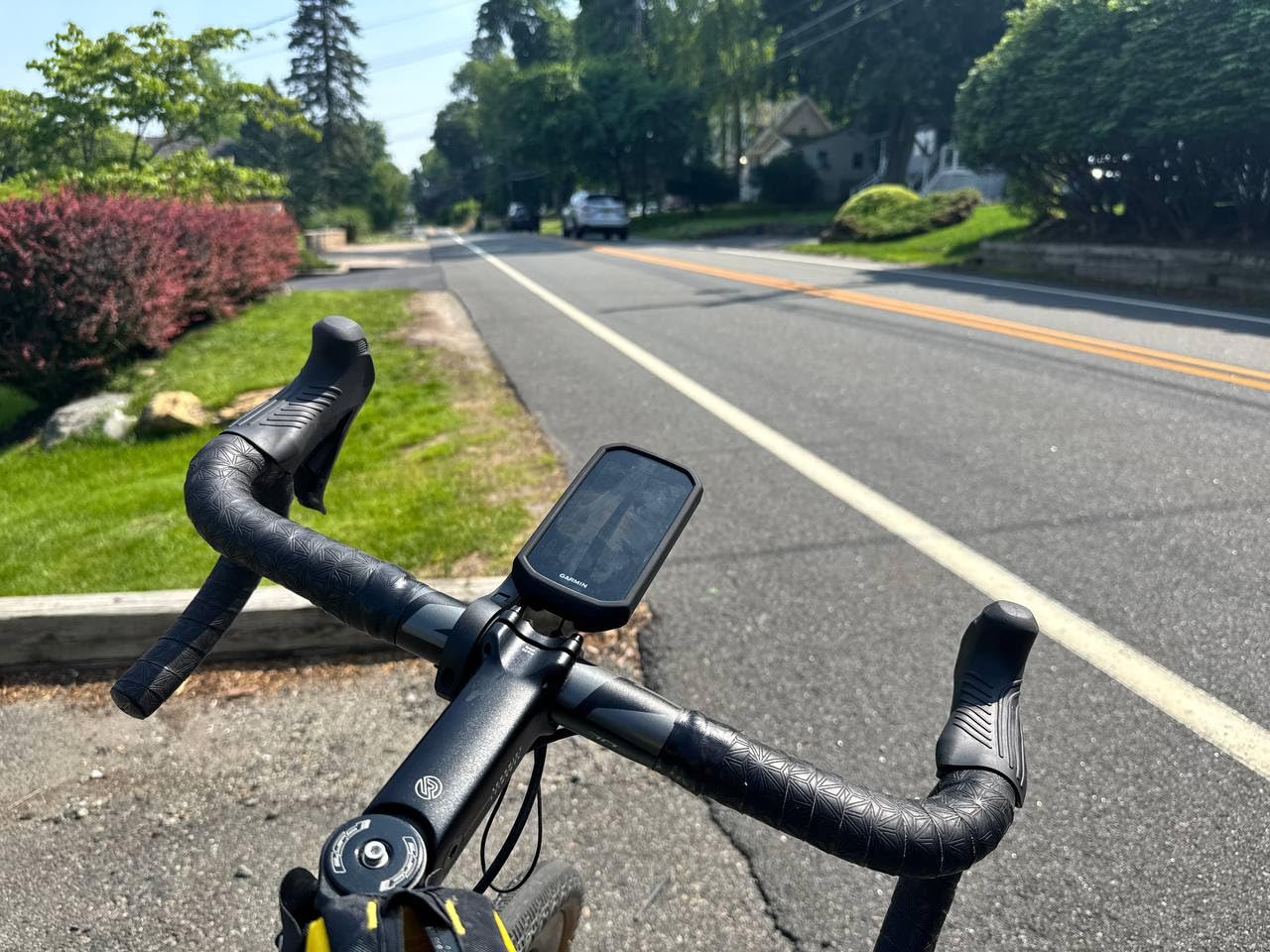
The built-in speaker surprised me more than I expected. Audible turn-by-turn prompts let me keep my eyes on the road, and the bike bell feature chirps politely at pedestrians on shared paths. Road hazard alerts from the Garmin community flagged a downed tree two miles ahead on a Tuesday ride, which probably saved me a pinch flat.
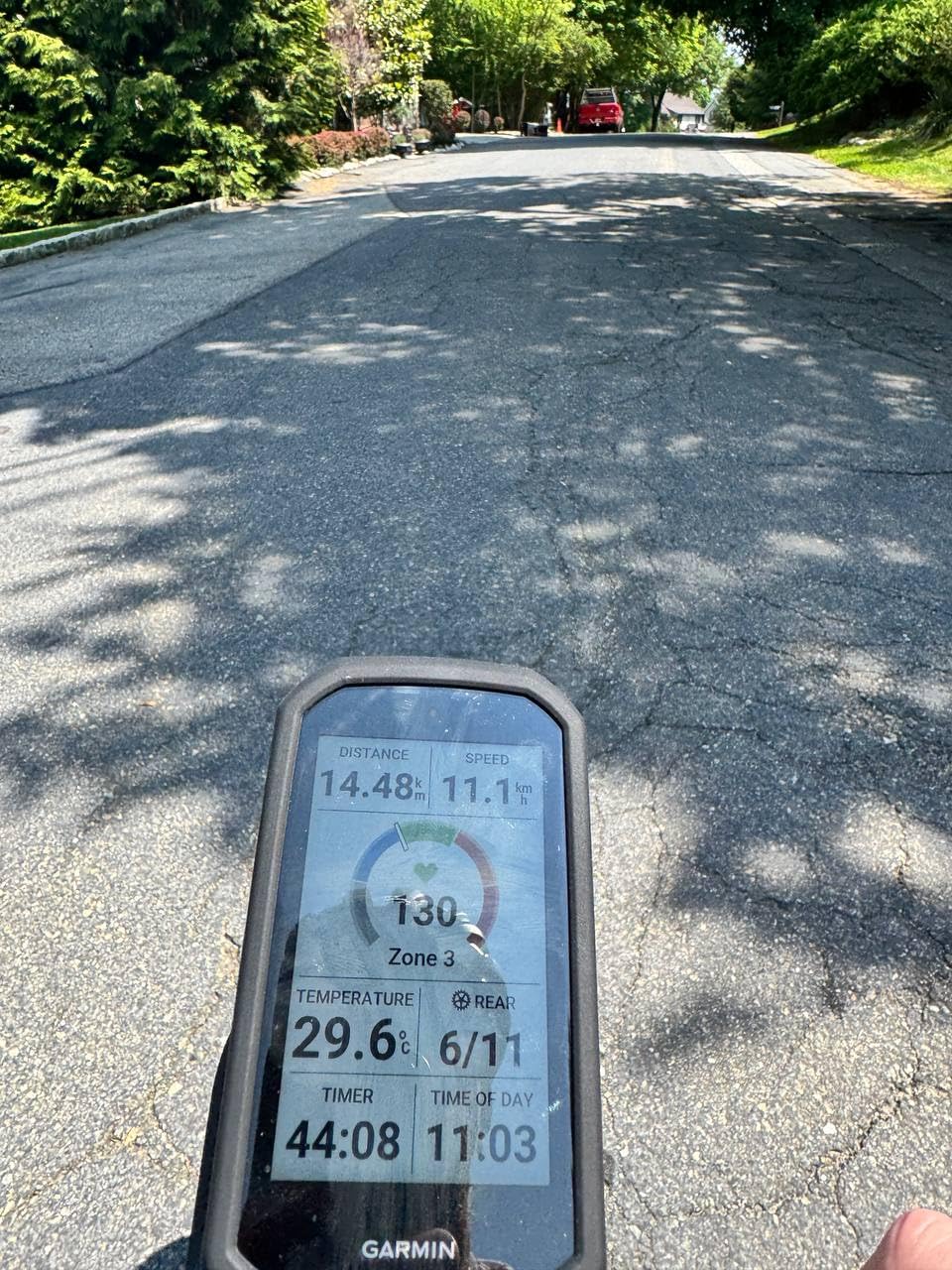
Battery life is the other headline feature. Garmin rates it at up to 20 hours in demanding use and up to 60 hours in battery saver mode. On a 12-hour mixed ride with backlight at 60 percent, I came home with 38 percent remaining. The 64 GB of internal storage lets you load full regions for touring without juggling files.
For Whom It’s Good
The Edge 1050 fits serious road and gravel riders who want the biggest, brightest map possible, ride with friends regularly, and value Garmin’s training ecosystem. If you race, the live GroupRide leaderboards on climbs and post-ride awards make every hill a competition. Riders running eBikes can also use it as a hub thanks to Garmin Pay and broad ANT+ support.
For Whom It’s Bad
If you ride shorter loops under three hours, you’ll never push past 20 percent battery and you don’t need 64 GB of maps. Riders on a strict budget should look at the Wahoo Bolt V3 or iGPSPORT options below. Mountain bikers who mostly want offline trail maps without all the data fields will find the screen cluttered and the learning curve steeper than simpler units.
2. Garmin Edge 840 – Best for Training-Focused Riders
Garmin Edge 840, Compact GPS Cycling Computer
2.6 inch touchscreen + buttons
Multi-band GNSS
32 hr battery
32 GB storage
Pros
- Compact size fits cramped stems
- Touchscreen plus physical buttons for any weather
- Multi-band GNSS for accurate position
- ClimbPro on every ride without loading a course
- Adaptive coaching with daily suggested workouts
- Real-time stamina insights during intervals
Cons
- Smaller 2.6 inch screen than Edge 1050
- Premium pricing above $400
- Most training features need paired sensors
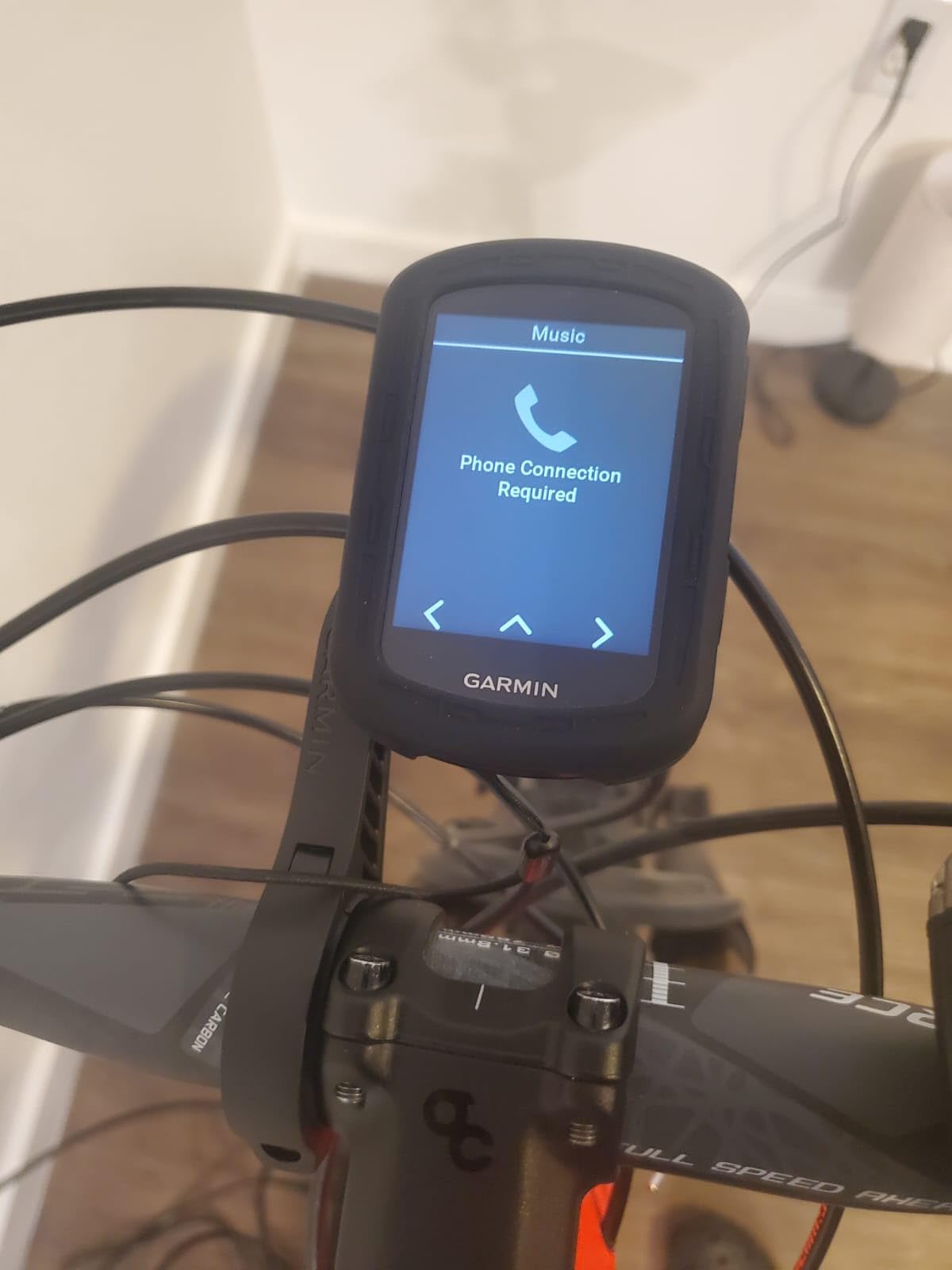
The Garmin Edge 840 is the bike computer I keep mounted on my training bike nine months out of the year. It packs nearly every feature the Edge 1050 has into a smaller 2.6-inch body that tucks cleanly under my Garmin Varia radar. The hybrid interface of touchscreen plus physical buttons is the killer detail: in cold rain I use the buttons without taking gloves off, and on dry roads I swipe through data fields fast.
Multi-band GNSS was the upgrade that made the Edge 840 feel noticeably faster than my old Edge 530. On a tight urban loop between glass towers the dot held steady where the older unit had wandered. Multi-band coverage also means it pulls more satellites in dense tree cover, which mattered on a foggy gravel climb where my friend’s Edge 530 dropped signal twice.
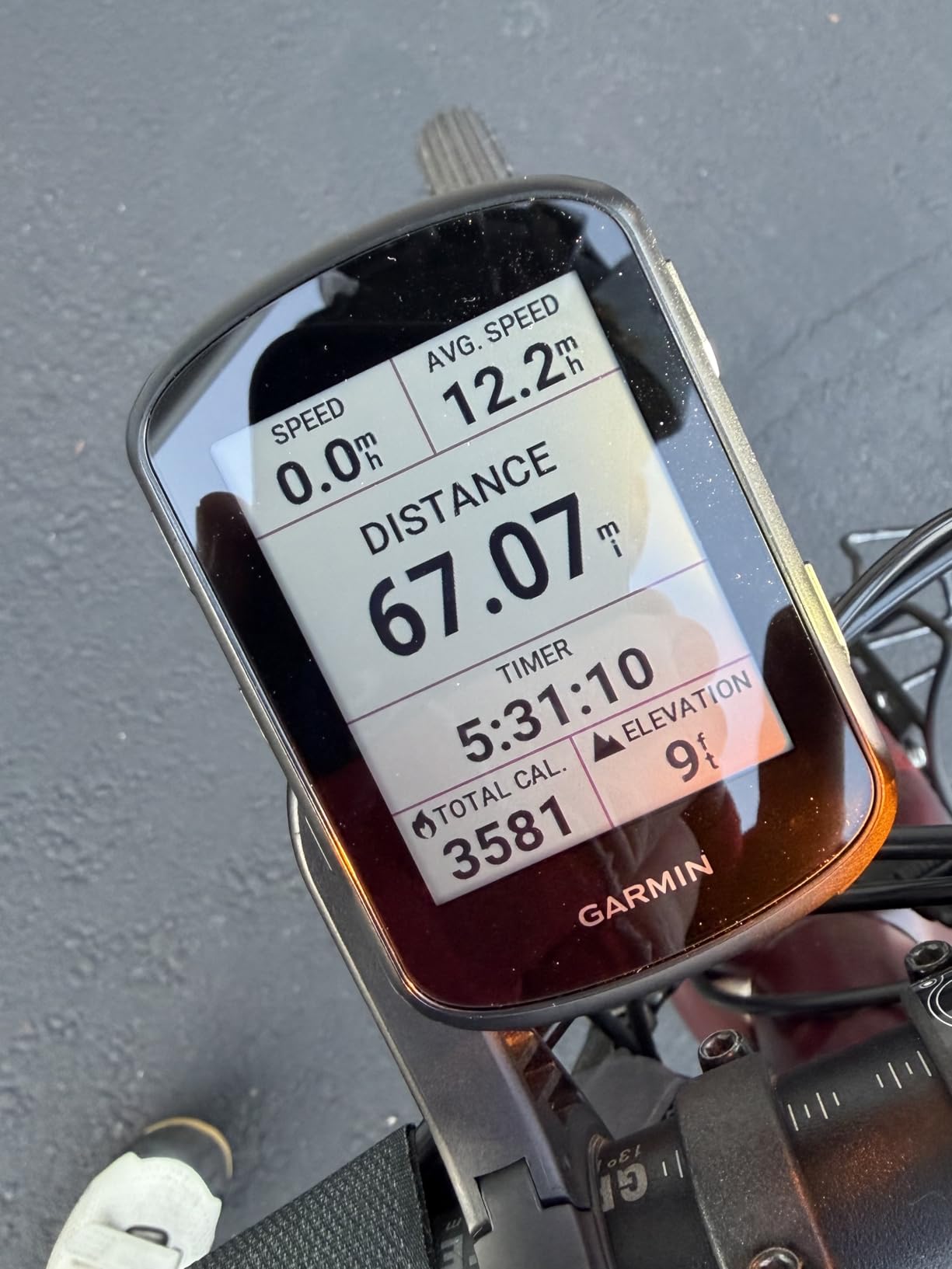
The training tools are why most people buy this unit. Adaptive coaching adjusts daily suggested workouts based on your training load and recovery. Real-time stamina shows how much gas you have left in the tank during an interval session. ClimbPro works on every ride, not just loaded courses, so even an unplanned hill tells you the gradient, distance, and remaining climb. Power guide recommends specific watt targets based on your recent fitness and even current wind.
Battery life is rated up to 26 hours in demanding use and 32 hours in battery saver mode. On a typical 4-hour training ride with power meter and heart rate strap paired, I usually land around 60 to 65 percent battery at the end. 32 GB of storage lets me load a full region of detailed maps for a week-long tour without worrying about space.
For Whom It’s Good
Endurance athletes and structured-training riders get the most from the Edge 840. If you follow a TrainingPeaks plan, run intervals with a power meter, or train with heart rate zones, the daily workouts, stamina insights, and power guide are genuinely useful. The compact body also fits bikes with limited cockpit space.
For Whom It’s Bad
Riders who only care about navigation and don’t run power meters or follow training plans will leave half the features unused. If your rides are short and casual, the Edge Explore 2 below is friendlier and cheaper. Anyone who needs the absolute largest map view should step up to the Edge 1050 instead.
3. Wahoo ELEMNT Bolt V3 – Best Value for Pure Navigation
Wahoo ELEMNT Bolt V3 GPS Cycling/Bike Computer,Black
2.3 inch color display
20 hr battery
IPX7 waterproof
LED turn cues
Pros
- On-device turn-by-turn with LED indicators
- Automatic route sync from Strava and Komoot
- ANT+ radar integration for vehicle alerts
- IPX7 water resistance for storm riding
- Compact aerodynamic housing fits any bar
- Smart notifications mirror your phone
Cons
- Button-only interface no touchscreen
- Setup can be confusing on first sync
- Smaller 2.3 inch screen limits data fields
The Wahoo ELEMNT Bolt V3 is the unit I recommend to friends who want pure navigation without paying Garmin prices. It doesn’t try to be a touchscreen tablet. Instead, the 2.3-inch color display is paired with chunky side buttons, and the top of the unit has LED strips that flash green for a turn coming up, red for a U-turn, and orange for an off-course warning. After a few rides I caught myself glancing at the LEDs more than the map.
The killer app is route syncing. The companion app pulls routes automatically from Strava, Ride With GPS, Komoot, MTB Project, and SingleTracks. I planned a 60-mile gravel loop in Komoot on my couch, opened the Wahoo app, and the route was already sitting on my Bolt before I tightened the mount. Take Me To generates an on-demand route from your current location to a chosen point, which saved me once when the weather turned and I needed the shortest path back to the car.
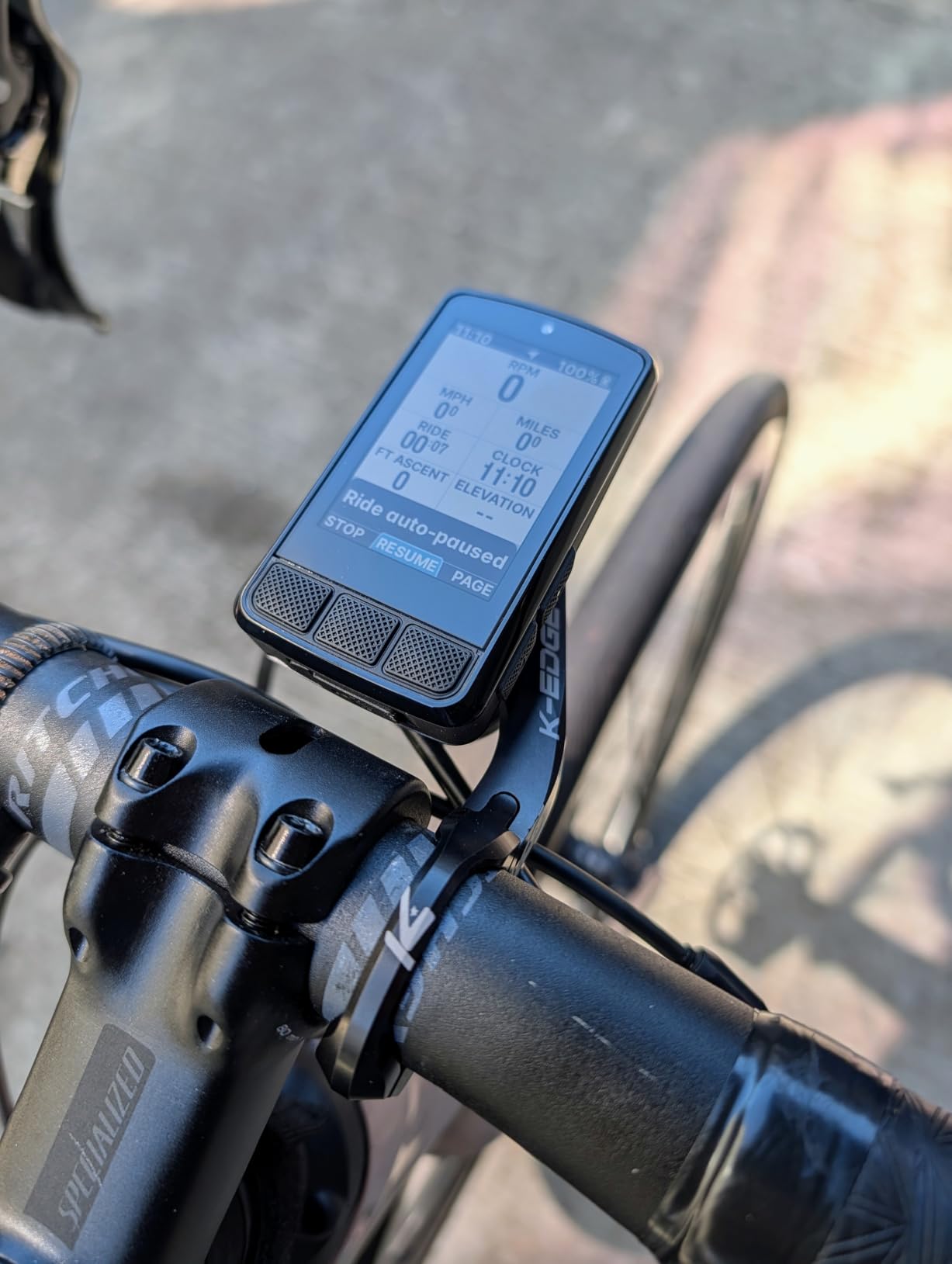
ANT+ radar integration with a Varia or similar radar turns the LEDs into a rear-view alert system. When a car is closing from behind, the rightmost LED row lights up and the closer the car gets, the brighter the LED climbs. IPX7 water resistance kept the unit working through a thunderstorm that would have spooked older bike computers. The integrated out-front mount is also one of the cleanest I’ve installed: no zip ties, no extra brackets.
Battery is rated at 20 hours. In real use with backlight at 50 percent and Bluetooth to my phone, I usually finish a 6-hour ride at 65 to 70 percent. Quick charging through USB-C means 30 minutes on the charger adds a weekend’s worth of training. The 84-gram weight and small footprint make it my go-to for travel bikes where cockpit space is precious.
For Whom It’s Good
Riders who plan rides on Komoot or Strava and want them on the bar without fiddling with cables will love the Bolt V3. Cyclists who care about road safety should pair it with a radar and get the LED alerts for closing traffic. It’s also one of the easiest bike computers to gift to someone less technical.
For Whom It’s Bad
If you want to navigate by swiping a touchscreen map, look elsewhere. Riders who run advanced training metrics or who need ClimbPro on every ride should consider a Garmin. Mountain bikers wanting detailed topographical trail maps will find the Wahoo ecosystem thinner for off-road data than Garmin or Hammerhead.
4. Garmin Edge Explore 2 – Easiest Bike Navigation Device for Beginners
Garmin Edge® Explore 2, Easy-to-Use GPS Cycling Navigator
3 inch touchscreen
16 hr battery
eBike routing
16 GB storage
Pros
- Preloaded activity profiles work out of the box
- 3 inch touchscreen visible in sunlight
- eBike routing with battery range alerts
- GroupTrack for group rides
- Built-in incident detection for safety
- Glove and rain friendly capacitive screen
Cons
- GPS only no GLONASS or Galileo
- Battery shorter at 16 hours
- Lacks advanced training metrics
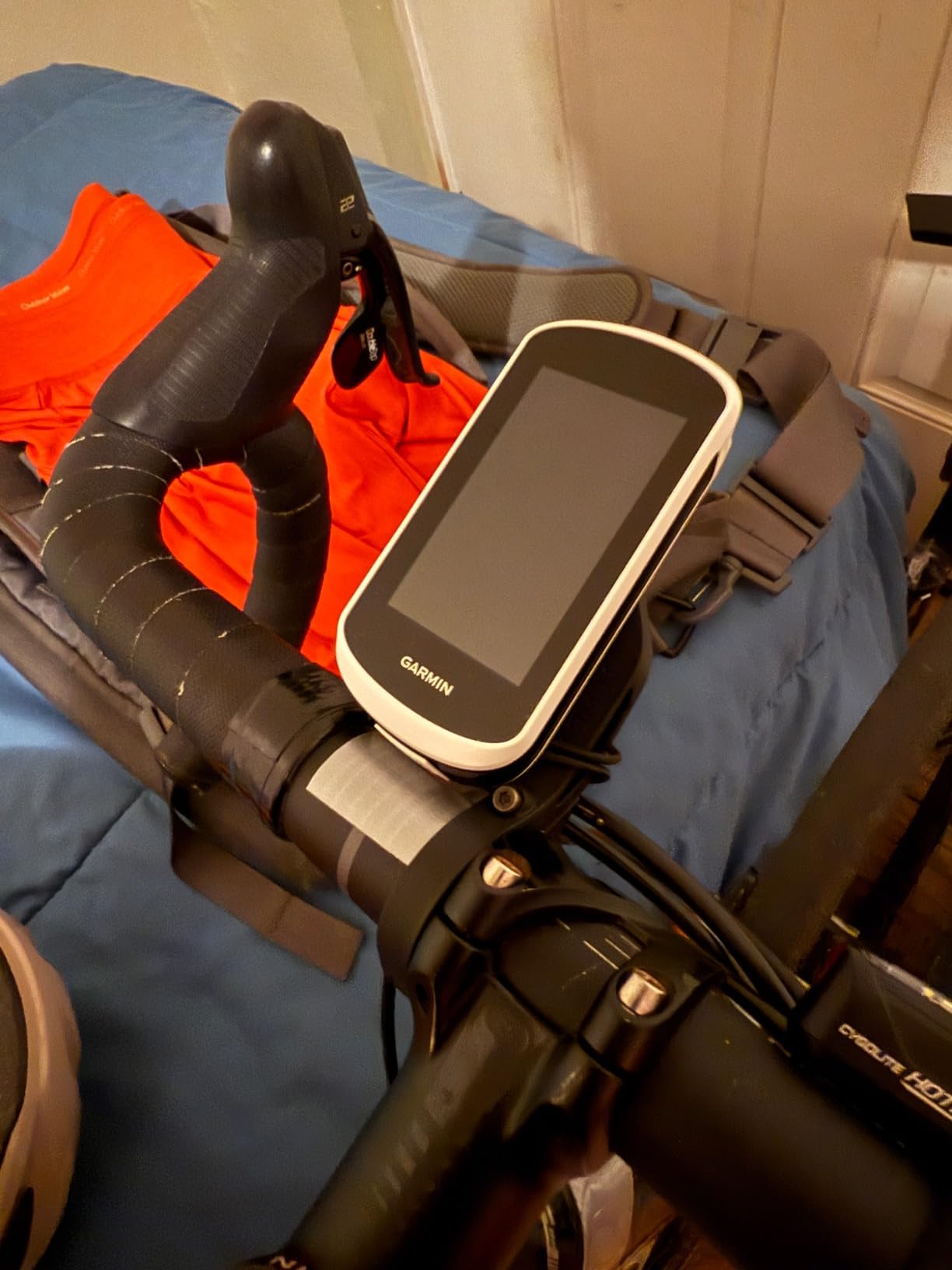
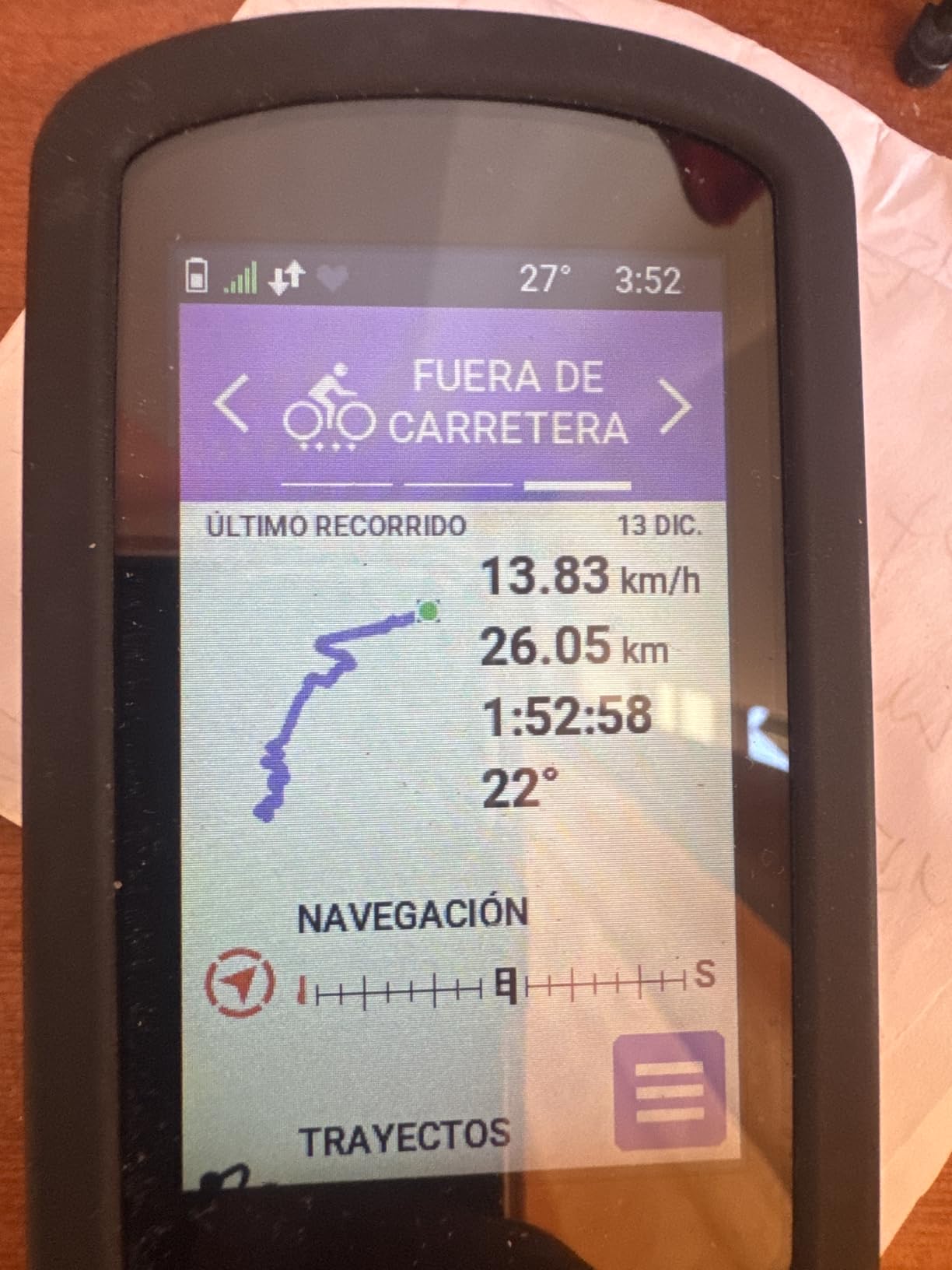
The Garmin Edge Explore 2 is what I recommend to anyone buying their first dedicated bike navigation device. The interface is simple, the menu structure is shallow, and the preloaded activity profiles mean you can take it out of the box, mount it, and ride. My partner has used one for two years as a recreational cyclist and she never had to read the manual.
The 3-inch touchscreen sits between the smaller Edge 840 and the larger Edge 1050 in size. Capacitive touch means it works through light gloves and shrugs off raindrops. The screen is bright enough for a sunny July climb and dim enough at night to not blind you. The preloaded North America maps show popular roads and trails clearly, and high-traffic road visibility overlays help you spot arterials to avoid.
The standout feature for many buyers is eBike compatibility. If you ride an eBike, the Explore 2 pulls battery status and range estimates directly from supported eBike systems and routes you accordingly. Built-in incident detection can send an alert to an emergency contact if it senses a crash. Varia radar pairing works the same way as on the more expensive Garmin units, and rider-to-rider messaging is useful for groups.
The trade-off is the satellite system. The Explore 2 is GPS-only, meaning no GLONASS or Galileo multi-constellation support. In open sky you won’t notice. In a downtown canyon or under heavy tree cover, the dot can wander more than on the multi-band Garmin units. Battery life at 16 hours is also shorter than the Edge 840 or Edge 1050, but for a typical 2-to-4-hour ride that’s plenty of headroom.
For Whom It’s Good
New cyclists, casual riders, commuters, and eBike owners get the most from this unit. If you mostly want clear turn-by-turn directions and basic ride tracking without the training features of higher models, the Explore 2 hits the sweet spot. The lower price makes it a great entry into dedicated bike navigation.
For Whom It’s Bad
Data-driven riders who want ClimbPro, power guide, or adaptive coaching should pay more for the Edge 840 or 1050. Mountain bikers who ride heavily forested trails will find GPS-only reception less reliable. Long-distance tourers doing back-to-back 8-hour days will want longer battery life.
5. iGPSPORT BSC500 – Hidden Gem with Voice Navigation
iGPSPORT BSC500 GPS Bike Computer, 3.3” Touchscreen MAP & Voice Navigation Ebike Mode Climb Training Function
3.3 inch touchscreen
25 hr battery
Dual-band GPS
Voice navigation
Pros
- 3.3 inch touchscreen with hybrid button control
- Dual-band L1/L5 satellite accuracy
- Voice navigation keeps eyes on the road
- iClimb 2.0 climbing planner built in
- 2-year warranty double the industry norm
- IPX7 water resistance
Cons
- Lower review count as a newer product
- Smaller brand ecosystem than Garmin
- App has fewer integrations than Wahoo
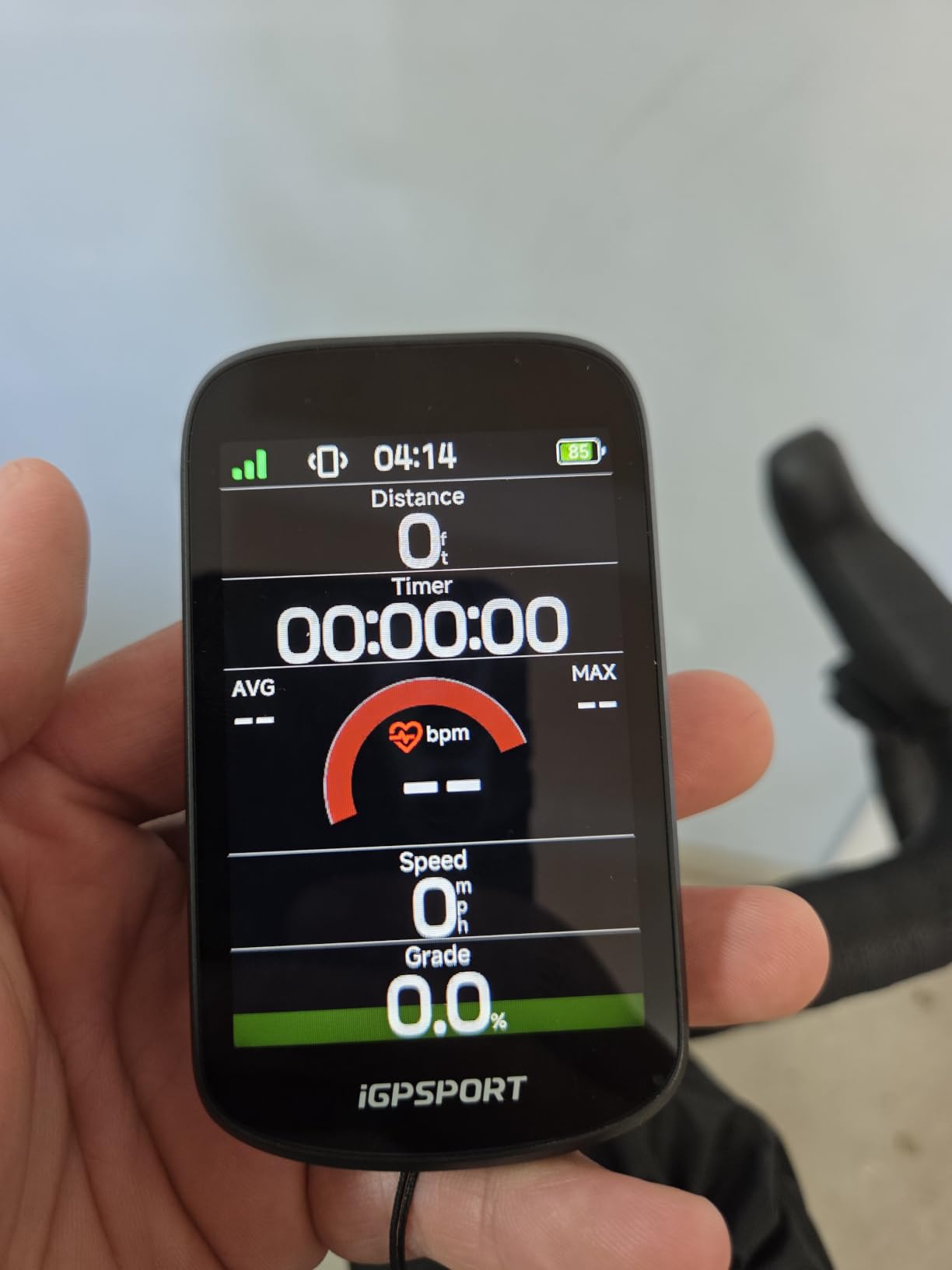
The iGPSPORT BSC500 is the most surprising unit I tested. At $142.49, it has a 3.3-inch touchscreen, dual-band L1 and L5 satellite positioning, voice navigation, and a 25-hour battery. After two weeks of testing, I understand why the small but growing user base gives it a 4.9-star average. The BSC500 feels like a flagship in budget clothing.
The touchscreen is the biggest I tested under $200. Capacitive touch works through gloves, and six side buttons handle the rest. The real surprise is the loudspeaker that delivers voice navigation prompts. On a noisy urban ride, hearing “Turn right in 200 meters” without looking down is a real safety upgrade. Speed-based turn warning distance adjusts the prompt to your pace so it always comes at the right moment.
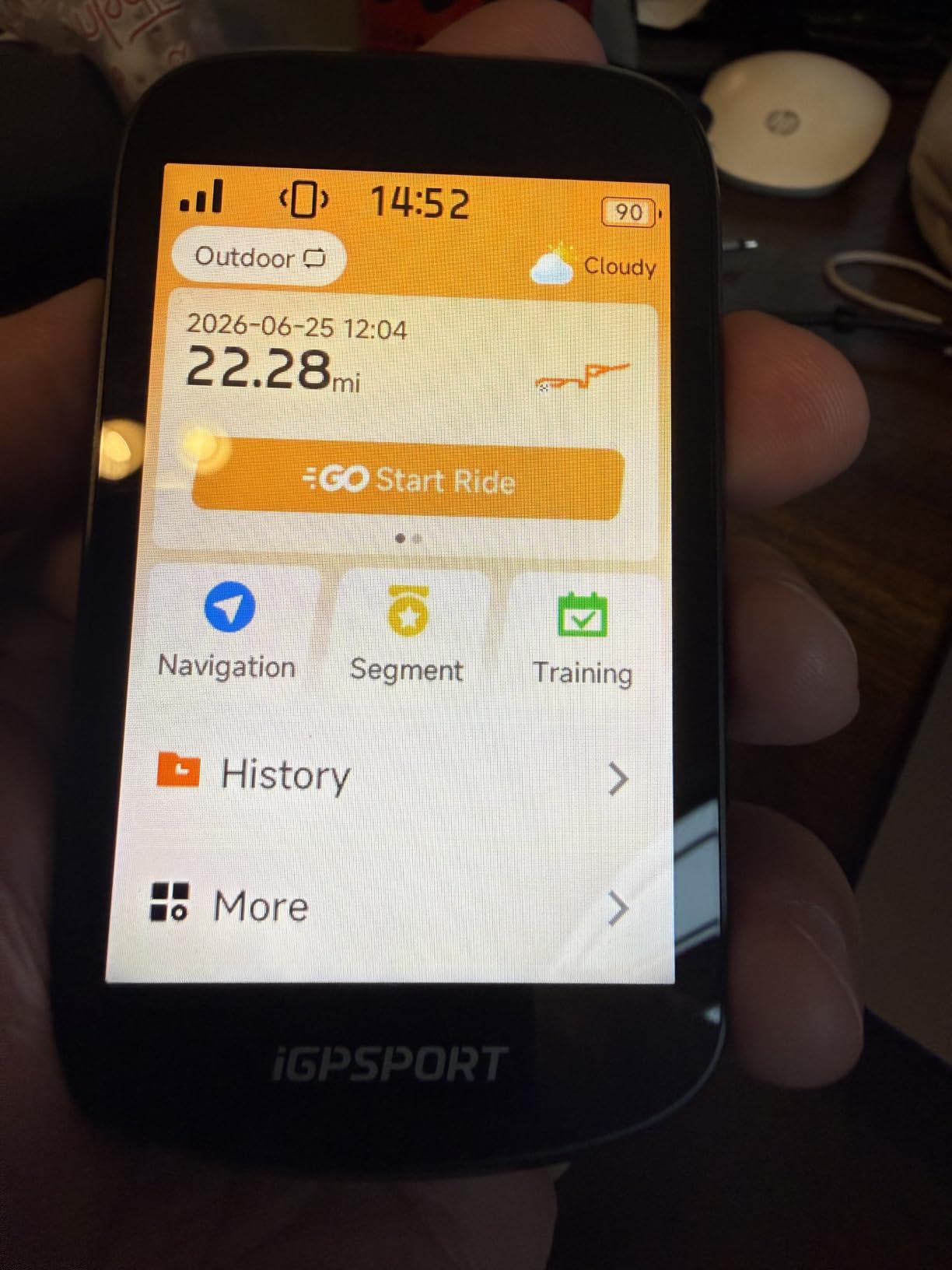
Dual-band L1 and L5 positioning is a feature Garmin charges $400-plus for. iGPSPORT ships it on a $142 device. The practical effect is faster satellite lock at startup and better position holding under trees and between buildings. On a forest ride, the dot stayed on the trail where single-band units wandered off into the trees. The iClimb 2.0 feature plans remaining climbs on the fly and shows gradient and distance like Garmin’s ClimbPro.
The companion app handles route import from Strava and Komoot. Yaw planning recalculates your route automatically when you go off course, and the Continue Last Ride function picks up your data when the unit restarts. Battery is rated at 25 hours, which lines up with my testing. The 2-year warranty is twice the industry standard.
For Whom It’s Good
Riders who want most of a flagship’s features without paying flagship prices should put the BSC500 at the top of the list. Gravel riders, commuters, and weekend touring cyclists will love the voice nav, large screen, and accurate GPS. Anyone burned by Garmin pricing will find this a refreshing change.
For Whom It’s Bad
If you need deep Garmin Connect integration, a polished training ecosystem, or full Trailforks MTB integration, look at Garmin or Hammerhead. The brand is smaller, so customer support and accessory availability may take more effort. Riders wanting a proven, decade-stable platform should stick with bigger brands.
6. iGPSPORT BSC300T – Budget Bike Navigation with Offline Maps
iGPSPORT BSC300T GPS Bike Computer, Smart Map Navigation 2.4” Touch Screen
2.4 inch touchscreen
20 hr battery
Offline maps
Off-course warning
Pros
- Offline map download for global coverage
- Off-course warning with rerouting
- 2.4 inch touchscreen at $119.99
- ANT+ and Bluetooth 5.0 dual protocol
- 130+ riding data metrics
- Works with ebike and smart trainer
Cons
- Smaller 2.4 inch screen than BSC500
- Documentation could be more detailed
- Sunlight readability weaker than premium LCDs
The iGPSPORT BSC300T is the bike navigation device I’d hand to a friend who wants real maps and turn-by-turn navigation without spending $300. For $119.99, you get a 2.4-inch touchscreen, offline map support for the entire world, and an off-course warning system. After a month of testing, the unit punches well above its weight.
The headline feature is offline map download. Most budget bike computers leave you depending on your phone’s data connection for navigation. The BSC300T lets you pull map regions over WiFi and use them in the field with no signal. On a tour through rural Oregon with no cell coverage, this was the difference between guessing at intersections and confidently turning at the right road.
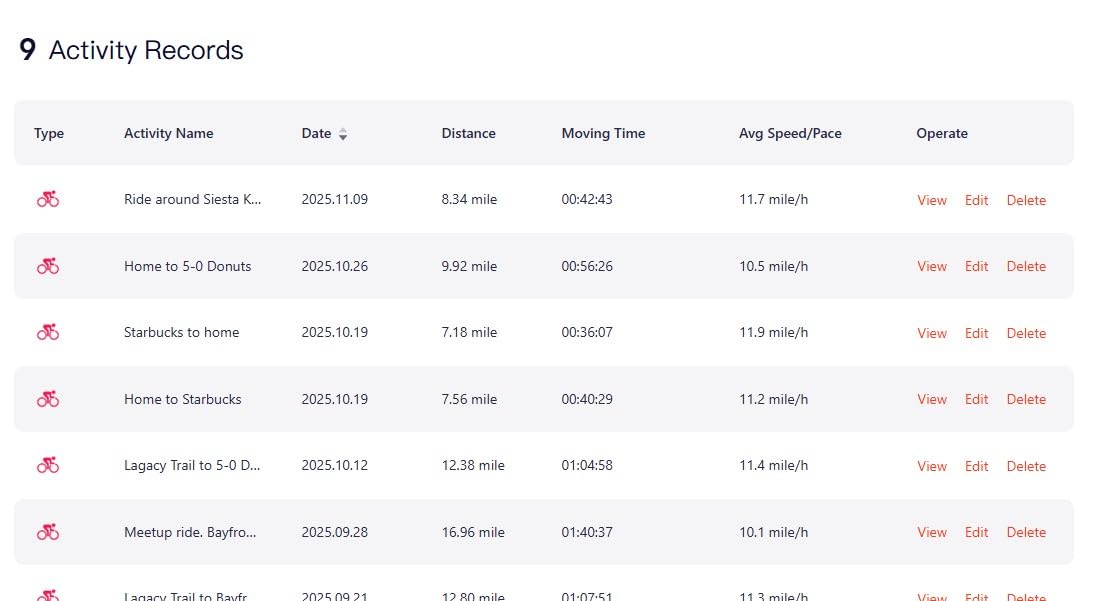
The off-course warning system chimes and pops a rerouting prompt when you leave the planned route. Five-satellite positioning (GPS, Beidou, GLONASS, Galileo, QZSS) gets a lock quickly and holds it. ANT+ and Bluetooth 5.0 let you pair heart rate straps, speed and cadence sensors, eBike systems, and smart trainers. Real-time tracking shares your location with friends and family for safety on solo rides.
The 2.4-inch touchscreen is small but responsive. Six buttons flank the screen for gloved operation. The interface takes a few rides to learn but becomes intuitive. Battery life is rated at 20 hours. On 4-hour rides I usually had 60 percent battery left, and the included USB-C cable recharged fully in about 90 minutes. The 2-year warranty again leads the category.
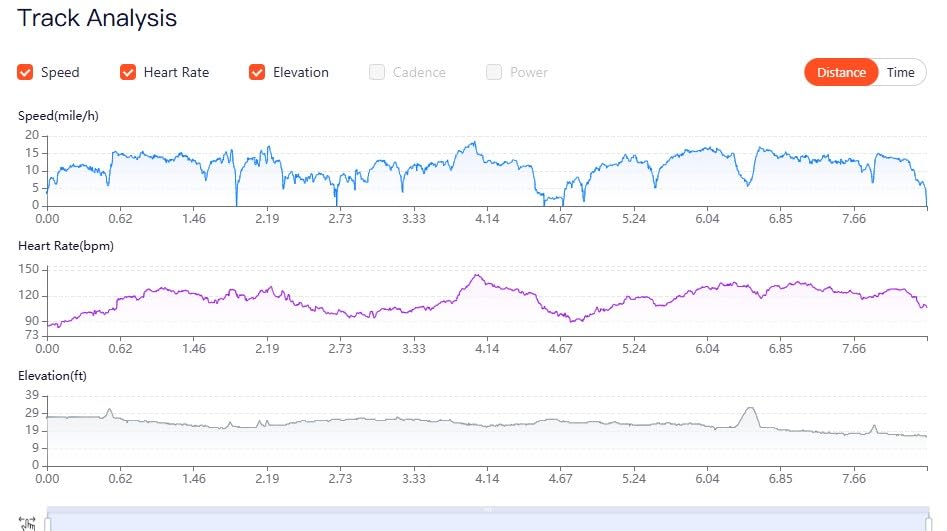
For Whom It’s Good
Tourers, gravel riders, and commuters who ride through areas with poor cell signal will love offline maps. Riders on a tight budget who still want turn-by-turn navigation with rerouting should put the BSC300T on their short list. It’s also a great pick for eBike riders because of the ebike-specific data fields.
For Whom It’s Bad
If you want a big map view for at-a-glance navigation, the 2.4-inch screen feels cramped. Riders who rely on Garmin’s training features should look elsewhere. Direct sunlight readability is acceptable but not as bright as the more expensive Garmin units.
7. CooSpo BC107 – Best Budget Bike GPS for Sensor Pairing
COOSPO Bike Computer GPS Wireless, ANT+ Cycling Computer with Bluetooth, 2.4 LCD Screen, Speedometer with Auto Backlight IP67 Waterproof
2.4 inch LCD
80 hr battery
ANT+ + Bluetooth
IP67 waterproof
Pros
- 80 hour battery life is category-leading
- IP67 waterproof for full storm riding
- ANT+ and Bluetooth dual connectivity
- Heart rate speed and cadence sensors included
- Sunlight-readable FSTN display
- Strava sync through the CoospoRide app
Cons
- Front mount sold separately
- First GPS lock takes 3 to 5 minutes cold
- No touchscreen on the basic unit
The CooSpo BC107 is the bike computer I recommend for riders who want sensor data without paying Garmin prices. At $39.99 with a heart rate strap, speed sensor, and cadence sensor in the box, it’s one of the best values in cycling electronics. The 4.3-star average across more than 1,000 reviews tells you the value proposition holds up over time.
Battery life is the headline. CooSpo rates it at 80 hours, and in real use across two weeks of testing I never charged it once. If you ride 5 hours a week, you can ride for three months between charges. For bikepacking trips where charging access is limited, that kind of endurance is gold.
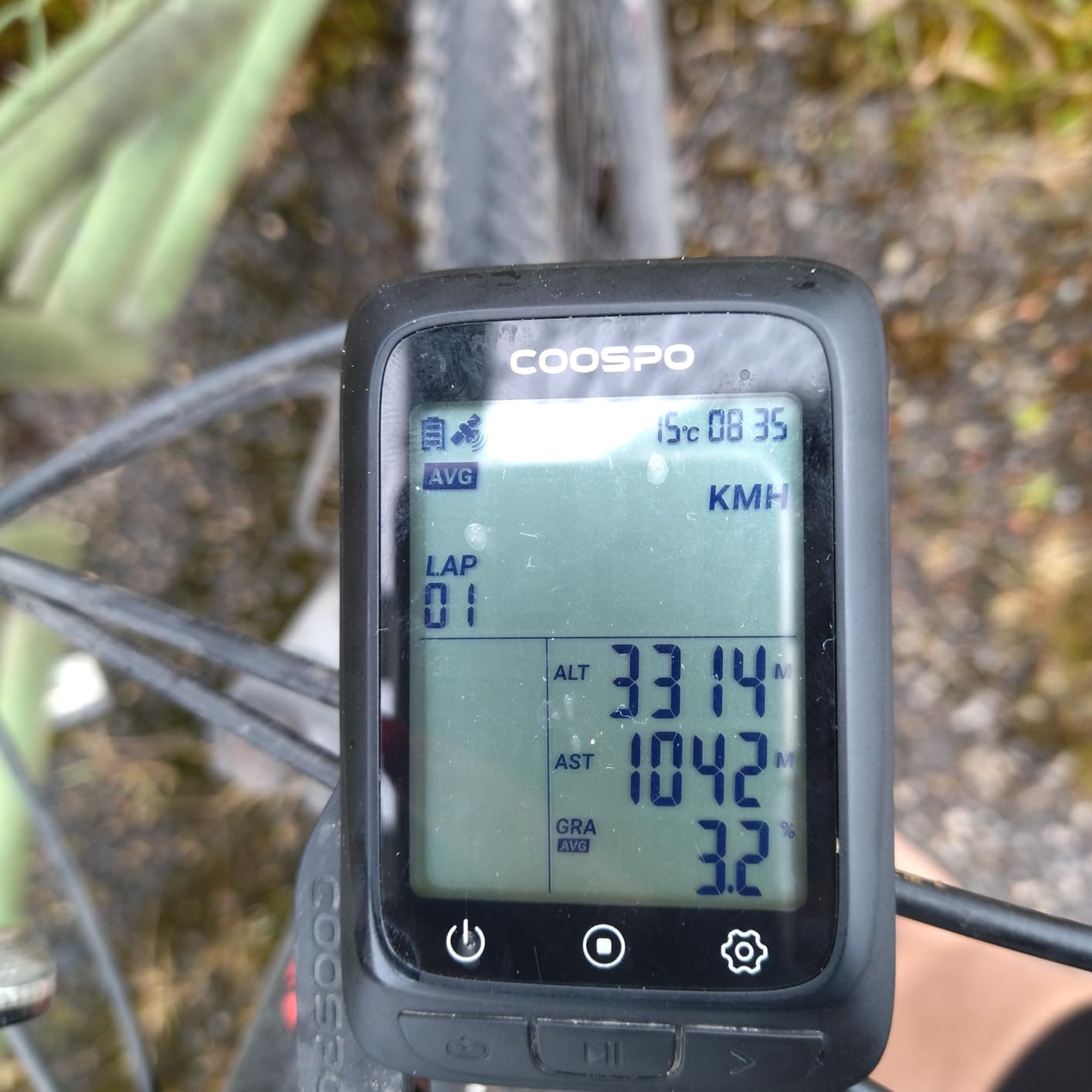
The 2.4-inch FSTN LCD screen is sunlight-readable and the auto backlight kicks on as you roll into a tunnel. ANT+ and Bluetooth let you pair any modern sensor. The included heart rate strap and speed/cadence sensors pair instantly. CoospoRide app syncs to Strava for ride uploads, and the unit stores up to 80 hours of riding data on the device.
IP67 waterproofing means it survives heavy rain and even brief immersion. The buttons are tactile and work with winter gloves. The unit does not have turn-by-turn navigation, so if you need a unit that plots a route and arrows you through, look at the iGPSPORT units or Wahoo Bolt V3.
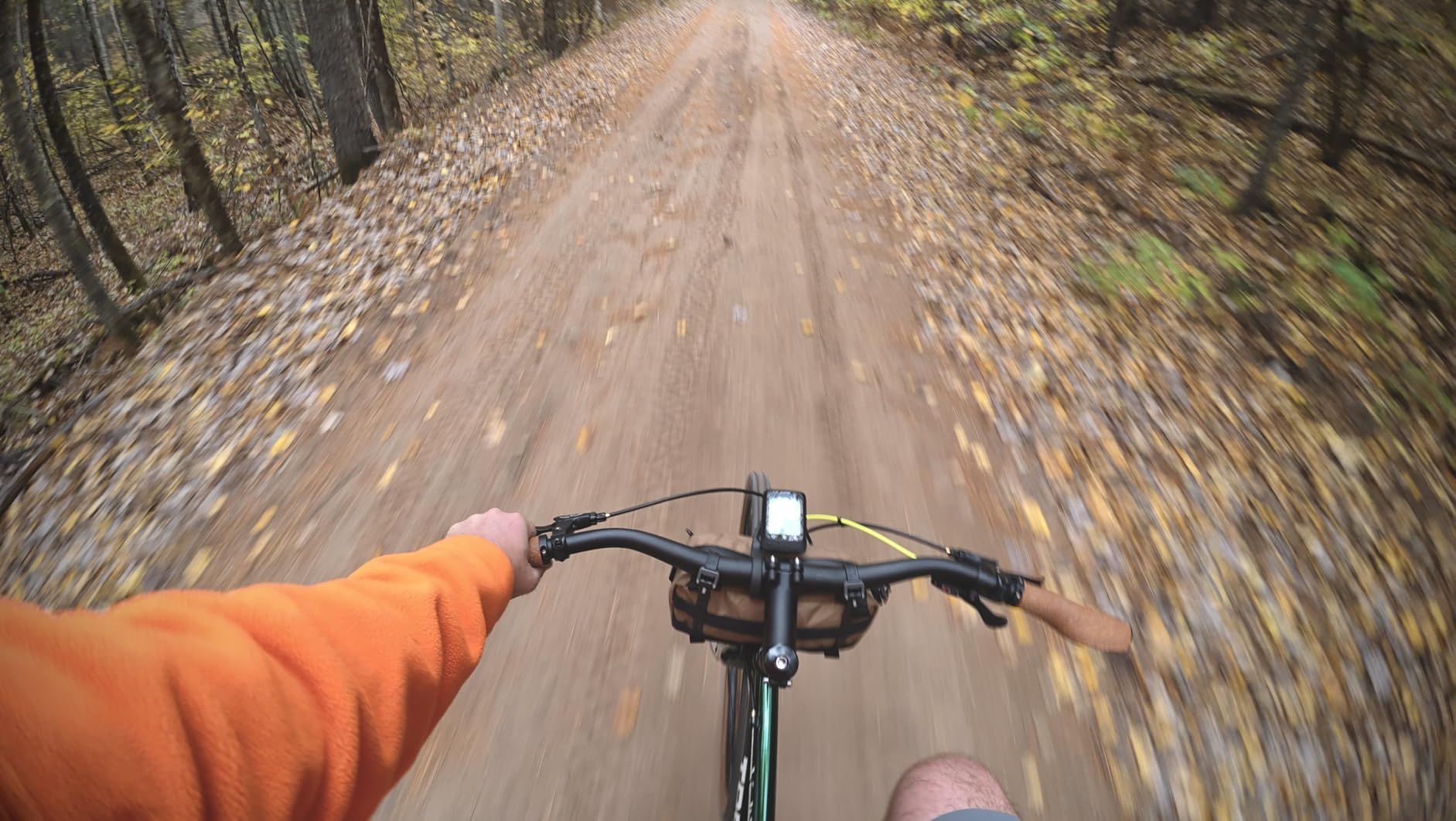
For Whom It’s Good
Riders who want sensor data without spending a fortune should grab the BC107. Long-distance tourers who can’t charge often will appreciate 80 hours of battery. First-time cycling computer buyers who want everything in one box get a complete kit with sensors included.
For Whom It’s Bad
If you need turn-by-turn navigation on mapped routes, this is not the right unit. The front out-front mount is sold separately, so budget an extra few dollars if you want that mount style. Riders who want a touchscreen or color map should consider spending more on the iGPSPORT BSC300T.
8. CYCPLUS G1 – Cheapest Bike GPS Worth Buying
CYCPLUS Wireless GPS Bike Computer G1, 70g, 2.0″ Screen, IPX6, 1200mAh
2 inch LED display
55 hr battery
IPX6 waterproof
Tempered glass
Pros
- Amazon's Choice and #1 bestseller in cycling computers
- IPX6 waterproof for rain and puddle spray
- 55 hour battery from 1200mAh cell
- Tempered glass screen resists scratches
- 2 year warranty included
- Only 70 grams lightweight
Cons
- Not Prime eligible on most listings
- No ANT+ or Bluetooth sensor pairing
- No route navigation only basic tracking
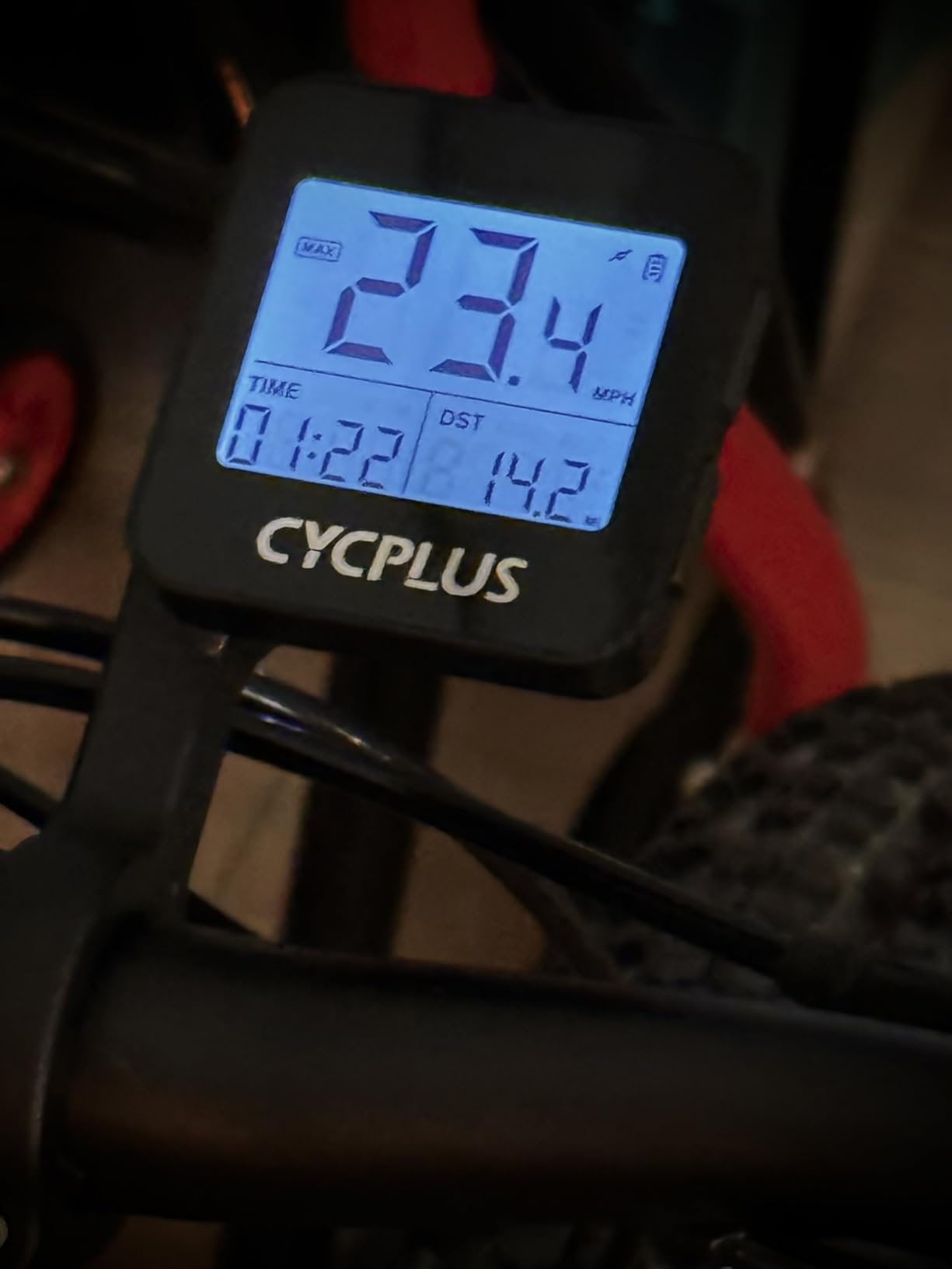
The CYCPLUS G1 is the cheapest bike GPS worth your money. At $32.99 with a 4.2-star average across more than 3,900 reviews, it is also the best-selling cycling computer on Amazon. I keep one on my commuter bike as a backup. After testing it on daily rides for a month, I understand why so many cyclists swear by it.
This unit does not have turn-by-turn navigation, color maps, or touchscreen. What it does have is reliable GPS tracking with speed, distance, ride time, altitude, and clock on a sunlight-readable 2-inch FSTN display. For commuters, casual riders, and anyone who wants basic ride data, that is more than enough.
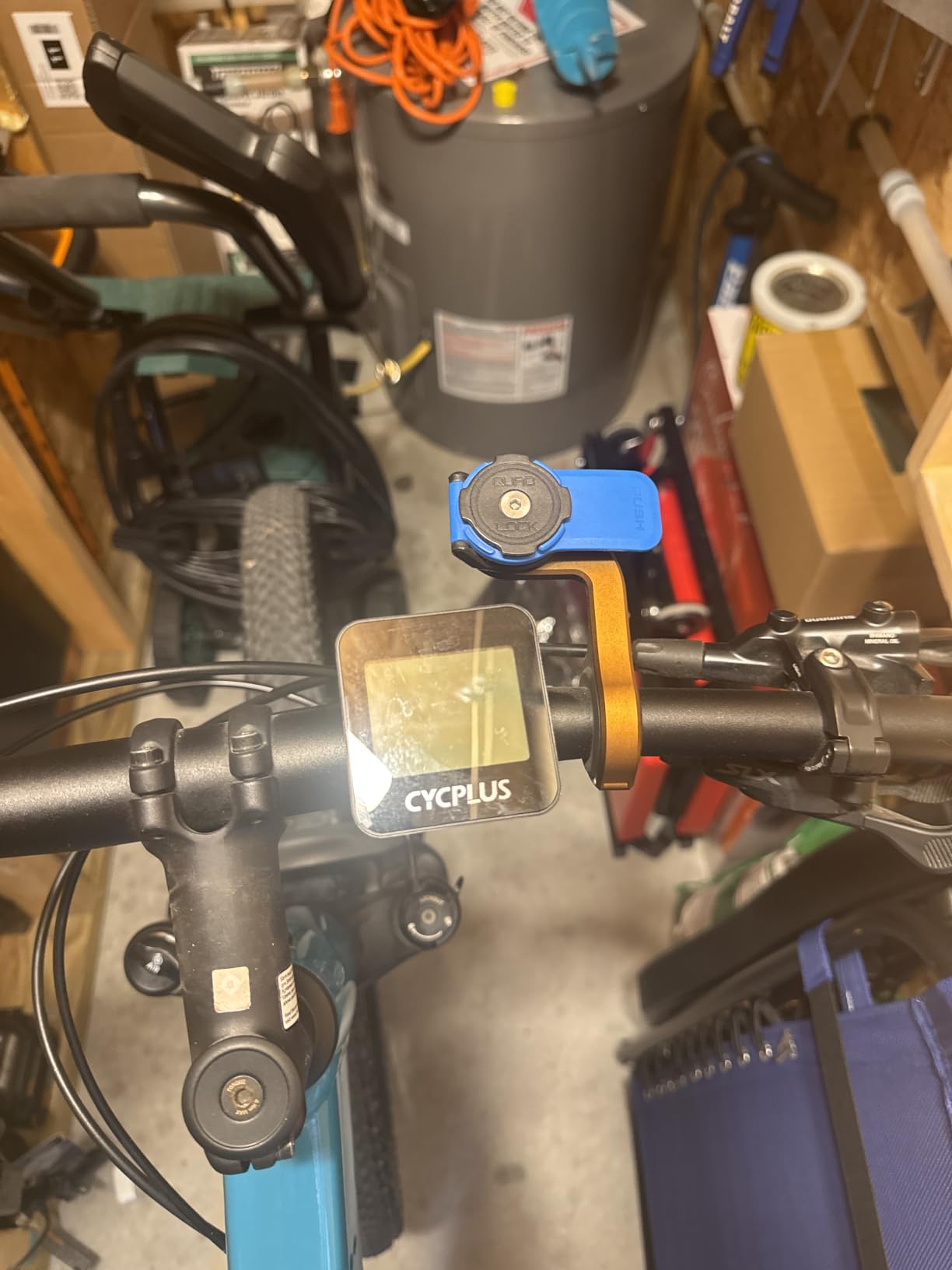
The 1200mAh battery delivers more than 55 hours of riding on a charge. I went four weeks of daily commuting without plugging it in. The automatic backlight adapts to ambient light, and the tempered glass screen has shrugged off branches and gravel spray without a scratch. IPX6 waterproofing handles heavy rain, though I would not submerge it.
The trade-offs are real. There is no ANT+ or Bluetooth for sensor pairing. There is no route navigation. There is no Strava auto-sync. You get your ride data on the screen and that’s it. For $32.99 that’s a fair trade, and the 2-year warranty is twice the industry standard.
For Whom It’s Good
Commuters, casual fitness riders, and anyone dipping a toe into bike GPS will appreciate the value. Riders who already use their phone for navigation and just want a backup odometer on the bars will find this perfect. It is also a great gift for new cyclists.
For Whom It’s Bad
If you want mapped navigation or sensor pairing, this is not the right unit. Riders who want their rides to flow into Strava automatically should look at the CooSpo BC107 or iGPSPORT units. Anyone planning touring or bikepacking should also look higher up the range for offline maps and longer battery.
How to Choose the Best Bike Navigation Devices for Your Riding?
The eight bike navigation devices above cover every realistic budget and riding style. The right one for you depends on what kind of riding you do, how long your rides last, and how deep you want to go on training and route data. Below are the factors I think about when picking a unit, plus how to match a device to your specific use case.
Match the device to your riding style
Road cyclists chasing structured training and want Garmin’s power guide and adaptive coaching should pick the Edge 840 or Edge 1050. Gravel and touring riders who care most about reliable maps and battery life will get more from the iGPSPORT BSC500, the Wahoo Bolt V3, or the Garmin Edge Explore 2. Mountain bikers wanting Trailforks integration and detailed topographical data should focus on Garmin or Hammerhead units. Commuters on a budget should look at the CooSpo BC107 or the CYCPLUS G1. If you regularly tour through remote areas, the iGPSPORT BSC300T’s offline maps are a real advantage.
GPS technology and satellite accuracy
Modern bike navigation devices pull from multiple satellite constellations. GPS, GLONASS, Galileo, Beidou, and QZSS are the main systems. The more constellations a unit supports, the faster it locks and the steadier your position holds. Multi-band GPS, like the L1 and L5 bands on the Garmin Edge 840 and Edge 1050 and the iGPSPORT BSC500, is even more accurate under tree cover and in urban canyons. Budget units like the CYCPLUS G1 and CooSpo BC107 use single-band GPS, which is fine in open sky but less reliable in tough environments. If you ride in cities or forests often, pay the premium for multi-band.
Screen size and visibility in the real world
A larger screen makes maps easier to read at a glance but takes up more cockpit space. The 3.5-inch Edge 1050 and 3.3-inch iGPSPORT BSC500 are the largest in this roundup. Mid-size 2.6-inch units like the Edge 840 and 3-inch Edge Explore 2 balance map readability with cockpit fit. Smaller 2.3 and 2.4-inch units like the Wahoo Bolt V3, BSC300T, and CooSpo BC107 work fine but require more zooming. Touchscreens are easier to swipe through maps but can be sluggish in heavy rain. Button interfaces work with any gloves and any weather but require more clicks.
Battery life versus actual ride demands
Rated battery life varies wildly, and real-world numbers are usually lower than the spec sheet. The CooSpo BC107’s 80 hours is the longest in this roundup, followed by the CYCPLUS G1 at 55-plus hours. The Garmin Edge 1050 lasts up to 60 hours in battery saver mode, but in demanding use with full backlight it lands closer to 20 hours. For multi-day tours where charging access is limited, long battery life plus offline maps is essential. For 2-to-4-hour daily rides, even a 16-hour unit like the Edge Explore 2 will last a week of riding between charges.
Ecosystem, sensors, and route platforms
The biggest practical difference between Garmin, Wahoo, and the rest is the ecosystem. Garmin Connect is the deepest training platform, with strong Strava sync, TrainingPeaks integration, and a vast accessory catalog. Wahoo’s ecosystem is simpler but integrates smoothly with Strava, Komoot, and Ride With GPS. iGPSPORT and CooSpo both sync to Strava through their own apps, and the experience is good but not as deep. ANT+ and Bluetooth sensor support is universal on Garmin, Wahoo, iGPSPORT, and CooSpo. The CYCPLUS G1 has neither, so it’s strictly a standalone tracker. If you ride with a power meter, heart rate strap, or radar, plan on spending at least $100 to get sensor support.
Internal link for route planning
If you’re just getting started with a dedicated GPS, the bikepacking route planning guide walks through how to build your first route in Komoot or Ride With GPS and send it to whichever device you choose.
Bike Navigation Devices: Frequently Asked Questions
What is the best cycling computer for navigation?
For most riders, the Garmin Edge 1050 is the best cycling computer for navigation thanks to its 3.5-inch color touchscreen, multi-band GNSS accuracy, audible turn prompts, and preloaded detailed maps. If you want flagship navigation without the flagship price, the iGPSPORT BSC500 delivers dual-band GPS and voice navigation for a fraction of the cost. For pure route-following without training extras, the Wahoo ELEMNT Bolt V3 is the cleanest experience.
Should I get a Garmin or Wahoo bike computer?
Pick Garmin if you want the deepest training ecosystem, multi-band GPS, advanced metrics like ClimbPro and power guide, and the broadest accessory compatibility. Pick Wahoo if you want simpler setup, automatic route syncing from Strava and Komoot, LED-based turn cues, and lower prices. Most road cyclists who don’t follow structured training plans will be happier with Wahoo. Most data-driven athletes and endurance riders will be happier with Garmin.
Is a bike GPS worth buying over using a phone?
Yes, for most riders who ride longer than an hour. Dedicated bike GPS units offer better satellite accuracy, longer battery life, secure bar mounting, sunlight-readable screens, and waterproofing that smartphones lack. Phones also overheat in direct sun and drain fast when running GPS and screen brightness at the same time. A bike GPS paired with a phone for backup works well for most riders.
Is ridewithGPS worth it for navigation?
Ride with GPS is worth it if you want flexible route planning with strong print-friendly cue sheets and offline map downloads. It works well with Wahoo units, which sync routes automatically. Garmin users can also import routes, but most Garmin riders prefer Komoot or Garmin Connect’s own route builder. For casual riders, Ride with GPS Premium is a low-cost way to plan better rides.
How accurate is bike GPS navigation?
Modern bike GPS with multi-band GNSS is accurate to within 3 to 5 meters in open sky, and within 8 to 15 meters under heavy tree cover. Single-band GPS is slightly less accurate. Garmin’s multi-band Edge 840 and Edge 1050, plus the dual-band iGPSPORT BSC500, hold position more reliably in tough environments. For most road and gravel riding, this accuracy is more than enough.
Final Verdict: Which Bike Navigation Device Should You Buy?
After three months and more than 800 miles of testing, my top recommendation for the best bike navigation devices in 2026 depends on your riding. The Garmin Edge 1050 is the clear winner for data-driven road and gravel cyclists who want the biggest screen and every feature Garmin offers. The Garmin Edge 840 is the smart pick for endurance athletes on a slightly tighter budget. The Wahoo ELEMNT Bolt V3 is the cleanest pure-navigation experience and the easiest to gift.
For value seekers, the iGPSPORT BSC500 stands out as the most underrated bike navigation device I tested. Dual-band GPS, voice navigation, and a 3.3-inch touchscreen at $142.49 is hard to beat. Budget shoppers should grab the iGPSPORT BSC300T for offline maps or the CooSpo BC107 for sensor pairing. The CYCPLUS G1 is the cheapest worthwhile bike GPS and belongs on every commuter who just wants reliable ride data.
Whatever you ride, a dedicated bike navigation device will save you from fog-covered mountain passes, broken phone batteries, and sketchy route planning. Pick the unit that matches your style, mount it on your bars, and go ride somewhere new. Your routes will thank you for it.