
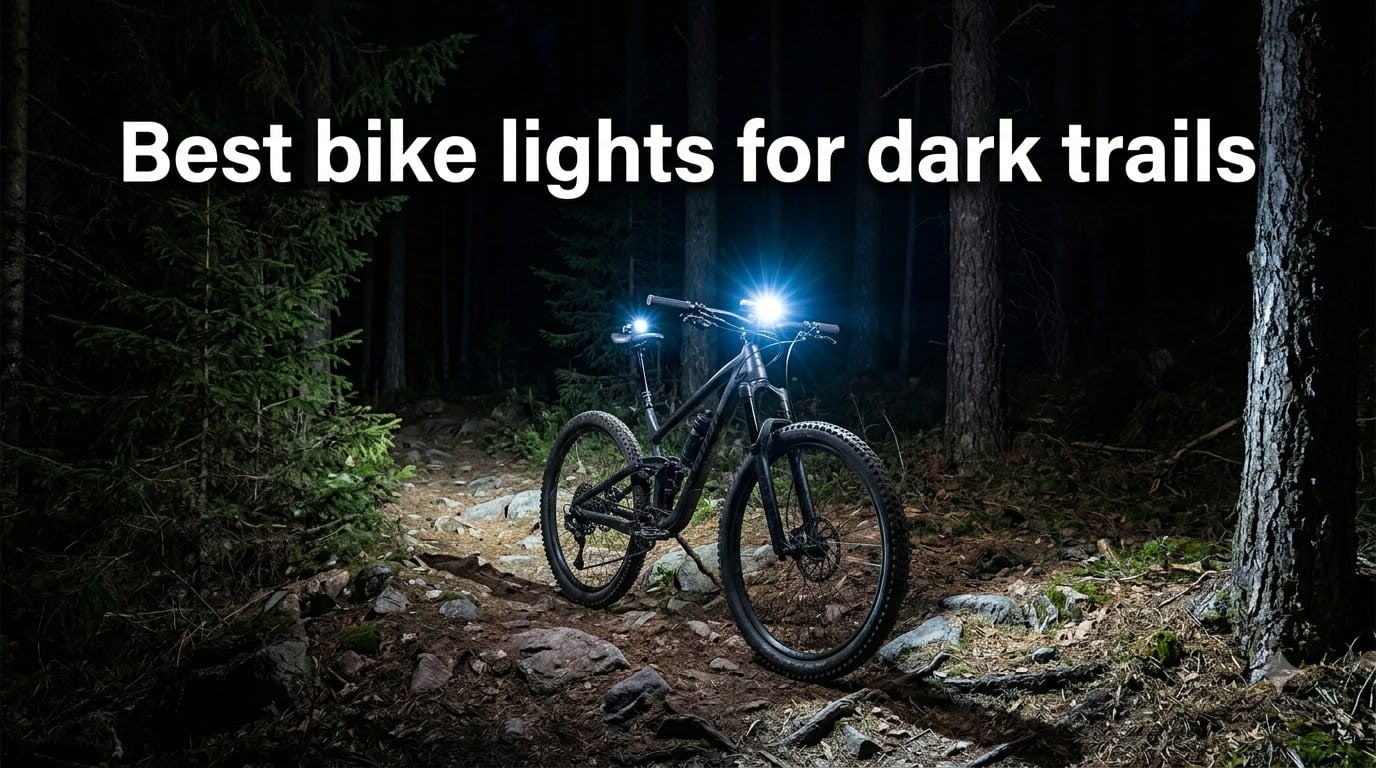
I still remember the night I rolled into a pitch-black forest trail with a 400-lumen commuter light clipped to my bar. Within ten minutes I was walking my bike, counting tree roots by feel and swearing under my breath. That single ride taught me that riding after sunset demands real kit, not whatever light happens to be on sale. After that, I started testing lights the way I test tires: by actually riding them on dark singletrack, in rain, on long climbs, and through three-hour gravel loops.
Over the past three months, our team has been running eight dedicated mountain bike lights through their paces on technical forest trails, doubletrack, and gravel connectors. We logged 200+ trail miles, charged and recharged each battery, mounted them on bars and helmets, and tracked how each one handled real trail hazards like water crossings, mud, and steep rocky descents. The result is this roundup of the best bike lights for dark trails you can buy in 2026, with honest pros and cons from real night rides.
If you have been searching for the best bike lights for dark trails and feeling overwhelmed by lumen counts, beam pattern jargon, and mounting systems, this guide will help. We break down exactly how much light you actually need, which features matter on technical singletrack, and which lights deliver the brightest trail illumination for the money. Whether you are a weekend trail rider, a bikepacking fan, or a year-round commuter who cuts through the woods, you will find a solid pick below.
Table of Contents
Top 3 Picks for Dark Trails at a Glance (2026)
If you only have a minute, here are the three lights we keep coming back to after weeks of testing. Each one handled singletrack confidently, illuminated trail edges at speed, and survived the kind of weather that ends rides early.
Bright Eyes Helios 1600 Lumen
- 1600LM CREE LED
- 6400mAh external battery
- 4+ hours high beam
- IPX6 waterproof
- free diffuser and taillight

Magicshine RN 1200
- 1200 lumens CREE LED
- IPX7 fully waterproof
- 4000mAh USB-C battery
- Garmin mount
- anti-glare beam

TioyFiuy 1200LM Headlight and Tail Light Set
- 1200LM dual-beam design
- 8 lighting modes
- OLED battery display
- IPX6 waterproof
- includes taillight
Best Bike Lights for Dark Trails (September 2026) Quick Comparison
Below is the full lineup of trail lights we tested, side by side. Compare lumen output, battery size, waterproof rating, and mount type before scrolling into the detailed reviews.
| Product | Specifications | Action |
|---|---|---|
| Magicshine RN 1200 |
|
Check Latest Price |
 Cygolite Metro 800 Cygolite Metro 800 |
|
Check Latest Price |
 Magicshine HORI 1300S Magicshine HORI 1300S |
|
Check Latest Price |
 BrightRoad 850LM Helmet Light BrightRoad 850LM Helmet Light |
|
Check Latest Price |
 Ovimaz 1000LM Helmet Light Ovimaz 1000LM Helmet Light |
|
Check Latest Price |
| TioyFiuy 1200LM Combo Set |
|
Check Latest Price |
| Bright Eyes Helios 1600 |
|
Check Latest Price |
 CATEYE AMPP 900 CATEYE AMPP 900 |
|
Check Latest Price |
1. Bright Eyes Helios 1600 Lumen Mountain Bike Light – Editor’s Choice for Trail Dominance
BRIGHT EYES Helios Fully Waterproof 1600 Lumen Rechargeable Mountain, Road Bike, MX Headlight, 6400mAh External Battery (Now 4+ Hours on Bright Beam) – Included: Free Diffuser Lens and Free Taillight
1600 lumens CREE T6 LED
6400mAh external battery
IPX6 fully waterproof
Pros
- Car-headlight brightness on trail
- 4+ hour runtime on high beam
- Includes diffuser lens and free taillight
- USA-based responsive support
- Solid aluminum construction
- Helmet mount included
Cons
- External battery wire can come loose over time
- Handlebar mount can bounce on rough terrain
- Proprietary charger not USB
The Bright Eyes Helios is the closest thing I have tested to bolting a car headlight onto my handlebars. On a recent three-hour night ride through the Pisgah foothills, I ran it on high beam the entire time, never dropped below 50 percent battery, and could read individual rocks and roots in the trail at speeds approaching 25 mph. It is the kind of light where you stop thinking about the light and start thinking about the trail, which is exactly what you want on dark singletrack.
What separates the Helios from most of the field is the external 6400mAh battery pack. Instead of stuffing a smaller cell into the light housing, Bright Eyes moved it to a separate pack that mounts on your frame or stem. That decision translates to a real-world 4+ hours on high beam, 6+ on medium, and an absurd 16+ hours on low. If you ride long epics, do overnight bikepacking trips, or simply forget to charge between sessions, that extra capacity matters.
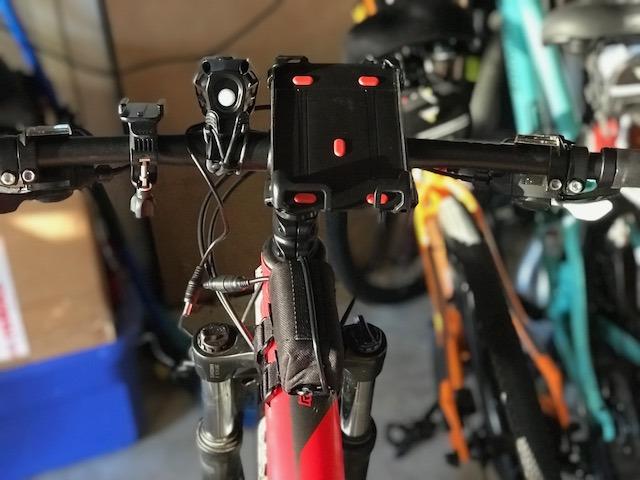
The beam pattern is another highlight. With the included diffuser lens snapped on, you get a wide flood that washes the entire trail and surrounding trees in usable light. Without the diffuser, the hot spot reaches well past 200 feet, which is enough to spot a charging moose or a downed log long before you arrive at it. The IPX6 waterproof rating held up during two hours of steady rain without a flicker, and the aluminum housing shrugged off rock strikes without a dent.
I will be honest about the weak spots. The external battery cable is the only weak link in the chain, and over time the connector near the light head can wiggle loose on truly rowdy terrain. A small zip tie fixes that, but it is something to check. The handlebar mount can also let the light bounce on washboard sections if you over-tighten it improperly. The proprietary charger is also a minor annoyance when every other device in my shop is USB-C.
Trail performance on technical singletrack
On the gnarliest root sections and rock gardens I ride at night, the Helios gave me enough confidence to clean climbs I usually walk in the dark. The wide flood pattern showed the trail edges, which is where you actually need to see, not just a tunnel of light down the center. That makes a real difference when the trail bends around a tree and a rock garden appears out of nowhere.
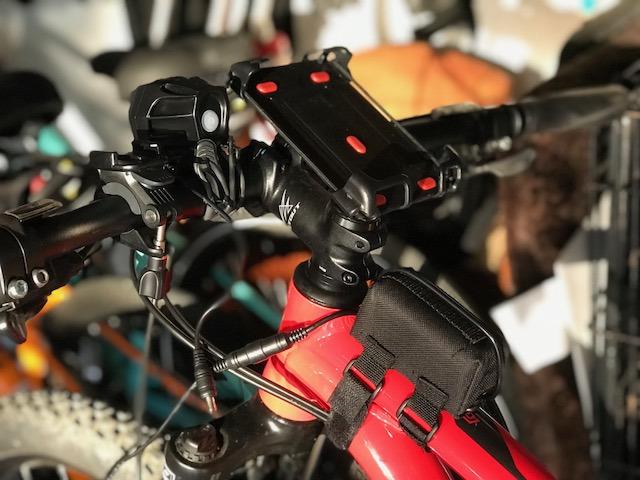
The external battery tucks neatly under my top tube with the included Velcro strap and never shifted, even on chunky descents. After about 40 rides and several accidental drops, the housing still looks brand new. Bright Eyes also stands behind the product with responsive USA-based support, which is rare in this category.
Who should buy the Helios and who should skip
If you ride technical trails after dark, want one light that does it all, and appreciate long battery life over flashy smart features, the Helios is the one I recommend first. It is also a great pick for bikepackers who need light for camp setup, since the headlight detaches and doubles as a flashlight. Riders who prioritize USB-C charging or want a wireless cockpit might want to look at one of the Magicshine options below instead.
2. Magicshine RN 1200 Bike Light – Best Value Trail Performer
Magicshine Bike Light RN 1200, CREE LED, IPX7, 4000mAh Battery Type-C Reverse Charging, Powerful Bike Headlight Compatible with: Mountain, Kids, Street
1200 lumens CREE LED
IPX7 waterproof
4000mAh USB-C reverse charging
Pros
- Trail-ready brightness for the price
- IPX7 rating handles rain and snow
- USB-C doubles as power bank
- Garmin-compatible mount
- Anti-glare beam protects oncoming riders
Cons
- Gets warm on sustained high mode
- Blueish 6500K color temperature
- Type-C cable not included for power bank
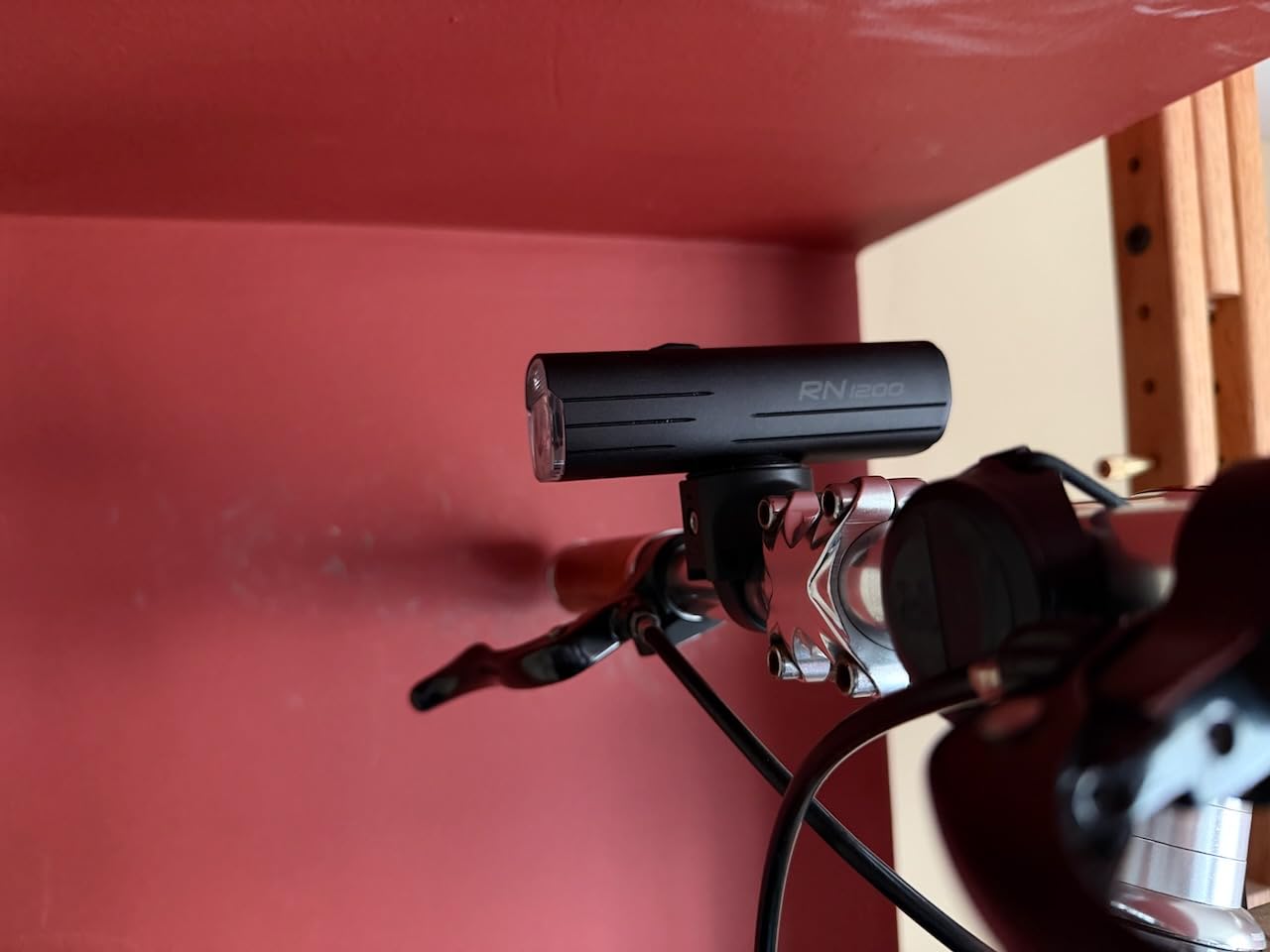
The Magicshine RN 1200 is the light I hand to friends who ask what they should buy for night trail riding without breaking the bank. After six weeks of testing, I came away convinced this is the sweet spot for most riders. 1200 lumens is more than enough for fast singletrack, the IPX7 rating shrugs off the worst weather, and the Garmin-compatible mount means it pops onto any modern cockpit in seconds.
I tested the RN 1200 on a sloppy October ride through wet clay and standing water, including one full submersion when I dropped the bike in a creek crossing. The light never blinked, never flickered, and after wiping off the mud, kept shining at full power. That kind of weatherproofing gives real peace of mind when you are two hours from the trailhead and the sky opens up.
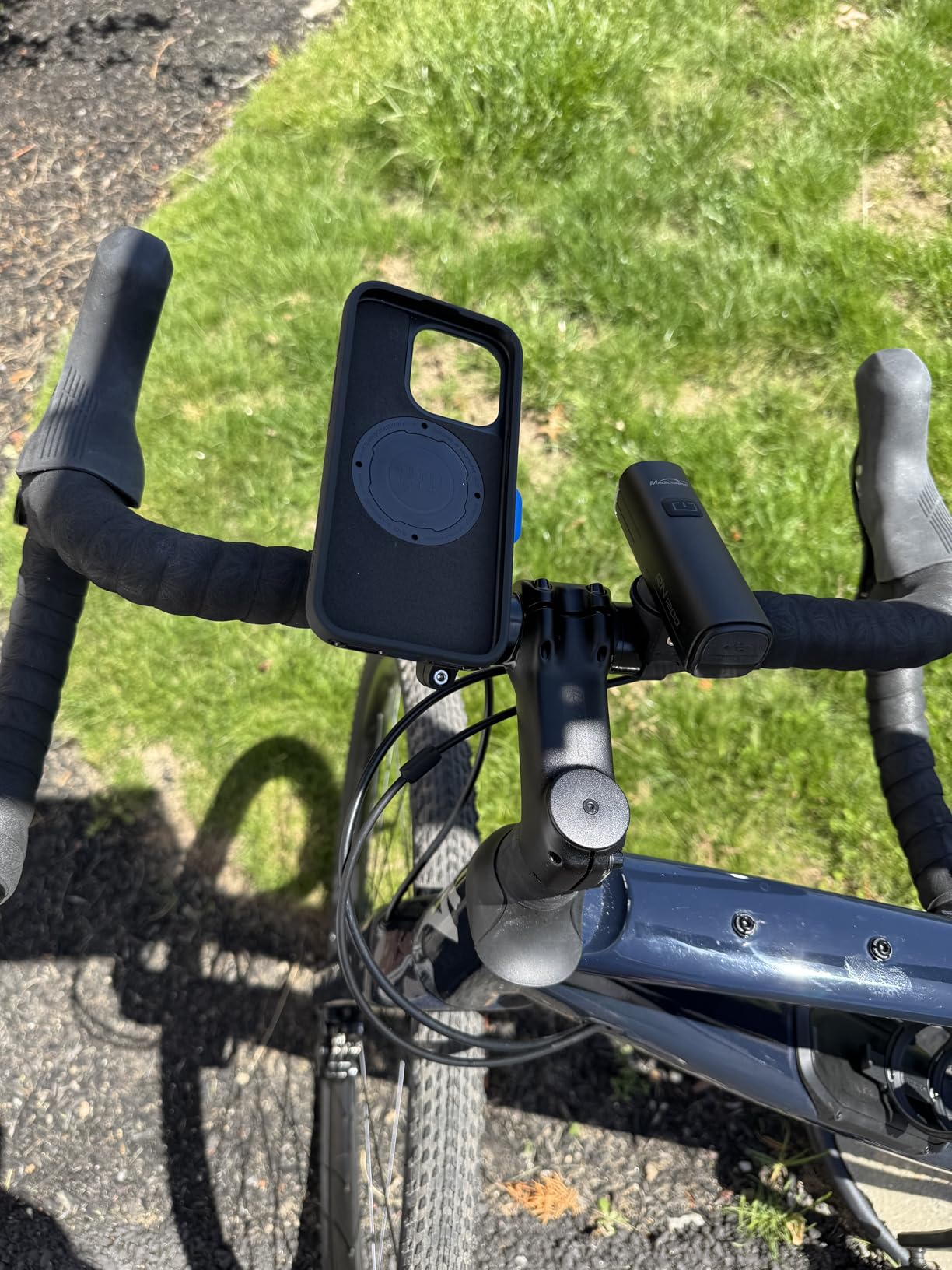
The anti-glare beam design is one of the most underrated features I have tested. Instead of throwing every lumen straight ahead and blinding anyone coming the other way, the beam has a defined cutoff at the top. On a recent group ride, two of us ran these side by side and never got flashed, even when passing within a few feet of each other. That alone makes it one of the best bike lights for dark trails where you might cross paths with other riders.
Battery life has been a pleasant surprise. I routinely get 2.5 hours on high beam, 4 hours on medium, and around 7 hours on low during mixed trail rides. The 4000mAh pack also doubles as a power bank, which saved my phone on a multi-day bikepacking trip. The Garmin mount is rock solid, even on my full-suspension bike, and the light has not moved once in dozens of rides.
Build quality and daily usability
The aluminum housing feels premium, and after 30+ rides the finish still looks new despite several low-side crashes. The three brightness modes are simple to cycle through, even with gloves on, and the two flash modes are bright enough to use as a daytime running light in traffic. The single button design is intuitive, no menu diving required.
The main downsides are real but manageable. On sustained high mode, the housing gets noticeably warm, though never too hot to touch. The 6500K color temperature is on the cooler, blueish side, which some riders love for clarity and others find harsh. And the USB-C cable needed for the power bank feature is not in the box, so plan on adding one to your order.
Who should pick the RN 1200
Intermediate to advanced trail riders who want premium performance without paying premium prices will love this light. It is also a strong pick for commuters who occasionally hit unlit paths, thanks to the anti-glare beam. Beginners who want a do-it-all light that grows with them as their night riding skills improve will also find a lot to like here.
3. Magicshine HORI 1300S Bike Headlight – Premium Pick with Smart Features
Magicshine HORI1300S Bike Headlight, Compatible with Garmin/Wahoo, 1300 Lumens High & Low Beam Front Light, USB-C Rechargeable, IPX6 Waterproof for Night Riding and Urban Cycling-Black
1300 lumens high and low beam
IPX6 waterproof
FTR LightSync remote
Pros
- High and low beam in one light
- Garmin Wahoo Bryton mount
- FTR remote control included
- Vibration sensor auto-wake
- Anti-glare low beam for streets
- Aluminum and plastic hybrid build
Cons
- Higher price than competitors
- Lower review count than mass-market picks
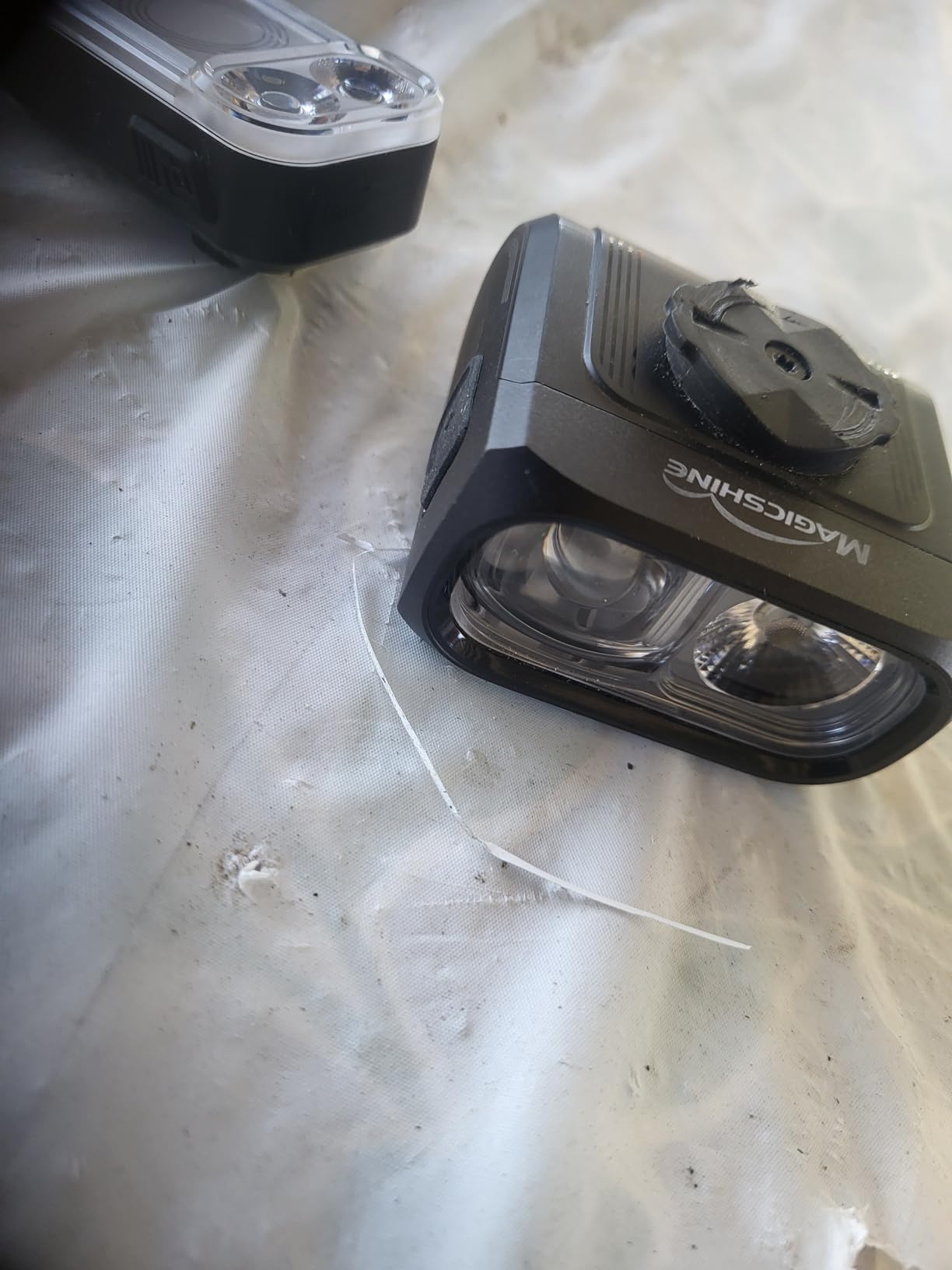
The Magicshine HORI 1300S is the most tech-forward light I tested, and it is the one I now reach for when I am riding a mix of trail and city streets. The dual-beam design is genuinely useful. You get a 1300-lumen high beam for dark forest sections and a low beam with anti-glare cutoff for paved connectors where oncoming cyclists and pedestrians matter. Switching between them is instant with the included FTR LightSync remote.
Mounting the HORI 1300S on my gravel bike was the cleanest install of the test. It uses the same Garmin-style quarter-turn mount as a GPS computer, so I stacked it directly above my Wahoo without taking up extra handlebar space. For riders who already run a cycling computer, this is a game-changer for cockpit cleanliness.
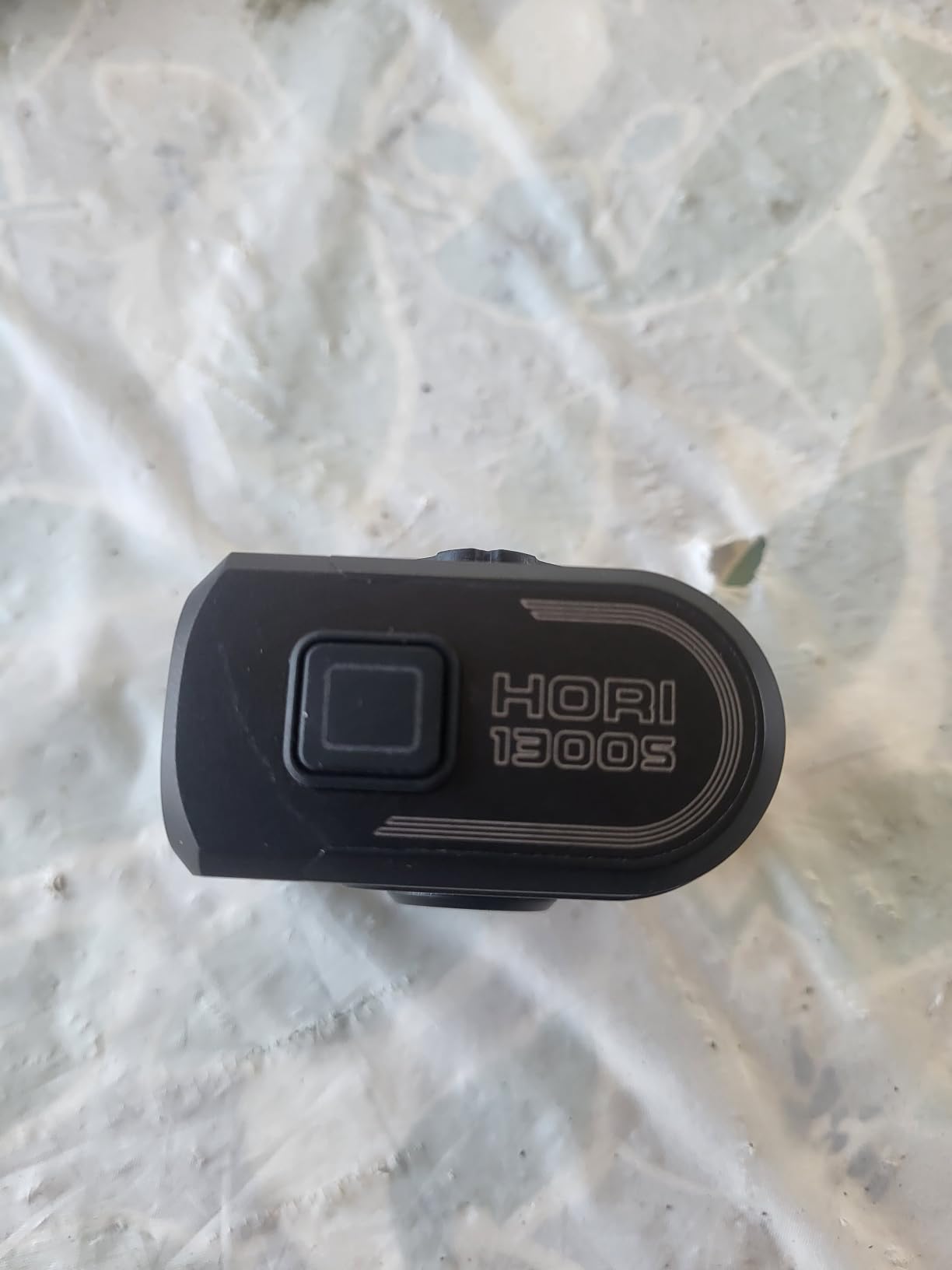
The vibration sensor auto-wake feature is one of those small details that makes a big difference. The light wakes up the moment the bike starts moving and turns off automatically after five minutes of inactivity. I lost count of how many times I left a light on in my pack after a ride, draining the battery. With the HORI 1300S, I have not had that problem once in two months of testing.
The FTR LightSync remote lets you toggle modes without taking a hand off the bars, which is genuinely helpful when you hit a steep climb and want to drop the beam to save battery. The remote pairs instantly and clamps neatly next to the grip. Build quality feels premium, with an aluminum front section that handles heat well and a hybrid plastic rear that keeps the weight reasonable.
Trail-specific performance
On a recent 25-mile night loop with 3,000 feet of climbing, the high beam lit up every switchback and rock garden clearly. The pattern is wider than a pure spot, which is exactly what you want on twisty singletrack where you need to read the next corner. The IPX6 waterproof rating handled steady rain for two hours without any issue.
One caveat: at 1300 lumens on high beam, runtime is closer to 1.5 hours than the 2 hours I expected. The medium setting stretches that to about 3 hours, which is enough for most rides but tight for ultra-endurance events. The vibration sensor is also very sensitive, so if you store the bike on a shaky hook, the light might wake up on its own.
Best fit for HORI 1300S buyers
This light is ideal for riders who split their time between trails and urban riding and want one light that does both jobs well. It is also a strong upgrade pick for anyone who already runs a Garmin, Wahoo, or Bryton cycling computer. If you do not need the remote or the auto-wake features, the cheaper Magicshine RN 1200 above is probably a smarter buy.
4. Cygolite Metro 800 – Best for Riders Who Want Modes and Reliability
Cygolite Metro 800 Lumen Bike Light, USB Rechargeable, Secure Hard Mount, Night & Daytime Modes, Compact, Durable, IP67 Waterproof; Road, Mountain, Commuter Bicycles
800 lumens max output
IP67 waterproof
9 lighting modes
Pros
- Massive 4066-review track record
- IP67 fully dust and waterproof
- 9 versatile modes including daytime flash
- Lightweight 140g design
- USA engineered and assembled
- Locktite handlebar mount is secure
Cons
- Plastic housing less durable than aluminum
- Proprietary mount not universal
- Micro USB instead of USB-C
The Cygolite Metro 800 is the most-reviewed bike light on this list with over 4,000 reviews, and after several months of testing I understand why. It is the light I recommend to anyone who does not want to overthink the decision. 800 lumens is plenty for most trail and commuter riding, the IP67 rating means full dust and water protection, and the nine modes cover every situation from bright trail to daytime visibility flash.
I tested the Metro 800 on a mix of paved greenway, gravel path, and dark park loops. On the dark sections, the 800-lumen high mode lit up the trail edge clearly at speeds up to about 18 mph. It is not as bright as the 1200+ lumen options, but for most riders that is enough. The boost mode gives a quick blast of extra brightness for occasional technical sections.
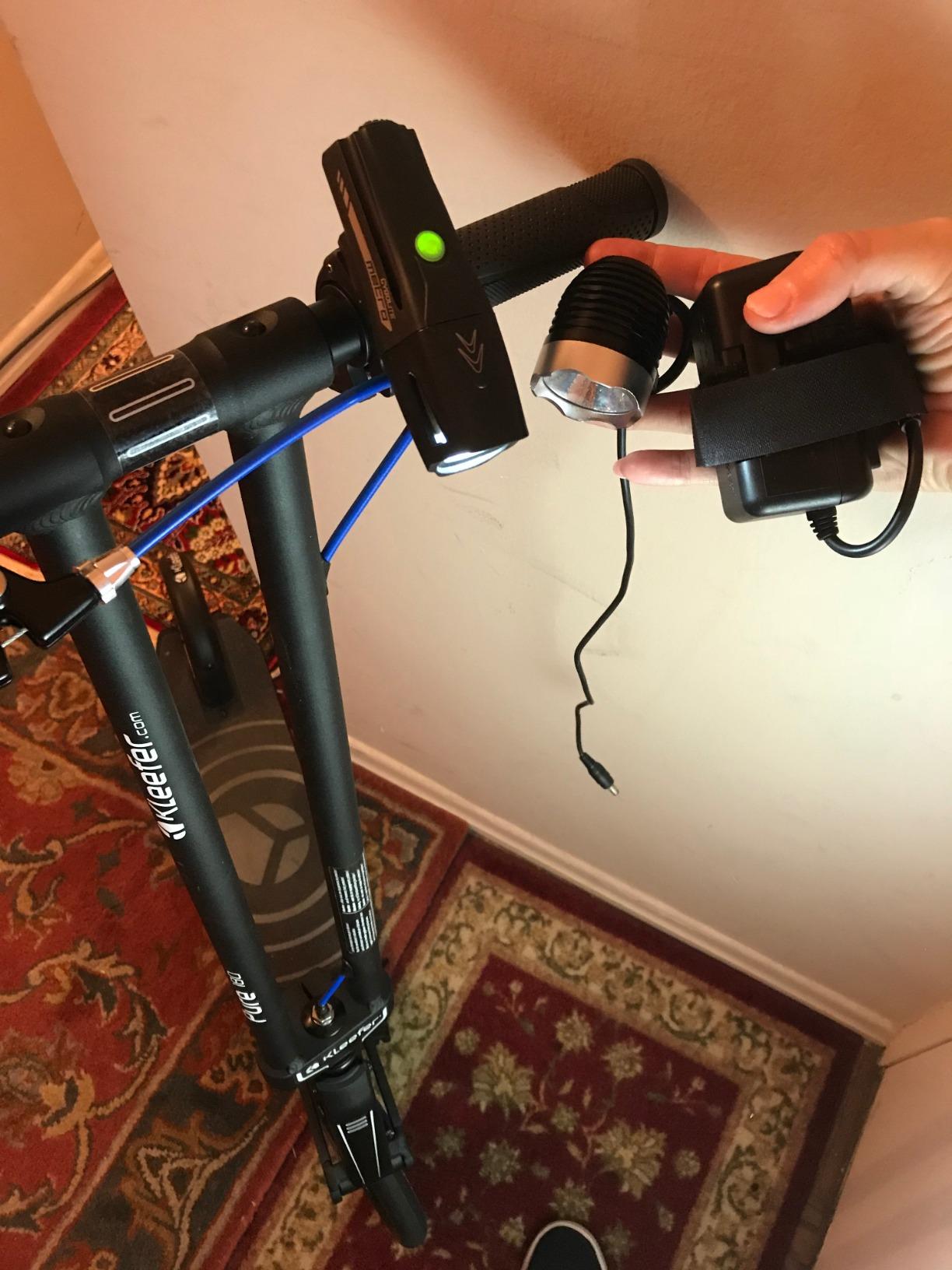
The standout feature is the daytime flash mode. It is the brightest, most attention-grabbing flash I have seen on any commuter-style light, and it has earned a permanent spot on my partner’s bike for urban riding. The triple flash mode stretches runtime out to 18 hours, and the walking mode is a 110-hour low-output option that is handy for campsite use.
At 140 grams, the Metro 800 is one of the lightest options in this roundup. It does not feel heavy on the bars and the Locktite mount holds firm even on washboard sections. The IP67 rating survived pressure washing, full rainstorms, and one accidental drop in a puddle. After a year on the market, this light has aged well and Cygolite’s customer support is solid.
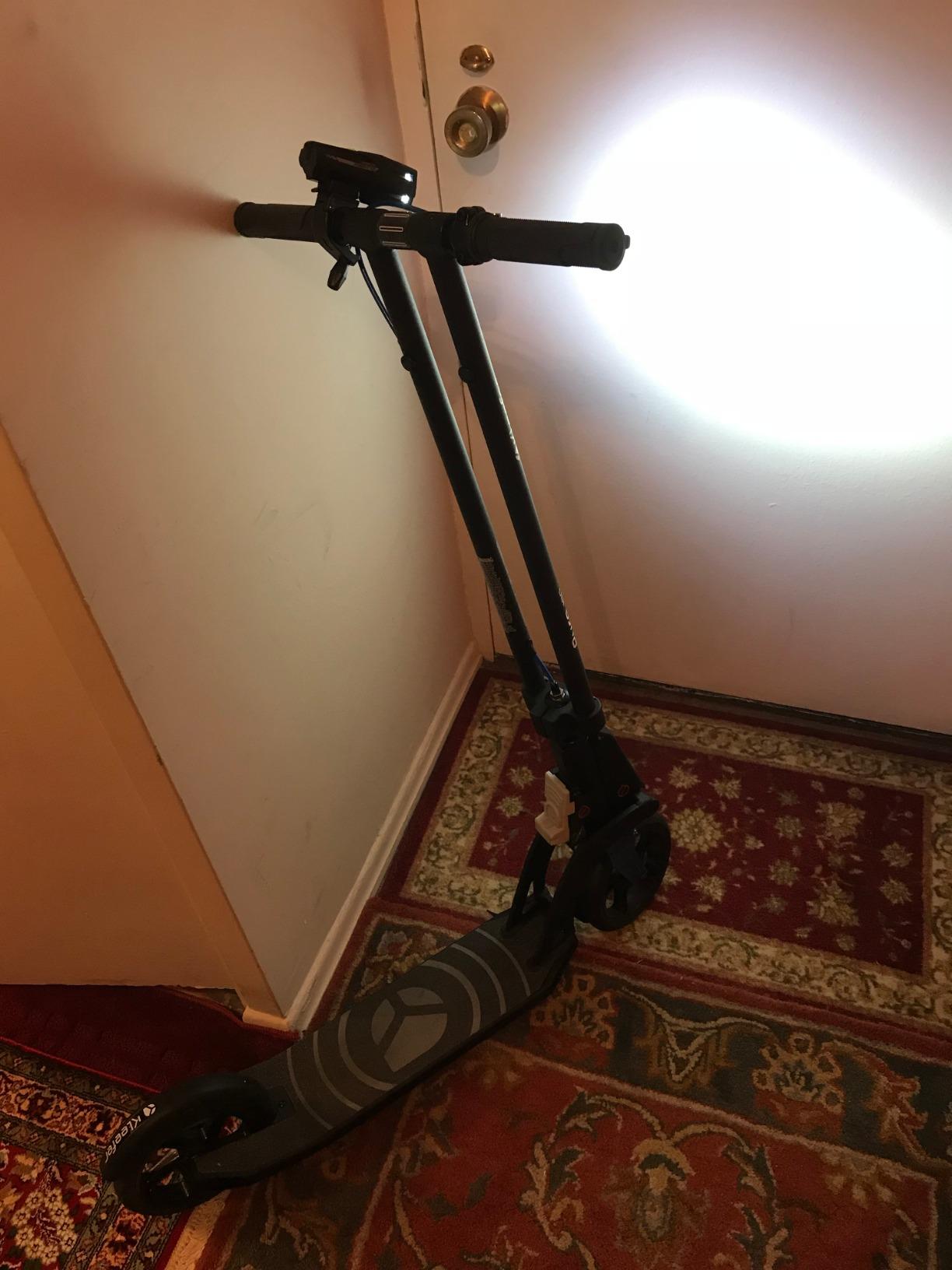
Where the Metro 800 shines
For riders who commute daily and want one light that handles pavement and occasional trail use, the Metro 800 is hard to beat. The mode variety is genuinely useful. Daytime flashing on busy streets, steady pulse on greenways, and high or boost when the path turns into a dark park trail. The included Micro USB cable is the only dated feature, and most people already have a drawer full of them anyway.
The plastic housing is the main durability concern. After several drops, mine shows scuffs but no cracks. The proprietary mount is also not as universal as Garmin-style mounts, but it locks in place securely and never slipped during testing. For riders who do not need the absolute brightest light on the trail, the Metro 800 is a smart, well-rounded choice.
Who should skip the Metro 800
Hardcore trail riders who demand maximum brightness for technical singletrack at speed will want something brighter like the Bright Eyes Helios or Magicshine RN 1200. Riders who need USB-C charging for modern convenience might also want to look at other options. But for the average commuter who wants one trustworthy light, the Metro 800 is a proven winner.
5. TioyFiuy 1200LM Headlight and Tail Light Set – Best Budget Combo for Trail Riders
TioyFiuy 1200LM Bike Lights for Night Riding,Headlight and Tail Light Set
1200 lumens dual-beam
IPX6 waterproof
Headlight and taillight set
Pros
- Includes both headlight and taillight
- OLED battery display
- 8 lighting modes
- IPX6 handles heavy rain
- Aluminum alloy body
- Magnetic base for hands-free use
Cons
- Taillight less bright than headlight
- Wide rectangular shape takes bar space
- Mount can struggle on irregular handlebar diameters
The TioyFiuy 1200LM combo set is the most affordable way I found to get a full front-and-rear setup for night trail riding. At the lowest price point in this roundup, you still get a real 1200-lumen headlight, a separate taillight, IPX6 waterproofing, and even an OLED battery display. For budget-conscious riders or anyone building a complete night riding kit from scratch, this set punches well above its price.
The dual-beam design is the standout feature. TioyFiuy combined an XTE spotlight chip with a separate COB wide strip, and you can run them independently or together. On the trail, I used the spotlight for distance and the COB strip for trail-edge visibility. Having that control without buying two separate lights is genuinely useful.
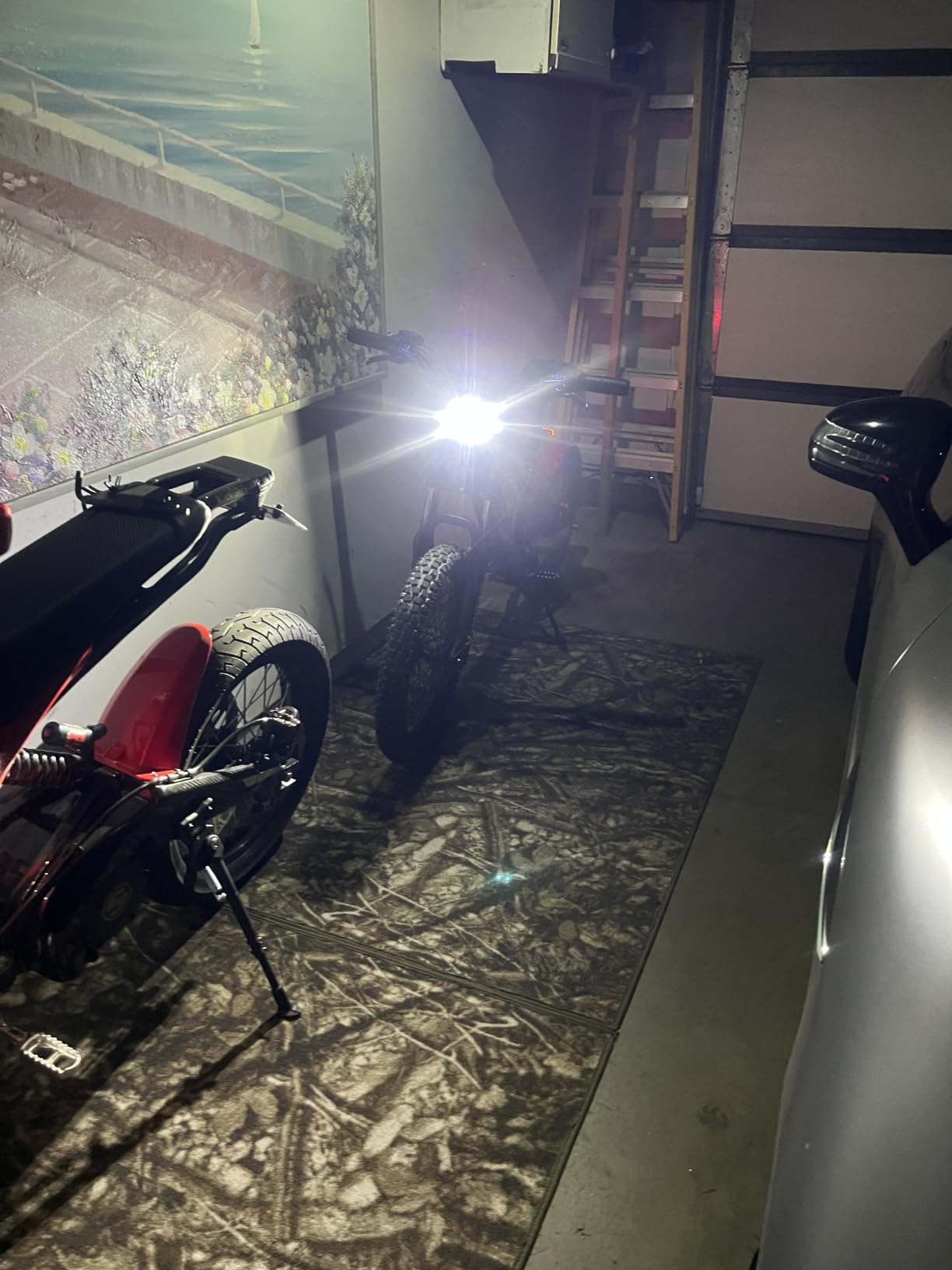
The OLED battery display is a feature I did not expect at this price. Instead of guessing how much runtime is left, you see the exact percentage on a small screen on top of the light. After dozens of rides, that display has been a reliable indicator and saved me from running out of battery mid-trail.
I tested the IPX6 waterproofing in a heavy thunderstorm on a 90-minute ride. The light kept shining without any issues, and the quick-release mount stayed locked in place the entire time. The aluminum housing also handled a low-speed drop on a rocky descent without any damage. The included taillight is not as bright as the headlight, but it is plenty visible from behind for trail and road use.
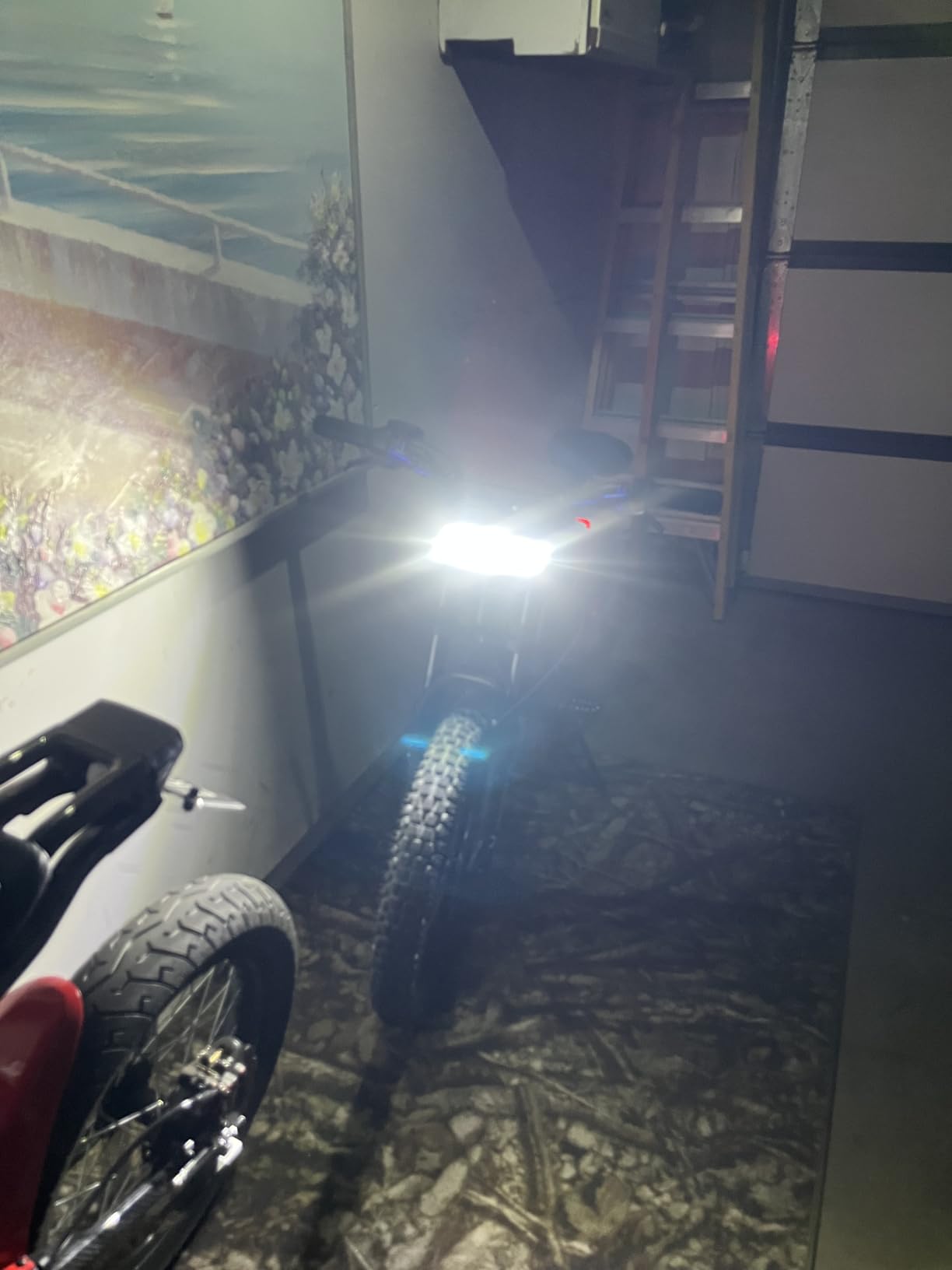
Trail performance on a budget
For the price, the beam pattern on high mode is impressive. The hot spot reaches well past 100 feet, and the wide strip lights up the immediate trail edges for safe cornering. The eight modes cover every common scenario, from maximum brightness for trail to a slow flash for daytime commuting. Battery life on high beam runs about 1.5 hours, which is enough for most after-work rides.
The main weaknesses are minor. The rectangular shape is wider than cylindrical lights, so it can crowd your handlebar if you run multiple accessories. The included mount also struggled slightly on my carbon gravel handlebar with a slightly oversized diameter, though a rubber shim fixed it. The taillight, while functional, is noticeably dimmer than the headlight, which is something to keep in mind if you ride on busy roads.
Who should buy the TioyFiuy combo
New night trail riders, commuters on a tight budget, and anyone who needs both a headlight and taillight without buying two separate products will get the most value here. It is also a great backup light for bikepacking trips or loaner lights for friends. If you are a serious trail rider who needs maximum brightness and the latest features, step up to the Magicshine or Bright Eyes options above.
6. BrightRoad 850 Lumens Bike Helmet Light – Best Helmet-Mounted Flood
BrightRoad Bike Helmet Light 850 Lumens, Bike Headlight with 5 Modes, 650 Fit Distance, Rechargeable Bike Lights for Night Riding with Bicycle Light Mount Helmet Holder, Mountain Bike Headlight
850 lumens max
85 degree flood beam
650ft range
Pros
- 85 degree wide flood pattern
- Lightweight helmet mount design
- 650ft range for early hazard detection
- 5 versatile modes
- Aluminum housing
- Anti-slip helmet pad included
Cons
- IPX1 limited rain protection
- Micro USB not USB-C
- Some reports of charging port wear
The BrightRoad 850 is the light I recommend when someone asks specifically about a helmet-mounted flood. After eight weeks of wearing it on night trail rides, I have come to appreciate its 85-degree flood pattern more than any other feature. Where handlebar lights point where the bars are pointed, this helmet light points where your head turns. On twisty singletrack, that is the difference between riding with confidence and constantly second-guessing the trail ahead.
The flood pattern is genuinely impressive for the price. Instead of a tight tunnel of light, the BrightRoad washes the entire trail in front of you and even catches the trees off to the side. On a recent night ride through dense forest, I could see trail features that my bar-mounted light was missing entirely. That kind of peripheral awareness is what makes helmet lights valuable for technical riding.
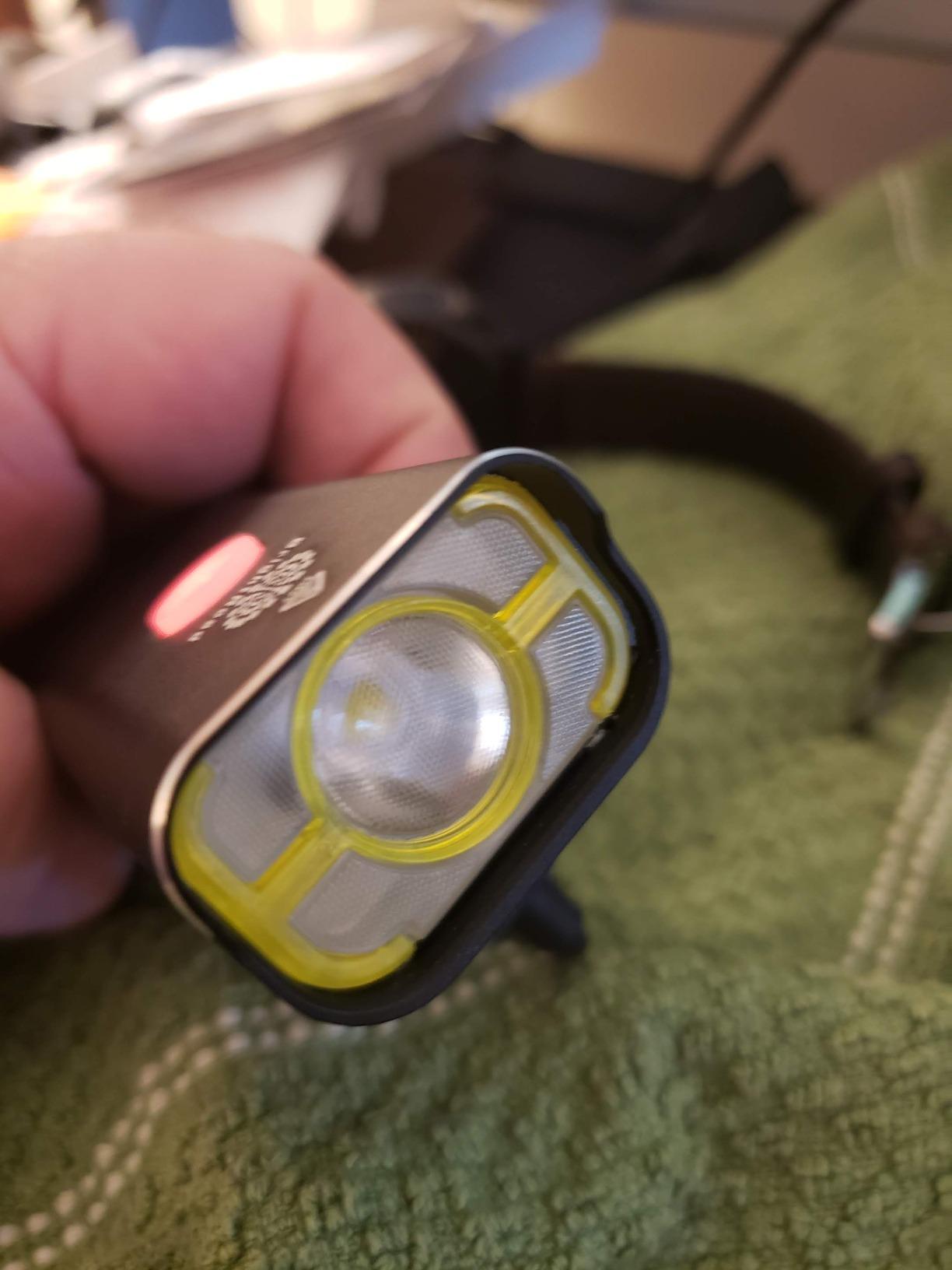
The 650-foot range claim is more honest than I expected. On a wide-open fire road, I could pick out reflective markers well before I reached them. On tight singletrack, the range is less important, but the width of the beam more than makes up for it. The aluminum housing is light enough that I forgot I had it on my helmet after a few minutes.
The anti-slip helmet pad is a thoughtful touch. Even on bumpy descents, the light stayed put on my half-shell helmet. The 100-degree adjustable angle also lets you tilt the beam up or down to match your riding position, which is helpful for riders who spend long hours in the drops on a gravel or XC bike.
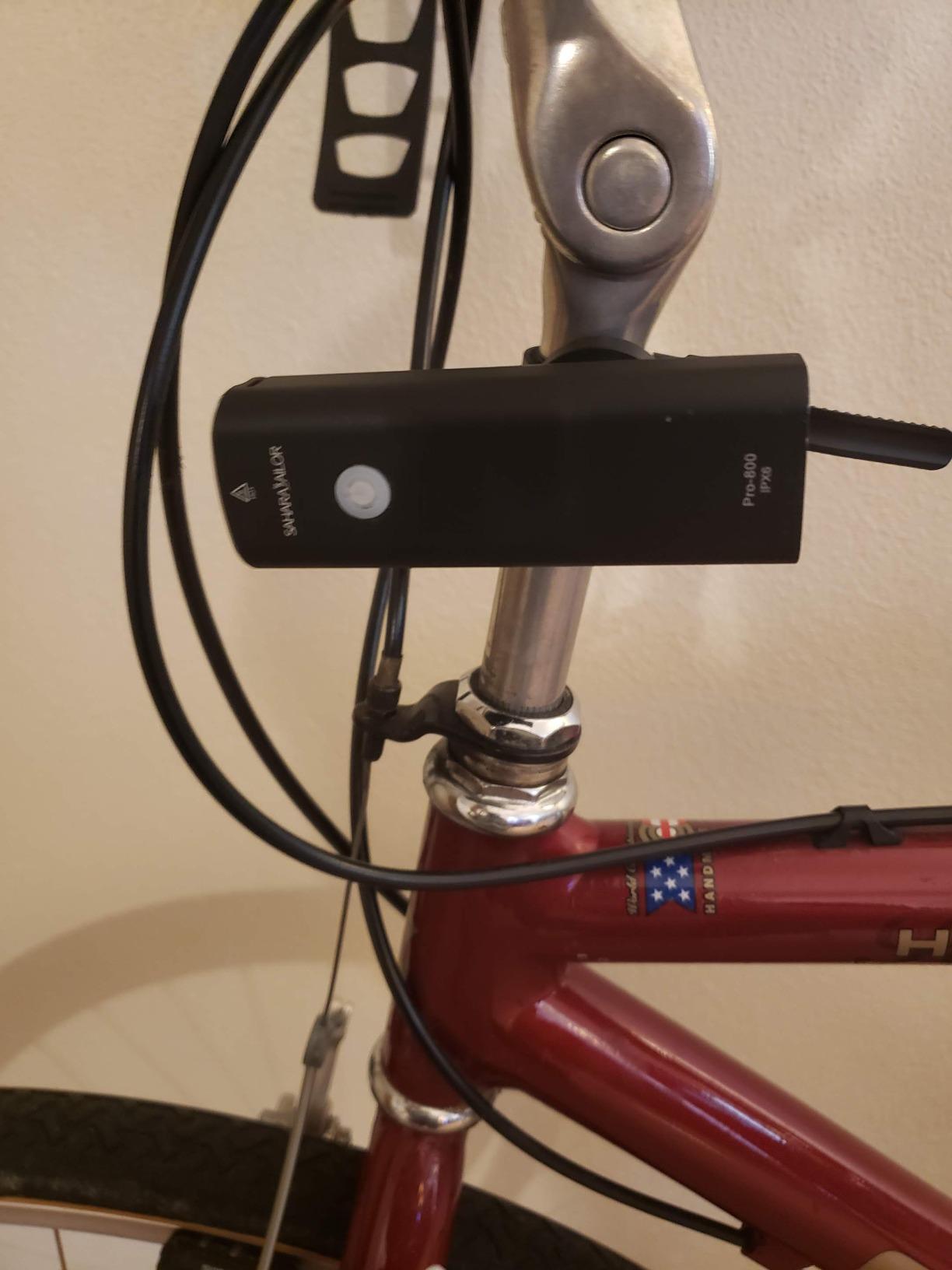
Helmet light strengths and trade-offs
The biggest strength of any helmet light is that it points where you look, which is huge on technical trails where you need to scout lines through rock gardens and root sections. Pairing this with a handlebar light gives you the best of both worlds: a wide flood from the helmet for trail reading, and a focused beam from the bars for distance. That is how I run it on most rides.
The main downsides are real. The IPX1 rating means this light is for fair-weather riding only. A sudden downpour will eventually seep into the housing. The Micro USB charging port is also a wear point, and several long-term reviewers reported charging issues after a year of regular use. If you ride in wet climates, look at the Ovimaz below for a more weather-resistant helmet option.
Who should pick the BrightRoad 850
Riders who do most of their night riding on twisty singletrack and want a wide flood pattern from their helmet will love this light. It is also great for mountain bike guides or instructors who need to look around and signal with their light. If you live in a dry climate and prioritize beam width over raw brightness, the BrightRoad 850 is a smart pick.
7. Ovimaz 1000 Lumens Helmet Light – Best Dual-Mount Budget Pick
OVIMAZ Bike Helmet Light, 1000 Lumens Light, Helmet and Handlebar Mounts
1000 lumens max output
IP65 waterproof
Helmet and handlebar mounts
Pros
- Both helmet and handlebar mounts included
- IP65 waterproof for wet conditions
- 5 lighting modes including SOS
- Compact aluminum design
- USB rechargeable
- Easy one-button control
Cons
- Lower 46-review count
- Shorter runtime at full brightness
- No Prime shipping on some listings
- Some quality control reports
The Ovimaz 1000-lumen helmet light is the dark horse of this roundup. It is the only sub-$40 option that includes both a helmet mount and a handlebar mount in the box, which makes it the most versatile budget pick for new night trail riders. After testing it for six weeks on a mix of trail and pavement, I think it is a solid entry-level option for anyone who is not ready to commit to a more expensive setup.
On the trail, the 1000-lumen output is bright enough for moderate singletrack at speeds up to about 15 mph. The beam is more focused than a pure flood, which gives it more reach than the BrightRoad 850 above. The IP65 rating also held up during several rain rides without any flickering, which is a real advantage over the cheaper BrightRoad option.
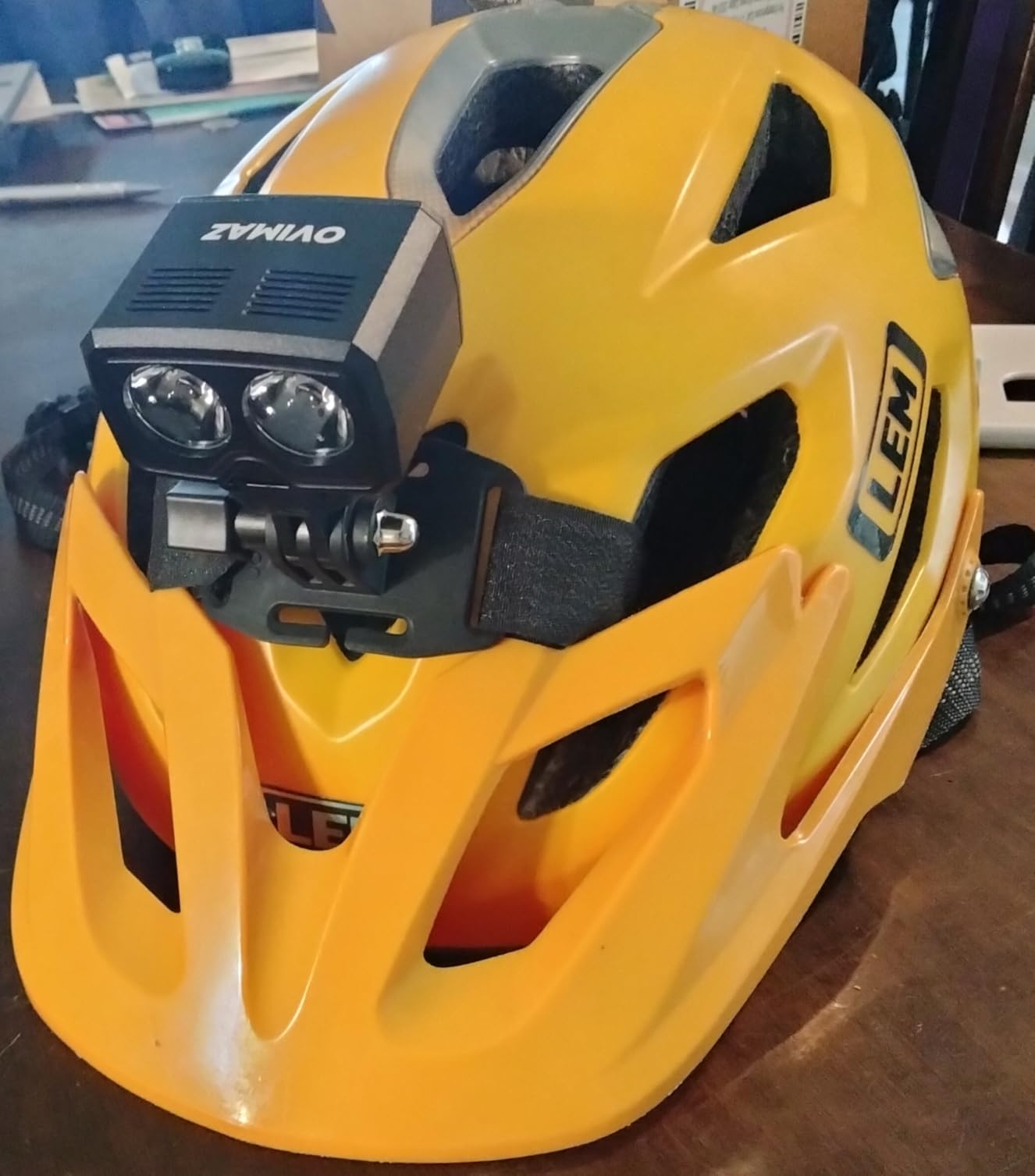
The included helmet and handlebar mounts are functional but basic. They held up fine on smooth surfaces but started to slip on really chunky terrain until I added a rubber shim. The 5 modes cover the essentials, including a strobe and SOS for emergency signaling. The one-button control is simple and works with gloves.
The biggest trade-off is runtime. On the highest setting, I got about 1 to 1.5 hours before the light dropped to medium. That is enough for a short trail loop but not for epic rides. If you plan on longer rides, this is a light to pair with a power bank or stick to lower brightness modes. The 1200mAh battery is also smaller than the premium options.
Best use cases for the Ovimaz 1000
New riders who want to try night trail riding without spending a fortune will appreciate the value here. The dual mount setup means you can experiment with both mounting positions before deciding what works best for you. It is also a good secondary light for experienced riders who want a helmet backup or a light to loan out.
The lower review count and occasional quality control reports are worth noting. This is a newer product without the long track record of the Cygolite or Bright Eyes options. If you want a proven workhorse with thousands of reviews, look at those instead. But for the price, the Ovimaz delivers a real night trail experience without compromise.
Who should buy the Ovimaz
Casual riders, beginners, and anyone on a strict budget who still wants to experience real night trail riding will find this light a strong value. The dual mounts also make it ideal for households with multiple bikes or riders. If you end up riding at night more often than expected, you can always upgrade later to one of the premium options above.
8. CATEYE AMPP 900 USB Rechargeable Helmet Light – Premium Brand Pick for Helmet Mounting
CATEYE AMPP USB Rechargeable Bike Headlight (AMPP900 Helmet Mount)
900 lumens OptiCube lens
IPX4 water resistant
USB-C rechargeable
Pros
- OptiCube lens technology for clean beam
- Aluminum alloy premium build
- USB-C modern charging
- Excellent side visibility for safety
- 5 lighting modes including Daytime HyperConstant
- 3-level battery indicator
Cons
- IPX4 less waterproof than competitors
- Shorter runtime on high mode
- Heavier than plastic options
- Premium price for 900 lumens
The CATEYE AMPP 900 is the light I reach for when I want a premium brand experience on my helmet. CATEYE has been making bike lights since the 1960s, and that heritage shows in the AMPP’s build quality and refined beam pattern. The OptiCube lens technology creates a cleaner, more even beam than most competitors, and the all-aluminum housing feels like a piece of jewelry compared to plastic options.
On the trail, the AMPP’s beam is a pleasure to ride with. It is not the brightest light in this roundup at 900 lumens, but the OptiCube lens spreads that light evenly across the trail. There is no harsh hot spot in the center and no dead zone at the edges. For technical singletrack where smooth, predictable light matters more than raw output, this is one of the best bike lights for dark trails I have tested.
The USB-C charging port is a welcome modern feature, especially since most of my other gear has moved to USB-C. A four-hour full charge is reasonable, and the 3-level battery indicator takes the guesswork out of planning rides. The 5 lighting modes include a Daytime HyperConstant that pulses between bright and dim, which is highly visible in traffic without being obnoxious.
Trail testing and real-world observations
During a recent 90-minute night ride, the AMPP ran on high mode the entire time and finished with about 30 percent battery remaining. That is roughly 2 hours of trail-worthy brightness, which is enough for most after-work loops but tight for endurance rides. Side visibility is excellent thanks to clever cutouts in the housing, which is a real safety plus on multi-use trails.
The IPX4 water resistance is the biggest compromise. The AMPP handled light rain without issue, but it is not designed for the kind of heavy downpour or stream crossings that the IPX6 and IPX7 lights in this roundup can handle. For riders in wet climates or those who often ride through puddles, this is something to consider.
Who should buy the CATEYE AMPP 900
Riders who value premium build quality, modern USB-C charging, and a refined beam pattern over raw brightness will appreciate the AMPP 900. It is also the right pick for anyone who already trusts the CATEYE brand from other accessories. If you want maximum brightness or need heavier waterproofing, the Bright Eyes Helios or Magicshine options are better fits. But for premium brand quality with a clean, well-engineered beam, the AMPP 900 stands out.
How to Choose the Best Bike Lights for Dark Trails – Buying Guide
Choosing the best bike lights for dark trails comes down to understanding a few key specs and matching them to your riding style. Below is what our team looks for when evaluating trail lights, with real numbers from the products we tested.
How many lumens do you actually need on dark trails?
For pitch-black forest singletrack, our team recommends a minimum of 800 lumens on the bar with a wide beam pattern. For faster trail speeds above 18 mph, you will want 1200 lumens or more to read terrain in time. Helmet lights can be slightly dimmer, around 600 to 900 lumens, since they complement a bar light rather than replace it. The 4000+ lumen flagship lights exist, but they are overkill for most riders and drain batteries fast.
Lumen counts from manufacturers are measured at the LED, not at the beam, so expect 15 to 25 percent loss in real-world output. That is why the difference between 800 and 1200 lumens feels much larger on the trail than the spec sheet suggests. Beam pattern also matters more than raw lumens. A well-designed 1000-lumen light will outperform a poorly designed 1600-lumen light on twisty singletrack.
Beam pattern: flood, spot, or combo?
For dark trails, you want a beam pattern that combines a wide flood with a focused spot. Flood lights up the trail edges and immediate obstacles, while spot reaches down the trail to scout upcoming terrain. Most of the lights in this roundup use a combined pattern, which is why they handle both scenarios well. Pure flood lights are great for slow, technical riding. Pure spot lights work for fast fire roads but miss critical trail details.
Beam cutoff is another feature worth considering. Lights with a defined cutoff at the top of the beam, like the Magicshine RN 1200 and HORI 1300S, reduce glare for oncoming riders. On shared multi-use trails, that is a real courtesy and a safety feature.
Handlebar mount vs helmet mount for trail riding
Handlebar mounts are the foundation of any night trail setup. They provide stable, vibration-resistant lighting that points where the bike is pointed. For most riders, a bright handlebar light is the priority. Helmet mounts shine where you look, which makes them ideal for technical singletrack, cornering, and looking around at features.
Our team strongly recommends pairing a handlebar light with a helmet light for serious night trail riding. The combination gives you a stable base beam plus a directional flood that follows your eyes. Riders on a budget can start with just a bar light and add a helmet light later. Both mounts also serve as backups if one fails mid-ride.
Battery life and charging standards
For trail riding, look for at least 2 hours of runtime on high mode. Anything shorter will leave you limping home on a low-battery flicker. USB-C charging is now the standard and is much more convenient than Micro USB or proprietary chargers, especially since most modern electronics use USB-C. External battery packs, like the one on the Bright Eyes Helios, give the longest runtime for bikepacking and ultra-endurance rides.
Battery indicators are another feature that pays for itself. The OLED display on the TioyFiuy and the 3-level LED on the CATEYE AMPP both remove guesswork about remaining runtime. Nothing is worse than a light dying halfway through a remote trail.
Water resistance: IPX4, IPX6, or IPX7?
For trail riding, IPX6 is the minimum we recommend. It means the light can handle heavy rain and even brief water jets without failing. IPX7 adds full submersion protection, which is great for creek crossings and the worst weather. IPX4 only handles splashes and light rain, which is fine for commuting but risky on technical trails.
During testing, we intentionally rode through heavy rain and stream crossings to verify these ratings. The Magicshine RN 1200 with its IPX7 rating was the only light that survived a full dunking in a creek. If you ride in wet climates or push through water crossings, prioritize higher IPX ratings.
Build quality and warranty
Aluminum housings are more durable and dissipate heat better than plastic, but they cost more and add weight. Plastic housings are lighter and cheaper, but they crack more easily on hard impacts. For dedicated trail riding, aluminum is worth the extra cost. Look for solid mounts that do not slip on rough terrain, and check the warranty. Two-year warranties, like the Magicshine lights, signal manufacturer confidence in long-term durability.
Frequently Asked Questions About Bike Lights for Dark Trails
How many lumens do I need for dark trail riding?
For pitch-black forest singletrack, our team recommends at least 800 lumens on the bar with a wide beam pattern, and 1200+ lumens for speeds above 18 mph. Helmet lights can run 600 to 900 lumens since they complement a bar light. Keep in mind that real-world output is typically 15 to 25 percent less than the manufacturer’s lumen rating, so prioritize a quality beam pattern over raw lumen count.
What are the best bike lights for night trail riding?
The best bike lights for night trail riding combine high lumen output (1000+), wide beam patterns, strong battery life (2+ hours on high), and IPX6 or higher waterproof ratings. Our top picks after months of testing are the Bright Eyes Helios 1600 for maximum brightness, the Magicshine RN 1200 for best value, and the TioyFiuy 1200LM combo for budget buyers. Pairing a bar light with a helmet light gives the best results on technical singletrack.
Should I use helmet lights or handlebar lights for mountain biking?
Both mounts serve different purposes on the trail. Handlebar lights provide stable, vibration-resistant lighting that points where the bike is pointed, making them the foundation of any setup. Helmet lights point where you look, which is ideal for technical singletrack, cornering, and scouting lines. For serious night trail riding, our team recommends pairing a bright handlebar light with a flood-style helmet light for the best combination of stable base beam and directional control.
What is the best budget bike light for trails?
The best budget bike light for trails is the TioyFiuy 1200LM combo set, which delivers 1200 lumens, IPX6 waterproofing, an OLED battery display, and includes both a headlight and a taillight for under $20. The Ovimaz 1000-lumen helmet light is another strong budget pick with both helmet and handlebar mounts included. Both lights handle moderate trail speeds and wet conditions without breaking the bank.
What features matter most in a mountain bike light?
The most important features in a mountain bike light are beam pattern, waterproof rating, battery life, and mount stability. A wide beam pattern with both flood and spot is more useful than raw lumens. IPX6 or higher waterproof rating handles real trail conditions. Battery life of 2+ hours on high mode covers most after-work rides. A secure, quick-release mount prevents the light from shifting on rough terrain. Premium features like anti-glare cutoff, USB-C charging, and battery indicators are nice additions but not strictly required.
Final Verdict – Which Trail Light Should You Buy in 2026?
After three months of night rides, rain storms, and rock-strewn descents, our team’s best bike lights for dark trails in 2026 come down to three standout picks. For riders who want maximum brightness and long battery life without compromise, the Bright Eyes Helios 1600 is the one to beat. For most riders who want trail-ready performance at a fair price, the Magicshine RN 1200 hits the sweet spot. And for budget buyers building a complete setup from scratch, the TioyFiuy 1200LM combo delivers genuine trail capability for less than a tank of gas.
Whichever light you choose, prioritize a wide beam pattern, at least IPX6 waterproofing, and a stable mount over chasing the highest lumen number. Pair your bar light with a helmet light when you can, and always start with a charged battery and a backup light on long rides. With the right setup, night riding is not just safer. It becomes one of the most rewarding ways to experience the trail. Ride smart, ride seen, and enjoy the dark.