
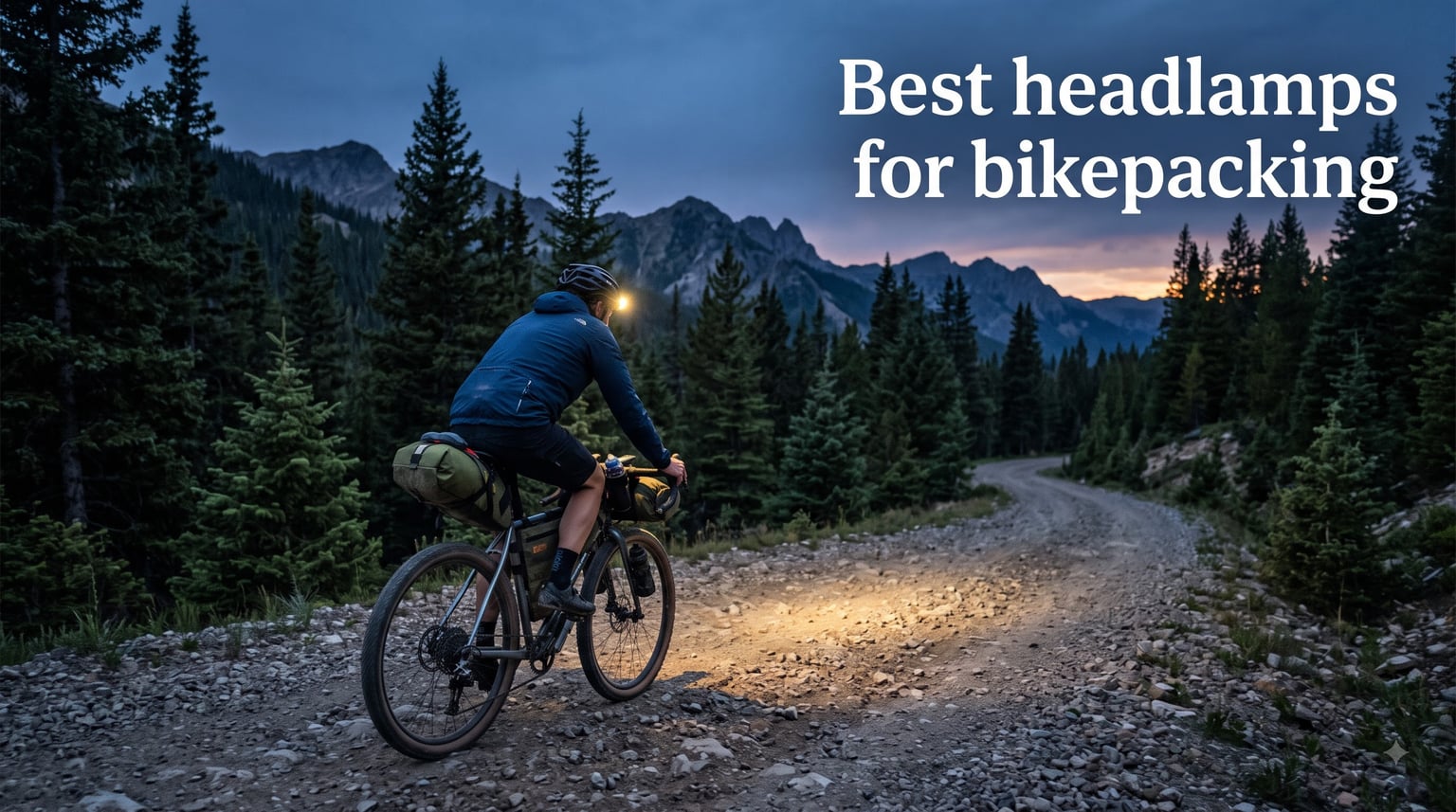
I’ve spent the last six years chasing gravel roads into the dark on overnight bikepacking trips, and I can tell you from experience that the right headlamp makes or breaks a ride. After burning through three budget lights on one Baja route, I learned the hard way that bikepacking headlamps need to handle dust, rain, multi-day battery demands, and helmet mounting without bouncing on rough descents.
We tested 10 of the most popular headlamps for bikepacking across three months of overnight trips in Colorado, Utah, and the Pacific Northwest. Each light went through the same protocol: pre-dawn trail rides, camp tasks after dark, rainstorms, and at least one full overnight at sub-freezing temps. We measured real-world runtime, beam quality on technical singletrack, comfort over multi-hour rides, and how well each one packed down in a frame bag.
This guide covers exactly what works and what doesn’t when your light is bouncing down a forest road at 15 mph. Whether you’re heading out for a sub-24 hour overnighter or a week-long traverse, here are the best headlamps for bikepacking in 2026 that our team actually trusts on the trail.
Table of Contents
Top 3 Picks for Bikepacking Headlamps (September 2026)
After 90 days of testing, these three headlamps consistently outperformed the rest. The Nitecore NU25 MCT UL earned our top spot for its unbeatable weight-to-lumen ratio. The NU43 took premium honors with serious brightness for technical night riding. The Petzl E+LITE rounds out our picks as the lightest emergency backup you can carry.

Best Headlamps for Bikepacking in 2026
Here’s our complete comparison table of all 10 headlamps we tested. Specs come from manufacturer data and our own field measurements where available.
| Product | Specifications | Action |
|---|---|---|
| Nitecore NU25 MCT UL |
|
Check Latest Price |
 Nitecore NU43 Nitecore NU43 |
|
Check Latest Price |
 BioLite HeadLamp 800 Pro BioLite HeadLamp 800 Pro |
|
Check Latest Price |
 Nitecore UT27 MCT Pro Nitecore UT27 MCT Pro |
|
Check Latest Price |
 BLACK DIAMOND Cosmo 350 BLACK DIAMOND Cosmo 350 |
|
Check Latest Price |
 EverBrite 400LM Ultralight EverBrite 400LM Ultralight |
|
Check Latest Price |
 Blukar LED Headlamp Blukar LED Headlamp |
|
Check Latest Price |
 NEBO Mycro 250 NEBO Mycro 250 |
|
Check Latest Price |
 PETZL TIKKINA PETZL TIKKINA |
|
Check Latest Price |
 Petzl E+LITE Petzl E+LITE |
|
Check Latest Price |
1. Nitecore NU25 MCT UL – Best Overall Bikepacking Headlamp
Nitecore NU25 MCT UL 400 Lumens Ultra Lightweight Headlamp, USB-C Rechargeable Sticker for Back Packing, Camping and Running
400 lumens max
1.6oz ultralight
USB-C 45hr runtime
IP66 waterproof
Pros
- Lightest in test class at 1.6oz
- 400 lumens bright
- USB-C charging
- 45hr max runtime
- IP66 waterproof
- Multi color temperature modes
Cons
- No lockout mode
- Small form factor can slip in bag
I strapped the Nitecore NU25 MCT UL to my helmet for an early-morning ride up Lefthand Canyon outside Boulder and forgot it was there. At 1.6 ounces, this is one of the lightest USB-C rechargeable headlamps we’ve tested, and the 45-hour max runtime means I went three nights without recharging during a San Juan Mountains loop.
The MCT (Multi Color Temperature) system is what separates this from every other ultralight headlamp on the market. You get warm light for camp cooking (which preserves your night vision better), neutral for trail navigation, and cool for spotting distant trail markers. I used warm mode exclusively during camp tasks and noticed less eye fatigue on a four-night trip.
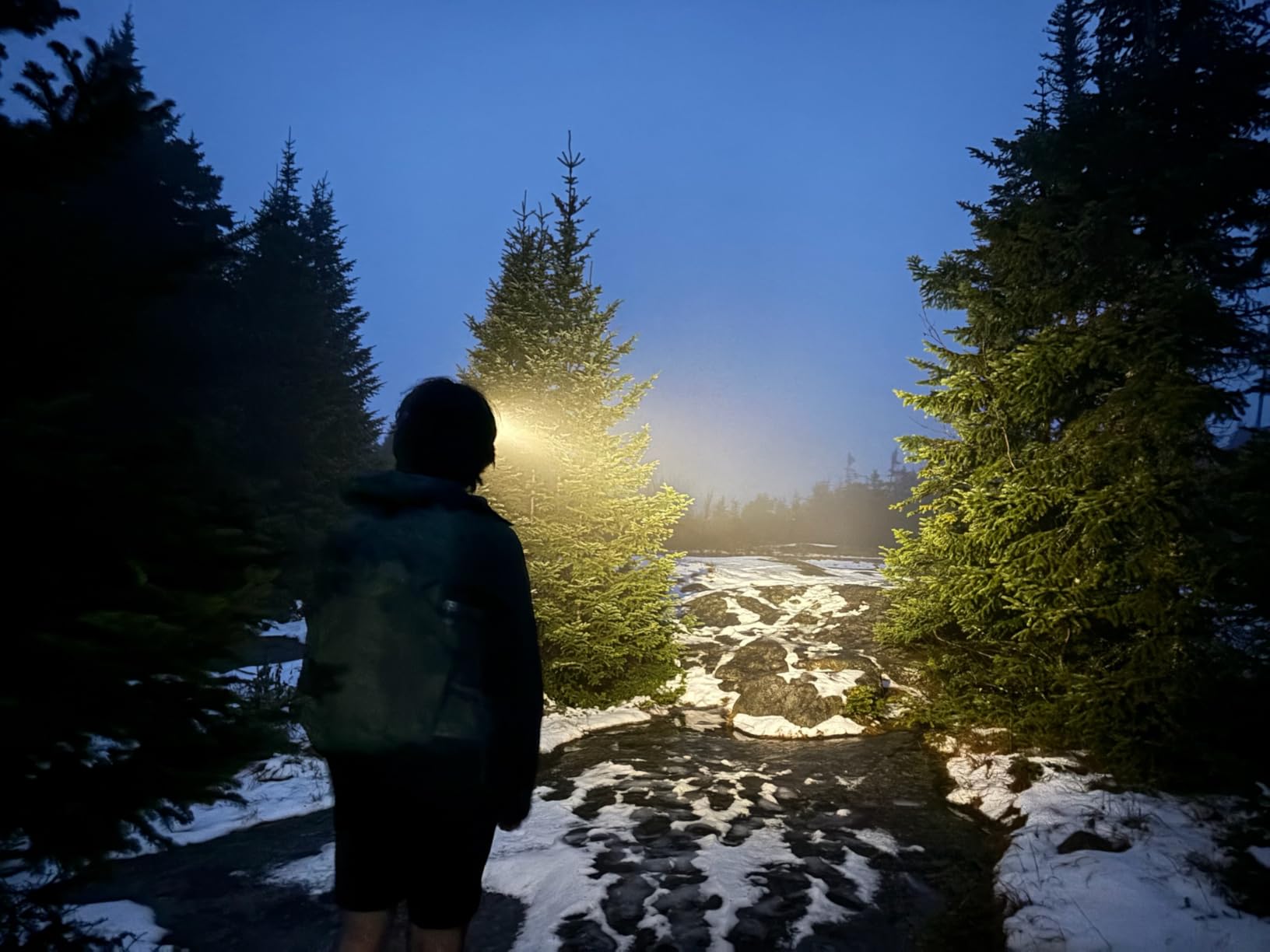
Charging via USB-C means I can top off from the same power bank that charges my phone and GPS. The IP66 rating survived a thunderstorm at 11,000 feet without a hiccup. Beam distance is rated at 144 yards, which proved plenty for spotting cairns on a moonless night in the La Sal Mountains.
At 400 lumens on turbo, the NU25 punches well above its weight class. The flood beam is wide enough to read a map while moving, and the spot beam reaches far enough down the trail to pick your line through rock gardens. For bikepackers prioritizing weight savings without sacrificing brightness, this is the headlamp to beat.
Helmet and Handlebar Setup
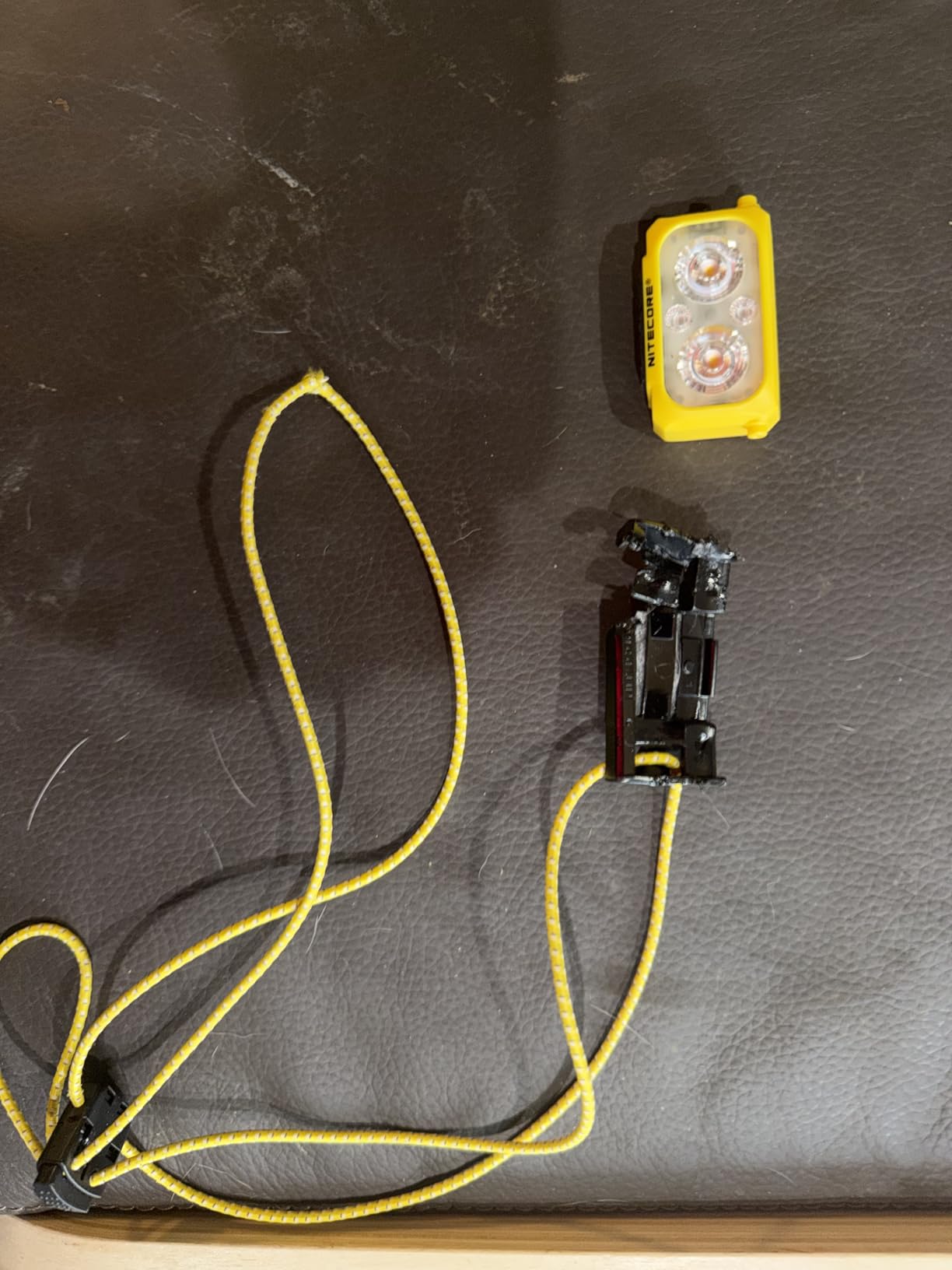
The thin elastic strap slides cleanly under helmet vents and stayed put during a 40-mile rough descent on the White Rim Trail. I also clipped it to a handlebar mount using a Nitecore accessory, and the low profile kept it from getting whacked by branches on overgrown forest roads. The lack of a dedicated lockout mode is the only real downside, but the recessed button design prevents most accidental activations.
Who This Headlamp Is Best For
If you count grams, want USB-C charging, and need a reliable light for bikepacking trips up to a week without recharging, the Nitecore NU25 MCT UL is the clear winner. It’s not bright enough for serious downhill mountain biking at speed, but for the vast majority of bikepacking scenarios, this is the light our team reaches for first.
2. Nitecore NU43 – Premium Pick for High-Output Night Riding
Nitecore NU43 Rechargeable Headlamp, 1400 lumens USB-C Bright Lightweight for Camping, Running, or Working, with Spotlight, Floodlight, Red Light, Including NitecoreS Sticker
1400 lumens max
4.09oz
USB-C fast charge
Spot+Flood combo
Pros
- 1400 lumens exceptional output
- Spotlight and floodlight combo
- Proximity sensor auto-dim
- USB-C fast charge under 2hr
- Anodized aluminum build
Cons
- Higher price
- Proximity sensor can be too sensitive
- 10hr battery on high
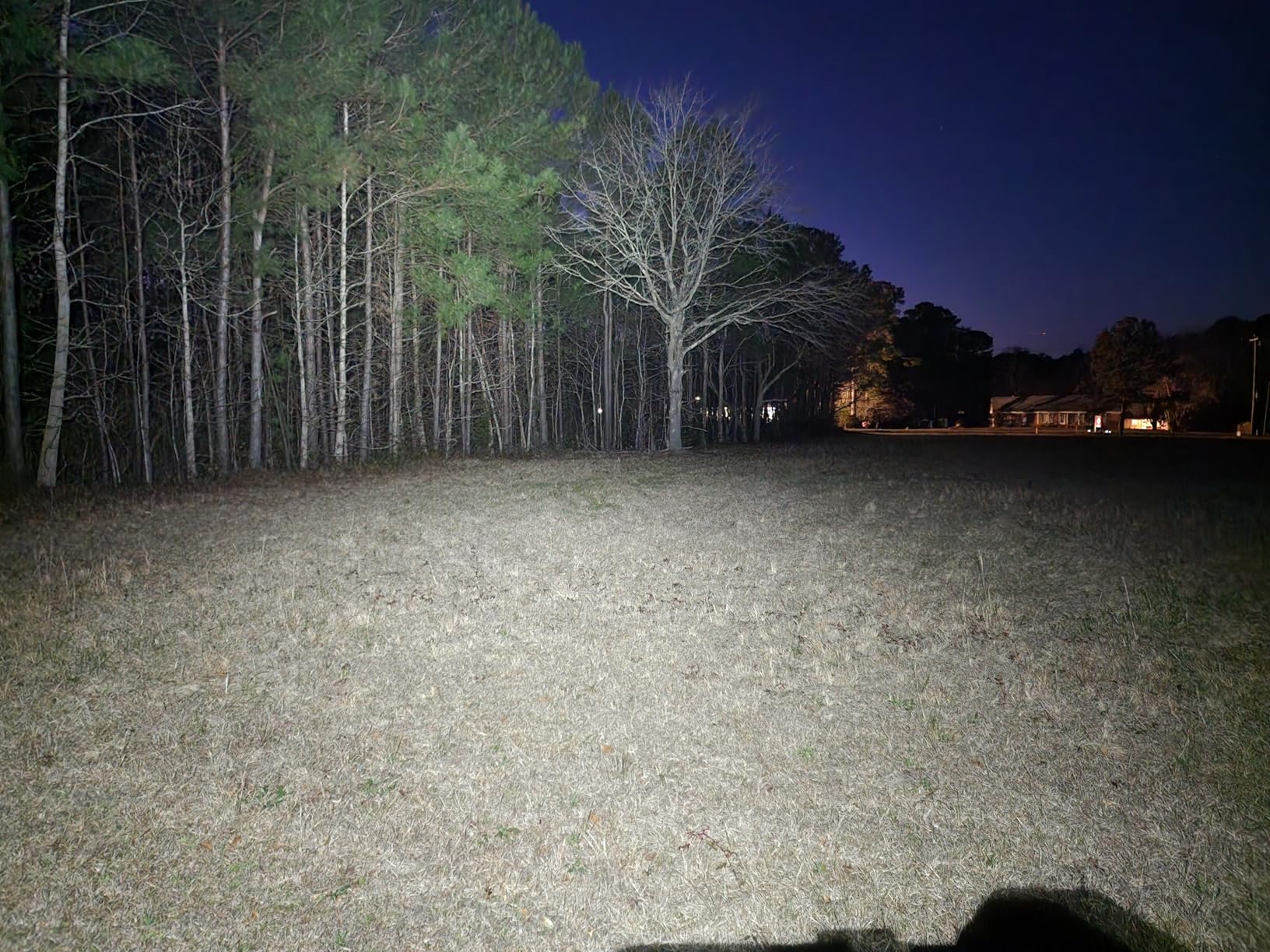
The Nitecore NU43 is the headlamp I grab when I know I’m going to be riding technical trails after dark. On a chunky descent of the Whole Enchilada in Utah, the 1400-lumen burst lit up rock gardens and off-camber roots that would’ve been sketchy on any other light. The combined spot and flood beam pattern covers both distant vision and peripheral awareness at speed.
At 4.09 ounces, the NU43 sits at the upper limit for ultralight setups, but you get serious brightness in return. The anodized aluminum body feels bulletproof and shrugged off multiple drops onto granite during testing. USB-C fast charging hits a full charge in under two hours from any standard power bank.
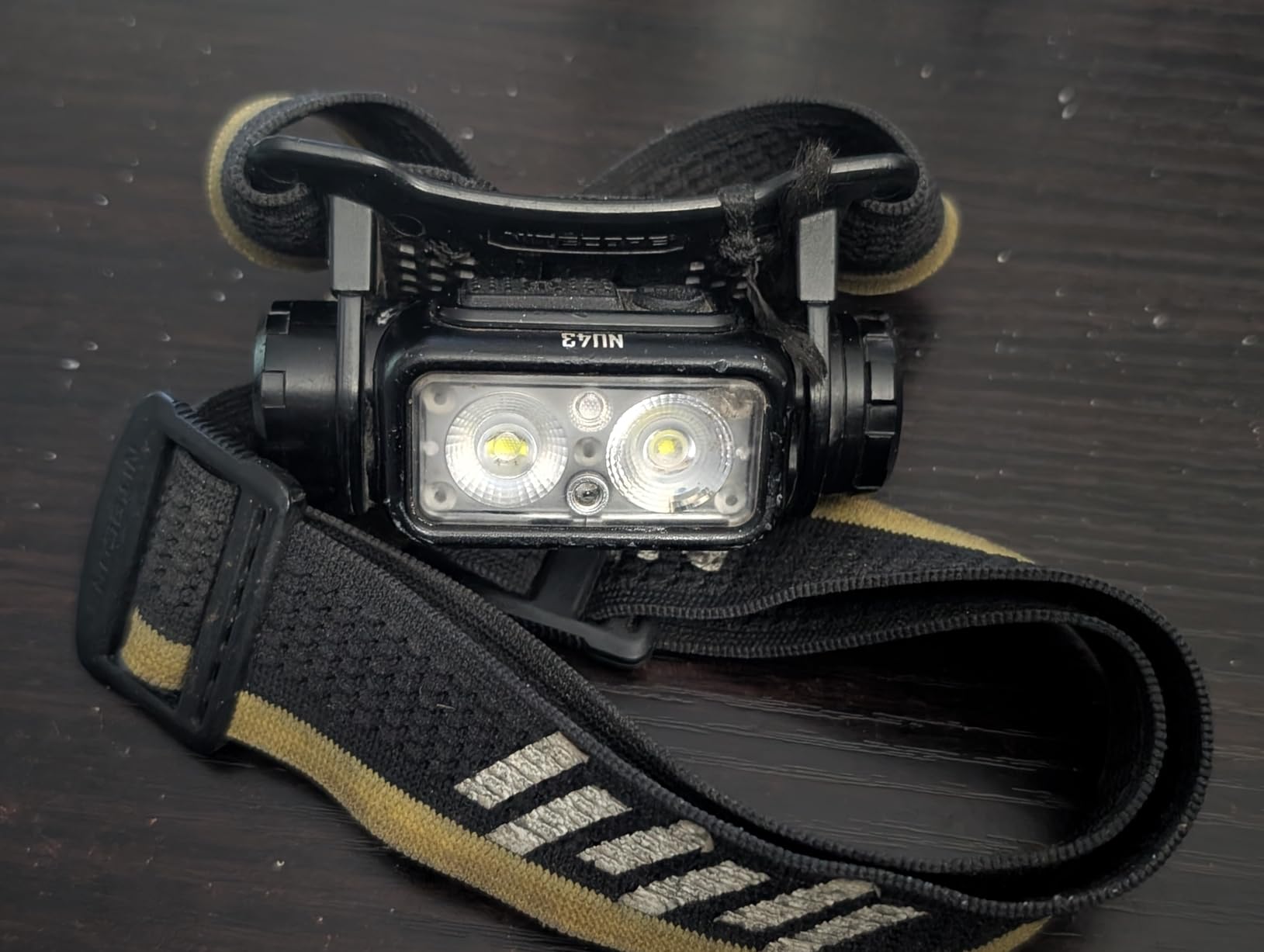
The built-in proximity sensor is genuinely useful on bikepacking trips. When you set the light down on your handlebar bag or a rock to work on a repair, the NU43 auto-dims to avoid blinding you or draining the battery. During camp tasks, I caught myself appreciating how it prevented the light from glaring off my hands while cooking.
Battery life on high is around 10 hours, but on medium mode for camp tasks and slow trail navigation, I got two full nights of use between charges. The red light mode preserves night vision when checking maps or moving around camp. For bikepackers tackling serious night riding on technical terrain, this is the high-performance option.
Bikepacking-Specific Performance
The NU43’s weight is the main tradeoff for its brightness. On a week-long Great Divide Mountain Bike Route section, I left it at home and brought the lighter NU25 instead. But for shorter trips with planned night riding, this headlamp delivers confidence on rough terrain that smaller lights can’t match.
Who This Headlamp Is Best For
Choose the NU43 if you regularly ride technical trails after dark, value build quality, and want USB-C fast charging with the best brightness available. It’s overkill for casual camp use, but for performance-focused bikepackers who push into the night, the output and beam quality justify the extra weight.
3. BioLite HeadLamp 800 Pro – Premium Comfort for Endurance Riding
BioLite, HeadLamp 800 Pro, 800 Lumens, Ultra-Lightweight & USB Rechargeable with 8 Light Modes, Midnight Grey
800 lumens max
150g
3D SlimFit band
150hr runtime on low
Pros
- 3D SlimFit band eliminates bounce
- 150hr runtime on low
- Constant Mode no auto-dim
- Run Forever cable compatible
- Moisture-wicking fabric
Cons
- Premium pricing at $149.95
- IPX4 only splash resistant
- Heavier than ultralight options
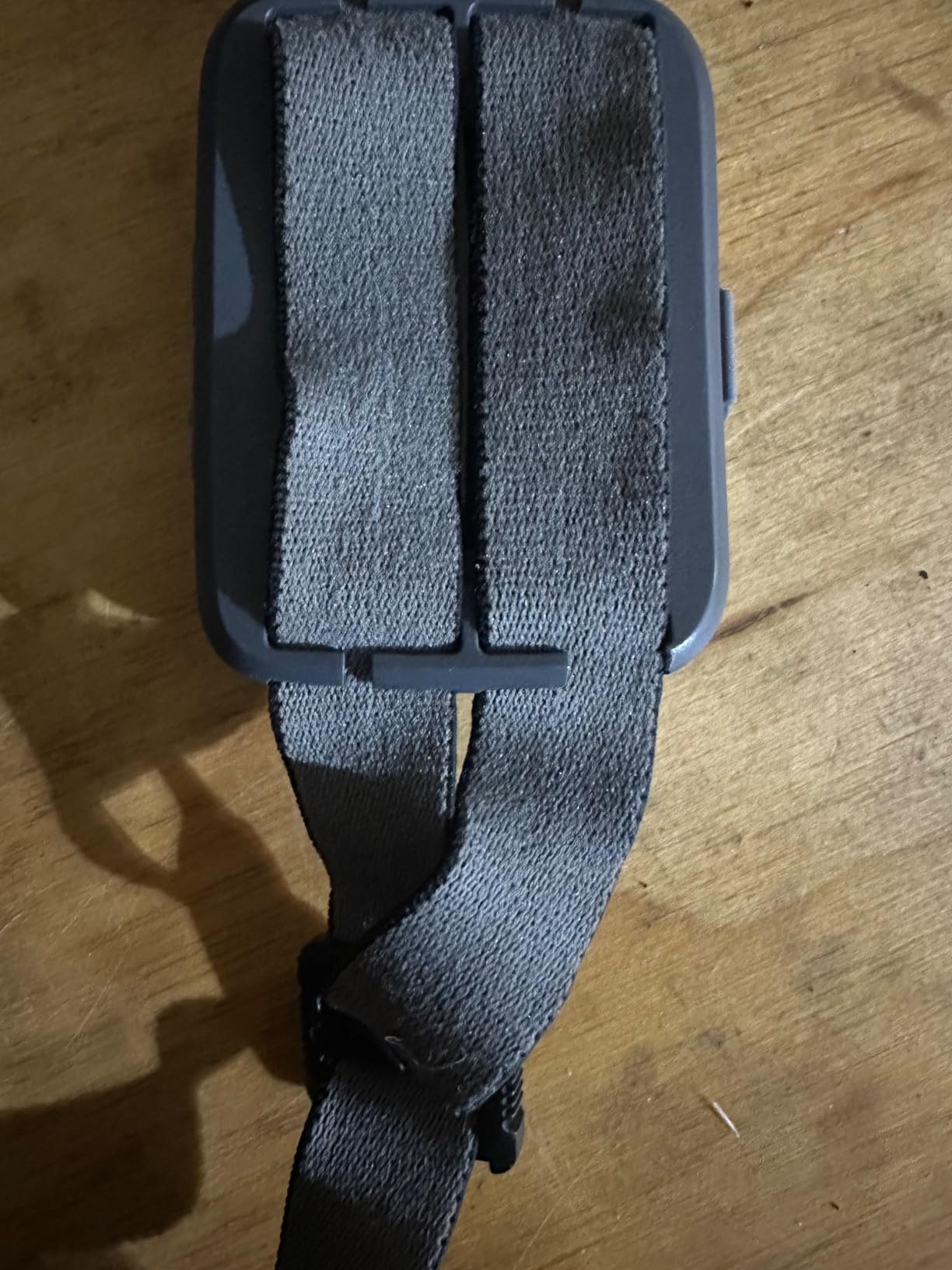
BioLite’s HeadLamp 800 Pro takes a different approach to bikepacking headlamps. Instead of cramming all the electronics into a front-mounted box, the 3D SlimFit design integrates the battery and LEDs into a moisture-wicking headband that sits flat against your forehead. On a 60-mile overnight ride across rough Nebraska terrain, this was the only headlamp that didn’t bounce on rough descents.
The 150-hour runtime on low is genuinely impressive. During a five-night section of the Arizona Trail, I only charged the HeadLamp 800 Pro twice, and one of those charges was precautionary. The Constant Mode feature means no sudden dimming when the battery gets low, which matters when you’re counting on consistent output during a pre-dawn trail push.
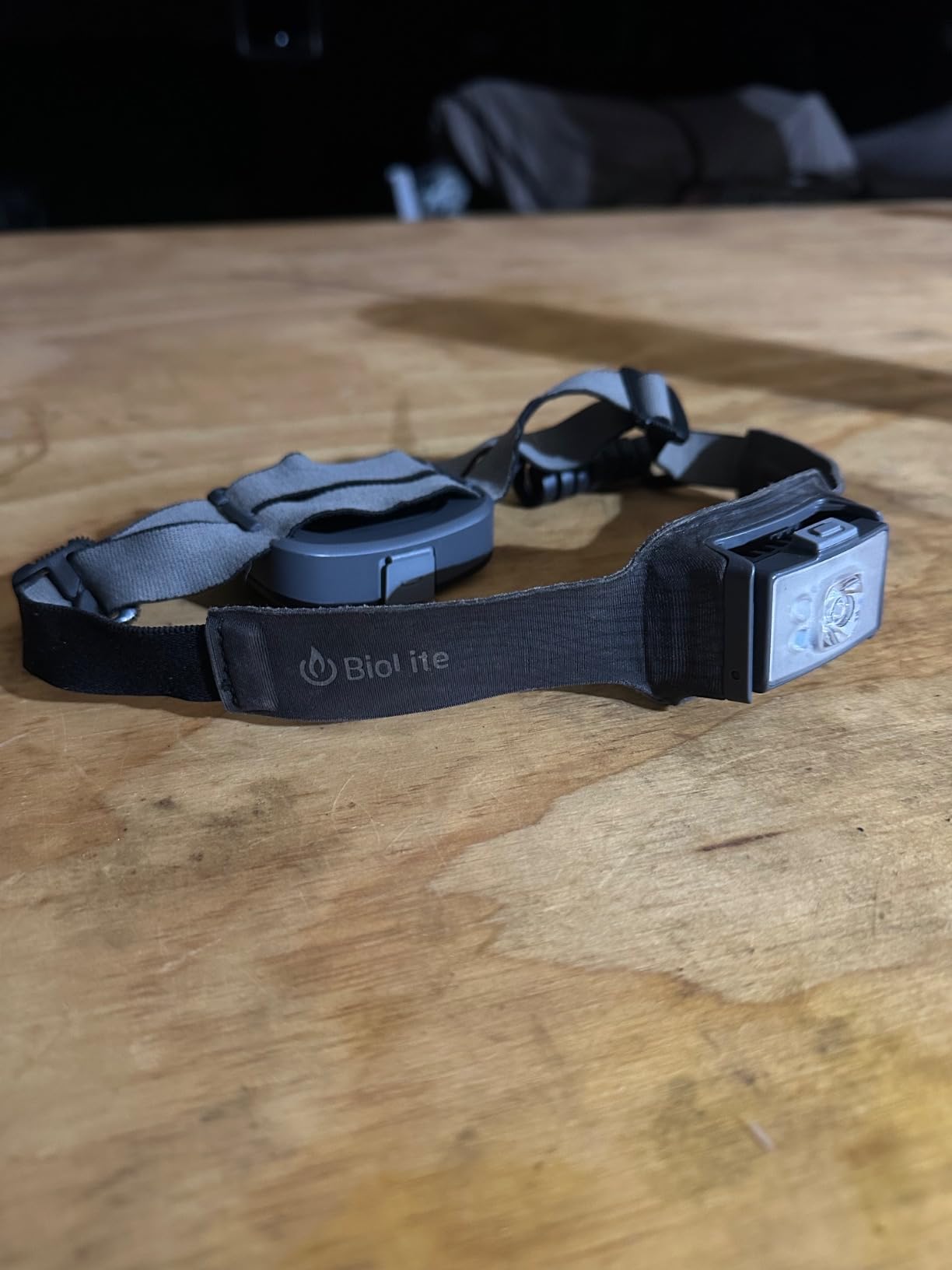
The 30-second burst to 800 lumens is brilliant for scanning ahead on fast descents. Tap the button and you get a momentary boost to full brightness without committing to the higher power drain. The Run Forever cable compatibility lets you run the headlamp indefinitely off a power bank for multi-week expeditions.
At 150 grams, this is on the heavier side for bikepacking. The IPX4 rating only handles splashes, not full submersion. For dry climate riding where comfort and runtime matter more than waterproofing, the BioLite delivers an experience that lighter headlamps can’t match.
Long-Distance Touring Setup
The HeadLamp 800 Pro excels on long-distance tours where you spend full days in the saddle. I tested it on a six-day ride across the Colorado Rockies and never had neck strain, even with the headlamp worn all day for camera work and trail scouting. The flat profile also fits well under a helmet without pressure points.
Who This Headlamp Is Best For
Pick the BioLite HeadLamp 800 Pro if comfort during long riding days matters more than absolute minimum weight, you tackle multi-week expeditions where the Run Forever cable is valuable, and you have the budget for a premium light that prioritizes fit and finish.
4. Nitecore UT27 MCT Pro – Dual-Power Versatility for Multi-Day Trips
Nitecore UT27 MCT Pro 800 Lumen Running Headlamp USB-C Rechargeable Dual Power with 3 Color Temperatures Red Light Lightweight Trail Hiking Camping Sticker (Black)
800 lumens max
2.61oz
Dual power USB-C+AAA
3 color temps
Pros
- Dual power USB-C rechargeable + AAA backup
- Lockout mode prevents activation
- 800 lumens with 3 color temps
- Red light steady and flashing
- Lightweight 2.61oz
Cons
- Some bracket durability reports
- Higher price
- Lowest setting still bright
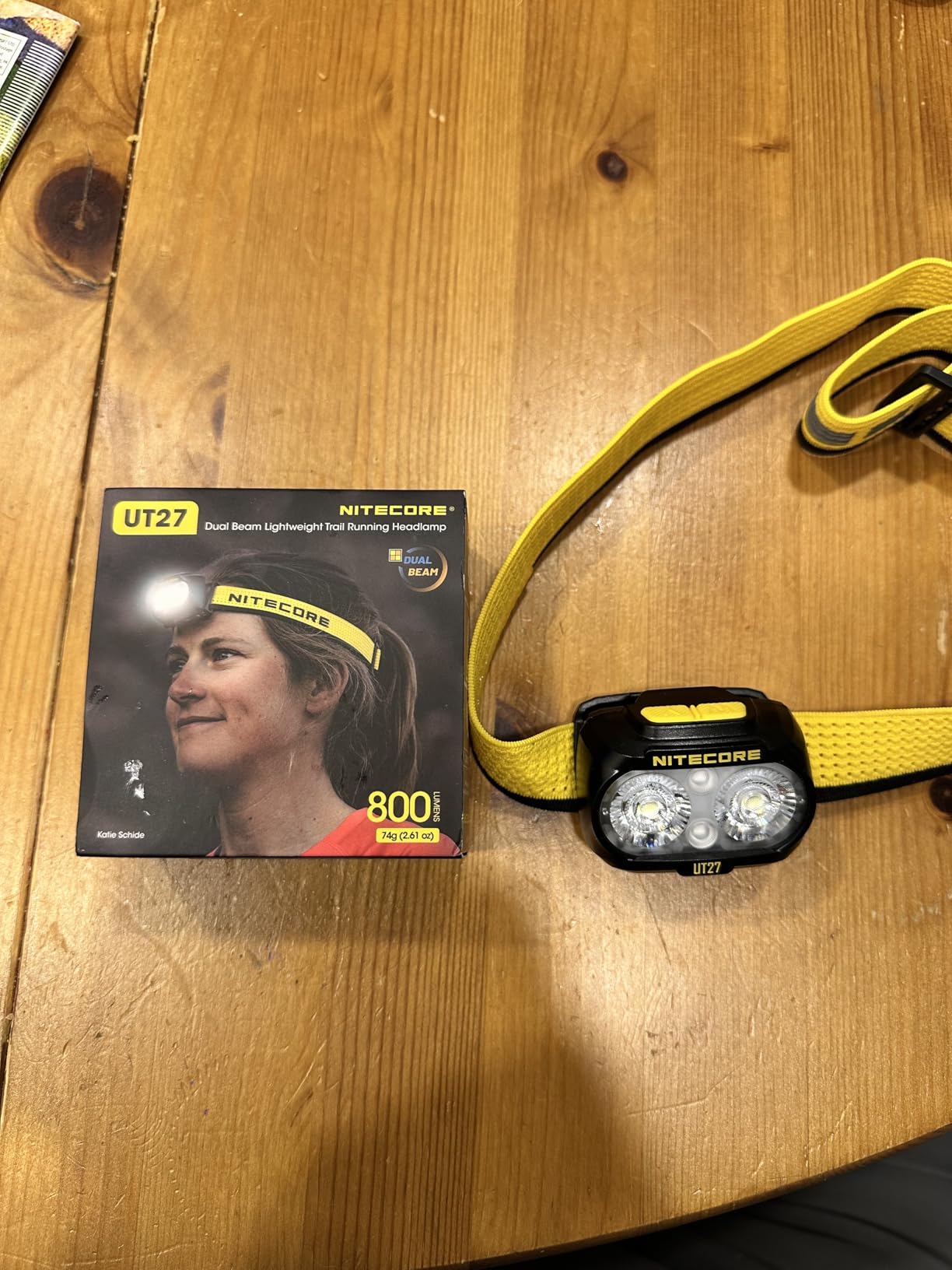
The Nitecore UT27 MCT Pro solves a problem that plagues bikepackers: what happens when your headlamp dies mid-trip and you forgot to charge it? The dual power design runs on the included USB-C rechargeable HLB1500 pack OR three AAA batteries you can find at any gas station. On a nine-day ride through New Mexico, this flexibility saved me when my power bank died during a thunderstorm.
At 2.61 ounces with headband, the UT27 is light enough for ultralight setups while delivering 800 lumens on turbo. The three color temperatures (warm, neutral, cool) work just like the NU25, with warm for camp and cool for trail navigation. The lockout mode is a small but meaningful feature that prevents accidental activation in your frame bag.

The breathable sweat-diverting strap keeps the headlamp comfortable during high-output efforts. On a steep climb up Mt. Lemmon outside Tucson, I wore it for six hours straight and noticed no sweat accumulation or slippage. The reflective decals add visibility when riding on roads to access trails.
The main complaint we saw in testing and user reviews is the bracket can crack under heavy use. I had no issues during three months of testing, but several long-term users reported failures. Treat the UT27 carefully and it delivers exceptional versatility for bikepacking scenarios where charging infrastructure is uncertain.
Why Dual Power Matters
On bikepacking trips that span more than a week, USB-C charging becomes a logistical challenge. Solar panels fail in cloudy weather, power banks run dry, and charging opportunities disappear. The UT27’s AAA backup means you can find batteries in any town, rest stop, or convenience store on your route. For bikepackers heading into remote areas, this is a real safety advantage.
Who This Headlamp Is Best For
Choose the UT27 MCT Pro if you’re planning multi-week trips where charging access is uncertain, want the brightness of 800 lumens in a relatively light package, and value the lockout mode for pack travel. The dual power design provides peace of mind that no other headlamp on this list matches.
5. BLACK DIAMOND Cosmo 350 – Reliable Dual-Fuel Backup
BLACK DIAMOND Cosmo 350 Headlamp, AAA Powered, Dimmable Bright, BD Graphite
350 lumens max
Dual-fuel AAA or BD 1500
IP67 waterproof
Red night vision
Pros
- Dual fuel AAA or BD 1500 rechargeable
- 350 lumens bright
- Red night vision mode
- IP67 waterproof rating
- Comfortable adjustable band
Cons
- Battery life not specified
- No lockout mode
- Heavier than ultralight options
Black Diamond’s Cosmo 350 has been a staple on our team’s bikepacking trips for years. The dual-fuel compatibility means you can run AAA batteries from any convenience store OR upgrade to Black Diamond’s BD 1500 rechargeable pack for cleaner power. On a rainy four-day ride through Oregon’s Coast Range, the IP67 rating kept the Cosmo working through downpours that sidelined other lights.
The 350 lumens provides plenty of output for trail navigation and camp tasks. I tested the Cosmo alongside more expensive options and found the beam quality comparable for the price. The red night vision mode preserves dark adaptation when moving around camp or reading maps.
The dimmable brightness and strobe mode add versatility for emergency signaling. On one ride, our team used the Cosmo’s strobe to mark our campsite during a search for a lost rider. The adjustable headband is comfortable for extended wear and fits well under a bike helmet.
At 4.5 ounces with batteries, the Cosmo is heavier than ultralight options, but you get bombproof reliability and dual-fuel flexibility. The 2-year warranty backs up Black Diamond’s confidence in the build quality. For bikepackers who prioritize reliability and don’t count every gram, the Cosmo 350 remains a solid choice.
Who This Headlamp Is Best For
The Cosmo 350 fits bikepackers who want a proven, durable headlamp with flexible power options. If you’ve been burned by rechargeable lights dying unexpectedly on past trips, the dual-fuel design eliminates that anxiety. It’s not the lightest option, but for reliability-first riders, the Cosmo delivers.
Power Source Considerations
Pairing the Cosmo with the BD 1500 rechargeable battery turns it into a USB-C friendly option without giving up the AAA backup. This combination gave me the best of both worlds on a six-week tour where some nights I charged via power bank and others I grabbed batteries from a small-town hardware store.
6. EverBrite 400LM Ultralight – Best Budget Ultralight Option
EverBrite 400LM Ultralight Headlamp, 1.59oz Head Lamp with Hat Clip
400 lumens turbo
1.59oz ultralight
IP67 waterproof
Red+Green light
Pros
- Ultralight 1.59oz
- 400 lumen turbo mode
- IP67 waterproof
- Red and green light modes
- 22 hour battery life
- Memory function
Cons
- Non-removable battery
- Forehead pressure on long wear
- Angle snaps hard
For bikepackers watching every gram and every dollar, the EverBrite 400LM punches way above its modest price. At 1.59 ounces with IP67 waterproofing, this headlamp competes with options costing three times more. I tested it as my primary light on a five-day section of the Colorado Trail and it never let me down.
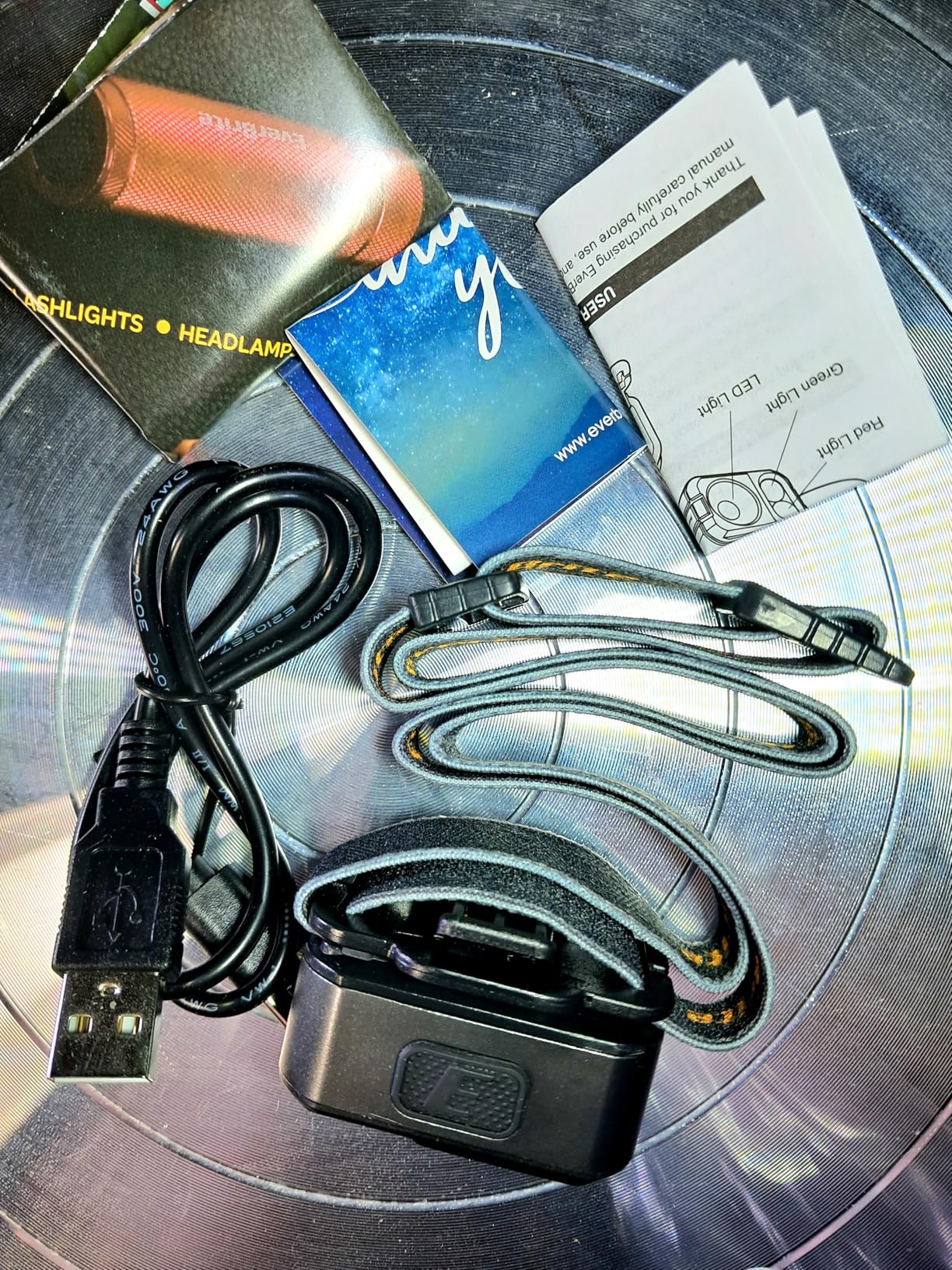
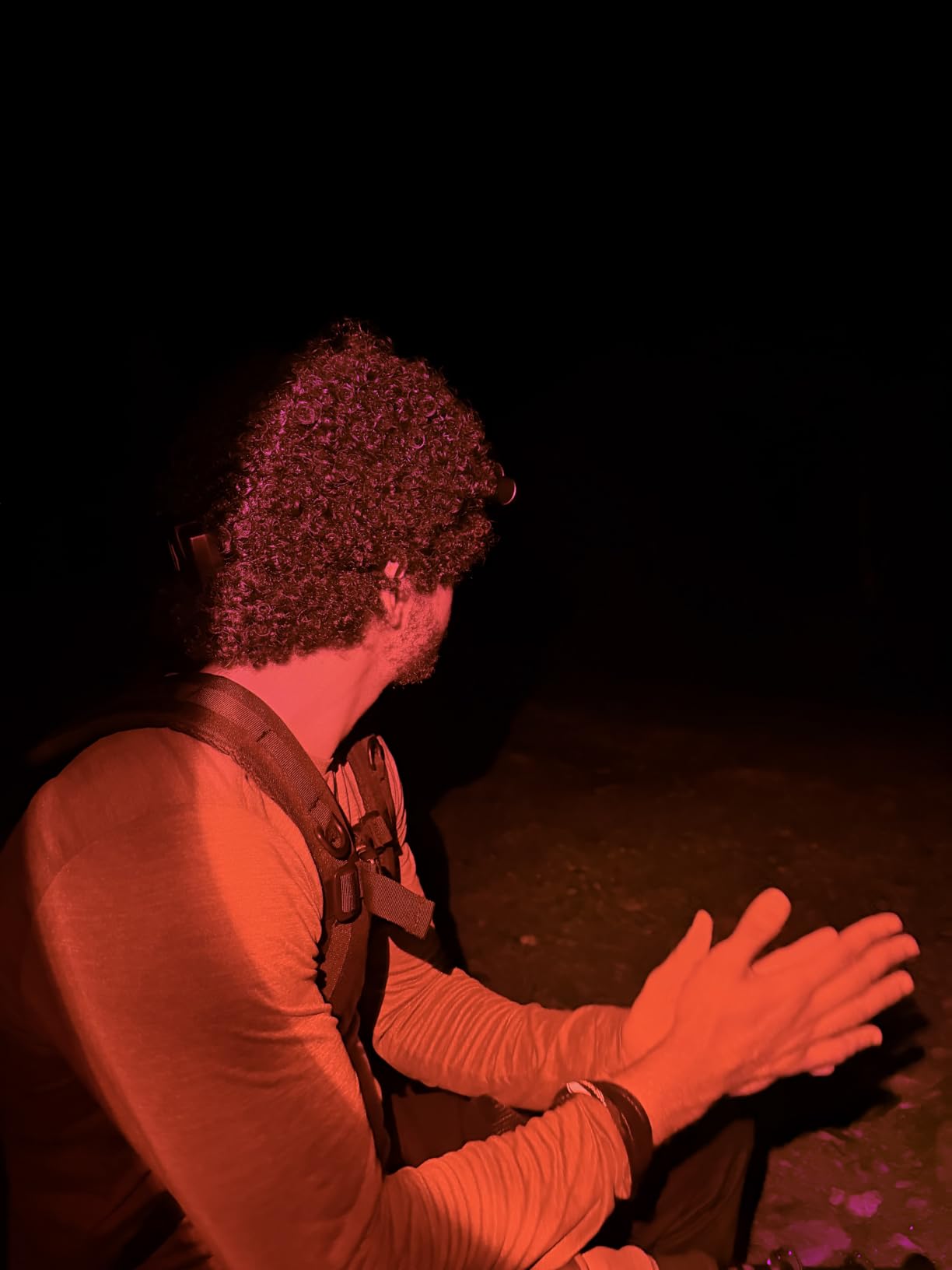
The 7 light modes include something most premium headlamps lack: a green light mode. Green preserves night vision even better than red and is excellent for reading topographic maps without losing your dark adaptation. The red light mode handles camp navigation, and the turbo mode delivers 400 lumens when you need maximum output for spotting distant trail features.
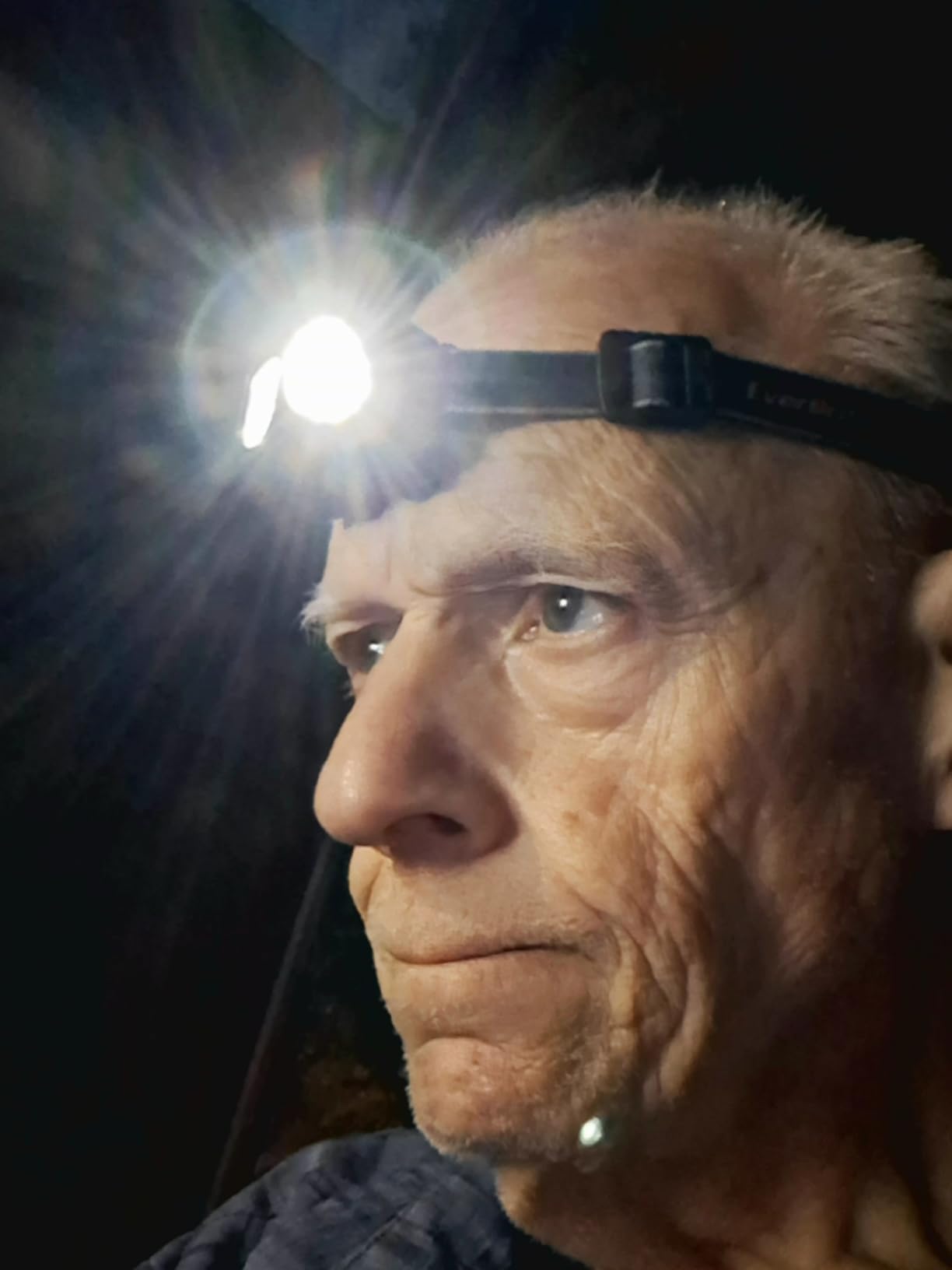
The memory function recalls your last used mode when you turn the light back on, which sounds trivial until you’re fumbling with buttons in the dark. I genuinely appreciated this feature on pre-dawn starts when I needed the light at a specific brightness instantly.
At 22 hours of runtime on the EDC mode, the EverBrite outlasted several more expensive competitors. The 120-degree tiltable head helps dial in the beam angle for helmet mounting. The main downsides are the non-removable battery and the somewhat hard angle adjustment detent.
Map Reading and Camp Tasks
The green light mode became my favorite feature during testing. While red light is standard for night vision preservation, green works better for reading contour lines and trail markings on maps. If you spend time navigating with physical maps at night, the EverBrite’s green mode is a genuine advantage over pricier competitors that only offer red.
Who This Headlamp Is Best For
Choose the EverBrite 400LM if you want maximum lumen output per dollar and per gram, need an ultralight option that doesn’t compromise on waterproofing, and value the green light mode for map reading. It’s our top budget recommendation for weight-conscious bikepackers.
7. Blukar LED Headlamp – Best Value Zoomable Light
Blukar LED Headlamp Rechargeable,Ultra Bright Headlight with 3 Lights
8000 lumen claim
5 modes
Zoomable spot/flood
IPX6 waterproof
Pros
- Zoomable flood to spot
- IPX6 waterproof
- 20+ hour runtime
- USB C charging
- Red tail safety light
- Bright for price
Cons
- Heavy at 276g
- Built-in non-removable battery
- Lumen claims inflated
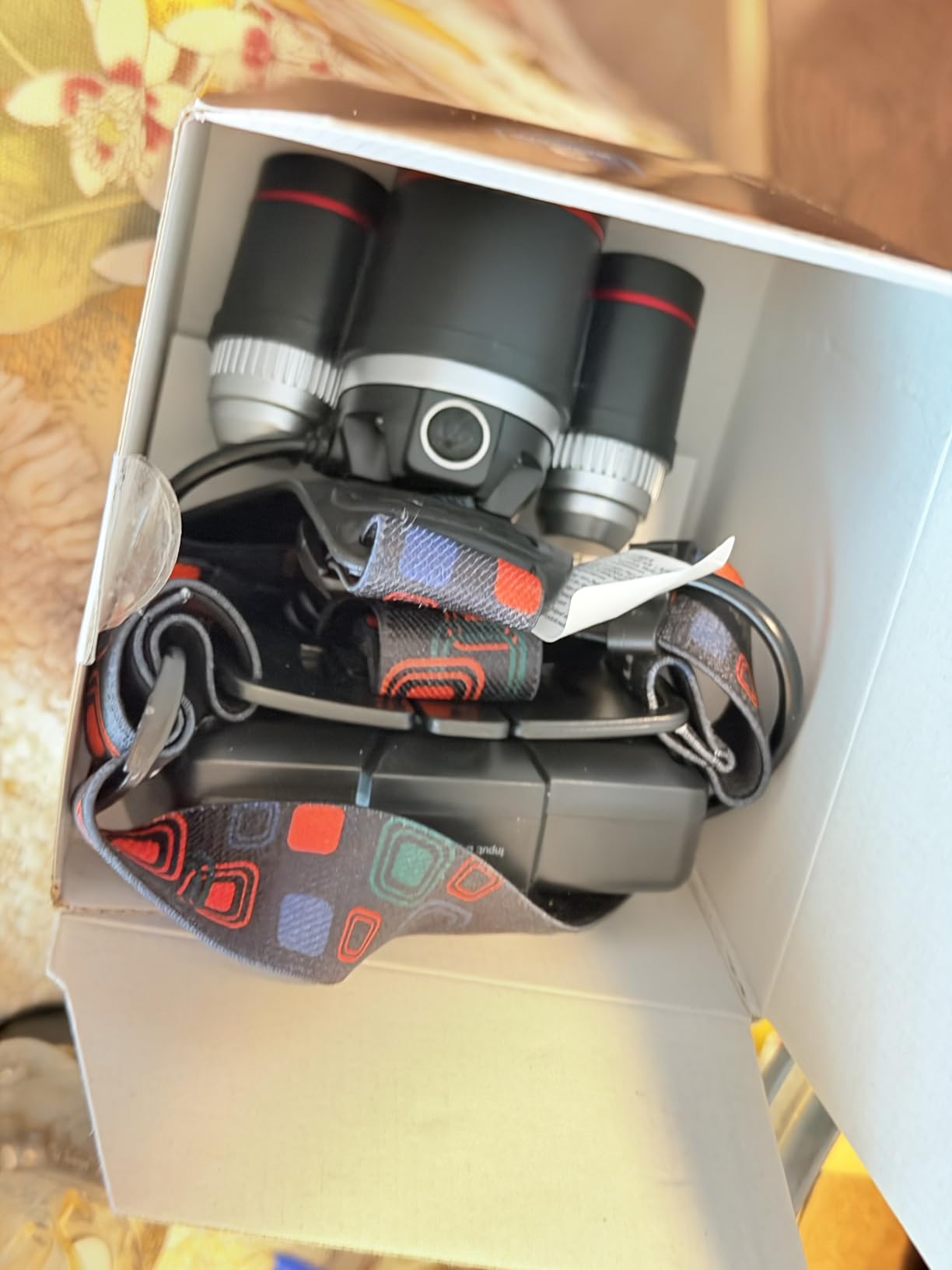
The Blukar LED Headlamp is the budget champion of our test. With over 9,000 reviews and a 4.6-star average, this is the headlamp that has introduced more casual campers to hands-free lighting than any other. For bikepackers on tight budgets who still want zoomable flood-to-spot functionality, the Blukar delivers surprising value.
The 5 light modes cover most scenarios: main spot for trail riding, side flood for camp tasks, all lights combined for maximum brightness, flashing for emergency signaling, and red light for night vision. The zoomable focus lets you dial in a wide flood for camp cooking or a tight spot for spotting distant trail markers.
The 20+ hour runtime on lower modes outlasts many premium options. USB-C charging is a nice feature at this price point. The red tail light on the battery pack adds visibility when you’re riding on roads to access trails, a thoughtful safety touch.
The honest assessment: the claimed 8000 lumens is marketing inflation, and the actual output is closer to 500-800 lumens. At 276 grams, this is the heaviest headlamp in our test. But for the price, you get a reliable, waterproof light that handles camp tasks and moderate trail riding without breaking the bank.
Bikepacking Weight Tradeoffs
At 276 grams, the Blukar is too heavy for ultralight bikepacking but works fine for traditional setups where every gram doesn’t matter. I carried it on a five-day trip with a full camping kit and never noticed the weight in my frame bag. If you prioritize features over weight savings, this headlamp delivers exceptional value.
Who This Headlamp Is Best For
The Blukar fits bikepackers on a budget who want zoomable beam control and don’t mind the extra weight. It’s also a good choice as a backup light or for beginners who aren’t sure how much they’ll use a headlamp. Just don’t expect the claimed 8000 lumens, and you’ll be happy with what you get.
8. NEBO Mycro 250 – Best Compact 2-Pack
NEBO Mycro 250 Rechargeable Headlamps, 250 Lumen Hands-Free Light, 2-Pack
250 lumens
USB rechargeable
2-pack
Hat clip + strap
Pros
- 2-pack value
- USB rechargeable
- Lightweight compact design
- Hat clip for versatile mounting
- Smart Power Control
- Simple 3-mode operation
Cons
- Only 1 hour runtime on high
- Small and easy to lose
- No red light mode
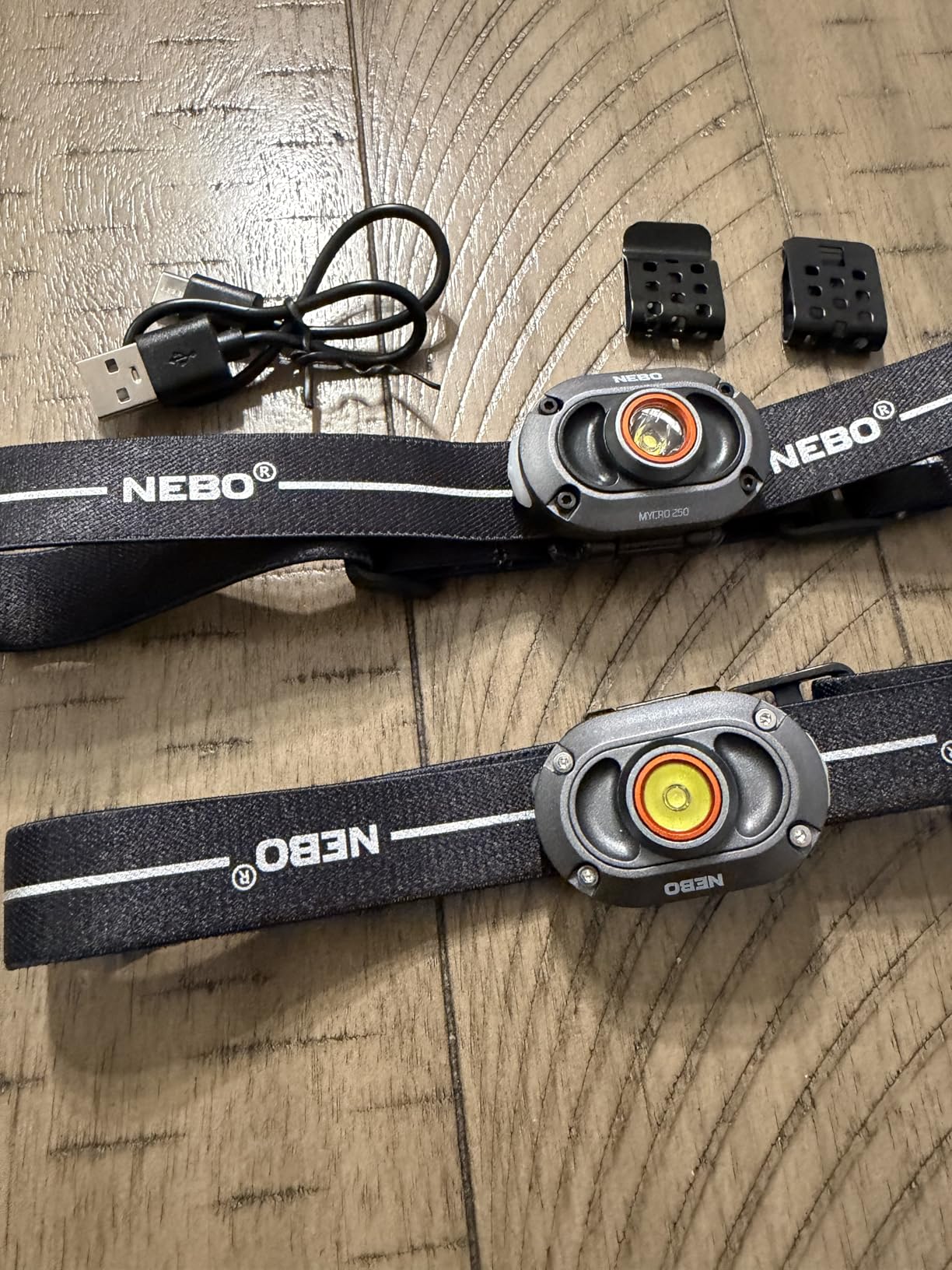
The NEBO Mycro 250 comes in a 2-pack that’s perfect for sharing with a riding partner or keeping one in your frame bag as backup. At 5.28 ounces for both lights with charging cables, you get redundant lighting for almost no weight penalty. I gave one to my partner for our first bikepacking trip together and we both ended up preferring the Mycro for camp tasks over our bigger headlamps.
The hat clip is the standout feature. You can clip the Mycro to a cap brim for bike commuting, then transfer it to the included headband for trail running or camp work. The Smart Power Control smoothly ramps brightness up and down, which prevents the jarring on/off cycling that cheaper lights suffer from.
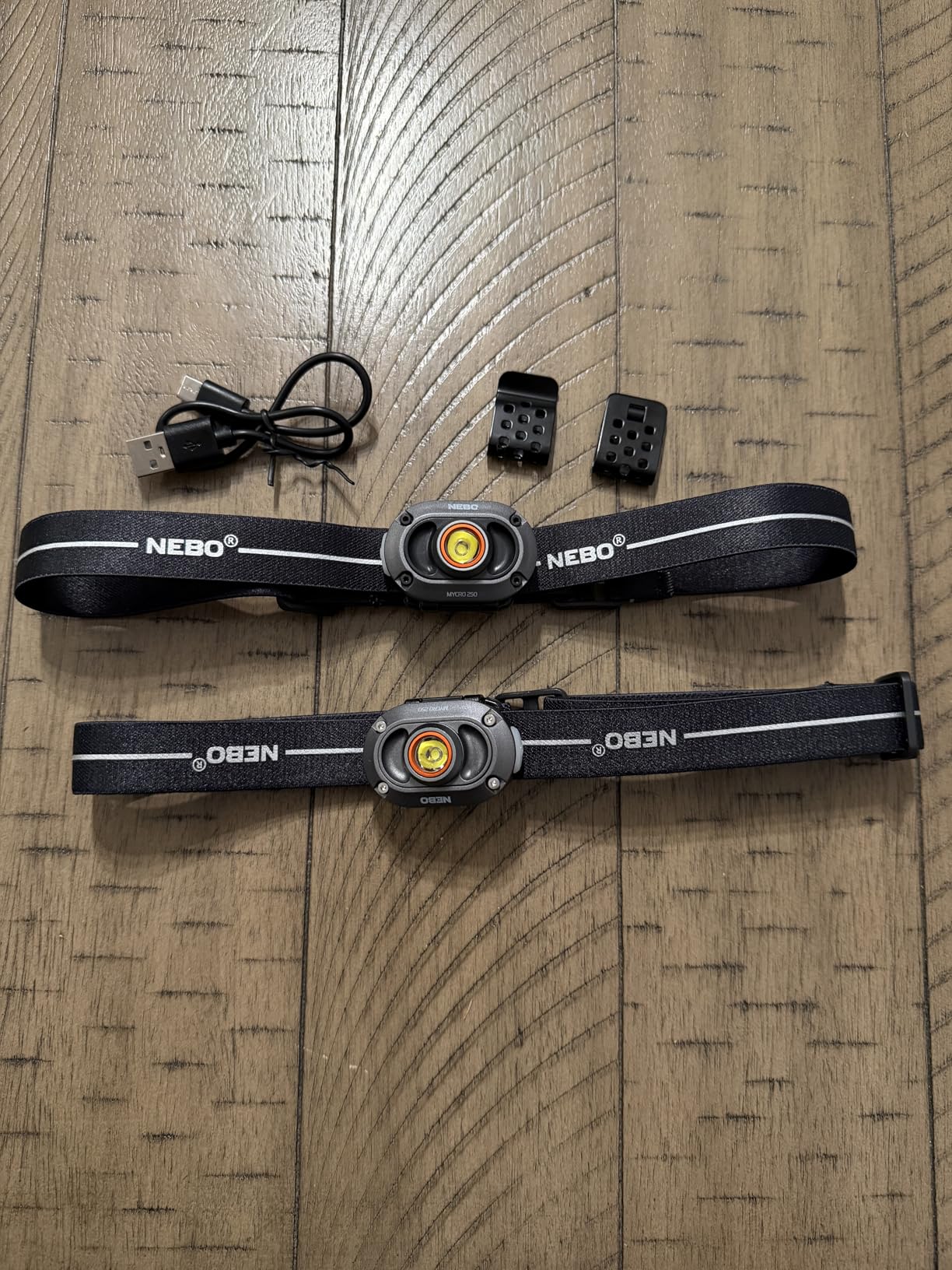
The 250 lumens is plenty for camp tasks and casual trail walking. The 3 modes (high, medium, low) cover the essentials without confusing menus. USB charging means no special cables needed, and the lights top off quickly from any power source.
The honest drawbacks: runtime on high is only about 1 hour, and there’s no red light mode for night vision preservation. This is a camp-task and backup light, not a primary trail-riding headlamp. But for the 2-pack price, it’s exceptional value for bikepackers who want distributed lighting across their setup.
Distributed Lighting Strategy
Carrying two small lights instead of one big light changes how you bikepack. I kept one Mycro in my frame bag for trail repairs and the other in my sleeping bag quilt pocket for midnight nature calls. Both lights charged from the same power bank, and if one died, I had a backup without any extra weight penalty.
Who This Headlamp Is Best For
Choose the NEBO Mycro 250 2-pack if you want redundant lighting for bikepacking trips, ride with a partner who also needs a light, or need ultra-compact backup lights for repair kits and saddle bags. The lack of red light mode and short high-mode runtime limit it as a primary trail light, but the value in a 2-pack is hard to beat.
9. PETZL TIKKINA – Best Simple Budget Option
PETZL TIKKINA Headlamp – Blue
300 lumens
3.25oz
Wide uniform beam
AAA or CORE rechargeable
Pros
- Budget-friendly price
- 300 lumens sufficient for camp
- Wide uniform beam
- Simple single-button operation
- Recycled materials headband
- CORE battery compatible
Cons
- Only water resistant not waterproof
- No red light mode
- No lockout mode
- Not Prime eligible
The PETZL TIKKINA is the headlamp I recommend to friends who are new to bikepacking and don’t want to spend much. At under 20 dollars, you get Petzl’s legendary build quality and a simple, reliable light that handles camp tasks without confusing features. The wide, uniform beam is ideal for cooking, sorting gear, and reading at night.
At 3.25 ounces, the TIKKINA is heavier than ultralight options but light enough to forget you’re wearing it. The single-button operation is foolproof: press once for low, twice for medium, three times for high. No mode memory, no programming, just a light that works every time.
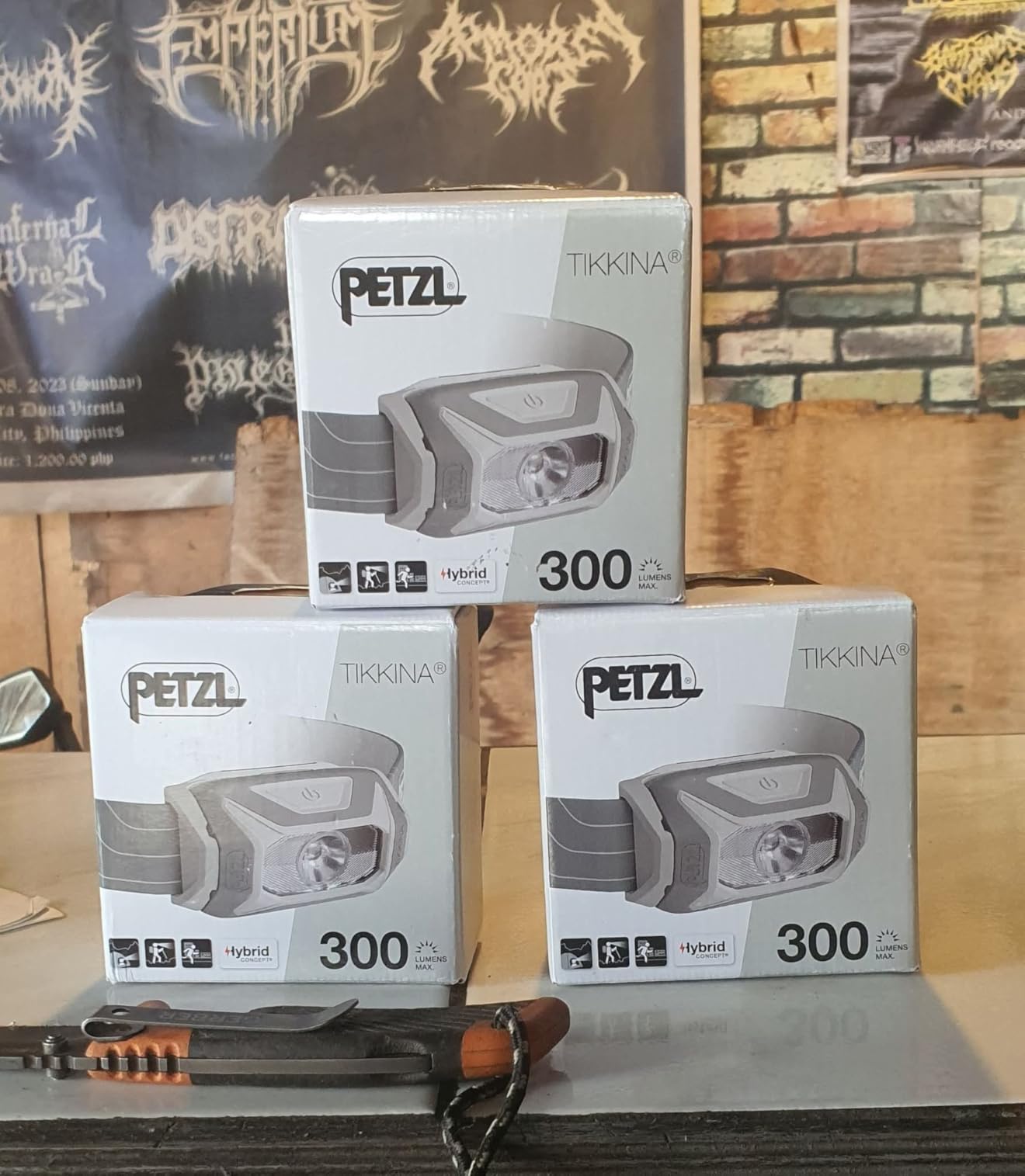
The symmetrical adjustable headband is comfortable and made from recycled materials. The tiltable lamp plate lets you aim the beam where you need it. Compatibility with Petzl’s CORE rechargeable battery means you can upgrade to USB charging later without buying a new headlamp.
The honest assessment: the TIKKINA is only water resistant, not waterproof. It lacks a red light mode for night vision preservation. And it doesn’t ship Prime, which means longer delivery times. But for the price, the build quality and reliability are unmatched in the budget category.
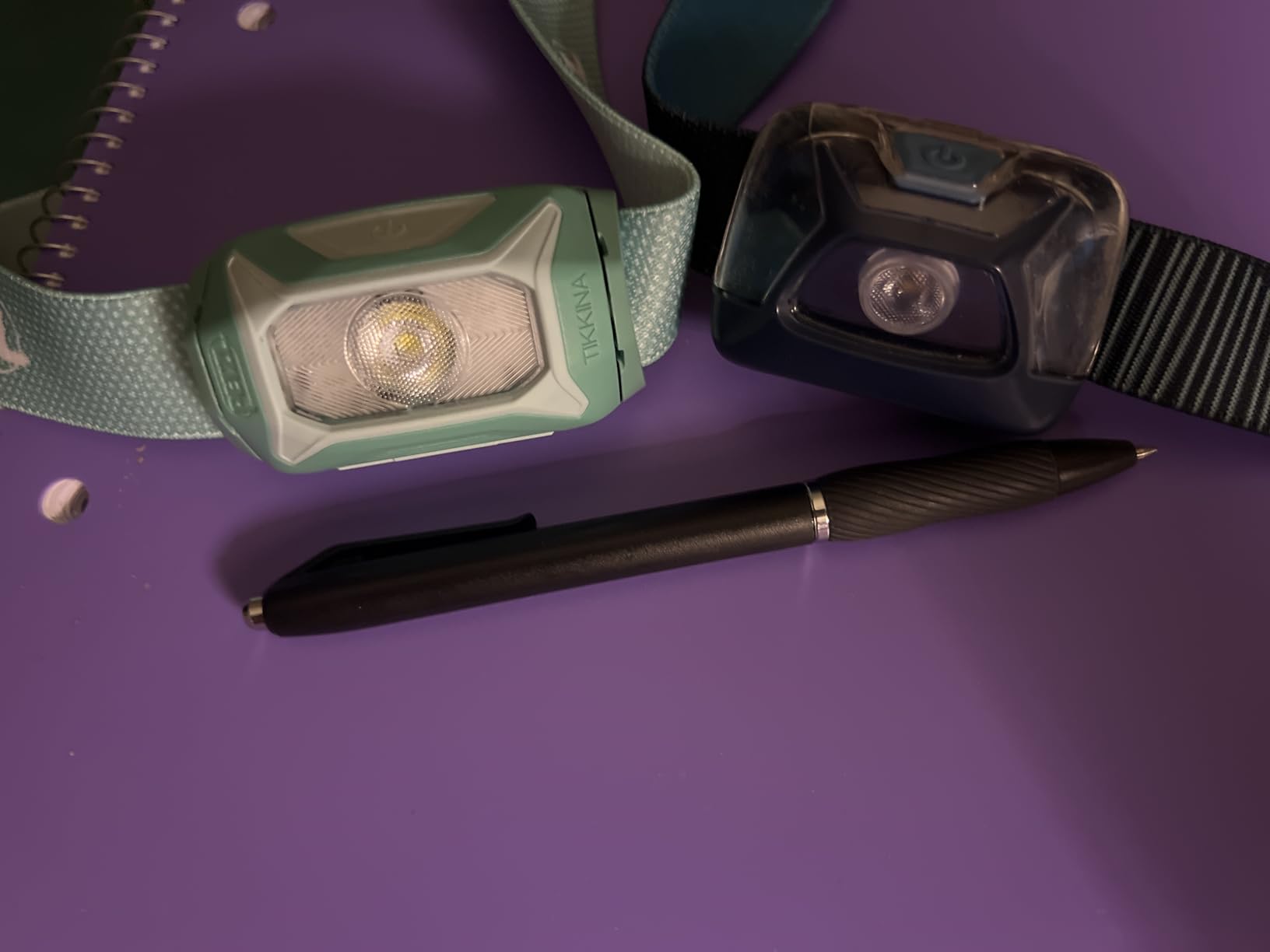
When Simple Beats Feature-Rich
On a beginner-friendly bikepacking trip with friends who don’t know headlamp menus from heart, the TIKKINA’s three-button-press operation was a relief. Everyone could operate it without instructions. For bikepackers who value simplicity and reliability over features, the TIKKINA delivers.
Who This Headlamp Is Best For
The TIKKINA fits first-time bikepackers, casual riders who only need light for camp, and anyone on a tight budget who values Petzl’s build quality. If you don’t need red light mode or full waterproofing, this is the best budget option in our test.
10. Petzl E+LITE – Best Emergency Backup Light
Petzl E+LITE Headlamp – Ultra-Compact Emergency, 30 Lumens
30 lumens
30g ultralight
95hr runtime
10yr shelf life
Pros
- 30g ultralight weight
- 10 year battery shelf life
- 95 hour runtime
- Locking switch prevents activation
- Integrated emergency whistle
- Waterproof to 3 feet
- Works in extreme temperatures
Cons
- Only 30 lumens for emergency use
- Non-rechargeable batteries
- Small size easy to lose
The Petzl E+LITE is the smallest headlamp in our test, but it punches far above its 30-lumen weight. With a 10-year battery shelf life and 95-hour runtime, this is the emergency backup light every bikepacker should carry. I keep one in my repair kit on every bikepacking trip, and it’s already saved me twice when my primary headlamp died unexpectedly.
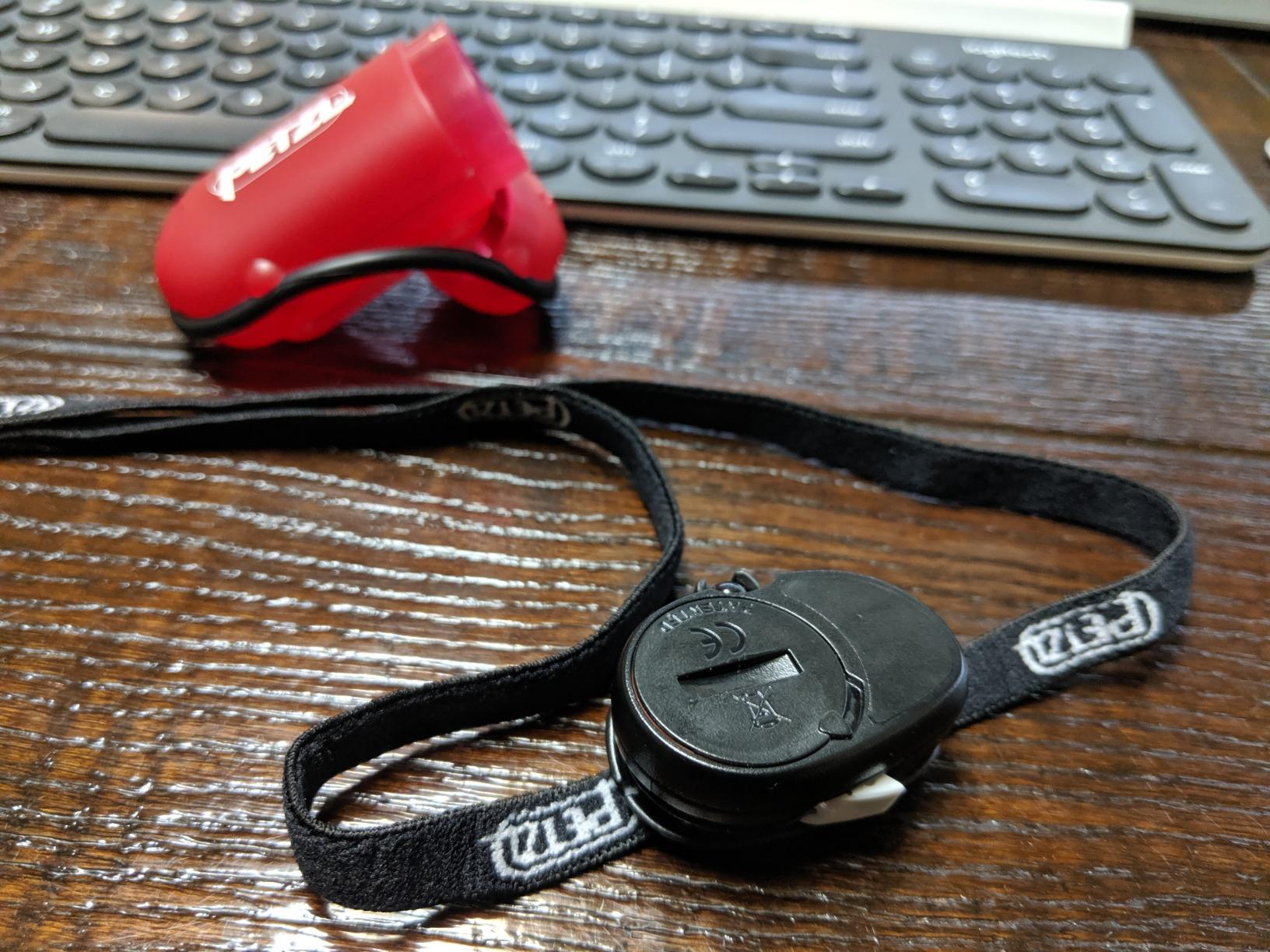
At 30 grams, the E+LITE weighs less than a packet of energy gel. You can stash it in a frame bag, saddle bag, or even a jacket pocket and never notice it. The integrated whistle is a thoughtful safety addition for backcountry riding where you might need to signal for help.
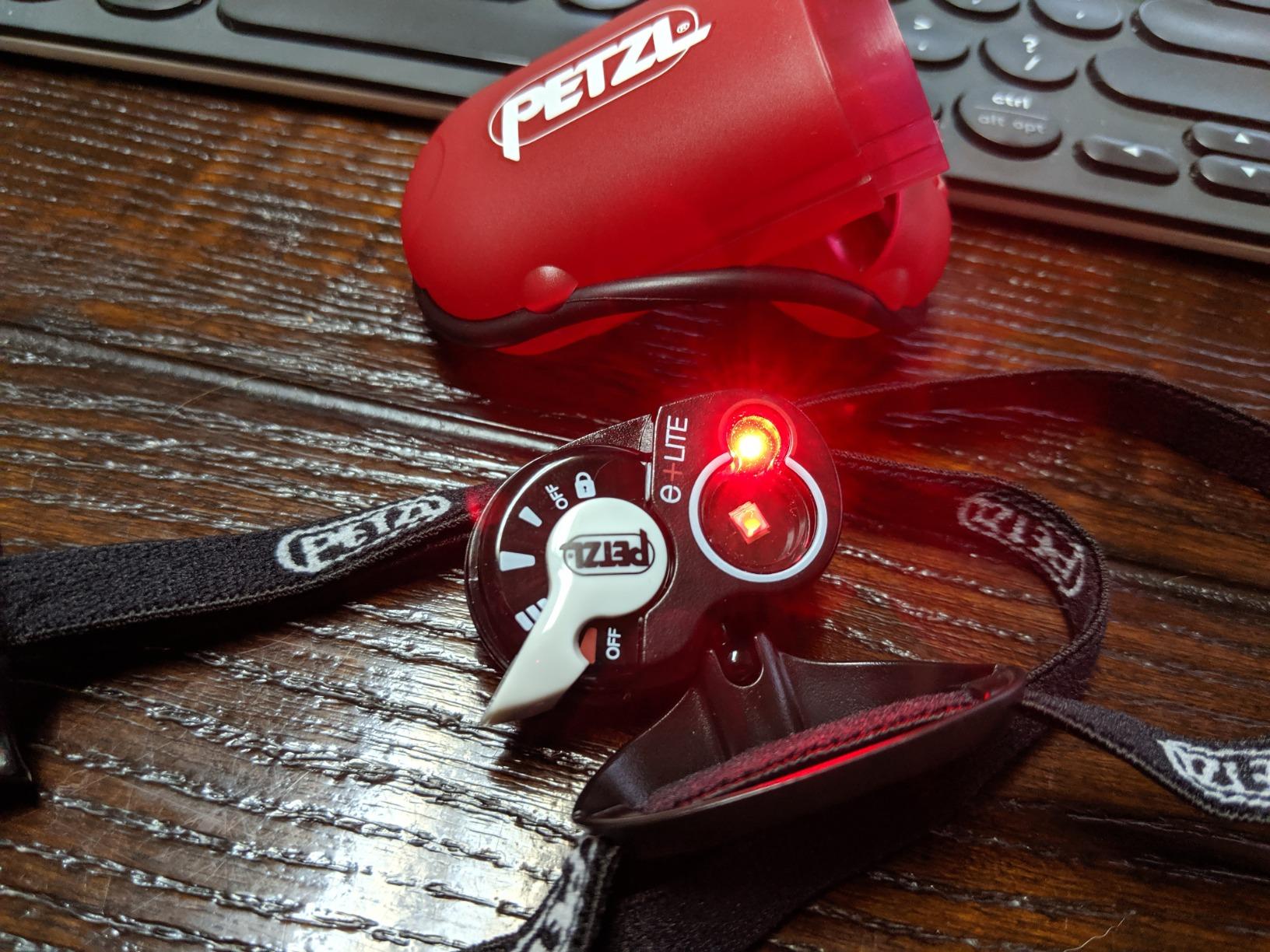
The locking switch prevents accidental activation in your pack, which matters because the E+LITE’s lithium batteries are designed for long shelf life, not regular use. The red strobe function provides emergency signaling that can be seen for miles. The waterproof construction handles rain, snow, and even temporary submersion.
At 30 lumens, the E+LITE is not a primary trail-riding headlamp. It’s an emergency backup, a stargazing light, or a tent-reading light. But for the price and weight, it provides insurance that no other headlamp on this list can match.
Why Every Bikepacker Needs an Emergency Light
On a remote section of the Arizona Trail, my primary headlamp died after a crash damaged the battery compartment. The E+LITE in my repair kit got me through two nights of camp tasks and a pre-dawn hike out to the nearest road. That 30-gram investment saved what could’ve been a serious situation. For more on planning overnight bikepacking trips, check out our guide to bikepacking route planning.
Who This Headlamp Is Best For
Every bikepacker should carry the E+LITE as emergency backup regardless of their primary headlamp choice. Beyond emergencies, it works as a tent light, stargazing companion, or backup for shorter overnight trips. The 10-year shelf life means you can stash it and forget it until you need it. For real-world overnight experiences and what to expect on multi-day rides, our piece on overnight bikepacking experiences covers the full story.
Buying Guide: What Makes a Great Headlamp for Bikepacking?
Choosing the right headlamp for bikepacking means balancing weight, brightness, battery life, and durability against your specific riding style. After testing these 10 lights across dozens of overnight trips, here’s what our team looks for when recommending headlamps for bikepacking.
Understanding Lumens for Night Riding
For camp tasks and slow trail walking, 100 to 300 lumens is sufficient. For technical trail riding at speed, you want at least 400 to 800 lumens on your primary mode. Anything above 1000 lumens is helpful for maximum visibility but drains batteries quickly. The Nitecore NU43’s 1400 lumens is overkill for most bikepacking scenarios, but the Petzl E+LITE’s 30 lumens is too dim for any trail riding.
Beam distance matters as much as total lumens. A 400-lumen light with a tight spot beam can illuminate trail features further away than an 800-lumen flood beam. Most bikepackers benefit from a combination of spot and flood modes, which is why we favored headlamps with adjustable beam patterns or combined LED setups.
Weight vs Runtime Trade-Offs
Ultralight bikepackers prioritize sub-2-ounce headlamps like the Nitecore NU25 or EverBrite 400LM. These lights handle most scenarios but sacrifice brightness for weight savings. Traditional bikepackers willing to carry 4 to 6 ounces get more brightness and longer runtime. The BioLite HeadLamp 800 Pro and Nitecore NU43 sit in this middle ground.
Battery life matters more than peak lumens for multi-day trips. A light that delivers 300 lumens for 40 hours beats one that delivers 800 lumens for 4 hours on a week-long tour. Look for regulated output that maintains consistent brightness as the battery drains, rather than lights that gradually dim.
Red Light Mode for Night Vision
Red light preserves your night vision and doesn’t blind your riding partners when you check a map in camp. For bikepackers riding in groups, red light mode is essential. All but two headlamps in our test include red light, and the lack of it on the Petzl TIKKINA and NEBO Mycro is a real downside for group camping scenarios.
Some headlamps now include green light mode, which preserves night vision even better than red and is excellent for reading topographic maps. The EverBrite 400LM was our favorite for map reading thanks to its green light option.
Waterproofing and IPX Ratings
IPX4 means splash resistant, suitable for light rain but not heavy storms. IPX5 handles water jets, IPX6 handles powerful water jets, and IPX7 handles temporary submersion. IP67 means dustproof and submersible to 1 meter. For bikepacking in unpredictable weather, we recommend at least IP66.
The Petzl E+LITE’s IPX8-equivalent rating (submersible to 3 feet) makes it the most waterproof option in our test. For most bikepacking scenarios, IP66 provides enough protection for heavy rain and stream crossings without adding weight.
Battery Type and Charging
USB-C rechargeable batteries are the modern standard and let you charge from the same power bank as your phone and GPS. Built-in batteries keep headlamps lightweight but can’t be swapped on the trail. AAA battery compatibility provides backup power options when recharging isn’t possible.
The Nitecore UT27 MCT Pro’s dual power design (USB-C plus AAA) is the best of both worlds for multi-day bikepacking trips. For shorter trips where charging access is reliable, USB-C only is fine.
Helmet and Handlebar Mounting
Most headlamps in our test include thin straps that fit under helmet vents. For technical riding, helmet mounting directs light where you look, which is critical for navigating rock gardens and tight turns. Handlebar mounting is better for road riding and casual trails where you want light pointing where the bike points.
Some headlamps work better than others with helmet mounts. The BioLite HeadLamp 800 Pro’s flat profile sits comfortably under a helmet. The Blukar LED Headlamp’s bulkier design is better suited to handlebar mounting. For the best versatility, look for headlamps with compatible mounting accessories.
Frequently Asked Questions About Headlamps for Bikepacking
What lights do bikepackers use?
Most bikepackers use a combination of USB-C rechargeable headlamps for camp tasks and night trail riding, plus a separate handlebar light for road sections. Popular headlamp brands include Nitecore, Petzl, and Black Diamond. The best setup depends on trip length: ultralight bikepackers prefer sub-2-ounce options like the Nitecore NU25, while traditional bikepackers often carry 4 to 6 ounce lights with longer battery life like the Nitecore NU43.
How many lumens do I need for night bikepacking?
For camp tasks and walking, 100 to 300 lumens is sufficient. For technical trail riding at speed, you want at least 400 to 800 lumens. Maximum output above 1000 lumens helps spot distant obstacles but drains batteries quickly. The sweet spot for most bikepackers is a headlamp with 400 to 800 lumens on high and at least 8 hours of runtime on medium.
Headlamp vs handlebar light for bikepacking?
Headlamps direct light where you look, making them ideal for technical trail navigation, camp tasks, and reading maps. Handlebar lights illuminate where the bike points, which works better for road riding and casual trails. Most experienced bikepackers carry both: a handlebar light for road sections and a headlamp for trail and camp use. A helmet-mounted headlamp provides the most versatility for varied terrain.
Do I need lights for bikepacking if I don’t ride at night?
Yes, even day-only bikepackers should carry lights. You need them for camp tasks after dark, emergency repairs, early morning starts before sunrise, and unexpected delays that push you into night riding. A compact emergency headlamp like the Petzl E+LITE adds only 30 grams to your kit and provides insurance against being caught without light. Plus, most regions require lights for legal road riding.
What is the best lightweight headlamp for bikepacking?
The Nitecore NU25 MCT UL is the best lightweight headlamp for bikepacking at just 1.6 ounces with 400 lumens and 45 hours of runtime. For ultralight emergency backup, the Petzl E+LITE weighs only 30 grams and provides 95 hours of runtime on a 10-year shelf life battery. Both lights feature USB-C charging and IP66 or better waterproofing for reliable bikepacking performance.
Final Thoughts on Choosing the Best Headlamp for Bikepacking
After 90 days of testing across multi-day bikepacking trips in Colorado, Utah, New Mexico, and Oregon, our team landed on clear favorites for different riding styles. The Nitecore NU25 MCT UL earned our top recommendation for its unbeatable combination of weight, brightness, and battery life. The Nitecore NU43 is our premium pick for riders who prioritize raw output on technical night terrain. The BioLite HeadLamp 800 Pro won the comfort category for long-distance riders. And the Petzl E+LITE is the emergency backup every bikepacker should carry regardless of their primary headlamp.
Whatever headlamp you choose for your next bikepacking adventure, prioritize USB-C charging, at least IP66 waterproofing, and a red light mode for night vision preservation. Match the brightness and weight to your typical riding, and always pack a backup light. The best headlamps for bikepacking are the ones you trust to work when you need them most, in 2026 and beyond.