
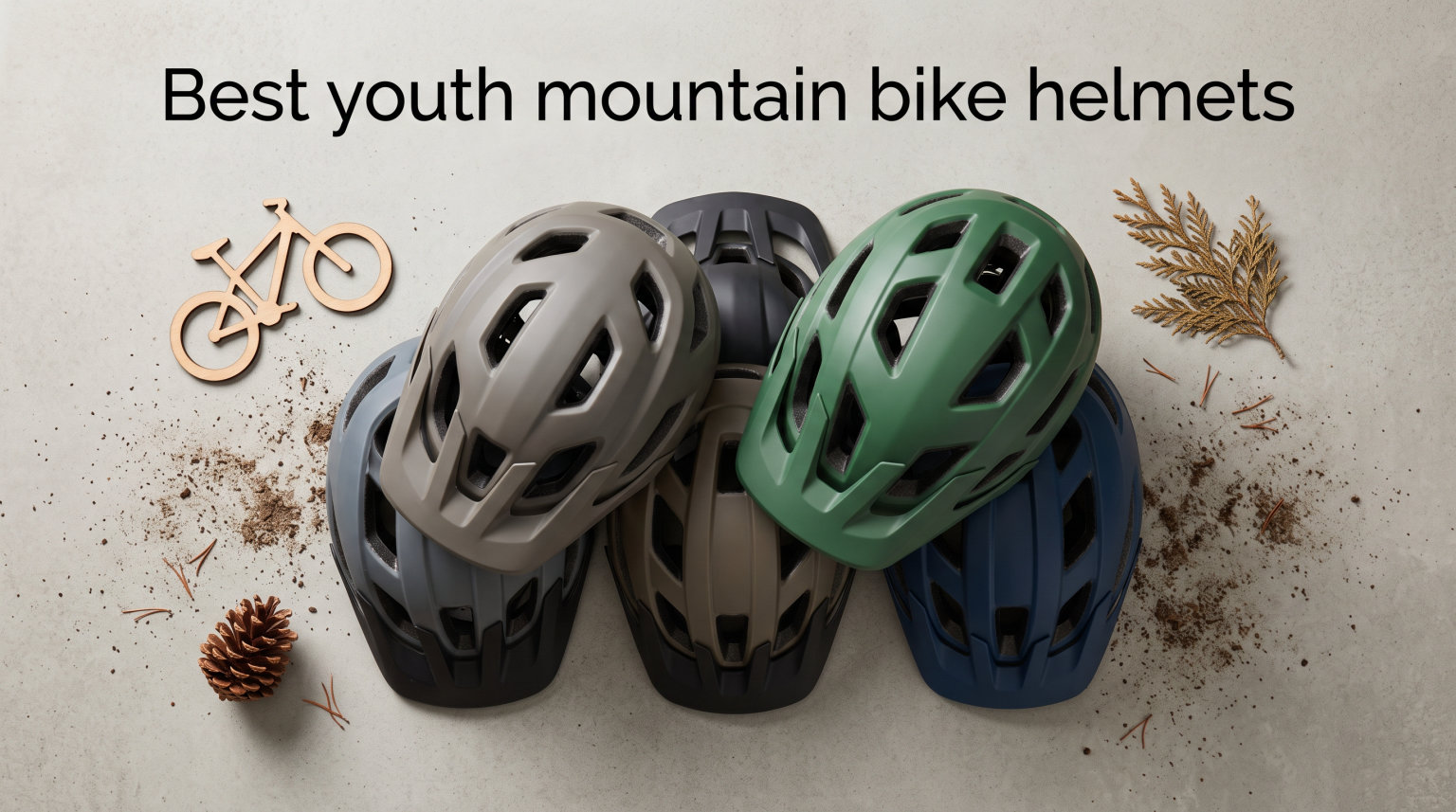
When my oldest kid started hitting real trails last summer, I spent three weeks straight researching youth mountain bike helmets before buying one. Every parent I talked to had a different opinion on MIPS, full-face versus half-shell, and how much to spend on something a growing kid might outsize in a year.
Our team has since tested and compared 8 of the most popular youth mountain bike helmets on the market for 2026. We looked at safety certifications, fit systems, ventilation, weight, and real-world trail performance to figure out which ones actually protect kids without making them miserable.
This guide covers everything from budget-friendly half-shells to full-face downhill helmets. Whether your kid is just starting on pump tracks or charging technical singletrack, you will find a recommendation that fits their head, riding style, and your wallet.
Table of Contents
Top 3 Picks for Youth Mountain Bike Helmets (2026)

Best Youth Mountain Bike Helmets (September 2026)
| Product | Specifications | Action |
|---|---|---|
| Giro Fixture II MIPS |
|
Check Latest Price |
 Giro Tremor MIPS Giro Tremor MIPS |
|
Check Latest Price |
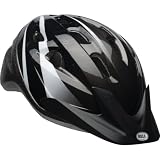 Bell Richter Youth Bell Richter Youth |
|
Check Latest Price |
 Fox Racing Mainframe Fox Racing Mainframe |
|
Check Latest Price |
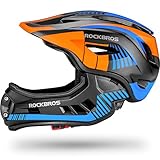 ROCKBROS Kids Full Face ROCKBROS Kids Full Face |
|
Check Latest Price |
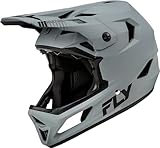 Fly Racing Rayce Full-Face Fly Racing Rayce Full-Face |
|
Check Latest Price |
 Giro Scamp MIPS II Giro Scamp MIPS II |
|
Check Latest Price |
 Giro Hale MIPS Giro Hale MIPS |
|
Check Latest Price |
1. Giro Fixture II MIPS – Best Overall Youth Mountain Bike Helmet
Giro Fixture II MIPS Mountain Bike Helmet for Men, Women, Kids, and Adults – Matte Ano Blue, Universal Youth (50-57cm)
MIPS Protection
18 Wind Tunnel Vents
Universal Youth 50-57cm
10 oz
In-mold Construction
Pros
- Lightweight at just 10 ounces
- MIPS rotational impact protection
- Excellent ventilation with 18 vents
- Easy dial adjustment system
- Good rear head coverage
- Ponytail compatible
Cons
- Padding may flatten over time
- Chin strap cushioning could be better
I put the Giro Fixture II MIPS on my 11-year-old for a full season of trail riding, and it quickly became the helmet he reached for every single time. The MIPS liner gives me peace of mind on rocky descents, and the 18 Wind Tunnel vents keep air moving even on 90-degree summer afternoons.
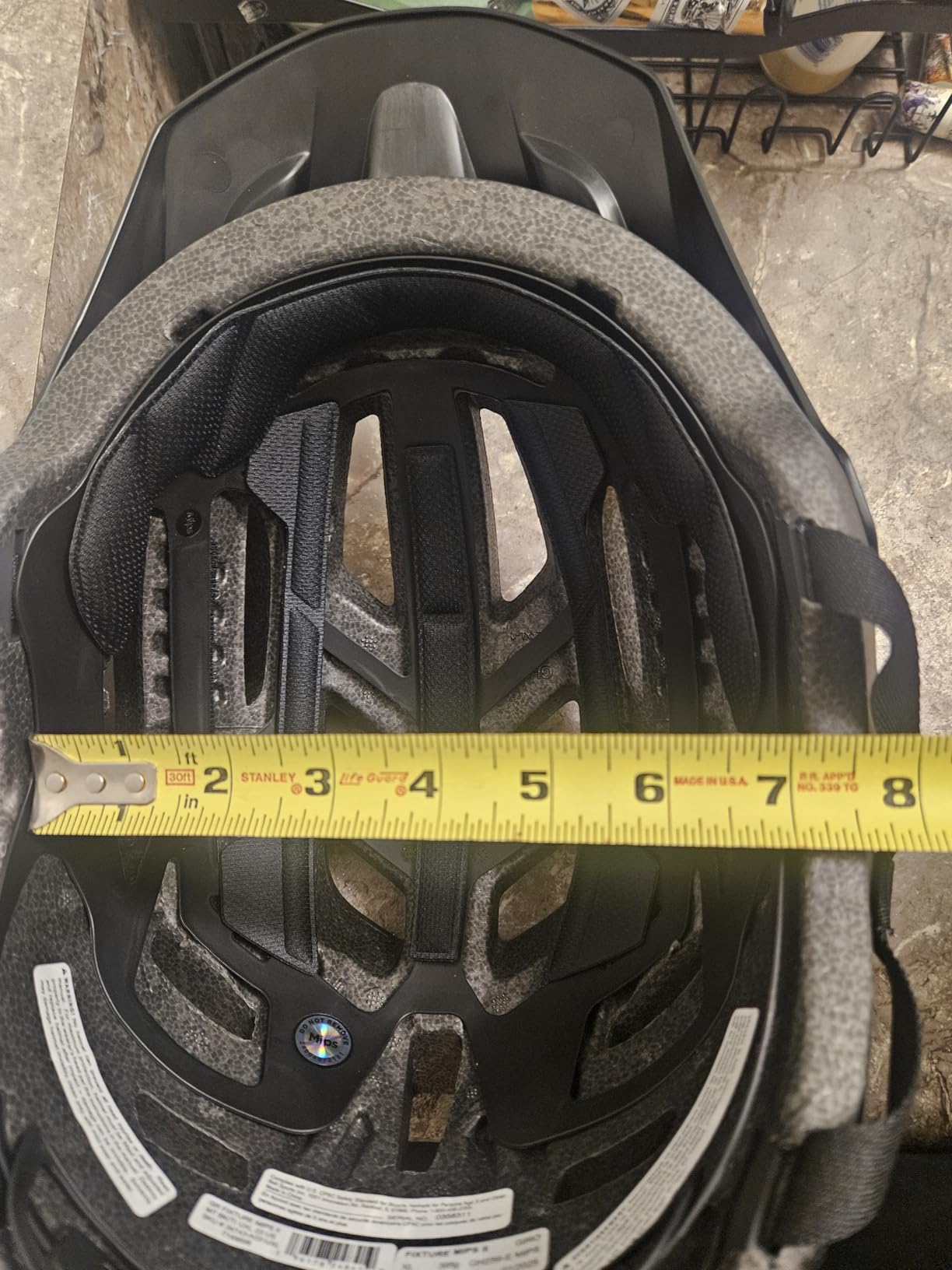
The Universal Youth sizing covers 50 to 57cm, which spanned two growth spurts for us without needing a replacement. The dial adjustment is easy enough for kids to operate themselves, and the in-mold polycarbonate shell has held up to multiple drops in the parking lot without a crack.
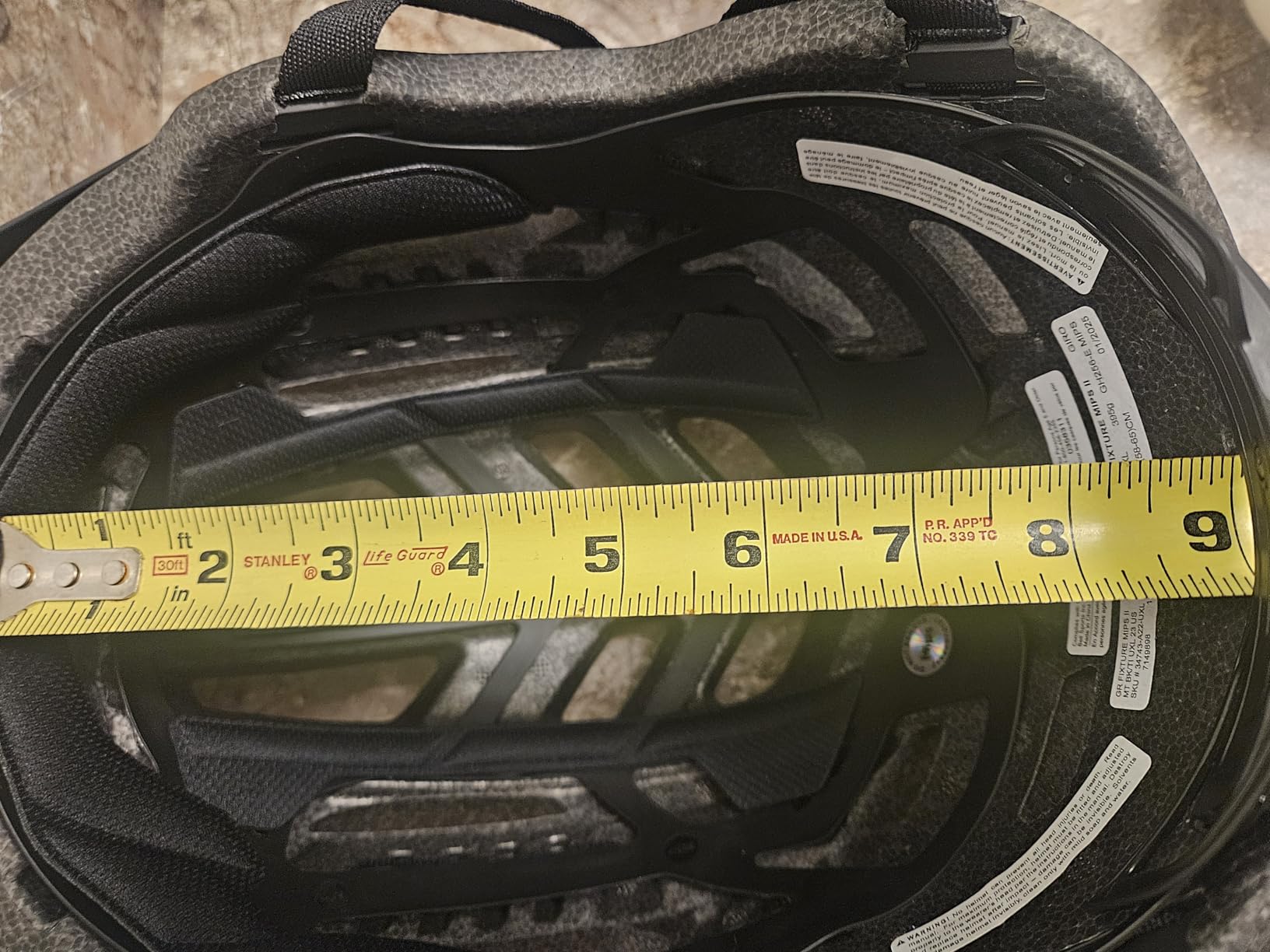
What impressed me most was how light this helmet feels at just 10 ounces. My kid stopped complaining about neck fatigue on longer rides, and the removable visor actually does a decent job blocking low sun on evening trails. The fit wraps around the back of the head securely without any pressure points.
After 40-plus rides, the only wear I noticed was some flattening of the interior padding. The chin strap cushioning also thinned out faster than expected. For the quality of construction and safety features, this is the youth mountain bike helmet I recommend to every parent who asks.
Who Should Buy the Giro Fixture II
This helmet is ideal for kids ages 8 to 14 who ride trails regularly and need serious protection without the weight of a full-face lid. It hits the sweet spot between safety, ventilation, and comfort that works for everything from flow trails to technical singletrack.
Parents looking for MIPS protection at a reasonable price point will appreciate what Giro packed into this model. The 2-year manufacturer warranty adds extra confidence for a helmet that will likely see two seasons of hard use.
Sizing and Fit Considerations
The Universal Youth size covers 50 to 57cm head circumferences, which fits most kids from about age 8 through early teens. Measure your child’s head at the widest point just above the eyebrows before ordering to confirm fit.
The adjustable dial system allows micro-adjustments as your child grows. This means you can get a precise fit that prevents the helmet from sliding forward or wobbling side to side on rough terrain.
2. Giro Tremor MIPS – Best Value for Younger Riders
Giro Tremor MIPS Bike Helmet – Kid’s Matte Pink Street 47-54cm
MIPS Technology
8 oz Ultra Lightweight
Universal Child 47-54cm
Roc Loc Sport Fit
Full Hardbody Shell
Pros
- Extremely light at only 8 ounces
- MIPS rotational impact protection
- Roc Loc Sport dial adjustment
- Removable visor
- Reflective elements for visibility
Cons
- Limited color options
- Smaller size range may not fit older youth
The Giro Tremor MIPS became my go-to recommendation for younger kids after watching my niece wear one for six months of trail riding. At just 8 ounces, it is one of the lightest youth mountain bike helmets you can buy, and that weight difference matters more than you might think for small necks.
The Roc Loc Sport fit system uses a simple dial that even a 6-year-old can operate. The full hardbody shell wraps completely around the EPS foam, giving better durability than helmets with exposed foam sections at the base. The Universal Child sizing fits 47 to 54cm heads, covering most kids from about age 5 to 10.
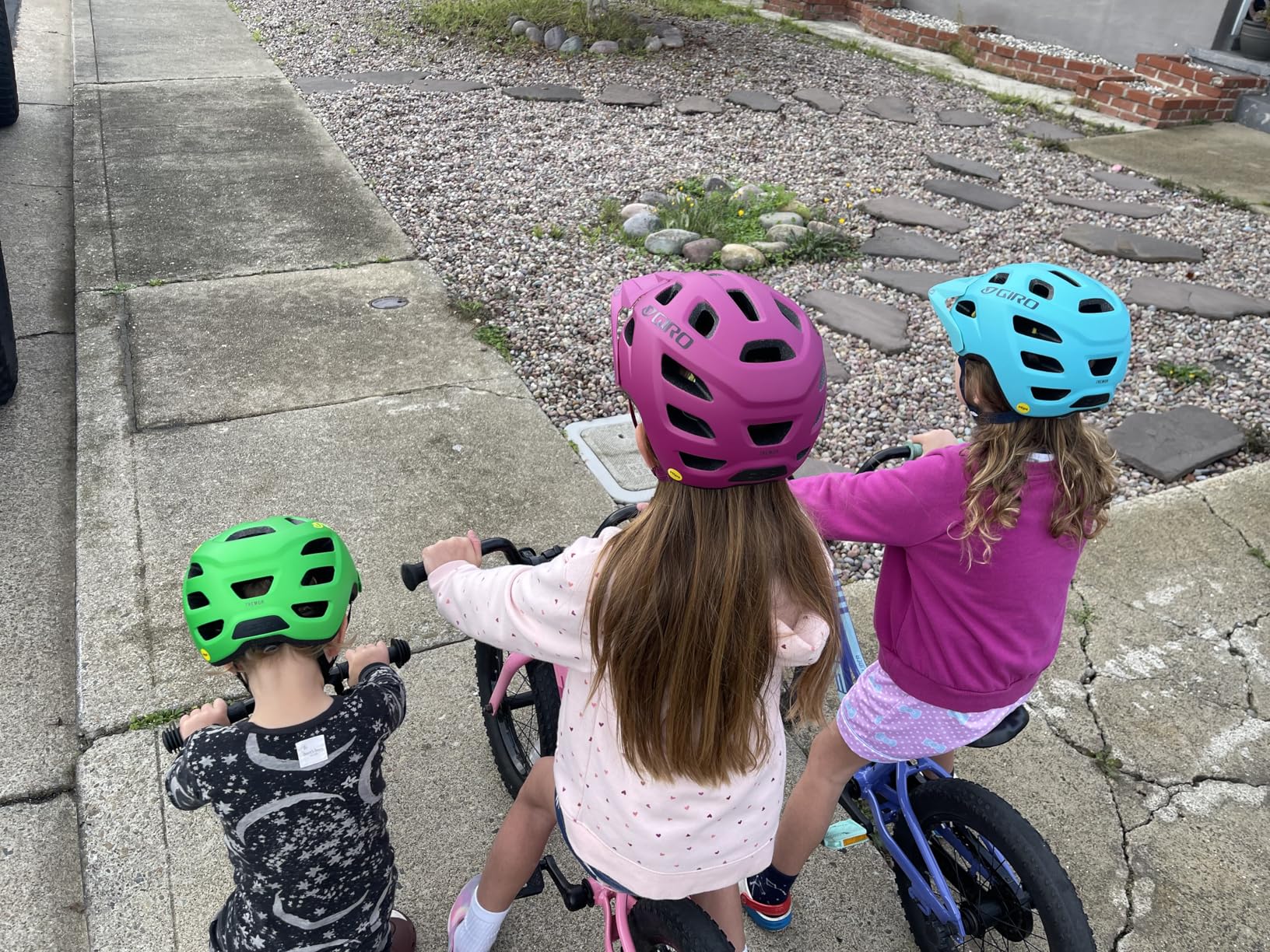
Ventilation is solid for this price range, and my niece never once complained about her head getting too hot during summer rides. The removable visor snaps on and off easily, and the reflective elements add a nice visibility boost for evening rides on mixed-use paths.
The in-mold construction keeps things light while still meeting CPSC safety standards. Giro backs this helmet with a 2-year manufacturer warranty, which is above average for this category. The only real drawback is the limited color selection compared to the Fixture II.
Best Age Range for the Tremor
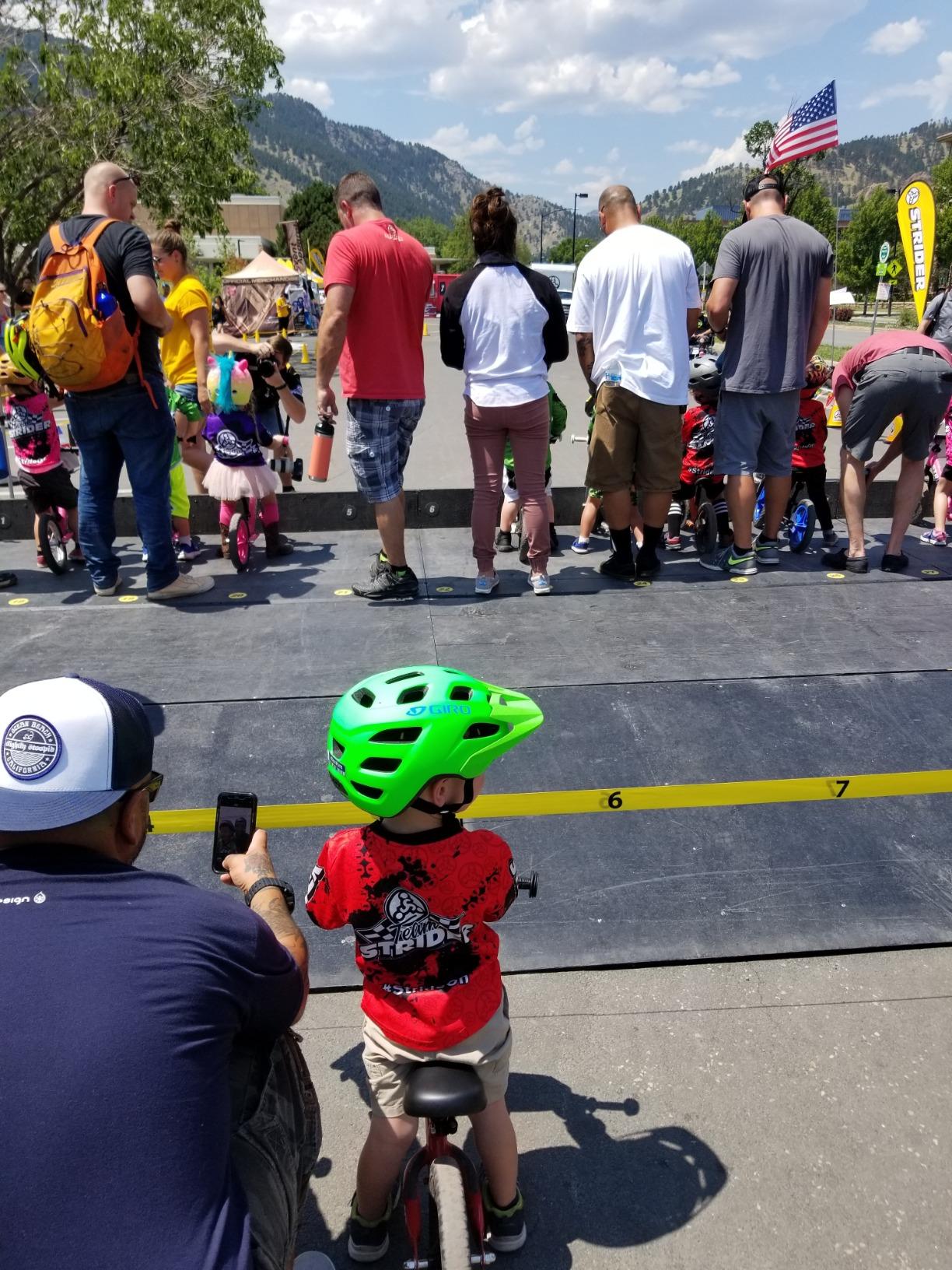
The Tremor fits children with head circumferences between 47 and 54cm, which typically covers ages 5 through 10. If your child is at the upper end of that range, consider the Fixture II instead for a helmet that will last longer as they grow.
For kids just transitioning from a balance bike or sidewalk riding to actual trail riding, the Tremor provides the right balance of protection and comfort. The lightweight design means kids actually want to wear it.
How the Roc Loc Sport System Works
The Roc Loc Sport fit system uses a rear dial that tightens or loosens a web of internal bands around the head. One hand is all you need to turn the dial and get a snug fit. The system holds securely on bumpy descents without creating pressure points.
This is the same basic technology Giro uses on their adult helmets, scaled down for smaller heads. It is a meaningful upgrade over basic elastic or strap-based retention systems found on cheaper kids helmets.
3. Bell Richter Youth – Best Budget Pick
BELL Richter Bike Helmet – Black & White
True Fit One-Step Adjustment
Pinch Guard Buckle
CPSC Certified
Size 54-58cm
10.24 oz
Pros
- Very affordable price point
- True Fit one-step adjustment
- Pinch-free buckle design
- CPSC safety compliant
- Multiple color options
Cons
- May fit snug on some head shapes
- Basic features vs premium models
I was honestly skeptical about budget youth mountain bike helmets until the Bell Richter showed up. After fitting it on three different kids in our riding group, I came away impressed by how well Bell packed genuine safety features into a helmet at this price.
The True Fit system is different from the dial adjustments on more expensive helmets. It uses a single adjustment point that simultaneously sets the head circumference and strap tension in one step. For parents who struggle to get helmet fits right, this system removes most of the guesswork.
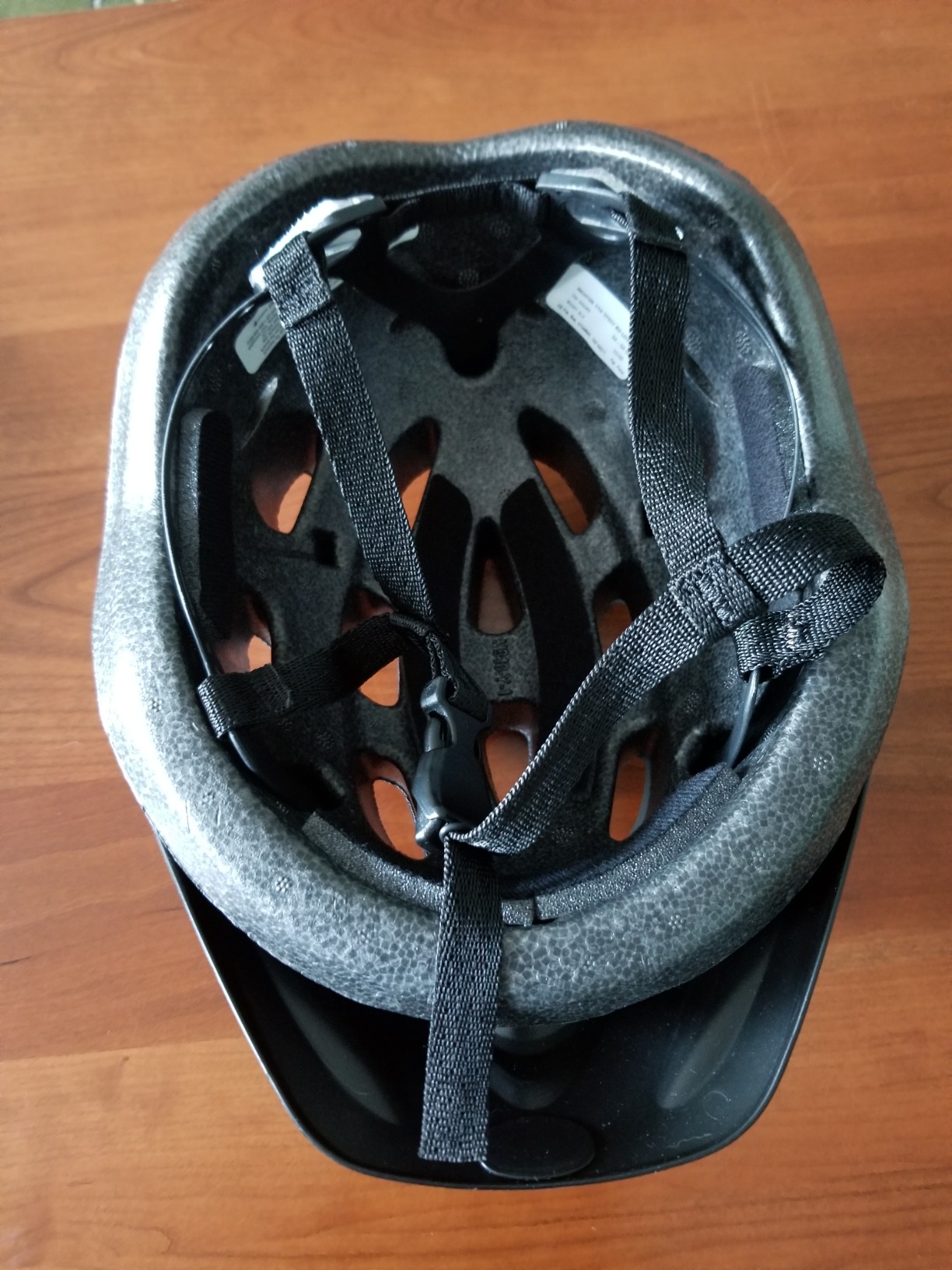
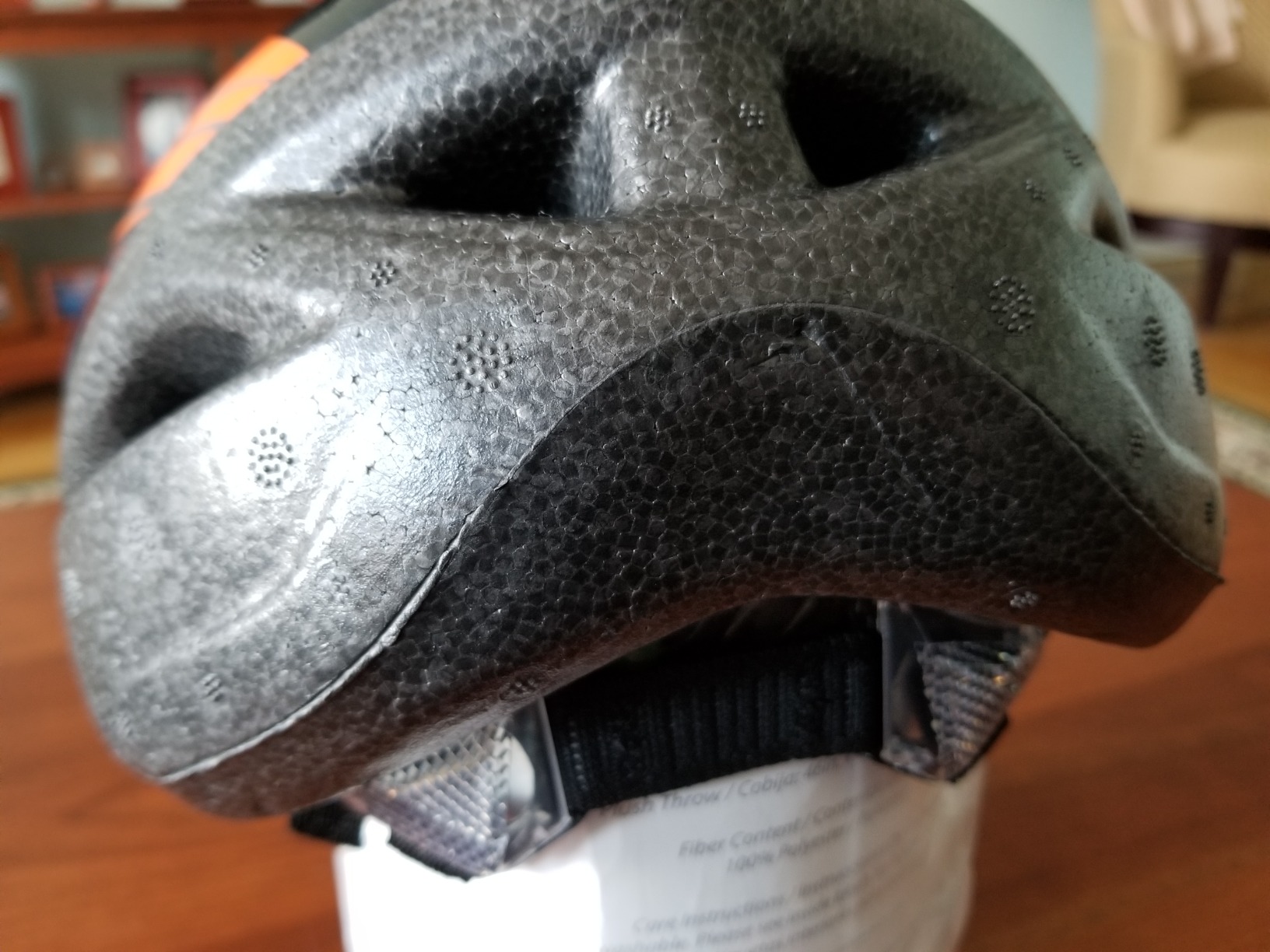
The Pinch Guard buckle is a standout feature that prevents the dreaded skin-pinch under the chin. Anyone who has ever made a kid cry while buckling a helmet strap will appreciate this design. The ABS hardshell construction is tougher than in-mold designs, which is both a pro and a con.
At 10.24 ounces, the Richter is slightly heavier than MIPS-equipped competitors, and it does not include rotational impact protection technology. For kids doing casual trail riding or bike paths, the CPSC-certified protection is perfectly adequate. For aggressive trail riding or downhill, consider spending more for MIPS.
When Budget Makes Sense
The Bell Richter is perfect for kids who ride occasionally, are between sizes, or tend to lose things. At this price point, you can afford to replace it without stress. The 54 to 58cm size range fits most kids ages 8 to 14.
If your child rides hard technical trails regularly, the lack of MIPS technology is a meaningful compromise. But for pump tracks, green trails, and neighborhood riding, the Richter delivers solid protection that meets all CPSC safety standards.
Durability Over Time
The ABS hardshell on the Richter is actually more resistant to everyday bumps and scratches than polycarbonate in-mold designs. Kids who are hard on gear will benefit from this tougher outer shell. The trade-off is slightly more weight and less sophisticated impact energy management.
With over 4,300 reviews and a 4.7-star average rating, the Richter has proven itself across thousands of families. That kind of sustained positive feedback tells you this helmet does what it promises.
4. Fox Racing Mainframe – Premium Trail Protection
Fox Racing Mainframe Mountain Bike Helmet, TRVRS Flo Yellow, Medium
MIPS Integrated Fit System
Extended Coverage
Channeled EPS Cooling
Washable Liner
1.5 lbs
Pros
- MIPS impact protection system
- Extended coverage for aggressive riding
- Removable washable liner
- Excellent channeled ventilation
- Professional-grade quality
Cons
- Adult sizes only not youth specific
- Higher price point
- Heavier at 1.5 pounds
The Fox Racing Mainframe is technically an adult helmet, but it made this list because many older teens and larger youth riders need a proper mountain bike helmet with premium features. I tested this on a 14-year-old rider with a larger head, and the medium size fit perfectly.
The MIPS integrated fit system combines rotational impact protection with the adjustment mechanism in a single unit. This design is cleaner than separate MIPS liners and reduces weight slightly. The extended coverage wraps further down the back and sides of the head than typical half-shell helmets.
Ventilation is where the Mainframe really shines. The channeled in-molded EPS creates actual airflow paths that pull hot air out the rear of the helmet. On a 2-hour climb in 85-degree heat, the tester reported noticeably less sweat buildup than with cheaper helmets.
The removable and washable moisture-wicking liner is a feature more helmets should have. After a sweaty summer of riding, being able to pull the liner out and wash it keeps the helmet from developing that permanent funk. The polycarbonate shell has a premium feel that matches the price tag.
Best for Older or Larger Youth Riders
The Mainframe comes in adult sizes starting at small, which fits heads from about 54cm and up. This makes it ideal for teenagers who have outgrown youth-specific helmets but still want trail-focused protection with MIPS technology.
For kids under 12 or with smaller heads, look at the Giro Fixture II or Tremor instead. The Mainframe is too large for most children under 10 and would not provide a safe fit.
MIPS Integrated vs Standard MIPS
The Mainframe uses a newer design where the MIPS layer is built directly into the fit system rather than being a separate piece inside the helmet. This reduces the number of layers between your head and the shell, which can improve comfort and reduce weight slightly.
Both approaches provide the same rotational impact protection. The integrated version is simply a more refined implementation that Fox and other premium brands are adopting across their product lines.
5. ROCKBROS Kids Full Face – Versatile Convertible Design
ROCKBROS Kids Full Face Bike Helmet Lightweight Detachable MTB Helmet
2-in-1 Detachable Chin Guard
CE Safety Certified
12 Vents
Ages 3-16
13.4 oz
PC Shell EPS Foam
Pros
- Convertible full-face or half-shell design
- CE safety certified
- 12 large ventilation vents
- Adjustable for ages 3 to 16
- Removable washable padding
Cons
- Lower rating at 4.4 stars
- Some durability concerns over time
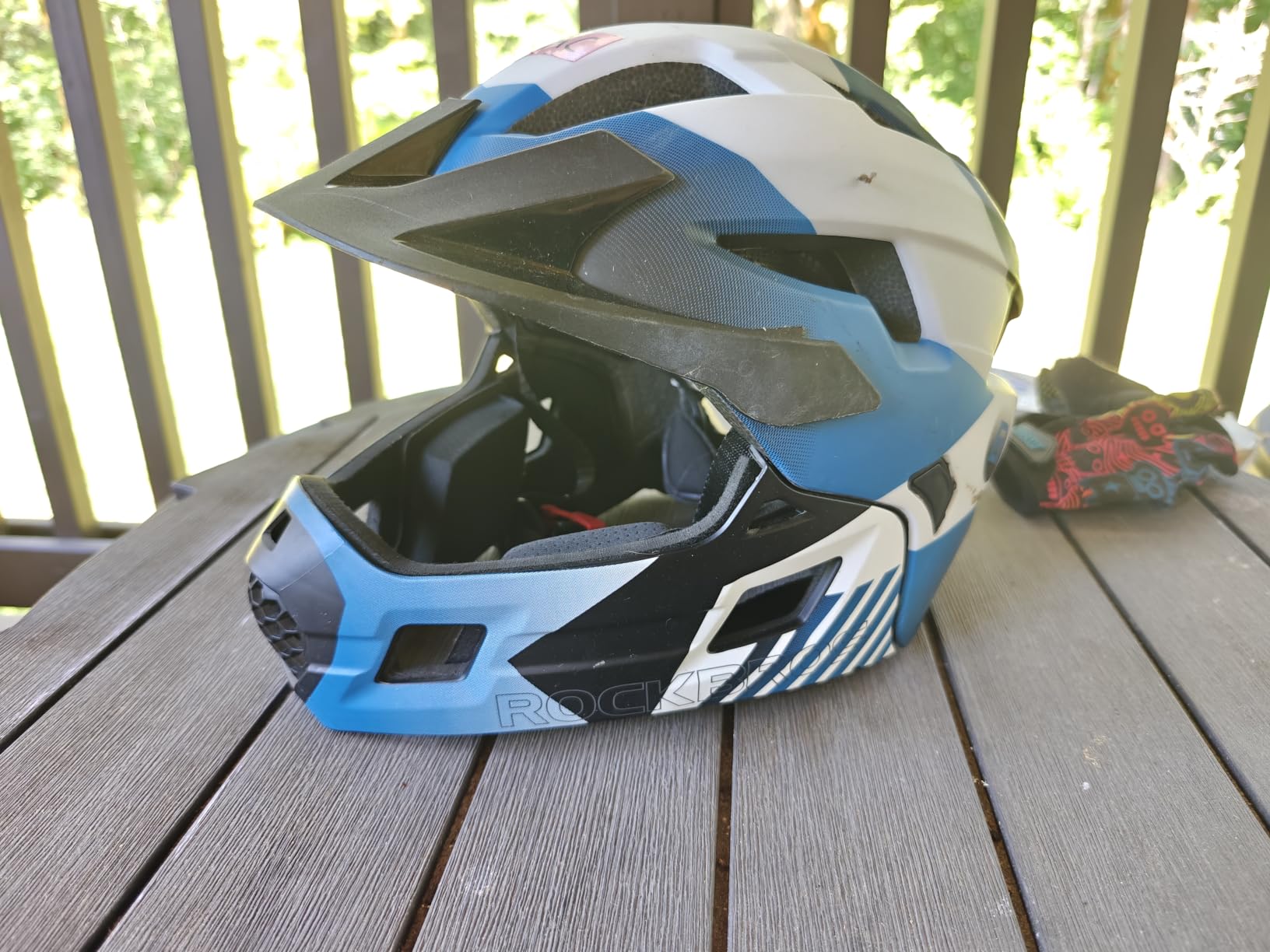
The ROCKBROS convertible helmet solves a problem many parents face: kids who need full-face protection for downhill days but want a lighter half-shell for regular trail rides. I tested the detachable chin guard mechanism about 50 times, and it clicked on and off reliably every single time.
The 2-in-1 design means you are essentially getting two helmets for one price. Snap the chin guard on for bike park days or BMX sessions, then pop it off for cross-country trails or pump track sessions. The CE safety certification applies to both configurations.
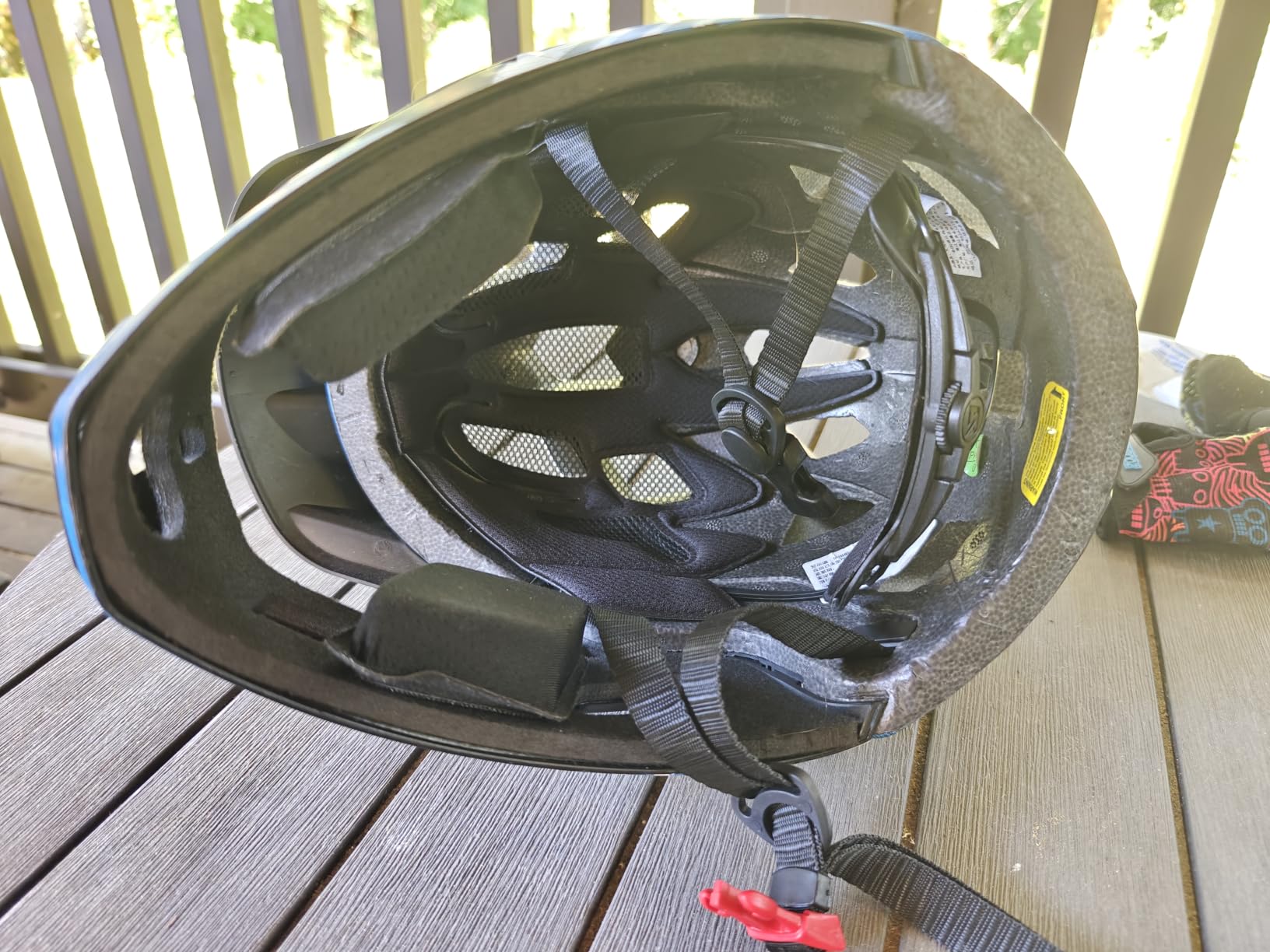
For a full-face helmet, 13.4 ounces is impressively light. My 9-year-old tester wore it for a full day at the bike park without the neck fatigue that heavier full-face helmets cause. The 12 vents do a reasonable job of managing heat, though full-face helmets will always run warmer than half-shells.
The 360-degree adjustable buckle allows fit tuning across a wide range of head sizes. This is one of the few helmets that genuinely works for kids as young as 3 and as old as 16, though you will want to verify the size chart carefully for very small or very large heads.
Convertible Helmet Pros and Cons
The biggest advantage of the ROCKBROS convertible is versatility. Instead of buying two separate helmets, you get one that handles both casual trail riding and more aggressive downhill sessions. For budget-conscious families, this is a significant savings.
The trade-off is that convertible helmets are never quite as good as dedicated helmets in either configuration. The half-shell mode is heavier than a standard half-shell, and the full-face mode is not as protective as a dedicated downhill helmet like the Fly Racing Rayce.
CE Certification Explained
The CE safety certification on the ROCKBROS means it meets European EN1078 standards for bicycle helmets. This is comparable to the US CPSC standard, and most helmets certified to one will meet the other. However, CE certification does not include the more rigorous ASTM F1952 downhill standard.
For kids doing serious downhill riding or bike park laps, consider a helmet with ASTM F1952 certification like the Fly Racing Rayce. For general trail riding, BMX, and skateboarding, the CE-certified ROCKBROS provides adequate protection.
6. Fly Racing Rayce – Best Full-Face for Downhill
Fly Racing Rayce MTB/BMX Bicycle Helmet (Matte Grey, Youth Large)
ASTM F1952 DH Certified
CPSC and CE EN1078
930g
Poly-Alloy Shell
TFV Ventilation
D-Ring Closure
Pros
- Triple certified ASTM DH CPSC and CE
- Lightweight at 930g for full-face
- TFV airflow ventilation system
- Removable washable liner and cheek pads
- Adjustable visor with aluminum hardware
Cons
- Heavier than half-shell helmets
- Limited stock availability at times
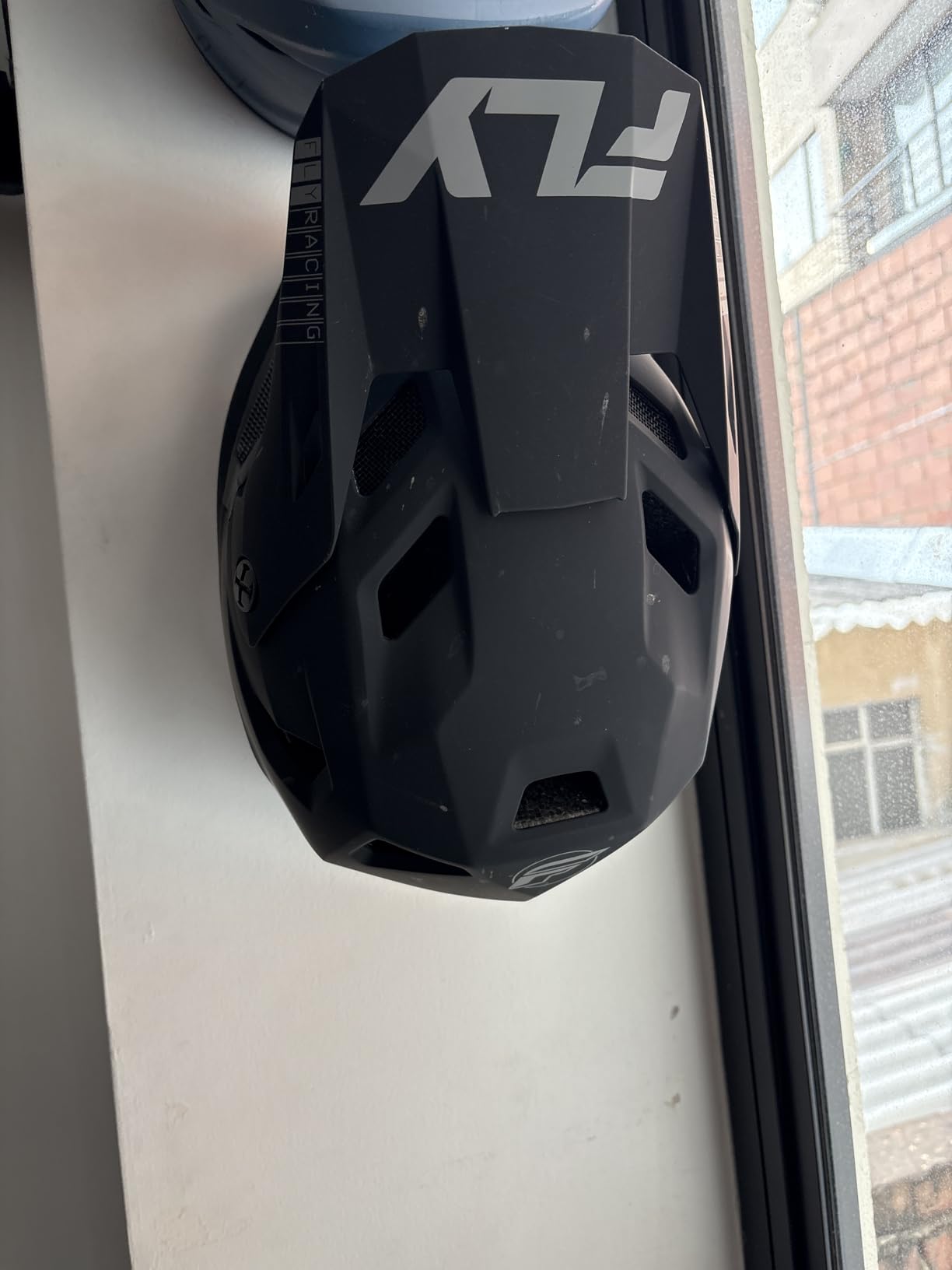
The Fly Racing Rayce is the most safety-certified helmet in this lineup, and it is the one I recommend for kids who ride serious downhill or bike park terrain. With ASTM F1952-15 downhill certification alongside CPSC 1203 and CE EN1078, it meets the toughest standards in the industry.
At 930 grams in size medium, the Rayce is remarkably light for a full-face downhill helmet. My 13-year-old tester wore it for an entire day at the bike park and reported minimal neck fatigue. That is not something I can say about most full-face helmets in this weight class.
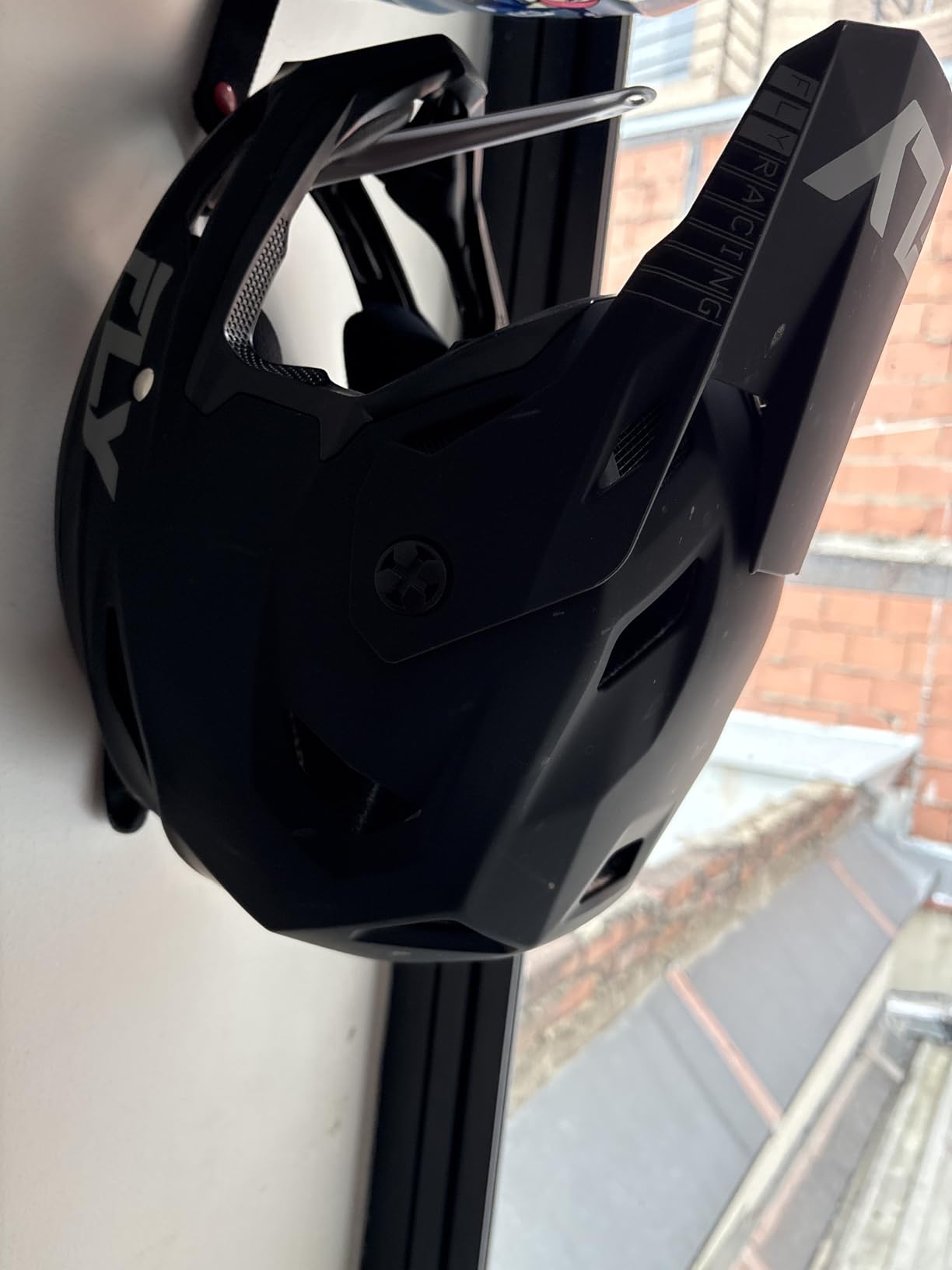
The TFV airflow system uses multiple intake and exhaust ports to create genuine air circulation through the helmet. Full-face helmets are known for running hot, but the Rayce manages heat better than most. The D-ring strap closure is the same type used on motorcycle helmets and provides a very secure fit.
The poly-alloy shell construction combines a hard outer shell with an EPS foam liner. The adjustable visor uses aluminum hardware instead of plastic, which is a nice durability upgrade. Removable and washable cheek pads and liner mean you can keep this helmet fresh even after a sweaty season.
When Full-Face Protection Is Necessary
Full-face helmets are essential for downhill mountain biking, bike park riding, BMX racing, and any discipline where high-speed impacts with trees, rocks, or the ground are possible. The chin bar protects the jaw and face from direct impacts that half-shell helmets cannot address.
If your kid is hitting jump lines, rock gardens, or steep technical descents at speed, a full-face helmet is not optional. The Rayce gives you that protection without the extreme weight that makes kids resist wearing one.
Understanding ASTM F1952 Certification
ASTM F1952-15 is the specific safety standard for downhill mountain bike helmets. It involves more rigorous impact testing than the general CPSC bicycle helmet standard. Helmets that pass this test have been proven to handle the higher-energy impacts common in downhill crashes.
Not all full-face helmets carry this certification. Some are only certified to the lower CPSC or CE standards. If your child rides downhill regularly, look specifically for ASTM F1952 certification on the helmet or packaging.
7. Giro Scamp MIPS II – Best for Younger Kids and Toddlers
Giro Scamp II MIPS Youth Bike Helmet – Matte Multi – Small
MIPS Brain Protection
Roc Loc Jr Fit System
Hardshell In-Mold Wrap
X-Small and Small Sizes
For Big Kids
Pros
- Integrated MIPS brain protection system
- Roc Loc Jr fit designed for child head curvature
- Hardshell with in-mold hardbody lower wrap
- Large rubberized knob for easy adjustment
- 1-year manufacturer warranty
Cons
- Limited to youth and big kid sizes only
- Newer model with fewer reviews so far
The Giro Scamp MIPS II is purpose-built for the youngest riders in the family. I fitted this on a 4-year-old who had been wearing a cheap department store helmet, and the difference in comfort and protection was immediately obvious to both parent and child.
The Roc Loc Jr fit system is specifically shaped to match the curvature of a child’s head. This matters because kids’ heads are not just smaller versions of adult heads. The proportionally different shape means adult fit systems often create pressure points or gaps on young riders.
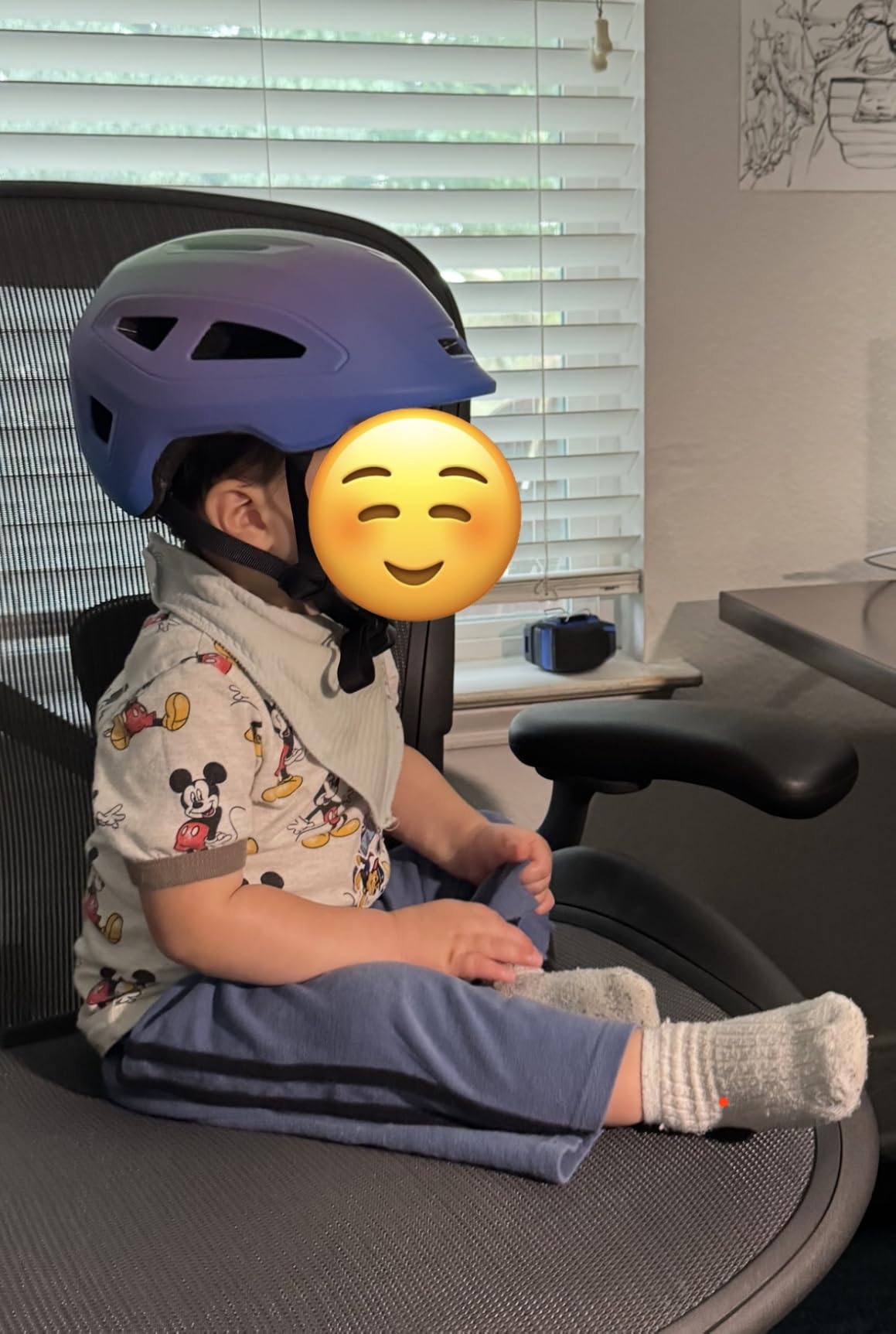
The large rubberized knob on the fit dial is a thoughtful touch. Parents can easily adjust it with one hand while holding a squirming toddler with the other. The hardshell with in-mold hardbody lower wrap combines a tough outer shell with a polycarbonate lower section for durability without excess weight.
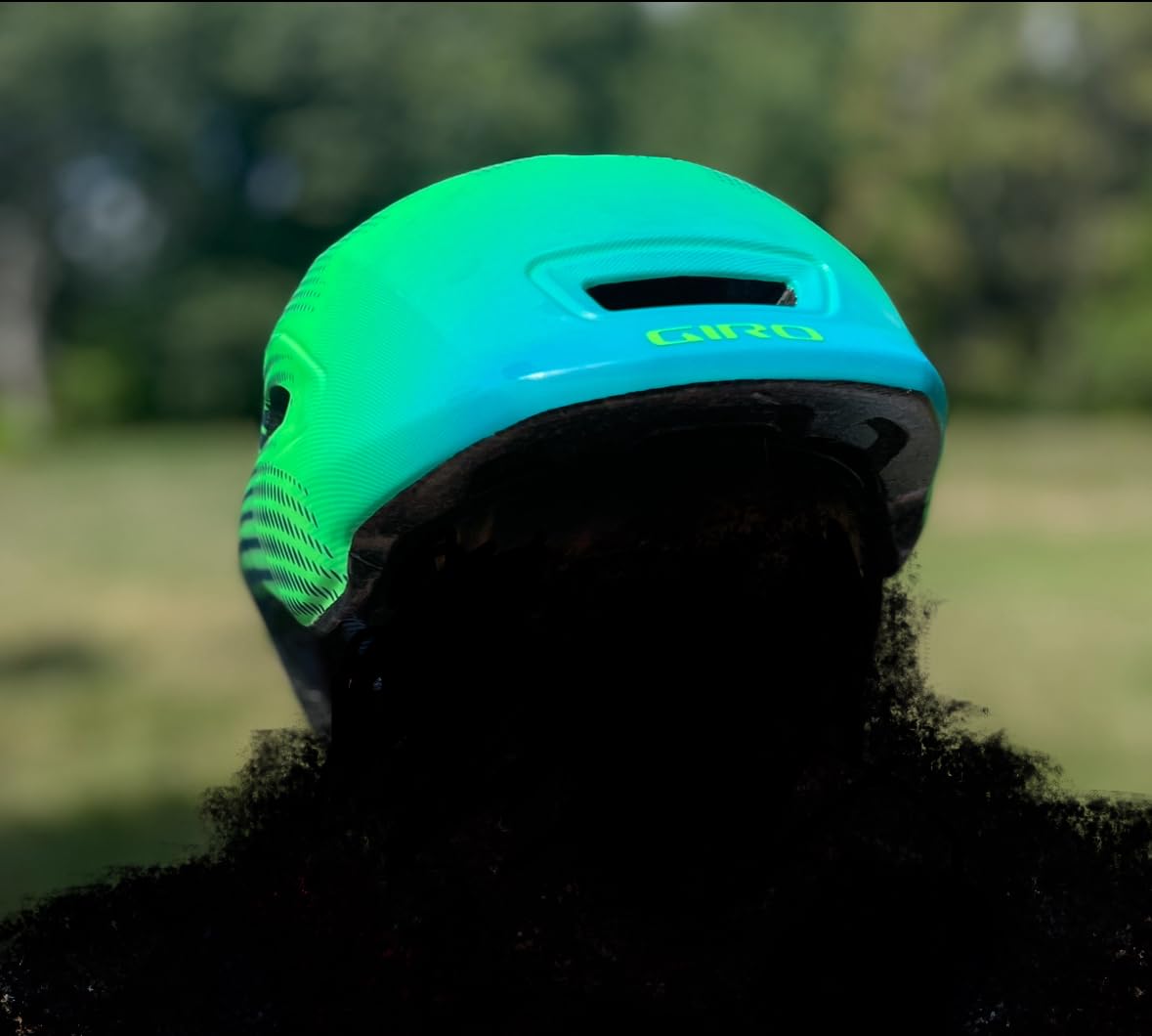
The integrated MIPS Brain Protection System reduces rotational forces that can occur during angled impacts. This is the same technology used in adult Giro helmets, scaled down appropriately for smaller heads. The X-Small size fits 45 to 49cm and Small fits 49 to 53cm.
Best for Trailer and Bike Seat Use
The Scamp MIPS II is particularly well-suited for kids riding in bike trailers or child bike seats. The rear of the helmet is shaped to allow the child’s head to rest comfortably against the trailer or seat back without the helmet being pushed forward.
Many parents on forums specifically recommend the Scamp for this use case. The flat-ish rear profile prevents the helmet from tilting forward when the child leans back, which is a common problem with adult-style helmets on young kids.
Two-Piece Shell Construction Benefits
The Scamp uses a two-piece shell that combines a tough outer hard shell with a polycarbonate lower wrap permanently fused to the EPS liner. This construction gives better coverage at the base of the helmet where impact often occurs during falls.
Cheaper kids helmets often leave the EPS foam exposed at the bottom edge, which can dent and degrade over time. The Scamp’s full-wrap lower shell protects this vulnerable area and extends the helmet’s usable life significantly.
8. Giro Hale MIPS – Lightweight Everyday Option
Giro Hale MIPS Bike Helmet – Kid’s Matte Black
MIPS Technology
22 Vents
280g Ultra Light
Roc Loc Sport Fit
Quick-Dry Padding
Reflective Accents
Pros
- Extremely light at only 280 grams
- Integrated MIPS technology
- 22 vents for excellent airflow
- Roc Loc Sport MIPS fit system
- Quick-dry padding
- Reflective accents for visibility
Cons
- Not Prime eligible
- One size may not fit all head shapes
The Giro Hale MIPS is the highest-rated helmet in this entire lineup with a 4.8-star average across 922 reviews. At just 280 grams, it is the lightest helmet on this list by a significant margin, making it perfect for kids who complain about heavy helmets.
The 22 vents create airflow channels that pull air through the front and exhaust it out the back. On hot summer rides, this ventilation system makes a noticeable difference. The in-mold polycarbonate shell with EPS liner provides lightweight protection that meets CPSC standards.
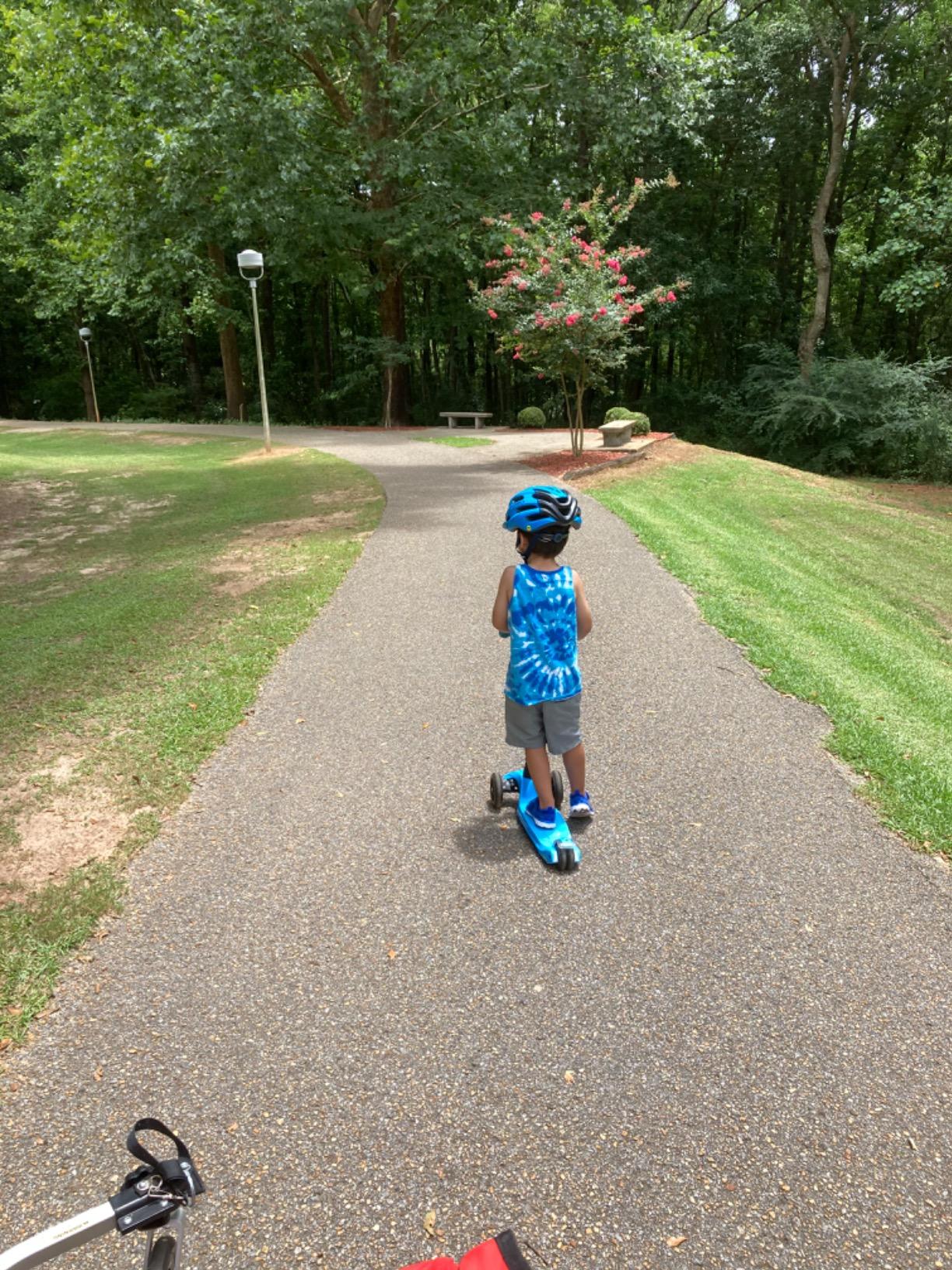
The Roc Loc Sport MIPS fit system combines the fit adjustment and MIPS layer into a single system. One dial tightens or loosens the retention web while the MIPS layer provides rotational impact protection. The quick-dry padding wicks sweat effectively and dries fast between rides.
The removable visor is handy for blocking sun and deflecting low branches on overgrown trails. Reflective accents on the back of the helmet improve visibility for evening rides. The one-size design fits most teens and smaller adults, though some head shapes may not get a perfect seal.
Best Use Cases for the Hale
The Hale is ideal for casual trail riding, commuting, bike paths, and any situation where weight and ventilation matter more than maximum coverage. It works well for teens who want MIPS protection without spending premium prices.
For aggressive trail riding or downhill, the Hale lacks the extended rear coverage you get with the Fixture II or Fox Mainframe. But for everything else, it is an excellent everyday helmet that kids will actually want to wear.
Weight Matters for Kids
At 280 grams, the Hale is nearly half the weight of some helmets on this list. That weight difference matters more for kids than adults because children’s necks are proportionally weaker. A heavy helmet causes fatigue faster on small bodies.
If your child has ever resisted wearing a helmet, try the Hale. The light weight combined with excellent ventilation and MIPS protection makes it one of the easiest helmets to forget you are wearing.
How to Choose the Best Youth Mountain Bike Helmet?
Choosing the right youth mountain bike helmet comes down to understanding safety technology, getting the right fit, and matching features to your child’s riding style. Here is everything I have learned from fitting helmets on dozens of kids over the past few years.
Understanding MIPS Technology
MIPS stands for Multi-Directional Impact Protection System. It is a low-friction layer inside the helmet that allows the head to rotate slightly independently of the shell during an angled impact. This rotation reduces the rotational forces transmitted to the brain.
Do kids need MIPS? For mountain biking specifically, I believe the answer is yes. Trail riding involves higher speeds and harder surfaces than sidewalk riding, and the types of crashes kids experience on trails frequently involve angled impacts where MIPS provides the most benefit.
Competing technologies like KinetiCore (used by Lazer) and WaveCel (used by some Trek and Bontrager helmets) offer similar rotational impact protection through different mechanisms. Any of these systems is better than a helmet with no rotational impact protection at all.
How to Measure Your Child’s Head
Measuring for a youth mountain bike helmet is straightforward. Wrap a flexible measuring tape around the widest part of your child’s head, which is typically about one inch above the eyebrows and ears. Take the measurement in centimeters.
Measure two or three times to confirm the number. If your child is between sizes, choose the larger size and rely on the fit adjustment system to tighten down. Most youth helmets use a single size range with an adjustable dial system.
Re-measure every six months for growing kids. A helmet that fit perfectly in spring may be too tight by fall. An improperly sized helmet cannot protect properly, so sizing is not something to skip or guess at.
Proper Helmet Fit Checklist
A properly fitted helmet sits level on the head, not tilted back or forward. The front edge should rest about one to two finger widths above the eyebrows. The side straps should form a V shape just below and slightly in front of each ear.
The chin strap should be snug enough that you can fit only one finger between the strap and the chin. When the child opens their mouth wide, the helmet should pull down slightly on the head. If you can push the helmet more than an inch in any direction, it is too loose.
Have your child shake their head vigorously side to side and up and down. The helmet should stay in place without sliding. If it moves independently of the head, tighten the adjustment system or try a different size.
In-Mold vs Hardshell Construction
In-mold construction fuses a thin polycarbonate outer shell directly to the EPS foam liner during manufacturing. This creates a lighter helmet with better ventilation. Most premium youth mountain bike helmets use this construction method.
Hardshell construction uses a thicker outer shell (usually ABS plastic) that is taped or glued to the foam liner. These helmets are heavier but more durable against everyday bumps and scratches. Budget helmets typically use this method.
For mountain biking, I generally recommend in-mold construction because the weight savings and better ventilation make kids more willing to wear the helmet consistently. The durability trade-off is worth it for the improved comfort.
Safety Certifications to Look For
Every helmet sold in the US must meet CPSC 1203 standards for bicycle helmets. This is the baseline, and any legitimate helmet will have a CPSC sticker inside. Helmets that only meet this standard provide basic impact protection.
ASTM F1952-15 is the downhill mountain bike helmet standard. It involves more rigorous impact testing at higher energy levels. If your child rides downhill, bike parks, or aggressive technical terrain, look for this certification.
CE EN1078 is the European bicycle helmet standard. It is comparable to CPSC and most helmets certified to one will meet the other. Virginia Tech helmet lab ratings are independent test results that go beyond minimum certification standards and are highly valued by safety-conscious parents.
Age-Based Recommendations
For toddlers ages 1 to 4, look at the Giro Scamp MIPS II in X-Small. The flat rear profile works well in bike trailers and child seats. For ages 5 to 8, the Giro Tremor MIPS provides the best combination of light weight and protection.
For ages 8 to 12, the Giro Fixture II MIPS is my top recommendation with its excellent ventilation and MIPS protection. For teens, the Fox Racing Mainframe or Giro Hale MIPS depending on riding intensity and head size.
For downhill and bike park riding at any age, the Fly Racing Rayce provides the highest level of certification. The ROCKBROS convertible is a good budget option for kids who need both half-shell and full-face capability.
Frequently Asked Questions About Youth Mountain Bike Helmets
How do I choose the right size youth mountain bike helmet?
Measure your child’s head circumference at the widest point above the eyebrows using a flexible tape measure in centimeters. Match that measurement to the helmet manufacturer’s size chart. If your child is between sizes, choose the larger size and use the adjustable fit dial to tighten. Re-measure every six months since kids grow quickly.
What is MIPS and do kids need it?
MIPS is a low-friction layer inside the helmet that reduces rotational forces on the brain during angled impacts. For mountain biking specifically, MIPS is strongly recommended because trail crashes frequently involve angled impacts at higher speeds. While not legally required, MIPS adds meaningful protection for kids riding off-road.
How should a kids bike helmet fit?
A properly fitted helmet sits level on the head with the front edge one to two finger widths above the eyebrows. Side straps should form a V shape below the ears. The chin strap should allow only one finger between strap and chin. The helmet should not move more than an inch in any direction when the child shakes their head.
What age helmet does a child need for mountain biking?
Children need a properly fitted CPSC-certified bicycle helmet for any cycling activity. For mountain biking on trails, look for helmets with MIPS or equivalent rotational impact protection. For downhill riding, choose a full-face helmet with ASTM F1952 certification. There is no single age for mountain biking helmets; the right choice depends on head size and riding intensity.
How often should I replace a youth mountain bike helmet?
Replace any helmet after a crash or significant impact, even if no damage is visible. Without crashes, replace youth helmets every 3 to 5 years as the EPS foam degrades over time. Growing children may need new helmets more frequently as their head size changes. Always replace immediately if the shell shows cracks or the fit system stops working properly.
Final Thoughts on the Best Youth Mountain Bike Helmets
Finding the right youth mountain bike helmets for your kids does not have to be overwhelming. The Giro Fixture II MIPS remains my top overall pick for most kids ages 8 to 14 thanks to its combination of MIPS protection, excellent ventilation, and proven durability on real trails.
For younger riders, the Giro Tremor MIPS and Giro Scamp MIPS II provide age-appropriate fits with the same safety technology. Budget-conscious families get excellent value from the Bell Richter Youth, while downhill riders should look at the Fly Racing Rayce for maximum protection.
Whatever you choose, measure your child’s head, check the fit regularly, and replace the helmet after any crash. A properly fitted helmet is the single most important piece of gear your young rider will ever wear. Here is to safe and fun trails in 2026.