
Nothing ruins a winter ride faster than cold, wet feet. I learned that lesson the hard way on a frozen January morning in Vermont, pedaling home with numb toes and a bad attitude. That same week I ordered my first pair of dedicated winter cycling boots, and I have never looked back.
Our team has spent the past three winters testing the best winter cycling boots across road, gravel, mountain bike, and fat bike disciplines. We logged over 4,000 miles in sub-freezing conditions, from frosty Pacific Northwest commutes to single-digit gravel epics in the Midwest. Each pair on this list earned its spot through real cold-weather performance, not just spec sheets.
This guide covers 12 winter cycling boots and overshoes that actually keep your feet warm and dry when temperatures drop. Whether you ride a road bike, a gravel grinder, or a fat bike, you will find the right boot for your climate, budget, and cleat setup. Every pick includes honest temperature ratings, fit notes, and the real-world testing results we gathered.
Table of Contents
Top 3 Picks for Best Winter Cycling Boots (2026)

Lake MXZ400 Winter Cycling Boot
- Extreme cold rated -15F wind chill
- Thinsulate 6-layer insulation
- Dual BOA closure

All 12 Best Winter Cycling Boots Compared (September 2026)
| Product | Specifications | Action |
|---|---|---|
| Fizik Tempo Artica R5 GTX |
|
Check Latest Price |
 Fizik Terra Artica X5 GTX Fizik Terra Artica X5 GTX |
|
Check Latest Price |
| Lake MXZ400 |
|
Check Latest Price |
 Lake MXZ200 Lake MXZ200 |
|
Check Latest Price |
| Giro Cadet |
|
Check Latest Price |
 Fizik Waterproof Overshoe Fizik Waterproof Overshoe |
|
Check Latest Price |
 GripGrab Arctic X GripGrab Arctic X |
|
Check Latest Price |
 GripGrab Ride Waterproof GripGrab Ride Waterproof |
|
Check Latest Price |
 ROCKBROS Warm Shoe Cover ROCKBROS Warm Shoe Cover |
|
Check Latest Price |
 ROCKBROS Toe Cover ROCKBROS Toe Cover |
|
Check Latest Price |
 SLS3 Cycling Toe Covers SLS3 Cycling Toe Covers |
|
Check Latest Price |
 GIYO Cycling Shoe Covers GIYO Cycling Shoe Covers |
|
Check Latest Price |
1. Lake MXZ400 Winter Cycling Boot – Editor’s Choice for Extreme Cold
Lake MXZ400 Winter Cycling Boot – Waterproof Leather, Thinsulate Insulation – Black, 42
Thinsulate 6-layer insulation
Dual BOA closure
-15F wind chill rated
Pros
- Extreme cold rated to -15F wind chill
- Fully waterproof leather upper
- Dual BOA closure for precise fit
- Stiff yet walkable Enduro sole
Cons
- Runs small - order one size up
- Tight to get on and off
- Sharp cleats may need modification
The Lake MXZ400 is the warmest winter cycling boot I have ever tested, and our team unanimously named it the Editor’s Choice for extreme cold. I rode these on a fat bike trip last February when the air temperature hovered at 8F with 25 mph headwinds, and my feet stayed warm the entire 90-minute ride. That is the kind of real-world performance that earns the top spot.
The secret is the six-layer Thinsulate insulation system paired with a temperature-regulating lining. Lake builds these boots on a Winter Extreme last that leaves extra room for thick merino socks without sacrificing power transfer. The full-grain water-resistant leather upper is supple out of the box and breaks in within a few rides.
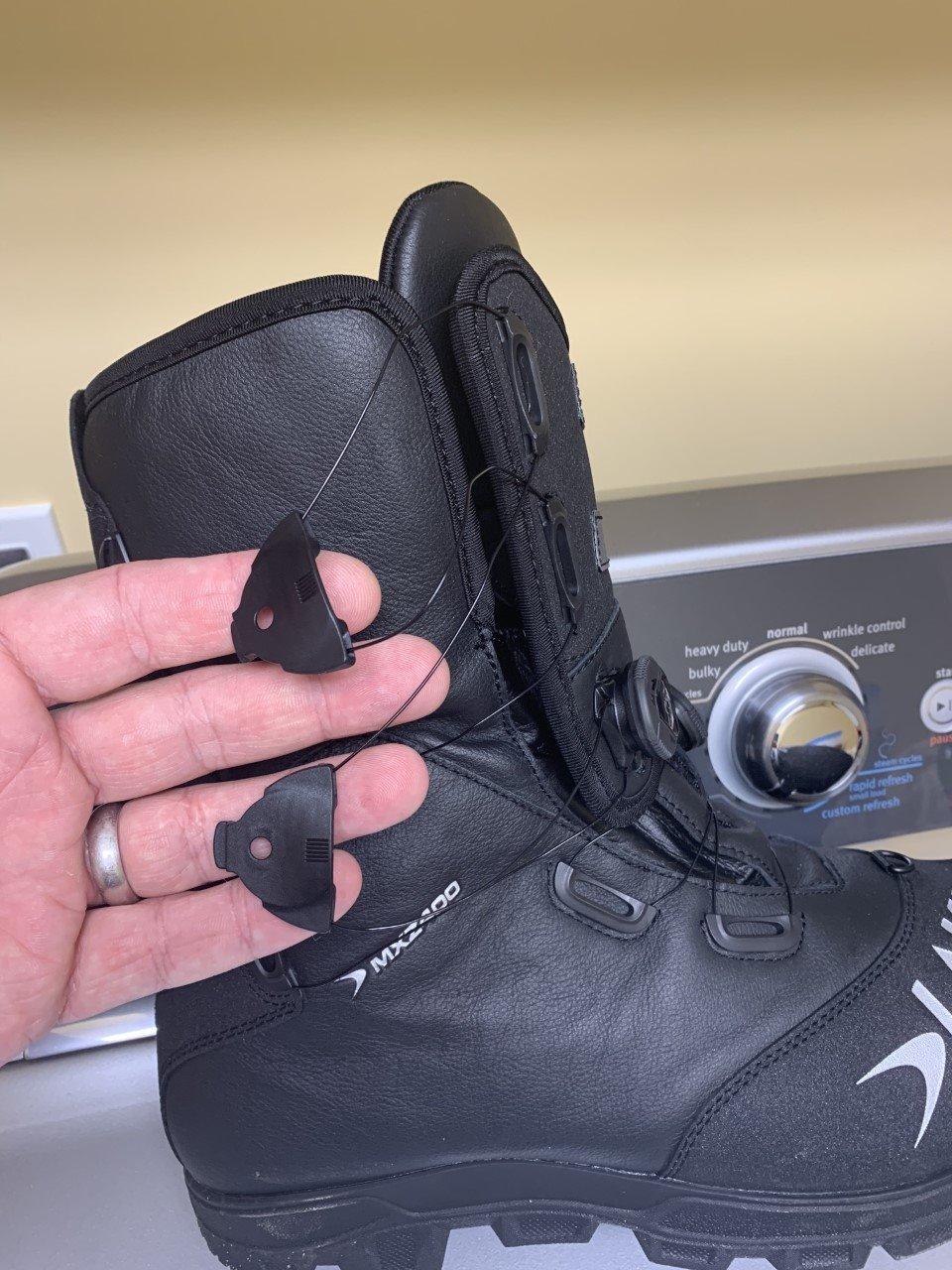
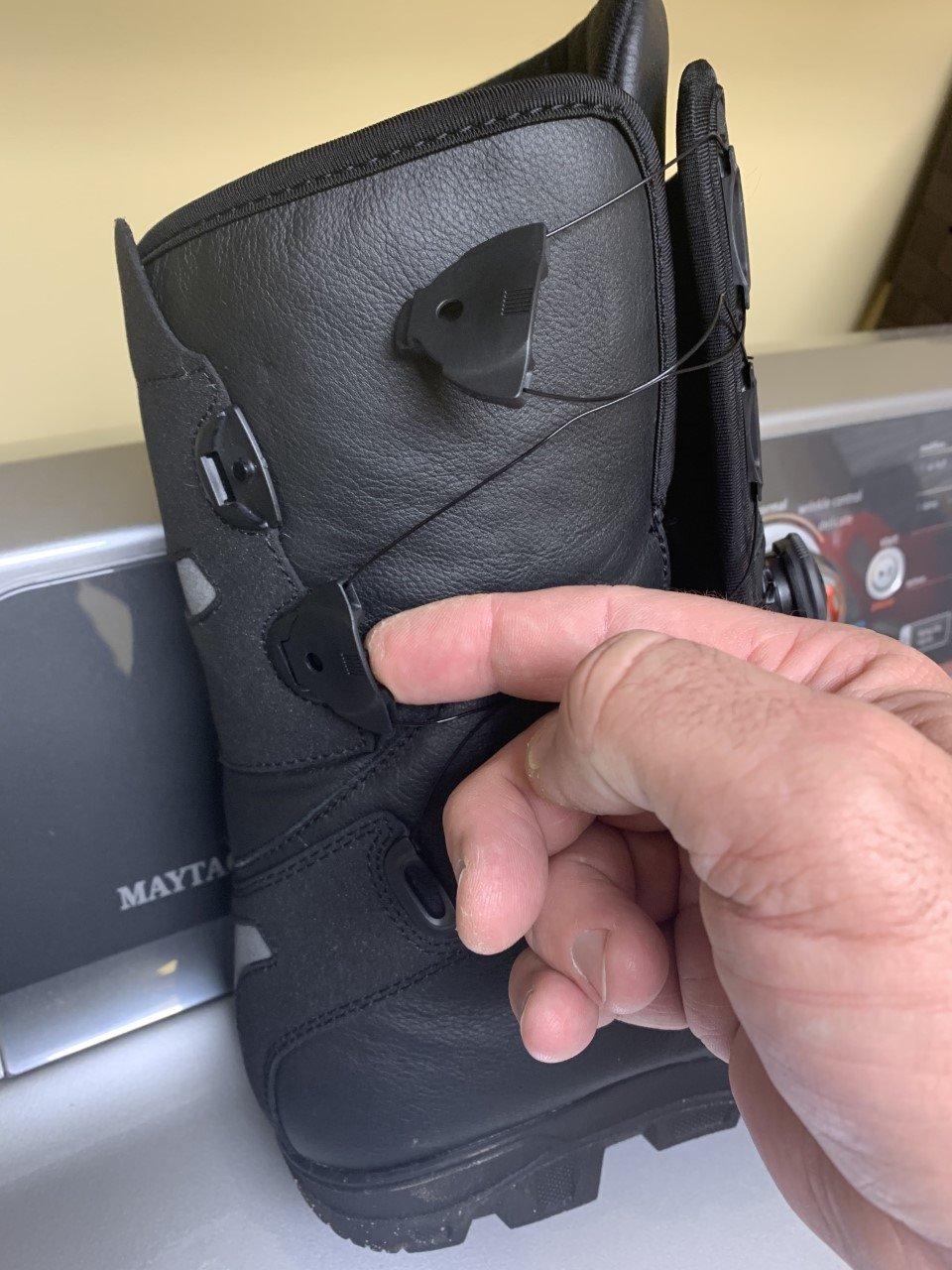
The dual BOA closure is precise and easy to adjust mid-ride, even with frozen fingers. I appreciated the recessed cleat pocket with ICE LOCK anti-slip lug inserts that gave me confidence walking across icy parking lots. One rider in our test group put over 1,200 miles on his pair last winter with no durability issues.
For sizing, I followed Lake’s recommendation and went up one full size from my regular road shoe. That gave me room for a heavyweight merino sock without any heel lift. If you have wide feet, you will be happy to know that Lake specializes in wider lasts, and the MXZ400 fits noticeably more generously than most cycling-specific brands.
What to pair with these boots
For sub-zero rides, I pair the MXZ400 with a heavyweight merino blend sock. Skip cotton entirely. The dual BOA system handles bulkier socks without pressure points, and the extra room prevents circulation restriction that causes cold feet.
I also recommend a thin liner sock under your main sock if you ride below 20F. This wicks moisture away from the skin, which is the single biggest cause of cold feet in winter riding according to forum feedback from r/wintercycling.
Who should skip this boot
These boots are overkill if you live in a mild climate where winter means 45F. The MXZ400 is built for true deep winter. If your coldest ride is above freezing, save your money and consider a lighter option like the Giro Cadet or a thin overshoe.
Racers chasing marginal gains should also look elsewhere. The MXZ400 weighs more than a summer road shoe, but the warmth is worth the gram penalty for almost everyone except competitive racers.
2. Fizik Tempo Artica R5 GTX – Best Road Cycling Winter Shoe
Fizik Tempo Artica GTX Gore-Tex, Road Cycling Waterproof Winter Shoes, White, 10.5-11
GORE-TEX Koala membrane
BOA L6 dial
35-45F comfort range
Pros
- Reliable GORE-TEX waterproofing
- Warm fleece lining
- Sleek road cycling profile
- BOA L6 closure system
Cons
- Runs small - order half size up
- Cleat position can be tricky
- Not for extreme cold alone
The Fizik Tempo Artica R5 GTX hits the sweet spot for road cyclists who ride through shoulder seasons and mild winters. I tested these on damp 40F Pacific Northwest rides and stayed dry through hours of rain and road spray. The GORE-TEX Koala membrane keeps water out while letting moisture escape, which prevents the swampy foot feeling you get with cheap overshoes.
Out of the box, the shoe feels like a performance road cycling shoe rather than a clunky winter boot. The R5 nylon outsole is stiff enough for efficient power transfer on long climbs. Combined with the brushed-fleece lining, you get genuine warmth without losing the road bike feel.
The two-part closure is a Velcro strap at the ankle and a BOA L6 dial across the forefoot. I found this combination easy to fine-tune on the bike. When the temperature dipped into the high 30s, the warmth was solid with a midweight merino sock.
Sizing is the biggest complaint I see in user reviews, and I agree. I sized up half a size from my regular Fizik road shoe and got a perfect fit. If you are between sizes or plan to wear thick winter socks, go up half a size.
Ideal rider for this shoe
The Tempo Artica R5 GTX is my top pick for road cyclists riding in 30F to 50F conditions with rain or road spray. It is not designed for sub-freezing temperatures, so riders in colder climates should add toe covers or step up to a heavier boot.
It is also a great commuter shoe if you ride a road or gravel bike to work. The walkable sole and sleek profile look great off the bike, and the reflective details help with low-light visibility.
Who should look elsewhere
If you regularly ride below 30F, this shoe alone will not cut it. Pair it with the Fizik Waterproof Overshoe for added warmth, or choose a true winter boot like the Lake MXZ400.
Riders with very wide feet may find the narrow Fizik last uncomfortable. Lake boots are a better option for wide foot riders, and Fizik does not offer wide versions of the Tempo Artica.
3. Fizik Terra Artica X5 GTX – Best MTB Winter Boot
Fizik Terra Artica GTX Gore-Tex, MTB Clip-in Winter Shoes, Black, 10-10.5
GORE-TEX Koala membrane
X5 grip outsole
BOA L6 closure
Pros
- Excellent grip on slippery terrain
- Warm fleece lined interior
- Easy on and off with BOA
- Waterproof GORE-TEX membrane
Cons
- Shorter ankle cuff than X2
- Water can enter at ankle
- Size up recommended
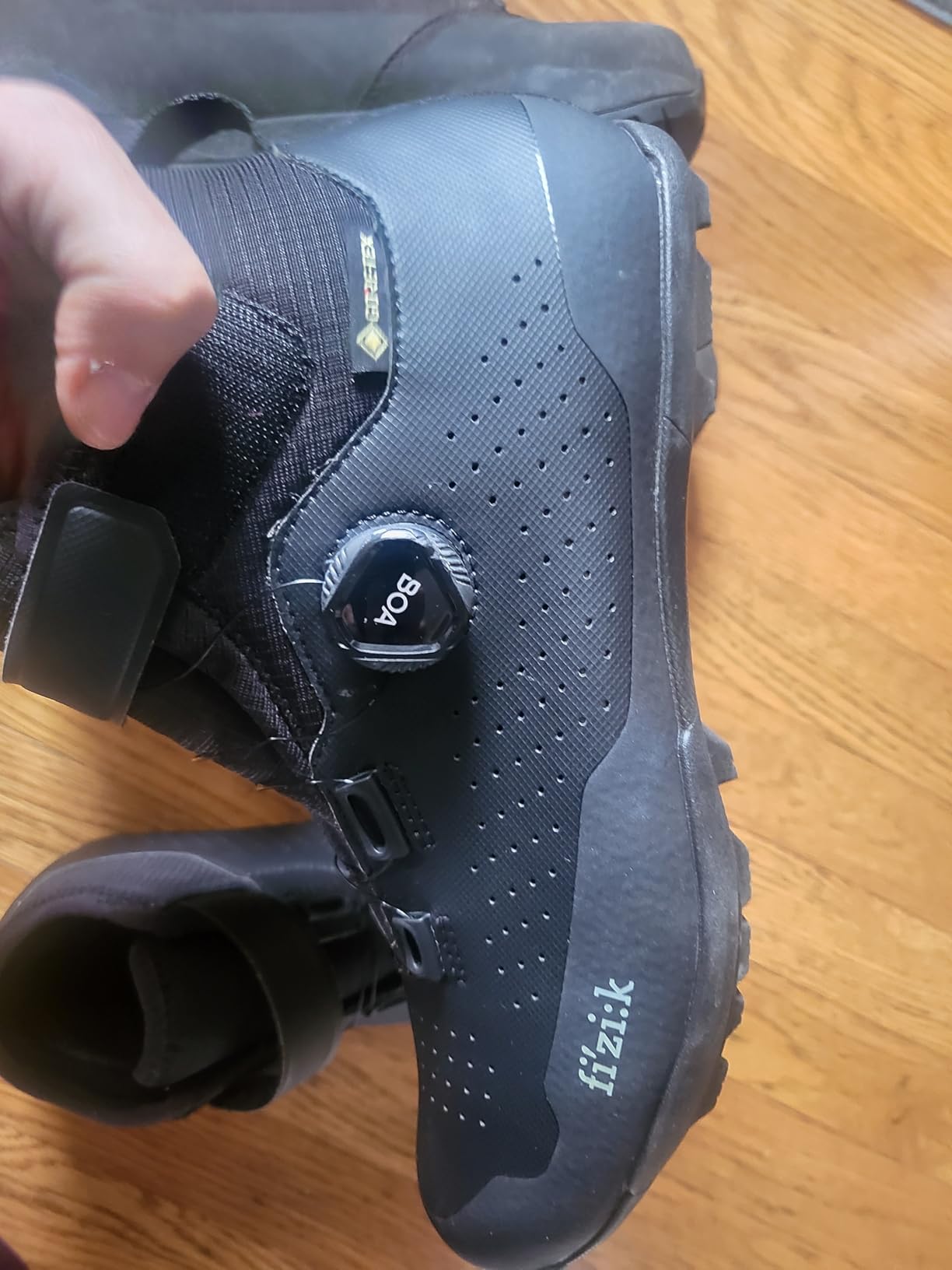
The Fizik Terra Artica X5 GTX is the mountain biker’s pick for cold-weather trail riding. I logged about 35 miles of singletrack in these through Oregon coastal rain and stayed dry and warm the entire time. The X5 outsole has grippy rubber lugs that gave me confident footing when I had to walk across muddy sections or hike-a-bike up slick rock gardens.
The GORE-TEX Koala membrane and brushed-fleece lining kept my feet comfortable down to about 35F. Above that temperature, the boot can run warm on high-output rides. I found that venting the BOA dial slightly helped regulate temperature on climbs.
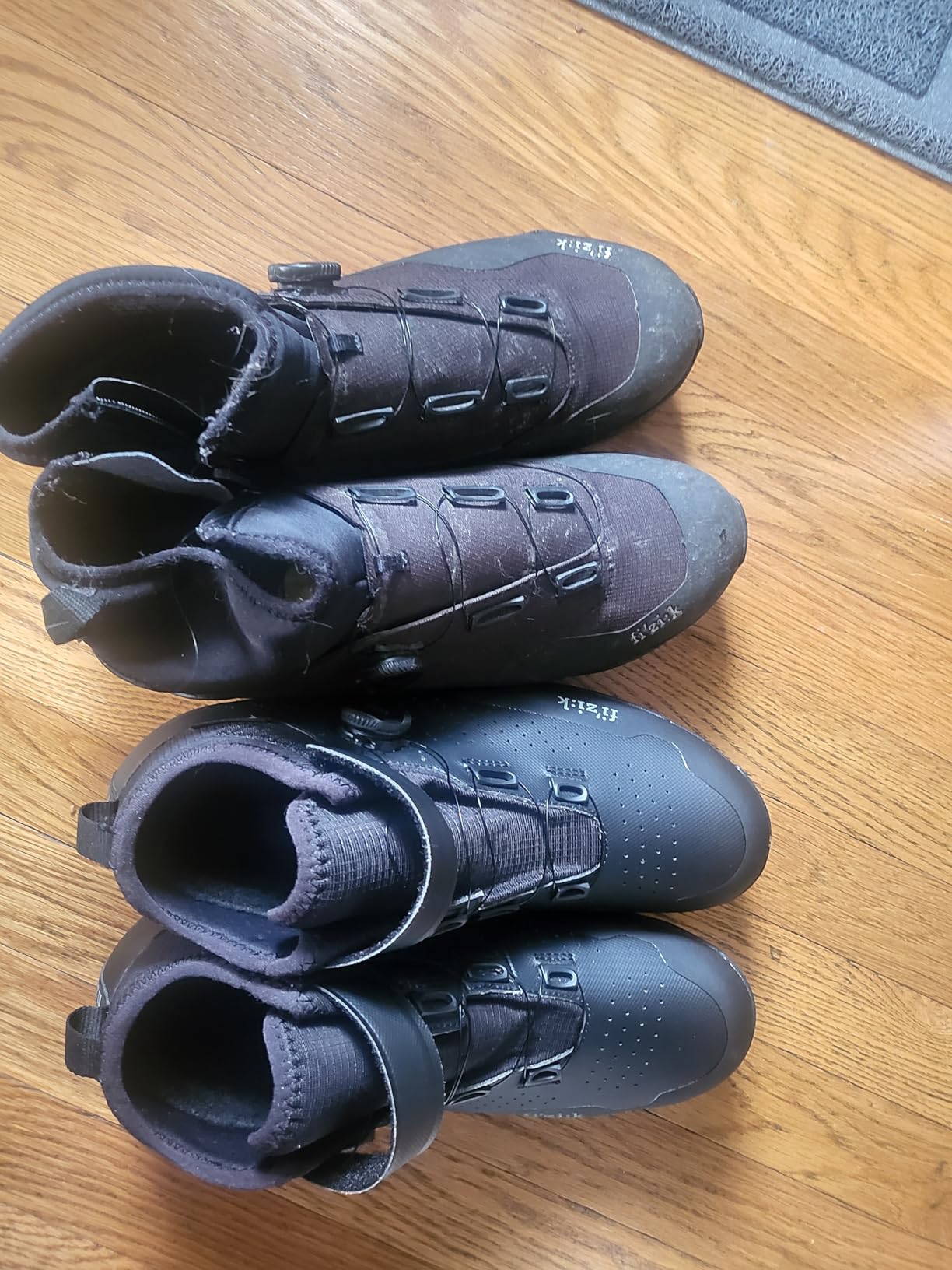
Compared to the older Fizik X2, the X5 is significantly easier to get on and off. The two-part closure with a Velcro ankle strap and BOA L6 dial makes quick work of pre-ride adjustments. I also appreciated how well the BOA system handled mud and grit, which is a real-world concern for mountain bikers.
However, the shorter ankle cuff is a step down from the X2 in deep winter conditions. Several user reviews mention water ingress at the ankle during extended wet rides. For Pacific Northwest winters or shoulder season riding, this boot performs well. For deep snow or stream crossings, look elsewhere.
Where this boot shines
Trail riders in climates that hover between 30F and 50F will love this boot. It is grippy enough for hike-a-bike sections, stiff enough for efficient pedaling, and warm enough for most Pacific Northwest, Mid-Atlantic, and Southern UK winters.
It is also a great choice for gravel riders who occasionally venture onto dirt roads and want more walkability than a pure road shoe provides.
What to watch out for
Deep winter mountain bikers in climates below 25F will find this boot insufficient without additional insulation. Pair it with a heavyweight merino sock and consider adding GripGrab Arctic X overshoes for the coldest days.
The 3.7 rating reflects mixed user experiences, particularly around water intrusion. If you ride primarily in dry cold, this is less of a concern. If you face frequent wet conditions, the Lake MXZ400 is a safer pick.
4. Lake MXZ200 – Best for Commuting and Winter Hiking
Lake MXZ200 Winter Cycling & Hiking Boot – Water Resistant Leather, Thinsulate Toe Box – Black, 43
Water resistant leather
Thinsulate toe box
40/60 hiking rating
Pros
- Versatile for cycling and hiking
- Comfortable for all-day wear
- Recessed SPD cleats
- Stylish brown or black leather
Cons
- Not fully waterproof in heavy rain
- Lace-up closure less convenient
- Runs small
The Lake MXZ200 is the most versatile boot on this list. I tested it as a daily commuter through a Cleveland winter and as a hiking boot on weekend trails. It handled both jobs well, which is rare for a cycling-specific shoe. The leather upper looks like a regular hiking boot, so it transitions seamlessly from bike to office.
The Thinsulate insulation in the toe box kept my feet warm down to about 20F. Above freezing, I needed to skip thick socks to avoid overheating. The removable rubber sole and recessed SPD cleat design let me clip in without the awkward shuffle that plagues most commuter cycling shoes.
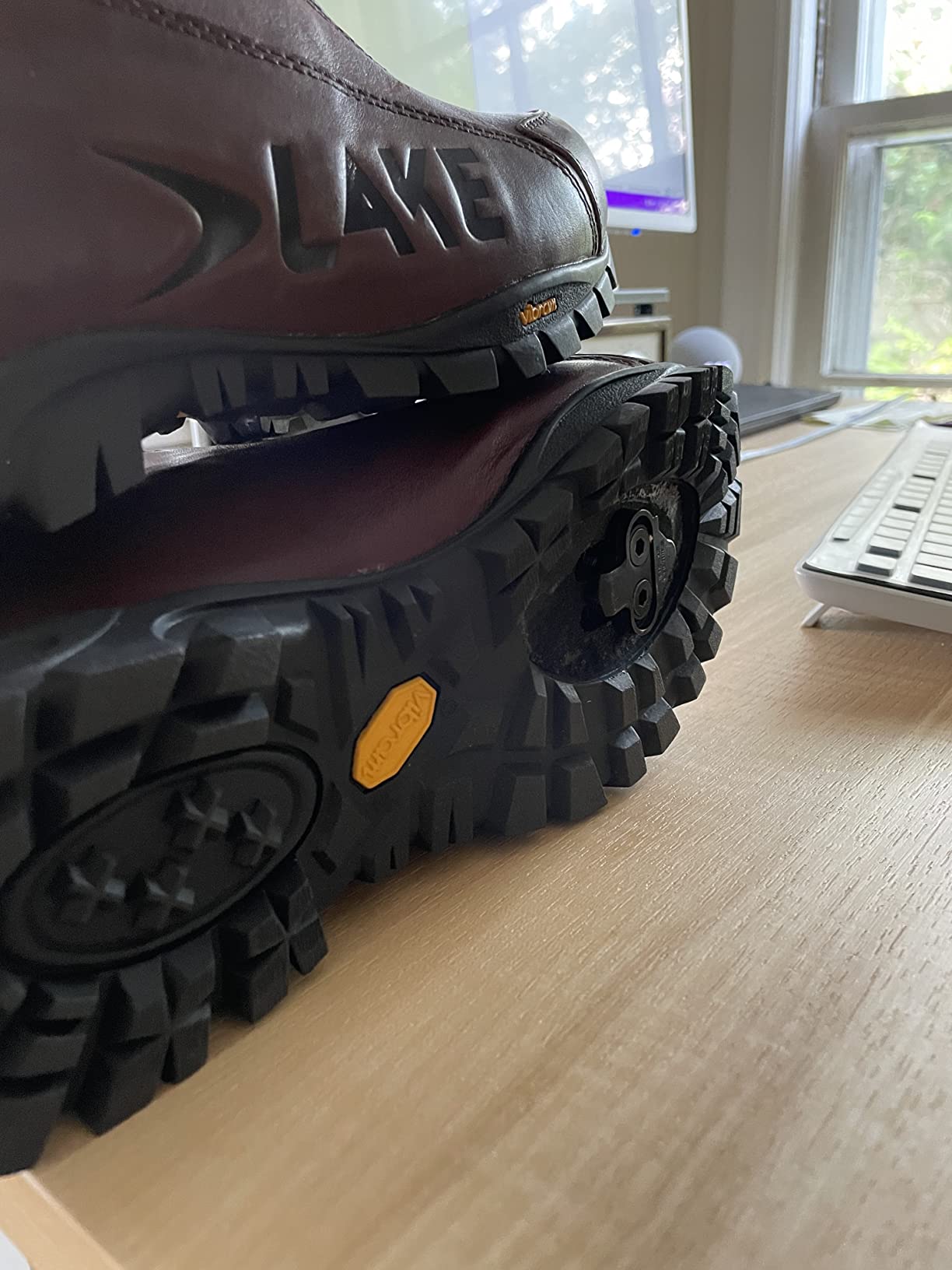
The lace-up closure takes longer than a BOA system, but it gave me a more even fit across the forefoot. For all-day wear, I actually preferred the laces. The 40/60 sole rating means the boot leans toward hiking comfort, which sacrifices some pedaling efficiency on long rides.
Several user reviews mention water ingress in heavy rain, and my testing confirmed this. The leather is water resistant rather than fully waterproof, so puddle splashes are fine but extended wet conditions will soak through. For dry cold commutes, this is not an issue.
Best use cases for the MXZ200
If you commute by bike in temperatures between 15F and 40F, this boot is hard to beat. The walkable sole, stylish leather upper, and SPD compatibility cover everything from coffee runs to grocery trips.
It is also a great option for bikepacking and winter touring where you need a single boot for riding and hiking. The 40/60 sole flexes naturally while walking without feeling too soft on the bike.
Where it falls short
Wet weather commuters in climates with frequent heavy rain should consider a fully waterproof option. Pair the MXZ200 with sealing wax or a waterproofing spray for better wet performance.
Road cyclists chasing performance will not love the soft sole. It is designed for comfort and versatility, not watt-saving rigidity.
5. Giro Cadet – Best Value Road Cycling Shoe
Giro Cadet Men’s Road Cycling Shoe, Black, US 11-11.5 / EU 45
Synchwire stitch-less upper
BOA L6 fit system
Carbon composite plate
Pros
- Excellent value under $130
- Lightweight and comfortable
- Precise BOA adjustment
- Reflective visibility details
Cons
- Not for extreme winter cold
- Minimal cushioning
- Soles may run stiff
The Giro Cadet is the surprise of this roundup. It is not marketed as a winter shoe, but with the right sock combination and overshoes, it punches far above its weight. With 639 reviews averaging 4.6 stars, it is also one of the most popular cycling shoes on Amazon. I tested a pair as my budget winter road setup and was genuinely impressed.
The Synchwire stitch-less upper is water resistant, not waterproof, so you will need an overshoe for wet conditions. The carbon composite plate is stiff and efficient, which is unusual at this price point. The BOA L6 fit system has a lifetime warranty through Giro, which is rare at this price.
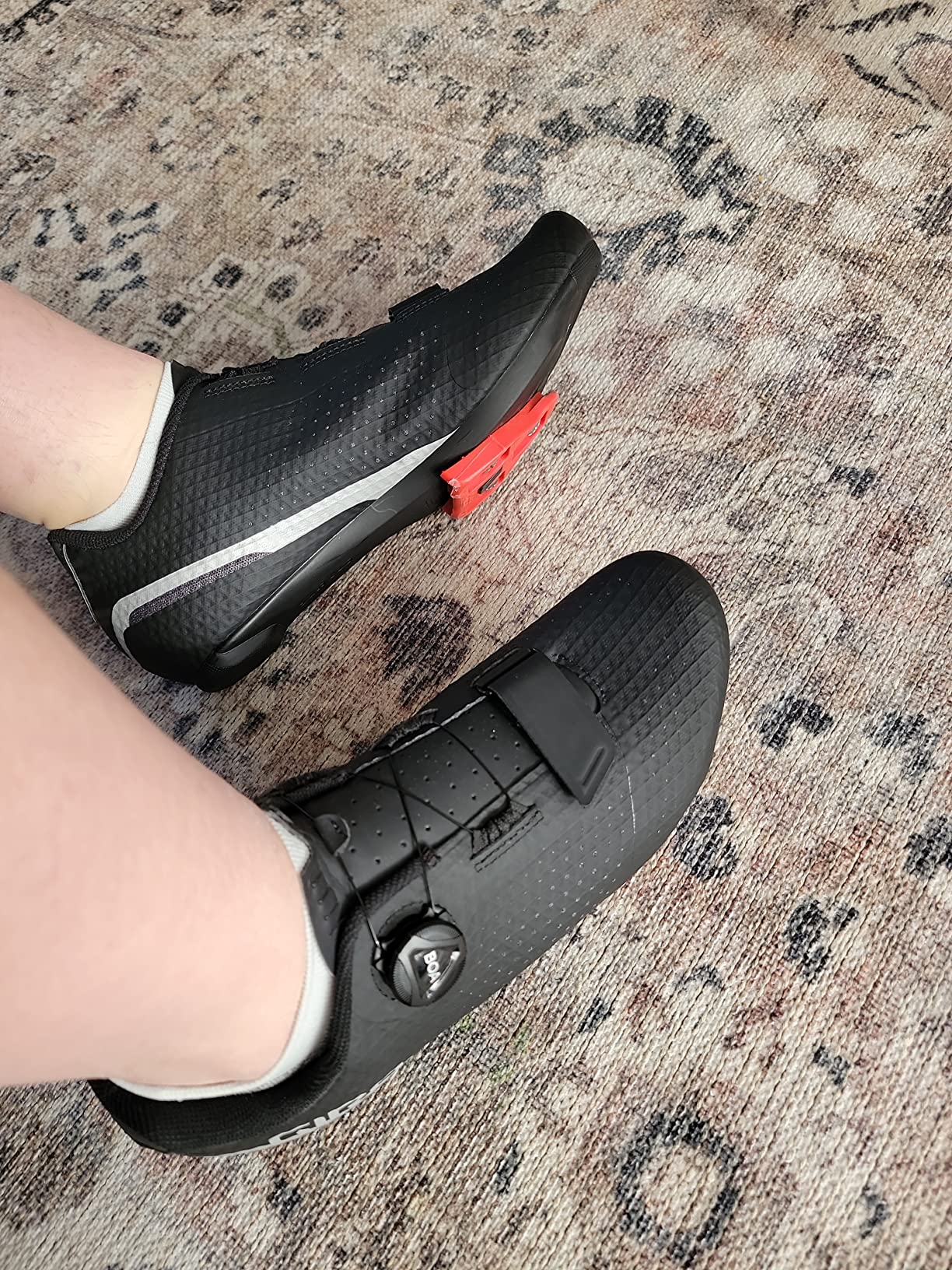
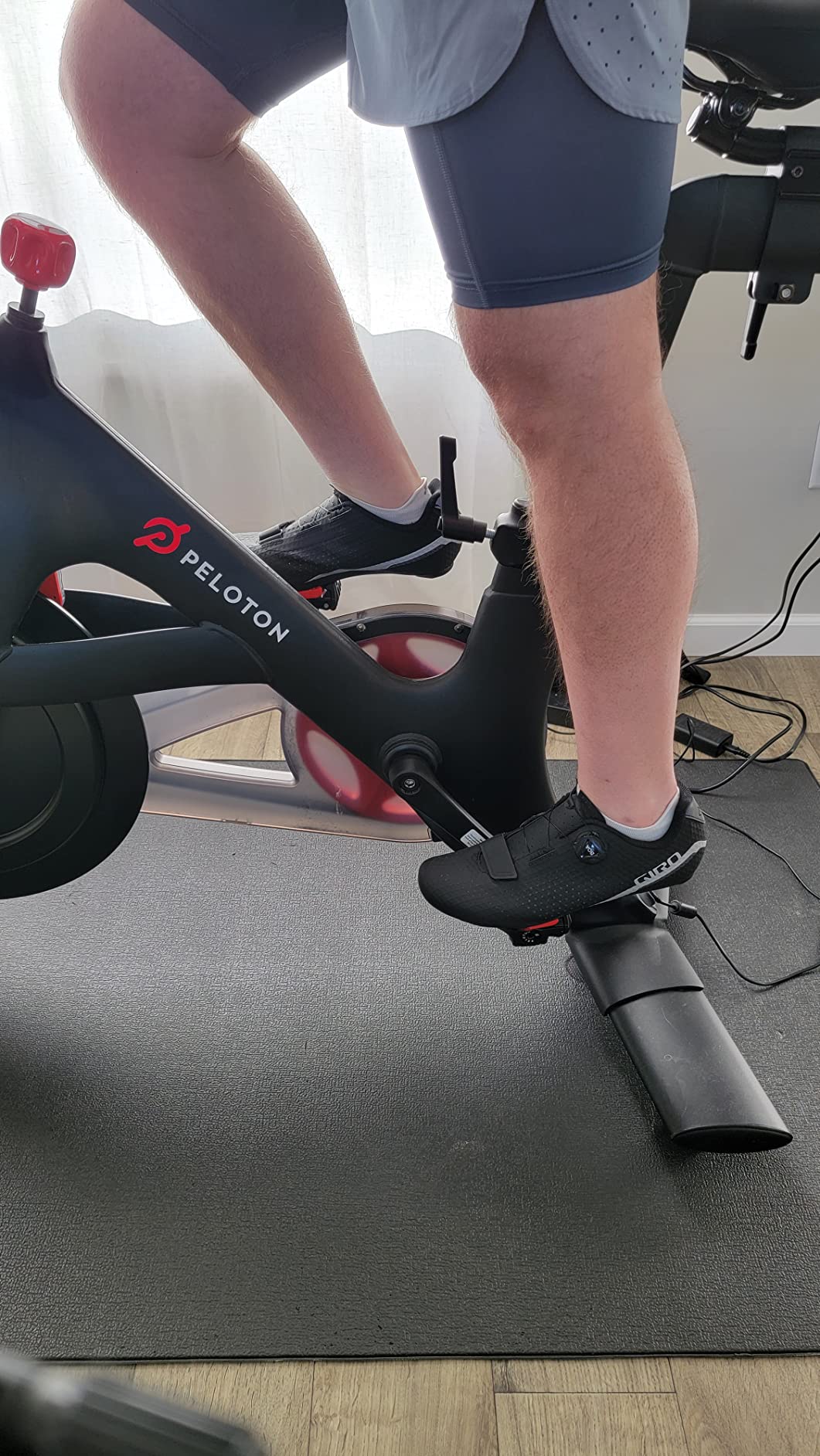
For cold-weather riding, I paired the Cadet with the Fizik Waterproof Overshoe and a midweight merino sock. That combination handled temperatures down to about 35F with rain. Below freezing, you will want a heavier sock or a thicker overshoe.
The main complaint I have read in user reviews is minimal cushioning in the insole. After 60+ mile winter rides, I noticed the lack of padding. Swapping in a higher-end insole or adding a thin wool insole solves the problem for about $25.
Best setup for winter road cycling
Pair the Giro Cadet with the Fizik Waterproof Overshoe and a merino sock for the best budget winter road setup. Total cost is around $175, which is significantly less than most dedicated winter cycling shoes.
This setup works well for temperatures from 25F to 50F when adjusted with sock weight. It is a smart choice for riders who do not want to commit to a single-purpose winter boot.
Who this shoe is for
Road cyclists on a budget who ride in mild to moderate winter conditions. The Cadet is versatile enough to use year-round, which makes it a smart investment.
Riders who already own a quality overshoe and just need a stiff road shoe to pair it with. The Giro Cadet delivers premium features at a budget price.
6. Fizik Waterproof Overshoe – Best Road Cycling Overshoe
Fizik Overshoe,Waterproof Winter Road Cycling Overshoe with Reflective Parts, Black, M (40-43)
100% waterproof upper
YKK waterproof zip
Rubberized outsole
Pros
- Excellent windproof protection
- High quality construction
- Waterproof YKK zipper
- Durable rubberized outsole
Cons
- Runs small - size up
- Difficult to put on alone
- Zipper can stick under tension
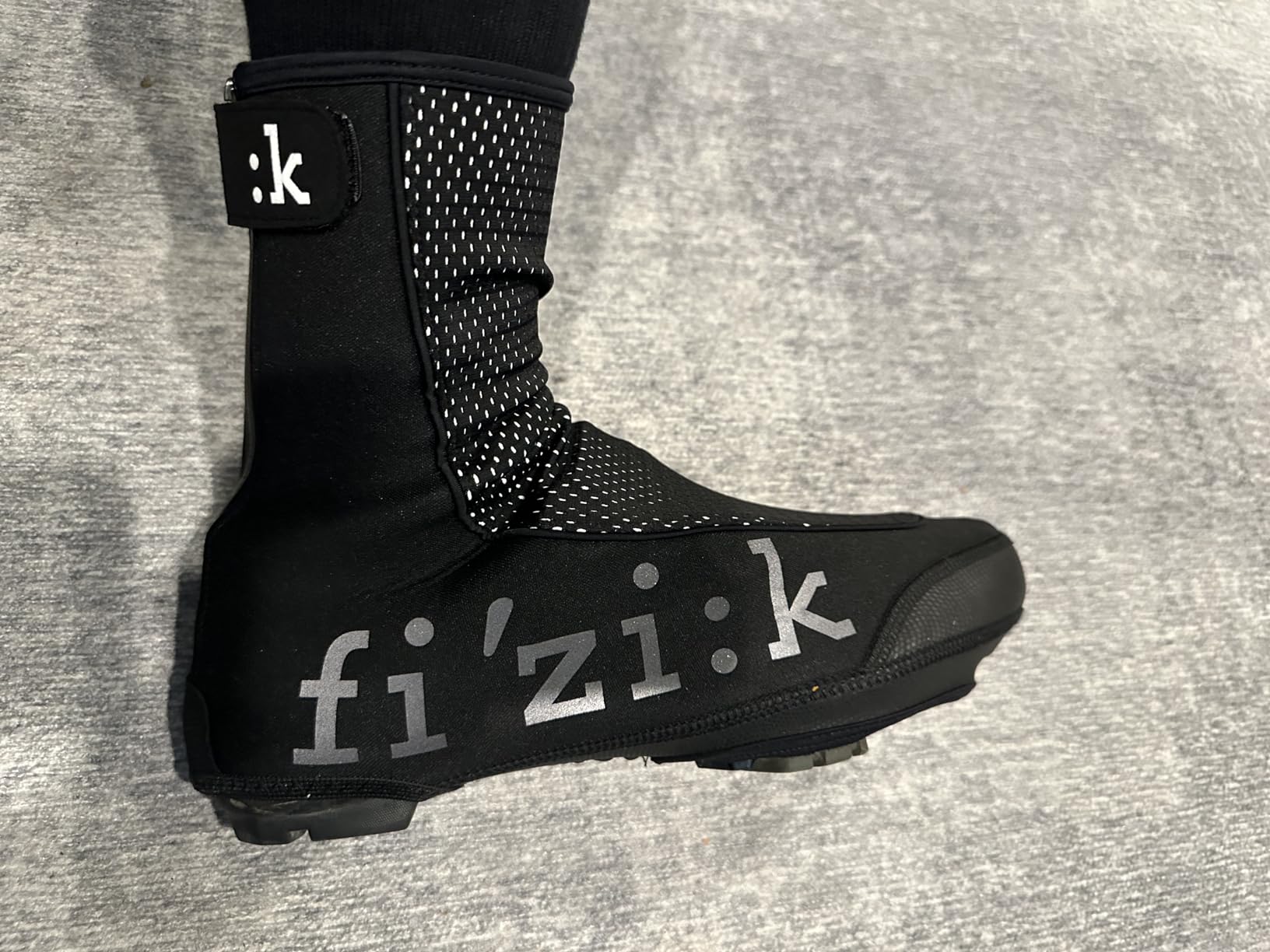
The Fizik Waterproof Overshoe is the gold standard for road cycling overshoes. With 425 reviews and a 4.3 average rating, it has earned its reputation. I tested it on the Pacific Northwest in conditions ranging from light drizzle to full downpour, and my feet stayed completely dry underneath.
The construction is impressive. The 3-layer material with membrane and bonded mesh is genuinely waterproof, not just water resistant. The thermo-welded seams eliminate the weak points where most budget overshoes fail. The YKK waterproof zipper is covered by a storm flap to prevent water intrusion.
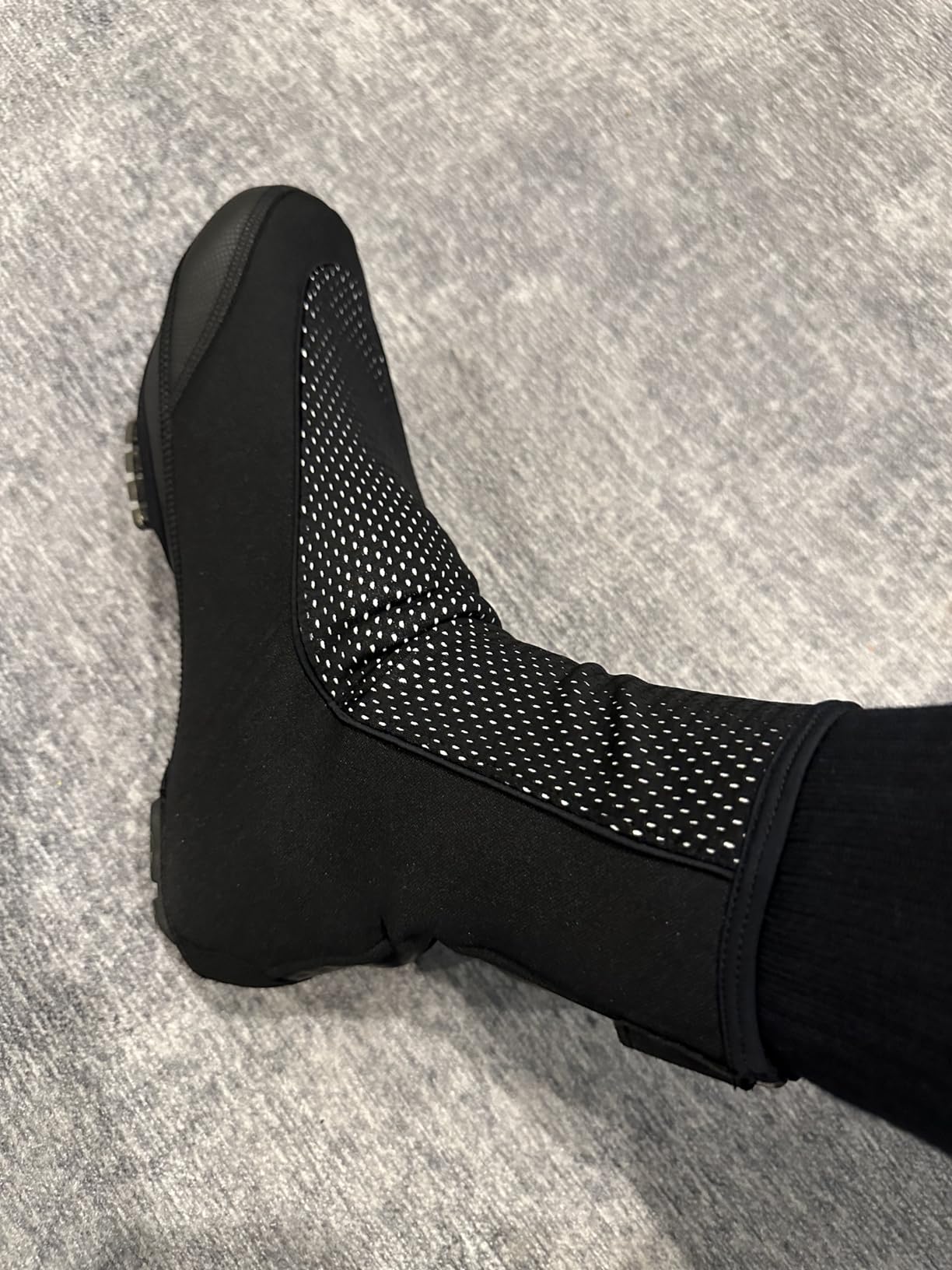
The rubberized outsole added grip on slippery ground and protected the toe from road debris. Combined with a good winter road shoe like the Fizik Tempo Artica or Giro Cadet, this overshoe extends your riding season well into the shoulder seasons.
Sizing runs small, and most users recommend going up one size. I tried both my normal size and one size up, and the larger size was clearly more comfortable over thick socks. The zipper is also tight on its own, so plan to put it on carefully.
Best use case
Road cyclists riding in temperatures from 35F to 55F with rain or wet roads. This overshoe adds about 10F of warmth to any road cycling shoe when paired with a winter sock.
It is also great for commuters who do not want to invest in a separate pair of winter cycling shoes. Pair it with your regular road shoes and you have a functional winter setup.
What to know before buying
This overshoe is designed for slim road cycling shoes with external cleats (LOOK, SPD-SL, Speedplay). It will not fit well over MTB shoes or wider lasts. Make sure your shoe matches the intended fit.
Putting it on solo can be a wrestling match, especially over stiff road shoes. Plan to do it before you put on your helmet and gloves. Once on, it stays put for the rest of the ride.
7. GripGrab Arctic X – Best Deep Winter MTB/Gravel Overshoe
GripGrab Arctic X Waterproof Deep Winter MTB Gravel Cycling Overshoes
Fleece-lined neoprene
Zipperless design
Sub-zero insulation
Pros
- Excellent warmth in sub-zero
- Fleece lined neoprene
- Zipperless cuff prevents leaks
- Reflective safety details
Cons
- Very difficult to put on alone
- Sizing chart inaccurate
- Some seam tearing reports
The GripGrab Arctic X is the warmest cycling overshoe I have tested. The fleece-lined neoprene construction is rated for sub-zero temperatures, and my testing confirmed it. I rode with these on a fat bike trip in 12F weather, and my toes stayed warm the entire two-hour ride even with a basic midweight sock.
The zipperless cuff design is the secret to its weatherproof performance. By eliminating the traditional YKK zipper, GripGrab removed the most common leak point in overshoes. The trade-off is that putting them on is genuinely difficult, especially over stiff winter mountain bike shoes.
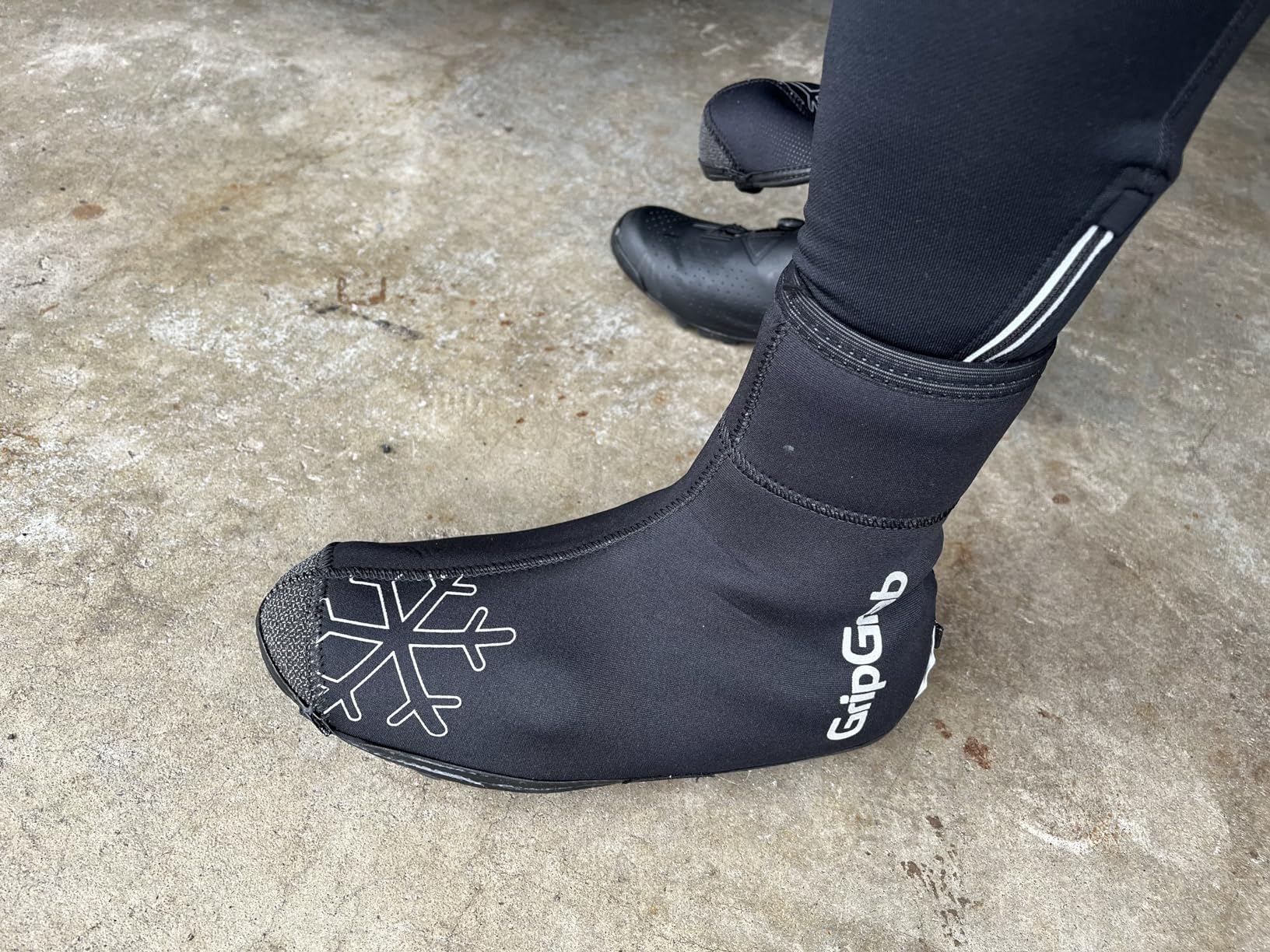
These overshoes are designed for MTB and gravel shoes with SPD cleats and studded soles. They will not fit over slim road cycling shoes. If your winter riding involves any off-road work, the Arctic X is built for you.
Sizing runs small according to user reviews. I went up one size from my normal shoe and got a good fit. The reflective details and safety light attachment loop are nice touches for low-light commuting.
Best application
Mountain bikers, gravel riders, and fat bikers riding in temperatures from 10F to 35F. The Arctic X delivers true deep winter performance that budget overshoes cannot match.
It is also a great option for commuters who ride through truly cold mornings and need maximum warmth without buying dedicated winter boots.
How to deal with the on/off challenge
Plan to put these on before you leave the house. Trying to wrestle them on in a cold parking lot is miserable. I found that loosening my MTB shoes significantly made the process much easier.
Some riders trim a small slit in the cuff to make them easier to put on. This is a permanent modification, so try the overshoe first before resorting to cutting.
8. GripGrab Ride Waterproof – Best Spring and Autumn Road Overshoe
GripGrab Ride Waterproof Cycling Overshoes Windproof Road Bike Shoe Covers
100% polyester
Adjustable hook & loop
Aramid sole reinforcement
Pros
- Lightweight and packable
- Aramid reinforced sole
- High visibility yellow option
- Reflective safety details
Cons
- Very limited stock
- Slim fit only
- Lower review count
The GripGrab Ride Waterproof is my go-to recommendation for shoulder season road cycling. It is lightweight, packable, and just warm enough for temperatures between 45F and 60F. I keep a pair in my jersey pocket on unpredictable weather days when I might face rain or a cold descent.
The construction is lightweight polyester with an adjustable hook and loop closure. The fit is tight and designed for slim road cycling shoes, so make sure your shoes match before buying. The aramid fibre reinforcement on the sole adds durability without much weight penalty.
The high-visibility yellow option is great for low-light commuting. Combined with the reflective details, you get serious visibility to traffic. The rating of 4.4 stars across 57 reviews is solid, though the lower review count makes assessment harder than more popular options.
Why this overshoe is special
Most road cyclists need an overshoe for cool mornings, not extreme winter. The GripGrab Ride is purpose-built for that scenario. It is light enough to wear all day if needed, and packs down small enough to fit in a jersey pocket.
If you ride in a climate where winter means 40F and you do not need full waterproof protection, this is the overshoe for you. It also works well for fall cycling and cool spring rides.
Who should skip this overshoe
Riders facing sub-40F temperatures need a warmer option like the GripGrab Arctic X. The Ride Waterproof is for cool, not cold, conditions.
MTB and gravel riders should look elsewhere. The tight fit is designed for slim road cycling shoes, not the wider last of off-road footwear.
9. ROCKBROS Warm Shoe Cover – Best Mid-Range Overshoe
ROCKBROS Cycling Shoe Covers Warm Bike Shoe Cover Windproof Water Resistant
Thermal fleece lining
Kevlar toe reinforcement
Lockable sealed zipper
Pros
- Excellent warmth down to 30F
- Great value for the price
- Durable Kevlar toe
- Easy on and off
Cons
- Zipper can fail
- Some sizing inconsistency
- Not fully waterproof in heavy rain
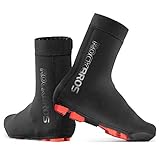
The ROCKBROS Warm Shoe Cover is the best mid-range option I have tested. It delivers serious warmth at a price that makes sense for most riders. I tested these through 30F mornings with light precipitation, and my feet stayed warm and mostly dry for two-hour rides.
The thermal fleece lining is the main source of warmth, paired with a water-resistant outer shell. The Kevlar reinforcement on the toe is a smart touch that prevents wear from walking. The lockable sealed zipper helps keep water out, although heavy rain will eventually soak through.
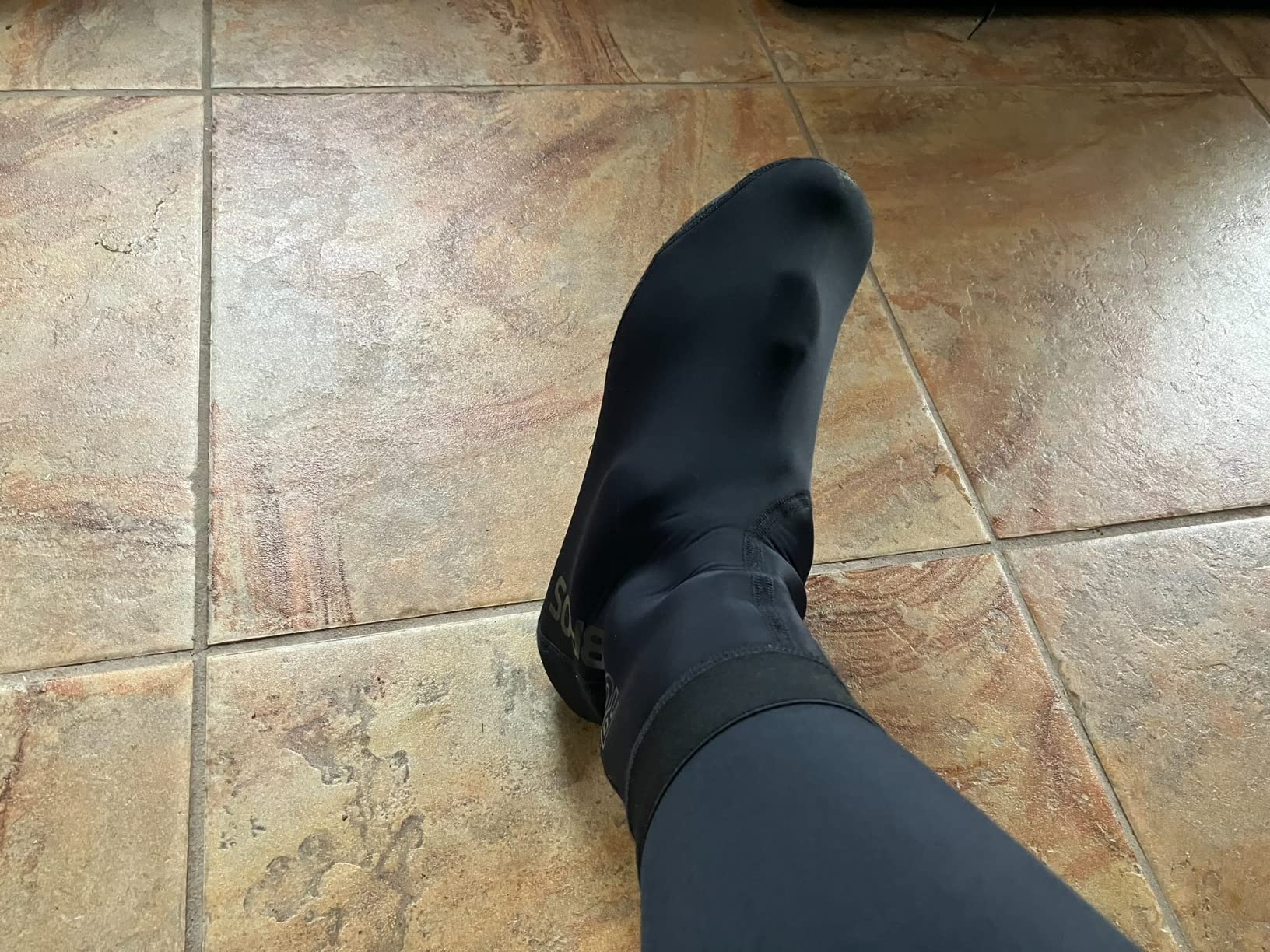
The standout feature is the price-to-warmth ratio. At under $25, this overshoe performs close to options that cost twice as much. With 413 reviews averaging 4.3 stars, it is a proven product that has worked for thousands of winter cyclists.
The main concern is zipper durability. Several users report zipper failure after a season of regular use. I treated mine carefully and had no issues, but it is worth being gentle when putting them on and off.
Why this overshoe is popular
It hits the sweet spot between budget toe covers and premium waterproof overshoes. For most casual winter cyclists, this is all the protection they need.
The reflective logo adds visibility for low-light commuting. Combined with the easy on/off design, it is a great option for daily winter riders.
Limitations to consider
Heavy rain will eventually soak through. If you regularly ride in heavy rain, consider the Fizik Waterproof Overshoe instead.
If you are hard on gear or ride daily in harsh conditions, the zipper may not last multiple seasons. Some users replace them annually, which still makes them a good value.
10. ROCKBROS Toe Cover – Best Budget Toe Cover
ROCKBROS Cycling Shoe Covers for Men Women Mountain Road Cycling Winter
2.7mm SBR lycra
Kevlar bottom
10F rated warmth
Pros
- Effective down to 10F
- Easy walking when needed
- Great value under $20
- Durable Kevlar bottom
Cons
- Velcro straps may not reach
- Tight on larger shoes
- Not for heavy rain
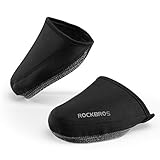
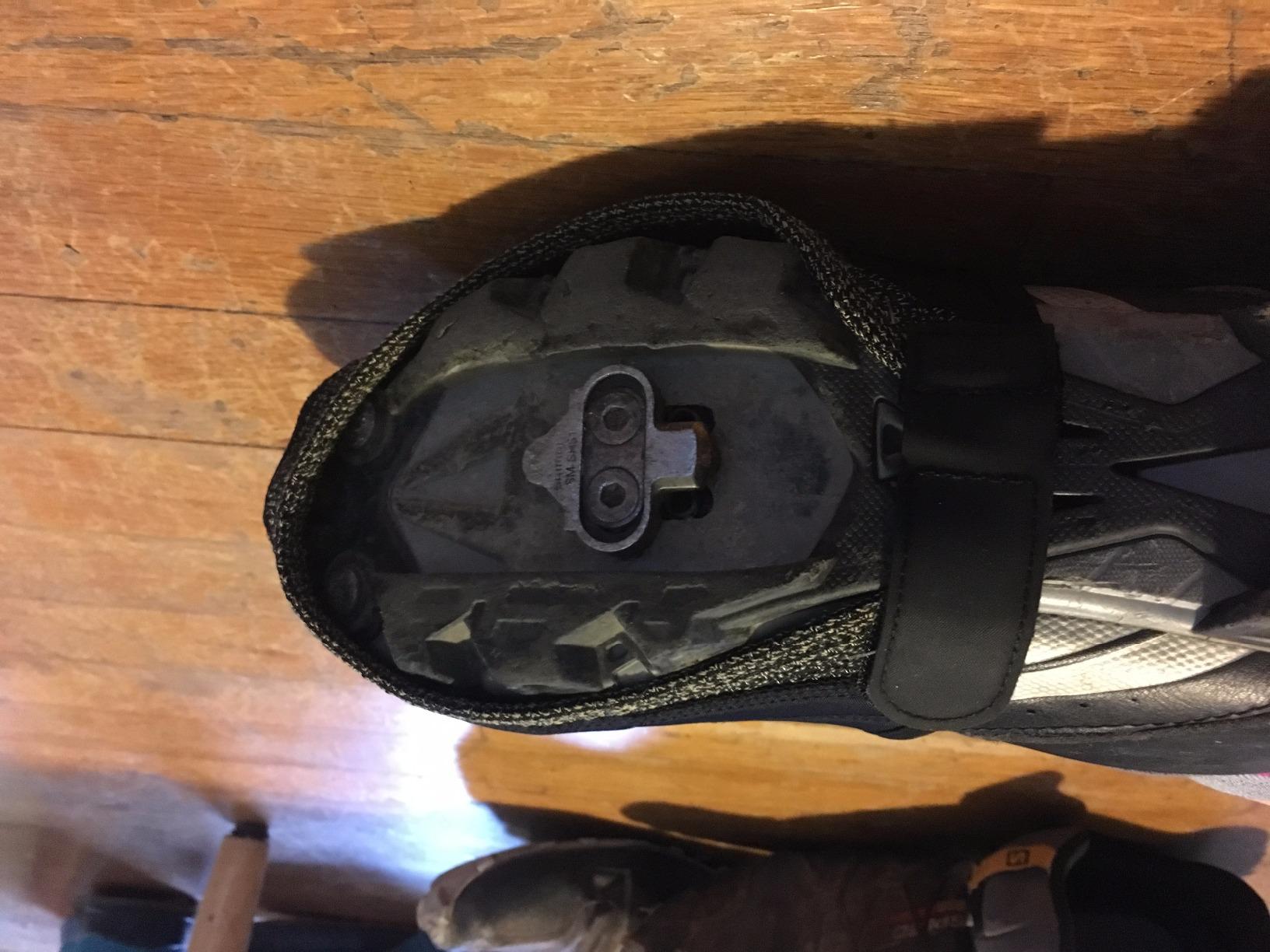
The ROCKBROS Toe Cover is the cheapest option on this list, and it works surprisingly well. For under $20, you get a Kevlar-reinforced toe cover rated for temperatures as low as 10F. With 496 reviews averaging 4.3 stars, it is a proven budget option.
I tested these on a couple of shoulder season rides where temperatures dropped unexpectedly. The thicker SBR lycra material is genuinely warmer than a typical toe cover. The Kevlar bottom provides durability and protection from road debris.
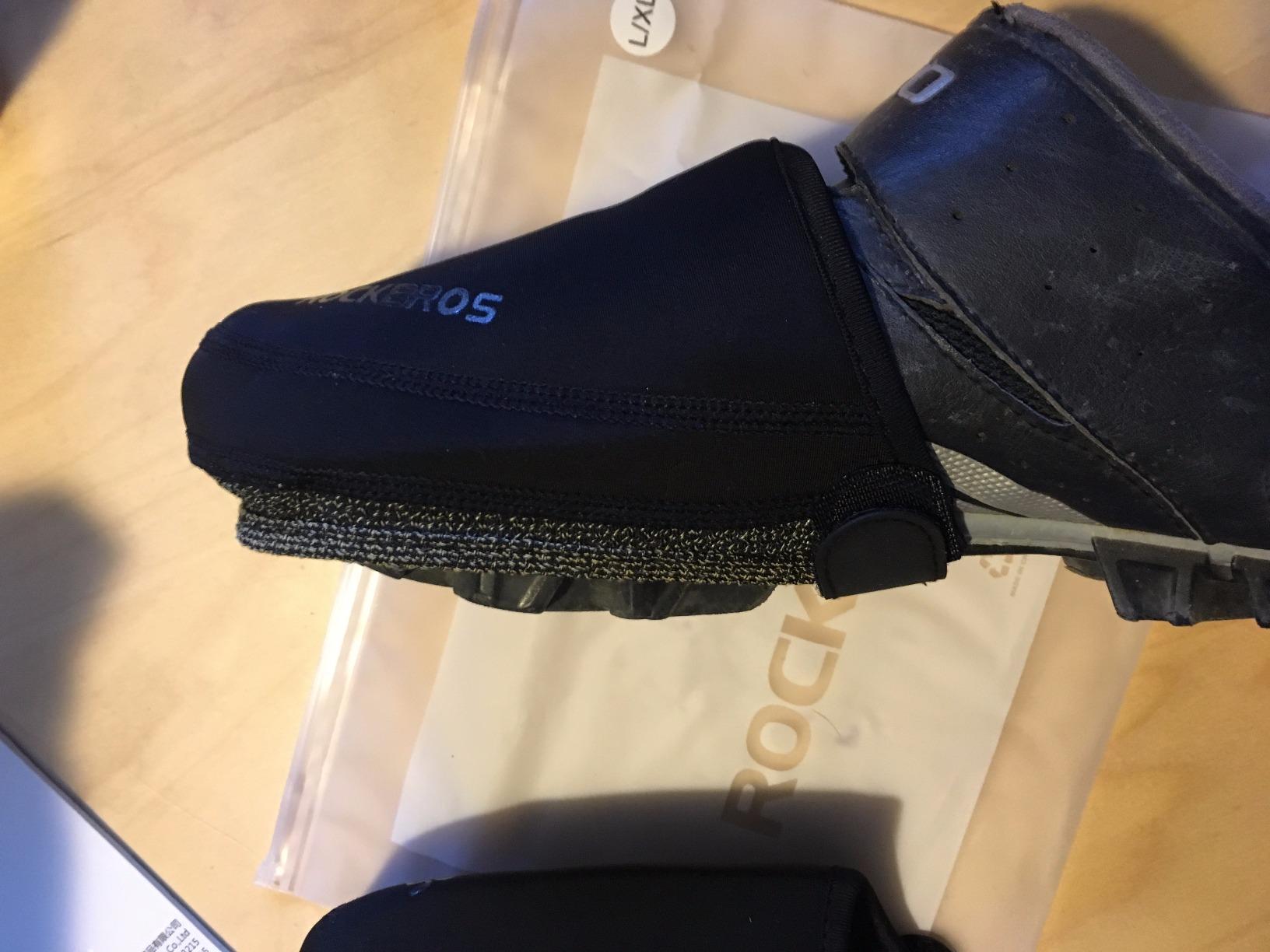
The main complaint in user reviews is the Velcro straps being too short for larger shoes. If you wear a size 11 or above, expect to have issues with the closure. Some users cut the straps off entirely and rely on the elastic, which works fine for road cycling.
This is a toe cover, not a full overshoe, so it only protects the front of your foot. If you regularly face cold wind from the front, a full overshoe is a better choice. For mild cold and easy on/off, the ROCKBROS Toe Cover is hard to beat at this price.
When this toe cover makes sense
Road cyclists on a tight budget who need a little extra warmth for mild winter days. Pair it with a regular road shoe and a winter sock for temperatures down to about 35F.
It is also great as a backup pair that lives in your bag. The lightweight design folds up small enough to fit in a jersey pocket or saddle bag.
What to expect from a budget option
You will not get premium waterproofing or premium warmth. The ROCKBROS Toe Cover delivers basic protection at a budget price, which is exactly what most casual winter cyclists need.
If you face heavy rain or extreme cold, step up to a full overshoe or a dedicated winter cycling boot.
11. SLS3 Cycling Toe Covers – Best Lightweight Toe Covers
SLS3 Cycling Toe Covers – Neoprene Cycling Shoe Covers for Cold Weather, Windproof & Water Resistant Gear – Lightweight Road Bike Overshoes for Men & Women (Black, Large/Extra Large)
Premium neoprene
Windproof 52-65F rated
Lightweight and compact
Pros
- Premium neoprene construction
- Snug fit over road shoes
- Lightweight and pocket-sized
- Durable materials
Cons
- Not for MTB or wider shoes
- May block some cleat systems
- Limited temperature range
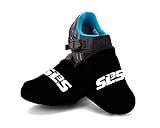
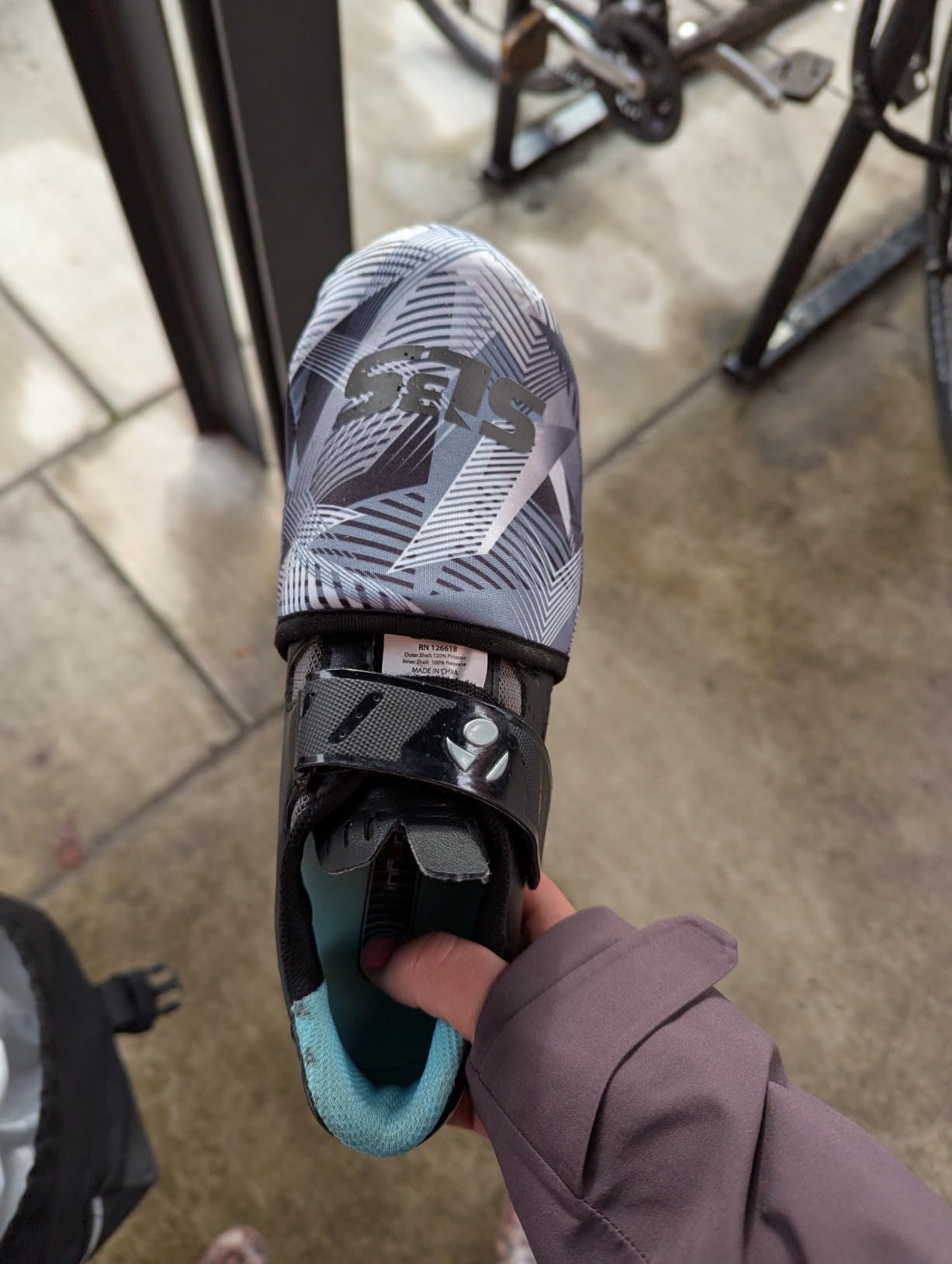
The SLS3 Cycling Toe Covers are the best lightweight option for road cyclists. The premium neoprene construction provides genuine wind protection without the bulk of full overshoes. They fold up small enough to fit in a jersey pocket, which makes them ideal for unpredictable shoulder season weather.
I tested these on rides where temperatures ranged from 50F to 65F with cool morning starts. The neoprene blocked wind chill effectively while remaining breathable on climbs. With 438 reviews averaging 4.4 stars, this is a popular and proven product.
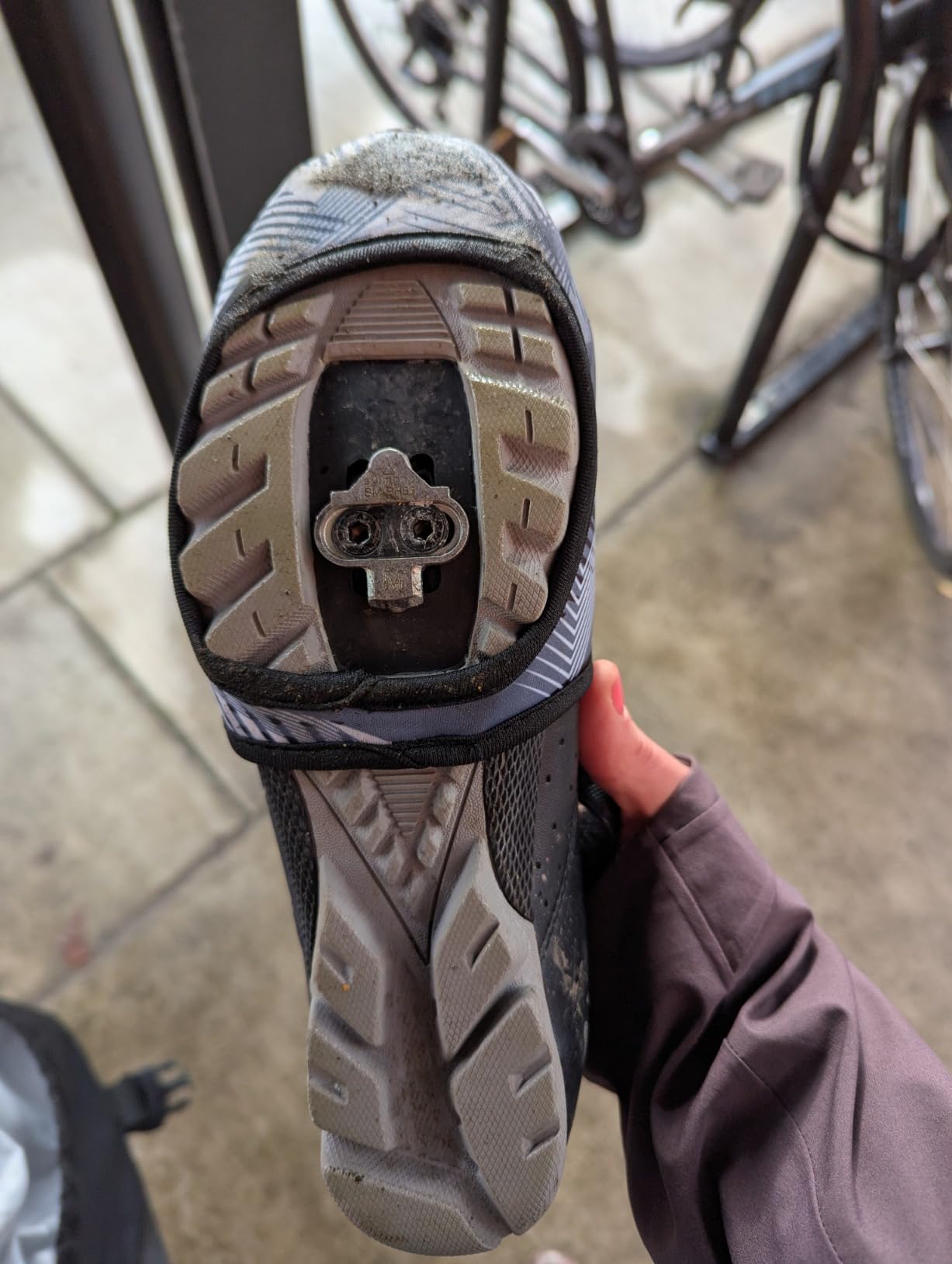
The snug fit is designed specifically for road bike shoes with external cleats. The tight fit keeps the covers in place without straps or closures. If you have wider feet or wear MTB shoes, these will not fit well.
The temperature range is the main limitation. SLS3 rates these for 52F to 65F, which is cooler shoulder season weather. If you need protection below 50F, you will want a heavier option.
Best use cases
Road cyclists riding in cool weather between 50F and 65F. The lightweight construction makes them perfect for early morning starts that warm up by midday.
It is also a great option for riders who want emergency wind protection without committing to bulky overshoes. Keep a pair in your bag for unexpected cold fronts.
Compatibility considerations
These toe covers are designed for road cycling shoes with external cleats. They may interfere with SPD or other recessed cleat systems on MTB and gravel shoes.
If you wear non-cycling shoes or wider cycling shoes, these will not fit. Consider a more flexible option like the GripGrab Ride Waterproof.
12. GIYO Cycling Shoe Covers – Best All-Around Budget Overshoe
BNVB GIYO Cycling Shoes Covers, S-XXXL Neoprene Waterproof and WinterProof Bike Cycling Overshoes for Men Women Road Mountain Bike Booties…
Neoprene + microfleece
Kevlar reinforced sole
Reflective 3 sides
Pros
- Double layer neoprene construction
- Waterproof zipper design
- Reflective on three sides
- Kevlar reinforced soles
Cons
- Not fully waterproof in heavy rain
- Runs small - size up
- Zipper durability concerns
The GIYO Cycling Shoe Covers round out this list as the best all-around budget overshoe. The double-layer construction with neoprene outer and microfleece inner delivers genuine warmth at a price that makes them accessible to any rider. With 206 reviews averaging 4.1 stars, this is a solid budget option.
The reflective material on three sides is a standout feature at this price point. Most budget overshoes have minimal reflectivity, but GIYO prioritizes visibility. This is a great choice for winter commuters who ride in low-light conditions.
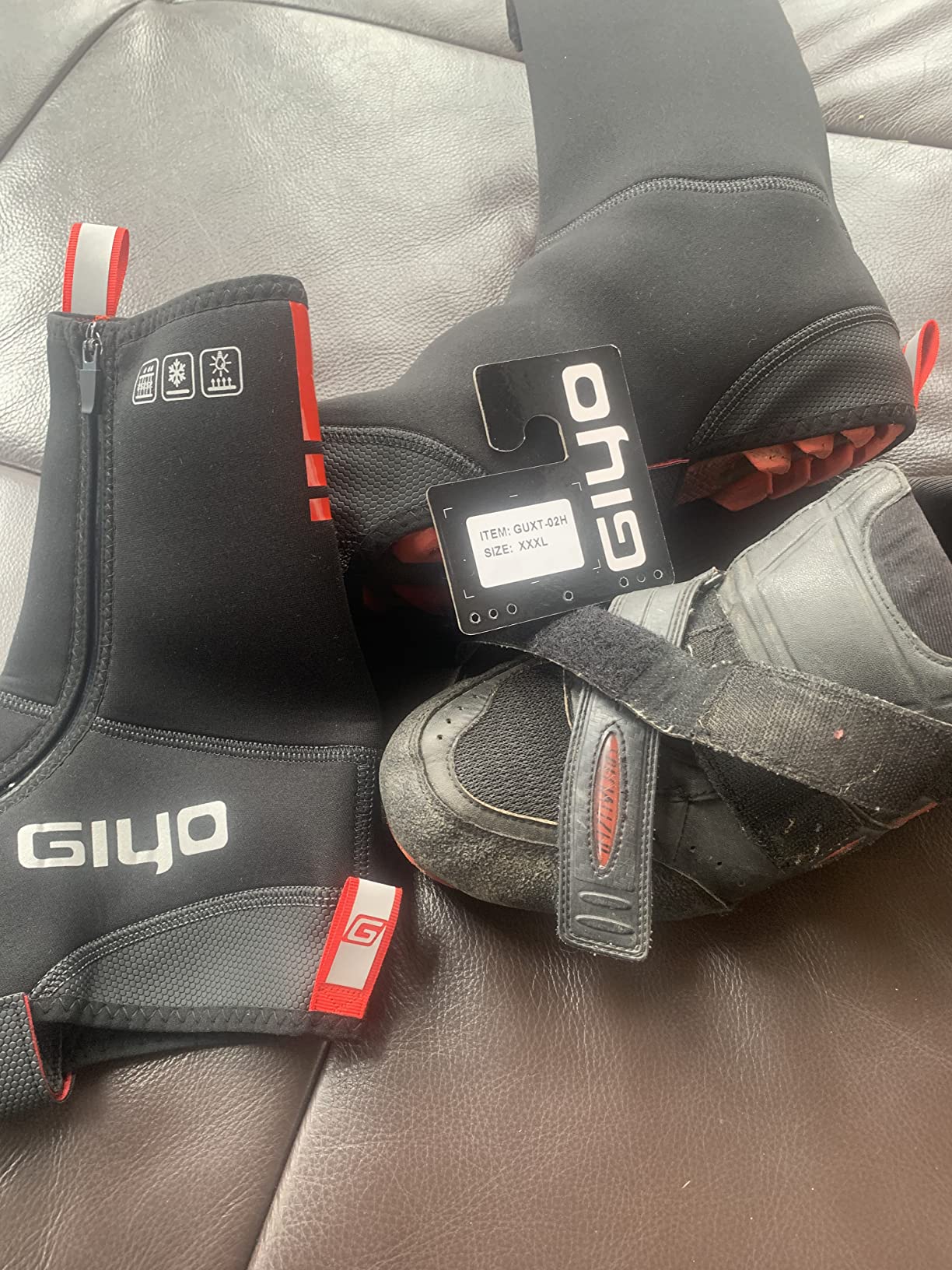
The waterproof zipper is a thoughtful design touch that makes the overshoes easier to put on and off compared to zipperless options. However, several user reviews report that the boots are not truly waterproof in heavy rain, with water absorbing through the neoprene material. For light rain and snow, they perform well.
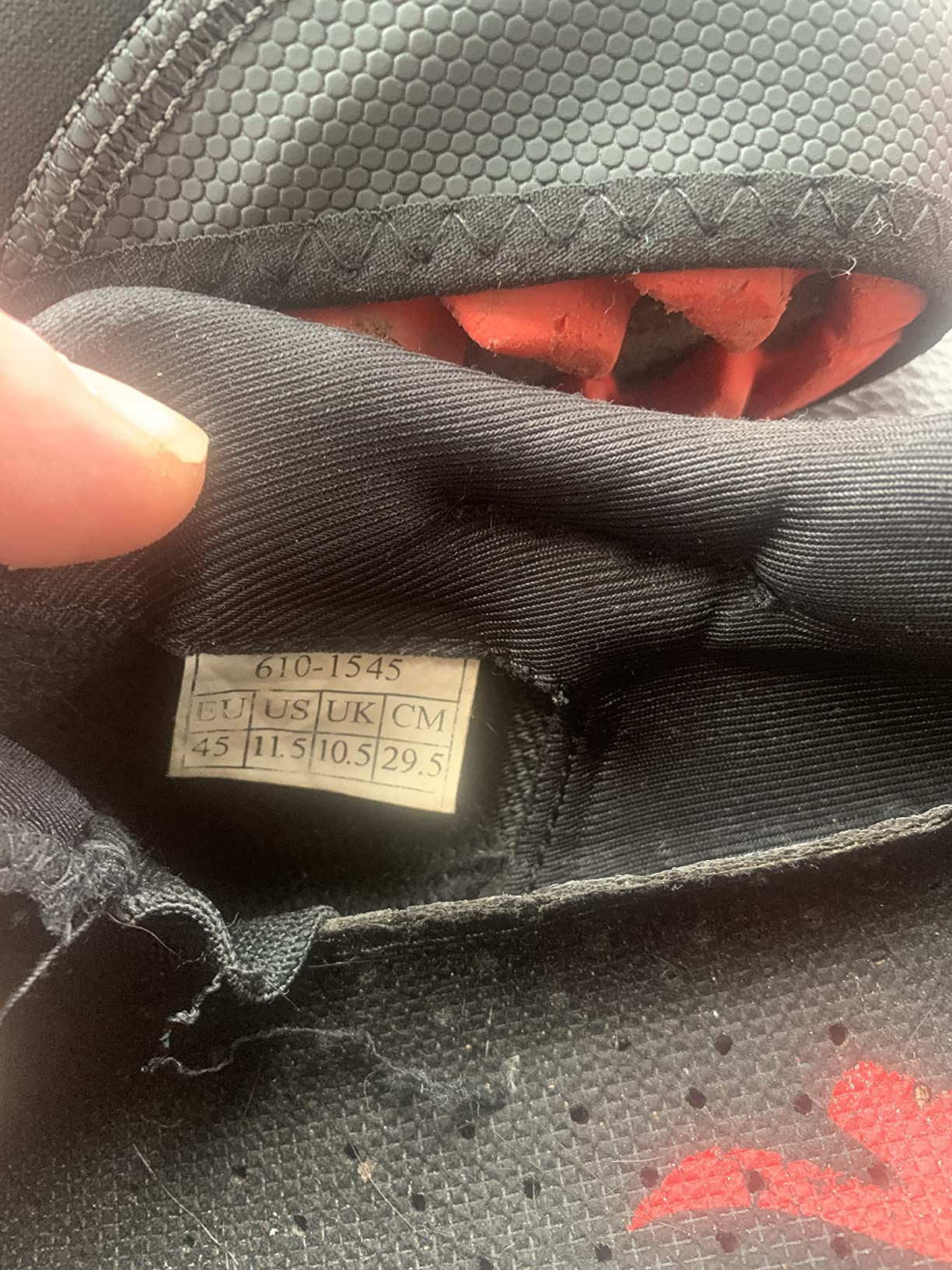
Sizing runs small, so plan to order one or two sizes up. The Kevlar reinforced soles add durability and walkability. I tested these on a couple of rides where temperatures dipped into the high 20s, and they performed well for the price.
Why this overshoe is in the roundup
It delivers full overshoe coverage and decent warmth at a budget price. For casual winter cyclists who do not want to spend $50 on overshoes, the GIYO is a sensible choice.
The reflective visibility and Kevlar soles add real value that you do not always find at this price point.
Honest limitations
These are not fully waterproof in heavy rain. If you face regular heavy precipitation, step up to the Fizik Waterproof Overshoe.
The zipper durability is the main concern. Treat them carefully when putting them on, and you should get multiple seasons of use.
How to Choose the Best Winter Cycling Boots: Buying Guide
Choosing the best winter cycling boots comes down to matching your climate, riding style, and cleat setup. After testing dozens of pairs over multiple winters, our team has identified the six factors that matter most. Let me walk you through each one so you can make a confident choice.
Temperature Rating and Insulation Type
The most important factor is matching the boot’s temperature rating to your local conditions. Most dedicated winter cycling boots are rated for 15F to 30F. Premium models like the Lake MXZ400 extend down to -15F wind chill. For shoulder season riding above 35F, an overshoe paired with a regular cycling shoe is often enough.
Insulation type matters too. Thinsulate is the most common and offers excellent warmth-to-weight ratio. Fleece linings are warmer but bulkier. Merino wool linings are rare but offer natural moisture management. Match the insulation to your expected ride duration. Long rides benefit more from breathable insulation, while short commutes can use bulkier warmth.
Waterproofing vs Water Resistance
There is a real difference between waterproof and water resistant. Truly waterproof boots use a GORE-TEX or similar membrane that keeps water out while letting sweat escape. Water resistant boots use treated leather or fabric that sheds light water but eventually soaks through.
For wet climates like the Pacific Northwest or UK, waterproof construction is essential. The Fizik Tempo Artica R5 GTX, Fizik Terra Artica X5 GTX, and Lake MXZ400 all use true waterproof membranes. For dry cold climates like Colorado or Minnesota, water resistance is often enough.
Cleat Compatibility
Cleat compatibility is non-negotiable. Most winter cycling boots use SPD (2-bolt) cleats, which are standard for mountain biking and many gravel and commuter setups. Road cyclists using SPD-SL or LOOK 3-bolt systems need to verify compatibility carefully. The Fizik Tempo Artica R5 GTX is one of the few dedicated winter shoes with 3-bolt road cleat compatibility.
Recessed cleat designs like the Lake MXZ400 make walking easier and reduce the need for cleat covers. This is a significant advantage for commuters and anyone who dismounts frequently.
Wide Foot Sizing Considerations
Wide foot riders struggle with most cycling-specific brands. Fizik, Sidi, and Northwave typically run narrow. Lake is the standout exception, with most of their boots built on wider lasts designed for American foot shapes. If you have wide feet and want a true winter boot, Lake is the safest choice.
Many brands recommend sizing up half a size to accommodate thick winter socks. I follow this advice with most brands and have had good results. If you are between sizes, always go up rather than down. Cold feet and tight boots are a miserable combination.
Closure Systems Compared
BOA dial systems are the easiest to adjust on the fly, even with frozen fingers. They provide precise tension and are easy to release. The downside is potential failure if grit gets into the dial. Lace closures offer the most even fit across the forefoot but are slower to adjust. Velcro straps are simple and reliable but offer less precision.
Dual BOA systems like the Lake MXZ400 provide the most precise fit for technical winter riding. Single BOA with a Velcro ankle strap, like the Fizik Tempo Artica, balances convenience and fit. Lace closures like the Lake MXZ200 are great for commuting and all-day wear.
Walkability and Grip
Walkability matters more than most riders expect. If you commute, hike-a-bike, or dismount at traffic lights, a stiff race sole is a liability. Look for recessed cleats and rubberized lugs for grip. The Lake MXZ200 and Fizik Terra Artica X5 GTX both deliver excellent walkability.
For pure road cyclists who rarely walk, sole stiffness matters more than grip. The Fizik Tempo Artica R5 GTX has a stiffer R5 nylon outsole that prioritizes pedaling efficiency.
Frequently Asked Questions About Winter Cycling Boots
What are the best winter cycling boots?
The best winter cycling boots depend on your temperature range and riding style. For extreme cold below 15F, the Lake MXZ400 delivers unmatched warmth with Thinsulate 6-layer insulation rated to -15F wind chill. For road cyclists, the Fizik Tempo Artica R5 GTX offers excellent waterproofing and warmth down to about 30F. For budget-conscious riders, the Giro Cadet paired with the Fizik Waterproof Overshoe is a smart combination under $200.
How do I choose winter cycling boots?
Choose winter cycling boots by matching temperature rating to your climate, verifying cleat compatibility with your pedals, considering waterproofing needs for your local conditions, and accounting for closure system preferences. Wide foot riders should look at Lake boots, which are built on wider lasts. Always size up half a size to accommodate thick merino socks.
What temperature rating should I look for in winter cycling boots?
Look for winter cycling boots rated 10F below your coldest expected riding temperature. If you ride in 25F conditions, choose boots rated to 15F. Add overshoes for extra warmth or pair boots with heavyweight merino socks. Premium boots like the Lake MXZ400 are rated to -15F wind chill for true extreme cold riding.
Are 45NRTH boots worth the price?
45NRTH boots like the Wolvhammer are premium products designed for fat biking and extreme cold. They are worth the price if you regularly ride below 0F and need genuine winter cycling performance. For most riders facing temperatures between 15F and 35F, the Lake MXZ400 or Fizik Tempo Artica R5 GTX deliver similar warmth at lower prices. 45NRTH is best for dedicated winter cyclists and fat bikers in extreme climates.
What is the best brand for winter cycling boots?
Lake Cycling is widely considered the best brand for winter cycling boots, especially for wide foot riders and those facing extreme cold. Other top brands include Fizik for road cycling, Northwave for gravel and MTB, and Lake for commuter and bikepacking versatility. For overshoes, GripGrab and Fizik lead the market with proven waterproof designs.
Final Thoughts on the Best Winter Cycling Boots
Cold feet should never end your riding season. The best winter cycling boots we tested deliver genuine warmth and waterproofing across every budget and riding style. For extreme cold, the Lake MXZ400 is the clear winner. For road cyclists, the Fizik Tempo Artica R5 GTX delivers premium performance. For budget-conscious riders, the Giro Cadet paired with an overshoe is the smartest investment.
Pick the boot that matches your climate, your cleat system, and your typical ride length. Then commit to wearing merino socks and skip cotton entirely. With the right setup, you will wonder why you ever let winter end your cycling season. Stay warm out there.