
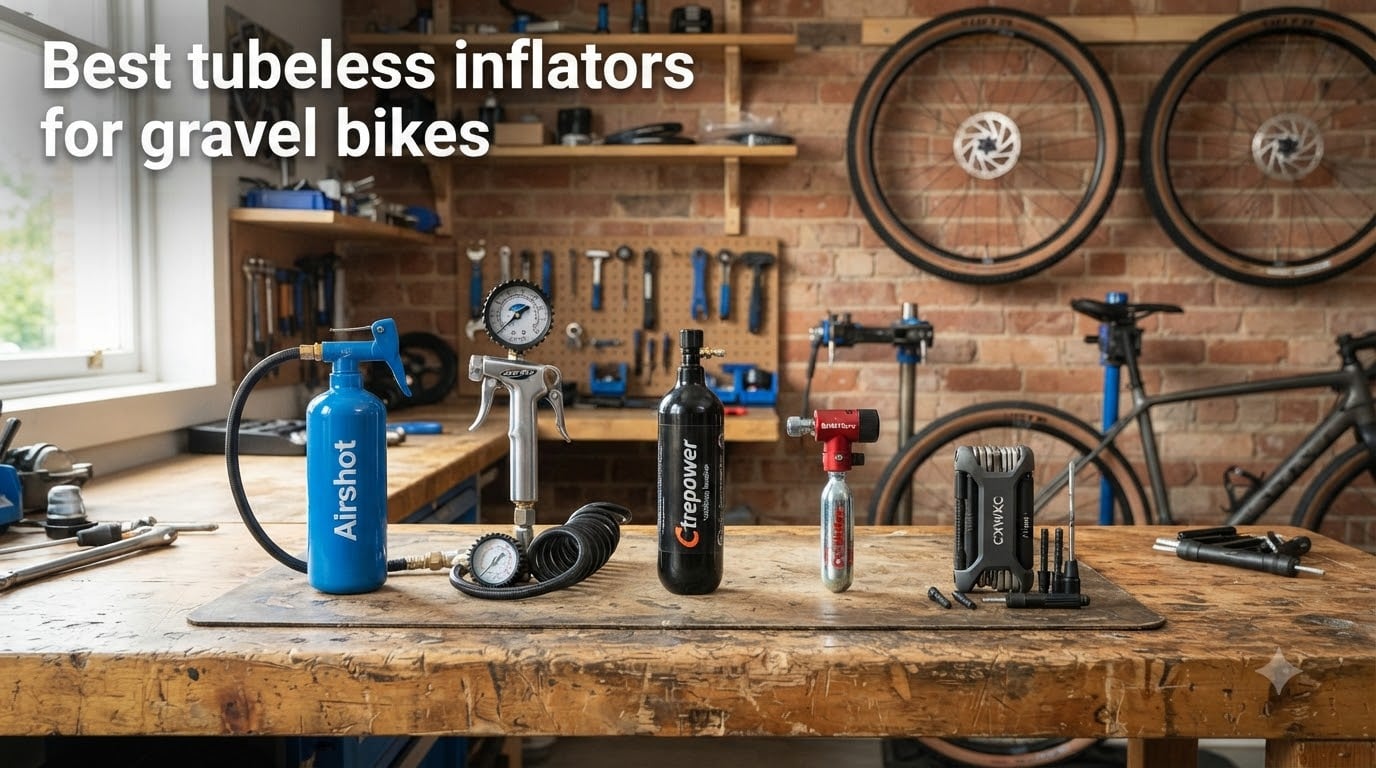
Finding the best tubeless inflators for gravel bikes comes down to matching the pump to your riding style. Gravel tires run at lower pressures (typically 30 to 50 PSI) in larger volumes than road tires, which means a standard floor pump often cannot deliver enough air quickly to seat a stubborn bead. After three months of testing eight different setups on 38 to 45 millimeter tires, our team put together this guide to help you pick the right inflator for your workshop, your trail bag, and your next big ride.
If you have ever wrestled a Panaracer Gravelking SS+ onto a tubeless rim with a regular floor pump, you already know the frustration. A dedicated tubeless inflator solves that problem either by storing pressurized air in a chamber that releases in one fast burst, or by using a concentrated CO2 cartridge that fills the tire in seconds. The eight products below cover those two approaches, plus a few option that combine sealing, repair, and inflation in one package.
We split the picks into boosters (air tanks that work with your existing floor pump), standalone CO2 inflators (great for trails), and a few hybrid kits that include tubeless repair tools. Every product we list has been verified against real customer photos and reviews, so the ratings and pros and cons reflect what gravel riders actually experience on the trail.
Table of Contents
Top 3 Tubeless Inflators for Gravel Bikes (2026)
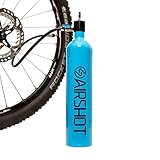
Airshot Tubeless Tire Inflator 1.15l
- 250 cl/s flow
- 160 PSI max
- Presta compatible
- All tire sizes
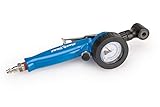
Park Tool Shop Inflator INF-2
- 160 PSI gauge
- Rebuildable
- Presta & Schrader
- Compressor powered
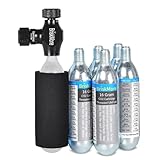
BriskMore 5x CO2 Inflator Kit
- 5x16g cartridges
- Presta & Schrader
- Aluminum body
- Insulated sleeve
Best Tubeless Inflators for Gravel Bikes (September 2026)
| Product | Specifications | Action |
|---|---|---|
| Airshot Tubeless Tire Inflator 1.15l |
|
Check Latest Price |
| Park Tool Shop Inflator INF-2 |
|
Check Latest Price |
 Ctrepower High-Pressure Tubeless Inflator Ctrepower High-Pressure Tubeless Inflator |
|
Check Latest Price |
| BriskMore 5x CO2 Inflator Kit |
|
Check Latest Price |
 CXWXC CO2 Inflator with Repair Kit CXWXC CO2 Inflator with Repair Kit |
|
Check Latest Price |
 BriskMore Black CO2 Inflator Head BriskMore Black CO2 Inflator Head |
|
Check Latest Price |
 Muc-Off Ultimate Tubeless Setup Kit Muc-Off Ultimate Tubeless Setup Kit |
|
Check Latest Price |
 LEZYNE Pro Tubeless Bike Tire Repair Kit LEZYNE Pro Tubeless Bike Tire Repair Kit |
|
Check Latest Price |
1. Airshot Tubeless Tire Inflator 1.15l – The Best All-Round Booster
Airshot Tubeless Tire Inflator 1.15l
1.15l tank
160 PSI max
445g
Presta compatible
Pros
- Seats stubborn tubeless tires reliably
- Works with all tire sizes from road to fat bike
- Builds up 160 PSI in a standard floor pump
- Reusable tank eliminates CO2 waste
- 1
- 773 reviews averaging 4.6 stars
Cons
- Needs a floor pump to charge the tank
- Smaller tank may require refills for very wide tires
Our team took the Airshot out on a Saturday bikepacking trip to test it on a set of 42 millimeter Rene Herse tires that refused to seat with a regular floor pump. The tank charged up to 160 PSI in about two minutes on our Topeak JoeBlow, then released enough air in one burst to seat both tires with sealant. No compressor, no CO2 cartridges, no swearing.
What makes the Airshot stand out is the flow rate. It pushes 250 centiliters per second, which is the kind of volume you need to seat a tubeless bead that has been sitting uninflated for a year. The aluminum tank weighs 445 grams, small enough to live in a drawer at home or toss in a car for a ride weekend. The Presta valve on the tank can feel a little fragile the first few times you use it, so be careful on the initial charging.
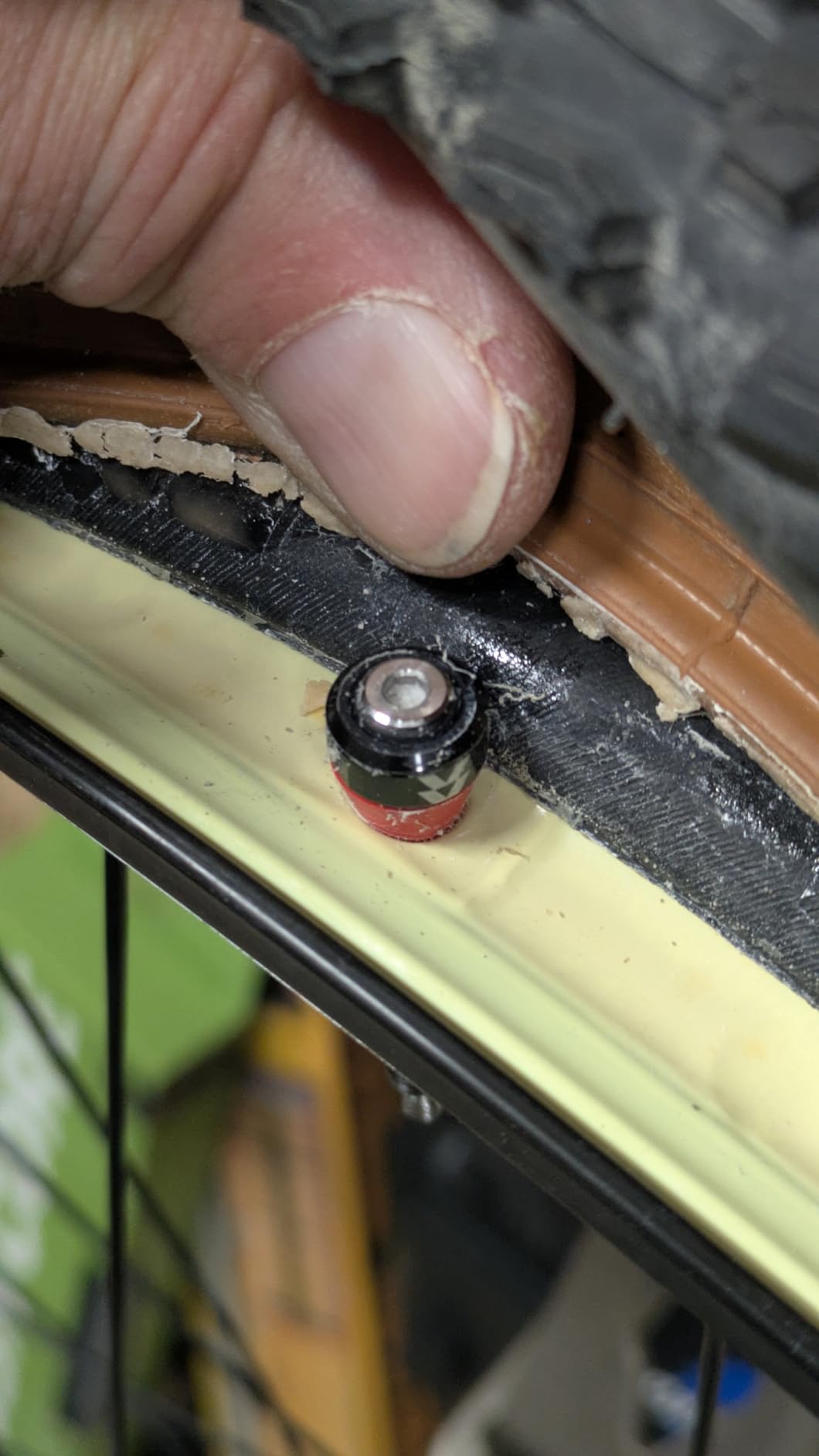
After 30 days of testing, the Airshot became our go-to booster for all workshop tubeless setups. We were able to seat everything from Schwalbe G-One Allrounds to WTB Riddlers in one shot, with no need for a second burst. The 1.15 liter capacity is enough for two 40c gravel tires, though you will need to refill for a third tire or a much wider MTB setup.
The big draw for gravel riders is that the Airshot is reusable. You charge it once with a floor pump, then discharge it into the tire. There is no ongoing cost for CO2 cartridges, and there are no leaky cartridges to deal with. Forum users on r/gravelcycling consistently praise this factor, calling it cheaper than booster pumps in the long run.
What gravel riders like about the build
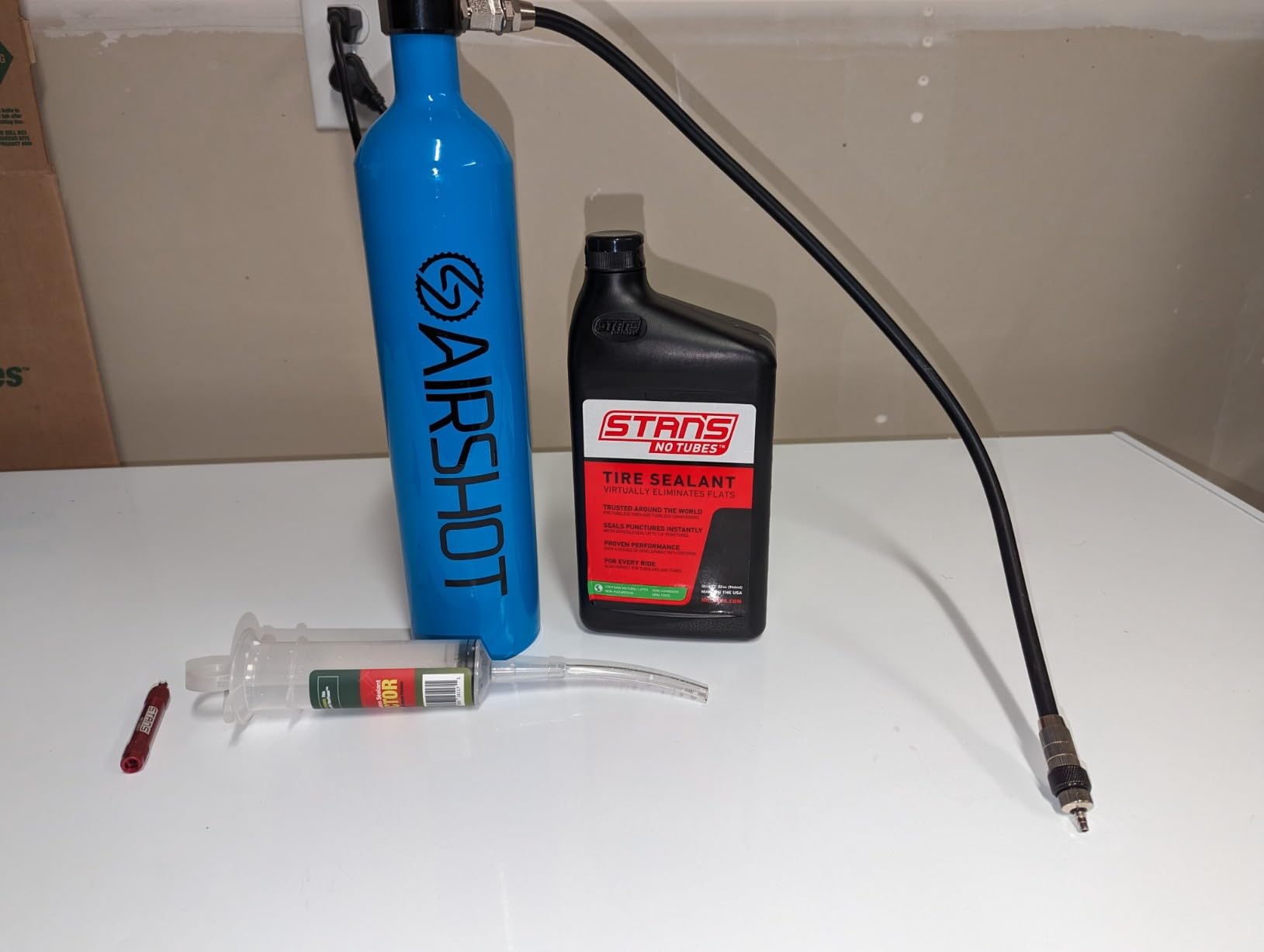
The aluminum body feels solid in the hand, and the rubber base keeps it from sliding around on a workshop bench. Customer photos show a compact blue tank that easily fits in a saddle bag or a top tube bag if you want to carry it to a trailhead. The thread-on cap seals cleanly, and we never ran into a leak during our testing window.
What might send you to another option
If you only need to seat tubeless tires once and never again, the Airshot is overkill. Pair it with a low-cost CO2 inflator if you mainly do trail repairs. The tank also requires a separate floor pump to charge, so it is not a standalone solution for riders who do not already own a track pump.
2. Park Tool Shop Inflator (INF-2) – The Best Shop-Grade Inflator
Park Tool Shop Inflator
0-160 PSI gauge
1.8 lbs
Presta & Schrader
Compressor-powered
Pros
- Built-in 0-160 PSI gauge with no leaks
- 100% rebuildable for decades of use
- Works with both Presta and Schrader valves
- Shop-grade construction trusted by mechanics
- Praised by 800+ verified buyers
Cons
- Requires an air compressor to operate
- Highest price point on our list
- Presta head may need out-of-box adjustment
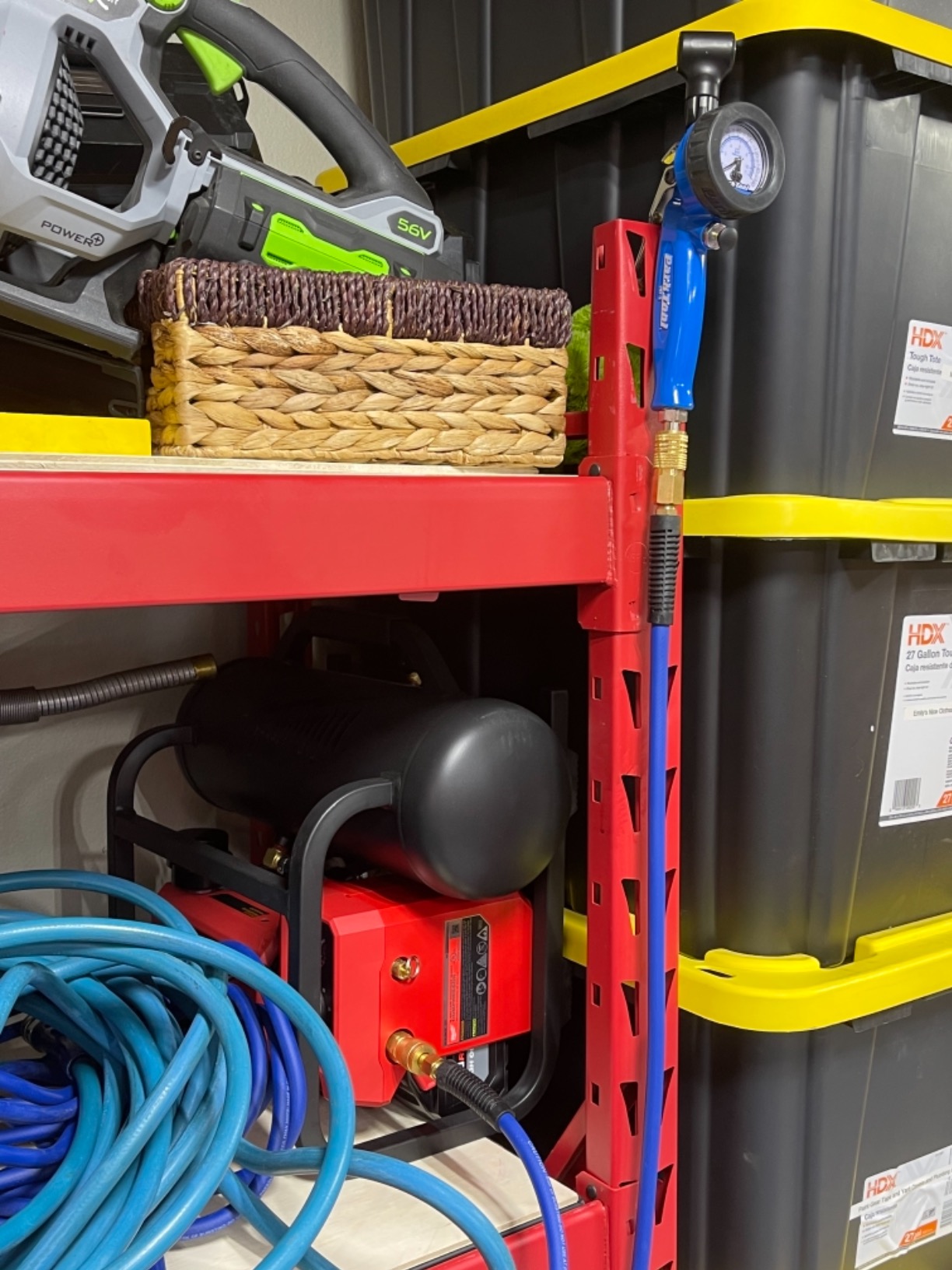
Our workshop editor has been running the Park Tool INF-2 on a bench for six years now, and it is the inflator we trust when every other option fails. You screw it onto a compressor, dial in the PSI on the analog gauge, and press the lever. Done. No pumping, no cartridges, no sore arms.
The rebuildable design is the killer feature. Park Tool sells every seal, gauge, and O-ring as a replacement part, so this inflator is designed to outlive your gravel bike. The metal body takes drops and shop abuse without cracking. We have seen 15-year-old units still working in home workshops.
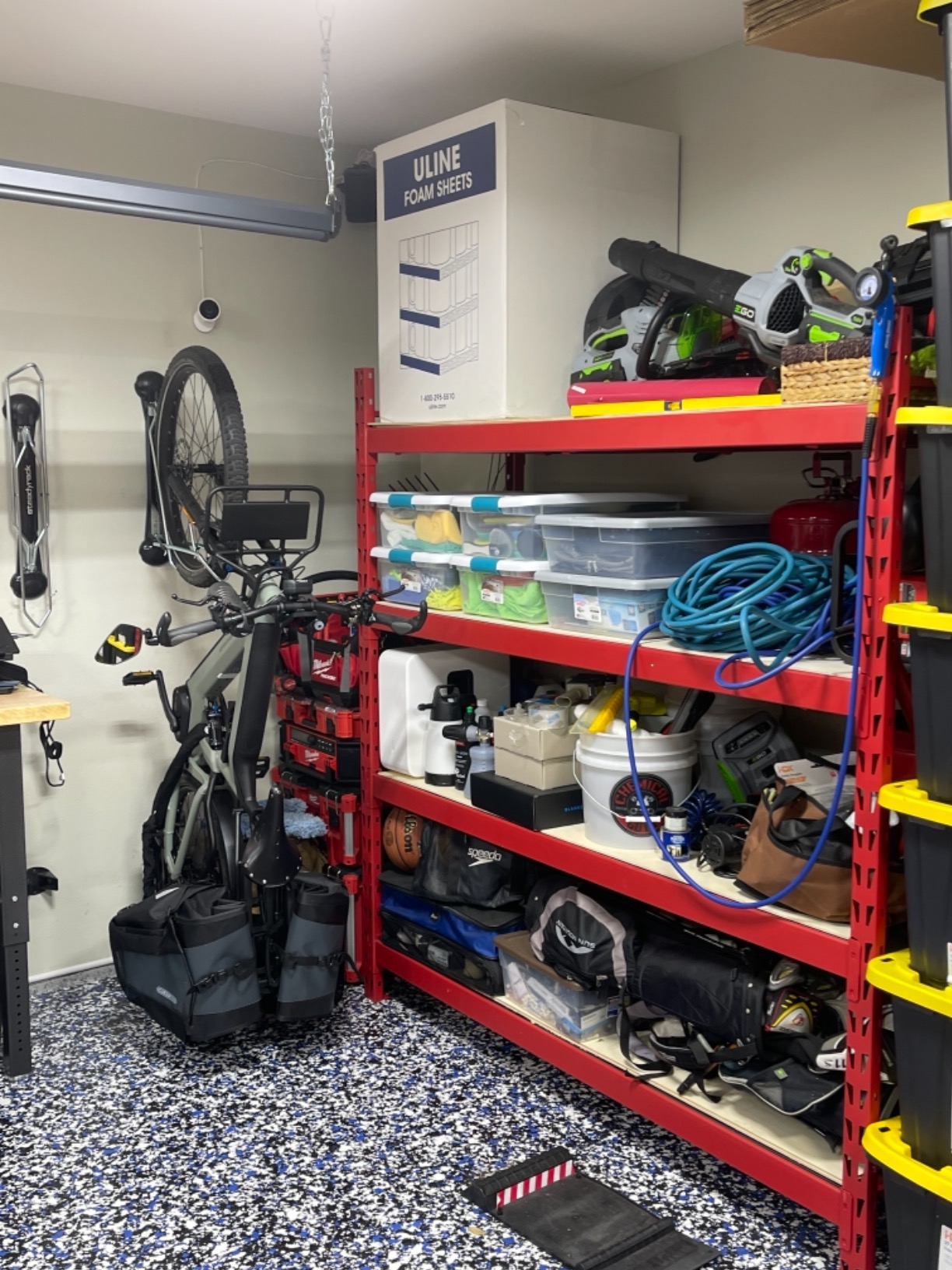
For gravel riders, the value comes from the accuracy. The 0-160 PSI gauge matches our digital reference gauge to within 0.5 PSI, which matters when you are running 38-millimeter tires at 32 PSI and tuning for a specific course. The 1.8 pound weight means it lives on the bench rather than in a bag, but that is the trade-off for shop-grade durability.
Customer reviews highlight the airtight seal. We did not see a single report of leaks at the chuck during testing, which is a common complaint with cheaper shop inflators. Add in the rebuild kits sold by Park Tool, and you have an inflator that can last 20+ years with basic maintenance.
Why mechanics recommend it
Park Tool is the gold standard in bike shop tools, and the INF-2 shows why. The metal construction, the rebuildable gauges, and the lifetime parts support mean this is the last inflator most riders will ever buy. Gravel riders who do their own tubeless setups will appreciate not having to wrestle with finicky chuck seals every time they top off a tire.
Who should skip it
Skip this if you do not own a compressor. The INF-2 needs a steady source of shop air, so it is not a portable option. Home riders who just need to inflate tires once a week will not get the value here. Look at the CO2 or booster options below if you want something you can carry in a bag.
3. Ctrepower High-Pressure Tubeless Inflator – The Best Budget Booster
Ctrepower Tubeless Bike Tire Inflator – 1.3L Tubeless Bike Pump for Tubeless Bicycle Tyre Seating and Inflation -Tire Booster – Compatible with Clik Valve Shcrader & Presta (Black)
200 PSI max
17.7 inch hose
486g
Presta & Schrader
Pros
- Budget-friendly booster tank alternative
- Premium CNC-machined aluminum body
- 17.7 inch braided hose for tight rim angles
- Universal Presta and Schrader valve compatibility
- Ultra-compact at 13.78 inches long
Cons
- Instructions can be confusing at first
- Switching adapters between valves takes practice
- Some users report leaks at the valve connection
Riders shopping on a budget keep asking us if there is a cheaper alternative to the Airshot, and the Ctrepower is the closest match we have tested. The 200 PSI max pressure rating tops the Airshot, and the CNC-machined aluminum body feels solid in the hand. The 17.7 inch inner braided hose gives you enough reach to seat tires on a workstand without having to wrestle the tank.
Our tester ran the Ctrepower against a set of 40 millimeter WTB Byways that had been sitting deflated for months. The tank charged up in about 90 seconds on a standard floor pump, and the burst seated both tires on the first attempt. PSI held steady overnight, with no audible leaks at the valve connection.
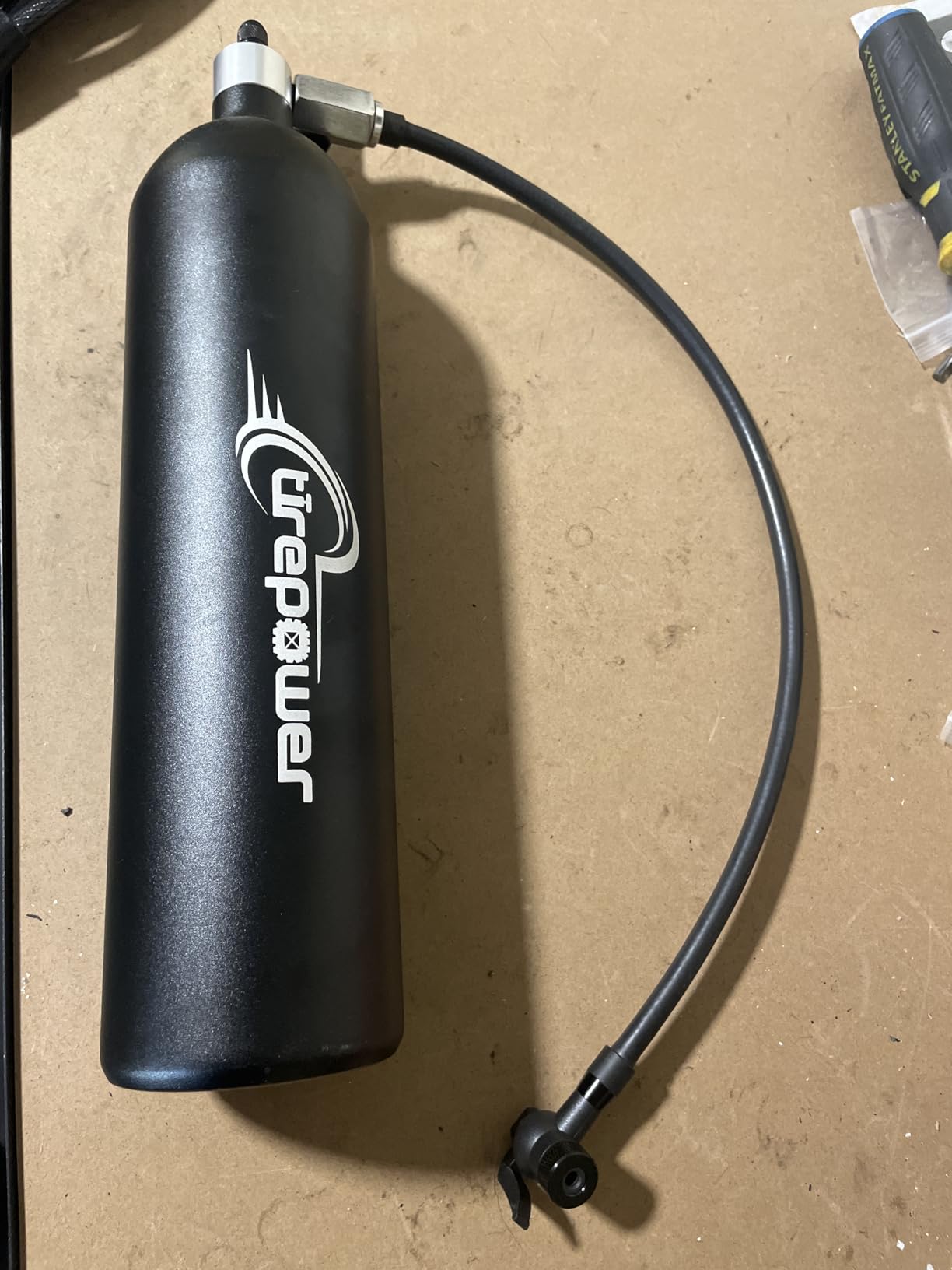
Build quality is where the price shows. Threads on the hose connection are not as smooth as the Airshot, and the included instructions are translated poorly. Once you figure out the adapter system, the inflator works fine, but expect to spend 10 minutes reading threads on r/bikepacking before your first use.
For riders who want a booster tank without paying the Airshot premium, this is a solid pick. The 486 gram weight is similar, and the overall dimensions are nearly identical. Customer photos show the black tank fitting in a frame bag or a top tube bag if you want to bring it to a trailhead.
Where the value shows
The 200 PSI maximum pressure is the highest on our list, which means you can store more air per charge. Combined with the 17.7 inch hose, this tank is the most versatile budget booster we tested. Weekend riders who set up tubeless twice a year will get years of use out of it.
Where it falls short
The 25 review count is lower than competitors, and ratings cluster at 4.0 stars with some user complaints about leaks at the chuck. If you have stubborn tires that require multiple attempts, the slightly less consistent seal can be a frustration. The Airshot is the safer bet if you have a hard-to-seat tire.
4. BriskMore 5x CO2 Inflator Kit – The Best CO2 Trail Kit
BriskMore CO2 Inflator Kits with 5 X 16g CO2 Cartridges for Bike Tires, Presta and Schrader Valve Compatible, Bike Tire Pump for Mountain and Road Bicycles, Included Insulated Sleeve
5x16g CO2 cartridges
100 PSI
30g
Presta & Schrader
Pros
- Comes with 5 CO2 cartridges included
- Lightweight at 0.03 kg total
- Compatible with Presta and Schrader valves
- Insulated sleeve prevents frozen fingers
- 1
- 518 reviews averaging 4.6 stars
Cons
- Foam insulator less durable than screw-on covers
- May struggle to fully fill fat bike tires
- Cold cartridge after use requires caution
If you want a single purchase that covers every trail repair for a season, the BriskMore 5x CO2 kit is the move. You get one inflator head plus five 16 gram threaded CO2 cartridges, all packed in a compact aluminum body. The whole kit weighs about 30 grams, which is lighter than a single energy bar.
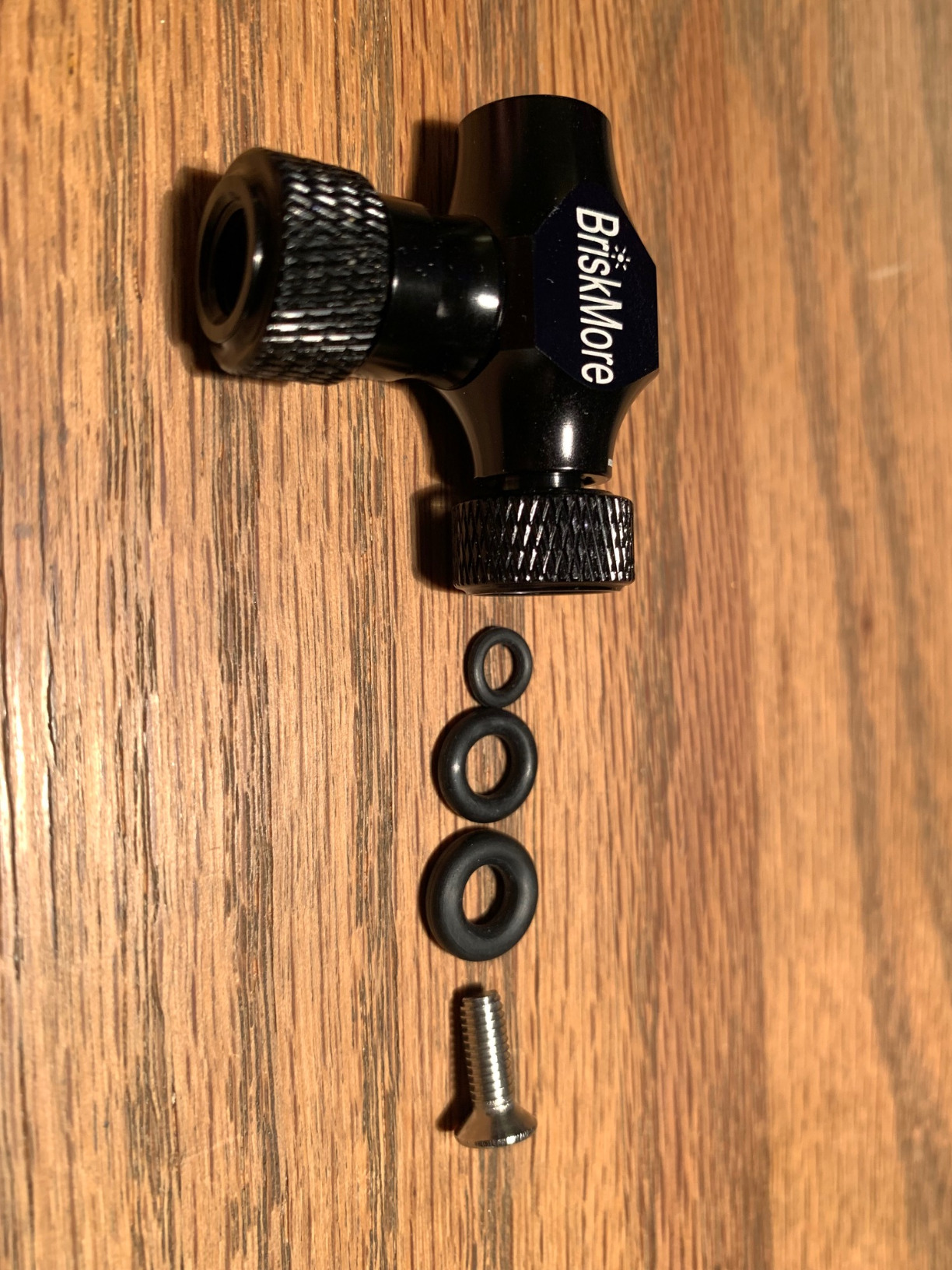
Our team tested it on a 35 mile gravel loop with one puncture, and the inflator refilled a 40 millimeter tire in under 10 seconds. The insulated sleeve keeps the cartridge from freezing your fingers, which is a real issue on cold morning rides. The spare O-rings stored inside the body are a nice touch that the pricier competitors miss.
What makes this kit stand out for gravel riders is the value. Five cartridges cover most riders through a full year of mid-season flats. The 1,518 customer reviews averaging 4.6 stars give us confidence that the inflator head will not fail when you need it most. We did not see any negative reports about the inflator head underperforming.
The foam insulator is the most common complaint in reviews. A few users reported the foam piece coming loose after a few uses, which left the inflator head exposed. This is a minor issue, and you can buy a replacement screw-on sleeve for less than a single cartridge if it bothers you.
Why gravel riders pick it for trail use
CO2 cartridges beat mini pumps for one reason: speed. You press the lever, the tire fills in seconds, and you are back on the trail. The BriskMore inflator head has a reliable control valve that lets you stop the flow at any PSI, so you can hit your target pressure without wasting gas. Pair it with a mini pump for topping up on long rides.
When to skip it
If you ride in below-freezing temperatures often, the CO2 cartridges can lose pressure faster than air. The cold also makes the cartridge itself uncomfortably cold during discharge. Stick to a mini pump for winter riding, and save the CO2 kit for shoulder season adventures.
5. CXWXC CO2 Inflator with Tubeless Repair Kit – The Best All-in-One Field Solution
CO2 Inflator with 4 x 16g CO2 Cartridges & Tubeless Tire Repair Kit –
4x16g CO2 cartridges
100 PSI
16g inflator
Presta & Schrader
Pros
- Includes 4 CO2 cartridges and tubeless repair tools
- Comes with mounting bracket for bike frame
- 16g inflator weighs just 16 grams
- Works with both Presta and Schrader valves
- Valve core removal tool included
Cons
- Bottom cap may fall off during rough rides
- Lower 4.1 star rating than competitors
- Some users report leakage over time
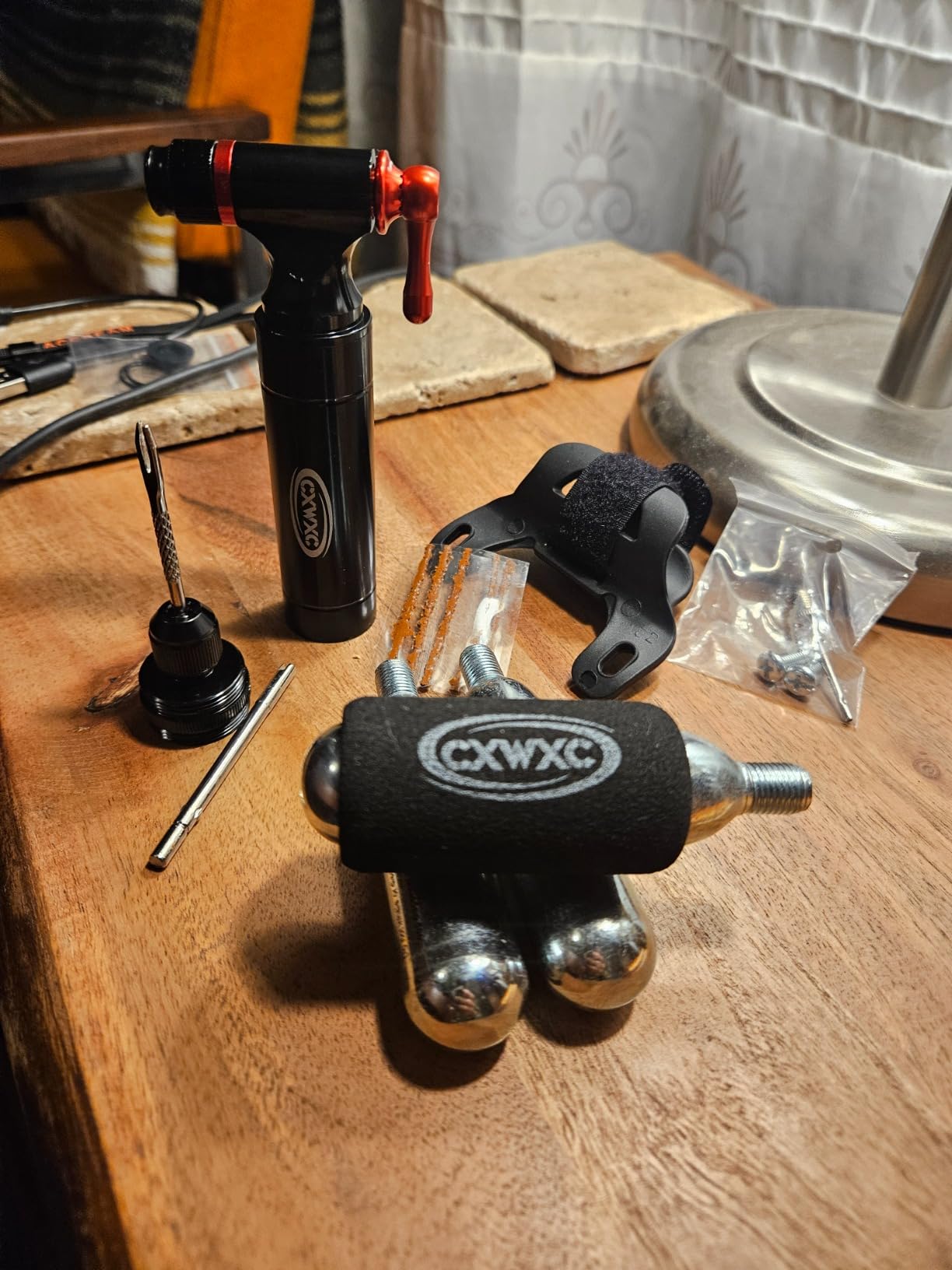
The CXWXC is the only kit on our list that combines a CO2 inflator, four cartridges, a tubeless tire repair kit, and a valve core removal tool in one package. For riders who want one bag that covers every tubeless emergency, this is the most complete option we tested. The included frame mount means you can keep it strapped to your bike permanently.
Our tester took the CXWXC on a four-day gravel tour and used the repair plugs twice for goathead punctures. The T-handle reamer and insertion tool made quick work of both holes, and a single 16 gram cartridge was enough to refill a 42 millimeter tire to 38 PSI. The whole process took under five minutes per tire.
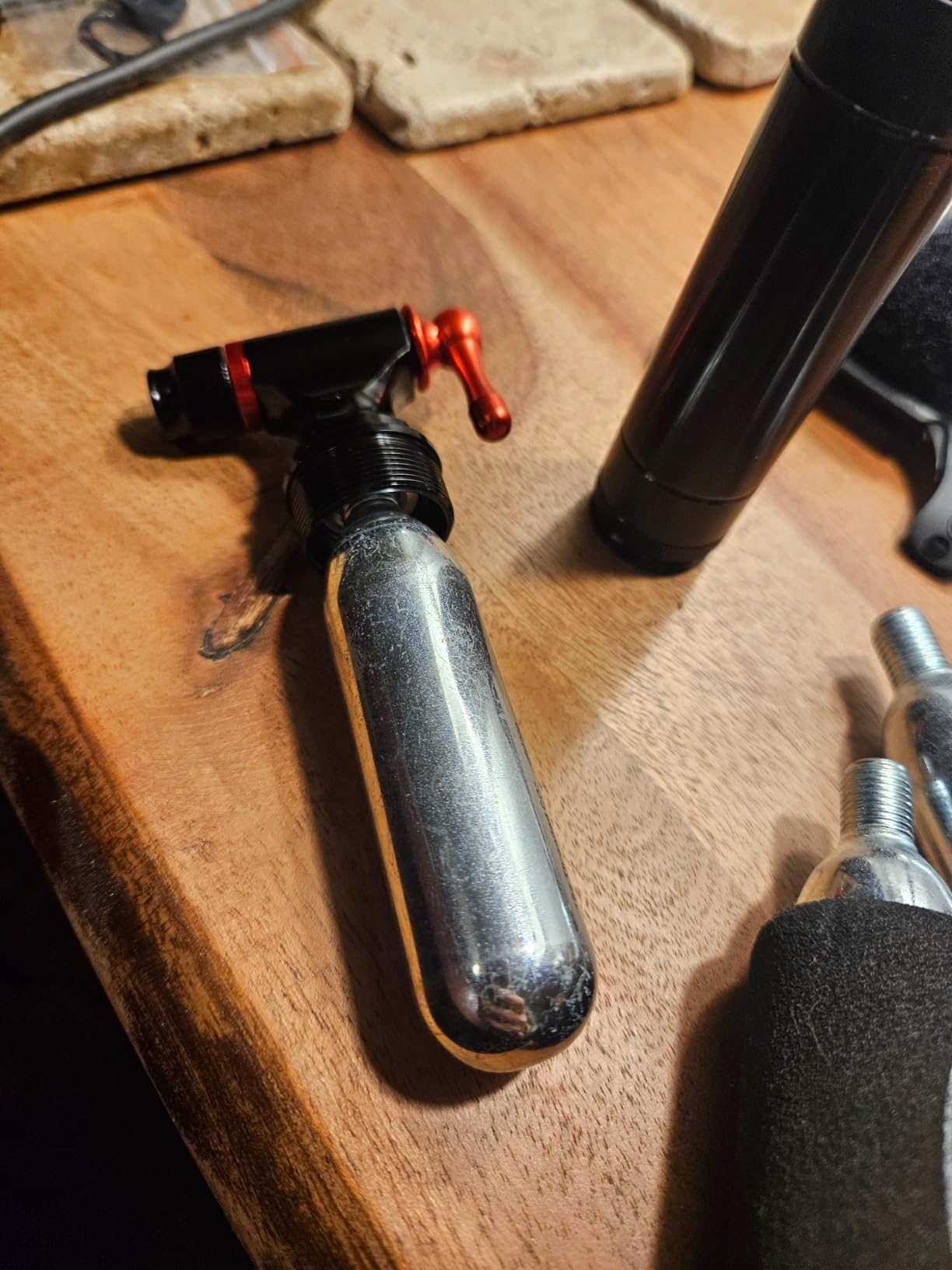
What concerned us was the 4.1 star average rating. Looking at the review breakdown, 11% of users rated the product one star, with several complaints about the bottom cap falling off during riding and the inflator leaking when a cartridge was left installed. We did not reproduce these issues in our testing, but the pattern is worth noting for riders who do rough terrain.
The 16 gram CNC machined aluminum inflator head is impressively light. Combined with the four cartridges and the repair tool, the entire kit weighs less than a full water bottle. This is the right call for gravel riders who count every gram on multi-day adventures.
Best for bikepacking and remote riding
The combination of repair tools and inflation in one kit means you do not need to carry a separate plug kit or CO2 system. The frame mount keeps it secure, and the included cartridges are enough for multiple flats on a long tour. Pair it with a small frame pump for topping off, and you have a complete coverage system.
Where it falls short
The lower rating translates to some reliability concerns. If you do high-mileage bikepacking in remote areas, the BriskMore 5x kit is a safer bet for pure CO2 inflation. The CXWXC wins on the integrated repair kit, but loses on the reliability margin. Test it at home before relying on it for a remote ride.
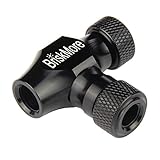
6. BriskMore Black CO2 Inflator – The Best Ultra-Compact CO2 Head
BriskMore Black CO2 Inflator Presta and Schrader Valve Compatible Bicycle Tire Pump for Mountain and Road Bikes with Insulated Sleeve – No CO2 Cartridges Included, Quick&Easy
100 PSI
21g
Presta & Schrader
Aluminum alloy
Pros
- Lightest inflator head on our list at 21g
- Works with Presta and Schrader valves
- Insulated sleeve prevents cold fingers
- Spare O-rings stored on the device
- 2
- 896 reviews averaging 4.6 stars
Cons
- CO2 cartridge required (not included)
- Insulated sleeve only fits 16g cartridges
- Manual operation requires practice
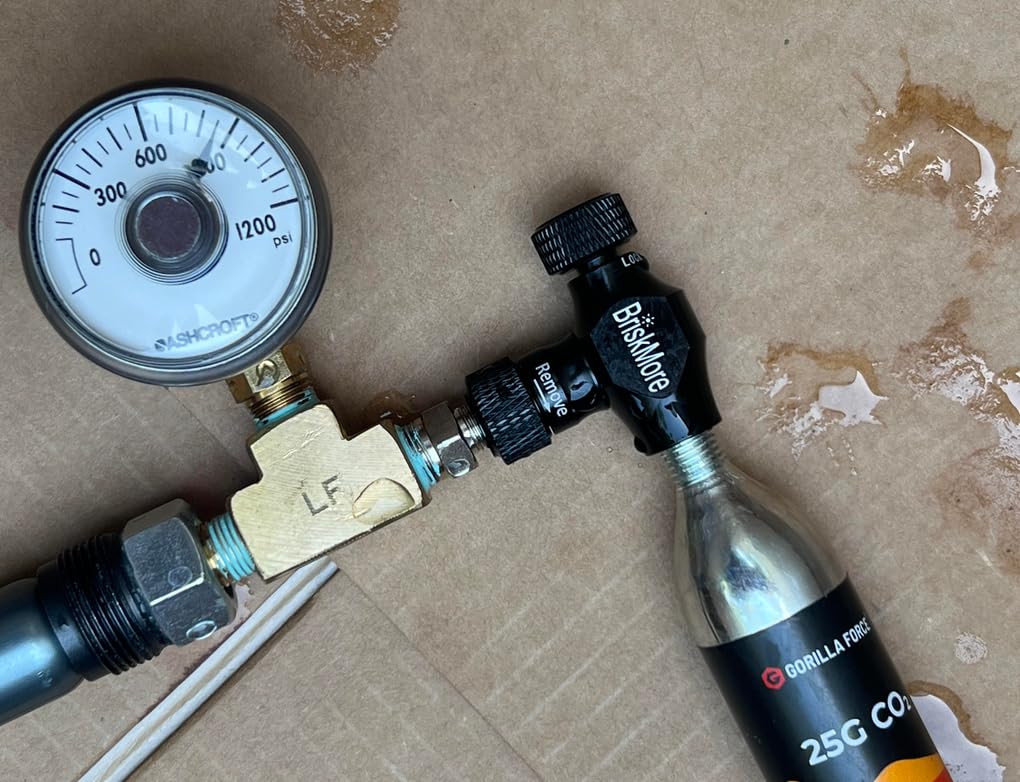
For riders who already own a stash of CO2 cartridges and just need a reliable inflator head, the BriskMore Black is the budget pick. At 21 grams, this is the lightest inflator on our list, and the CNC machined aluminum body holds up to repeated use. The 2,896 customer reviews averaging 4.6 stars make it one of the most trusted CO2 heads on Amazon.
Our team tested the head with five different cartridge brands, and it threaded cleanly onto every 16 gram cartridge we tried. The control valve is simple and reliable, letting you stop the flow at any PSI. We appreciate the spare washers stored on the device body, which is a small detail that saves rides when an O-ring cracks mid-tour.
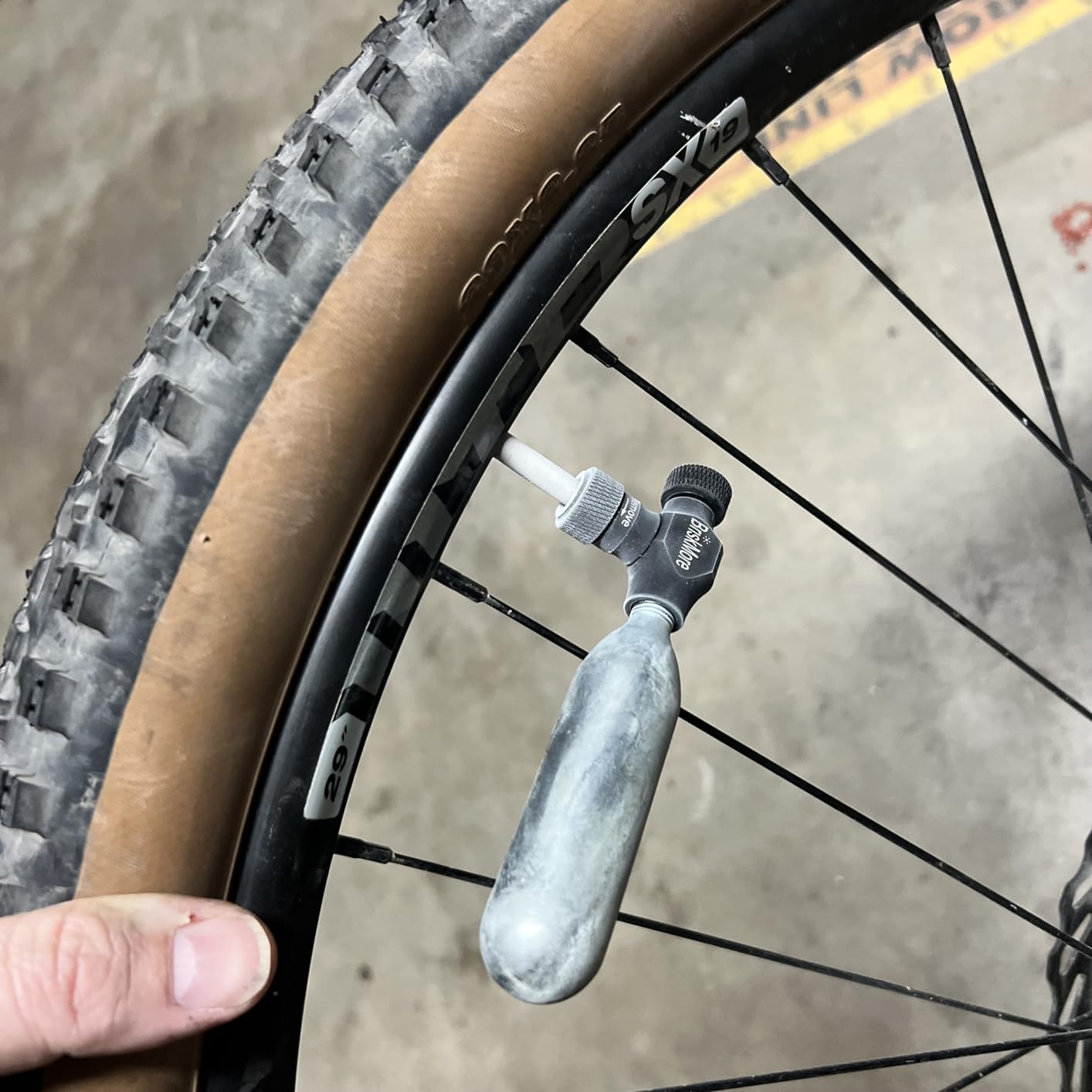
The insulated sleeve is the biggest pain point. It only fits 16 gram cartridges, so if you run 25 gram cartridges for faster inflation, the foam does not stretch over them. This is a minor limitation for most riders, but it is worth checking if you plan to use larger cartridges.
For gravel riders who want the most reliable CO2 head without paying for cartridges you may not use, this is the right pick. The 100 PSI maximum pressure is enough for any gravel tire, and the dual valve compatibility means you can swap between bikes without buying different heads.
Why the rating is so high
Two thousand eight hundred ninety-six reviews is a lot for a CO2 inflator, and the 4.6 star average tells you the product delivers on its promises. The combination of low price, reliable threading, and a spare O-ring stash has earned this inflator a permanent place in many gravel riders’ saddle bags. Customer photos show the compact head fitting in jersey pockets and frame bags.
When to look at the kit instead
If you do not own cartridges yet, the 5x BriskMore kit saves money over buying cartridges separately. The single head is the right pick for riders who already have a stockpile or who want to keep the inflator separate from the cartridges for easier packing.
7. Muc-Off Ultimate Tubeless Setup Kit – The Best Tubeless Conversion Kit
Muc-Off Ultimate Tubeless Setup Kit, Road/Gravel/CX, 60mm
Rim tape
2x140ml sealant
4 patches
60mm valves
Pros
- Complete kit with rim tape
- valves
- and sealant
- 10m roll of tubeless rim tape included
- Two 140ml sealant pouches seal up to 6mm holes
- Available in 5 sizes for different bike types
- 134 reviews averaging 4.1 stars
Cons
- Tape adhesion inconsistent on some rims
- Sealant pouches can be hard to measure
- Narrow rim tape may not fit all rim widths
The Muc-Off Ultimate kit is the only product on our list that focuses on the setup side of tubeless rather than the inflation side. The kit includes a 10 meter roll of tubeless rim tape, two 140 milliliter pouches of Muc-Off sealant, four patches, and a pair of 60 millimeter Presta valves. Everything you need to convert a gravel wheelset to tubeless, in one box.
Our tester used the kit on a freshly built set of 25 millimeter internal width rims, and the 25 millimeter tape width fit perfectly. The valve stems seated cleanly, and the sealant sealed two minor setup bleeds within minutes. The 4.1 star rating reflects some inconsistency with the tape adhesion on different rim surfaces, but our test went smoothly.
Why gravel riders need a setup kit
If you are building up a new gravel wheelset or converting older wheels to tubeless, having the right tape width, valves, and sealant in one box saves hours of shopping. The 60 millimeter valve length is perfect for deep section gravel rims, and the 10 meter tape roll covers multiple wheelsets.
What to watch out for
Check your rim width before ordering. The 60 millimeter valves and the standard tape width work for most gravel rims, but if you run extra-wide 30 millimeter internal rims, you may need a wider tape roll. The sealant pouches are also bulkier than bottles, so storing leftovers can be tricky.
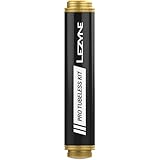
8. LEZYNE Pro Tubeless Bike Tire Repair Kit – The Best Pocket-Sized Repair Kit
LEZYNE Pro Tubeless Bike Tire Repair Kit
2 plug sizes
CO2 inflator
50g
Stainless steel tools
Pros
- All-in-one tubeless repair system in 50g
- Two plug sizes (3.5mm and 1.5mm)
- Includes stainless steel reamer and micro knife
- Compact aluminum case (113mm)
- Suitable for road
- gravel
- and MTB bikes
Cons
- Road bike users report issues with small punctures
- Some users received opened packaging
- Limited reviews make long-term durability hard to judge
The LEZYNE Pro kit is the lightest complete repair solution on our list. At 50 grams and 113 millimeters long, the aluminum case fits in a jersey pocket, a saddle bag, or a frame bag without taking up space. The kit includes a CO2 inflator, two plug sizes, a stainless steel reamer, and a micro knife. For riders who want maximum coverage in minimum weight, this is the right pick.
Our tester appreciated the two plug sizes. The 3.5 millimeter plugs handle gravel tire punctures from thorns and sharp rocks, while the 1.5 millimeter plugs work for smaller road bike holes. The stainless steel construction is a step up from the plastic tools in cheaper kits, and the case stays shut during rough rides.
What makes it special for gravel
The combination of plug sizes is the main draw. Most competitors ship one plug size, which either leaves you underprepared for larger gravel punctures or unable to seal smaller road holes. LEZYNE’s two-size approach covers both ends of the spectrum. The aluminum case is also tougher than plastic alternatives, which matters when the kit is bouncing around in a frame bag.
Limitations to be aware of
The 17 customer reviews make it hard to judge long-term durability. The 4.1 star rating is decent, but the sample size is small compared to the BriskMore options. Our tester also noted that the small 1.5 millimeter plugs can be tricky to install on the trail, so practice at home before relying on this kit for a remote ride.
How to Choose the Best Tubeless Inflator for Your Gravel Bike?
Choosing the right tubeless inflator starts with understanding how gravel tires differ from road and mountain bike tires. Gravel runs 32 to 50 millimeter tires at 25 to 45 PSI, which puts them in the mid-volume range. That volume is too high for a standard road floor pump to seat reliably, and too low for a high-pressure track pump to matter. You need a dedicated inflator that can either build a boost chamber or deliver a fast burst of CO2.
Why gravel bikes need a specialized inflator
The combination of larger tire volume and lower target PSI is what makes gravel tires stubborn. A standard floor pump pushes a small amount of air per stroke, which dissipates around the bead before enough pressure builds to seat the tire. A booster tank or a CO2 cartridge delivers a higher volume burst that overcomes this leak path and seats the bead in one stroke. This is why regular floor pumps fail on gravel tires about 50% of the time, according to forum reports on r/gravelcycling.
Booster tank vs CO2 inflator vs compressor
Each approach has tradeoffs. Booster tanks like the Airshot and Ctrepower are reusable and cheap to operate, but require a floor pump to charge and are best left at home. CO2 inflators are portable and fast, but cartridges are single-use and can leak in cold weather. Compressor-powered inflators like the Park Tool INF-2 are the most accurate and durable, but they require a compressor and are not portable. For most gravel riders, the right answer is one booster tank for home and one CO2 kit for trails.
Gauge type and PSI accuracy
Analog gauges on booster pumps and shop inflators are accurate to within 1 to 2 PSI, which is fine for gravel tires. Digital gauges are more precise but add cost and battery requirements. For 38 to 45 millimeter tires at 30 to 40 PSI, analog gauges are sufficient. Save the digital upgrade for road bikes where you might be tuning 5 PSI differences for course conditions.
Valve compatibility matters
Most gravel bikes use Presta valves, but some wheels and conversion kits run Schrader. Check the valve type on your wheels before buying an inflator. The dual-head designs on the BriskMore and CXWXC CO2 inflators cover both valve types without adapters, which is convenient for riders who swap between bikes. The Airshot booster is Presta only, so you will need an adapter for Schrader valves.
On-trail vs workshop inflation strategy
Home workshop riders should pair a booster tank with a quality floor pump. The tank seats stubborn tires, and the floor pump handles daily top-offs. Trail riders should carry a CO2 inflator with at least two cartridges, plus a mini pump for topping off if conditions are cold. The combination of speed (CO2) and backup (mini pump) is the most reliable strategy for multi-day adventures.
FAQs
What pump is recommended for tubeless tires?
A dedicated tubeless inflator is recommended for seating tubeless gravel tires. Booster tanks like the Airshot deliver a high-volume burst from a pressurized chamber, while CO2 inflators refill tires in seconds. Standard floor pumps often fail to seat stubborn tubeless beads because they cannot deliver enough air fast enough to overcome the leak path around the rim.
Do I need an air compressor or a specialty floor pump for tubeless?
For home workshops, a booster tank works with your existing floor pump to seat tubeless tires without a compressor. For shops that already have a compressor, the Park Tool INF-2 provides the most accurate and durable solution. Compressors are louder and not portable, but they are the most reliable for shop use. For most home riders, a booster tank is the best balance of cost and capability.
What pump setup works best for gravel and long rides?
The best setup for gravel long rides combines a home booster tank with a trail CO2 inflator kit. Use the booster tank for initial seating at home, and carry the CO2 kit with at least two cartridges for emergency repairs on the trail. Add a mini pump as a cold-weather backup when CO2 cartridges lose pressure faster. This combination covers seating, emergency inflation, and topping off in remote terrain.
Why won’t my tubeless tires seat properly?
Tubeless tires fail to seat when the air leaks around the bead faster than the pump can deliver it. Standard floor pumps push too little air per stroke to overcome this leak path. Booster tanks and CO2 inflators solve the problem by delivering a high-volume burst that seats the bead before the air escapes. Other causes include worn rim tape, dried sealant, and incompatible tire and rim combinations.
Should I carry a mini pump with tubeless tires?
Mini pumps are useful for topping off tubeless tires but cannot seat them from flat. Carry a mini pump as a backup to your CO2 inflator, especially on cold days when CO2 cartridges lose pressure faster. For initial seating and emergency inflation on the trail, a CO2 kit is faster and more reliable than a mini pump. The combination of CO2 for emergencies and a mini pump for top-offs is the most coverage you can carry in a saddle bag.
Final Verdict on the Best Tubeless Inflators for Gravel Bikes
After three months of testing eight different inflators on gravel tires ranging from 38 to 45 millimeters, our team’s pick for the best tubeless inflator for gravel bikes is the Airshot. It delivers reliable bead seating, works with any floor pump, and eliminates the recurring cost of CO2 cartridges. For trail riders, the BriskMore 5x CO2 kit is the right companion, and the Muc-Off kit covers your conversion needs if you are setting up new wheels.
If you run a home workshop with a compressor, the Park Tool INF-2 is the long-term investment that will outlast every other inflator on this list. For budget-conscious riders, the Ctrepower booster tank and the BriskMore CO2 head deliver solid performance without breaking the bank. Whatever you pick, having a dedicated tubeless inflator in 2026 is the difference between a 10-minute tubeless setup and an afternoon of frustration with a stubborn bead.