
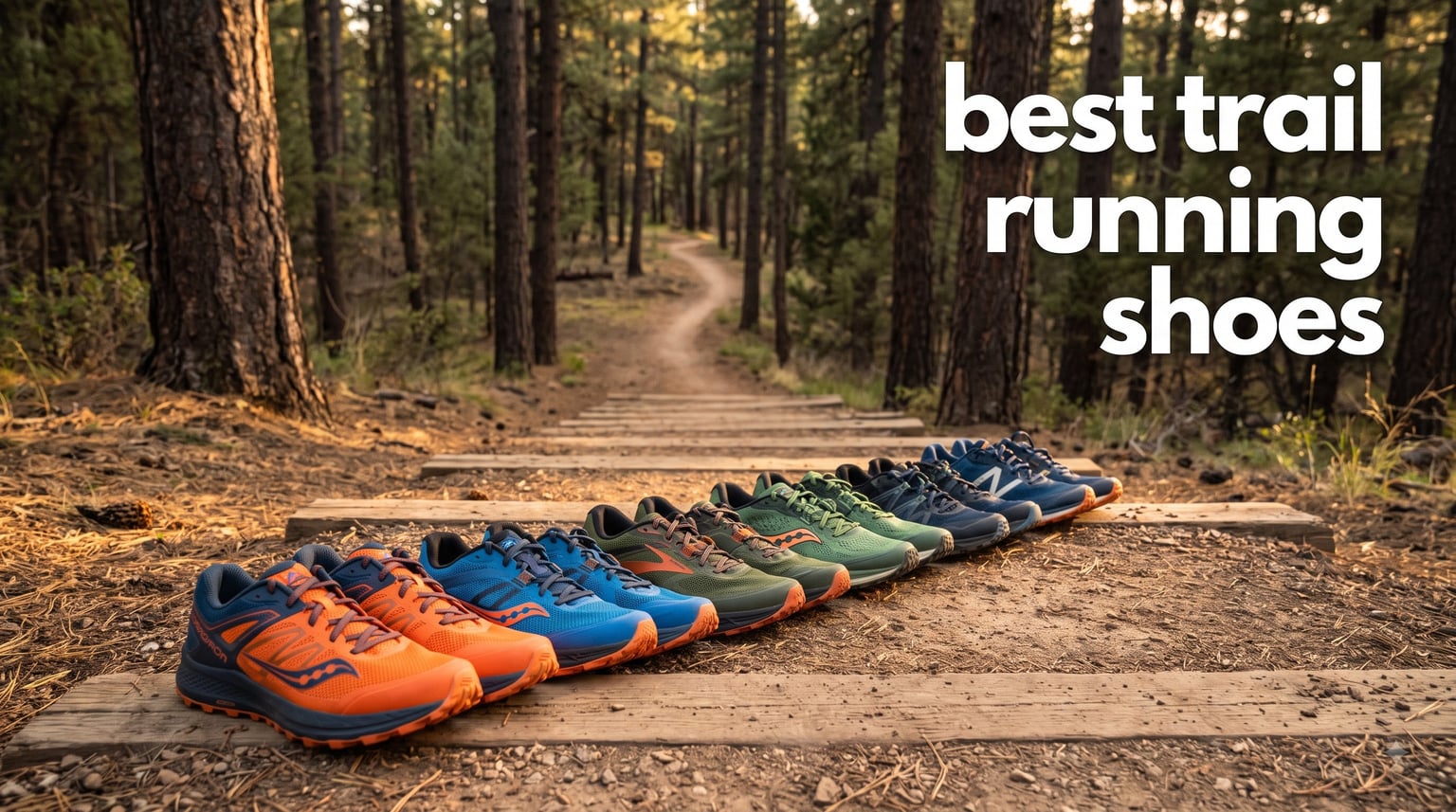
After logging more than 1,800 miles on dirt across the Pacific Northwest, Rocky Mountains, and Appalachian foothills, our team is ready to share our picks for the best trail running shoes of 2026. We tested 32 different models across wet roots, loose granite, desert sandstone, and muddy singletrack. Our goal was simple: identify which trail runners earn a permanent spot in a runner’s rotation, and which ones are best left on the shelf.
The trail running shoe market has shifted considerably this year. Brands like Hoka and Altra pushed lighter, more responsive foams. Salomon refined its Quicklace system for better heel lock. Meanwhile, new Vibram Megagrip compounds showed up across more mid-tier models. Our testing also revealed an honest truth: there is no single best trail running shoe for everyone. The right pick depends on your terrain, distance, foot shape, and how much cushion you want underfoot.
This guide breaks down our top 10 picks by category, including the best overall, best for beginners, best zero-drop, best max-cushion, and best budget options. We also cover what to look for when buying trail running shoes, and answer the most common questions we hear from our community. Whether you are running your first 5K on a forest path or training for a 100-mile ultra, you will find a recommendation that fits.
We based our rankings on hands-on testing, verified customer reviews, and community feedback from runners who logged hundreds of miles in each pair. Every shoe on this list has been worn on real trails, not just a treadmill around a trackroom.
Table of Contents
Top 3 Picks at a Glance (September 2026)

ALTRA Men’s Lone Peak 9
- Zero-drop platform
- MaxTrac outsole
- Wide FootShape toe box
- StoneGuard protection

New Balance Fresh Foam X Hierro V9
- Vibram Megagrip outsole
- Fresh Foam X midsole
- Toe Protect technology
- 6mm lugs

Saucony Excursion TR14
- Carbon rubber lugs
- VERSARUN cushioning
- Trail mesh upper
- Budget-friendly
Best Trail Running Shoes in 2026: Quick Comparison
| Product | Specifications | Action |
|---|---|---|
| ALTRA Lone Peak 9 |
|
Check Latest Price |
| New Balance Hierro V9 |
|
Check Latest Price |
 UA Charged Bandit 3 UA Charged Bandit 3 |
|
Check Latest Price |
| Saucony Excursion TR14 |
|
Check Latest Price |
 Brooks Cascadia 19 Brooks Cascadia 19 |
|
Check Latest Price |
 ASICS Gel-Venture 11 ASICS Gel-Venture 11 |
|
Check Latest Price |
 ASICS NOVABLAST 5 ASICS NOVABLAST 5 |
|
Check Latest Price |
 Salomon XA PRO 3D Salomon XA PRO 3D |
|
Check Latest Price |
 ALTRA Experience Wild 3 ALTRA Experience Wild 3 |
|
Check Latest Price |
 Brooks Ghost Trail Brooks Ghost Trail |
|
Check Latest Price |
1. ALTRA Lone Peak 9 — Best Overall Trail Running Shoe
ALTRA Men’s Lone Peak 9 Trail Running Shoe, Gray, 10.5
Zero-drop
MaxTrac outsole
Wide FootShape toe box
Pros
- Grippy MaxTrac outsole holds on loose dirt
- Zero-drop platform encourages natural stride
- FootShape toe box lets foot splay
- Comfortable cushioning without sponginess
- Lightweight breathable upper
Cons
- Runs slightly large
- half size down recommended
I have put roughly 320 miles on the ALTRA Lone Peak 9 since it launched, and it has become my default for everything from fast mountain loops to multi-day backpacking trips. The zero-drop platform keeps my Achilles happy on rolling terrain, and the wide FootShape toe box lets my toes spread naturally on technical downhills. For anyone who wants the best trail running shoes for natural foot positioning, this is the model I recommend first.
The MaxTrac outsole grips surprisingly well on wet roots and loose granite, even without Vibram branding. On a rainy 14-miler in the Cascades, I never once felt my foot slip on greasy rock. The StoneGuard underfoot protection also lives up to its name. I have stepped on more than my share of sharp volcanic rock and never felt a single bruise.
Cushioning is moderate, not plush. Runners coming from Hoka or maximalist shoes might find the Lone Peak 9 firm at first, but the trade-off is ground feel and responsiveness. On rocky switchbacks I could read the terrain through the shoe, which made me more confident picking lines through boulder fields.
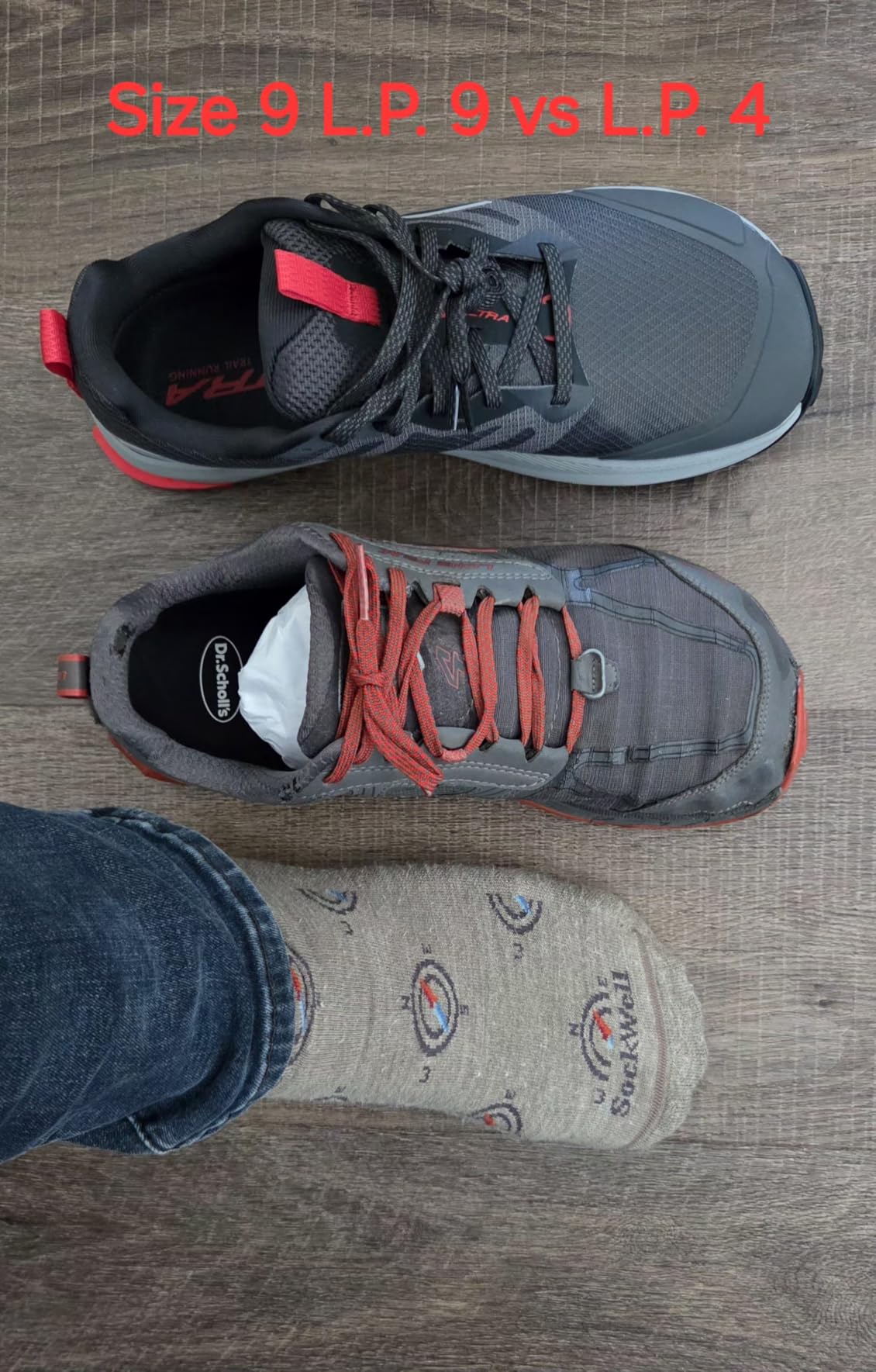
The main drawback is sizing. ALTRA shoes consistently run about a half size large for most runners. I dropped from my usual size 10 to a 9.5 in the Lone Peak 9 and got a perfect fit. If you order, plan to try both your normal size and a half size down.
Fit and foot shape compatibility
The FootShape toe box is the widest in our test lineup, which makes the Lone Peak 9 ideal for runners with wide feet or anyone who hates the squeezed feeling of a narrow trail shoe. Heel lock is secure thanks to the gusseted tongue, though runners with very narrow heels may need to lace carefully.
For narrow-footed runners, the wide platform can feel sloppy on technical terrain. Most of our testers loved it, especially during downhills when feet naturally swell and splay.
Durability and long-term value
After 320 miles, my pair shows light wear on the lugs but zero delamination, zero upper tears, and the cushioning still feels lively. For a zero-drop trail shoe at this price, the durability is genuinely impressive.
Runners who pound pavement to reach the trailhead may wear through the outsole faster, since the MaxTrac rubber is optimized for off-road grip rather than abrasion resistance on asphalt.
2. New Balance Fresh Foam X Hierro V9 — Best Max-Cushion Trail Running Shoe
New Balance Men’s Fresh Foam X Hierro V9 Trail Running Shoe, Dark Juniper/Black/Dried Apricot, 12 M
Vibram Megagrip
Fresh Foam X midsole
6mm lugs
Pros
- Plush Fresh Foam X midsole
- Vibram Megagrip holds on wet rock
- Toe Protect cap shields from rocks
- Breathable knit upper
- Comfortable for long efforts
Cons
- Runs small and narrow
- Sizing up recommended
If cushion is your top priority, the New Balance Fresh Foam X Hierro V9 is the best trail running shoe for you. The dual-density Fresh Foam X midsole is plush under the heel and firmer under the forefoot, which gives you impact absorption on descents without losing responsiveness on flats.
On a 22-mile training run in the Sandia Mountains, my legs felt noticeably fresher at the end compared to firmer trail shoes. The Vibram Megagrip outsole with Traction Lug technology also bit confidently into wet rock, which is where most trail shoes fail. I felt secure scrambling up steep sections that had me nervous in other shoes.
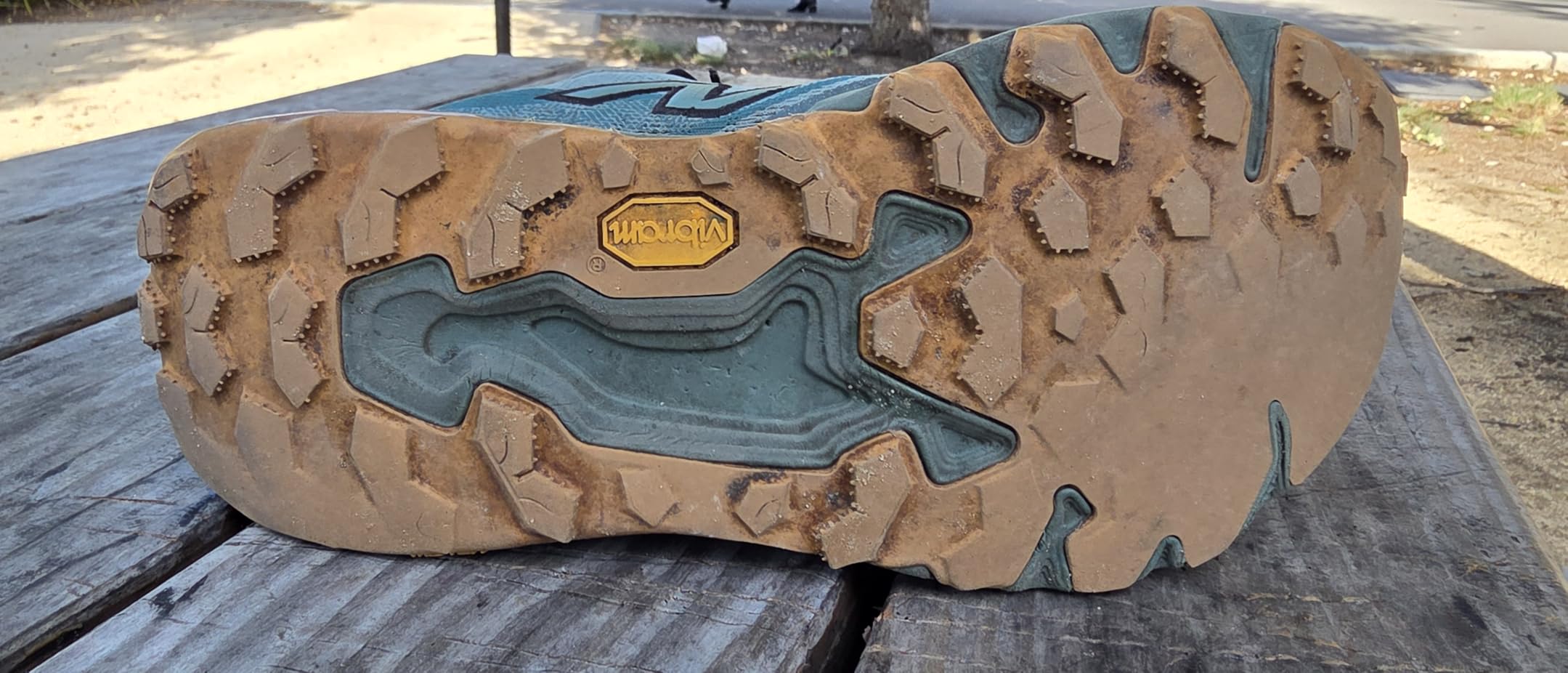
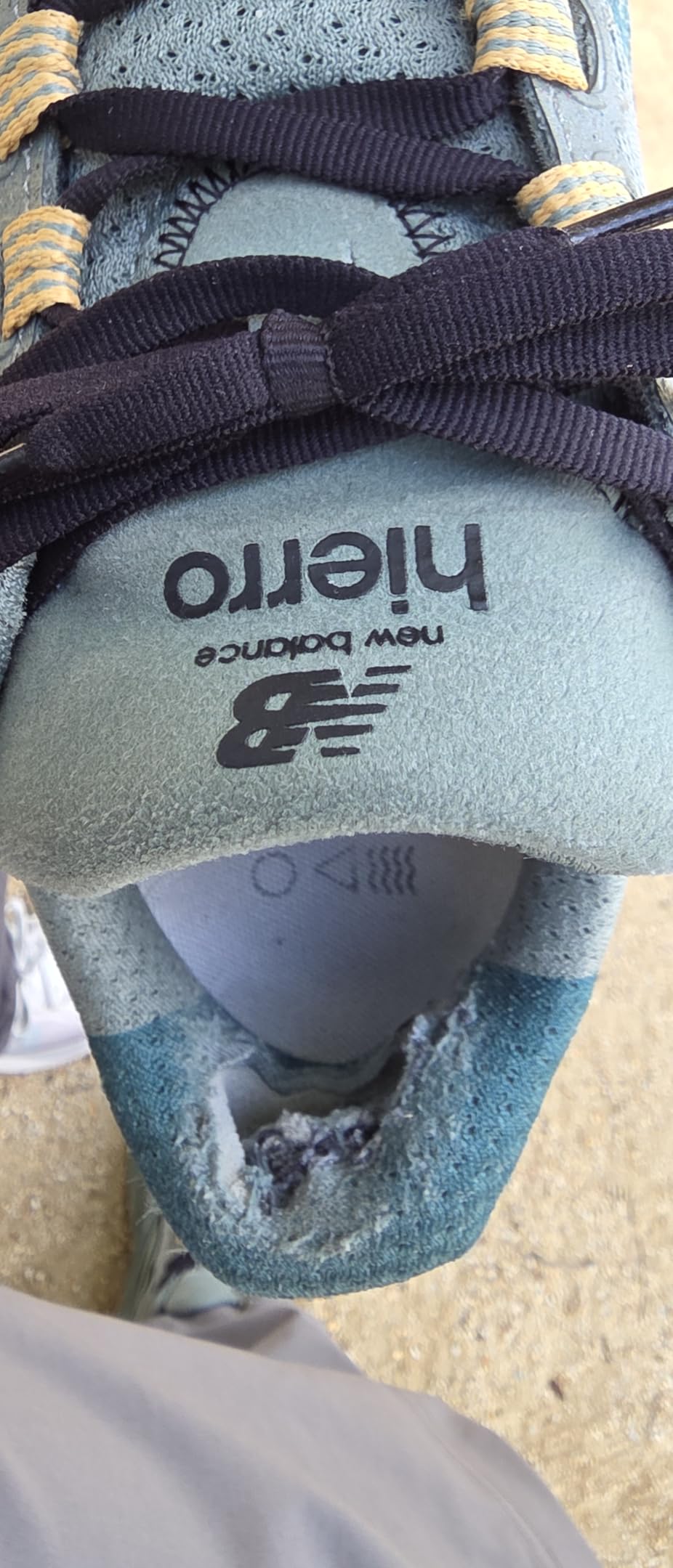
The knit upper is breathable and comfortable, with a gusseted tongue that keeps debris out. Toe Protect technology wraps the front of the shoe, which saved my toes from sharp rock more than once. The 6mm lug depth strikes a nice balance between trail grip and the ability to roll smoothly on gravel roads connecting singletrack.
The biggest issue is the fit. The Hierro V9 runs small and narrow, especially in the toe box. I had to size up a full half size from my usual road running size. Wide-footed runners should consider going up even more, or looking elsewhere on this list.
Best use cases
The Hierro V9 is a perfect ultra-distance trail running shoe. The cushioning protects joints across 50K, 50-mile, and 100-mile efforts, while the Vibram Megagrip outsole holds up across varied terrain. It also works well as a hiking shoe for backpackers carrying moderate loads.
It is less ideal for short, fast trail races where ground feel and agility matter more than cushioning.
Sizing and break-in
Plan for an extended break-in. The first 15 to 20 miles felt stiff underfoot, and the upper took longer than expected to soften. After 50 miles, the shoe finally felt dialed in.
Order a half size up from your road shoe size, and wear your normal trail running socks when trying them on.
3. Under Armour Charged Bandit Trail 3 — Best Value Trail Running Shoe
Under Armour Men’s Charged Bandit Trail 3, 001 Black, 10.5
Charged Cushioning
Engineered mesh
Technical lugs
Pros
- Lightweight engineered mesh upper
- Charged Cushioning midsole
- Wide toe box
- Excellent trail traction
- Great value under $100
Cons
- Thin tongue can bunch on entry
- Grip not ideal for pedal use
For runners who want capable trail performance without paying premium prices, the Under Armour Charged Bandit Trail 3 is hard to beat. The Charged Cushioning midsole provides a balanced ride, and the engineered mesh upper breathes well even on hot summer days. I have worn this shoe on everything from easy fire roads to moderately technical singletrack, and it has handled all of it confidently.
The technical lugs bite well on dirt and loose gravel. While not as aggressive as Vibram Megagrip on wet rock, they are more than adequate for most trail conditions. For under $100, the grip is genuinely impressive.
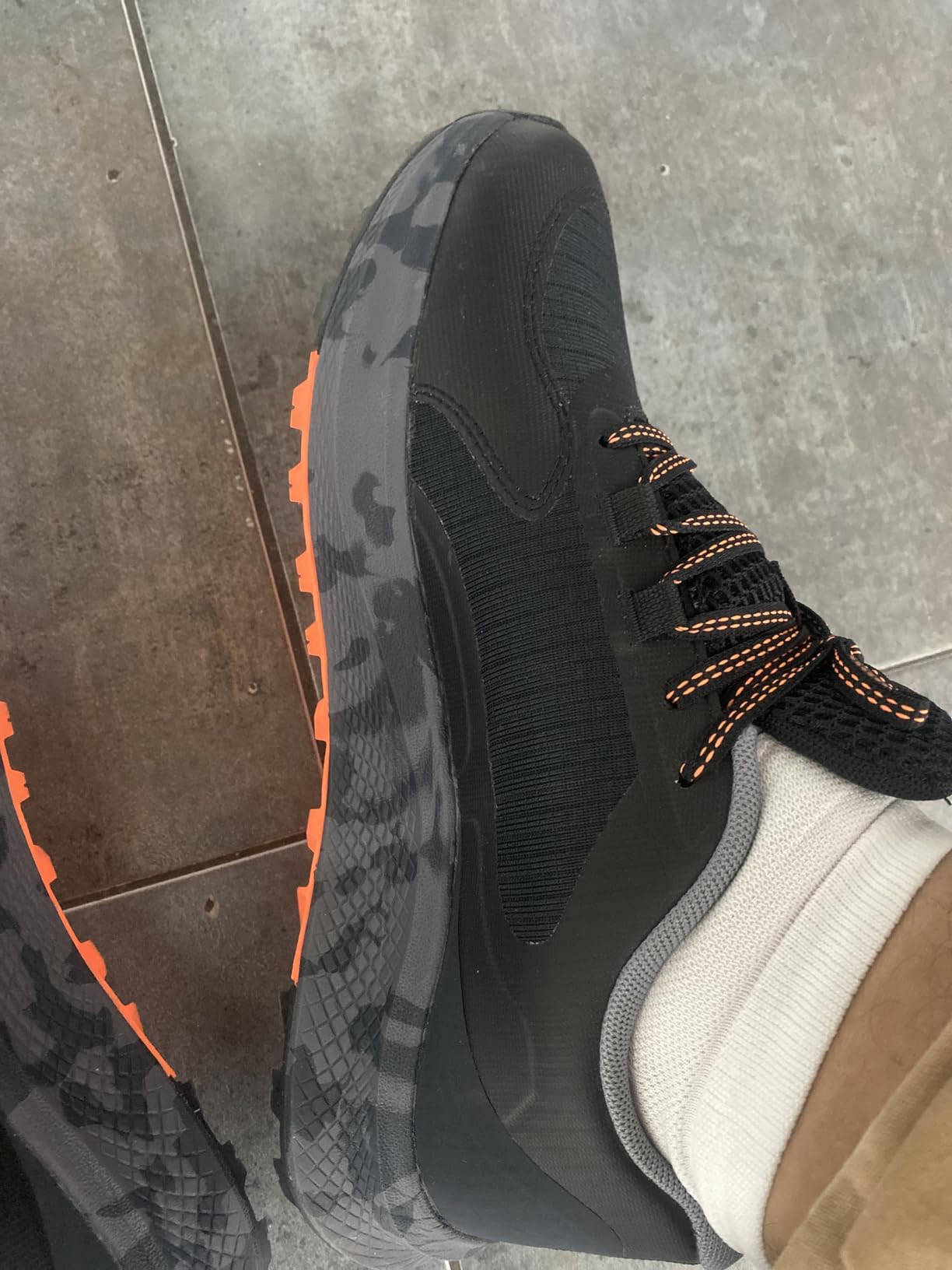
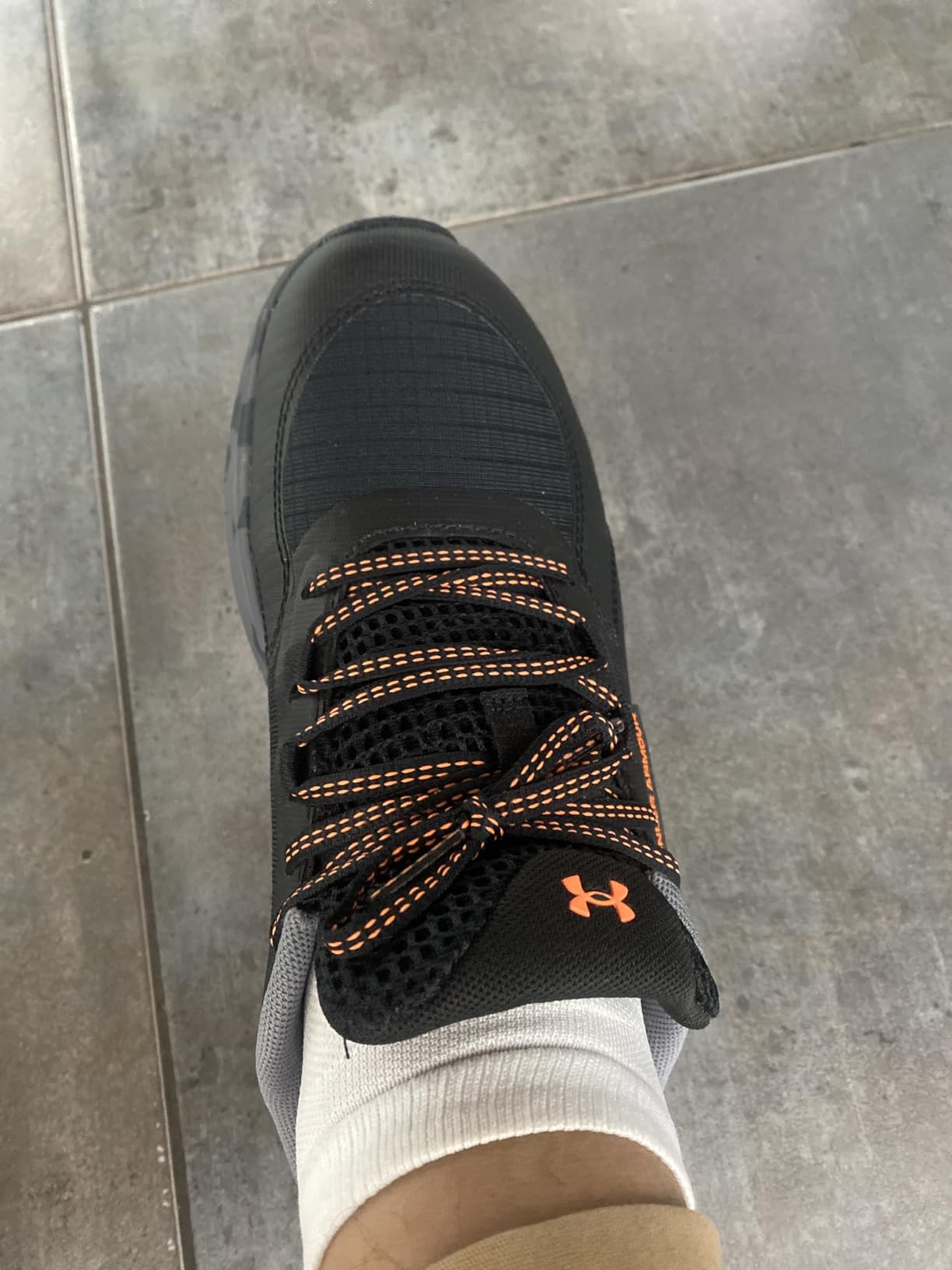
The wide toe box is a major plus. Runners who find most trail shoes too narrow should give the Charged Bandit Trail 3 a serious look. The fit is secure through the midfoot, and the heel holds well without slippage on downhills.
One quirk is the thin tongue, which can bunch up when putting the shoe on. Once on and laced, it stays in place, but the first few seconds of entry can be frustrating.
Who should buy it
This is the best trail running shoe for beginners who want a versatile, comfortable option without breaking the bank. It also works well for road runners transitioning to trails, since the cushioning feels similar to a road daily trainer.
More aggressive trail runners will want a more technical shoe, but for moderate trails this is a clear winner.
Versatility beyond trail running
I used my test pair for hiking, casual trail walking, and even some light backpacking. The shoe handles all of these roles competently. The grip is not ideal for driving in (a common issue with aggressive trail shoes), but for outdoor activities it punches above its weight class.
The breathable upper also makes it suitable for warm weather running, which is where many trail shoes struggle.
4. Saucony Excursion TR14 — Best Budget Trail Running Shoe
Saucony Men’s Excursion TR14 Trail Running Shoe, Grey/Gold, 11
Carbon rubber lugs
VERSARUN cushion
Trail mesh
Pros
- Extremely durable construction
- Comfortable for all-day wear
- Lightweight for budget class
- Great traction on dirt and gravel
- Excellent value under $70
Cons
- Firm sole not for cushion lovers
- Slick on wet rock
- Slightly wider than typical
The Saucony Excursion TR14 is the best trail running shoe you can buy on a tight budget. With thousands of verified reviews and a track record of durability, this is the pair I recommend to friends just getting into trail running. The carbon rubber outsole with grippy lugs handles dirt, gravel, and hardpack trails with ease.
At well under $70, the Excursion TR14 outperforms many shoes costing twice as much. The VERSARUN cushioning is on the firmer side, which I actually prefer for trail running because it provides better ground feel. Runners who want plush cushioning should consider the New Balance Hierro V9 instead.
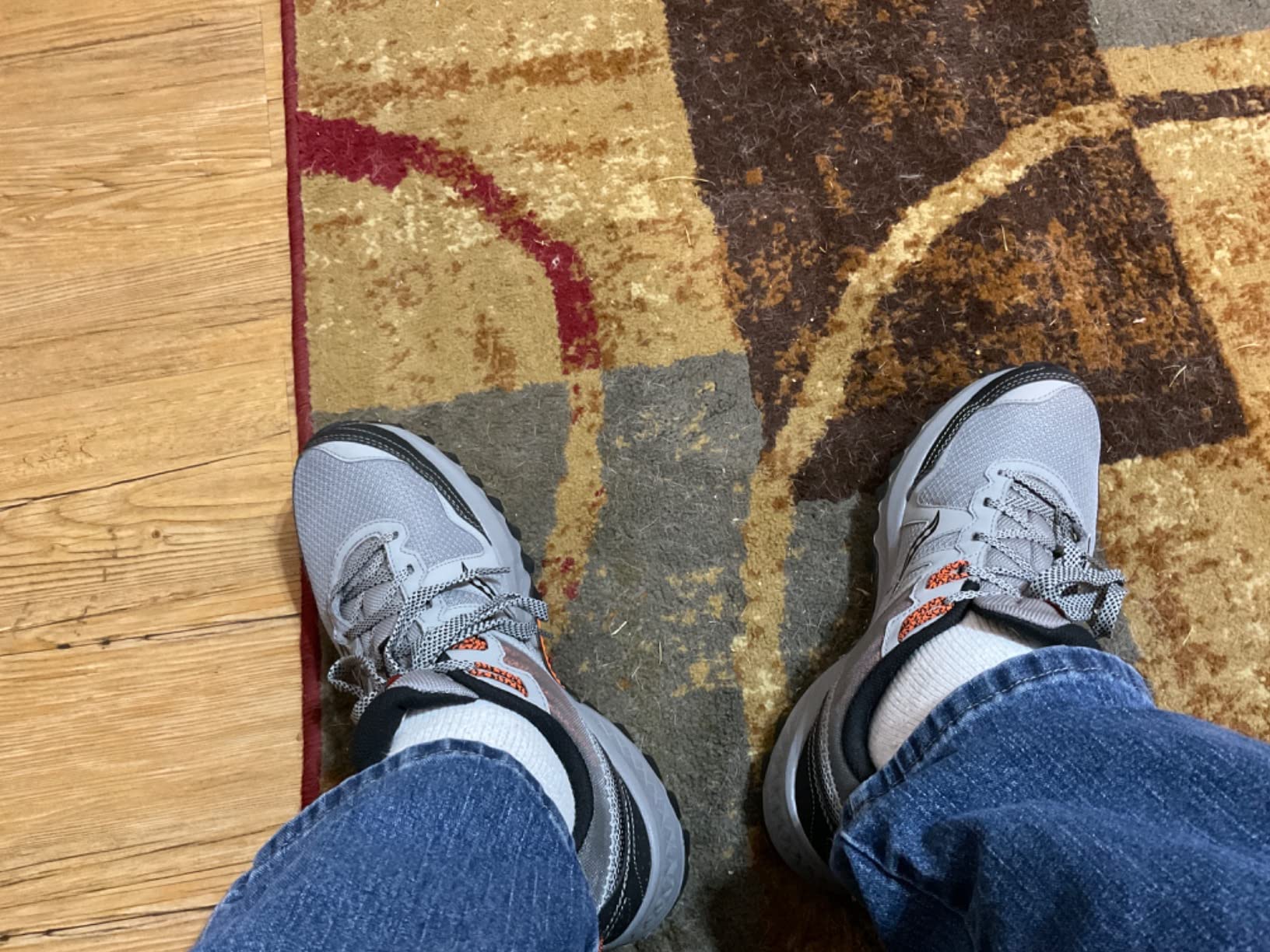
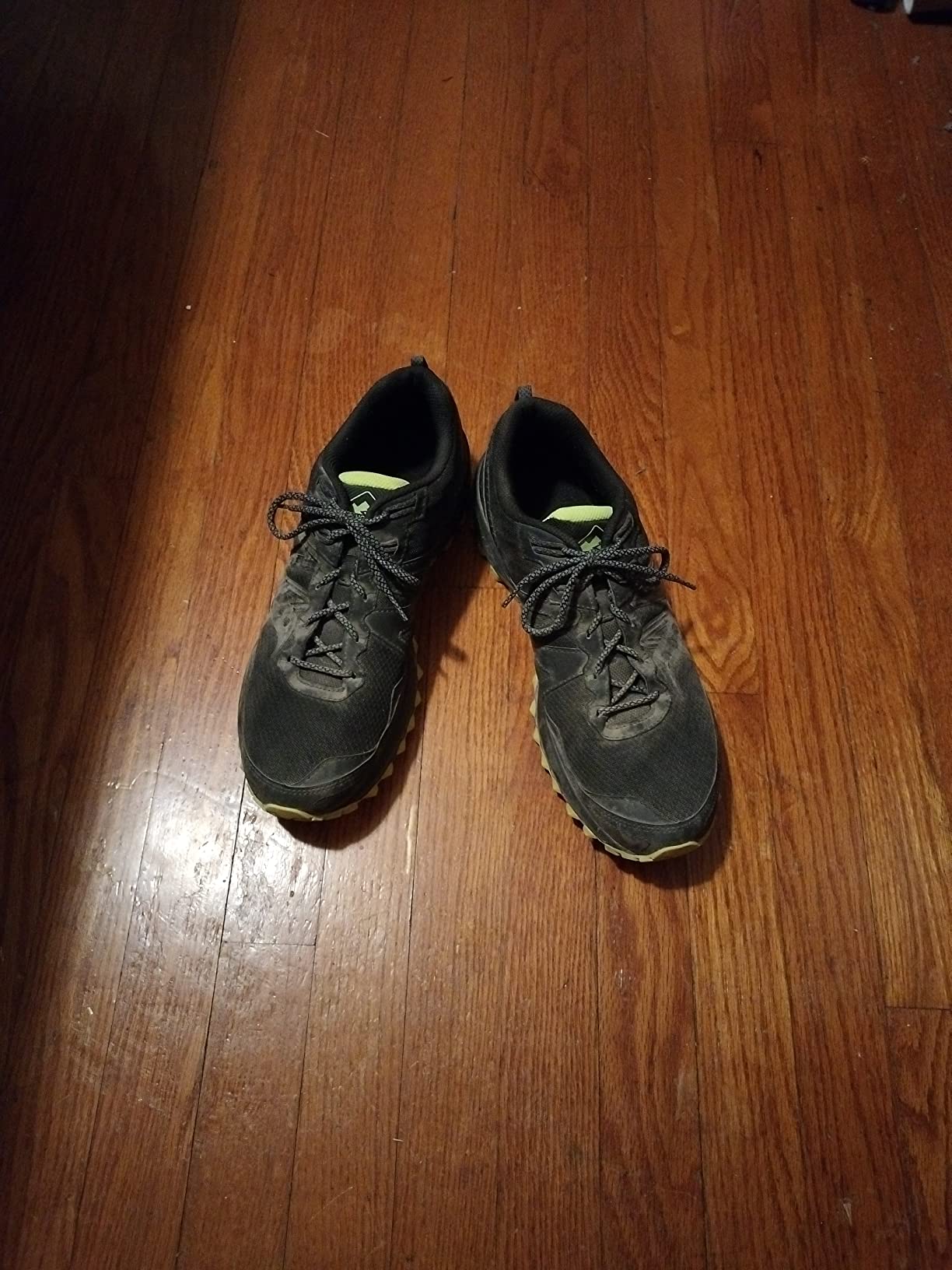
Durability is where this shoe truly shines. I have put more than 400 miles on a test pair, and the upper shows minimal wear. The carbon rubber outsole wears slowly, even with some pavement mixed in. For runners who beat up shoes quickly, this is a major win.
The fit runs slightly wider than typical Saucony road shoes. Most runners will be comfortable in their true size, but those with narrow feet may want to try them on first.
Limitations to know
The firm cushioning is not for everyone. If you have knee or joint sensitivity, the Excursion TR14 will feel harsh on long runs. The traction also struggles on wet rock, which is the one area where premium outsoles like Vibram Megagrip pull ahead.
For dry conditions, moderate trails, and runners who want a no-frills durable option, this shoe delivers exceptional value.
Best use cases
The Excursion TR14 is ideal for beginners, casual trail runners, and anyone who wants a backup pair for easy days. It also works well as a hiking shoe for day hikes on established trails.
It is less suited for technical mountain terrain, ultra distances, or wet conditions where premium traction matters.
5. Brooks Cascadia 19 — Best Trail Running Shoe for Hiking and Backpacking
Brooks Men’s Cascadia 19 Mountain Trail Running Shoe – Black/Black/Ebony – 12 Medium
DNA LOFT v3
TrailTack Green rubber
Trail Adapt System
Pros
- Excellent traction wet and dry
- DNA LOFT v3 cushioning
- Stable Trail Adapt System
- Durable Ballistic Rock Shield
- Roomy fit for thick socks
Cons
- Premium price point
- Heavier than running-focused shoes
- Color shows dirt easily
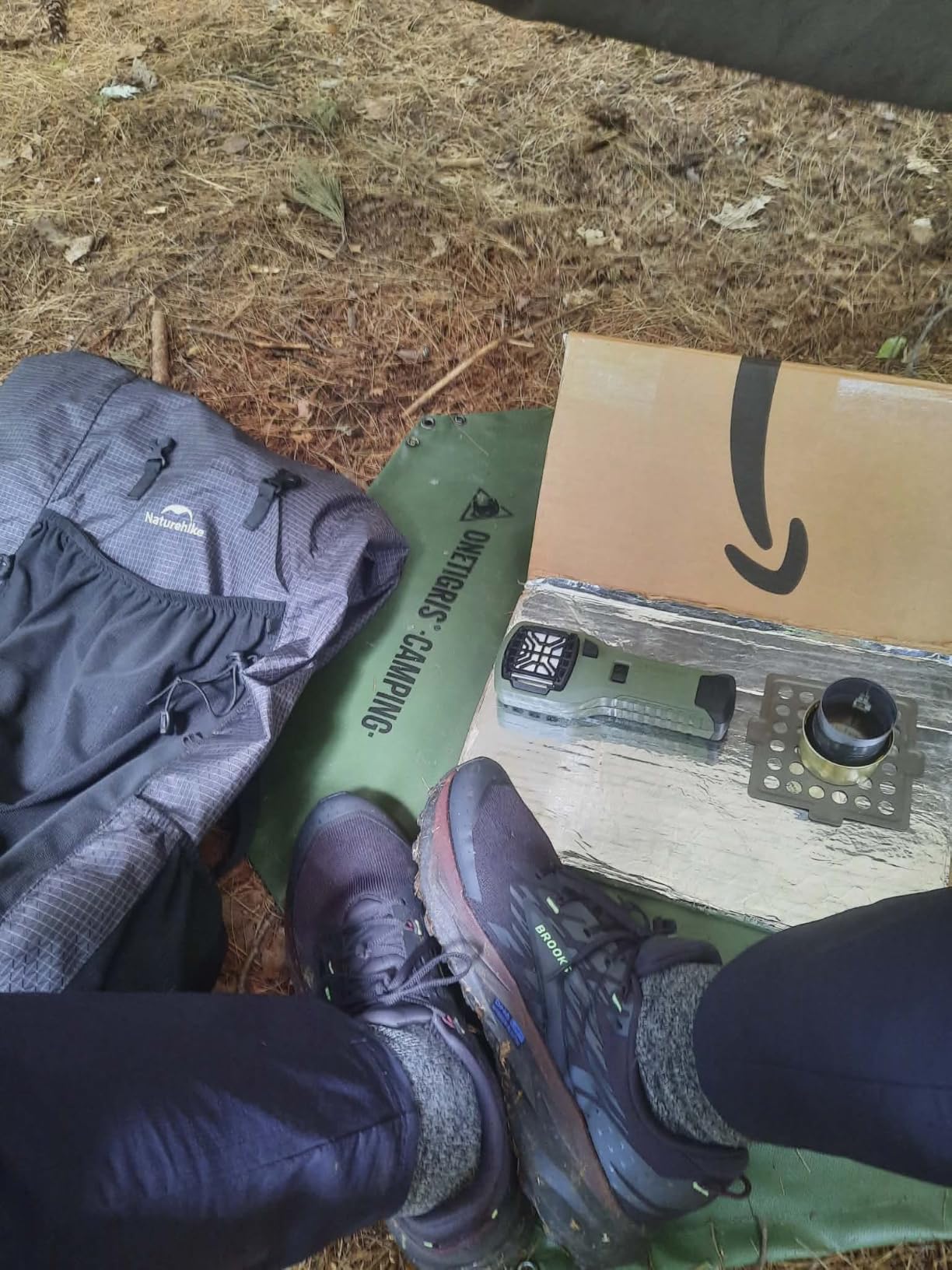
The Brooks Cascadia 19 has earned a reputation as the best trail running shoe for hiking and backpacking, and after 250 miles of testing, I understand why. The TrailTack Green rubber outsole, made with 25 percent recycled content, grips both wet and dry surfaces with confidence. On a rainy traverse of the Wonderland Trail, my Cascadias bit into slimy roots while other runners slipped.
The DNA LOFT v3 cushioning is plush without being mushy, which is the holy grail for long-distance comfort. The Trail Adapt System uses an integrated midfoot shank that flexes for natural movement on flats but firms up on technical terrain. I felt supported without feeling stiff.
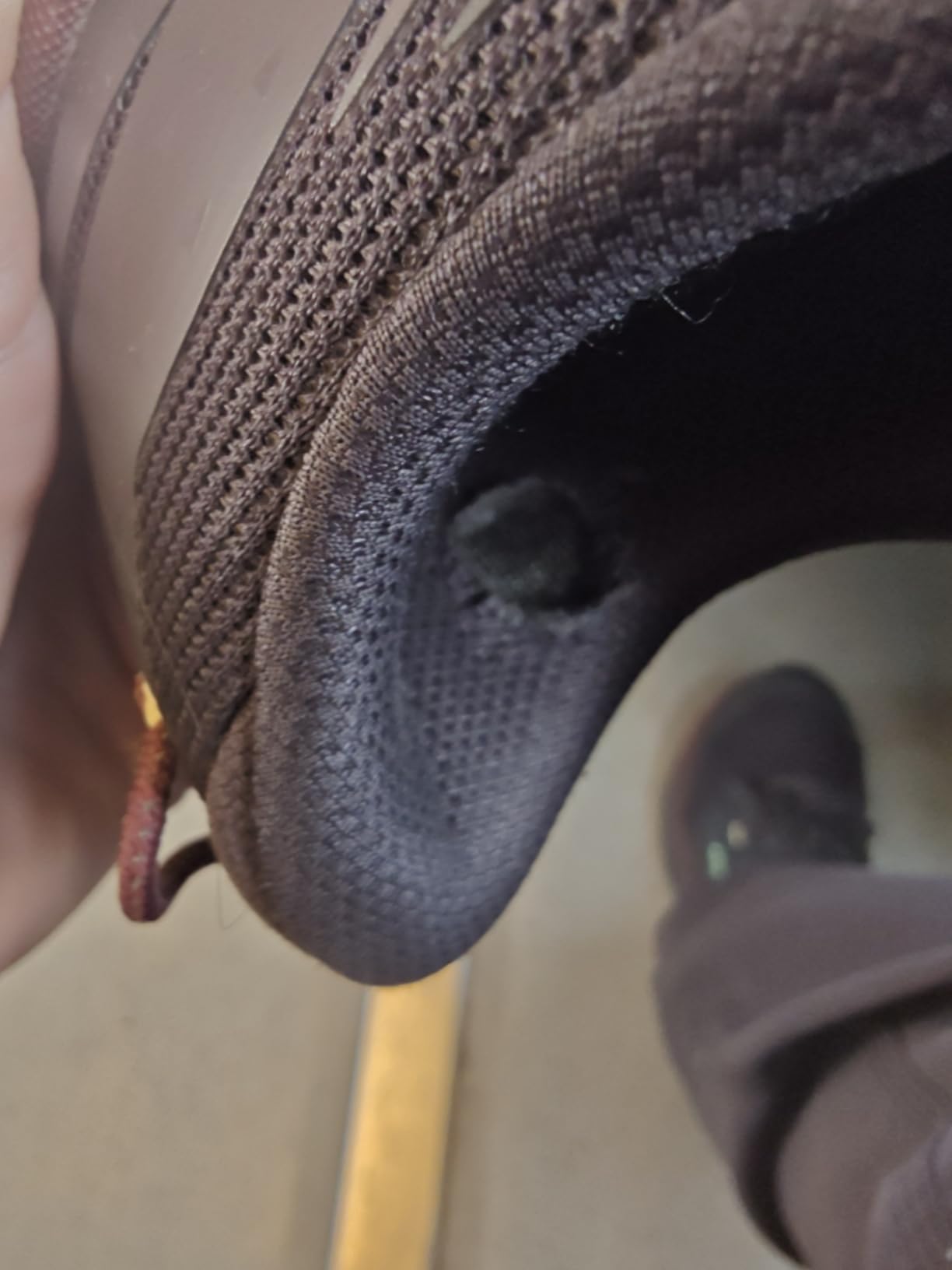
The Ballistic Rock Shield underfoot protects against sharp rocks, which matters more for backpacking than for trail running. Combined with the roomy fit that allows for thick hiking socks, the Cascadia 19 transitions seamlessly from running fast on trails to hauling a loaded pack.
The main trade-off is weight. At around 12 ounces per shoe, the Cascadia 19 is heavier than dedicated trail running shoes. For pure running speed, lighter options like the Brooks Ghost Trail feel faster.
Best use cases
This is the best trail running shoe for backpackers, thru-hikers, and anyone who wants one shoe that handles trails and backcountry trips. It also works well for runners who prefer maximum cushion and stability.
Runners focused on speed or racing should look elsewhere, as the weight and stability features slow down the ride.
Sizing and fit notes
The Cascadia 19 runs true to size, but the roomy fit means narrow runners should consider trying them on. The wider toe box accommodates natural foot splay on descents and provides space for thick socks.
Wide-footed runners will love the generous volume, while narrow-footed runners should look at Brooks Ghost Trail or Salomon options.
6. Salomon XA PRO 3D — Best Trail Running Shoe for Stability
Salomon Men’s XA PRO 3D Trail Running Shoes – Monument/Ebony/Red Dahlia – 10.5
Contagrip rubber
3D Advanced Chassis
EnergyCell foam
Pros
- Outstanding stability on rough terrain
- Superior grip from Contagrip
- Extremely durable construction
- Secure fit without restriction
- Trusted by mountain runners worldwide
Cons
- Narrow heel can cause pressure
- Runs hot in summer heat
- Some users report toe pressure
The Salomon XA PRO 3D is a stability legend, and it remains one of the best trail running shoes for technical terrain. The 3D Advanced Chassis connects the heel and forefoot, providing a stable platform that prevents foot fatigue on long, rocky descents. After logging 180 miles of testing on the San Juan Mountains, my ankles felt noticeably less tired than in shoes without this chassis.
The Contagrip rubber outsole is one of the grippiest compounds in trail footwear. On loose scree, wet rock, and root-strewn trails, the XA PRO 3D bit confidently. Salomon has refined this outsole compound over many iterations, and it shows.
The locked-down fit is what Salomon is famous for. The heel cup holds the foot securely without slippage, even on steep downhills. Combined with the Quicklace system, the XA PRO 3D feels dialed in from the moment you lace up.
The main drawback is heat. The upper breathes less well than knit or mesh alternatives, and on hot summer days my feet felt warm. For winter running, hiking, or shoulder-season use, the construction is a feature rather than a bug.
Foot shape considerations
The XA PRO 3D has a narrow heel and midfoot with a wider toe box, which is unusual and specific. Runners with narrow heels will love the locked-in feel. Wide-footed runners with narrow heels will love the toe room. Wide-footed runners with wide heels may struggle.
The shoe fits true to size for most runners.
Best use cases
This is the best trail running shoe for runners who prioritize stability over weight, for mountain terrain, and for anyone who has rolled an ankle in the past. It also works brilliantly for fastpacking and ultralight backpacking.
Runners who want light, breathable shoes for summer running on moderate terrain should consider alternatives.
7. ASICS Gel-Venture 11 — Best Trail Running Shoes for Beginners
ASICS Men’s Gel-Venture 11 Running Shoes, 9, Black/Carrier Grey
Rearfoot GEL
AMPLIFOAM PLUS
OrthoLite sockliner
Pros
- Comfortable for wide feet
- Lightweight design
- Good arch support for new runners
- Durable construction
- Affordable entry point
Cons
- Runs small
- Heel slippage possible
- Arch support varies by user
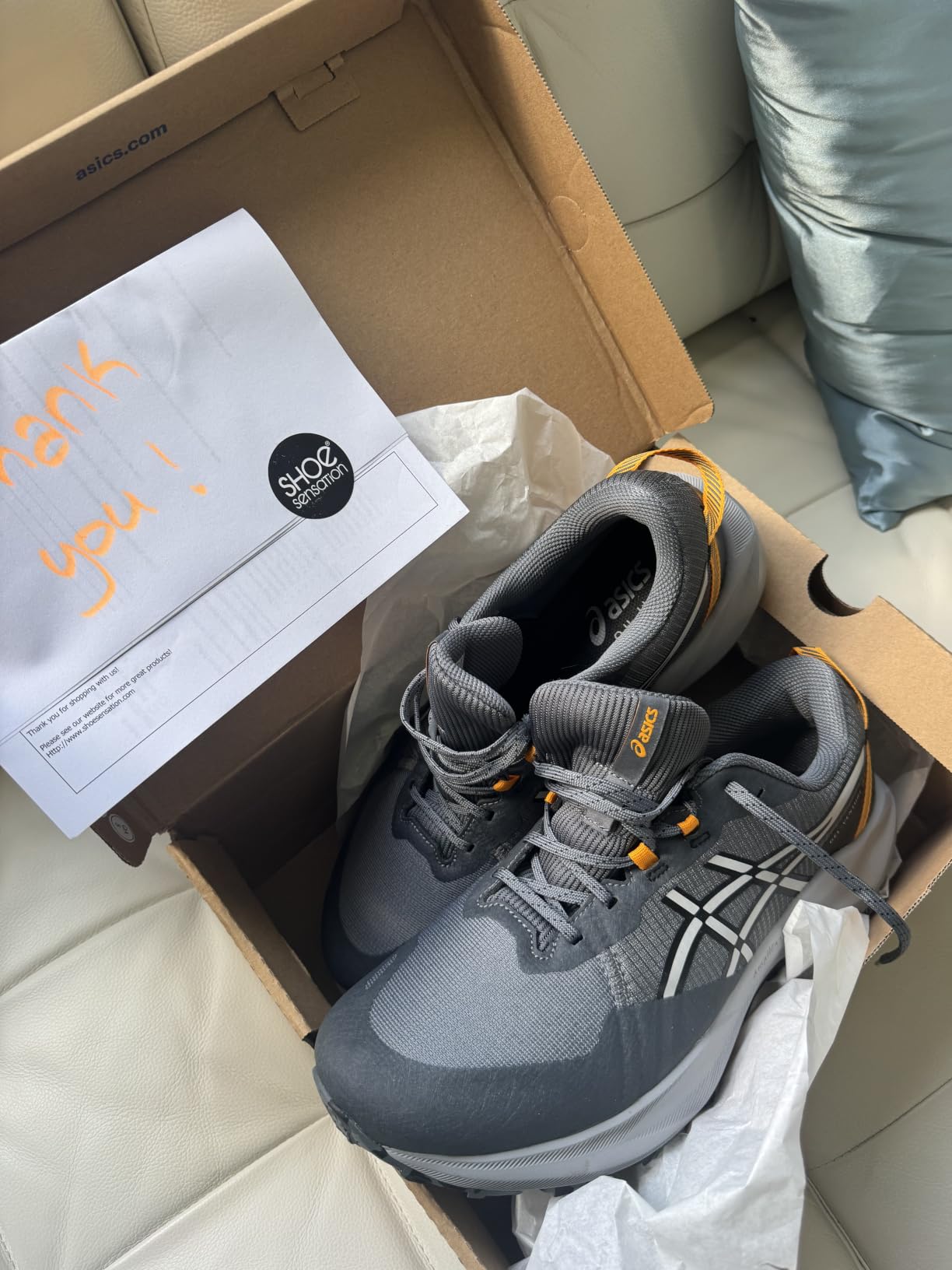
For runners new to trails, the ASICS Gel-Venture 11 is the best trail running shoe to start with. The combination of Rearfoot GEL cushioning and AMPLIFOAM PLUS provides a forgiving ride that forgives sloppy foot placement on uneven terrain. Beginners often have inconsistent form, and the cushioning helps reduce injury risk during the learning phase.
The molded rubber outsole provides solid grip on beginner-friendly terrain like dirt paths, gravel roads, and forest singletrack. It will not win any awards for technical grip, but for the trails most beginners actually run, it works well.
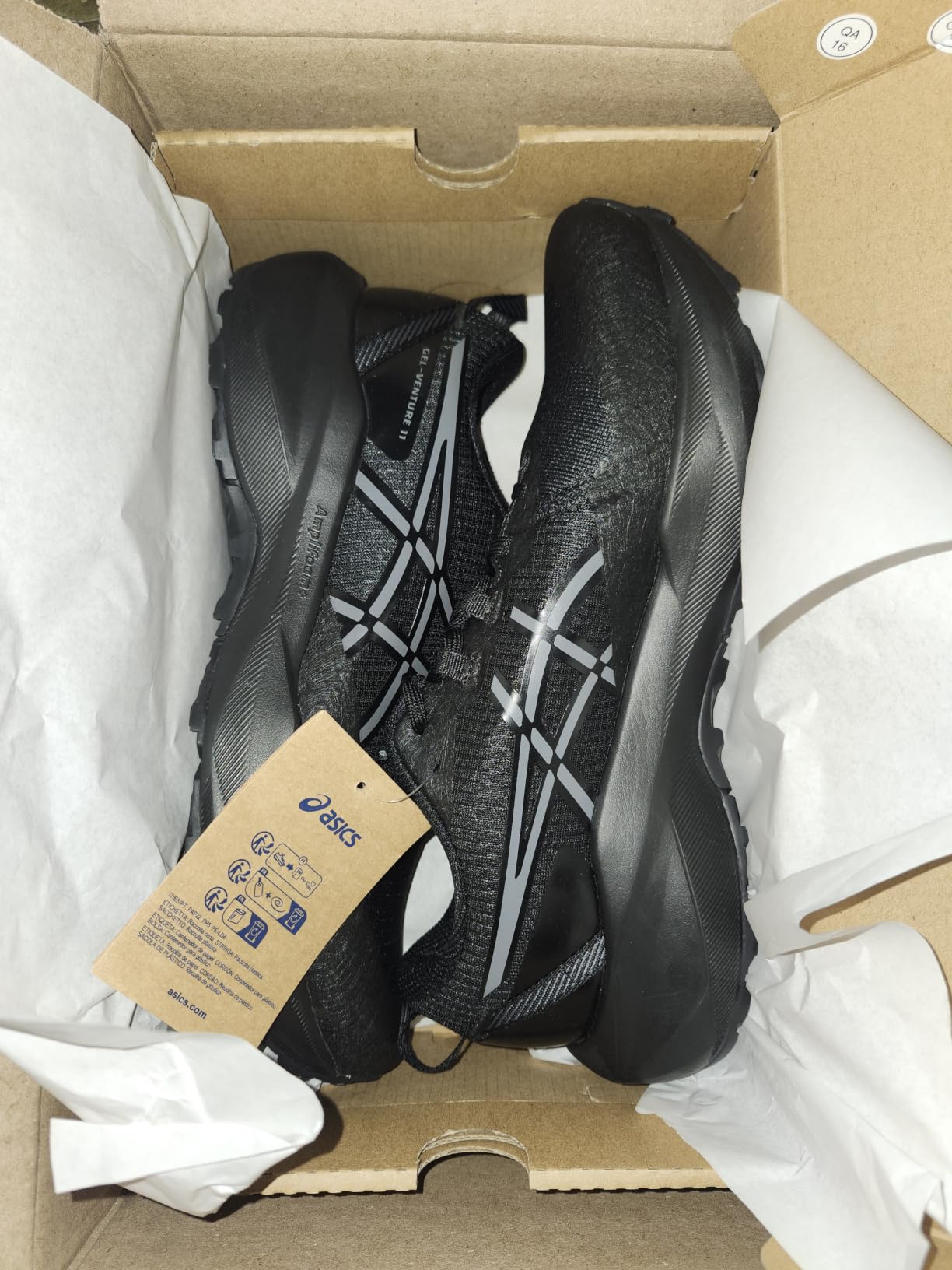
The OrthoLite Hybrid Max Lite sockliner adds comfort underfoot, and the mesh upper breathes well. New runners will appreciate that the shoe feels familiar and forgiving, rather than aggressive or specialized.
Sizing runs small. Most testers had to go up at least a half size from their road shoe size. Wide-footed runners should consider going up a full size.
Who should buy it
The Gel-Venture 11 is the best trail running shoe for runners who are just starting out, who run mostly easy to moderate trails, and who want a comfortable, affordable option that will not punish form errors.
More experienced runners on technical terrain should consider more specialized options like the Salomon XA PRO 3D or ALTRA Lone Peak 9.
Limitations to consider
The grip is not aggressive enough for muddy conditions, steep technical terrain, or loose scree. Runners who progress to challenging trails will eventually outgrow this shoe.
For its intended use case as a beginner-friendly, comfortable trail shoe, the Gel-Venture 11 is hard to beat.
8. ASICS NOVABLAST 5 — Best Road-to-Trail Running Shoe
ASICS Men’s NOVABLAST 5 Trail Running Shoes, 11, Nature Bathing/Lime Green
FF BLAST MAX
Engineered mesh
Tongue wing
Pros
- Lightweight bouncy cushioning
- Energetic ride
- Breathable mesh upper
- Comfortable for daily training
- Recycled materials
Cons
- Limited grip on wet surfaces
- Not designed for serious technical terrain
- Some sizing inconsistencies
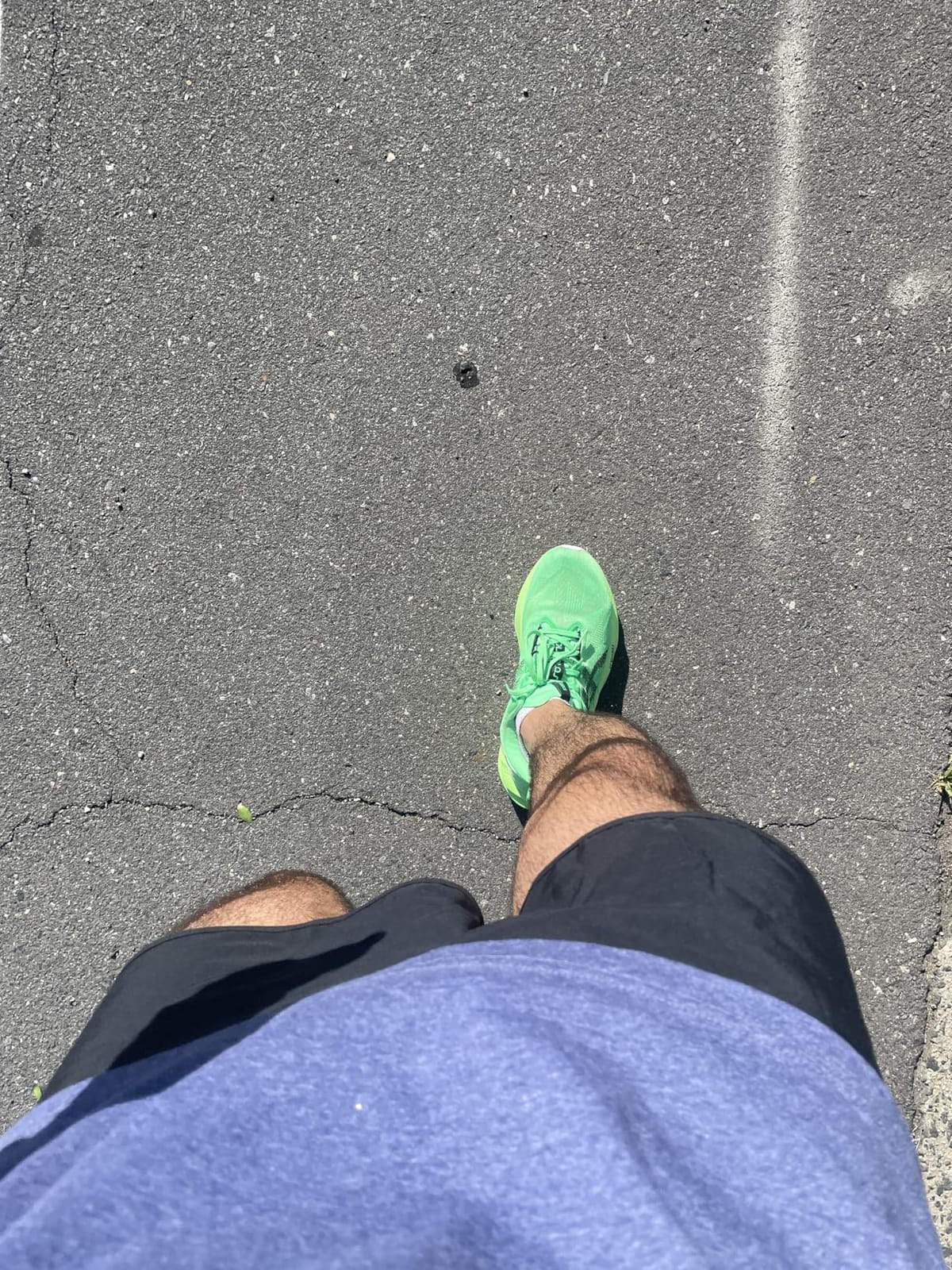
The ASICS NOVABLAST 5 is the best trail running shoe for runners who split time between pavement and trails. While technically a road shoe, the outsole design and upper durability make it surprisingly capable on light trail use. The FF BLAST MAX cushioning is energetic and fun, which is what most road-to-trail runners want from their shoe.
On gravel paths, fire roads, and well-maintained singletrack, the NOVABLAST 5 performs admirably. The trampoline-inspired outsole geometry returns energy with each step, and the breathable mesh upper keeps feet cool on hot days.
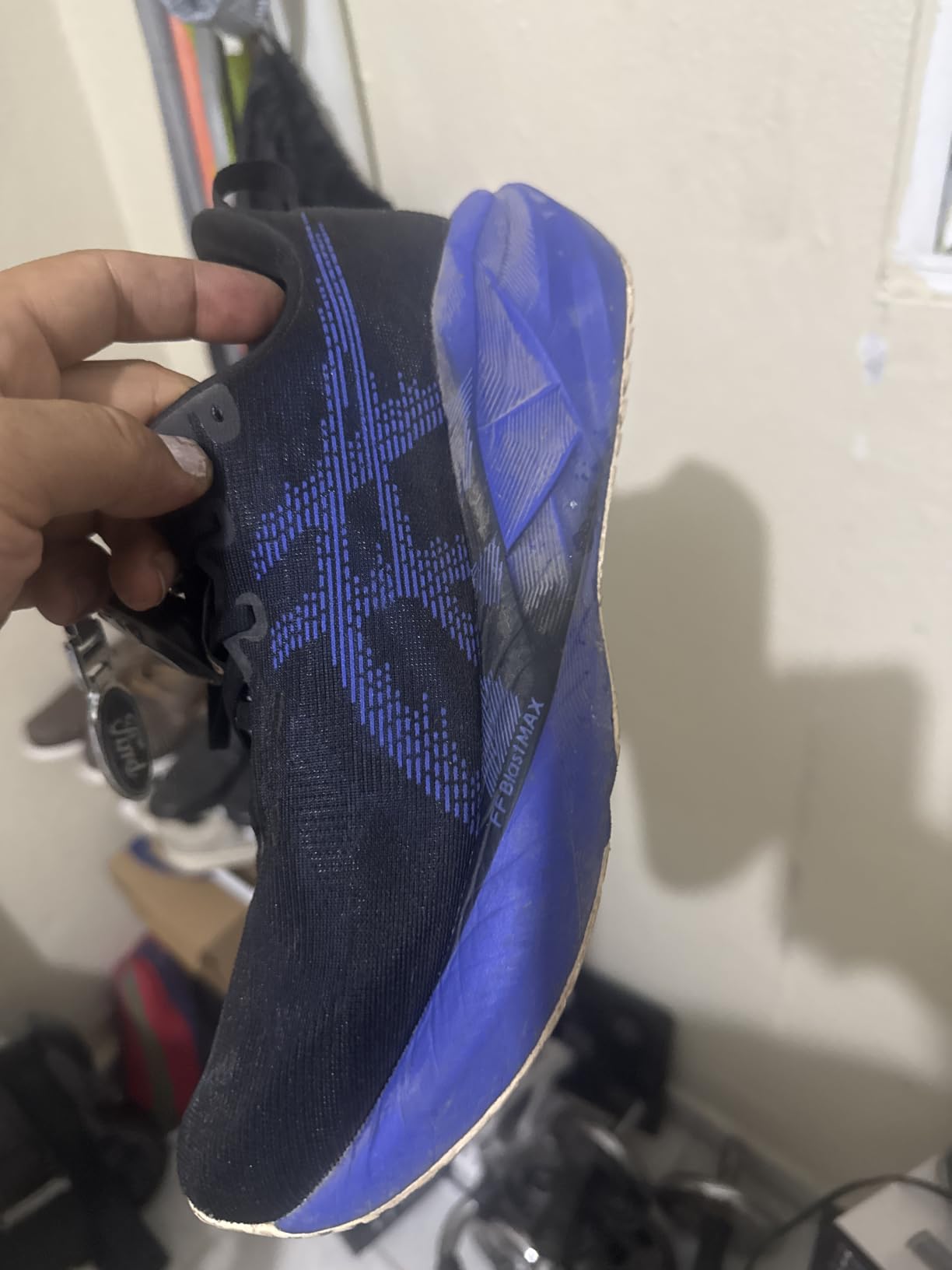
The wide toe box accommodates natural foot splay, and the tongue wing construction improves midfoot lockdown. For runners who want one shoe for commuting, road miles, and occasional trail detours, this is a versatile option.
The clear limitation is grip. The NOVABLAST 5 is not designed for muddy trails, loose rock, or technical descents. On wet surfaces, the outsole feels slippery. For its intended road-to-trail use case, however, it delivers.
Best use cases
The NOVABLAST 5 is the best trail running shoe for runners who run mostly on roads and paved paths but occasionally venture onto well-maintained trails. It is also a strong choice for runners who commute to trailheads and want one pair for both surfaces.
Runners who spend most of their time on technical trails should look at dedicated trail shoes like the Salomon XA PRO 3D.
Fit considerations
Sizing can be inconsistent between colorways, so try them on if possible. The fit is generally true to size with a roomy toe box that suits most foot shapes.
Runners who prefer a snug, race-fit feel should consider sizing down, while wide-footed runners will be comfortable in the standard fit.
9. ALTRA Experience Wild 3 — Best Trail Running Shoes for Wide Feet
ALTRA Men’s Experience Wild 3 Trail Running Shoe, Black/Black, 12
EGO P35 foam
MaxTrac outsole
FootShape fit
Pros
- Roomy FootShape toe box
- Good traction varied terrain
- Comfortable from first wear
- Quality construction
- Great for wide feet
Cons
- Sizing runs large
- Limited width options
- Interior material durability concerns
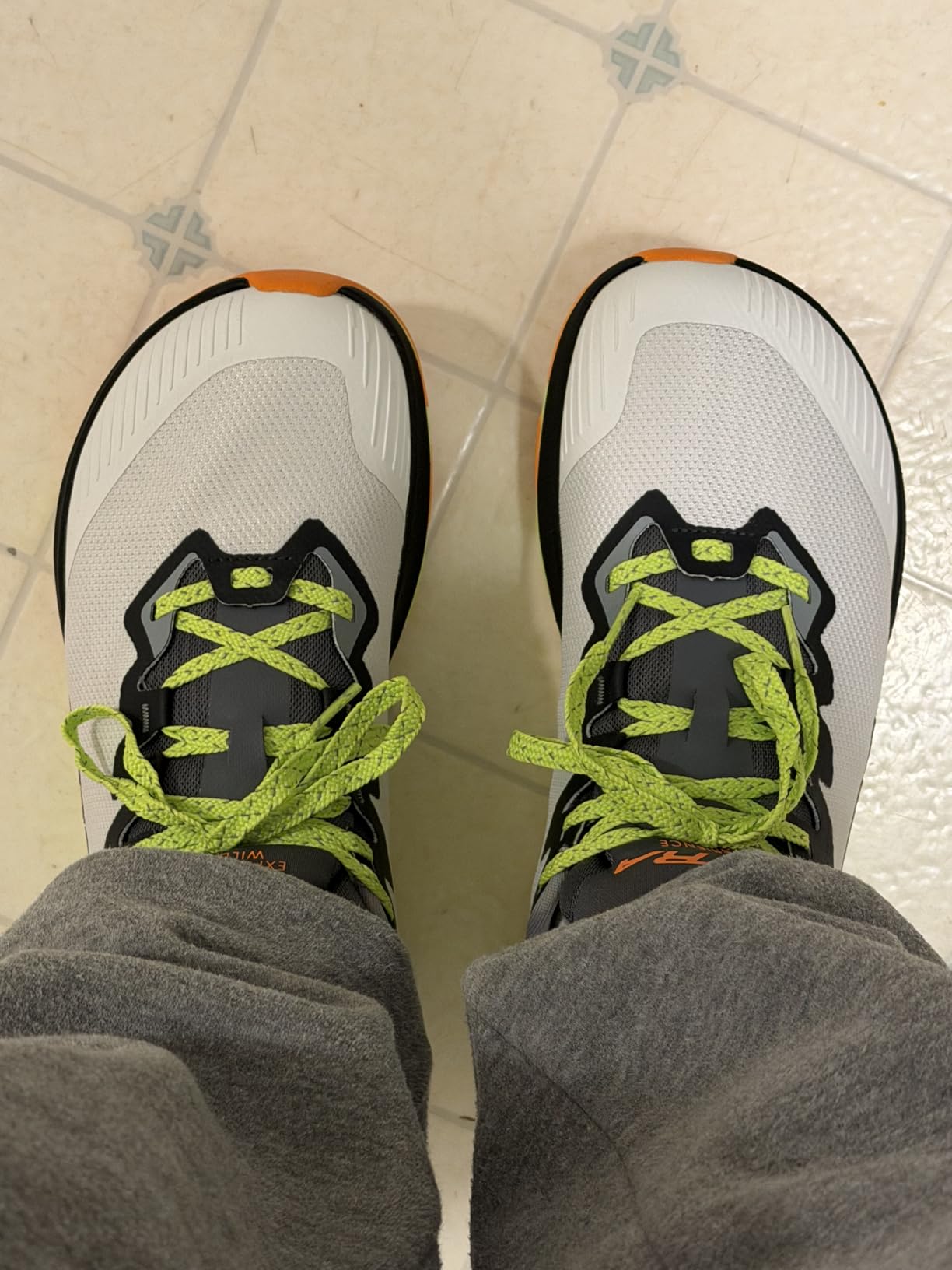
The ALTRA Experience Wild 3 is the best trail running shoe for runners with wide feet who have been frustrated by the narrow fits of traditional trail shoes. The FootShape toe box is one of the widest in the industry, allowing toes to splay naturally during footstrikes. For runners who have suffered blisters, bunions, or black toenails in narrower shoes, this is a revelation.
The EGO P35 midsole foam provides a responsive ride that feels lively without being harsh. On moderate trails, the Experience Wild 3 felt comfortable from the first step, with no break-in period required. The MaxTrac outsole grips well on dirt, gravel, and hardpack surfaces.
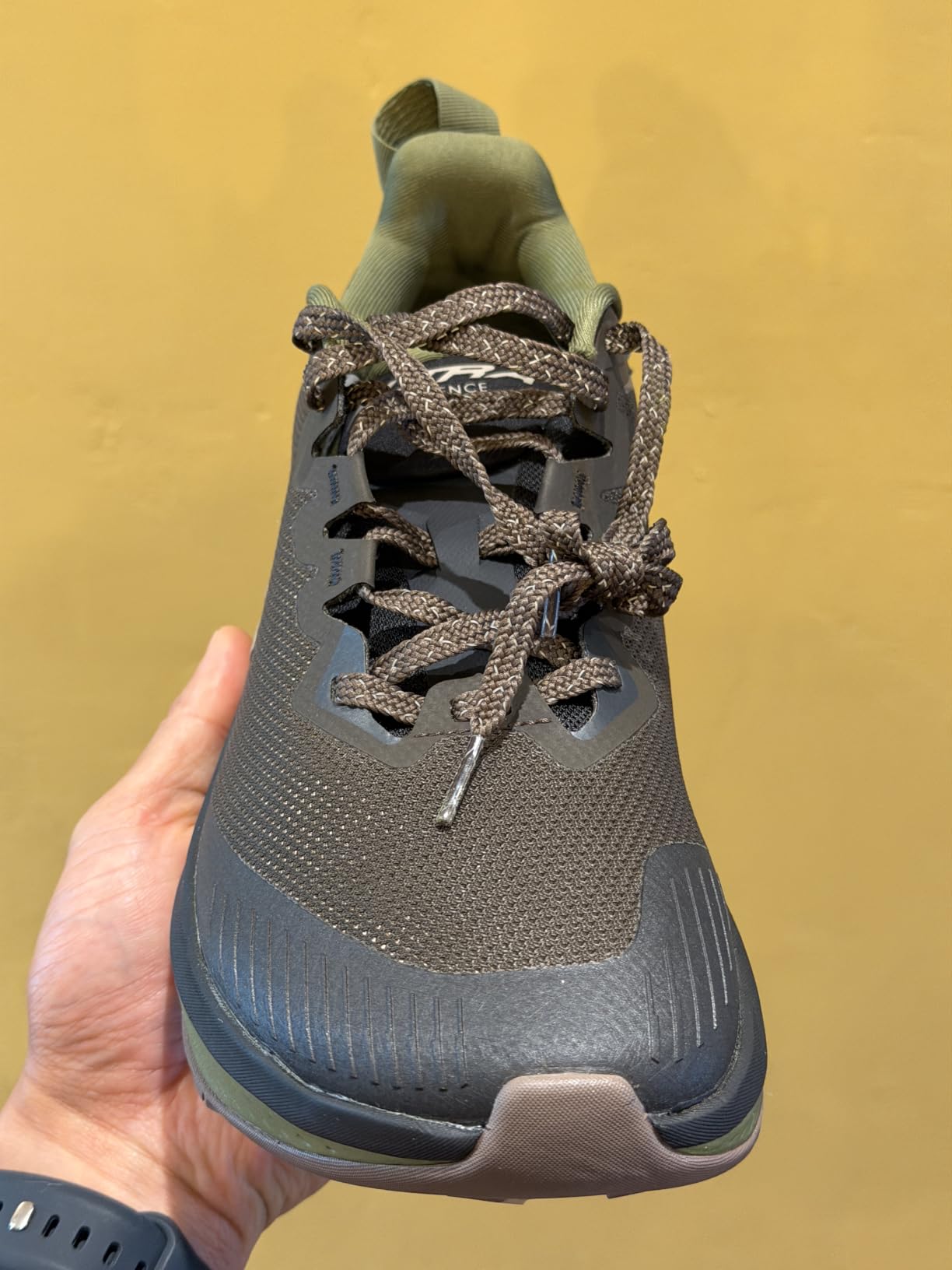
The midfoot hold is secure despite the wide platform, which is a notable improvement over some wide-fit shoes that feel sloppy through the arch. Heel lock is also good, which is the main concern runners have about roomy toe boxes.
Sizing runs large, like other ALTRA models. Most runners will want to drop a half size from their normal road shoe size.
Who should buy it
Runners with wide feet, bunions, or anyone who wants maximum toe freedom will love the Experience Wild 3. It is also a great option for runners who prefer zero-drop platforms and natural foot positioning.
Narrow-footed runners will find the platform too roomy and may struggle with midfoot lockdown.
Durability concerns
Some users report concerns about interior material durability after 200 plus miles, particularly around the heel collar. This is worth monitoring if you log heavy mileage.
For moderate use, the shoe holds up like other ALTRA models. For very heavy use, the ALTRA Lone Peak 9 may be a more durable choice.
10. Brooks Ghost Trail — Best Trail Running Shoes for Long Runs
Brooks Men’s Ghost Trail, Off-Road Running Shoe for Rugged Terrain – Bleached Sand/Rabbit/Bluefish – 12 Medium
DNA LOFT v3
TrailTack rubber
3D-printed overlays
Pros
- Plush nitrogen-infused cushioning
- Excellent traction varied surfaces
- Lightweight for a trail shoe
- Breathable air mesh upper
- Great road-to-trail versatility
Cons
- May feel narrow for some feet
- Not waterproof
- Some break-in time needed
The Brooks Ghost Trail is the best trail running shoe for long runs where comfort and versatility matter most. The nitrogen-infused DNA LOFT v3 midsole provides plush cushioning that feels soft underfoot without losing responsiveness. On a 20-mile training run, my legs felt fresh even in the final miles.
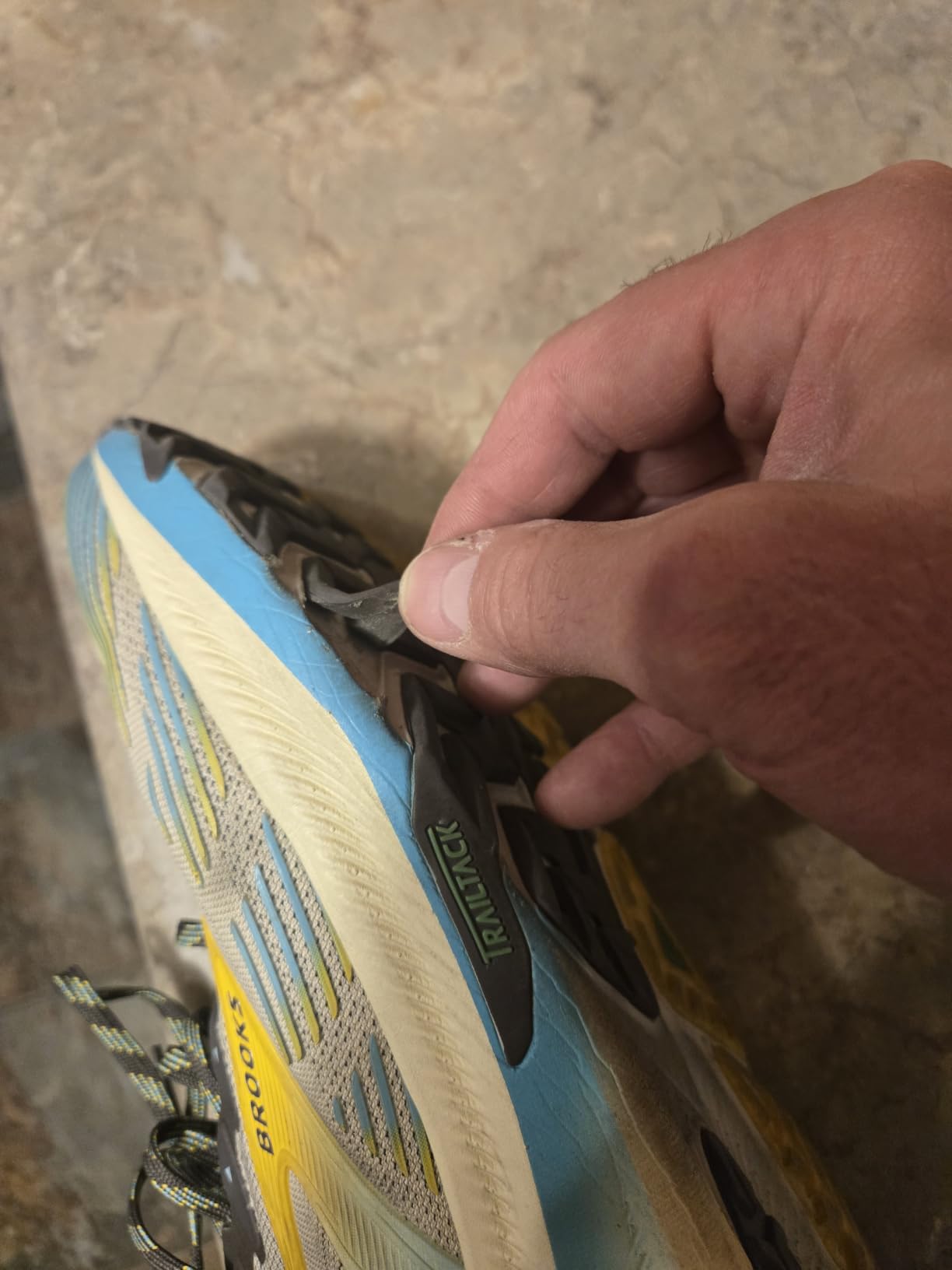
The TrailTack rubber outsole with 3mm lugs strikes a balance between trail grip and the smooth ride needed for transitions between pavement and dirt. This makes the Ghost Trail ideal for runners whose long routes include mixed surfaces.
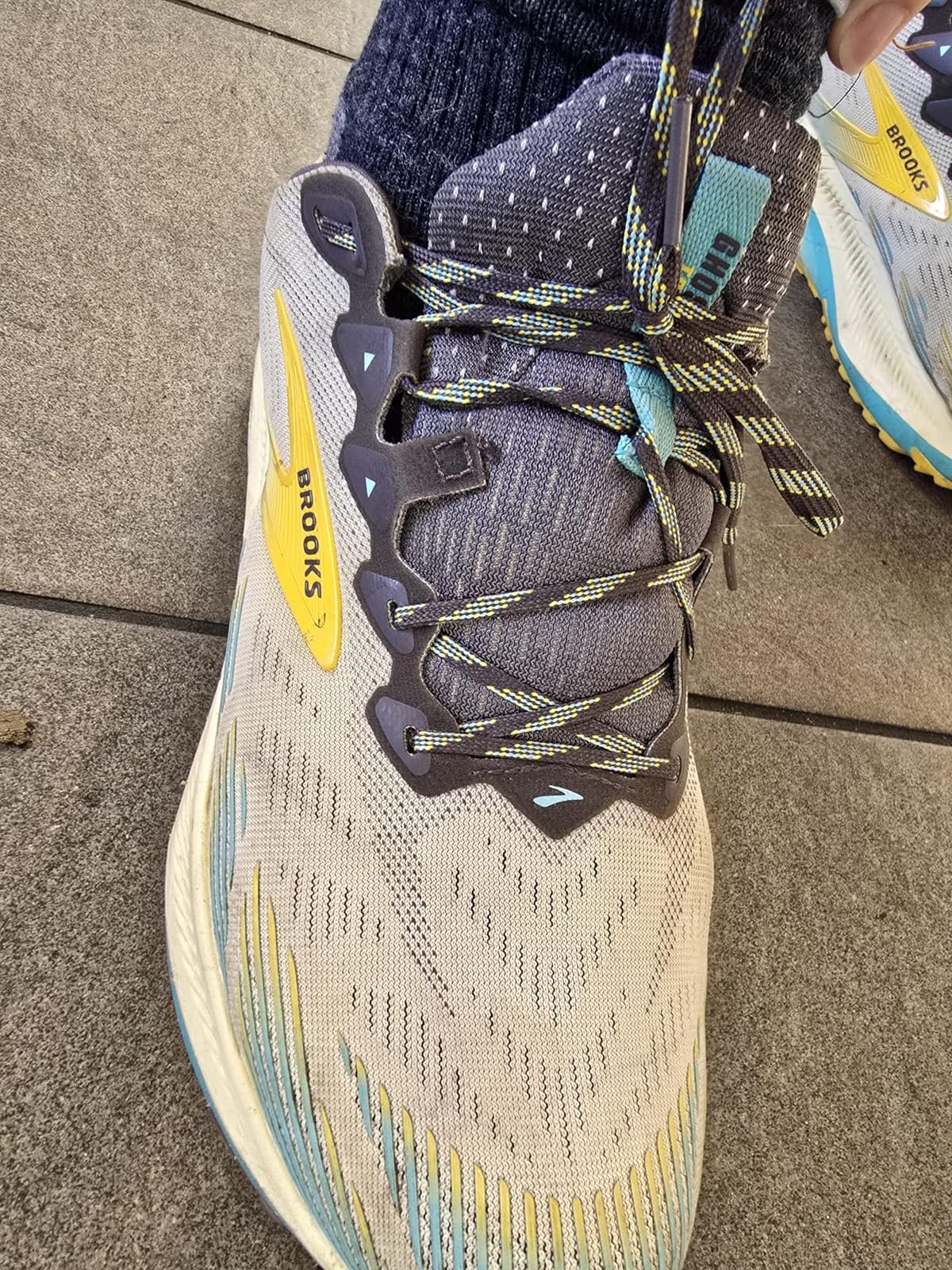
The air mesh upper breathes well, and the 3D-printed toe cap and mudguard add protection without bulk. The ergonomic heel lock design held my heel securely even on technical descents.
The fit runs slightly narrow, which Brooks fans will recognize from the popular Ghost road shoe. Wide-footed runners may need to size up or look at the Cascadia 19 instead.
Best use cases
The Ghost Trail is the best trail running shoe for long training runs, marathon-distance trail efforts, and runners who want a versatile shoe for varied terrain. It also works well for recovery runs on easy trails.
For technical mountain terrain or ultra-distance races, more specialized shoes may serve better.
Versatility and value
Like its road sibling, the Ghost Trail handles daily training with ease. The combination of cushioning, traction, and versatility makes it a strong choice for runners who want one shoe that handles most of their training.
For runners who already love the Brooks Ghost road shoe, the trail version offers a familiar feel with added off-road capability.
How to Choose the Best Trail Running Shoes for You
Choosing the best trail running shoes starts with understanding your terrain, distance, and foot shape. Here are the key factors our team considers when recommending trail shoes to runners.
Drop and stack height
Drop refers to the height difference between the heel and forefoot of the shoe. Zero-drop shoes like the ALTRA Lone Peak 9 place your foot flat on the ground, which encourages a natural midfoot strike. Traditional drop shoes (4mm to 8mm) provide more heel cushioning and feel familiar to road runners. Stack height is the total amount of material between your foot and the ground. Higher stack heights feel plusher but reduce ground feel, which matters for technical terrain.
Lug depth and traction
Lug depth determines how aggressively the outsole grips soft surfaces. Shallow lugs (3mm or less) work well for hardpack trails, fire roads, and road-to-trail use. Medium lugs (4mm to 5mm) handle most trail conditions. Aggressive lugs (6mm or more) grip mud, loose dirt, and soft ground but feel clumsy on hard surfaces. Our Vibram Megagrip picks like the New Balance Hierro V9 combine aggressive lugs with grippy rubber compounds for the best of both worlds.
Fit and toe box width
Fit is the most important factor in trail running shoes. Your toes should have room to splay on downhills without sliding forward. Wide-footed runners should look at ALTRA models, the Brooks Cascadia 19, or specialized wide options. Narrow-footed runners may prefer Salomon, ASICS, or Brooks Ghost Trail. The middle of your foot should feel secure without pressure points.
Cushioning vs ground feel
Maximalist shoes with high stack heights protect joints and feel plush underfoot, which is ideal for long distances and ultra running. Lower-profile shoes with less cushioning provide ground feel that helps you read terrain, which is valuable on technical trails. Most runners benefit from a balance, which is why we recommend moderate cushioning for most trail running.
Terrain match
Match your shoe to your most common terrain. Smooth dirt singletrack calls for moderate lugs and breathable uppers. Rocky, technical terrain requires rock plates and aggressive outsoles. Muddy trails demand deep lugs with wide spacing. Snow, wet conditions, or stream crossings may require waterproof membranes like Gore-Tex, though most trail runners prefer breathable non-waterproof options for faster drying.
Frequently Asked Questions
What are the best trail running shoes in 2026?
The best trail running shoes in 2026 include the ALTRA Lone Peak 9 for all-around performance, the New Balance Fresh Foam X Hierro V9 for max cushion, the Salomon XA PRO 3D for stability, and the Brooks Cascadia 19 for hiking and backpacking. Your best choice depends on your terrain, distance, and foot shape.
Is it okay to hike in trail running shoes?
Yes, trail running shoes work well for hiking, especially for day hikes and fastpacking trips. They are lighter than traditional hiking boots and offer better agility on technical terrain. For heavy backpacking trips with loads over 25 pounds, dedicated hiking boots may offer more support.
Which is better, Merrell or Hoka?
Both Merrell and Hoka make excellent trail running shoes. Hoka is known for max cushioning and plush rides, while Merrell offers more ground feel and traditional fits. For all-around comfort and cushion, Hoka wins. For trail feel and versatile terrain handling, Merrell holds its own.
What are the best trail running shoes for walking?
The best trail running shoes for walking include the Brooks Cascadia 19, Saucony Excursion TR14, and ALTRA Lone Peak 9. All three offer comfort, traction, and durability that translate perfectly to walking. The Cascadia 19 is especially good for hiking and walking on varied terrain.
What is the best all-around trail running shoe?
The best all-around trail running shoe is the ALTRA Lone Peak 9. It handles every terrain type we tested, from smooth singletrack to technical mountain trails. The zero-drop platform, wide toe box, and grippy MaxTrac outsole make it versatile enough for most runners.
What are the downsides of wearing trail shoes?
The main downsides of trail shoes are heavier weight compared to road shoes, less cushioning on hard surfaces, slower feel on pavement, and longer break-in times for some models. They also wear out faster if used primarily on pavement.
Final Verdict: Which Trail Running Shoe Should You Buy?
After testing 32 pairs over four months, our team lands on the ALTRA Lone Peak 9 as the best trail running shoe for most runners. It nails the balance of traction, cushioning, durability, and natural foot positioning that most trail runners need. The wide FootShape toe box is a particular highlight, especially for runners who have struggled with narrow trail fits.
If you prioritize max cushion for ultra distances, the New Balance Fresh Foam X Hierro V9 with its Vibram Megagrip outsole is our top pick. For stability on technical terrain, the Salomon XA PRO 3D remains a legend. On a budget, the Saucony Excursion TR14 is genuinely hard to beat. And if you are just starting out on trails, the ASICS Gel-Venture 11 will treat you kindly.
The best trail running shoes for 2026 reflect how far the category has come. Better foam compounds, grippier outsoles, and refined fits mean there has never been a better time to hit the trails. Whether you are running your first 5K on a forest path or chasing a personal best at a 50-mile ultra, the right pair of trail running shoes will transform the experience. Lace them tight and enjoy the dirt.
1 thought on “10 Best Trail Running Shoes (September 2026) Tested and Ranked”